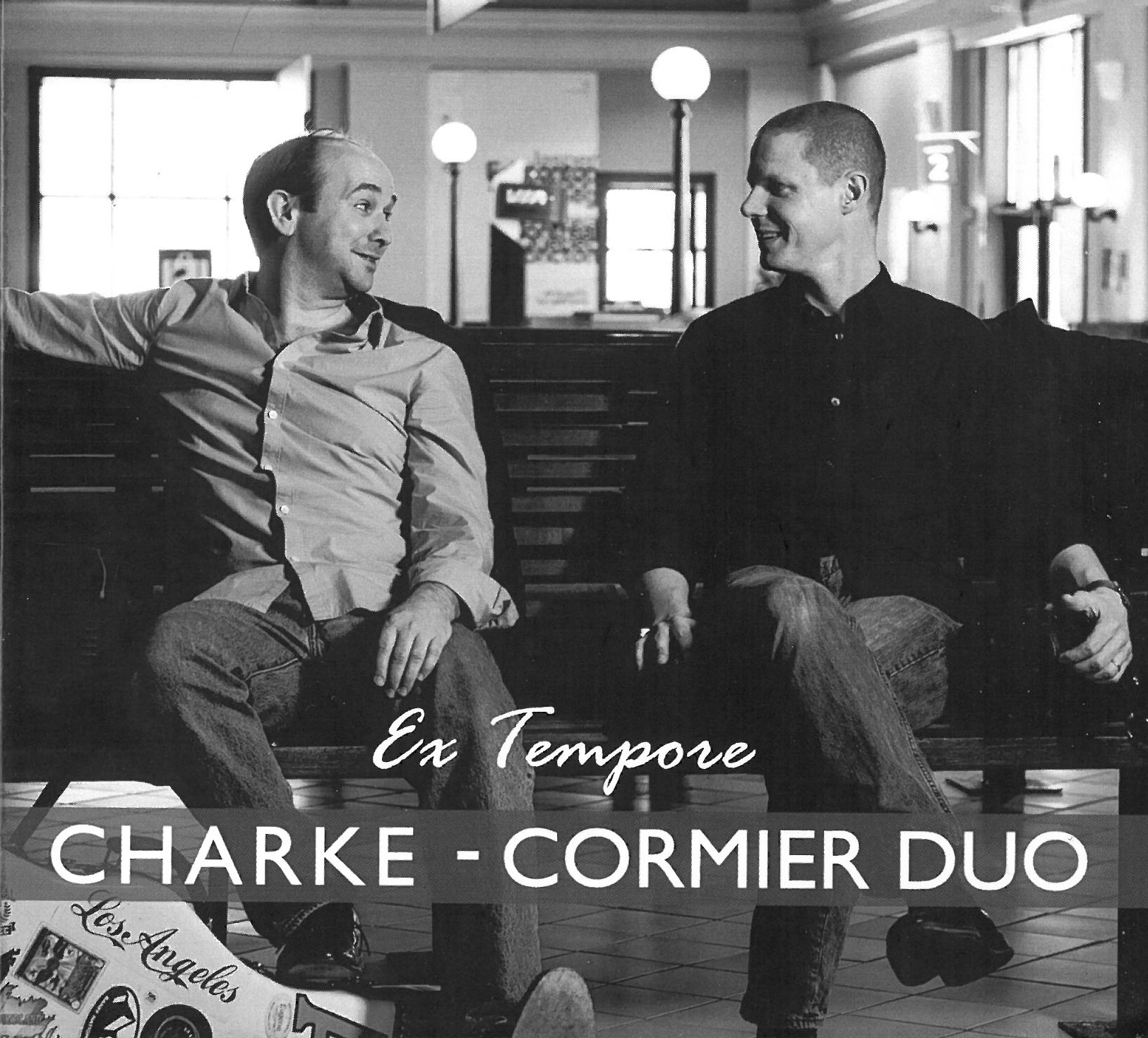
06 Charke Cormier DuoEx Tempore
Charke - Cormier Duo
Leaf Music LM220 (leaf-music.ca)

Flutist Derek Charke and guitarist Eugene Cormier perform with intelligence and passion in their debut release. Both teach at Acadia University, and are well respected Maritime musical personalities. Here they play, produce, engineer and master terrific, clear, stylistically diverse music.

The track Ex Tempore, composed by Charke, is a composed/improvised work for bass flute and guitar that lives up to its title. Note-bending during lengthy dramatic extended-technique bass flute phrases is heard against the guitar-driven rhythm and tonality, all in a spontaneous yet controlled direction, until the final satisfying guitar tone fades. Turning back the clock, Cormier’s arrangement of four Scarlatti harpsichord sonatas allows the duo’s tight ensemble playing to shine especially in the slow, true-to-Baroque quality, Sonata in F Major, K296, L198. Likewise the Presto of the Sonata in F Major K445, L385 features melodic interchanges between the instruments and well-placed lower guitar detached notes. Cormier arranges Peter Maxwell Davies’ 1980 Farewell to Stromness into a straightforward Scottish folk music-tinged piece with Celtic subtleties.

Nesyba’s arrangement makes for a sensitive performance of Debussy’s piano classic La fille aux cheveux de lin, while Mosoczi’s take on Handel’s four-movement Sonata in A Minor HMV 362, Op.1, No. 4 showcases detached note effects. Machado’s Musiques populaires brésiliennes are six 1980s works for flute and guitar based on traditional Brazilian music encompassing toe-tapping, happy sounds.

This is a fabulous debut!

07 La Patrie Our CanadaLa Patrie/Our Canada – Canadian Orchestral Music 1874-1943
Symphonova Orchestra; Shelley Katz
Centrediscs CMC CD 25618 (musiccentre.ca)

Bringing unrecorded music to life is exciting, but this disc’s innovative means make it miraculous! Remarkable UK-based Canadian conductor and inventor Shelley Katz leads the Symphonova Orchestra, employing proprietary technologies developed for digital baton control and acoustic design that augment the playing of solo musicians up to the sound of a full orchestra. La Patrie/Our Canada: Canadian Orchestral Music 1874-1943 shows Symphonova making significant and intriguing heritage repertoire available to us for the first time. One example is Ernest MacMillan’s Overture (1924, written for the Toronto Symphony), a substantial post-Romantic work with a Scottish tinge, beautifully harmonized and orchestrated, with sound convincing enough that I was fully drawn into the work.

In the disc’s opener, Calixa Lavallée’s charming concert overture La Patrie (first performed in 1874), it took time to adjust to the string tone: cooler and with less bow presence than that of an orchestra section. But after that, listening went smoothly: Rodolphe Mathieu’s early atonal Trois Préludes (1912-15) are attractive with a hint of mystery; I was ready for the convincing string writing in Georges-Émile Tanguay’s Pavane (1936) and Murray Adaskin’s Serenade for Strings (1934). And now gaps in our knowledge of major Canadian composers are being filled with Violet Archer’s witty, never-played Capriccio for Hand Timpani (1939) and John Weinzweig’s radio suite Our Canada (1943). Seeking out archival-quality orchestral recordings of seldom-heard works I’m used to. But acoustically this CD brings more listening pleasure, and I look forward to listening again.

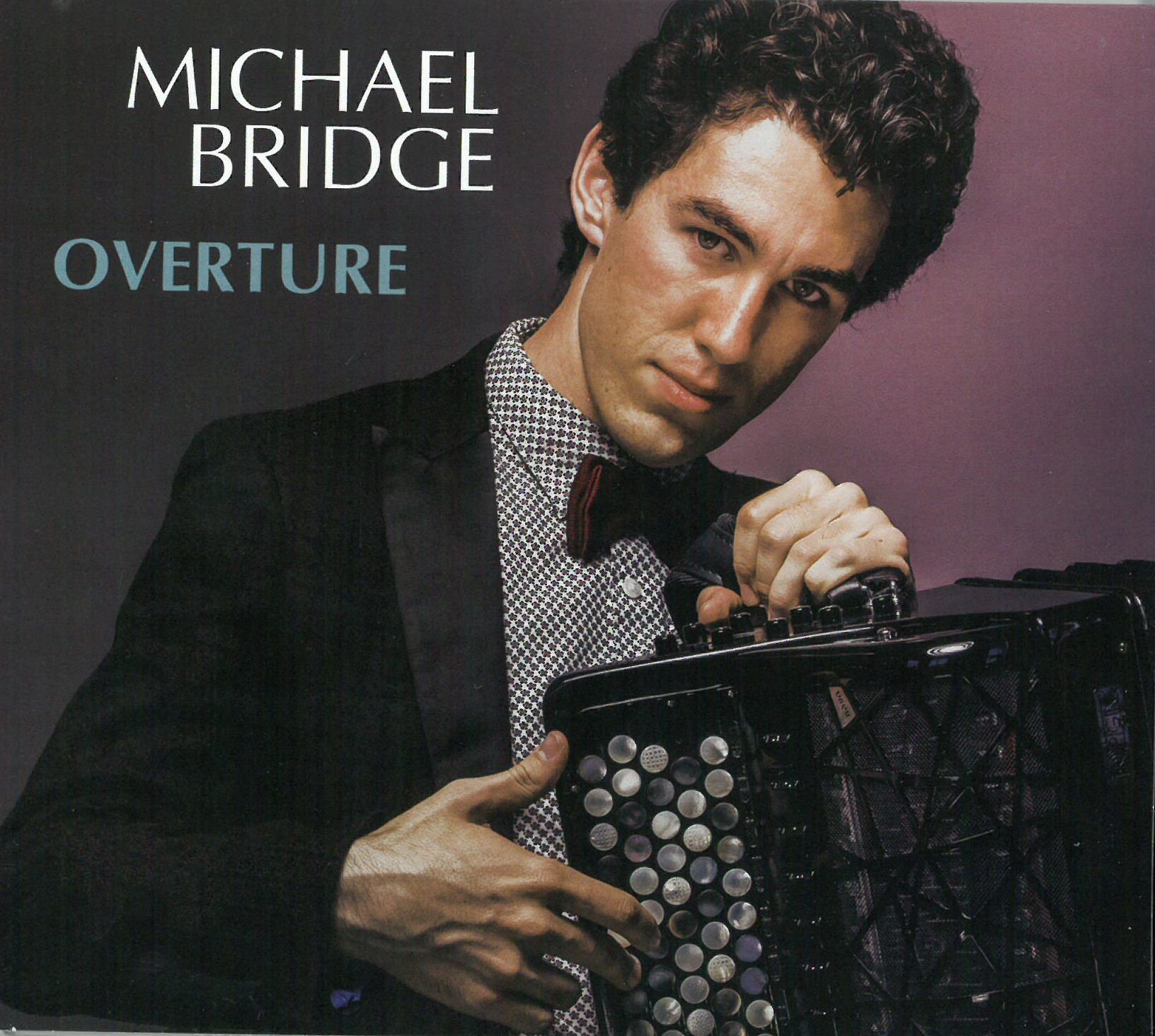
08 Michael BridgeOverture
Michael Bridge
Independent MB2001 (michaelbridgemusic.com)

Canadian accordionist Michael Bridge triumphs technically and musically in all styles in his debut solo album, a recent CBC Album of the Week.

Bridge plays two different accordions, a Pigini Nova acoustic free bass, and a Roland digital instrument. His acoustic accordion features single tones on the left hand, allowing for wide pitch range/combination possibilities. Both Makkonen’s original Tango-Toccata and Friedrich Lips’ transcription of Khachaturian’s Tokkata are virtuosic accordion repertoire mainstays. Their tricky technical and dynamic challenges are performed with ease. Bridge’s composition Intoxicating features upbeat, tango-flavoured dance qualities. All the other tracks are Bridge arrangements. A solid contrapuntal feel, balance of lines, precise ornamentation and steady rhythms make his transcription of Bach’s French Suite No.5 a contemplative listen. Avetisyan’s Tzaghgatz Baleni is a lush dramatic tune with the same mood transcending into Cohen’s widely covered Hallelujah, as an interesting low-pitched start soars higher for more grounded accordion vocalizations. Mancini’s Moon River drifts from simple line statement to flourishes, left-hand chords and a rubato feel fitting to Bridge’s personal take.

Listeners unfamiliar with the Roland’s synthesizer abilities will be shocked to hear how close to the original full symphonic sound one accordion played by one performer in one take is in Tchaikovsky’s 1812 Overture, the more laid-back jazz band drums and bass in Garner’s Misty, and the brief self-explanatory Orchestral Tuning.

As an accordionist myself, what I really appreciate and admire in Bridge’s playing is his conviction, tenacity and dedication in all he plays. Bravo!

Listen to 'Overture' Now in the Listening Room

01 Gandelsman BachThere’s another outstanding set of the J.S. Bach Sonatas & Partitas for Violin, this time by the New York violinist Johnny Gandelsman, a member of Yo-Yo Ma’s Silk Road Ensemble, on his own In a Circle Records label (ICR010 johnnygandelsman.com). No stranger to crossover styles, Gandelsman cites Irish fiddle bowing and Béla Fleck banjo left-hand chord shapes as influences on his approach to the problems posed by these astonishing works, and there’s certainly a freedom, vitality and a strong sense of character that makes the performances immensely satisfying.

Gandelsman uses gut strings on a modern violin and a transitional bow – YouTube footage of his concert performances shows him holding it a few inches above the frog – and his bowing is effortlessly smooth and controlled, dancing through the faster movements and surmounting the multiple-stop issues with clarity and ease. He’s never afraid to take the time to let phrases breathe, but never loses a fine sense of melodic line or rhythmic pulse. Nothing ever sounds heavy or forced.

It’s simply brilliant playing, on a par with the very best in an intensely competitive field.

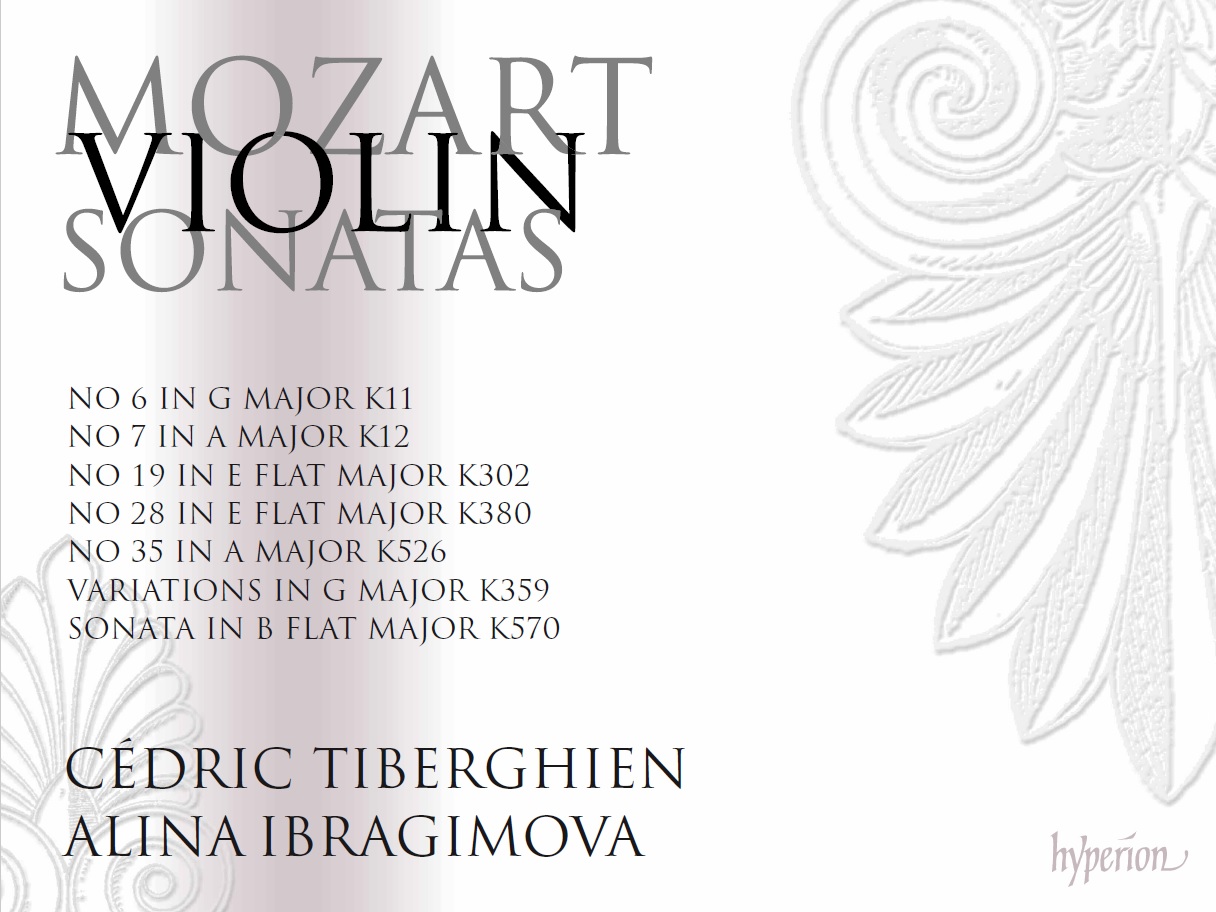
02 Mozart Voilin Sonatas bookletThe 2-CD set Mozart: Violin Sonatas Vol.5 is the final issue in the complete series of Mozart’s sonatas for keyboard and violin – including the 16 juvenile sonatas – by the outstanding duo of violinist Alina Ibragimova and pianist Cédric Tiberghien (Hyperion CDA68175 hyperion-records.co.uk). This disc has the Sonatas in G major K11 and A Major K12, the two Sonatas in E-flat Major K302 and K380, the Sonata in A Major K526 and the Variations in G Major K359. An interesting addition is the Sonata in B-flat Major K570, Mozart’s penultimate piano sonata that appeared in print some five months after Mozart’s death with an added anonymous violin accompaniment.

This is the first volume from this set that I’ve heard, and the previous volumes garnered rave reviews. It’s easy to hear why: this duo always works so well together, and can find depth and expression in even the simplest movements. Judging by this beautifully recorded final issue it’s a set that will bear comparison to any.

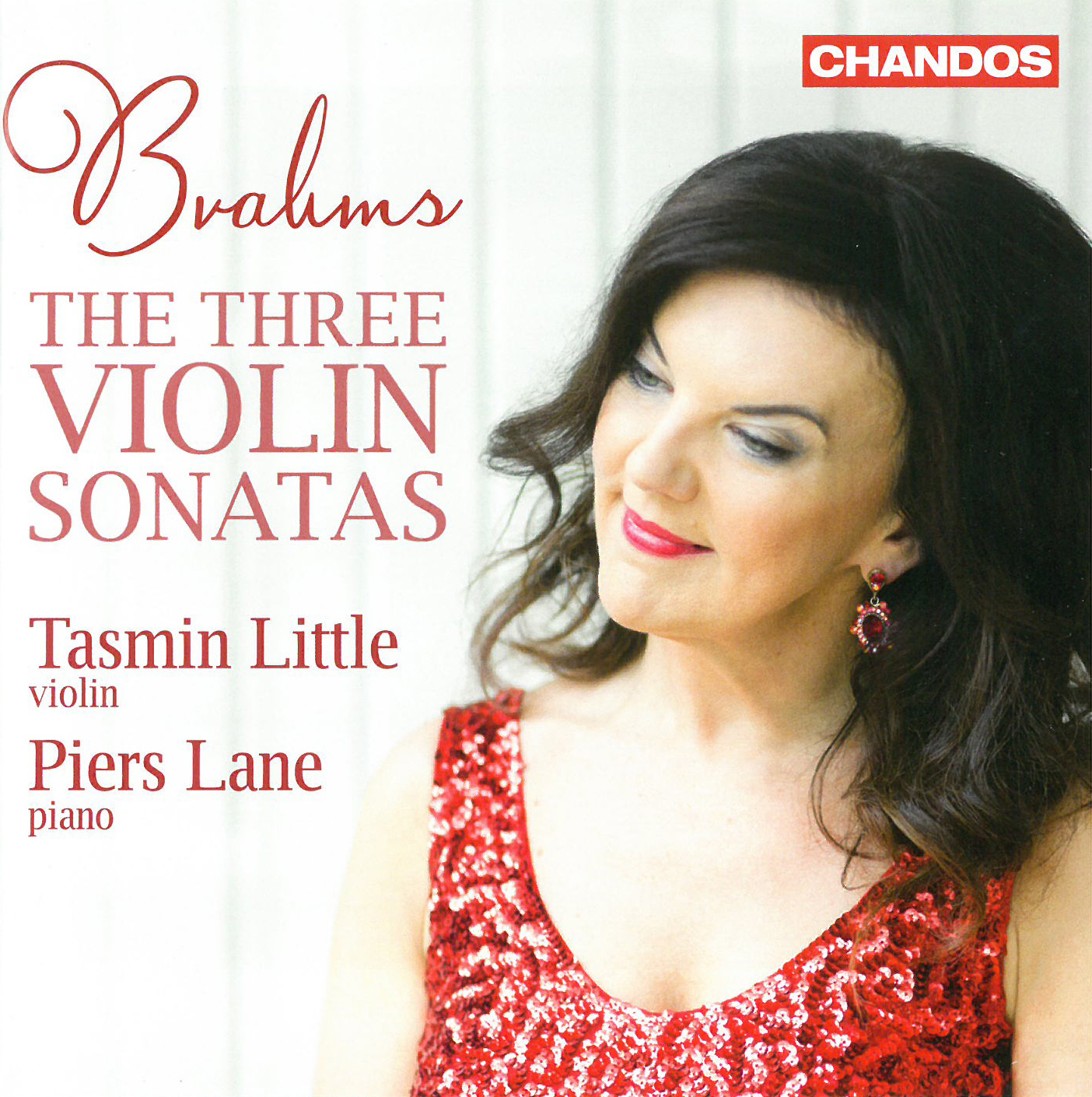
03 Little BrahmsThere’s another truly lovely set of the Brahms Three Violin Sonatas, this time with the outstanding English violinist Tasmin Little and her regular partner Piers Lane (Chandos CHAN 10977 chandos.net). There’s a beautifully measured opening to the Sonata in G Major Op.78 – always a good indicator of what’s to come – with full, warm playing and a finely judged pulse and tempo. There’s lyricism, expression and passion when called for in all three sonatas.

The rich tone of Little’s 1757 Guadagnini violin is matched by Lane’s Steinway Model D concert grand in as satisfying a set of these works as you could wish to hear.

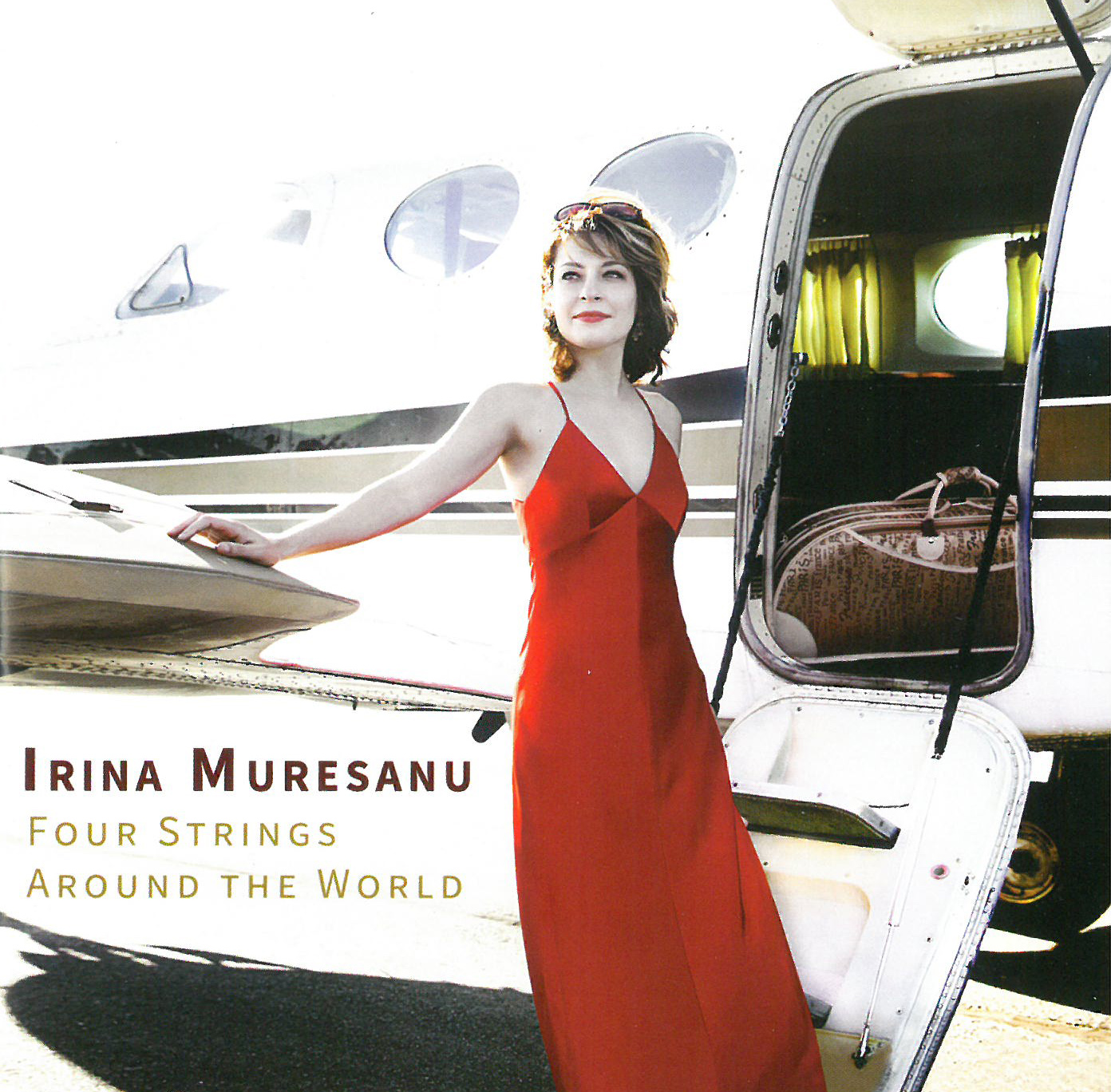
04 Irina MuresanuFour Strings Around the World is a quite stunning solo CD from the Romanian-born violinist Irina Muresanu that features diverse musical styles from across Europe, the Middle East, Asia and both North and South America (Sono Luminus DSL-92221 sonoluminus.com). Muresanu introduced her Four Strings Around the World project in 2013 after her difficulty in learning Mark O’Connor’s Cricket Dance led her to explore worldwide non-traditional violin styles.

Enescu’s Airs in Romanian Folk Style opens the disc, with works by Ireland’s Dave Flynn, Iran’s Reza Vali, India’s Shirish Korde and China’s Bright Sheng surrounding Paganini’s 24th Caprice, Kreisler’s Recitativo and Scherzo Op.6 and a strongly melodic reading of the Bach D Minor Chaconne. Then it’s Piazzolla’s Tango Étude No.3 and a work by Chickasaw Nation composer Jerod Impichchaachaaha’ Tate before the short Cricket Dance that apparently gave Muresanu so much trouble.

Not that you would know it – complete with foot stomps, it’s a simply dazzling end to one of the best solo CDs I’ve heard.

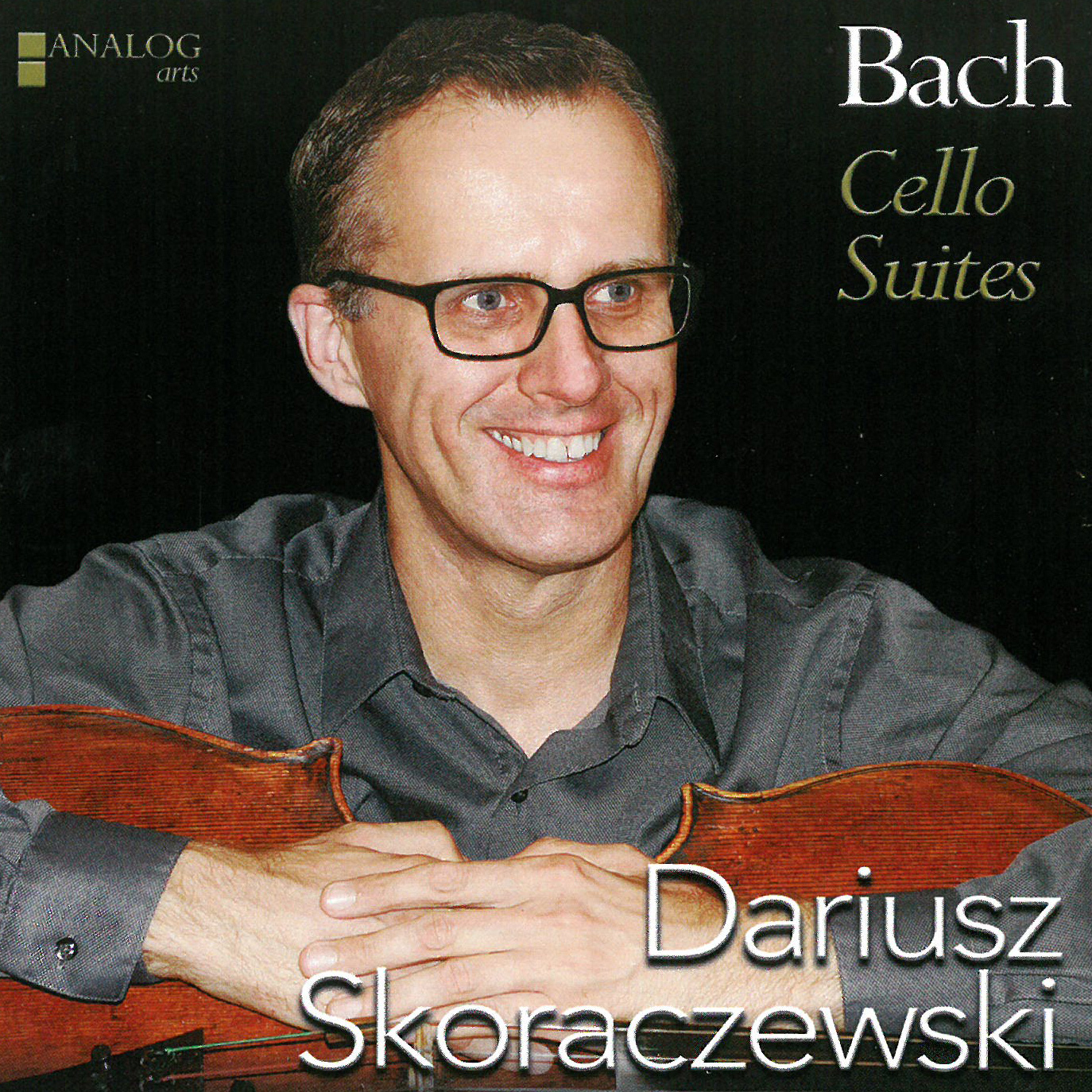
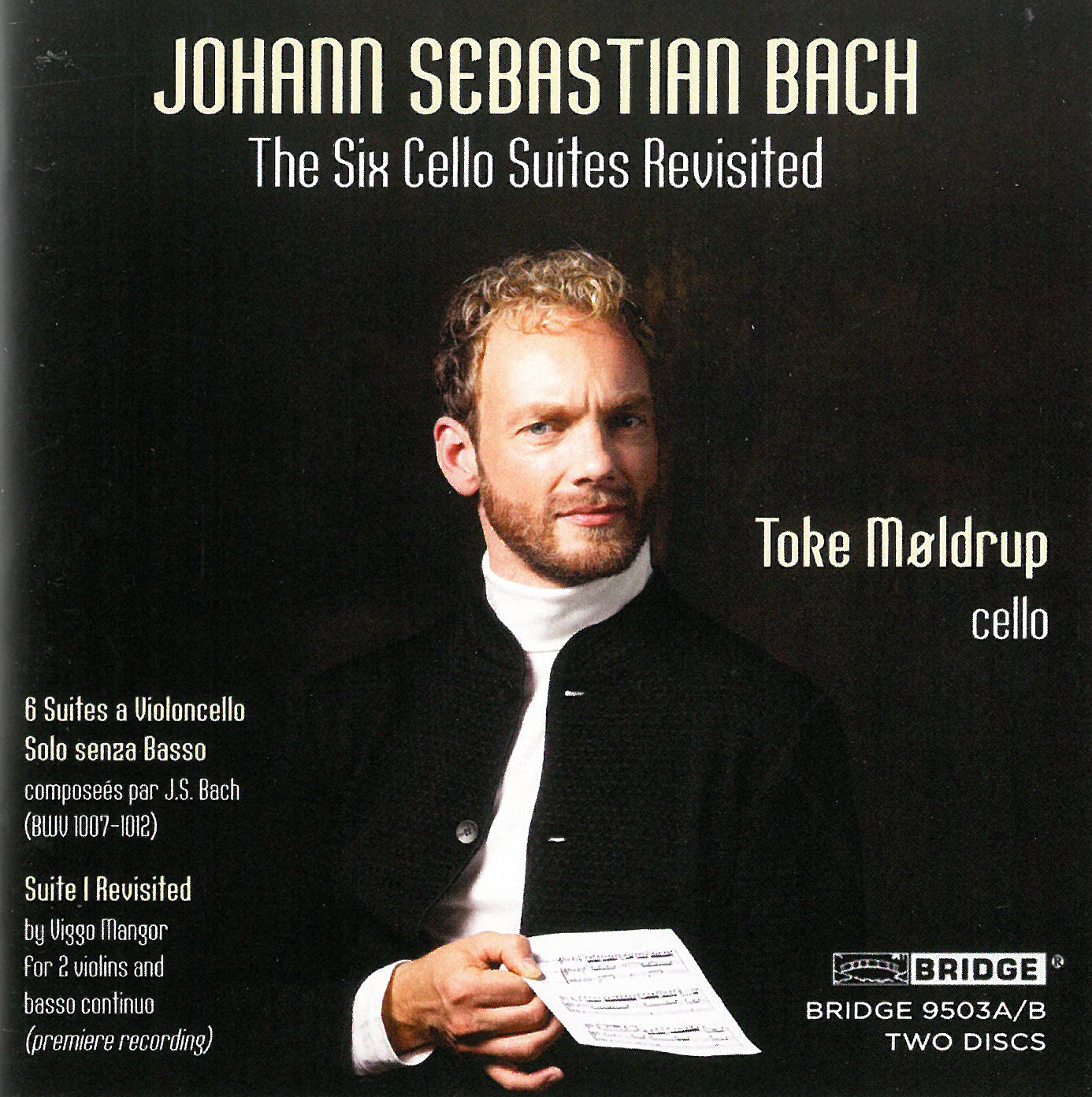
05a Skoraczewski BachThere are another two sets of the unaccompanied Bach cello works: Bach Cello Suites with Dariusz Skoraczewski, the principal cellist of the Baltimore Symphony Orchestra (Analog Arts dskora.com); and Johann Sebastian Bach The Six Cello Suites Revisited with the Danish cellist Toke Møldrup (Bridge 9503A/B bridgerecords.com).

Møldrup plays a David Tecchler cello (Rome 1697) and, for Suite VI and the Suite I Revisited a mid-18th-century cello rebuilt as a five-string by Birger Kulmbach in 2016. Skoraczewski’s gorgeous tone is from a 1702 Carlo Giuseppe Testore cello on loan from Marin Alsop.

Recording ambience is fine for both, with a touch more resonance in the Skoraczewski. Individual movement and suite timings vary – the bigger differences probably due to the handling of repeats – but despite Møldrup being faster in 23 of the 36 tracks it’s Skoraczewski who has the smoothest line and who really dances through the suites. Møldrup, incidentally, produces a continuous percussive sound from his left-hand fingers hitting the fingerboard.

05b Moldrup BachThe Møldrup comes with copious booklet notes on the approach to the interpretation (turning the score “into three separate layers – melody, chordal structure and bass line”) and an additional track in Viggo Mangor’s Suite I Revisited, a reworking of the G-major suite transposed to D major for two violins, cello and chamber organ “to give an insight into our working method.”

The Skoraczewski comes with virtually no notes at all, with all aspects of the CD production – recording, engineering, editing, graphics, photography – credited to him. In this particular case, less is definitely more.

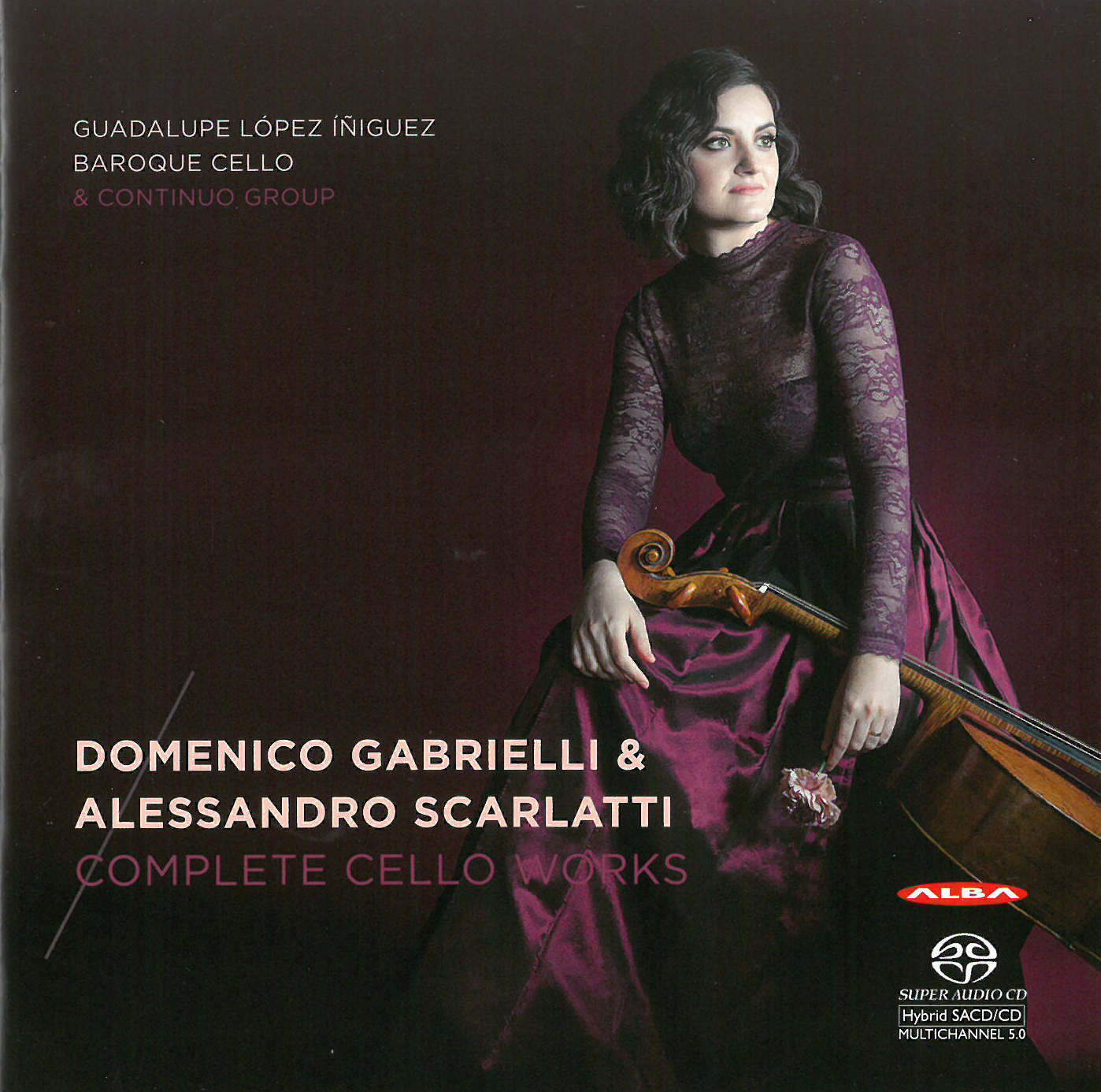
06 Guadalupe LopezThe Spanish academic-musician Guadalupe López Íñiguez is the Baroque cello soloist in Domenico Gabrielli & Alessandro Scarlatti Complete Cello Works on an excellent Alba Super Audio CD (ABCD 412 alba.fi). Baroque cellist Markku Luolajan-Mikkola, Baroque guitarist and archlutenist Olli Hyyrynen and harpsichordist Lauri Honkavirta provide varied continuo support where appropriate.

The Gabrielli works are the Sonatas for cello and basso continuo in G major (two versions) and A major, the seven Ricercari for solo cello and the Canon for two cellos. Scarlatti is represented by his three Sonatas for cello and basso continuo in D minor, C minor and C major respectively.

In her excellent booklet notes Iñiquez discusses her approach to the early music genre as well as the issues of sources, pitch, temperament, articulation, vibrato and scordatura, the latter employed in the Gabrielli-major sonata (first version) and the Ricercari numbers 4, 6 and 7.

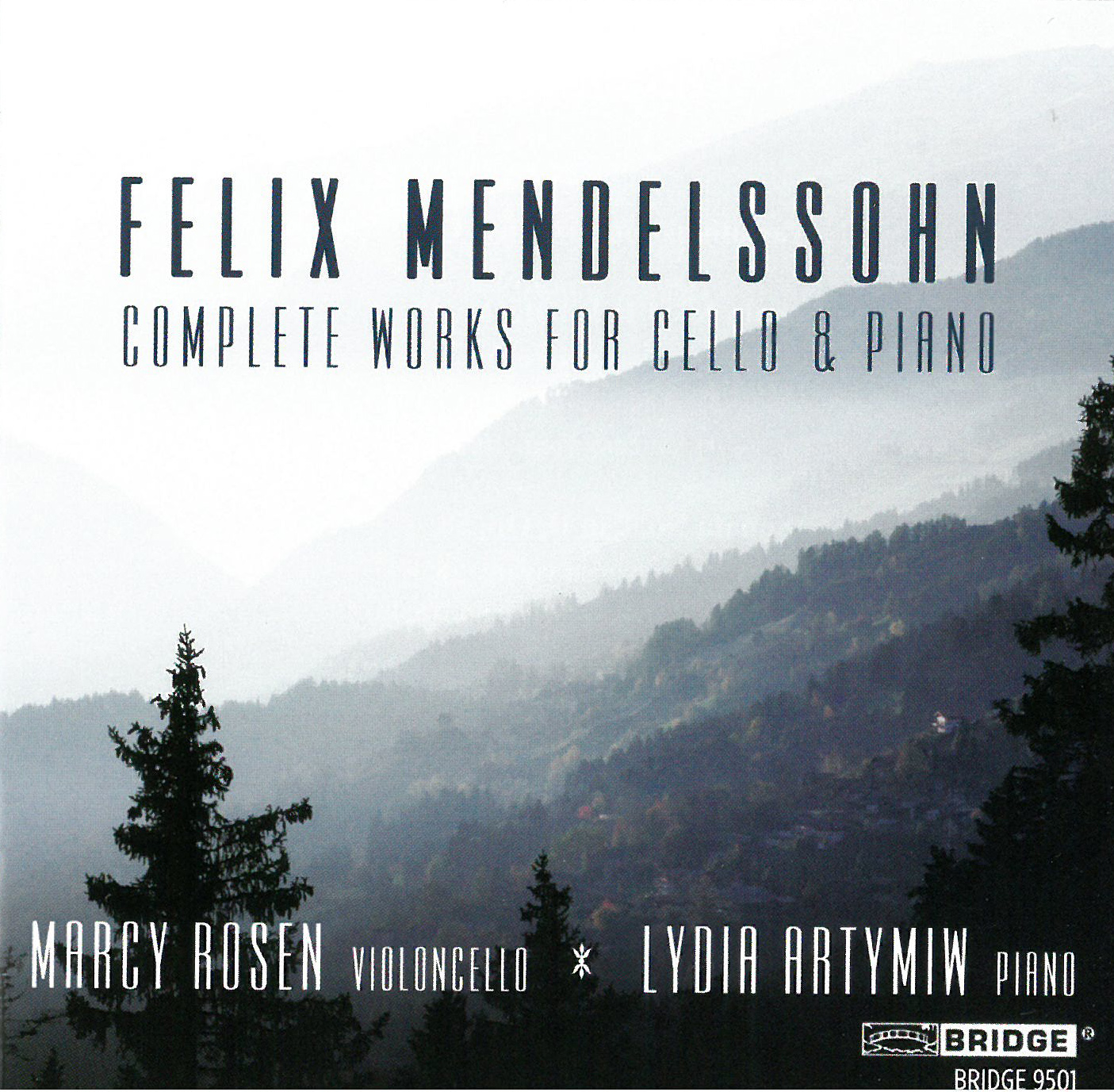
07 Mendelssohn celloThe American duo of cellist Marcy Rosen and pianist Lydia Artymiw is featured on Felix Mendelssohn Complete Works for Cello & Piano (Bridge 9501 bridgerecords.com). Rosen plays with a smooth singing tone and a fine sense of line in the Variations concertantes Op.17, the two Sonatas – No.1 in B-flat Major Op.45 and No.2 in D Major Op.58 – the Lied ohne Worte Op.109 and the brief musical fragment Assai tranquillo. Artymiw’s contribution is outstanding, full of nuance and sensitivity and with a fine dynamic range. The Molto allegro e vivace finale of Sonata No.2 is a standout on an excellent CD.

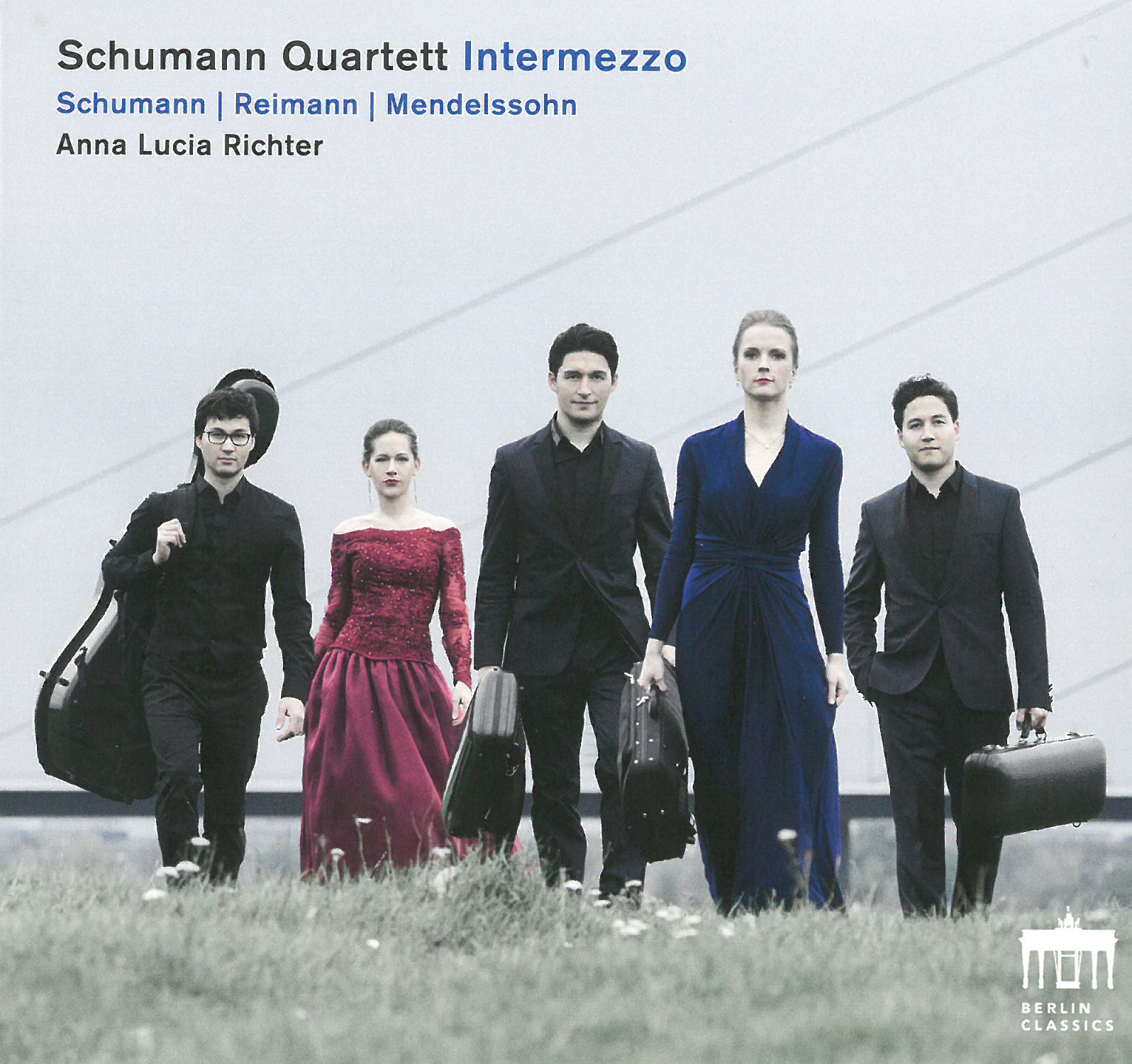
08 Schumann QuartettGermany’s Schumann Quartett – the three Schumann brothers Erik, Ken and Mark along with violist Liisa Randalu – presents works by Robert Schumann, Felix Mendelssohn and the German composer Aribert Reimann on Intermezzo (Berlin Classics 0301058BC berlin-classics-music.com).

Schumann’s String Quartet No.1 in A Minor Op.41/1 has long been a part of their repertoire, and their deep understanding of the work is evident in a striking performance.

Aribert Reimann is a direct descendant of Franz Richarz, the doctor who treated Robert Schumann in the asylum near the end of his life. His Adagio in Memory of Robert Schumann from 2006 is based on two wordless chorales that Schumann left unfinished. The soprano Anna Lucia Richter is the excellent soloist in Reimann’s effective setting of Schumann’s Six Songs Op.107, written during the first severe onset of his mental illness.

Schumann dedicated his three Op.41 quartets to Mendelssohn, and the latter’s String Quartet in E-flat Major Op.12 completes a thoughtful and intelligent recital. Again, there’s an excellent feel for the music, with lightness, agility, clarity and – especially in the Molto allegro e vivace final movement – what Randalu describes as the opportunity for “wild joy in playing.”

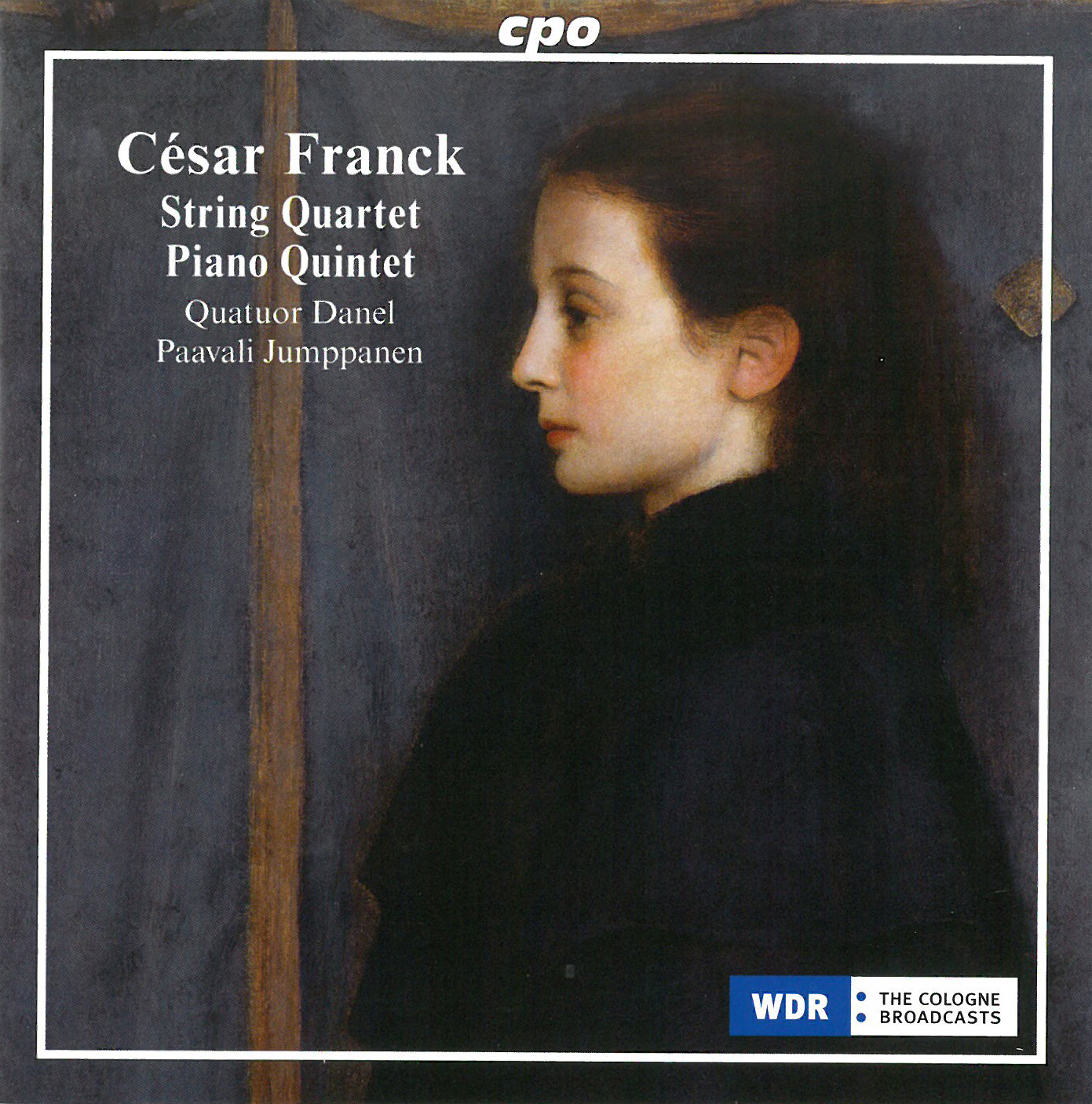
09 FranckTwo of the three late chamber masterpieces by a French composer who received virtually no public acclaim during his lifetime are presented on César Franck String Quartet and Piano Quintet by the Quatuor Danel and pianist Paavali Jumppanen (CPO 555 088-2 naxosdirect.com/labels/cpo).

The String Quartet in D Minor, premiered in 1890 just months before Franck’s death, was the first work of his to win unbridled public acclaim. It’s a huge and difficult work, which may account for its not being heard more often; this impassioned performance, though, makes you wish it were.

The Piano Quintet in F Minor made little impact at its 1879 premiere but quickly won over Franck’s colleagues, inspiring similar works by an array of French composers. Again, it’s a passionate and sensuous piece that elicits exemplary playing from Jumppanen and the ensemble.

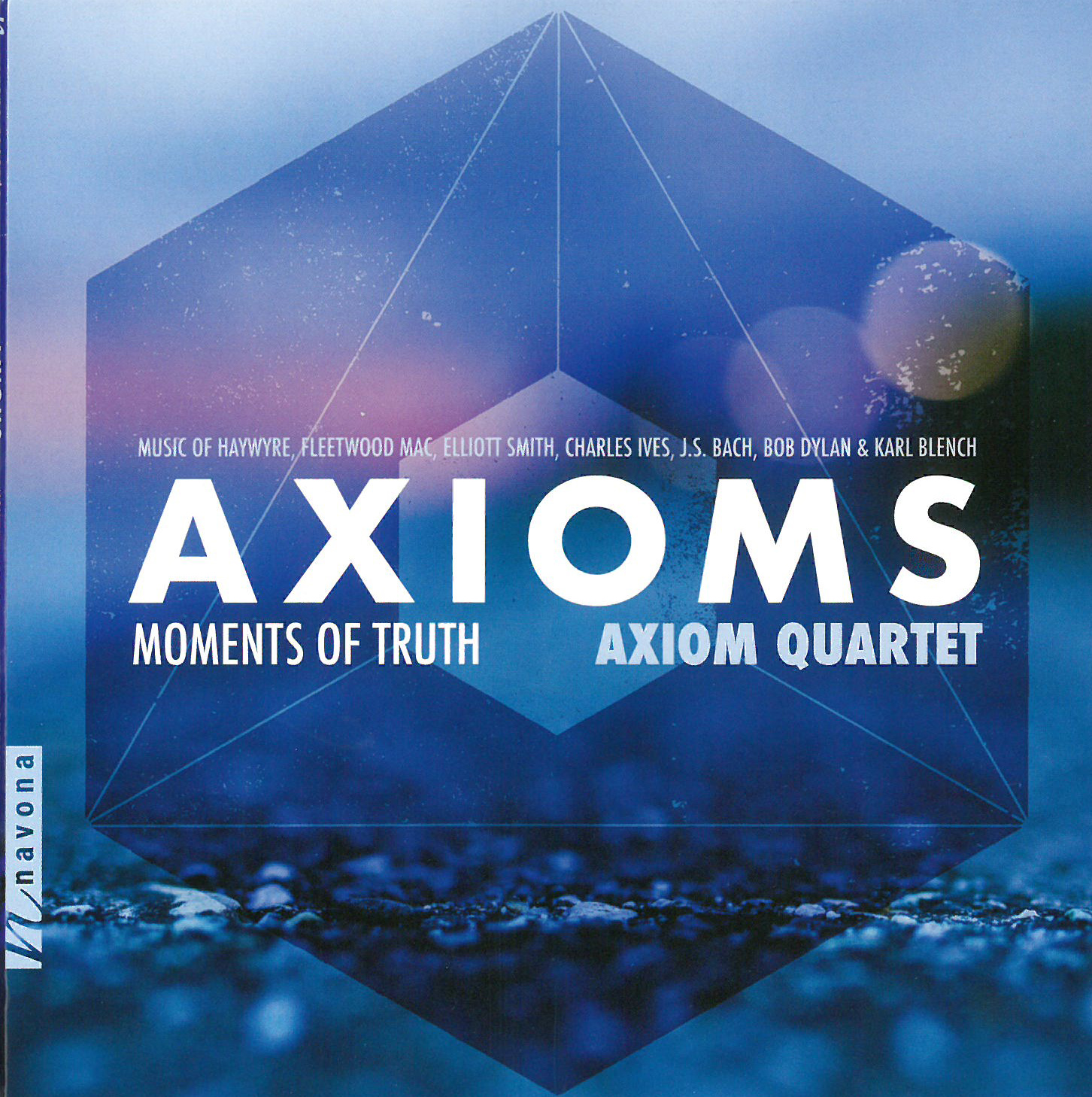
10 Axiom QuartetAxioms – Moments of Truth is the new CD from the Houston-based Axiom Quartet (Navona Records NV6151 navonarecords.com). Although there are short works ranging from Monteverdi through Bach, Ives, Billie Holiday and Fleetwood Mac to Bob Dylan, the driving creative force here is the composer Karl Blench, who not only made all the arrangements but also provided the short pieces that act as transitions between the named works; he also wrote the final title track.

Played without a break, it’s a fascinating program from an ensemble known for its mixing of traditional repertoire with transcriptions of music from a wide variety of popular genres. They’re clearly in their element here.

Listen to 'Axioms – Moments of Truth' Now in the Listening Room

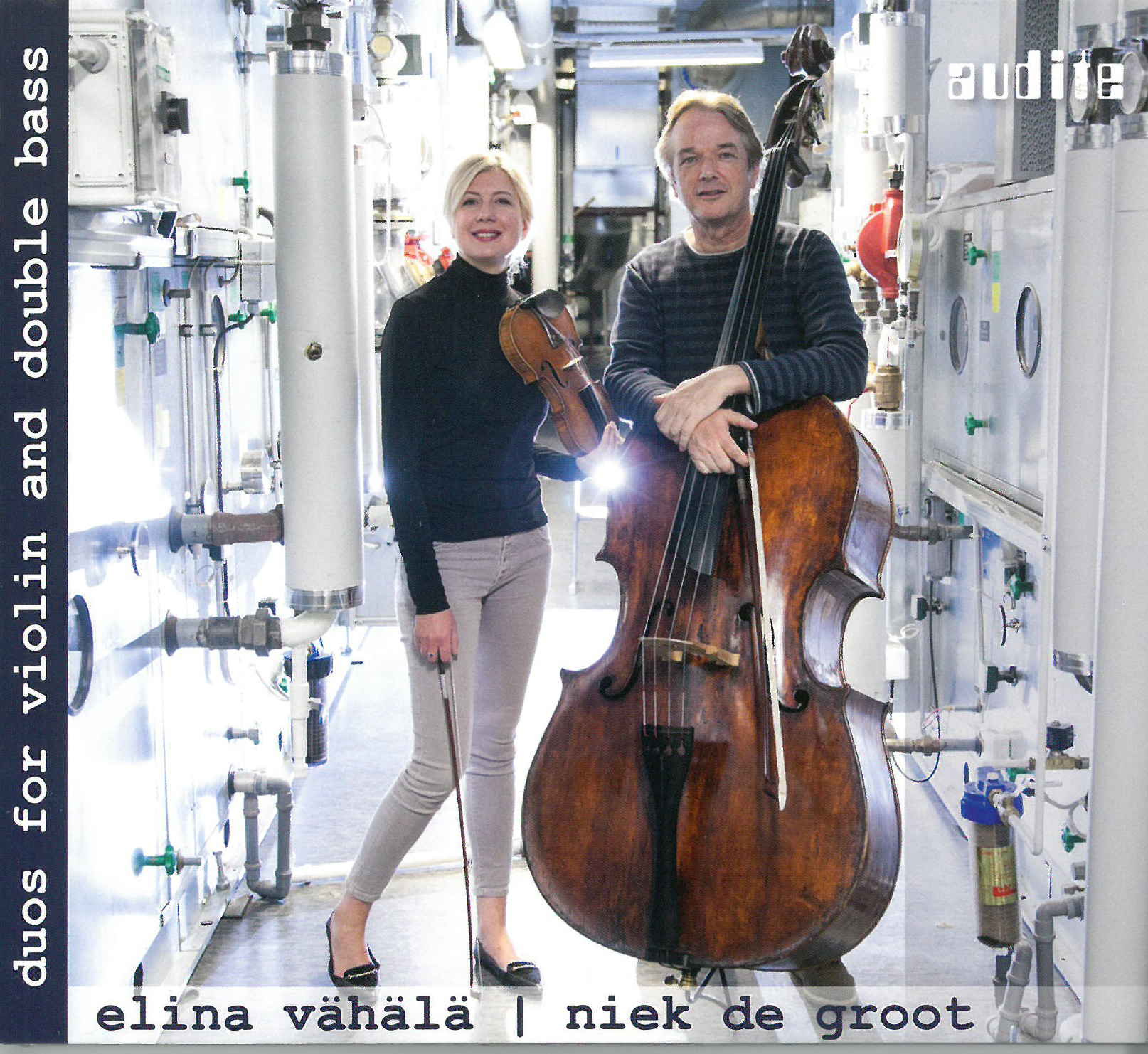
11 Valhala de GrootDuos for violin and double bass features violinist Elina Vähälä and bassist Niek de Groot in a diverse and fascinating selection of contemporary works by Krzysztof Penderecki, the late Isang Yun, Jaakko Kuusisto, Erkki-Sven Tüür, Alfred Huber, György Kurtág and Wolfgang Rihm (audite 97.732 audite.de).

Composition dates range from 1989 to 2012, with the differing approaches to the possibilities presented by these two apparently incompatible instruments creating a remarkable program that Vähälä and de Groot handle with complete technical and musical assurance.

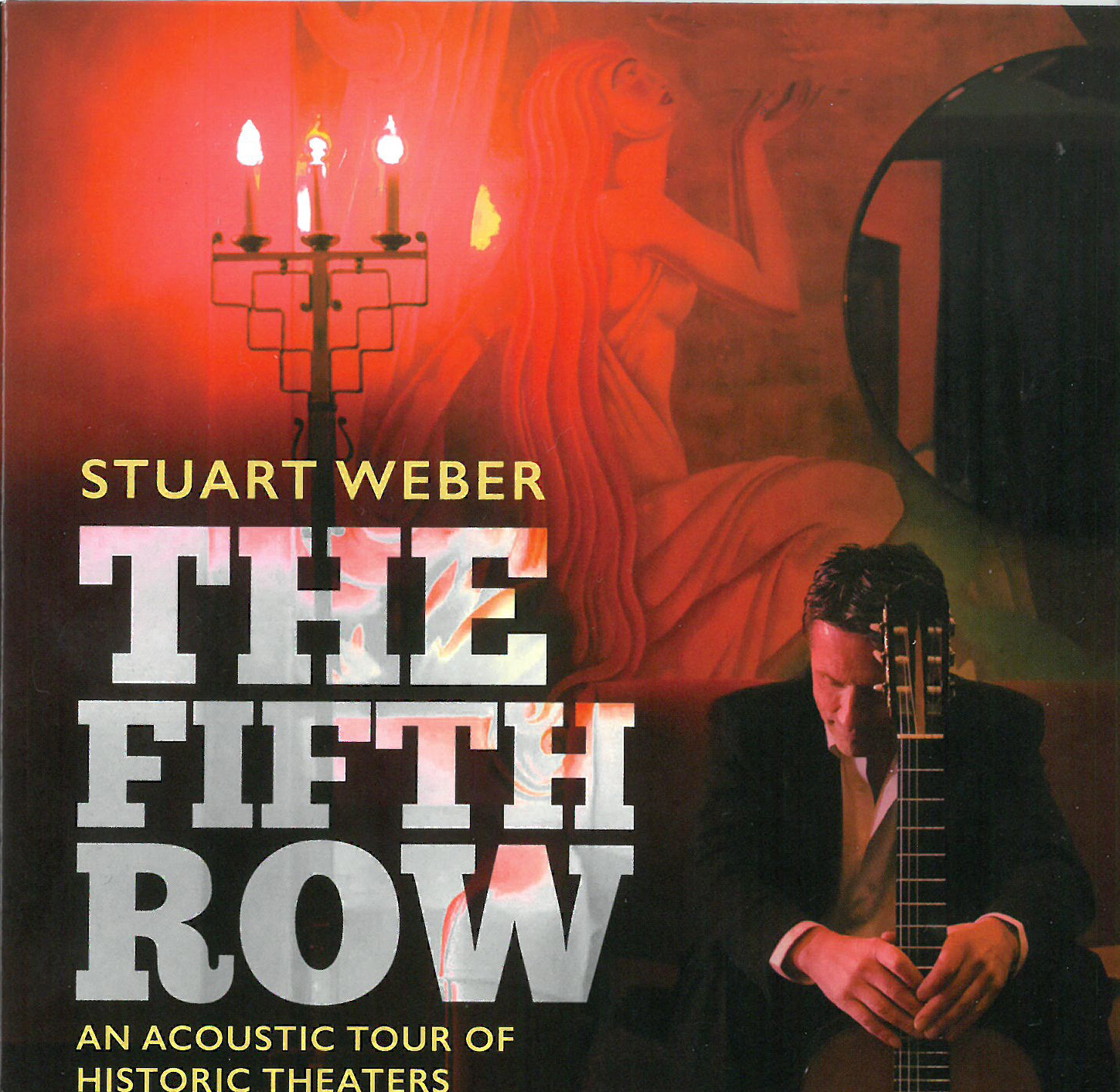
12 Fifth RowThe Fifth Row – An Acoustic Tour of Historic Theaters (Ravello Records RR7988 ravellorecords.com) is a highly original concept album from the American classical guitarist Stuart Weber that acknowledges that a player’s awareness of their physical surroundings is crucially important. “Our ears,” says Weber, “have to be in the house. The Fifth Row, to be precise.”

Weber decided to indulge his fascination with old theatres and their unique acoustic qualities by recording the 11 tracks in 11 historic theatres in Montana, Utah, Wyoming, Colorado and Idaho. It’s difficult to discern any real acoustic differences between the tracks, but no matter – it’s a highly entertaining, if brief (35 minutes) program of arrangements of short pieces by Dvořák, Bartók, Weiss, Telemann and others interspersed with five of Weber’s own excellent compositions.

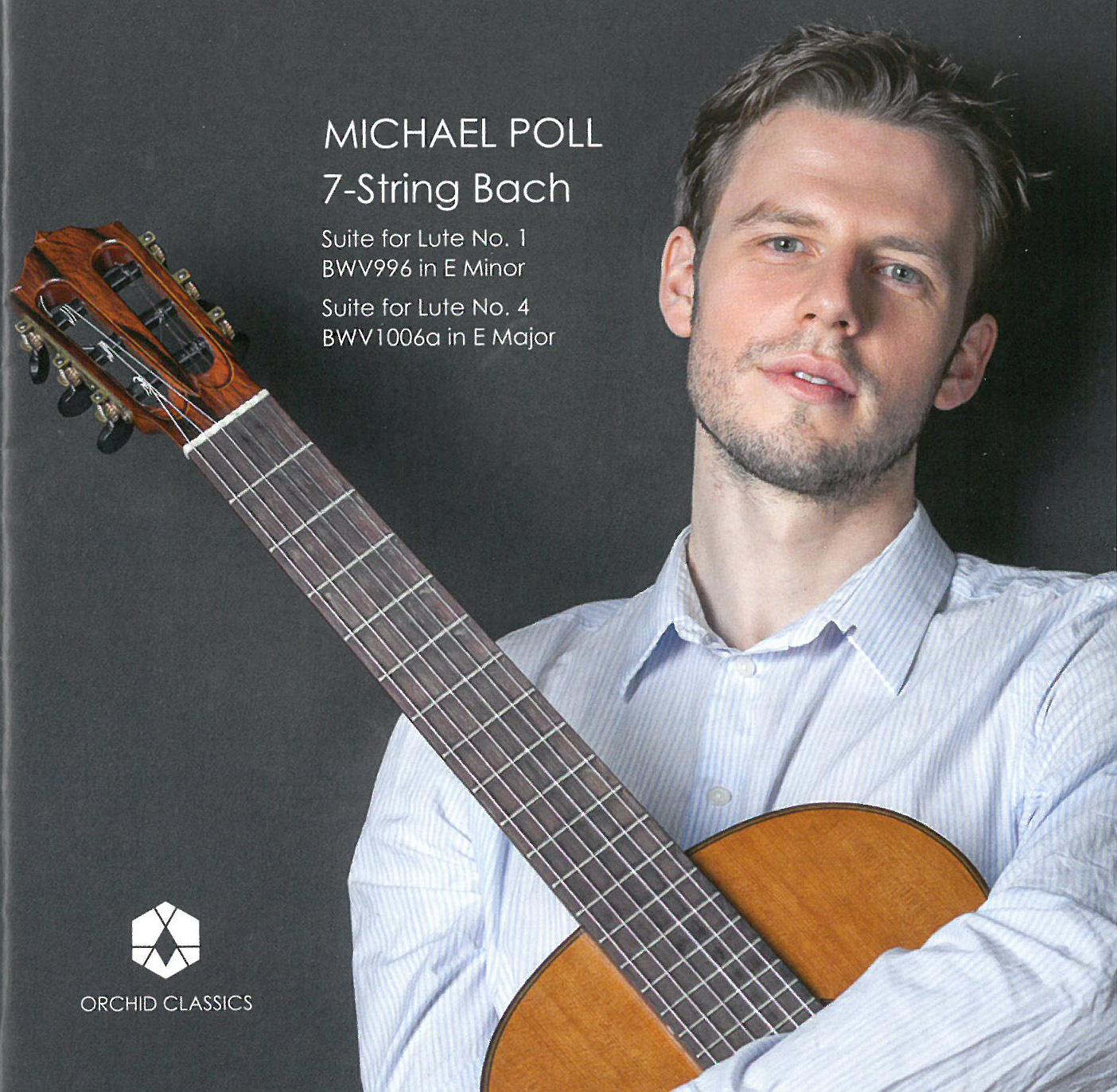
13 Michael Poll BachAnother relatively brief but high quality guitar CD features Michael Poll playing the Lute Suites Nos.1 and 4 on 7-string Bach (Orchid Classics ORC100082 orchidclassics.com). Recorded in the legendary Studio 3 at London’s Abbey Road Studios, Poll plays with a warm, rich and full tone in his own arrangements of the Lute Suite No.1 in E Minor BWV996 and the Lute Suite No.4 in E Major BWV1006a, the latter Bach’s own adaptation of the musical material in his Partita III for solo violin.

Poll plays a seven-string guitar, the additional string making it possible to play these works in their original register. 

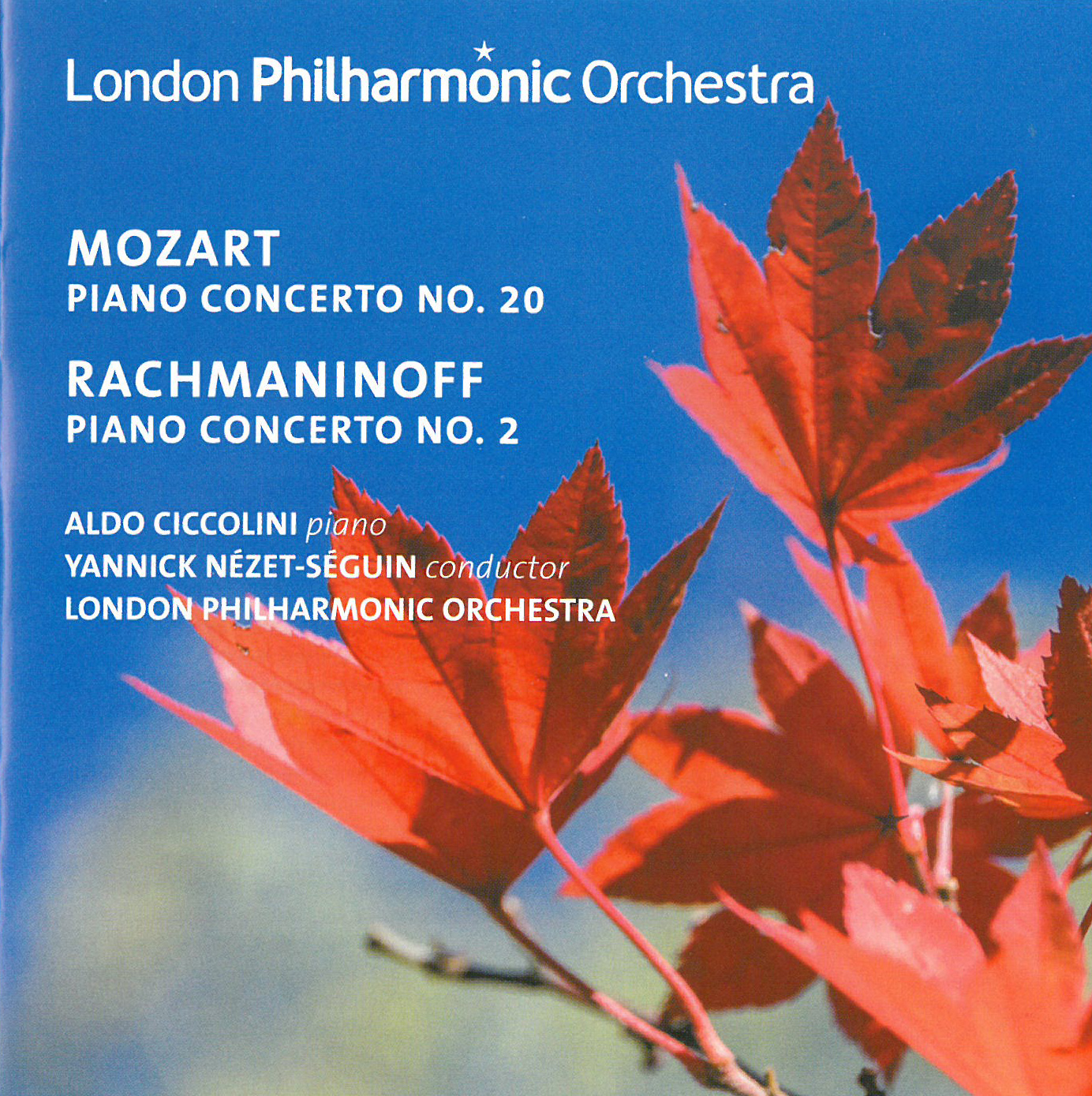
02 Aldo CIccoliniAldo Ciccolini, who died in 2015 at age 89, is remembered for his specialization with classical repertoire as well as modern French music, especially Satie. His collaborations with Yannick Nézet-Séguin in 2009 and 2011 have yielded a recording of these live concerts: Mozart Piano Concerto No.20, Rachmaninoff Piano Concerto No.2; London Philharmonic Orchestra; Yannick Nézet-Séguin (LPO 0102 lpo.org.uk/recordings).

The recorded performances are wonderful documents, slowed a bit by advanced age, but utterly perfect in every other way. Ciccolini, even in his 80s, had the lightness and clarity of touch to navigate Mozart with supreme elegance. Yet the power needed to battle through the Rachmaninoff Concerto No.2 seems undiminished. Ciccolini plays with a discernible affection for the music, without hasty completion of ideas. Every slightly lingering moment seems so appropriate.

The concerts must have been remarkable events, and judging from the audience response, being there was an unforgettable privilege.

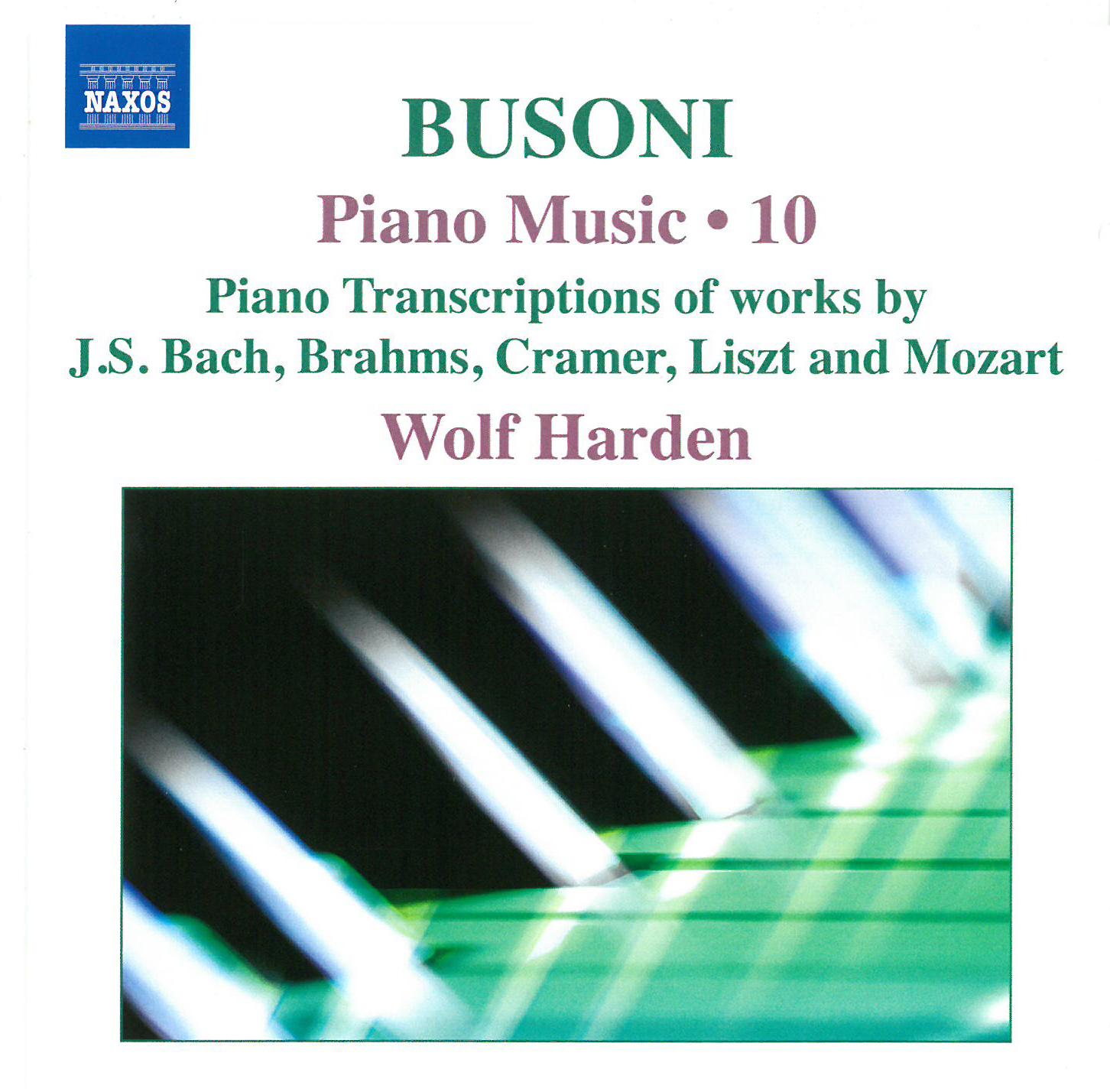
01 Busoni 10Wolf Harden continues his productive career on the Naxos label with his latest CD Busoni - Piano Music - Vol.10, Piano Transcriptions of works by Bach, Brahms, Cramer, Liszt and Mozart (Naxos 8.573806 naxos.com). Busoni’s transcriptions have a distinctive sound. They are big and often dense, but always reflect his abiding respect for the form and structure to which his subject composers adhered. Harden is obviously at home in this genre but equally comfortable with exploiting Busoni’s style for its Italianate swells of emotion.

The most intriguing tracks on this recording are the Brahms Chorale Preludes for Organ Op.122 in which Brahms’ Romanticism is augmented by Busoni’s often heroic keyboard style. Harden plays this with such perfect balance, preserving the sacred nature of the chorales while allowing Busoni to restate them in his own unique terms. Brahms sometimes buried the chorale melody rather deeply in his harmonic mix but Harden never loses his grip of it, keeping the line prominent and easy to follow.

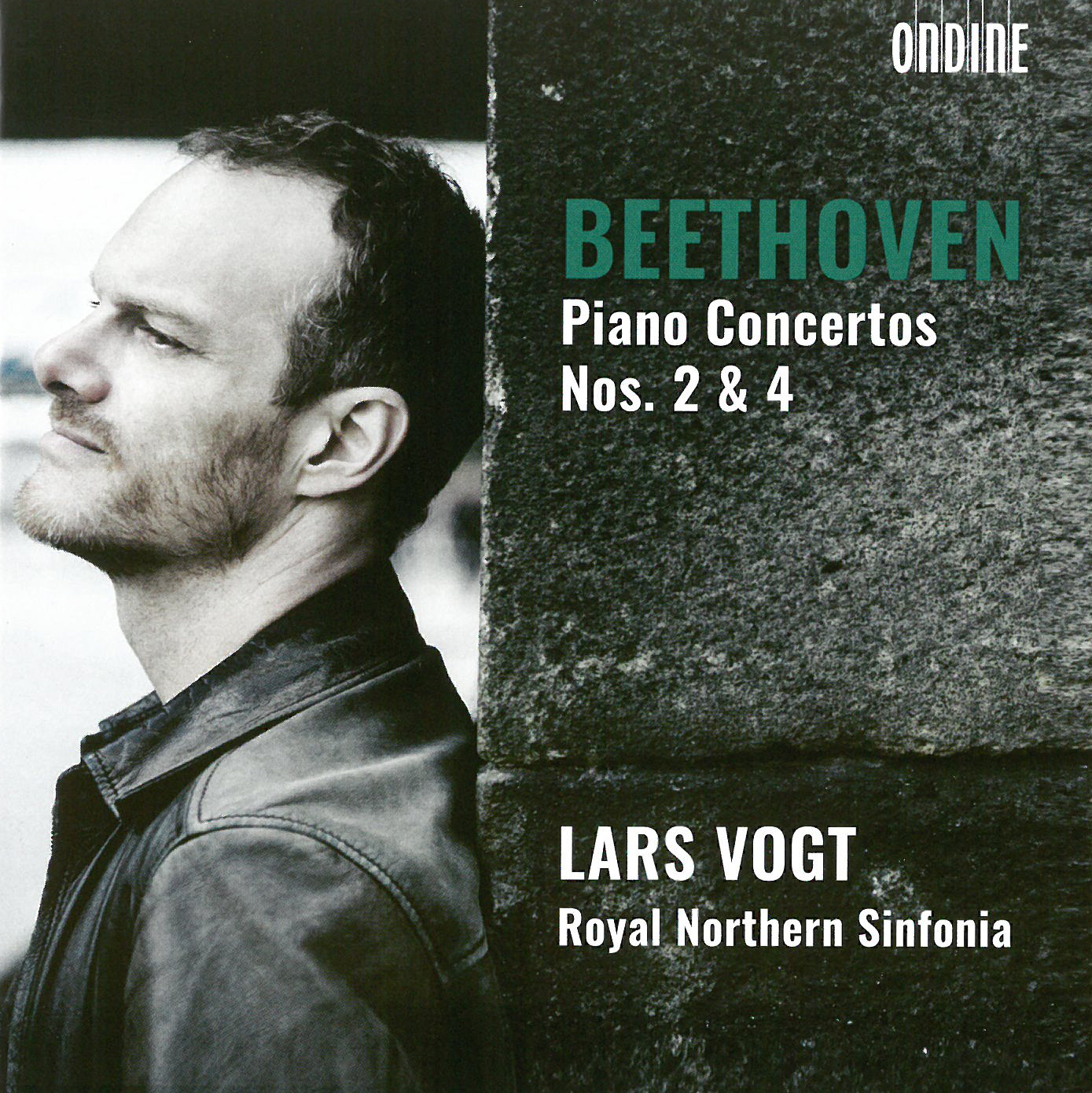
03 Beethoven Lars VogtLars Vogt appears as pianist and conductor on his latest release Beethoven Piano Concertos 2 & 4; Royal Northern Sinfonia (Ondine ODE1311-2 ondine.net). Directing from the keyboard, Vogt leads the orchestra in a highly energized performance of these familiar works. The RNS is a mid-size ensemble well suited to the classical repertoire, and despite the size of their home concert hall, they maintain a satisfying sense of intimacy in their playing.

Both concertos are a delight to hear but the Concerto No.4 really shows the composer as a mature tunesmith. The players sound as if they take some special delight in driving forward the powerful rhythms of this concerto. Vogt is brilliant at the keyboard. His playing is articulate, fluent and sensitive. Rapid ornaments roll from his fingers with astonishing ease. It’s an exciting and bracing recording.

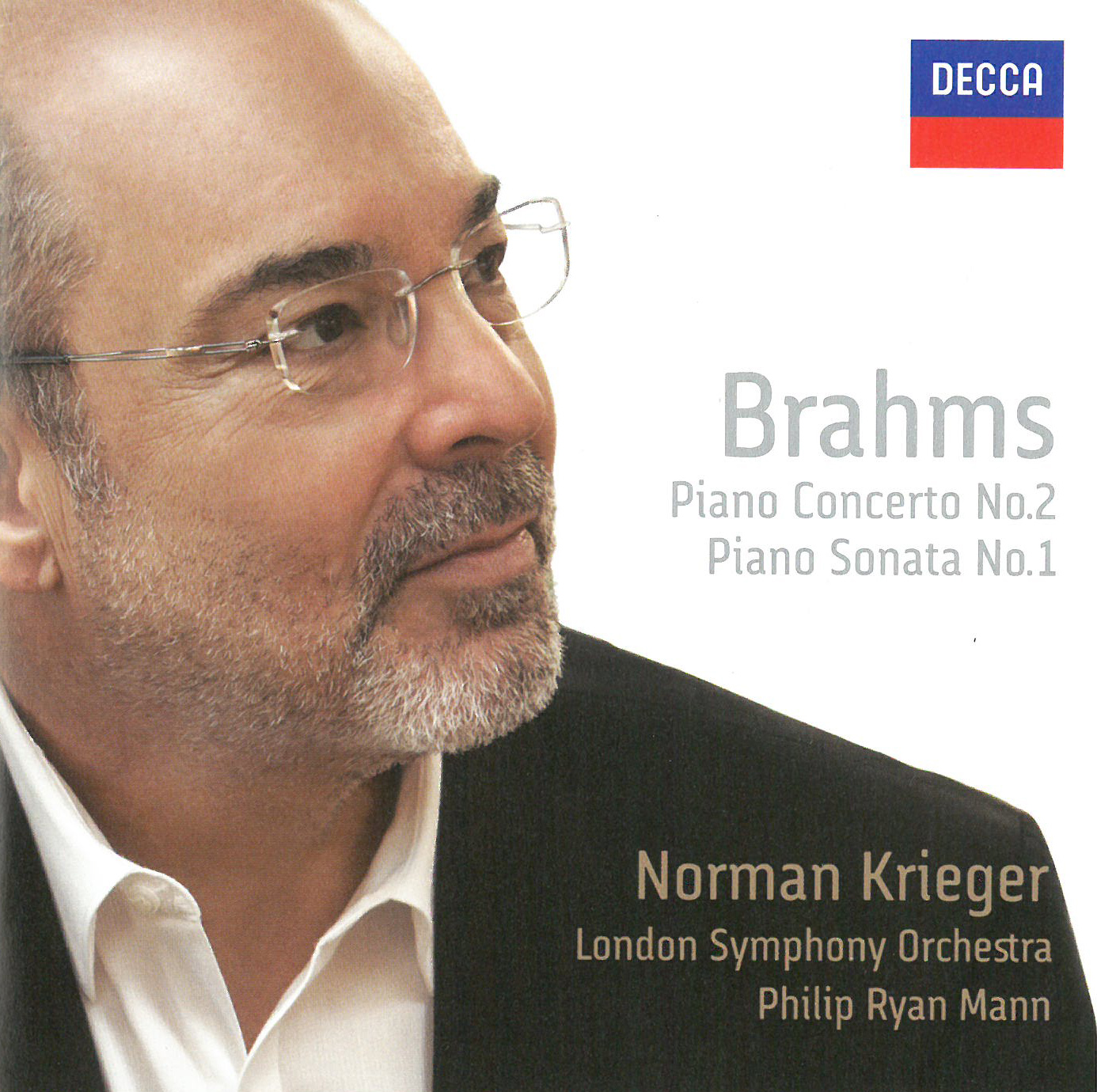
04 Brahms KriegerNorman Kieger’s latest release Brahms Piano Concerto No.2, Piano Sonata No.1; London Symphony Orchestra; Philip Ryan Mann (Decca DD41142/481 4871 decca.com) meets the high expectations raised by its cover. From the opening French horn solo to the concerto’s final chords, orchestra and soloist are perfectly balanced. The fabled third movement cello solos are as beautifully played as you’d ever hear, and the ensemble playing throughout is flawless. The disc also includes the Sonata No.1 in C, Op.1. Even though the two works were recorded in different locations, the relative audio presence of the piano and the space around it are almost identical. This consistency reflects the label’s high production values and contributes to the exceptional quality of this recording.

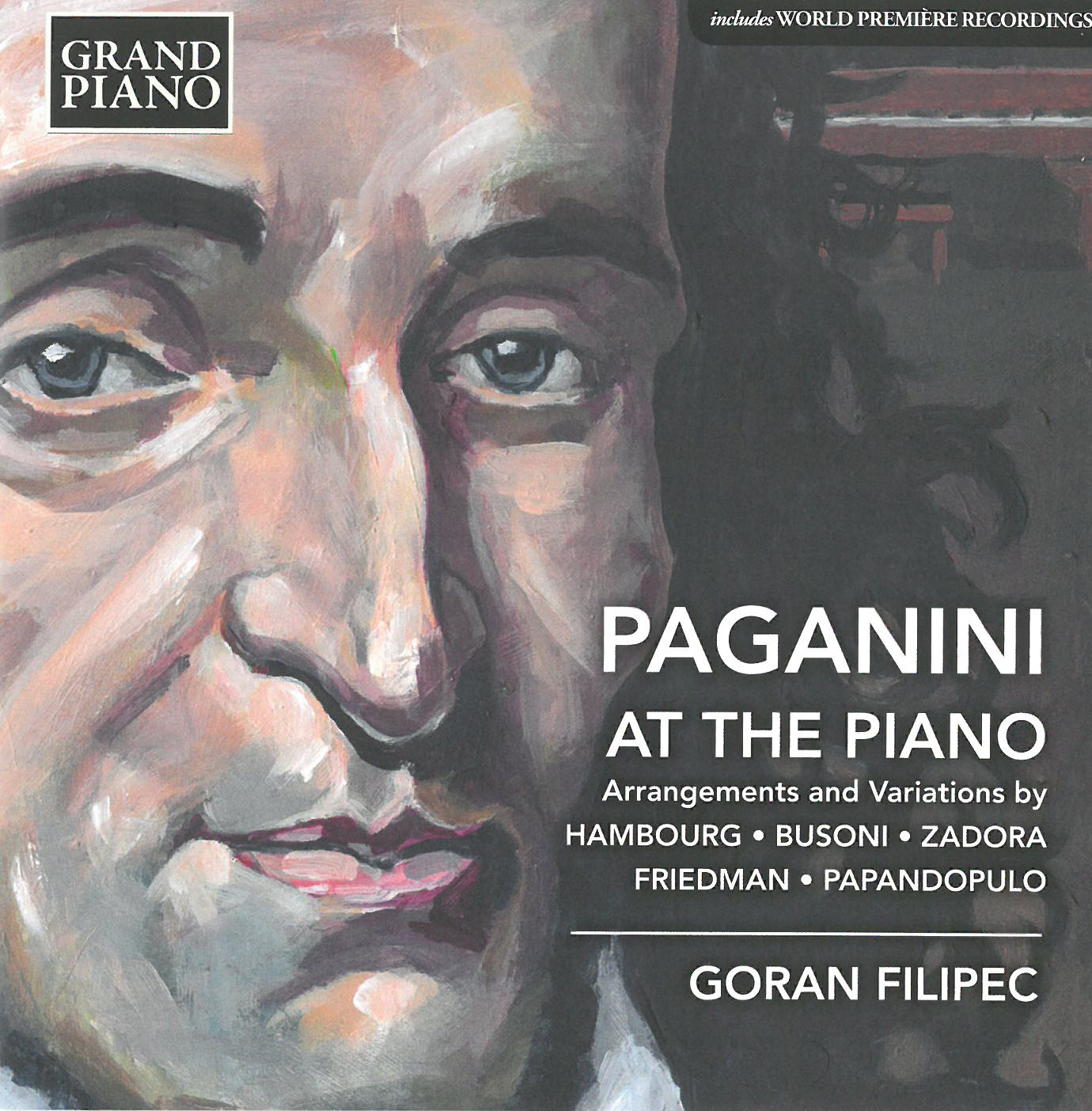
05 Paganini at the PianoGoran Filipec is a powerhouse pianist, and it’s just as well because no less would do for the repertoire on his latest recording Paganini at the Piano – Arrangements and Variations by Hambourg, Busoni, Zadora, Friedman, Papandopulo (Grand Piano GP 769 grandpianorecords.com). Paganini’s music and virtuosity, especially his Caprices for solo violin, had considerable impact on his piano playing and composing contemporaries. Filipec selects a fine sampling of these inspired keyboard works beginning with a huge set of variations by Hambourg on perhaps the best-known Caprice, No.24. Friedman’s Studies on the same thematic material are equally long, challenging and impressive for their creative originality. Along with the disc’s other tracks you’ll be left breathlessly awestruck by Filipec’s playing.

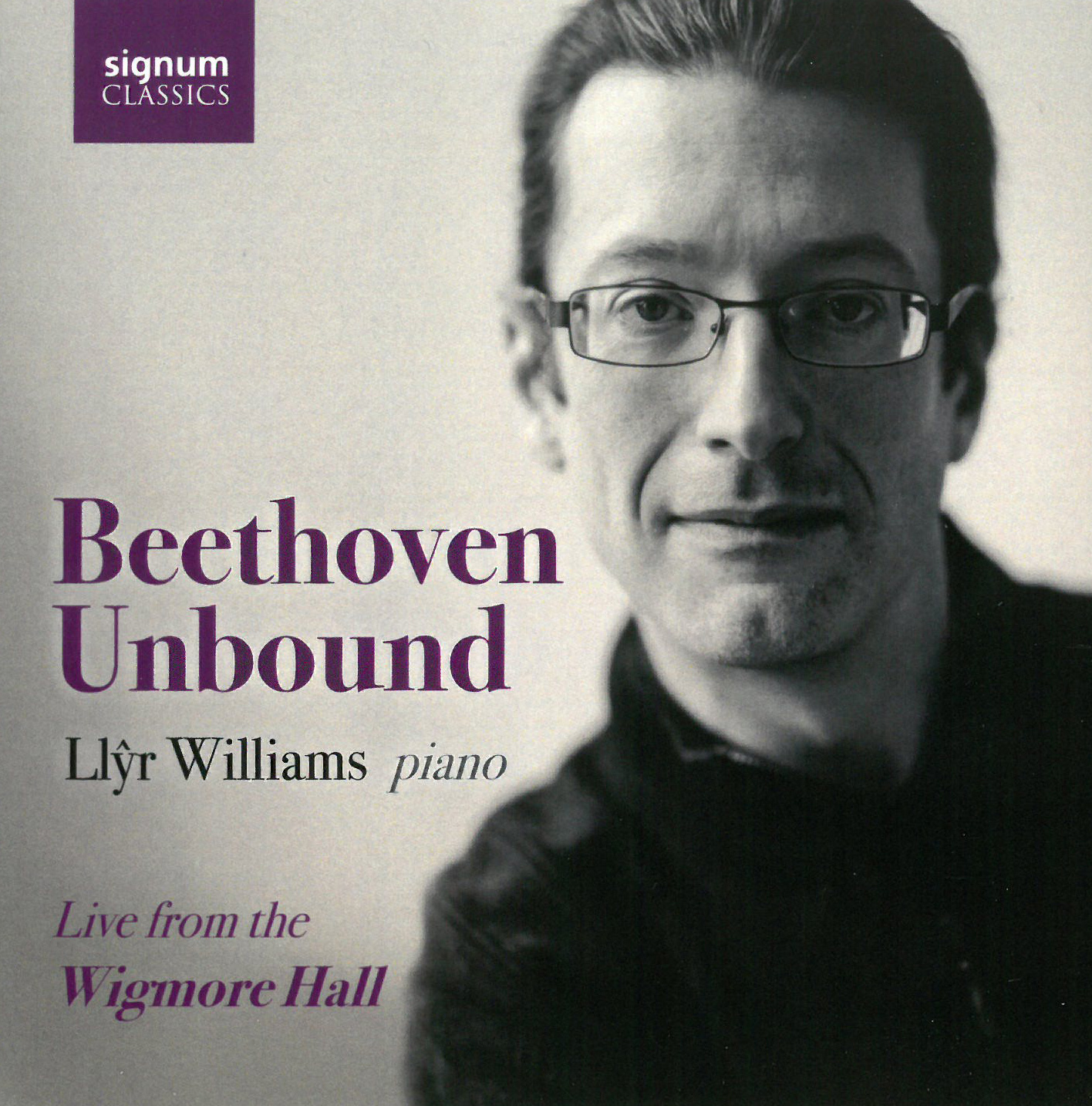
06 Beethoven UnboundWelsh pianist Llŷr Williams last year completed a Beethoven concert cycle at Wigmore Hall which was recorded and recently released as Beethoven Unbound (Signum Classics SIGCD527P signumrecords.com). The 12-CD box set represents an enormous three-year recording project that documented the complete piano Sonatas, Bagatelles and Beethoven’s several sets of Variations. In all, there are nearly 14 hours of music to satisfy the most demanding Beethovenian consumer.

Williams is supremely capable in this repertoire and possesses a formidable keyboard technique. His artistic vision for this music is to lift it above the struggle we almost naturally assume underlies all the composer’s writing, and set it free in a much larger space. Here is where Williams decides that joviality, tenderness, passion and genius all have a place in Beethoven’s universe. While Beethoven Unbound is a welcome addition to the world of complete sets, it’s a significant re-visioning of music we have perhaps known too well.

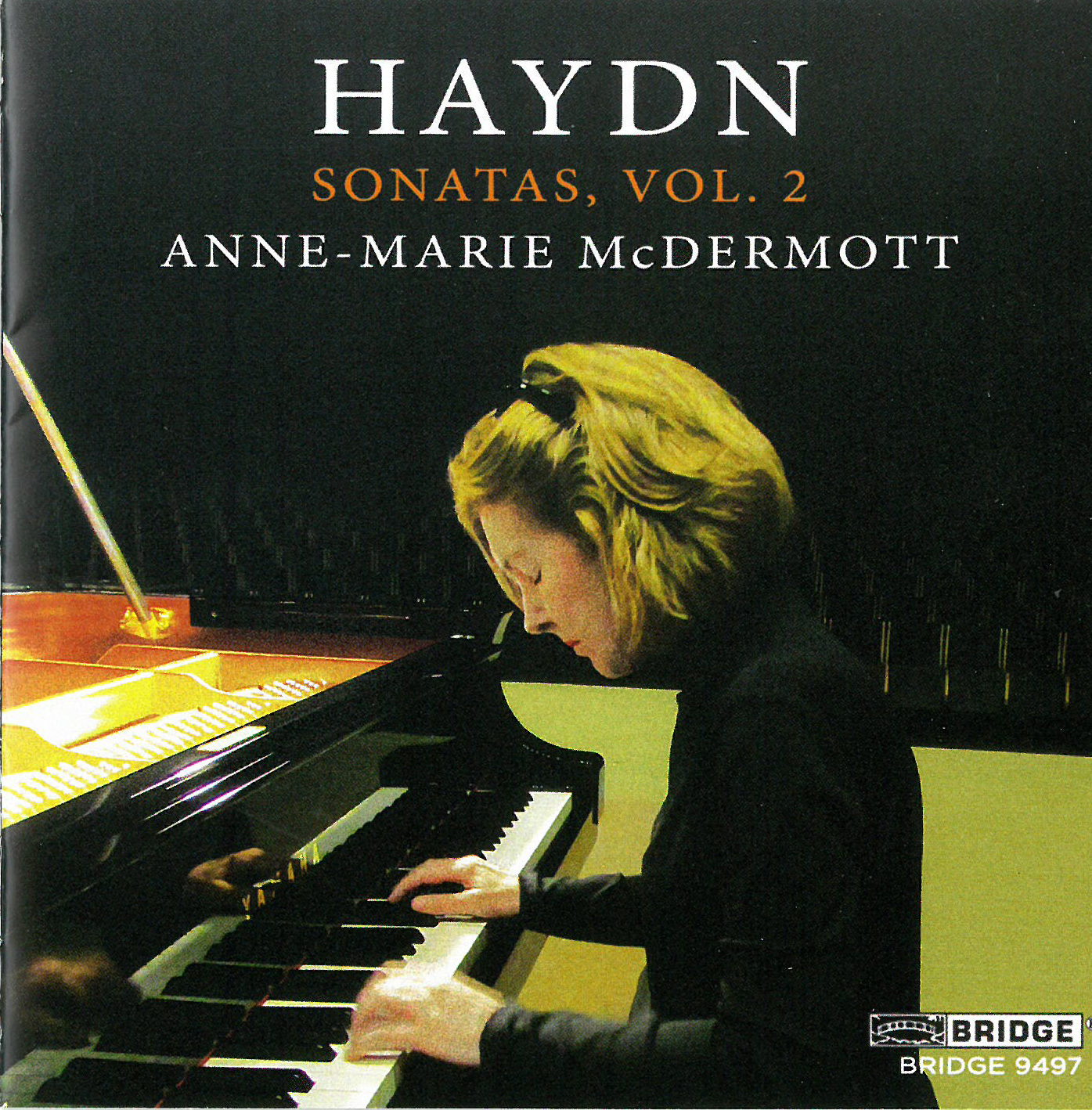
07 McDermott HaydnAnne-Marie McDermott’s latest recording is Haydn Sonatas, Vol.2 (Bridge 9497 BridgeRecords.com) and contains four Sonatas, 37, 39, 46 and 48, Hoboken XVI, from the composer’s mid- to late-career years. The immediately arresting thing about McDermott’s playing is her speed and clarity. Her fast tempos are as quick as most performers can manage, yet entirely without loss of articulation. Her phrasings are impeccable and artfully crafted to lift in all the most effective places. She imbues a sense of whimsy and playfulness into Haydn’s music, replacing the too-often heard mechanical approaches that many performers take for the composer. She assumes that the music is already all there and she just needs to find it and reveal it. Even more interesting is the way McDermott brings a kind of retro-romance to Haydn. Imagine Chopin or Debussy playing these, blending the perfection of classicism with the passions of their subsequent eras. It’s a beautiful and fresh approach by a supremely gifted pianist who needs to be more widely heard.

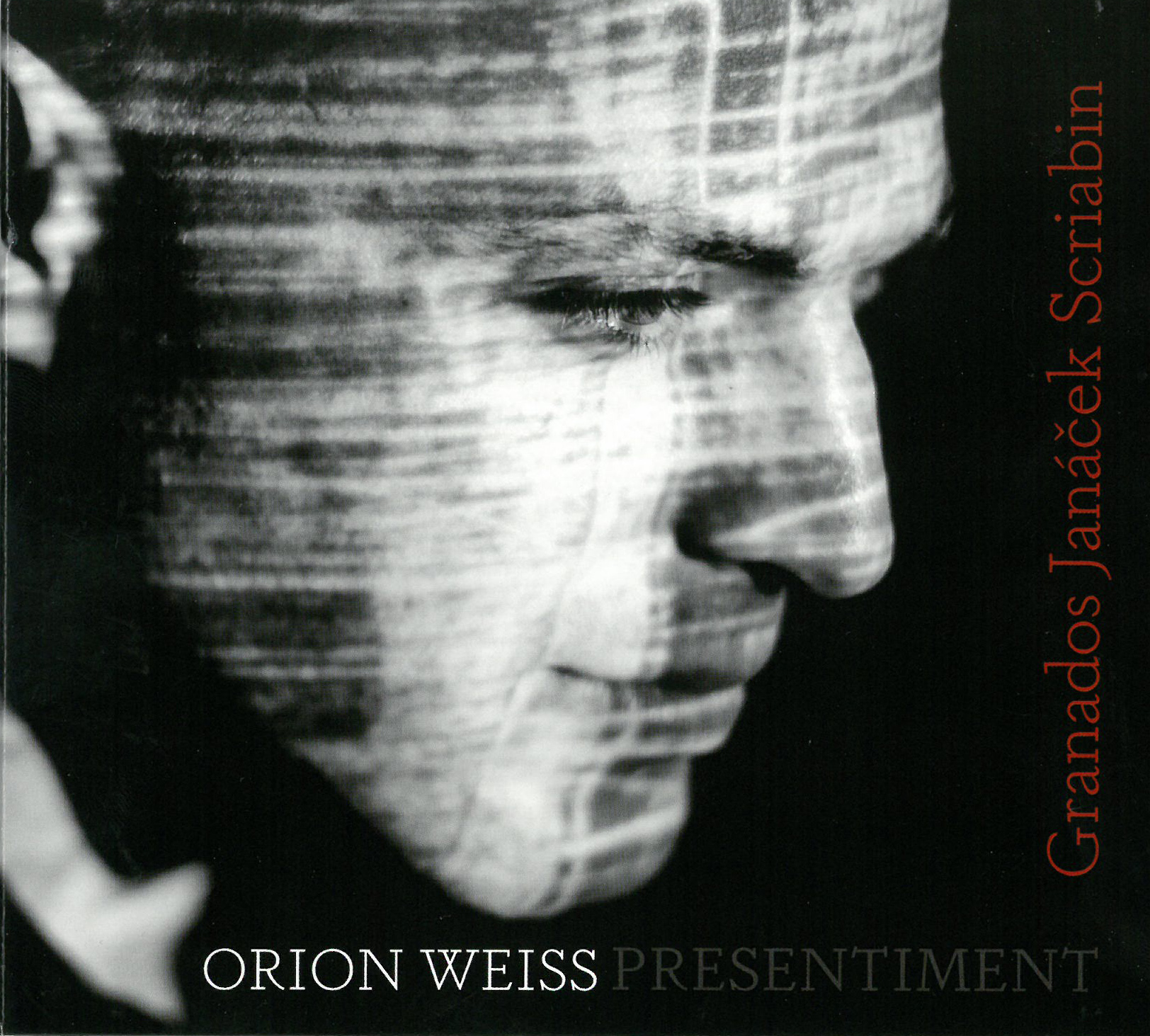
08 Orion WeissOrion Weiss adds a new release to his current handful of recordings with Presentiment (orionwiess.com). Weiss’s program captures the foreboding felt in the years before the First World War. This anxiety is only subtly present in the Granados Goyescas, but Weiss finds it in the music’s shadows and teases it out into the open. He’s a seductive performer; a charmer of sorts. Only in the final two movements does he fully explore what Granados has only been hinting in his earlier pages. Weiss plays Goyescas with an easy lightness that makes many of its phrases pure dance. The best I’ve heard in a long time.

Progressively, more of the early-20th century’s angst reveals itself in Janáček’s In the Mists. Weiss uses the deep melancholy of this work’s plaintive melodies to lead up to the disc’s final piece, Scriabin’s Sonata No.9 Op.68 “Black Mass.” Here there’s no longer any doubt about what the world is about to experience. Weiss portrays it all with a mature and measured confidence.

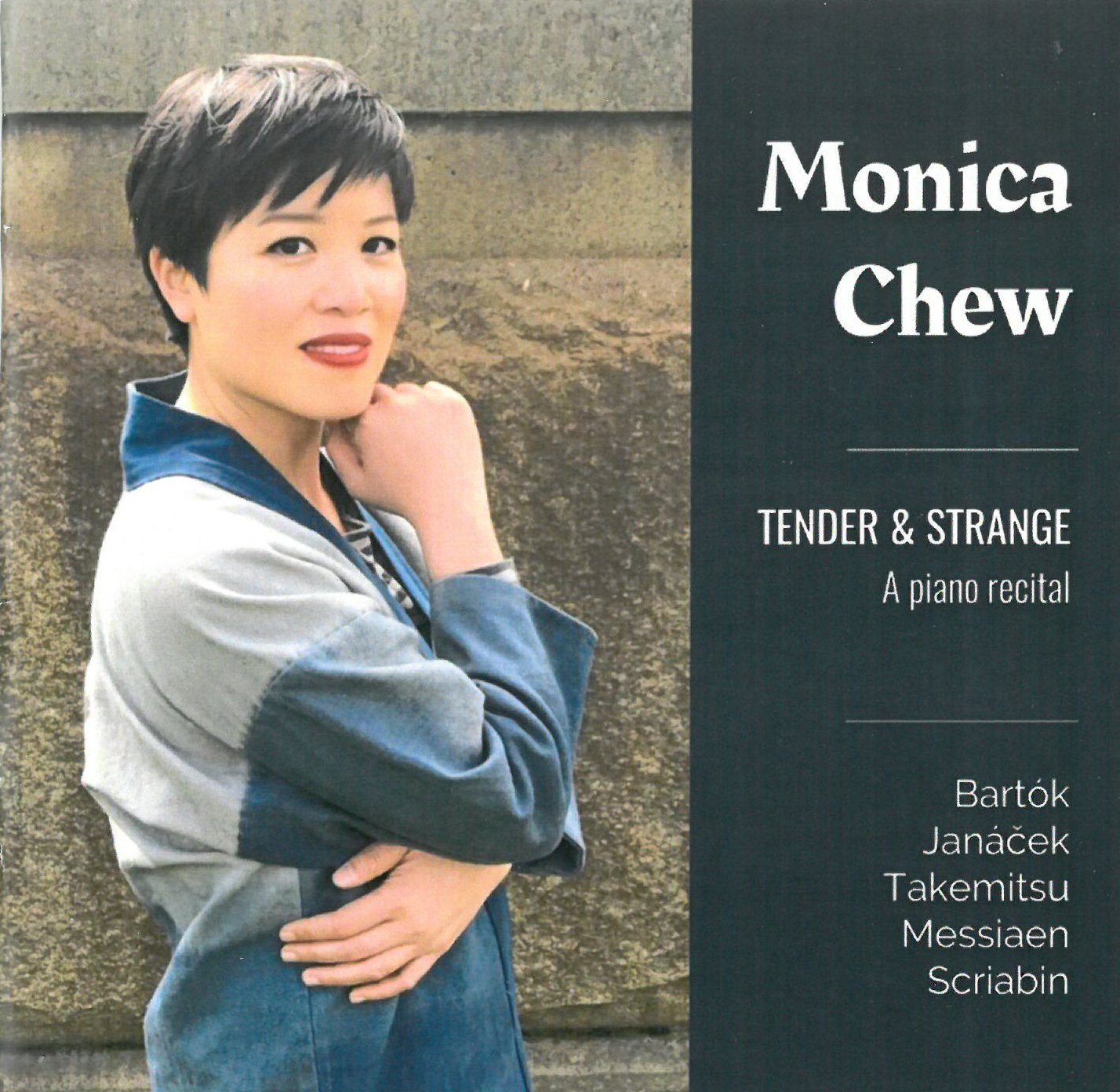
09 Monica ChewMonica Chew is a gifted player with an affinity for deeply sensitive expression. Her debut recording Tender & Strange – A Piano Recital: Bartok, Janáček, Takemitsu, Messiaen, Scriabin (Chronicalicious CHR 170001 monicachew.com) conveys this in a powerful way and her program title aptly reflects her recital’s intentions. Each of her chosen pieces has some passages where this inner search is evident, but she makes the deepest impression with the Messiaen Le baiser de l’enfant-Jesus. Here she speaks the composer’s language fluently. Similarly, both of Takemitsu’s Rain Tree Sketches capture a contemplative other-worldliness. No.2 in particular, In Memoriam Olivier Messiaen, holds the listener in suspense through its numerous sustained chordal clusters that fade over extended fermatas, each followed by total silence before the next notes sound. Chew plays these final pages of the piece with impeccable timing and musicality.

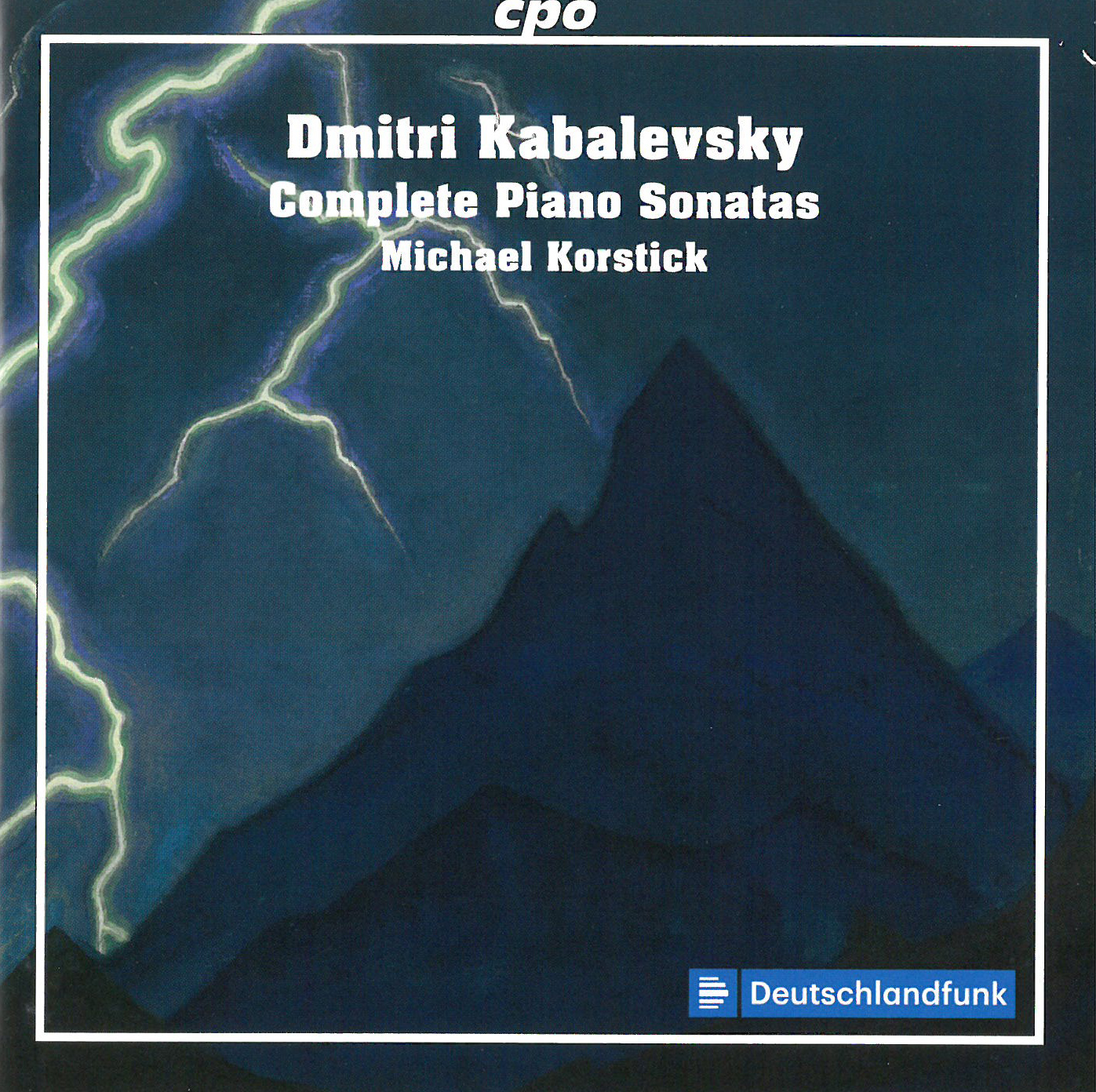
10 Kabalevsky SonatasMichael Korstick has several dozen recordings to his credit and his latest is Dmitri Kabalevsky – Complete Piano Sonatas (CPO 555 163-2 naxosdirect.com/labels/cpo). Kabalevsky’s piano music suffers the fate of being overshadowed by that of other Russian contemporaries like Prokofiev and Rachmaninoff, but the artistic commitment of performers like Korstick and labels like CPO make this music both available and worth hearing. Kabalevsky’s three sonatas are his only efforts for solo piano in a large form. The first dates from 1927 and the other two from 1945 and 1946 respectively. Kabalevsky wrote the Sonata No.2 Op.45 for Emil Gilels, who premiered it in the Soviet Union in 1945. Vladimir Horowitz performed the American premiere at Carnegie Hall in 1947. It’s the most engaging of the three sonatas, with some devilishly difficult passages in the final movement. On the whole, it’s a beautifully written piece and offers so much that repeated plays are a necessity. Korstick does a fabulous job performing it.

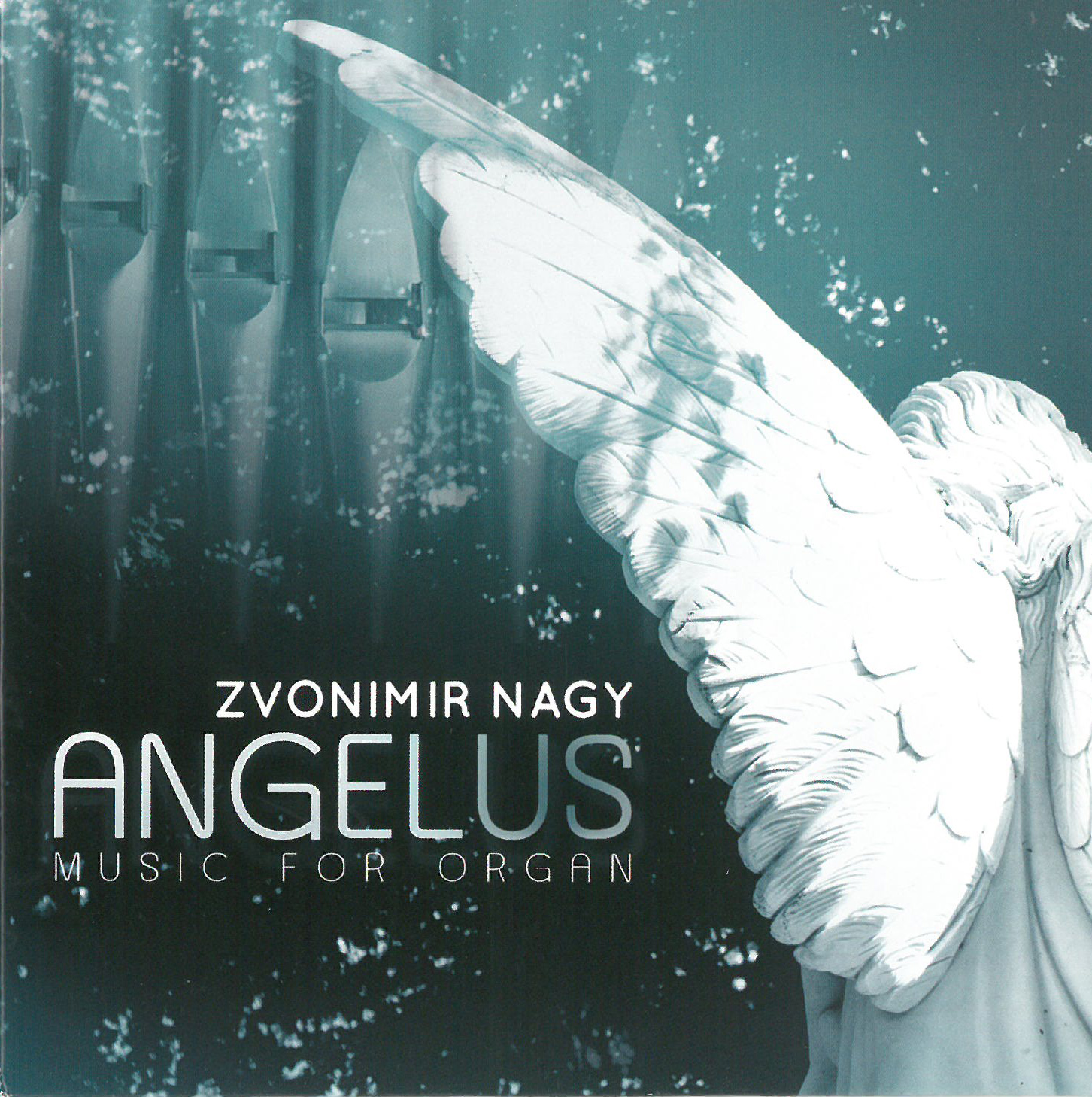
11 Nagy AngelusOrganist and composer Zvonimir Nagy has a new recording of his recent works. Angelus – Music for Organ (Ravello Records RR7987 ravellorecords.com) begins with the title track Angelus, and establishes the profoundly meditative nature of this disc’s program. The recording was made on the four-division pipe organ in the Chapel of the Holy Spirit at Duquesne University in Pittsburgh, where Nagy is associate professor of music. It’s a modestly sized instrument and well-balanced for the acoustic space the chapel offers.

There is a marked minimalism in Nagy’s writing. He uses the instrument’s broad dynamic range and colourful stop list to create some very beautiful moments. Even while he concentrates on form, writing movements that are inversions and retrogrades of each other, he is always focused on creating the meditative atmosphere he wants for works like Litanies of the Soul and Preludes for a Prayer.

12 Melnikov Debussy coverAlexander Melnikov is a graduate of the Moscow Conservatory. His new recording Claude Debussy – Préludes du 2e Livre, La Mer (Debussy version for four-hand piano) (Harmonia Mundi HMM 902302 harmoniamundi.com) includes pianist Olga Pashchenko in the transcription of La Mer.

Debussy accepted his publisher’s request to write the transcription, and created a work that blends an astonishing amount of orchestral colour into the capabilities of a single keyboard with two players. Melnikov and Pashchenko are wonderful partners in this recording. They play with a deeply shared artistic sensibility and deliver both the power and rich palette of the orchestral score.

Melnikov plays the Préludes Book II leaving the impression that he understands exactly what Debussy intended to convey. His technique is impressively clean and crisp, and his interpretations are completely convincing. He plays with great attention to colour and emotion, and takes advantage of Debussy’s frequent harmonic densities and other devices to make this a completely captivating disc. Melnikov favours authenticity in performance and has chosen to play an Érard in this recording. 

01 VivaldiVivaldi – Concertos pour flûte à bec
Vincent Lauzer; Arion Baroque Orchestra; Alexander Weimann
ATMA ACD2 2760 (atmaclassique.com)

Vivaldi’s recorder concertos have long been respected – and enjoyed. Enter soloist Vincent Lauzer, who comes with a whole slate of achievement awards. Lauzer tackles his first soprano concerto with relish, meeting the challenge of a demandingly fast Allegro and Allegro molto; in between these two he charms us with a soothing Largo, testing the full gamut of the soprano recorder.

Turn now to the five movements of the treble recorder concerto from the La Notte suite. Once again, a Largo breathes intensity into Vivaldi’s music. Lauzer conducts us through a somewhat sinister composition; as La Notte implies there is indeed something of the night about it.

Of course, this pattern of serious Largos should not be taken as typical, as there is a lightness and pleasure in the Largo movement of Lauzer’s choice of another soprano concerto. This time, too, an Allegro draws on all the soloist’s expertise – it is breathless for both performer and listener.

Lauzer absolutely sails through this repertoire, although we should not forget the strings and basso continuo. Listen indeed to the Largo e cantabile of Lauzer’s final choice for treble recorder. It is as though with anything Vivaldi composed, no matter how complex Vivaldi intended it to be, Lauzer performs it with a passion. He enjoys total mastery of his recorders. And we are the highly fortunate listeners.

02 KuhlauKuhlau – Grandes Sonates Opus 71 & 83
Mika Putterman; Erin Helyard
Analekta AN 2 9530 (analekta.com)

Born in Hamburg and later based in Copenhagen, Friedrich Kuhlau (1786-1832) was encountered by my generation mainly as a piano sonatina composer. In his time, however, he succeeded best with music for the flute. Montreal-based specialist Mika Putterman here provides an exemplary demonstration of the Romantic flute’s beauties, in collaboration with Australian fortepianist, conductor and musicologist Erin Helyard. In Kuhlau’s Grand Sonata for Fortepiano and Flute Obbligato, Op. 71 in E Minor (1825) and the similarly named Op. 83, No. 1 in G Major (1827) the duo also practises tempo modification, i.e. speeding up or slowing down beyond what is specified in the score. It takes time to get used to this, as is usual with unfamiliar historically informed performance practices.

I particularly enjoyed the E-minor sonata for its instrumental interplay, florid display and melodic attractiveness. Putterman plays with pure, non-vibrato tone that can be sweet or sad, and is very affecting in the slow movement’s melody. Helyard is a confident fortepianist, though sometimes his solid chords are over-prominent. Both are excellent technically and their ensemble is tight. The G-major sonata’s middle movement is a set of variations, where each player impresses with the ability to play fast passages with convincing expressive touches. Of the outer movements I preferred the first, and must mention Helyard’s fluent double-thirds here and elsewhere. Along with specialists, I think this disc would appeal to those open to new challenges for performers and listeners alike.

03 Beethoven FluteBeethoven – Works For Flute 1
Kazunori Seo; Patrick Gallois; Mitsuo Kodama; Asuka Sezaki; Koichi Komine
Naxos 8.573569 (naxos.com)

Japanese flutist Kazunori Seo takes centre stage in this recording of Beethoven’s wind-focused chamber music. First up on the program are three duos for flute and bassoon, transcribed by Seo to substitute a flute for the clarinet originally called for on the upper part. It’s not certain that these duos are really Beethoven’s, and they don’t display the complexity of the other two pieces which follow them here – but their transparent simplicity is charming. Seo and bassoonist Mitsuo Kodama play with grace and attentiveness here, but are perhaps a little too cautious in their interpretation. That said, Seo’s sound on his wooden modern flute is lovely, his use of vibrato as a decorative choice is exemplary, and the instrumental blend is top-notch.

Much less reserve can be heard in the Duo in G Major for two flutes, played by Seo and Patrick Gallois with strongly shaped phrasing, dramatic shifts of dynamic range, and expressive use of articulation and ornament. The conversation’s saltier and the results are definitely fun!

The interpretive thoughtfulness continues with Serenade in D Major for flute, violin and viola, Op.25, which receives a nuanced and intrepid performance in its original scoring. This is a wonderful piece of chamber music and it’s good to hear it played with such polish and spirited engagement.

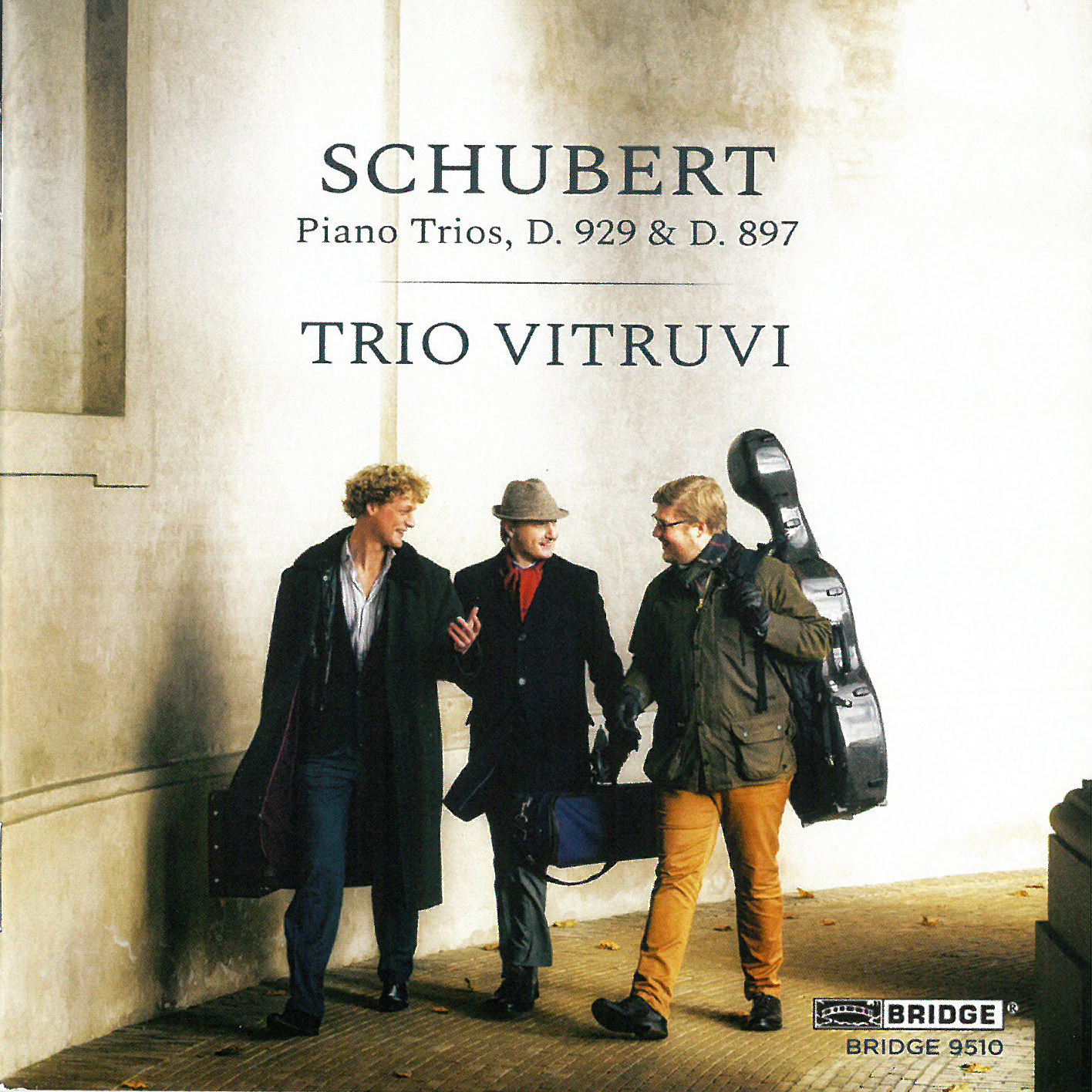
04 Schubert TriosSchubert – Piano Trios
Trio Vitruvi
Bridge Records 9510 (bridgerecords.com)

Hailing from Denmark, Trio Vitruvi had both their Carnegie Hall debut performance and the official release of their debut album with Bridge Records in April this year. After winning two chamber music competitions and several awards in 2014, the ensemble began touring and found its unique voice in the process – their playing is polished and noble, sophisticated, astute and spirited, open to improvising in the moment yet respectful of musical traditions. The trio’s name comes from Roman architect and philosopher Vitruvius, whose concepts regarding beauty, structure and proportions the trio adopted and applied to their understanding of music and interpretations. Niklas Walentin (violin), Jacob la Cour (cello) and Alexander McKenzie (piano) are not only talented but also highly attuned to Schubert’s music.

Schubert’s final piano trio (D.929) is rich, monumental, ingenious, surprisingly intimate at times, a masterpiece of structural and harmonic genius, and one of my favourite pieces of music. I cannot help but note the parallel between the Vitruvian Triad (as written in De Architectura) and the trio’s interpretation of Schubert’s music: it seems that both Vitruvius and Vitruvi aspired to make their creations solid, useful and beautiful. Vitruvi takes it one step further – they infuse Schubert’s music with a sense of adventure and limitless colours. Here we are treated to the original, longer version of the fourth movement, which makes this recording even more precious. Notturno, written in the same year, makes for the lush, lyrical conclusion of this album.

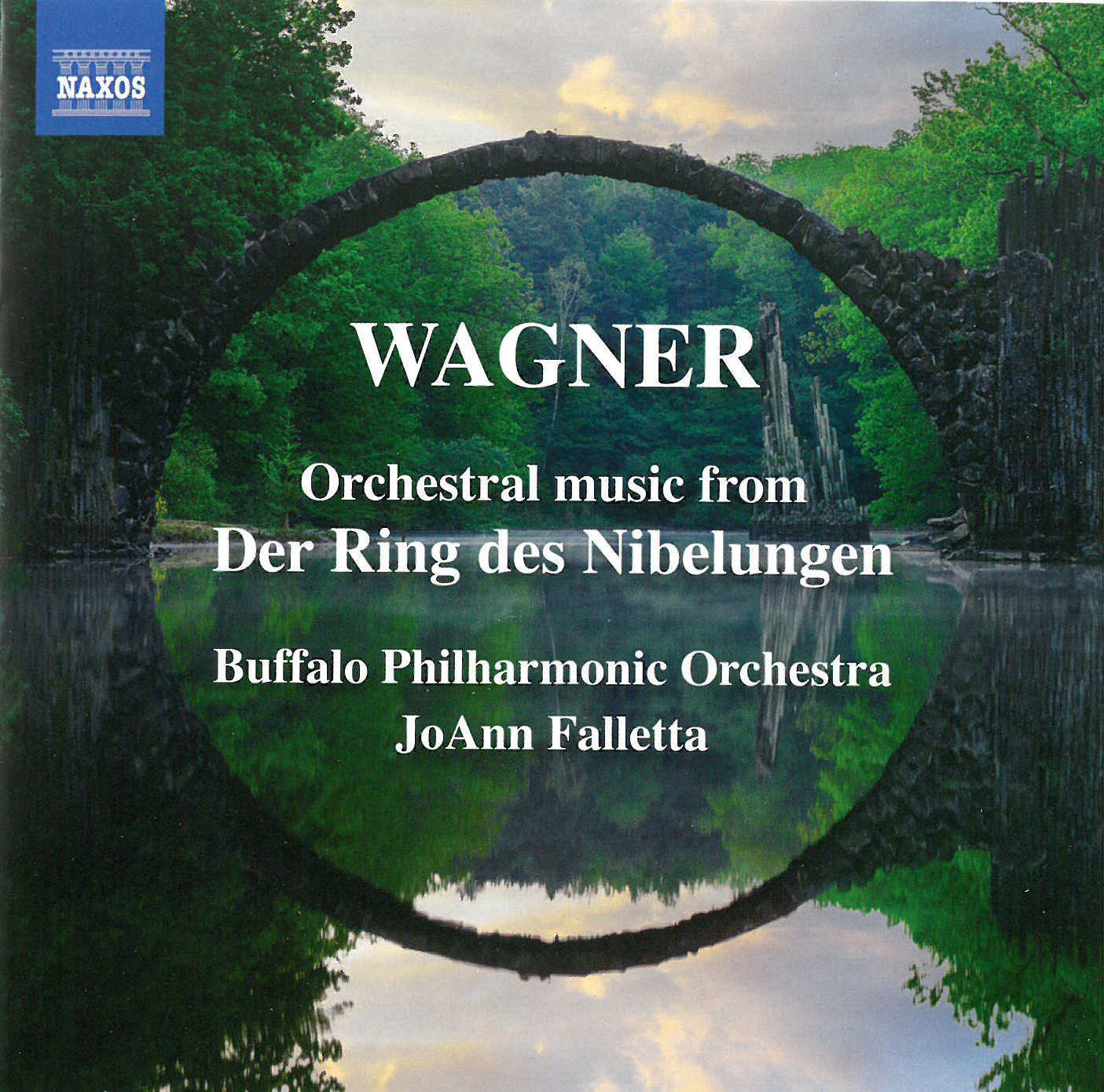
05 Wagner OrchestralWagner – Orchestral music from Der Ring des Nibelungen
Buffalo Philharmonic Orchestra; JoAnn Falletta
Naxos 8.573839 (naxos.com)

Apart from having a great sense of theatre, Wagner was also a tremendous orchestrator, much of it self-taught. He increased the size of the orchestra, invented new instruments (e.g. Wagner tuba), and like Debussy later, created a new sound, new orchestral colours, and had definite ideas as to the placement of the orchestra in relation to the stage. He was also the first one who thought of turning off the lights in the auditorium during performance. Naturally the orchestra became an integral part of his music dramas and much of his orchestral music can be independently played at concerts.

The Ring has ample scope for this, collected now on a single CD by Naxos with the Buffalo Philharmonic and their current music director, JoAnn Falletta. It’s primary purpose most likely is to show off the virtuosity of this fine ensemble and its conductor and perhaps give an introduction to the uninitiated at a low price. The excerpts evoke some of the great scenes, like the Entry of the Gods into Valhalla over a rainbow bridge or the Ride of the Valkyries where you can hear the shrieks of laughter of the warrior maidens and the neighing of the horses, or the wondrous Magic Fire Music with its shimmering curtain of sound. We can even hear the waves of the mighty Rhine carrying Siegfried to his eventual doom.

Given the enormous popularity of the Ring today and dozens of new video versions, this modest CD is a good reminder of the timeless musical beauties that might escape the hurried wayfarers of our digital, plug-in world.

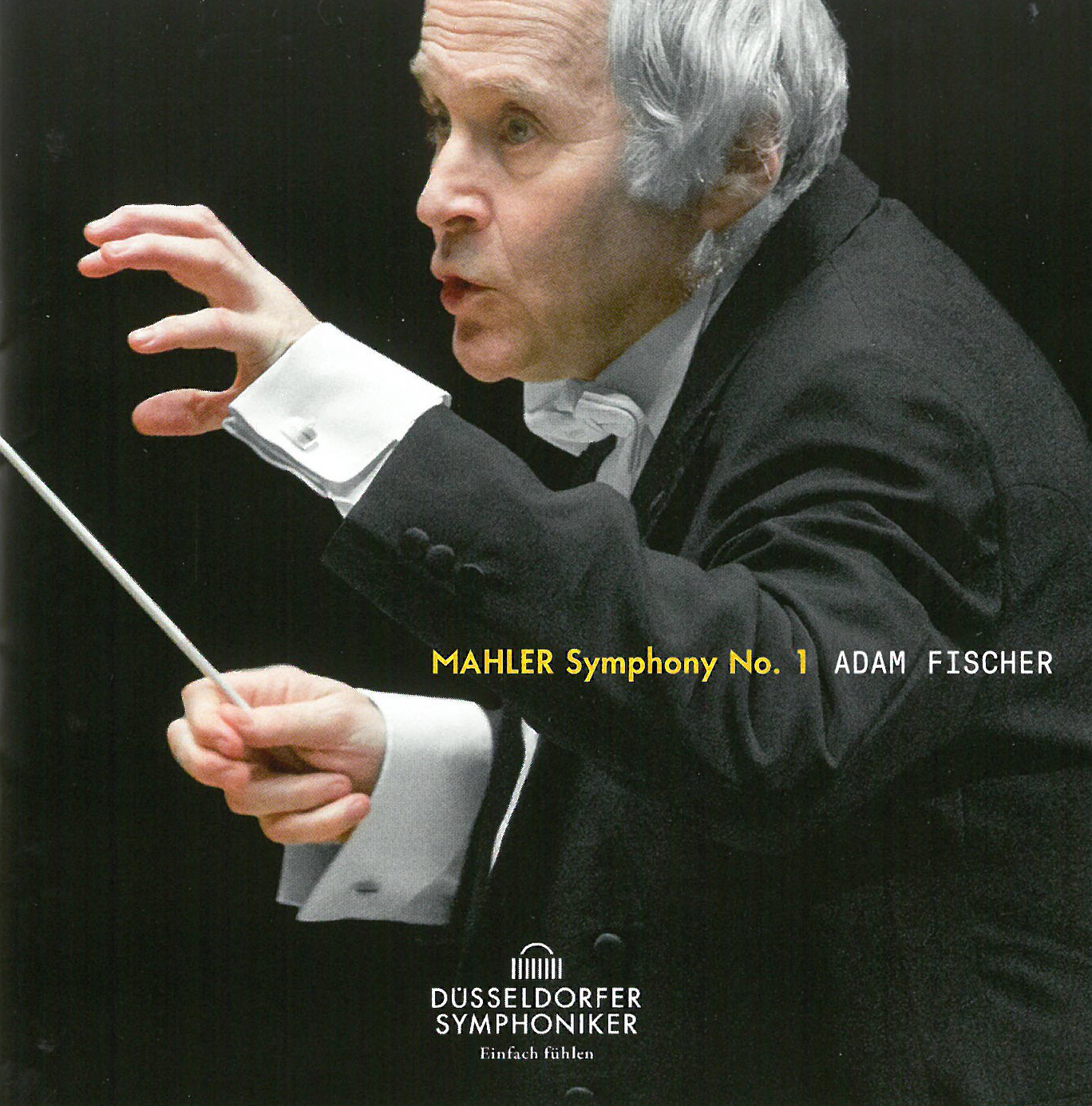
06 Mahler 1 FischerMahler – Symphony No.1
Düsseldorfer Symphoniker; Ádám Fischer
Avi-Music 8553390 (avi-music.de)

It started innocently enough. Our stalwart editor kindly brought me this Mahler disc conducted by a fellow named Fischer. I presumed his first name was Iván, well known for the excellence of his Mahler recordings with his Budapest Festival Orchestra; but what was he doing in Düsseldorf? Well, I was (not so) sadly mistaken; Iván has an elder brother, named Ádám, who has been the music director of the venerable Düsseldorf orchestra since 2015. And what of the Düsseldorf ensemble? Established 200 years ago, it was led in its early days by the likes of Mendelssohn and Schumann. Though their symphonic profile is unfortunately overshadowed these days by their onerous commitments to the local opera house, they are an aristocratic ensemble of outstanding sensitivity that deserves a far greater international reputation.

In fact, I was so impressed by the excellence of this recording of Mahler’s fledgling symphony I eagerly sought out and strongly recommend their earlier volumes of this ongoing cycle as well, which Fischer boldly launched in 2015 with the most under-appreciated of Mahler’s symphonies, the sphinx-like Seventh. I was floored by that 2015 performance, which is amongst the finest I have ever heard. From start to finish Fischer never loses sight of the connecting threads of this highly sectional work, expertly driving it to a triumphal conclusion. I was reminded of an incident in 1976 when I was astonished to witness a high school band sauntering down Bloor Street during the annual Christmas parade, blasting away the principal theme of the finale of this work. Mahler himself would have been delighted to have witnessed that event; his time had indeed come! That’s exactly how joyously the conclusion of this work reaches its spirited apotheosis.

The subsequent volume featuring the Fourth Symphony is equally fine, a beautifully sculpted sonic landscape imbued with the effervescent spirit of Haydn, over which passing clouds of mock menace occasionally appear. No detail is overlooked and the performance is full of personality with a chamber-music-like delicacy. It rivals my sentimental favourite performance by George Szell.

The recordings in this ongoing cycle are edits of live performances captured by German Radio. The sound is excellent and the audience is undetectable, though at times the lower frequencies seem slightly indistinct (notably in the First Symphony), likely due to the unusual spherical design of the Düsseldorf Tonhalle, a repurposed, massive planetarium constructed in 1926. Fischer himself contributes his own provocative thoughts in the program notes.

A fourth volume devoted to the Fifth Symphony was released in March. Digital downloads are available at avi-music.de. This series promises to rank among the most compelling of Mahler cycles in a very crowded field.

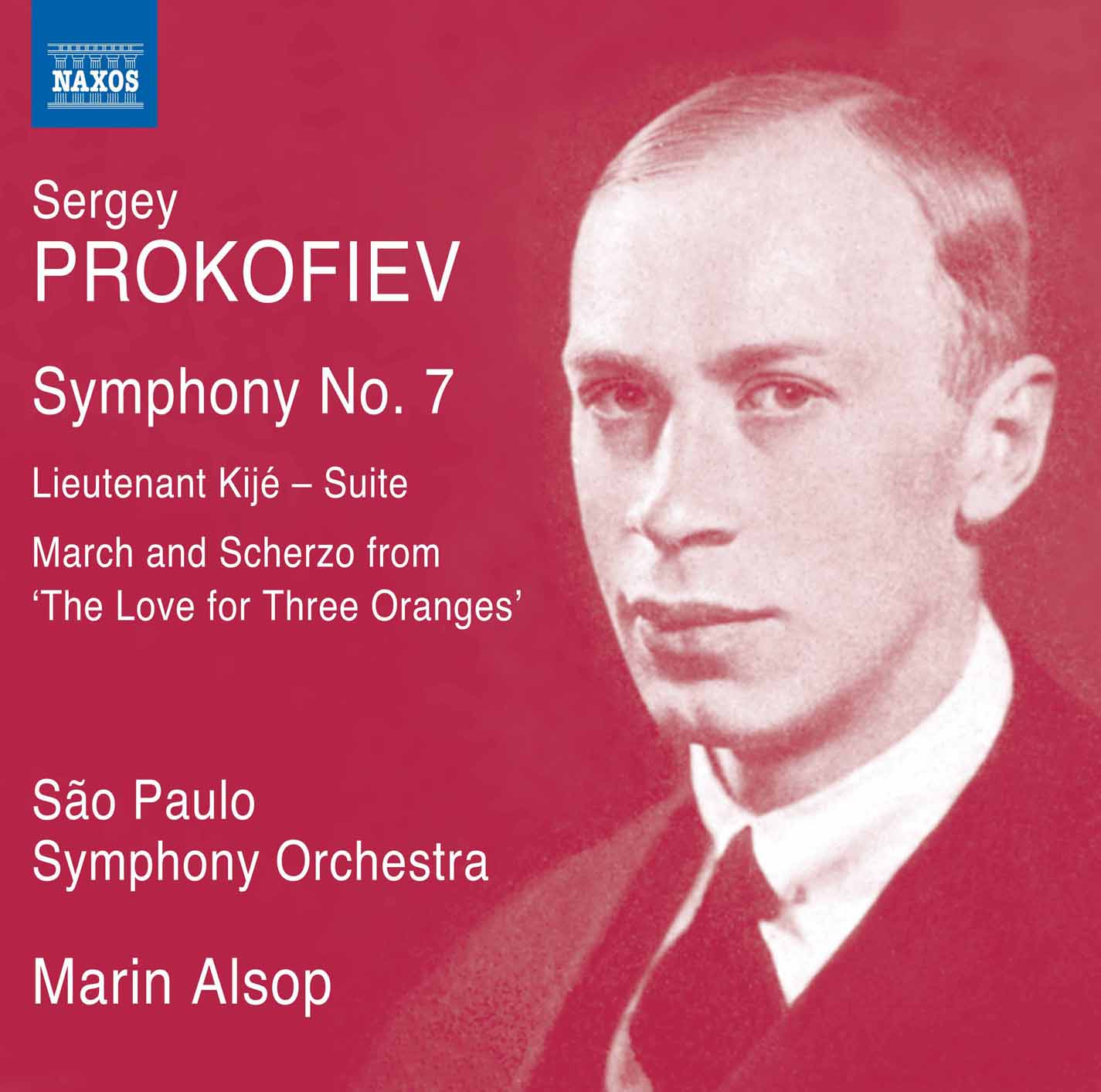
07 Prokofiev Symphony No7Prokofiev – Symphony No.7; Orchestral works
Sao Paulo Symphony Orchestra, Marin Alsop
Naxos 8.573620 (naxos.com)

Sergei Prokofiev made a disastrous decision in 1936 to return to his homeland, the Soviet Union. Already a much celebrated composer and pianist in the West, he was hoping the Stalinist repression and terror wouldn’t apply to him like it did to Shostakovich, who kept a packed suitcase by his bedside to be ready when the KGB showed up. It didn’t, but Prokofiev’s creative genius was much curtailed and, plagued with ill health, financial and marriage problems, he was driven to an early death in 1953 (a day I remember), a few hours before Stalin died.

The Seventh Symphony that stems from this period shows no sign of the lessening of his talents, although it was aimed at pleasing the regime. What makes it so beautiful is his melodic gifts par excellence combined with tremendous skill in counterpoint, with countermelodies going in the opposite direction in the lower registers against the main subjects in the upper strings. The effect is remarkably original, and made transparent here by Marin Alsop. She recorded the entire set of Prokofiev’s symphonies with the Sao Paulo Symphony Orchestra, with which she seems to have special affinity. Alsop takes a relaxed approach, somewhat slower than expected, revelling in the lyricism and beauties of the score, but gathers momentum in the last movement with an inimitable, energetic yet graceful style that I had the good fortune to witness when I last saw her with the TSO.

In addition, there are two excerpts from the opera Love for Three Oranges, with the Scherzo delightfully driven in good humour and devil-may-care abandon, and the Lieutenant Kije Suite, where Alsop conjures up a monumental brass fanfare from pianississimo in steady crescendo to a formidable fortississimo, a remarkable feat by the Sao Paulo brass and Naxos engineers.

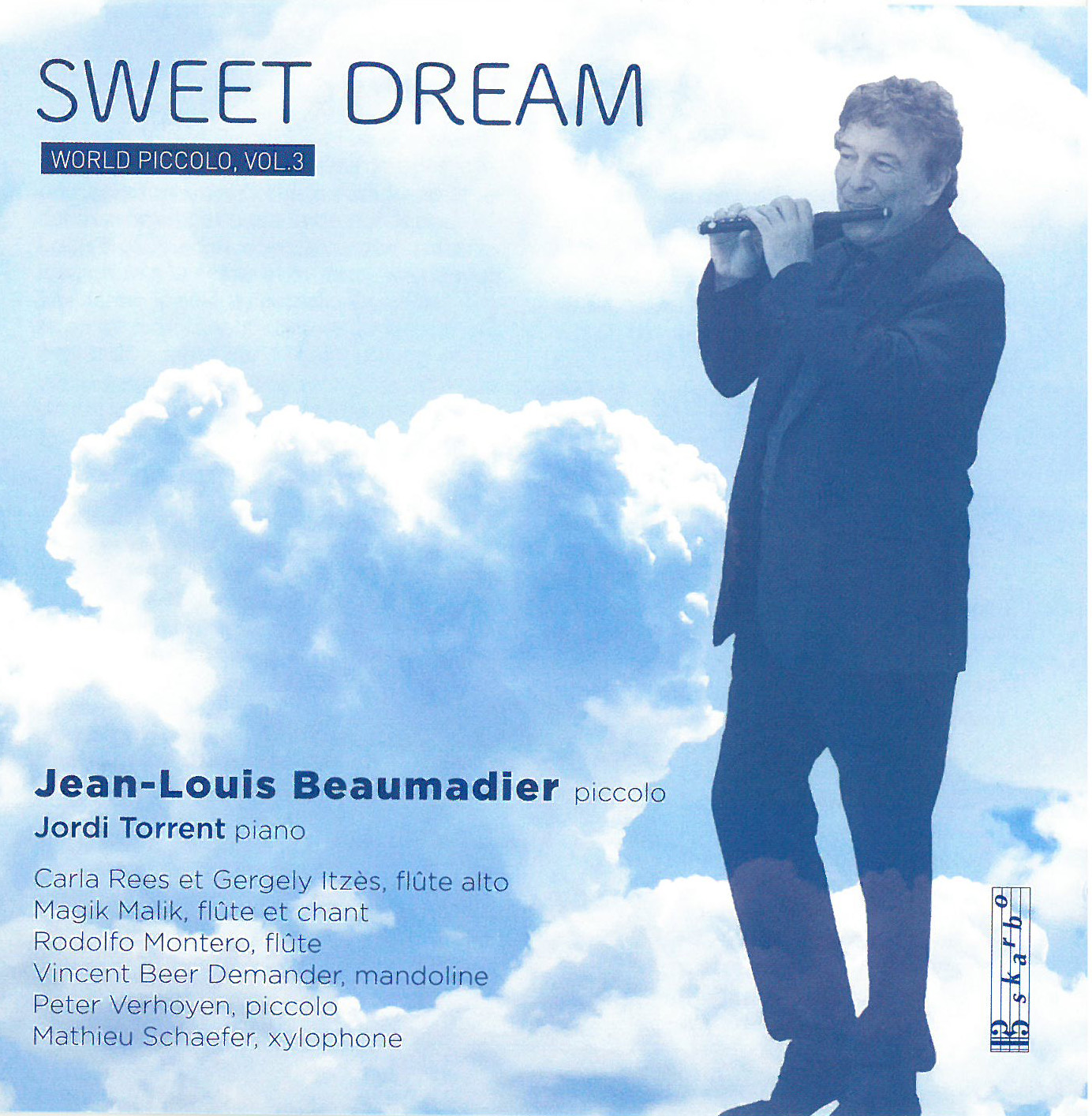
08 piccolo sweet dreamSweet Dream
Jean-Louis Beaumadier
Skarbo DSK4165 (piccolo-beaumadier.com)

How much repertoire is out there for the piccolo player? Through extensive discoveries, adaptations and commissioning, Jean-Louis Beaumadier continues to amaze us with the breadth of musical possibilities that his oft-maligned little flute possesses. Sweet Dream, the most recent addition to his fine collection of nearly 20 recordings devoted entirely to the piccolo, offers fresh new works rendered with the captivating artistry we have come to expect from this musician whom Jean-Pierre Rampal once dubbed “the Paganini of the Piccolo.”

In Guarnieri’s Estudo, Guiot’s Sweet Project, and Damase’s For Piccolo, Beaumadier’s continuing partnership with pianist Jordi Torrent is the source of outstanding rhythmic precision, impeccable intonation and synchronicity of nuance. In particular, the jazzy, technical wizardry of Mike Mower’s Sonata is executed with effortlessly cool nonchalance. Carla Rees with her Kingma quarter-tone alto flute joins them in Véronique Poltz’s four expressive and inventive miniatures, Midnight with Pan. Although employing flutter-tongue, whole-tone and quarter-tone passages, this music is engagingly accessible; movement three, Sweet Dream, exudes utter serenity.

The controlled beauty of Beaumadier’s pianissimo is featured in Flint Juventino Beppe’s A Piccolo Poem. William Bardwell’s gamelan-inspired gem, Little Serenade, uses the percussive textures of the mandolin and xylophone to contrast and support some very lyrical piccolo playing. Rounding out the disc are Gordon Jacob’s Introduction and Fugue for piccolo, flute and alto flute, Magalif’s infectiously cheerful piccolo duet Tarantella and the improvisatory-like duet, Naomi for piccolo and flute with voice, by Magic Malik (Malik Mezzadri).

This CD is highly recommended for both the piccolo aficionados and its skeptics!

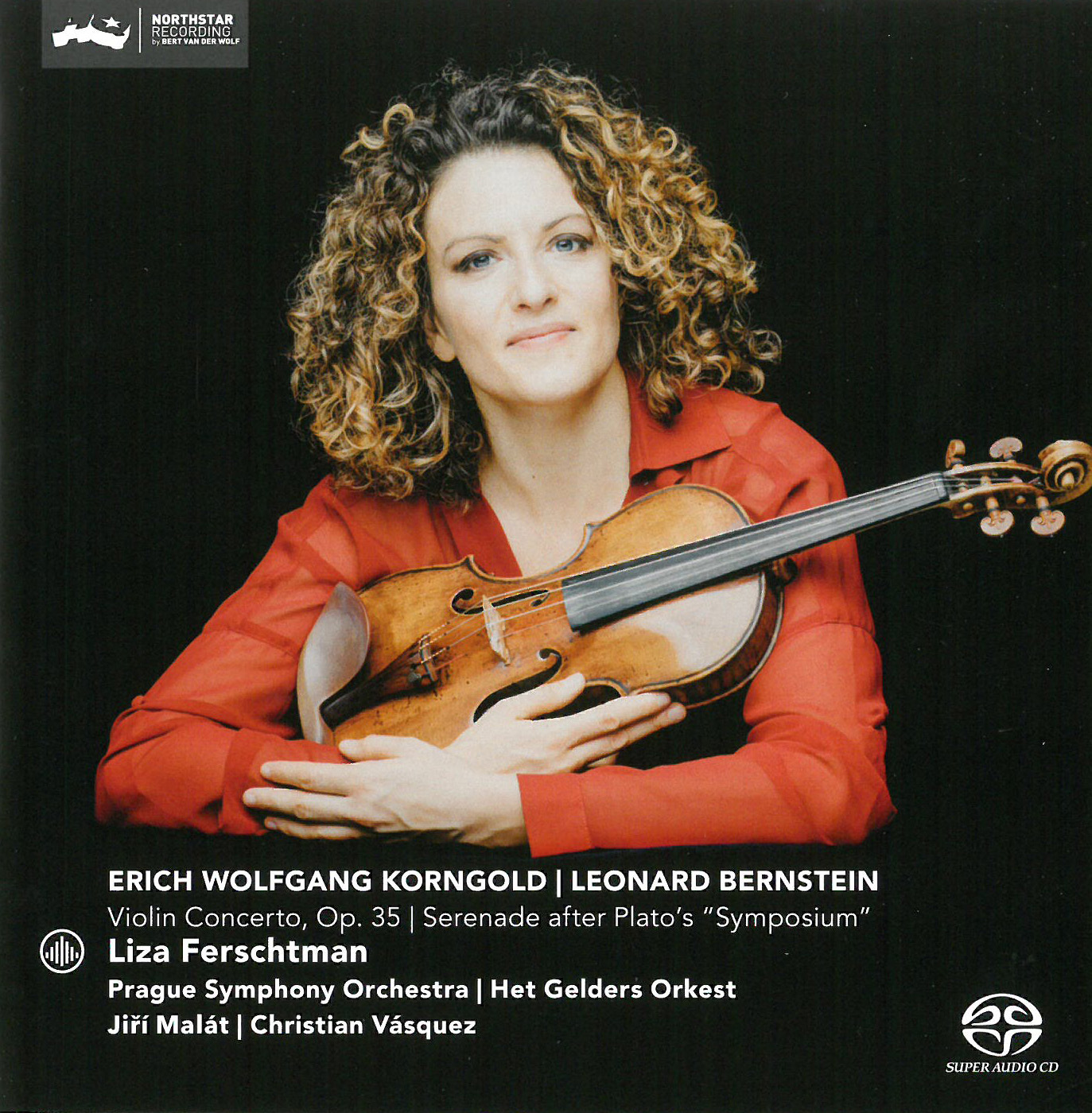
01 Korngold BernsteinThe Dutch violinist Liza Ferschtman is in terrific form on her new Super Audio CD of works by Erich Wolfgang Korngold and Leonard Bernstein (Challenge Classics CC72755 challengerecords.com). The Prague Symphony Orchestra under Jiří Malát features in Korngold’s Violin Concerto Op.35, while Het Gelders Orkest under Christian Vásquez accompanies Bernstein’s Serenade after Plato’s “Symposium.”

Korngold’s cinematic concerto quotes liberally from his Hollywood movie scores, and despite its 1945 date is a late Romantic work redolent of the composer’s early years in pre-war Vienna. Ferschtman’s strong, rich tone is perfect for this lush work, and is particularly effective in the gorgeous slow movement.

Bernstein’s Serenade, written for Isaac Stern in 1954, is a five-movement work very much with a concerto feel – Bernstein apparently referred to it as such – and also contains quotes from the composer’s earlier works, this time five short pieces written as birthday presents for his friends. It’s a really lovely work that really should be heard more often.

Both were recorded live, the Korngold in Ludwigshafen, Germany and the Bernstein in Arnhem in the Netherlands. The orchestral contribution is excellent throughout, as is the recording quality.
02 Daniel Hope MozartJourney to Mozart is an exploration of the musical world of Mozart and his contemporaries by the English violinist Daniel Hope (danielhope.com) with the Zurich Chamber Orchestra (Deutsche Grammophon 4798376).

Two pieces from Gluck’s Orfeo ed Euridice – an orchestral Dance of the Furies and a violin adaptation of Dance of the Blessed Spirits – open the disc. Haydn’s Violin Concerto in G Major has a lovely feel to it, as does the Larghetto second movement from Mysliveček’s D Major Violin Concerto.

The central Mozart works are the Violin Concerto No.3 in G Major K216 and the E Major Adagio K261, the latter in a particularly lovely performance.

Johann Peter Salomon, the concert impresario who brought Haydn to London, was also a violinist and composer, and his brief Romance for violin and strings in D Major is a real delight. An arrangement of Mozart’s Rondo alla turca from the A Major Piano Sonata K331 completes a terrific CD.

After numerous appearances as a guest soloist Hope became the musical director of the Zurich ensemble in 2016. Their mutual understanding is evident in performances notable for their sensitivity, clarity, energy and dynamic contrasts.
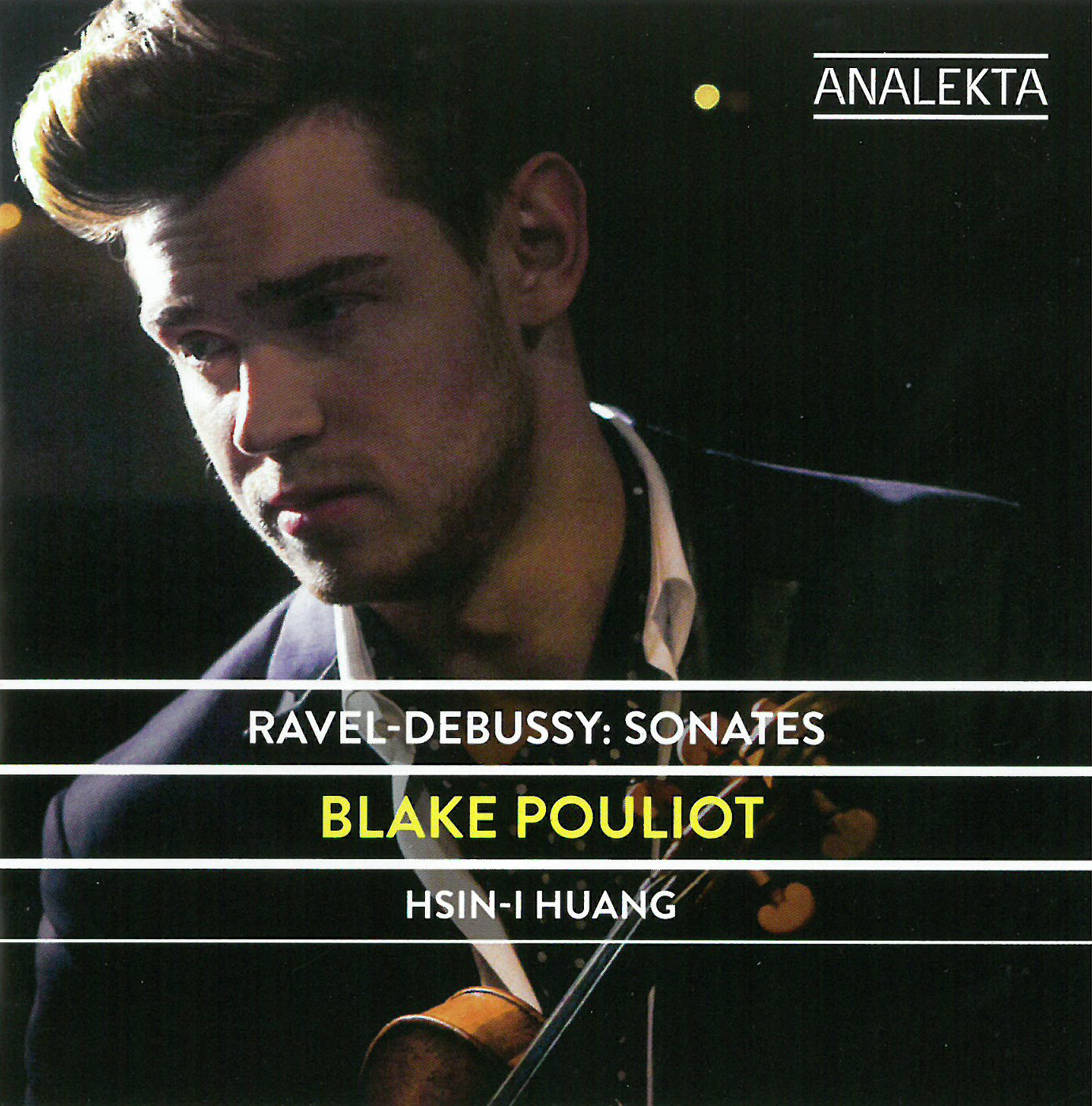
03 Blake PouliotThe young Canadian violinist Blake Pouliot makes an outstanding recording debut with Ravel-Debussy Sonates with pianist Hsin-I Huang (Analekta AN 2 8798 analekta.com). The Ravel works are the Tzigane and the Violin Sonata No.2 in G Major, while Debussy is represented by the Sonata for Violin and Piano and a transcription of the song Beau Soir, the latter providing a truly beautiful ending to a first-class CD.

Pouliot plays with strength, clarity, warmth, faultless intonation and a fine sense of phrase, and draws a gorgeous tone from the 1729 Guarneri del Gesù violin on loan from the Canada Council for the Arts. Huang provides splendid support for a player who is clearly going to be a major force in the violin world.
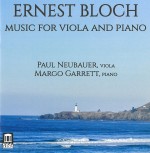
04 Bloch ViolaThere is an interesting story behind the recent release of Ernest Bloch Music for Viola and Piano (Delos DE 3498 delosmusic.com). Violist Paul Neubauer and pianist Margo Garrett spent three days in 2001 recording all of Bloch’s music for viola and piano, only for the digital audio tapes to go missing. When they resurfaced a while ago the performers were thrilled to find them not only salvageable but also featuring playing that represents their best efforts to bring these works to life.

And what playing it is! Both performers are superb in the major work on the CD, the four-movement Suite for Viola and Piano from 1919, described in The Musical Quarterly as “…one of the most significant and powerful works of our time.”

The other works on the disc are the short, unfinished Sonata for Viola Solo from 1958, the year of Bloch’s death, and the Suite hébraïque and the Meditation and Processional, originally written as Five Jewish Pieces in 1951 but reconfigured into two independent works and published separately.

Neubauer has a wonderful fullness to his playing, with Garrett’s accompaniment of an equally high standard. There is no hint of any problem with the source tapes. 
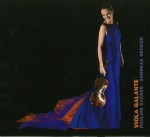
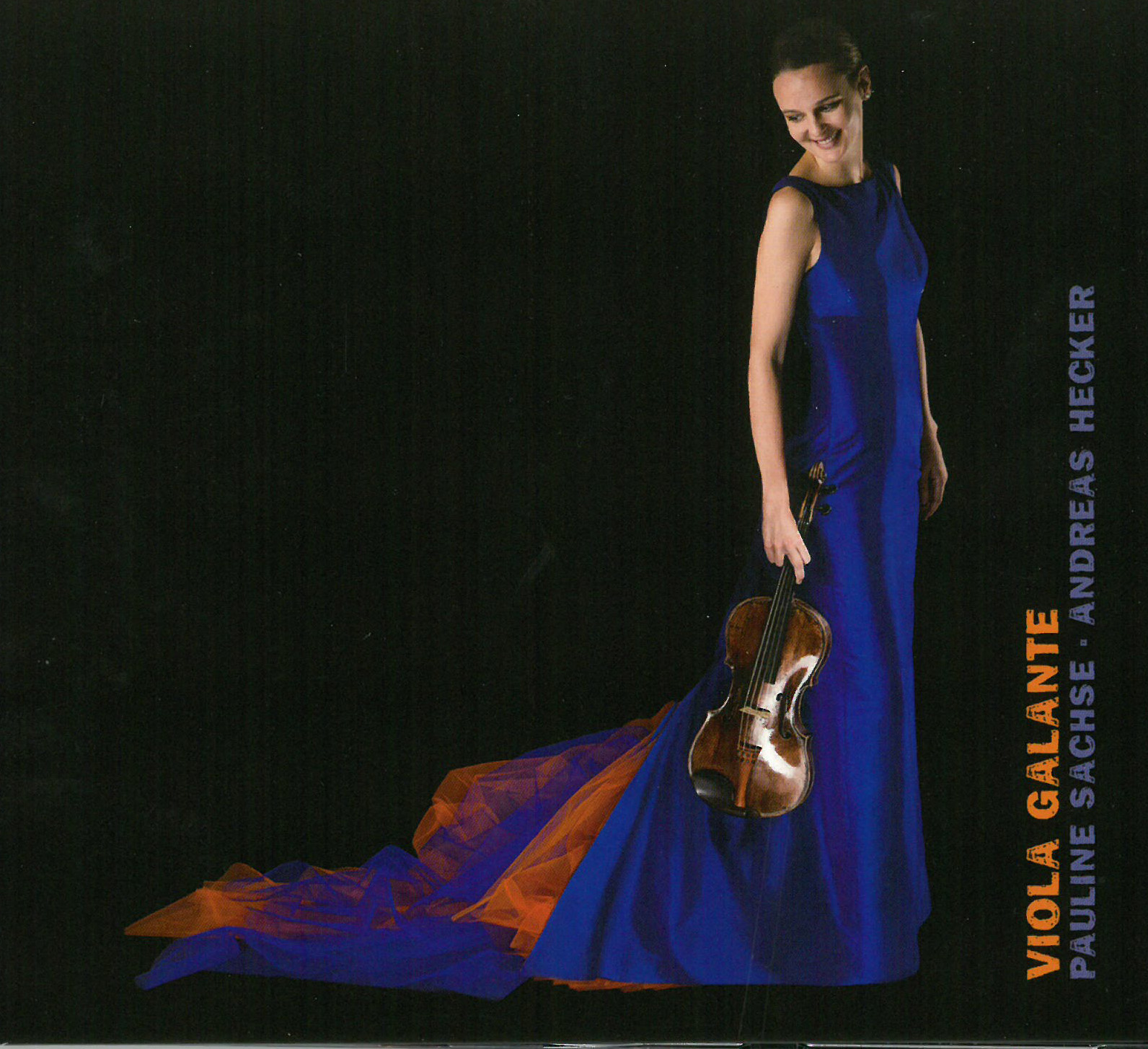
05 Viola GalanteThere’s more lovely viola playing on Viola Galante with violist Pauline Sachse and harpsichordist Andreas Hecker playing 18th-century sonatas by C.P.E. Bach, William Flackton, Giorgio Antoniotto, Franz Benda and Christlieb Siegmund Binder (Avi-music 8553312 avi-music.de). Except for the Bach and Flackton, all are world premiere recordings of mostly forgotten repertoire.

The works are from an era when the viola was first being considered as a solo instrument, and when, in reaction to the ornamental Baroque style, a desire for delicacy and sensitivity sparked the emergence of the galant style. Both players exhibit an appropriate lightness and agility with an excellent balance, the harpsichord never too close or heavy. The opening movement of the Binder work in particular features outstanding playing by Hecker.

Sachse’s 1610 Paolo Maggini Madame Butterfly viola is strung with gut strings, and produces an appropriately beautiful sound. Hecker plays a 2000 Bruce Kennedy replica of a Berlin harpsichord by Michael Mietke, ca.1700.

Excellent and informative booklet notes regarding style and technical issues, especially contemporary pitch and temperament, add to a fascinating release.
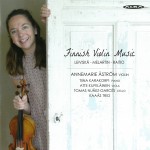
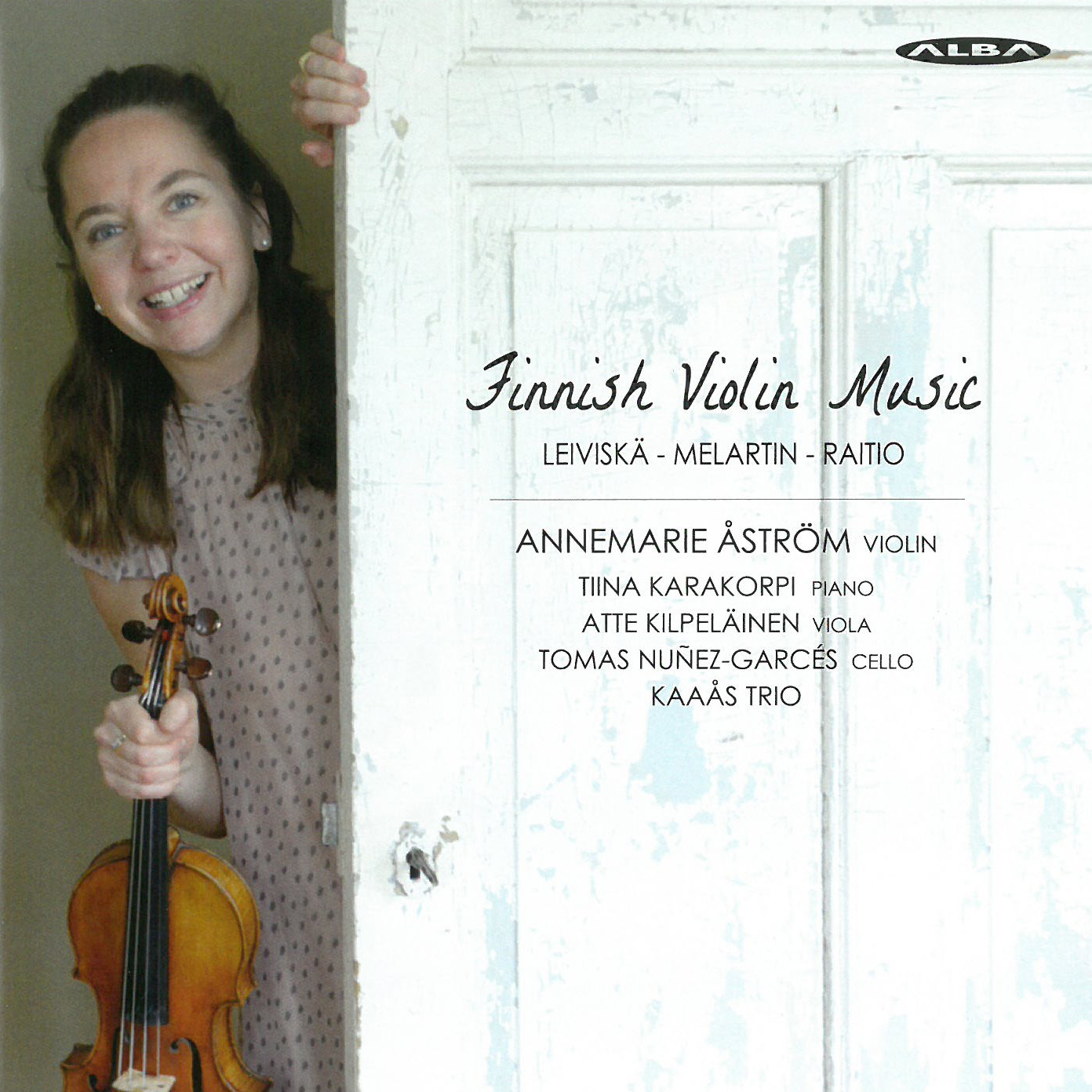
06 Finnish ViolinThere are more world premiere recordings on Finnish Violin Music, with violinist Annemarie Åström leading performances of virtually unknown works written in the 1920s in the shadow of Sibelius (Alba Records ABCD 410 alba.fi). The three composers here share a connection, Helvi Leiviskä and Väinö Raitio having studied with Erkki Melartin at the Sibelius Academy in Helsinki.

Åström is joined by fellow KAAÅS Trio members pianist Tiina Karakorpi and cellist Ulla Lampela in Leiviskä’s Piano Trio, and by violist Atte Kilpeläinen and cellist Tomas Nuñez-Garcés in Melartin’s terrific Trio Op.133. Raitio is represented by the Four Pieces for Violin and Piano Op.18 and Sinivuokko, a late piece from 1943.

These are fine performances of really strong and appealing works that leave you wondering what other real gems are waiting to be rescued from obscurity.
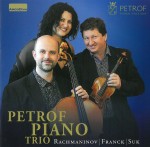
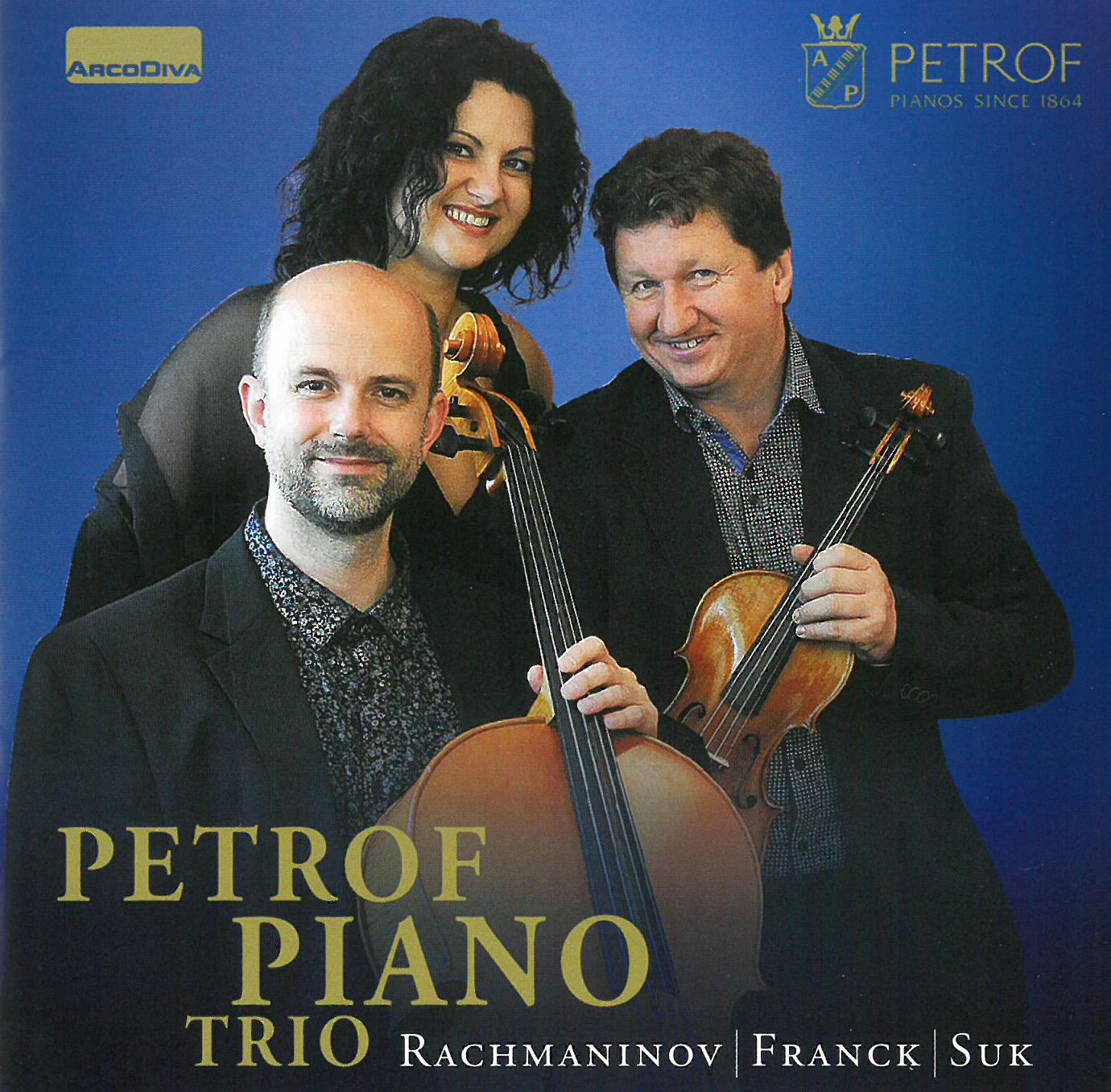
07 Petrof TrioPiano trios by Rachmaninov/Franck/Suk are featured on a new CD from the Petrof Piano Trio of pianist Martina Schulmeisterová, violinist Jan Schulmeister and cellist Kamil Žvak (ArcoDiva UP 0183-2131 petrofpianotrio.com).

The three major works are Rachmaninov’s Piano Trio in G Minor (a student work from 1892), César Franck’s Piano Trio in F-sharp Minor Op.1 No.1 and Josef Suk’s Elegy Op.23. Trio arrangements of Rachmaninov’s Vocalise, Saint-Saëns’ The Swan and Piazzolla’s Invierno Porteño complete the disc.

The Franck is an interesting piece, a juvenile work from a composer known primarily for a few works from his final years. The Petrof Trio is in its element with Suk’s lovely Elegy, but there is outstanding playing throughout the CD, with the warm, passionate and expressive string playing you would expect from Czech players and a superb piano tone and recording quality.
08 Kamus QuartetThere’s another world premiere recording on the new Super Audio CD from the Finnish Kamus Quartet, this time the title track Homunculus, a work by Esa-Pekka Salonen in a program that also includes György Ligeti’s String Quartet No.1 (Metamorphoses Nocturnes) and Benjamin Britten’s String Quartet No.3 (Alba Records ABCD 409 alba.fi).

Homunculus – a reference to a medieval alchemists’ theory that all life existed in minute but perfect seeds, the tiny humans being known as homunculi – is described as “a big work in a miniature mould.” Ligeti’s quartet is a strong early work with a decided Bartók influence. The performance of the Britten is an insightful one, clearly helped by the winter months the Kamus Quartet spent in Aldeburgh, the composer’s home on the North Sea coast.

Excellent playing and intelligent and thoughtful interpretations make this a highly satisfying disc.
09 Escher QuartetThe New York-based Escher String Quartet provides rich, full-bodied Romantic playing on a new Super Audio CD of three of the most popular works in the string quartet repertoire: Dvořák’s String Quartet in F Major Op.96 (“American”); Tchaikovsky’s String Quartet No.1 in D Major Op.11 (the one with the famous Andante cantabile slow movement); and Borodin’s String Quartet No.2 in D Major, its Scherzo and Notturno middle movements the sources for the hit songs Baubles, Bangles and Beads and And This Is My Beloved from the Broadway musical Kismet (BIS Records BIS-2280 bis.se).

Lovely works, really top-notch performances and over 80 minutes of music make for a thoroughly enjoyable CD.

10 CancionnesIt’s easy to understand why Classical Guitar Magazine described Adam Cicchillitti as a “superb Canadian guitarist” from his new CD Canciones (Analekta AN 2 8781 analekta.com).

As the booklet notes point out, few national music styles are as connected with one instrument as is Spain with the guitar, which seems imbued with the colours and spirit of the country’s various regions. This disc features works by six mostly 20th-century Spanish composers: Albeniz’ Suite española Op.47; Turina’s Sonata Op.61; de Falla’s Canciones populares españolas; Moreno Torroba’s Sonatina in A major; García Lorca’s Canciones españolas antiguas; and Rodrigo’s Tonadilla for two guitars.

Cicchillitti’s regular recital partner baritone Philippe Courchesne-Leboeuf joins him for the brief but lovely de Falla and García Lorca songs, and Steve Cowan is the second guitarist in the Rodrigo. Cicchillitti plays with technical assurance, sensitivity and a full-bodied warm sound across the whole range of the instrument.

Also, a word of appreciation for Drew Henderson, a fine guitarist in his own right, for his excellent work in the recording, editing, mixing and mastering of the CD. 
11 Homs GuitarSpanish guitar music from the second half of the 20th century can be found on Music for Guitar and Guitar Duo by Joaquim Homs, a new CD in the Naxos Spanish Classics series (8.573855 naxos.com). Spanish guitarist Àlex Garrobé and Chilean José Antonio Escobar are the performers.

Homs (1906-2003) was a leading proponent of 12-tone composition, but the works here, spanning over 50 years, paint a picture of a much more diverse career that moved from early influences of French impressionism, Bartók, Stravinsky and Webern to the definitive introspective style of the last 30 years of his life following the early death of his wife in 1967. The music is idiomatic and always expressive, with only the occasional nod to extended technique – a slide guitar effect that apparently uses a bottleneck.

Recorded in Barcelona to the usual Naxos high standards, it’s a fascinating CD.
12 Olivia De PratoFor her debut solo CD Streya (New Focus Recordings FCR193 newfocusrecordings.com) Austro-Italian violinist Olivia De Prato chose to record works by six composers with whom she has worked closely since her move to New York in 2005.

Victor Lowrie’s title track is one of three works that were written specifically for this project, Ned Rothenberg’s Percorso insolito and Canadian Taylor Brook’s Wane for five multi-tracked violins being the others. Samson Young’s Ageha.Tokyo, written for De Prato in 2008, opens the disc, with Reiko Füting’s Tanz.Tanz and Missy Mazzoli’s Vespers for Violin (amplified with electronics) the final two tracks. All except the Füting are world-premiere recordings.

Fans of contemporary solo violin music will find plenty here of interest, with De Prato’s excellent playing certainly making the best possible case for the works.


Listen to 'Streya' Now in the Listening Room

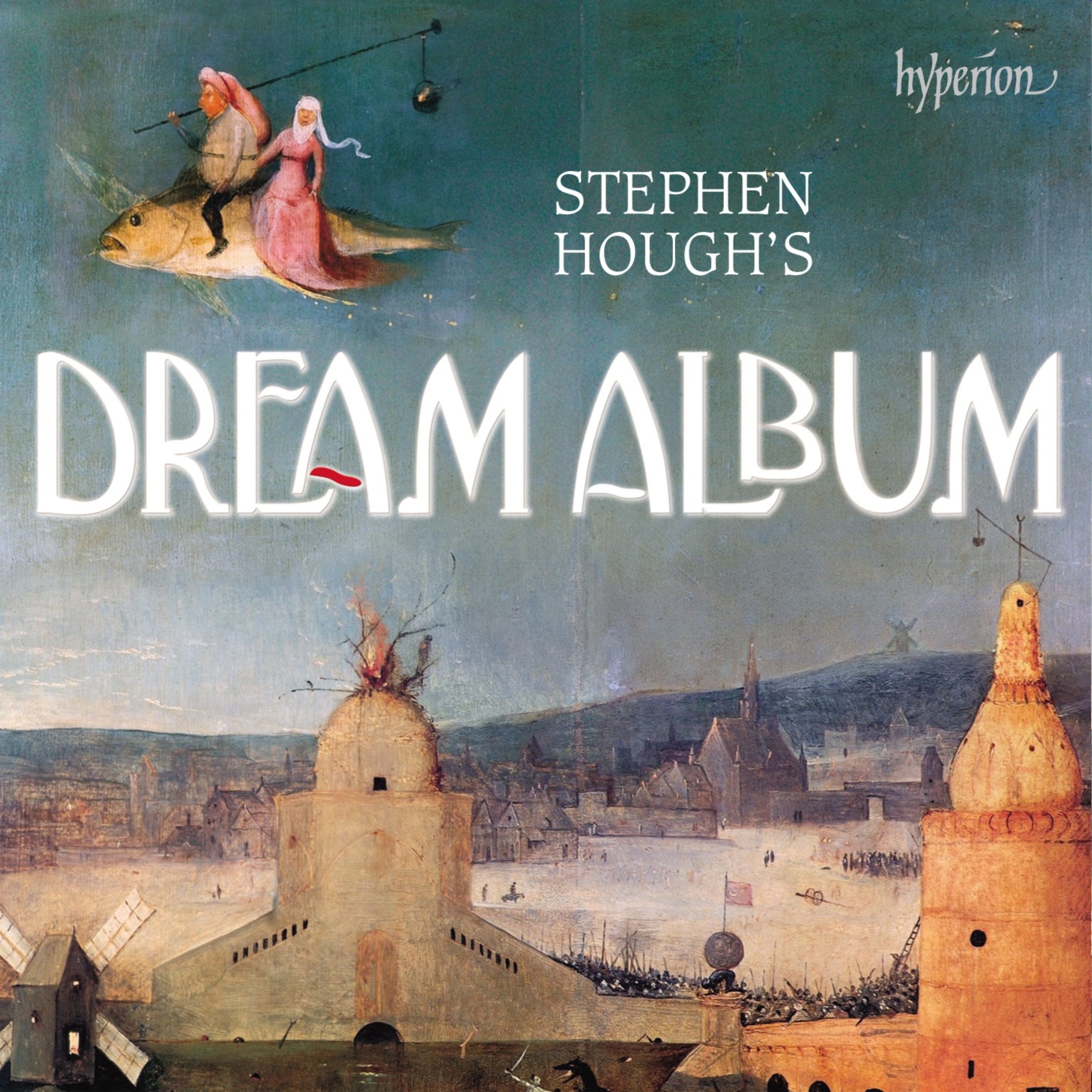
01 Houghs Dream AlbumPianist Stephen Hough’s Dream Album (Hyperion CDA68176 hyperion-records.co.uk) is an artful program of works by Liszt, Sibelius, Elgar and other familiar composers. The pieces are chosen for what Hough calls their “lyrical” or “hallucinatory” quality. Hough’s playing is utterly captivating and intensely intimate. He’s a magician, a tease, and a brilliant performer who creates an intoxicating dream world of pianistic expression.

The familiar repertoire items are exquisite and completely engaging – each one a gem. But the real impact of this recording is Hough’s own creative gift. Of the 27 tracks, around half are either his transcriptions or compositions. The scale of his ability to write in the language of the piano is astonishing. His fluency and enormous vocabulary give his compositions a rare potency. There are no extra notes, no empty, wasted phrases. Every element Hough creates is carefully and economically placed by his unerring musical judgment. This is the genius of his gift.

Listen to his arrangement of the traditional melody Blow the wind southerly and Strauss’ Radetzky March, and marvel at his musical commentary on the main thematic material. Moscow Nights gets the same treatment and undergoes a remarkable rebirth.

Niccolo’s Waltz is a witty nod to a Paganini Caprice, and Matilda’s Rhumba is a clever allusion to the famous Australian ode to the waltz, in march time! But my favourite is Hough’s Osmanthus Romp. Syncopated, highly energized and brimming with optimism, the composition captures the essence of Hough’s artistic soul.

This fabulous CD is going to get a lot of play.

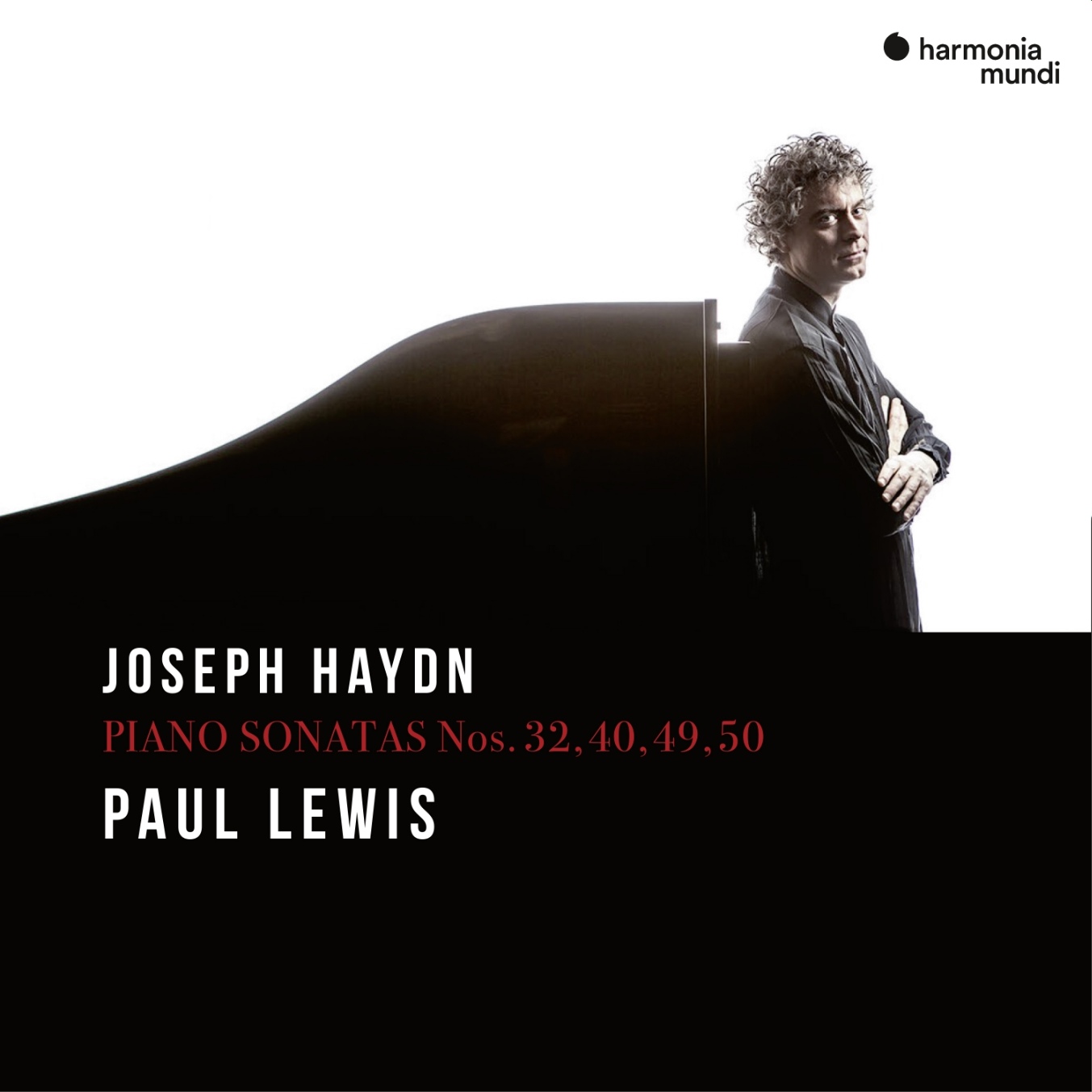
02 Lewis Haydn SonatasPaul Lewis has added another recording to his growing discography, Joseph Haydn Piano Sonatas Nos. 32, 40, 49, 50 (Harmonia Mundi HMM 902371 harmoniamundi.com). These four sonatas from Hob. XVI span nearly 20 years of Haydn’s career and provide a good example of how his writing evolved over that time. Lewis spends most of his effort in getting to the exploratory nature of Haydn’s style. He recognizes the relatively brief nature of the musical ideas and is mindful not to belabour them, favouring instead the timely pursuit of the next thought. While Lewis is careful never to miss an opportunity for a pause, tempo change or gentle landing, his intention is always focused on how Haydn is assembling his ideas architecturally, and how a disciplined rhythmic approach makes that happen effectively.

The Sonata in C Major No.50 is a fine example of how an opening movement strongly dependent on very specific rhythmic patterns can yield to a second movement seemingly free from those elements, before launching into a closing movement that restores the pulse of the work, rich with ornaments and arpeggios. Lewis’ complete command of keyboard technique makes the Haydn sonatas a joy to hear. His playing is as beautifully planned and organized as the composer’s ideas. His technique is clean and articulate, and his ability to find delightful moments of emotion would make Haydn blush.

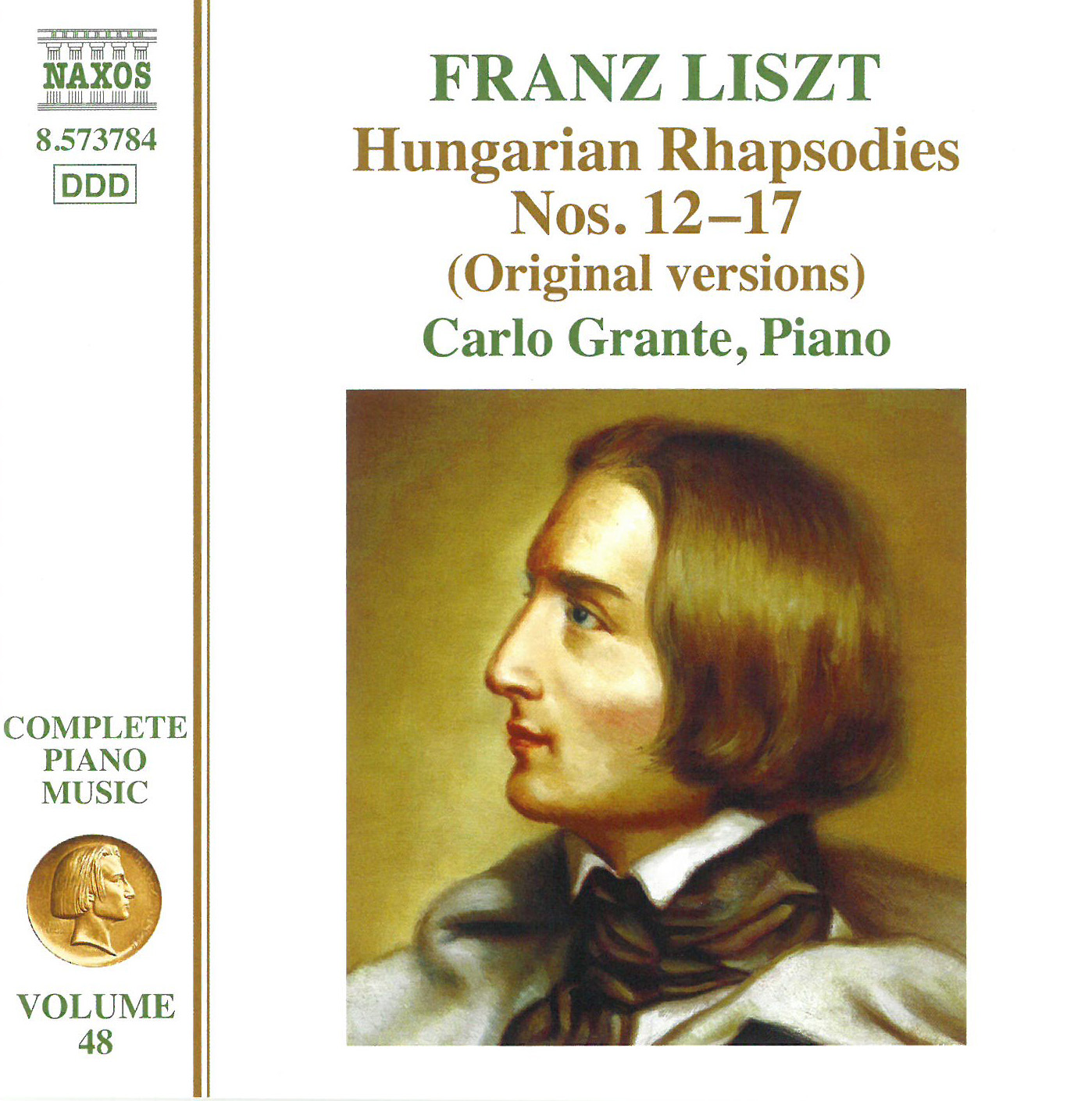
03 Liszt Vol48Franz Liszt Hungarian Rhapsodies Nos. 12-17 (Naxos 8.573784 naxos.com) is the latest addition to an enormous recording project of the complete piano works of Liszt. This disc, Volume 48, features Carlo Grante performing the Rhapsodies that Liszt wrote in the 1840s plus another from around 1871. Grante has nearly 50 recordings to his credit, covering all the major historical composers in addition to a number of contemporary ones.

Grante’s approach to the Hungarian Rhapsodies reflects careful thought of what Liszt was trying to express. These are not pianistic lava flows erupting from volcanic fantasies; rather, they are reflections on the phenomenon of “gypsy” influence in Hungarian music. Opinions of what this influence actually was have changed since Liszt’s time, but the elements Liszt’s music considers are easy to identify. Grante picks these out and interprets them convincingly. Folk dance rhythms, imitations of gypsy instruments like the cimbalom, and characteristic ornaments and phrasings all contribute to the atmosphere of Liszt’s 19th-century Hungarian national ethos.
The final track on the disc is Puszta Wehmut (Longing for the Steppes). While some consider it a miniature Hungarian Rhapsody, its real impact is as a work with a strong contemporary feel of the 20th century, still several decades hence.

Grante’s contribution to this Naxos series is very fine indeed. An additional noteworthy feature is that he performs on Bösendorfer’s newly engineered concert grand, the 280 VC. It has a consistently mellow tone throughout its range and an impressive ability to be mysteriously subtle.

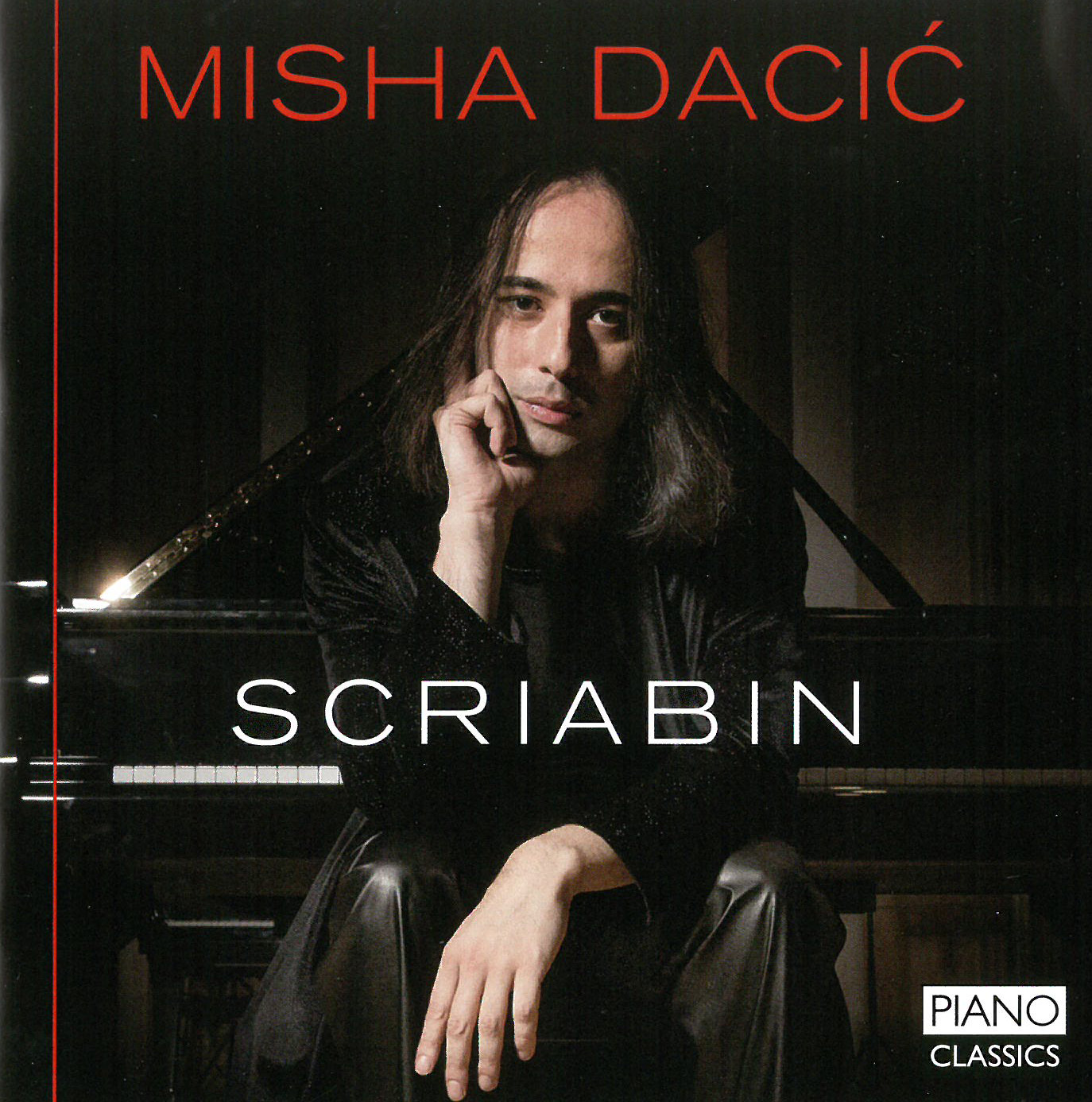
04 Misha Dacic ScriabinAt 18, Misha Dacić was the youngest competitor at the 1996 Liszt Competition in Budapest, where he came to the attention of Lazar Berman who made him his student for the next six years. Dacić’s new recording Scriabin (Piano Classics PCL10136 piano-classics.com) is impressive evidence of this young pianist’s talent and creative intellect.

The decision to choose Scriabin for an early career recording is as courageous as it is risky – even more so when the repertoire spans most of the composer’s lifetime. But therein lies Dacić’s plan. Something about Scriabin’s artistic evolution appeals to him deeply enough that he wants to portray it in his program choices. The first six tracks are early works, etudes and mazurkas mostly, and are consistent with the technical challenges and forward-looking language of composers at the turn of the 19th century. The remaining ones cover the rest of Scriabin’s life up to his death in 1915. This is where the turbulence, only hinted at subtly in the early works, emerges more forcefully.

Scriabin uses every compositional technique to portray his growing personal turmoil. The music becomes denser, planned structure gives way more frequently to freer forms, and key relationships become more distant. Dacić embraces this journey of dramatic change with a startling command of the keyboard and a musical maturity beyond his years.

It’s a thoroughly captivating disc that should add Dacić to the list of Scriabin’s finest interpreters.

05 Eric Simmons Cooman 7Organist Erik Simmons’ new release Owl Night – Music for Organ by Carson Cooman (Divine Art dda 25163 divineartrecords.com) is the seventh volume in this series. All the recordings use the digital modelling technology of the Hauptwerk system, enabling the recording to be made off-site. In this case, the Cavaillé-Coll pipe organ of 1882-85 in the Abbey of Saint-Étienne, Caen, France is the instrument featured on the disc.

Cooman is an American composer and organist whose output volume is astonishing. This recording presents recent compositions from 2016 and 2017. As a performer, Simmons has an affinity for contemporary organ music, and his exposure to Cooman’s work is extensive. The music takes full advantage, especially under Simmons’ hands, of the imaginative and emotionally evocative colouring of which the Abbey organ is capable. The title track Owl Night is an excellent example of this. Simmons uses a mellow flute rank to portray the extended hooting theme that recurs throughout the piece. Preludio Staccato is another example of the remarkable orchestral effects available on this instrument. Here, the mutation ranks create a lovely bell-like shimmer to the upper lines.

The repertoire is well chosen and makes for very satisfying listening as a digital concert. The Toccata, Aria and Finale that concludes the program is suitably grand, and even on a mid-range sound system there’s no doubt about the power and grandeur of this magnificent pipe organ.

06 Sara Feigin Benjamin GoodmanBenjamin Goodman is an Israeli pianist whose latest recording Piano Works by Sara Feigin (Navona NV6147 navonarecords.com) introduces a relatively unknown composer. Sara Feigin (1928-2011) was born in Latvia but fled with her family during WWII. Her musical gift was already obvious as a child. She developed this further while away from Latvia and continued it at the Riga Conservatory upon her return after the war. In the 1970s she settled in Israel, where she continued to compose and teach.

Goodman is technically superb and meets the challenges Feigin poses in her music. Written with the evident influence of French and Russian composers, Feigin’s language is predominantly harmonic but not without occasional challenges to traditional tonality. Goodman captures the poignant emotion in Feigin’s writing whether expressed dynamically or harmonically. It’s all music of great contrast with the points of tension and release set very far apart.

The Sonata is the work with the most formidable content. Four movements build gradually to an extremely intense and powerful conclusion. More than any of her other works, it reflects her experience of the tragedies visited on so many people in the middle of the last century. Goodman understands Feigin at a level deep enough to portray her experience in a convincing and appropriately troubling way.

07 Alexander GadjievWhen Alexander Gadjiev won the Ninth Hamamatsu International Piano Competition in 2015, one of his admirers credited him with the “ability to hypnotize the public.” His new recording Literary Fantasies – Piano Works, Liszt & Schumann (Acousence Classics 13117 acousence.de) is ample proof that this young pianist (b. 1994) is indeed enchanting. Gadjiev has assembled a program of works inspired by literature. Liszt’s Three Petrarch Sonatas begin the disc and immediately convey the impression that Gadjiev plays from some meditative place deep within. The feeling of introspection is unmistakable, particularly in the final sonata. The other Liszt literary-based fantasy is Après une lecture du Dante. Here Gadjiev is at full force, as Liszt needs him to be, for much of the work. But a brief tranquil section near the end offers a contrast that he exploits superbly, giving the finish the final impact it properly requires.

Two items by Robert Schumann also appear on the disc. The Op.16 Kreisleriana, full of opportunities for great expressive contrast, is highly effective, largely due to the extent that Gadjiev is able to withdraw into remarkably controlled pianissimos. Schumann’s Fantasy Pieces, Op.111, No.2 concludes the CD. The closing restatement of the opening musical material is so tenderly played that, if experienced as a live performance, an audience might never applaud for fear of disturbing the beauty of the final, lingering moment.

08 Jablonski ChopinKrzysztof Jabłoński has a long list of achievements that reach back to his laureate designation at the 1985 Chopin Competition in Warsaw. His new recording Chopin Etiudy Op.10, 25 (The Fryderyk Chopin Institute NIFCCD 215 nifc.pl) is a rare example of astonishing keyboard technique, still fully capable of all that Chopin could ever demand.

While blinding speed is an impressive feature of any performance, Jabłoński demonstrates something else that leaves an indelible impression. There’s an unarguable correctness about all his tempos. Whether the dreamy Etude No.3 in E-Flat Op.10 or the meteoric descent of the arpeggios in Etude No.12 in E Minor Op.10, the tempo is always perfect for the piece. The secret, as Jabłoński has discovered, lies in simply knowing – feeling – what is right for the piece. In every instance he chooses a speed that causes no lost notes and no sense of rushing through tender moments, but that always connects to the deeper current of the music, conveying the notion that it’s going somewhere, that there’s a destination.

The Op.25 dozen etudes are as consistently perfect as the Op.10. Two that stand out are No.9 in G-Flat Major for its playfully light staccato touch, and No.24 in C Minor for the way Jabłoński brings out the inner melody while a torrent of arpeggios swirls around it.

02 Tribute to TelemannA Tribute to Telemann
La Spagna; Alejandro Marias
Lukos Records 5451CRE80843 (laspagna.es)

Describing Georg Philipp Telemann’s achievements as prolific is a gross understatement: his compositions numbered over 3,000. La Spagna selects five from this enormous output, aiming to restore Telemann to the highest ranks of composers.

The first Ouverture-Suite for viola da gamba, strings and continuo is quintessentially French, comprising several traditional French Baroque movements. Telemann had access to pieces by the French composer Lully, as well as a great love for the viola da gamba (for which he composed frequently). The enthusiasm of the solo violinists who play on period, if anonymous, violins is key to this opening piece, especially the Gigue.

The Concerto for recorder, viola da gamba, strings and continuo which follows is inspired by Telemann’s scoring for recorder, in this case copying an instrument by the renowned Thomas Stanesby. Listen in particular to the Dolce and Allegro as interpreted by Alvaro Marías. Though the recorder was under pressure as an instrument from the transverse flute at the time, Telemann continued to believe in its rich, sonorous sound.

In the essentially Italian Concerto grosso, La Spagna takes the liberty of writing an additional part for the second tutti (non-solo) violins. Here once again the demands of two literally lively (Vivace) movements are met cheerfully – the two solo violins absolutely sparkle.

And so to the Ouverture-Suite Burlesque de Quixotte. Telemann composes a day of events inspired by Cervantes’ masterpiece, from Quixote’s waking, his assault on the windmills, his advances on Princess Dulcinea and retiring for the night. The assault comprises a vigorous twirling of violins personifying Quixote’s bravado; the advance’s somewhat languid string-playing indicates another failure for Quixote. You begin to feel sorry for him – but invigorated by La Spagna’s tribute to Telemann.

Back to top