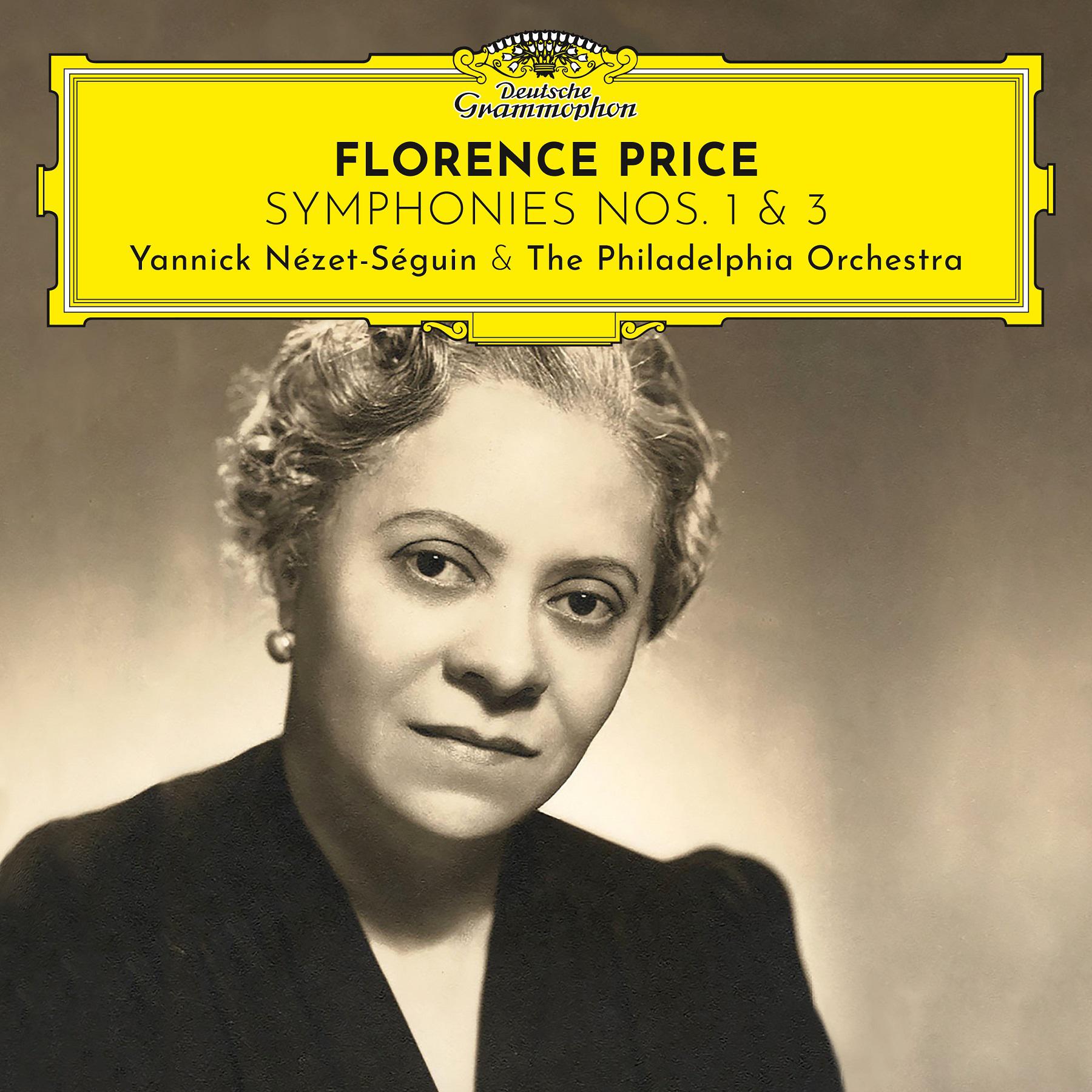
07a florence price nezet seguin uys5oFlorence Price – Symphonies 1 & 3
The Philadelphia Orchestra; Yannick Nézet-Séguin
Deutsche Grammophon (deutschegrammophon.com/en/catalogue/products/price-symphonies-nos-1-3-nezet-seguin-12476)

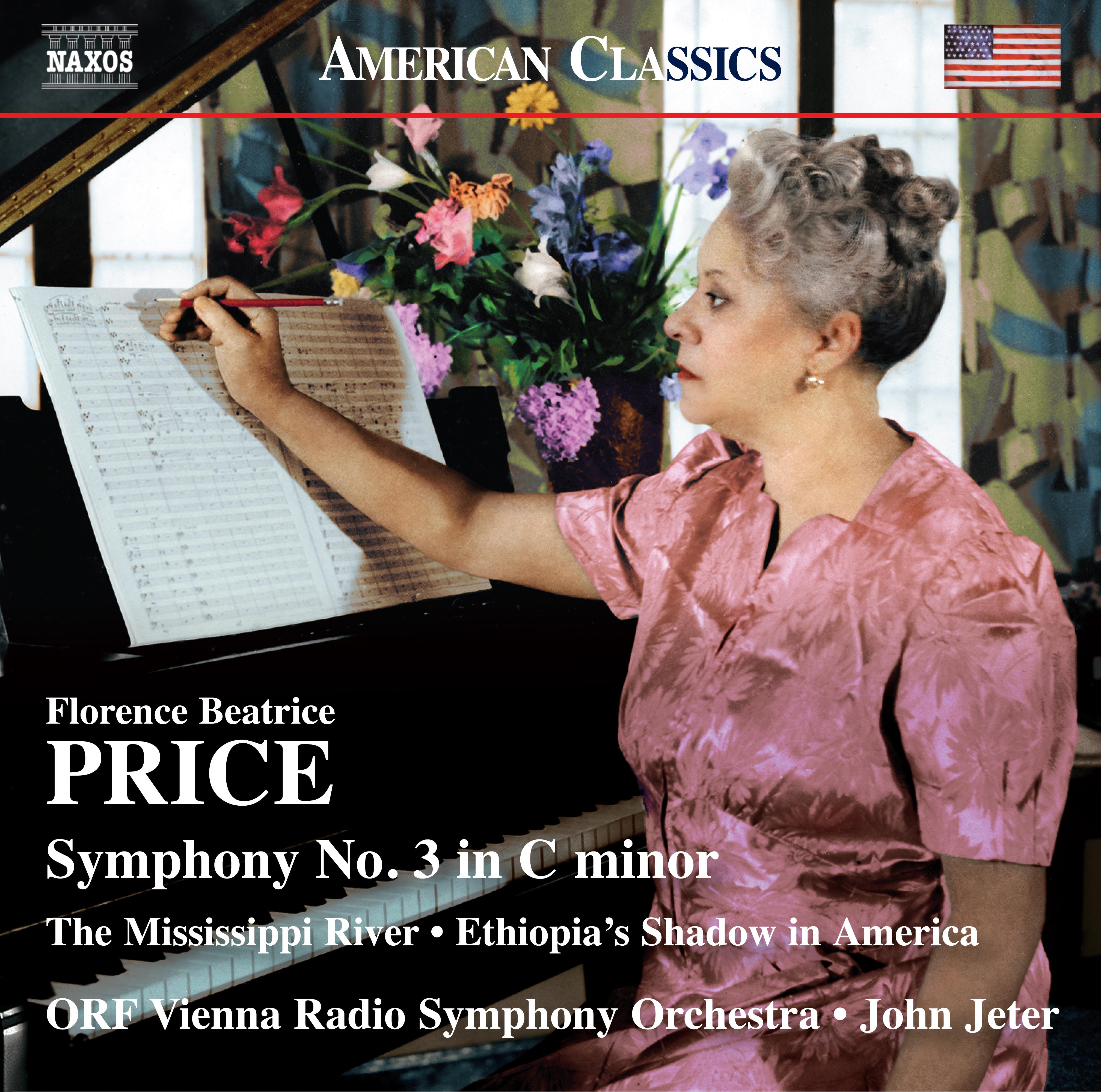
Florence Price – Symphony No.3; Mississippi River; Ethiopia’s Shadow in America
Radio-Symphonieorchester Wien; John Jeter
Naxos 8.559897 (naxosdirect.com/search/8559897)

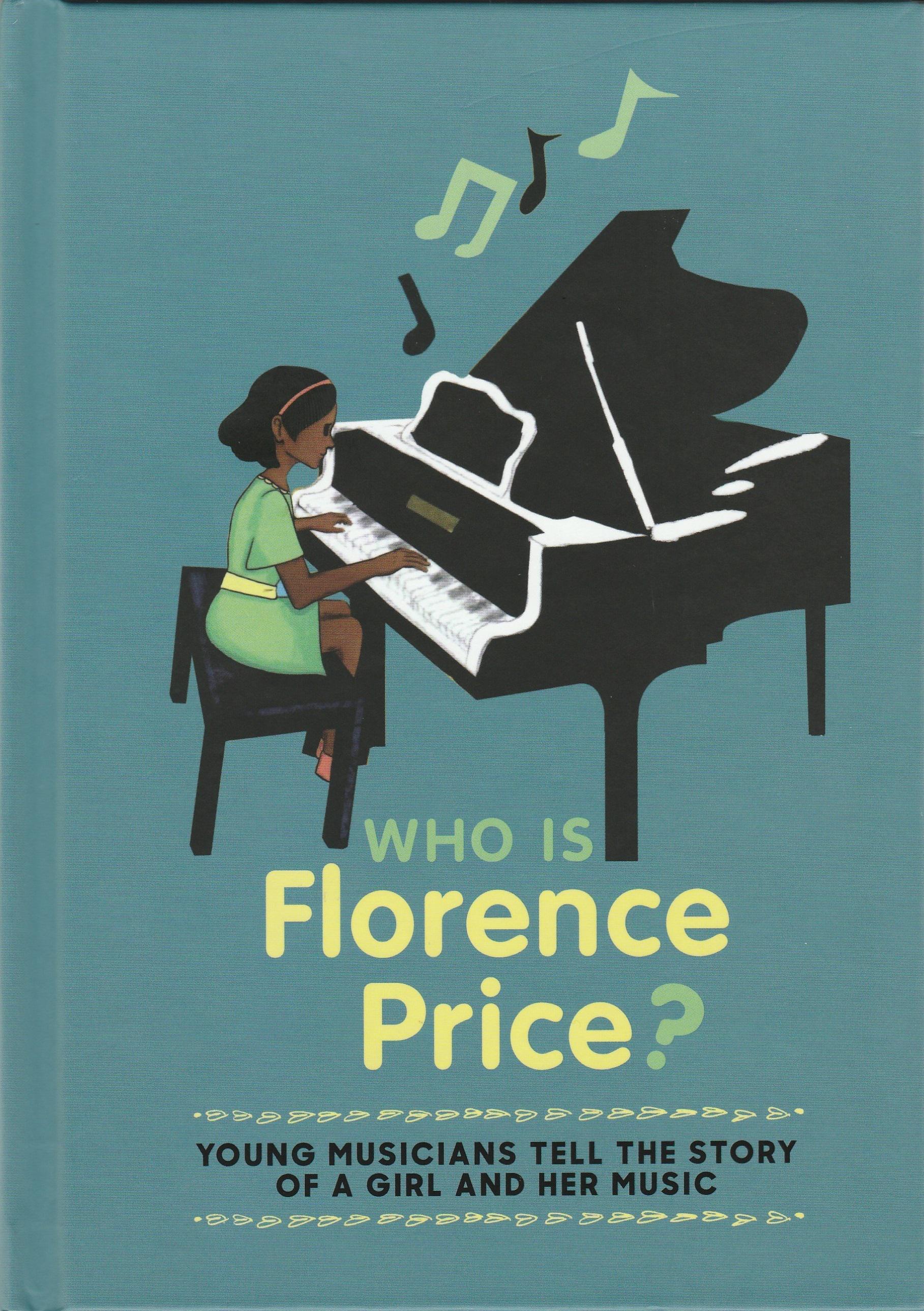
Who Is Florence Price?
Students of the Special Music School at Kaufman Music Center, NYC
Schirmer Trade Books ISBN-13: 978-1-7365334-0-6 (chapters. indigo.ca)

07b florence price sym3 tm2ewThe so-called classical canon, capturing a list of composers and compositions deemed worthy of study, multiple performances and recordings, has been expanding. It now represents a more fulsome group of individuals from a wider swath of identities – mainly seeing growth in the areas of nationality, gender, race and sexual orientation – than has traditionally been characterized. Said broadening is but one important step taken to cultivate a culture of inclusion within classical music and present a more representative snapshot of what constitutes historical significance. Further, it has been shown to be important that burgeoning performers and composers both hear and see themselves represented in the canon so that, for example, female African-American composers can locate others who perhaps have an intersectional identity not totally unlike their own.

Florence Price (1887-1953), a native of Little Rock, Arkansas and a graduate of Boston’s New England Conservatory of Music, was a pianist and composer who, despite enjoying a modicum of recognition during her lifetime (including having her Symphony No. 1 in E Minor premiered in 1933 by Frederick Stock and the Chicago Symphony Orchestra, a first for an African-American woman) was a composer whose work was almost lost to history. As the charming illustrated children’s book Who is Florence Price?, written by students of the Special Music School at New York’s Kaufman Music Center recounts, a box of Price’s dogeared and yellowed manuscripts of original compositions and symphonic works was found (and thankfully not discarded) in 2009 in a dilapidated attic of the Chicago-area summer home in St. Anne, Illinois in which Price wrote. This discovery has led to what could be described as a Price renaissance, with multiple recordings, premieres, the dissemination power of the Schirmer publishing house (that acquired worldwide rights to Price’s catalogue in 2018), and, most recently, two excellent discs that capture the American composer’s elegant music in its full glory. 

07c florence price book m938kRooted in the European Romantic compositional tradition that was her training, but blended with the sounds of American urbanization, the African-American church, as well as being imbued with elements of a folkloric vernacular blues style, Price’s Symphonies 1 & 3 (on Deutsche Grammophon) and the never before recorded Ethiopia’s Shadow in America (Naxos American Classics) come to life with tremendous splendor and historical gravitas in the capable hands of Yannick Nézet-Séguin and The Philadelphia Orchestra and the ORF Vienna Radio Symphony Orchestra respectively. 

Of note is Price’s under-recorded The Mississippi River, that ORF conductor John Jeter suggests captures “the depth of the American experience… like no other composer.” Articulating in sound the experience of the Great Migration, the large-scale movement and relocation of African-Americans from the Southern United States to such Northern locales of employment, urbanization and distance from “Jim Crow” laws as Chicago, Detroit and New York, that was both compositional fodder for Price and her own lived experience. 

The book and two discs represent tremendous strides towards greater inclusion and representation within the canon and, at least for this reviewer, facilitated the discovery of a creative and exceptional new musical voice.

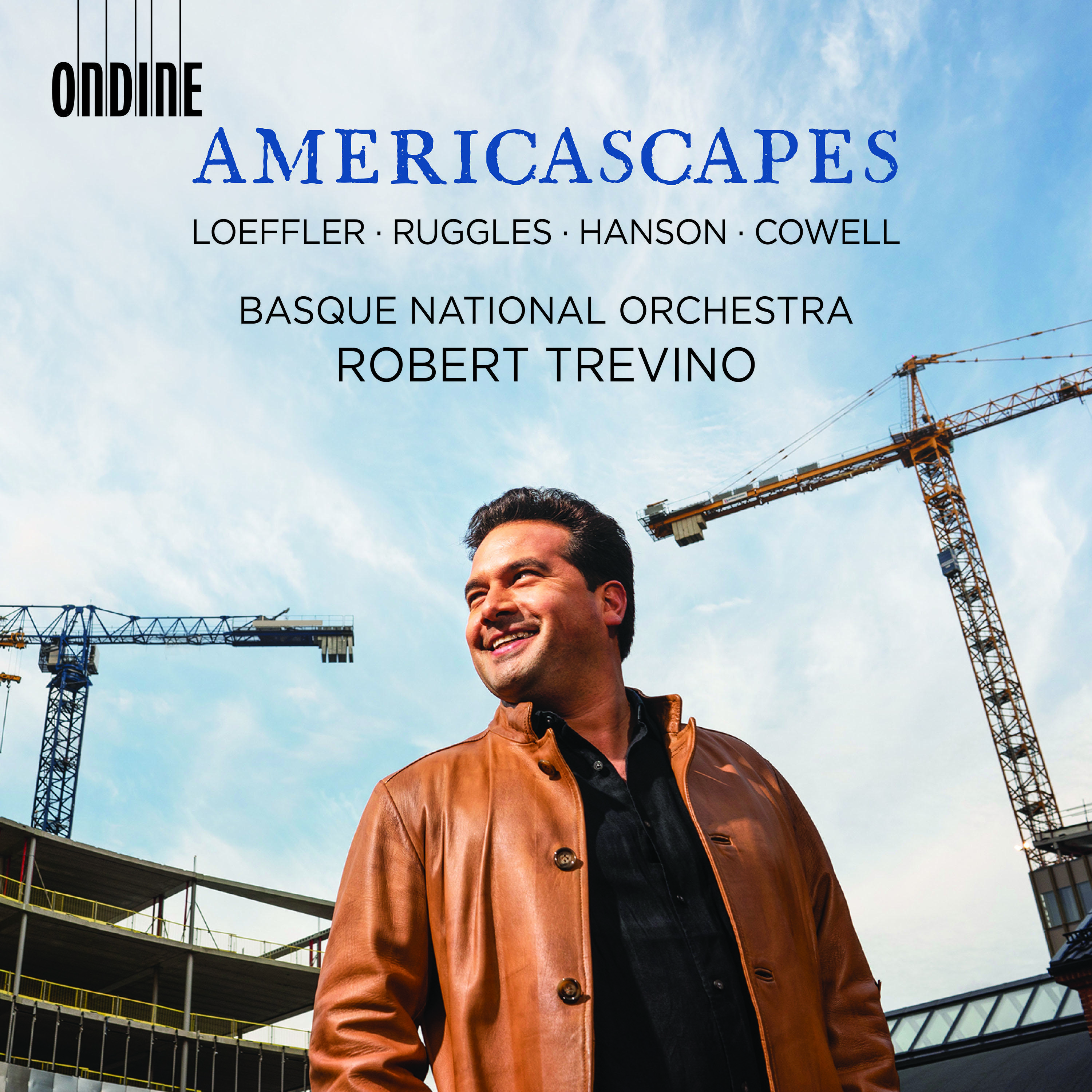
08 americascapes cpzvaAmericascapes
Basque National Orchestra; Robert Trevino
Ondine ODE 1396-2 (naxosdirect.com/search/ode+1396-2+)

Alsace-born Charles Martin Loeffler (1861-1935) moved to the U.S. in 1881. His 25-minute “Poème dramatique,” La Mort de Tintagiles, Op.6 (1897), based on a play for marionettes by Maurice Maeterlinck about a murderous queen, is definitely “dramatique.” Between its stormy opening and mournful close, Loeffler’s lushly scored, ravishing music conjures a scenario of sensuous longing and dangerous conflict, with long-lined, arching melodies and vibrant orchestral colours redolent of French late-Romanticism-Impressionism. I loved it; why isn’t it better known?

Carl Ruggles (1876-1971) depicted his wife and three friends, including Charles Ives, in his four-movement, ten-minute Evocations (1943), orchestrated from earlier piano pieces. Hardly affectionate music, it’s austere and perturbed. To me, Ruggles’ very name embodies what I hear in all his music, including Evocations – rugged struggles.

The cinematically rhapsodic Before the Dawn, Op.17 (1920), anticipates the many beauties that would be heard in the symphonies of Howard Hanson (1896-1981), his first appearing just two years later. The brief (under seven minutes) tone poem here receives its long overdue, first-ever recording.

Henry Cowell (1897-1965) spent the winter of 1956-1957 in Iran, part of a tour jointly subsidized by agencies of the U.S. and Iranian governments. Three works resulted: Persian Set, Homage to Iran and the 19-minute Variations for Orchestra (1956) recorded here. It’s filled with exotic sonorities hinting at arcane magic and nocturnal mysteries.

Thanks to conductor Robert Trevino and the Basque National Orchestra for these revelatory performances of four almost-forgotten American works.

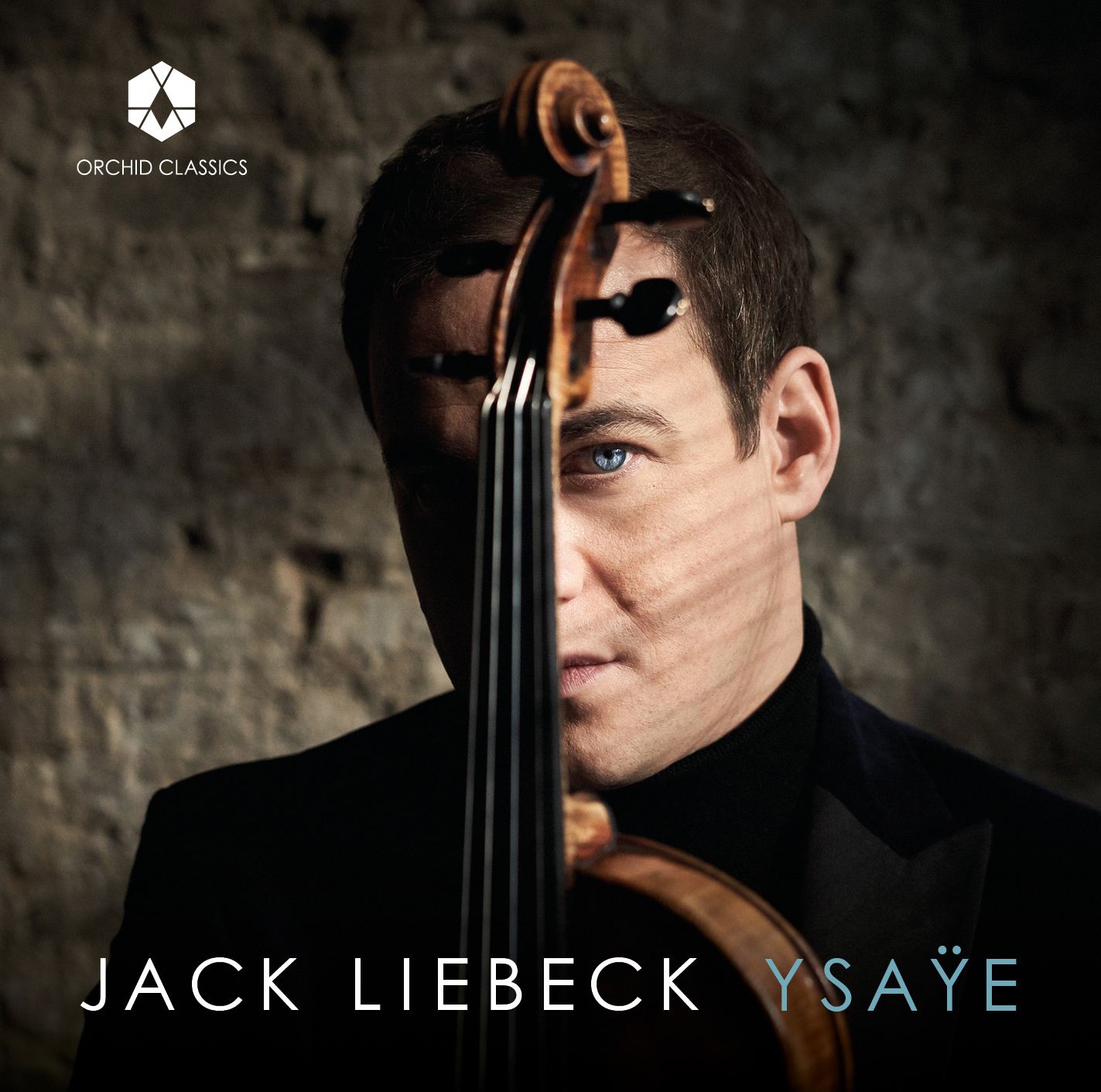
01 Jack Liebeck WebCoverJack Liebeck Ysaÿe sees the outstanding English violinist finally recording Ysaÿe’s Six Sonatas for Solo Violin Op.27, works which have long fascinated him (Orchid Classics ORC100179 jackliebeck.com).

“I always knew I would have to climb this mountain,” says Liebeck, and the recent COVID lockdowns provided the right moment. He describes Ysaÿe’s style as monumental, with gothic themes, drama and poignancy, and the music as the pinnacle of harmonic and technical challenge, which nevertheless fits a violinist’s hand like a glove.

Liebeck is joined by pianist Daniel Grimwood in the rhapsodic Poème élégiaque in D Minor Op.12, and as always draws a sumptuous tone from his 1785 J. B. Guadagnini violin in superlative performances.
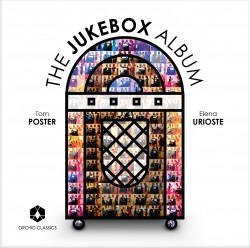
02 Jukebox Cover 1In March 2020 violinist Elena Urioste and pianist Tom Poster decided to record and share one music video for every day spent in isolation. The expected two to three weeks of their #UriPosteJukeBox project turned into 88 days – one for each piano key. The resulting studio CD The Jukebox Album is simply one of the most heart-melting and breathtakingly beautiful discs you could imagine (Orchid Classics ORC100173 orchidclassics.com/releases/jukebox).

From the opening Look for the Silver Lining through a program including standards like La vie en rose, Begin the Beguine, A Nightingale Sang in Berkeley Square and Send in the Clowns, all in superb arrangements by Poster and with occasional sumptuous multi-tracking by Urioste, to Kreisler arrangements, pieces by Carlos Gardel, Lili Boulanger, Fauré and six new pieces commissioned for the project, the standard never drops for a moment. 

“This is the music we’ve loved our whole lives,” says Poster, and it shows in every note of an absolutely gorgeous CD.
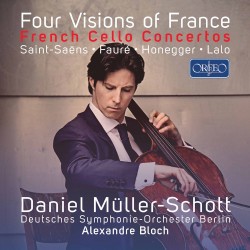
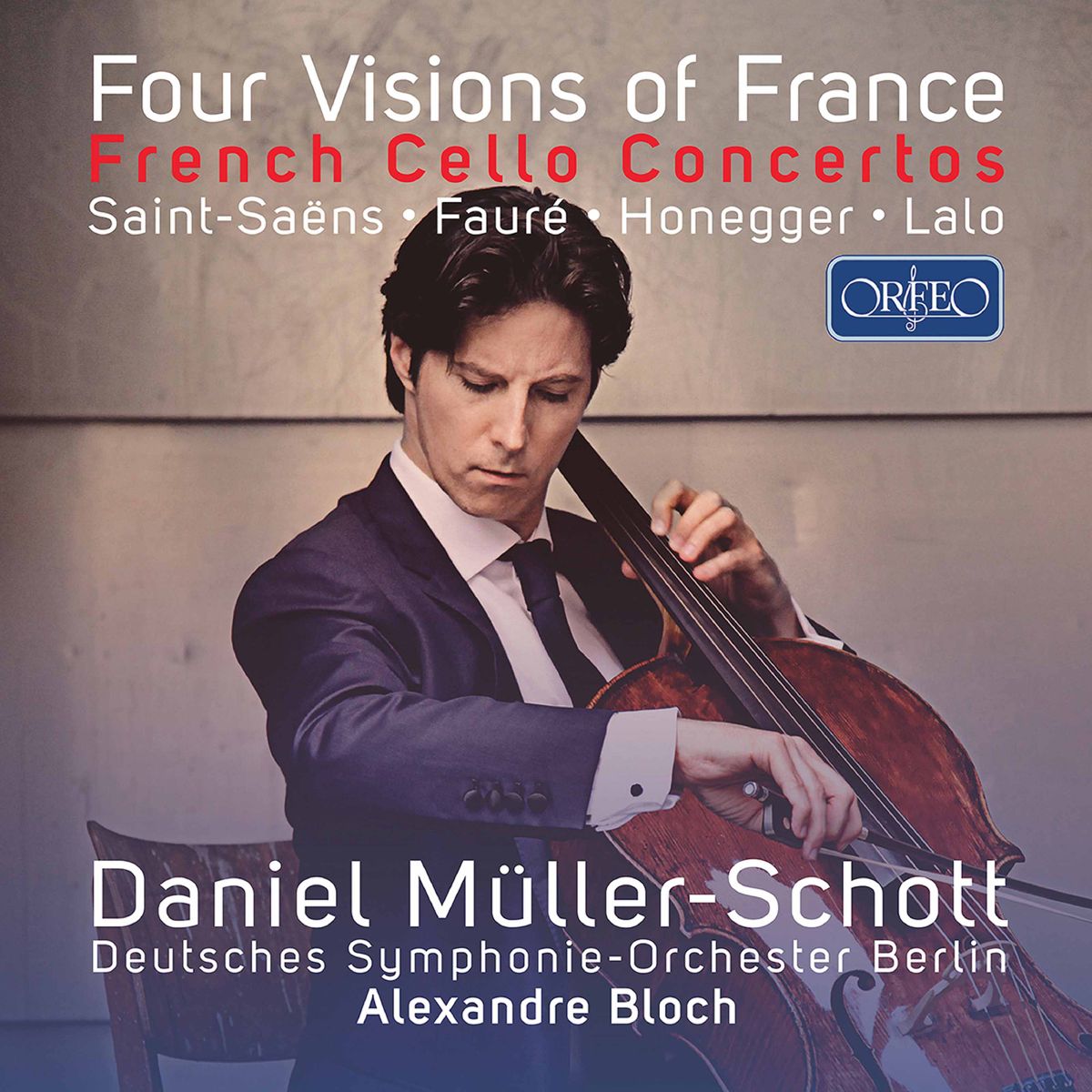
03 Four VisionsCellist Daniel Müller-Schott is in superb form on Four Visions of France – French Cello Concertos with the Deutsches Symphonie-Orchester Berlin under Alexandre Bloch (Orfeo C988211 naxosdirect.com/search/c988211).

Saint-Saëns is represented by his 1872 Cello Concerto No.1 in A Minor Op.33 and the Romance in F Major Op.36. Honegger’s fascinating 1929 Cello Concerto and Lalo’s 1877 Cello Concerto in D Minor are the other two major works, with Fauré’s Élégie in C Minor Op.24 in the 1901 orchestral version completing the disc.

A lovely recorded ambience captures the luminous textures and sensual orchestral colours typical of French music, on an outstanding CD.
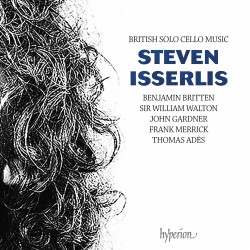
04 IsserlisBritish Solo Cello Music features the always-wonderful Steven Isserlis (Hyperion CDA68373 hyperion-records.co.uk/dc.asp?dc=D_CDA68373).

Britten’s Tema ‘Sacher’ and Cello Suite No.3 Op.87 open the disc, with Isserlis being joined by pianist Mishka Rushdie Momen for the three Tchaikovsky settings of the folk-song themes used in the Suite. Other works are Walton’s Theme for a Prince and Passacaglia, John Gardner’s Coranto pizzicato, Frank Merrick’s Suite in the eighteenth-century style and the brief Sola by Thomas Adès.

As always, Isserlis’ booklet essay is erudite and fascinating, with its personal reminiscences of John Gardner (1917-2011) and – in particular – the astonishing Frank Merrick (1886-1981) an absolute delight.
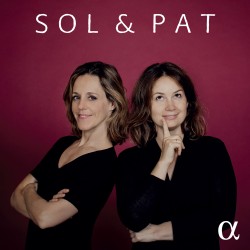
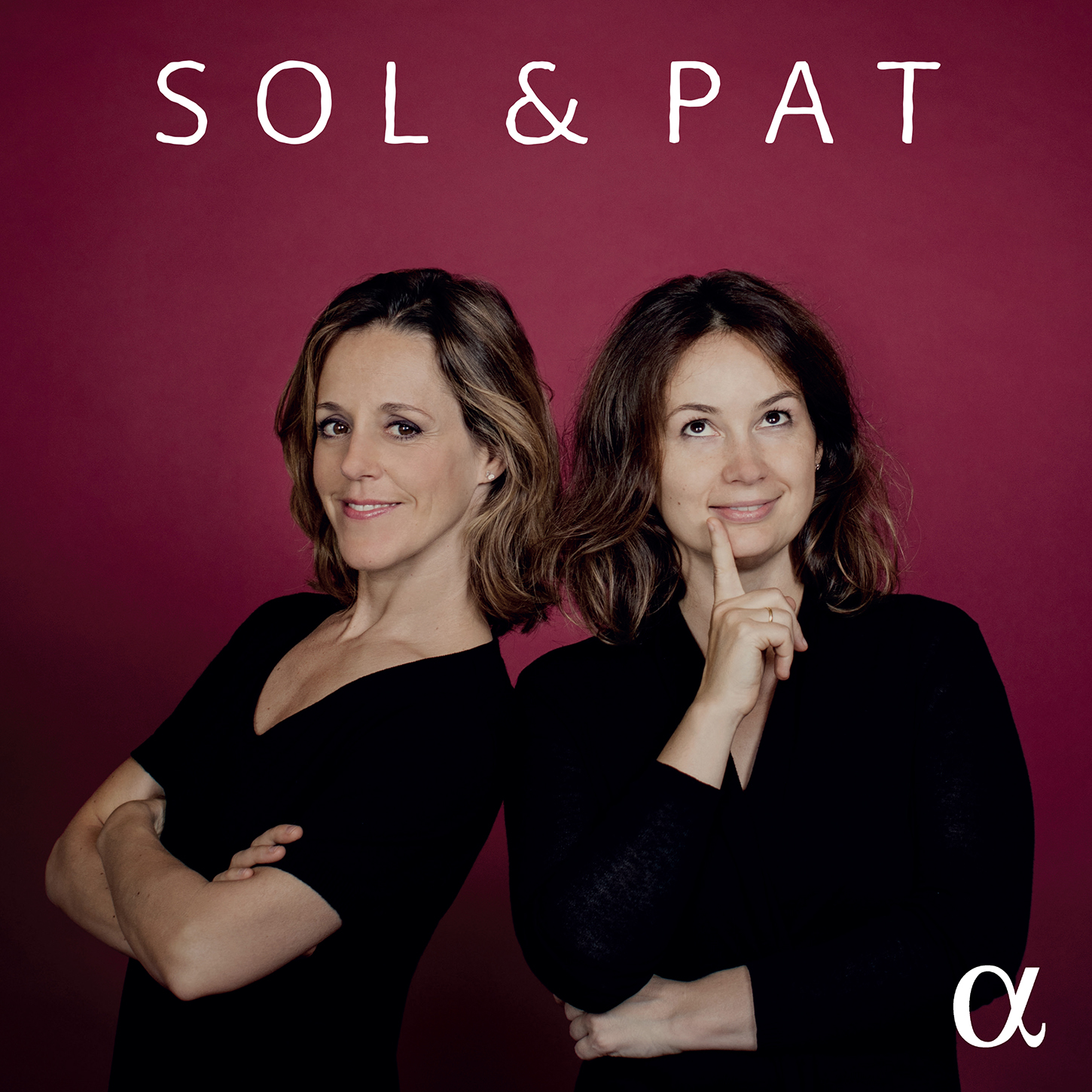
05 Sol PatViolinist Patricia Kopatchinskaja and cellist Sol Gabetta celebrate 20 years of friendship on Sol & Pat, a recital of duos for violin and cello built around two 20th-century masterpieces (ALPHA757 naxosdirect.com/search/alpha757).

Ravel’s Sonata and, in particular, Kodaly’s Duo Op.7 draw terrific playing from the duo, with shorter pieces ranging from the dazzling opening gypsy dance of Leclair’s Tambourin: Presto through a pizzicato C.P.E. Bach Presto to the J. S. Bach keyboard Prelude No.15 in G Major, with brief contemporary works by Jörg Widmann, Francisco Coll, Marcin Markowicz, Xenakis and Ligeti.

An unexpected gem, though, is La Fête au village Op.9, a 1947 affectionate depiction of Swiss National Day by Swiss composer Julien-François Zbinden, who was still alive and emailing the performers in 2018 aged 101.
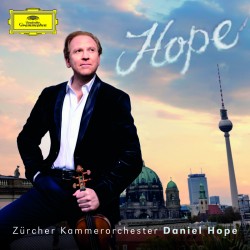
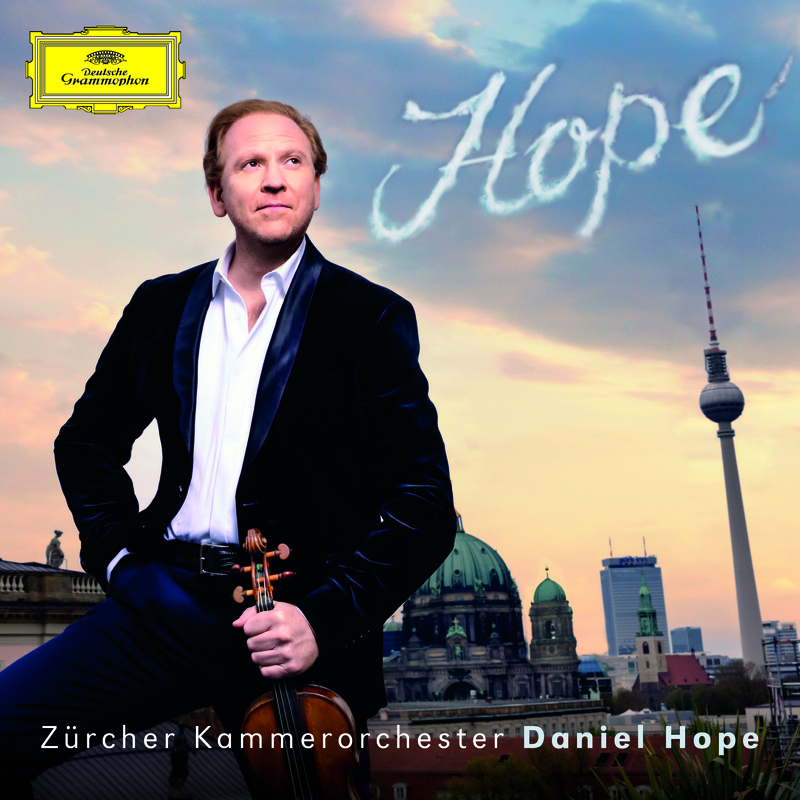
06 HopeOn his new CD Hope violinist Daniel Hope presents a personal collection of classics featuring music largely based on songs or sung melodies that he describes as “an attempt to send out a ray of hope and to provide people with a sense of support and perhaps even consolation” (DGG 28948605415 deutschegrammophon.com/en/artists/danielhope).

He is joined by an array of artists including the Zürcher Kammerorchester, the vocal ensemble Amarcord and baritone Thomas Hampson in a program that opens with Ariel Ramírez’s beautiful Misa Criolla and travels through pieces by Dowland, Schubert, Giazotto, El-Khoury, Pärt, Elgar and Stephen Foster to Danny Boy, Dream a Little Dream and Amazing Grace.

As always with Hope and friends, the standard of arrangements and performances is of the highest level.
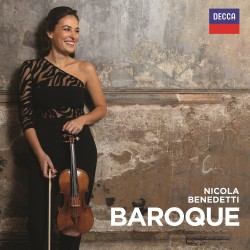
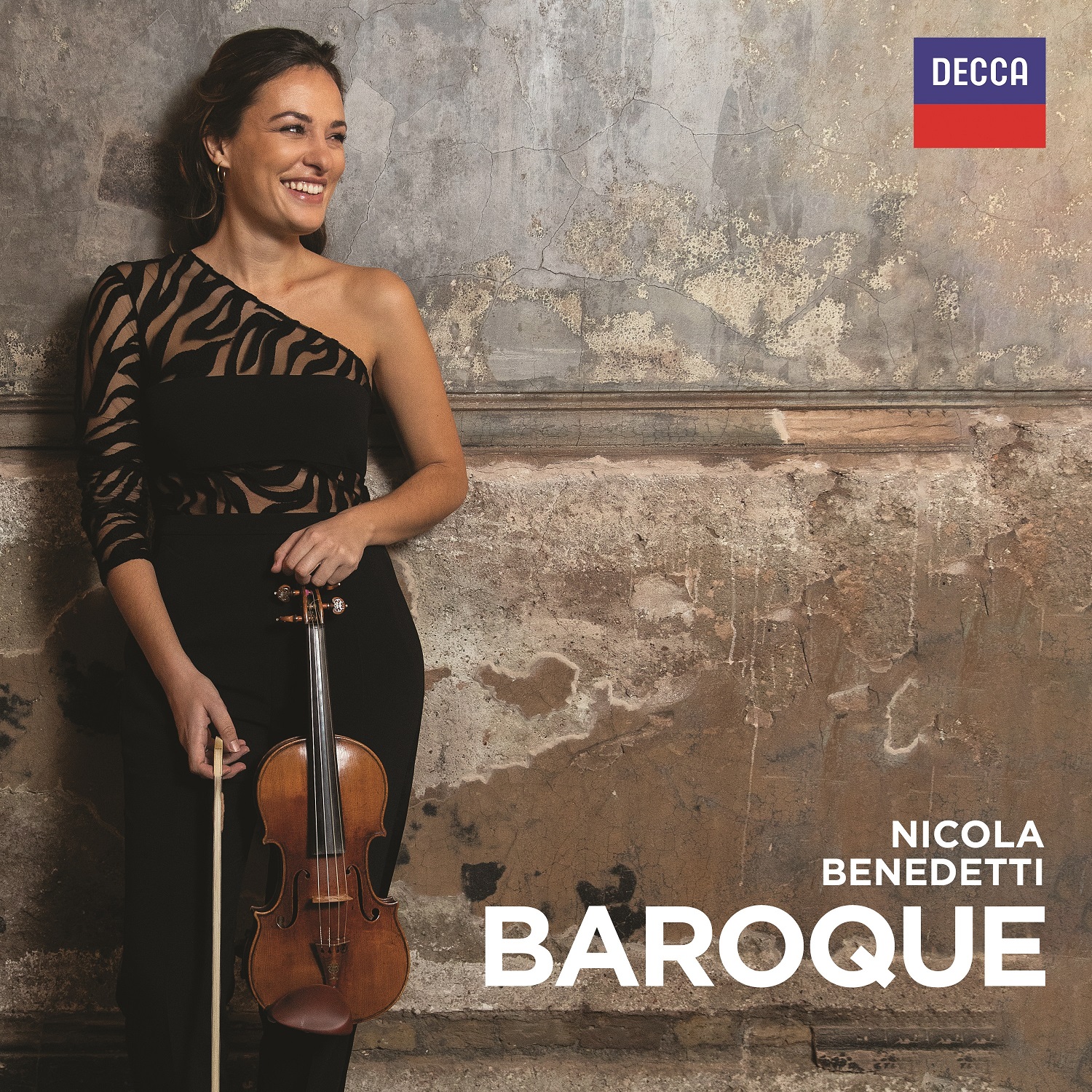
07 Nicola Benedetti BaroqueBaroque, the new CD from violinist Nicola Benedetti marks her first Baroque recording with period set-up and gut strings. She is joined by the Benedetti Baroque Orchestra, a new ensemble of freelance Baroque musicians that she assembled and directs (Decca Classics B0034187-2 nicolabenedetti.co.uk).

Geminiani’s Concerto grosso in D Minor H143 “La Folia”, a transcription of Corelli’s Violin Sonata Op.5 No.12, opens an otherwise all-Vivaldi program of the Violin Concertos in D Major RV211, E-flat Major RV257, B Minor RV386 and the Andante middle movement from the Concerto in B-flat Major RV583.

The 1717 Gariel Stradivarius that Benedetti has played since 2012 sounds warm and bright, with top-notch performances from all concerned, contributing to a lovely CD.
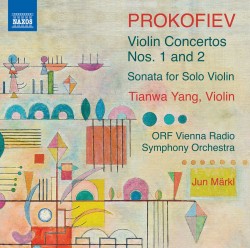
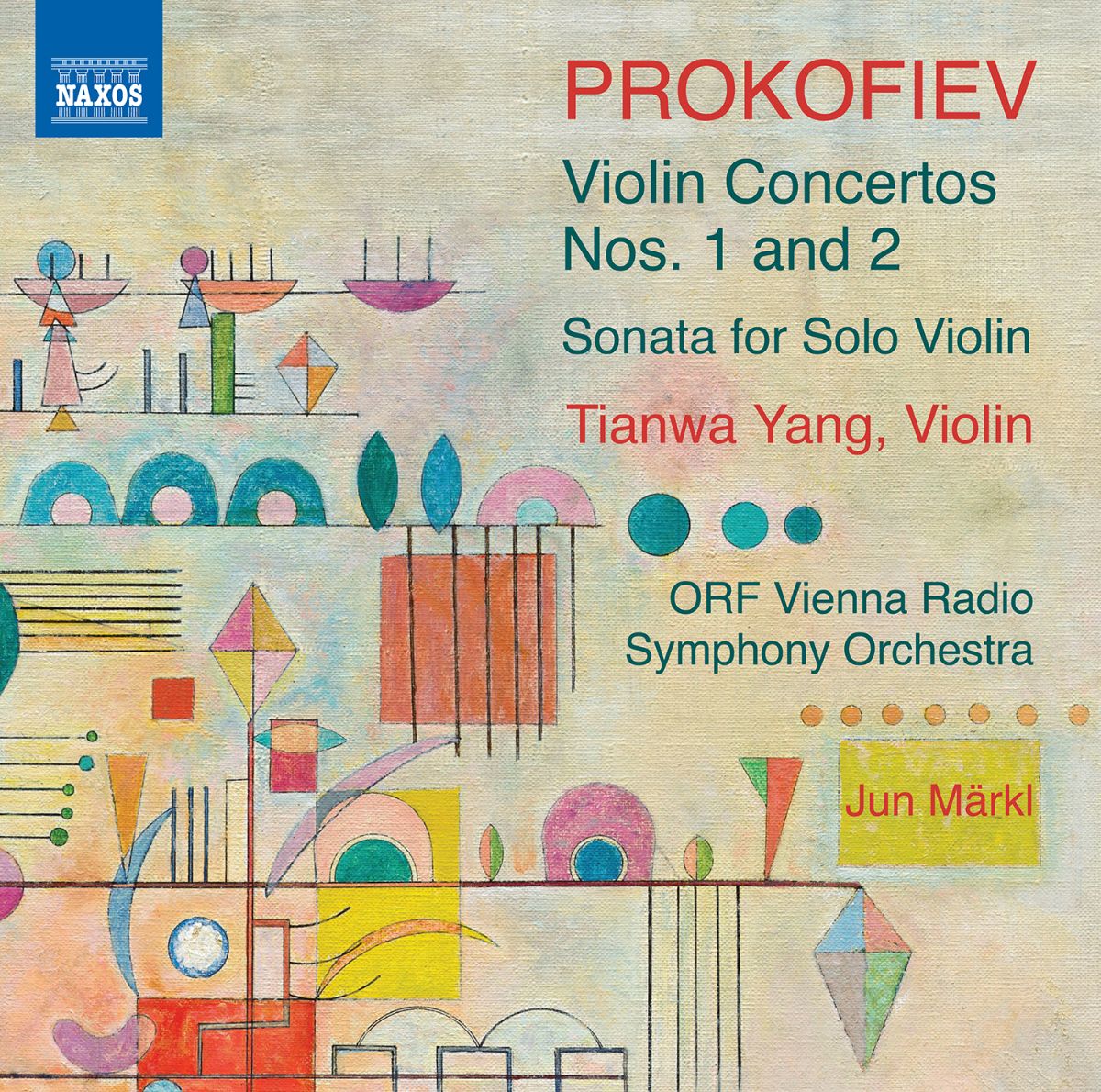
08 ProkofievWith violinist Tianwa Yang you can always count on a mixture of dazzling technique, colour, tone and musical intelligence, and so it proves again on Prokofiev Violin Concertos Nos.1 and 2, her latest release on the Naxos Classics label with the ORF Vienna Radio Symphony Orchestra under Jun Märkl (8.574107 naxosdirect.com/search/8574107).

Performances of the Concertos No.1 in D Major Op.19 and No.2 in G Minor Op.63 are both particularly strong on the lyrical aspects of the works, with some beautifully expansive playing. The Sonata for Solo Violin in D Major Op.115 completes an excellent disc.
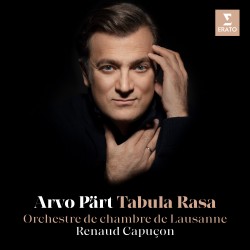
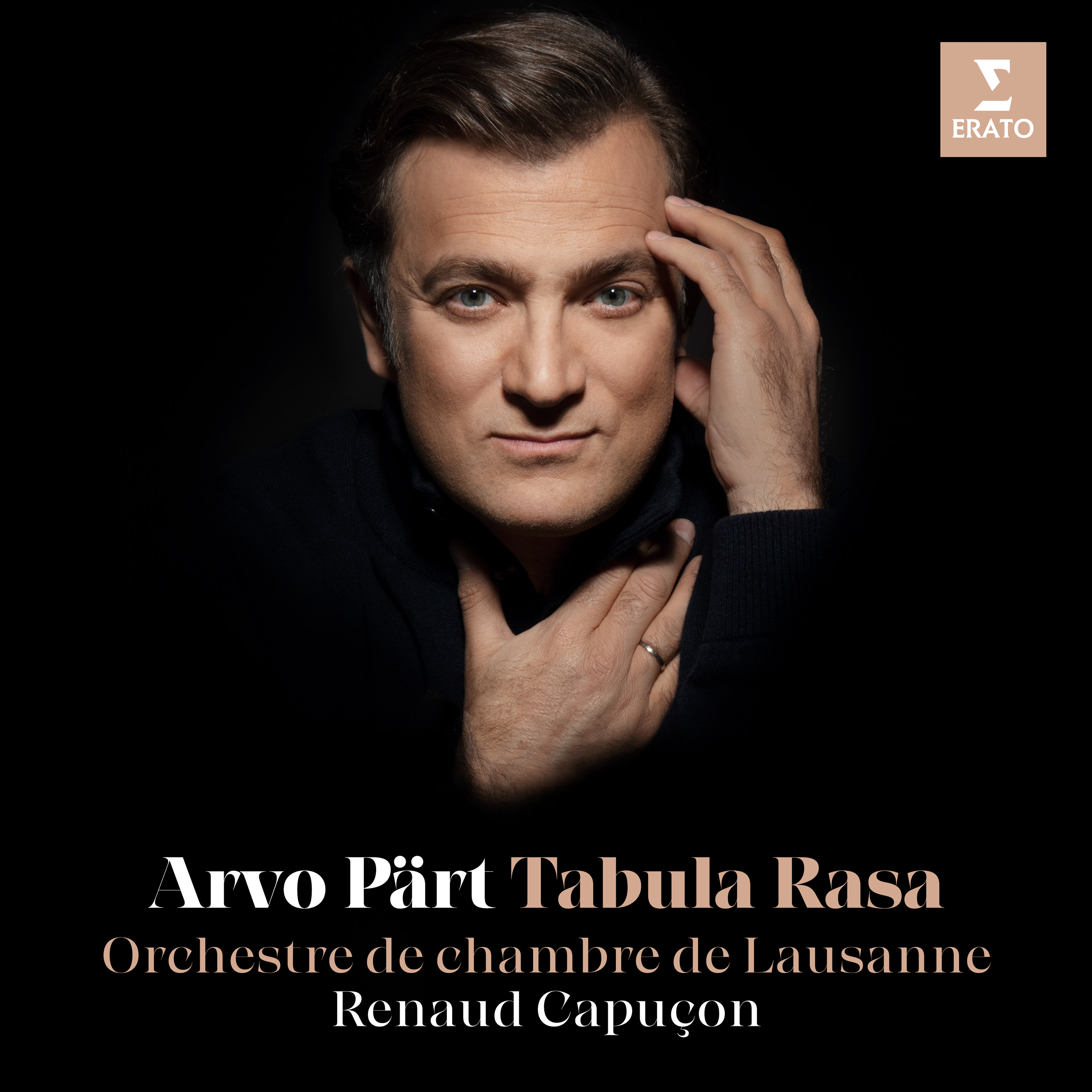
09 Tabula RasaViolinist Renaud Capuçon recently became artistic director of the Orchestre de chambre de Lausanne, and Arvo Pärt Tabula Rasa is his first recording as soloist and conductor of the ensemble (Erato 9029502957 warnerclassics.com/release/tabula-rasa).

The seven works here are: the double concerto Tabula Rasa; the 1992 version of Fratres for violin, string orchestra and percussion; Summa and Silouan’s Song, both for string orchestra; Darf ich… (May I); Spiegel im Spiegel (with piano); and For Lennart in memoriam.

Capuçon says that the music takes us from darkness to light, but there’s very little change of mood across the CD. Still, the playing is first class, and if you love Pärt’s music you’ll love this disc.
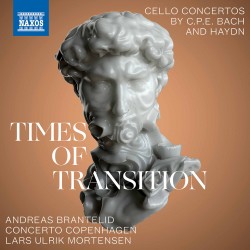
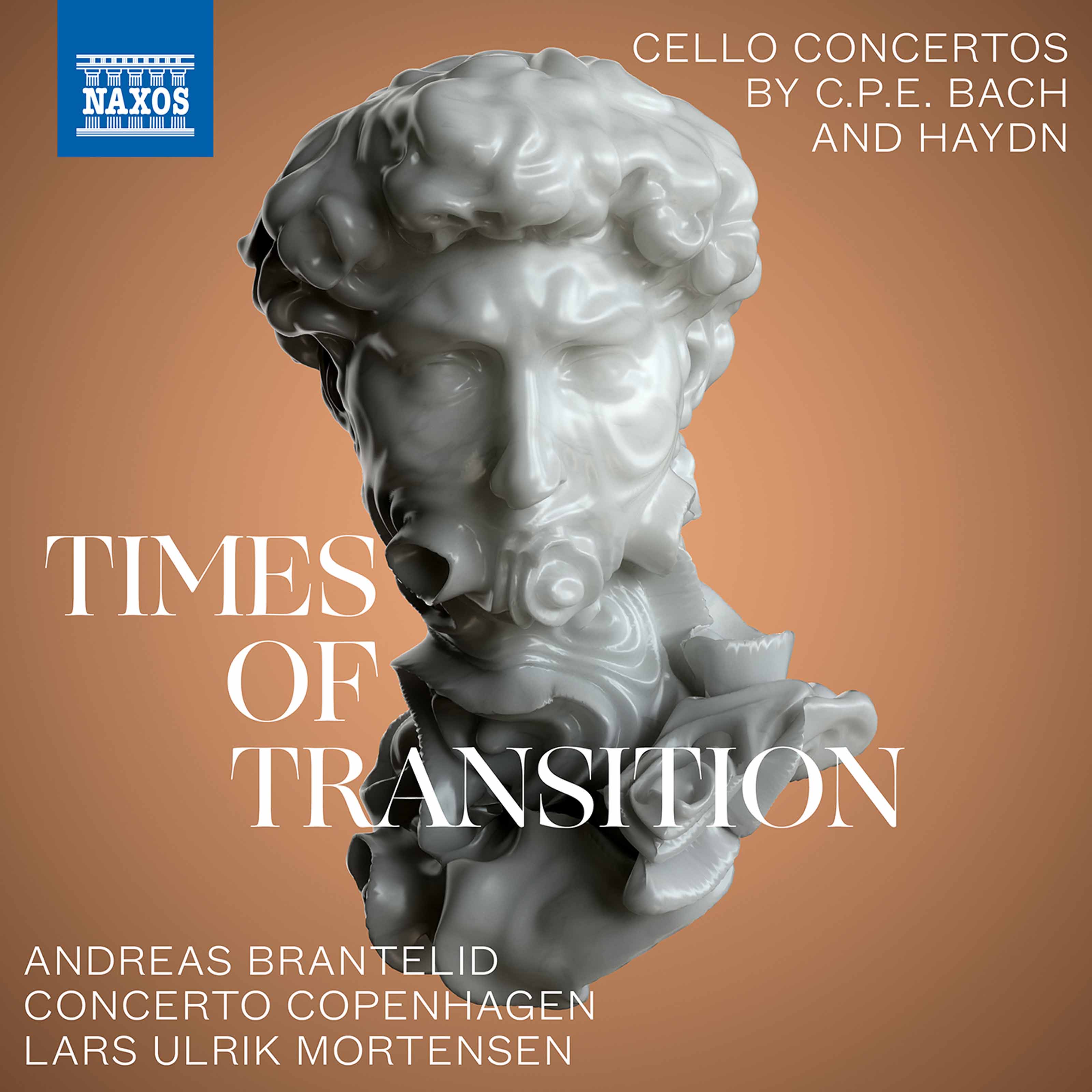
10 Times of TransitionAndreas Brantelid is the cellist on Times of Transition, a CD of three cello concertos from the second half of the 18th century, when Baroque polyphony and fugue were giving way to the early classical galant style of melody with accompaniment. Lars Ulrik Mortensen conducts the Concerto Copenhagen (Naxos Denmark 8.574365 naxosdirect.com/search/8574365).

C.P.E. Bach’s Concerto in A Major Wq.172 with its familiar finale dates from 1753. Haydn’s Concertos in C Major Hob.VIIb:1 from 1761-65 and the purely classical D Major Hob.VIIb:2 from 1783 are the only two indisputably by him, the finale of the C major work drawing particularly fine playing from Brantelid, who for this disc plays an Emil Hjort, Copenhagen cello from 1887 with gut strings.
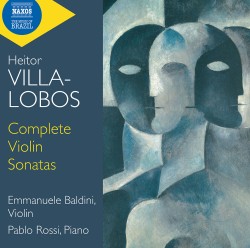
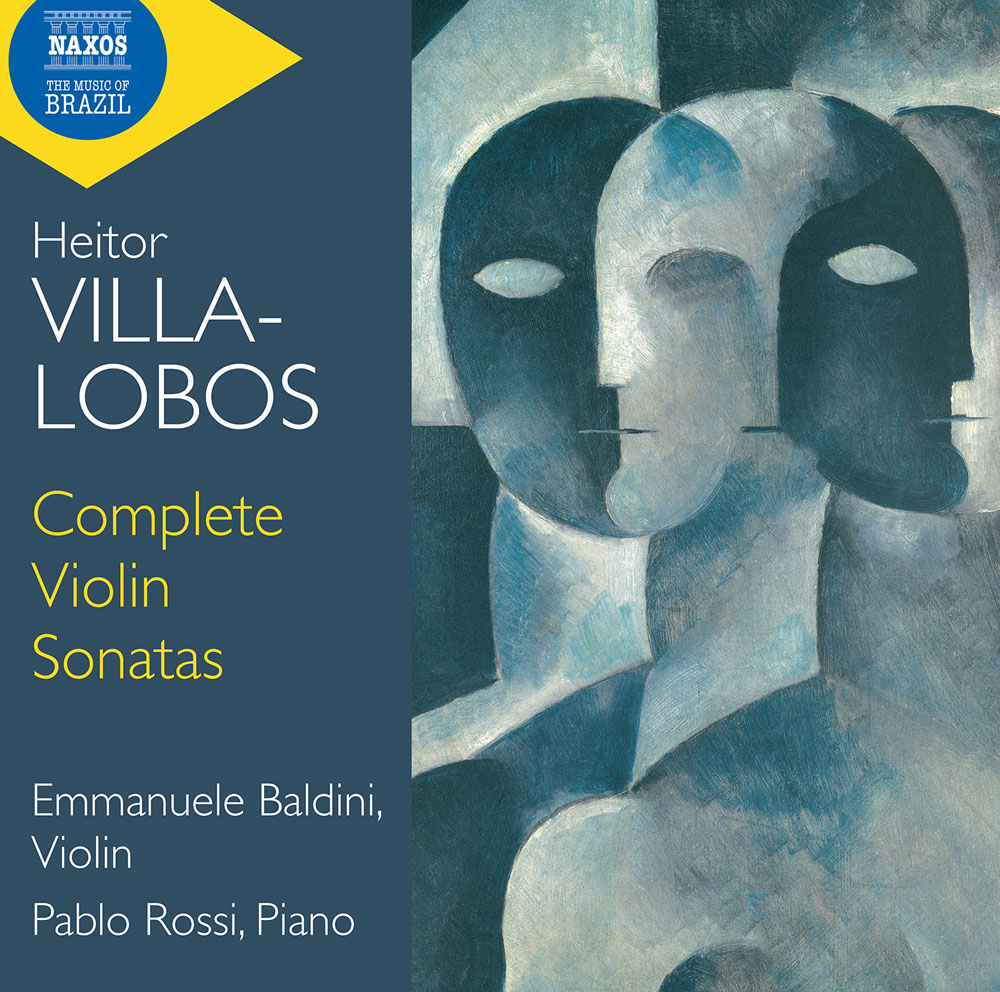
11 Villa Lobos coverHe’s not a composer you readily associate with violin sonatas, but on Heitor Villa-Lobos Complete Violin Sonatas, the new CD from Naxos Classics in their Music of Brazil series violinist Emmanuele Baldini and pianist Pablo Rossi present three delightful pieces which should be much better known (8.574310 naxosdirect.com/search/8574310).

The works – the single-movement Sonata No.1 Fantasia “Désespérance” and the three-movement Sonatas No.2 Fantasia and No.3 – were written between 1912 and 1920, a key period in Villa-Lobos’ career in which he was maturing as a composer, establishing a personal style and achieving his first professional successes.

There’s influence of French late-Romanticism here (especially Debussy in No.3) and a wealth of melodic invention, with excellent performances making for a delightful disc.
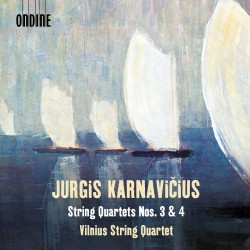
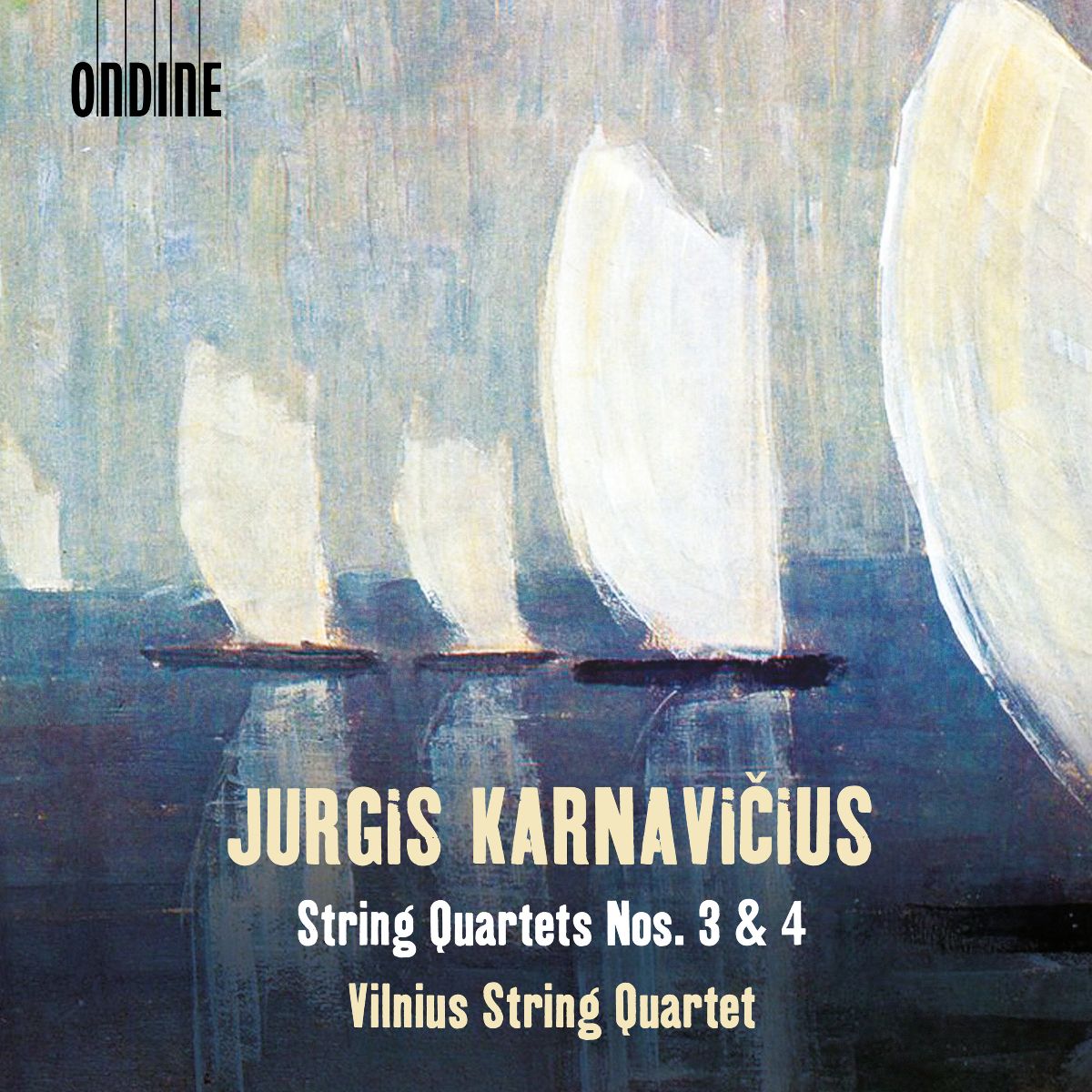
12 KarnaviciusJurgis Karnavičius String Quartets Nos.3 & 4 is the final volume in the complete string quartets by the Lithuanian composer, in world-premiere recordings by the Vilnius String Quartet (Ondine ODE1387-2 naxosdirect.com/search/761195138724). 

These quartets are more expressive and modern in nature than Nos.1 & 2, warmly reviewed here in May/June of this year, and were composed in St. Petersburg in 1922 and 1925 before Karnavičius returned to Lithuania in 1927. After their premieres they were not heard again until 1969 and the 1980s respectively, with No.4 still unpublished. It’s hard to understand why – described as a stylistic link between the quartets of Tchaikovsky and Shostakovich and as a “chromatically saturated musical fabric” they’re outstanding works given wonderfully rich and empathetic performances by the Lithuanian ensemble.
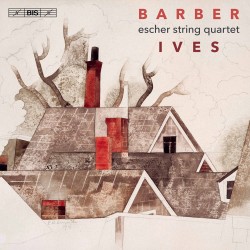
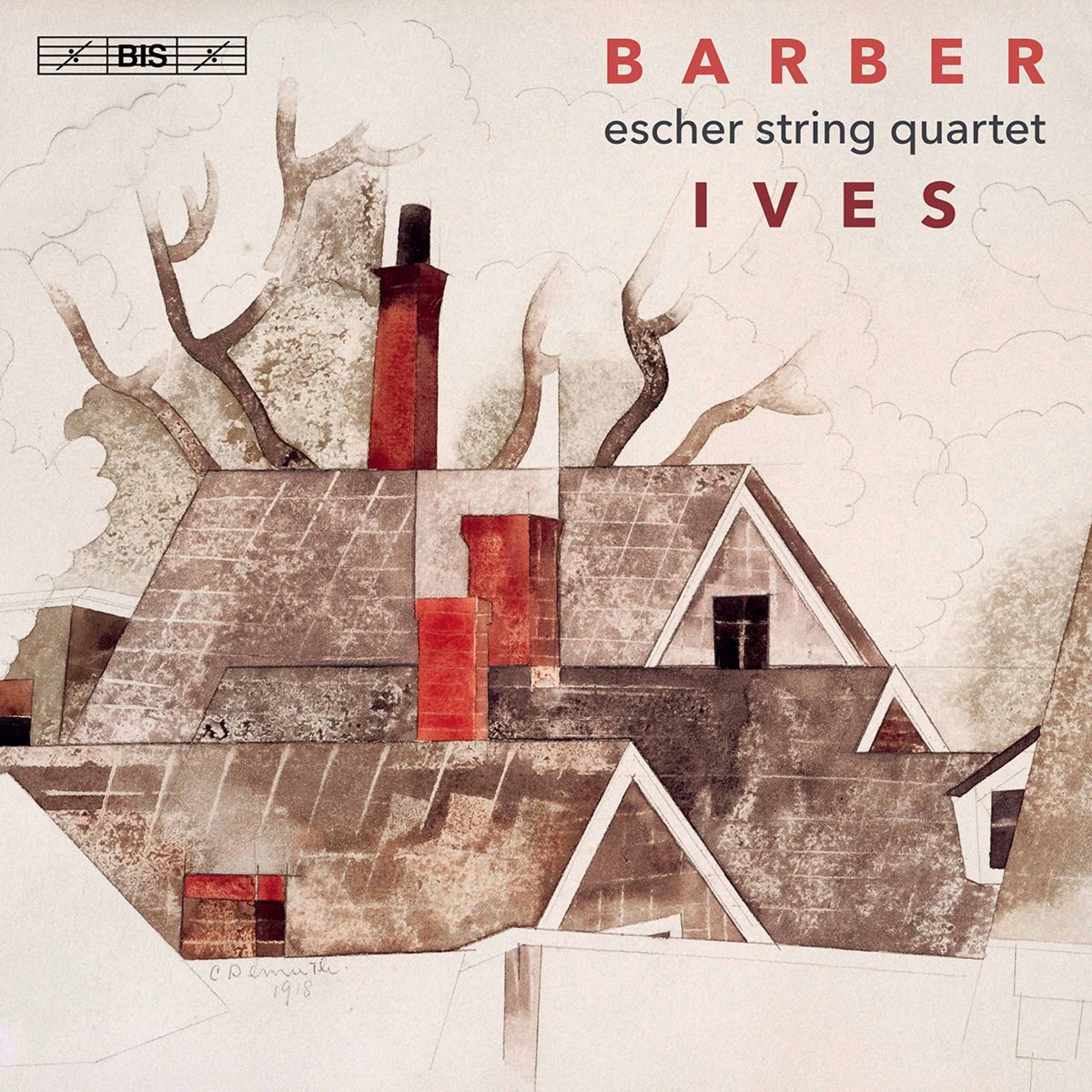
13 Barber IvesThe string quartets of Samuel Barber and Charles Ives are featured on Barber – Ives in excellent performances by the Escher String Quartet (BIS-2360 bis.se).

Barber’s String Quartet Op.11 features the original inception of his Adagio for Strings as its central movement, beautifully played here. The original third movement, discarded by Barber in favour of a shorter ending, is also included for reference.

Ives’ two quartets have various composition and revision dates from 1897 to 1915. His String Quartet No.1 “From the Salvation Army” (A Revival Service) is played with the reinstated first movement, discarded by Ives but re-attached – and not to everyone’s approval – by Ives scholar John Kirkpatrick after the composer’s death. His String Quartet No.2 is more dissonant and atonal, but makes similar use of American hymns and folk tunes. The spiky Scherzo: Holding Your Own from 1903-04 completes a terrific disc.
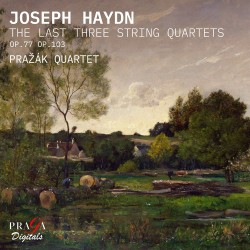
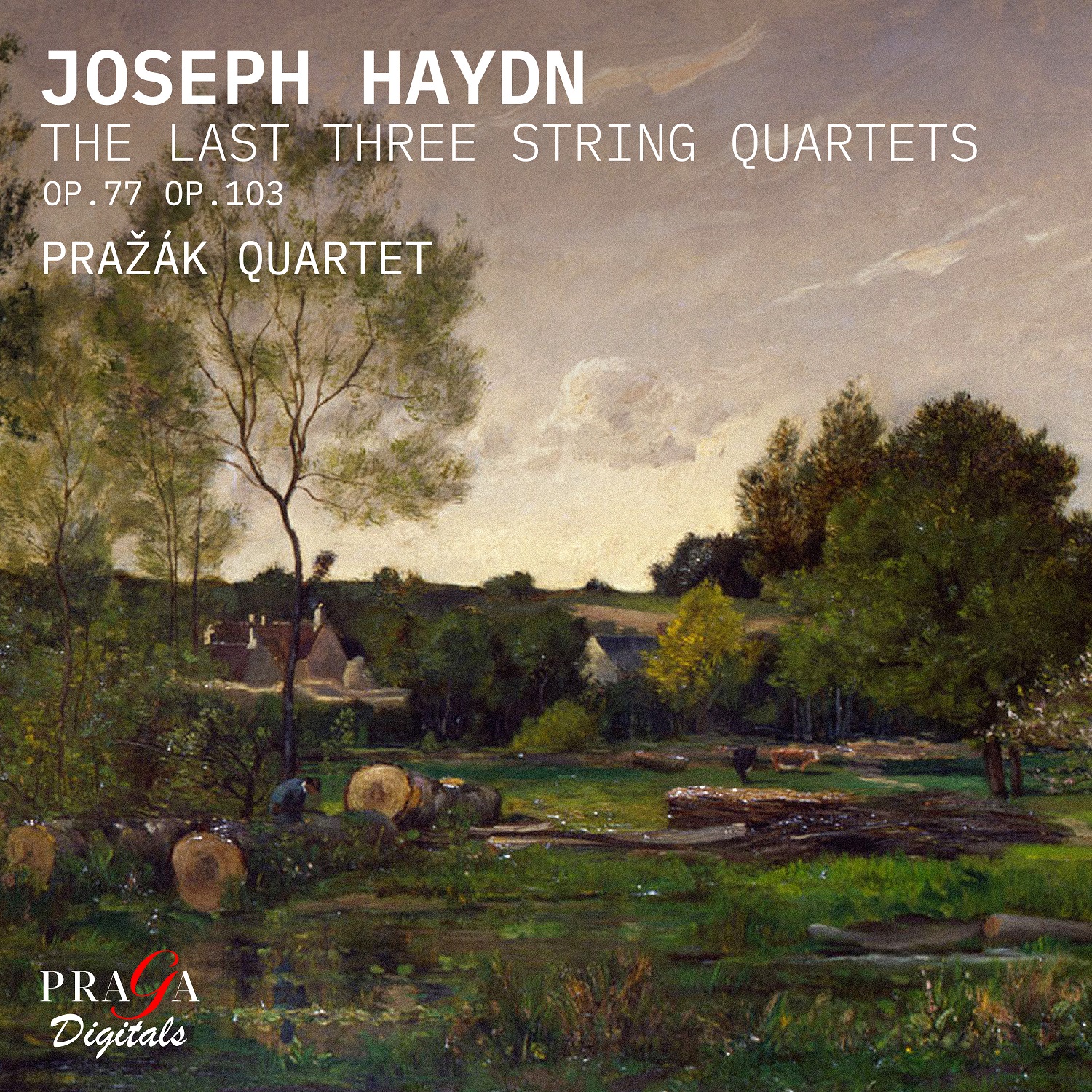
14 Haydn Last ThreeJoseph Haydn The Last Three String Quartets Op.77 & Op.103 is the new CD from the Czech Pražák Quartet (Praga PRD250420 pragadigitals.com).

In 1799 Haydn started a projected set of six quartets dedicated to Prince Lobkowitz but completed only two – Op.77 Nos.1 and 2. In 1802/03 he wrote two middle movements for an unfinished third quartet; these are now known as Op.103. The Op.77 quartets in particular, described here as “bold and full of wit” make a fitting farewell to a musical form that Haydn had almost single-handedly established and developed.

The performances are full-blooded but insightful and sensitive, putting one – if you are old enough – in mind of the great Czech quartet ensembles of the 1960s Supraphon LP recordings. 
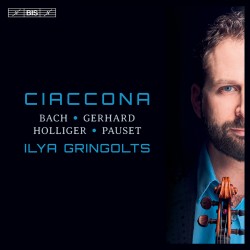
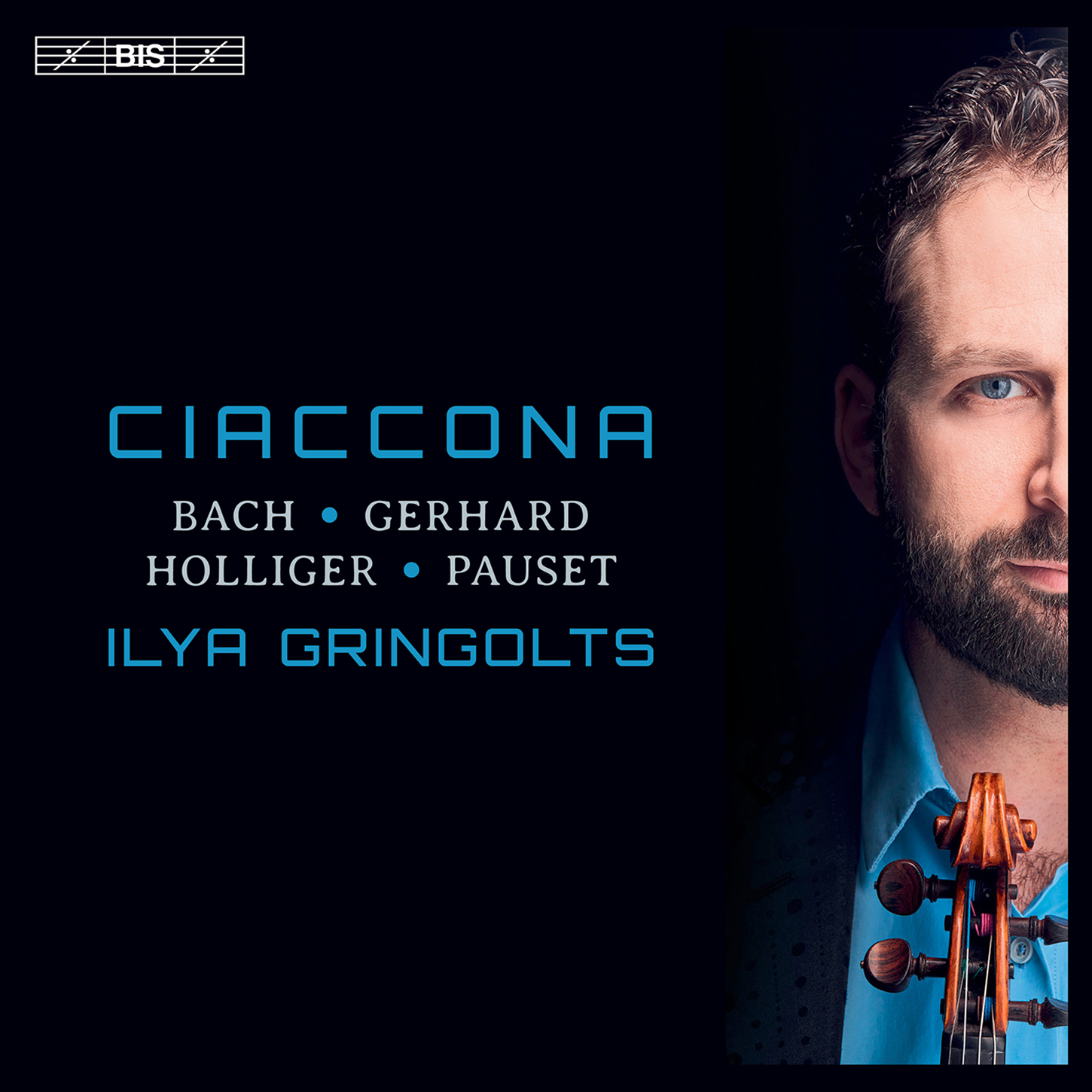
15 Ciaconna coverCiaconna is Russian violinist Ilya Gringolts’ first solo recording of music of his own time with a tribute to its inspiration – Johann Sebastian Bach (BIS-2525 bis.se). 

Heinz Holliger’s brief Drei kleine Szenen intertwines Gringolts’ voice in the Ciacconina first movement. Roberto Gerhard’s Chaconne, inspired by Bach’s D-Minor Chaconne is a 12-tone work of 12 short movements, but with highly individual use and adaptation of the basic tone row.

The major work here is Kontrapartita by the French composer Brice Pauset, its seven movements – Preludio, Allemande, Corrente, Sarabande, Loure, Giga and Ciaccona – interspersed with the seven Bach movements from the three Partitas that inspired them. 
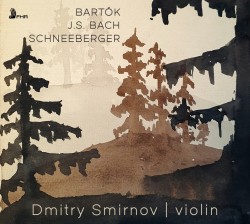
16 BartokBachThe D-Minor Chaconne also turns up on Bartók, J. S. Bach, Schneeberger, a recital CD from the Russian violinist Dmitry Smirnov featuring Bartók’s Sonata for Solo Violin, Bach’s Partita No.2 in D Minor and the 1942 Sonata for Solo Violin by the Swiss violinist Hansheinz Schneeberger, who died two years ago at the age of 93 (First Hand Recordings FHR117 firsthandrecords.com). 

There are some interesting ornamentation choices in the Bach (especially in the Sarabande), but the Bartók and – in particular – the Schneeberger are given convincing performances.


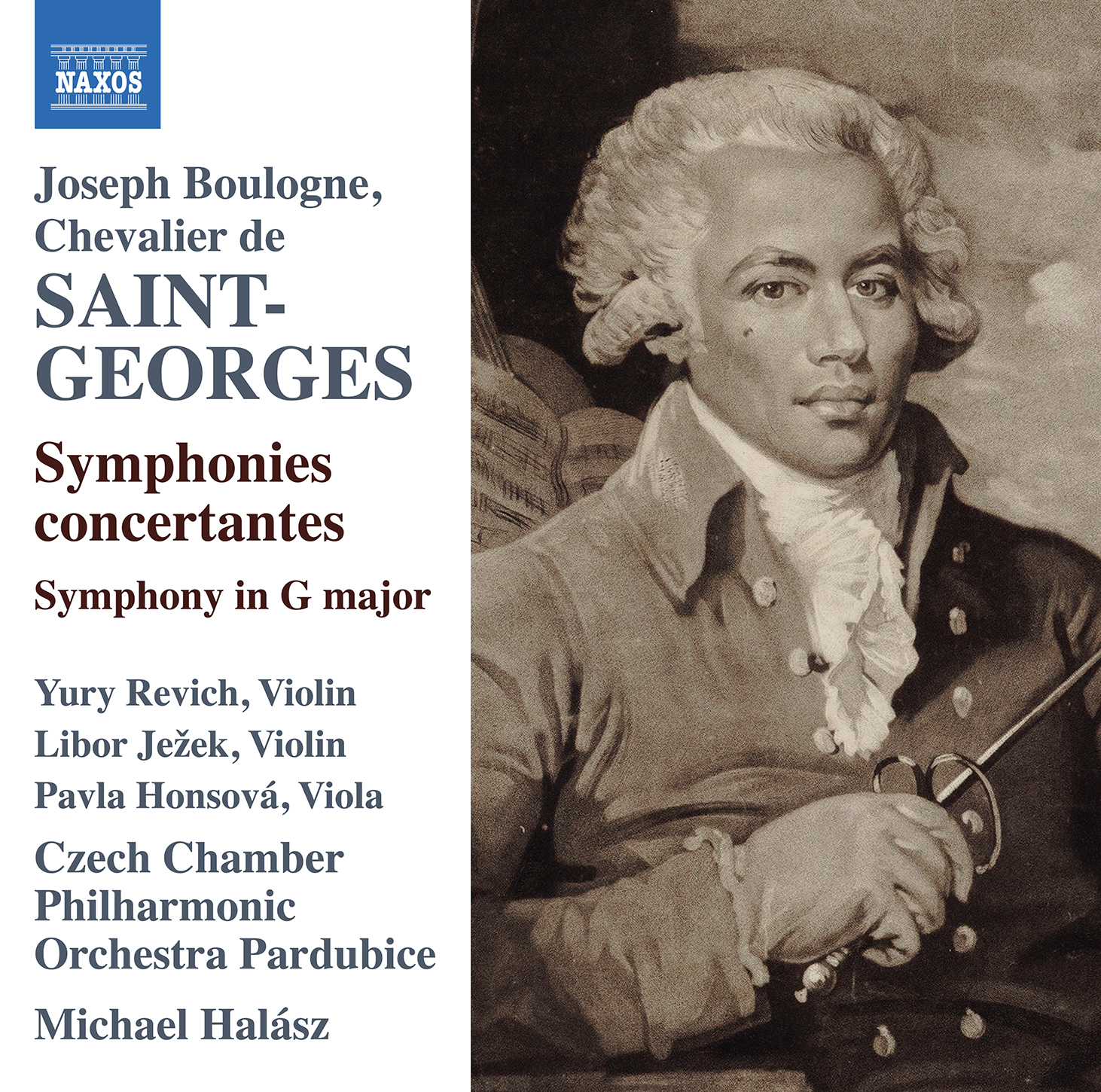
01 Joseph BoulogneJoseph Bologne, Chevalier de Saint-Georges – Symphonies Concertantes, Opp.9, 10 & Op.11, No.1
Pavla Honsová; Michael Halász; Yury Revich; Czech Chamber Philharmonic Orchestra Pardubice; Libor Ježek
Naxos 8574306 (naxosdirect.com/search/+8574306)

An émigré to France, he was a brilliant swordsman, an accomplished musician and reputedly handsome – how could the French music-loving public not embrace such a well-rounded individual? Joseph Boulogne Chevalier de Saint-Georges was born in Guadeloupe in 1739, the son of a wealthy French landowner and a Black servant. He was taken to Paris at the age of ten where he studied with Gossec and by age 30, he was leader of the musical organization Le Concert des Amateurs. Saint-Georges was also a fine composer, and among his prolific output are several symphonies concertantes – concertos for more than one instrument. Four of them, Opp.9 and 10 scored for two violins (plus a viola in the Op.10) and orchestra are presented on this splendid Naxos recording featuring the Czech Philharmonic Chamber Orchestra Pardubice conducted by Michael Halász.

In style, this music owes much to Haydn and typically, these works have only two movements – a spirited allegro followed by a gracious rondeau. All of them contain attractive thematic material and ample opportunity for the soloists to display their technical ability. The two violinists – Russian-born Yury Revich, playing on a 1709 Stradivarius, and Libor Ježek, deputy leader of the Czech Chamber Orchestra – are joined by violist Pavla Honsová and together they comprise a formidable trio, delivering polished and assured performances in solid partnership with the CPCO.

The Symphony Op.11/1 is the first in a pair of symphonies first published in Paris in 1779. Again, the spirit of Haydn is ever-present – this could almost be a precursor to the “Paris” symphonies, and the performance – like the music itself – is refined and elegant. 

A delightful recording of music deserving greater attention – Marie Antoinette would surely have approved!

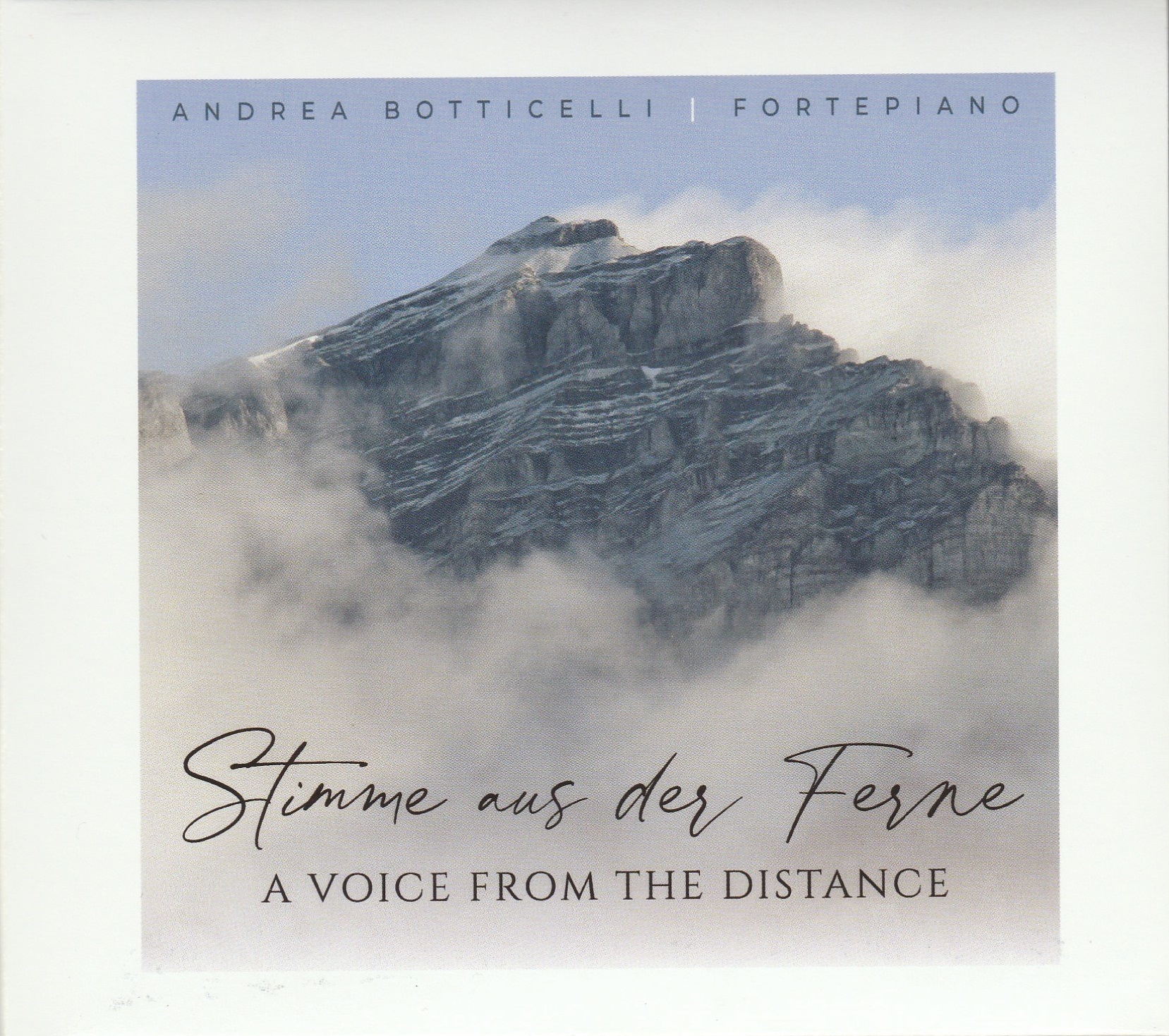
02 Andrea BotticelliStimme aus der Ferne – A Voice from the Distance
Andrea Botticelli
Independent 01 (andrea-botticelli.com)

Canadian pianist Andrea Botticelli developed an interest in historical instruments early on, and since then, has been the recipient of numerous awards and grants for her work and research into early performance practices. In this recording, titled A Voice from the Distance, she again opens the door to the past, presenting works by Schubert, Czerny and Schumann on a replica of an 1830s Viennese pianoforte.

The disc opens with Schubert’s Sonata in A Major D664, music composed during the summer of 1819 when he was all of 22.This genial score is clearly that of a youthful composer and Botticelli displays particular warmth of tone and a fluid sense of rhythm and pacing. The music of Czerny is not often encountered today, but during his lifetime, he was renowned as a composer and pedagogue. His Variations on a Theme by Rode Op.33 is a fine example of his creative ability, the five variations a true study in contrasts and certainly not without considerable technical challenges. Schumann’s charming suite, Papillons Op.2 from 1831, is intended as a musical depiction of a masked ball. Once again, Botticelli demonstrates a real affinity for the music and throughout the listener is struck with the robust and full sound she achieves on the instrument. Added bonuses are Clara Schumann’s Notturno from her Soirées musicales Op.6 and the eighth movement from Schumann’s Novelletten Op.21 which bring the CD to a fitting conclusion.

This disc is a delight. Not only does Botticelli deliver a compelling performance – breathing new life into traditional repertoire – but she proves without a doubt that Romantic-period repertoire is as satisfying to the ear when played on an early pianoforte as it is on a modern concert grand.

Listen to 'Stimme aus der Ferne: A Voice from the Distance' Now in the Listening Room

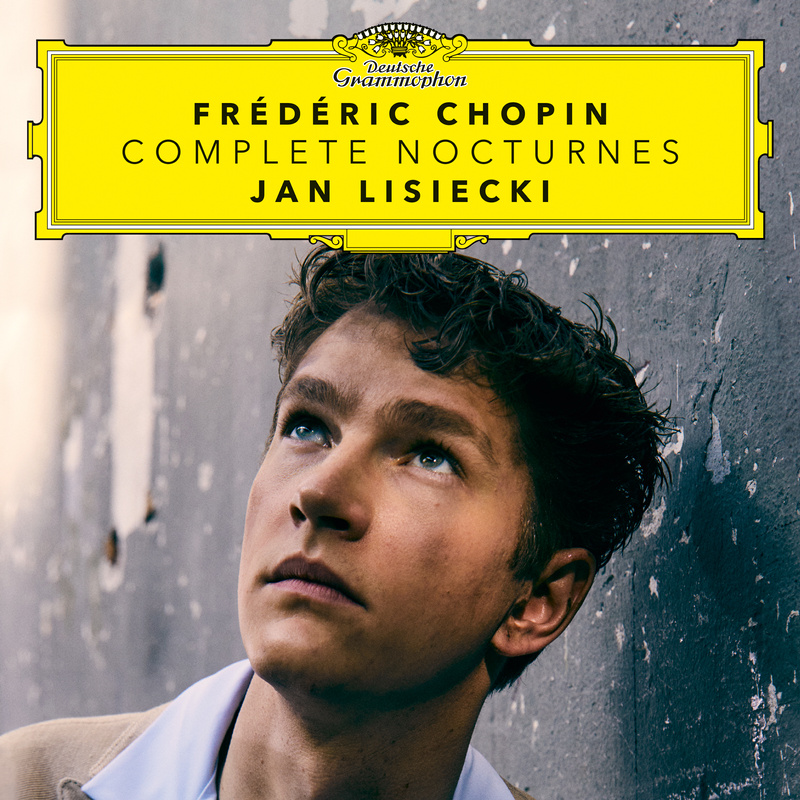
03 Lisiecki ChopinChopin – Complete Nocturnes
Jan Lisiecki
Deutsche Grammophon 4860761 (deutschegrammophon.com/en/catalogue/products/chopin-complete-nocturnes-lisiecki-12377)

Recently I watched an orchestral concert from Zurich recorded some years ago. The soloist was Jan Lisiecki. He played an encore, Chopin’s Nocturne Op.48 No.1 in C Minor. The piece begins with a deceivingly simple pianissimo melody, but soon another melody in a major key insinuates itself in the bass line, barely noticeable at first, but keeps mounting with tremendous chords. The pace quickens with a formidable crescendo masterfully controlled and developed into fortissimo. At that point the piano roars and seems to explode and Lisiecki becomes a lion, a total master of the instrument. When it was over, the audience, the orchestra and the conductor were spellbound, the applause deafening and for me Lisiecki then became one of my piano heroes.

Lisiecki was a teenager at that time, a lanky boy from Calgary, very tall with bushy hair. Now he is literally conquering Europe. Deutsche Grammophon picked him out very quickly at age 15 and this is his eighth recording for the Gesellschaft, having already recorded the Concertos and the Etudes of Chopin. Now he turns to the Nocturnes, the composer’s most intimate and some of the most beautiful and best-loved pieces ever written for solo piano. Perhaps his Polish origins give Lisiecki a natural affinity to Chopin; with his youthful energy, impeccable technique, exquisite touch and profound insight he certainly does justice to these masterworks.

Some highlights are of course the famous and popular Op.9 No.2 in E-flat Major, the Op.15 No.2 in F-sharp Major with its haunting, chromatic melody and agitated mid-section, the tremendous Op.27 No.2, in D-flat Major with a grand melody and passionate outbursts, and the wistful, yearning Op.37 No.2 in G Major with its barcarolle-like mid-section and more. Happy listening!

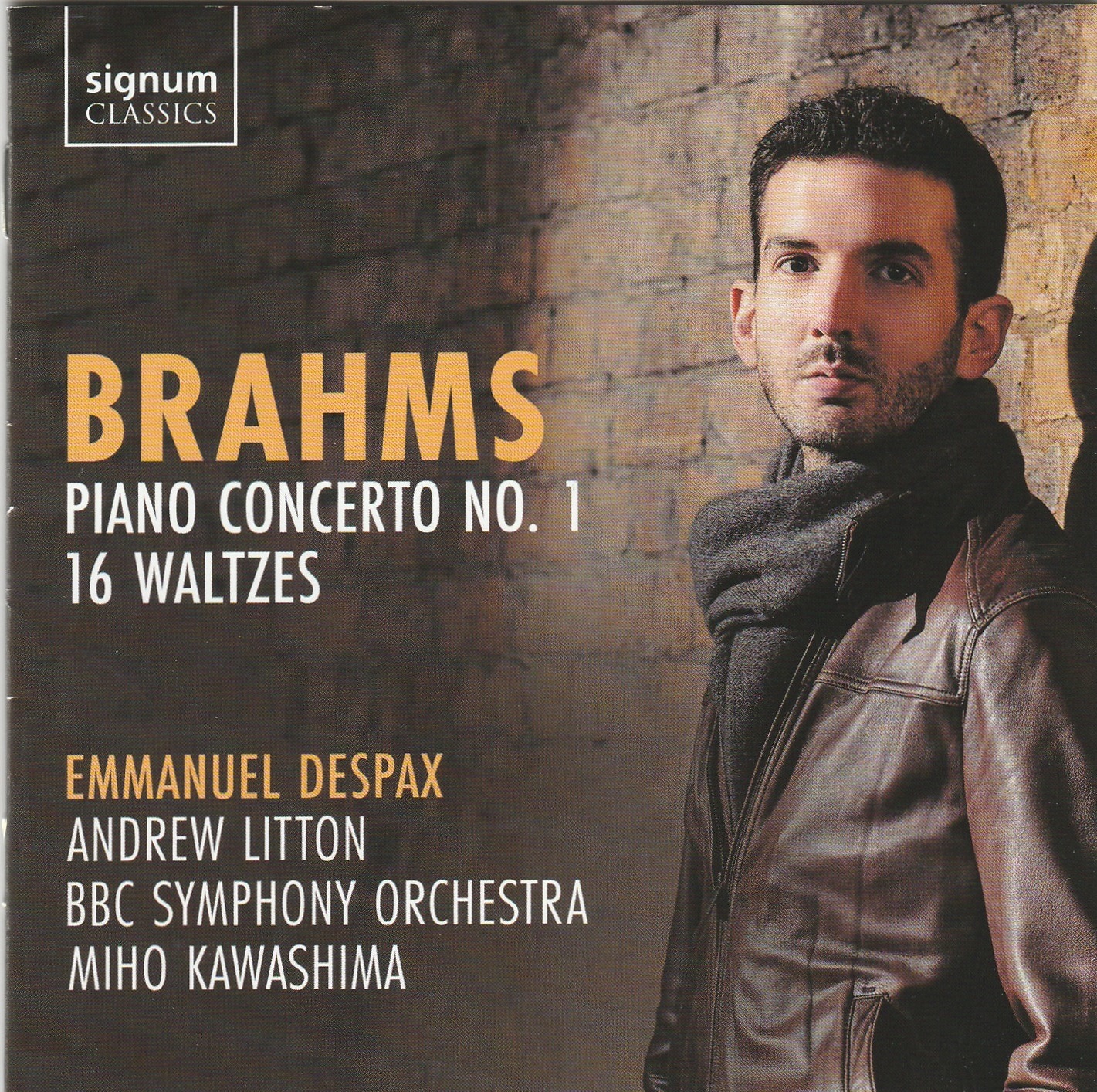
04 Brahms DespaxBrahms – Piano Concerto No.1; 16 Waltzes
Emmanuel Despax; Miho Kawashima; BBC Symphony Orchestra; Andrew Litton
Signum Classics SIGCD666 (signumrecords.com)

Brahms’s Piano Concerto No.1 is a renowned masterpiece, frequently performed by orchestras and soloists since its premiere in 1859. Expansive and majestic, this work combines classical-period form with distinctly Romantic harmonies and progressions to create a captivating and large-scale concerto that ranks among the finest works of its time.

This recording, featuring the BBC Symphony Orchestra and pianist Emmanuel Despax, acknowledges the weightiness of Brahms’ writing, choosing an approach to tempo and style that accentuates the depth and density of the concerto’s progressions and development. For example, the first movement, marked Maestoso, is performed in 24’28”, a minute or two slower than many modern recordings (but faster than Glenn Gould’s infamous 25’37” performance of the same with Leonard Bernstein), while the following two movements fit within the slower averages. 

Rather than coming across as drab and dull, however, the melodiousness that is revealed by this slightly lugubrious opening tempo is captivating and made utterly logical by the clarity revealed in the fleeting piano part towards the middle of this first movement – every keystroke is audible, resulting in gestures made up of distinct yet rapid notes rather than a murky approximation of the notated score. Expression is paramount in late-Romantic music, and Despax’s pacing allows for great clarity and sincerity in his interpretation.

Despax is joined by pianist Miho Kawashima for the 16 Waltzes, presented here in their original version for piano four hands. These are short works, the longest lasting only 2’01”, yet their beauty is remarkable. An essay in compositional dexterity, the diversity present in these 16 pieces, all based on the same form, is a delight for the listener; it is difficult to take in only one of these charming, bite-size pieces at a time.

Covering both the orchestral immensity of the Piano Concerto No.1 and the levity of the 16 Waltzes, this disc is highly recommended to anyone who appreciates Brahms’ music and the pluralities present therein: joyful solemnity and tragic sweetness.

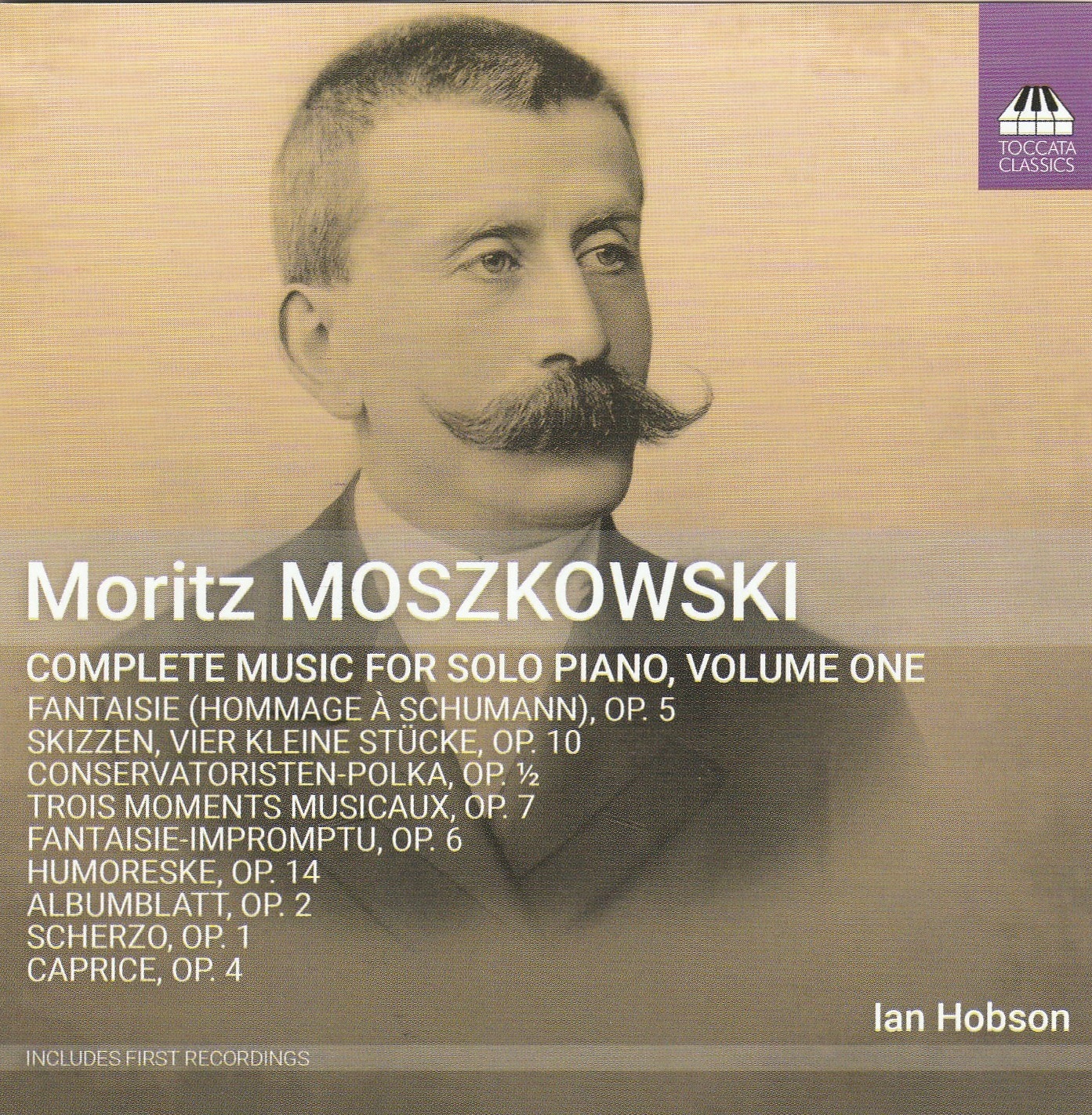
05 MoszkowskiMoritz Moszkowski – Complete Music for Solo Piano Volume One
Ian Hobson
Toccata Classics TOCC 0572 (toccataclassics.com)

Moritz Moszkowski composed in all genres, but he’s remembered today, if at all, for his 250-plus piano pieces, still occasionally sourced for recital encores. This CD, the first in a projected comprehensive compilation, presents Moszkowski’s earliest piano works, all dating from 1874-1877, when the composer was in his early 20s.

The playful opening Conservatoristen-Polka, humorously labelled “Op.½,” and identified as composed by “Anton Notenquetscher” (Note-Squeezer), references a much-reprinted satiric poem by Moszkowski’s older brother Alexander.

Among the disc’s other 13 pieces, three are fairly substantial, at over nine minutes each. Fantaisie (Hommage à Schumann), Op.5, successfully echoes Schumann’s style and its extremes of assertiveness and tenderness, with lyricism prevailing. In Fantaisie-Impromptu, Op.6, warm, gently rippling melodies slowly build to a fortissimo climax, marked grandioso. Humoreske, Op.14, is a buoyantly cheerful, virtuosic essay in dotted rhythms and rapid runs.

Of the shorter pieces, I particularly enjoyed the reflective, Schumannesque Albumblatt, Op.2, the sentiment-laden Melodie (the first of the Skizzen, Vier kleine Stücke, Op.10) and, most of all, Con moto (the second of Trois Moments Musicaux, Op.7), in which episodes of urgent plaintiveness are offset by beautiful, serene, hymn-like reassurances.

Ian Hobson’s many recordings include all of Beethoven’s Piano Sonatas and Chopin’s complete piano works. He also conducted Moszkowski’s orchestral music on the fine CD I reviewed in the December 2020/January 2021 edition of The WholeNote. In Hobson’s very capable hands, future Moszkowski CDs promise many more hours of enjoyable discoveries.

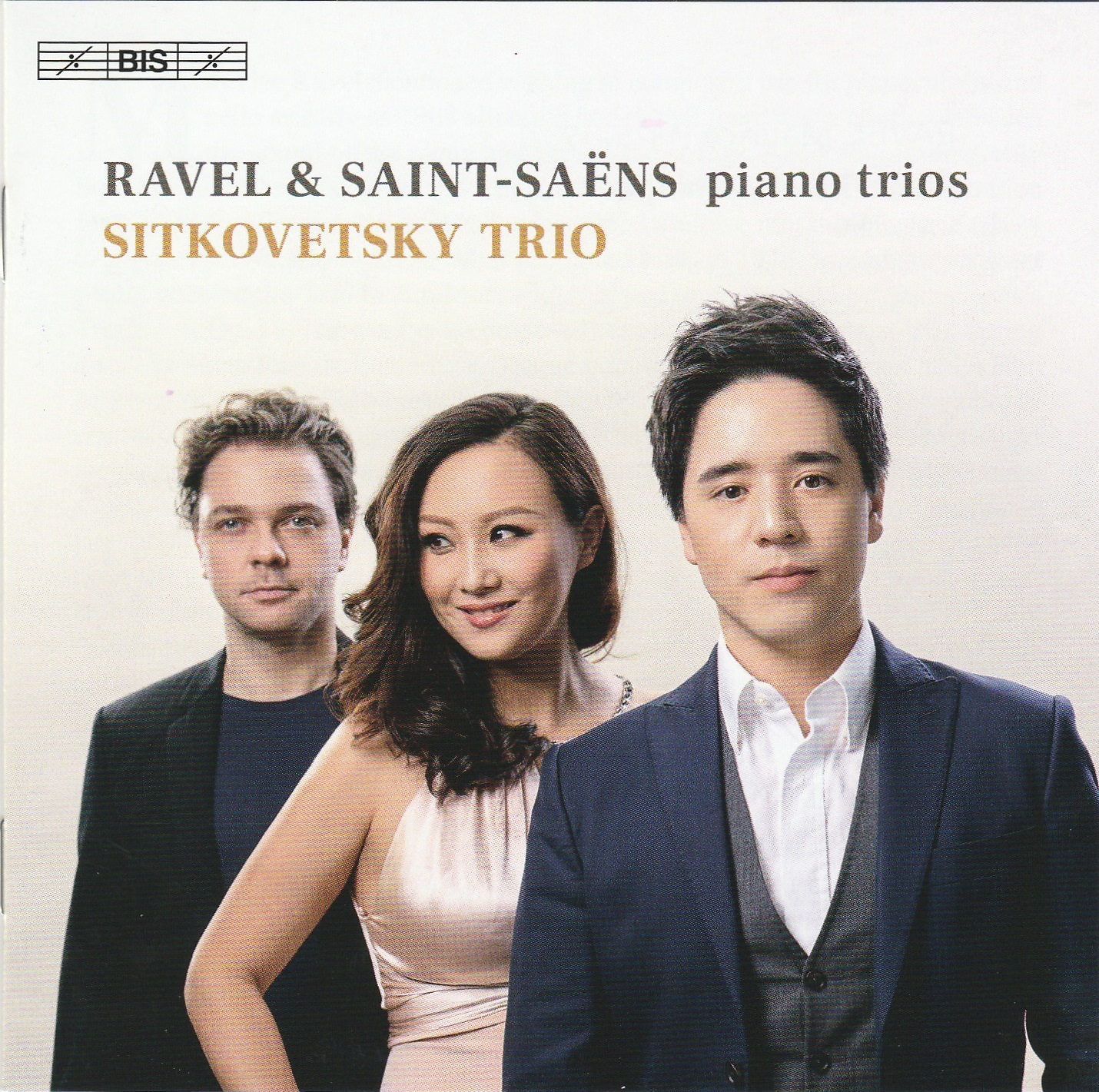
06 Ravel Saint SaensRavel & Saint-Saëns – Piano Trios
Sitkovetsky Trio
Bis BIS-2219 SACD (bis.se)

The subtle colours and evanescent textures of Ravel’s piano music are often compared to those of his older contemporary Debussy, but, in fact, Ravel got there first. Like in Jeux d’eau from 1902, his Piano Trio in A Minor (1914) which features rippling liquid arpeggiated figurations derived from Liszt, is imbued with a singular new delicacy. The four wistful movements of the trio seek to convey an increasingly wide range of vivid sensations, aural and visual to create what is, in effect, a miniature tone poem. 

In one of their best recordings, the Sitkovetsky Trio interpret this piece with idiosyncratic brilliance. The variety of touch and the extraordinary control of dynamics that violinist Alexander Sitkovetsky, cellist Isang Enders and pianist Wu Qian bring to this performance balance limpid tonal clarity and questing energy.  

The other work on this scintillating album is Camille Saint-Saëns’ Piano Trio No.2 in E Minor Op.92. A child prodigy with Mozartian potential, the composer remarked that he lived in music “like a fish in water.” That is eminently clear from this Piano Trio, which, like his concertos, is pleasant on the ear but murder on the fingers. Like their Ravel, the Sitkovetsky Trio’s Saint-Saëns sounds startlingly fresh. Qian’s enthusiastic pianism displays great technical assurance and a sense of tremendous forward momentum. Sitkovetsky’s and Enders’ playing is sinewy and dramatic. Together the trio also give this work a spirited reading.

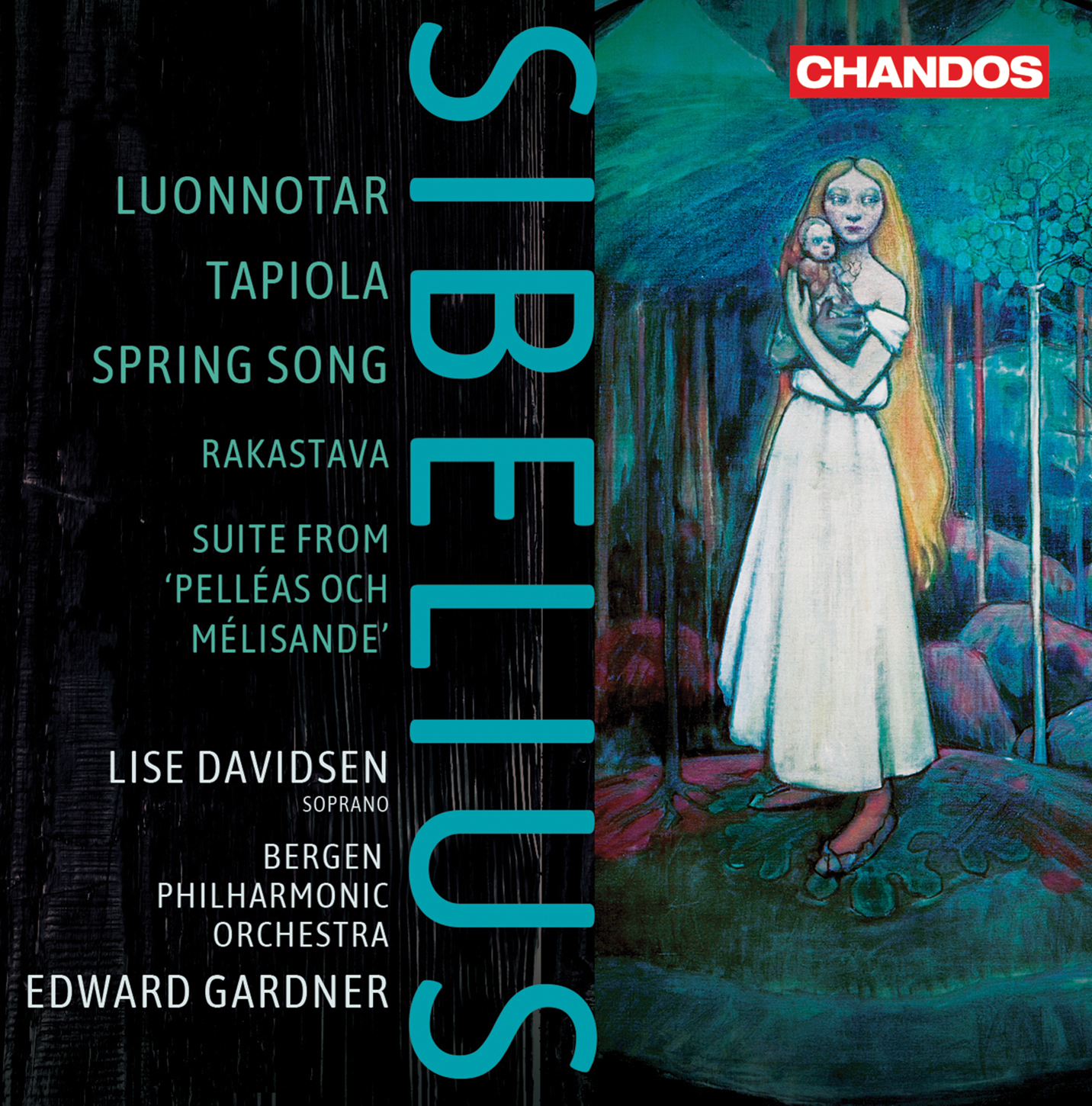
08 Sibelius LuonnotarSibelius – Luonnotar; Tapiola; Spring Song
Lise Davidsen; Bergen Philharmonic Orchestra; Edward Gardner
Chandos CHSA 5217 (naxosdirect.com/search/chsa5217)

Jean Sibelius – together with Grieg and Dvořák – was largely responsible for the late-19th-century upsurge of musical nationalism. Sibelius’ greatest achievements were to reassert the Finnish ethos as something distinct from both Russia and Sweden – something that made him a cultural figurehead in Finland. This could be attributed to his splendid compositional technique, and a special skill that enabled him to unite the heroic imagery of the Finnish epic Kalevela and the sounds that characterized Scandinavia with the influences of the greater European tradition. 

Though Sibelius’ output is dominated by his seven symphonies, by the time he had written the first of these he had already honed his craft with a series of orchestral pieces on national themes written during the 1890s. This album includes two of these: Rakastava (The Lover) Op.14 and the tone poem Vårsång (Spring Song) Op.16. It also includes two other tone poems, Luonnotar Op, 70 and, arguably Sibelius’ greatest tone poem – Tapiola Op.112, Finlandia notwithstanding. 

The Bergen Philharmonic and Edward Gardner’s account of these works has a truly magisterial authority; Gardner’s control of the imagery of the works – in fine gradations of mood and colour – is utterly convincing. Lise Davidsen’s luminous soprano is heard on Luonnotar and the album’s longest work Pelléas och Mélisande – incidental music for Maurice Maeterlinck’s play. Orchestra and soprano have rarely sounded so beautiful and profoundly absorbed as in these stellar works. An album to die for.

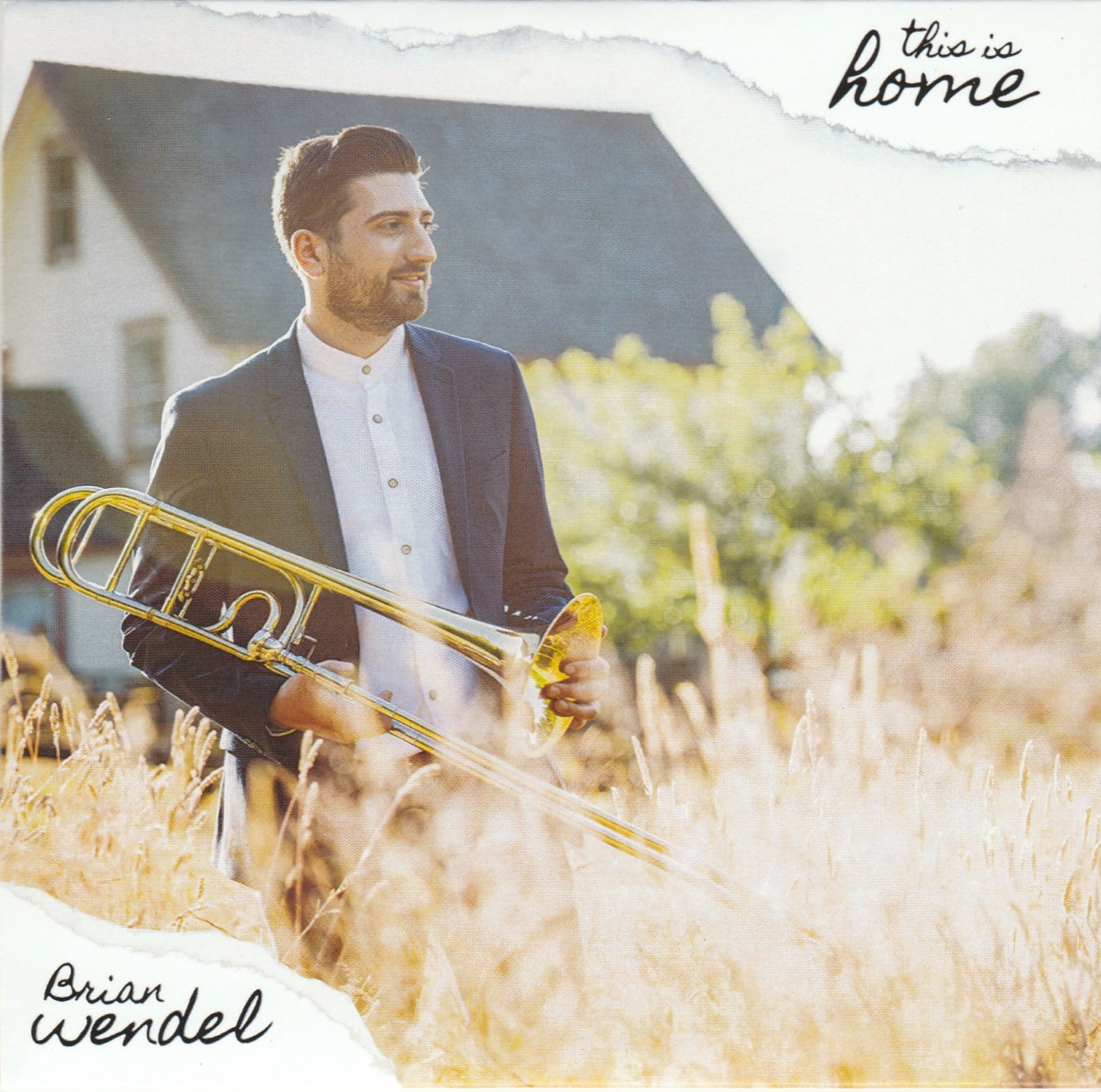
07 Brian Wendelthis is home
Brian Wendel
Independent (brianwendelmusic.com)

For Brian Wendel, principal trombonist of the Vancouver Symphony and a faculty member at the University of British Columbia, the concept of “home” is as much spatial and geographic (now residing on Canada’s West Coast after having grown up in Massachusetts and having lived in New York City as a Juilliard student) as it is metaphoric (identifying repertoire so familiar and comfortable to be thought of as a musical home in which one is capable of expression, creativity and a mature statement of identity). For Wendel, This is Home, is just that; a thoughtful collection of music that includes J.S. Bach, Prokofiev, Enrique Crespo’s Improvisation and Scriabin. 

United not by era, theme or even tunefulness, the pieces chosen instead put forth a compelling statement of where Wendel draws inspiration and gives voice. Often presented in duo format with pianist Carter Johnson, Wendel also plays solo on the Bach and Crespo selections, a format that I do not associate with “classical” music (instead, the albums by George Lewis and Albert Mangelsdorff come to mind here), but would be intrigued to hear more of from this extremely capable and fine musician.  

Although a thorny and difficult instrument, in the right hands (such as Wendel’s) the trombone ranks among the most expressive instruments in music, underscoring and highlighting sublime passages of music heard many times before (such as Bach’s Cello Suites) while giving a unique voice and perspective to both the new and the less familiar.

09 Parker Quartet KashkashianKurtág – Six moments musicaux; Officium breve; Dvořák – String Quintet No.3
Parker Quartet; Kim Kashkashian
ECM New Series 2649 (ecmrecords.com/shop)

In a program of contrasts, the musically sensitive Boston-based Parker Quartet plays the music of György Kurtág with virtuoso panache, and are joined by their mentor, violist Kim Kashkashian, in an Antonín Dvořák work in their ECM New Series debut. Czech composer Dvořák’s easygoing late American period String Quintet No.3 is bookended by two of Kurtág’s tightly wound quartets. The latter’s Six moments musicaux (2005) and the Officium breve in memoriam Andreae Szervánszky (1988/89) glitter jewel-like in their neo-expressionistic refinement.

Composed in three days in Spillville, Iowa in 1893, Dvořák’s lyrical work differs from his other quintets in his use of two violas and also in its formal straightforwardness: there’s little development of thematic material and extensive repetition. The Parker Quartet’s feeling for instrumental colour, texture and attention to detailed ensemble work is evident from the first measure.

The same can be said about the quartet’s performance insights into Kurtág’s scores, developed through extensive work with the senior Hungarian composer. I was particularly moved by the Parker’s riveting rendering of Kurtág’s brilliantly intense 15-section Officium Breve in Memoriam… Even as they mirror the concision of each miniature movement, paradoxically the music becomes even more static, timeless – and elegiac. 

A perceptive reviewer once wrote that his music was “like opening a trapdoor in your floor and dropping for a moment into the infinity of the cosmos.” Kurtág’s notes often seem unmoored from conventional function, freed to resonate in a much larger musical and emotional space.

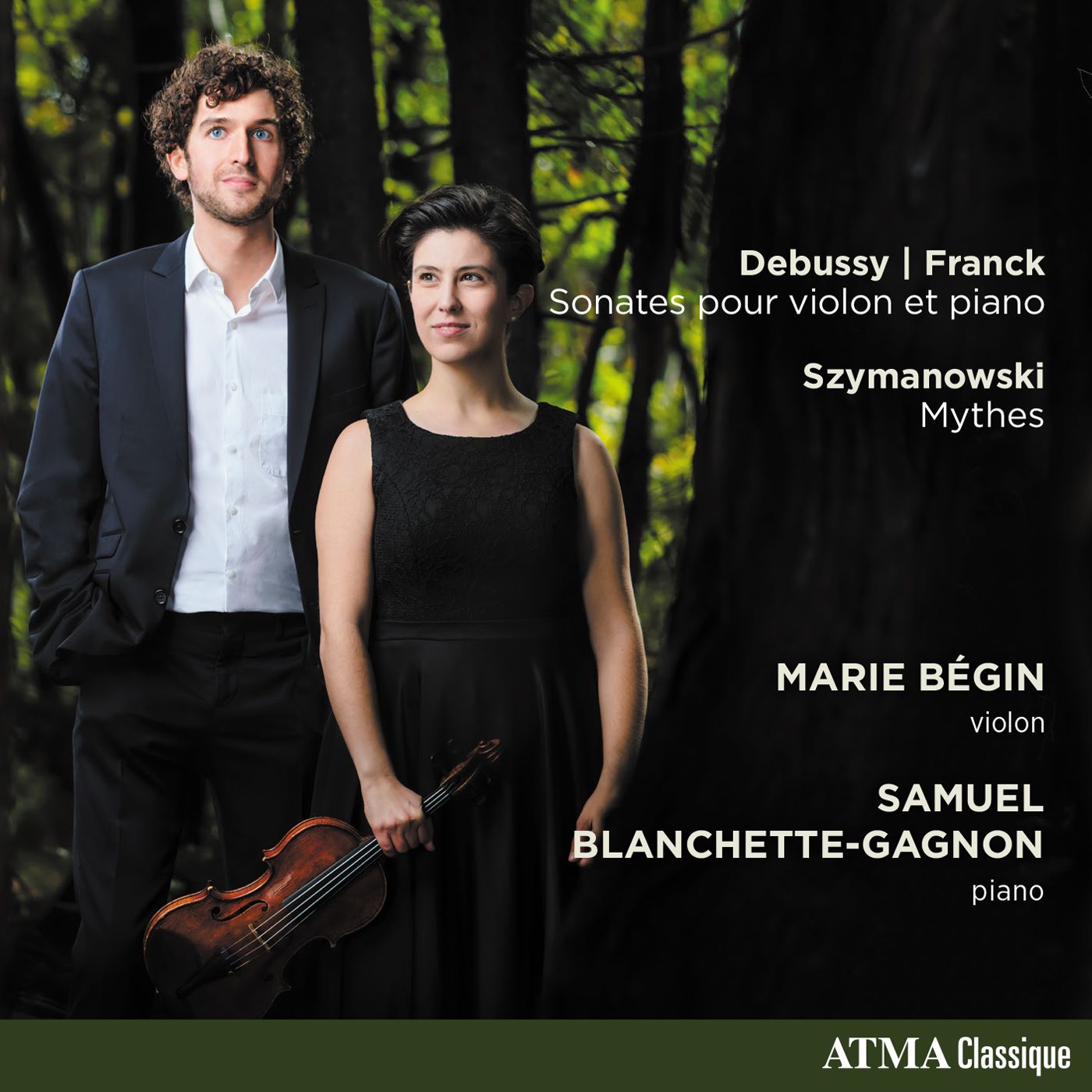
01 Marie BéginThe new CD Debussy-Franck-Szymanowski finds the Canadian duo of violinist Marie Bégin and pianist Samuel Blanchette-Gagnon in quite superb form (ATMA Classique ACD2 2850 atmaclassique.com/en).

Bégin’s Carlo Bergonzi violin from 1710-1715 produces a glorious sound, and there’s a lovely range of tone colour from both players in the Debussy Sonata in G Minor and in the shimmering, atmospheric performance of the three Szymanowski Mythes Op.30. The heart of the disc is a wonderfully expansive and insightful reading of the Franck Sonata in A Major, with a slow build-up through the opening Allegretto, a brooding and passionate Allegro second movement, a heartfelt Recitativo: Fantasia and a final canon of depth and strength.

Two short transcriptions – Fauré’s Après un rêve and Debussy’s Beau soir, the latter in the Heifetz arrangement – complete a superlative CD.

02 Randall Goosby RootsRoots, the debut CD from the young American violinist Randall Goosby has been attracting a lot of interest, and with good reason. Described as “an exploration of the music written by Black composers and inspired by Black American culture” it’s a strong recital that features fine playing from Goosby and pianist Zhu Wang (Decca Classics 4851664 store.deccaclassics.com/*/CD-Classics/Roots/6Z5A16YW000).
Xavier Dubois Foley’s Shelter Island for violin and string bass (with the composer on bass) is a world-premiere recording, as are the three pieces by Florence Price: Adoration and the two Fantasies, No.1 in G Minor and No.2 in F-sharp Minor. Also here are Coleridge-Taylor Perkinson’s Blue/s Forms for Solo Violin, four songs from Gershwin’s Porgy and Bess in the Heifetz transcriptions, William Grant Still’s Suite for Violin and Piano (with its gorgeous second movement), Samuel Coleridge-Taylor’s Deep River (in an arrangement by violinist Maud Powell) and Dvořák’s three-movement Sonatina in G Major.

Goosby draws a full, warm tone from the 1735 “Sennhauser” Guarneri del Gesù violin, and has a lovely feel for line and phrase. Wang provides excellent support on an impressive debut disc.

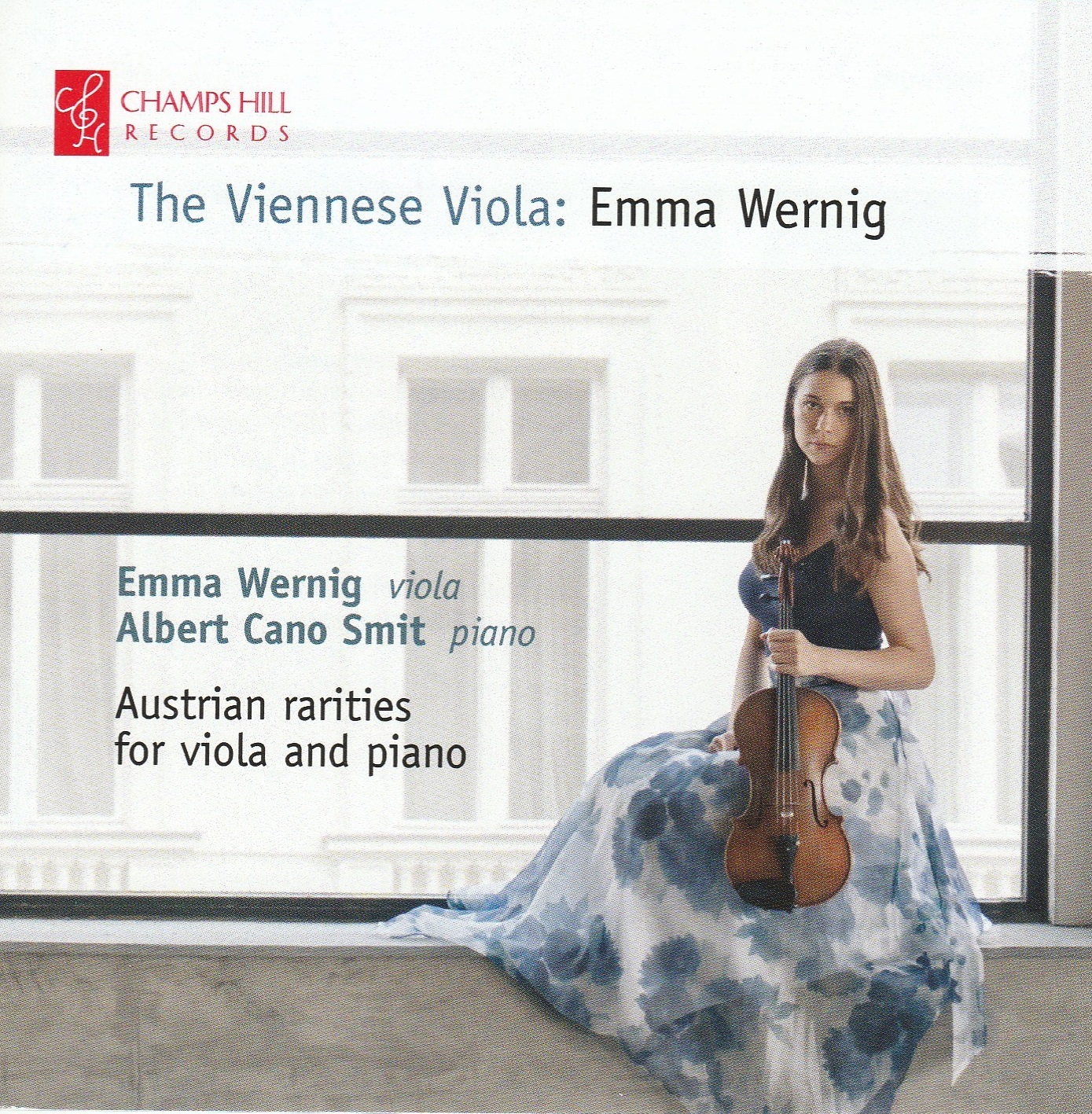
03 Wernig Viennese ViolaFrom the opening bars of The Viennese Viola: Emma Wernig, the debut CD from the winner of the 2017 Cecil Aronowitz competition with Albert Cano Smit at the piano, it’s clear that we’re in very good hands. Wernig’s warm, assured playing is supported by Cano Smit’s perfectly matched accompaniment in a beautifully balanced recording of Austrian rarities for viola and piano (Champs Hill Records CHRCD163 emmawernig.com).

Hans Gál wrote his Viola Sonata in A Major Op.101 in Edinburgh in late 1942, having fled Austria in 1938. It’s a lovely work, lyrical and passionate but with moments of melancholy and gloomy introspection.

Two fine works by Robert Fuchs are at the centre of the recital: his Sechs Phantasiestücke Op.117 from 1927 and his Viola Sonata in D Minor Op.86 from 1899. Brahms greatly admired Fuchs, and his influence – as well as that of Schubert – is keenly felt.

Four Schubert songs – Am See, Frühlingstraum, An die Musik and Litanei auf das Fest Aller Seelen – chosen and arranged by the two performers, complete an outstanding CD.

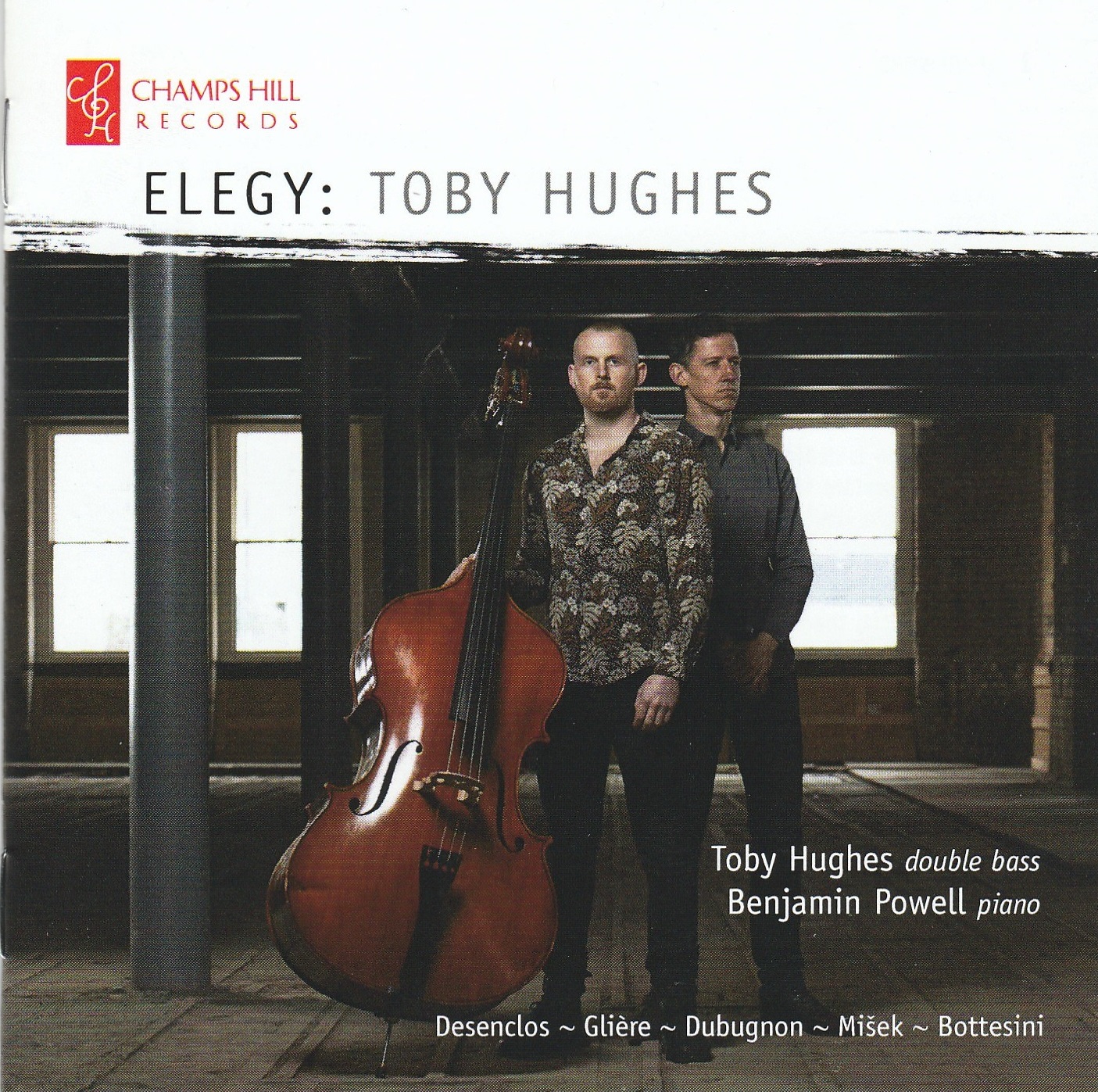
04 Elegy Toby HughesA third – and equally accomplished – debut CD is Elegy: Toby Hughes, featuring the young English bassist accompanied by pianist Benjamin Powell in a recital that Hughes feels offers an insight into the instrument’s versatility (Champs Hill Records CHRCD162 tobyhughesdoublebass.com)

Hughes’ bass is built for solo playing, custom made for him, and what a sound it has – the warmth and agility of a cello, but with heft.

The Aria et Rondo from 1952 by the French composer Alfred Desenclos opens the disc, followed by Reinhold Glière’s Four Pieces – the Prelude and Scherzo Op.32 Nos.1 & 2 and the Intermezzo and Tarantella Op.9 Nos.1 & 2 – the Tarantella drawing dazzling virtuosity from Hughes. The brief Ekskize No.1, in a transcription by its composer Richard Dubugnon, was originally for voice and piano. 

The other major work on the CD is the four-movement Sonata No.2 in E Minor Op.6 from 1911 by Czech composer Adolf Mišek; it’s a passionate work with shades of Brahms and Dvořák. Bottesini’s lovely Elegia No.1, which takes Hughes to the instrument’s highest register, brings an impressive debut CD to a close. 

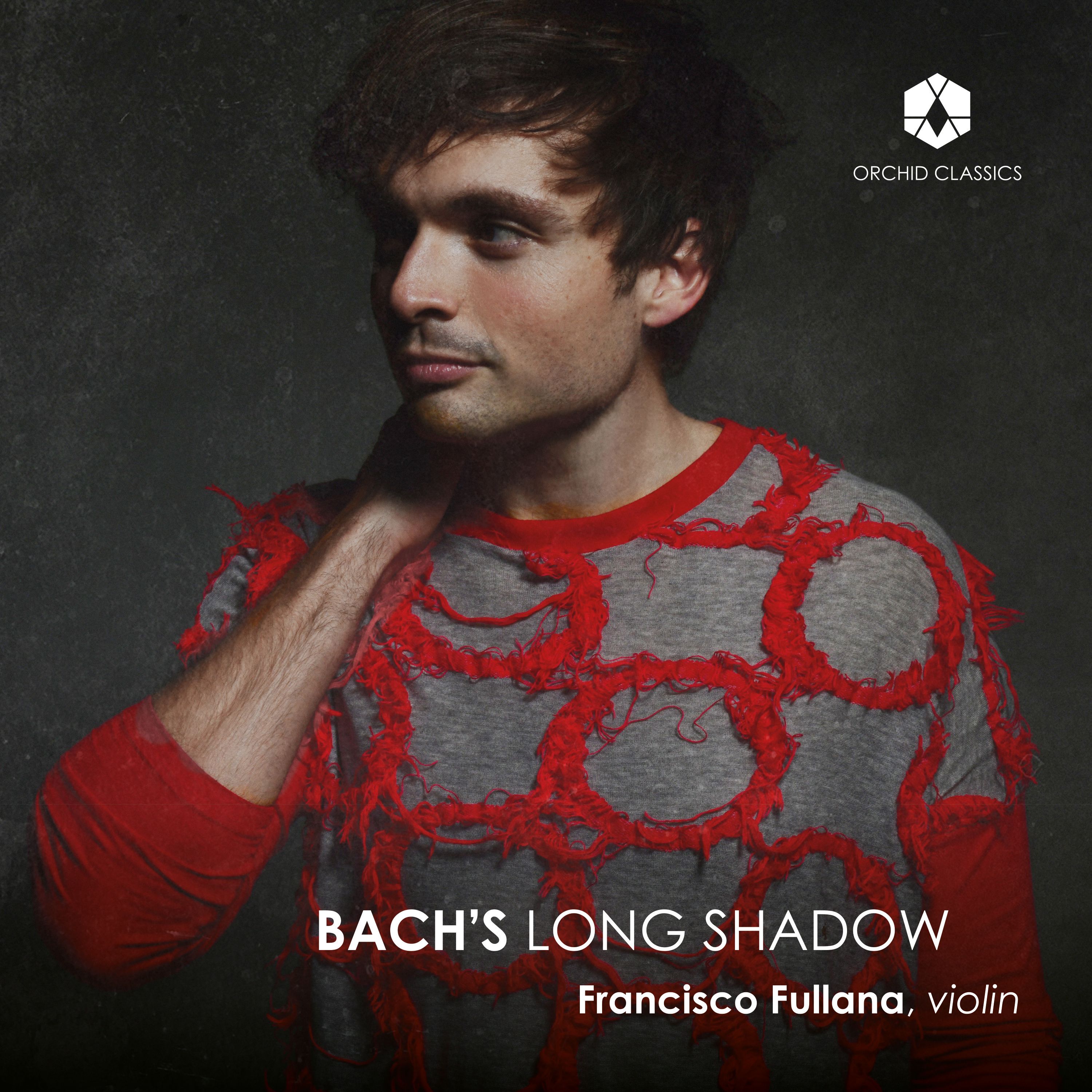
05 Fullana BachOn the outstanding Bach’s Long Shadow, his first solo album, the Spanish-American violinist Francisco Fullana builds a program of interlinked yet contrasting works around the Bach Partita No.3 in E Major BWV1006 (Orchid Classics ORC100165 orchidclassics.com).

Ysaÿe’s Solo Sonata Op.27 No.2 directly quotes the Bach Partita. Kreisler’s Recitativo & Scherzo Op.6 was dedicated to Ysaÿe, and Fullana is playing Kreisler’s first Guarneri violin, the 1735 “Mary Portman” Guarneri del Gesù which, for the Bach, is set up with gut strings, Fullana using a Baroque bow and historically informed ornamentation for that performance.

Striking transcriptions of Albéniz’ Asturias and Tárrega’s Recuerdos de la Alhambra, the latter particularly difficult and effective, end a dazzling solo recital, Fullana being joined in an “encore” by Stella Chen, the most recent winner of the Queen Elisabeth Competition, in the first movement of Ysaÿe’s Sonata for Two Violins.

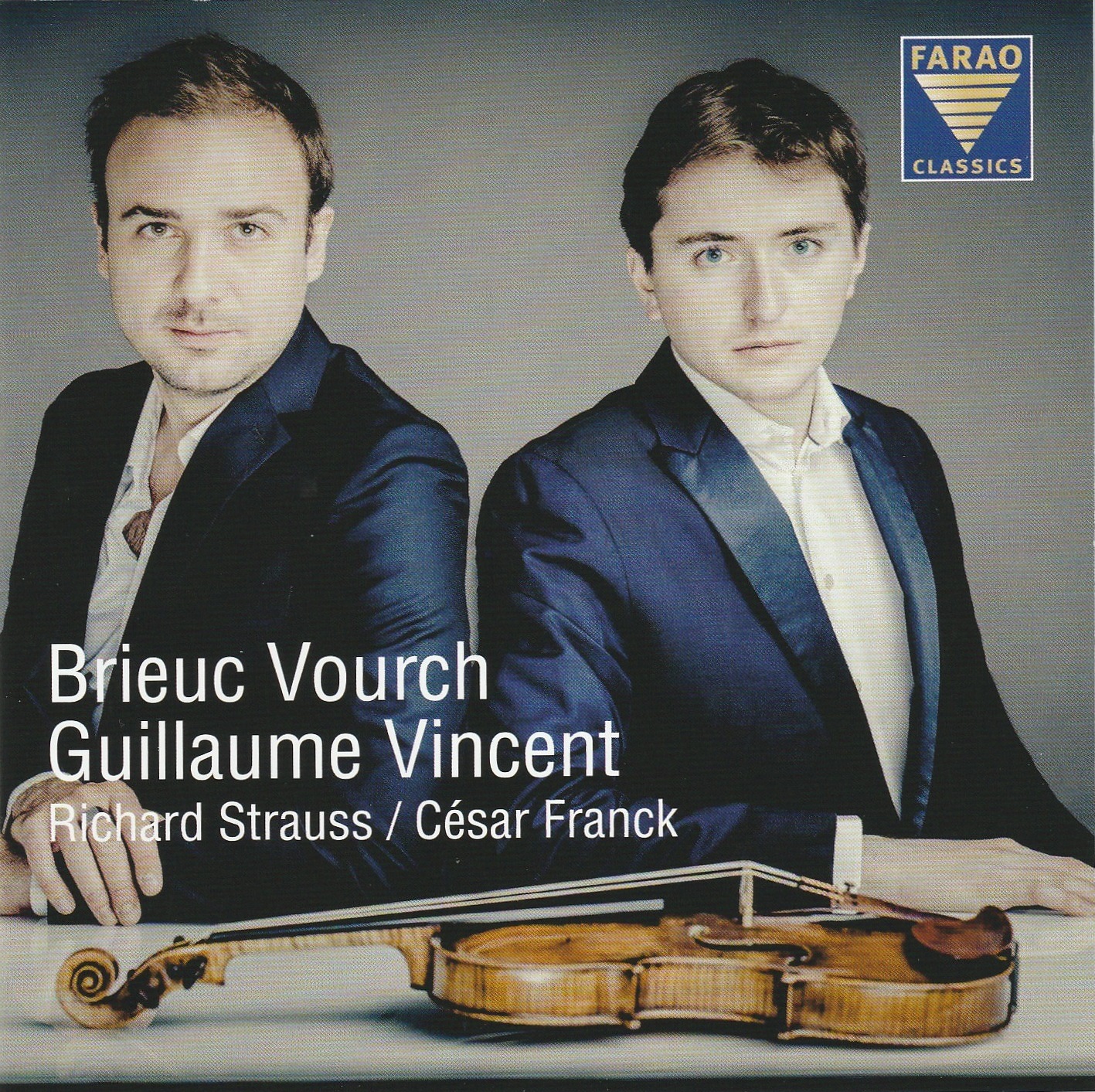
06 Brieuc VourchOn Richard Strauss/César Franck the French duo of violinist Brieuc Vourch and pianist Guillaume Vincent present the Strauss Sonata in E-flat Major Op.18 together with yet another recording of the Franck Sonata in A Major (FARAO Classics B 108112 farao-classics.de).

There’s a strong, bright tone to Vourch’s 1690 Francesco Ruggeri violin in a suitably passionate performance of the Strauss.

Interestingly, the performers’ booklet notes for this and the Bégin/Blanchette-Gagnon disc both mention the tough challenge of trying to find an authentic personal voice in the much-recorded Franck sonata, but the resulting performances could hardly be more different. Vourch and Vincent push the tempo throughout, especially in the Allegro and in a final canon faster than any of the four other Franck CDs I’ve received recently, but at times it simply feels rushed and lacking in subtlety – certainly not as thoughtful or satisfying as the Bégin disc.

07 Diffusion Verona QuartetDiffusion, the outstanding debut CD from the Verona Quartet is described as exploring a mosaic of folk cultures through the lens of three quartets from the early 20th century (Azica Records ACDF-71339 veronaquartet.com).

As musicians hailing from across the world, the quartet wanted their first album to reflect the essence of the cultural migration that is such a big part of their identity. The performances of the three works – Janáček’s String Quartet No.2 “Intimate Letters”, Szymanowski’s String Quartet No.2 Op.56 and Ravel’s String Quartet in F Major – are quite superb in all respects.

The intensely personal intimacy and passion of the Janáček, written near the end of his life and inspired by his unfulfilled love for a much younger married woman, are beautifully captured in a performance that penetrates to the heart of the work. The Szymanowski, similar in style and tone, is equally striking, and a shimmering performance of the Ravel completes an extremely impressive disc full of breathtaking interpretations and playing.

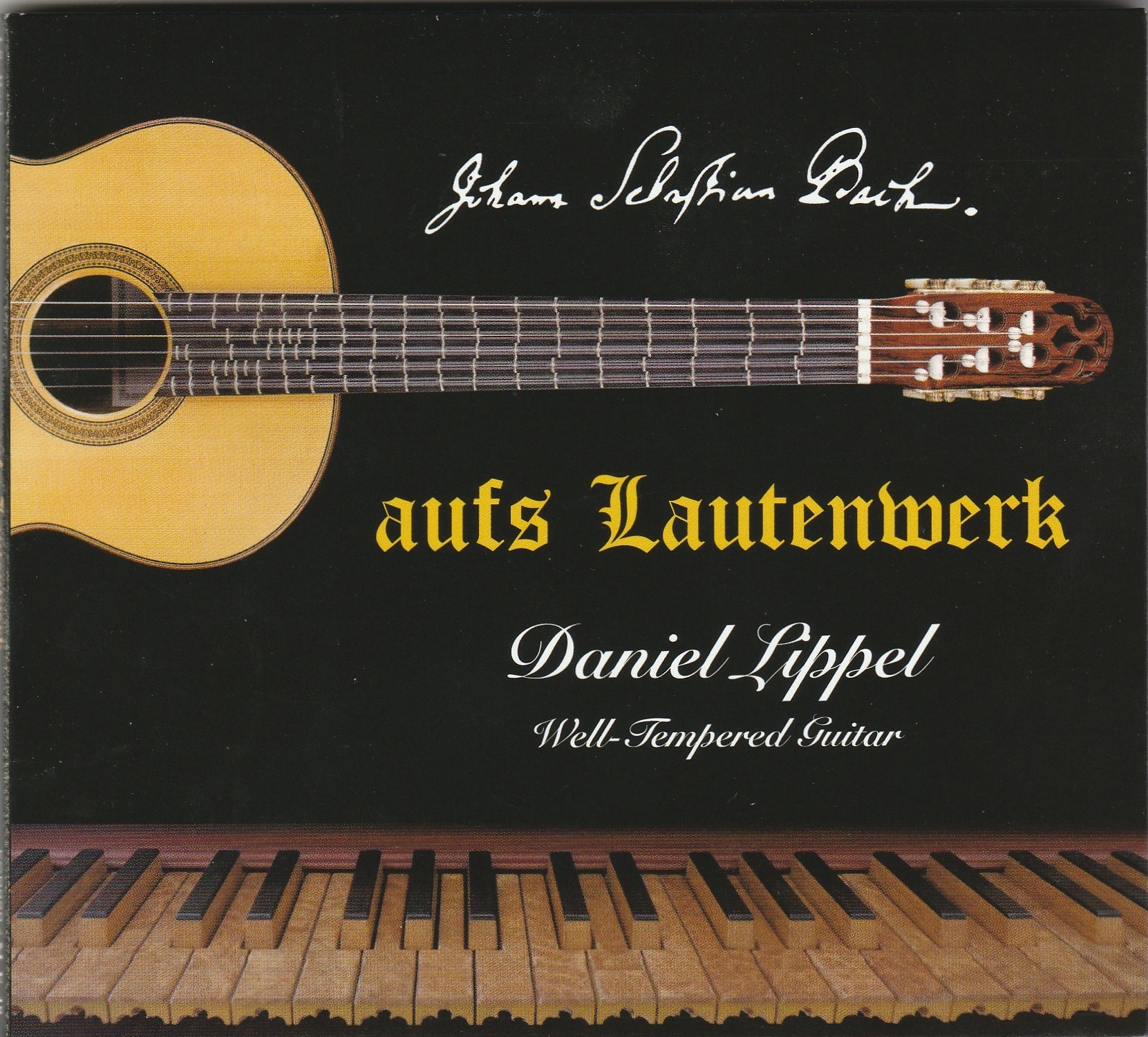
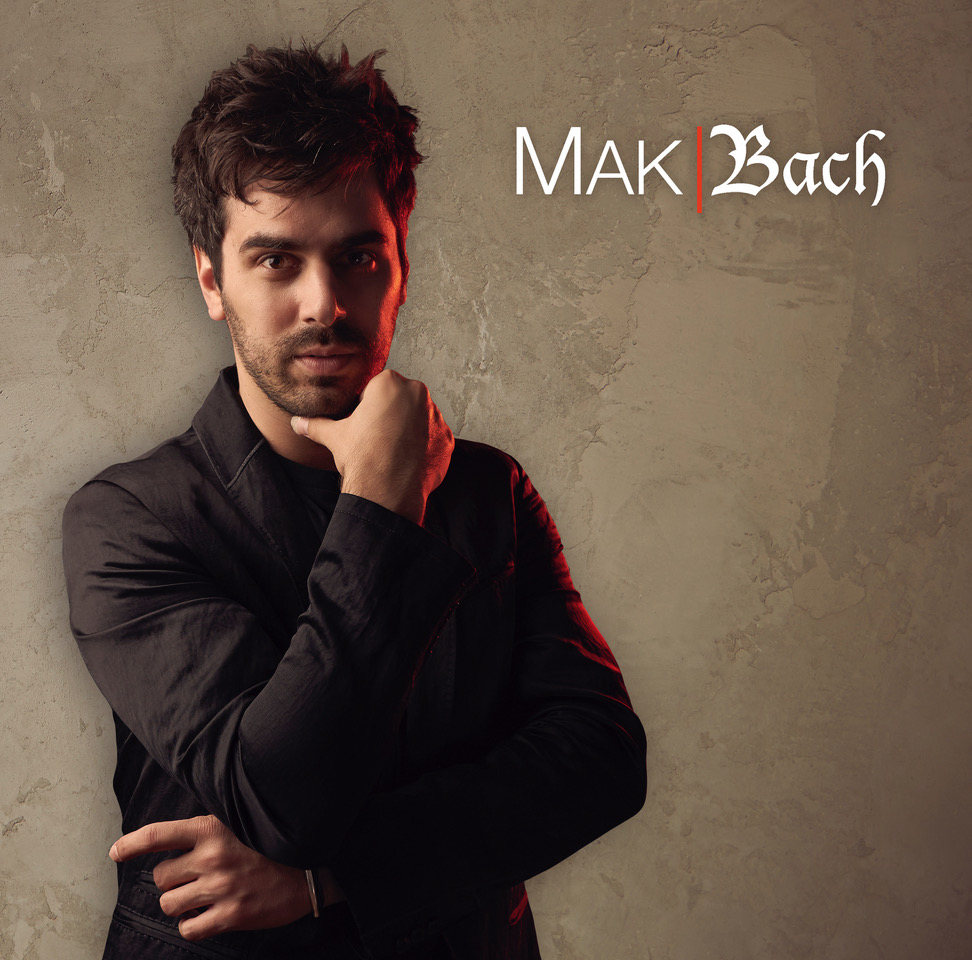
08a Daniel Lippel BachThe two guitarists who form the contemporary FretXDuo, Daniel Lippel and Mak Grgic have both issued solo CDs of music by Johann Sebastian Bach played on the well-tempered guitar. The guitar is by the German luthier Walter Vogt, using his invention The Fine-Tunable Precision Fretboard, in which each fret is split into six individual moveable frets, placed according to the Well-Tempered III tuning designed by Johann Kirnberger, a composer who studied with Bach. This not only enables the music to be heard in its original keys but also retains the specific Baroque character of each key that is lost with today’s equal temperament, where the subtly varying interval sizes are smoothed out.

The Lautenwerk was a Baroque keyboard instrument, essentially a lute-harpsichord with gut strings that could be plucked with different quill materials at different points along their length. On aufs Lautenwerk, Lippel performs two works for the instrument – the Suite in E Minor BWV996 and the Sonata in C Minor BWV997 – along with the Prelude, Fuga & Allegro in E-flat Major BWV998, written for lute or harpsichord (New Focus Recordings FCR920/MicroFest Records MF 18 microfestrecords.com).

Listen to 'aufs Lautenwerk' Now in the Listening Room

08b MAK BACHOn MAK/Bach Grgic presents a simply beautiful recital of solo masterworks and chorales: the Flute Partita in A Minor BWV1013; the Solo Violin Sonata in G Minor BWV1001; and the Cello Suite in D Major BWV1012. Four brief chorales fill out the disc (MicroFest Records MF19 microfestrecords.com).

To be honest, it will probably take a very good ear to fully distinguish the nuances in the tuning here, but there’s no denying the beauty of the sound or the beauty of the playing, with both performers displaying faultless technique – no easy task given the variations in individual fret placements – and an unerring feel for the period style. The Grgic CD, especially his own transcriptions of the Violin Sonata and the Cello Suite is perhaps the more satisfying program of the two, but with music and playing of this remarkable quality there’s no need to choose between them.

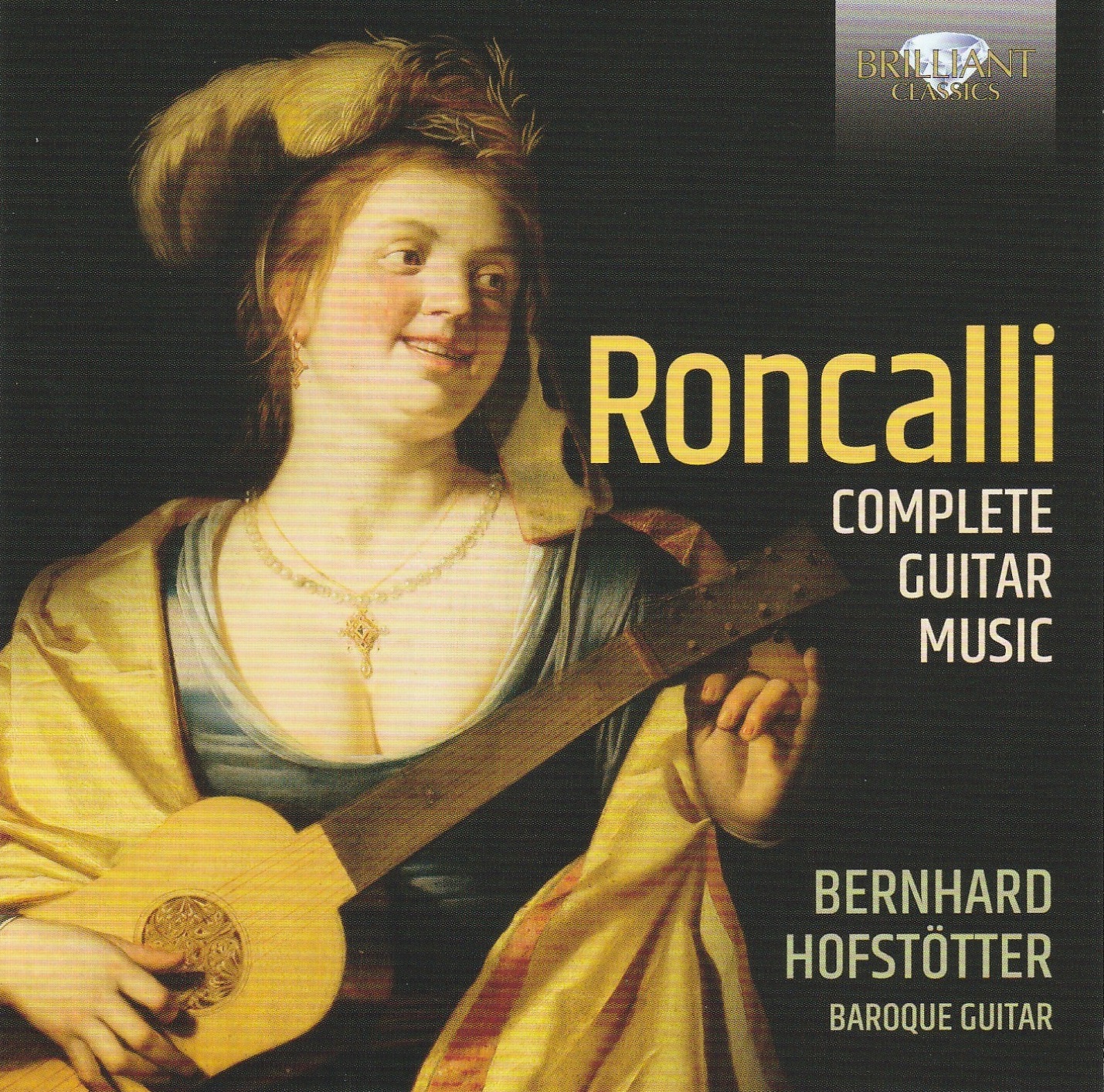
09 Roncalli HofstotterThe guitar works of Ludovico Roncalli have long been popular in modern transcriptions, but on Roncalli Complete Guitar Music they are performed by Bernhard Hofstötter on a Baroque guitar attributed to Matteo Sellas of Venice, c.1640 (Brilliant Classics 2CD 95856 brilliantclassics.com).

The five-course Baroque guitar had five pairs of gut strings (the first course often single-strung, as here) with the fourth and fifth sometimes octave-strung (here with a low octave on the fourth course only).

Roncalli’s 1692 Capricci armonici sopra la chitarra spagnola consists of nine sonate (suites), with eight paired in major and relative minor keys, an opening Preludio and Alemanda being followed by various dance forms. Movements are really short – mostly under two minutes. There’s no indication of pitch or tuning, but the actual pitch heard is down a minor third from the listed keys.

Monica Hall’s excellent booklet essay notes that Roncalli’s “exquisite melodic lines and elegant counterpoint are seamlessly combined with the strummed five-part chords which were still a defining feature of guitar music at the time.”

Hofstötter’s masterful playing is an absolute delight throughout.

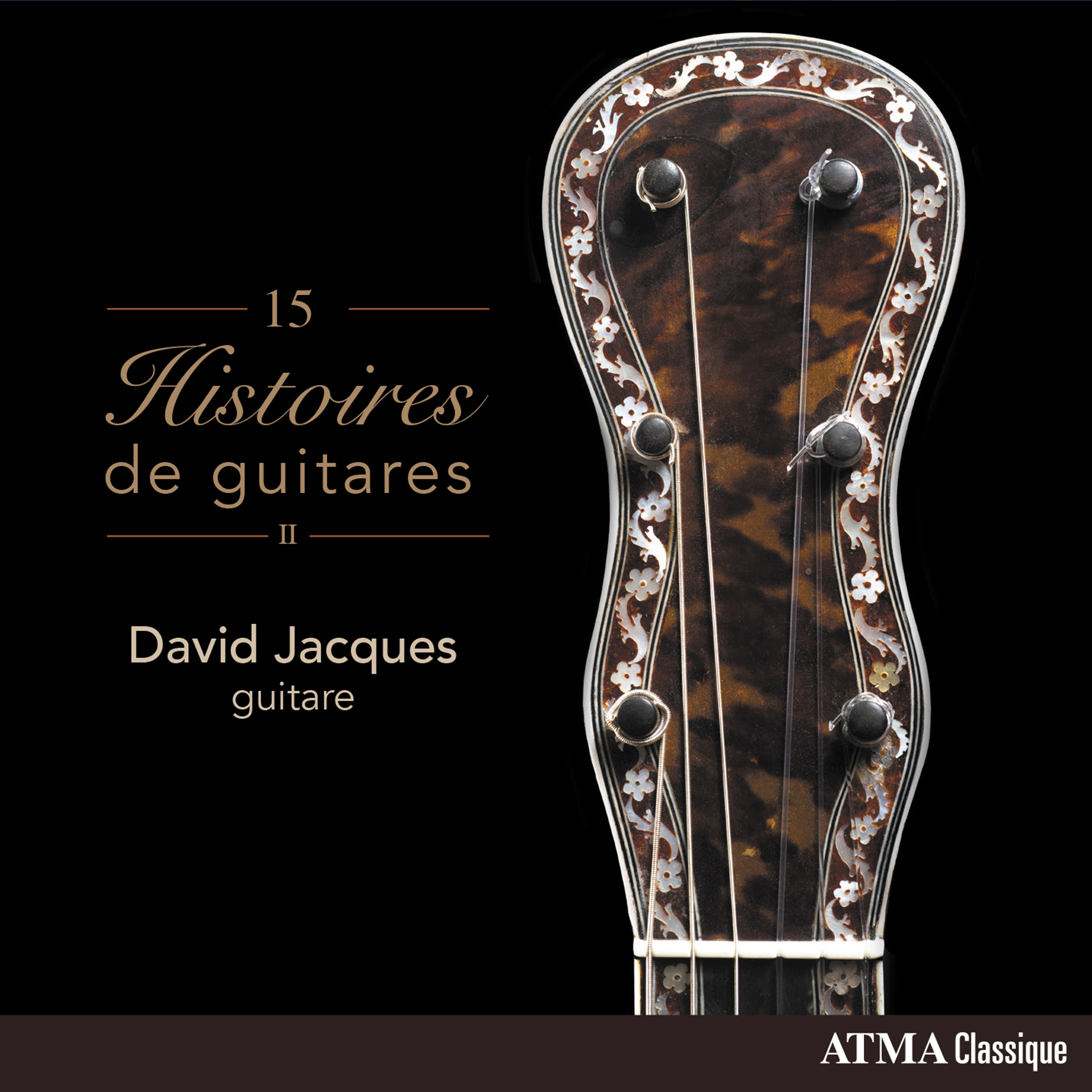
10 David JacquesThe addition of a sixth string (the low E) in the 1790s established the guitar form that would flourish throughout the 19th century. In his second volume of Histoires de guitares Quebec guitarist David Jacques features 15 historical guitars from his astonishing private collection, all but one from the period 1800-1880, and each one illustrated in colour in the excellent booklet (ATMA Classique ACD2 2821 atmaclassique.com/en).

The 28 short, charming pieces by Giuliani, Sor, Carulli, Paganini and 13 lesser-known composers were chosen specifically to showcase each instrument’s individual qualities and character, and they include some real gems – the three pieces by the English composer Ernest Shand, for instance.

They’re all beautifully played too, with clean technique, sensitivity and a nice range of tonal colour.

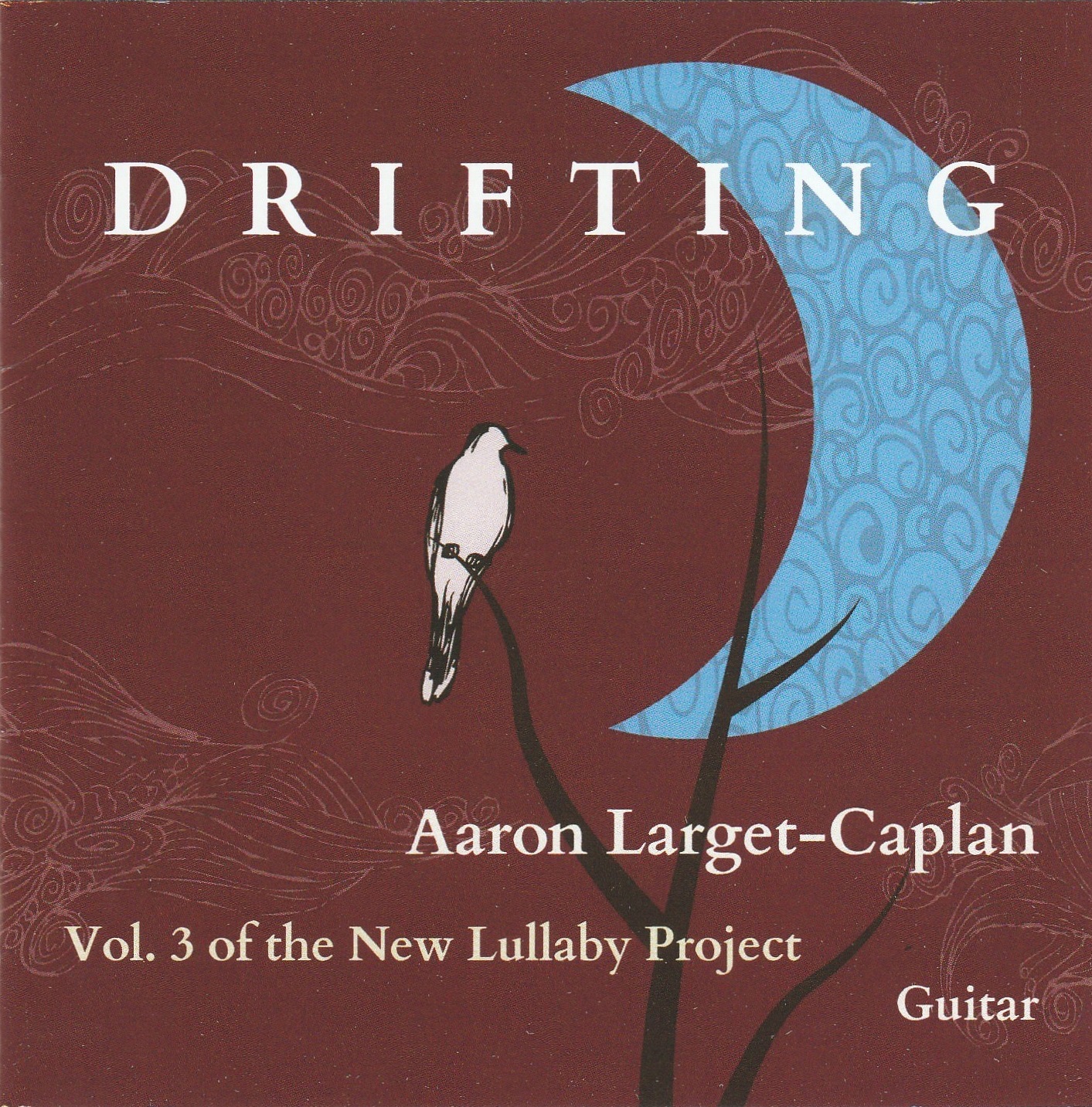
11 Lullaby 3 DriftingDrifting, Volume 3 of the New Lullaby Project is the latest CD from guitarist Aaron Larget-Caplan in his excellent series of specially commissioned guitar solos which began in 2007 (Six String Sound 888-03 stonerecords.co.uk).

The 15 short pieces here were written between 2010 and 2020 by 15 different composers, and while they’re not intended to help children get to sleep there’s nothing strident or challenging to the ears. “The compositional language leans tonal and the tuning remains mostly standard,” says Larget-Caplan, “but don’t worry, harmonics still abound.” Indeed they do, in another captivating addition to a significant series that continues to add miniature gems to the contemporary guitar repertoire.

You can find my review of Nights Transfigured – Volume 2 of the New Lullaby Project in the May/June 2021 edition of Strings Attached.

Listen to 'Drifting, Volume 3 of the New Lullaby Project' Now in the Listening Room

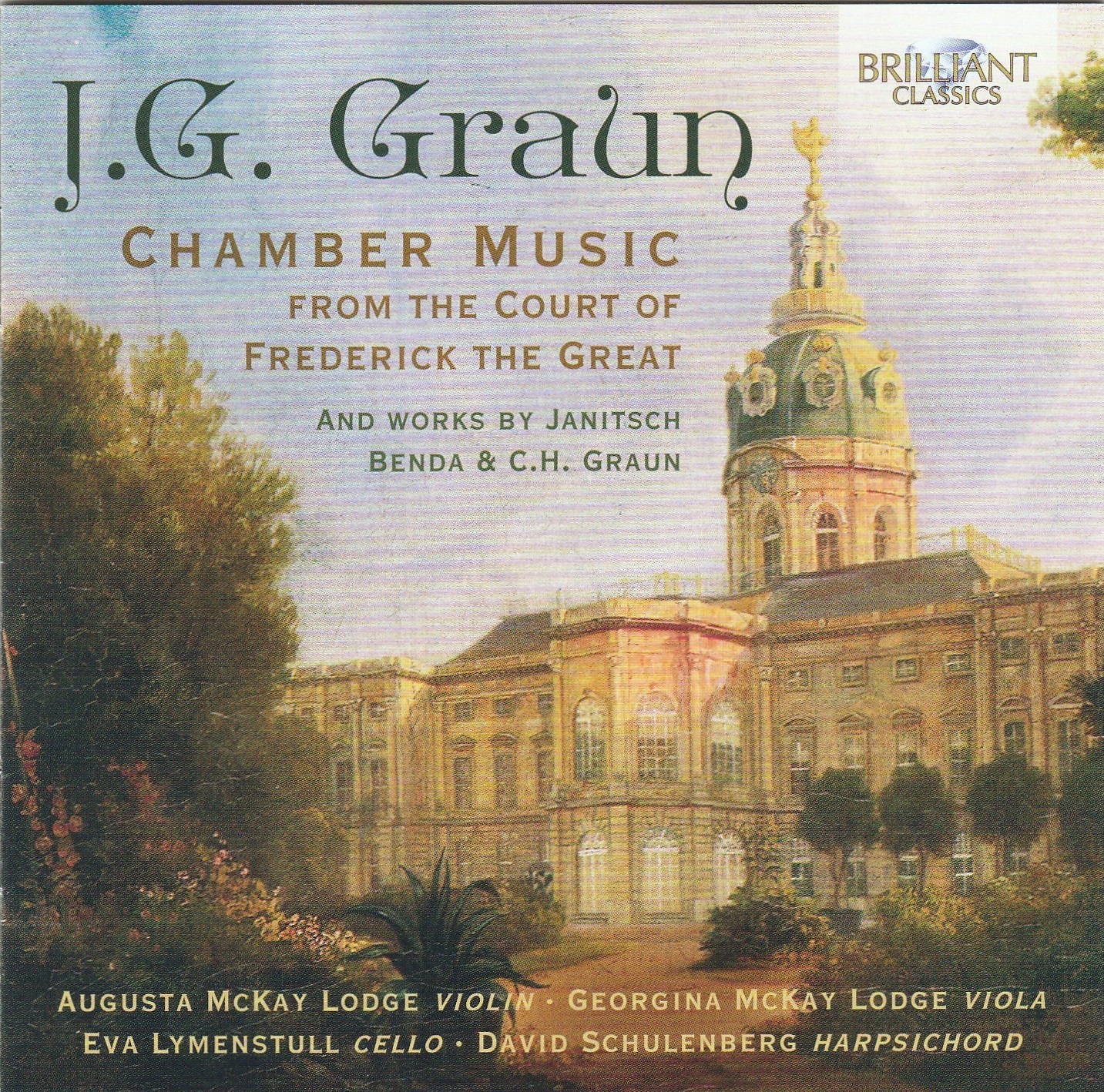
01 J G GraunG. Graun – Chamber Music from the Court of Frederick the Great
Augusta McKay Lodge; Georgina McKay Lodge; Eva Lymenstull; David Schulenberg
Brilliant Classics BRI96289 (naxosdirect.com/search/bri96289)

Frederick the Great’s patronage of classical musicians is well known; Frederick was himself an accomplished player and composer. Surprisingly, several of these composers did not perform before the King and are therefore less well known than they should be. This CD seeks reversal of the situation.

A comment is made in the CD notes that the pieces bridge a gap between Baroque and mainstream classical music. This is borne out in Janitsch’s Allegretto which possesses a liveliness worthy of Mozart or Haydn. When it comes to Johann Gottlieb, the slightly older Graun brother, we are treated to a highly spirited Allegro scherzando from violinist Augusta McKay Lodge, echoed literally by David Schulenberg’s harpsichord playing before all instruments proceed to a real virtuoso performance of which J. S. Bach would have been proud.

It is Bach’s oldest son Wilhelm Friedemann who tutored one of the stars of this CD, Franz Benda. Benda’s Sonata for viola brings out the best of Georgina McKay Lodge’s playing. Listen, for example, to her stately and measured approach to the Adagio. Benda, in fact, moved in exalted circles, being a pupil of Wilhelm Friedemann but also having as patron one Sarah Levy, great-aunt of Felix Mendelssohn. And yet it is the Grauns who dominate the CD. Johann Gottlieb’s Trio sonata in A showcases the string playing of both McKay Lodges. All in all, this well-chosen collection demonstrates the tremendous array of talented composers Frederick the Great attracted – which paved the way for Haydn and Mozart.

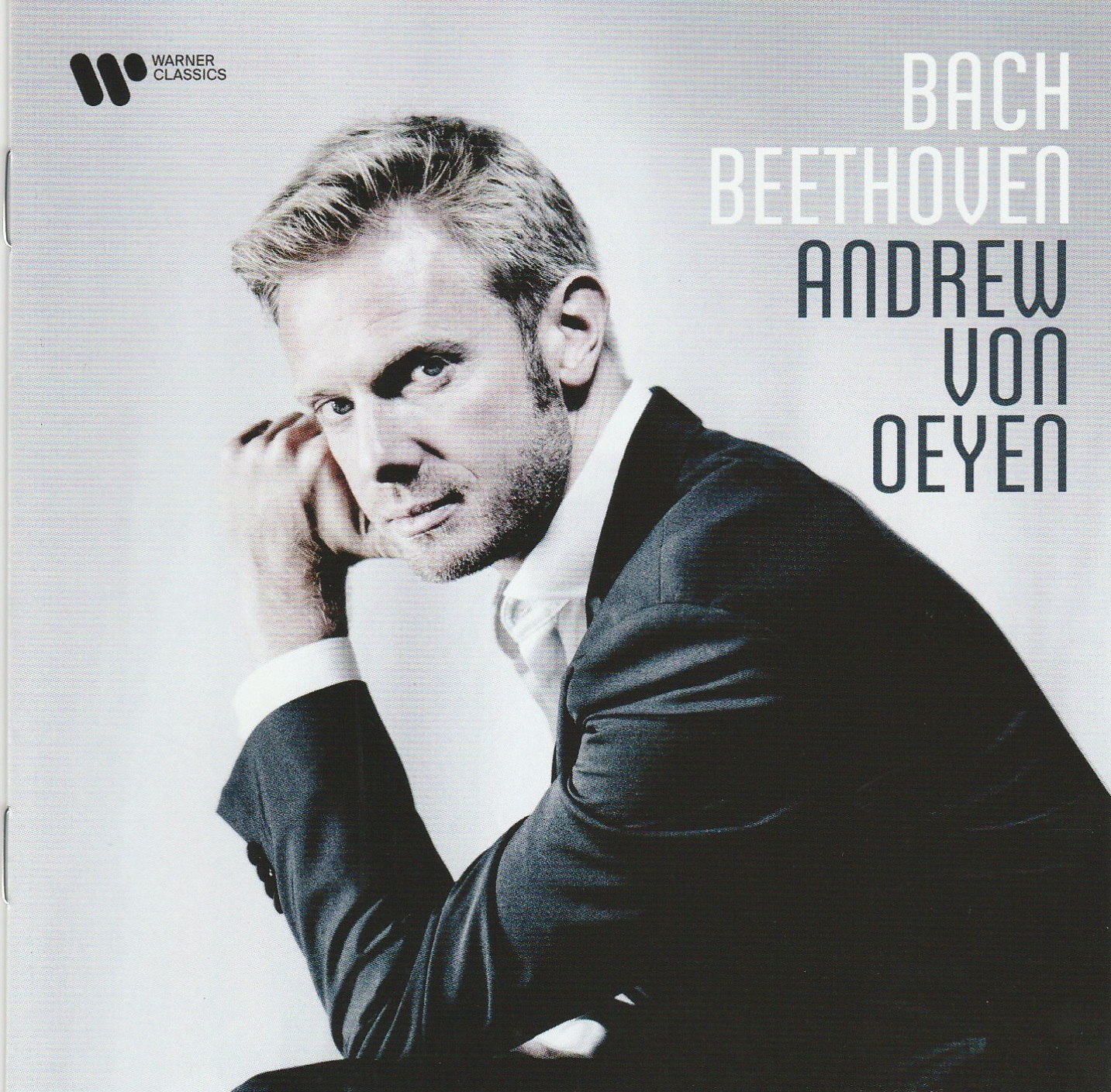
02 Von OeyenBach; Beethoven
Andrew Von Oeyen
Warner Classics 0190295020514 (vonoeyen.com)

After the silence descended over concert halls in 2020, many performing artists focused on exploring the possibilities of new sonic places through repertoire, musical approaches or unusual physical spaces. Intimate solo sessions offered these artists the opportunity for introspection and extended a salute to their audiences. According to Andrew Von Oeyen’s liner notes, his desire to turn to the repertoire that expressed the essence of current times and fortified noble feelings of resilience and perseverance resulted in this album. And what an album it is! Every piece carries a deeper meaning of our collective experiences in the times of the pandemic and Von Oeyen conveys it on both the intellectual and emotional level. The performance goes beyond his dazzling technique and splendid phrasing. It is as if he simply knows where the heart of each composition lies and he is unveiling it for the listener.

Bach’s Overture in the French Style, a quest for order and clarity, is particularly well played. Not being a Bach specialist allows Von Oeyen to hear the interweaving voices in a slightly more juxtaposed – rather than contrasting – way. Beethoven’s piano sonatas (Nos.13 and 23), embodying vitality and determination, bring in the currents of energy. The choice to end the album with Kempff’s piano arrangements of the movements from Bach’s Flute Sonata No.2 and Harpsichord Concerto No.5 are surprising but welcomed. These solitary musings of one artist are well noted and well appreciated.

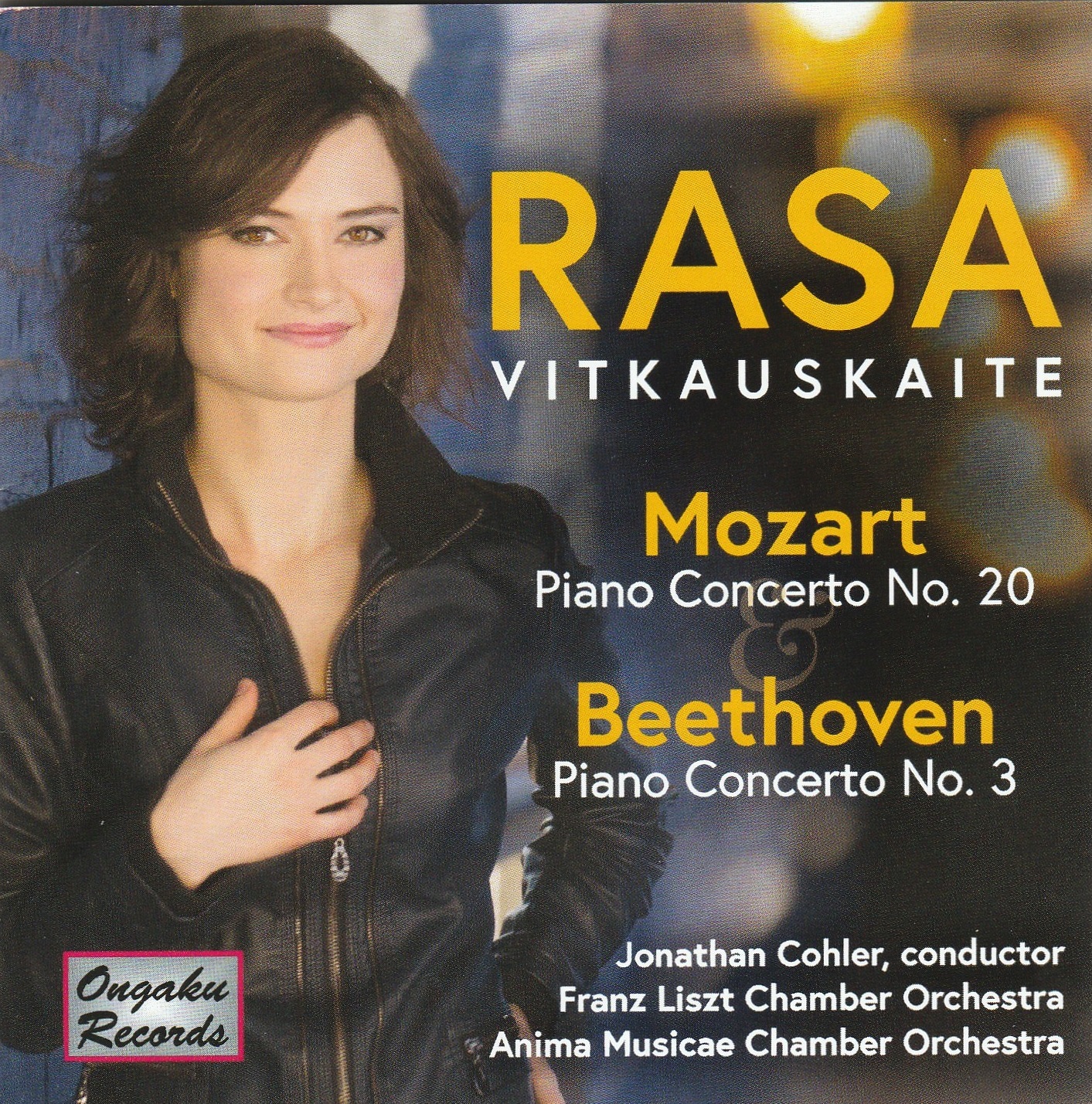
03 Vitkauskaite Mozart BeethovenMozart – Piano Concerto No.20; Beethoven – Piano Concerto No.3
Rasa Vitkauskaite; Franz Liszt Chamber Orchestra; Anima Musicae Chamber Orchestra; Jonathan Cohler
Ongaku Records 024-129 (ongaku-records.com)

Released in honour of Beethoven’s 250th birthday anniversary, this album also honours the long and beloved tradition of the classical piano concerto. The concept is cleverly simple: choosing to record the first concertos written in a minor key by both Mozart and Beethoven allows Lithuanian pianist Rasa Vitkauskaite to explore the multitude of interrelations in the ways both composers approached piano playing and piano writing. Furthermore, her extensive and thoughtful liner notes not only offer a wealth of historical information but also aid the listener’s aural comprehension of these two masterpieces. 

Vitkauskaite’s performance is buoyant and certainly does not lack fully fledged ideas. Whether it is the poetic opening of Mozart’s concerto or the relentless dancing bounce in the concluding movement of the Beethoven, Vitkauskaite has a strong presence and willful execution. Each composer chose specific minor keys (D minor for Mozart and C minor for Beethoven) as ideal canvases for expressing tempestuous feelings and darkness, and they continued to do so in their later works. Vitkauskaite understands that darkness perfectly. She is capable of bringing forth the intensity and tension while still retaining the lyricism of the melodies. She favours her own improvisations and embellishments in the cadenzas, which makes this performance exciting as we are able to hear something new and surprising. Jonathan Cohler is a perfect collaborator to Vitkauskaite, directing both orchestras with clarity and conviction.

Listen to 'Mozart – Piano Concerto No.20; Beethoven – Piano Concerto No.3' Now in the Listening Room

Back to top