05 Weber FreischutzWeber – Der Freischütz
Soloists; MDR Leipzig Radio Choir; Frankfurt Radio Symphony; Marek Janowski
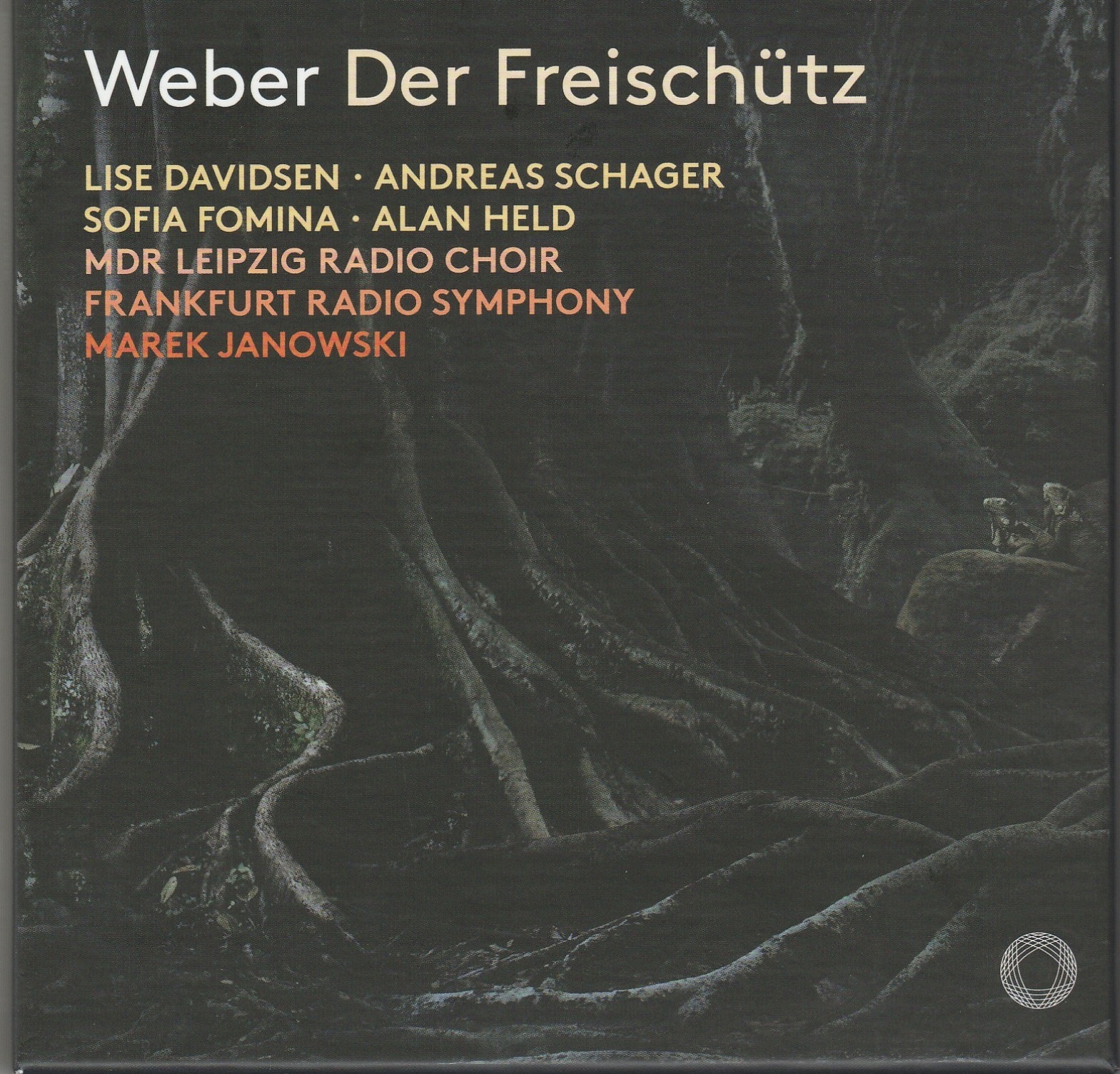
Pentatone PTC 5186 788
(pentatonemusic.com)

Since it was first performed in 1821, Der Freischütz has remained popular in Europe – especially in composer Carl Maria von Weber’s native Germany. The music is inspired, the plot suspenseful and the atmosphere evocatively romantic. Yet it is rarely performed in North America, though in Toronto both Opera Atelier and Opera in Concert have done worthy productions. 

Undoubtedly the long passages of dialogue present problems, especially on a recording. Often the dialogue gets trimmed down, removed altogether, sung using Berlioz’s added recitatives, or turned over to a narrator. 

On this recording, the dialogue has been totally reconceived by stage director Katharina Wagner and dramaturge Daniel Weber, and split up between two narrators. But, confusingly, both are pivotal characters in the opera, a Devil called Samiel, and a Hermit. So it is disconcerting to hear them (in the original German – a libretto with translations is included) give away key plot points, scold other characters, and do their best to disrupt things. 

In the opera, Samiel doesn’t sing, so it works seamlessly to cast this role as female. But Corinna Kirchhoff’s voice is too grating and unnuanced here to cause terror, especially in the nightmarish Wolf’s Glen scene. In the opera the Hermit is a selfless, wise holy man who shows up only at the end to save the day. But in this narration, he comes off as vindictive and pompous. 

In any case, Lise Davidsen, magnificent in the first act of Die Walküre with the Toronto Symphony last year, is powerfully radiant here. Andreas Schager, who made a thrilling Siegfried in the Canadian Opera Company’s recent Götterdämmerung, is here just as ardent and versatile. The rest of the cast, the choir and orchestra are standouts, especially with the buoyant phrasing and clear textures shaped so expressively by conductor Marek Janowski.
06 Wagner TristanWagner – Tristan und Isolde
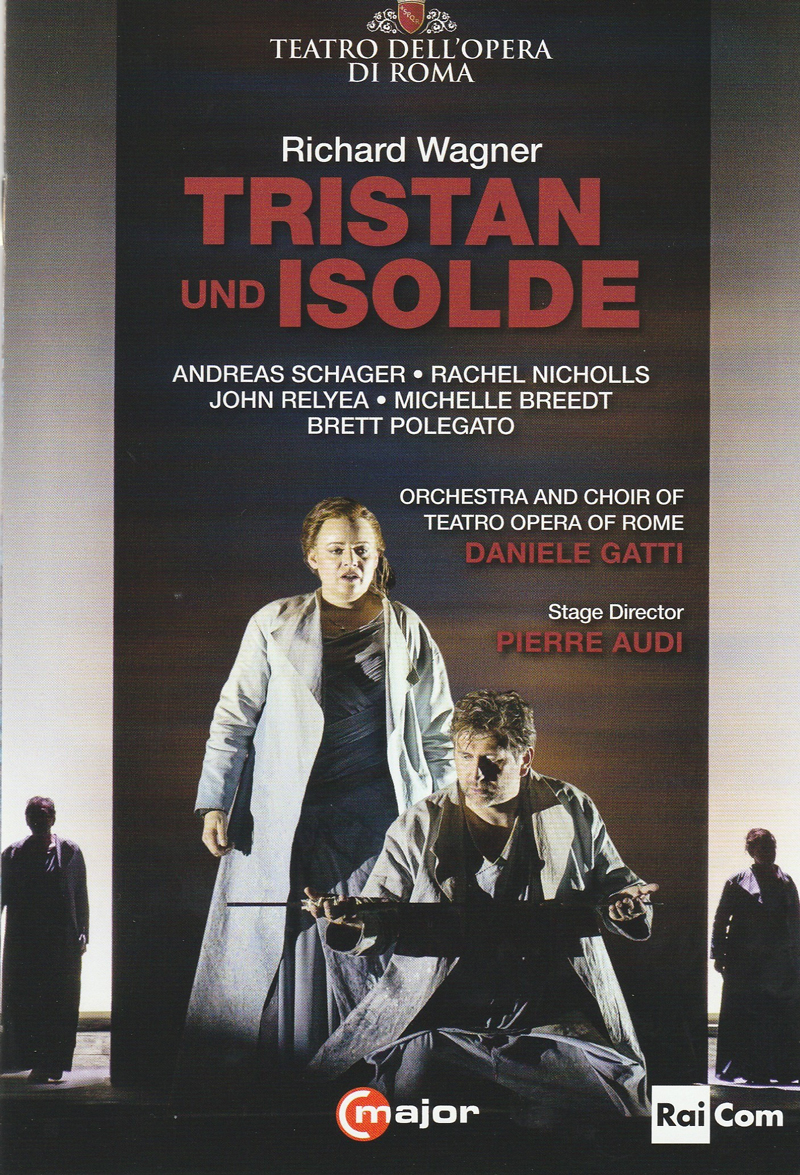
Soloists; Orchestra and Choir of Teatro Opera of Rome; Daniele Gatti
Cmajor 752208 (naxos.com)

Arthurian legend provides raw material for Wagner’s greatest opera, but his treatment for the story was inspired by Schopenhauer’s philosophy, specifically his contention that bliss can only be found through the negation of will and desire. Schopenhauer is certainly a presence in the opera, which ends in blissful annihilation, but desire is its governing force. Essentially, Tristan und Isolde is a five-hour love song.

The plot is refreshingly simple. Tristan is sent to Ireland to bring the Irish princess Isolde as a bride for his uncle King Marke of Cornwall. But Tristan falls passionately in love with the bride-to-be and she reciprocates. They conclude that death is the only way out and take what they believe is poison. But Isolde’s maid Brangäne substitutes a love draught and their passion is reconfirmed. Their affair continues until they are caught by one of Marke’s knights. Tristan is wounded and taken back to Brittany where he dies just as Isolde arrives. Sinking into his body, she is united with him in death.

The cast directed by Pierre Audi (and musicians by Daniele Gatti) masterfully navigate Wagner’s sinuous melodic lines and suspended harmonies. A sense of heady sensuality and physical longing saturates this production. Andreas Schager and Rachel Nicholls are brilliant in the title roles.

07 Gomes Lo SchiavoAntônio Carlos Gomes – Lo Schiavo
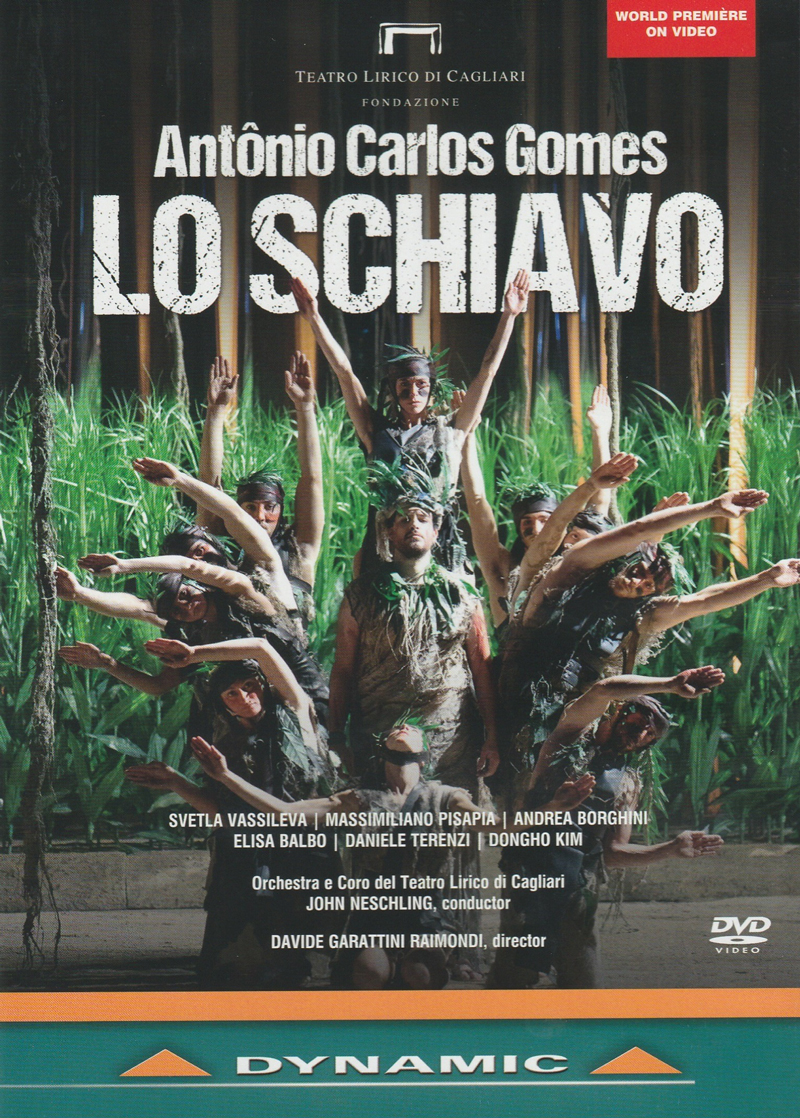
Soloists; Orchestra e Coro del Teatro Lirico di Cagliari; John Neschling
Dynamic 37845 (naxos.com)

Brazilian-born Antônio Carlos Gomes (1836-1896) lived many years in Milan, composing operas for La Scala, before returning to Brazil as a national icon. He intended Lo Schiavo (1889) as a protest against slavery, still legal in Brazil when he began working on it, setting a libretto prepared for him by Rodolfo Paravicini. A success in Brazil, it was largely ignored in Europe, although Caruso recorded Américo’s Act 2 aria, Quando nascesti tu. This 2019 production from Sardinia’s Teatro Lirico di Cagliari was, in fact, its Italian premiere.

The opera is set in 1567, near Rio de Janeiro, during a revolt by indigenous Tamoyos, many having been enslaved by the conquering Portuguese. Américo (tenor Massimiliano Pisapia), the abolitionist son of slaveholder Count Rodrigo (bass Dongho Kim), loves the slave girl Ilàra (soprano Svetla Vassileva). To separate the lovers, Rodrigo orders Américo to the battlefront and forces Ilàra to marry Américo’s friend, the enslaved Tamoyo leader Iberè (baritone Andrea Borghini), before selling them to the Contessa di Boissy (soprano Elisa Balbo). Despising slavery, she sets them free. They rejoin the Tamoyos who soon capture Américo. Iberè, rejected by Ilàra and loyal to Américo, helps the lovers escape. Facing the rebels’ condemnation for his action, Iberè commits suicide.

This production’s exotic sets, costumes and choreography, reflecting the libretto’s historic time and place, admirably reinforce Gomes’ bold, assertive, robustly scored late-Romantic music, with stirring choruses calling for freedom and the end of slavery.

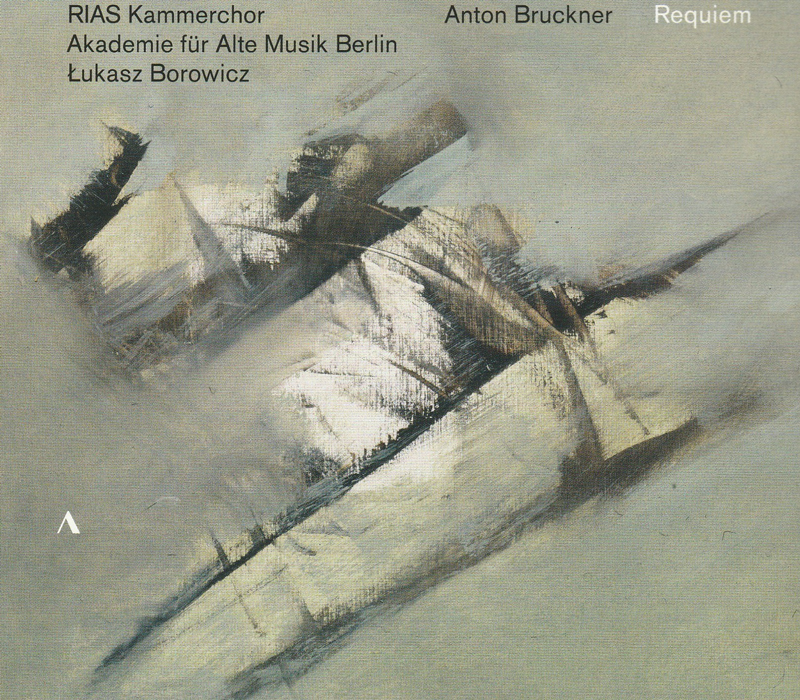
08 Bruckner RequiemAnton Bruckner – Requiem
RIAS Kammerchor; Akademie für Alte Musik Berlin; Lukasz Borowicz
Accentus Music ACC30474
(naxosdirect.com)

Pious and naïve, church-organist Anton Bruckner may never have shed his lumbering manner and rustic accent but his massively soaring music attests to his ability to communicate the redemptive force of the divine. The composer, however, found his true musical vocation when he saw Wagner conducting a performance of Tannhäuser in Linz. In what became a kind of Wagnerian moment, Bruckner realized (like Wagner) that in order to move forward he must assimilate and then break every theoretical rule in the proverbial book.

Bruckner’s legacy, enshrined not only in his symphonic works, rises to prominence in his choral music, the most vaunted being the Te Deum. Bruckner was, after all, a devout Catholic and his faith pervades all of his music, considered to be Gothic cathedrals in sound. Requiem (the disc) is a magnificent example of Bruckner’s majesty as a composer of spiritual material not least because of these performances. No less than four of the eleven works on this disc are premiere recordings. 

Perhaps the most moving work is the Libera in F Major. But the Requiem in D Minor is the crowning glory. It evokes the mass tradition of Mozart and Haydn, the lyricism of Schubert and the austerity of Bach. Moreover, the Requiem presents the grand melodic roar of the organ, moaning trombones and soaring voices of the RIAS Kammerchor and Akademie für Alte Musik Berlin which combine to provide the most intensely moving Bruckner music ever recorded.

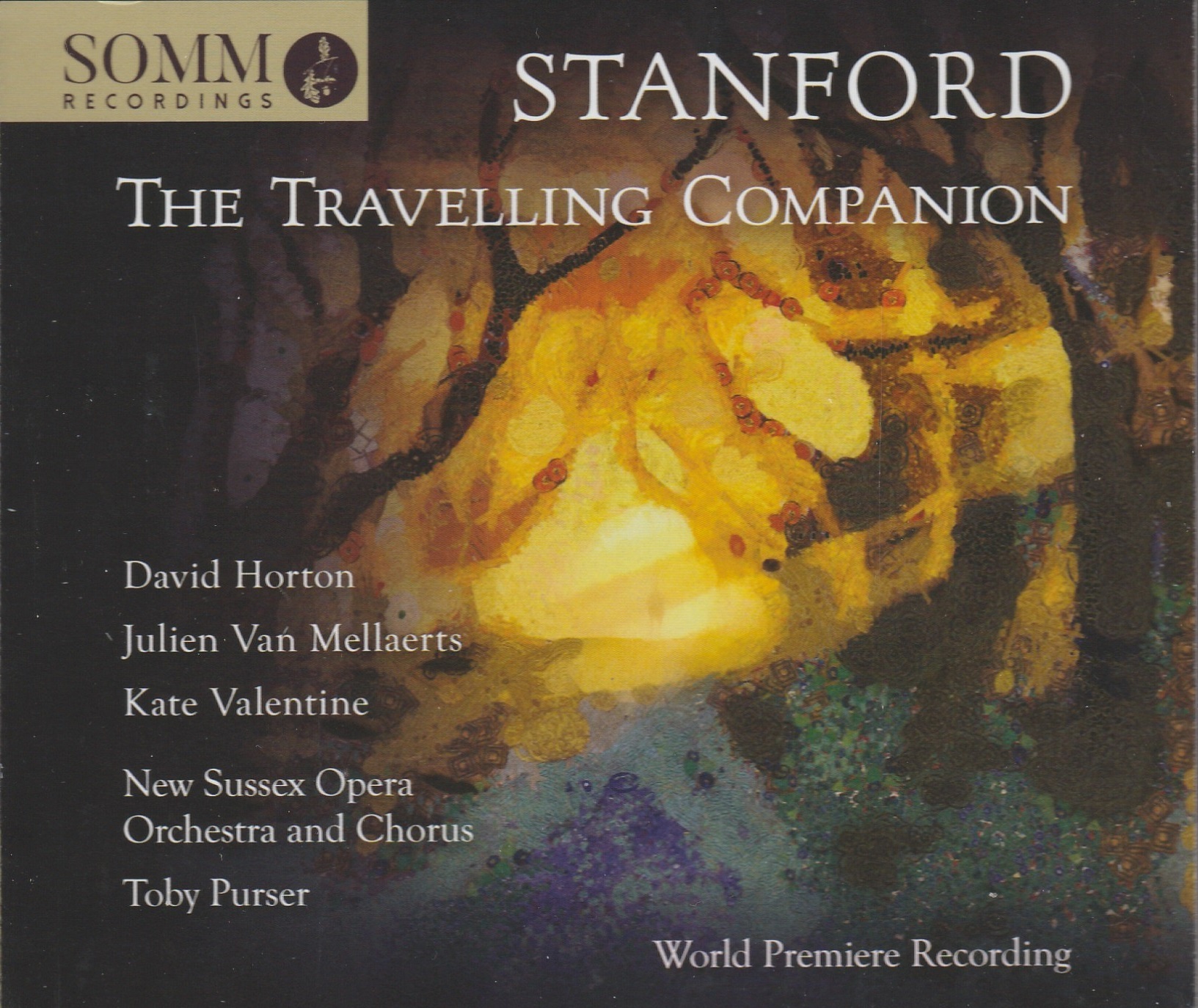
09 Stanford TravellingCharles Villiers Stanford – The Travelling Companion
Horton; Mellaerts; Valentine; New Sussex Opera Orchestra and Chorus; Toby Purser
Somm Recordings SOMMCD 274-2 (naxosdirect.com)

In 1835 Hans Christian Andersen published The Travelling Companion, a touching yet violent story full of wizards, princesses and mysterious strangers; in 1916, the Irish composer Charles Villiers Stanford set this text to music, creating what would be his last opera. Although reprised occasionally since its premiere, this recording of The Travelling Companion is the first of its kind, captured live at Saffron Hall in December 2018.

It is immediately noticeable that this is a live recording, as the sound quality lacks some clarity, with slightly blurred timbres and occasionally opaque orchestrations, as well as the feeling that everything is being performed at a distance. Despite the issues of transferring this live performance to disc, the musical execution itself is of notably high quality, with soloists, chorus and orchestra combining to present a cheerful and charming interpretation.

Cheerful and charming are also the best words to describe Stanford’s score, which maintains the levity and brevity characteristic of early-20th-century English music, never falling into verismo’s dramatic angst or Wagnerian mysticism. Major keys run consistently throughout the work, as do little woodwind marches, fanfares, and lighthearted figurations. This can only be taken as a deliberate decision on the part of Stanford, for his symphonic and choral works are some of the most stunning of his era and leave no doubt that this was a man who was highly capable of writing whatever music he wished to hear.

English opera has relatively few major composers to its credit: Purcell, Handel and Britten are three that have maintained a presence in modern opera houses, but there are also works which are only occasionally revived and recorded that are well worth listening to. Such is the case with Stanford’s The Travelling Companion and this disc by New Sussex Opera.

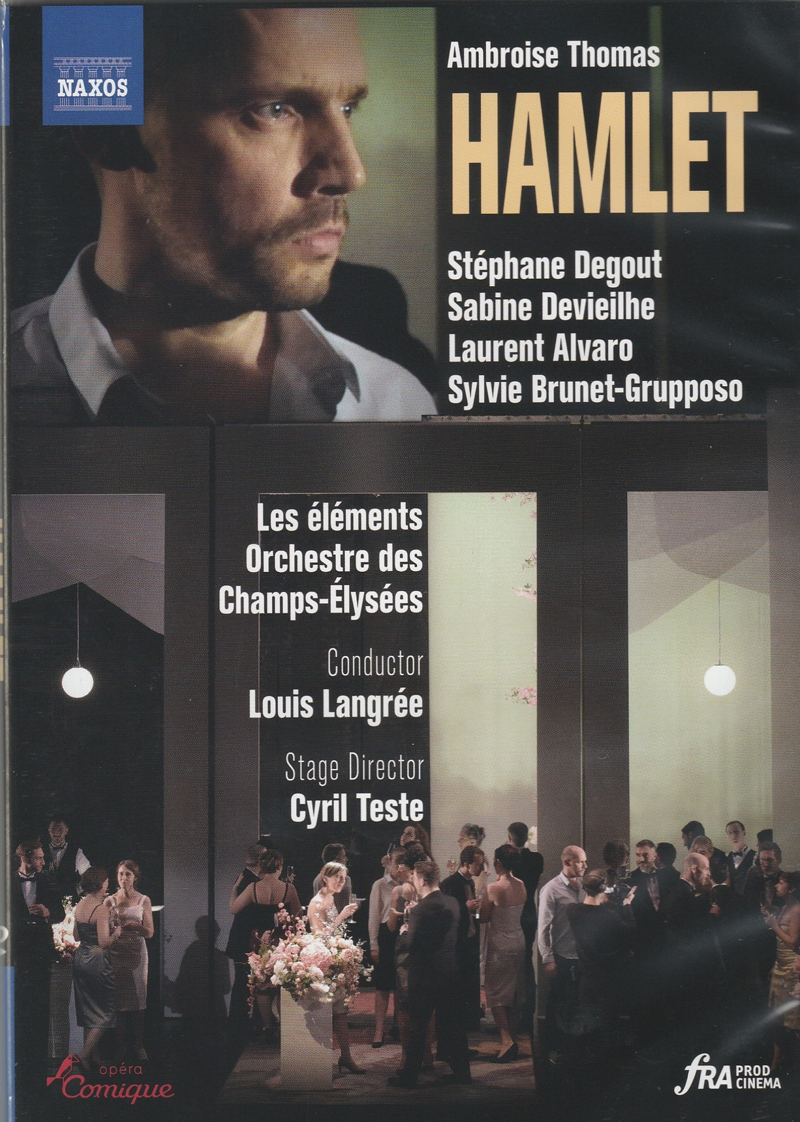
10 Thomas HamletAmbroise Thomas – Hamlet
Soloists; Les elements Orchestre des Champs-Elysees; Louis Langrée
Naxos 2.110640 (naxos.com)

Once immensely popular, Ambroise Thomas’ Hamlet had mostly disappeared from opera stages until the Canadian Opera Company’s historic performance with Joan Sutherland in 1985 (though Stuart Hamilton, ever astute, had chosen it to inaugurate Opera in Concert in 1974). It is now heard much more frequently. This terrific production from the Opéra Comique in 2018 offers definitive proof that it belongs in the standard repertoire.

Instead of using built sets, stage director Cyril Teste projects live and pre-recorded video on to curtains, backdrops, and movable walls. There are some astonishing feats of technological wizardry, especially when the singers interact directly with the live video. While video can no doubt feel clichéd these days, here it seems fresh, innovative and integral to the considerable psychological depth of this production. It’s amazing to watch the ghost of Hamlet’s father, Jérôme Varnier, make his way down from the back of the stage through what looks like steeply raked rows of empty seats in that theatre. 

Video director François Roussillon puts us in the middle of the action. But the focus is always on singers. Extreme close-ups show the commitment of this remarkable cast, especially in the brilliantly staged interactions between singers, like Ophélie and Hamlet in their exquisite duet Doute de la lumière. Hamlet’s confrontation with his mother is so gripping that it seizes the emotional centre of the opera.

Sabine Devielhe, a natural heir to the fabulous, now-retired Natalie Dessay, is a delight as Ophélie, with her formidable agility and charm. Stéphane Degout is a compelling presence, expressive and brooding in the title role. Mezzo Sylvie Brunet-Grupposo’s Gertrude is powerfully searing, while bass-baritone Laurent Alvaro humanizes Claudius with finely shaded details. The Orchestre des Champs-Élysées, playing on period instruments, and the choir Les éléments, all under conductor Louis Langrée, who has long been devoted to this great opera, are elegant and responsive.

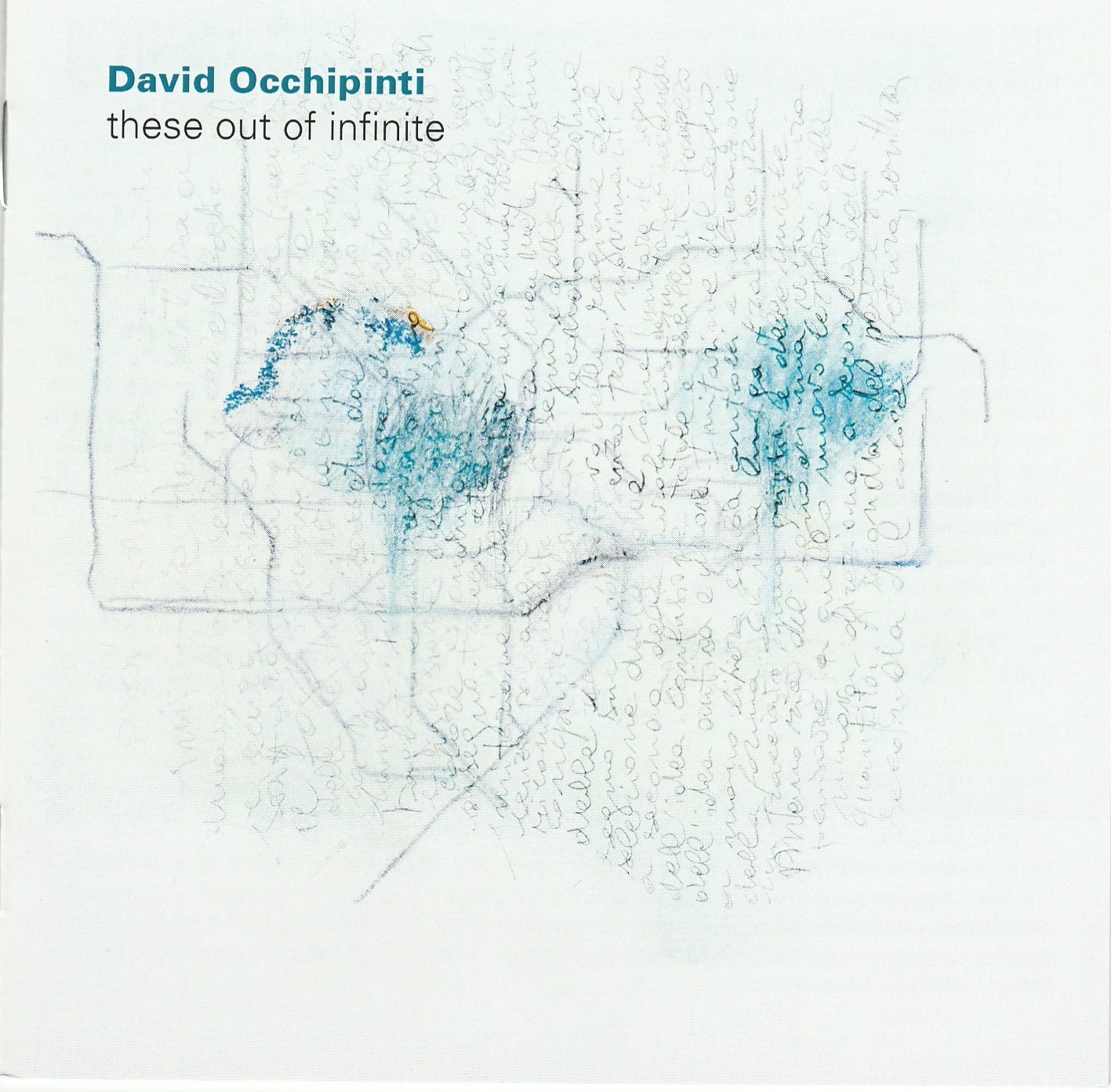
11 David OcchipintiDavid Occhipinti – these out of infinite
Various Artists
Centrediscs CMCCD 27619
(cmccanada.org)

Eclectic musical genius, composer and guitarist, David Occhipinti has released a new project that is the culmination of his life (and musical) experiences – a journey that has afforded him an “overview” of our little blue planet, and led to a perception of the “one-ness” of humanity, and also of our diverse and fascinating artistic expressions. This enlightened POV enables Occhipinti to freely imbibe of a musical smorgasbord (classical, jazz, new music, haute cabaret and art songs) without particular concerns about boundaries or potential cultural collisions. All of the music here (which is formatted into “Suites”) has been composed by Occhipinti, and informed by his artistry and particular inclusive view.

First up is Three Emilys for Solo Voice, which features the gorgeous, super-human vocal instrument of Mingjia Chen in a largely a cappella exploration, propelled by text from the pens of Emily Carr, Emily Dickinson and Emily Brontë. Carla Huhtanen is the soprano in Cubist Cummings, the third movement of which, the mystery of stillness, is chilling in its compartmentalization and use of vox nudus with harp (Erica Goodman) and marimba (Beverley Johnston), to create a stark landscape reeking of alienation.

Of unsurpassed beauty is Three Songs from James Joyce – which was developed from a set of poems found in a copy of Chamber Music discovered by Occhipinti in a London book store, and is perhaps the most evocative suite on the recording. Sung by Robin Dann, the spellbinding group of support musicians, including Occhipinti on guitar, bassist Andrew Downing, cellist David Hetherington and bassoonist Nadina Mackie Jackson among other Toronto greats, invigorate these complex, dark, Celtic-inspired pieces into being. The closing collection, Three Songs for Children’s Chorus, was originally composed for and is sung here by the Cookie Choir. It perfectly parenthesizes this remarkable recording, rife with hope and the consciousness-altering music of David Occhipinti.

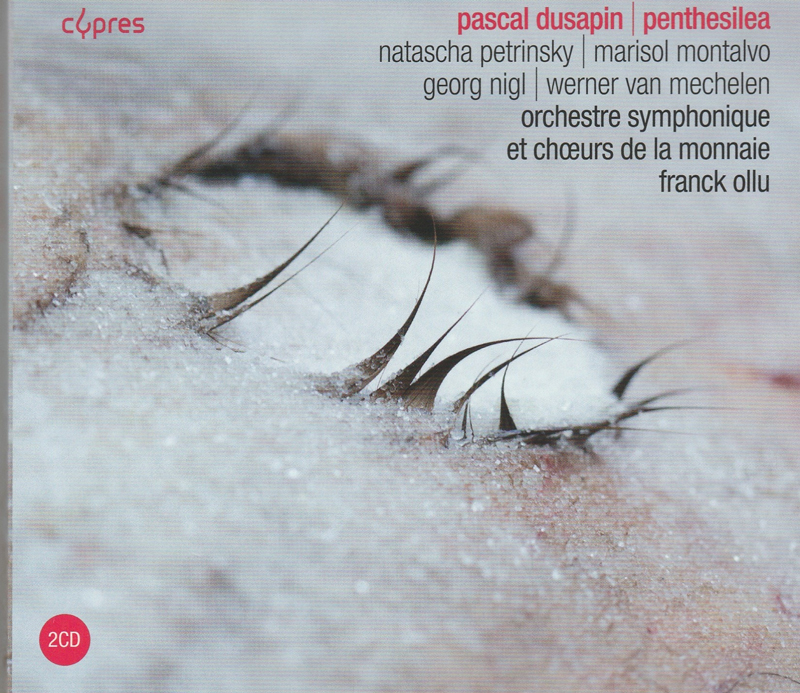
12 Dusapin PenthesileaPascal Dusapin – Penthesilea
Petrinsky; Montalvo; Nigl; Mechelen; Orchestre Symphonique et choeurs di al Monnaie; Franck Ollu
Cypres Records CYP4654
(naxosdirect.com)

The French composer Pascal Dusapin is known for drawing upon many contrasting styles – from the paroxysmal avant-garde to expressionist late Romanticism – throughout his impressive output. His new opera, Penthesilea is no exception. This is Dusapin’s second foray into the operatic genre, and we receive a rather restrained and meditative musical interpretation of Heinrich von Kleist’s almost absurdist verse play. 

The music is meditative and unrelenting in its impressionistic treatment of the text and drama. The chant-like vocal writing is often set against vast tapestries of lower register washes from the ensemble. Several lesser-known instruments – such as the dulcimer and Egyptian rattle – create familiar beacons of a rather uneasy cerebral quality. While the near 90-minute work lacks a definitive climactic arch, the adventurous novelty of the musical material provides more than adequate satiation for the ear. 

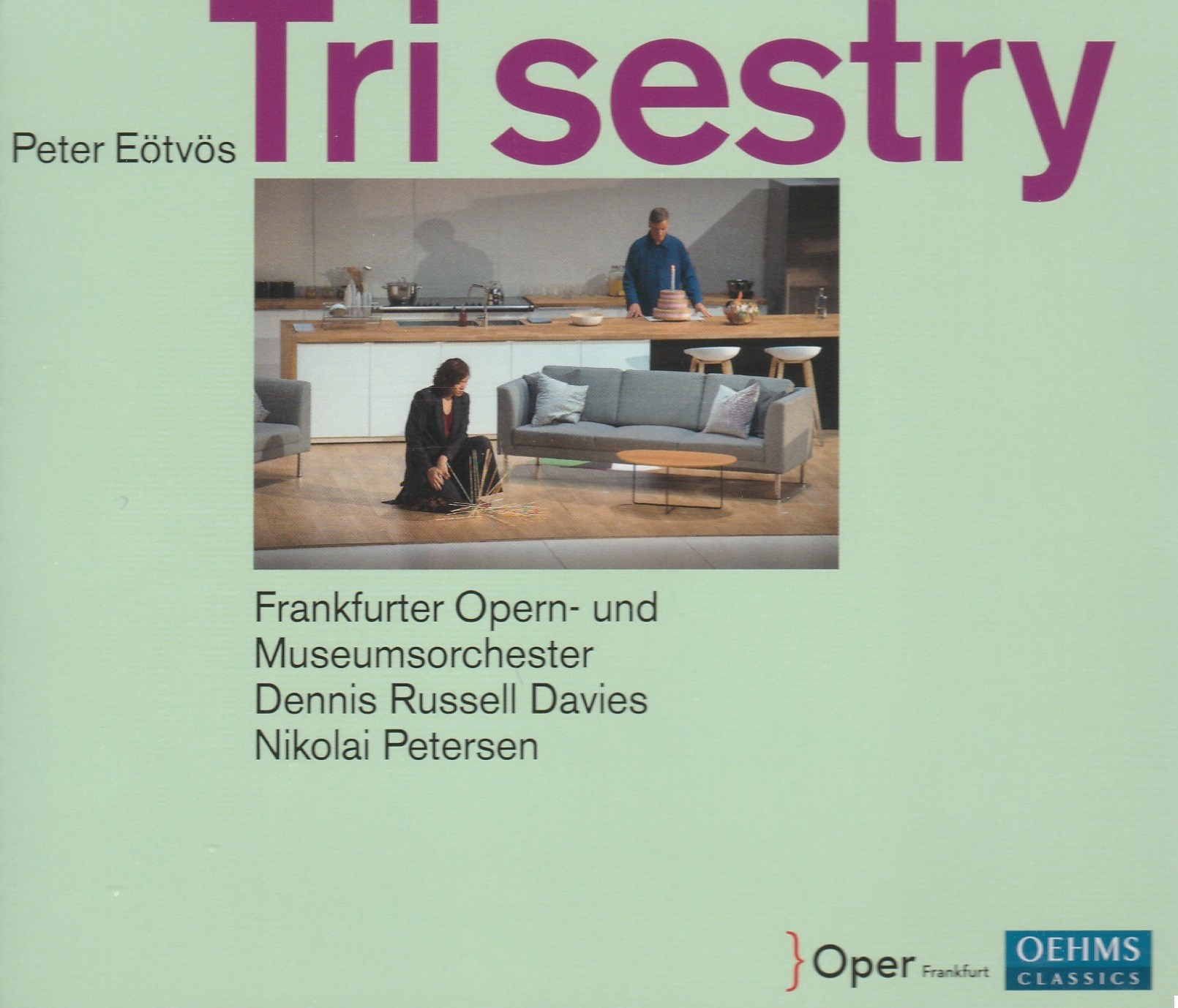
13Eotvos Tri SestryPéter Eötvös – Tri Sestry
Soloists; Frankfurter Opern-und; Museumsorchester; Dennis Russell Davies
Oehms Classics OC 986 (naxosdirect.com)

In this opera by Hungarian composer Péter Eötvös – a towering figure in the contemporary classical music world – a mind-boggling number of characters weave strange relationships that are all held together by a very strong musical setting of Chekhov’s play Three Sisters. The orchestra and cast in this recording masterfully execute Eötvös’ complex and demanding score. From the opening passages all the musicians create a world-class atmosphere of artistic confidence. The orchestra provides massive percussive screeches and rugged landscapes upon which beauty and hysteria interweave harmoniously. 

With dozens of performances, it would be safe to say that his opera has become a standard of the repertoire – a testament to the masterful writing we are used to from Eötvös This opera is artistically sound, and the fabulous music-making by the singers and orchestra make for a compelling listen that is a must for contemporary opera lovers.

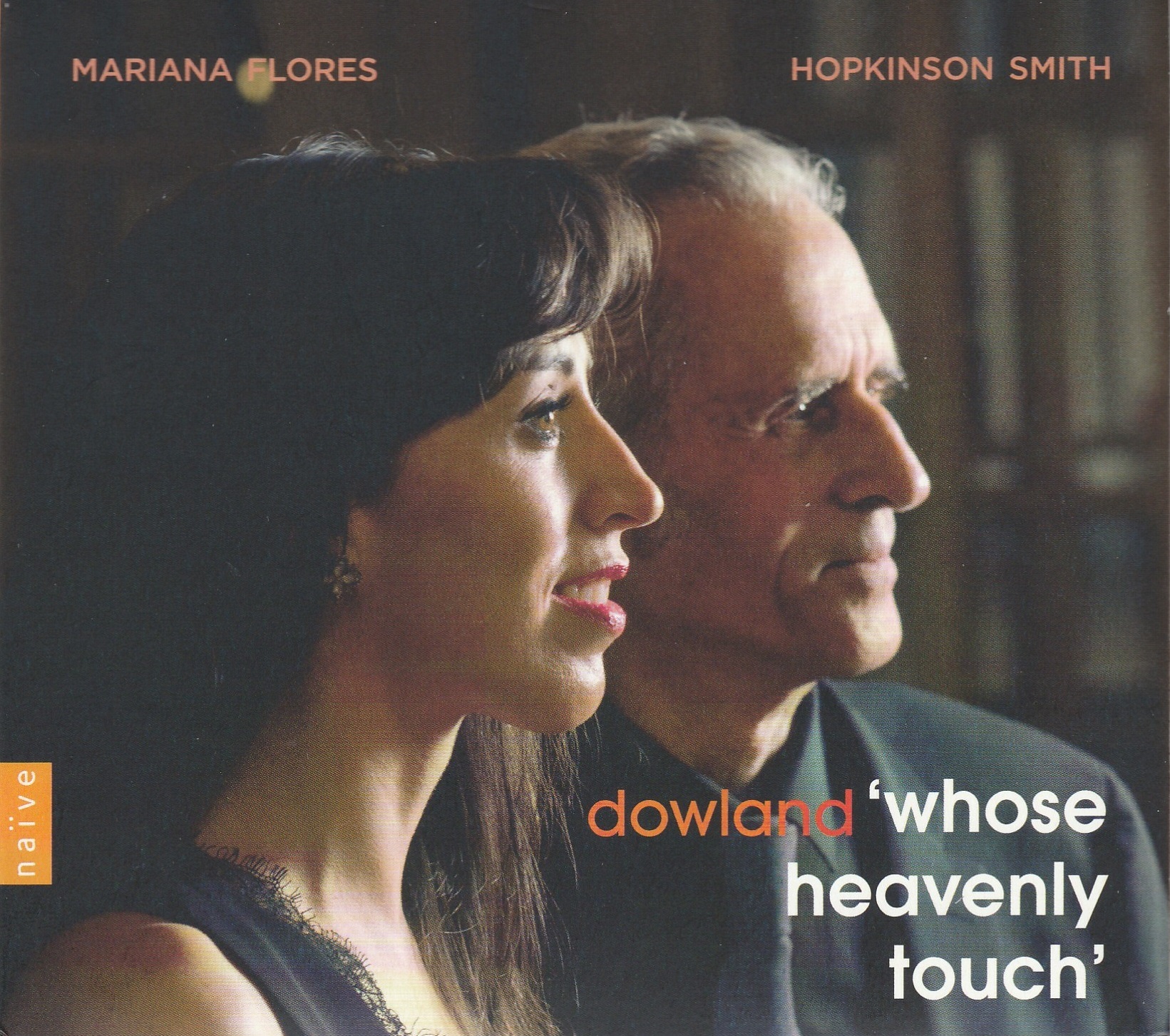
01 Dowland Heavenly TouchDowland – Whose Heavenly Touch
Mariana Flores; Hopkinson Smith
Naïve E 8941 (naxosdirect.com)

Perhaps the most renowned composer of music for lute and voice in the history of the genre, John Dowland’s songs continue to captivate modern performers and audiences with their esoteric melancholy and expressivity. Far from being a downer, Dowland’s seemingly depressing themes were as much a practical choice as an artistic one, reflecting the melancholia that was so fashionable in music at that time. In fact, Dowland wrote a consort piece with the punning title Semper Dowland, semper dolens (always Dowland, always doleful), reflecting his tongue-in-cheek self-awareness.

Whose Heavenly Touch presents selections from Dowland’s First and Second Book of Songs, published in 1597 and 1600 respectively, and begins with the striking and enduringly popular Flow, my tears. This recording features Argentinian soprano Mariana Flores and American lutenist Hopkinson Smith, who has received numerous accolades for his work in a wide range of early music, from Dowland to lute arrangements of Bach’s sonatas and partitas. From the beginning of this first song through to the disc’s end, Smith’s mastery of the lute is apparent in his clarity and control, arpeggiations and scalic interpolations providing rhythmic motion through tasteful and virtuosic interpretation.

Perhaps the most conspicuously atypical aspect of this recording is Flores’ distinct Spanish accent, a rather disorienting imposition on this Tudor music which can occasionally mask textual subtleties through excessively rolled “R”s and unexpectedly modified vowels and diphthongs. While her tone and interpretations are delightful, it occasionally takes attentive listening to discern the words that Flores considers worthy of such thoughtful expression.

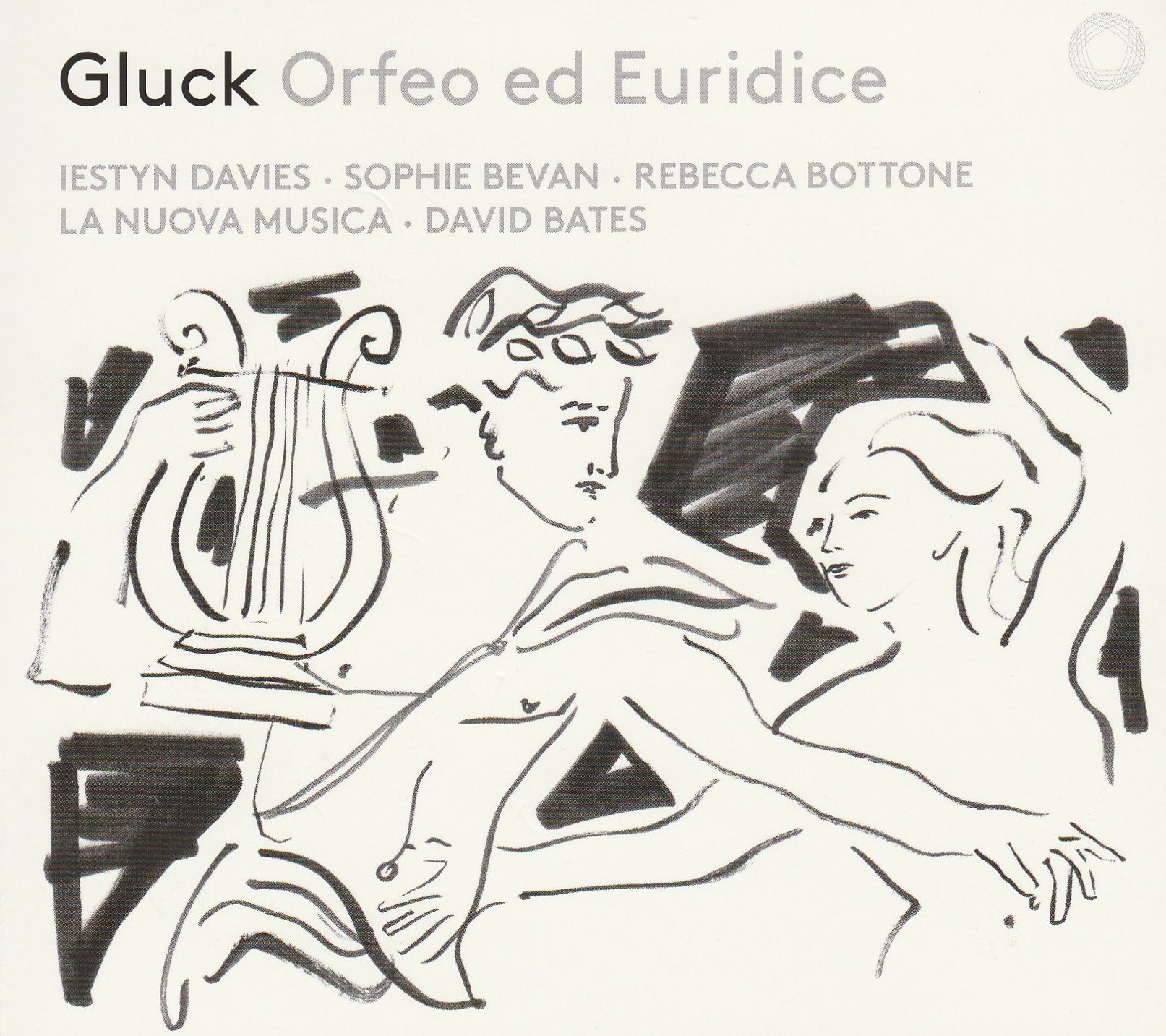
Gluck – Orfeo ed Euridice
Iestyn Davies; Sophie Bevan; Rebecca Bottone; La Nuova Musica; David Bates
Pentatone PCT 5186 805
(pentatonemusic.com)

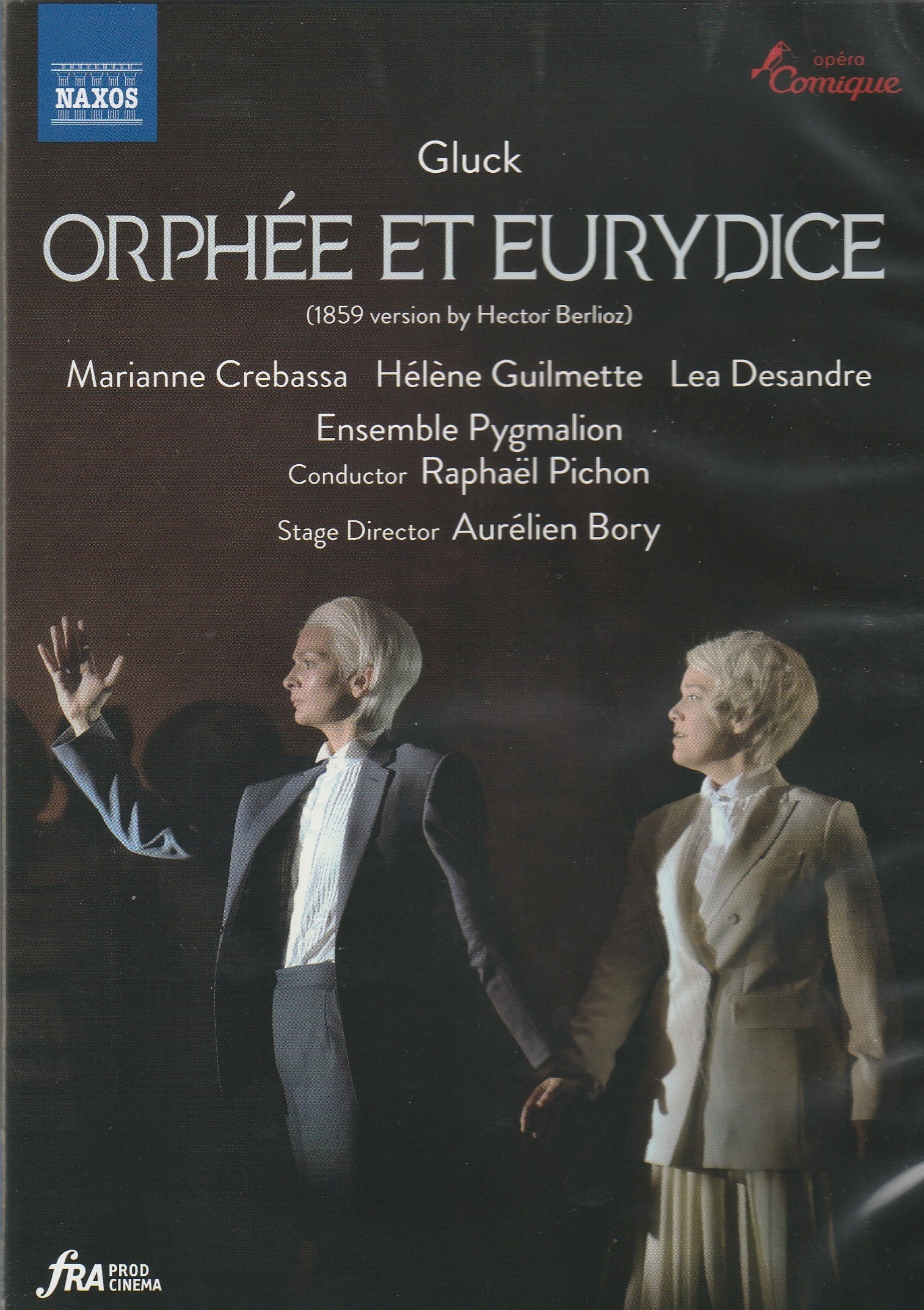
Gluck – Orphée et Euridice
Marianne Crebassa; Hélène Guilmette; Lea Desandre; Ensemble Pygmalion; Raphaël Pichon
Naxos 2.110638 (naxos.com)

03a Orfeo ed EuridiceGluck’s Orfeo ed Euridice is a landmark work in the operatic canon, as famous for its restoration of the ideals of Greek art in opera seria as it is for its musical and dramatic content. As well as being aesthetically progressive through its deliberate conservativism, Orfeo merges French and Italian styles into a synthetic whole, combining the Italianate style utilized by Handel and Vivaldi with the influence of Lully and Rameau. First premiered in Vienna in 1762, Gluck later re-adapted the opera to suit the tastes of a Parisian audience at the Académie Royale de Musique and several alterations were made in vocal casting and orchestration to suit French tastes.

Between 1784 and 1859 the concert pitch in Paris rose so significantly that the French government passed a law which set the A above middle C at 435 Hz. To combat the effects of this inflation in pitch, Hector Berlioz prepared a version of Gluck’s opera (Orphée et Eurydice) in which he adapted the title role for a female alto using the key scheme of the 1762 Vienna score, and incorporating much of the additional music of the 1774 Paris edition. Although Berlioz’s version is one of many which combine the Italian and French scores, it is the most influential and well regarded and has since been revised and reissued in numerous editions.

03b Orphee et EuridiceIt is Berlioz’s 1859 version of Gluck’s opera which the Opéra Comique presents in their DVD Orphée et Eurydice, a wonderful representation of Gluck’s artistry and reflection of Berlioz’s craft as adapter. The style and performance practice are decidedly classical, rooted in the 18th-century tradition, and Berlioz’s personal influence is appropriately indiscernible. There are, however, some notable modifications to Gluck’s original score: the overture has been replaced with another of Gluck’s orchestral overtures; and the harpsichord is nowhere to be found, a decision that is open to interpreters, as the instrument was removed from the Parisian orchestral pit around the time of Orphée’s premiere. This is an overall weightier approach to Gluck, with a larger orchestra playing with full sound and prominently voiced soloists, suggesting a 19th-century approach commensurate with the sound Berlioz likely had in mind.

In contrast with the Opéra Comique’s presentation, Pentatone has issued a new recording of the 1762 Orfeo which includes both harpsichord and the original overture, as well as a countertenor Orfeo. This version is, although very similar to the Berlioz edition, considerably leaner in its orchestral timbre and more fluid with its Italian text, further emphasized through an interpretation that is deliberately direct and essentially Baroque, rather than bold and Romantic. In both instances the singers, choruses and orchestras are magnificent, presenting Gluck’s music in equally superb and successful ways.

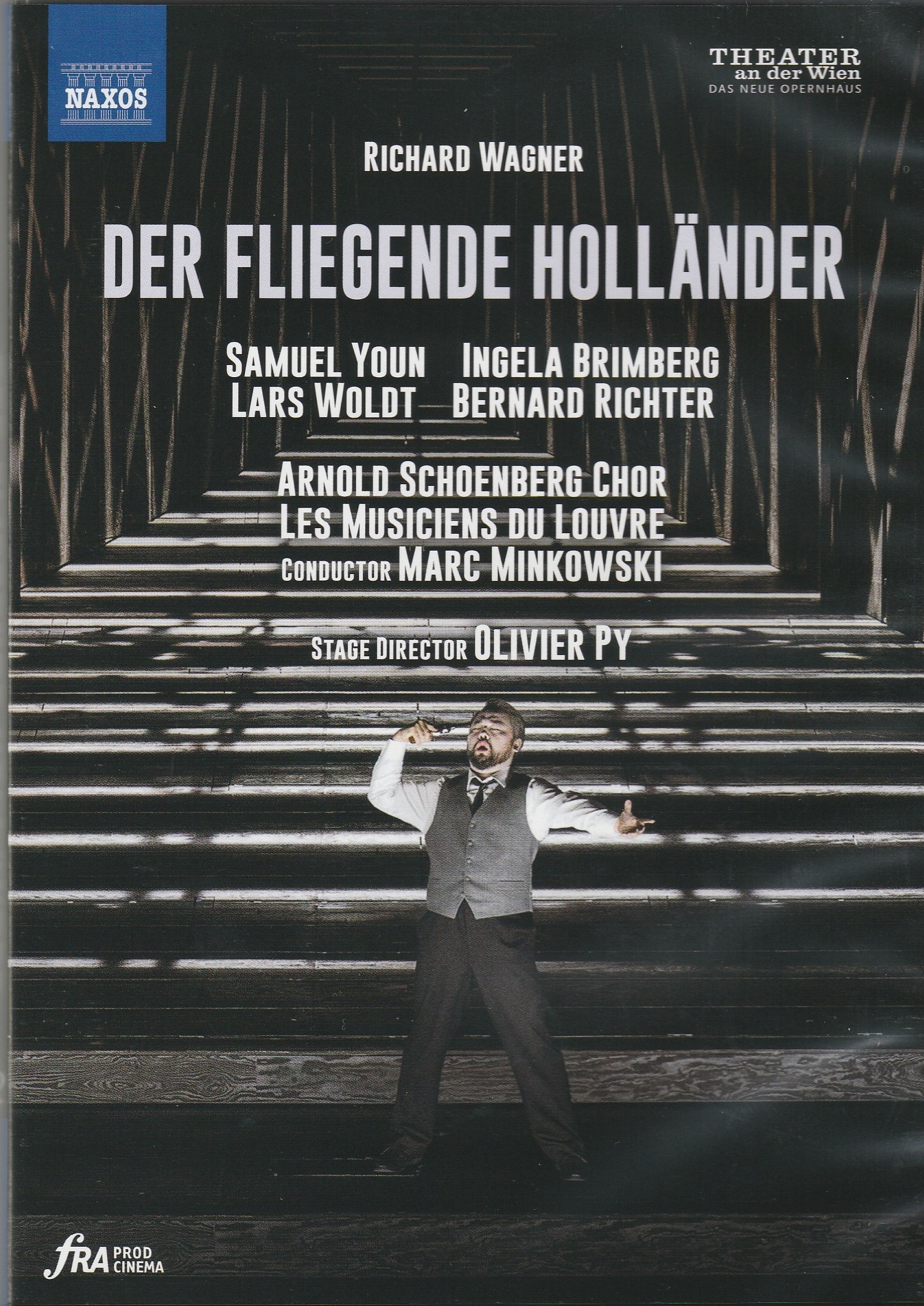
05 Flying DutchmanWagner – Der Fliegende Holländer
Samuel Yuon; Lars Woldt; Ingela Brimberg; Bernard Richter; Les Musiciens du Louvre; Marc Minkowski
Naxos 2.110637 (naxos.com)

Richard Wagner’s opus, Der Fliegende Holländer was completed in 1840, and then revised three times during the next 20 years. Arguably the opera in which Wagner found his voice, it was inspired by the story of a Dutchman whose blasphemy led to his being condemned to sail the seas for eternity unless he could be redeemed by a faithful woman.

The action begins in a Norwegian fjord where a sailor named Daland is sheltering his vessel from a storm. A ghostly ship pulls alongside and its captain – the Dutchman – offers Daland vast wealth in exchange for a single night’s hospitality. Daland’s daughter, Senta, who is obsessed by the tales she has heard about the Dutchman’s fate, vows to be his salvation. Forsaking her lover, Erik, she joins the Dutchman and proves her fidelity to him unto the end, when she throws herself into the sea after him. In the climax that follows, the lovers are seen transfigured, rising above the waves.

Der Fliegende Holländer is set in three acts but is often performed as a continuous two-and-a-half-hour whole. Highlights are Die Frist ist um and Johohoe! Johohoe! Marc Minkowski’s conducting is triumphant. Olivier Py’s direction – amid a bleak set – brilliantly captures Wagner’s opera with cohesion and fluency. Samuel Youn’s full-voiced, bass-baritone Dutchman has anguish and desperation, Ingela Brimberg’s Senta is sweet and effortless and Lars Woldt’s Daland is resonant and noble. Orchestra and chorus are in glowing form too.

06 Boris GodunovMussorgsky – Boris Godunov
Tsymbalyuk; Paster; Kares; Skorokhodov; Gothenburg Symphony Orchestra; Kent Nagano
BIS BIS-2320 SACD (bis.se)

Mussorgsky’s Boris Godunov with its grandeur, epic sweep and forward-looking music is possibly the greatest Russian opera, but it had a difficult time. The original “dark and raw” 1869 score had to be revised drastically to be acceptable for the Imperial Theatre in St. Petersburg; later Rimsky-Korsakov (and Shostakovich) changed the orchestration to suit Western ears. It was Rimsky-Korsakov’s version that became successful outside of Russia. Now there is a trend towards authenticity so Kent Nagano, music director of the Bavarian State Opera, chose the original score for the opera’s visionary avant-garde and very successful revival in 2013, in Munich. He later performed it in Stockholm in concert form which is the basis of this recording.

The original version is brutal, concise and dark-hued and concentrates mainly on the Tsar Boris – who came to the throne by murdering the legitimate heir – his ascent, his struggle with a guilty conscience and a final decline into madness.

Nagano’s selection of Alexander Tsymbalyuk, relatively young and a voice more lyrical than that of the legendary Chaliapin (who owned the role for decades), was ideal for the vulnerable and tormented Boris. Of the other bass voices, young Finnish basso Mika Kares (Pimen) and Alexey Tikhomirov (Varlaam) with his iconic song Once upon a time in the city of Kazan, stand out. The tenor Grigory, the false pretender who causes Boris’ downfall but curiously disappears from the plot after a short appearance, is Sergei Skorokhodov. Another protagonist, the Chorus, “the voice of Russia” ,has tremendous power, but the real star is Nagano who is by now one the greatest conductors of our time. His superb control and total immersion into the score remind me of Abbado a generation before him.

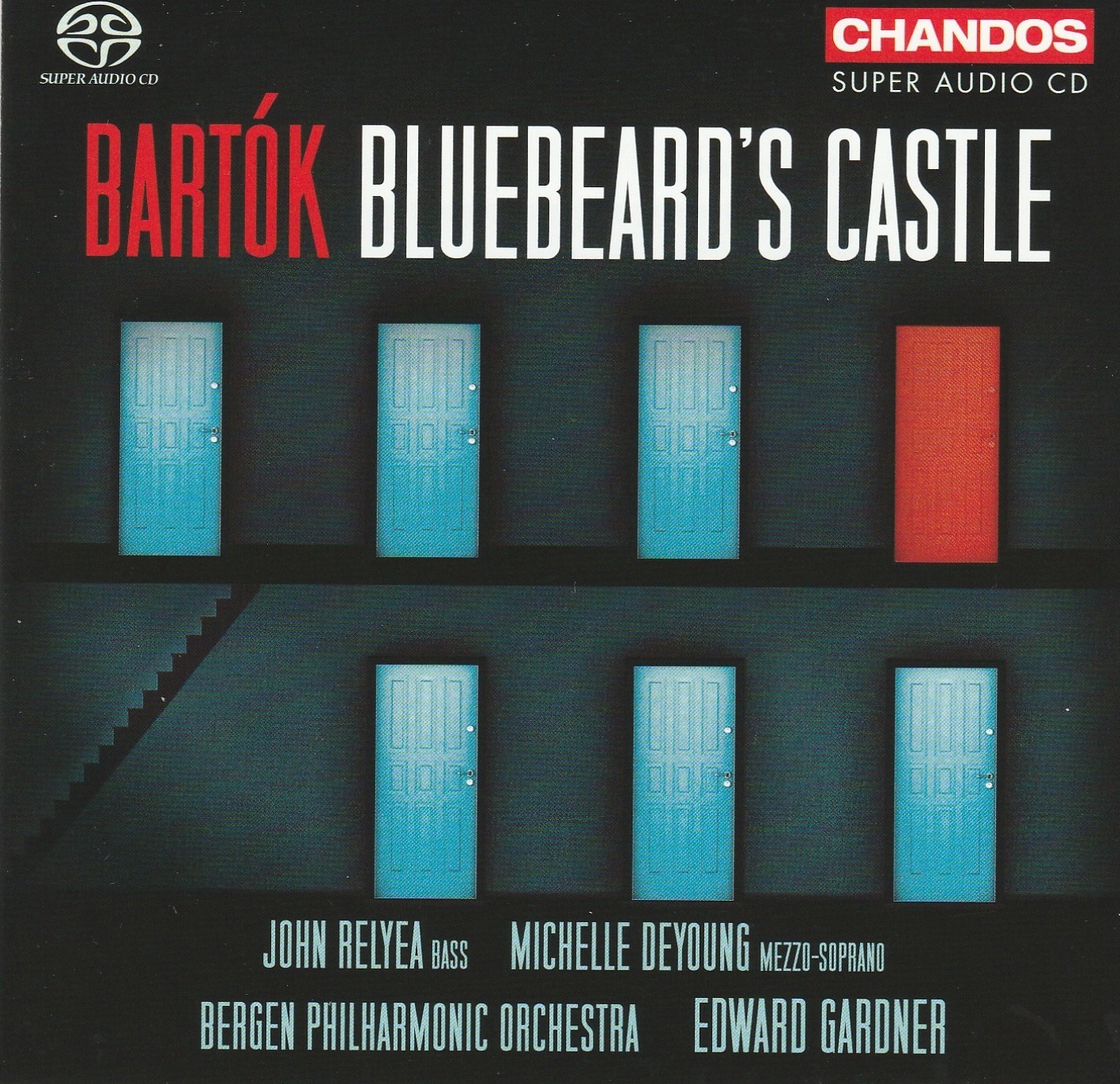
07 Bartok BluebeardBartók – Bluebeard’s Castle
John Relyea; Michelle DeYoung; Bergen Philharmonic Orchestra; Edward Gardner
Chandos CHSA 5237 (naxosdirect.com)

There are many fine recordings of Bartók’s gothic, two-character psychodrama; this one is special because both singers have made this opera their own, performing it around the world. As a tandem, American mezzo Michelle DeYoung and Toronto native, bass John Relyea, have sung these signature roles on many stages from Carnegie Hall to the Sydney Opera House.

It’s essential that Judith and Bluebeard be, as here, evenly matched vocally and dramatically, in their life-or-death battle of wills. (I’ve attended performances featuring very unequal pairings.) DeYoung’s impassioned singing convinces us of Judith’s love for Bluebeard and her determination to bring light into his gloomy abode, demanding to see what lies behind his castle’s seven locked doors. Relyea’s firm, resonant bass, plumbing the emotional depths of Bluebeard’s ghastly secrets, makes him today’s definitive Bluebeard.

Conductor Edward Gardner relishes the phantasmagoric colours and textures of the largest orchestra Bartók ever used, creating vivid sonic imagery of the grim, blood-soaked scenes behind the opened doors. The fortissimo tutti when the fifth door opens to reveal the magnificence of Bluebeard’s realm and Judith’s ecstatic, sustained high-C reaction, is truly one of the most thrilling moments in all opera.

The Hungarian-sung text is included along with an English translation. Librettist Béla Balázs’ two-minute spoken Prologue, not always performed, is also heard here, asking (in Hungarian) “Where did this happen? Outside or within? Ancient fable, what does it mean…? Observe carefully.”

Listen to this CD carefully, too.

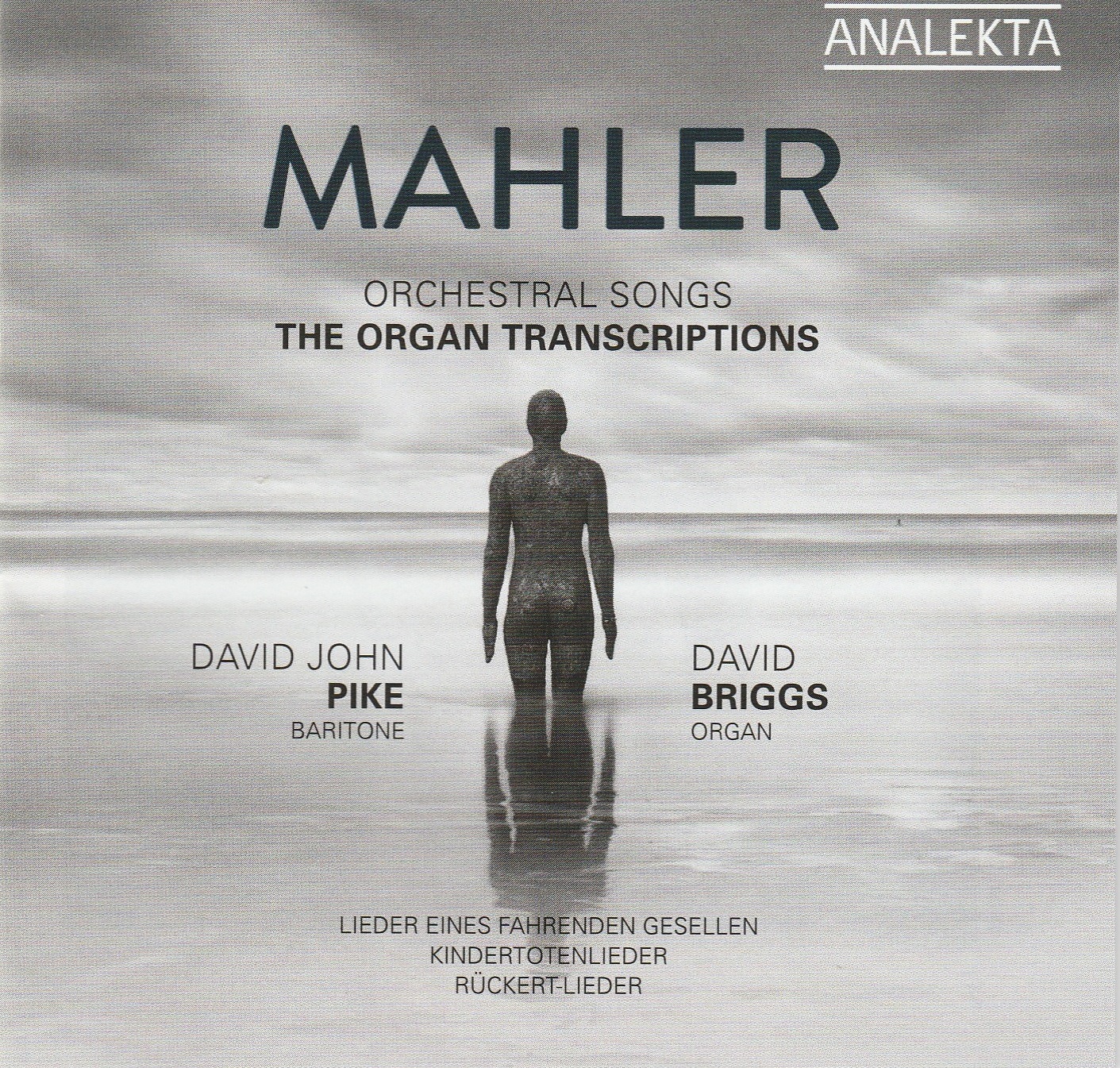
08 Mahler Orchestral Songs organMahler – Orchestral Songs: The Organ Transcriptions
David John Pike; David Briggs
Analekta AN 2 9180 (analekta.com/en)

The English organist David Briggs, a student of the renowned Jean Langlais, is no stranger to these parts, having served as artist-in-residence at the Cathedral Church of St. James in Toronto from 2012 to 2017 before moving on to his current post at the Cathedral of Saint John the Divine in New York City. Briggs is also a composer, a stalwart transcriber of the improvisations of the legendary Pierre Cochereau, and an arranger with a particular interest in the symphonies of Mahler, five of which he has refashioned for the organ. He is joined on this recording by the excellent young Canadian baritone David John Pike (now based in Luxembourg) in commanding performances of Mahler’s Lieder eines fahrenden Gesellen, Kindertotenlieder and Rückert-Lieder orchestral song cycles.

One might think it a bit of a stretch to re-imagine these works in this unusual context, but in truth Mahler rarely ventures beyond three-part writing even at his most gargantuan moments and these works are routinely performed in the composer’s own piano versions. Briggs’ thoughtful choice of timbres reflect Mahler’s own instrumentations quite convincingly. The recording venue is quite an interesting one: The Basilica of Constantine (Konstantin-Basilika) at Trier, Germany dates from the beginning of the fourth century. Burned in an air raid in 1944, subsequent repairs exposed the original inner brick walls; at the back of this spartan edifice hangs a newly built organ from 2014 designed by the firm of Hermann Eule. Though Eule normally specializes in neo-Baroque Silbermann-era designs, this particular installation is symphonically arranged with 87 stops (over 6000 pipes) on four manual works and pedal, making it the largest organ in Trier and offering a vast palette of exceptionally beautiful tones to choose from.

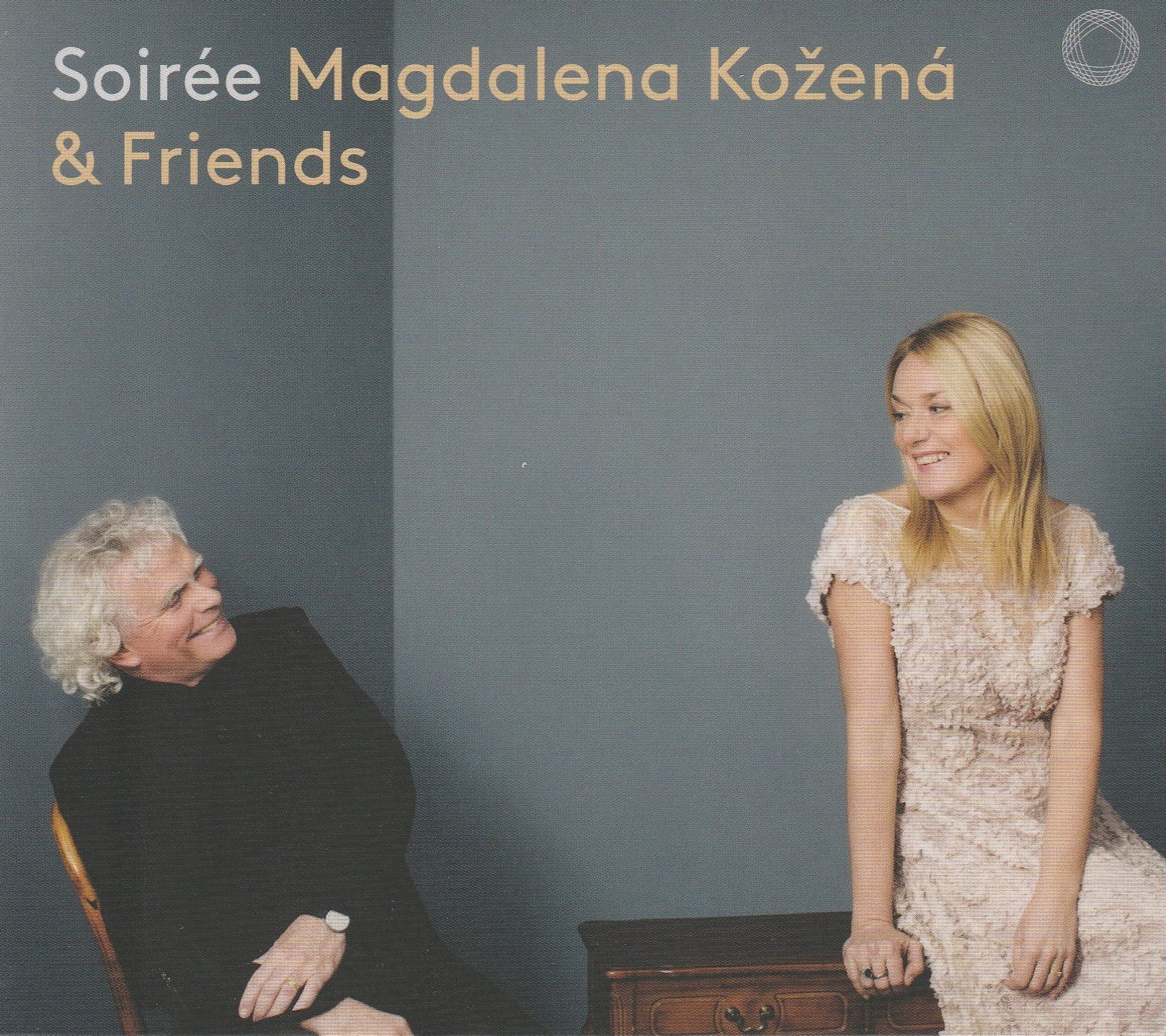
09 Magdalena KozenaSoirée
Magdalena Kozena & Friends
Pentatone PTC 5186 671 (pentatonemusic.com)

How nice it is that a singer would take some time out of her crazy, busy life, sit down with friends and a few drinks and sing her favourite songs. And that’s exactly what by-now-world-famous-Czech mezzo, award-winning recitalist, recording artist and opera star, Magdalena Kožená, does here. This is her debut issue on the Pentatone label. The “friends” include a string quartet, a clarinet, a flute and a piano, the latter played by her husband, Sir Simon Rattle. Each combination of these instruments creates different tonal effects and colouring for an idiomatic and unique accompaniment.

Her choice of program gives a cross section of lieder literature from the late Romantics (Chausson, Dvořák, Brahms and R. Strauss) through French Impressionism (Ravel) and some Moderns (Stravinsky and Janáček). In fact we can follow the development of the art song with a fascinating variety and style where the golden thread of Kožená’s imagination, wonderfully expressive voice, beautiful intonation and some lovely inflections are evident throughout. Just listen to her inflection on “Vögelein” in Gestillte Sehnsucht, by Brahms!

Naturally she is strongest in her native Czech and Moravian idiom. She sings with youthful freshness and confidence. Especially impressive and unique are the Nursery Rhymes by Janáček; some are outrageously funny. And I am happy she included one of my all-time favourite songs by Dvořák, When my mother taught me.

A lovely, relaxed musical evening you will cherish.

Back to top