02 Murray McLaughlinHourglass
Murray McLauchlan
True North Records TND777 (truenorthrecords.com)

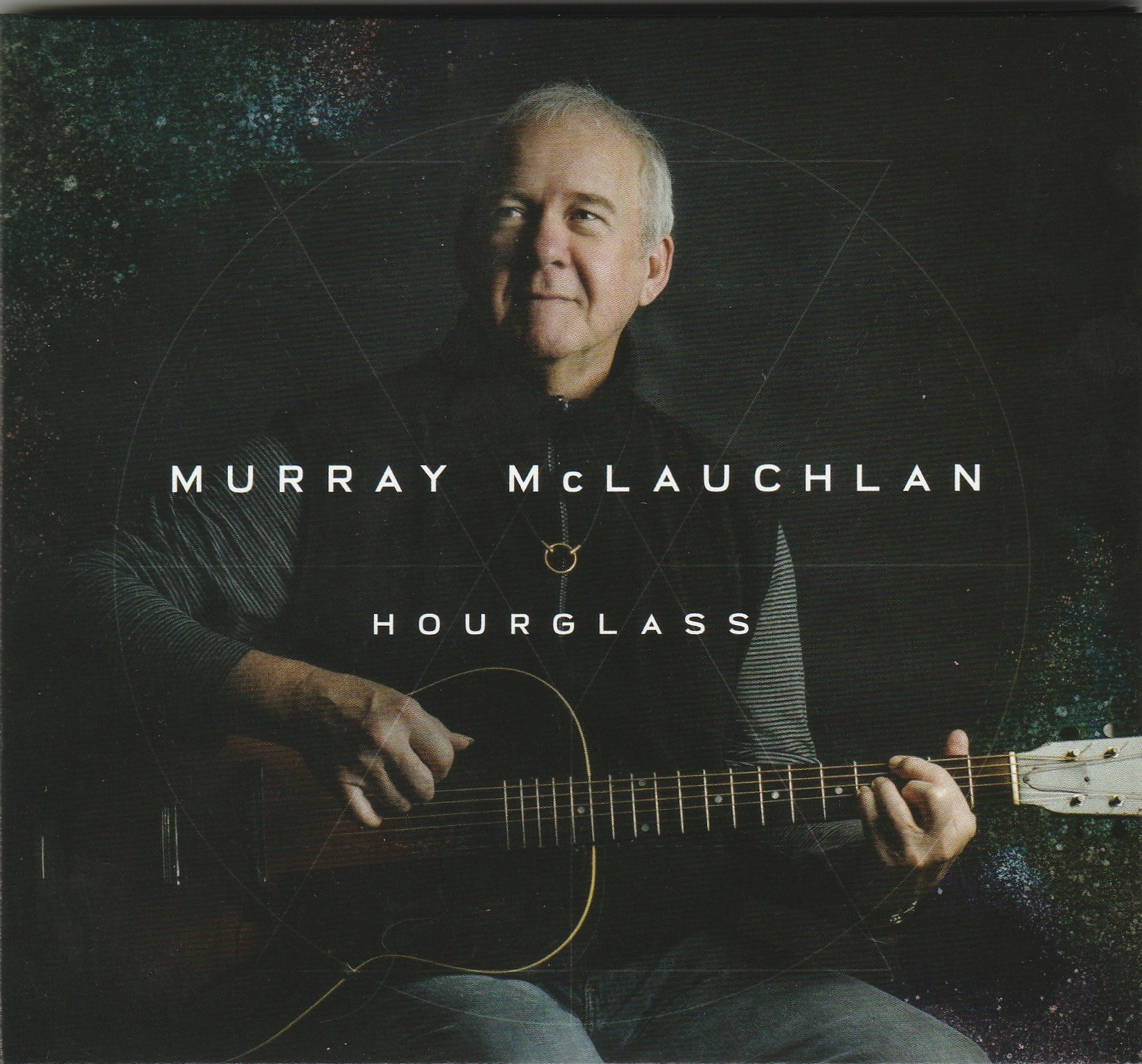
Murray McLauchlan, celebrated singer-songwriter and recipient of the Order of Canada, has turned to such issues as privilege and racism on his 20th album, Hourglass. Its pointed songs speak sincerely and directly to issues of greed and prejudice that make so many lives unliveable.

These are folk-style, gentle and homey songs, sometimes nearly whispered, although I think McLauchlan’s vocal mid- and upper-ranges are just fine! His acoustic guitar work, Burke Carroll’s steel guitar and other instruments are always reliable. Indeed, nothing on this album is overcomplicated and some of the songs would attract the interest of both children and parents.  

I particularly like the title track, which emphasizes the urgency of current problems:  “But I see the sand run out through the hourglass, I swear I don’t remember it ever ran so fast.”  Here lyrics and melody, guitar accompaniment and the steel overlay come together especially well. Lying By the Sea I find the most moving song. It is based on the tragic media image of a refugee boy fleeing the Middle East who drowned and washed up on shore. America, with a beautiful steel guitar introduction, is a plea to the USA that could also apply in Canada: “Now you’re in your separate rooms, And all the doors are locked.” Finally, I Live on a White Cloud and Shining City on a Hill are songs reminding us of our obliviousness – to racism and to reality itself.
03 Clara EngelDressed in Borrowed Light
Clara Engel
Independent (claraengel.bandcamp.com)

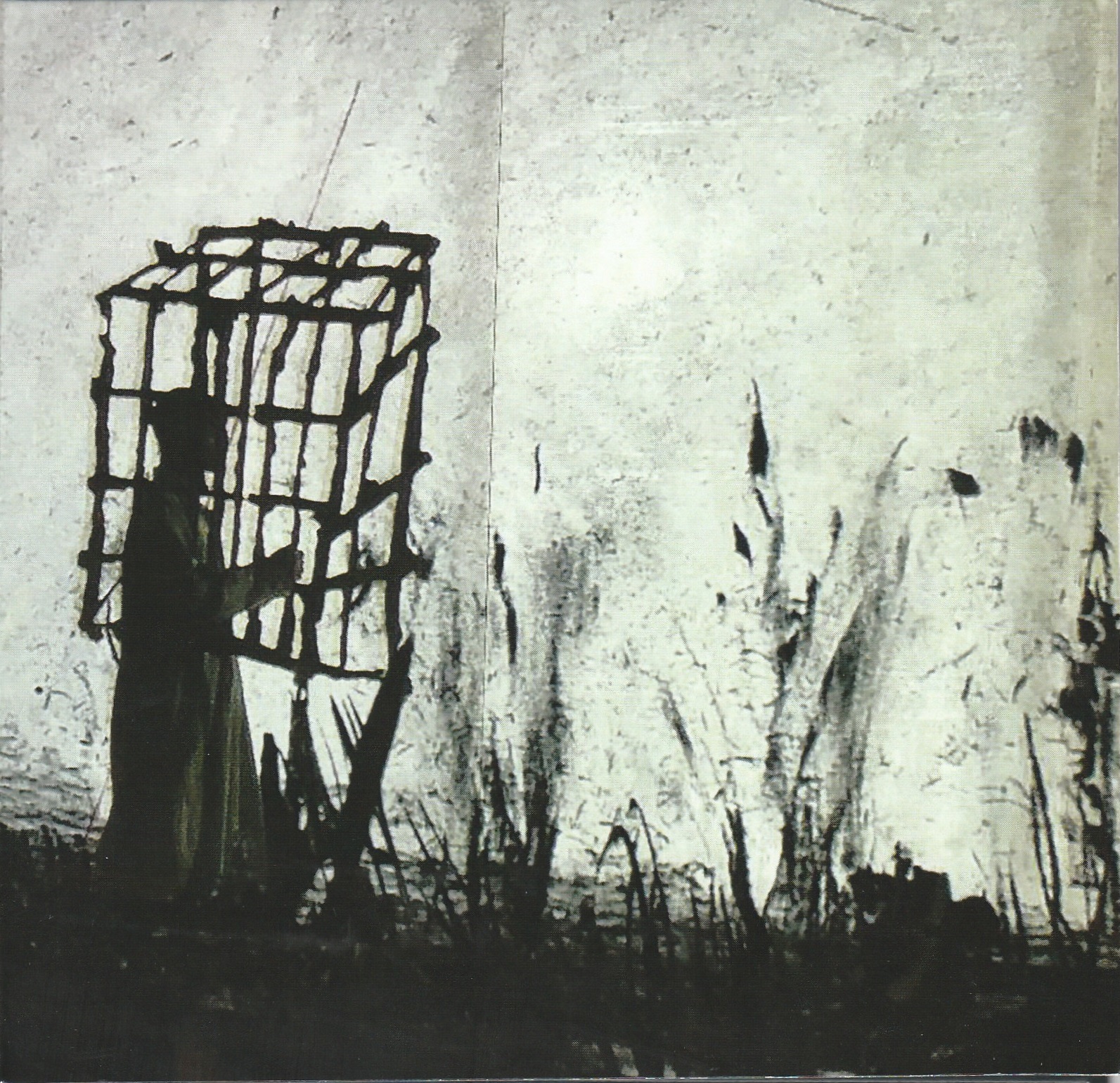
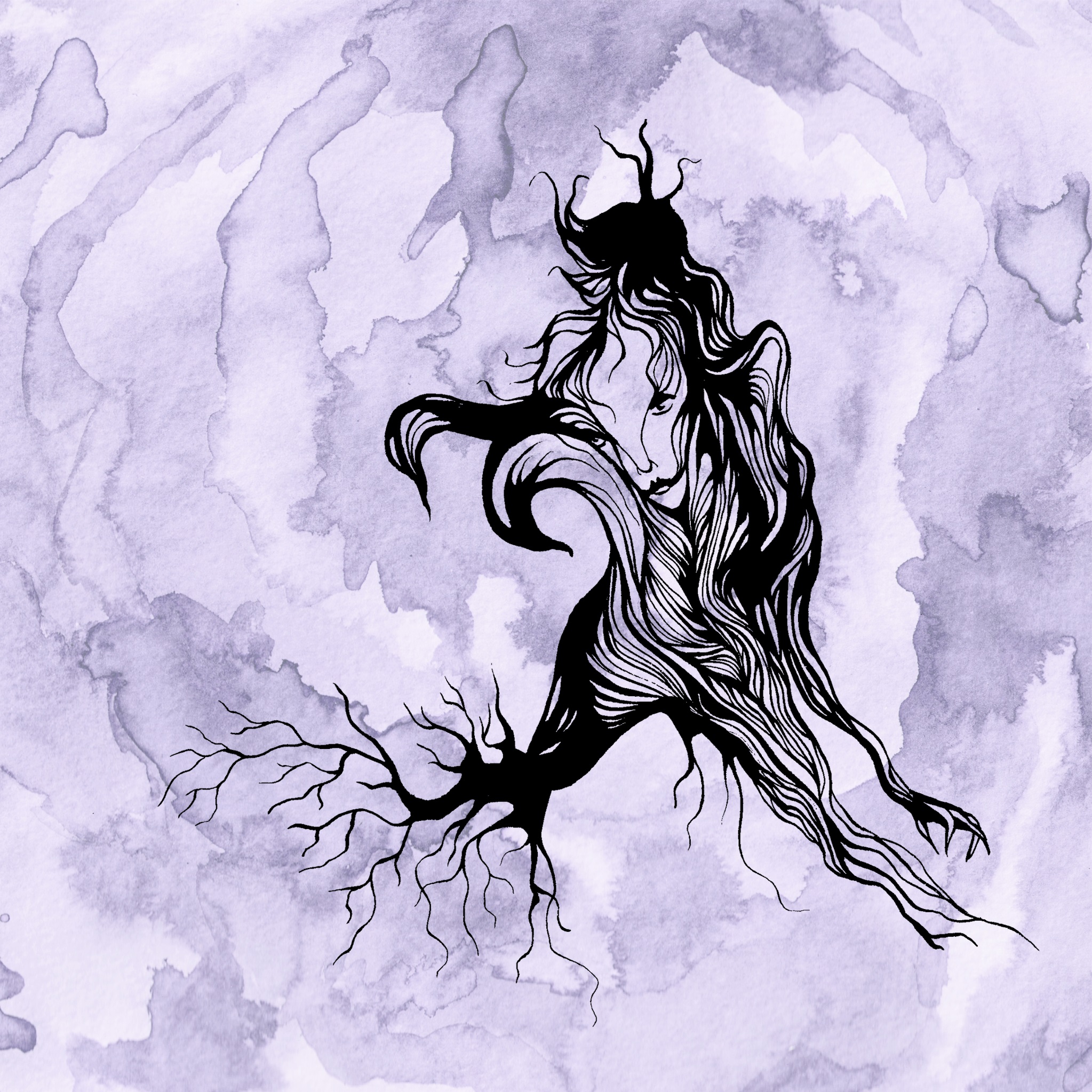
Songwriter Clara Engel has been busy during the pandemic, completing two collections of songs entirely self-produced while at home, based on lyrics that read like extended poetry and dressed in an album cover featuring Engel’s original artwork. 

In Dressed In Borrowed Light, dark, evocative themes of cycles of life, loss and nature float atop rhythmic drone-like melodies that leave plenty of room for the poetry to come through. This is a performance much like one might find at a poetry reading or meditative retreat, and a collection of guests adds an assortment of instrumental sounds that provide some additional ethereal qualities, bringing to the album a meditative, folk-like feel. 

Musical arrangements include Engel on vocals and a collection of instruments such as shruti box, gusli, lap steel and morin khuur (Mongolian horse-head fiddle), which delicately add colour to the songs. 

A shorter album than some, it’s six tracks flow gently as a collection of spoken word set to music. From one poem to the next it makes a soft landing, belying some of the darker themes of the lyrics.

Listen to 'Dressed in Borrowed Light' Now in the Listening Room

04 Miguel de ArmasContinuous
Miguel de Armas Quartet
Three Pines Records TPR-003-02 (migueldearmas.com)

Miguel de Armas – the inspired Cuban pianist/keyboardist/composer/producer and co-founder of the noted Cuban timba-band N.G. La Banda – has just released a glorious musical manifesto of genre-blending, unifying tunes, tunes that are also firmly rooted in the sacred and ancient feel of Cuban “songo,” a magical fusion of Afro-Cuban musics with elements of pop, Latin jazz, calypso and other esoteric influences. Joining de Armas on this invigorating CD are Marc Decho on bass, Michel Medrano Brindis on drums and Diomer González on congas, as well as an array of luminary guests that include bassist Roberto Riverón, saxophonist Petr Cancura, percussionist Samuel Formell, congero (and member of Los Van Van) Joel Cuesta and noted congero Eliel Lazo. 

All of the compositions here were penned by de Armas (with the exception of Song For Bebo by Decho). De Armas has an almost cinematic way of telling his musical stories, stories that unite us all in the human experience: love in all of its colours, immigration, culture shock and the seemingly un-ending northeastern winters. Things kick off with the title track – a piquant, bass-infused burner with a dash of supple vocals, as well as a thoroughly delicious and complex chord progression and melody line. Next up is the contemporary Couscous, with its morphing time signatures, pianistic excellence and stirring bass solo by Decho.

Another stunner is Angelique, with its haunting arrangement and phenomenal guitar work of Elmer Ferrer, as well as the incendiary performance by Lazo. Other delights include the romantic, neo-classical string-laden Eva Luna and the thoroughly satisfying Gone Too Soon. Without question, this is one of the most enjoyable, globally unifying and instrumentally thrilling CDs of the year.

06a Gamelan5Gong Renteng – Gamelan Music of Cirebon, Indonesia: Volume 5
Denggung – Gamelan Music of Cirebon, Indonesia: Volume 6
Gamelan Sinar Surya (gamelan.bandcamp.com)

The ancient region of Cirebon, located in Northwest Java, Indonesia is home to a large number of performing arts including several types of gamelan, the orchestral music indigenous to Java. California group Gamelan Sinar Surya (GSS), directed by Richard North – the gamelan director and lecturer at UC Santa Barbara – specializes in the performance of all types of Cirebonese gamelan. North, who has been studying, teaching and performing this music since 1972, is a passionate international authority on Cirebonese music. 

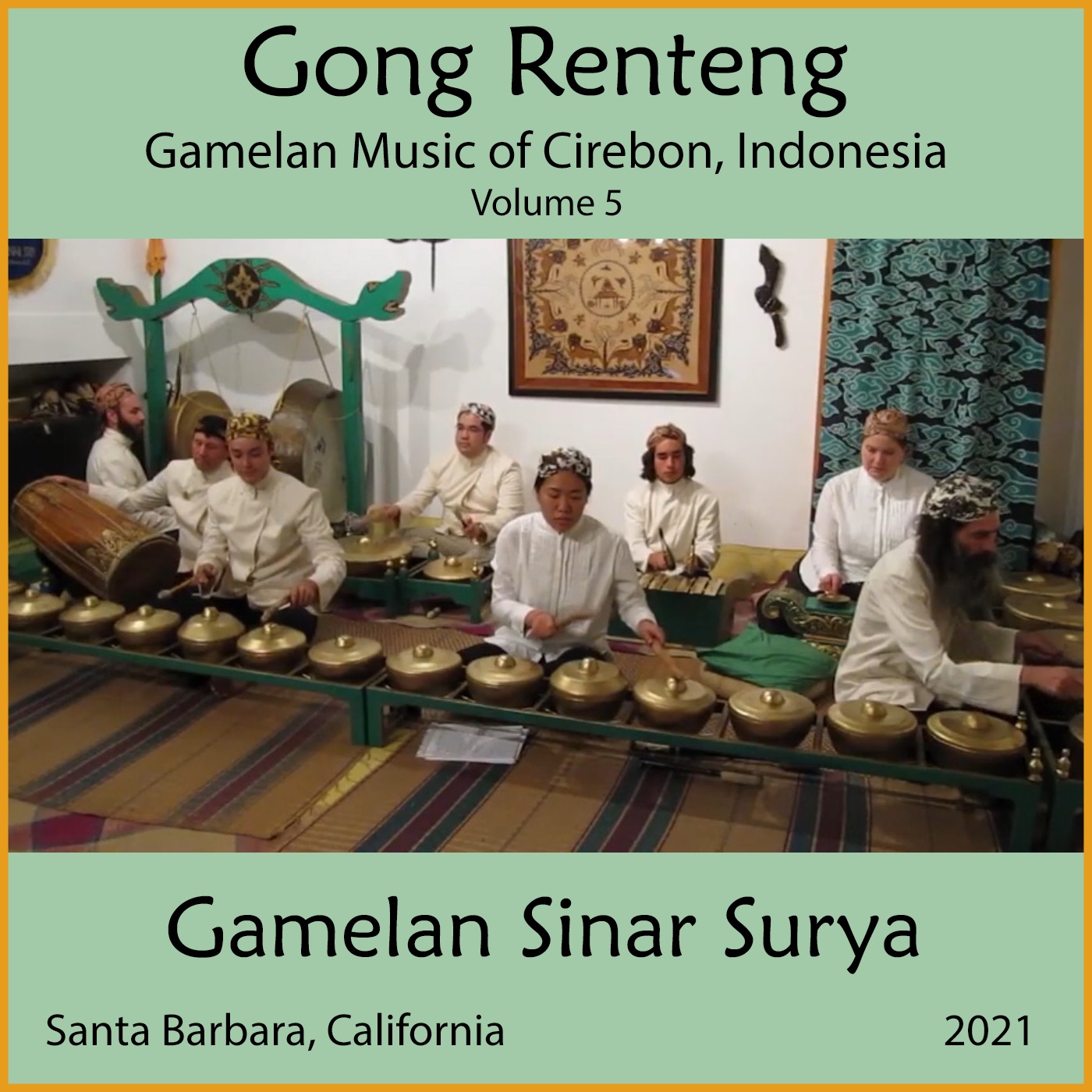
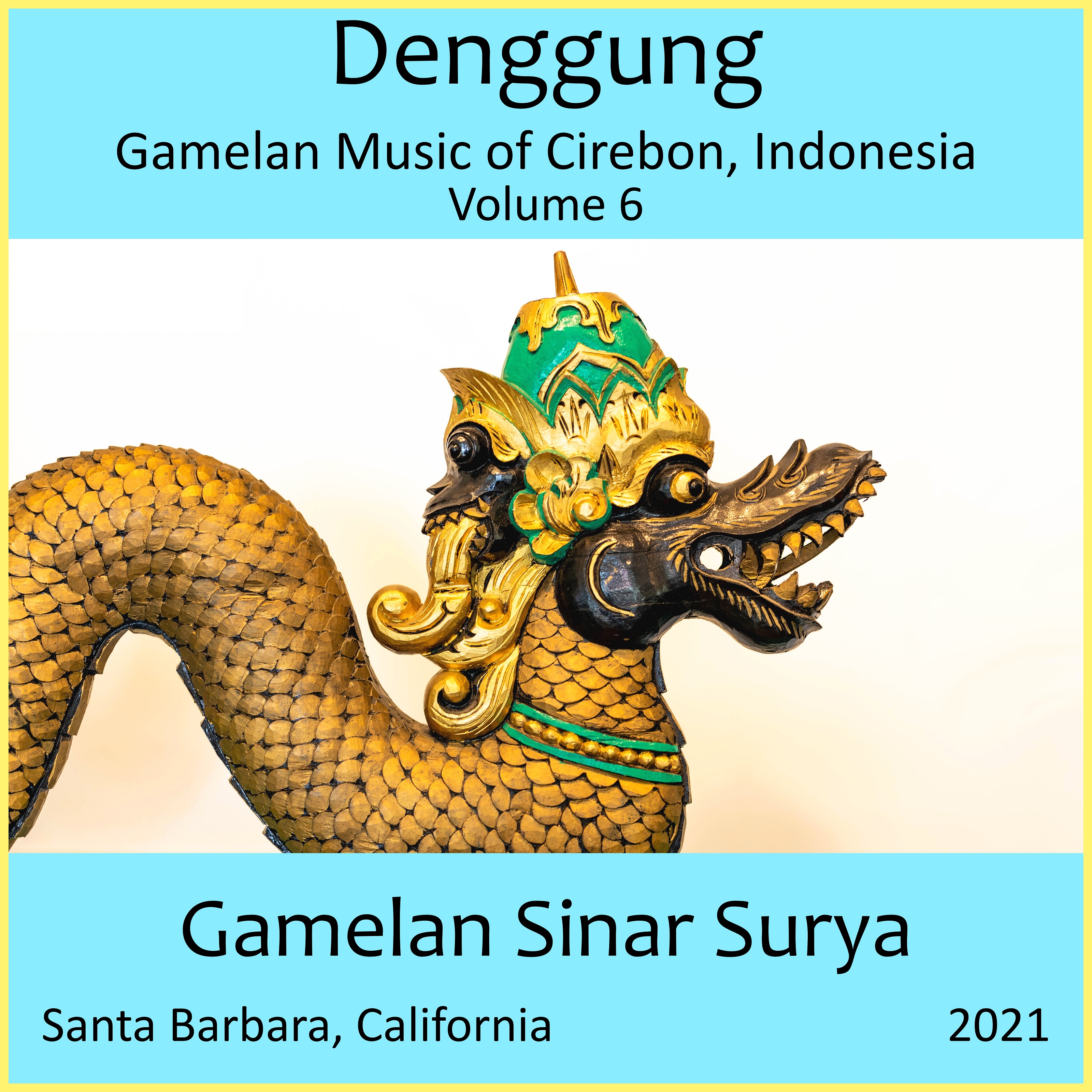
Cirebon gamelan music has been under-represented on records. GSS has however been assiduously addressing that lacuna. Impressed with the comprehensive scope of its growing recorded catalogue, I’ve reviewed its previous albums in The WholeNote, most recently in the November 2019 issue. The latest GSS releases cover two attractive antique pre-Islamic Cirebon gamelans: gong renteng (Gamelan Music of Cirebon, Indonesia: Vol.5) and denggung (Vol.6). Significantly, both distinct genres appear to predate the better-known five-tone prawa/slendro and seven-tone pelog gamelan types which appear to have emerged later in the 16th century. With its crashing cymbals, lively drumming and energetic tempos, gong renteng is a lively village gong ensemble type believed to date back to the 1400s – making it the oldest gamelan music in West Java. Denggung on the other hand is dramatically different in performance aesthetic. Its softer volume and spare, peaceful, sometimes ritual mood better suit an aristocratic milieu.

Vol.5 – Gong Renteng: Gong renteng came to the brink of extinction a generation ago. Thanks however to the dedication and enthusiasm of young musicians in the Cirebon area – plus the concerted efforts of Richard North for over 40 years – this ancient music has recently experienced a revival resulting in several gong renteng festivals in the region. Over 18 instrumental tracks the album’s repertoire is split between pelog and slendro tunings, each evoking a different affect. The music is also enlivened by idiomatic vocalizations made by the Californian musicians. This delightful sonic touch captures the inner spirit of Cirebonese village-style gamelan performance. 

06b Gamelan6Vol.6 – Denggung: With roots in the Hindu Pajajaran kingdom of West Java some 500 years ago, denggung is considered a rare, sacred gamelan. The atmospheric music on this album makes it clear that GSS has taken great care to honour that heritage. Out of the three Cirebonese palaces, only the denggung at the Kacirebonan Palace is still being played today. GSS is however giving back to the home culture by working closely with the palace ensemble to foster a healthy future for this beautiful and moving music. 

These two albums are a testament to how gracefully a Western group can, with respect, embody the music of another culture – and spread it around the world.

01 Alfie ZappacostaSaved
Alfie Zappacosta
Alma Records ACD20512 (shopalmarecords.com)

Colourful, compelling, award-winning, platinum-selling Canadian artist Alfie Zappacosta is back with an energetic, vibrant collection of nine stylistically diverse original tracks in this, his 16th album. Zappacosta successfully takes on the positions of songwriter, singer, arranger and producer here to create a memorable mix of jazz, pop, rock and ballads.  He is joined by many of his longtime songwriting and musical collaborators including Gerry Mosby, Marco Luciani, Andrew Glover, Silvio Pupo and Louis Sedmak.

Zappacosta’s decades-long career, with all its personal and professional ups and downs, has provided him the tools to explore, compose and develop his musical style in his own way, and as he explains, now without record label direction. The entire release is a gratifying musical surprise. Unspoken is a colourful romantic ballad highlighted by Bob Tildesley’s muted trumpet echoing his rich vocal line. The upbeat title track showcases Zappacosta’s distinctive rich vocal range, precise pitch placement and clear articulation of the lyrics, with enthusiastic backing female vocals and techno-flavoured instrumentals. Had Enough opens with an intense banging drum solo followed by a danceable pop/jazzy tune driven by Zappacosta’s low-pitched vocals and bouncy instrumentals. Here in My Heart, flavoured by Romantic-style symphonic music and co-written with Pupo, is very emotional, highlighted by a singalong love chorus.

Zappacosta and his team’s charismatic, passionate performances are perfectly reco-rded, produced and “Saved.” It’s so much fun to listen to, brightening up these pandemic times with musical energy!  Simply said, this is music for everyone!!

02 Art of TimeAin’t Got Long
Art of Time Ensemble
Art of Time Recordings ART003 (artoftimeensemble.com) 

Ain’t Got Long features the Toronto-based Art of Time Ensemble led by Andrew Burashko and Jonathan Goldsmith, arranger and producer. Ten numbers by songwriters ranging from Irving Berlin to Radiohead are arranged with distinction by Goldsmith, featuring singers Madeline Peyroux, Gregory Hoskins, Jessica Mitchell and Sarah Slean. Among outstanding instrumentalists, Peter Lutek plays a variety of woodwinds throughout. Goldsmith’s inspired title track uses a solo vocal from one of Alan Lomax’s Prison Songs recordings, successively adding echoing, a beat, increasingly dissonant chords and more. A ripple effect results that expands in time and space and amplifies the prisoner’s cry. 

Especially creative Goldsmith arrangements include Love in Vain (Robert Johnson) where the achingly bluesy vocal by Peyroux is surrounded by Ravelian piano chords, Hendrix-like electric guitar from Rob Piltch, and eventually, dissonant high strings that capture the song’s despair. Another one I like is of Radiohead’s Exit Music (For A Film), sung effectively by Mitchell, who at one point descends unexpectedly into a very low register. The classically based arrangement for piano and strings includes scintillating Chopin-like arpeggios from pianist Burashko, plus familiar high-pitched chords from Der Rosenkavalier at the end. Other songs, with arrangements ranging from traditional to unconventional, include Calling All Angels (Jane Siberry) sung movingly by Hoskins, Sad Song (Lou Reed) with an original vocal interpretation by Slean, and a fine Someone to Watch Over Me (George and Ira Gershwin) by Peyroux.

Listen to 'Ain’t Got Long' Now in the Listening Room

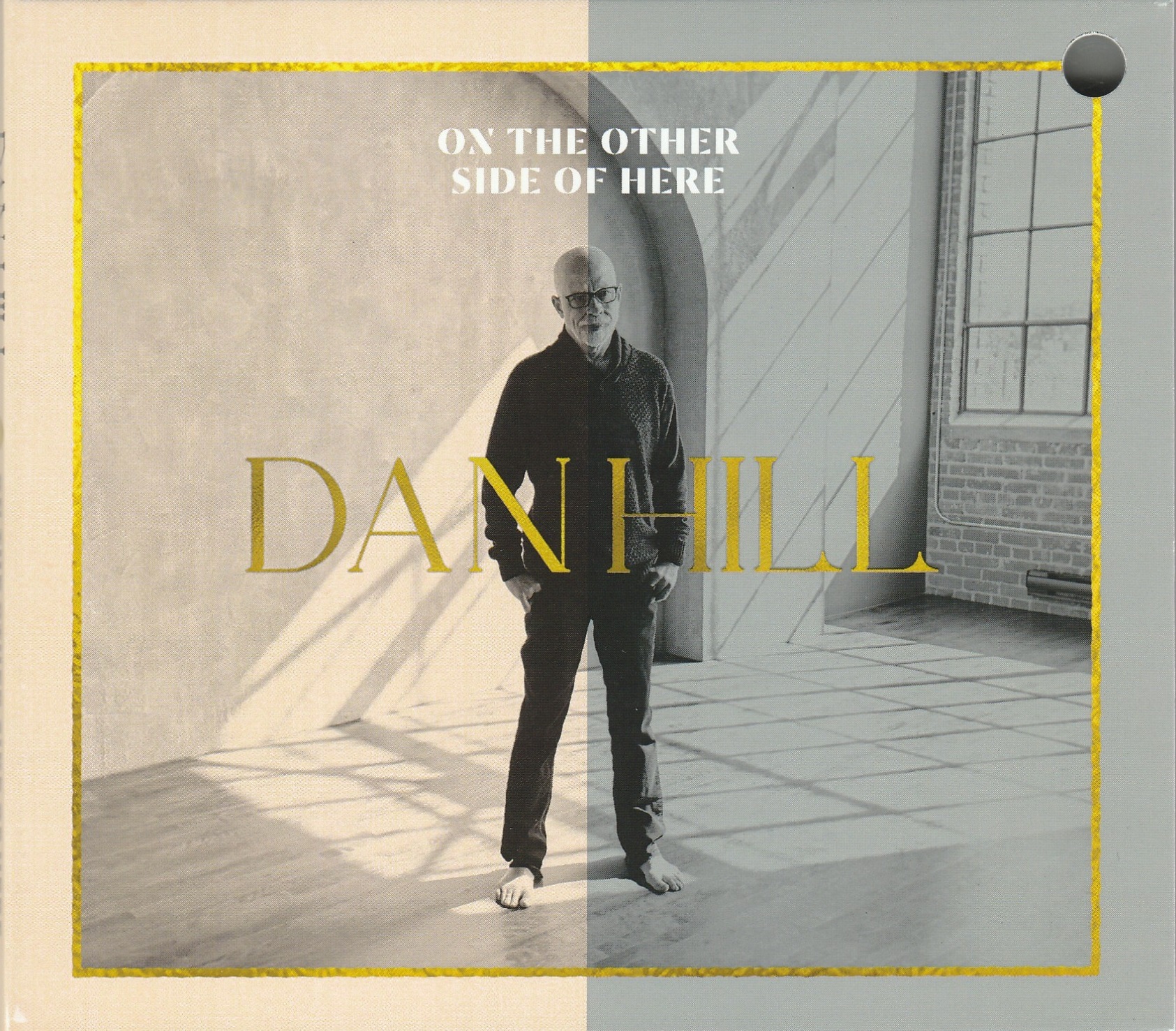
03 Dan HillOn the Other Side of Here
Dan Hill
Sun+Sky Records (danhill.com)

Award-winning Canadian singer/musician/songwriter Dan Hill’s 16-song release, his first in 11 years, is an outstanding addition to his multi-decade catalogue. His first hit, Sometimes When We Touch (1977), is still a favourite of many generations of listeners. Hill does not disappoint here, with more moving songs featuring his trademark lyrics and melodies.

Title track On the Other side of Here is a classic Hill song with chordal piano (John Sheard) and guitar (Anthony Vanderburgh) accompaniments – and multiple harmonic key modulations. What About Black Lives?, released last November as a single/lyric video, is an intense song written in the wake of George Floyd’s killing in the United States. Hill is a child of a mixed-race couple, and expresses his outrage of this horrific event musically with shifting rhythms, dynamics and powerful melodic lyrics in his vocal/piano and Vandenburgh’s guitar performances. Ninety Years Old is heart wrenching, with words like “When you are 90 years old, you are still a little girl” sung above respectful guitar, piano and strings. Pop-flavoured, radio-friendly, faster Sometimes I Feel, composed by Hill and Vanessa Benfield, has Hill singing at the high end of his vocal range and playing rhythmic guitar accompaniment to Vanderburgh’s soundscape on Rhodes. All the other tracks are equally enchanting.

Hill’s songwriting and performance skills are still so very personal yet relatable to us after all these years. Combined with clear production and virtuosic performers, this is another inspiring Hill masterpiece!

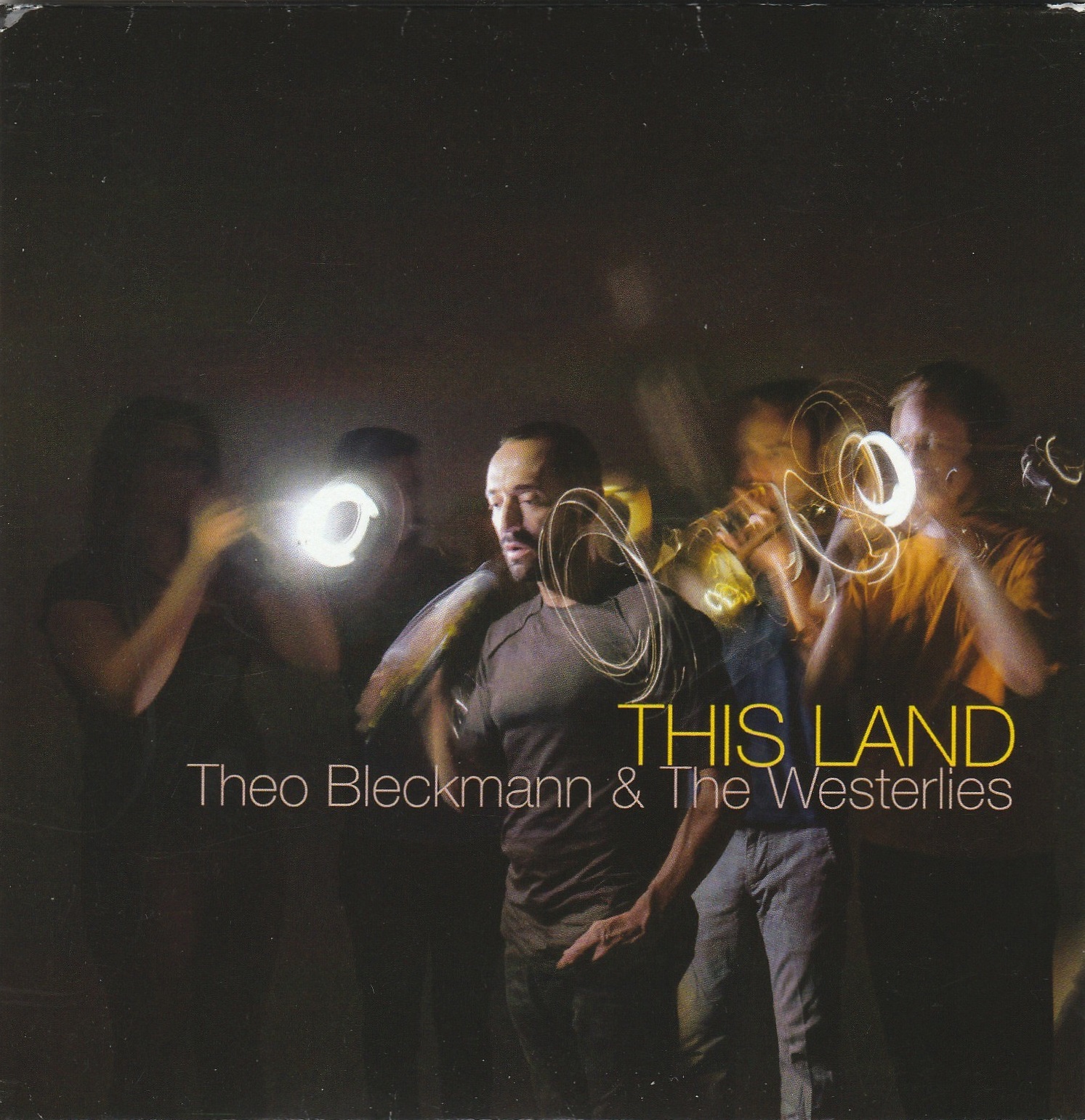
04 The WesterliesThis Land
Theo Bleckmann & the Westerlies
Westerlies Records (thewesterliesmusic.bandcamp.com/album/this-land) 

The Westerlies are an inventive brass quartet based in New York (though the members are childhood friends from Seattle) and their music is a mixture of jazz, roots and chamber music (imagine Stephen Foster and Aaron Copland meeting Miles Davis at a church social). This Land is their fourth release and is a collaboration with German singer and composer Theo Bleckmann. The album is a meditation on their shared country of America and includes spirituals, Bertolt Brecht, four Woody Guthrie songs, a stark and arresting version of Joni Mitchell’s The Fiddle and the Drum and several originals. Mitchell’s anti-war song is followed by Land, which is trombonist and composer Andy Clausen’s somber setting of Agha Shahid Ali’s poem about immigration, the past and present and America and India. This is followed by a wistful, yet rousing, instrumental version of Guthrie’s Two Good Men (check this performance out on YouTube). Then we have Bleckmann’s Another Holiday which begins with the lyrics “It’s barbecue and pie, the kids will run around, and I’ll sit on the side... .” With its minimalist brass accompaniment and ambiguous lyrics the song manages to be both optimistic and sinister at the same time.  

This Land is a thoughtful and engrossing collection of 15 works which play off one another to create a fascinating concept album about a turbulent America. The heavy dose of Guthrie proves that the past is always with us in the present. The performances are excellent and the combination of voice and brass is highly original. The Westerlies continue to innovate and push far beyond what we might expect from the description “brass quartet.”

Listen to 'This Land' Now in the Listening Room

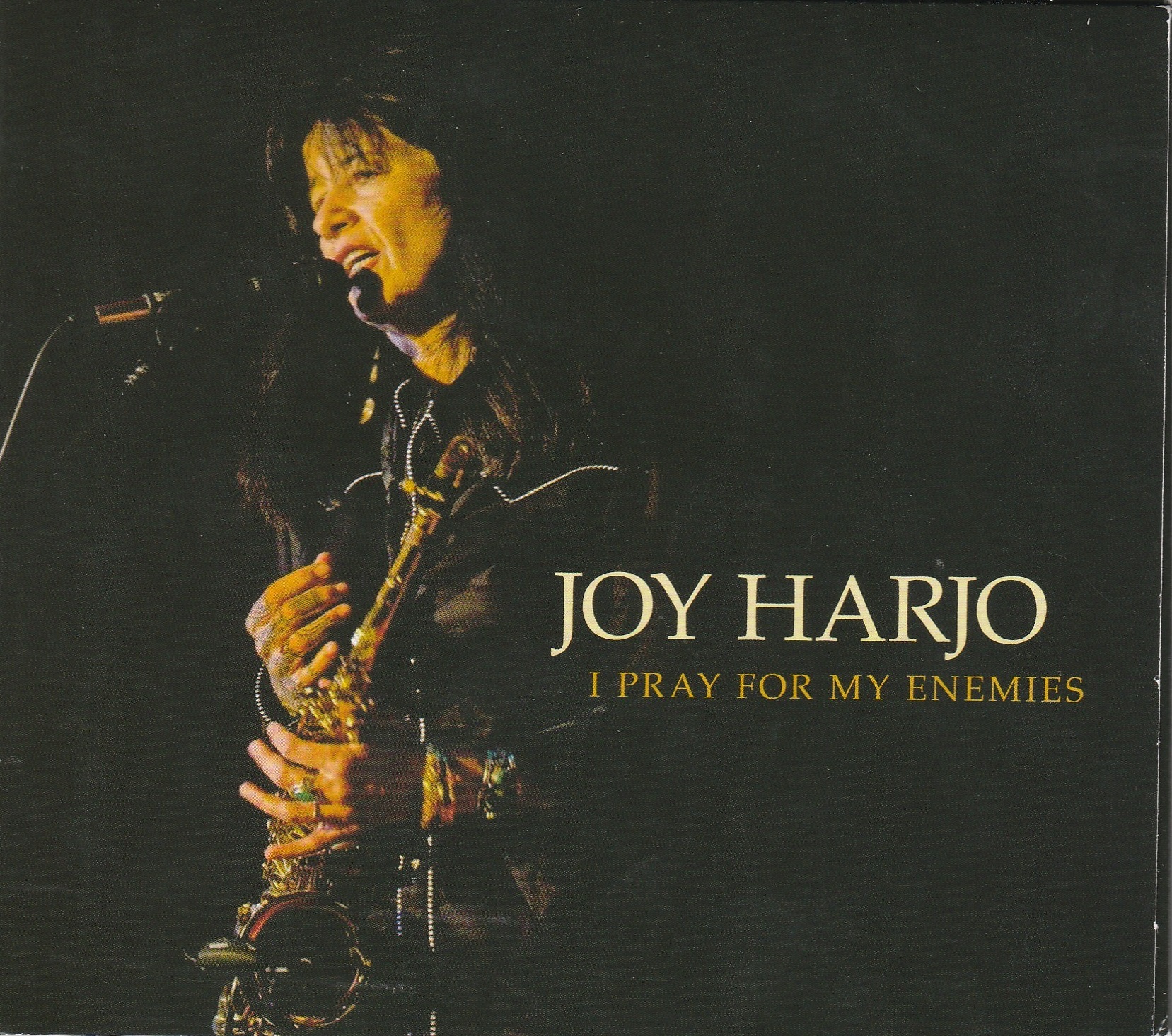
05 Joy HarjoI Pray for My Enemies
Joy Harjo; Various Artists
Sunyata Records JH001 (joyharjo.com)

A curious mixture of spoken word, cutting-edge poetry, funky grooves and a propelling artistic drive, I Pray For My Enemies is one of those albums that cuts straight to the heart and sends a powerful message to the world. There is no hiding from the grittiness of the real world here and no pretense. Joy Harjo, the first Native American U.S. poet laureate and the author of several books of poetry as well as six previous albums, is a force de jour, an artist with strong convictions and a compassionate heart.

Harjo lined up a powerhouse of musicians for this album: Peter Buck (R.E.M) on electric guitar, Mike McCready (Pearl Jam) and Rich Robinson (Black Crowes) pumping out fantastic electric guitar solos, and Krist Novoselic (Nirvana) on acoustic guitar. Barrett Martin is nothing short of amazing in his various roles as a drummer, upright bassist, keyboardist and co-producer. A touch of lyricism and dreaminess provided by Iraqi oud master Rahim Alhaj and trumpeter Dave Carter is cleverly mixed in between and the earthy, rocking solos on sax and flute by Harjo herself add an edge to the rhythmical drive underneath. 

I Pray For My Enemies comprises 16 tracks covering the whole of human existence in today’s world. From empowering Calling the Spirit Back and Running, to the introspective Remember and the clever Rabbit Invents the Saxophone, this album feels borne out of this moment in time, with vulnerability of truth and the stance of a warrior. You will come back to it again and again.

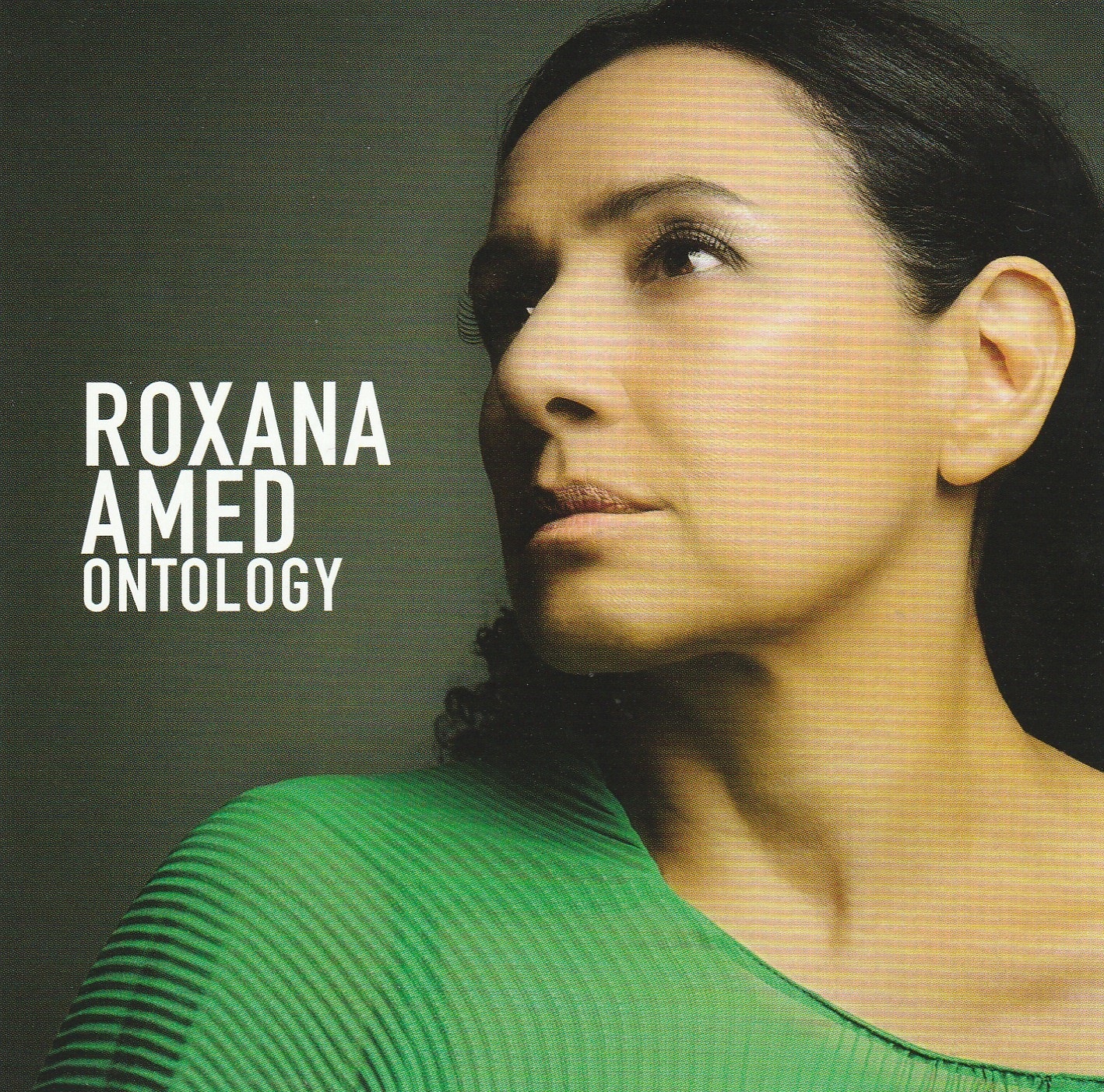
06 Roxana AmedOntology
Roxana Amed
Sony Music Latin 19439860962 (roxana-amed.com) 

With her seventh release, producer and iconic Argentine folk/rock/jazz vocalist and composer Roxana Amed has manifested a musical project that plumbs the very depths of her identity as a creative artist – as an Argentinian and also as a Floridian, living in the politically bisected United States. The CD title, Ontology, refers to a branch of philosophy that studies deep concepts such as existence, becoming and being, and how entities/energies of different groupings manage to co-exist. Recorded amidst the COVID-19 pandemic at the world-famous Hit Factory in Miami, Amed has conducted her own esoteric exploration, incorporating primarily her own compositions and framing her pieces with an exquisite quintet, variously featuring Martin Bejerano on piano; Mark Small on sax; Tim Jago/Aaron Lebos on guitar; Edward Perez/Lowell Ringel on acoustic bass; Carlo De Rosa on electric and acoustic bass; and Rodolfo Zuniga/Ludwig Alfonso on drums.

First up is Tumbleweed – an inspired piece, conjuring up motifs of the cinematic American ancient West. Amed’s silky, dusky, powerful instrument crawls through the remote desert scenario and creates beauty in the seemingly unending, isolate topography of the Western states, while the ensemble dips, swings and sways with acuity and intention.

A stellar standout is Chacarera para la Mano Izquierda – this sumptuous, sexy, enhanced rural tango features a spine-tingling solo from Bejerano and thoroughly lovely and agile scatting from Amed. Additionally, the title track is so rich and compelling that it’s of little importance what language this gifted communicator is using. Danza de la Moza Donosa is a lightening quick, solid, bebop-ish jazz composition featuring Amed’s supple and potent chops. Without question, this is one of the most original and well performed jazz-related vocal CDs of this year!

01 LeahyGood Water
Leahy
North 28 Music Inc. N28MR0001LP (leahymusic.ca)

It would be redundant to attempt to summarize the incredible musical contribution that has been made to Canada, and to the world, by this award-winning, exceptionally talented Celtic-Canadian family. On this latest Leahy release, every track is a rare emerald. Although perhaps not totally in the traditional bag, it’s still a trans-world-folk family affair – featuring Denise on vocals; Erin on piano, fiddle and vocals; Frank on drums; Julie Frances on vocals, piano, keyboards and acoustic guitar; Maria on acoustic guitar, mandolin and vocals; and Siobheann and Xavier on accordion. Produced by the iconic David Bottrill, Leahy manages to blur all of the lines, and in so doing, manifests a techno-organic masterpiece.

The title track has a sumptuous, angelic vocal intro followed by a contiguous, poetic vocal line of almost unbearable beauty – an uplifting feeling of an ancient one-ness… a statement that moves beyond the Irish diaspora. No doubt, the ancient Leahy DNA is rife with incredible instrumental technique, as well as the rare gift of being able to transmute and share emotion.  

Other brilliant tracks include Friend, which invokes the heartbeat of Mother Earth herself, blissfully intermingled with an ecstatic wall of sound and rich, layered “blood harmony” and also Star of the Sea, which is a radiant highlight of fiddling, odd measures and a ballistic arco attack that channels the Tuatha de Danann themselves. Of special significance is My Old Man – a lush, sonorous, melodic reverie, filled with ethnic memory and longing. This gorgeous track is a tribute to the Leahy patriarch from two generations prior – singing out from the passing of time – blessing his descendants as they live their authentic musical traditions, creating fearlessly into the future.

Listen to 'Good Water' Now in the Listening Room

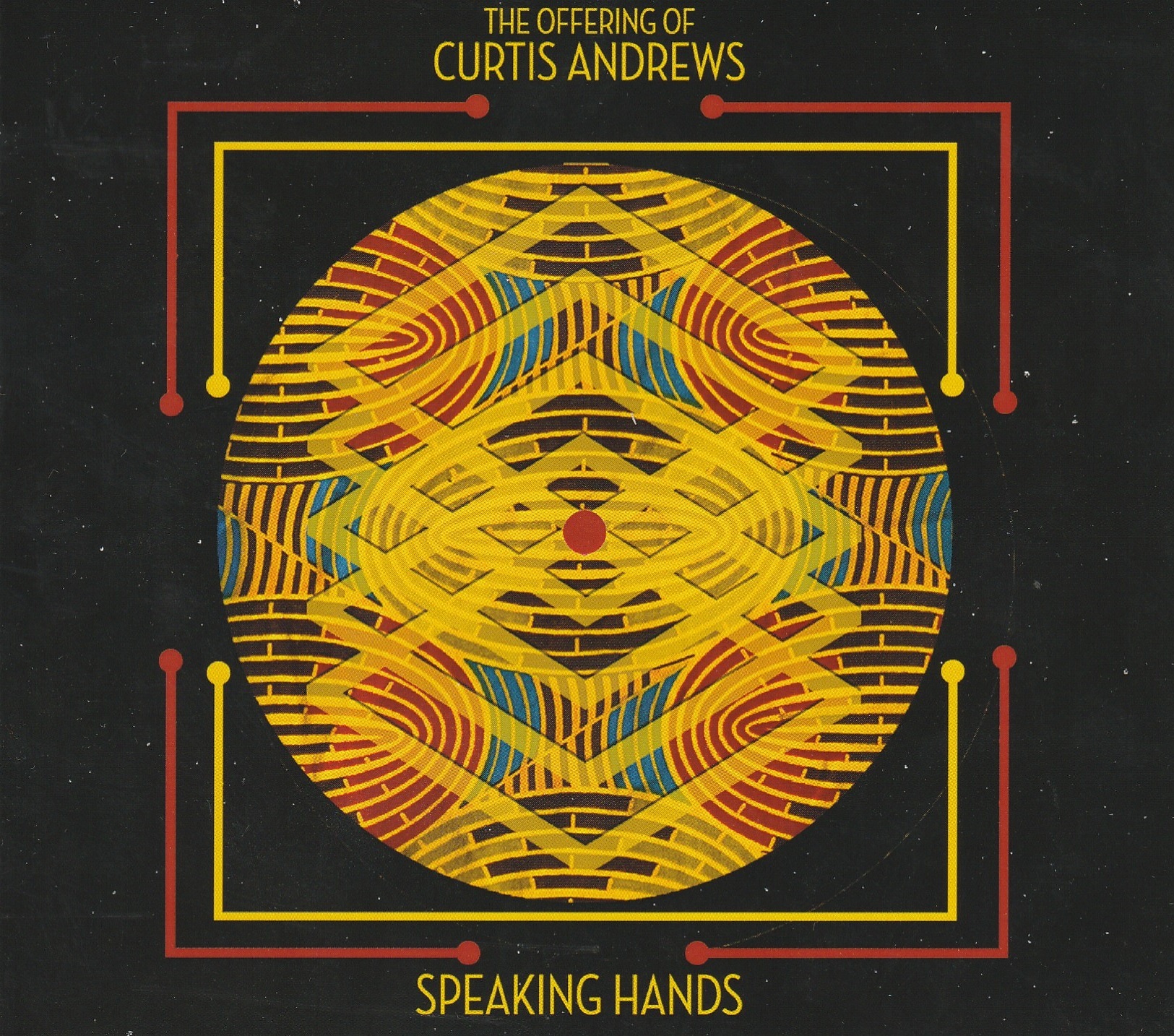
02 Curtis AndrewsSpeaking Hands
Curtis Andrews
Independent (curtisandrews.ca)

Among the first reviews I wrote for The WholeNote was The Offering of Curtis Andrews (December 2009). I’ve been … bopping around the apartment to this joie de vivre-filled CD by Curtis Andrews, Newfoundland’s globe-trotting percussionist and composer,” I enthused. “The music [draws] from Andrews’ studies in South Asian, West African and North American music … [merging] all those influences in an energy-rich field, couched in mainstream jazz forms and improv-rich solos...”

Relocated to Canada’s West Coast, Andrews has continued his musical journeys inspired by those same global elements. And he’s joined on his sparkling new album, Speaking Hands, by 20 talented musical colleagues from across Canada, USA and Africa. Manifesting a mature musical voice, this sophomore release features nine Andrews’ compositions and one by Carnatic percussion master Trichy Sankaran, their tricky metric landscapes negotiated with aplomb by the Vancouver-based ensemble, The Offering of Curtis Andrews. Though recorded last year, Speaking Hands reflects two decades of travel, study and collaboration with master musicians on three continents. 

Andrews’ compositions intertwine “rhythms and polyphonies of vodu-derived traditional music of West Africa, the micro and macrocosmic play of time and pitch found in Carnatic traditions of South India,” and jazz harmony and improvisation. It’s the novel intersection of all these seemingly disparate elements into a cohesive and high-spirited musical statement that marks the album as something special. 

The album title? Andrews explains it was inspired by the practice of the Carnatic recited rhythmic language known as solkattu. “It is the voice that gives rise to rhythm before the instrument does… the hands ‘speak’ what the voice (mind) creates.” This album certainly speaks to me.

Listen to 'Speaking Hands' Now in the Listening Room

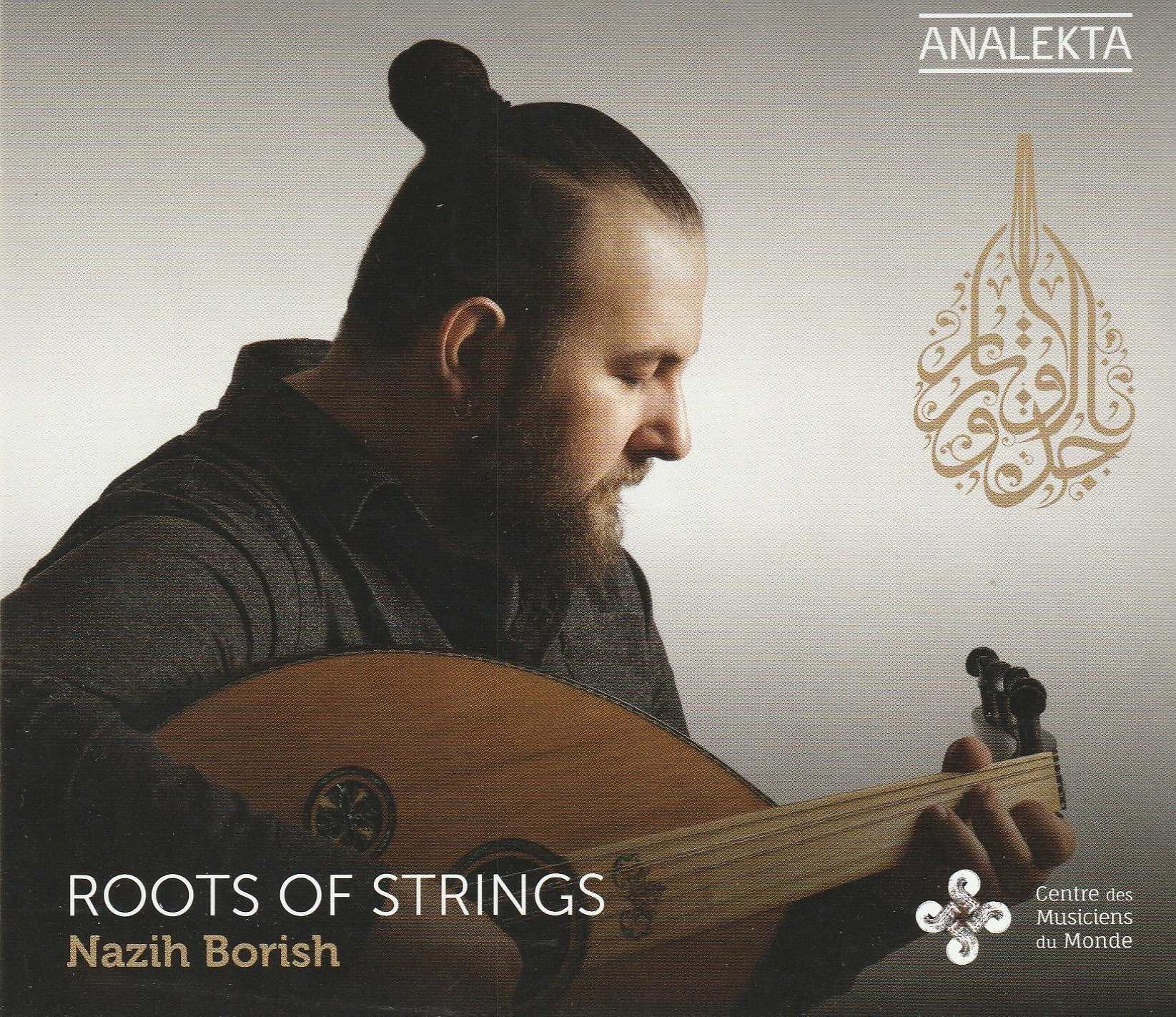
03 Roots of StringsRoots of Strings – The oud at the crossroad of Arabic, flamenco and Indian music
Nazih Borish
Analekta AN 2 9173 (analekta.com/en)

Syrian-born Nazih Borish is a respected oudist and composer. While establishing and running his Syrian oud school, this already-renowned artist began to expand and embrace a wide variety of musics, including Arabic, flamenco, blues and jazz. In 2016, Borish arrived in Canada, where he seamlessly continued his international work as a composer and performer. On this energized program of original compositions, Borish has collaborated with two equally accomplished and gifted artists: bassist Roberto Occhipinti and acclaimed world-music percussionist (darbuka, req, ketim and dahola) Joseph Khoury.  

Every well-produced track underscores the one-ness of mankind. From the most elemental bass notes of Mother Earth’s heart to the intensity of shared human emotional experience – this recording is a journey of profound meaning. The opening track, Nazihawand (Nahawand taksim), is a resonant, mystical composition… with sonic elements that are steeped in human experience – sounds from a timeless place, in a place-less time – eventually segueing into a wider, more languid sequence, punctuated in an inspired way by Occhipinti and Khoury.

The title track is heady with exotic spices, exploring the deep and ancient relationship between the indigenous music of Spain, Iberia, Portugal, the sub-Continent and the Arabian peninsula, followed by Ataba (Bayat taksim) – deeply moving, with rich, lustrous tones; the facile skill of Borish is breathtaking. I can hear this universal music echoing off the walls of the Blue Mosque, the Taj Mahal or Carnegie Hall! Ali Baba Dance is a stunner – and Damasrose (Rast samai) is a sensual, Masala-flavoured trip, displaying complex string technique by Borish, all the while expressing the subtleties of several different instruments of antiquity – even hints of the Japanese koto.

04 Ventus MachinaRoots
Ventus Machina
Leaf Music LM239 (leaf-music.ca)

Ventus Machina is a classical wind quintet based in New Brunswick which makes “excursions” into other genres. Roots is an inventive album containing arrangements of folk songs, fiddle tunes, Celtic music and a few iconic Canadian singer-songwriter staples. The majority of arrangements are by James Kalyn who plays clarinet and saxophone in the group. The album begins with Our Roots Medley which has five movements including an arrangement of some of Bach’s Goldberg Variations (The Goldberg “Variegations”), a Swedish folk song (Koppången) and Gordon Lightfoot’s The Wreck of the Edmund Fitzgerald. Kalyn’s arrangements are complex and use the full acoustic and technical resources of the quintet to present a unique perspective on these diverse selections. The Goldberg Variegations” are quite contrapuntal, while Edmund Fitzgerald uses a majestic French horn to announce the theme amongst the other swirling instruments. 

Bird on the Wire has Kalyn playing bass clarinet, tenor saxophone, singing and using slap tongue techniques for rhythmic purposes. On Joni Mitchell’s The Circle Game the quintet is augmented by the Atlantic String Machine and a small children’s choir. For the three fiddle tunes, Traveller’s BreakdownDoin’ Repairs and Calm Before the Storm, they are joined by the composer Ray Legere, playing fiddle and mandolin, with Christian Goguen on guitar; the music gets lively. 

The underlying delight present throughout Roots is having familiar music reinvented in an unusual and intriguing context. This is Ventus Machina’s second album and I look forward to more musical adventures with them in the future.

Listen to 'Roots' Now in the Listening Room

05 In DIn D
Brooklyn Raga Massive
Independent (brooklynragamassive.org)

Terry Riley’s iconic minimalist composition In C (1964) is scored for an indeterminate number and kind of instrument or voice. A drone-like pulse on the note C synchronizing the ensemble guides its performance, while superimposed repeated phrases give the work a phasing effect. (Riley had been deeply influenced by his studies with Hindustani classical vocalist Pandit Pran Nath.)

Hailed as “Leaders of the Raga Renaissance” (The New Yorker), Brooklyn Raga Massive was founded in 2015 by sitar player and composer Neel Murgai. Given the diversity of instruments and musical backgrounds of the group, BRM chose Terry Riley’s adaptable In C to record in 2017. Then at Riley’s suggestion in 2020, BRM members took inspiration from In C’s form and composed a new work. It is interpreted by 25 musicians on the album In D, each of the three sections set to a different Hindustani raga (Indian classical melodic mode). Within that framework improvisational instrumental and vocal solos are balanced by effectively composed tutti passages and drum features. 

Musicians and instruments from numerous traditions playing together can prove a challenge; this album manages to avoid many of the pitfalls. Adding to the cultural diversity here, while there’s certainly an emphasis on the classical Indian soundworld, other traditions unexpectedly and delightfully come to the fore before receding back into the sonic prevalent texture. 

In recognition of the pandemic context the recording was made in, the three ragas were selected to “match the pandemic situation we now face. We plunged from our normal happy lives into darkness and [now] finally… we have hope.” The joyful communal sprit of In D gives me hope too.

Listen to 'In D' Now in the Listening Room

07 Intersystems#IV; Unfinished World
Intersystems
Waveshaper Media WSM-04CD (waveshapermedia.com)

Over 50 years since their last release, Intersystems return like a spectral transmission from the original psychedelic era. In the late 1960s, the Toronto multi-disciplinary art collective dedicated themselves to replicating hallucinogenic experiences. Architect Dik Zander, light sculptor Michael Hayden, poet Blake Parker and electronic musician John Mills-Cockell (known for his work with the bands Syrinx, Kensington Market and decades of soundtrack composition) constructed immersive installations aiming to overload each of the five senses. 

Intersystems’ trilogy of late 60s albums (Number One, Peachy and Free Psychedelic Poster Inside) have become canonized experimental classics, reissued as a lavish box set by Italian label Alga Marghen in 2015. The archival efforts of compiling this collection – alongside accompanying reissues of Syrinx and Mills-Cockell’s solo work – lit a spark of inspiration as Intersystems’ surviving members reunited for a new studio project. With the new album #IV, and its accompanying CD-only EP Unfinished World, they expand their legacy as luminaries of the Canadian avant-garde.

In a series of sessions at Hamilton’s famed Grant Avenue Studio, Hayden and Mills-Cockell conducted an electronic séance. Though Parker sadly passed away in 2007, they rendered the words of his poems with computerized vocalizations, drawing listeners into an uncanny valley. At times, these spookily lifelike voices take a cue from Parker’s deadpan delivery on Intersystems’ original albums. Elsewhere, their warped robotic gurgles sound like a sinister Max Headroom clone.

Mills-Cockell runs wild across a playground of vintage Moogs and Mellotrons, conjuring a vast expanse of effects. The sparse ambience of Revelation of the Birds casts an otherworldly glow over Parker’s surrealist poetry about avian conversation topics. In the two parts of Sonny Abilene, the narrator’s agitated delivery of nightmarish imagery combined with looping minor-key melodies is reminiscent of minimal wave outsider John Bender. 

The album concludes on an ominous note of acceptance with The End of the World, as swirling arpeggios drift across 12 minutes of dystopian poetry. In Parker’s vision of the apocalypse, human skins peel off like snakes, while bodies ascend into heaven on electric light. As Mills-Cockell once said, “If it wasn’t disturbing and profoundly weird, it wouldn’t be Intersystems.”

Back to top