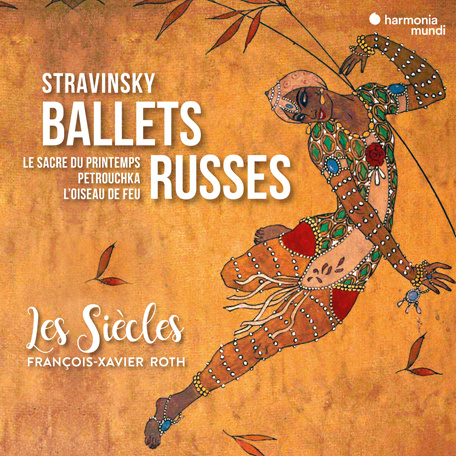
13 Stravinsky F.X. Roth Stravinsky – Ballet Russes
Les Siècles; François-Xavier Roth
Harmonia Mundi HMX2905342.43 (store.harmoniamundi.com)

Perhaps you remember that Le Sacre du Printemps was used in the Disney film Fantasia and Stravinsky was invited to the studio for a private screening. He was offered a score as a courtesy but the maître politely declined, saying “I don’t need it; the score is in my head.” Oh, but it all changed, sir.... was the answer.(!)

Certainly nothing is changed here as the Le Sacre is played in its original form with instruments of the period by Les Siècles, a French orchestra formed by François-Xavier Roth. Do not be concerned about period instruments. Roth thoroughly researched the instruments of the period (around 1900) and his orchestra sounds every bit as good as a much larger modern orchestra.

Along with Le Sacre, the two other ballets were first presented in Paris between 1910 and 1913 as a celebration of Russian arts. A certain Russian impresario, Serge Diaghilev, was the mastermind and organizer, a “terrible, charming man who could make stones dance” as Debussy referred to him.

Paris at this time was a hothouse of invention in the arts and these ballets form a change, indeed a revolution, a turning point in the direction of music of the 20th century, Le Sacre especially. Inspired by rituals of pre-Christian, pagan Russia this is something the world had never heard before. It’s brutal, elementary, forceful, violent and upsetting.

The other two ballets are a bit more conventional but equally exciting and very colourful. The Firebird is based on a Russian fairy tale and Petrouchka conjures up a noisy village marketplace with a puppet theatre with three characters and a very sad story. A brilliant new recording.

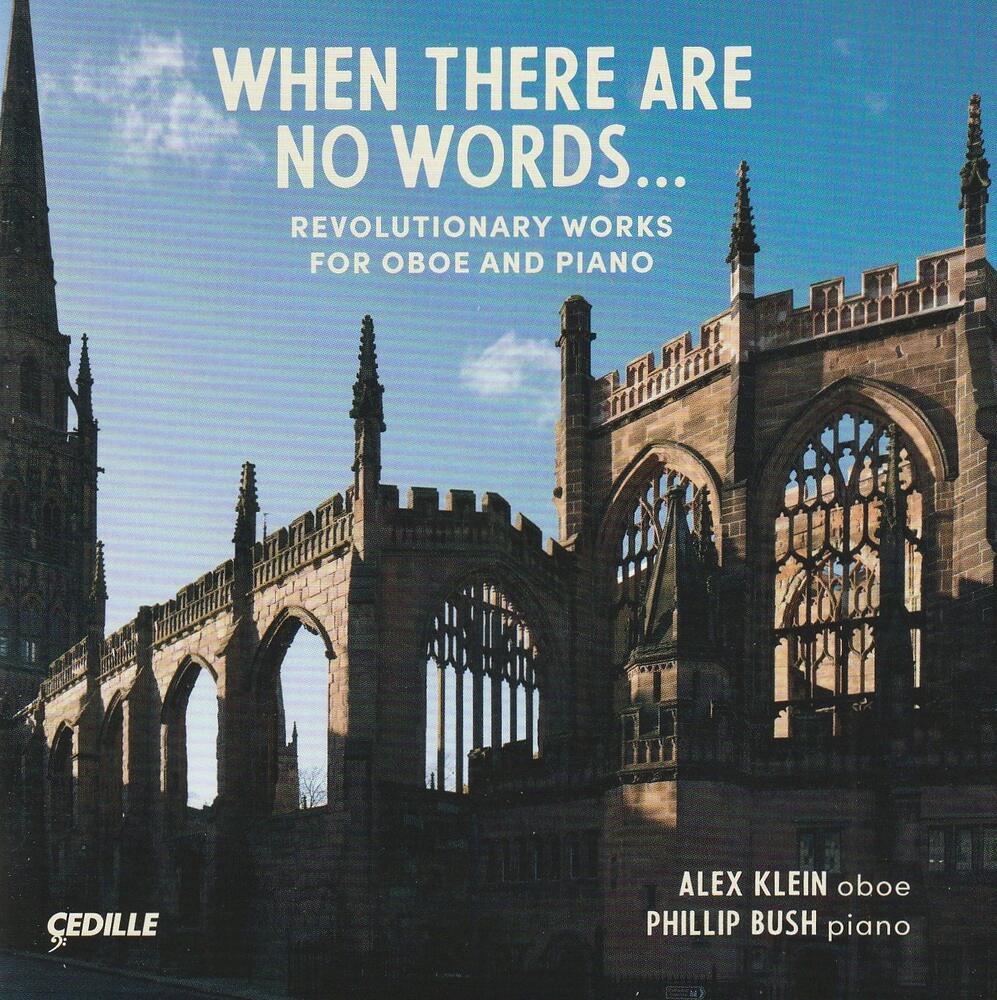
15 When there are no wordsWhen There Are No Words – Revolutionary Works for Oboe and Piano
Alex Klein; Phillip Bush
Cedille CDR 90000 208 (cedillerecords.org)

Released in March 2022, When There Are No Words: Revolutionary Works for Oboe and Piano features the talents of world-renowned oboe virtuoso, Alex Klein, and pianist Phillip Bush. The album consists of six works paired into three sections reflecting the circumstances in which they were composed: reality of war, anti-war activism and exile. 

The first section contains pieces written during World War II: the popular Sonata for Oboe and Piano by Paul Hindemith paired with the Pavel Haas Suite for Oboe and Piano which was written at the very beginning of the Nazi occupation. Haas was later sent to Auschwitz and did not survive.

The second section contains works with anti-war sentiments: Benjamin Britten’s frequently played Temporal Variations which was written for a play about coal miners and their strikes in 1936; and William Bolcom’s Aubade – for the Continuation of Life, written during the Cold War. 

The third and final section features Three Etudes for Oboe with Piano Accompaniment by Brazilian composer José Siqueira and Suite for Oboe and Piano by Czech composer Klement Slavický, which were both written to protest their political exile.

Klein’s thoughtful linking of these compositions sheds light on some lesser known but beautifully written works for oboe and piano. These works explore dissonant intervals, lyrical lines and a variety of tonal colours, allowing the listener to become immersed in the emotional expression of the composer’s experiences. Klein is a complete master of the oboe, playing with his beautifully rounded, pure, yet complex tone which is mixed with the brilliant, warm and clear playing of Bush. The balance and tonal colours created between them are exquisite.

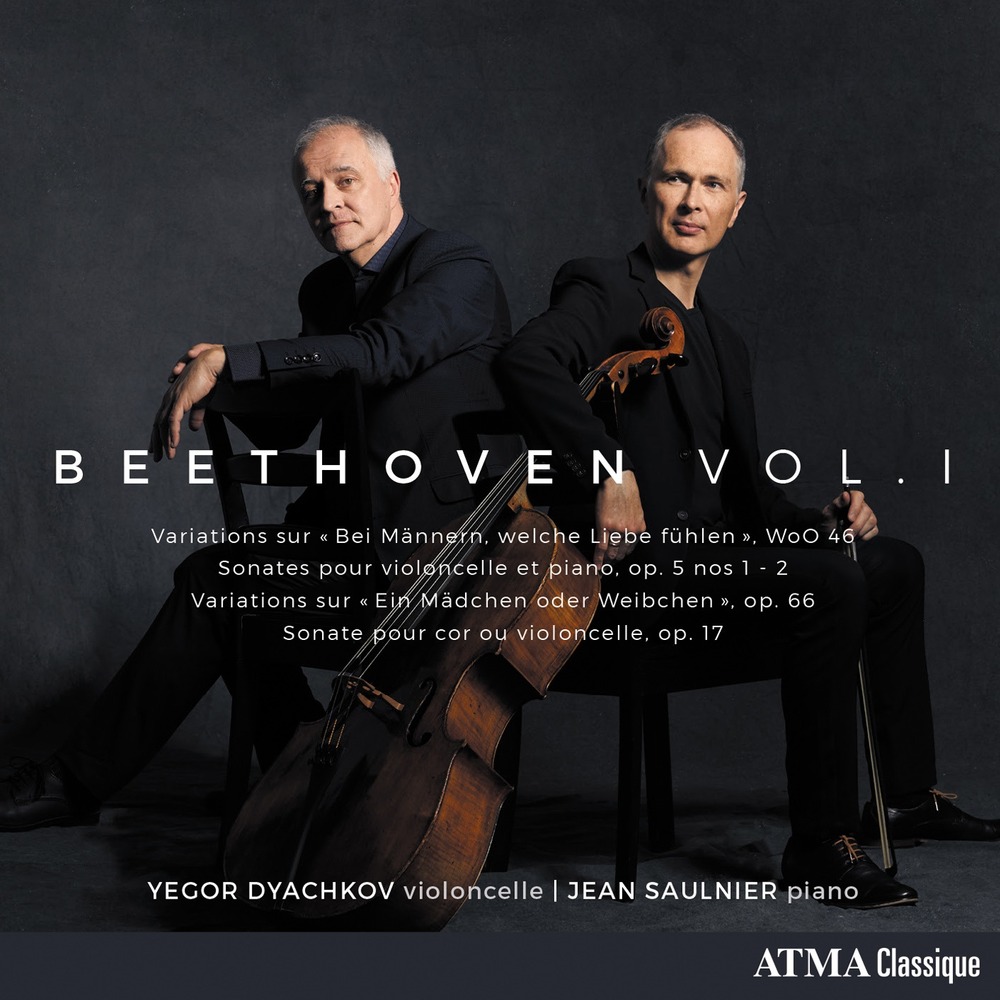
01 Beethoven Dyachov SaulnierBeethoven Vol.1 is the initial digital release in a new series of the Complete Sonatas and Variations for Cello and Piano featuring cellist Yegor Dyachkov and pianist Jean Saulnier. The series will be launched in both digital and physical format, with the second digital volume available in September and a complete 3CD physical set due for release in October (ATMA Classique ACD2 4046 atmaclassique.com/en).

The central works on this first digital volume are the Cello Sonatas No.1 in F Major Op.5 No.1 and No.2 in G Minor Op.5 No.2. Both were written in late 1796, and mark the beginning of Beethoven’s development of the cello and piano sonata as an equal partnership.

The two sets of variations are both on themes from Mozart’s The Magic Flute: the 12 Variations on “Ein Mädchen oder Weibchen” Op.66 and the 7 Variations on “Bei Männern, welche Liebe fühlen” WoO46. The Horn Sonata in F Major Op.17, in the cello version prepared by Beethoven himself, closes the disc.

Dyachkov is a professor at McGill’s Schulich School of Music, and he and Saulnier both teach at the Université de Montréal. Their performances here are intelligent and beautifully nuanced, promising great things for the works still to be released.

Listen to 'Beethoven Cello Sonatas Vol. 1' Now in the Listening Room

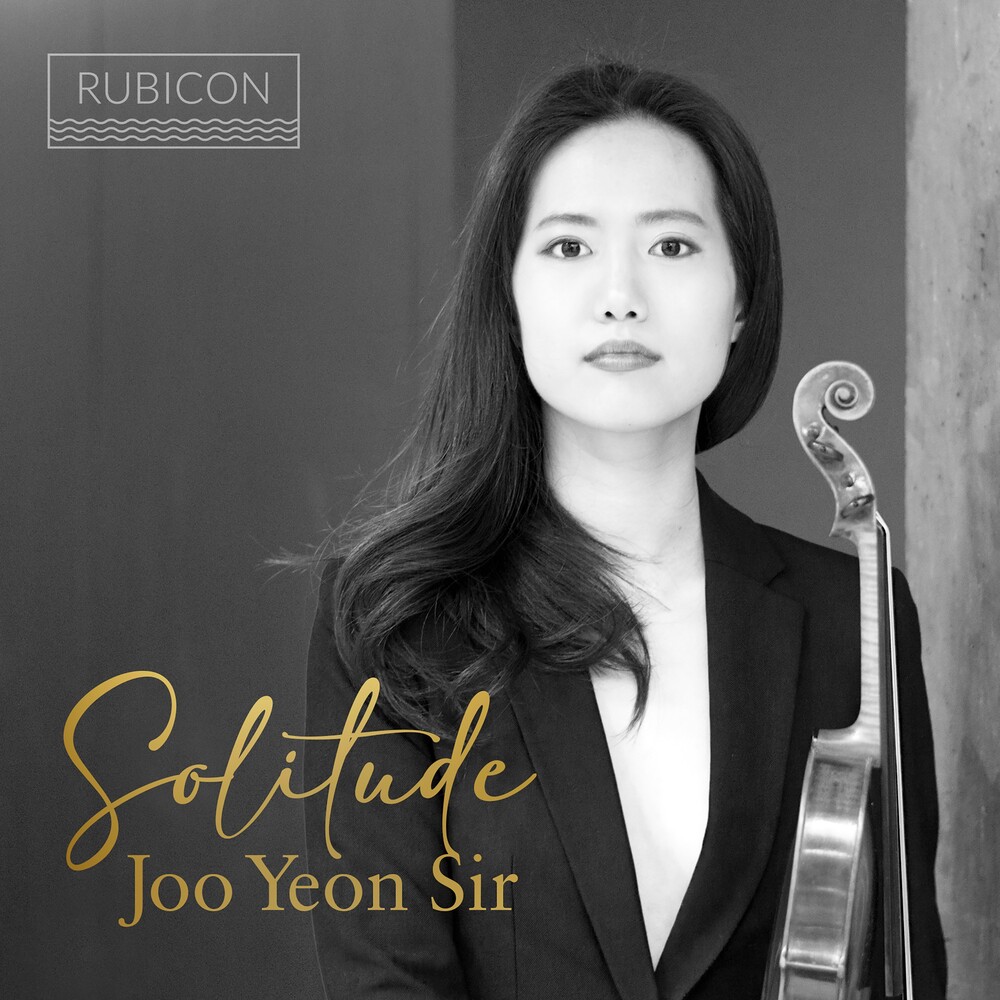
02 Joo Yeon Sir SolitudeWhen the COVID lockdown started, the London-based Korean violinist Joo Yeon Sir took the opportunity to explore the solo violin repertoire. Old and new works are equally represented on the resulting CD Solitude (Rubicon Classics RCD1076 rubiconclassics.com).

Biber’s remarkable Passacaglia in G Minor opens the disc, followed by two of the Paganini Caprices Op.1No.10 in G Minor and No.24 in A Minor – and Kreisler’s Recitative and Scherzo-Caprice Op.6. 

Sir is also a composer, and her My Dear Bessie from 2018 leads a group of four contemporary works, the others being Roxanna Panufnik’s Hora Bessarabia, Fazil Say’s Cleopatra Op.34 and Laura Snowdon’s Through the Fog, written for this CD. Ysaÿe’s Sonata No.6, Op.27 ends an excellent recital.

Sir has a big, strong tone and shows full command in a range of technical challenges.

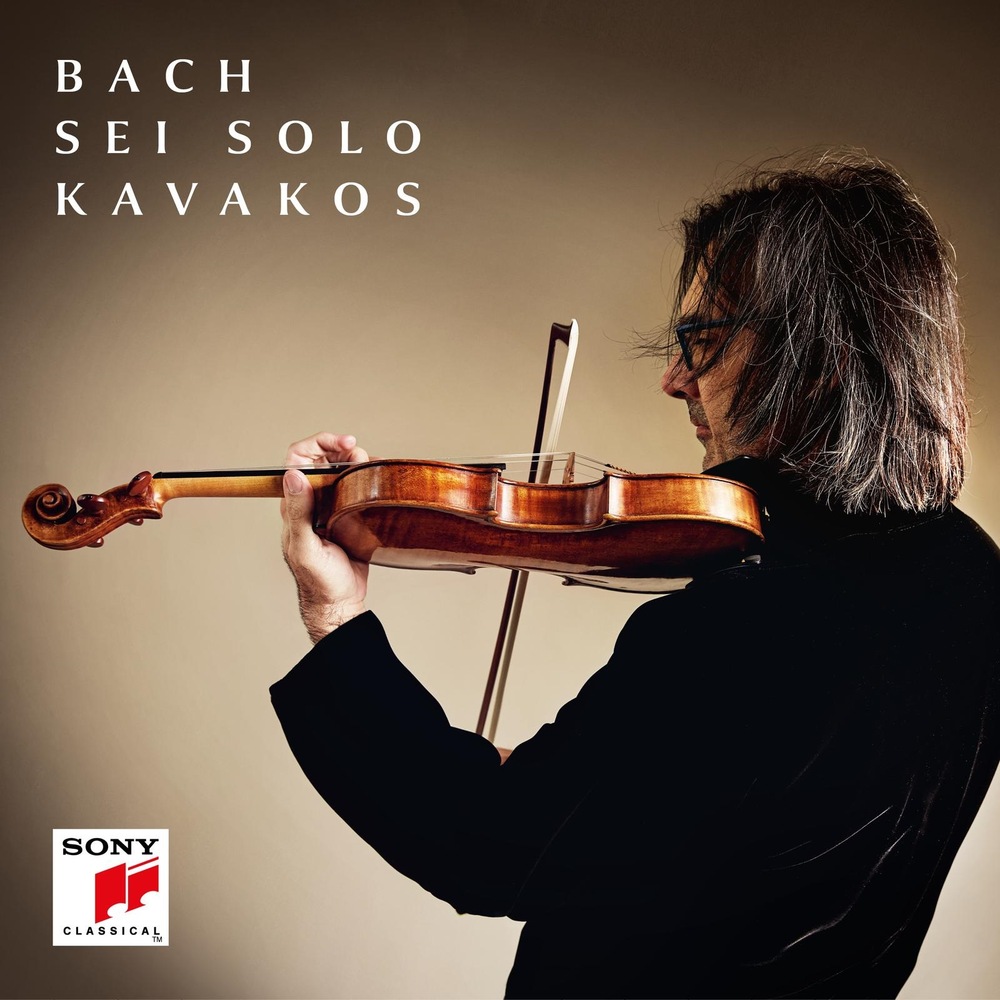
03 Kavakos BachThis is more of a belated notification of availability than a review, unfortunately, but due to a confusing digital link I was only able to listen to three complete works plus assorted movements from the Leonidas Kavakos release of the complete Sonatas & Partitas on Bach Sei Solo (Sony sonyclassical.com/releases/releases-details/bach-sei-solo).

Still, the warm tone, traditional – almost Romantic – approach, rhythmic freedom, judicious ornamentation, leisurely triple and quadruple stops and resonant recording make it clear that this is a notable addition to the discography.

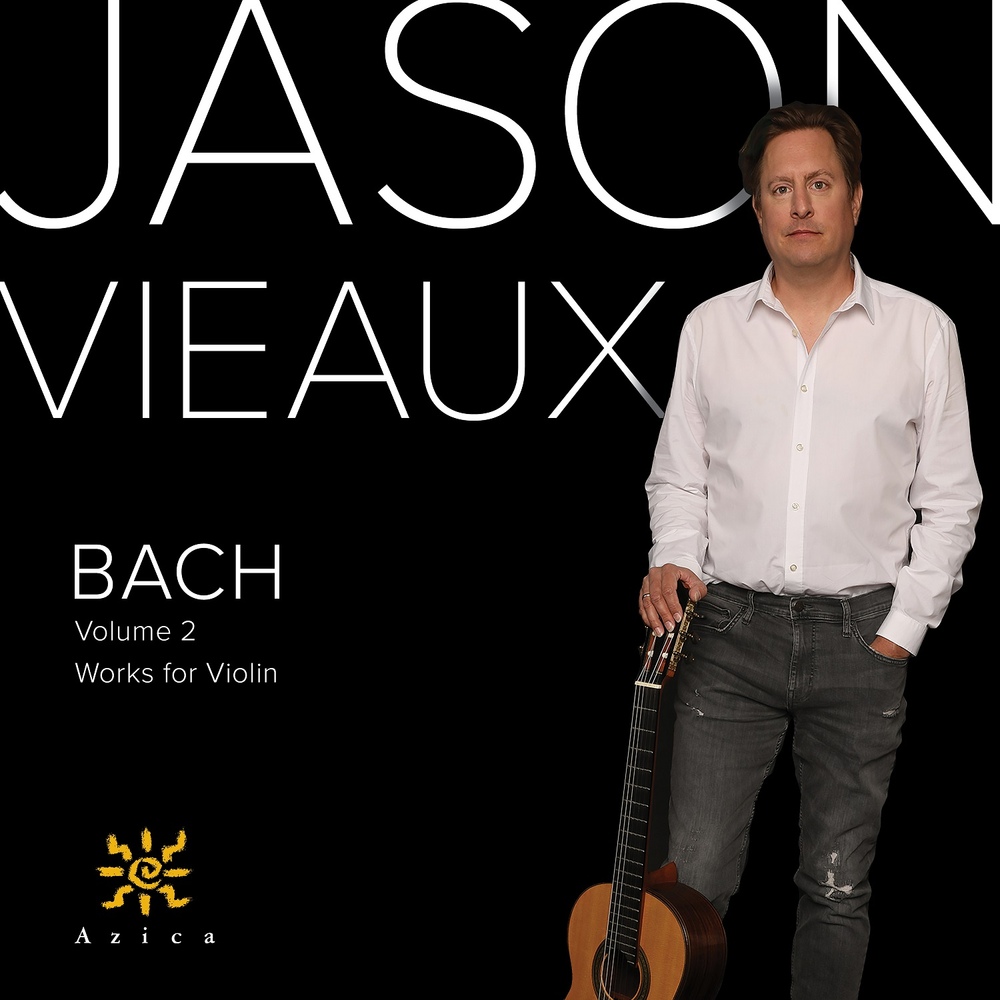
04 Jason VieauxAfter a gap of 13 years the American guitarist Jason Vieaux has finally released Bach Vol.2: Works for Violin, completing his Bach cycle that started with three lute suites on Vol.1: Works for Lute. The works here are the Partita No.3 in E Major BWV1006 (which is also Lute Suite No.4), the Sonata No.3 in C Major BWV1005 and the Sonata No.1 in G Major BWV1001 (Azica ACD71347 jasonvieaux.com/music).

From the opening bars of the Partita it’s clear that this is going to be something very special: faultlessly clean technique and a full, rich, warm tone, all beautifully recorded with a resonant clarity.

“I always try to just play what’s there;” says Vieaux, “the difficult thing with Bach’s music on guitar is that there’s so much ‘there’ there.” He is fully aware of how interpretation can change and deepen as the years go by, and says “I hope you will enjoy this latest snapshot of where I’m at on that particular journey.”

“Enjoy” is an understatement; these are performances that get to the heart of this extraordinary music on an outstanding CD.

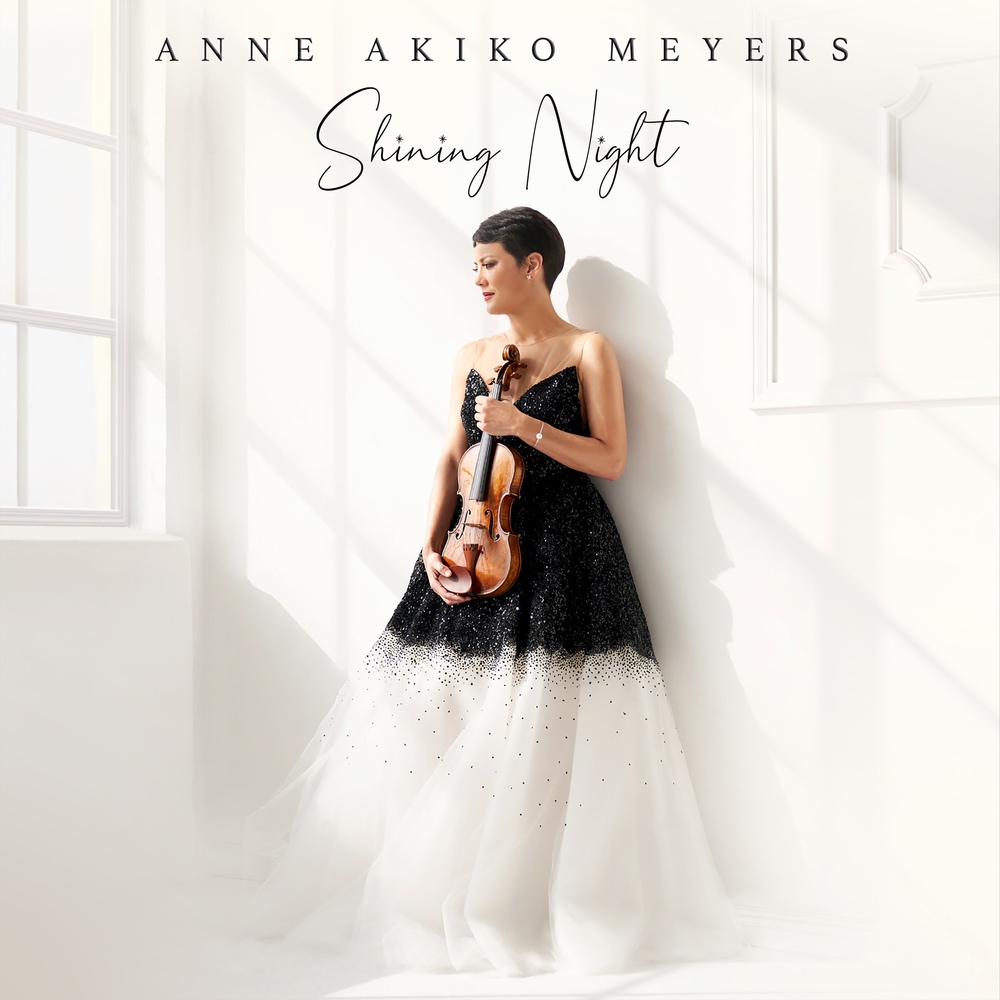
05 Meyers Shining NightJason Vieaux is also the sensitive accompanist for all but three of the 14 outstanding tracks on Shining Night, the latest CD from violinist Anne Akiko Meyers; Fabio Bidini is the pianist on the other three tracks (Avie AV2455 avie-records.com/releases).

Described as an album that embraces themes of love, poetry and nature, the disc spans music from the Baroque era through to the contemporary scene. Vieaux is the partner on Corelli’s La Folia, Bach’s Air on G, Paganini’s Cantabile, the achingly lovely Aria from Villa-Lobos’ Bachianas Brasileiras No.5, Duke Ellington’s In My Solitude, Piazzolla’s complete four-movement Histoire du Tango, the Elvis Presley song Can’t Help Falling In Love and Leo Brouwer’s ode to the California giant sequoia trees Laude al Árbol Gigante.

Bidini accompanies Meyers on the Heifetz arrangement of Ponce’s beautiful Estrellita and on Dirait-On and Sure On This Shining Night, the two Morten Lauridsen pieces that close the CD. Meyers is in her usual superb form throughout a recital that is an absolute delight from start to finish.

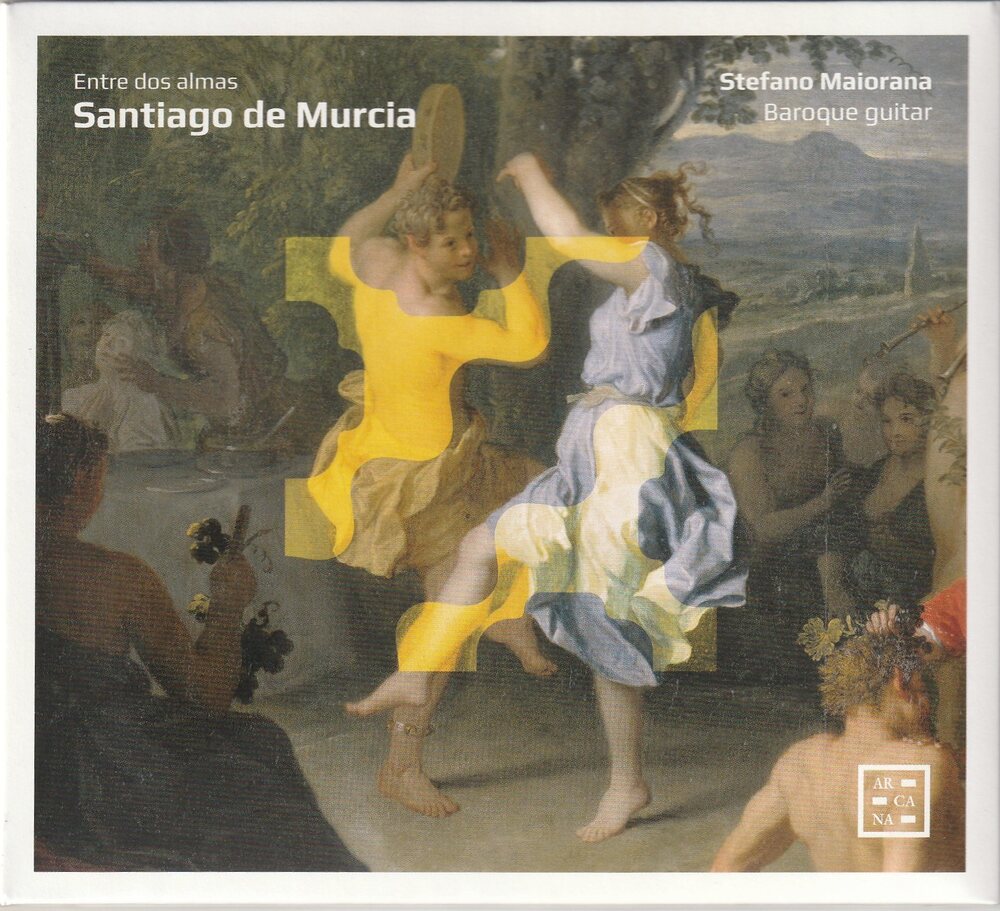
06 Stefano MaioranaEntre dos almas Between two souls – features the music of the Spanish guitarist and composer Santiago de Murcia (1673-1739) in performances by Stefano Maiorana on Baroque guitar (Arcana A484 stefanomaiorana.it).

The two souls are Spanish and Italian, the latter especially representing the influence of Arcangelo Corelli in Madrid. The two major works here are both Murcia’s transcriptions of Corelli: the Sonata in E Minor from Op.5 Nos.5 & 8; and the Sonata in C Major Op.5 No.3. Only the first and last movements of the latter survive, so Maiorana has supplied his own transcriptions of the middle three.

The eight individual pieces are an absolute delight, with a lively opening Fandango and a terrific Tarantelas particular highlights. Maiorana plays with an effortless technique and with complete freedom in a beautiful but quite different sound world that is just bursting with life. Some additions and arrangements are apparently by Maiorana, but his experience renders them completely undetectable.

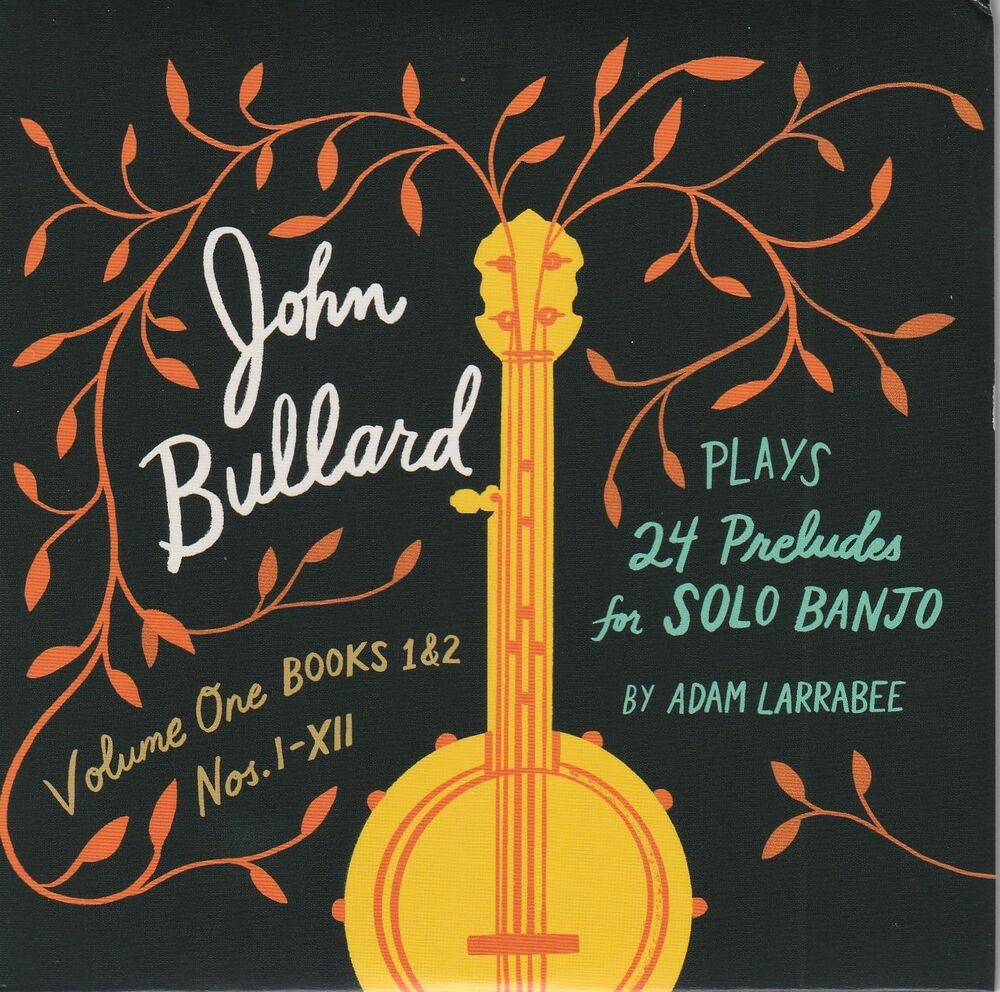
07 John Bullard banjoAnother quite different sound world – this time five-string banjo – is to be found on John Bullard Plays 24 Preludes for Solo Banjo by Adam Larrabee, Volume One Books 1 & 2 Nos. I-XII (Bullard Music johnbullard.com/music).

Dedicated to developing and transcribing classical repertoire for the five-string banjo, Bullard commissioned Larrabee to write 24 preludes, which the composer says “follow the long-standing tradition of writing pieces in all the major and minor keys to showcase an instrument’s versatility.” The major keys here are C, D, E, F-sharp, A-flat and B-flat; the minor keys are A, B, C-sharp, E-flat, F and G. Each Prelude has a title – Dialogue, Jig, Barcarolle, Impromptu, Waltz, etc. – with the A-flat Major Cakewalk a particular standout.

I don’t know what astonishes me more – that someone could write these pieces or that someone can play them. They’re simply terrific – as indeed is Bullard. Volume Two eagerly awaited!

Listen to 'John Bullard Plays 24 Preludes for Solo Banjo by Adam Larrabee, Volume One' Now in the Listening Room

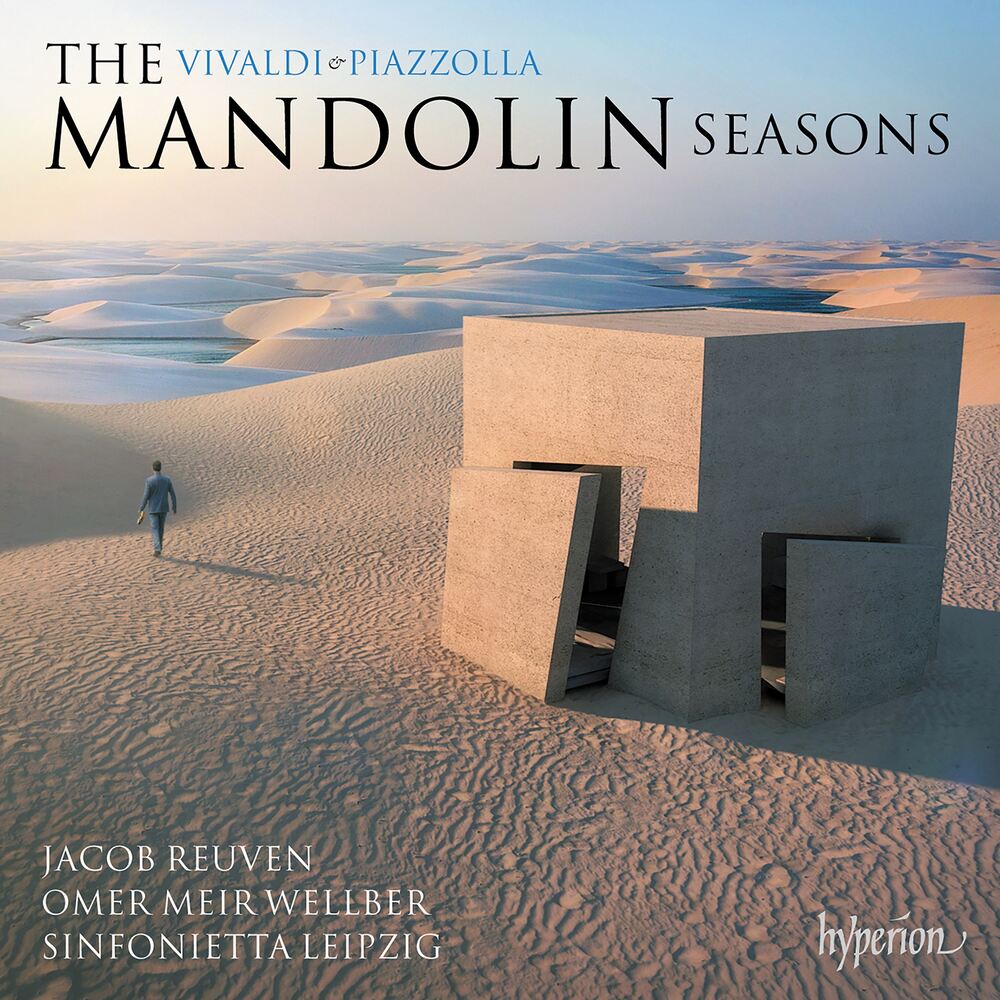
08 Mandolin SeasonsKeeping the “different sound world” theme going, The Mandolin Seasons – Vivaldi, Piazzolla features Jacob Reuven on mandolin and his boyhood friend Omer Meir Wellber playing accordion and harpsichord as well as conducting the Sinfonietta Leipzig, 18 string players drawn from the Gewandhaus Orchestra (Hyperion CDA68357 jacobreuven.com).

Each of the Vivaldi Four Seasons is followed by the appropriate season from Piazzolla’s Las cuatro estaciones porteñas, the four Buenos Aires pieces written between 1965 and 1970 and heard here in arrangements based on Leonid Desyatnikov’s orchestral adaptation. Each of the Piazzolla pieces contains direct quotes from the relevant Vivaldi concerto, so the pairings here feel perfect. The influence goes both ways, too – the Vivaldi concertos feature improvised accordion as well as harpsichord continuo.

Reuven displays dazzling dexterity and technique in beautifully atmospheric and effective performances, Wellber’s accordion adding a new and never intrusive dimension to the Vivaldi. 

“A magical and fascinating sound world,” say my notes. Indeed it is.

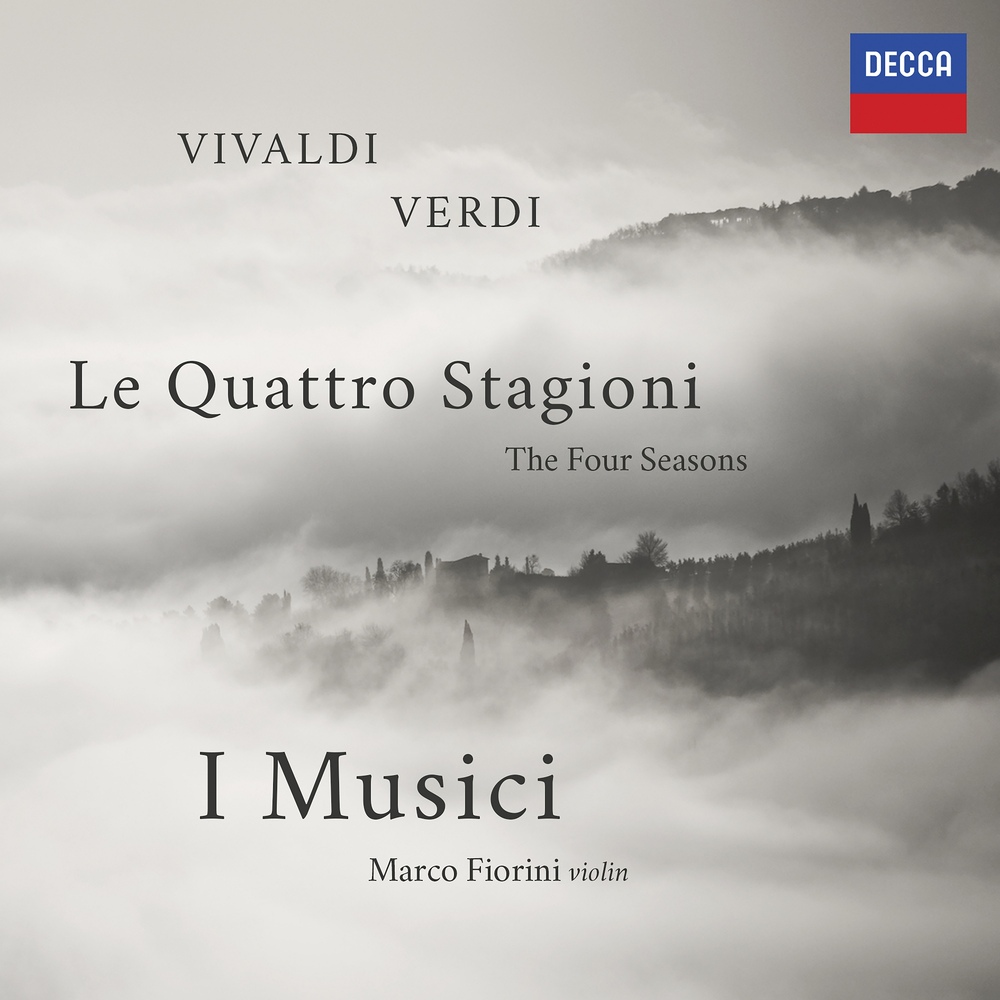
09 I MusiciIf you prefer your Vivaldi Four Seasons in more traditional format then it’s hard to imagine better performers than I Musici, who made their debut in Rome in March 1952 and their first landmark recording of the work in 1955, just eight years after the 1947 recording by American violinist Louis Kaufman that launched the Vivaldi revival. Six more versions would follow between 1969 and 2012. The group marks the 70th anniversary of that first concert with the release of a new recording of Vivaldi, Verdi: Le Quattro Stagioni – The Four Seasons (Decca 4852630 deccaclassics.com/en/catalogue/products/the-four-seasons-i-musici-12623).

Marco Fiorini, whose mother was a founding member of I Musici is the soloist in sparkling performances of the Vivaldi, paired here with the world-premiere recording of Verdi’s work of the same name, the ballet music from his 1855 opera I Vespri Siciliani, arranged for piano and strings by composer-pianist Luigi Pecchia.

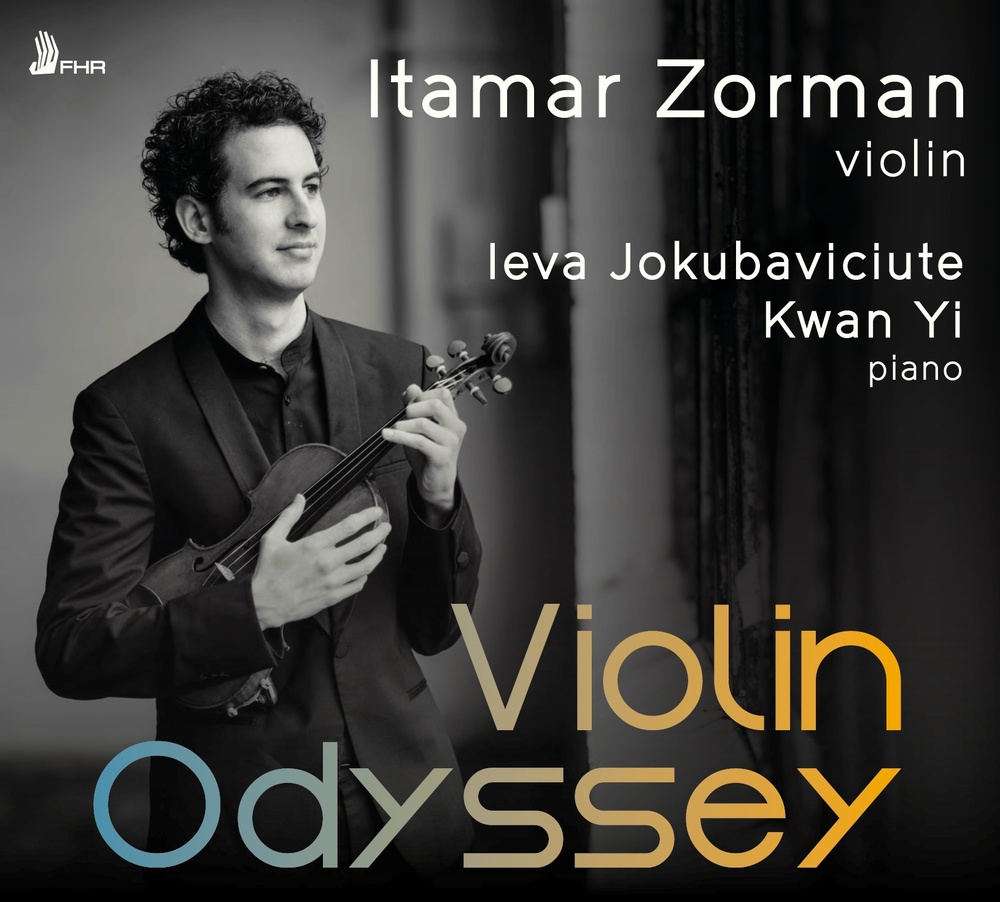
10 Itamar ZormanViolin Odyssey, the latest CD from violinist Itamar Zorman is the result of his 2020 livestream video series Hidden Gems, another COVID lockdown project which featured lesser-known and rarely played works; ten were chosen for this album. Piano accompaniment is shared by Ieva Jokubaviciute and Kwan Yi (First Hand Records FHR119 firsthandrecords.com).

The two major works are the 1917 Violin Sonata No.2 in B-flat Minor Op.43 by Dora Pejačevič and the 1927 Sonata No.2 by Erwin Schulhoff, both terrific works. The eight short pieces of the Heifetz arrangement of Joseph Achron’s Children’s Suite Op.57 are here, and there are short pieces by Grażyna Bacewicz, Moshe Zorman, Silvestre Revueltas, Ali Osman, Gao Ping and William Grant Still. Gareth Farr’s 2009 Wakatipu for solo violin is a brilliant highlight.

Zorman displays his customary strong, impassioned playing throughout an excellent disc. 

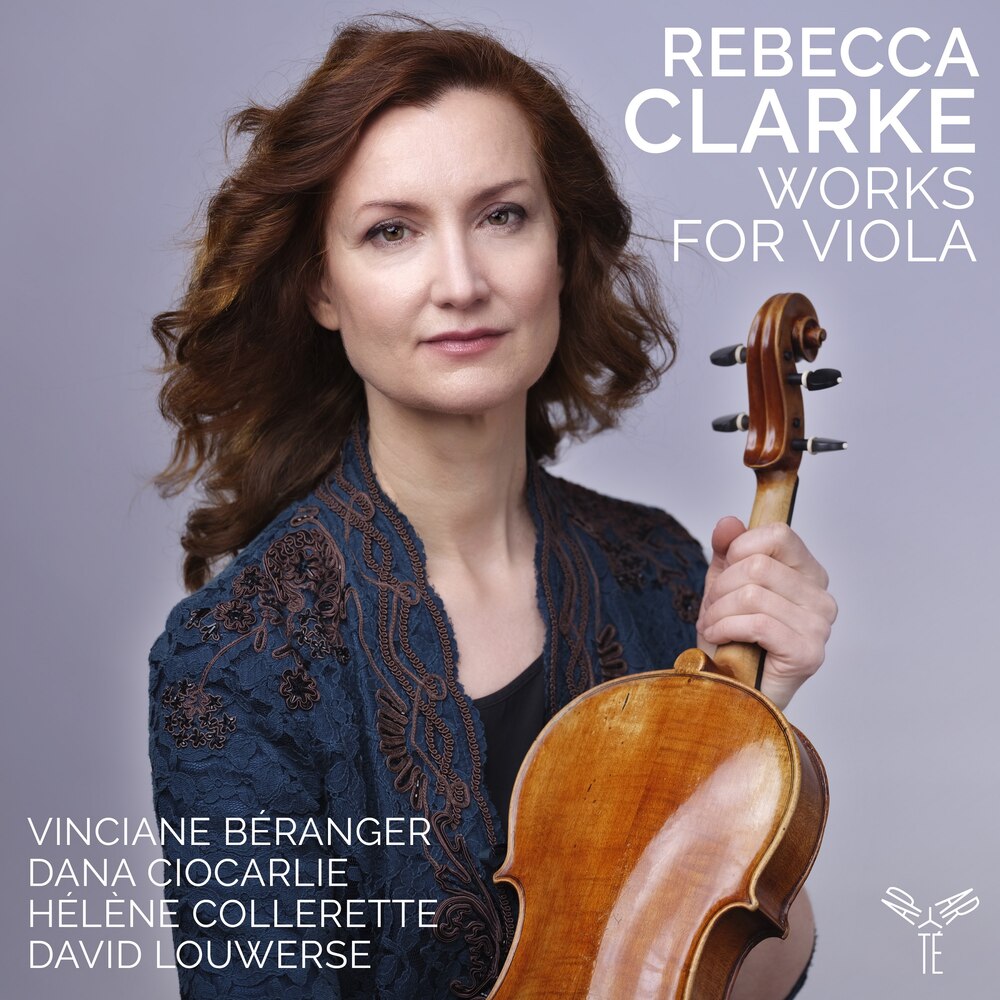
11 Rebecca ClarkeRebecca Clarke Works for Viola, featuring the French violist Vinciane Béranger with pianist Dana Ciocarlie is another addition to the growing body of recordings acknowledging the significance of the English viola virtuoso’s contribution to the viola repertoire (Aparté AP289 apartemusic.com).

The major work here is clearly the outstanding Viola Sonata from 1919, a passionate reading of which opens the disc. It’s followed by another early work, Morpheus from 1917-18 and the Passacaglia on an Old English Tune, from 1941.

Cellist David Louwerse joins Béranger for the Two Pieces for Viola and Cello from 1918 and the Irish Melody (Emer’s Farewell to Cucullain “Londonderry Air”) from c.1918, the latter only rumoured to exist until being discovered in the Royal Academy of Music in 2015 and published in 2020; this is its world-premiere recording.

Hélène Collerette is the violinist for the Dumka for Violin, Viola and Piano from 1941; the mostly pizzicato Chinese Puzzle for viola and piano from 1922 completes a fine CD.

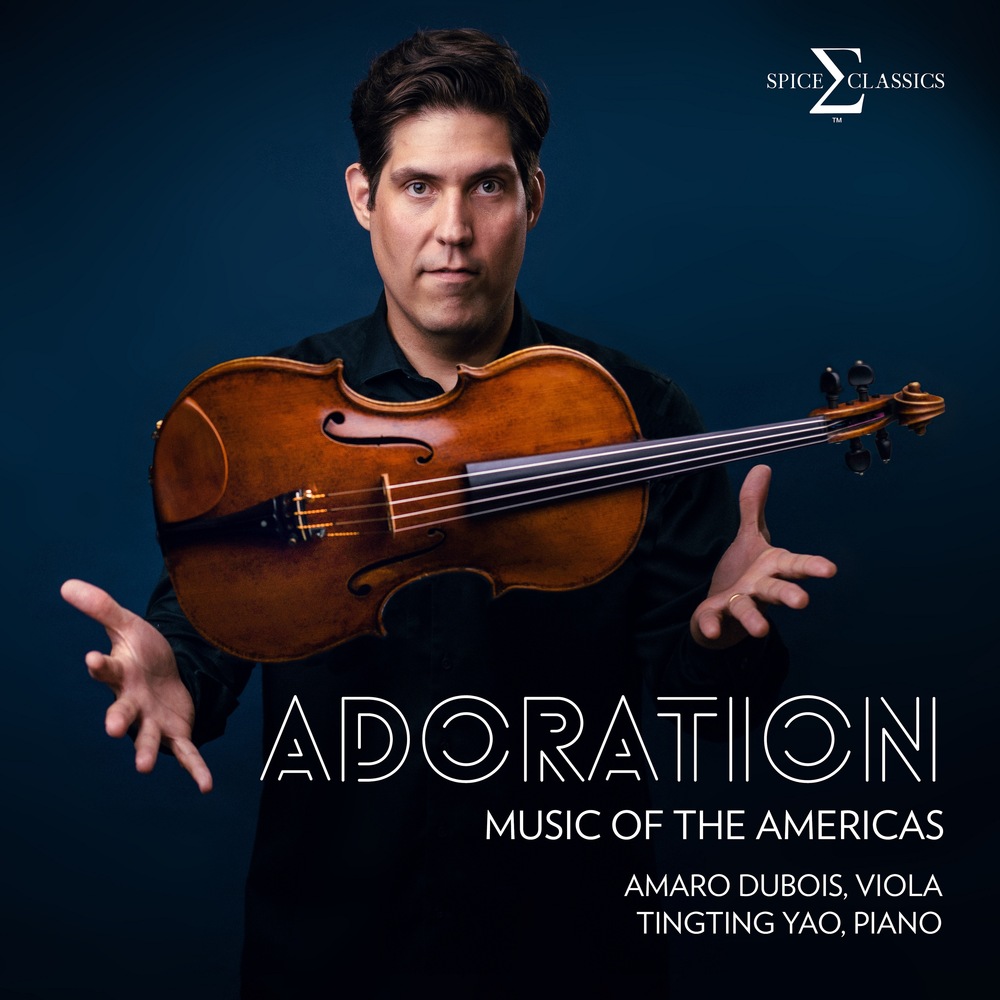
12 Amaro DuboisTwo of the Clarke pieces, plus two tracks from the Shining Night CD turn up on Adoration – Music of the Americas, a CD by the Brazilian violist Amaro Dubois with pianist Tingting Yao (Spice Classics amarodubois.com).

Two works by Florence Price, the lovely title track and Fantasy in Purple, open the disc. The six Rebecca Clarke pieces include Chinese Puzzle and the Passacaglia, the latter drawing particularly strong playing from both performers. Samuel Coleridge-Taylor’s beautiful Five Songs of Sun and Shade show Dubois’ rich, warm tone at its best, and are real gems.

Some of the works in the second half of the CD are perhaps not quite as impressive, Piazzolla’s Libertango and the haunting Café 1930 from Histoire du Tango being followed by a not particularly successful transcription of Villa-Lobos’ Aria from Bachianas Brasileiras No.5, the very short Suite Nordestina by the Brazilian César Guerra-Peixe and Fanny Mendelssohn’s Six Lieder Op.7. 

Dubois has a lovely tone across the full range of his instrument. Yao’s playing is fine, although the piano sound should really have a lot more depth and body. Dubois says that a second release of works for viola and piano by Latin American composers is scheduled for release in July.

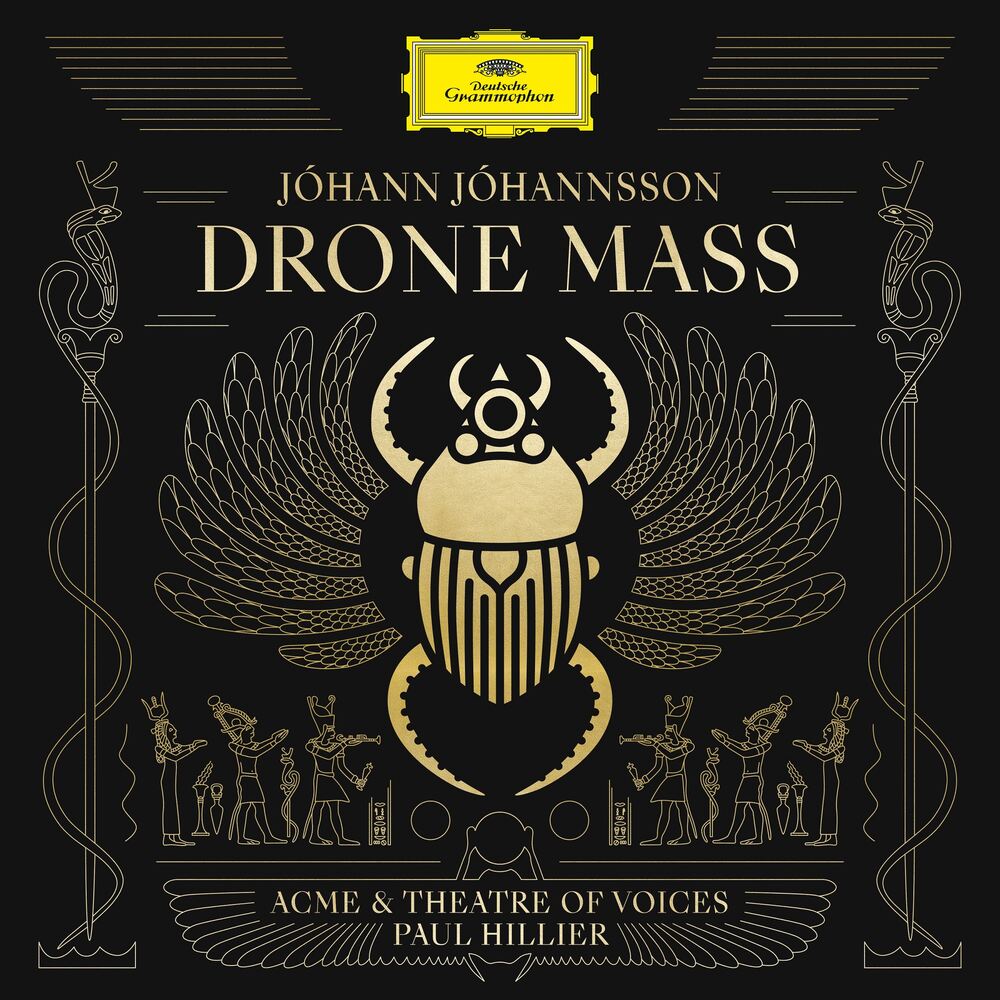
06 Johannsson Drone MassJóhann Jóhannsson – Drone Mass
ACME; Theatre of Voices; Paul Hillier
Deutsche Grammophon (johannjohannsson.com)

Jóhann Gunnar Jóhannsson (1969-2018) was an Icelandic composer who wrote music for a wide array of media including theatre, dance, television and films. His music blends traditional instruments and orchestrations with contemporary and electronic components, resulting in a unique and characteristic soundscape. 

At once meditative, mystifying and minimalistic, there are clear similarities between the Drone Mass and the music of 20th-century Eastern European spiritualists such as Pärt and Gorecki, but with notable deviations such as the integration of electronic techniques and the use of texts taken from the “Coptic Gospel of the Egyptians,” part of the Nag Hammadi library discovered in 1945. 

For those expecting a Catholic-based Mass in the style of Haydn, Mozart and Beethoven, the incorporation of a hymn described by Jóhannsson himself as “a seemingly meaningless series of vowels” will mark a radical deviation from the norm, and yet the characterization of this work as a “Mass” is nonetheless fitting, as there is an interconnectedness and weaving of meaning between movements which provide structure and form to Jóhannsson’s large-scale work.

This world-premiere recording of the Drone Mass by the American Contemporary Music Ensemble, Theatre of Voices and conductor Paul Hillier is a revelatory look into the musical mind of Jóhannsson as represented in his art music, rather than his film scores, and is an extraordinary musical achievement. The demanding score is executed flawlessly and both singers and instrumentalists deserve commendation for their impeccable intonation. 

Jóhannsson’s Drone Mass is highly recommended, not only to those fond of Pärt, Gorecki and Tavener, but to all who enjoy contemporary music performed at the highest levels of excellence.

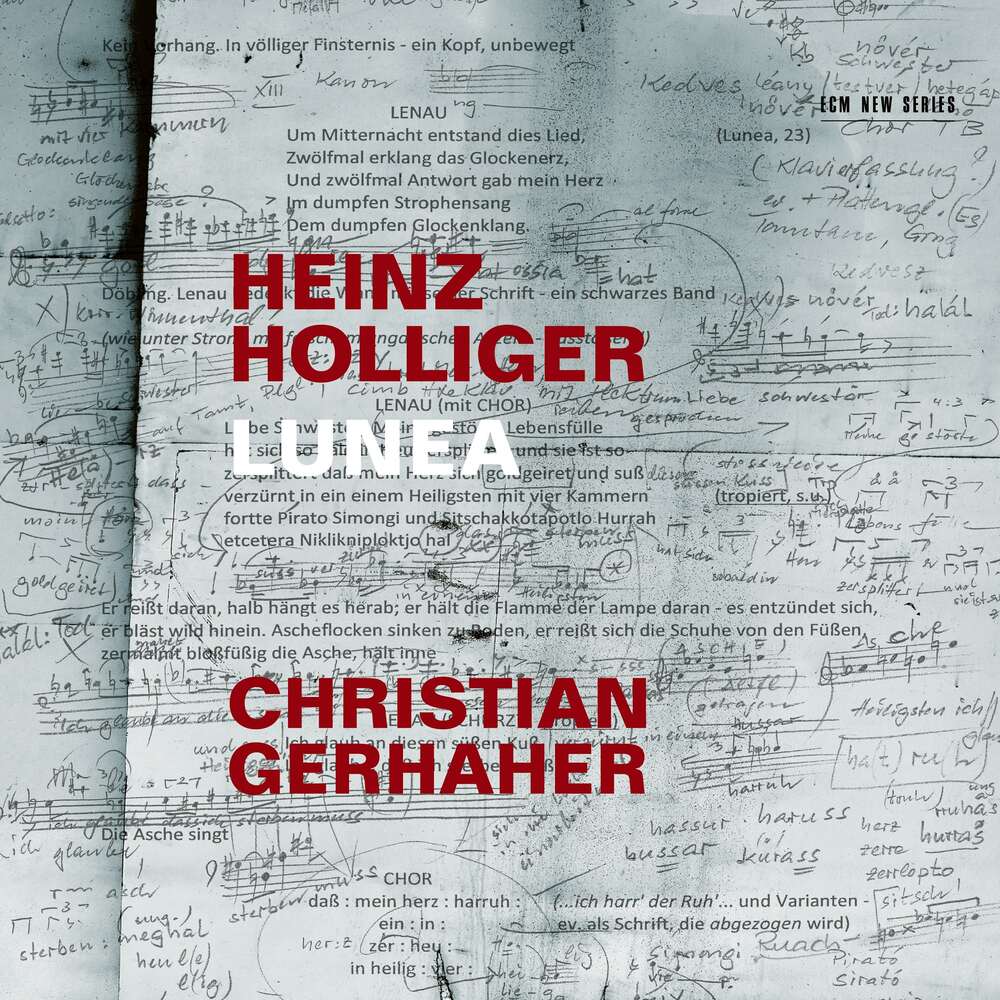
07 Holliger LuneaHeinz Holliger – Lunea
Christian Gerhaher; Juliane Banse; Ivan Ludlow; Sarah Maria Sun; Annette Schönmüller; Philharmonic Zürich; Basler Madrigalisten; Heinz Holliger
ECM New Series ECM 2622/23 (ecmrecords.com/shop)

Swiss virtuoso oboist, composer and conductor Heinz Holliger is among the most prominent oboists of his generation. Also a prominent modernist composer, his work includes the 1998 opera Schneewittchen. Fascinated by artists living on the edge, his music often interrogates their lives and the texts they left. His opera Lunea (2017) is no exception.

Unfolding in 23 scenes Lunea is built on as many aphoristic visions, based on the biography and work of the celebrated Biedermeier poet Nikolaus Lenau (1802-1850). Suffering a suspected midlife stroke and exhibiting unmistakable signs of mental illness, Lenau was confined to a mental institution for the rest of his life. Art imitating life, Lunea protagonists distort and rearrange words just as Lenau did after his stroke. The score employs a compositional procedure in which material is stated in reverse order, paralleling the narrative’s shuttle back and forth in time.

Händl Klaus’ spare libretto reflects the outlines of the poet’s biography, retaining the flavour of Lenau’s near-Dadaist statements such as, “Man is a sandpiper by the sea of eternity.” Holliger’s music reflects the poet’s turmoil, despair and insights with surprising, effective sounds. For example, his skillful, prominent use of the cimbalom is perhaps a sly reference to Lenau’s birthplace in the Kingdom of Hungary and early career in Budapest. 

Reflecting the concentrated emotion characteristic of the Romantic period, Holliger’s brilliant orchestration underscores the disjointed libretto with impressively expressive instrumental and vocal writing. Juliane Banse’s achingly soaring soprano aria in Scene 12, and the violin solos sprinkled throughout, are memorable for their atonal yet emotional lyricism.

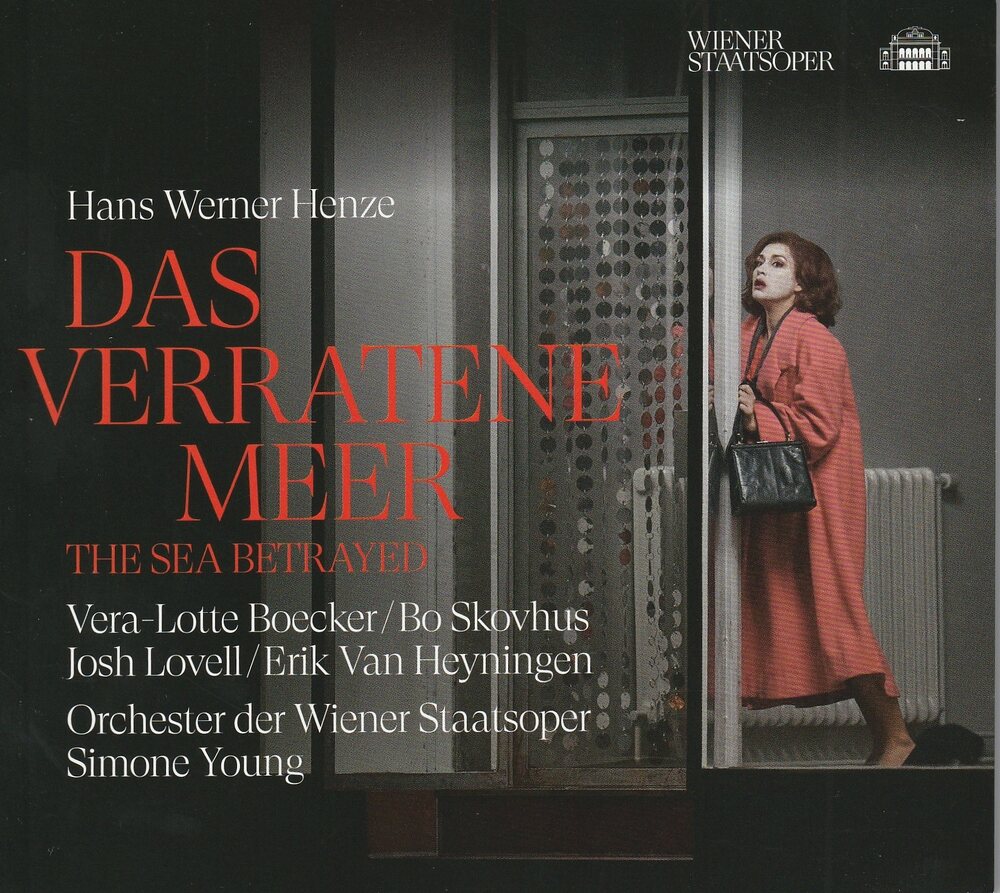
08 Henze Das VerrateneHans Werner Henze – Das Verratene Meer
Vera Lotte Boecker; Bo Skovhus; Josh Lovell; Van Heyningen; Orchester der Wiener Staatsoper; Simone Young
Capriccio C5460 (naxosdirect.com/search/845221054605) 

The work of prolific and influential German composer Hans Werner Henze (1926-2012) is extremely varied in style, showing influences of atonality, serialism, Arabic music, neoclassicism, jazz and more. He wrote over 30 operas and theatre scores throughout his long creative life, and they received numerous international performances. Henze was also well known for his Marxist politics; he produced compositions honouring Ho Chi Minh and Che Guevara. The latter’s Hamburg premiere in 1968 sparked a riot and arrests.

Henze’s 1990 Das verratene Meer (The Betrayed Sea), an opera in two parts and 14 scenes, is based on Yukio Mishima’s 1963 novel The Sailor Who Fell from Grace with the Sea. The choice of Mishima, a Japanese fascist, by the committed leftist revolutionary Henze seems unexpected on the surface, yet there are parallels in their biographies: both were traumatized by World War II, both were openly gay and abhorred bourgeois life. Unlike Henze’s overtly political theatre works however, Das verratene Meer is rather a menacing meditation on the sea, seasons, sex and jealousy. The straightforward plot follows a widow who falls in love with a sailor. Her jealous teenage son traps the sailor with the help of his gang, and they sadistically murder him. 

This two-CD Capriccio set is based on Vienna State Opera’s latest production of the work featuring brilliant dramatic coloratura soprano Vera-Lotte Boecker as the young widow Fusako. The strong Danish baritone Bo Skovhus portrays the sailor she falls for, while the convincingly young Canadian lyric tenor, Josh Lovell, is the widow’s son.

Henze’s musical evocation of Mishima’s narrative is couched in an expressionistic Second Viennese School aesthetic. I distinctly felt the ghost of Alban Berg at several moments. Considerable angst is generated by ostinato instrumental textures and drama from the inclusion of unusual percussion instruments, including Japanese drums and clapper that hint at the world of the Japan characters.

The opera opens in the summer, the second section is set in the winter; a series of lush, sophisticated orchestral interludes evokes the seasons and the three primary characters’ inner feelings. Simone Young masterfully conducts the complex score; the Vienna Staatsoper orchestra, augmented for the occasion to vast late-Romantic proportions, is undoubtedly yet another star in this satisfying production.

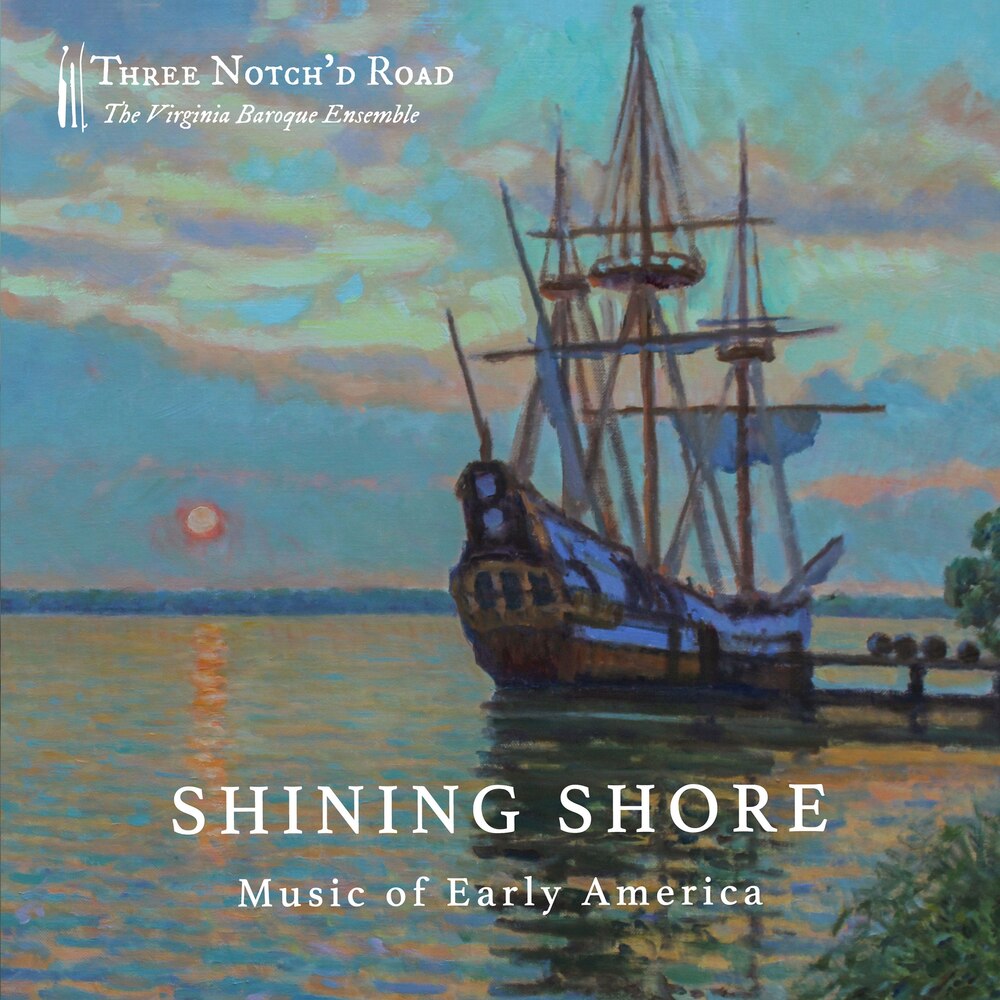
01 Shining ShoreShining Shore
Three Notch’d Road – The Virginia Baroque Ensemble
Independent (tnrbaroque.org)

Early music in North America, and not in Italy, England or France? Surely not? And yet the Virginia Baroque Ensemble Three-Notch’d Road has recorded 17 pieces ranging from a broadside ballad through hymn arrangements to the dizzy heights of Handel and Purcell arrangements.

There is a haunting quality to many tracks: listen to bass Peter Walker as he solemnly declaims the anonymous but highly emotive Liberty tree, a setting of Thomas Paine’s support for the American revolutionaries. After the rigours of the War of Independence, it is little wonder that Oliver Shaw composed the invigorating Jefferson’s March. Here, Dominic Giardino breathes his enthusiasm for military music and early instruments into one of the very first forms of the clarinet. 

Then there are pieces with a deep spiritual content. The singers on the CD lend a very human quality to Jeremiah Ingalls’ Farewell Hymn with its subject of death. It is followed by a slow, stately and traditional Appalachian interpretation of I Wonder as I Wander sung by Peter Walker.

The instrumental pieces are also worthy of note. To Drive the Cold Winter Away was a great favourite in English collections; its simplicity may well have led to an aural transmission across the Atlantic – ready for Giardino’s clarinet skills. 

We hear far too little early music from the New World. This CD must surely be the start of the fightback.

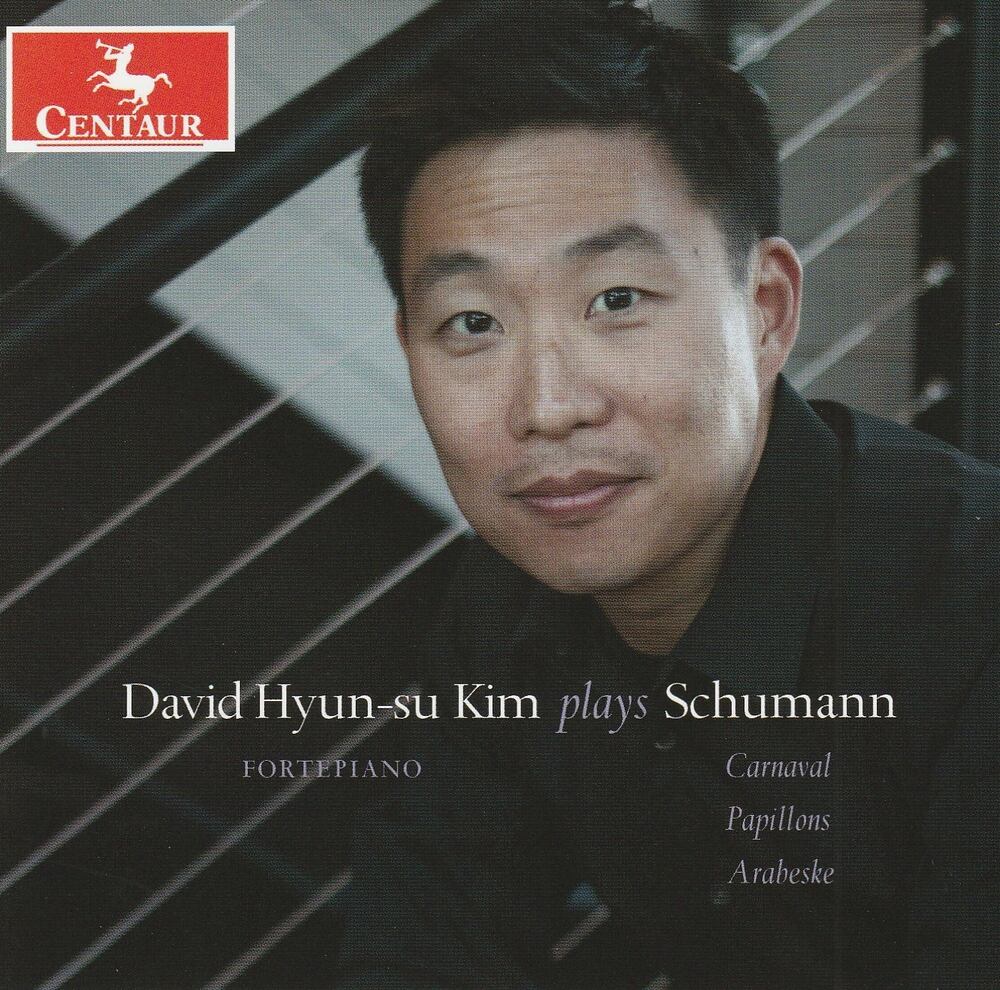
03 David Hyun su KimDavid Hyun-su Kim plays Schumann
David Hyun-su Kim
Centaur Records CRC 3877 (challengerecords.com)

While early 19th-century pianos may lack the rich and sonorous tone of a modern concert grand, they can offer a greater sense of intimacy and as such, have an appeal all their own. Korean-American pianist David Hyun-su Kim has made a specialty of historically accurate performance practice, and in this recording he presents music by Robert Schumann performed on a replica of a pianoforte from the 1830s. A true Renaissance man, Kim graduated from Cornell as a Presidential Research and National Merit Scholar in chemistry. Yet a chance encounter with Beethoven piano sonatas convinced him to change direction, and following studies in the U.S. and Germany – with an acclaimed debut in Vienna – he’s now regarded as among the finest young American pianists of his generation.

Papillons, from 1831 is a charming set of 12 kaleidoscopic miniatures. Based on a novel by Jean Paul Richter and intended to represent a masked ball, the movements flow by in quick succession. Kim delivers an elegant and polished performance, adroitly capturing the ever-contrasting moods.

The bulk of the recording comprises one of Schumann’s most renowned compositions Carnaval from 1835. Again, Kim demonstrates a true affinity for this much-loved repertoire. Movements such as Pierrot and Florestan are suitably whimsical, Chopin and Aveu, posed and introspective, while the rousing Marche des Davidsbündler is performed with great bravado.

The disc concludes with the gracious Arabesque Op.18, a fitting ending to a most satisfying recording. Kim proves without a doubt that Romantic period repertoire can sound as compelling on a pianoforte (or a replica) as it does on a modern instrument. Here’s hoping we’ll hear from this gifted young artist again in the near future.

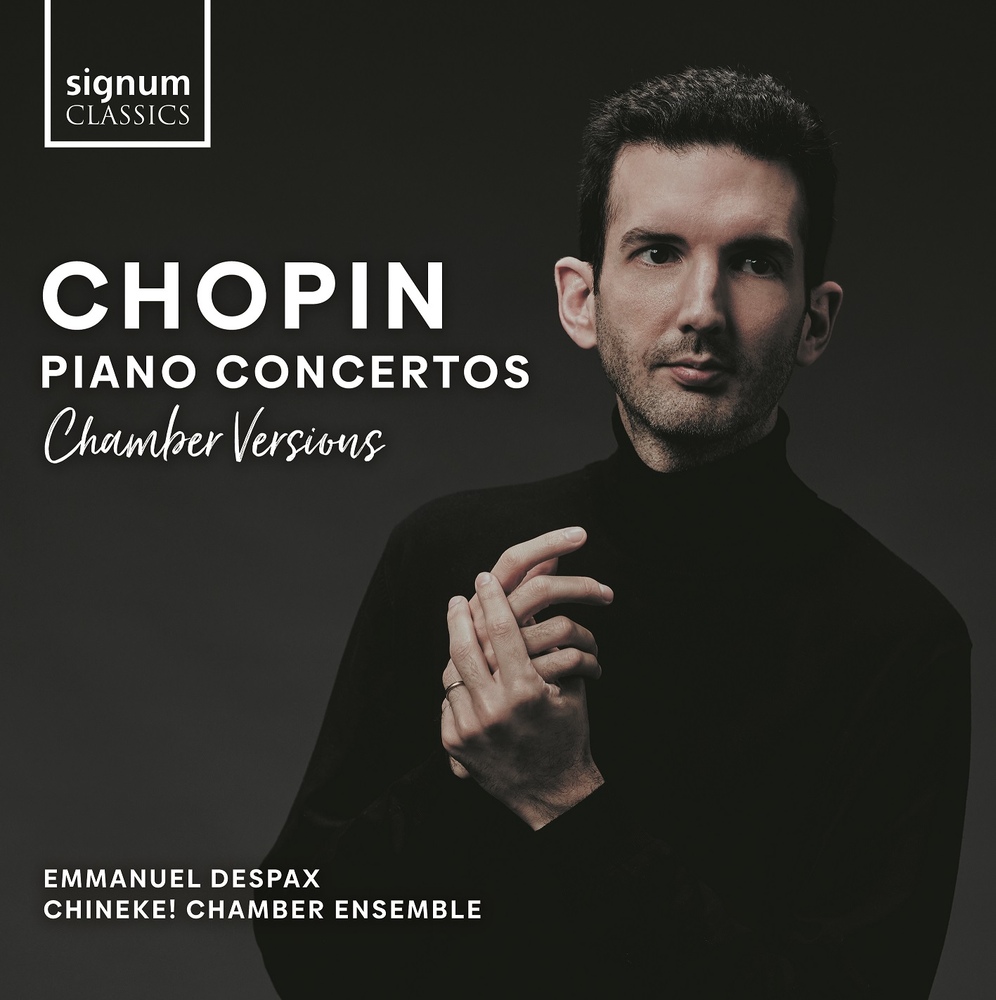
04 Chopin Piano Concertos chamberChopin – Piano Concertos, Chamber Versions
Emmanuel Despax; Chineke! Chamber Ensemble
Signum SIGCD700 (emmanueldespax.com/recordings-1)

Even a hundred years ago there were no radios and TVs. The phonograph had just been invented and orchestral works and concertos could only be heard at a concert hall. In order to make it accessible to the common man these had to be arranged in chamber versions or piano transcriptions to be performed at private salons or soirees where Chopin himself was often invited to play the piano part.

Following this train of thought, a brilliant young French pianist, Emmanuel Despax, already well known in Europe and according to Gramophone magazine, “A formidable talent, fleet of finger, elegant of phrase and a true keyboard colourist,” decided to do just that: he collected five string players (the Cheneke! Chamber Ensemble) to perform Chopin’s two piano concertos with the orchestra reduced to a string quintet, so what we have here is effectively a piano sextet. 

Chopin’s orchestration has been much criticized over the last centuries. Berlioz thought it rigid and superfluous, but since the piano plays almost continuously, this version with smaller forces is quite enjoyable. One nevertheless misses the power and instrumental colour of the orchestra, especially at one thrilling moment in the second movement of the Second Concerto when suddenly the mood changes. There is hushed intensity, everything quiets down into a pianissimo string tremolo with a heartbeat-like timpani and the piano enters with a dramatic melody that hasn’t been heard before. I also miss the clarion call on the horn near the end, when the prevailing F Minor key suddenly changes to major as if the radiant sun suddenly comes out and turns everything bright and beautiful.

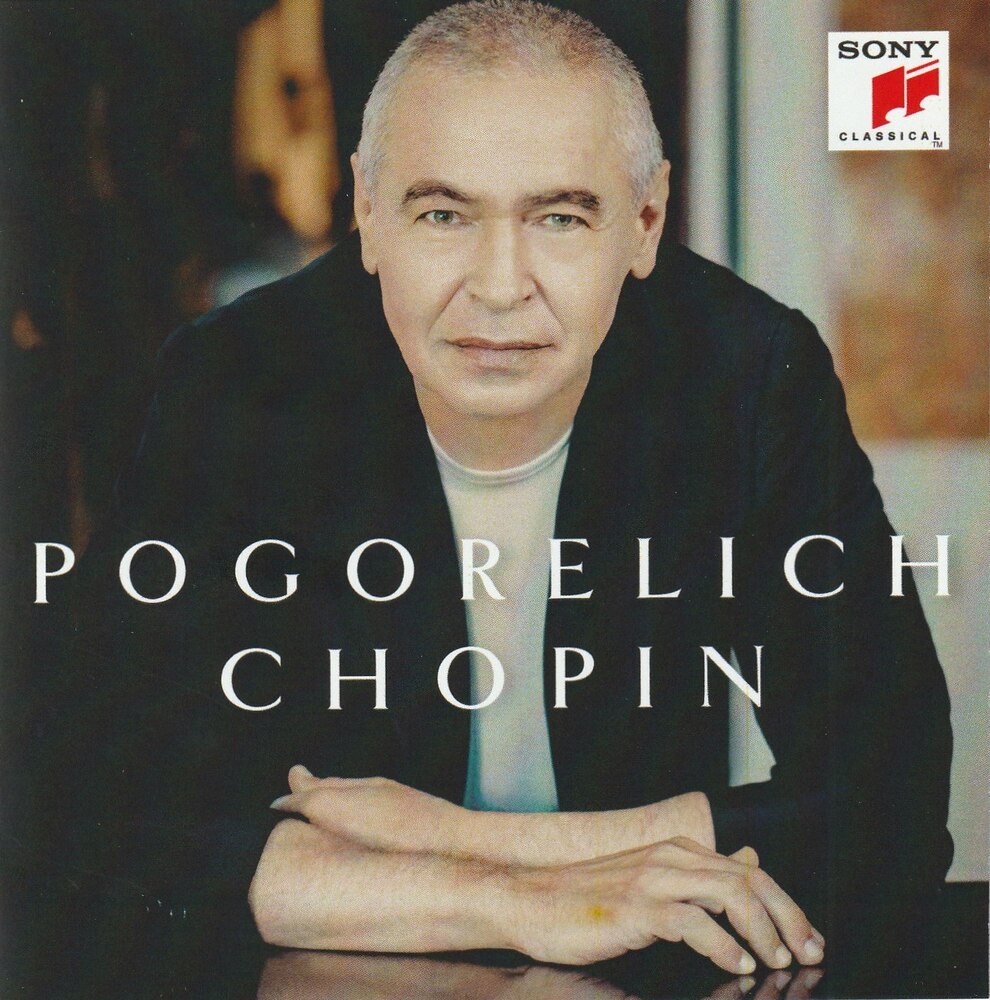
05 PogorelichPogorelich Chopin
Ivo Pogorelich
Sony Classical 19439912052 (naxosdirect.com/search/19439912052)

The performance on this disc is altogether exceptional. Pianist Ivo Pogorelich takes nothing for granted in music. Nor should we in listening to him. If you know how Chopin “goes” then this almost certainly isn’t for you. Not that Pogorelich does anything wildly idiosyncratic, let alone provocatively iconoclastic, à la Glenn Gould. Rather, Pogorelich plainly understands that every interpretation is but one possibility, and he offers us a very enticing opportunity to open our minds, especially in these familiar works most burdened by tradition. 

Everywhere revelations abound, beginning with the spacious opening of  the Nocturne in C Minor Op 48/1. Pogorelich’s Nocturnes are altogether dreamy and lyrical. And in the Fantasy in F Minor Op.49 he takes us unexpectedly into another world. It’s full of glinting lights, mysterious depths, expectations, doubts and hopes like the shattered shadows of a rapturous quasi-Mendelssohn scherzo, glimpsed by moonlight in a forest. 

In sheer colour and variety, in the depth of characterization and in the exceptional range and refinement of pianism, Pogorelich imparts a power and majestic stature to Chopin’s Piano Sonata No.3 in B Minor Op.58. In its component parts the pianist displays urbanity and lyricism that is truly seductive and persuasive, which in itself is an object lesson in the very essence of style. The Scherzo is played with buoyant, aristocratic grace, psychological ambiguity and insolent virtuosity; Chopin as few pianists could even hope to try.

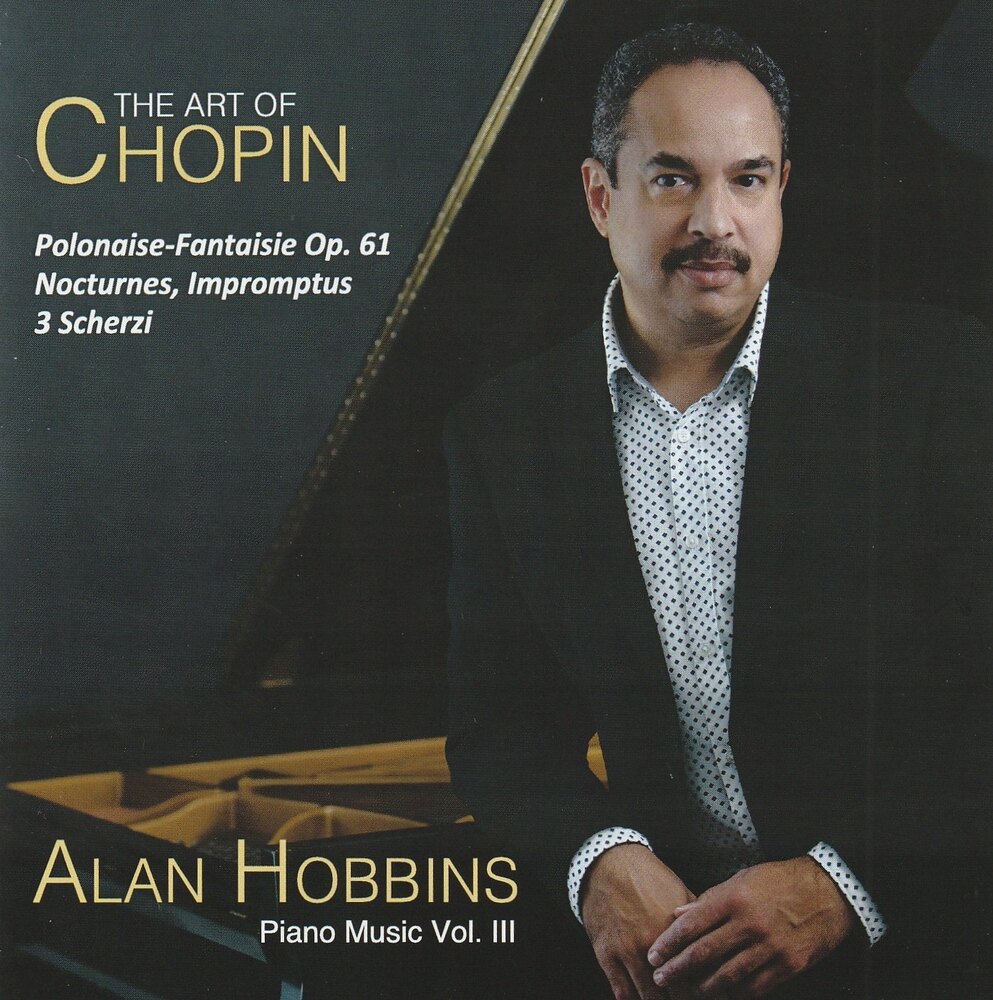
06 Chopin Alan HobbinsThe Art of Chopin
Alan Hobbins
Maestro Music Company MMCD05 (alanhobbins.com)

Canada seems to produce many first-rate pianists one after another: Hewitt, Lisiecki and Fialkowska, not to mention the immortal Glenn Gould! Into this august circle now endeavors to step Alan Hobbins. A pianist of Jamaican descent, Hobbins graduated from The Royal Conservatory and later studied at Juilliard. His teachers included the late great Leon Fleisher and Chopin specialist Marek Jablonski. Since then he has given many concerts in Toronto and New York to great critical acclaim. I met him several times in the 80s (he being my daughters’ piano teacher) and was invited to his debut concert. I was particularly impressed with his special affinity to the music of his homeland and American jazz.

Chopin is definitely his favourite composer and this is Hobbins’ third recording devoted entirely to his work. It’s a wonderful collection skilfully selected to give a good cross section of Chopin’s most beloved and immensely difficult pieces. He masters all the challenges with superb technical skill. Above all he brings “a subtlety of expression to every phrase, single chord or a note” raves one newspaper.

From the program of Scherzos, Nocturnes and Impromptus, some of my favorites are the majestic Nocturne in D-flat Major with its grand melody. This is followed later by a masterly performance of the Scherzo No.2 in B-flat Minor that opens with those powerful chords from which a beautiful, emotionally charged melody emerges followed by that peaceful meditative mid-section and the magnificent super bravura coda. 

And dare I mention the explosive, tremendously passionate, heroic Nocturne in C Minor that makes me shiver every time I hear it?  This is truly grand-scale pianism with the ebb and flow of emotion superbly controlled.

Listen to 'The Art of Chopin' Now in the Listening Room

07 Tchaikovsky JarviTchaikovsky Symphonies
Tonhalle-Orchester Zurich; Paavo Järvi
ALPHA 778 (naxosdirect.com/search/alpha778) 

I have been a longtime admirer of the conductor Paavo Järvi since the release of his live Beethoven cycle with the Kammerphilharmonie, Bremen of September 2009. At that time, I was very impressed by his ability to beautifully balance the orchestra.

Now we have a box set of Tchaikovsky symphonies together with various orchestral works and here it is again, the orchestra balanced so well that every instrument is clearly audible, still in its natural balance without being spot lit. This five-CD set from Alpha Classics has been so well recorded that you can map out the entire orchestra, the Tonhalle-Orchester Zurich, of which Järvi is music director. His presentation of these works is more thoughtful and sensitive than some other recorded versions from the likes of Karajan, Mravinsky et al, but no less powerful

Symphony No.1 “Winter Daydreams” is eloquently gentle and Symphony No.2 “The Little Russian, positively optimistic, patriotic and joyful. We move through the power and cumulative intensity of the Third “Polish” to the power of the Fourth and unbounded exuberance and positive optimism of the Fifth to the overwhelming sadness and ultimate resignation of the final movement of the Sixth Symphony, “Pathétique”.

The six orchestral works accompanying the symphonies include Francesca Da Rimini, Capriccio Italien, two pieces from Eugene Onegin, the Waltz and the Polonaise, as well as Romeo and Juliet and the Festival Coronation March. All enjoy the same meticulous attention to detail that we now expect from Järvi.

After a lifetime of listening to these works conducted by so many others, this recording may very well be my preferred version. Here the music unfolds as a narrative. It flows. These are well-considered new readings that may have you rethinking certain passages and perhaps reappreciating others. The five discs are also available separately.

08 Mahler 4Mahler – Symphony No.4
Chen Reiss; Czech Philharmonic; Semyon Bychkov
PentaTone PTC5186972 (naxosdirect.com/search/ptc5186972)

Four decades have passed since the Czech Philharmonic completed their first edition of the complete Mahler symphonies under Václav Neumann in 1982. Mahler was born in Bohemia and raised in Moravia (born in 1860 during the Hapsburg era, he considered himself an Austrian and spoke mainly German) so this first instalment of a new cycle can be considered a festive homecoming for a favourite son. Mahler’s Fourth Symphony is relatively compact in comparison to its gargantuan predecessors in the so-called “Wunderhorn” cycle of symphonies inspired by the 19th-century collection of folk-song texts known as The Youth’s Magic Horn, portions of which Mahler had previously set to music. Despite this economy of means, the symphony’s mischievous antics, ironic stance and complex structure confounded the critics of his time. Today it is regarded as one of his most accessible works.
Mahler himself once observed, “The real art of conducting consists in transitions.” Mahler’s own constantly shape-shifting music teems with kaleidoscopic tempo fluctuations which not every conductor can interpret convincingly. Bychkov’s mastery in this regard marks him as a genuine Mahlerian. The finale of the symphony features Israeli soprano Chen Reiss in an ingenuous rendition of the song Das himmlische Leben from which this work was spawned. 

The distinctive sound of the Czech Philharmonic is gorgeously captured in this Pentatone production; the strings are lustrous, the winds and brass incisive and the dynamic range is vast. Recorded in August 2020 from the confines of a shuttered Dvořák Hall in Prague, this is a very auspicious start to what promises to be an exceptional Mahler cycle.

09 EbenbildEbenbild
Juri Vallentin; Trio d’Iroise; Bernward Lohr; Caroline Junghanns
PASCHEN Records PR 220072 (paschenrecords.de/katalog/pr220072/)

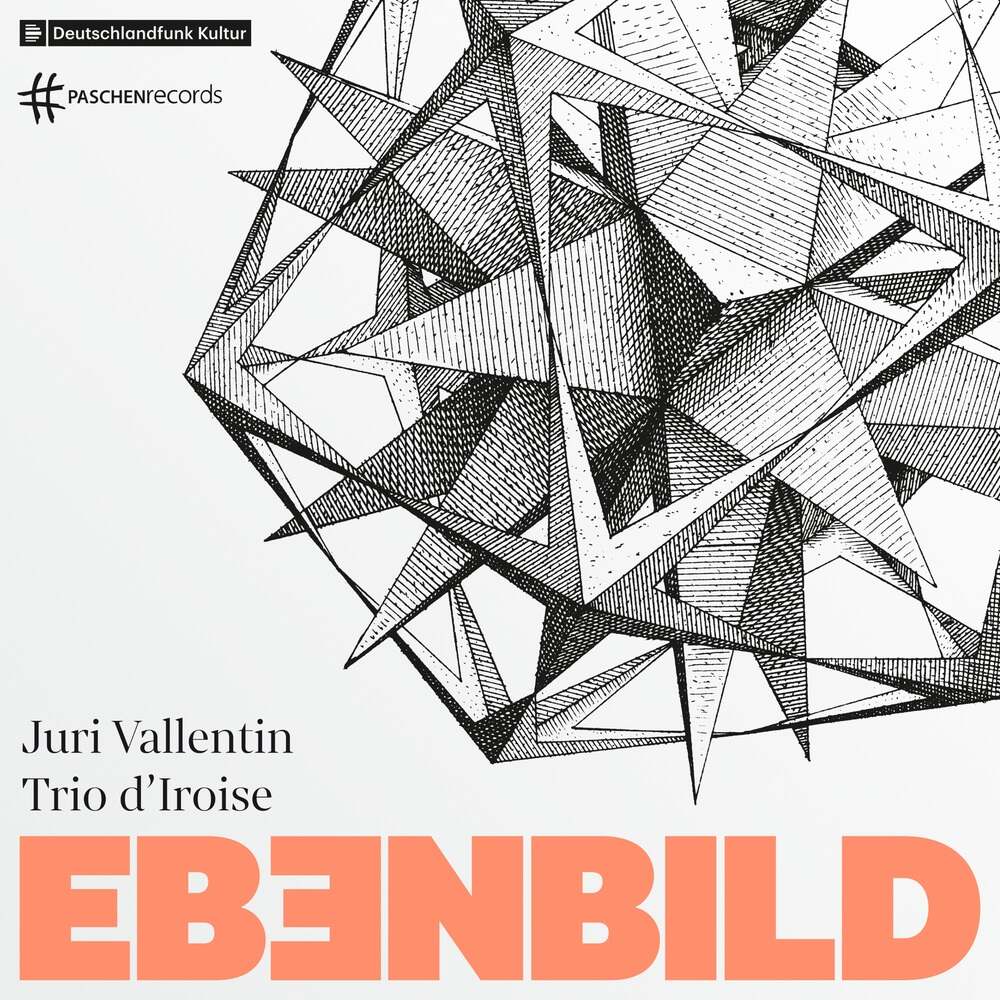
Only to be described as unique and colourfully unconventional, the newly released album Ebenbild, featuring oboist Juri Vallentin and the Trio d’Iroise, is a blend of recited song text, choruses by J.S. Bach, as well as five pieces from various eras and styles all married together with one common theme: J.S Bach’s O Haupt voll Blut und Wunden (O Sacred Head, Sore Wounded). 

Originally derived from the madrigal Mein Gmüth ist mir verwirret (My mind’s confused within me) by Hans Leo Hassler (1564-1612), this theme was repeatedly used by Bach throughout his life in many works, including the St. Matthew Passion and the Christmas Oratorio. Arranged for oboe quartet, the album begins with the original madrigal and then is followed by the recited text of the first stanza, a chorus using the theme from one of Bach’s works and then the Sonata da camera in G minor O Haupt voll Blut und Wunden by Johann Gottlieb Janitsch. The album continues in this format with four other recited stanzas, four choruses and four works: Frederick Kelly’s Romance from the String Trio in B Minor, Charles Bochsa’s middle movements from two of his oboe quartets, Four Preludes to Infinity by Theo Verbey and the unfinished final fugue written by J.S. Bach shortly before his death.

The performances by Vallentin and Trio d’Iroise are virtuosic and thoughtful, showing a range of musical knowledge and sensitivity. A polished gem, this album is truly a heightened experience.

10 Dinnerstein UndersongUndersong
Simone Dinnerstein
Orange Mountain Music OMM 0156 (orangemountainmusic.com) 

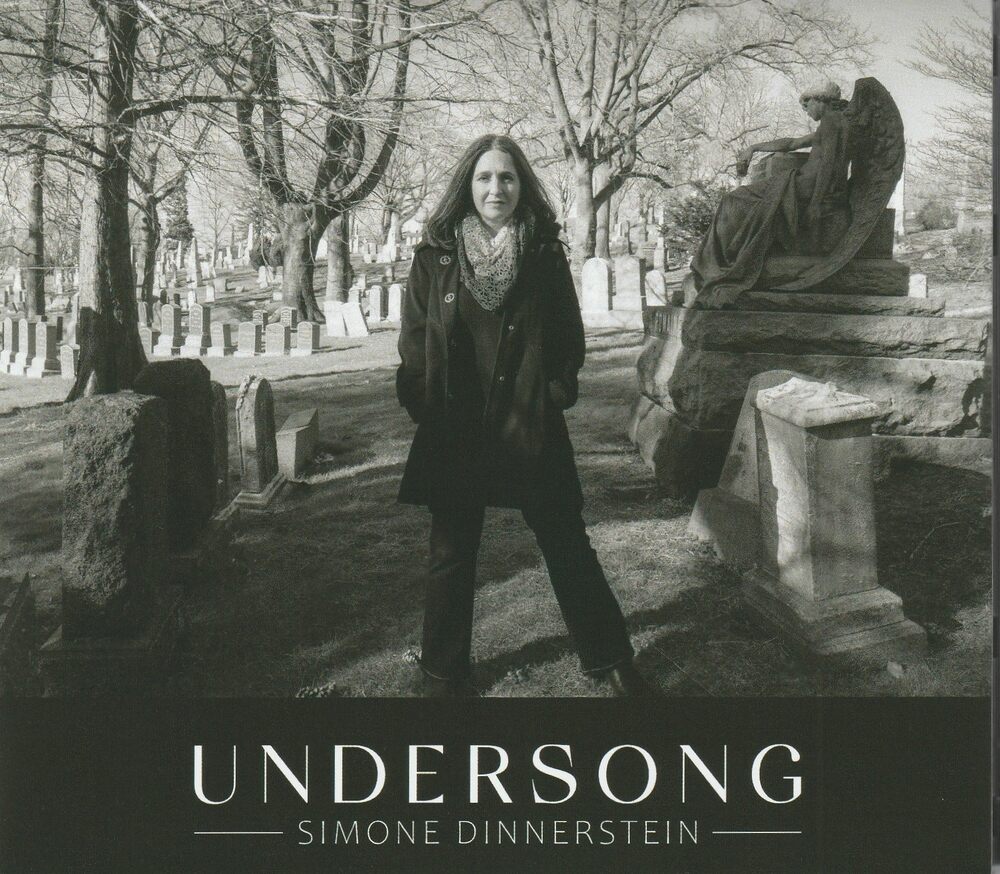
A lyrical rubato-laden, eminently shapely Les Barricades Mystérieuses by Couperin opens Simone Dinnerstein’s solo piano recital Undersong, brilliantly captured in the warmth of this recording by Orange Mountain Music. But arch-Romantic Robert Schumann’s Arabesque, Op.18, with its rippling arpeggios and translucent glissandi that follows will likely take your breath away. 

The pianism is impressively nuanced throughout the program. Dinnerstein displays her strong rhythmic backbone with the bubbling lilt of Philip Glass’ Mad Rush but it is, to my mind, at any rate, Schumann’s Kreisleriana Op.16 that is the apogee of this recording. Rarely has the restless romance of this work been captured with greater imagination. Its heavenly, mercurial luminescence is tempered by the pianist’s intellectual rigour through its eight dazzling vignettes. 

Dinnerstein has long been one of the most articulate pianists in the world, remaining technically sound and musically eloquent no matter what the repertoire. Her Satie and Glass is a case in point. On the latter’s Mad Rush she tames the composer’s abrupt changes in tempo and performs the piece with a strong sense of dance braving its knuckle-busting challenges with a kick in her step. 

Her interpretation of Satie’s Gnossienne No.3 is eloquent and direct, quite without impediment or undue idiosyncrasy, yet musical to the core. Meanwhile, she approaches Couperin and Schumann with uncommon refinement of colour and texture. All of this makes for a disc to die for.

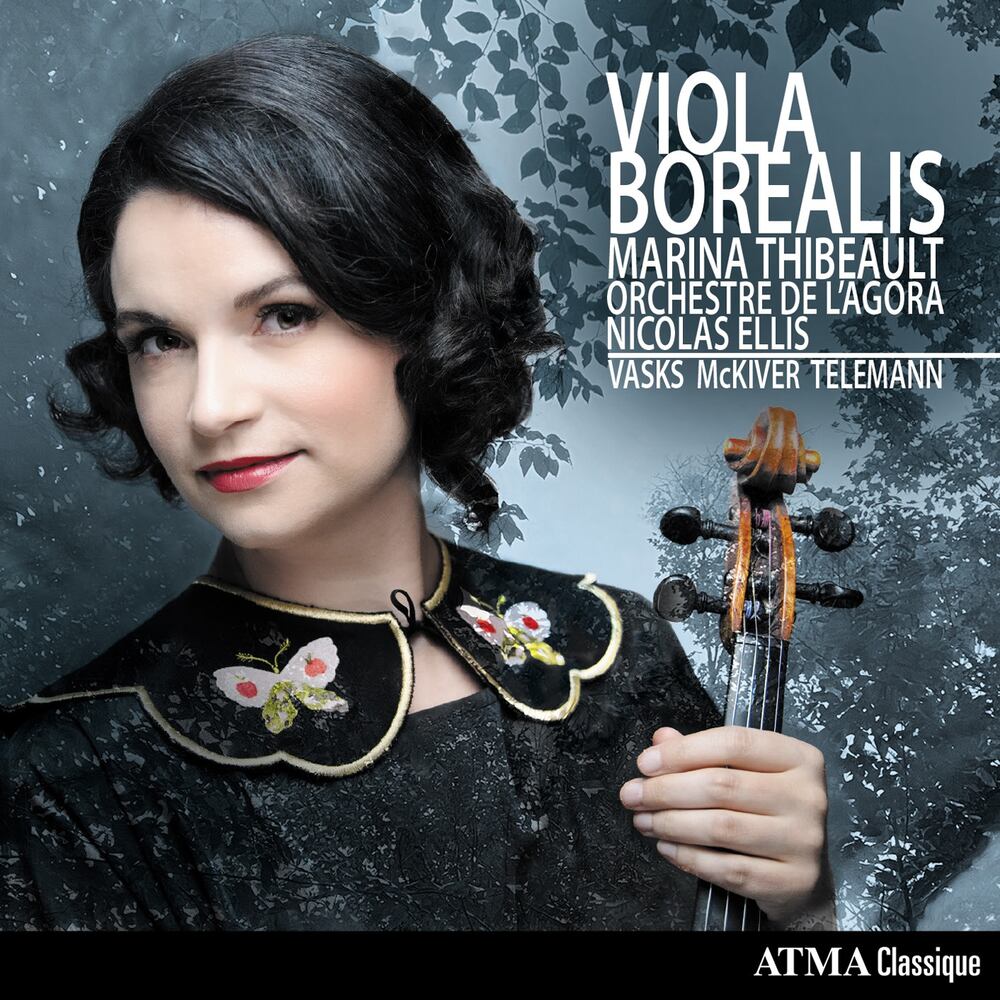
01 Viola BorealisOn Viola Borealis the outstanding violist Marina Thibeault explores musical links between several northern cultures. Nicolas Ellis conducts Montreal’s Orchestre de l’Agora (ATMA Classique ACD2 2811 atmaclassique.com/en).

The main work here is the striking 2016 Viola Concerto by Lithuanian composer Pēteris Vasks. Thibeault gave the North American premiere in 2019, Vasks calling her playing “truly excellent – she has captured my message.” High praise indeed, and fully warranted.

Reckoning was originally a series of six improvisations for violin with pedal effects by the Anishinaabe composer Melody McKiver. Two brief sections from a transcription for solo viola are included here, with harmonics and bowing techniques replacing the electronic effects.

A spirited performance of Telemann’s Viola Concerto in G Major, generally considered to be the first ever written for the instrument, completes a fine CD.
Listen to 'Viola Borealis' Now in the Listening Room

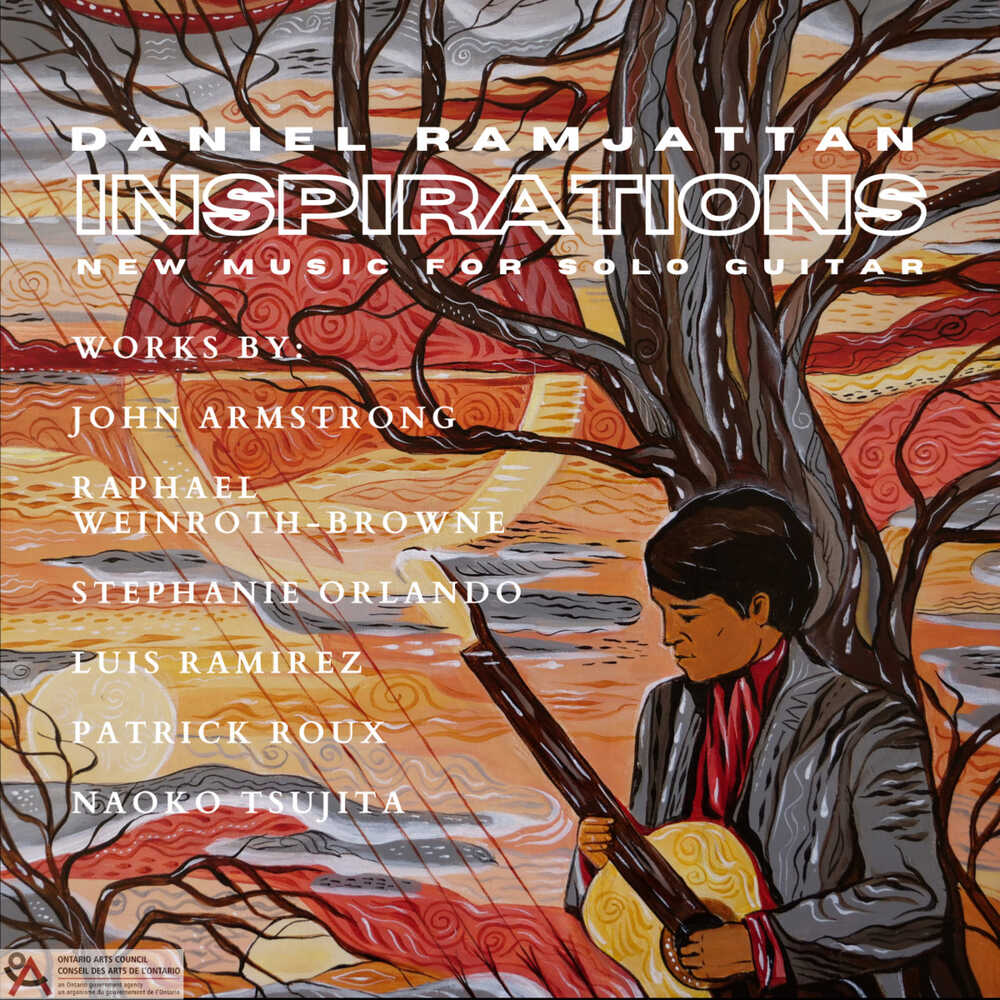
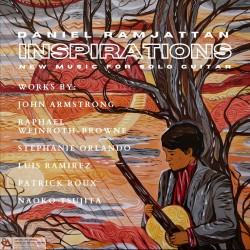
02 Ramjattan InspirationsOn Inspirations: New Music for Solo Guitar the Toronto-based classical guitarist Daniel Ramjattan presents a recital of works by composers based in Canada, played on a seven-string left-handed guitar (danielramjattan.bandcamp.com).

Patrick Roux’s lovely Valse Vertigo is from 1994, but the other five works were all written between 2012 and 2020. John Gordon Armstrong’s Five Inspirations from 2018 opens the disc, and is one of three premiere recordings here, the others being Stephanie Orlando’s Soon (2020) and Luis Ramirez’s Singularity (for guitar and audio) from 2019. The Gamelan Suite was written by Ramjattan’s wife Naoko Tsujita in 2019; the CD closes with the really attractive four-movement Catharsis, written by cellist/composer Raphael Weinroth-Browne in 2012. 

There’s beautifully clean playing from Ramjattan, perfectly captured at The Church of St. Mary Magdalene, Toronto, by guitarist Drew Henderson, whose recording, mixing and mastering is, as always, simply as good as it gets.
Listen to 'Inspirations: New Music for Solo Guitar' Now in the Listening Room

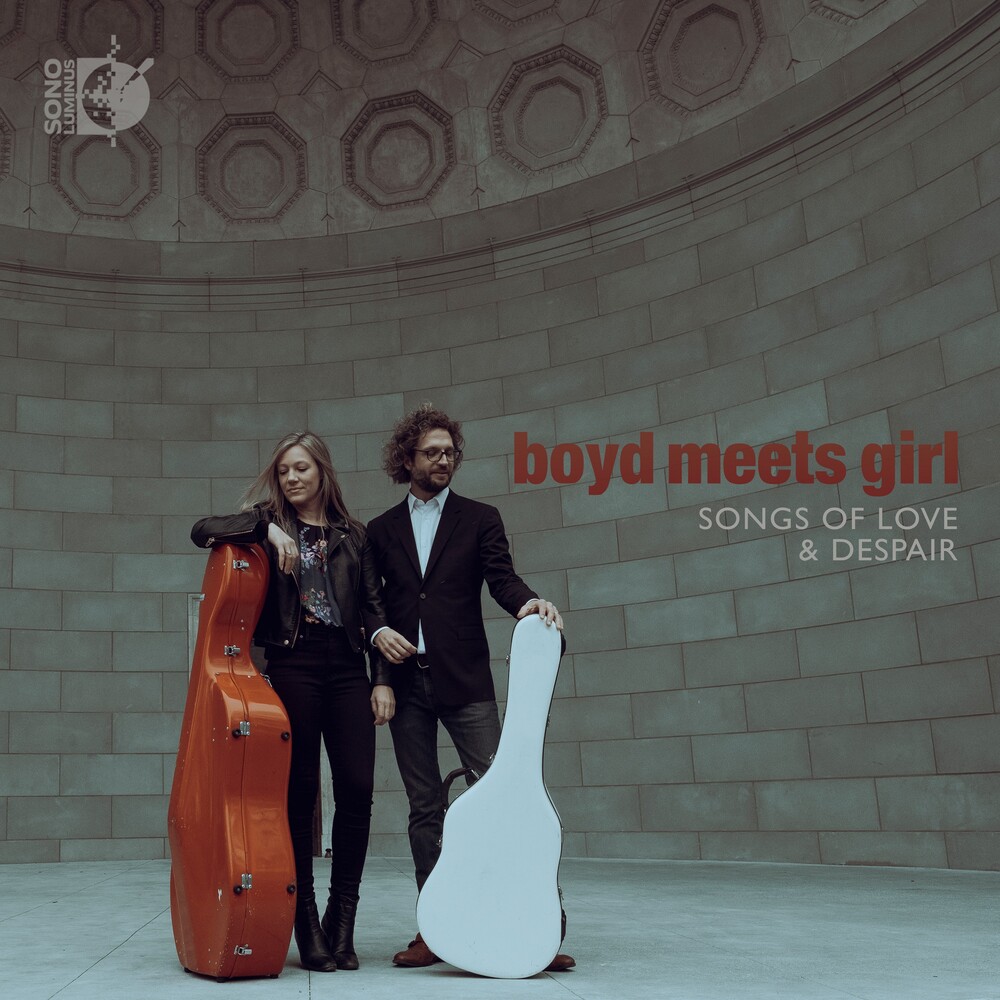
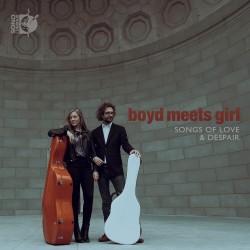
03 Boyd meets girlboyd meets girl: Songs of Love & Despair is the second duo album from the husband-and-wife team of American cellist Laura Metcalf and Australian guitarist Rupert Boyd; the first was reviewed here in September 2017 (Sono Luminus DSL-92255 sonoluminus.com).

It’s another project born in the COVID-19 lockdown, and includes five of their own arrangements: Debussy’s Arabesque No.1; Florence Price’s The Deserted Garden; Beyoncé’s Pray You Catch Me (with vocalise); Radiohead’s Daydreaming (with extended techniques); and Paul McCartney’s Blackbird. Eleanor Rigby is here too, as are Schubert’s Gretchen am Spinnrade (with lovely guitar work) and Boccherini’s Sonata in A Major.

Robert Beaser’s Mountain Songs features four of his set of eight Appalachian folk tunes, and there are world-premiere recordings of two terrific new works – Marián Budoš’ A New York Minute and Paul Brantley’s Filles de l’Élysée. Messiaen’s Praise to the Eternity of Jesus, from his Quatuor de la fin du temps, completes another delightful disc, full of warmth and top-notch playing.
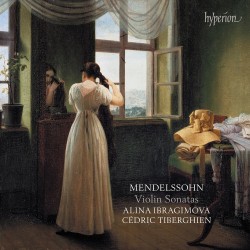
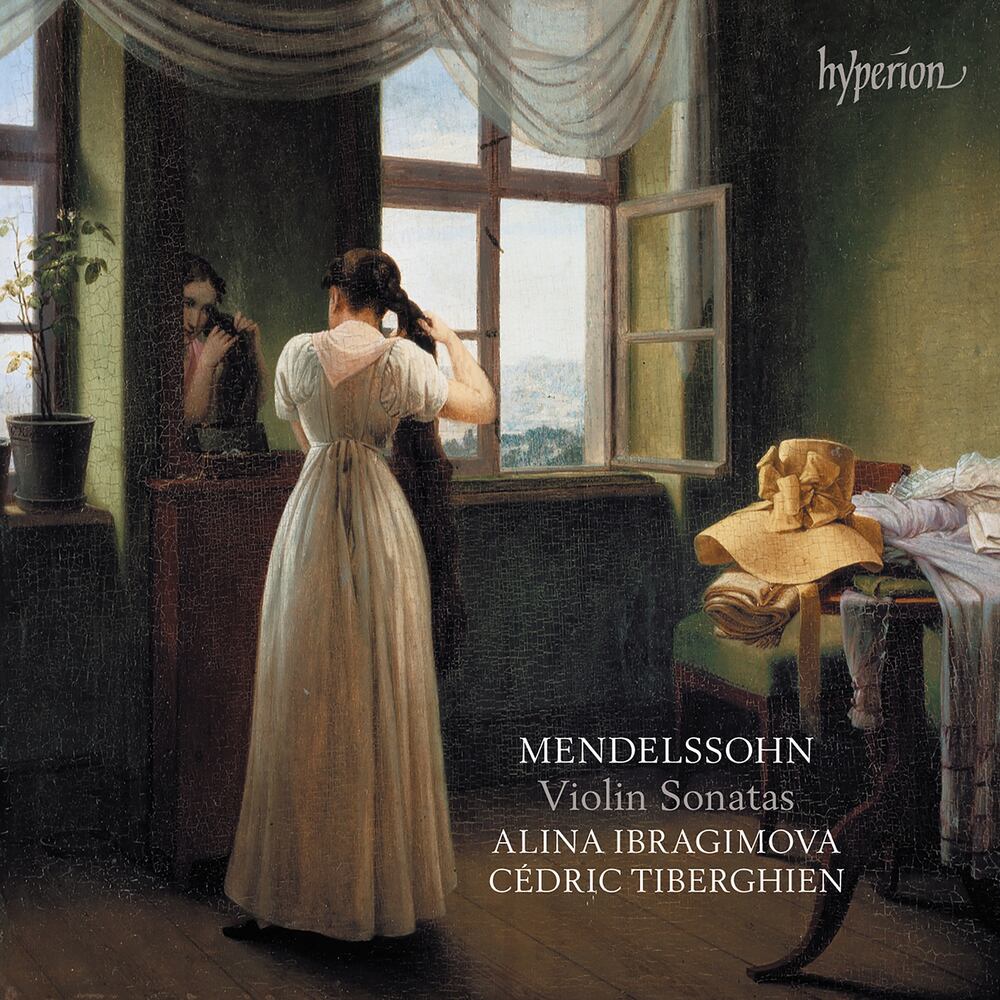
04 Ibragimova MendelssohnThe electrifying duo of violinist Alina Ibragimova and pianist Cédric Tiberghien is back with another superb recital on Mendelssohn Violin Sonatas (Hyperion CDA68322 hyperion-records.co.uk/dc.asp?dc=D_CDA68322).

While only the Beethoven-influenced Sonata in F Minor Op.4 from 1823 was published, three others remained in manuscript: the Sonata in F Major MWV Q7 from 1820; the single-movement fragment Sonata in D MWV Q18 from the late 1820s; and the substantial Sonata in F Major MWV Q26 from 1838, intended for Ferdinand David. Mendelssohn left an unfinished revision of the first movement of the latter work, with the 2009 bicentenary published edition containing both versions; the original is used here.

Mendelssohn was an excellent violinist, so it is no surprise that these are much more than merely competent works. Ibragimova and Tiberghien are as good as ever, with terrific ensemble playing and technical brilliance, especially in the typically dazzling scherzo-like finales.
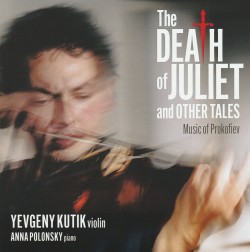
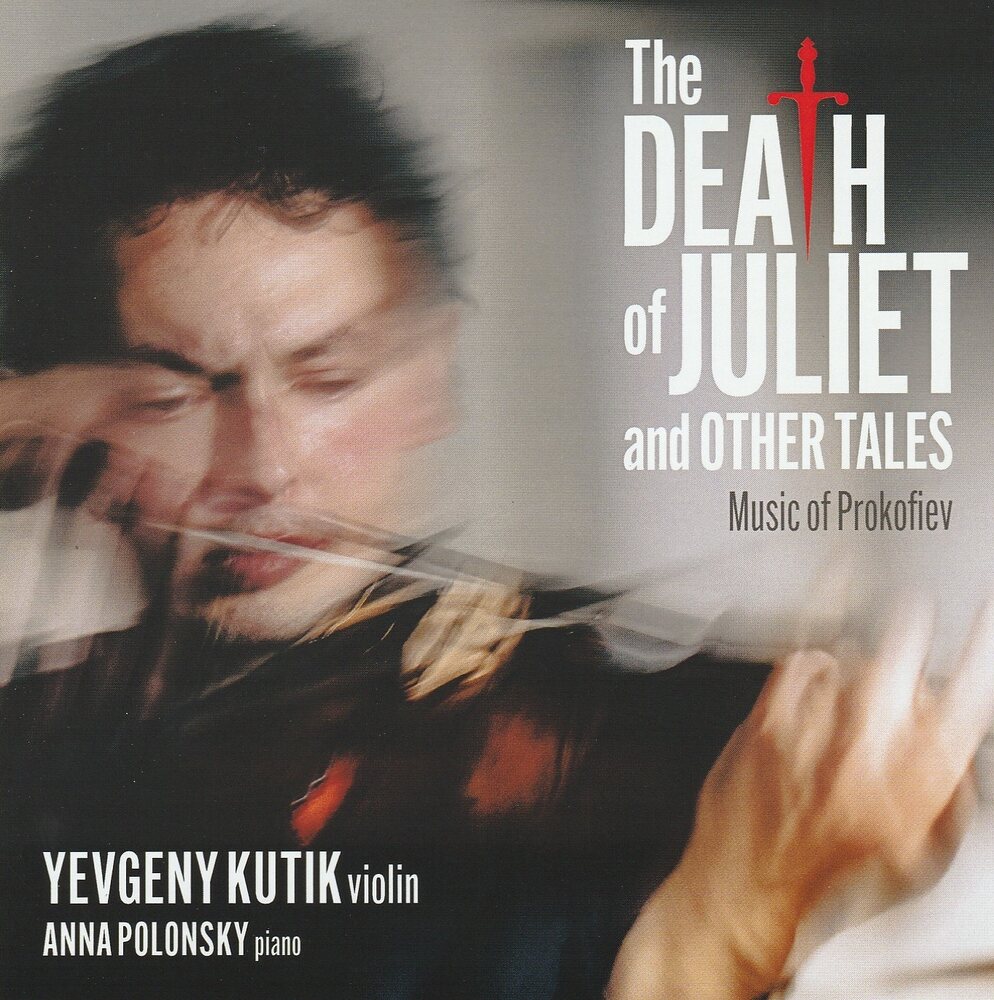
05 Yevgeny KutikOn The Death of Juliet and Other Tales: Music of Prokofiev violinist Yevgeny Kutik presents a recital inspired by his teacher Roman Totenberg’s story of a chance encounter with Prokofiev in a Paris nightclub, and reflecting Kutik’s belief that Russian folklore imbues all of Prokofiev’s music. The pianist is Anna Polonsky (Marquis MAR623 marquisclassics.com/index.html).

Arrangements of five Russian folk melodies commissioned specifically for the album – three for solo violin (including Kalinka) and two with piano (including Song of the Volga Boatmen) – are built around two Prokofiev works: the exquisite Parting Scene and Death of Juliet from Romeo and Juliet and the Sonata in D Major for Solo Violin Op.115, the latter given a fascinating reading with a much freer opening Moderato than you normally hear. The Violin Sonata No.2 in D Major Op.94bis closes the disc.

Kutik has a gorgeous tone and a great feel for line and phrase, and is ably supported by Polonsky.
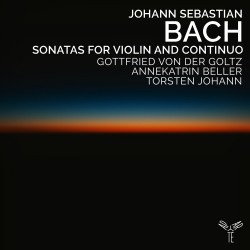
06 Bach GoltzGottfried van der Goltz is the violinist on Johann Sebastian Bach Sonatas for Violin and Continuo, with excellent support from cellist Annekatrin Beller and harpsichordist Torsten Johann (Aparte AP276 apartemusic.com/?lang=en).

Note: these are not the six sonatas for violin and keyboard, but works from what Goltz calls the “grey area” of Bach’s catalogue – compositions, sometimes difficult to authenticate, that were described in vague terms and mostly scattered after Bach’s death.

Four works here are presented as authentic, although it looks as if the Gavotte in G Minor should also have been: the Sonata in G Major BWV1021, preserved in a score written by Bach and his wife Anna Magdalena; the Sonata in E Minor BWV1023; the Sonata in C Minor BWV1024 (although the attribution is disputed); and the Fugue in G Minor BWV1026. The Sonata in A Major BWV Anh.II 153 is almost certainly by Georg Philipp Telemann, and the Sonata in C Minor from around 1720 is listed as “Anonymous.”

The question of authenticity, however, never detracts from a quite superb and beautifully recorded recital of terrific Baroque music.
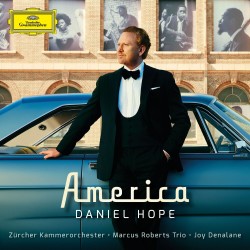
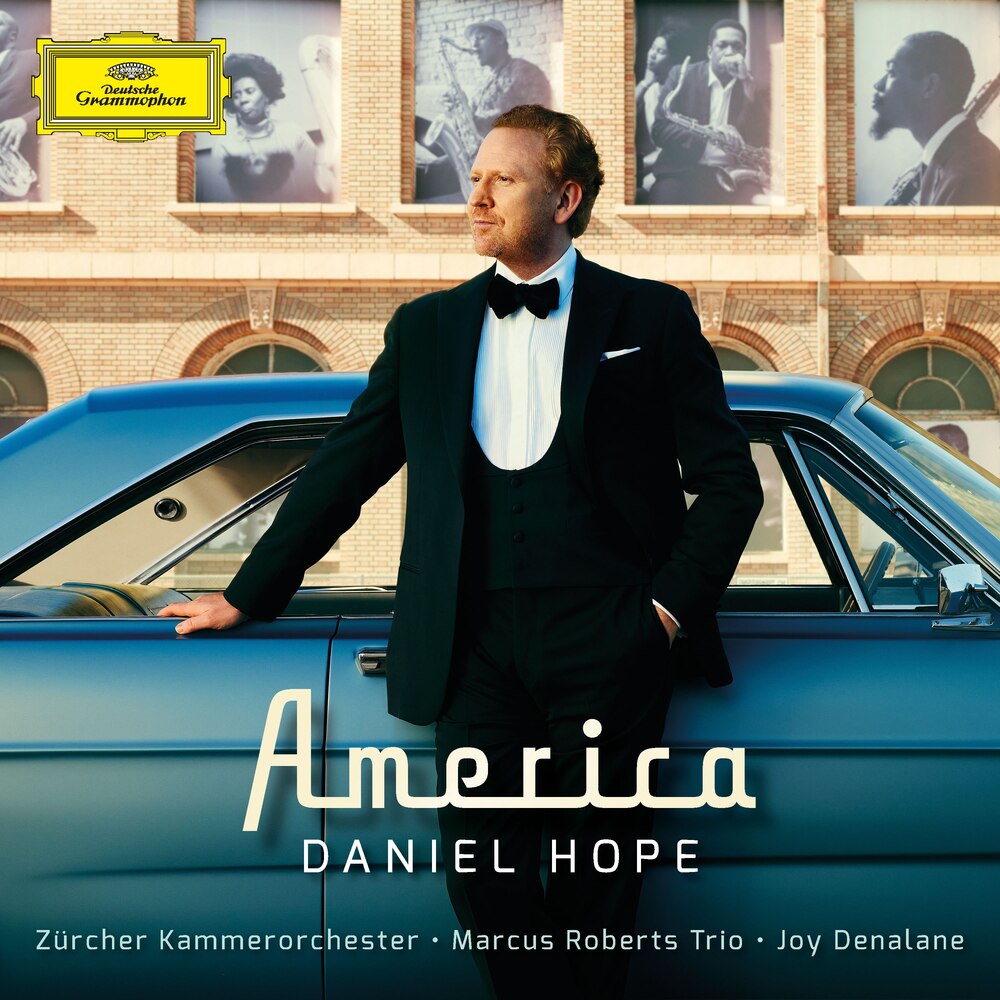
07 Daniel Hope America jpegOn Daniel Hope – America the violinist explores America’s musical heritage in new arrangements by Paul Bateman (Deutsche Grammophon140049 deutschegrammophon.com/en/artists/danielhope).

Most of the tracks are for violin and string orchestra, featuring the Zürcher Kammerorchester in the five-piece Gershwin Song Suite, selections from Bernstein’s West Side Story, Florence Price’s Adoration, Copland’s Long Time Ago, At the River and Hoedown, Kurt Weill’s September Song, My Ship, Speak Low and Mack the Knife, Duke Ellington’s Come Sunday and Samuel Ward’s America the Beautiful. The Marcus Roberts jazz piano trio joins Hope for the Gershwin, and jazz singer Joy Denalone and pianist Sylvia Thereza are the collaborators on Sam Cooke’s A Change Is Gonna Come.

The effectiveness of the arrangements varies, but as usual Hope is in great form and perfectly at ease in this style of music.
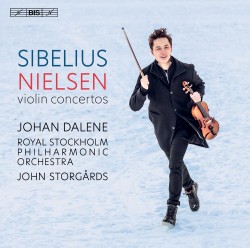
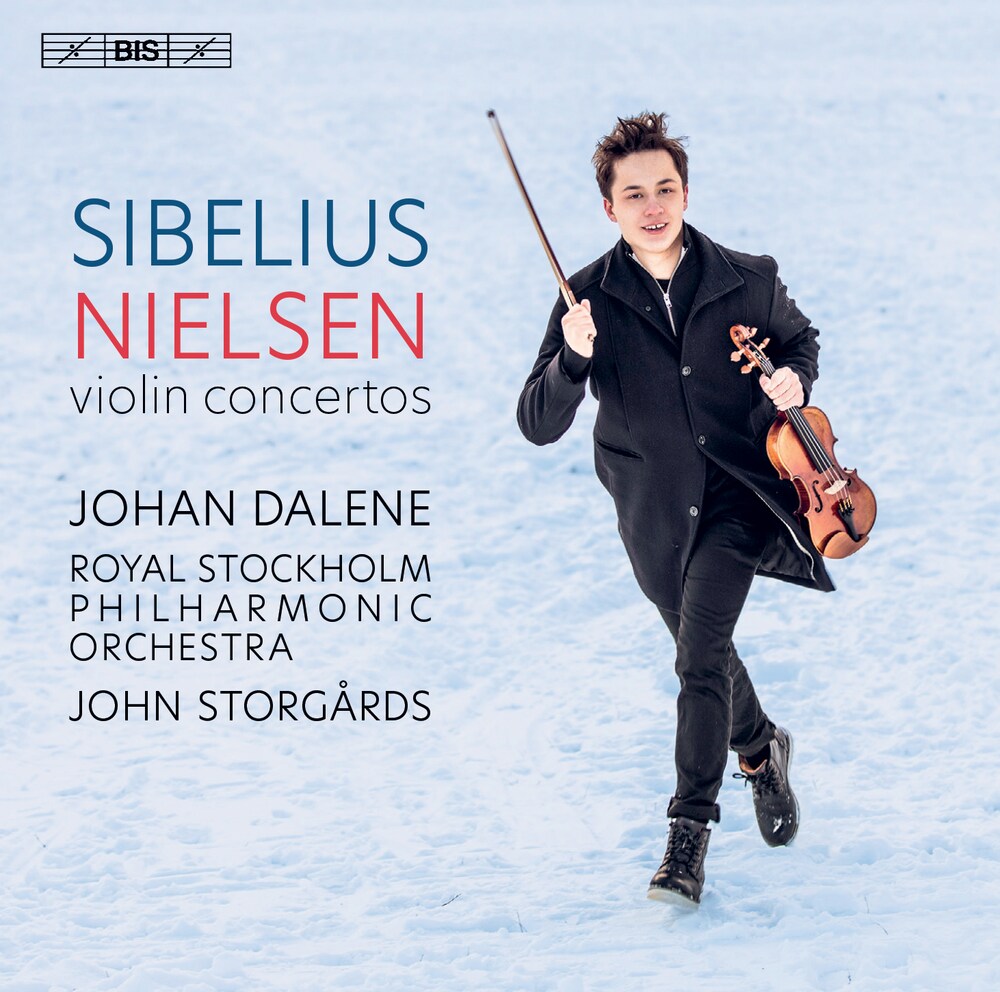
08 Sibelius NielsenThe young Norwegian violinist Johan Dalene, winner of the 2019 Carl Nielsen Competition follows up last year’s first recital disc with an outstanding concerto CD with Sibelius Nielsen Violin Concertos, with the Royal Stockholm Philharmonic Orchestra under John Storgårds (BIS-2620 bis.se).

The composers were both born in 1865 and were excellent violinists, but their concertos, while written within seven years of each other, are markedly different in style. The Sibelius Concerto in D Minor Op.47 from 1904 is in the traditional three-movement form, while Nielsen’s Concerto Op.33 from 1911 is in two movements, each with slow and fast sections.

Dalene has a bright but not huge tone and technique to burn, and puts a quite individual stamp on both works, always sensitive in the Nielsen and simply dancing through the upper register challenges in the Sibelius.
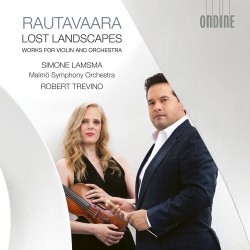
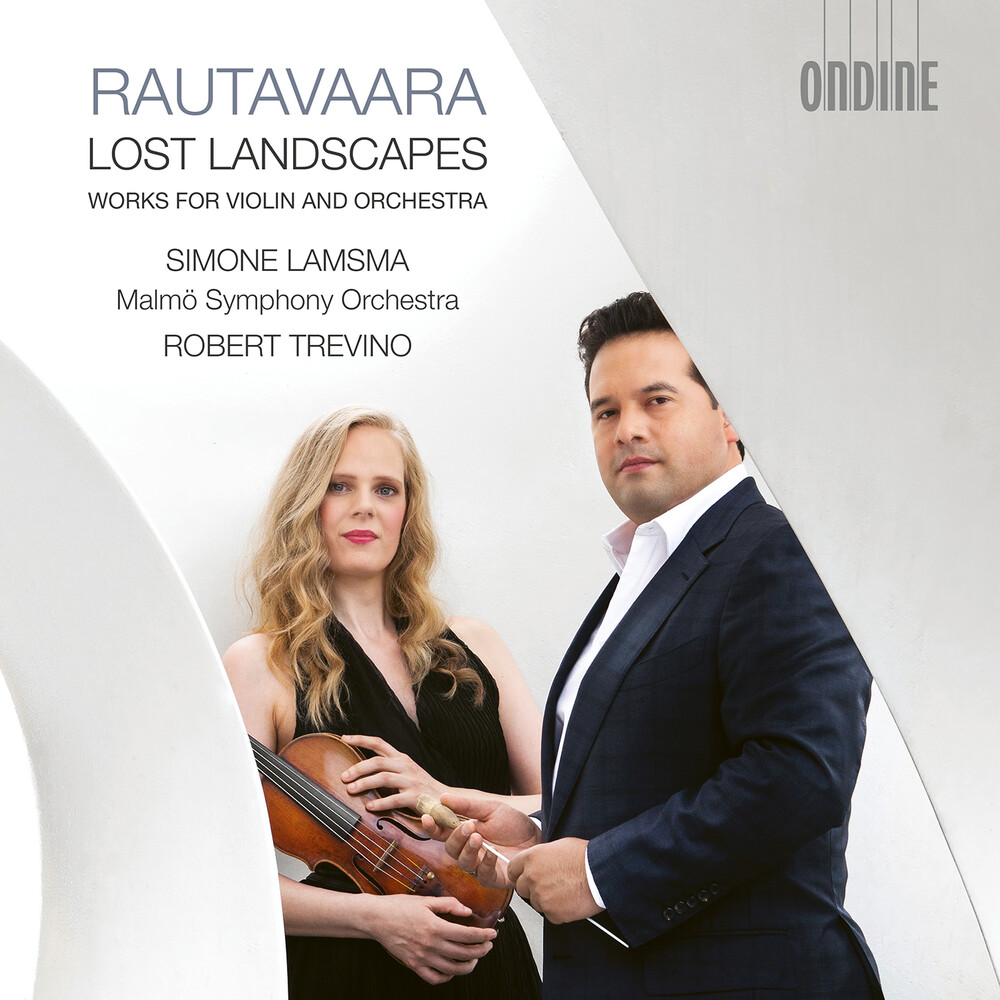
09 Rautavaara Lost LandscapesThe final four orchestral works of Finnish composer Einojuhani Rautavaara (1928-2016) are presented on Lost Landscapes: Works for Violin and Orchestra, a really sumptuous CD featuring violinist Simone Lamsma and the Malmö Symphony Orchestra under Robert Trevino (Ondine ODE 1405-2 naxosdirect.com/search/ode+1405-2).

The beautiful Fantasia from 2015 was written for violinist Anne Akiko Meyers. Deux Sérénades was written in 2016 at the request of Hilary Hahn; the second movement was left unfinished at the composer’s death, with the orchestration completed by Rautavaara’s 1970s student Kalevi Aho in 2018.

The four-movement Lost Landscapes, a revisiting of locations that were important to the composer in his youth was originally a 2005 violin and piano work for Midori, adapted by Rautavaara for violin and string orchestra in 2013-14. Simone Lamsma was the soloist at the full premiere in Malmö in 2021. Lost Landscapes is a world-premiere recording, as is the short orchestral piece In the Beginning from 2015.
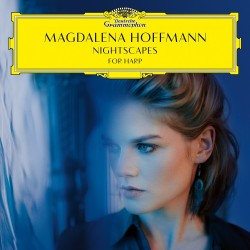
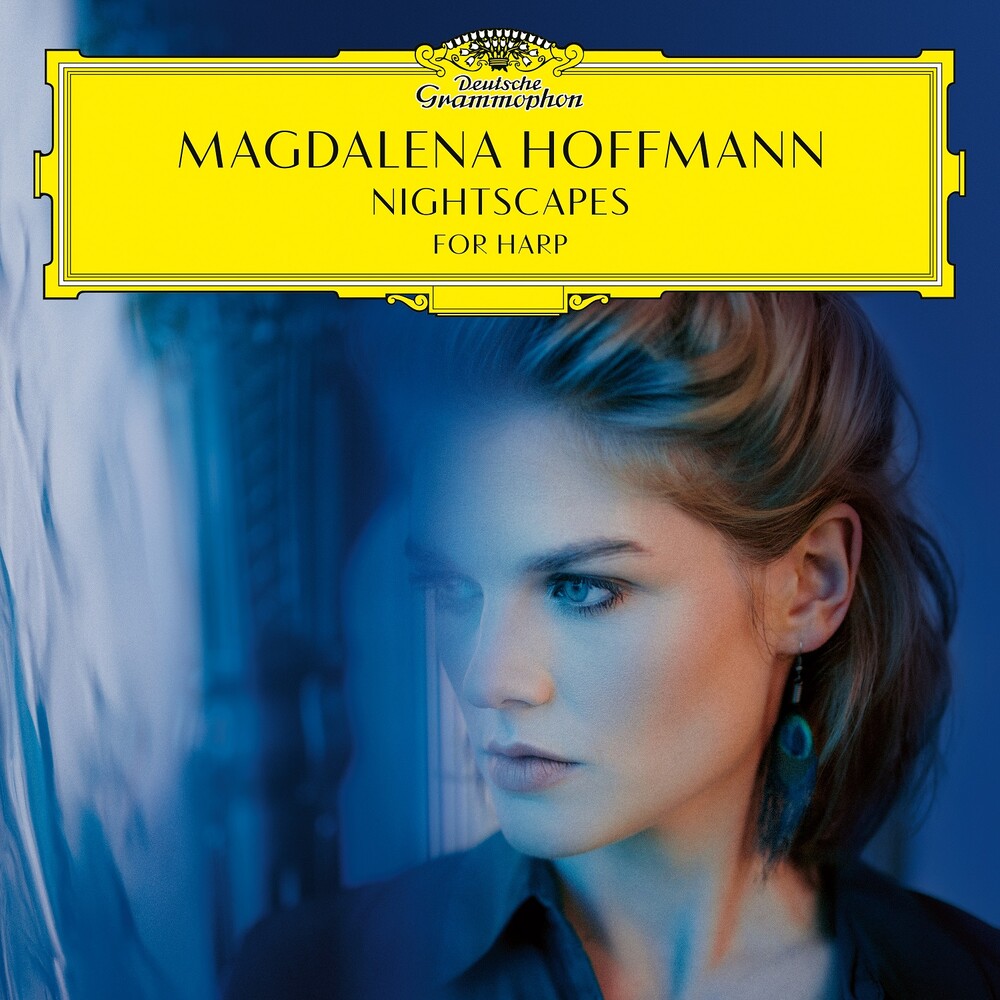
10 Magdalena HoffmannThe modern concert harp weighs about 40 kilos, has 47 strings and seven pedals used to raise their pitch, and requires foot as well as manual dexterity, all of which makes the beautifully nuanced and virtuosic performances by Magdalena Hoffmann on Nightscapes for Harp, her debut album on the DG label, all the more remarkable (Deutsche Grammophon 4861724 deutschegrammophon.com/en/artists/magdalena-hoffmann).

Both original works and piano pieces transcribed by Hoffmann are featured in a delightful recital. Britten’s Suite in C Major Op.83 with its Notturno middle movement is the central work in a program that includes Notturno movements by Respighi and Clara Schumann, two Nocturnes by John Field, a Nocturne and three Waltzes by Chopin, Pizzetti’s Sogno and the Nocturne for Left Hand Alone by the American jazz pianist Fred Hersch.

For pure wow factor, though, the Danse des Lutins by the French harpist Henriette Renié, Marcel Tournier’s La danse du Moujik and Jean-Michel Damase’s Fantaisie on Tales of Hoffmann are simply stunning.
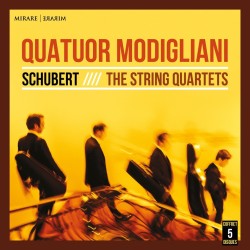
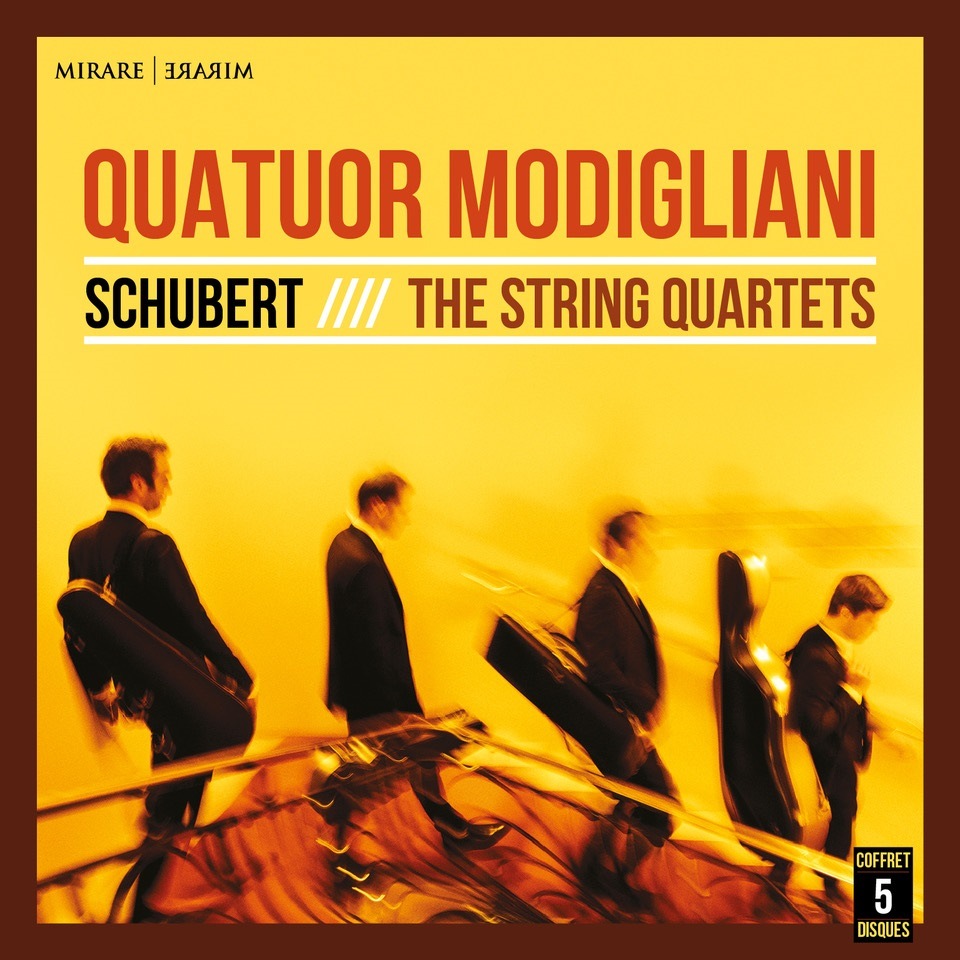
11 Schubert ModiglianiSchubert wrote string quartets for almost his entire life, with 15 surviving works composed between 1810 or 1811, when he was 13 or 14, and 1826, less than two years before his death; at least another four or five are lost. The complete canon is available in a new 5CD box set of Schubert – The String Quartets in immensely satisfying performances by the Quatuor Modigliani (Mirare MIR588 mirare.fr/catalogue).

The quartets are creatively grouped in threes with a common thread, the five volumes being labelled Harmony, The Art of Song, The Classical Spirit, Sentiments of the Soul and Light and Shadow. Melissa Khong’s excellent booklet essay and the generous spacing between the tracks add to an excellent release.
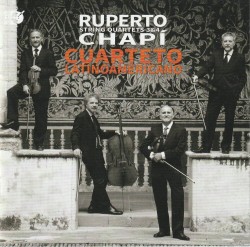
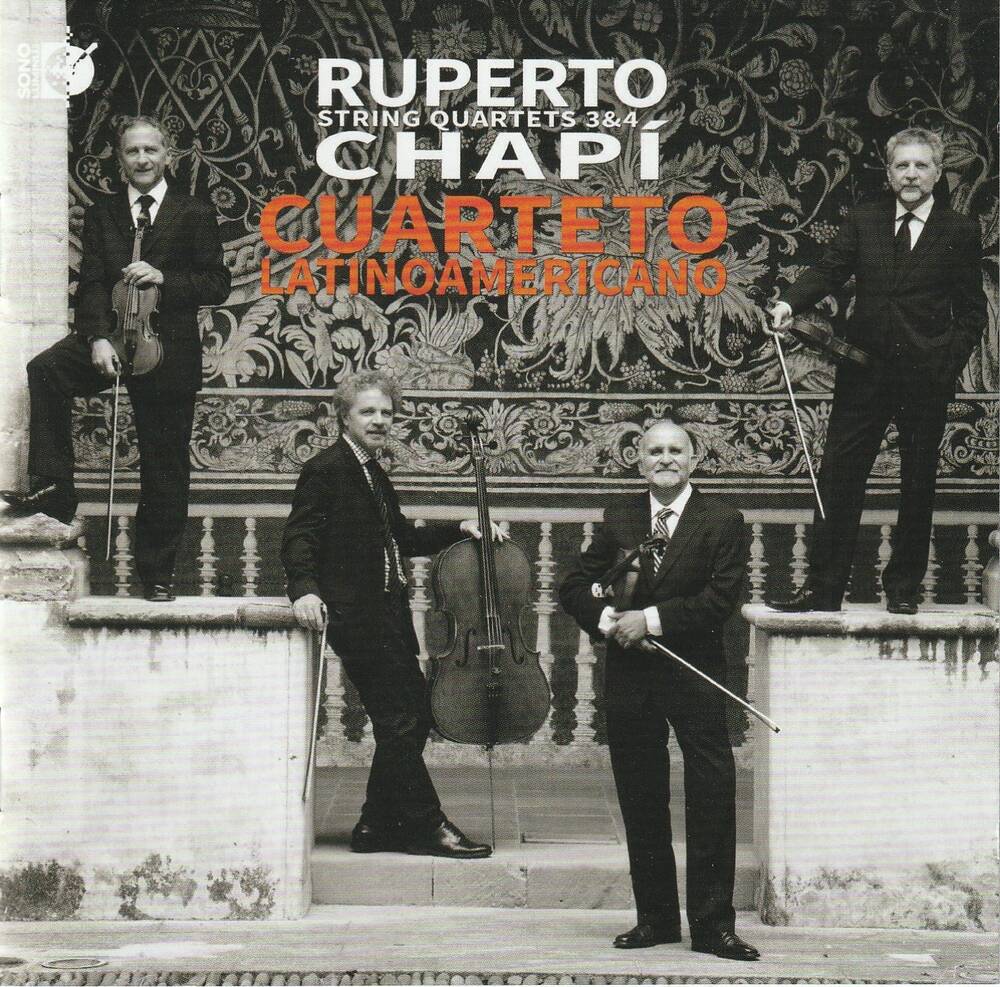
12 Ruperto Chapi String Quartets 3 4The Spanish composer Ruperto Chapí (1851-1909), known essentially as a composer of zarzuelas, only became interested in chamber music late in life, starting his four string quartets in 1903. The last two of them are featured in performances by the Cuarteto Latinoamericano on Ruperto Chapí String Quartets 3 & 4 (Sono Luminus DSL-92254 sonoluminus.com).

There had been virtually no Spanish string quartet music, ensembles or societies in the 75 years preceding 1901, when the Sociédad Filarmónica and the Cuarteto Francés were both founded in Madrid. Chapí’s third and fourth quartets were premiered by the Cuarteto Francés in 1905 and 1907 respectively.

Described as brilliantly funnelling the colour of the zarzuela into the string quartet genre, they are attractive, substantial and well-written works that present frequent technical challenges to the performers. The Cuarteto Latinoamericano, founded in Mexico in 1982, is in its element here in full-blooded performances.
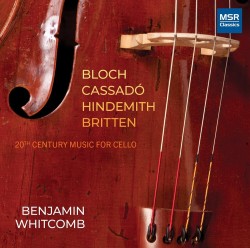
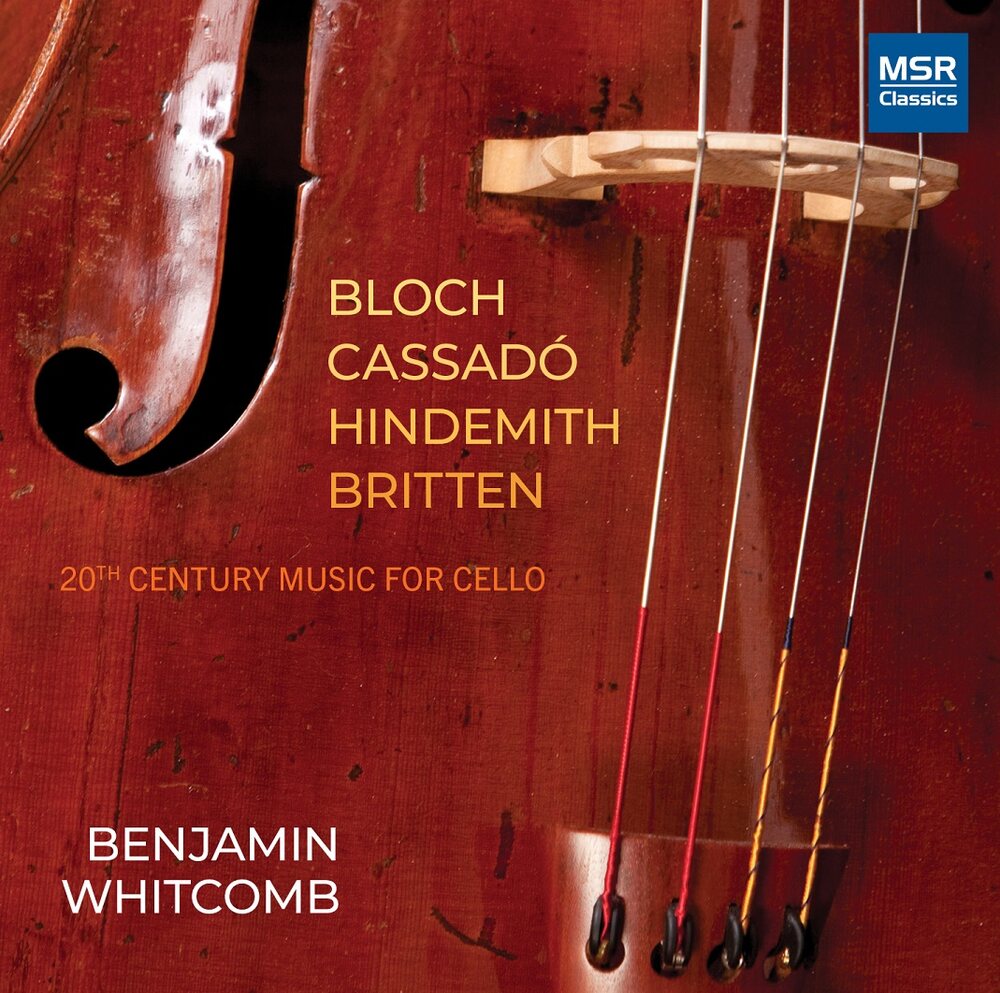
13 20C CelloOn his second volume of 20th Century Music for Cello cellist Benjamin Whitcomb gives solid performances of four works for the solo instrument (MSR Classics MA 1798 msrcd.com).

The works are Hindemith’s 1922 Cello Sonata Op.25 No.3, Ernest Bloch’s 1956 Suite No.1, Gaspar Cassadó’s 1926 Suite for Solo Cello and Britten’s Suite No.2 Op.80 from 1967.

Whitcomb has a broad, rather strident tone that tends to lack warmth at times in these competent readings, although there’s the occasional moment – especially in the Cassadó – where the intonation seems somewhat less than secure.


Back to top