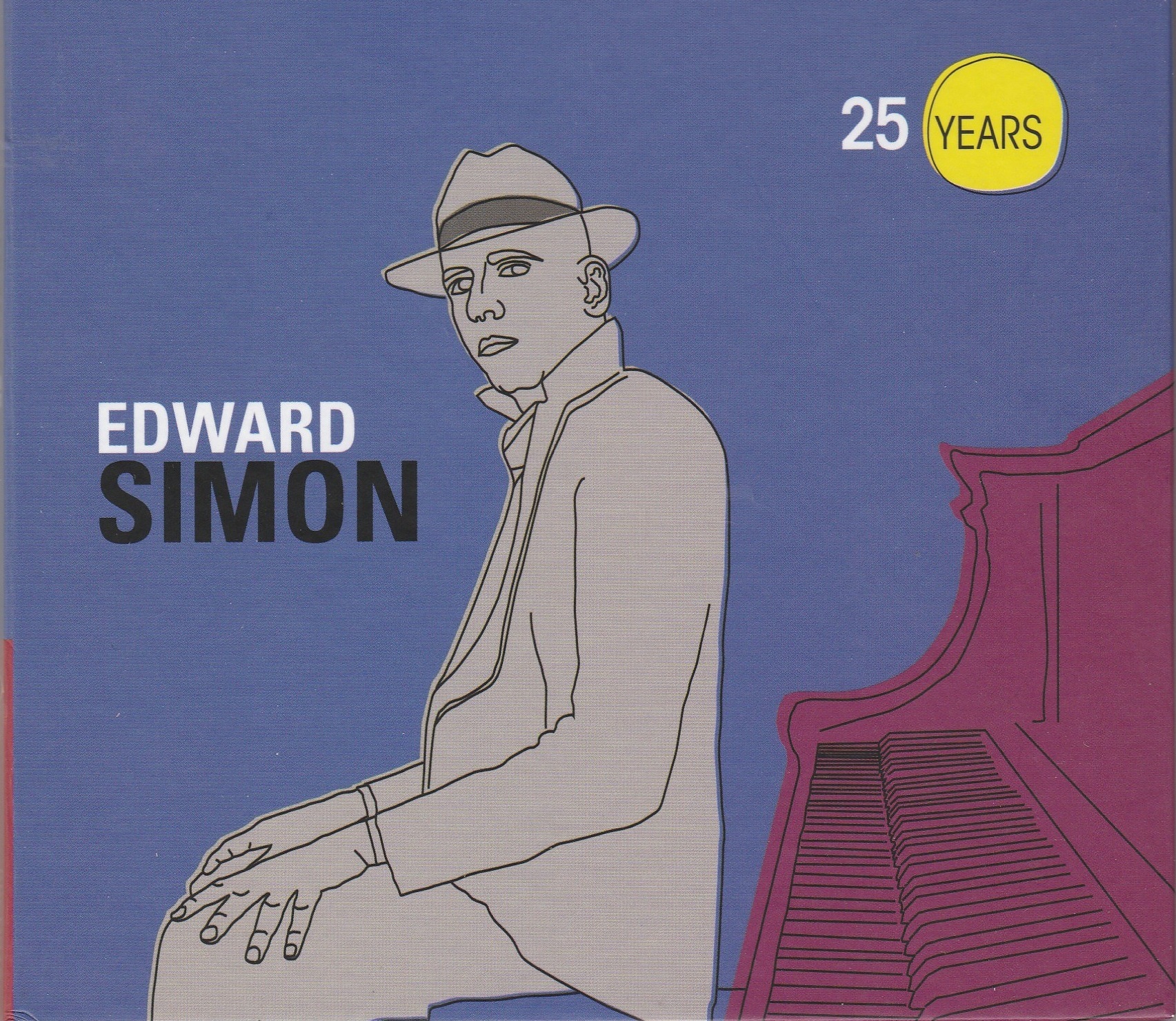
07 Edward Simon25 Years
Edward Simon
Ridgeway Records RRCD016 (edwardsimon.com/store#!/25-Years)

Edward Simon is one of the most unique and gifted pianists of his generation. Since landing in New York during the late 1980s, he’s been extremely prolific and has worked with some of the biggest names in jazz. The singular path he’s paved for himself and fellow musicians, mixing traditional jazz and Latin-American music, has garnered him kudos and respect from peers and aficionados. However, due to the lack of publicity under which he tends to operate, a significant portion of his 17-album-strong catalogue remains largely unheralded. 

It is the fact that many people will enter this new career retrospective unfamiliar with his body of work that gives the concept so much power. Sure, they’ll come for Simon’s high-profile collaborators such as Mark Turner, Avishai Cohen and the incomparable Brian Blade, but they’ll undoubtedly stay for the bandleader himself. Edward Simon is the complete package. As a composer and arranger, he is not only a soulful melodist and an adept polylinguist, but he also knows how to maximize the potential of the jazz ensemble. The reassuring tranquility he gets out of his trio on the appropriately titled Simplicity works in magnificent contrast to the SFJAZZ Collective’s torrential sonic hurricane on the track Venezuela unida. As a player, he manages to be equal parts precise and expressive. His solo on Pere is a particularly devastating display. If, for whatever reason, you aren’t aware of Edward Simon’s stunning work, now’s as good a time as any to familiarize yourself.

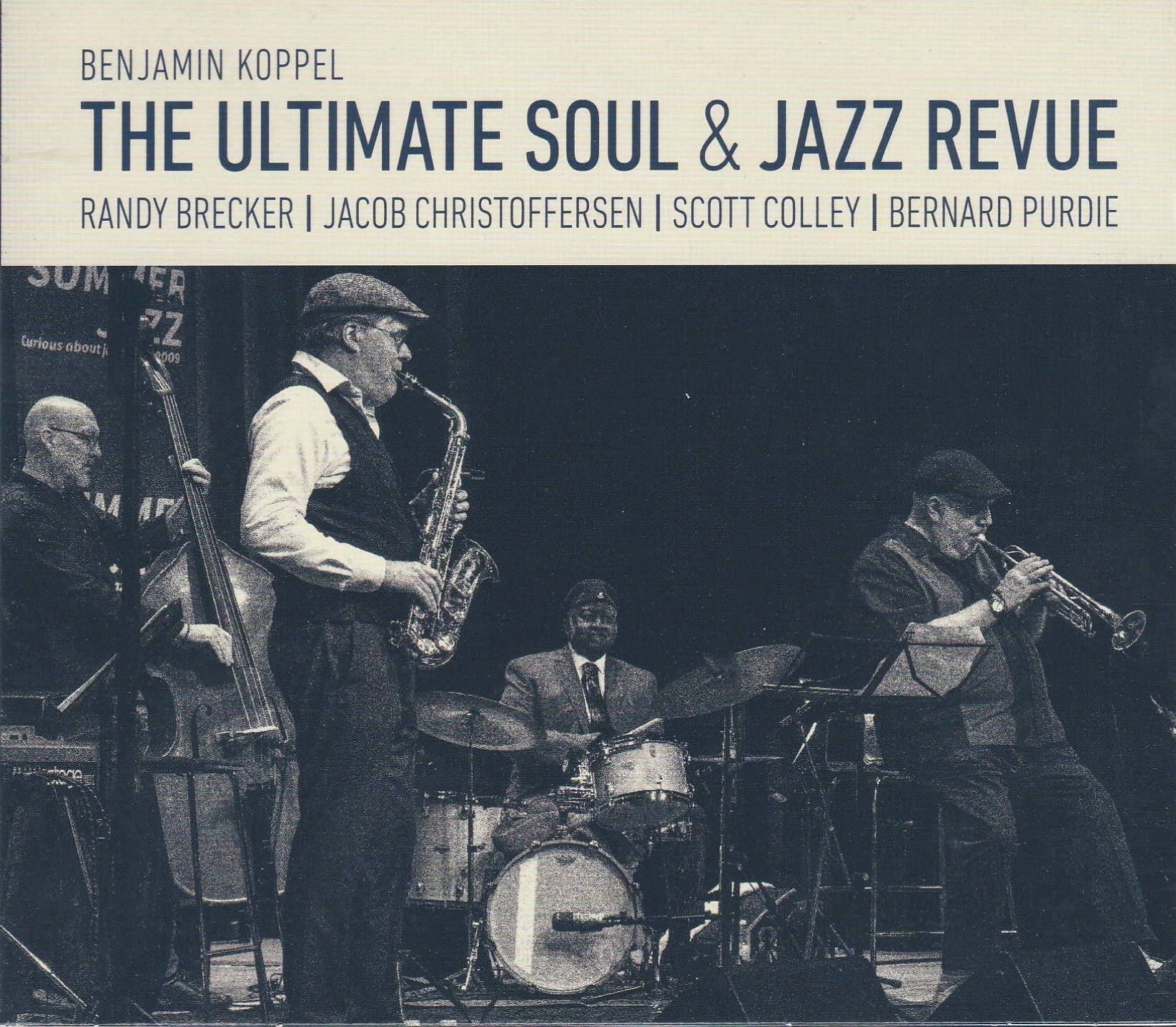
09 Ultimate SoulThe Ultimate Soul & Jazz Revue
Benjamin Koppel; Randy Brecker; Jacob Christoffersen; Scott Colley; Bernard Purdie
Cowbell/Unit UTR 4959 (unitrecords.com/releases)

Renowned Danish saxophonist and composer Benjamin Koppel’s latest release is a toe-tapping, upbeat trip into the soul and funk side of jazz, guaranteed to breathe life into any of the greyest days. Koppel has called together a stellar group of musicians to enliven each track, including greats such as Randy Brecker on trumpet, Jacob Christoffersen on the keys, Scott Colley on bass and Bernard Purdie on drums. The album features both songs composed by Koppel himself and new versions of classics by artists such as Dizzy Gillespie, Curtis Mayfield and Stevie Wonder. The saxophonist has done a wonderful job of bringing a modern touch and his own unique flavour to well-known tunes, shining a new light on them. 

Them Changes starts off the record with a captivating groove set up by Colley’s pizzicato bass line mingling with Purdie’s driving groove, overlaid by Koppel’s soaring riffs and Brecker’s sonorous horn melodies. A spruced-up and funkier rendering of one of Gillespie’s best known songs, Manteca is positively addictive with Christoffersen’s use of the Fender Rhodes bringing just the right amount of the past into the present. Stevie Wonder’s famed tune Don’t You Worry ‘Bout a Thing adopts a more jazz-influenced flavour than the original, bringing in a great play on the tune throughout, with Koppel’s improvised solo being the cherry on top. A fantastic record as a whole, this would be a worthy addition to any aficionado’s collection.

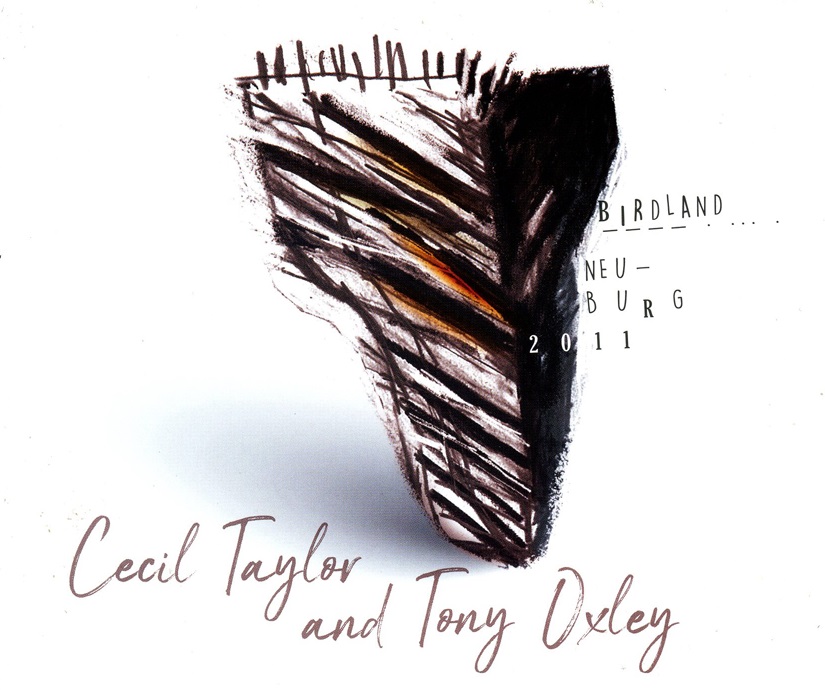
11 CecilTaylorBirdland, Neuburg 2011
Cecil Taylor and Tony Oxley
Fundacja Sluchaj FSR 13/2020 (fsrecords.net)

A remastered radio broadcast of a two-part improvisation by American pianist Cecil Taylor (1929-2018) and British percussionist Tony Oxley (b.1938) at an intimate German club performance, Birdland offers irrefutable evidence of the mastery of men who had at that point been collaborating for more than two decades.

Free music avatar and one of the 20th century’s most influential musicians, Taylor’s sound world is only off-putting if one is frightened by modern music. Demonstrably dramatic, shaded and fluid, while being spontaneous, every key stroke follows cerebral logic, with each piece possessing as categorical an introduction, elaboration and conclusion as any notated score. Shaking and vibrating the keyboard and pedals in both smooth and rugged fashion, Taylor’s instantly identifiable style evolves at various pitches and speeds. Often he adds pressurized extensions to intricately elaborated sequences, detouring along unexpected sonic alleyways, then cannily changing course to avoid meandering into musical dead ends. Meanwhile Oxley’s paradigm includes wooden slaps, clanging cymbal and drum plops, each precisely timed so that the pianist’s sudden staccato runs or leaps from one register to another never catch him off guard, but are shadowed or amplified and appropriately balanced.

Taylor was 82 at this gig, yet displayed no loss of interpretative power. Paradoxically in fact, his playing is more adventurous and masterful than on his first LP in 1956. Like a late-career interpretation by Rubinstein or Horowitz, this CD is both defining and definitive.

12 Melody GardotSunset in the Blue
Melody Gardot
Decca Records (melodygardot.co.uk)

Singer/songwriter Melody Gardot has reunited with the Grammy-winning production team from her very successful 2009 release, My One and Only Thrill, for a return to her jazzy roots. With the sensitive guidance of producer Larry Klein and orchestral arrangements by the legendary Vince Mendoza, Sunset in the Blue manages to be both intimate and grand at the same time. 

The opening track, If You Love Me, sets the tone for this collection of originals and standards and originals-that-sound-like-standards, as this brand new song feels as familiar as an old friend.

Actual standards get masterful treatment and don’t deviate too far from other well-known covers. Moon River, might give you a sense of déjà vu, as the engineer for the track – Al Schmitt – is the same one who recorded Audrey Hepburn’s legendary version of the Mancini classic. 

Mendoza’s arrangements enhance Gardot’s subdued delivery while never overwhelming. C’est Magnifique is a prime example. The duet, with fado singer António Zambujo, is a sensual tribute to the sea, sung in English, French and Portuguese. At its heart it’s a simple song, but the orchestration elevates it to an exquisite piece of ear candy, reminiscent of an idyllic life and love. (For a little virtual escape, check out the accompanying video on YouTube.) About halfway through the album, a lively samba, Ninguém Ninguém, is a welcome palate cleanser. Feel free to get up and dance. 

Closing out the album is a stripped down version of I Fall in Love Too Easily. Anthony Wilson’s gorgeous guitar work along with Gardot’s somewhat world-weary delivery, is an emblem for these times, allowing us to reflect on where it all went wrong.

Listen to 'Sunset in the Blue' Now in the Listening Room

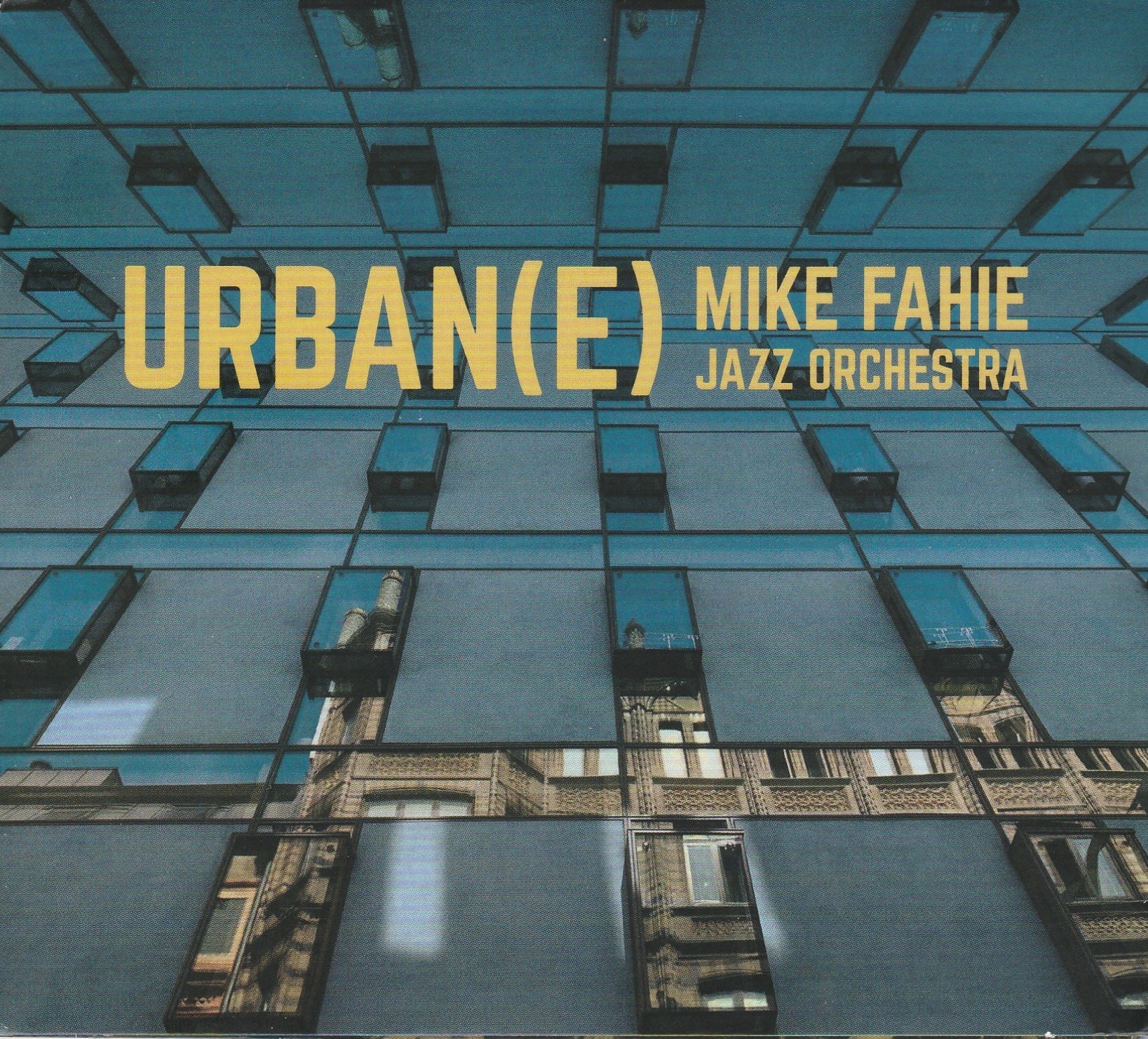
13 UrbaneUrban(e)
Mike Fahie Jazz Orchestra
Greenleaf Music FRE CD 1077 (mikefahie.bandcamp.com)

Although the Mike Fahie Jazz Orchestra has been together in New York since 2012, Urban(e) is their first album. Fahie, who composed and arranged all the works along with playing trombone and euphonium, had a fascinating concept of rearranging classical works into a jazz orchestra context. 

Of course one can think back to Deodato’s Also Sprach Zarathustra, or ELP’s Pictures at an Exhibition to know this concept has been around for a while. But Urban(e)’s strength is in Fahie’s subtlety where his arrangements are always true to his source material, but sometimes that truth is more metaphoric than harmonic. His extensive liner notes provide great insight into his interpretive process. One highlight is Prélude, Op.28 No.20 by Frédéric Chopin (whose chords and style anticipate many elements of modern jazz). Chopin’s prelude is only 12 bars, but Fahie rearranges it for his orchestra, then doubles the tempo twice and writes a new melody which works into a quietly swinging piano solo from Randy Ingram. Another gem is Excerpts from The Firebird which, over its 14 minutes, uses many motifs from Stravinsky’s original. The piano mimics the firebird waking up and singing her song, the tempo picks up and as Ingram’s scales and arpeggios become livelier the piece moves into an effervescent and lively tenor saxophone solo by Quinsin Nachoff. Midway through we have an introspective section with a beautiful euphonium and tuba duet (Fahie and Jennifer Wharton) where time seems suspended for a moment. 

Urban(e) is an intelligent and sophisticated collection of jazz works which we can admire on their own, or from the context of their classical origins.

Listen to 'Urban(e)' Now in the Listening Room

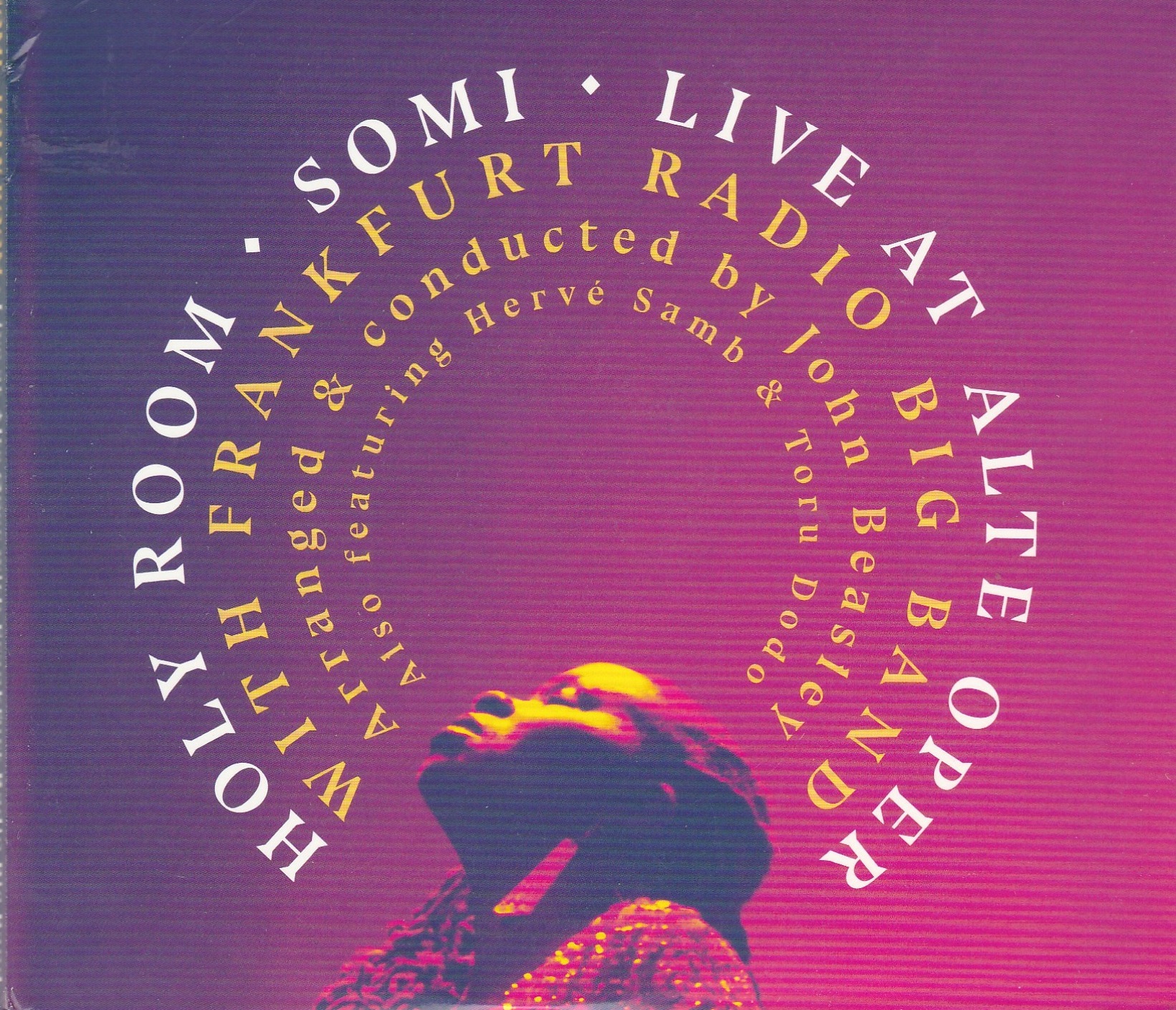
14 Somi Holy RoomHoly Room – Somi Live At Alte Oper
Somi; Frankfurt Radio Big Band; John Beasley
Salon Africana (somimusic.com)

It has been six decades since the rebirth of Afrocentric musical matriarchy shepherded by Miriam “Mother Africa” Makeba in the 1960s. That flame may have flickered somewhat after her death, but has since been rekindled by such phenomenal artists as Angélique Kidjo and the women of Les Amazones d’Afrique, Rokia Traoré, Fatoumata Diawara and Sandra Nkaké. Now, with her third – and most spectacular recording – Somi joins this illustrious list of formidable women storytellers. 

Somi is adept at traditional storytelling, a gift that African griots, griottes and gnawa healers have brought to music. It is something that reflects both the nurturing characteristic of women and their new, overarching influence as contemporary musicians. Somi reflects this awakening of feminine consciousness powerfully. Her performance in Frankfurt, captured here on the two discs of Holy Room, evokes the power of femininity and storytelling at their finest. Working her magic, bolstered by the empathetic playing of guitarist Hervé Samb and pianist Toru Dodo, Somi elevates her artistry to a rarefied realm. 

She uses the power of her soaring soprano to dig deep into the meaning of the lyrics of Kadiatou the Beautiful, Like Dakar and Ingele. The bittersweet music of Alien and Lady Revisited is performed with potent evocativeness. The great German-American contrabassist Hans Glawischnig plays a masterful pizzicato introduction to The Gentry and the Frankfurt Radio Big Band, under the baton of the celebrated pianist and arranger John Beasley, is superb throughout.

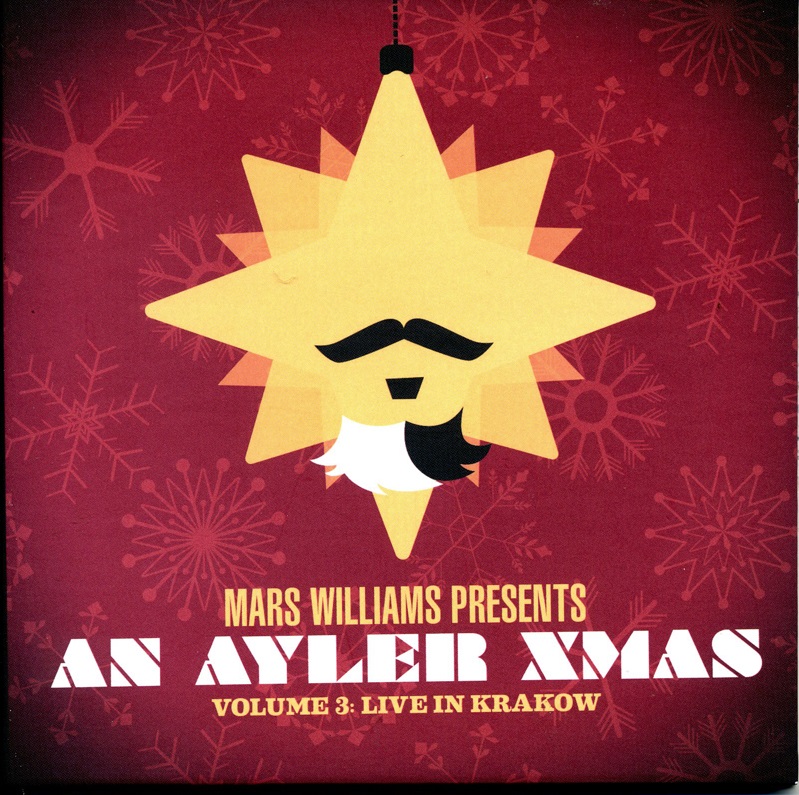
15 AylerXmasAn Ayler Xmas Vol. 3 Live in Krakow
Mars Williams Presents
NotTwo MW 996-2 (nottwo.com)

At first it may appear that pioneering free jazz saxophonist Albert Ayler (1936-1970) and Christmas music have little in common. But especially after noting the devotional titles of most of Ayler’s repetitively rhythmic compositions, linkage become clearer. Taking this connection to its (il)logical extreme, Chicago saxophonist Mars Williams melds Ayler lines and familiar holiday ditties together with improvisational solos to create sessions that are as amusing as they are avant garde.

Aided by trumpeter Jamie Branch, drummer Klaus Kugel, bassist Mark Tokar and especially the guitar and electronics of Knox Chandler, Williams comes up with unique sonic pastiches. Linear readings of fare like Jingle Bells and The First Noel, for instance, come in and out of focus while sharing contrapuntal melodies with Ayler’s simple hand-clapping tunes. Added are brassy trumpet yelps, altissimo saxophone squeaks and multiphonic honks as well as jiggling and juddering programmed oscillations that seem to come from further out in space than the path of Santa Claus’ sleigh. 

Not content with only that admixture, the quintet ups the ante on this live December 2018 performance by adding a strain of reggae rhythms underneath the familiar tunes. Live in Krakow is a sui generis disc that’s sure to enliven – and puzzle – any holiday gathering with its joyful audacity. Plus where else would you be able to hear a straight recitation of ‘Twas the Night before Christmas decorated with baubles of dissonant stop-time whinnies, shakes and honks?

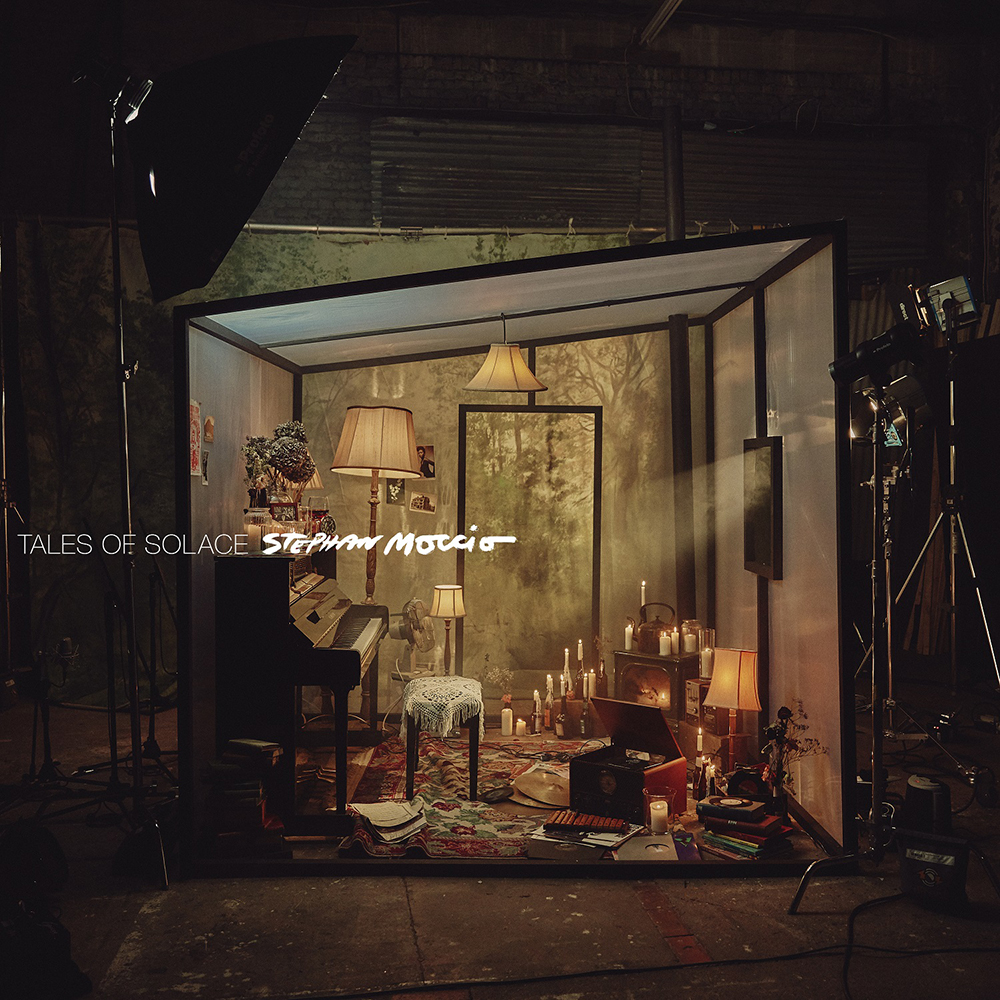
01 Stephan Moccio TALES OF SOLACE webTales of Solace
Stephan Moccio
Decca Records (stephanmoccio.com)

WholeNote readers may be familiar with Stephan Moccio from his acclaimed work as a world-class songwriter, penning megahits for such artists as Celine Dion, Miley Cyrus and Avril Levigne. On this recording, however, Moccio leaves behind his songwriting chair for the piano bench, as he returns to the keyboard and his beloved classical roots, with stunning results.

Tales of Solace offers us 16 beautifully crafted and intimate vignettes, each with its own particular sonic and thematic signature, united throughout by Maccio’s poetic touch and great command of harmony, timing and space. Vaguely familiar sounding melodic motifs rise to the surface, only to disappear back into the rolling and shifting musical landscape, cinematic, yet intimate in its scope and detail.

Many of the pieces are deeply personal: Through Oscar’s Eyes is for his son, and features a delicate melody over rolling arpeggiated figures. La Fille Aux Pouvoirs Magiques unfolds like a beautiful meditation, an acknowledgement for someone special in his life. All are performed and recorded on his custom-built Yamaha YUS5 piano.

It takes a great deal of patience and deep listening to create this kind of music. Thank you, Stephan Moccio, for one of the finest and most memorable releases of the year – one to treasure.

Listen to 'Tales of Solace' Now in the Listening Room

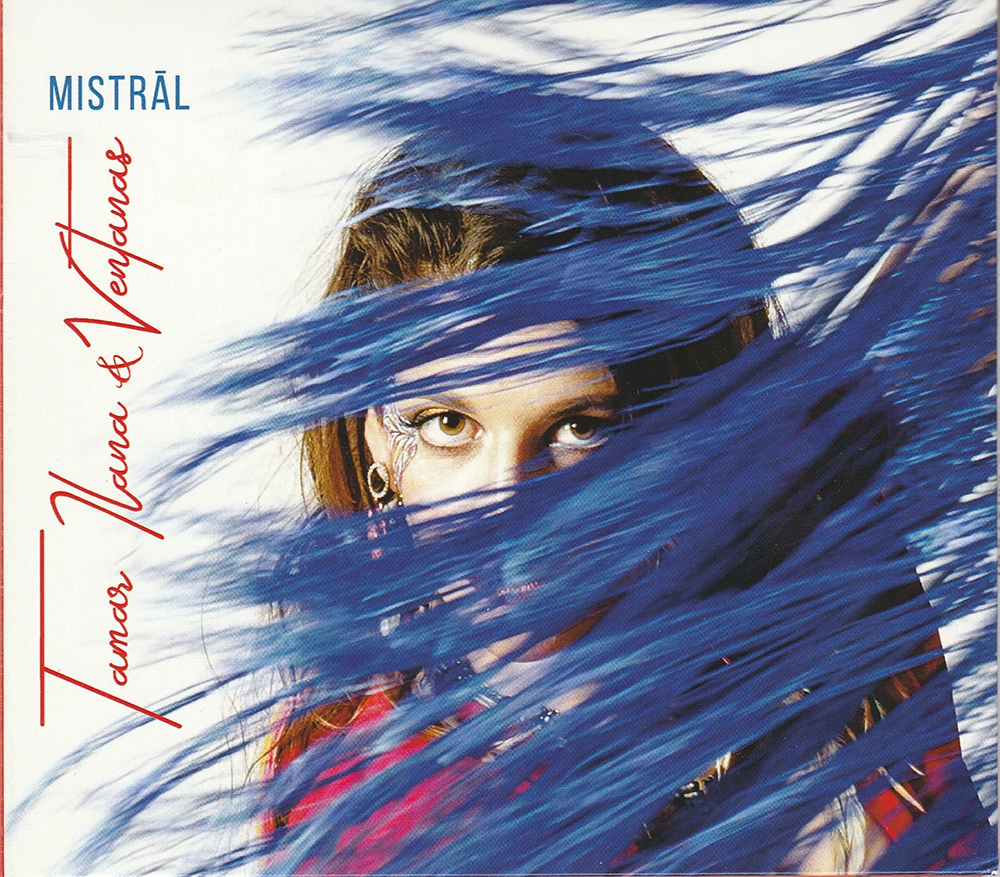
02 Tamar Mistral webMistral
Tamar Ilana & Ventanas
Independent (tamarilana.com)

Tamar Ilana had been dancing and singing in the flamenco/Middle Eastern/Balkan music realm since she was a girl, so although still relatively young, she’s now somewhat of a global-music veteran. She comes by it honestly, as her mother, Dr. Judith Cohen, is a respected ethnomusicologist who Ilana credits with introducing her to many of the styles of music on this lovely album.

Mistral is the third release by the Toronto-based group, and Ilana and her Ventanas bandmates cover off a range of instruments and styles. All contribute vocals in an impressive seven different languages. Percussionist Derek Gray does multiple duty on Tibetan singing bowls, cymbals, darbuka, djembe, cajon and good ol’ drum kit. Demetri Petsalakis’ string mastery shines on oud, lyra and saz. Benjamin Barile’s assertive guitar playing is an excellent foil for Ilana’s strong, emotive singing. Barille also wrote two rousing flamenco tunes, and Jessica Hana Deutsch contributed several songs – including a lovely instrumental honouring Martin Luther King Jr. – along with versatile violin and viola playing throughout. Bass player Justin Gray co-produced the album and has kept it relatively raw, letting the musicians’ talent and passion come through in an authentic way. The lyrics (helpfully translated in the liner notes) reveal themes of longing, loss and love – themes that unite us all, no matter where we’re from.

Listen to 'Mistral' Now in the Listening Room

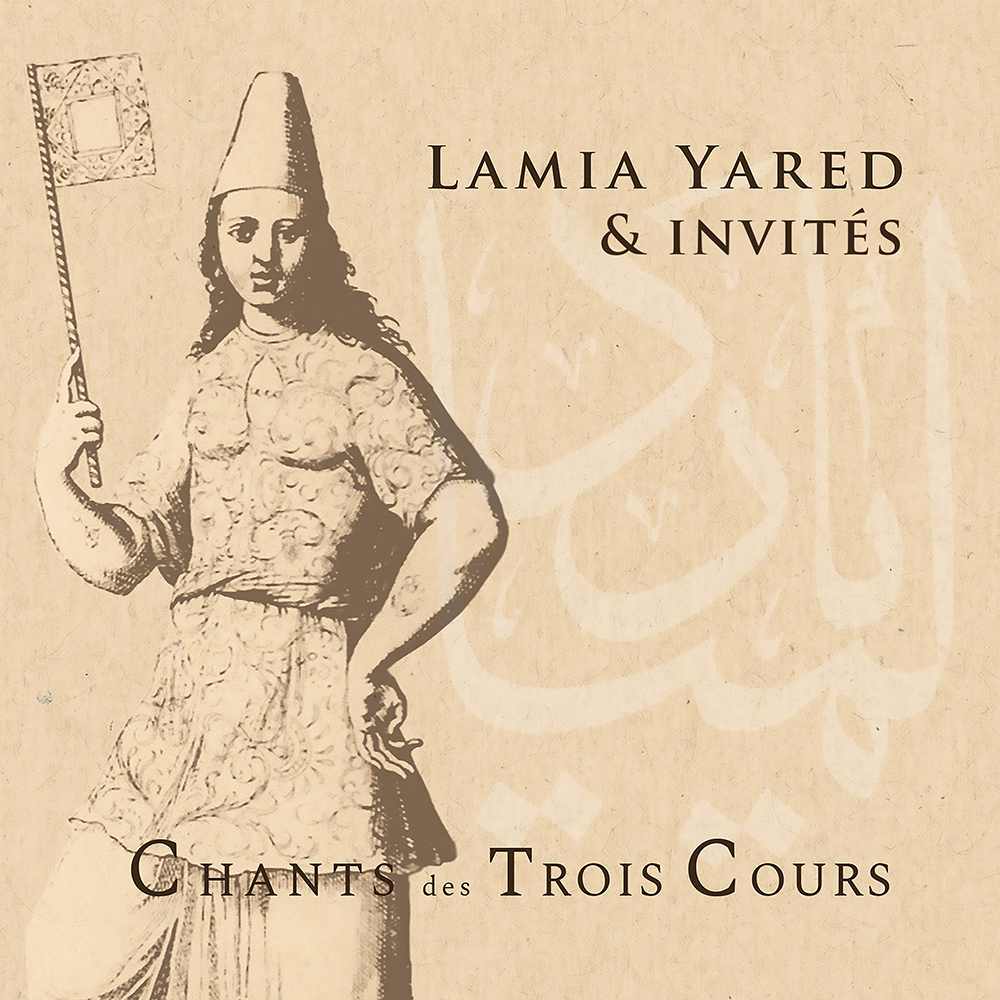
03 Lamia Yared webChants des Trois Cours
Lamia Yared & Invités
Independent (lamiayared.com)

Over the scope of 15 tracks on Chants des Trois Cours, commanding Lebanese-Canadian singer and music director Lamia Yared plus seven virtuoso musician “friends” explore three of the cultures that contributed to the Ottoman musical world. This ambitious Persian composers and Among the album’s delights are the songs in muwashshah, the musical form from Aleppo, Syria with Arabic-Andalusian poetic roots. Jalla Man Ansha Jamalak (A Tribute to Your Beauty), set in maqam Awj Iraq and in the Mrabaa metre of 13 slow beats, is a beautifully performed example.

Montreal-based Yared’s voice soars above her group of outstanding instrumentalists: Nazih Borish (oud), Reza Abaee (ghaychak), Elham Manouchehri (tar), Joseph Khoury (riq and bendir) and Ziya Tabassian (tombak). Cellist Noémy Braun and bassist Jérémi Roy ably enrich the album’s bottom end. Didem Başar, featured on Turkish kanun, also provided the nuanced and very effective arrangements. 

But it is Yared who brings Chants des Trois Cours to life. Propelled by her elegant vocalism, linguistic skills and artistic vision, she piques our interest in the rich musical legacy of this multicontinental, multicultural empire. That this impressive achievement was conceived and produced in Montreal is yet another wonder.

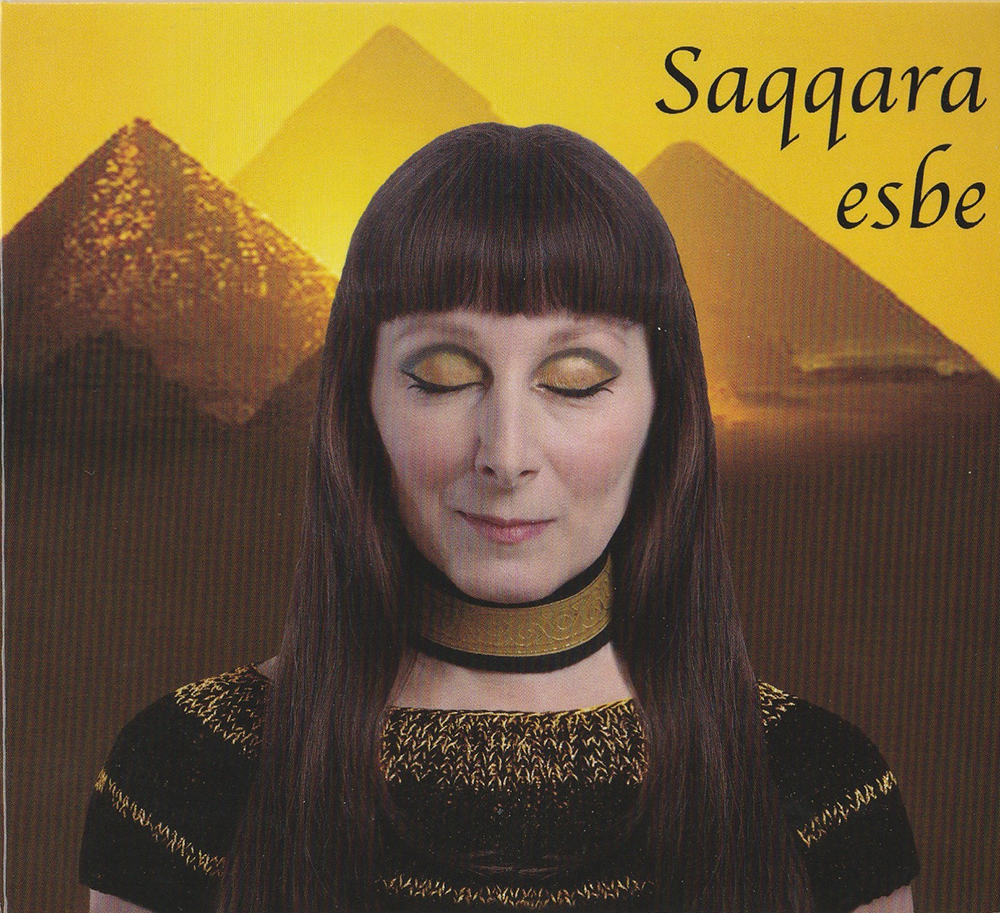
04 Saqqara webSaqqara
Esbe
New Cat Music (esbemusic.uk)

Esbe does not score the instruments and sounds she needs before recording her music. As she herself puts it, she allows serendipity to take her on its own particular journey until there is one unified picture. And this CD presents a highly varied picture as Esbe travels from Egypt (hence Saqqara, site of Egypt’s oldest Step pyramid) through India, Sri Lanka and North Africa.

In fact, modern boundaries count for nothing as Esbe casts her sensuous veil of voice and instrument (and even sound effect) over her listeners, who feel themselves entranced within the lingering and languorous sounds of traditional desertscapes. And yet the sounds of the desert are not the only ones on Esbe’s CD. She employs the Indian tabla, tambourine and various synthetic sounds to create her own Qawaali Dance, a tribute to a spirited and demanding dance form. Her fondness for the rich music of India leads to Eyes of blue, a lovesong of intense beauty. 

Paint the moon is perhaps the most distinctive track. It starts with the most lively beat on the CD, before introducing heartfelt lyrics described by Esbe as perhaps a plea by the moon for an end to the natural depletion of the world by humanity.

Esbe’s final composition inspired by the desert is Bedouin Prince, reflecting the longstanding presence of the Bedouin in North Africa. Its mystic percussion part sets the backdrop for some highly romantic thoughts. In fact, looking at the CD as a whole, those of the romantic persuasion can invite a significant other round, dim the lights and listen to Saqqara...

Listen to 'Saqqara' Now in the Listening Room

Although you couldn’t guess from major record companies’ release schedules, the purpose of a reissue program isn’t to repackage music that has long been available in different formats. It also doesn’t only involve finding unreleased or alternate takes by well-known musicians and sticking them on disc to satisfy completists. Instead, reissues should introduce listeners to important music from the past that has been rarely heard because of distribution system vagaries. This situation has been especially acute when it comes to circulating advanced and/or experimental sounds. Happily, small labels have overcome corporations’ collective blind spots, releasing CDs that create more complete pictures of the musical past, no matter the source. The discs here are part of that process.

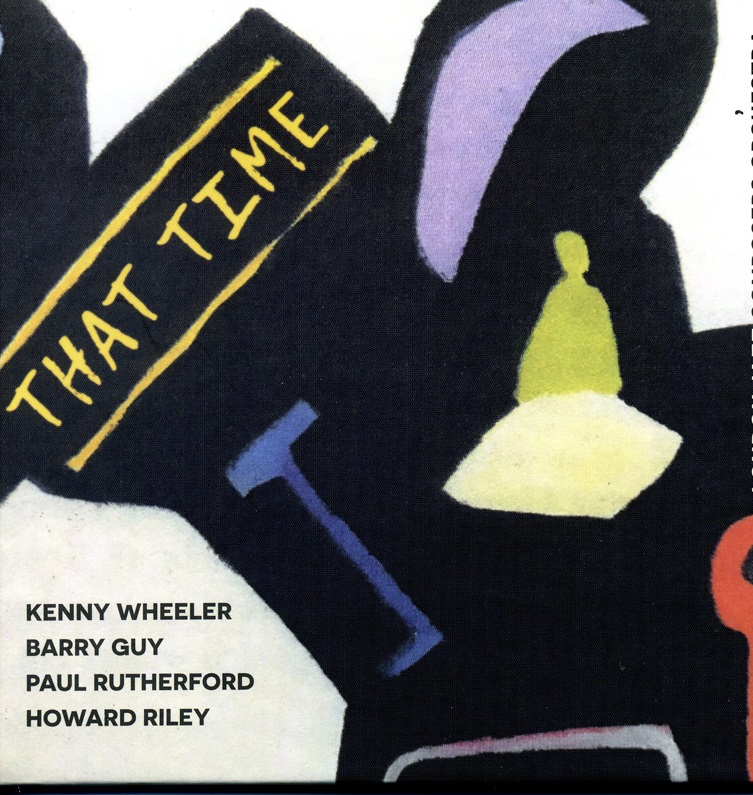
02 ThatTimeProbably the most important find is That Time (NotTwo MW 1001-2), which captures two tracks each from two iterations of the London Jazz Composers Orchestra from 1972 and 1980. Drawn from a period when the LJCO made no professional recordings, the tracks piece together music from radio broadcasts or amateur tapes, sonically rebalanced by a contemporary sound engineer. Although the personnel of the ensemble shrank from 21 to 19 over the eight years, the key participants are accounted for on both dates. Edifyingly each of the four tracks composed by different LJCO members shows off unique group facets. Pianist Howard Riley’s Appolysian, for instance, depends on the keyboard clips and clatters engendered by matching Riley’s vibrating strokes and expressive pummelling with the scalar and circular waves and judders from the string section, which in this case included violinists Phillip Wachsmann and Tony Oxley (who usually plays drums) and bassists Barry Guy and Peter Kowald. Climax occurs when tremolo pianism blends with and smooths out the horn sections’ contributions. Quiet, but with suggestions of metallic minimalist string bowing, trombonist Paul Rutherford’s Quasimode III derives its grounded strength and constant motion from thicker brass expressions and meticulously shaded low-pitched double bass tones. Concentrated power is only briefly interrupted by a dramatic circular-breathing display by soprano saxophonist Evan Parker. Dating from the first session, trumpeter Kenny Wheeler’s Watts Parker Beckett to me Mr Riley? stands out as much for capturing the LJCO in mid-evolution as for its Arcadian beauty. Sophisticatedly arranged, the tune gradually introduces more advanced textures as it advances over Oxley and Paul Lytton’s martial drum slaps and throbs from bassists Guy, Jeff Clyne and Chris Laurence. It pinpoints the group’s transformation though, since the harmonized theme that could come from contemporary TV-show soundtracks is sometimes breached by metal-sharp guitar licks from Derek Bailey, plus stentorian shrieks and split tones from the four trumpeters and six saxophonists.

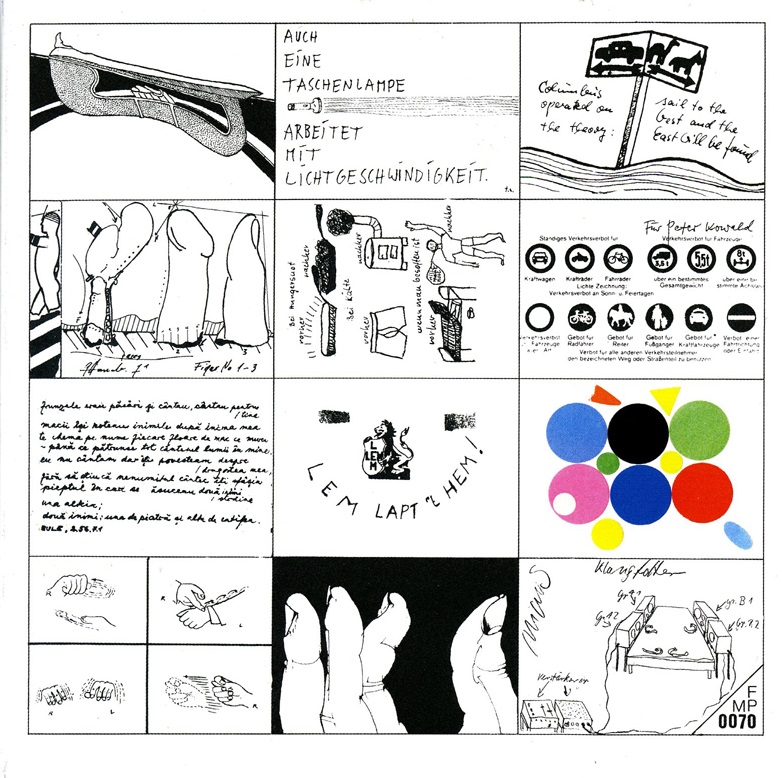
01 PeterKowaldRutherford, who plays on all the LJCO tracks and German bassist Kowald, who plays on the 1980 ones, also make major contributions to Peter Kowald Quintet (Corbett vs Dempsey CD 0070 corbettvsdempsey.com), the first session under his own name by Kowald (1944-2002). Recorded in 1972 and never previously on CD, the disc’s four group improvisations feature three other Germans: trombonist Günter Christmann, percussionist Paul Lovens and alto saxophonist Peter van de Locht. The saxophonist, who later gave up music for sculpture, is often the odd man out here, with his reed bites and split-tone extensions stacked up against the massed brass reverberations that are further amplified when Kowald plays tuba and alphorn on the brief, final track. Otherwise the music is a close-focused snapshot of European energy music of the time. With Lovens’ clattering drum ruffs and cymbal scratches gluing the beat together alongside double bass strokes, the trombonists have free reign to output every manner of slides, slurs, spits and smears. Plunger tones and tongue flutters also help create a fascinating, ever-shifting sound picture. Pavement Bolognaise, the standout track, is also the longest. A circus of free jazz sonic explorations, it features the three horn players weaving and wavering intersectional trills and irregular vibrations all at once, as metallic bass string thwacks and drum top chops mute distracting excesses like the saxophonist’s screeches in dog-whistle territory. Meanwhile the tune’s centre section showcases a calm oasis of double bass techniques backed only by Lovens’ metal rim patterning and including Kowald’s intricate strokes on all four strings. Variations shake from top to bottom and include thick sul tasto rubs and barely there tweaks. 

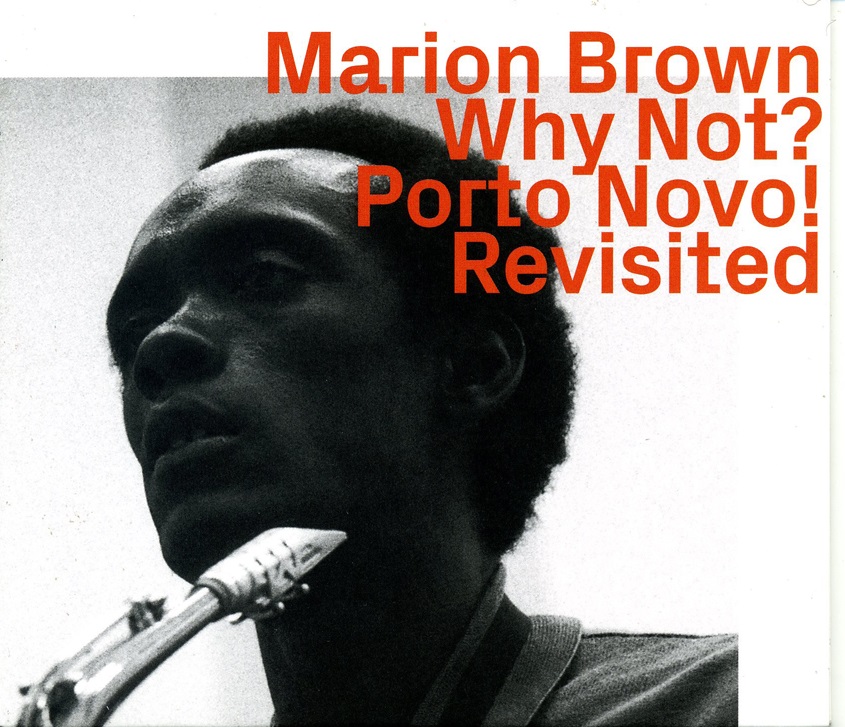
03 MarionBrownThere’s also a European component to American alto saxophonist ezz-thetics 1106 hathut.com), since five of the 13 tracks were recorded in 1967 with Dutch bassist Maarten van Regteren Altena and drummer Han Bennink. The remainder feature Brown with New York cohorts drummer Rashied Ali, pianist Stanley Cowell and bassist Sirone. Known as a member of the harsh 1960s new thing due to his work with Archie Shepp and John Coltrane, Brown (1931-2010), brought an undercurrent of melody to his tonal explorations. Both tendencies are obvious here with the pianist adding to the lyricism by creating whorls and sequenced asides as he follows the saxophonist’s sometimes delicate lead. Playing more conventionally than he would a year later, Brown’s 1966 date outputs lines that could be found on mainstream discs and moves along with space for round-robin contributions from all, including a solid double bass pulse and cymbal-and-bass-drum emphasized solos from Ali. Jokily, Brown ends his combined altissimo and melodic solo on La Sorella with a quote from the Choo’n Gum song and on the extended Homecoming, he quotes Three Blind Mice and the drummer counters with Auld Lang Syne. Homecoming is also the most realized tune, jumping from solemn to staccato and back again as the pianist comps and Brown uncorks bugle-call-like variations and biting flutter tonguing before recapping the head. Showing how quickly improvised music evolved, a year later Altena spends more time double and triple stopping narrow arco slices than he does time-keeping, while Bennink not only thumps his drum kit bellicosely, but begins Porto Novo with a protracted turn on tabla. From the top onwards, Brown also adopts a harder tone, squealing out sheets of sound that often sashay above conventional reed pitches. His slurps and squeaks make common cause with double bass strokes and drum rattles. But the saxophonist maintains enough equilibrium to unexpectedly output a lyrical motif in the midst of jagged tone dissertations on the aptly titled Improvisation. Of its time and yet timeless, Porto Novo, which was the original LP title, manages to successfully incorporate Bennink’s faux-raga tapping, Altena’s repeated tremolo pops and the saxophonist’s split-tone, bird-like peeps into a swaying Spanish-tinged theme that swings while maintaining avant-garde credibility.

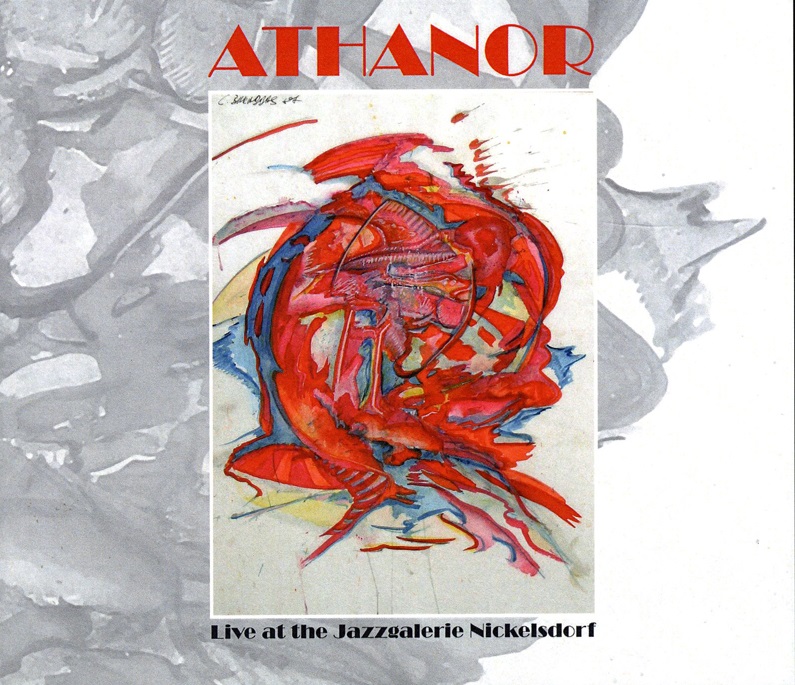
04 AthnorStill, the best argument for maintaining a comprehensive reissue program is to expose new folks to unjustly obscure sounds. Armitage Road by the Heshoo Beshoo Group (We Are Busy Bodies WABB-063 wearebusybodies.com) and Athanor’s Live At The Jazzgalerie Nickelsdorf 1978 (Black-Monk BMCD-03 discogs.com/seller/Black-Monk/profile) fit firmly in that category. The first, from 1970, features a South African quintet of aHenry Sithole, tenor saxophonist Stanley Sithole, guitarist Cyril Magubane, bassist Ernest Mothle and drummer Nelson Magwaza that combined local rhythms and snatches of advanced jazz of the time. The other disc highlights an all-Austrian take on committed free jazz bands like Kowald’s who were playing elsewhere. The quartet consists of alto saxophonist Harun Ghulam Barabbas, trombonist Joseph Traindl, pMuhammad Malli and pianist Richard Ahmad Pechoc, all of whom are as little known today as are the South African crew members. Not that it affects the music, since, as the discs attest, both bands were more interested in making an original statement than in fame. Somewhat unfinished, as are many live dates, the Nickelsdorf disc tracks how the quintet members worked to put their stamp on the evolving Euro-American free jazz idiom. Choosing to extrapolate individual expression, the quartet uses as its base a mid-range Teutonic march tempo, propelled by chunky drum rolls. Never losing track of the exposition during the 70 minutes of pure improvisation, Barabbas, Traindl and to a lesser extent, Pechoc, work through theme variation upon theme variation in multiple pitches and tempos. Sometimes operating in lockstep, players’ strategies can include chromatic reed jumps and plunger trombone wallows along with distinctively directed piano chording. When the horns aren’t riffing call and response, one often propels the theme as the other decorates it, and then they switch roles. As they play cat and mouse with the evolving sounds, although Barabbas can exhibit altissimo, Energy Music-style bites and Traindl up-tempo plunger growls, connective lopes are preferred over unbridled looseness. With Malli’s press rolls and rumbles holding the bottom, the group meanders to a conclusion leaving a memory of sparks ignited for the applauding audience.

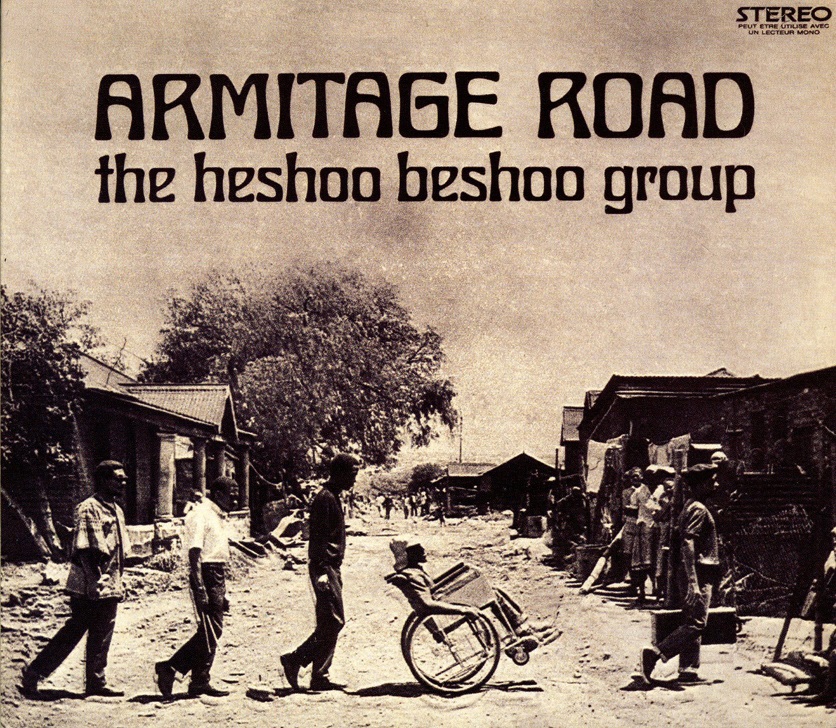
05 ArmitageThe outlier of this group of discs is Armitage Road, where the sounds are closer to emerging soul jazz than more expansive avant garde. Still, this strategy may have been the best way a quintet of all Black players could gig in Apartheid-era South Africa. However, the pseudo-Abbey Road cover photo of the band, including wheelchair-bound polio-stricken Magubane crossing a dusty township street, subtly indicates that country’s unequal situation. Magubane wrote most of the tunes and his Steve Cropper via Grant Green-style chording is prominent on all five tracks. Backed by fluid bass work and solid clip-clop drumming, the lilting tunes often depend on twanging guitar riffs and responsive vamps from the Sithole brothers. The gospelish Amabutho (Warrior) and concluding Lazy Bones, which mix a swing groove with electronic vibrations and some slabs of responsive reed honks, offer the meatiest output. Additionally Magubane’s double-stroking solo suggests just how the much the players were holding back. Despite this, the album didn’t yield another Mercy Mercy or Grazin’ in the Grass, clearly the musical role models for the band whose name translates as “moving by force.” Still, those band members who didn’t die young or go into exile – more by-products of the Apartheid system – had extended musical careers, as did most of the players featured on the other CDs. Armitage Road has been reissued by a small Toronto company, a reality reflected in the size of the other labels here. The high-quality output also proves once again that musical values and bigness are often antithetical.

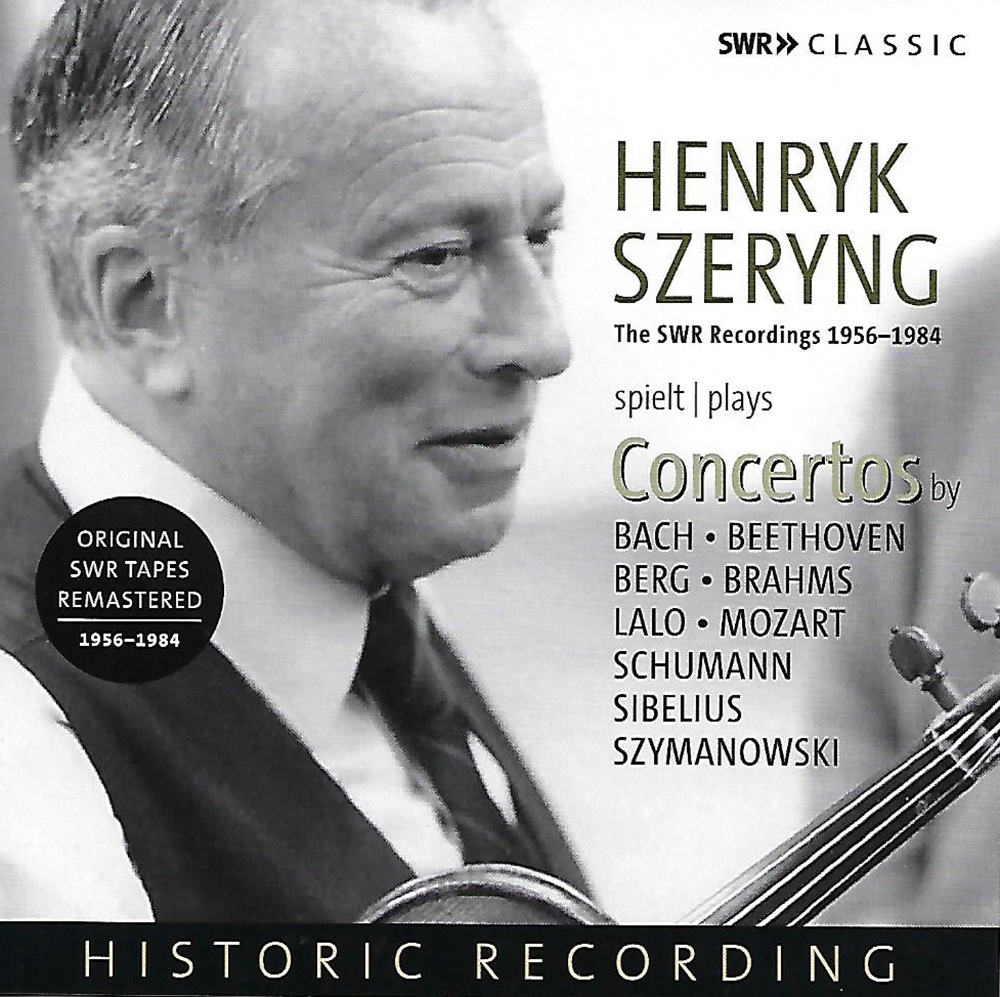
His biography in the enclosed booklet begins, “Henryk Szeryng’s (1918-1988) career was unusual.” Somewhat of an understatement. Szeryng was born in Żelazowa Wola near Warsaw, Poland into a wealthy Jewish family and his mother began teaching him piano and harmony when he was five years old. Aged seven, he became interested in the violin, taking lessons from Maurice Frenkel, then Carl Flesch in Berlin. He made his debut in Warsaw on January 6, 1933 playing with the Warsaw Philharmonic Orchestra under George Georgescu performing the Brahms Violin Concerto. That concerto became the centrepiece of his repertoire through the years. In Paris, where he had moved with his family, he studied philology, philosophy, prehistory and early history at the Sorbonne. He spoke seven languages perfectly, being fluent in German, English, French, Italian, Portuguese and Dutch, plus he understood all the Slavonic languages. After Poland was attacked in1939, Szeryng accompanied the Polish Prime Minister in exile to Mexico where he remained until 1954 when Artur Rubinstein encouraged him to begin concertizing again. By 1955, he was already engaged to play concertos with the Sudwestfunk Symphony Orchestra of Baden-Baden under the baton of Hans Rosbaud. Soon he was touring and performing worldwide. In 1960, he was elevated to Mexican Cultural Ambassador in recognition of his humanitarian deeds and popularity and in 1966, living in Paris, was named honorary director of the Conservatory of Music in Mexico City. He came back to Mexico twice a year and travelled worldwide as Mexico’s official Cultural Ambassador, a designation of which he was immensely proud. On an engagement in Toronto he visited the Classical Record Shop where we were informed by the record company’s PR person who accompanied him that he wished to be addressed as “Mister Ambassador.” He spent his last five years in Monaco and died in 1988 in Kassel, Germany. 

Szeryng’s technique and intonation were impeccable and beyond criticism. His radiant performances were not to be recognized by any identifiable mannerisms. Itzhak Perlman is quoted as stating that “if you hear such a performance and cannot identify the artist, then it is Szeryng.” Here are 12 perfect examples of performances as so described by Perlman:  

01 Szeryng webHenryk Szeryng – The SWR Recordings 1956-1984 (SWR>>CLASSIC SWR19092CD naxosdirect.com/search/swr19092cd) features 12 concertos with Szeryng and the SWR symphony orchestras for a five-CD set of exemplary performances with various notable conductors. There are two concertos by Bach, BWV1041 and 1042; three by Mozart K216, 219 and 271; also those by Beethoven, Schumann, Lalo (Symphonie espagnole), Brahms, Sibelius, Berg and Szymanowski (No.2 Op.61). From the liner notes: “The recordings were supposed to make the performances sound as concertante as possible without the performers letting themselves get carried away with too much scrupulous attention to detail.” Szeryng made himself perfectly clear: “A work should not be split into countless pieces. If I didn’t like a passage, I prefer to repeat the whole movement because recording bit by bit completely destroys the inner suspense.” Each of these 12 performances is a perfect example of these ideals. 

Their original SWR tapes have been remastered for this perfectly balanced, most attractive collection.

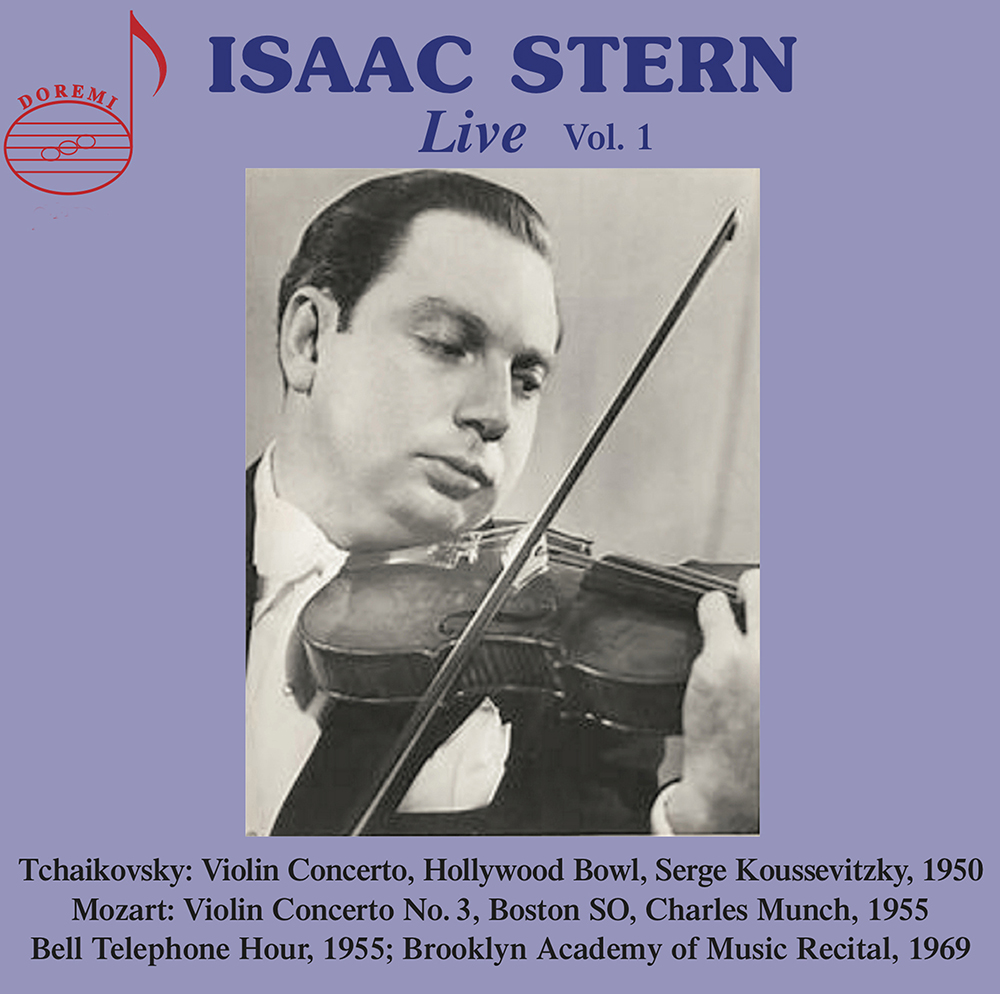
02 Isaac Stern webWe leave 2020 and the celebrations of Isaac Stern’s 100th anniversary so well documented by Sony with the 75-CD boxed presentation of their complete catalogue of Stern’s commercially recorded performances. To complement that collection, Doremi has researched and prepared an edition Isaac Stern Live of six 2CD sets of live performances, none of which has been released in any form. There are rare archival items performed with orchestras and conductors with whom he did not record. Also works he did not record. Conductors with whom he was not commercially associated include Serge Koussevitzky, Charles Munch, Lorin Maazel, Bernard Haitink, Erich Leinsdorf, Raphael Kubelik, Josef Krips and Evgeny Svetlanov. Also, with Leonard Bernstein as pianist. 

The first album includes the Tchaikovsky concerto with Koussevitzky and the Hollywood Bowl Orchestra with the 30-year-old Stern, followed by the Mozart Concerto No.3 with Charles Munch and the Boston Symphony from 1955. Then, from The Bell Telephone Hour on December 5, 1955 conducted by, of course, Donald Voorhees, Pugnani’s Largo and Sarasate’s Caprice Basque, Op.24. Then, on to the Brooklyn Academy of Music on January 22, 1969 with his permanent accompanist, Alexander Zakin, playing the Devil’s Trill sonata by Tartini/Kreisler, a sonata each by Beethoven and Prokofiev, then Four Romantic Pieces by Dvořák, Suk’s Burlesque and finally Mozart’s Rondo in C Major, K373. Before this review becomes a tiring list of repertoire let’s just mention that Volume Two includes Mozart’s Violin and Piano Sonata K305 with Leonard Bernstein and Volume Three opens with the Schubert Trio No.1, Op.99 played by Stern, Paul Tortelier and Artur Rubinstein from the Israel Summer Festival of 1967, followed by four heavy-duty concertos from Moscow and Carnegie Hall. These three volumes are available now, with three more to come in the new year. (Doremi DHR 8116/7, DHR 8128/9, DHR 8181/2 naxosdirect.com/search/dhr-8116-7)

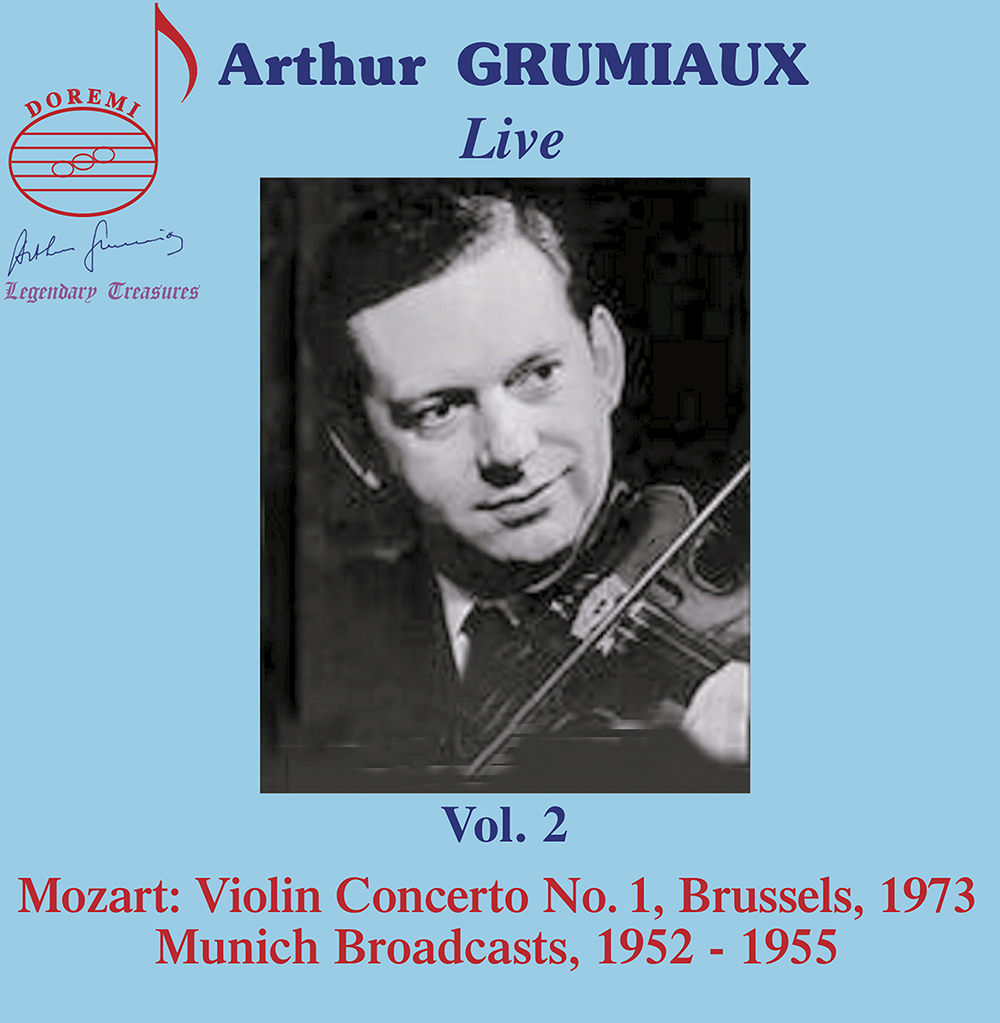
03 Arthur Grumiaux webDuring the 1950s through the 1980s, Belgian violinist Arthur Grumiaux (1921-1986) was one of the artists most highly esteemed by his fellows and popular with classical record buyers. His was a pure classical style, aristocratic, with perfect execution and exquisite taste. He recorded, as most readers know, for Philips and his discs are still in demand, as attested to by the listings in Amazon and others. Volume 2 of Arthur Grumiaux Live from Doremi (DHR8080 naxosdirect.com/search/dhr-8080) contains four exceptional broadcast performances. From Brussels, Mozart Violin Concerto No.1 K207, with the Chamber Orchestra of Belgian Radio conducted by Edgar Doneux (1973). Then three violin and piano sonatas from Munich with accompanist Hans Altmann: from May 11, 1955, Mozart’s Sonata in A Major K526; from October 2, 1954 Beethoven’s Sonata No.10 in G Major, Op.96; and finally Brahms’ Sonata in A Major Op.100 from September 14, 1952. Listening to this disc as I write, in fact to all the above, it is very satisfying to hear the artistry of these musicians of a generation-or-two ago, for whom getting the notes right was only just the beginning. I should add that it was said of some great instrumentalists of the past that their occasional wrong notes were better than a lesser player’s right ones. Alfred Cortot and Vladimir de Pachmann come to mind who, of course, also recorded before editing was possible.

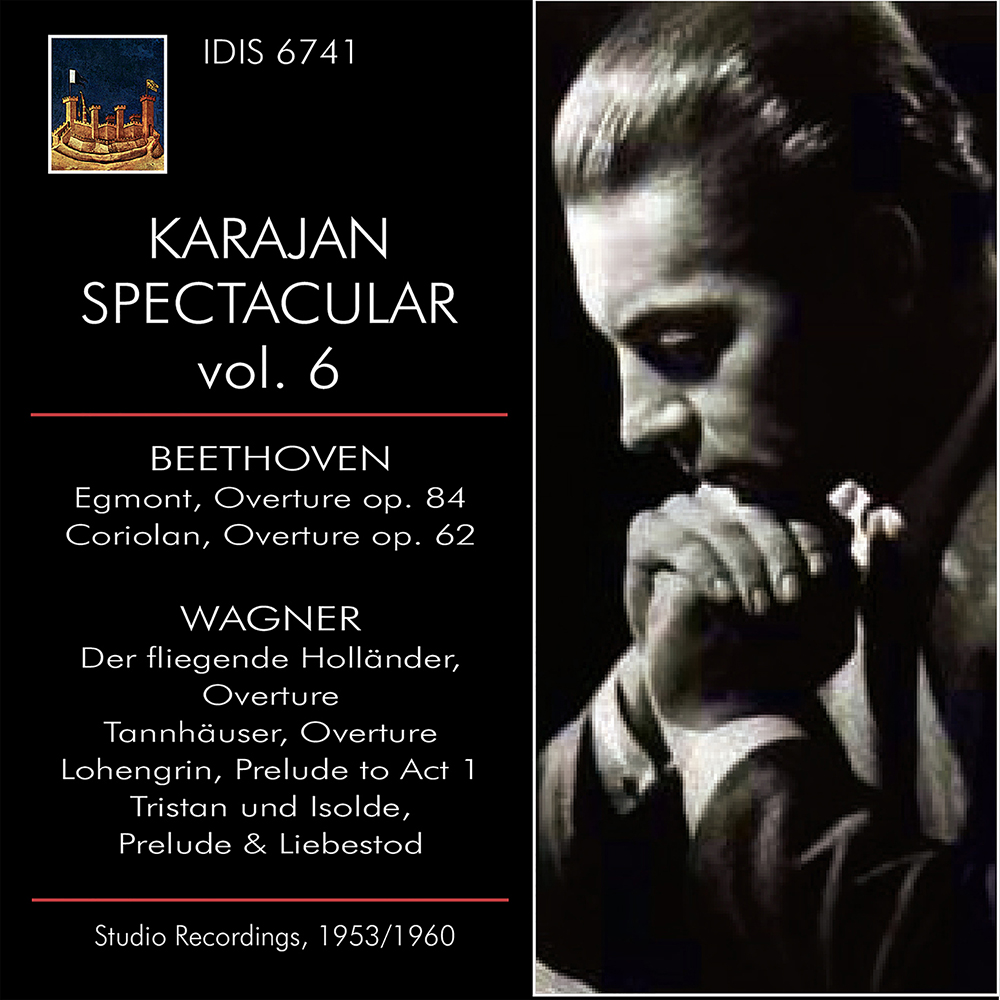
04 Karajan webKarajan Spectacular is from IDIS, an Italian company that is working on a series of Karajan reissues. I was unaware of these until we were sent Volume 6 (IDIS6741 naxosdirect.com/search/idis6741). On this disc Beethoven’s Egmont and Coriolan Overtures are played by the Philharmonia Orchestra recorded in Kingsway Hall in 1953. Also Wagner, played by the Berlin Philharmonic in 1957 and 1960 including the overtures to Der Fliegende Holländer and Tannhäuser, Lohengrin Prelude to Act 1 and Tristan und Isolde Prelude and Liebestod. To make a comparison I listened to the Philharmonia entries on EMI CDs. Particularly good sound, typical of EMI’s best. Then a shock! The IDIS sound is wider, deeper, with more body and certainly more involving. The Philharmonia was a magnificent orchestra and Karajan was at home with them. Same improvement for the Wagner. A recommendation for anyone interested in this repertoire.

05 Coltrane Giant Steps webGiant Steps – 60th Anniversary Edition
John Coltrane
Rhino-Warner Records/Atlantic SD 1311 (amazon.ca/Giant-Steps-60th-Anniversary-Coltrane/dp/B0864JZ9ZL)

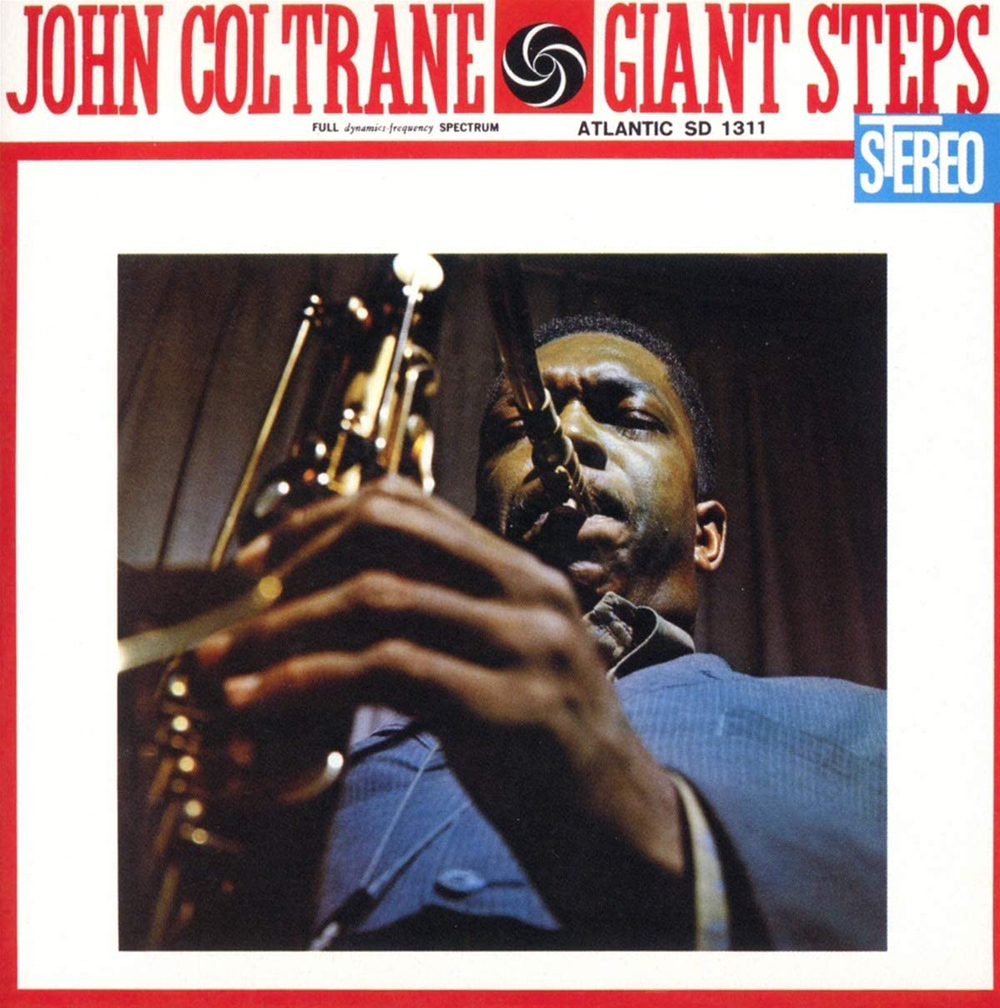
Few jazz recordings have the historical significance of Coltrane’s Giant Steps, taking the tenor saxophonist from brilliant sideman to major figure. Recorded within weeks of Miles Davis’ 1959 classic Kind of Blue, to which Coltrane also contributed, Giant Steps was a different vision, its complex harmony a contrast to Davis’ spacious modality. If Kind of Blue signified sculptural perfection, Giant Steps, its title track still a jazz test piece, signalled hard work, running unfamiliar chord patterns – “Coltrane Changes” – at high velocity. The finished LP took three groups and multiple sessions to achieve the initial release. 

This commemorative two-CD (or two-LP) set presents snapshots of the record’s history. The first CD presents the original LP in all its glory. Including the flying Countdown, the modal Cousin Mary, the shimmering, bittersweet Naima, it’s a work of many moods and genuine mastery. 

The second disc, with eight rejected versions of key songs, demonstrates the many paths Coltrane could wend through material that stymied his sidemen. Only bassist Paul Chambers appeared consistently. An initial session with pianist Cedar Walton didn’t appear at all on the original disc, while pianist Tommy Flanagan and drummer Art Taylor required two sessions to record six of the original tracks. A satisfactory Naima was captured seven months later with pianist Wynton Kelly and Jimmy Cobb in a session for a different LP. 

Completists will want the Heavyweight Champion, the seven-CD set released in 1995, with nine false starts and alternates for Giant Steps alone, but for most, this set will suffice; a singular step in a great musician’s path.

In 2009 Blue Griffin Recording was brought to our attention by Canadian mezzo-soprano Patricia Green who had released two discs on this small, independent Lansing, Michigan-based label. In April of that year Pamela Margles reviewed both in these pages, The Ice Age and Beyond: Songs by Canadian Composers, and Unsleeping: Songs by Living Composers, on which Green was accompanied by Midori Koga and John Hess respectively. In the decade following we reviewed more than two dozen subsequent Blue Griffin titles, including Green’s La Voix Nue: Songs for Unaccompanied Voice by Living Composers (R. Murray Schafer, Judith Weir, Hilary Tann, Jonathan Dove, José Evangelista and György Kurtág) in 2013, and fellow Canadians Jerome Summers and Robert Kortgaard’s The Transfigured Nightingale: Music for Clarinet and Piano, in 2014. After a brief hiatus, earlier this year we received a shipment of new releases dating from 2018 to the present, which provided the impetus for the following article.

David Olds, recordings editor
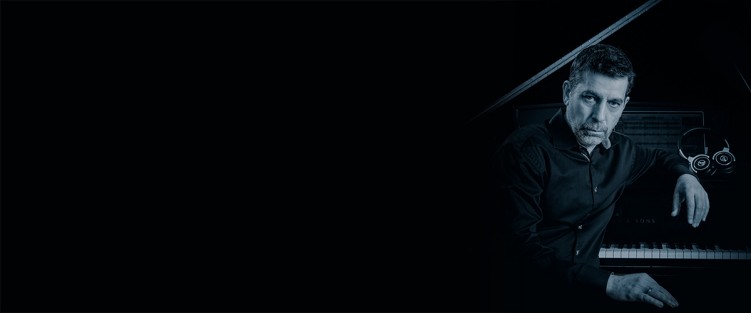
Sergei KvitkoBoasting over 200 titles to date, Blue Griffin Recording celebrated its 20th anniversary on June 1, 2020. Fresh off the heels of a Latin Grammy Award nomination and the unveiling of a new website, label founder Sergei Kvitko recalls the early days when he found his way into a recording studio, before the label’s birth in 2000. 

He began to offer his recording engineering services to friends and colleagues at Michigan State University, where he was completing a doctoral program in piano performance. Based on an early enthusiastic response, he decided to pursue his talents in audio engineering more thoroughly, setting up a for-profit recording company. His very first client made a complete set of Schumann’s piano music and the fire was lit: Kvitko thought “Let’s print a few copies and see what happens” and after a modest distribution scheme and favourable reception, it all “snowballed,” as a second project was conceived and then a third; another artist came on board and Blue Griffin (bluegriffin.com) was born. Now, 20 years later, this latest crop of releases is indicative of how far the label has come. 
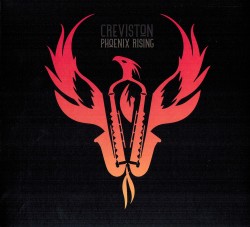
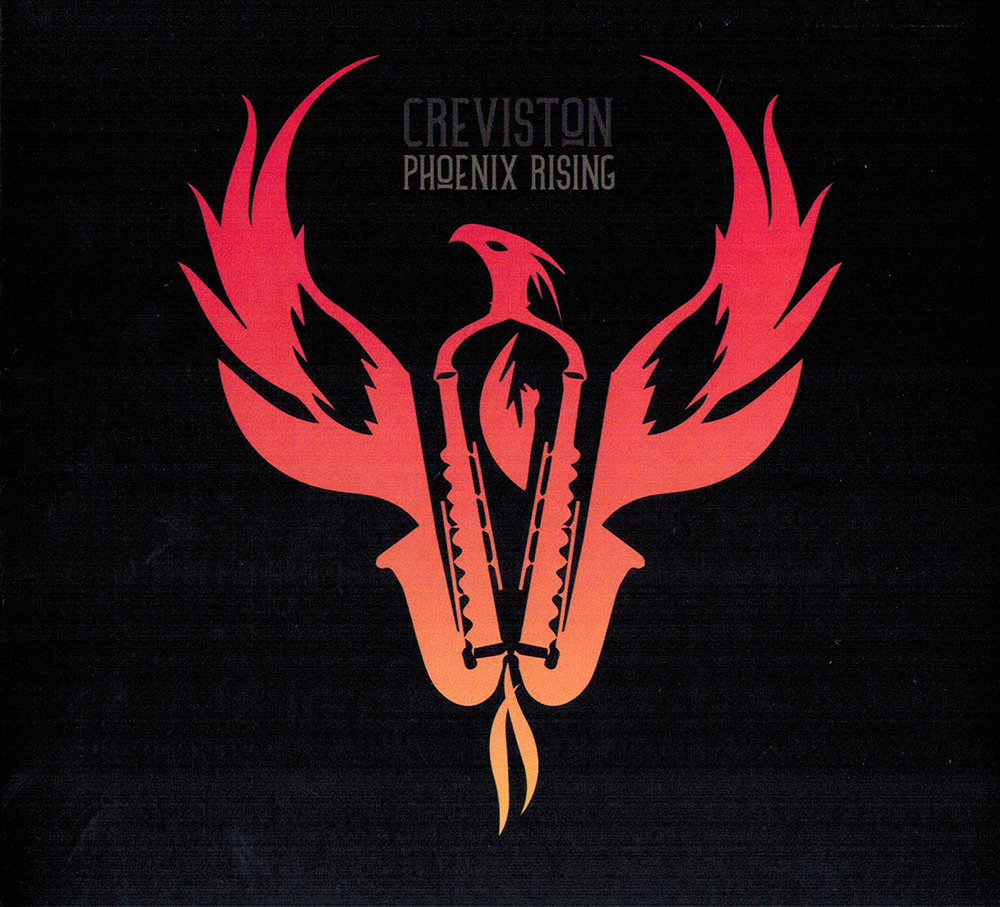
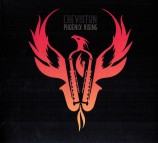
01 Phoenix Rising Creviston ScanOne of the newest releases from the label in 2020, Phoenix Rising (BGR519), features dazzling saxophonist Christopher Creviston. This disc is a consummate example of the vision and breadth conceived in a Blue Griffin production. Comprised entirely of premiere recordings, Creviston coyly guides the listener through seven different works, five with pianist Hannah Creviston and one with the Arizona State University Wind Orchestra, conducted by Gary Hill. The musicianship and expertise here is compelling, with the title track – written by composer Stacy Garrop – a solo highlight of the disc. Names of movements pique our listening curiosity further, with evocative phrasing such as The Pulsar Wind in Taurus, The Phantom Dancer and Dying in Embers – Reborn in Flames. Imaginative and rewarding, the album must surely have been a joy to curate, record and produce. No wonder that Kvitko is rather proud of this release – the kind of sexy and slick musical program that is hard for any to resist. The album’s cover art (by Hosea Gruber) should also be mentioned: a red emblem set upon black, with flames of a Phoenix. Look closely and two alto saxophones entwine as they spiral up into the bird’s wings. 

Kvitko considers the cover art and graphic design of his releases carefully. He shies away from developing album art that has a universal look, citing labels such as Deutsche Grammophon that retain a monothematic design throughout their catalogue. Kvitko aspires, he says, to something more akin to “tapestry” for his records. He appreciates that his releases employ different colours, varying characteristics and visual profiles. For those of his artists who are unsure of what to feature on their record cover, Kvitko offers his seasoned advice and curates this aspect of the product as well. He functions ostensibly as pre-recording curator, producer, audio engineer, post-production and PR manager and photographer. He even has an eye for well-written liner notes, impishly affirming, “Proofread liner notes? I do that too, because well, I catch things!”

By dint of heart and hard work, Kvitko has built a record company renowned for many fine things. He provides a unique experience for the artists with whom he works: refined musical ears, a rich and vibrant quality of recording production and an integrity of engineering that is increasingly hard to come by these days. The label has long had a proclivity for vocal, reed and solo piano projects, not to mention exceptional fondness for uncommon configurations of ensemble. In only 20 years, Blue Griffin has released an admirable catalogue of music from all corners of the repertoire. 
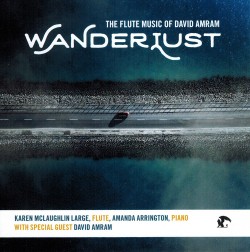
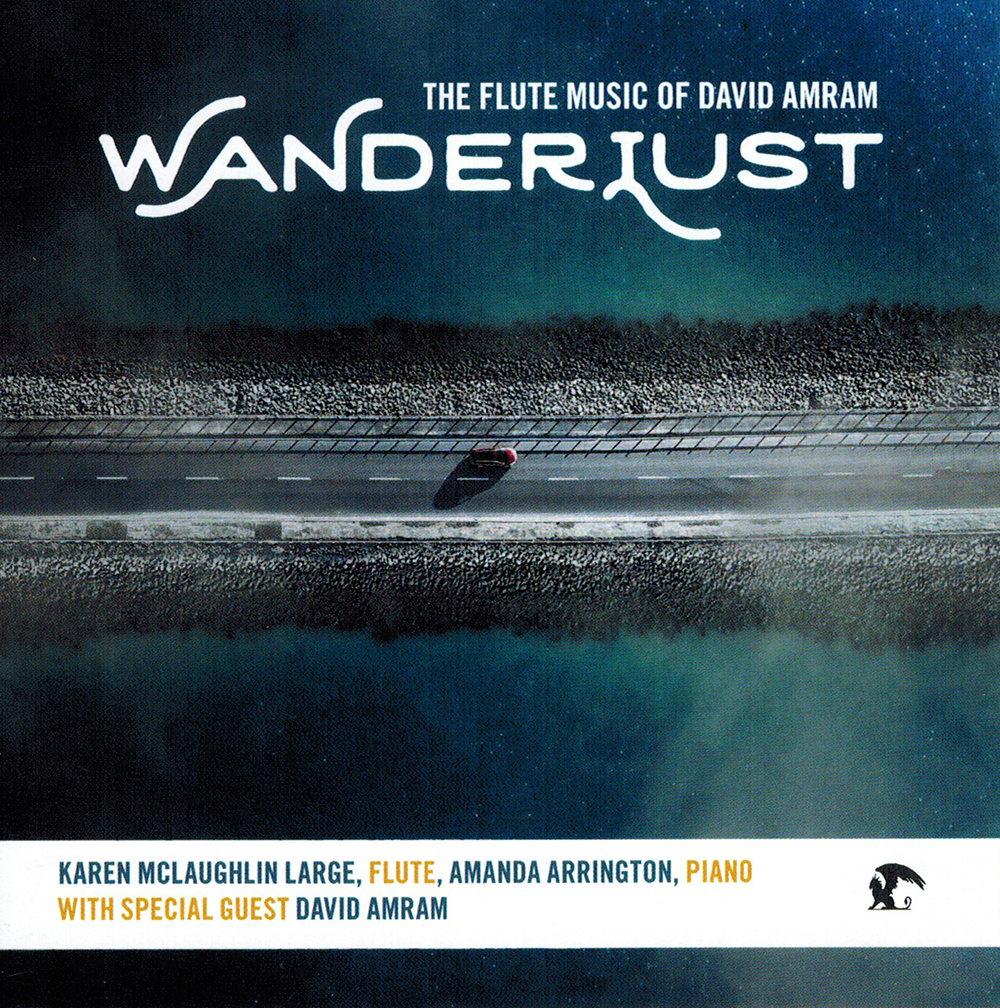
02 Wanderlust Amram Scan webAnd he still loves what he does. Always upholding a keen professionalism and high standard of music-making, he nevertheless also knows how to have fun along the way. A jovial romp of a disc that might exemplify this is Wanderlust (BGR537), a recent release showcasing flute works by David Amram. “A threading of music of many cultures and peoples,” this record is unique in its synthesis of styles, focusing on Amram’s compositional voice. Flutist Karen McLaughlin Large and pianist Amanda Arrington trace a path through Amram’s attractive scores, many of which are inspired by jazz. Amram’s illustrious career has included film composing (The Manchurian Candidate) and time spent as composer-in-residence with the New York Philharmonic. One immediately hears a joy for this music directed from the performers. (They worked closely with Amram on this recording and he plays the Irish Double-D Whistle on one of the tracks!) An idiomatic brand of writing for flute is on full display here. The Allegro con Gioia (For Dizzy Gillespie) and Zohar for solo flute are among the disc’s tuneful highlights, not to mention the charming (and keyboard-centric) Theme and Variations on “Red River Valley.”
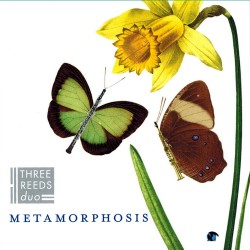
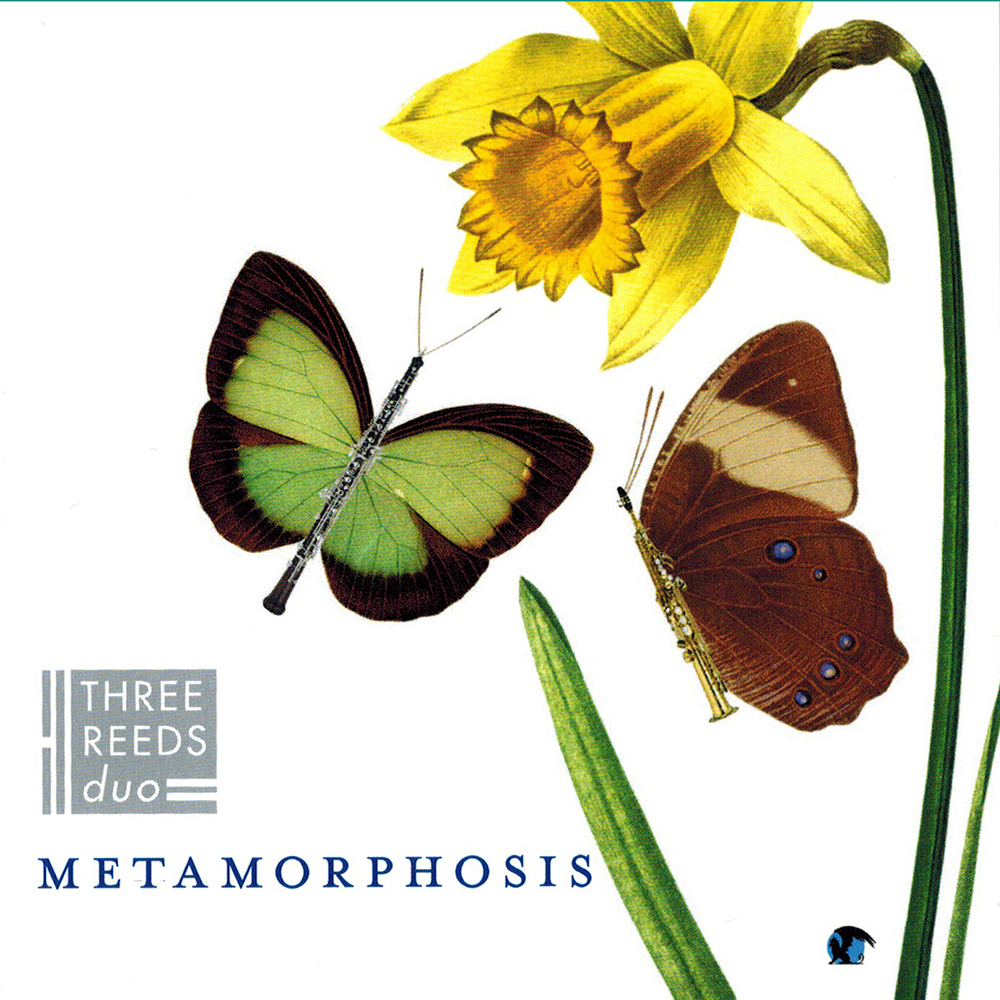
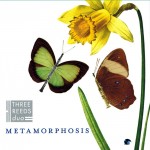
03 Metamorphosis Three Reeds Duo Scan webWhile on the subject of rivers, another newish release of note opens with Peter Lieuwen’s Little Rivers (2018), a work commissioned by the Three Reeds Duo, co-founded by Leah and Paul Forsyth. The record, Metamorphosis (BGR523), spotlights the unique instrumental combination of oboe and saxophone. It lends a delicate, almost serene profile to an entire album devoted to works by contemporary composers (notwithstanding the title track by Benjamin Britten.). There is skilful execution, bright-eared and flawless in ample measure. Few recording labels would put their faith in a disc such as this one, and the trust has been handsomely repaid. 
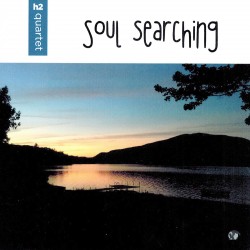
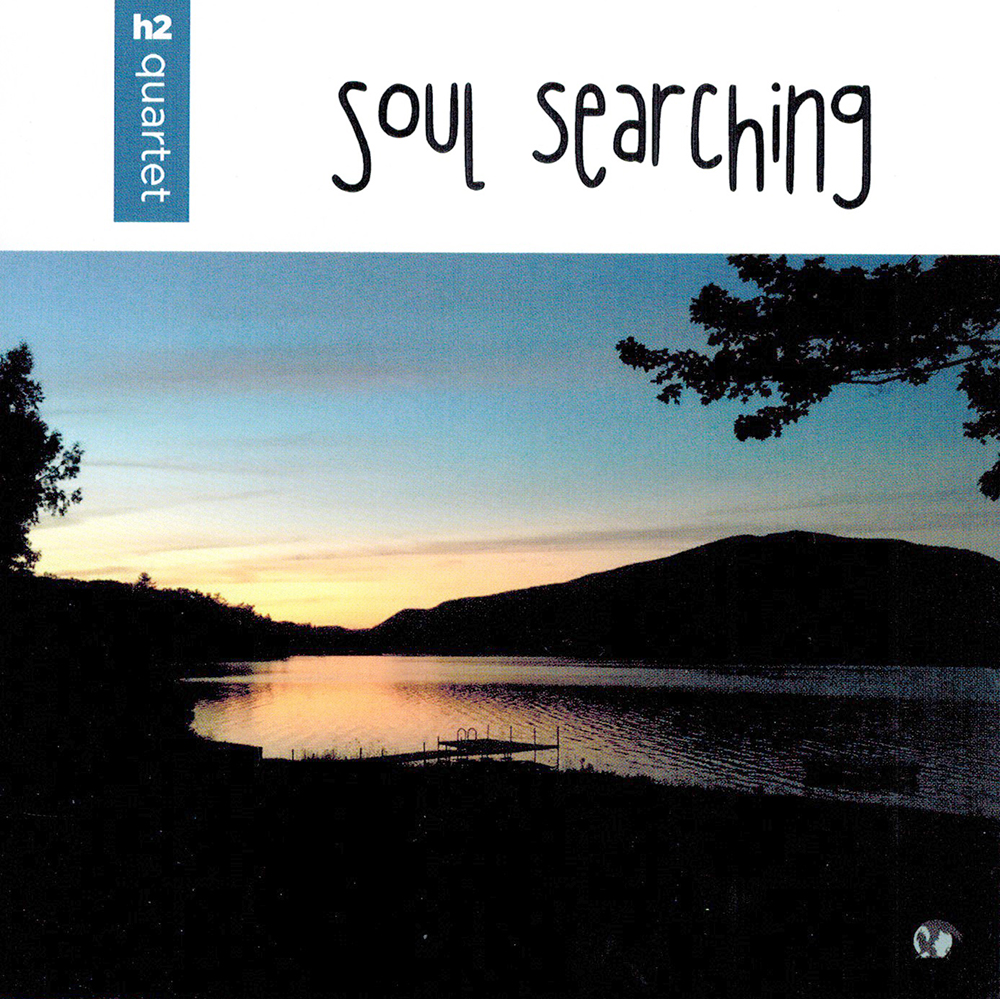
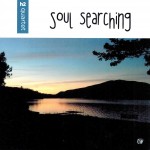
04 Soul Searching H2Quartet Scan webHard-hitting, avant-garde music also finds voice in the catalogue at Blue Griffin. A sensational new release from the h2 quartet came out last year. Titled Soul Searching (BGR499), it headlines this maverick sax quartet in two works by Jeffrey Loeffert, one by Georg Friedrich Haas and a title track by Kerrith Livengood. The mastering here is sublimely balanced and conceived. Layers of expressivity and kaleidoscopic textures shine through what is certainly demanding repertoire. Despite the technical demands, effortlessness shines through. With the h2 quartet, we immediately feel at home, in safe hands, even amidst irresistible invention. The centrepiece of the record, Ten Years of Silence (2012), was composed for the h2 quartet in commemoration of their tenth anniversary as an ensemble. Loeffert clearly knows his tools, commanding utter mastery as he wrangles incredible tonal palettes from the four saxophones, suggesting multiple takes on familiar sonorities and challenging the listener: one imagines hearing instruments other than saxophones. Loeffert acutely understands the idiosyncratic qualities of each saxophone and writes to those strengths. Is it really a saxophone? Or flute or clarinet, even bassoon or trombone? (This is, of course, due in no small part to the virtuosity of the players!) The ten movements have a choose-your-own-adventure aspect to them. Titles such as Bleak; Gruff, Barreling, Nimble, and Cold Sober offer further glimpses into extra-musical content that hangs in the air. At times intimate, quirky and brazenly emotional, this music speaks verily, born of a serious bout of soul searching. The dedication of the performers is rewarded by the production quality from Blue Griffin and a deft sense of programming. This release is, undoubtedly, a creation to be proud of.

Kvitko relishes such projects – giving platform to lesser-known works and to the performers by whom they are championed. Frequently, artists will cold-call Blue Griffin and propose a recording. If Kvitko likes their ideas, he “goes with the flow” and engages them. He claims to “simply enjoy the process of making things that would [otherwise] not have happened without [him]. Especially with new music – and working with living composers.” He is still irrepressibly appreciative, two decades on, of the whole experience. “I enjoy the process. People find me from all over the place and [we] make recordings. It’s really been fun because I do love music and I do love computers, technology, gadgets and gear. It’s kind of a perfect world for me.” 
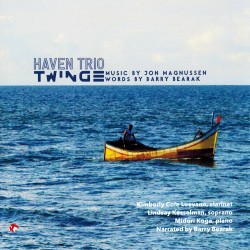
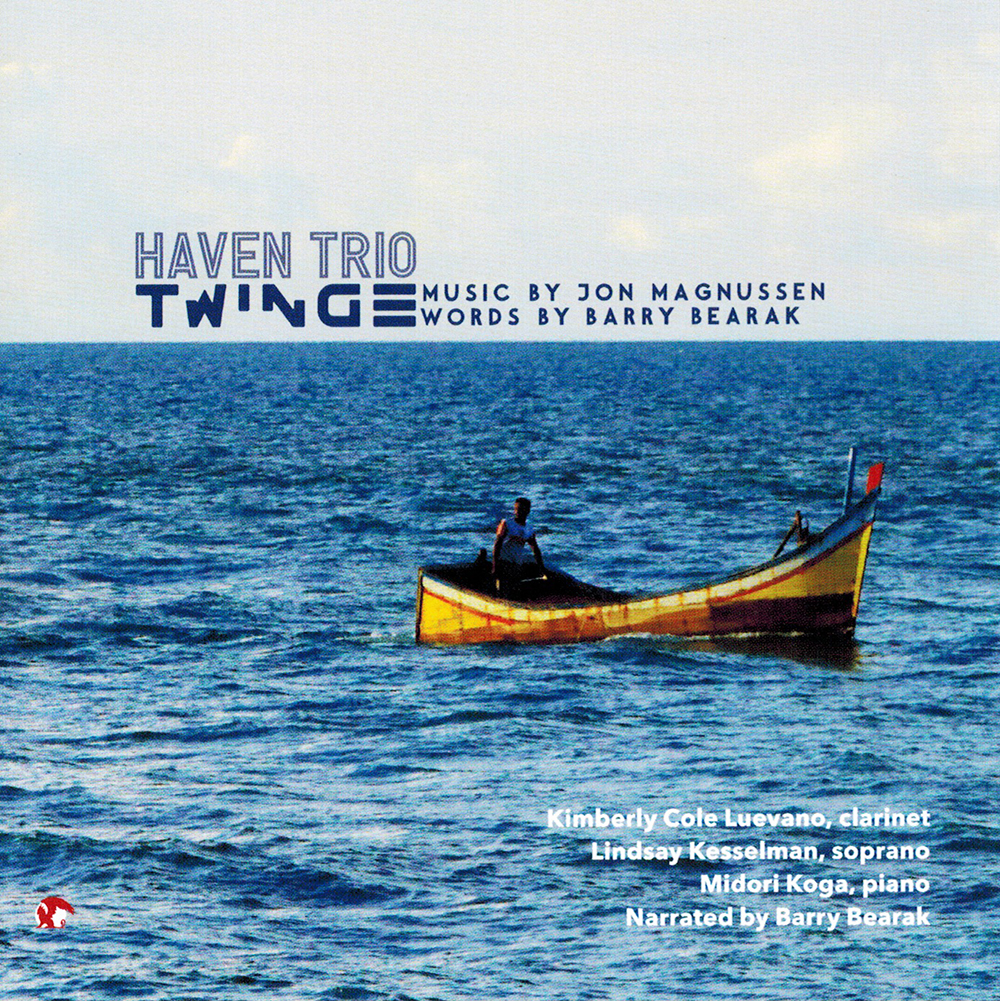
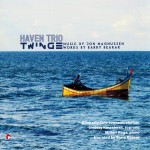
05 Twinge Haven Trio Scan webKvitko’s “perfect world” extends to his myriad talents as a bone fide photographer and concert pianist in his own right. He has outfitted his historical home in Lansing, Michigan with a top-of-the-line recording studio, providing an inspired, spacious atmosphere for artists when they come to work with him. And he is never fearful of going out on a limb, as witness the curious convergence on a recent disc featuring the music of Jon Magnussen with words by Barry Bearak. Twinge (BGR527) was recorded by the Haven Trio, comprised of soprano, clarinet and piano. The album’s fare is a 15-movement work, “dedicated to the memory of the hundreds of thousands of victims of the December 26, 2004 Tsunami.” The text is adapted from Bearak’s New York Times Magazine cover story, The Day the Sea Came. (November 27, 2005). The album unfolds in a commingling of spoken text, (narrated by Bearak himself), and instrumental/vocal episodes that elevate the drama of the cover story and develop the narrative arc with striking aplomb. The combination of soprano, clarinet and piano is a most attractive one. The vaulting soundscapes give an urgent depiction of the human drama as it unfolds: an archetypal battle of man vs nature; the coalescence of spoken word (in a kind of reportage style); singing and instrumental interjection bringing home the significance of human loss, set against a backdrop of geological insignificance: “for the earth, it was just a twinge.” The results are poignant as they are rare, particularly in a world awash with conservative recordings of traditional works. 

The Blue Griffin’s Studio The Ballroom

Blue Griffin steps up to the plate in such projects, proving that Kvitko is unafraid of the brave and the new. Moreover, he prides himself on knowing when, in turn, to be supportive and opiniated toward his artists: “All of my friends and clients – my artists – know that I’m very opinionated. But I can be nice and kind enough to know when to keep my opinions to myself as necessary. Everybody approaches it differently: some require more guidance and some ask more questions or require more help. And there are others who know exactly what they want. They have a vision in their head.”

Kvitko continues to be widely respected by artists throughout North America and abroad. He acutely understands, to splendid effect, just where his expertise lies and how his plentiful gifts can benefit his collaborators. And there are times when he also returns to his own piano: “I still play concerts and I still make recordings [at the piano] when I can. I do it for myself; I feel like it’s good for my soul.”
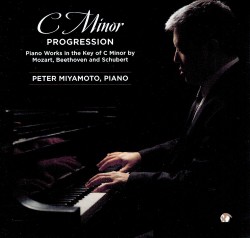
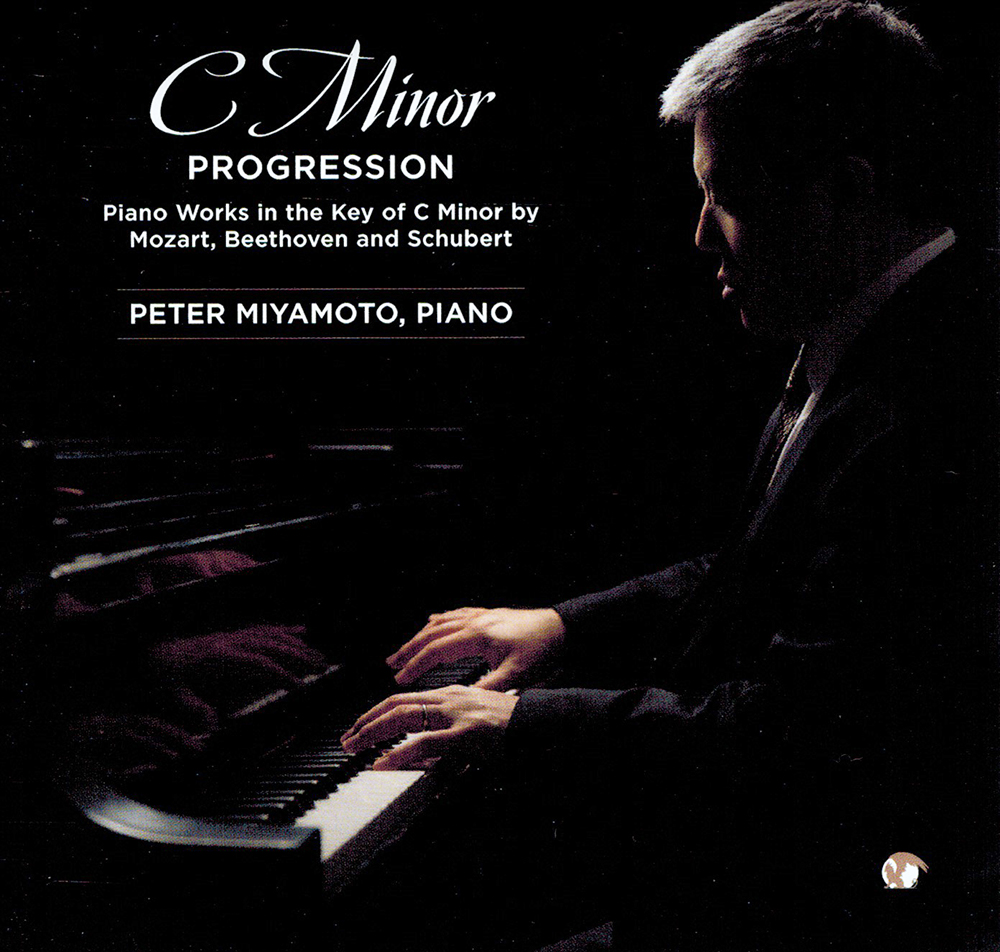
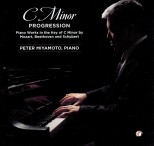
06 C Minor Progression Myamoto Scan webDespite Kvitko’s commitment to new music and its proponents, he also keeps up with productions that celebrate music from the traditional canon. A current release from pianist Peter Miyamoto includes the anomalous theme of progression in C Minor Progression (BGR503). Solo keyboard works by Mozart, Beethoven and Schubert fill this album, each of them in C Minor (a seemingly artist-imposed mechanism). The profile of this key, heard through the pianistic lens of three masters, offers an unusual slant on what would otherwise be a very usual program. Miyamoto plays exceedingly well, bringing a discerning sense of style to each of the composers’ works. There is most certainly a gentle sort of revelation here, regarding the nature of C Minor. At the risk of becoming entrapped within monochromatic sound planes, Miyamoto turns such rules – such necessity – to his invention, spurring us to hear well-trodden music anew. Again, here is an example of the perennial craftsmanship that Blue Griffin brings to the game, where care of execution so often intersects with pride of product. Few labels alive and well today can boast such attributes. 

During a prideful moment, an otherwise self-effacing Kvitko recalls a conversation he had back in the early days of his label’s founding. A business manager friend asked him what his goals and dreams consisted of: “So what do you want five years from now? Ten years – even 20?” The first words to leave his lips were, “I want to win a Grammy Award.”

“And you know,” he beams through the phone 20 years hence: “One of our latest discs is nominated for a Latin Grammy and we’ll find out next week!” And so it would seem that a full Grammy Award is very much within the label’s sights. Here’s to another 20 marvellous musical years at Blue Griffin Recording.

(Interview by phone conducted with Sergei Kvitko with permission.)

Composer-pianist Adam Sherkin is a regular contributor to The WholeNote DISCOVERIES section. 

Listen to these titles in the Listening Room: 


01 Phoenix Rising Creviston Scan 02 Wanderlust Amram Scan web 03 Metamorphosis Three Reeds Duo Scan web
04 Soul Searching H2Quartet Scan web 05 Twinge Haven Trio Scan web 06 C Minor Progression Myamoto Scan web


Kevin Laliberté, Chris McKhool, Drew Birston, from their first ever livestreamMusicians are starting to get their feet back under them and are finding new ways of releasing new and recent recordings. We checked in with a few stalwarts to find out how it’s going in the “brave new world.” 

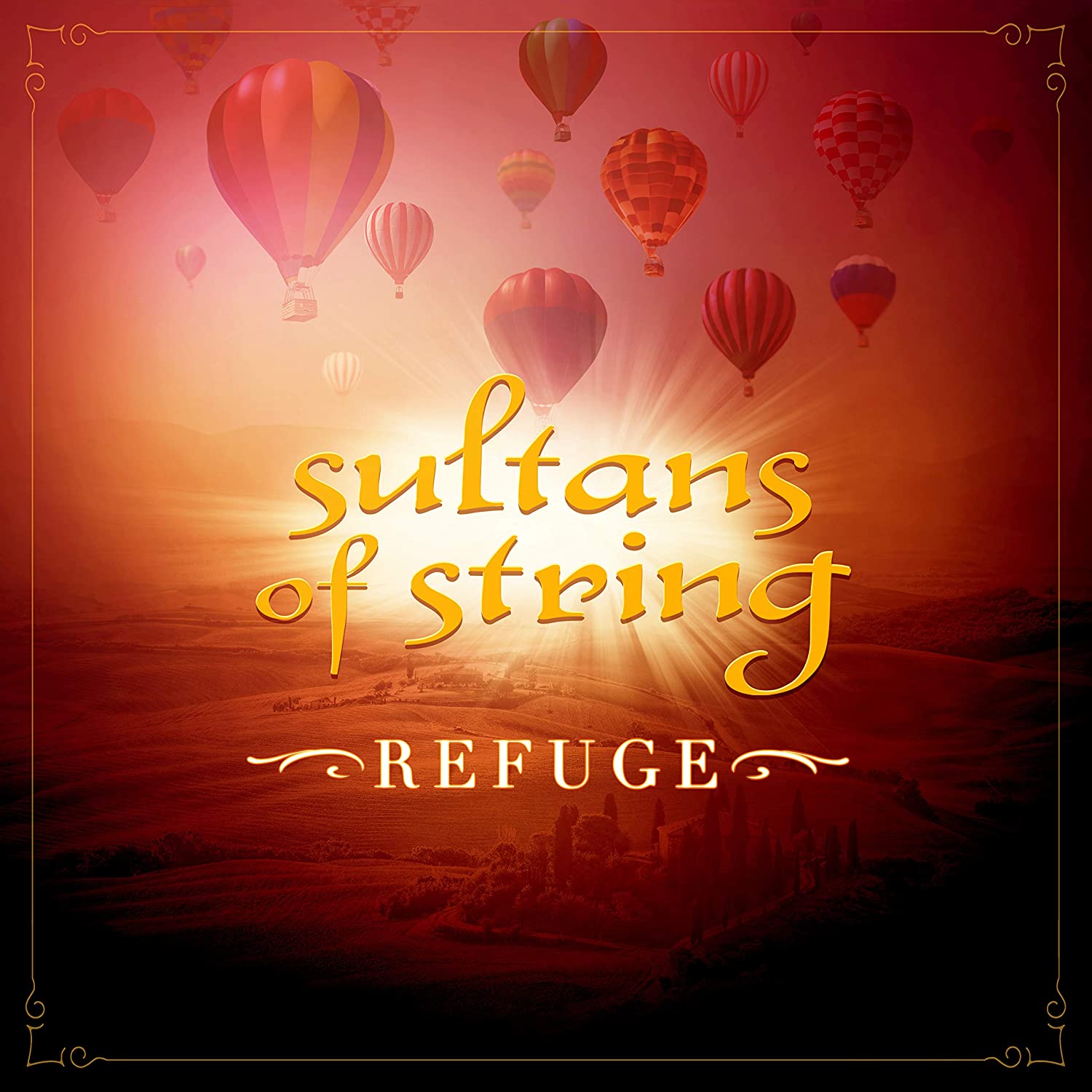
McKhool CD REFUGE album coverWhen Chris McKhool first conceived of his latest album, Refuge, back in 2018, he had no way of knowing how the rug would be pulled out from under him when it came time to launch it. As the leader of the group Sultans of String, this was the biggest project of the fiddle player’s 25-year career. Two years in the making, the project brought together more than 30 guest artists – such as  Bela Fleck, Yasmin Levy and Duke Redbird – from multiple genres and locales as far away as Turkey. 
The initial launch concert was envisaged as a massive undertaking involving nearly all the musicians on the recording and was being billed as a “Woodstock of World Music.” It was to take place in May 2020, then was supposed to be followed by a full-day remounting at Luminato in June. About 80 shows, including a big U.S. tour, were scheduled throughout 2020/21. McKhool saw all the pieces of the plan crumble one by one as the pandemic unfolded and the shutdown happened in March.

“To say I was disappointed when we had to cancel everything is an understatement,” said McKhool. “I was devastated.”

As he and his bandmates gradually came to grips with the fact that months of planning were going out the window, they tried to adapt as each new phase presented itself. Although McKhool has done some press for the project and has taken part in events such as an online talk and video presentation at Luminato, he and the band realized that they were going to have to adjust how they do things in order to stay active and relevant. 

Livestreaming was becoming more and more the norm for presenting performances, and that meant McKhool learning a whole new skill set. So he invested in five video cameras and other recording equipment and set about teaching himself how to shoot and edit video. 

“I must have spent a hundred hours this summer learning about the world of video,” said McKhool. “But I figured this new way of doing concerts isn’t going to go away anytime soon, so I’d better invest in the equipment and learn the skills so I can stay on top of things.”

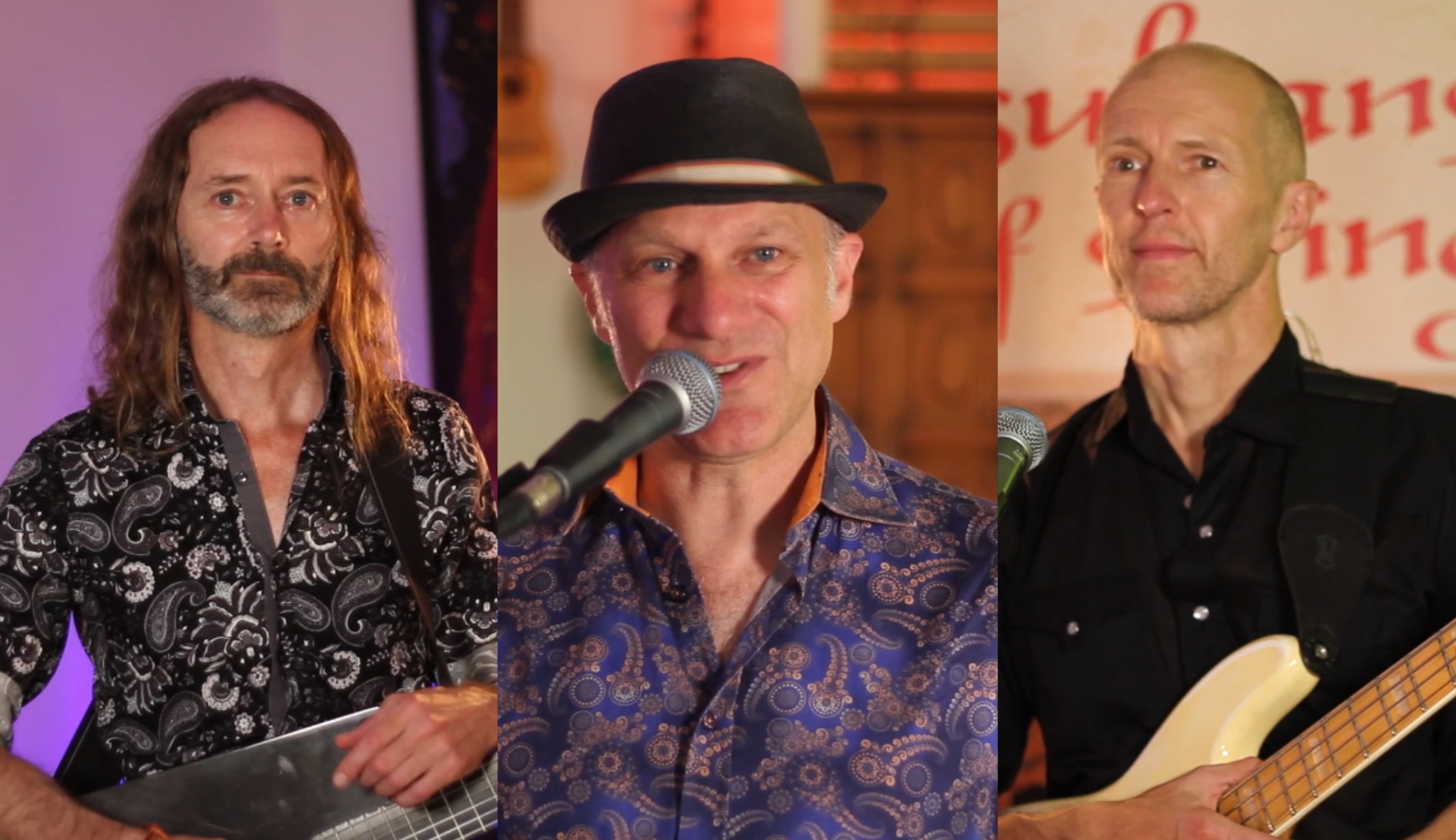
The band (McKhool on violin; Kevin Laliberté, guitar; and Drew Birston, bass) also decided to try using Zoom to present concerts. The first one took place in September and there was a lot of trepidation about whether they could pull it off. It took days of preparation and fiddling around with cameras and microphone placement, in order to have multiple camera angles and a rich experience for the audience, rather than just one camera pointed at the band.

“That first Zoom show was a really emotional experience for me,” said McKhool. “Seeing how the audience not only connected with the music and the band, but how they connected with each other was really heartening.”

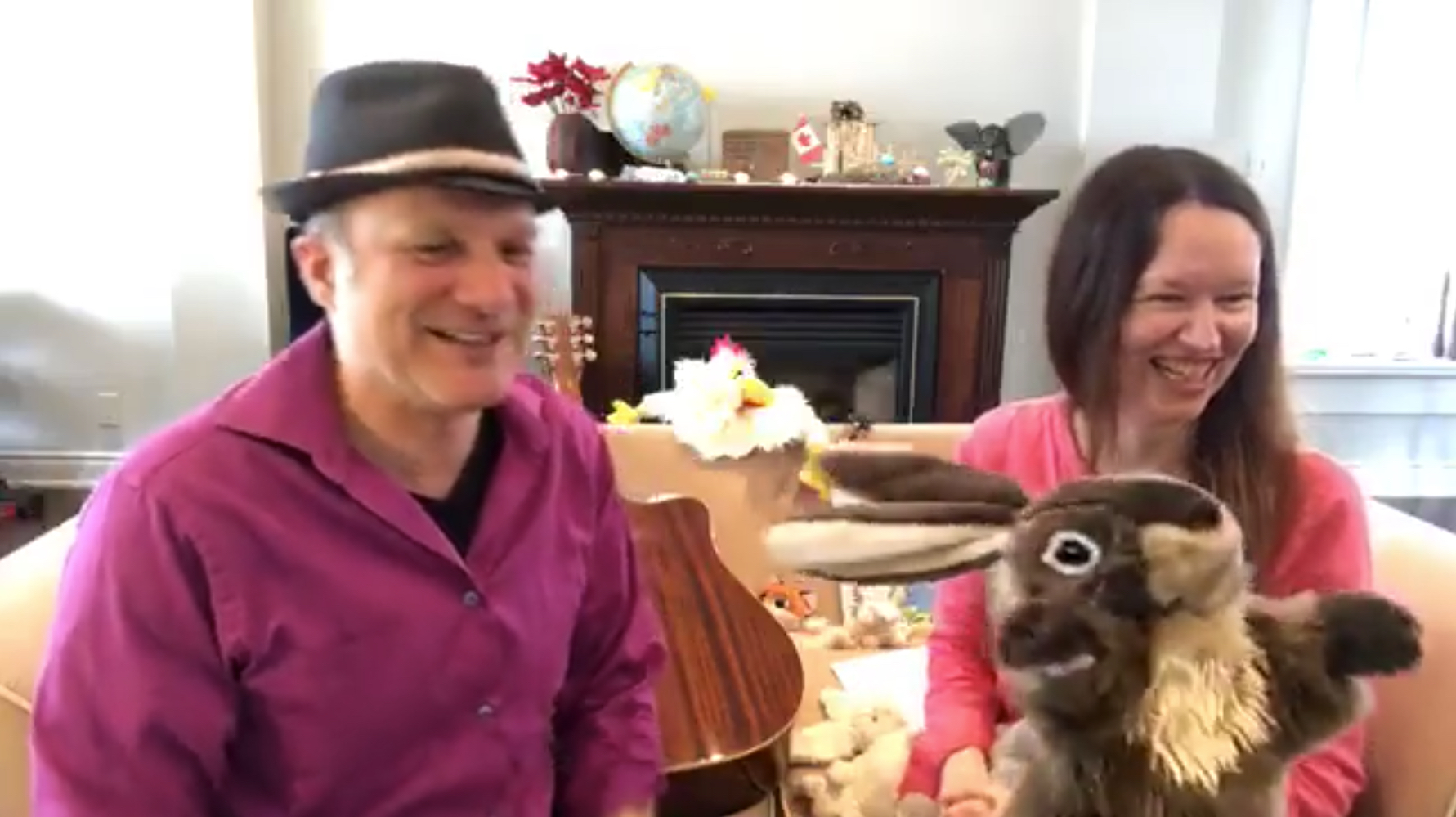
McKhool and the Gang: I make music for families stuck at home due to covid-19 with my educator wife Catherine Kurucz and our nine-year-old daughter working the puppets.McKhool realized that doing interactive Zoom concerts enabled audience members from diverse locations to come together, unlike with live shows. They can congregate via video prior to the show and chat and get to know their fellow fans in a way they probably wouldn’t at a live show. They also had a robust Q&A between the band and audience after the concert. 

“People were really engaged and curious. We were able to talk with them in a way we can’t normally at a live show. There’s a surprising sense of intimacy and give and take that happens doing a Zoom show as opposed to the one-way push of a live show.”

JAZZ.FM91’s FRIDAY LIVE live-to-air concert series, October 9: Dione Taylor performed music from Spirits in the Water with Nichol Robertson, guitar, Mark McIntyre, bass, and Lyle Molzan, drums. Photo by Sandy Mamane

TAYLOR CD Spirits in the Water Dione TaylorDione Taylor takes a more philosophical approach. When her fourth album, Spirits in the Water, was supposed to come out in March and everything came grinding to a halt, the veteran blues/roots singer and songwriter decided to just put things on pause. Then, after several months of reflection on world events and discussion with her team, she decided September was the right time to bring Spirits in the Water to people.

“I don’t believe in coincidences,” said Taylor. “Even though we wrote many of these songs a couple of years ago, a lot of the meaning and messages in them are relevant right now.”
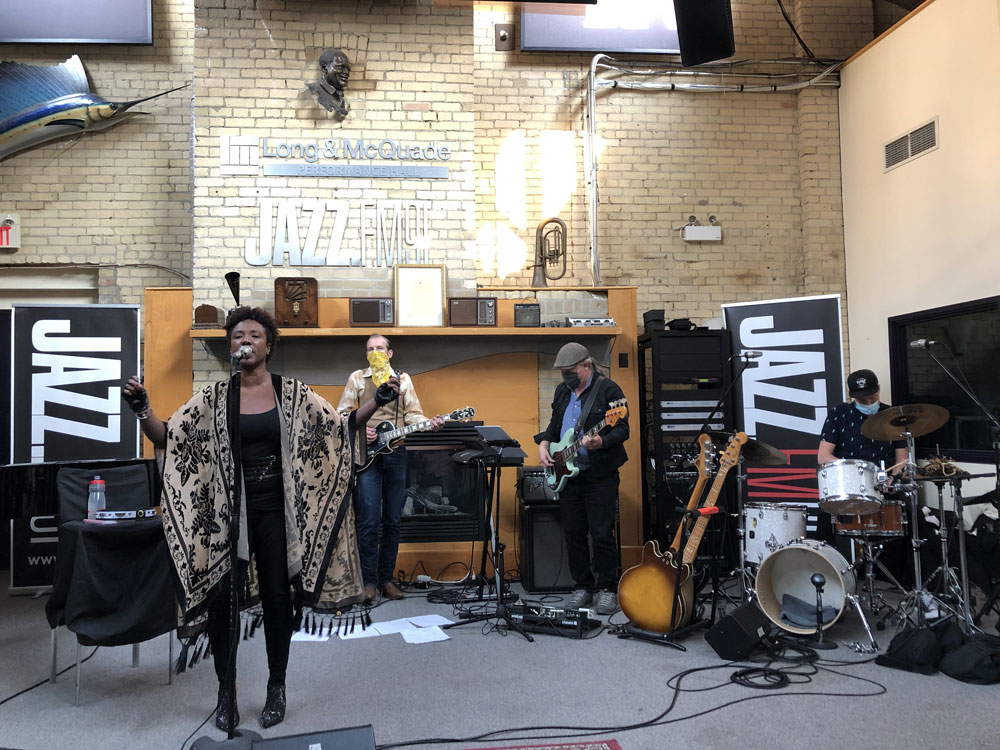
Inspired by mythical folklore, Taylor took an insightful road trip to Nashville to find inspiration for her new album. The songs have themes of perseverance, mystical truths, race inequality, homesickness and transformation, while staying true to her signature “prairie blues” style, which is a mix of roots, blues and Americana. 

“My sense is that people will feel empowered by our music,” said Taylor. “Plus everyone’s at home a lot more right now and people like to hear something new.”

Taylor said she loves touring and playing live and she’s definitely missing the exchange of energy that happens with an in-person audience. 

“We’ve been doing some livestreaming via Facebook and Instagram and it’s been a huge learning curve doing those,” said Taylor. “We’ve also used this as an opportunity to produce a video for each song on the album, using existing images and footage, since we weren’t able to shoot original footage. That was a fun experience.”

Not being able to play live has taken a toll but she’s optimistic it won’t last forever.

“I did a live to air on JAZZ.FM91 with my band that reminded me what a good feeling it is to play with musicians,” said Taylor. “Connecting is what makes the arts so vital but it takes a lot of courage to do that right now. I hope non-arts people will realize it and be kind to musicians because of that.”

Bocana: Steve Webster and Emilie-Claire Barlow. Photo by Karen WikstrandJUNO Award-winning singer, arranger, producer and voice actor, Emilie-Claire Barlow, has been collaborating with musicians and recording remotely for years, so she was prepared when the pandemic hit.

“My partner Steve Webster and I have been splitting our time between Mexico and Canada for some time now,” said Barlow. “We have a portable set-up to record pretty much anywhere we are. I’ve been doing voice work for commercials and cartoons and music recordings like this for years now, so the pandemic has not changed this part of our process in any big way.” 
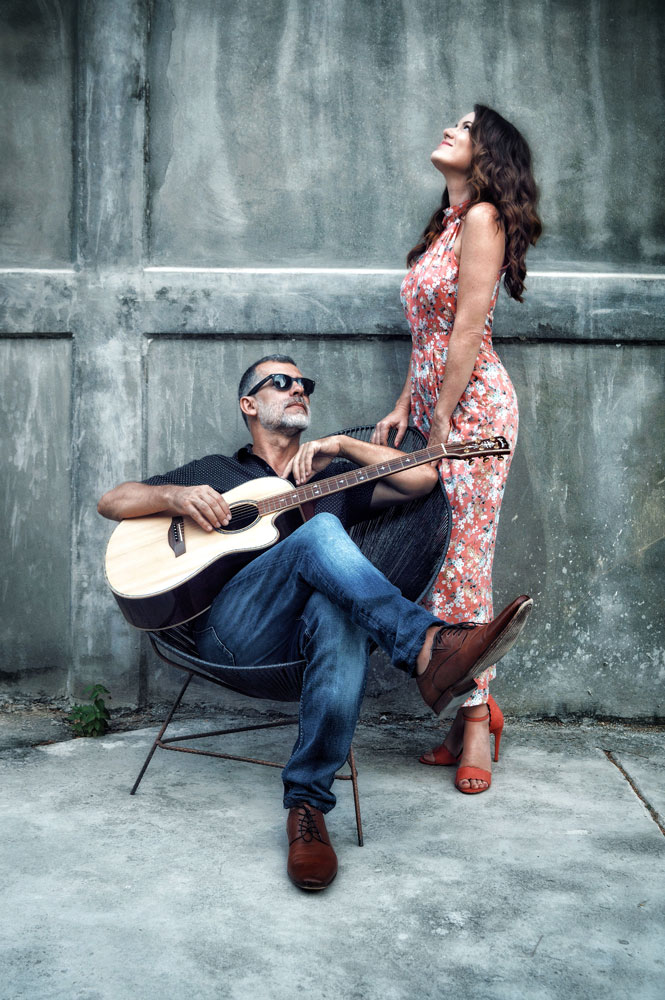
BARLOW Bocana new singleNo stranger to traditional studio work, of course, Barlow has done many group sessions over the decades and misses the magic of in-person work, especially when it’s with the 70-piece Metropole Orkest she worked with on her Clear Day album. There’s no recreating an experience like that remotely, she says, but enjoys the freedom to make music anywhere in the world with musicians who are anywhere in the world. “Right now we have several musical projects on the go, and are recording singers and instrumentalists in Toronto, Montreal, Chicago, Berlin and LA.”

Which isn’t to say, even living in Huatulco, that it’s all been a day at the beach for Barlow. (Pun intended.) 

“I miss my bandmates terribly,” said Barlow. “I definitely miss some parts of touring – the music and the audiences, the camaraderie with my band. But I will say that staying put in one place for these seven months has been healing and restorative in some ways. Even as I say that, though, I hesitate, because I’m incredibly sensitive to the fact that for some musicians, touring is their whole livelihood. But for me, while I miss the live music experience, there have also been some positives.”

Barlow explained that she and Webster were finally able to work on some musical ideas that had been brewing for years but just hadn’t had the time to develop while touring. Making their new duo, Bocana, a priority has resulted in six singles being released and a substantial listenership on digital platforms.

“It’s been a hugely rewarding and freeing experience to collaborate together in this capacity to make music that lives in its own space apart from ‘Emilie-Claire Barlow.’ We truly feel free to make our own rules and defy genres.” 

Cathy Riches is a self-described Toronto-based recovering singer and ink slinger.

Back to top