06 Verdi Il TrovatoreVerdi – Il Trovatore
Netrebko; Eyvazov; Salsi; Zajick; Orchestra, Chorus and Ballet of the Arena di Verona; Pier Giorgio Morandi
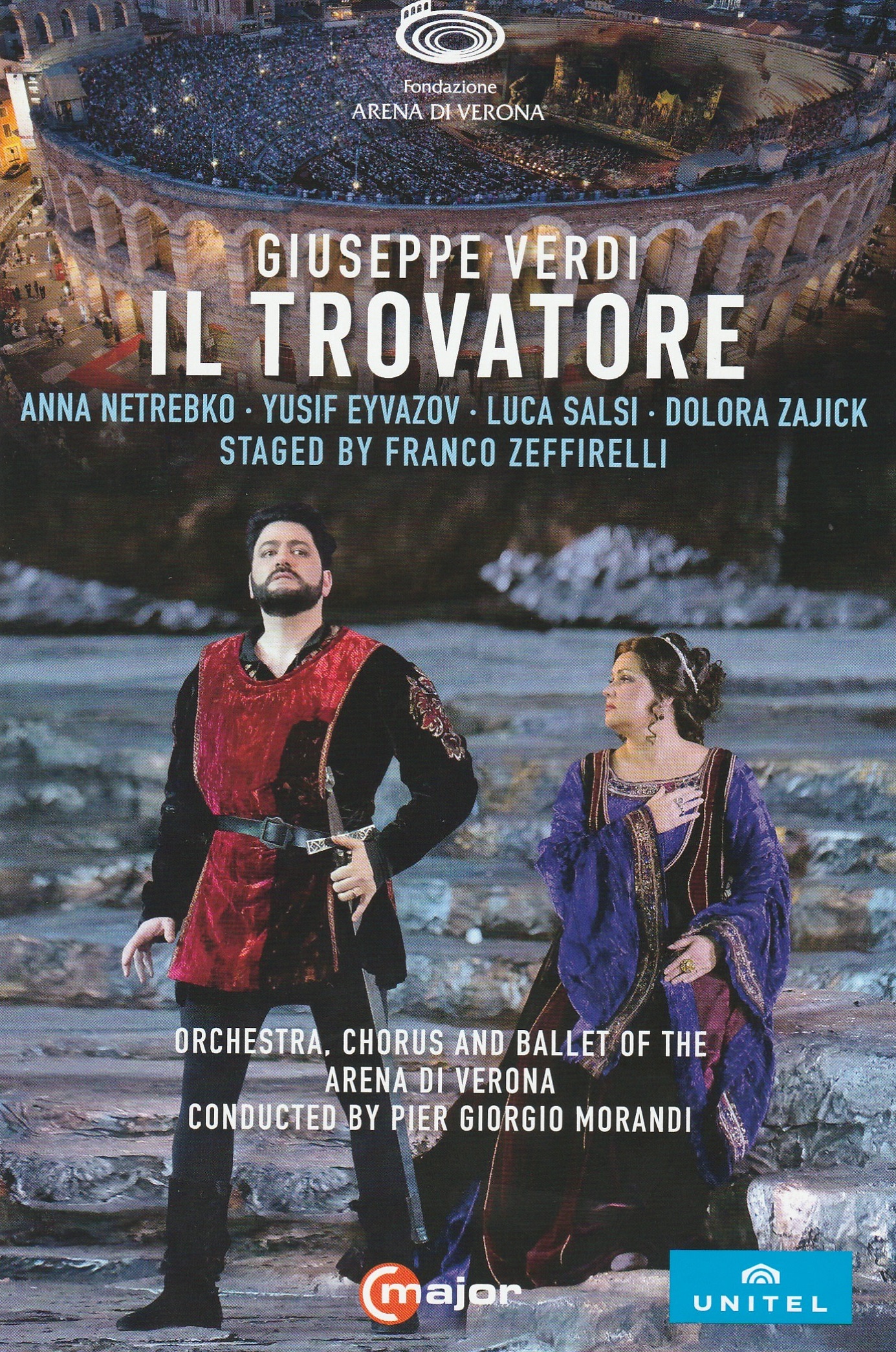
Cmajor 754608 (naxosdirect.com/search/814337015466)

Il Trovatore is an immensely popular opera in which an implausible plot is transformed by a dizzying succession of glorious melodies. Along with Rigoletto and La Traviata, it forms the great trilogy of Verdi’s middle period, but it is the most traditional of the three. A melodrama about chivalry, honour, valour and tragic love powered by unremittingly high-voltage music. Leonora, Manrico and the count are all given passionate arias, but Verdi appeared most drawn to Azucena, the Gypsy outsider whose burning desire for revenge is finally rewarded in the opera’s final denouement. 

This is an unrelievedly intense performance, staged by the master of epic visual drama, Franco Zeffirelli, and has a stellar cast backed by choral and orchestral playing – helmed by Pier Giorgio Morandi – that is electrifying. Anna Netrebko, always at her magnificent best, gives an extraordinary performance as Leonora, while Dolora Zajick more than lives up to the intensity and challenge of Azucena’s character. Zajick’s arias – Madre non dormi? followed by Si la stanchezza m’opprime o figlio – are sublime.

The most moving passages are created through dialogue, notably the Act 4 Miserere duet between Manrico and Leonora, in which she sings to the imprisoned troubadour above a chorus of praying monks, and the final exchanges between the lovers beginning with Yusif Eyvanzov’s fearsome tenor outburst Parlar non vuoi. Moments such as these raise Il Trovatore way above the level of period costume drama. This is absolutely a performance to die for.
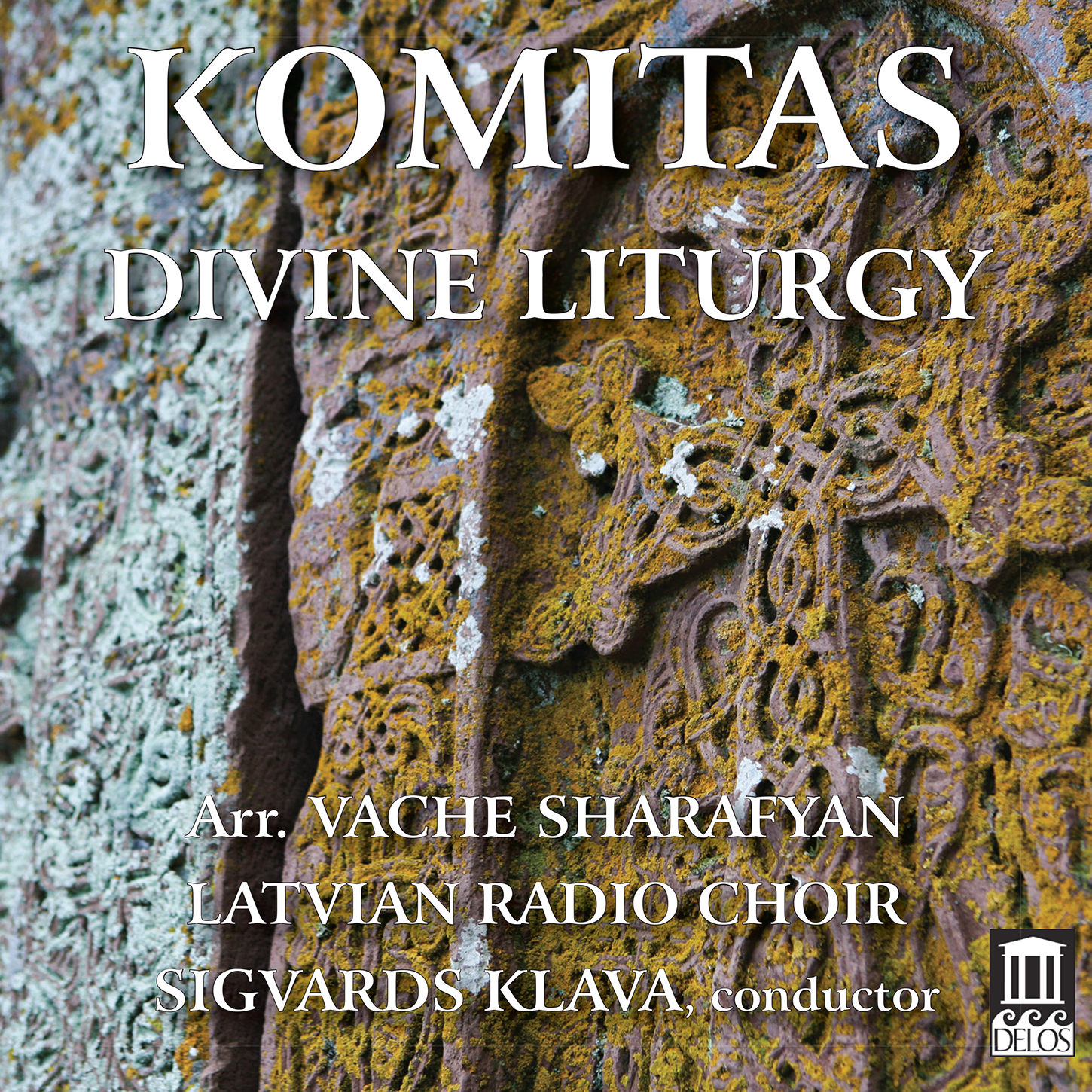
08 Komitas Divine LIturgyKomitas – Divine Liturgy
Latvian Radio Choir; Sigvards Klava
Delos DE 3590 (naxosdirect.com/search/013491359021)

The profound music of Divine Liturgy is a historic recording, performed to commemorate the 150th birthday of its composer, Komitas Vardapet (1869-1935). Komitas is considered the founder of the Armenian national school of music and an important pioneer in the field of ethnomusicology. He completed this monumental work in April 1915 as the Armenian Genocide perpetrated by the Ottoman government intensified. Komitas himself was arrested shortly thereafter. Although his life was spared, he was driven out of Armenia, soul destroyed, and spent the last 20 years of his life in an asylum in Paris.

Divine Liturgy reflects Komitas’ deeply spiritual life but the backdrop evokes the socio-political events of the times. Thus, praise and worship are set in sombre tones and colours reflecting spiritual darkness. To capture this, Komitas “heard” male voices expressing praise for God as well as reflecting the mood of the times. However, arranger Vache Sharafyan has made a boldly presumptuous leap of faith and illuminates Komitas’ deeply meditative sound-mass textures, choosing to mix the shadowy darkness of male voices with the dappled light of soaring female ones.

Thus we have a brilliantly daring new Divine Liturgy expressed as much in the eerie tones of Hovhannes Nersesyan’s dark and sonorous bass voice on Chosen of God and the eloquent outpourings of the tenor Armen Badalyan set amid pliant sopranos and contraltos. The mixed Latvian Radio Choir is superbly directed by Sigvards Klava, whose efforts – together with the bold ones of Sharafyan – give wings to the structural logic and deep spirituality of a work that many see as Komitas’ crowning achievement.

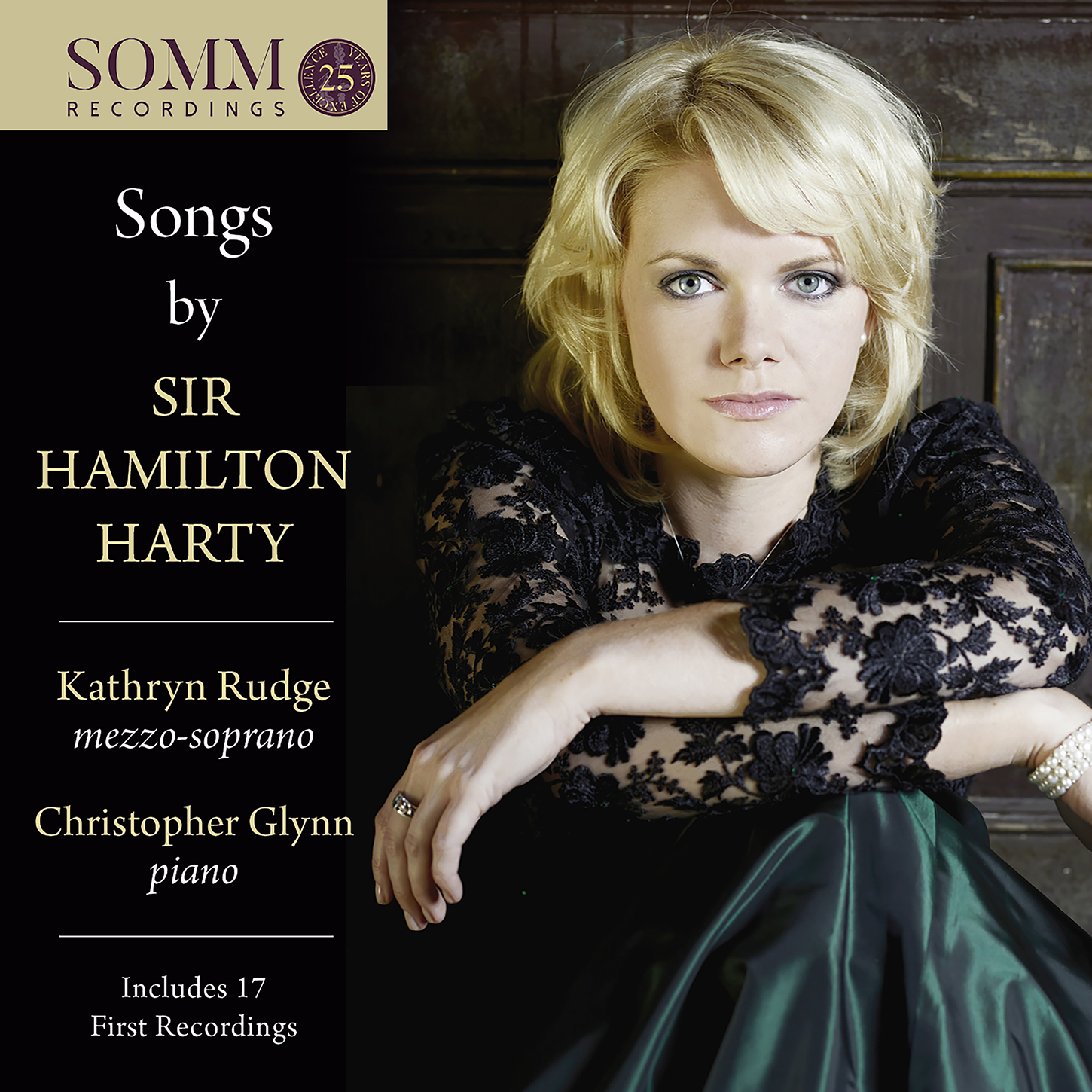
09 Hamilton HartySongs by Sir Hamilton Harty
Kathryn Rudge; Christopher Glynn
Somm Recordings SOMMCD 0616 (naxosdirect.com/search/748871061620)

I’m a longtime admirer of Hamilton Harty’s distinctively Irish-sounding orchestral works, especially his unfairly neglected Piano Concerto, so I welcomed the opportunity to hear and review this CD containing 23 songs, nearly half his total output, 16 recorded for the first time.

Set to words by 17 poets, including W.B. Yeats, Padraic Colum, Walt Whitman and Harty himself, the songs range across Ireland’s natural landscapes, love, lullabies, work, worship, war and death. Many are infused with the traditional melodic turns, lilt and sentiment we immediately identify as so uniquely and ingratiatingly Irish.

English mezzo-soprano Kathryn Rudge’s shiny, firmly focused voice surges thrillingly in the more dramatic songs, while she’s sensitively subdued in the tender or reflective selections, varying her vocal colours, always acting the texts.

The piano accompaniments are elaborate and fully fleshed, not surprising because Harty, in addition to his distinguished career as a conductor, performed as piano accompanist (he preferred the term “collaborator”) for violinist Fritz Kreisler, tenor John McCormack, soprano Agnes Nicholls (his wife) and mezzo Elsie Swinton (his purported mistress), the latter two for whom he composed many of his songs. Pianist Christopher Glynn “collaborates” admirably, adding, on his own, two charming salon-like solo piano pieces by Harty, one in its first recording.

Harty’s lustrous, warm-hearted songs surely deserve to be included in the repertoires of today’s vocal recitalists and the CD collections of lovers of beautiful music, like you! Detailed notes and texts are provided.

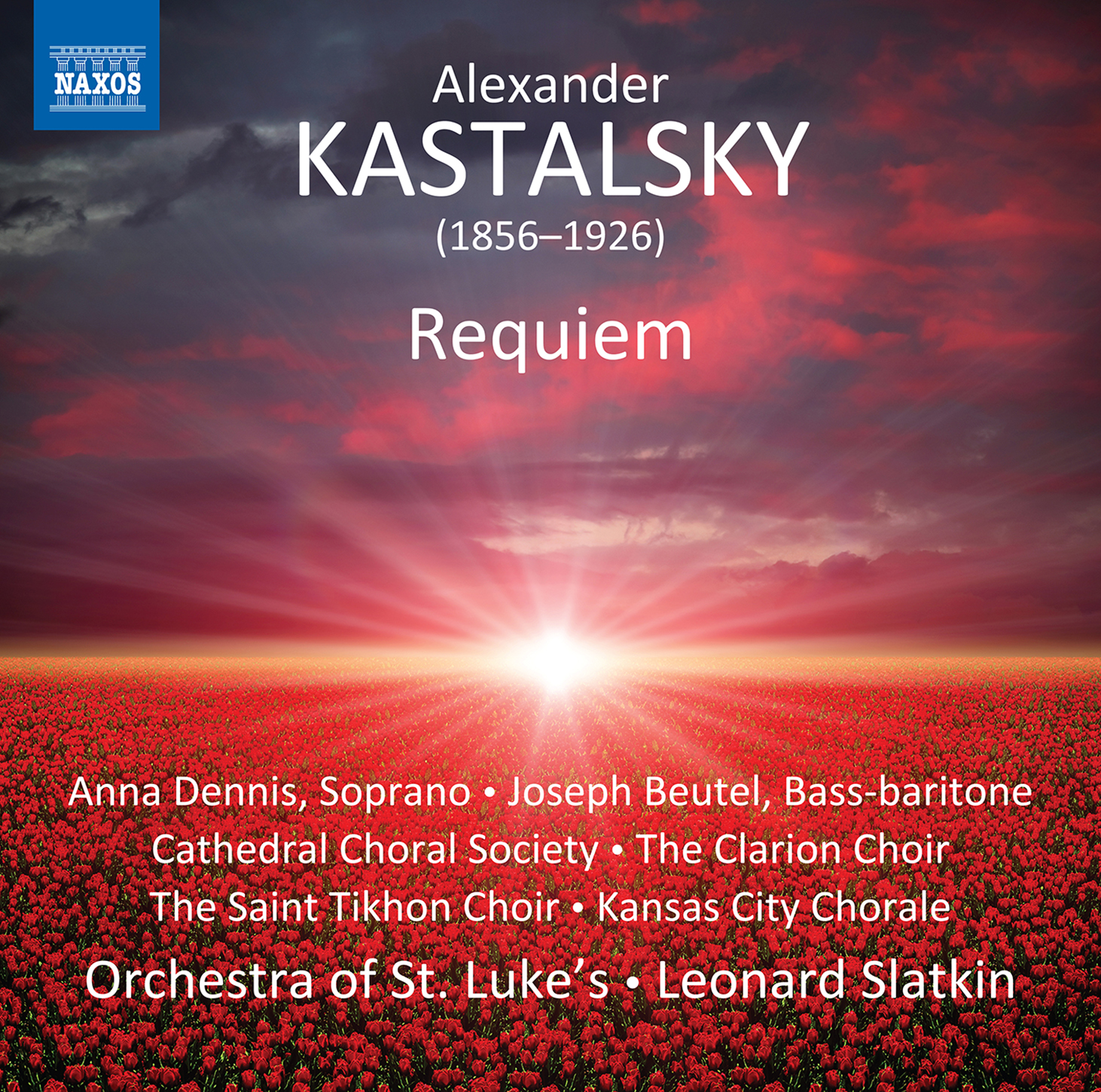
10 Kastalsky RequiemAlexander Kastalsky – Requiem
Soloists; Choirs; Orchestra of St. Luke’s; Leonard Slatkin
Naxos 8.574245 (naxosdirect.com/search/747313424573)

Alexander Kastalsky’s vision for his grand Requiem for Fallen Brothers – which included all those who died in WWI on both sides – was summarily snuffed out because by the time he was ready to unveil it on stage, in 1917, political power in Russia was in the hands of the Bolsheviks. More tragically his cross-cultural, 17-movement requiem – a work of immense proportion in which he weaves not only Latin and Orthodox rites in multiple languages, but even manages to use Eastern music, seamlessly and with dark grandiosity – remains virtually unknown within the canon of Western classical choral-orchestral works.

Appropriately, this definitive recording, featuring the Orchestra of St. Luke’s conducted by Leonard Slatkin, brings together a spectrum of players including the Cathedral Choral Society, the Clarion Choir, the Saint Tikhon Choir and the Kansas City Chorale, who illuminate the work’s breathtaking array of meditative, sparse and nimble sonorities. 

This is a highly reverential recording, distinguished by exquisite solo contributions from soprano Anna Dennis and bass-baritone Joseph Charles Beutel, supported with fine choral work by all of the vocal ensembles. Together they turn this awe-inspiring requiem into something truly memorable from the darkness of the Confutatis and the following Lacrymosa, the undulant Interludium: Hymn to Indra and the magnificent Domine Jesu. Through it all, Slatkin reveals the inner logic and structural grandeur of this complex work with exemplary clarity and inner detail.

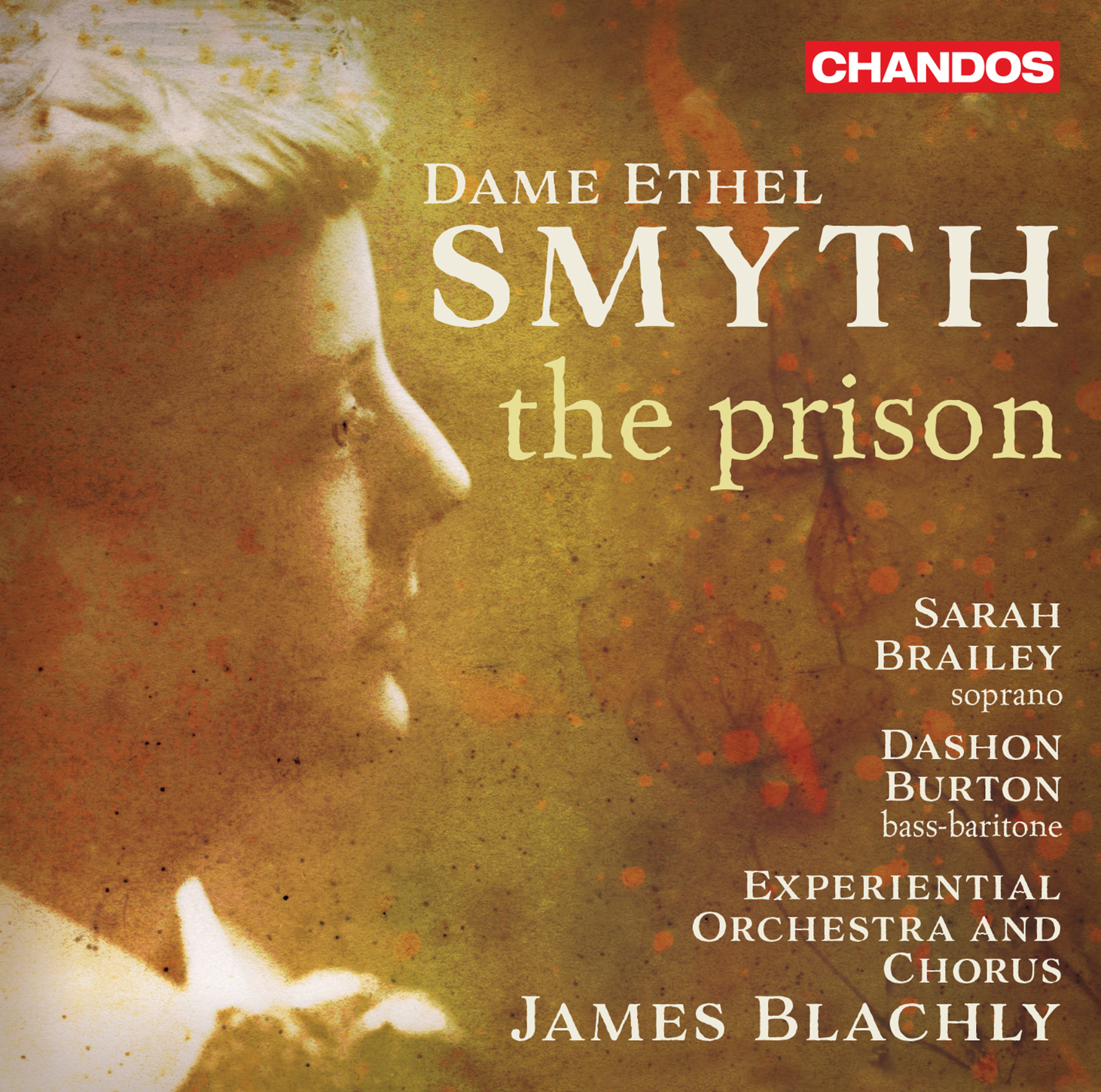
11 Ethel SmythDame Ethel Smyth – The Prison
Dashon Burton; Sarah Brailey; Experiential Chorus; Experiential Orchestra; James Blachly
Chandos CHSA 5279 (naxosdirect.com/search/095115527924) 

Dame Ethel Smyth (1858-1944) was an English composer with a large and varied compositional output that includes several operas, sonatas, works for strings, choral works and a mass. The Prison is a vocal symphony for soprano, bass-baritone, chorus and orchestra that was premiered and conducted by Smyth in 1931. Based on the libretto The Prison: A Dialogue by philosopher Henry Bennet Brewster, Smyth’s lifelong friend and mentor, the symphony tells the story of a prisoner in solitary confinement who dialogues poignantly with his soul about his innocence and imminent death. Dashon Burton (The Prisoner), Sarah Brailey (His Soul) and the Experiential Orchestra and Chorus offer a raw performance that is both stirring and compelling.

Overall, Smyth’s writing is rich and complex and very much reminiscent of an important influence in her life, the Brahms symphonies. In the first part, the prisoner’s feelings of dread are powerfully captured in the brass section with dark-timbred percussive bursts. This is in contrast to the second part, where the prisoner seems to find liberation in the acceptance of his faith in the more ethereal sonorities of his soul. Smyth composed The Prison while grieving the loss of Brewster and progressively becoming deaf, thus prematurely ending her career as a composer. There are several parallels made between this work and her personal life. 

(Re)discovering forgotten composers can be frustrating when primary resources are scarce or when the composer’s output turns out to be less than exciting. In Smyth, we find not only a compelling individual, but a woman who left behind thousands of letters ready to be studied. Hers is a legacy still waiting to be revealed.

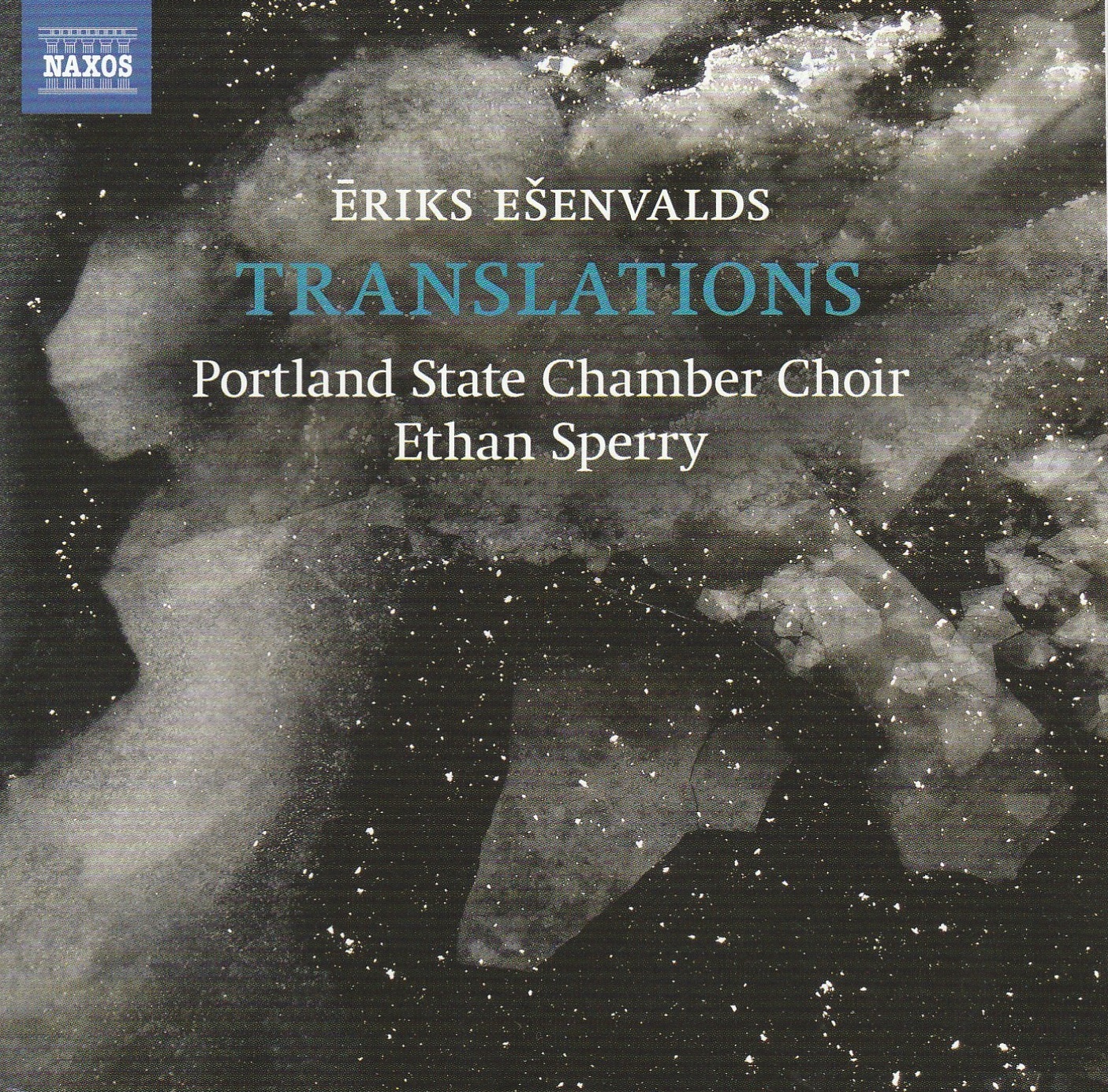
12 Eriks EsenbaldsĒriks Ešenvalds – Translations
Portland State Chamber Choir; Ethan Sperry
Naxos 8.574124 (naxosdirect.com/search/747313412471)

Award-winning Latvian composer Ēriks Ešenvalds is a superb younger generation choral composer who writes with feeling, lyricism, layered complexity and the skill to also create sad sounds that are soothing and comforting at the same time. It is thrilling to hear him expand the very strong and thriving choral tradition of the three Baltic nations.

This is the second recording of his music by the Portland State Chamber Choir, under the direction of Ethan Sperry. Sperry and his university ensemble perform with intellect, texture and passion. The seven works here are not easy to interpret due to language, diverse texts, wide-ranging tonality and multiple-part writing. 

Highlights include The Heavens’ Flock (2014) with its almost folk-song singalong quality, full tonal harmonies, occasional high soprano pitches and calming repeated ending. Translation (2016) has a darker, reflective mood. Slow but never boring, the harmonies keep the listener’s attention until the closing singing handbells’ final ring. Vineta (2009) opens with a choral pedal on E, as the volume builds with attention-grabbling contemporary tonalities and the use of mesmerizing ringing vibes and glockenspiel, and solo bass drum for unexpected rewarding effects. For In paradisum (2012), Ešenvalds adds viola and cello. A devastating solo cello line with full choral backdrop adds to the grief sentiment. An unforgettable minimalistic atonal string duet closes the work above a spectacular low, pianissimo choral drone.

The moving compositions, clear production and youthful singing make Translations a memorable choral release.

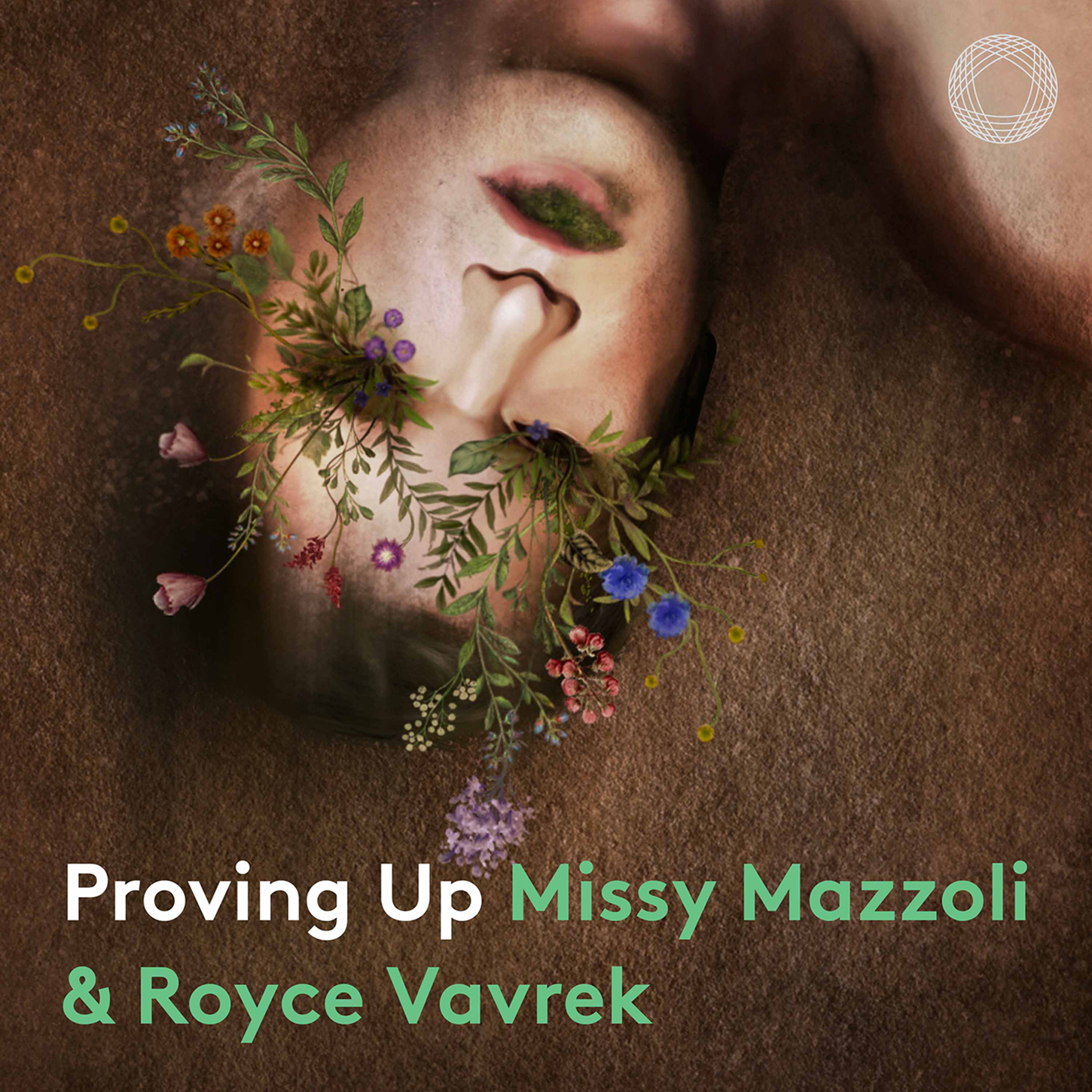
13 Missy MazzoliMissy Mazzoli; Royce Vavrek – Proving Up
Opera Omaha; International Contemporary Ensemble; Christopher Rountree
PentaTone PTC 5186 754 (naxosdirect.com/search/827949075469)

Right from the opening of this grim, gripping opera, reality mingles with fantasy. In a hearty invocation to the great American Dream, Pa Zegner (the alluring baritone John Moore) sings, “Uncle Sam is rich enough to give us all a farm.” Meanwhile, eerie sounds creep in from the orchestra. It’s clear Pa is deluded. 

It’s the 1860s. Pa and his family have been lured to the Nebraska prairies by the promise of free land offered by the recent Homestead Act. But two young daughters have already died. The land is dry and barren. The weather is nasty. And Uncle Sam’s requirements – including a glass window – are proving mighty difficult to fulfill. 

American composer Missy Mazzoli and Canadian librettist Royce Vavrek have transformed a disturbing But Mazzoli’s writing is fresh, original and enticingly contemporary. With sixthe full libretto.

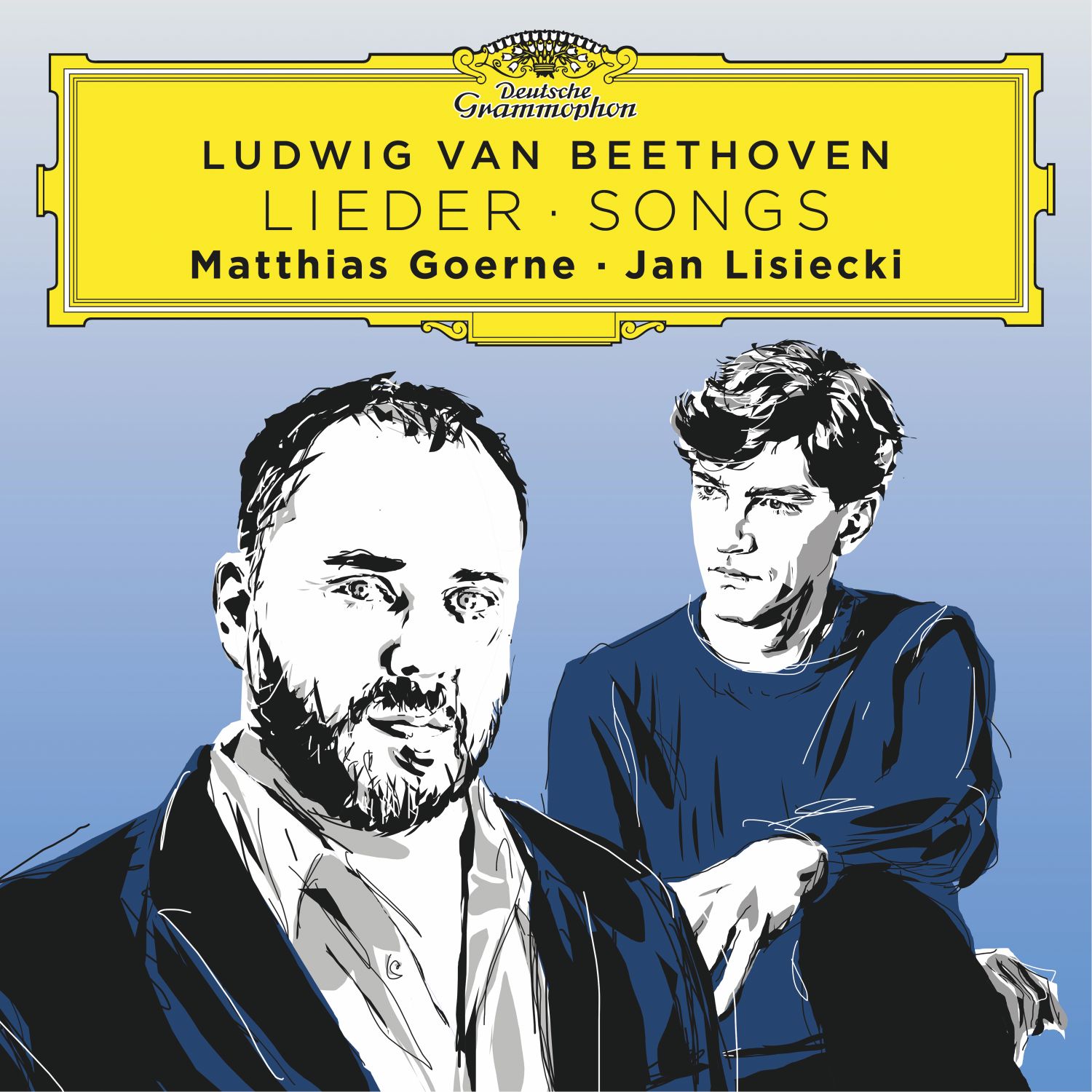
02 Beethoven LiederBeethoven – Lieder; Songs
Matthias Goerne; Jan Lisiecki
Deutsche Grammophon 483835 (deutschegrammophon.com/en)

A new disc featuring baritone Matthias Goerne and pianist Jan Lisiecki is a heartily welcomed release in what has become a much-curtailed Beethoven anniversary year. This album showcases oft-neglected songs: music that is sometimes given a wide berth by performers opting for more standard cycles from the lieder repertoire. But unlikely corners of the repertoire require unlikely artistic partners as champions and this recital is a case in point for such declarations.

Goerne (b.1967) is, doubtless, one of the most considerate, insightful and committed lieder singers of his generation. He seems to veritably live and breathe this repertoire, always delivering an incredible depth of expression and narrative. Lisiecki (b.1995), while not especially known for his collaborative activities, brings a similar brand of devotion to his art, embracing – with equal measure – the composer whom he interprets, and the listener to whom he performs. This is the common ground between Goerne and Lisiecki and proves an ideal starting point for a wondrous creative match.

Character and conviction are paramount to the poetry and the expression thereof in these songs. Goerne commands every turn and surprise as the well-seasoned pro that he is. Lisiecki follows suit, offering his own arsenal of colours and tonal insights within some rather off-the-beaten-path piano parts. Lisiecki plays the supportive role, never overpowering nor taking the reins too willfully. It’s everything one could look for in a supportive musical partner. Thrilling results indeed, as “youth and experience unite.”

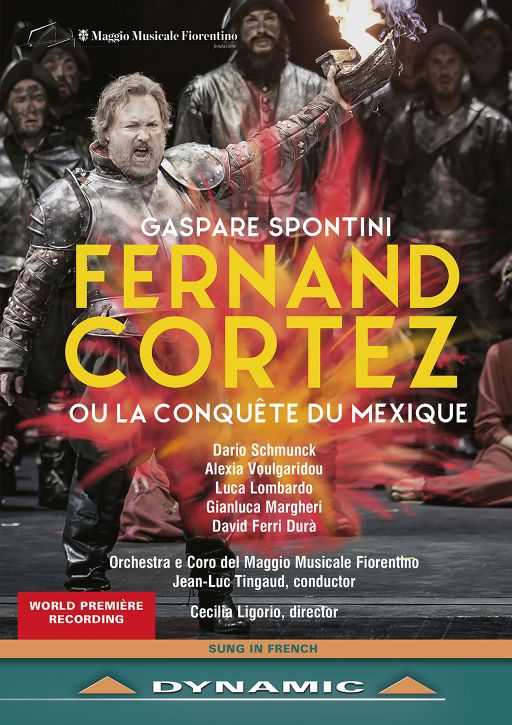
03 Fernand CortezGaspare Spontini – Fernand Cortez
Schmunck; Voulgaridou; Lombardo; Margheri; Ferri Durà; Orchestra e Coro del Maggio Musicale Fiorentino; Jean-Luc Tingaud
Dynamic DYN-37868 (naxosdirect.com)

In 1803, the 28-year-old Gasparo Spontini, having already composed 15 operas (!) in his native Italy, moved to Paris. There, as “Gaspare,” he became a favourite of Napoleon and Josephine, who commissioned Fernand Cortez (1809) as wartime propaganda. The contra-historical libretto by Étienne De Jouy and Joseph-Alphonse d’Esménard depicted Cortez as a Napoleon-like heroic conqueror, benevolently “liberating” the “oppressed” Mexican people while rescuing his lover, the Mexican princess Amazily, and his brother Alvar as they were about to be sacrificed by the Mexican High Priest.

Fernand Cortez was a sensational hit, soon performed throughout Europe. In 1817, Spontini revised it, shifting scenes and adding the role of Montezuma. Today, however, the once-celebrated composer and his 24 operas are all but forgotten. This 2019 Florence production of the original version was its first staging in nearly two centuries.

Heading the excellent cast are steely toned tenor Dario Schmunck (Cortez), the thrilling chocolate-voiced soprano Alexia Voulgaridou (Amazily), tenors David Ferri Durà (Alvar) and Luca Lombardo (Amazily’s warrior-chieftain brother Telasco), baritone Gianluca Margheri (Cortez’s comrade-in-arms Moralez) and bass-baritone André Courville (High Priest).

Conductor Jean-Luc Tingaud propels the energized score throughout the opera’s three hours, including two extended ballet sequences. In its dramatic vocal lines, bold orchestration, epic scenario, considerable length and vivid imagery (the Spaniards’ historically appropriate silver-grey armour contrasting with the Mexicans’ colourful costumes), Fernand Cortez anticipated the operas of Berlioz (who admired it) and Meyerbeer. It’s an important – and entertaining! – operatic landmark.

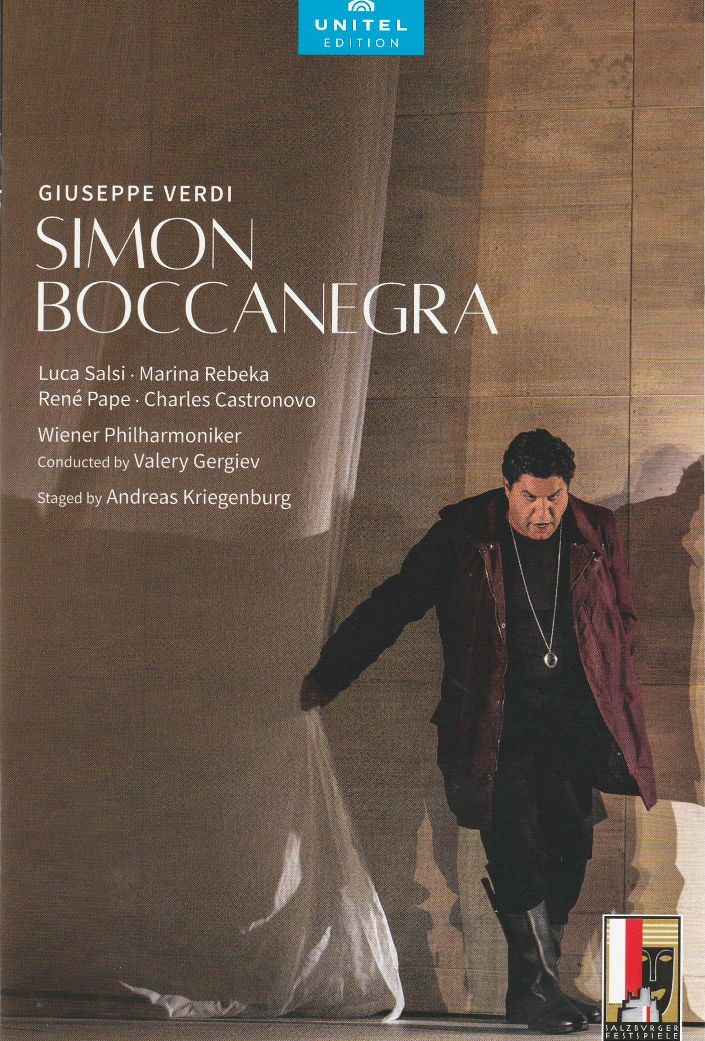
04 Verdi BoccanegraVerdi – Simon Boccanegra
Luca Salsi; Marina Rebeka; René Pape; Charles Castronovo; Wiener Philharmoniker; Valery Gergiev
Unitel 802608 (naxosdirect.com)

Verdi’s 21st opera about a 14th-century corsair who became Doge of Genoa had a difficult time. It failed at its 1857 premiere but Verdi never to give up, revised it drastically for La Scala in 1881 where it was vindicated, but the opera never caught on with the public until 1977 thanks to Claudio Abbado and the stereo era. This present reincarnation is from the hands of German director Andreas Kriegenburg who brought it into the present with its political turmoil, civil unrest, urban chaos etc., featuring people dressed uniformly in dark suits running around with smartphones. The set is architectonic, stark and monumental in black and white and fills the wide stage of the Grosses Festspielhaus admirably while creating a sinister and foreboding effect. Now and again we catch a glimpse of the Ligurian Sea in blue that’s picked up in the colour of Amelia’s dress, the only colour in the set.

Conductor Valery Gergiev, to whom the director dedicated the show, concentrates on the inner life and conflicts of each character and the lyricism of the music, although the latter gathers excitement and tremendous dynamics especially in the council chamber scenea gripping focal point of the opera featuring Verdi’s masterful ensemble writing. The cast is superb: Luca Salsi is a strong but conflicted Simon Boccanegra with a warm lyrical voice. His pianissimo singing of the word figlia after the famous Recognition Duet is quite incredible. As his daughter Amelia, Polish soprano sensation Marina Rebeka, is a genuine treat and very strong in the high registers. American tenor Charles Castronovo is a youthful, passionate Adorno, her lover. Basso profundo René Pape, as Simon’s nemesis, is a dignified, noble Fiesco, with an impressive vocal range.

A memorable musical experience with strong emotional impact.

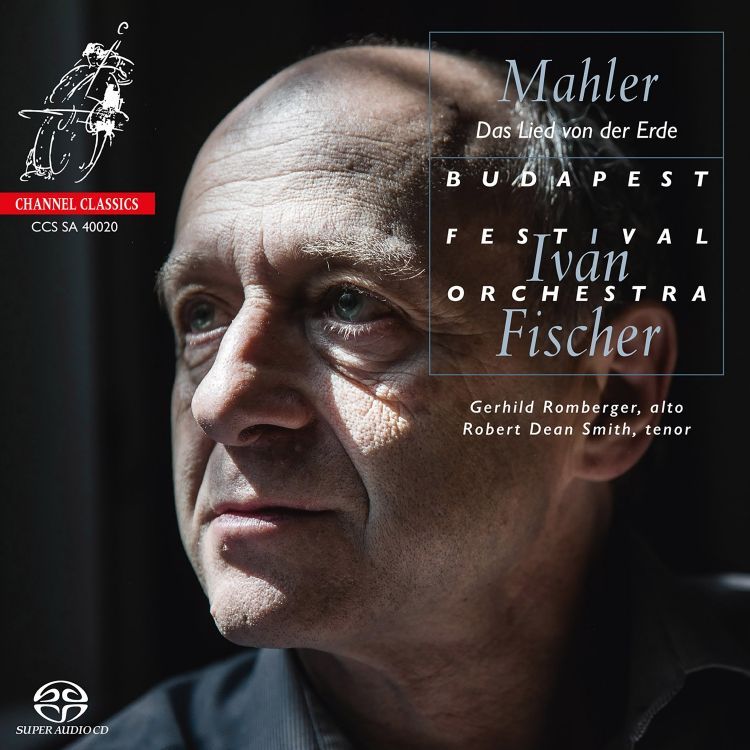
06 Mahler Lied Budapest Festival OrchestraMahler – Das Lied von der Erde
Gerhild Romberger; Robert Dean Smith; Budapest Festival Orchestra; Iván Fischer
Channel Classics CCS SA 40020 (prestomusic.com)

“Is it really bearable? Will it not drive people to self-destruction?” Gustav Mahler (1860-1911) asked of Bruno Walter in 1909 concerning his latest work, Das Lied von der Erde. In truth, few works of art are so life affirming as this supposed “final farewell,” especially so when it receives such a compelling interpretation as we have here from the incomparable Budapest Festival Orchestra in this stunningly well-produced studio recording. Scored for large orchestra and two vocal soloists, it is in all but name Mahler’s Ninth, and, as he presaged at the time due to his ill health, possibly final symphony. The vocal soloists include the American Heldentenor Robert Dean Smith, who shows some evident strain in the heavily scored Das Trinklied vom Jammer der Erde that opens the work (not an unusual occurrence in this taxing movement). Elsewhere he is much more at ease, lending a winsome charm to the delicate Von der Jugend and convincingly swaggering his way through Der Trunkene im Frühling. The German contralto Gerhild Romberger, best known for her lieder and oratorio performances, sings with a subtle intensity and purity of tone well suited to her more intimate selections, including the autumnal Der Einsame im Herbst, a rollickingly lively Von der Schönheit and the prolonged and deeply moving finale, Der Abschied. This album brings Iván Fischer’s estimable survey of the Mahler symphonies to a close, with the notable and deliberate omission of the Eighth and incomplete Tenth symphonies. 

07 Zemlinsky ZwergZemlinsky – Der Zwerg
Philip; Tsallagova; Magee; Mehnert; Orchestra and Chorus of the Deutsche Oper Berlin; Donald Runnicles
Naxos 2.110657 (naxosdirect.com)

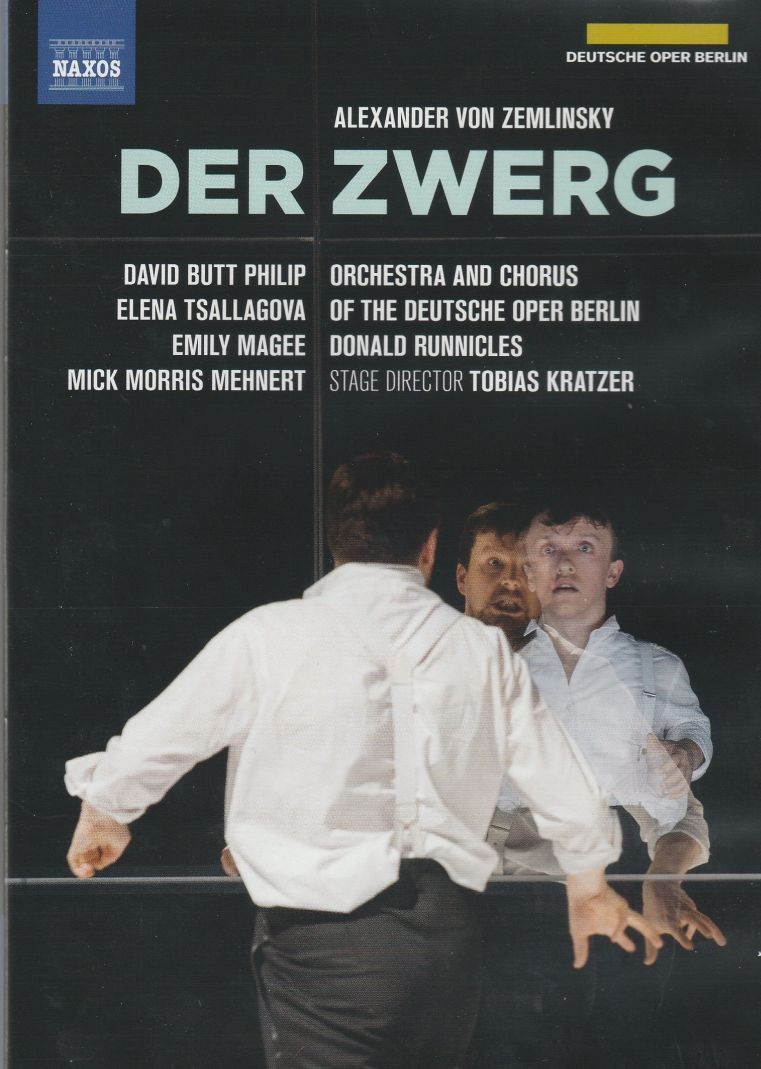
Watching Alexander von Zemlinsky’s one-act opera Der Zwerg (The Dwarf; 1921), I was soon persuaded of his dramatically relevant gifts: attractive melodic contours, compelling dialogue and ensembles, enchanting orchestration. This DVD features strong individual and group contributions, plus Tobias Kratzer’s innovative staging. The latter includes an added Prologue with Arnold Schoenberg’s Accompaniment to a Cinematographic Scene (1930) music, adding historical and biographical context.

Given the plot of Oscar Wilde’s fairy tale The Birthday of the Infanta, one expects the unexpected; the Dwarf is a surprise “birthday present” to entertain the Infanta Donna Clara who ends up both playing with and mocking him. In Kratzer’s modern-dress version the Dwarf exists in two guises: a singer/composer (tenor David Butt Philip) and a speaking actor of small size (played by Mick Morris Mehnert). This choice is highly effective, with brilliant coodination between the two cast members, and also with two women leads who have to interact precisely with each. Vocally, I was taken with both Philip and stellar soprano Elena Tsallagova as Donna Clara, while the warmth and concern her attendant Ghita (Emily Magee) conveys contrasted effectively. I recommend the women’s fine flower chorus with glittering harp and percussion near the opening; soon trendy choristers are manouvering their pink phones to take selfies with the Infanta! Later, music-induced feelings warm between the Infanta and the Dwarf; do not miss Zemlinsky’s soaring lyricism as vocal lines and complex instrumental harmonies entwine.

08 Korngold ViolantaKorngold – Violanta
Annemarie Kremer; Michael Kupfer-Radecky; Norman Reinhardt; Orchestra and Chorus Teatro Regio Torino; Pinchas Steinberg
Dynamic 37876 (naxosdirect.com)

Vienna, 1914: the exotic, erotic and ecstatic sonorities of Salome and Der Rosenkavalier are in the air and the Strauss-admiring 17-year-old Korngold inhales and transforms them into his own personal style, composing both the comedy Der Ring des Polykrates and the tragedy Violanta. In 1916, Bruno Walter conducts the operatic double-bill’s world premiere in Munich; that same year, performances follow in Vienna and 11 German cities.

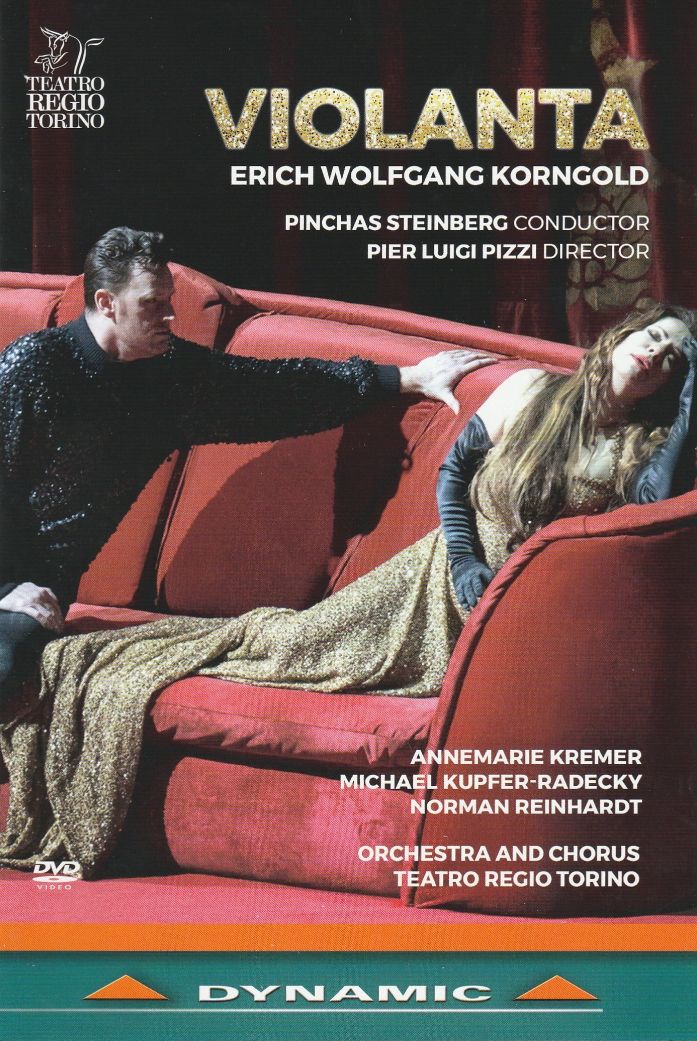
Violanta opens with spooky, harmonically indeterminate ninth-chords spanning over four octaves; the suspenseful, feverish atmosphere will continue throughout the one-act opera’s 82 minutes. Soprano Annemarie Kremer is convincingly ferocious as Violanta, persuading her husband Simone (baritone Michael Kupfer-Radecky) to murder Alfonso (tenor Norman Reinhardt), the seducer she blames for her sister’s suicide. But when Alfonso arrives, Violanta admits to herself, and to him, that she has always loved and desired him. They join in a rapturous duet before Violanta, shielding Alfonso from Simone, is pierced by Simone’s sword and dies.

Hans Müller’s libretto was set during Carnival in 15th-century Venice. Surprisingly, Violanta wasn’t staged in Italy until this January 2020 Turin production, needlessly updated to the 1920s by Pier Luigi Pizzi, typical of today’s breed of opera directors who simply can’t leave well enough alone. Pizzi’s set and costumes, though, are suitably lurid – black, white and blood red.

Bravo to conductor Pinchas Steinberg, who draws from the 11 vocal soloists, chorus and orchestra a truly impassioned performance of Korngold’s impassioned, hyper-Romantic, very, very beautiful music. 

09 Shostakovich 13Shostakovich – Symphony No.13 “Babi Yar”
Oleg Tsibulko; Russian National Orchestra; Kirill Karabits
PentaTone PTC 5186 618 (naxosdirect.com)

In the absence of a memorial marking the scene of one of the many great atrocities committed by the Nazis in WWII, Dmitri Shostakovich erected his Symphony No.13, “Babi Yar” (1962). Initially, Shostakovich set only the title poem by his younger compatriot Yevgeny Yevtushenko. Later, he encouraged the poet to provide more, ending up with a total of five movements, all of them choral settings. 

This is post-Stalin Shostakovich, a time when the composer allowed his musical utterances to be “modern,” encouraged by the “Khrushchev Thaw.” His choice to set a poem that more or less accuses his compatriots of anti-Semitism was nonetheless full of personal risk, given how poorly the poem had been received by critics and the Russian public. Disturbing echoes can be found when one reads the text in today’s context, as nationalists again repeat the phrases that disguise hate. The music that accompanies the part of the text echoing Anne Frank’s diary is heartrending.

On this recording the chorus, orchestra and soloist are uniformly excellent. Oleg Tsibulko has the classic Russian basso voice, warm and powerful. The recording was made in a studio, but one hears a reverberant hall. At times overbearing, as one might expect given the subject matter, there are lighter moments. The second movement, for example: Humour is a celebration of how mirth and mockery always triumph over tyranny; it’s a scherzo where Shostakovich pulls out all his favourite tricks. 

The text of the other poems veers between subversion and sloganeering, treading a line between orthodoxy and rebellion. The most interesting is the final poem, A Career. Its ambiguity is matched quite cleverly to the most tonal and tuneful music in the symphony. Trust Shostakovich to loose the arrows of irony toward an unsuspecting target.

10 Voces8After Silence
VOCES8
Voces8 Records VCM129 (voces8aftersilence.com)

Multiple-award winning British vocal ensemble, VOCES8, has just released a two-CD collection rife with diverse works from Bach, Mahler, Monteverdi, Byrd, Britten, Dove, Fauré and more. Known for their eclecticism, the ensemble performs in a cappella format, in collaboration with a wide variety of orchestras and specialized ensembles, as well as with noted soloists. The title of this ambitious project refers to a quote from Aldous Huxley, “After silence, that which comes nearest to expressing the inexpressible, is music”.

The program here is divided into four sections: Remembrance, Devotion, Redemption and Elemental, with each containing enervating, multi-influenced compositions. Produced by Adrian Peacock and under the artistic direction of Barnaby Smith, the recording utilized the stunning natural acoustics of the Chapel of Trinity College at Cambridge, St. George’s Church in Chesterton and St. John the Evangelist in Islington. The uber-gifted members of VOCES8 include sopranos Andrea Haynes and Eleonore Cockerham; altos Katie Jeffries-Harris and Barnaby Smith; tenors Blake Morgan and Euan Williamson and basses Christopher Moore and Jonathan Pacey. 

Remembrance begins with the sombre beauty of Orlando Gibbons’ Drop, Drop, Slow Tears, which initiates the emotional four-song exploration of the depth and nature of grief and loss. Through each track, the ensemble exercises not only magical dynamics, but a breathtaking relationship to A440 and heavenly intonation. The vocal blend and control of the respective vocal instruments here is nothing short of incomparable. Devotion examines filial, venal, sacred and romantic love as illustrated in Monteverdi’s heart-rending madrigal Lagrime d’amante al sepolcro dell’amata. Redemption and Elemental contain a nearly unbearable amount of beauty, but an exquisite track is Mahler’s Ich bin der Welt abhanden gekommen. In short – After Silence is perfection. 

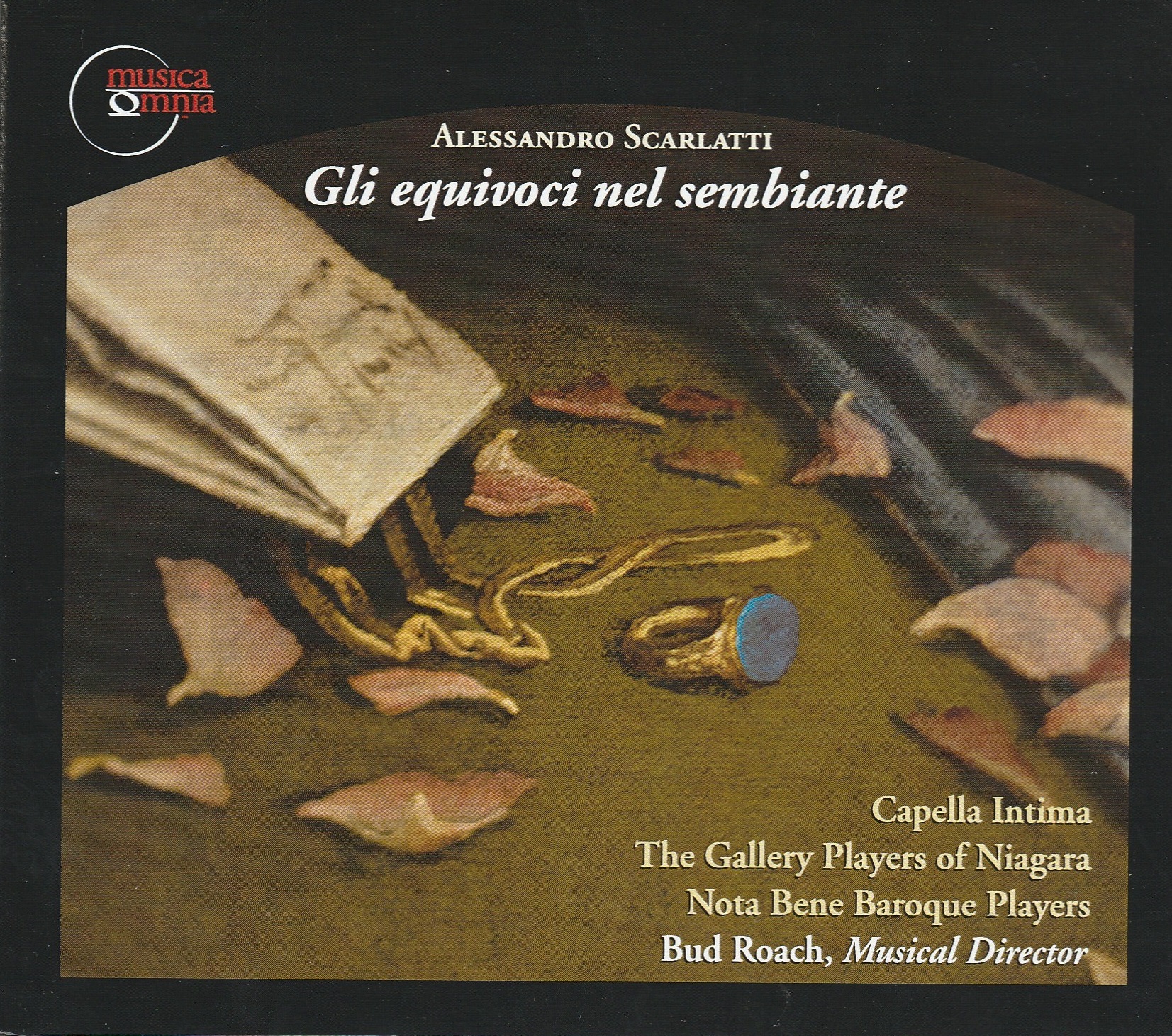
01 ScarlattiAlessandro Scarlatti – Gli equivoci nel sembiante
Capella Intima; Gallery Players of Niagara; Nota Bene Baroque Players; Bud Roach
Musica Omnia mo0803 (galleryplayers.ca/shop/music) 

Alessandro Scarlatti’s first opera, Gil equivoci nel sembiante, was conceived and performed in the dark days of the papacy of Innocent XI. The virtual ban on secular art meant that the defiance of its composition and its performance, albeit privately, in 1679 must rate as one of the most glorious conceits of the religious censorship of the Baroque era. This extraordinary recording captures the dizzying episodes of mistaken identity with delightfully translucent obfuscation and appropriate comedy. 

The shepherd Eurillo and Clori, a nymph and object of his affection, are engaged in a hilarious, dizzy mix-up with a Eurillo look-alike, Armindo, and Clori’s envious younger sister Lisetta. Each is swept up in an interlinked romantic affair that becomes so awkward that it takes a near-miraculous appearance of all four characters together at once to unknot the whole affair.

Alessandro Scarlatti (1660-1725), the most celebrated name in Baroque opera, composed more than 60 operas during his life, changing with the times and influencing the genre through significant artistic reform. His brilliant work is brought to life with uncommon vividness by these performers. The vocalists of the Capella Intima embrace the radiance and foibles contained in Domenico Filippo Contini’s libretto. The Gallery Players of Niagara and the Nota Bene Baroque Players – playing period and contemporary instruments beautifully – add colourful realism to Scarlatti’s exquisite music. Bud Roach adds his masterful direction to bring it all to life.

Listen to 'Alessandro Scarlatti – Gli equivoci nel sembiante' Now in the Listening Room

Back to top