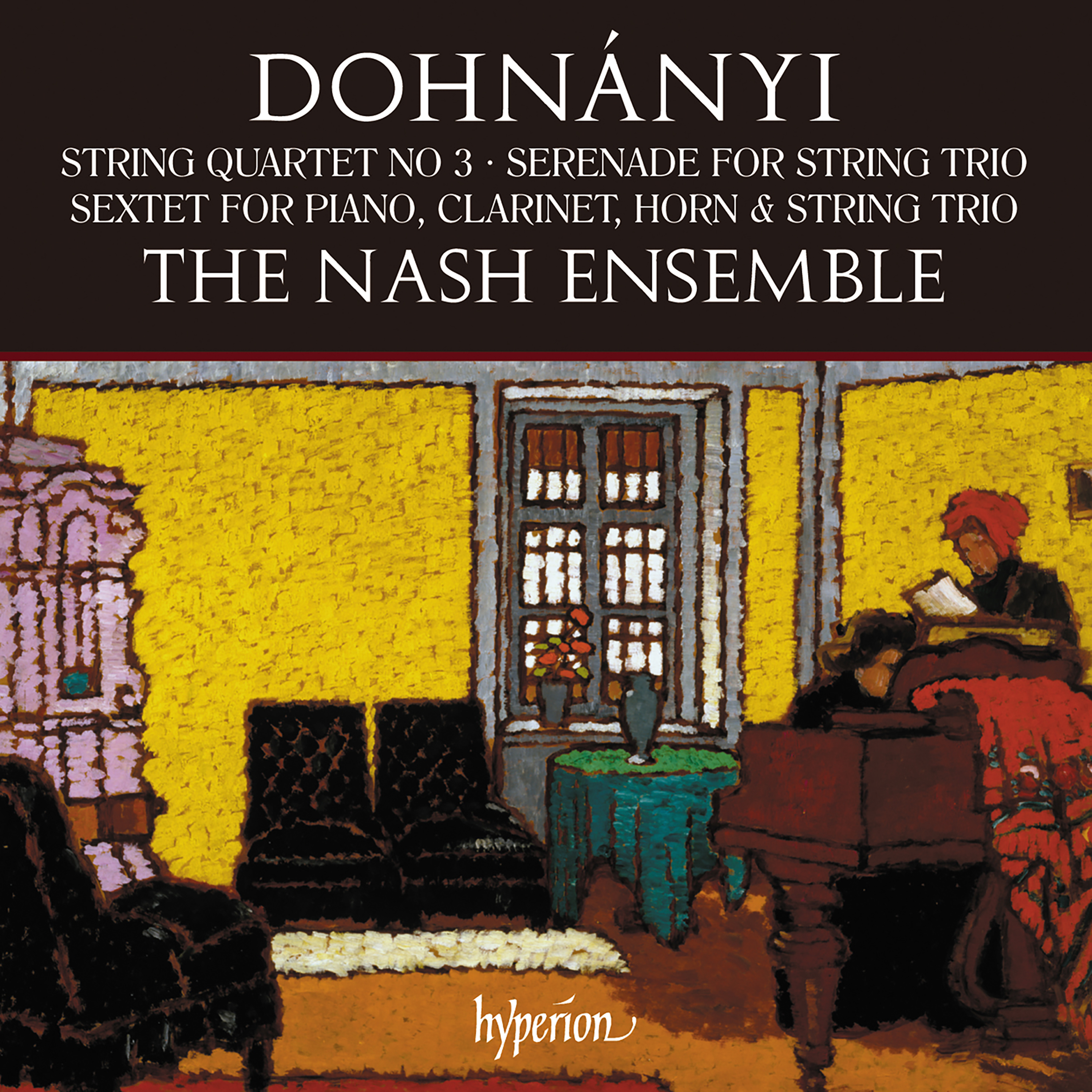
01 DohnanyiThe chamber music of the Hungarian composer Ernő Dohnányi is featured in outstanding performances by the Nash Ensemble on a new Hyperion CD (CDA68215 hyperion-records.co.uk).

Dohnányi was a central figure in Hungarian musical life in the 1930s, but unfounded Nazi sympathiser accusations by the post-war Communist government essentially destroyed his reputation. It was not until the 1990s that it began to recover.

The works here are from three periods of Dohnányi’s career. The Serenade in C major for string trio Op.10 is an early work, inventive, masterful and humorous. The String Quartet No.3 in A Minor Op.33 is a nationalistic and modernist work from 1926, the composer having returned to Hungary from Berlin at the start of the First World War.

The absolute gem here, though, is the Sextet in C major for piano, clarinet, horn and string trio Op.37 from 1935, the last chamber work Dohnányi completed. It’s absolutely stunning, with writing that’s brilliant and passionate throughout – at times overwhelmingly so. The incredible performance here simply takes your breath away.
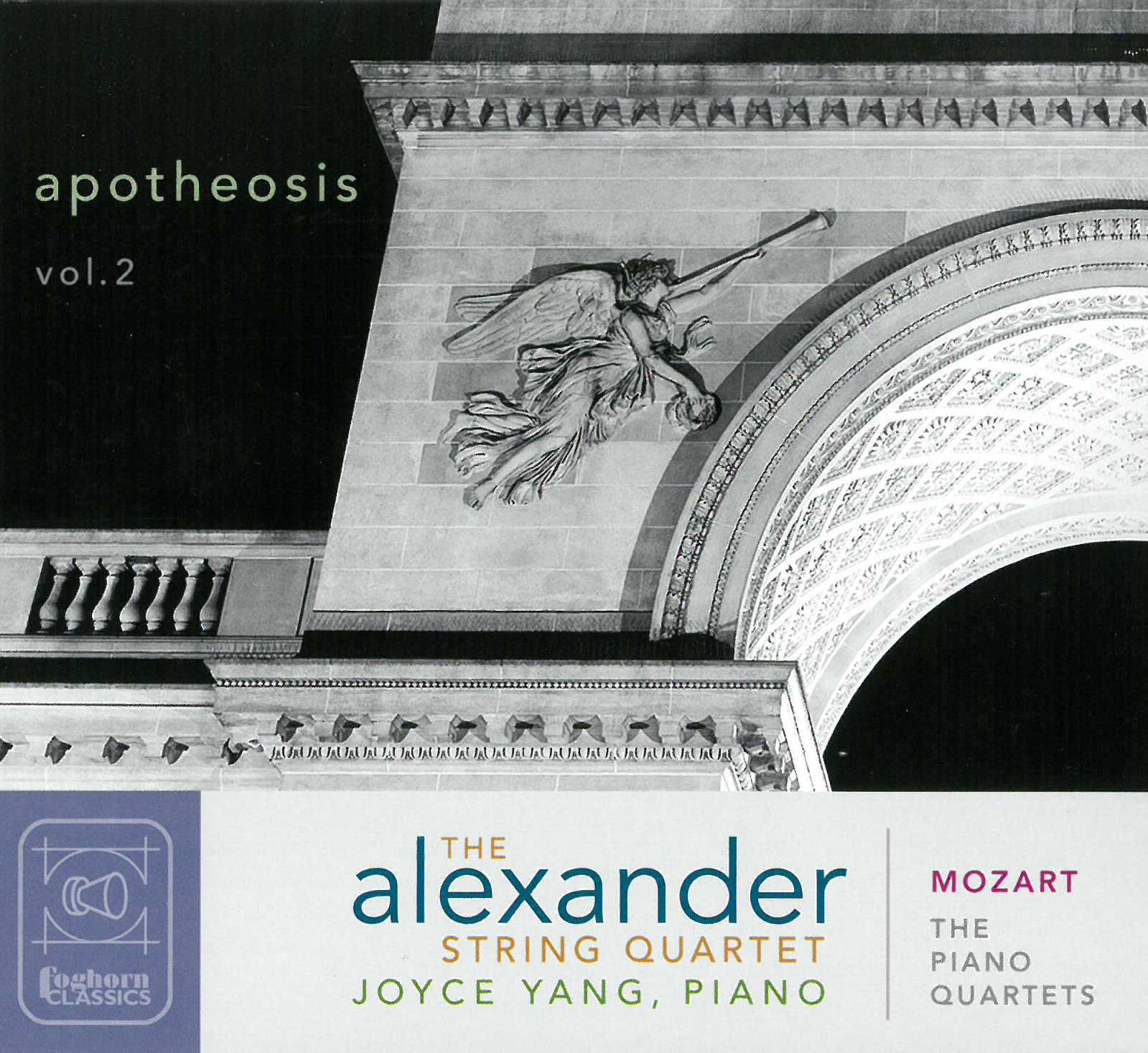
02 Mozart Piano QuartetsPianist Joyce Yang joins members of the Alexander String Quartet – violinist Zakarias Grafilo, violist Paul Yarbrough and cellist Sandy Wilson – in Apotheosis: Mozart Vol.2 The Piano Quartets (Foghorn Classics CD2018 FoghornClassics.com). Volume 1 featured the Late String Quartets, and Volume 3 will feature the Late Quintets.

Mozart was not the first to write quartets for piano and strings, but his two contributions – the Piano Quartet in G Minor K478 and Piano Quartet in E-flat Major K493 from 1785 and 1786 respectively – are the first two great works in the genre. They are given simply beautiful performances here, with sensitive, expressive playing all round. The outstanding Yang plays with crystal-clear articulation and a fine sense of melodic line and phrase; the string playing – as one would expect from this ensemble founded in 1981 – is warm and stylish, with generous but never excessive vibrato.

The recorded sound, ambience and balance are all that you could wish for.
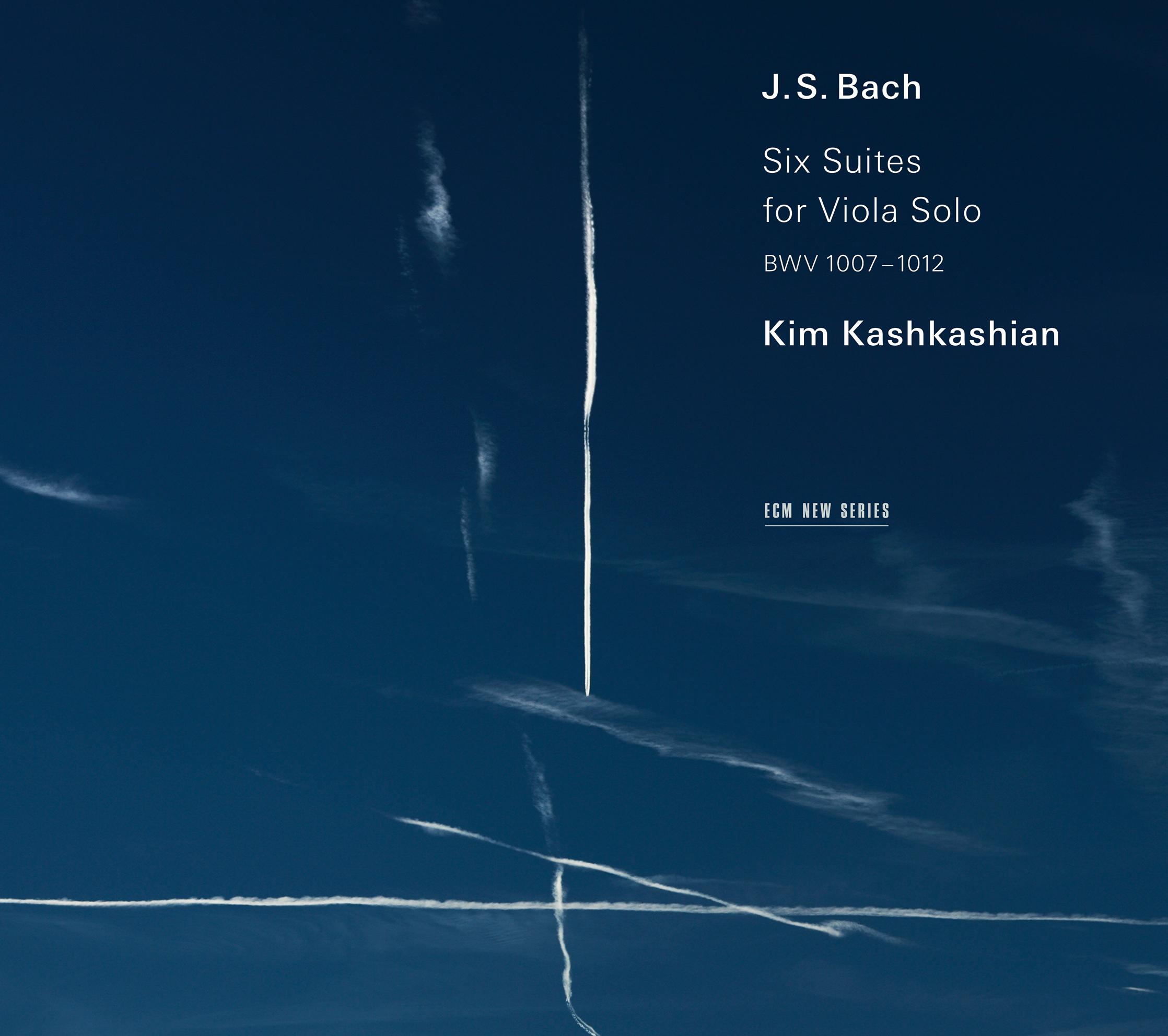
03 Kashkashian BachThere’s another quite outstanding set of the Bach Cello Suites in the version for viola on J. S. Bach Six Suites for Viola Solo BWV1007-1012 with American violist Kim Kashkashian (ECM New Series ECM2553/54 ecmrecords.com). The viola is tuned an octave above the cello, so this arrangement, while not altering the music’s physical relation with the instrument, creates a different range of tonal colour.

Kashkashian plays a modern viola by Stefan-Peter Greiner and – for Suite V – a 1989 five-string viola by Francesco Bissolotti. Both instruments have a glowing, lustrous tone.

Kashkashian plays these dance suites with an unerring sense of movement, with faultless technique, and with warmth, flexibility, smoothness and a controlled emotionality that mines the depths of these remarkable creations.
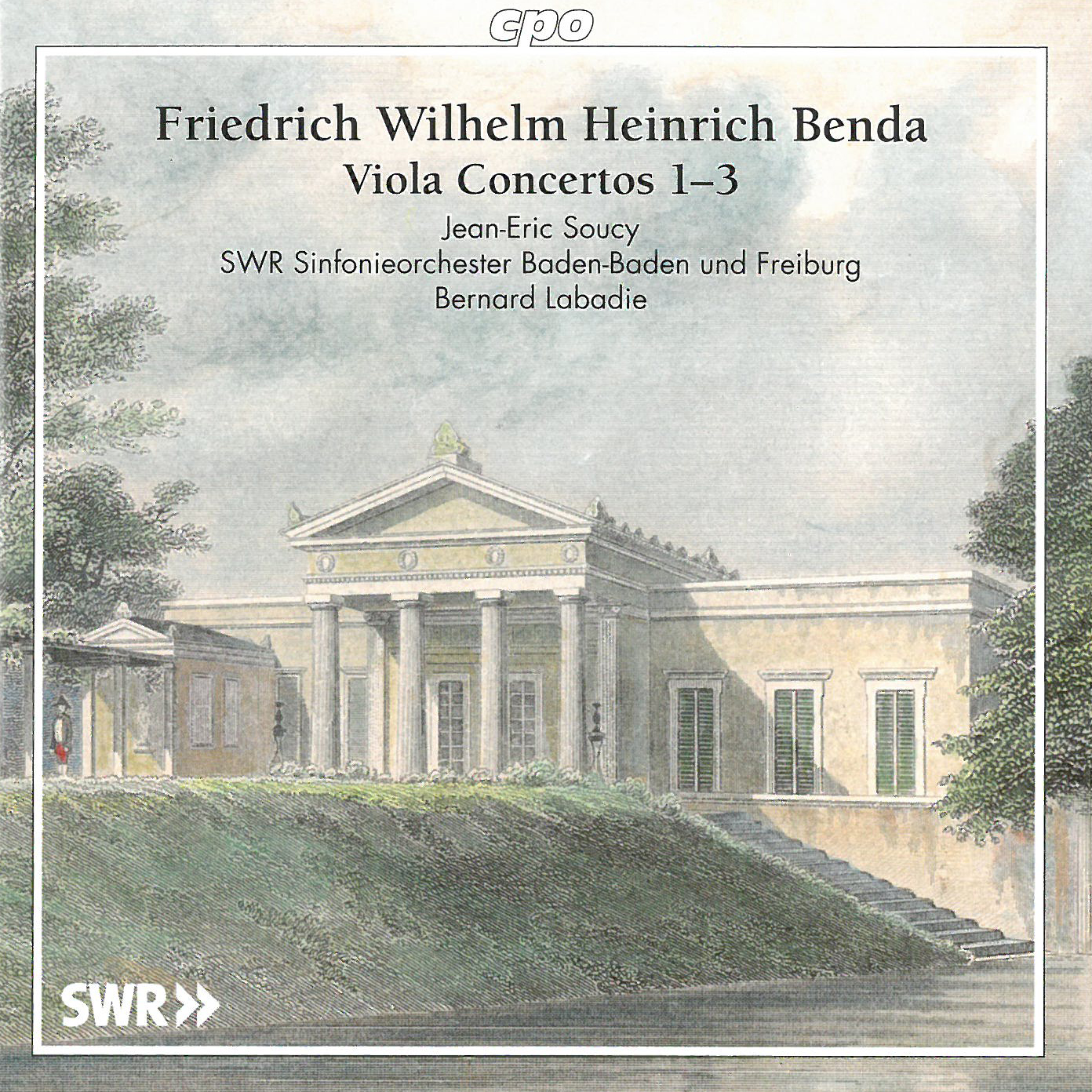
04 Benda ViolaThree viola concertos usually attributed to the 18th-century German composer Georg Benda but now believed by the soloist here to be by Benda’s nephew are presented on Friedrich Wilhelm Heinrich Benda Viola Concertos 1-3 (cpo 555 167-2 naxosdirect.com/items/benda-viola-concertos-nos.-1-3-455473). The Quebec-born violist Jean-Eric Soucy is the soloist with the SWR Sinfonieorchester Baden-Baden und Freiberg under Bernard Labadie, with whom Soucy was a co-founder of Les Violins du Roy.

Soucy’s excellent notes trace the intricate but fascinating research journey that led to his opinion regarding the true source of these concertos. They’re simply lovely works which Soucy rightly calls magnificent additions to the viola repertoire.

Concerto No.1 is in F Major; Concerto Nos. 2 and 3 are in E-flat Major. Soucy plays with a lovely warm tone, agility and clear articulation. Labadie creates a perfect setting for him, with the delicate harpsichord sound in particular adding to a transparent orchestral texture to create a perfect period feel.
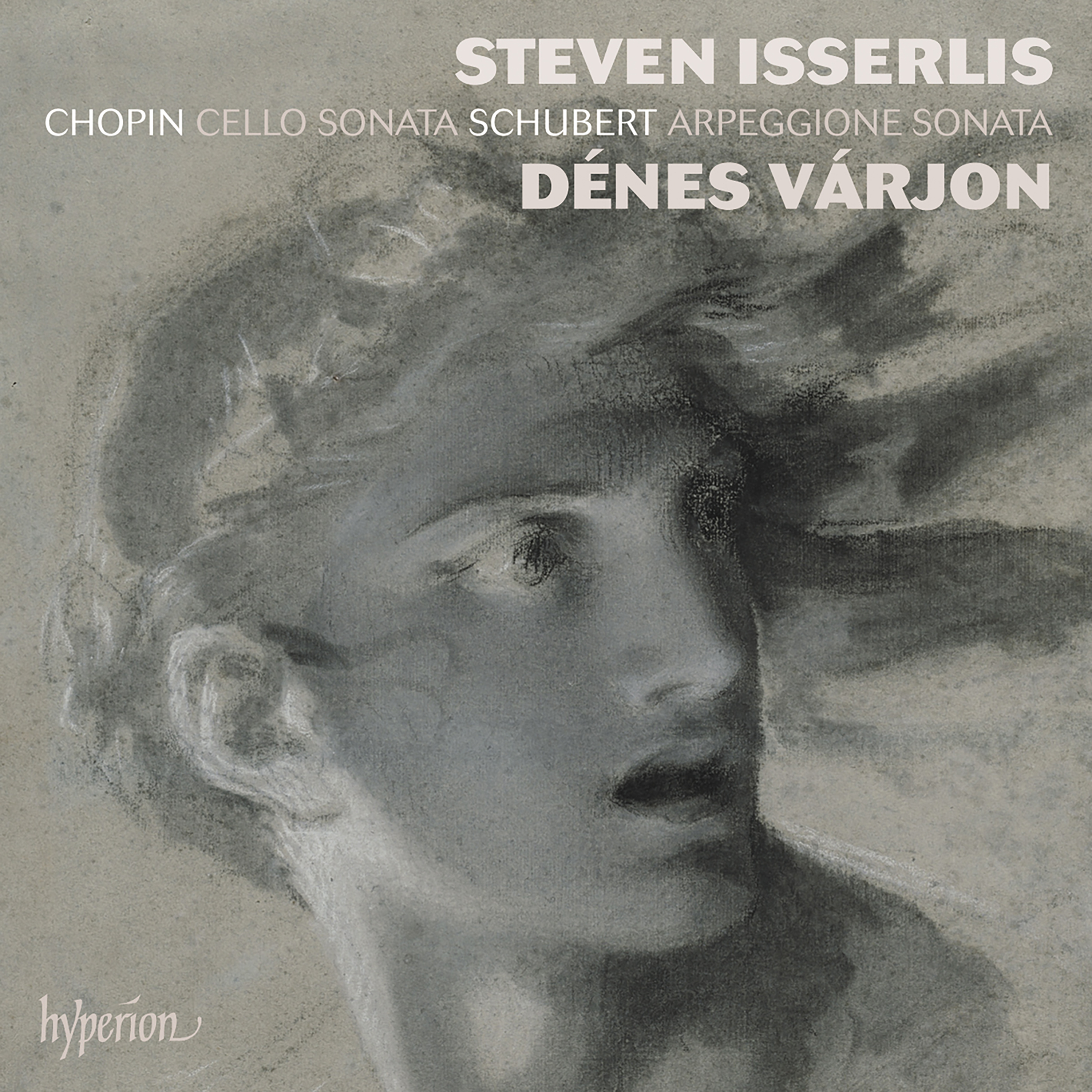
05 IsserlisThe always outstanding Steven Isserlis plays works by Chopin, Schubert and Franchomme on Chopin & Schubert Sonatas with pianist Dénes Várjon (Hyperion CDA68227 hyperion-records.co.uk). Isserlis is one of the most insightful and intelligent cellists around, and his warm, expansive playing is evident from the opening work, Chopin’s Introduction and Polonaise brillante in C Major Op.3.

Chopin met the French cellist Auguste Franchomme in Paris and the two became close associates, the latter joining Chopin in the premiere performance of the Cello Sonata in G Minor Op.65, the last work published in Chopin’s lifetime. Isserlis, in his customary insightful booklet notes, describes Franchomme’s Nocturne in C Minor Op.15 No.1 as a nice bridge from the youthful Chopin to the inward-looking composer of the late, dark sonata. There’s impassioned playing by Isserlis and Várjon in the Chopin Cello Sonata, especially in the lengthy opening movement.

The Schubert work is the Arpeggione Sonata in A Minor D821. The arpeggione, sometimes called the cello-guitar, was a fretted instrument held between the knees and played with a bow. It was an awkward invention that would probably be forgotten by now were it not for this sonata; certainly its awkwardness isn’t reflected in Schubert’s music.

Two songs in transcriptions by Isserlis complete the CD: Chopin’s Nie ma czego trzeba Op.74 No.13; and Schubert’s Nacht und Träume D827.
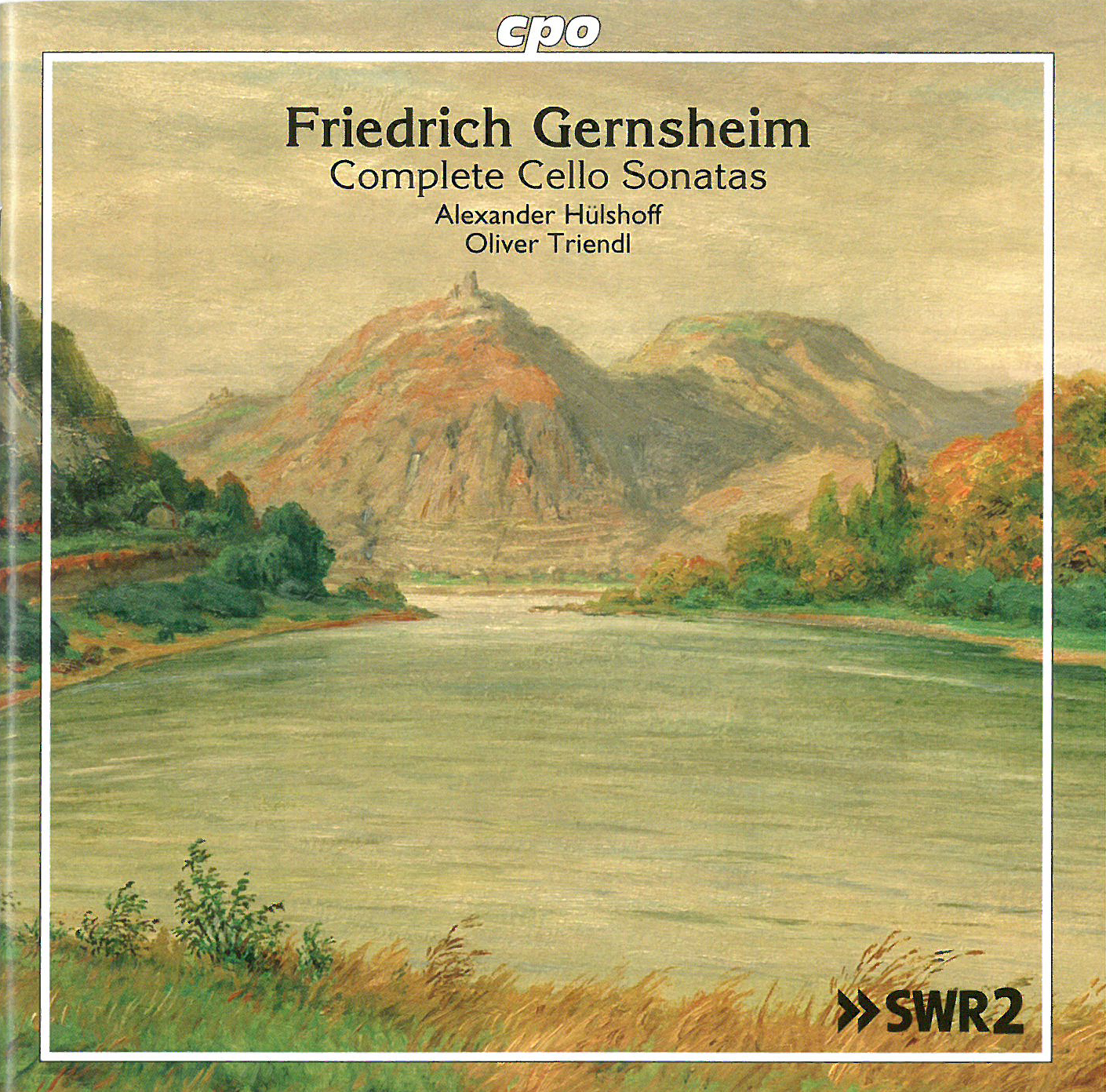
06 Gerscheim CelloI don’t recall ever hearing any music by the German late-Romantic composer Friedrich Gernsheim (1839-1916), so the new CD of his Complete Cello Sonatas with cellist Alexander Hülshoff and pianist Oliver Triendl came as a welcome – and pleasant – surprise (cpo 555 054-2 naxosdirect.com/items/gernsheim-complete-cello-sonatas-455471).

This is the first recording of all three of Gernsheim’s cello sonatas, presented here along with two short pieces for cello and piano. The Sonata No.3 in E Minor Op.87 was a direct result of Gernsheim’s dissatisfaction with the Sonata No.2 in E Minor Op.79 from 1906, the composer reworking the finale in 1914 and replacing the original first two movements with completely new ones. The Sonata No.1 in D Minor Op.12 is an early work from 1868 that still inhabits the world of Mendelssohn.

That Gernsheim could clearly write beautiful slow movements is amply illustrated by the two short works here. The Andante in D Major Op.64bis from 1898 is a transcription of the Brahmsian slow movement from the Violin Sonata Op.64, and Elohenu – Hebraic biblical song from1881 was inspired by Max Bruch’s Kol Nidrei for cello from the previous year.

Hülshoff is noted for his “great expressive force and a powerful, warm and nuanced tone,” says the booklet bio, and these works certainly afford him every opportunity to display those qualities. For his part, Triendl handles the ferociously difficult piano writing with a commanding assurance.
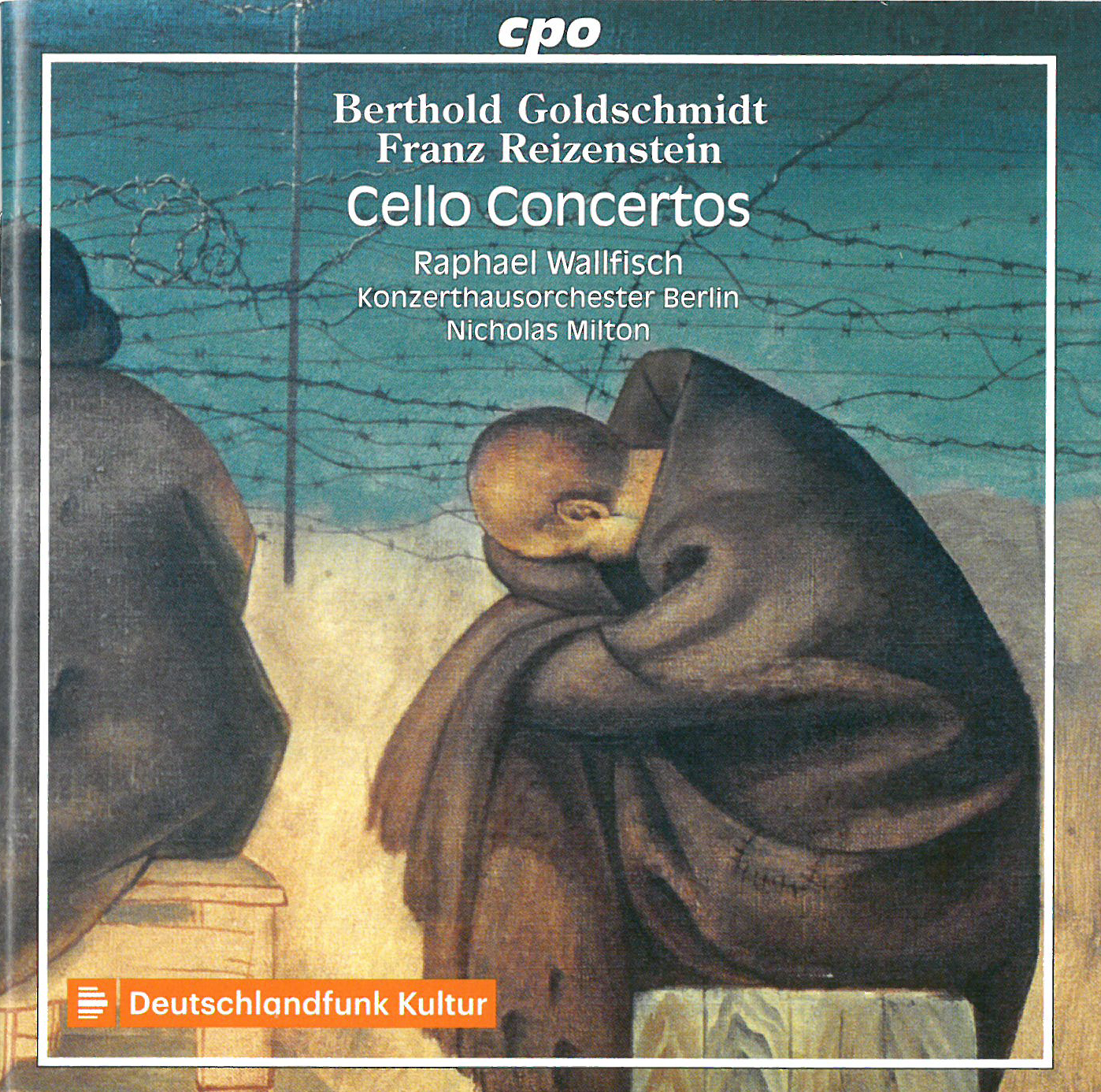
07 Goldschmidt ReizensteinVoices in the Wilderness – Cello Concertos by Exiled Jewish Composers is the subtitle of another cpo cello CD, Reizenstein & Goldschmidt Cello Concertos, with Rafael Wallfisch and the Konzerthausorchester Berlin led by Nicholas Milton (cpo 555 109-2 naxosdirect.com/items/goldschmidt-reizenstein-cello-concertos-455472). The same performers were featured on an earlier release of cello concertos by Hans Gál and Mario Castelnuovo-Tedesco.

Both Franz Reizenstein and Berthold Goldschmidt fled Berlin for England in the mid-1930s, but while the 32-year-old Goldschmidt arrived as a mature composer the 23-year-old Reizenstein was still keen to continue studying, which allowed him to find a place in British musical development that eluded Goldschmidt.

Reizenstein’s concerto was written in 1936, two years after his arrival, but not heard until its premiere in 1951 with cellist William Pleeth. In almost all respects – thematic material, harmony, orchestration – it absolutely screams Hindemith, with whom Reizenstein studied in Berlin, but there are also touches of Vaughan Williams, Reizenstein’s teacher in England.

Goldschmidt’s concerto was written for William Pleeth in 1953, using material from a lost pre-war cello sonata he had written for Emanuel Feuermann. Goldschmidt conducted the 1954 premiere with Pleeth as soloist.

Wallfisch has a strong personal connection to these works: his German musician parents also settled in England and knew both composers as well as Hans Gál. His performances of these two fascinating but rarely-heard works are quite outstanding.
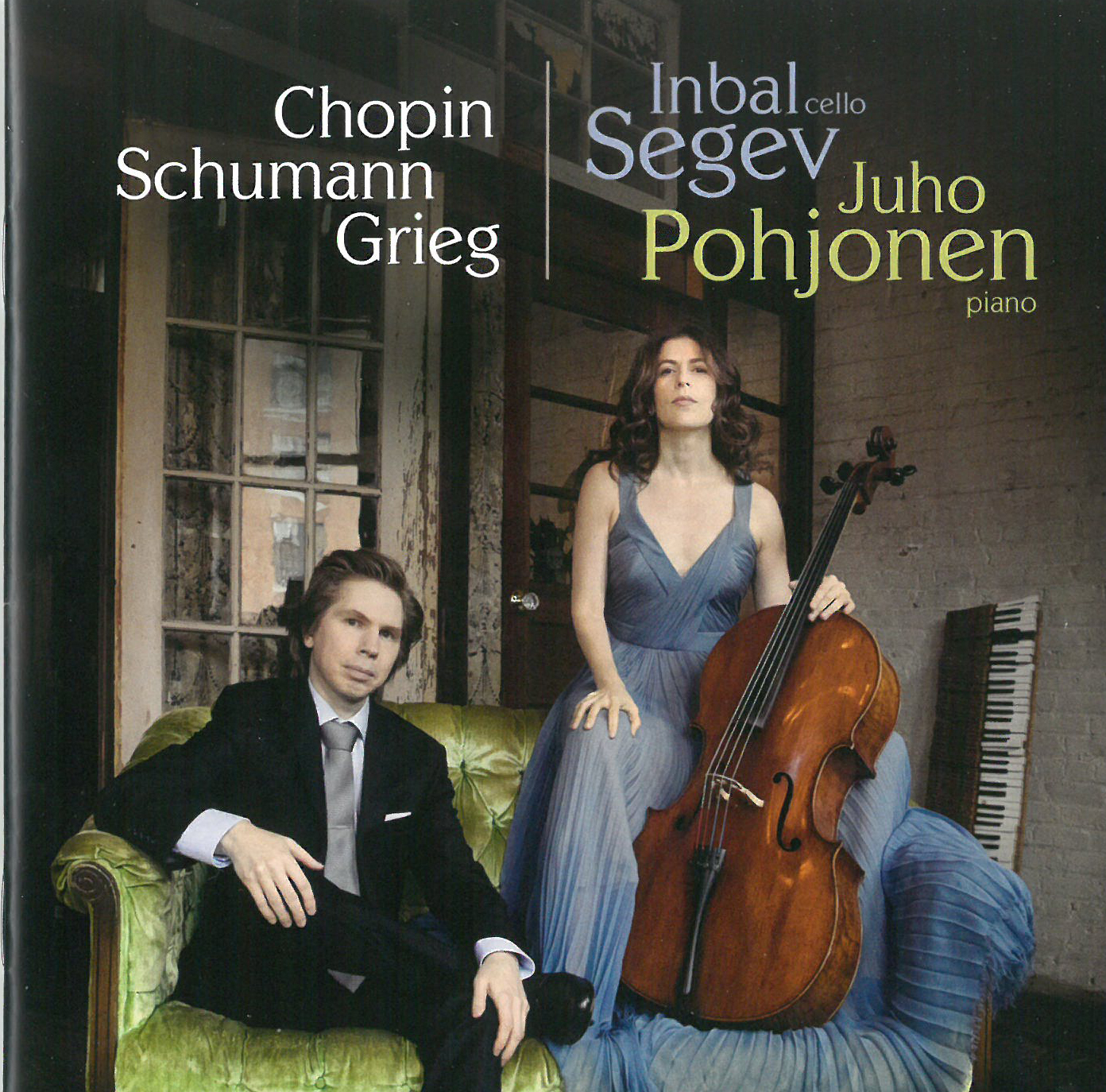
08 Inbal SegevThe Chopin Cello Sonata comes paired with works by Robert Schumann and Edvard Grieg on a new Avie Records CD with Israeli-American cellist Inbal Segev and Finnish pianist Juho Pohjonen (AV2389 avie-records.com).

While all three works are by Romantic-era composers whose musical thinking was shaped instinctively by the piano, Segev notes that they “focus on the cello’s lyrical properties and I feel that here a beautiful tone is of paramount importance.” That’s certainly what we get from her 1673 Francesco Ruggieri instrument in a rich and passionate performance.

The Schumann 3 Fantasiestücke Op.73 were originally written for clarinet and piano and were transcribed for cello by the composer.

Grieg’s Cello Sonata in A Minor Op.36 is full of the folk-inspired melodies so typical of the composer. The cello writing is comparatively straightforward, but the sonata has a simply huge and challenging piano part that at times sounds like Grieg’s Piano Concerto. The Scandinavian Pohjonen is in his element here, and quite superb. Segev’s playing in the really beautiful slow movement is absolutely gorgeous.

A really nice ambience and instrumental balance complement an excellent CD.
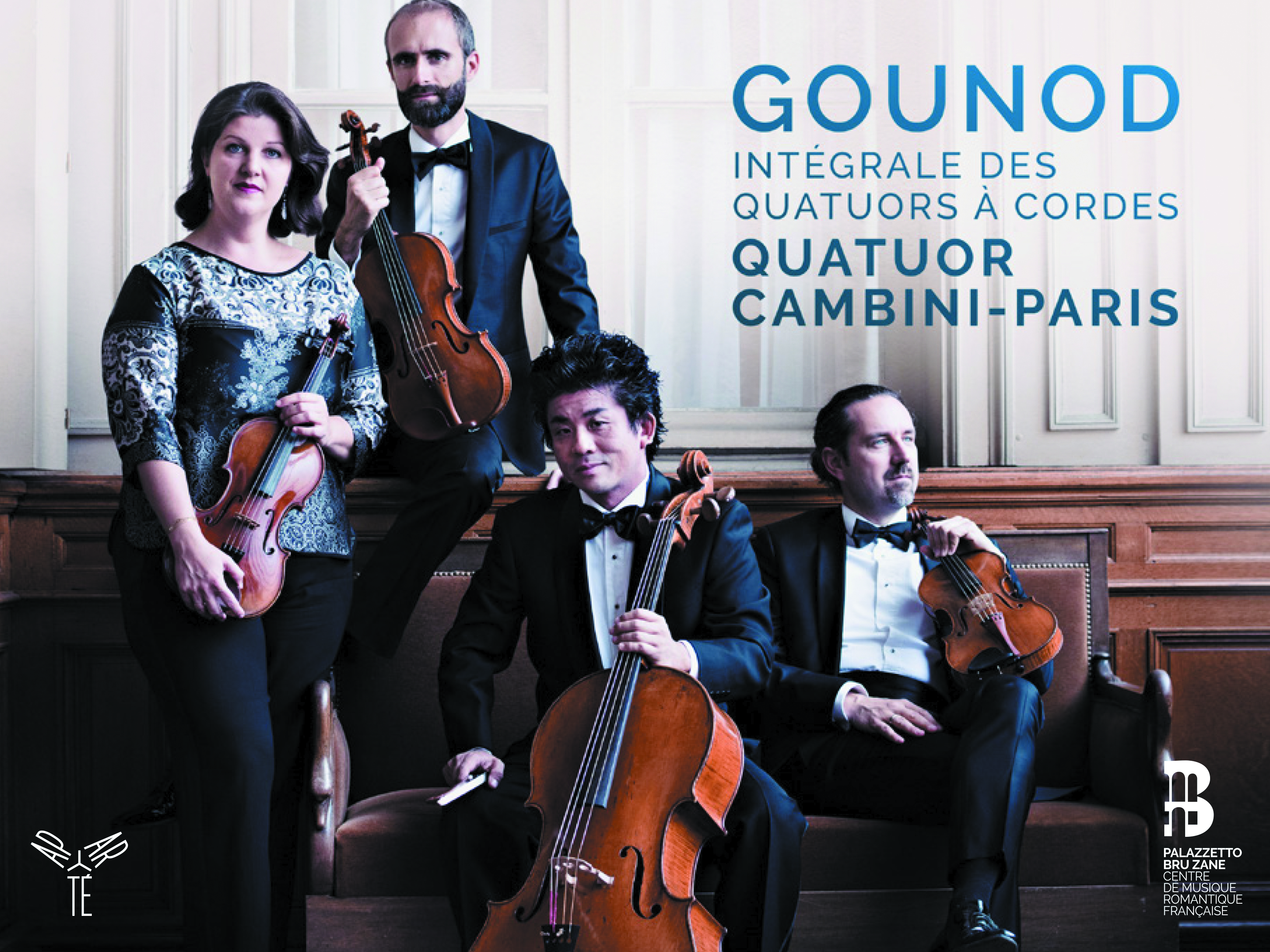
09 Gounod BookletString quartets may not be what immediately spring to mind when you hear the name Charles Gounod, but he wrote five, two of which remained unpublished. All five are recorded together for the first time on the 2CD set Gounod: Complete String Quartets (Aparté AP177 apartemusic.com). The Quatuor Cambini-Paris performs on period instruments.

The quartets are: No.1 in C Major CG561, No.2 in A Major CG562, No.3 in F Major CG563, No.4 in A Minor CG564, and No.5 in G Minor CG565. They are very much in the Viennese tradition, and while perhaps not sounding particularly French, are clearly well-crafted and highly entertaining. Performances are top-notch, with a resonant recorded ambience.
10 MacMillanThe Polish ensemble the Royal String Quartet plays String Quartets Nos.1-3 by the 59-year-old Sir James MacMillan on a new Hyperion CD (CDA68196 hyperion-records.co.uk).

String Quartet No.1 Visions of a November Spring, written in 1988 and revised in 1991, is described as displaying a sense of lyricism in the face of aggressive turbulence; MacMillan calls it “sheer frenzy, craziness.”

String Quartet No.2 Why is this night different? from 1998 takes its inspiration from the question Jewish children ask on Seder Night. Running a fine line between elation and anguish, it creates a feeling of celebration against a perilous backdrop.

String Quartet No.3 from 2007 marked a return to absolute music – “Just the notes and nothing but the notes,” said the composer – but if anything is more approachable and effective than the previous two. The quite beautiful final movement marked Patiently and painfully slow ends with a high, quiet, ethereal and striking soundscape.

Performances and recording quality are all first class.
11 Dodgson TriosStephen Dodgson String Trios, which includes Works for Solo Violin, Solo Viola and Solo Cello, features music by the English composer, who died in 2013 at the age of 89 (Naxos 8.573856 naxos.com). Three members of the UK chamber ensemble Karolos – violinist Harriet Mackenzie, violist Sarah-Jane Bradley and cellist Graham Walker – are the excellent performers.

The two string trios, from 1951 and 1964 respectively, act as bookends on the CD around the brief Sonatina in B Minor for Solo Violin from 1963, the 1978 solo viola set of variations Caprice after Puck and the lengthy Partita for Solo Cello from 1985. These are all predominantly tonal works with fine writing, the slow movements of the two trios being particularly attractive.

All but the String Trio No.2 are world premiere recordings.
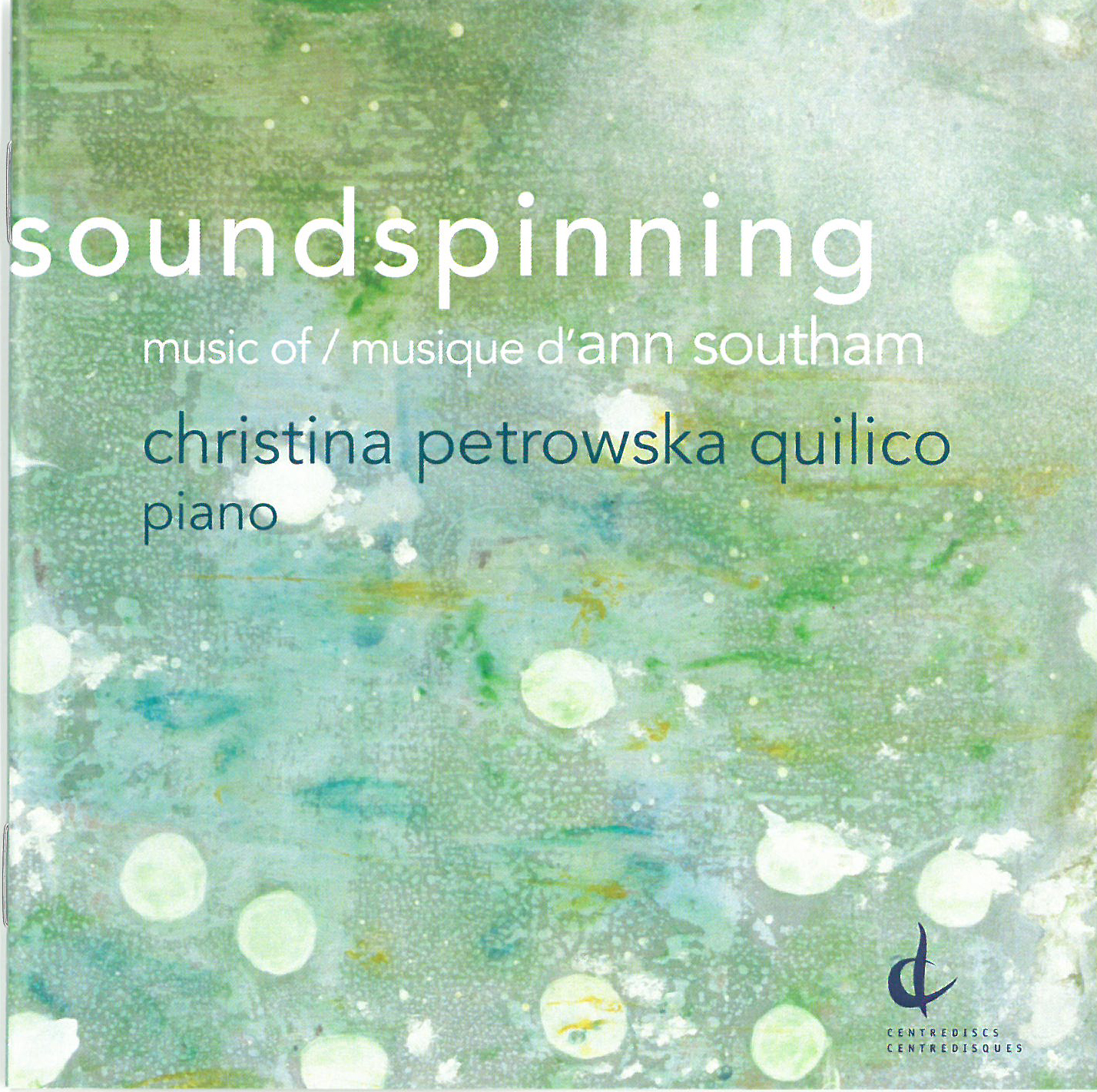
01 Southam SoundspinningChristina Petrowska Quilico’s new recording Soundspinning – Music of Ann Southam (Centrediscs CMCCD 26018 musiccentre.ca) brings her discography to nearly 50 CDs and adds another item to the Canadian Music Centre’s already enormous collection of recorded Canadian works. Petrowska Quilico and Southam were close friends and frequent collaborators. Their relationship has given Petrowska Quilico a unique point of access to Southam’s world and established her as a respected interpreter of Southam’s piano compositions.

The repertoire on the disc includes five cycles of miniatures, many of which are based on a 12-tone row that Southam used extensively. But the recording also includes two “Bluesy” sets, Three in Blue and Five Shades of Blue, that are particularly intriguing for their obvious reflection of jazz influences. All of them are delightfully playful creations that Petrowska Quilico plays with superb technique and unbridled joy.

The most substantial item is Altitude Lake, written in 1963. It provides a considerable contrast to the shorter pieces on the rest of the disc. As a larger conception it comes across as episodic and complex. Petrowska Quilico spends generous amounts of time exploiting Southam’s technique of sustained resonances and dramatic contrast. Remembering Schubert is of nearly equal length but more meditative. Southam uses a Schubert-like figure strongly reminiscent of an art song accompaniment to cycle through numerous tone row wanderings.

Soundspinning is an important recorded document in the compilation of Southam’s piano works and is masterfully performed by Petrowska Quilico.

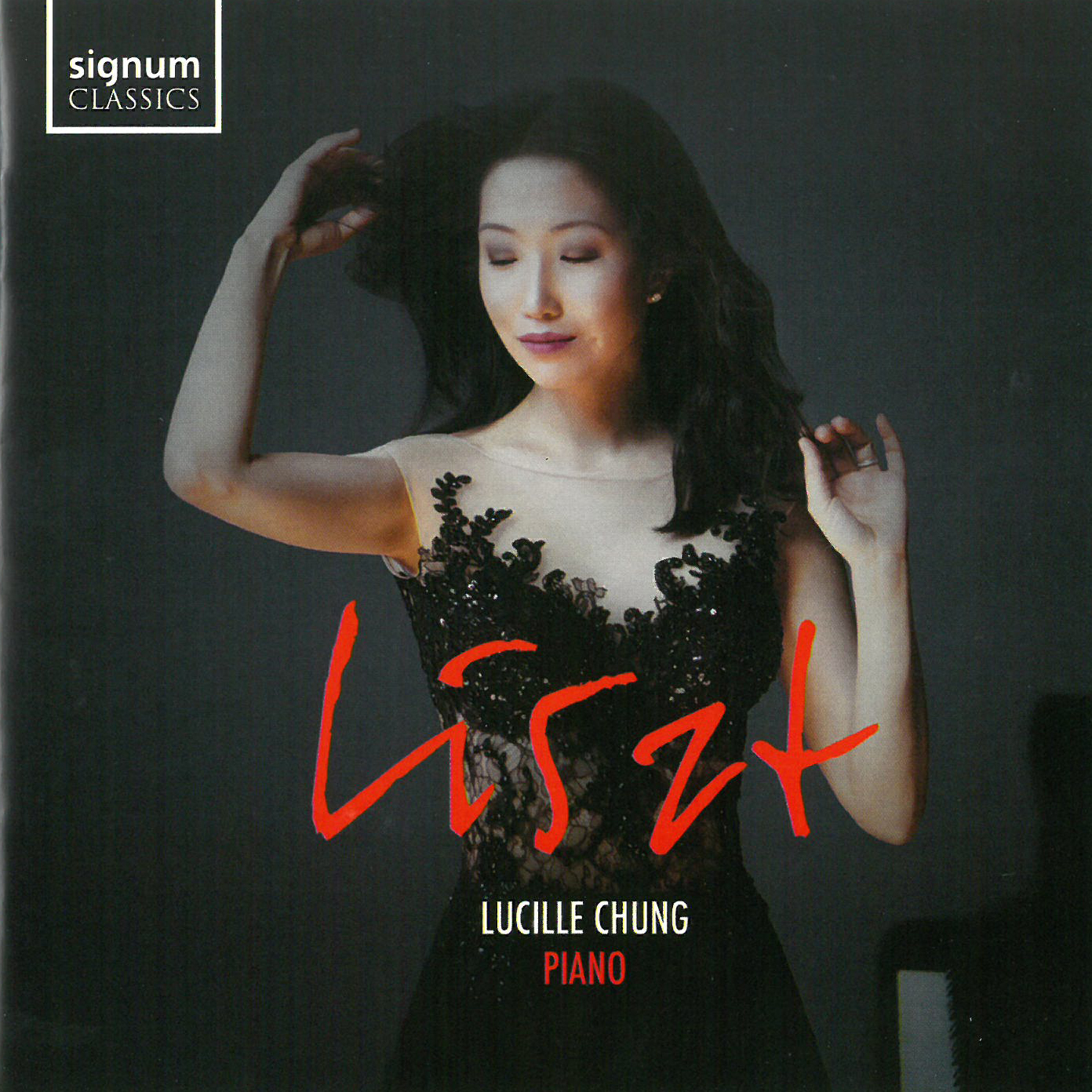
02 Lucille Chung LisztCanadian pianist Lucille Chung has released her 11th recording, Liszt (Signum Classics SIGCD533 signumrecords.com), that includes a variety of short works before launching into the Sonata in B Minor S178. Chung writes a portion of the liner notes to explain her personal understanding of Liszt’s music as it has evolved over her career. The B Minor Sonata reveals, for Chung, the composer’s mature voice and dispenses with the extravagant scale of virtuosic pianism often found in his earlier writing. Her argument acknowledges that the sonata in Liszt’s hands is an evolutionary new form but also stresses that he is stripping away the “razzle-dazzle” in favour of his introspective quest.

Consequently, Chung takes every opportunity to explore the moments of repose with softer touch, intimacy and plenty of hesitation. She brings a different kind of intensity to the sonata than is usually heard, one with less bombast – but not less impact. She sets out to play the sonata with a different intent, to explore the depths rather than conquer the heights. Her playing is brilliant and entirely up to the technical demands of the piece. Her new appreciation of the composer’s personal presence in the music makes the sonata, despite her lifelong acquaintance with it, entirely fresh and alive.

03 Schumann PerspectivesLuisa Guembes-Buchanan’s new 2CD set Robert Schumann – Perspectives (Del Aguila Records DA 55312 luisagbuchanan.com) is going to attract a lot of attention for several reasons. Guembes-Buchanan plays with a remarkably wide expressive range. She embraces every opportunity that Kinderszenen Op.15 gives for imitate expression and pulls the music deeply into a very private place. It’s an amazing effect that’s supported by very close and clean recording. She performs on a Fazioli 228, which is a little smaller than a full concert grand. It has a harmonically rich bass and mid-range, and suits this repertoire and the performer’s playing style extremely well.

Guembes-Buchanan explodes into the opening segment of Kreisleriana Op.16 with breathtaking technique. She brings this level of energy to all the fast movements in this cycle, creating a stark contrast to the atmosphere of Kinderszenen.

The second disc includes the Sonata Op.22 in G Minor and the Faschingsschwank aus Wien Op. 26. In the latter, Guembes-Buchanan plays the Scherzino with an arresting lightness and the Finale with another demonstration of her raw keyboard power. She also includes some rarely heard fragments from Schumann’s papers to conclude the disc.

The whole package is set in a beautifully bound book with photographs of letters, manuscripts and other historical images along with quotes by prominent pianists, and pertinent liner notes for the program.

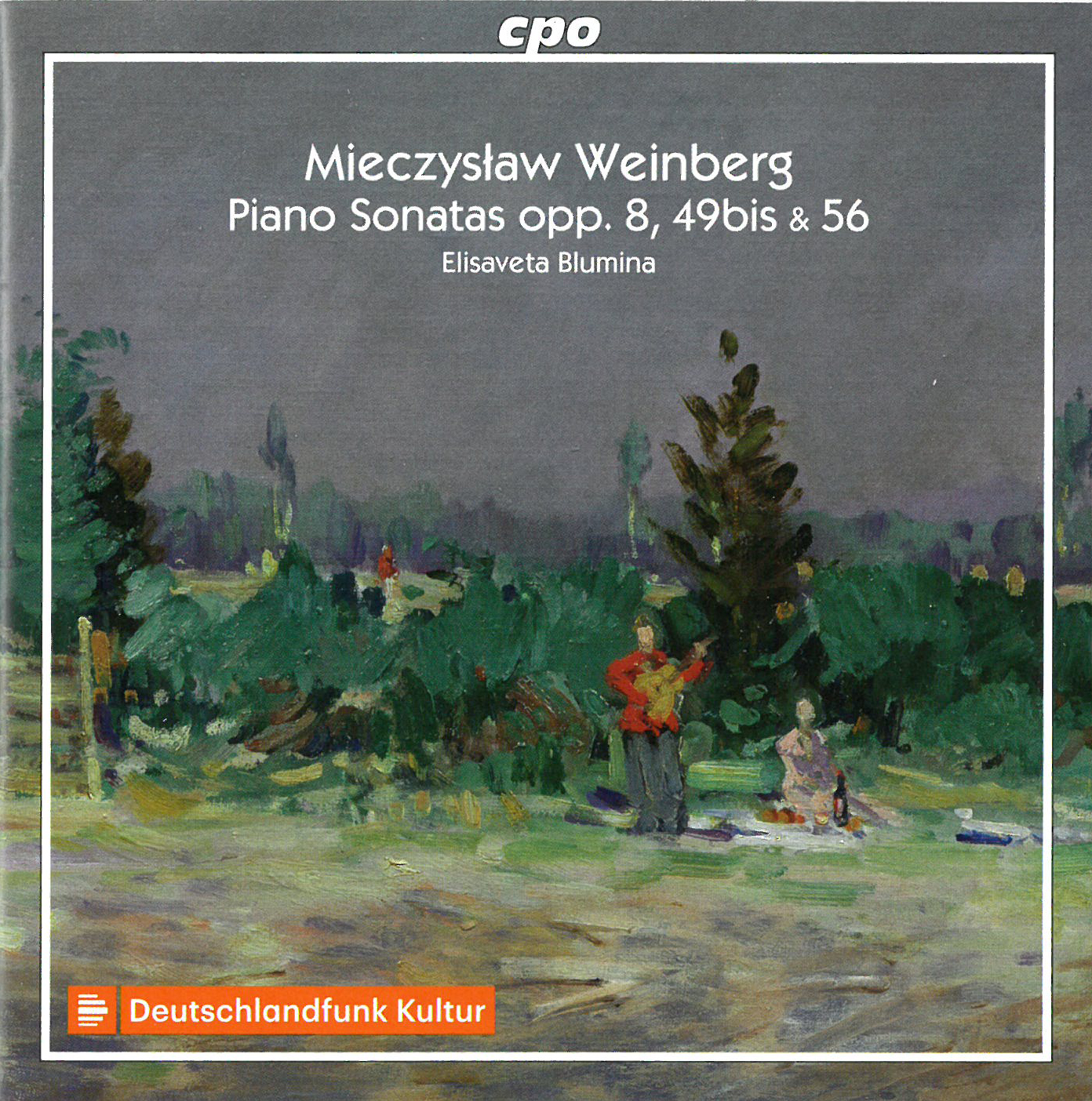
04 WeinbergMeiczyslaw Weinberg – Piano Sonatas Opp 8, 49bis, 56 (Deutschlandfunk Kultur CPO 555 104-2 naxosdirect.com/items/weinberg-piano-sonatas-opp.-8-49bis-56-448637) is the fourth recording in Elisaveta Blumina’s project to record the piano works of this Russian composer. Although Polish-born, Weinberg’s writing strongly reflects his upbringing and education under the Soviet regime. Centralized authorities are threatened by creative expressions that challenge broadly imposed norms on a society, and for Weinberg this meant finding ways to work within established constraints without drawing too much official criticism that might derail his career and livelihood. Consequently, Weinberg and other composers struggled to find ways of expressing their modernism that would sustain their efforts in the long term rather than jeopardize them. Weinberg’s music is a fascinating example of how this compromise was struck. His writing uses traditional forms with a strong tonal centre that includes some careful exploration of unconventional melodic lines. There’s a hint of atonality but nothing jarring. His rhythmic structures are largely traditional but open to extended experimentation.

Blumina chooses three sonatas that offer a clear picture of Weinberg’s development. The earliest is Sonata No.2 Op.8 in A Minor written in 1942. Its beautiful melodic ideas are plentiful and their development easy to follow. The latest in the set is from 1978. The Sonata Op.49bis shows a general disregard for the caution and compromise in the earlier work. Here, angular clusters of dissonant notes freely interrupt melodic ideas that themselves are only distantly related. Blumina plays this sonata with all the boldness and discontent that Weinberg wrote into it. Her performance is powerfully intriguing.

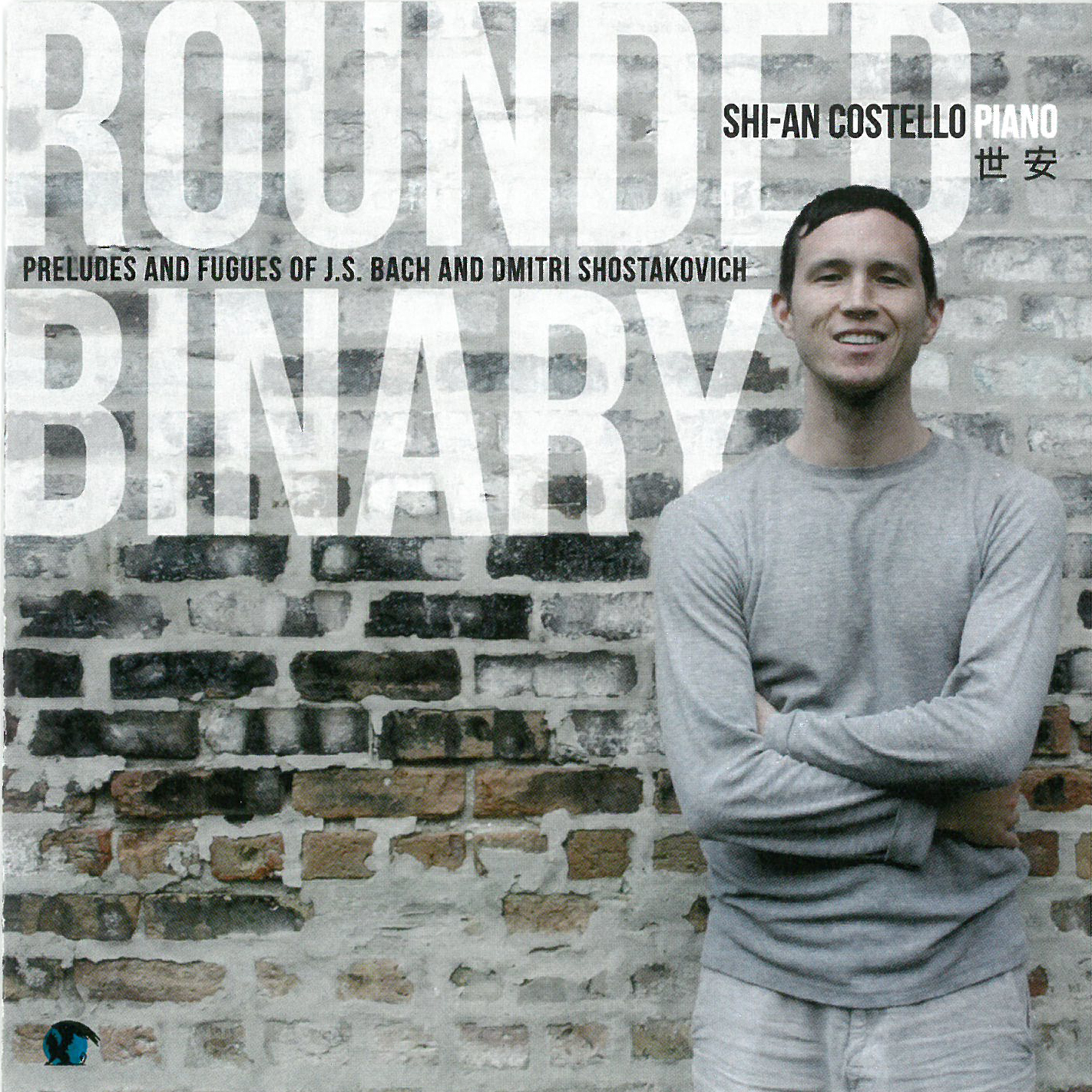
05 Shi An Costello Rounded BinaryShi-An Costello has a new recording that is more a concept than a performance. Rounded Binary – Preludes and Fugues of J.S. Bach and Dmitri Shostakovich (Blue Griffin Records BGR463 bluegriffin.com) finds relationships in works from very different historical periods and links them to explore that kinship. J.S. Bach is the launch point for the experiment and Dmitri Shostakovich is the destination. Costello first plays Bach’s Prelude and Fugue in C Major BWV846 at a conventional speed, then repeats the Prelude at four times the speed and just a fragment of the Fugue at half speed. Here he makes the transition to the Shostakovich Prelude in A Minor Op.87 which uses the same rhythmic pattern as the Bach prelude and is now familiar because of the high-speed version of the Bach on a previous track.

Costello explores other linkages that include the shared emotional world of Schumann’s Träumerei and the Bach C-major fugue already heard. He also ties together another pair of works by Bach and Shostakovich. Mostly interestingly, he steps more fully into his role as composer/performer in a combination of the now-familiar Bach Prelude in C Major BWV846 and the Shostakovich Prelude in C Major Op.87, blending the harmonic progression of the latter with the rhythmic patterns of the former.

It’s a creatively curious exercise and should spark some discussion among cognoscenti.

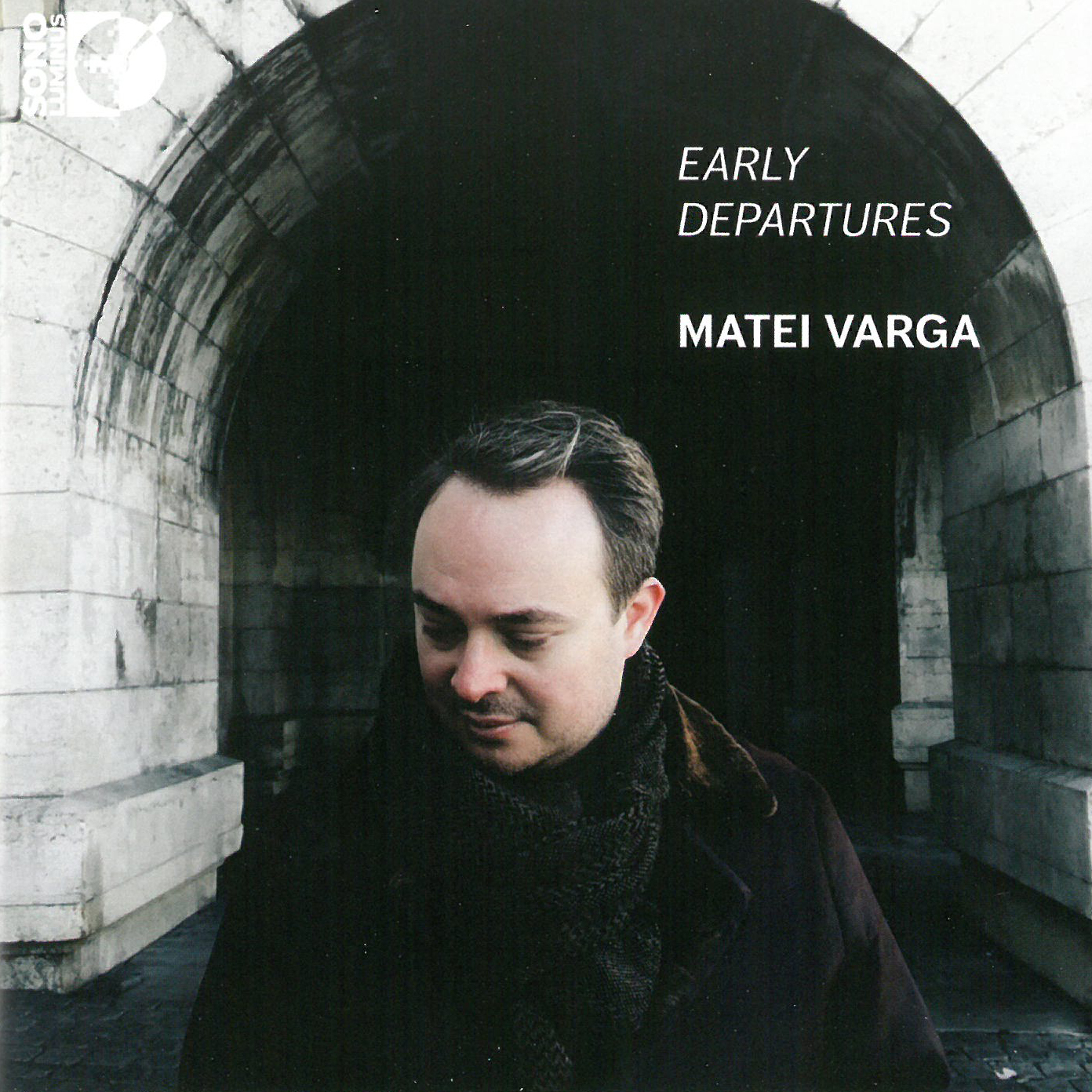
06 Matei Varga Early DeparturesMatei Varga’s latest recording Early Departures (sonoluminus.nativedsd.com/albums/DSL92223-early-departures) pays homage to pianists who died young and whose potential remained unfulfilled. Not all the names in the program are well known. Varga’s performance of their work is a welcome document on great talents we might have watched grow into towering maturity. Tudor Dumitrescu, for example, killed at the age of 19 in the 1997 earthquake that struck Bucharest, was, by a few recorded accounts, another Van Cliburn. His 7 Preludes, Preludes in C Sharp Minor and B Minor are heartfelt works revealing a fluid writing style, and profound understanding of his instrument. His emotional maturity is striking. Regardless of whether his future would have evolved as a composer or a performer, the world is poorer for having lost him.

Dinu Lipatti lived to age 33. While he made his reputation principally as a brilliant performer, his deeper desire was to compose. His 15 works represent a variety of forms. Among his piano compositions are two works included on this disc as world premiere recordings: The Little Suite: Prelude, WoO B.35 and the Sonata Romantica, WoO B.13.

Another dimension of early loss is the grief of surviving parents. Hence Varga’s inclusion of Janáček’s In The Mists. The composer wrote this brief four-movement suite in the wake of his 21-year-old daughter’s death from typhoid fever.

Varga appropriately includes J.S. Bach’s serenely simple Adagio from the Concerto in D Minor, BWV 974 as the closing track in this homage.

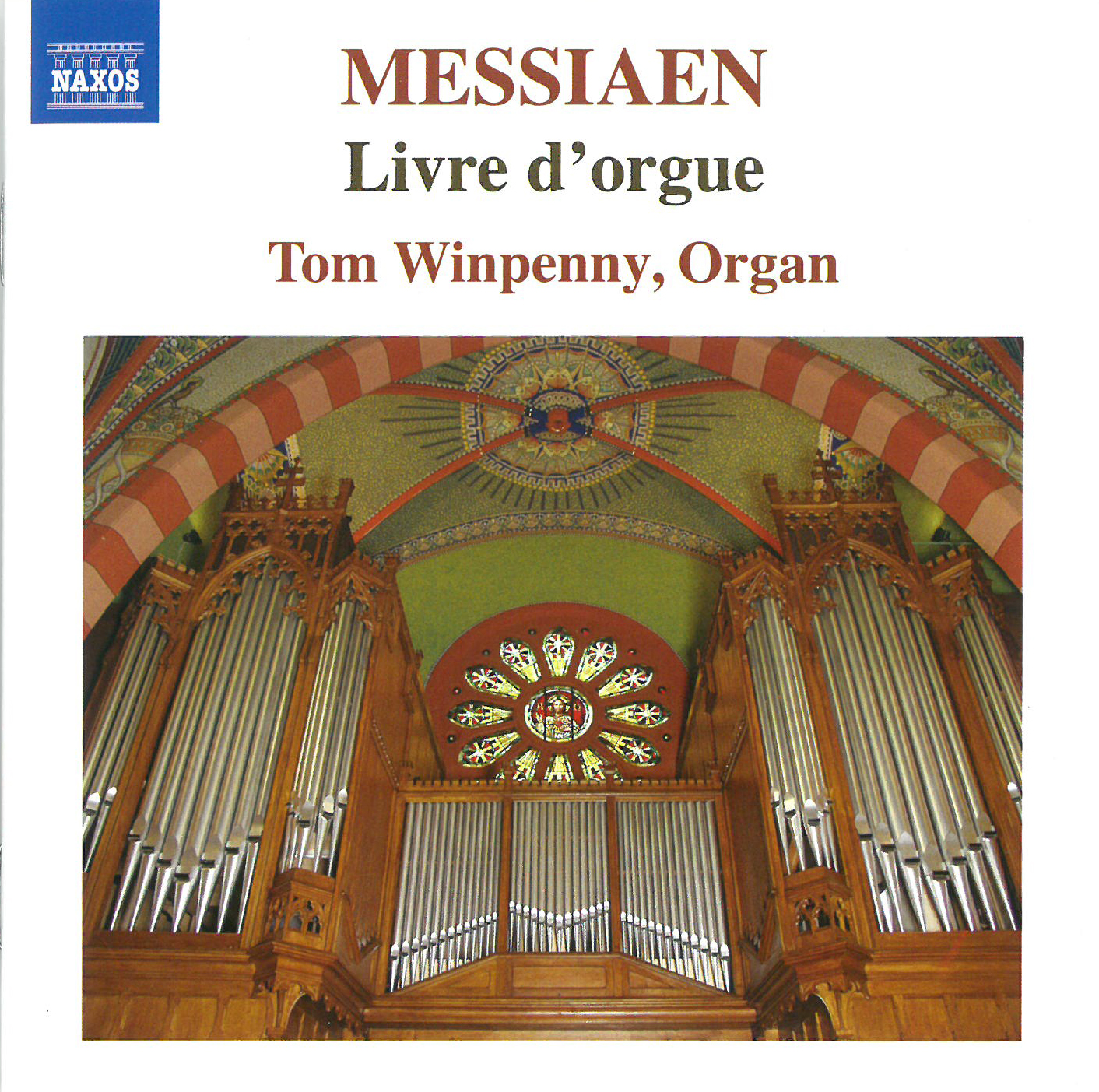
07 Messiaen OrganOrganist Tom Winpenny plays the organ of Église Saint-Martin, Luxembourg in his latest recording, Messiaen – Livre d’orgue (Naxos 8.573845 naxos.com). The instrument dates from 1912 and is a synthesis of the German symphonic and French Romantic organ-building styles. It’s a big instrument with 85 ranks over 5 divisions.

Winpenny’s choice for the opening track is the Verset pour la Fête de la Dédicace. Messiaen composed it in 1960 as a test piece for the Paris Conservatory. While it opens with a plainsong Alleluia, the piece is intended as an essay in birdsong. Winpenny has a field day pulling the organ’s most colourful stops for the effects the composer wanted. This recording of it is a world premiere, as is the CD’s final track, the Love Theme from Tristan and Isolde which Messiaen wrote as incidental music for a play.

The Livre d’orgue is as challenging for the listener as it is for the performer. Its seven movements require more than just impressive keyboard technique. The registration demands (orchestral colours) are complex and nearly overwhelming. Computerized, programmable registration is a welcome feature and this instrument has it. Winpenny masters the technical issues as well as the intellectual ones. Multiple thematic lines of varying tempi, texture and structure challenge the ear, especially with music that is starkly out of its ecclesiastical context. Nothing here for the faint of heart.

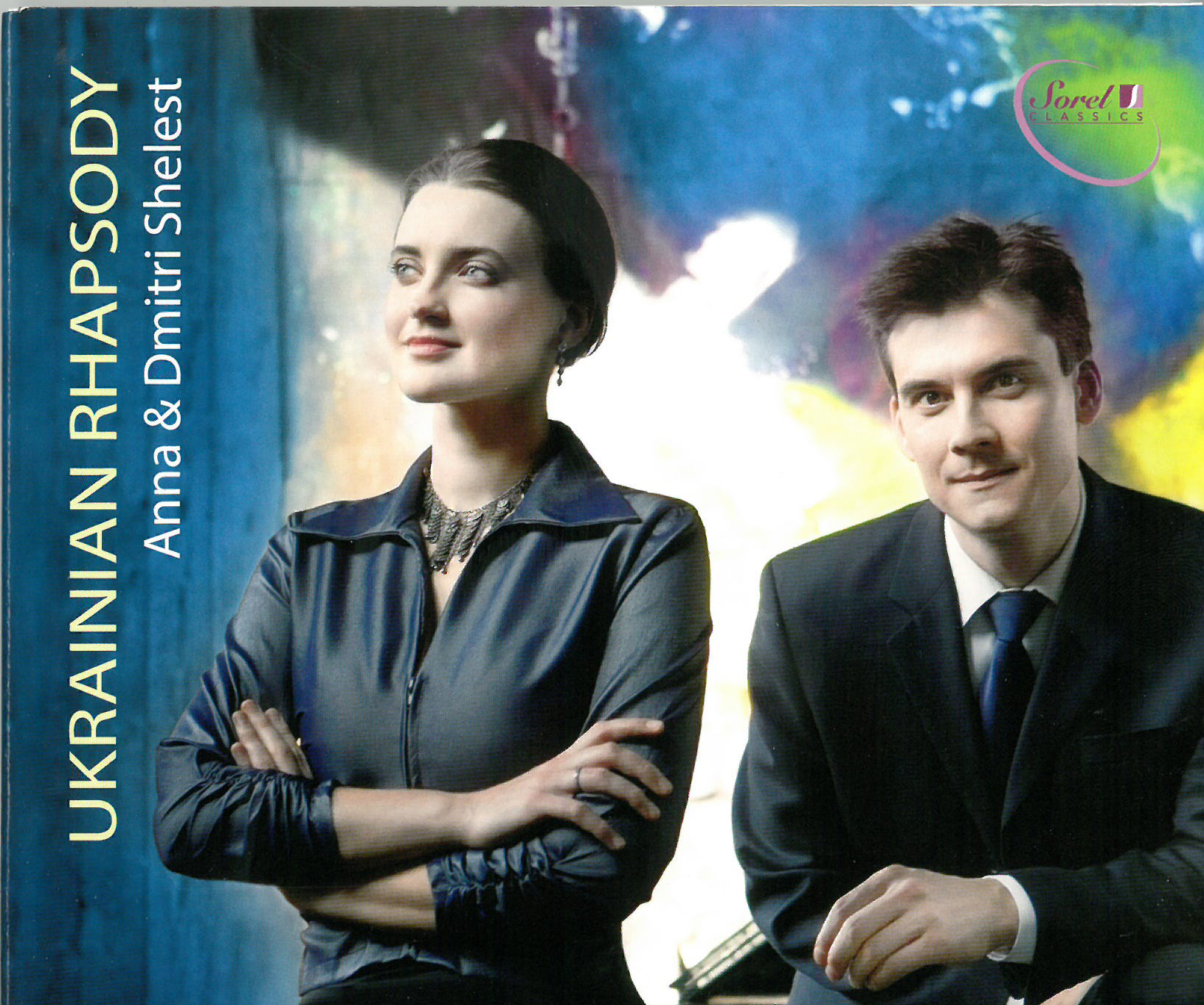
08 Ukrainian RhapsodyAnna and Dmitri Shelest make a welcome return to this column with their latest recording, Ukrainian Rhapsody (Sorel Classics SC CD 011 sorelmusic.org/Sorel/Recordings). As a piano duo they occupy less than half the disc, giving the majority of the program to Anna alone for some rarely heard works by Ukrainian composers. Mykola Lysenko, an avid collector of Ukrainian folk music, wrote the Suite on Ukrainian Themes Op.2 on the model of the Baroque dance suite. Its Toccata and Scherzo are particularly impressive for the relentless energy and sparkle Anna Shelest brings to them. While more contemporary, Levko Revutsky’s voice is still post-Romantic with the exception of his highly attractive Waltz in B-flat Minor. Anna recognizes the modern twists in the piece and lets it lean a little in the direction of music theatre.

The really impressive tracks on the disc are the Three Extravagant Dances for piano four hands by Myroslav Skoryk. With fancifully cumbersome titles like Blues: Almost American, Can-Can: as from an Old Gramophone Plate, and Entrance and Dance: Almost Spanish-Moorish, these three pieces are huge. The writing is big, dense and loud – very loud. This is raw pianism and as thrilling as four hands performance can get. Be warned – it will knock you right off your seat!

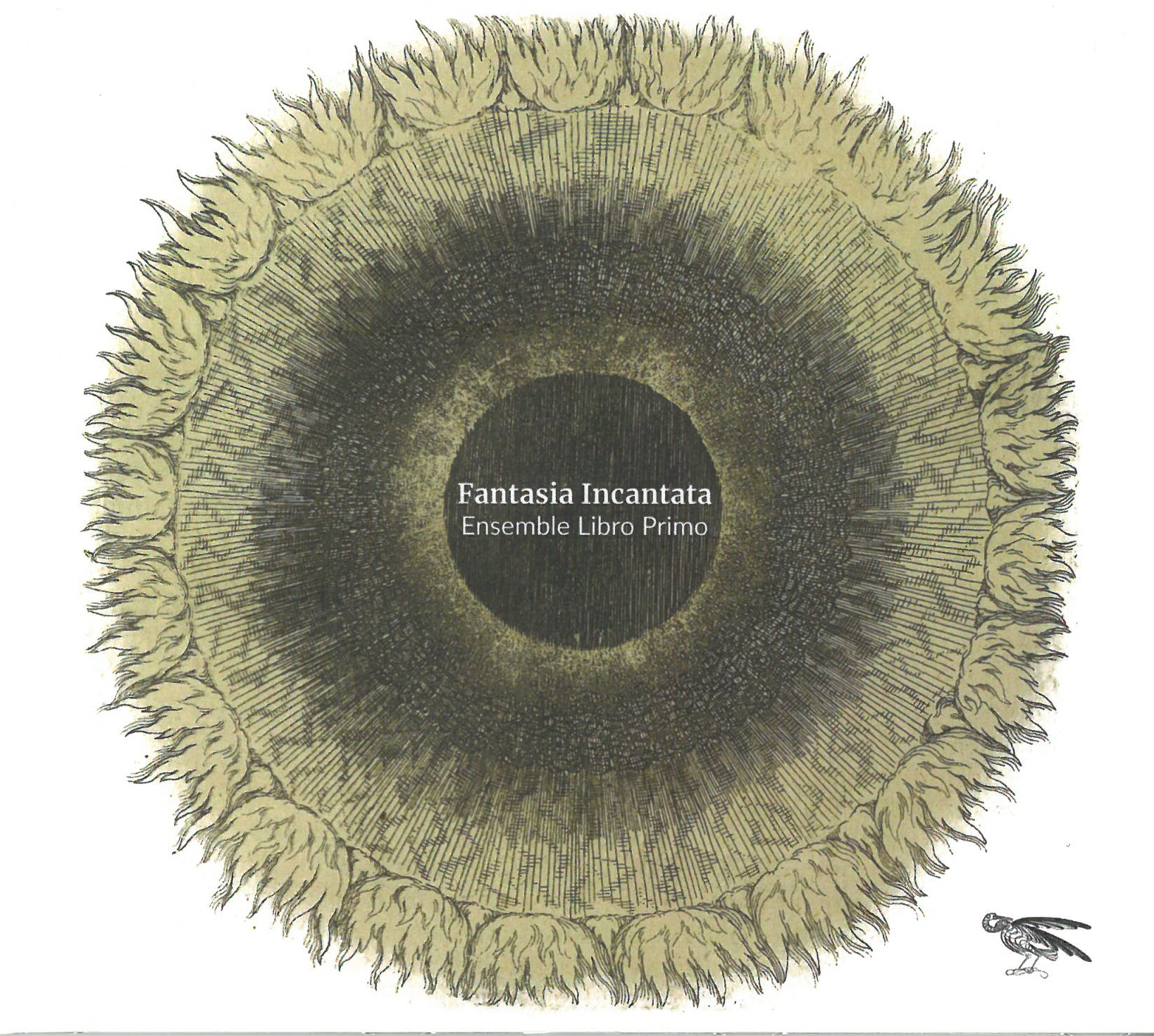
01 Fantasia IncantataFantasia Incantata
Ensemble Libro Primo; Sabine Stoffer; Alex McCartney
Veterum Musica VM018 (veterummusica.com)

In the 17th century shortly before the unfettered Baroque genius of J.S. Bach began to unfold, the violin consolidated its position as expressively the most wide-ranging of non-keyboard instruments. In the age of the great violin makers – Amati and Stradivari – and performers such as Corelli, Italy was the centre of instrumental prowess and the art of improvising, referred to in the treatise Musurgia universalis by the highly respected pedagogue of the day, Athanasius Kircher.

And among the finest composers and virtuosos of the day was Heinrich Biber, with whose lesser-known Sonata IV the eloquent duo of violinist Sabine Stoffer and theorboist Alex McCartney close their remarkable Fantasia Incantata. Released both on CD and vinyl – an infinitely more rewarding experience for the audiophile – this album of Renaissance sinfonies, sonatas, aires, and other period songs and dances is a riveting account of music of the day, where improvisation was key to the prevailing sense of musical adventure and joie de vivre tempered by the amazing sonorities of violin and theorbo.

Biber’s Sonata IV is preceded by performances of music by violinists Giovanni Buonaventura Viviani, Nicola Matteis, Biagio Marini, Giovanni Antonio Pandolfi Mealli and theorboist Giovanni Girolamo Kapsperger. All the works were written as vehicles for those instrumentalists’ own prodigious virtuosity. As treated here by Stoffer and McCartney, they are stunning, highly inventive and the finest examples today of technically demanding works played with ease. Both play as though they have this music in their veins, so assured and full of flair are these performances.

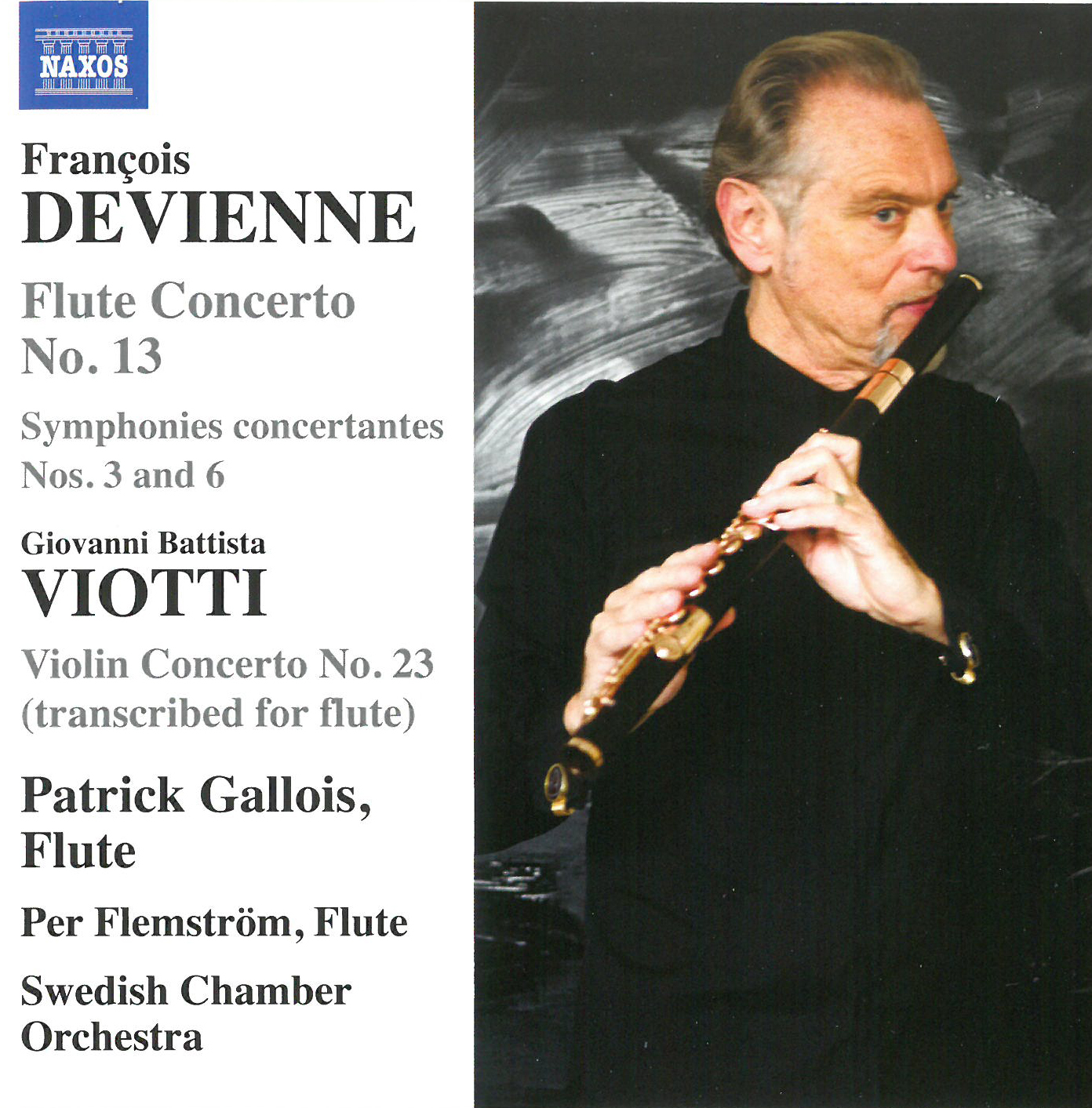
02 DevienneFrançois Devienne – Flute Concerto No.13; Symphonies concertante for two flutes; Giovanni Battista Viotti – Violin Concerto No.23 (transcribed for flute)
Patrick Gallois; Per Flemstrøm; Swedish Chamber Orchestra
Naxos 8.573697 (naxos.com)

Here are two composers who deserve a wide audience. Devienne’s training comprised service with a French army regiment, the orchestra of the Opéra in Paris and the chamber orchestra of a French cardinal. In 1782, aged 23, Devienne made his first solo appearance, probably performing his own Flute Concerto No.1.

It is this and Devienne’s 12 subsequent flute concertos that Patrick Gallois has undertaken and now completed with the current release. After a vigorous Allegro, Gallois interprets the Romance: Andante with a sensitivity enhanced by the accompanying strings. Another Allegro movement concludes this lively interpretation of Devienne’s final flute concerto.

At this point, Per Flemstrøm joins Gallois in Devienne’s Symphonies concertante Nos.3 and 6. This is bittersweet, as Flemstrøm died in 2017: the CD is dedicated to his memory and his spirited flute playing becomes apparent in the Allegro of No.6. More studied is his interpretation of the Moderato in No.3, played with thoughtfulness and feeling.

And then there is Giovanni Battista Viotti, back to Gallois as soloist aided by his own cadenzas. This is perhaps the most demanding composition on this CD, with its complex scoring in both the opening Allegro and the concluding Rondo: Allegro. It is, in fact, the string section that creates the more intense quality of this concerto as a whole.

All in all, a display of the overlooked talents of Devienne and Viotti – and a worthy tribute to Per Flemstrøm.

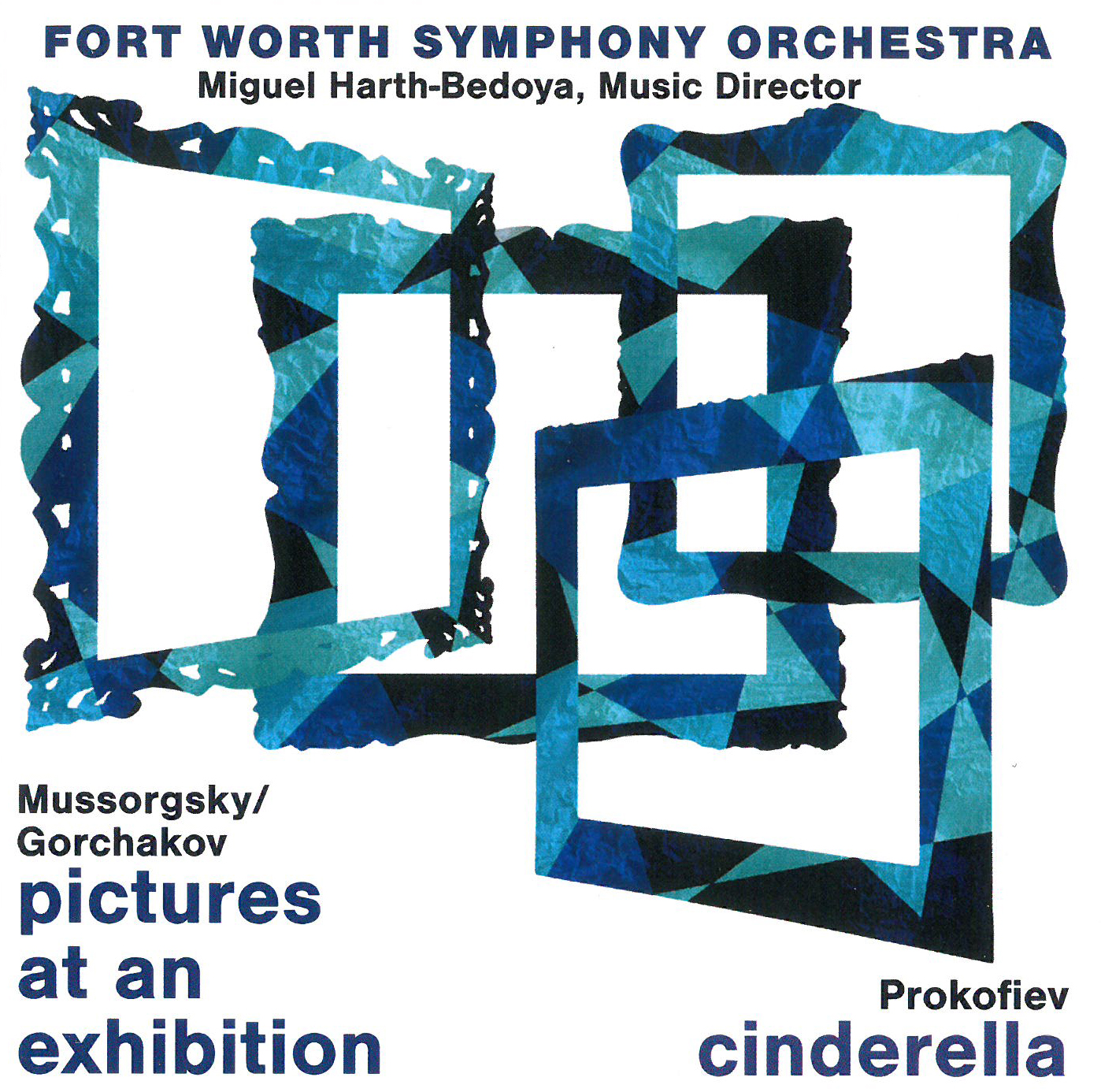
03 Mussorgsky Prokofiev Fort WorthMussorgsky/Gorchakov – Pictures at an Exhibition; Prokofiev – Cinderella
Fort Worth Symphony Orchestra; Miguel Harth-Bedoya
FWSO ((LIVE)) (fwsymphony.org)

Mussorgsky’s Pictures at an Exhibition is probably the most popular piece of Russian Romantic program music and nowadays one of the most often recorded. Initially written for piano solo, it is the orchestral version of 1923 by Maurice Ravel that made the big hit in the symphonic repertoire. Ravel by this time was a name to conjure with particularly in the field of orchestration, with his scintillating palette of French Impressionism. There were other orchestral versions, but the phenomenal success of the Ravel score overshadowed them all, including this particular one by Sergei Gorchakov. During the height of the Soviet era in 1955, Gorchakov aimed at a more Russian character by concentrating on the lower strings, deeper textures and sonorities, and heavy percussion, thus emphasizing the struggles of the working man. For example, The Oxcart (Bydlo) is far weightier in steady fortissimo than Ravel’s more subtle crescendo/calando line. This trend is consistent, culminating in The Hut on Hen’s Legs (Baba Yaga), a real blockbuster and more ghoulish then I’ve ever heard it. We get the idea fairly quickly but are we sure this would be an improvement on Ravel’s brilliance?

The Fort Worth Symphony’s enthusiastic and charismatic conductor Miguel Harth-Bedoya, however, was on the right track in showing the instrumental skills of his band by choosing a showpiece and being a bit different at the same time, proven by the enthusiastic ovation of the Texas audience.

A happier choice is Prokofiev’s radiantly beautiful Selections from Cinderella – partly because the selections are by the conductor and arranged in chronological sequence, following the story faithfully and illuminating the arch-like pattern of one of the world’s beloved fairy-tale love stories. The excellent acoustics of the concert hall make this CD an audiophile’s delight.

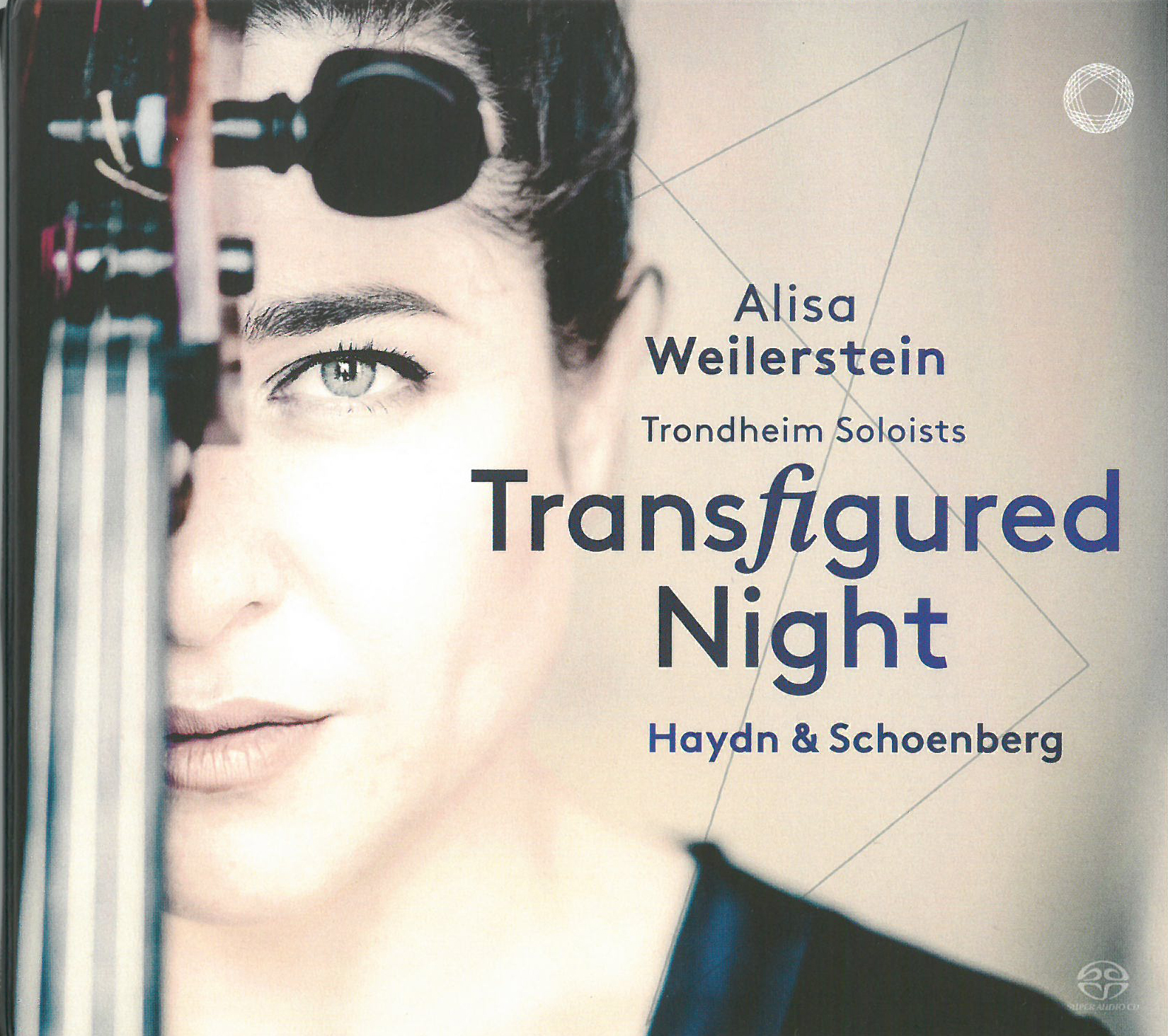
04 Weillerstein Transfigured HaydnTransfigured Night
Alisa Weilerstein; Trondheim Soloists

Pentatone PTC 5186 717 (pentatonemusic.com)

The Trondheim Soloists is a Norwegian chamber orchestra formed in 1988, now recognized as one of the most innovative and exciting groups in the country and fervent performers of Scandinavian music. Alisa Weilerstein was appointed artistic partner in 2017 and this is the first recording in their new exclusive agreement for Pentatone Music. The performances and recording are exemplary in every respect. A brilliant debut.

The contrasting choice of repertoire, Haydn and Schoenberg, each an apt foil for the other, works well. Weilerstein was taken with the Haydn concertos when performing them the previous September in their first collaboration. The buoyant and inspired performances and translucent recordings are more than satisfying.

Schoenberg’s Verklärte Nacht, Transfigured Night, is a programmatic string sextet in one movement, composed in 1899, inspired by the Romantic poem of the same name by Richard Dehmel. As in the poem, the work is in five sections. Dehmel tells the tale of a man and a woman, lovers, walking through the woods. She confesses to him that the child she is carrying was conceived in an embrace with a stranger. After much turmoil the man tells her that the depth and warmth of their love will transfigure the stranger’s child to be his… theirs. Resolved, they walk, his arm about her, through the high, bright night.

In 1943 Schoenberg scored the work for a string orchestra, which is the version heard here. Although I have listened to and absorbed this favourite work many, many times over the years, I am newly thrilled and quite taken with this brilliantly recorded, poignant performance. The fourth section, Adagio, where the transfiguration begins, blending into the fifth section’s molto tranquillo, quite literally took my breath away. The musicians are consistently responsive and dedicated, sounding like true believers.

I had not read the accompanying booklet before listening but later leafing through it found Weilerstein’s notes. Her account of the recording sessions concluded, “While recording Verklärte Nacht, at the end of a day spent working through details, we concluded with one final concert play-through – a tradition where the fatigue of a long session often outstrips artistic goals. This time, however, it was the most vibrant and focused rendition of the whole afternoon. As the final note decayed in the rounded echo of that old church, everything was completely still and everyone completely silent.”

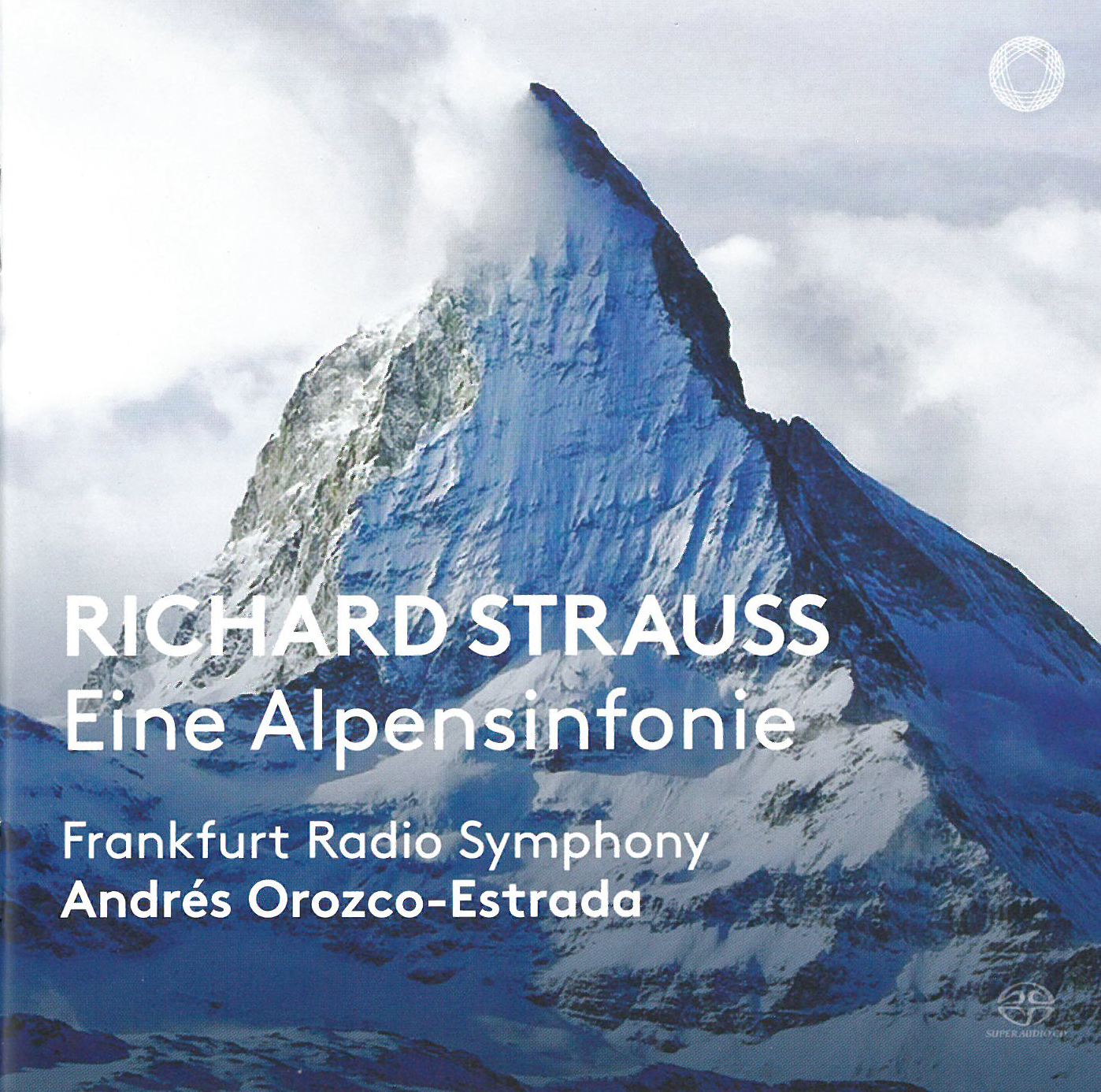
05 Strauss AlpsRichard Strauss – Eine Alpensinfonie
Frankfurt Radio Symphony; Andrés Orozco-Estrada
Pentatone PTC 5186 628 (pentatonemusic.com)

With Ein Heldenleben and Macbeth released in 2016, Andrés Orozco-Estrada and the Frankfurt Radio Symphony already showed themselves to be impressive Straussians. And now, with Eine Alpensinfonie, Orozco-Estrada and the orchestra have continued to uncover the feverishly ardent harmonics and melodic tuneful artistry of the last great German Romantic composer with electrifying brilliance. Unravelling this work with subtle note-spinning, both conductor and orchestra have infused it with febrile energy and hip-swinging seductiveness through to a finale that is properly shattering.

Completed in 1915, Eine Alpensinfonie turned out to be the last of Strauss’ large-scale non-operatic works, crafted with masterful use of horns. Orozco-Estrada’s approach here is unrushed and often expansive. But there is no shortage of dynamism: though leisurely by the clock the performance is spectacularly punctuated by enormous Straussian shock and shudder. At its peak this performance takes the composer’s atmospherics of Eine Alpensinfonie completely seriously, and achieves a quality of sound so rich and incisive as to overcome Strauss’ proverbial bombast and prolixity.

What the conductor cannot disguise – indeed he revels in it – is the impetuosity of Strauss’ orchestral writing. Moments of awe swell in Eintritt in den Wald and the thrill of adventure soars in the prophetic colour and expression, especially in Auf dem Gipfel and the thunderous Gewitter und Strum, Abstieg. This work is well-suited to Orozco-Estrada’s flamboyant style, and the orchestra’s rich refulgent tone as both conductor and orchestra hit the mark in thrilling fashion.

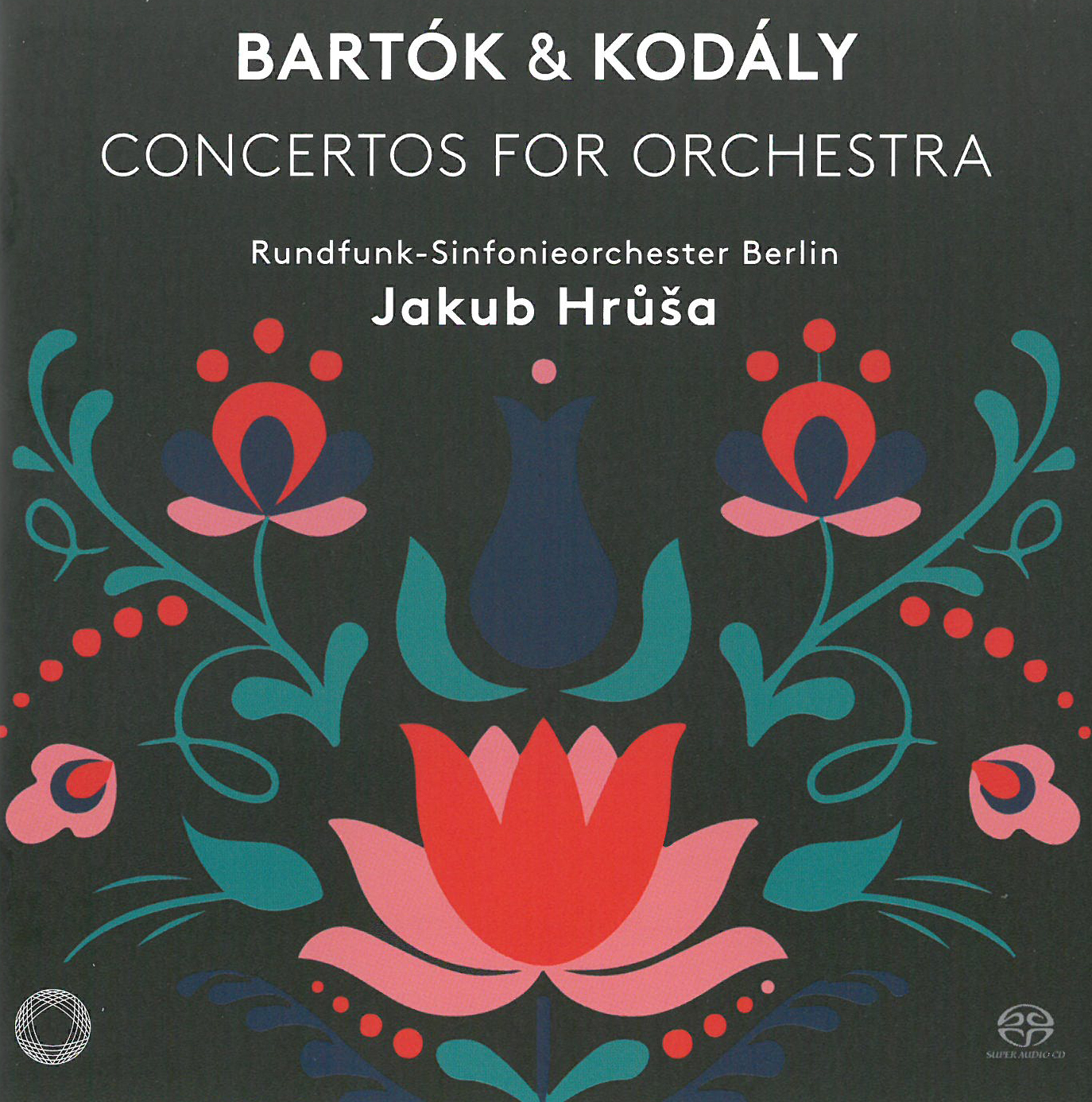
06 Bartok Kodaly ConcertosBartók & Kodály – Concertos for Orchestra
Rundfunk-Sinfonieorchester Berlin; Jakub Hrůša
Pentatone PTC 5186 626 (pentatonemusic.com)

Two works of the same title and genre by the two most important composers of 20th-century Hungary, yet as different as can be. Bartók is a genius and now is being fully appreciated. He successfully achieved a synthesis of modern trends between tonal and atonal music, consonance and dissonance, infusing both with inspiration from mid-century turmoil and anguish. Kodály is in no way close to this level though highly skilled, very competent and dedicated to Hungarian folk music, suffusing it with his own considerable melodic richness and compositional skill and also achieving international fame.

Kodály’s Concerto (1940) has only recently come to widespread worldwide attention with some worthy new recordings. It combines contrapuntal fireworks of Baroque architecture with a high-stepping Hungarian folk dance, alternating fast and slow movements, all with a jaunty good forward momentum and an increasing complexity. It is also highly entertaining, and young, dynamic Polish conductor Jakub Hrůša makes the most of it with his energetic, brisk tempi and natural affinity for Eastern European music. This performance will make many converts to the piece.
But the ultimate appeal for this new Pentatone issue (famous for recording excellence today) is this atmospheric, beautifully detailed, thoroughly convincing and passionate performance of the Bartók Concerto (1943). Hrůša sure has what it takes and reminds me of the great Georg Solti in his prime, but with an even more virtuosic orchestra and superior recording technology. Bartók was a very sick man in America when he wrote this amazing work, but just listen to the incredible energy of the rustling strings, the bold utterances on the brass and the vitality of superhuman energy outpouring in the last movement. An unshaken faith for a better world and unconquerable humanity.

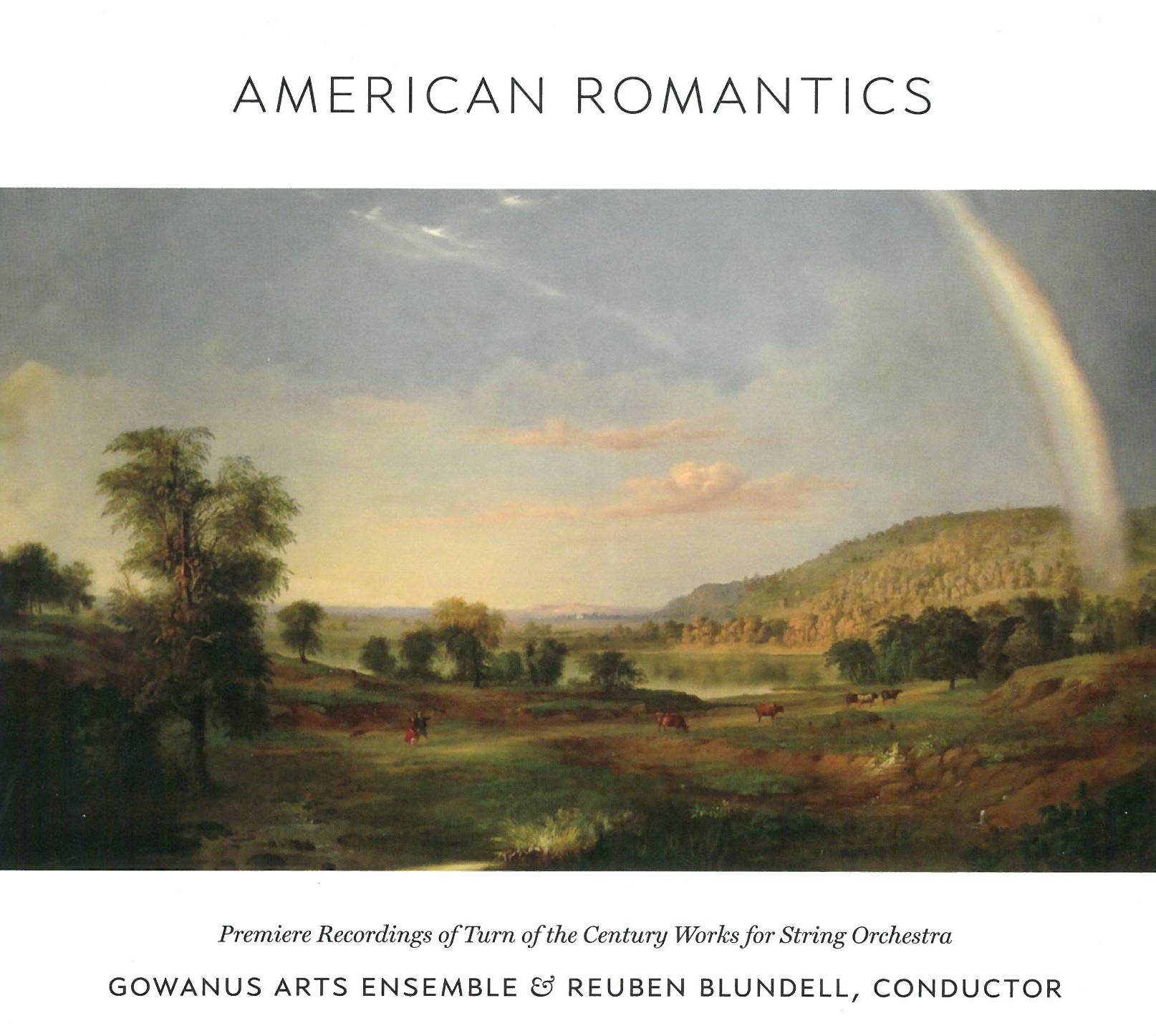
American Romantics
Gowanus Arts Ensemble; Reuben Blundell
New Focus Recordings FCR 166

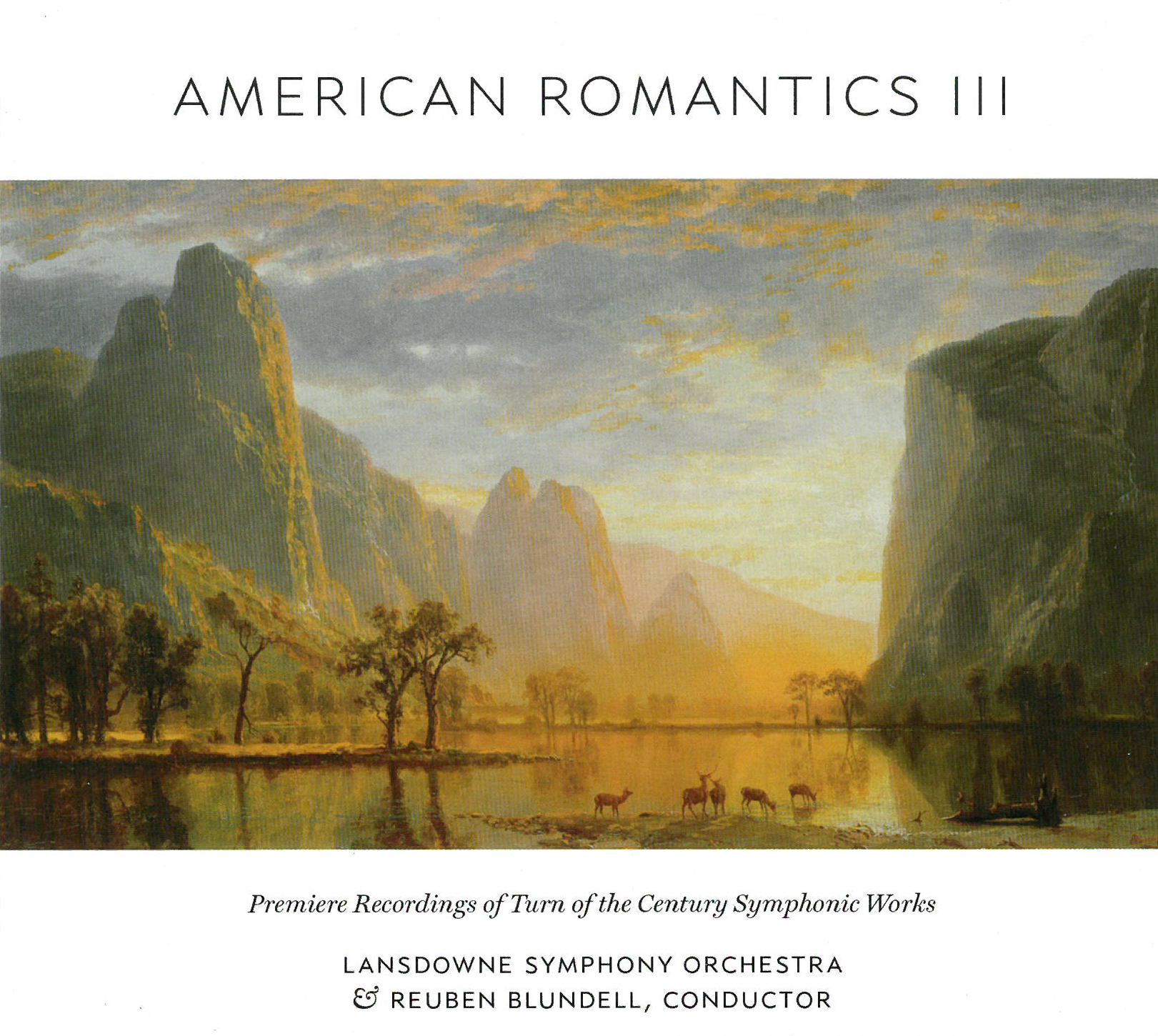
American Romantics III
Lansdowne Symphony Orchestra; Reuben Blundell
New Focus Recordings FCR166C (newfocusrecordings.com)

07a AmericanLovely melodies and evocative tone-painting fill the first and third volumes of the American Romantics series created by conductor Reuben Blundell. Together these two CDs present first recordings of 19 pieces by 14 mostly forgotten late-19th- and early-20th-century composers born or active in the U.S.

In the first volume, Blundell leads the Gowanus Arts Ensemble, ten string players who also perform on American Romantics II, reviewed in The WholeNote this past February. In the latest release, Blundell appears as music director of the Lansdowne Symphony Orchestra, a professional-sounding community orchestra in Philadelphia.

Two composers, Ludwig Bonvin and Carl Busch, are featured in both discs under review. Swiss-born Bonvin (1850-1939) emigrated to Buffalo, where he served as music director of Canisius College. He’s represented by the hymn-like Christmas Night’s Dream for strings and the very Wagnerian Festival Procession for orchestra. Busch (1864-1943), from Denmark, settled in Kansas City, finding inspiration in North American Indigenous melodies. Volume I contains two movements from his Indian Tribal Melodies: Four North American Legends; Volume III includes two richly coloured, dramatic tone poems, Minnehaha’s Vision and The Song of Chibiabos, both based on Longfellow’s The Song of Hiawatha.

07b American IIIAnother composer who wrote many works on First Nations subjects was Charles Wakefield Cadman (1881-1946), one of the few recognizable names in the American Romantics series. His five-movement Thunderbird Suite, said to incorporate Blackfoot melodies, is, at 21 minutes, by far the longest work on these two discs. The highly cinematic Suite dates from 1918, well before sound arrived in Hollywood, but it’s not surprising that, in later years, Cadman moved to Los Angeles where he would indeed go on to compose music for films.

Gena Branscombe (1881-1977), the only woman and only Canadian on these discs, was born in Picton, Ontario (not PEI, as the notes state) but left for the U.S. as a teenager to pursue her musical studies. There, she composed prolifically in all genres, founded and conducted the Branscombe Chorale, and commissioned and performed works by many other women composers. Her brief, bittersweet waltz, A Memory, a miniature Valse Triste, was originally for violin and piano; it’s heard in an arrangement for harp and strings.

Like A Memory, all of the predominantly short pieces on these two CDs are well worth hearing, though they tend to fall into the Easy Listening category. This series is obviously a labour of love for conductor Blundell and I hope he continues his pattern of one release per year. I look forward, however, to hearing more extended, substantial yet unfairly forgotten works by these unfairly mostly forgotten composers.

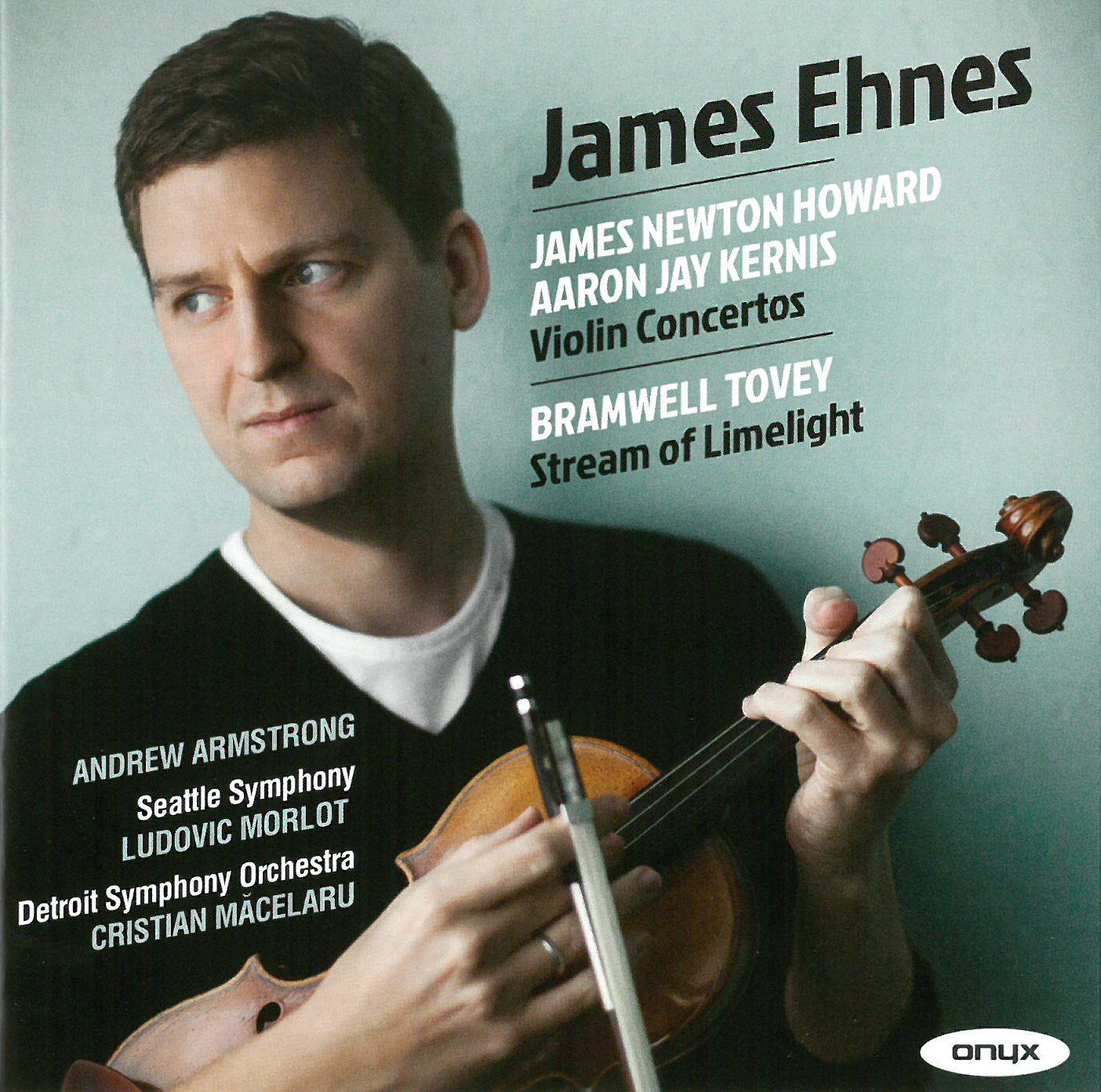
01 James Ehnes KernisWhat is there left to say about James Ehnes? Canada’s superstar violinist is back with another outstanding CD, this time featuring live concert performances of two recent violin concertos written for him. Ludovic Morlot leads the Seattle Symphony in a March 2017 performance of the Aaron Jay Kernis concerto, while Cristian Măcelaru is the conductor with the Detroit Symphony Orchestra in the May 2017 performance of James Newton Howard’s work (Onyx 4189 onyxclassics.com).

Both concertos essentially follow the traditional form of extended first movement (in the Kernis it’s a Chaconne), contemplative slow movement (for Howard “the centrepiece” of his concerto) and a fast, dazzlingly virtuosic finale.

These are accessible, strongly tonal and highly effective works. Ehnes, naturally, is superb throughout, with terrific orchestral support. His regular recital partner Andrew Armstrong joins Ehnes for Bramwell Tovey’s Stream of Limelight, written for the violinist’s 40th birthday.

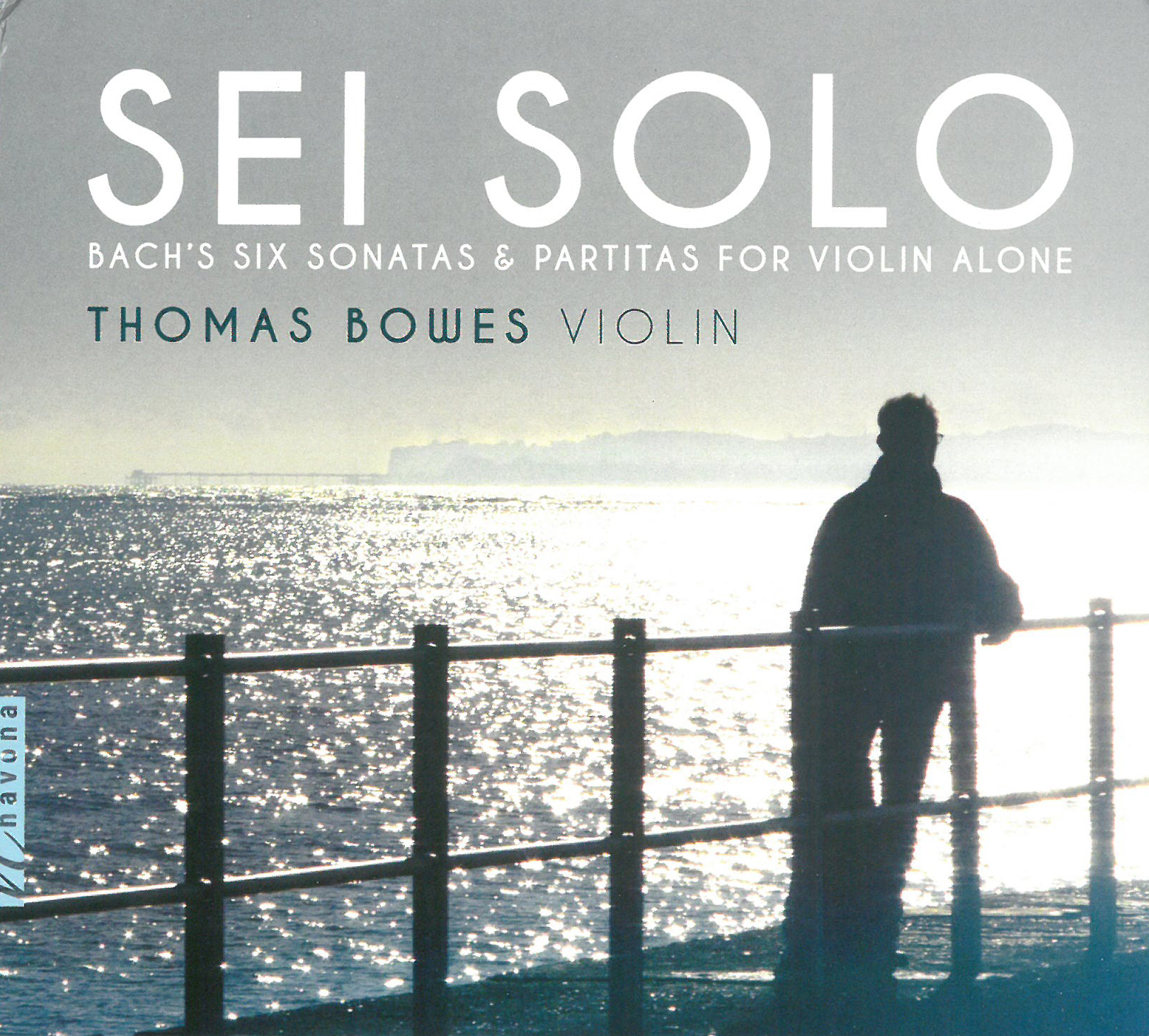
02 Sei Solo Thomas BowesEnglish violinist Thomas Bowes adds another outstanding set to the list of Bach’s Six Sonatas & Partitas with Sei Solo (Navona NV6159 navonarecords.com).

The recordings grew from a series of church concerts of the works that Bowes undertook across England in 2013. His insightful notes show how deeply he has thought about this music, but his performances make it even clearer. Tempos are predominantly relaxed and spacious but never drag, although even allowing for observation of all repeats the total time – 3CDs and 160 minutes – is by far the longest of my 12 sets.

Bowes uses gut G, D and A strings on his 1659 Amati and says that his approach to style and historical context “has been to acknowledge them but to move away from them when they felt limiting or too fixed. I feel that this music transcends limitations of epoch and style.”

Recorded on six single days between November 2013 and February 2016 in Abbey Road Studios, these are warm, contemplative and deeply rewarding performances.

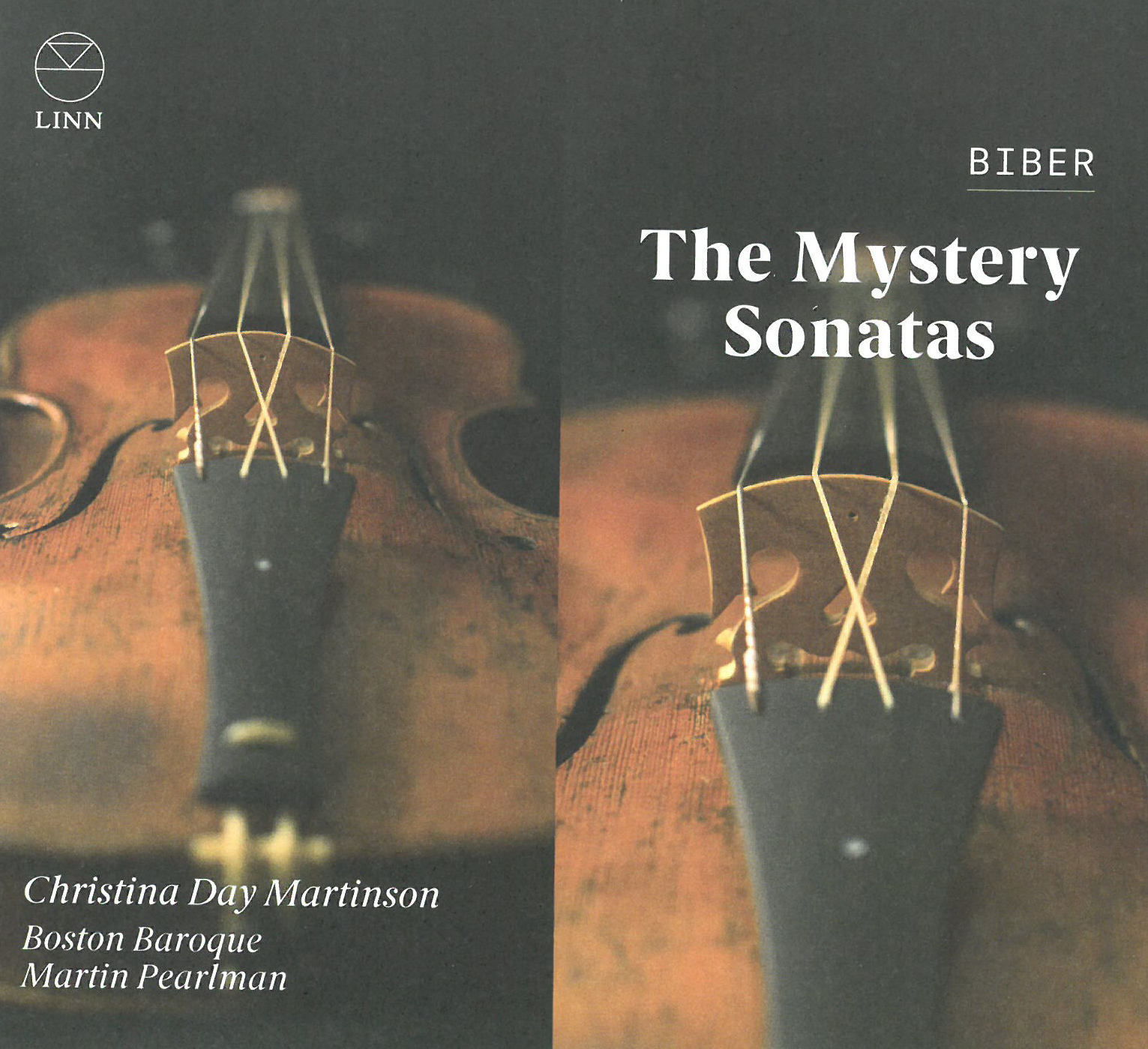
03 Mystery Sonatas Christina Day MartinsonBoston Baroque’s concertmaster Christina Day Martinson is the outstanding soloist on a new set of Biber The Mystery Sonatas with Martin Pearlman, Michael Unterman and Michael Leopold the excellent continuo (Linn CKD 501 linnrecords.com).

This truly extraordinary work from the 1670s sets unique challenges for the violinist, with all but the first of the 15 sonatas employing scordatura; no two sonatas having the four violin strings tuned to the same set of notes. A final solo passacaglia returns to the original standard tuning.

The open strings are played here before each sonata, excellent booklet notes explaining the resulting issues and effects. Martinson’s faultless and sensitive playing shows just how powerful and emotional these astonishing works can be.

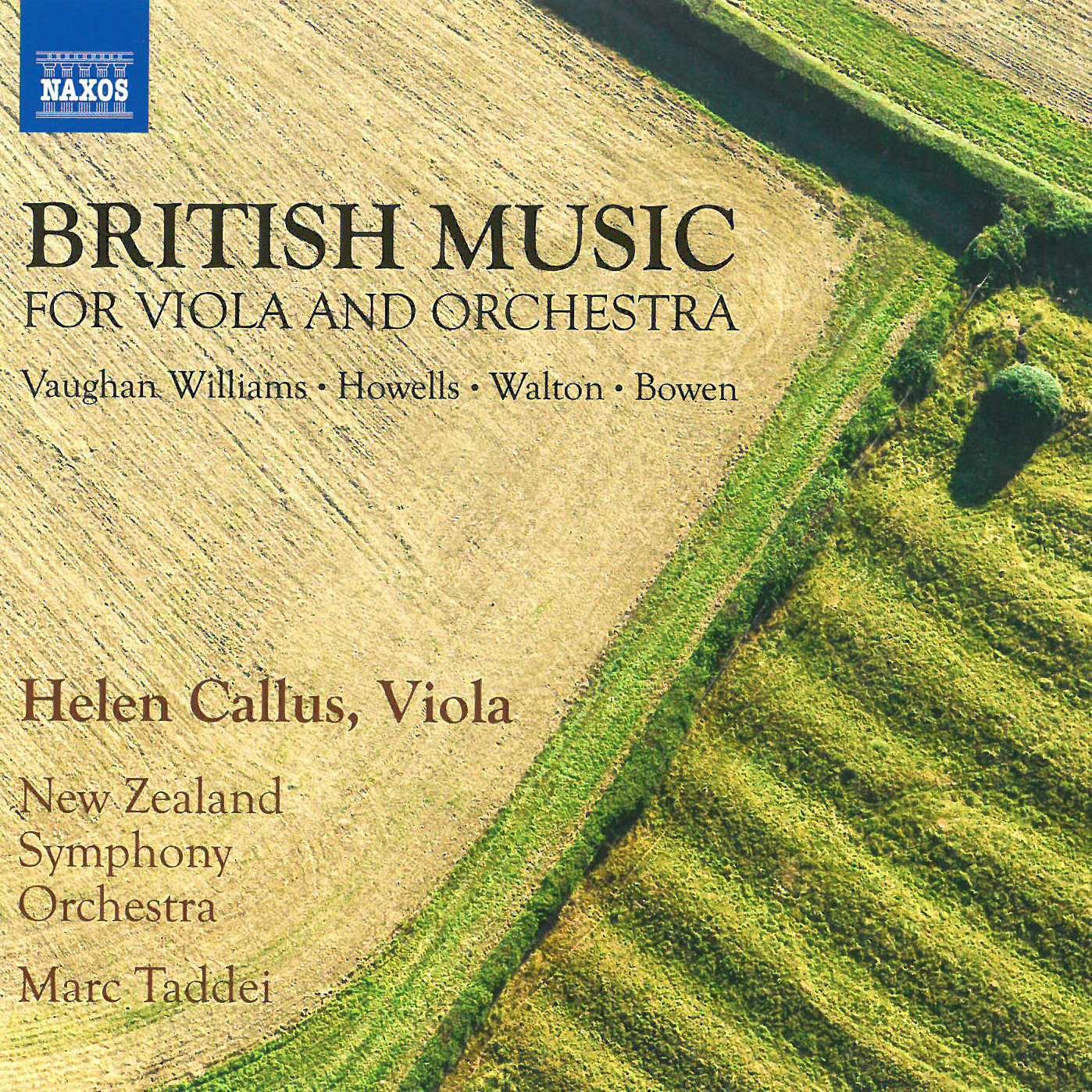
04 British Music for Viola and OrchestraHelen Callus is the outstanding soloist in British Music for Viola and Orchestra, a welcome reissue of recordings originally released in 2006 on the ASV label. Marc Taddei conducts the New Zealand Symphony Orchestra (Naxos 8.573876 naxos.com).

All four works are associated with Lionel Tertis, the player most responsible for the viola’s emergence as a solo instrument. The Vaughan Williams Suite for viola and small orchestra and York Bowen’s Viola Concerto in C Minor Op.25 were written for and premiered by him; he premiered Herbert Howell’s Elegy for viola, string quartet and string orchestra and was the dedicatee of the Walton Viola Concerto in A Minor, played here in the 1961 revised version.

Extremely attractive works, a lovely solo sound, fine orchestral playing and excellent sound quality make for a delightful CD.

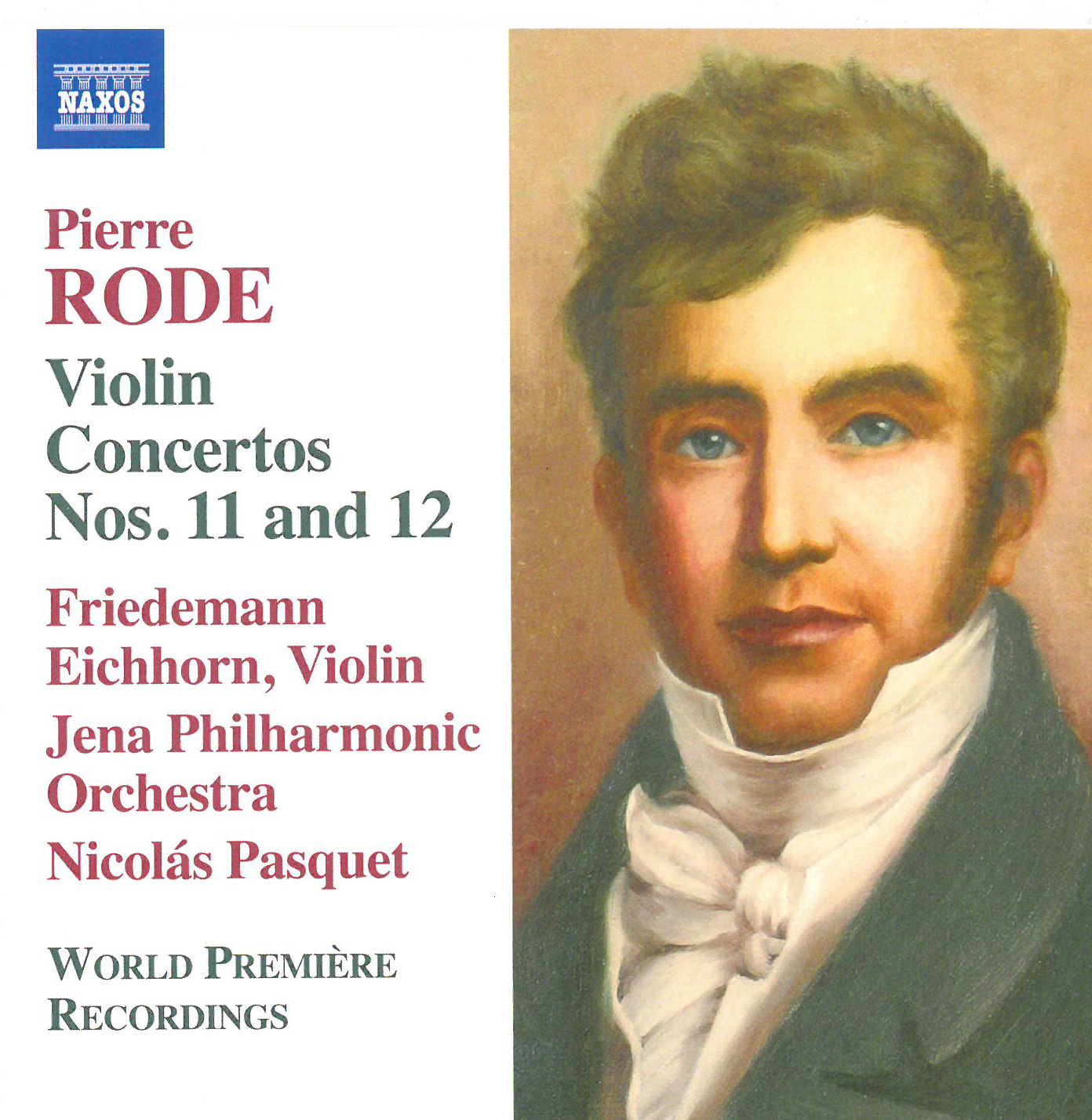
05 Pierre Rode Violin ConcertosNaxos ends its five-volume series of the Violin Concertos of the French violinist/composer Pierre Rode with world premiere recordings of Concertos No.11 in D Major Op.23 and No.12 in E Major Op.27, with Friedemann Eichhorn and the Jena Philharmonic Orchestra under Nicolás Pasquet (8.573474). Two Airs variés complete the disc.

A pupil of Viotti, Rode eschewed mere virtuosic writing for a more idiomatic style, Eichhorn noting that for Rode virtuosity meant ease and sovereign control, his manner “honest and always musical; what he is aiming for is verve and brilliance.”

Those are just about perfect descriptions of Eichhorn’s exceptional playing here. 

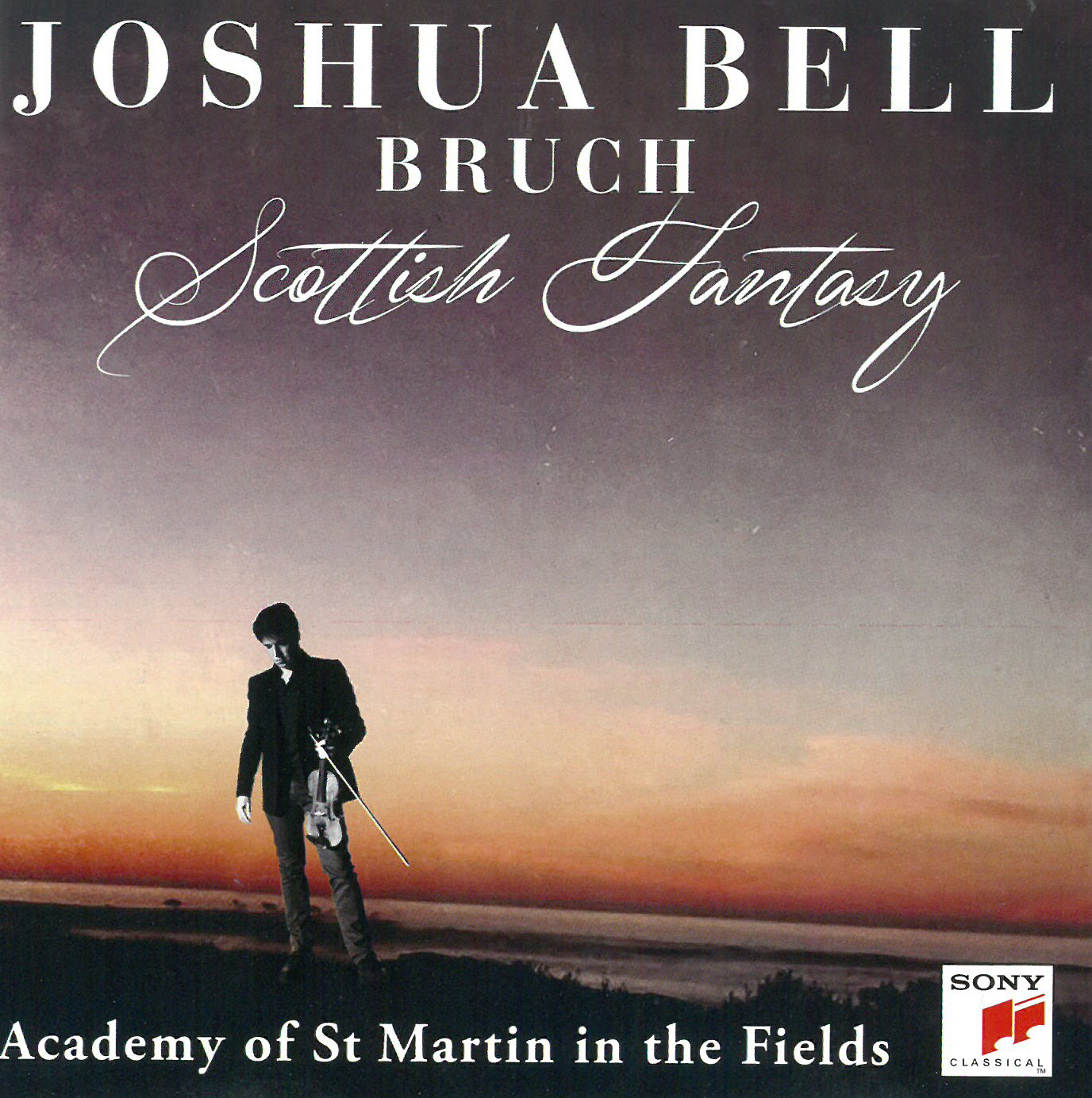
06 Joshua Bell BruchHis father’s Scottish heritage adds to the strong personal connections Joshua Bell feels for the two Max Bruch works on his new CD Bruch Scottish Fantasy with the Academy of St Martin in the Fields (Sony Classical 19075 84200 2
sonymusicmasterworks.com).

The other work here, the Violin Concerto No.1 in G Minor Op.26, was the first major concerto the 11-year-old Bell learned; moreover, he first recorded the work over 30 years ago with this same Academy and its founder Sir Neville Marriner. In 2011 Bell was named music director of the ensemble, the only person to hold this post since Marriner founded the group in 1958.

It’s clearly a perfect match if this superb CD is anything to go by; there’s glorious sound throughout from soloist and orchestra, and a lovely recorded resonance.

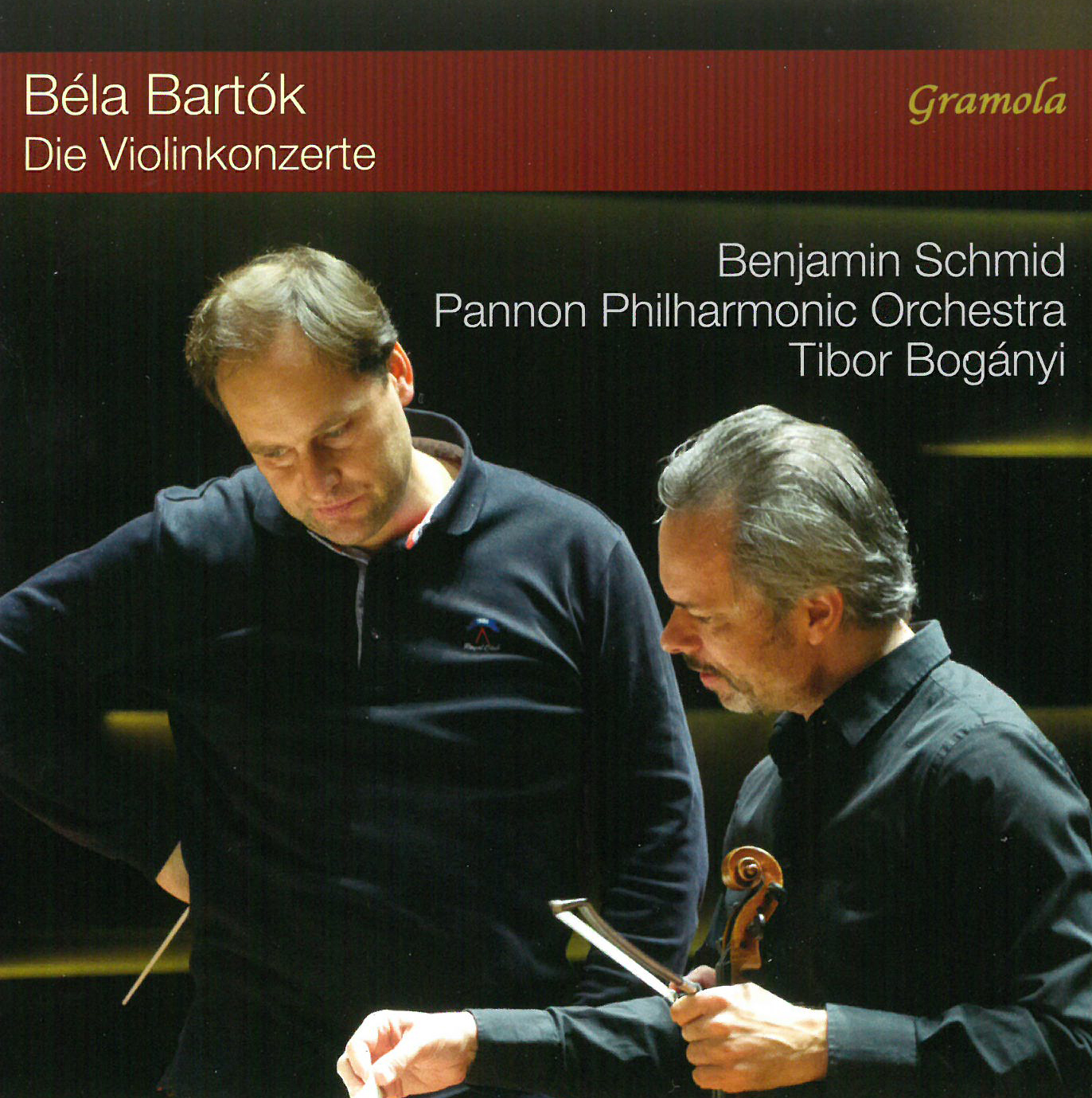
07 Bartok concertosThe Austrian violinist Benjamin Schmid is the soloist in Béla Bartók Die Violinkonzerte with Hungary’s Pannon Philharmonic Orchestra under Tibor Bogányi (Gramola 99138 gramola.at).

The first of Bartók’s two concertos was written in 1907-08 and inspired by the composer’s feelings for the young violinist Stefi Geyer, to whom he gave the manuscript; it remained unplayed and virtually unknown until a few years after her death in 1956, although the first of the two movements was published – slightly altered – in 1912 as the first of Two Portraits Op.5. It’s a lovely work with a rhapsodic first movement and a second that shows the early influence of Bartók’s folk music studies.

The Violin Concerto No.2 was written for Zoltán Székely in Hungary in 1937-8, prior to Bartók’s 1940 move to the United States. The middle movement in particular has a wistful introspection that seems redolent of a beloved but changing country, soon to be left behind forever.

There’s suitably rapturous playing throughout from all involved.

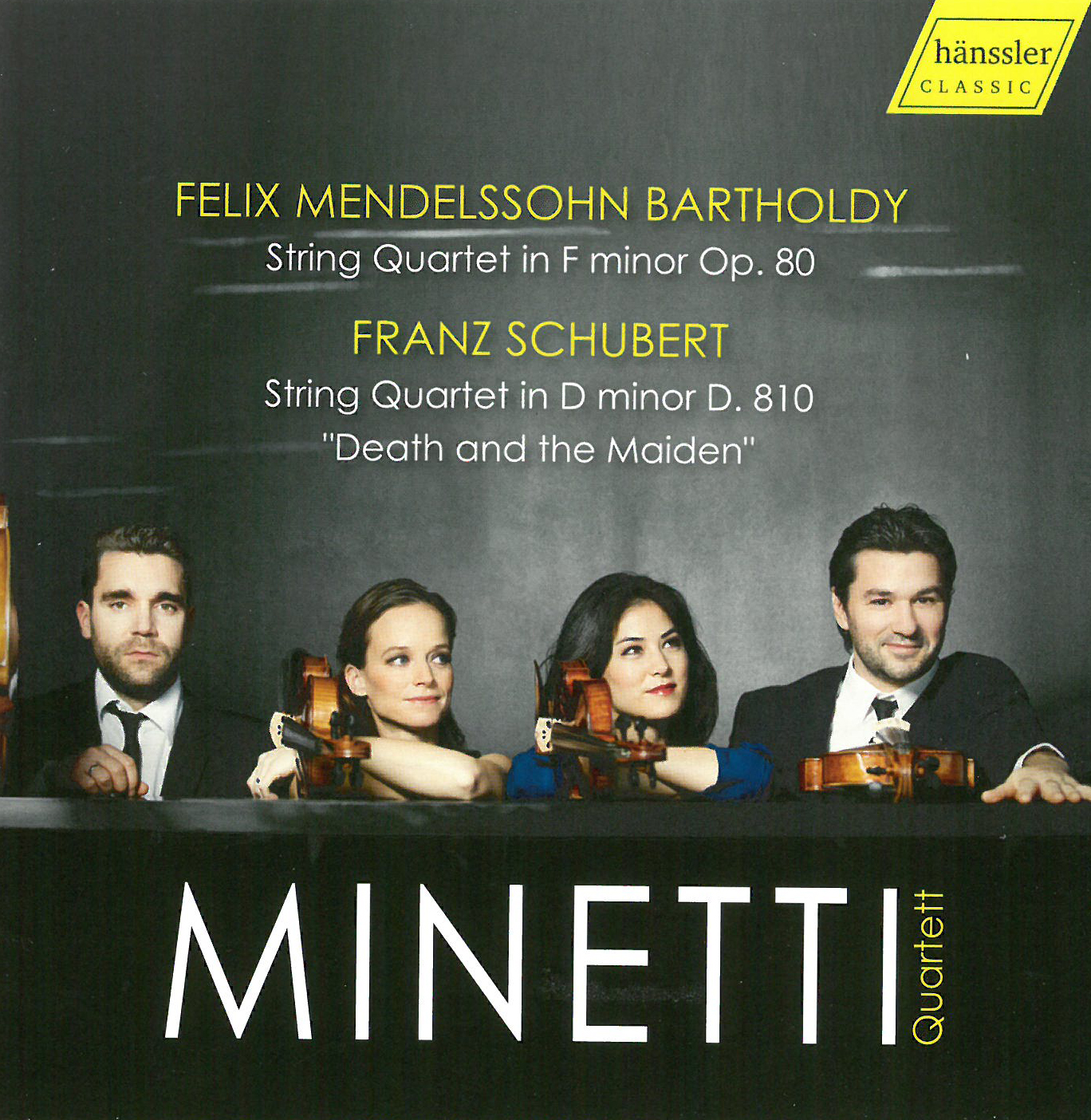
08 Minetti quartetTwo works closely associated with death are featured on Mendelssohn Bartholdy/Schubert, a new CD from the Viennese Minetti Quartett (Hänssler Classic HC18021).

Mendelssohn wrote his String Quartet No.6 in F Minor Op.80 while in the depths of despair after the sudden death of his beloved sister Fanny. All the customary grace and brilliance is there, but with an ever-present sense of brooding and darkness, and a heart-wrenching Adagio third movement.

Schubert’s String Quartet in D Minor D810 “Death and the Maiden” may have been completed in 1826 when Schubert was in a healthier frame of mind, but the first two lengthy movements were written in 1824 when the composer was facing the prognosis of an early death.

From the nervous, unsettled opening of the Mendelssohn through to the final scampering Presto of the Schubert this is wonderfully nuanced, sensitive and passionate playing on a simply outstanding CD.

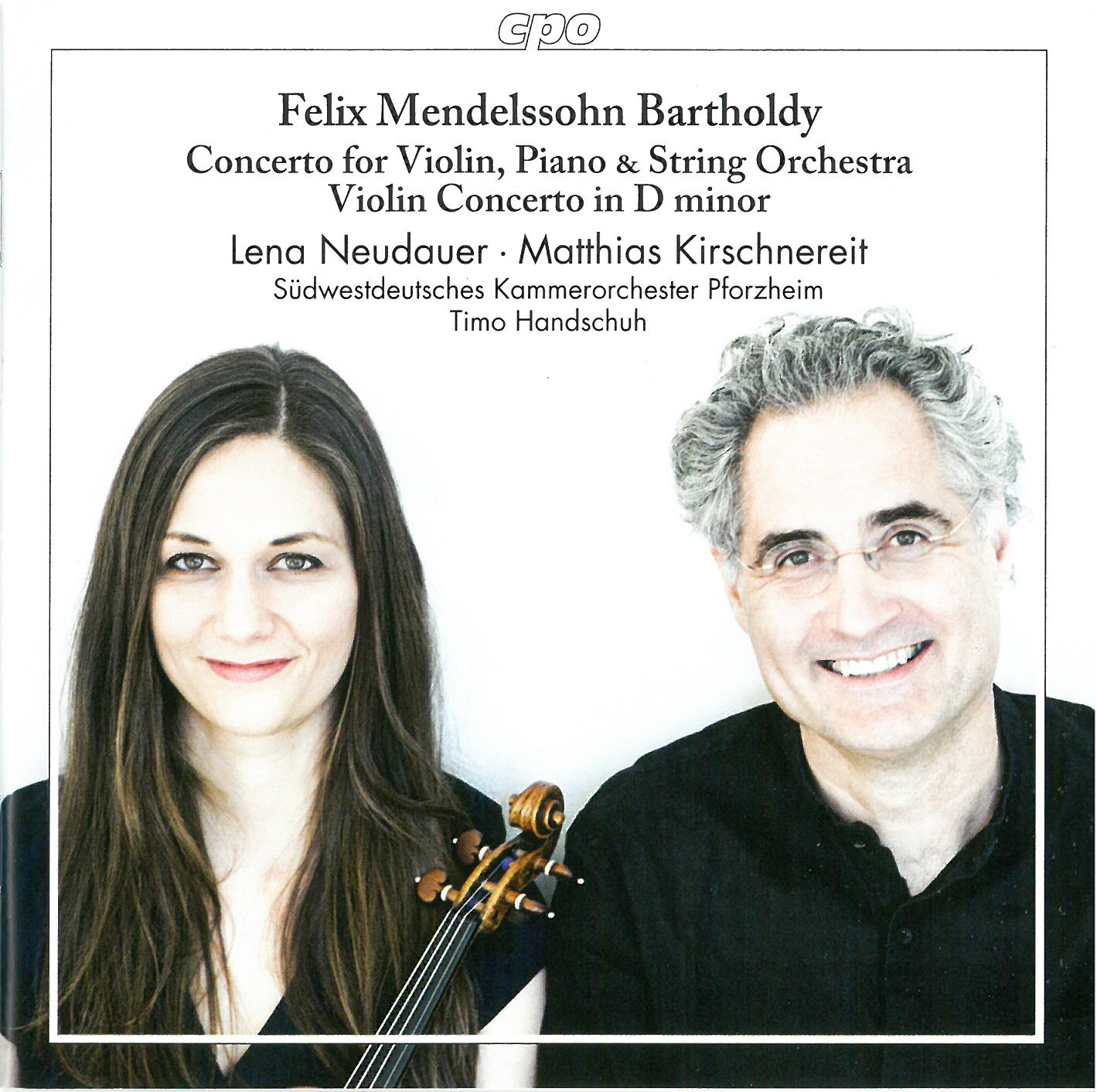
09 Mendelssohn concertosThere’s more Mendelssohn on Mendelssohn Bartholdy Double Concerto, with violinist Lena Neudauer and pianist Matthias Kirschnereit performing the Concerto in D Minor for Violin, Piano and String Orchestra and Neudauer taking the solo role in the Concerto in D Minor for Violin and String Orchestra (cpo 555 197-2 naxos.com). The Südwestdeutsches Kammerorchester Pforzheim under Timo Handschuh provides the excellent orchestral support.

The Double Concerto is an astonishing work from 1823, when Mendelssohn was only 14. It has a simply gorgeous slow movement and a dazzling Allegro molto finale.

His D Minor Concerto from the previous year lay unknown for 130 years until Yehudi Menuhin discovered and promoted it in 1952. The manuscript contains only sketches for the finale and the version recorded here is a later revision by Mendelssohn, making it difficult to know exactly how much of the original childhood work remains.

Neudauer’s playing is outstanding, with technical assurance and fluency matched with a warm, sensitive tone. Kirschnereit is an excellent partner in the Double Concerto.

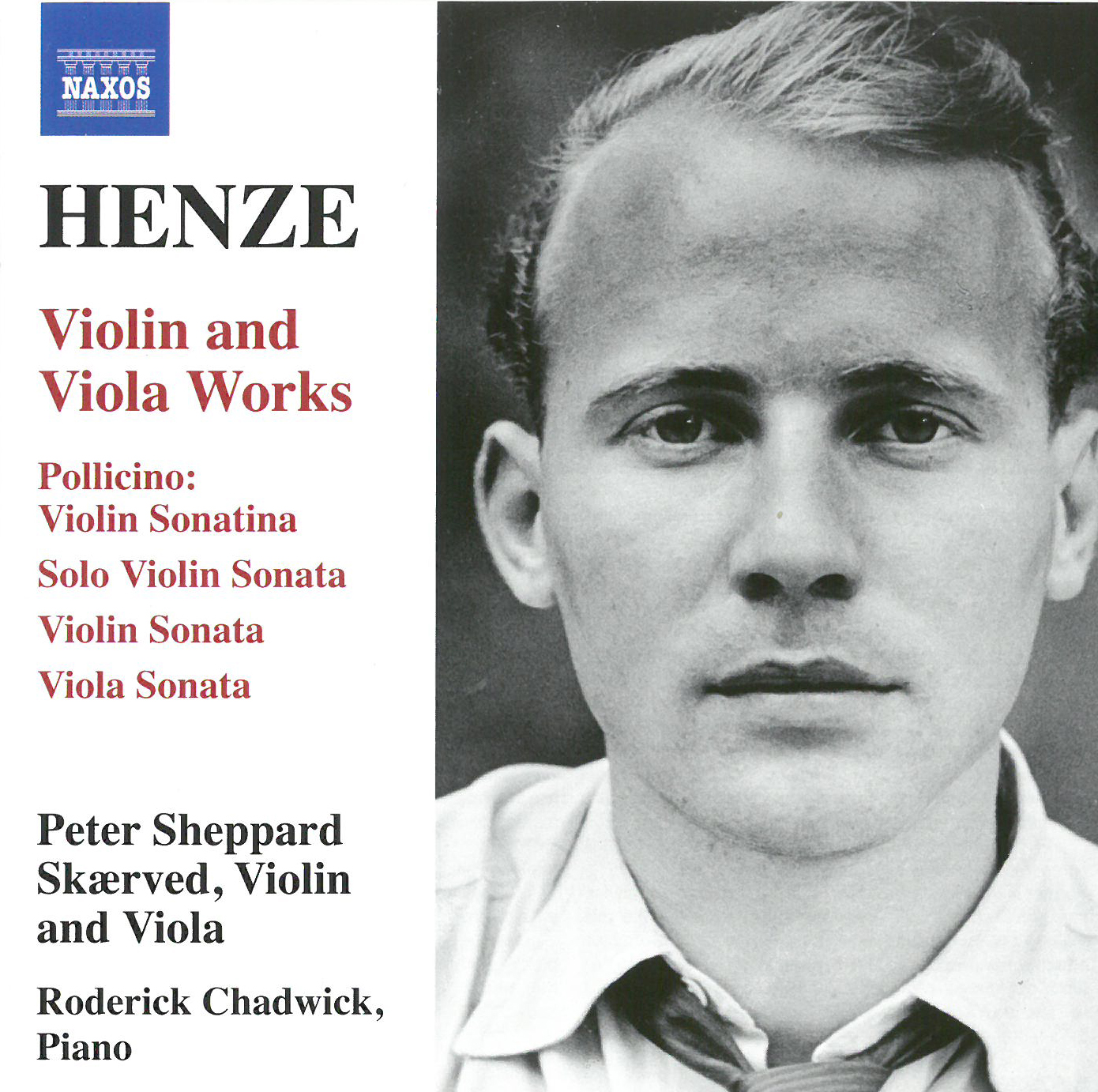
10 HenzeFew violinists have greater experience in the contemporary field than Peter Sheppard Skærved, whose new CD Henze Violin and Viola Works features compositions spanning 53 years in the career of the German composer Hans Werner Henze (Naxos 8.573886).

The 1946 Violin Sonata is a lovely piece with a particularly attractive Nocturne second movement. Roderick Chadwick is the pianist for this and two works from 1979, the Pollicino: Violin Sonatina and the quite challenging Viola Sonata which Skærved describes as having an “emotionally shattering quality.”

Skærved worked with Henze on the latter’s Solo Violin Sonata, including the revised version in his 1999 recording of Henze’s unaccompanied works. Here, however, he reverts to the 1977 original, “rough, more violent” version of the work, which he admits to preferring.

Two short unaccompanied pieces for solo violin, both written as memorials to friends, complete the disc: Für Manfred (1989) and Peter Doll zum Abschied (1999).

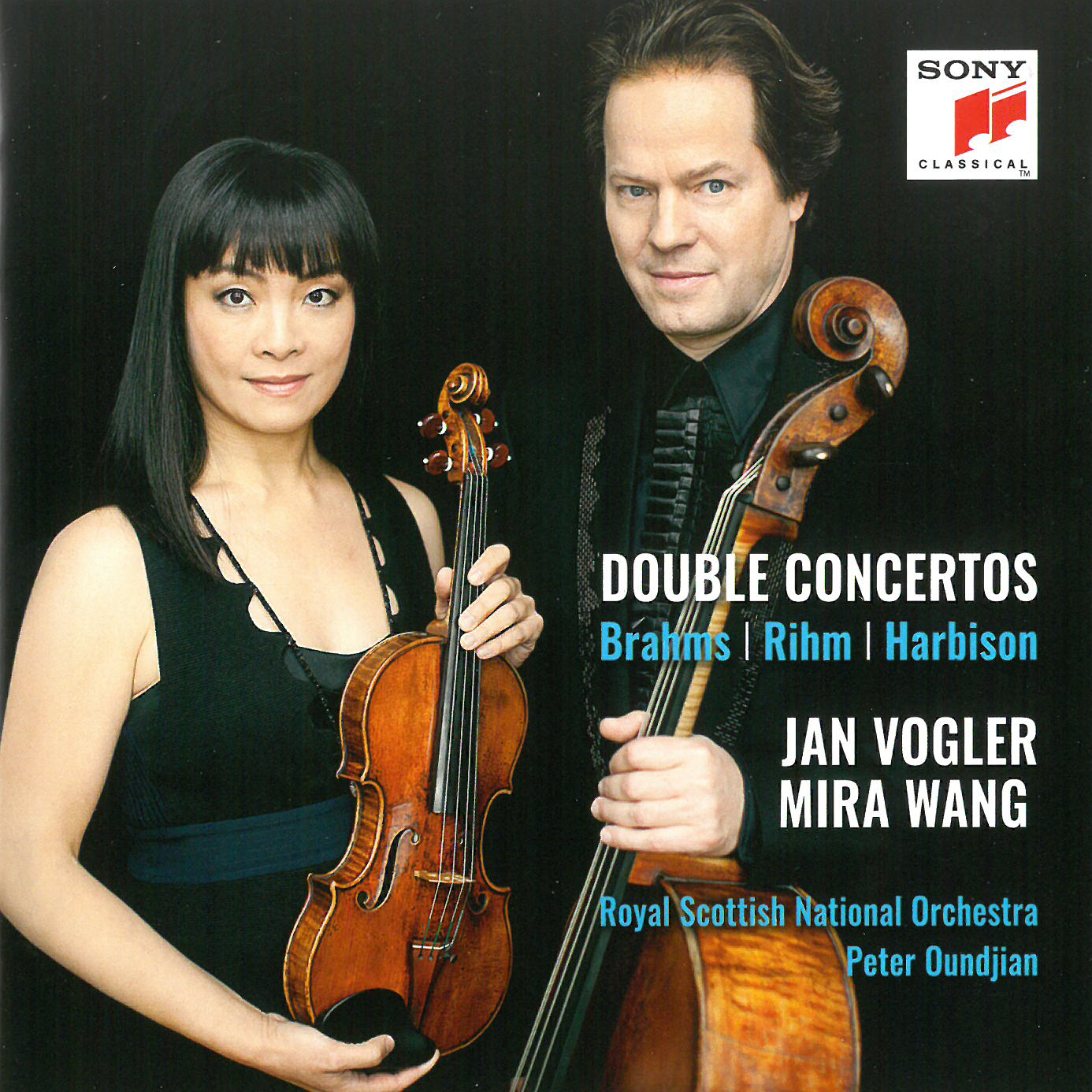
11 Double Concertos Jan Vogler Mira WangThree concertos for violin and cello are featured on the excellent Double Concertos Brahms/Rihm/Harbison, with violinist Mira Wang and cellist Jan Vogler supported by the Royal Scottish National Orchestra with conductor Peter Oundjian (Sony Classical 19075836752 sonyclassical.de).

Wolfgang Rihm’s single-movement Duo Concerto was written for Wang and Vogler in 2015, its strongly tonal opening setting the scene for a dialogue between the soloists that Rihm describes as a single voice singing to its heart’s content.

John Harbison’s Double Concerto was written for the duo in 2010 and has three movements of quite dissimilar musical language that work from “misunderstandings” to a final close accord.

The Brahms Double Concerto in A Minor Op.102 is the central work on the CD. It’s given a performance that is solid and thoroughly enjoyable.

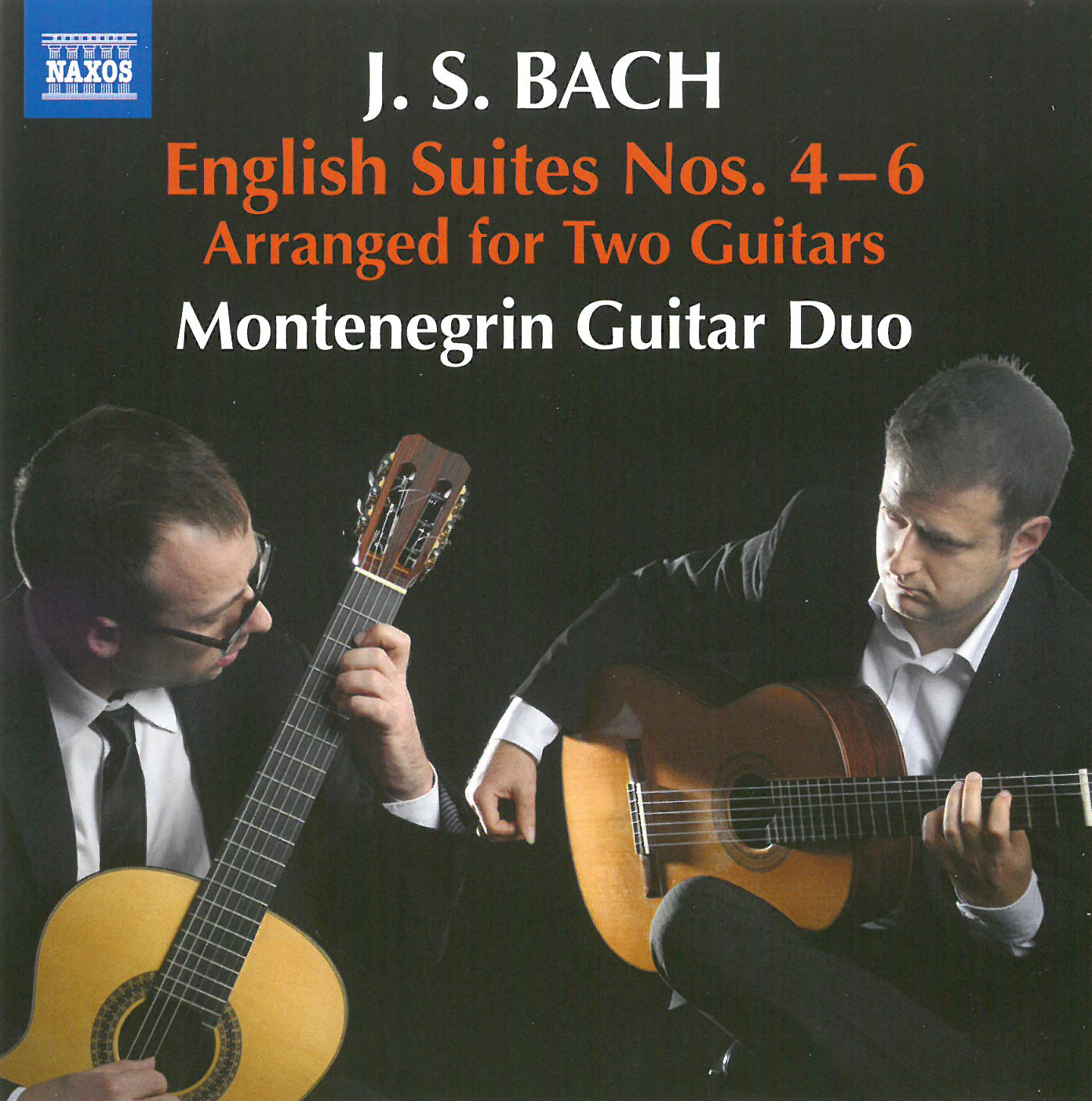
12 Montenegran duo Bach English SuitesThere’s some superb guitar playing on J. S. Bach English Suites Nos.4-6 Arranged for Two Guitars by the Montenegrin Guitar Duo of Goran Krívokapić and Danijel Cerović (Naxos 8.573676).

The excellent transcriptions are an absolute delight; the playing is warm and bright, with accuracy, agility, articulation, definition and clarity, all beautifully captured by the top-level Naxos team of Norbert Kraft and Bonnie Silver at the St. John Chrysostom Church in Newmarket.

Volume 1 of this outstanding two-CD set is available on Naxos (8.573473).

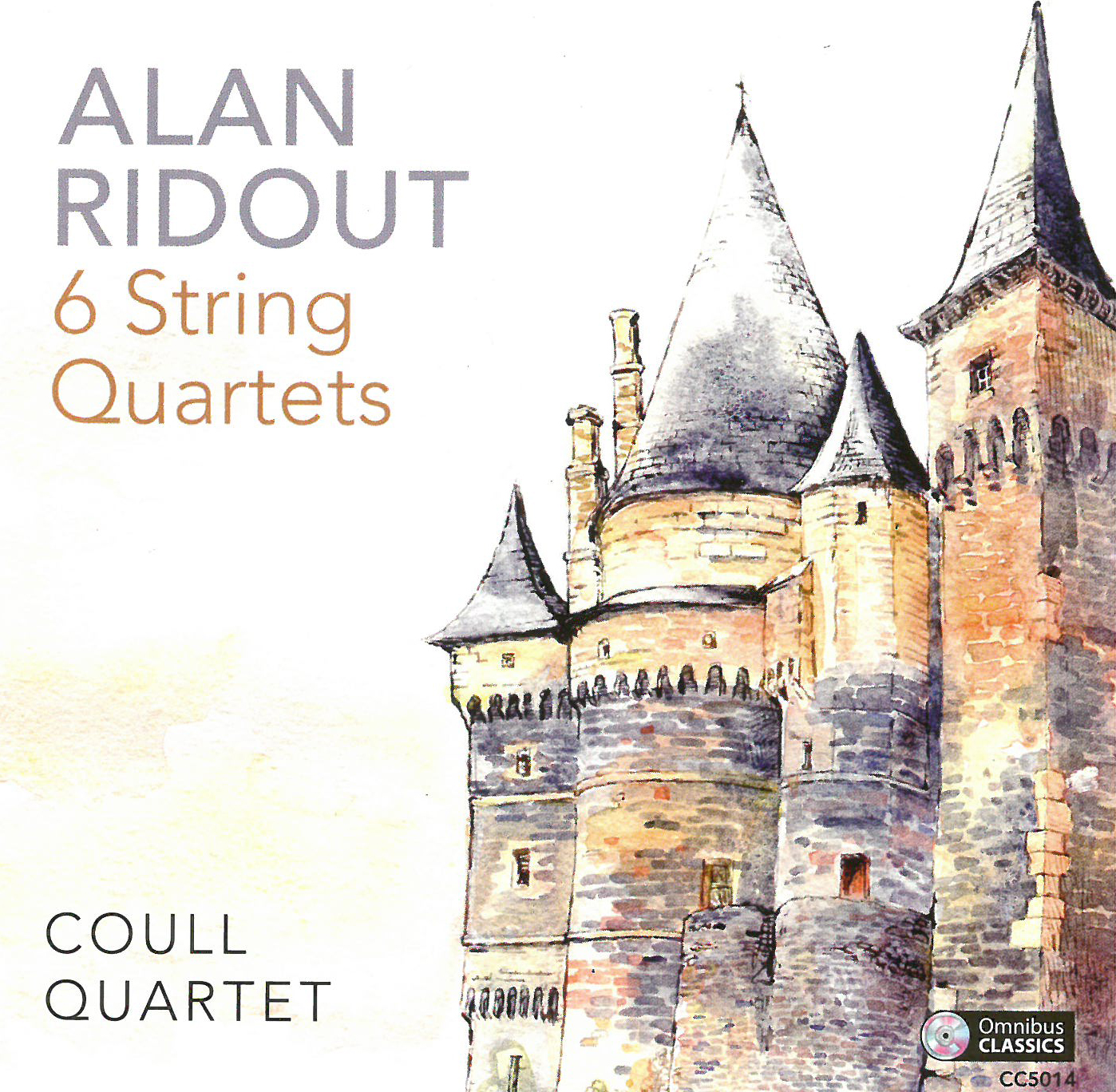
13 Alan RidoutThe complete 6 String Quartets of the English composer Alan Ridout are available on a new CD from the Coull Quartet (Omnibus Classics CC5014).

Ridout was only 61 when he died in 1996. His quartets, from the last decade of his life, are well-crafted, attractive works with hints of the influence of Shostakovich, Bartók, Tippett and Britten, and more than support the description of Ridout’s music as “always playable, clear to listen to, beautifully fashioned and idiomatically written.”

The Coull Quartet, formed at London’s Royal Academy of Music in 1974 and with two original members still present, gives beautiful performances on a CD which is a significant addition to the 20th-century English string quartet discography.

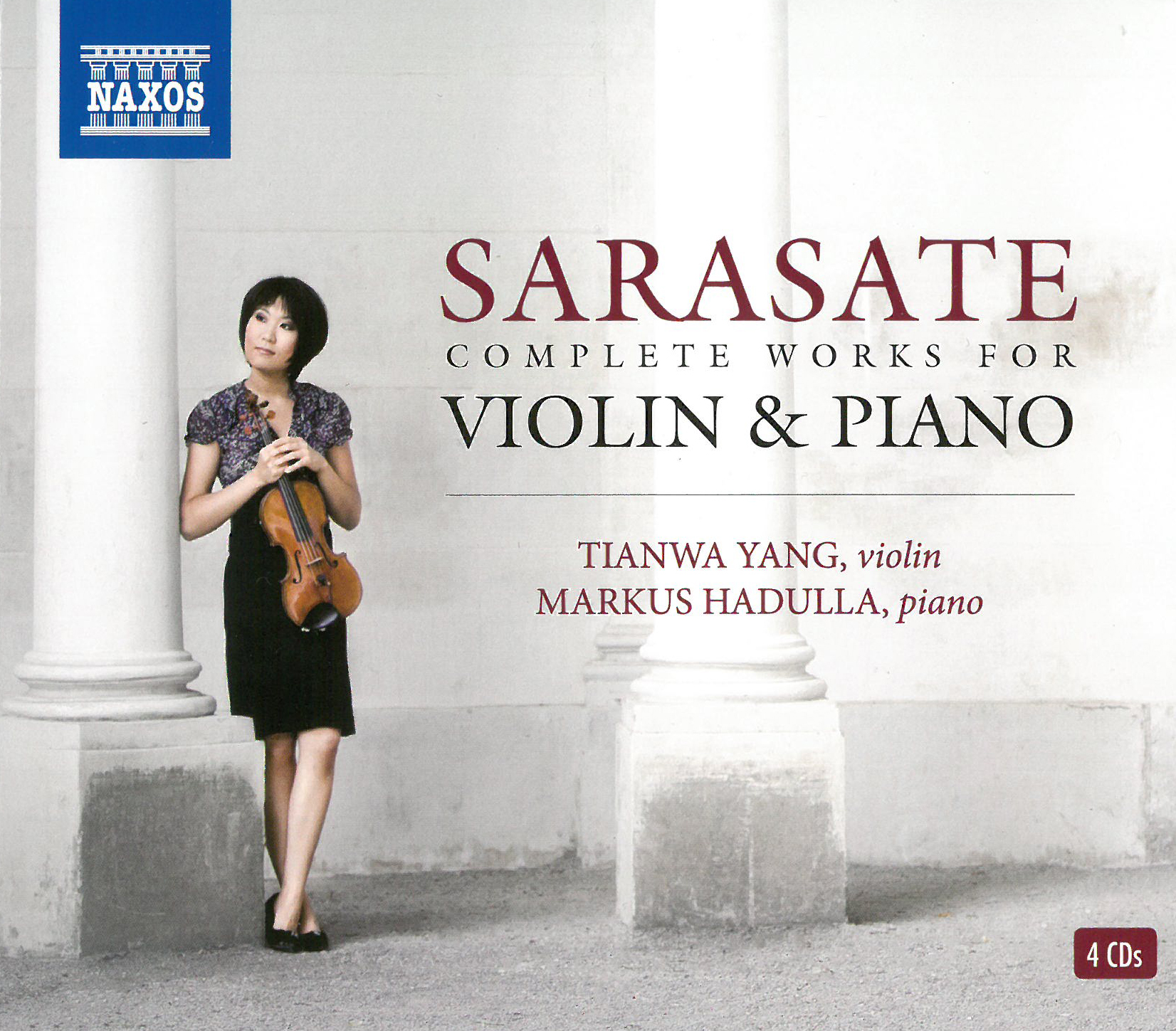
14 Sarasate 1 4Finally, Naxos has issued the four outstanding volumes of the Sarasate Complete Works for Violin and Piano, featuring the remarkable violinist Tianwa Yang and pianist Markus Hadulla, as a box set (8.504054). The individual CDs were originally released in 2006, 2007, 2012 and 2014, the latter two reviewed in this column in May 2012 and March 2014 respectively.

With a retail price of around $32, this is an excellent and welcome opportunity to acquire a simply terrific series. Hopefully Naxos will do the same with Yang’s equally outstanding four CDs of the Sarasate Complete Music for Violin and Orchestra. 

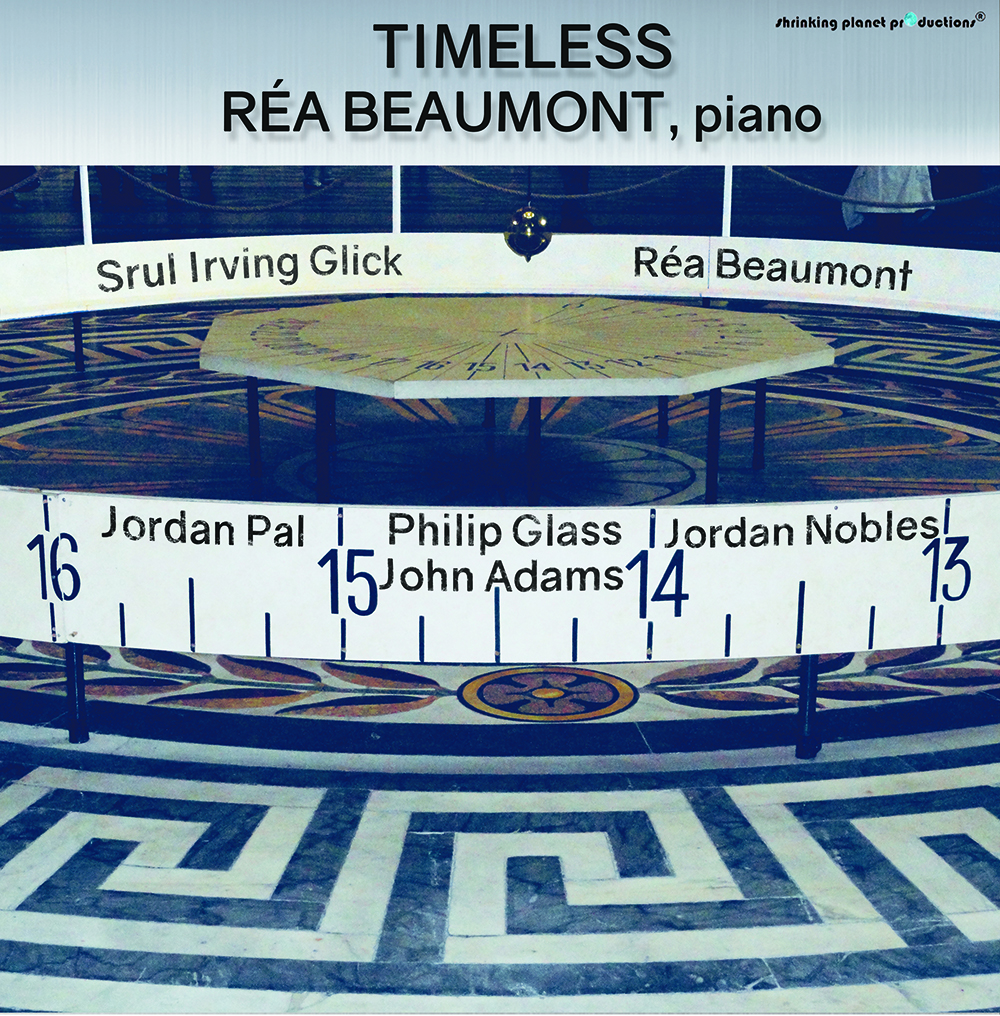
01 Rea BeaumontCanadian pianist Réa Beaumont’s recording Timeless (Shrinking Planet Productions SP0093 reabeaumont.com) includes works by Philip Glass, John Adams, Srul Irving Glick and others, as well a couple of her own compositions. Beaumont’s program is designed to show how “music changes our perception of time.” John Adams’ China Gates, for example, is composed without a time signature and is one of several whose flow supports the recording’s “Timeless” title.

Toronto Symphony Orchestra affiliate composer Jordan Pal’s Study in White is the longest work on the program. Beaumont brings an impressive sustained energy to the gradually building intensity of this piece before ending it in the blaze of pianistic colour the composer intended. The six Glick Preludes are short. Beaumont plays them with great attention to the inner melodic material that Glick uses against his rhythmic elements. There’s some shared musical language between Glick and Beaumont that becomes evident on comparative listening. It makes her particularly adept at interpreting his music.

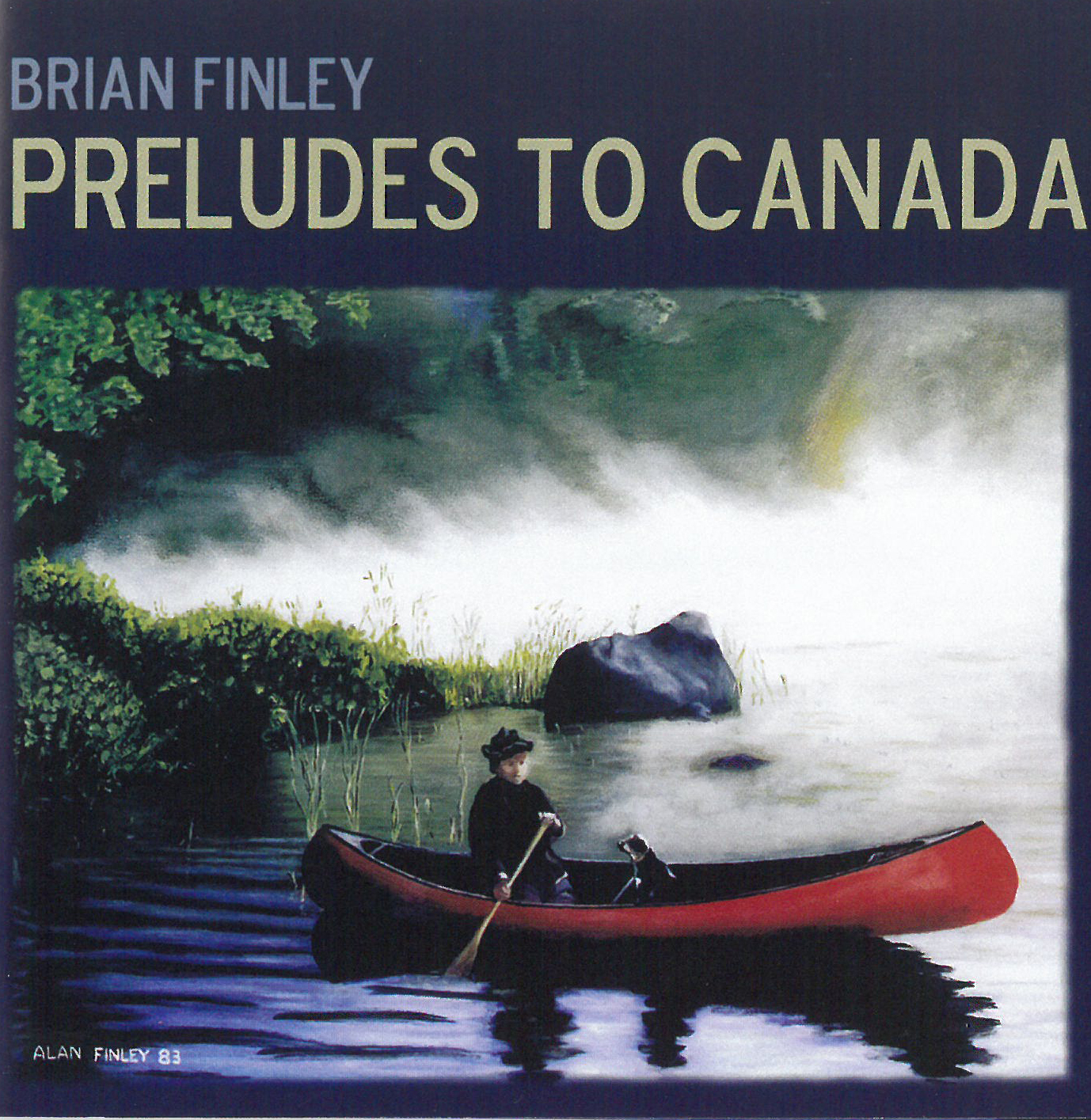
02 Brian Finley Preludes to CanadaBrian Finley spent nearly two decades patiently composing the 13 pianistic impressions that comprise his new recording Preludes to Canada (Booth Street Records BSR0002 brianfinley.ca). Experiencing the country from sunrise on the Atlantic coast to sunset on the Pacific, the pieces offer poetic and emotional portrayals of very specific places. Sometimes as localized as A Park Bench in Joliette and Victoria Harbour, the works focus intently on Finley’s personal experiences in these places. Even the more broadly conceived ones like North of 60 and Red River Dreams contain Finley’s unique language formed during many years as a pianist, composer and artistic director of the Westben Arts Festival. He writes with the simple yet mysterious introspection of Satie but is equally capable of enormously powerful orchestral gestures reminiscent of Rachmaninov and Stravinsky. Finley’s music can’t escape the reality that his Canadian experience has been principally shaped by the land. And he aptly opens his notes with words from Emily Carr that describe Canada as “something sublime that you were born into.”

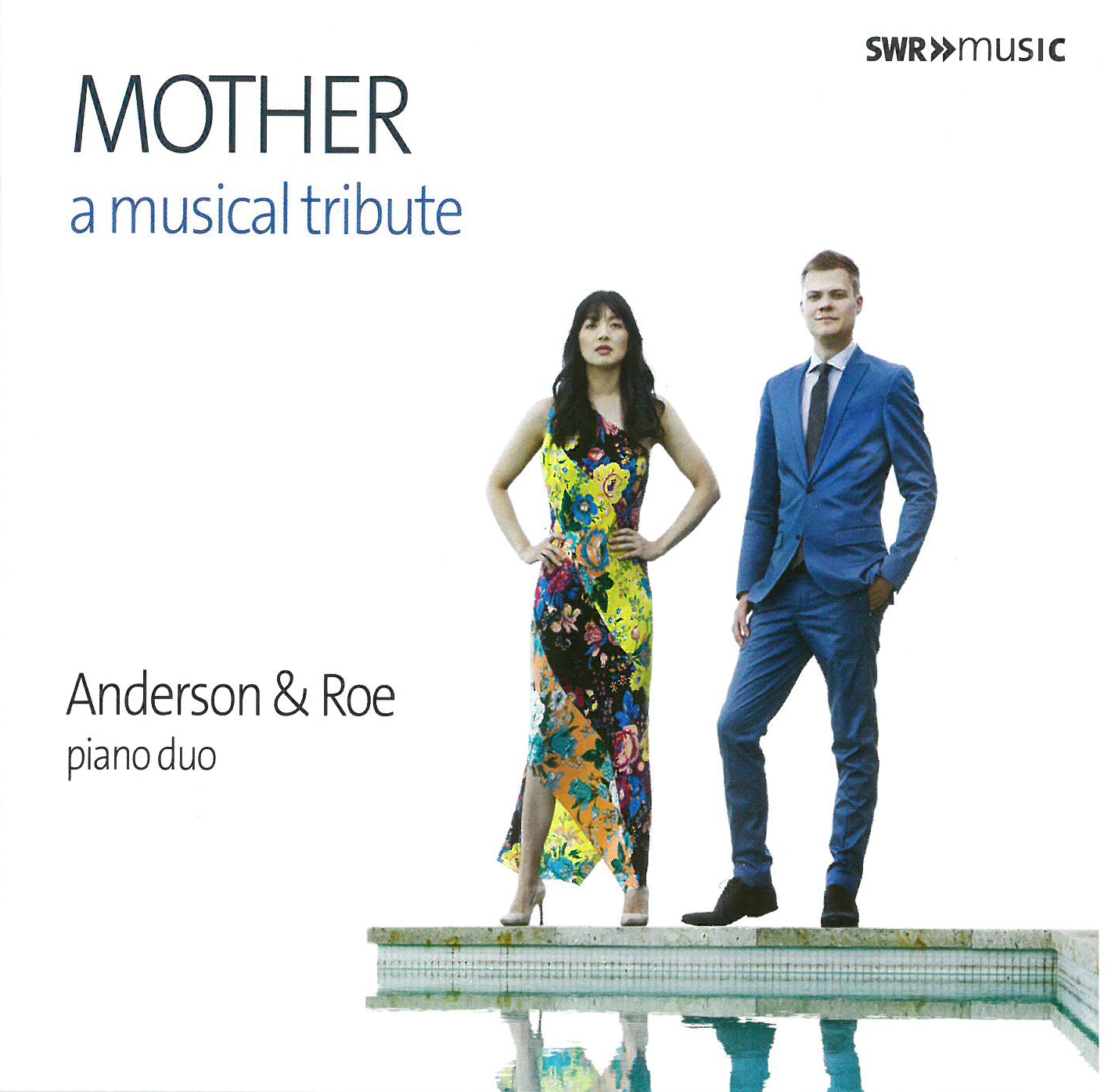
03 Anderson Roe MotherAnderson & Roe are no garden variety piano duo. Their new recording Mother - a musical tribute (SWR Music SWR19058CD swrmusic.de) is ample evidence of their stunning ability to arrange and reinvent well-known tunes in ways that leave you breathless. Covering an established song or piano work always runs the risk of leaving the listener wishing you hadn’t tried in the first place. Anderson & Roe, however, possess the highest form of originality combined with a gob-smacking keyboard technique that reimagines Lennon/McCartney, Paul Simon, Louis Armstrong and Freddie Mercury with both skill and panache.
Their advanced understanding of structure and form in everything imaginable from fugues to gospel blues reveals their deep respect for the material as well as a womb of pure genius in which their arrangements are conceived. Grieg, Dvořák, Schubert and Brahms fare equally well in this duo’s creative hands. You should be running out to get this disc, right about now.

04 LeslieHoward LisztLeslie Howard’s 99-CD set of Liszt’s piano music released in 2011 to mark Liszt’s bicentenary included a three-volume “New Discoveries” series. Continuing scholarly research since then has turned up more manuscripts and other early editions, compelling Howard back into the studio to record a fourth volume for the series, Liszt: New Discoveries Vol. 4 (Hyperion CDA68247 hyperion-records.co.uk).

The disc’s program includes familiar titles appearing as early versions and sketches. Also, there are some tantalizing fragments listed simply as Album-Leaf that offer clues to the origins of some of Liszt’s later thematic ideas.

Leslie Howard writes superb notes for this series and explains why the very substantial opening track is, by far, the most important discovery in this set. Hungarian Rhapsody No.23 S242/23 appears to have been erroneously divided into two halves long ago, because of a formatting difference in the manuscript. Howard presents it in its original extended form.

Scheduled for release in late September, Volume 4 promises to be in high demand for serious Liszt collectors.

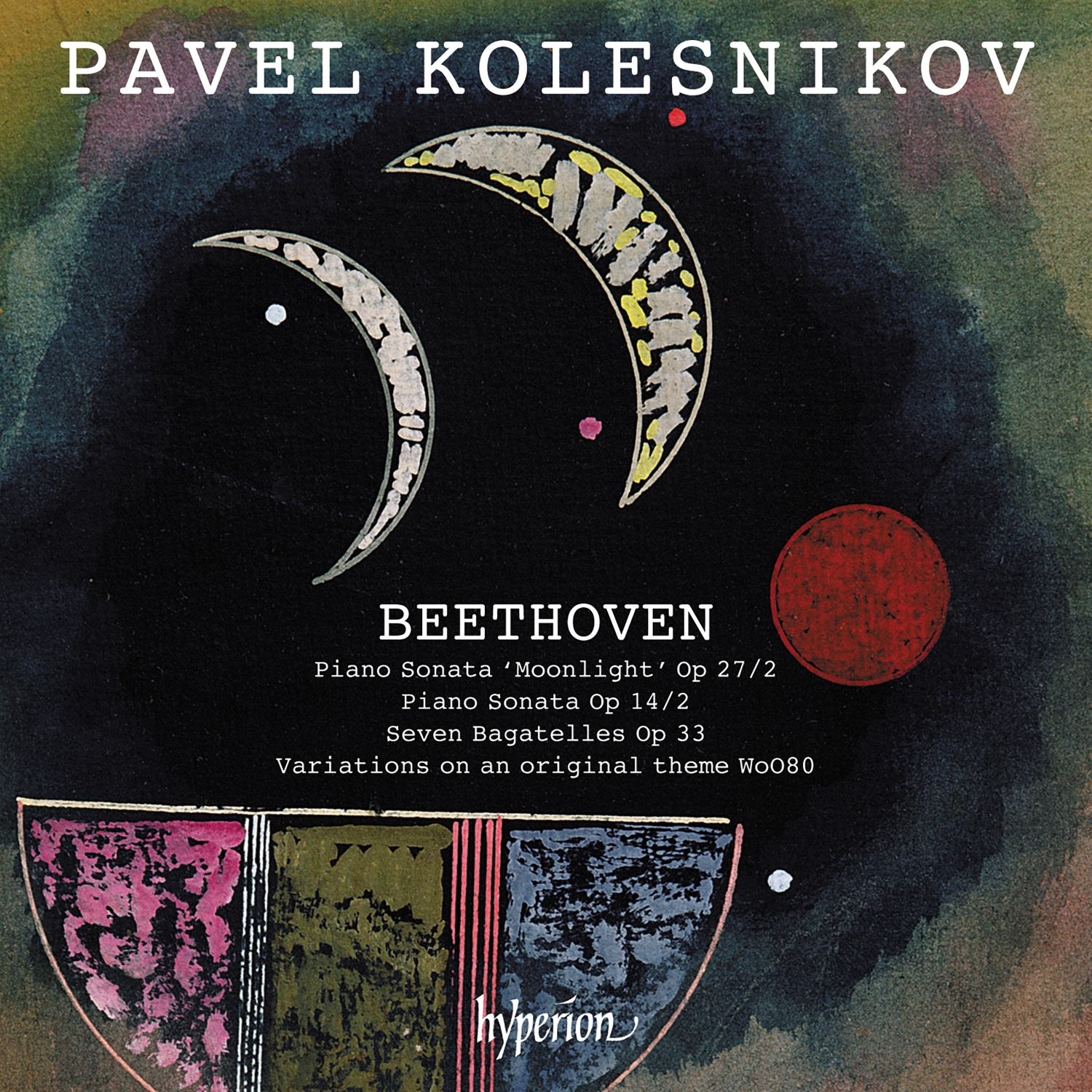
05 PavelKolesnikov BeethovenWith a mere handful of recordings in his discography, Pavel Kolesnikov’s regularly glowing reviews make his newest release, Beethoven (Hyperion CDA68237) a highly anticipated event.

Kolesnikov plays the Sonata in C Sharp Minor “Moonlight” Op.27 No.2 with a seductive intimacy that makes you strain to hear every note. Tempi and phrasings may be conventional, but the overall approach is rarely so subdued – it’s very effective. The second movement is quite relaxed before he bursts into blazing speed for the third. It’s an entertaining performance of contrast and high drama.
In the Seven Bagatelles Op.33, Kolesnikov exploits Beethoven’s whimsical technical devices by playing with exceptional lightness, separation and the sharpest staccato. He has a distinctive touch that lends a freshness to familiar repertoire. The program also includes the Piano Sonata in G Major Op.14 No.2, 32 Variations on an original theme in C Minor WoO80 and four unpublished works that will intrigue the curious.

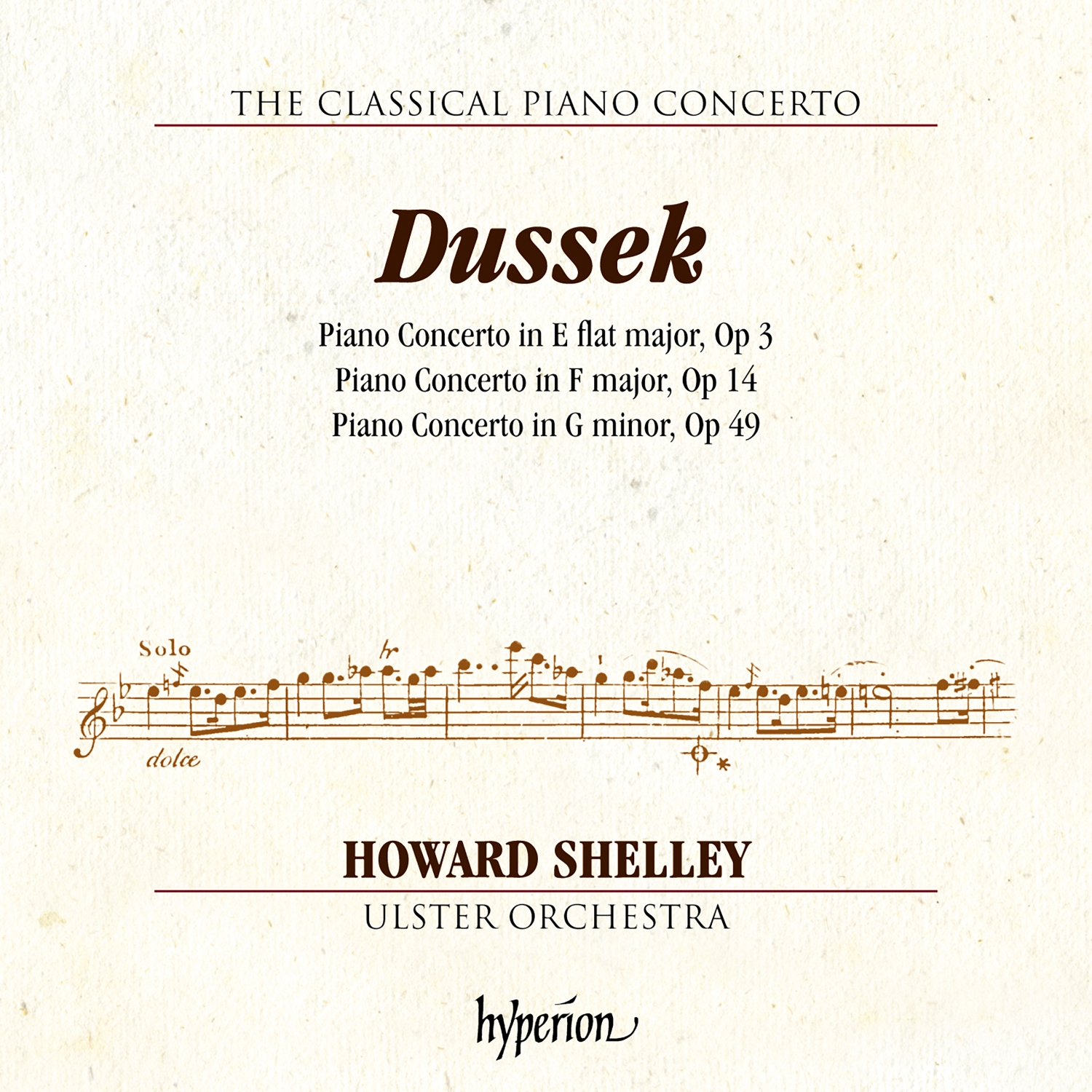
06 HowardShelleyUlsterOrchestra DussekHoward Shelley appears as pianist and conductor with the Ulster Orchestra in his latest recording The Classical Piano Concerto Vol.5 (Hyperion CDA68211). The series is a companion to Hyperion’s earlier one, The Romantic Piano Concerto. You can expect to find all the usual works in this series but it’s interesting to find Jan Ladislav Dussek among the first recordings. As odd as it may sound, hearing music of the period that isn’t either Haydn or Mozart is actually refreshing, if not downright exciting. It sets aside the habitual assumption that those two composers had said it all. Dussek wrote with a natural clarity and showed a refined elegance in his orchestral scoring that comes across as a lightness of character lacking nothing in harmonic richness.
Shelley is a demonstrated master at this genre, having recorded most of his 150 discs with small ensembles and chamber orchestras. His performance of Dussek’s Concerto in G Minor Op.49 is utterly beautiful. The second movement, for example, is wonderfully conceived and emotionally planned, and Shelley’s unerring judgement makes it hard to describe the powerful, moving effect he creates with the ensemble. 

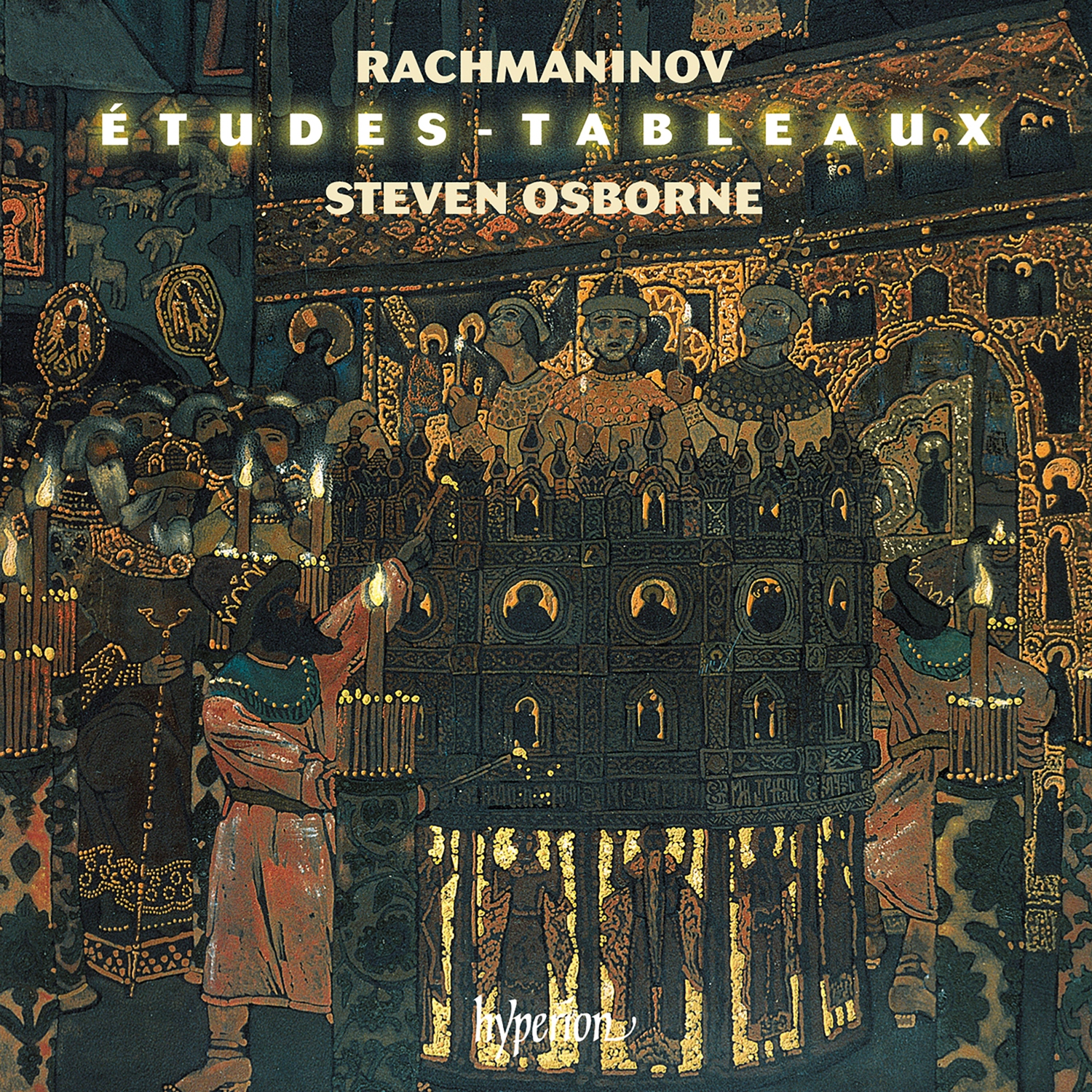
07 Steven OsborneSteven Osborne has a long relationship with Hyperion. After nearly two decades and 27 releases, his most recent, Sergei Rachmaninov Études-tableaux Opp.33 & 39 (Hyperion CDA68188), broadens his discography still further. The Études-tableaux are small compositions over which Rachmaninov admitted spending far more time and effort than his larger-scale works. The composer claimed that such concise expression required a higher degree of economy and precision. And although he discreetly admitted to having general programs in mind for these pieces, he deliberately never revealed them, leaving the music to be heard absolutely.

In this disciplined context, Osborne performs impressively. He’s a very direct player, moving straight to the emotional heart of any given phrase or thematic idea. Moreover, Rachmaninov packs his Études-tableaux with emotion, requiring dramatic changes in expression that Osborne manages masterfully.

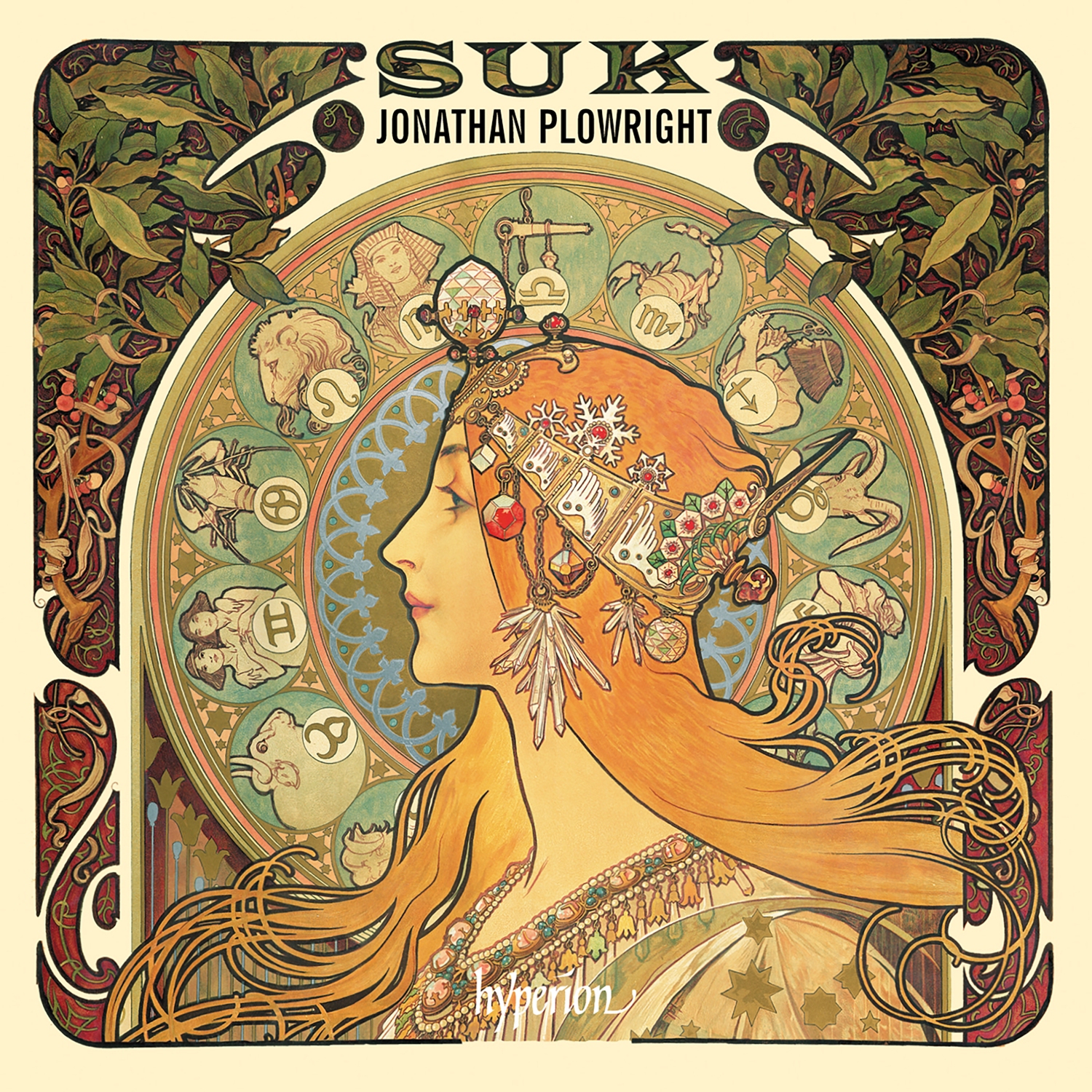
08 Jonathan Plowright SukJonathan Plowright’s latest CD Suk: Piano Music (Hyperion CDA68198) features works from a ten-year period bridging the late-19th and early-20th centuries. Josef Suk may be a lesser-known composer, but Plowright shows his music to be of surprising substance. As a pupil (and eventual son-in-law) of Dvořák, Suk’s musical pedigree was superb, though somewhat overshadowed by the critical reception of contemporaries like Janáček.

Plowright understands Suk’s language, capturing his moods and characterizations in an articulate and playful way. Spring Op.22a and Summer Impressions Op.22b are an unfinished attempt at a “Seasons” set, yet reveal the composer’s remarkable gift for portraying time and place in music. Similarly, Plowright performs Piano Pieces Op.7 and Moods Op.10 beautifully, leaving the strong impression that there is an expressive kinship between Suk and his older contemporary Edvard Grieg.

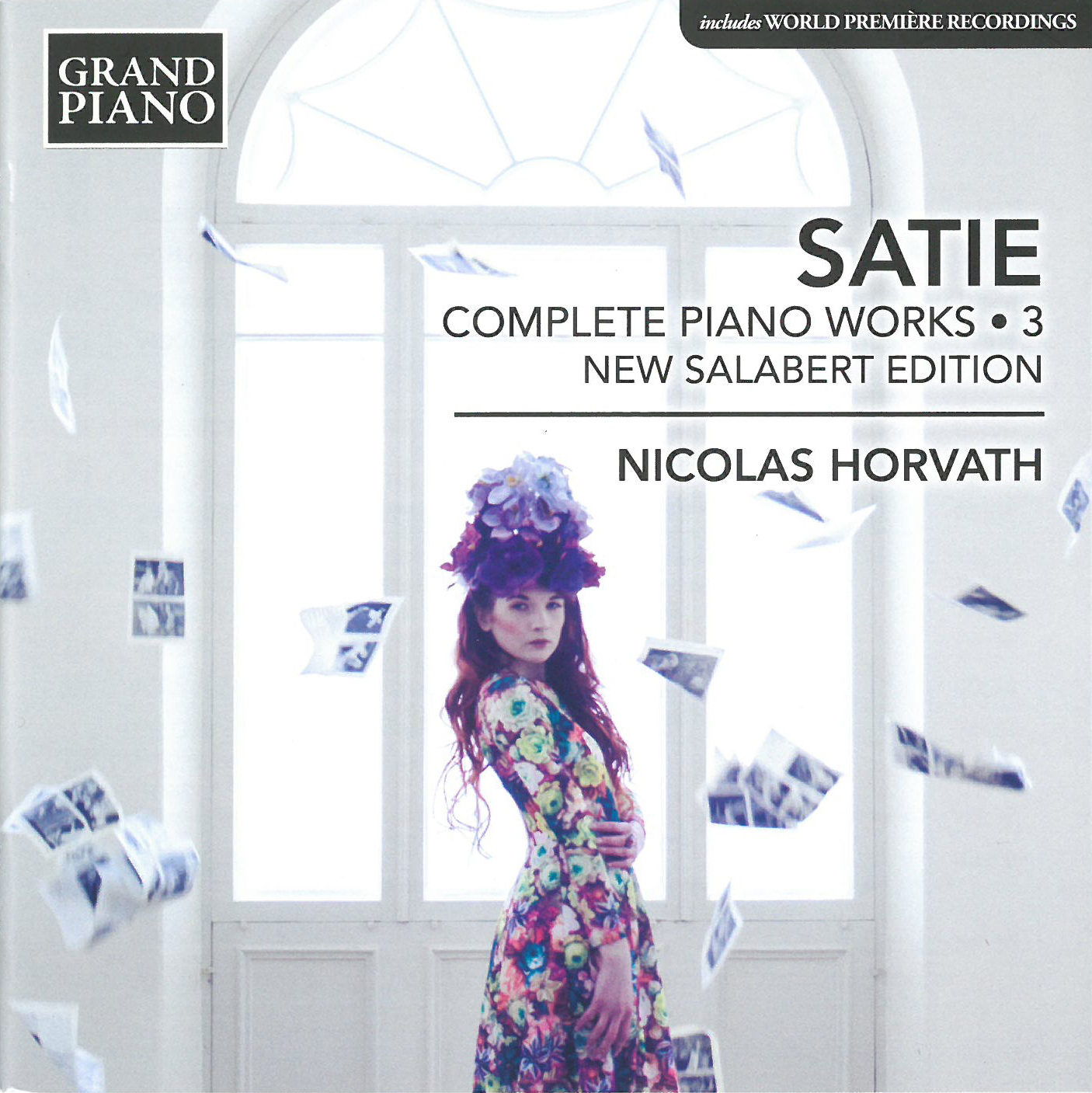
09 Nicolas Horvath Satie 3Among the numerous ways Nicolas Horvath has distinguished himself is with his commitment to the music of Erik Satie. His latest installment in this series, Satie – Complete Piano Works Vol.3 (Grand Piano GP763 grandpianorecords.com) continues his 2014 project using the new Salabert edition. This edition corrects many errors by earlier publishers as well as others arising from Satie’s sometimes lax proofreading. Nearly half the disc includes world premiere recordings of the Salabert edition. Airs á faire fuir No.2, in particular, stands out as the first recording of Satie’s more chromatic revision of an earlier effort. Horvath plays Cosima Wagner’s 1881 Érard with its antique aural charm. In spite of the subtle technical compromises he is forced to make on this instrument, he nevertheless creates a sublimely haunting singing quality with his touch.

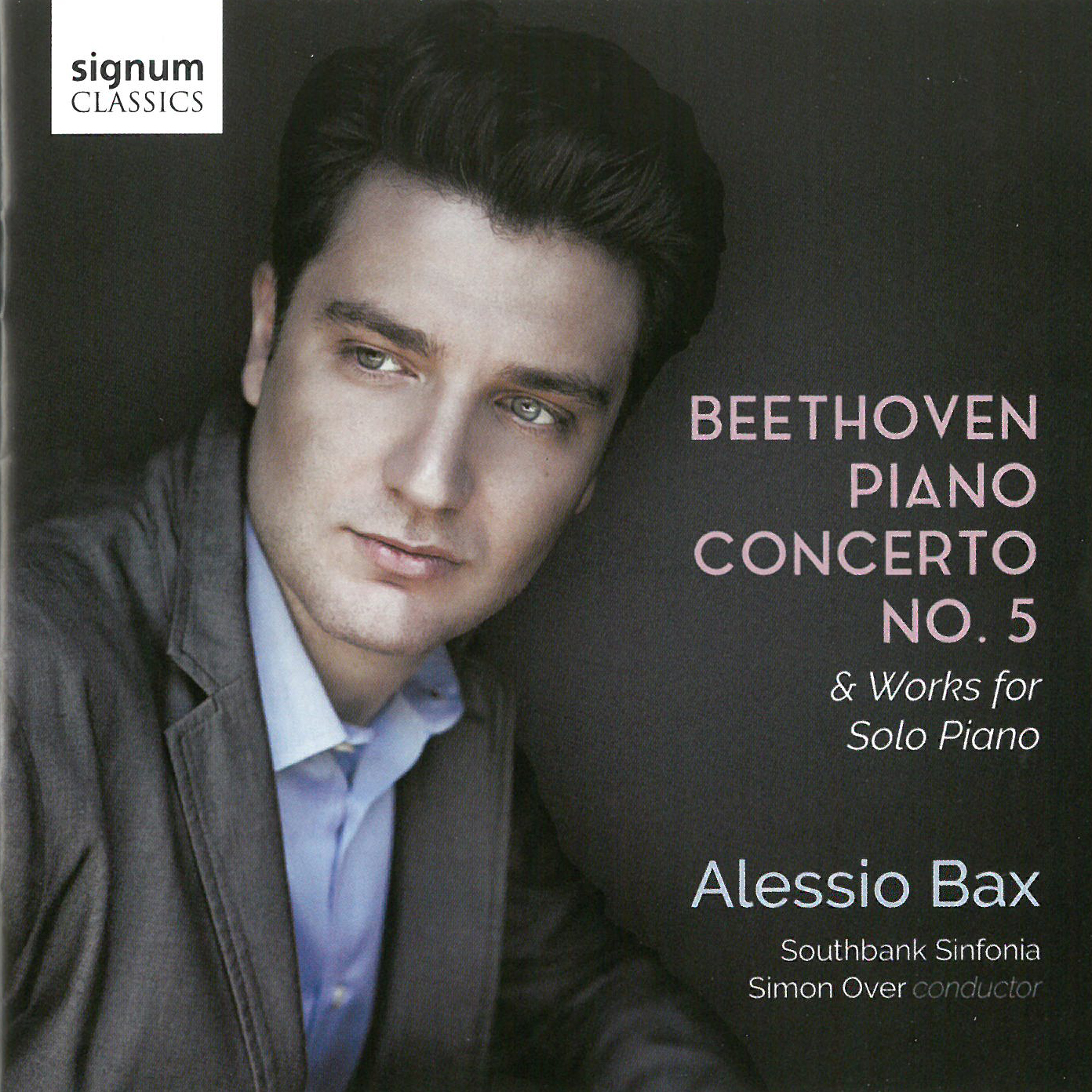
10 Alessio Bax Beethoven 5Alessio Bax’s latest recording Beethoven Piano Concerto No.5; Southbank Sinfonia; Simon Oliver (Signum Classics SIGCD525 signumrecords.com) proves how beautiful small can be. The Southbank Sinfonia is a small ensemble of 32 emerging young professionals whose performance with Bax turns the monumental Emperor Concerto into a private and intimate experience. Bax scales back his playing accordingly and brings out the hidden charm sometimes lost in recordings by larger orchestras. The collaboration is more a pas de deux than a traditional contest of strength. It’s an altogether beautiful interpretation.

The disc includes Beethoven’s Contredanses WoO 14, of which the seventh reveals a thematic source for the origin of the Eroica symphony. Bax also plays an early teenage composition (WoO55) deeply reflective of Beethoven’s admiration for Bach, as well as a delightfully crisp Polonaise Op.89.

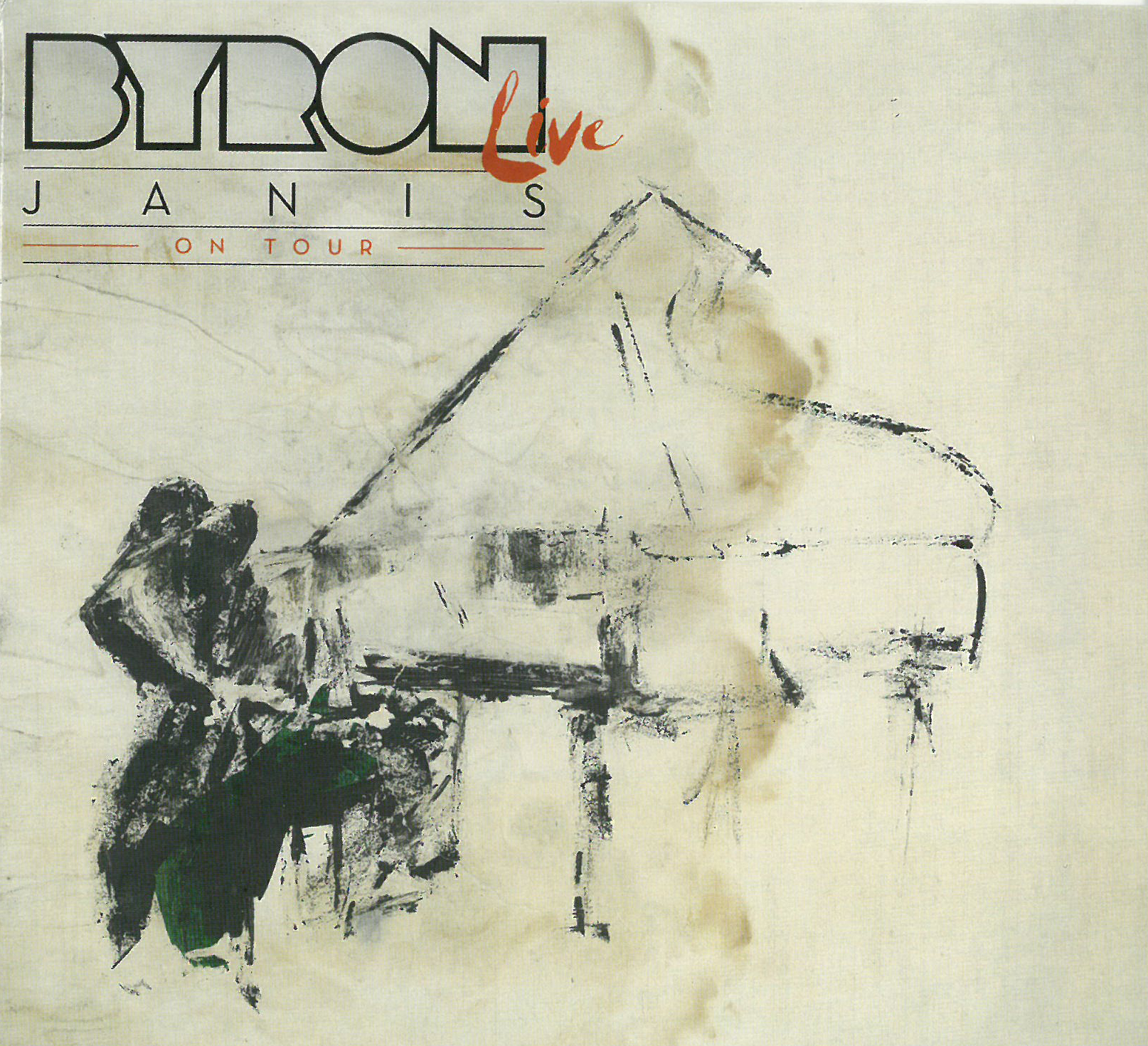
11 Byron JanisHailed by music writer Harold Schonberg at the peak of his career as “one of the best pianists around today,” American pianist Byron Janis last year celebrated the 70th anniversary of his first recording for RCA at age 19 with the release of Byron Janis Live On Tour (byronjanislive.com). This disc is the first of three planned releases and covers American and European tours from the years 1978 to 1999. Most of the program is Chopin but it also includes some Liszt and Haydn – as well as a piano duo recording with Cy Coleman of Paganini Variations, which begin with the familiar theme but quickly evolve into a jazz and blues style that has the partygoers audibly excited by their originality and brilliance. Disc 2 of the series “Live from Leningrad” will cover the early 60s when Janis was a US Cultural Ambassador helping to start the thaw of the cold war.

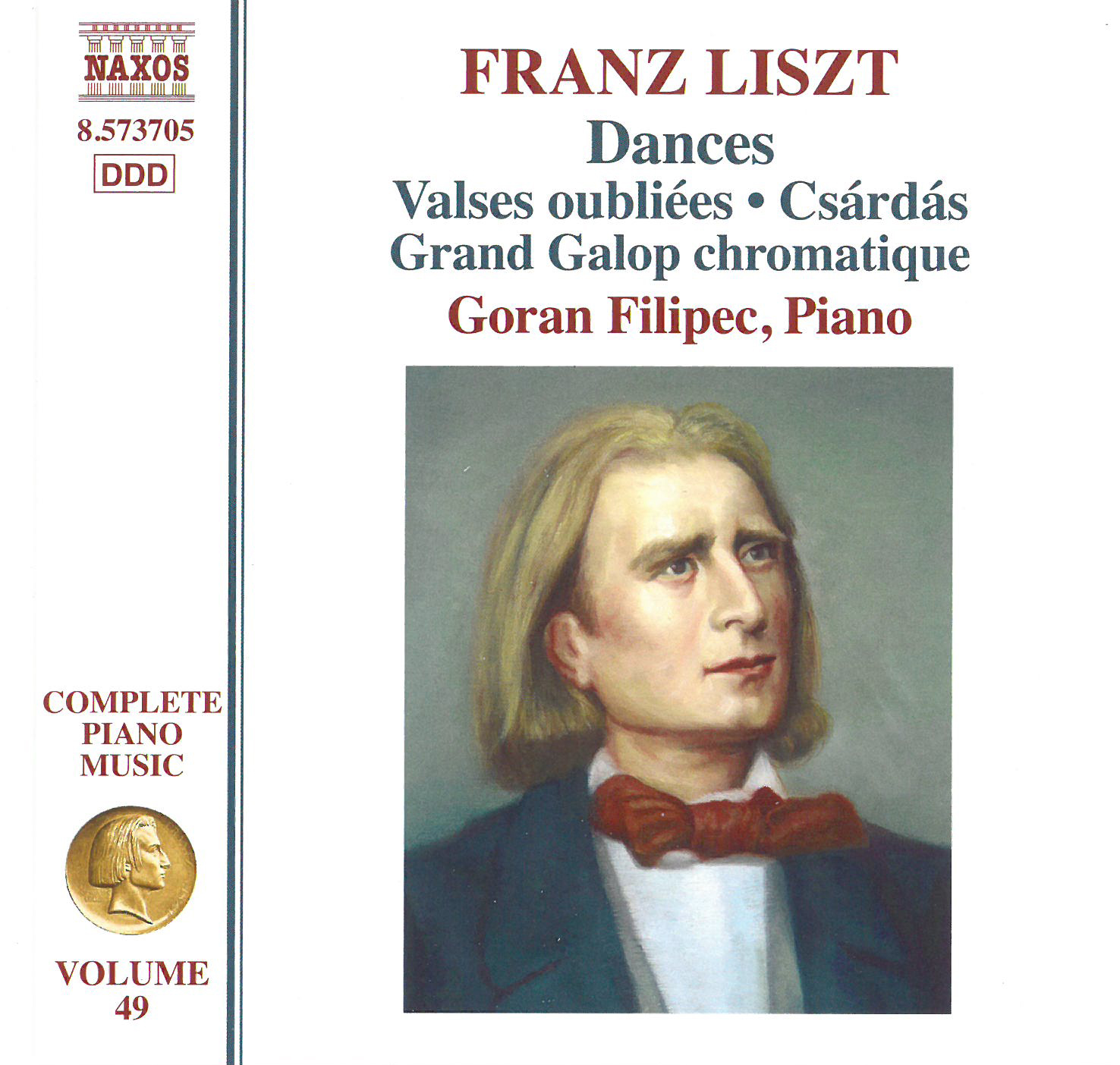
12 Liszt 49 Goran FilipecGoran Filipec wears an impressive chestful of medals representing his pianistic achievements. Competitions, concert tours and recordings occupy much of his time and the laudatory reviews that follow him everywhere he performs explain why he appears as one of the distinguished pianists in the Naxos Complete Music of Liszt series. The new addition to this colossal project is Volume 49, Franz Liszt Dances (Naxos 8.53705 naxos.com).

The disc’s program offers an array of dances: valses, csárdás, a mazurka and more. Filipec’s playing is, of course, brilliant. He captures, early on, the mood that Liszt wants to establish for each dance. This is sometimes modal, sometimes purely technical but most often introduces itself as a lyrical idea. Filipec identifies and artfully exploits each access point to the spirit of these dances. His touch is generally light, somehow floating above the keys. But he convincingly delivers bravura and power whenever Liszt requires it.

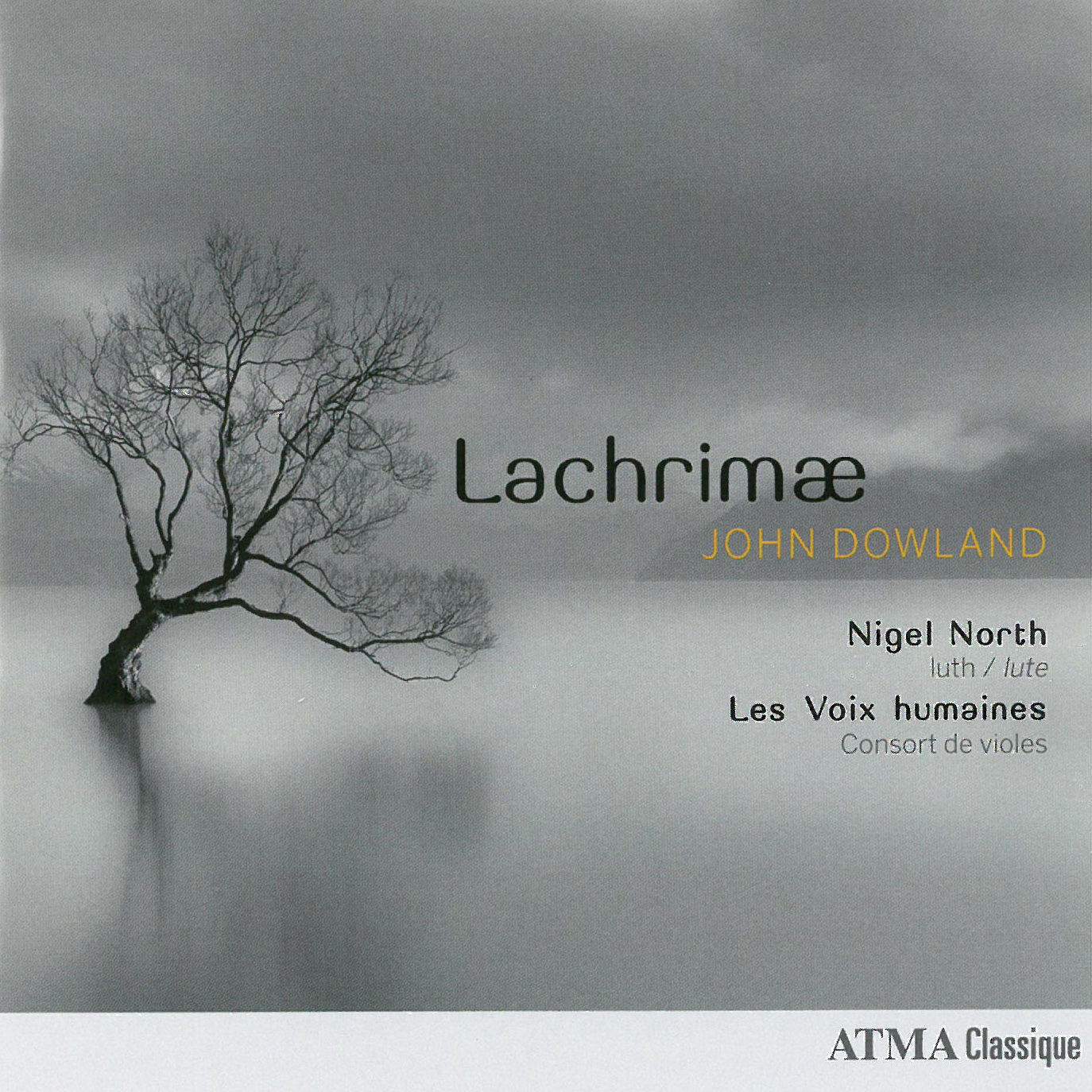
01 LachrimaeLachrimae John Dowland
Nigel North; Les Voix humaines
ATMA ACD2 2761 (atmaclassique.com)

Nigel North. To whom else would you turn to play the lead lute part in a Renaissance consort? Fifty years of playing and teaching, whether or not for solo lute, continue to enhance his reputation. And so it is that ATMA Classique has engaged North to perform alongside Les Voix humaines, themselves a group of exceptional viol players. 

This CD interleaves Dowland’s seven passionate pavans, those prefaced Lachrimae, with some popular pieces, e.g., Captaine Piper his Galiard. The latter features skillful treble viol playing, belying the idea that this piece can only be played by the Elizabethan consort of six instruments. However, this collection is centred around the pavans. The players’ interpretation of the “usual” Lachrimae incorporates every possible nuance that Dowland could have introduced, North’s lute playing adding to the treble line’s existing intricacies. The introspective Lachrimae is followed by the sprightly Earle of Essex Galiard, giving our minds time to refresh before hearing the next pavan; this model is repeated throughout the CD.

Of course, which pavan is the most meaningful must be in the listener’s mind. Lachrimae Gementes does indeed have a tortuous, drawn-out quality, as does Lachrimae Tristes. Perhaps these two pavans are even more thoughtful than the aforementioned usual Lachrimae. Finally, bear in mind that two of the viols in this recording were created by Henry Jaye in the early-17th and by Barak Norman in the late-17th century. We are in exalted company, not to mention local, as the Jaye treble viol was loaned from Hart House, University of Toronto.

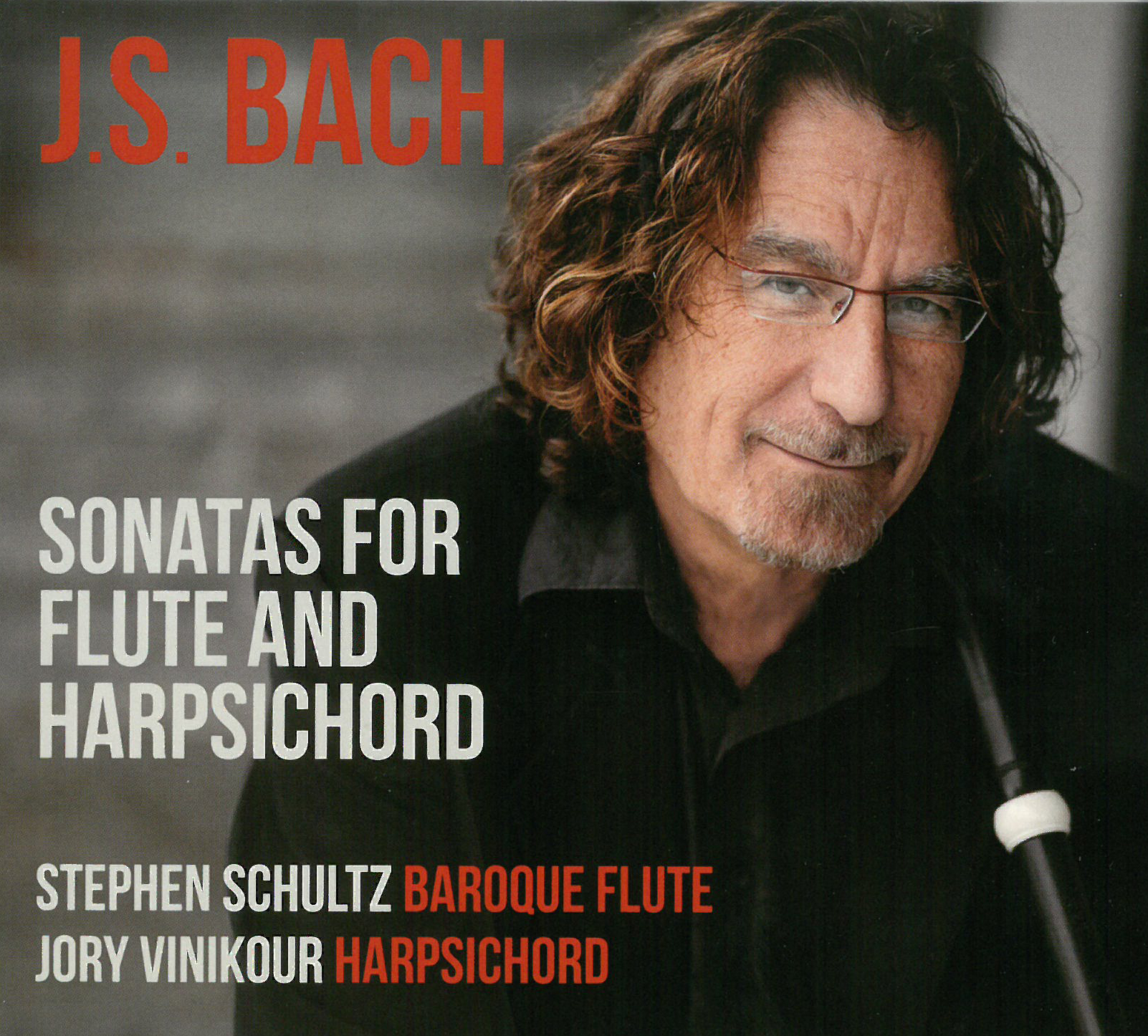
02 Bach baroque flute harpsichordJ.S. Bach – Sonatas for Flute and Harpsichord
Stephen Schultz; Jory Vinikour
Music & Arts CD-1295 (musicandarts.com)

Of the four sonatas on this disc, two are almost certainly by Bach: the B Minor and the A Major. The other two are given as “attributed to Bach.” The case of the E-flat Major is particularly interesting. It used to be attributed to Bach’s son Carl Philipp Emanuel but it has since been established that the work is based on a trio sonata by Quantz. The B Minor sonata is the finest work on this disc with its long-breathed melodies and its large intervals. Schultz and Vinikour are fine players and in the B Minor sonata they are at their best.

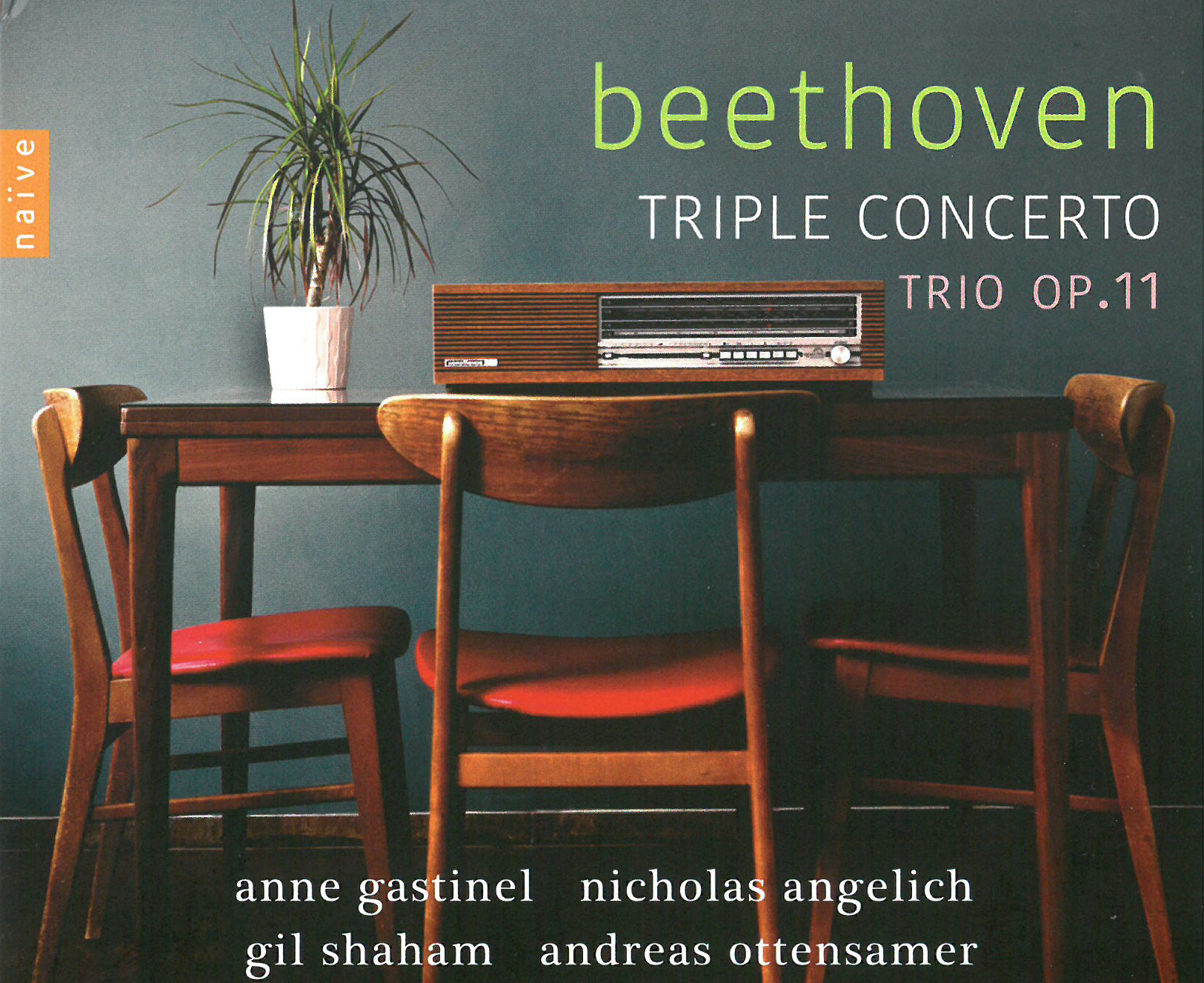
03 Beethoven TripleBeethoven – Triple Concerto; Trio Op.11
Anne Gastinel; Nicholas Angelich; Gil Shaham; Andreas Ottensamer; Frankfurt Radio Symphony; Paavo Järvi
Naïve V 5418

Like a stepchild, Beethoven’s Triple Concerto in C Major from his middle period (Op.56) is much underrated and seldom played – but it is in fact the most difficult and challenging of all Beethoven’s concertos. One of the reasons is that there are three soloists working almost independently and it is very difficult to find a balanced sound, yet they are still very much a team, like soldiers in a battle. My perennial favourite has been the Karajan on EMI (Oistrakh, Rostropovich, Richter), one of the great recordings of the last century, but this new issue with a stellar team of soloists and up-to-date sound on the French Naïve label is a worthy successor.

In the long and arduous first movement the cello is the real hero. French cellist Anne Gastinel leads all the charges, introducing all the new themes that are always different and very beautiful. Gil Shaham is one the world’s best violinists today and he is the star in the heavenly Largo. The Finale, in Tempo alla Polacca, is delightful and intensely rhythmical in 3/4 time, where conductor Paavo Järvi is full of good humour and jollity (a bit unlike his world-famous but rather austere father Neeme Järvi). The piano part here serves as a connective tissue rather than a leader, but blends in gracefully as played by Nicholas Angelich, the third soloist.

Rounding out the CD, a delicious early Clarinet Trio (Op.11) interestingly includes Andreas Ottensamer, principal clarinet of the Berlin Philharmonic, and that’s no mean credit.

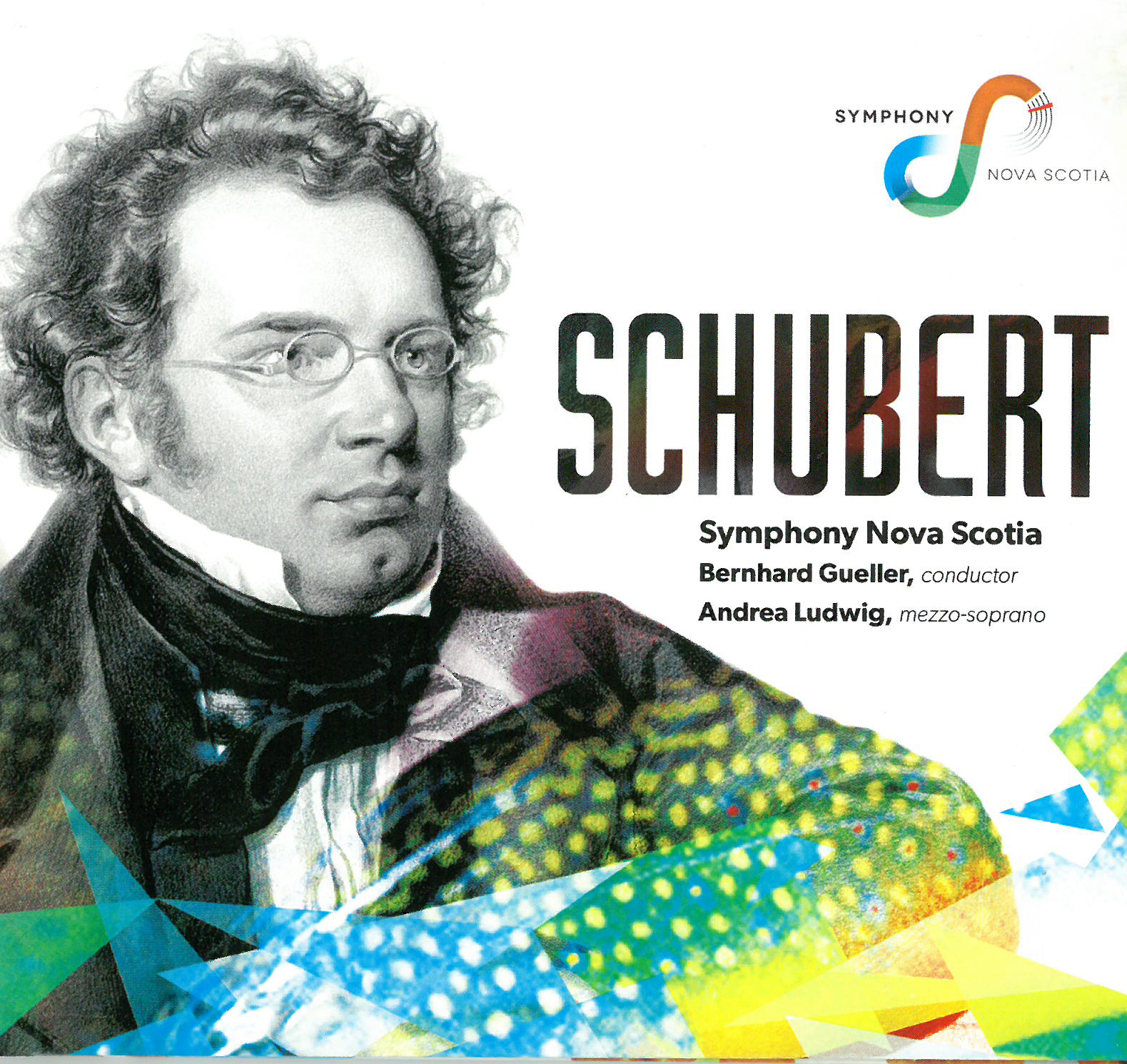
04 Schubert SymNovScoSchubert – Symphony No.3; Orchestral Songs
Andrea Ludwig; Symphony Nova Scotia; Bernhard Gueller
Symphony Nova Scotia SNSM001 (symphonyns.ca)

Franz Schubert’s Symphony No. 3 (1815) initially struck me as too slight to be the main work on this Symphony Nova Scotia disc. But an early Romantic sensibility already animated the 18-year-old composer, and I have changed my mind. The light themes of the opening movement undergo minor-key twists in the development, and the Allegretto also contains interesting key digressions. The last movement’s perpetual motion for me anticipates the tremendous energy of Schubert’s finale to the Symphony No. 9 in C Major (featured in William Forsythe’s wonderful ballet The Vertiginous Thrill of Exactitude). Here, Symphony Nova Scotia conductor Bernhard Gueller brings out comparable energies, including confident, incisive playing from the excellent Symphony Nova Scotia strings. And congratulations to the solo winds for sensitive phrasing in the lyrical middle movements.
Orchestral song came to the fore later in the 19th century. Its early proponent Hector Berlioz’s tremendous orchestration of Schubert’s Der Erlkönig appears here, along with Max Reger’s more subdued version. In all the songs, mezzo-soprano Andrea Ludwig conveys text and mood movingly and unfailingly – just listen to the Anton Webern-orchestrated Du bist die Ruh! Canadian composers Brian Current (Im Abendrot/At Dusk) and Kati Agócs (Ständchen/Serenade) fulfilled orchestration commissions successfully for this disc. Current’s use of string tremolo harmonics gives an intriguing otherworldly effect to Im Abedrot, while Agócs deploys piquant winds and an orchestral buildup in her moving Ständchen. The disc is a triumph for all involved.
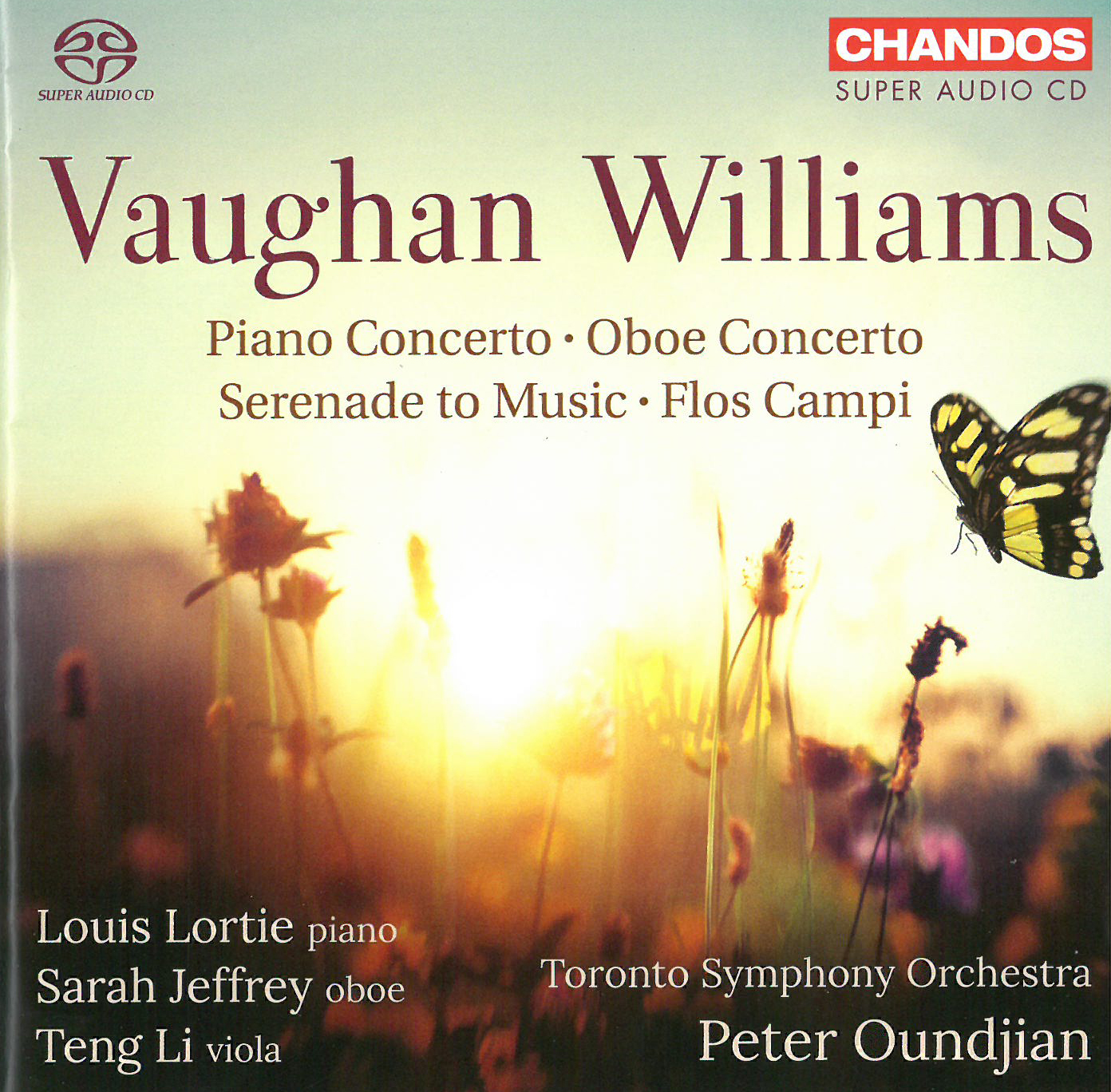
05 Vaughan Williams TSOVaughan Williams – Piano Concerto; Oboe Concerto; Serenade to Music; Flos Campi
Louis Lortie; Sarah Jeffrey; Teng Li; Toronto Symphony Orchestra; Peter Oundjian
Chandos CHSA 5201 (chandos.net)

I was present at the TSO concert in which these works were played. At that time a CD release was promised and here it is. It does not disappoint. There are four works on the disc: the Serenade to Music for four singers (performed here by Carla Huhtanen, Emily D’Angelo, Lawrence Wiliford and Tyler Duncan), chorus and orchestra; a concerto for oboe and strings; Flos Campi, a suite for solo viola (beautifully played by Teng Li, the TSO’s principal violist), small choir and small orchestra (based on the Latin translation of the Song of Songs); and a concerto for piano and orchestra. All of these had originally been dedicated to musicians admired by Vaughan Williams: the Serenade to Music to the conductor Sir Henry Wood, the oboe concerto to Leon Goossens, Flos Campi to the violist Lionel Tertis and the piano concerto to Harriet Cohen. That gives these works a semi-private quality.

Of the works on the disc I liked the piano concerto least. It struck me as loud and strident, an impression which even the virtuosity of the pianist (Louis Lortie) could not efface. On the other hand, I loved the oboe concerto. It needs a first class soloist to do it justice and we have such an outstanding player in Sarah Jeffrey, the TSO’s principal oboist.

Back to top