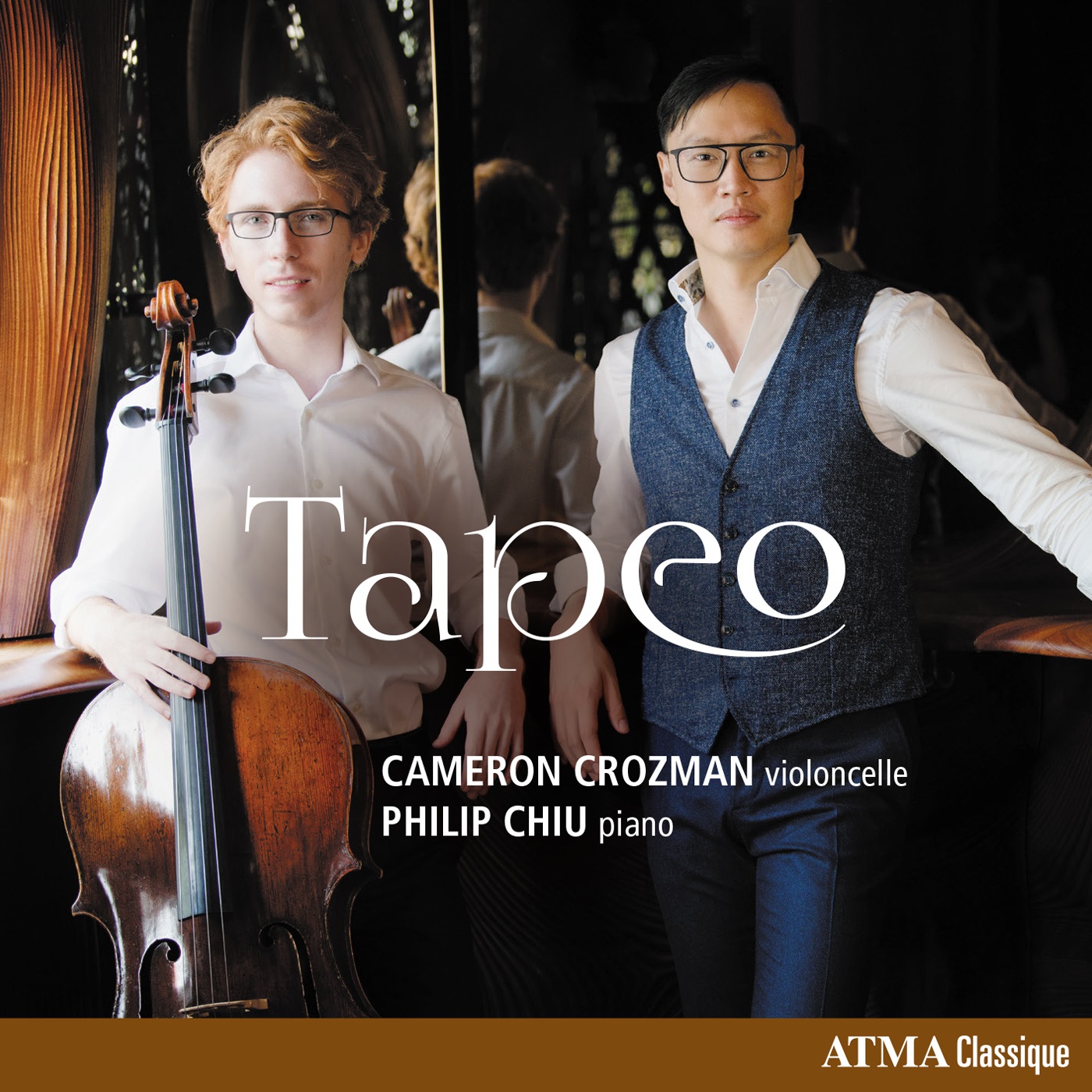
01 TapeoThe Canadian duo of cellist Cameron Crozman and pianist Philip Chiu is in fine form on Tapeo, a delightful recital of popular Spanish pieces (ATMA Classique ACD2 2820 atmaclassique.com/en).

Crozman says that he fell in love with Spain the moment he first stepped into the Tapeo tapas bar on his first day in Barcelona, and when the Canada Council awarded him the loan of the “El Tiburon” cello from around 1769 attributed to the Spanish maker Joannes Guillami he knew he had to make a recording honouring its Spanish origins. Crozman describes the resulting CD as his own “tapas party” of short, diverse Spanish pieces.

Included are Cassadó’s Requiebros, de Falla’s Suite populaire espagnole, Ravel’s Pièce en forme de Habañera and Alborada del Gracioso, Turina’s Polimnia-Nocturno, Granados’ Intermezzo from Goyescas, Albéniz’s Asturias (Leyenda), Ginastera’s Triste, Estrellita by the Mexican Manuel Ponce and Chants oubliés by the Chilean-Canadian Alberto Guerrero.

The gentle warmth of the Guillami cello’s tone is perfect for this material, with both performers providing beautifully nuanced playing in a top-quality CD.

Listen to 'Tapeo' Now in the Listening Room
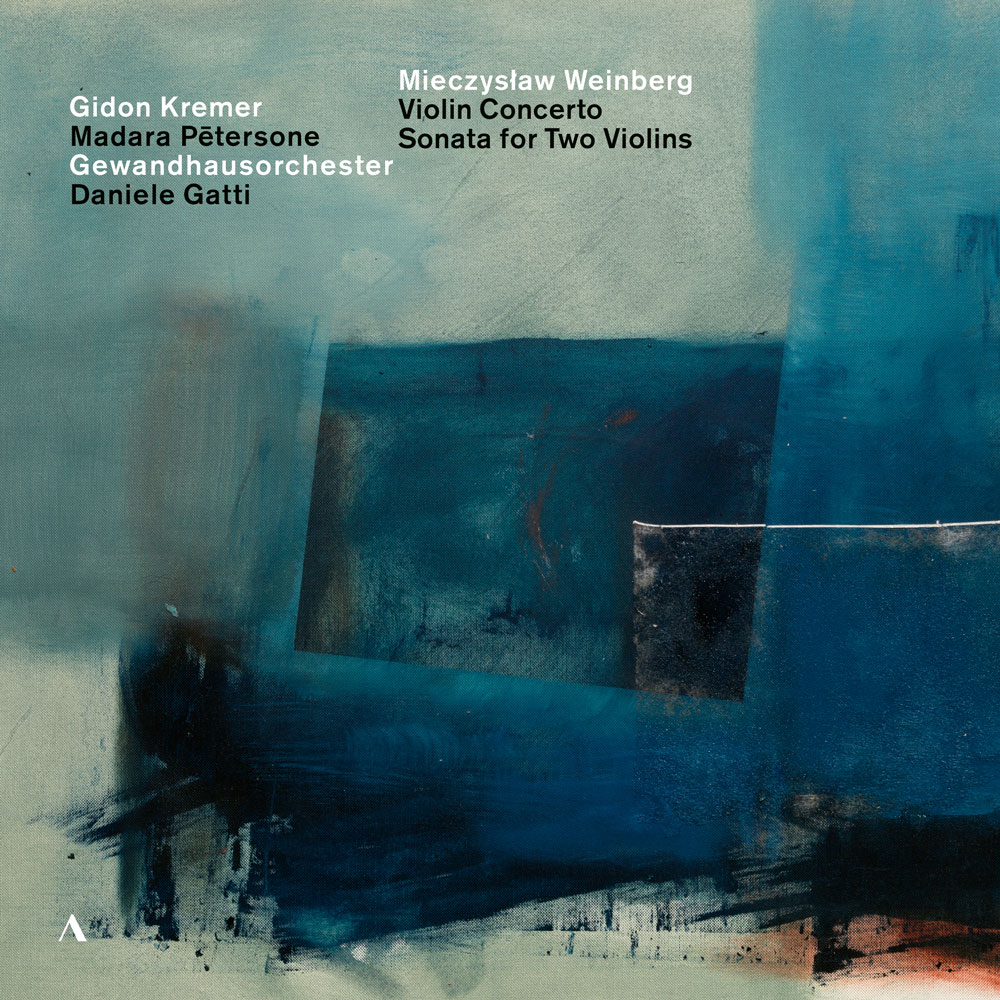
02 Weinberg ConcertoViolinist Gidon Kremer continues his passionate promotion of the previously neglected music of Shostakovich’s close friend and compatriot with Mieczysław Weinberg Violin Concerto, a live performance of the Concerto in G Minor Op.67 recorded in Leipzig in February 2020 as part of a series of concerts marking the composer’s 2019 centenary; Daniele Gatti conducts the Leipzig Gewandhaus Orchestra (Accentus Music ACC30518 accentus.com/discs/518).

Weinberg completed the four-movement concerto in 1959 at the end of a particularly creative phase. Written six years after the death of Stalin, it’s essentially a warmly lyrical work with spikier moments that clearly shows his musical relationship with Shostakovich, albeit without the sense of tension and utter despair that often haunted the latter’s compositions in the Stalin era.

Kremer is joined by Madara Petersone, the leader of his Kremerata Baltica ensemble, in a studio recording of the terrific three-movement Sonata for Two Violins Op.69, also from 1959. 
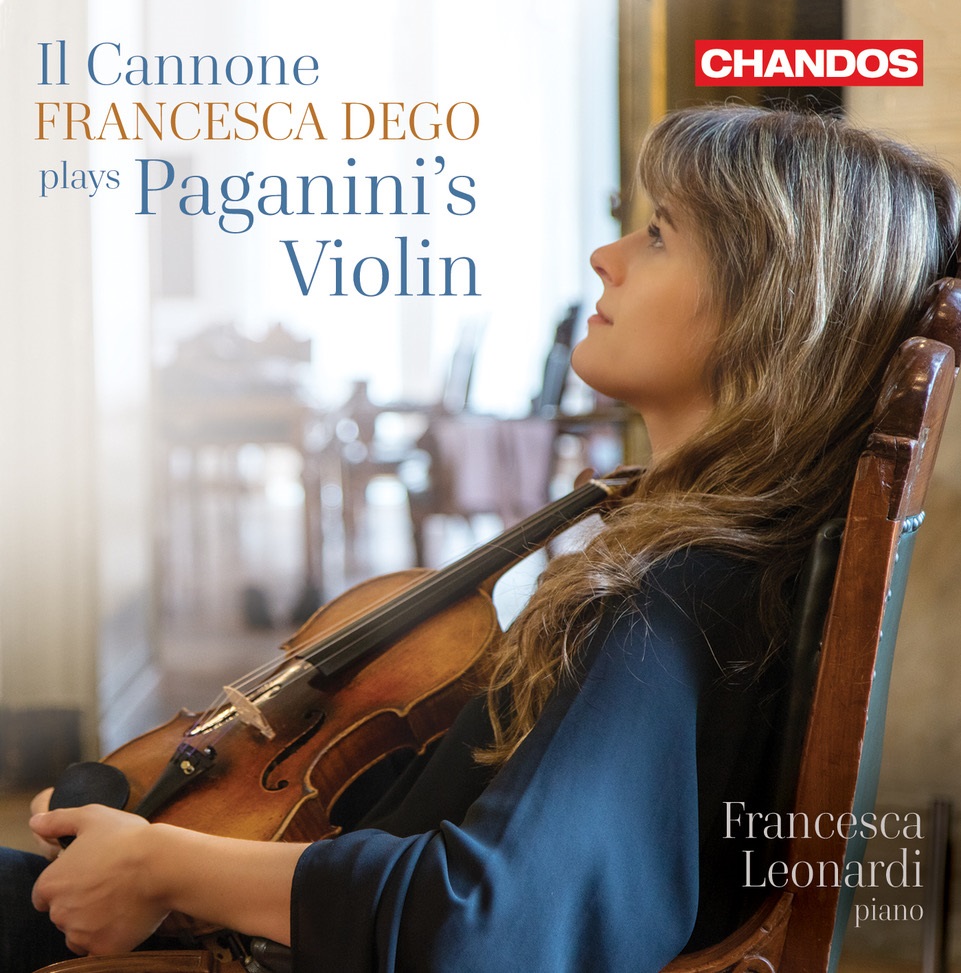
03 Il Cannone CoverIn October 2019 the Italian-American violinist Francesca Dego was given the honour of performing Paganini’s Concerto No.1 in Genoa on Paganini’s 1743 Guarneri del Gesù “il Cannone” violin, after which she was allowed to record with the instrument in Genoa Town Hall, where it is permanently housed and guarded by a six-person security detail. The result is Il Cannone: Francesca Dego plays Paganini’s Violin, where she is accompanied by her regular recital partner Francesca Leonardi in a program of works that pay homage to the famous virtuoso (Chandos CHAN 20223 chandos.net/products/catalogue/CHAN%2020223).

Four of the works here are for solo violin: Kreisler’s Recitativo and Scherzo-Caprice; John Corigliano’s The Red Violin Caprices; Carlo Boccadoro’s Come d’autunno; and Schnittke’s tough and quite abrasive A Paganini.

The works with piano are Clochette (Kreisler’s arrangement of La Campanella), Rossini’s Un mot à Paganini, and two works, in particular, that showcase the instrument’s glorious singing quality: Boccadoro’s arrangement of Paganini’s Cantabile and Szymanowski’s Trois Caprices de Paganini. The sweeping melodic phrases, the sweetness and strength in the highest register and the crystal-clear harmonics in these settings of Caprices Nos. 20, 21 and 24 complete a dazzling CD.
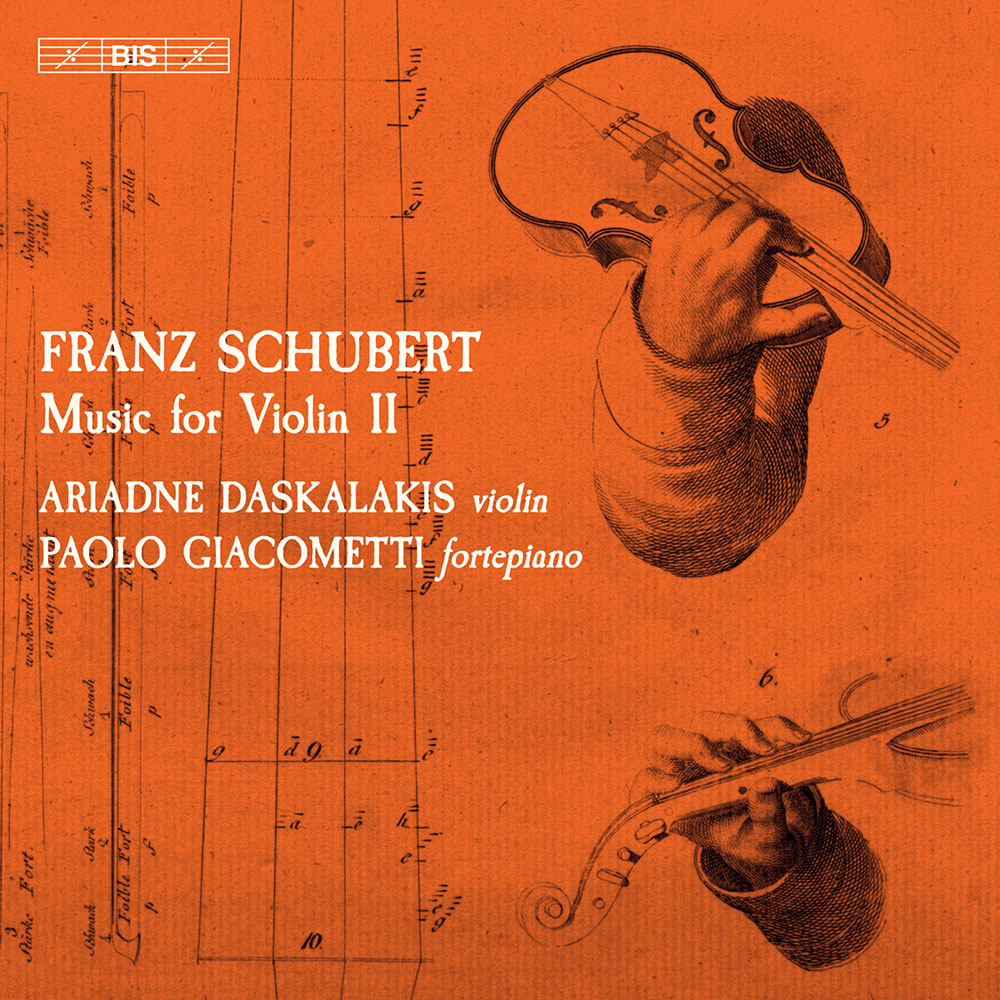
04 Schubert DaskalakisWith Franz Schubert Music for Violin II violinist Ariadne Daskalakis and Paolo Giacometti, on fortepiano, complete their survey of Schubert’s music for violin using a historical approach aimed at understanding the framework of Schubert’s time (BIS-2373 bis.se).

The Rondo in B Minor Op.70 D895 “Rondeau brillant” from 1826 provides a strong opening to the disc, bringing appropriately bright and clear playing from Daskalakis, the full recorded resonance allowing the fortepiano to sound warm and not at all dry.

Two of the three Sonatas Op.137 from 1816 (published by Diabelli in 1836 as Sonatinas) are here, No.1 in D Major D384 and No.2 in A Minor D385 drawing terrific playing from both performers, with lovely definition and dynamics in the former and very effective passages in the latter where Daskalakis uses no vibrato. The Duo Sonata in A Major Op.162 D574 from 1817 completes a fascinating CD, full of expansive, visceral music-making.

The fortepiano is by Salvatore Lagrassa from around 1815, so exactly contemporary with the music here, and the violin is a 1754 Guadagnini with gut strings and a classical bridge. The instruments are tuned to 430 Hz.
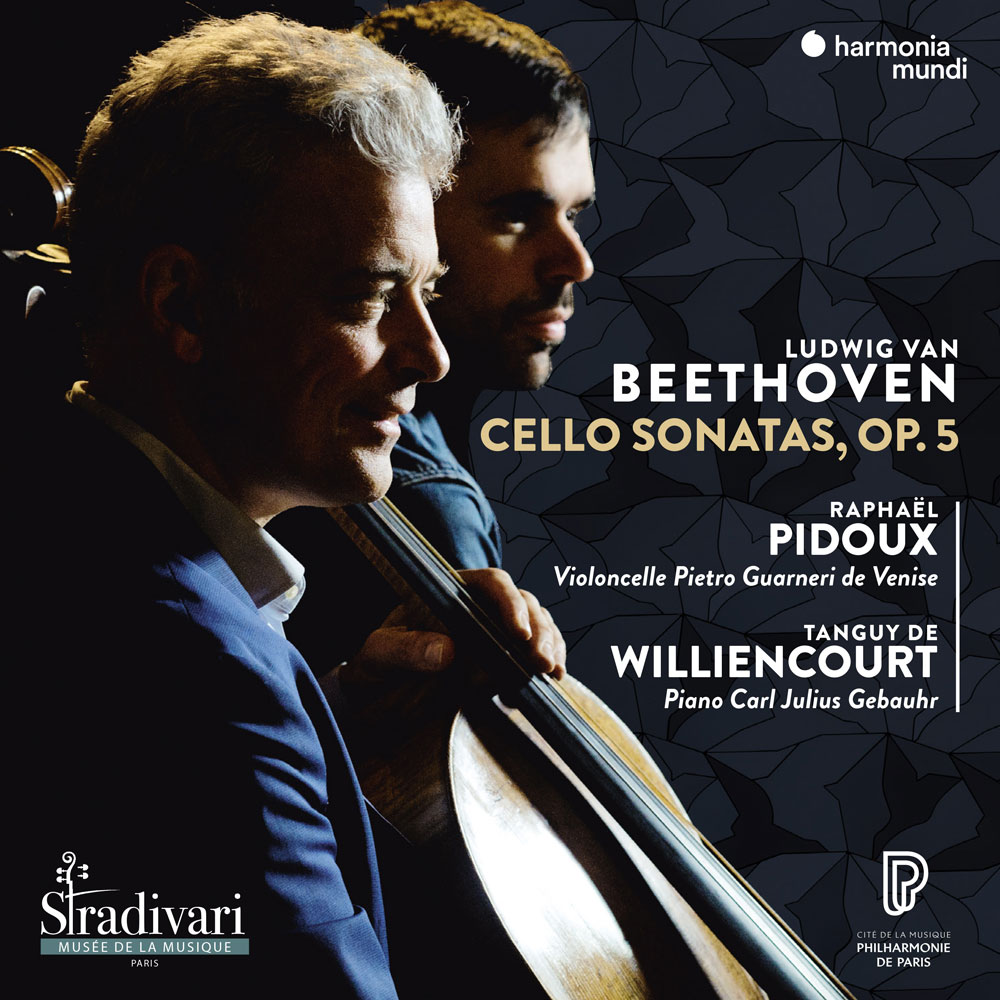
05 Raphael Pidoux Beethoven Op.5Two instruments from the Paris Musée de la musique provide a fascinating sound on Beethoven Cello Sonatas Op.5, with Raphaël Pidoux playing a 1734 cello by Pietro Guarneri of Venice and Tanguy de Williencourt playing an 1855 piano by Carl Gulius Gebauhr (Harmonia Mundi HMM 902410 store.harmoniamundi.com/format/635912-beethoven-cello-sonatas-op-5).

Both sonatas – No.1 in F Major and No.2 in G Minor – have no slow movement, the two-movement form in each being essentially Adagio – Allegro and Rondo – Allegro. Dedicated to Frederick William II, King of Prussia (himself an accomplished cellist), they were written in 1796 when Beethoven was in Berlin. Despite being published by Artaria in 1797 as sonatas for keyboard “with an obligato cello” they are the first duos to treat both instruments equally, the booklet essay noting their “brilliant writing, ambition and ample dimensions.”

Two works inspired by Mozart’s Die Zauberflöte complete the disc: Beethoven’s 1801 Seven Variations on “Bei Männern welche Liebe fühlen” WoO46 and the Nocturne “Souvenirs de la Flûte enchantée” from 1825 by pianist Camille Pleyel and cellist Charles-Nicolas Baudiot.
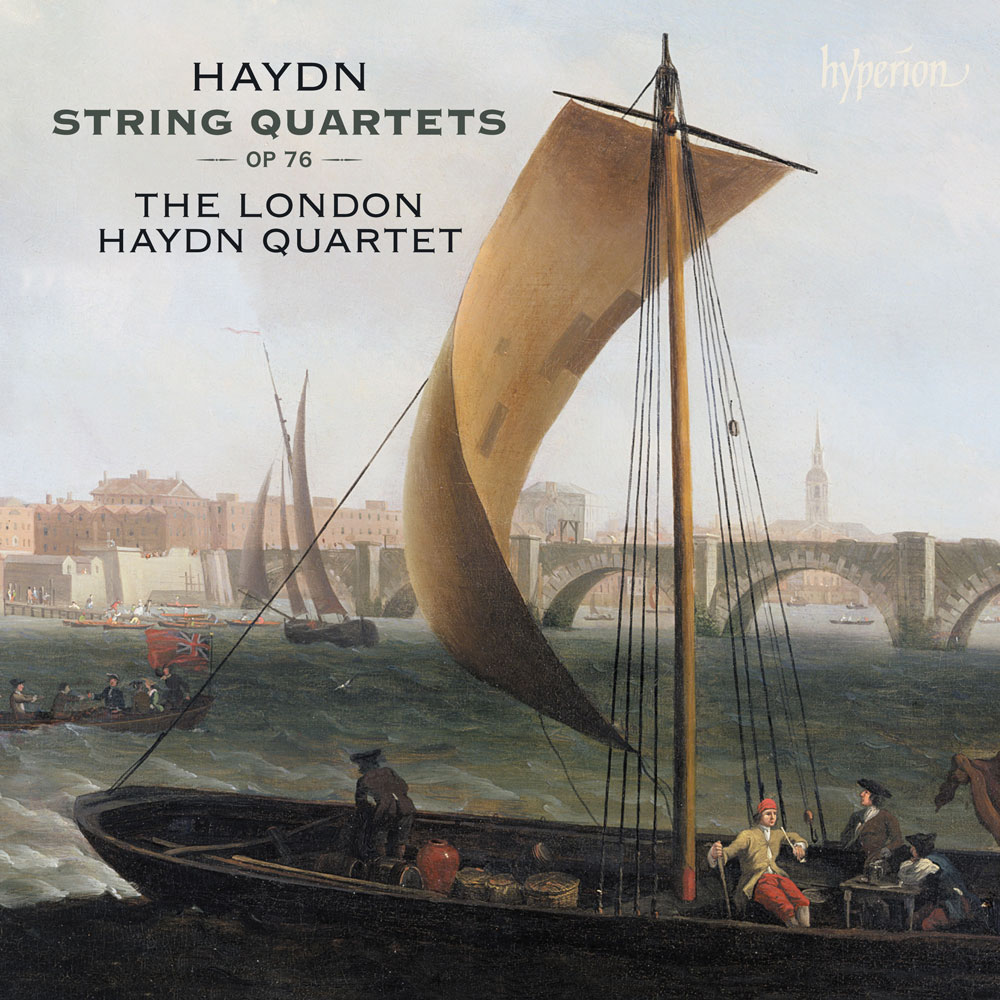
06 Haydn London Haydn QuartetThe London Haydn Quartet reaches volume nine in its ongoing set of the complete string quartets of Joseph Haydn with Haydn String Quartets Op.76, a 2CD set priced as a single disc (Hyperion CDA 68335 hyperion-records.co.uk/a.asp?a=A1711).

The six quartets – No. 1 in G Major, No.2 in D Minor “Fifths,” No.3 in C Major “Emperor,” No.4 in B-flat Major “Sunrise,” No.5 in D Major “Largo” and No.6 in E-flat Major – date from 1797 when Haydn was at the height of his creative powers in his string quartet writing; “no set of 18th century string quartets,” notes the excellent booklet essay, “is so wide-ranging in expression, or so heedless of the structural norms of the time.

Using the 1799 editions published by Longman, Clementi & Co. of London and Artaria of Vienna, the players show the same outstanding qualities – the faultless intonation on gut strings, the range of nuances and dynamics, the perfect ensemble feel – that have resulted in this series of quite superb period performances garnering rave reviews. 
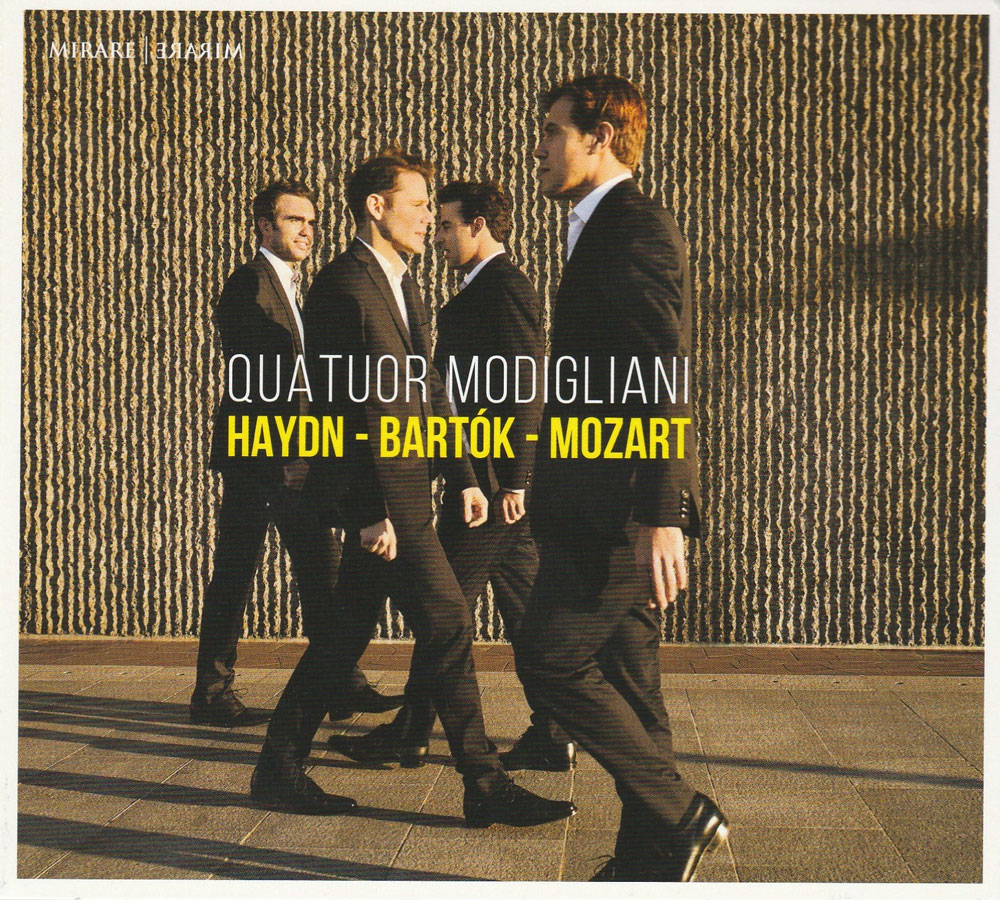
07 ModiglianiThe Haydn “Fifths” quartet also turns up on Haydn – Bartók – Mozart, the new CD from the Quatuor Modigliani that features three works that each bear witness to a turning point in the lives of their composers and the advent of new horizons (Mirare MIR506 en.modiglianiquartet.com).

Haydn’s String Quartet in D Minor Op.76 No.2 was written when he was free from his service at the Esterházy estate and was the toast of Vienna after his two hugely successful trips to England. The opening tempo is markedly faster than on The London Haydn Quartet CD, but even with the accent more on lightness and clarity there’s no lack of emotional depth.

The political situation in Hungary at the end of the Great War badly hindered Bartók’s folk music research and deeply affected him; he wrote very little until an outpouring of piano music in 1926. The following year saw his String Quartet No.3 Sz.85, the shortest of his six quartets but the one that heralded his mature style.

Mozart’s String Quartet No.19 in C Major K465 “Dissonance” dates from 1785, and is the last of the six quartets Mozart dedicated to Haydn, whose Op.33 quartets he had heard after arriving in Vienna in 1781. Study of the music of Bach and Handel at that time resulted in a more marked presence of counterpoint in Mozart’s music.

There’s outstanding playing throughout the CD, but the Mozart, in particular, is absolutely beautiful, with clarity and warmth and a crystal-clear Allegro final movement.
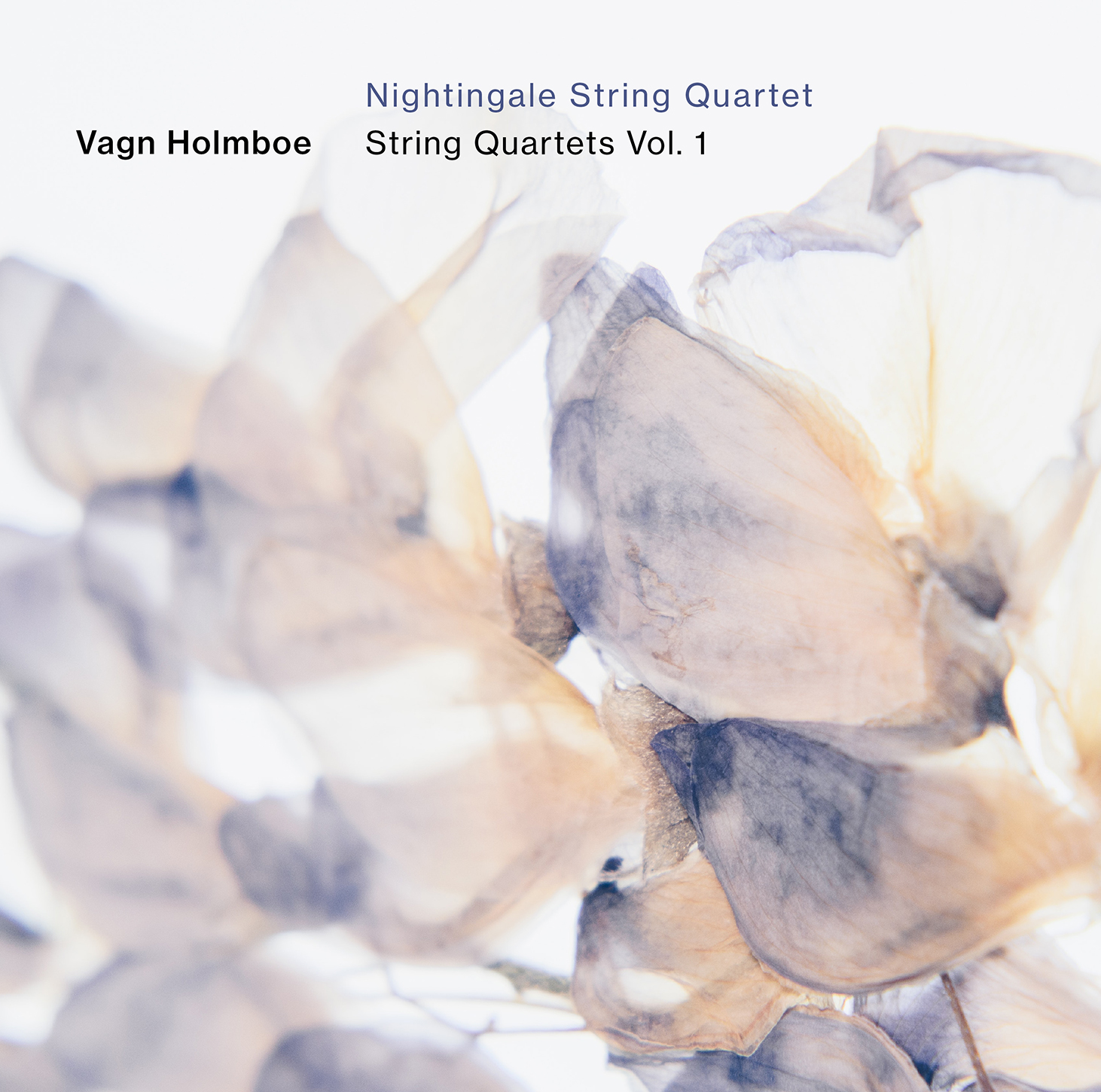
08 Vagh HolmboeWith Vagn Holmboe String Quartets Vol.1 Denmark’s Nightingale String Quartet embarks on what promises to be an outstanding set of quartets by the Danish composer who lived from 1909 to 1996 (Dacapo 8.226212 dacapo-records.dk/en).

Holmboe wrote quartets throughout his life and completed over 30, 22 of which are in his official catalogue. Although his lasting role model was Haydn, Bartók’s quartets also became a big influence.

Holmboe had already written ten unpublished quartets before his three-movement String Quartet No.1 Op.46 from 1949, subtitled In memoriam Béla Bartók. The other two works on this first volume are the five-movement String Quartet No.3 Op.48, also from 1949, and the four-movement String Quartet No.15 Op.135 from 1978, its third movement Funèbre very much of Shostakovich’s sound world.

Interestingly – in 2010 – Dacapo, Denmark’s national record label, issued a 7CD box set of the complete 22 Holmboe quartets, apparently assembled from individual issues from the late 1990s and performed by the Kontra Quartet, who “enjoyed a close collaboration with the composer.” This new project promises “fresh, new performances that support the idea that the deeper you dig into Holmboe’s music, the more you find.”

The terrific performances here certainly make a great start. 
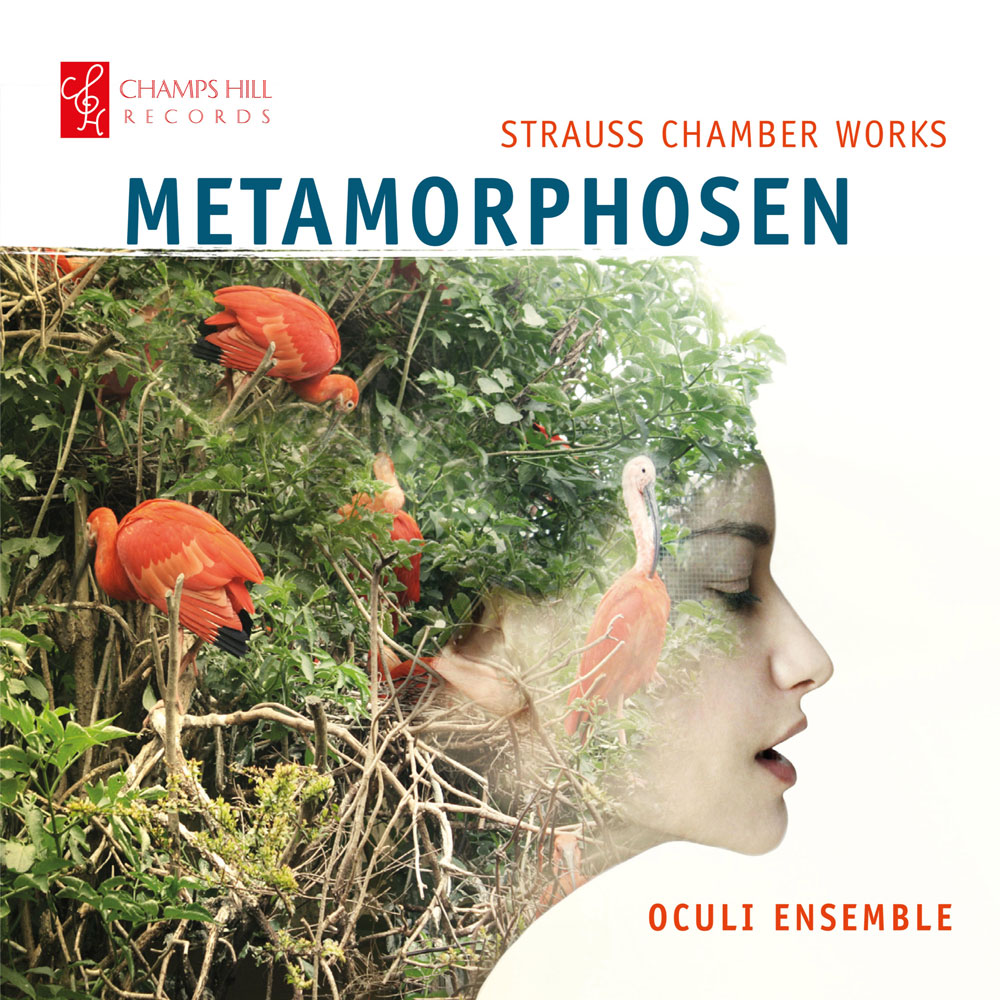
09 Strauss ChamberThe Oculi Ensemble is a flexible string ensemble comprised primarily of members of leading string quartets and dedicated to exploring string repertoire for two to seven players. Metamorphosen – Strauss Chamber Works is their debut CD as a stand-alone ensemble (Champs Hill Records CHRCD155 champshillrecords.co.uk).

The Prelude to the opera Capriccio Op.85 from 1940-41 opens the disc, followed by two works for string quartet: the extremely brief fragment Quartettsatz in E-flat Major TRV85 from 1879 (recorded with the permission of the Strauss family) and the String Quartet in A Major from 1880. Three brief works for piano quartet follow: Ständchen from the early 1880s; Festmarsch AV178 from November 1886; and the Two Pieces AV182 – Arabischer Tanz and Liebesliedchen from 1893.

The title track completes the CD. Commissioned for 23 solo strings, Metamorphosen wasn’t finished until after the February 1945 Allied bombing raid that destroyed Strauss’ beloved Dresden, Strauss completing a draft short-score for seven solo strings that March. That manuscript was rediscovered in Switzerland in 1990 and edited for performance by cellist Rudolf Leopold in 1994. Impassioned playing, recorded in the excellent acoustics of the Music Room at Champs Hill, West Sussex, ends a highly commendable CD.
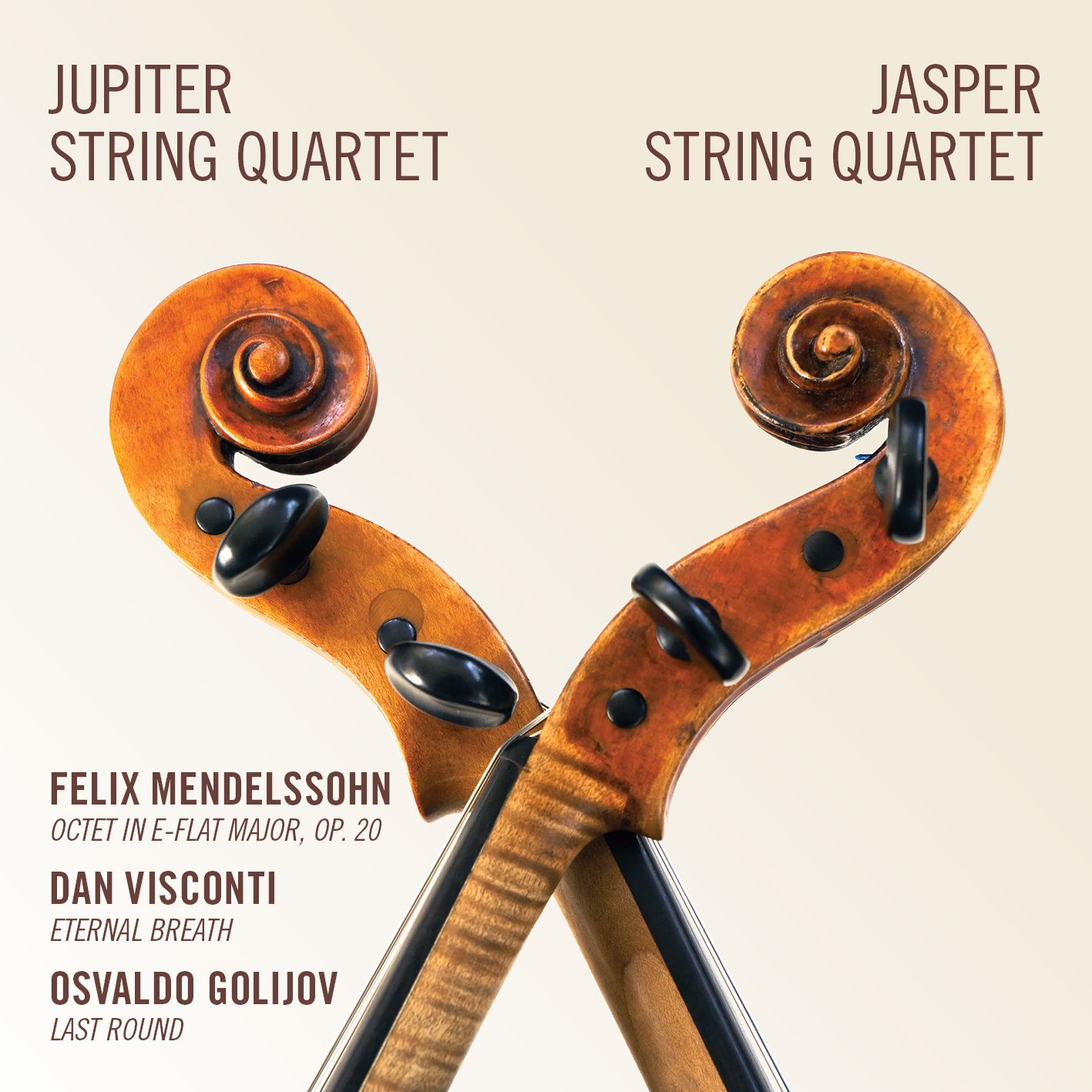
10 Jupiter Jasper QuartetsThe excellent new CD by the Jupiter and Jasper String Quartets, music by Mendelssohn – Visconti – Golijov simply abounds with familial relationships, three Freivogel siblings (a brother and two sisters) and two spouses making for a remarkably close connection between the two ensembles (Marquis 81613 marquisclassics.com/index.html). 

A luminous opening to the Mendelssohn Octet in E-flat Major Op.20 sets the tone for a simply thrilling performance – vibrant, pulsating and dynamic with a dancing Scherzo and a sweeping Presto finale.

Dan Visconti’s quite beautiful Eternal Breath, envisioned as a work that would involve their four children and their musical spouses, was commissioned in 2011 by the Freivogel parents (who also funded the recording) for their 40th wedding anniversary. Originally for three violins, a viola, three cellos and a drone box, it is heard here in the later adaptation with a second viola replacing the third cello.

Osvaldo Golijov’s two-movement Last Round from 1996 is a tribute to Astor Piazzolla, the octet being joined by a string bass in Last Round – Movido, urgente and Muertes del Angel, the whole work described by Golijov as “an idealized bandoneón.”
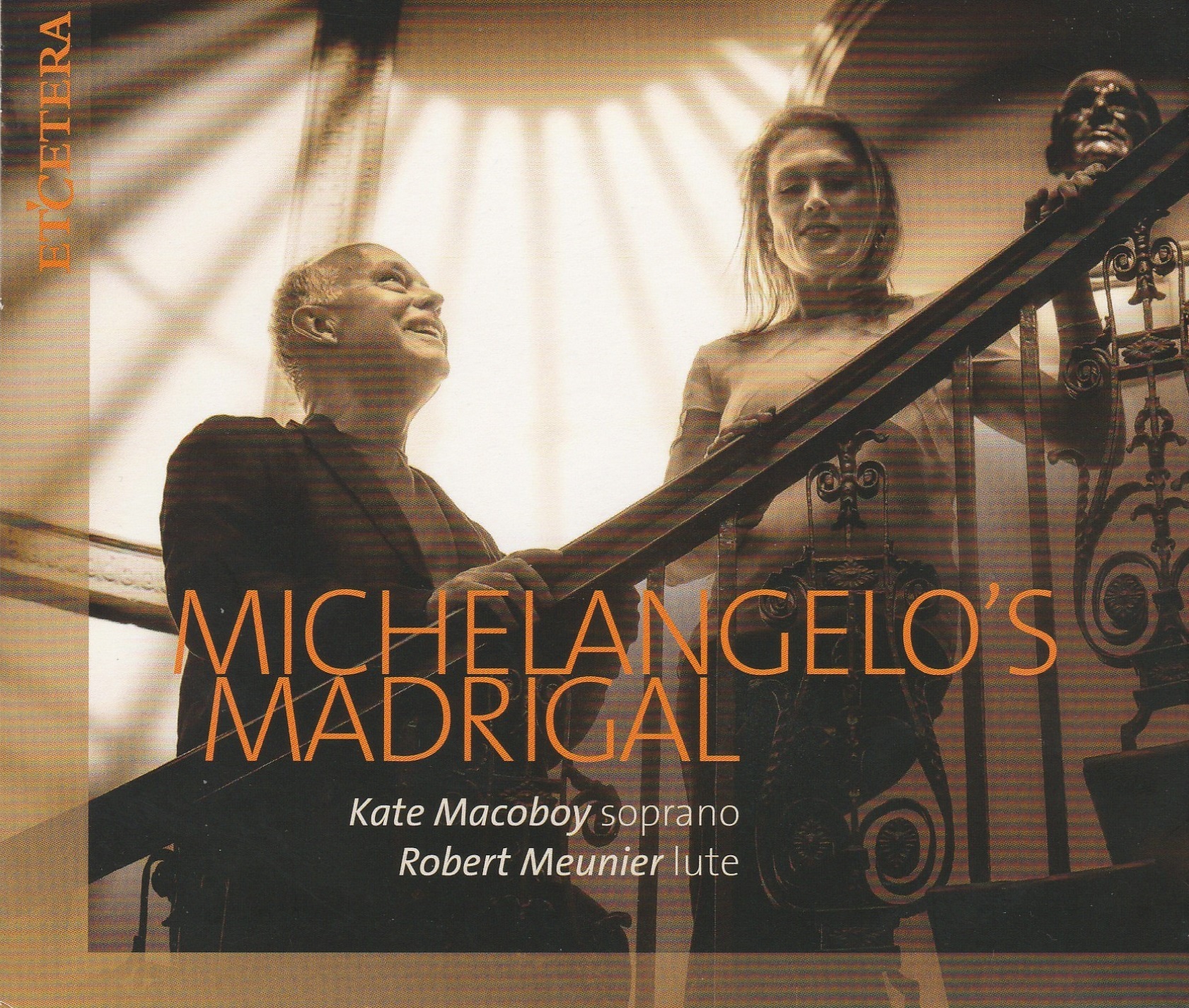
01 Michelangelos MadrigalMichelangelo’s Madrigal
Kate Macoboy; Robert Meunier
Etcetera KTC 1623 (etcetera-records.com)

Through this CD, Australian Kate Macoboy and Canadian Robert Meunier, who now reside in London, England attempt to restore Italian madrigal composers to their true position as some of the leading exponents of the medium. They even find time for some sensuous lute solos from the same group of composers.

In a CD of 19 tracks, it is difficult to single out the most emotive compositions, but Macoboy’s interpretation of Pesenti’s Aime, ch’io moro has a languorous, almost haunting, quality to it which is reminiscent of the greatest Italian madrigalists of the later stages of the Renaissance. It is difficult from this CD to imagine that these Italian composers were somehow overshadowed by their colleagues elsewhere in Europe. Poignantly, Ben mi credea passar mio tempo homai is not only pensive and moving because of its music but it benefits from the poetry of a certain Petrarch – and was still overlooked by contemporary audiences!

Then there is the lute playing. While it is once again difficult to select a personal favourite from these pieces, Da Milano’s Fantasia 42 has a soothing and intricate quality ably brought out by Meunier. But this CD is really about its soprano. For the full range and power of Macoboy’s singing skills, listen to Bartolomeo Tromboncino’s Per dolor me bagno il viso, with its plaintive demands on both singer and instrumentalist.

Listen to 'Michelangelo’s Madrigal' Now in the Listening Room

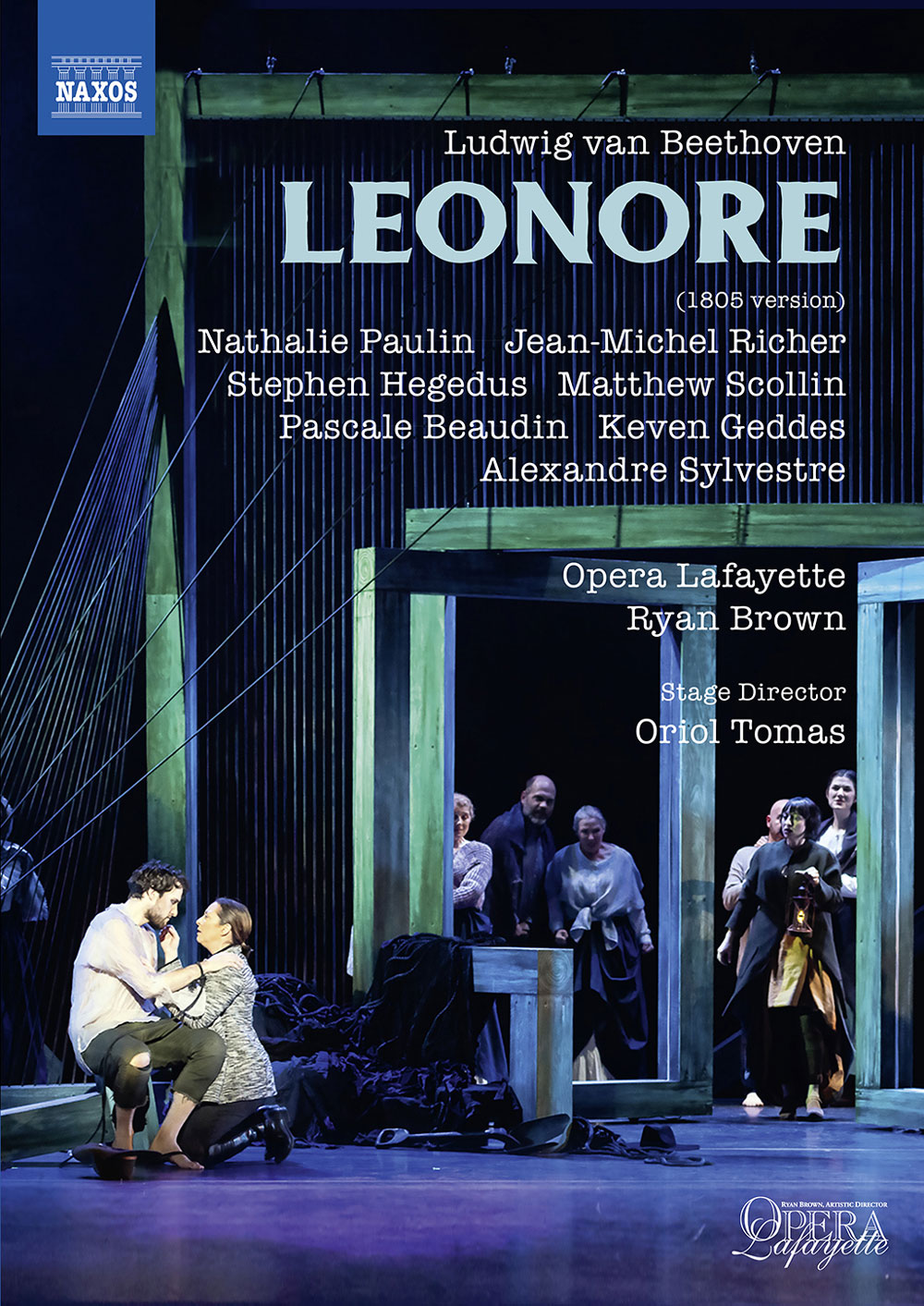
02 Beethoven LeonoreBeethoven – Leonore (original 1805 version)
Nathalie Paulin; Jean-Michel Richer; Opera Lafayette; Ryan Brown
Naxos 2.110674 (naxosdirect.com/search/2110674)

Staging the very first (1805) version of Beethoven’s only opera, then still referred to as Leonore, begs some questions: Why now, in its three-act format, when the maestro himself revised it and reduced it to two-acts, when Leonore failed twice before finally getting the recognition it deserved in 1814 and that as a considerably revamped Fidelio?

You will find several answers in the meticulously detailed booklet notes by Nizam Kettaneh, co-executive producer of this performance. A more compelling historical reason comes from Beethoven himself who, while forever wrestling with a political-philosophical credo, quite fittingly continued to refer to the opera using its full, preferred, name: Leonore, oder Der Triumph der ehelichen Liebe. The original production may also have been shortened for political and commercial rather than purely artistic reasons; after all, it first played to a French audience which reportedly didn’t care much for German opera. Thus Beethoven may have reacted by making the 19th-century version of what composers today might call a “radio-friendly edit.” 

And then there’s this compelling performance itself. At the hands of Opera Lafayette, Leonore flares to life as if for the first time. Ryan Brown conducts the opera with a muscular fervour to proclaim the youthfulness of Beethoven’s masterpiece. Jean-Michel Richer’s Florestan is splendid and Nathalie Paulin’s Leonore/Fidelio is breathtaking. The prisoner’s chorus is soul-stirring. Best of all, the themes of unselfish love, loyalty, courage, sacrifice and heroic endurance all shine brilliantly throughout.

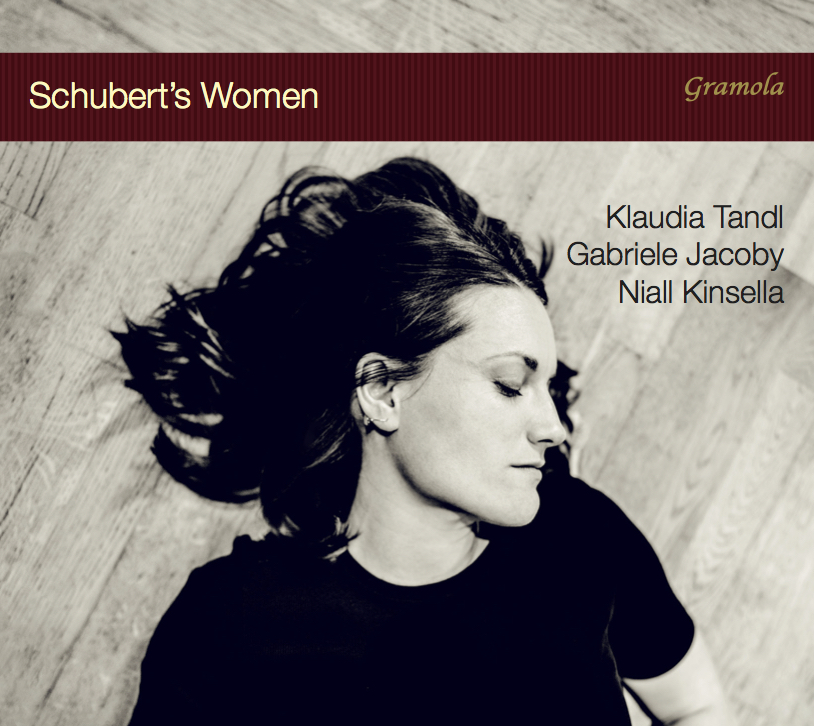
03 Schuberts WomenSchubert’s Women
Klaudia Tandl; Gabriele Jacoby; Niall Kinsella
Gramola 99223 (gramola.at)

In his songs, Schubert reveals uncanny empathy for women – not just for the Romantic ideal of the eternal feminine, but for authentic, individual women. Irish pianist Niall Kinsella has put together this program of songs to feature some of those complex women Schubert was drawn to, from Goethe’s Gretchen and Mignon to Kosegarten’s Louisa and Schiller’s Thekla.  Austrian mezzo-soprano Klaudia Tandl voices their thoughts and feelings with both tenderness and drama. Austrian actor Gabriele Jacoby’s recitations of texts are rich with colour and insight, though it can be jarring to encounter them interspersed among the songs.

In the narrative songs, Tandl uses her considerable expressive powers to convey the vivid atmosphere Schubert evokes. Goethe’s ballad Der Fischer tells of a seductive water nymph who lures a fisherman into her deadly waters. Tandl captures the jaunty but chilling atmosphere, while Kinsella delves into Schubert’s endlessly inventive images of swelling, surging water.

But Tandl is at her most moving when Schubert is directly describing the characters’ own suffering and joys in the first person. In Die junge Nonne, a young nun describes the turbulent longings which lead her to rapturous visions of the divine. Kinsella conjures up storms and church bells, while Tandl achieves sublimity with the closing repeated “Alleluia.”

Tandl and Kinsella’s perspective is so fresh and fruitful; I’m looking forward to hearing more of Schubert’s women-focused songs from them – especially the 12 songs he set to texts by women poets.

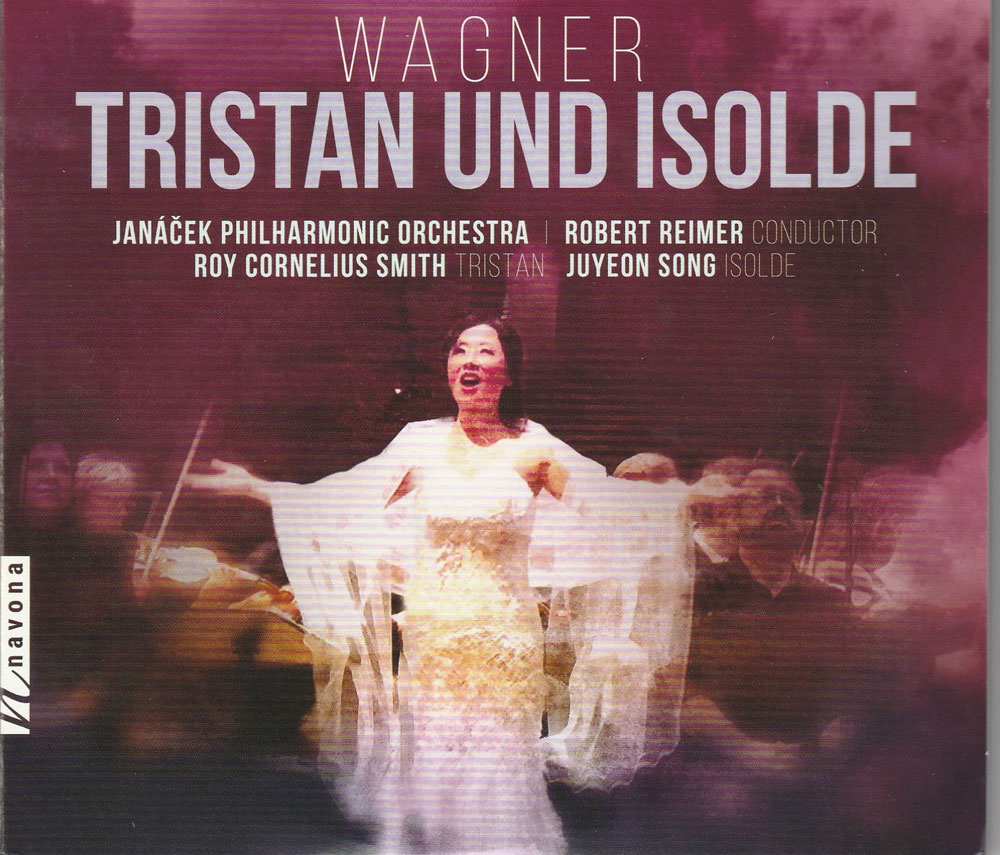
04 Tristan und IsoldeWagner – Tristan und Isolde
Juyeon Song; Roy Cornelius Smith; Ostrava Opera Men’s Chorus; Janáček Philharmonic Orchestra; Robert Reimer
Navona Records nv6321 (navonarecords.com/catalog/nv6321)

It’s a plausible idea to remove opera from the opera house to the concert stage. It makes it more accessible to the public, much less expensive and musically just as satisfying. (I recall seeing Nabucco for the first time in New York, Carnegie Hall, with Tito Gobbi and Elena Suliotis in concert form and still treasure the memory). In this instance, Tristan und Isolde was performed in concert under the aegis of the Claude Heater Foundation of San Francisco at the Penderecki Cultural Center in Poland with the forces noted above. And what a performance! Thanks to Facebook I actually saw excerpts from it on a wide stage with the full symphony orchestra and soloists all at the same level and a large screen behind with projected images following the mood of each scene.

The result is this audio recording with young singers, largely unknown, and a wonderful orchestra from the nearby Czech Republic enthusiastically and passionately conducted by Robert Reimer, an up-and-coming young German conductor, well known and already very successful in Europe.

Tristan was sung by American heldentenor Roy Cornelius Smith with amazing vocal power and total emotional involvement shaping the difficult, strenuous role. Isolde is a big surprise: largely unknown Korean dramatic soprano Juyeon Song, a petite figure but what a voice! A vocal powerhouse with secure high notes; a strong and passionate Isolde. Just listen to her angry outbursts of indignation in the first act, the impatient longing when awaiting Tristan for their secret tryst, the sheer ecstasy of their first embrace and that wonderful love duet with waves of passion that never wants to end! South African mezzo, Tamara Gallo, a thoroughly convincing Brangäne, shines in her soliloquy warning the lovers of the coming danger, and American basso John Paul Huckle as King Marke is perfect as the wronged husband. Excellent spacious sound favours the singers. An impressive new issue, highly recommended.

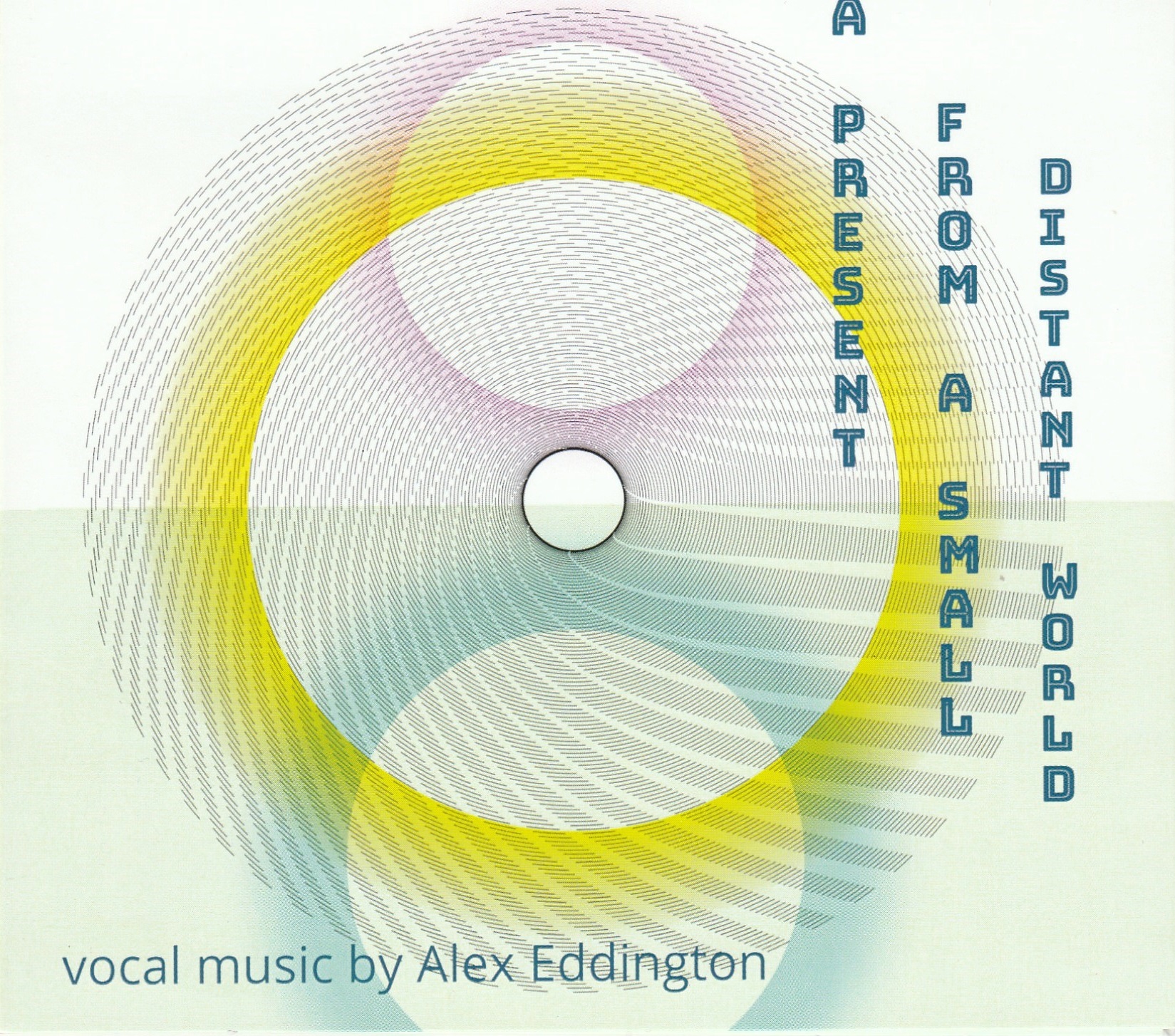
05 Alex EddingtonA Present from a Small Distant World: Vocal Music by Alex Eddington
Kristin Mueller-Heaslip; Daniel Ramjattan; Jennifer Tran; Joseph Ferretti; Elaine Lau; Alex Eddington
Redshift Records TK483 (alexeddington.com)

Toronto composer Alex Eddington made a splash in 2004, winning a SOCAN Award for his cheekily titled monodrama Death to the Butterfly Dictator! (libretto by Kristin Mueller-Heaslip). His ambitious vocal-focused debut album A Present from a Small Distant World is as unorthodox and in some ways just as cheeky. 

Eddington’s work embraces orchestral and choral music to electroacoustics, on the way adding period instruments and steel pan ensemble to his catalogue. And like much of Eddington’s oeuvre A Present from a Small Distant World can certainly be branded eclectic. It consists of six art songs composed between 2008 and 2020 authoritatively sung by soprano Mueller-Heaslip, plus three aphoristic acoustic guitar-centred interludes, sensitively played by Daniel Ramjattan, disrupted by spacey, Morse coded electronics by Eddington.

One of the album’s leitmotifs is interstellar communication. Its inspiration is revealed in the title track where Mueller-Heaslip sings part of Jimmy Carter’s 1977 speech that launched the Voyager spacecraft. Onboard was the Golden Record, a phonographic metal disc with a cross-section of the words, images and music of humanity. Explains Eddington, “… there is something wonderful about sending greetings hurtling outward,” even though chances they will be intercepted are slim.

The last track, INTERSTELLAR, To the Makers of Music (text: inscribed by hand on the abovementioned Golden Record) neatly brings together all the elements previously presented – (multi-tracked) vocals, guitar and electronics – atmospherically summing up Eddington’s vision of music drifting through time and space toward an unseen audience.

06 LITANIESNick Cave; Nicholas Lens – L.I.T.A.N.I.E.S
Various Artists
Deutsche Grammophon 483 9745 (deutschegrammophon.com/en)

Dark, intimate and beautiful – the music on this album flows like the fragmented pieces of night’s shadows in search of belonging to a world that is no more. Featuring four voices and an 11-piece instrumental ensemble, this chamber opera is simply breathtaking. There are no big arias here and no extravagant operatic gestures; instead, the melodies are unpretentious and the music is dreamy, almost trancelike, creating a self-enclosed world of small wonders. 

Belgian composer Nicholas Lens and Australian rock icon Nick Cave’s second opera collaboration unfolded during the lockdown in 2020. The album was recorded in Lens’ home studio where he and his daughter, Clara-Lane Lens (who accidentally found herself in Brussels during the lockdown), stepped into the singing roles, along with fabulous Denzil Delaere and Claron McFadden. The understated voices added a beautiful and real vulnerability to both the music and lyrics. Cave’s libretto cuts through the tonal layers like a well-honed knife; his poetry is both haunting and relentless in its chase of divine recognition for humankind. The sparsity of the music proved to be advantageous in this opera – every note, every phrase, every word, has a visible meaning. From the opening Litany of Divine Absence, to the gorgeous violin lines in Litany of the First Encounter and Litany of Godly Love, to the cinematic Litany of Divine Presence, the 12 movements unravel stories of the human condition.

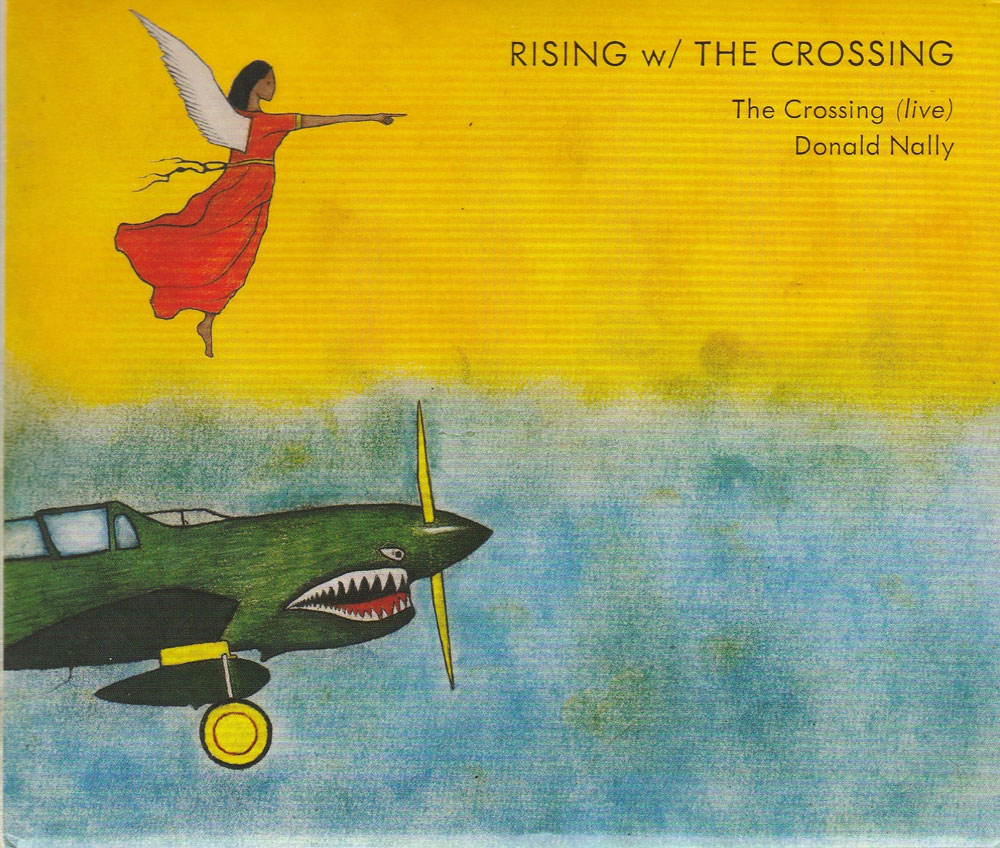
07 Rising The CrossingRising w/The Crossing
The Crossing; Donald Nally
New Focus Recordings FCR281 (newfocusrecordings.com/catalogue/?artist=11549)

Living in the throes of a raging global pandemic we all experience our “new normal” differently. If ever we could imagine a soundtrack that unites us through the silent roar of isolation it would be one that reflects both the hopelessness of it all as well as the uplifting energy of hope itself. With its soul-stirring music, Rising w/ The Crossing certainly qualifies to provide powerful anthems for our self-isolating sensibilities. 

The choral ensemble conducted by Donald Nally brings uniquely thoughtful and penetrating insight to music by Joby Talbot, Ēriks Ešenvalds, Dieterich Buxtehude, Paul Fowler, Alex Berko, Ted Hearne and Santa Ratniece; works that follow in the wake of David Lang’s powerfully prescient protect yourself from infection, the text of which was inspired by instructions that rose out of the last pandemic: the Spanish flu. 

The sense of awe and wonder which hovers over this entire recital is particularly close-focused in Lang’s work. It is echoed in the ever-shifting heartbeat of the wonderfully supple voices of the singers who make up The Crossing; voices that ceaselessly and eloquently trace the melodies of other stellar miniatures too. 

Much of the music is performed a cappella and this gives the works in question a wonderfully spectral quality. This is certainly true of Hearne’s 2016 work What it might say. But equally, it is Buxtehude’s Baroque-period works featuring the Quicksilver ensemble that enliven the elusive moments of this ethereal music’s whispered breath.

Listen to 'Rising w/The Crossing' Now in the Listening Room

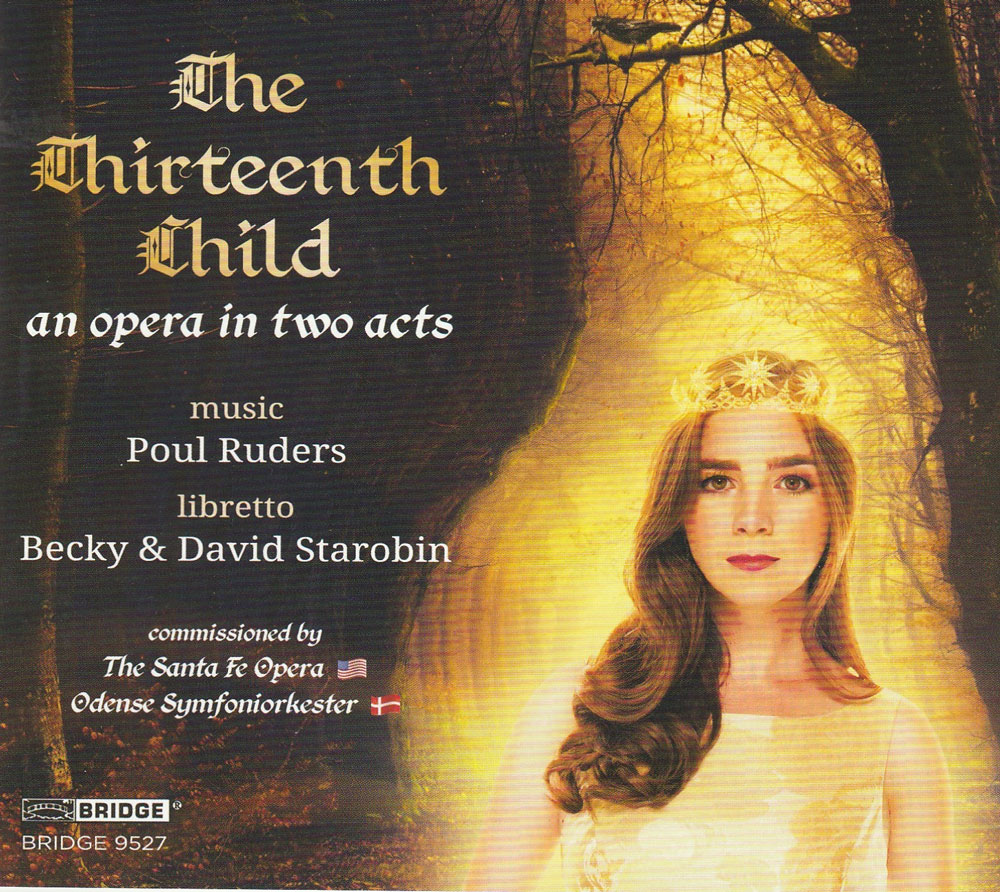
08 Ruders 13 ChildPoul Ruders – The Thirteenth Child
Soloists; Odense Symfoniorkester; Bridge Academy Singers; David Starobin; Benjamin Shwartz
Bridge Records 9527 (bridgerecords.com)

The Thirteenth Child is an opera in two acts by Danish composer Poul Ruders (The Handmaid’s Tale) with a libretto by Becky and David Starobin. Performed by a large cast of excellent soloist singers, the Odense Symfoniorkester and the Bridge Academy Singers, the opera is based on the Brothers Grimm fairy tale, The Twelve Brothers.

The Thirteenth Child follows Princess Lyra’s quest to find her 12 exiled brothers and bring them home to save the kingdom. The singers are all excellent and their vocal abilities are displayed throughout the opera via the modern and challenging parts written for them, often covering extreme tessitura on both sides of their vocal range. This is especially evident in the several falsetto effects sung by the two bass-baritones. 

The opera is fast paced and action packed with spells and adventures of good versus evil mixed in with tragedy and triumph. The cast of principals is large and the opera runs a short 77 minutes. As a result, the characters are not as developed as they could be and this makes meaningful audience engagement challenging. It may be that adding a third act could not only resolve this but would also allow for the story to be modernized and for Ruders to showcase more of his capable writing as he does for Princess Lyra and her suitor Frederic.

Commissioned by the Santa Fe Opera and the Odense Symfoniorkester, The Thirteenth Child was recorded in Denmark and New York. It was premiered in Santa Fe, July 2019.

Listen to 'Poul Ruders – The Thirteenth Child' Now in the Listening Room

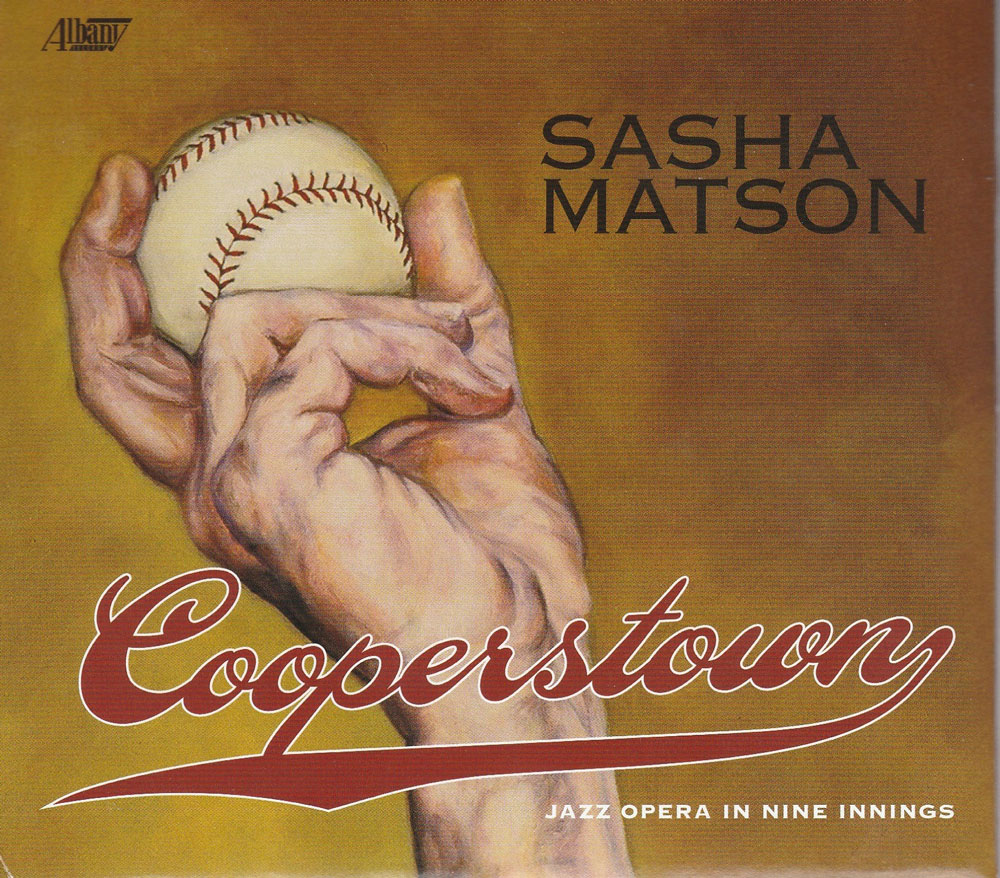
09 CooperstownCooperstown – Jazz Opera in Nine Innings
Daniel Montenegro; Carin Gilfry; Rod Gilfry; Daniel Favela; Julie Adams; Band; Sasha Matson
Albany Records TROY1848 (albanyrecords.com)

Cooperstown: Jazz Opera in Nine Innings, is scored for a 1950s-style jazz quintet and five singers. The composer is Sasha Matson with libretto by Mark Miller, inspired by A. Bartlett Giamatti’s essay The Green Fields of the Mind. Although this story takes place at the ballpark, it features all of the elements of a great opera: Angel, from impoverished Santo Domingo and newly raised to the majors as a pitcher, falls in love with Lilly from the Upper East Side. Undermining their romance is Marvin, the aging pro catcher and Jan, the jealous sports agent in love with Angel. The dual love of baseball and romantic love stories unfolds as the team manager, Dutch, attempts to manage the relationship struggles to focus on winning games. 

In the liner notes Matson describes in detail the recording process that allowed his team to capture sounds reminiscent of the original Blue Note recordings (microphone choices, specific recording and mixing equipment). The result is an outstanding listening experience: the sounds are rich and full but the music is as close and detailed as it would be in an intimate luscious jazz lounge. The classically trained voices are gorgeous and skillfully blend in with the jazz quintet. Each scene (inning) is bookended by a short and seamless transition in the form of an instrumental jazz chart played with impressive skills by musicians of the jazz quintet. Cooperstown might perhaps be more at home on a theatrical stage than at the opera house but it is a top-shelf musical experience.

Listen to 'Cooperstown – Jazz Opera in Nine Innings' Now in the Listening Room

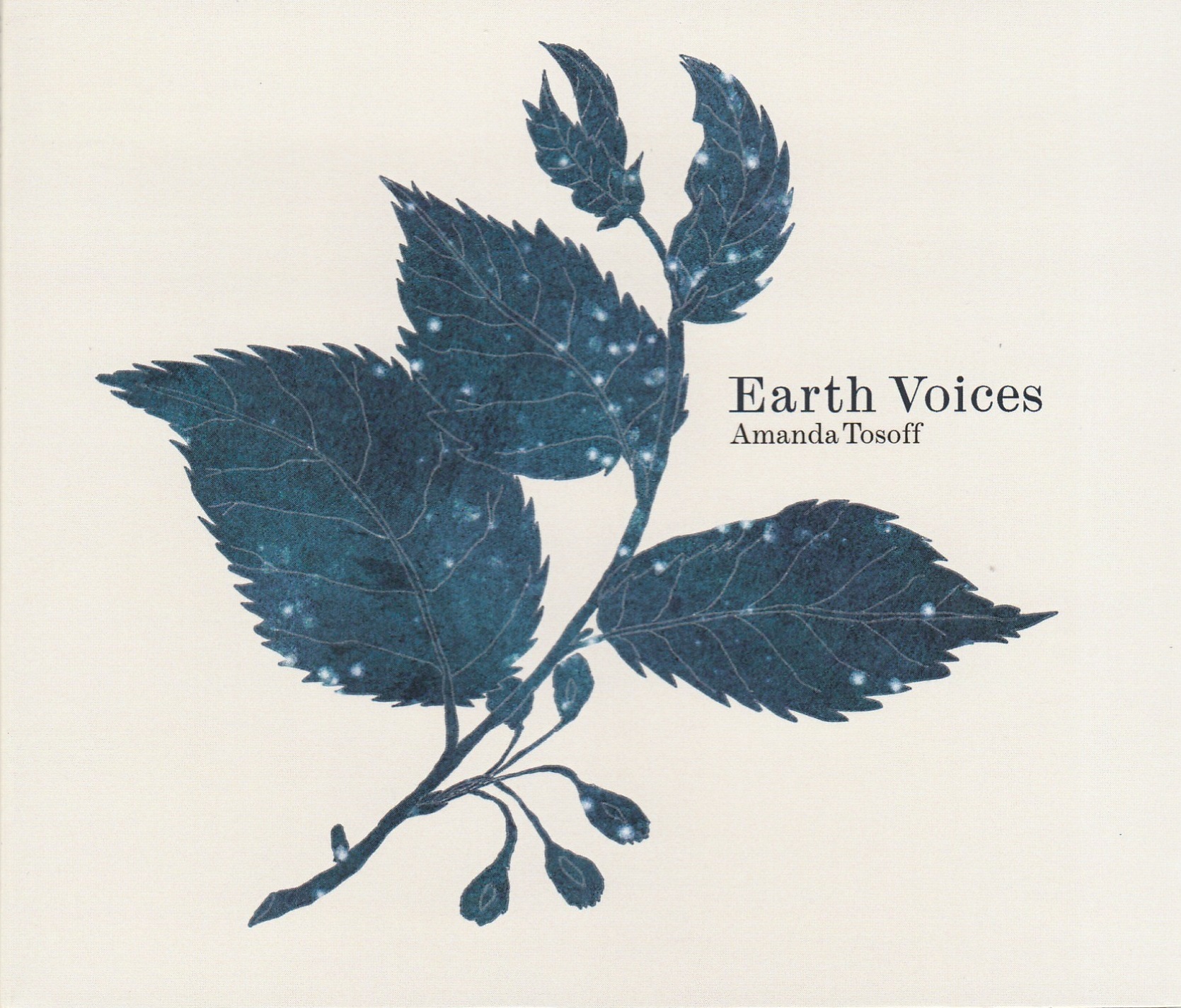
10 Amanda TosoffEarth Voices
Amanda Tosoff
Empress Music EMG702 (amandatosoff.com)

Toronto-based piano player and composer, Amanda Tosoff, has just released a stunning new collection of songs that blurs the lines between jazz and art song. Cleverly marrying texts by classic poets such as Pablo Neruda and Rumi, with her own and others’ compositions, plus drawing on the talents of seven different singers, a string quartet, two sax players and a jazz trio, Tosoff has given us a very rich body of work.

Opening with the powerful combination of Tosoff’s composition, Edgar Alan Poe’s words and Emilie-Claire Barlow’s singing, A Dream Within a Dream is one of the jazzier pieces on the album. With sax by Kelly Jefferson and Allison Au, and Jon Maharaj (bass) and Morgan Childs (drums) filling out the rhythm section, it’s lively, complex and thought-provoking. The middle part of the album is more in the art song vein and I found myself especially drawn to these songs with their interplay of piano and strings and voice. Birdwings, based on a Rumi poem and beautifully sung by Alex Samaras, also has Tosoff stretching out a bit with a lyrical piano solo. Oh, Life (written by Mike Ross), featuring cello (Beth Silver) and violin (Aline Homzy) plus Laila Biali’s and Samaras’ beautifully blended voices add to the poignancy of the lyrics. To a Stranger, written by Tosoff and based on a Walt Whitman poem, is spare and gorgeous with just a string quartet and Felicity Williams’ ethereal singing. A Canadian album devoted to poetry wouldn’t seem complete without a Joni Mitchell tune and her early anti-war song, Fiddle and the Drum gets a strong reworking centred around Lydia Persaud’s solid vocals.

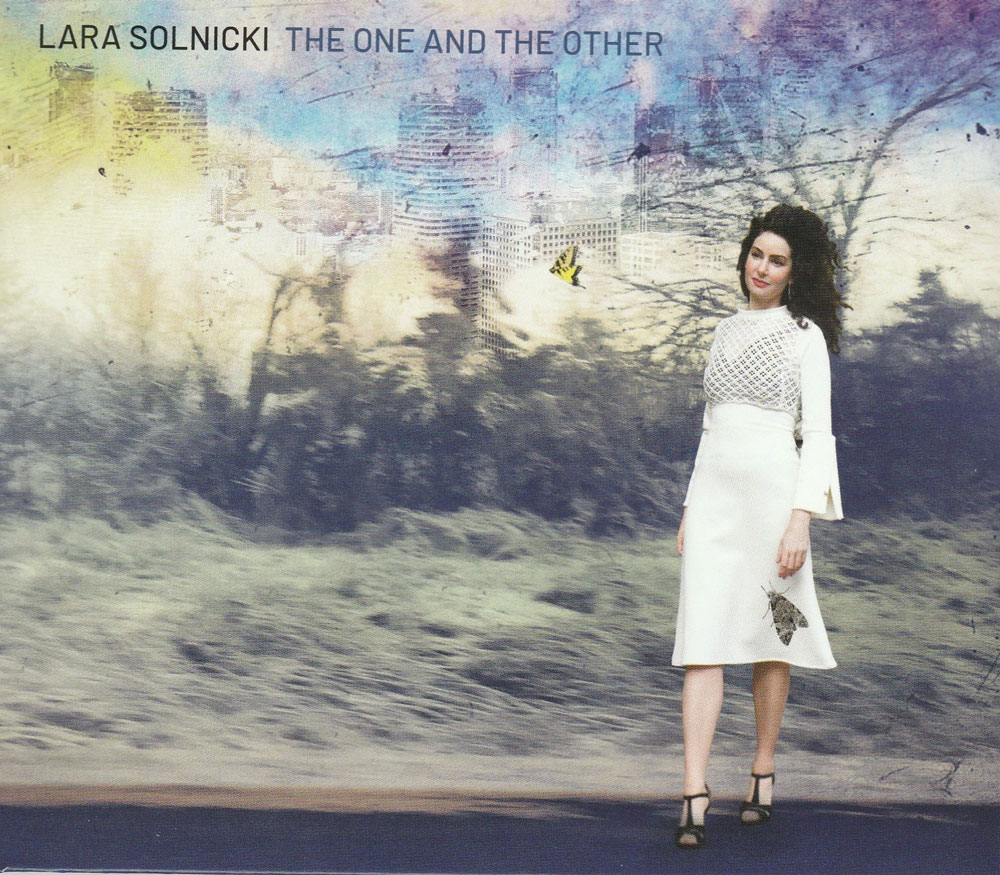
11 Lara SolnickiThe One and the Other
Lara Solnicki
Outside In Music OiM 2013 (larasolnicki.com)

Multi-gifted vocalist, composer and poet, Lara Solnicki, has just released a compelling and kinesthetic recording project, utilizing her considerable gifts to manifest a cinematically framed collection of original post-modern art songs. Solnicki has said, “I call these songs ‘tone poems,’ because they are governed and held together by a ‘poetic logic.’” Produced by eminent multi-instrumentalist and film composer Jonathan Goldsmith, the CD also features performances by skilled musicians Peter Lutek (alto sax/electro-acoustic clarinet and bassoon); Hugh Marsh (electric violin); Rob Piltch (electric and acoustic guitar); Scott Peterson (acoustic and electric bass); Rich Brown (electric bass); and Davide DiRenzo on drums.

Well recorded by Jeff Wolpert, the first offing is Bit Her Sweet Christopher Street, where Solnicki’s poetic lyrics and her gorgeous, sonorous vocal tone evoke stark images that speak to diverse emotional reactions in a physical space of contrasts. This song seems to address the dense, urban zones where many of us live our lives, and that there can still be beauty, mystery and the deep presence of nature. Goldsmith’s acoustic piano work here is mesmerizing, as is Piltch’s masterful contribution on both electric and acoustic guitar. The Embrace is a composition of incredible beauty and Solnicki brings to mind the incomparable Norma Winstone as she wraps her warm voice around each intriguing musical nuance and syllable.

This inspired song cycle concludes with the three-movement The One and The Other, described as an allegory and tragic story in which a man ironically drowns in the image of love. 1) Pass a Glass, is a free-form tour-de-force for both Marsh and DiRenzo. 2) Awe of the Sea effectively incorporates pizzicato strings and the entire ensemble to evoke waves, motions, seagulls and unfathomable depths. 3) Hollow the Need, leaves the listener washed up on a paradisiacal shore, having passed through a vortex of emotions, images and the sublime glory of words and music.

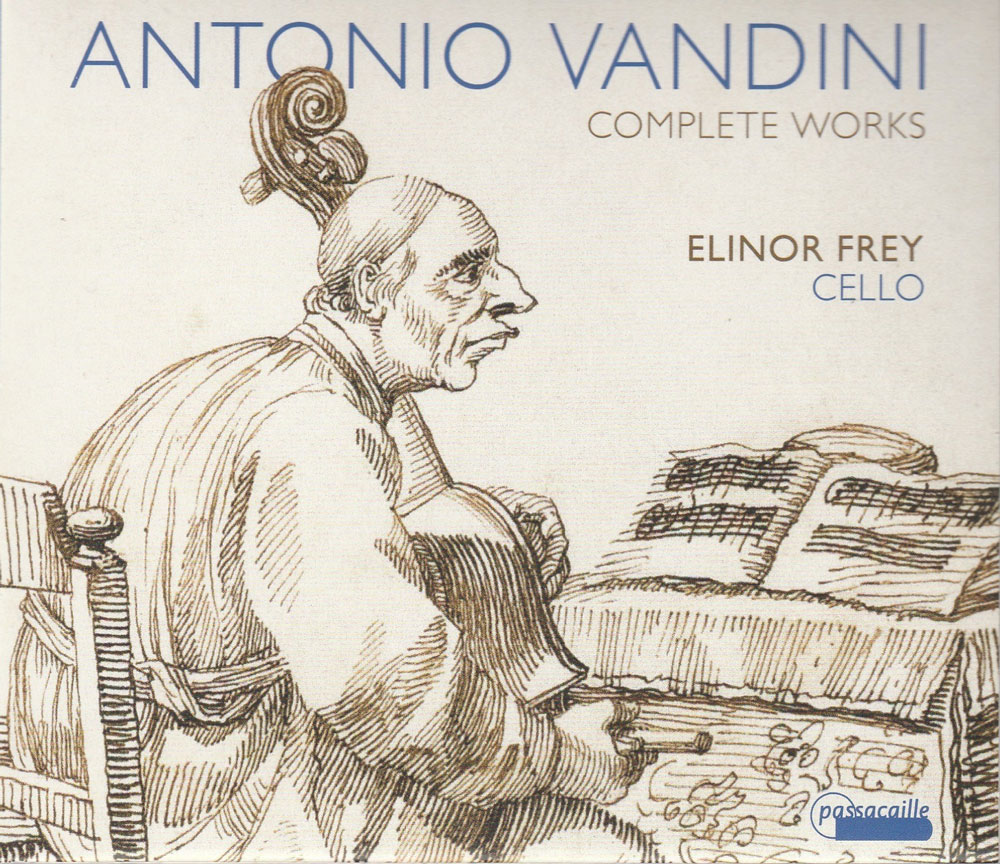
01 Frey VandiniAntonio Vandini – Complete Works
Elinor Frey; Patxi Montero; Marc Vanscheeuwijck; Federica Bianchi
Passacaille 1079 (elinorfrey.com)

The prolific Canadian-American cellist Elinor Frey adds another impressive release to her discography. This new record features the complete works of the regrettably little-known Italian cellist and composer, Antonio Vandini. In mighty musical company with the likes of Tartini and Vivaldi, Vandini proved himself a virtuoso in his own right, touring Europe as a celebrated cellist; he also wrote music that has remained inexplicably neglected, even in the 21st century.

Six sonatas and one concerto adorn this attractive disc, exquisitely conceived, researched and recorded alongside Frey’s collaborators Patxi Montero, Marc Vanscheeuwijck and Frederica Bianchi. The collaborative voices of contrabass, viola da gamba and harpsichord complement these cello-centric works to salient effect. Vandini himself boasted top-drawer musical partners, the most famous of whom was Giuseppe Tartini. Vandini also taught at La Pietà in Venice, alongside Vivaldi. As mirror to the artistic comradery Vandini enjoyed in his own lifetime, Frey has assembled an expert group of musicians here – friends and colleagues – to help realize these colourful, inspired scores. Some highlights include: the duo Sonata in C Major, Van.2 and the sunny Concerto in D major, Van.5 which features the entire ensemble with two added violins and viola. The final work on the record, the Sonata in E Major, Van.7 has a particular depth of expression, exemplifying the verdant key of E Major. Frey’s flawless focus and confident musicality leads us through an 18th-century cave of wonders: a joyous, antique grotto where others fail to tread.

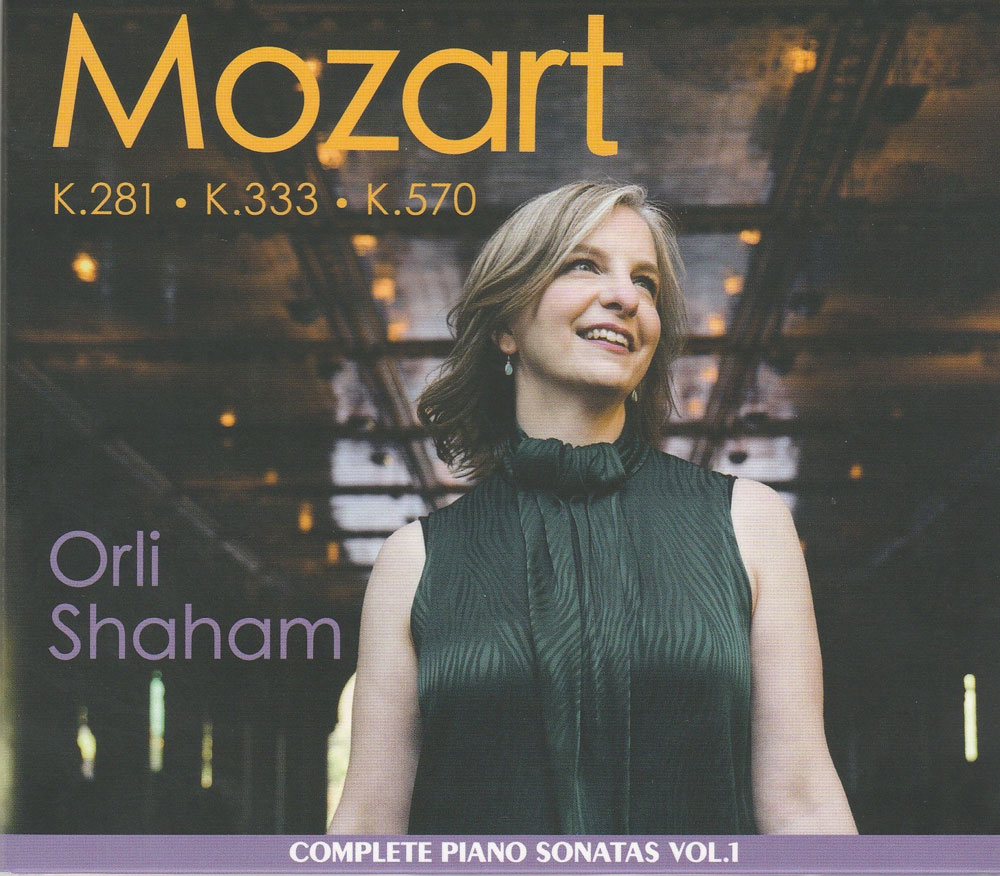
02 Orli Shaham Mozart 1Mozart – Complete Piano Sonatas, Volume 1
Orli Shaham
Canary Classics CC19 (canaryclassics.com)

Young Mozart, the proverbial wunderkind, was known primarily as a performer rather than a composer – one of the greatest exponents of the then, relatively new fortepiano. The antithesis of Franz Liszt, who rose to pianistic eminence almost a century later, Mozart encouraged simplicity and clarity over wizardry. This is perfectly reflected in his sonatas, which he only began writing in 1774. 

Strangely, virtually all 18 of Mozart’s piano sonatas are neglected by pianists and listeners although Mitsuko Uchida, Maria-João Pires and Glenn Gould (who famously disparaged Mozart in one of his CBC broadcasts) have recorded interpretations of the complete sonatas. And now the brilliant young Orli Shaham gives notice that she intends to follow suit with the first of her recordings Mozart – Complete Piano Sonatas (Vol.1).

In the wrong hands Mozart’s outwardly simple sonatas can, indeed, sound simplistic and uninteresting – even formulaic. But Shaham brings out all the delights of the sonatas in this recital that features one early and two late works. Her delicate phrasing creates a feeling of innocent melodiousness, yet each movement is intelligently worked out, and Shaham’s subtle manipulation of timing conveys a strong sense of Mozart’s puckish and quick-witted compositional approach. 

Shaham’s interpretation of the early Sonata in B-flat Major No.3 K281 is gritty. Meanwhile the B-flat Major No.13 K333 and B-flat Major No.17 K570 have been infused with great depth of colour, emotional range and well-tuned melodious elegance.

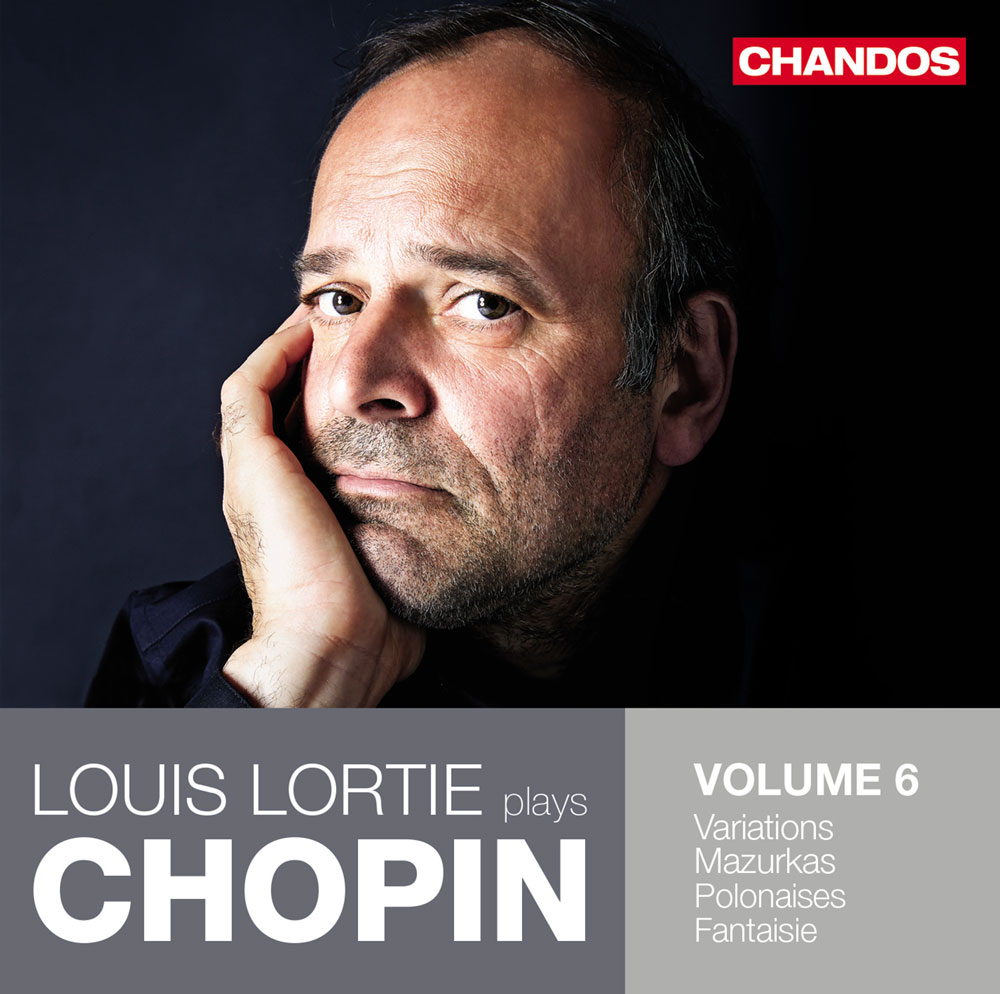
03 Lortie ChopinLouis Lortie Plays Chopin, Volume 6
Louis Lortie
Chandos CHAN 20117 (naxosdirect.com/search/chan+20117)

The music of Chopin is, for Louis Lortie, a vocational hallmark and the making of his career. Now, six records deep into the composer’s catalogue, Lortie includes a fantasy, an early set of variations and assorted Polish national dances on his latest release. For the dances, an objective, no-nonsense approach is favoured. His sense of rhythmic continuity betrays an aspiration to expose the inherent structures just as they are, without affectation or personalized dilution. The results seem born of the first half of the 20th century – Lortie never handles this music too preciously, with the essence of the dance always at the fore. 

When considering Chopin, contrast between dark and light is essential. Lortie excels at the conveyance of Slavic expression through the lens of extreme sentiment, often using fine-tuned pacing, silence and varied dynamics to admirable effect. Of unexpected delight is the “Military” Polonaise, Op.40 No 1. Not such a fashionable thing to record these days, Lortie offers it up with unabashed affection and aristocratic poise. Arguably saving best for last, the Fantasy in F Minor, Op.49 concludes the album, highlighting the attributes for which Lortie is celebrated. Lucid and buoyant, it is music sculpted with chiselled lines and acute structural sense. At moments on this disc, a seasoned sort of beauty takes hold of our ears, wherein a keyboard’s conjuring casts an airy, aural spell. In the battle of dark and light, Lortie’s own brand of luminescence wins out every time.

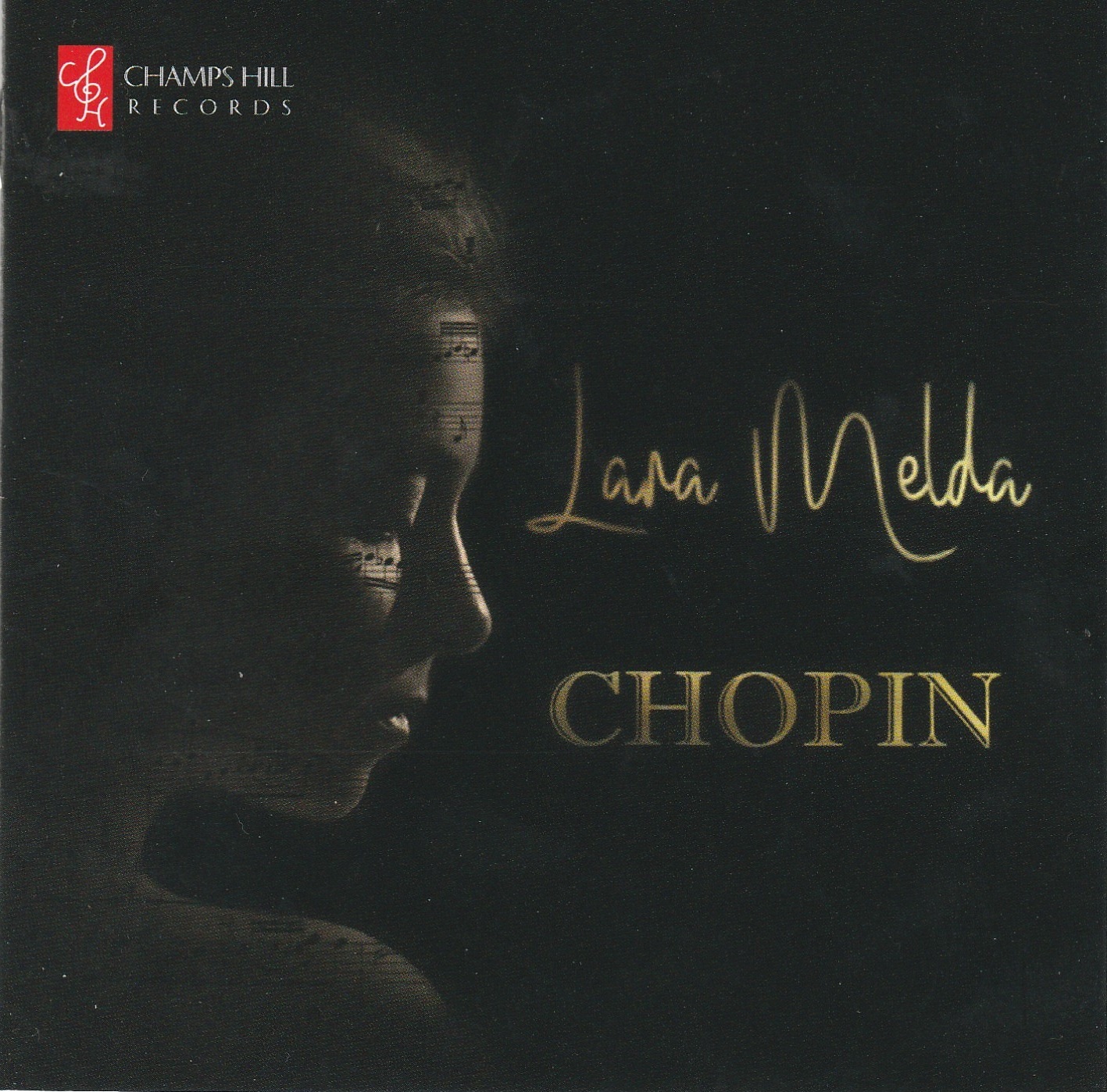
04 Melda ChopinChopin
Lara Melda
Champs Hill Records CHRCD153 (laramelda.co.uk)

Chopin – the poet of the piano! What more can be said about this composer – born in Żelazowa Wola to a French father and a Polish mother – who embodied the spirit and soul of Poland, but lived his all-too-brief life in France? 170 years after his passing, his music continues to enthrall connoisseurs and amateurs alike; this disc on the Champs Hill label, presenting a new artist in her debut recording, is bound to be welcome.

Lara Melda was born in England of Turkish parentage. She studied at the Royal Academy, winning the BBC Young Musician competition in 2010 and since then, has continued to appear in recital throughout Europe and in other parts of the world.

The thoughtfully chosen program comprising seven nocturnes and the four ballades is a delight.  Melda approaches the music with an elegant sensitivity, her warm tone coupled with just the right degree of tempo rubato. The technical challenges inherent in these pieces, particularly the ballades, are daunting enough for any pianist, but she conquers them with apparent ease. There are times when her tempos – such as in the Nocturnes Op.9 No.3 or Op.48 No.1 – may seem a little brisk, but this is a minor issue and certainly doesn’t mar her fine performance.

Of the 11 tracks, among the highlights is surely the glorious fourth Ballade Op.52, considered by many to be one of Chopin’s greatest compositions, and also one of his most difficult. Melda does it full justice, from the lyrical and delicate opening measures to the frenetic coda which brings the disc to a satisfying conclusion. If this recording is any evidence of her musical stature, we can surely hope to hear from Lara Melda again in the near future.

Back to top