02 Janacek House of DeadjpgLeoš Janáček – From the House of the Dead
Bayerisches Staatsorchester and Chorus; Simone Young
BelAir Classiques BAC173 (naxosdirect.com)

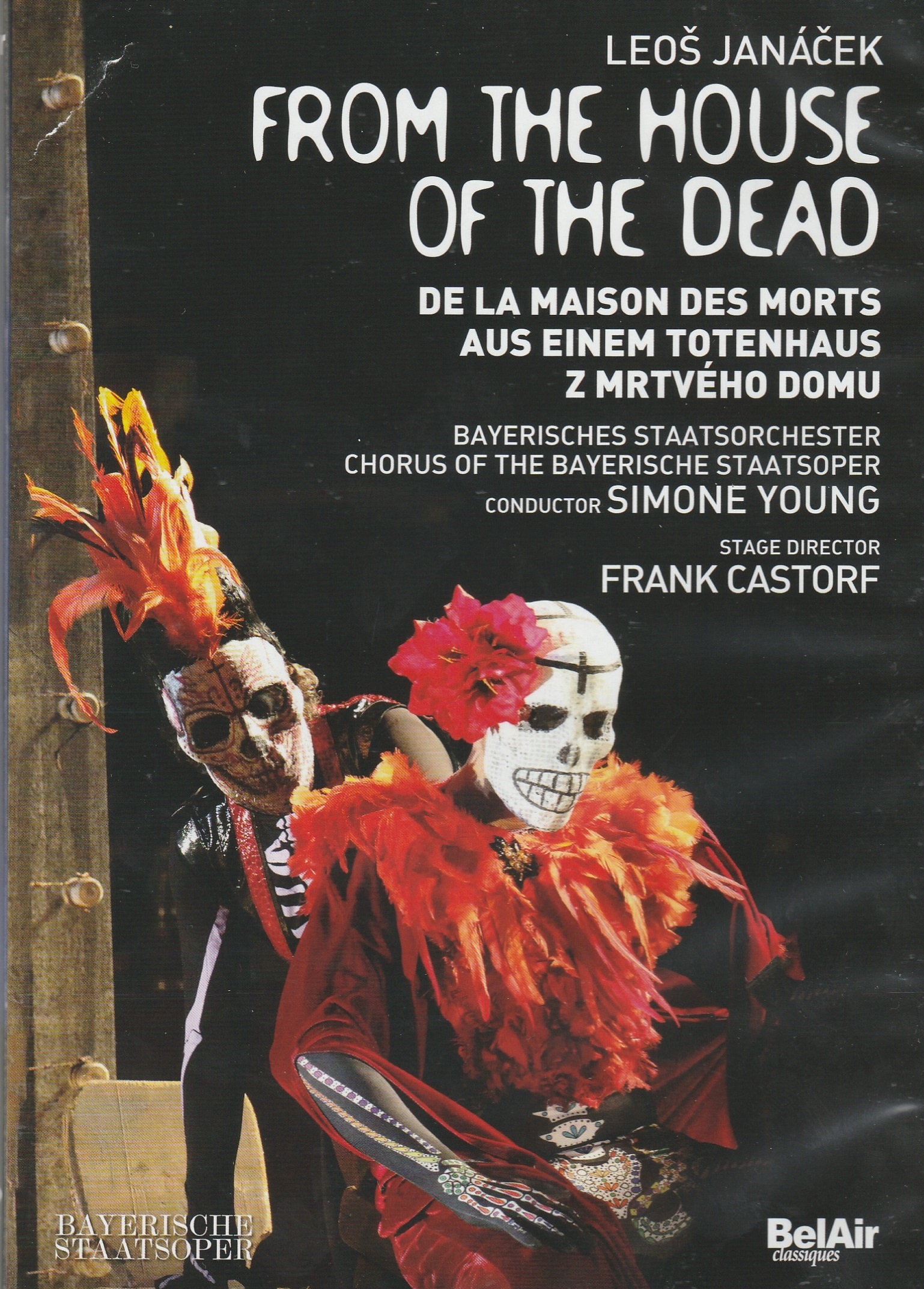
Janáček’s From the House of the Dead is a gripping dramatic work. The last opera he composed, this adaptation of Dostoyevsky’s novel premiered in 1930, two years after Janáček’s death, with an orchestration completed by two of his students. From the House of the Dead is notable for a number of reasons, including the use of chains as percussion in the orchestra (to reflect the sounds of the prisoners shuffling back and forth) and the lack of narrative content; there is no overarching storyline, but rather a number of episodic narratives relating to individual prisoners interspersed with occurrences within the prison itself.

This video release from the Bayerische Staatsoper is captivating, providing a gritty interpretation of Janáček’s work. Featuring an onstage cage in which the majority of the large ensemble cast is contained throughout the performance as well as superb costumes, including an homage to the famous Day of the Dead, the visual plays as important a role in this opera as the music. It is fascinating to see how this production so ably serves the dramatic requirements of Janáček’s opera and reinforces just how confined and uncomfortable this Siberian prison camp is, as told by Dostoyevsky. 

The Staatsoper soloists, chorus and orchestra are superb throughout this short yet intense work, conveying the depth and darkness of the score without once coming across as melodramatic. One of the 20th century’s most profound and significant operatic composers, Janáček displays his mastery in full force in From the House of the Dead, and this production is highly recommended to all who enjoy this Czech master’s works.

03 ZemlinskyZemlinsky – Der Traumgörge
Josef Protschka; Pamela Coburn; Janis Martin; Hartmut Welker; Hessischer Rundfunk Youth Chorus; RSO Frankfurt; Gerd Albrecht
Capriccio C5395 (naxosdirect.com)

In 1907, Alexander Zemlinsky’s new opera Der Traumgörge was set to premiere at Vienna’s Court Opera. But after its conductor, Zemlinsky’s mentor Gustav Mahler, abruptly resigned as music director of the opera house, the production was cancelled. Zemlinsky was already well-established as a composer, pianist, conductor and teacher (his students included Schoenberg, Korngold and Alma Schindler, who later married Mahler). But it took almost 75 years for Der Traumgörge to get its first performance. 

This version, recorded live at a concert performance in 1987, seven years after the much-delayed premiere, has long been unavailable. Now, with Zemlinsky’s music finally getting the attention it deserves, Capriccio has reissued it. 

The psychological undercurrents of Der Traumgörge’s libretto by Leo Feld resonate with Freudian profundity. Görgesets off on a quest to find the princess he’s been fantasizing about. Instead he encounters a troubled woman, Gertraud. When she is brutally attacked for being a witch, Görge rescues her and brings her back home. Finally he figures out that she is the woman of his dreams after all. 

Conductor Gerd Albrecht shows an incisive grasp of Zemlinsky’s opulent late-Romantic style. The terrific cast of singers get right to the heart of this inspired music. With the only other recording of this opera, James Conlon’s from 2001, unavailable, it’s disappointing that Capriccio did not include the libretto with this release. Otherwise, it’s a most welcome reissue.

04 ClytemnestraClytemnestra
Ruby Hughes; BBC National Orchestra of Wales; Jac van Steen
BIS BIS-2408 SACD (naxosdirect.com)

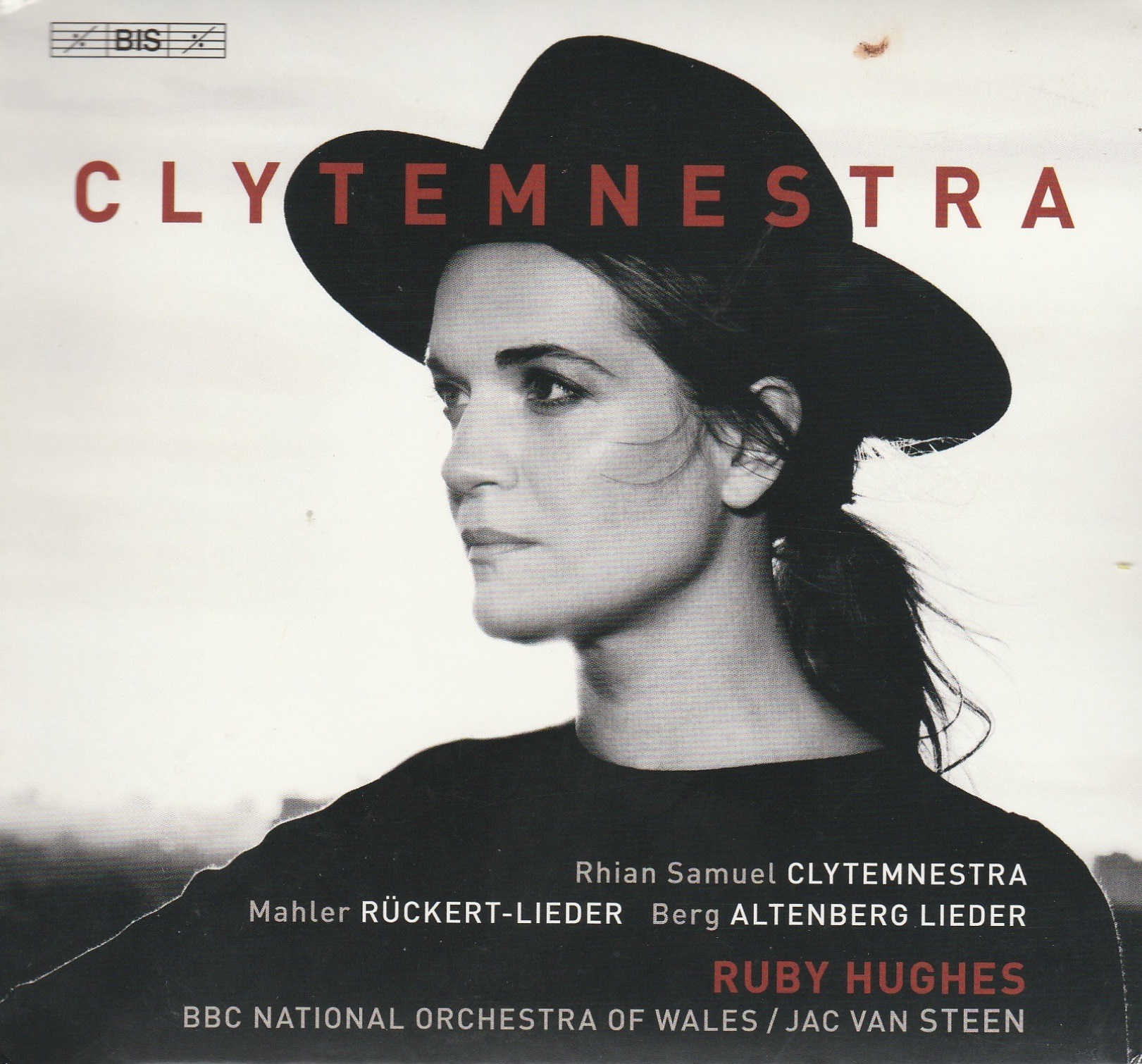
The maverick Welsh soprano Ruby Hughes is the star of this alluring collection of song cycles which opens with five songs by Gustav Mahler based on the poetry of Friedrich Rückert, sung with admirable sensitivity and a clear, light voice. There are of course landmark recordings of these lieder that are richer in tone and emotionally more compelling, by the likes of Janet Baker, Christa Ludwig and Dietrich Fischer-Dieskau; nevertheless Hughes offers a youthful and well-considered take on these intimate songs.

The Viennese premiere of Alban Berg’s Altenberg Lieder in March 1913 was the cause of a legendary riot. Though only two of the five songs of the cycle were programmed, a member of the audience soon bellowed out that both the composer and poet (the whimsical picture-postcard texts were authored by Peter Altenberg) should be sent to the insane asylum. In fact, the poet was already there! Fisticuffs ensued and the remainder of the concert was abandoned. The effect on Berg was devastating. A complete performance of this astounding composition, which presages advances in chromaticism (including some proto-serial elements) that foreshadow those of his mentor Schoenberg, would not take place until 1952, long after his death. This is a most worthy contribution to the limited roster of recordings of this great work.

Clytemnestra, a 25-minute song cycle by the Welsh composer Rhian Samuel, is a vivid, blood-curdling setting of Aeschylus’s tale of the murder of Agamemnon by his wife. Commissioned by the BBC Wales Orchestra in 1994, Samuel’s libretto is constructed solely from Clytemnestra’s point of view. This is a garish, unabashedly cinematic work, massively orchestrated and incorporating some provocative electric bass guitar solos, compellingly brought to life in a riveting performance from both soloist and orchestra under the direction of their principal guest conductor Jac van Steen.

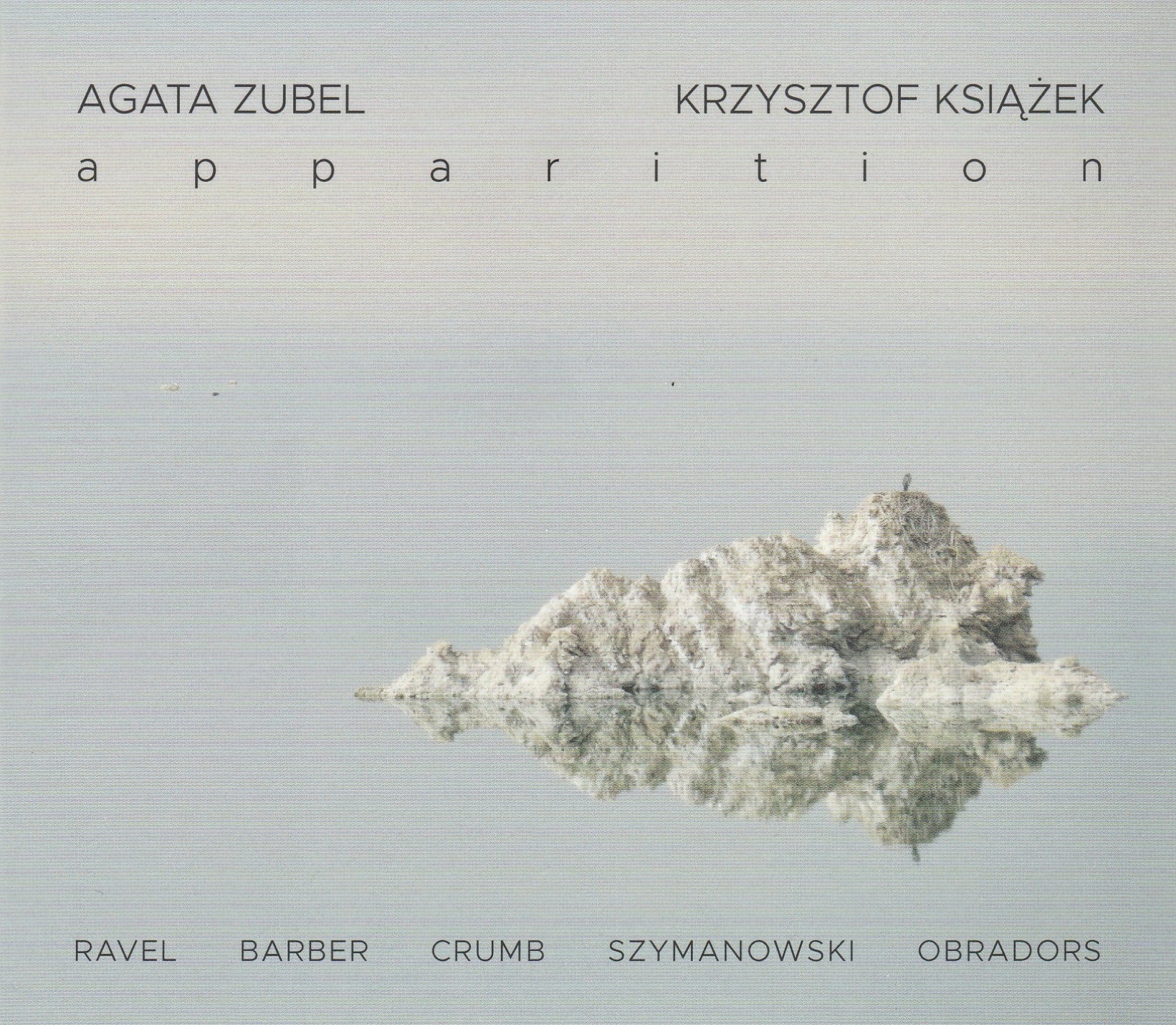
05 Agata ZubelApparition
Agata Zubel; Krzysztof Książek
CD accord ACD 263-2 (naxos.com)

The 20th century was a time of immense creativity, with the fundamental building blocks of musical composition and interpretation disassembled and reconstructed by some of Western music’s most legendary figures. Apparition explores a number of lesser-known and underappreciated composers from this period, including Barber, Crumb and Szymanowski.

This disc opens with Maurice Ravel’s Shéhérazade, an art song triptych based on the renowned Arabic folk tales of One Thousand and One Nights, most famously set to music by Rimsky-Korsakov. Ravel’s songs feature characteristic exoticism, combining “oriental” material with impressionistic harmonies and long vocal lines, expertly interpreted by Zubel and Książek. These traditional, almost Debussian works are sharply contrasted with George Crumb’s Apparition, a set of songs which combine the familiar with the avant-garde. Within this cycle, Crumb gives the singer her expected role, singing texts set to tunes, with a few exceptions such as the three Vocalises, which utilize the timbral aspect of the voice independent of textual tethers. The piano part, however, is a demanding essay in extended techniques throughout the cycle, as the pianist is required to utilize every part of the piano to produce percussive, shimmering, and rattling effects.

The remainder of this disc’s contents fall between these two stylistic extremes: Szymanowski’s Songs of a Fairy Tale Princess, Barber’s Opus 13 songs, and Fernando Obradors’ Canciones all align themselves more closely with Ravel than Crumb, bringing the 19th-century tradition of art song forward into the 20th. As a whole, Apparition is a well-thought-out and equally well-performed survey of piano-voice repertoire from the last century and well worth a listen, especially for those who appreciate the radical genius of George Crumb.  

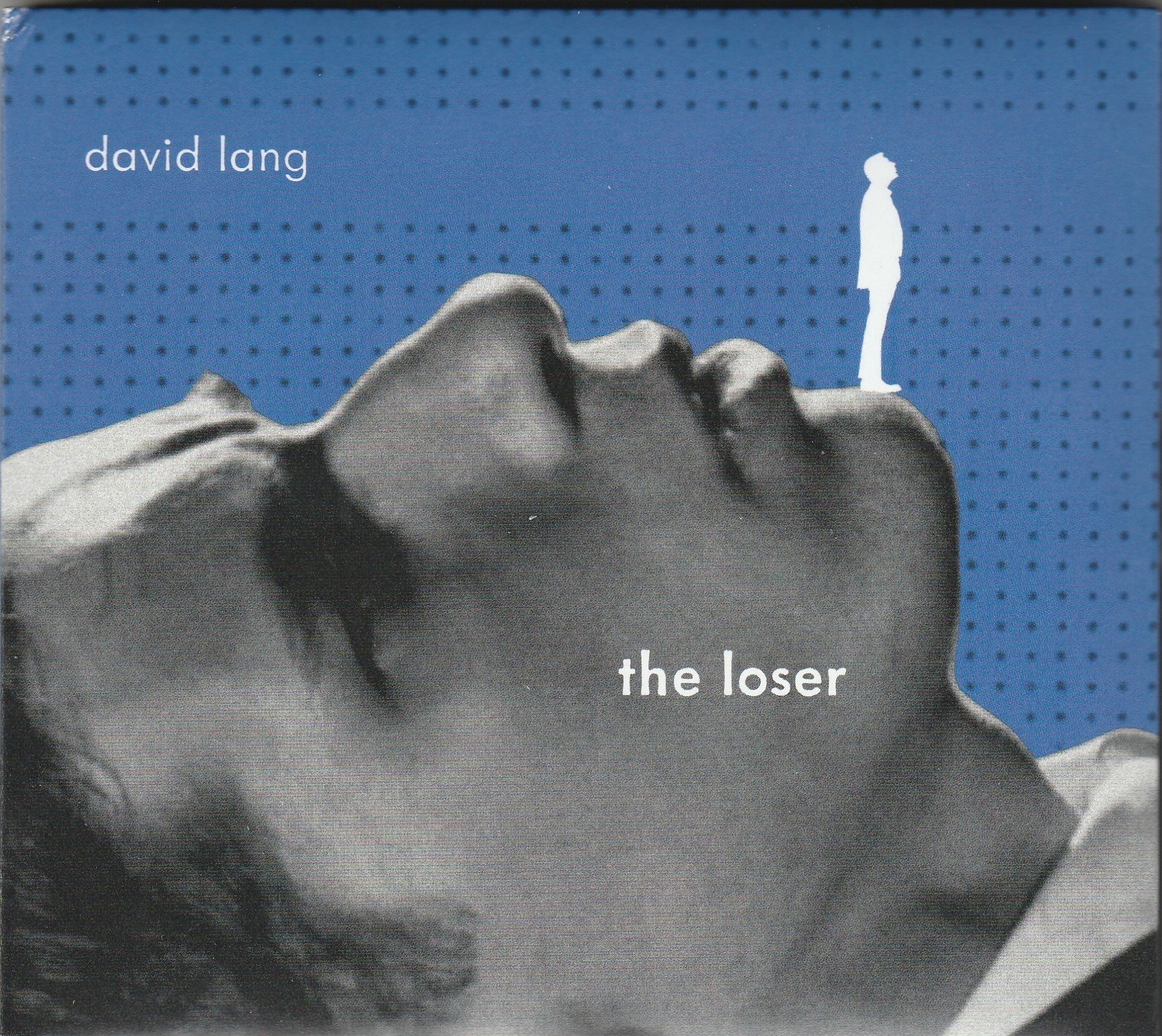
06 Lang The LoserDavid Lang – The Loser
Rod Gilfry; Conrad Tao; Bang on a Can Opera Ensemble; Lesley Leighton
Cantaloupe Music CA21155 (cantaloupemusic.com)

When I hear a line like, “Strangely enough I met Glenn on Monk’s Mountain, my childhood mountain, which is also called Suicide Mountain, since it is especially suited for suicide and every week at least three or four people throw themselves off it into the void,” and find myself, despite myself, laughing, I know I’m experiencing the misanthropic comedy of Thomas Bernhard. In this case I’m listening to the nameless narrator of Bernhard’s novel, The Loser, who, as many Canadian readers know, is obsessed with the Glenn mentioned above, last name Gould. Aside from pianistic virtuosity, though, this “Glenn” is ultimately fictional, serving as a paragon of perfection against which Bernhard’s frustrated narrator measures his own failures.

David Lang’s opera adaptation of the novel, sung by baritone Rod Gilfry, offers an outstanding musical correlative to Bernhard’s centri-fugal prose. The melodies, deceptively simple, gain complexity through gradual repetition and subtle layering over time, much like Bernhard’s text itself, and the minimalist accompaniment from the note-perfect Bang on a Can Opera Ensemble captures the inner echoes of the narrator’s solipsistic musings. 

Considering Bernhard once wrote that “a prize is invariably only awarded by incompetent people who want to piss on your head,” it somehow feels wrong to apprise The Loser, but Lang, Gilfry and company’s interpretation is brilliant, deserving full praise. Can someone please convince them to perform it in Toronto, maybe at, say, Glenn Gould Studio…?

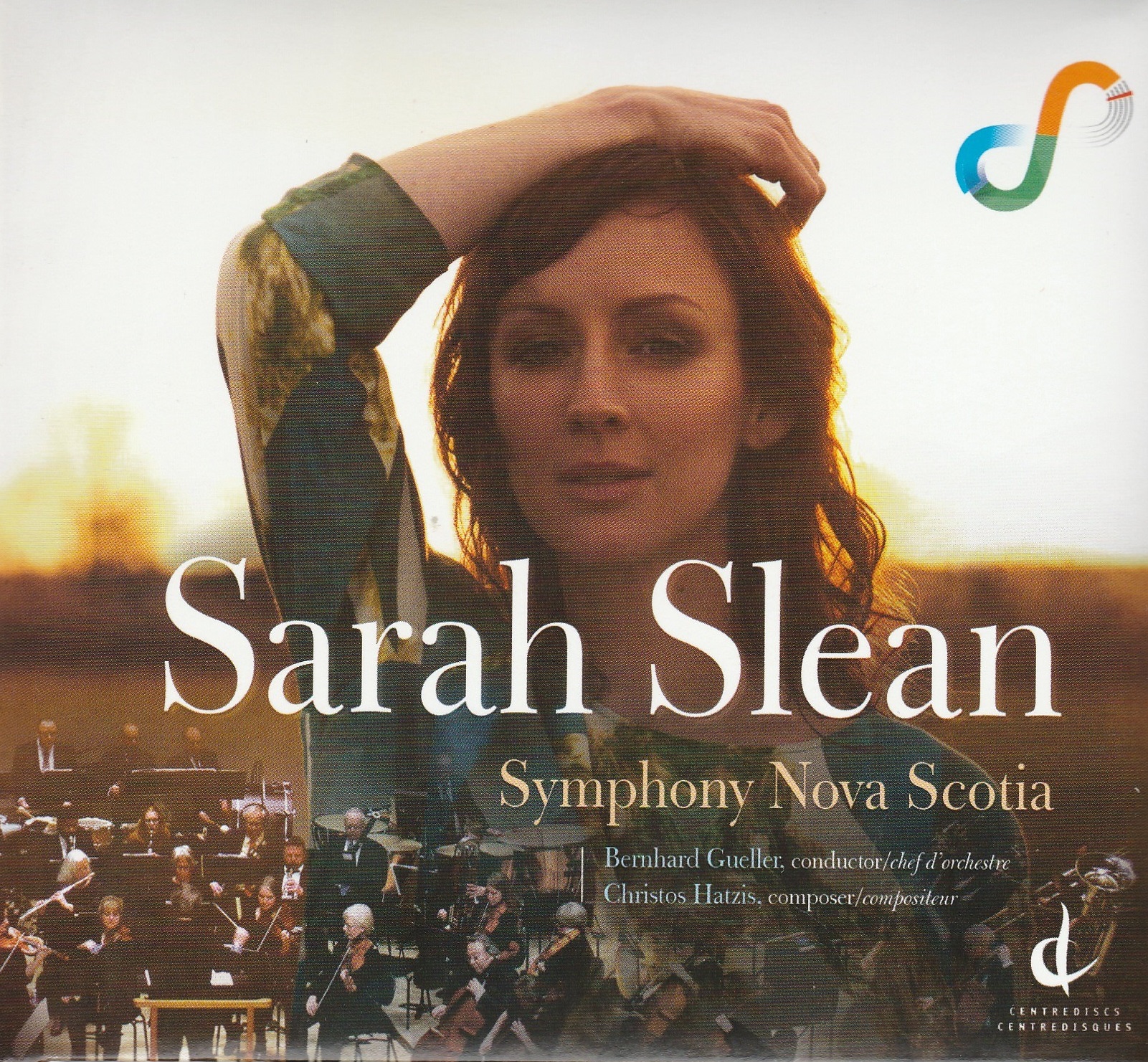
07 Sarah SleanSarah Slean
Sarah Slean; Symphony Nova Scotia; Bernhard Gueller
Centrediscs CMCCD27820 (cmccanada.org)

Tonal/atonal classical, popular and musical theatre genres meet amicably in this ambitious Canadian collaboration by vocalist/actress/poet/composer Sarah Slean, Symphony Nova Scotia and composer Christos Hatzis.

Hatzis’ three-song/movement Lamento was written for a Symphony Nova Scotia/Slean concert in April 2012. Based on Purcell’s aria When I am Laid in Earth from Dido and Aeneas, his self-described exploration of the Baroque stepwise descending “lamento bass” creates grief-stricken sounds of loss of loved ones, mental illness and suicide. The opening When This is Over features heartbeat-reminiscent drum beats, Slean’s lower vocals with clarinet contrasts, huge orchestral sound, a cappella sections, and modern/pop/dance grooves shifts. My Song nicely uses flute-played daybreak bird songs, waltz feel, singalong vocal melody and loud closing musical theatre-like finale build. The complex yet accessible Despair is wrought with heart-wrenching atonal wide-pitched vocals/instruments, contrasting dynamics, instrumental interludes, eerie squeaks, Baroque/Purcell effects and gloomy repeated vocal “remember me” finale.

In his final season, Bernhard Gueller conducted SNS in Ecstasy (2018) by Hatzsis (music) and Slean (text), a three-movement musical portrayal of the intellectual and mystical human mind. Slean’s clearly articulated higher vocals drive Love, and likewise Logos, with its contrasting calm and intense dance sections. Bhakti is a calmer atonal/tonal work with unexpected orchestra member whispers, held notes and Slean’s a cappella vocal finale.

Performers, compositions and CBC live performance recordings are exquisite. Dramatic music fans definitely will love this. And everyone else, take a listen! Magical!

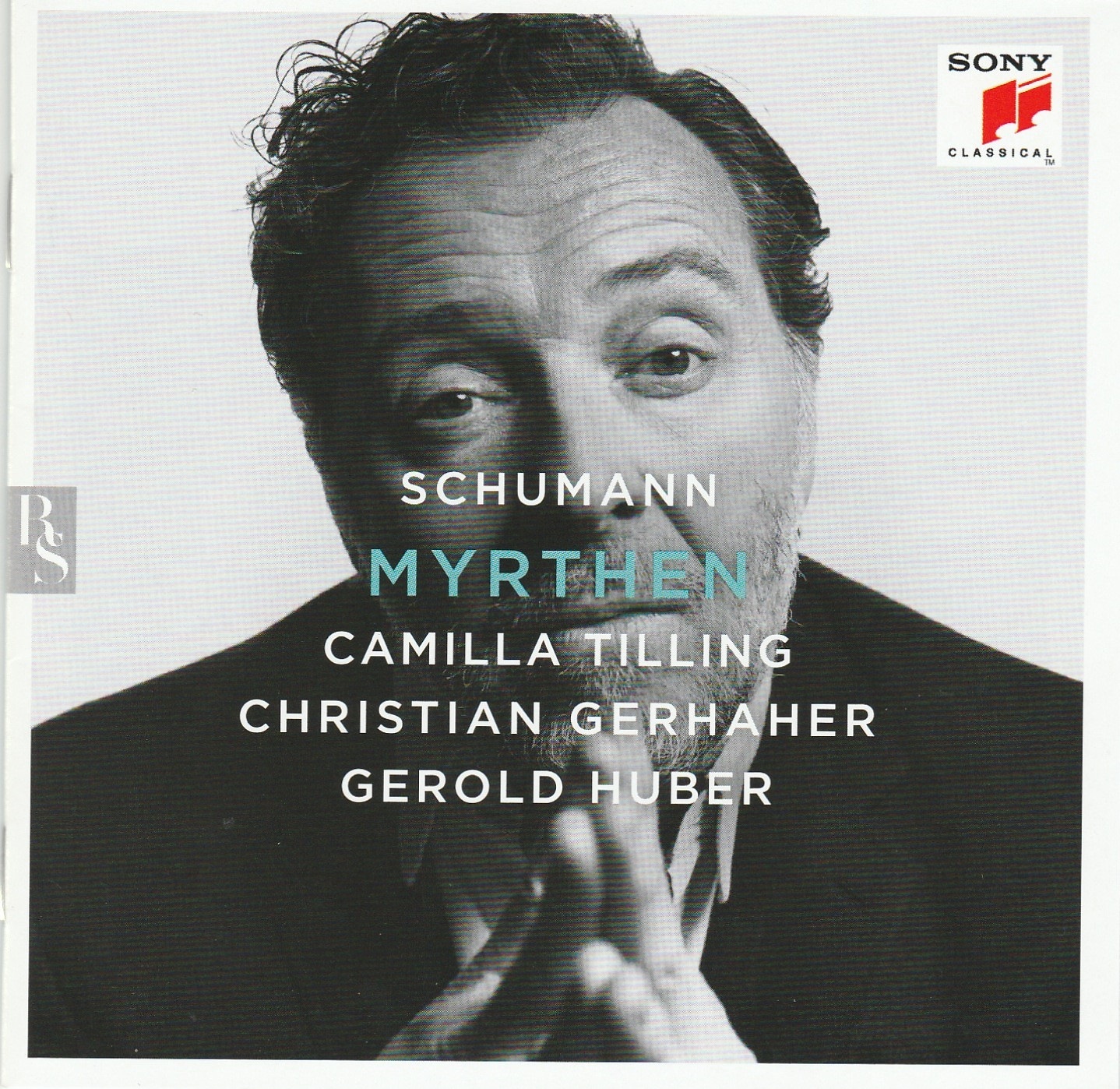
01 Schumann MythenSchumann – Myrthen
Camilla Tilling; Christian Gerhaher; Gerold Huber
Sony Classical 19075945362 (sonyclassical.de)

“To my beloved Clara on the eve of our wedding from her Robert.” So wrote Robert Schumann on a specially bound set of 26 recently composed songs dedicated to Clara, collectively titled Myrthen for the myrtle branches and flowers that traditionally adorned bridal wreaths.

In it, Schumann drew from nine poets, with Rückert, Goethe, Heine and Robert Burns (in translation) accounting for 19 of the songs. Schumann specified those to be sung by a woman or a man, suggesting a young couple’s ongoing relationship. Here, the appropriately light-and-bright voices of soprano Camilla Tilling and baritone Christian Gerhaher are ably supported by pianist Gerold Huber.

Myrthen begins with the well-known Widmung (my favourite among Schumann’s 250-plus songs); others in the set that will be familiar to many are Der Nussbaum, Die Lotosblume and Du bist wie eine Blume. Of those less-often encountered, the tender Lieder der Braut and Hochländisches Wiegenlied, the sprightly Räthsel and Niemand, and the plaintive Aus den hebräischen Gesängen are particularly gratifying. The wistful, concluding Zum Schluss promises, almost prophetically, that only in heaven will the couple receive “a perfect wreath.”

Robert and Clara married in 1840, after years of obstruction from Clara’s father. Sadly, their marriage ended in 1856 with Robert’s early death in a mental asylum. Myrthen, Robert’s wedding gift to Clara, thus represents an enduring, significant, poignant testament to what is surely classical music’s most enduring, significant and poignant love story. Texts and translations are included.

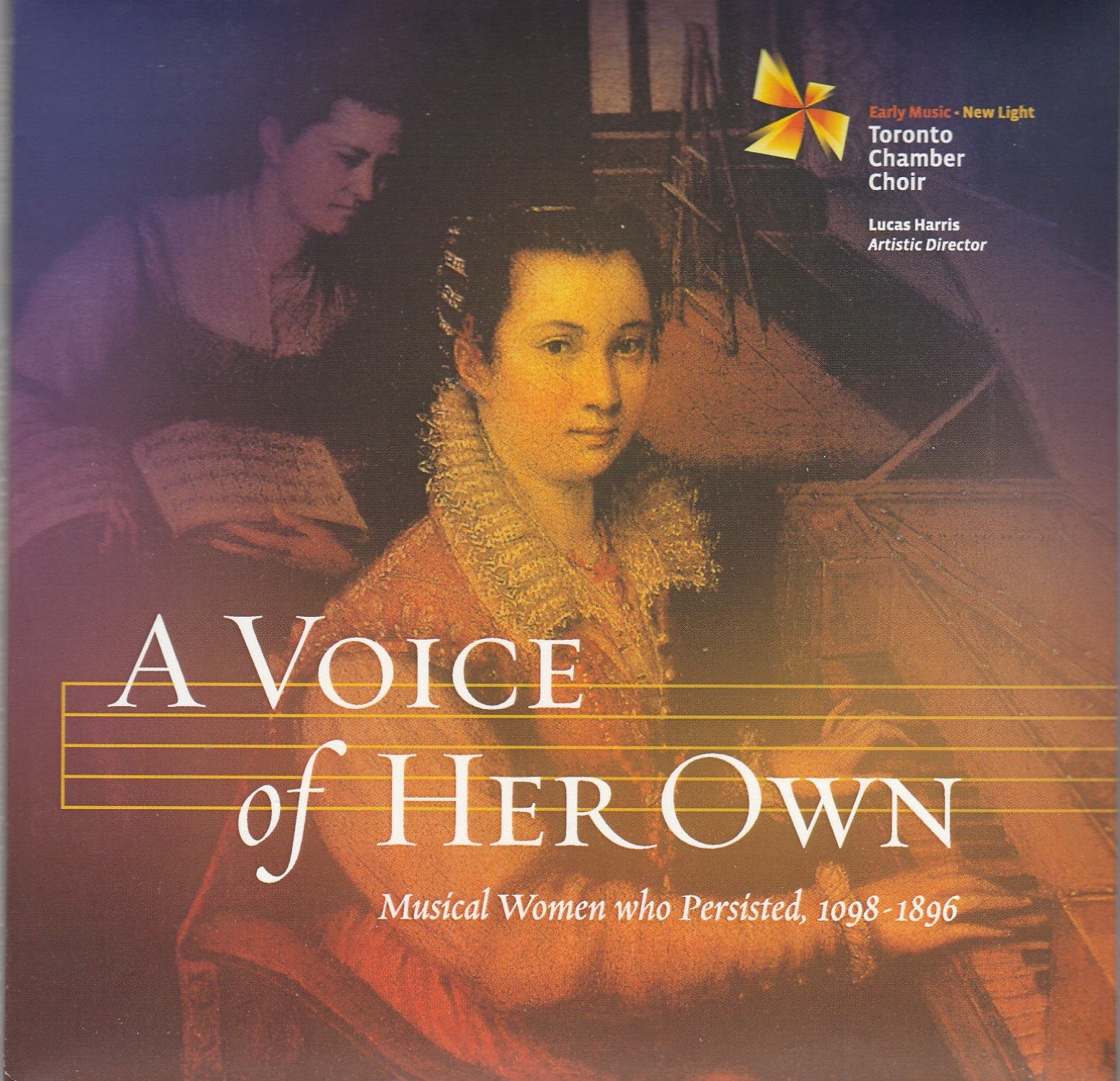
02 A Voice of Her OwnA Voice of Her Own – Musical Women Who Persisted 1098-1896
Toronto Chamber Choir; Lucas Harris
Independent n/a (torontochamberchoir.ca)

Sacred and secular music require two wholly different mindsets and the singers of the Toronto Chamber Choir, with Lucas Harris as artistic director, have the wherewithal to do both in spades. Both genres demand an immersion of sorts into the music itself. The performance by this choir does more than simply tick all the boxes; it soars impossibly high, taking the music to another realm altogether. Another challenge – admirably handled by the choir – is the fact that the music spans almost 800 years of evolved tradition.

The program itself is an inspired one and is quite representative of women composers who, as the title suggests, emerged with high honours in a world dominated, at every level of art and its commerce, by men. This recording gets off to a glorious start with music by the ecstatic mystic, Hildegard of Bingen (1098-1179). In the extract from Ordo Virtutum, where the monastic nun adapted the language of visions and of religious poetry, the choir’s interpretation is resonant and retains the exquisite purity of the music.

From the soaring intensity of the anonymous 17th-century composition Veni, sancte Spiritus by the nuns of Monastère des Ursulines de Québec through songs from Gartenlieder by the prodigiously gifted Fanny Mendelssohn Hensel (1805-1847) to the deep melancholia of Clara Schumann’s (1819-1896) work, the musicians and choristers achieve unmatched levels of elegance and refinement.

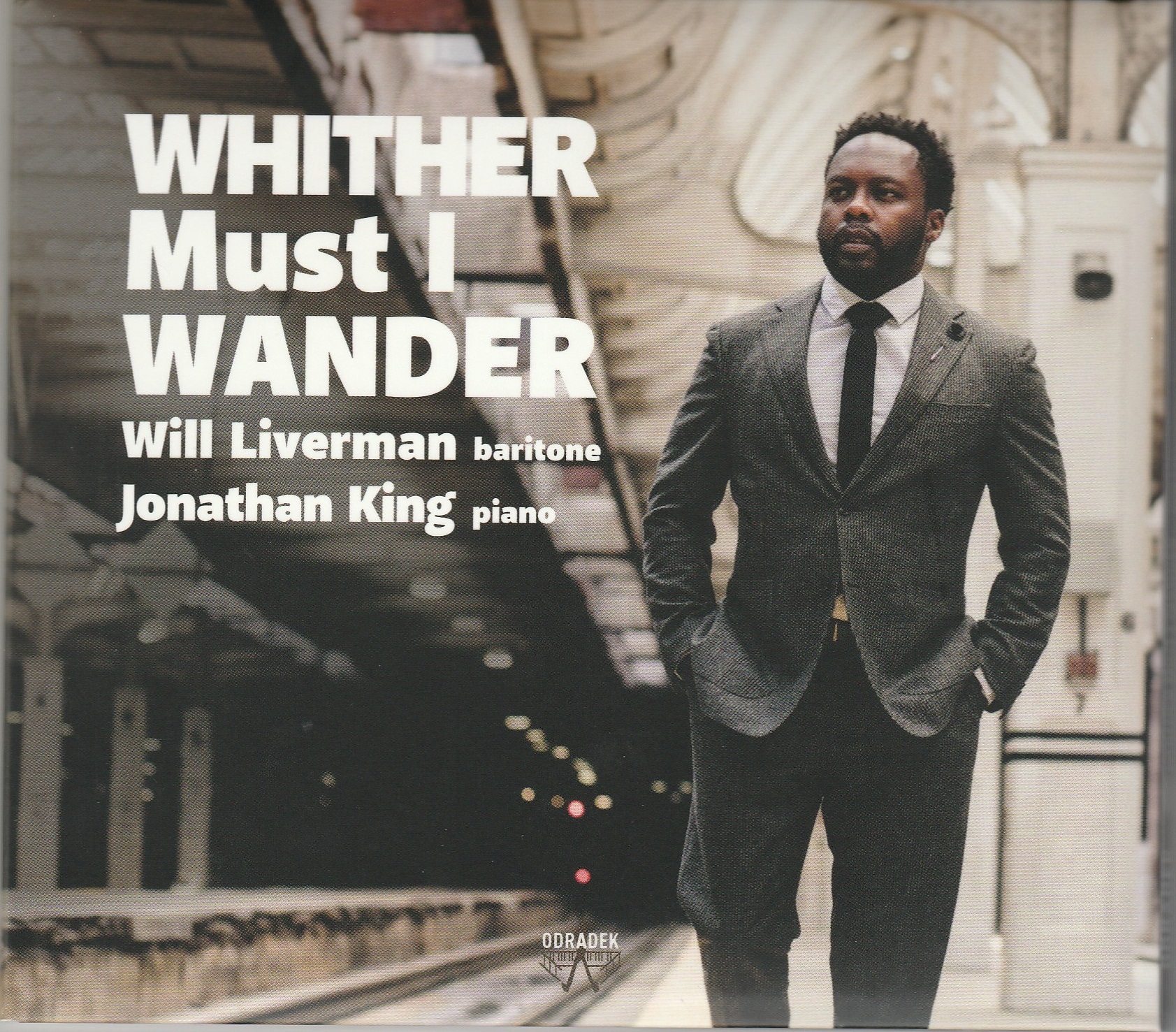
03 Whither Must I WanderWhither Must I Wander
Will Liverman; Jonathan King
Odradek ODRCD389 (odradek-records.com)

Wanderlust – both literal and figurative – lies dormant in the human genetic makeup. It is often awakened, especially among artists, and takes flight into both real and imagined landscapes often with breathtaking results. From Wandrers Nachtlied, Goethe’s poetry set to song by Nikolai Medtner, to lieder from Mondnacht penned by Robert Schumann; from Songs of Travel by Ralph Vaughan Williams to King David by Herbert Howells and At the River by Aaron Copland, Whither Must I Wander captures the timeless beauty of man’s propensity for real and imagined travel.

The music is interpreted by Will Liverman, an outstanding lieder singer blessed with a warm-toned baritone. Liverman shows himself to be an artist of the first order. His performance here eschews melodrama and his interpretations are understated yet powerfully convincing. Howells’ King David is typical. Although Liverman is still young, and will surely mature, his singing already combines an authoritative vocal sound with accomplished interpretative insights into the music.

Liverman has an outstanding relationship with pianist Jonathan King. Together the two parley with the familiarity of old friends. The singer is aware of when to recede from the spotlight, making way for King to embellish melodies. The pianist, for his part, always rises to the occasion; his playing is full of adventurous handling of harmony and tone. Together with Liverman’s vivid storytelling, this makes for a profoundly dramatic and characterful performance

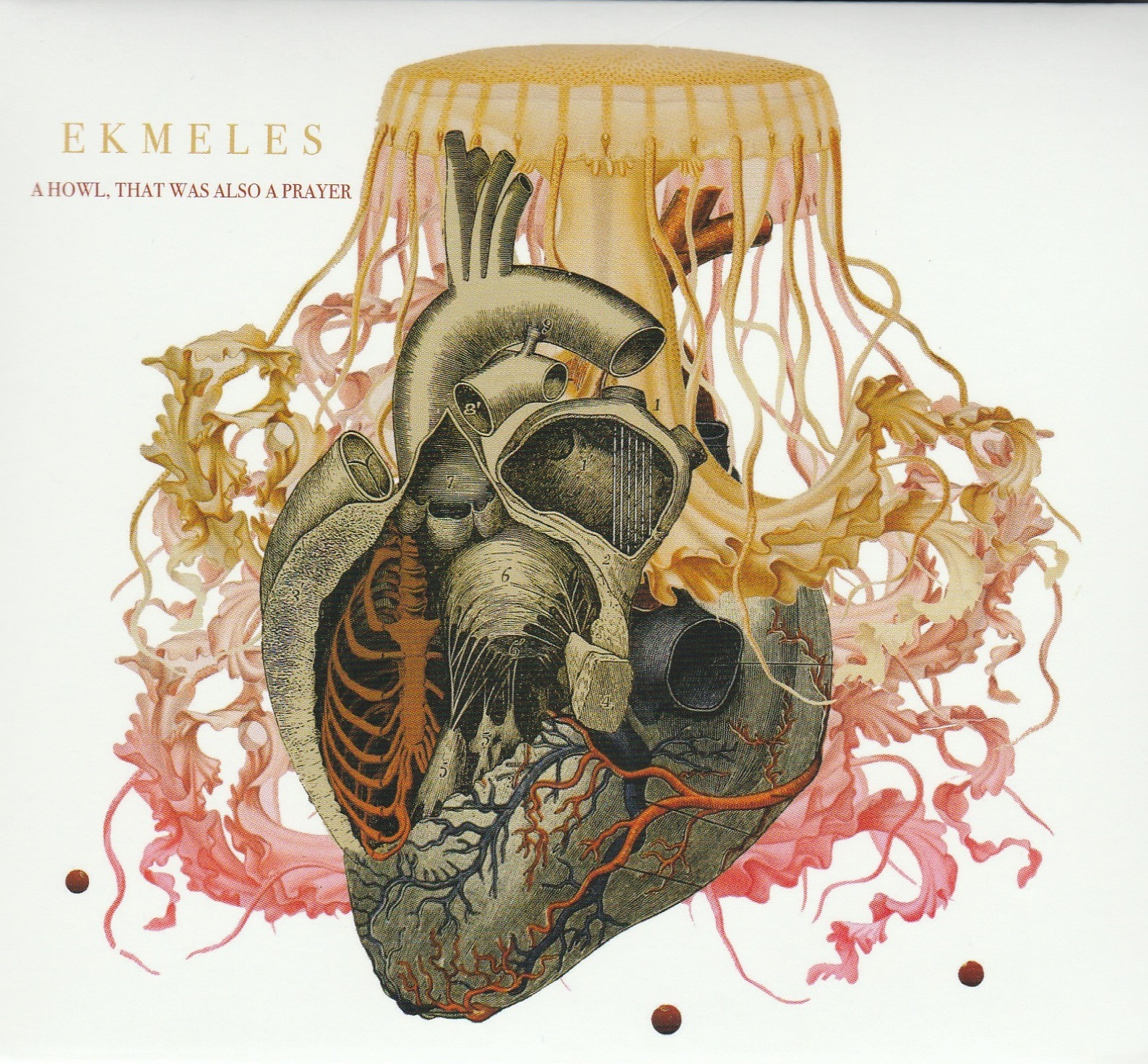
04 EkmelesA Howl, That Was also a Prayer
Ekmeles
New Focus Recordings FCR245 (newfocusrecordings.com)

New York-based contemporary new music vocal ensemble Ekmeles is spectacular in their first solo release. Featuring commissions by Christopher Trapani and Canadian Taylor Brook, and a third work by Erin Gee, the six singers perform these innovative 21st-century works with precision and understanding.

Brooks’ nine-part microtonal a cappella Motorman Sextet is based on David Ohle’s 1972 cult novel. The opening party-like vocal chatter sets the stage. The clear-spoken narrative by different voices features atmospheric backdrops like multi-voice unison spoken words, dynamic swells, held notes, high voice staccatos and atonal harmonic touches.

Gee sound-paints new dimensions to my favourite pastime in Three Scenes from Sleep, taken from a larger piece. No words here; just voice-created clicks, pops, rustles, held notes, rhythms, high-pitched intervals and the final closing more-song-like held-low note which musically illustrate the unconscious sleep state.

Trapani’s End Words features live voices with prerecorded vocal fragments and electronics. The three movements, based on texts by Anis Mojgani, Ciara Shuttleworth and John Ashbery respectively, are driven by tight ensemble performance. The first movement electronics add another voice to the clear ensemble articulations and swells with low drum-like thunder manipulations, squeaky electronic birds and plucked string effects. The closing third movement is unique with the opening electronic bell sounds leading to a strong electronic “duet” with the almost spoken vocals.

Director/baritone Jeffrey Gavett leads Ekmeles in an exciting futuristic musical direction.

Listen to 'A Howl, That Was also a Prayer' Now in the Listening Room

05 OgloudoglouOgloudoglou – Vocal masterpieces of the Experimental Generation 1960-1990
Sara Stowe
metier msv 28593 (divineartrecords.com)

English soprano Sara Stowe is a versatile and inventive musician with repertoire ranging from contemporary concert music to medieval song. A prize-winning harpsichordist and pianist at the start of her career, she then decided to learn 20th-century vocal music in Italy. One of her specialties is the songs of the outsider composer, Giacinto Scelsi (1905-1988), whose reputation leapt to international prominence only at the end of his life.

Ogloudoglou, titled after the song by the same name by Scelsi, is a skillfully curated album focused tightly on 11 art songs from 1960 to 1990 by what Stowe calls “the experimental generation.” She renders boundary-stretching songs by Italian composers Scelsi, Luciano Berio, Luigi Nono, Niccoló Castiglioni and Sylvano Bussotti, as well as one each by the Argentine-German Mauricio Kagel and Americans John Cage and Morton Feldman. And experiment they did.

Outstanding tracks for me are Nono’s cinematic, epic La Fabbrica Illuminata for voice and tape, and the more concise, though perhaps even more musically compelling, Sequenza III by Berio. The latter is beautifully rendered by Stowe – and I’ve heard Cathy Berberian, for whom it was composed, perform it live.

Breathtakingly iconoclastic, perhaps even shocking when brand new, this tough song repertoire is little programmed today, at least in Canada. Stowe thus does us a favour, presenting her recital of songs by seminal later-generation high modernists with virtuoso verve. She committedly follows their demanding performance instructions and groundbreaking aesthetics, by the end winning over those who care to listen with her exhilarating musicality.

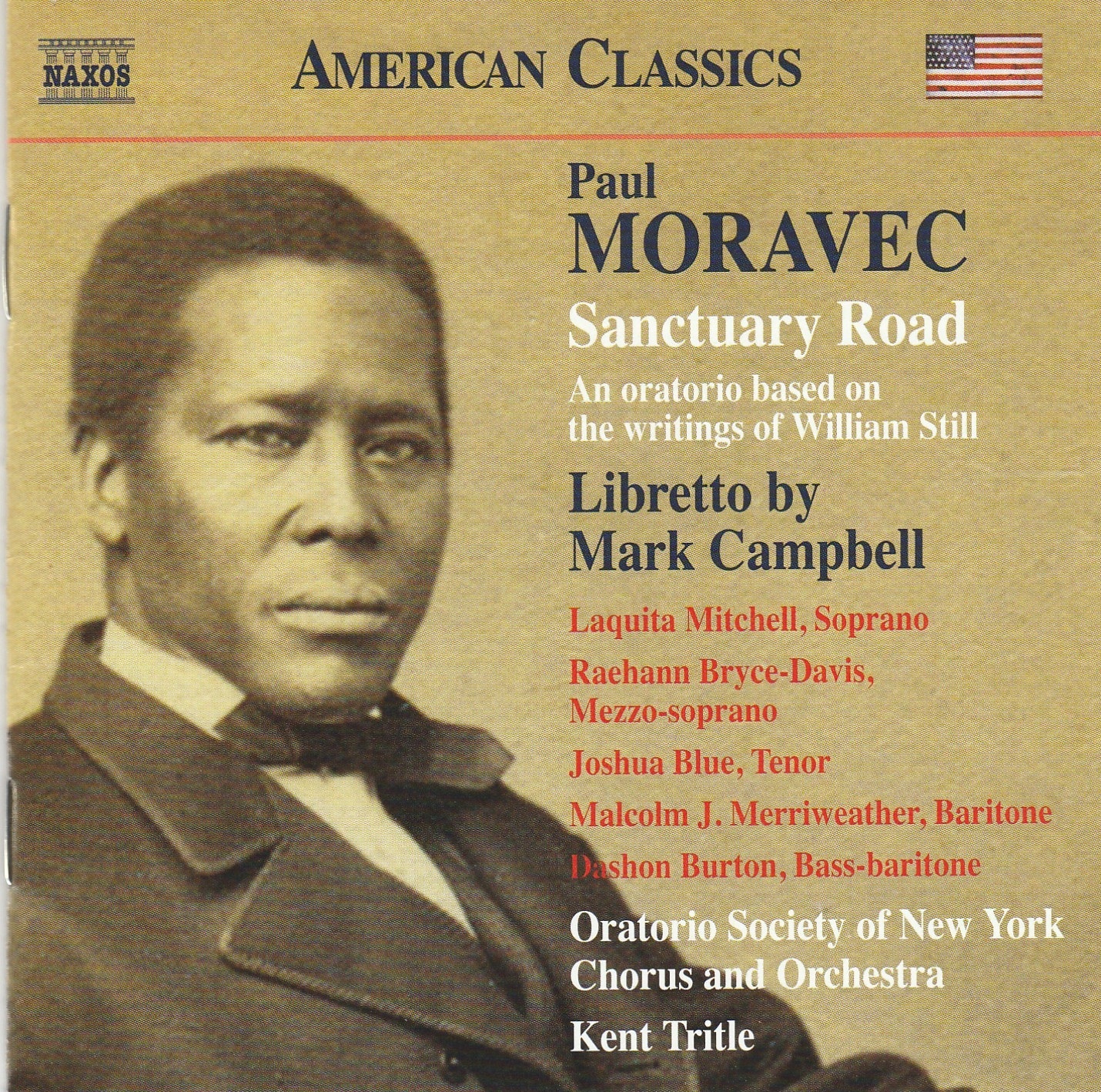
06 Sanctuary RoadPaul Moravec – Sanctuary Road
Soloists; Oratorio Society of New York Chorus and Orchestra; Kent Tritle
Naxos 8.559884 (naxosdirect.com) 

Stories of the plight of the African slave in the US have echoed in the secrecy of the Underground Railroad for hundreds of years, the best of them recounted in prose, poetry and, somewhat recently, also in film. Musical stories – sung in the style of classic and modern blues and extended narrative jazz compositions – have also been heard. However, the operatic stage with live characters offers a distinctly different canvas where some of the most uplifting stories of the escape from slavery have been told.

In this most recent one, Paul Moravec and Mark Campbell have come together as musician and librettist in Sanctuary Road, to recreate epic narratives of William Still’s book The Underground Railroad. This is a powerful work, layered with meaning, rich in detail, tragedy and triumph and, above all, cathartic pathos. All of this takes more than the stories themselves. It takes a fabulous cast, which Moravec and Campbell have found in the singers and musicians of the Oratorio Society of New York Chorus and Orchestra directed by Kent Tritle.

On Sanctuary Road Still’s narratives rise to a rarefied realm thanks to compelling performances by its soloists. Soprano Laquita Mitchell is radiant, mezzo-soprano Raehann Bryce-Davis is mesmerizing, and tenor Joshua Blue, baritone Malcolm J. Merriweather and bass-baritone Dashon Burton are spellbinding. Each of the soloists palpably evokes the suffering and joy of those who escaped to freedom from the American South into Canada.

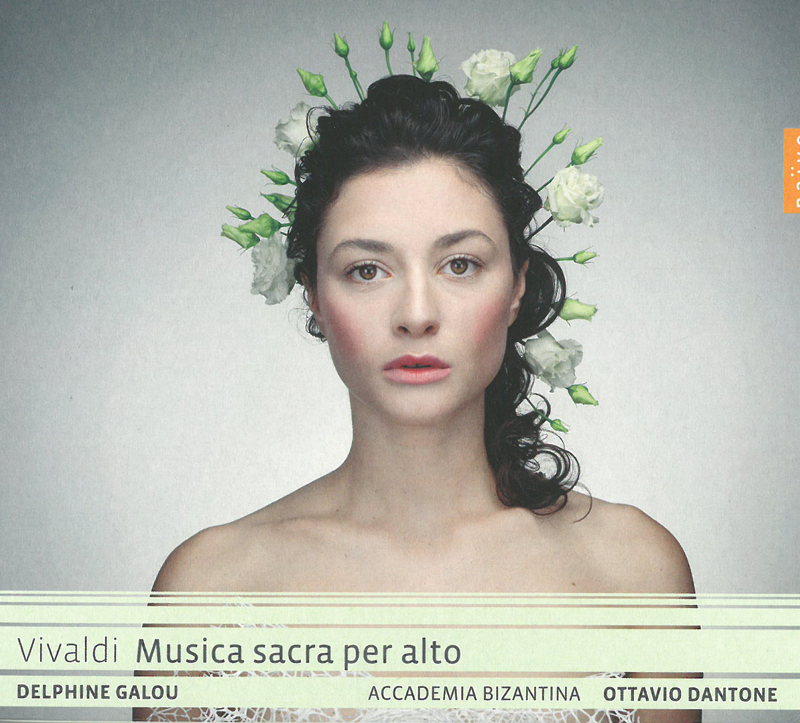
01 Vivaldi Musica sacraVivaldi – Musica sacra per alto
Delphine Galou; Accademia Bizantina; Ottavio Dantone
Naïve Vivaldi Edition Vol.59
(vivaldiedition.com)

Unlike Bach and Handel, Vivaldi’s instrumental works continue to be better known and more frequently performed than his vocal and choral music, though this imbalance is slowly being rectified. History is partly to blame for this, as even the renowned Gloria was only reintroduced in 1939; but Vivaldi is now considered a versatile and highly innovative composer of vocal music, a reflection of his ambition to become a universal composer who excelled in every aspect of his art.

One significant contributor to the propagation of Vivaldi’s vocal music is the Vivaldi Edition, an ambitious project to record 450 of the Italian composer’s works, many of them unknown. Musica sacra per alto is volume 59 in their collection and features four sacred pieces for alto with orchestral accompaniment, ranging in size from small-scale mass segments lasting only a few minutes (such as the two introdutioni, which resemble solo motets in a form unique to Vivaldi) to the five-movement Salve Regina.

Contralto Delphine Galou and the Accademia Bizantina give convincing performances of each work on this disc, whether a languid aria or compelling allegro, uncovering the distinctly Vivaldian characteristics on the page and translating them into spectacular sounds. Although the material may be unfamiliar to many listeners, the style is unmistakable and this disc provides a fine example of why Vivaldi’s reputation as a composer of vocal music is continuing to grow, due in large part to the work of organizations such as the Vivaldi Edition.

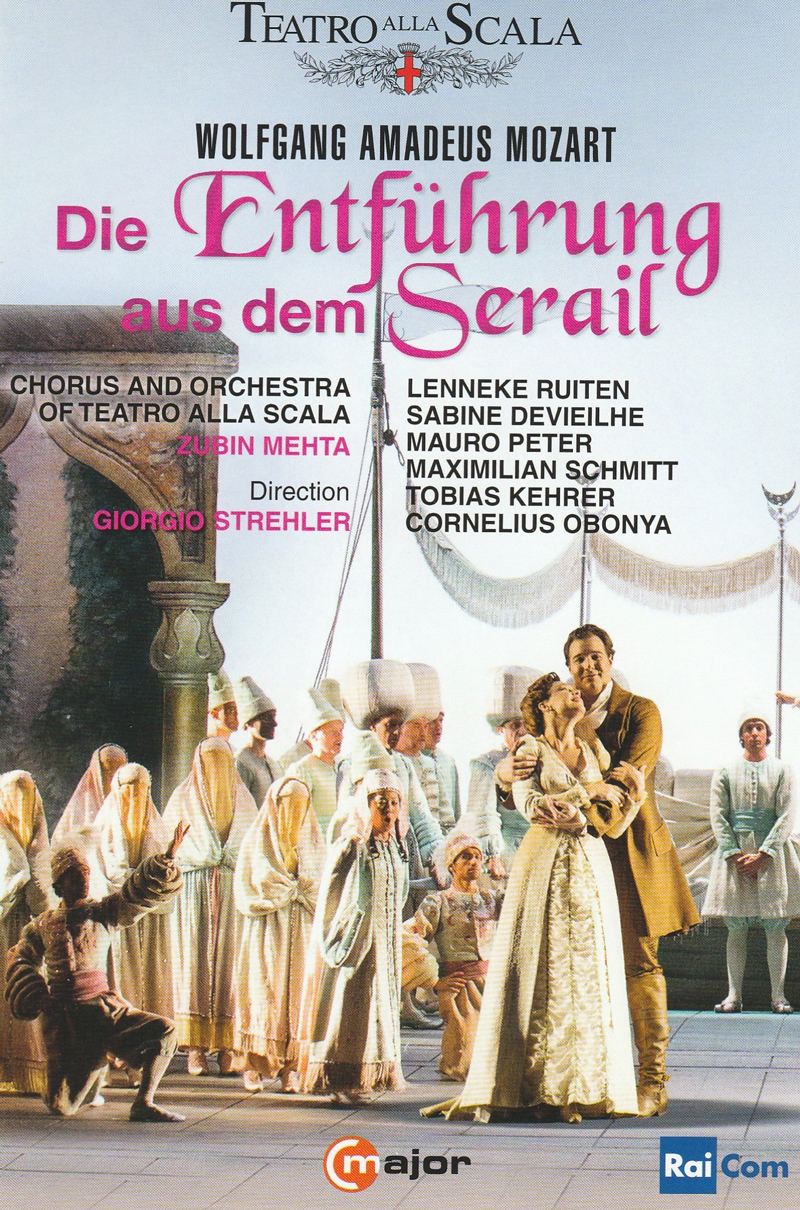
02 Mozart EntfuhrungMozart – Die Entfuhrung aus dem Serail
Soloists; Chorus and Orchestra of Teatro alla Scala; Zubin Mehta
Cmajor 752008 (naxos.com)

This production is a replica of a 1965 Salzburg performance designed by famous Italian director Giorgio Strehler which was so successful that the audience refused to leave the theatre. Since then it has been revived periodically and now again to commemorate the 20th anniversary of the director’s death. A young firebrand, Zubin Mehta, conducted then and now, at age 80, is conducting it again.

It certainly lives up to expectations: an impressive, monumental and symmetrical set bathed in sunlight suggests an atmosphere of dreaminess. The singers are lit alternately from the front and the back creating silhouettes as if we are watching a shadow play such as was fashionable in the Vienna of 1782 when this singspiel, Mozart’s first breakthrough success, was premiered. There is strong artistic control over all elements, e.g. costumes, colours, carefully choreographed movements and gesticulations, all coming together beautifully; the mark of a great director’s work.

The crowning achievement however is the singers and they all are of the highest quality. First and foremost, Dutch soprano Lenneke Ruiten, as Konstanze, is simply unbelievable in the three concert arias that follow one another and culminate in the magisterial, defiant and very difficult Martern aller Arten, sung with sustained, powerful high notes and without any trace of vibrato. This is a focal point of the opera, photographed from every possible angle, conductor’s included; it’s worth buying the video for this one aria alone. 

Swiss tenor Mauro Peter as Belmonte, her lover, is a revelation. He is referred to as a ”real discovery, a classic Mozartian tenor with warmth and style.” And there is Osmin, the basso profundo malevolent palace guard portrayed hilariously by Tobias Kehrer. An eye candy of a production.

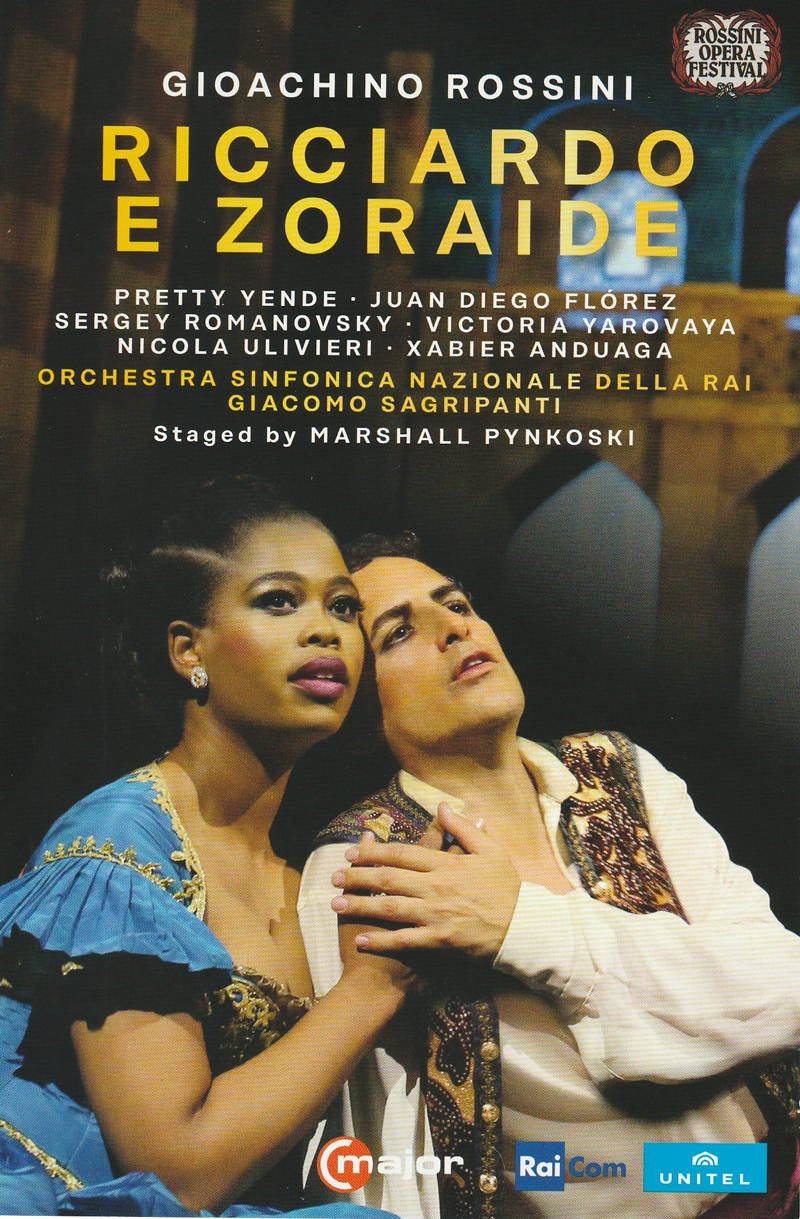
03 Rossini RIcciardoRossini – Ricciardo e Zoraide
Soloists; Coro del Ventido Basso; Orchestra Sinfonica Nazionale Della Rai; Giacomo Sagripanti
Cmajor 752608 (naxosdirect.com)

The Barber of Seville, La Cenerentola, La Gazza Ladra – familiar Rossini titles, but La Gazzetta? Ermione? Bianca e Faliero? All these, along with Ricciardo e Zoraide, were among the 14 operas emerging from Rossini’s conveyor belt during his busiest four years, 1816-1819. Most were soon forgotten amid this superabundance; Ricciardo e Zoraide, here making its DVD debut, was unperformed for almost 150 years until its revival at the 1990 Rossini Opera Festival in Pesaro, Rossini’s birthplace. 

Agorante and Ircano are warring kings in medieval Nubia. Agorante lusts after his captive, Zoraide, Ircano’s daughter, who yearns for Ricciardo, her Christian-crusader lover. Disguised, Ricciardo attempts her rescue, but is captured. Zomira, Agorante’s jealous wife, plots the lovers’ downfall.

This 2018 Pesaro production boasts a fabulous international cast, headed by lustrous South African soprano Pretty Yende (Zoraide), phenomenal Peruvian high-C wizard, tenor Juan Diego Flórez (Ricciardo), sturdy Italian bass Nicola Ulivieri (Ircano) and two powerful, beefy voiced Russians, tenor Sergey Romanovsky (Agorante) and mezzo Victoria Yarovaya (Zomira). There’s a major Toronto presence, too: Opera Atelier’s co-directors, Marshall Pynkoski and Jeannette Lajeunesse Zingg are, respectively, the stage director and choreographer, their familiar predilections for mannered stage movements and bare-chested men further undermining the far-fetched scenario’s minimal dramatic verisimilitude.

I won’t call this opera a neglected masterpiece. However, conductor Giacomo Sagripanti and the truly spectacular singing provide plenty of Rossinian thrills over its nearly three-hour duration, making this a must-have for all opera-on-DVD enthusiasts.

04 Offenbach Un MariOffenbach – Un mari à la porte
Soloists; Orchestra del Maggio Musicale Florentino; Valerio Galli
Dynamic 37844 (naxos.com)

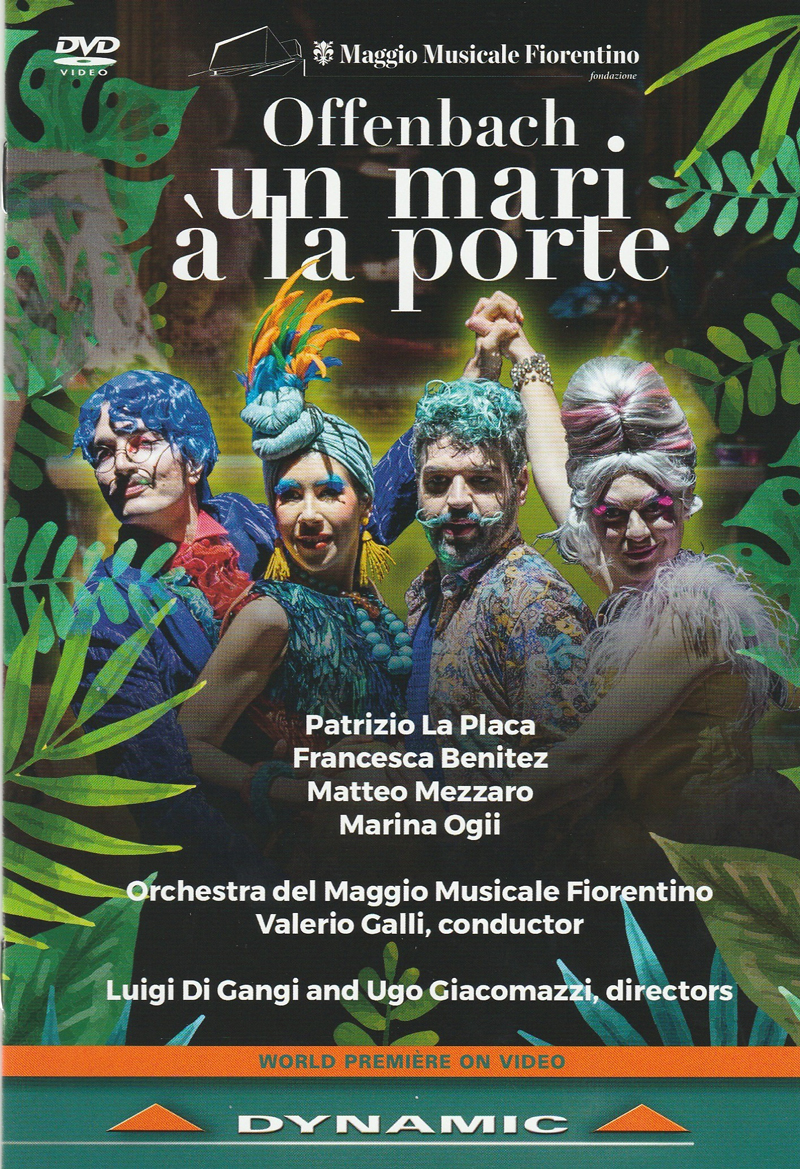
“Sheer silliness” were the words that kept coming to me as I watched and listened to this unfamiliar, 48-minute, one-act Offenbach operetta. Following the graceful, charming waltz-overture, Florestan (tenor Matteo Mezzaro) literally drops into Suzanne’s bedroom, falling through the chimney after scampering over rooftops to escape from a jealous husband. He hides when Suzanne (mezzo Francesca Benitez) and her friend Rosita (soprano Marina Ogii) enter, fresh from Suzanne’s wedding party. Rosita extols the delights of dancing the waltz in the operetta’s hit number, the effervescent Valse Tyrolienne.

Henri, the groom (baritone Patrizio La Placa), arrives at the bedroom door, only to find himself locked out – to avoid being discovered by Henri, Florestan, now out of hiding, has locked the door and thrown the key out the third-floor window. Stuck outside the bedroom, Henri adds his voice in an exuberant quartet, a sparkling example of Offenbach’s high-spirited “patter” music. Finally, after Henri manages to find the key in the garden, it all ends happily, with the newlyweds reunited and Florestan and Rosita potentially altar-bound themselves.

The exaggerated silliness of the plot is reflected in the exaggerated, silly costumes, makeup, props and gestures by the animated cast in this 2019 Florence production, while conductor Valerio Galli keeps it all bubbling along. My only cavil: adding another one-acter would have made this fun-filled but very short DVD even more desirable.

Back to top