10 Wadada Leo Smith Rosa Parks rgb 300dpiRosa Parks: Pure Love
Wadada Leo Smith
Tum CD 057 (tumrecords.com) 

Since 2012, trumpeter Wadada Leo Smith has created several powerfully elegiac suites: Ten Freedom Summers, Occupy the World, The Great Lakes and America’s National Parks. With Rosa Parks: Pure Love, he returns explicitly to the theme of the first, the African-American civil rights movement. Rosa Parks is an oratorio, with music and songs by Smith, employing his distinctive compositional method that focuses on contrasting durations and textures. Smith’s heterodox ensemble includes a string quartet, a trumpet quartet, drums, electronics, pipa and three singers.

From the dissonant fanfare, Smith has compounded his own idiom, at once intimate and multi-dimensional, in which strongly lyrical passages alternate with moody, atonal strings and sometimes harsh, flaring brass. Strong individual voices emerge out of the fissures opening in the collective sound: violinist Mona Tian, cellist Ashley Walters, drummer Pheeroan akLaff and Smith himself, soloing only in the penultimate movement. Smith has matched each song’s character, as well as range, to each singer’s voice: Karen Parks’ touch of gospel; Carmina Escobar’s hard-edged precision; and Min Xiao-Fen’s soaring command of microtones. Each brings a special presence to Smith’s multicultural palette.

Embedded in the oratorio are excerpts of early recordings by Smith and close associates Anthony Braxton, Leroy Jenkins and Steve McCall, musicians who first played free music together 50 years ago, and who are, by extension, partners in Smith’s ongoing commemorations of the necessary struggles for freedom, reinforced in his concluding quotation from Martin Luther King.

11 Ivan MazuzeMoya
Ivan Mazuze
Losen Records LOS 209-2 (losenrecords.no/release/moya)

With his fourth album, Mozambique-born saxophonist and composer Ivan Mazuze, now based in Norway, continues his exploration of interrelations between traditional and contemporary music. The result is Moya, an elegant synthesis of the melodies and rhythms of African and Indian music with contemporary jazz elements. Mazuze is a polished and particularly sensitive saxophone player. His musical language is both delicate and passionate, his expression clear and meaningful. This album also features a wonderful crew of musicians from around the globe, including Olga Konkova (on piano), who has a great synergy with Mazuze, and Bjørn Vidar Solli (on guitar), who delivers some truly impressive solos.

Moya opens with contemplative Rohingya. Inspired by the Rohingya people of Myanmar who were recently displaced from their homeland, this piece has a melancholy feel driven by a rhythmical tabla pulse. It flows naturally into Mantra, a lively tune featuring an alluring combo of vocal chanting and instrumental discourse. The most interesting track on the album for me is Lunde, inspired by Norwegian folk music and highlighting cool vocals by Hanne Tveter. And there is Moya, the focal point of the album. It’s meaning in the Mozambican language is spirit/soul and it is immediately apparent that it holds special significance for Mazuze. The interplay between sax and piano captivates the listener with changing colours and meaningful dialogue.

This album has funky grooves, soulful melodies and, most importantly, a distinct and catchy sound. Highly recommended.

French actress Simone Signoret titled her memoirs, Nostalgia Isn’t What It Used to Be, and the number of uninspiring salutes to earlier jazz heroes or heroines easily bears out this sentiment. However, when the right player selects the right material to record from a celebrated predecessor’s music and – most importantly – puts his or her own spin on it, the release becomes more than an exercise in nostalgia. Each of these sessions shows how this feat can be accomplished.

Ornette Coleman: Reflecting his influence on improvised music following his sudden arrival on the scene in the late 1950s, it’s no surprise that two of the sessions honour alto saxophonist Ornette Coleman (1930-2015). What is remarkable though is that neither group plays the same Coleman compositions. Plus each takes a diametrically opposite approach.
01a TizianoCD002Italian drummer Tiziano Tononi & the OrnettiansForms and Sounds: Air Sculptures (Felmay fy 7058 felmay.it) features an 11-piece band which, besides nine compositions by Coleman, interprets Tononi’s The Air Sculptures Suite. It’s not just Tononi’s indomitable rhythms from drum set and other percussion that animate his CD, but how soloists preserve their identities although immersed in Coleman’s sounds. Tracks such as the Tononi-composed Fireworks in N.Y.C and Fort Worth Country Stomp interpret aspects of Coleman’s music without copying. The latter track, for instance, is a country blues played with Italian panache featuring sharp staccato slurs and snorts from alto saxophonist Piero Bittolo Bon, spurred by backbeat drumming; while Fireworks in N.Y.C is straightforward swing, tempered by trumpeter Alberto Mandarini’s brassy and graceful solo plus hearty bass clarinet glissandi from Francesco Chiapperini. It climaxes with percussion outgrowths that are as African as American, highlighting Tononi’s cowbell and kalimba. This ingenuity remains with the Coleman compositions. The expected outlines of Peace for instance, are reconfigured when propelled by Tito Mangialajo’s walking bass line and penetrating twangs from Paolo Botti’s banjo (!). At breakneck tempo, Bittolo Bon’s high-pitched flute and Emanuele Parrini’s violin stops brighten the performance without losing the melody. Similarly Rushhour is played acoustically, but with a swelling sound reminiscent of Coleman’s electric band, and is led by Parrini’s sizzling double stops as Daniele Cavallanti’s bluesy tenor sax and the drummer drive everyone forward. Cavallanti brings the same intensity to Law Years paired with brassy upsurges from Mirko Cisilino’s trumpet. The lineup on Una Muy Bonita with Mangialajo and Silvia Bolognesi both playing bass plus Bittolo Bon and Chiapperini on alto saxophones, allows soloists to reconfigure Coleman with elevated tremolos or flutter tonguing as the dual basses propel the narrative.
01b ChrisCD005There are only six players on trumpeter Chris Pasin’s Ornettiquette (Planet Arts 301820 planetarts.org), but two of them, vibist/pianist Karl Berger and vocalist Ingrid Sertso worked with Coleman. Beside five Coleman tunes interpreted are two by Pasin and one by Albert Ayler.

Mostly concentrating on Coleman’s earlier works, Pasin’s take on Ornettiquette is low key but inventive. For instance, as Karl Berger’s vibes elaborate Jayne’s theme, the band plays up its blues underpinnings at the same time as Pasin’s clarion blasts are pitched Maynard Ferguson-like high. Michael Bisio’s slap bass adds rhythmic emphasis and the finale is a timbral battle between Pasin and alto saxophonist Adam Siegel’s supersonic slurs. Ingrid Sertso’s scatting in tandem with vibraphone clangs and burbling horns almost transforms When Will the Blues Leave into jittery bebop. But her recitation of the title and response of “never” reasserts solemnity. Pasin’s OCDC, saluting Coleman and his trumpeter Don Cherry is more linear than the dedicatees’ compositions. Plus the trumpeter’s quirky configuration of Cherry’s role is original. Walking bass and drummer Harvey Sorgen’s positioned whacks hold the bottom so that the horns can improvise freely. 
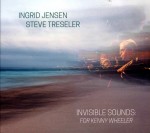
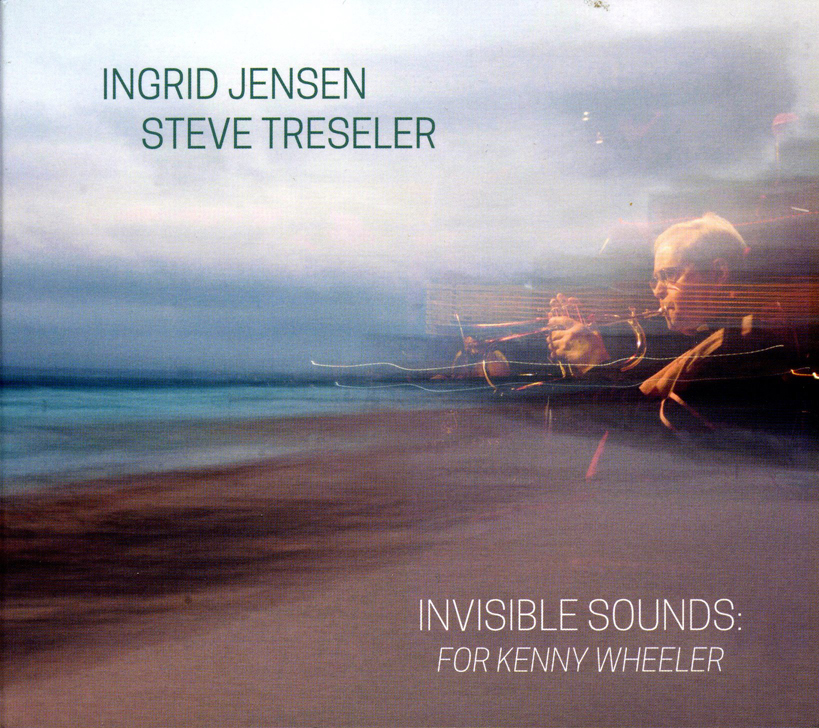
02 IngridCD004Someone who never stinted on the improvisational or melodic content of his own compositions was Canadian-born, London-based trumpeter Kenny Wheeler (1930-2014). Fellow Canadian, trumpeter Ingrid Jensen and American tenor saxophonist/clarinetist Steve Treseler lead a seven-piece band on Invisible Sounds for Kenny Wheeler (Whirlwind Recordings WR 4729 whirlwindrecordings.com) playing nine Wheeler tunes that are audible, not invisible. Bookended by a studio and a live version of Foxy Trot, which in its live incarnation trots along courtesy of Jon Wikan’s crisp drumming and an array of arpeggios spilling from Geoffrey Keezer’s piano, the set emphasizes Wheeler’s versatility. Expressive ballads like Where Do We Go from Here are buoyed by mellow saxophone swoops and upward puffs from the trumpeter, as piano chording brings out its swing underpinning. Meanwhile, Old Time is an out-and-out funk tune with a stop-time narrative, shuffle beat, slurs and snarls from the tenor saxophonist and acrobatic pitches from Jensen’s open horn. Still the most characteristic interpretation is of Wheeler’s best known tune, Everybody’s Song but My Own. A minor key lament, its essence is reflected in harmonic horn melding, slippery tremolos from Keezer and Jensen’s supple mid-range pitch slides.
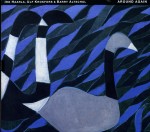
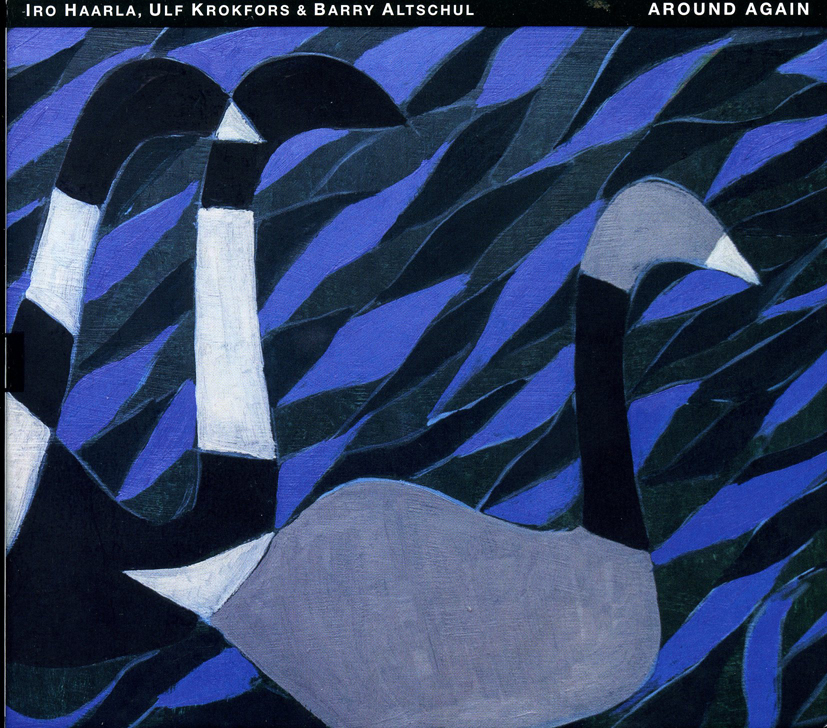
03 AroundCD006Another composer who has a Canadian connection via her late ex-husband is 83-year-old Carla Bley. The 12 tunes played by Finns, pianist Iro Haarla and bassist Ulf Krokfors plus American drummer Barry Altschul on Around Again – The Music of Carla Bley (TUM CD 054 tumrecords.com) come mostly from her creative beginnings in the 1960s, coincidentally a time when the drummer was a member of Paul Bley’s bands that first played this music. Expressing the compositions’ inflections, performances are almost uniformly unhurried and dampened with percussion accents, double bass stops and focused on piano-led themes played respectfully. That way motion and melody are exposed at the same time. The exposition on Batterie, for instance, picks up sonic colours from keyboard jumps and is extended with low-pitched bass-string stops and indirect percussion clatters, and then slyly redirected to the head. Squirming and swaying, Haarla uses kinetic glissandi to turn the title track into a fantasia that gives the bassist enough space for plump pumps. Appropriately and subversively, both And Now, the Queen and Ida Lupino are spun out in processional fashion, with the latter balancing Krokfors’ heated string stabs and Haarla’s cooler key manipulation; and the former cleanly sweeping up tempo with double bass prods that lead to unstoppable forward motion, soon intensified with variable and emphasized voicing from the keyboard. The only track to feature a drum solo that is suitably understated, Ũtviklingssang, composed by Bley in Norway not Finland, opposes Altschul’s press rolls and bass drum booms with Haarla’s recital-ready formalism that preserves the narrative.
04 KrestenCD003Fealty to a single influencer isn’t the only way to express admiration and adaptation of the concepts pioneered by earlier musicians. That ‘s what distinguishes Danish drummer Kresten Osgood’s two-CD Plays Jazz (ILK Music ILK 28LP ilkmusic.com) from the other discs here. Working with a tight, balanced quintet of trumpeter Erik Kimestad, tenor saxophonist Mads Egetoft, pianist Jeppe Zeeberg and bassist Matthias Petri, the five roar with the same inventiveness and ferocity through familiar standards, lesser-known compositions and a few originals by the drummer. Although the band plays well enough on compositions by the likes of Eric Dolphy and Thelonious Monk (whose Friday the 13th, spurred by Osgood’s vigorous ruffs and pops, becomes more brawny and atonal than the original) notable triumphs result with its permutation on lesser-known gems. James Cotton’s Blues in My Sleep is revamped from bedrock blues to improv. A snaky bass line propels the theme, which is spangled with brass discord and strangled reed slurs and comes to an unexpected halt. Jerome Cooper’s Monk Funk emphasizes the second word in the title via raspy, Southwestern near-R&B from the saxophonist and rugged percussion slaps. Egetoft’s sour-sounding solo prevents Kimestad’s graceful modulations on Randy Weston’s Little Niles from becoming too slippery, as do Zeeberg’s clipped piano lines. Finally Osgood’s Tchicai in Heaven, named for the Danish New Thing saxophonist, not only shows off his percussion prowess with an introduction based around press rolls and hi-hat smacks, but also includes sparse piano emphasis that highlights Monk’s influence on the avant garde and through it, contemporary European and American jazz.

Each of these discs salutes earlier innovators, but in such a way that matches individuality with influence.


01 Laura HubertOne Night in Kensington
Laura Hubert
Independent (laurahubert.com)

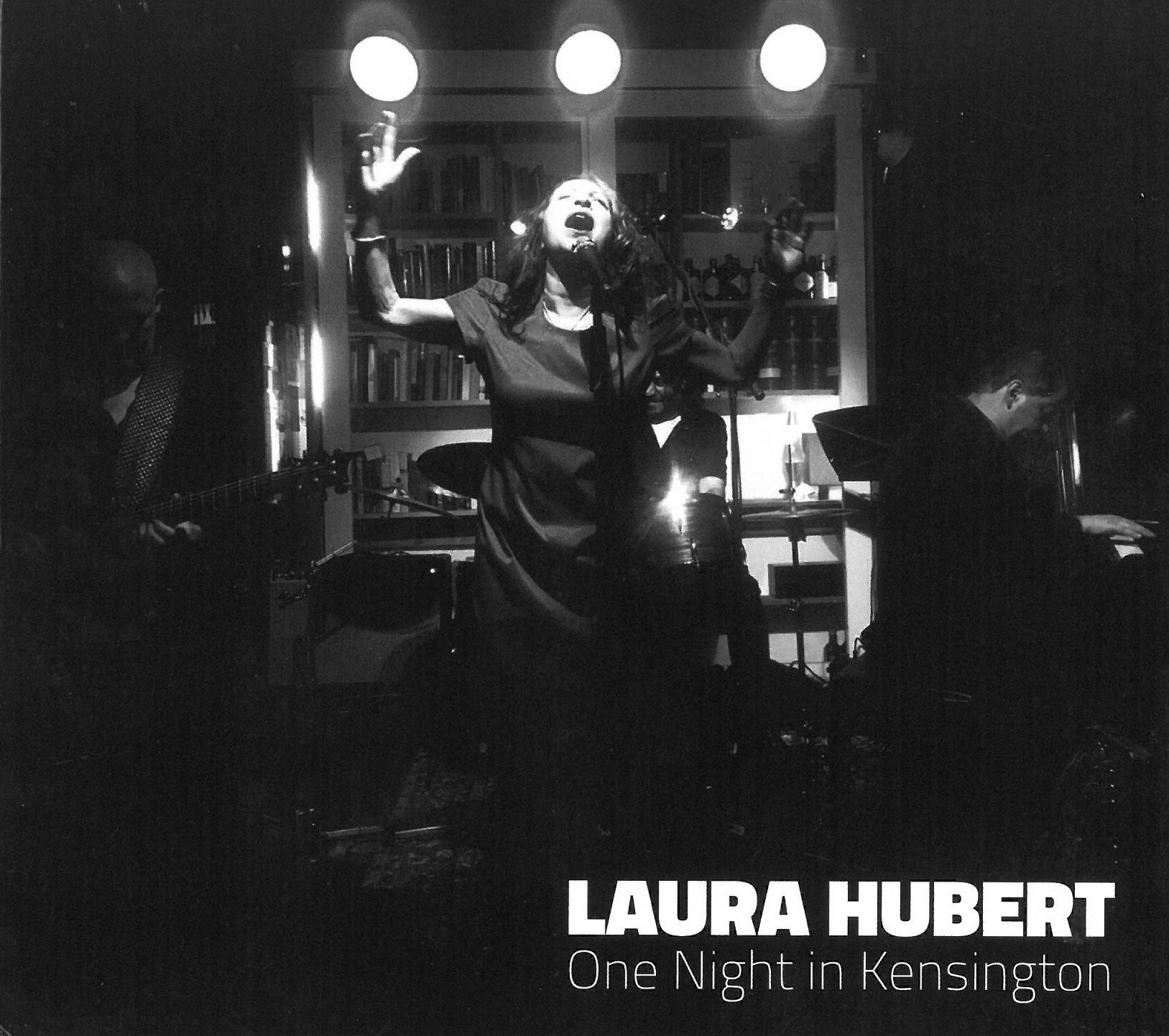
Toronto singer Laura Hubert would be familiar to many readers as the energetic vocalist of the popular JUNO Award-winning Canadian folk/rock band the Leslie Spit Treeo (1988-2000). Hubert continues her musical journey singing jazz in this live recording from the Poetry Jazz Café in Toronto’s Kensington Market, supported by a superb jazz quartet comprised of pianist Peter Hill, guitarist Eric St-Laurent, bassist Steve Wallace and Davide DiRenzo on drums.

Hubert performs with an astounding, memorable sound. Her clear articulations of the storytelling lyrics are still present as she develops her expanding, still intense singing style in 13 contrasting cover tracks. The opening Mercer/Carmichael tune Lazy Bones is a great introduction to Hubert’s personal and at times idiosyncratic sound style, complete with swells, warble and growling vocal effects, and never over-the-top loud singing. A vocals/piano start leads to a full band rendition, with upbeat instrumental solos and background cymbal crashes nicely contrasting the vocal effects. The slower Ellington/Russell song I Didn’t Know About You has Hubert singing in a tenderly lush way, with dramatic held notes against standard jazz band backdrop sounds. The upbeat quasi cha-cha-cha tune Comes Love (Stept/Tobias/Brown) is another intense, unique rendition driven by a tight rhythmic groove.

Great musical interplay between Hubert and her band, extended colourful and exciting instrumental solos and clear production values, including the appreciative audience applause, complete this excellent live release from this musically evolving artist.

02 Simone MorrisSettling Up
Simone Morris
Independent (simonemorris.ca)

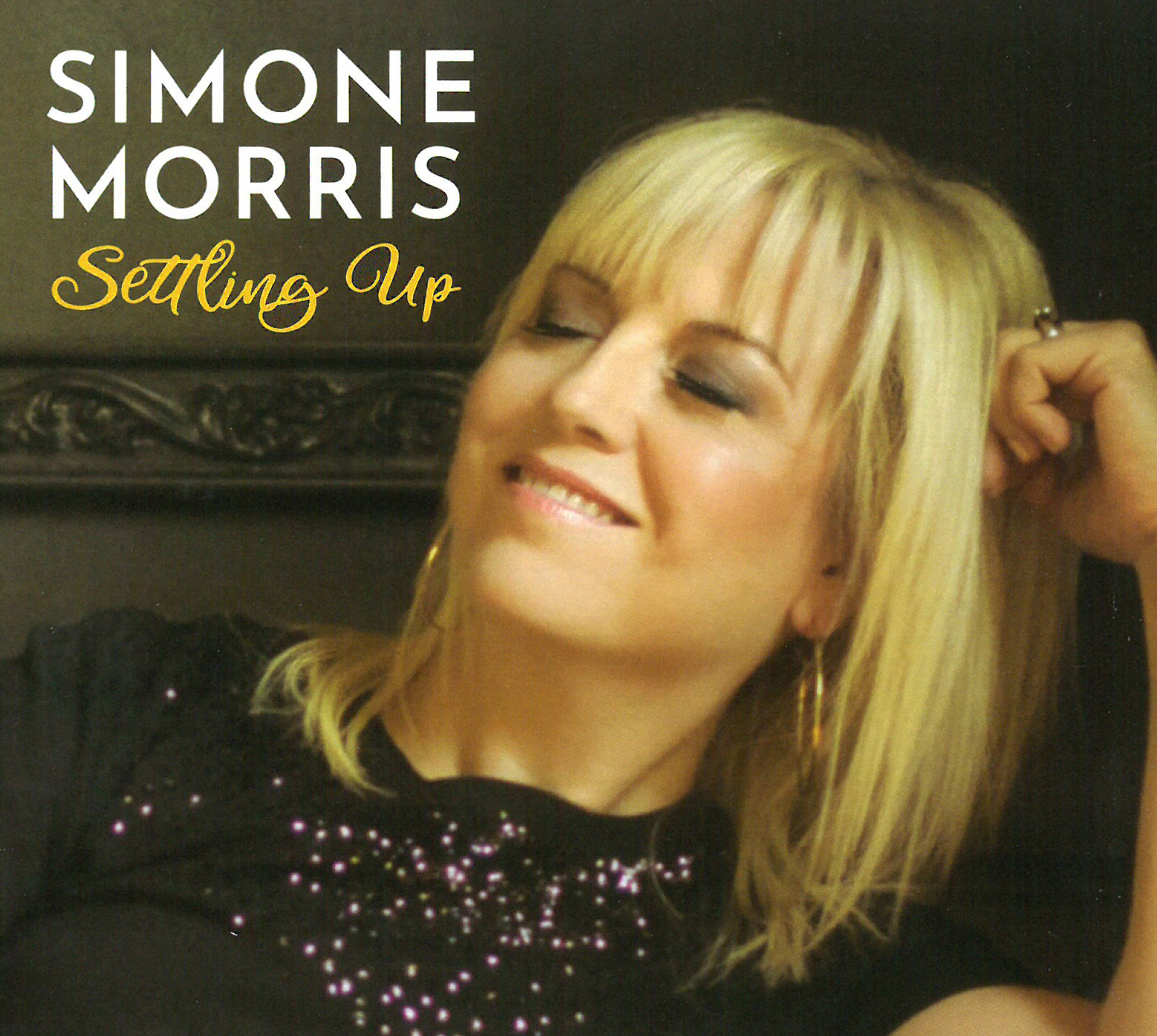
Toronto jazz vocalist Simone Morris’ debut album Settling Up is an absolute treat to the listener, a pop of delicious and sultry goodness in an otherwise dull and dreary day. The album was born out of a longtime collaboration with guitarist Mike Freedman, who is featured as a co-writer on each track along with Morris. Freedman’s mellow and fittingly soulful electric guitar licks, in combination with acclaimed pianist Adrean Farrugia’s delightful keyboard and piano riffs, add just the right amount of spirit to complement Morris’ soulful vocals.

Morris has described the album as “weaving a musical path that conveys diverse musical experience and background.” It is easy to fall into a pleasant lull and meander along this path with each piece offering a new stylistic experience that perfectly showcases her unique timbre and exceptionally varied musical background. From tracks such as Baby This Works and Man in the Corner, which delve into traditional jazz, to Don’t Come Crying To Me, an excellent, soft bossa nova, Morris’ artistic talents are made very apparent. With a very unique timbre, slightly Krall-esque but with an intriguing touch of spunk, she has succeeded in creating a captivating modern yet timeless quality within her music.

Not only do we receive an absolutely lovely and charming musical experience from this record, we are also able to catch a rare and intimate glimpse into Morris’ life experiences. Settling Up will delight jazz aficionados and newcomers alike.

Listen to 'Settling Up' Now in the Listening Room

03 John McMurchyVolume 2
John MacMurchy’s Art of Breath
Flatcar FCR-007 (johnmacmurchy.com)

The brainchild of woodwind player John MacMurchy, Art of Breath is a collective of jazz musicians playing across genres and musical borders. Perhaps heartchild is a better term, because it’s apparent that a lot of feeling went into these songs, all but one composed and arranged by MacMurchy.

The album opens gently and beautifully with Calliope, which features singers Jocelyn Barth and Jessica Lalonde in harmony throughout and a lulling solo by Dan Ionescu on nylon-string guitar. We’re moved into breezy Brazilian territory on Meu Coracao Canta which features band member and Brazilophile, Alan Hetherington and Rio de Janeiro-native, Maninho Costa, on percussion. Listen for the clever interplay of cuíca and voice near the end of the track.

We get jolted out of our daydream by the next few tracks which tackle tougher topics, like American politics, and the music gets more strident but no less superb. Bruce Cassidy’s masterful work on EVI – an electronic valve instrument, (an offshoot of the EWI) that came to prominence in the 70s and that’s quite a rarity these days – lends an urgent and interesting layer to Voice of America and the driving jazz number, WTF. Drummer Daniel Barnes, bassist Ross McIntyre and pianist Stacie McGregor keep it swinging on Slippery When Wet.

Both singers have gorgeous solo turns – Jocelyn Barth is exquisite and not overly sentimental on the Bobby Troup heartbreaker, February Brings the Rain, while Jessica Lalonde nails the vocally challenging Autumn Brown and Blue to close out the album.

Listen to 'Volume 2' Now in the Listening Room

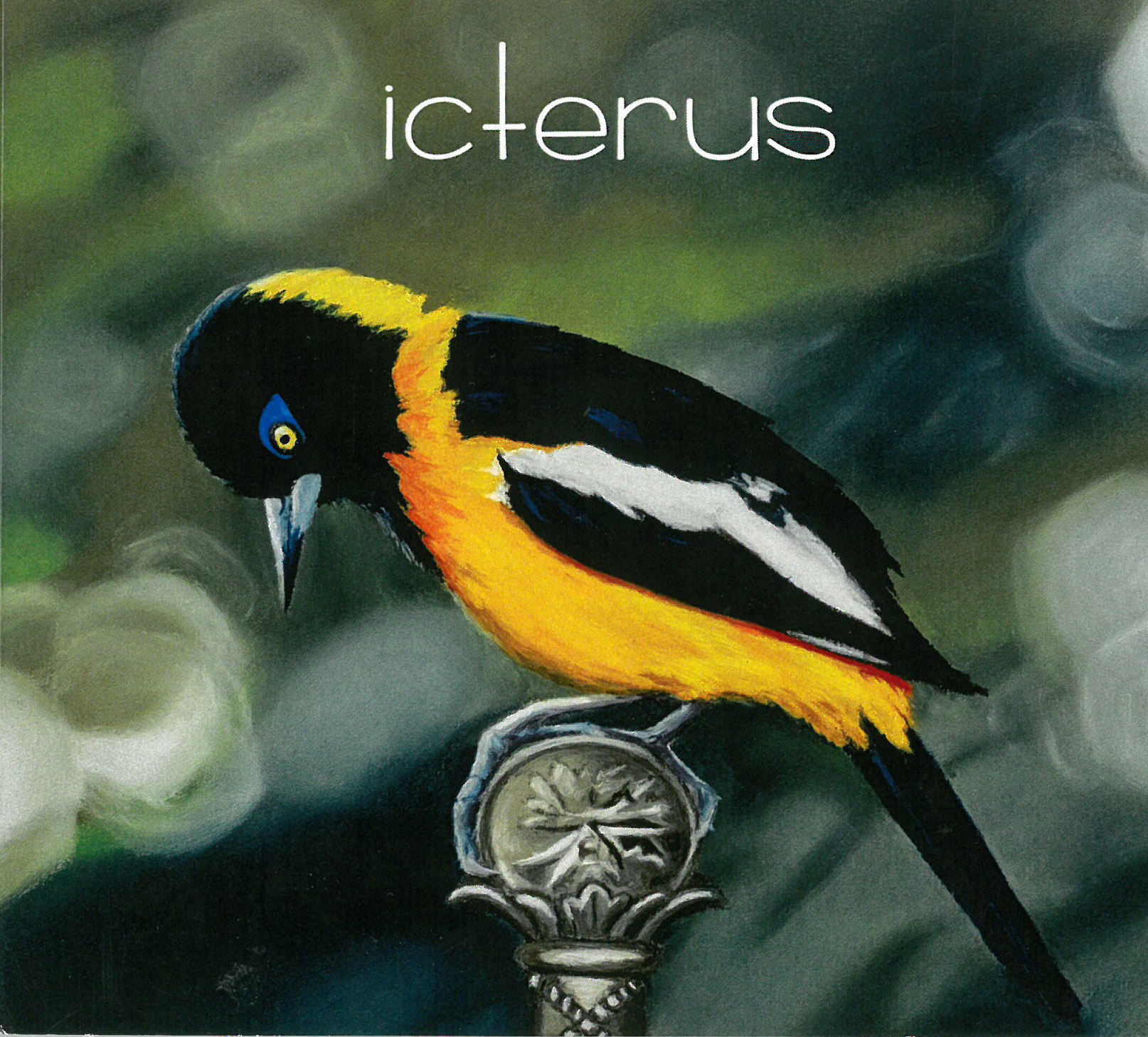
04 IcterusIcterus
Stefan Hegerat
Independent (stefanhegerat.com)

The debut album from drummer/bandleader Stefan Hegerat, Icterus, was inspired in part by a trip to Germany, from which his mother’s family emigrated following World War I. The resulting collection of songs – all of which were composed and arranged by Hegerat – are connected by shared themes of “existentialism and belonging.” Joining Hegerat is Robert Grieve on electric guitar, Patrick O’Reilly, also on electric guitar and Mark Godfrey on electric bass.

Icterus, as the instrumentation may suggest, takes considerable influence from amplified electric music, and, though it is replete with improvisation, the prevailing stylistic tone is more rock than jazz. Schloss, the opening track, begins with a tightly executed staccato melody, played by both guitars and bass before the time dissolves into a section of group improvisation that showcases Grieve and O’Reilly’s complementary instrumental voices. Odd One Out, which showcases the group’s ability to explore wide dynamic ranges, begins with an ethereal guitar melody that grows patiently as it’s joined by the second guitar; when the rhythm section enters, the contrast between the rock-solid bass/drum parts and the spacey guitar parts neatly encapsulates the charm of Icterus. Raccoons, another highlight, builds slowly, eventually settling into one of the album’s most compelling sections, both for its deep groove and for the beautifully contrasting guitar tones used by Grieve and O’Reilly.

A worthwhile listen for fans of jazz, progressive rock and improvised music, Icterus is a mature and self-assured debut from a talented drummer with a clear compositional vision.

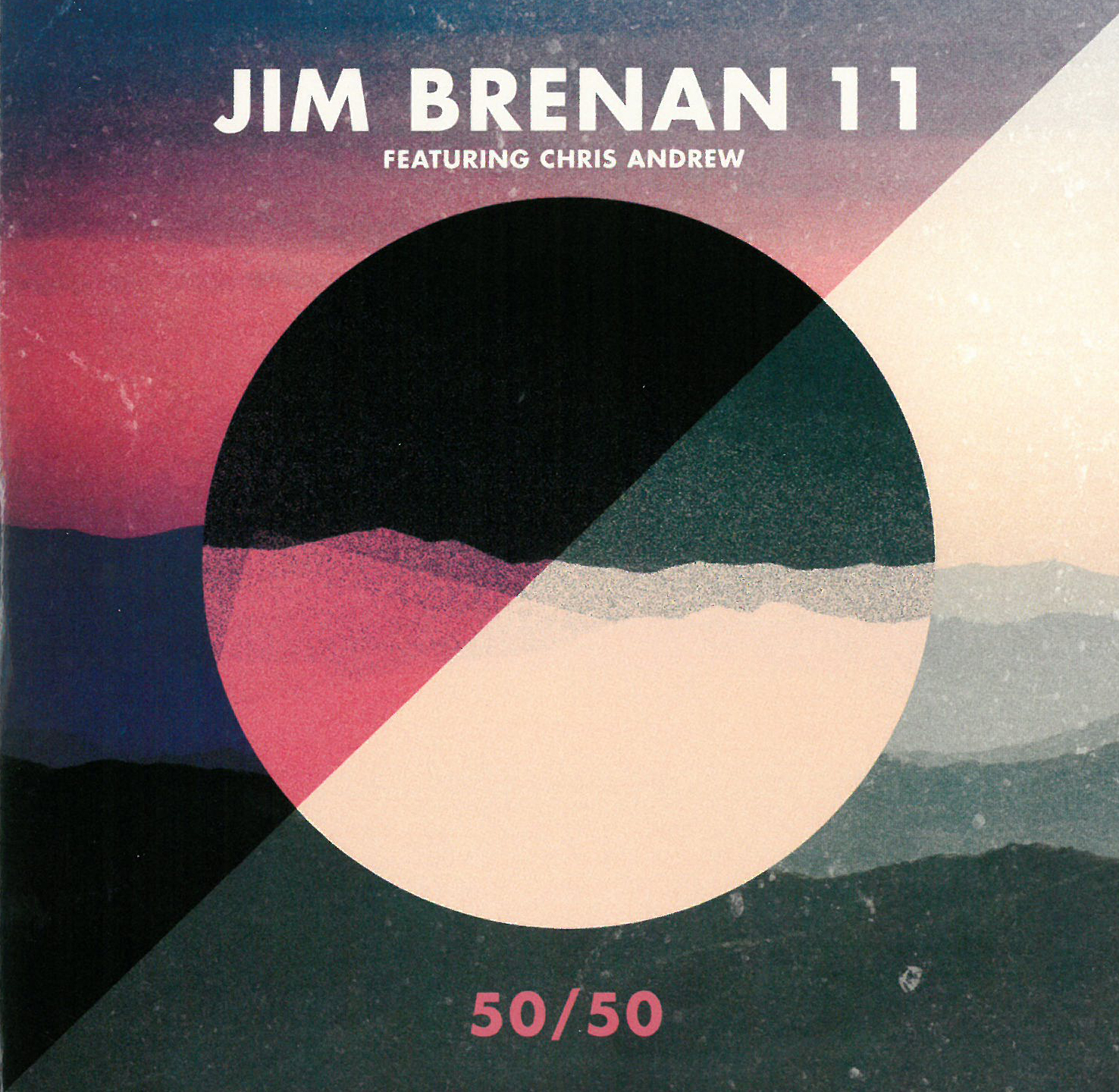
05 Jim Brenan50/50
Jim Brenan 11
Death Defying Records n/a (deathdefyingrecords.com) 

Saxophonist Jim Brenan has been a major force on the jazz scene for a number of years, performing in Canada and around the world both as a sideperson and with his own projects. 50/50, his most recent album, was released in February through the Canadian label Death Defying Records, and features pianist/keyboardist Chris Andrew, who joins Brenan and nine of Alberta’s top jazz musicians to form an 11-piece ensemble. The instrumentation – rhythm section and horns – works in Brenan’s favour, as it allows him to showcase his considerable writing and arranging skills, as well as his prowess as a soloist. While the band’s composition might bring to mind the swinging music of similarly sized Canadian ensembles, the overall vibe is driving, funky and distinctly electric, with touches of Michael Brecker’s large ensemble writing and late Miles Davis fused with Brenan’s unique artistic vision.

50/50 starts with Tigers Milk, a multifaceted song that begins with Brenan trading beautiful, melodic playing with the horn section’s lush chords; after a patient first half, the song segues into a pulsating, 16th-note-heavy second section, with excellent solos from both Brenan and Andrew. Fant-O-Max is one of 50/50’s funkiest and most exploratory songs, with tight horn melodies deftly played over the deep groove set up by drummer Jamie Cooper and bassist Rubim De Toledo, with a fiery soprano solo and a searching keyboard performance from Andrew. Ozark Mountain Cougar Fightin’ serves as an apt final track: at once virtuosic, funky and humorous, it neatly encapsulates Brenan’s project in 50/50.

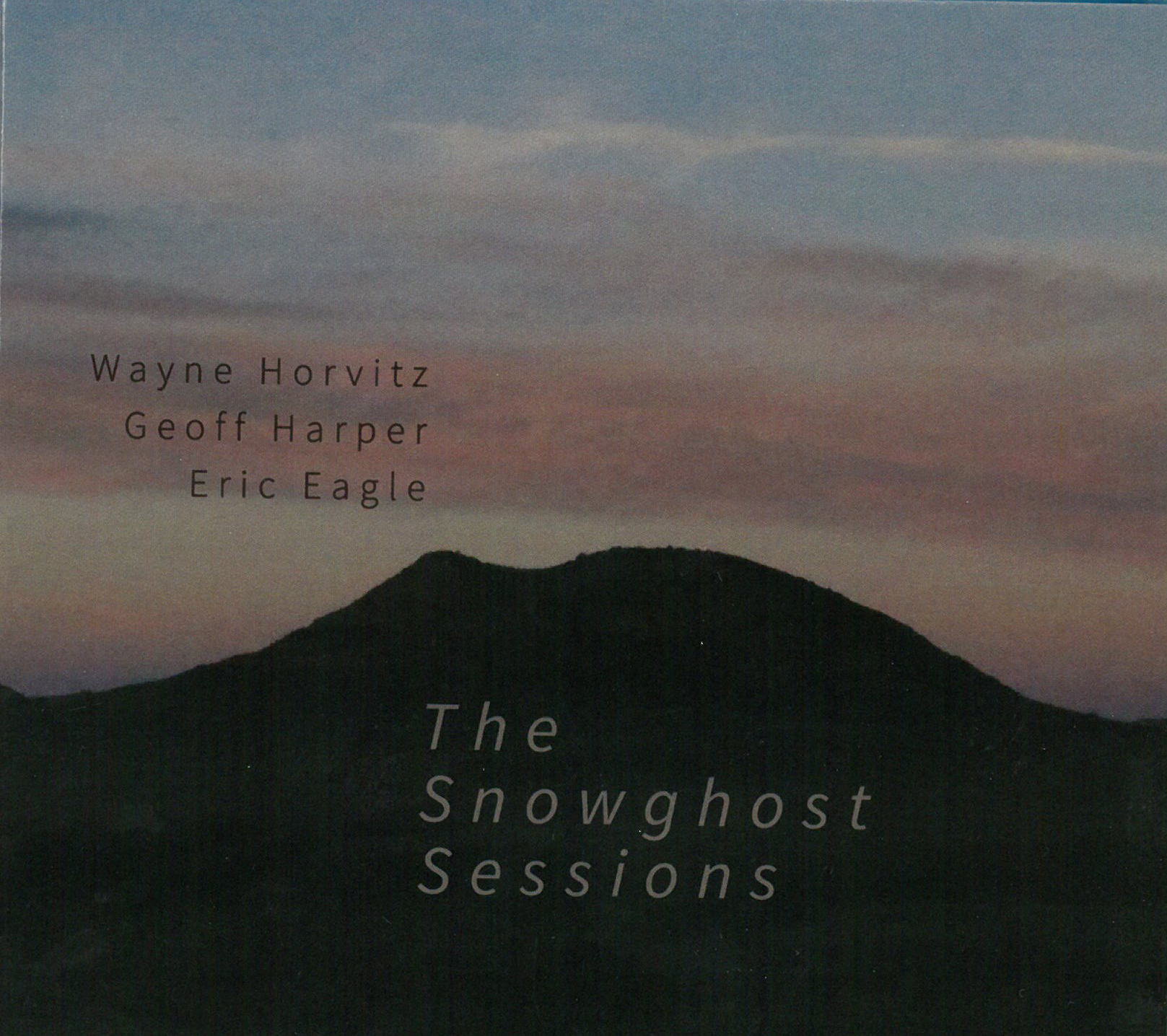
06 Snowghost SessionsThe Snowghost Sessions
Wayne Horvitz; Geoff Harper; Eric Eagle
Songlines SGL1627-2 (songlines.com) 

Pianist/composer/producer Wayne Horvitz has been a prominent leader of the American avant-garde since his emergence in the 1980s in New York. In the ensuing years, he has been an active performer, has produced albums for artists such as the World Saxophone Quartet and Bill Frisell, and has had compositions commissioned by Kronos Quartet, the Brooklyn Academy of Music and many others. The Snowghost Sessions, released near the end of 2018 on Vancouver’s Songlines record label, is the result of a weeklong residency undertaken by Horvitz, upright bassist Geoff Harper, and drummer Eric Eagle at SnowGhost Studios in Whitefish, Montana in the spring of 2015.

The Snowghost Sessions marks Horvitz’s first trio record in a conventional keys/bass/drums format, and the album starts with The Pauls, a pensive, eerie piece that sets the tone for the rest of the recording. Throughout Snowghost, Horvitz uses keyboards, live processing and triggered samples to expand the traditional sonic range of the acoustic piano trio. In some cases – such as the organ parts on Northampton – these electric additions work subtly, providing additional texture behind the grand piano. At other times, as on The Trees, the piano plays more of a supporting role to processed sounds; still further across the spectrum, on IMB, distorted, filtered keyboards rage over aggressive up-tempo swing. Through it all, Horvitz, Harper and Eagle are open and generous with one another, and Snowghost manages to be exploratory without ever meandering. Highly recommended.

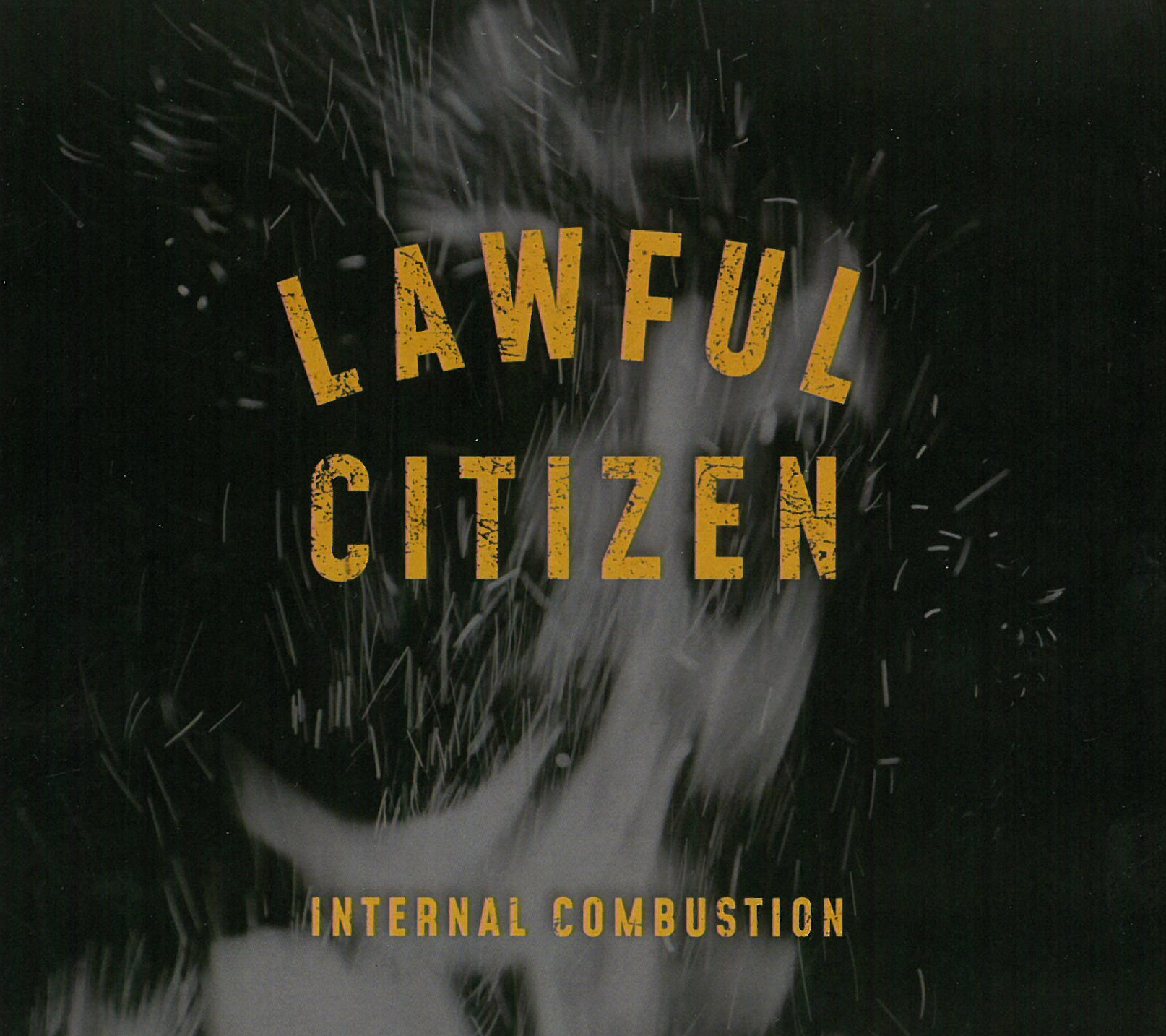
07 Lawful CitizenInternal Combustion
Lawful Citizen
Independent (evanshay.com) 

Internal Combustion, released in November 2018, is the debut album from the Montreal-based band Lawful Citizen, a quartet composed of tenor saxophonist Evan Shay, guitarist Aime Duquet, electric bassist Antoine Pelegrin, and drummer Kyle Hutchins. Recorded at Montreal’s Mechanicland Studios, Internal Combustion is the follow-up to Lawful Citizen’s eponymous 2017 EP, and takes its inspiration from “the grit, brutality and rawness” contained in the “history of the internal combustion engine.” Needless to say, Internal Combustion is not a timid album. Which is not to suggest, of course, that it lacks in subtlety; over the course of the album’s nine songs, there are plenty of quiet, introspective moments, particularly at various points throughout the four-part Internal Combustion Suite. But, as is natural for a young group (they formed a few years ago at McGill), the overall mood, as the title suggests, is bold, dynamic and fiery.

Following The Day After – a lovely, short introductory piece, with Shay’s saxophone overdubbed to create a choral effect – Internal Combustion’s first ensemble song is February 2nd, a driving straight-eighths number that builds to a compelling climax in the saxophone solo. Shatter begins with a great drum groove from Hutchins, then morphs into one of the album’s heaviest tracks, with Duquet’s fuzzed-out guitar dominating the proceedings. The aforementioned four-part suite alone is worth the price of admission; nowhere on the album is Lawful Citizen’s penchant for extreme dynamic range deployed more surprisingly and more effectively.

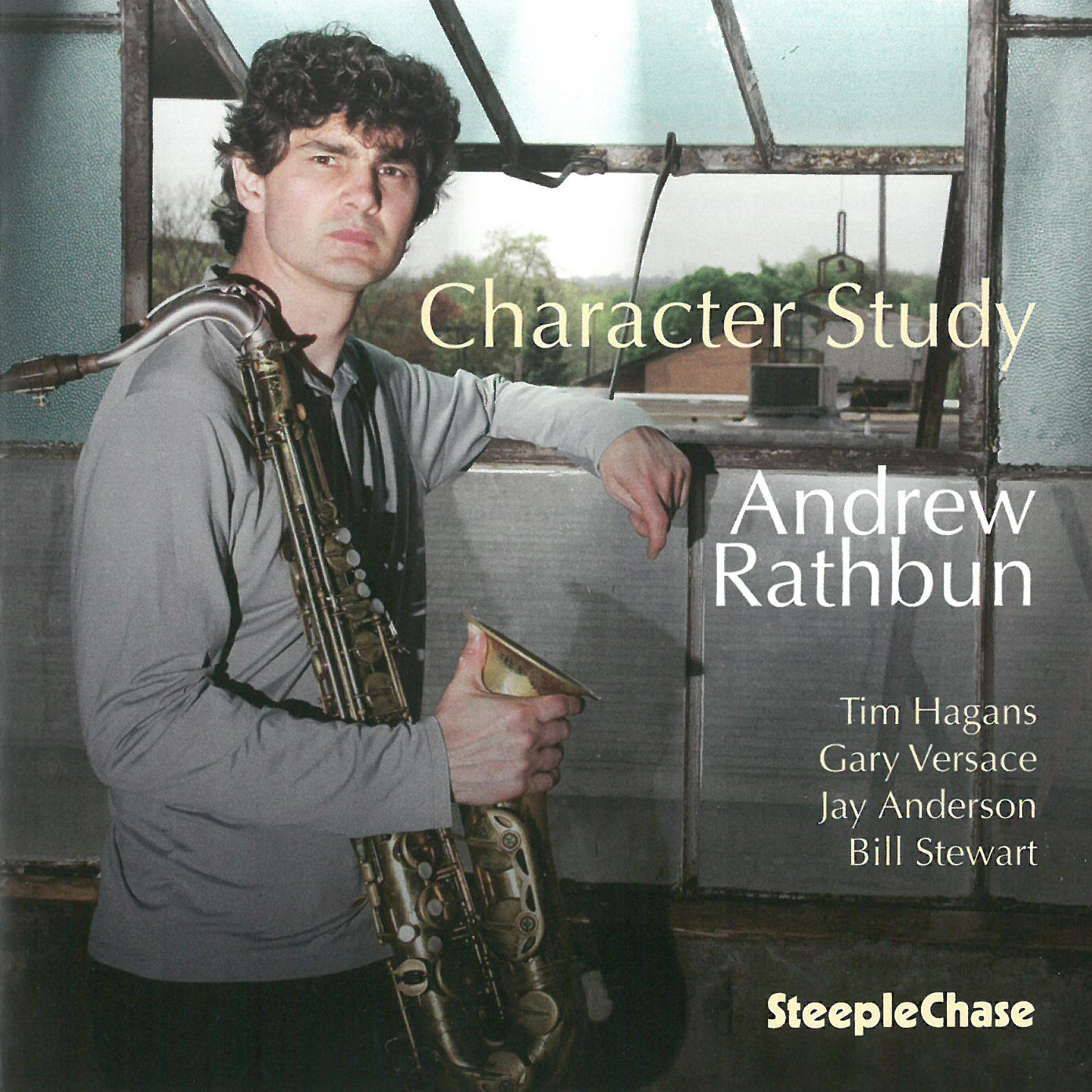
08 Andrew RathburnCharacter Study
Andrew Rathbun; Tim Hagans; Gary Versace; Jay Anderson; Bill Stewart
SteepleChase SCCD 31862 (andrewrathbun.com) 

Andrew Rathbun’s latest release Character Study takes the listener on a unique and varied musical journey; a journey that showcases his excellent and imaginative talents as a composer-arranger and saxophonist. All pieces on the album, with the exception of Etcetera, are written by Rathbun himself.

The foray into the proverbial musical jungle begins with the sensational opening track The Golden Fool, where bassist Jay Anderson’s energetic runs and percussionist Bill Stewart’s constant shuffle beat keep listeners on their toes, awaiting what unique elements Rathbun has in store for the rest of the piece and the record as a whole. Pieces such as Team of Rivals, His Quiet Determination and The Long Awakening display Rathbun’s contemplative and lyrical sides and are also a testament to his delightful, dance-like and extraordinary talent as a saxophonist. The title track provides an exemplary contrast between lyricism and liveliness, a theme that seems to present itself in several compositions.

Many of the tracks allow ample opportunities to appreciate the musicians who contribute to the musical journey as a whole through various thoroughly enjoyable and virtuosic solos. The ever-present and exceptional dynamic collaboration between instruments is very apparent and noticeable throughout the record and it is easy to appreciate the contribution of each musician to breathing additional life into Rathbun’s compositions. Character Study serves as yet another attestation to the undeniable talent and artistry of the Toronto native.

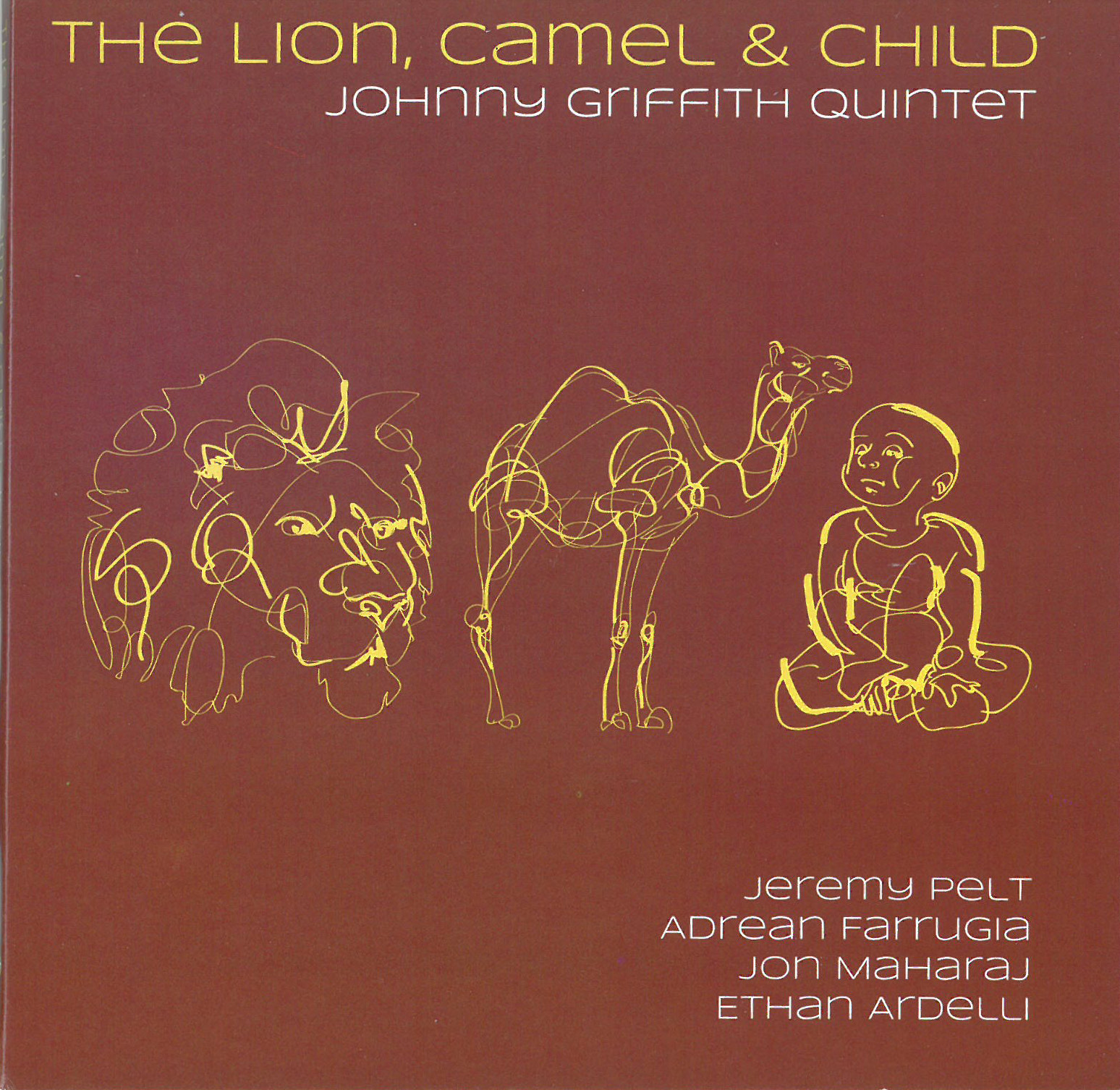
09 Lion Camel ChildThe Lion, Camel & Child
Johnny Griffith Quintet (Jeremy Pelt; Adrean Farrugia; Jon Maharaj; Ethan Ardelli)
GB Records (gbrecords.ca) 

This could well sound as if it is tenor saxophonist Johnny Griffith’s Le carnival des animaux, except that The Lion, Camel & Child, his menagerie – unlike Saint-Saëns’ – is affectionately symbolic and celebrates the iconography of two animals and a child, albeit that it is also written with his musician friends in mind. The result is a vivacious program of music which unfolds in the characteristic manner of Griffith’s rolled notes and elliptical phrases. When egged on by trumpeter Jeremy Pelt, however, the sound can emerge like a series of charmingly guttural Welsh-bound “gogs” that might seemingly recall the sound of his distant ancestors from another time.

Griffith’s repertoire is wholly homegrown and is centred in the jazz tradition, written for a quintet of musicians who parley with the familiarity of old friends, which indeed they are. The album leads off with the suite after which it is titled. The work’s opening is powerfully atmospheric – darkly lugubrious chords that are interpolated into one theme after the other built upon a kinetic restlessness that drives the whole suite until the fourth movement, its denouement, which resonates with characteristic vibrancy belying its title.

Throughout, Griffith’s tenor saxophone leads the charge, ringing in the changes in mood, structure and tempo. He is also joined in the musical adventure and with poetic melodicism by pianist Adrean Farruggia, and powerhouse rhythmic teamsters, bassist Jon Maharaj and drummer Ethan Ardelli.  

09 Clock RadioClock Radio
Michael Davidson; Dan Fortin
Elastic Recordings ER 001 (elasticrecordings.com)

Think of a duet featuring a vibraphone as one of the instruments in a jazz recording and the iconic ones with Gary Burton and Chick Corea jump to mind. So by association, vibraphonist Michael Davidson’s duet with bassist Dan Fortin is already in good company. However, it isn’t simply this fact that makes this a duo recording (albeit with a bassist) that merits curious, if not close listening; what matters much more is the fact that, between Davidson and Fortin, the musicians marshal their forces with superb discipline, producing a wonderfully fresh sound which also manages to possess the requisite amount of mystery – essential for a work this spare in sound.

Clock Radio is a collection of musical impressions and memories of Davidson’s apprenticeship, in 2017, with the celebrated mallet percussionist David Friedman in Germany. Davidson strikes the sound bars with hard and soft mallets to bounce bright, orotund tone colours off his instrument. He invites Fortin into this soundworld. The bassist engages in the musical conversation with angular counterpoint that is characterized by the ink-dark rumble of his instrument.

The disc is dappled with – among others – elements from a suite-in-the-making titled Berlin; miniatures imbued with contrapuntal unison passages, as well as restless, scurrying and brilliantly inventive features from one musician in response to the other. And the miraculous piece entitled zwei werden eins (Two Become One) makes vivid listening from a partnership we hope to hear much more from.

10 Dream LibrettoDream Libretto
Marilyn Crispell; Tanya Kalmanovitch; Richard Teitelbaum
Leo Records CD LR 849 (leorecords.com) 

A rare departure for American pianist Marilyn Crispell and Canadian violinist Tanya Kalmanovitch, who are usually involved with spiky improvisational work, this mostly sombre program instead deals with loss and regeneration reflected in a five-part Crispell composition for trio and seven duo improvisations.

Showcased, Memoria/For Pessa Malka is the pianist’s formal composition, and it evolves in different sequences to reflect the emotions she felt following the recent deaths of close relatives and friends. Crucially, Richard Teitelbaum’s wave-form processing is funeral parlour-like muted, with the requisite sense of mourning really conveyed by brief violin sweeps that help amplify the pianist’s low-frequency threnody. Luckily when the final sequence is heard, Crispell has shaken off enough melancholy to enliven the coda with chiming piano chords.

Created without electronics, the seven equally brief improvisations are a requiem respite. Accelerating from the first four tracks which crisply outline how grief can lead to musical artistry, the pieces become livelier with, for instance, Kalmanovitch’s snapping spiccato strings and Crispell stretching arpeggios into tremolo chording. By the time Stones Remain Still and Walked through to Sleep (the penultimate tracks) arrive, the mood has been elevated to become more stimulating. This is done with inner-piano string strums and keyboard surges alongside upward string swells from the violinist. Instructively though, the musical uplift reflected in these duos still maintains the solemn mood that is intensified in the final Stars Visible and Invisible which cannily reflects back on the initial suite.

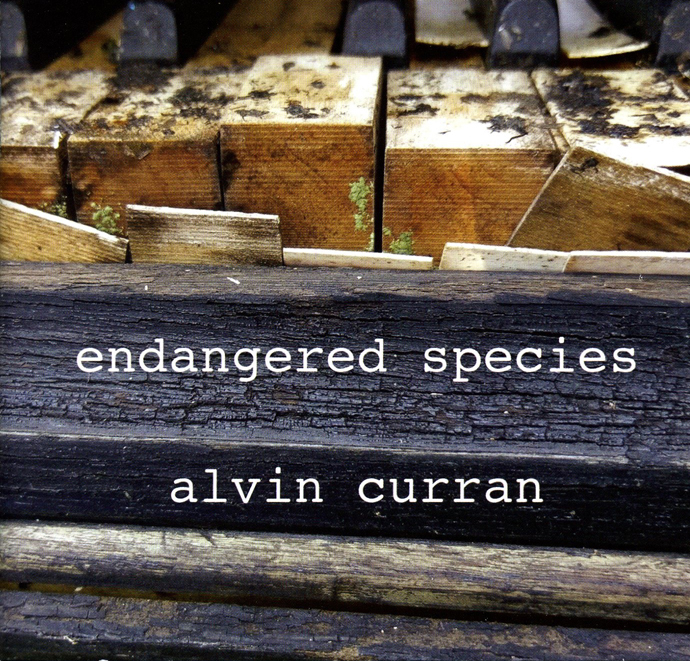
11 Curran EndangeredEndangered Species
Alvin Curran
New World Records 80804-2 (newworldrecords.org)

American composer Alvin Curran is famed as a member of Musica Elettronica Viva, the pioneering improvising electroacoustic ensemble. Yet in his 80th year he has revived his primary musical experiences, playing American Songbook standards. But since this is Curran and this is the 21st century, this two-CD set of classic tunes arrives with a twist. Besides his subtle piano improvisations that impressively re-imagine the tunes, he employs a Yamaha Disklavier. Resembling a grand piano, but actually a blend of acoustic keyboard, player piano and digital computer, the Disklavier allows him to append any manner of previously recorded sounds to the tracks.

Take the nearly 17-minute rendition of Ain’t Misbehavin’. As Curran works his way through the familiar melody with aplomb, all manner of inharmonious and grating noises are interjected and then vanish, including whistles, yodels, bel canto arias, wolf calls, marching feet, erotic moans and duck calls. Incorporating these disruptions, he alters the melody at points to work in blues tonality and formal recital inferences, culminating in a thoroughly original re-creation.

Each of the 18 compositions goes through a similar transformation, whether it’s 1896’s Red River Valley or 1955’s Arrivederci Roma. While most include a humorous palimpsest of the original, only Arrivederci Roma with its sonic overlay of crying infants, street noises and snatches of Italian-language conversations, add a hint of seriousness to the familiar light-hearted melody, since Curran has lived and taught in Rome since the early 1960s.

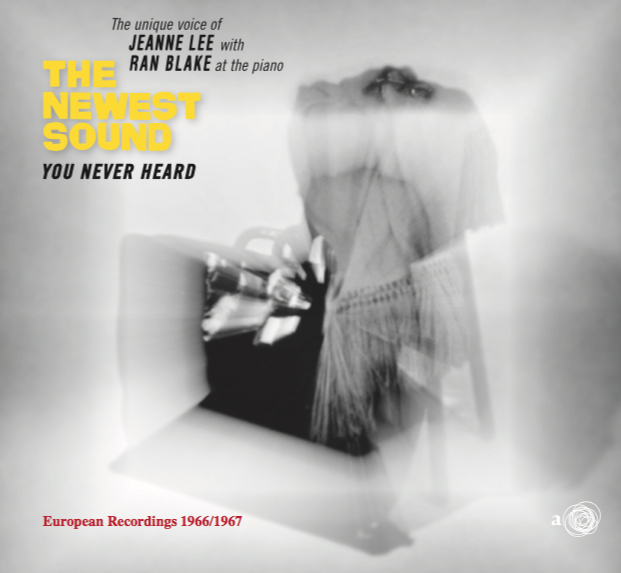
12 Blake Lee CoverThe Newest Sound You Never Heard
Ran Blake; Jeanne Lee
a-side records 0005 (a-siderecords.com) 

When singer Jeanne Lee and pianist Ran Blake released their 1961 debut, The Newest Sound Around, it introduced a new interpretive freedom to a broad range of songs. The duo extended traditional roles to a genuine improvised duet between voice and instrument, from Lee’s frequent a cappella rubatos and chromatic fantasies to Blake’s playful keyboard explosions, all of it held together by near-telepathic attention to one another’s sense of inspired detail. This two-CD set combines unreleased studio and concert performances recorded in Belgium in 1966 and 1967.

One can simply celebrate the breadth of their repertoire, extending from Ellington, Monk (his Misterioso here set to Gertrude Stein’s words) and Harold Arlen to Ornette Coleman, Ray Charles, Lennon-McCartney and Bob Dylan; however, it’s their unique handling of the material that distinguishes the results, stringing songs together in vast medleys, then trusting to the individual song to hold the performance together.

In part they play on the familiarity of their material, Lee’s rich, nuanced delivery of a single phrase conveying an entire song’s depth. The live disc initially reminds that Out of this World started with Arlen and Johnny Mercer, even if the greatest debt here is to John Coltrane. It then segues to a fragmented Mr. Tambourine Man in a chain that includes an abstracted pointillist Blake solo and Lee’s roots-drenched versions of He’s Got the Whole World in his Hands and Billie’s Blues. This is rare and fine material.

Back to top