Probably the most popular instrument in the world in its various forms, the guitar poses unique challenges for analytical players. With the six-string front-and-centre in so many branches of music, how can one forge an individual path? Yet each of the plectrumists here has done so as uniquely as there are makes of guitars.
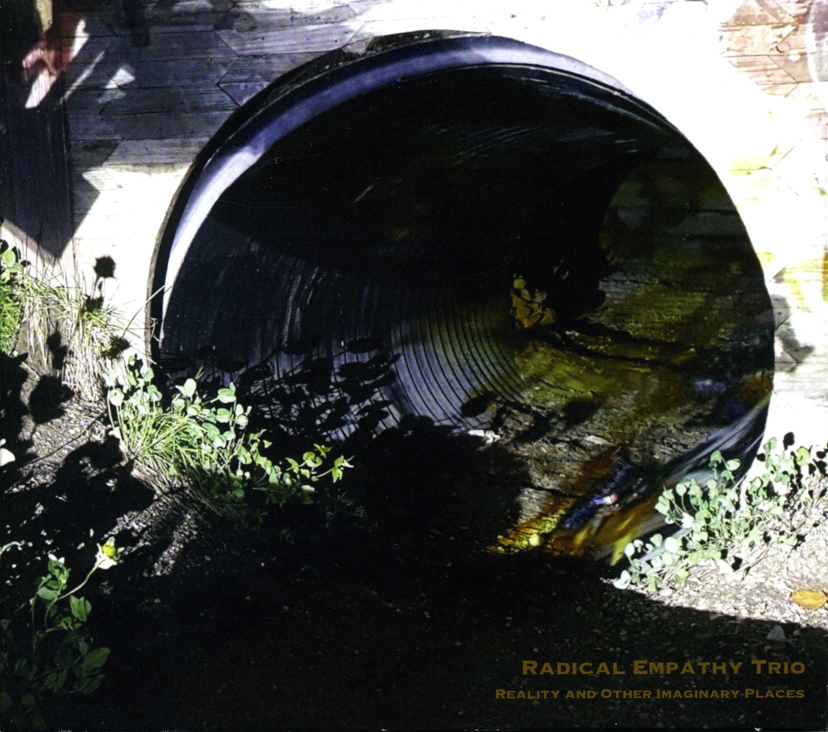
01 RadicalCD005For instance Nels Cline is in a situation many others would envy. As lead guitarist for American alternative rock band Wilco, he has a steady gig with a large following. Yet Cline has been an integral part of Los Angeles’ improvised music scene since the 1980s and immerses himself back in that context any chance he gets. The Radical Empathy Trio’s Reality and Other Imaginary Places (ESP 5035 espdisk.com) is a recent example. During two extended tracks the guitarist finds a place among the swirling dynamics propelled by two committed improvisers: drummer Michael Wimberley and keyboardist Thollem McDonas. 

Propelling relaxed finger-style chording alongside McDonas’ acoustic piano on the second track and challenging a miasma of swirling synthesized kinetics from the keyboardist with corrosive string distortions on the first, Cline references either mainstream or fusion jazz. Yet in both cases backed by explosive rattles and ruffs from the drummer, confounding patterns trump convention. McDonas’ keyboard expression moves from sentient hunt-and-peck chording to repetitive extraterrestrial-like glissandi during his solos. Cline’s amplified bugle-like pulsations easily make common cause with McDonas’ distinctive sounds on the latter, as the guitarist’s gentling impressionistic fills do with the first strategy. Despite on-the-mark finger-styling guitar riffs alongside acoustic piano runs or knob-twisting guitar flanging meeting kinetic keyboard expansions, no one would confuse the two for Joe Pass with Oscar Peterson or, in the other case, with Sun Ra meeting Jimi Hendrix. Still, the way Cline fits both roles, while managing to propel his own guitar definition, demonstrates accomplishment. His individual musical empathy – and that of the others – comes across as radical as well as sympathetic, making the trio’s name highly appropriate.
02 VillageCD004Far away from mainstream jazz and jazz-rock fusion are the specially configured musical cycles of American guitarist Joe Morris and British saxophonist Evan Parker on The Village (Fundacja Słuchaj FSR 13/2019 sluchaj.org). A first-ever duo recording, each player arrives with a distinctive instrumental approach worked out over years of experimentation. Copasetic but not compounded, the key to the Morris-Parker duo is that neither abandons individual expression while propelling tandem association in double counterpoint. Sticking to moderated tenor saxophone smears on the nearly 40-minute opening, The Mound – a similar linkage with Parker’s intense nasal soprano saxophone tones is highlighted on the other brief track – the reedist’s multiphonics splutter, smear and slap beside Morris’ canny use of pointed patterning that encompasses high-pitched stings sourced from near the tuning pegs and mid-range, folksy strums. Meanwhile, as the duo’s key-in-lock cooperation is activated, enough distance is maintained so that episodes of Parker’s instantly recognizable circular breathing develop logically, as do those passages when Morris’ string pressure gives the sequence a low-pitched rhythmic feel. Eventually, scratching string fills backed by reed vibrations confirm that each player has adapted enough of the other’s distinctive approach to improvisation to create an intertwined finale. 
03 NomadCD003Nomad Trio (Skirl Records 044 skirlrecords.com), as a trio filled out by Americans, pianist Matt Mitchell and drummer Jim Black join Vancouver’s Gordon Grdina to interpret six of his compositions. While only the final Lady Choral picks up the exquisite bass and treble patterns Grdina can create using the multi-string oud, playing guitar his robust finger styling sounds nothing like Morris’ introverted interval stings or Cline’s throbbing rock-inflected fills. Instead his playing is both sharp and swift, as if he’s an elated Jim Hall, coursing and flaring against the drummer’s active clatter or cymbal rebounds, as the pianist slides from Grdina’s string-and-fret architecture on Ride Home allows for story-telling reflection, as he moves from note constriction to expansive flanges. Meeting percussion splashes and processional keyboard lines, guitar pulsations make the finale so connectively opaque that it’s almost overbearing.
05 qloopCD001On the other hand, few tropes point out the diversity that can exist among guitar-focused combos than the following sessions, both of which include French cellist Valentin Ceccaldi. One-quarter of the oddly named qÖÖlp group, the band’s eponymous CD (BMC CD 257 bmcrecords.hu) defines the symmetry expressed by a working group that includes the cellist and his violin-playing brother Théo Ceccaldi, as well as two Germans, guitarist Ronny Graupe and drummer Christian Lillinger. With Graupe and Lillinger serving as the counterbalance to the cultivated arco and pizzicato strategies of the Ceccaldis, guitar motifs are all over the ten selections in solo features or in duo or trio pairings. The antithesis to this is Points (MultiKulti Project MPSMT 016 multikulti.com). Consisting of four lengthy improvisations, the performances featuring cellist Ceccaldi and three Lisbon-based players are better integrated. Connection is such in fact, that the string shadings of guitarist Marcelo dos Reis sometimes almost vanish into the synchronous sounds created by the blended textures of percussionist Marco Franco, trumpeter Luis Vicente and the cellist.

On the qÖÖlp session, Graupe’s assertive soloing is best defined on WröökJ. Sweeping up from an interconnection of string-based tones, the guitarist suddenly breaks out rock-related runs that almost literally punch a hole in the sequence and, backed by Lillinger’s power pops, quickly expose a series of frailing and plinking theme variations. With a selection of moods ranging from refined to raw, the four musicians take cohesion to its logical conclusion. No matter how radical the motifs become, continuity remains. This is expressed best on the textural framed finale of Get Together, when a combination of energetic, near impenetrable ruffs from the drummer and intermittent picking from the guitarist threaten to spin out of control before being reined in. Additionally, there’s the, unusual-for-a-European-band, track titled Toronto. Yet this stop-time near-ballad seems to describe the city with a moody collection of sliding string harmonies. In fact, when the four stretch out, as on extended tracks like Mermaids and Sperm Whales the qÖÖlp members can dazzle. Speedily they move from unison moderato expositions to delicate minuet-like narratives. Fusing arco cello and violin lyricism to guitar frails that emphasize impressionism, they’re completed by favouring the metallic properties of energized violin and guitar runs plus precise drum runs. Never is momentum lost nor does any linkage seem artificial.
04 PointsCD002Valentin Ceccaldi’s other affiliated outing is much more exploratory, but no matter how long the tracks are, or how the extended techniques upend the program, the tracks always right themselves into harmony variants. Rotating the introductions among band members, as themes are elaborated, spontaneous interactions occur, such as having downward slithering Harmon-muted trumpet tones underscored by sul tasto cello responses; or how melding cymbal splashes, gutbucket brass smears and spiccato strings produces memories of both Debussy and Dixieland. Throughout, dos Reis forges a singular path, with his contributions more felt than heard. Only at the very end of the Exclamation Mark for instance, are distant flanges and plucks audible. Meanwhile among sequences where all members’ elevated pitches or foundation croaks are emphasized, Question Mark is the most fully realized. Almost an assembly line of effects, it begins with distant guitar string plucking, exposes pure air forced through the trumpet without valve motion, introduces drumming clip clops and completes the first cycle with swift strokes from the cellist. The climatic resolution finally arises as brass tones brightly flutter on top of drum press rolls while Ceccaldi and dos Reis combine into a flurry of percussive near-Andalusian cadences. Instructively the finale evolves into warm lyricism as trumpet peeps and finger-style string emphasis gently combine.

Upfront or reticent, each of these guitar strategies uniquely complements the improvised musical situation in which it is placed and suggests that many other strategies are feasible. 
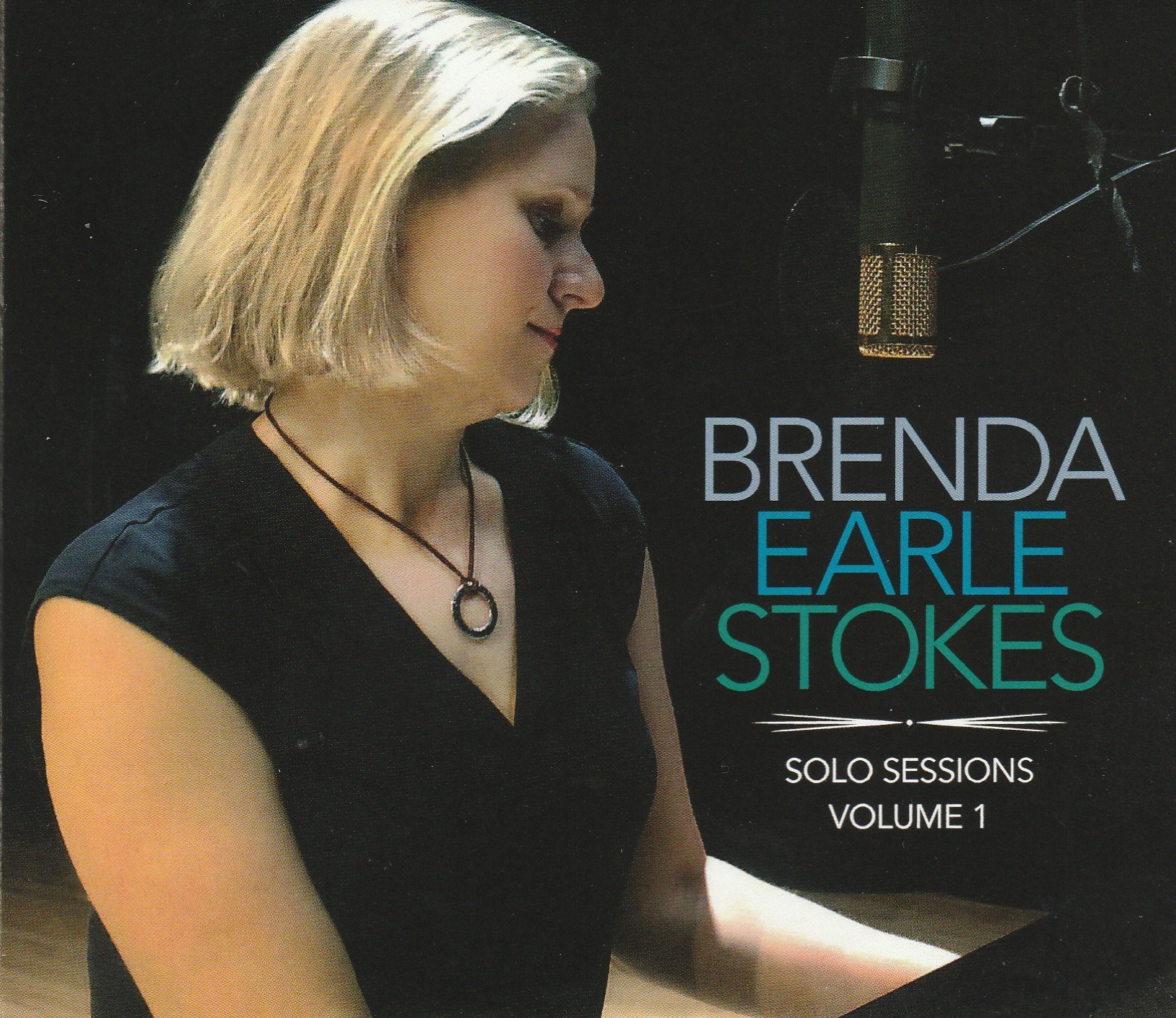
01 Brenda Earle StokesSolo Sessions Volume 1
Brenda Earle Stokes
Independent ASNM 007 (brendaearle.com)

Smooth and rather sultry-voiced, vocalist Brenda Earle Stokes has released a truly enjoyable collection of well-known pop and jazz songs that she has put her own twist on. Featuring her own compositions among pieces by significant musicians in the general music universe including Dave Brubeck, Huey Lewis and Michael McDonald, this album is a versatile and captivating journey. The title refers to the fact that it’s just her and the piano on this record, which creates such a charming sense of intimacy; the listener truly feels as if they are seated right by the piano, watching and hearing Stokes play.

If You Never Come to Me opens up the album with a sensual punch, showcasing Stokes’ very apparent vocal talent. Standing is an original, a unique and modern piece that features interesting chord and melodic progressions which easily catch anyone’s attention. Throughout the album, not only is the listener taken through various genres from traditional jazz to the blues, but Stokes’ talent as a pianist is very well showcased. Her voice and melodies blend in seamlessly for a satisfying whole. A favourite is undoubtedly the cover of Lewis’ Power of Love, in which the original song is still fully recognizable but has been jazzed up just enough to be refreshing. Anyone looking for a treat to the ears and something a little different from the norm will enjoy this album.

Listen to 'Solo Sessions Volume 1' Now in the Listening Room

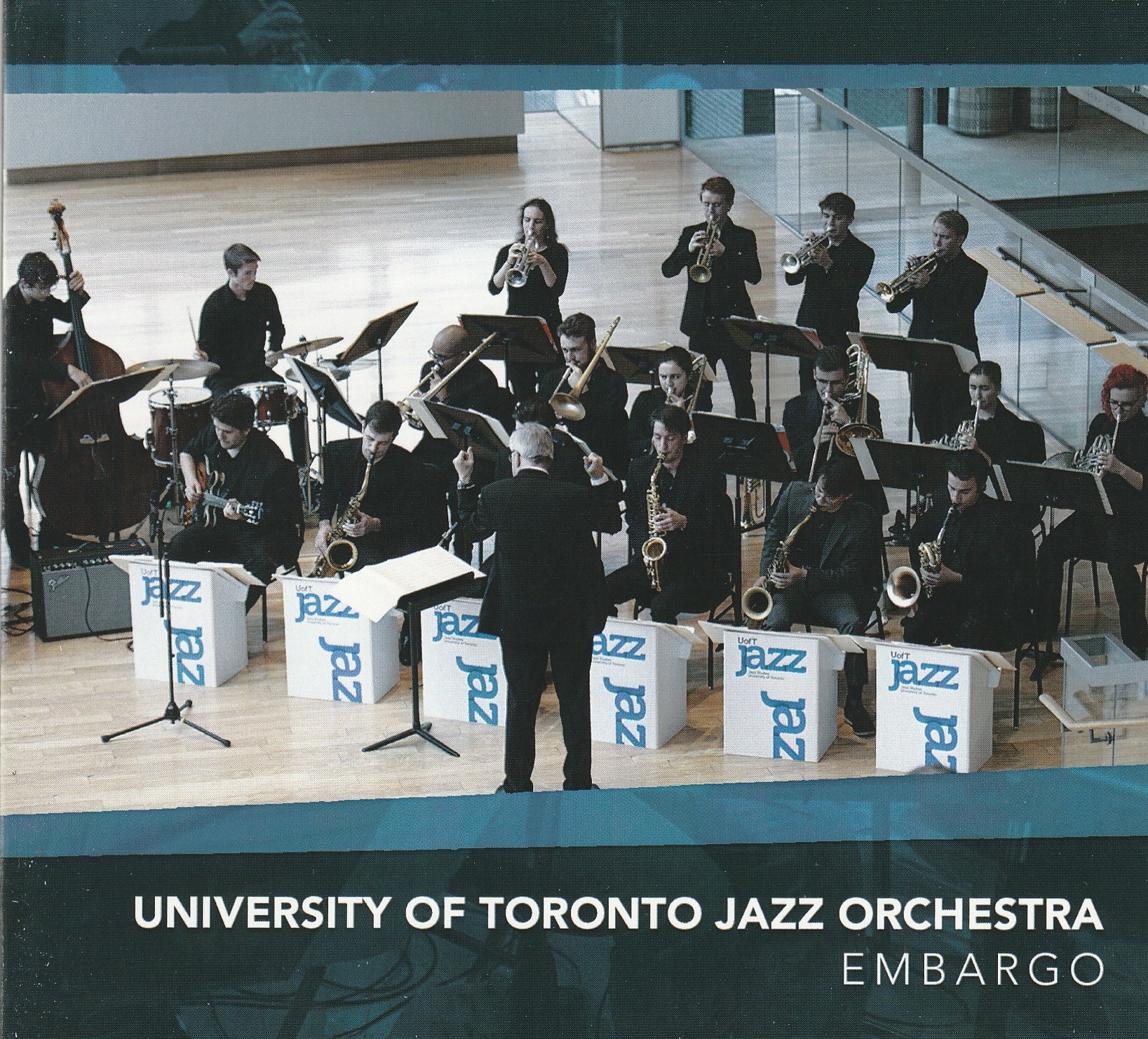
02 U of T JazzEmbargo
University of Toronto Jazz Orchestra
U of T Jazz n/a (uoftjazz.ca) 

It is no easy feat to construct an eclectically programmed album that maintains its flow from start to finish, but this is exactly what the University of Toronto Jazz Orchestra, under the direction of Gordon Foote, has done with their most recent release, Embargo. The student compositions on the album all demonstrate intricacy and wisdom, ranging from swing numbers to more contemporary pieces, and everything in between. It is a testament to both the quality of these arrangements and the stylistic programming of the album, that they sound right at home next to legendary trombonist and arranger Rob McConnell’s version of Take the A Train. McConnell’s treatment of the Ellington/Strayhorn classic is a demanding one to execute, but the ensemble does a fine job, as do the four soloists featured. Hearing the music of the Boss Brass live on through a younger generation of Toronto musicians is a unique treat. It is apropos that this should happen at the University of Toronto, which inherited McConnell’s scores and library following his death in 2010.

From contemporary ballads like Jesse Marshall’s Summer’s Over, and the energetically uplifting title track, Embargo, which features solos from its composer Vonne Aguda and guitarist Julian Bradley-Combs, to Hannah Barstow’s Count Basie-esque Medium Blue, a wide scope of large ensemble jazz writing is present on this release. Full of arrangers, composers and soloists who are wise beyond their years, depth and maturity are the true themes of this album.

03 Greg RunionsSuite Vincent
Greg Runions Big Band
Independent Grind 2019 (gregrunions.net)

With the release of this superbly conceived, performed and recorded big band project, vibraphonist/composer/arranger Greg Runions has fashioned a magnificent musical celebration of the iconic, late Canadian trumpeter/composer/arranger Kenny Wheeler. To realize his concept, Runions built upon his longstanding septet, and also created a “live-off-the-floor experience” by recording in the studio of the Isabel Bader Centre for the Performing Arts. Wheeler was an unassuming, ego-less, gentle genius, who would no doubt be incredibly honoured by this inspired six-movement musical tribute.

The skilled A-list cast includes Andrew Rathbun, Tara Davidson and Bob Leonard on reeds/saxophones; John MacLeod, Brian O’Kane and Jason Logue on flugelhorn and trumpet; William Carn on trombone; Brian Dickinson on piano; Mike Cassells on drums; Dave Barton on guitar; Artie Roth on bass and the lithe vocals of Yoon Sun Choi, channeling Wheeler’s longtime collaborator, Norma Winstone – particularly on the vocal feature The Long Way (which also displays Dickinson’s moving, emotionally vulnerable and technically thrilling piano work).

The project opens with Chorale for Ken, composed by Runions in 1992, a stirring brass choir followed directly by Bass Interlude – an intricate and stunning bass solo by Roth. Wheeler’s profound influence as a seminal jazz composer and trumpeter saturates this arrangement of Bitter Tart, as does the exquisite flugelhorn work by MacLeod. Another stunner is Around About, featuring Barton with Davidson on alto and O’Kane on trumpet. The final Suite, Jeckle & Clyde, includes a nod to the more free aspects of Wheeler’s style, and Rathbun’s lush tenor incites the rest of the ensemble into gorgeous solos and heavenly, contrapuntal ensemble work.

Listen to 'Suite Vincent' Now in the Listening Room

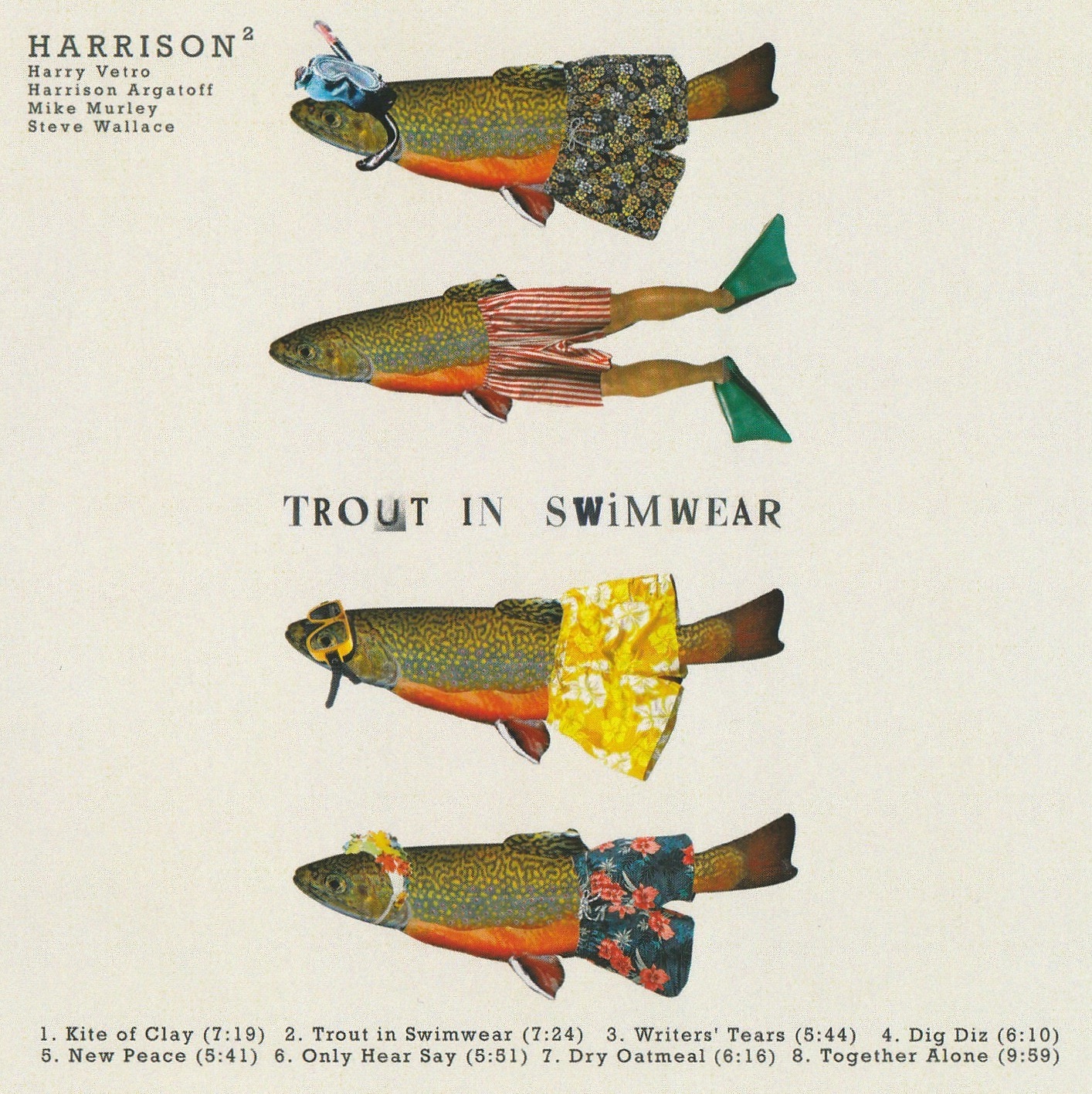
04 Harrison2Trout in Swimwear
Harrison²
Independent (harryvetro.com) 

Harrison² (that’s Harrison squared) abounds in doubles. There are two Harrisons, saxophonist Harrison Argatoff and drummer Harrison Vetro, both newcomers, and they’re paired with two veterans, saxophonist Mike Murley and bassist Steve Wallace. Further, both saxophonists are playing tenors. The group began in an encounter between Vetro and Wallace, the latter a change-of-pace substitute for Vetro’s drum teacher (Nick Fraser deserves credit here) at the University of Toronto. Argatoff joined in on some standards at the end of the lesson; a performance at Toronto’s Rex followed with Murley making it a quartet.

The absence of a chordal instrument opens up the music, encouraging the saxophonists’ dialogue and heightening Wallace and Vetro’s presence. It puts Wallace’s strong lines in the foreground and adds more room for his sculpted solos; Vetro is a very good drummer, precise and assertive with a keen sense of form.

Argatoff and Murley each contribute four compositions, developing them in ways that suggest the classic pairing of Lee Konitz and Warne Marsh; lithe, convivial music with a harmonic focus, but with a harder edge to their sounds. The two play together, whether it’s the dovetailing improvised dialogue of Argatoff’s title track or the way the younger saxophonist trails Murley on his ballad Writers’ Tears, as much an invitation to reflection as the Irish whiskey for which it’s named. Though it’s set deep in the tradition, the band has a special vitality, some rare chemistry among different generations.

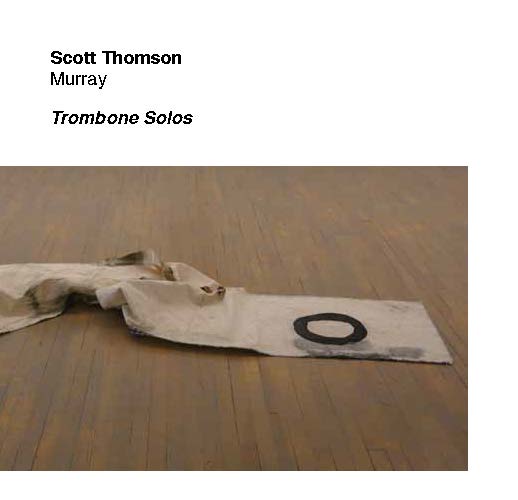
05 scott thomson bandcampMurray: Trombone Solos
Scott Thomson
Tour de Bras TDB90036CD (tourdebras.com) 

Trombonist, conceptualist, composer of site-specific works and programmer, Scott Thomson takes a speculative approach to improvised solo performance. In April 2014, he launched his first Trombone Solos at Odd Hours in Montreal’s La Poêle dance studio at times like 4 June, 9:11 am. Since then he has performed over 130 such concerts, often for a single listener. In 2016, the Calgary label Bug Incision released Heures Indues, a CD with three performances; Murray comes from a 2019 series in the Montreal studio of Thomson’s late friend and collaborator, the painter and drummer John Heward.

Thomson’s solos don’t explore a single idea; rather, they’re perambulations, here two half-hour long journeys through a variety of impulses and inspirations, with shifting melodies and timbres that can burst forth with marching band gusto or alight in a singing high register. Sometimes there’s a resonant partnership with some other material, whether an appended mute or something like furniture moving in the room. Sudden volume shifts suggest that Thomson is playing two trombones, one blasting loudly into the microphone, the other a distant, whispered aside.

The CD is packaged with cards reproducing a few of Heward’s starkly powerful abstractions, and the echoes of his studio may play a role in these performances, thematic as well as sonic. There’s something dramatic here, moods developing and changing along with the materials, a moving meditation in a terrain full of surprises, the shifting interior monologue of a musical flâneur.

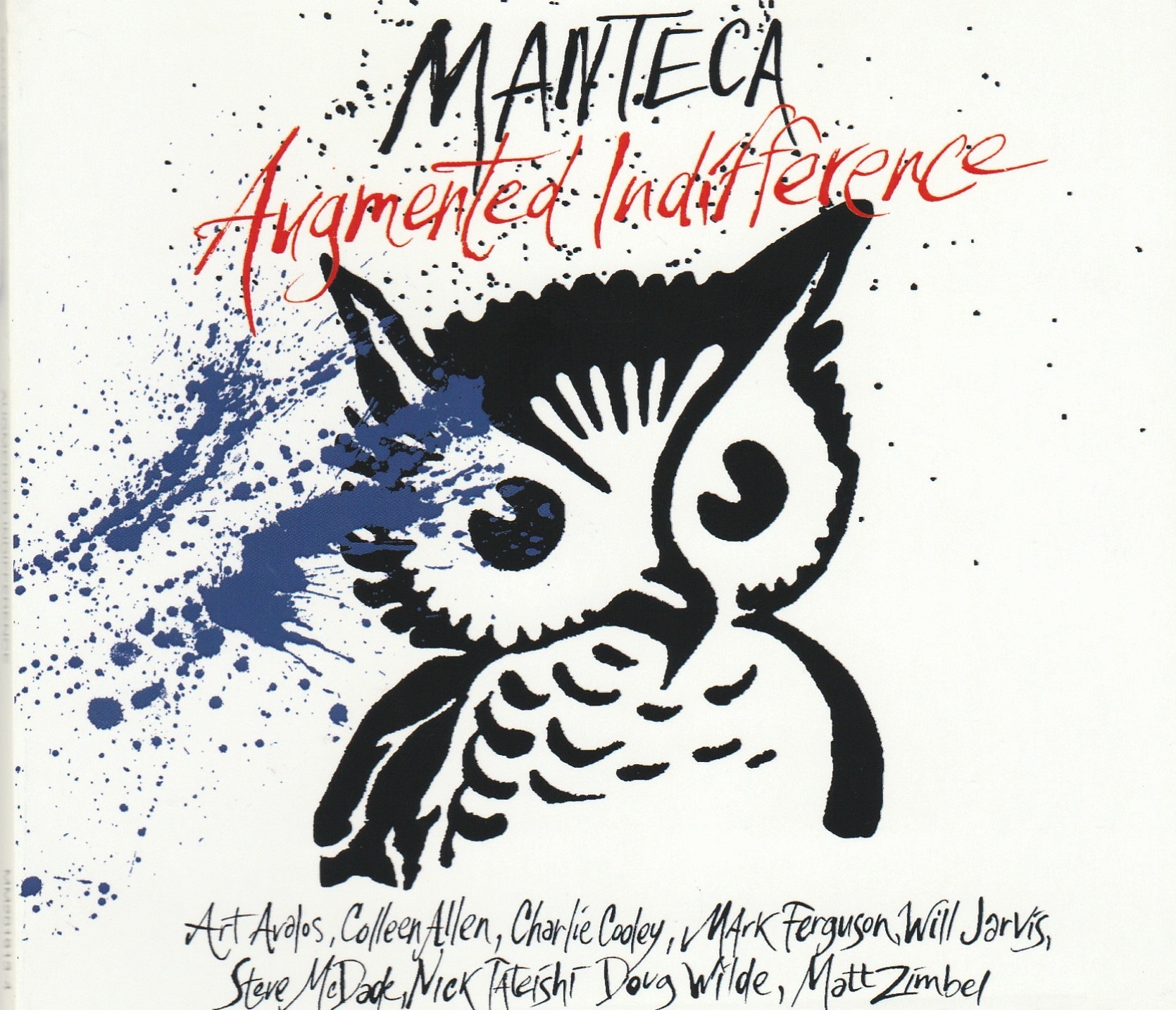
06 MantecaAugmented Indifference
Manteca
Mmusic MM201913-4 (facebook.com/MantecaMusic) 

Happy anniversary, Manteca! A perennial audience favourite, Manteca returns to mark their 41st year with Augmented Indifference, a four-song EP bristling with their trademark energy, creativity and virtuosity. And a fitting celebration it is.

In the band’s 41-year history, they have been one of Canada’s leading musical ambassadors, sharing stages with Miles Davis, Ella Fitzgerald and Van Morrison. Founded by percussionist Matt Zimbel and bassist Henry Heillig, who ws the group’s music director for three decades, the group has been recognized as a musical innovator, drawing upon diverse influences in exhilarating performances. Accordingly, this latest release finds the group charting out new directions, while also revisiting more familiar musical territory. Miss Meteo, arguably the most experimental song, pairs electric guitar with spoken word, trumpet and the bass clarinet of Colleen Allen, along with alternating driving rhythms and spacey textures. Somehow, they make it all work! Busking In Deadwood, introduces a beautiful, majestic melody and features some outstanding work by Lucas Zimbel on accordion and Steve McDade on trumpet.

The aptly titled Avant Cool highlights the innovative pairing of guitar and alto flute, while the set closer, a Beach Boys-inspired Kowabunga, again features guitarist Nick Tateishi alongside bright, punchy horn backgrounds. Let’s all raise a glass to Manteca – here’s to another 40 years!

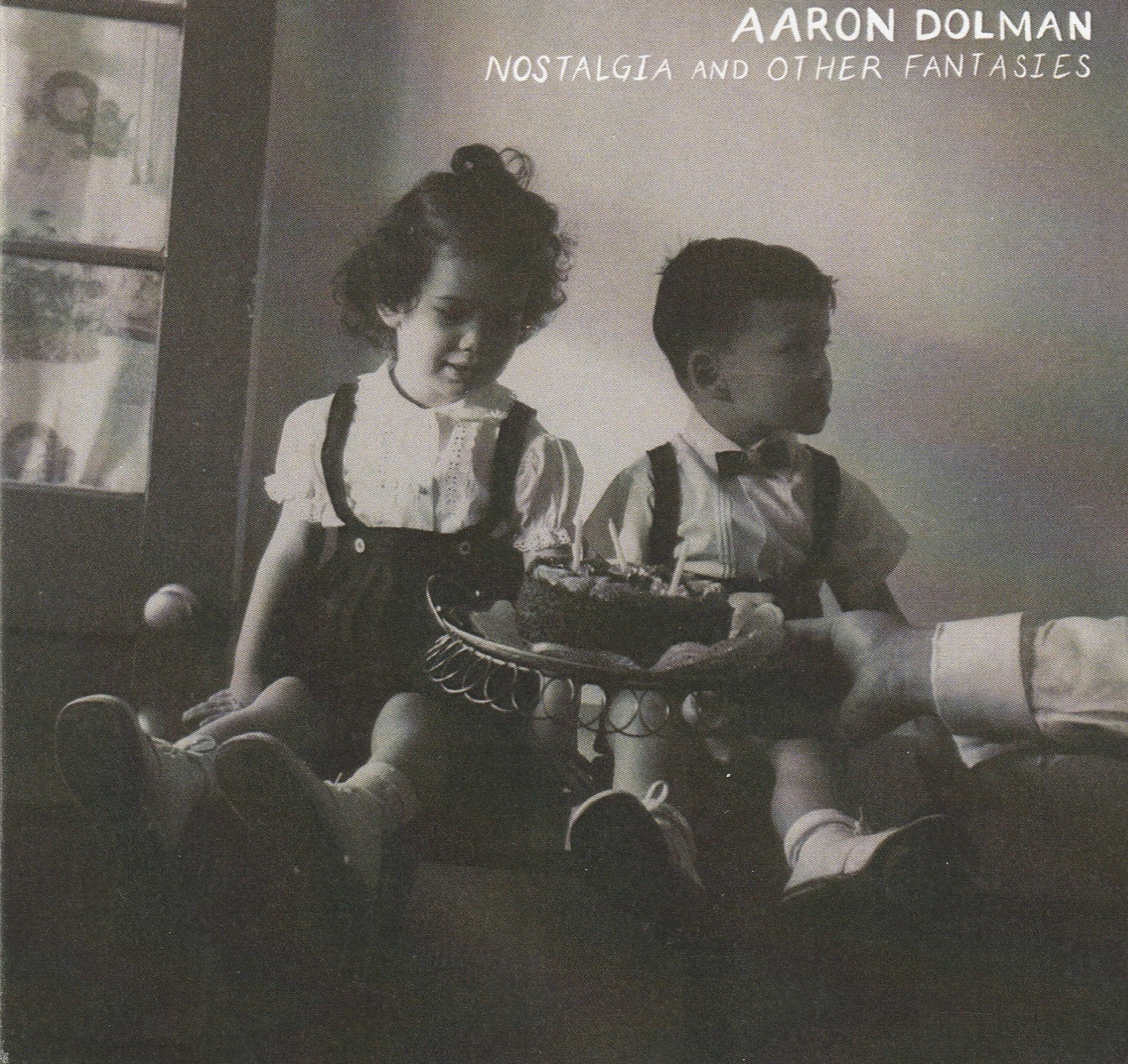
07 Aaron DolmanNostalgia and Other Fantasies
Aaron Dolman
Independent (aarondolman.com)

Montreal-born, up-and-coming drummer, composer and bandleader Aaron Dolman takes the listener on a meandering trip through music with his latest release. Closing your eyes while listening to this record evokes a feeling as if you were in a film, with each track bringing up a vivid image in the mind to accompany the melodies. Each piece is composed by Dolman himself and features younger musicians such as Marcus Savard-Lowry and Zacharie Bachand on guitars, Mathieu McConnell, bass, and Caitlin Smith on viola and vocals. The folk element imbedded in many of the pieces is a welcome and pleasing experience to the ear.

Gone for a While II is an atmospheric and ethereal beginning to the album, a fitting start to the journey on which the listener is about to embark. Stars in a Midnight Lake features a beautiful acoustic guitar riff underlying the entire piece, with the soft vocals by Smith joining in during the middle of the song for a wonderful and captivating interlude. The reprise of Willow Bunch is a joyful conclusion to the record and to the almost cinematic ride the listener has been taken on. The enjoyment in this album comes from not knowing exactly what’s going to be happening musically behind the next turn in the road, so to speak. It provides for an interesting listen that truly pulls you in and keeps you focused on the music.

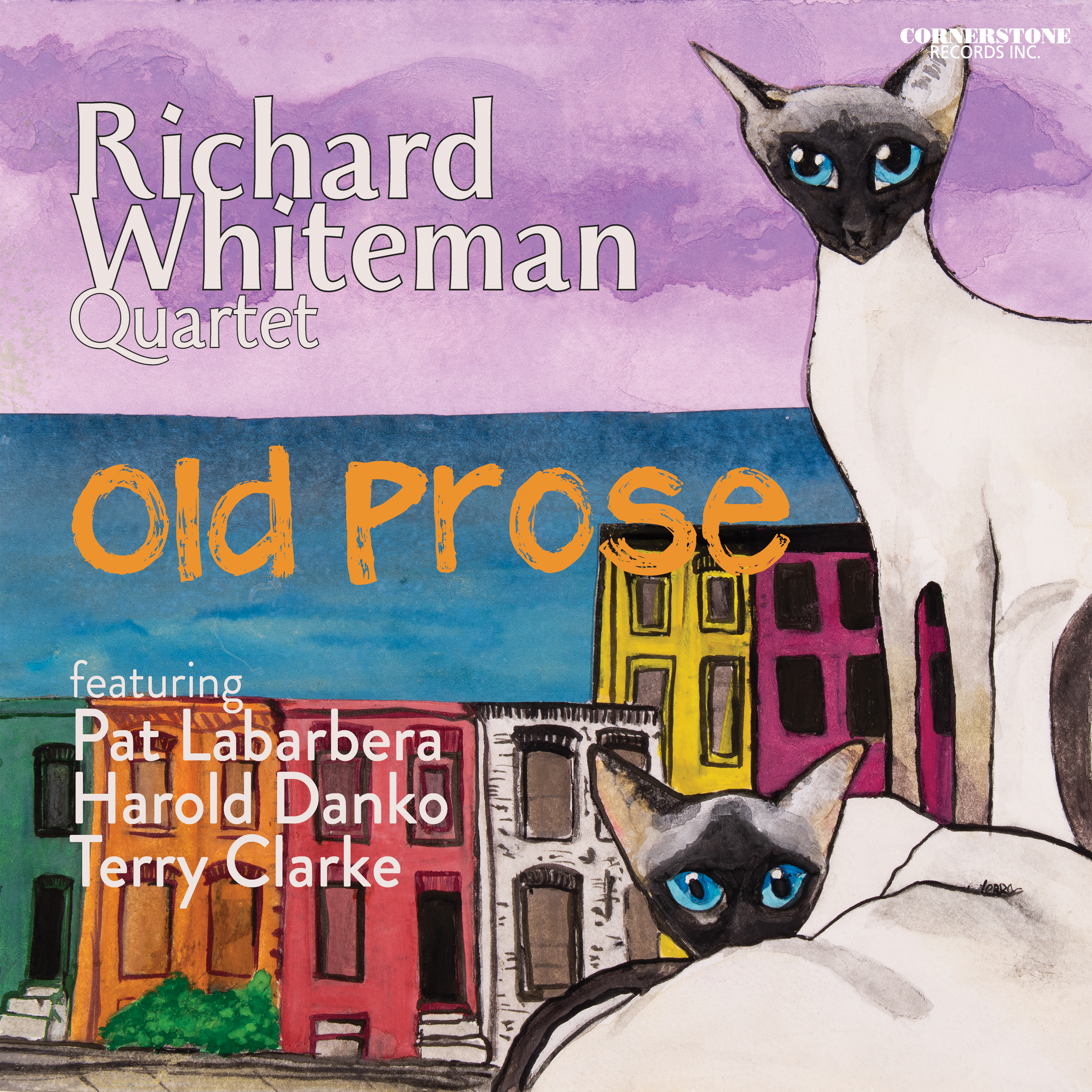
08 Richard WhitemanOld Prose
Richard Whiteman Quartet
Cornerstone Records CRSTCD 151 (cornerstonerecordsinc.com) 

Toronto pianist Richard Whiteman developed a late fascination with string bass about a decade ago, rapidly becoming an adept performer, as demonstrated here in a 2019 performance from the Huether Hotel’s Jazz Room in Waterloo, Ontario. Another distinguished Toronto multi-instrumentalist, Don Thompson, has described Whiteman’s bass lines as “Bach-like” in their precision. Perhaps it’s a pianist’s special gift, but it’s apparent here in both accompaniment and some well-constructed solos.

Perhaps befitting a bassist’s role, Whiteman may be the most retiring member of his own quartet. The principal role is given to visiting American pianist Harold Danko who provides five of the six compositions played here, while tenor saxophonist Pat LaBarbera and drummer Terry Clarke supply much of the band’s fire. The music is consummate mainstream modern club jazz, focused, energetic, sometimes dense, sometimes lyrical, often intense, but always involved and involving.

Though Danko has worked extensively with cool jazz giants like Chet Baker and Lee Konitz, his compositions reveal the breadth of his inspirations. Blue Swedish Wildflower is gently melodic, with Danko’s own introduction reaching toward the rhapsodic; McCoy’s Passion, however, a clear nod to modal master Tyner, is an open invitation to LaBarbera and Clarke to summon up their roots in the inspirational turbulence of John Coltrane and Elvin Jones. That balance between the gentle and the edgy, sometimes contrasting, sometimes combined, distinguishes this entire set of engaged post-bop jazz, crafted by senior masters.

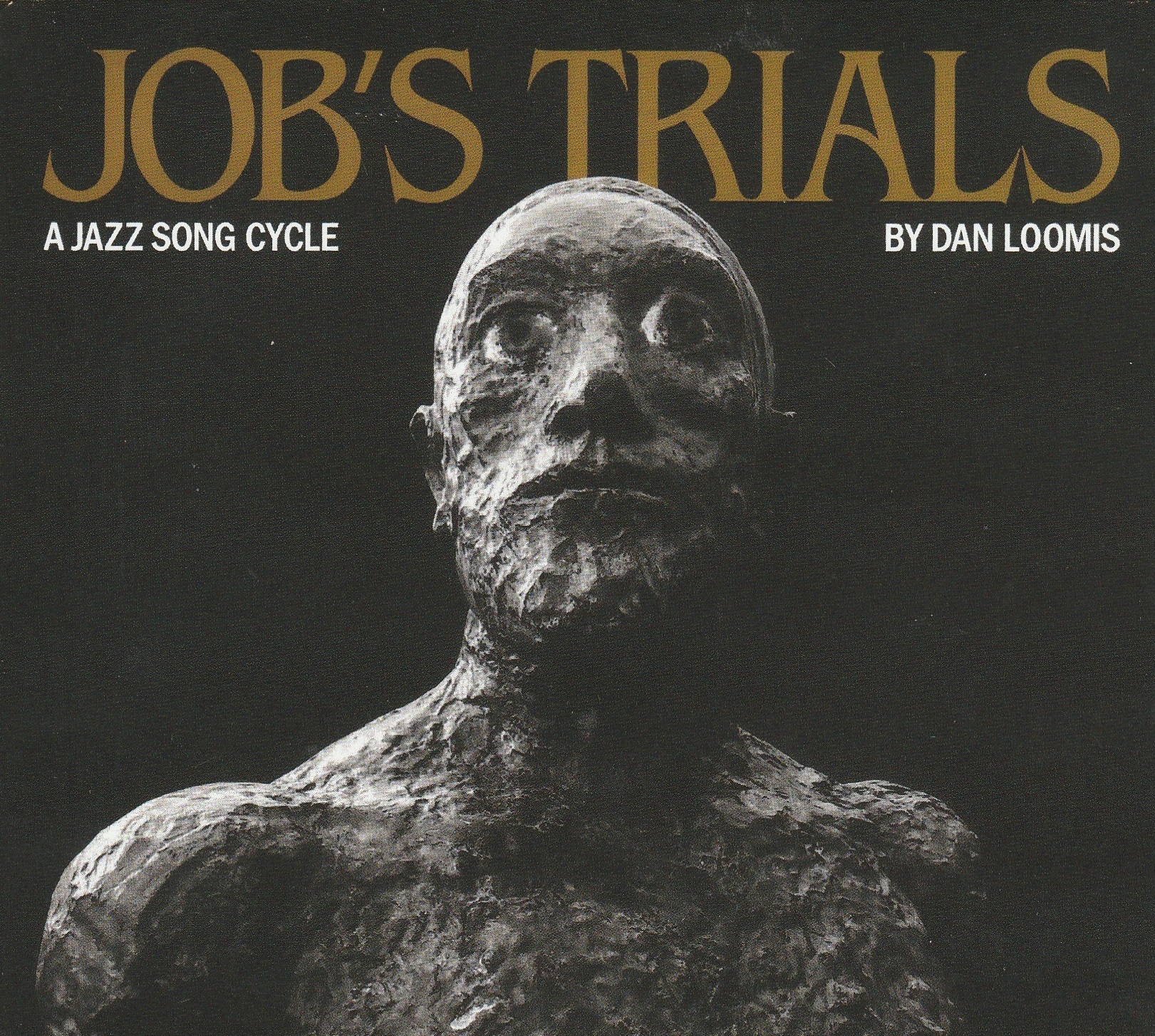
09 Jobs TrialsJob’s Trials – A Jazz Song Cycle by Dan Loomis
Yoon Sun Choi; Song Yi Jeon; Dan Loomis; Jeff Miles; Jared Schonig; Daniel Breaker
Independent (danloomismusic.com) 

With this release, New York City-based producer, composer, librettist and bassist, Dan Loomis, has created a 14-part, contemporized and unusual look at the biblical story of Job. The recording (to quote Loomis) is “…a song cycle and narration that offer a fresh look into a universal story exploring why bad things happen to good people” – perhaps a story only previously explored in a contemporary light in Neil Simon’s Job-focused hit comedy God’s Favorite. All compositions here are by Loomis with the exception of the project closer, Dear Lord by John Coltrane.

The Narrator (A.K.A. Satan) is masterfully performed by Broadway Star Daniel Breaker (Hamilton, The Book of Mormon), and the balance of the company includes vocalists Yoon Sun Choi and Song Yi Jeon, guitarist Jeff Miles and drummer Jared Schonig. Highlights of this unique jazz song cycle include Abundance Overture, where a funky, insistent bass supports the heavenly choir of Choi and Jeon, as they proceed through a complex scat section, underpinned by dynamic guitar work from Miles as well as relentless, bombastic drumming by Schonig.

As Job sinks into despair and confusion, Do Not Cover My Blood also takes a dive into the darker aspects of the human psyche, as the vocalists bob and weave through a cacophony of emotions and bop motifs. Although not a blues in the traditional sense, Job’s Blues focuses on our hero as he begins to bargain with his God with a rapid fire tempo, propelled into hyper-drive by Miles and Loomis. The closing salvo, Dear Lord, re-sets Coltrane’s lovely tune – leaving us with hope for the triumph of the unconquerable human spirit.

10 Lara DriscollWoven Dreams
Lara Driscoll
Independent (laradriscoll.com)

On the face of it, with cold hard logic, the act of weaving is simple: you treadle a needle with yarn (weft) that passes evenly through even lengths of more yarn (warp) strung taut across a frame. If you’re skilled, you could do all manner of ornamental things with that weft as well. Applied to music, however, weaving is altogether more daunting, especially when your aim is to become a weaver of dreams.

Whether Lara Driscoll was challenged in making Woven Dreams, however, seems to be a proverbial moot point. This is truly outstanding music that tells wordless stories about living things (Siblings and Trespassers) conjuring each with humour and detail; it sketches and paints moving pictures and landscapes with vivid colour and texture (Black Dog Skirts Away and Isfahan) and does so much more, seemingly enchantingly, by manipulating the black and white keys of the piano, which is then woven into bass lines and dappled with percussion colours.

Having sat mesmerized through it all, Driscoll, together with Paul Rushka (bass) and Dave Laing (drums), will have done for you just what they did for me: imprinted upon your mind’s eye something of a magical, seemingly unending dreamscape. In sheer colour and variety, in the depth of its characterization and the exceptional range and refinement of her pianism, Driscoll imparts an extraordinary bigness to this music that most pianists would die to achieve. This is music evoked as few pianists can. 

Listen to 'Woven Dreams' Now in the Listening Room

11 ChimeraChimaera
Emmeluth’s Amoeba
Ora Fonogram OF149 (orafonogram.no) 

Emmeluth’s Amoeba consists of Signe Emmeluth, alto saxophone and compositions, Karl Bjorå (guitar), Ole Mofjell (drums) and Christian Balvig (piano). Their playing is tense and engaging. Chimaera was recorded in Trondheim, Norway in 2019 and features eight compositions which offer a great deal of improvisatory freedom: much of this album›s excitement comes from the contrasts between the improvised portions and the sudden interruption of composed ensemble sections. Emmeluth’s saxophone is lithe and delightfully erratic and Balvig is particularly impressive with his clusters of runs and staccato interjections.

Throughout the album, change is the main constant. For example, the first half of Squid Circles features Emmeluth’s skittering saxophone lines interspersing melodic fragments with quick multi-phonics. Then the drums enter with guitar and piano soon after. The last two minutes are a solid groove that builds towards an extremely abrupt ending. AB is a longer piece with a variety of sonic adventures, including a short section reminiscent of some zany music that Raymond Scott might have written. No. 1 begins with a slightly off-kilter lounge piano section and keeps this same nuanced mood as more instruments are added. It’s understated and beautiful. Chimaera is an excellent album that manages to be surprising, charming and edgy at the same time.

12 ColinLiving Midnight
Colin Fisher Quartet
Astral Spirits MF211/AS 107 (astralspiritsrecords.com) 

Leaving his guitar back in Toronto, Colin Fisher took his saxophones to New York and recorded this sometimes sage, sometimes savage, trio of exemplary improvisations with three of that city’s most accomplished free players: multi-instrumentalist Daniel Carter, bassist Brandon Lopez and drummer Marc Edwards. All four function as if they’ve worked together for years.

With Fisher on alto and tenor saxophones, while Carter roams among clarinet, flute, tenor, alto and soprano saxophones, the only disorientation occurs when both play saxophones. But on Valley Spirit for instance, the resulting layered reed affirmations create enough elasticized power to counter the rugged polyrhythms of Edwards, who is constantly aggressive, although his distinctive accents and patterns never disrupt the narratives.

Elsewhere Carter’s discursive trumpet flutters, breezy flute tones or fluid clarinet timbres create a calm oasis during the extended tracks, which Fisher joins with breathy lower-case vibrations. Meanwhile Lopez’s sprawling thumps maintain the tunes’ flow, except those times he joins the others for expressive intensity.

Overall, the horn players use chalumeau and clarion registers in double counterpoint to create packed tension or relaxed flow with frequent detours into split tones and irregular vibrations, as on Crescent Moon Furnace and Embryonic Breath. What this means is that Fisher, Carter and the others unite to productively vary sequences among light and dark, speedy and frantic, and high and low pitches. It also confirms that a Hogtown improviser can easily pull his weight when facing Big Apple challengers.

13 CafeCafé Grand Abyss
Jon Rose; Alvin Curran
ReR Megacorp ReRJRAC (rermegacorp.com) 

Busman’s holidays for American pianist Alvin Curran and Australian violinist Jon Rose; the two navigate a program of improvisations that also reference Curran’s experiments with electronics and Rose’s habit of stretching the fiddle’s expected characteristics for offbeat music-making.

Both are possessed of a sardonic sense of humour. For instance, they end the disc with a brief singing saw-and-keyboard-clipping variant on Tea for Two and precede that with a pseudo-blues, where at every turn, wide multi-string violin squeaks burlesque the jittery piano syncopation beside it. But this café’s main courses are extended duets, where amplified tenor violin sweeps expose unexpected techniques answered succinctly by keyboard colours plus wave-form drones or sampled sounds.

Curran exhibits percussion backing, brass-like pumps, electronic wiggles, and sampled vocals and music on Benjamin at the Border, without neglecting consistent piano note patterns. These merge with Rose’s kinetic glissandi and hoedown-like patterns that complement the exposition while mocking the pianist’s few lapses into romanticism. Dramatically intriguing, The Marcuse Problem is built upon thickening a narrative constructed from angled fiddle runs and keyboard clinking to reach such a level of echoed intensity that it appears the pressure can’t be further amplified – and then it is. Finally the theme is deconstructed, leading to an appealing conclusion.

Recorded in sessions two years apart in Rome and Sydney where each musician lives, the CD’s stimulating duo program should encourage the two to collaborate more frequently.

With the trumpet’s traditional heraldic and heroic roles in most music, and construction which depends on only three valves, tubing and a bell, it would seem that distinctive brass innovation would be at a premium. Yet as the following discs demonstrate, those who mix innovative concepts and technical sophistication can create notable exploratory sessions.

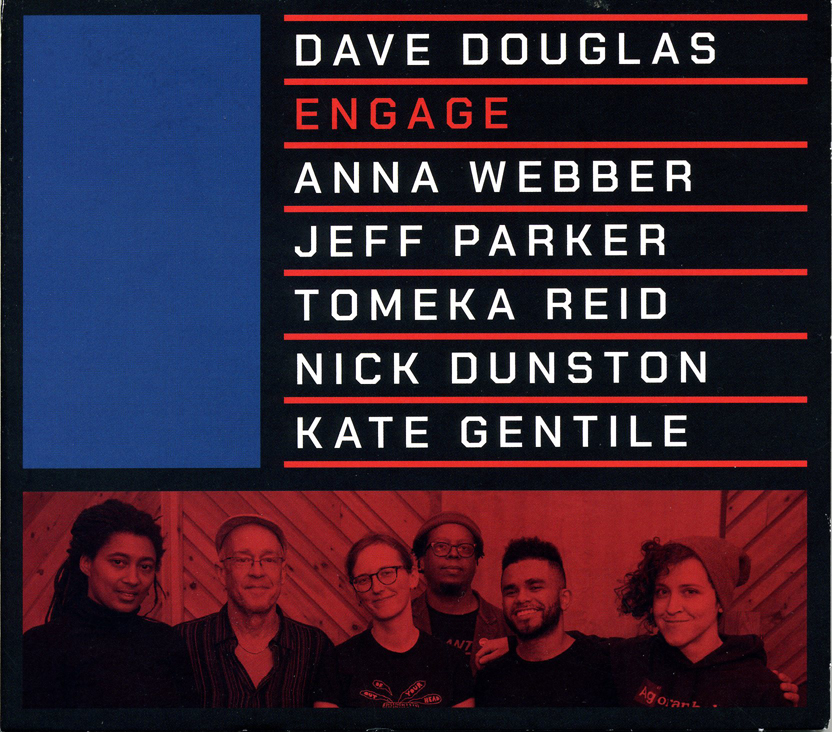
01 EngageWhile American Dave Douglas’ Engage (Greenleaf Music GRE-CD-1074 greenleafmusic.com) is the performance closest to the jazz tradition, his choice of engaged song titles such as Sanctuary Cities and Living Earth confirms his political concerns, while the group lineup is unconventional. Besides drummer Kate Gentile and bassist Nick Dunston, it includes guitarist Jeff Parker, cellist Tomeka Reid plus Canada’s Anna Webber moving among alto and bass flutes and tenor saxophone. Engaged, not agit-prop though, challenges are expressed in sound. Orchestral, with a bass flute introduction for instance, In It Together splinters from anthemic to atonal due to trumpet gusts, swift cello string jerks and barbed guitar frails. One Sun, A Million Rays mates an exemplar of brass tongue jujitsu and valve hide-and-seek timbres propelled by guest trumpeter Dave Adewumi, with parade ground-like drumming and a chromatic counter line from the flutist. Meanwhile Living Earth could be a sleigh-ride melody reimagined by a Dixieland combo, although Webber’s tough tenor intensity, Parker’s colourful finger-picking and Douglas’ open horn work, backed by vamps from Adewumi and another trumpet guest, Riley Mulherkar, confirm its contemporary stance. This substantiates another Douglas concept. Like a concerned progressive who wishes society to evolve not rupture, his compositions cannily advance new textures that build on established ones. Faith Alliance and Free Libraries, Engage’s most advanced tracks, are instances of this. Faith Alliance slides Parker’s Jimi Hendrix-like squealing flanges and razor-sharp distortions within a layered horn vamp, culminating in a challenge from string pressure to brass expansion. Free Libraries could be termed roots music with the cello’s string swelling and the guitar’s blues licks never disrupting the harmonized horn part that, with gentling grace notes, instills concluding calm.

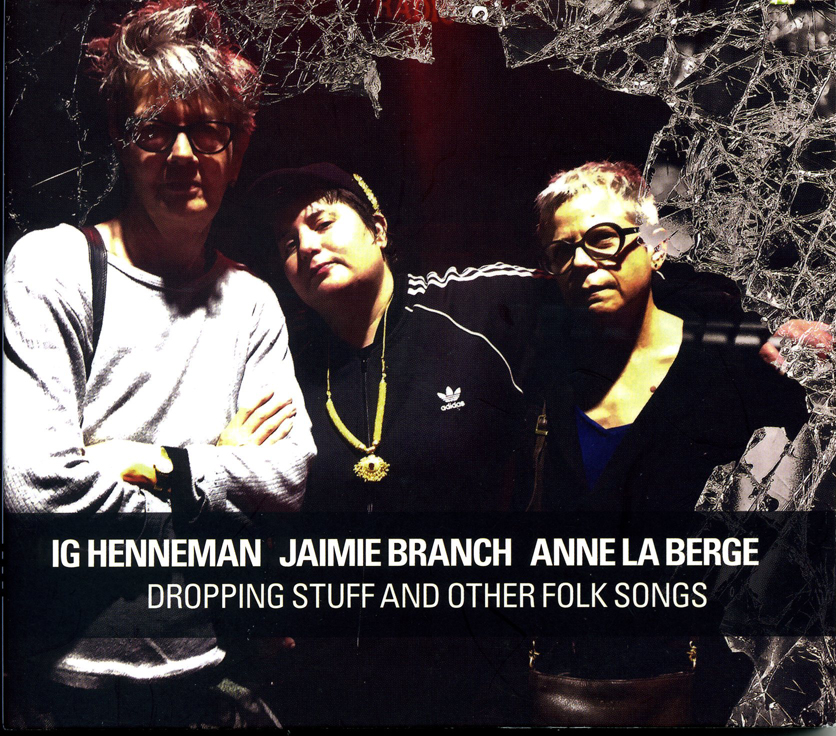
02 Dropping StuffTouching on roots music by inference is Dropping Stuff and other Folk Songs (Relative Pitch RPR 1094 relativepitchrecords.com) but the eight tracks don’t resemble any extant folk music. Instead they reflect the sounds made by instruments stretched to their technical limits during improvisations created by an unconventional line-up of Amsterdam-based violist Ig Henneman and flutist Anne La Berge plus American trumpeter Jaimie Branch. There are a few instances of the extroverted trumpeter producing bugle call-like vamps, ferocious yelps and an entire section on the concluding title track where her inner Bubber Miley is revealed via plunger mute snarls. But Branch generally mutes her output to match the others’ horizontal pitches. Meanwhile La Berge often concentrates on affiliating peeping and keening trills as Henneman’s spiccato string slices alternate between disruptive angled pings and flowing ostinato pulses. Although enough echoes within the trumpet’s body tube, narrow flute whines and dissected string drags are featured, a perverse lyricism sometimes peeks through. Branch’s arching brassiness is effective in meeting the pseudo-romanticism of Henneman’s sluicing buzzes on Gigging, while unexpected, though quickly cut off, trio elation characterizes Canal Rounds. However the defining track is the extended When bells stop ringing. Melding the violist’s sul ponticello swells with the trumpeter’s propelling triplets and smears at Flight of the Bumblebee speeds, flute peeps create the connective continuum. Finally harmonized whistles from the horn players match Henneman’s protracted string sawing for a downshifting conclusion.

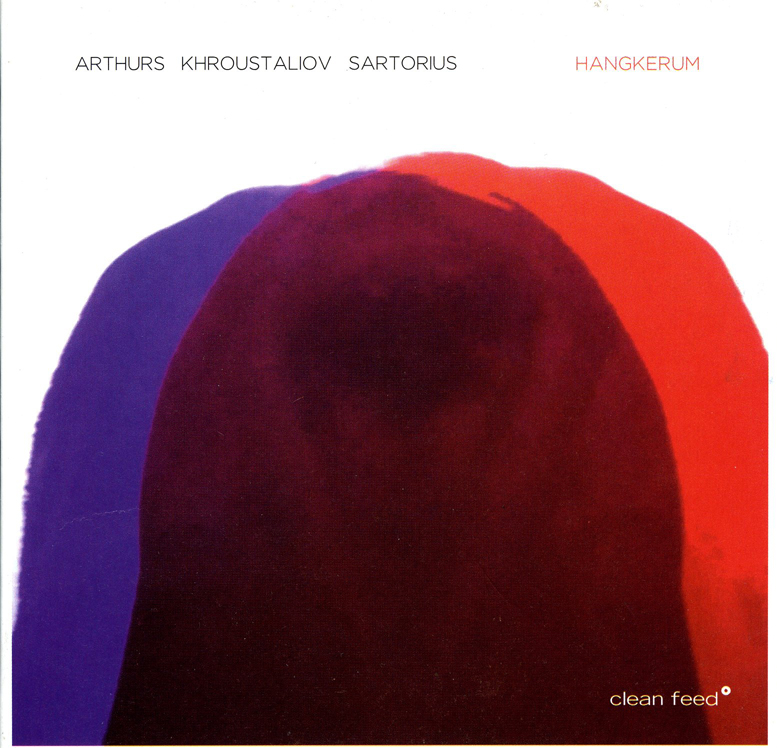
03 ArthursAlso in the realm of close-knit tripartite improvisation, but intensified with programming, is Hangkerum (Clean Feed CF 533 CD cleanfeedrecords.com) involving trumpeter Tom Arthurs and electronic musician Isambard Khroustaliov both from the UK and Swiss percussionist Julian Sartorius. Vibrant and balanced, the disc consists of five tracks, which purposely reveal the distinct aspects of each instrument through separation and interaction until the trio’s parallel strategies cinch. Beginning with rounded trumpet notes, Arthurs’ pitches are held and framed by galloping pulsations from Khroustaliov’s electronics and Sartorius’ intermittent beats until the brass player’s muted lyricism, highlighted with note flurries, meets knob-twisting oscillations and sharp, unexpected peeps. By the time Herrgöttli is elaborated, midpoint digression has Arthurs timbre-stretching to piccolo trumpet-like pitches or fluttering growls, but without weakening the narrative thread which was advanced at the outset. While the electronic undulating continues in building tension, there’s a sudden realization that live processing has created a secondary brass line, whizzing alongside the first. Timed chimes echoes plus power ratamacues from the percussionist concentrate the textures of the subsequent Duch even further, until halfway through a nuanced melodic line from the trumpeter unexpectedly floats over the sound miasma, leading to Reréaux, the extended finale. Picking up on each of the sound properties propelled by the trio members, the piece is buzzy, bellicose and breezy in equal measures. While the programmer’s synthesized outer-space-like whooshes and juddering oscillations are audible, so are the drummer’s doorbell-like tolling, churning bass drum pumps and ascending cymbal pings. Yet as much as the percussion and electronics vibrate irregularly beside him, Arthurs not only excavates the nooks and crannies of his horn for unusual textures, but uses muted puffs to confirm the alluring beauty of the suite.

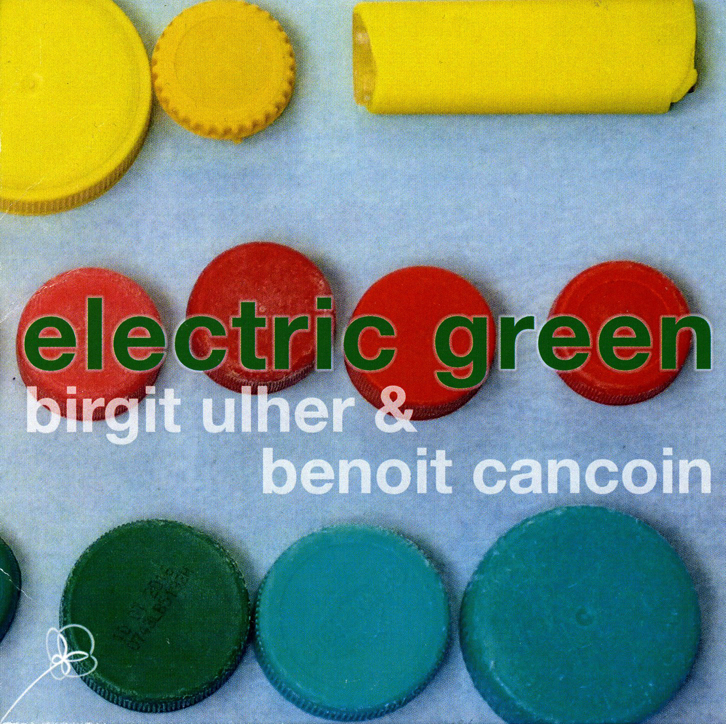
04 Electric greenStripped down even further in concept and execution is the duo of French bassist Benoit Cancoin and German trumpeter Birgit Ulher, who uses a radio, speakers and objects to further splinter her brass sound during Electric Green (Blumlein edition blumlein.net). Interestingly enough, despite the obvious differences between their instruments there are points at which the bassist’s arco string sweeps and the trumpeter’s sounding of wide projected textures make differentiation nearly impossible. Most of the time though, Cancoin propels his low-pitched stops and rubs to create an ongoing continuum, while Ulher manipulates her horn and add-ons to source unique vibrations. One second she can output fire-drill-like elevated pitches, while on the next inflate balloon-like blows from deep inside her horn or latterly produce gentle flute-like tones. In fact, the extended Seladon is one of the date’s most low-key tracks with brief sniffs and watery gurgles from the trumpet’s innards brushing up against the bassist’s string stretching and wood banging until her aviary bleats and his col legno string slaps move their strategies closer. Establishing individual real estate they can be discordant, as on Aureolin, contrasting jet-plane-like brass propulsion and powerful purported string shredding from the bassist. But overall the aim is to stretch expected timbres in the course of affiliation. By the brief, final Signal Blue, they establish an unshakable rapport so that the trumpeter’s note burbling and mouthpiece French kisses snugly align beside the closest Cancoin comes to pumping out a swing beat on the date.

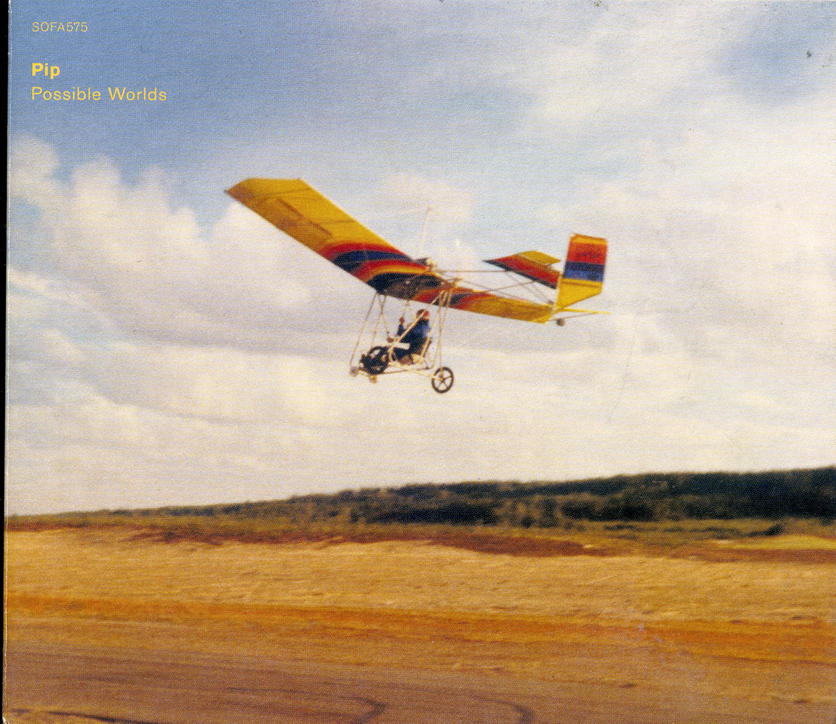
05 PipSomething completely different is Possible Worlds (SOFA 575 sofamusic.no), a single track, 66-minute program of mesmerizing avant-ambient sound by Norwegian duo Pip. Consisting of Torstein Lavik Larsen on trumpet, sampler and synthesizer plus Fredrik Rasten who plays fretless electric and acoustic guitars, chimes and electronics in varied combinations, here the brass is used sparingly to infuse accents onto constantly repeated microtonal hooks propelled by Rasten’s slurred fingering. Subtly, the sequences gradually intensify as the track progresses while synthesized granular motifs including brass vibrations and organ-like sweeps inflate and take up more aural space. A defining diversion arrives at the three-quarter mark as the finger-picked guitar pulse is strengthened and turns upwards to meet synthesizer drones and percussive slaps. Meanwhile, inside horn growls from Larsen wash over the interaction. After fuzz tones, chime echoes and dripping water-like sound samples are introduced into the mix, the continuous guitar strums are reintroduced to slide through harsher drones and bond with the exposition.

Each of these trumpeters chose to blow his or her horn in a unique fashion and all the strategies are equally valid.

01 Murley Taking Flight 01Taking Flight
Mike Murley
Cornerstone Records CRST CD 150 (cornerstonerecordings.com)

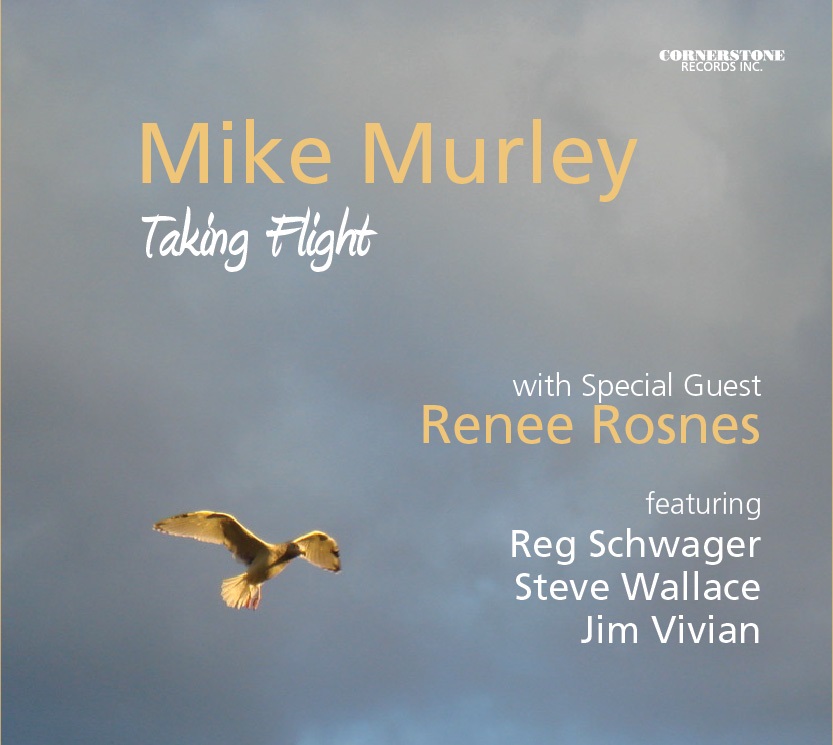
Around 1998, saxophonist Mike Murley formed a trio with guitarist Ed Bickert and bassist Steve Wallace. The group only endured until Bickert’s 2001 retirement, but it represented a high point for chamber jazz: a debut CD, Live at the Senator, won the 2002 JUNO for best jazz recording; Test of Time, a later release of 1999 material, won the 2013 JUNO. The spirit of the group has found continuing life in the Murley Trio with Wallace and guitarist Reg Schwager. Taking Flight adds the superb expatriate Canadian pianist Renee Rosnes to the mix, with Jim Vivian substituting for Wallace on four of nine tracks. The group emphasizes the quiet end of the dynamic spectrum, but it does so with resilient firmness and determined invention.

The group covers a spectrum that’s tailor-made to its gifts. The late Kenny Wheeler, both partner and inspiration, is represented by Winter Suite and Phrase 3, models of introspective collaboration. The former begins with just Murley’s tenor, before it’s joined by Rosnes’ floating accompaniment. Wayne Shorter’s Penelope has its own evanescent glow, and the spinning lines of Charlie Parker’s Bird Feathers feels Tristano-like in this context, emphasized by Rosnes’ rapid invention. 

The CD concludes with Nikolaus Brodszky’s I’ll Never Stop Loving You, played by the trio of Murley, Schwager and Wallace and dedicated to the memory of Ed Bickert, who passed away a couple of weeks before this March 2019 recording session. No tribute could be more fitting.

Back to top