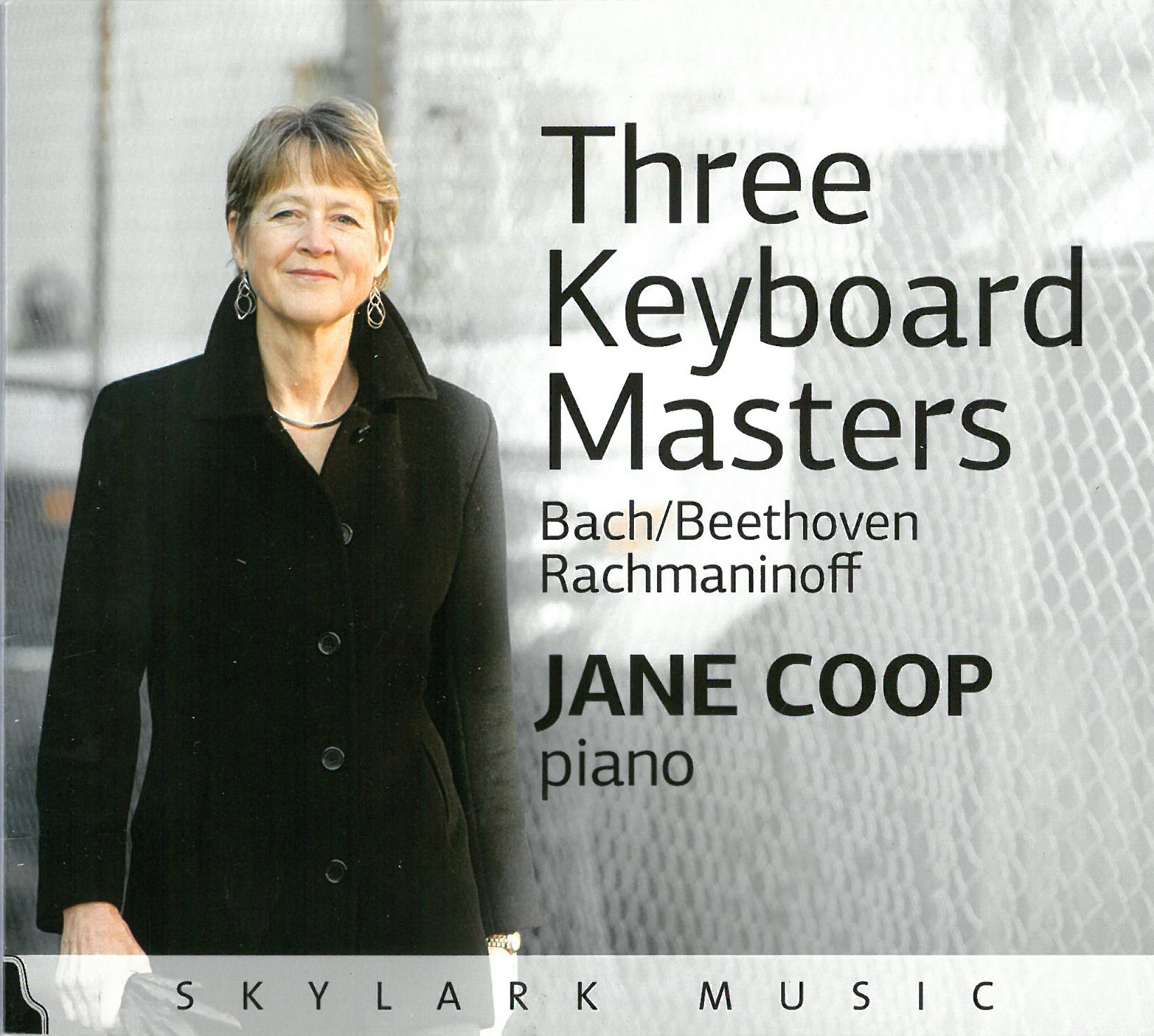
01 Jane CoopThree Keyboard Masters – Bach; Beethoven; Rachmaninoff
Jane Coop
Skylark Music Sky1901 (skylark-music.com)

Veteran pianist Jane Coop brings three composers into focus on her new fall release: Beethoven, Rachmaninoff and Bach. While the aggregate of the music on disc is indeed a favourable one, the record as a whole tends to play more as a recital program than as an album. Coop’s musical conviction and integrity merits discussion of each component, singly: 

Her choice to record the seven jejune Bagatelles Op.33 of Beethoven is a fruitful one. Coop brings a childlike exuberance to this music, augmented by just the right dash of buffoonery. She achieves an essentially scherzando quality, from which the personal side of Beethoven’s art can gleam. Coop has a zeal for these pieces, expert in the Canadian tradition of Beethoven pianism inherited from her teacher, the great Anton Kuerti.

In drastic juxtaposition, a set by Sergei Rachmaninoff plunges in next. Despite the extreme textural disparity between Rachmaninoff’s preludes and Beethoven’s bagatelles, Coop seems easily at home in the vaulting halls of Russian Romanticism. One hears an icy, almost Gouldian austerity. Punctuating the preludes are lesser-known transcriptions by Rachmaninoff, penned late in the composer’s life and intended for his own concert tours.

Finally, Bach’s Chromatic Fantasy and Fugue brings a sense of homecoming. One has the suspicion that each of these pieces has been well-worn and well-loved by Coop; this is music she’s held dear for a long time. How generous of her then, to share it with us.

Adam Sherkin

Listen to 'Three Keyboard Masters – Bach; Beethoven; Rachmaninoff' Now in the Listening Room
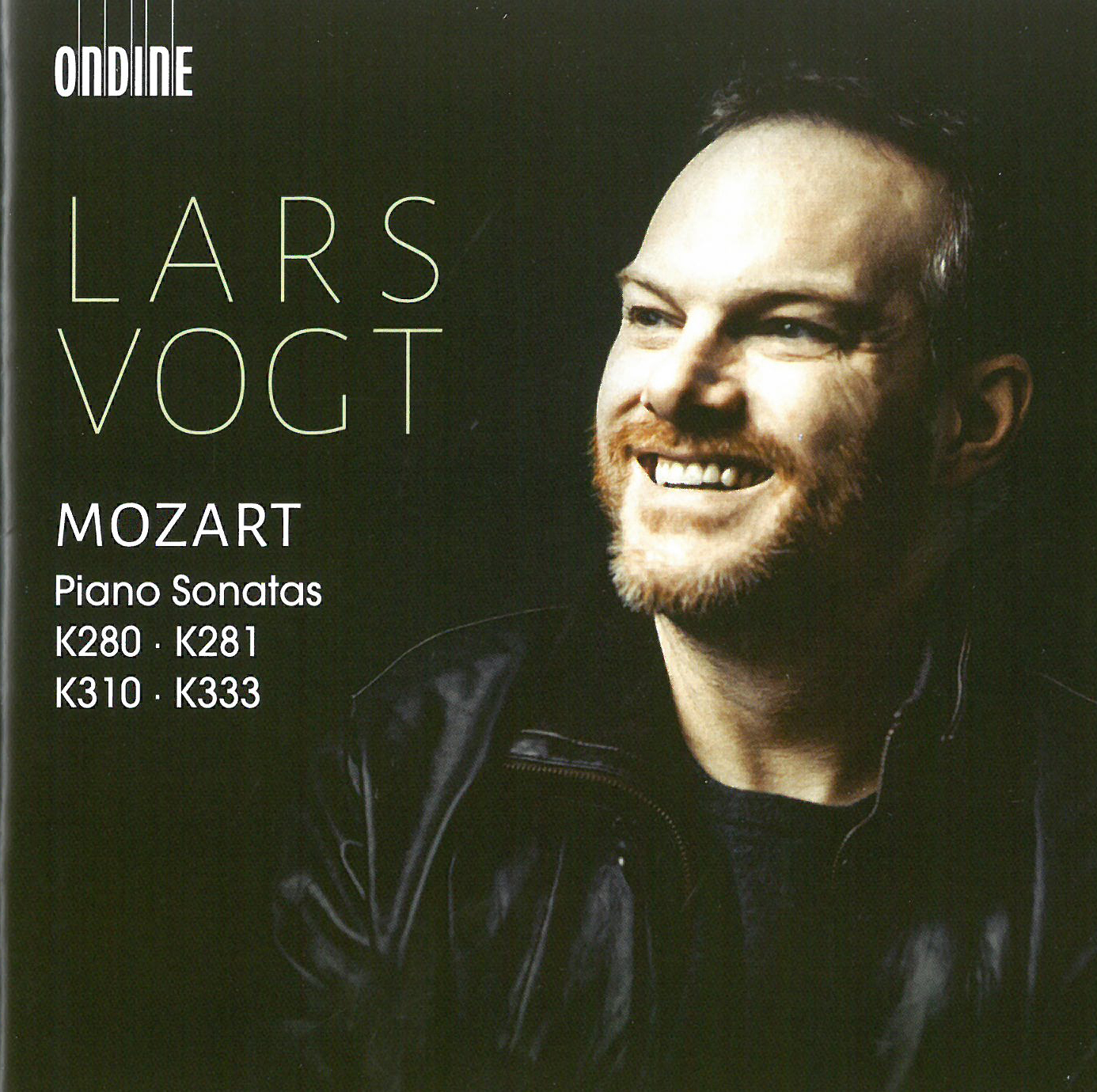
02 Mozart VogtMozart – Piano Sonatas Nos.2, 3, 8 & 13
Lars Vogt
Ondine ODE 1318-2 (naxos.com)

The newest disc from the 40-something pianist, conductor and educator, Lars Vogt, delivers refined and compelling readings of four Mozart piano sonatas. The range of curation here is admirable, as is the enticing (and thoroughly considered) nature of Vogt’s interpretation. We meet an accomplished and intellectually curious artist at the height of mid-career prowess.

To open such an album with Mozart’s early Sonata in F major, K280 is an unusual choice, yet a convincing one. Where Vogt overrides status quo classical sensibilities with modern expressive concepts (cf. the A minor Sonata, K310), he manages to steer us aptly to the brink and then back again with just enough mastery to re-charm us under his pianistic spell. It takes some level of courage to play Mozart like this. Notwithstanding, it seems more acceptable today for a performer to stretch such boundaries and take small yet consequential risks, finding novel paths through well-trodden music.

Among the disc’s notable attributes are its polish and poise. Vogt renders Mozart’s familiar notes with both a wide-eyed curiosity, (as if hearing it all for the first time) and a learned interpretive command that is exceedingly well informed (the second movement of the Sonata in B-flat Major, K333, Andante cantabile, is one such example.)

If anything is amiss, it is a reluctance to take these convictions and whims even further: to pilot the listener beyond the brink, as it were, to the very heart of Mozartian spontaneity.

Adam Sherkin
03 Schumann DownesClara and Robert Schumann – For the Love of You
Lara Downes; San Francisco Ballet Orchesra; Martin West
Flipside Music (laradownes.com)

American pianist Lara Downes offers a new release honouring the 200th anniversary of Clara Wieck Schumann’s birth on September 13, 2019. For the occasion, Downes allies with the San Francisco Ballet Orchestra, opening the disc with Robert Schumann’s Piano Concerto in A Minor, Op.54.  The proceeding tracks feature pieces for solo piano – Op.11 by Clara and Op.12 by Robert, dating from “the last three tumultuous and decisive years of courtship, before their marriage.”

Known for her lush and generous playing, Downes brings her customary warmth to bear as concerto soloist. Equally rivalling the orchestra’s might, she appears to revel in the quintessentially Romantic currents, inspired as they ebb and flow through the only concerto Schumann ever finished for the instrument. At times, Downes’ tonal command borders on a pianistic muscularity – an attractive commingling of classical training with a popularized understanding of music’s communicative shtick in the 21st century. She urges the listener to feel at ease: to embrace the brand of hospitality issued from her keyboard.

Aside from the utterly standard repertoire selections (Schumann’s Opp.54 and 12), the Three Romances, Op.11 by Clara bring a fresh and personal stamp to the record. It sounds as if Downes is just getting started with Clara’s catalogue. Surely, in 2019, this music can now stand alone, apart from Robert, and declare itself? Many accomplished proponents of Clara’s Wieck Schumann’s music are active today; Downes should consider joining this consortium, full time!

Adam Sherkin
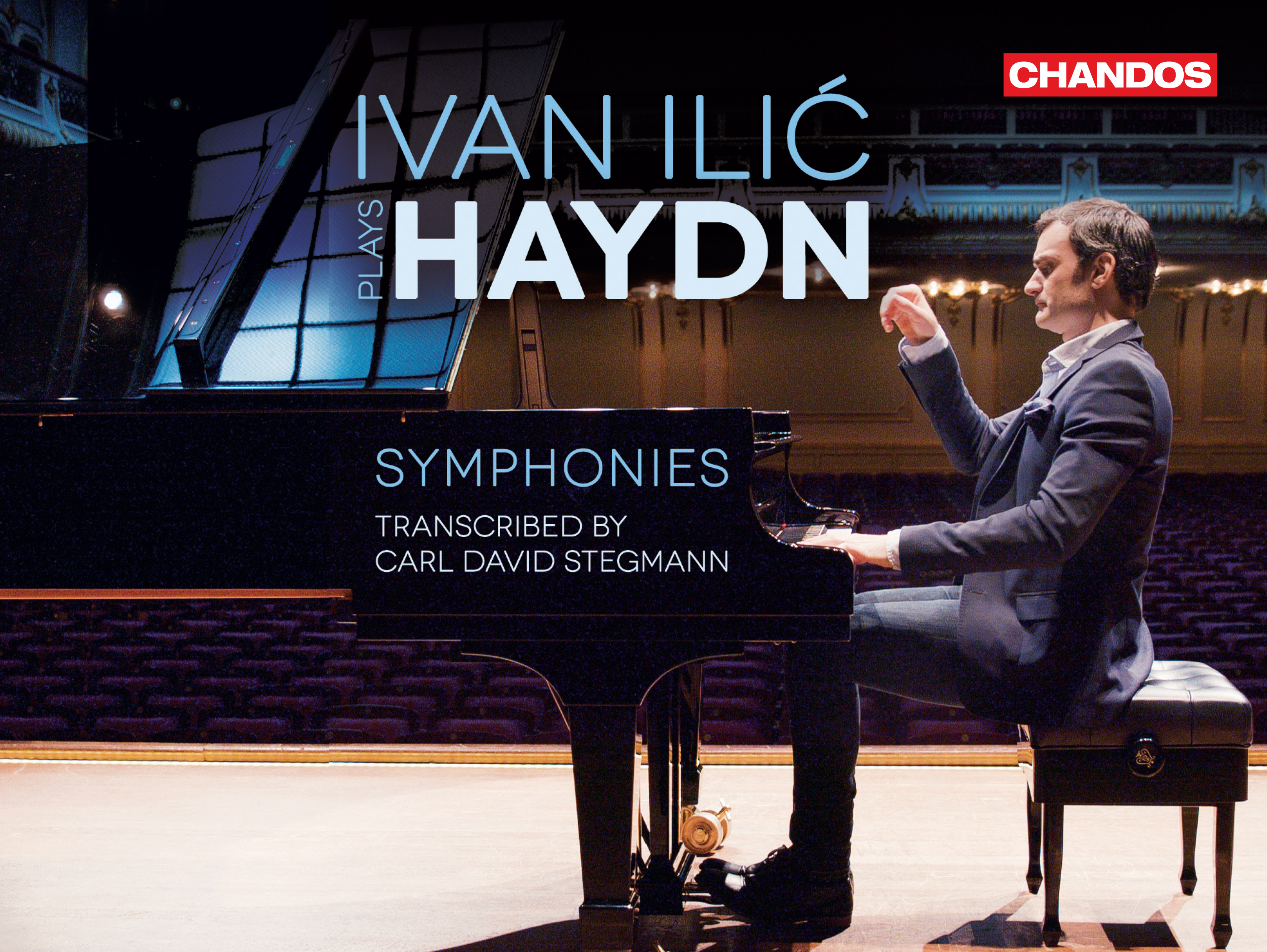
04 Ivan Ilic 1Haydn Symphonies transcribed by Carl David Stegmann
Ivan Ilić
Chandos 2020142 (chandos.net)

Here we are in for a treat. Noted Serbian-American pianist Ivan Ilić, who has already made a reputation for adventurous repertoire and has never shied away from detective work, is now unearthing century-old music found in a dusty box in someone’s attic in Cologne, Germany: actually the discovery of three Haydn symphonies transcribed for the piano dating back to 1811 by Carl David Stegmann, a musician and contemporary of Beethoven. These things can happen: after all, Schubert’s Great C Major Symphony was also found in an attic by a certain Felix Mendelssohn!

Well, Ilić immediately tried them out and they sounded terrific on the piano, so he subsequently recorded them. First and foremost is the famous Oxford Symphony No.92, one of the late ones written just prior to the London Symphonies and it is a wonderful mature work. Right at the outset we are struck by the pianist’s enthusiastic and joyful approach, a feeling of discovery, grasping the essence of Haydn and his sense of humour. With immaculate, highly precise pianism he emphasizes the clear melodic line and delves fearlessly with his strong left hand into the complex architecture of the contrapuntal middle part. By this time the piano literally sings, and how charming that little closing subject sounds!

I was also delighted by the horn imitation in the trio part of the third movement Menuetto and the terrific freewheeling bravura of the complex yet irresistibly melodic last movement. Symphony No.75 is notable for its second movement’s interesting set of variations showing Italian influences while Symphony No.44 (Mourning) has an astounding last movement Presto, a hot-headed and determinedly monothematic score” Ilić even features in a video on YouTube.

Janos Gardonyi
05 Beethoven Guembes BuchananLate Beethoven
Luisa Guembes-Buchanan
Del Aguila Records DA 55313(luisagbuchanan.com)

Late Beethoven such as the Bagatelles, Op.119 and the Diabelli Variations Op.120 appear to have arrived in music’s world not in a dimming of the light that comes at the end of life, but like an immeasurable future; an unimaginable time beyond time. Certainly the immortal Variations, all 33 of them, coming as they did on the heels of the great Goldberg Variations of J.S. Bach, heralded a Beethoven whose creative urge seemed to have swelled like a kind of historical floodwater, bearing Anton Diabelli’s prosaic waltz upon its crest.

Luisa Guembes-Buchanan’s recording of the Diabelli is a classic, as free flowing as Beethoven’s approach to the variation form. Her playing is muscular, yet supple, accentuating the integrity of each variation without sacrificing the sense of overall structure. That all-important final chord is like a goal reached at the end of a long, long journey.

The pianist’s approach to the Bagatelles – among the best-known of Beethoven’s shorter pieces – is a refreshingly matter-of-fact manner, bringing out the vigour and the fluidity of the pieces but not at the expense of their poetry. Her Fifth Bagatelle is pointedly unsentimental, but most exquisitely and artfully shaped.

Theodor Adorno saw late Beethoven works as profound meditations – partly conscious, perhaps – on death. But he admits that “death is imposed only on created beings, not on works of art…” which might explain the immortal nature of these late works, living fragments of life’s beauty.

Raul da Gama
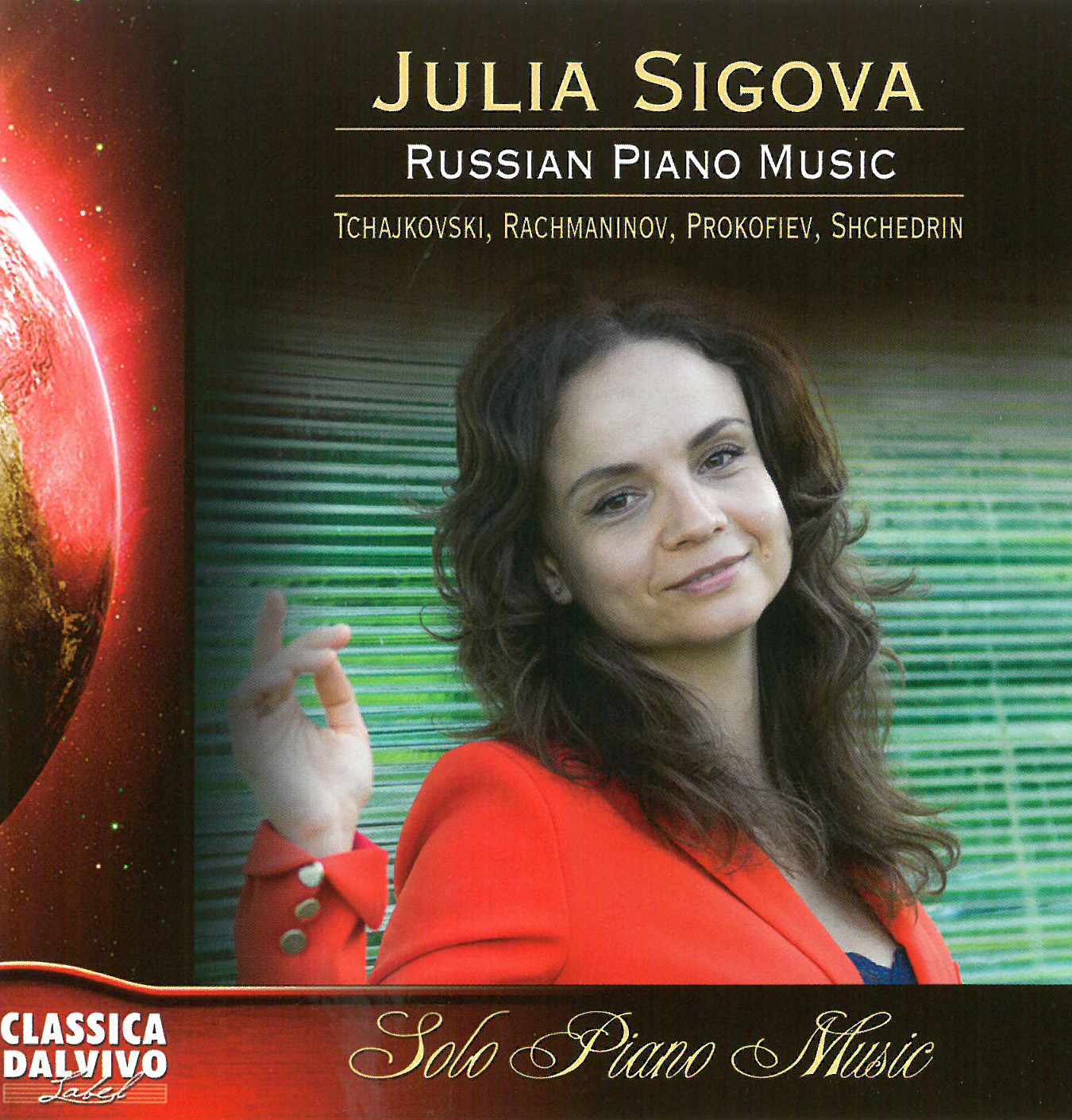
06 Julia SigovaRussian Piano Music
Julia Sigova
Classica Dalvivo CDL-0518 (juliasigova.com)

As surprising as it may seem, collections of Russian solo piano music on CD are not all that common and when they do appear, they are likely to feature the works of only one or two composers with a similar compositional style. As a result, this recording by pianist Julia Sigova on the Classica Dalvivo label is a welcome addition to the catalogue. Not only did this Minsk-born artist choose four different composers, but ones spanning an 80-year time period – from the Romanticism of Tchaikovsky and Rachmaninoff to the more austere modernism of Prokofiev and Shchedrin.

Today, Tchaikovsky is scarcely remembered for his contribution to the piano repertoire, but his keyboard compositions are still not without their charm as evidenced in the opening track Dumka Op.59 from the set titled Scenes from a Russian Village written in 1886. Sigova’s approach is elegant and self-assured, with just the right touch of melancholia that characterizes much of Tchaikovsky’s music.

Rachmaninov’s first set of Études-Tableaux Op.33 were supposedly written as “musical evocations of external stimuli” although he never really divulged their true inspiration. These are a remarkable study in contrasts – from the pensive seriousness of the Second to the bombastic fervour of the Seventh. In all, they require a formidable technique, and Sigova rises to the demands with much bravado.

Compared to the lush romanticism of Rachmaninoff, the Sarcasmes Op.17 of Sergei Prokofiev and two pieces – Humoresque and A la Albeniz – by Rodion Shchedrin are very much products of the later 20th century. Here, Prokofiev almost seemed to be thumbing his nose at the more conservative musical conventions of the time while the two miniatures by Shchedrin – with their jaunty rhythms and progressive harmonies – round out an eclectic and very satisfying program.

Richard Haskell
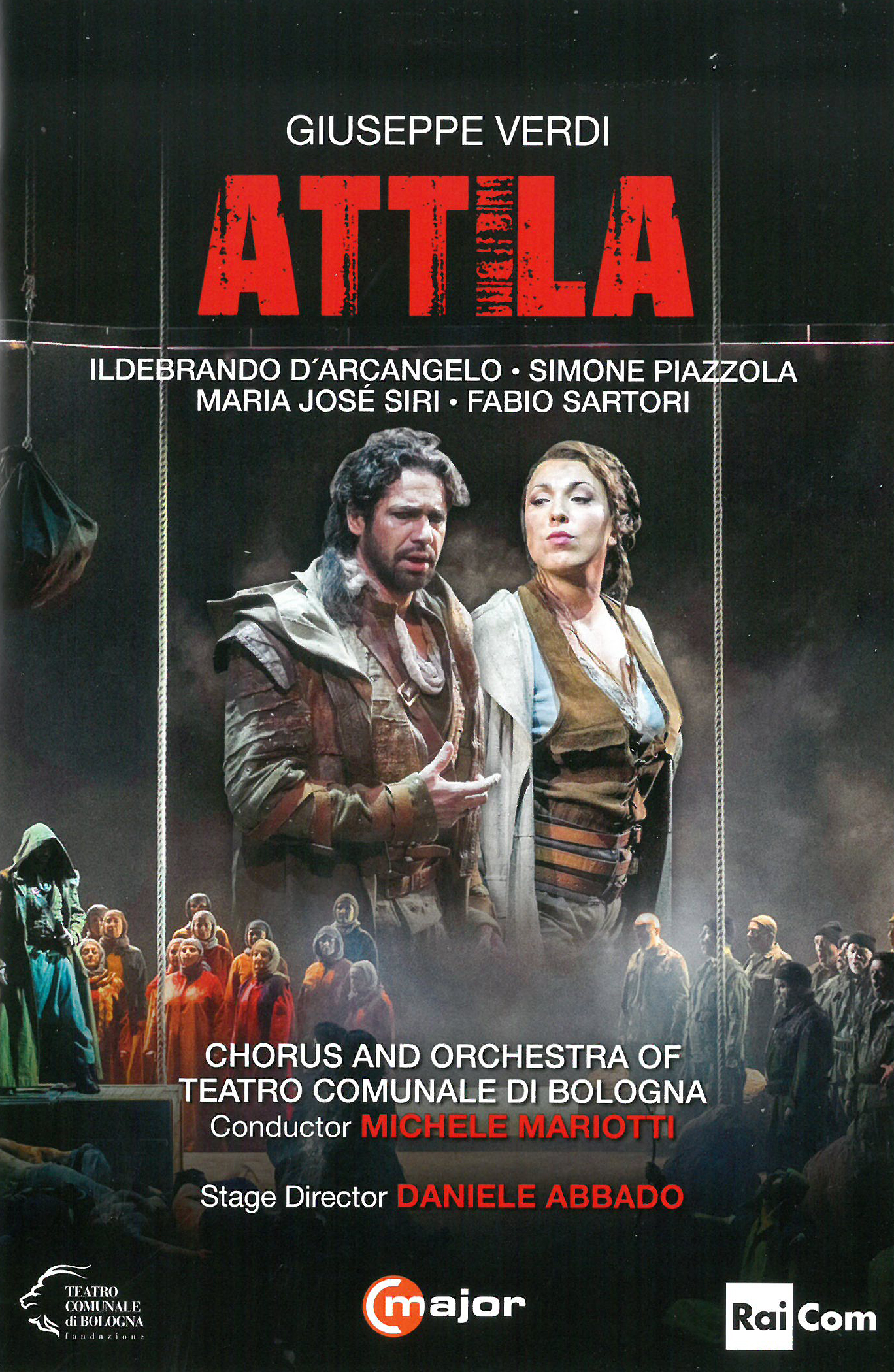
01 Verdi AttilaVerdi – Attila
Ildebrando D’Arcangelo; Simone Piazzola; Mari José Siri; Fabio Sartori; Teatro Comunale di Bologna; Michele Mariotti
Cmajor 748708B (naxosdirect.com)

Attila is actually the ninth opera of the 26 by Verdi and it premiered in Venice, 1846. The opera is about Attila’s fifth-century campaign devastating Northern Italy and his failure to capture Rome, as if by divine intervention. Interestingly, Verdi skilfully worked in the founding of Venice by refugees from the Roman city of Aquileia in the marshlands of the Adriatic where they hid out from the wrath of the Huns – a city that will rise as a phoenix from the ashes alluding to the name of the opera house La Fenice in Venice and this no doubt pleased the Venetians.

The score itself is irresistibly energetic, chock full of soaring melodies, cavatinas, rousing cabalettas, duets, trios, quartets plus young Verdi honing his skills in ensemble writing like the first and second act finales which are already masterful. The soprano’s lament, pining for her homeland, and the subsequent love duet, point towards the Nile scene in Aida. My favourite part is the amazingly mature, picturesque orchestral writing of the Intermezzo in the Prologue, a raging sea storm followed by a magnificent sunrise over the cross raised by the pilgrims.

The singers are without exception superlative. Ildebrando D’Arcangelo, today’s leading base baritone is a complex, tormented Attila with a voice of stentorian power; Odabella is Maria José Siri, a young powerful Verdi soprano, strong in all registers; and Fabio Sartori, her lover with an “intensely brilliant” voice, one of the great tenors of which Italy seems to have a big supply. And the chorus – each singer could be a soloist! Young, very talented Michele Mariotti (of Tutto Verdi fame) conducts with verve and tremendous emotional involvement, ensuring a truly memorable production.

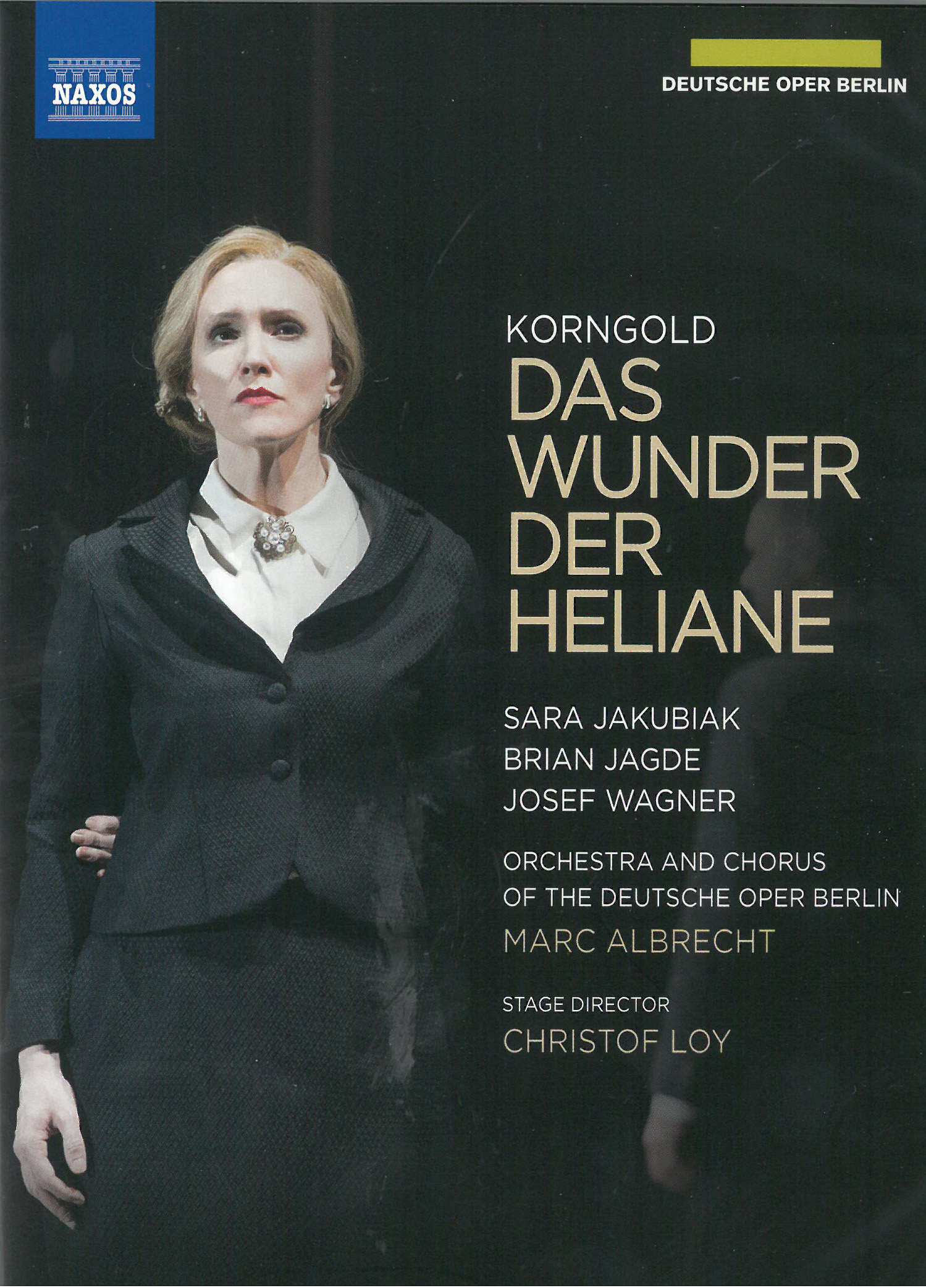
03 KorngoldKorngold – Das Wunder der Heliane
Sara Jakubiak; Brian Jagde; Josef Wagner; Deutsche Oper Berlin; Mark Albrecht
Naxos 2.110584-85 (naxosdirect.com)

The longest, most voluptuously scored of Korngold’s five operas makes its overdue DVD debut. Korngold considered it his masterpiece, brimming with radiant, rapturous melodies in the distinctive style that would later sustain him during the Nazi years in his new home – and career – in Hollywood.

In Hans Müller-Einigen’s allegorical libretto, the brutal Ruler of a mythical realm, scorned by his wife Heliane, condemns a charismatic Stranger to death. Heliane visits the imprisoned Stranger, offering solace and, at his pleading, baring her body. The Ruler, intruding, accuses her of adultery. At her trial, the Stranger commits suicide, but before Heliane can be executed, he miraculously comes back to life (the “Wunder” of the title). The Ruler kills Heliane, but she and the Stranger enter heaven together.

The superb cast, led by soprano Sara Jakubiak (Heliane), tenor Brian Jagde (Stranger) and bass-baritone Josef Wagner (Ruler), receives full-blooded support from conductor Marc Albrecht, who unhurriedly spins out Korngold’s long lyrical lines while eliciting, when needed, ferocious bite from the orchestra and chorus. Heliane’s great aria, Ich ging zu ihm, gorgeously sung by Jakubiak, seemingly takes forever to unfold and ascend, Liebestod-like, to its ecstatic, goose pimple-inducing climax.

Regrettably, this 2018 Deutsche Oper Berlin production disdains Müller-Einigen’s stage directions: “no trace of realism…timeless garments.” Instead, the cast wears drab, modern business attire within a drab, modern courtroom set, subverting much of the opera’s magical fantasy. Nevertheless, Korngold’s ravishingly beautiful music, beautifully performed, emerges gloriously triumphant.

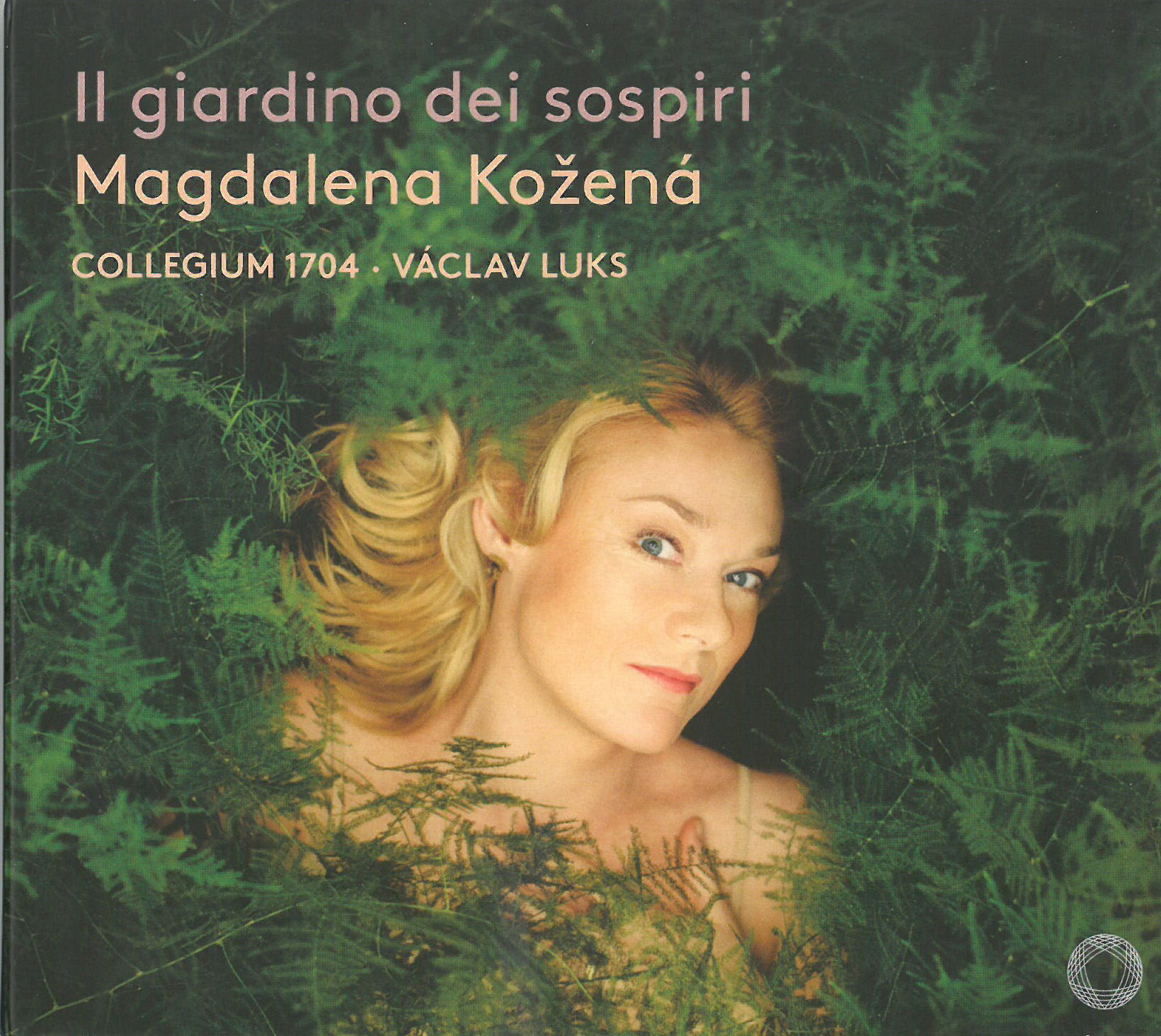
04 KozenaIl giardino dei sospiri
Magdalena Kožená; Collegium 1704; Václav Luks
Pentatone PTC 5186 725 (naxosdirect.com)

This collaboration by celebrated mezzo-soprano Magdelena Kožená with the Václav Luks-led Collegium 1704 realizes the passionate spirit of the recording’s title. Based on music from early 18th-century cantatas, Il giardino dei sospiri (The Garden of Sighs) was intended as a stage production. Instead, circumstances led to concert presentation and a CD with fine results. Italian secular cantatas were mainly intended for private performance where intimacy and musical imagination could flower. The cantata scenes selected here are by major composers associated with leading Italian musical centres, and include dramatic, emotional moments for the heroine.

Handel’s early Qual ti riveggio, oh Dio, HMV 150 (1707) shows training in the full, north-German instrumental sound that he brought to Rome; Kožená displays ample power for dramatic recitatives and range for expression in the despairing aria Si muora, si muora. Neapolitan Leonardo Leo’s cantata Or ch’é dal sol difesa (also named Angelica e Medoro; after 1730) is surprising in being so adventurous harmonically, yet Kožena’s vocalism meets the closing aria’s demands for speed and lightness, evenness of timbre and chromatic accuracy. Both singer and instrumentalists together with leader Luks rise brilliantly to the challenges of Venetian Benedetto Marcello’s Arianna Abbandonata. After a movingly rendered recitative, Kožená sings the cantata’s great aria Come mai puoi with fine control of ornamentation and vibrato over spare orchestration of ticking violins (heartbeats?) and fleeting instrumental riffs – gems of composition and performance. A garden of sighs indeed.

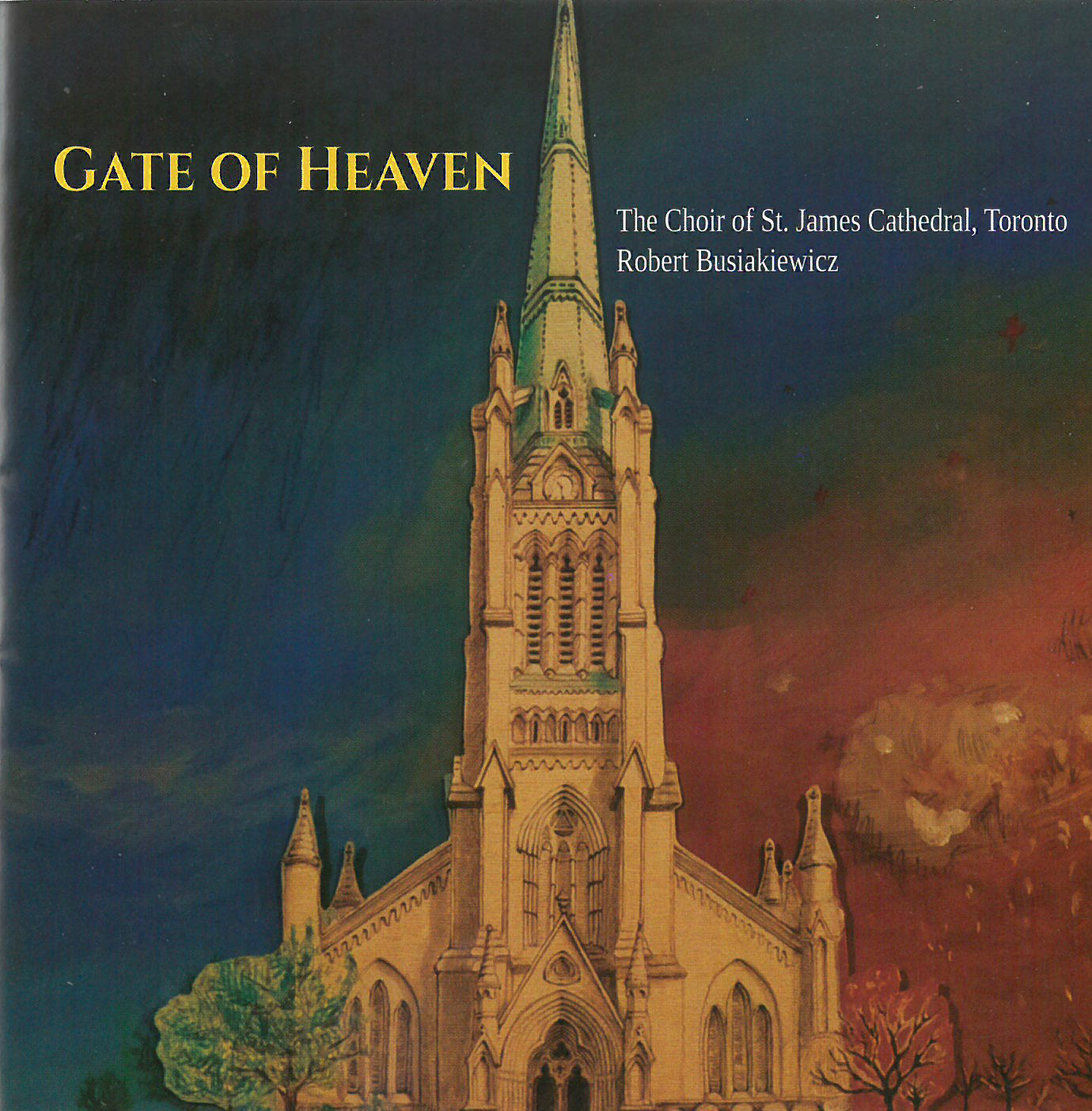
05 St James CathedralGate of Heaven
The Choir of St. James Cathedral, Toronto; Robert Busiakiewicz
Independent (stjamescathedral.ca/gate-of-heaven)

Imagine if someone gave you only 13 sentences to summarize an entire calendar year; how would you represent the happenings of 365 days in a hundred-or-so words? This is the challenge that Robert Busiakiewicz and the Choir of St. James Cathedral undertake with Gate of Heaven, which distills the liturgical year into 13 distinct musical offerings. Gate of Heaven follows and summarizes the trajectory of the church calendar, using an extensive range of landmark works for choir and organ to identify and commemorate feast days, including Christmas, Epiphany and Easter.

Even before the disc begins, one is struck by the emphasis Busiakiewicz and his ensemble place on works from the 20th and 21st centuries: Rautavaara, Vivancos, Kodály, Poulenc, Vaughan Williams, Willan, Gareth Wilson and Stephanie Martin are all represented here, comprising ten of the disc’s 13 selections. In a context where conservatism is only slightly less than a rule of law, such exploratory programming is a laudable movement in a satisfying direction.

The Cathedral Choir’s musical and interpretive execution of this significantly challenging material is commendable for its flexibility and range. The approach taken towards Willan’s The Three Kings is so unlike that of the Kodály Gloria, itself strikingly different from Gombert’s Agnus Dei, that the listener is transported through the centuries with minimal disruption. While all works are clearly performed by the Cathedral Choir, they vary their approach and stylistic techniques to fit the composer and time period, rather than painting dissimilar works with the same brush. In short, this disc is a noteworthy achievement by a noteworthy ensemble, and we are fortunate to have such gifted performers at the corner of King and Church streets every week of the year.

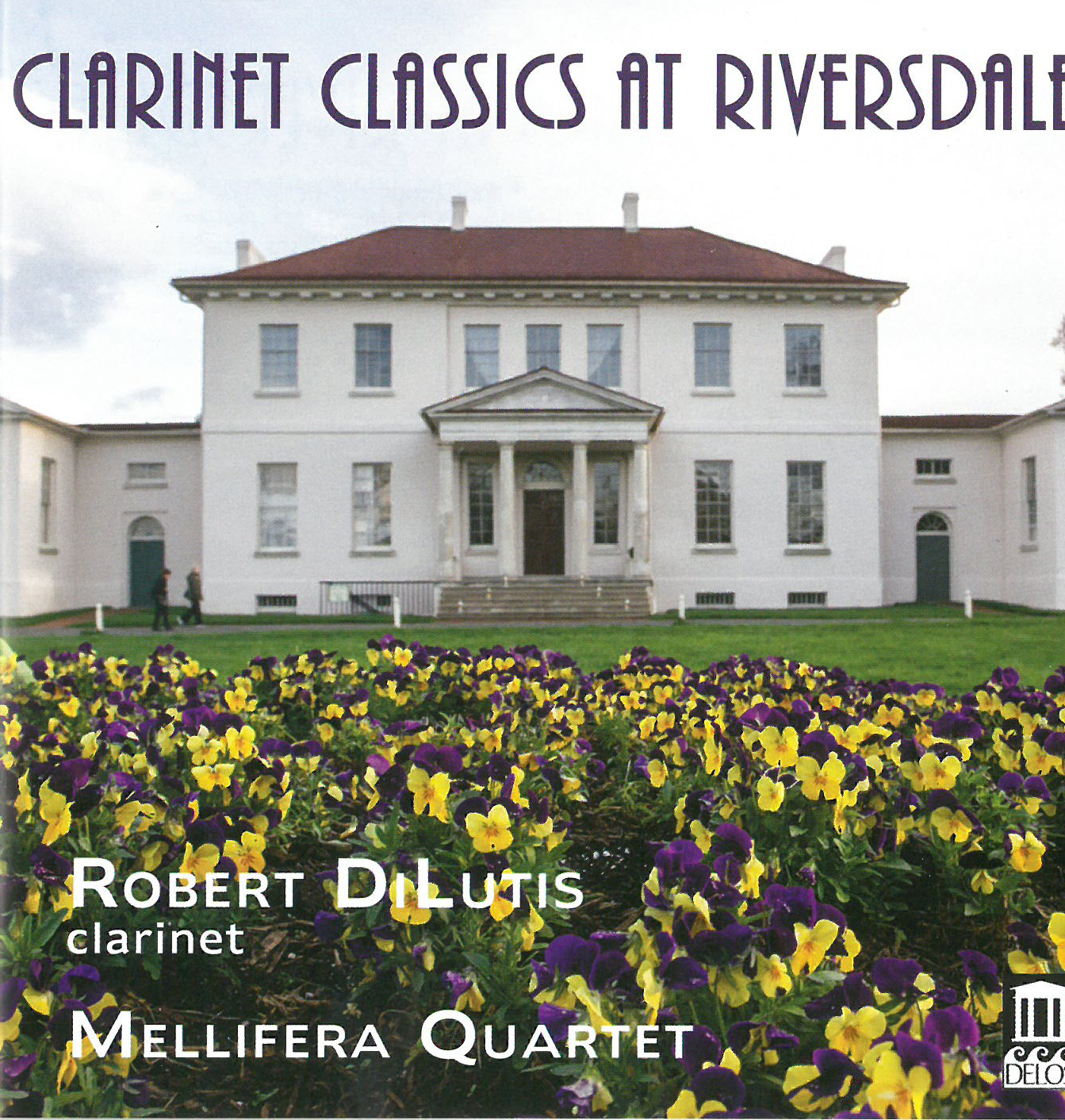
02 Clarinet ClassicsClarinet Classics at Riversdale
Robert DiLutis; Mellifera Quartet
Delos DE 3561 (delosmusic.com)

What’s not to love about Carl Maria von Weber? If you’re a clarinet player, only that by the time you’re an undergrad, you’ve been trying to play his various pieces for too long and with too little success. On Clarinet Classics at Riversdale, Robert DiLutis opens with Weber’s Quintet in B-flat Major Op.34. Accompanied by the very fine Mellifera Quartet, DiLutis gives a very able rendition. The piece gets dusted off much less often than the Mozart or Brahms works for the grouping, possibly because in the Weber the clarinet is more protagonist than chamber partner: it’s never easy convincing a quartet to work with one; then tell them it’s Weber and watch the reaction. BUT, Weber is really terrific, and in spite of the odd string writing (the attempted fugue in the finale is… valiant) the work merits a listen. DiLutis can bring the full arsenal of technical tools to the piece. His tone is more on the bright side here than in other tracks, which doesn’t please all ears, including this pair.

More sonically pleasing are the following cuts, and I appreciate his inclusion of three lesser-known unaccompanied works (“Classics” is an aspirational title for this collection). Monologue 3 by Erland von Koch should be required reading for clarinet students everywhere, as the Willson Osborne Rhapsody (originally for bassoon) is for my students. I feel the disc has no need of the inclusion of the bit of treacle by Heinrich Baermann, his Adagio for Clarinet and Strings.

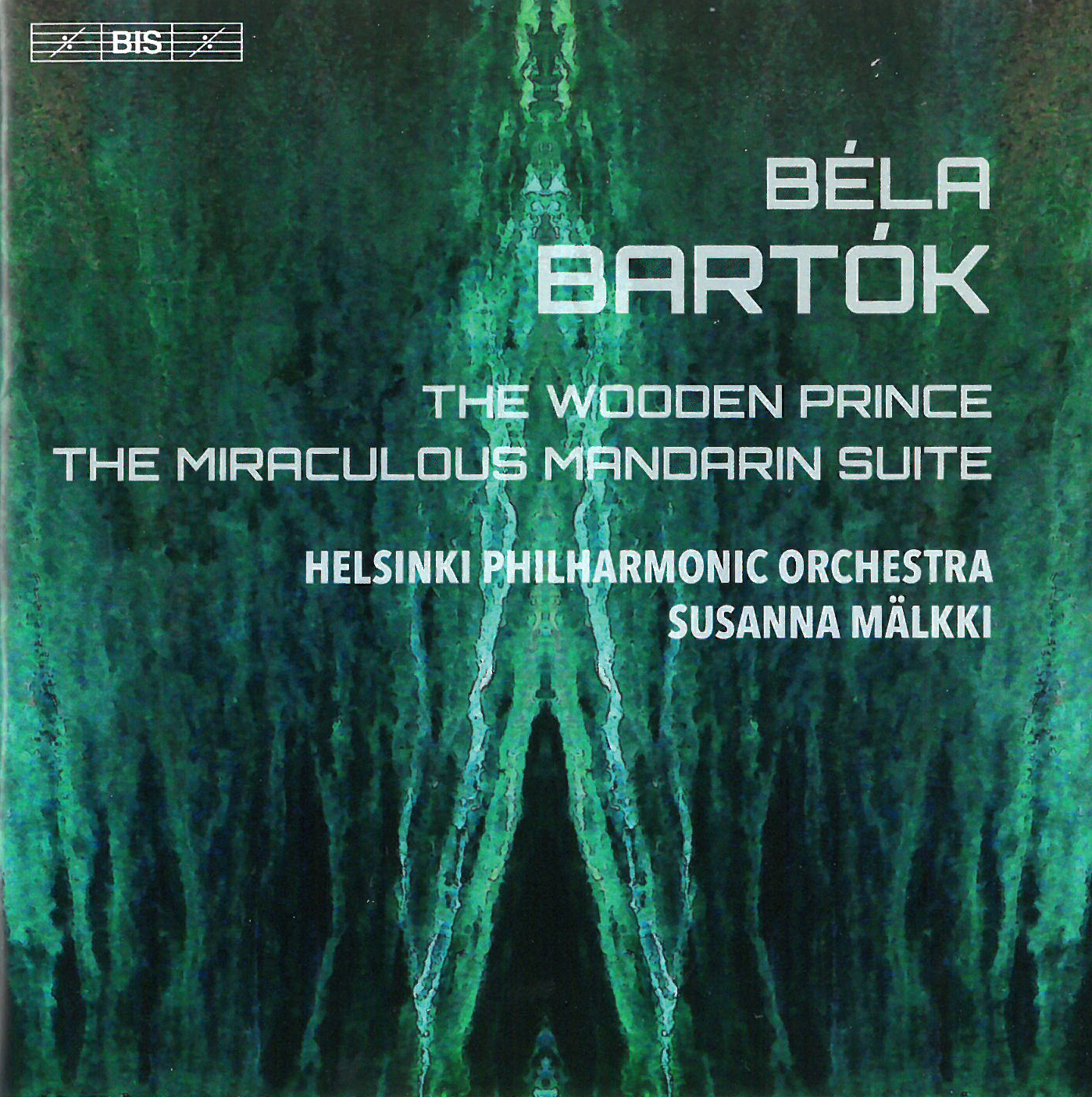
03 Bela BartokBéla Bartók – The Wooden Prince; The Miraculous Mandarin Suite
Helsinki Philharmonic Orchestra; Susanna Mälkki
Bis BIS-2328 SACD (bis.se)

Who knows how Bartók would have fared had his ballet music been introduced in Paris around the time Stravinsky’s star was rising? This disc brings together his two most notable works in the category: The Wooden Prince dating from 1917, and more celebrated, The Miraculous Mandarin from1924 (revised final version 1927). One can’t help thinking sadly of how different the two men’s lives were following the end of the WWII, and how a penniless genius like Bartók deserved better.

The earlier work follows the plot of a fairy tale of love triumphing over various obstructive enchantments. Its music alternates between melodrama, ferocity and cheeky sprightliness. By contrast, the second work on the disc is anything but a fairy tale. It is a story of seduction and violence, and a supernatural character who is impervious to the latter as long as he resists the former. Where the music of the earlier work is folk-infused and tuneful, the latter is a glimpse of the modernist Bartók. As a suite, The Miraculous Mandarin clocks in at barely 20 minutes. The Wooden Prince is presented in its entirety, lasting just under an hour.

The wonderful Helsinki Philharmonic under Susanna Mälkki explores the score with flair and finesse. For my money, the more interesting piece is the darker later work, and not only because of the iconic clarinet duets that depict the three seduction scenes, although these are brilliantly performed. For those unsure they can bear the mysteries of Bartók, the first offering is an excellent warmup.

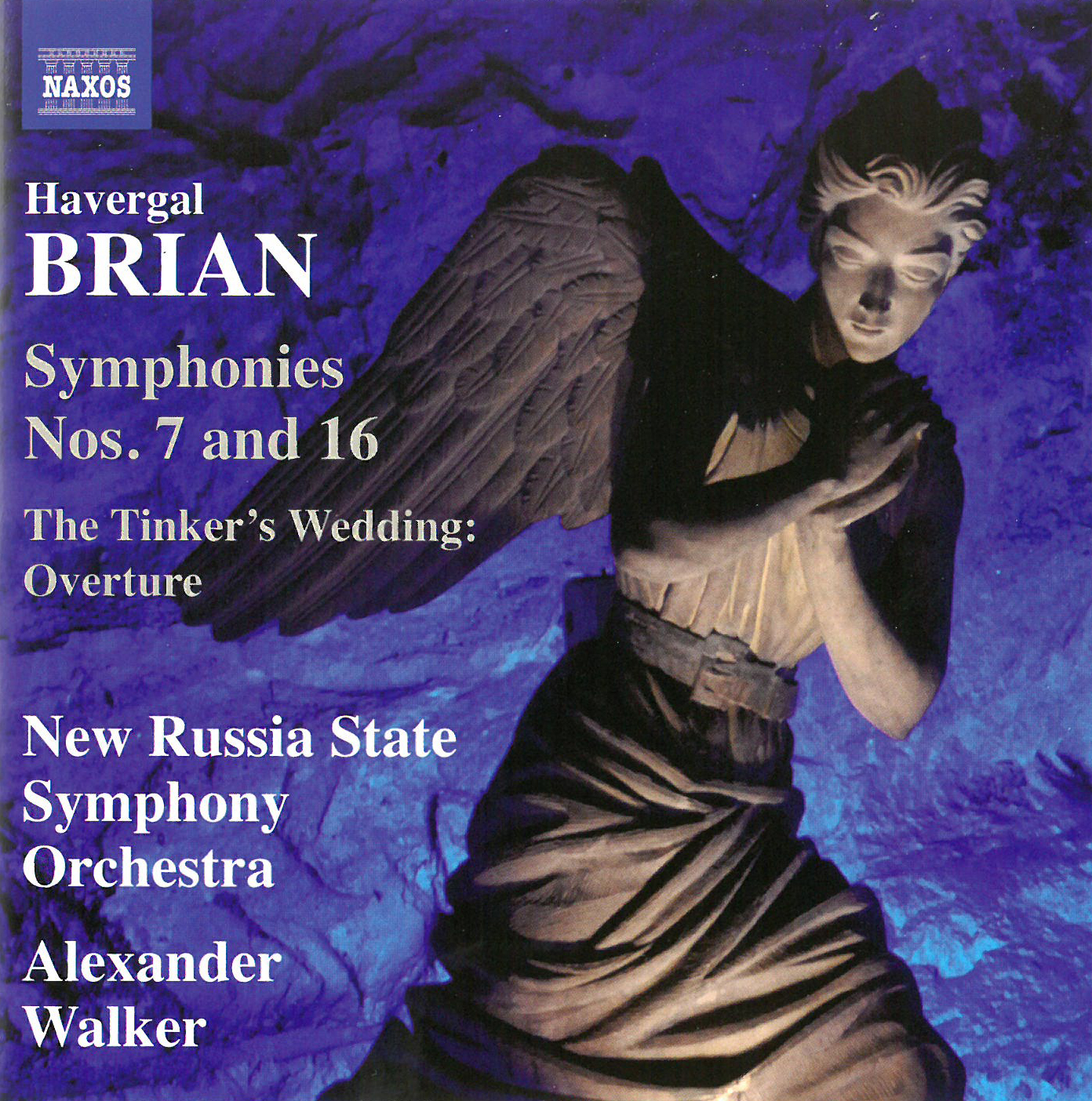
04 Havergal BrianHavergal Brian – Symphonies 7 and 16
New Russia State Symphony Orchestra; Alexander Walker
Naxos 8.573959 (naxosdirect.com)

This CD, part of Naxos’s ongoing traversal of Havergal Brian’s 32 symphonies, begins with the brightly coloured, perky overture, The Tinker’s Wedding, based on the comedy of that name by John Millington Synge. The upbeat mood continues with the fanfare for trumpets and percussion that opens Brian’s 38-minute, four-movement Symphony No.7, also from 1948.

The first movement’s jaunty character, with processional echoes of Brian’s much-admired Elgar, is sustained into the second movement, during which raucous dissonances mark the shift in the symphony’s emotional trajectory from light to dark. In the third and longest movement, an adagio filled with skittish, elusive melodies and sonorities brackets an angry, violent scherzo. The final Epilogue, a grim, almost relentless march, resolves harmoniously, but only after two savage climaxes.

The Seventh was the last of Brian’s large-scale symphonies. The remaining 25, all composed during the final two decades of Brian’s long life (1876-1972), are far more concise. The single movement of the Symphony No.16 (1960) by the 84-year-old Brian lasts only 15 minutes, but its orchestration is anything but miniaturized: quadruple woodwinds, six horns, ten (!) percussionists. Brian wrote that while composing it, he was reading about the Battle of Thermopylae, and the music is martially explosive, prevented from disintegrating by continuous, forward-marching pulsations, even during brief lulls in the mayhem. Brian could create beauty within discord, and a startling sequence of blaring, dissonant chords brings this symphony to a beautiful conclusion.

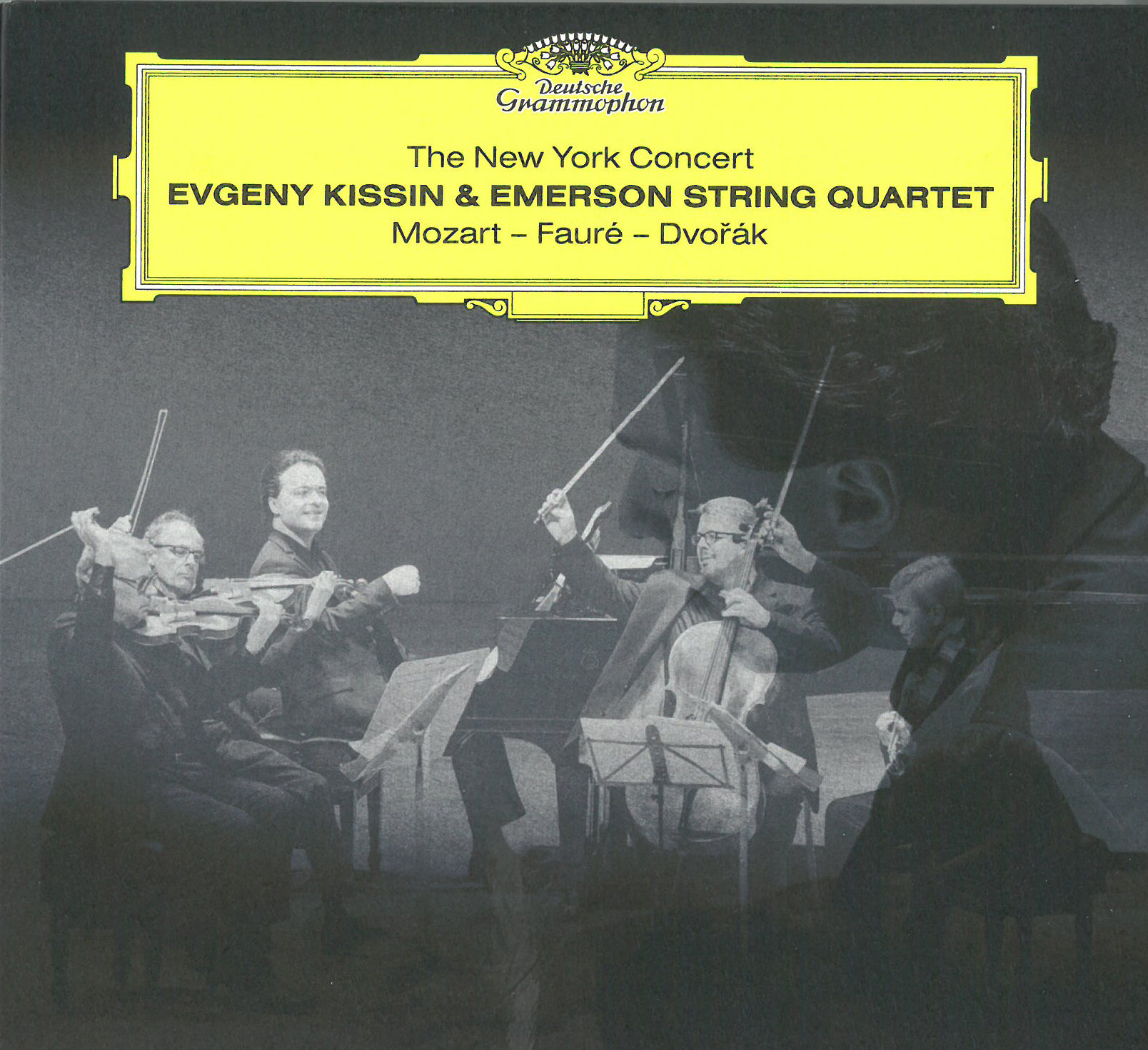
05 New York ConcertThe New York Concert
Evgeny Kissin; Emerson String Quartet
Deutsche Grammophon 483 6574 (deutschegrammophon.com)

The coming together of the inimitable Evgeny Kissin with the Emerson String Quartet represents the high watermark of the 2018 edition of Carnegie Hall’s annual programming, reminiscent of the great performances by Martha Argerich with cellist Mischa Maisky, and her chamber-work performances with percussionists Peter Sadlo and Edgar Guggeis, and with pianists Nelson Freire or Nicolas Economou, all documented on Deutsche Grammophon.

Kissin’s virtuosity and powerful key touch is without parallel. His dazzling skills are well matched by the electrifying Emerson String Quartet. And the musicians play here with palpable vigour and depth of emotion. Kissin appears to be an outstanding Mozartian, his commanding technique making for the spritely energy of his attack and the radiant manner in the Piano Quartet in G Minor K478. Meanwhile, the Emerson Quartet plays with zeal and focused sensitivity.

Both Kissin and the Emerson also respond warmly and with imagination to Fauré’s Piano Quartet No.1 in C Minor, Op.15. The composer invested much in this music which is evident from the harmonic adventurousness and unexpected modulations. Kissin and the Emerson create an appropriate restlessness reflecting the elusive quality of this music.

Dvořák’s Piano Quintet No.2 in A Minor, Op.81 is arguably his greatest chamber piece – which Kissin and the quartet play with virtuoso drive and urgency. Dimitri Shostakovich’s Piano Quintet in G Minor, Op.57 ends this double disc. It is approached with interpretive intelligence, and features gorgeous tone and expressive power.

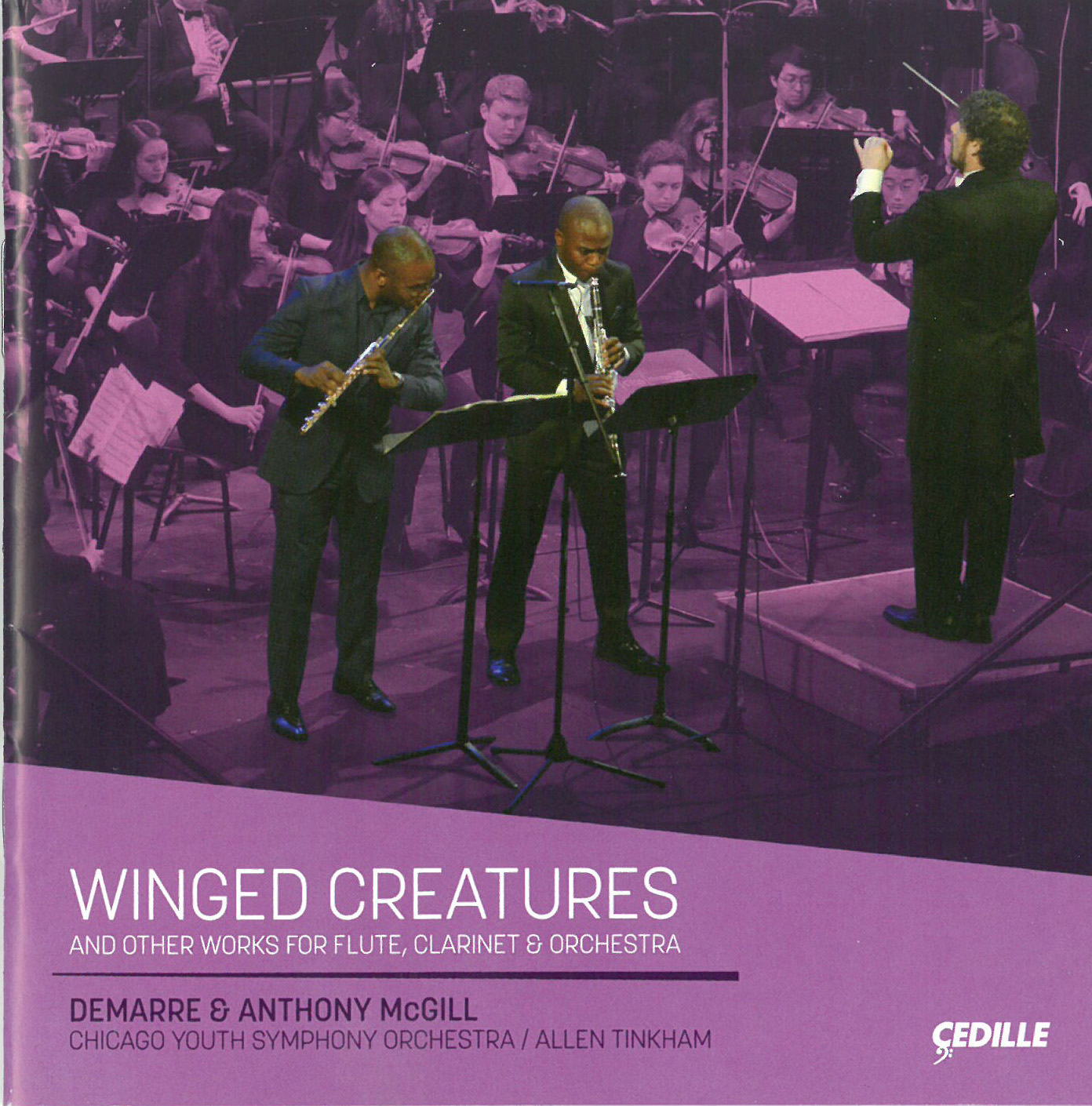
06 Winged CreaturesWinged Creatures and other works for Flute, Clarinet and Orchestra
Demarre & Anthony McGill; Chicago Youth Symphony Orchestra; Allen Tinkham
Cedille CDR 90000 187 (cedillerecords.org)

Throughout the classical music world there are the superstars and those aspiring to become one. The latter group often find themselves playing together in youth orchestras, where the synergy of working with others at the top of their game is a fantastic way to accelerate one’s progress towards that goal. Winged Creatures brings successful alumni Demarre (flute) and Anthony (clarinet) McGill together with the Chicago Youth Symphony Orchestra. As one would expect, the standard of playing in a city with such a strong musical tradition is excellent; the brothers share a beautiful limpid tone quality to match their technical mastery.

The title track, by Michael Abels, makes terrific use of the orchestral forces while highlighting the soloists’ strengths: phrasing of one mind, clear pitch and virtuostic ease. Behind them, the orchestra is led by Allen Tinkham, who might have had some help with the balance from the booth, but nevertheless manages the ensemble with utter aplomb. This is a professional band by another name, never mind the “youth” designation.

For those who feel the late 18th century is still interesting there is a Sinfonia Concertante by Franz Danzi, a charming 20 minutes where the orchestra ably demonstrates proper period style; a much more fun Tarantelle from a young Camille Saint-Saëns follows with sassy vigour. Closing the disc is Concerto Duo, by Joel Puckett. Like the music of the title track, this piece was commissioned by the brothers McGill. It’s a slice of bold beautiful Americana. Excellent liner notes come with the disc.

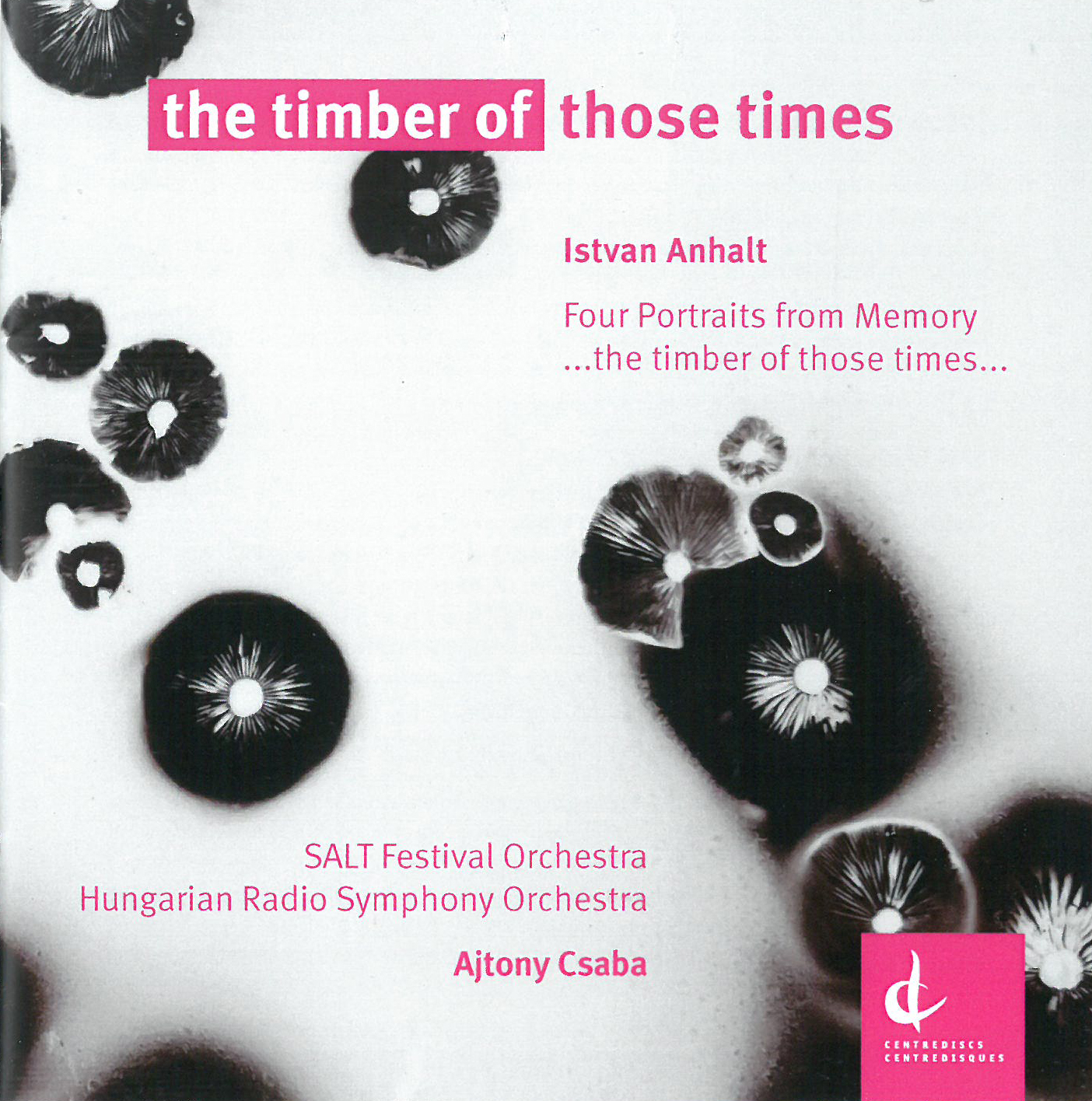
01 Istvan AnhaltIstvan Anhalt – …the timber of those times…
SALT Festival Orchestra; Hungarian RSO; Ajtony Csaba
Centrediscs CMCCD 26419 (musiccentre.ca)

Right from the portentous opening chords to the ghostly final drumbeats, this recording of Istvan Anhalt’s monumental ...the timber of those times... (...a theogony...) works a spell. It’s is an adventurous, colourful work, depicting the gods who ruled the world of the ancient Greeks and continue to fascinate today. The terrific performance by the Hungarian RSO includes a fiery galvanizing violin cadenza from soloist Vilmos Oláh. Conductor Ajtony Csaba deftly sustains the momentum throughout.

In Four Portraits from Memory, chant-like textures suffuse evocations of loved ones whose recent deaths Anhalt is grieving. I found it deeply beautiful, and profoundly heart-wrenching, the serene atmosphere enriched by rhapsodic passages featuring pianist Tzenka Dianova. The SALT Festival Orchestra brings a level of polish and precision which allows the lines to shimmer and breath, suggesting layers of sounds yet to be discovered.

Anhalt, who was born in 1919, wrote some of his finest works at the very end of his career – he died in 2012. These are his last orchestral works, both from 2006. They differ in striking ways from each other, a testament to his remarkable versatility. But whether focusing inward to contemplate his own experiences, or reaching out to distant times to interpret those experiences, both works are deeply personal – and all the more moving for that.

This significant recording makes a fitting way to honour the centenary of the birth of a matchless trailblazer in Canadian music.

02 JACKFiligree – Music of Hannah Lash
JACK Quartet
New Focus Recordings FCR228 (newfocusrecordings.com)

Experimental, electrifying, a wonderland of colours – Filigree is a laboratory of sounds, impermanent yet consistent. With this recording the JACK Quartet delivers select pieces by American composer and harpist Hannah Lash and does it with their typical commitment and conviction. Every note, every phrase, is placed and nuanced with clarity of musical expression and clear understanding of Lash’s compositional language. JACK plays with an abundant energy that is beaming with emotional fluency.

Although encompassing a period of five years, chamber music pieces on this recording share a similar contemporary approach to multi-layered string technique(s) and a unique balance of intellectual and visceral elements. The album opens with Frayed, my favourite piece on this recording. The opening chords resemble a series of breaths, tense and unadorned, giving the impression of bringing out intimate mementos. That is, however, interrupted with a dynamic and powerfully unsettling section that slowly takes over, and it is the interlacing of different worlds that gives a tangible intensity to this piece.

Suite: Remembered and Imagined, stands in contrast with its playfulness and showcases a variety of textures. The album concludes with Filigree in Textile for harp and string quartet, inspired by the tapestry arts of the Middle Ages. The lush mood of the first movement, titled Gold, is followed with the rhythmically uniform Silver. The harp threads brilliant lines and brings everyone together in Silk.

This album is notable and well worth your attention.

Listen to 'Filigree: Music of Hannah Lash' Now in the Listening Room

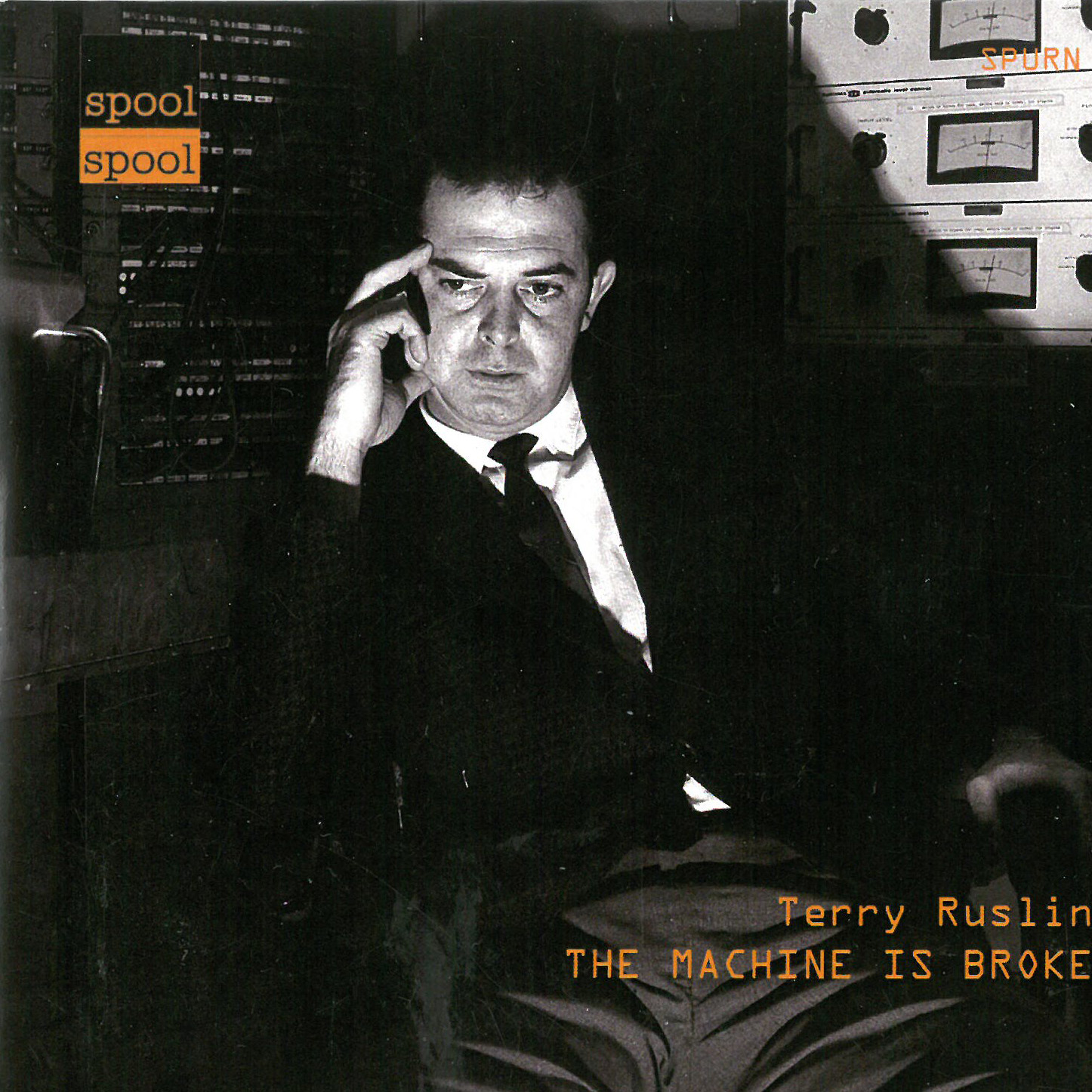
The Machine is Broken
Terry Rusling (1931-1974)
Spool Spurn 3 (spoolmusic.com)

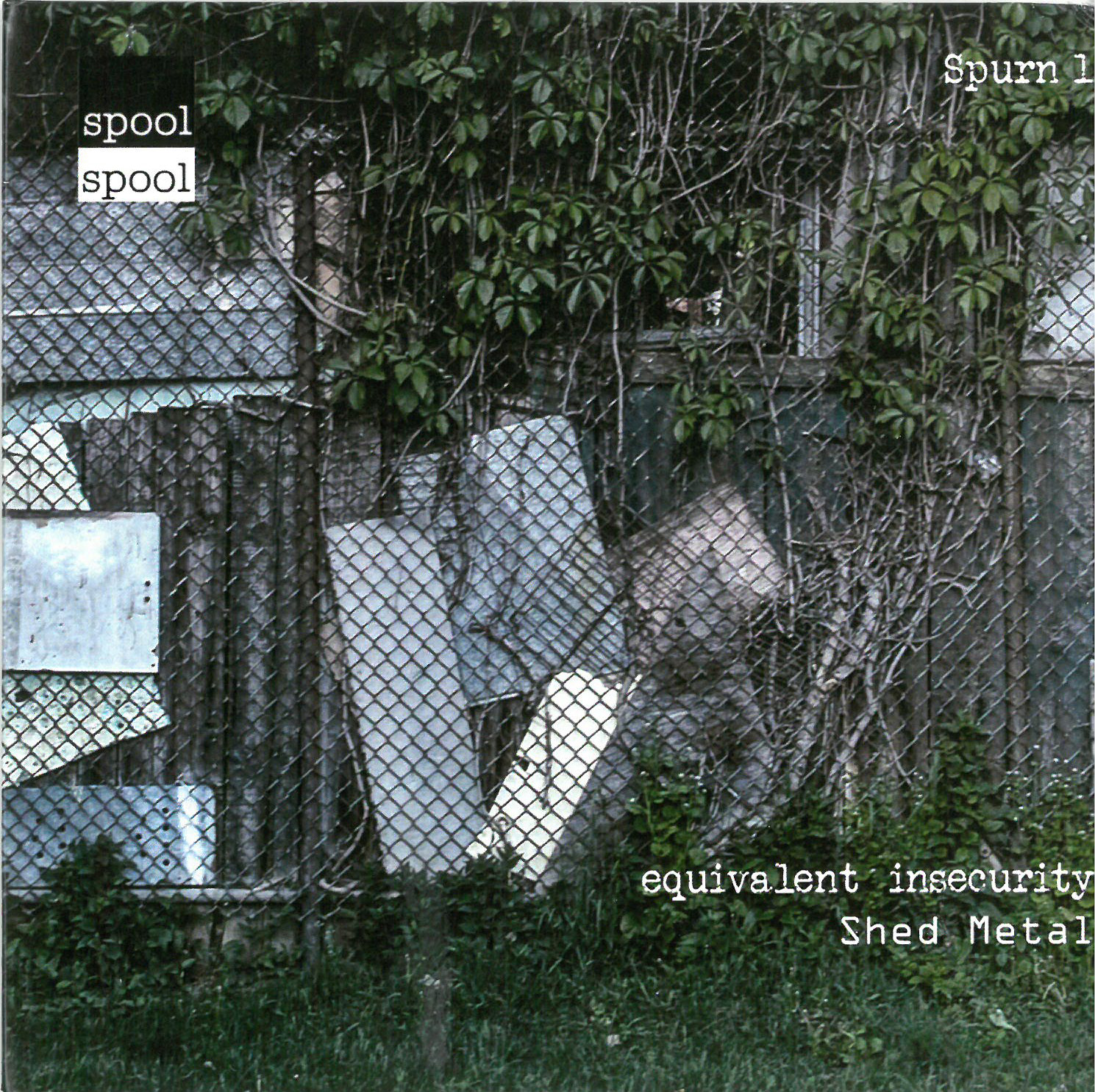
Shed Metal
equivalent insecurity (dk & Dan Lander)
Spool Spurn 1 (spoolmusic.com)

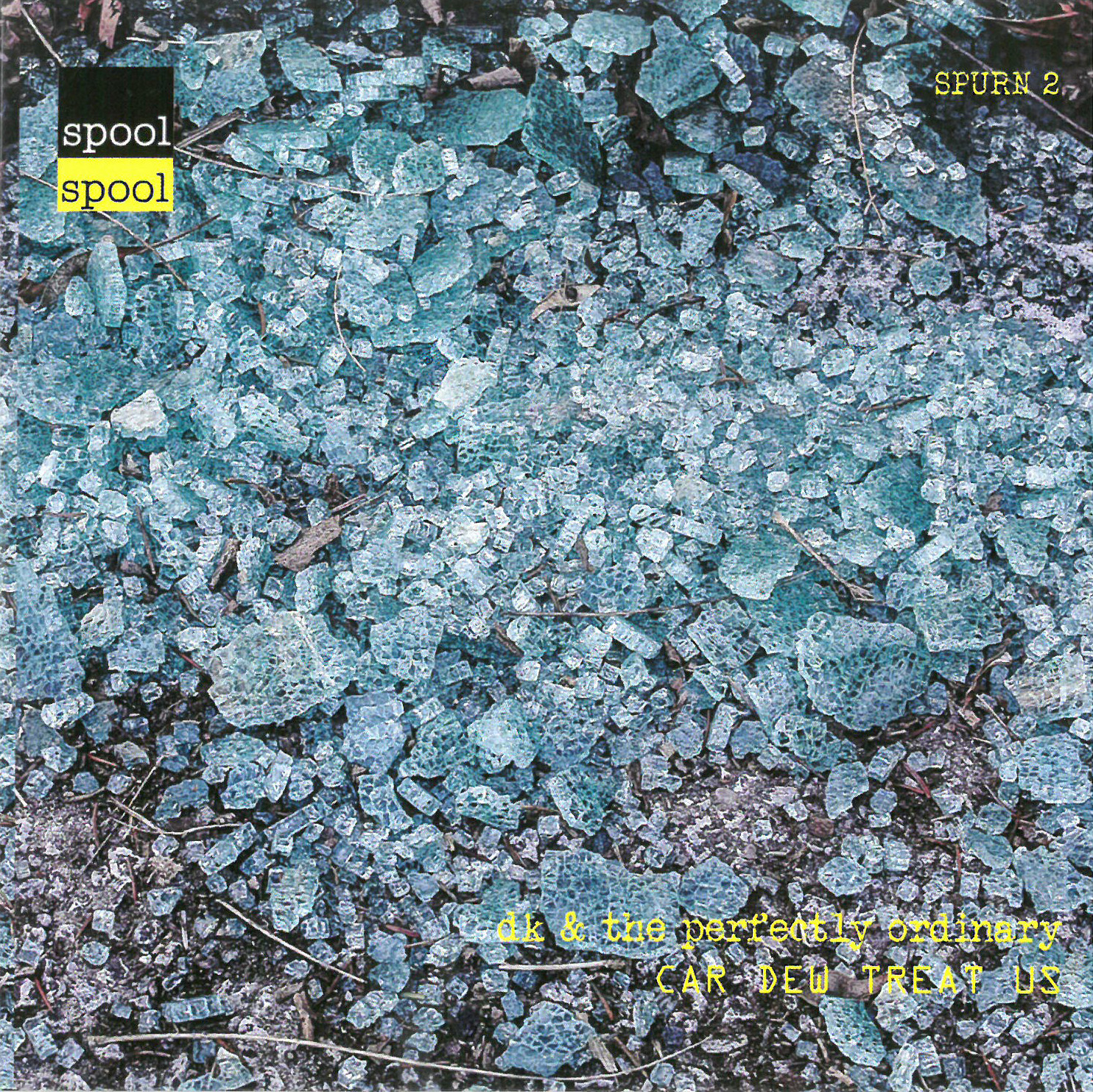
Car Dew Treat Us (pages from Cornelius Cardew’s Treatise randomly selected)
dk & the perfectly ordinary
Spool Spurn 2 (spoolmusic.com)

Uxbridge, Ontario-based label Spool’s new Spurn series is titled irreverent. The brainchild of musician Daniel Kernohan, there are currently three releases in this group of possibly difficult-to-classify, yet ear-opening, enjoyable music. Spool also has other series with numerous eclectic releases available.

05a Spool UTEMSAn intriguing cross section of electronic works by Canadian composer Terry Rusling (1931-1974) are featured in the 2019 third Spurn release, The Machine is Broken. Rusling’s experience as an engineer for CBC understandably gave him the necessary technical grounding to create his unique sound. At composer Morris Surdin’s suggestion, Rusling worked at the University of Toronto Electronic Music Studio (UTEMS), which lead to further international studies/work, and tape collaborations with such artists as Earle Birney, Gwendolyn MacEwen and public tape performances at Yorkville’s Bohemian Embassy. Rusling’s short life resulted in an immense creative output that is only touched on here. Producers David Porter and Daniel Kernohan have selected 17 tracks, arranged in a listener-friendly order to maintain interest. The almost two minute opening Reel 1H sets the stage with sound effects, quiet spaces, and brief moments of tonalism. Creaky effects, crackling sounds, loud volumes, slides and glisses highlight Reel 2A’s early electro sound. The spoken male/female statements at the start of Title add a human dimension to the electronic effects. Rusling’s use of silent spaces between electronic sections in his works builds subsequent musical interest, such as Reel 2B where the silences set up such intense effects as the classic electronic sounds of that time, like washes, repeated notes, feedback and for lack of a better description, loud crashing about. Rusling’s early electronic music holds current sound appeal while also, at its very best, foreshadowing future sounds.

05b Spool Shed MetalThe earlier two Spurn releases also feature contemporary sounds. Shed Metal stars Equivalent Insecurity in performance. Kernohan, (named dk on the sleeve), and colleague Dan Lander play 22 tracks on their self-described “instruments, toys, stuff, sound.” Recorded in Toronto in 1987-89, their sound brings back wonderful memories of the Toronto improvisational scene of the time. The clear recording opens with a march-like feel and an almost sing-along melody interspersed with electronic effects. Too much fun being had by the two performers, as the music includes washes, electronic shrieking effects, occasional almost pop groves, pulses, horns, vocalizations, moments of anxiety, etc. Especially love the water sounds in track three. It is a gift to the listener that their music was even recorded, and later released.

05c Spool Car DewCar Dew Treat Us features Kernohan and the perfectly ordinary (Allison Cameron, Rod Dubey and Lawrence Joseph) with different guest artists reciting intermittent text fragments from Cornelius Cardew’s Treatise against an electronic soundscape featuring clicks, held tones, wavering dynamics, wobbling tones, bell sounds, atonalities and percussive effects in a challenging soundscape. Some may find it difficult to listen to but worth the effort to experience.

Bravo to Spool’s Spurn series for these three contrasting releases showcasing amazing Canadian experimental talent.

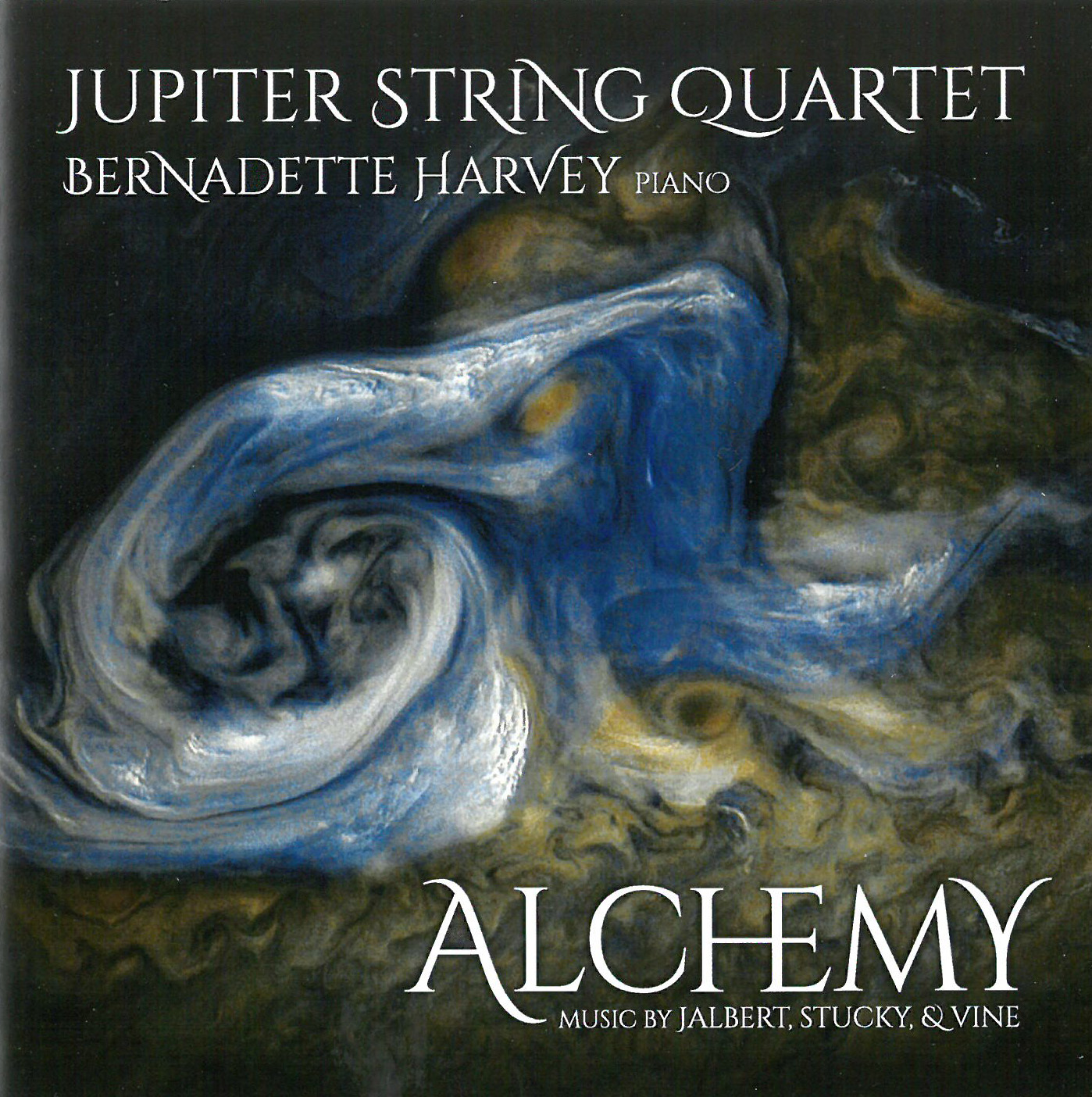
06 Jupiter QuartetAlchemy – Music by Jalbert; Stucky; Vine
Jupiter String Quartet; Bernadette Harvey
Marquis Classics MAR 81491 (marquisclassics.com)

Being a devotee of the piano quartet and quintet I’m gratified to hear four fine 21st-century examples originally commissioned by the Arizona Friends of Chamber Music. The American-based Jupiter String Quartet and Australian pianist Bernadette Harvey play these demanding works vividly and expressively, their virtuosity suited to the brilliant motions that American composer Pierre Jalbert induces in his Piano Quintet (2017) and Secret Alchemy for Violin, Viola, Cello and Piano (2012). The players also excel in reflective passages and evocative sonorities, such as the “outer space” part of the Quintet’s Mannheim Rocket movement. In Secret Alchemy’s movement, Timeless, mysterious, reverberant, Jalbert’s miraculous mood creation suggests a medieval cathedral in modern terms. For me it brought to mind, uncannily, the Notre Dame Cathedral fire earlier this year.

Australian Carl Vine’s Fantasia for Piano Quintet (2013) is in a lighter vein which the composer describes as “quasi-improvisational.” Featuring plenty of idiomatic virtuosity, I found the work’s style more conventional with recurring four-bar phrases in the last two movements that could have stood a few metric surprises. Finally, I can only offer the highest possible praise for the late, Steven Stucky’s outstanding one-movement Piano Quartet (2005). A long, sorrowful melody begins shortly after the opening, broken into motifs yet somehow finding the strength to go on. This work is too rich to describe in words; I hope readers will find their way to hearing it.

Listen to 'Alchemy – Music by Jalbert; Stucky; Vine' Now in the Listening Room

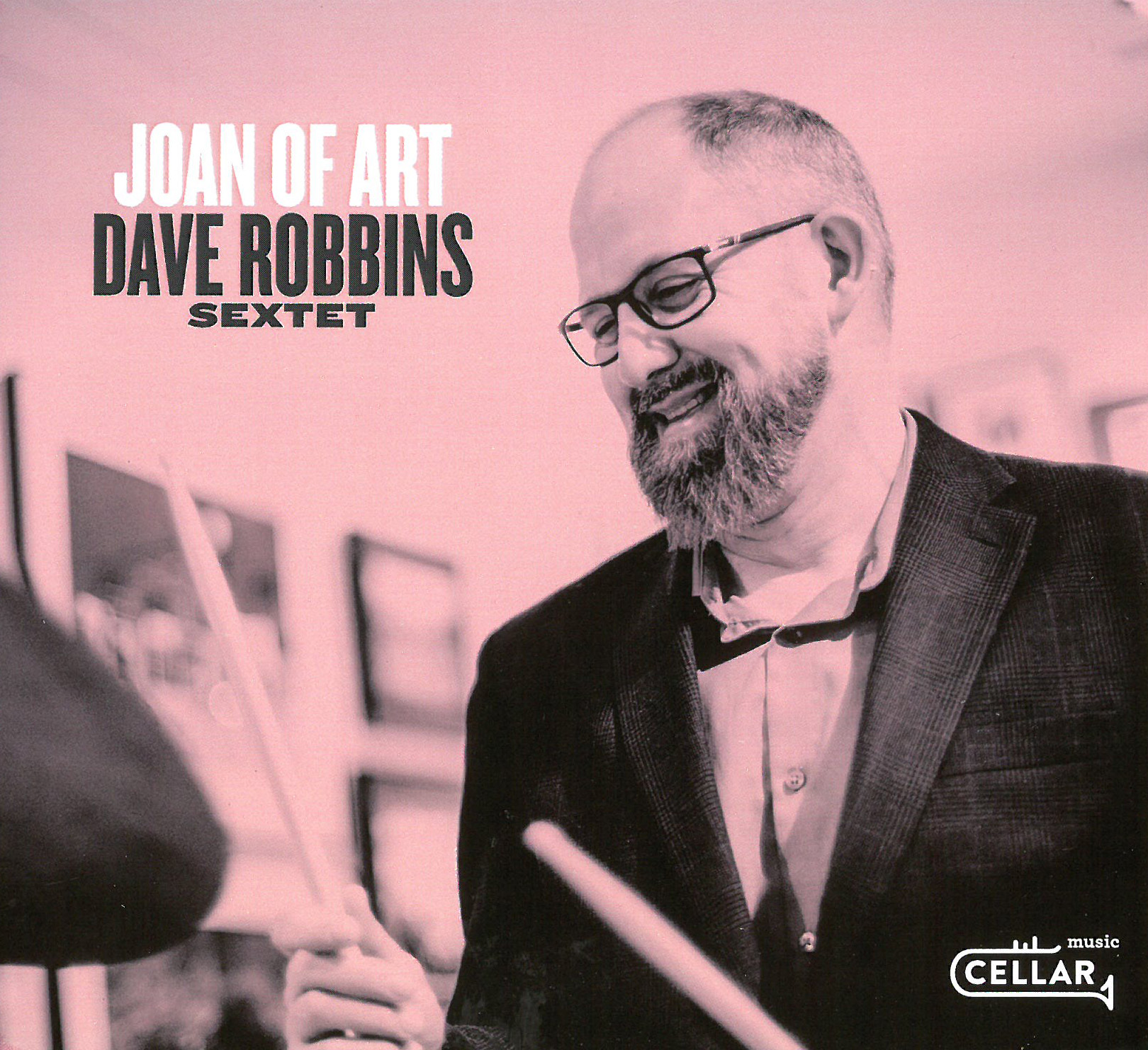
Joan of Art
Dave Robbins Sextet
Cellar Music CM110518 (cellarlive.com)

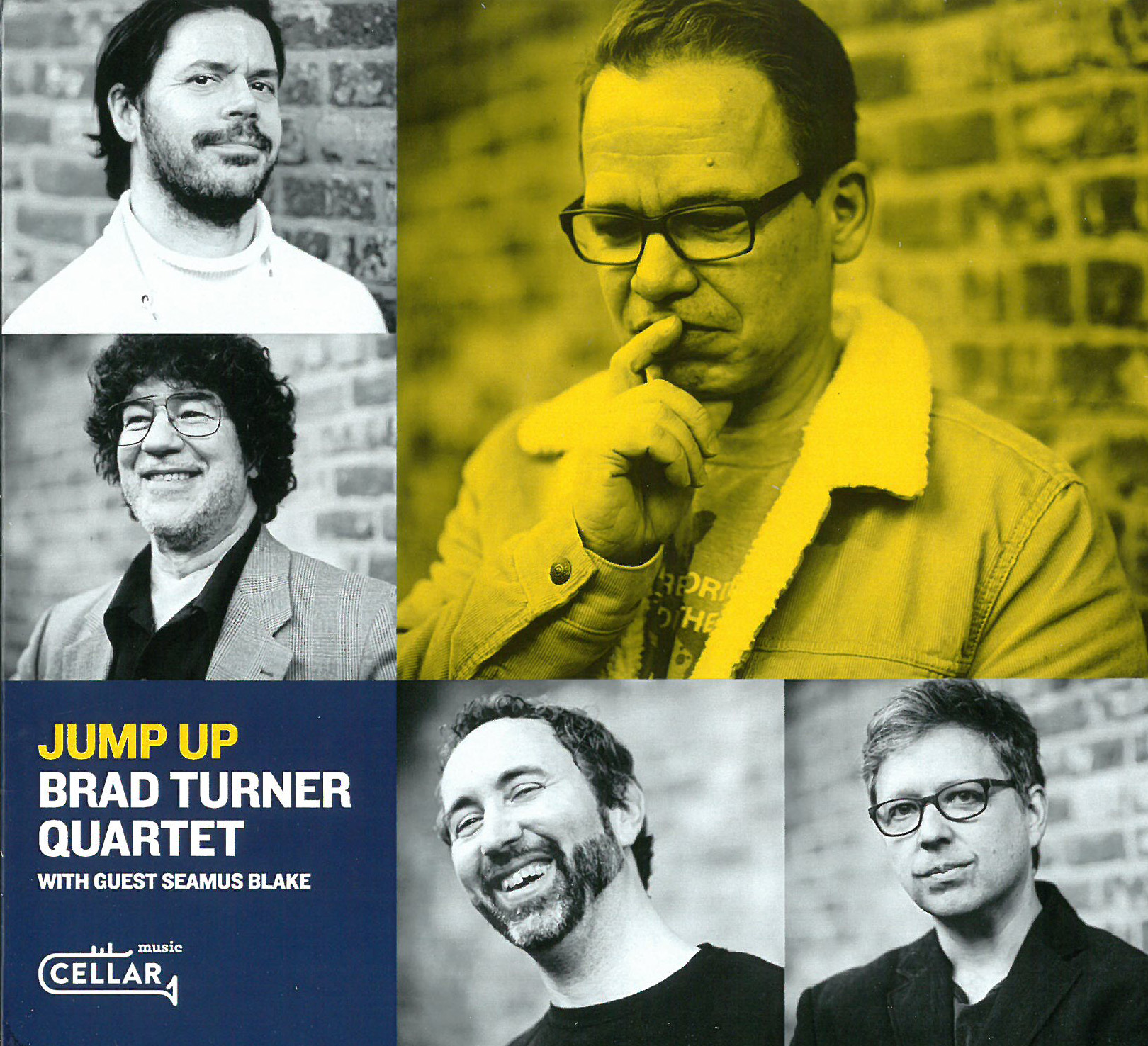
Jump Up
Brad Turner Quartet (with guest Seamus Blake)
Celler Music CM123018 (cellarlive.com)

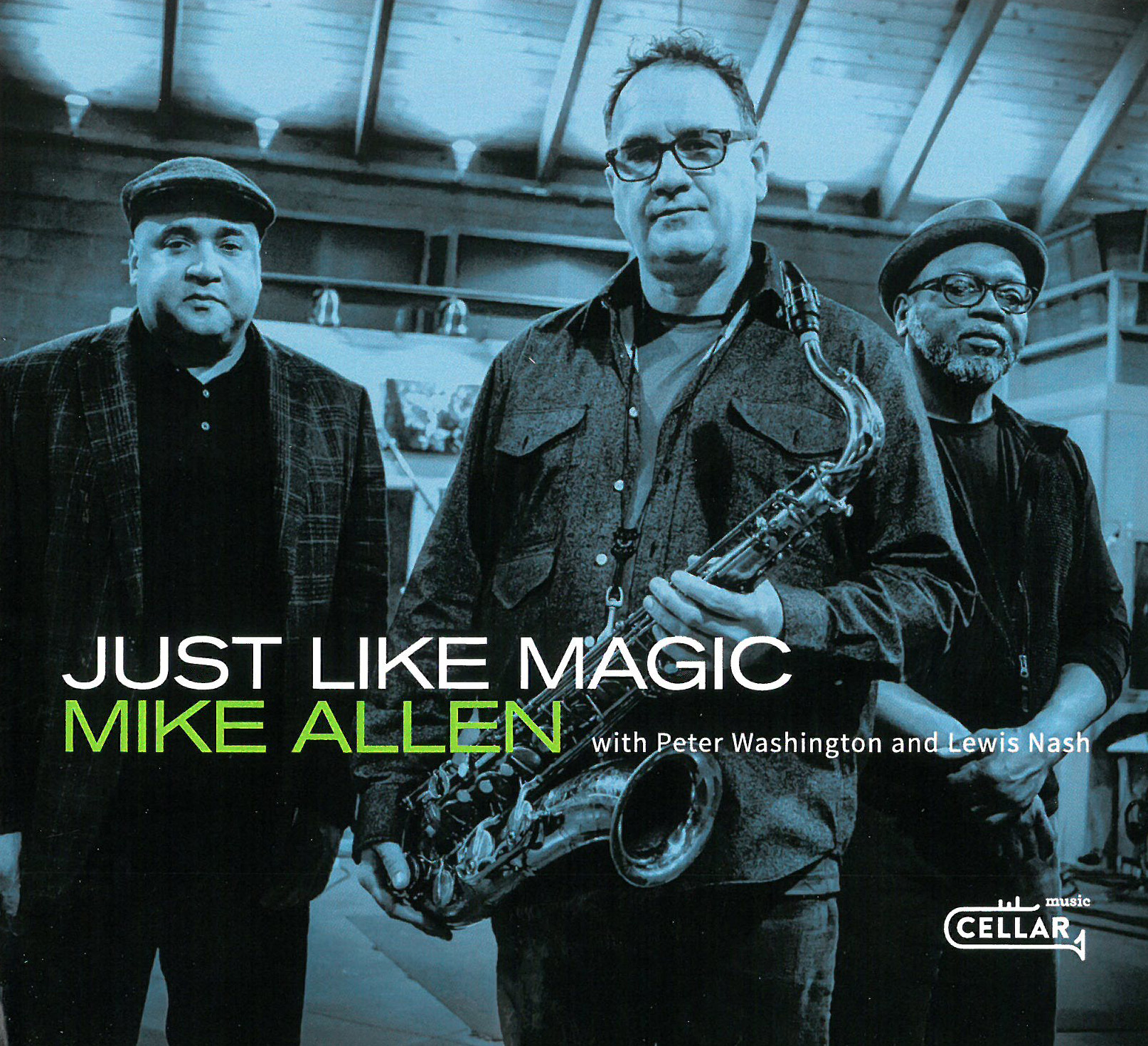
Just Like Magic
Mike Allen; Peter Washington; Lewis Nash
Celler Music CM010519 (cellarlive.com)

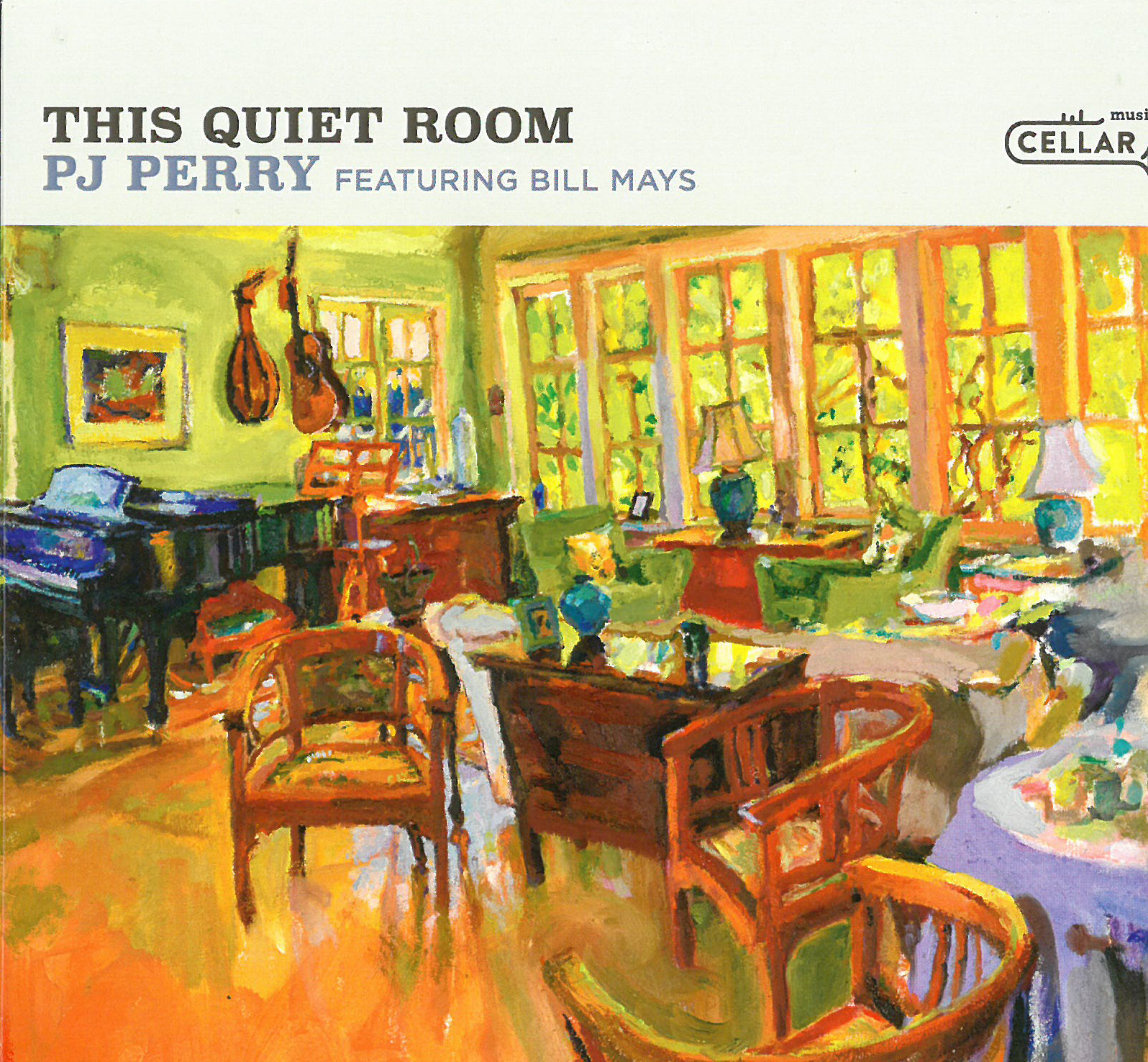
This Quiet Room
PJ Perry featuring Bill Mays
Cellar Music CM121018 (cellarlive.com)

The Real Blue
Pureum Jin (Jeremy Manasia; Luke Sellick; Willie Jones III; Sabeth Perez)
Celler Music CM020219 (cellarlive.com)

The Cellar Music Group: As a high school jazz musician in Metro Vancouver in the early 2000s, The Cellar Jazz Club, owned and operated by Cory Weeds, was the centre of my musical universe. Despite the fact that it was located below street level, it stood head and shoulders above comparable Vancouver venues, bringing in a healthy mixture of performers, from local standouts such as Jodi Proznick, Bill Coon and Brad Turner, to major international acts, including organist Joey DeFrancesco, pianist Monty Alexander and Chris Potter’s Underground project, with Adam Rogers, Craig Taborn and Nate Smith. (I have a vivid memory, at the Potter show, of strategically hiding a recording device under a napkin at my table, on behalf (I swear) of a friend.) Out of the club grew the label: Cellar Live, as it was initially known, was a vehicle by which the club’s live performances could be documented and distributed, helping to further develop the identity of the Cellar, the musicians who played on its stage, and the Vancouver jazz scene as a whole.

Though the Cellar Jazz Club is no more, the label has continued to thrive, and now operates as The Cellar Music Group, with three distinct imprint categories: Cellar Live, which primarily releases live recordings, Cellar Jazz, which primarily releases studio dates, and Reel to Real Recordings, a relatively recent venture, which releases rare archival recordings. With close to 150 albums over the course of its 18-year history, Cellar Music has a broad range of releases in its roster. Some highlights: the late Ross Taggart’s Thankfully, with Bob Murphy, Mike Rud and Bernie Arai, Curtis Nowosad’s Dialectics, with Jimmy Greene, Derrick Gardner, Steve Kirby and Will Bonness, and, on Reel to Real, Etta Jones’ A Soulful Sunday: Live at The Left Bank, a recording made in Baltimore in February 1972.

Cellar Music has five new recordings worth checking out, which, taken together – but listed in no particular order – showcase the label’s aforementioned breadth.

01a Dave RobbinsJoan of Art, from drummer Dave Robbins’ eponymous sextet, takes its name from the title track, written in honour of Vancouver jazz patron Joan Mariacher. Robbins is a strong, dynamic drummer, with a propulsive swing feel that lends itself well to a sextet format (he is joined by Steve Holy, bass; Chris Gestrin, piano; Mike Allen, tenor saxophone; Brad Turner, trumpet; Rod Murray, trombone). Robbins is also a thoughtful, conscientious arranger, both of his own compositions and of the album’s two covers (Lennon/McCartney’s Can’t Buy Me Love and Paul Desmond’s Take Five). 

01b Jump UpJump Up, a new album from the Brad Turner Quartet with special guest Seamus Blake, is a follow-up almost 20 years in the making: around 2000, the same group (Turner, trumpet; Blake, tenor saxophone; Bruno Hubert, piano; André Lachance, bass; Dylan van der Schyff, drums) released Live At The Cellar. Packed with exciting playing and Turner’s mature, well-developed compositions, Jump Up covers a wide range of material, from the funk-tinged The Enthusiast to the swinging up-tempo title track to Catastrophizer, a welcome bonus, recorded live at Frankie’s Jazz Club during a three-day stint leading up to this album’s recording at The Warehouse Studio in Vancouver.

01c Just Like MagicTenor saxophonist Mike Allen’s new album, Just Like Magic, is a trio outing with the famed rhythm section of Peter Washington and Lewis Nash, recorded in Rudy Van Gelder’s Englewood Cliffs studio in New Jersey in January of this year. From the downbeat of Big Bertha, the focus is on melody, time and tone, the intimacy of the sax trio configuration only enhanced by the headphone-free, live-off-the-floor approach and the legendary acoustic characteristics of the studio.

01d PJ PerryThis Quiet Room, a duo album from Canadian alto saxophonist PJ Perry and American pianist Bill Mays, is another essay in intimacy. Recorded live-off-the-floor at a private home in Vancouver, the session feels warm and immediate, and successfully produces the sensation of being in the room as the songs are being performed. Both Perry and Mays are veteran jazz players, with a firm grip on the idiomatic conventions of the music they’ve recorded. Bud Powell’s Parisian Thoroughfare and Charlie Parker’s Laird Baird are highlights, and both give Perry ample room to demonstrate his bebop prowess. The album’s quieter moments are also memorable: the medley of The Folks Who Live On The Hill (played solo by Mays) and Two For The Road is a lovely treat. 

01e Real BlueThe Real Blue, the debut studio album from New York-based alto saxophonist Pureum Jin, was recorded at GB’s Juke Joint, in Long Island City, New York; relatively close to Van Gelder’s New Jersey Englewood Cliffs studio, at least compared to Vancouver. Joined by pianist Jeremy Manasia, bassist Luke Sellick, drummer Willie Jones III and special guest vocalist Sabeth Pérez, Jin has a bright, strong sound, rooted in the hard-bop style of Phil Woods, to whom she pays tribute on the song Remembering Mr. Woods, one of eight originals on this ten-track disc.

02 jazz libre cover cropMusique-Politique: Anthologie 1971-1974
Le Quatuor de Jazz Libre du Québec
Tour de Bras TDBHIST0001 (tourdebras.com)

This has been a momentous year for the documentation of Quebec’s entry into the world of free jazz. First came Eric Fillion’s book Jazz Libre et la révolution québécoise : Musique-action, 1967-1975 (M Éditeur: 2019) and now this ambitious four-CD set to provide sonic evidence of the achievement of the founders of free jazz in the province, Le Quatuor de Jazz Libre du Québec. The CDs, drawn from the group’s archives of performance tapes, are supplemented by a 24-page, LP-size volume that includes essays in French (including ones by Fillion and producer Éric Normand) and reproductions of manifestos, news stories and even a cover questionnaire from the group’s social outreach program, all of it providing context for the most radical Canadian-born jazz movement in history.

The group existed from 1967 to 1975 with two constant members, tenor saxophonist Jean Préfontaine and trumpeter Yves Charbonneau. If jazz has rarely been political in Canada, Le Quatuor was insistently so, creating a distinct connection between the ferment in Quebec society and the ferment in their own music, initially inspired by American free jazz as played by Ornette Coleman and Albert Ayler. The music here is very much a soundtrack to the times, an intense element in the rise of Quebec nationalism that followed on the FLQ crisis and the War Measures Act, enacted in October 1970. The quartet’s reach into the heart of Quebecois culture included the founding of an artist commune (Le Petite Québec Libre), a later performance space (L’Amorce) and public self-analysis of their work (interspersed here between the performances).

The music here runs from 1971 to 1974, arguably the group’s strongest period despite shifting support. Jean Préfontaine, born in 1926, is the strongest presence here, a musician who found free jazz after a career in a military band. His extended opening solo on a September 1973 performance is a riveting example of all that free jazz saxophone could be: a radical soliloquy that’s part jeremiad, part exhortation, part abstract interior monologue cut through with doubt and excitement at the coming day. Yves Charbonneau is a fine foil, a subtler provocateur, adding thoughtful solos and detailed support as the set documents the band’s developing sense of a commanding freedom. The presence of American cellist Tristan Honsinger on the 1973 material, passing through en route to a brilliant career in European free improvisation, signals a broadening musical language and the achievement of the group’s final period.

The set adds substantially to the history of jazz in Canada, casting new light on its most intense moment, as well as a significant contributory stream to Quebec’s diverse concept of musique actuelle, perhaps the most vigorous scene in contemporary Canadian music.

Back to top