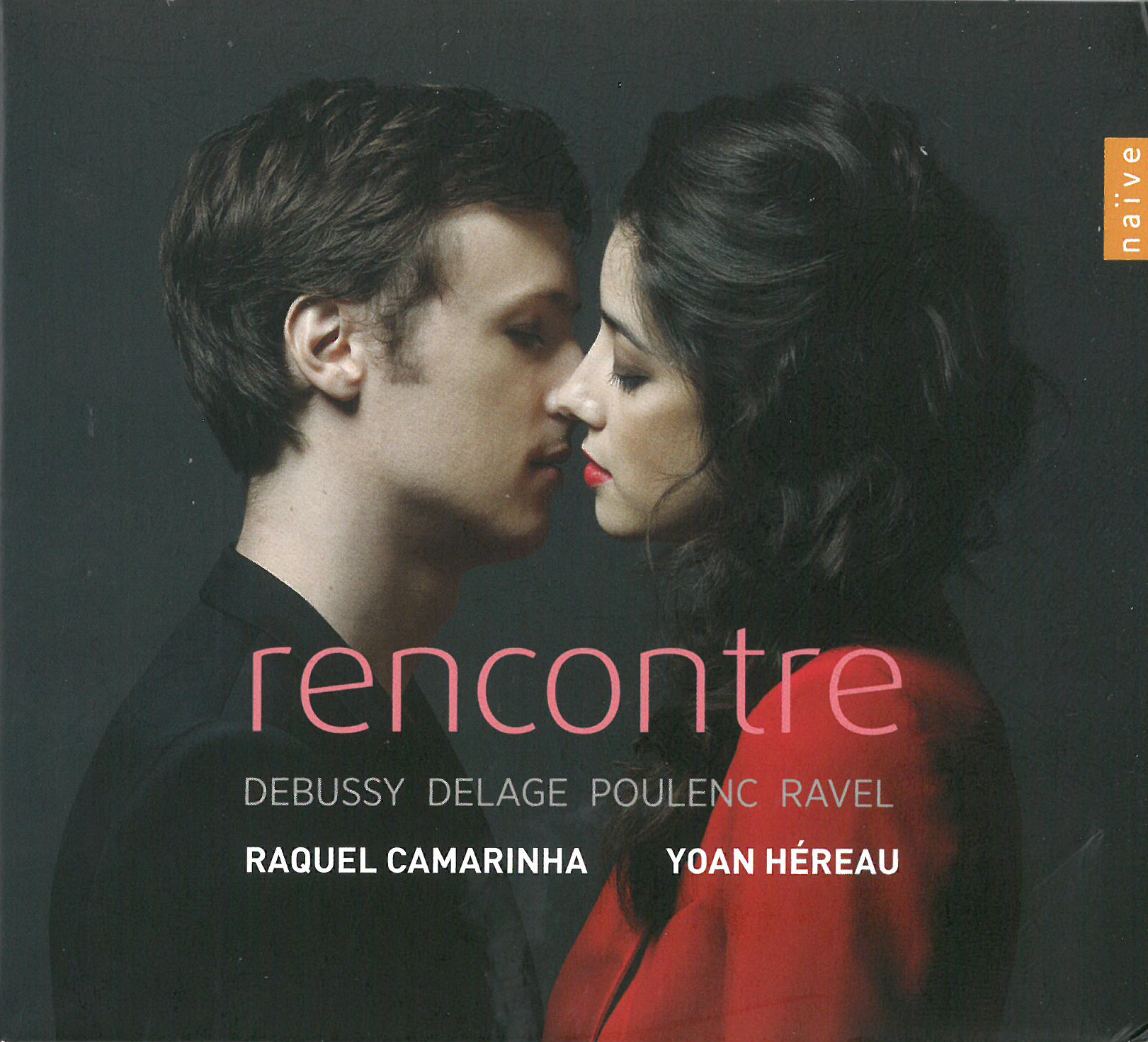
10 RencontreRencontre – Debussy; Delage; Poulenc; Ravel
Raquel Camarinha; Yoan Héreau
Naïve V 5454 (naxosdirect.com)

Despite competition in this repertoire from other discs, I think that readers partial to the mélodie (art song) will find much to appreciate in this first recording by the young French duo of Raquel Camarinha, soprano, and Yoan Héreau, piano. Already these artists have busy European careers as recitalists, chamber musicians and opera professionals.

On this disc Camarinha’s tone stays rich and consistent through the top register, while Héreau rises to the works’ colouristic challenges whether playing rapid figuration or subtle sonorities. In Ravel’s three-song Schéhérazade, Asia’s imagined voyage receives evocative treatment. The Enchanted Flute, a favourite of mine, is concise and flowing. Turning to well-known Debussy settings of two groups of symbolist Paul Verlaine’s poems, the combination of langour and sadness in Ariettes oubliées is conveyed effectively; the wonderful Fairground Horses breaks those moods with brio and virtuosic pianism from Héreau. In Fêtes galantes I was struck by soft floating high tones from Camarinha at the close of Clair de lune (incidentally, this music is completely different from Debussy’s identically titled piano piece).

Quatre poèmes hindous by Maurice Delage (1879-1961) adds the influence of Eastern scales and melody to idioms of Debussy and Ravel. Lahore is especially worth hearing for Camarinha’s vocal flexibility and sensitivity in a gorgeous extended vocalise. Finally, a generous selection of songs with exquisite syllabic text settings by Poulenc demonstrates her wonderfully clear diction – including the adept execution of the rapid tongue-twisters Fêtes galantes and He steals!
11 Canadian Chamber ChoirSeasons of Life and Landscape
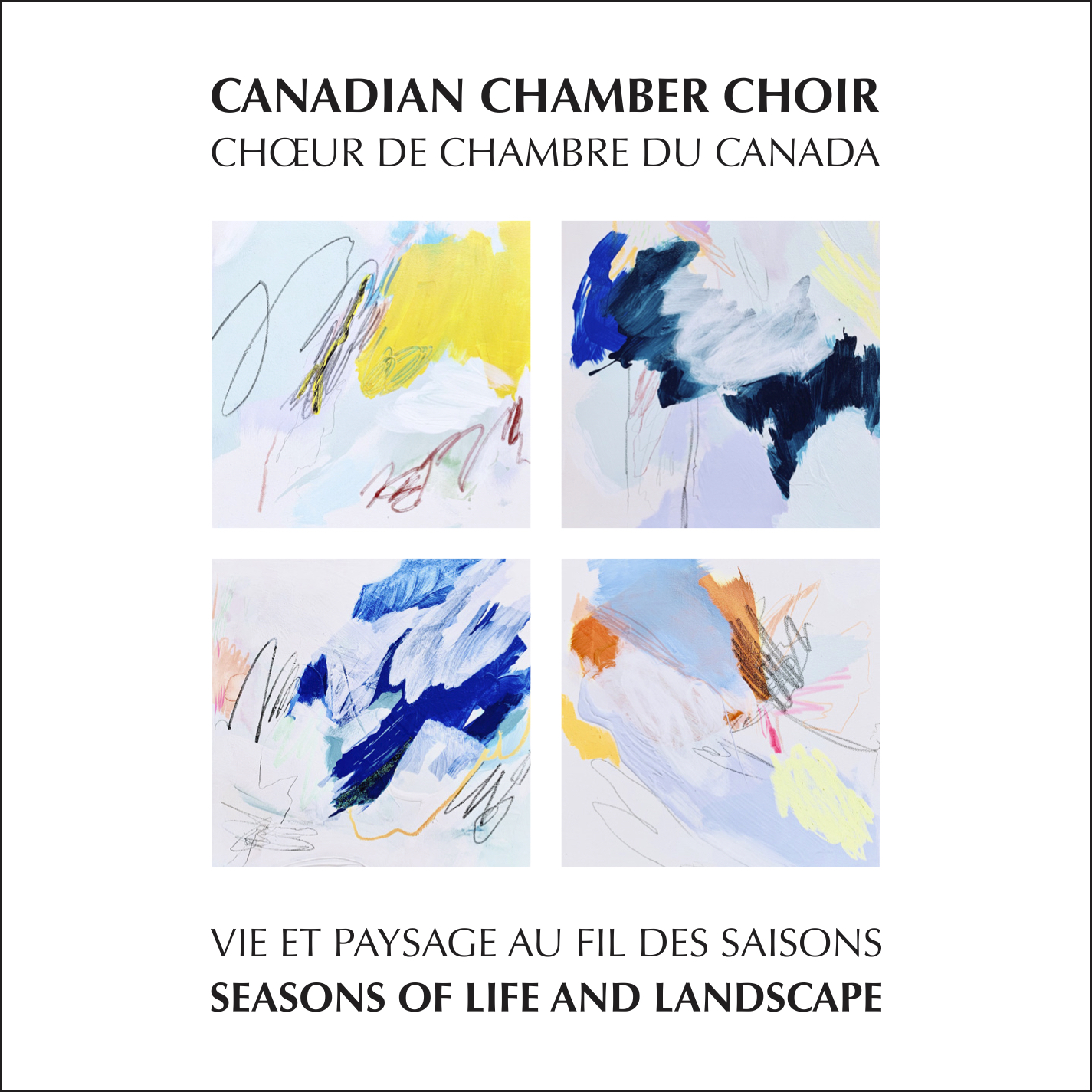
Canadian Chamber Choir
Independent CCCCD003 (canadianchamberchoir.ca)

A truly national ensemble, the Canadian Chamber Choir draws its membership from across the country, gathering for seven to ten-day projects in different regions in order to actualize a mandate to bring Canadian choral music to every corner of the land. This particular project is meant to guide the listener, as if walking through an art exhibit that draws on different media but is built around a common theme; in this case, the ever-changing seasons.

At the beginning of the recording, a gorgeous Intro featuring Jeff Reilly on bass clarinet, Keith Hamm, viola, and Beverley Johnston, vibraphone, sets a high bar for the rest of the program. The forces of nature and its effect on the human spirit are then conjured through pieces like Laura Hawley’s undulating Le Rideau and effervescent Singing Summer’s Praises while mystic elements shine forth in Imant Raminsh’s In the Night We Shall Go In and Cree composer Andrew Balfour’s Vision Chant, as well as Antiphon by Peter Togni and Jeff Reilly. Reminiscences shape shift like clouds in Levasseur-Ouimet’s Parlez-moi and composer-in-residence Jeff Enns’ Le pont Mirabeau. Throughout these offerings, members of the choir execute a myriad of styles soulfully, meticulously and with remarkable quality of tone. They also do a fine job with arrangements of Joni Mitchell’s River and Gordon Lightfoot’s Song for a Winter’s Night.

Listen to 'Seasons of Life and Landscape' Now in the Listening Room

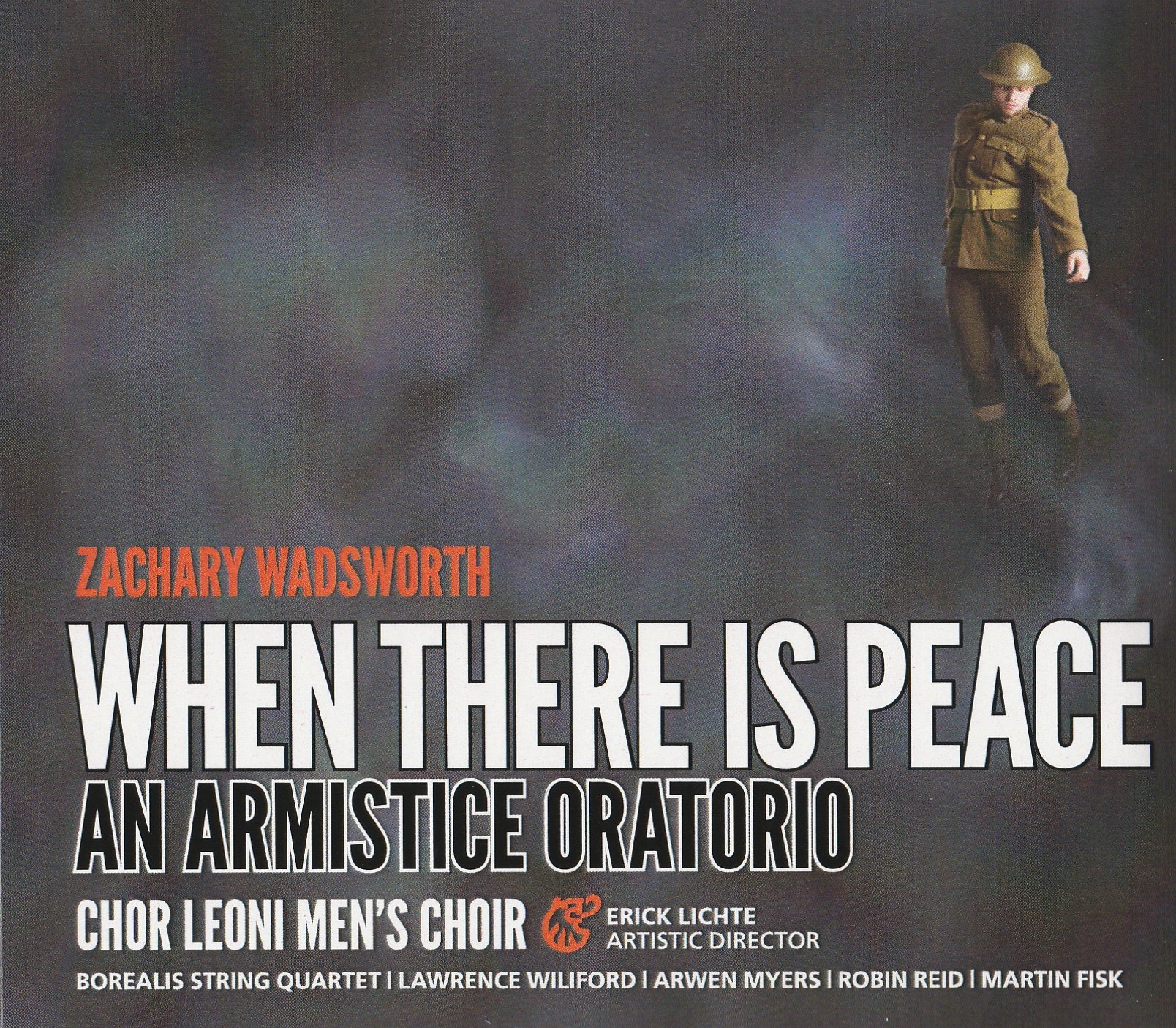
01 When There Is PeaceZachary Wadsworth – When There is Peace: An Armistice Oratorio
Chor Leoni Men’s Choir; Erick Lichte
Independent CLR 1909 (chorleoni.org)

One year ago (November 10 and 11), the 100th anniversary of the end of World War I, this work was premiered and recorded in Vancouver, where Zachary Wadsworth (b.1983) is the Chor Leoni Men’s Choir composer-in-residence. Wadsworth says his goal was “to honour the experiences” of those who served and “to celebrate those who gave their lives in search of peace.”

The 58-minute oratorio draws from 17 different writers, including many soldiers’ wartime descriptions and poetry by Robert Service, Siegfried Sassoon, Sara Teasdale and others. Soprano Arwen Myers, tenor Lawrence Wiliford and five readers add to the sonic mix led by the chorus, Borealis String Quartet and percussionists Martin Fisk and Robin Reid, all conducted by the choir’s artistic director, Erick Lichte.

The prevailing mood, as expected, is sombre, with the chorus suggesting (to me) the haunted voices of the dead, ghostly laments from beyond the grave. A recurring motif relates to birds – representing life in contrast to the carnage below. Musically, there’s a repeated ascending violin melody (shades of Vaughan Williams!) while the text (included) mentions “larks,” “thrush,” “brave birds,” “bird songs,” “swallows,” “robins” and Sassoon’s description of the armistice: “Everyone burst out singing… with such delight as prisoned birds must find in freedom.”

The well-crafted music of this worthy addition to the choral memorial repertoire provides a platform for the powerful words of war and peace, century-old words still relevant, not only on Remembrance Day, but on all days.

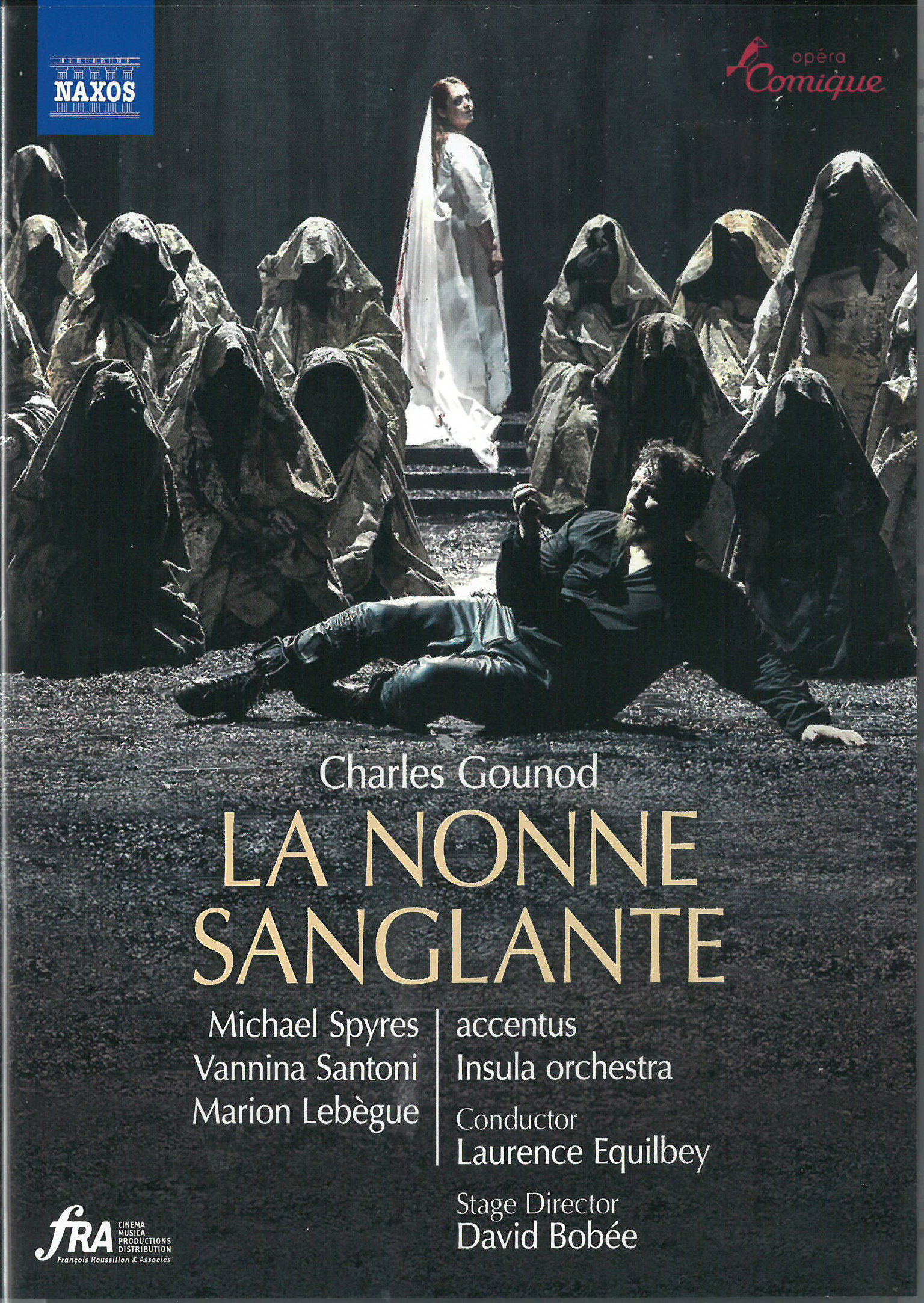
02 Gounod Nonne SanglantCharles Gounod – La Nonne Sanglante
Michael Spyres; Vannina Santoni; Marion Lebègue; Accentus; Insula Orchestra; Laurence Equilbey
Naxos 2.110632 (naxos.com)

In 2018, the bicentennial of Gounod’s birth, the Paris Opéra Comique revived this opera, unstaged until 2008 in Germany following its brief, 11-performance run in 1854. Whatever the reasons for its initial failure, this production, with highly dramatic scenes, brilliantly sung by an outstanding cast, makes a persuasive case for its future survival.

During the dark, nervous Overture we witness the Nun’s murder and slo-mo start of a battle between two warring clans in 11th-century Bohemia. (Today’s opera directors abhor closed curtains during overtures.) The libretto involves two lovers from the rival clans, the ghost of “the Bleeding Nun” seeking vengeance against her murderer, mistaken identity, ghostly gatherings and a murder plot, ending with the lovers, Agnès and Rodolphe, finally reunited.

Befitting the supernatural goings-on, the semi-abstract sets and projections are all grey and black, as are most of the cast’s costumes, a mix of medieval and modern. The Nun wears a white, bloodstained shroud; the other ghosts appear in grey military garb or shrouded in white.

Tenor Michael Spyres (Rodolphe) dominates the action – his arias presage Gounod’s great tenor arias for Faust and Roméo – and with his sweet yet powerful voice he sings them all magnificently! Paralleling Spyres’ intense, thrilling vocalism are sopranos Vannina Santoni (Agnès) and Jodie Devos (Arthur, Rodolphe’s page), and mezzo Marion Lebègue (Nun). Conductor Laurence Equilbey’s minor cuts, mostly in the ballet, help propel the excitement throughout.

Enthusiastically recommended to all lovers of great singing!

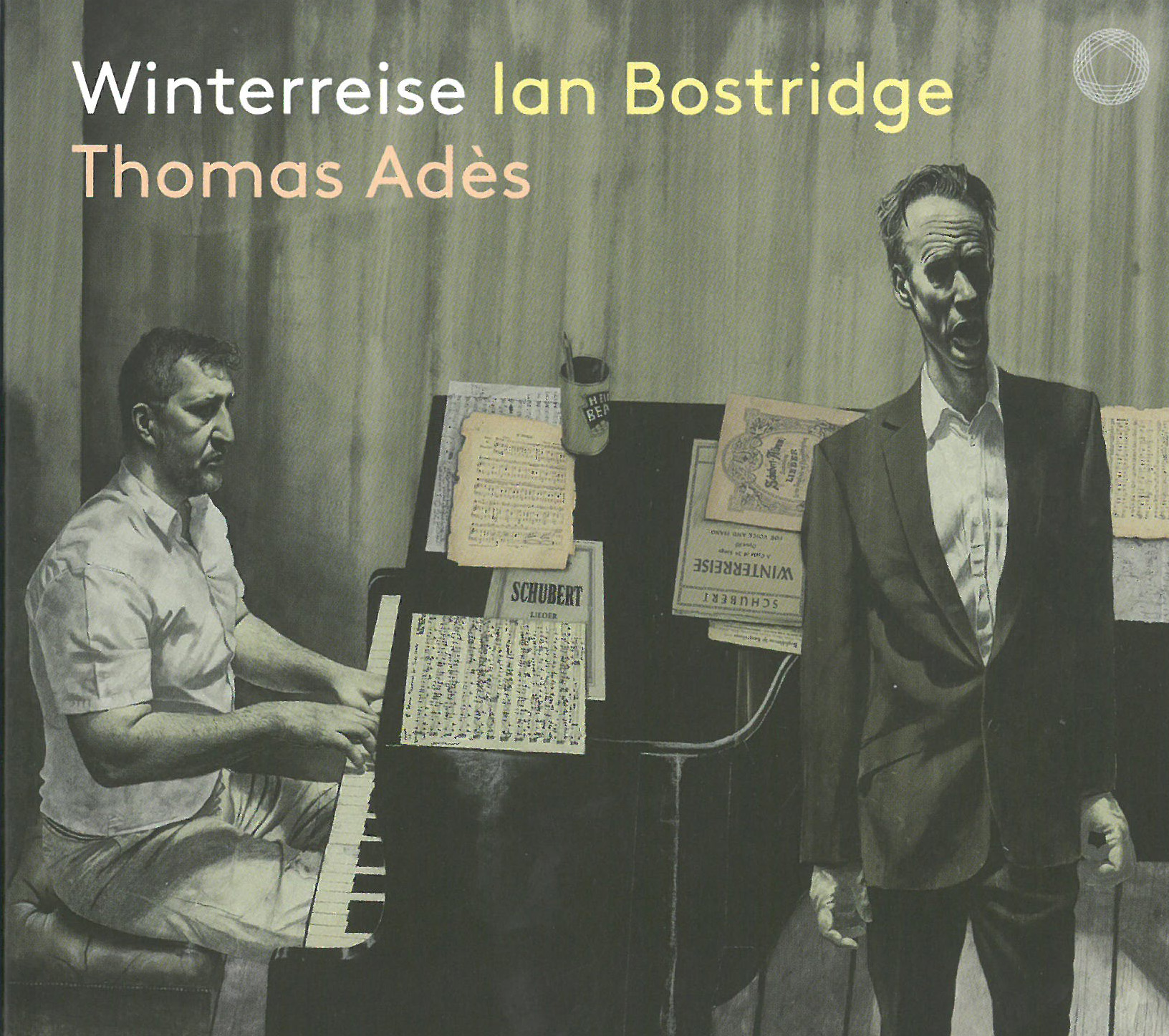
03 Winterreise BostridgeWinterreise
Ian Bostridge; Thomas Adès
Pentatone PTC5186 764 (naxosdirect.com)

Ian Bostridge reaffirms the case for Franz Schubert’s Winterreise being the greatest of song cycles; it’s also famous for the number of times it has been recorded – including seven times by the great lyric baritone Dietrich Fischer-Dieskau. This Pentatone recording is Bostridge’s third and that makes ten recordings by two of the finest exponents of lieder the world has ever seen.

In Winterreise Schubert takes the despondency which closed Die schöne Müllerin and pushes it to extremes creating a desolate landscape (both inner and outer) of unrelenting pessimism. Even Schubert’s friends, who understood the pain from where it sprung, were reportedly dismayed by the bleakness of the song cycle.

Bostridge brilliantly cloaks himself in Schubert‘s rejected lover, driven to the verge of madness as we follow his lonely peregrinations through a snowbound landscape. Thomas Adès’ pianism highlights the emotional veracity of the performance.

As the lover’s journey progresses, his vision becomes more inward and the subjectivity of the songs more pronounced. The final song, Der Leiermann, is a masterstroke: the traveller meets a destitute hurdy-gurdy player, whose rustic song Schubert mimics with a quirky piano figure. The wanderer wonders whether he should go with him but his question is left hanging in the air as the song drifts away. If Fischer-Dieskau’s baritone voice heightened the gloom, Bostridge’s tenor enhances the cycle’s drama through contrast between vocal tone and meaning.

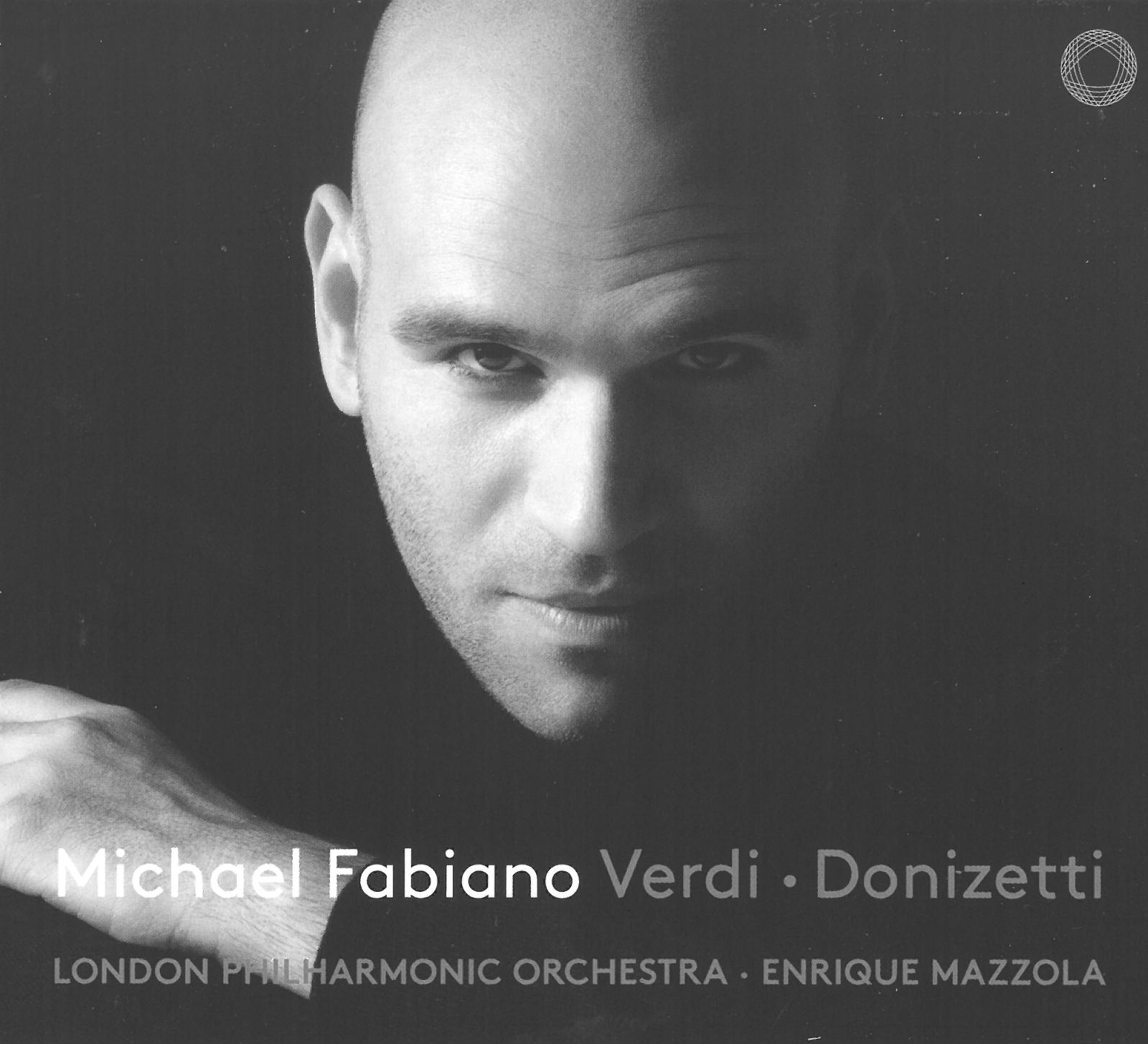
04 Michael FabianoVerdi – Donizetti
Michael Fabiano; London Philharmonic Orchestra; Enrique Mazzola
Pentatone PTC 5186 750 (pentatonemusic.com)

Opera excerpt recordings are a dime a dozen, but this new issue intrigued me. Michael Fabiano, a young American tenor of considerable repute for his starring roles in Italian and French repertoire at the most famous opera houses around the world, comes out with his debut recording on the prestigious Pentatone label with a remarkable collection of difficult bel canto arias by Verdi and Donizetti. Why these two? In his scholarly introduction Fabiano maintains that there is a relationship between the two composers, particularly in their middle periods. There is a departure from the relatively simple Bellini cantilena towards a “symbiosis of sonority,” deepening emotions, more intense drama, more complex instrumentation and the orchestra generally becoming more important.

This thesis definitely bears out, with many examples from Verdi’s Luisa Miller, Un ballo in Maschera and La Forza del Destino vs. Donizetti’s Poliuto, Lucia di Lammermoor and Maria di Rohan. These operas and more are beautifully represented here by the tenor and sung with a voice of passion, power and fire with no lack of spectacular sustained high notes, but also with tenderness and lyricism where it’s called for.

A good example is Forse la soglia attinse from Verdi’s Un Ballo, a beautiful aria where Count Riccardo, in love with his best friend’s wife, has to give her up, but wants to see her “ultima volta,” for the last time, an aria of infinite anguish followed by the intense excitement of anticipation even though he knows he will be assassinated during the ball. But, for my money, Fabiano is strongest in the rousing cabalettas like the one in Verdi’s Il Corsaro with the wonderful support of the chorus, not to mention the London Philharmonic conducted with fire and passion by Enrique Mazzola.

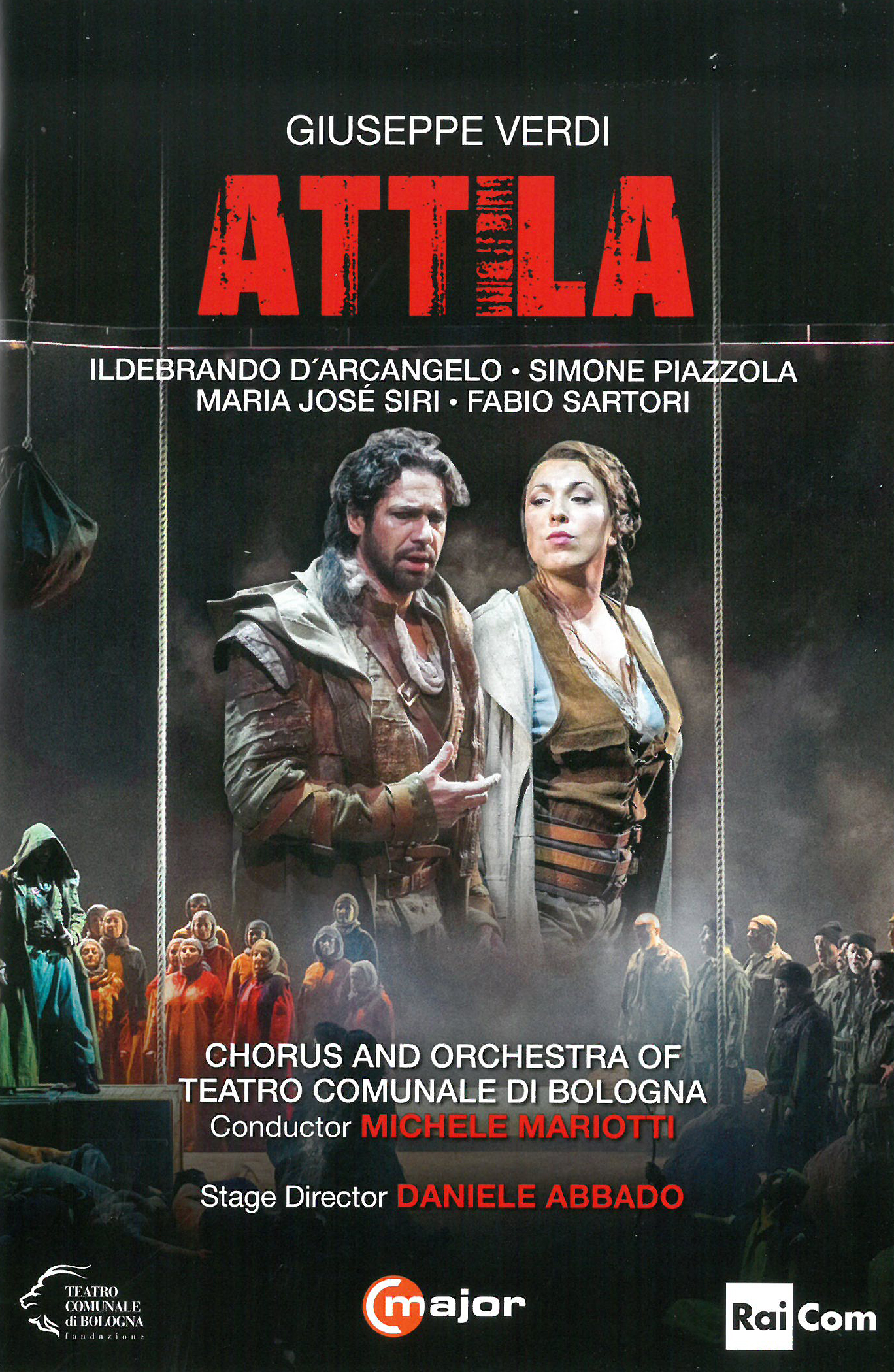
01 Verdi AttilaVerdi – Attila
Ildebrando D’Arcangelo; Simone Piazzola; Mari José Siri; Fabio Sartori; Teatro Comunale di Bologna; Michele Mariotti
Cmajor 748708B (naxosdirect.com)

Attila is actually the ninth opera of the 26 by Verdi and it premiered in Venice, 1846. The opera is about Attila’s fifth-century campaign devastating Northern Italy and his failure to capture Rome, as if by divine intervention. Interestingly, Verdi skilfully worked in the founding of Venice by refugees from the Roman city of Aquileia in the marshlands of the Adriatic where they hid out from the wrath of the Huns – a city that will rise as a phoenix from the ashes alluding to the name of the opera house La Fenice in Venice and this no doubt pleased the Venetians.

The score itself is irresistibly energetic, chock full of soaring melodies, cavatinas, rousing cabalettas, duets, trios, quartets plus young Verdi honing his skills in ensemble writing like the first and second act finales which are already masterful. The soprano’s lament, pining for her homeland, and the subsequent love duet, point towards the Nile scene in Aida. My favourite part is the amazingly mature, picturesque orchestral writing of the Intermezzo in the Prologue, a raging sea storm followed by a magnificent sunrise over the cross raised by the pilgrims.

The singers are without exception superlative. Ildebrando D’Arcangelo, today’s leading base baritone is a complex, tormented Attila with a voice of stentorian power; Odabella is Maria José Siri, a young powerful Verdi soprano, strong in all registers; and Fabio Sartori, her lover with an “intensely brilliant” voice, one of the great tenors of which Italy seems to have a big supply. And the chorus – each singer could be a soloist! Young, very talented Michele Mariotti (of Tutto Verdi fame) conducts with verve and tremendous emotional involvement, ensuring a truly memorable production.

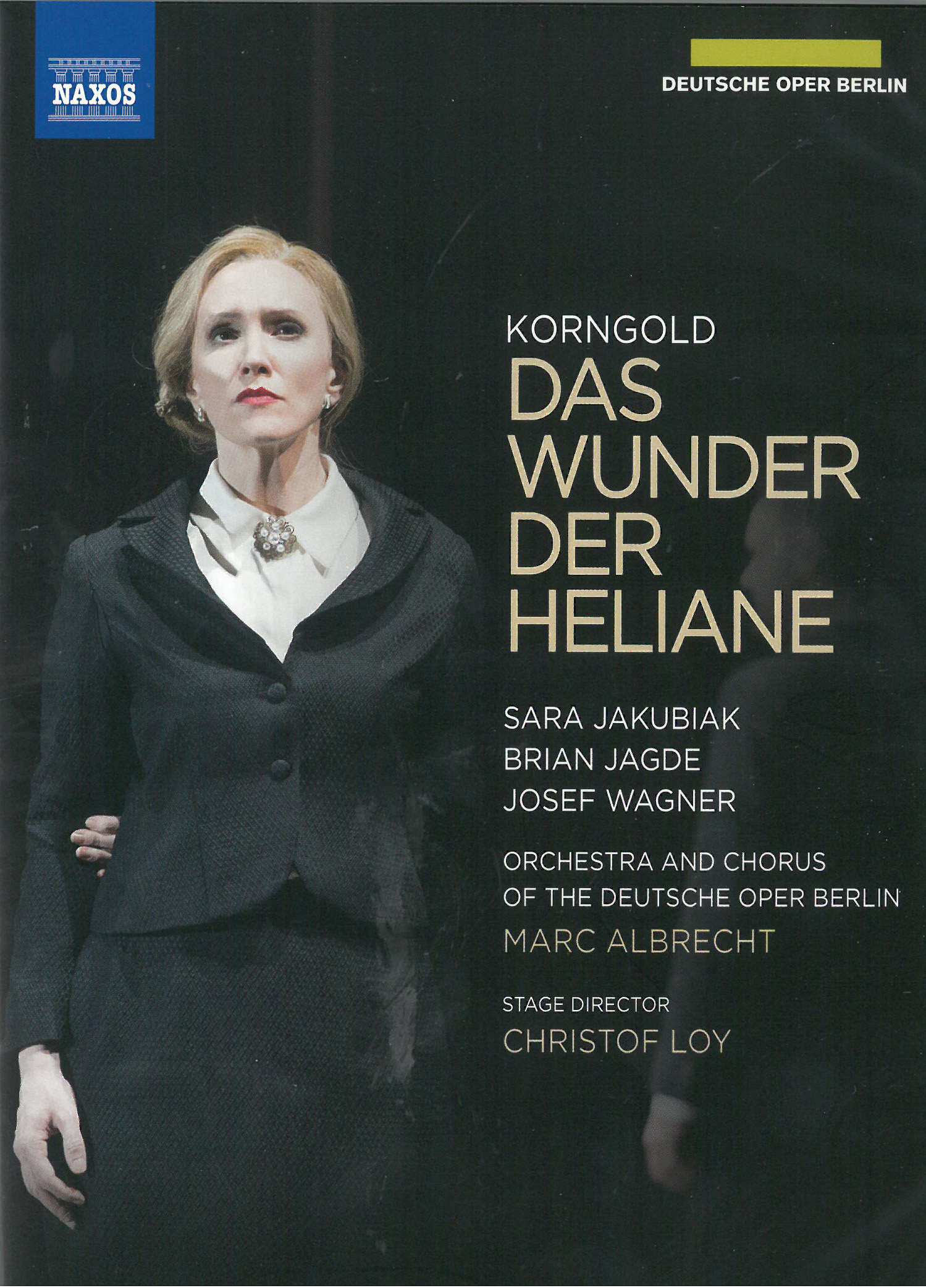
03 KorngoldKorngold – Das Wunder der Heliane
Sara Jakubiak; Brian Jagde; Josef Wagner; Deutsche Oper Berlin; Mark Albrecht
Naxos 2.110584-85 (naxosdirect.com)

The longest, most voluptuously scored of Korngold’s five operas makes its overdue DVD debut. Korngold considered it his masterpiece, brimming with radiant, rapturous melodies in the distinctive style that would later sustain him during the Nazi years in his new home – and career – in Hollywood.

In Hans Müller-Einigen’s allegorical libretto, the brutal Ruler of a mythical realm, scorned by his wife Heliane, condemns a charismatic Stranger to death. Heliane visits the imprisoned Stranger, offering solace and, at his pleading, baring her body. The Ruler, intruding, accuses her of adultery. At her trial, the Stranger commits suicide, but before Heliane can be executed, he miraculously comes back to life (the “Wunder” of the title). The Ruler kills Heliane, but she and the Stranger enter heaven together.

The superb cast, led by soprano Sara Jakubiak (Heliane), tenor Brian Jagde (Stranger) and bass-baritone Josef Wagner (Ruler), receives full-blooded support from conductor Marc Albrecht, who unhurriedly spins out Korngold’s long lyrical lines while eliciting, when needed, ferocious bite from the orchestra and chorus. Heliane’s great aria, Ich ging zu ihm, gorgeously sung by Jakubiak, seemingly takes forever to unfold and ascend, Liebestod-like, to its ecstatic, goose pimple-inducing climax.

Regrettably, this 2018 Deutsche Oper Berlin production disdains Müller-Einigen’s stage directions: “no trace of realism…timeless garments.” Instead, the cast wears drab, modern business attire within a drab, modern courtroom set, subverting much of the opera’s magical fantasy. Nevertheless, Korngold’s ravishingly beautiful music, beautifully performed, emerges gloriously triumphant.

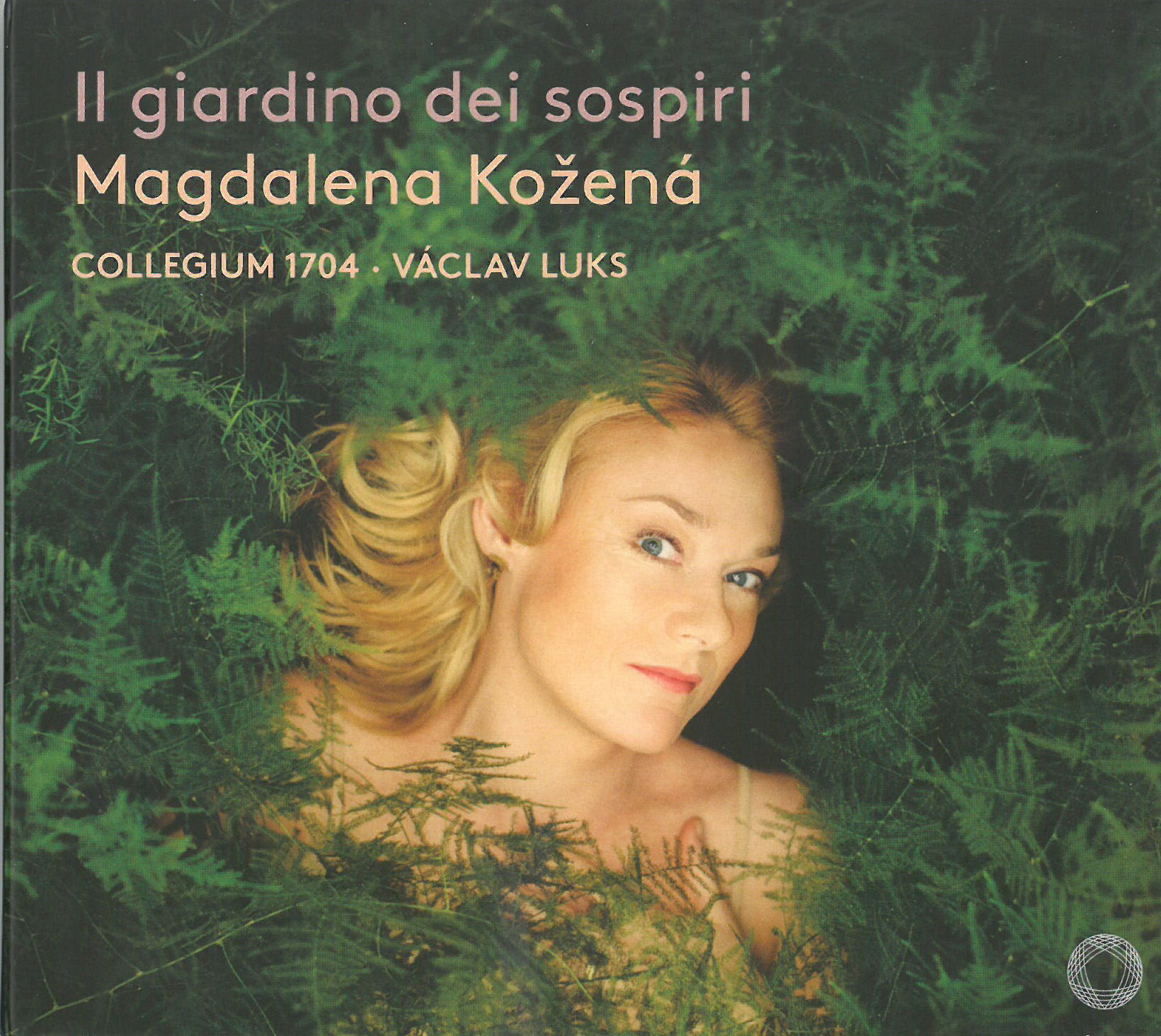
04 KozenaIl giardino dei sospiri
Magdalena Kožená; Collegium 1704; Václav Luks
Pentatone PTC 5186 725 (naxosdirect.com)

This collaboration by celebrated mezzo-soprano Magdelena Kožená with the Václav Luks-led Collegium 1704 realizes the passionate spirit of the recording’s title. Based on music from early 18th-century cantatas, Il giardino dei sospiri (The Garden of Sighs) was intended as a stage production. Instead, circumstances led to concert presentation and a CD with fine results. Italian secular cantatas were mainly intended for private performance where intimacy and musical imagination could flower. The cantata scenes selected here are by major composers associated with leading Italian musical centres, and include dramatic, emotional moments for the heroine.

Handel’s early Qual ti riveggio, oh Dio, HMV 150 (1707) shows training in the full, north-German instrumental sound that he brought to Rome; Kožená displays ample power for dramatic recitatives and range for expression in the despairing aria Si muora, si muora. Neapolitan Leonardo Leo’s cantata Or ch’é dal sol difesa (also named Angelica e Medoro; after 1730) is surprising in being so adventurous harmonically, yet Kožena’s vocalism meets the closing aria’s demands for speed and lightness, evenness of timbre and chromatic accuracy. Both singer and instrumentalists together with leader Luks rise brilliantly to the challenges of Venetian Benedetto Marcello’s Arianna Abbandonata. After a movingly rendered recitative, Kožená sings the cantata’s great aria Come mai puoi with fine control of ornamentation and vibrato over spare orchestration of ticking violins (heartbeats?) and fleeting instrumental riffs – gems of composition and performance. A garden of sighs indeed.

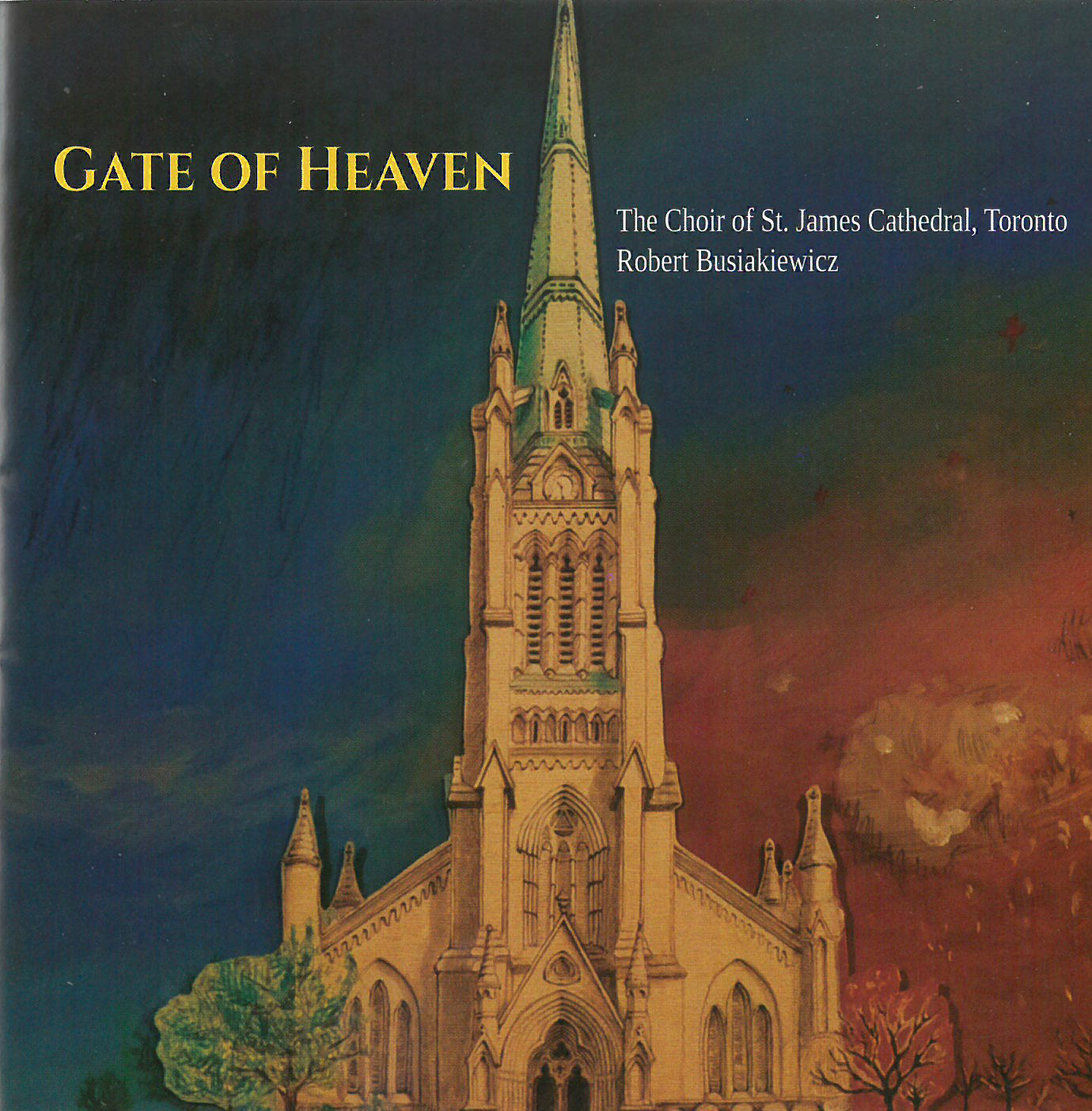
05 St James CathedralGate of Heaven
The Choir of St. James Cathedral, Toronto; Robert Busiakiewicz
Independent (stjamescathedral.ca/gate-of-heaven)

Imagine if someone gave you only 13 sentences to summarize an entire calendar year; how would you represent the happenings of 365 days in a hundred-or-so words? This is the challenge that Robert Busiakiewicz and the Choir of St. James Cathedral undertake with Gate of Heaven, which distills the liturgical year into 13 distinct musical offerings. Gate of Heaven follows and summarizes the trajectory of the church calendar, using an extensive range of landmark works for choir and organ to identify and commemorate feast days, including Christmas, Epiphany and Easter.

Even before the disc begins, one is struck by the emphasis Busiakiewicz and his ensemble place on works from the 20th and 21st centuries: Rautavaara, Vivancos, Kodály, Poulenc, Vaughan Williams, Willan, Gareth Wilson and Stephanie Martin are all represented here, comprising ten of the disc’s 13 selections. In a context where conservatism is only slightly less than a rule of law, such exploratory programming is a laudable movement in a satisfying direction.

The Cathedral Choir’s musical and interpretive execution of this significantly challenging material is commendable for its flexibility and range. The approach taken towards Willan’s The Three Kings is so unlike that of the Kodály Gloria, itself strikingly different from Gombert’s Agnus Dei, that the listener is transported through the centuries with minimal disruption. While all works are clearly performed by the Cathedral Choir, they vary their approach and stylistic techniques to fit the composer and time period, rather than painting dissimilar works with the same brush. In short, this disc is a noteworthy achievement by a noteworthy ensemble, and we are fortunate to have such gifted performers at the corner of King and Church streets every week of the year.

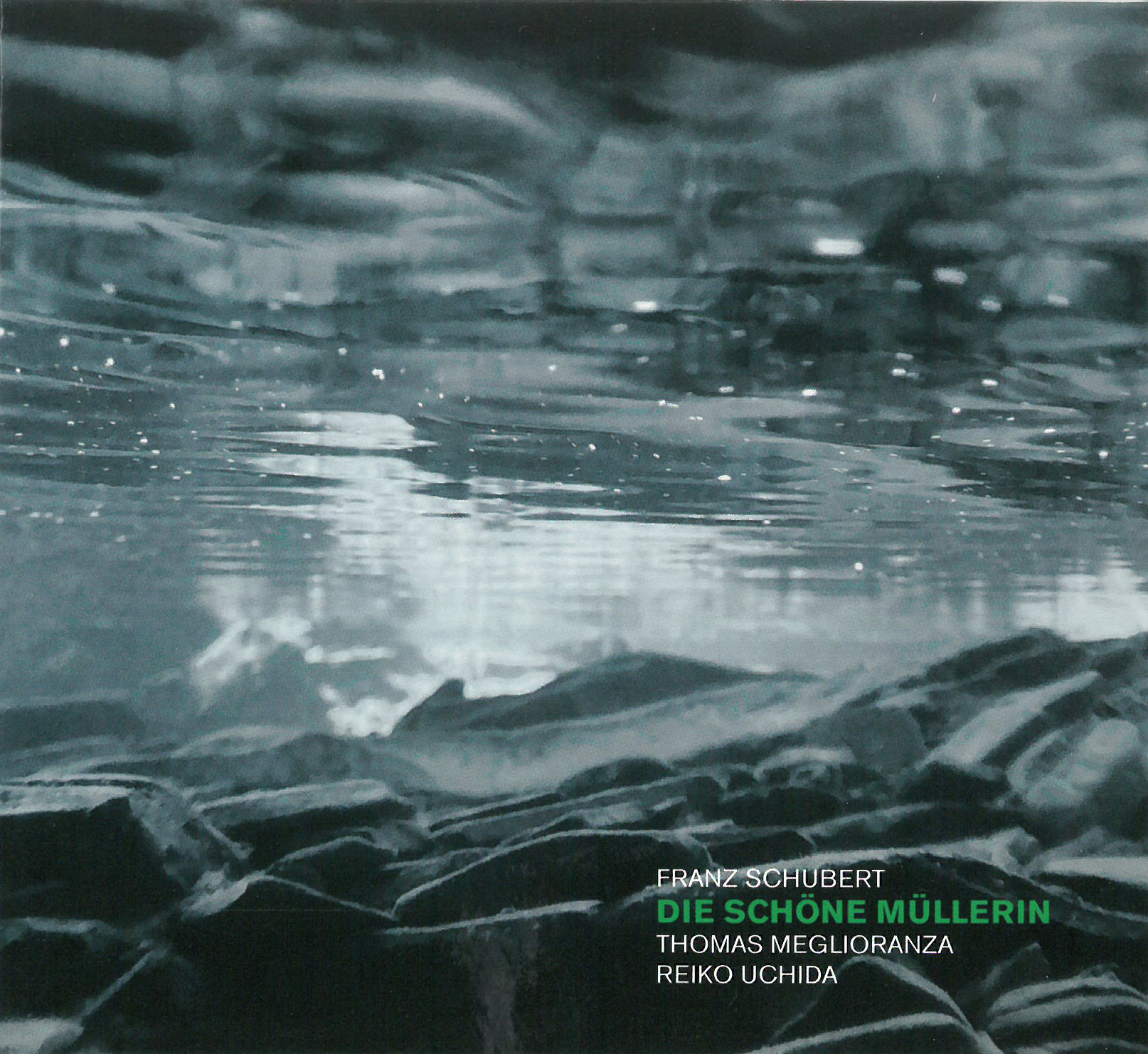
02 Schone MullerinSchubert – Die Schöne Mullerin
Thomas Meglioranza; Reiko Uchida
Independent 004 (meglioranza.com)

Thomas Meglioranza is a young American baritone with an impressive background of recitals, oratorio singing, even opera, and together with California pianist Reiko Uchida has formed a duo mainly for lieder recitals. To date they have issued three recordings with considerable success and international acclaim. This new disc of Die Schöne Müllerin is their fourth recording and comes with a recommendation from the legendary Dietrich Fischer-Dieskau praising their “healthy and beautiful sounding way of performing these difficult songs”.

The selection of the piano was of paramount importance as Meglioranza’s personal preference for this cycle was an early keyboard sound. After much research and deliberation the final choice was a Zierer, a Viennese fortepiano from 1829 that had a “rustic twang” and a lovely, crisp and non-intrusive tone.

The Schöne Müllerin is a particular favourite of mine being the most melodious, very emotional and probably the happiest of all of Schubert’s cycles. My first acquaintance with it was hearing the song Wohin? (Where to?) as a child and it made a tremendous impression on me. The story is very romantic: boy gets girl, boy loses girl. The water motive runs through the entire cycle; the brook (lieber bächlein) becomes a friend and confidante of the young man and some of the most beautiful songs are dialogues with the brook (e.g Die Neugerige and Der Müller und der Bach). My favorite moment is in the song Ungeduld where the young lover sings his heart out, declaring Dein ist mein Herz in glorious fortissimo, that’s certainly understood by anyone who has ever been in love!

Meglioranza’s fine baritone, intelligent singing and impeccable German diction, thoroughly inside the poetry, with sympathetic and stylish accompaniment by Ms. Uchida, does deserve Fischer Dieskau’s praise and mine too.

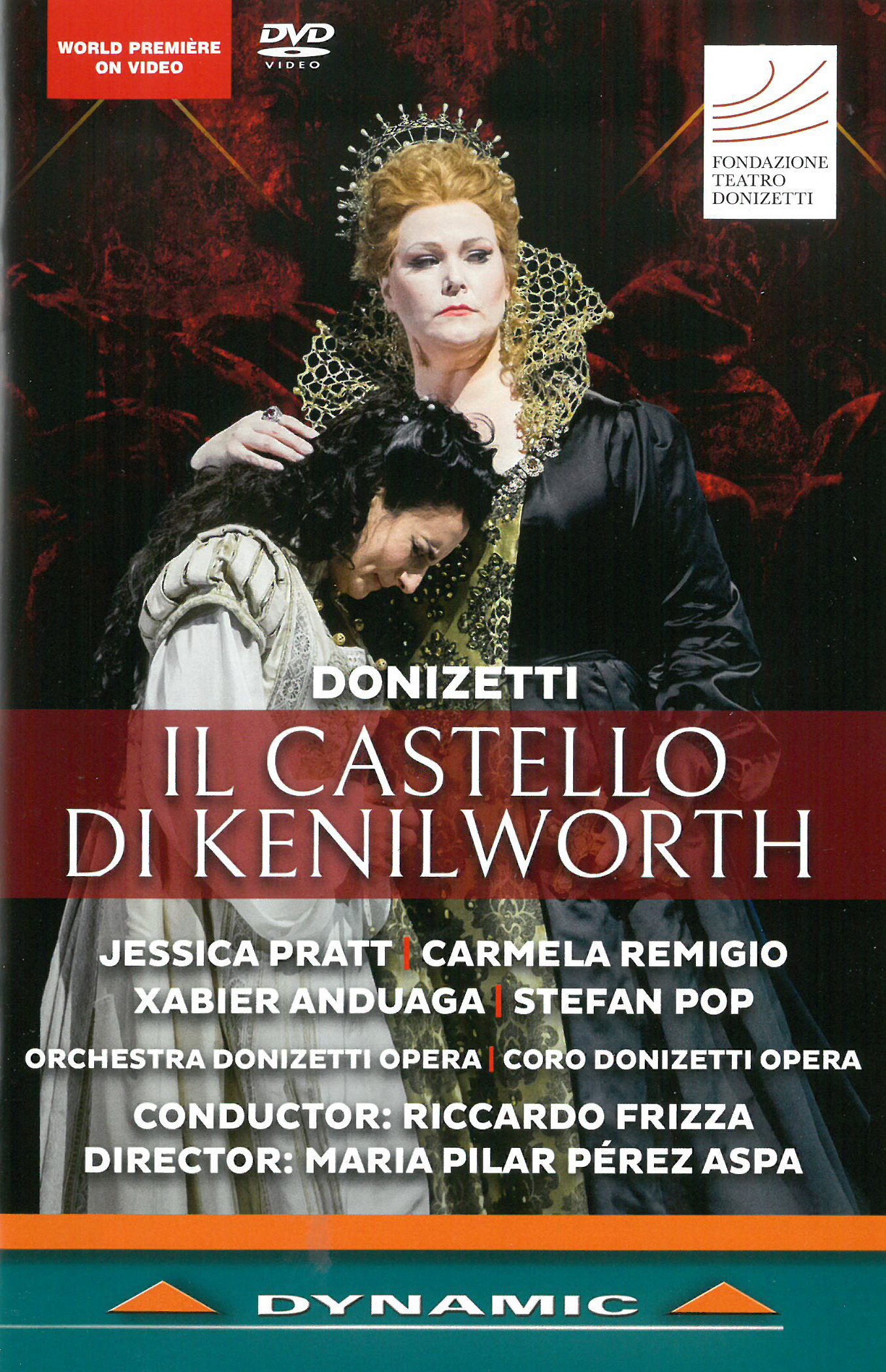
03 DonizettiDonizetti – Il Castello di Kenilworth
Pratt; Remigio; Anduaga; Pop; Orchestra/Coro Donizetti Opera; Riccardo Frizza
Dynamic 37834 (naxosdirect.com)

A double rarity: an all-but-forgotten opera and a non-updated production – the Tudor-era costumes actually reflect the period of the opera’s events. Andrea Leone Totolla’s libretto, derived from Walter Scott’s novel Kenilworth, pits the Earl of Leicester’s love for his secret wife, Amelia, against his ambition to gain the throne by exploiting Queen Elizabeth’s love for him. When Elizabeth arrives at his castle, Leicester has his squire, Warney, confine Amelia in a remote room. Warney professes his love for Amelia; spurned, he plots her death.

Leicester’s and Warney’s separate schemes begin to unravel when Amelia manages to escape and encounters Elizabeth (foreshadowing the confrontation of Mary and Elizabeth in Maria Stuarda). All four principals, together, then express their anguish at the sudden turn of events. Unlike Scott’s novel, in which Warney kills Amelia, and unlike Donizetti’s other Tudor operas, this one eventually ends happily. Warney’s murder attempt is foiled; Leicester’s love for Amelia leads him to confess his deception to Elizabeth; she forgives him and blesses his marriage.

This production from the 2018 Donizetti Festival in Bergamo, Donizetti’s home town, features a bare-bones set, minimal props and no scenic backdrops, all on a postage-stamp-sized stage. What makes it very worth watching is Donizetti’s melody-drenched, rhythmically energized score, ably sung by sopranos Jessica Pratt (Elizabeth) and Carmela Remigio (Amelia), and tenors Xabier Anduago (Leicester) and Stefan Pop (Warney). The Donizetti Opera Chorus and Orchestra are energized, too; bravo to conductor Riccardo Frizza.

04 As OneLaura Kaminsky – As One
Sasha Cooke; Kelly Markgraf; Fry Street Quartet
Bright Shiny Things BSTC-0127 (brightshiny.ninja)

In the five years since As One was premiered, it has been performed, apparently, more frequently than any other new opera in North America (though it has yet to reach Toronto). No surprise there, judging by this recording. For one thing, it’s timely, following the journey of a young woman, Hannah, as she transitions from male to female. It’s concise, just 75 minutes long. The cast is minimal – two singers, a string quartet and a conductor. The music is alluring, if unprovocative, ranging from lyrical to sharp-edged, and the libretto is at once poetic and hard-hitting.

The role of Hannah is split between Hannah before, a baritone, and Hannah after, a mezzo-soprano. Both sing throughout, an inspired twist which allows composer Laura Kaminsky and librettists Kimberly Reed (whose real-life story this is) and Mark Campbell to present Hannah’s transition as an ongoing process.

This recording, the first of the complete opera, assembles the terrific musicians from the original production. Kelly Markgraff is endearingly open-hearted as Hannah before, and Sasha Cooke makes a powerfully convincing Hannah after. The Fry Street Quartet responds with irresistible immediacy to Hannah’s fraught challenges. Conductor Steven Osgood effectively balances Hannah’s hard-won moments of tranquility with dramatic urgency.

As One is a deeply moving tale of one rather extraordinary transgender woman’s complicated path to self-discovery, yet its appeal is universal. It will surely resonate profoundly with anyone who has ever grappled with who they are and where they belong.

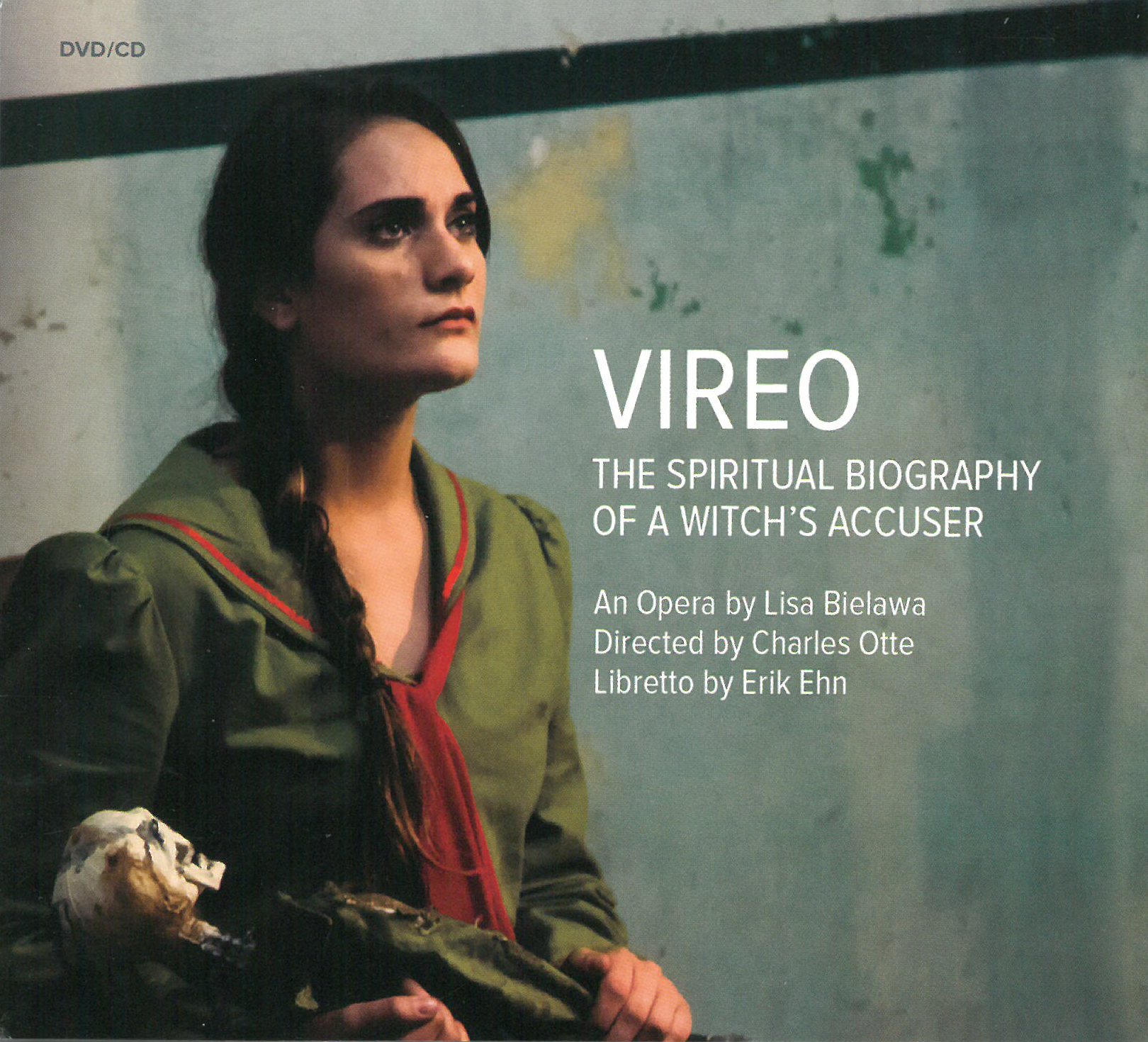
05 VireoVireo: The Spiritual Biography of a Witch’s Accuser – An opera by Lisa Bielawa
Various Artists; Lisa Bielawa
Orange Mountain Music OMM7017 (orangemountainmusic.com)

Composer Lisa Bielawa conceived the idea of the young teenage heroine Vireo, who is lost in the world of visionaries, witch hunters, psychiatrists and artists in her auditory and visual hallucinations. Set to the libretto by Erik Ehn, the 12-episode, over-two-hour opera directed by Charles Otte was originally made for television and online viewing. There is no stage here – sets include forests, indoors, a monastery, and even the Alcatraz Prison. The singers and musicians share the action locations equally, all shot by a single camera as the opera weaves almost cryptically from 16th-century-France witchcraft all the way to the present day.

Bielawa’s dense score includes tension-building interval repetitions, nods to minimalism, descending chromatic lines, percussion effects, piano chords and even touches of familiar children’s songs. The Kronos Quartet sets the opening musical stage with violin solo to full quartet to the San Francisco Girls Chorus singing to the clear, beautiful voice of Rowen Sabala as Vireo. Sabala was herself still a teenager performing in this production and her work is amazing, from her troubled gyrations and twitches, interchanges between her mother (Maria Lazarova), Doctor (Gregory Purnhagen), teenage cohort Caroline (Emma MczKenzie), and real/imaginary witches. Though too numerous to mention, all the singers and musicians perform and look convincing.

Highlights include piano clunks as the Doctor moves his scary, lengthy medicinal needle towards Vireo; the piccolo making bird sounds sets the stage as the action moves back in time in Beginner: The Cow Song segment, though distressing, breaks into humour as a hilarious horn band performs in front of a cow while the others grab a grilled meal. Up to nine identical frames at once visually build the girls’ tensions in Boarding School. Sharp bright and dark lighting, atonal music, and hurdy-gurdy solo in Alcatraz build tension and grief. Orchestra members dressed in lab coats and characters in circus costumes fuel the busy Circus, featuring a successful stereotypical Queen-of-Sweden operatic performance by Deborah Voigt until the calming final solo departure of Vireo into the forest in My Name is Vireo.

The libretto is shown on the DVD yet the clear CD production makes understanding words with music manageable. Whether one watches the DVD film or listens to the CD, the detailed intense magic of music, sound, and visuals are uniquely compelling, troubling and entertaining! Everyone involved in the production and performances deserves a standing ovation.

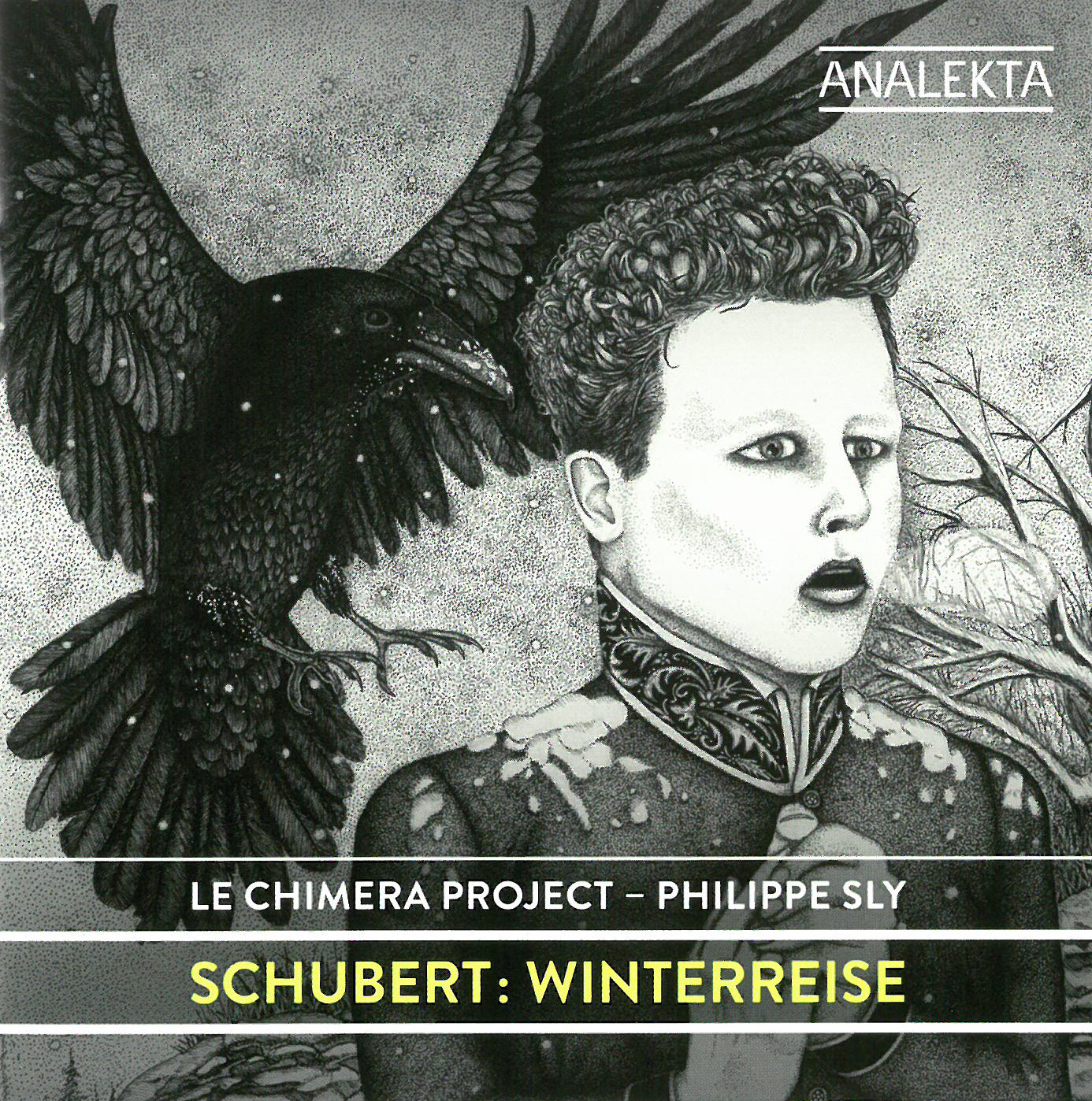
01 Winterreise SlySchubert – Winterreise
Philippe Sly; Le Chimera Project
Analekta AN 2 9138 (analekta.com/en)

In the course of Schubert’s Winterreise (Winter Journey), a stranger wanders out of a hostile town in nasty weather. His heart has been broken, and he’s desperately miserable. While this landmark song cycle represents the spirit of Romanticism, it does feel achingly modern.

These 24 songs have long inspired various arrangements. But why a klezmer Winterreise? Both Wilhelm Müller’s poems and Schubert’s music, like klezmer, have roots in folk song. And the cultural connections between Schubert’s wanderer and the wanderer of Eastern European Jewish-Romani traditions run deep.

Though Le Chimera Project’s adaption is far tamer than, say, Hans Zender’s radical revision, it goes further than Normand Forget’s sensitive transcription. The voice part remains untouched, but the piano accompaniment, now arranged for a typical klezmer ensemble – clarinet, violin, trombone and accordion – takes a step outside the classical tradition. The spirited musicians of Le Chimera Project pull off the plaintive tremolos and trills, jazzy syncopations and bent notes, and stylish interpolations, with seamless vitality.

Canadian bass-baritone Philippe Sly is enthralling, right through to the harrowing final song, Der Leiermann (The Hurdy-gurdy Man), when the wanderer, with Sly accompanying himself on a hurdy-gurdy, contemplates going off to join an itinerant hurdy-gurdy player. When Schubert’s opening song Gute Nacht (Good Night) is revisited at the very end of this daring – and rewarding (even without texts and translations being included) – recording, it gains new meaning here, especially with the shattering impact of Sly’s now hollowed-out, desperate voice.

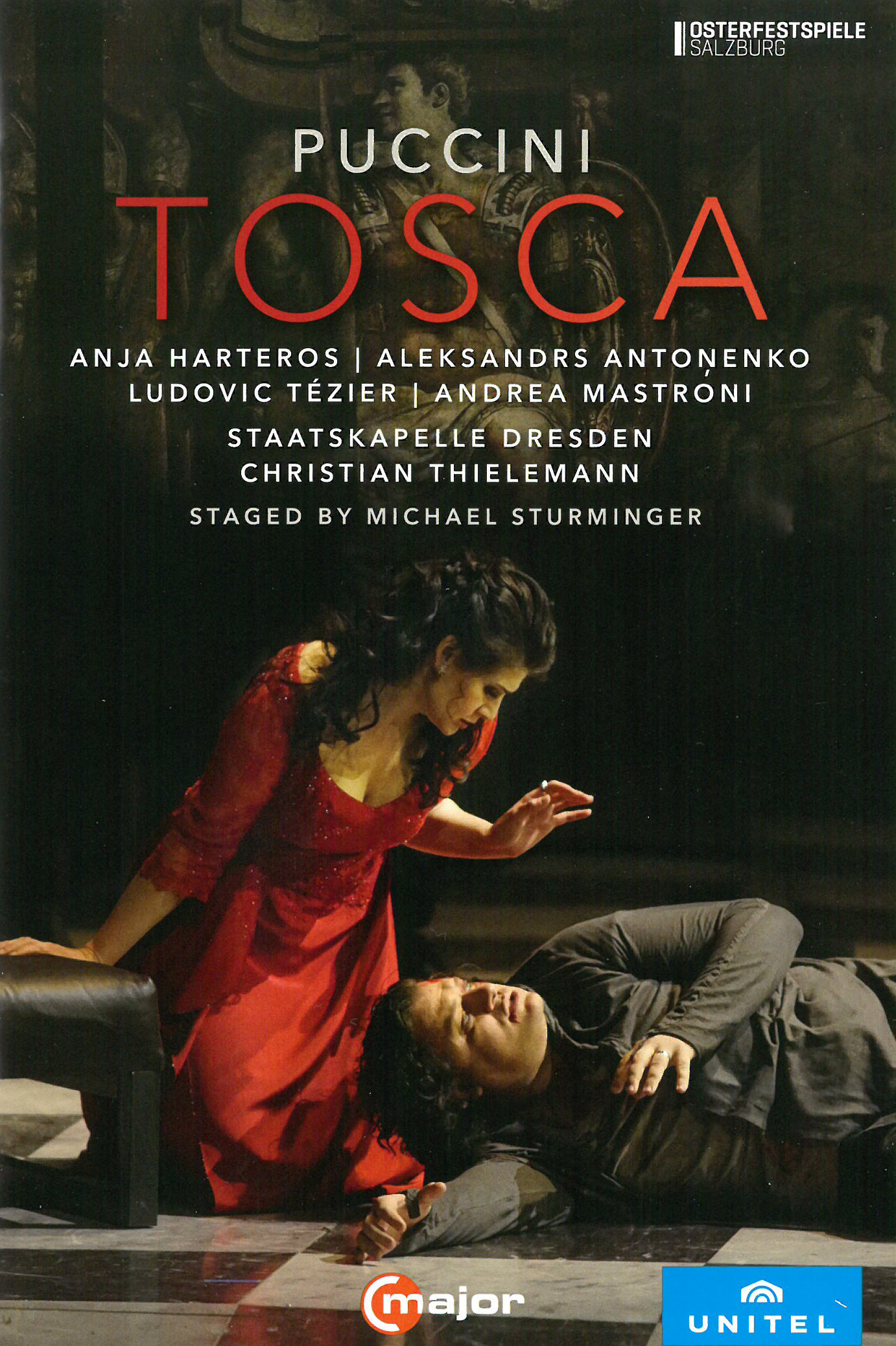
02 Puccini ToscaPuccini – Tosca
Harteros; Antonenko; Tézier; Mastroni; Staatskapelle Dresden; Christian Thielemann
Cmajor 748308 (naxosdirect.com)

In addition to considering voices, now with video versions available, we may, and usually do, evaluate the sets and the general stage business. Sometimes the staging pleases, sometimes it doesn’t. Sometimes it amuses. I remember a video of a CBC black and white production of the second act with Renata Tebaldi and Louis Quilico. It was credible until Tosca snatches an untapered, round-nosed kitchen knife to do the deed. It was patently obvious to all of us that this knife certainly was not made to penetrate anything. That was the part we each remembered.

This new production is different from all the others that I have seen in some significant ways, all without modifying or interfering with the existing texts, spoken or sung. But actions, it seems, speak louder than words! In the second act as the beautifully performed scene closes and Tosca has left the room, we see Scarpia, who should be lying dead, stir and drag himself across the floor. In the third act we see a group of teenage boys awakening and dressing and then, instead of a military firing squad, five of these blue-shirted boys shoot Cavaradossi with revolvers. More stage business and when Tosca would traditionally run and jump, the wounded, lurching Scarpia arrives with his men; Tosca shoots him and he, now dying, shoots her dead.  

The lead singers are perfectly matched. Soprano Anja Harteros is an impressive Tosca with her glorious voice and glowing characterization. She is matched in every respect by Aleksandrs Antonenko as Cavaradossi. Ludovic Tézier is suaver than the usual merciless Scarpia making him even more dangerous. Under Thielemann, the orchestra is right there supporting the singers and heightening the action. The costume and set designers for this 2018 Salzburg Easter Festival performance deserve a lot of credit for putting the cast in the right place. Kudos down the line for the other cast members of this self-recommending performance.

Back to top