01 Molly JohnsonMeaning To Tell Ya
Molly Johnson
Universal Music Canada/Belle Productions BMM101 (mollyjohnson.com)

Every now and then, a recording comes along that makes you sit up and take notice, literally stop what you are doing, and just listen. This is one such album, a personal, soulful set of originals and covers sung by one of Canada’s finest ladies of song, Molly Johnson.

Johnson sings her life experience into these songs, and the results are riveting, moving and celebratory. Of course it helps to be in great company, and she has handpicked the best to join her on this musical journey: drummer Davide DiRenzo, guitarist Justin Abedin, keyboardist Robi Botos, bassist Mike Downes, organist Pete Kuzma and guest saxophonist Bob Sheppard. The band provides beautiful, funky and understated accompaniment throughout. It also doesn’t hurt to have renowned producer Larry Klein sitting in the recording booth.

As a master storyteller, Johnson mixes in playfulness, memorable melodic hooks and great grooves, along with many things to ponder. The aptly named Stop, a life-affirming antidote to despair, is simply stunning. Co-writers Johnson, Klein and David Baerwald deserve a place in the Songwriters’ Hall of Fame for this one.

The Gil Scott-Heron tune, Lady Day and John Coltrane, will get you up dancing and singing, and will “wash your troubles away.” Toronto composer Steve MacKinnon also deserves special mention for his collaborative efforts on the title tune and Better Than This.

Meaning To Tell Ya has many important things to say. And we’re listenin’.

02 Cecile SalvantThe Window
Cécile McLorin Salvant
Justin Time JTR 8614-2 (justin-time.com)

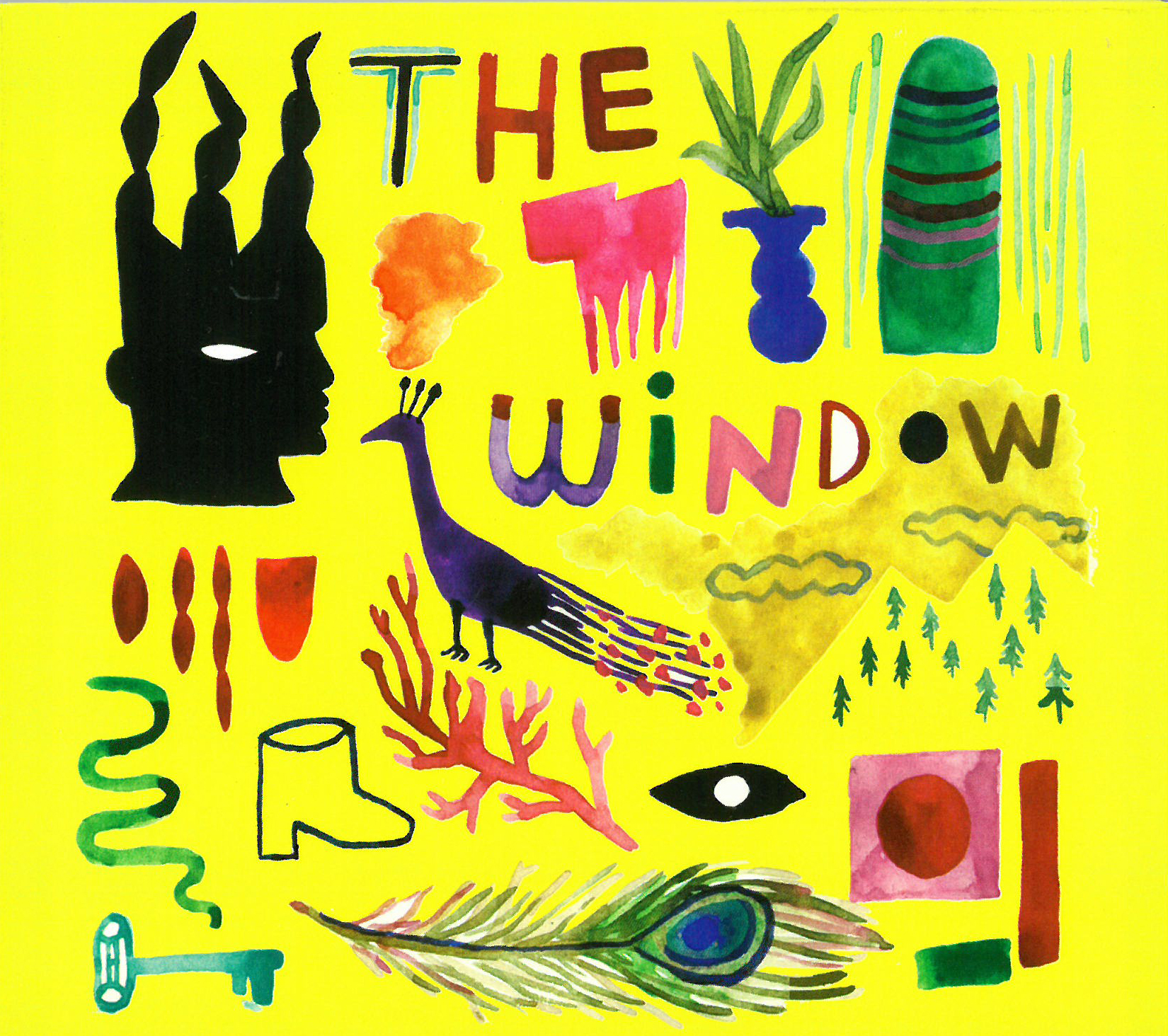
Cécile McLorin Salvant frames her vision of love through The Window, but this ubiquitous architectural element has been thrown so wide open that it is now a glorious metaphor, its theme spread out as vast as a lifetime of beauty against a blushing sky. And McLorin Salvant’s reputation as the premier jazz vocalist in any era has been fortified as she picks up effortlessly from where the legends such as Billie Holiday left off.

McLorin Salvant is magical as she strips lyrics and narrative bare in this duo format with the incomparable pianist Sullivan Fortner, achieving – if such as thing is possible – the closest equivalent of Jazz Lieder. Songs speak to McLorin Salvant as a lover’s whispers might. When she blushes so does her lyric, when she is in pain, her heartache puts a twist in the listener’s gut and her joyous enunciations create shivers down the spine. The Peacocks featuring saxophonist Melissa Aldana is a haunting example.

On Tracy Mann’s lyrics to Brazilian songsters Dori Caymmi and Gilson Peranzzetta’s Obsession, McLorin Salvant literally detonates the lines, “You’re like the wind that blows in front of a storm/The electricity explodes in the night.” Her instrument is lustrous, precise and feather-light; her musicianship fierce as she digs into the expression of each word; brings ceaseless variety to soft dynamics and gives every phrase grace. Fortner is here, an equal partner in the creation of the song’s character; his pianism rising to a rarefied realm.

Listen to 'The Window' Now in the Listening Room

03 Mandy new front coverThe Joni Book
Mandy Lagan - Origins
Independent (mandylagan.com)

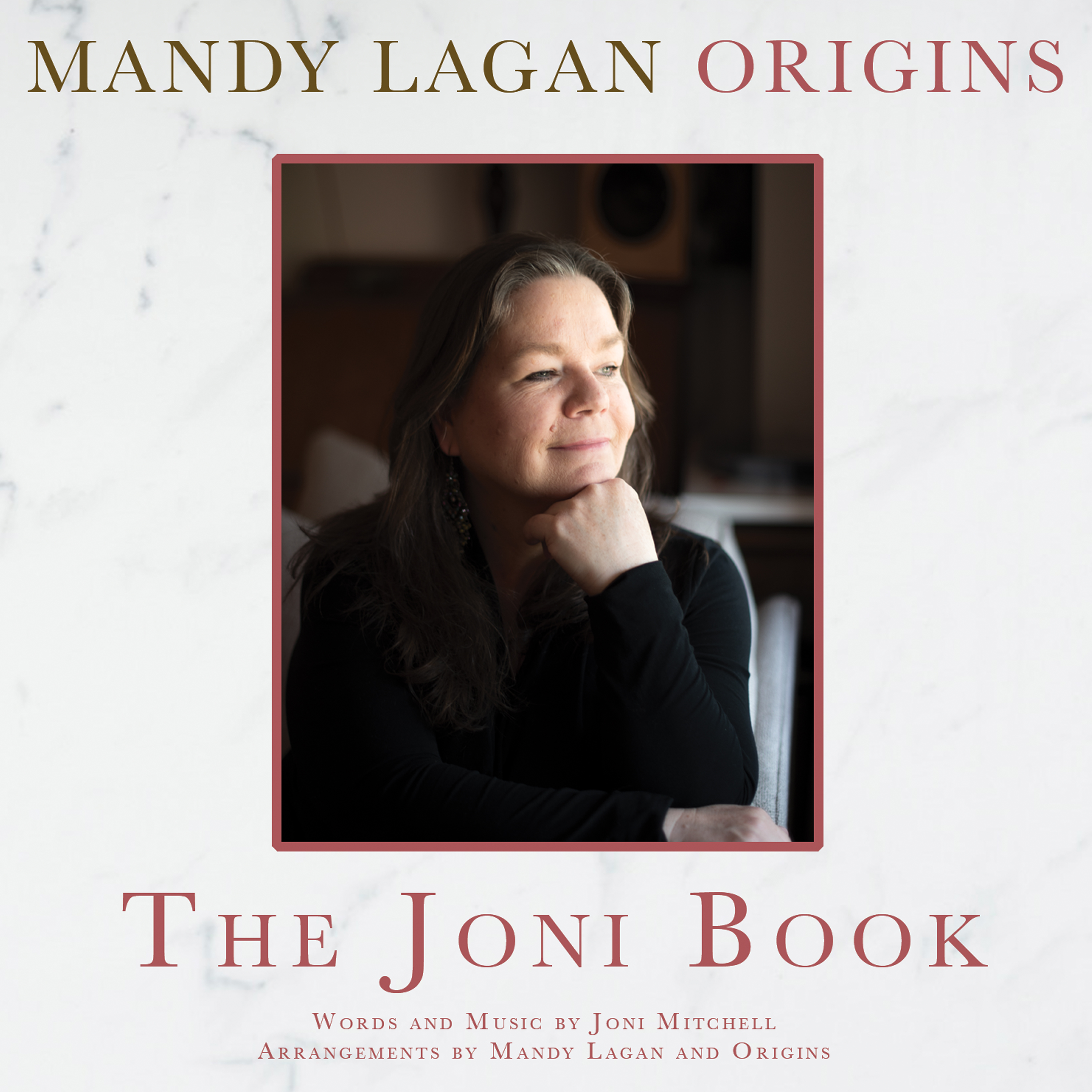
I first met Mandy Lagan when she was a music student at Mohawk College. She already displayed considerable musical talent at that time, while possessing a keen interest in the music of legendary singer/songwriter Joni Mitchell. After hearing Mitchell’s recording Court and Spark when she was a teenager, Lagan was “forever changed.”

Flash forward several decades, and Mandy Lagan has released a sparkling tribute to her muse, titled The Joni Book, featuring a roster of Canada’s finest jazz artists. She couldn’t ask for a better or more simpatico group of musicians than Kevin Turcotte, Jim Vivian, Ted Quinlan, Dave Restivo, Andrew Downing and Blair Mackay.

Lagan rises to the challenge of honouring Mitchell’s legacy, while making these tunes her own. She has lived with this material a long time, and accordingly, wraps her voice around the layers of lyrical meaning and shading embedded in these great songs.

It is truly a group effort, though, and all the musicians delve into both familiar (My Old Man, All I Want) and less familiar material (Conversation) with dedication and zeal. Everyone contributes to the inventive arrangements, ranging from the playful interplay on Help Me (featuring an outstanding trumpet solo by Turcotte), to the masterful textural arc they craft on Song for Sharon.

Somewhere, at her home in Los Angeles, Joni Mitchell is smiling.

Listen to 'Origins: The Joni Book' Now in the Listening Room

04 Cornelia LunaStarting Here, Starting Now
Cornelia Luna
Independent (cornelialuna.com)

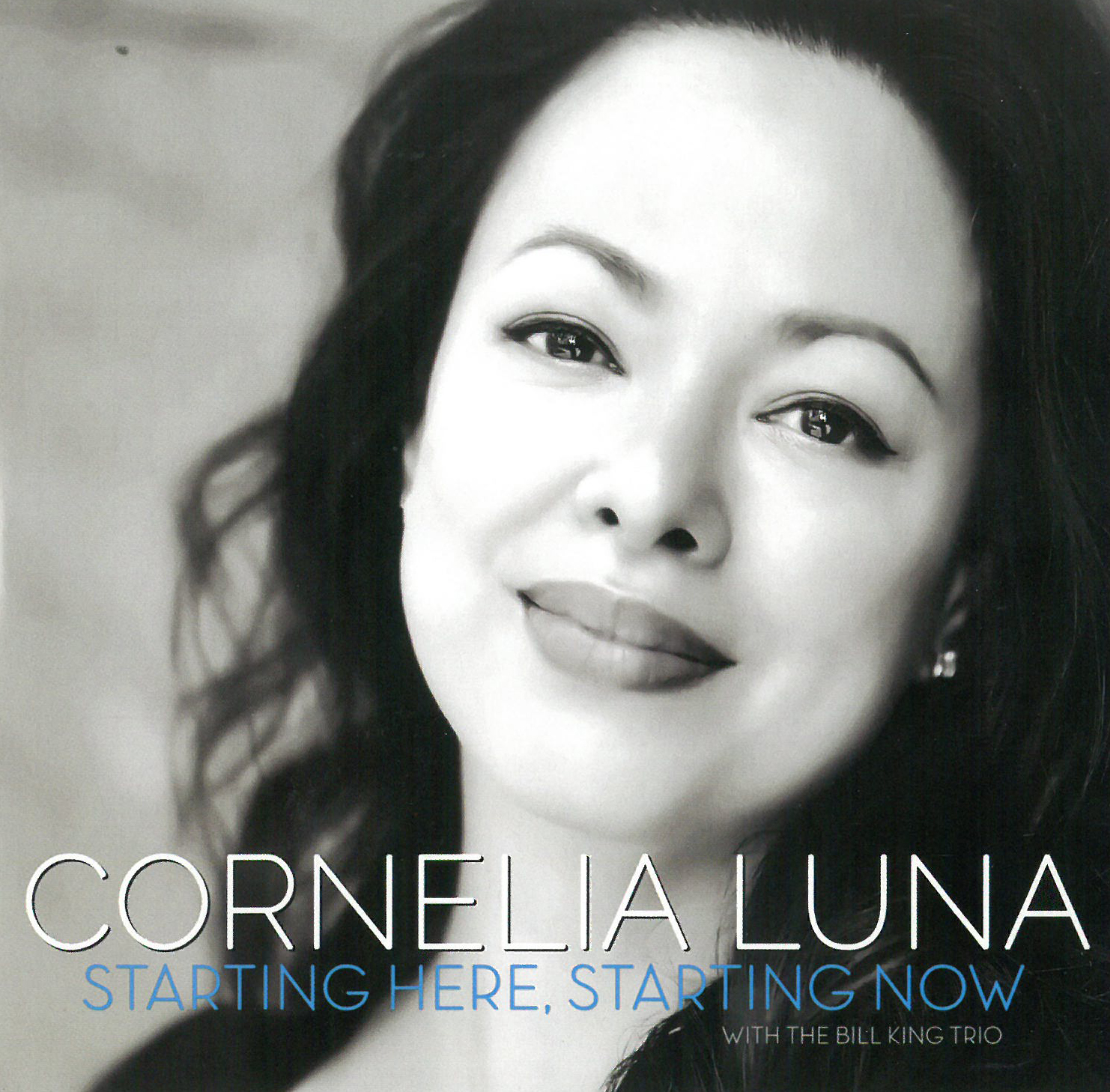
With the release of her debut CD, gifted vocalist and actress Cornelia Luna has joined forces with multiple-award-winning pianist/producer/arranger, Bill King, and created a fresh, contemporary re-imagining of nine tunes which have been key in defining Barbra Streisand’s style and taste. King refers to the recording as “The Streisand Project,” which emanated from a memorable, creative encounter that King had in 1976 with iconic arranger Peter Matz (who was well-known as the favoured Streisand arranger throughout her early career). Upon re-connecting with the perfect artist for this project, uber-talented Broadway performer Luna (whom King initially met when she was 19), the recording was propelled into being.

King serves as producer/arranger/pianist here and bassist Dave Young and drummer Mark Kelso complete the Bill King Trio. Noted guest artists include vocalist Gavin Hope (duetting with Luna in Any Moment Now by Marvin Hamlisch), saxophonist Mike Murley and trumpeter William Sperandei. The strong opener is Harold Arlen’s When the Sun Comes Out. Luna’s sumptuous contralto and her emotional vocabulary create a web of intimacy and warmth on this lovely and swinging take.

Another highlight is Stephen Sondheim’s Loving You from his hit show Passion. This is a triumph for both Luna and King. Her vocal instrument is sheer perfection, and King’s piano work is masterful. Gotta Move – Matz’s 1963 “Eleven O’Clock Number” – is also magic. This Barbra-defining classic has been perfectly contemporized as well as expertly and dynamically performed. Murley and Sperendei soar, swing, bob and weave through King’s fine arrangement, and the versatile Luna is as skilled in rendering a ballad, as she is in presenting a thrilling, full-throttle performance.  

05 Way NorthFearless and Kind
Way North
Independent WN002 (waynorthband.com)

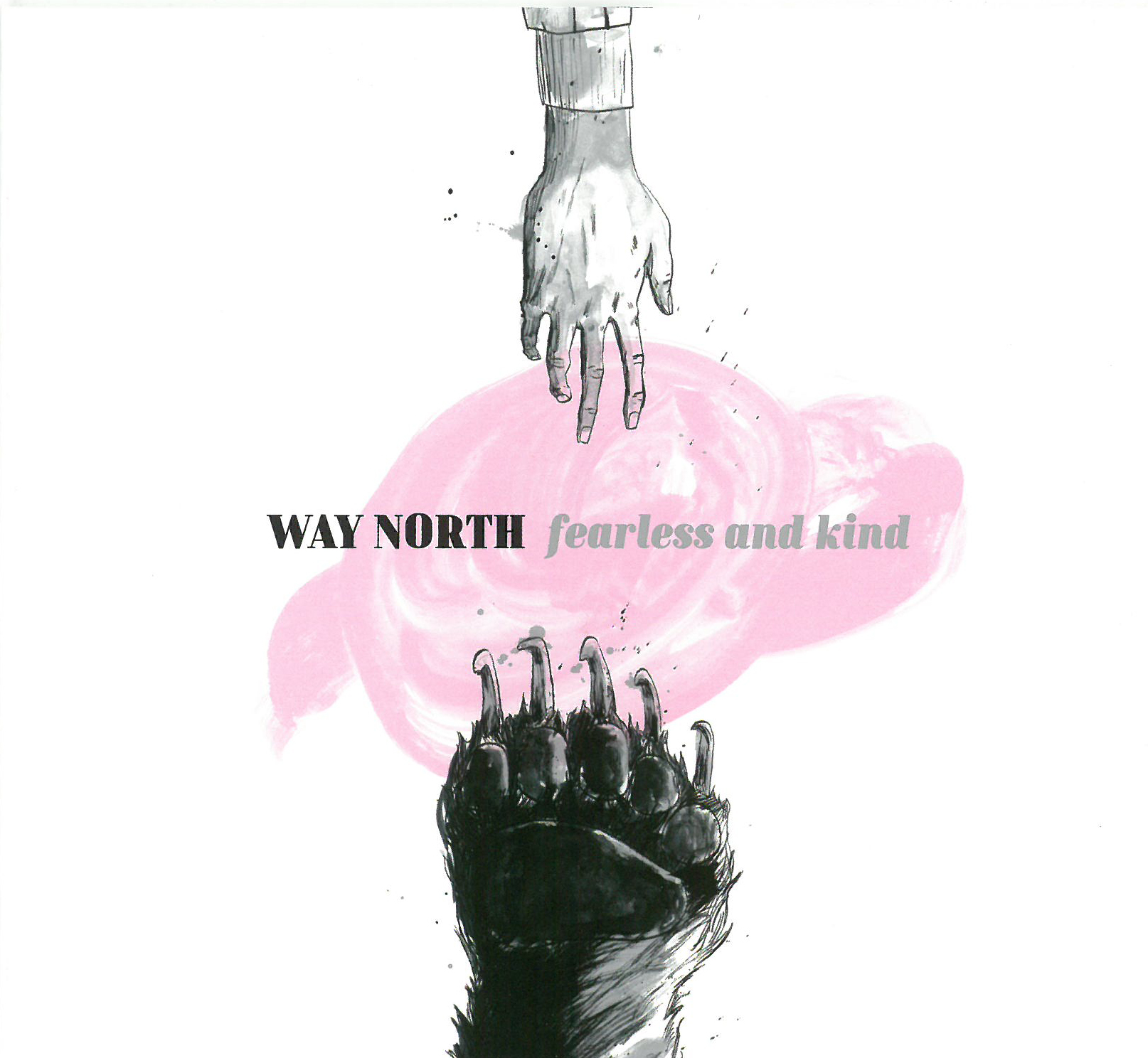
Fearless and Kind, the second album from roots-jazz quartet Way North, is a project that showcases the collaborative spirit of a group that functions as a collective, in terms of leadership, compositional contributions and improvisational style. Way North features trumpeter Rebecca Hennessy and bassist Michael Herring (both based in Toronto), saxophonist Petr Cancura (based in Ottawa), and New York drummer Richie Barshay. Recorded following a tour, Fearless and Kind is an intelligent, feel-good release in all of the right ways. By placing the emphasis on interactivity and humour, Way North has managed to produce an album that deftly combines the energy of a live show with the focus and specificity of the studio environment.

Fearless and Kind kicks off with the Cancura-penned Boll Weevil, a bouncy New Orleans-inspired song that sees the band playing around with brass band tradition without succumbing to the imitative clichés that often accompany modern performances of this music. Hennessy’s Lagoon is a loping, dreamy affair, featuring a mature, lyrical performance from the trumpeter herself, and a strong solo from Herring (Lagoon also appears on the album Two Calls, released by Hennessy’s FOG Brass Band). Later on, Cancura’s solo on King Porter Stomp marks one of the album’s energetic high points. It is notable that Way North is a chordless quartet, with no piano, guitar or other traditional comping instrument; but such is the strength of the individual players and the group dynamic that no harmonic absence is registered in the first place.

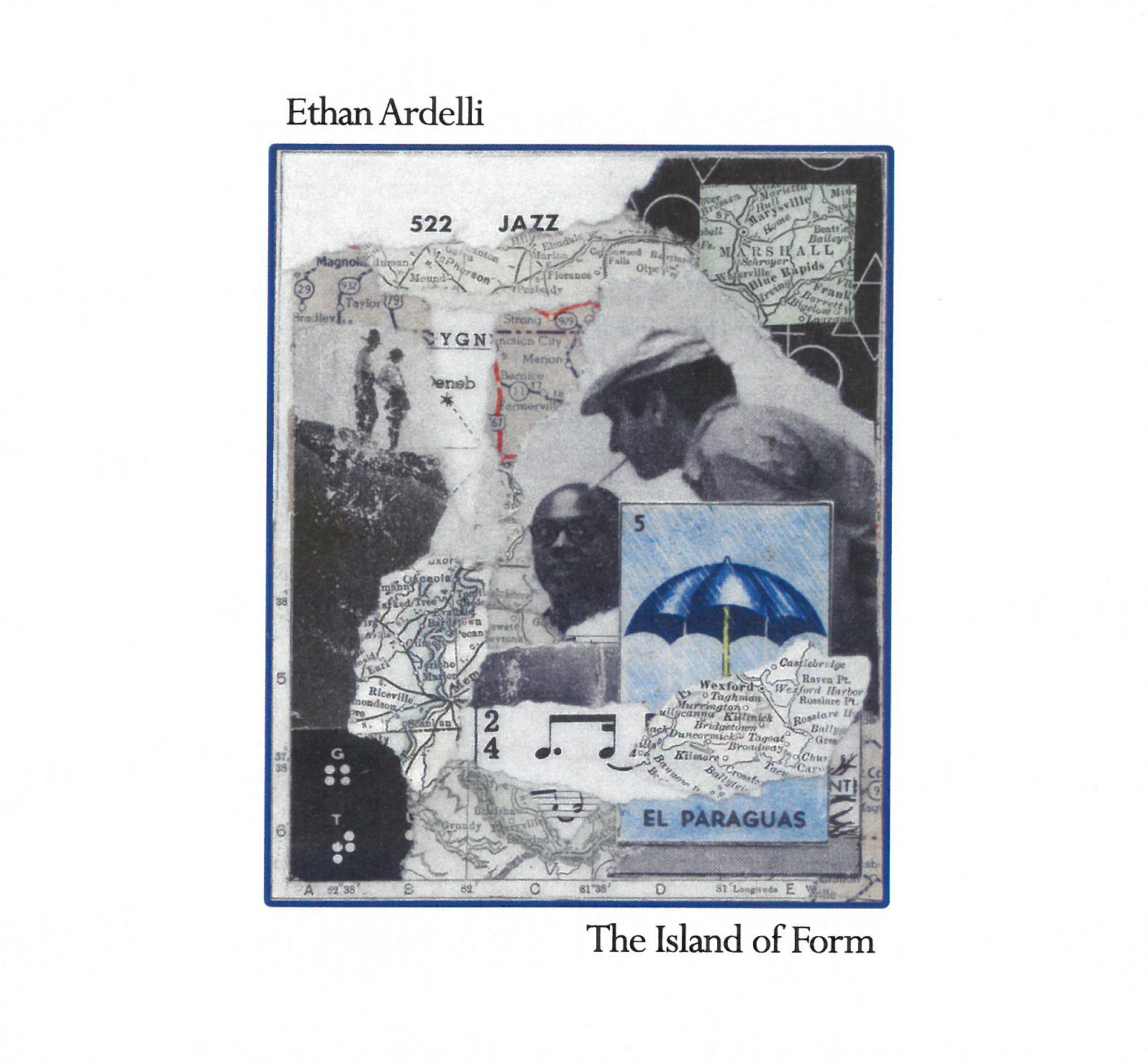
06 Ethan ArdelliThe Island of Form
Ethan Ardelli
Independent (ethanardelli.com)

The Island of Form, a new album from Toronto-based drummer Ethan Ardelli, is remarkable for a number of reasons. The first: despite the fact that Ardelli has been a prominent member of the Canadian jazz community for the past ten years, this is his debut bandleader album. The second: The Island of Form was recorded in New York by engineer James Farber, who has worked on albums by such jazz luminaries as Michael Brecker, Joe Lovano and Brad Mehldau; and was mastered by Greg Calbi, whose clients have included Bill Frisell, Aretha Franklin and the Ramones. The third: it’s really good.

In addition to Ardelli, who composed all eight of its songs, The Island of Form features Luis Deniz on alto saxophone, Chris Donnelly on piano and Devon Henderson on bass. The album begins with the Afro-Cuban-tinged Agua, which builds intently before dissolving into a drum breakdown that precedes Deniz’s confident solo. Thanks for Something, which starts with a duet between Ardelli and Deniz, contains a driving, percussive contribution from Donnelly over the song’s vamp; Henderson takes a beautiful solo on Shangri-La Pearl. 5:55 AM, the album’s shortest track, is mostly drum solo, and serves as a fun, fiery feature for the bandleader.

All four band members are technically gifted players, and Ardelli’s album has many feats of compelling musical athleticism, but The Island of Form privileges tone, texture and melodicism, even during its wilder moments. Overall: an excellent debut.

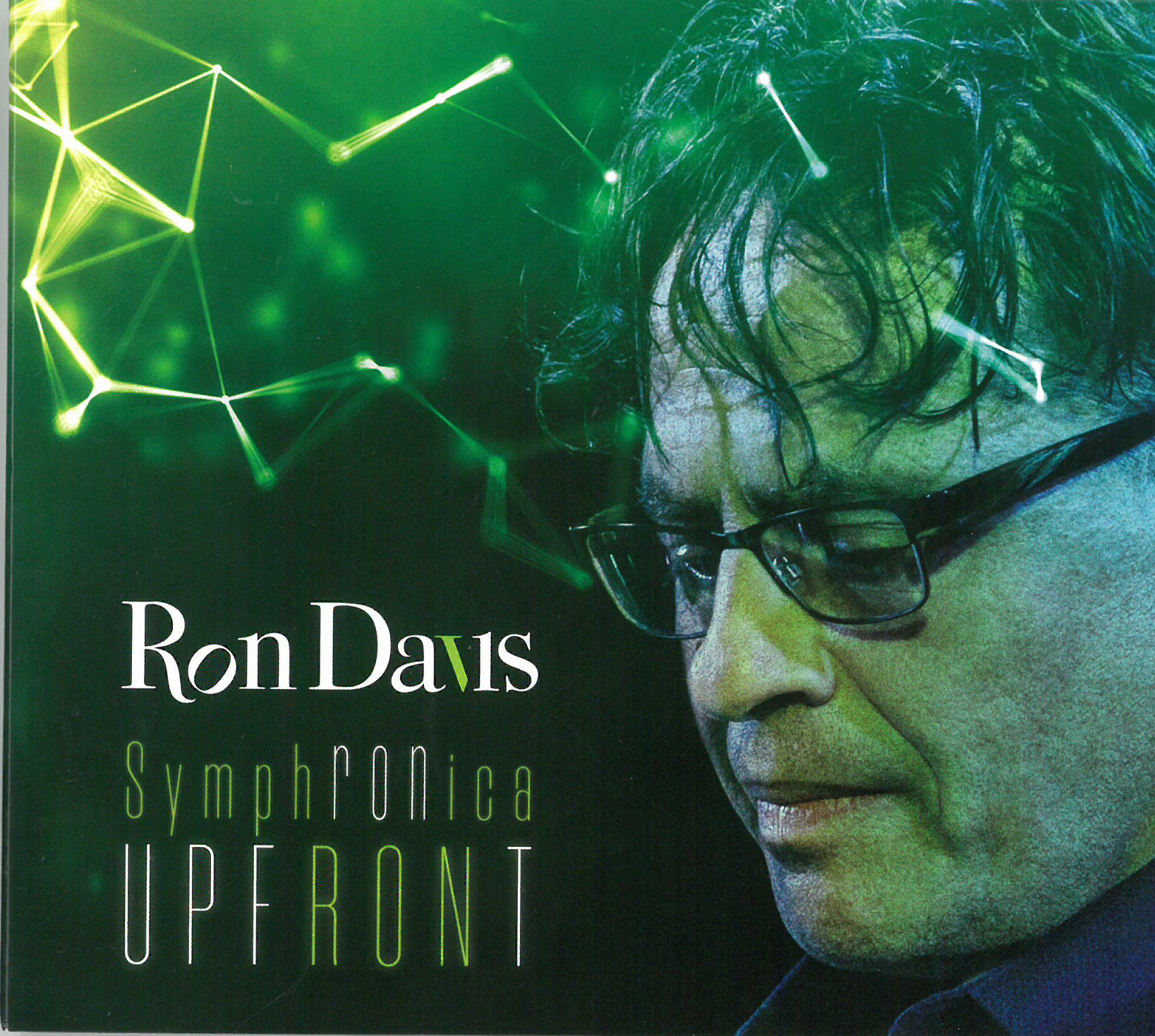
07 Ron DavisSymphRONica UpfRONt
Ron Davis
Really Records RR 18001 (rondavismusic.com)

A unique fusion of a jazz quartet and a string quartet, Ron Davis’ SymphRONica is truly an ensemble like no other. Energetic, virtuosic, charming, worldly – the music on this album has flare and style. Although most compositions have a predominantly jazz feel, it is the crossover of styles that makes this music excitingly unpredictable and fresh. The elements of classical, jazz, Brazilian, Hungarian, Italian, klezmer, Latin and Québecois, meet and part throughout the album in an easygoing fashion, but it is the strong ensemble that makes it all come together.

Composer and pianist Ron Davis is the brain and the driving force behind this project and one can feel his carefully crafted influence in each tune. UpfRONt is a collection of six original compositions of Ron Davis alongside tunes by Mike Downes (a double bass player and a producer of this album), Louis Simão, Paolo Conte, Jack Pepper, Samuel Lerner and Miles Davis. A lovely Drew Bourée opens the album in a simple, understated way, not giving away the virtuosity and drive of WhirlyCurl that comes soon after or surprise vocals by Daniela Nardi in the arrangement of Conte’s Nina. My favourite numbers on this album, Sashagraha and Chance, both have cool, catchy tunes and are fine examples of the fusion of styles.

SymphRONica is made up of stellar players but violinist Aline Homzy is especially impressive in her inventive solo improvisations. Kudos to Ron Davis for continuing to surprise us and to SymphRONica for a great performance.

Listen to 'SymphRONica UpfRONt' Now in the Listening Room

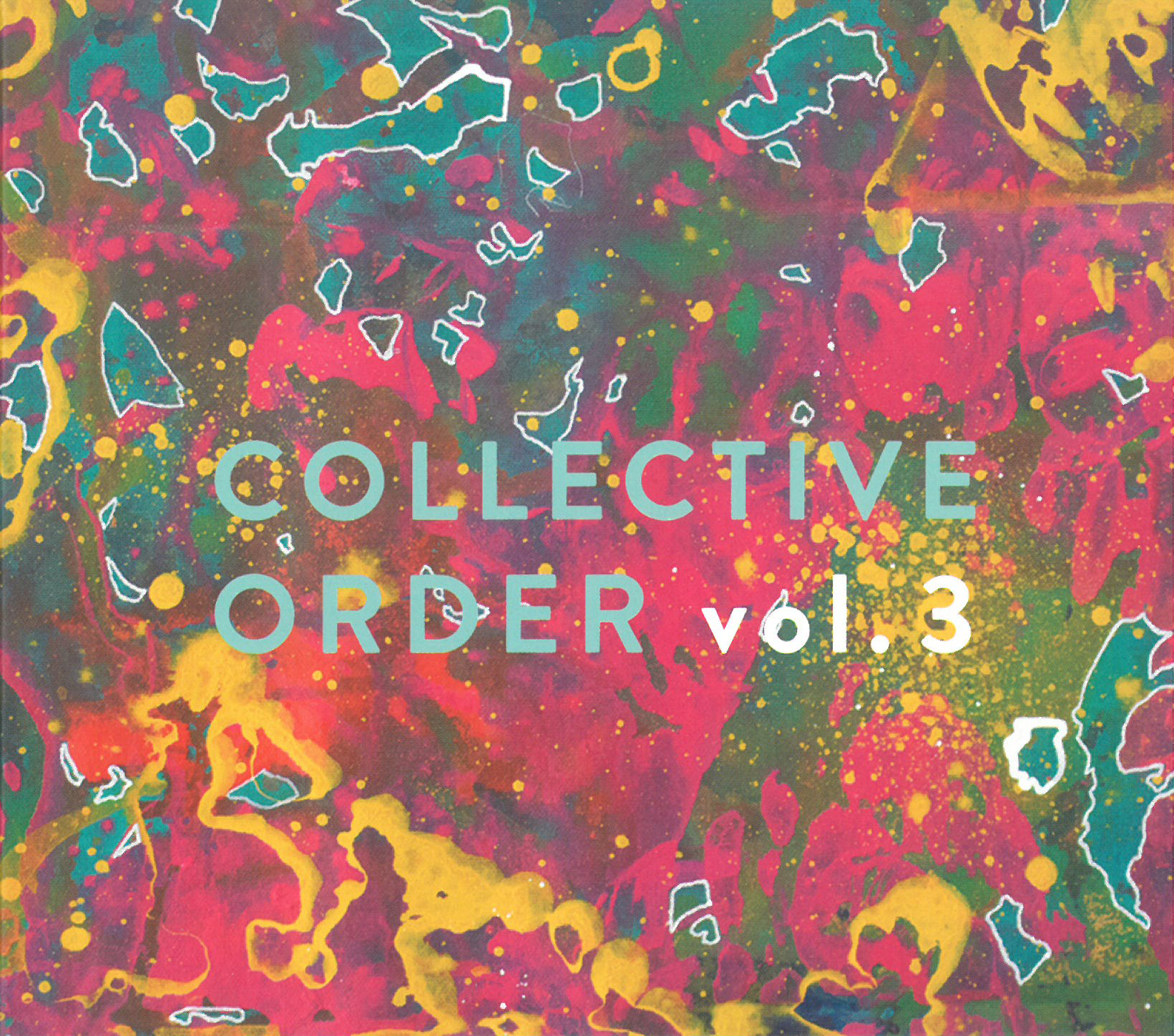
08 Collective 3Volume 3
Collective Order
Independent (collectiveorderjazz.com)

Collective Order is a prime example of how art always triumphs, even when politicians of every partisan hue try and exploit the term “diversity” to suit whatever agenda they seek to advance. For Toronto’s ever-evolving, improvising large ensemble, diversity is best expressed not in platitudes, but in the expression of being a joyful cultural voice: from Native-Canadian to every other immigrant artist who makes up Canada’s multicultural musical topography.

As with earlier recordings, the band’s 2018 release Vol.3 features music written by various members of its ensemble. Each time the composer decides who, or what permutation of the Collective Order, will perform the repertoire. Size composition of the group varies, and with it the feeling and musical expression of each piece is singular in nature. Quite remarkably, there is a feeling that all of this repertory belongs to one contiguous unit. This speaks to how successfully the group is able to fashion the individuality and musicianship of its members into a characterful unit.

The unifying theme on Vol.3 appears to be a reverential homage (broadly speaking) to the earth, and more specifically to Toronto, Ontario and most of all to Canada. We hear this right out of the gates in Melanie Montour’s spoken word Land Acknowledgement, continuing through Theme for Lake Ontario. The proverbial strength of the Universal Mother on I Hear You, combining language, multilingual spoken and sung lyrics is by far the disc’s crowning moment.

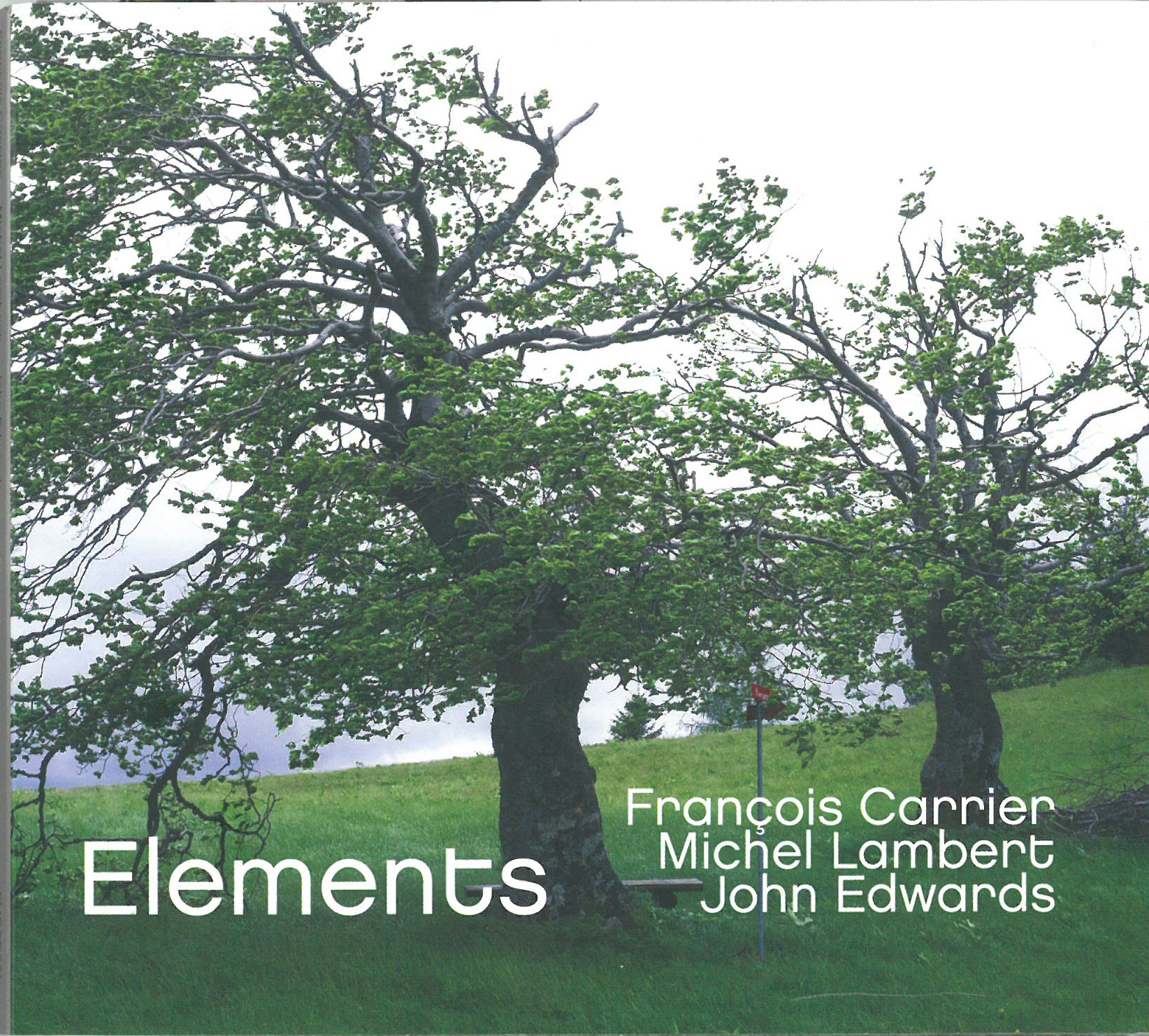
09 Carrier ElementsElements
François Carrier; Michel Lambert; John Edward
FMR Records FMRCD501 (francoiscarrier.com)

François Carrier is a Quebec- born alto saxophone player with a decades-long history playing free improvisation with musicians around the world (including Paul Bley, Gary Peacock and Dewey Redman). He has released over 30 albums recorded for many European labels that specialize in avant-garde music. In 2001 Carrier won a JUNO for his third album Compassion and has stated it is “important to record as much music as possible. You learn a lot just by listening to what you have done together and since everything is improvised, you will never do the same thing twice.”

Carrier and drummer Michel Lambert have played and recorded together for years and they have toured Europe, Asia and Canada. Elements, released by UK label FMR records, also includes British bassist John Edwards and has three live performances by the trio: Wilderness, recorded at the 20th Jazz Cerkno festival (Slovenia 2015), and Elements and Roar of Joy from Iklectick (London, UK, 2016).

Carrier and Lambert’s long history together ensures their musical intuition is highly attuned and their playing can change quickly from staccato and aggressive to lyrical and introspective. Edwards is an integral part of these performances and it feels as if he has played in this group for years. The first piece, Elements, begins sporadically, with Edwards playing notes off-rhythm and switching to his bow (which he uses frequently and effectively throughout the album). Carrier plays short, aggressive bursts and then Lambert enters with off-rhythm backing percussion. The piece moves through several phases trading solo parts, and around the four-minute mark Carrier introduces more lyrical lines with a sound reminiscent of Ornette Coleman. The album captures the spirit and energy of their live performances and repeated listening reveals the complexity of their shifting musical textures.

10 Flow VerticalFlow Vertical
Jasna Jovićević Sextet
FMR CD 475-0318 (jasnajovicevic.com) 

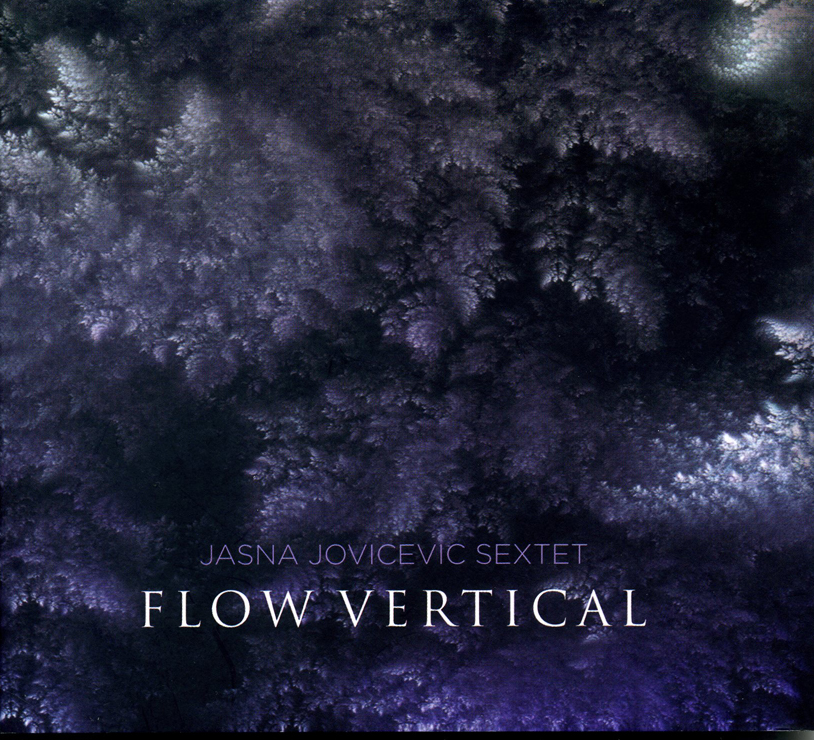
An indication of the high quality of music in Toronto is this CD of multifaceted compositions by Belgrade-native Jasna Jovićević. Jovićević lived in Toronto from 2006 to 2009, while receiving her MA in composition at York University, recording with local players and sampling different musical currents to use in her own work. However this CD, while proficient musically doesn’t settle on a consistent genre.

With an unusual lineup (violin, viola, cello, bassoon, percussion and her own saxophones, bass clarinet, spacedrum and vocals), the seven tracks bounce among animated string-oriented tremolo showcases, Balkan-tinged vocal laments, spacey voice, string and reed elaboration, plus instrumental virtuosity that zips, from near-atonal to near-smooth jazz.

Ram Run through the Veins, the CD’s lengthiest track, defines the conundrum in miniature. Beginning as an exercise in free-form saxophone squeals and whistles, backed by a sardonic march conveyed by splash cymbals, it settles down to become a quasi-ballad with triple-stropping strings and breathy English vocalizing accompanied by a bassoon obbligato. Other tracks such as Speak Loud My Inner Child show off Jovićević’s unaccompanied saxophone prowess. Still others like Rising Barefoot Ballad and Silver Winds of a Thousand Petals create close-knit harmonies which express such intense emotionalism that either could be part of the formal Romantic canon.

Flow Vertical is a top-flight demonstration of what Jovićević can do as a composer and performer. But settling on one consistent narrative would better define her ideas.

11 Houle You Have OptionsYou Have Options
François Houle; Alexander Hawkins; Harris Eisenstadt
Songlines SGL1628-2 (songlines.com)

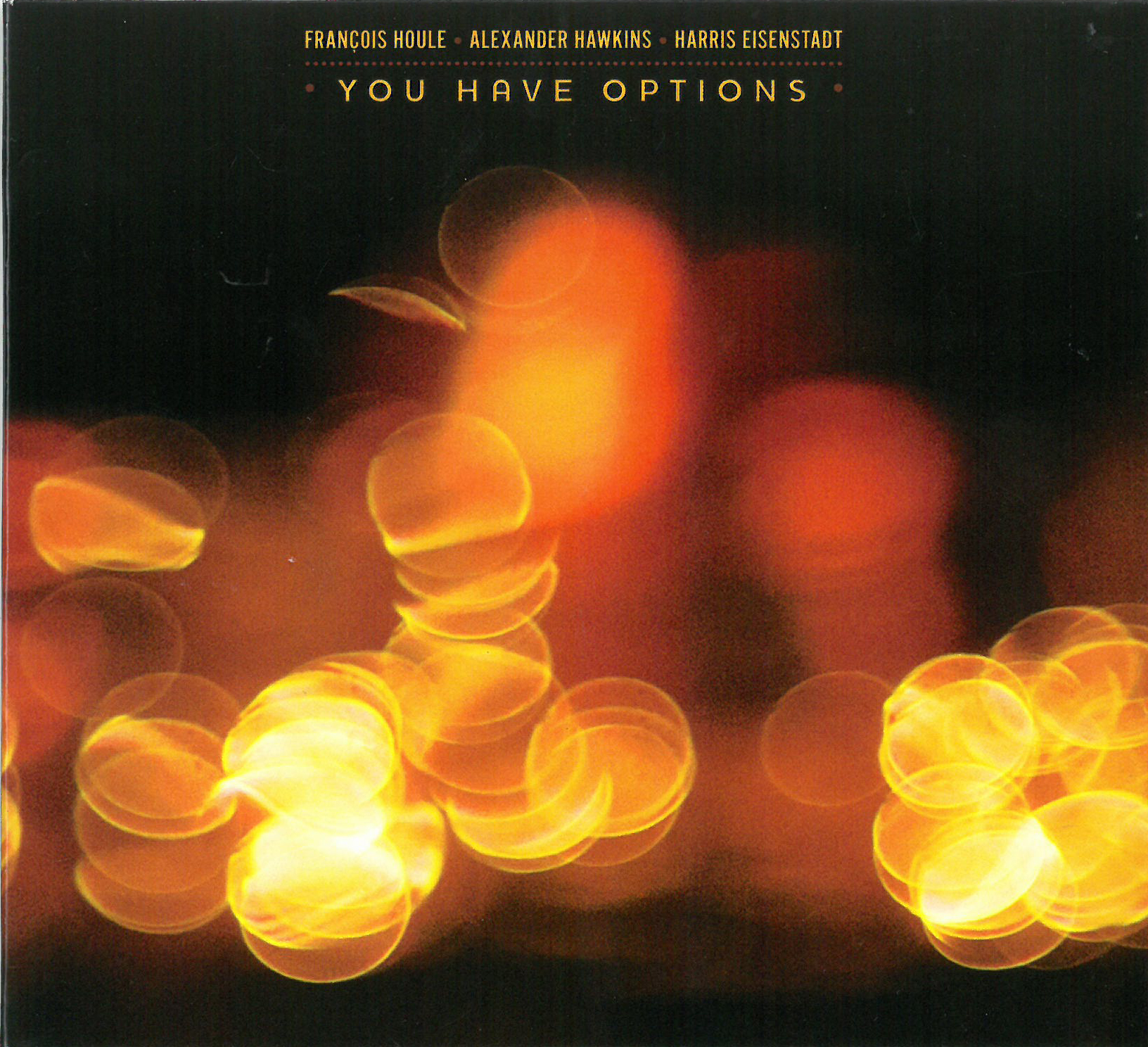
Ken Pickering, who recently passed away from cancer, was co-founder and artistic director of the Vancouver International Jazz Festival. For over three decades he created a singular and still-growing contribution to Canadian improvised music by regularly assembling ad hoc groups matching Vancouver musicians with their international counterparts. Among his achievements was this stellar assembly of Vancouver clarinetist François Houle, English pianist Alexander Hawkins and Toronto-born, US-resident, drummer Harris Eisenstadt. First matched in 2014, the three reunited during the 2016 festival and went into the recording studio. This resulting CD, an essay in chamber jazz that explores the trio’s own fresh compositions and a few from some stellar composers, is dedicated to Pickering’s memory.

The group’s lyric potential is apparent first on Hawkins’ opening Clue and Steve Lacy’s Art. There’s a rich, warm woodiness to Houle’s clarinet and it’s admirably matched with Hawkins’ liquid keyboard and Eisenstadt’s subtly propulsive drumming. Houle’s edgy Run Riot and Eisenstadt’s You Have Options. I Have a Lawyer will momentarily break the spell, but it’s the group’s reflective depths that define the CD: Houle’s gently spiralling, impassioned lines on The Pitts; the group’s insistently coiling phrases on the modal Prayer and the very light, traditional blues of Advice.    

The group’s breadth is evidenced by a free interpretation of Charles Ives’ Largo, while Andrew Hill’s Dusk, sometimes serene, sometimes gently animated, provides a fitting conclusion, from Houle’s a cappella introduction to its shimmering conclusion.

12 TSE high restse
Cyril Bondi; Pierre-Yves Martel; Christoph Schiller
Another Timbre at123 (anothertimbre.com)

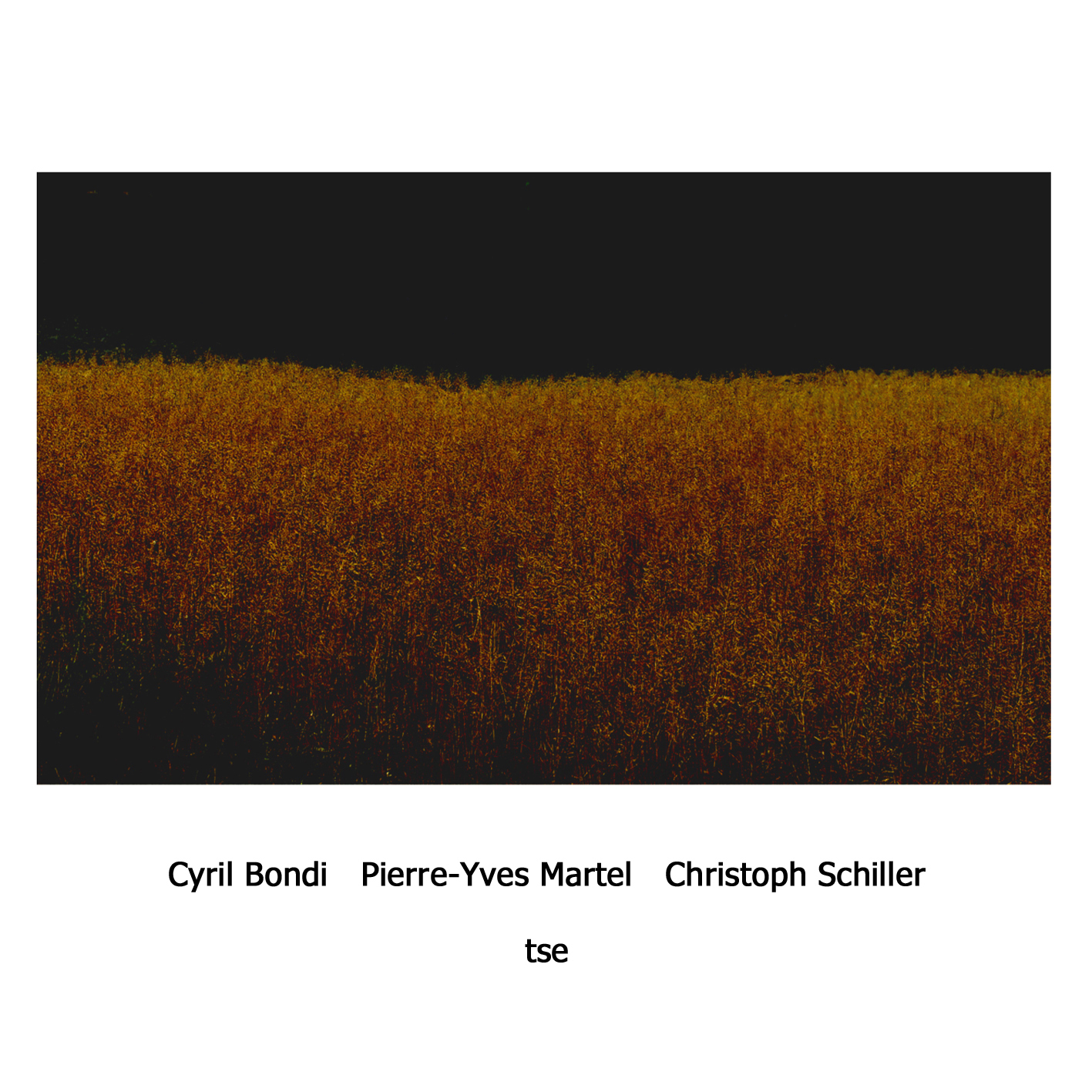
Redefining period instruments, Montreal viola da gamba, harmonica and pitch pipes player Pierre-Yves Martel joins two musicians from Geneva, Cyril Bondi on Indian harmonium, objects and pitch pipes plus spinet specialist Christoph Schiller, to create five microtonal improvisations that amplify the in-the-moment concept that tse (which means “here” in a mountain dialect spoken near Geneva) only suggests.

Based around cycles of tremolo drones from the harmonium, the moody performances are narrow but nuanced, since the repetitive outpouring is periodically disrupted by concentrated string plinks or stabs. The extended rustles that make up a track like III have their delicacy challenged when swelling harmonica puffs and concentrated wave-form-like buzzes clamorously dominate the sound field, until that moment when the organ-like extensions give way to string twangs until both expositions dissolve into silence. On other tracks, the group’s minimalist sways and squirms demonstrate similar contradictions and resolutions, as when shrill whistles, peeps, tinkling bells and unexpected reed-like tones create parallel motifs to the underlying ostinato, and then combine for a satisfying flat-line conclusion.

More than background sounds, but never powerful enough to be obnoxiously upfront, the fascination in tse’s presence is how these sounds, designed with understated, overlapping restrictions, continue to hold aural interest during the evolution of each track.

13 Ingrid LaubrockContemporary Chaos Practices
Ingrid Laubrock
Intakt 314 (intaktrec.ch)

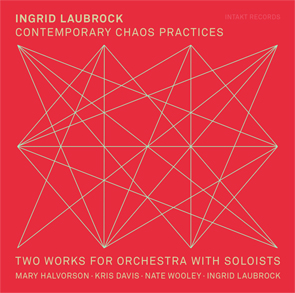
While third stream (the merger of jazz and classical music) is rarely heard of these days, it’s far more developed than in its 1950s heyday. Saxophonist/composer Ingrid Laubrock here presents two pieces integrating written and improvised passages for a 34-piece orchestra and four featured soloists: Laubrock herself, guitarist Mary Halvorson, trumpeter Nate Wooley and pianist Kris Davis, among the most distinguished international improvisers of a generation now in its late-30s and 40s. The orchestra of New York freelancers negotiates the complex scores – Eric Wubbels conducts the written passages, Taylor Ho Bynum (like most of the soloists a close associate of Anthony Braxton) conducts the improvised – with a necessary combination of precision, energy and vision.

Inspired by the models and methods of Ligeti, Xenakis and Braxton, Laubrock develops new synergies with her mixed palette. The first two movements of the title work erupt with the overlapping energies of soloists (most notably Halvorson’s very electronic guitar) and ensemble, while the third and fourth expand the breadth of the orchestral dimension. The single-movement Vogelfrei (Outlaw) adds eight voices and mixes light and sombre elements as it develops a dialogue between notated and improvised orchestral passages, at times creating an almost concerto-like setting for Davis’ prominent piano.  

Along with other recent works like Christopher Fox’s Topophony (with John Butcher and Axel Dörner) and Roscoe Mitchell’s Ride the Wind (with the Montreal-Toronto Art Orchestra), this represents a significant new development in the integration of scored and improvised music.

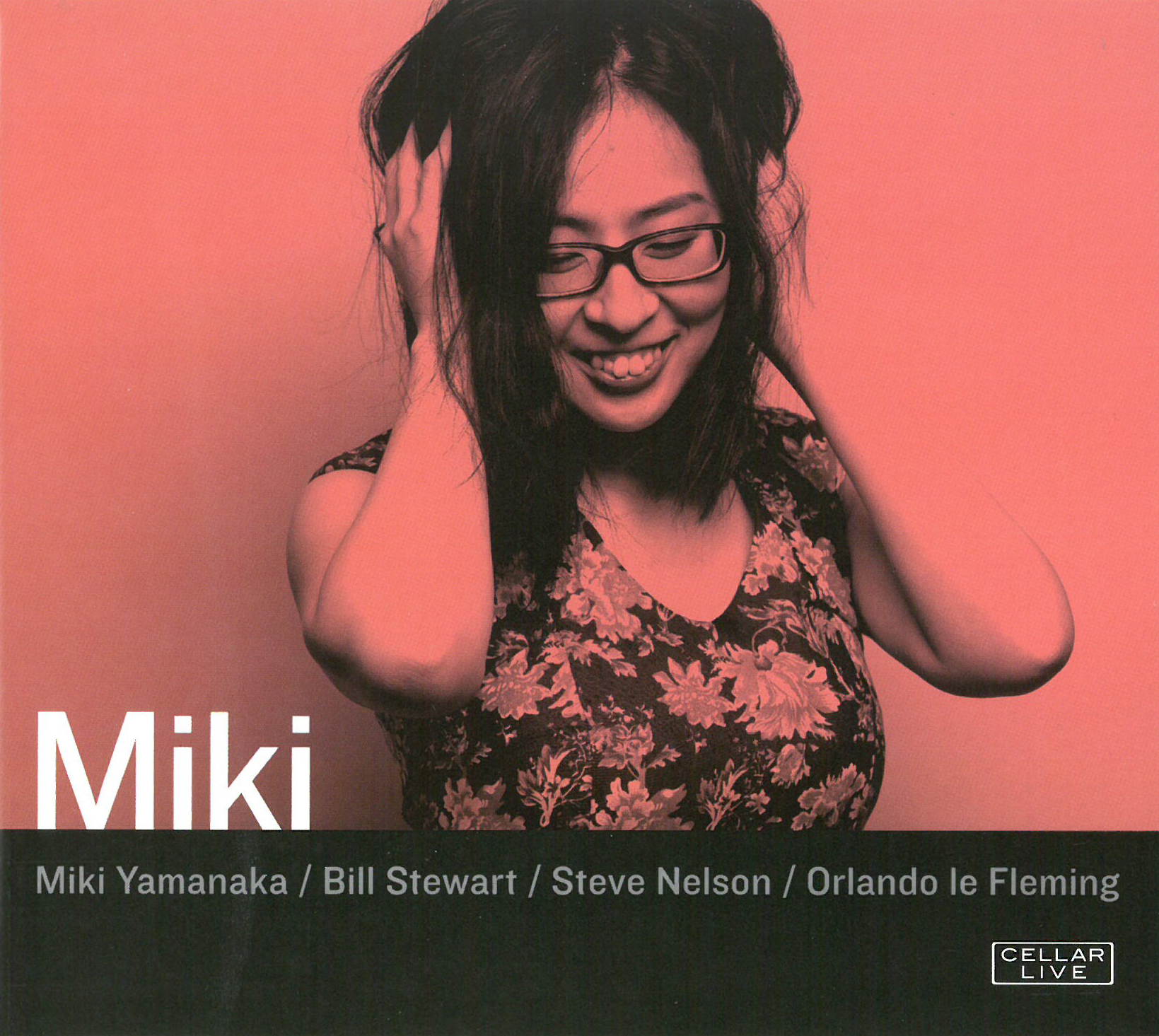
14 MikiMiki
Miki Yamanaka; Bill Stewart; Steve Nelson; Orlando le Fleming
Cellar Live CL020718 (cellarlive.com)

Miki is the debut recording from the Kobe-born, New York-based pianist Miki Yamanaka. Recorded in New York and released on Vancouver’s Cellar Live Records, Miki features eight originals – all written by Yamanaka, most with food-related titles – and two covers, For All We Know and Monk’s Dream. Joining Yamanaka are drummer Bill Stewart, vibraphonist Steve Nelson, and bassist Orlando le Fleming, all three of whom are veterans of the New York jazz scene, both as bandleaders and sidepeople.

Miki begins with Mr. Pancake, a swinging, medium-up song, with a concise, intelligent bass solo, playful trading between Yamanaka and Nelson, and a strong drum solo over a vamp that follows the final statement of the melody. Monk’s Dream starts with an evocative, tastefully Monk-ish solo piano section before the band enters with an arrangement that juxtaposes sections of 3/4 with the song’s typical 4/4 feel. Stuffed Cabbage, performed in trio format with Stewart and le Fleming, is a groovy, straight-eighths composition that gives plenty of room to all involved to stretch out, and A Fake Hero is anchored by tight melodic playing from Yamanaka and Nelson over propulsive rhythm section shots. For All We Know, played as a ballad and arranged as a duet with Nelson, is treated with sensitive, communicative maturity, and stands out as one of the album’s highlights. Overall, Miki is a success, both on the merits of Yamanaka’s playing and on the compelling group dynamic that she has cultivated.

15 OnzeVol. II
Onze Heures Onze Orchestra
Onze Heures Onze ONZ 027 (onzeheuresonze.com)

Skilled in notated as well as improvised music, the 14-piece Paris-based Onze Heures Onze Orchestra (OHOO) takes themes from 20th- and 21st-century compositions and bends them into stimulatingly expressive tracks. Since two percussionists are part of the collective, a forceful rock-like beat adds to the thematic dislocations.

No component overpowers the others, however, which is why for instance From Crippled Symmetry uses Morton Feldman’s creation as basis for a lusty big-band swing piece driven by Magic Malik’s muscular flute, Alexandre Herer’s piano clipping and dramatic eloquence from one of the alto saxophonists. Just as dynamic, but spared from novelty, Conlon Nancarrow’s Study for Player Piano No. 20 throbs as patterns bounce between piano and Stéphan Caracci’s ringing vibes, as graceful brass and burly percussion give it more orchestral shape than the original.

Europeans aren’t neglected either. Two tracks inspired by Olivier Messiaen boomerang among marching band riffs, electric rock and mellow horn motifs, with one featuring a dissected piano solo and the other now titled Kung Fu 37. Not surprisingly though, the most expressive arrangement is Densite 11.11 inspired by Edgar Varèse. Expanding the original’s lofty intent, the OHOO harmonizes whinnying trombone, growling trumpet, rolls from both drummers and paced kinetics from vibes and piano into a unique recasting.

Unlike efforts to jazz up the classics or elevate improvisation, Vol. II creates a durable synthesis of contemporary sounds that should attract those from every part of the musical spectrum.

When inspiration refuses to be limited by the single disc format, enterprising musicians record multi-CDs in order to showcase more aspects of their work. Such collections are released throughout the year, but it’s usually the holiday season when music fans have the time and inclination for extended listening. Here’s a sampling of some of this year’s most accomplished multiple-CD sets from the exploratory side of creative music.
01 Essays 3CDA thriving but little-celebrated slice of the international jazz scene is in Hungary, and the appropriately titled Essays-Esszék (Adyton/Hunnia Records HRCD 1726 hunniarecords.com) offers improvisational dissertations in three configurations by two major Magyar improvisers, multi-reedist István Grencsó and keyboardist Barnabás Dukay. CD1, Waiting has Grencsó moving among saxophones, clarinets and flute, while Dukay sticks to piano, with both joined by associate Steven Kovács Tickmayer playing piano, samplers and electronics. CD2, Ritual Music, matches Grencsó’s soprano and tenor saxophones with Dukay playing church pipe organ. CD3, Two Visions Heard, is a live session from a Budapest club where Grencsó’s soprano and alto saxophones and bass clarinet and Dukay’s piano are joined by percussionist Aurél Holló. Ignoring the ecclesiastical canon on CD2, Dukay uses the dual keyboard vibrations as tersely as he plays piano. Here he downplays glissandi and cascades for minimal layering and slow-moving tone affiliations, allowing Grencsó to change interpretations from emotional tenor-saxophone storytelling to buzzing soprano sax lines that hiss as if propelled from a bagpipe blowstick and chanter. Tickmayer’s electronics create the continuum on Waiting, allowing more flow between the piano of Dukay, who is an academic, and the reed collection of Grencsó, who has been a major Hungarian jazzer since the late 1970s.

Tracks such as Bud and Blossom point out subtle differences in approaches. On the first, while the pianist plinks and stops high-pitched notes in a serious manner, as if Arthur Rubinstein were playing a toy piano, the tenor saxophonist’s basso blowing mixed with circular breathing suggest a marriage between Archie Shepp and Evan Parker. Both players bond quickly though, which sets up the following Blossom as a restrained intermezzo. As echoing tones hang in the air, Grencsó’s moderato bass clarinet flurries extend the exposition leisurely, as Dukay’s piano responses are speedier and expressive – with electronic samples providing the perfect ostinato.

In the freer club setting, prodded by Holló’s minimalist percussion, the pianist and reedist play at greater lengths, especially during the nearly 44-minute Part 1. As Grencsó restrains his output to minimalist shading, Dukay’s hesitant soundboard stops amplify powerfully to meet the saxophonist’s relaxed asides. Cold, isolated keyboard notes magnify to sweeps, allowing the narrative to quickly turn percussive as reed split tones are introduced. Still it’s the saxophonist’s mellow sluices that propel the narrative. Finally an unexpected change of pace in the penultimate minutes has Holló’s vibe-like clatters torquing the sequence as the piano explodes with contrasting dynamics and the saxophonist projects unbroken cadences with innumerable theme variations. Wrapping up the track with cultured tones, a final unsettling reed quack posits the concept that high-quality improvising doesn’t have to be solemn.
Listen to 'Essays-Esszék' Now in the Listening Room

02 Joelle LeandreAnother first-rate improviser who is the opposite of solemn is French bassist Joëlle Léandre. Strings Garden (Fundacja Sluchaj FSR 103/2018 sluchaj.org) consists of three CDs featuring her duos with violinist/violist Théo Ceccaldi, cellist Gaspar Claus or fellow bassist Bernard Santacruz. Playing it straight, Léandre only lets loose with gurgles, whimpers and mumbles on Leaves, the CD with Claus, alongside instrumentally pressurized spiccato lines in contrast to the cellist’s pointed timbres. Throbbing and stopping, his pizzicato twangs and her popping shudders unite to work up to a crescendo of rugged tones which overlap into double counterpoint. Leaf No.5 is the most invigorating duet with staccato sweeps from both evolving to storytelling along with the set’s most jazz-like groove. An instance of differing double bass POV, Trees, with Santacruz, finds both players dragging extended techniques from their respective string sets. Back and forth with jumps, buzzes and pulls, they manage to agree on a similar tone maturity by the climax, showcasing velocity and angularity without losing the underlying rhythm. Expressing herself with shrill multiphonics to counter Ceccaldi’s tendency towards impressionist sweeps on Flowers, the bassist’s low-toned scrubs add requisite fissure so the fiddler’s recital-like formula starts to splinter responsively. By the climactic Flower No.8, Ceccaldi’s paced twangs join the bassist in breaking the interface, first into sul tasto scrubs and latterly into wood-slamming pops and tremolo strands. The finale on Flower No.9 of stinging bow strokes echoing off tightly wound strings allows this suite to refer to the violinist’s Romantic-era roots without compromising the adventurous modernism implicit in both partners’ playing.
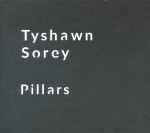
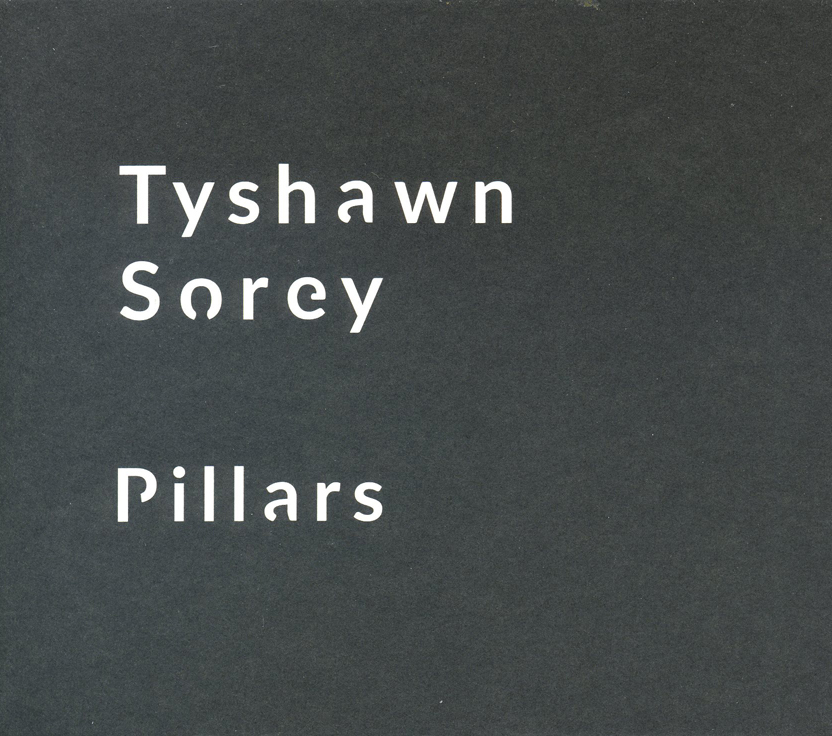
03 Tyshawn SoreyAdvanced modernism could also be used describe to Pillars (Firehouse 12 Records FH12--01-02-028 firehouse12records.com), a three-CD exploration by New York drummer/composer Tyshawn Sorey. Conceived of as a triptych, each of the 75-minute-plus discs deals with a multiplicity of moods ranging from the melodic to the abstract and from nearly static drones to emphatically flowing free jazz. No cynosure composer, Sorey’s elaboration of the material is established by its interpretation by the ensemble of bassists Mark Helias, Carl Testa and Zach Rowden; guitarists Todd Neufeld and Joe Morris; trumpeter Stephen Haynes and trombonist Ben Gerstein plus Sorey. Inchoate or intense inventions are expanded throughout, as the band divides into smaller groups, and as multi-instrumentation adds textures from more brass, percussion, melodica, Tibetan horn and electronics. Divided into several sequences, Pillars I, for instance, evolves into ritual-like percussion pumping, encompassing a three-and-a-half-minute drum roll and overlapping patterns that are intermezzos rather than solos. Mostly concerned with the timbres available from massed strings, brass grace notes and flutter tonguing are secondary to the piece’s flow, with the theme splintering into micro-motions as sledgehammer-like percussion thumps and bizarrely oscillating electronics underline it. In sharp contrast, the concluding Pillars III fluctuates between a minimalist composition and full-out jazz improv, as assertive brass extensions gradually replace the microtonal string drone. As timbres vacillate among sonorous brass, low-pitched percussion power and distant signal-processing, guitar licks come to the front. Concussive idiophone rolls are unexpectedly succeeded by guitar strategies that could be straight out of a swing session only to vanish when trumpet and trombone snarls and shakes suggest hard bop, with blasting brass and guitarists’ slurred fingering alternating alongside drum rolls for a free jazz-like position. Eventually the jagged brass spits and guitar flanges are subsumed by rugged, reductionist electronics. Finally, a drum roll completes the section, while subtly linking it to Pillars I’s introduction.
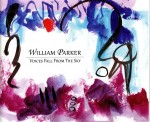
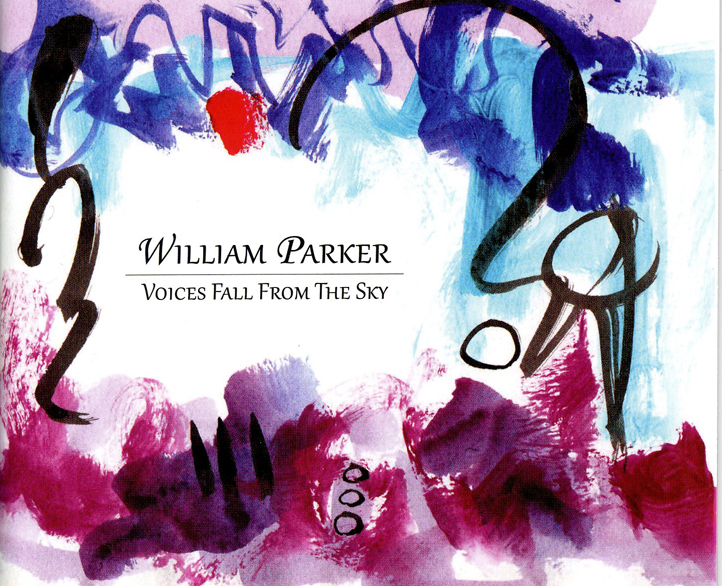
04 William ParkerSorey’s multi-disc sessions demonstrate another facet of his talent; so does Voices Fall from the Sky (Centering 1015/1016/1017 aumfidelity.com) for William Parker. Known as an exceptional bassist and bandleader, Parker is also a poet and songwriter and these three CDs, which feature 17 (!) singers plus ensembles ranging from big bands to solo, interpret Parker’s writing for vocalists. Putting a lie to those who say free improvisation is divorced from lyricism and the song form, the 34 selections are performed in rhymed or free verse and deal in the main with themes of anti-materialism, universal love and the uplifting achievements of jazz heroes. The five-part The Blinking of the Ear, for instance, features mezzo-soprano AnnMarie Sandy interpreting the Dadaist lyrics a little differently than she would formal recital material. City of Flowers is an anti-war lament sung by Andrea Wolper with only bassoon backing, while We Often Danced, Fay Victor’s extended song-recitation about slavery and the African-American diaspora, is performed with additional theatrically due to a complementary trumpet obbligato and spackling string pulses throughout. The most affecting creations, though, are voiced by free-form specialist-singers Ellen Christi, Lisa Sokolov and Leena Conquest. Sokolov’s take on Band in the Sky for example, with its celebration of departed jazz figures, and backed by sprightly piano lines, manages to be profoundly dramatic whether she’s declaiming lyrics or speaking in tongues. Christi’s version of Falling Shadows, backed only by Parker’s sprawling double bass tones, includes wordless ululations and supple bel canto warbles. And Conquest’s extended delineation of the life of a civil rights activist, For Fannie Lou Hamer, is a moving portrait that slips back and forth from reined-in operatic theatricism to down-to-earth folksiness, with Parker using string and reed instruments for unique backing. Besides these serious themes, Conquest also provides some Nancy Wilson-like posturing on another tune and Ernie Odoom swings creatively on more rhythmic numbers like The Essence of Ellington.

Mixing serious sentiments and exceptional sounds, Voices Fall from the Sky emphasizes more aspects of Parker’s considerable talents, with enough audio space in which to display them. That is the collective achievement of these multi-disc sets: rather than collecting a lot of similar music, the expanse demonstrates the pliability of each leader’s vision.


Back to top