Review

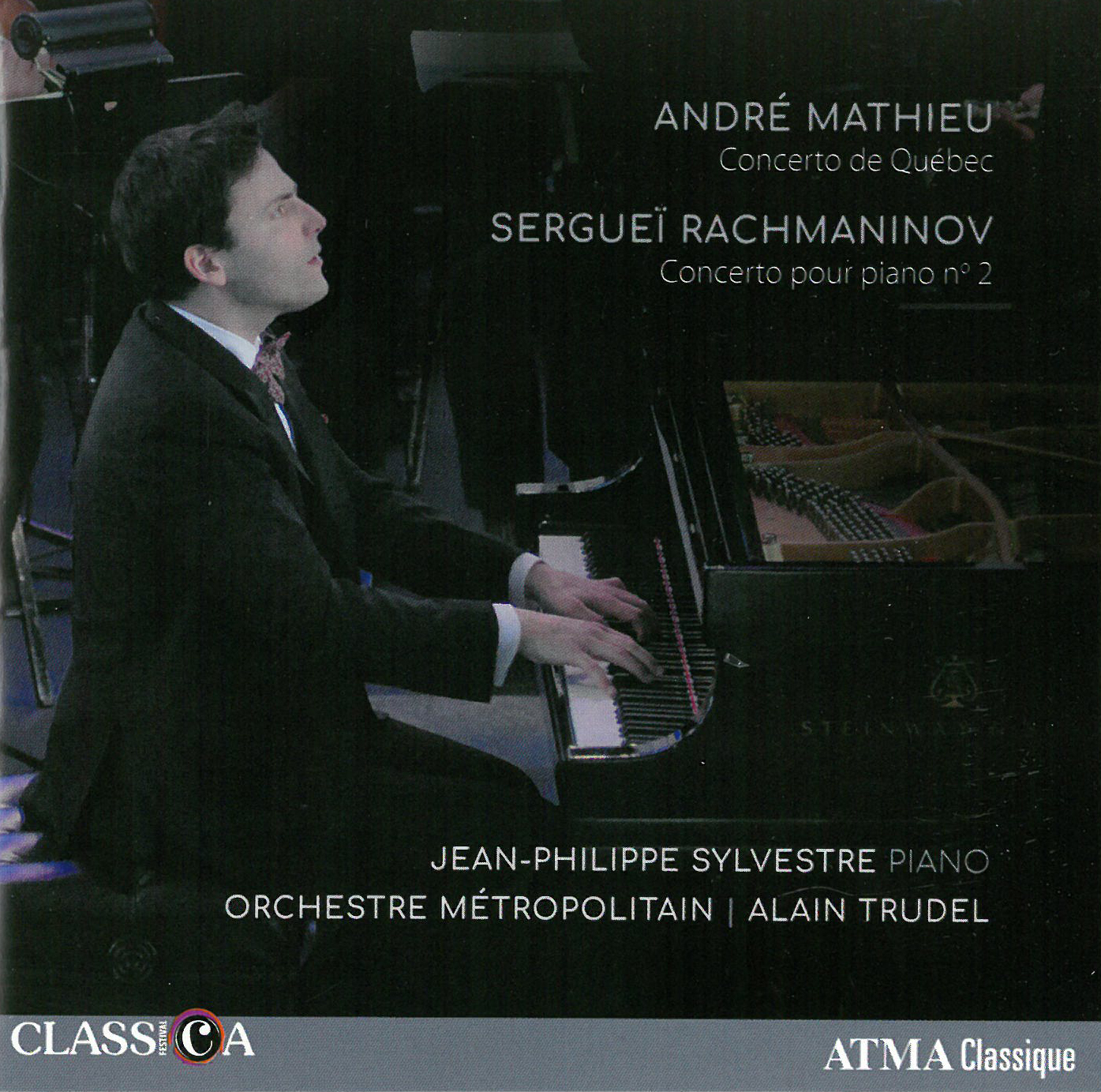
01 J P SylvestreJean-Philipe Sylvestre is the recipient of many prestigious Canadian and international piano performance awards. His new recording André Mathieu – Concert de Québec, Sergei Rachmaninov Piano Concerto No.2; Orchestre Métropolitain, Alain Trudel (ATMA ACD2 2763) is an important document for several reasons. It presents this extraordinary artist in an impressive light, revealing his technical power and profound musicality.

It also brings back to the Canadian recording marketplace the rare music of a young 13-year-old André Mathieu, trapped with his family in North America by the outbreak of the Second World War. The simple version of the story is that the young Canadian composer won the New York Philharmonic’s Composer Competition celebrating the orchestra’s centennial. His subsequent work fared less well, but his Piano Concerto No.3, written in 1942-43 and eventually renamed Concert de Québec so as to work better as a film score, is now winning renewed admiration. The score used for this recording is deemed fairly complete and authentic, based on the original score for two pianos. Still, a definitive final version is currently underway and is promised for a couple of years hence.

There’s no mistaking the affinity Mathieu’s music has with Rachmaninov’s. Mathieu’s mother long cherished and promoted the undocumented notion that Rachmaninov had seen young Mathieu’s scores in Paris and responded flatteringly to them. True or not, this music restores a creative work that brought musical life to an early French Canadian film. It’s big, gorgeous and so very Hollywood. Sylvestre and Trudel have produced a superb disc!
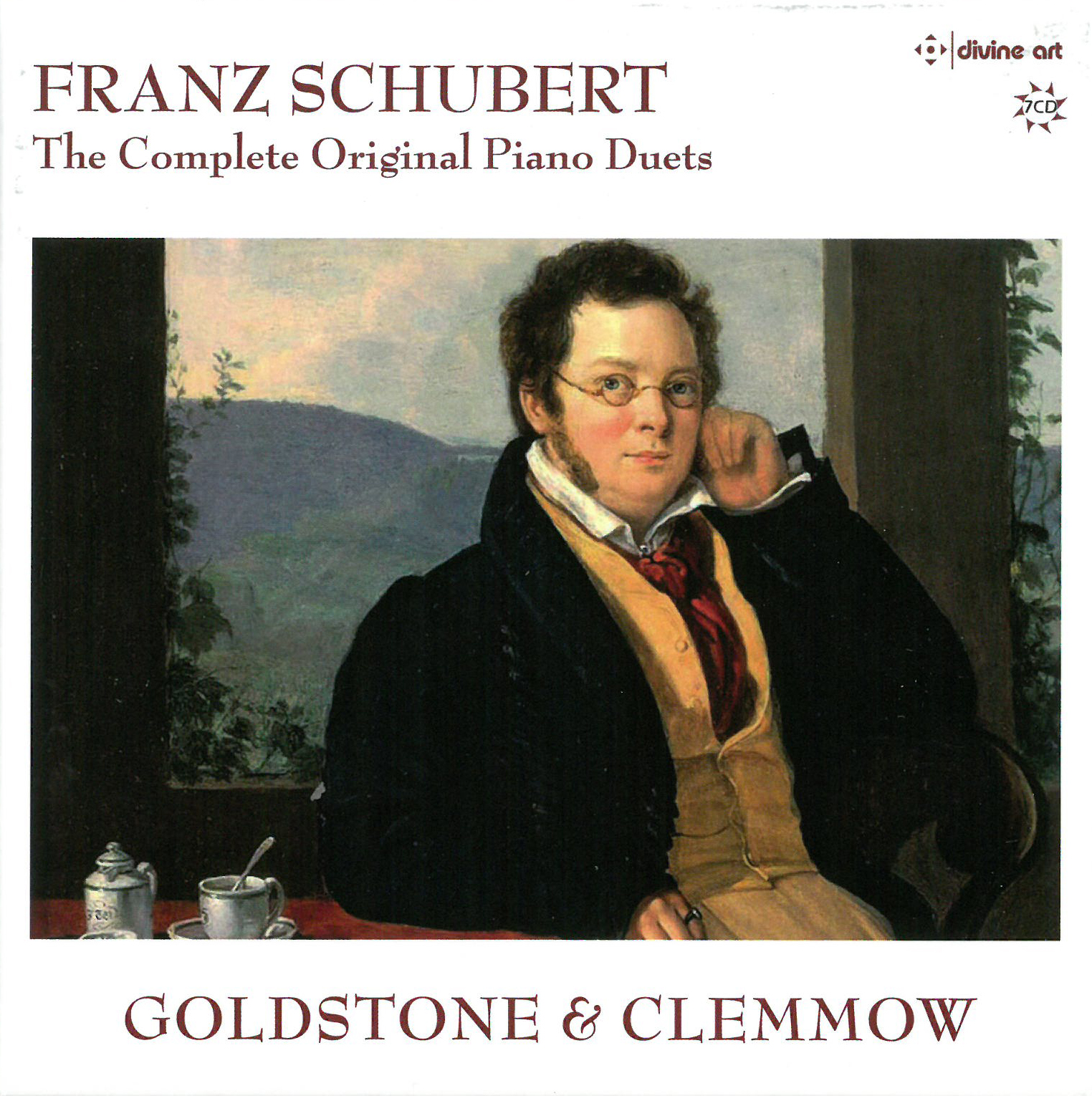
02 Schubert DuetsThe Goldstone & Clemmow piano duo have been performing together for more than 30 years. Their latest, and sadly final, release is Franz Schubert – The Complete Original Piano Duets (Divine Art dda 21701 divineartrecords.com). Anthony Goldstone passed away just as the packaging details of the current recording were being finalized. These two pianists created a remarkable four-hands keyboard presence. Unity was the hallmark of their playing. They shared every nuance of the music without hesitation, as though a single mind controlled all four hands.

Their playing has been utter perfection, with a pianistically Zen oneness to all articulation, dynamics and phrasing. It always takes a few minutes of wonder at the technical beauty of their performance before you can relax into what the composer has actually intended to say. All the more reason to laud this substantial seven-CD set as the pinnacle of their lifetime’s work.

Rather than organize the recording by genre or chronology, the duo has taken the complete Schubert piano duo repertoire and created seven recital programs, balancing key relationships, moods and artistic weight. The result is a wonderfully listenable collection that also includes a Schumann Polonaise for piano four hands, at the end of each recital disc. These date from 1828 and are believed to have been inspired by Schubert’s piano duets – a fitting match.

It’s a beautiful set, brilliantly assembled and as inspired as anything they have ever done. Goldstone & Clemmow’s final recording project is definitely an item to collect.
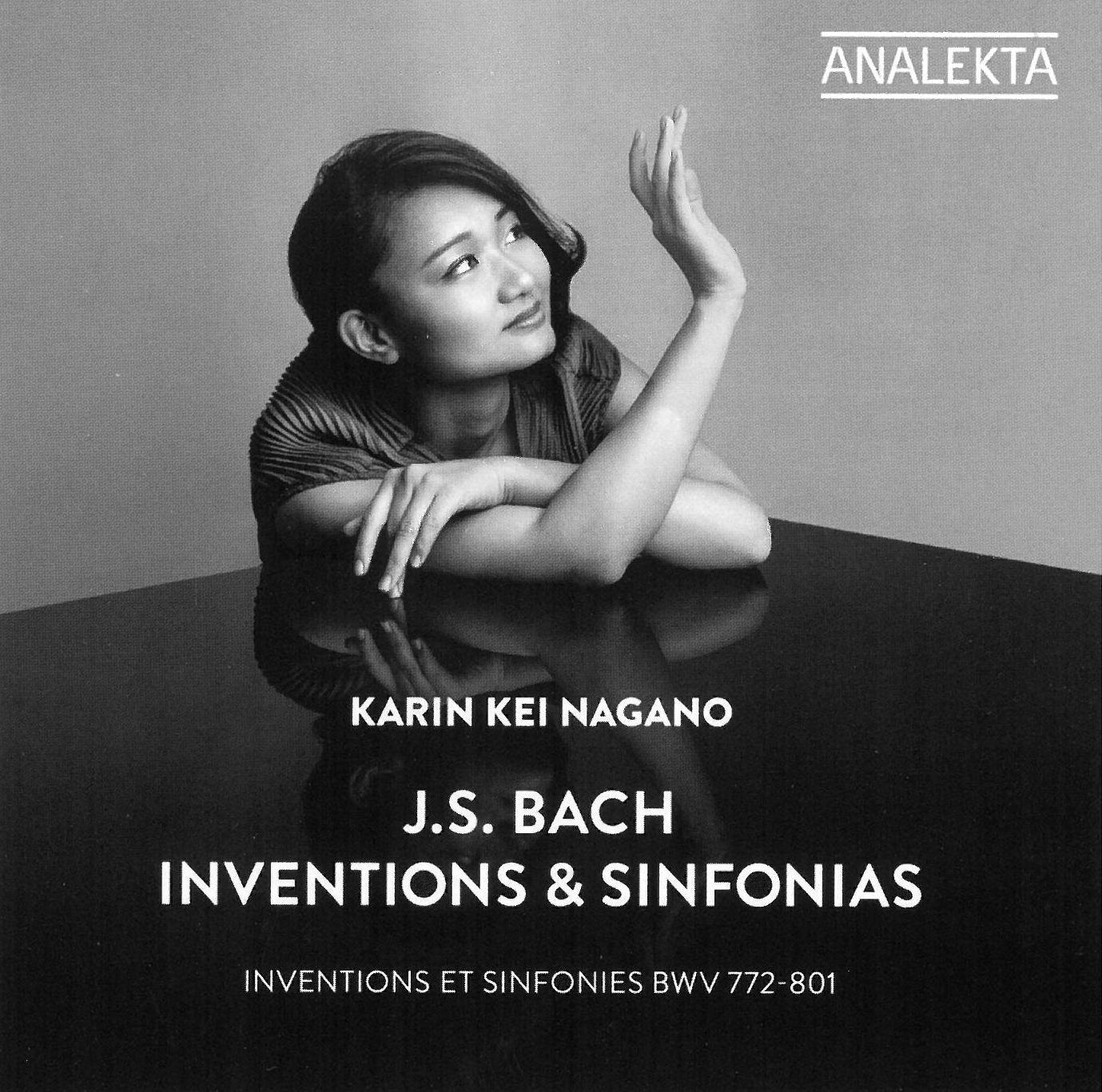
03 Nagano BachKarin Kei Nagano is the daughter of the conductor Kent Nagano and concert pianist Mari Kodama. Her debut solo recording J.S. Bach Inventions & Sinfonias BWV 772-801 (Analekta AN 2 8771) presents a favourite and meaningful repertoire choice from her early piano studies.

The story is well known, of how Bach intended these two- and three-part exercises to teach his students the fundamentals of keyboard playing and composition. Equally important for him was that his pupils develop a true lyrical style to their playing. For Nagano, the connection to these early studies is their beautiful melodic potential. Whether Bach uses a short motif or a longer idea, Nagano is seized by the possibilities they offer. Consequently her playing goes far beyond meeting the technical requirements of counterpoint lessons and reaches for the beauty of what only a creative mind such as Bach’s could have placed there.

Nagano’s playing reveals a level of care and consideration that directs her inquiry into the pursuit of the art before the form, as if somehow the latter will look after itself. This characteristic is more evident in her treatment of the three-part Sinfonias, where the material is richer and offers a greater reward for the player’s attention to it.

Now embarking on her 20s, Nagano is off to Yale in pursuit of medical studies. Let’s hope this recording whets her appetite to do more before too long
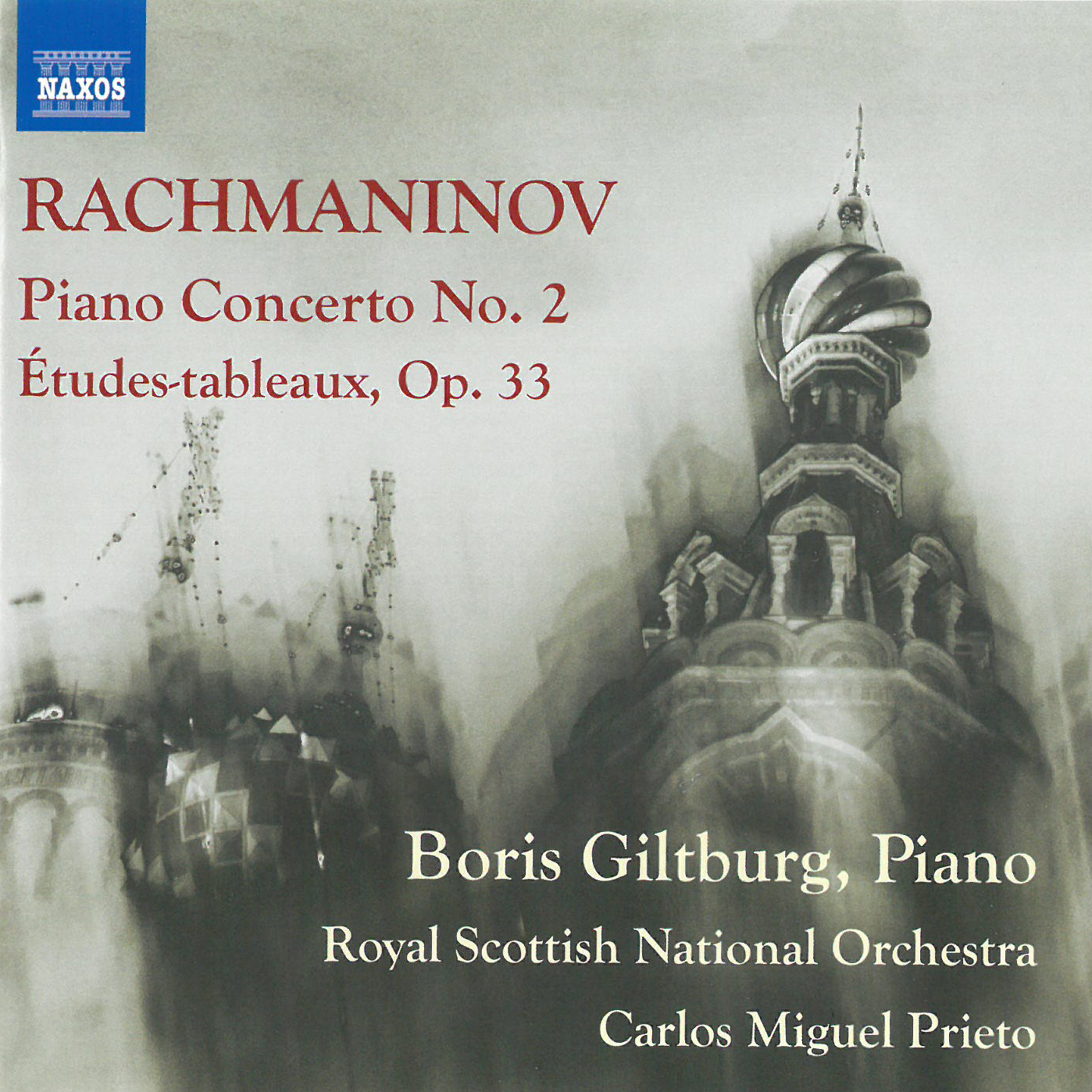
04 Boris Giltburg RachmaninovBoris Giltburg is a profound thinker and an original artist. His new CD Rachmaninov Piano Concerto No.2, Études-tableaux, Op.33, Royal Scottish National Orchestra Carlos Miguel Prieto (Naxos 8.573629) proves it, once again.

Giltburg’s performance of the Rachmaninov Piano Concerto No.2 demonstrates just how maniacally frenetic the opening movement can be. This kind of barely constrained raw energy has no match. It’s far more intense than it is fast, and it leaves a lasting impression. His approach to the second movement sets the expressive limits further apart than usual. The quiet moments, either solo or with a few wind players, are powerfully intimate. But he also injects a few surprising intensifications in unexpected places, consisting of a single line in the right hand. The effect is arresting.

The orchestra (RSNO) needs a laudatory remark here too. The guilty pleasure of smaller size is worth the indulgence; it lets us hear so much at a personal level. Closer recording gives us subtle sounds of bows, fingerboards and occasional wind keys. And then there’s the stunningly good horn section. Giltburg writes a little in his wonderful recording notes about the challenges of playing the Rachmaninov Concerto No.2. He cites examples of regular acoustic problems that challenge every performance and how they resolve them. It’s a brief but informative look into the dark art of recording.

The disc also includes the Études-tableaux, Op.33. Giltburg has included the missing three pieces that Rachmaninov mysteriously withdrew just before publication in 1914. The CD closes with a couple of Viennese flavoured tunes, of which the Kreisler Liebesleid is best the known.
05 Goldberg HuThe Goldberg Variations should always be a memorable experience. To that end, performers have, to be sure, taken some wildly differing approaches to them. In Goldberg Variations (Blue Griffon BGR423 bluegriffin.com), pianist Chih-Long Hu has chosen to be rather laissez-faire in his treatment, believing that the music benefits most when left largely as is. It’s certainly a legitimate approach and based on the results, a highly credible one.

This is a very contained performance. Hu is quite deliberate in adhering to the page and minimizing personally expressive deviations from the Baroque nature of the music. His most expressive playing occurs in the bookend Arias. Everything between them remains within these limits. His imposed discipline allows for interesting things to emerge. There is an immediate transparency of the forms Bach uses, a vision of both the near and the distant at the same time. Patterns begin to reveal themselves. The awareness of architecture emerges on its own without overt assistance. It’s as if Hu were an alchemist assembling elements and applying the incantation from the keyboard. After that, it just begins to happen on its own – a kind of musical chain reaction

I suspect what happens is that the ear adjusts to listening without familiar Romantic allusions to things, and suddenly new truths reveal themselves. In that vein, Hu’s own composition Afterthoughts on Bach’s Goldberg Variations, included as a bonus, is a complete table-turner. It’s his take on how the Goldberg Variations bass line might be treated by Mozart, Schumann, Bolcom and even as a deep Southern blues. It’s clever and brilliant, and sheds a revealing light on this gifted Taiwanese pianist.
06 Alfonso SoldanoAlfonso Soldano is the new champion for the music of Castelnuovo-Tedesco. In Mario Castelnuovo-Tedesco – Piano Works (Divine Art dda 25152 divineartrecords.com), the young Italian pianist has expressed a deep urge to understand this composer of an earlier generation.

Transplanted from Italy to 1940s America, Castelnuovo-Tedesco ended up in the burgeoning music-film industry, where composers were churning out tunes daily under production-line expectations. Still, he never let go of the unique flavour that marks his writing. He always favoured the modernists and held a high regard for the French impressionists. Alt Wien Op.30 and Cantico Op.19 both make this very clear. Soldano captures the wisps of Ravel and Debussy that Castelnuovo-Tedesco threads through his work. The Sonata Zoologica Op.187 is uncannily similar in spirit to Saint-Saëns’ Carnival of the Animals. It’s a brilliant character piece, very demanding, and Soldano plays it with an inner knowledge of exactly where the composer intended it to go.

The most substantial piece in the disc’s program is Rapsodia Napolitana, Op.32. It’s a five-movement work highly charged with direct but complex allusions to the place of its title. Landscapes, feeling, winds, emotions and otherworldly things drift across the pages of this remarkable piece. Soldano is very at home with this repertoire, revealing a connection far beyond what academic understanding alone can forge.

It’s a real pleasure to hear this music presented by an artist who clearly believes in its revival, and who perhaps would enshrine more deeply the reputation of this composer as a national treasure.
07 Eunmi KoPianist Eunmi Ko has released a new CD, She Rose, and Let Me In (Centaur CRC 3491 eunmiko.com), that offers a compelling program of contrasting repertoire. A pair of contemporary works balances the rarely heard Suk O Matince and the better-known Schumann Phantasie, Op.17. In this latter piece, Ko performs the final movement exquisitely. Schumann had intended the work to help with the fundraising for Beethoven’s memorial monument. After numerous refusals by publishers, the dedication was eventually changed to Franz Liszt. Still, the story helps explain the grandness of the work’s conception as well as the breadth and depth of sadness that pervades the final movement that Ko captures so unerringly.

John Liberatore’s title piece She Rose, and Let Me In is a set of variations and a fugue on the Scottish tune of that name. Liberatore explains his impulse to explore the intersections of the ancient and the modern. To do so effectively, he withholds the thematic material until the final movement. Consequently, listening becomes a guessing game in which you’re never quite sure if you’ve heard the old Scottish tune or not, or even a fragment of it.

Gilad Rabinovitch’s …star dazzling me, live and elate… is an extended series of very dense chords, mostly harmonic rather than clustered masses, that builds to a remarkably rich and dark finish. It’s technically demanding and Ko demonstrates both the stamina and intellect to perform it with conviction.
01 Bach CantatasPour L’éternité: Bach – Cantatas 4; 106; 9; 181
Bilodeau; Lachica; Gagné; Santini; Montréal Baroque; Eric Milnes
ATMA ACD2 2406 (atmaclassique.com)

This CD contains recordings of four cantatas: two very early ones, composed when Bach was working in Mühlhausen (including the earliest one, the beautiful funeral cantata Gottes Zeit ist die allerbeste Zeit, and two later ones which date from Bach’s Leipzig period. Two things stand out: firstly, that following the theories and the practice of Joshua Rifkin and Andrew Parrott, the choral sections are sung by the soloists one to a part (which is probably historically correct and produces a real gain in clarity) and secondly, that the soloists are all young singers at the beginning of their careers; they were the winners of a competition held in 2014.

Tenor Philippe Gagné is the only one whom I have heard in concert. He is very good and so are the other three: Odéi Bilodeau, soprano, Elaine Lachica, alto, and Drew Santini, baritone. I found the baritone especially impressive.

In the 18th century it was expected that instrumentalists could play more than one instrument. Here we find that that practice is not entirely obsolete: Margaret Little plays viola and viola da gamba, Susie Napper plays cello as well as viola da gamba, Mélisande Corriveau plays cello and recorder and Matthew Jennejohn plays both oboe and cornetto.

There are now a number of complete recordings of Bach’s cantatas. Montréal Baroque has never presented their cantata recordings as a complete cycle but I hope that is what they will become.

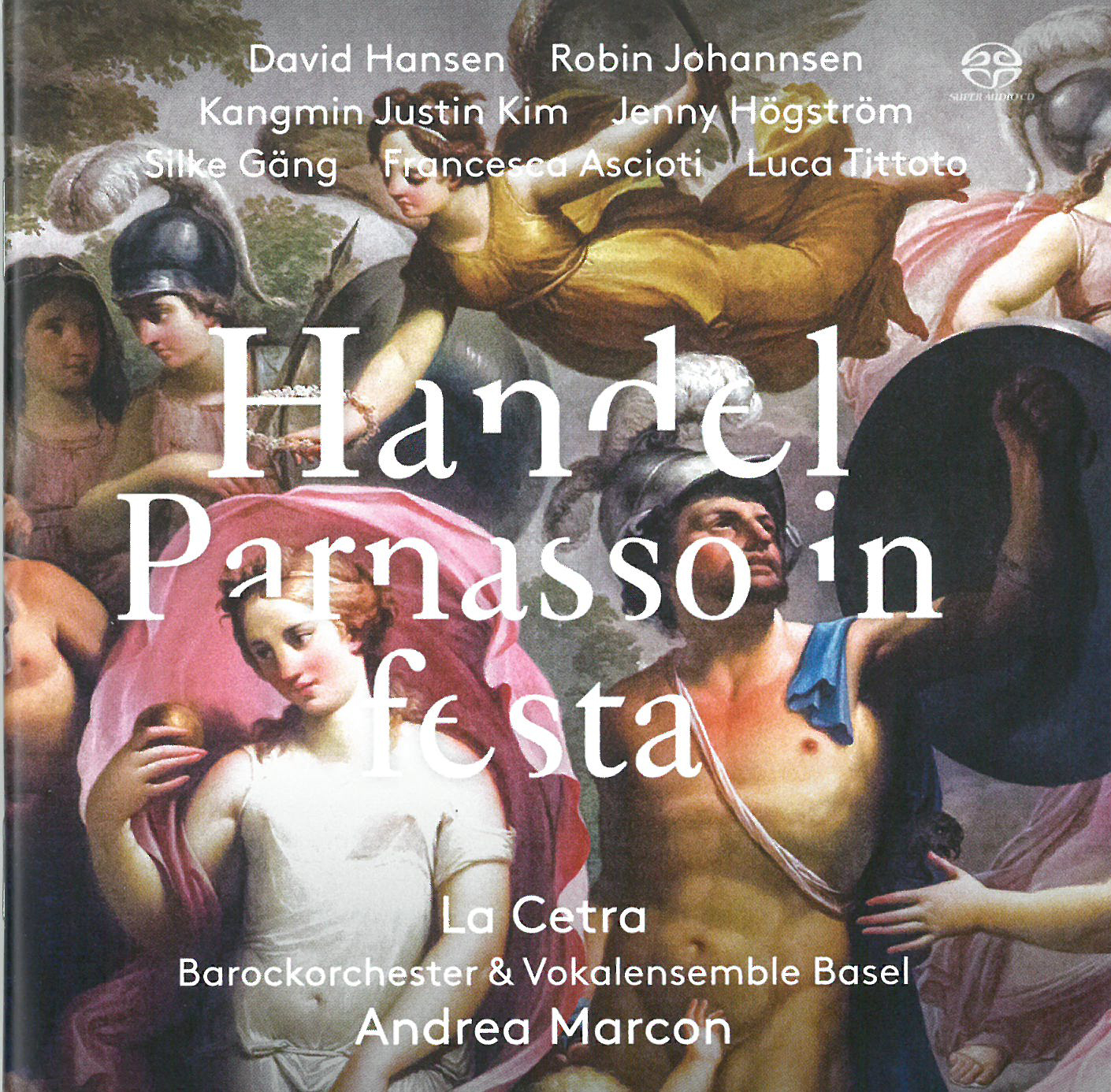
02 Handel ParnassoHandel – Parnasso in festa
Various soloists; La Cetra Barockorchester & Vokalensemble Basel; Andrea Marcon
PentaTone PTC 5186 643
(pentatonemusic.com)

For those of us convinced by the comic Adam Sandler movie that wedding music usually consists just of bad karaoke, here is an antidote: music written for the royal marriage of Princess Anne, the second daughter of King George II of England, and Prince William IV of Orange. Well, let’s say adapted, as Handel used mostly existing music from his oratorio Athalia, not yet heard in London at that time. Only nine passages were new ones, but the text was suitably changed.

Depicting the dogged pursuit of the nymph Thetis by King Peleus (that resulted in nuptials and the birth of Achilles), the libretto is probably by Giacomo Rossi, but its full provenance was never confirmed. The central event, the Celebration at Parnassus, home of Apollo and the muses, is the wedding. Though not a musical drama, the piece is filled with philosophical observations and dialogues on the nature of virtue and love – a perfect wedding present! This recording qualifies as such a gift, as La Cetra under Andrea Marcon is one of the best Baroque ensembles around. The celebrated countertenor David Hansen is nothing short of sensational as Apollo, and PentaTone sets a new standard for clarity in the recording of a period performance.

04 Rossini SigismondoRossini – Sigismondo
Gritskova; Aleida; Tarver; Bakonyi; Sánchez-Valverde; Arrieta; Camerata Bach Choir Poznan; Virtuosi Brunensis; Antonino Fogliani
Naxos 8.660403-04

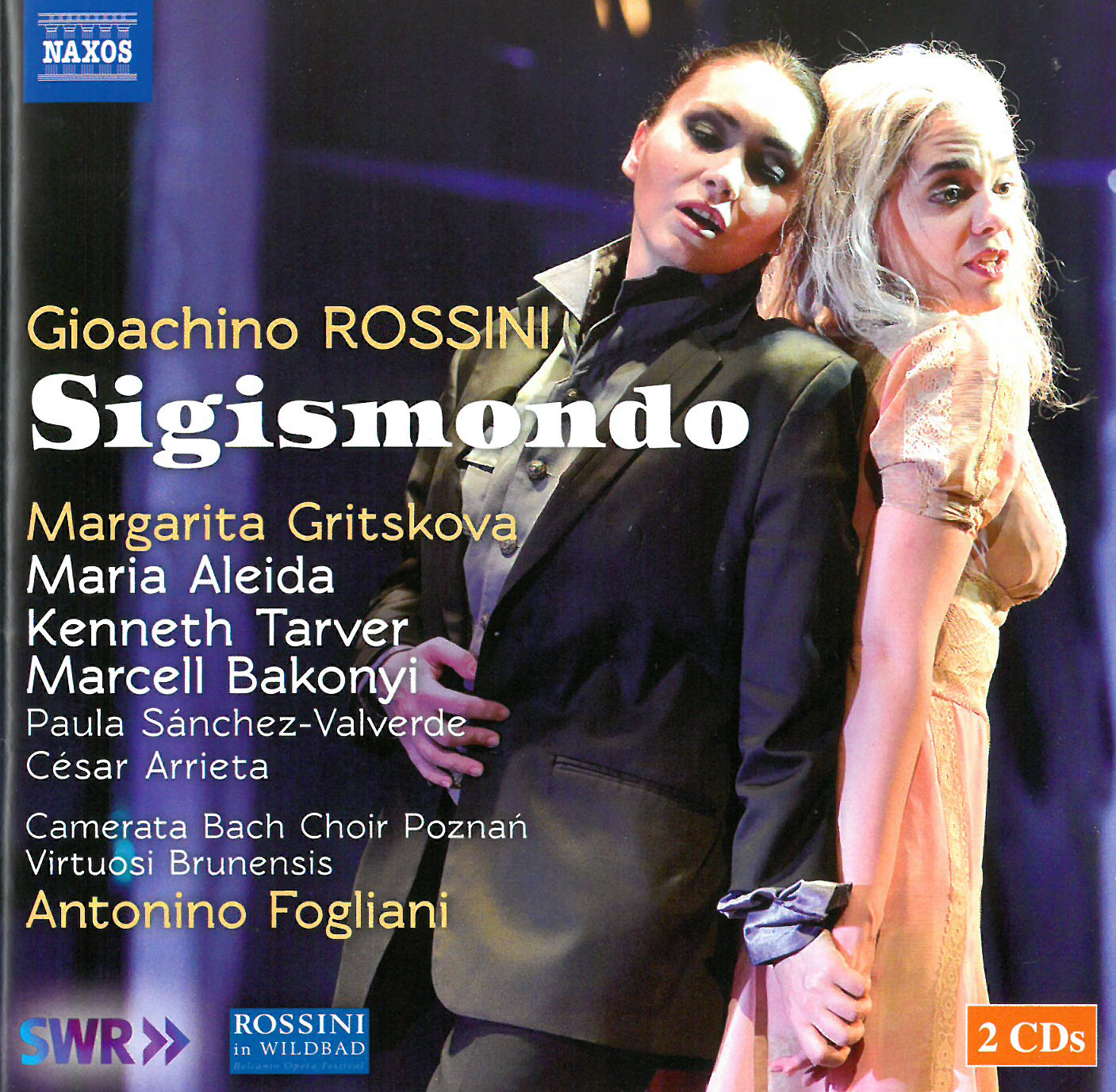
By the age of 23 Rossini had written 13 operas, including two masterpieces inspired by and under the spell of his muse/innamorata Maria Marcolini, the greatest mezzo at the time. Not all were successful, but resourceful fellow that he was, he recycled some of the music later and no one knew the difference. As I was listening to Sigismondo I couldn’t help but recognize several melodies of the Barber of Seville, one in particular, the famous crescendo of the La calunnia aria first appearing here. Sigismondo was Rossini’s last opera for Venice, an opera seria written for Marcolini, who was supposed to be King of Poland. A travesti role, it is here sung by Margarita Gritskova, singing up such a storm with a voice of phenomenal range, power and emotion that one can certainly get an idea what La Marcolini must have been about.

Naxos’ latest release in this series of Rossini's complete 39 operas is a winner on many counts: soprano Maria Aleida (as Aldemira, the King’s wife whom he expelled from the court but on second thought wants her back badly) gives an extraordinary vocal display that’s quite a match for Gritskova. Rossini excelled in writing for female voices; their duets are simply heavenly and rival Bellini. Tenor Kenneth Tarver, familiar to us in this series, is the villain who planned the murder of the Queen and is so severely tested in the high-flying tessitura that I felt Rossini planned to murder him instead. Antonino Fogliani can hardly be bettered in his magisterial handling of the score. Most enjoyable, highly recommended.

05 Faccio HamletFranco Faccio – Hamlet
Paul Cernoch; Claudio Sgura; Julia Maria Dan; Dshamilja Kaiser; Wiener Symphoniker; Paolo Carignani
Cmajor 740608

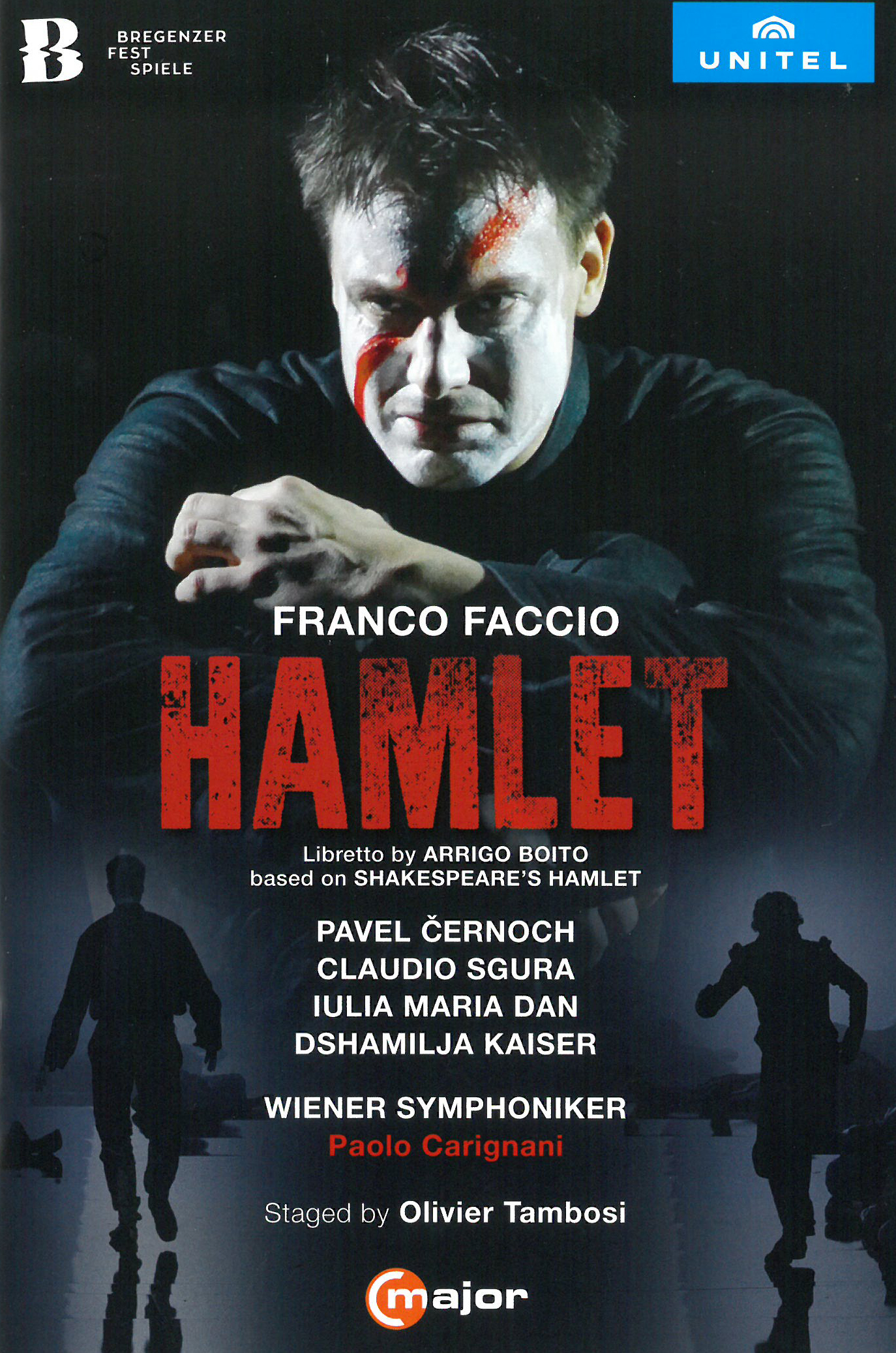
In 1887, Franco Faccio conducted the world premiere of Verdi’s Otello, set to a libretto by Arrigo Boito. More than 20 years earlier, Faccio and Boito had collaborated on a different Shakespearian opera, Amleto (Hamlet). Well-received at its 1865 premiere, a poorly performed revised version flopped in 1871 and Faccio, disheartened, withdrew the work. It remained unperformed until 2014 in concert in Albuquerque, and the fully staged 2016 Bregenz (Austria) Festival production recorded here.

What a wonderful discovery! Faccio’s Hamlet, with its intense, powerful score that anticipates verismo, deserves to be welcomed to all the world’s major opera houses. The fiery “Get thee to a nunnery” duet between Hamlet and Ophelia foreshadows the Santuzza-Turiddu duet in Cavalleria Rusticana; the dreamy music of Ophelia’s mad scene is hauntingly beautiful; and the poignant, stirring strains of her funeral procession could easily be mistaken for a Mascagni intermezzo.

Boito’s skillful libretto tightens Shakespeare’s play but retains all the famous episodes, adding a remorse aria for Gertrude to match the aria on Shakespeare’s prayerful text for Claudius. Heading the excellent cast is Pavel Černoch, superb as Hamlet with his dark, focused tenor and rock-solid high notes. Thankfully, stage director Olivier Tambosi eschews the grotesqueries common at Bregenz, although he introduces some inexplicable movements by silent courtiers into the otherwise traditional, un-updated mise-en-scène. Another puzzling touch – large images of eyes on most of Gesine Völlm’s period costumes.

That aside, this DVD is an absolute must-see-and-hear for every opera lover.

08 HvorostovskyRussia Cast Adrift
Dmitri Hvorostovsky
Delos DE 1631 (delosmusic.com)

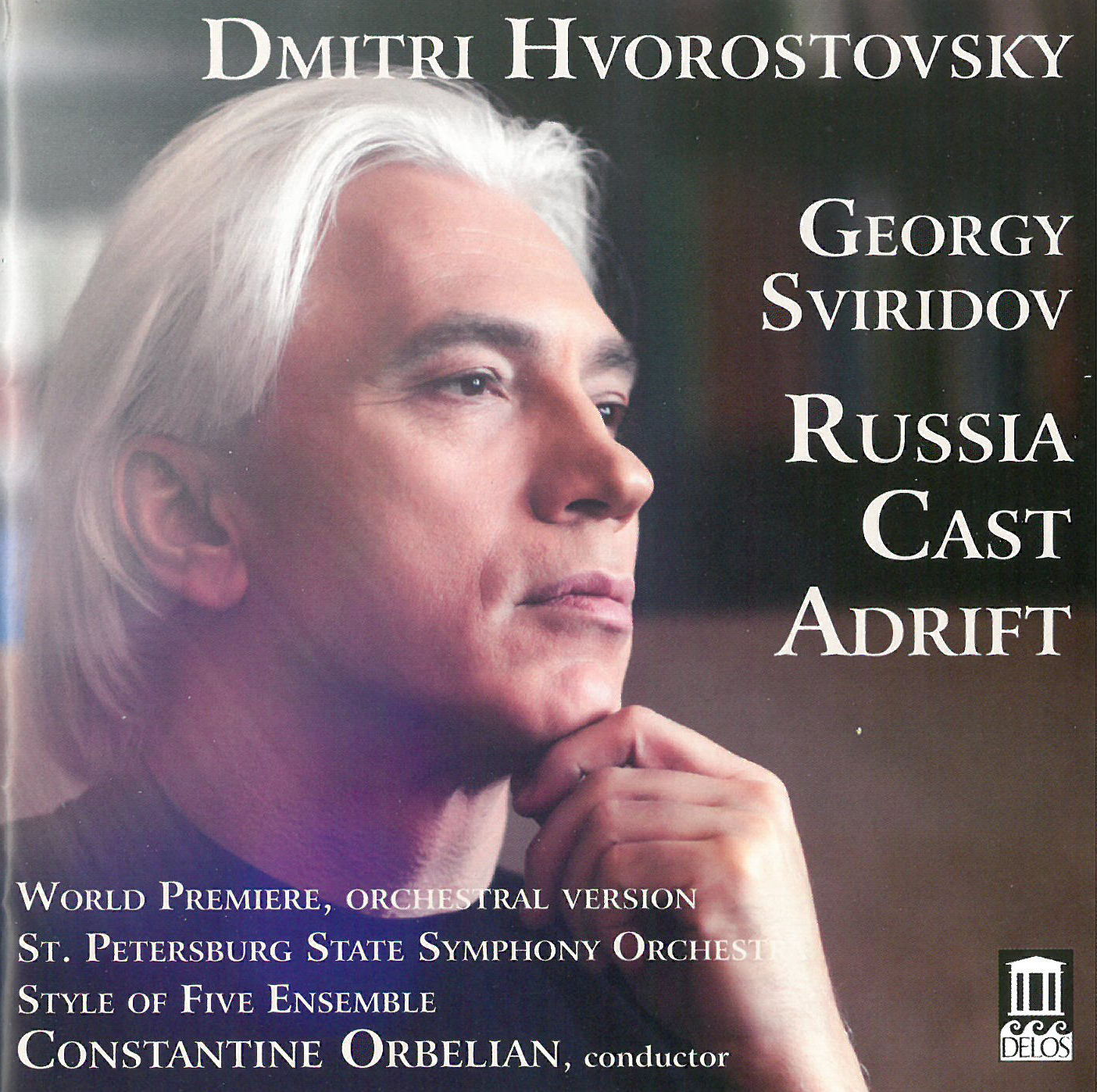
The relationships between composers and their favourite interpreters are responsible for some of the best vocal music ever written. Sometimes they are romantic in nature, as in the case of Benjamin Britten and Peter Pears. On many occasions, they are simply a meeting of two musical geniuses – both attuned to a secret chord within, as with Gerald Finley and the late Finnish composer Einojuhani Rautavaara. Georgy Sviridov found his muse in Dmitri Hvorostovsky. They met for the first time just four years before the composer’s death in 1994. The occasion was an auspicious one: Hvorostovsky was performing Russia Adrift, a “poem” for voice and piano, immortalized in performances by the redoubtable Elena Obraztsova. Upon hearing Hvorostovsky’s version, the composer was enchanted and a beautiful friendship followed. In the remaining years, Hvorostovsky became “the” voice for Sviridov’s music.

The one project the composer did not finish before his death was an orchestral version of Russia Adrift. Here it is recorded by an orchestra and folk-instrument ensemble, in a version completed by Evgeny Stetsyuk. The words of Sergei Yesenin, the once-blacklisted Soviet poet from the 1920s, are filled with nostalgia for the Russia of yesteryear. Given the present situation in that great nation, those words acquire additional poignancy. Hvorostovsky’s voice does not betray any traces of the serious health crisis he has been undergoing of late. The album closes with a spine-tingling song, The Virgin in the City, from the vocal poem Petersburg, written especially for him.

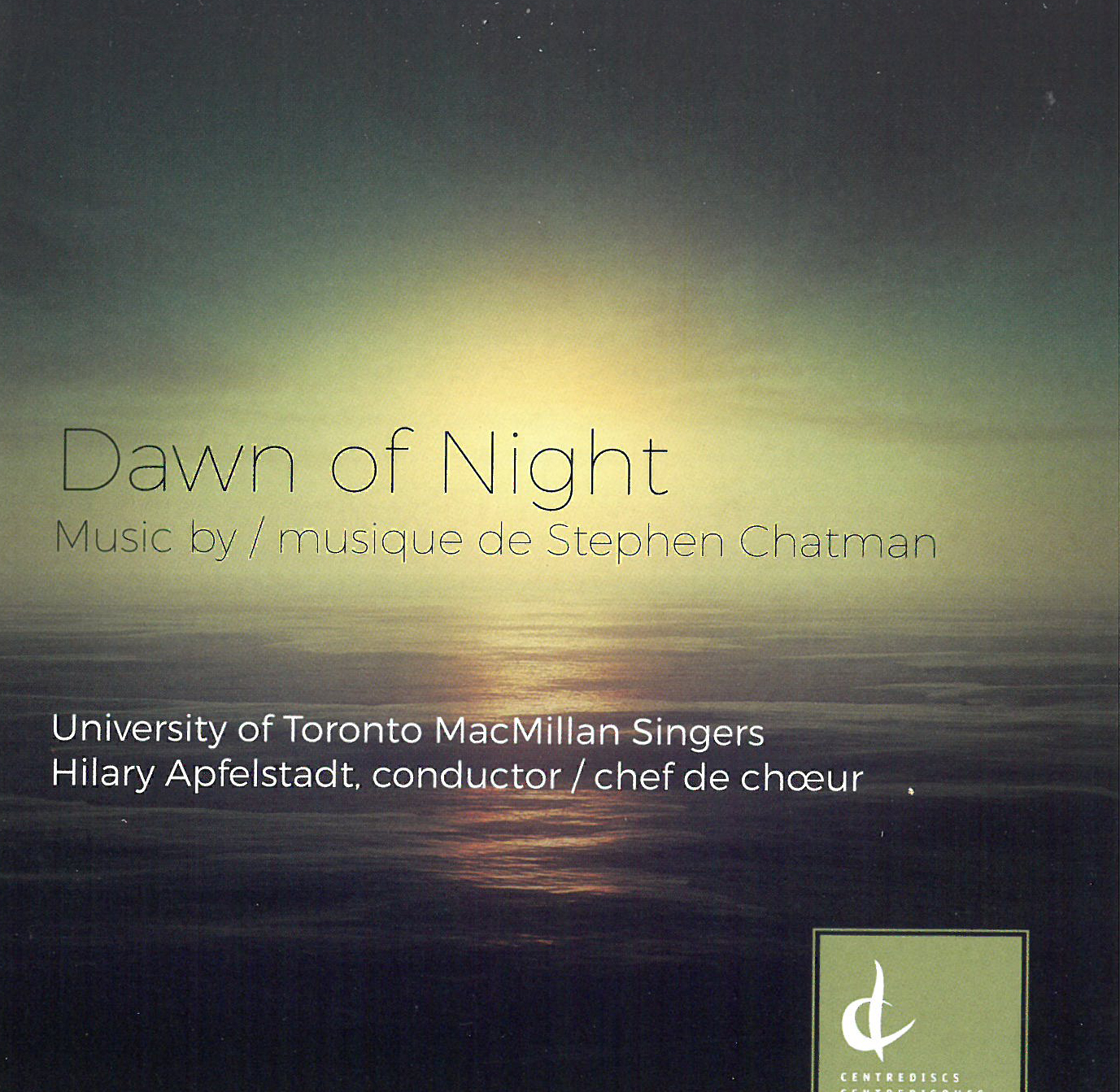
09 Stephen ChatmanStephen Chatman – Dawn of Night
University of Toronto MacMillan Singers; Hilary Apfelstadt
Centrediscs CMCCD 24617
(musiccentre.ca)

As a choral singer, I have always enjoyed the works of Stephen Chatman. Infusing softness of tone with luscious harmonies, his music always sounds deceptively simple, yet, as both he and conductor Hilary Apfelstadt point out, it requires a fair amount of preparation for a chorus to get it right. After all, the heartfelt texts Chatman chooses, such as those by Sara Teasdale, Walt Whitman, Christina Rossetti and poet/wife Tara Wohlberg, require an elegant and sensitive touch, which he applies with great care in order to enhance the essential meaning.

The benefit of collaborating with Chatman, who worked as co-producer of this recording, clearly shows in the exquisite performance by the MacMillan Singers led by Apfelstadt. For pieces using piano, Laura Dodds-Eden provides a vibrant and robust accompaniment. There is also in these pieces beautiful writing for other instruments; for example, poignant trumpet interludes played by Anita McAlister in Reconciliation (from Whitman’s Drum Taps), gorgeously pulsing harp and intoning cello provided by Angela Schwarzkopf and Jenny Cheong in Dawn of Night, and Clare Scholtz’s soaring oboe in June Night and Dreams Offer Solace. Recorded at Toronto’s Grace Church on-the-Hill, this recording must have truly been a labour of love for students and mentors alike.

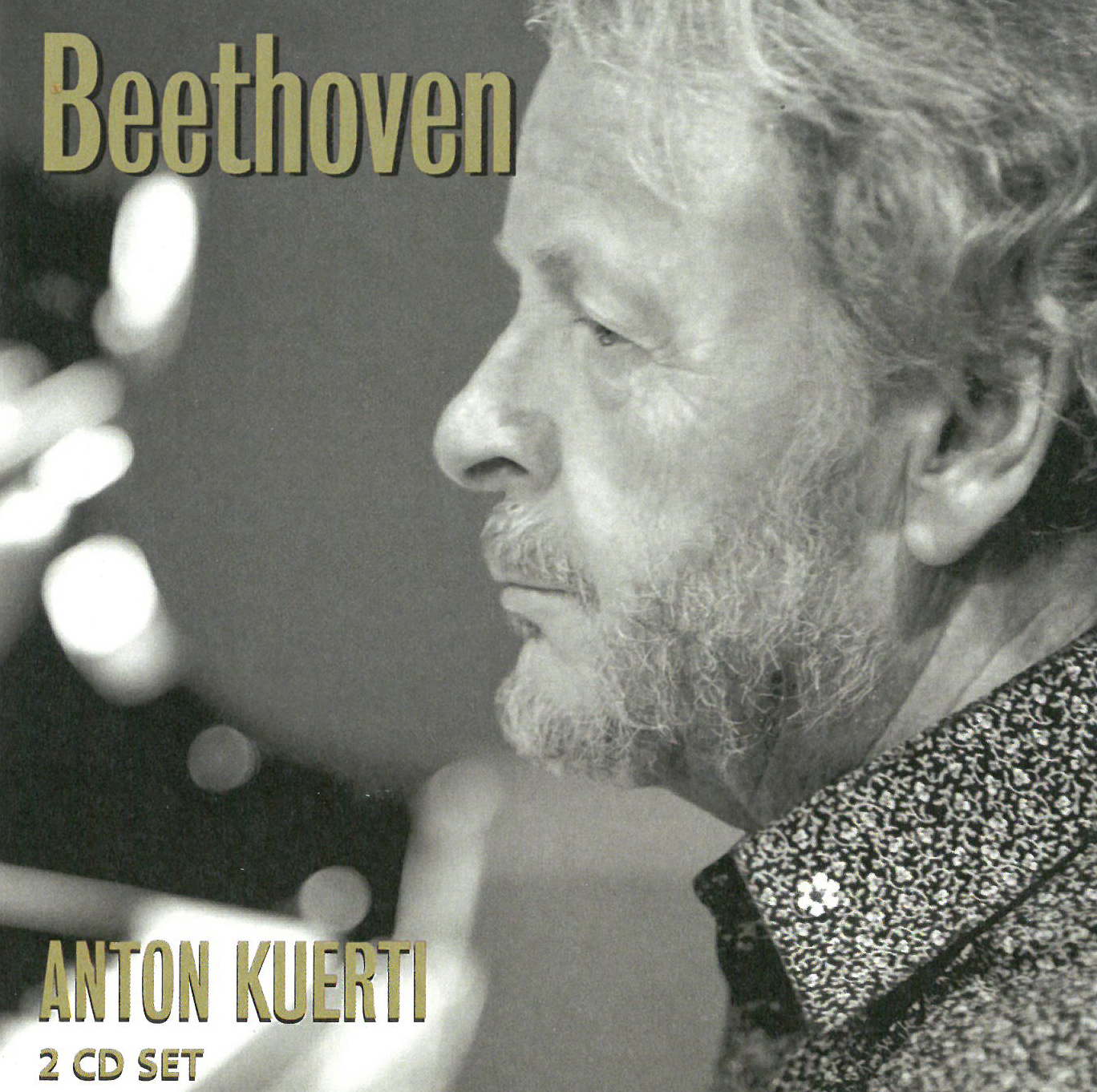
Beethoven
Anton Kuerti
Concertmasters AKR2017CD-1

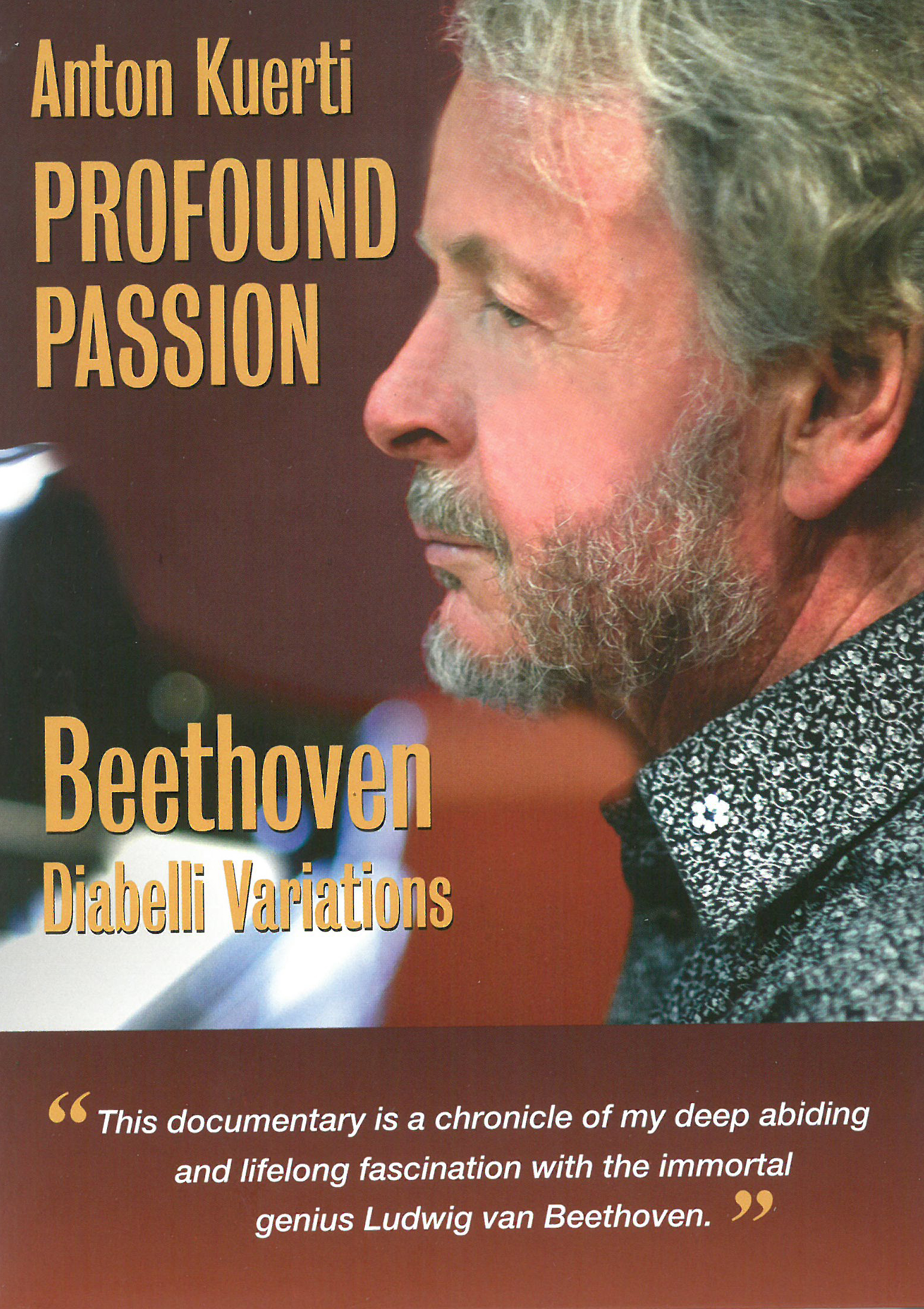
Beethoven – Profound Passion: Diabelli Variations
Anton Kuerti
Concertmasters AKR2017DVD-1 (antonkuerti.com)

01a Kuerti CDAn icon in the world of Canadian classical music, Anton Kuerti has enjoyed a long and distinguished career, not only as a performer and pedagogue, but also as a concert organizer, artistic director and social activist – a true Renaissance man! Among his extensive recordings, the music of Beethoven has always been a focus (he won a JUNO for three recordings of Beethoven sonatas in 1977), so perhaps it isn’t surprising that he’d return to music by “the great mogul” in this two-disc set featuring Piano Sonatas 21, 23 and 26 in addition to the famous Diabelli Variations.

Sonata No.21, the Waldstein, from 1804, is surely one of Beethoven’s most formidable, both in terms of technique and nuance. Not only is Kuerti’s impressive technique clearly evident from the outset, but the sound he creates is warm and lyrical. The tranquil, gentle second movement gracefully merges into the expansive third movement Rondo, where Kuerti gives full weight to the piano, clearly allowing the music to speak for itself.

The tempestuous mood of the Appassionata is artfully conveyed, but done so with dignity and never to excess. Phrases are well articulated and while the tempos are perhaps more leisurely than the listener might be accustomed to – particularly in the third movement – they never lag. The programmatic Sonata No.26Les Adieux” from 1810 is one of Beethoven’s most challenging through the contrasts of emotions, but again, Kuerti easily meets the demands, delivering a polished and elegant performance.

The second disc is devoted entirely to the Diabelli Variations, a simple tune that Beethoven fashioned into one of his most famous compositions. Kuerti brings a special sensitivity to this performance, crafting each one with particular care – a true study in contrasts.

01b Kuerti DVDThe variations appear again as the sole work on a worthy companion to this set, a DVD titled Profound Passion. The introduction states that while this monumental piece has long held a particular fascination for Kuerti, its length may prove too daunting for the average listener and, without a proper explanation, it may not receive the appreciation it deserves. Hence, Kuerti provides an informal but lucid program guide prior to the performance, using various musical examples. Once again, the final performance is stellar – and for those who enjoy watching a pianist’s hands, this DVD is a treat.

Either singularly or together, these recordings are a fine tribute, both to an outstanding Canadian artist and to music written by a composer at the height of his musical creativity. Highly recommended.

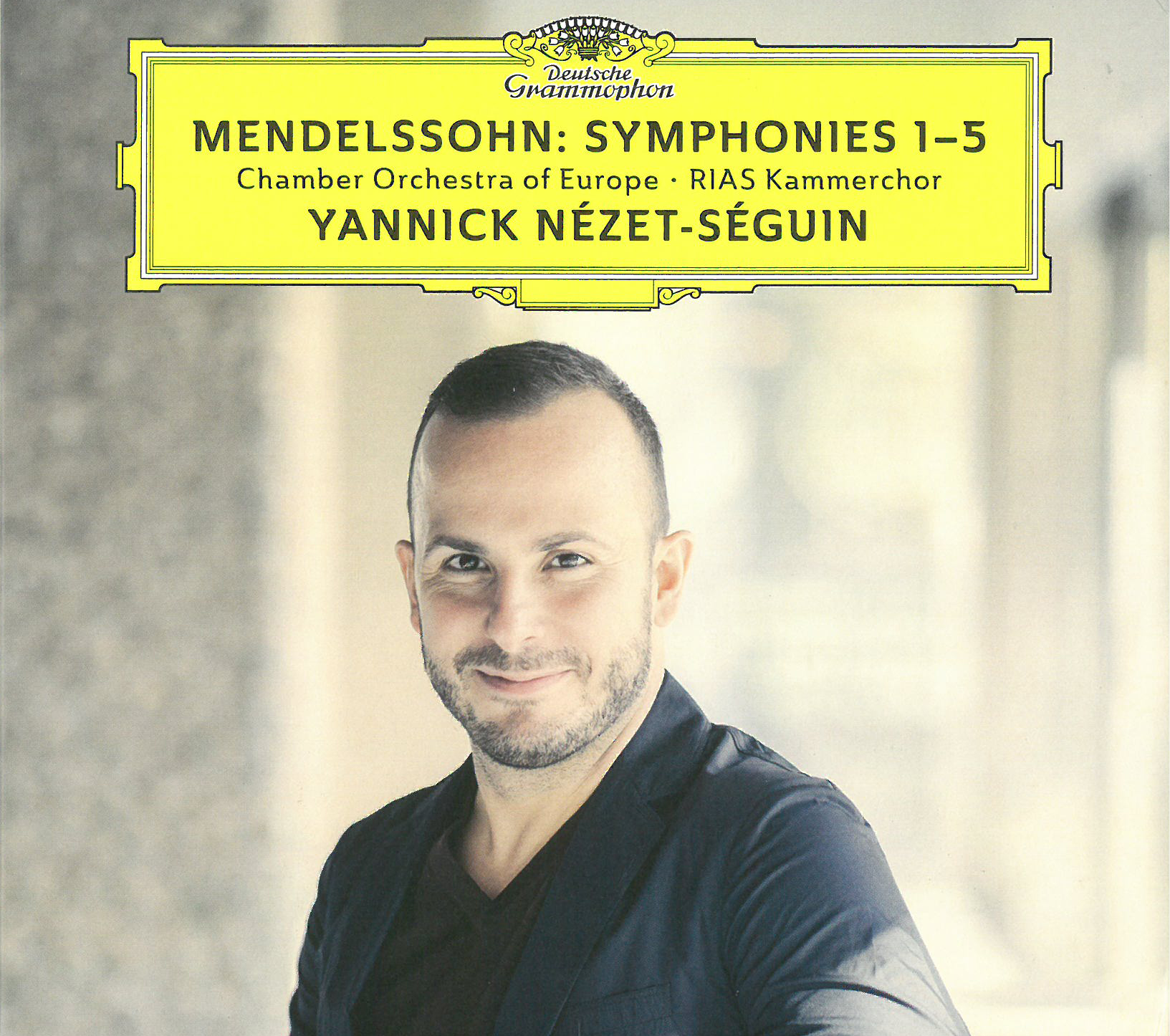
02 Mendelssohn NezetMendelssohn – Symphonies 1-5
Chamber Orchestra of Europe; Yannick Nézet-Séguin
Deutsche Grammophon 00289 479 7337

It is a genuine pleasure to take a deep dive into these remarkably diverse and interesting symphonies, especially when they are played (and sung) with such enthusiastic vigour and passion as they are here. Photos of Canada’s latest star, the charismatic Montrealer Yannick Nézet-Séguin, adorn the cover and several of the inside pages of the booklet; quotes from the maestro pepper the informative liner notes, such as “what I always admire in Mendelssohn, over and over again, are his abilities as a melodist.” You can’t argue with success and it’s clear that Deutsche Grammophon are milking their exclusive partnership with Nézet-Séguin. They have a winner with this smart and attractive recording.

The Chamber Orchestra of Europe was founded in 1981 by young graduates of the European Union Youth Orchestra. This recording was a result of a week of concerts under Nézet-Séguin’s baton, in the Philharmonie in Paris in February 2016. It has the vitality of a live performance, with fine playing from all the sections.

The numbering of Mendelssohn’s symphonies does not reflect their chronology. Their true order is 1-5-4-2-3. This doesn’t matter, though, as there is a stylistic homogeneity that runs through all five. Clear counterpoint, rugged drama hearkening back to Haydn’s Sturm und Drang (most notably in the last movement of the Fourth), nostalgic beauty and yes, those attractive melodies.

The collaboration between Nézet-Séguin and the COE shines in each of these works. The pacing and tempi illuminate the structure and breadth of Mendelssohn’s expression. There are highlights in all five symphonies: the great journeys of the First and Third, the exuberance of the Fourth, Baroque religiosity of the Fifth.

For me, the greatest achievement of this disc is the superb performance of the Second Symphony or Hymn of Praise (Lobgesang). On the surface, it’s a strange work: symphony? Cantata? Oratorio? There are obvious comparisons to be made with Beethoven’s Ninth (which don’t favour Mendelssohn), but – taken on its own and knowing that it was written as an occasional work to celebrate the 400th anniversary of Gutenberg’s invention of the printing press – the piece is an irrepressible celebration of life and intelligence. Nézet-Séguin, the RIAS Kammerchor and three fabulous soloists (including Canada’s Ruby Award-winning luminous diva, Karina Gauvin) raise the roof in a sincere and joyful rendering of a unique score.

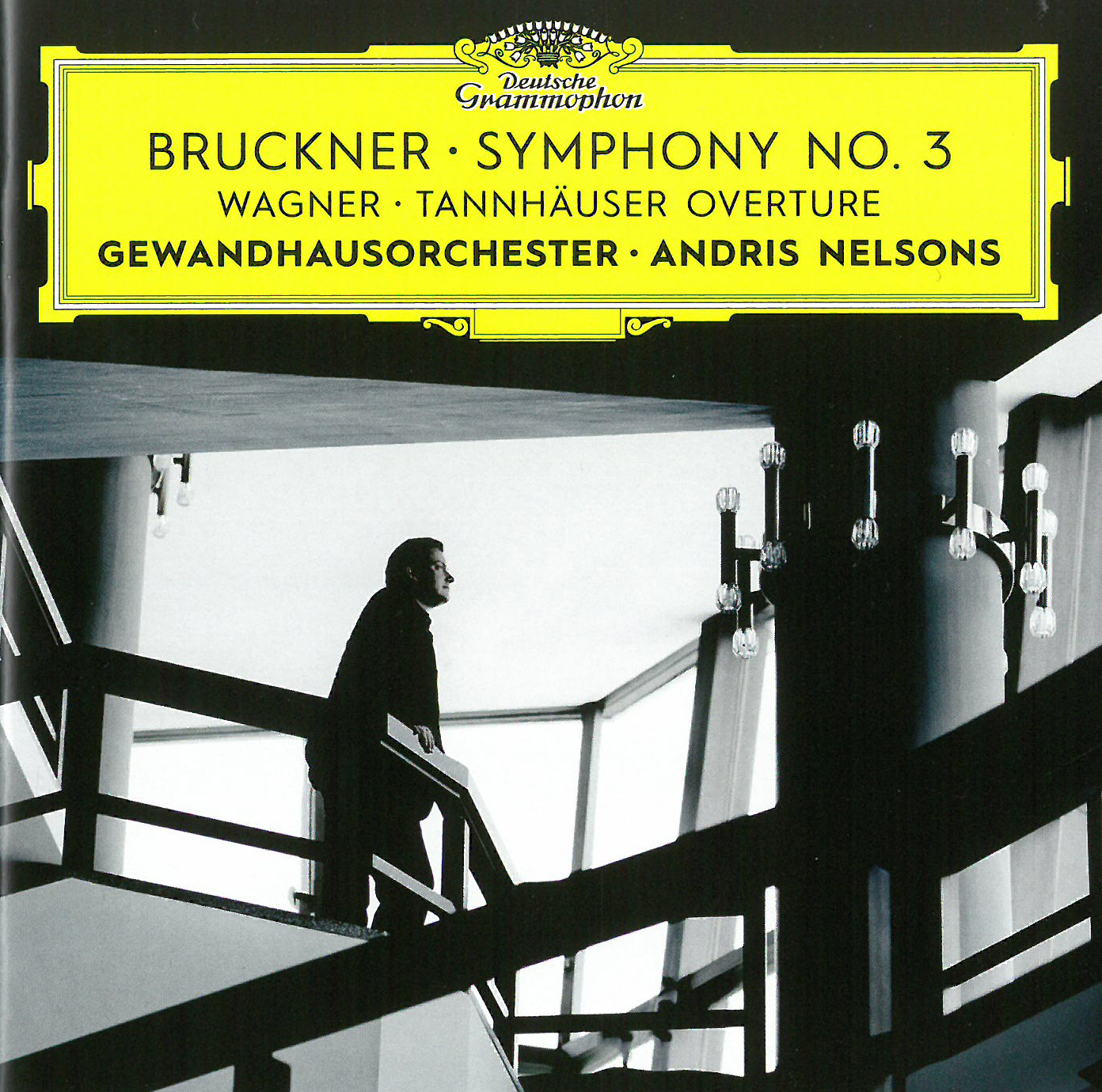
03 Bruckner 3Bruckner – Symphony No.3; Wagner – Tannhäuser Overture
Gewandhausorchester Leipzig; Andris Nelsons
Deutsche Grammophon 479 7208

Anton Bruckner moved to Linz in 1856 to take up the position of organist at the Old Cathedral, Ignatiuskirche, rapidly establishing himself as one of Europe’s greatest exponents of the instrument. Bruckner also took to studying theory and composition under Simon Sechter and later with Otto Kitzler. When the latter conducted a performance of Richard Wagner’s Tannhäuser in Linz, Bruckner fell under Wagner’s spell, melding the composer’s passion for poetry and drama with the unbounded exaltation of his (Bruckner’s) spirituality to deliver so much in the way of harmonic ingenuity, melodic sweep and sheer orchestral magnificence in his music.

Andris Nelsons delivers all of this grandeur in Bruckner’s Symphony No. 3 in D Minor (WAB 103), paired with Wagner’s Tannhäuser Overture. This live recording made with the legendary Gewandhausorchester Leipzig is the first in a proposed cycle of Bruckner symphonies. No.3 was unfinished when Bruckner took it to Wagner, who, in 1873, selected it as a dedication to him by Bruckner.

Under Nelsons’ baton Bruckner’s spiritualism and Wagnerian grandeur soar in music redolent of melodic and harmonic touches. It is a visceral and dynamic performance. Nelsons shows that he has developed a perfect bond between the orchestra’s instrumentalists, enabling them to dig deep and bring to No.3 and the Tannhäuser Overture a sublime melodic beauty – conducting the structurally complex music with outstanding naturalness, a special charisma and dignity in a way that only a great Bruckner conductor can.

01 Suzanne SnizekChamber Music (Re)Discoveries
Suzanne Snizek; Benjamin Butterfield; Keith Hamm; Joanna Hood; Yoomi Kim; Alexandria Le; Aaron Schwebel
University of Victoria
(finearts.uvic.ca/music/flute)

Imagine picking up a CD of music by three unknown composers named Bartók, Copland and Shostakovich, listening and wondering how you could not have heard of them. Listening to Suzanne Snizek’s new CD was a bit like this for me except the names of most of the composers really were unknown: Jan van Gilse, Petr Eben, Leo Smit, Mieczysław Weinberg, Boris Blacher. Their music, highly individual and accomplished, has languished forgotten for three generations, because they lived (and three died) in the cataclysms of Nazism and Stalinism.

The music on this CD, as Snizek points out in the notes, does not reveal the tragic and traumatic circumstances of the composers’ lives. The transcendent lyricism of the opening soliloquies of van Gilse’s Trio and Eben’s second Lied, played so simply and movingly by Snizek, speak of another reality, as do the exuberant abandon of the third movement of the van Gilse Sonata, the first and last movements of the Smit Sonata and the third movement of the Blacher.

Snizek’s artistry both as a soloist and as a collaborator is evident throughout, but nowhere more so than in her “dialogues” with tenor Benjamin Butterfield in Eben’s Drei Stille Lieder. She has spent a decade researching this lost, forgotten and neglected generation of composers. Her research, coupled with the artistry of all the performers on this CD, makes it an important addition to our knowledge and the repertoire of the mid-20th century.

Originally from Philadelphia, Dr. Snizek is now professor of flute and music history at the University of Victoria. Proceeds from CD sales, available through their website, will go to support the University of Victoria flute studio.

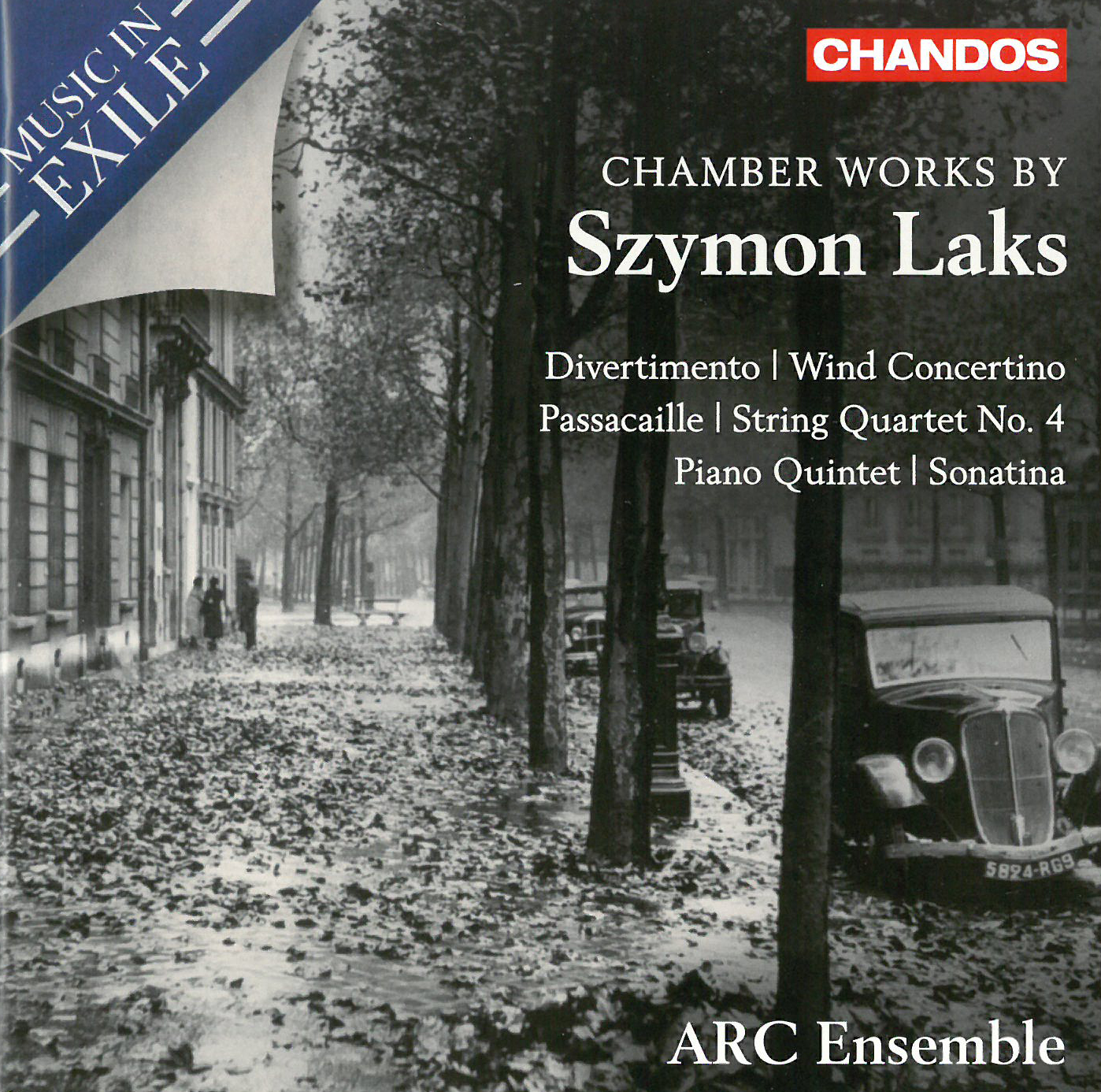
02 ARC Ensemble LaksChamber Works by Szymon Laks
ARC Ensemble
Chandos CHAN 10983

In 1942, Polish-Jewish composer Szymon Laks was deported to Auschwitz. Few prisoners survived that place. But, remarkably, the Nazis’ demands for Laks’ skills as a violinist, copyist, arranger and conductor kept him alive, as he explains in his harrowing, brilliant memoir.

This collection of his music is the third in the ARC (Artists of The Royal Conservatory) Ensemble’s Music in Exile series recovering lost works by composers suppressed by Hitler’s regime. Laks suffered dreadfully during the war, yet his continued neglect afterwards is certainly undeserved. His music may not be groundbreaking, but it is inventive, with alluring melodies, exciting rhythmic sequences, shifting moods and luminous harmonies.

The String Quartet No.4 deserves a place in every quartet’s repertoire. In fact, all six of the works on this disc merit frequent performances and recordings, including the lively, angular Divertimento, the rhapsodic Sonatina (one of the few works by Laks to survive from before the war) the tender Concertino, the poignant Passacaille and the Piano Quintet on Popular Polish Themes, brimming with vivid character.

These are all premiere recordings, though some works were previously recorded in different versions, and the Quartet No.4 is just out on a welcome new recording of Laks’ three surviving string quartets by the Messages Quartet (DUX 1286).

The members of the ARC Ensemble (Joaquin Valdepeñas, clarinet; Erika Raum, Marie Bérard, violin; Steven Dann, viola; Winona Zelenka, cello; David Louie, Diane Werner, piano; Sarah Jeffrey, oboe; Frank Morelli, bassoon) are all notable soloists who teach at the Royal Conservatory’s Glenn Gould School. Laks provides plenty of opportunities for each to shine individually. But it’s their thrilling ensemble work that makes the most compelling case for Laks’ music.

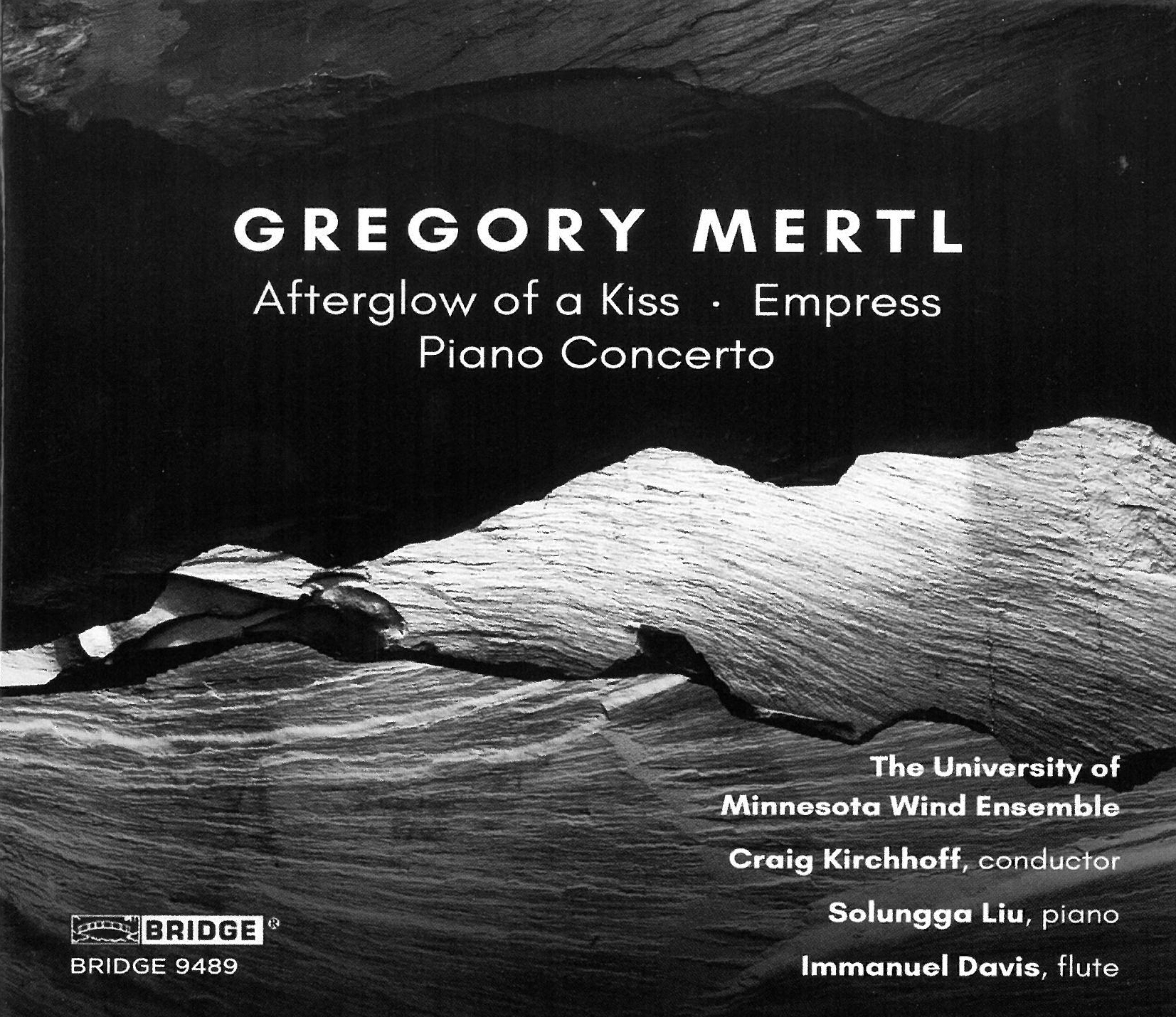
04 Gregory MertlGregory Mertl – Afterglow of a Kiss; Empress; Piano Concerto
Solungga Liu; Immanuel Davis; University of Minnesota Wind Ensemble; Craig Kirchhoff
Bridge Records 9489 (bridgerecords.com)

Ever-changing restless rhythms, often punctuated by sudden blasts of brazen colour, make these works by American Gregory Mertl (b.1969) compelling listening, even throughout the 42-minute duration of his Piano Concerto.

In the CD booklet, Mertl writes that he intended “to subvert” the traditional model of a piano concerto in which the “pianist is hero,” choosing instead to “compose a concerto where the soloist would discover herself over the course of the work.” His Piano Concerto certainly sounds different – not least because the accompanying winds and percussion, lacking strings, create an icy, “heavy metal” backdrop for the piano, strongly played by Solungga Liu.

Jagged, almost jazzy syncopations dominate the Piano Concerto’s first and third movements. The second movement, the longest at 17 minutes and the only movement with a title – Coupling – is a slow, seemingly improvised ambulation by the piano with the orchestra providing chordal pedal points and, as in the outer movements, occasional declamatory outbursts.

The sprightly seven-minute Afterglow of a Kiss for solo flute (Immanuel Davis), winds, strings, harp, celeste and percussion shares the Piano Concerto’s sense of improvisation, busy rhythms and glittery sonorities. I found the atmospheric, 12-minute Empress for winds, strings, harp and percussion particularly evocative, with melodic threads continually emerging from and disappearing into a tapestry of timbres.

Mertl’s distinctive style here receives vivid support from conductor Craig Kirchhoff, who commissioned the Piano Concerto, and the University of Minnesota Wind Ensemble.

You Haven’t Been; Me to We; The Current Agenda; Love in 6 Stages
Frank Horvat
Iam who Iam Records LTLP05 - LTLP08 (frankhorvat.com)

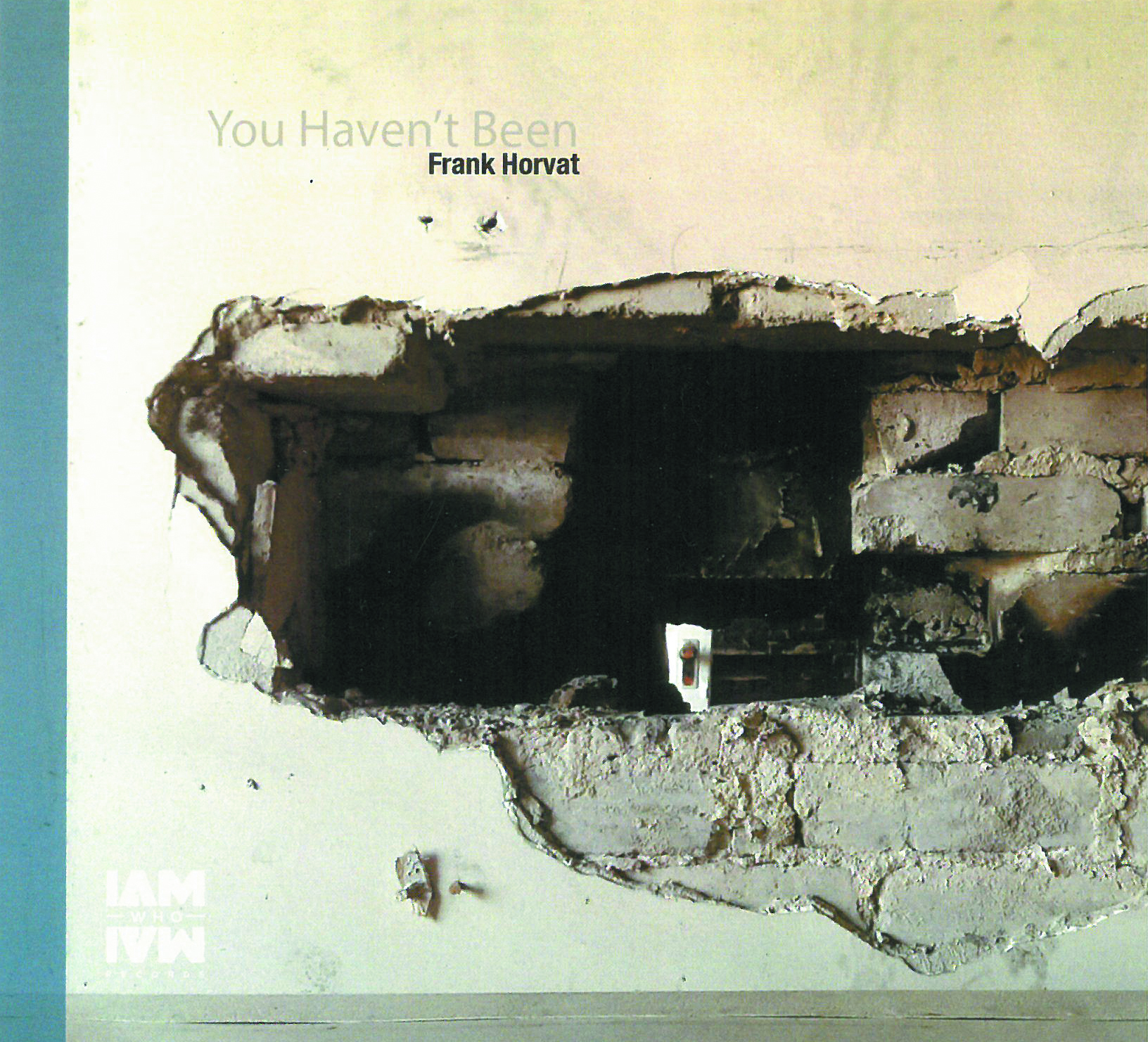
Horvat You Haven't BeenFrank Horvat is one of the most inventive songwriters to come out of the contemporary scene in Canada. Although not a full-blooded minimalist, his music is frequently spare-sounding, unmistakable, with its repetitions of cell-like phrases, often built on brightly coloured piano sounds, sometimes enhanced by bright horns and mallet percussion, soothing strings and vocals. Best of all, Horvat’s work is exquisitely eventful and almost insidiously effective. Horvat has also recently found another way in which music can be organized: around rhythmic ideas instead of around structure, where rhythm forms the structural basis of the music instead of merely being a necessary ornament. Moreover, Horvat’s ideas are suspended in a kind of bohemian dynamic and come alive in their thrilling combinations of trademark repetitions and overlappings with an almost ceremonial theatrical grandeur.

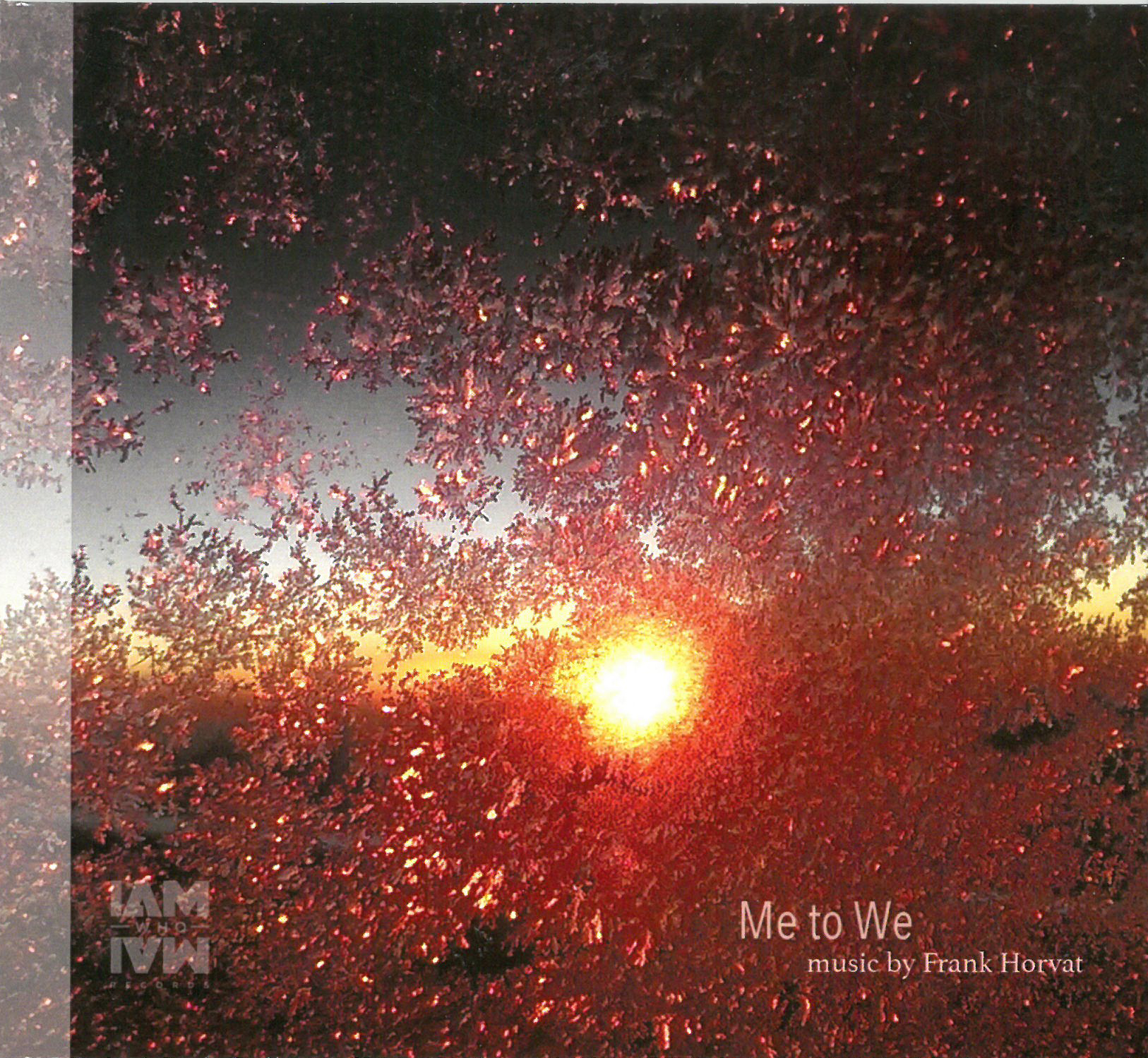
Horvat Me to WeHis recent work comprises You Haven’t Been, music for solo piano; Me to We, which is music written for duo and trio settings, The Current Agenda, which is a dark record of music featuring solo, duo, trio and quartet music, intensely socialist in nature, and Love in 6 Stages, a work where minimalism meets art song and where the two milieus collide in the visceral physicality and psychology of love. Clearly it appears time for Frank Horvat to take the gloves off musically and declare that he is free to roam as he pleases, wherever the music beckons. In return for such dramatic freedom, he returns the favour by recording the events of this long and difficult expedition in deeply personal and profoundly beautiful music.

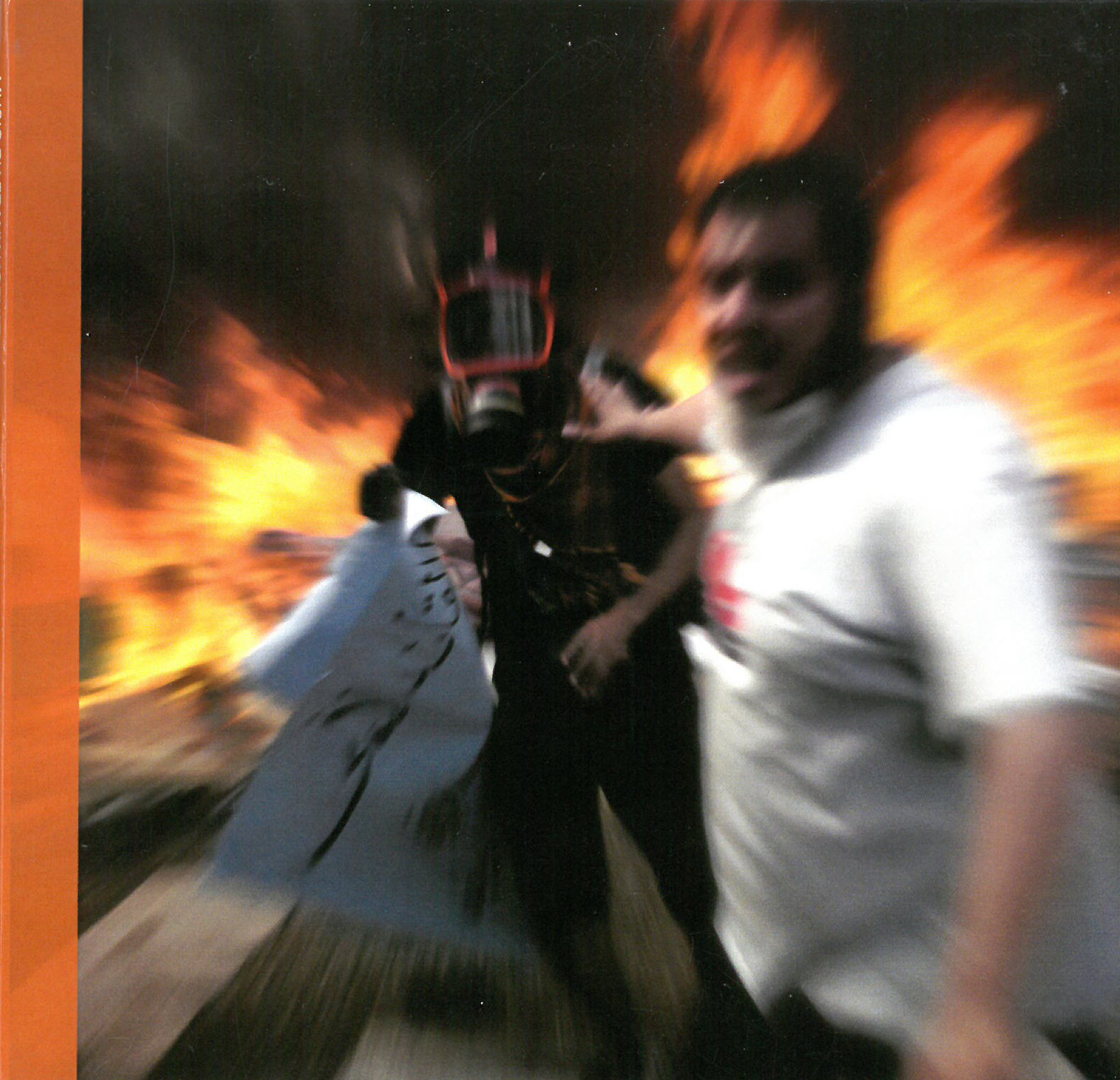
Horvat The Current AgendaOf the four recordings recently released, Me to We and You Haven’t Been are so deeply personal that listening to the music on each requires an intrusive mindset. In the former recording the probing duos appear to tear through the composer’s innards not simply to discover his heart, but to gather its myriad pieces and bind them back together again. This is done, at Horvat’s urging, through dark, warm sounds that evoke healing, through music that is mysterious and exotic as well as long-limbed and almost aria-like without the vocals.

Horvat Love in 6 StagesOn The Current Agenda Horvat focuses his outward vision and glares at the world in all its nakedness. What he sees results in music filled with anger, a mesmeric and hypnotic visual account of a world gone mad. Portentous piano and deep, chanting voices meld with floating, reflective moments (as in the solo piano of Lac-Mégantic), which return eventually into haunting music, tumbling to earth once again. Love in 6 Stages is the most elevating of the four recordings. Between Horvat’s piano (and its soporific arpeggios) and Laura Swankey’s rich, peachy vocals, the six aspects of love turn into something superbly aerodynamic.

06 Tomorrows AirTomorrow’s Air – Contemporary Works for Orchestra & Large Ensemble
Various Artists
Navona Records NV6108
(navonarecords.com)

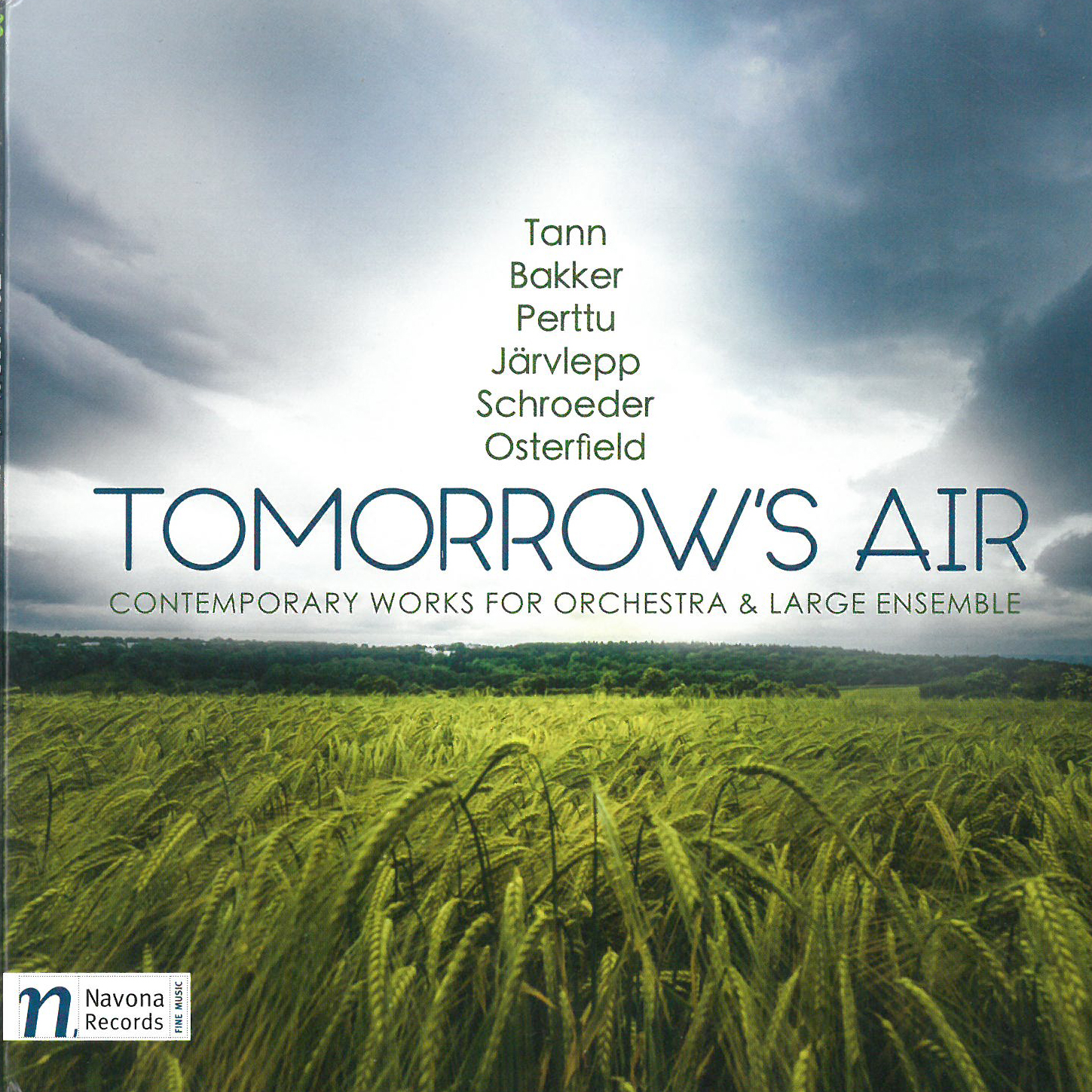
Here is a go-to music release for anyone in love with dramatic, expressive orchestral music with lyrical string melodies and dense harmonies, as six composers take a compositional approach to what the future may bring.

Each work is a unique personal musical exposé. Hilary Tann’s Anecdote is inspired by Wallace Stevens’ poem Anecdote of the Jar. Lush orchestral harmonies support the mournful yet positive solo cello lines, which span a wide pitch range with glorious low tones. Hans Bakker’s Cantus is equally expressive, with a driving rhythm pitted against an uplifting happy string melody. Inspired by William Blake’s poetic ode, Daniel Perttu’s To Spring – An Overture is another majestic lyrical work, with an especially gratifying, almost chromatic melody in the middle section. My highlight is Canadian composer Jan Järvlepp’s moving In Memoriam in memory of his late brother. Drawing on more original atonal harmonies, his grief is aurally depicted by high and low strings in the emotional conversational contrapuntal sections, and the heart-wrenching final repeated notes. The lush strings, clarinet and piano of Pierre Schroeder’s Late Harvest create a film-score-reminiscent sound that swells with simultaneous sadness and hope. Flute and piccolo perform lyrical and tricky melodic lines against energetic percussion in Paul Osterfield’s Silver Fantasy. Love the playful, almost marching band section at the end.

Excellent performances drive the music, especially the four works with the Moravian Philharmonic Orchestra. Tomorrow should be perfect if the music here is any indication!

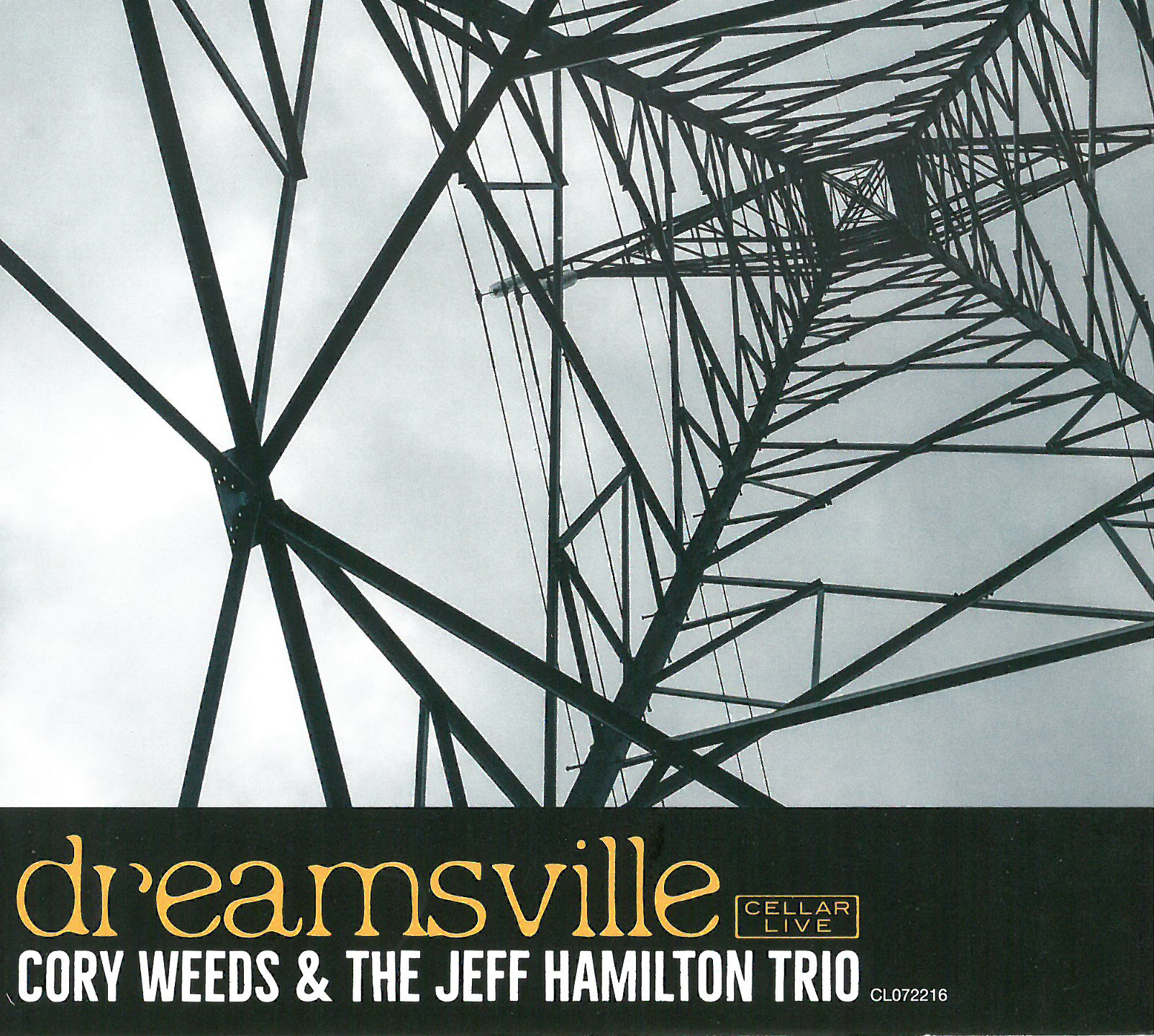
01 Cory WeedsDreamsville
Cory Weeds & The Jeff Hamilton Trio
Cellar Live CL072216 (cellarlive.com)

Dreamsville, the latest recording from Vancouverite Cory Weeds, pairs the soulful saxophonist with drummer Jeff Hamilton’s trio for a set of fine jazz loosely framed around the work of the late American film composer, Henry Mancini. While Weeds and company (pianist Tamir Hendelman, bassist Christoph Luty and Hamilton) are all unique soloists and ensemble players with individualized approaches to the music, the overarching shared quartet values of infectious swing, purity of instrumental tone and good taste rudder this recording to a satisfying place that should find it included on many year-end “best of” lists. This, the second pairing of Weeds and the Hamilton trio, again demonstrates that there is much creativity to be mined from this classic jazz horn/rhythm section format, when master musicians coalesce to collectively elevate the music to a higher plane than can be achieved by one individual. Jazz is a social and participatory music and Weeds – as his impressive discography exhibits – is skilled at seeking outside musicians who share this attitude, choosing or writing music that encourages creative collaboration and setting up a relaxed environment for musical joy to flourish. Accordingly, Dreamsville bounces along with an effervescent pulse that showcases all parties in a most swinging and flattering light. This is a set of happy music (case in point: How Do You Like Them Apples?) and yet another accomplishment for Weeds, who as saxophonist, booking agent, label owner, composer and concert promoter, continues to be a going concern on the Canadian jazz scene.

Back to top