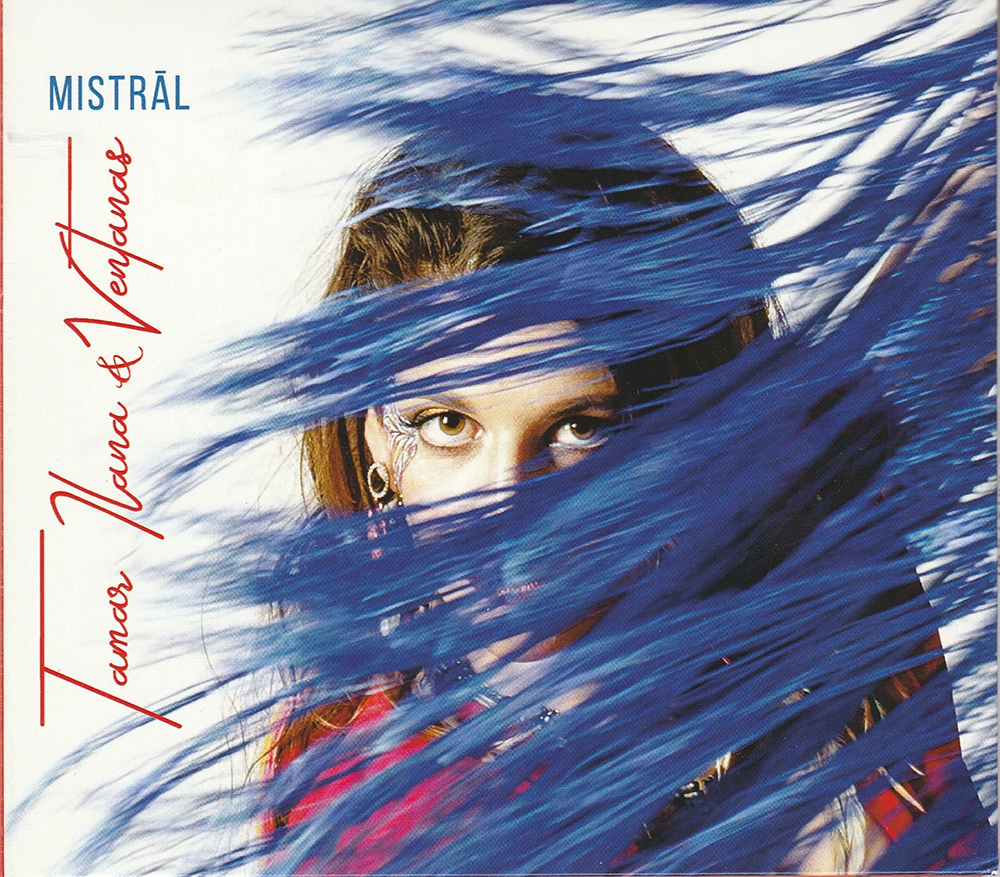
02 Tamar Mistral webMistral
Tamar Ilana & Ventanas
Independent (tamarilana.com)

Tamar Ilana had been dancing and singing in the flamenco/Middle Eastern/Balkan music realm since she was a girl, so although still relatively young, she’s now somewhat of a global-music veteran. She comes by it honestly, as her mother, Dr. Judith Cohen, is a respected ethnomusicologist who Ilana credits with introducing her to many of the styles of music on this lovely album.

Mistral is the third release by the Toronto-based group, and Ilana and her Ventanas bandmates cover off a range of instruments and styles. All contribute vocals in an impressive seven different languages. Percussionist Derek Gray does multiple duty on Tibetan singing bowls, cymbals, darbuka, djembe, cajon and good ol’ drum kit. Demetri Petsalakis’ string mastery shines on oud, lyra and saz. Benjamin Barile’s assertive guitar playing is an excellent foil for Ilana’s strong, emotive singing. Barille also wrote two rousing flamenco tunes, and Jessica Hana Deutsch contributed several songs – including a lovely instrumental honouring Martin Luther King Jr. – along with versatile violin and viola playing throughout. Bass player Justin Gray co-produced the album and has kept it relatively raw, letting the musicians’ talent and passion come through in an authentic way. The lyrics (helpfully translated in the liner notes) reveal themes of longing, loss and love – themes that unite us all, no matter where we’re from.

Listen to 'Mistral' Now in the Listening Room

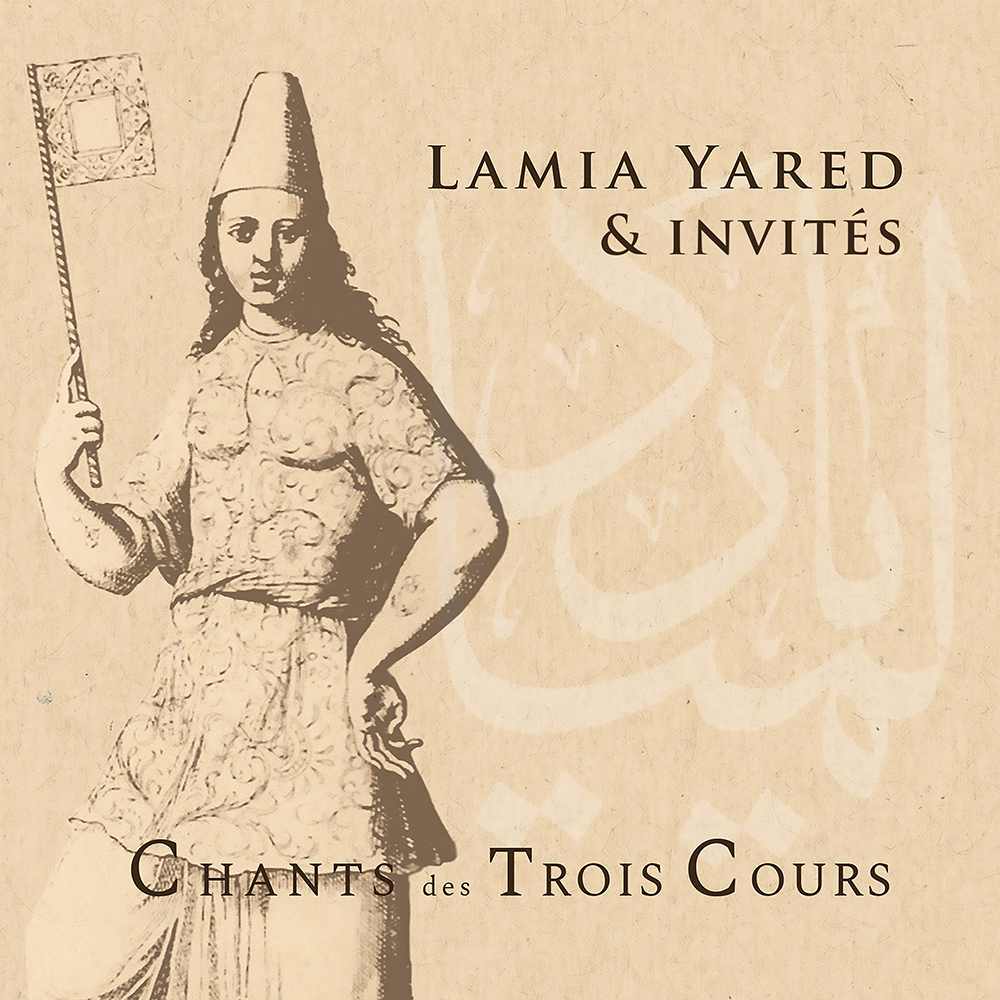
03 Lamia Yared webChants des Trois Cours
Lamia Yared & Invités
Independent (lamiayared.com)

Over the scope of 15 tracks on Chants des Trois Cours, commanding Lebanese-Canadian singer and music director Lamia Yared plus seven virtuoso musician “friends” explore three of the cultures that contributed to the Ottoman musical world. This ambitious Persian composers and Among the album’s delights are the songs in muwashshah, the musical form from Aleppo, Syria with Arabic-Andalusian poetic roots. Jalla Man Ansha Jamalak (A Tribute to Your Beauty), set in maqam Awj Iraq and in the Mrabaa metre of 13 slow beats, is a beautifully performed example.

Montreal-based Yared’s voice soars above her group of outstanding instrumentalists: Nazih Borish (oud), Reza Abaee (ghaychak), Elham Manouchehri (tar), Joseph Khoury (riq and bendir) and Ziya Tabassian (tombak). Cellist Noémy Braun and bassist Jérémi Roy ably enrich the album’s bottom end. Didem Başar, featured on Turkish kanun, also provided the nuanced and very effective arrangements. 

But it is Yared who brings Chants des Trois Cours to life. Propelled by her elegant vocalism, linguistic skills and artistic vision, she piques our interest in the rich musical legacy of this multicontinental, multicultural empire. That this impressive achievement was conceived and produced in Montreal is yet another wonder.

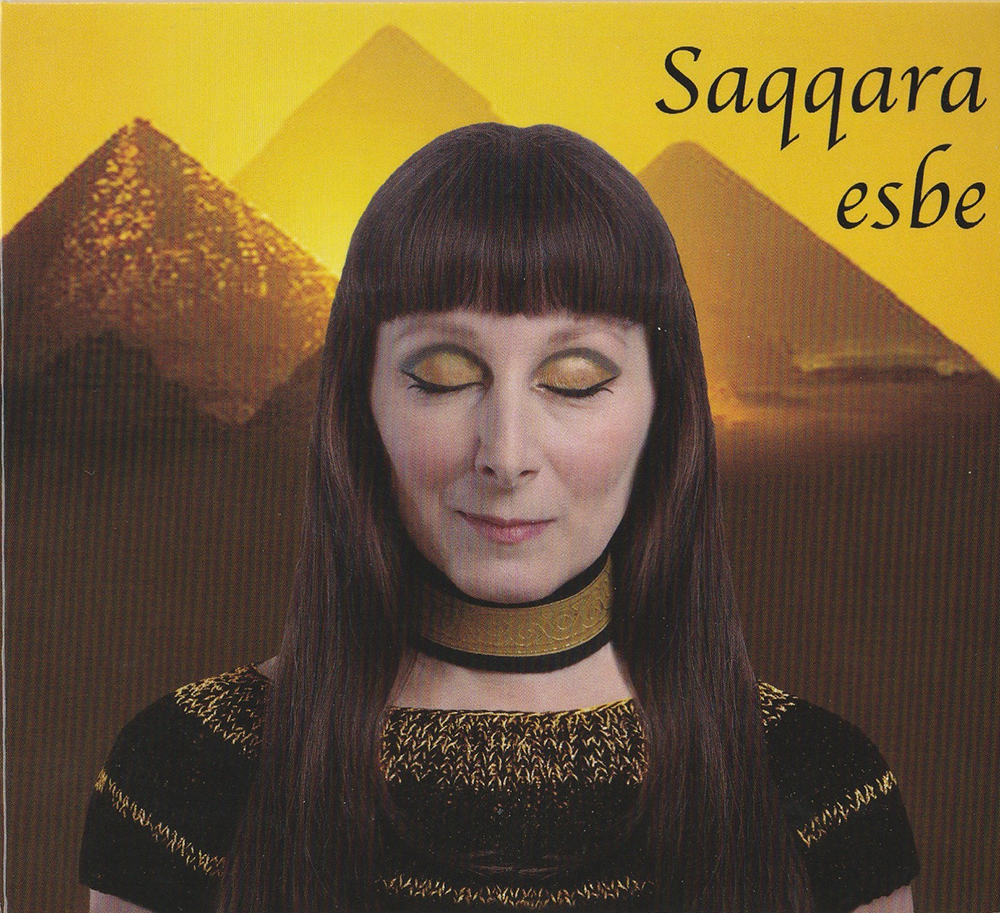
04 Saqqara webSaqqara
Esbe
New Cat Music (esbemusic.uk)

Esbe does not score the instruments and sounds she needs before recording her music. As she herself puts it, she allows serendipity to take her on its own particular journey until there is one unified picture. And this CD presents a highly varied picture as Esbe travels from Egypt (hence Saqqara, site of Egypt’s oldest Step pyramid) through India, Sri Lanka and North Africa.

In fact, modern boundaries count for nothing as Esbe casts her sensuous veil of voice and instrument (and even sound effect) over her listeners, who feel themselves entranced within the lingering and languorous sounds of traditional desertscapes. And yet the sounds of the desert are not the only ones on Esbe’s CD. She employs the Indian tabla, tambourine and various synthetic sounds to create her own Qawaali Dance, a tribute to a spirited and demanding dance form. Her fondness for the rich music of India leads to Eyes of blue, a lovesong of intense beauty. 

Paint the moon is perhaps the most distinctive track. It starts with the most lively beat on the CD, before introducing heartfelt lyrics described by Esbe as perhaps a plea by the moon for an end to the natural depletion of the world by humanity.

Esbe’s final composition inspired by the desert is Bedouin Prince, reflecting the longstanding presence of the Bedouin in North Africa. Its mystic percussion part sets the backdrop for some highly romantic thoughts. In fact, looking at the CD as a whole, those of the romantic persuasion can invite a significant other round, dim the lights and listen to Saqqara...

Listen to 'Saqqara' Now in the Listening Room

Although you couldn’t guess from major record companies’ release schedules, the purpose of a reissue program isn’t to repackage music that has long been available in different formats. It also doesn’t only involve finding unreleased or alternate takes by well-known musicians and sticking them on disc to satisfy completists. Instead, reissues should introduce listeners to important music from the past that has been rarely heard because of distribution system vagaries. This situation has been especially acute when it comes to circulating advanced and/or experimental sounds. Happily, small labels have overcome corporations’ collective blind spots, releasing CDs that create more complete pictures of the musical past, no matter the source. The discs here are part of that process.

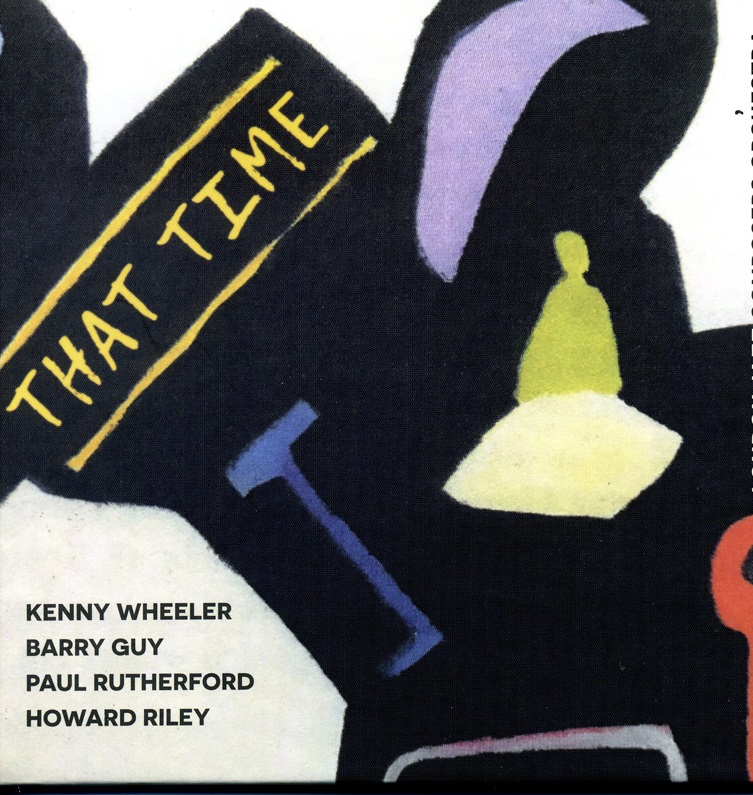
02 ThatTimeProbably the most important find is That Time (NotTwo MW 1001-2), which captures two tracks each from two iterations of the London Jazz Composers Orchestra from 1972 and 1980. Drawn from a period when the LJCO made no professional recordings, the tracks piece together music from radio broadcasts or amateur tapes, sonically rebalanced by a contemporary sound engineer. Although the personnel of the ensemble shrank from 21 to 19 over the eight years, the key participants are accounted for on both dates. Edifyingly each of the four tracks composed by different LJCO members shows off unique group facets. Pianist Howard Riley’s Appolysian, for instance, depends on the keyboard clips and clatters engendered by matching Riley’s vibrating strokes and expressive pummelling with the scalar and circular waves and judders from the string section, which in this case included violinists Phillip Wachsmann and Tony Oxley (who usually plays drums) and bassists Barry Guy and Peter Kowald. Climax occurs when tremolo pianism blends with and smooths out the horn sections’ contributions. Quiet, but with suggestions of metallic minimalist string bowing, trombonist Paul Rutherford’s Quasimode III derives its grounded strength and constant motion from thicker brass expressions and meticulously shaded low-pitched double bass tones. Concentrated power is only briefly interrupted by a dramatic circular-breathing display by soprano saxophonist Evan Parker. Dating from the first session, trumpeter Kenny Wheeler’s Watts Parker Beckett to me Mr Riley? stands out as much for capturing the LJCO in mid-evolution as for its Arcadian beauty. Sophisticatedly arranged, the tune gradually introduces more advanced textures as it advances over Oxley and Paul Lytton’s martial drum slaps and throbs from bassists Guy, Jeff Clyne and Chris Laurence. It pinpoints the group’s transformation though, since the harmonized theme that could come from contemporary TV-show soundtracks is sometimes breached by metal-sharp guitar licks from Derek Bailey, plus stentorian shrieks and split tones from the four trumpeters and six saxophonists.

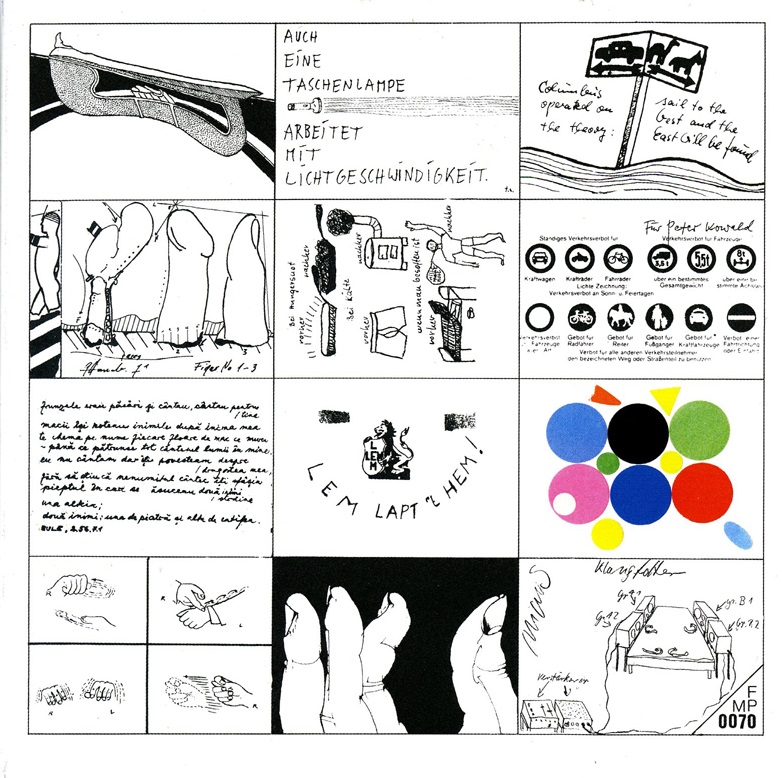
01 PeterKowaldRutherford, who plays on all the LJCO tracks and German bassist Kowald, who plays on the 1980 ones, also make major contributions to Peter Kowald Quintet (Corbett vs Dempsey CD 0070 corbettvsdempsey.com), the first session under his own name by Kowald (1944-2002). Recorded in 1972 and never previously on CD, the disc’s four group improvisations feature three other Germans: trombonist Günter Christmann, percussionist Paul Lovens and alto saxophonist Peter van de Locht. The saxophonist, who later gave up music for sculpture, is often the odd man out here, with his reed bites and split-tone extensions stacked up against the massed brass reverberations that are further amplified when Kowald plays tuba and alphorn on the brief, final track. Otherwise the music is a close-focused snapshot of European energy music of the time. With Lovens’ clattering drum ruffs and cymbal scratches gluing the beat together alongside double bass strokes, the trombonists have free reign to output every manner of slides, slurs, spits and smears. Plunger tones and tongue flutters also help create a fascinating, ever-shifting sound picture. Pavement Bolognaise, the standout track, is also the longest. A circus of free jazz sonic explorations, it features the three horn players weaving and wavering intersectional trills and irregular vibrations all at once, as metallic bass string thwacks and drum top chops mute distracting excesses like the saxophonist’s screeches in dog-whistle territory. Meanwhile the tune’s centre section showcases a calm oasis of double bass techniques backed only by Lovens’ metal rim patterning and including Kowald’s intricate strokes on all four strings. Variations shake from top to bottom and include thick sul tasto rubs and barely there tweaks. 

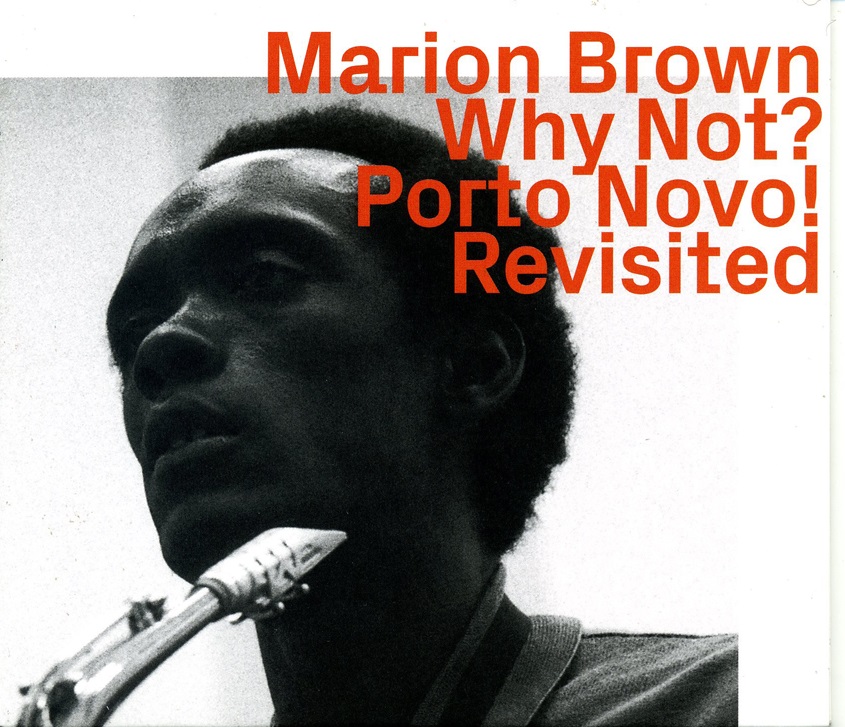
03 MarionBrownThere’s also a European component to American alto saxophonist ezz-thetics 1106 hathut.com), since five of the 13 tracks were recorded in 1967 with Dutch bassist Maarten van Regteren Altena and drummer Han Bennink. The remainder feature Brown with New York cohorts drummer Rashied Ali, pianist Stanley Cowell and bassist Sirone. Known as a member of the harsh 1960s new thing due to his work with Archie Shepp and John Coltrane, Brown (1931-2010), brought an undercurrent of melody to his tonal explorations. Both tendencies are obvious here with the pianist adding to the lyricism by creating whorls and sequenced asides as he follows the saxophonist’s sometimes delicate lead. Playing more conventionally than he would a year later, Brown’s 1966 date outputs lines that could be found on mainstream discs and moves along with space for round-robin contributions from all, including a solid double bass pulse and cymbal-and-bass-drum emphasized solos from Ali. Jokily, Brown ends his combined altissimo and melodic solo on La Sorella with a quote from the Choo’n Gum song and on the extended Homecoming, he quotes Three Blind Mice and the drummer counters with Auld Lang Syne. Homecoming is also the most realized tune, jumping from solemn to staccato and back again as the pianist comps and Brown uncorks bugle-call-like variations and biting flutter tonguing before recapping the head. Showing how quickly improvised music evolved, a year later Altena spends more time double and triple stopping narrow arco slices than he does time-keeping, while Bennink not only thumps his drum kit bellicosely, but begins Porto Novo with a protracted turn on tabla. From the top onwards, Brown also adopts a harder tone, squealing out sheets of sound that often sashay above conventional reed pitches. His slurps and squeaks make common cause with double bass strokes and drum rattles. But the saxophonist maintains enough equilibrium to unexpectedly output a lyrical motif in the midst of jagged tone dissertations on the aptly titled Improvisation. Of its time and yet timeless, Porto Novo, which was the original LP title, manages to successfully incorporate Bennink’s faux-raga tapping, Altena’s repeated tremolo pops and the saxophonist’s split-tone, bird-like peeps into a swaying Spanish-tinged theme that swings while maintaining avant-garde credibility.

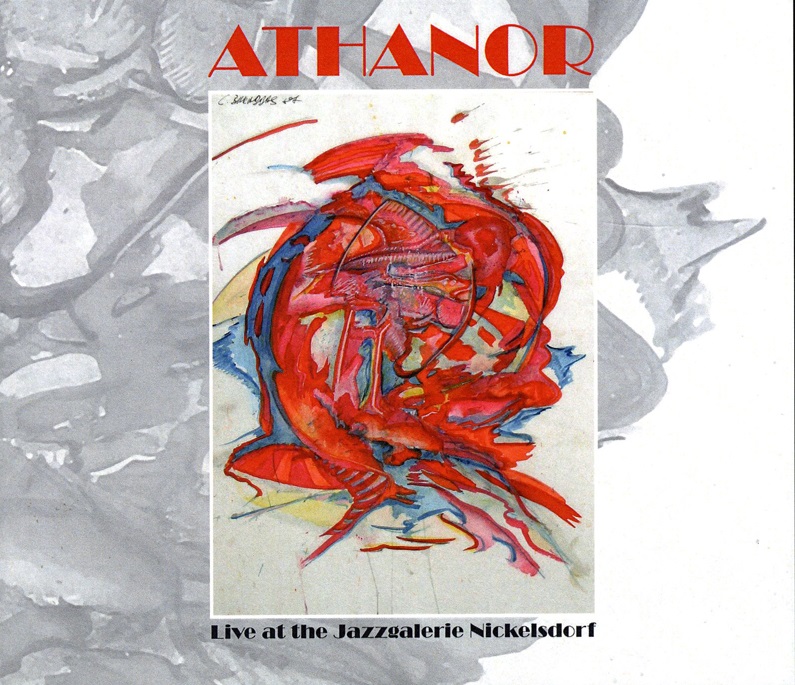
04 AthnorStill, the best argument for maintaining a comprehensive reissue program is to expose new folks to unjustly obscure sounds. Armitage Road by the Heshoo Beshoo Group (We Are Busy Bodies WABB-063 wearebusybodies.com) and Athanor’s Live At The Jazzgalerie Nickelsdorf 1978 (Black-Monk BMCD-03 discogs.com/seller/Black-Monk/profile) fit firmly in that category. The first, from 1970, features a South African quintet of aHenry Sithole, tenor saxophonist Stanley Sithole, guitarist Cyril Magubane, bassist Ernest Mothle and drummer Nelson Magwaza that combined local rhythms and snatches of advanced jazz of the time. The other disc highlights an all-Austrian take on committed free jazz bands like Kowald’s who were playing elsewhere. The quartet consists of alto saxophonist Harun Ghulam Barabbas, trombonist Joseph Traindl, pMuhammad Malli and pianist Richard Ahmad Pechoc, all of whom are as little known today as are the South African crew members. Not that it affects the music, since, as the discs attest, both bands were more interested in making an original statement than in fame. Somewhat unfinished, as are many live dates, the Nickelsdorf disc tracks how the quintet members worked to put their stamp on the evolving Euro-American free jazz idiom. Choosing to extrapolate individual expression, the quartet uses as its base a mid-range Teutonic march tempo, propelled by chunky drum rolls. Never losing track of the exposition during the 70 minutes of pure improvisation, Barabbas, Traindl and to a lesser extent, Pechoc, work through theme variation upon theme variation in multiple pitches and tempos. Sometimes operating in lockstep, players’ strategies can include chromatic reed jumps and plunger trombone wallows along with distinctively directed piano chording. When the horns aren’t riffing call and response, one often propels the theme as the other decorates it, and then they switch roles. As they play cat and mouse with the evolving sounds, although Barabbas can exhibit altissimo, Energy Music-style bites and Traindl up-tempo plunger growls, connective lopes are preferred over unbridled looseness. With Malli’s press rolls and rumbles holding the bottom, the group meanders to a conclusion leaving a memory of sparks ignited for the applauding audience.

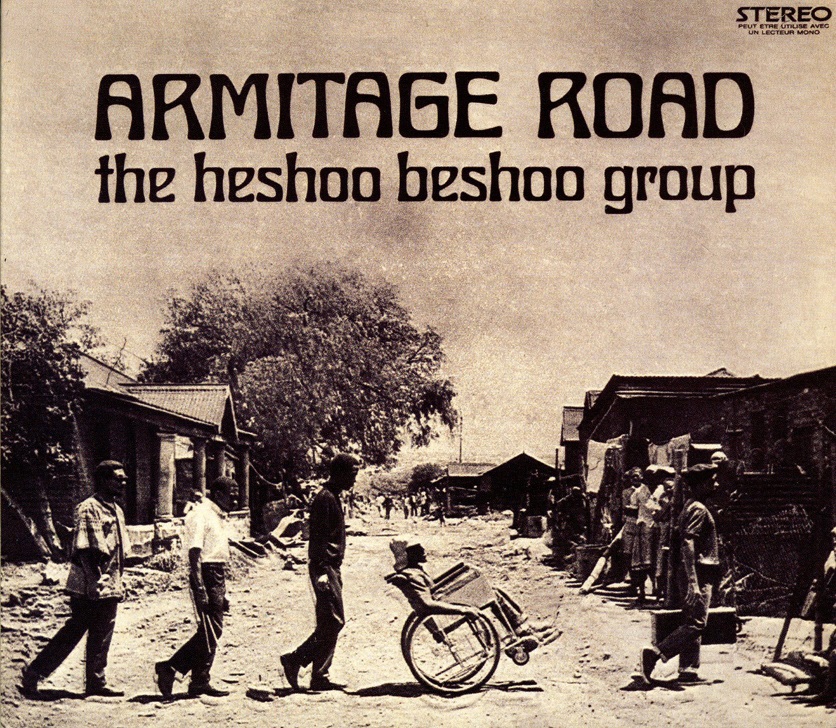
05 ArmitageThe outlier of this group of discs is Armitage Road, where the sounds are closer to emerging soul jazz than more expansive avant garde. Still, this strategy may have been the best way a quintet of all Black players could gig in Apartheid-era South Africa. However, the pseudo-Abbey Road cover photo of the band, including wheelchair-bound polio-stricken Magubane crossing a dusty township street, subtly indicates that country’s unequal situation. Magubane wrote most of the tunes and his Steve Cropper via Grant Green-style chording is prominent on all five tracks. Backed by fluid bass work and solid clip-clop drumming, the lilting tunes often depend on twanging guitar riffs and responsive vamps from the Sithole brothers. The gospelish Amabutho (Warrior) and concluding Lazy Bones, which mix a swing groove with electronic vibrations and some slabs of responsive reed honks, offer the meatiest output. Additionally Magubane’s double-stroking solo suggests just how the much the players were holding back. Despite this, the album didn’t yield another Mercy Mercy or Grazin’ in the Grass, clearly the musical role models for the band whose name translates as “moving by force.” Still, those band members who didn’t die young or go into exile – more by-products of the Apartheid system – had extended musical careers, as did most of the players featured on the other CDs. Armitage Road has been reissued by a small Toronto company, a reality reflected in the size of the other labels here. The high-quality output also proves once again that musical values and bigness are often antithetical.

His biography in the enclosed booklet begins, “Henryk Szeryng’s (1918-1988) career was unusual.” Somewhat of an understatement. Szeryng was born in Żelazowa Wola near Warsaw, Poland into a wealthy Jewish family and his mother began teaching him piano and harmony when he was five years old. Aged seven, he became interested in the violin, taking lessons from Maurice Frenkel, then Carl Flesch in Berlin. He made his debut in Warsaw on January 6, 1933 playing with the Warsaw Philharmonic Orchestra under George Georgescu performing the Brahms Violin Concerto. That concerto became the centrepiece of his repertoire through the years. In Paris, where he had moved with his family, he studied philology, philosophy, prehistory and early history at the Sorbonne. He spoke seven languages perfectly, being fluent in German, English, French, Italian, Portuguese and Dutch, plus he understood all the Slavonic languages. After Poland was attacked in1939, Szeryng accompanied the Polish Prime Minister in exile to Mexico where he remained until 1954 when Artur Rubinstein encouraged him to begin concertizing again. By 1955, he was already engaged to play concertos with the Sudwestfunk Symphony Orchestra of Baden-Baden under the baton of Hans Rosbaud. Soon he was touring and performing worldwide. In 1960, he was elevated to Mexican Cultural Ambassador in recognition of his humanitarian deeds and popularity and in 1966, living in Paris, was named honorary director of the Conservatory of Music in Mexico City. He came back to Mexico twice a year and travelled worldwide as Mexico’s official Cultural Ambassador, a designation of which he was immensely proud. On an engagement in Toronto he visited the Classical Record Shop where we were informed by the record company’s PR person who accompanied him that he wished to be addressed as “Mister Ambassador.” He spent his last five years in Monaco and died in 1988 in Kassel, Germany. 

Szeryng’s technique and intonation were impeccable and beyond criticism. His radiant performances were not to be recognized by any identifiable mannerisms. Itzhak Perlman is quoted as stating that “if you hear such a performance and cannot identify the artist, then it is Szeryng.” Here are 12 perfect examples of performances as so described by Perlman:  

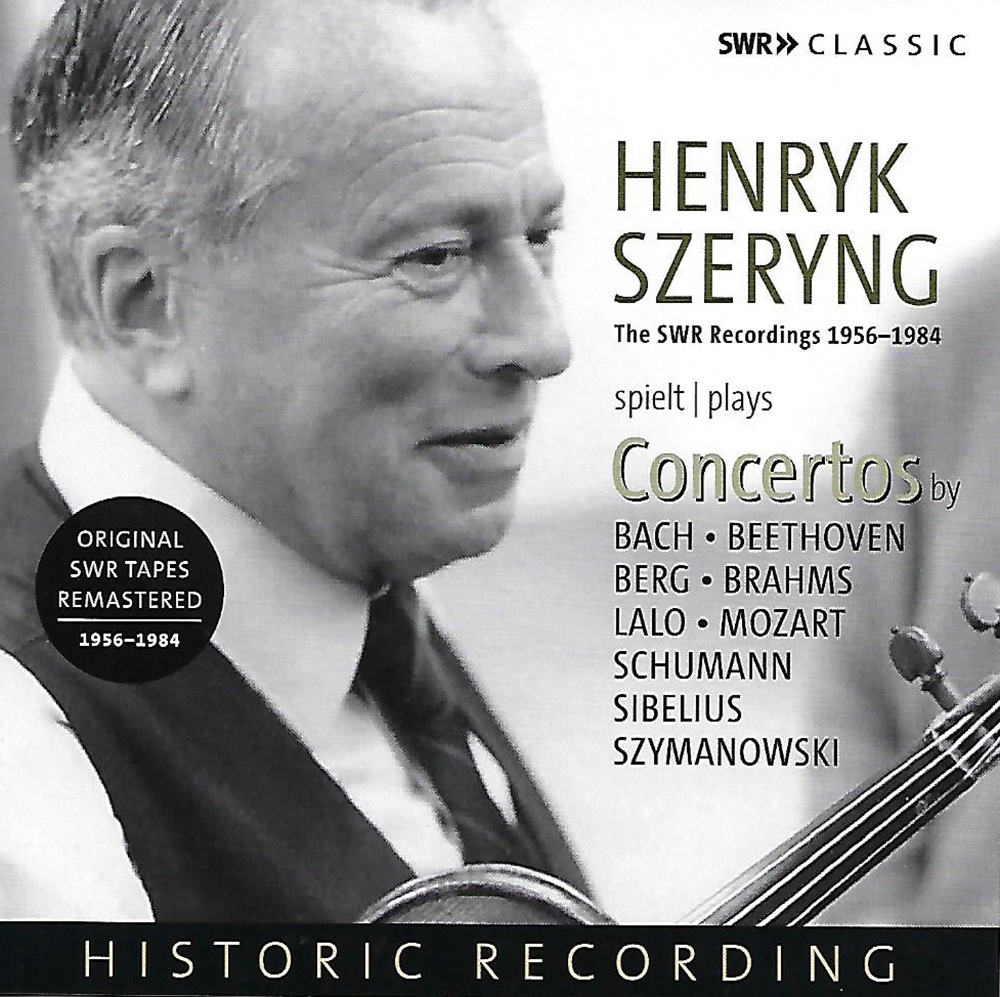
01 Szeryng webHenryk Szeryng – The SWR Recordings 1956-1984 (SWR>>CLASSIC SWR19092CD naxosdirect.com/search/swr19092cd) features 12 concertos with Szeryng and the SWR symphony orchestras for a five-CD set of exemplary performances with various notable conductors. There are two concertos by Bach, BWV1041 and 1042; three by Mozart K216, 219 and 271; also those by Beethoven, Schumann, Lalo (Symphonie espagnole), Brahms, Sibelius, Berg and Szymanowski (No.2 Op.61). From the liner notes: “The recordings were supposed to make the performances sound as concertante as possible without the performers letting themselves get carried away with too much scrupulous attention to detail.” Szeryng made himself perfectly clear: “A work should not be split into countless pieces. If I didn’t like a passage, I prefer to repeat the whole movement because recording bit by bit completely destroys the inner suspense.” Each of these 12 performances is a perfect example of these ideals. 

Their original SWR tapes have been remastered for this perfectly balanced, most attractive collection.

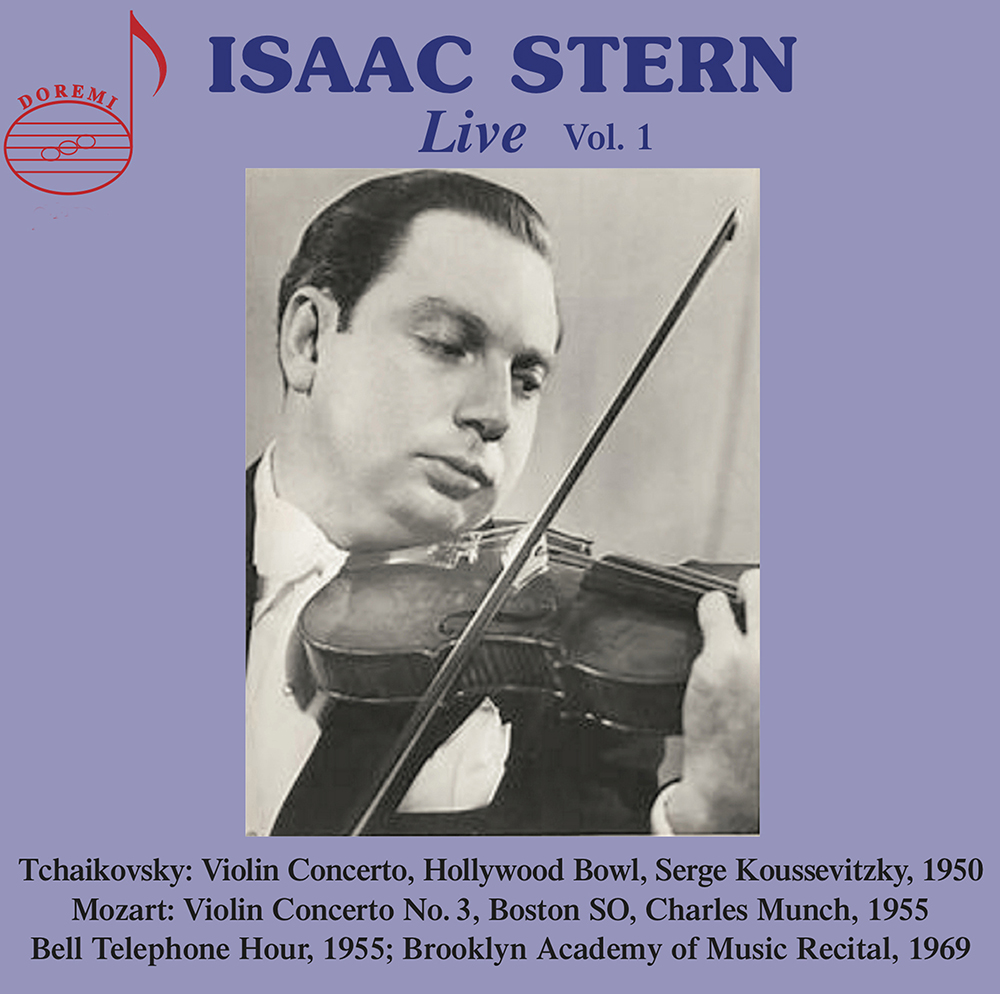
02 Isaac Stern webWe leave 2020 and the celebrations of Isaac Stern’s 100th anniversary so well documented by Sony with the 75-CD boxed presentation of their complete catalogue of Stern’s commercially recorded performances. To complement that collection, Doremi has researched and prepared an edition Isaac Stern Live of six 2CD sets of live performances, none of which has been released in any form. There are rare archival items performed with orchestras and conductors with whom he did not record. Also works he did not record. Conductors with whom he was not commercially associated include Serge Koussevitzky, Charles Munch, Lorin Maazel, Bernard Haitink, Erich Leinsdorf, Raphael Kubelik, Josef Krips and Evgeny Svetlanov. Also, with Leonard Bernstein as pianist. 

The first album includes the Tchaikovsky concerto with Koussevitzky and the Hollywood Bowl Orchestra with the 30-year-old Stern, followed by the Mozart Concerto No.3 with Charles Munch and the Boston Symphony from 1955. Then, from The Bell Telephone Hour on December 5, 1955 conducted by, of course, Donald Voorhees, Pugnani’s Largo and Sarasate’s Caprice Basque, Op.24. Then, on to the Brooklyn Academy of Music on January 22, 1969 with his permanent accompanist, Alexander Zakin, playing the Devil’s Trill sonata by Tartini/Kreisler, a sonata each by Beethoven and Prokofiev, then Four Romantic Pieces by Dvořák, Suk’s Burlesque and finally Mozart’s Rondo in C Major, K373. Before this review becomes a tiring list of repertoire let’s just mention that Volume Two includes Mozart’s Violin and Piano Sonata K305 with Leonard Bernstein and Volume Three opens with the Schubert Trio No.1, Op.99 played by Stern, Paul Tortelier and Artur Rubinstein from the Israel Summer Festival of 1967, followed by four heavy-duty concertos from Moscow and Carnegie Hall. These three volumes are available now, with three more to come in the new year. (Doremi DHR 8116/7, DHR 8128/9, DHR 8181/2 naxosdirect.com/search/dhr-8116-7)

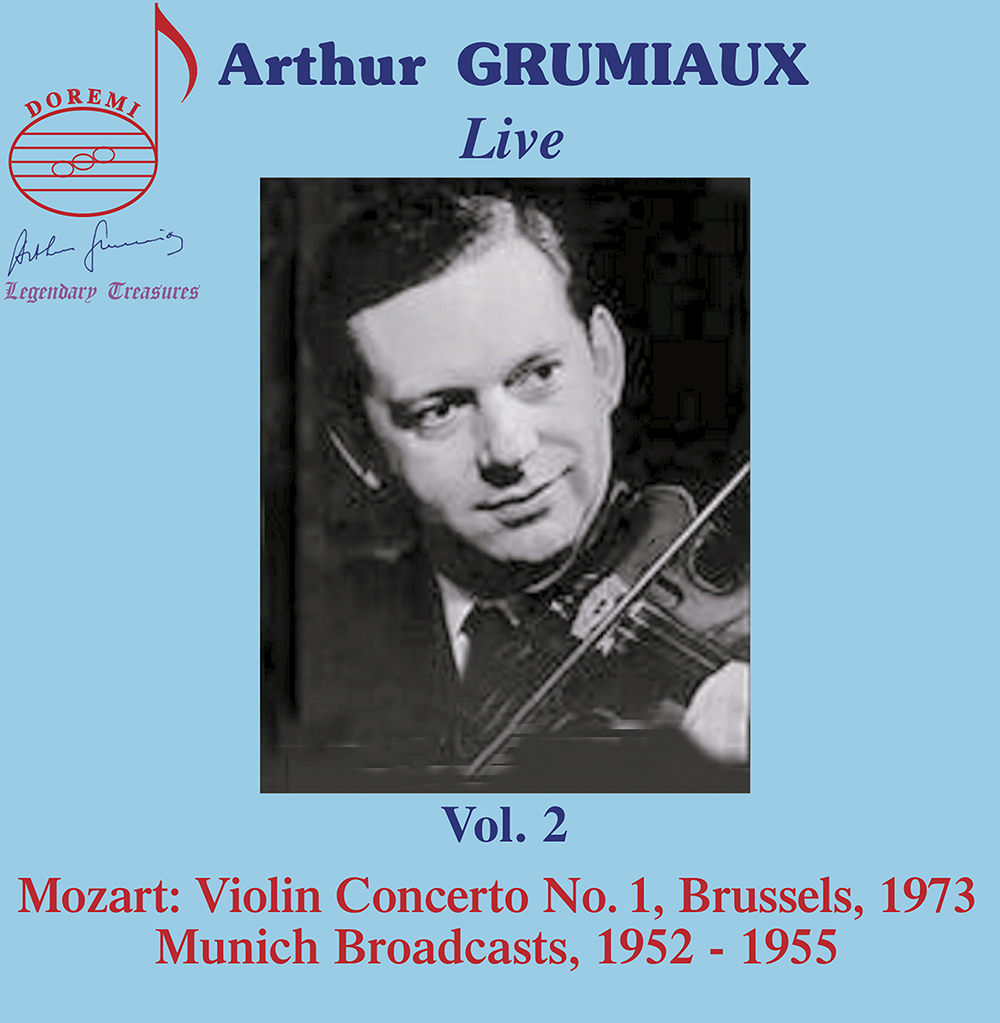
03 Arthur Grumiaux webDuring the 1950s through the 1980s, Belgian violinist Arthur Grumiaux (1921-1986) was one of the artists most highly esteemed by his fellows and popular with classical record buyers. His was a pure classical style, aristocratic, with perfect execution and exquisite taste. He recorded, as most readers know, for Philips and his discs are still in demand, as attested to by the listings in Amazon and others. Volume 2 of Arthur Grumiaux Live from Doremi (DHR8080 naxosdirect.com/search/dhr-8080) contains four exceptional broadcast performances. From Brussels, Mozart Violin Concerto No.1 K207, with the Chamber Orchestra of Belgian Radio conducted by Edgar Doneux (1973). Then three violin and piano sonatas from Munich with accompanist Hans Altmann: from May 11, 1955, Mozart’s Sonata in A Major K526; from October 2, 1954 Beethoven’s Sonata No.10 in G Major, Op.96; and finally Brahms’ Sonata in A Major Op.100 from September 14, 1952. Listening to this disc as I write, in fact to all the above, it is very satisfying to hear the artistry of these musicians of a generation-or-two ago, for whom getting the notes right was only just the beginning. I should add that it was said of some great instrumentalists of the past that their occasional wrong notes were better than a lesser player’s right ones. Alfred Cortot and Vladimir de Pachmann come to mind who, of course, also recorded before editing was possible.

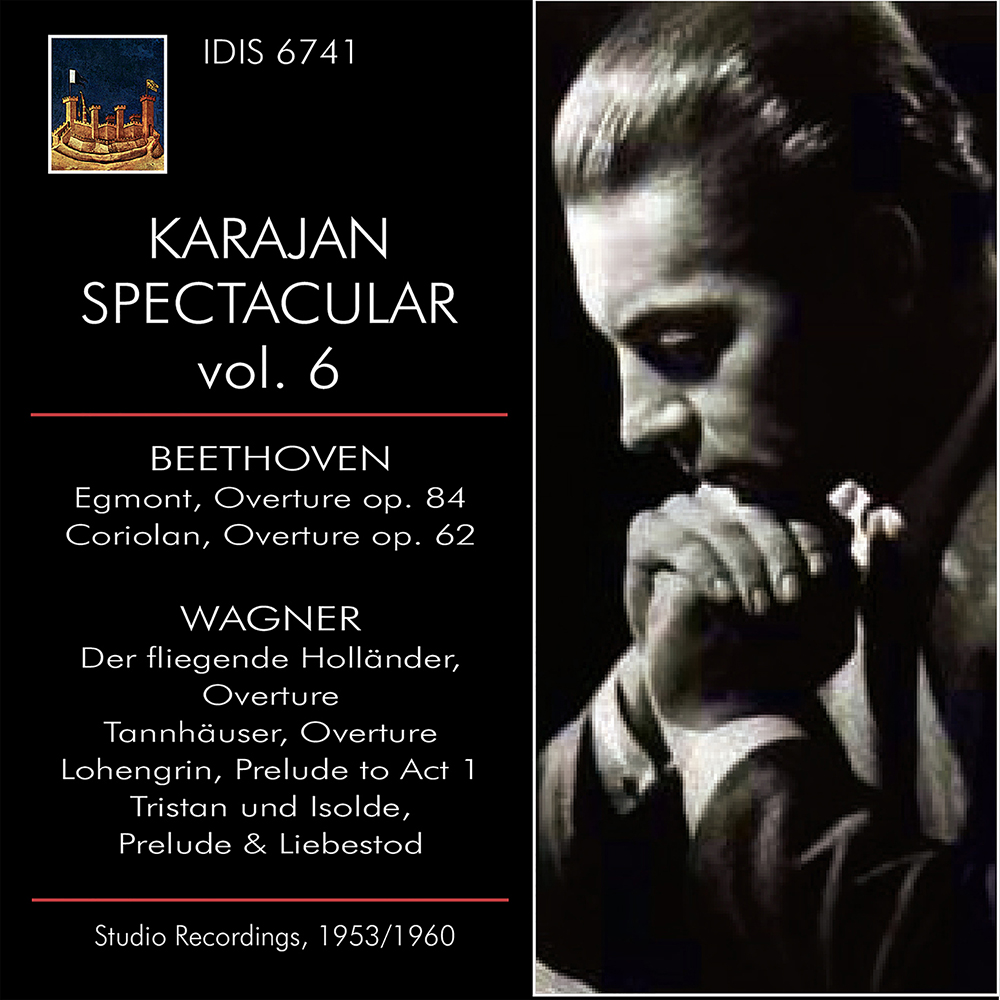
04 Karajan webKarajan Spectacular is from IDIS, an Italian company that is working on a series of Karajan reissues. I was unaware of these until we were sent Volume 6 (IDIS6741 naxosdirect.com/search/idis6741). On this disc Beethoven’s Egmont and Coriolan Overtures are played by the Philharmonia Orchestra recorded in Kingsway Hall in 1953. Also Wagner, played by the Berlin Philharmonic in 1957 and 1960 including the overtures to Der Fliegende Holländer and Tannhäuser, Lohengrin Prelude to Act 1 and Tristan und Isolde Prelude and Liebestod. To make a comparison I listened to the Philharmonia entries on EMI CDs. Particularly good sound, typical of EMI’s best. Then a shock! The IDIS sound is wider, deeper, with more body and certainly more involving. The Philharmonia was a magnificent orchestra and Karajan was at home with them. Same improvement for the Wagner. A recommendation for anyone interested in this repertoire.

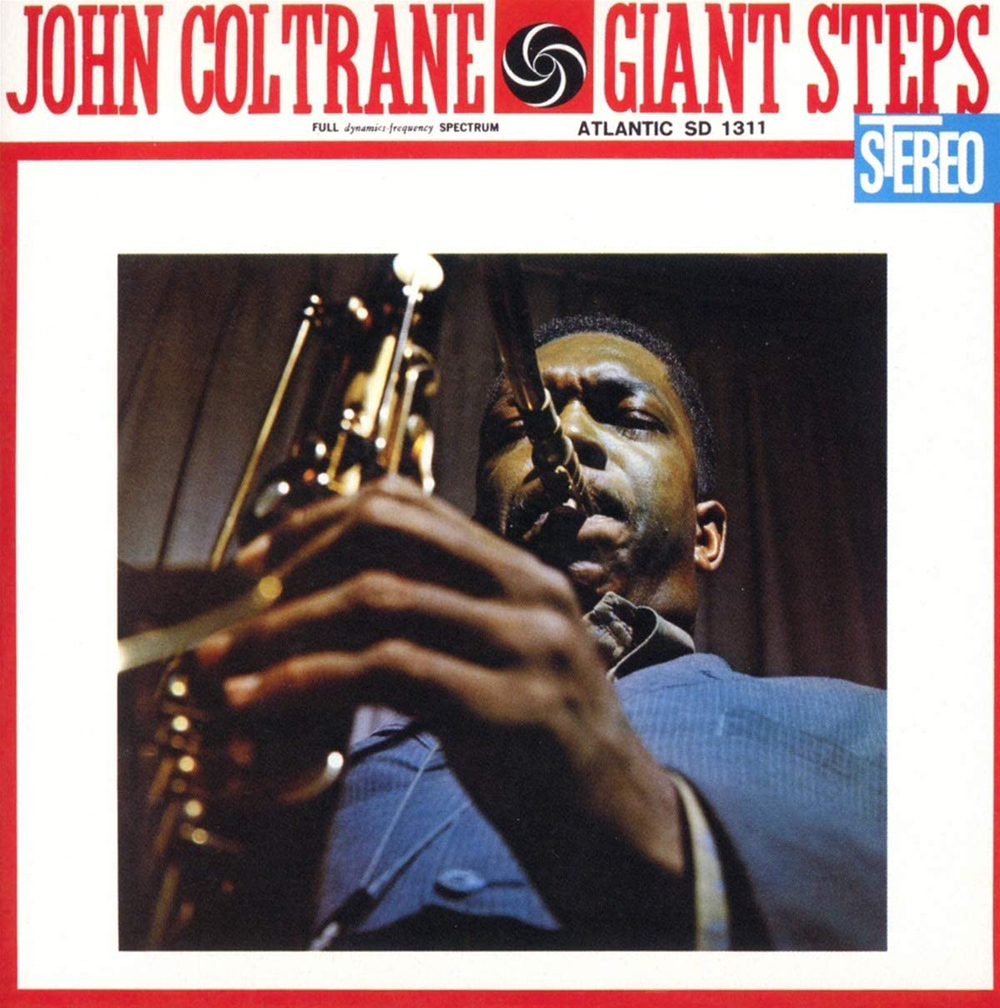
05 Coltrane Giant Steps webGiant Steps – 60th Anniversary Edition
John Coltrane
Rhino-Warner Records/Atlantic SD 1311 (amazon.ca/Giant-Steps-60th-Anniversary-Coltrane/dp/B0864JZ9ZL)

Few jazz recordings have the historical significance of Coltrane’s Giant Steps, taking the tenor saxophonist from brilliant sideman to major figure. Recorded within weeks of Miles Davis’ 1959 classic Kind of Blue, to which Coltrane also contributed, Giant Steps was a different vision, its complex harmony a contrast to Davis’ spacious modality. If Kind of Blue signified sculptural perfection, Giant Steps, its title track still a jazz test piece, signalled hard work, running unfamiliar chord patterns – “Coltrane Changes” – at high velocity. The finished LP took three groups and multiple sessions to achieve the initial release. 

This commemorative two-CD (or two-LP) set presents snapshots of the record’s history. The first CD presents the original LP in all its glory. Including the flying Countdown, the modal Cousin Mary, the shimmering, bittersweet Naima, it’s a work of many moods and genuine mastery. 

The second disc, with eight rejected versions of key songs, demonstrates the many paths Coltrane could wend through material that stymied his sidemen. Only bassist Paul Chambers appeared consistently. An initial session with pianist Cedar Walton didn’t appear at all on the original disc, while pianist Tommy Flanagan and drummer Art Taylor required two sessions to record six of the original tracks. A satisfactory Naima was captured seven months later with pianist Wynton Kelly and Jimmy Cobb in a session for a different LP. 

Completists will want the Heavyweight Champion, the seven-CD set released in 1995, with nine false starts and alternates for Giant Steps alone, but for most, this set will suffice; a singular step in a great musician’s path.

The English label Biddulph Recordings (altocd.com/biddulphrecords) was founded in 1989 by the violin dealer Peter Biddulph and the violinist and writer Eric Wen, the former editor of The Musical Times and The Strad. It specializes in new and historic recordings, especially of string instruments, and three recent issues are welcome reminders of three great 20th-century violin talents.
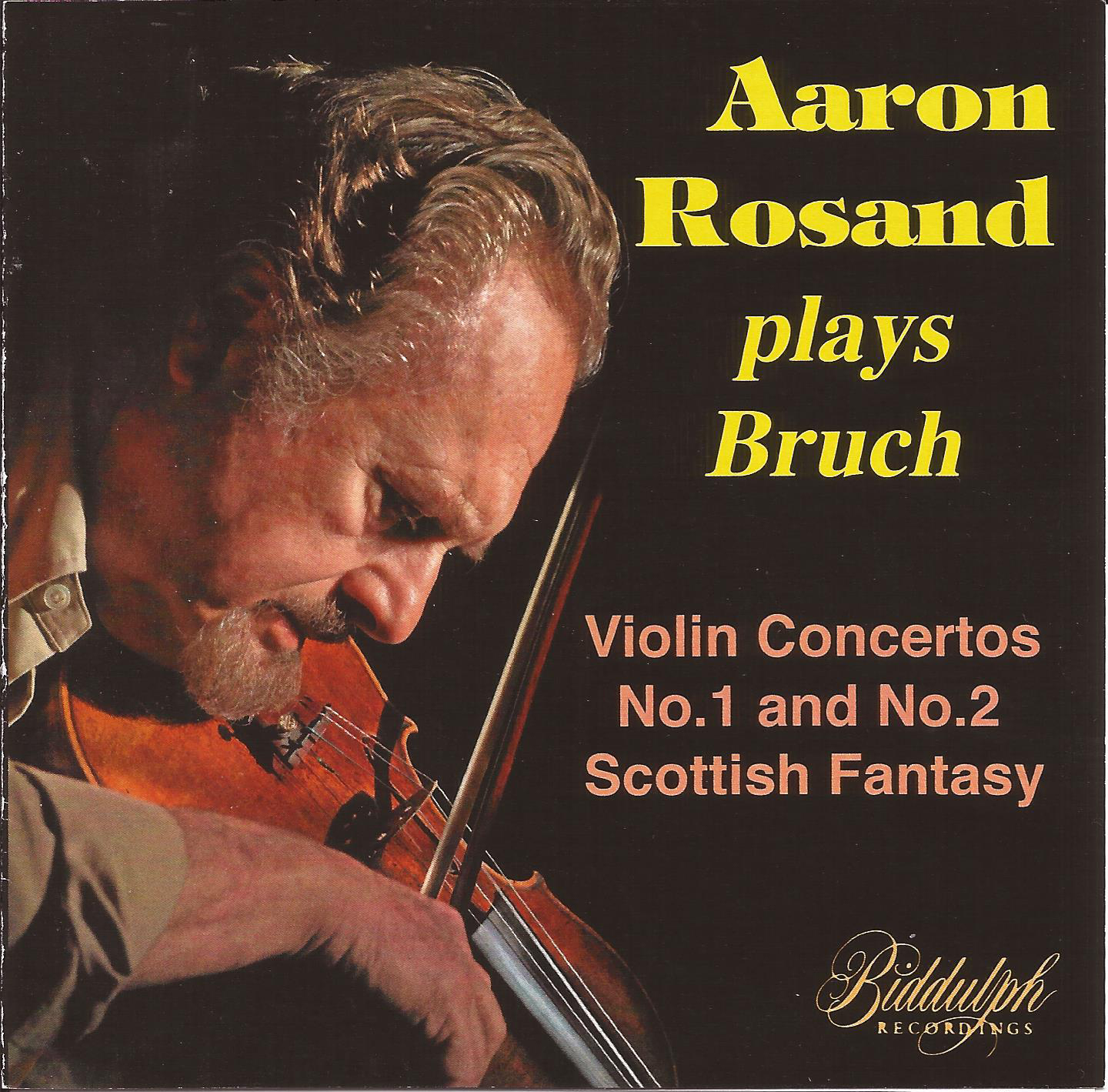
01 RosandAaron Rosand plays Bruch (LAB 1024 ) features the most recent recordings: the Violin Concerto No.1 in G Minor Op.26 and the Scottish Fantasy Op.46 in 2000 recordings with the NDR Radio-Philharmonie Hannover under Christoph Wyneken and the Violin Concerto No.2 in D Minor Op.44 in a 1970 performance with the Symphonieorchester des Bayerischen Rundfunks under Peter Richter Rangenier. They were originally licensed to Vox on two discs by the Rosand estate but since Vox was acquired by Naxos they were recompiled and licensed to Biddulph for their 10CD box set Ten More Great Violinists of the Century (LAB 8102) and for individual release.

Rosand, who died in 2019 at the age of 92, enjoyed an astonishing 77-year performing career. He had a simply lovely tone, with a fairly constant but always tasteful vibrato, and was particularly noted for his performances of the Romantic repertoire, a view clearly supported by his playing here. There’s no hint of any decline in technique in the 30-year gap between recordings, which feature first-class orchestral support in really lovely performances.
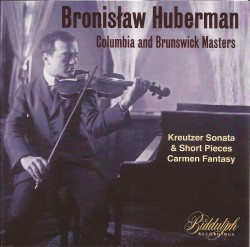
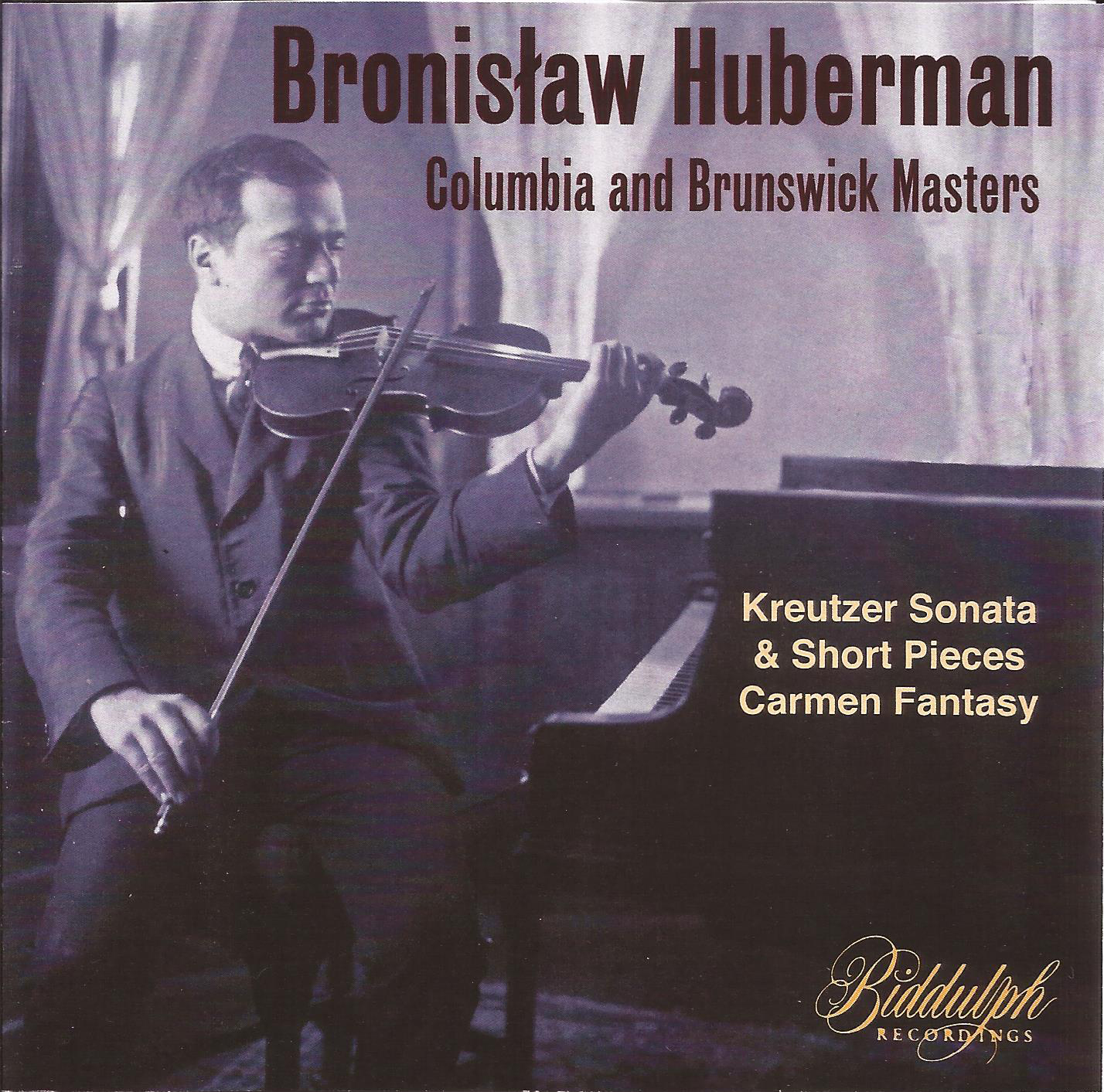
02 HubermanThe other two CDs also resulted from the creation of masters for the LAB 8102 set. Bronisław Huberman Columbia and Brunswick Masters (LAB 1025) comprises tracks from two previous issues plus new material featuring the Polish virtuoso who died aged 64 in 1947. There’s nowhere near the amount of portamento that you might expect from someone who was performing in the 1890s, but there is real individuality in his phrasing and style.

Recording years aren’t given, but the only Brunswick master is an American acoustic recording, with piano, of Sarasate’s Carmen Fantasy on Bizet’s music; the remaining works – a fiery Kreutzer Sonata and ten short pieces by Bach, Schubert, Brahms, Tchaikovsky, Bruch, Elgar, Sarasate and Zarzycki – are apparently electrical Columbia performances with piano, although Ignacy Friedman in the Beethoven sonata is the only pianist identified.

Huberman’s mellow tone, described in the booklet notes as far darker in the Columbia recordings than on the Brunswicks, is quite distinctive, and his technical command outstanding, especially the double stops in Sarasate’s Romanza Andaluza and the dazzling playing in Brahms’ Hungarian Dance No.1 in G Minor and Zarzycki’s brilliant Mazurka in G.
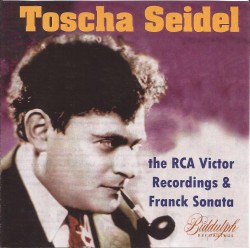
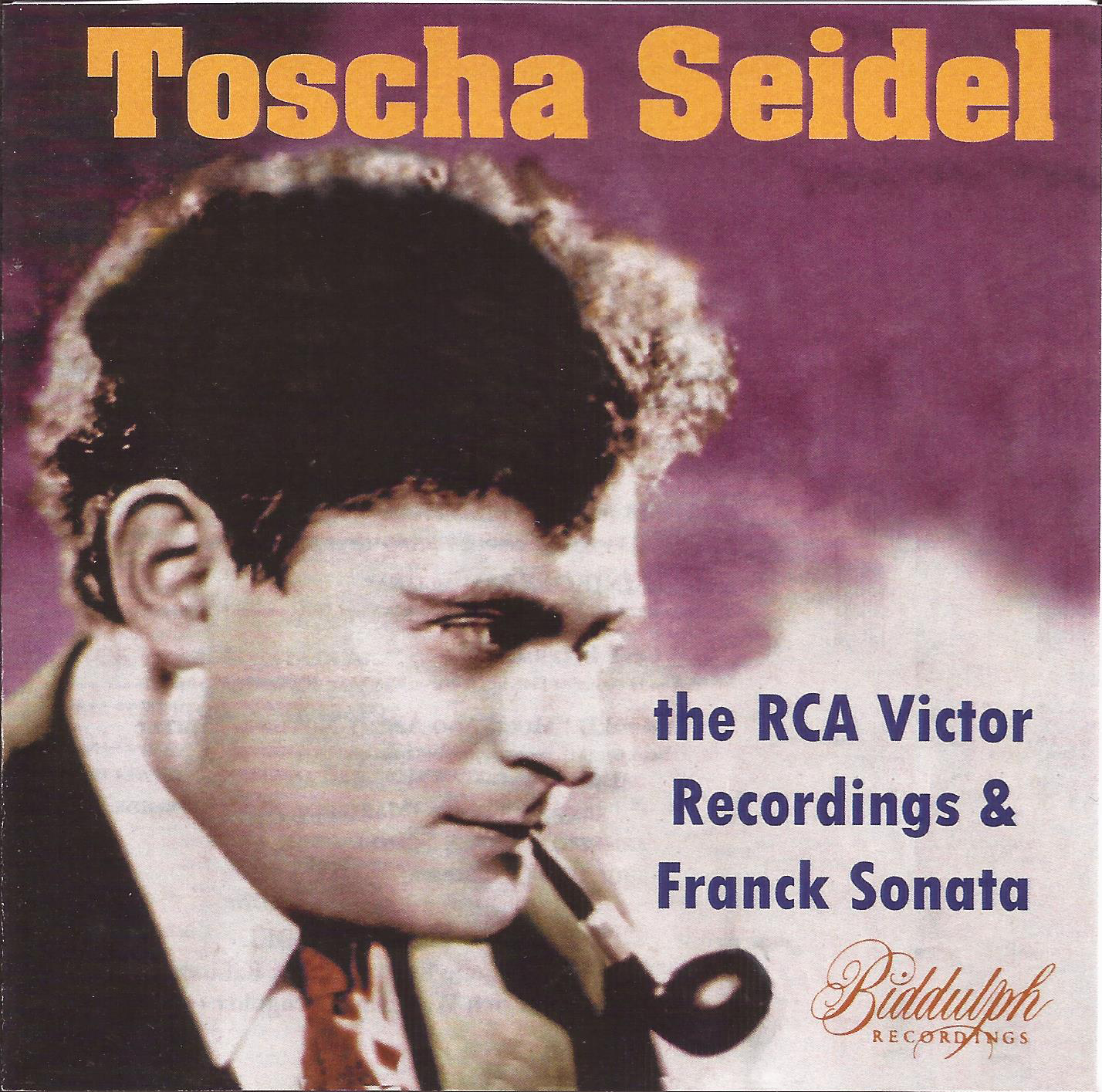
03 SeidelThe real revelation in these three CDs, though, is Toscha Seidel the RCA Victor Recordings & Franck Sonata (LAB 138), a straight reissue after 20 years unavailability. The Russian Seidel, who died in California two days before his 63rd birthday in 1962, was in Leopold Auer’s legendary violin class in St. Petersburg with the young Jascha Heifetz. He made his American debut in April 1918, one year after Heifetz’s sensational debut there, and consequently always seemed to be in the latter’s shadow, moving to California in the 1930s and making a career in Hollywood and studio orchestras.

Seidel’s tone is very bright, clear and warm, his vibrato fairly fast and consistent, and his technique absolutely brilliant and effortless. Add his sweeping phrasing and captivating musicality (“Heifetz with heart” say my notes – guaranteed to start an argument somewhere) and you end up wondering why Seidel isn’t remembered as the violinist of the first half of the 20th century.

Six short pieces by Mozart, Wagner, Brahms (the Hungarian Dance No.1 in G Minor again in another terrific performance), Bakaleinikoff and Provost are from December 1938 and February 1941. Korngold’s previously unissued Much Ado About Nothing Suite from July 1941 sees Seidel joined by the composer at the piano in a memorable performance. Three songs from the movie, The Great Waltz, feature Seidel’s obbligato (well, in two of them at least) for soprano Miliza Korjus (“rhymes with gorgeous” – unfortunately, unlike her vocal talents on this showing), and a private studio recording from the early 1950s of the Franck Sonata in A Major, in which Seidel and pianist Harry Kaufmann seem completely unable to agree on tempo or rhythm in the first movement, complete a revelatory disc.

If you don’t know Seidel’s playing, you owe it to yourself to put that right.
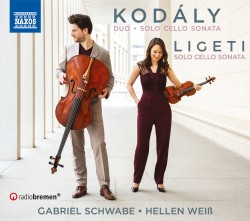
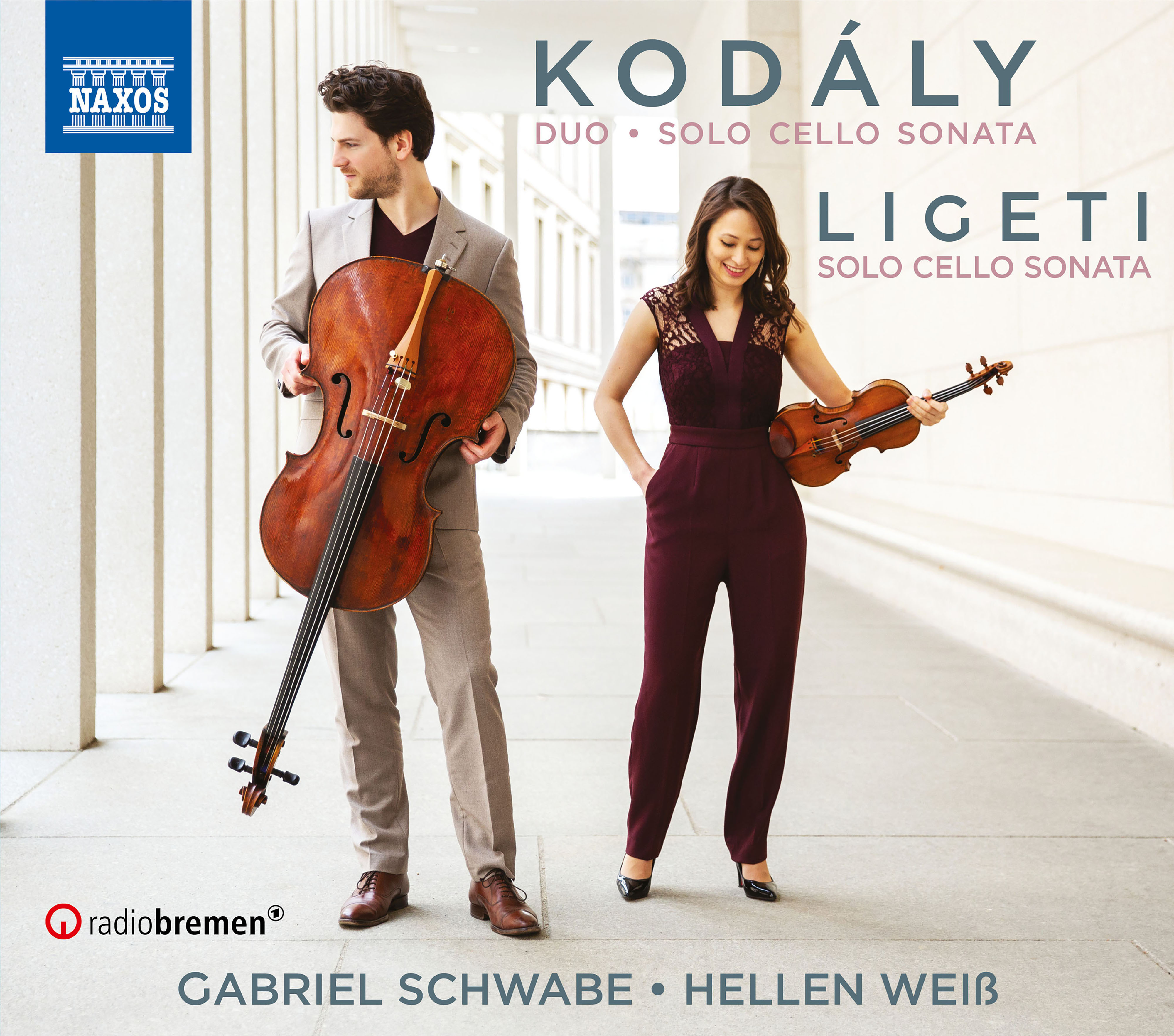
04 Kodaly LigetiGerman cellist Gabriel Schwabe is in simply superb form on a new Naxos CD of solo sonatas by Zoltán Kodály and György Ligeti, with the equally fine violinist Hellen Weiß joining him in the Kodály Duo for Violin and Cello (8.574202 naxosdirect.com/search/747313420278).

Kodály’s Sonata for Solo Cello Op.8 dates from 1915, and has been recognised as the most significant work for solo cello since the Bach Suites. It’s a monumental work, given a thrilling performance here that explores every inch of its depth.

Ligeti’s Sonata for Solo Cello is a relatively brief piece of two short movements that were written in 1948 and 1953 respectively but not heard in public until 1979 thanks to the political restrictions of the Hungarian Composers’ Union. The first movement shows a folk music influence, with the second movement inspired by the Paganini solo violin Caprices.

Kodály’s Duo for Violin and Cello Op.7 from 1914 opens the disc. It’s a work that combines classical forms with the folk music in which Kodály was immersed at the time.

Weiß’ violin is a Matteo Goffriller from 1698, Schwabe’s cello a G. Guarneri, Cremona from 1695-97. The sound they produce is quite superb.
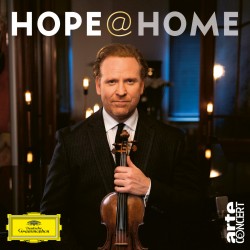
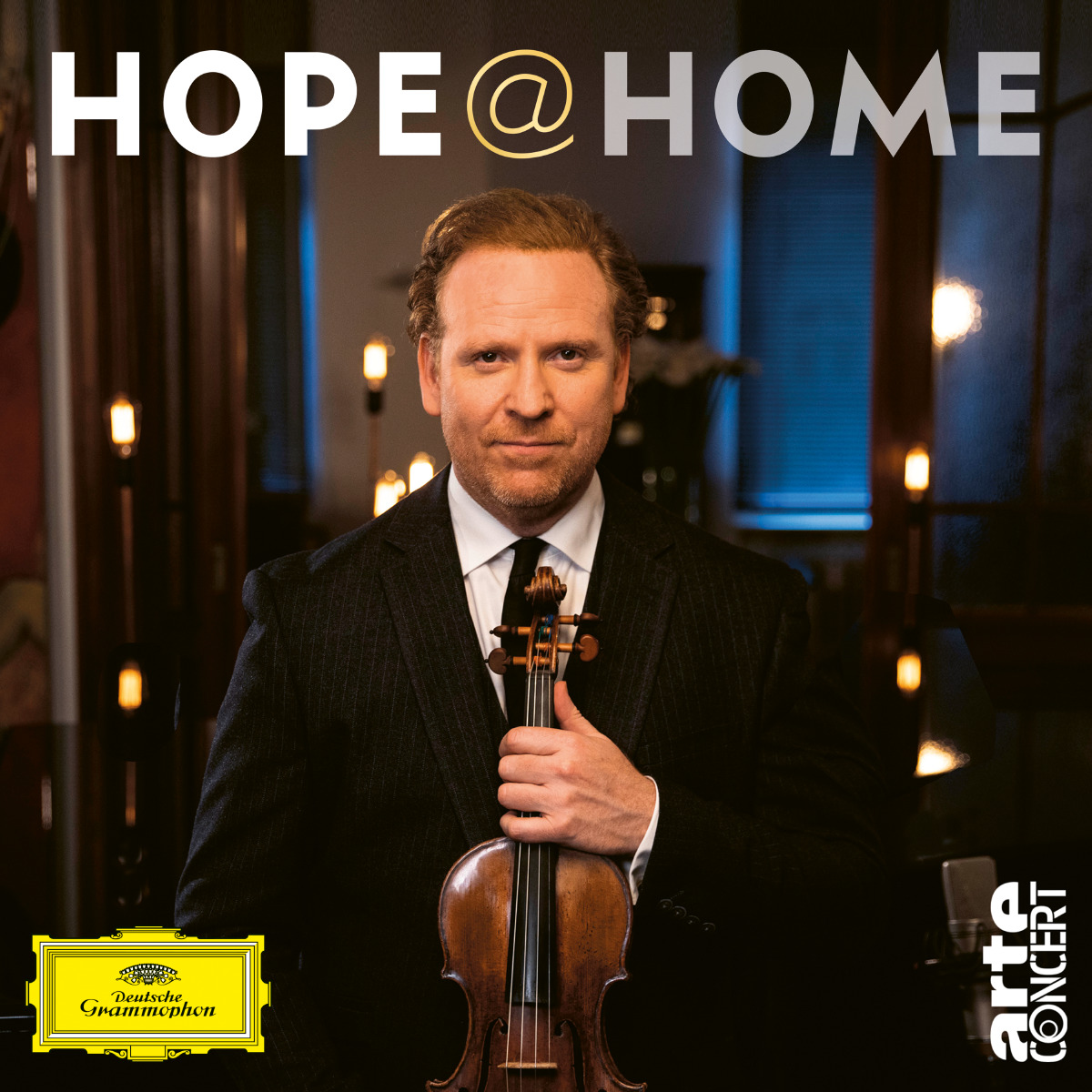
05 HopeatHomeRestricted to his Berlin apartment by the cultural and social lockdowns earlier this year, violinist Daniel Hope wondered if he could find a way to perform from home but with top-quality sound. With the support of the TV broadcaster ARTE he turned his living room into a high-tech television studio and scheduled a six-week series of online chamber concerts with specially invited guests.

The result was the Hope@Home livestream project, a series of recitals that was broadcast live on ARTE and on the Deutsche Grammophon YouTube channel, and from which the label has now released highlights as an album (483 9482 deutschegrammophon.com/en/catalogue). The pianist and composer Christoph Israel was involved from the start; he accompanies Hope on most of the tracks and also contributed several of the terrific arrangements. 

Every track is a live, single-take performance, with no editing. What strikes you first is the stunning sound quality. What strikes you second is Hope’s sumptuous playing – I’ve never heard him sound better. The 21 tracks include classical favourites like Schubert’s An die Musik, Fauré’s Après un rêve and Rachmaninoff’s Vocalise and popular standards like Moon River, Summertime, Autumn Leaves, La vie en rose and Over the Rainbow.

It’s an absolute joy from start to finish.
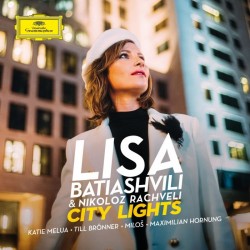
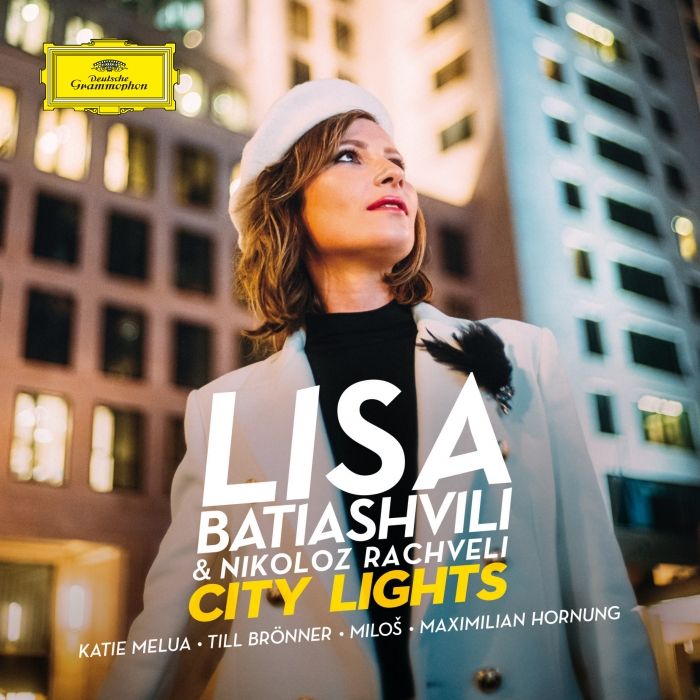
06 City LightsYou may well have heard the opening track of City Lights, violinist Lisa Batiashvili’s new CD with conductor/pianist Nikoloz Rachveli on the classical radio channels, City memories – Chaplin offering sumptuous arrangements of two themes from Chaplin’s Limelight together with two from Modern Times, plus José Padilla Sánchez’s simply gorgeous La Violetera from City Lights. Batiashvili’s ravishing tone makes a captivating start to the disc, followed by a series of 11 special arrangements that offer multi-layered musical portraits of cities that are important to Batiashvili (Deutsche Grammophon 00289 483 8586 deutschegrammophon.com/en/catalogue). 

Nothing else quite reaches the heights of that first track, but short pieces representing Munich, Paris (Michel Legrand’s Paris Violon), Berlin, Helsinki, Vienna (the Strauss Furioso Galopp), Rome (Morricone’s Theme from Cinema Paradiso), Buenos Aires, New York, London, Bucharest and Tbilisi offer plenty to enjoy. Guest artists include guitarist Miloš Karadaglić on the Buenos Aires track. Orchestral accompaniments are shared by the Rudfunk-Sinfonieorchester Berlin and the Georgian Philharmonic Orchestra.

Batiashvili says that “for more than two years we put all our energy, love and dedication into this project. It became my most personal journey.” Her commitment and involvement shine through on every track.
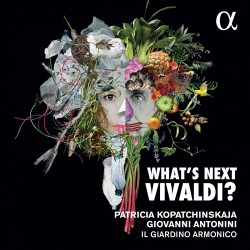
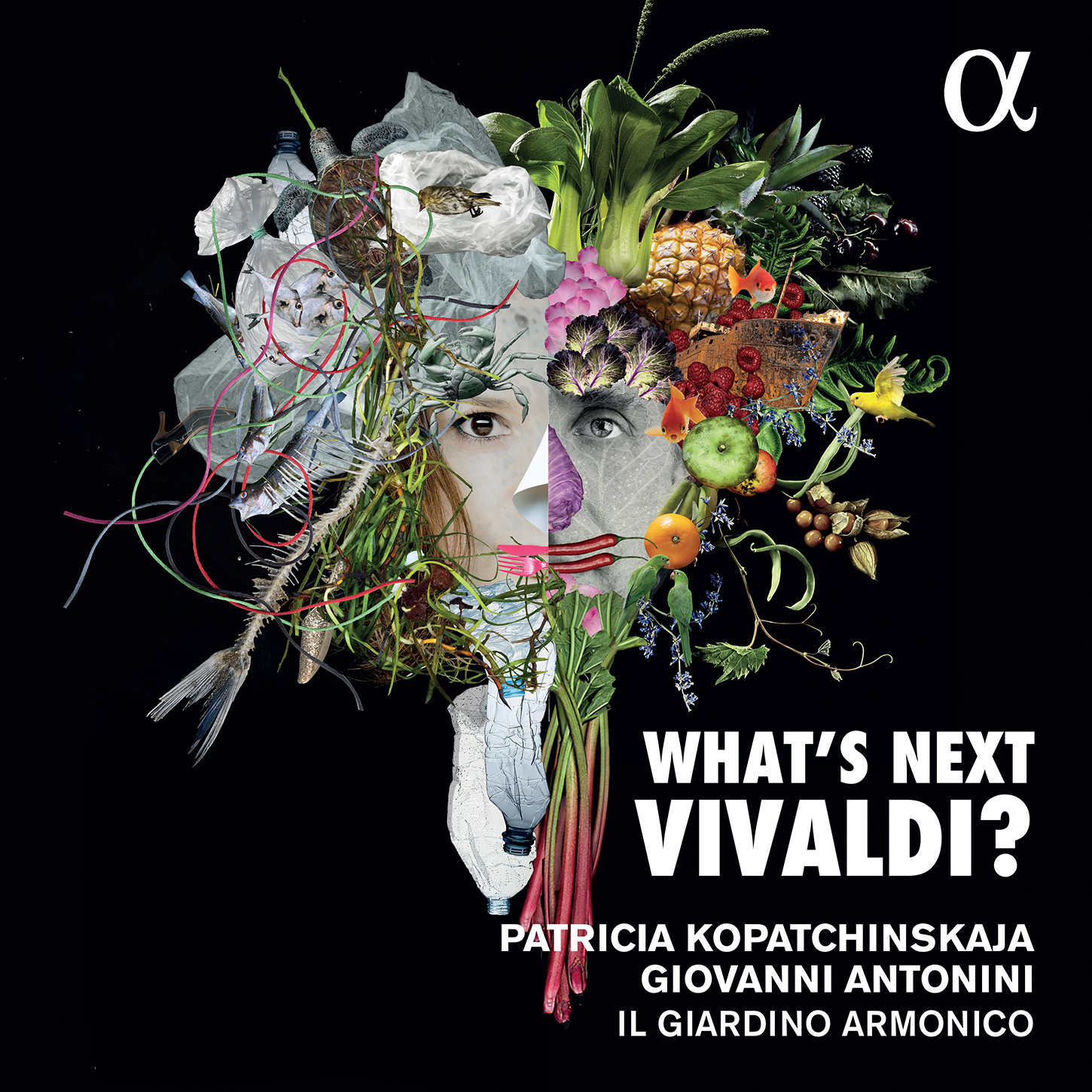
07 VivaldiYou can always count on violinist Patricia Kopatchinskaja to come up with something different and interesting, and so it proves with her latest release What’s Next Vivaldi? with Il Giardino Armonico under Giovanni Antonini (ALPHA624 naxosdirect.com/search/alpha624). The CD interweaves ultra-virtuosic concertos by Vivaldi with short pieces by current composers mostly commissioned specifically for this program.

The five Vivaldi concertos are the Violin Concerto in E-flat Major “La tempesta di mare” Op.8 No.5 RV253 (complete with storm effects), the Violin Concerto in C Major RV191, the Concerto in E Minor for Four Violins and Strings from “L’estro armonico” Op.3 No.4 RV550, the extremely brief Concerto in G Minor for Strings RV157 and the Violin Concerto in D Major “Il Grosso Mogul” RV208, featuring some Kopatchinskaja improvisation in the slow movement and one of the very few extant cadenzas by Vivaldi in the finale – a long, unabridged and dazzling episode.

Kopatchinskaja describes this recording as inviting Vivaldi into a time laboratory and engaging him in a dialogue with today’s creative voices from Italy, the five younger Italian composers having been asked to react to Vivaldi’s music in miniatures. The short contemporary works are by Aureliano Cattaneo, Luca Francesconi, Simone Movio, Marco Stroppa and Giovanni Sollima. It’s an intriguing disc full of top-drawer playing.
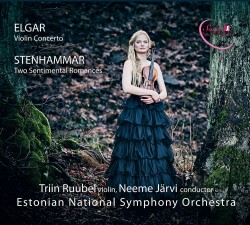
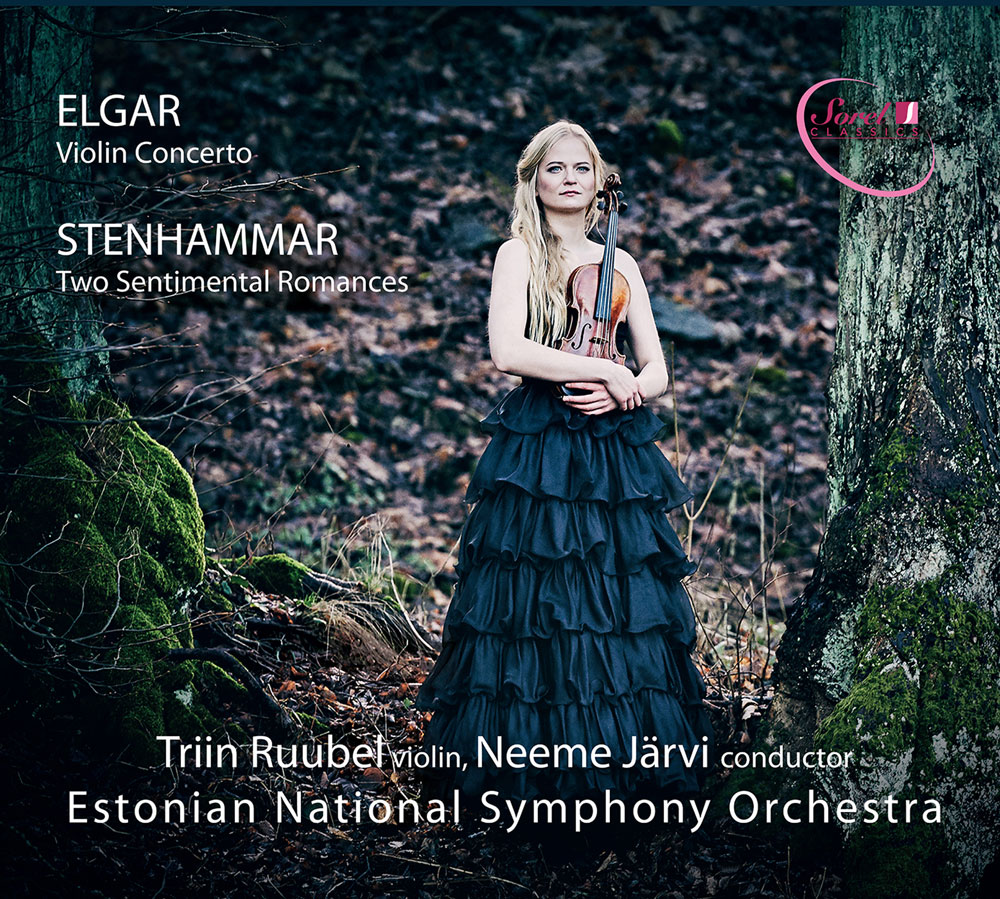
08 Elgar StenhammarThe Estonian violinist Triin Ruubel is the soloist on Elgar Violin Concerto / Stenhammar Two Sentimental Romances with Neeme Järvi conducting the Estonian National Symphony Orchestra (Sorel Classics SCCD016 naxosdirect.com/search/sccd016).

There’s a rather unsettling sound to the Elgar at times, with the orchestra tending to sound a bit too distant and with the soloist sometimes seeming to be buried in the general orchestral texture. Still, Ruubel is clearly a fine player and Järvi a hugely experienced and highly respected conductor, and there are many really lovely and finely crafted moments in an excellent performance of a notoriously long and difficult work.

Stenhammar’s Two Sentimental Romances Op.28 – No.1 in A Major and No.2 in F Minor – are attractive and absolutely delightful pieces, with Ruubel clearly in her element with the Romantic nature of the music. It’s really lovely playing.
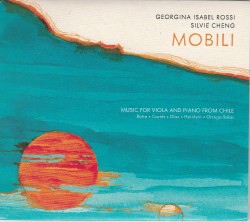
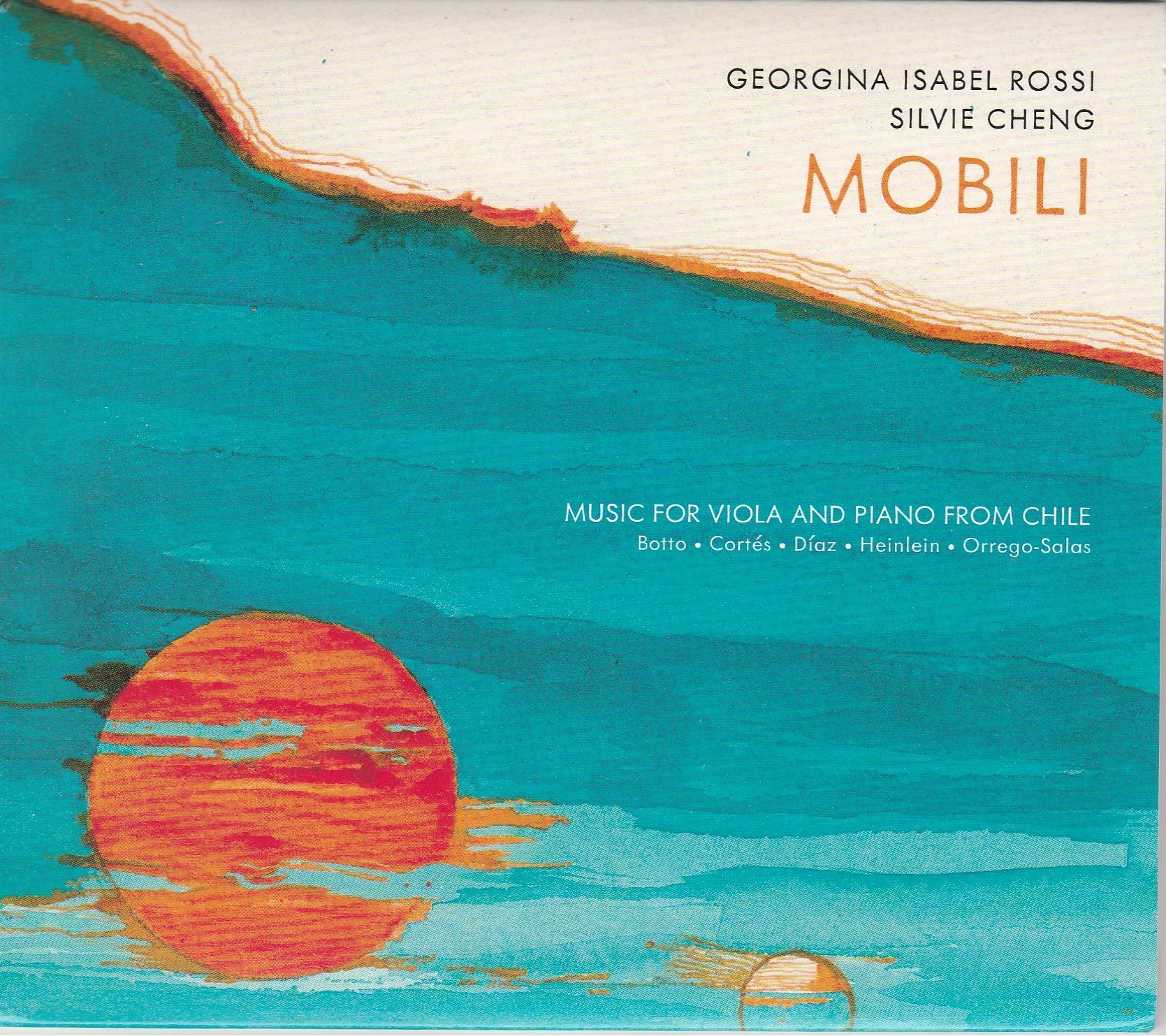
09 MobiliViolist Georgina Isabel Rossi, who was born and raised in Chile, and pianist Silvie Cheng are the duo on MOBILI: Music for Viola and Piano from Chile, a CD featuring world-premiere recordings of works by the Chilean composers Rafael Diaz, Carlos Botto, Federico Heinlein and David Cortés (New Focus Recordings FCR268 newfocusrecordings.com/catalogue). The only work previously recorded is the four-movement title track, Mobili Op.63 by Juan Orrego-Salas, who passed away at 100 just a few weeks before the CD was recorded, and to whose memory the album is dedicated.

The Diaz works are Will There Be Someone Whose Hands Can Sustain This Falling for amplified viola, and In the Depths of My Distance Your House Emerges for viola and piano. Botto’s Fantasia Op.15 from 1962 and Heinlein’s Duo “Do not go gentle” from 1985 are followed by Cortés’ Tololo, written in 2011 for viola and string orchestra and heard here in an arrangement for viola and piano by Miguel Farras. Carlos Guastavino’s really lovely El Sampedrino from 1968 is an extra track, not included in the booklet notes.

Fine playing of introspective and quite atmospheric music that really exploits the viola’s sonority to the full, results in an excellent CD.


Listen to 'MOBILI: Music for Viola and Piano from Chile' Now in the Listening Room

02 Dussek MesseJL Dussek –  Messe Solomnelle
Academy of Ancient Music; Richard Egarr
AAM Records AAM011 (aam.co.uk)

Jan Ladislav Dussek (1760-1812) is one of Western music’s most underrated yet influential personas, credited with guiding the expansion of the pianoforte’s range to six octaves and being the first performing pianist to sit with his profile to the audience, rather than facing them head-on. In addition to his work as a performer, Dussek was also a prolific and inspired composer, writing works which feature great lyricism and striking contrasts. Although once respected and highly regarded throughout Europe, Dussek fell out of popular favour after his death and performances of his works remain unjustly rare today.

Amidst this apparent neglect, the Academy of Ancient Music’s new recording of Dussek’s Messe Solemnelle shines a much-deserved light on this magnificent work and its creator. Discovered in the Conservatory Library in Florence in 2015, the manuscript score was transcribed by AAM director Richard Egarr and musicologist Reinhard Siegert, leading to its first modern performance in 2019. 

A late classical-era work, the mass is reminiscent of the works of Beethoven and Mozart, with Dussek’s own unique voice at the forefront. Throughout the Messe one is struck by the beautiful melodiousness and expert craft in each movement; nothing feels extraneous or unnecessary, but rather that every note is exactly where it needs to be, resulting in a sound that is effortless and streamlined. As we expect with Dussek, the dynamic contrasts are extraordinarily effective and contribute tremendous energy to the entire work, both within individual movements and between the larger sections of the mass itself. 

One of the world’s finest period instrument orchestras, the Academy of Ancient Music does not disappoint. From beginning to end, the care and attention they give to every musical subtlety and nuance breathes life into this newly discovered work, inviting listeners to embark on a journey of their own to discover Dussek and his Messe Solemnelle for themselves.

03 Das Lied de LeeuwMahler – Das Lied von der Erde
Lucile Richardot; Yves Saelens; Het Collectief; Reinbert de Leeuw
Alpha ALPHA633 (naxosdirect.com/items/das-lied-von-der-erde-543432)

The project to create a chamber version of Mahler’s 1908 orchestral song cycle Das Lied von der Erde was an initiative of Arnold Schoenberg, who intended to perform this reduction for 13 players for his Society for Private Musical Performances, an exclusive concert series devoted to new music which ran for three years from 1919 to 1921. Schoenberg indicated roughly how this might be achieved by annotating the full score, leaving the details to be worked out by an acolyte (likely Anton Webern). Ultimately, however, the project was abandoned as the Society went bankrupt due to the hyper-inflation that ravaged post-war Austria. In 1980 Universal Edition commissioned Rainer Riehn to make a performing edition of the score, which has proved compelling enough to have received over a dozen recordings to date. 

In 2019, the Belgian Het Collectief ensemble invited the esteemed Dutch maestro Reinbert de Leeuw, well known for his passionate advocacy for the music of Messiaen, Ligeti, Kagel, Kurtág, Vivier, Gubaidulina and Ustvolskaya, to create and perform his own interpretation of this autumnal masterpiece at the Saintes Festival in France in July of that year; sadly, this would prove to be his last public performance. Subsequently, an ailing de Leeuw implored Thomas Dieltjens, the artistic director of the ensemble, to record his arrangement as soon as possible. In February 2020, following the completion of the recording sessions in Amsterdam, de Leeuw died at the age of 81. 

De Leeuw’s version of the work for the most part follows the broad outlines of the Riehn version but amplifies it with the addition of a second clarinet, assigns the bassoon to double on the contrabassoon (its cavernous low C is an indispensable element in the finale) and, most tellingly, adds a harp part to the ensemble while curtailing the incongruous piano part to the bare essentials. Add to this the outstanding sonic alchemy of the recording team and de Leeuw’s finely balanced direction and the result is a performance that for the first time didn’t leave me feeling short-changed by the reduced ensemble. The stunning interpretation by the French mezzo-soprano Lucile Richardot is notable for its intimacy and finely nuanced word painting while the Belgian tenor Yves Saelens lends an appropriate swagger to his alternating extroverted numbers. In the closing movement of the finale, Der Abschied (The Farewell) de Leeuw provides a touching detail: while the voice gradually recedes into darkness on the word “ewig” (forever) the ensemble maintains an inexorable clockwork indifference, ignoring the indicated diminuendo. The earth alone survives, “the horizon is ever blue.” Farewell, Reinbert! You will be greatly missed.

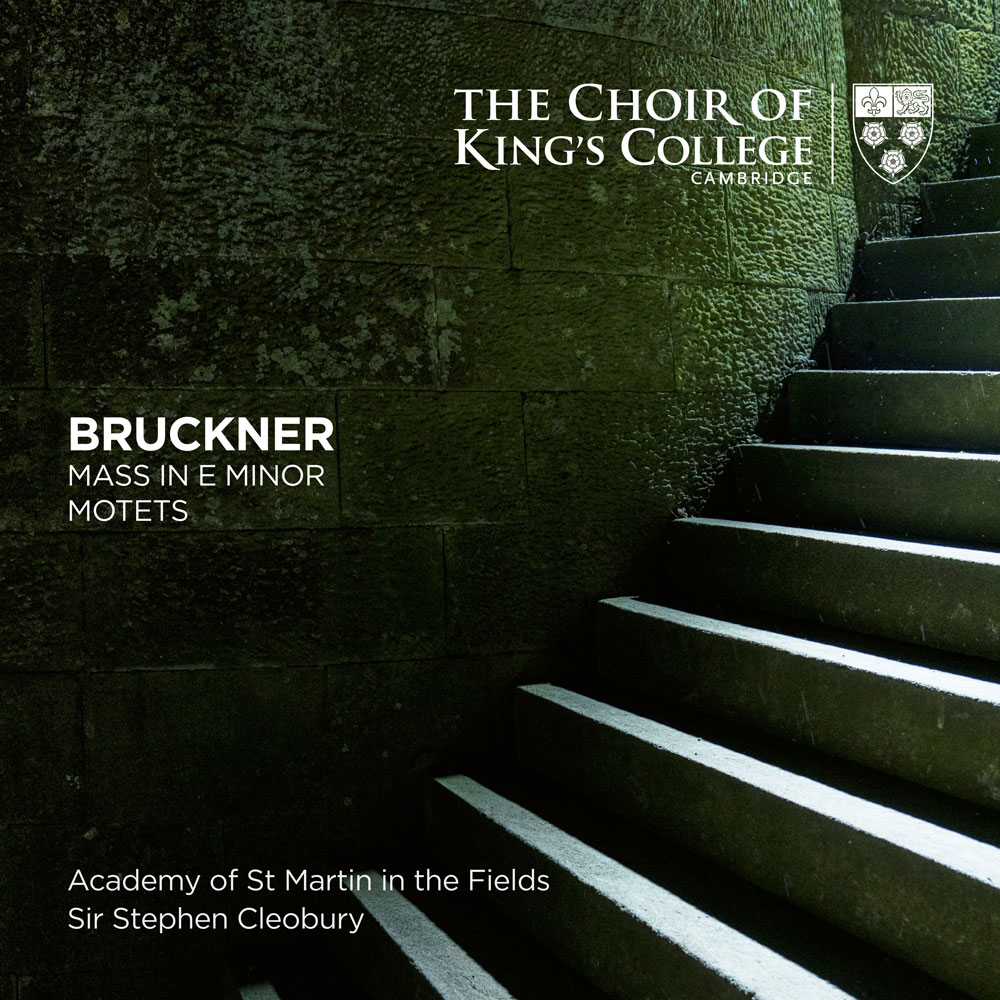
04 Bruckner Mass MotetsBruckner – Mass in E Minor; Motets
Choir of King’s College, Cambridge; Academy of St Martin in the Fields; Sir Stephen Cleobury
King’s College Cambridge KGS0035 (kingscollegerecordings.com)

Described as “half simpleton, half god” by Gustav Mahler, Anton Bruckner remains a divisive figure in musical history. As a composer of immense symphonic structures at a time of fissure between followers of Brahms and Wagner, Bruckner was subject to severe criticism from both friend and foe, and these symphonies continue to divide listeners into pro- and anti-Bruckner factions, though less antagonistically than in the late 19th century.

In addition to his love of art, Bruckner was a devout Catholic, and it is in his smaller-scale religious works that we find a level of universally praised beauty and genius unlike any other of his contemporaries, a point reinforced by this recording of the Mass in E Minor and motets by the Choir of King’s College, Cambridge. Recorded shortly before the death of conductor Stephen Cleobury, this striking survey of Bruckner’s religiosity and skill is also a testament to the devotion and dedication of the man who led the King’s College choir for so many years.

While Bruckner’s music is often grouped with the massed-choir works of Brahms, Mahler and Schoenberg, this disc demonstrates that Bruckner, particularly in his smaller-scale material, can be ably taken on by chamber-sized groups, including choirs of men and boys. The timbral compromises suggested by this vocal disposition are, in fact, not compromises at all, for the purity of sound that is produced is essential to the transparent and acoustic-driven nature of these pieces. In a building with such reverberance as the St. Florian monastery, where Bruckner composed and worked for many years, or King’s College Chapel, it is the attack, decay and intonation that are of paramount importance, rather than the characteristically late-Romantic power and vibrato, a point reinforced by this stellar recording.

The music of Bruckner no longer needs apologists – it is breathtaking in its entirety and deserving of its place in music history. This recording once again demonstrates why this is so, revelling in the genius of that man who was once described as “half simpleton, half god.” This is music to soothe the soul in troubled times such as our own.

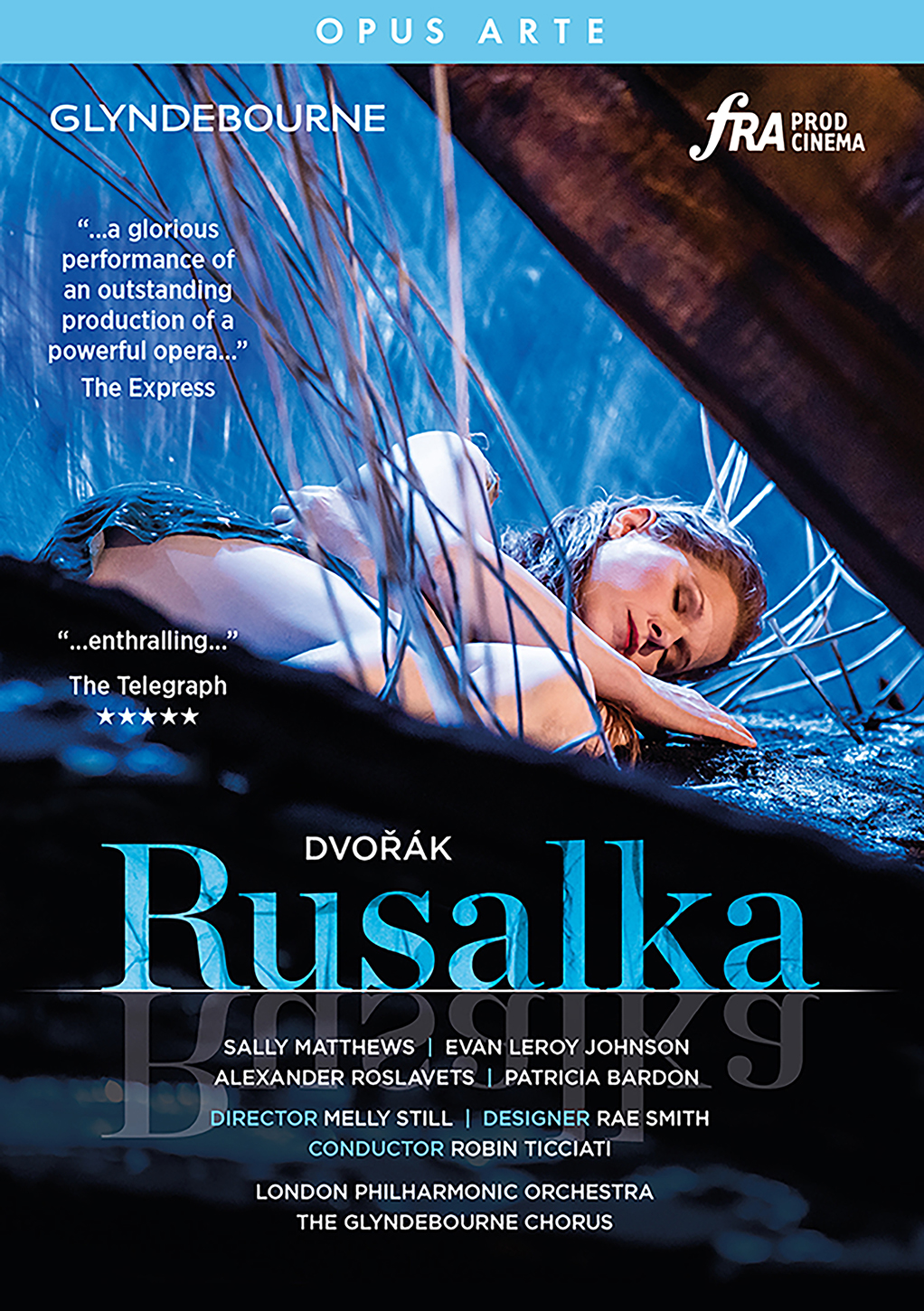
05 RusalkaDvořák – Rusalka
Soloists; Glyndebourne Chorus; London Philharmonic Orchestra; Robin Ticciati
Opus Arte OA13020 (naxosdirect.com/search/809478013020)

Although Antonín Dvořák wrote ten operas, the fairytale Rusalka, written at the end of his life, was the only lasting triumph for the internationally renowned Czech composer. The reason was that most of Dvořák’s operas were felt to be dramatically weak, as a result of which he failed in his lifelong ambition to be recognized as Smetana’s heir.

Rusalka is a dreamily melodic opera set to Jaroslav Kvapil’s libretto, (which also included some Slavonic features), which was based on the tale Undine by Friedrich de la Motte Fouqué; also used by Hans Christian Andersen as well as by Pushkin. Dvořák’s beautiful score occasionally evokes both Wagner and Debussy, but it also has earthier passages which underline its Czech identity. As a love story, it remains unusual. Since Rusalka is rendered mute by a charmed spell and potion given to her by the witch Ježibaba she cannot speak to her beloved prince and so there is no conventional love duet. Yet, magically, the opera’s finest arias – including the famous Song of the Moon – belong to Rusalka. 

Sally Matthews plays the heroine with tragic majesty. Patricia Bardon’s Ježibaba is dark and beguiling while Evan Leroy Johnson plays the Prince with great eloquence. Rae Smith’s set design is breathtaking and Melly Still’s direction has an epic quality to it. All of this is superbly assisted by the Glyndebourne Chorus and the London Symphony Orchestra which are expertly conducted by Robin Ticciati.

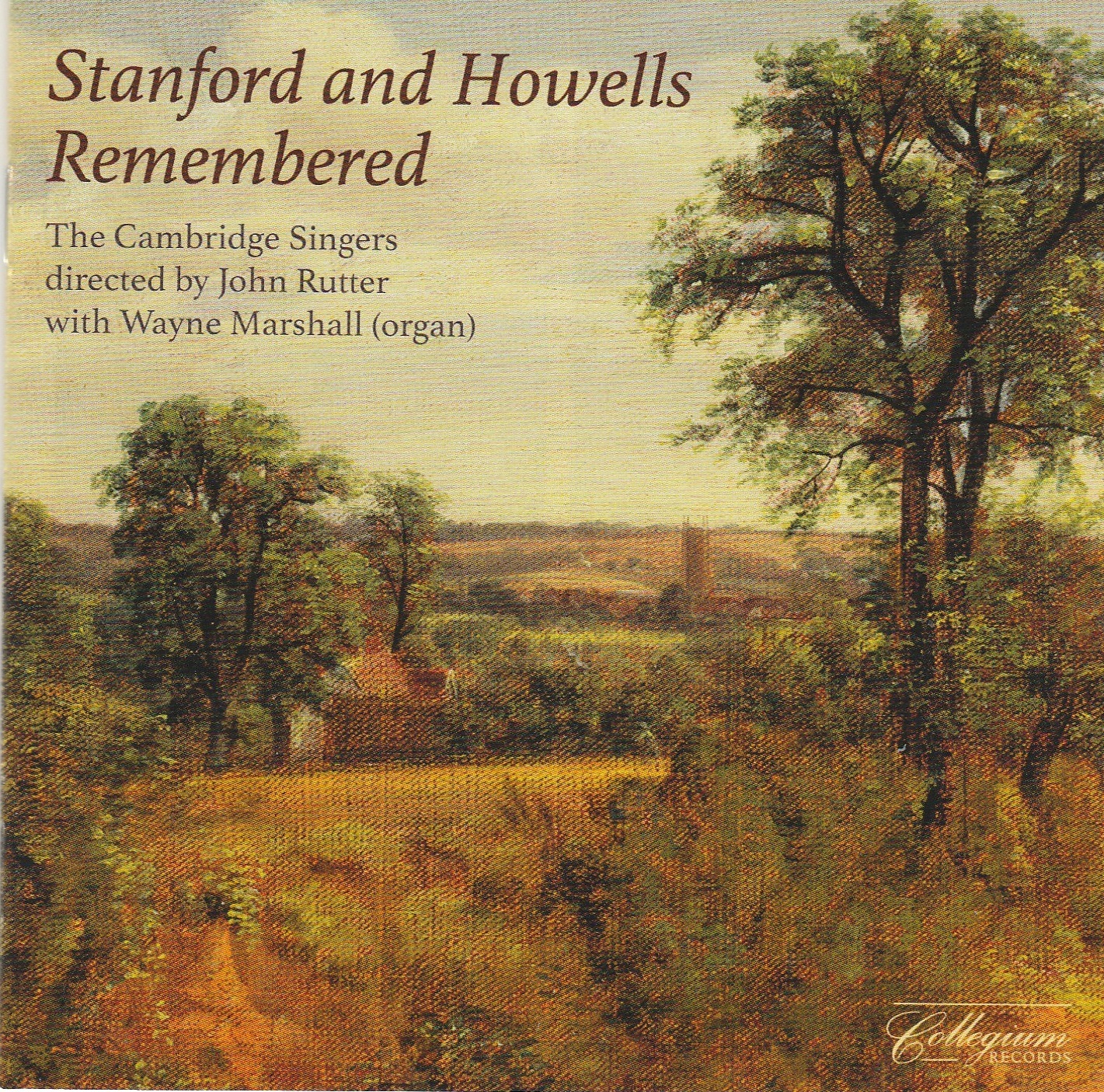
06 Stamford and HowellsStanford and Howells Remembered
The Cambridge Singers; John Rutter; Wayne Marshall
Collegium Records CSCD 524 (johnrutter.com/music)

This 2-CD set of choral music honours composers Charles Villiers Stanford (1852-1924) and his student and colleague Herbert Howells (1892-1983), each with a full disc of highly accomplished music wonderfully sung. It is a version remastered in 2020 from tracks originally recorded in 1992, with three added tracks of which Stanford’s exquisite Latin Magnificat is especially welcome. John Rutter’s Cambridge Singers excel in this music, and are complemented by the fine acoustics of Ely Cathedral. The above-mentioned Magnificat for double choir really surprised me with its unusual harmonies and variety of textures, while the more straightforward English Magnificats in G and B-flat, also on the disc, offer interesting comparisons. In the G-major work, soprano Caroline Ashton shines with her clear vibrato-less tone. Of other Stanford works I was especially taken with O for a closer walk, an intimate and moving setting of William Cowper’s poem.

Turning to Howells, the Cambridge Singers handle his works’ Eastern scales, impressionistic harmonies and complex textures effortlessly. On this disc, the Howells Requiem (1938) seems both expressive and mystical; perhaps Rutter’s own association with the composer gave him insights into the extraordinary moods of each section. The compelling, late anthem, The fear of the Lord (1976), which Howells composed for Rutter’s choir at Cambridge, is here. So is another favourite anthem, Like as the hart (1941), which actually strikes me as bluesy! And there is much more to be discovered.

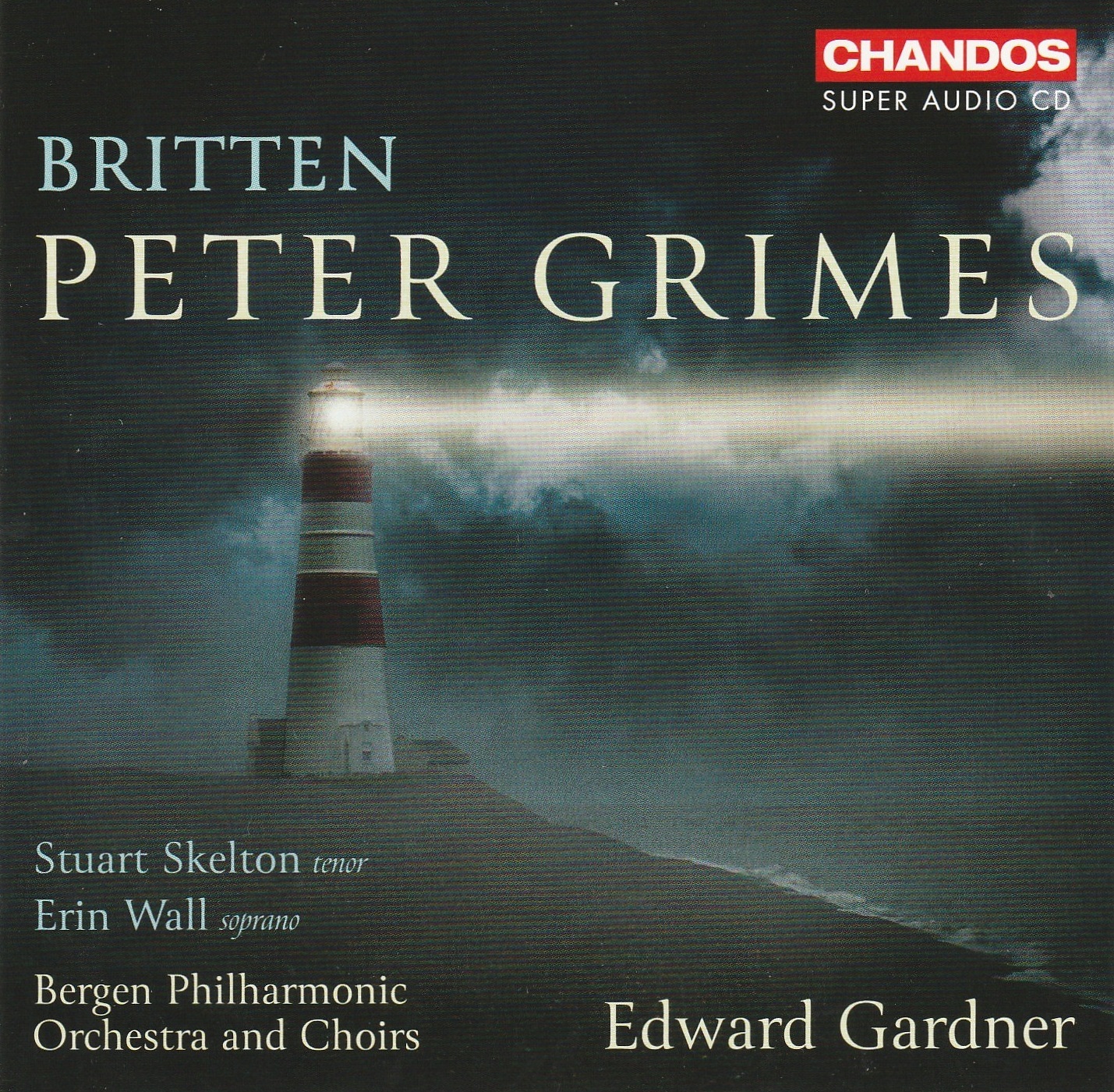
08 Britten Peter GrimesBritten – Peter Grimes
Stuart Skelton; Erin Wall; Bergen Philharmonic Orchestra and Choirs; Edward Gardner
Chandos CHSA 5250(2) (naxosdirect.com/search/095115525029)

What an extraordinary thing Benjamin Britten’s Peter Grimes is. After 75 years in existence, this work has become a centrepiece of the English operatic canon. Did Britten ever imagine it would become so celebrated when he first conceived of it? In an infamous flash of prophetic purpose, upon reading George Crabbe’s The Borough in a book shop in California ca. 1942, Britten “realized two things: that [he] must write an opera, and where [he] belonged.”

The newest recording of this seminal opus features star singers such as tenor Stuart Skelton, (in the lead role) and soprano Erin Wall (as Ellen Orford). Edward Gardner helms the Bergen Philharmonic Choir and Orchestra, amongst other choruses. From the outset of this record, we perceive laser-precise execution, resulting in a thoroughly energetic and inspired interpretation of this opera. Every last note of the score has been carefully considered by every musician involved. 

Three-quarters of a century on, performance practice now exist for Grimes. Gardner is aware of such traditions and works admirably within them, reimagining aspects of the opera while adhering to the performative lineage. Orchestral solos rival those of the singers themselves, with brilliant colours and edgy textures erupting from both choral and orchestral ensembles. Gardner still manages to surprise and provoke us, prompted by the nature of the libretto itself.

Skelton is the consummate Grimes, a role that has shaped his career in many ways. Canadian soprano Erin Wall is characteristically stunning in her performance of Ellen Orford, poignant and wistful. The music world has been deeply saddened by Wall’s recent death from cancer this October; she was but 44 years old. A shining light and a rare national treasure, Wall has departed from us far too soon, long before any of her last songs should have been sung.


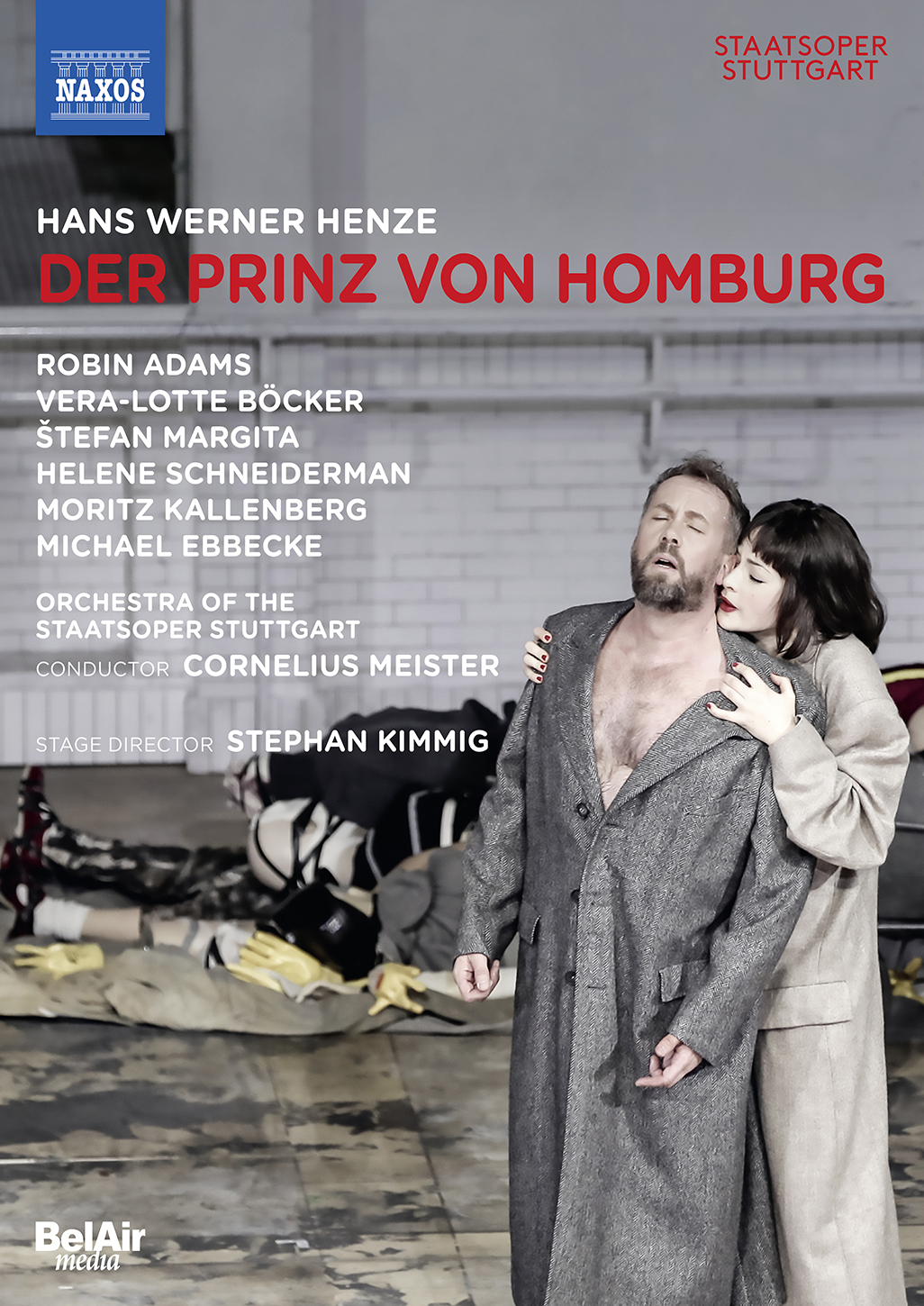
09 Henze PrinzHans Werner Henze – Das Prinz von Homburg
Adams; Boecker; Margita; Schneiderman; Kallenberg; Ebbecke; Orchestra of the Staatsoper Stuttgart; Cornelius Meister
Naxos 2.110668 (naxosdirect.com/search/747313566853)

Towards the end of Hans Werner Henze’s great opera, Der Prinz von Homburg, soldiers from the Prince of Homburg’s regiment sing “Remember: feeling alone can save us.” They are pleading for mercy for their leader, a highly distractible, irrepressibly romantic dreamer, governed more by feeling than by rules. He is about to be executed for disregarding his orders – even though by not following them he led his troops to a crucial victory. 

This production from Stuttgart Opera in 2019, set in a run-down gymnasium, is no treat for the eyes. But director Stephan Kimmig charges it with urgency, theatricality and a deep commitment to the humanitarian concerns of Henze and the brilliant Austrian writer Ingeborg Bachmann, whose libretto is based on a much-loved play from 1811 by Heinrich von Kleist. 

Kimmig is especially persuasive in highlighting the contrast between the Prince’s poetic world of imagination and the military’s regimented world of discipline in a way that forcefully resonates today, over 60 years after Henze wrote it – that is until the heavy-handed, awkward finale, where the cast pulls out scarves and T-shirts messaging sensitivity, empathy and freedom. 

Musically, the pleasures are innumerable. The singers are without exception convincing, especially Robin Adams as an endearing Prince. The orchestra of the Staatsoper Stuttgart under the direction of Cornelius Meister is incisive in the gorgeous orchestral interludes, and responsive in arias like Homburg’s moving ode to immortality, Nun, o Unsterblichkeit.

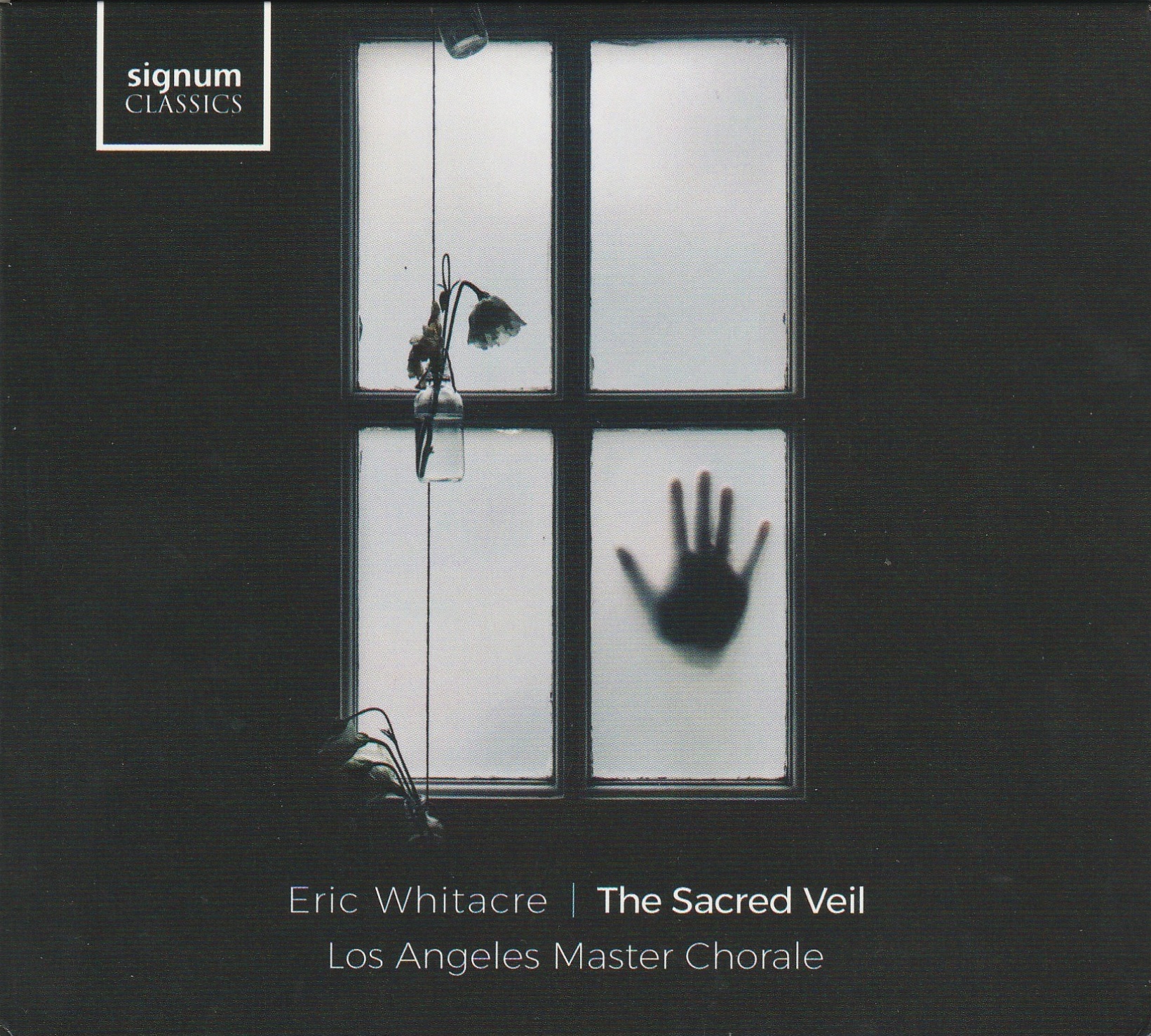
11 Eric WhitacreEric Whitacre – The Sacred Veil
Los Angeles Master Chorale
Signum Classics SIGCD630 (naxosdirect.com/ search/635212063026)

The Sacred Veil is a collaboration between longtime friends, composer Eric Whitacre and poet Charles Anthony Silvestri. In 2005, Silvestri lost his wife Julie to cancer, leaving him to raise their two young children. A decade later, Silvestri began to reflect on his loss and wrote poetry about his relationship with Julie, their courtship, love, hopes and dreams, and his loss and grief. The CD contains an interview with Whitacre and Silvestri where they discuss this; the booklet is generous, with each poem contextualized by Silvestri. 

The Sacred Veil refers to moments of births and deaths when a thin curtain, an almost imperceptible shield, lies between those who are living and those who have passed. The 12 movements each explore particular slivers of Silvestri’s reflections. The settings are intimate with poetry that offers powerful imagery throughout, the music is profound and heart wrenching, the chorus sounds exquisite, and pianist Lisa Edwards and cellist Jeffrey Zeigler’s emotional artistry is matched by their superb musical abilities.

The Sacred Veil is a deeply personal piece for Silvestri, yet the personal journey speaks to each of us individually. It is a memorable musical experience that transports us from one gripping moment to another and reaches its peak in the second-to-last movement with You Rise, I Fall; in the moment of death, when the loved one lets go and rises, those left behind descend into their darkest moments of grief. 

Premiered in February 2019, The Sacred Veil was recorded by the Los Angeles Master Chorale.

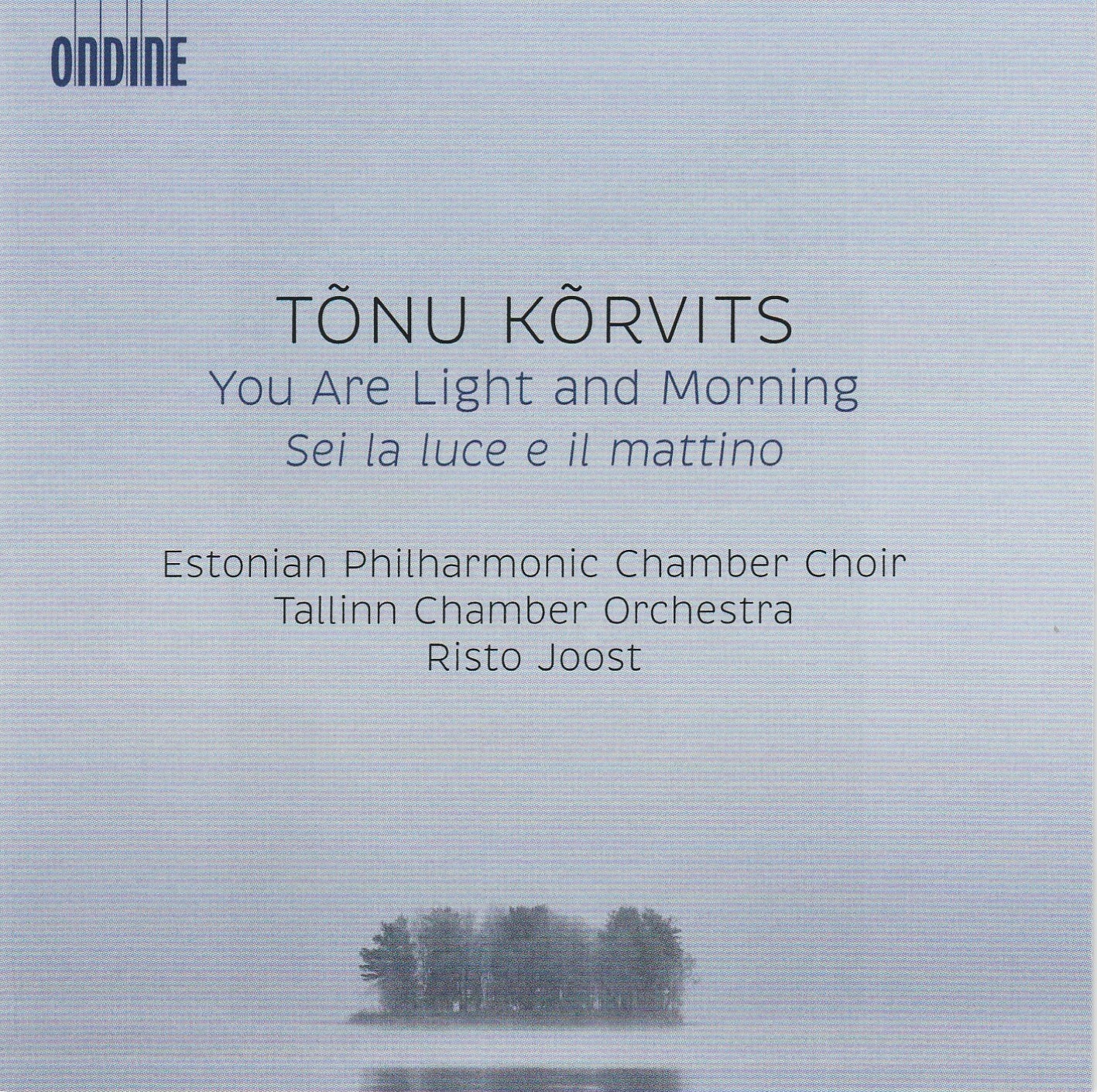
12 Tonu KorvitsTõnu Kõrvits – You  Are Light and Morning
Estonian Philharmonic Chamber Choir; Tallinn Chamber Orchestra; Risto Joost
Ondine ODE 1363-2 (naxosdirect.com/search/0761195136324)

Estonian composer Tõnu Kõrvits contributes a moving 60-minute work to the immense Estonian choral/orchestral repertoire with his colourful and detailed composition, You are Light and Morning (2019), performed here with compassion by the Estonian Philharmonic Chamber Choir and Tallinn Chamber Orchestra conducted by Risto Joost.

Based on the poetry of 20th-century Italian writer, Cesare Pavese (1908-1950), the cycle abounds with emotional feelings of loss, grief, love, life and nature in Kõrvits’ Romantic- and Mahler-influenced tonal/atonal music. Six parts are sung in Italian and two in English. Highlights include the opening Fade In with its mysterious orchestral quiet minor chord that later reappears before the final song, enveloping the work in contemplative haunting soundscapes. The first part, Tu sei come una terra (You Are Like a Land), is accessible and modern simultaneously, as its introductory vocal motive (which recurs throughout the entire work), traditional choral colours and high string held notes with atonal touches, prepare the listener for what’s coming. Pavese’s poetic declaration to his love Constance is musically symbolized in To C. From C featuring full choir singing above softer walking/tiptoed pizzicato in the strings. The lush sound changes (like love sometimes) to suspenseful minor tonalities until the final vocal hum with more string plucks.  

As an Estonian-Canadian, I grew up and still listen to Estonian choral music. Kõrvits’ work here is so clearly his own, with the performers outdoing themselves in their interpretations.  Thank you/aitäh for this memorable music!

Back to top