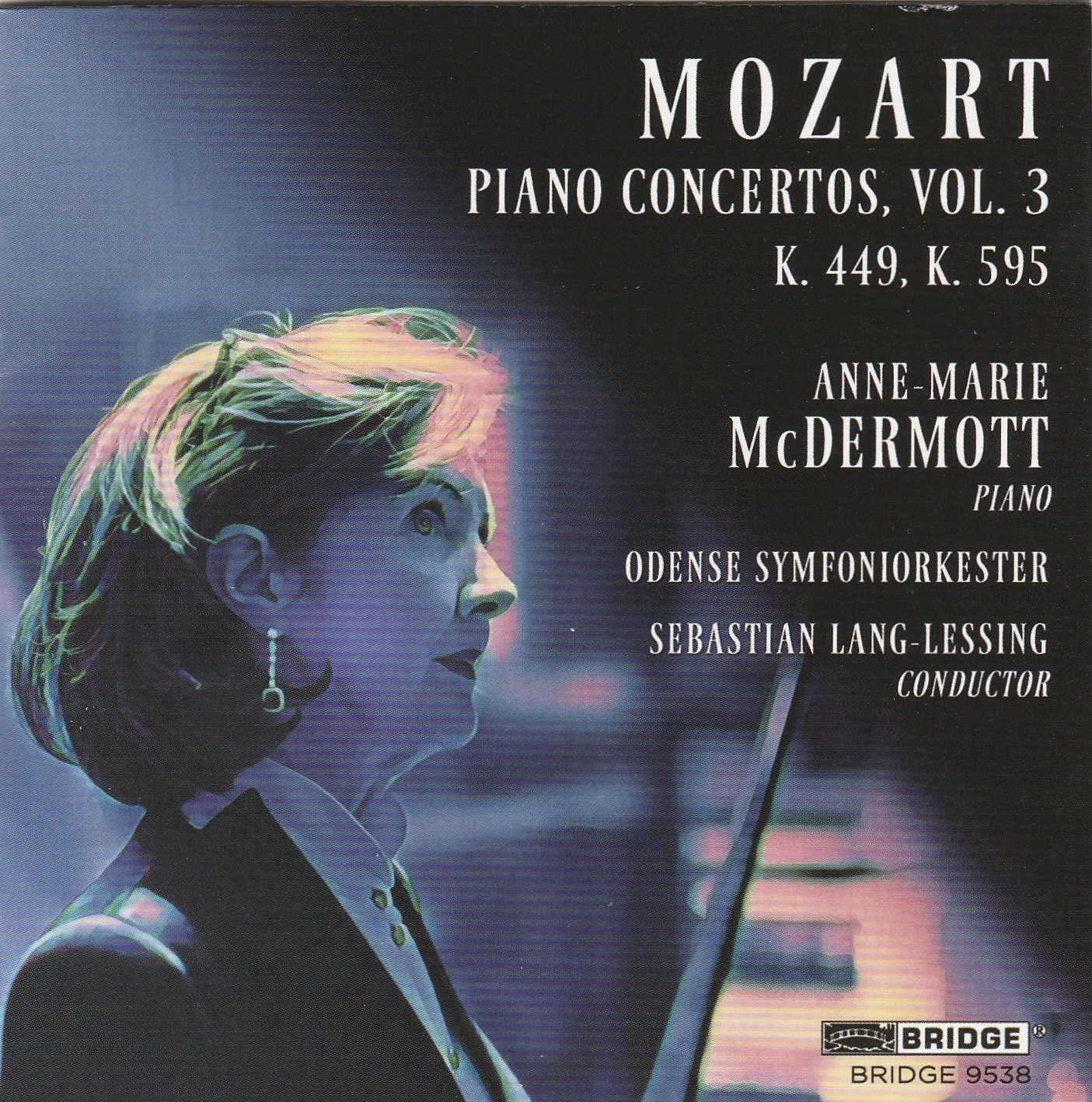
04 Mozart 3 McDermottMozart – Piano Concertos Vol.3 K449 & K595
Anne-Marie McDermott; Odense Symphoniorkester; Sebastian Lang-Lessing
Bridge Records 9538 (bridge-records.com)

This Bridge recording is the third in a series of Mozart piano concertos featuring American pianist Anne-Marie McDermott with the Odense Symphony conducted by Sebastian Lang-Lessing, this time presenting Concertos No.14, K449 and No.27, K595.

A graduate of the Manhattan School of Music,  McDermott has earned a reputation as a consummate artist during the last 25 years, one who continues to appear in concert internationally both as a soloist and a chamber musician. Her first two recordings in this series were met with considerable critical acclaim and this one is equally impressive.

Written in 1784, K449 is regarded as the first of Mozart’s mature works in the genre and was the first composition to be entered into a notebook of his music he retained for the next seven years.  McDermott approaches the score with a thoughtful intelligence, her phrasing at all times carefully nuanced, while the Odense Symphony is a sensitive and formidable partner. The second movement andantino is all heartfelt lyricism while the optimistic and sprightly finale is carried out with great gusto.

Concerto No.27, Mozart’s last contribution to the concerto form, his “swan song” so to speak, was probably written between 1788 and 1789, but the manuscript is dated January 5, 1791.Once again, McDermott’s performance is wonderfully expressive, the brisker passages marked by an adept precision. Throughout, the warm strings and woodwinds under Lang-Lessing’s skilfull baton further contribute to a most satisfying performance.

While recordings of Mozart piano concertos continue to be plentiful, this one – by an exemplary soloist and orchestra, both of whom deserve greater recognition – is a welcome addition and we can look forward to further editions in the series.


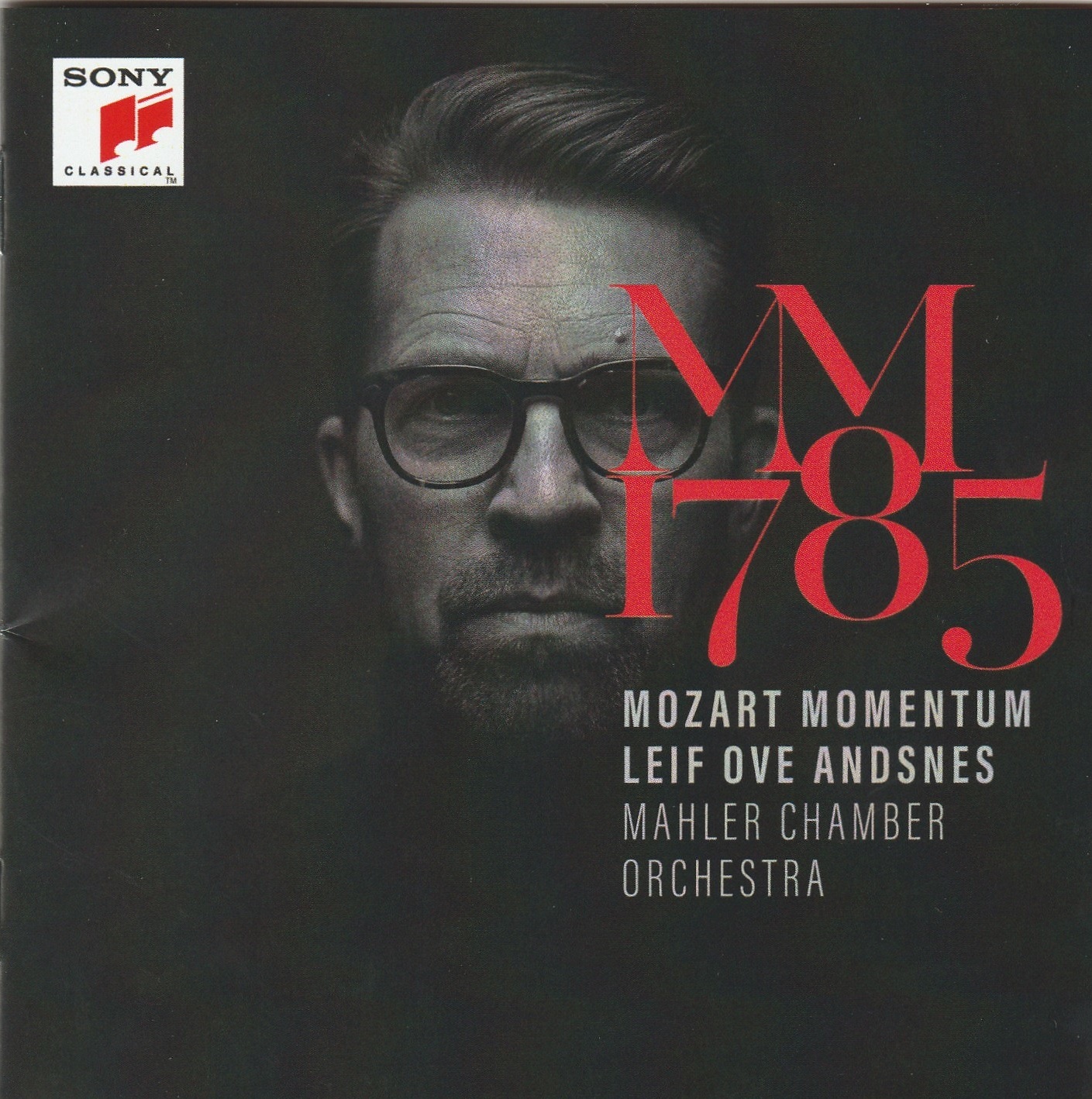
05 Mozart Momentum AndsnesMM 1785 – Mozart Momentum
Leif Ove Andsnes; Mahler Chamber Orchestra
Sony 19439742462 (naxosdirect.com/search/194397424621)

1785 was a landmark year in Mozart’s all-too-brief existence. He had finally achieved a degree of financial security, he commenced a period of tremendous creative energy and he was beginning to “push the boundaries” with respect to his musical style. This Sony two-disc set titled Mozart Momentum, is an intriguing presentation of seven works all composed that year – three piano concertos, the Piano Quartet K478, the Fantasia K475 and the Masonic Funeral Music K477 performed by Leif Ove Andsnes and the Mahler Chamber Orchestra. 

The Piano Concerto No.20 – the first of two Mozart wrote in a minor key – took some time to be fully accepted by Viennese audiences, but they ultimately embraced it wholeheartedly. The overall theme of “light triumphing over darkness” clearly foreshadows the 19th century, and Andsnes with the MCO are a formidable pairing, delivering a polished performance.

Similarly, the Concertos No.21 and 22 (the latter the first to make use of clarinets) demonstrate a buoyant confidence – tempos in the outer movements are brisk but never rushed, the cadenzas are creative and there’s a solid connection between soloist and orchestra.

For the G-Minor Quartet, Andsnes drew upon the principals from the ensemble and what a wonderfully intimate sound they produce! Here the listener is struck by the enthralling interplay of the musicians, particularly in the third movement scherzo where they engage in a true game of “cat and mouse” including a false ending before the jocular conclusion performed with great panache.

Andsnes sits on the sidelines for the brief Masonic Funeral Music but returns for the Fantasia in C Minor, a score that clearly anticipates Beethoven. 

Kudos to all concerned – this set is a treasure, bound to be enjoyed for many years to come.


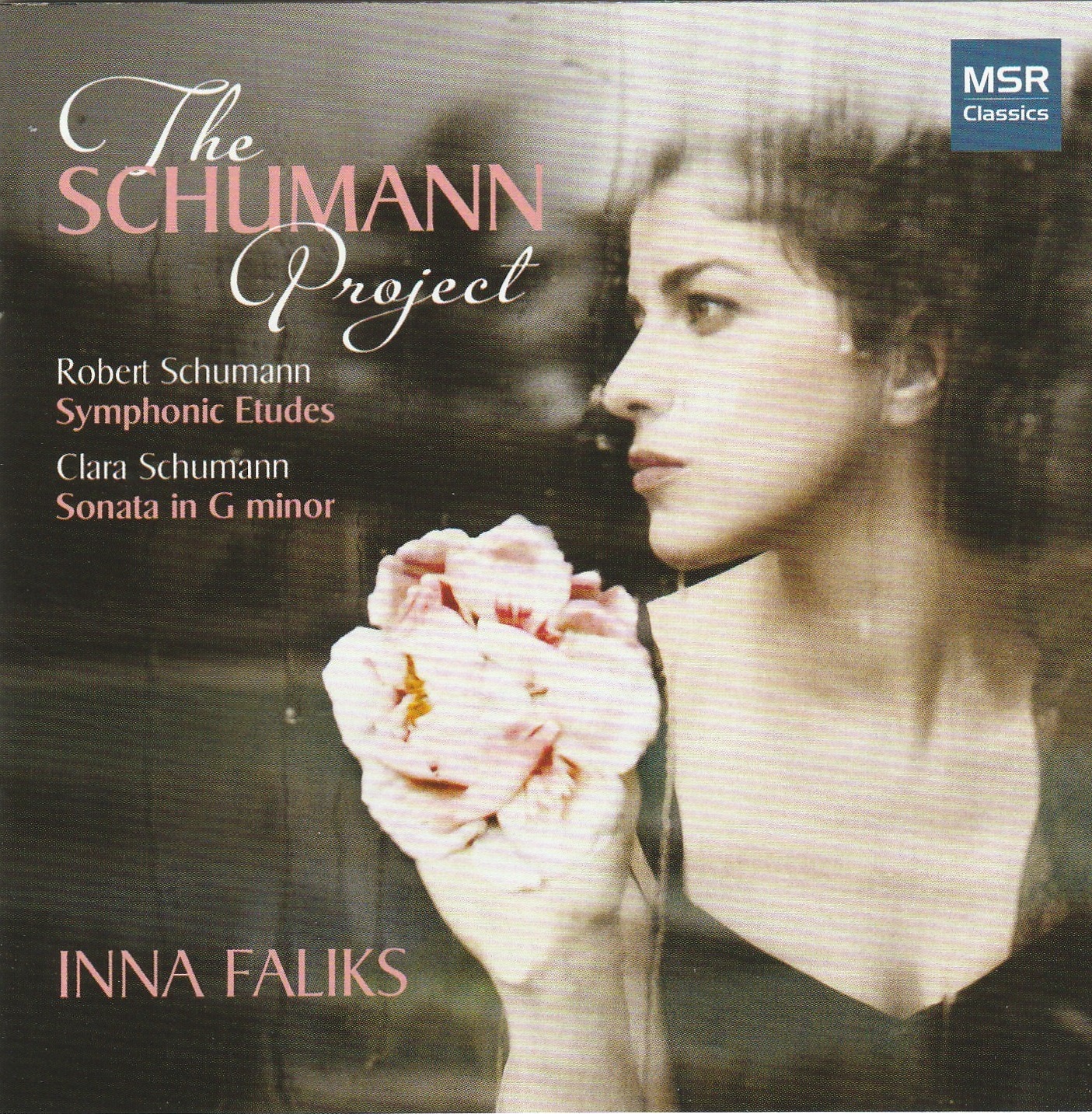
06a Schumann ProjectThe Schumann Project: Robert – Symphonic Etudes; Clara – Sonata in G Minor
Inna Faliks
MSR Classics MS 1763 (msrcd.com)

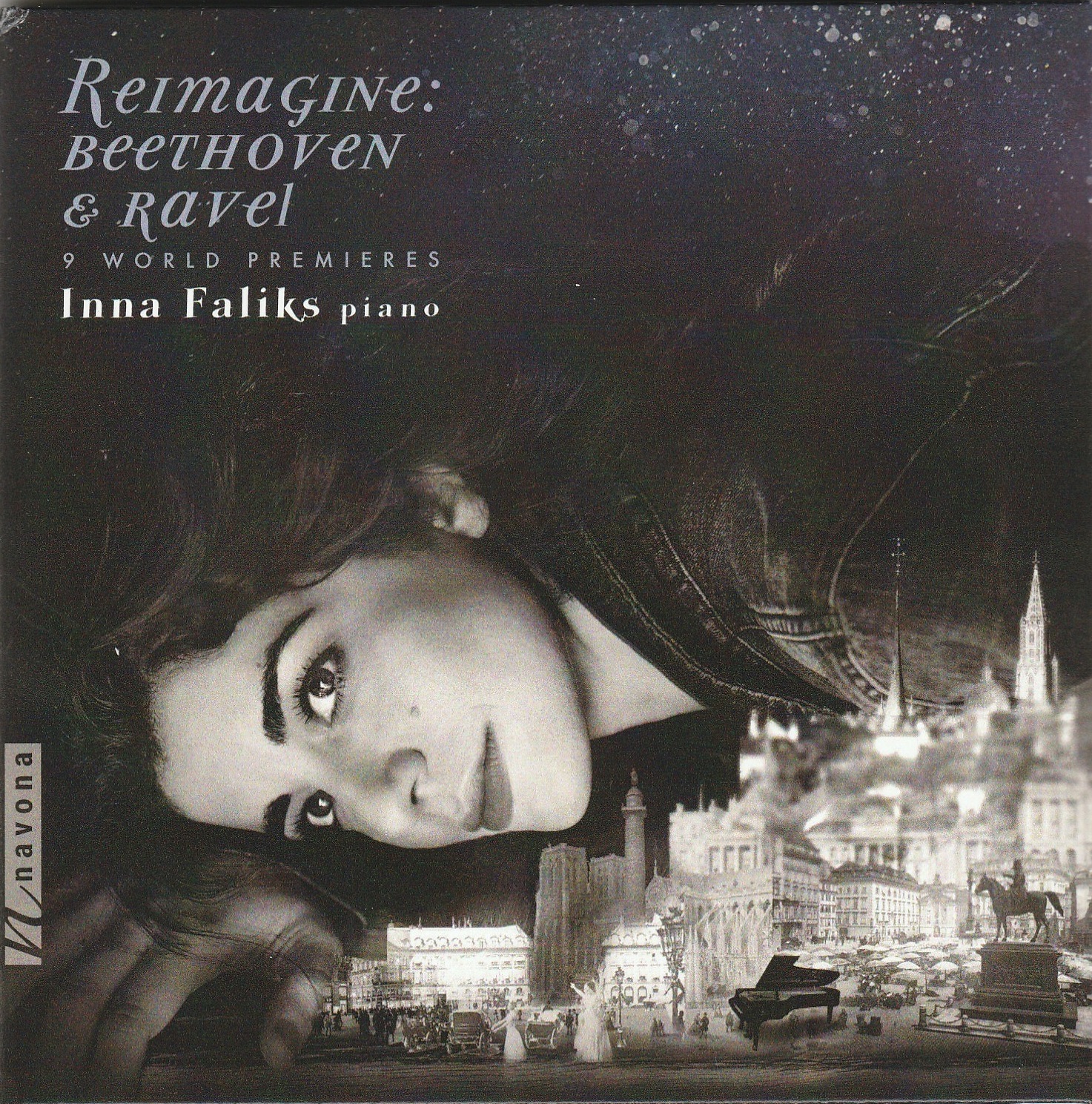
Reimagine: Beethoven & Ravel
Inna Faliks
Navona Records nv6352 (navonarecords.com/catalog/nv6352)

The name Inna Faliks may not seem familiar to music lovers today, but the credentials of this Ukrainian-born American pianist are impressive indeed. Currently head of the piano department at UCLA, Faliks has made a name for herself both as a performer and pedagogue, and has appeared in concert throughout the world including a tour of China in 2016.The recording, titled The Schuman Project, is the first in a series designed to juxtapose the music of Robert Schumann with that of his wife Clara, who for too long has had the unfortunate reputation as “a pianist who also composed.”

The 19th century wasn’t kind to women composers (or any women involved in the creative arts) and Clara was no exception. Her Piano Sonata in G Minor, which opens the disc, was an early work dating from 1841 when she was all of 22. It was composed specifically for Robert and despite her youth, there is much to admire here including solid construction and fine thematic development among the four movements. Faliks approaches the unfamiliar score with a clear understanding of the music, delivering a compelling and heartfelt performance.

Schumann’s renowned Symphonic Etudes were begun in 1834 and have long been regarded as one of the most challenging of his large-scale piano works. Faliks easily proves her grasp of the material, rising to all the technical demands. But she is no mere technician – at all times her phrasing is carefully articulated and, beginning with the mysterious opening theme, her performance is a captivating musical journey right through to the jubilant finale. 

06b Reimagine Beethoven RavelFaliks turns her attention to very different material in the disc Reimagine: Beethoven and Ravel. Here she focuses on putting a new “spin” on standard repertoire, in this case, the Beethoven set of Bagatelles Op.126 and Ravel’s suite Gaspard de la Nuit. These were used as a basis for new compositions by modern composers such as Peter Golub, Tamir Hendelman and Richard Danielpour. Just as the Beethoven set is a study in contrasts, so are the reinterpretations. For example, the mood of the Bagatelle by Golub based on the first in the Beethoven set is pensive and contemplative, closely following that of the original, while Ian Krouse’s Etude 2a based on the second is a true perpetuum mobile. For whatever reason, Faliks didn’t include any original movements from the Ravel suite, but pieces such as Variations on a Spell by Paola Prestini are an evocative reimagining of Ondine.

These are fine recordings demonstrating two sides of a gifted artist – and recorded during a pandemic no less. We can hope to hear more from Inna Faliks in the future.

Listen to 'Reimagine: Beethoven & Ravel' Now in the Listening Room

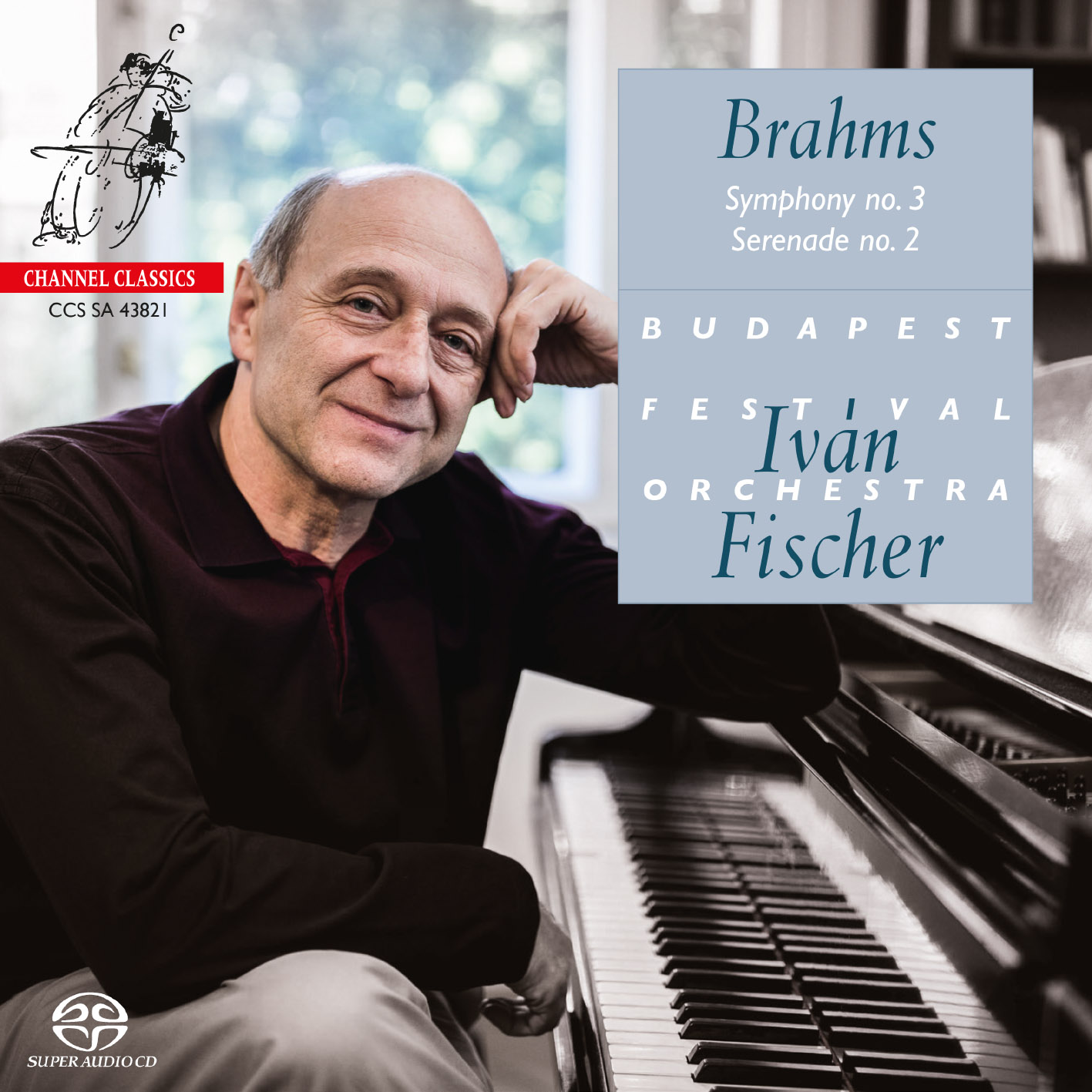
07 Brahms 3Brahms – Symphony No.3; Serenade No.2
Budapest Festival Orchestra; Ivan Fischer
Channel Classics CCS SA 43821 (channelclassics.com/catalogue/43821)

“There is no more magnificent opening of a symphony than the first 38 bars of Brahms Third” says Ivan Fischer, and obviously he is very partial to the work. Fischer is known to pursue unjustly neglected works and restore them to mainstream repertoire. Brahms Third Symphony is certainly the dark horse, the least performed of his four. Granted, it is different from the others: it’s the shortest, terse, vivid, passionate and intensely alive. It begins with a great heroic theme in an optimistic F Major fortissimo that dominates the work, but it’s also capable of becoming soft and tender as at the end of the first movement and the very end of the symphony. 

The nickname heroic fits only the outer movements. The second is quiet and peaceful and simply glows with one beautiful melody after another. It comes to a gorgeous climax and then a hushed magical moment of dialogue between various woodwinds and the lower strings echoing one another. The third movement should be a scherzo, but it isn’t. It has a “beautiful, caressing theme, loving and slightly melancholic, but all in a mildly rocking rhythm” (Clemens Romijn). It is in 3/4 time and so catchy that it became a pop song. The last movement is intense, dramatic like a battle, heroic, but the main theme returns in a quiet, peaceful manner that ends the symphony gently.

Brahms wrote the two Serenades before he composed symphonies and I first heard them by the late, great Brahmsian István Kertséz and fell in love with them instantly. The graceful Serenade No.2 provides a nice contrast to the heroic Third Symphony, performed here in a thoroughly delightful manner by the wonderful musicians of the Budapest Festival Orchestra, the pride of Hungary and one of the top ten of the world.

08 Brahms Concertos SchiffJohannes Brahms – Piano Concertos
Andras Schiff; Orchestra of the Age of Enlightenment
ECM New Series 2690/91 (ecmrecords.com/shop)

Perhaps like many classical music listeners and lovers, I mainly (and perhaps limitingly) associate the Hungarian-born pianist Sir András Schiff with J.S. Bach, whose music Schiff plays beautifully, frequently and with an insight and mastery that few have equalled. Accordingly, it was a pleasure for me to dig into Schiff’s recent double-disc recording of the reimagined piano concertos of Johannes Brahms, accompanied capably by the Orchestra of the Age of Enlightenment. 

Captured following a string of highly acclaimed European concerts in the spring of 2019, the resulting recording is magical. Doing double duty as pianist and conductor, Schiff leads this unique United Kingdom-based period-piece orchestra through some of the most musical and challenging pieces in the Western art music canon (Concerto for Piano and Orchestra No.1 in D Minor, Op.15 and No.2 in B-flat Major, Op.83), mining the depths of Romantic-era dynamics and expressivity for which Brahms is revered. Further, the recording, captured at London’s Abbey Road studios, contains all of the fidelity hallmarks for which ECM Recordings has earned its blue-chip reputation over the last near half-century, exhibiting the telltale expansive sonic thumbprint of executive producer Manfred Eicher, who helps realize here a recording that captures Schiff, and the 1859 Blüthner piano on which he performs, beautifully.

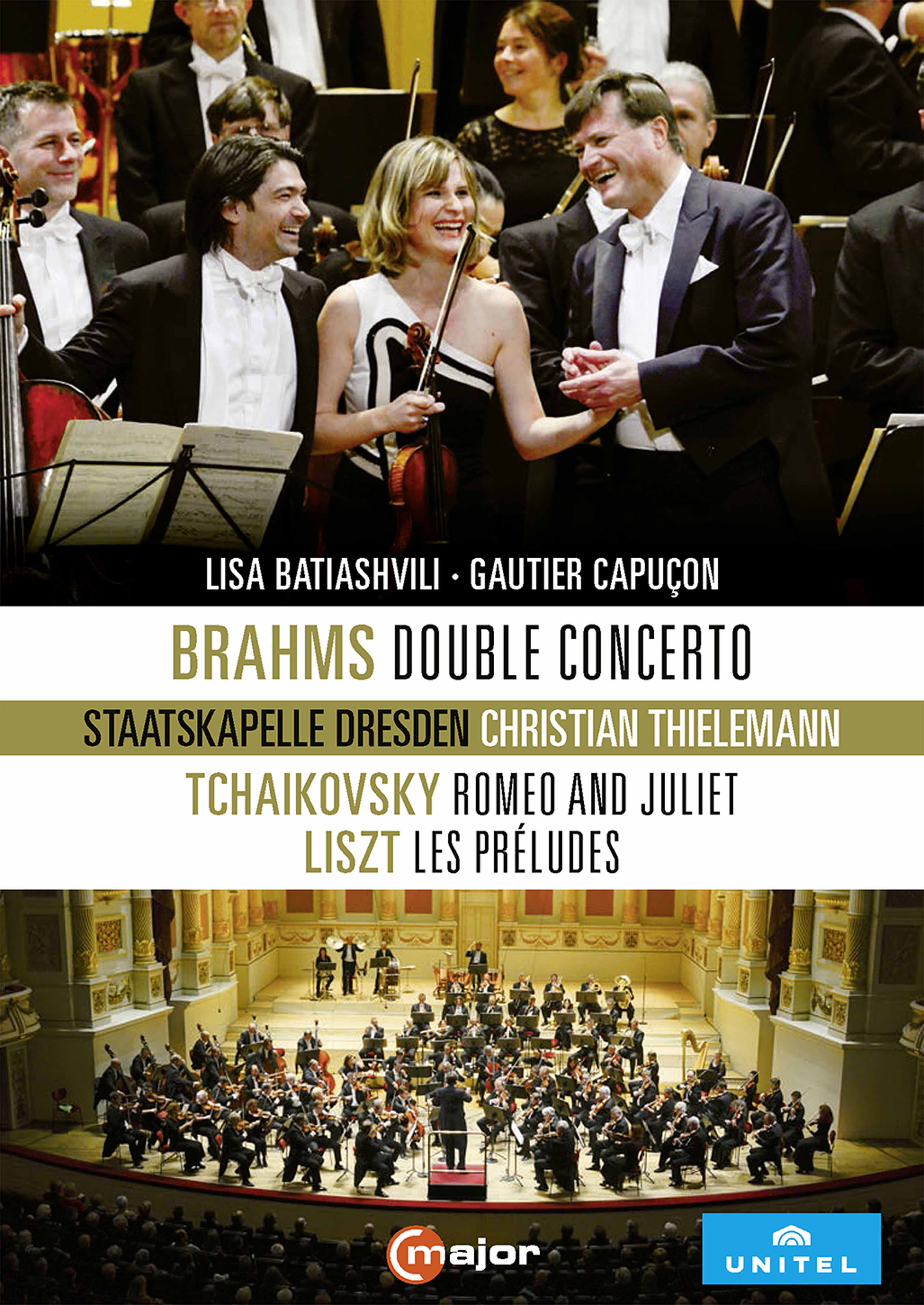
09 Brahms DoubleBrahms – Double Concerto; Tchaikovsky – Romeo and Juliet; Liszt – Les Preludes
Lisa Batiashvili; Gautier Capuçon; Staatskapelle Dresden; Christian Thielemann
C Major 757108 (naxosdirect.com/search/757108)

Christian Thielemann had already established himself as a card-carrying, man-about-Brahms when he recorded the complete symphonies, the piano concertos with Pollini and the violin concerto with Batiashvili; DG was still attempting to develop a successor to the late Herbert von Karajan. 

Of course this concert with the Dresden Staatskapelle could be nothing less than a memorable event given the incomparable technique and sonorities of the soloists, violinist Lisa Batiashvili and cellist Gautier Capuçon, with Thielemann in command. This Blu-ray has had lots of play in the past weeks as I just had to hear, just one more time, my very favourite Brahms concerto. The encore, Il Zingaresca: Allegro giocoso, is a pleasing interplay between violin and cello by Schulhoff. The Tchaikovsky and Liszt war horses each enjoy a well-controlled, commanding performance,

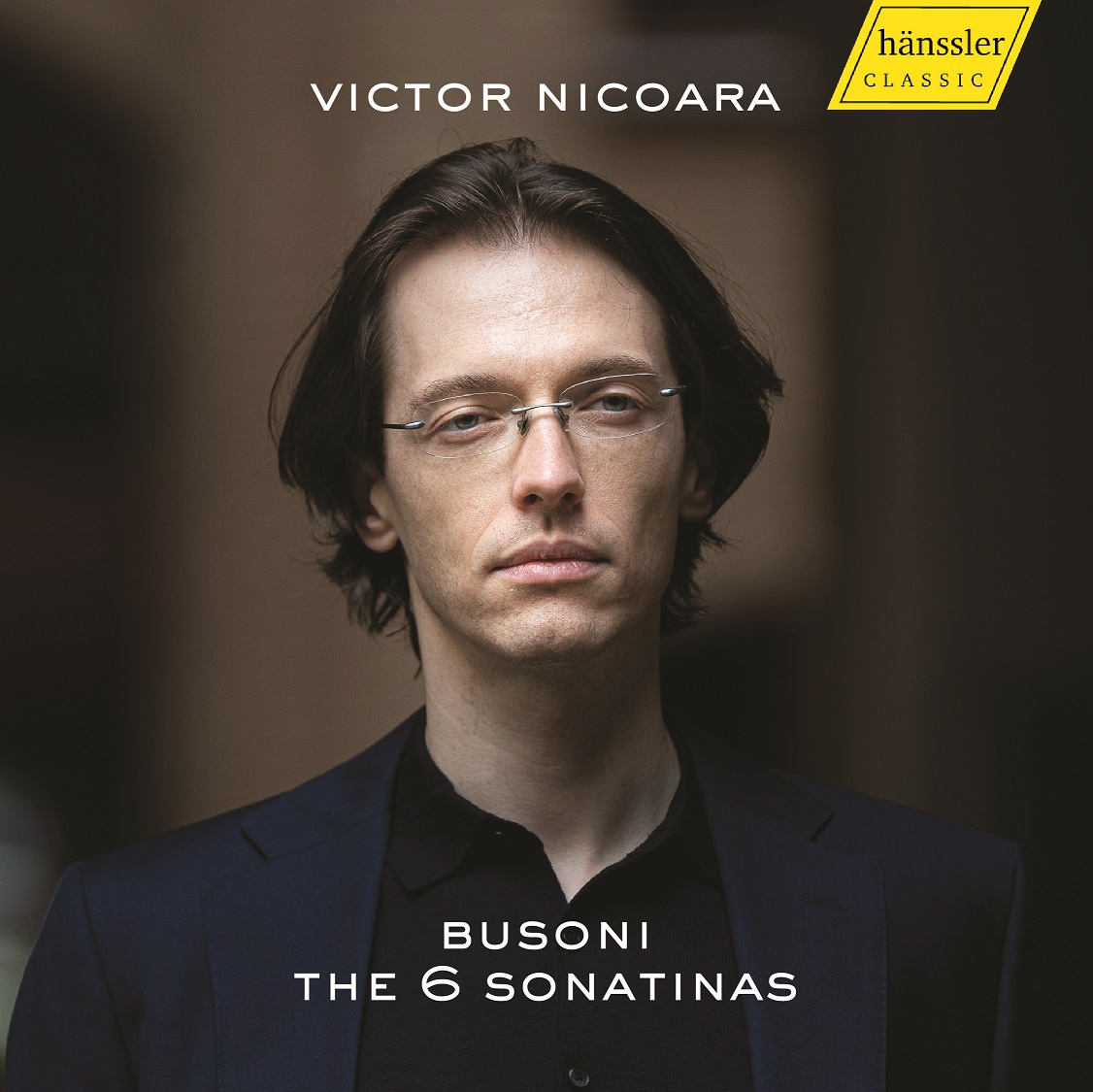
10 Nicoara BusoniBusoni – The Six Sonatinas
Victor Nicoara
Hanssler Classic HC20086 (naxosdirect.com/search/hc20086)

Victor Nicoara, a bona fide exponent of the piano music of Ferruccio Busoni, joins an increasing number of musicians determined to familiarize audiences with the Italian composer’s catalogue, bringing them “closer to an emotional understanding of… neglected masterpieces.” As such, Nicoara has fashioned an aesthetically pleasing album featuring Busoni’s Six Sonatinas – out of chronological order – set amongst smaller pieces. It is immediately apparent that Nicoara has long been devoted to Busoni’s art and brings a depth of interpretation and impressive conviction to his performance. The pianist displays attributes of expression not perennially associated with Busoni: a tenderness of line and sense of satirical gesture (with playfulness); a dreamy, almost absent-minded notion of soundscape, a rational lingua franca of harmony. (Busoni’s harmonic language can sometimes seem out of reach for many listeners.)

This is a disc to be thoroughly enjoyed, varied in scope with intimations of dusted-off treasure. The musical gemstones Nicoara brings to our ears from vaults below are not unknown, they’re just rarely heard and must therefore be reclaimed and re-appreciated in the natural light of day. Here is the conceit of Nicoara’s newest recording and he succeeds in its conveyance, admirably.

Outside of the sonatinas, a more novel highlight is the Nuit de Noël, BV 251. Without knowing, one might guess this music to be written by Debussy, Grieg or even a proponent of the Romantic English school. Finally, Nicoara’s own, Quasi Sonatina, illuminates the nooks and crannies of our aforementioned museum finds in “an attempt… to distill the spirit and compositional procedures of the works recorded…”  As listeners, we revel in his sensitivity for the material: material he plays with an earnest, even humble, brand of pianistic expertise.

11 Mahler 7 PetrenkoMahler – Symphony No.7
Bayerisches Staatsorchester; Kirill Petrenko
Bayerische Stattoper BSOrec0001 (naxosdirect.com/search/bsorec0001)

The Bayerisches Staatsorchester, the resident orchestra of the renowned Bavarian State Opera, launches a new label featuring their purely orchestral performances with this 2018 live performance under their former music director Kirill Petrenko, recently appointed to succeed Simon Rattle at the Berlin Philharmonic. The reclusive and modest Petrenko has very few recordings to his credit to date; that he would choose to heighten his profile with this most neglected though utterly fascinating example of Mahler’s symphonies is certainly a provocative move. 

In general we have here a quite satisfying result, revealing an excellent orchestra at the top of its game. The opening bars of this five-moment symphony seemed a bit underwhelming to me at first, though it eventually became evident that Petrenko is playing the long game as the interpretation grew increasingly incandescent throughout the remainder of the movement. A certain Apollonian reticence is also evident in the flanking pair of Nachtmusik movements; the echoing horn calls that open the second movement for example are, unusually, strictly in tempo, while the expressive tempo modifications in the archly sentimental fourth movement are almost non-committal in their fleetness, though both movements are otherwise sonically luxurious and expertly balanced. He does however display a commanding hand throughout the psychedelic central Scherzo and truly comes into his own in the dense polyphony of the grandiloquent Finale which zips along jubilantly. 

Though it’s certainly not the finest recording of this work available (I would recommend Bernstein/NY or Abbado/Lucerne) it nevertheless shows great promise that Petrenko interprets this demanding work with such alacrity. Stay tuned!

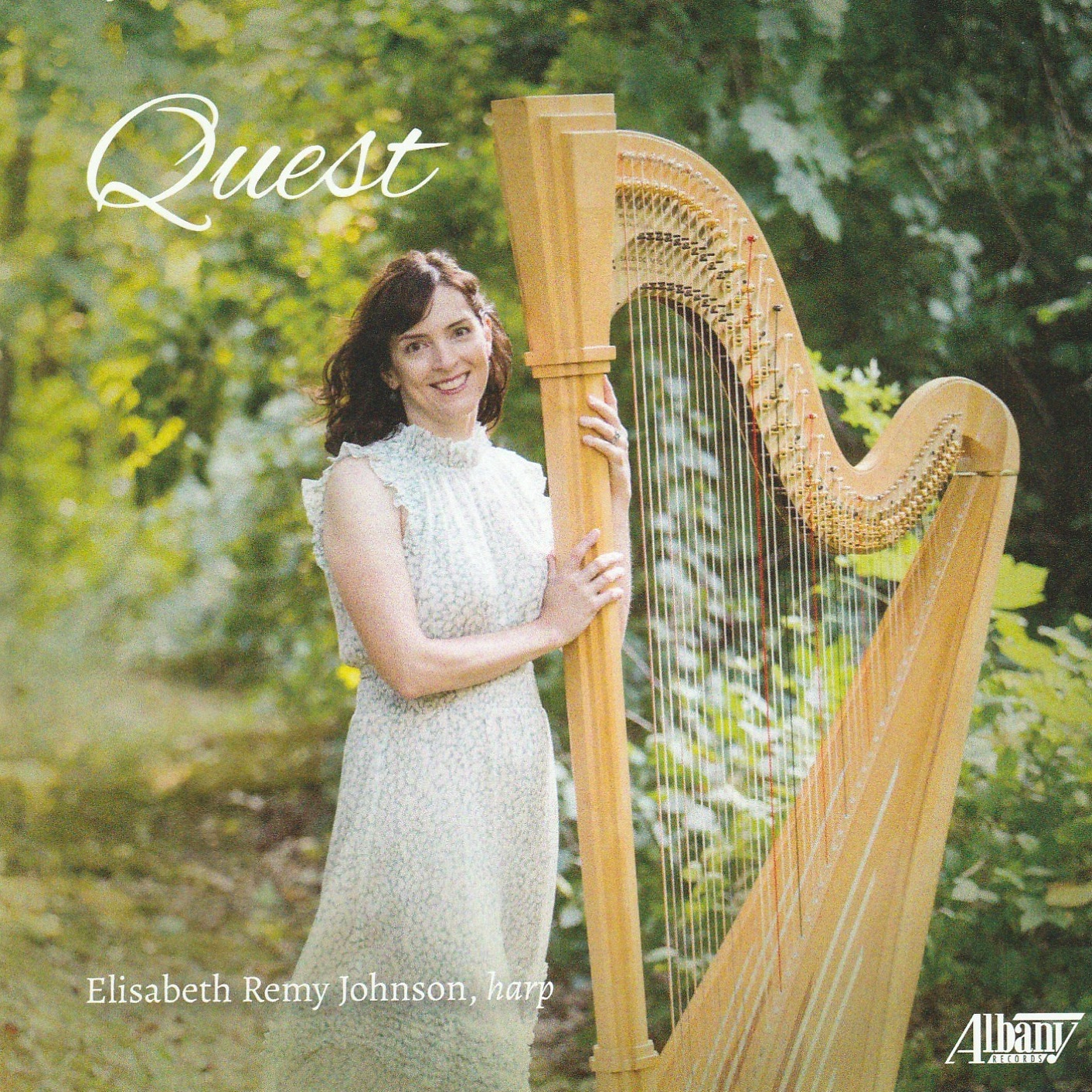
12 QuestQuest
Elisabeth Remy Johnson
Albany Records TROY1863 (albanyrecords.com)

This compelling new recording from world-renowned principal harpist (Atlanta Symphony) Elisabeth Remy Johnson, is a magnificent celebration of not only the harp itself, but of 12 radiant female composers. Both historic and contemporary artists are represented here by way of Johnson’s transcriptions of venerable piano works by Cécile Chaminade (Aubade – 1911), Amy Beach (A Hermit Thrush at Morn – 1921), Mel Bonis (Cinq Morceaux – 1894 to 1927), Fanny Mendelssohn Hensel (Mélodie – 1846), Clara Wieck Schumann (Romanze – 1853) and Lili Boulanger (D’un vieux jardin – 1914). Contemporary contributers to this superb collection include Australian flutist/composer Johanna Selleck, British composer Freya Waley-Cohen, British violist/composer Sally Beamish and Canadian composer Kati Agócs.

The title track is by contemporary Iranian-American pianist/composer Niloufar Nourbakhsh. Written in 1992, the composition reflects Nourbakhsh’s thoughts and feelings as she embarked on her “quest” of becoming a composer. Delicate, gossamer and provocative, this world-premiere recording and transcription for solo harp is nothing short of breathtaking. Aubade has a whimsical aspect, made even more magical when performed on harp and A Hermit Thrush at Morn embodies contemporary motifs in classical music that were just beginning to come into focus in the 1920s. Of special beauty and elegance is the five-movement Cinq Morceaux, as is D’un vieux jardin where the listener experiences a stunning, Parisian garden gently emerging out of the mist.

The contemporary pieces presented here are no less notable, particularly Agócs’ Every Lover is a Warrior and Waley-Cohen’s Skye. This is a recording to be savoured, just like all of the works of the brilliant female artists who have contributed to Johnson’s laudible recording, infused with her incredible skill and taste.

Listen to 'Quest' Now in the Listening Room

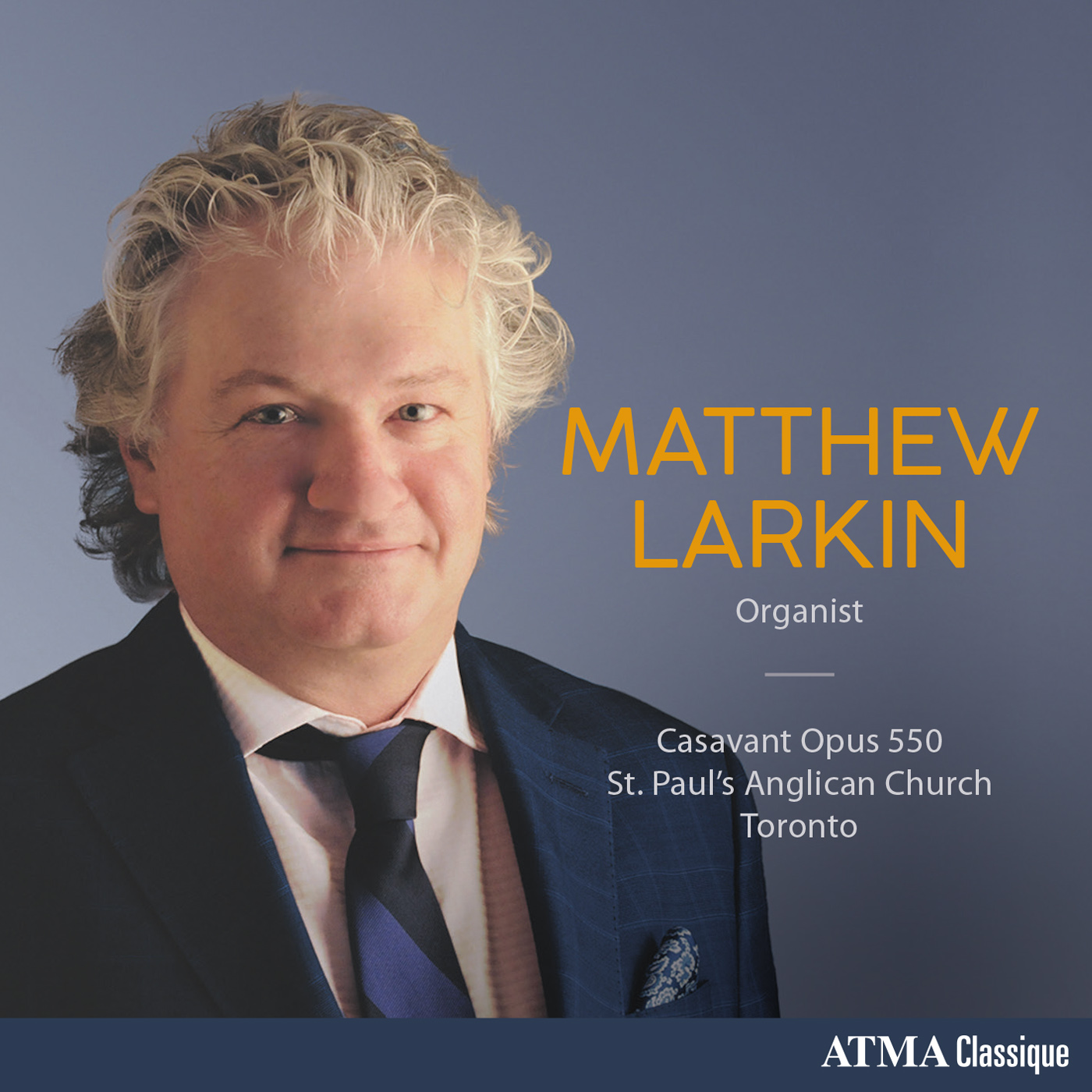
13 Matthew LarkinMatthew Larkin Organist – Casavant Opus 550
Matthew Larkin
ATMA ACD2 2857 (atmaclassique.com/en)

Not only is the pipe organ one of the world’s oldest musical instruments, it is also one of the most complicated. Comprised of thousands of pipes ranging in size from that of a small pencil to 32 feet in length, as well as innumerable internal mechanisms and electronic controls all managed by one musician at an equally complex (and appropriately named) “console” containing up to five separate keyboards. It takes a significant amount of training and dexterity to successfully maneuver these marvels of musical engineering.

When executed properly, the organist’s job is to make the technical operation of the instrument a behind-the-scenes process, secondary in nature to the music itself. The audience need not (and should not) be aware of every button that is pushed, every pipe that is activated, but rather these small adaptations should be incorporated into the whole in a subtle and organic way, a challenging objective that grows increasingly complex as the size of the instrument increases.

The Casavant organ at St. Paul’s Anglican Church, Bloor Street is one of largest such instruments in Canada, with over 7,500 pipes at the organist’s disposal; it is also one of the finest. Matthew Larkin Plays Casavant Opus 550 at St. Paul’s Anglican Church, Toronto illustrates just how magnificent and convincing a superb instrument can be in the hands of an equally gifted performer.

A fascinating collection of international works, including those by a number of notable Canadian composers, ensures that this double-disc offering has something for every listener. Whether it is Healey Willan’s Passacaglia and Fugue No. 2, Keith Jarrett’s Hymn of Remembrance, or César Franck’s legendary Chorale No.3, Larkin and the organ of St. Paul’s provide interpretations that rise above the technical challenges (both musical and material) presented by the pipe organ and enter the realm of the sublime.

With expertly crafted material spanning continents and centuries, this recording is highly recommended to all who have an interest in the organ, its history, and its music.

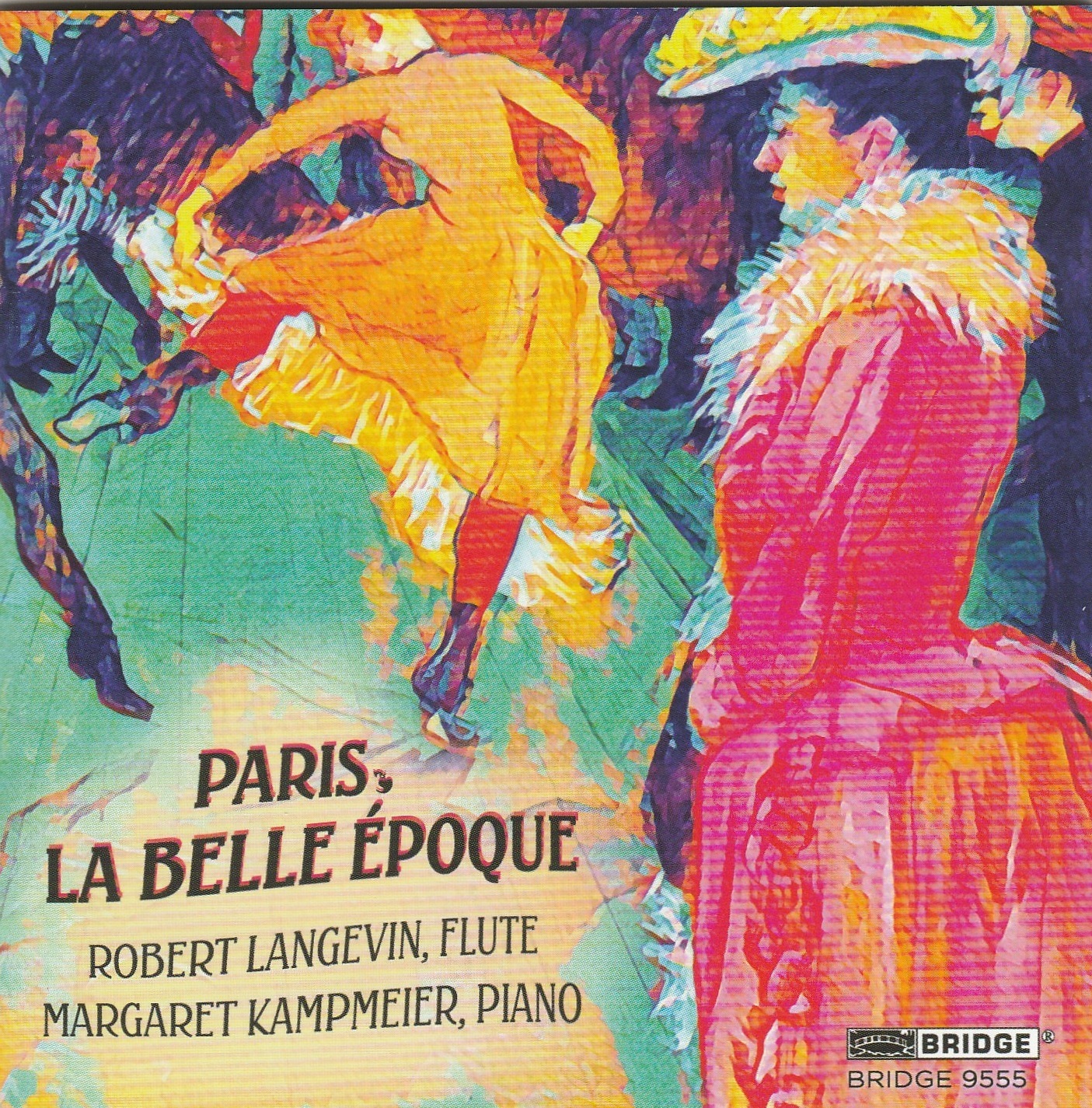
14 Paris la belle epoqueParis, La Belle Époque
Robert Langevin; Margaret Kampmeier
Bridge Records 9555 (bridge-records.com)

Robert Langevin, a native of Sherbrooke, Quebec has served as associate principal flute of the Montreal Symphony and, since 2000, principal flute of the New York Philharmonic. In this CD, he and pianist Margaret Kampmeier scintillate in ten delectable works composed during France’s “Belle Époque” (1871-1914), when Paris, rebounding after France’s defeat in the Franco-Prussian War, again became a leader of European arts and culture.

The luxuriantly liquid melodies of Charles-Marie Widor’s Suite, Op.34, offer a musical counterpart to the entrancing beauties of Monet’s celebrated, willow-draped lily pond in Giverny. Jules Mouquet’s three-movement La flûte de Pan, Op.15, depicts the nature-god cavorting with shepherds, birds and nymphs. The second movement, Pan et les oiseaux, is especially ravishing, as “ancient” modal melodies float over harp-like piano plinks and arpeggios.

Gabriel Fauré’s Fantaisie, Op.79 and Morceau de concours, the latter a sightreading test-piece for students at the Paris Conservatoire, are in Fauré’s familiar ambulatory, lyrically captivating style. George Enescu’s Cantabile et presto and Philippe Gaubert’s Nocturne et allegro scherzando were also composed for Conservatoire competitions. Both are very Fauré-like in character, as is Gaubert’s lovely Madrigal. Gaubert’s charming Fantaisie suggests the influence of Debussy, who closes this CD with two treasures of the flute repertoire, Prélude à l’aprés-midi d’un faune (arranged for flute and piano) and Syrinx for solo flute.

Throughout, Langevin’s flute seems a living thing, a “magic flute” with a mellifluous voice and amazing acrobatic agility, yet always exquisitely graceful. Bravissimo!

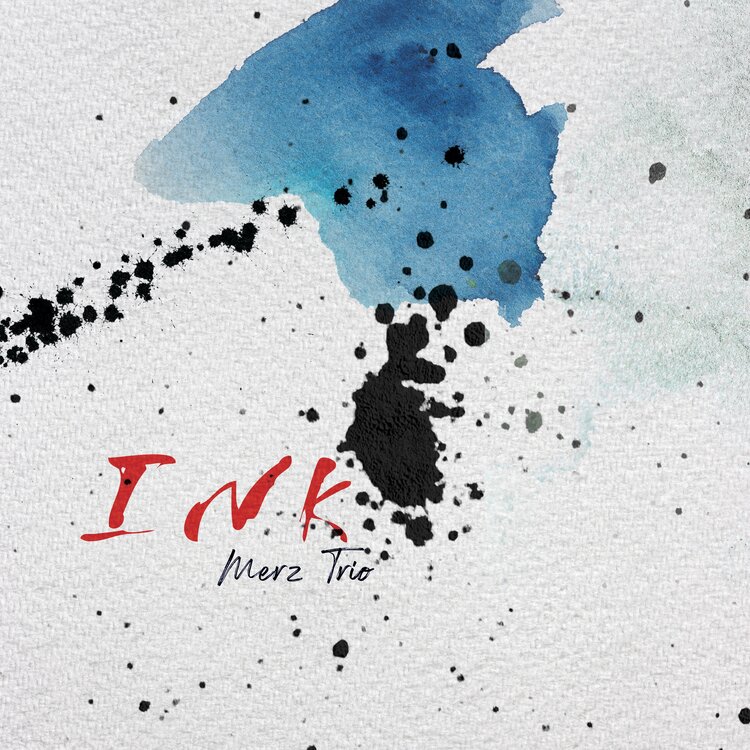
15 Merz Trio InkInk
Merz Trio
Bright Shiny Things BSTC-0148 (brightshiny.ninja)

Subtlety is the overarching quality that violinist Brigid Coleridge, cellist Julia Yang and pianist Lee Dionne – the Merz Trio – convey so luminously in the works of Vincent Scotto, Lili and Nadia Boulanger, Maurice Ravel and Claude Debussy interspersed between spoken words from Anna de Noailles, Jean Cocteau, Guillaume Apollinaire and other writers. All of this comes together seamlessly in the trio’s extraordinary debut disc, Ink

The recitation often doesn’t raise its voice much above a whisper, and even when it does, the narratives and music are skilfully and intricately interwoven to maintain a certain expressive decorum. The trio alters spoken word, harmonies and structural elements with impressive restraint, heading in directions that surprise and captivate the ear.  

Most of the movements in the pieces presented here have a somewhat programmatic basis, though it isn’t always necessary to know the storyline to appreciate the result. Moreover, both written word and musical notes spring off the page and rise in graceful, elliptical arcs pirouetting in balletic movement. Just when you think that things couldn’t get any better than Lili Boulanger’s D’un vieux jardin, it is Ravel’s Piano Trio in A Minor that unfolds in a series of ethereal gestures, emerging in a panoply of colours and harmonic implications. Throughout, the Merz perform with consummate artistry, blending superior control and tonal lucidity with a breathtaking sense of line and motion.

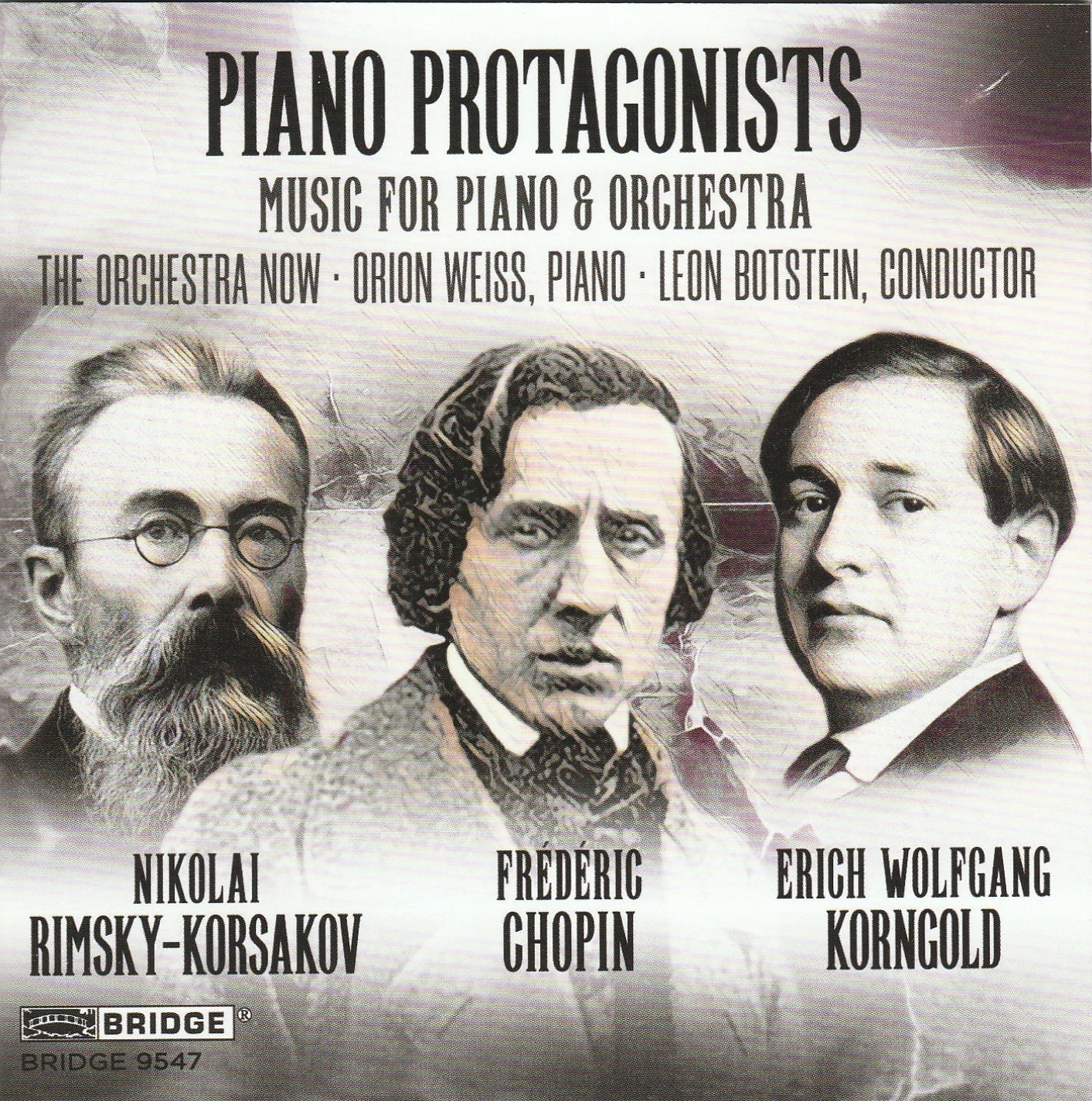
16 Piano ProtagonistsPiano Protagonists – Music for Piano & Orchestra
Orion Weiss; The Orchestra Now; Leon Botstein
Bridge Records 9547 (bridgerecords.com/collections/catalog-all)

All of the Piano Protagonists works are “firsts.” Erich Korngold’s Piano Concerto in C-sharp Major for One Hand (premiered 1924) was the first Paul Wittgenstein-commissioned left-handed piano concerto. It has one dramatic movement in the style of Korngold’s opera Die tote Stadt, more complex than his later Violin Concerto. Its tough-minded, ceremonial character was appropriate for the commisioner/pianist Wittgenstein, who lost his right arm in World War I. There are also tender-minded and mysterious moments in the middle section, Reigen (Round Dance – used ironically). Pianist Orion Weiss conveys these subtleties well. His technical mastery of massive octaves and chords, and of the lightning-fast burlesk section, never falters.

Chopin’s Variations on “La ci darem la mano” (from Mozart’s Don Giovanni) for piano and orchestra first brought him to public attention. The variations’ intensity and freedom of piano ornamentation and passagework were striking, prefiguring his piano concertos. I particularly like the runs with double notes in Variation I, and the polonaise variation and finale demonstrating the composer’s celebrated style achieved in his teens.

Rimsky-Korsakov’s Piano Concerto in C-sharp Minor (1882-3) was a first for the non-pianist composer. An expert orchestrator, Rimsky-Korsakov plays to his strength in emphasizing piano-orchestra interplay over virtuosity. The wealth of musical invention applied to a simple Russian theme is what sustains this compact concerto. Weiss and The Orchestra Now under Leon Botstein convey the lively work’s spirit and its intricacies well.

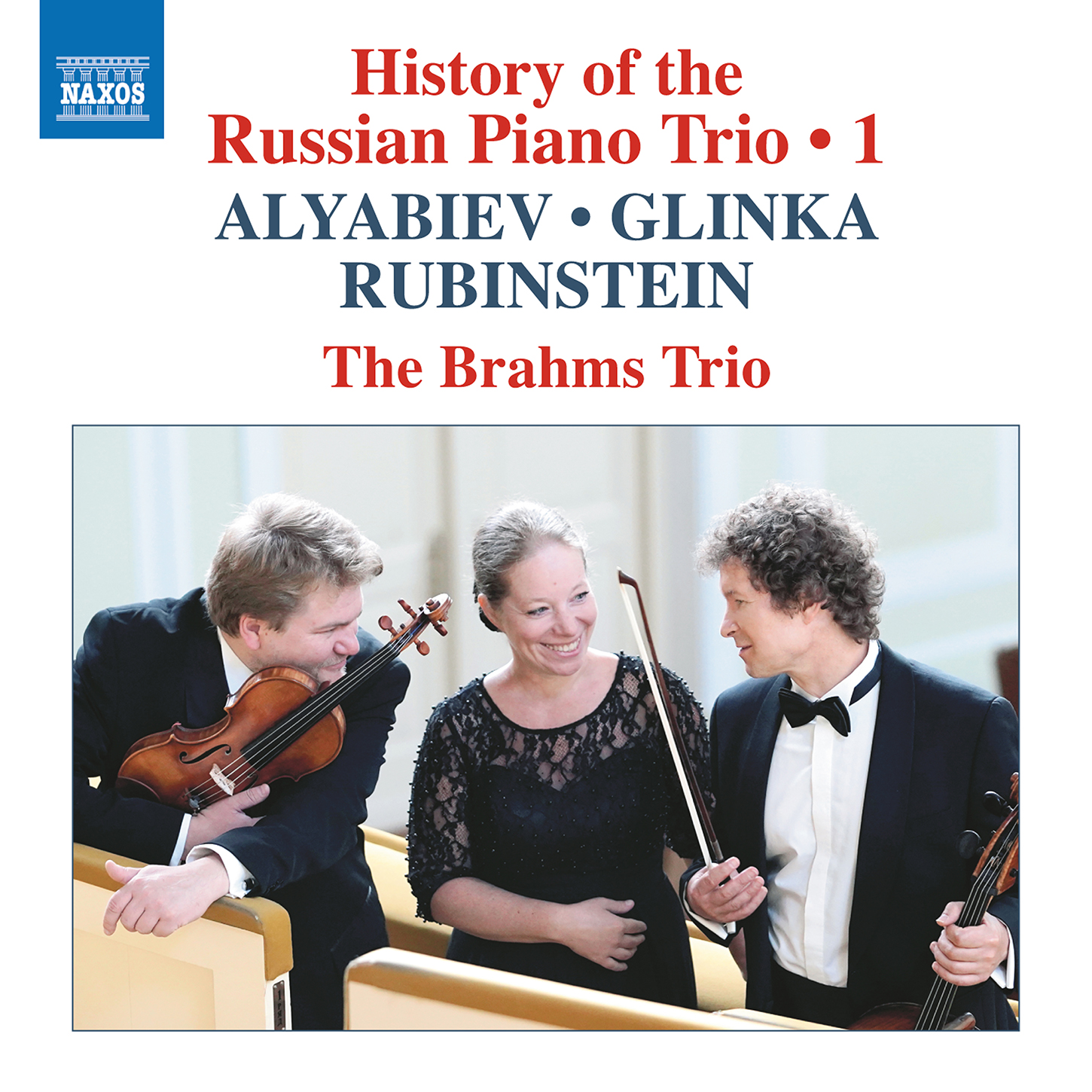
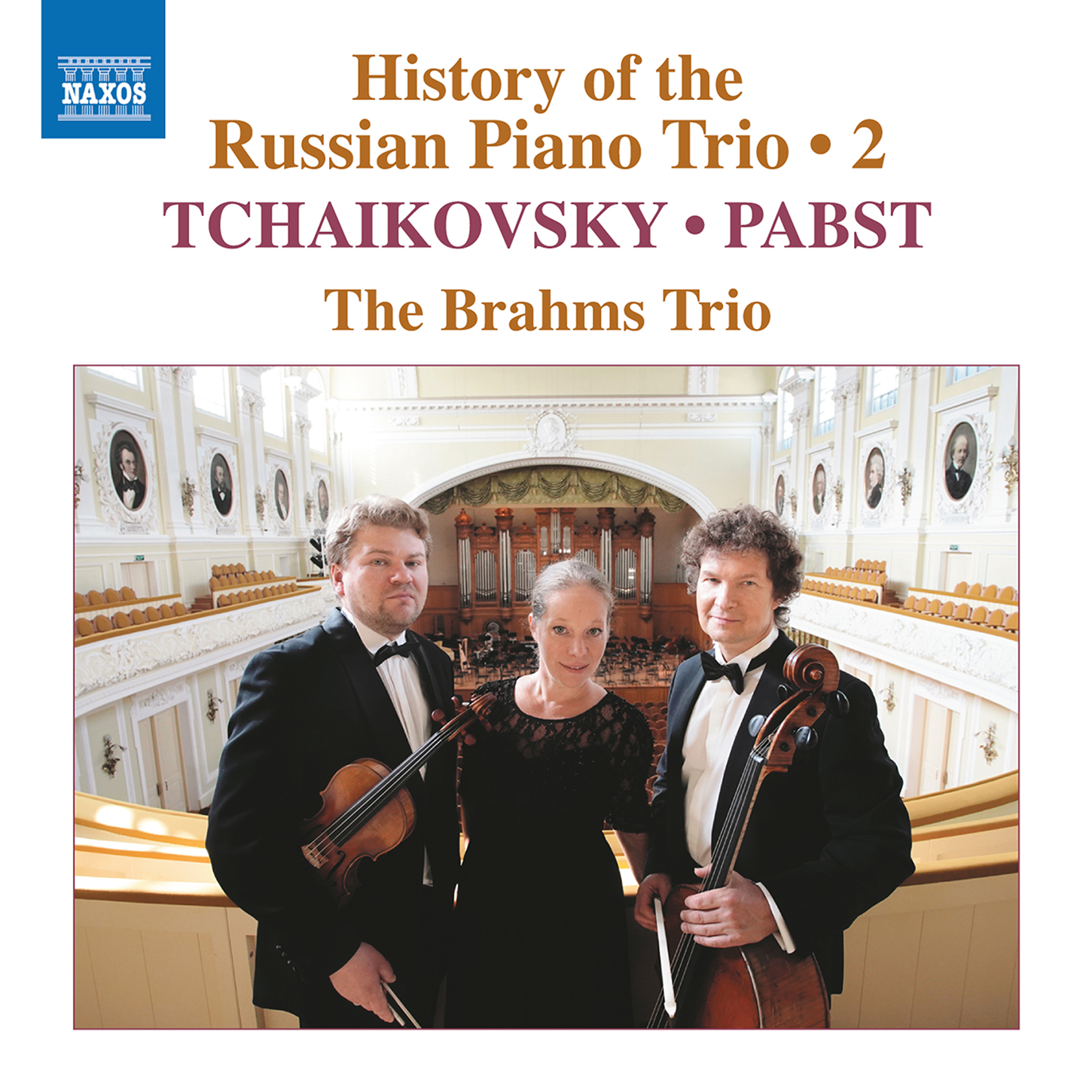
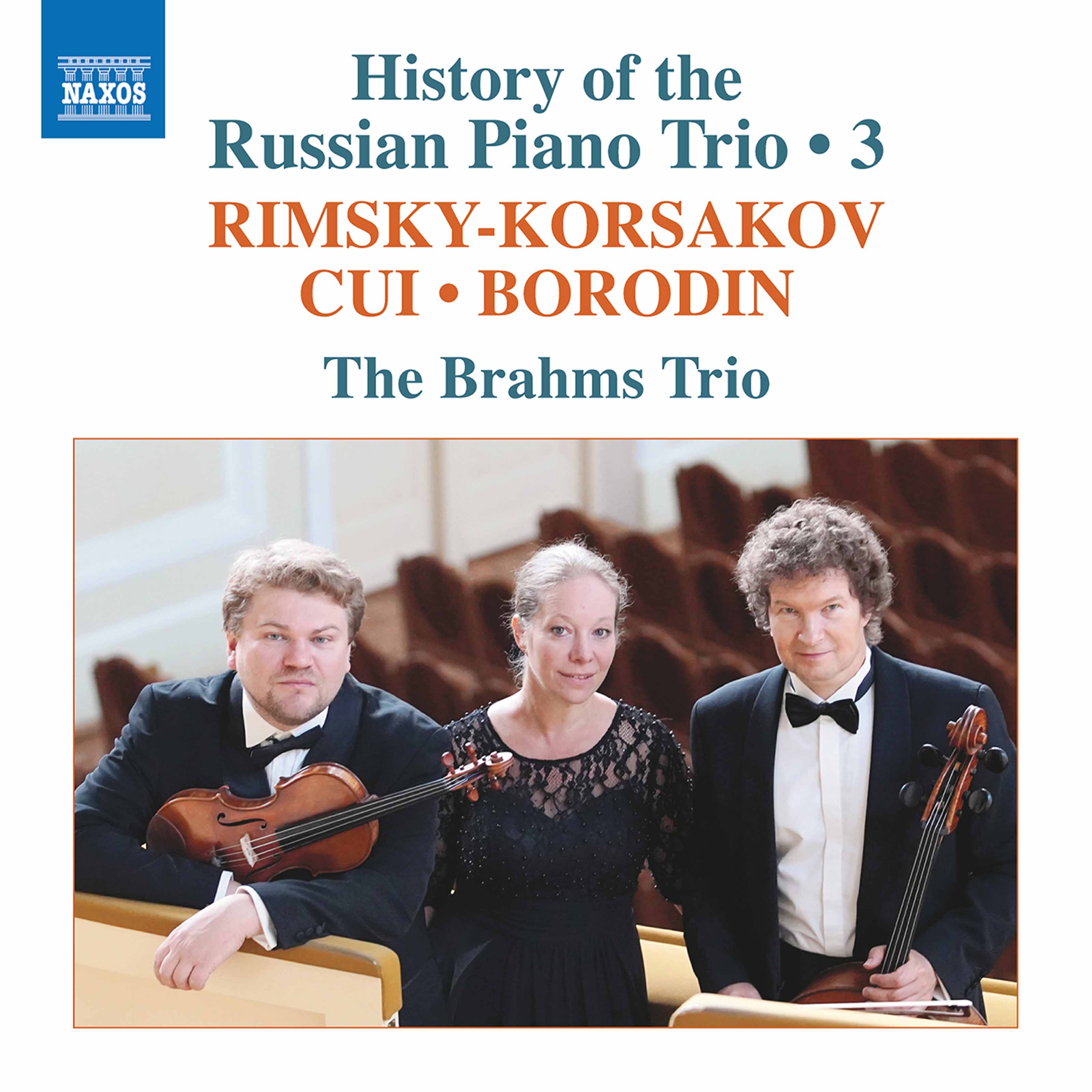
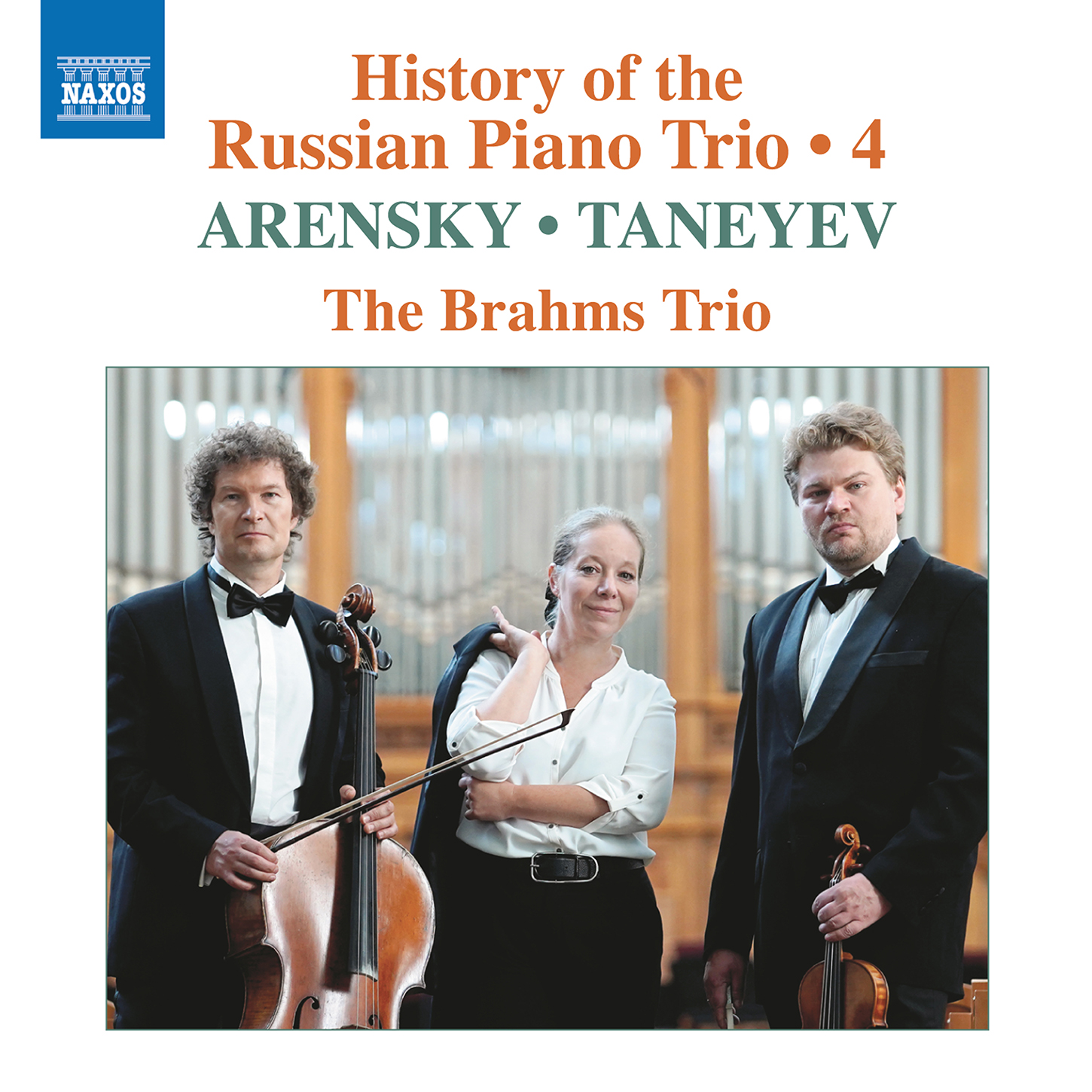
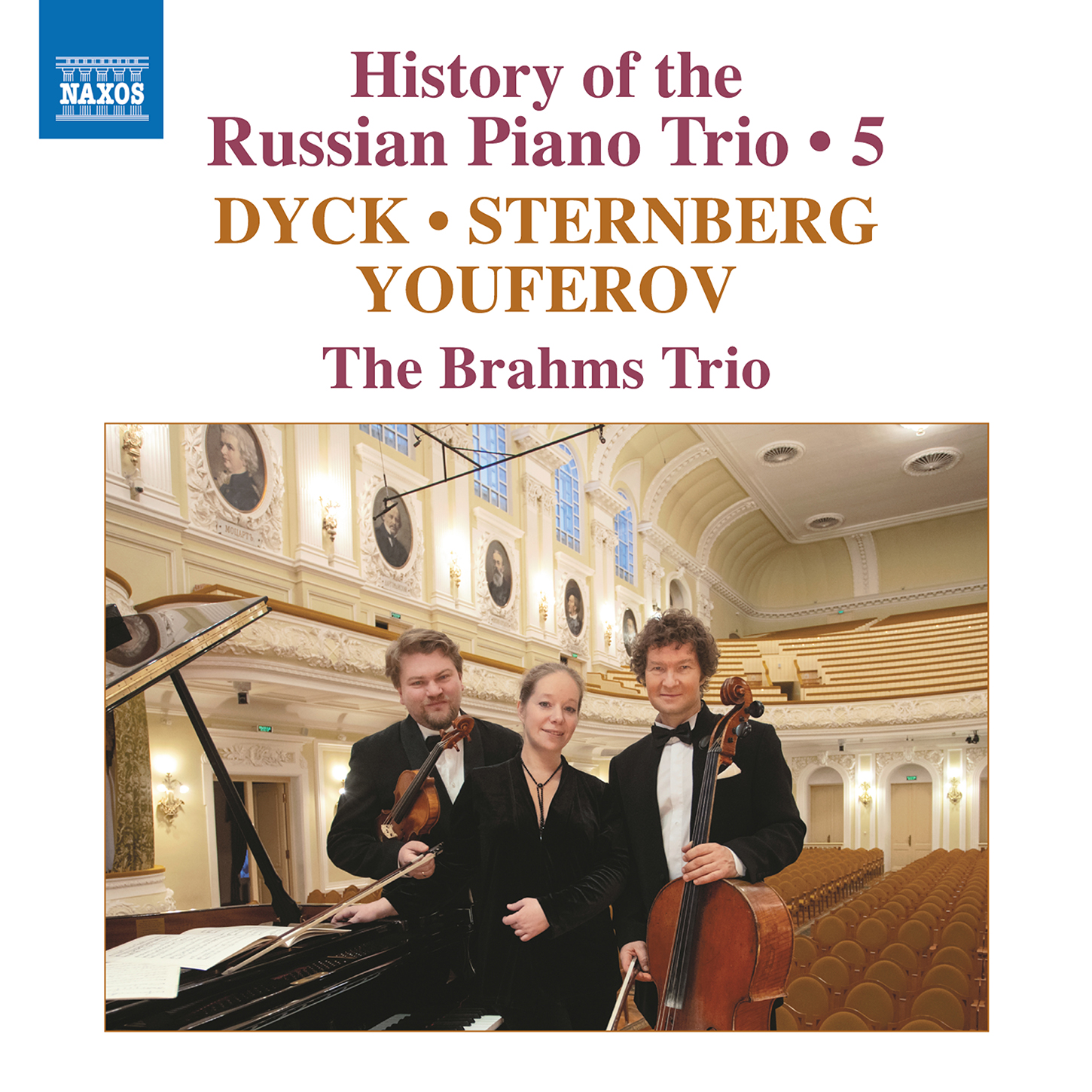
History of the Russian Piano Trio Vol.1 (Alyabiev; Glinka; Rubinstein); Vol. 2 (Tchaikovsky; Pabst); Vol. 3 (Rimsky-Korsakov; Cui; Borodin); Vol. 4 (Arensky; Taneyev); Vol. 5 (Dyck; Sternberg; Youferov)
The Brahms Trio
Naxos 8.574112-6 (naxosdirect.com/search/8574112-6)

17a Russian Trios 1This History of the Russian Piano Trio is remarkable for several reasons. Firstly it brings together piano trios, some of which were rarely performed (if at all). Secondly it features works by composers such as Alexander Alyabiev who is all but forgotten, and Vladimir Dyck, who was murdered by the Nazis in Auschwitz; and by others – Rimsky-Korsakov, Tchaikovsky and Borodin – better known for large-scale works. Moreover, the trios by Dyck, Sternberg and Youferov are world premieres. Most significantly these five discs (the first releases in a proposed series of 15 CDs) are a magnificent attempt to resurrect the nobility of classicism that is uniquely Russian and that came into being as the country itself was in the throes of defining its own nationalism. All of these reasons make the undertaking of such a musical task uniquely challenging, but judging by the sublime performances throughout it is an uncommonly successful one.

17b Russian Trios 2Most histories of Russian music are either written from a European perspective or with a Eurocentric bias in documenting events and achievements; something that you could hardly fault as the overarching influence – political and cultural – on Russian music came from outside its Western borders. But if the emancipation of the serfs was a political tipping point in Russian history and culture, it was the power of the so-called Big Five (Balakirev, Glinka, Cui, Borodin and Rimsky-Korsakov) that initiated the painting and sculpting of the significant landscape of a unique Russian musical character, quite apart from Western Europe; one which was later altered by the Russian Revolution, the horrors of Nazism, as well as the dénouement of Communism.

17c Russian Trios 3The character of Russian music may be influenced by, but is unlike anything in, Western Europe. It is music significantly “younger” than that of Europe, phenomenally Eurasian in its cultural construct, and echoes with elegant and sometimes rustic flavours that are special to Slavic and Russian literary and other (folk) cultural traditions. All of this, though ancient in many respects, came into being just over 200 or so years ago. And so, just as Russia adopted its unique script late in history, so did the music reflect these momentous changes, as if to bring to life its singular cultural topography. This is not only captured by the composers represented here by their work, but in large measure by this stellar ensemble: The Brahms Trio of Moscow. 

17d Russian Trios 4Violinist Nikolai Sachenko, cellist Kirill Rodin and pianist Natalia Rubinstein bring Alyabiev’s lost work magically alive before turning to Glinka’s Trio pathétique in D Minor and Anton Rubinstein’s Piano Trio in G Minor with orchestral intensity, playing white-hot in ensemble and soli. Tchaikovsky’s piano trio in A minor and Paul Pabst’s in A major, are delivered with power and uncommon élan. Rimsky-Korsakov’s Piano Trio in C Minor, Cui’s À Argenteau, Op.40, No.2 and Borodin’s Piano Trio in D Major are all superbly textured and delivered with delicate instrumental colouring and balance.

17e Russian Trios 5Arensky’s beautiful Piano Trio No.1 in D Minor and Taneyev’s masterful Trio in D Major are played with shimmering delicacy. The Brahms Trio imparts a power and tragic stature to the monumental architecture of Dyck’s turbulent Piano Trio in C Minor. Sternberg’s Trio No.3 in C Major is played with effortless distinction and Youferov’s Piano Trio in C Minor, with debonair virtuosity and aristocratic grace. It is not only thrilling to listen to these five discs one after the other, but also seems poetic justice that such characterful music should be literally brought to life by this spectacular contemporary Russian trio.

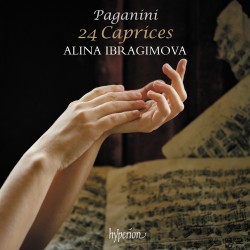
01 Paganini IbragimovaWhen the COVID lockdown started in March 2020 the London-based Russian violinist Alina Ibragimova decided to use the forced seclusion to do “some serious work” on the notoriously difficult Paganini 24 Caprices. The result, recorded in an empty Henry Wood Hall, is her new 2-CD set on the Hyperion label (CDA68366 alinaibragimova.com/recordings).

In his excellent booklet essay, which outlines the individual technical issues and challenges in each caprice, Jeremy Nicholas refers to Paganini as a shockingly underrated and “inspired and well-schooled composer whose innovative advances in violin technique couched in music of great drama and poetry remain his most significant contributions to the history of music.” 

Well, technique, drama and poetry is just some of what you get from the brilliant soloist here. It’s a quite stunning performance, with never a hint of any technical problems but also never a hint of mere virtuosity – there’s an astonishing palette of colours and moods that holds your interest from beginning to end. If you’ve ever viewed these pieces as mere technical studies then this set – an absolute must-buy at two CDs for the price of one – will certainly change your mind.
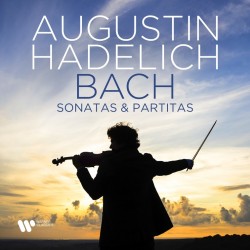
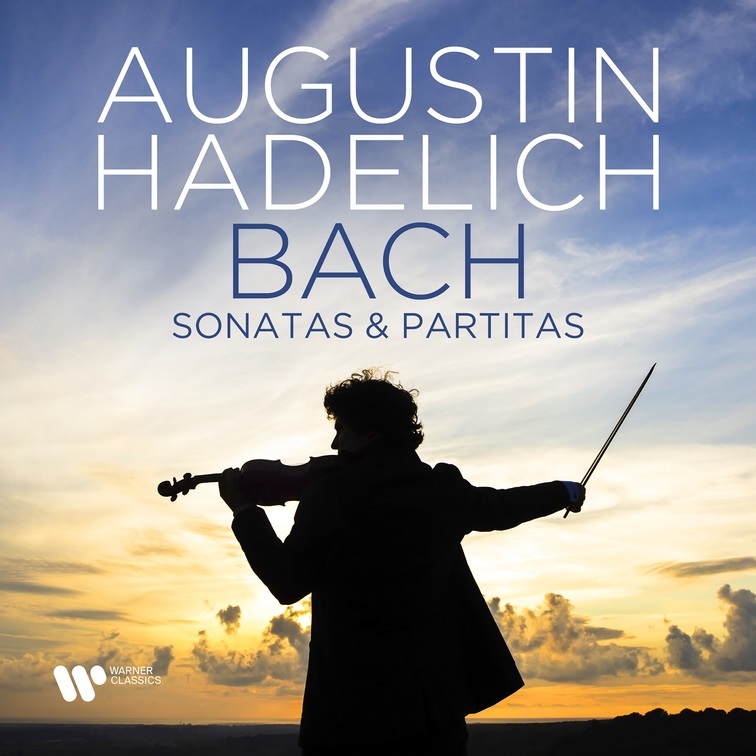
02 Hadelich Bach Sonatas PartitasAnother product of the lockdown is the Bach Sonatas & Partitas set from violinist Augustin Hadelich, who took the opportunity to complete a recording project that had long been a dream of his (Warner Classics 190295047955 warnerclassics.com/release/augustin-hadelich-bach).

His perceptive booklet notes examine the changing approach to Bach’s music through the historically informed revolution to the current variety of styles. He uses a Baroque bow with his 1744 “Leduc, ex-Szeryng” Giuseppe Guarneri del Gesù violin, which he found to be liberating and a revelation, allowing for more fluid multiple stops and more buoyant, light articulation.

Hadelich uses vibrato when he feels it appropriate for expression, and adds occasional ornamentation. Tempi are dazzlingly fast at times, but bowing and intonation are always flawless.

These are brilliant performances; strong, bright and assertive but never lacking introspection.
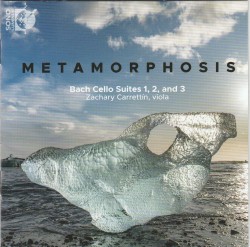
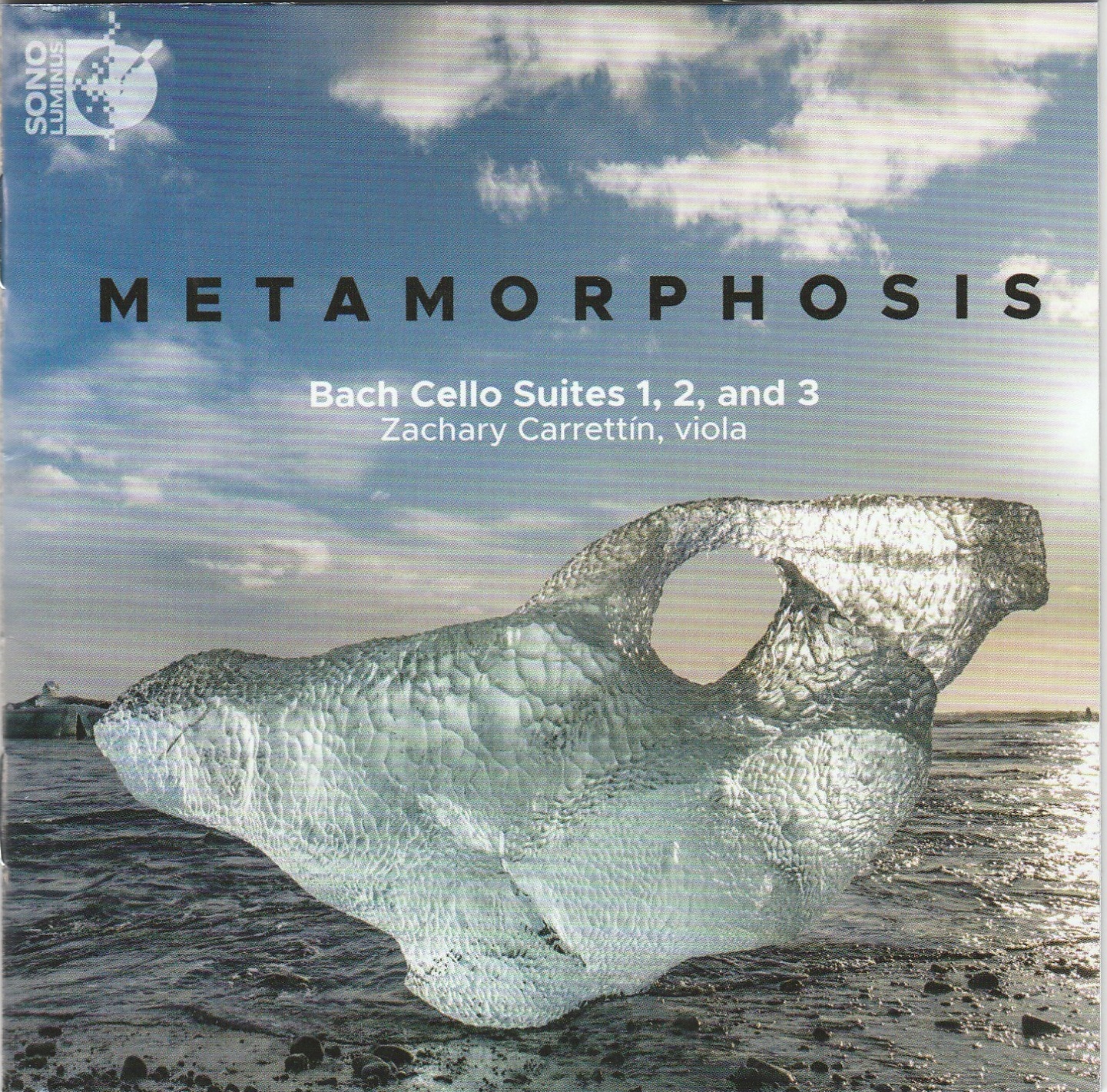
03 Metamorphosis Bach on violaWhen the pandemic forced the suspension of Colorado’s Boulder Bach Festival, its music director also took the opportunity to begin the Bach recording project he’d been planning for years. The result is Metamorphosis: Bach Cello Suites 1, 2 and 3 played on viola by Zachary Carrettín (Sono Luminus DSL-92247 sonoluminus.com).

Carrettín has extensive experience as guest concertmaster with numerous Baroque orchestras, and has lived with these works for over 25 years. The result, not surprisingly, is a superb set of beautifully judged performances. Any loss of low cello resonance is more than compensated for by the lighter warmth of the viola, its octave-higher tuning making these seem a perfectly natural performance choice, and not transcriptions.

The viola is an 18th-century model by an unknown maker, set up with internal and external historical fittings – bridge, tailpiece and bass bar – and wound gut strings, with Carrettín using an ironwood tenor viola da gamba Baroque bow.
Listen to 'Metamorphosis: Bach Cello Suites 1, 2 and 3' Now in the Listening Room

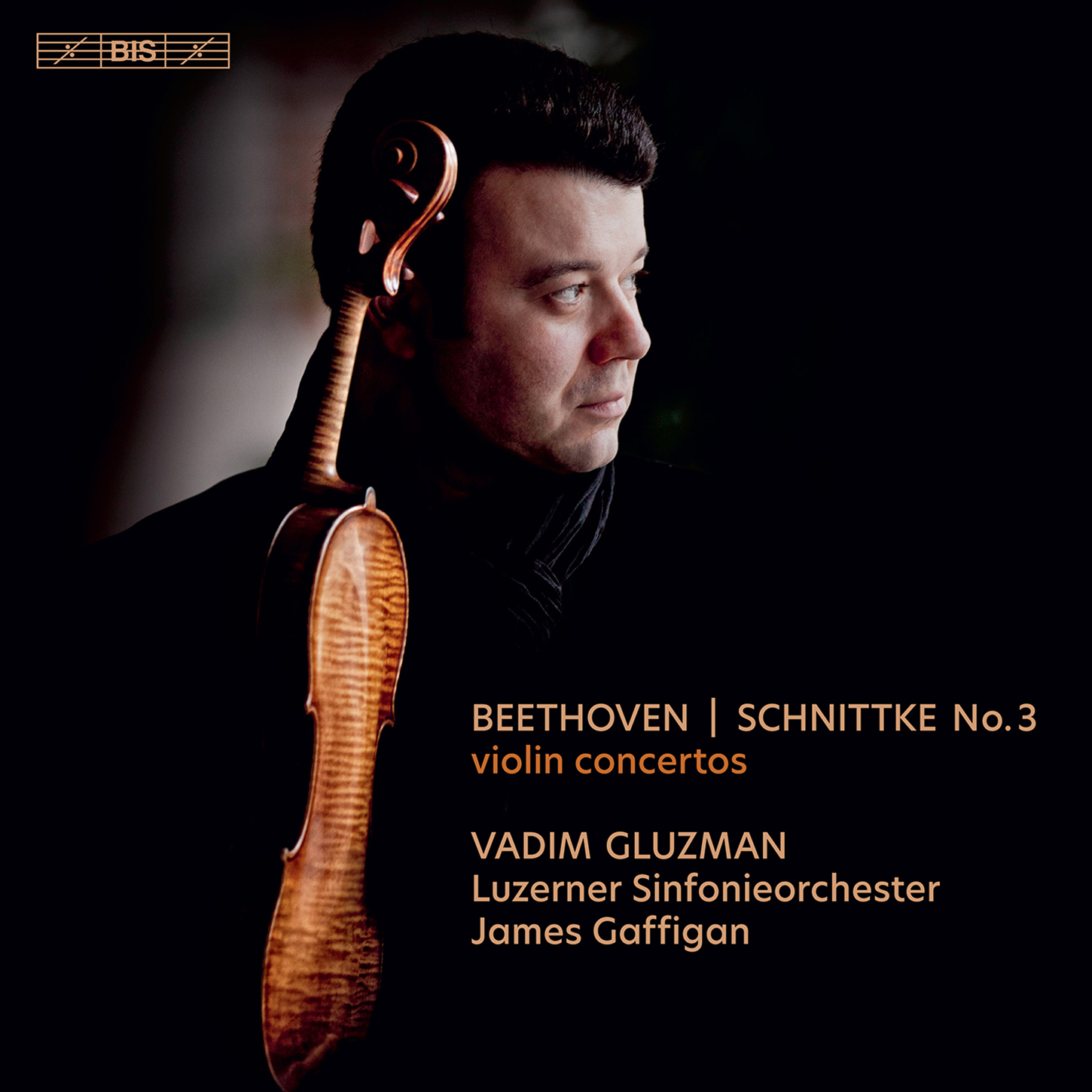
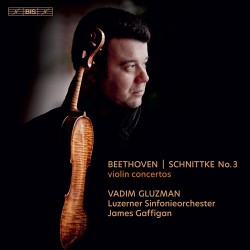
04 Gluzman Beethoven SchnittkeVadim Gluzman is in tremendous form on Beethoven/Schnittke No.3 violin concertos, with the Luzerner Sinfonieorchester under James Gaffigan (BIS-2392 naxosdirect.com/search/+bis-2392+).

Strong opening timpani strokes in the Beethoven announce a performance of real character, but what really sets it apart is the use of the cadenzas written by Alfred Schnittke in the mid-1970s. With their snatches of Bach, Brahms, Bartók, Berg and Shostakovich, they strike Gluzman as “an incredible time bridge, uniting all into one and pointing to the Beethoven concerto as being the root, the source of inspiration and in a way a model for generations to come.” They’re remarkably effective, never deserting Beethoven’s material but viewing it through different eyes, never simply virtuosic and never disrespectful – better, in this respect, than some of the standard cadenzas.

A cadenza starts Schnittke’s own three-movement Violin Concerto No.3, written in 1978 for Oleg Kagan and scored for 13 wind instruments and string quartet, the latter not heard until the transition to the third movement.

Gluzman, playing the 1690 ex-Leopold Auer Strad, is superb throughout, with outstanding support from the Lucerne ensemble on a terrific disc.
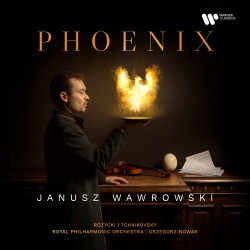
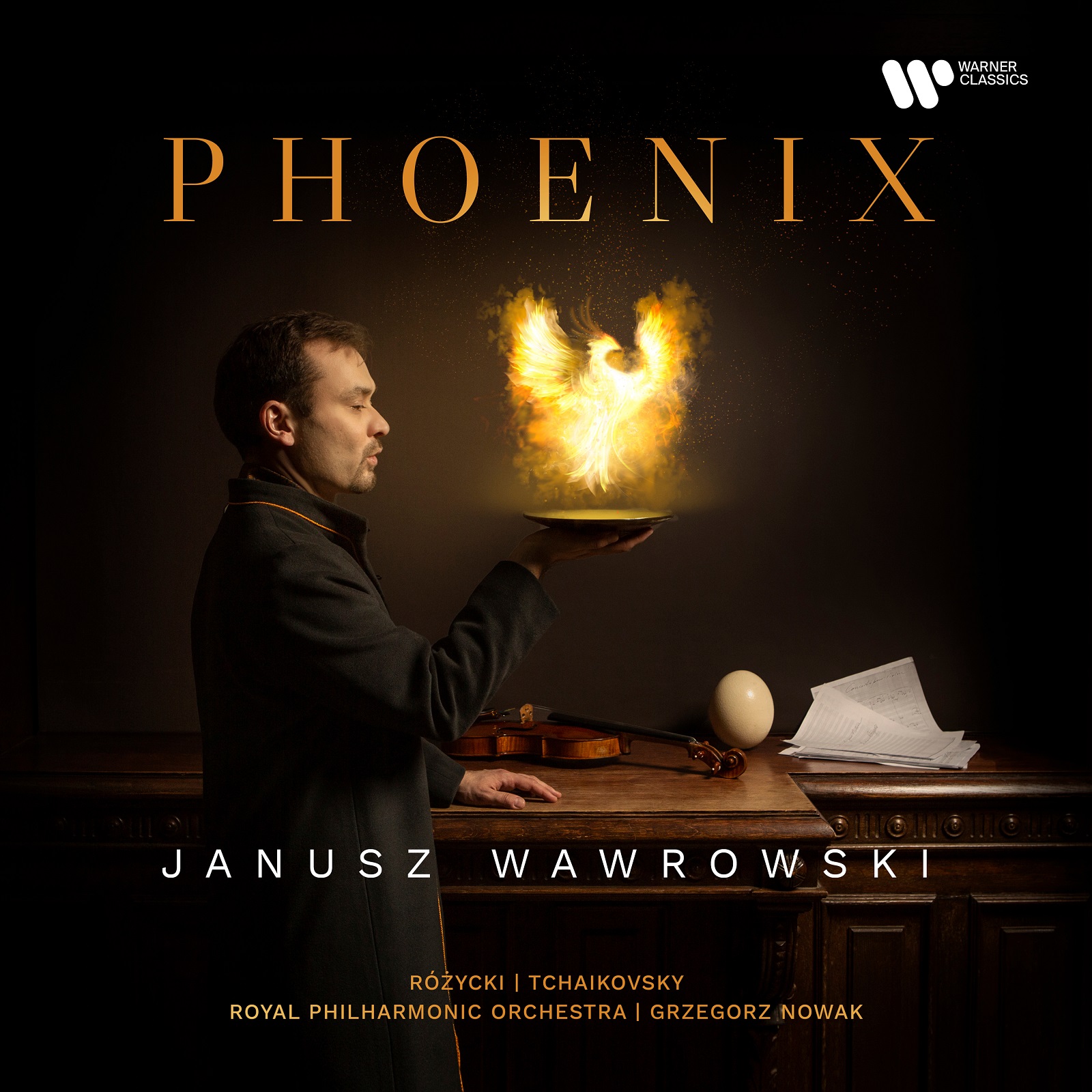
05 Phoenix WawrowskiPhoenix, the latest CD from violinist Janusz Wawrowski with the Royal Philharmonic Orchestra under Grzegorz Nowak, features two concertos written in times of personal stress for their composers: the “Phoenix Concerto” for Violin Op.70 by the Polish composer Ludomir Różycki (1883-1953) and the Tchaikovsky Violin Concerto Op.35 (Warner Classics 0190295191702 wawrowski.com/albums-shop).

The two-movement Różycki concerto was written in 1944 during the Warsaw Uprising but never performed. When he encountered manuscript fragments of the work several years ago (no complete fully orchestrated version survives), Wawrowski was determined to see the concerto reborn; he located the manuscript piano reduction, discovered further fragments, including some of the original orchestration, rewrote sections of the violin part that were unplayable, and had a full orchestration prepared. The result is an extremely attractive work, premiered in 2018, with a first-movement theme that will melt your heart, especially given Wawrowski’s sweet-toned, strong, rhapsodic playing. His remark that the concerto reminds him of Gershwin or – in particular – Korngold, with a slight glance towards Hollywood, is spot on.

The Tchaikovsky concerto was written following the breakup of the composer’s disastrous marriage. The performance here is top notch – carefully measured and thoughtful, with great control of tempi – but I’d buy the whole disc just for that achingly, hauntingly beautiful Różycki theme.
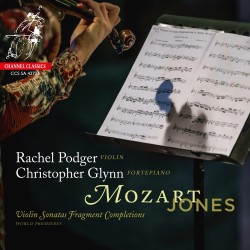
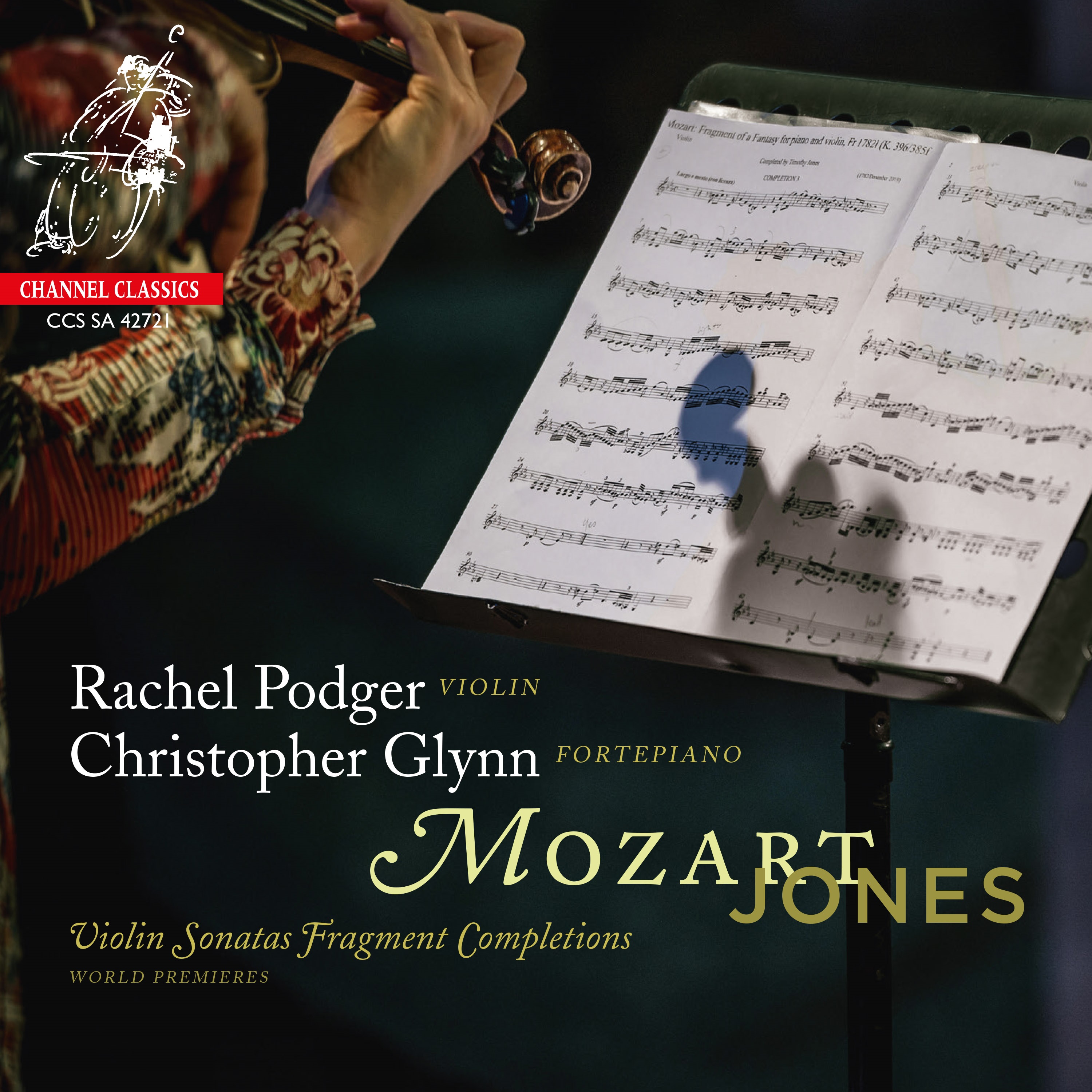
06 Rachel PodgerViolinist Rachel Podger, with Christopher Glynn at the fortepiano, completes her nine-CD series of Mozart’s violin sonatas with Mozart Jones Violin Sonatas Fragment Completions, world-premiere recordings of six sonata-allegros and a fantasia for violin and piano, completed by Timothy Jones (Channel Classics CCS SA 42721 rachelpodger.com/recordings).

Since 2013, Jones has produced over 80 completions of some 30 Mozart fragments in all genres, a process discussed in detail in his extensive and fascinating booklet essay. Four fragments from Mozart’s last decade in Vienna form the basis of the remarkable reworkings here, with multiple versions showing the various possibilities, all based on Mozart’s evolving style during the 1780s. Three fragments – Fr1782c in B-flat, Fr1784b in A and Fr1789f in G – are each heard in two completions; the remaining fragment is the Fantasia in C Minor Fr1782l.

It’s virtually impossible to tell when the fragments end and the completions begin – the continuity is seamless, and never for a moment do you feel as if you’re not listening to Mozart.

The violin is a 1739 Pesarinius, and the fortepiano a 2019 German model by Christoph Kern, based on an 1825 original by Conrad Graf of Vienna. They are well matched, and there’s a lovely tonal balance on a quite fascinating disc.
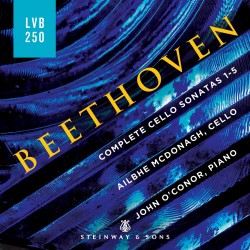
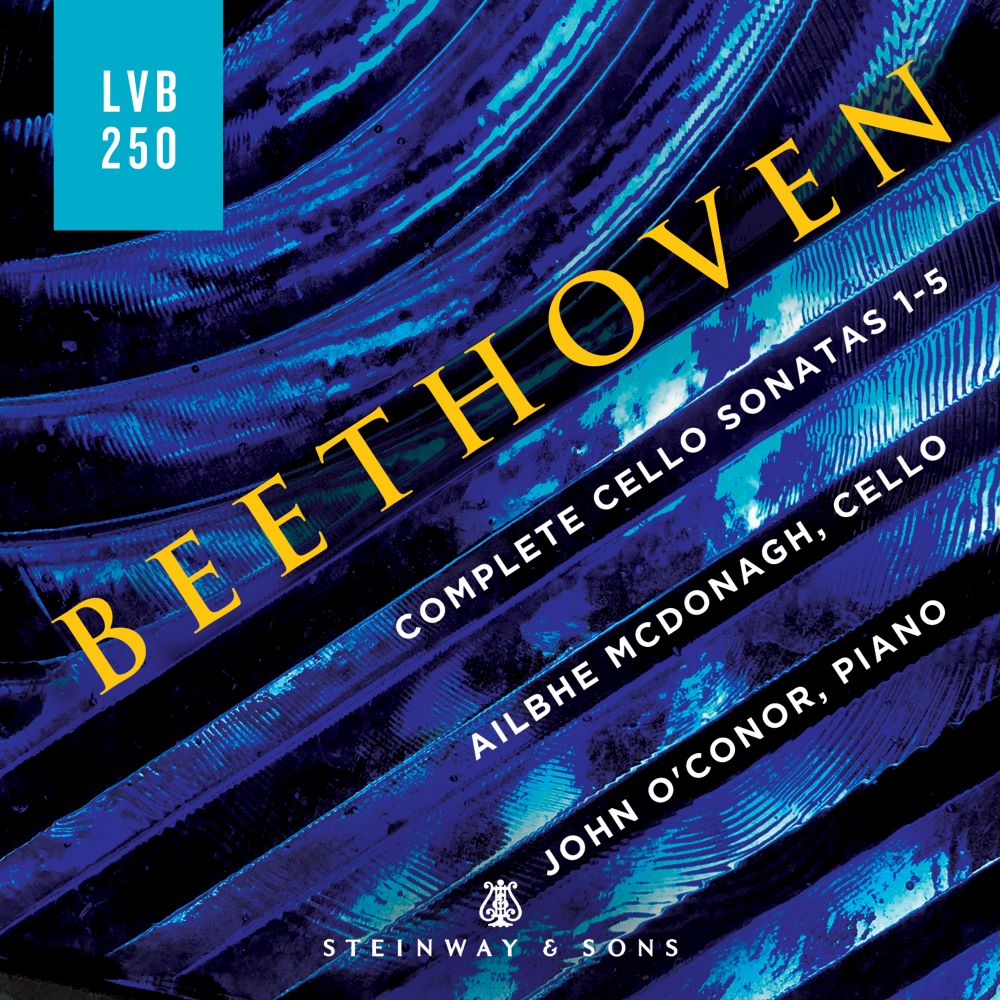
07 McDonagh beethoven complete cello sontats album coverThe Irish duo of cellist Ailbhe McDonagh (her first name pronounced AL-vah) and pianist John O’Conor make their contribution to the Beethoven 250 celebrations with a double-album set of Beethoven Complete Cello Sonatas 1-5, released in late May and available on all major music platforms (Steinway & Sons naxosdirect.com/search/034062301812).

O’Conor is an acknowledged Beethoven specialist, having won first prize in the International Beethoven Piano Competition in Vienna in 1973, and having recorded the complete piano sonatas as well as the complete piano concertos. McDonagh, who as a child studied piano with O’Conor, is a great partner and clearly on the same level here, the duo being as one with every nuance in dynamics and tempi in outstanding performances.

Recorded in St. Peter’s Church in Drogheda, Ireland in August of last year, the sound is resonant and warm and the balance excellent. I listened on YouTube, where there is also a short documentary on the project.
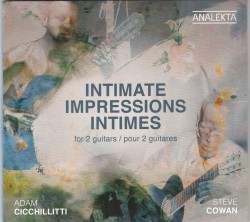
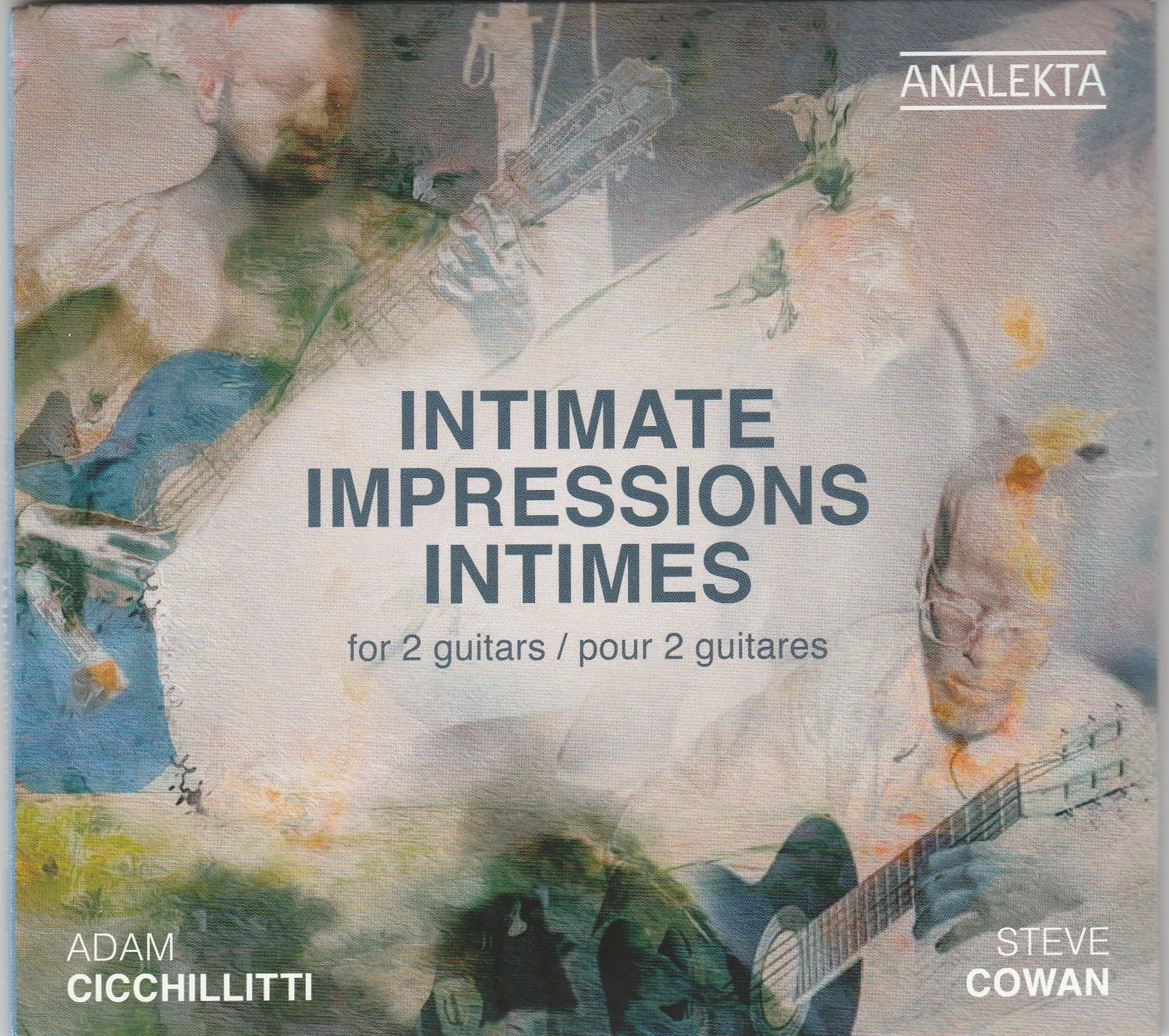
08 Intimate ImpressionsIntimate Impressions for 2 guitars, featuring Canadian guitarists Adam Cicchillitti and Steve Cowan, is a collection of 20th-century works written in Paris, heard here mostly in arrangements by the performers (Analekta AN 2 8793 analekta.com/en).

The only original piece for two guitars is the four-movement Sérénade by André Jolivet from 1959. Ravel’s Sonatine, Germaine Tailleferre’s Sonate pour harpe, four short pieces by the Catalan composer Federico Mompou and two Debussy Préludes – Bruyères and La fille aux cheveux de lin – are all arrangements, with the Drew Henderson/Michael Kolk arrangement of the Prélude from Ravel’s Le tombeau de Couperin closing the disc.

Each guitarist has a solo track: Debussy’s Arabesque No.1 for Cicchillitti, and Ravel’s Pavane pour une enfante défunte for Cowan. Fine playing throughout, recorded by the always-reliable Drew Henderson, makes for a delightful CD.
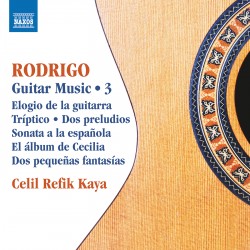
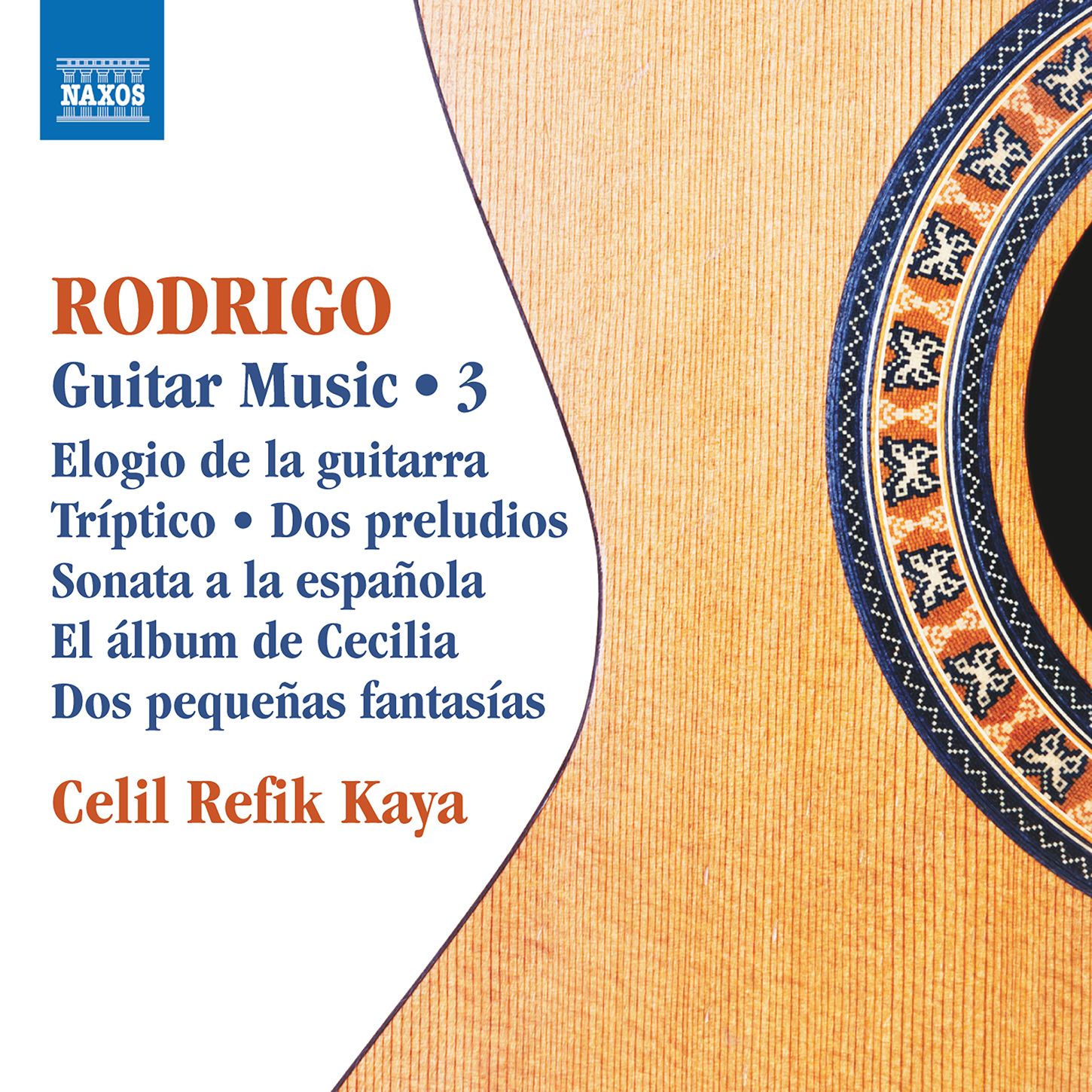
09 Rodrigo Guitar 3The first two volumes of the Naxos series of the guitar music of Joaquín Rodrigo featured guitarist Jérémy Jouve, but on Rodrigo Guitar Music 3, a selection of eight works ranging from 1948 to 1987, the soloist is the brilliant Turkish-American guitarist Celil Refik Kaya (8.574004 naxosdirect.com/search/8574004).

Although unable to play the guitar, Rodrigo produced about 25 solo works for the instrument, an output that, as Graham Wade notes in his excellent booklet essay, is now appreciated as one of the central pillars of the concert repertoire.

The first thing that strikes you is the wealth of variety and imagination and the sheer technical demands of the music. The second thing is how superbly Kaya meets every challenge, with faultless technique, a wide range of tone colour and dynamics and impeccable musicianship. He is joined by flutist Marianne Gedigian in two short works for flute and guitar, but the brilliance here is in the solo pieces.

Norbert Kraft’s name as producer guarantees a superb recorded sound on an outstanding disc.
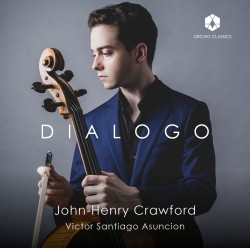
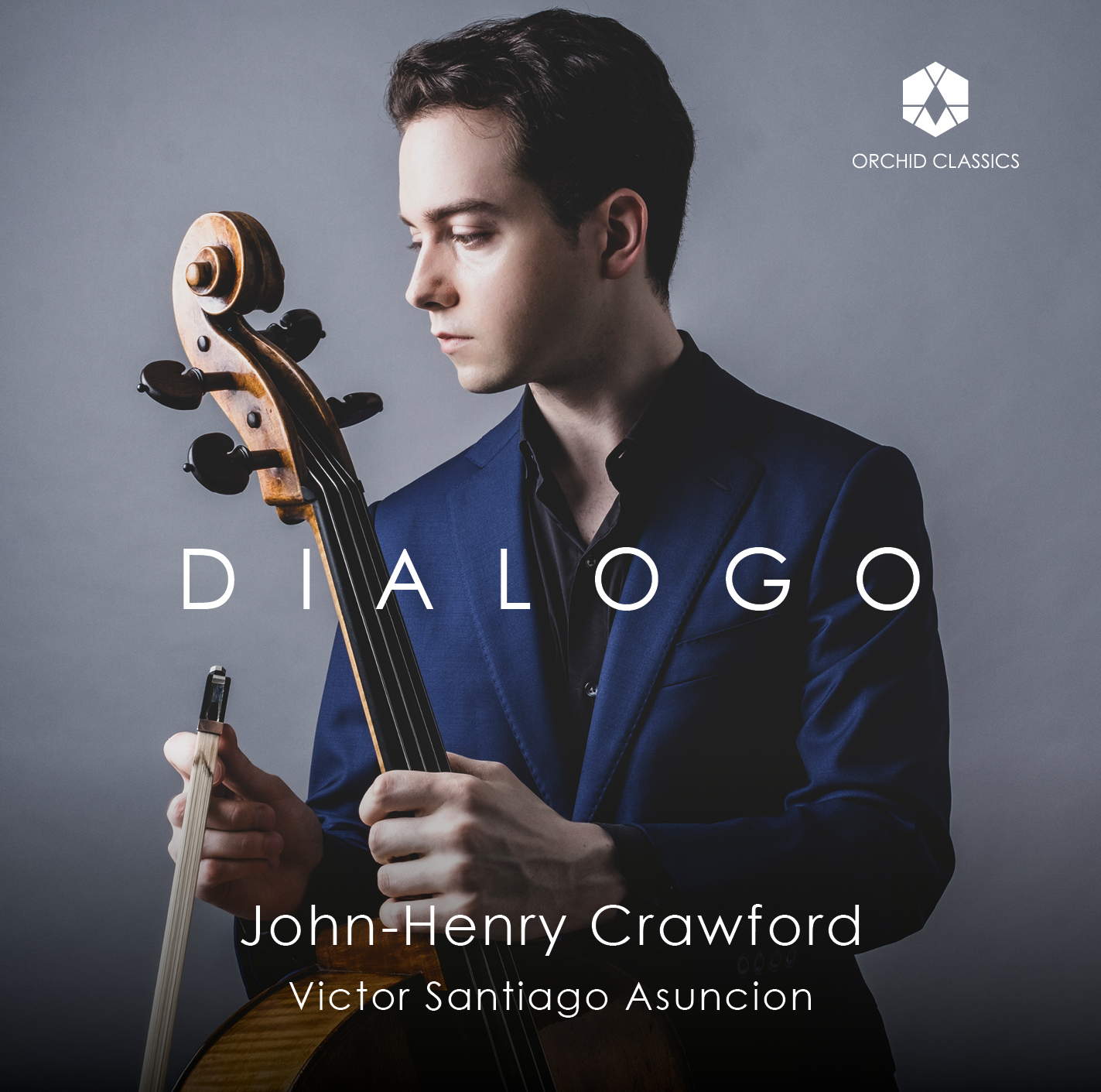
10 DIALOGOG John Henry CrawfordDIALOGO is the excellent debut album from the American cellist John-Henry Crawford, accompanied by the Filipino-American pianist Victor Santiago Asuncion (Orchid Classics ORC100166 orchidclassics.com). 

“Dialogue” is Crawford’s description of the recital’s concept: Dialogo is the first of the two movements of the brief but striking Sonata for Solo Cello by György Ligeti, but the cellist also sees conversation between the partners in Brahms’ Cello Sonata No.2 in F Major Op.99 and the desire for dialogue in the Cello Sonata in D Minor Op.40 by Shostakovich, who at the time of the work’s composition was temporarily separated from his wife.

Crawford draws a warm, rich tone from the 200-year-old cello that was smuggled out of Austria by his grandfather following Kristallnacht in 1938, and is ably supported by fine playing from Asuncion in performances of strength, sensitivity and passion.
Listen to 'DIALOGO' Now in the Listening Room

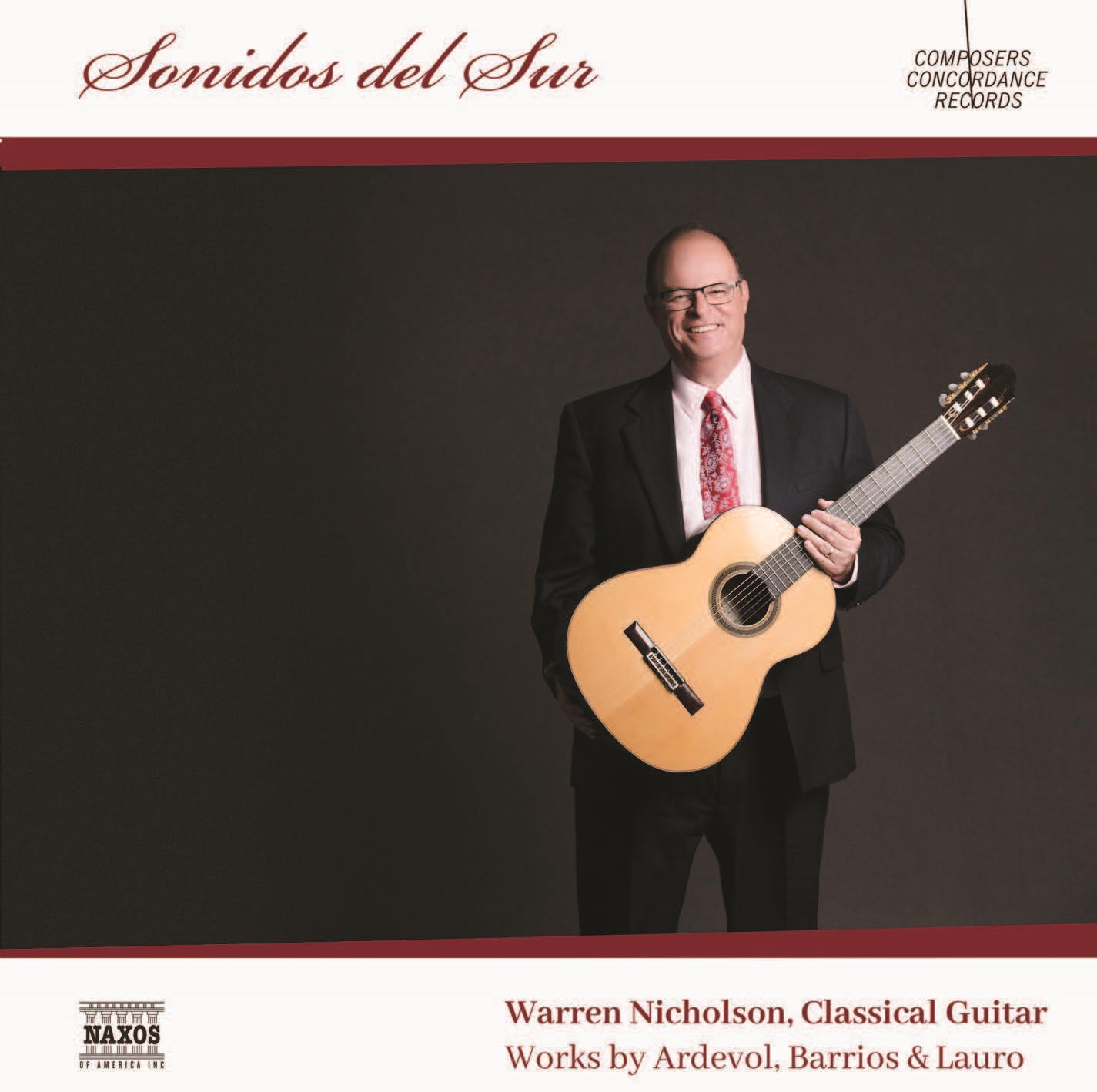
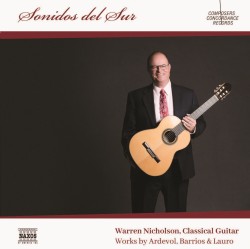
11 Warren NicholsonSonidos del Sur, the latest CD from Canadian guitarist Warren Nicholson, features works by composers from Brazil, Argentina, Venezuela, Paraguay and Cuba (Composers Concordance Records COMCON0063 warrennicholsonguitarist.com).

The most well-known pieces are Agustín Barrios’ La Catedral, Antonio Lauro’s four Valses Venezolano and João Pernambuco’s Sons de Carrilhões (Sounds of Bells). Also included are Maximo Diego Pujol’s five-movement Suite Del Plata No.1, José Ardevol’s three-movement Sonata Para Guitarra, Julio Sagreras’ El Colibri and Dilermando Reis’ Xôdô da Baiana.

As always with this player, there’s solid technique and clean playing with some lovely moments, but there’s also an occasional sense of earnestness and over-deliberation which tends to prevent the music from really expanding and flowing.
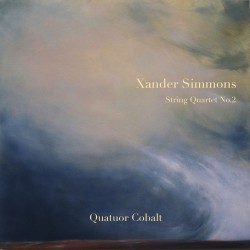
12 Xander SimmonsMontreal-based composer Xander Simmons has released a digital EP of his String Quartet No.2, a five-movement work lasting just over 20 minutes (xandersimmons.com).

Simmons describes it as post-minimalist in style, with lyrical, mostly tonal melodies layered on minimalist compositional structures, which is exactly how it sounds. It’s a confident, highly competent piece given a terrific performance by Montreal’s Quatuor Cobalt, with whom Simmons workshopped and revised the work. It’s well worth a listen. You can check it out on YouTube.


01 Beausejour New BaroqueNew Baroque Sessions
Luc Beauséjour
Analekta AN 2 8919 (analekta.com/en)

Solitary ways of existence brought on by the current pandemic have resulted in spurs of interesting solo projects around the world. Many performing artists have been contemplating the question of their artistic identity in the circumstances that extinguish the very nature of their art. A solo statement of a kind, New Baroque Sessions is an album that captures one artist’s way of retaining the essence of their creative expression while playing the music they love. 

This second volume of Baroque music played on piano (the first one was published in 2016) is a collection of Luc Beauséjour’s favourite pieces from the Baroque repertoire. The compositions, by Bach, Couperin (Armand-Louis and François), Scarlatti, Fischer, Sweelinck, Froberger and Balbastre, touch upon different corners of vast Baroque treasures. Some are well known, others explored less often. All are predominantly written for harpsichord but translate exceptionally well to piano, which was one of Beauséjour’s intentions with this album. 

A versatile performer, equally at home on harpsichord, organ and piano, Beauséjour has an elegance to his playing that is truly rare. Here is the performer that plays with colours and articulations; a performer of subtle gestures that amount to grand statements. The pieces themselves contain creative elements one does not necessarily expect – musical portraits, clever compositional techniques, tributes to Greek muses, or simple utterances of the resilience of their times. While honouring Baroque traditions, there is a touch of contemporaneity to Beauséjour’s interpretations, adding an incredible freshness to this album.

Back to top