02 Diana Pantonsolstice/equinox
Diana Panton
Independent (dianapanton.com)

solstice/equinox by Diana Panton is another gorgeously perfect recording that the Hamilton jazz singer makes a nearly annual habit of releasing with ease. Multiple albums into her discographic career at this point – and in the exceptional company of multi-instrumentalist Don Thompson and guitarist Reg Schwager – the trio (fleshed out here with Guido Basso and Phil Dwyer) sounds not like a collection of hired musicians, but rather like a working jazz group that exhibits simpatico and a shared investment in the music heard here. Panton sings effortlessly throughout and swings with a bubbly buoyancy that reminds this listener of not only Blossom Dearie, but trumpeter Art Farmer, who also prefigured a relaxed and swinging time feel. Further, Thompson’s always beautiful musical arrangements and the thoughtful repertoire choice create the perfect casting for Panton’s voice and delivery to shine. With the theme of seasonal change threading through the recording and tying the repertoire together, Panton and band offer up a true jazz vocal recording that captures all involved at their musical finest. The recording quality is also of note, and helps to create a sonic space that is intimate and revealing. Nearly a decade into this group’s affiliation, here’s hoping that theirs is a musical relationship that continues for many more.

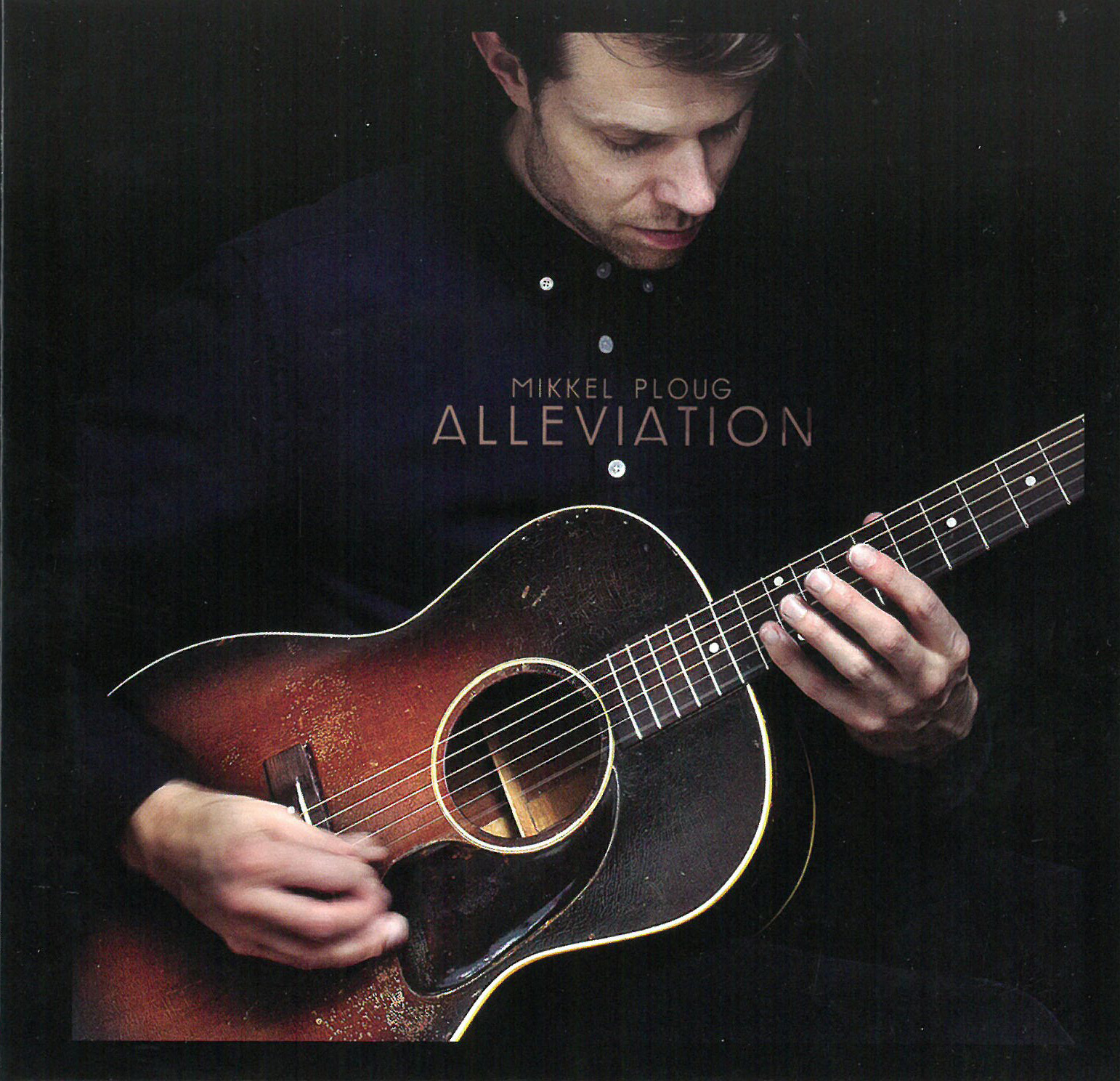
05 Mikkel PlougAlleviation
Mikkel Ploug
Songlines SGL 1623-2 (songlines.com)

Mikkel Ploug is a Danish guitarist who works regularly with his own jazz groups as well as Equilibrium, a trio with singer Sissel Vera Pettersen and clarinetist Joachim Badenhorst, a fascinating improvising chamber group that has found a home with Vancouver’s Songlines label. This solo acoustic guitar disc continues Ploug’s association with the label.

Both the solo and acoustic aspects are departures for Ploug, who recounts his discovery and acquisition of a particularly apt mid-40s Gibson Bannerhead guitar, a steel-string, mahogany-bodied, flat top more apt to supply chorded accompaniments to a folk singer. Instead it’s inspired some of the most beautiful and unexpected solo guitar music one might wish to hear. On one level it’s distinguished by Ploug’s investment in its special sound store, its fret clatter and squeaks, the kind of string noise some seek to surmount and that others love. Its resonance is even more appealing, with Ploug using finger picking on most pieces, exploring the instrument’s warm account of triads and seventh chords then extending the spectrum to create dense weaves of contrasting harmonic languages, sometimes beginning a phrase in one world and ending in another.

One of the most lustrous is Couleurs d’Olivier, a Messiaen inspiration in which diatonic scales ascend into dense chromaticism; another is Circle Wind, a cycling piece inspired by Steve Reich that creates an added dimension with metallic fret noise. This is consistently engaging music, bridging many genres.

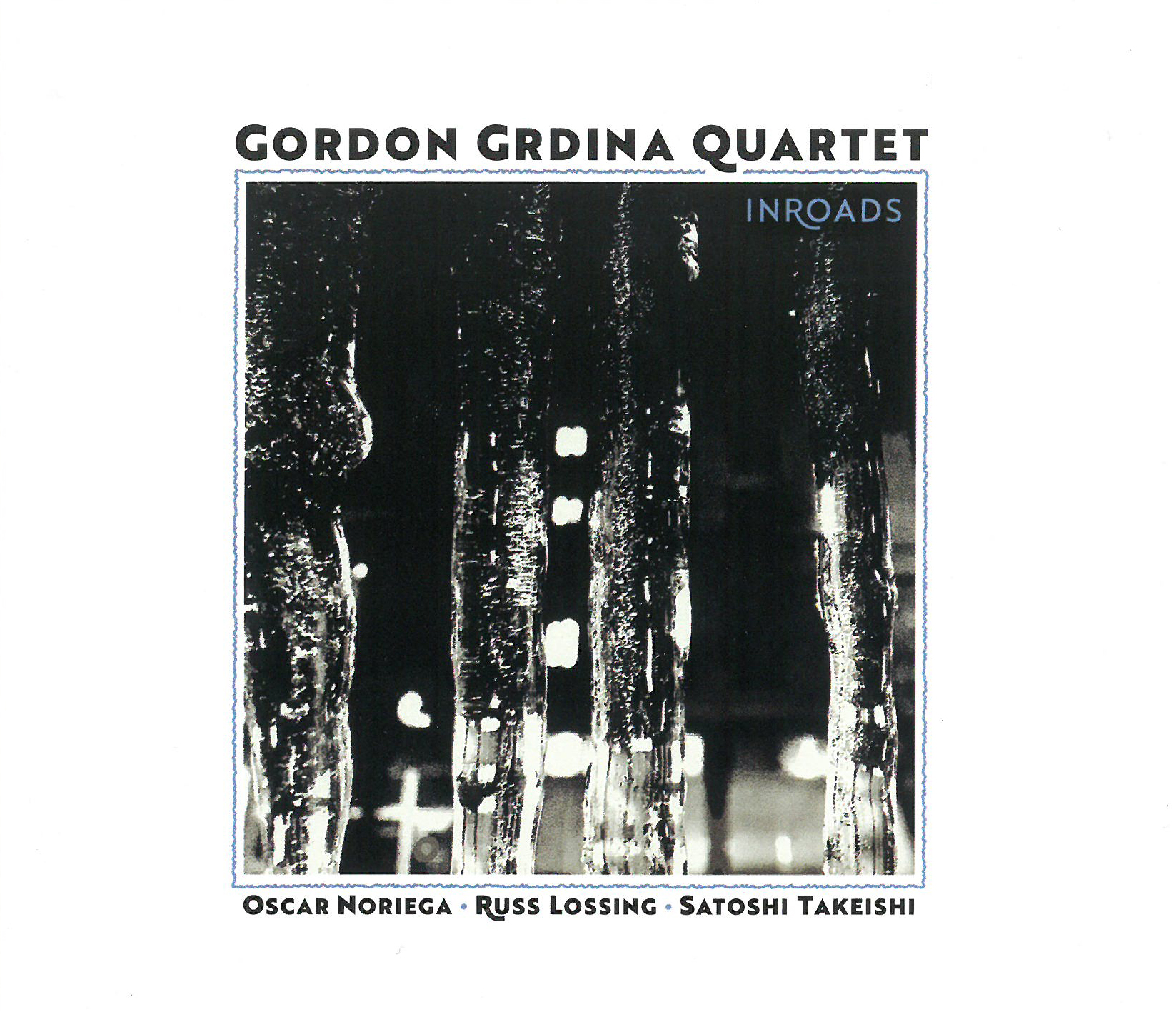
06 Gordon Grdina QaurtetInroads
Gordon Grdina Quartet
Songlines SGL 1623-2 (songlines.com)

Since his 2006 debut, Think Like the Waves with jazz greats Gary Peacock and Paul Motian, Vancouver guitarist Gordon Grdina has pursued multiple musical paths, setting his guitar amidst his jazz-based ensembles, the classically influenced third stream music of the East Van Strings or Dan Mangan’s rock band, while concurrently exploring the oud, a Middle Eastern lute, in both traditional and contemporary applications. Inroads summarizes and synthesizes that decade of exploration, while presenting Grdina in a stellar group of New York-based musicians: Oscar Noriega on alto saxophone, clarinet and bass clarinet; Russ Lossing on piano and electric piano; and Satoshi Takeishi on drums.

Grdina’s disparate influences here range through Béla Bartók, the rock band Soundgarden and free jazz, while his compositions pass through divergent moods, densities and methodologies. The opening Giggles is limpidly beautiful unaccompanied piano, while Not Sure is chameleon-like, moving from rapid-fire guitar aggression through lyrical piano and alto saxophone passages and then on to thrashing drums and howling saxophone, presenting many of Grdina’s elements in a single piece.

Some of the most affecting pieces are also models of brevity. Kite Flight is a tantalizing explosion of lower register guitar, raucous bass clarinet and elemental percussion, while Semantics, a guitar/clarinet duet, is subtly evanescent. That same delicacy informs the longer Fragments in its blend of piano and oud, while contrasting Middle Eastern elements energize Apocalympics. It’s a fascinating program in which Grdina takes his materials in very different directions.

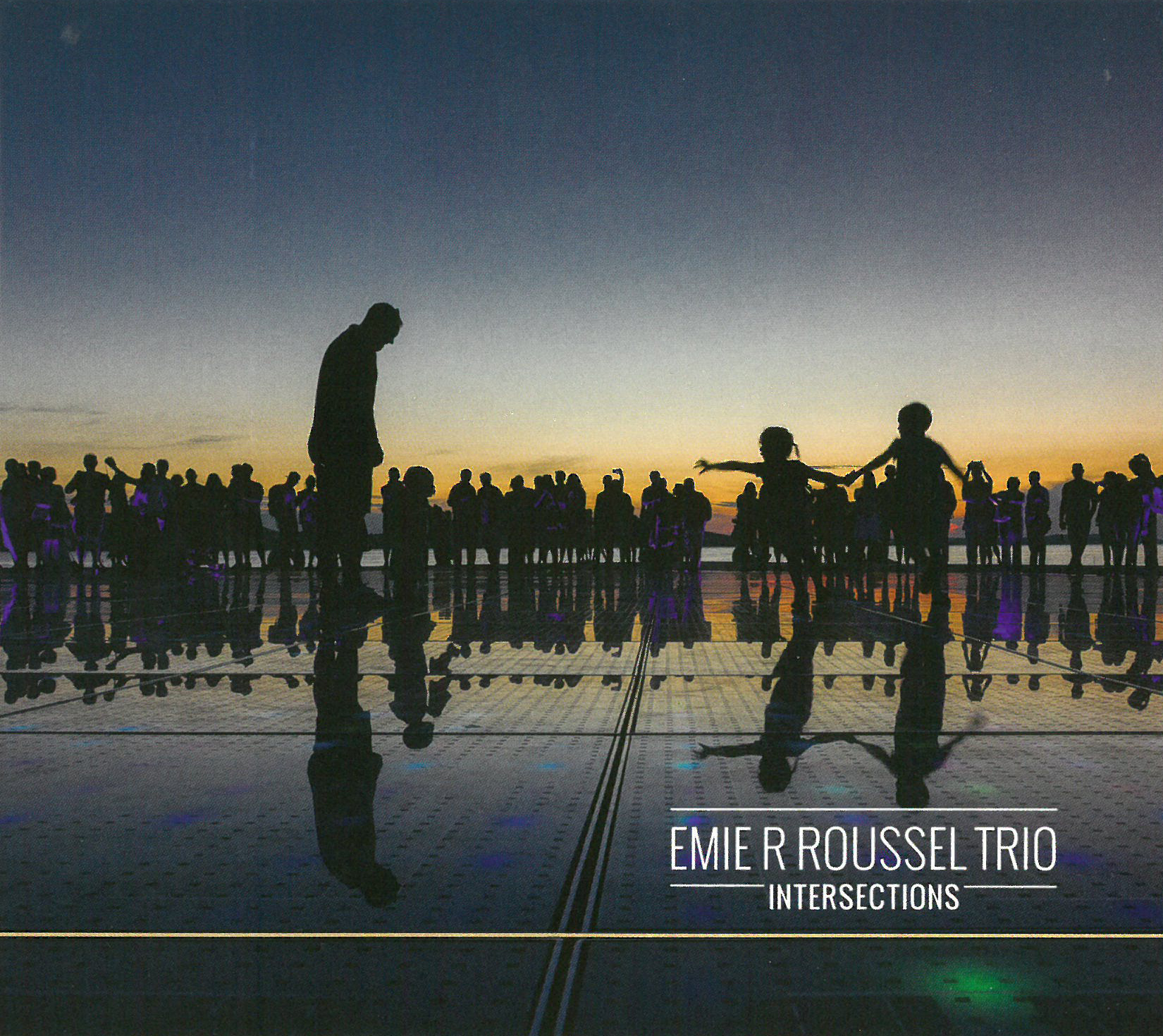
07 Emie RousselIntersections
Emie R Roussel Trio
Effendi Records FND148 (effendirecords.com)

It is quite impossible not to be seduced by the cultivated and masterful pianism of Emie R Roussel, whose music on Intersections is patently expansive and at times a veritable masterclass in how to build assiduous climaxes, how to intelligently scale one’s dynamics and how to balance the music’s massive textures in sonorously judicious proportions. Her music is vivid. Each piece is a unique narrative. Musical character is well rounded and each piece is always fully developed before its natural denouement announces a natural demise.

On three occasions the trio is expanded into a quartet and on each resulting work the addition of another musician – whether the vocalist on Away, the trumpeter on De Tadoussac à Auckland or the bassist on Tout le monde ensemble – is timely and perfectly placed. It’s surely an indication that the ideas and the material dictate the direction that the music should take. Rhythm is also an essential tool throughout and Roussel depends greatly on her left hand bass lines, together with the flights of fancy by her drummer, Dominic Cloutier and bassist, Nicolas Bédard, as a means of communicating ideas as well as shaping the structure of each piece.

Each piece also has its own unique charisma, and flowing from this each gathers momentum, swinging to its climax with the wind of melody and harmony under its proverbial wings. All of this yields a magical and quite unforgettable album from a pianist of whom much is expected in the future.

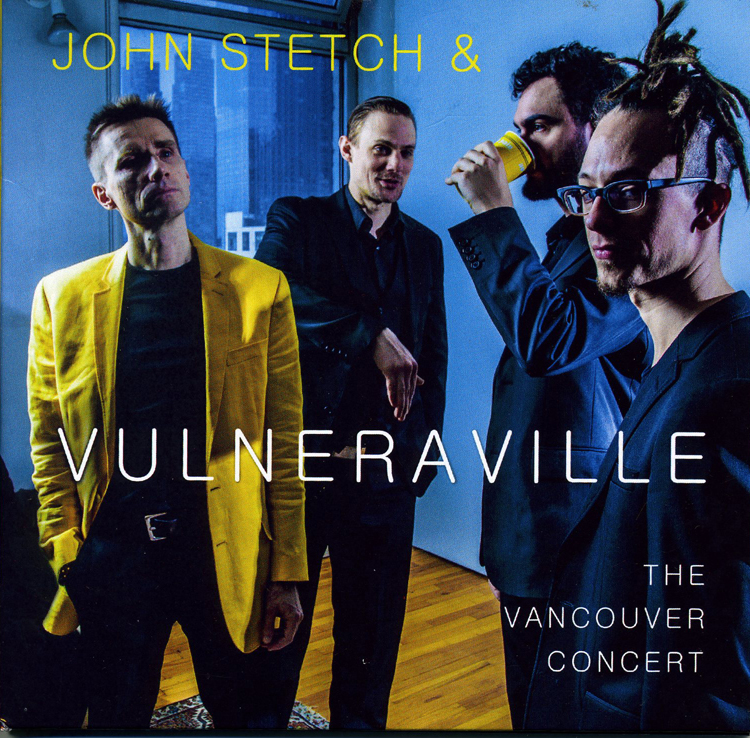
08 John StetchThe Vancouver Concert
John Stetch & Vulneraville
Independent (johnstetch.com)

Splitting his time between New York and British Columbia, Edmonton-born pianist John Stetch’s recent Vancouver concert was a rare opportunity to display locally the contiguous rapport he’s developed with his Big Apple cohort of tenor saxophonist Steve Kortyka, bassist Ben Tiberio and drummer Philippe Lemm, collectively called Vulneraville. Four-fifths of the disc is made up of Stetch’s compositions, which mix the rigour of notated pieces with jazz’s dramatic timbral fluctuations.

This is particularly apparent on Rondeau, related to a two-part Renaissance form with one part of the structure set to one musical line and the second to another. Stetch’s extravagant keyboard technique easily adapts the mode, especially in the second section when his emphasis on the piano’s higher-pitched dynamics is furthered by Kortyka’s thickened obbligatos and increasingly powerful crunches from Lemm. It’s these sorts of high-quality themes and variations that inform the pianist’s other tunes, with Oscar’s Blue-Green Algebra, another example. Mixing church-like processional motifs with chunks of pure keyboard swing, he suggests Oscar Peterson’s hefty approach to the piano.

Oddly enough though, Stetch ends the concert with a straight-ahead version of the standard Things Ain’t What They Used to Be. While the performance exudes romping excitement, with ample space for scorching breaks from each quartet member – even Tiberio, who is buried in the mix elsewhere – the choice is unfortunate. Things have changed as Stretch’s compositions and Vulneraville’s playing demonstrate. A less straight-ahead treatment would have been a better choice to affirm the title of the track.

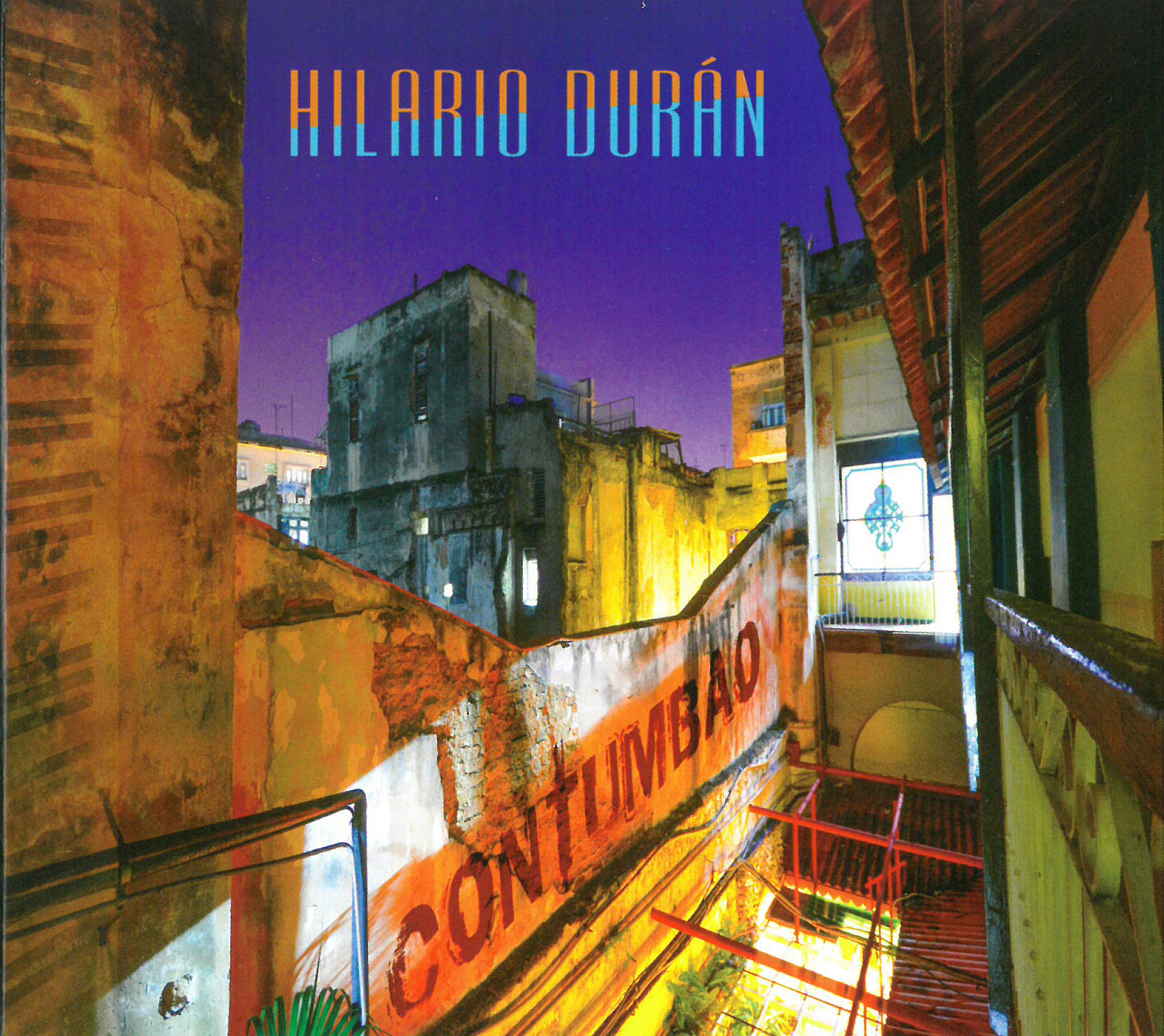
09 Hilario DuranContumbao
Hilario Durán
Alma Records ACD92272 (almarecords.com)

Passionate, innovative, expressive, dynamic, evocative, sophisticated, genius – superlatives consistently used to describe the towering musicality and virtuosity that is pianist, composer, arranger and bandleader, Hilario Durán. Born in Havana, Cuba and based in Toronto for the past 20 years, Durán has been wowing the world with his creative approach to Afro-Cuban and Latin jazz, one breathtaking concert after another.

Contumbao is a project that literally has brought Durán back to his Cuban roots. Recorded at Havana’s legendary EGREM studios (whose storied roster includes Orquesta Aragón, Arturo Sandoval, Chucho Valdés and the Buena Vista Social Club, and where Durán had recorded hundreds of sessions), it was Durán’s dream to get back there and play with some of his favourite musical collaborators, including two original bandmates from his 1990s band, Perspectiva: guitarist Jorge Luis Valdés (“Chicoy”) and bassist Jorge Reyes.

Contumbao is a heartfelt homage to Cuba’s rich, musical history. Indeed, Durán dedicates his album of new compositions to Cuban music and its many musical styles “whose music and rhythms run through my veins.” This is apparent from the pulsating rhythms of the title track, and the spirited rumbas, El Tahonero and Rumba de Cajón, to the poignant Parque 527 – Durán’s former Havana address – and the exhilarating Duo Influenciado, performed with his friend and champion, the aforementioned Cuban piano great, Chucho Valdés.

All the superlatives in the world can’t do justice to the experience of listening to Durán and his stellar cast of musical compatriots. In fact, Contumbao may leave you speechless! 

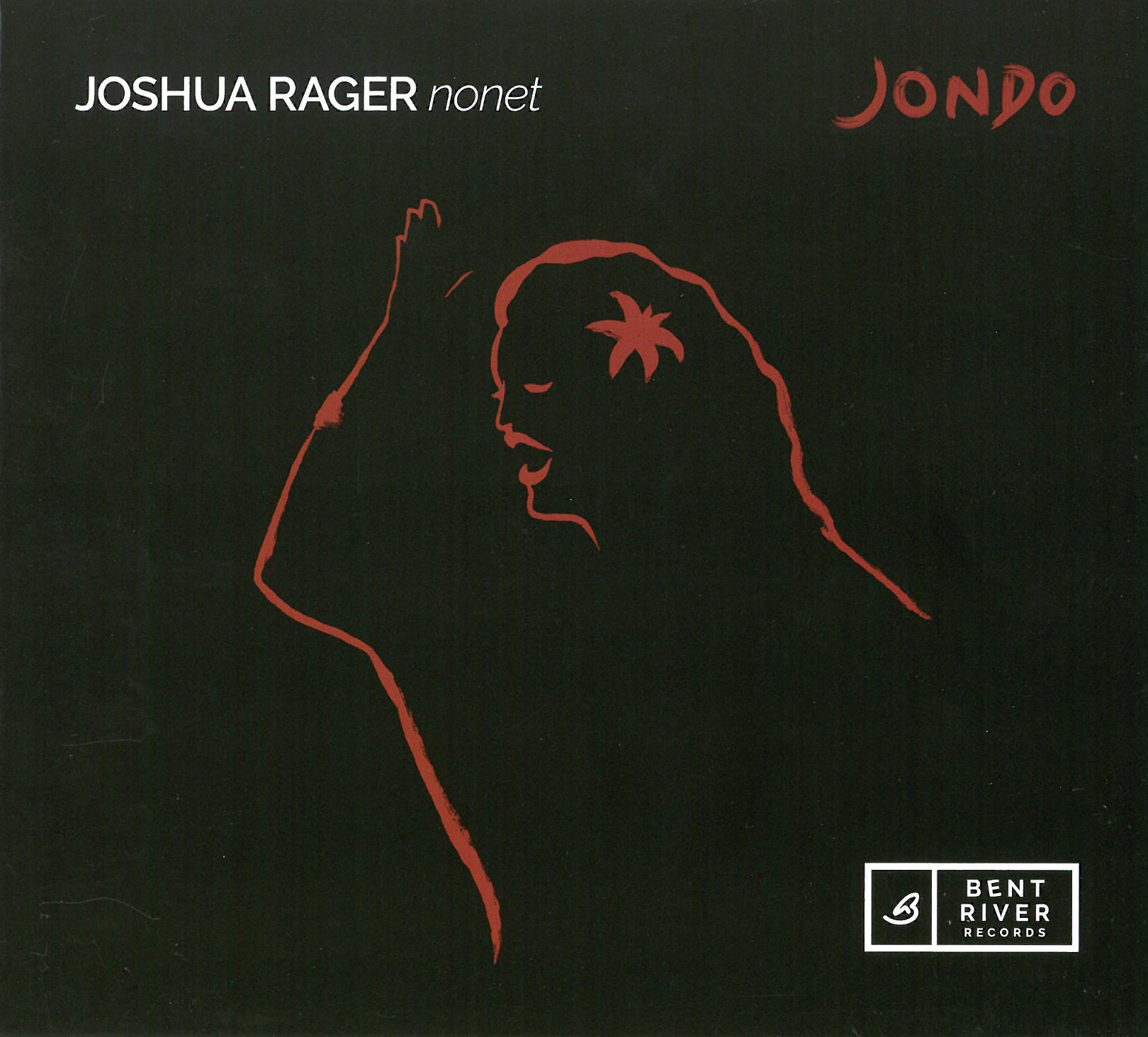
10 JondoJondo
Joshua Rager Nonet
Bent River Records BRR-201702 (joshrager.com)

With his highly alluring nonet recording entitled Jondo, pianist Josh Rager enters a field crowded with stellar performances by pianists. However, his multi-layered idiomatic compositions and their memorable execution set him somewhat apart from the rest of the tribe. The repertoire may be named after the rhythmically rich and mysterious Jondo, but the album derives most of its richness from the opening, extended work, the Prodigal Son Suite. It is a work that is by turns poised, polished, intimate and exuberant. Rager – with his lustrous pianism – leads an ensemble that works like a well-oiled machine, playing his compositions with authority and élan and doing a remarkable job of getting under Rager’s sonic skin.

For his part the pianist swings with palpable enjoyment and as in the way he makes his trills into mischievous flourishes – especially on songs such as Child’s Play and 3 Legged Dog – as well as in the rich variety of articulation and dynamic gradation throughout the rest of the recording. The pacing of his Zen-like piece, The Master Waits, and the tricky movements of The Inside Track, reveal Rager to be both a writer and pianist of distinct personality, ever sensitive and careful never to become overbearing.

In the end, how one will react to this recording will largely depend on one’s taste for music that emerges from a large tonal palette. To that end, everything that the Joshua Rager Nonet serves up on Jondo is brimful with infectious delight and enjoyment.

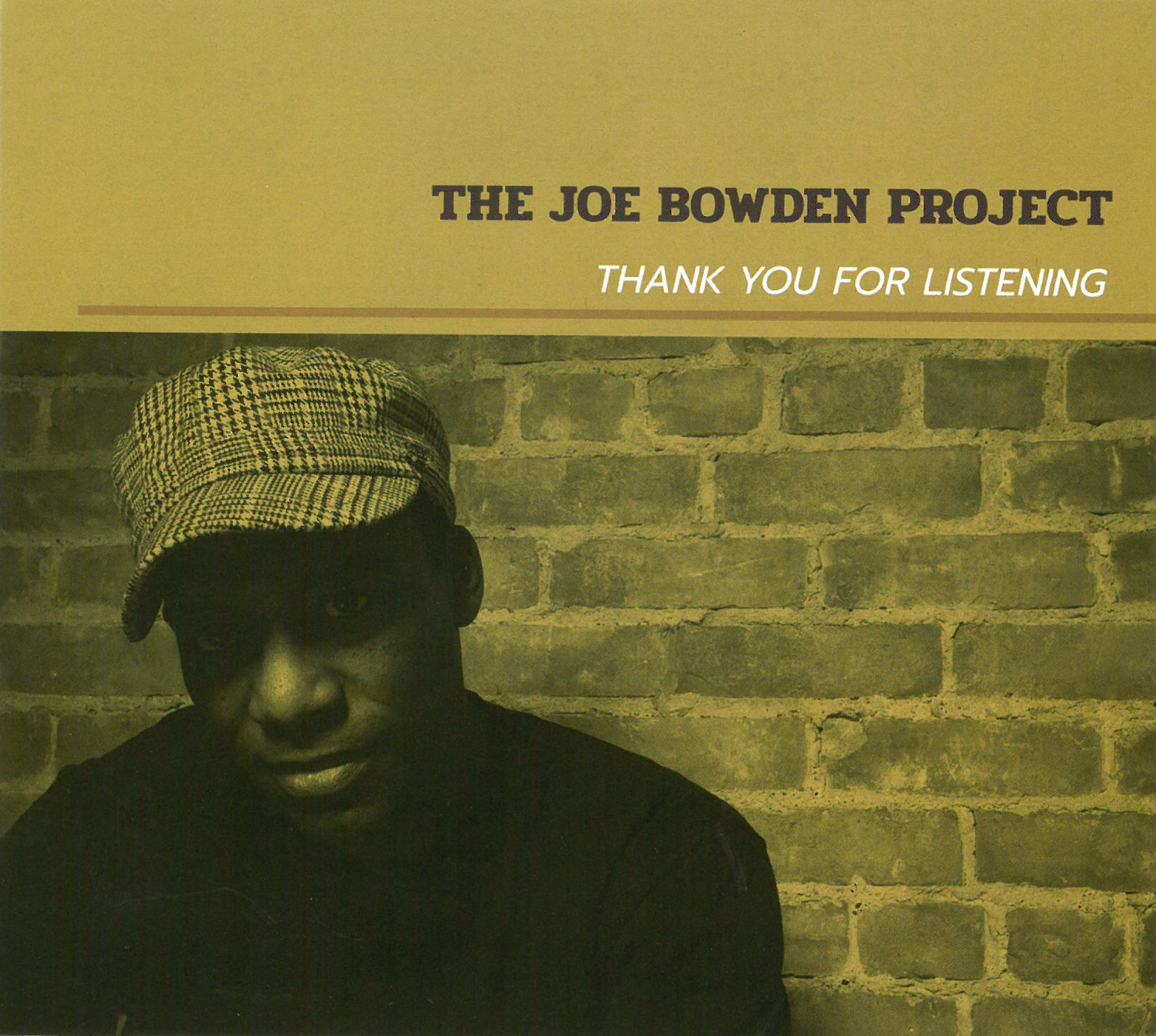
11 Joe BowdenThank You for Listening
The Joe Bowden Project
Independent (joebowden.bandcamp.com)

As a young teenager, I was taught to repeat the phrase “thank you for listening” when taking a post-performance bow. Joe Bowden should feel free to repeat this phrase over and over as he deserves endless praise and respect for his brilliant work as composer, drummer, arranger and bandleader in his latest release. Originally from Halifax, Bowden moved to Toronto in the early 1980s where he studied at Humber College and was musically inspired by listening to and working with many jazz musicians. His music here is driven by a mature understanding of jazz style, rhythms, and awe-inspiring musicianship.  

Bowden’s ten musicians play with a deep respect for his music and artistry. Mingus is an upbeat toe-tapping tradition-flavoured tune with a locked-in groove between the drums and Rich Brown’s bass. I’m Here Again is a slower quasi-ballad, featuring Michael Occhipinti’s modernistic guitar solos and Manuel Valera’s chromatic runs and intervals on piano. Devil Five lives up to its title, featuring a wide interval, almost minimalistic repeating bass line, zippy piano runs and Bowden’s virtuosic drum solos. Nice change of pace with FSC (Funky Soul Calypso), a fun get-up-and-dance tune featuring Joy Lapps-Lewis’ steel pan artistry.

Bowden writes on the CD jacket “Pursuit of Happiness, is it reality or a dream?” Like the track of the same name, the reflection, improvisations and grooves make this a dreamy musical reality!

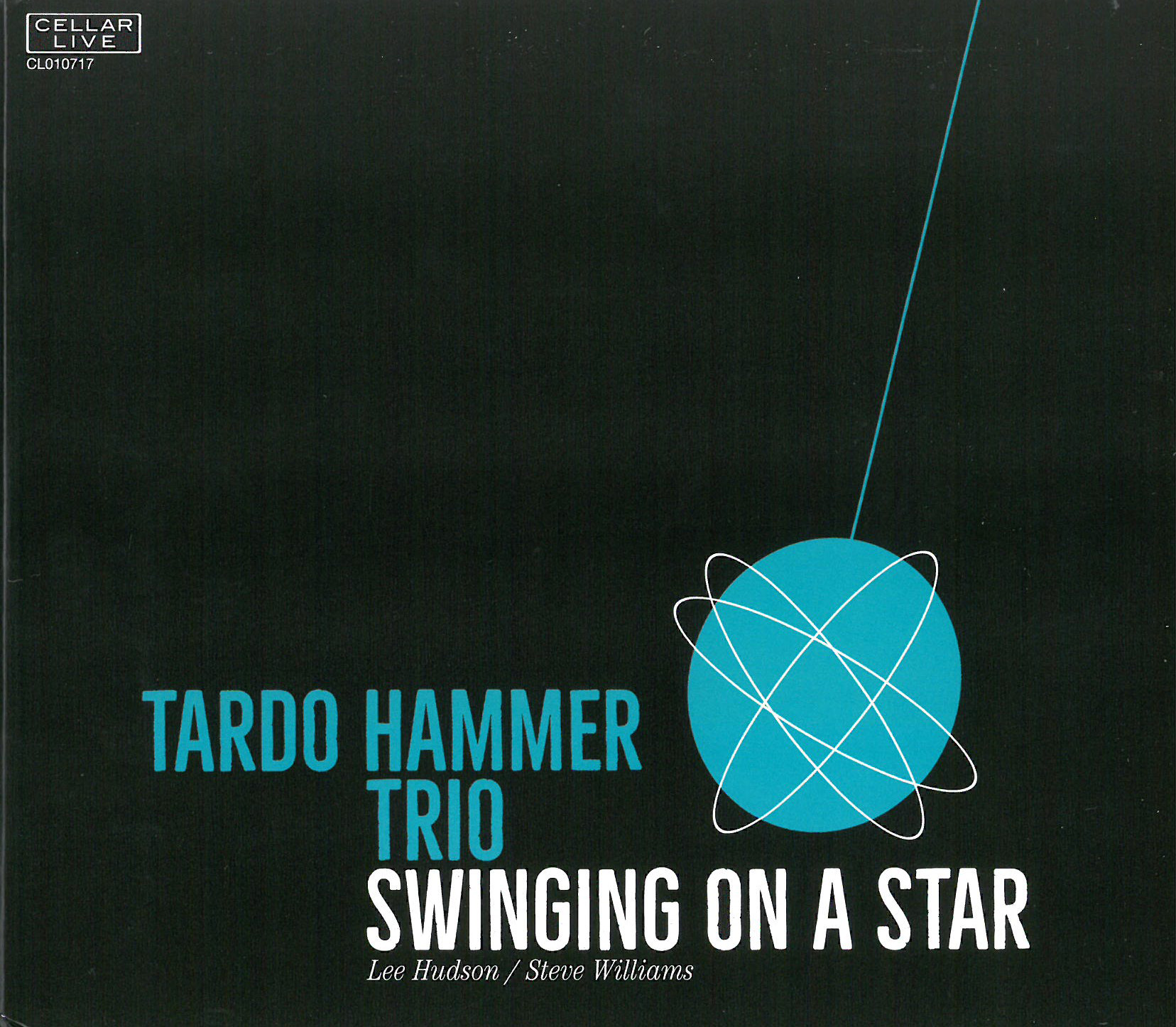
14 Tardo HammerSwinging on a Star
Tardo Hammer Trio
Cellar Live CL110717 (cellarlive.com)

To play bebop, one needs to deal with two competing impulses: master the instrument – amass the fluency required to float at heightened tempi, navigate harmonic complexities and execute ornamented lines that are part of this music’s tradition – and utilize a relaxed phraseology that is anything but frenetic and that comes across as “not trying too hard.” No doubt, to play with the sort of authenticity that stellar musicians Tardo Hammer, Lee Hudson and Steve Williams bring to Hammer’s Swinging On A Star is difficult. But to listeners, the effort is hidden, the inventive spirit of musical collaboration and taste displayed.

In the spirit of disclosure, I, as guitarist and occasional liner-note writer, am affiliated with Cellar Live, the label on which Hammer’s disc is released. Nonetheless, as an objective jazz fan, I am routinely impressed by their expanding catalogue of great releases of which Swinging On A Star is no exception. Drinking from the well of Bud Powell, Barry Harris and Thelonious Monk, Hammer and company offer an auditory snapshot of a blue-chip jazz trio on any given night. Yes, there are arrangements and unique repertoire; however, this recording fits comfortably within the tradition of blowing sessions, wherein beauty is revealed through improvisatory extrapolations that spin forward when three masters come together in a comfortable listening environment. Overall, a swinging recording that marries beautiful songs, improvisatory excellence and, as a bonus, insightful liner notes by Morgan Childs.

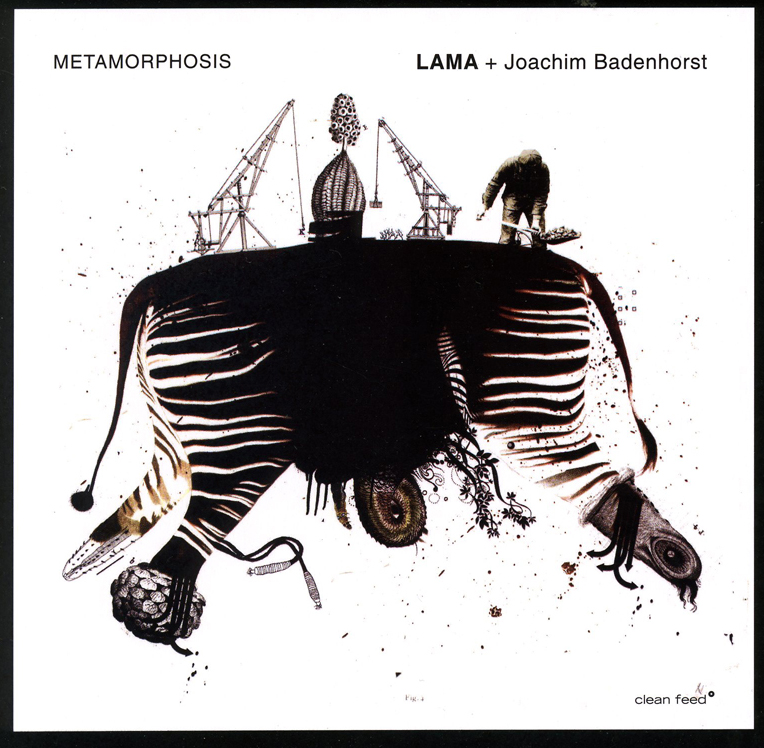
15 LAMA MetamorphosMetamorphosis
LAMA + Joachim Badenhorst
Clean Feed CF433 CD (cleanfeed-records.com)

Metamorphosis is true to its title only if the term includes transmogrifying one way and subsequently taking a completely opposite form, as this Canadian/Belgian foursome does on this CD. Initially on Metamorphosis I, it appears that the brassy emphasis from Portuguese trumpeter Susana Santos Silva and pressurized flutters from Belgian bass clarinetist Joachim Badenhorst are going to be mere bagatelles to the polyrhythmic undulations from Portuguese keyboardist Gonçalo Almeida, which seem to subsume all other timbres into a crackling electronic wash. But not only is there soon space for brass and reed counterpoint, once the sounds flow into Metamorphosis II, the pulsating tick-tock of Canadian drummer Greg Smith kicks into gear and is joined by string plucks from Almeida, who has switched to double bass, an expansion creating a powerful acoustic jazz trope.

This movement from electronic to acoustic continues throughout the CD, through faultless changes of pitch and tempo. Especially striking is how Badenhorst and Silva appear to be going their separate ways, examining extended techniques, involving, for instance, contralto hollow tones from the clarinetist and billowing plunger excursions from the trumpeter, only to interlock onto a series of connective riffs in the nick of time.

Officially Badenhorst is still a guest of the LAMA trio, but it’s evident that the four have evolved a strategy that gives everyone a chance at textural exploration as a notable group sound is produced.

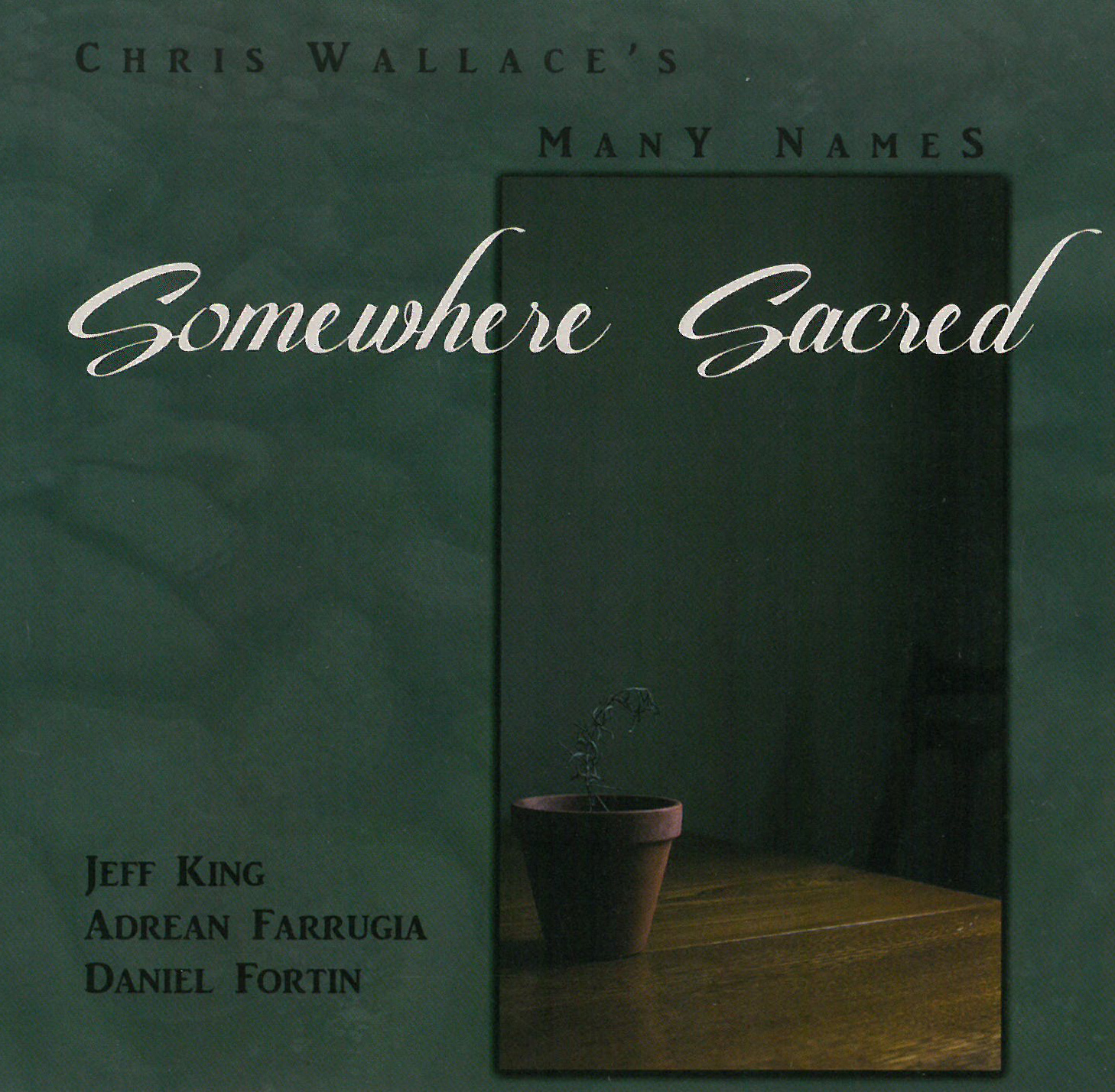
16 Chris WallaceSomewhere Sacred
Chris Wallace’s Many Names
GB Records (chriswallacedrums.com)

Jazz musician/drummer/composer Chris Wallace hails from Regina, but his varied career has seen him working in Europe, the United States and Canada, residing/working in Edinburgh, Scotland from 2002 to 2013 when he moved to Toronto. So many locales and musical experiences, along with his compositional process he describes as “allowing myself to be open to something I don’t fully understand and that is where the music comes from – somewhere sacred,” must have influenced his smart contemporary jazz compositions here, featuring his outstanding band Many Names – Jeff King (tenor sax), Adrean Farrugia (piano) and Daniel Fortin (double bass).

Wallace the composer and Wallace the drummer both listen astutely, have complex technical prowess and unique musical storytelling capabilities. Wallace’s drumming is dense and colourful yet never overwhelming, and fully supportive of his colleagues – as best heard in Chapter Zero where his backdrop supports King’s sax stylings, Farrugia’s florid piano, Fortin’s driving bass and the occasional band quasi-unison sections. More reflective is the opening of the title track, with a luscious sax melody, laid-back groove, superb bass solo and wide-pitch piano explorations. New-music sounds appear in the pitch leaps in the sax and the chromatic florid piano runs of Visitation. Nice musical conversations between the players flavour the more traditional jazz sounding A Memory of 10.

With touches of many styles throughout performed by great multi-faceted musicians/improvisers, Wallace’s challenging jazz welcomes repeated listening.

18 FirebirdsAladdin’s Dream - The Firebirds Play Carl Nielsen
The Firebirds
ILK 269 CD (ilkmusic.com)

Tweaking the compositions of Denmark’s most prominent composer to new ends, The Firebirds – tenor saxophonist/clarinetist Anders Banke, keyboardist Anders Filipsen and percussionist Stefan Pasborg – discover hitherto hidden grooves in Carl August Nielsen’s (1865-1931) work.

Concentrating on extracts from Aladdin, the Helios Overture and Little Suite for Strings, the trio emphasizes eastern Eurasian dance-like motifs with pliable keyboard shakes and ney-like reed outbursts, while adding a pronounced, almost rock-like beat to the tunes. If a combination of tenor sax blasts and drum backbeats suggest heavy metal tropes on The Market Place in Ispahan, remember that rock style is now as prominent in Scandinavia as the buoyancy of Nielsen’s tunes, exemplified by Filipsen’s animated key chiming. The Helios Overture provides the most varied instance of the trio’s sound reconstitution. Evolving from sophisticated saxophone and ruffled keyboard timbres at the beginning, to a snaking, stop-time melody examination in the middle, to an intense display of agitated snare pops and splashing cymbal from Pasborg, the convivial theme returns as light swing by the finale, helped by the keyboardist’s walking bass line.

The band’s name came about after the trio recorded a CD which transformed some Stravinsky compositions into semi-improvised theme and variations. The three have now proven they can perform similar alchemy on another composer’s work with this CD. There are plenty of other modern composers whose work could provide material for equal transformations.

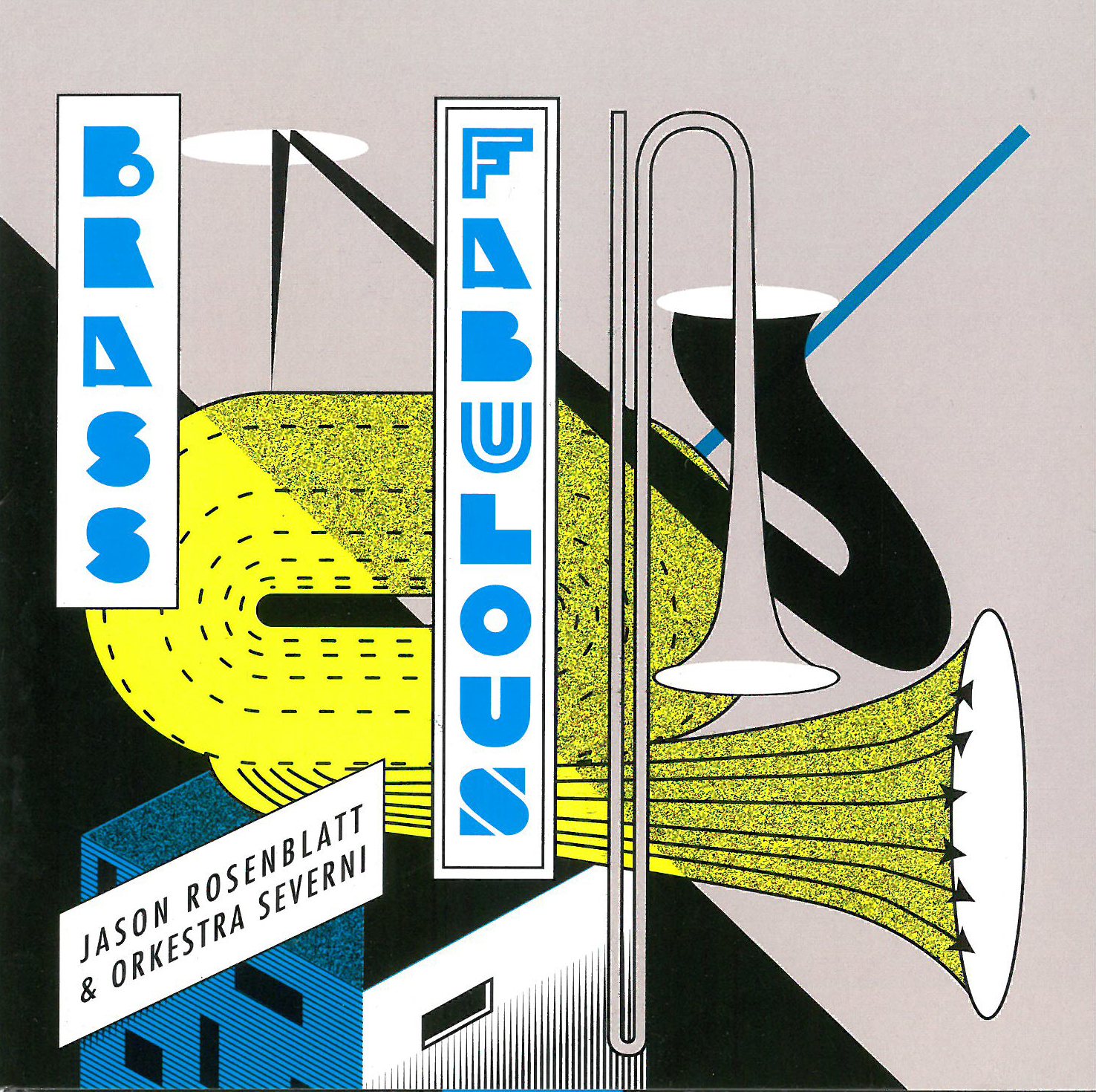
03 Brass FabulousBrass Fabulous
Jason Rosenblatt & Orkestra Severni
Independent (rachellemisch.com)

Founded in 2009 by trombonist Rachel Lemisch, the Montreal-based Orkestra Severni (Northern Orchestra) performs brass band repertoire of Klezmer, Moldavian and Serbian traditions. Besides their great energetic performances here, what makes their debut release even more exciting is that all 11 tracks are original works rooted in the new Eastern European music genre by composer/pianist/harmonica player Jason Rosenblatt.

Rosenblatt’s compositions embody many styles. The opening Sirba from the three-movement Sirba a la Oscar is driven by fast upbeat rhythms that are always in control. A great effect is having its final cadence resolve into the introduction of the next movement, Hora, a work comprised of more traditional-sounding melodies, rhythms and exquisite dynamic shifts. The striking rhythmic bounces of the silences between the resounding brass shots in the third movement, Freylach, showcase the musicians’ tight ensemble technique. Rosenblatt Kid’s Contra features a descending chromatic line that makes for happy walking music with a carnival feel. Nice style contrast is Chassidic Love Tango, with its traditional tango groove interspersed with brief three-quarter waltz sections. The closing Anshei Brzezan Nign has a lullaby-feel ending with sublime held-piano sounds.

All the accomplished band musicians, along with special guest Ben Holmes (trumpet) play brilliantly. Sound quality is great too. Brass Fabulous lives up to its name. This a spectacular addition to the brass band repertoire, well deserving of lots of fans and of lots of listening hours.

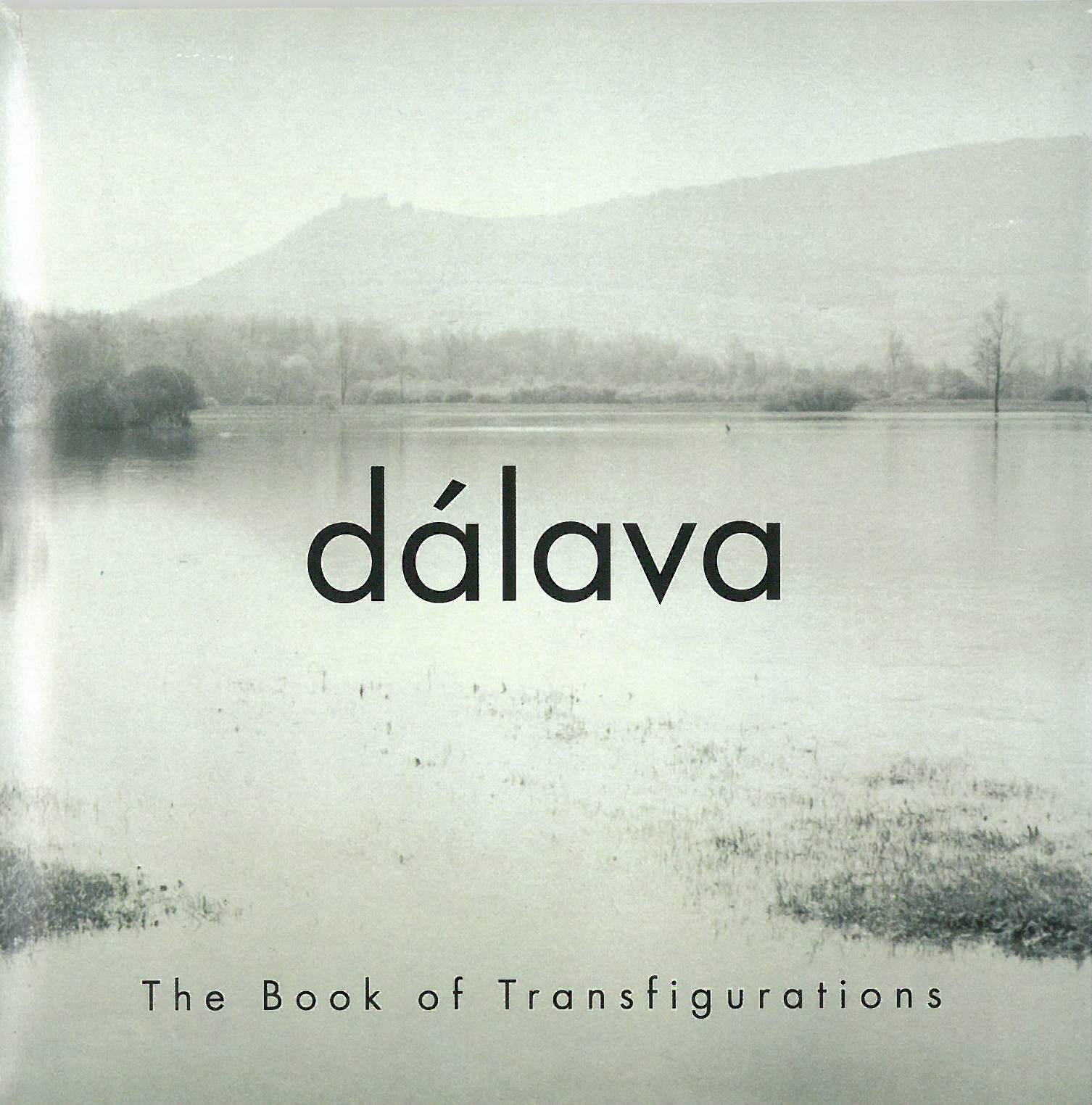
04 DalavaThe Book of Transfigurations
Dálava
Songlines SGL 2408-2 (songlines.com)

About the group Dálava, reviewer Mark Tucker wrote, “… I was both chilled and thrilled by the fusion of avant-garde, ancient, and progressive musics…” After listening to their second album The Book of Transfigurations, released on the Vancouver boundary-crashing Songlines label, I’d have to agree. Dálava’s project crosses and combines several genres, disciplines, generations and continents. At its core is the duo of American vocalist Julia Ulehla and guitarist Aram Bajakian (known for his work with John Zorn and with Lou Reed). Musical and life partners, they perform Moravian folk songs of the 19th and early-20th century transcribed over 100 years ago by Ulehla’s Czech musicologist great-grandfather. The songs are then transfigured through their 21st-century sensibilities, informed by world music, creative jazz and post-rock.

Ulehla is currently working on her PhD researching Moravian song with UBC ethnomusicologist Michael Tenzer. Her scholarship is amply illustrated in the lavish 36-page booklet (including original lyrics with English translations and commentary) and it richly informs Dálava’s interpretations. As for Bajakian, he keeps busy gigging on guitar with other bands, including the American-Hungarian folk/art-rock band Glass House Ensemble.

The duo’s music, while a profoundly personal statement, is also emotionally supported and amplified on the album by leading musicians on the Vancouver creative music scene: cellist Peggy Lee, Tyson Naylor on multi-keys, bassist Colin Cowan and Dylan van der Schyff on drums.

Ulehla and Bajakian have reportedly already made a splash in the Czech Republic with their live interpretations of this material. I predict Dálava’s affective music will gain many more global fans with this release.

The year just ending marked one important milestone in musical history. The first so-called jazz record was issued in 1917 by the Original Dixieland Jass Band (ODJB). Obviously that musical designation, which in its century of existence has gone through as many permutations and retrenchments as so-called classical music has in many centuries, is far different then the ODJB’s primitive efforts. But jazz/improvised music continues to evolve, buttressed by new voices. Here is a group of youngish improvisers who will likely still be contributing to the shape of jazz during its 125th anniversary – and probably for years afterwards.

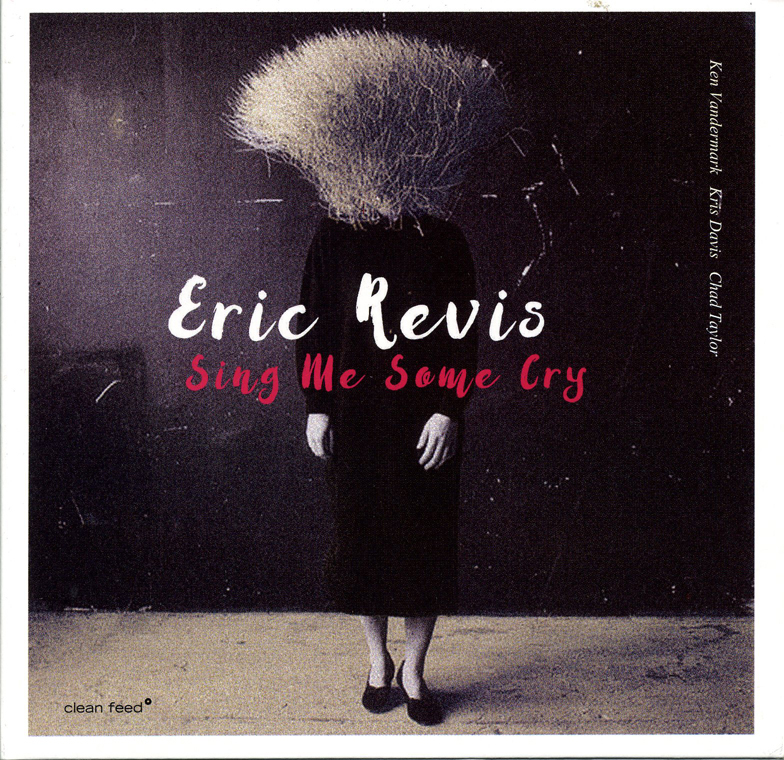
01 EricRevisFirst is Vancouver-born, Brooklyn-based pianist Kris Davis, 37, whose presence on advanced jazz sessions over the past half-decade or so has become almost as ubiquitous as Lennon-McCartney tunes at retro-60s parties. Sing Me Some Cry (Clean Feed CF 428 CD cleanfeed-records.com) finds the Canadian pianist in a combo led by bassist Eric Revis, featuring tenor saxophonist/clarinetist Ken Vandermark and drummer Chad Taylor. Although each of the other players has extensive experience, there are points at which Davis dominates. Good Company, for instance, which begins with a J. Arthur Rank-like gong resonation from Taylor’s cymbals and reed asides in brief Morse Code-like dashes, retains its tension from the pianist’s kinetic pressure, with the saxophonist’s peek-a-boo contributions hardening into pressurized honks that unroll in tandem with keyboard tinkling. Obliogo features a middle section where high-frequency piano notes slice kinetically through saxophone snorts and string elaboration from Revis, but maintain the composition’s careful shape. Instructively Rye Eclipse, the one Davis composition, is multi-sequenced and more complex. Mixing Revis’ sliding bass notes with stopped piano keys, Vandermark’s sheets of sounds become staccato just as the piano playing becomes more percussive. The result shapes reed overblowing, string reverberations and complex drum beats into a groove of storytelling and solid forward motion.

Review

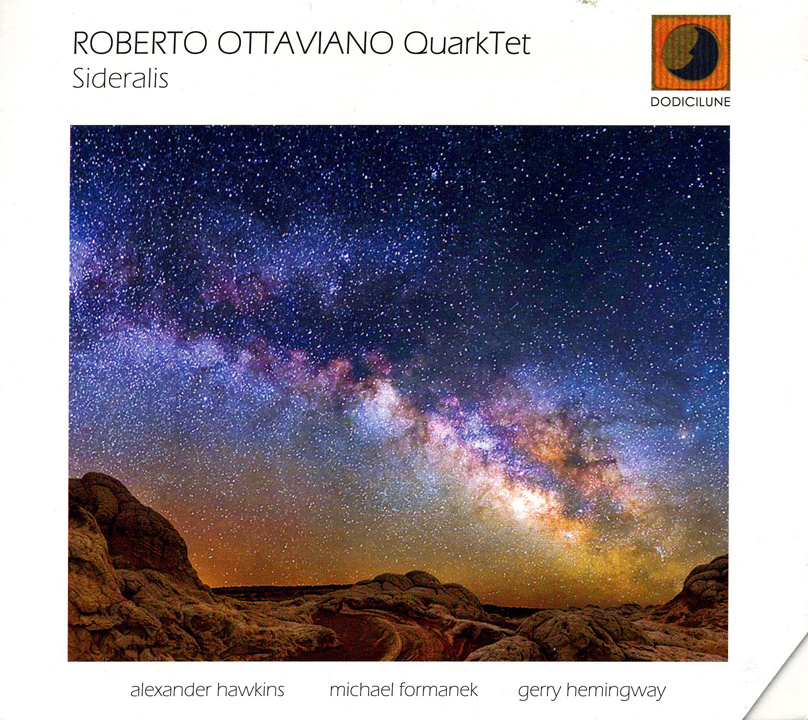
02 RobertoOTTAnother pianist who is equally valuable in international collaborations as leader and sideperson is the United Kingdom’s Alexander Hawkins, 36. On Sideralis (Dodicilune Dischi Ed 354 dodicilune.it), he joins veteran American heavy hitters, bassist Michael Formanek and drummer Gerry Hemingway as part of Italian saxophonist Roberto Ottaviano’s QuarkTet, to interpret ten of Ottaviano’s compositions that range from rhythm numbers to ballads. Checking off the saxophonist’s influences, Planet Nichols, Ottaviano’s stop-time salute to pianist Herbie Nichols, gets much of its rollicking shape from Hawkins’ high-frequency key splatters and crescendos, with a walking bass line and cymbal breaks also contributing. At the same time the power of Formanek’s accompaniment on Planet John Lee Hooker, coupled with singular soprano saxophone breaths, makes the tune appear more a salute to Charles Mingus than the Mississippi bluesman. Replete with shadowing of the composer’s every breath on Berenice’s Code, Hawkins’ keyboard caressing preserves the balladic mood while moving the piece linearly. Centaurus’ lilt is cemented by inner piano string plucks that confirm the composition’s jocular theme, with Hemingway’s bell pealing and the pianist’s key slaps and crunches deconstructing and extending the melody until the saxophonist’s tiny reed bites reel it into straight-ahead swing. This same freedom that never exceeds its parameters is displayed on the title tune. Stopped keys and scrubbing slides from the pianist plus the drummer’s rubs provide the perfect contrast to Ottaviano’s intense note puffing. Subsequent return to a rumbling pulse confirms the tune’s gentle motion and the collaborative skill of this ad-hoc quartet.

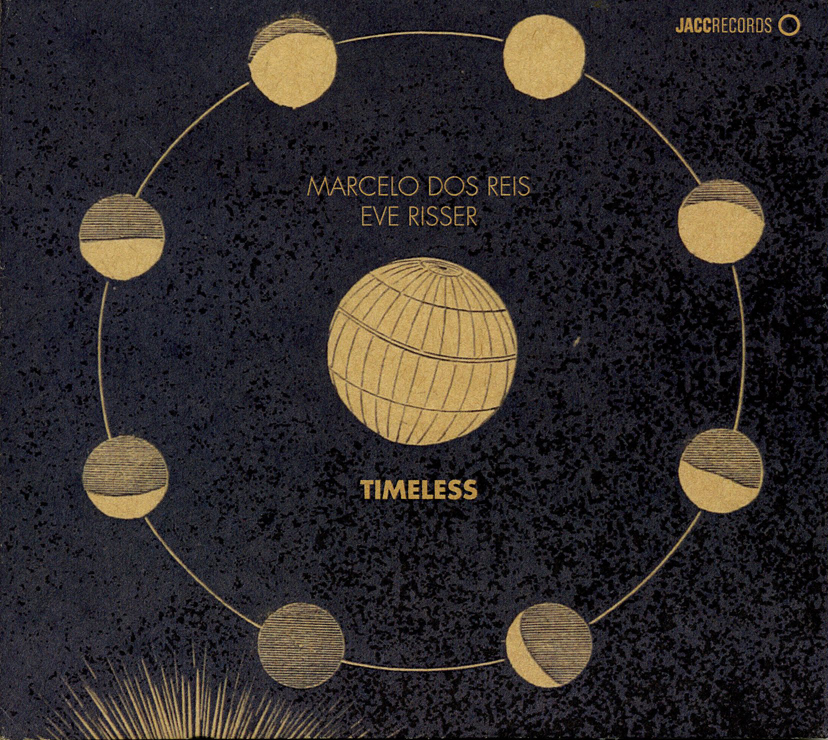
03 TimelessMinimalist and experimental, Timeless (JACC Records 034 jacc-records.com) is a duet between Portuguese guitarist Marcelo dos Reis and French pianist Eve Risser, 35, who made her reputation working in ensembles as different as France’s Orchestra National de Jazz and in a rock-oriented duo. With both instruments prepared with numerous objects, as well as played straight, the selections are compressed and cramped, inhabiting a narrow spectrum, but never abandoning rhythm or feelings. A piece such as Balance Spring, for instance, suggests computer-generated wave forms even though there is no electronic processing. Instead, as the guitarist creates a strummed continuum, the pianist emphasizes carefully thought out patterns, culminating in chiselled movements. In the same way, clanks and crunches from internal piano strings plus external ones on the guitar neck, produce timbres on Hourglass that could have come from a vibraphone. This sound, jolted along with bottleneck-guitar slashes, reaches a thematic crescendo that’s almost lyrical as Riser’s splayed and sharp tones amalgamate into melodic interface. With the tracks reflecting ambience as well as aggression, a piece like the extended Water Clock reflects this strategy in miniature. While dos Reis’ metallic string sawing and percussive strums narrow the interface to a single, almost static line, Risser’s sharp strokes move from aping the guitarist’s heft and power to become chromatic. Eventually, sweeping acoustic piano lines reveal an underlying melody that sets up an unconventional groove.

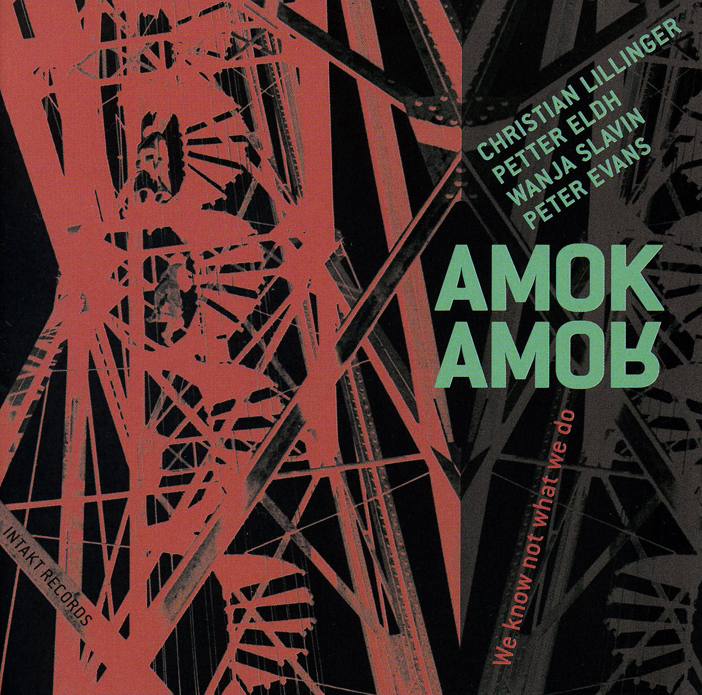
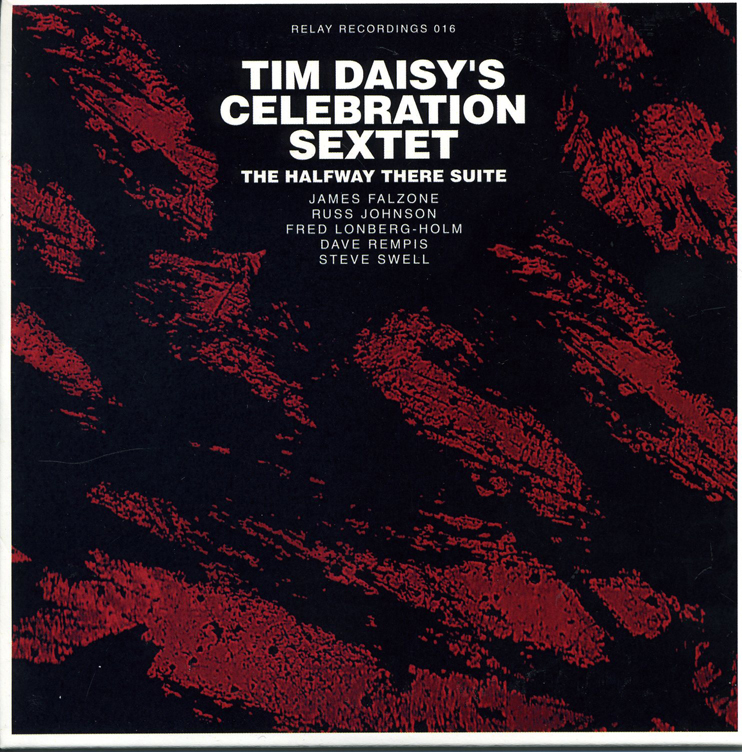
04a AmokAmorOf course it’s not just pianists who will determine the future of 21st-century improvised music. Horn players and drummers will make their own noises. Take for example two of the players in the Amok Amor (AA) quartet, American trumpeter Peter Evans, 36, and German drummer Christian Lillinger, 33. Their work with alto saxophonist Wanja Slavin and bassist Petter Eldh on We Know Not What We Do (Intakt CD 279intaktrec.ch), shows their interactive skills in one of the many bands in which they participate. It’s the same story with Chicago-based tenor saxophonist Dave Rempis, 42, and drummer Tim Daisy, 41, featured on The Halfway There Suite (Relay Recordings 016 timdaisy.com) by the drummer`s Celebration Sextet. Different discs could find Rempis in the leadership role or both as sidefolk.

Composers as well as players – Evans wrote two tunes on We Know Not What We Do and Lillinger three – the key to their talents is how carefully they work in an organized setting, as on Pulsar, the Evans-penned first track. It’s lavish and lovely, notched with contrapuntal slurs and staccato tremors from the horns as the drummer’s percussive bumps and focused rim shots keep the tune bouncy and relaxed. These ambulatory dynamics are also present on Trio Amok, a Lillinger composition, pushed along with percussion bumps and rumbles and resonating pumps from bassist Petter Eldh. While Evans’ spectacular brassiness adds to the tune’s tautness, a respite after he intertwines open-horn brays with staccato tongue flutters from Slavin dissipates the tension. A more striking instance of the drummer’s dexterity is on A Run through the Neoliberalism, another of his compositions, during which altissimo reed squalls and trumpet tattoos set up as a staccatissimo, near-bebop romp. The drummer’s accompaniment may crackle and churn, but as the horns’ work explodes the theme into atoms, his cymbal cascades and rim shots glue it back into a swinging whole. With some of the other tracks utilizing palindromes, balladic melancholy, fiery stomps and rhythmic stop-time sequences, AA keeps the session engaging and moving. The saxophonist and bassist get solo space as well, with the combination of power and bluster from the rhythm section and inventive flutters and echoes from the horns ensuring that while predicting what sounds will appear next is nearly impossible, the knowledge that they will be first-class is confirmed.

04b TimDaisyDaisy and Rempis are other first-class sound explorers featured on The Halfway There Suite along with Chicago associates, clarinetist James Falzone, trumpeter Russ Johnson, cellist Fred Lonberg-Holm and visiting New Yorker, trombonist Steve Swell. Composed as a birthday present for himself and the featured musicians, it isn’t clear whether Daisy’s CD title refers to mortality or the length of the four-part suite that lasts only 33 minutes. But like brevity being the soul of wit, the arrangements and solo work are exceptional enough to not need more length. Rempis’ showcase is on Part 2, where his skyscraper-high multiphonics and glossolalia bring energetic freedom to the piece which otherwise flows along with orchestral calm and a steady jazz groove. Falzone’s solo tone is closest to so-called legitimate as he negotiates linkages between the two genres. Swell, and to a lesser extend Johnson, are the disrupters. The trombonist sprays many of the arrangements with gutbucket-styled slurs and tailgate-like elaborations. With the cellist scratching out notes and Daisy replicating kettle-drum-like pressure, Part 3 rolls from crescendos to diminuendos without breaking the melodic continuum. These disparate currents climax in the concluding Part 4, with stop-time polyphony shattered by a clean trumpet blast that joins with cello pumps to herd the sequence into a finale that swings, and neatly refers back to the introduction on Part 1. Throughout, Daisy’s solos, whether involving press rolls and bass drum stomps or freer jumping and double time rhythms, don’t draw attention, but advance the suite.

On the evidence here, the Celebration Sextet is a lot more than halfway along to reaching musical goals. It’s another confirmation of how from their ideas and those of the players on the other CDs, jazz innovation will thrive in the years to come. 

01a Leonard Bernstein Artwork Cover November 14 2017

Leonard Bernstein - The Remastered Edition (100 CDs)
Sony 541714

In her 1998 DVD Reaching for the Note, Susan Lacey recalls the way the moment felt. “It is very rare that someone dies and the whole community seems to be part of that event. It’s as if everything else stopped and for that moment the world turned around that event.”

Such was the case in New York City following the death of Leonard Bernstein on October 14, 1990. When the funeral cortege left from the Dakota, his apartment on the Upper West Side, there was already a large gathering across 72nd Street to pay homage and see him off. “There was this phalanx of motorcycle cops and police cars leading this enormous cortege out to Brooklyn’s Greenwood cemetery… When we came out on the Brooklyn side of the East River there was a big construction project and in spite of all the cops and motorcycles and police cars and everything, we came to a dead halt. And on the side were all these hard hats and mothers of various sorts with baby carriages and Orthodox Jews who just happened to be passing by. A perfect cross-section of New York City. And finally the sirens began again as this slowly started to move out, all these people! I especially remember the hard hats all waved and took off their hats and said. ‘Goodbye Lenny, goodbye.’ I can’t think of anything, anything, in the world that would have pleased Lenny more than that.”

Leonard Bernstein – The Remastered Edition does not pretend to be in any way encyclopedic, but it gives profound insight into every facet of his musical life. New York City claimed him but Bernstein, conductor, composer, pianist, educator, author and music lecturer was born in Lawrence, Massachusetts on August 25, 1918, the eldest of three children of Ukrainian-Jewish parents. Soon after, they moved to Boston where father Samuel built up a prosperous business in hairdressing supplies. Samuel expected, naturally, that his elder son would go to college, return and take over the business. However, when Leonard was only ten, cousin Lillian’s unwanted upright piano was moved into their parlour and the die was cast. From the first note he knew that music was his calling. He could play by ear the tunes he had heard and improvise freely. At 13, he composed a piano concerto with a program, “a war between the Russians and the Gypsies.” At 14, after a disastrous year with two really incompetent teachers, he went to Heinrich Gebhard, one of Boston’s most respected teachers who entrusted him to his assistant, Helen Coates. She completely understood her earnest pupil’s impatience with practise and studies but instilled in him self-discipline. Bernstein credited her with being a decisive influence in his training. When he became known and successful he sent for her to be his personal secretary. She became his close friend and lifelong personal assistant and representative. Their letters are part of the Bernstein Collection in the Library of Congress.

At 16, he heard his first live concert when he went with his father to hear the Boston Symphony under Serge Koussevitzky who later became his teacher and close friend. He attended the Boston Latin School. In the summers at Sharon, Massachusetts, he produced and directed shows with the Boston Public School Orchestra with entertainments like Gilbert & Sullivan and Carmen. He graduated in 1935 and thence to Harvard, where he met many of those who would become his lifelong friends. He studied with Walter Piston, Edward Burlingame Hill and Arthur Tillman Merritt. He met Aaron Copland who became a major influence. Also, Dimitri Mitropoulos asked him to play and was so exceedingly impressed that he invited Bernstein to rehearsals with the Boston Symphony. For Bernstein’s part, he was taken by the older conductor’s intellect, his unique conducting style and his personal dynamism. He graduated from Harvard in 1939 and enrolled at the Curtis Institute of Music in Philadelphia where he studied conducting with Fritz Reiner, orchestration with Randall Thompson, counterpoint with Richard Stöhr and score reading with Renée Longy Miquelle. Reiner said later that Bernstein received the only “A Grade” he ever awarded. After Curtis he spent some time in NYC, then in Boston where Koussevitzky, who was sort of a father figure, was a major influence on Bernstein’s emotional interpretations.

Shortly after he had been appointed (under Artur Rodziński) assistant conductor of the New York Philharmonic, Bernstein made his life-changing major conducting debut. Guest conductor Bruno Walter was unable to conduct the afternoon concert of November 14, 1943. Bernstein was told early that morning that he was to conduct the concert. He had not rehearsed but stood before the orchestra and conducted the concert that was heard coast to coast on the CBS Radio Network. A star was born and Leonard Bernstein was well on his way.

In 1958, after he guest conducted major orchestras around the world, he was appointed music director of the New York Philharmonic, a post he held until 1969. After that he was seen and heard around the world conducting and teaching, making recordings and videos and, when he could make time, composing. In truth he most solemnly desired to be remembered as a composer. Consider his works for the theatre that include Peter Pan (1950), On the Town (1944), Trouble in Tahiti (1952), West Side Story (1957) and Candide (1956 rev.1973 rev.1989); also all the ballets, Fancy Free (1944), Facsimile (1946) and Dybbuk (1974), all of which are included in this unique edition of the remastered original recordings. His own works for the concert hall chosen for inclusion are the three symphonies, Jeremiah (Symphony No.1, 1942), The Age of Anxiety (Symphony No.2, 1949 rev.1965) and Kaddish (Symphony No.3 1963 rev. 1977). Prelude, Fugue and Riffs (commissioned by Woody Herman in 1949) is here with Benny Goodman. Torontonians heard this work with Bernstein conducting the Vienna Philharmonic Orchestra in Roy Thomson Hall in the late 1980s.

Mahler figured prominently in Bernstein’s programs, recording all the symphonies except the Eighth with the Philharmonic during his tenure there. His Mahler was something to hear and see, as his demeanour suggested an enraptured identification with the composer. Mahler’s symphonies Two, Three, Six and Nine are here together with Kindertotenlieder and excerpts from Rückert Lieder both with Jennie Tourel, and Des Knaben Wunderhorn and Lieder eines fahrenden Gesellen with Christa Ludwig, Walter Berry and Dietrich Fischer-Dieskau. In this unique collection are the works of 70 composers from A to Z in compositions ranging from marches, incidental music, ballets, encore-type pieces, chamber music, concertos, symphonies, operas, ballet music, lieder, film music, overtures, etc. Assisting artists include Isaac Stern, Lucas Foss, Adele Addison, Glenn Gould, Eileen Farrell, Andre Watts, Charles Bressler, Felicia Montealegre, Benny Goodman, Zino Francescatti, Regina Resnik, Erich Kunz, Yehudi Menuhin, Julius Baker, Judith Raskin, Judith Blegen, Robert Casadesus, Barbara Cook and others. Also heard are the Juilliard String Quartet, the Westminster Choir, the Vienna Philharmonic Orchestra, the Vienna State Opera Chorus and the Camerata Singers, among others.  
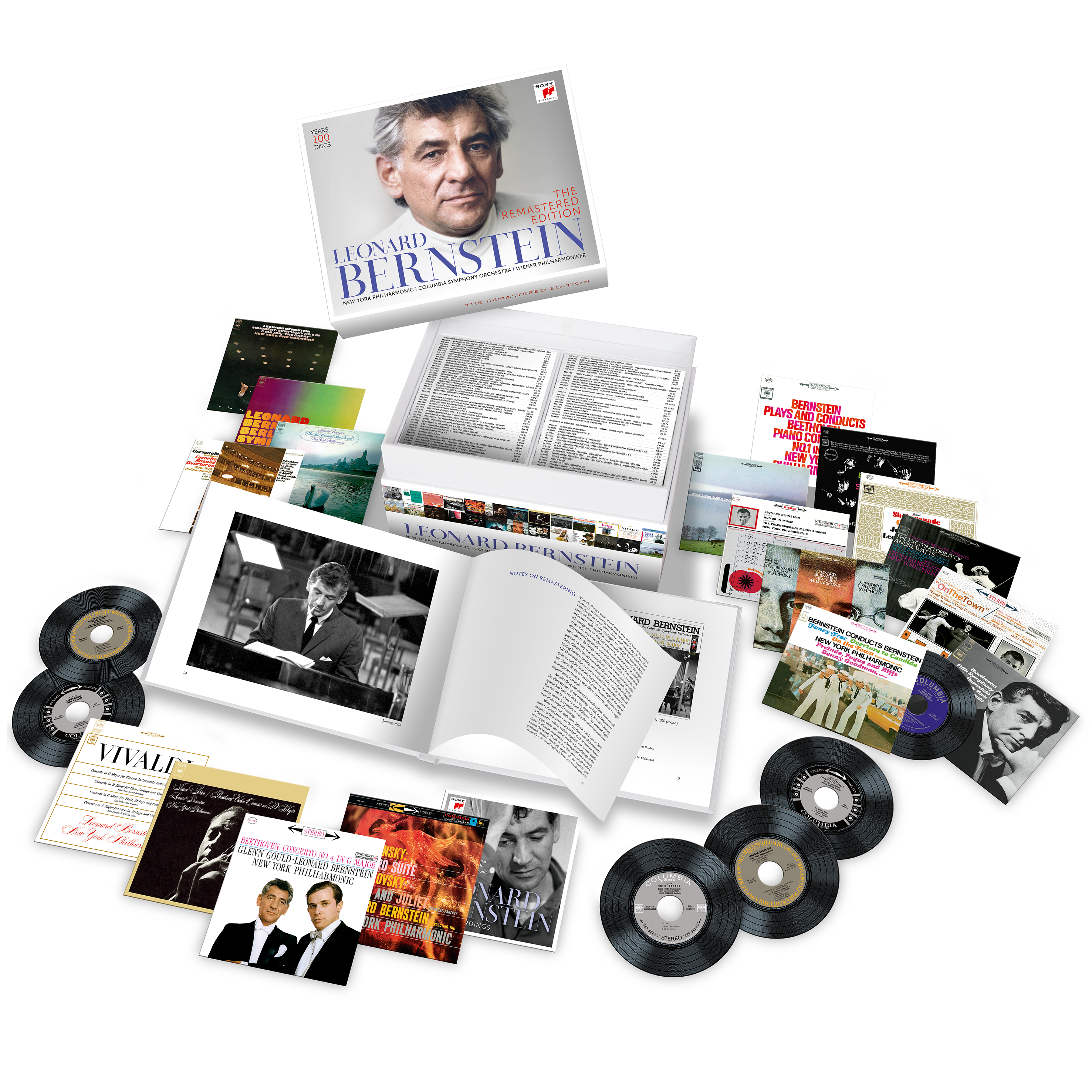
01b Leonard Bernstein The Remastered Edition Pack Shot November 14 2017In summary: this edition is a collection of some significant recordings from 1945 to c.1976 issued by Columbia/Sony, either recently or newly remastered for the occasion. The opulent boxed set of 100 CDs in original covers includes a lavishly illustrated, 196-page hardcover book of presentation quality outlining the often complex remastering of the process. Compared to the previous releases of all the recordings that I have sampled these new incarnations are a revelation. For instance, I was disappointed in the perfunctory performance on the original release of Liszt’s Faust Symphony, also with the version on The Royal Edition. However, in this new presentation the sound is immediate and dynamic, revealing playing that is most certainly alert.

I wonder, out of the many hundreds of Bernstein performances of so many different works in the Sony archives, how particular recordings were chosen. It certainly wasn’t the choice of someone or other with little or no knowledge, nor was it a computer’s choice based on sales. For example, the performance of The Age of Anxiety decided upon is the original mono version recorded on February 27, 1950 with soloist Lucas Foss, a recording that required a lot of time and dedication to restore the less-than-mint original elements. How much easier it would have been to utilize the 1965 performance with Philippe Entremont. Regardless, it is the earlier performance that we hear on this well-chosen collection. Well-chosen indeed; there are works one would never think of including, but there is not one that I would remove.

There are complete details of every disc at arkivmusic.com and an interesting YouTube video about the project, titled Leonard Bernstein – The Art of Remastering.


Back to top