As the parameters of jazz and improvised music continue to expand during the 21st century, so does the bedrock of theme material and instrumental extensions. While many improvisers still record classic discs that are completely free form, other creative musicians alter and bend exciting sounds to create original programs.
01 Monk on ViolaWhile interpretations of Thelonious Monk classics are nothing new, especially as his stature has grown among conventional and conservative players since his 1982 death, performances of these nine melodies on solo viola is almost certainly unique. But that’s exactly what Romanian-born George Dumitriu, who now teaches in Utrecht, has done with Monk on Viola (Evil Rabbit ERR 36 evilrabbitrecords.eu). While his playing encompasses microtones and repetition, and his instrument includes preparations, the dominant approach involves deftly reconstituting the pieces so that familiar themes are present along with original variations. This is aptly displayed on ‘Round Midnight, Monk’s best-known composition, which begins with woody slaps, and angled string sawing until a twanging variant of the melody is heard and recognized at the same time as it’s pinched and descends the scale. The concluding Crepuscule with Nellie gets a similar treatment, vibrating in and out of tempo as adagio rubs and spiccato slides change places, culminating in an exciting col legno finale. Analogous strategies are exhibited on the other seven tracks. Boo Boo’s Birthday almost becomes a simple country dance tune, then in a reversal deploys and fragments the theme with high-pitched, multi-string changes. Double stops finally become a jagged stroke representation of the melody. More traditionally Trinkle Tinkle begins and ends stating and recapping the head, with an initial high-pitched race up the scale sliding from presto to moderato and repeating melody variants as it descends. Fractured enough to be distinctive, this idiosyncratic program doesn’t subvert Monk’s purposeful body of works. 
02 HomageAkin to this strategy of reconstitution and homage occurs on Montrealer-turned-Manhattanite Rick Rosato’s solo bass recreation of a set of distinctive country blues songs plus a couple of jazz classics on his aptly named Homage CD (rickrosato/bandcamp.com/album/homage). Applying full intensity to this less-than-23 minute disc, he uses different tunings and mutes to attain the yearning resonation of the original tunes. Throughout his full rounded tone and supple fingering makes up for any lack of accompaniment. Serendipitously he too interprets Crepuscule with Nellie. Remaining mostly in the instrument’s bass clef, he plucks his way though bluesy variations before exposing the theme at the two-thirds mark. Ironically Elvin’s Guitar Blues, composed by powerhouse drummer Elvin Jones, is more highly rhythmic and in context sounds as traditional as the venerable tunes surrounding it. These range from Mississippi John Hurt’s songster classic Boys, You’re Welcome played with a spry guitar-like lilt, to Muddy Waters’ I Can’t Be Satisfied, the epitome of hard blues and harbinger of R&B. On the latter Rosato emphasizes the beat with double and triple strokes and pumped-up theme variations before shaking his way to full theme statement. Overall, he signals his homage and adaptation best on Skip James’ Hard Time Killing Floor Blues. He hammers strings to bend notes and repeats choruses so that the original’s emotional pressure and his distinctive woody vibrations are given equal play. 
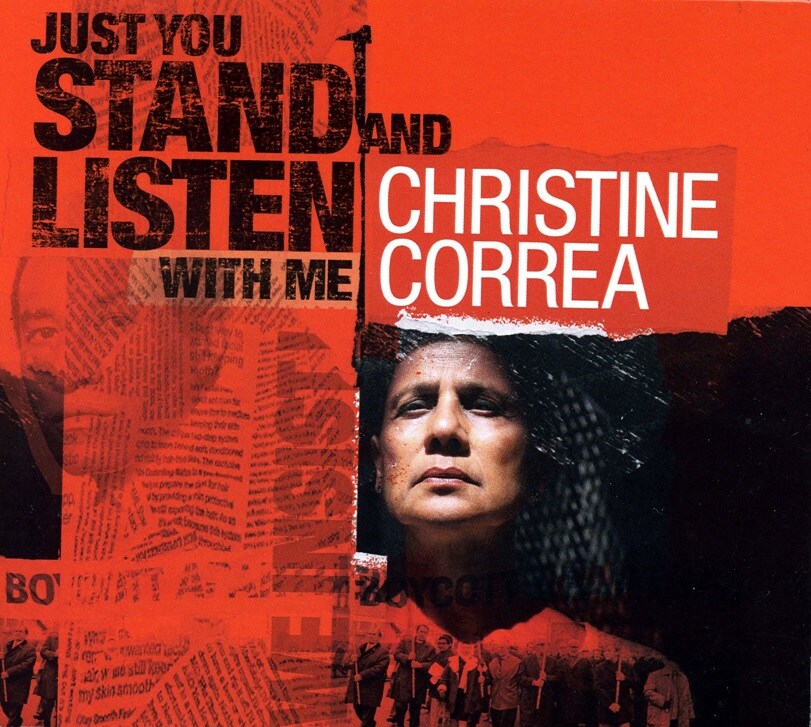
03 Christine CorreaMore of an undertaking, Indian-American vocalist Christine Correa’s Just You Stand and Listen with Me (Sunnyside Records SSC 1684 sunnysiderecords.com) interprets compositions from drummer Max Roach’s 1961 albums We Insist! and Percussion Bitter Sweet that chronicled his militant response to that era’s Civil Rights situation. As on the original discs, the singer’s dramatic personification of the mostly sardonic and defiant lyrics is doubled or commented upon by Sam Newsome’s soprano saxophone, with pianist Andrew Boudreau, bassist Kim Cass and drummer Michael Sarin adding the requisite accompaniment. Studied in guttural expressions, melismatic tone gyrations as well as bel canto euphony, Correa energizes some of the simpler lyrics. More to the point, she brings a proper mixture of sarcasm, fortitude and hopefulness to the songs, which range from the slavery evoking Driva’ Man – where her stabbing lyrics are punctuated by whip-like tambourine slaps – and the hypocrite-indicting Mendacity, to the more hopeful All Africa and Freedom Day. The latter concludes the album proclaiming a program of demand, defiance and realization. The former, like some of the other tracks, expresses its strength in spite of – or perhaps because of – wordless vocalizing. Matching her cadences to drum ruffs, the exposition is bolstered as Sarin adds percussion accents and Newsome treble slides and spits. This leads into Triptych: Prayer/Protest/Peace a protracted essay in blending voice ululations, yodels and murmurs with high-pitched saxophone loops and split tones sounding nearly identical to the voice, with both backed by a slithering bass line and drum clunks. Boudreau’s subtle comping or tinkling swing plus Cass’ thumping bass embellishments are clearly exhibited throughout as group instrumental prowess. Yet sadly the state of the world, and especially the US, make Correa’s recasting of some of the lyrics as relevant in 2023 as 1961. 
04 PSMDTaking a detour from established icons to his contemporary, Marc Ducret – Palm Sweat’s Plays the Music of Tim Berne (Screwgun/OOYH 001 outofyourheadrecords.com) has the French guitarist sonically enriching compositions by the American saxophonist whom he has worked with since the mid-1990s. Throughout Ducret, who plays a variety of guitars, basses and hand drums, is backed on and off by brass players Fabrice Martinez and Chrstiane Bopp, flutist Sylvaine Hélary and cellist Bruno Ducret. A variant of Dumitriu’s and Rosato’s solo showpieces, the guitarist used the tools and frequencies available in his home recording studio to multi-track his playing on various instruments then mixed the results, later adding other musicians’ contributions. Neither auto-tuning nor artificial intelligence, the multiple Ducrets heard produce an organic aggregate that snugly bonds spatial and spectral elements. This is obvious from Curls/Palm Sweat/Mirth of the Cool, the triptych first track that logically moves from electric guitar fuzz tones that migrate across the sound space to become dissonant when backed by secondary guitar riffs. Rooted bass guitar strums linked to frame drum ruffs provide a rhythm that underscores the performance, which reaches a high point as a pleasant finger-style melody is answered by high-pitched string frails. Broken up by sequences where guitar interludes suggest hesitant mandolin-like hard picking or primitivist folksy strums, this approach is used throughout the session. Development of Berne’s themes is linked to techniques as varied as sophisticated slurred fingering, intense string hammering, a pivot to hard rock-like screaming flanges and even jagged strokes on Rolled Oats that sound as if a Thelonious Monk motif has been transferred to the guitar. For added variety, these distinctive frails or chordal development are sometimes cushioned by vamps from the entire horn section to fill in dangling spaces. Bopp’s echoing trombone-plunger tones add portamento resonance to Shiteless which is otherwise given over to a string mash-up among chiming smacks, lyrical acoustic asides and buzzsaw electric riffs. The session’s real climax occurs on Static, as Martinez’s trumpet smears and open-horn flutters are a contradictory harbinger to a squeezed cello-guitar conclusion that almost sounds like an Eastern European dance and is further emphasized with wordless vocalizing and hand clapping.
05 Rite of SpringIt isn’t only classical jazz themes which are reinterpreted by creative musicians, so-called classical music is part of a retrofit as well. The Rite of Spring – Spectre d’un songe (Pyroclastic Records PR 26 pyroclasticrecords.com) came about after the family of Igor Stravinsky insisted that any piano performance of the famous 1913 ballet and orchestral concert work had to be played by two pianists. Swiss pianist Sylvie Courvoisier had already created a solo version of the composition. She then recruited American pianist Cory Smythe, who has experience similar to her own, playing improvised and notated music, to perform and record the two movements of Rite and her own Spectre d’un songe. The key to this disc is that the two pianists are so cognizant of the source that they’re not creating improvisations on, but improvisations along with, the Stravinsky score. The performance isn’t a miniaturization of the composition, but a particular diversification of it. During Le Sacre du Printemps, Pt.1: The Adoration of the Earth and Le Sacre du Printemps, Pt.2: The Sacrifice they use tropes encompassing bright keyboard bounces, high-pitched glissandi, crescendos of rolling notes and pedal- point pressure, but don’t neglect the underlying theme. Passing motifs between them or having one decorate a line as the other impels the theme, the enhanced rhythmic pressure or lyrical sequences always refer back to the original composition. Throughout, the familiar motif frequently appears and reappears and is expressed without extemporization at the end. Courvoisier’s Spectre d’un songe which takes up as much space as both Stravinsky tracks isn’t really ghostly or dream-like. Instead, its droning andante exposition is toughened through inner string reverberations and bass clef emphasis to double in tempo and loudness by mid-section. As the sequence sways while each keyboardist interjects key clips, clanks and cascades, it diverts into rumbles and pressure, but like the previous notated piece never loses the narrative thrust. A slow methodical examination of each note and pattern typifies the final section, which refers back to the introduction as it fades away.

In their own ways each of the musicians confirms that all sorts of music composed by many musicians of very different attitudes can be interpreted in an uncommon and individual fashion. And they go on to demonstrate that.
01 Mendelssohn Vol.2With Mendelssohn Complete String Quartets Vol.2 the Quatuor Van Kuijk complete the cycle of the composer’s string quartet output. Included here are the String Quartets No.4 in E Minor Op.44 No.2, No.5 in E-flat Major Op.44 No.3 and No.6 in F Minor Op.80 (Alpha Classics ALPHA931 outhere-music.com/en/albums/mendelssohn-complete-string-quartets-vol-2).

Both Op.44 quartets receive outstanding performances, but the real gem is Op.80, the last work Mendelssohn completed before his death and written in an outburst of grief following the death of his beloved sister Fanny. Described as “a confrontation with grief” it’s a striking work in which the composer’s pain is palpable, the performance here being one of quite stunning emotional impact and remarkable sensitivity and intensity.

The CD runs to a commendable 83 minutes, giving Quatuor Van Kuijk an edge over competing sets, many of which run to three volumes. Not that they need any advantage – it’s difficult to imagine any playing coming close to this.

02 Rosebud QuartetThree late works by the masters of Viennese classicism are presented on Haydn & Mozart, the new CD from Canada’s Rosebud Quartet and violist Steven Dann (Leaf Music LM252 leaf-music.ca).

The CD has been getting frequent airplay on CBC Radio, and with good reason, all aspects of the release being of exceptional quality. The Haydn works are his two String Quartets in G Major Op.77 No.1 and F Major Op.77 No.2, apparently originally intended as part of a set of six. They are his last complete works in the medium, two later middle movements of an unfinished D minor quartet being published as Op.103.

Dann joins the quartet for Mozart’s String Quintet in E-flat Major K614, the last of his six and from April 1791, just eight months before his death.

Beautifully recorded at Quebec’s Domaine Forget, it’s an outstanding disc.

Listen to 'Haydn & Mozart' Now in the Listening Room

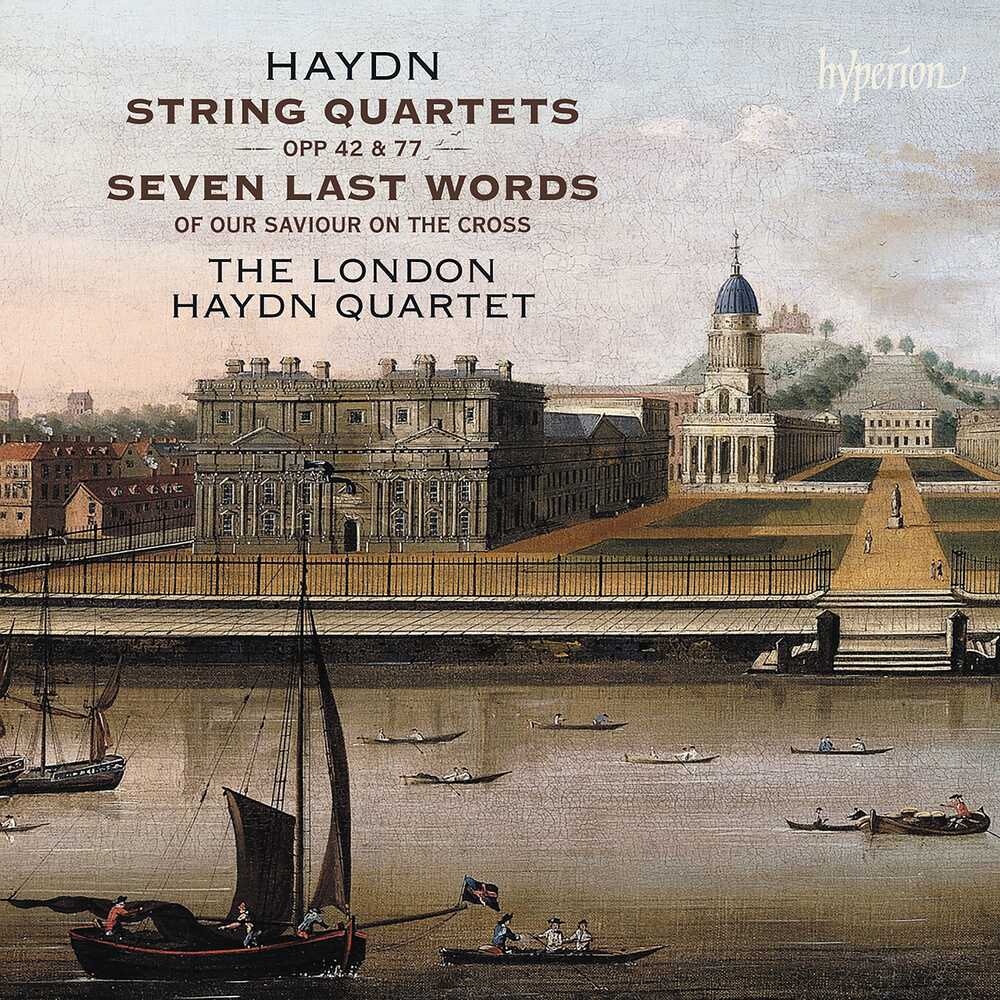
03 London Haydn QuartetFine performances of the two Haydn Op.77 quartets are also featured on Haydn String Quartets Opp.42, 77 & Seven Last Words, a two-for-the-price-of-one CD set with which The London Haydn Quartet complete their much-admired survey of the composer’s mature quartets using the original published editions (Hyperion CDA68410 hyperion-records.co.uk/dw.asp?dc=W13661_68410).

The String Quartet in D Minor Op.42 completes the first disc, with the second CD filled by the lengthy – over 75 minutes – Seven Last Words of our Saviour on the Cross Op.51, Haydn’s own arrangement of his orchestral original. Described as a fitting testimonial to the composer’s deep, enduring faith it compensates for the inevitable loss of orchestral colour and power by an increased sense of intimacy. Given the subject matter it’s not always an easy listen, but its emotional impact is considerable.

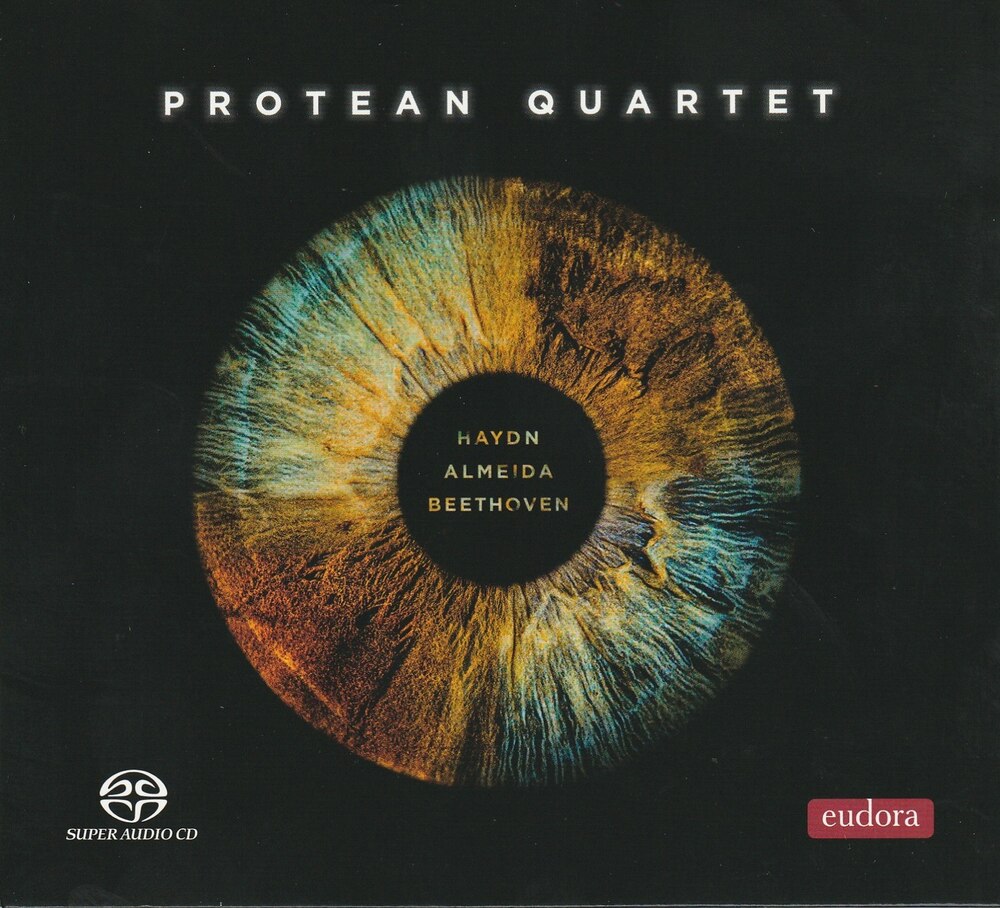
04 Protean QuartetIn the booklet notes for the new CD Haydn Almeida Beethoven on the Spanish Eudora label the Protean Quartet members say that since 2018 they have focused their activity on historical performance on period instruments, and that one of their major creative engines is the recovery of Spanish music heritage and its dissemination. Their contribution here is the first recording of the String Quartet in G Minor Op.7 No.1 by the Portuguese-born Juan Pedro Almeida Mota (1744-c.1817), who developed his career in Spain (EUD-SACD-2301 eudorarecords.com).

Haydn’s String Quartet in D Major Op.33 No.6 is a lovely opening to the disc, the freshness and elegance of the work conveyed perfectly through light and sensitive playing. The same performing qualities are evident in the Mota quartet – again, a light but attractive and not insubstantial work.

The beautifully clean and articulated performance of Beethoven’s String Quartet in F Major Op.18 No.1 gives the whole CD a decided consistency, with a delightfully playful touch mixed with sensitivity and insight.

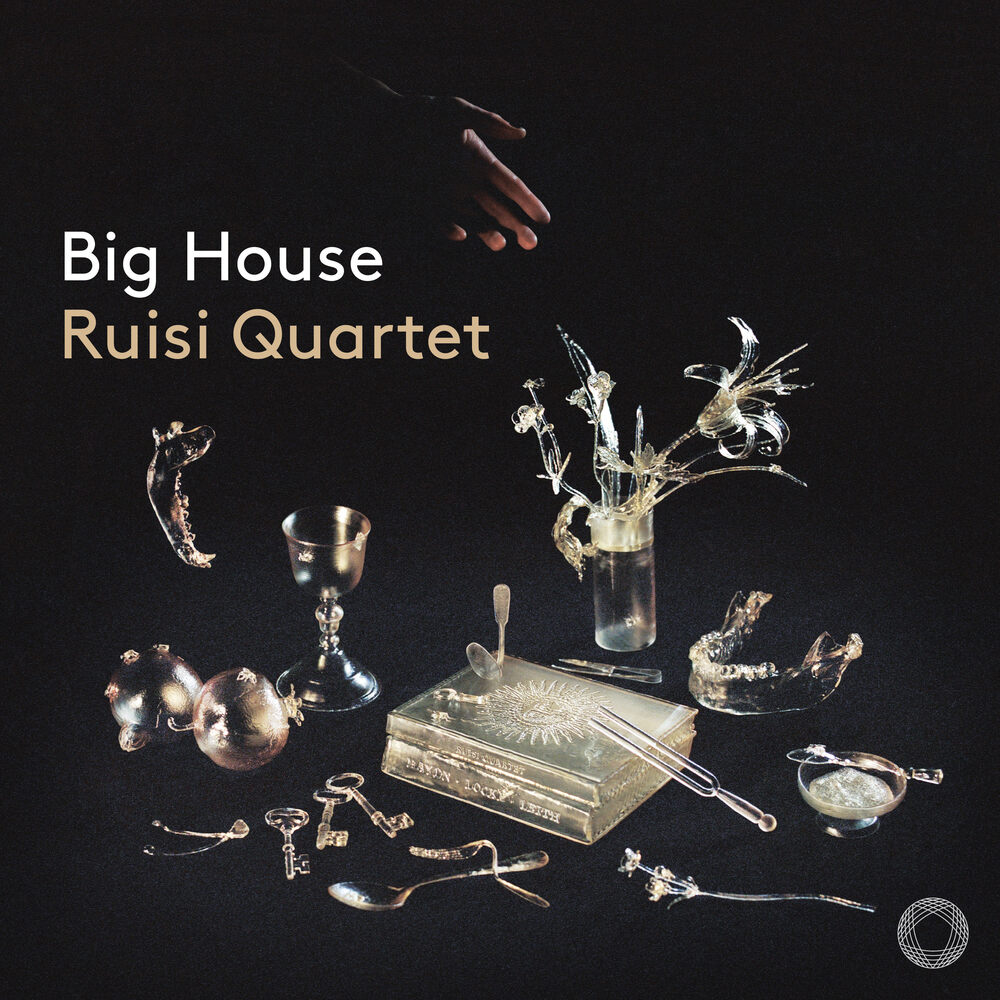
05 Big House Ruisi QuartetThe Ruisi Quartet make their Pentatone label debut with Big House, featuring music by Joseph Haydn, Matthew Locke and the young British composer Oliver Leith (Pentatone PTC 5187040 pentatonemusic.com/product/big-house).

Finely judged performances of two Haydn works – the String Quartet No.11 in D Minor Op.9 No.4 and the String Quartet No.23 in F Minor Op.20 No.5 – open and close the disc. The brief Fantasie from Locke’s Consort of 4 Parts: Suite No.3 in F is paired with Leith’s equally brief 2020 reworking of A different Fantasie from Suite No.5 in G Minor (After Locke’s Consort of 4 Parts).

The central and largest work is Leith’s seven-movement string quartet The Big House, inspired by the 1980 book In Ruins: The Once Great Houses of Ireland by photographer Sir Simon Marsden, who specialized in black-and-white photographs of allegedly haunted houses. There’s certainly an eerie air of decay in the slow, distinctive and unusual but effective writing, albeit with very little variation.

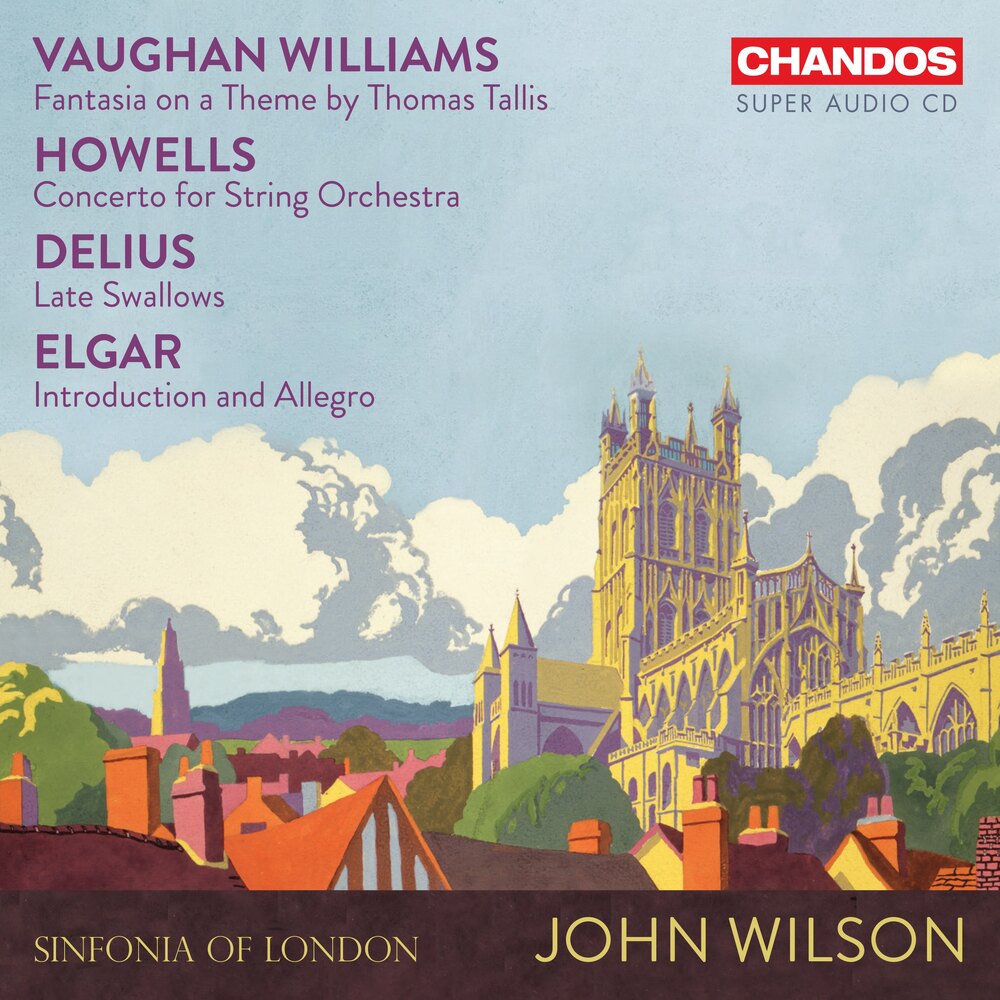
06 V W HowellsJohn Wilson leads the Sinfonia of London in simply outstanding performances of English string music on Vaughan Williams, Howells, Delius, Elgar: Music for Strings (Chandos CHSA 3291 chandos.net/products/catalogue/CHAN%205291).

Vaughan Williams’ Fantasia on a Theme by Thomas Tallis for Double String Orchestra was written for the 1910 Three Choirs Festival at Gloucester Cathedral and designed to exploit the cathedral’s acoustics. The antiphonal forces – the smaller second orchestra and a featured string quartet – are captured here in stunning detail.

Herbert Howells was an organ student at Gloucester and present at the Fantasia premiere. A few weeks later he heard Elgar’s Introduction and Allegro for Strings (Quartet and Orchestra) Op.47, calling the events “two intensely timely, kindling, formative experiences.” His own Concerto for String Orchestra from 1938 was begun in 1934 as a tribute to Elgar, who had died that year, but the middle movement became an In Memoriam tribute to both Elgar and Howells’ own nine-year-old son, who died suddenly in 1935. Using the same forces as the Elgar, it’s an impressive and impassioned work that should really be much better known.

The Delius work is Late Swallows, the slow movement of his 1916-1917 String Quartet arranged by Eric Fenby in 1962-63. A rich and glorious reading of the Elgar work concludes a superb disc.

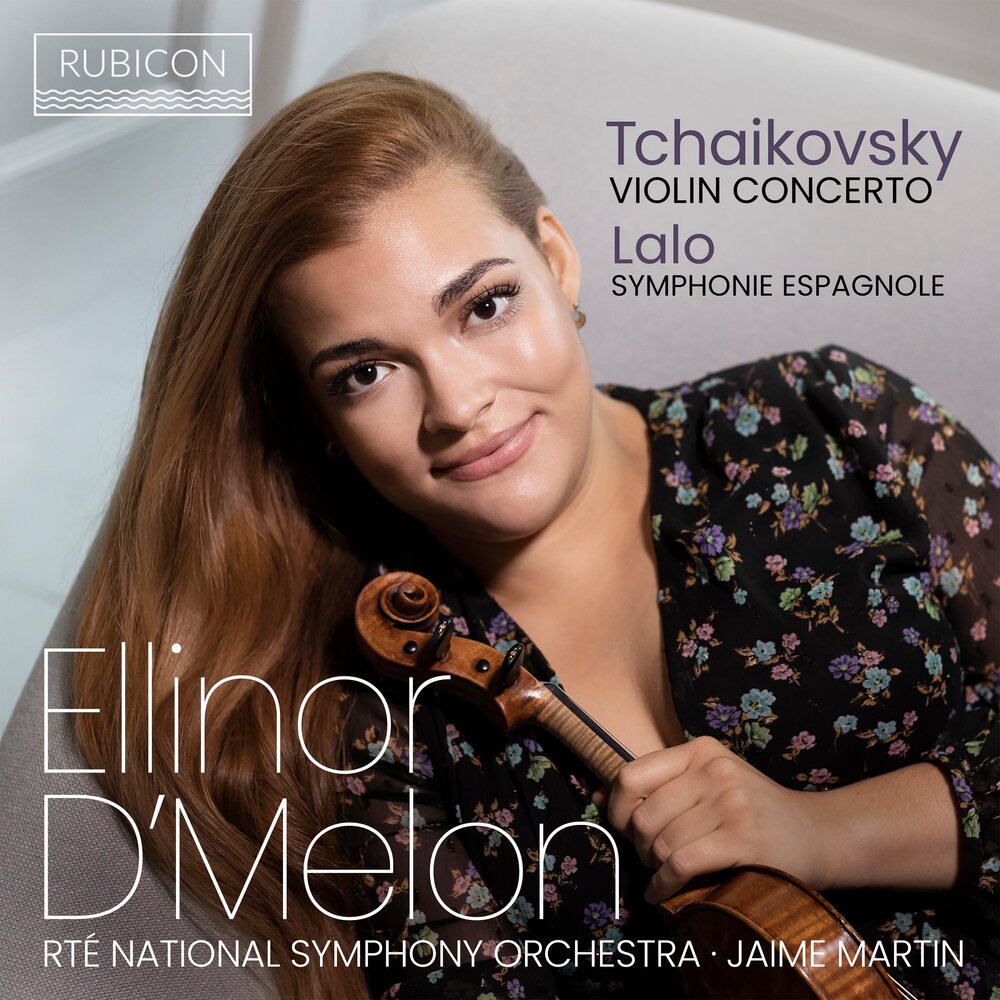
07 Ellinor DMelonViolinist Ellinor D’Melon is outstanding on her debut album on the Rubicon Classics label, pairing the Tchaikovsky Violin Concerto in D Major Op.35 with Lalo’s Symphonie espagnole in D Minor Op.21, ably supported by the RTÉ National Symphony Orchestra under Jaime Martin (RCD 1106 rubiconclassics.com/release/rteso-ellinor-dmelon-tchaikovsky-lalo).

From the lush, glowing tones of the opening of the Tchaikovsky it’s obvious that this is a player with complete technical command and a fine sense of phrasing and shaping, and nothing in the rest of the concerto or in the Lalo does anything to challenge that assumption. There is a link between the two works – Tchaikovsky’s playing through the Lalo with violinist Iosif Kotek in early 1878 led directly to Tchaikovsky composing his own concerto.

The spacious recorded sound perfectly showcases the tonal quality of the two Guarneri “Del Gesù” violins D’Melon plays here: the c.1744 “Sainton” in the Tchaikovsky and the c.1724 “Caspar Hauser” in the Lalo.

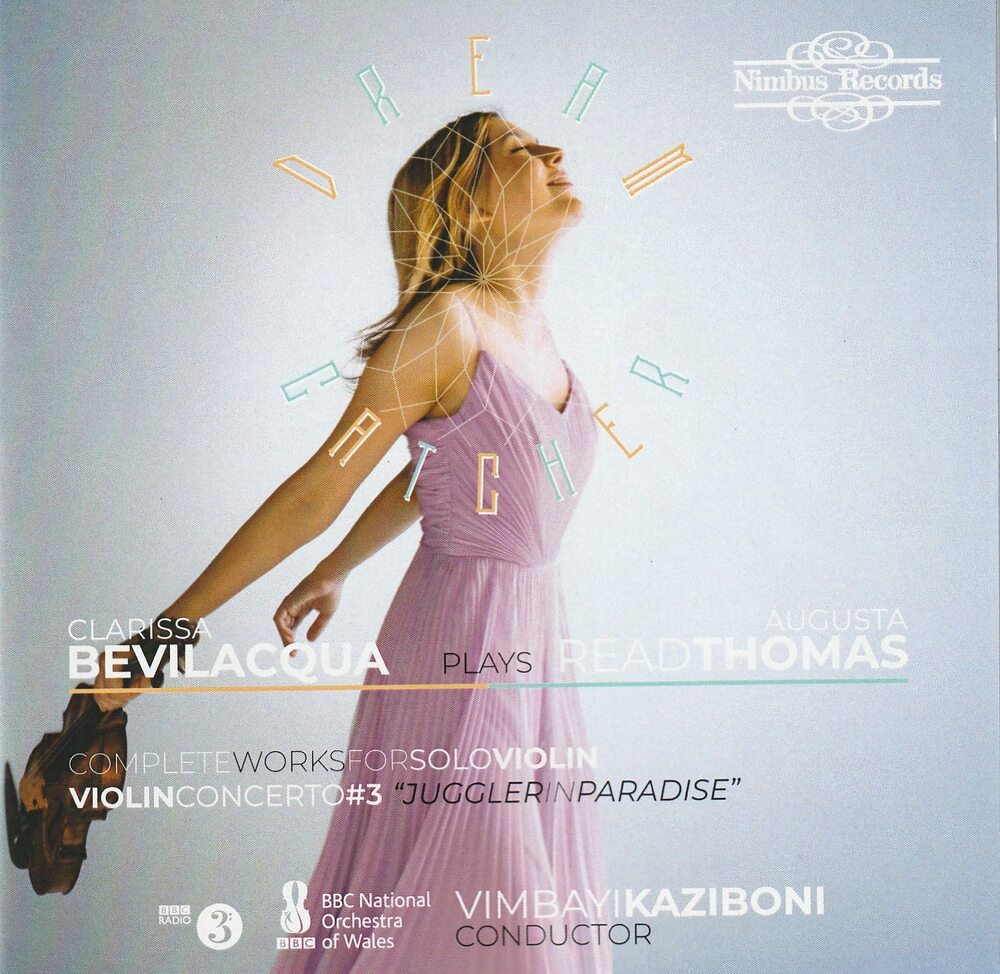
08 BevilacquaDream Catcher, the latest release in the ongoing survey of the works of American composer Augusta Read Thomas is the debut album by the young violinist Clarissa Bevilacqua, who was instrumental in devising the program after getting to know Read Thomas and performing her violin compositions. The complete works for solo violin are here, along with the 2008 Violin Concerto No.3 “Juggler in Paradise” with the BBC National Orchestra of Wales conducted by Vimbayi Kaziboni (Nimbus Records NI8109 wyastone.co.uk).

The nine solo works to date range from 1995’s Incantation to three works from 2016. The CD’s title track from 2008 is intimately linked with the concerto, being essentially the opening and closing violin sections without the orchestra.

Bevilacqua says that this album is the first of “hopefully many projects” championing works that reflect our present instead of our past. Certainly her technical prowess and interpretative skills promise great things ahead.

09 Arctic HelmsingThe Norwegian violinist Eldbjørg Hemsing makes her Sony Classical label debut with Arctic – A Musical Journey with the Arctic Philharmonic Orchestra (19439936082 eldbjorgmusic.com/album/arctic). 

Celebrating the matchless beauty of the largely unexplored regions of Norway and acknowledging the threat posed by climate change, the CD is full of exhilarating melodies and impressively scored soundscapes, combining elements from American film music and European neo-classical music. 

The former is certainly covered by the one substantial work on the disc, the lush, cinematic six-part Arctic Suite by Los Angeles-based film composer Jacob Shea. The remaining nine tracks, mostly in arrangements by Ben Palmer, are short pieces by Henning Sommero, Frode Fjellheim, Ola Gjeillo, Einojuhani Rautavaara, Selim Palmgren, Ole Bull and James Newton Howard, with Grieg’s The Last Spring closing the disc.

It’s all beautifully played and recorded, with Hemsing in superb form.

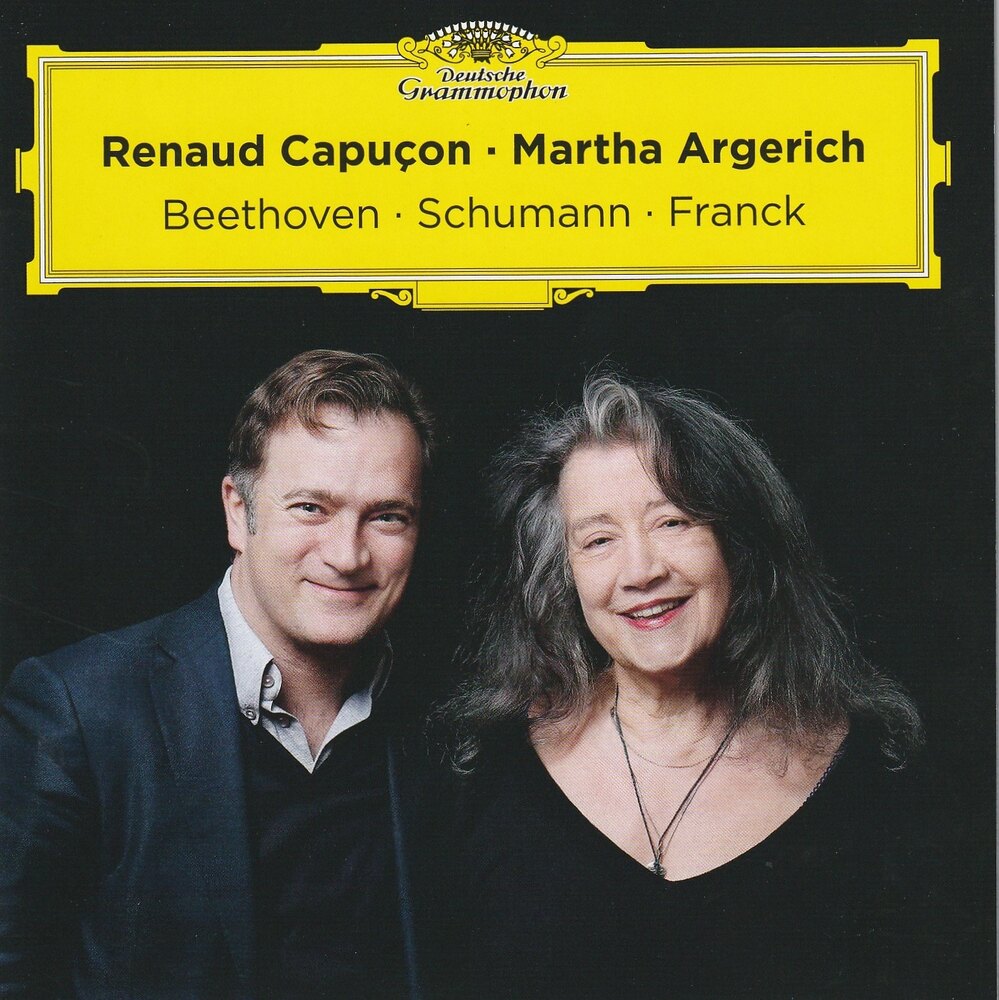
10 Capucon ArgerichPut two superb musicians together and three standard repertoire sonatas suddenly become anything but routine. So it is on Beethoven, Schumann, Franck: Violin Sonatas, where violinist Renaud Capuçon joins pianist Martha Argerich in thrilling performances of Schumann’s Sonata No.1 in A Minor Op.105, Beethoven’s Sonata No.9 in A Major Op.47 “Kreutzer” and the Franck Sonata in A Major (Deutsche Grammophon 486 3533 deutschegrammophon.com/en/catalogue/products/beethoven-schumann-franck-renaud-capucon-martha-argerich-12809).  

The two have performed together for many years, with Capuçon saying that Argerich makes him play “like nobody else makes me play.” Certainly this recital, recorded live in concert at the Aix-en-Provence Easter Festival in April 2022, more than bears that out, with a remarkable final movement of the Franck in particular bringing a stellar recital to an electrifying close.

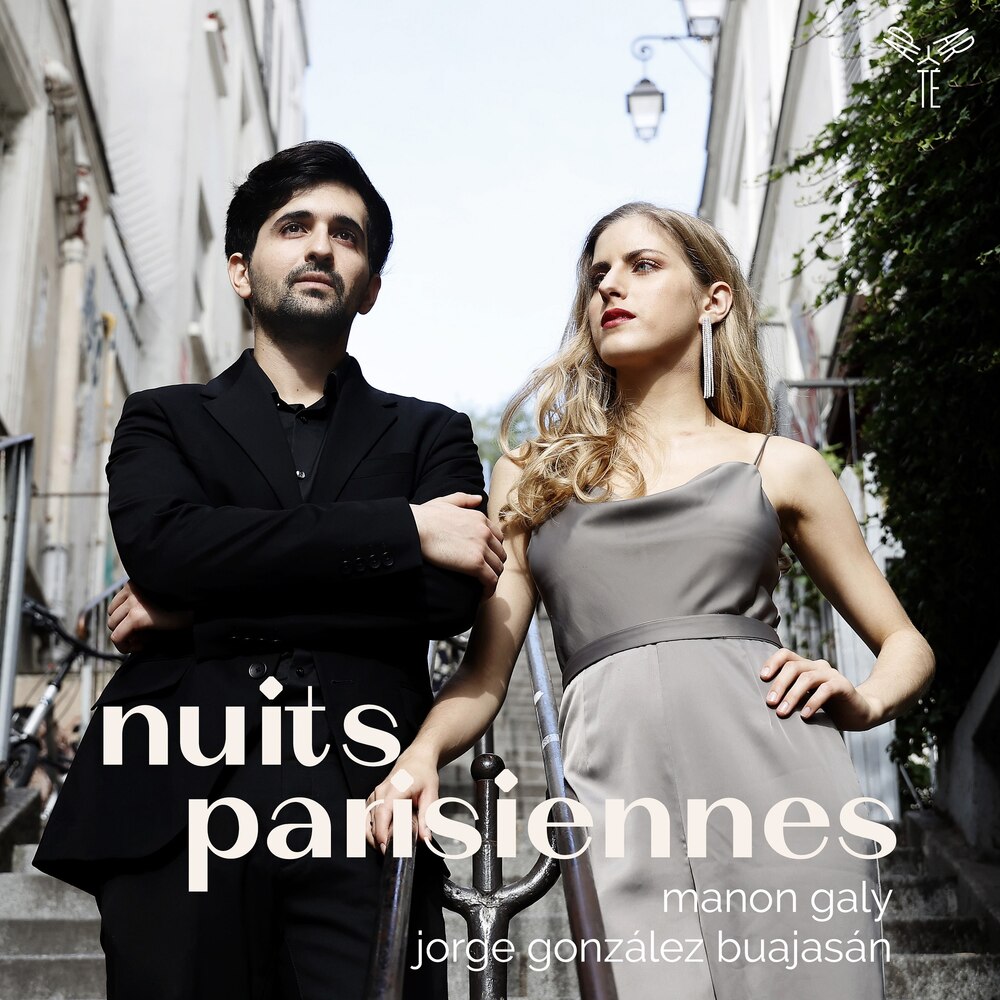
11 Nuits ParisiennesViolinist Manon Galy and pianist Jorge González Buajasán perform an engrossing recital of French music on nuits parisienne, with works by Debussy, Ravel, Poulenc and Milhaud (Aparté AP306 apartemusic.com).

Debussy’s Beau soir and 1917 Violin Sonata open the disc, followed by Ravel’s Pavane pour une infante défunte and the lush and expansive early Violin Sonata M.12 from 1897, not published until 1975. 

It’s Poulenc and Milhaud who steal the show however, with the former’s 1934 Presto and a welcome reappearance of his fascinating 1942 Violin Sonata setting the stage for Milhaud’s 1937 Brazileira (Scaramouche) and the tour-de-force Cinéma-fantasie (after Le boeuf sur le toit) Op.58b from 1919, a dazzling work that uses fragments of Brazilian songs in a rondo-like structure and includes a huge solo violin cadenza in the middle, apparently contributed by Arthur Honegger. It draws simply fabulous playing from both performers.

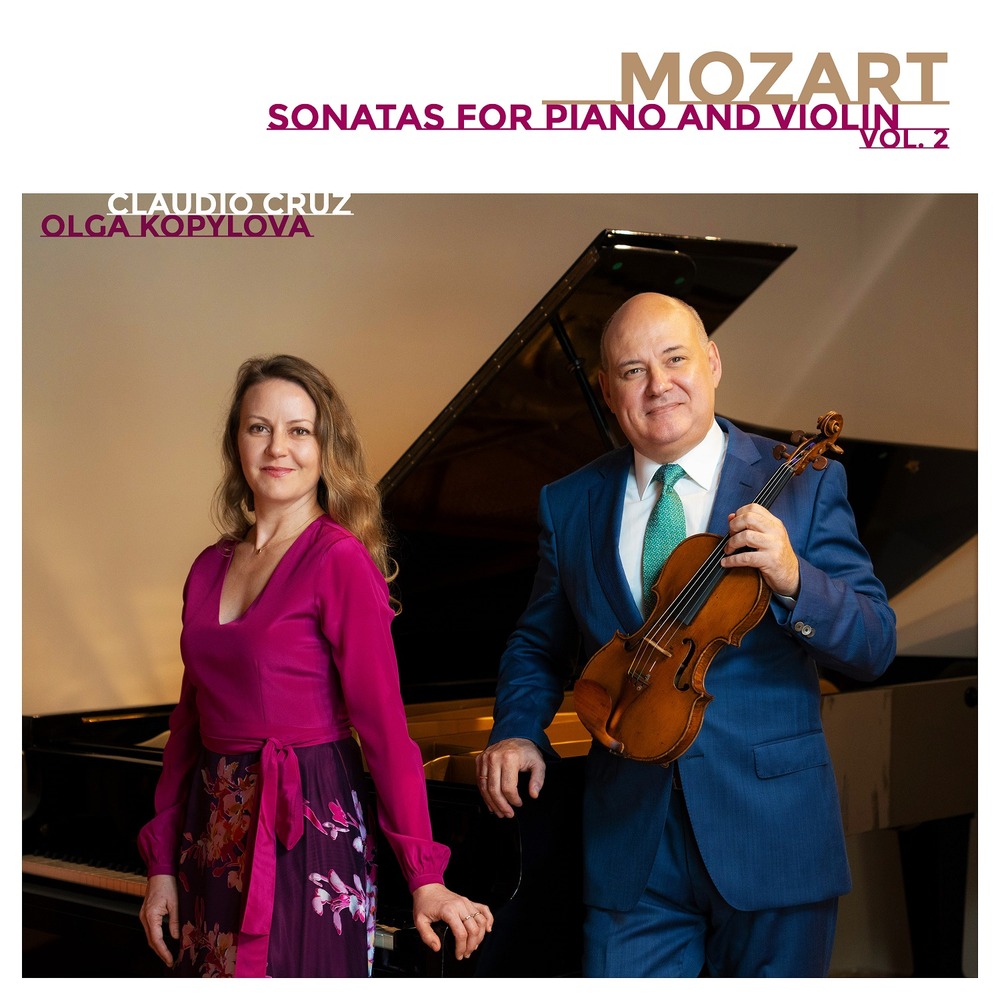
12 Mozart Sonatas jpegOn the digital-only release Mozart Sonatas for Piano and Violin Vol.2 violinist Claudio Cruz and pianist Olga Kopylova perform six of the mature sonatas Mozart wrote between 1778 and 1781 (Azul Music AMDA1813 azulmusic.com.br).

The title reflects the developmental stage of the sonata at the time, with the violin not yet the main protagonist. The piano is certainly much to the fore here, with a warm tone and minimal resonance, but the balance never suffers; more importantly, there is beautifully judged playing from both performers, with crystal-clear, sensitive and unaffected performances of the Sonatas No.17 in C Major K296, No.24 in F Major K376, No.25 in F Major K377, No.26 in B-flat Major K378, No.27 in G Major K379 and No.28 in E-flat Major K380. 

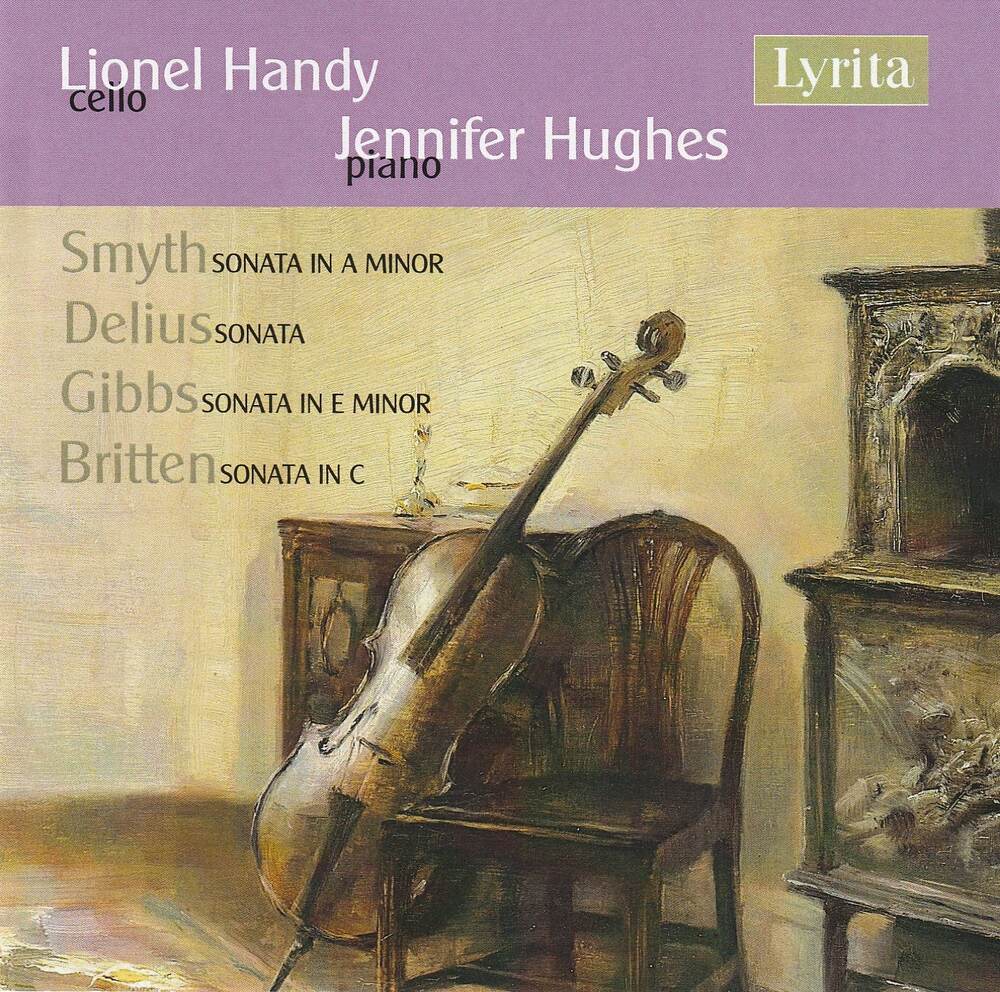
13Lionel HandyCellist Lionel Handy and pianist Jennifer Walsh are building an impressive discography of British works for cello and piano, their previous CDs of British Cello Music and works by Ireland, Delius and Bax being followed by their latest CD British Cello Works Volume 2 (Lyrita SRCD.412 wyastone.co.uk).

The works here range from Ethel Smyth’s 1887 Sonata in A Minor Op.5, written in her post-Leipzig study period but not premiered until 1926 in London, to Britten’s Sonata in C Major Op.65 from 1960-61, its five individually-titled movements – Dialogo, Scherzo-Pizzicato, Elegia, Marcia and Moto Perpetuo – giving the work the feel of a suite of characteristic studies.

In between are Delius’ 1916 three-part single-movement Sonata and the Armstrong Gibbs Sonata in E Minor Op.132 from 1951, a lovely work that draws particularly attractive playing.

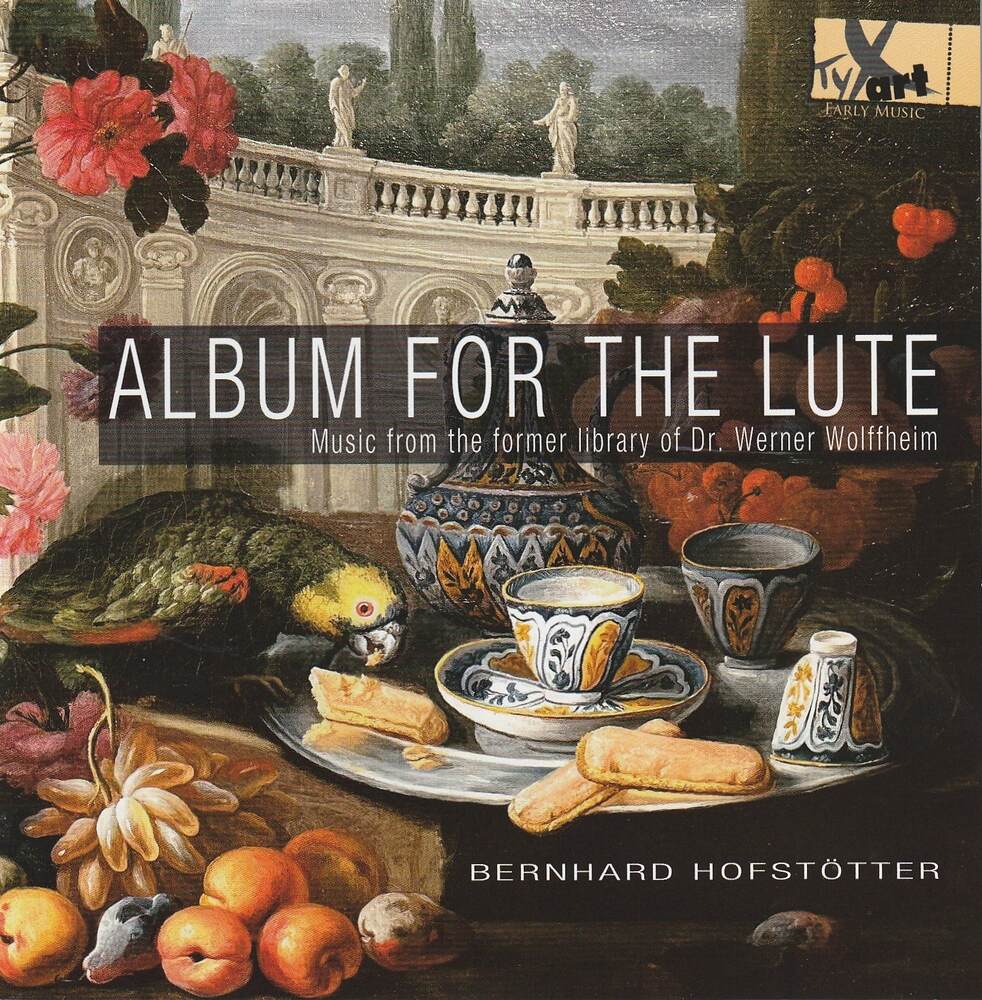
14 Album for the LuteOn Album for the Lute – Music from the former library of Dr. Werner Wolffheim the lutenist Bernhard Hofstötter has selected a number of characteristic pieces – all but one first recordings – from the handwritten and bound manuscript collection sold at auction in Berlin in 1929, the original context and ownership of which remains unknown (TYXart TXA22172 tyxart.de/en/txa22172_album-for-the-lute.html). 

All pieces in the collection are in D major (the “Käyserliche Stimmung” or imperial tuning) as opposed to the characteristic D minor tuning of the Baroque lute. Hofstötter has created three groups of selections – or “partitas” – and separated them with chaconnes in different keys and from other manuscripts. Most of the pieces are anonymous, but composers represented are Achaz Casimir Hültz, Esaias Reusner the Younger, Germain Pinel, Ennemond Gaultier, Johann Heinrich Schmelzer and the wonderfully named but otherwise untraceable Jean Berdolde Bernard Bleystein de Prague.

Hofstötter’s warm, rich tone and superb technique, together with the clean and beautifully resonant recording, make the 73 minutes of a fascinating recital simply fly by.

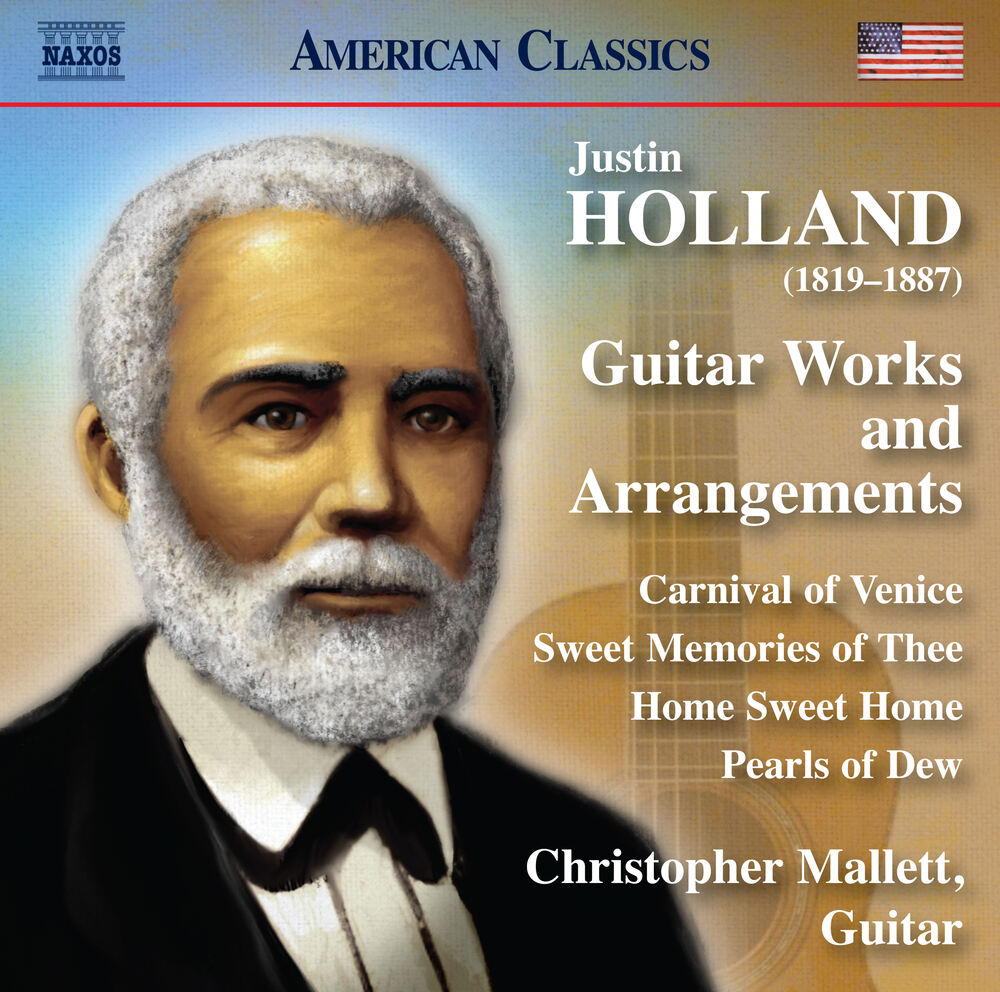
15 Justin Holland Guitar WorksThe free-born African American, Justin Holland (1819-1887), was not only an important figure in the anti-slavery and civil rights movements but also the most influential and significant American guitarist of the 19th century, writing the country’s first published guitar method and publishing some 35 original works and 300 arrangements and variations on popular European and American themes. On Justin Holland Guitar Works and Arrangements the American guitarist Christopher Mallett gives us a fascinating look at a seldom-heard musician (Naxos Classics 8.559924 naxos.com/CatalogueDetail/?id=8.559924).   

Only two of the 14 tracks – An Andante in C Major and Variations on L. Mason’s “Nearer My God, to Thee” – are Holland originals, with arrangements varying from standards like ‘Tis the Last Rose of Summer and Henry Bishop’s Home Sweet Home, to traditional pieces and works by little-known names like Alfred Humphreys Pease, Ferdinand Beyer, W. H. Rulison, Alphons Czibulka, Tekla Badarzewska-Baranowska and Alphonse Leduc. Seven tracks are world-premiere recordings.

Mallett’s idiomatic playing makes for an immensely enjoyable disc.

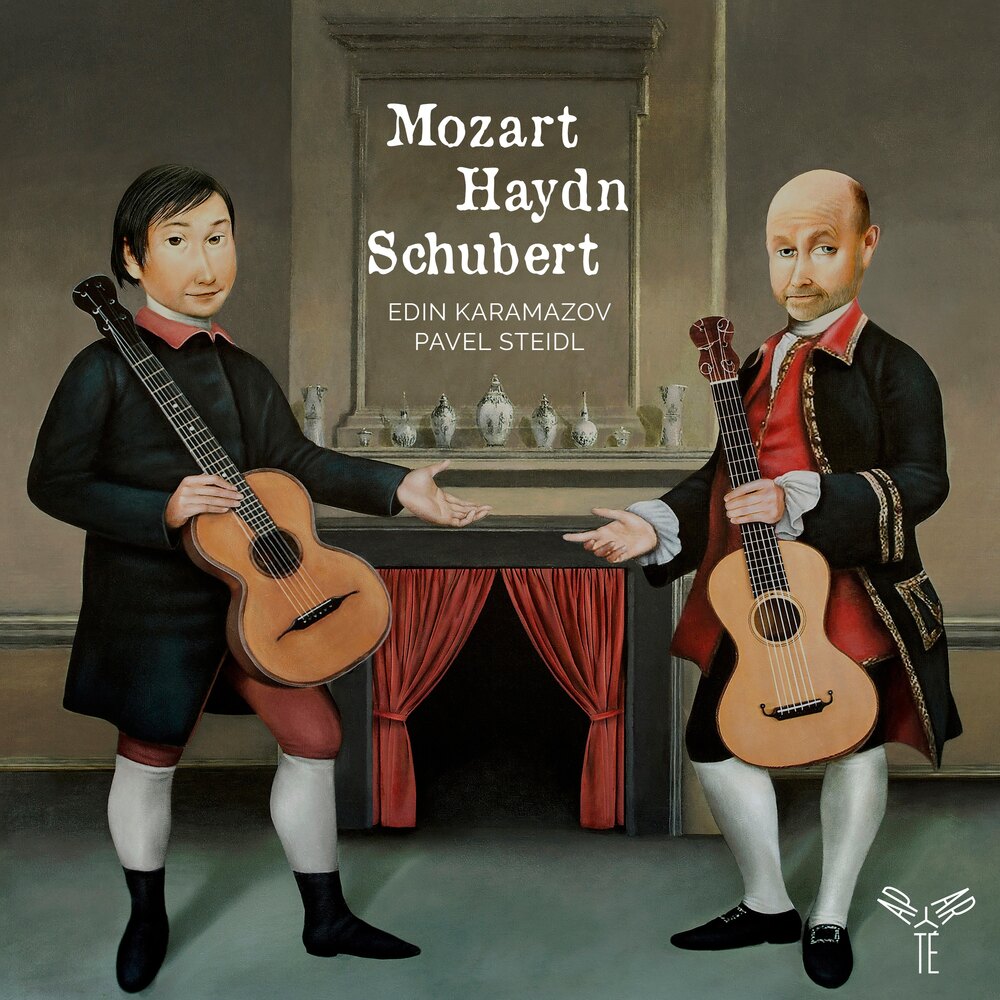
16 Mozart Haydn Schubert guitarsVienna was the centre of European musical life in the late-18th and early-19th centuries, and while there were hardly any original works for the rapidly emerging classical guitar there were many arrangements and transcriptions for the instrument. New arrangements of three emblematic works of the period are presented on Mozart Haydn Schubert, with the Bosnian lutenist Edin Karamazov and the Czech guitarist Pavel Steidl playing Karamazov’s transcriptions for two guitars of two keyboard works – Haydn’s Sonata in E-flat Major Hob.XVI:49 from around 1790 and Mozart’s Fantasia in C Minor K475 from 1785 – and Schubert’s Arpeggione Sonata D821 from 1824 (Aparté AP309 apartemusic.com).

Both players use modern copies of contemporary instruments, Steidl, a Bernd Kresse guitar after Johann Anton Stauffer and Karamazov, a Gabriele Lodi guitar after René Lacôte. The soft, warm sounds create beautiful and interesting tone colours, and the very effective transcriptions make for a delightful CD.

01 William ByrdWilliam Byrd
Stile Antico
Decca 485 3951 (stileantico.co.uk/recordings/william-byrd)

England under Elizabeth I was a dangerous place for Catholics. William Byrd was fined for not attending Anglican services, his movements monitored and restricted owing to his connections with known Catholic dissidents. Yet there’s evidence he received official dispensation to practise his faith, albeit covertly, perhaps because Elizabeth loved music and was a keyboard player herself.

Most of the music on this richly rewarding CD comes from Byrd’s later years, all composed for small groups of singers. The main offering is the 26-minute Mass for Four Voices, printed in the late 1590s with no title or composer identified, intended for secret services in clandestine chapels. This gorgeous music is gorgeously sung, from the tender, affectionate Kyrie and Gloria to the earnest, complex Credo, fervently reverent Sanctus-Benedictus and, most strikingly, the haunting Agnus Dei.

The CD concludes with the grandiose, 13-minute Tribue Domine for six voices, a work from Byrd’s younger years. The nine shorter selections include examples from Byrd’s publicly issued songbooks, music that appealed to singers and listeners of all persuasions, widely performed and appreciated. I particularly enjoyed the elegiac Retire, my soul, the jubilant Gaudeamus omnes, the prayerful Turn our captivity (Psalm 126) and the celebratory Laudate Dominum (Psalm 117).

The 12-member, London-based Stile Antico, performing without a conductor, has won raves from its worldwide tours and numerous awards for its recordings; this latest CD will add to its well-deserved laurels. Texts and translations are included.

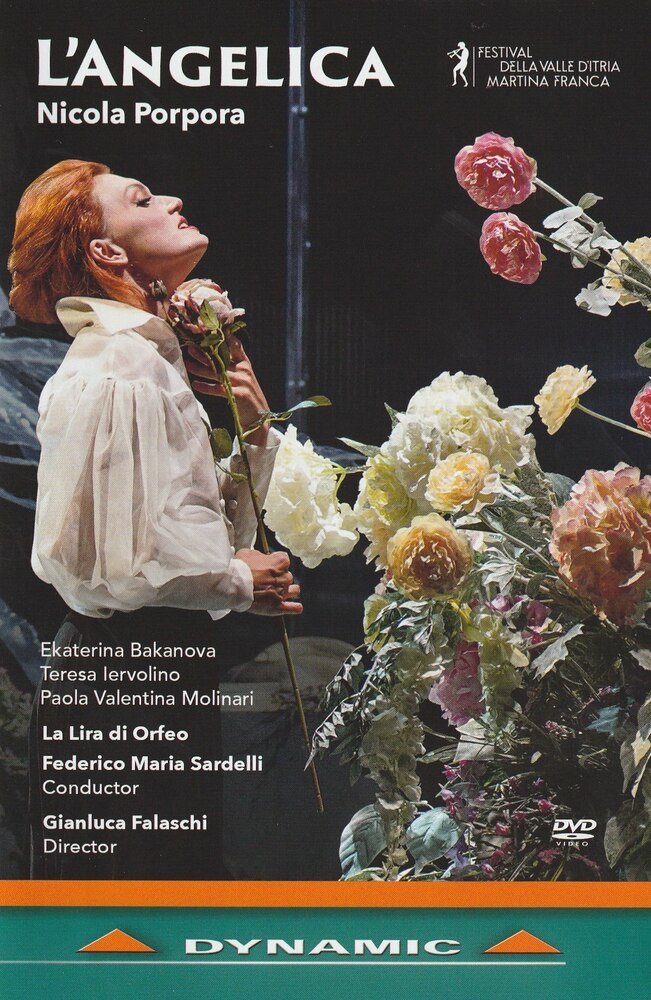
02 Nicola PorporaNicola Porpora – L’Angelica
Ekaterina Bakanova; Teresa Iervolino; Paola Valentina Molinari; La Lira Di Orfeo; Federico Maria Sardelli
Dynamic 37936 (naxos.com/CatalogueDetail/?id=DYN-37936)

I’ve enjoyed my CDs of Karina Gauvin, Cecilia Bartoli and Franco Fagioli singing arias by Nicola Porpora (1686-1768), wondering why hardly any of Porpora’s 50-plus operas are being performed or recorded.

After watching this DVD of L’Angelica from the 2021 Valle d’Itria Festival, I’m even more perplexed. Porpora’s score provides nearly two-and-a-half hours of affecting melodies, enlivened by frequent changes of tempi, rhythms and instrumentation, expressing moods from despair and anger to delight. Here, it’s all brilliantly sung by a superb cast and energetically propelled by the orchestra – La Lira di Orfeo – conducted by Federico Maria Sardelli.

Pietro Metastasio’s libretto tells of the amatory anxieties of two couples: Princess Angelica (soprano Ekaterina Bakanova) and Saracen soldier Medoro (soprano Paola Valentina Molinari); shepherdess Licori (mezzo Gaia Petrone) and shepherd Tirsi (soprano Barbara Massaro). The Christian knight Orlando (mezzo Teresa Iervolino), in pursuit of Medoro, lusts for Angelica; the old shepherd Titiro (baritone Sergio Foresti) offers sage advice. (At L’Angelica’s 1720 premiere, Tirsi was sung by a 15-year-old student of Porpora who would go on to become the most celebrated of all operatic castrati – Farinelli!)

Less pleasing were this production’s visual aspects: the single set, dominated by a banquet table; the singers’ unattractive, era-ambiguous costumes; meaningless masks; a large, grotesque sculpture of a bloody heart; inscrutable antics of four bizarrely attired dancers. Nevertheless, L’Angelica’s many musical felicities argue strongly that renewed attention to Porpora’s long list of forgotten operas is well overdue.

03 AlbertineAlbertine en cinq temps – L’opéra (play by Michel Tremblay; music by Catherine Major)
Collectif de la lune rouge
ATMA ACD2 2875 (atmaclassique.com/en)

Filmed partially in Toronto, Norman Jewison’s amazing 1987 film Moonstruck deals with what once was (still is?) the truism that opera is, in fact, not the sole province of the well-heeled elites who frequent the Metropolitan Opera and Lincoln Center, but a big-tent-accepting musical genre whose aficionados can include Brooklyn bookkeepers (Cher) and one-handed bakers (Nicolas Cage). In other words, there is a folk quality to opera’s history and appeal that, despite its more recent classification as European classical music, blurs hierarchical boundaries of class, status and earning potential.

How nice, then, it is to encounter a uniquely Canadian, and specifically Québécois opera that beautifully and sonically charts the life of the decidedly regular, but no less intriguing, Albertine, as she reflects back on her life cycle through five decades from her present perch in a retirement home. With each decade represented by a unique female voice – Chantal Lambert (age 70), Monique Pagé (age 60), Chantal Dionne (age 50), Florence Bourget (age 40) and Catherine St-Arnaud (age 30) – Albertine’s life in reflection (best listened to in a single session, of course) demonstrates both the banalities and unique challenges that we all endure in this captivating musical realization of National Order of Quebec recipient Michel Tremblay’s play of the same name. In addition to the acknowledgment given to the fine aforementioned singers, the accompanying all-female instrumentalists, musical score by Catherine Major, and libretto by Collectif de la lune rouge all factor significantly in making this recording a fine 2022 addition to our expanding canon of meaningful and vital Canadian original music.

Listen to 'Albertine en cinq temps' Now in the Listening Room

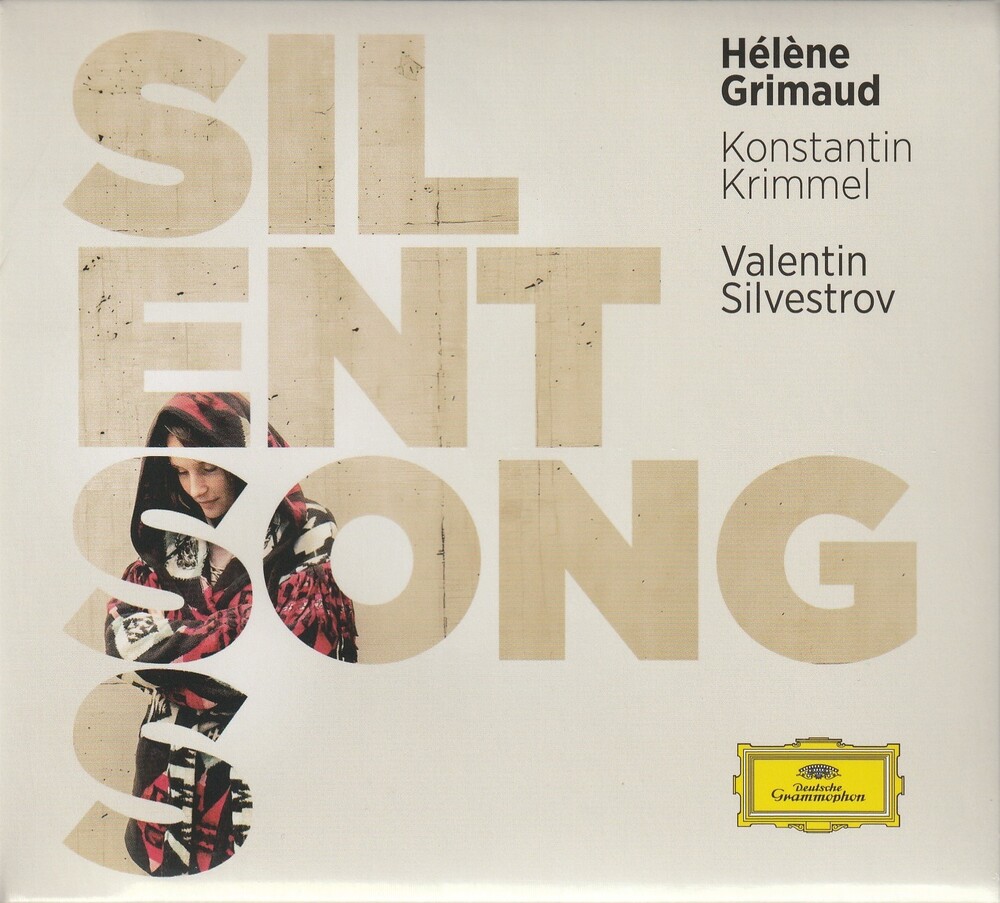
04 Silvestrov Silent SongsValentin Silvestrov – Silent Songs
Konstantin Krimmel; Hélène Grimaud
Deutsche Grammophon 486 4104 (deutschegrammophon.com)

The fact that Hélène Grimaud is not simply a prodigiously gifted pianist, but a great artist was never in any doubt. But to be confronted with her considerable attributes in this recording of modern lieder is to be beholden to her elegant pianism in a completely new light. Even though these pieces from Silent Songs by the Ukrainian composer, Valentin Silvestrov, have been part of her repertoire for almost two decades, she helps us experience them in a completely new context, thanks in part to another Ukrainian – the formidable baritone Konstantin Krimmel. 

Throughout, Grimaud’s piano, of necessity, often inhabits the shadows until the music calls upon her instrument to advance into the limelight. When it does, Grimaud’s dainty fingers seem to make balletic moves over the melodies, almost as if she likes her Silvestrov lieder unhurried and stoic, bejewelled with judiciously applied ornamentation. While no one song may be singled out from this brilliant cycle for special attention, Grimaud’s playing on Mandelstam’s poem I will tell you with complete directness is stunning.    

This recording also reaches dizzying heights because of the ardent nobility of Krimmel’s silken baritone as he navigates his way through these songs, inhabiting the music and poetry as if both were written expressly for him. In Krimmel’s voice and Grimaud’s hands we experience real lyric generosity and warmth – like sliding glass panels of melodies and harmonies constantly and delicately navigating truly damask-upholstered Romanticism.

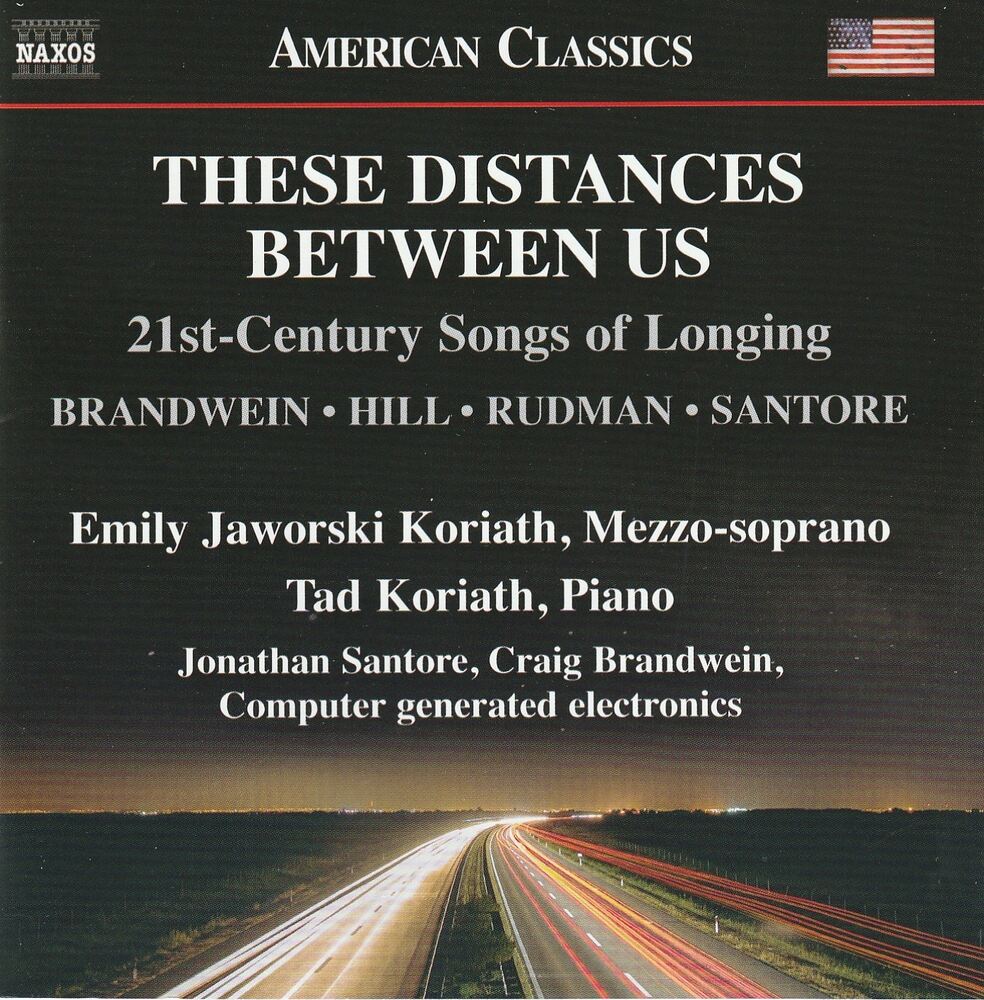
05 These Distances Between UsThese Distances Between Us – 21st Century Songs of Longing
Emily Jaworski Koriath; Tad Koriath
Naxos 8.559908 (naxos.com/Search/KeywordSearchResults/?q=8.559908)

On this rather remarkable, multi-disciplinary recording, the significant works of four American “Art Song” composers is explored – both as lyricist/poets and composers. All of the contemporary artists here are award-winning – and in addition to the thrilling vocals of famed mezzo-soprano Emily Jaworski Koriath, Tad Koriath performs on piano and has also created the stunning arrangements for the collection. The concept stems from Jessica Rudman, composer of the title track. It has been said that, “These Distances Between Us charts a cycle that recognizes the precarious nature of personal connections.” Joining the Koriaths on this CD are Jonathan Santore and Craig Brandwein, who are not only composers, but also magicians of computer-generated electronics.

Included here are Edie Hill’s The Giver of Stars: Six Poems of Amy Lowell. Each of the six movements is lovingly imbued with the majesty of the composition and the beauty of the poetry. Jaworski Koriath’s vocal instrument is both supple and salient – embodying the cornucopia of emotions arising from the material. Hill’s music has been described as “full of mystery,” which is self-evident in the other aptly titled poetic movements such as Vernal Equinox (which feels like a summoning of the spirts of lost lovers in the moist Spring). The innate lyricism of Lowell’s poetry meshes perfectly with the enchanted piano work of Tad Koriath throughout the final three poetic movements. 

Next up is Santore’s mind-opening Two Letters of Sulpicia (version for voice and electronics), which utilizes the technology to enhance and support – such as digital creation of highly realistic pipe organ stops and tubular bells. Also of note is the almost unbearable beauty of Brandwein’s Four Songs of John Charles McNeill. Of particular note is Rudman’s four-movement title piece, in which Jaworski Koriath’s voice easily reaches into the nearly unplumbable depths of human longing. The collection closes with Emmy-nominated Brandwein’s breathtaking Three Rilke Songs, gilded by perfectly placed and executed electronica.

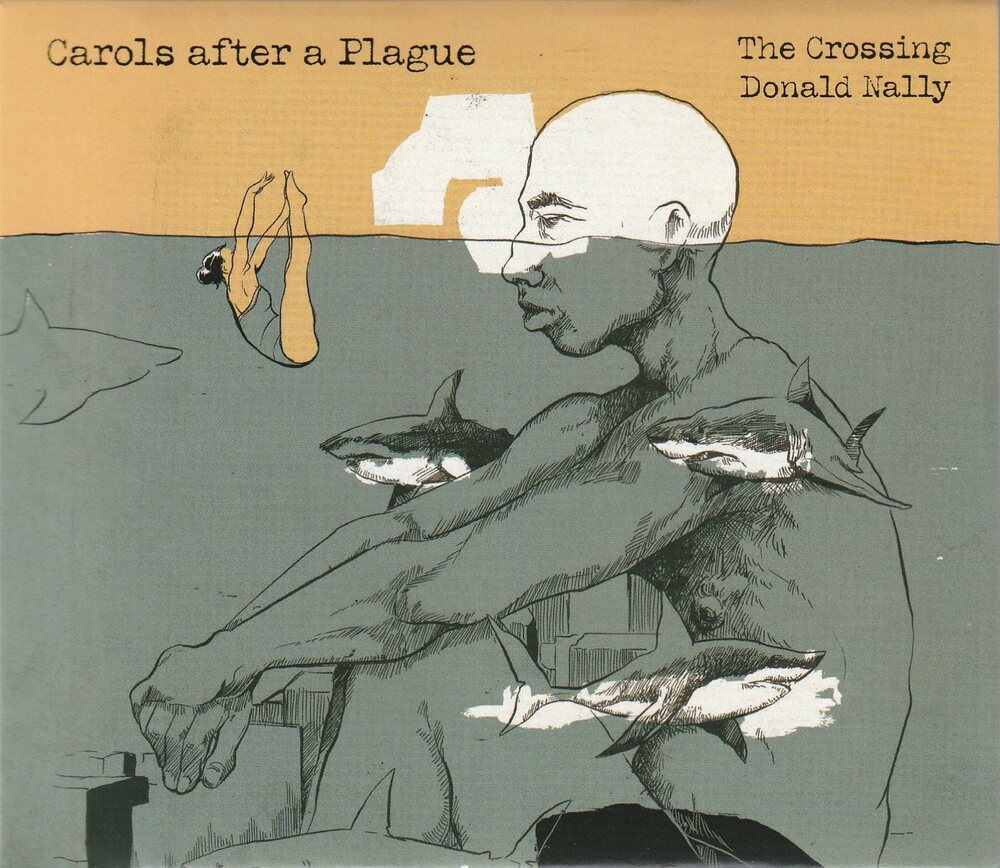
06 Carols after PlagueCarols after a Plague
The Crossing; Donald Nally
New Focus Recordings FCR357 (newfocusrecordings.com)

During the long global pandemic of 2020/21, our existential states were so fraught with death, that rarely did we think of ourselves as inhabiting a living planet teeming with a thriving humanity. We may have lived our lives together, yet we were hopelessly alone. And though the deadly virus may not quite be in the rearview mirror, communities of artists like The Crossing – led by Donald Nally – continue to challenge us to move forward, beyond the ubiquitous facemask; beyond our omnipresent fear of death by pandemic. 

A title such as Carols after a Plague calls for us to return to joyfulness. The carol is, after all, associated with communal singing after darkness falls, albeit to usher in thoughts of the brightness and joys of the Christmas season. 

This 12-song repertoire is woven into the three movements of Shara Nova’s Carols after a Plague, I - Urgency, II - Tone-policing, and III - Resolve. This song becomes the artistic canvas for the whole album. It describes the interconnectedness of human life and is eerily reminiscent of Nova’s song from her baroque chamber opera, You Us We All. The 11 other songs come from the crème de la crème of contemporary composers, each of which thematically examines the impact of the pandemic on global society.

Through the soaring, hour-long repertoire The Crossing, itself a living embodiment of an interconnected community superbly directed by Nally, shines as always, one glorious harmonious progression after the other.

Listen to 'Carols after a Plague' Now in the Listening Room

01 Viva piccoloViva Piccolo
Jean-Louis Beaumadier; Véronique Poltz
Calliope-indeSENS CAL22104 (indesensdigital.fr/?s=viva+piccolo)

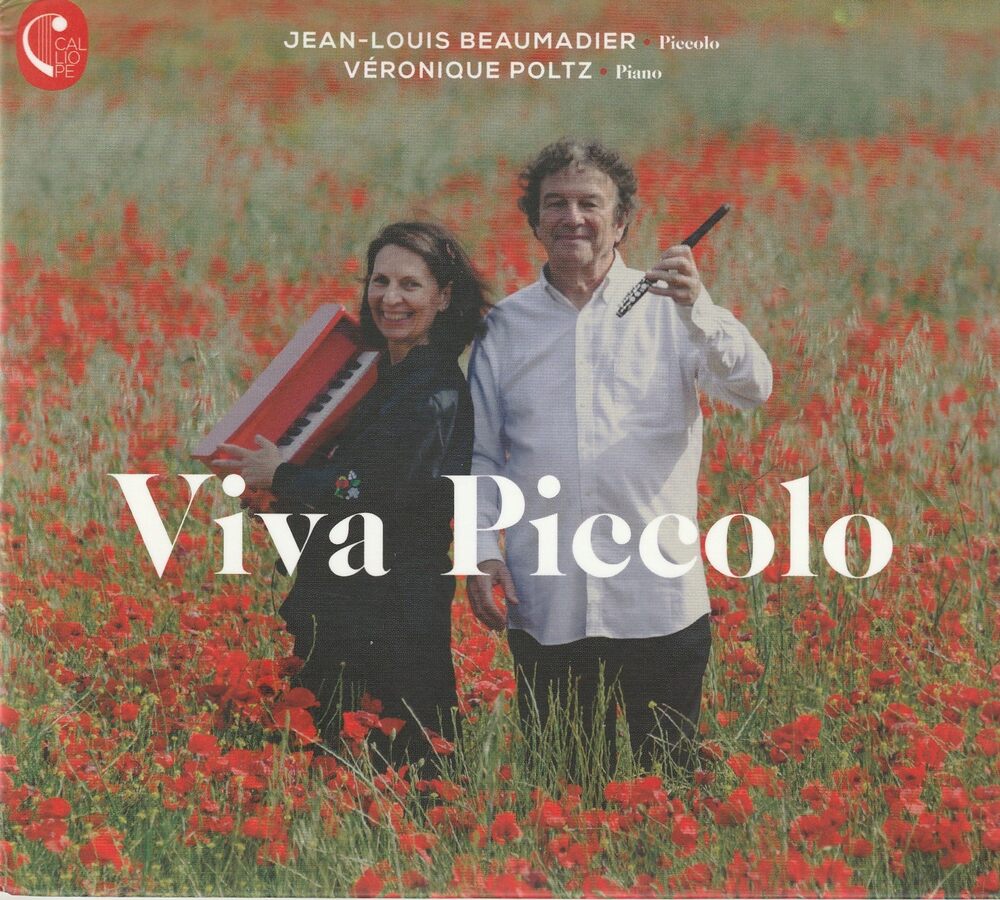
The cover photo of the artists, incongruously standing in a field of poppies, Beaumadier holding his flauto piccolo in front of his left shoulder and Poltz with her bright red Schroeder-esque  “pianoforte piccolo” resting on her right shoulder, suggests the spirit of fun lying behind this recording. The wildly varied repertoire indicates that there are no limits to where the fun can be had or to the capabilities of these highly accomplished musicians!

The opening tracks, Four Hungarian Dances by Brahms for example, sound so right that you could assume that they had been written by the composer himself! The fifth track, Théobald Boehm’s Capriccio 16, Op.26, a study for flute students, has been transformed into a charming recital piece, with the piano accompaniment composed by Poltz herself, as is the piano part of Joachim Andersen’s Moto Perpetuo. Beaumadier’s virtuosity in this is staggering, as it is in Benjamin Godard’s Valse, the third movement of his Suite of Three Pieces, Op.116

The great French flutist, Philippe Gaubert, carried the French School of flute playing into the 20th century not only through his students, most notably Marcel Moyse, but also through his compositionsrepresented on this disc by Deux Esquisses. Beaumadier plays these elegiac soliloquies with a tenderness that reveals both another side of his artistry and the capabilities of his instrument.

This is a most engaging recording, to be recommended to all flutists and everyone else interested in expanding their musical horizons.

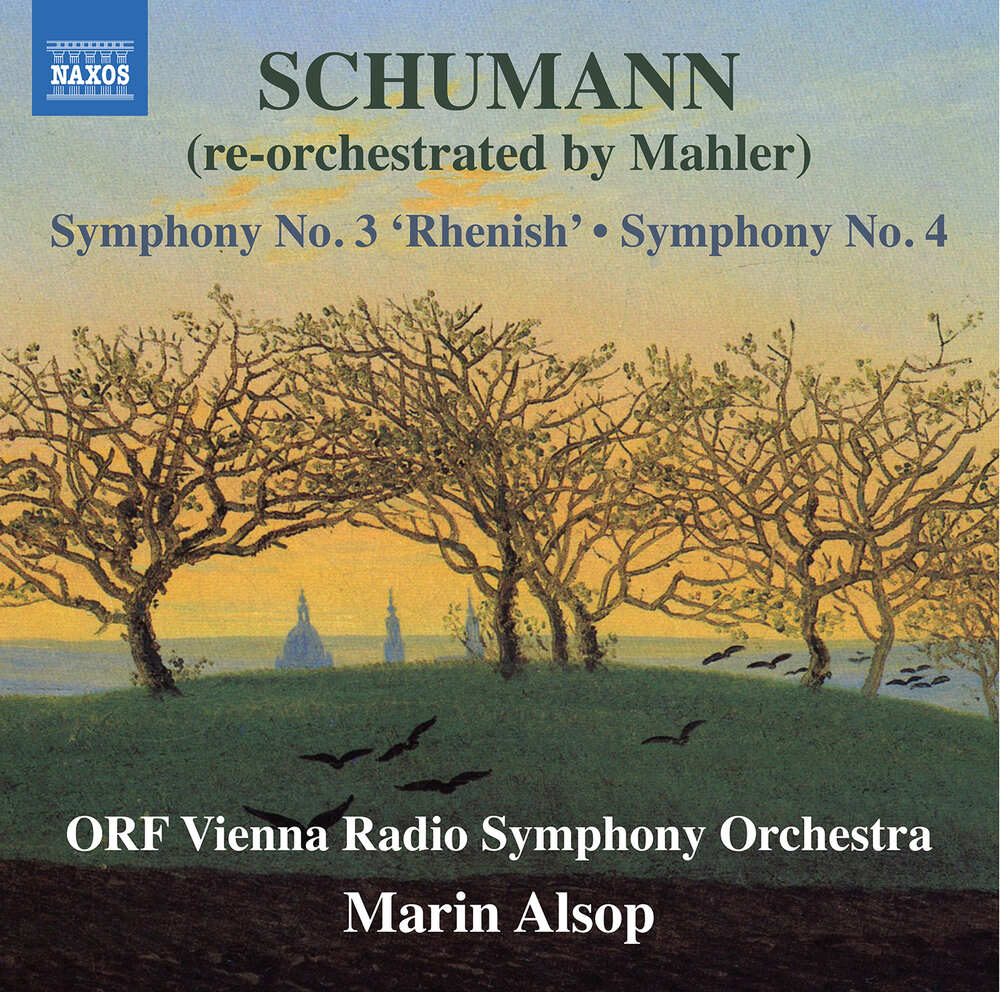
02 Schumann MahlerSchumann – Symphonies 3 & 4 (reorchestrated by Mahler)
Radio-Symphonieorchester Wien; Marin Alsop
Naxos 8.574430 (naxos.com/Search/KeywordSearchResults/?q=8.574430)

Leonard Bernstein’s erstwhile student and disciple, Marin Alsop, has certainly taken a big step since I reviewed her in June 2018 with the Sao Paolo Symphony, to that holy shrine of classical music, the city of Beethoven, Mozart, Schubert, Bruckner and Mahler: Vienna. At present she is regarded, as The New York Times put it, not only “a formidable musician and a powerful communicator” but also “a conductor with a vision.” Having appeared as guest conductor with the Vienna Radio Symphony in 2014, in 2019 she became the orchestra’s first woman chief conductor. This new issue completes their cycle of Schumann’s symphonies.

Although much maligned for their orchestration as being weak and uneven, typically by Wagner (but not by Brahms), the symphonies were reorchestrated by Mahler. Expanding to the size of a modern orchestra, increasing the strings, strengthening the winds and the brass, now, in stereo and digital splendour, they sound as never before.

Schumann having just moved from Leipzig to Dusseldorf for a well-paying job, the “Rhenish” Symphony No.3 in E-flat Major is an exclamation of sheer joy, greeting that city on the Rhine River. Alsop drives it beautifully and we can watch her on YouTube having a lot of fun with the great outburst of the Vienna brass at the finale of the exuberant, horn-dominated first movement. This optimism carries through in the lovely Scherzo (Landler) second movement and that resplendent fourth movement, inspired by the magnificent Cologne cathedral.

With the Fourth Symphony I cherish the memory of the legendary Georg Solti conducting it here in Massey Hall c.1964. It is the most innovative of Schumann’s four. No doubt influenced by Liszt and Wagner it is composed as one single movement, the sections blending into each other with one theme cropping up like a leitmotif throughout. Alsop’s tempo is perfect and with a slight accelerando, the cycle ends triumphantly on a high note.

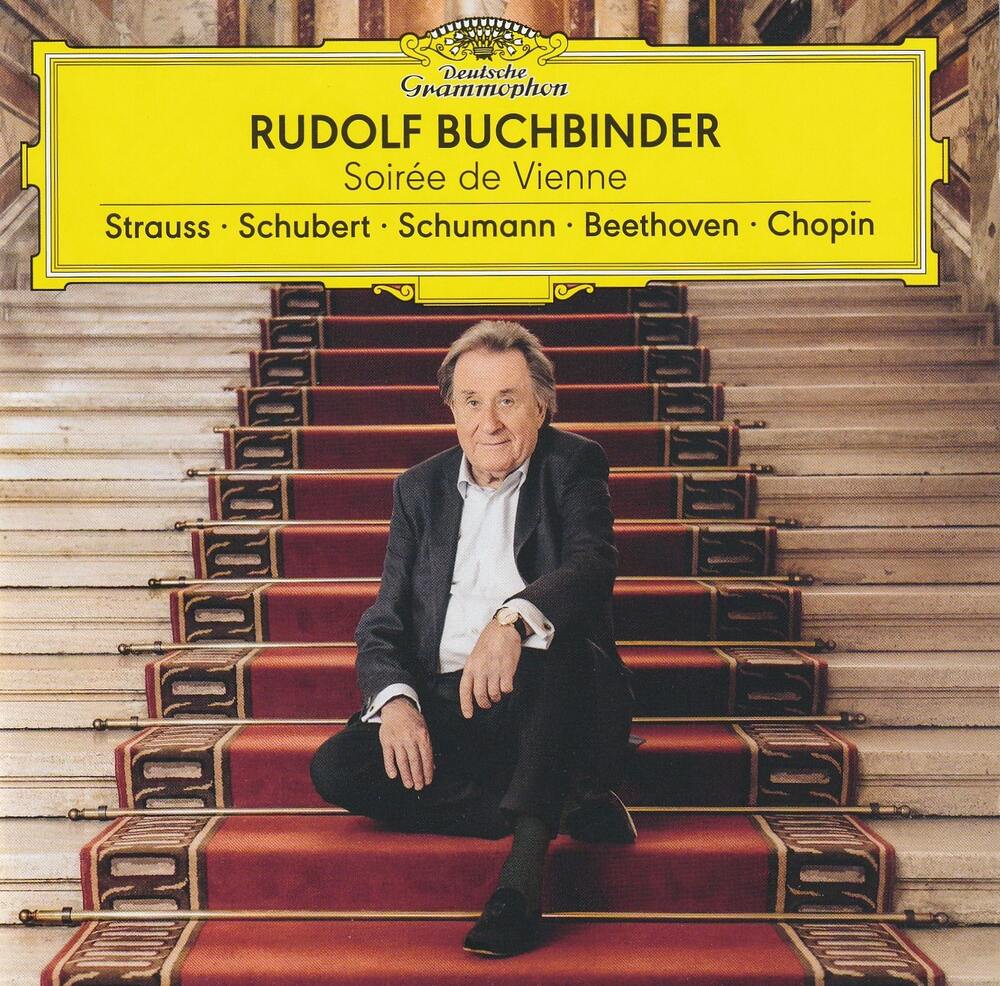
03 Soiree de VienneSoirée de Vienne
Rudolf Buchbinder
Deutsche Grammophon 486 3072 (deutschegrammophon.com/en/catalogue/products/soiree-de-vienne-rudolf-buchbinder-12855)

Vienna reveres her composers. I remember strolling along the beautiful chestnut tree-lined Ringstrasse with a statue of Johann Strauss playing the violin and others of Schubert, Bruckner and more. Now imagine five of your favourite composers namely Beethoven, Schubert, Chopin, Schumann and Johann Strauss having been invited to some music-loving aristocrat’s Salon to fill the evening with piano playing. 

Rudolph Buchbinder is the very accomplished Viennese pianist who takes us into such an evening. The pieces that follow show the light side of each composer; the purpose is to entertain, not compete. And who should we begin with if not the quintessential Viennese: Johann Strauss II to set the tone – a Concert paraphrase or potpourri from Die Fledermaus followed by the Pizzicato Polka, the very essence of good humour played with infinite charm and delicacy. Schubert is next with the March Militaire, again a rather humorous piece I last heard played by 100 teenagers collected from all over Berlin and conducted by none other than Lang Lang.

Schubert is further represented by Four Impromptus, which are mandatory for any aspiring piano student. My big accomplishment was playing No.4 in A-flat Major with those rather difficult cascading runs and a grand melody emerging in between. I loved playing my heart out with the passionate middle part. These impromptus are easy compared to those of Chopin, particularly the magnificent Fantasie-Impromptu in C-sharp Minor Op.66. And so it goes. Chopin Waltzes and Nocturnes, a Beethoven Bagatelle and Schumann’s Liebeslied. Oh, then my favourite Strauss waltz: Voices of Spring – I wish it comes soon!

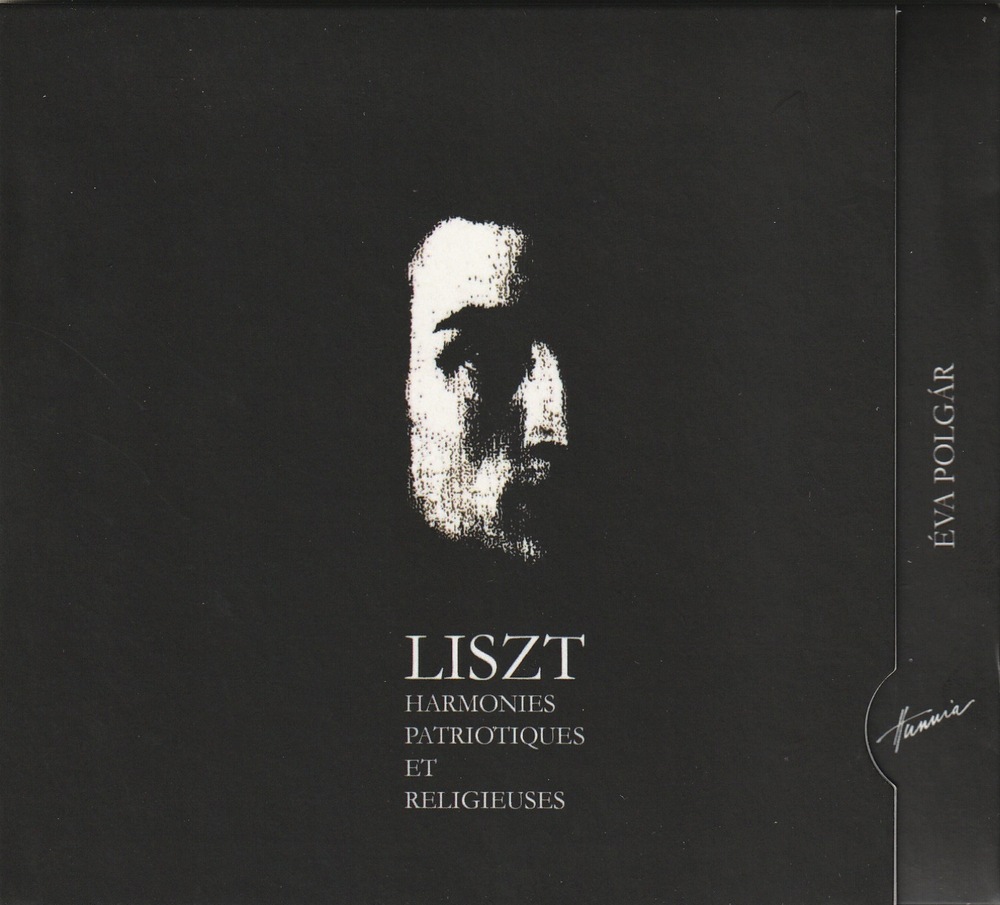
04 Liszt PolgarLiszt – Harmonies Patriotiques et Religieuses
Eva Polgar
Hunnia Records HRCD2101 (evapolgar.com)

In contrast to Liszt-the-magician-of-the-keyboard’s turbulent side of his heyday, this interesting new recording shows his quiet and contemplative persona. It came about that the aging Liszt, disappointed that by order of Pope Pius IX he was unable to marry his beloved Princess Carolyne, a divorcee, he took religious vows and withdrew to a monastery near Rome. He actually lived in a cell with minimal furnishings and an old beat-up piano with the middle D key missing.

Eva Polgar, a very talented and celebrated Hungarian pianist praised for her intelligent interpretations and emotional power, here performs pieces that resonate with the deep-seated Catholicism and patriotic aspect of Liszt’s late works. This new style is most noticeable by strange unearthly harmonic progressions bordering on the atonal, like the very first piece, Sursum Corda Erhebet eure Hertzen (Lift up your Hearts) and the Coronation Mass, composed for the coronation of Franz Joseph I, Emperor of Austria and King of Hungary. Religion notwithstanding, his love for his homeland is manifest in the Hungarian Rhapsodies, here represented (and gracefully performed) by No.11 a quiet, gentle piece that only turns into a lively Hungarian dance at the very end.

Liszt’s wandering around the Eternal City inspired some works I love most on this album, namely Les jeux d’eaux à la Villa d’Este, an impressionistic piece depicting the play of water of the hundreds of beautiful fountains of the unbelievable Baroque gardens of Villa d’Este in Tivoli. Another lovely piece, Legend No.1, is where St. Francis of Assisi preaches to the birds, an exercise of trills and a real test for the flying fingers of our master pianist.

Listen to 'Liszt – Harmonies Patriotiques et Religieuses' Now in the Listening Room

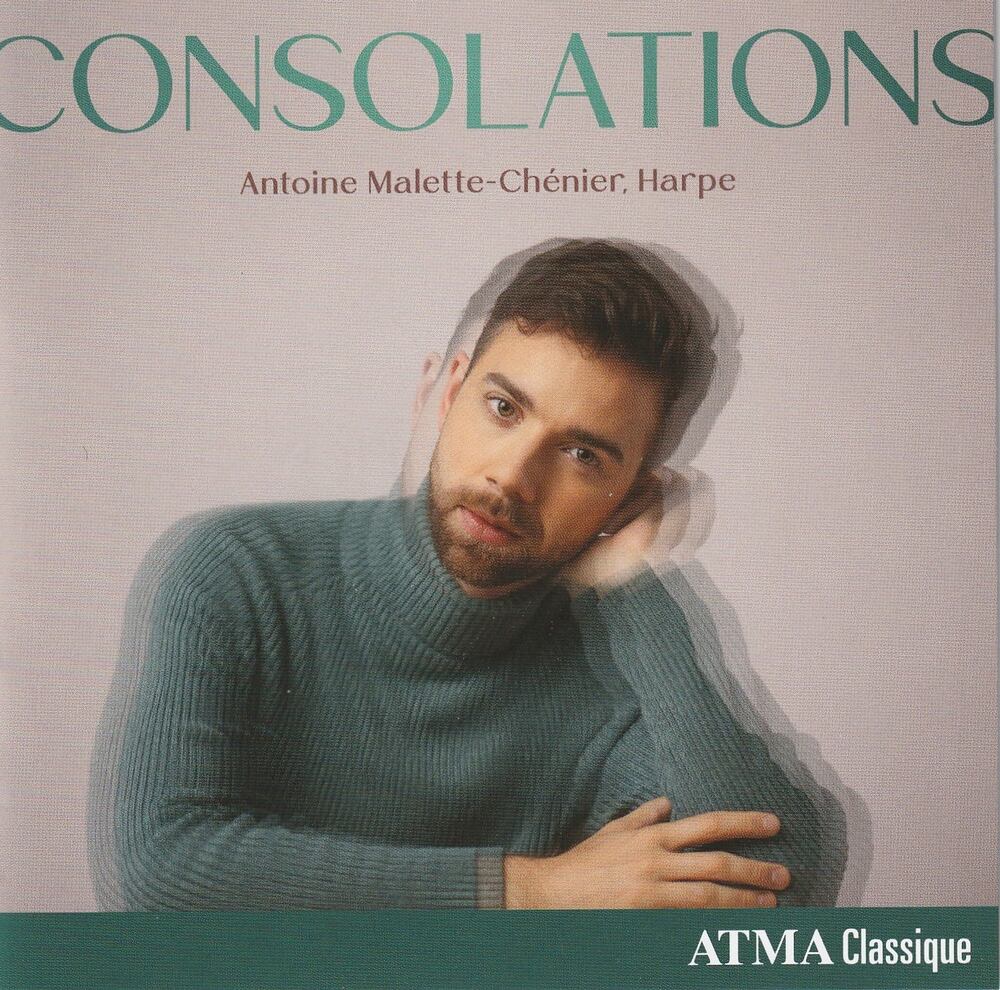
05 ConsolationsConsolations
Antoine Malette-Chénier
ATMA ACD2 2855 (atmaclassique.com/en)

There are perhaps no more beautiful sounds in European art music then the classical pedal harp, particularly so when the instrument is masterfully played, exquisitely recorded and gorgeously captured within a naturally resonant acoustic environment such as the Église St-Benoît in Mirabel, Quebec. Further, there are few more intimate musical experiences than the solo performance. Here, with the artist alone and exposed, one traverses a performative tightrope as both artist and listener, edging on the precipice of exhilarating beauty and potential pitfall. Thankfully, it is the former, rather than the later, that is the case on this fine 2022 recording from the Quebec-based harpist, Antoine Malette-Chééénier.

Principal harpist for the l’Orchestre Symphonique de Trois-Rivières and a graduate of McGill, the University of Montreal, Yale and the Conservatoire National Supérieur de Musique et de Danse de Lyon, France, Malette-Chénier brings experience, considerable education and training, as well as valuable artistic interpretation to Consolations, his first disc of solo harp pieces for the ATMA Classique label. In addition to achieving his “central desire… to touch souls, to communicate heart to heart” by prefiguring music that resides at the nexus of romance, Christian spirituality and beauty, Malette-Chénier has also used this platform to shine a light on the compositions of fellow harpists Albert Zabel, Charles Schuetze and Henriette Renié, programming their exquisite (and new to me) music alongside such better-known 19th-century composers as Robert Schumann and Franz Liszt. The album’s title, Consolations, comes from the 1830 Charles Augustin Sainte-Beuve poetry collection, Les consolations, which provides the needed conceit for Malette-Chénier to delve into the themes of romantic spirituality and divine power that he mines so gracefully here.

Listen to 'Consolations' Now in the Listening Room

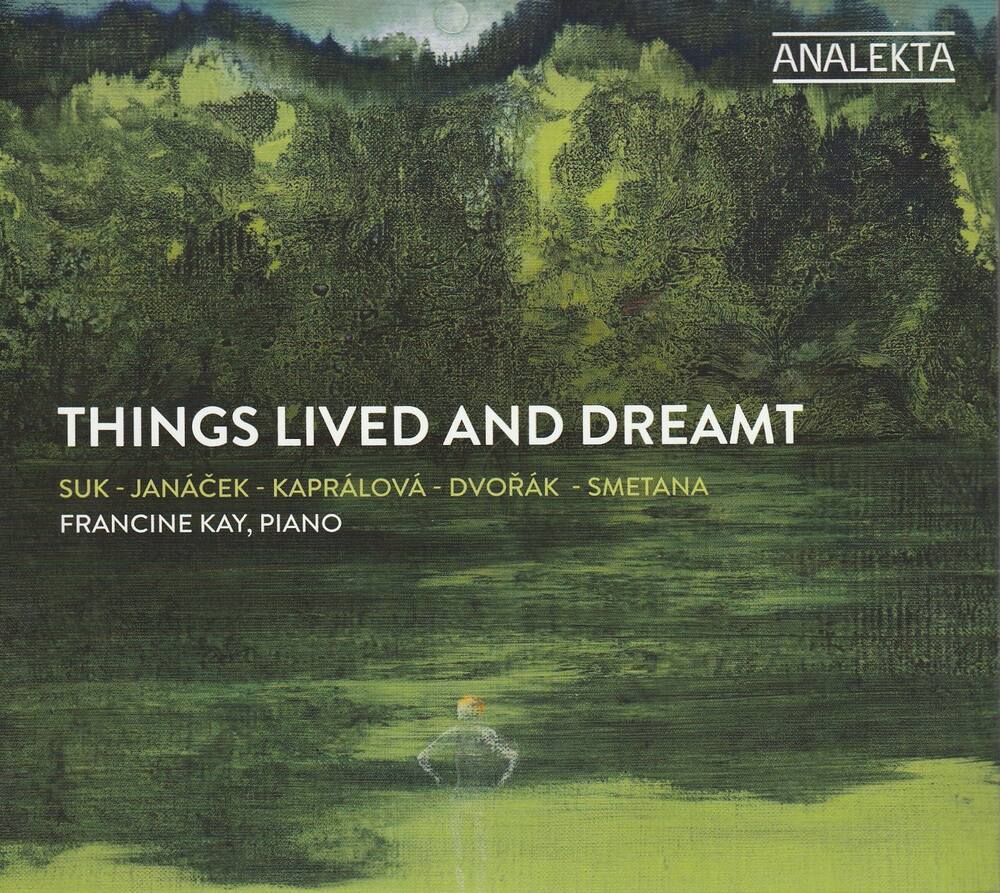
06 Francine KayThings Lived and Dreamt
Francine Kay
Analekta AN 2 9004 (analekta.com/en)

There are relatively few Czech composers regularly featured within the Classical canon, and the majority of these are renowned for their large-scale orchestral and choral works. Antonín Dvořák’s symphonies, Bedřich Smetana’s Má vlast and Leoš Janáček’s Glagolitic Mass are all examples of such composers and their expansive, oft-performed music.

In addition to these great works, each of these composers also wrote a variety of piano music, featured here on Canadian Francine Kay’s Things Lived and Dreamt. With repertoire by Dvořák, Smetana and Janáček, as well as Josef Suk and Vítězslava Kaprálová, this recording provides a comprehensive overview of 19th- and 20th-century Czech piano music.

Each selection on this disc is notable for its expressive power and poignancy, from Janáček’s solemn and profound Sonata 1.X.1905 – written after the composer witnessed the killing of an unarmed Czech protester by a German soldier – to the levity of Dvořák’s Humoresques, which are both delightful and ingenious little pieces. Suk’s Things Lived and Dreamt is a Schumann-esque diary portraying people, places and events through lyrical movements that express far more in three or four minutes than some composers can in 30 or 40.

Kaprálová’s April Preludes is a highlight of this recording, a stunning suite of pieces by a quite unknown composer. Kaprálová studied in Prague and Paris, passing away at the age of 25 while fleeing the Nazi occupation. Despite her young age, the April Preludes are strikingly mature and complete, demonstrating a mastery of late-Romantic technique that stretches the limits of tonality through dissonance and bitonality.

A testament to the greatness of Czech music, Kay’s recording is fertile ground for those who are interested in the Czech symphonic tradition – from Dvořák’s Humoresques to Kaprálová’s April Preludes, this disc goes from strength to strength.

Listen to 'Things Lived and Dreamt' Now in the Listening Room

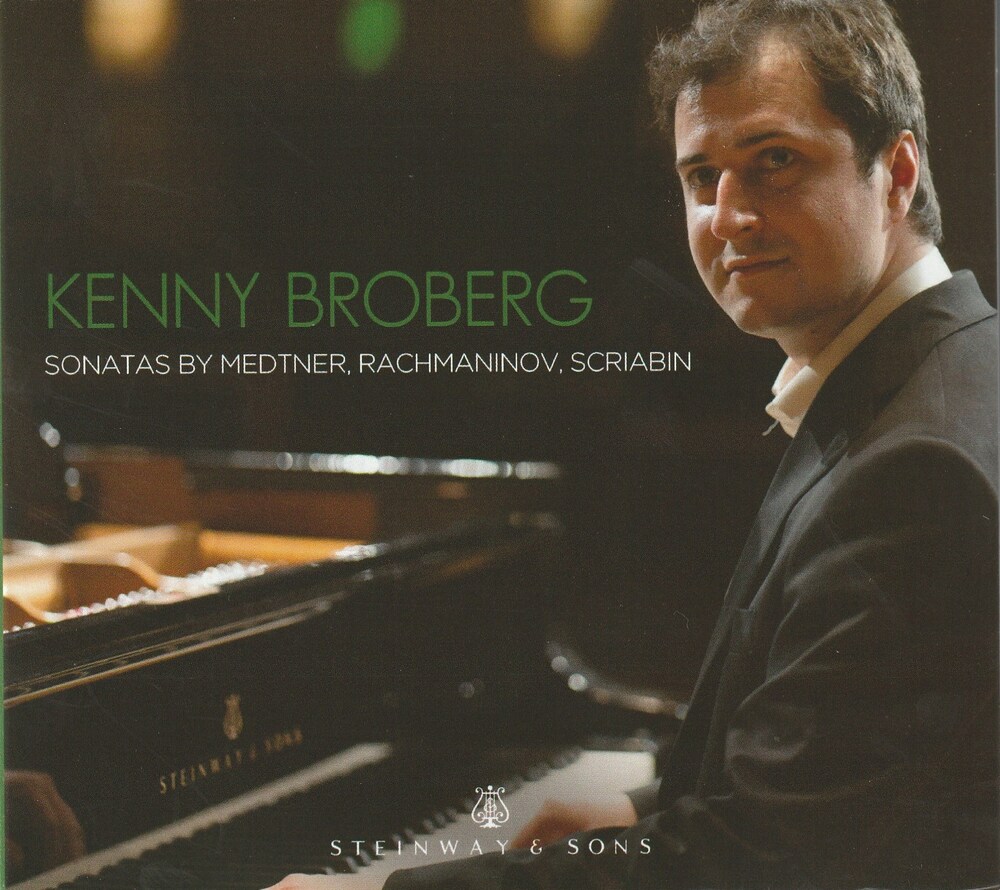
07 Kenny BrobergSonatas by Medtner; Rachmaninov; Scriabin
Kenny Broberg
Steinway & Sons 30198 (kennybroberg.com)

The music of three Russian composers – Rachmaninov, Scriabin and Medtner – all of whom worked against the backdrop of a particularly turbulent political scene, and each with dissimilar ideals, are presented here on this Steinway & Sons recording featuring American pianist Kenny Broberg. Born in Minneapolis, he was the silver medalist at the 2017 Van Cliburn International Piano Competition and won bronze at the International Tchaikovsky Competition in 2019.

Rachmaninov completed his Piano Sonata No.2 in 1913 and although the piece was well received, he revised it in 1931, shortening the length and simplifying many of the difficult passages. The original must have been daunting indeed, as technical challenges still abound from the very beginning. Nevertheless, Broberg demonstrates a formidable technique, delivering a polished and exuberant performance. 

No less daunting is the Scriabin Sonata No.5 Op.53 from 1907. Scriabin, a piano virtuoso, infused his music with mysticism resulting in a thoroughly modern style which closely paralleled Symbolist literature of the period. The one-movement piece – barely 12 minutes in length – has long been regarded as among his most difficult.

A younger contemporary of Rachmaninov and Scriabin, Medtner was born in Moscow in 1880. His Sonata Op.25 No.2 “Night Wind” written in 1912 is his most extended of the genre. The score is archly Romantic with a second movement Allegro molto sfrenatamente which is no less demanding than the first – the night wind never ceases. The third movement Danza Festiva proves a rousing conclusion that Broberg performs with great bravado.

In all, a fine recording by a young artist from whom we can hope to hear again.

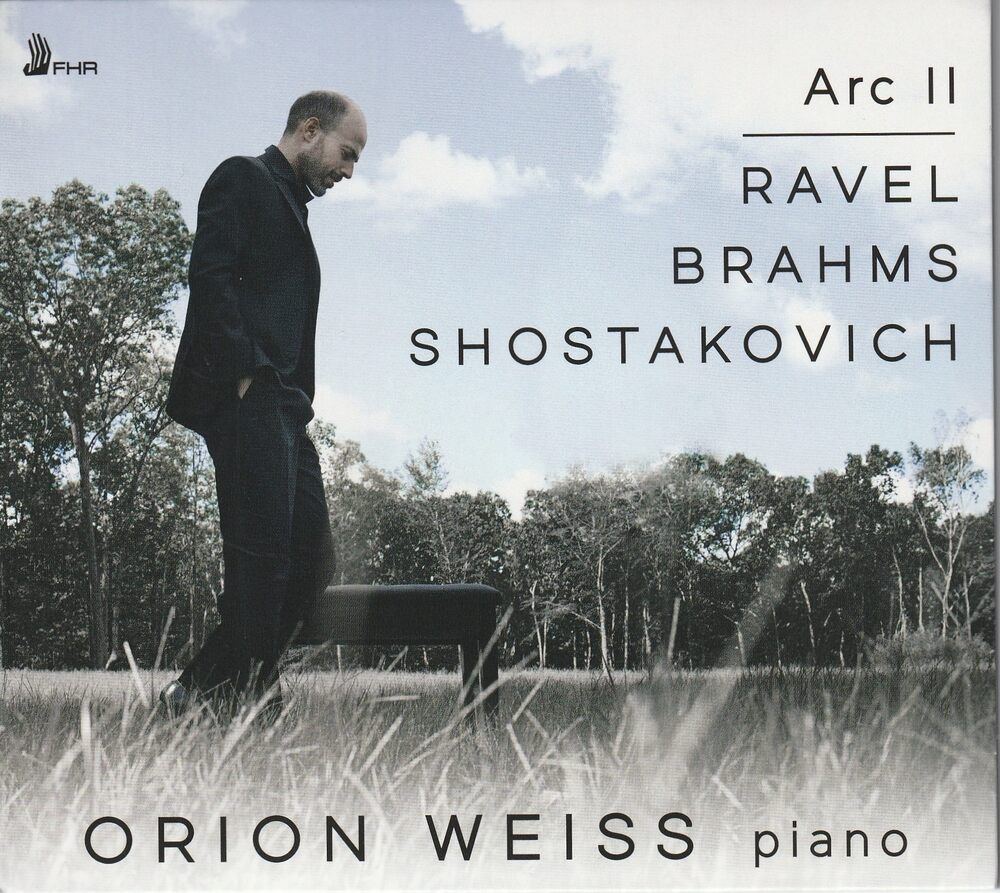
08 Orion WeissArc II: Ravel; Brahms; Shostakovich
Orion Weiss
First Hand Records FHR1128 (firsthandrecords.com)

This FHR CD titled Arc II featuring American pianist Orion Weiss, is the second in a projected three-disc set, all of which aim to address the ways composers come to grips with the emotion of grief. A native of Cleveland, Weiss studied at the Cleveland Institute and the Juilliard School and has an impressive list of awards including winner of the Classical Recording Foundation’s Young Artist of the Year.

The disc opens with Ravel’s Tombeau de Couperin, an homage not only to the French Baroque tradition, but to fallen friends in the First World War. Weiss’ playing is elegant and thoughtfully nuanced where he artfully captures the spirit of the early clavecinists.

Brahms’ Variations on a Theme by Schumann from 1854 was written when the composer was all of 20, shortly after his introduction to the Schumann family and just four months prior to Schumann’s attempted suicide. The piece is very much a study in contrasts which ultimately lead to a gentle finale.

In complete contrast is the Piano Sonata No.2 by Dmitri Shostakovich, composed in 1943 and dedicated to the composer’s teacher and friend Leonid Nikolaev who perished that year in the mass evacuation from Leningrad. The opening movement is raw and emotional with Weiss easily handling the formidable technical demands, while the second movement largo is clearly a haunting epitaph for his late friend. The finale opens with a sombre theme followed by nine variations and a quiet conclusion.

The final two choral preludes from Brahms Preludes Op.122 written shortly after the funeral of Clara Schumann round out a well-chosen program, masterfully performed – we can look forward to the third disc in the series.

Back to top