UNSUK CHIN by Priska KettererAs the new season of concerts gets underway in these somewhat post-Covid days, some of the larger-scale presenters have, with fingers crossed, announced ambitious season lineups. As I looked through their listings, a noteworthy trend was emerging: the regular programming of contemporary works. Perhaps there’s been a shift away from the token or obligatory inclusion of music by living composers which would indicate that past events such as the TSO’s New Creations Festivals, or several seasons of the 21C Festival have been successful in bringing in an eager audience interested in listening to current ideas and styles. 

At the TSO 

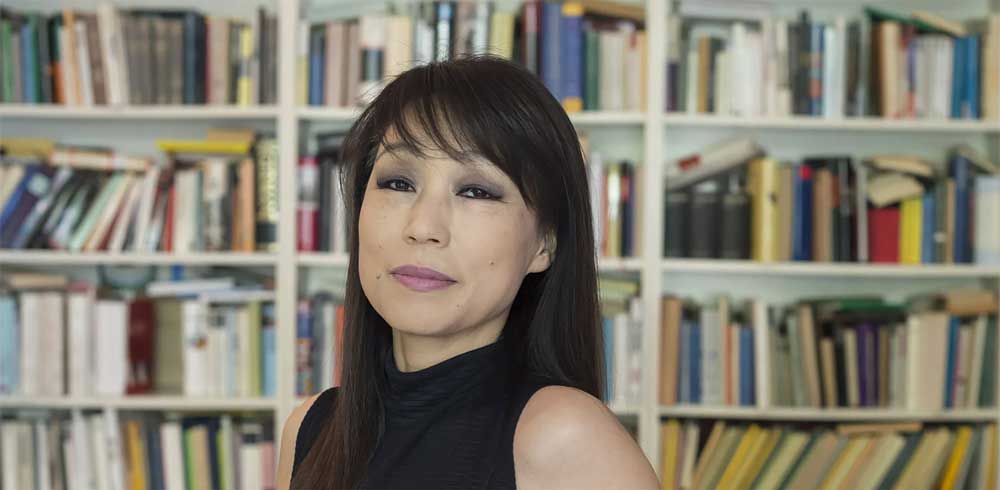
A good example of this lies with two October concerts presented by the Toronto Symphony Orchestra. On their October 12 concert, the programming includes a work by Christina Volpini, a Hamilton/Toronto based composer whose music is known for its subtle and nuanced textures, and the Canadian premiere of subito con forza (2020) by Korean-born/Berlin-based composer Unsuk Chin. Volpini’s piece is one of the five Celebration Preludes commissioned from GTA composers for the 2022/23 season. These recently composed pieces stand alongside 20th-century master Ligeti’s Atmosphères and classic compositions by Haydn and Beethoven. Chin’s piece was composed for the 2020 Beethoven anniversary year, and quotes from his 1807 Coriolan Overture are shape-shifted and woven throughout the orchestra. Other references to Beethoven’s music in Chin’s densely textured piece include the Fifth Symphony’s opening rhythm and flourishes from the Emperor Concerto.

Read more: Beyond Obligatory Inclusion?

Marek Norman by David CooperStratford: On April 29, 1875, a fire in Ballycroy, Ontario took three young lives. Several buildings went down in this probable arson, but the only human casualties were the three women trapped in their second floor room of the Small’s Hotel. Recent immigrants from Ireland, Mary Fanning, Bridget Burke and Margaret Daley had just started working in the millinery trade. They belonged to a Catholic parish in Colgan, one town over. Nothing else is known about them. Reasons for the arson, if indeed it was, remain unknown. The once vibrant all-Irish town, Ballycroy itself is now a ghost town.  

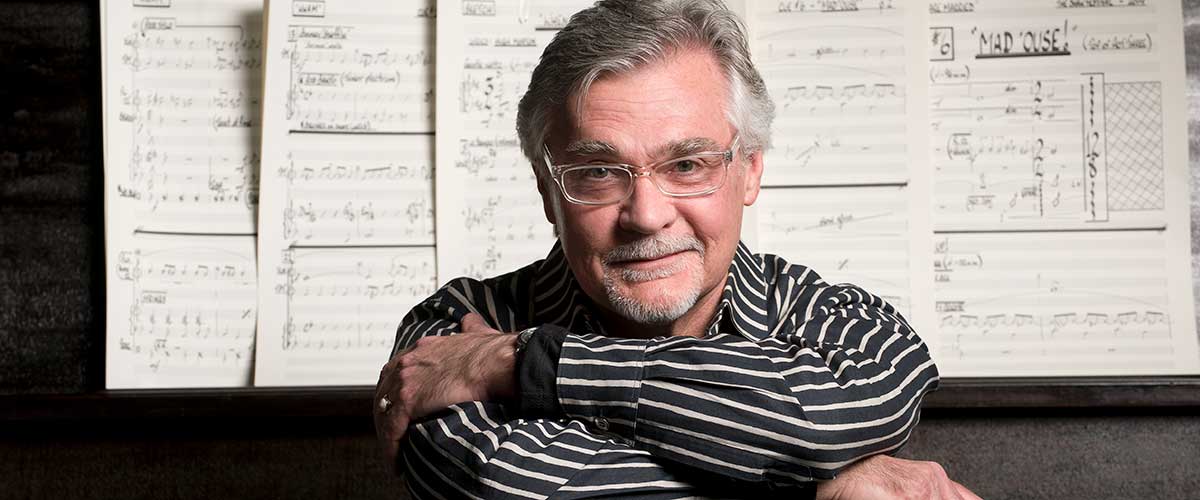
Something about this story deeply touched composer and writer Marek Norman who, upon coming across an article about it in a local paper, felt called to imagine and write these women’s lives. The result is Ballycroy, his two-act play with music in which the three women come back as ghosts to recount their lives. Stratford-based INNERChamber Ensemble with its artistic director Andrew Chung on violin and Norman conducting from the piano will perform a condensed concert version of the play on November 5 in Avondale United Church in Stratford. The piece is scored for three voices, piano, violin, viola, cello, flute, oboe, clarinet and percussion. Directing the production: one of Canada’s theatre legends, Marti Maraden. 

Read more: Ballycroy and Beyond

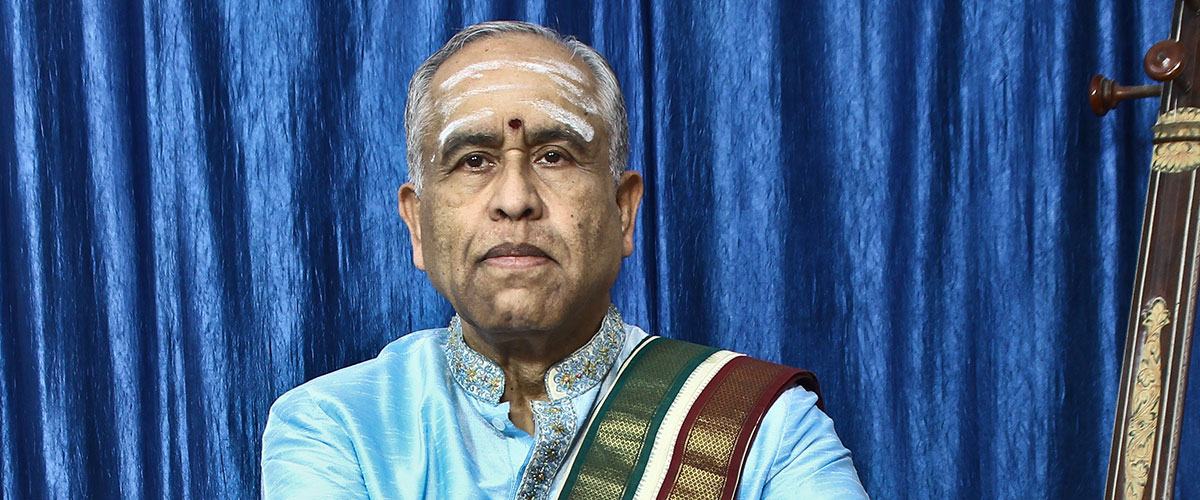
Bagshree Vaze

White Night Roots

While some cite Paris’ 2001 Nuit Blanche as the concept’s ground zero, it likely had its roots in Helsinki in 1989; Helsinki’s nighttime festival of the arts, with all museums and galleries open “until at least midnight” proved to be contagious, steadily spreading to over a hundred of the world’s cities, including across Canada, including Montreal, Ottawa, Toronto, Edmonton, Calgary, Halifax, Winnipeg and Saskatoon.

I well recall the buzz around Toronto’s premiere Nuit Blanche in 2006. I cut out the double-page downtown event map in NOW magazine to facilitate my bicycle-driven art crawl to well over a dozen events and installations. Dubbed Scotiabank Nuit Blanche for its title sponsor, it is today the City of Toronto’s baby, after the bank withdrew in 20125, saying the event no longer aligned with its sponsorship priorities. By then, it had “grown into one of the largest public art exhibitions in North America,” according to the city’s website. How large? In 2015 the city claimed in a promotional video that “Since the inaugural event, more than 9.5 million people explored 1,200 art projects by 4,500 artists.”

Read more: Bridging the Space Between Us | NUIT BLANCHE TORONTO 2022

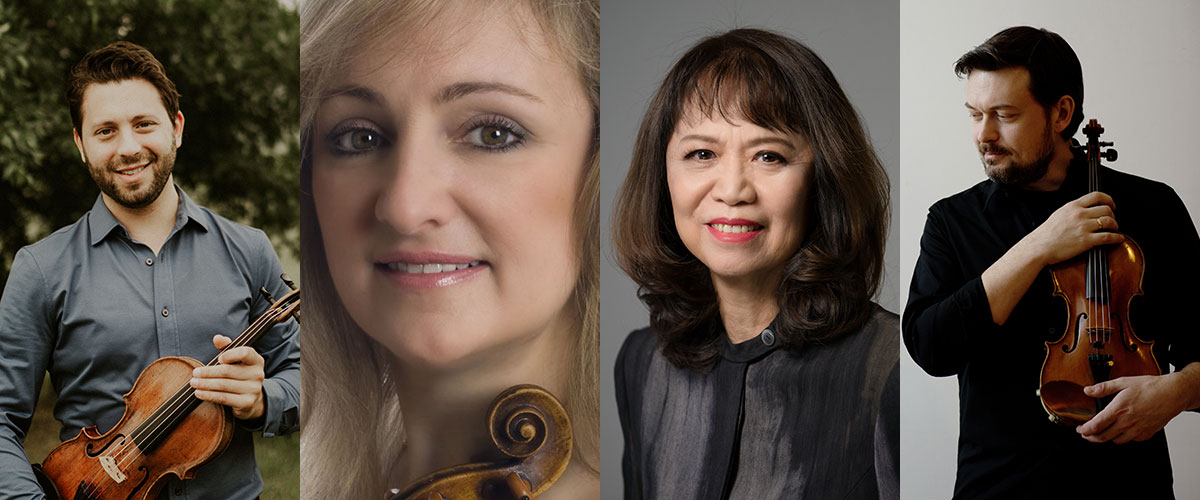
Aisslinn Nosky credit handel and Haydn SocietyFirst, full disclosure of a personal bias: I prefer my early music live – up close and in person, the way it was intended at the time of its composition. Recordings of period music, even on period instruments, always leave me feeling a bit weird. So the past way-too-many months have been a real struggle for me. Now, there’s so much live performance to choose from that I hardly know where to begin. (Details of all these events mentioned here can be found in the listings, starting on page 34.)

Up first

Sep 23 & 24:  Tafelmusik Baroque Orchestra invites us to “picture a vibrant city humming with creative spirit, attracting artists who exchange diverse ideas and perspectives.” Present day New York or Toronto? No, 18th-century London. “Handel’s London” offers up  Handel, Purcell and Geminiani, also lesser-known works by Kusser and Hellendaa, and a Purcell-inspired piece by one of Tafelmusik’s own, the late Allan Whear. Guest director, leading from the harpsichord, is Avi Stein, associate organist and chorus master at Trinity Wall Street,a teacher at The Juilliard School and Yale University, and artistic director of the Helicon Foundation (New York).

Read more: And Now, Back to Live Action

Adisa Glasgow. Photo HECTOR VASQUEZ/BLOGTOOf the many experiences that point to our collective hunger for dependable post-lockdown life, none has hit quite so close to home for me as seeing post-secondary students get back to classes. Sure, it still feels like a novelty to watch maskless people thunking melons in the grocery store, restaurant patrons trying each other’s drinks, or a trumpet player mercilessly spraying the floor of a venue with spit-valve effluvia. But – as I experienced on an unexpectedly brisk morning in early September, walking across the University of Toronto campus for coffee with a friend – nothing quite says “we’re back” like overhearing two new roommates arguing about whether hanging a Quentin Tarantino poster would be “edgy and transgressive” or “you know, uh, maybe a bit much, like… politically?”

During COVID, we witnessed seismic changes on the club scene: closures, pivots, renovations, and rebrandings. For some organizations, the enforced and recurring lockdowns meant the end: time ran out. For others the lockdowns bought time for necessary rethinking and new developments. 

Read more: Hugh’s and Poetry on the Move

Damn Yankees

Spring

It is rare when a show exceeds my expectations and even more rare when many shows do. This spring, three shows blew me away with their – very different – strengths. 

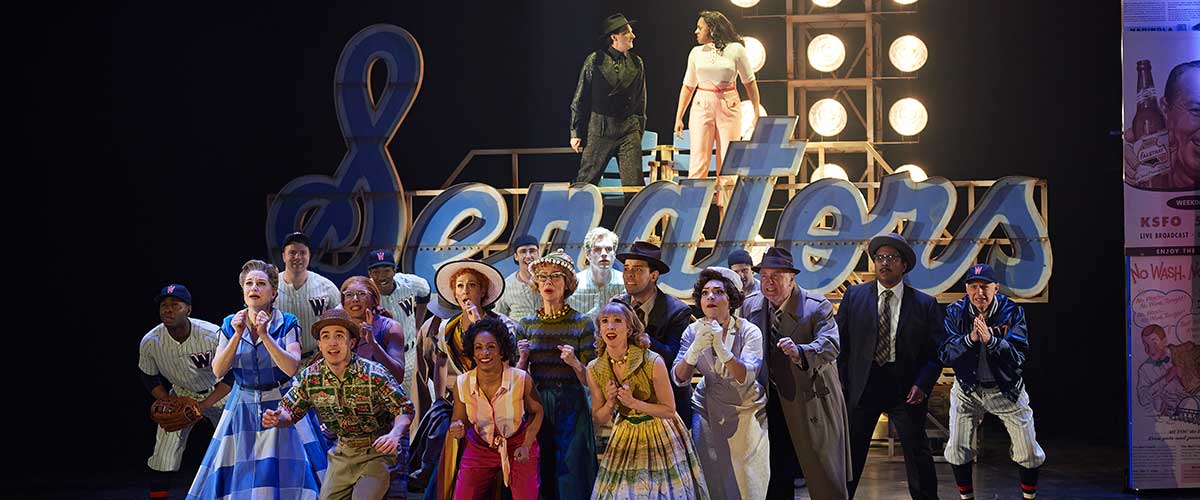
Damn Yankees: my first reaction after seeing the opening-night performance of Damn Yankees at the Shaw Festival was a desire to tell all the cynics, who don’t see the value in remounting the slighter offerings of the Broadway musical canon, to make their way to Niagara-on-the-Lake and take in this show. Yes, this is a slight, rather oddball, musical that gives a Faustian twist to the American obsession with baseball by giving an older fan a deal with the devil to help his home team win. But in the expert hands of director Brian Hill, it is so much more. 

Right from the word go the spirit and heart of this production is right on the money. It could have been cheesy and over the top, but it is not. Hill clearly understands the material inside and out and along with his expert creative team sets exactly the right tone and style so that we are taken along the deliciously comic journey, and at the same time gain an increasing recognition of the simple heartfelt values – love, honesty, loyalty – that lie at the heart of the story. 

Read more: A stellar spring, musical Shakespeare, and a summer of substance (who could ask for anything more?)

The Canadian Brass PHOTO NINAYOSHIDA NELSENAs live music venues open up, summer music festivals get ready to party like it was 2019. Here, I am going to focus on just two of them, in no small part based on my own lifelong predilection for the piano.

Festival of the Sound

The roots of this venerable attraction extend back to the summer of 1979 when renowned pianist Anton Kuerti purchased a summer home near Parry Sound and organized three concerts by outstanding Canadian musicians. The enthusiastic response to these programs inspired him to propose an annual concert series, and the 1980 Festival of the Sound became Ontario’s first annual international summer classical music festival. In 1985, James Campbell began his tenure as the Festival’s second artistic director, a position he still holds today.

This year’s festival is not all about the piano, though. It opens Sunday night, July 17, with a joyous celebration of choral music by the Elmer Iseler Singers; July 18’s sold-out evening concert marks the 50th anniversary of the Canadian Brass. Then, after clarinetist Campbell and the Rolston String Quartet perform Brahms’ Clarinet Quintet, among other works on the afternoon of July 19, the festival takes an unusual pianistic turn, hanging its musical summer hat on a piano festival featuring some of Canada’s finest keyboard artists, with 20 concerts underpinning a cleverly designed series of connected recitals. Jazz, personified by Dave Young, Heather Bambrick, Campbell himself, and others, then takes over the last weekend of July.

Read more: A piano-lover’s feast at Parry Sound and Lanaudière

From left to right: Andrew Timar, Debbie Danbrook, Jin Cho and Rene MeshakeIt is often said that music has a special power to bring diverse people and cultures together. Two events in July occurring just two days apart highlight this truth – one local, one international.

North Wind: On July 16 at Toronto’s Heliconian Hall, North Wind Concerts is bringing together four Toronto-based musicians – each playing different types of wood or bamboo flutes – onto the same stage, for a concert titled “Encircling the World: Flutes II” part of an ongoing series. Combining flutes from Korea (the daegeum played by Jin Cho), from Japan (the shakuhachi played by Debbie Danbrook), from the Anishinaabeg First Nation (the pipigwan played by Rene Meshake), and from Indonesia (the suling played by Andrew Timar), the focus will be on an exchange of musical ideas and approaches to performance.

As artistic co-director Alison Melville explained to me, although many efforts have been made over the past 20 years by classical music organizations to stretch thematically beyond the boundaries of the European tradition, not much has changed when it comes to drawing in new audiences. “There’s something more fundamental that has to happen,” she said. 

One key ingredient often missing is a primary focus on the music itself. How do people from different cultural backgrounds actually approach playing the music, and when, and why? “What instruments do you play that are like mine? If I listen to the way you play your instrument, how can that inform me about how one plays music, and even in understanding what music is?” Even though different fundamental techniques may be used when it comes to different wind instruments, exploring common elements, such as how to play with air, for example, can be informative. Regarding drawing in new audiences, people familiar with the music of their own culture are more likely to attend a concert such as “Encircling the World: Flutes II”; in so doing, they will be exposed to other approaches to music-making, traditions that they otherwise wouldn’t experience.

Read more: Two musical exercises in cultivating cultural understanding

One of Stratford Summer Music's venues, Revival House, features concerts July 22, 29, August 5 and 12.Live music, it seems, is finally, reliably, and consistently back. Barring some unexpected, novel calamity (imminent asteroid impact? Lake Ontario bursting into flames?), this will likely be the last time that I begin my column with the obligatory nod to the pandemic that seemed so necessary throughout the last 28 months. To those who continue to read my pieces: thank you. There was a point, early in the pandemic, when I thought I was going to have to do something truly depraved, like going to law school and getting a real job; thankfully, that grim reality has not come to pass. 

So, to the music.

Revival House

On July 22, keyboardist Aaron Davis plays at Revival House in Stratford, as part of the Stratford Summer Music Festival. For those who may be unfamiliar, Davis has been a longtime fixture on the Canadian music scene, as a performer (with the likes of the Holly Cole Trio, Measha Brueggergosman and the band Manteca), an arranger (for the likes of Alison Krauss, Natalie McMaster and Eliana Cuevas), and a film composer with over 100 titles to his name. A newish resident of Stratford, Davis has assembled a compelling roster of musicians, including Ben Wittman on drums, Dylan Bell on bass, John Johnson on woodwinds, Lori Cullen on voice, Suba Sankaran on voice and keyboards, and Maryem Hassan Tollar on voice and shakers. With Davis’ deft touch on the piano and his penchant for nuanced, interesting orchestration, expect a compelling evening of music that evokes the best from his highly capable collaborators.

Read more: Musical Revival

Artscape Wychwood Barns, in the event space

Music in the Barns

Creating musical events in unusual spaces is one of the signature features of Music in the Barns, an organization founded in 2008 by violist Carol Gimbel. At the time, Gimbel had an artist studio in the Artscape Wychwood Barns building which was renovated from several large early 20th-century TTC streetcar garages to create a multi-use facility that contains individual artist studios, a farmers market, a greenhouse, an event space and arts organization offices. On June 2, Music in the Barns is staging a celebratory post-Covid return with different events happening in the various Barns’ spaces to create a multi-sensory experience for the audience. 

Anchoring the evening will be a concert to finally celebrate their 2019 album – Music in the Barns: Bolton, Godin & Oesterle (newfocusrecordings.com). As Gimbel explained to me during a recent phone conversation, they had previously championed the music on the album during their concerts at the Barns, and after recording it and spending many hours editing it, they never had a chance to do the album-launch concert properly before the lockdowns began. This concert will therefore be the chance for an extended evening of celebration with all those who worked on the album. 

Read more: Creating Musical Spaces Indoor and Out | Two Visions

New Orford String Quartet, left to right: Brian Manker, Sharon Wei, Andrew Wan and Jonathan Crow. Photo by Dahlia KatzToronto Summer Music (TSM) is back, bigger than ever – July 7 to July 30 – with “Inspirations” as its theme. Toronto’s go-to summer classical music event will present an ambitious program of 26 mainstage concerts. Eight of them will showcase the TSM Academy Fellows and Mentors, highlighting one crucial aspect of the festival’s mandate – to offer high-level training to emerging musicians. The details of those eight Regeneration concerts will be announced in June; the contents of the other 18 were made public in late April.

I took the opportunity in early May to discuss the “Inspirations” theme with TSO concertmaster Jonathan Crow, now in his sixth year as TSM’s artistic director. (This interview has been edited for length.)

WN: In the festival release, you describe inspiration as “deeply motivating moments that connect us to one another.” Given that the backbone of Toronto Summer Music is the TSM Academy with its Mentors and Fellows, there is clearly a wealth of inspiration to be had, in any TSM season, in terms of teachable/performing moments. But how did you make the leap from that to basing the whole festival on that theme?

JC: I don’t think the leap came about because of one specific moment, but rather from thinking about how we’ve put together themes these last five years at TSM. There are so many things that come into play when tying music together – the specific reasons for the composition, the actual inspiration of the composer, the meaning of music to the artists… I thought it might be interesting to explore more explicitly the reasons behind how we program great music.

Read more: Inspired by Inspiration at TSM
Back to top