07 Karen Kei Nagano SchubertReincarnation – Schubert; Messiaen
Karin Kei Nagano
Analekta AN 2 8778 (analekta.com/en)

Musical programming can often be summarized as either contrasting or complementary, using the similarities and differences between two pieces to serve a specific purpose as outlined by the performer. Nagano’s Reincarnation attempts to do both simultaneously, drawing conceptual connections between Schubert’s Sonata in B-flat Major, D960 and Messiaen’s Première communion de la Vierge while clearly contrasting these disparate works from different times and places.

Schubert’s Sonata is a late masterwork, one of three large-scale sonatas written in the final year of his life. These sonatas were composed simultaneously, beginning with initial drafts in the spring of 1828 and concluding with final revisions in September, just two months before Schubert’s death; they share a number of musical similarities in both style and substance that continue to inspire and engage performers and listeners alike. Nagano successfully captures the spirit of this work that, far from being a self-obsessed elegy dwelling on the composer’s imminent demise, is primarily a calm, graceful and optimistic survey of early Romantic pianistic skill.

Over a century after Schubert’s death, Olivier Messiaen was finding new ways of expressing his deep Catholic devotion through stylistic syntheses, using modes and rhythms that could be transposed, used in retrograde, and combined in a unique and immediately identifiable musical language. Written in 1944, Vingt regards sur l’Enfant-Jésus is one of Messiaen’s most intense and spiritual scores, expressing and conveying the various contemplations of the child Jesus in the crib from the Father, the Church and the Spirit, among others. Première communion de la Vierge (The Virgin’s first communion) is, much like the Schubert Sonata, a calm reflection interspersed with moments of joy and exaltation, including an ecstatic middle section with pulsing rhythms and fleeting gestures.

Nagano’s Reincarnation is an exploration of deep profundity disguised in highly appealing, refined compositions. This is music with many layers, and the opportunity for listeners to continue to revisit and explore these works, drawing new discoveries and experiences each time, is one that should not be missed.
08 Bach chez MendelssohnBach at the Mendelssohns
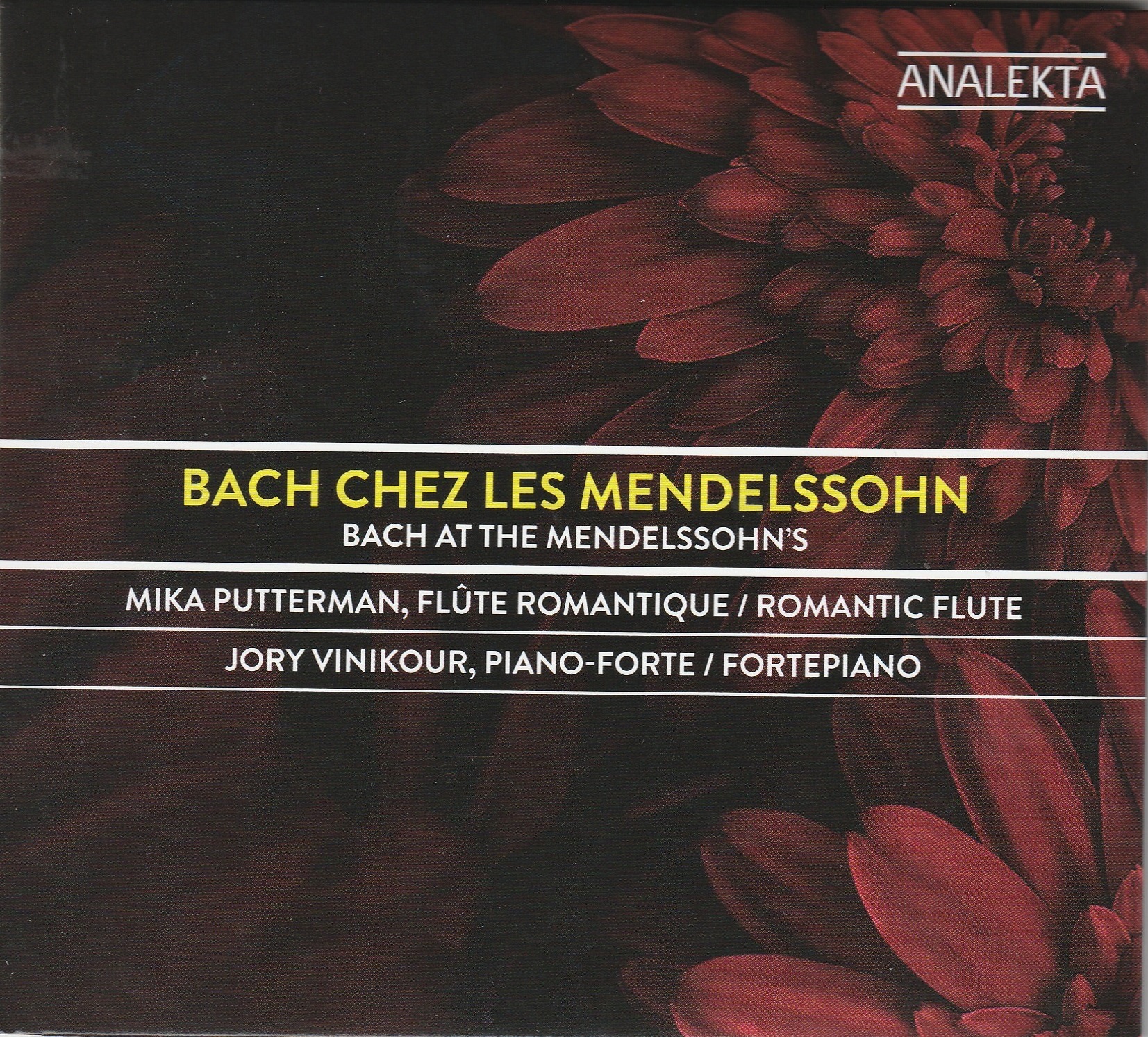
Mika Putterman; Jory Vinikour
Analekta AN 2 9532 (analekta.com/en)

Historical flute specialist and music-history researcher Mika Putterman has investigated the musical life and culture of late-18th and early-to-mid-19th-century Berlin and the Mendelssohn family. Her research informs this recording, a re-creation so to speak of a musical soirée at the home of Sarah Levy, Felix Mendelssohn’s great-aunt.

According to the liner notes, “when 19th-century musicians performed Baroque music, they paid little attention to what performance practice norms of the Baroque period might have been and instead used the expressive devices of their day.” Her stated intention in this recording is to explore “new territory, envisioning how the Romantics would have played Bach.” 

The result is a kind of hybrid interpretation of three of the flute sonatas traditionally attributed to J.S. Bach, combining much that sounds like contemporary historically informed Baroque interpretation with moments of Sturm und Drang and others of heart-on-sleeve Romanticism. With the very able collaboration of fortepianist Jory Vinikour, she has put together an altogether convincing performance.

The cornerstone of the whole production is Putterman’s transcription of Felix Mendelssohn’s Violin Sonata in F Minor, Op.4, in which the performance practices of the early 19th century make total sense. The extension of these practices into the flute sonatas, odd as it sounds on first listening, actually works! So, kudos to Putterman and Vinikour for opening at least my ears, and hopefully many others, to what might have been the sensibility of a long-lost time.

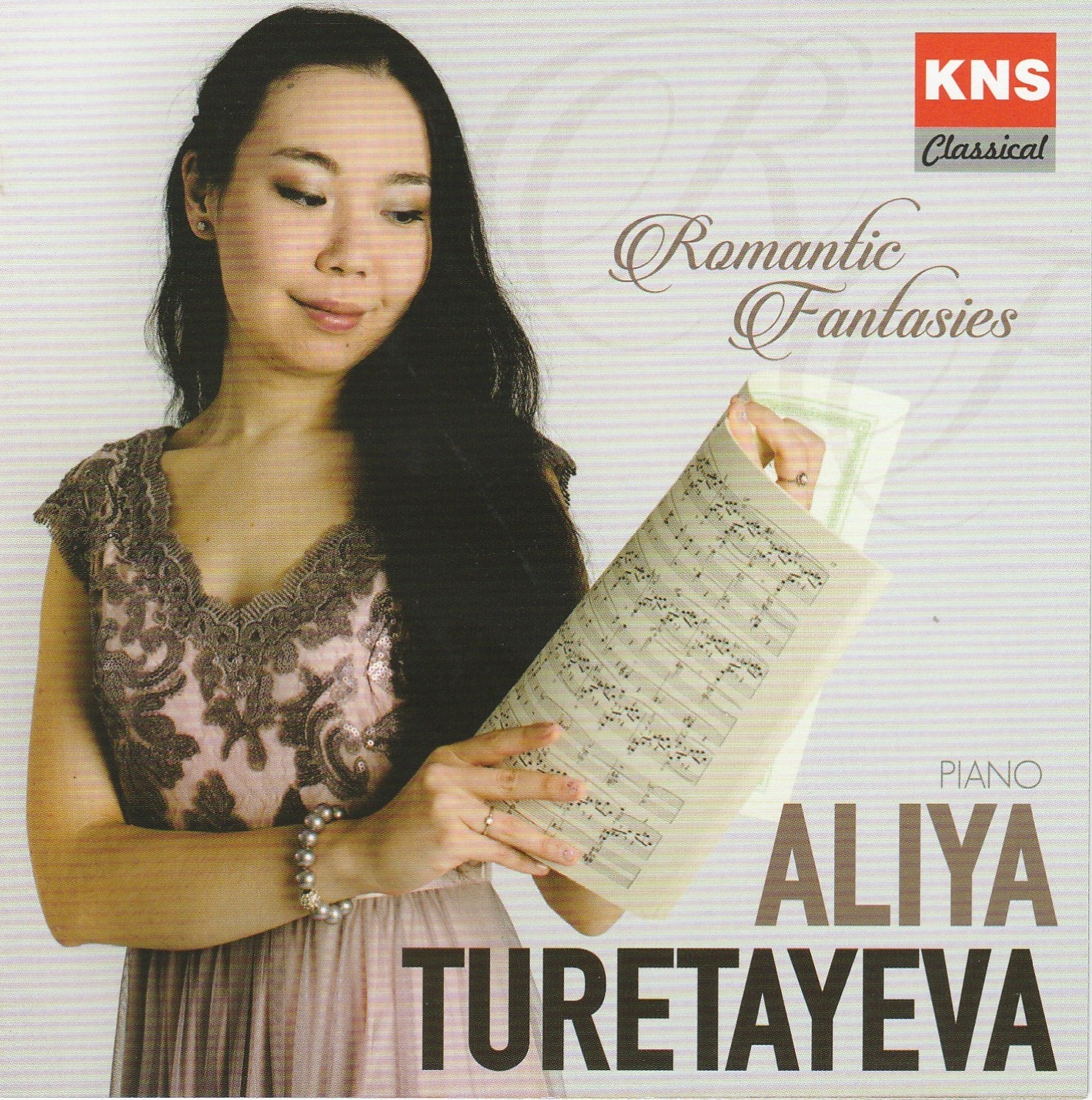
09 Aliya TuretayevaRomantic Fantasies
Aliya Turetayeva
KNS Classical KNS A/090 (aliyaturetayeva.com)

Schumann was the quintessential Romantic composer – a dreamer and idealist who particularly excelled at short forms such as art songs and piano pieces. Yet his symphonies and larger piano works attest to his proficiency with more extended compositions. This disc, with the young Kazakhstan-born pianist Aliya Turetayeva, portrays Schumann as both miniaturist and as a composer of larger canvases, presenting two of the most renowned pieces of the Romantic period repertoire, the Sonata in G Minor Op.22 and Kreisleriana Op.16.

The piano sonata – his last contribution to the form – was composed between 1830 and 1838 and has long been known for its technical demands. From the outset, it’s clear that Turetayeva is in full command of this daunting repertoire, but in no way is this empty bravura. The first movement is marked So Rasch wie möglich (“as fast as possible”) and while her tempo is brisk, it’s never frenetic, her phrasing carefully articulated. The second-movement Andantino is suitably lyrical and the fourth-movement Rondo: Presto demonstrates a bold confidence.

Schumann’s set Kreisleriana was written in 1838 but thoroughly revised a dozen years later. Inspired by E.T.A. Hoffmann, it comprises eight highly contrasting movements. Turetayeva approaches the score with the same thoughtful intelligence, convincingly addressing the various moods throughout, from the gentleness of the fourth movement (Sehr langsam) to the agitated energy of No.7 (Sehr rasch). 

The gently rollicking finale, with its slight sense of the macabre, is never easy to bring off – but Turetayeva handles it adroitly, thus bringing the set, and the disc, to a most satisfying conclusion.

This young artist is on the brink of great success and here’s hoping we’ll hear more from her in the near future.

Listen to 'Romantic Fantasies' Now in the Listening Room

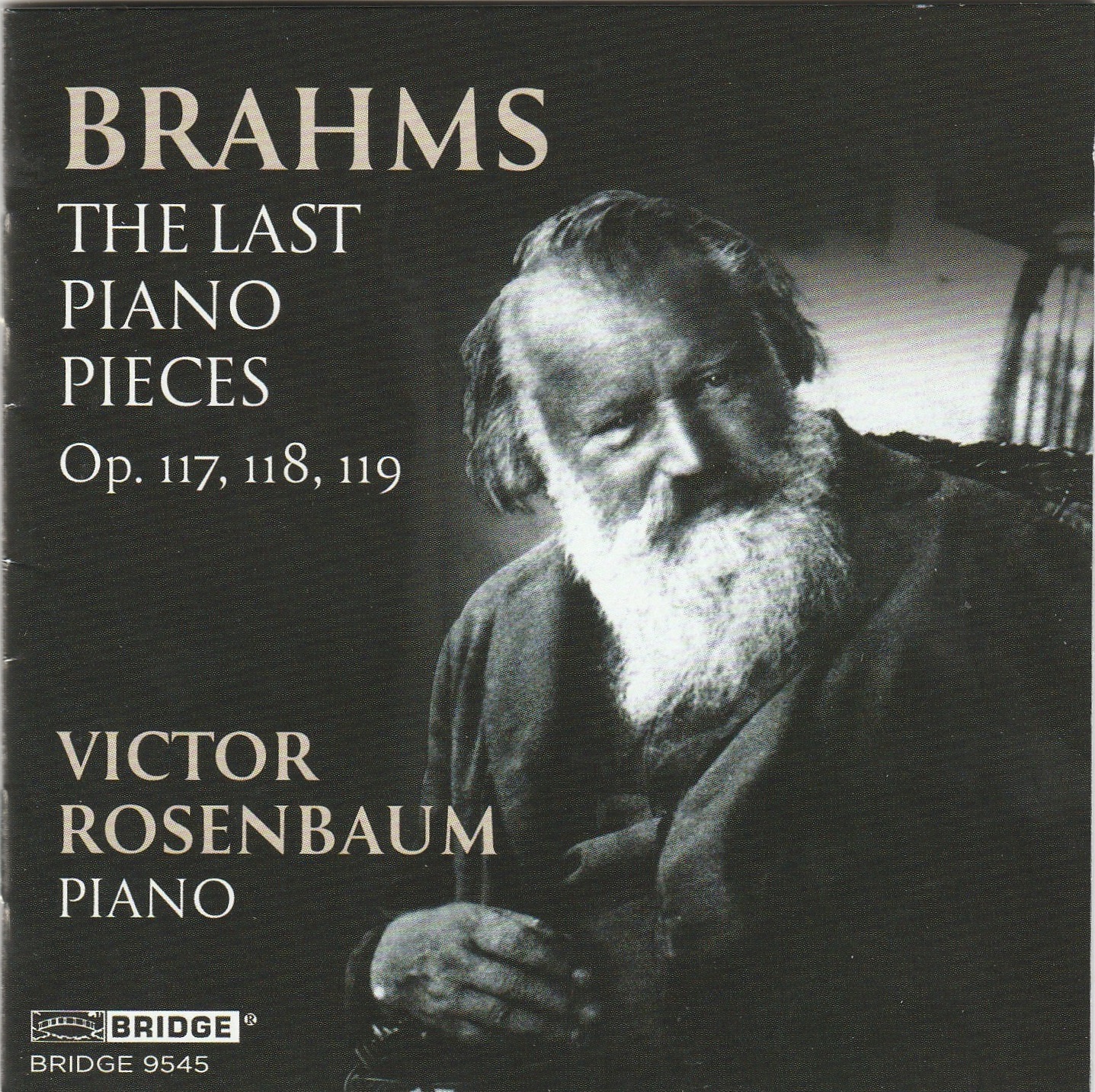
10 Brahms RosenbaumBrahms – The Last Piano Pieces, Opp. 117, 118, 119
Victor Rosenbaum
Bridge Records 9545 (bridgerecords.com)

Often, there is a fetishization of the young in music. The prodigy, perhaps particularly so on the piano, presents a familiar trope in the literature of musical biographies, record reviews and concert journalism. It is, of course, easy to see why this is the case. Music performed at the high level of excellence and dedication to craft that classical audiences have grown to expect, takes time... often a lifetime of study. And when someone is stationed at the beginning of their career, rather than the end, the results can be all the more astounding. That said, as artists age, there often comes a sheen of introspective reflection (usually described as musical maturity) to their playing and composing that, while perhaps not as attention-grabbing as their earlier and more precocious work, can be soul-enriching for the attenuated listener. 

Such is the case here on Victor Rosenbaum’s wonderful new Bridge Records recording, Brahms: The Last Piano Pieces Opp. 117, 118, 119, where the acclaimed American pianist and educator mines, with aplomb, the expressive depths of the final pieces written for his own instrument by old man Brahms. The music is typical Brahms, filled with wonderful lyricism of course, but offering a career bookending meditative counterpoint to, say, the virtuosity of his Piano Concertos No. 1 and 2 composed some 35 years earlier. Wonderfully recorded and played with tremendous attention to the subtle details of the work, Rosenbaum simply adds here to his fine reputation as a masterful pianist and interpreter. Even his reading of Opus 118: No. 3, Ballade: Allegro energico, which, as the title suggests, opens with an energetic G-minor clarion call, is handled with appropriate care and does not devolve into grandstanding. Instead, Rosenbaum plays up to the detailed richness of the German composer’s original intentions. As Rosenbaum writes in his self-penned and illuminating liner notes, “he [Brahms] is drawing our attention not to speed but to vigor.” An excellent recording to start 2021!

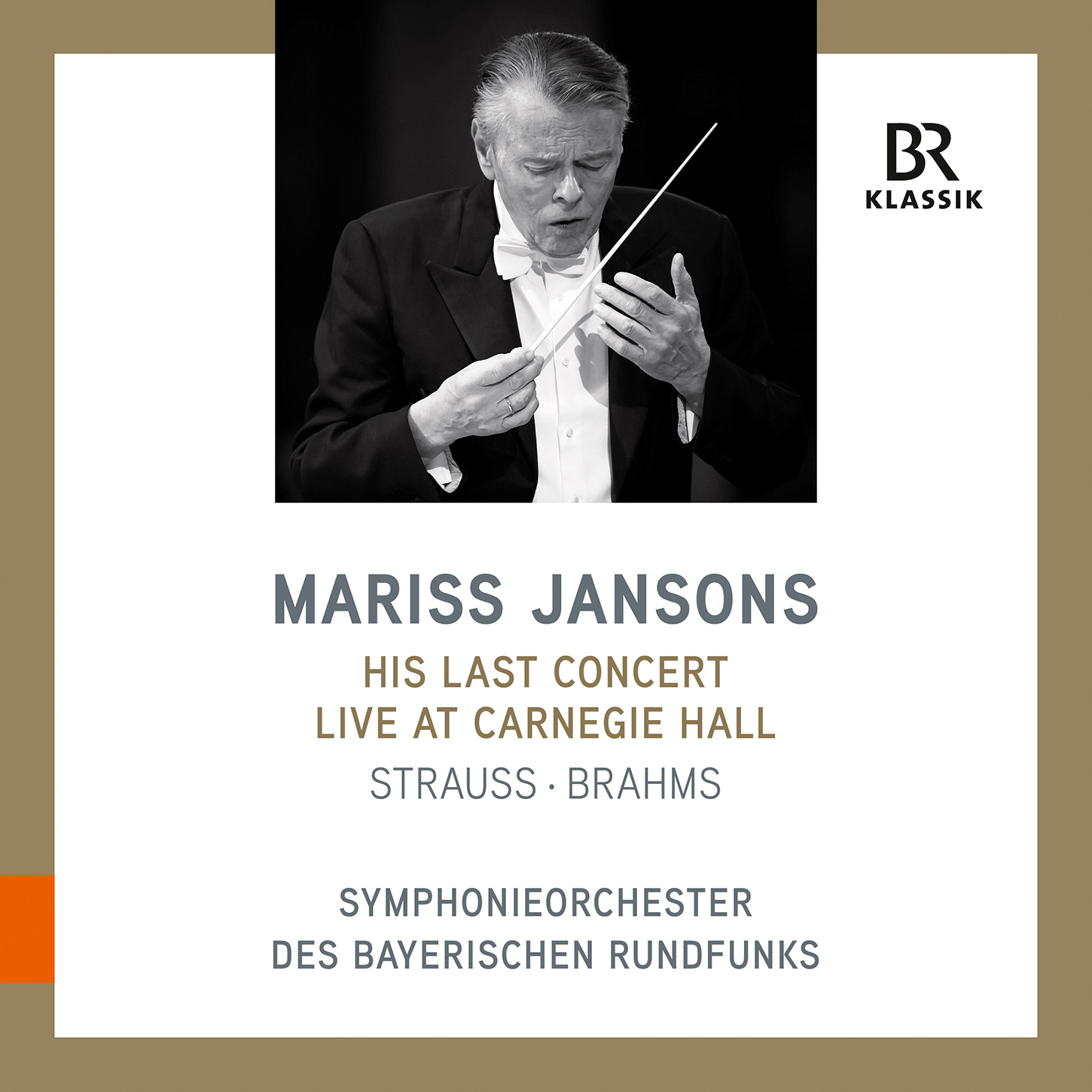
11 Mariss JansonsMariss Jansons – His Last Concert Live at Carnegie Hall
Symphonieorchester des Bayerischen Rundfunks
BR Klassik BRK900192 (naxosdirect.com/search/brk900192)

A great loss to the music world, one of the top conductors of our time, a great musical mind and a wonderful human being, Mariss Jansons passed away in December 2019. This concert was his last, November 8 of that year, a recording he regretfully will never hear. 

Jansons, as a baby and being Jewish, was smuggled out of Latvia to the Soviet Union to escape the Nazis: he grew up studying under the legendary Mravinsky in Leningrad and was discovered later by Karajan who invited him to Berlin.

I was lucky to have seen him conduct here in Toronto at Roy Thomson Hall. He did Mahler’s Second Symphony, commanding the vast forces of the TSO and the Mendelssohn Choir to a standing ovation. In the last 16 years he was chief conductor of the Bavarian Radio Symphony which he honed to perfection, a world-class ensemble as witnessed by this recording.

Music of Richard Strauss, Four Interludes from the opera Intermezzo, pieces of extraordinary bravura, provide a rousing start and show off the virtuosity of the orchestra. The music is full of spirit and beautifully melodic with a waltz sequence that rivals Der Rosenkavalier, but the harmonies and orchestration are far more adventurous.

What follows is a wonderful, idiomatic and highly personal reading of Brahms’ Fourth Symphony. I must admit I’ve never heard it played as beautifully, Carlos Kleiber notwithstanding. From the soft, undulating haupttheme of the first movement through the second movement of pure beauty and the rambunctious, boisterous Scherzo (the first and only real scherzo Brahms ever wrote in a symphony) we arrive at the monumental, unorthodox Passacaglia with 30 variations on an eight-note ground bass, and a standing ovation. Then the encore, Brahms’ Hungarian Dance No.5, the famous one, played with great gusto ends the concert. A recording to treasure.

01 Jeffrey RyanJeffrey Ryan – My Soul Upon My Lips
Various Artists
Redshift Records TK469 (redshiftrecords.org)

A labour of love by Canadian composer Jeffrey Ryan, My Soul Upon My Lips is a collection of music for solo woodwinds ten years in the making. Two larger works with piano bookend eight short solo pieces for a full complement of instruments from the woodwind family. Ryan captures the essence of each instrument with the use of a variety of 20th-century techniques to masterfully explore a range of colours and emotion. Aside from the use of the usual winds from an orchestra, Ryan also employs the tárogató and the alto saxophone, adding a unique timbre not often showcased in classical music, making this albums’ repertory approach uniquely his own.

In close collaboration with individual performers, each piece has been tailored to play to the strength of their instrument and highlight its spectrum of possibility – ingeniously invoking feelings from haunting to celestial and everything in between. My Soul Upon My Lips is an emotionally inspirational collection of character pieces that gives first place in title to no one instrument, uniting all in a stylish reformation of 20th century form in a 21st-century embodiment. 

With a starry lineup of instruments and Ryan’s soaring imagination, these pieces are a welcome addition to any artist’s repertoire and would prove to be an engaging and exhilarating selection for a recital.

Listen to 'Jeffrey Ryan – My Soul Upon My Lips' Now in the Listening Room

Jan Järvlepp – Concerto 2000 and other works
Pascale Margely; Janáček Philharmonic; Zagreb Festival; Moravian Philharmonic
Navona Records nv6291
(navonarecords.com/catalog/nv6291)

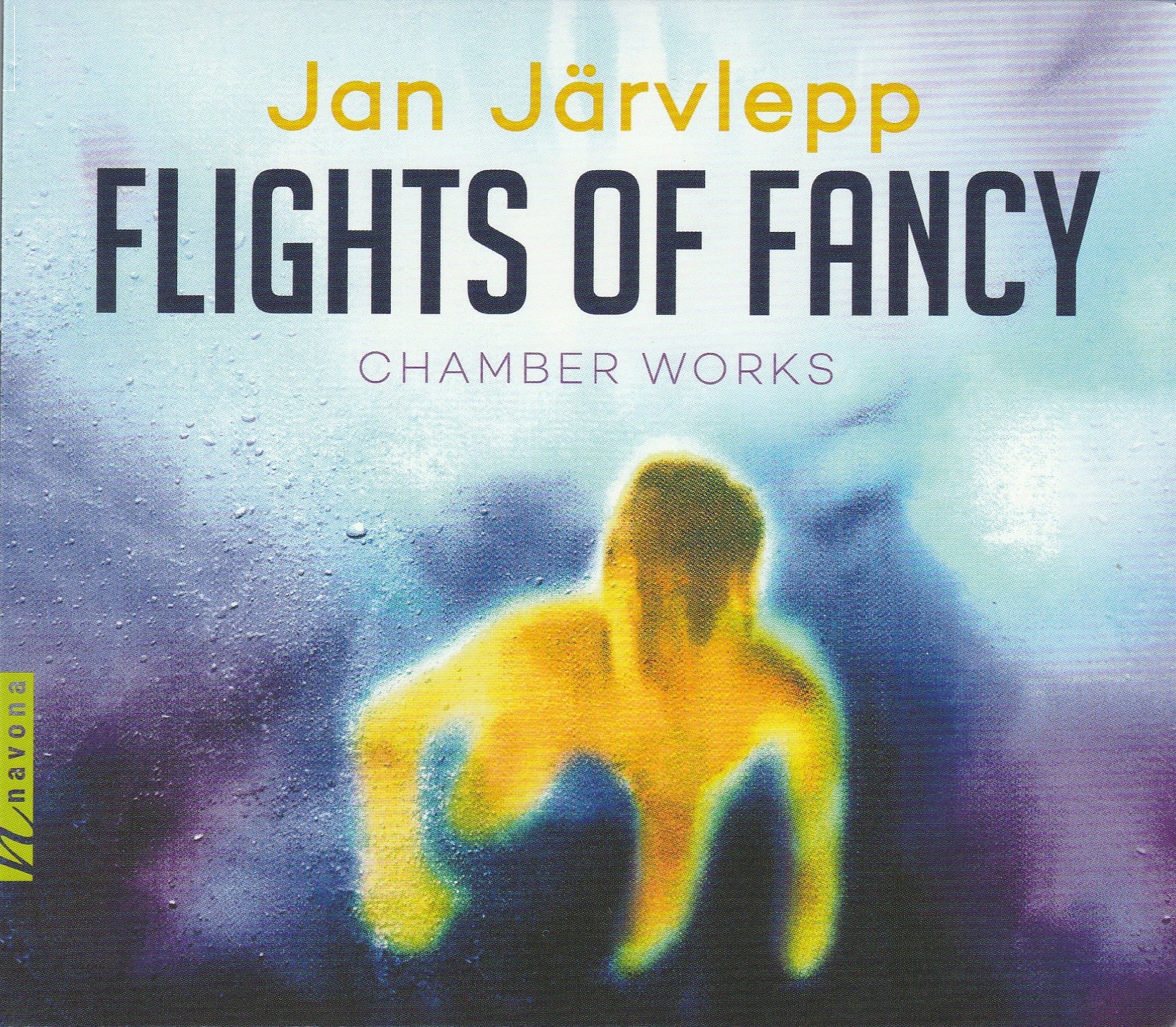
Jan Järvlepp – Flights of Fancy: Chamber Works
Various Artists
Navona Records nv6323
(navonarecords.com/catalog/nv6323)

02a Jarvlepp 2000It is a pleasure to review two retrospective discs of music by Ottawa-based composer Jan Järvlepp (b.1953). Growing up, he played classical cello, popular music on several instruments and studied composition, then turned in a post-modern direction – incorporating influences from pop, jazz and Hispanic, Arab or Nordic folk styles. The disc Concerto 2000 includes orchestral music from the last 30 years while Flights of Fancy contains chamber music composed and recorded in the 1990s. Three orchestras, mostly Czech, were recorded for the former between 2017 and 2019. I am especially impressed by the title work, with outstanding flute soloist Pascale Margely. Each movement is characterized by a folk style: Caliente! with exciting flamenco rhythm, wood instruments and hand clapping is appealing; the atmospheric Nocturne, which evokes Arabic singing, is a deep, increasingly complex and tragic work. In Memoriam (2016) is a processional work for strings that I found solemn and dignified. Camerata Music (1989) is a highly successful minimalist composition, with a pentatonic string ostinato soon doubled at the fifth by a flute. This is an example of the pervasive parallelism that is a fingerprint of Järvlepp’s music. Here it produces interesting harmonies and occasional clashes with increasingly divergent motifs and phrases above, as the ostinato breaks up. Other instruments are added and the work builds well. The other tracks are more pop-influenced, including the recent Brass Dance (2018) in which parallelism applies to diminished chords and train-horn sounds. But though they are entertaining, for me the pop elements sound familiar and somewhat tongue-in-cheek.

Listen to 'Concerto 2000 and other works' Now in the Listening Room

02b Jarvlepp Flights of FancyFlights of Fancy: Chamber Works is the other current release. It opens brilliantly with Pierrot Solaire (1994), an extended tour de force that is clearly pop in derivation, but with substantial smooth and contrasting interludes led by the violin. Later, there is cross-cutting between shorter music segments, and towards the end instruments become frenetic virtuosos. A three-movement Saxophone Quartet (1996) is played by the excellent ensemble, Saxart. The opening movement, Cadillac, is a perpetual motion piece, blues-evoking and witty with virtuosic solo turns by each saxophone for contrast. Space does not allow for every work on this disc, but we must note that the versatile composer has played with and composed for many musicians in the Ottawa area, establishing lasting connections. He appears as electric guitarist on Tarantella (1996) and as cellist on Trio No.2 (1997). In the latter, flutist Margely and violist Kevin James join with Järvlepp in a piece whose opening movement achieves unique and beguiling combinations involving string harmonics. Another aspect of these chamber pieces is the composer’s adeptness with instrumentation for many different instruments, something that has facilitated his orchestral composing. In fact, though the chamber works are earlier than the orchestral ones, these two CD’s belong together – the working out of a long and productive compositional practice.

Listen to 'Flights of Fancy: Chamber Works' Now in the Listening Room

03 Taylor BrookApperceptions
Taylor Brook
Independent (taylorbrook.info)

Canadian-born, US-based guitarist/improviser/composer/lecturer and computer programming whiz, Taylor Brook, performs with a new “improvising colleague” in his self-described “music for human improviser with computer improviser.” He designed audio-corpus-based AI computer software which listened, analyzed and then improvised music to Brook’s preceding new music guitar improvisations.  

Brook tuned his solo electric guitar in a different just intonation tuning on each of the ten tracks. My skepticism vanished immediately as the slow reflective Track 1 E opens with held-note guitar string ringing being matched by the subsequent computer colours which develop into more dissonant intervals alternating with occasional guitar strums. Quiet, calming breaks, contrasting atonalities and surprising dynamic “duo” swells lead to a guitar and computer-generated blended final fade.  

Track 4 F#’s longer, faster guitar melody opening “inspires” ringing computer high tones matching the guitar’s lines which gradually unite to build musical tension. Attention grabbing guitar strums and repeated notes with computer echo ideas in the lower pitched intense Track 5 A+51 which are expanded with cymbal-like computer ringing in Track 6 Interlude

Track 8 G# is a welcome gentler contrast to the other tracks, as Brook’s virtuosic opening guitar playing is answered by high computer single notes and chordal rings. More guitar fun in Track 9 A as computer plucks match the real guitar ones!

As a free improviser myself, I am amazed at Brook’s fantastic creation of a computer program to interact with his live guitar improvisations. Looking forward to future duets expanding on these contemporary sounds.

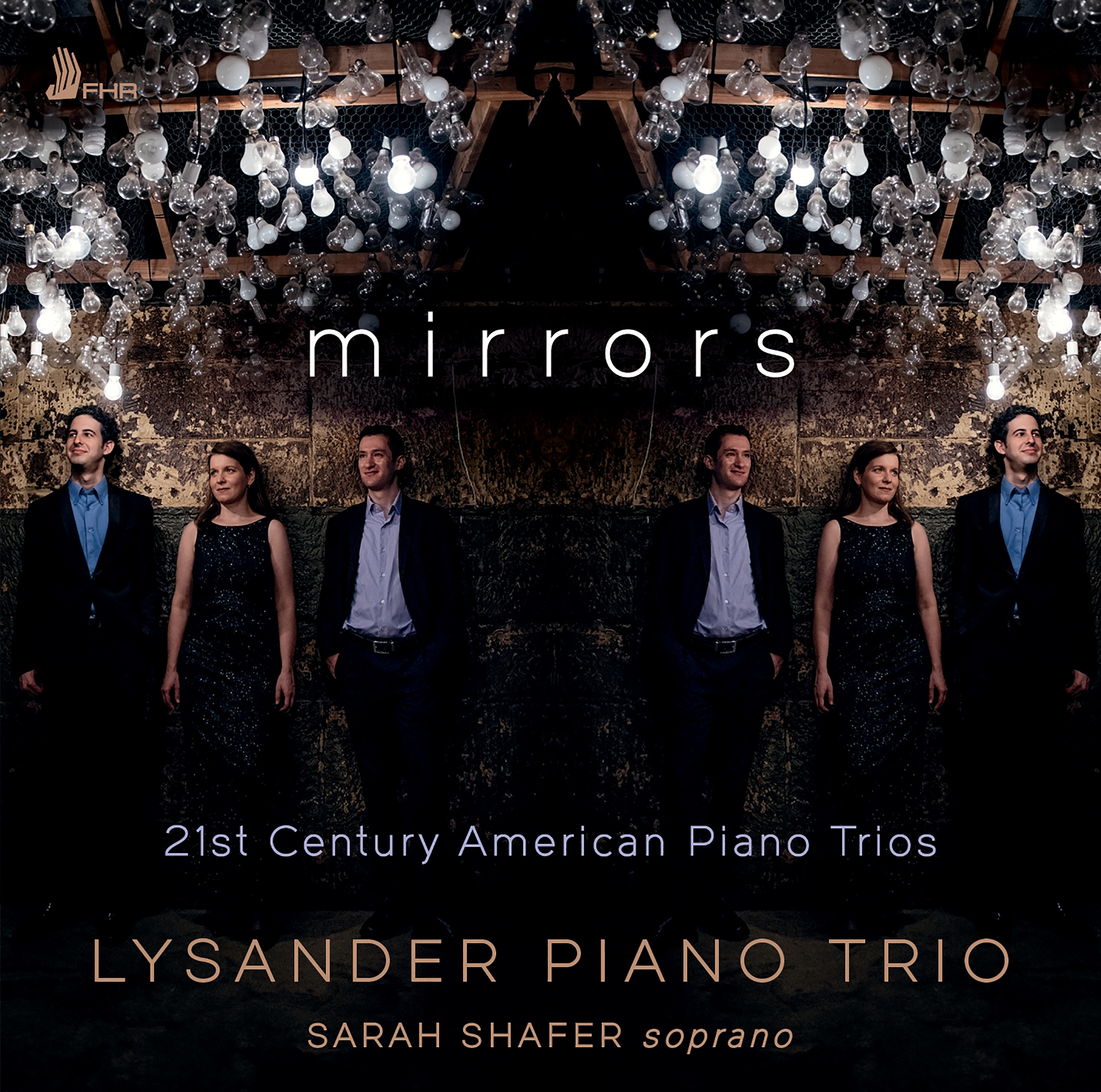
04 Mirror Lysander Triomirrors – 21st Century American Piano Trios
Lysander Piano Trio
First Hand Records FHR11 (lysandertrio.com)

The formidable Lysander Piano Trio celebrates its ten-year anniversary with an attractive new disc, featuring music hot-off-the-press by living American composers. The trio is fervently committed to new music and to the commissioning thereof: no less than six world-premiere recordings populate this disc.

Ne’er to shy away from muscular playing and athletic feats of prowess, the members of Lysander crack on through these works (generally having been constructed with their triply impressive strengths in mind). The composers represented here do seem to ensure a freshness of concept, sometimes sojourning in new directions. Thankfully, the result is a 21st-century deliverance of the genre from the shackles of a 19th-century canon.

The extra musical inspiration throughout the record is notable. Reinaldo Moya’s Ghostwritten Variations has been inspired by four novels that highlight composers as protagonists, namely those of Thomas Mann, David Mitchell, Richard Powers and Kim Stanley Robinson. Moya’s piece offers a reimagining of what music by these four might sound like – a compelling conceit. The Black Mirror by Jakub Ciupinski turns to the visual arts for incentive, referencing a portable painting aid, curiously known as a “Claude glass.”  And Sofia Belimova’s brief, Titania and Her Suite, reaches our eyes by way of A Midsummer’s Night Dream.

Without doubt, a highlight of this release is Love Sweet by Jennifer Higdon, as sung by Sarah Shafer. The young soprano’s narrative abilities and refined vocal colour bring the new, five-song cycle to life.

05 Wang LuWang Lu – An Atlas of Time
Boston Modern Orchestra Project; Momenta Quartet; Ryan Muncy; Daniel Lippel; Miranda Cuckson
New Focus Recordings FCR277 (newfocusrecordings.com/catalogue)

Chinese-American composer Wang Lu’s works excite like a case of sudden-onset-fireworks display. Frenetic bombast prevails amid haunting breath-like interjections that induce enjoyable sonic nightmares of a welcome kind. This whirlwind of activity is ever-present throughout the composer’s latest release titled An Atlas of Time – a disc with recent orchestral and chamber compositions. 

The title track, performed by the Boston Modern Orchestra Project, is modernist excitement at its finest. Set in five character pieces, this is the gem of the disc and provides compelling landscapes and novel environments for the ear. Another exemplary selection of the release is the solo violin work Unbreathable Colours, performed by Miranda Cuckson. This piece is Wang’s artistic response to the unrelenting smog encountered on a recent visit to China – her native land. The hesitant, yet sharp, plucks and swells in this work truly provoke a suffocating listening experience – one that brilliantly paints a simultaneously eerie and beautiful musical haze. 

Each piece on this release is an example of why Wang is one of the most original voices in contemporary classical composition, and each track unfolds with some of the most organic and strikingly enjoyable pacing in recent memory – I’ll be listening many more times!

Listen to 'Wang Lu: An Atlas of Time' Now in the Listening Room

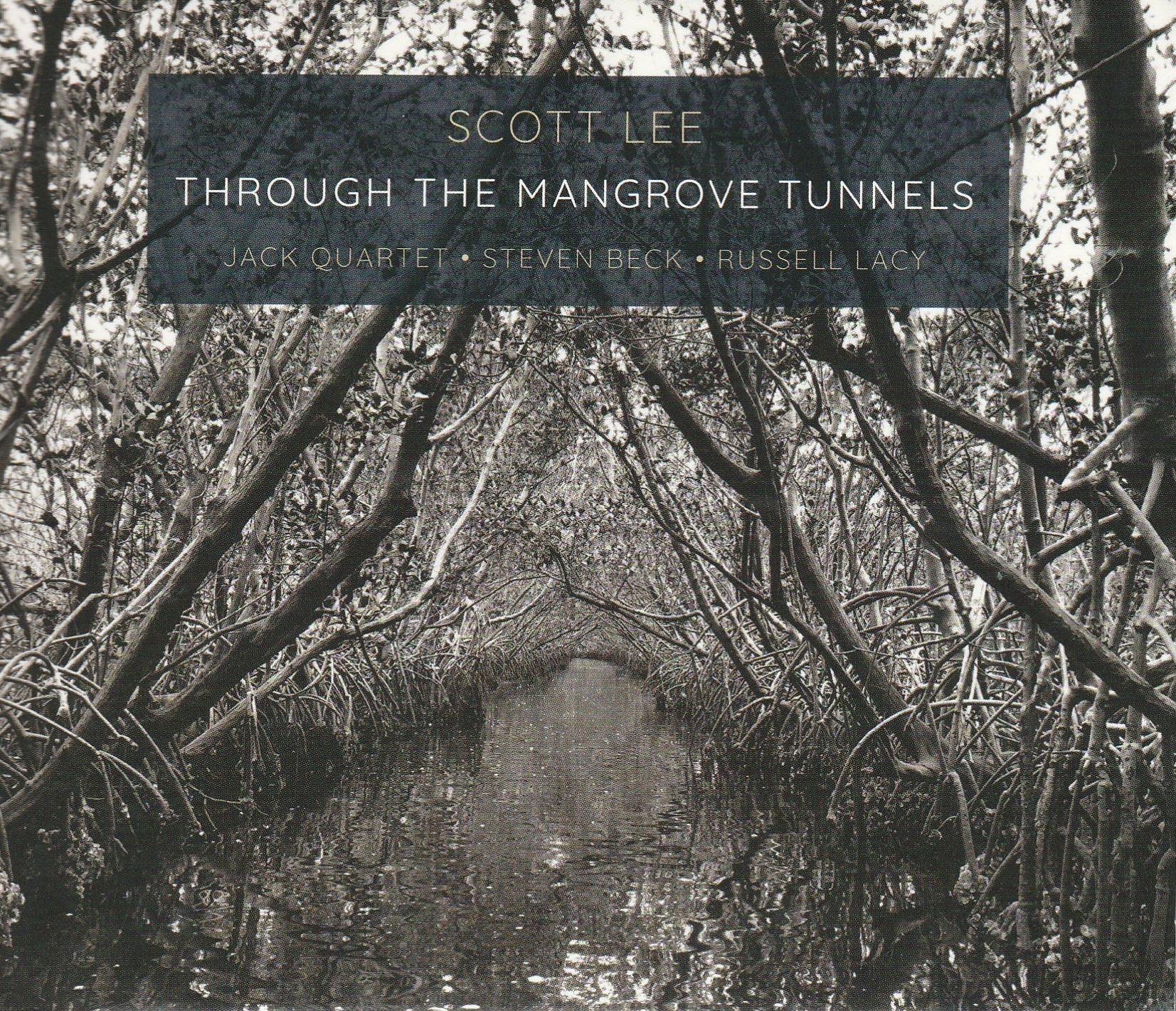
06 Scott Lee Through MangroveScott Lee – Through the Mangrove Tunnels
JACK Quartet; Steven Beck; Russell Lacy
Panoramic Recordings PAN20 (newfocusrecordings.com/catalogue)

I was lucky to receive this album during the latest COVID-19 lockdown, as it provided a welcome escape from my own four walls. This album is great storytelling, an audio film of tales of imaginative discoveries by the composer growing up wandering the swamps and bayous of Florida. Drawn from Lee’s memories of exploring the Weedon Island nature preserve as a youth, from one movement to the next I was captivated. From the opening track, Through the Mangrove Tunnels, we are transported to a small craft, peeking around corners through overgrown channels, encountering the unexpected. This album is an expertly played audio escapade featuring pianist Steven Beck, drummer Russell Lacy and the JACK Quartet. 

Part historical narrative, and part personal reflection, Lee manages to engage the listener with his blend of contemporary classical and extended jazz techniques, travelling seamlessly between tonalities and polyrhythmic styles without a single extraneous or gratuitous beat. Each track is expertly crafted to tell a tale of mystery: from shootouts, strange figures, ceremonial Native American gatherings, bootlegging, plane crashes and marvellous natural phenomena, the accompanying stories are fantasmic sketches perfectly enhancing each gorgeous composition almost to the scale of Saint-Saëns’ Carnival of the Animals. The tracks Playthings of Desire and The Ballad of Willie Cole are both full compositions almost on their own, but presented here they remind us that although the album provides some entertaining and humorous listening, these are compositions of great depth. The final track, Floating Away, takes us home in a way that evokes the end of a long and mysterious voyage.

Be sure to get a hard copy or a download of the booklet if possible, and follow along with the stories, as this is an album that deserves to be experienced as we used to, when a composer shared a journey with us, and we stayed in one place to listen and receive it in full. Perfect lockdown listening.

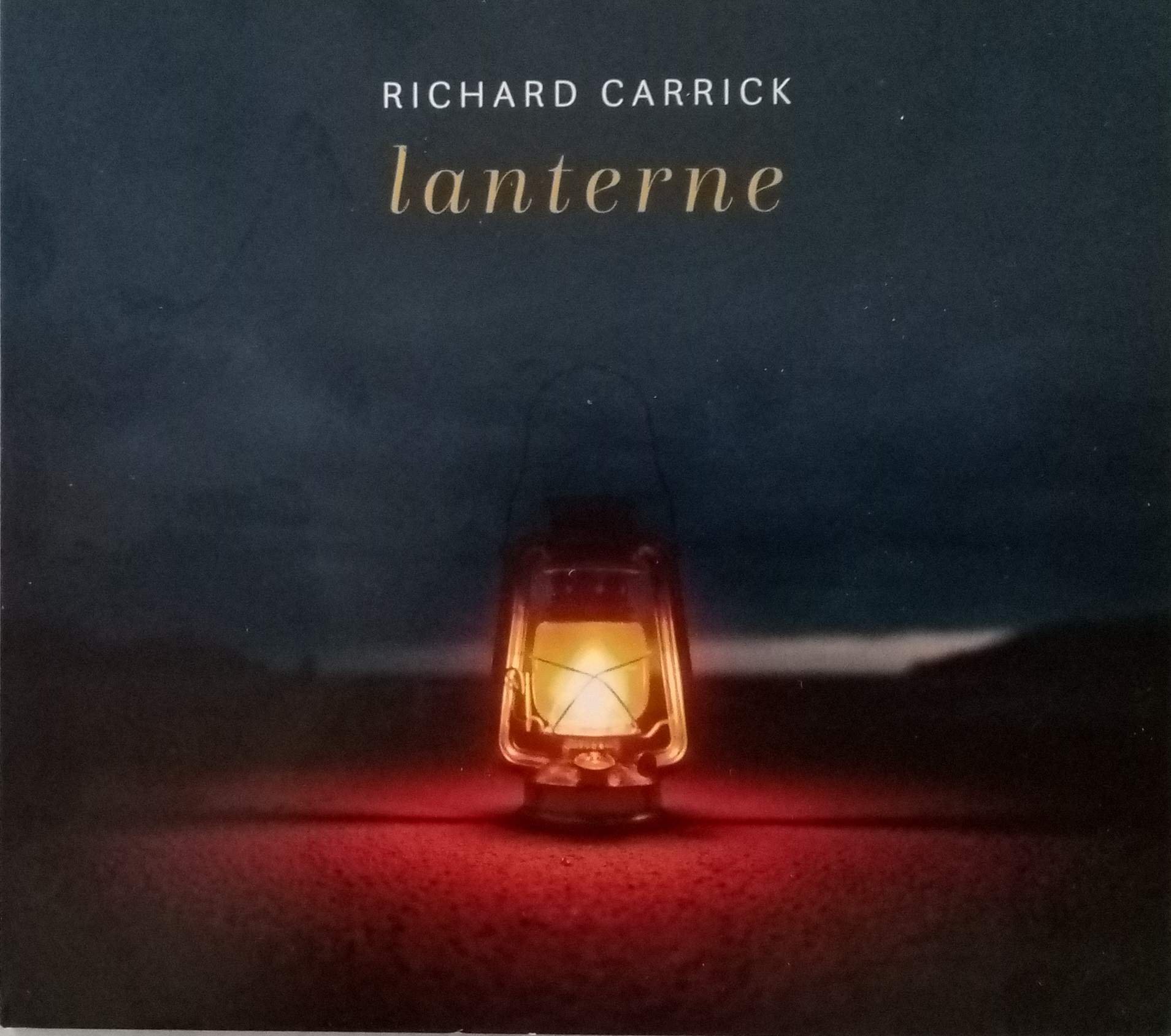
07 Carrick lanternelanterne
Richard Carrick
New Focus Recordings FCR273 (newfocusrecordings.com/catalogue)

American Richard Carrick’s phenomenal artistic abilities, including composer, pianist, artistic director and educator, are showcased in his sparsely orchestrated compositions. 

Title track laterne, for solo bass flute, performed by Margaret Lancaster, is an exciting listen, with breath and voice vocalizations, booming sounds, repeated rhythms and held notes driving the intense climax and the final faster fade with closing yelp. Carrick joins her on piano in une, a short and sweet roughly one-minute musical delight! Carrick performs with bass clarinettist Vasko Dukovski in the Korean vocal-music-influenced Sarang Ga. A quiet start leads to abrupt low piano chords and wide-ranging bass clarinet accents, melodies with dramatic squeaks, and a very modern tonality “echo” ending. Three works draw on the traditional Korean Gugak music. Highlight is the unique ensemble colours that surface in sandstone(s), as Western (New York New Music Ensemble) and Korean traditional instruments (Musicians of the Gugak Contemporary Orchestra) perform together.

The four-movement Space:Time – String Quartet # 2, performed by the Mivos Quartet, is musical space travel. Movement I, Claustrophobia, recreates spaceship solitude, with high-pitched, almost painful tight dissonances, accents at the end of ascending lines and tension-breaking brief use of lower lines. Low pulling down grounding tones and floating high counterpoint drive the storytelling in movement II, Gravity.

Four additional works and other great performers complete this Carrick collection of beautiful intimate sounds to appreciate even in pandemic isolation!

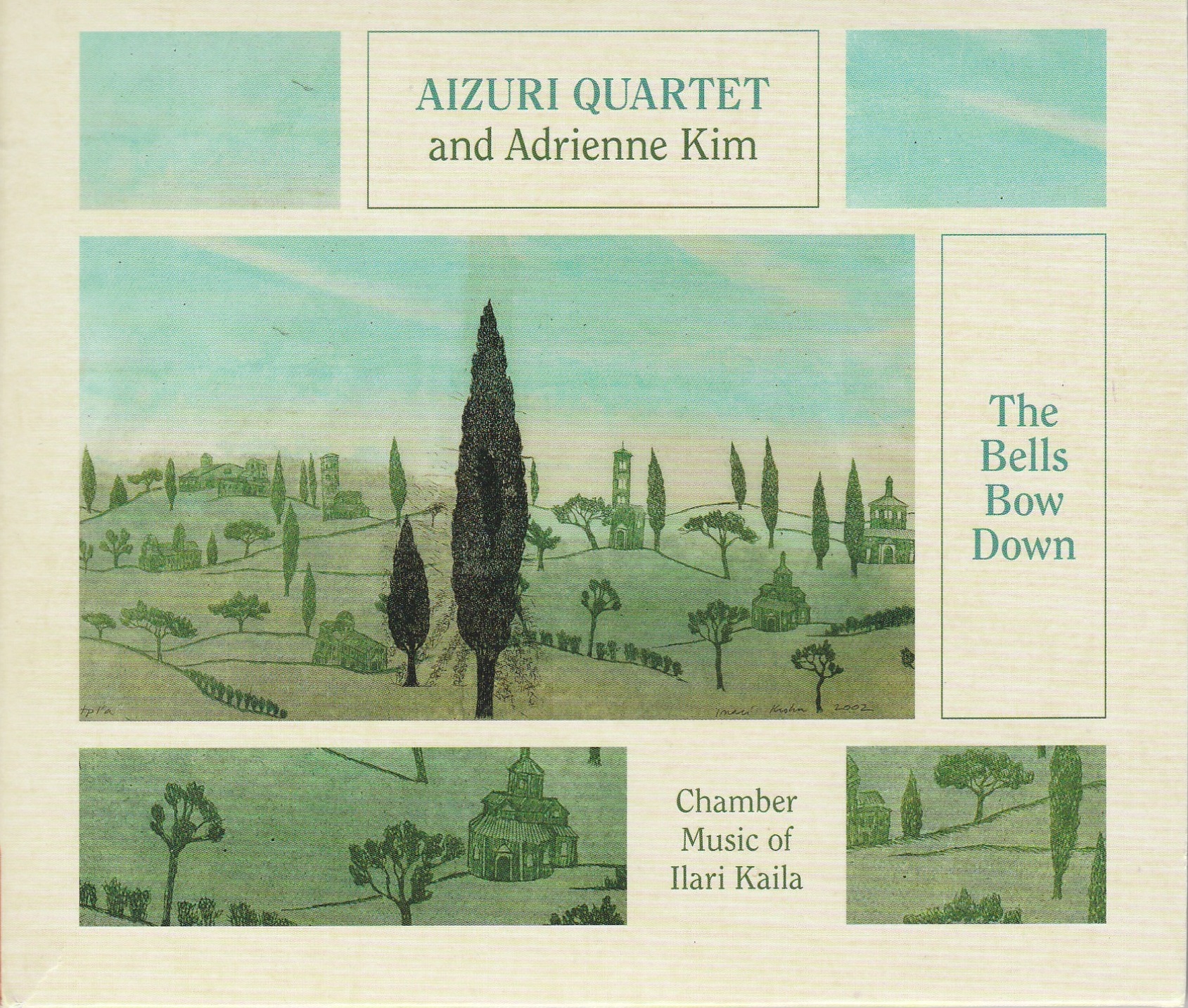
08 Ilari KailaThe Bells Bow Down – Chamber Music of Ilari Kaila
Adrienne Kim; Isabel Gleicher; Aizuri Quartet
Innova Recordings innova 036 (innova.mu)

This well-conceived and well-crafted recording is a magnificent presentation of works by Finnish-American contemporary classical and theatrical composer, Ilari Kaila. Produced by Kaila and Silas Brown, the album features his noted single-movement piano quartet, The Bells Bow Down (Kellojen kumarrus) In Memorium Hanna Sarvala, the five-movement Taonta and four other works. The interpreters of this challenging music are the internationally regarded, multiple award-winning Aizuri Quartet, which includes Ariana Kim and Miho Saegusa, violins; Ayane Kozasa, viola; and Karen Ouzounian, cello. Also joining the stellar cast are the luminous pianist, Adrienne Kim; and flutist, Isabel Gleicher.

The title track is constructed out of non-corporeal gossamer light and sonorous strings, which wrap themselves lovingly around the heart of the listener. The grief, pain and loss contained in this work are palpable. Pianist Kim enters with elemental, percussive chords, bringing to mind tolling church bells, as she wends her way through the turgid waters of raw emotion. The majesty of this composition demands complete commitment, bravery and technical skill from all of the artists involved, which it receives in spades.

The nearly unbearable beauty of Hum and Drum’s Philip Glass-like repetitive themes easily floats the listener into a trance-like state and Wisteria seems to speak to loneliness and isolation, and perhaps the long winter of the Norse soul. Kaila’s Taonta is also a triumph for the pianist, and one cannot imagine a truer manifestation of the composer’s intent. A modern masterpiece.

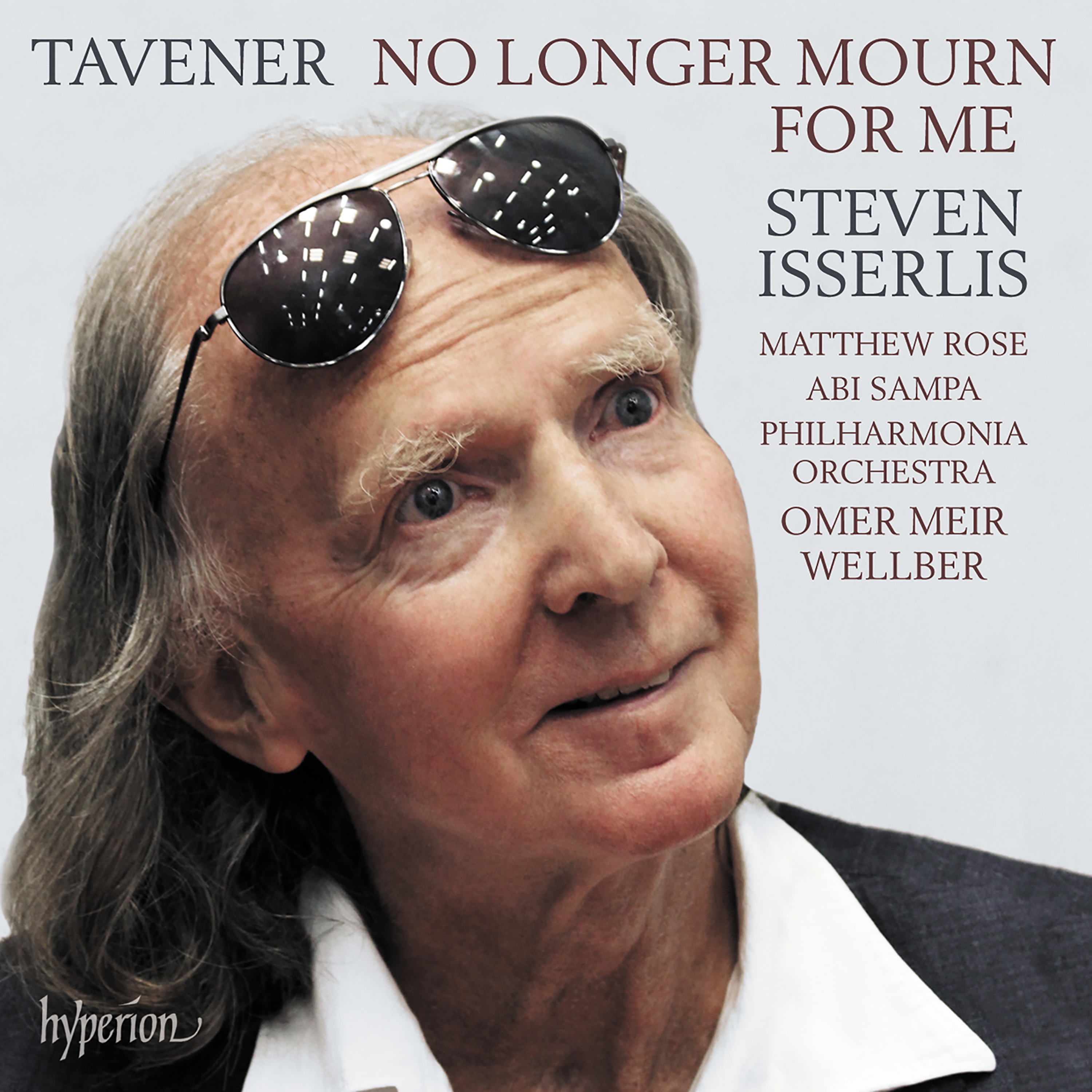
09 Tavener No Longer MournTavener – No Longer Mourn for Me
Steven Isserlis; Philharmonia Orchestra; Omer Meir Wellber
Hyperion CDA68246 (hyperion-records.co.uk/find.asp?f=CDA68246)

Some albums follow a linear and straightforward path through their conception, recording and release, while others take many years of behind-the-scenes planning and work before finally reaching a listening audience. Tavener: No longer mourn for me falls into this latter category, starting its gestation as cellist Steven Isserlis’ own passion project in 2013, thrown into disarray by Tavener’s death later that year and, after a long and labyrinthine journey, eventually unveiled seven years later, in October 2020.

As is the case with much of Tavener’s output, many of the works on this disc defy strict categorization, a reflection of the composer’s numerous and eclectic influences including the Orthodox Church, the Anglican Cathedral tradition, Catholicism, Islam, Tolstoy and Shakespeare. The two principal tracks, The death of Ivan Ilyich and Mahámátar, are fascinating and stunningly beautiful cross-cultural experiences: in Ivan Ilyich, Tolstoy’s text (sung in English by bass Matthew Rose) draws on Tavener’s influences to form a uniquely dramatic work resembling a one-act opera; Mahámátar features Sufi singer Abi Sampa, along with Isserlis and the Trinity Boys Choir, in a magnificent exploration of East-meets-West through Tavener’s eyes and ears.

The remaining works on No longer mourn for me are, although smaller in scale and performing forces, no less impressive, either from a compositional or interpretive perspective. Of particular interest are the two arrangements for eight-cello ensemble: Shakespeare’s Sonnet LXXI, No longer mourn for me; and the Preces and Responses, a sublime setting of the prayers traditionally sung at the Anglican service of Evensong, originally composed for choir.

John Tavener’s lengthy and highly regarded career resulted in an extraordinary range of material, as varied as the composer’s influences and inspirations. Although only a portion of his late works is represented on No longer mourn for me, their depth and breadth serve both as an introduction for those previously unfamiliar with Tavener, as well as a point of exploration and discovery for those seeking to delve deeper into this great composer’s eclectic and evocative style.

10 Fie SchoutenNature
Fie Schouten
SOL Classics SOL010 (fieschouten.nl/en/discografie/)

Fie Schouten makes the bass clarinet ring with a gorgeous sound. Nature is a collection of contemporary pieces that refer to our environment. They’re cleverly ordered, drawing attention first to the earth and sea, to the sky, and finally to the moon and stars. 

Jonathan Harvey’s Cirrus Light is juxtaposed with Abîme des oiseaux, from Messiaen’s Quatuor pour la fin du temps. Harvey’s piece, which is played on soprano clarinet, was written in the final year of the composer’s life, and sounds almost like an homage to the Messiaen. Schouten elects to present the Messiaen on basset horn, bringing more Abyss and less Bird to the performance. This is not all a bad thing: at a perfect fourth below the original pitch, desolation is powerfully rendered by the lower voice. Some of the sustained crescendi are marred by unintended timbre alterations, and I think the bird calls are more brilliant on the soprano instrument. Although it’s a fine rendering, on balance, I prefer the original. 

Oi Kuu, by Kaija Saariaho, is a duo for bass clarinet and cello that references the moon. It’s beautiful. George Aperghis’ Façade-Trio is also stunning. Written for two bass clarinets and percussion, it sounds like a dialogue of mad twins: two enraged geese, perhaps, arguing by the abyss. The extremely recent (August 2020) Mankind ReMix by Michael Finnissy is another solo bass clarinet piece, right in Schouten’s wheelhouse: singing tone and powerful expression.

Listen to 'Nature' Now in the Listening Room

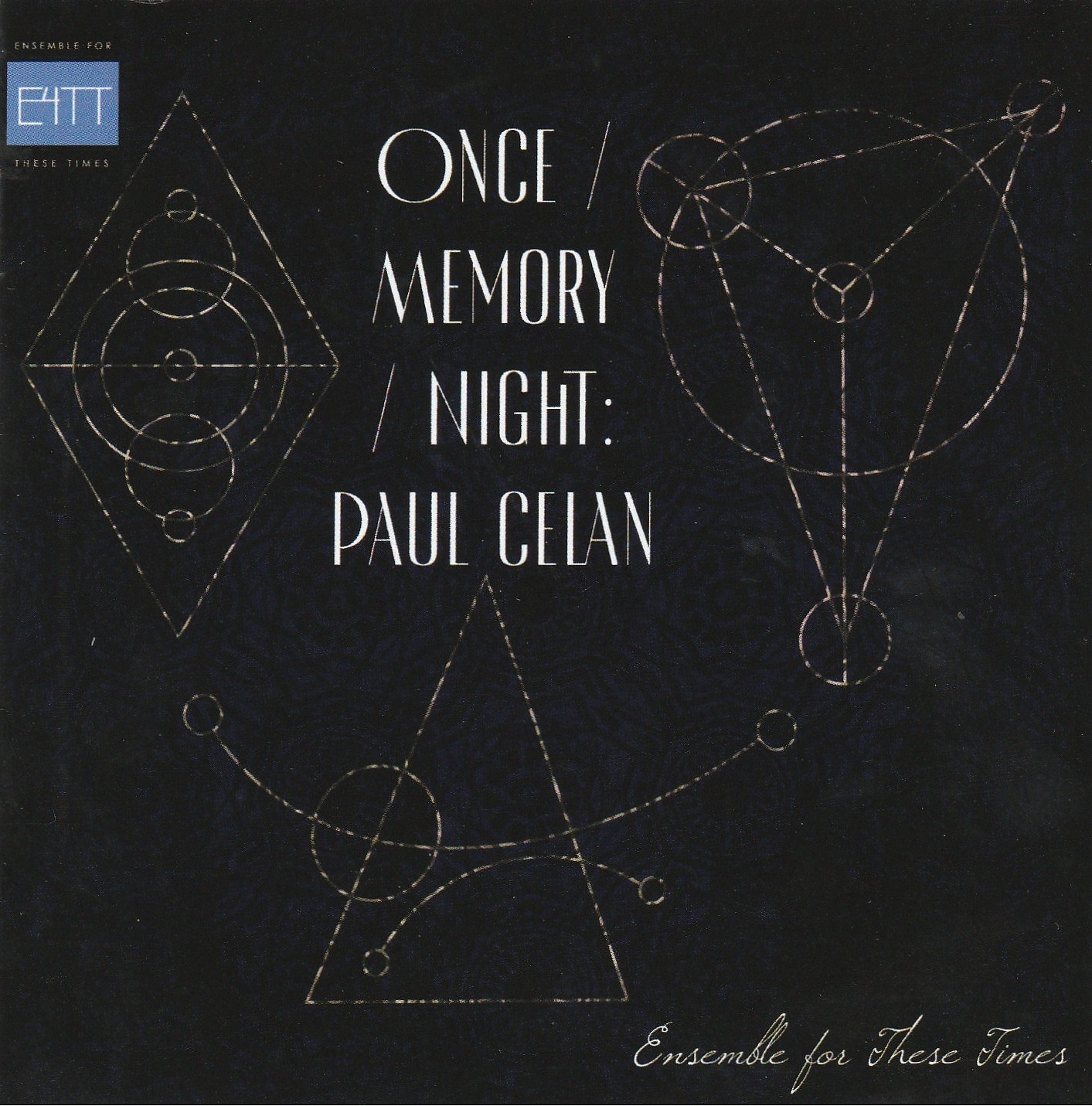
11 Ensember 4TTOnce/Memory/Night: Paul Celan
Ensemble for These Times
E4TT (e4tt.org/discography.html)

Paul Celan was one of the 20th century’s most profound poets. To listen to this breathtaking recording of his poetry is to be drawn to its haunting beauty as if by gossamer strings. Elliptical, rhythmically spellbinding, each word obdurate and as inward as a geode, Celan’s poems embody a conviction that the truth of what has been broken and torn must be told with a jagged grace. And few – if any – recordings of his work tell their truth better than Once/Memory/Night: Paul Celan by Ensemble for These Times. 

This recording features almost an hour of poetry echoing with heart-aching emotion delivered in a kind of near-spiritual quietude. A unique atmosphere is created by the disc’s opening track: Libby Larsen’s 4½: A Piano Suite brought to eloquent life by pianist Xin Zhao. Then follows Die eichne Tür, the cycle of Celan poems set to music by David Garner. The Ensemble’s performance is both poised and haunting, and is raised to a rarefied realm by lustrous and soaring, songful recitatives executed by the inimitable Nanette McGuinness,

More of the transcendent beauty of Celan’s work unfolds in Jared Redmond’s Nachtlang before we are treated to the extraordinary recitation of another celebrated poet, Czeslaw Milosz’s A Song on the End of the World by Milosz’s son Anthony, followed by the disc’s dénouement: a rapturous performance of Milosz’s poem which unfolds with poise and sensual fluidity from the lips of the magnificent McGuinness.

Listen to 'Once/Memory/Night: Paul Celan' Now in the Listening Room

Back to top