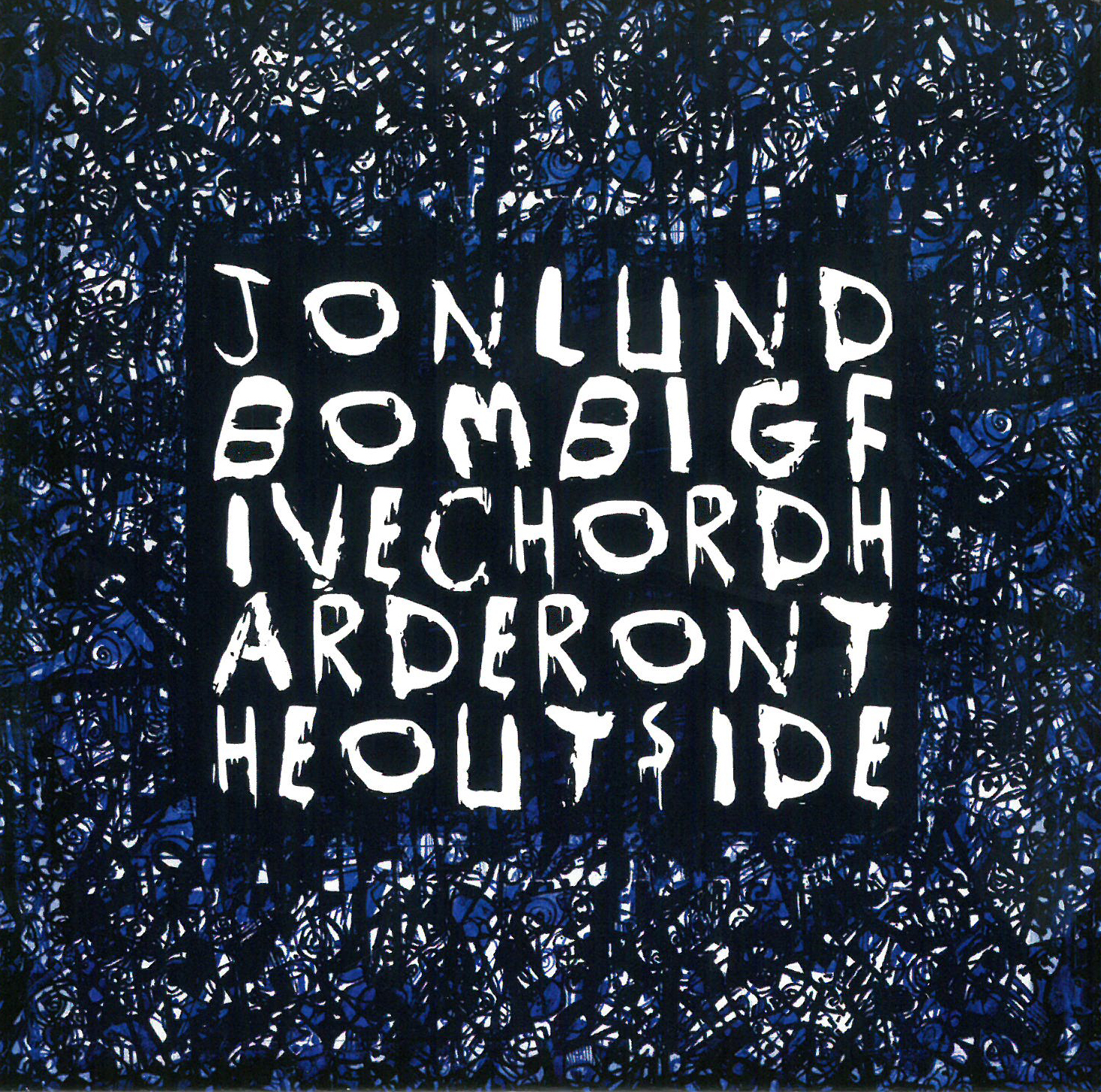
13 Jon LundbomHarder on the Outside
Jon Lundbom & Big Five Chord
Independent HOT CUP 108 (jonlundbom.com)

The “avant jazz guitarist” Jon Lundbom has an eclectic and inventive history which includes studying jazz and classical guitar in Chicago and New York; playing in Bryan & the Haggards, a New York-based alternative Merle Haggard cover band; and releasing eight recordings with his own group, Jon Lundbom & Big Five Chord. (I fell in love with the Haggard’s 2013 Merles Just Want to Have Fun featuring Eugene Chadbourne).

Harder on the Outside is intense, aggressive, fun and solidly grooving. It is a combination of hardcore/alternative fusion with solid beats and free-form soloing. The “beats” come from a longer-term project between saxophonist Bryan Murray and Lundbom which is forthcoming, but Lundbom was inspired to record live versions of those songs with the Big Five Chord (Lundbom with Jon Irabagon on alto and soprano saxophones, Murray on tenor and balto! saxophones, Moppa Elliott on bass and Dan Monaghan on drums).

Two examples of this album’s range are: People Be Talking which features a 6/4 metre propelled by an eccentric bass and drum groove, melodic head, sputtering and energized tenor solo by Murray and then a reverbed, ethereal guitar solo from Lundbom. Prednisone is slower with a cautious, crawling melody played in fourths with the saxophones. Justin Wood (a guest “sixth chord”) plays a lyric alto sax solo and then Lundbom finishes with a fuzzed-out guitar displaying very solid fusion chops. None of the tunes end with the traditional recap of the melody; the solo finishes and that’s it. The beats are seriously heavy and the playing is intense.

14 WeightingWeighting
Gabriel Zucker
ESP-Disk ESP5027 (gabrielzucker.com)

Gabriel Zucker is a New York-based composer and pianist who has been creating music which combines elements of contemporary composition, jazz improvisation and indie band music. He writes and performs for a band he calls The Delegation which has a revolving membership and recently toured Ontario. Weighting sounds similar to the music of The Delegation, but it is a specific project based on the novel The Flamethrowers by Rachel Kushner. The group comprises Zucker with Tyshawn Sorey (drums), Adam O’Farrill (trumpet) and Eric Trudel (saxophone).

Weighting contains sounds and motifs that unwind narratively in three parts: Soul, Appointments and Stones (each of which has two or three movements). The first movement of Part 1Would It Come Back to You? – begins with trumpet and saxophone playing lines that are part counterpoint, part call and response; they grow loud, then soft, interspersing flurries of notes with longer tones. The piano and drums enter after the piece is half over, filling out the sound with discordant clusters of notes and drum rolls and then all four players exchange several intense riffs until only the piano is left to calmly introduce the second movement, The Uselessness of Truth/Not to be Anything More. Soon Sorey joins with some bow-on-cymbal work and eventually Trudel plays primarily pads over a soft piano background.

Each of the movements contains contrasting composed sections and some improvised parts which maintain the sense of moving forward to the next idea. Zucker has carved out a unique vision with his music and Weighting is an engaging album.

Recording with a group of stringed instruments has always posed particular challenges for committed improvisers. Since the groupings of violin, viola, cello and the like are usually valued for their harmonic and melodic qualities, the challenge is to avoid a mawkish “& Strings” session, that buries innovation in schmaltz. Luckily these discs impress by using string players not as backup or afterthought, but as an integral part of the creative process.

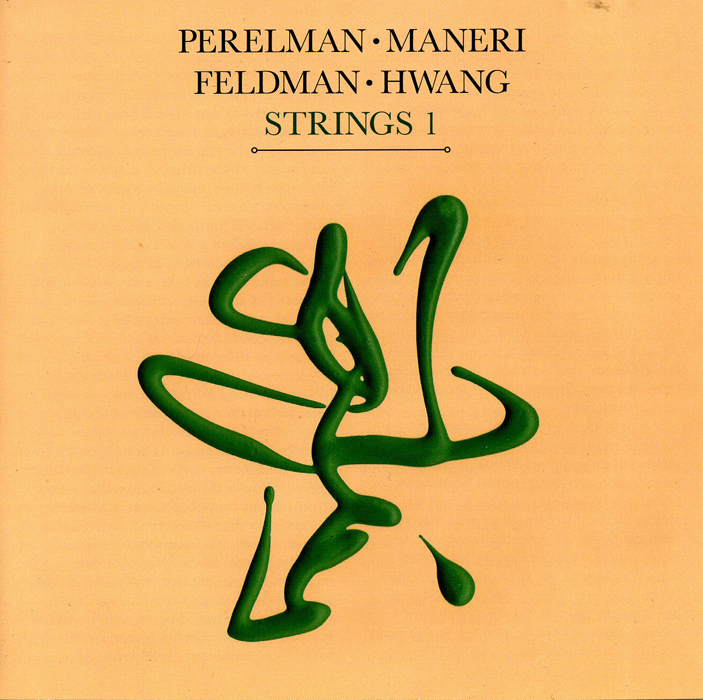
01 Strings1CD007Take Brazilian tenor saxophonist Ivo Perelman for instance. As part of a seemingly endless series of discs that link his horn with other instruments, on Strings 1 (Leo Records CD LR 850 leorecords.com), the saxophonist creates a free music interpretation of high-art string quartet literature. Perelman, who played cello as a youth takes that part, while the others fit traditional roles: violinists Mark Feldman and Jason Hwang plus violist Mat Maneri. During the nine-track, 74-minute program, the four subdivide frequently so that when one violinist concentrates on sul ponticello squeaks, the other paces a moderato theme; or the saxophonist’s yelps, peeps and growls are answered with contrapuntal viola sweeps. Throughout, the fluctuating sequences move from stop-time to fragmented to extended legato, with abstracted string scratching as much a part of the expositions’ evolution as Perelman’s multiphonic asides. Although all four are capable of creating elevated timbres – despite the fact that the string players sometimes approximate angry birds – uncomfortable shrillness is usually avoided, with the quartet confirming that moderato storytelling can encompass just enough jagged and jerking notes to enliven the tracks without derailing them into atonality. The extended fourth track, for example, which begins with dissonant pizzicato plucks from the string players and elaborated sibilant reed squeaks, courses into a narrative where Perelman’s caustic tones settle within circling string layering, so that no matter how many spiky reed detours are tried, by the finale the parallel improvising becomes a four-part coordinated theme.

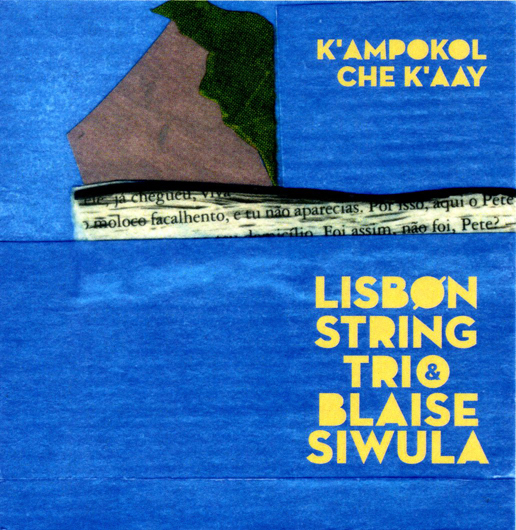
02 LisbonStringCD003American clarinetist Blaise Siwula is in somewhat the same situation on K’ampokol Che K’aay (Creative Sources CS 453 CD creativesourcesrec.com), Except in this case the Lisbon String Trio consists of violist Ernesto Rodrigues, cellist Miguel Mira and bassist Alvaro Rosso. Recorded at a Lisbon concert, the music on the disc – titled for a Mayan coffee-like shrub – gets steadily more salient as the program evolves and each player becomes more comfortable with the others’ skills. Initially, either strident or wispy, Siwula’s clarinet parts evolve to sinewy mid-range, with a woody overlay, as flutter-tongued elaborations become expressive storytelling. When the string trio isn’t involved with mid-range harmonies, each takes on a particular role. Rosso’s rugged program includes applying ground bass plucks to the tracks; Mira’s repetitive counterpoint challenges the narrative; and Rodrigues’ staccatissimo thrusts decorate the fluid interface with pumps and jumps. The four reach a climax midway through the third untitled improvisation when a section of high and low pitches dissolves into individual showcases. From that point on, despite ragged string sweeps, spiky textures, and slap-tonguing and modulated shrilling from the clarinetist, the polyphonic program touches on the pastoral, but includes enough sudden and unexpected pitch and tone switches that, symbolically, the hardscrabble work that underlies any bucolic scene ia sonically obvious as well.

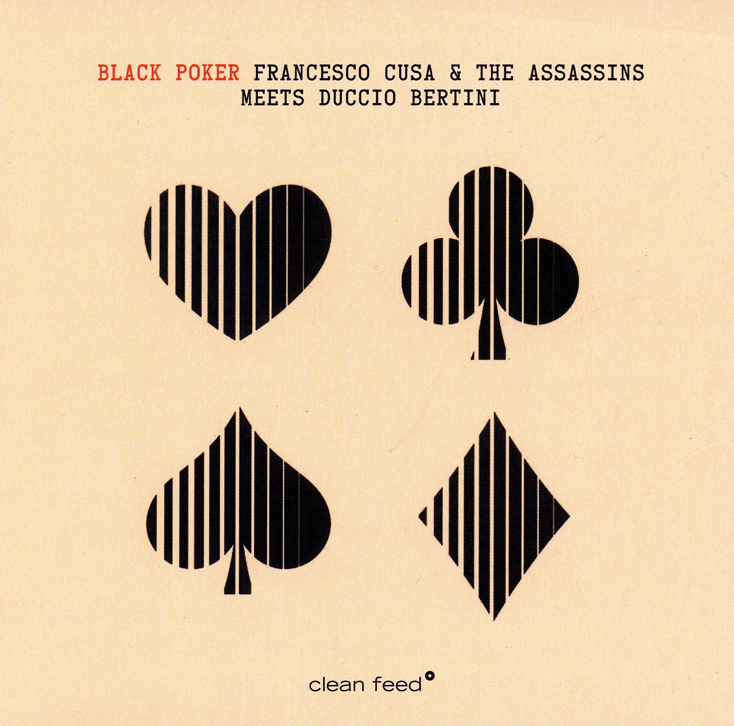
03 BlackPokeCD004Another method of pushing an already constituted string section into an anomalous challenge is to mate it with another group. Black Poker (Clean Feed CF 504 CD cleanfeed-records.com) does just that, as Italian drummer Francesco Cusa and his band the Assassins with trumpeter/electronics manipulator Flavio Zanuttini, tenor saxophonist Giovanni Benvenuti and keyboardist Giulio Stermieri are joined by the violinists Daniele Iannaccone and Lorenzo Borneo plus violist Agostino Mattioni and cellist Cristiano Sacchi who make up the Florence Art Quartet (FAQ). Although the two quartets each have a track to themselves – with the result too syrupy in the FAQ’s case – Black Poker’s achievement is how well the ensembles’ dissimilar textures integrate. Starting with Spades/Picche, the first track, the polished swing of the Assassins, expressed most obviously in processed upsurges from Zanuttini and pensive reed breaks from Benvenuti, is first buttressed and then challenged via pizzicato pops from the FAQ. Sophisticated enough to divide its role on Clubs/Fiore into high-pitched violin swirls and mid-range viola and cello vibrations, the FAQ is the antithesis of a clichéd string section. As Benvenuti’s altissimo runs plus Stermieri’s tremolo cadenzas – as well as Cusa’s faultless yet hard rebounds – move the narrative forward while making it more overtly rhythmic, the string shimmies provide the theme with flexibility and sparkle. Key role reversal occurs in the penultimate Kirtimukha (Hearts/Cuori), where the tenor saxophonist’s heartrending solo is more pulpy than anything the individual strings play; and it’s the FAQ’s bent note refrain and string scrubbing, plus shrill notes dug out from the trumpet’s innards, that ensure the tune returns the head’s jolly march and away from mawkishness.

04 CordameCD001With a sextet consisting mostly of orchestral instruments and half the 16 tracks based on works of Claude Debussy, Montreal-based Cordâme has given itself a challenge that goes beyond instrumentation. However on Debussy Impressions (Malasartes Mam 033 cordametrio.com), the composition and arrangements of bassist Jean Félix Mailloux, plus the playing of violinist Marie Neige Lavigne, cellist Sheila Hannigan, harpist Éveline Grégoire-Rousseau, pianist Guillaume Martineau and percussionist Mark Nelson, manage to use the French Impressionist composer’s concepts as a base to blend and broaden sounds on the 70-minute CD to much more than a Debussy homage or mimicry. While glissandi from the harp and the violin on a track such as Debussy au clair de lune may follow expected dancing expressionism, the seamless integration of a thumping bass line and piano syncopation introduce a jazz sensibility that buoys the piece. Similarly L’égyptienne may include some faux-Middle Eastern motifs like its model, but downcast fiddle cadenzas are secondary to percussive rebounds from Nelson and sweeping piano patterns that almost push the piece into rock music territory. Orchidées chatoyantes depends on below-the-bridge plucks from the strings plus a castanet-like clatter, giving the track a unique Spanish tinge. Meanwhile the polyrhythmic Ondine advances with keyboard rumbles and swinging harp pops, and includes sprightly violin sweeps that relate more to rural Quebec than Edwardian Paris. This old-timey fiddle concept also appears on Fougères, inserted in the middle of a stirring duet between double bass and harp, both swinging in a non-18th-century manner. This and other originals show off Mailloux’s skill even more. However he’s crafty enough to compose pieces that harmonize with the French composer’s ideas. Lotus bleu, for example, is lighthearted and speedy. Yet lurking among the piano clusters and bass-and-drum cross-rhythms is a hint of lighter syncopation close to what Debussy found in the sound of gamelan ensembles.

05 AmorgosCD002In a more contemporary setting and with a reduced ensemble, Athens-based composer/vocalist Ada Pitsou has created a suite of ten miniatures reflecting the most eastern Greek island in the South Aegean Sea with Amorgos (SLAM 592 slamproductions.net), interpreted by handpicked musicians: violinist Dionisis Vervitsiotis, cellist Angelos Liakakis, pianist Thodoros Kotepanos and drummer Niklos Sidirokastritis. Chief distinction is how well pre-recorded sounds of lapping waves, running water and breezy and blustery winds are adapted to sync with the instrumentalists’ expositions. However once this is accomplished, Pitsou’s compositions don’t take much advantage of the broad textures that could be sourced from unconventional string settings. More interested in mood and colouring than ambulation, unlike Mailloux’s re-orchestrations, here sprightly interchanges and austere harmonies are used for scene-setting rather than timbral advancement. There are a few instances where the mould is broken briefly, as on Yassemi, where drumming patterns interrupt a romantic string exposition; or on Seladi, where tempo-changing iterations cycle through percussive piano clips, warm violin and cello harmonies and inflated wind whooshes. But these attempts aren’t extended to full innovative dissonance or tried elsewhere. Overall, despite the CD’s somewhat unusual instrumentation, only simple musical goals are aimed for; and they are just as easily attained.

String groups have been utilized for fine chamber music since the 18th century. In the 21st century however, coupling the expected with output from other sources – mostly improvised creations – produces even more memorable results. 

01 Eldon Rathburn ProjectThe Romance of Improvisation in Canada: The Genius of Eldon Rathburn
Petr Cancura; Kevin Turcotte; Marianne Trudel; Adrian Vedady; Jim Doxas
Justin Time JTR 8613-2 (justin-time.com/en/album/588)

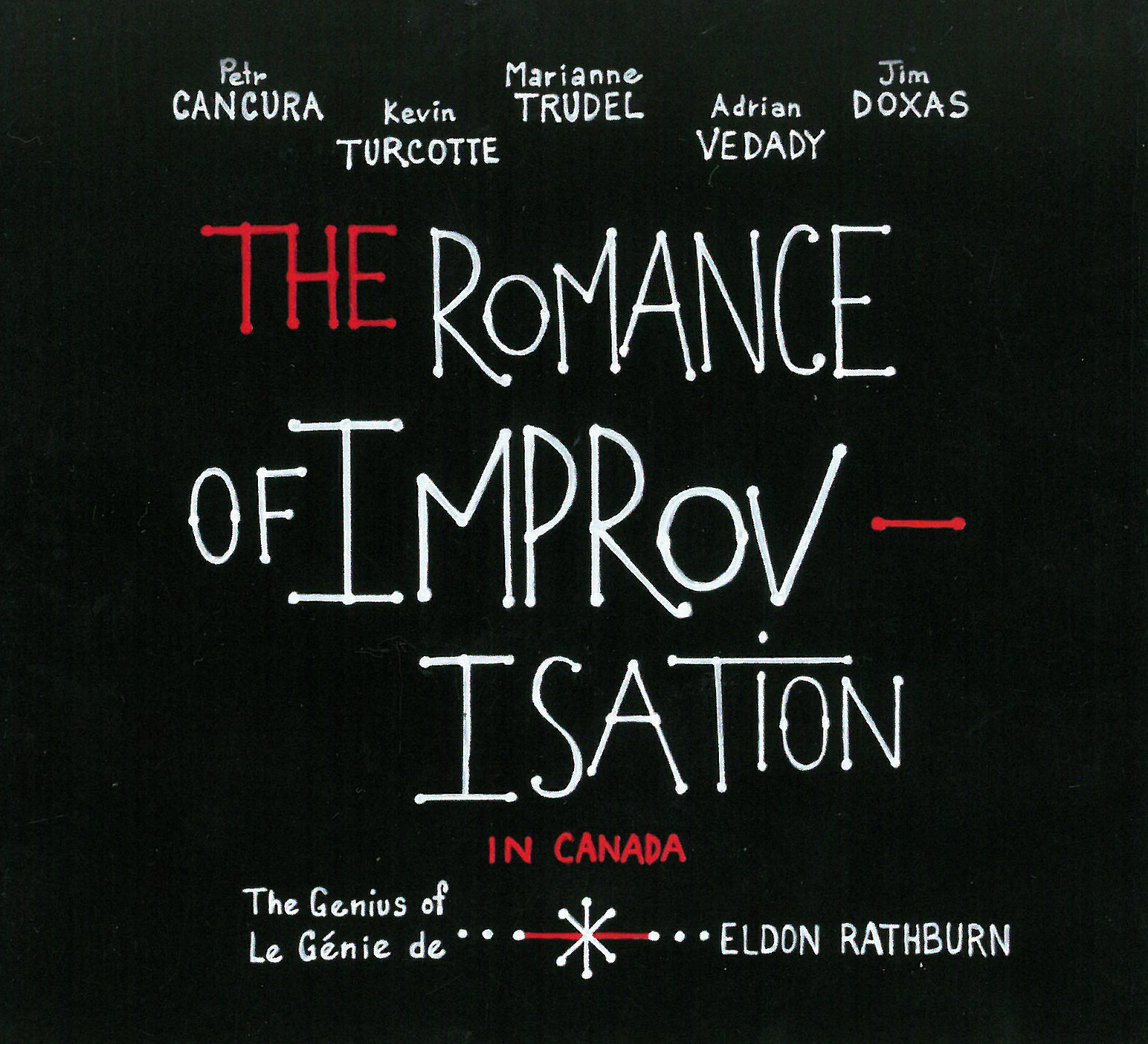
The Romance of Improvisation in Canada – The Genius of Eldon Rathburn celebrates the music of the late, titular composer, who wrote more than 250 film scores, the majority of them during his long career as a staff composer for the National Film Board. This album – released through Justin Time, and helmed by Adrian Matte and Allyson Rogers, who co-produce and arrange all the album’s music – is a labour of love to the memory of Rathburn, whose music will be familiar to multiple generations of Canadians, even if his name is not. Playing Matte and Rogers’ arrangements is the top-notch ensemble of Petr Cancura, saxophone, Kevin Turcotte, trumpet, Marianne Trudel, piano, Adrian Vedady, bass, and Jim Doxas, drums.

Working for the NFB, many of Rathburn’s assignments involved composing music for educational shorts, including the endearingly titled Fish Spoilage Control; the theme gets an up-tempo swing treatment on this album, with a jagged melody set atop a tense pedal point. The Industrial Revolution Comes to Canada, at a mere 31 seconds, is a brief foreboding delight; likewise the three sections of the Ox Driver’s Blues suite. Fresh Fish Delish! Le Poisson se mange frais! is a bouncy, bluesy number, which, like so much of the album, balances humour and levity with the ensemble’s sophisticated improvisational prowess; Vedady, Turcotte, Cancura and Trudel all take concise solos. An excellent and unique album, appropriate for those interested in Rathburn, jazz, Canadiana or any combination thereof.

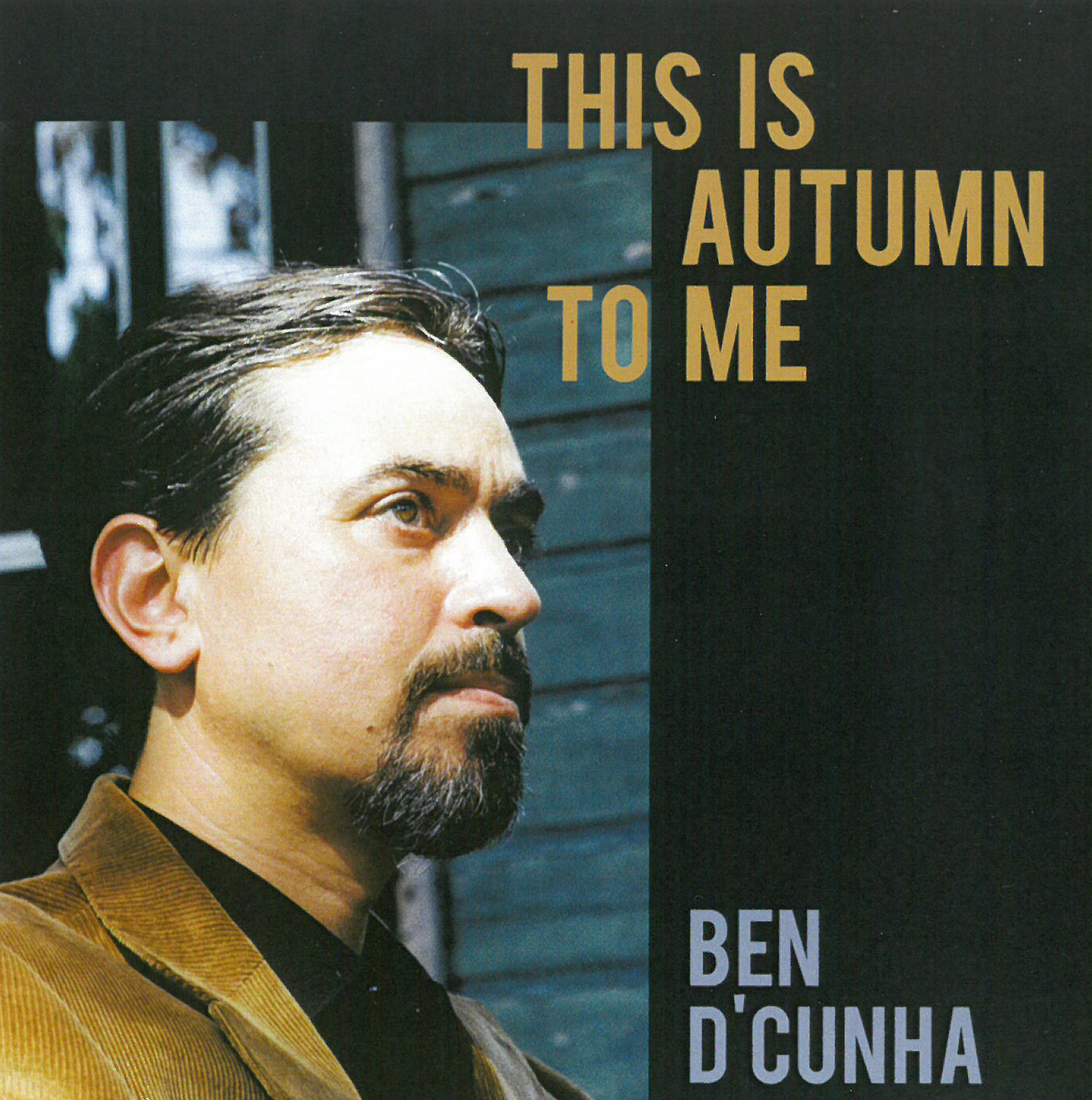
03 Ben dCunhaThis Is Autumn to Me
Ben D’Cunha
Independent (bendcunha.com)

On his debut recording, compelling pianist, vocalist and composer, Ben D’Cunha culled the selection of tunes here from 27 original songs captured in a single four-hour recording session this past summer. D’Cunha’s voice is rich and lustrous, and his jazz sensibility and phrasing are superb. As a pianist, he is in the pocket, connecting on a psychic level with the superb musicians also featured on this fine recording – Bob Brough on tenor saxophone, Jordan O’Connor on acoustic bass and Mike McClelland on drums.

The CD gets going with Earworm – an up-tempo, beboppish salute to the great vocalese progenitors, such as Lambert, Hendricks and Ross. D’Cunha bops and scats joyously throughout this delightful tune, punctuated by the trading of fours with Brough, O’Connor and McClelland. Of special note is the title track, a lilting bossa with a charming lyric and thoroughly gorgeous vocal. D’Cunha seems to channel the late, great, Kenny Rankin here with his pitch-pure and vibrato-controlled vocal sound. Also of note is Where Are You Now – a touching ballad of a past love, loss and reflection. The pristine canvas of piano, bass and drums is the perfect setting for this deeply moving piece.

The ten tasty tracks continue with Sweet Honey Bee (Won’t You Walk With Me) – a bluesy, funky tune featuring the soulful tones of Brough on tenor; and also the brilliantly lyricized, You Expletive You – a contemplative ballad about toxic love. O’Connor sets the sultry tone with the wonderful voice/bass duet that kicks off this boppish ballad, and Brough’s languid solo is masterful, as is O’Connor’s.

03 TrioliloquyTrioliloquy
A/B Trio
Chronojazz CR065 (chronographrecords.com/releases/trioliloquoy)

While the slyly clever play on words in the title may suggest drama and a certain angular structure to the music, nothing can really prepare you for the fierce energy that leaps out of the opening chords of the A/B Trio’s opening chart Lenny’s Beat. It’s an immensely exciting start to a recording that has you on the edge of your seat.

Primary colours abound in the textures that often rustle in the raw silk of Dan Davis’ saxophones that receive a mighty fillip from the brassy ones that special guest, trumpeter Kevin Turcotte, brings to the trio. All this while bassist Josh McHan and percussion colourist Thom Bennett keep the music on a tight rein, with rhythms and phrasing that are tight and alert.

It’s quite a shock to also see how fast the music can move from the tempestuous opening chart to the stately canter of the romantically inclined How Suite It Is, where the musicians take an elegiac view of the written material and work around it to produce something quite magical even in a walking rhythm.

The poetic waltz Leda’s Song later in in the repertoire keeps things deliriously romantic and balletic at the same time; this before the heat is turned up once again with the raw and gutsy Bluesaholic and the tantalizing interplay of Secondary Opinion that closes this edifying music. Capture that in a recording that gives space to sound and you have a winner.

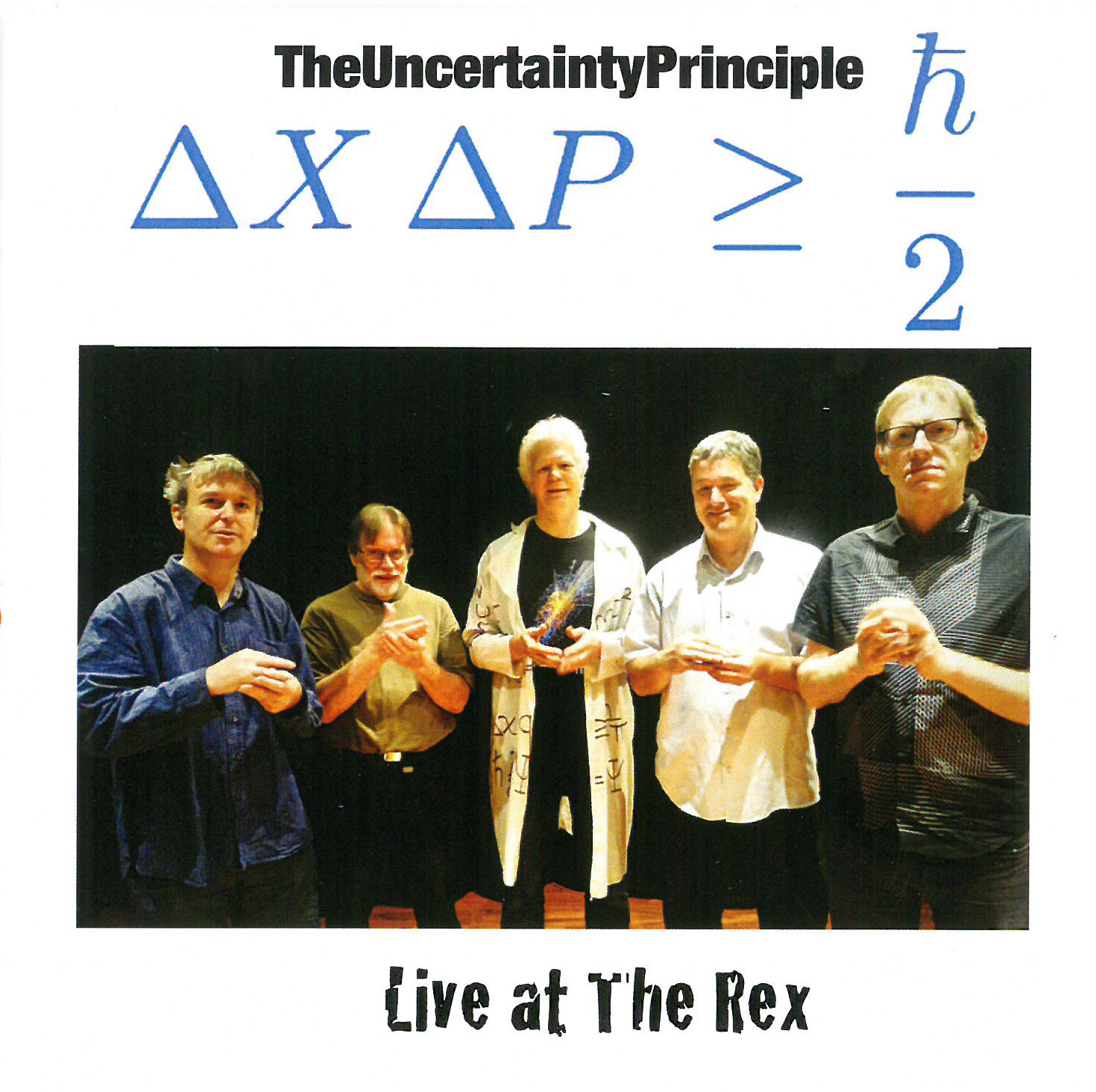
04 Uncertainly PrincipleLive at The Rex
The Uncertainty Principle
Independent (andrewboniwell.com)

With the release of pianist and composer Andrew Boniwell’s second CD with his stellar ensemble, The Uncertainty Principle, he has once again established himself as one of the most creative, non-Euclidian, improvisational jazz musicians on the scene today. For this live recording (expertly engineered by Neil MacIntosh at Toronto’s Rex Hotel and Jazz and Blues Bar), he has once again coalesced the considerable talents of Richard Underhill on alto saxophone, Kevin Turcotte on trumpet, Artie Roth on bass and Mike McClelland on drums. Boniwell serves as producer here, and has written all but one of the compositions. He is also fluent in what is possibly the only universal language – mathematics – and although the sophisticated quantum concepts that are integral to his music may not be readily understood, the exciting and unpredictable aspects of it certainly communicate the plasticity of space/time, as well as the thrilling idea of participating in a perfect, unexpected and unplanned moment of creation.

Boniwell’s opening salvo, Getting Higgy With It, Part #1 is a dream-like piano and percussion exploration which segues into the evocative Sleeping Giant, which features superb work from Underhill and McClelland. Another standout is Probability Wave #1 / HUP Poem, in which a superb bass solo and profound trumpet work lead the ensemble into a free flight of beauty and majesty punctuated by a stirring, hip, thought-provoking spoken word sequence by Boniwell. Winding up the CD are two exceptional tracks, Suite 60, where Underhill’s alto and Turcotte’s muted trumpet cling together like particles attracting, and Monk’s Well, You Needn’t, re-imagined with Latin underpinnings. Both are triumphs, as is the entire recording.

Listen to 'Live at The Rex' Now in the Listening Room

06 Mike FieldTrue Stories
Mike Field
Independent MFJCD 1801 (mikefieldjazz.com)

Following three previous award-winning CDs, trumpeter/composer/vocalist Mike Field presents a heady blend of his actual diverse, peripatetic road experiences expertly merged with compelling bits of pure fantasy. Field serves as composer here, as well as co-producer/co-arranger with noted guitarist Dominic Mancuso. In order to bring his eclectic concept into reality, Field has assembled a cast of fine musicians, including Mark Camilleri on piano/organ, Russ Boswell and George Koller on bass, Davide Direnzo on drums, Rosendo “Chendy” León on percussion, Mancuso and Tony Zorzi on guitar and Jerry Caringi on accordion.

The project kicks off with Mechanic, a hard-rocking anthem, replete with burning horns, face-melting guitar and impassioned vocals by Field that tell the story of a lonely, travelling space mechanic. Following immediately is another standout, The Hotel by the Mansion, which features a klezmer-like arrangement about a very peculiar circus act, starring a woman with fire in her hair (the kind of act that you can only do once!) Field soars on Tu vuo’ fa’ l’americano – a lusty reworking of Carosone and Salerno’s Neapolitan classic, most recently heard in the film, The Talented Mr. Ripley, replete with a bombastic accordion solo from Caringi.

Also of note are Magnolia, a swinging, jazz-like tune that features not only a fine vocal by Field, but also a dynamic trumpet solo, and the lyrical closer, Autumn Lovesong, which is a tender reflection on love, life, family, the turning of the seasons and the inevitable passage of time. Field sings deeply and emotionally, in symbiosis with gorgeous piano work by Camilleri.

Listen to 'True Stories' Now in the Listening Room

07 No CodesNo Codes
Benjamin Deschamps
Independent (benjamindeschamps.com)

Put these four gentlemen together in the warmth of an acoustically perfect room and you instantly have a heavyweight quartet bursting forth from bar one, then continuing to carve out a niche for itself. No Codes suggests allegiance to no single style within the realm of jazz but there is certainly a reference to the rippling boppish groove that soon unfolds into music with tantalizing angular melodies couched in complex tempi and abruptly changing rhythms.

Alto saxophonist Benjamin Deschamps, playing his heart out, shows that he can hold his own with his veteran colleague tenor saxophonist Frank Lozano. Bassist Sébastien Pellerin and drummer Louis-Vincent Hamel frame the broodingly percussive rhythm section but every now and then they come forth from playing in the pocket to ring in the changes in mood, structure and tempo. All of this makes for a highly interesting program, from the blistering bop runs of Rules of Compression that lift the lid on this pressure-cooker atmosphere around the band to the loose and funky swagger of Cool Cats and the tart, party-time thrills and spills of Double Meaning and My Steps.

There is a considerable degree of balance and integration of melody, harmony and rhythm from this piano-less quartet. This is touching and toe-tapping music in equal measure. Again, composition and improvisation, exploration, individuality and tradition are all impressively maintained throughout, which makes No Codes a disc to absolutely die for.

Listen to 'No Codes' Now in the Listening Room

08 Allison AuWander Wonder
Allison Au Quartet
Independent AA-18 (allisonau.com)

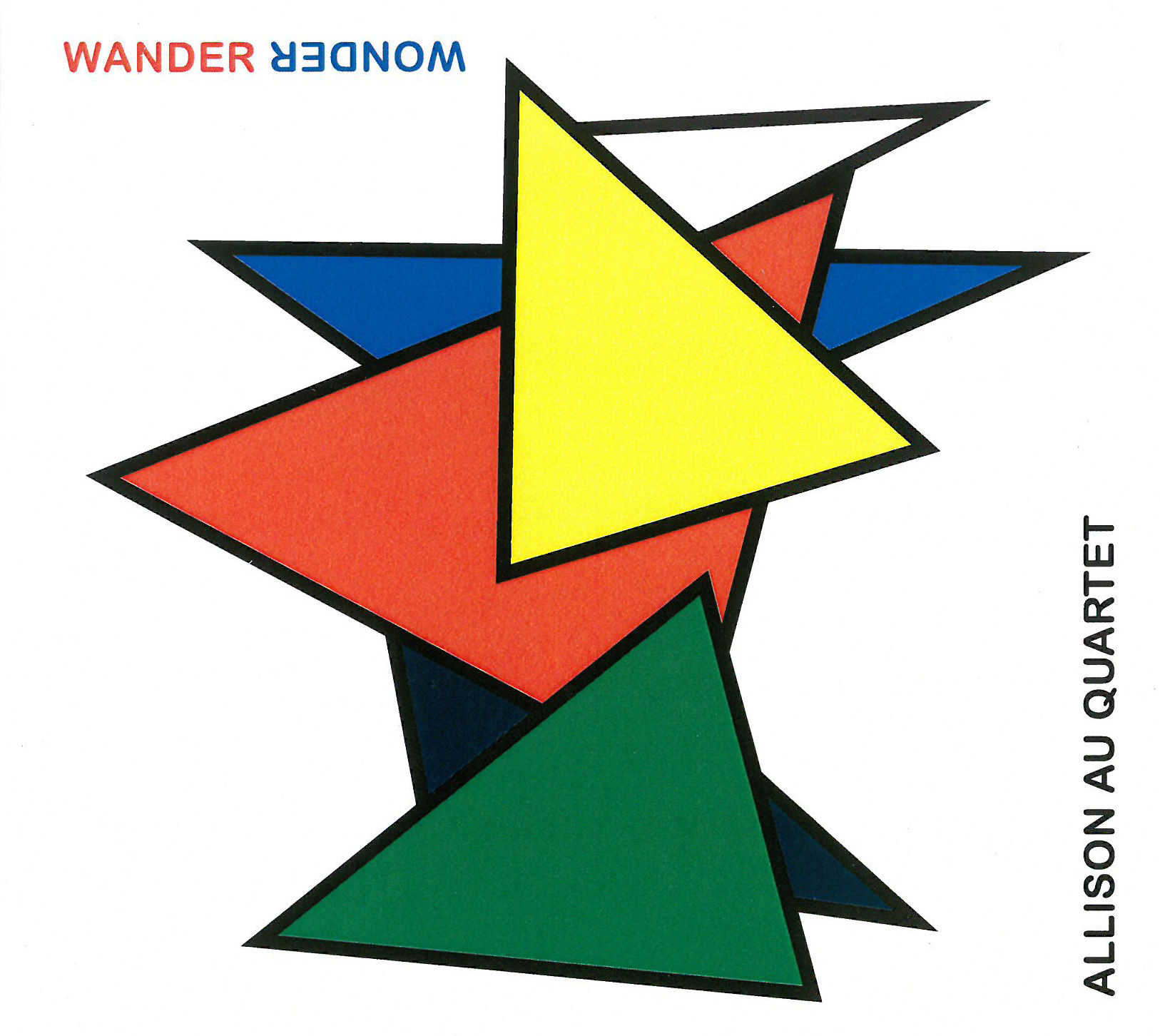
The Allison Au Quartet has been together since 2009 and their first album, The Sky Was Pale Blue, Then Grey (2013) was nominated for a JUNO. The second album, Forest Grove, won a JUNO in 2016 for Best Jazz Album of the Year: Group. Wander Wonder is their third release and is a thoughtful and subtle work with each musician contributing their technique and inspiration to Au’s complex and layered compositions. For example, the group’s casual precision is demonstrated during the drum solo which ends Force Majeure: Fabio Ragnelli plays with abandon while Todd Pentney (piano) and Jon Maharaj (bass) lay down an understated and contrasting, repeating chordal vamp. Throughout the album, Au’s alto saxophone is light but intense and reminds me a little of Paul Desmond but leaner; it fits well with her writing where solos are interspersed with ensemble sections and melodic fragments.

Highlights include Looking Up which begins with Ragnelli’s subtle drum intro. Then Au plays a beautiful looping melody over clever rhythmic punctuation, an ostinato bass pattern interrupts before the melody returns and leads into an elegant piano solo. Red Herring begins with a syncopated minor melody over funky and jagged beats. As the piece progresses, Pentney’s Prophet Rev2 adds an ominous texture for some additional tension. The piece winds its way down a number of genre alleys (as its title suggests) and is ultimately satisfying and not at all misleading. Wander Wonder is an exquisite album that balances introspection with some terrific solos.

09 AutoschediasmAutoschediasm
Karoline Leblanc; Ernesto Rodrigues; Nicolas Caloia
Atrito-Afeito 010 (atrito-afeito.com)

Autoschediasm (the term indicates something improvised, offhand or casual) presents a three-segment collective improvisation created by Montreal-based pianist Karoline Leblanc and bassist Nicolas Caloia and Portuguese violist Ernesto Rodrigues. All are accomplished improvisers, but each brings different threads: Leblanc’s background stresses the classical avant-garde; Caloia’s career emphasizes free jazz; Rodrigues, who leads several distinct improvising orchestras in Lisbon, has championed free improvisation for over 30 years, appearing on scores of CDs.

While the title suggests something casual, the music sounds appropriate to its Conservatoire de Musique de Montréal setting, the trio bringing a high modernist discipline and precision to the work. The opening movement flows with an energy that is dense and light. Sparked initially by LeBlanc’s imaginative keyboard flights, in its later stages it settles into a churning rhythmic pattern that ignites Rodrigues’ radical virtuosity, resulting in a flurry of microtonal lines that sometimes create their own counterpart. Offhand? Casual? The only thing that distinguishes it from composed music is the challenge of writing it down.

The second movement takes a contrasting approach, developing little sounds, arising discreetly, sometimes pointillist, at times muffled, at others percussive, a gently humming underbrush alive with detail. The final segment moves from delicate sonic events to a turbulent, vibrant world that recalls the opening, a formal motion that exaggerates a pattern evident since the early classical era. It’s an act of “autoschediasm” rich in taut attention to nuance and form.

10 Pressing CloudsPressing Clouds Passing Crowds
Kim Myhr; Quatuor Bozzini; Caroline Bergvall; Ingar Zach
Hubro HUBRO CD 2612 (hubromusic.com)

Initially commissioned and performed at FIMAV in Victoriaville, Quebec, Pressing Clouds Passing Crowds is a musical rumination on immutable nature and human disruption, composed by Kim Myhr, the Norwegian guitarist whose strums underscore the narrative that ululates through this six-track suite.

Accompanied by Norwegian percussionist Ingar Zach and framed by the harmonies of Montreal string ensemble Quatuor Bozzini (QB), the music shares space with the idiosyncratic recitation by French-Norwegian poet Caroline Bergvall. Her distinctive phrasing helps set up a rhythmically charged program where her vocal narrative adds as much to individual sequences as the QB’s intermittently buzzing glissandi, the percussionist’s hand pops and vibrations, plus the guitarist’s string strokes and spanks on 12-string acoustic, which constantly move the theme forward. Moving efficiently through word images that range among simple instances of nature appreciation, chimerical retelling of dreamlike surprises, and astute allusions to political events involving refugees and dangerous water crossings, Bergvall sets up hypnotic sequences whose resolution depends as much on the feints and fancies of instrumental virtuosity as the players’ strategies depend on her verbal concoctions.

With its echoes of folksay, impressionism, stark improvisation and poetics, Pressing Clouds Passing Crowds is a distinctive creation which can be experienced more than once – which is precisely what can be done by listening to this CD.

11 LingerLinger
Benoît Delbecq; Jorrit Dijkstra; John Hollenbeck
Driff Records CD 1801 (driffrecords.com)

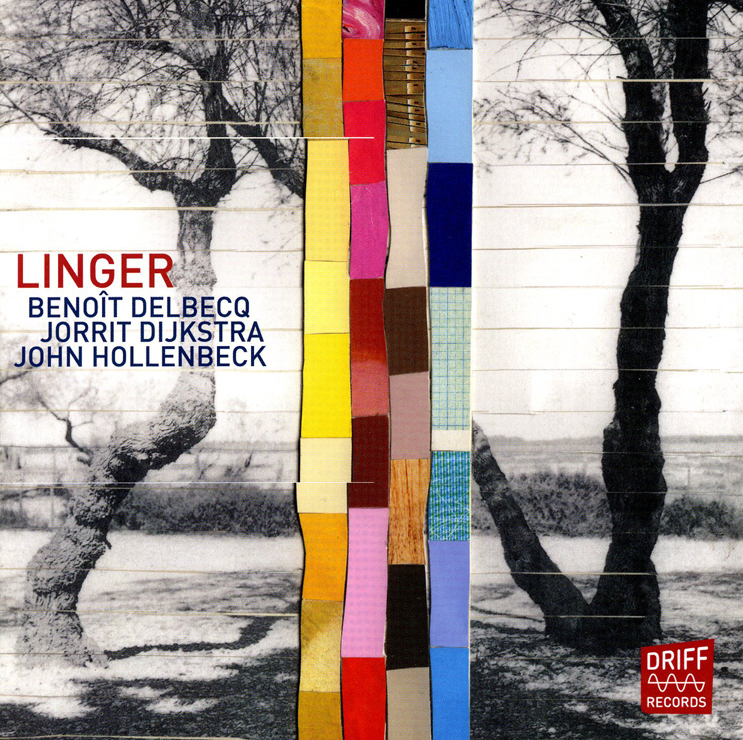
Reshaping improvisational parameters, Dutch alto saxophonist Jorrit Dijkstra and French pianist Benoît Delbecq add flexible oscillations to the ten performances here by also improvising on, respectively, Lyricon and preparations for synthesizer, aided by the flexible percussion patterning of Montreal-based John Hollenbeck.

With instrumental additions that can process tones as they’re created, the Europeans’ secondary voices multiply interactions past standard trio voicings to suggest enhanced melodic lyricism and rhythmic vigour, often simultaneously. On Stir for instance, reed smears and outer-space-like oral currents vie for supremacy challenged by wave-form squibs and measured keyboard chording. Unfazed by timbre multiplicity, the drummer not only keeps a backbeat going, most powerfully on Push, but also bluntly asserts his agenda with individualistic rolls and ruffs plus cymbal splashes there and throughout the CD.

Dijkstra and Delbecq don’t just depend on texture supplements as they aptly demonstrate on Dwell, where irregular saxophone trills and split tones confront a flowing keyboard narrative plus inner piano string stops; or on Stalk, where modulated piano clusters create an impressionistic theme that complements inchoate Lyricon echoes as well as cursive beats plus drum-rim rubbing from Hollenbeck.

Contrapuntal yet communicative, the textural sound-melding throughout the disc suggests that Dijkstra and Delbecq, who first met at the Banff Jazz Workshop in 1990, should collaborate more often. As it is, the two, plus Hollenback’s fluid and inventive patterning, have created a session over which one can beneficially linger.

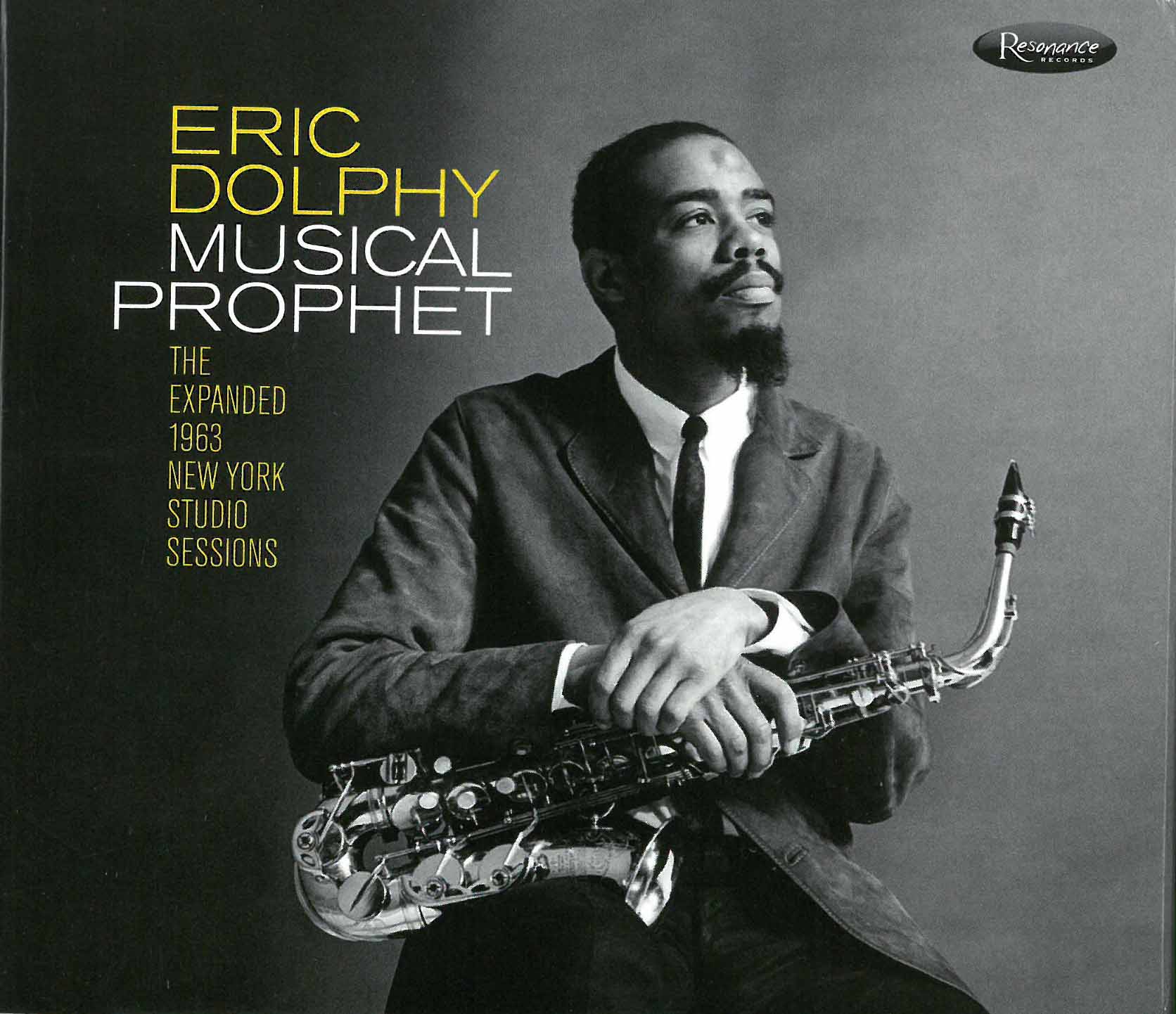
12 Eric DolphyEric Dolphy – Musical Prophet
Eric Dolphy
Resonance Records HCD-2035 (resonancerecords.org)

When Eric Dolphy died in a diabetic coma in 1964 at 36, he represented a special loss to jazz: a master of three distinct woodwinds (alto saxophone, bass clarinet and flute) whose exalted technical acumen and creative intensity contributed immeasurably to great recordings by John Coltrane, Ornette Coleman, Charles Mingus, George Russell and Oliver Nelson, among many others.

Musical Prophet is a 3CD set that expands the 1963 sessions that produced the LPs Conversations and Iron Man. Ranging from unaccompanied saxophone solos (Love Me is an expressionist masterpiece heard here in three versions) to a tentet, from jazz standards like Fats Waller’s Jitterbug Waltz (on flute) to Dolphy’s own dense, swarming Burning Spear, it’s the finest portrait of the breadth of Dolphy’s genius available. There are no finer examples of the “third stream” impulse than Dolphy’s duets with bassist Richard Davis, abstract weavings that press Ellington’s Come Sunday and the standard Alone Together into classics of improvised chamber music. On Music Matador, his bass clarinet roars with celebratory abandon.

Dolphy’s breadth is as apparent in his range of collaborators, from bassoonist Garvin Bushell, who recorded with Mamie Smith in 1922, to 18-year-old trumpeter Woody Shaw, here making his recording debut. Along with the expansive and illuminating alternate takes, the set includes a remarkable bonus, A Personal Statement, with an extended musical dialogue that includes pianist Bob James (yes, that Bob James) and countertenor David Schwartz.

13 Keith JarrettLa Fenice
Keith Jarrett
ECM ECM2601-02 (ecmrecords.com/catalogue/1532415893/la-fenice-keith-jarrett)

A new release from the Keith Jarrett concert archive is always a welcome occasion. Such is the case with La Fenice, the ECM label’s latest offering from the virtuoso pianist, which comes to us as a two-disc set featuring an improvised solo concert recorded at Gran Teatro La Fenice, Venice, in 2006. By this time, Jarrett had adopted a concert format during which he would improvise a series of relatively short pieces, as opposed to the long uninterrupted sets that he favoured on earlier iconic recordings such as La Scala and Bremen/Lausanne.

Interestingly though, Jarrett begins La Fenice by breaking these self-imposed format limits, as he launches into a mostly atonal musical exploration which clocks in at over 17 minutes, until its final unexpected resolution in F-sharp Major. In Part 3, the pianist visits one of his more familiar trademark styles wherein his left hand lays down an ostinato pattern while the right hand improvises fluid gospel/blues lines. Rhythmic clarity, direction and superb melodic development are present throughout, as Jarrett pulls off one amazing pianistic feat after another with apparent ease. The music then segues into an achingly beautiful ballad, possibly one of the most breathtaking improvised pieces he has ever recorded.

On disc two, the pianist breaks up more complex harmonic territory with a bittersweet Gilbert and Sullivan tune (The Sun Whose Rays), before proceeding on to a straight-out blues romp. We are also treated to several encores, including My Wild Irish Rose, Stella by Starlight and a stunning Jarrett original, Blossom. On Stella, the pianist is clearly enjoying himself as he weaves complex bop lines over a left hand walking bass, while also tapping his foot on beats two and four: a one-man band!

All told, La Fenice is a deserving addition to Jarrett’s long and distinguished recording legacy.

As the advances, musical and otherwise, that transformed the 1960s and 70s recede into history, new considerations of what happened during those turbulent times continually appear. Reissues of advanced music recorded during that time, some needlessly obscure, some better known, help fill in the details of exactly what transpired.
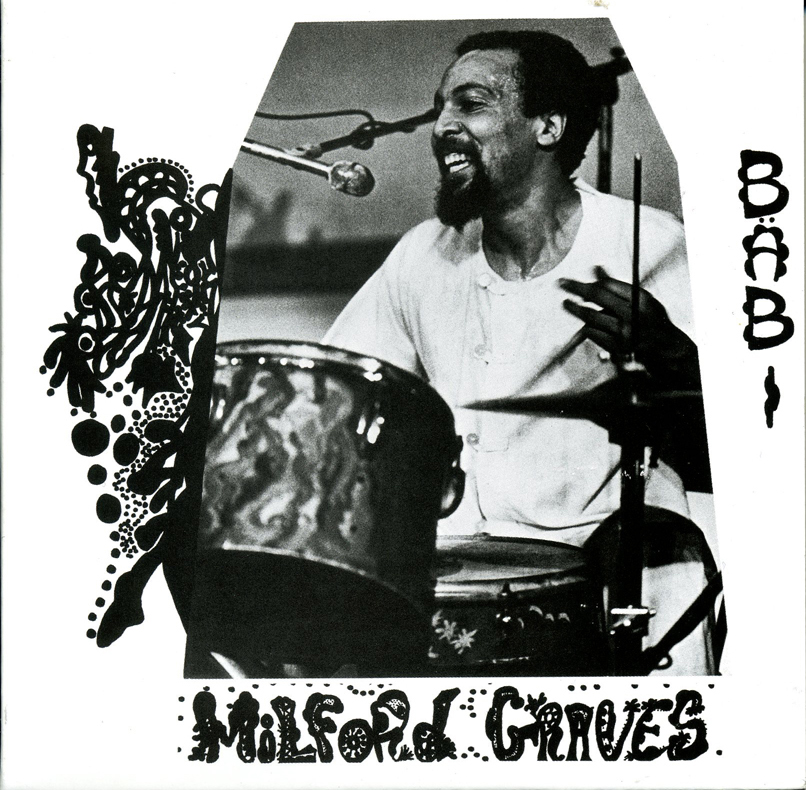
01 Milford GravesProbably the most historically relevant set to become available for the first time on CD is Bäbi (Corbett vs. Dempsey CvsDCD052; corbettvsdempsey.com) by master-drummer Milford Graves. Recently the subject of Full Mantis (a documentary about Graves’ contribution to sessions by the likes of Albert Ayler and Paul Bley and his years teaching at Bennington College), Graves is acknowledged as one of the originators of multi-pulsed, free-form drumming. This legendary 1976 disc, with the sophisticated drum patterns evolving alongside frenetic screeching and jumping multiphonics from saxophonists Arthur Doyle and Hugh Glover, captures that trio at its zenith, and the 2CD set includes an additional four tracks recorded in 1969 by the same band. If anything 1969 Trio 1 to 1969 Trio 4 are even further out than the sounds Graves, Doyle and Glover would record seven years later. With sabre-sharp altissimo cries, and fractured split tones plus near bloodcurdling vocal interruptions, the performance is the epitome of 1960s ecstatic jazz. Yet beneath the reed gurgling and glossolalia, Graves’ press rolls, cymbal-splashing and elastic textures create a thundering counterpoint and moderating influence on the saxophone astringency. The drummer may be kicking off and time-marking his performance with more speaking in tongues and whooping in 1976, but he’s refined his percussion strategy still further. Pounding ruffs and rebounds at a whirlwind pace, his patterning pushes reed peeps and fissures to a higher plane, and then brings them back to earth. Meanwhile on the concluding Bäbi, his verbal counting-off and vocal time and tempo shifts for the others resemble Africanized tribal chants. With Glover and Doyle becoming more exaggerated in their screeching and slathering irregular vibrations, Graves empties his percussion trick bag, fluidly jerking from steel-drum-like rhythms to bell-ringing, wood and Mylar block thumps and skin slaps. The horns may be heading for outer space, but the drummer’s pacing ensures that the pieces judder with foot-tapping rhythms as well.
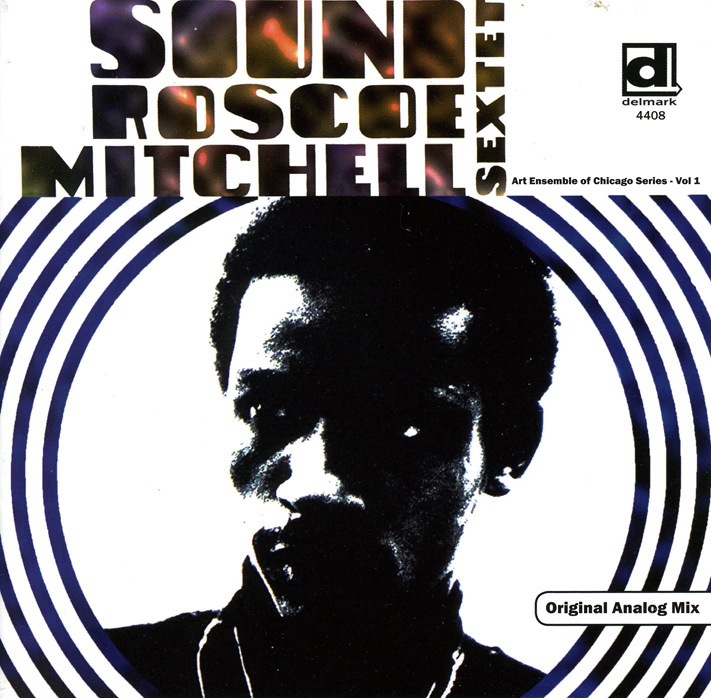
02 Roscoe MitchellIf Bäbi has been more legendary than listened to over the past 45 years, then saxophonist Roscoe Mitchell’s defining work from 1966, Sound (Delmark DE 4408; delmark.com), has an opposite history. Constantly available since its release, this new reissue uses the original analog mix and includes alternate, longer takes of the title track and Ornette. A breakthrough which put the burgeoning Association for the Advancement of Creative Musicians’ (AACM) sound on disc for the first time, two of the members of the sextet – trumpeter Lester Bowie and bassist Malachi Favors – soon joined Mitchell and others to form the influential Art Ensemble of Chicago. At that time Ornette confirmed that Ornette Coleman’s early 1960s advances were now accepted additions to contemporary jazzers’ vocabulary, though granted the mix of duck-like quacks and piercing kazoo-like peeps from Mitchell and tenor saxophonist Maurice McIntyre on both takes probably draws more from the AACM’s sardonic viewpoint than Coleman’s more naïve concepts. Plus reed trills are artfully balanced by sophisticated guitar-like patterning from Favors and cellist Lester Lashley. Even cursory listening to the alternate takes reveals subtle differences between them with different emphases and climaxes. With its harmonica breaths and cogwheel ratchet cracks, The Little Suite is even more indicative of how Mitchell compositions could be moderato and spiky simultaneously, as advanced Coleman-John Coltrane-like reed-tone explorations share space with vocal yelps in a tambourine-smacking pseudo march. With over 20 minutes to elaborate his sonic concepts on either take of Sound, Mitchell creates a mercurial sound kaleidoscope. His sometimes snarling, sometimes circular-breathed alto saxophone line negotiates a distinctive exposition that ambles past near-breathless trombone signs, spectacular trumpet accelerations, driving cymbal rattles and tough sul ponticello string nips. No matter how abstract the exposition however, the composition advances harmonically with the initially available track even concluding with a recapped head. Sound maintains its reputation since it synthesizes the music that preceded it and adumbrates sounds to come. 
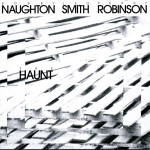
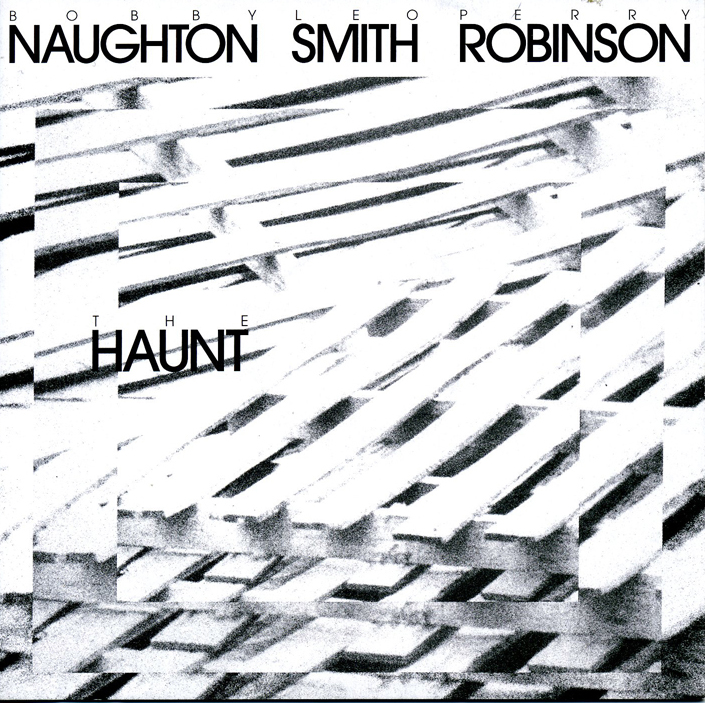
03 The HauntExperiments in free-form sounds were spreading outwards from New York and Chicago all during that time, and 1976’s The Haunt (NoBusiness Records NBCD 105; nobusinessrecords.com) documents the now almost-forgotten New Haven scene. Ironically, although Connecticut-based clarinetist Perry Robinson was from New York, and trumpeter Wadada Leo Smith, an AACM linchpin, a Chicago expat, local vibraharpist Bobby Naughton was the third trio member and composed all the tunes. Stripped to chamber improv, the six tracks don’t suffer from lack of conventional chordal or percussion timbres, since Naughton’s just-in-time steel bar resonations purposely and craftily fill any gaps left from the sonic contrasts among Smith’s heraldic open-horn keens and Robinson’s abstruse glissandi or whinnies. While gorgeous trumpet storytelling on tracks such as Places moves with contrapuntal injections from shrill clarinet pitches, from polychromatic expanse to uncomfortable abstraction, mallet-chiming pops prevent this. Instead, shimmering vibes tones help assume a forward-moving group pulse. Skillful in adding diaphanous, but not delicate, mallet strokes that ring like toy piano keys; or adding extra weightiness by striking while diminishing the motor speed, the vibist’s skill and The Haunt’s individuality are highlighted on the concluding Ordette. With calm mallet-on-metal strokes preserving the narrative, textures resulting from blending Robinson’s note spews and Smith’s graceful slurs are now harmonized, moderated but no less powerful on this disc recorded a decade after Sound.

04 Group ComposingMidway between when Sound and The Haunt were recorded is the 1970 instance of truth-in-packaging Groupcomposing (Corbett vs. Dempsey CvsDCD056; corbettvsdempsey.com), which shows off the free-music conceptions European players had been developing on their own during the previous half-decade, only peripherally influenced by stateside experiments. Trans-European long before the 1993 Maastricht Treaty created the European Union, the Instant Composers Pool here includes three players from the United Kingdom, three from The Netherlands and a German. A couple of years after such defining LPs as Machine Gun and European Echoes were recorded (featuring most of these players), sound-searing saxophonists Peter Brötzmann and Peter Bennink, slippery-toned trombonist Paul Rutherford plus unpredictable drummer Han Bennink were still producing oppressive timbres that bounce from polyphony to cacophony to multiphonics. Meanwhile guitarist Derek Bailey’s distinctive, spiky twangs occasionally peer from the near-solid sound mass and saxophonist Evan Parker, two months away from recording the BritImprov-defining Topography of the Lungs (with Bailey and [Han] Bennink), tries out both the agitated and allayed approaches in his solos. One defining moment occurs midway through Groupcomposing2 when the guitarist’s astringent clanks join Parker’s split tones and pinched snores from the trombone for a caustic lull that is soon swallowed by long tones from the saxophones, plus belligerent cracks and blunt ruffs from Bennink’s hand bells, cymbals and odd percussion add-ons. Other eventful sequences among the claustrophobic mass of upwards spiralling broken-reed glissandi and trombone gutbucket smears, are sardonic intermezzos from pianist Misha Mengelberg, who defies the others by clanking keys at divergent speeds and pitches. Like Sound, Groupcomposing is suggesting alternate improvisational paths for the future.
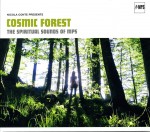
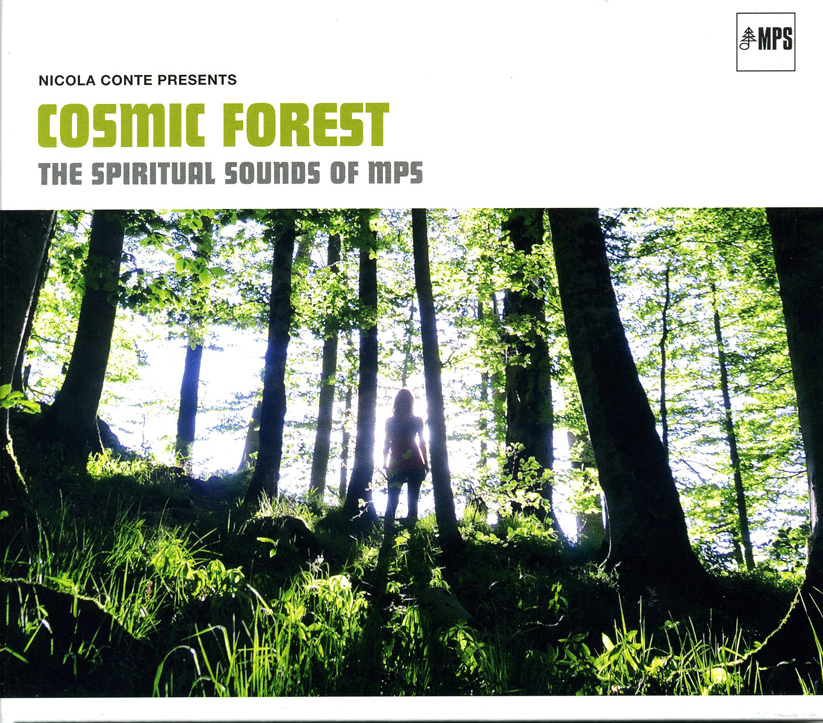
05 Cosmic ForestThe most inclusive sonic snapshot of the 1960s and 1970s is, however, Cosmic Forest – The Spiritual Sounds of MPS (MPS 4029759122562; mps-music.com) which collects 13 tracks by American and European musicians trying out conflicting musical strands to unite with jazz. A few which foretold the intellectual dead end of vocal-led smooth jazz are best forgotten, but others such as saxophonist Nathan Davis’ Evolution, find a committed bopper adopting modal currents to his own style; still others inaugurating a version of expansive Nordic narratives; while Timbales Calientes from the MPS Rhythm Combination & Brass is a reimaging of Latin-jazz rock with the layered section work goosed by Palle Mikkelborg’s stratospheric trumpet lines. More compelling are players pioneering a fusion between improvised and so-called world music. For instance clarinetist Tony Scott’s Burungkaka Tua is a notable melding of Scott’s moderated tone, tough ethnic blowing from Javanese flutist Marjono and a decisive blues underpinning from Chinese pianist Bubi Chen. Pianist George Gruntz’s Djerbi takes a traditional Bedouin dance melody played by Sadi El Nadi on ney and unites it with the pianist’s chromatic thrusts aided by Daniel Humair’s foot-tapping drumming. A crucial harbinger of what was to come is Yaad, which, propelled by tabla slaps, unites the exploratory comping of pianist Irène Schweizer and Barney Wilen’s whispery flute with the sitar twangs and vocalized chants of Dewan Motihar mirrored by trumpet blats from Manfred Schoof.

Free music orchestrator Schoof’s presence confirms that improvisers of the time were committed to experimenting with all sorts of sounds. Many exceptional projects were recorded in the 1960s and 70s, and the more that become available again, the more they increase our knowledge of what was attempted and accomplished. 

Back to top