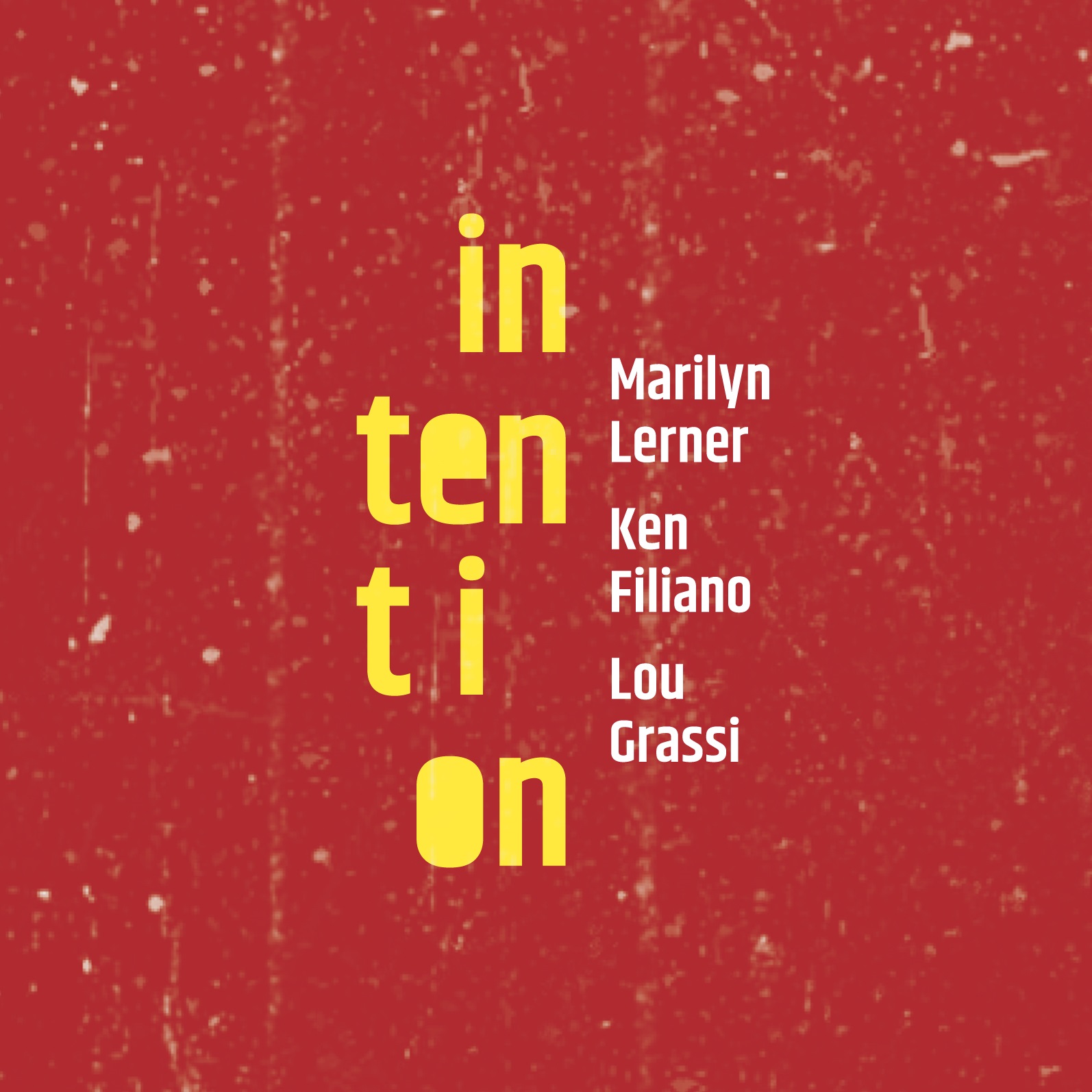
02 Marilyn LernerIntention
Marilyn Lerner; Ken Filiano; Lou Grassi
NotTwo MW995-2 (nottwo.com)

Marilyn Lerner is one of Canada’s most creative pianists, from ventures into klezmer to the avant-garde playfulness of Queen Mab Trio with Lori Freedman and Ig Henneman. Her most intense and inventive project, though, may well be the longstanding and virtuosic trio with two veteran New York free jazz musicians, bassist Ken Filiano and drummer Lou Grassi. The group’s first CD, Arms Wide Open, was recorded in a Brooklyn studio in 2008. The next two ‒ Live in Madrid (2012) and Live at Edgefest (2013) ‒ documented festival appearances. Intention comes from a 2018 New York concert with the trio achieving ever higher levels of empathetic creation. 

Taking a conversational approach, there’s a certain pointillist playfulness to the sound-oriented Plink Plunk, complete with hand drums, isolated piano string plucking and sudden bass glissandi; but even in this mode the group is a dynamic collective, suddenly mustering episodes of dense interactivity. Each musician might open a dialogue with a solo foray, a series of suggestions and motifs, as Grassi does in his multi-directional opening to No Farewell. Before long the group is embroiled in another collective composition, in this case a particularly pensive episode, a layering of distinct yet interactive parts, distinguished by bright piano trebles, rich arco bass and varied metal percussion.

While jazz piano trios once resolved into pianos with accompaniment, Lerner, Filiano and Grassi are full partners, the trio pressing dialogue into meteorological events, the tempestuous, the torrential and often the impending.

03 Local TalentHigienôpolis
James Hill’s Local Talent
Projectwhatever Records (projectwhatever.com)

Local Talent is the newest project from James Hill, a Toronto-based pianist who has surely and steadily established a presence for himself on the national music scene. In many ways, Local Talent’s debut release, Higienópolis, is a continuation and expansion of the work that Hill has done in two other notable Canadian groups: the jazz trio Autobahn, with drummer Ian Wright and saxophonist Jeff LaRochelle, and the hip-hop/jazz band BADBADNOTGOOD, with whom Hill has played for the past several years. Wright is back in the drum throne on Higienópolis; rounding out the trio is bassist Rich Brown, who, at this point in his career, may be Canada’s preeminent voice on the electric bass. 

Higienópolis begins with the title track, a mixed-metre affair that unfolds carefully over the song’s six-minute runtime. Busy, snare-drum-driven sections are juxtaposed with compelling solo piano passages, whose sparseness becomes expansive through the intelligent application of reverb and other time-based effects. When a solo does start, halfway through the song, it seems like a welcome inevitability, rather than a demonstration of athletic prowess. 

Local Talent’s commitment to patience, as demonstrated both in Hill’s compositions and in the band members’ individual artistic choices, is one of Higienópolis’ most charming features. At its best, as on the title track, on The Silent Cry, and on Sailing At Night, the album evokes a sense of theatre, of the familiar refracted and re-presented as something new. Highly recommended. 

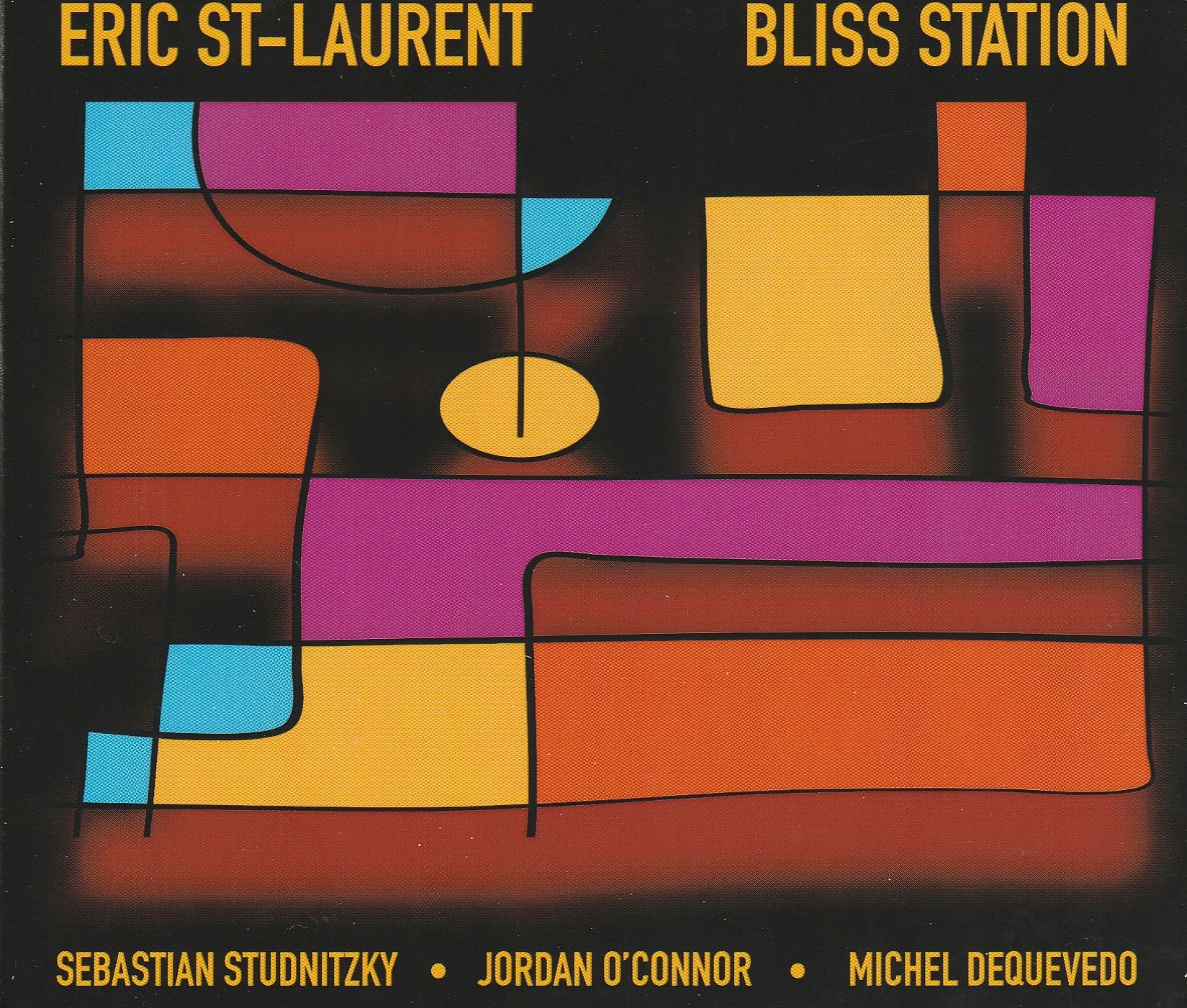
04 Eric St LaurentBliss Station
Eric St-Laurent
Katzenmusik KM10 (ericst-laurent.com)

Toronto-based guitarist Eric St-Laurent’s new album, Bliss Station, is a continuation and expansion of the work that he has done on past releases, including Dale and Ruby, both of which feature his longstanding trio of bassist Jordan O’Connor and percussionist Michel DeQuevedo. Both DeQuevedo and O’Connor join St-Laurent on Bliss Station, as does trumpeter and pianist Sebastian Studnitzky. 

Though drums are more common in guitar trio/quartet settings, Bliss Station benefits from swapping out a drum kit for DeQuevedo’s percussion (as on previous outings). Of the many effects that this exchange produces, the most prominent is that of intimacy: without cymbals, snare and bass drum splashed across the sonic spectrum, the acoustic nuances of each instrument become more clear, and small moments acquire greater weight. Another, more subtle effect, the rhythmic interplay between band members, comes to the fore. St-Laurent plays the guitar with deep metrical commitment, whether on melodies, supportive riffs, chords or solos. Bliss Station’s title track provides a great example of this, as St-Laurent moves through melodic statements and a solo with a propulsive, unerring sense of momentum. The funky Mustard Arizona is no different, though it is also remarkable for Studnitzky’s ability to make his trumpet sound nearly as breathy and understated as a flute. 

The fun of Bliss Station is in the band’s interactivity, as well as in the sense of immediacy, fun and rhythmic joy that the performances succeed in evoking. 

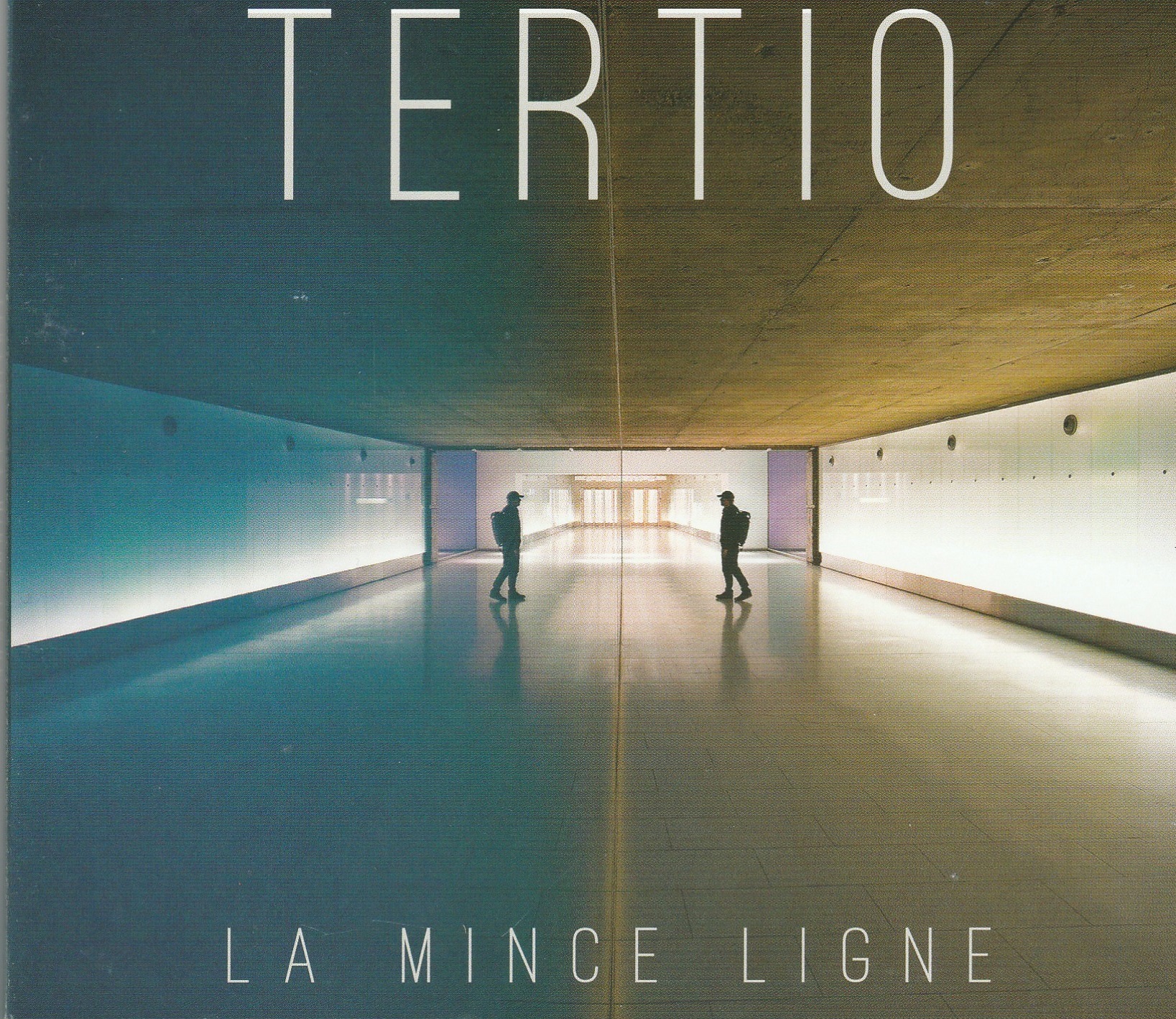
05 TertioLa Mince Ligne
Tertio
MCM (tertioband.com)

This was the first time this writer had come across up-and-coming, jazz-rock fusion group Tertio; and what a great discovery it turned out to be. The Montreal-based collective truly has their own distinctive style that is absolutely refreshing and pleasing to listen to. Drum and bass grooves for days, unique and interesting synthesizer work, fantastic trumpet riffs and catchy guitar melodies, come together to make this record a contemporary jazz, rock and even funk journey that will have any listener wanting to tap their foot or bop along. 

More With Less starts off the record with a positively groovy track that showcases their distinct blend of “modern jazz, urban rhythms and the raw energy of rock” which they are known for. New One showcases soaring trumpet melodies courtesy of Andy King and a soulful, stellar guitar solo by Vincent Duhaime Perrault who is also credited with composing all of the group’s pieces. La truffe incorporates a positively funky and enthralling electric bass solo in which very apparent talent is showcased. Throughout the record, drummer Eric Thibodeau, bassist Alex Lefaivre and keyboardist Paul Shrofel provide the perfect backing to each piece, moving the melodies along with captivating chords and a constant, catchy rhythm. For those wanting a great and much needed pick-me-up within these dreary and grey winter days, this album is ideal for you. Truly a newer band worth keeping an eye out for.

Listen to 'La Mince Ligne' Now in the Listening Room

06 Chantal ChamberlandTemptation
Chantal Chamberland
EvoSound EVSA719M (chantalc.com)

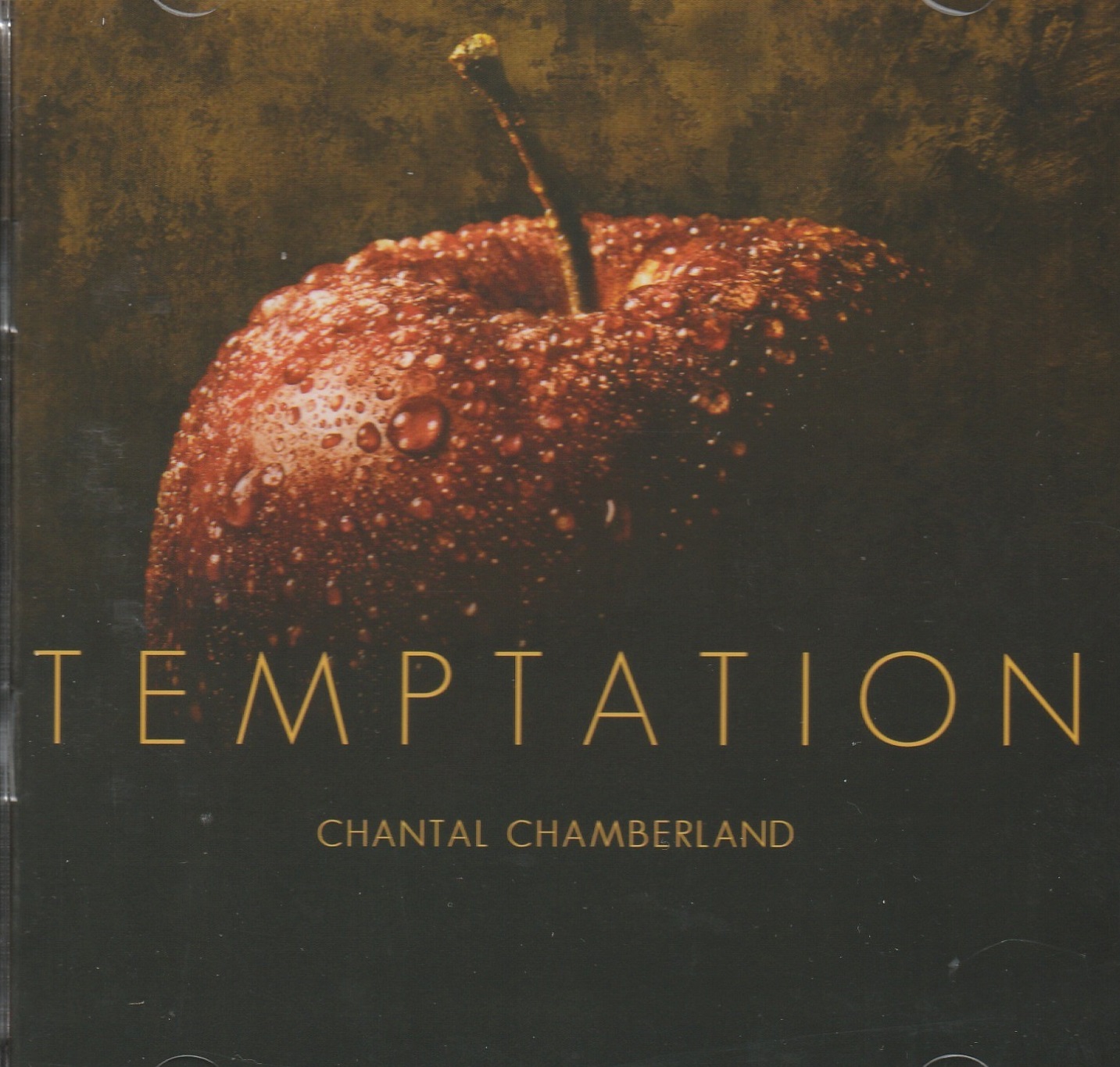
Renowned French-Canadian jazz vocalist and guitarist Chantal Chamberland’s recent release is a wonderful testament to her musical talent and unique style. Her trademark soulful and sultry voice shines throughout out the record, often accompanied by her melodious and flowing guitar melodies. Chamberland can almost be compared to the late, great Leonard Cohen based on some similarities in vocal styling and smooth genre-crossing ability, albeit she brings a distinct jazz and soul touch to the songs. The album is comprised of well-known pop, soul and blues songs which she has transformed and pleasantly enhanced through beautiful, mellow guitar and vocal stylings into a relaxing and all-encompassing musical journey. 

Tracks Temptation and Beautiful Life start the listener off on a path that meanders softly through a sultry musical soundscape in which it is easy to get immersed completely, lulled and guided along by Chamberland’s melodious voice. Chasing Cars is a stellar string arrangement by Paul Intson that pulls you right into a magical dream world. A toned down, piano and acoustic bass version of Whitney Houston’s hit I Wanna Dance With Somebody is a pleasant and very pleasing surprise in the latter half of the album. Backed by talented musicians Dan Lockwood on drums, Intson on acoustic bass and Eric Boucher on piano results in a perfectly balanced sound. This record is a worthy addition to any jazz or pop aficionado’s collection. 

07 Ted QuinlanAbsolutely Dreaming
Ted Quinlan w/Brian Dickinson; Kieran Overs; Ted Warren
Independent TQ-2019 (tedquinlan.com)

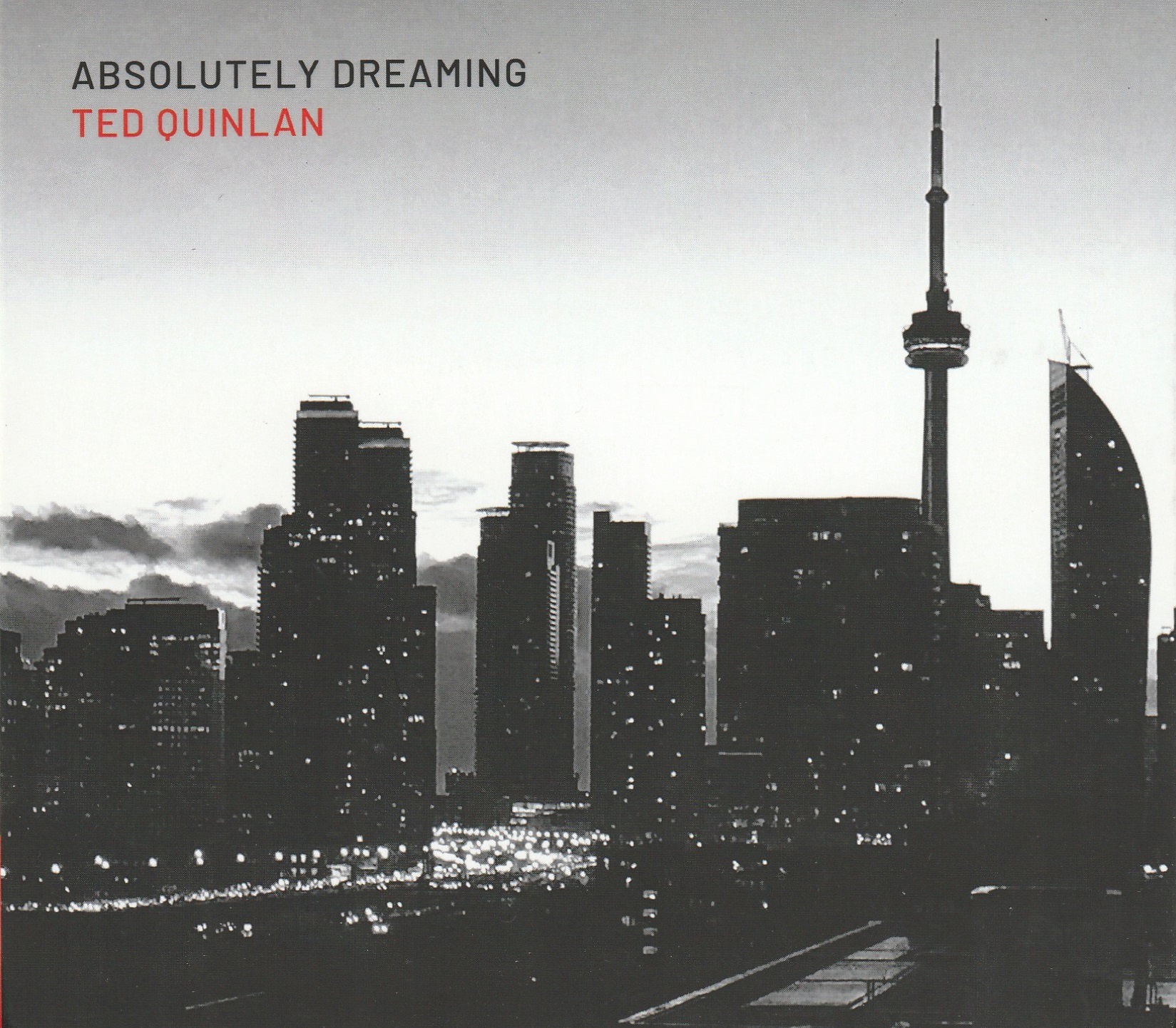
With the release of his new recording, guitarist and composer Ted Quinlan has again established himself as one of the most gifted, imaginative and technically skilled jazz guitarists around. For this very contemporary project, Quinlan has joined forces with three additional noted players – Brian Dickinson on piano; Kieran Overs on bass and Ted Warren on drums. Produced by Quinlan, the CD was also perfectly and authentically recorded by Steve Bellamy.

All nine tunes here were written and arranged by Quinlan, and seldom is one blessed to experience a jazz project of such luminosity. Things kick off with Cheticamp, which begins with a sense of urgent musical anticipation, tinged with sinuous guitar lines. These are perfectly complemented by the penultimate rhythm section work featuring an exquisite and percussive piano solo by Dickinson and inspired work by Overs and Warren. Of note is Not What it Seems – where sensual, languid guitar lines intertwine seamlessly with Overs’ warm, fat bass sound. The group is like a single-celled organism – mutating, dancing and swinging through the unknown inclusive universe in total symmetry.

Also a delight is Building 8 – a jaunty, bop-ish track, with an almost 1950s West Coast jazz feel, and yet completely fresh – featuring a stunner of a bass solo from Overs as well as Quinlan’s masterful playing throughout. Quinlan never overplays and every note has gravitas and meaning. X Marks the Spot is a true dynamic standout, displaying Quinlan’s diverse sensibilities and Warren’s exciting and combustive drumming. I imagine the reserved face of the late jazz guitar legend, Jim Hall, listening to this CD and smiling with his characteristic understated grin of approval and joy.

08 Griffin Davis OwOw! Live at the Penthouse
Johnny Griffin; Eddie “Lockjaw” Davis
Reel to Real RTR-CD-003 (cellarlive.com)

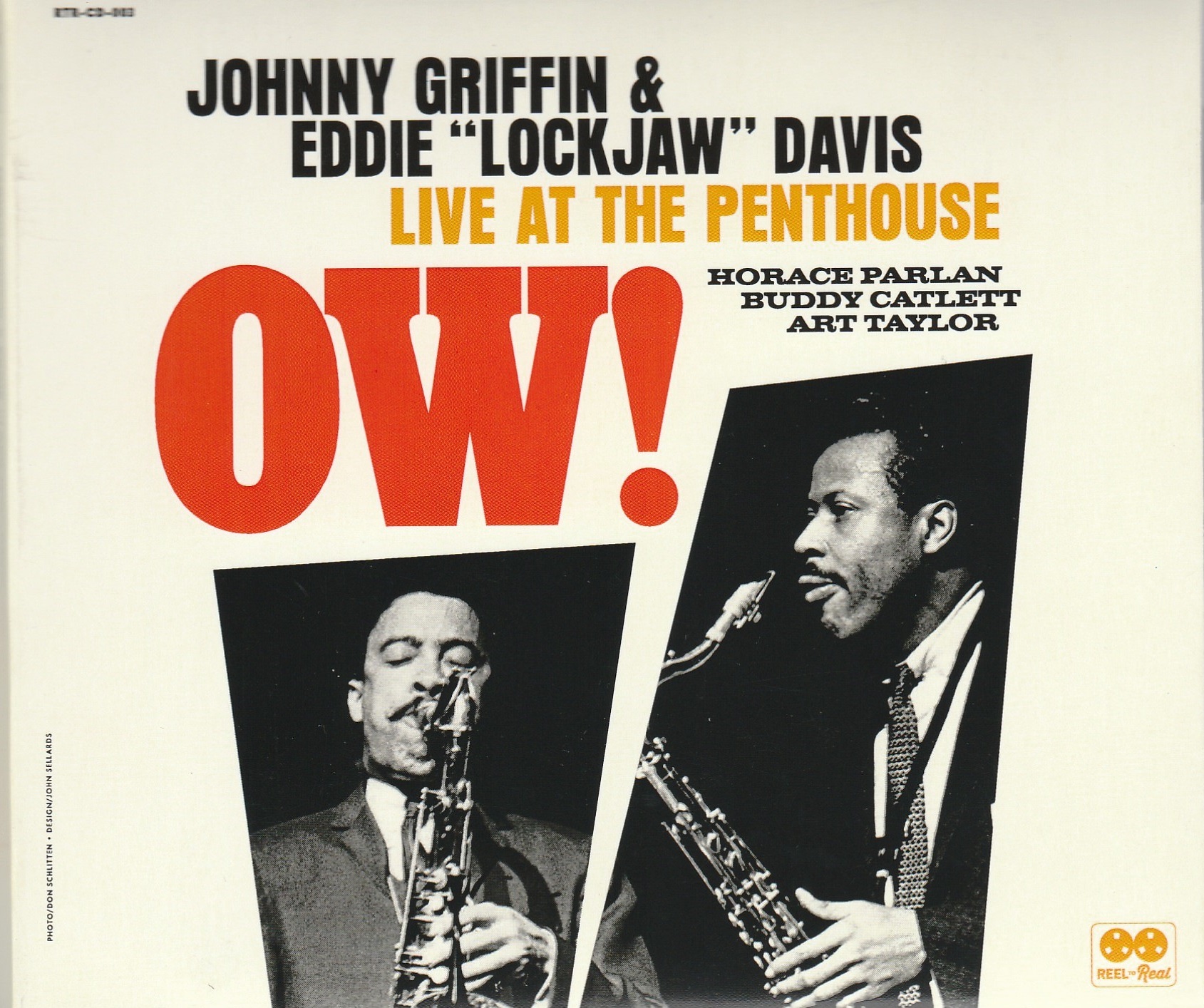
Perhaps inspired by legendary cutting contests between Lester Young and Coleman Hawkins, quintets featuring two tenor saxophones became a familiar jazz format in the 1950s. The most prominent paired Gene Ammons and Sonny Stitt, another Al Cohn and Sonny Stitt. Johnny Griffin, a veteran of the Thelonious Monk and Art Blakey groups, and Eddie “Lockjaw” Davis, a star of the Count Basie band, were relatively late to the genre, pairing up in 1960, but they represented the format’s peak. 

Accompanied by their New York rhythm section in these 1962 performances from Seattle’s Penthouse, the Griffin/Davis combination combines individual brilliance with furious swing and shouting enthusiasm, a celebratory energy that sometimes testifies to their shared roots in rhythm and blues. Griffin was famous for the sheer speed of his lines, playing incandescent strings of precisely articulated arpeggios, while Davis had a vocalic genius, adding a different spin, emphasis or articulation to every note he played, sometimes sounding like he was swallowing notes. 

The band adopts material from varied sources to their purposes, whether it’s rooted in bop, swing or Kansas City blues. The title track, a Dizzy Gillespie composition taken at a medium swing tempo, highlights Davis and Griffin’s contrasting approaches, while Lester Young’s Tickle Toe is capped by the exuberant, high-speed inventiveness of their exchanges. Griffin’s rich balladry on Duke Ellington’s Sophisticated Lady may slow things down, but there’s a special vitality heard throughout.

09 Remy Le BoeufAssembly of Shadows
Remy Le Boeuf
Soundspore Records SS 201901 (remyleboeuf.bandcamp.com)

My introduction to Remy Le Boeuf was an amazing Le Boeuf Brothers concert in 2017 at the Jazz Room in Waterloo. Remy (saxophone), and his brother Pascal (piano), have recorded several albums which push the boundaries of jazz composition and improvisation including 2016’s Imagist, a collaboration with the JACK quartet.

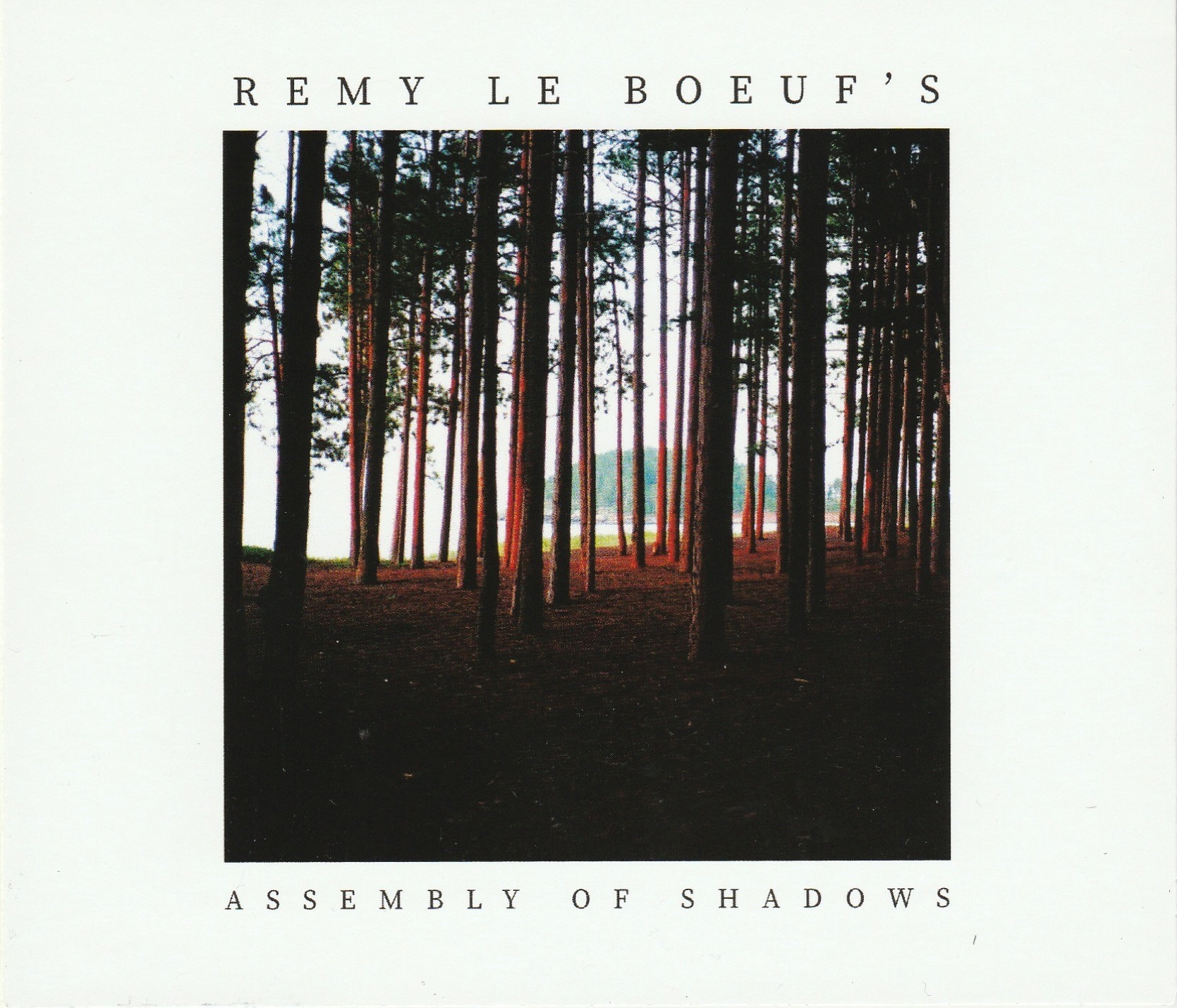
Assembly of Shadows, contains the five-part title suite and two stand-alone pieces, Strata and Honeymooners (the latter, an elaborate development of an Ornette Coleman tune). Le Boeuf is writing for a 20-plus-member band and his works are complex and layered; they contain innovative orchestration and leave room for individual performers to shine with improvisatory sections. (Anna Webber’s flute playing on Strata and Alex Goodman’s quietly elegant guitar work on the second movement of the suite are noteworthy.) I recommend searching for Strata on YouTube and watching the highly engaging live performance.

The Assembly of Shadows suite tells the story of a child who becomes lost in a forest, falls asleep, then wakes to dance with the trees and is eventually guided home. All five movements contain exciting and nuanced material and the final A Light Through the Leaves ends with a beautiful and elegant section with full horn tones with an inner moving line leading to a delicate flute and piano duet (which ends with the child going to sleep safe in her own room). Assembly of Shadows is modern, complex and highly recommended.

10 LaoDanCD006Live At Willimantic Records
Lao Dan; Paul Flaherty; Randall Colbourne; Damon Smith
Family Vineyard FV 109
(family-vineyard.com)

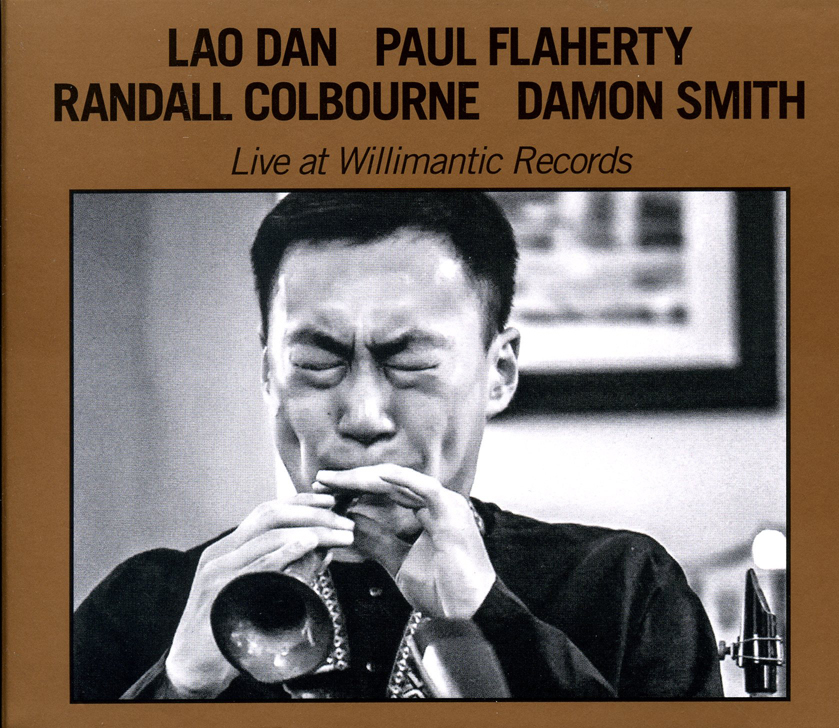
They’re involved in every other form of music, so why shouldn’t Chinese musicians play improvised music? Isolation and lack of venue are drawbacks, explains Mainlander Lao Dan who is featured on this CD. Luckily Dan, who plays alto saxophone, suona and bamboo flute, was able to connect with Americans, tenor saxophonist Paul Flaherty, percussionist Randall Colbourne and bassist Damon Smith to produce this US-recorded 77-minute slab of Free Jazz.

Playing saxophone on tracks such as Noise & Light, Dan creates call-and-response patterns encompassing snarling, triple-tongued smears and altissimo trills, and even supersedes the veteran saxophonist’s output with bloodcurdling shrieks and frog-like croaks. Oriental exoticism isn’t a factor with his other instruments, but the aural Long Shadows he casts on that track reveal more relaxed flute pitches mixed with a spiccato tang from Smith. Meanwhile the suona’s irregular trills and pinched multiphonics on Winter Dawn feature irregular surges that complement Flaherty’s sonorous saxophone split tones and eventually create a guileless theme before diminishing into atom-sized peeps.

With both horn players sometimes circular breathing and invariably shooting notes past tonal limitations, Smith’s deep woody strokes and obbligato throbs, plus Colbourne’s rumbling affirmations and fluid pops, function both as backing chorus and provocation, urging the others to create even more frantic blowing. Still, at one point Dan completes a ferocious, split-tone solo by vocally screaming. Whether this is the result of excitement or joy at finding simpatico partners is open to conjecture.

11 MetropolisCD001Metropolis Paradis
Mareike Wiening
Greenleaf Music GRE CD- 1073 (greenleafmusic.com)

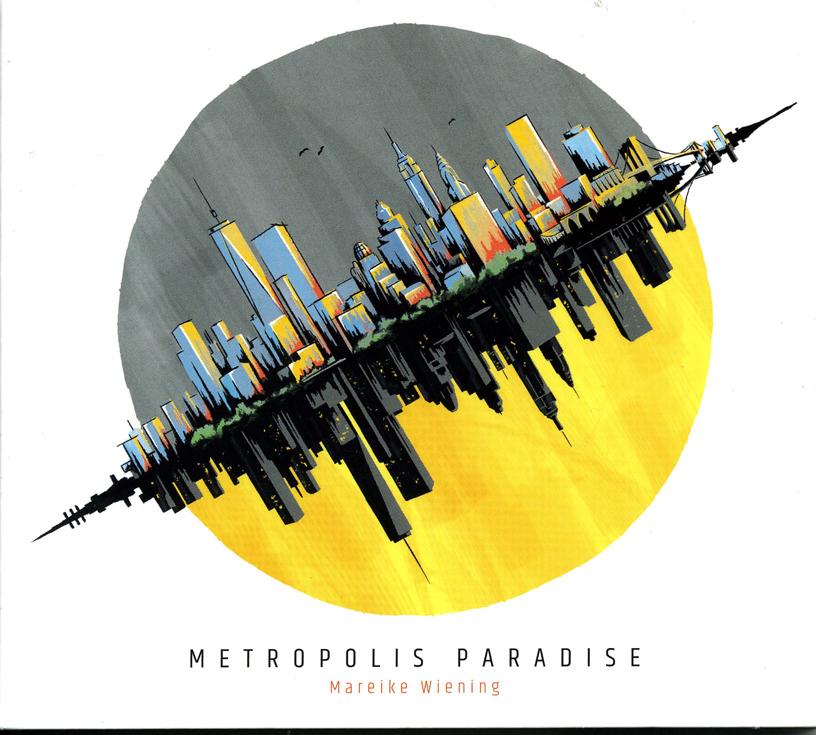
Surprising as it may seem, drummers are often accomplished composers and Nuremberg-native Mareike Wiening confirms this truism on her debut CD. Her eight tunes are interpreted by a selection of New York’s top contemporary players, which besides Americans, pianist Dan Tepfer and tenor saxophonist Rich Perry, include fellow German, bassist Johannes Felscher, and ex-Torontonian, guitarist Alex Goodman.

Basically Wiening’s strategy is to create subtle sprightly lines, centred on harmonies from Goodman’s fluid fretting and Tepfer’s stacked triads and smooth key changes. Once established, Perry’s sometimes biting and always-flowing solos buoy the melody atop rhythm section swinging. Besides leaving space for frequent single-string guitar extensions and even a bass solo, Wiening’s brush and stick work is also notable for its taste. 

Tunes range from charming or moody to ones such as the title tune and 2 in 1 which give scope to saxophone slurs, and rolling chords that ricochet from the guitarist to the pianist. The challenging Misconception is the foot-tapping standout, however, as Tepfer digs in with harder accents, Goodman hammers out the exposition while drum rolls and rattles characterize the stop-time finale.

If the CD has a drawback, it reflects Wiening’s confidence, or lack of same, as a composer. She has demonstrated that she can write subtle melodies that are lightly rhythmic while retaining sophistication. But as Misconception demonstrates by moving outwards from this lyrical comfort zone she can also create sounds that animate as well as they assuage.

Often called an orchestra on its own, the pianoforte has been an accepted vessel for solo performances almost from the time it was invented around 1700. Through the centuries its refinement and development has allowed for memorable presentations in jazz, so-called classical and less-refined popular music. Depending on the player and the program, the piano can be both a percussive and a melodic instrument so that its versatility can be emphasized by committed improvisers as well. 
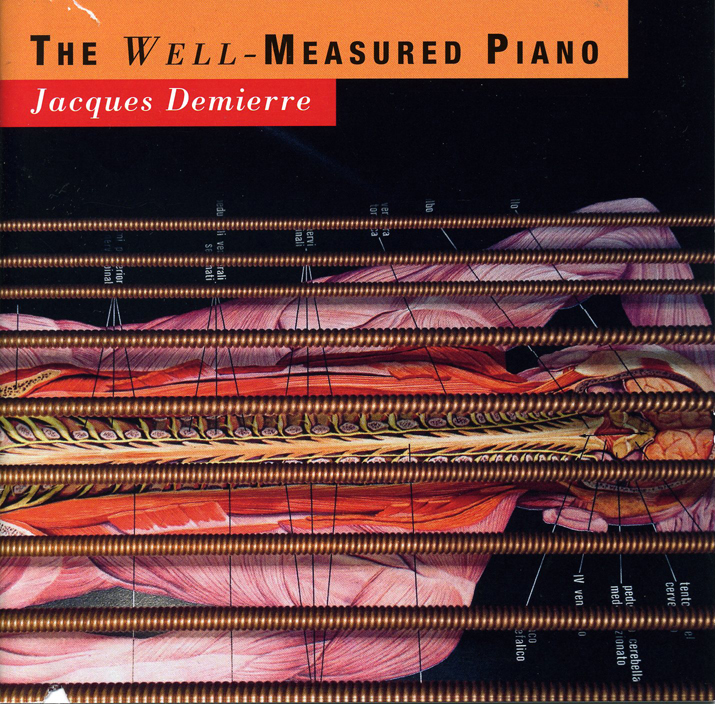
01 MeasuredCD002Jacques Demierre is one pianist with experience on both sides of the notated/improvised divide. He takes solo keyboard playing one step further on The Well-Measured Piano (Creative Works CW 1064 creativeworks.ch) by stretching three selections with selective overdubbing and editing. Unlike those who use these tools as gimmicks, Demierre’s conclusions about the acoustic properties and architectural construction of his instrument allow him to add more logical textures to his creations. While some of his variations can seem to be as stiff-necked and conventional as if he was interpreting a Romantic sonata, his basic strategy is to balance key patterning and string strumming so that low and high pitches are both highlighted. Additionally his pacing is such that he can be as energetic as necessary without losing forward motion. A track such as Wind Motet, for instance, begins with a tsunami-like eruption of internal string sweeps that are built up with keyboard clips and slathers. As the discordant waves-against-shoreline timbres intensify into swelling cacophony, a melodic line remains on top. Meanwhile, the stop-time exposition that is To Thank the Morning Rain is distinguished by elevated key scratches alongside a near-processional mid-range theme that encompasses sly rhythms and echoes, as the narrative gets busier and more concentrated. Climaxing with a pressurized, almost claustrophobic overlay, the track ends with tones ringing downwards into the soundboard. If preparations weren’t noted, the multiple textures might be attributed to prodigious skill rather than mechanical extensions.
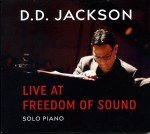
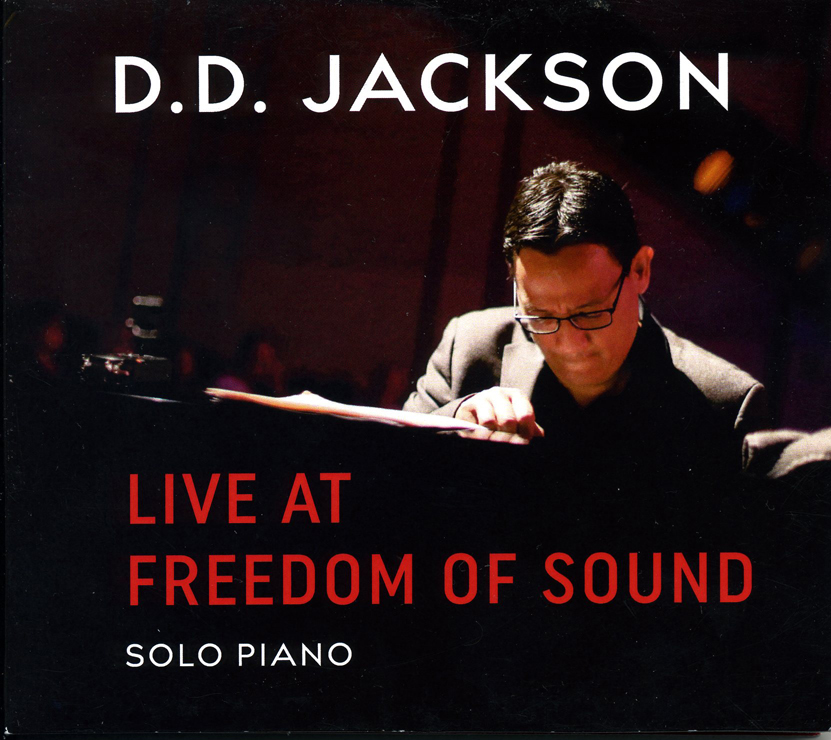
02 JacksonCD003One pianist who doesn’t use post-production and overdubbing is Canadian D.D. Jackson, whose Live at Freedom of Sound (ddjackson.com) is exactly as advertised. It features the Ottawa native improvising on his own compositions plus one by his mentor, the late Don Pullen. Jackson’s tunes include ones like Tunnel Vision, which marry a waterfall of glissandi to a bluesy backbeat. Becoming both soulful and sophisticated, it surges ahead while leaving room for strident plinking detours. Or the pieces can be lyrical and soothing, as the Pullen-memorial For Don, which makes its points through squirming amoeba-like jabs that culminate in an implicit feeling of melancholy. Some motifs sound instantly familiar, but are sweet without being cloying. Even jaunty, demonstrative D.D.’s Bounce/Better Angels, with its foot-patting exposition at the finale, includes a middle section where pressurized single-note emphasis leaves no doubt about cerebral toughness. But perhaps the most telling track is Richard’s Tune, which Pullen composed in honour of another influential pianist, Muhal Richard Abrams. A solid synthesis of almost pre-modern chording and melodic suggestions, the waltz-time tune maintains a contemporary feel by sliding low-pitched percussive jumps in the midst of its gently rhythmic storytelling. At the same time, Jackson’s high-quality and unique interpretation confirms his place in the jazz lineage that includes Pullen and Abrams.
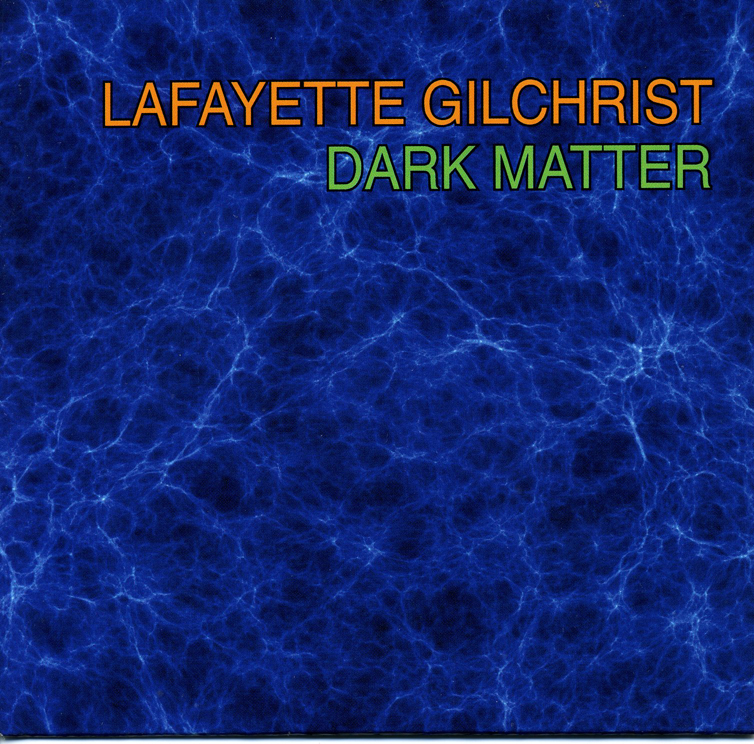
03 LafyetteCD005Jackson’s initial stateside notice came when he spent time as pianist in saxophonist David Murray’s group. For the past decade and a half, Baltimore’s Lafayette Gilchrist has filled that chair and Dark Matter (CDcds 005 lafayettegilchristmusic.com) is an 11-track live showcase of his playing and compositional skills. Although Gilchrist apprenticed playing a Washington, D.C, hip-hop variant called go-go, what this did was strengthened his vernacular soloing. For example, For the Go-Go, which opens this set, is an out-and-out swinger with downward key splatters and single-note variables. But the showy rhythms expressed owe as much to stride strategies as the go-go beat. Likewise And You Know This, which supposedly merges Jamaican ska with New Orleans funk, ingeniously highlights both genres’ blues roots with the common Spanish tinge by intensifying the backbeat through left-handed pressure, key fanning and theme variations. While some tracks may be showy, the keyboard sleight of hands is never gratuitous and his playing is buttery and affectionate as well as tough and steely. Gilchrist also creates quiet themes that wouldn’t be out of place on an Errol Garner date and logically interpolates song fragments into his sequences. Could that be It Ain’t Necessarily So within Dark Matter? He’s also capable of updating a traditional blues, as on Blues for Our Marches to End by adding a Black Lives Matter-suggestive title to the tune’s expected walking-bass line, which is more broadly amplified by the end. Meantime, Spontaneous Combustion showcases shifting time signatures and pitches with detours into ragtime-like flourishes and built-up hip-hop allusions. High-frequency rollicking, splintered tones and dissected patterns connect by the finale.
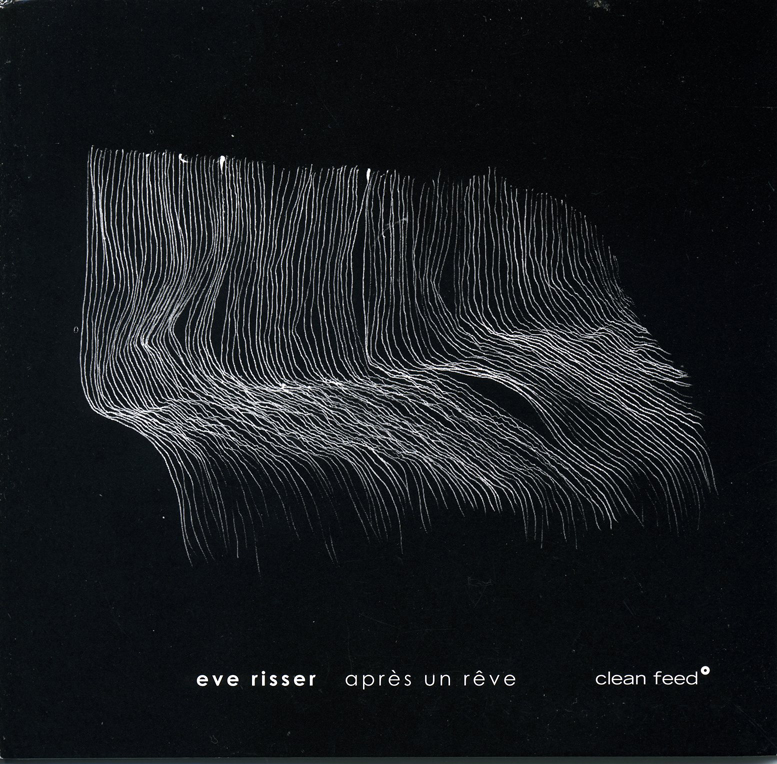
04 RisserCD004If the one criticism levelled at Dark Matter is that it needs more of an edge, that sentiment couldn’t be applied to the next disc. Using a prepared upright piano, France’s Eve Risser explores all the crannies and parameters of her composition Après un rêve (Clean Feed CF 524 CD cleanfeedrecords.com) during its nearly 25-minute duration. Stopping and exciting the internal strings so that they vibrate guitar-like and create a clanking percussive continuum, she adds keyboard patterning to devise a distinctive quasi-impressionistic exposition. After the narrative picks up Latin inflections, the occasional single note fill that sneaks out is examined every which way before returning to the assemblage. Echoes and variables connect so well that by the three-quarter mark two-handed manoeuvres create an intense performance that is sometimes so percussive it could be the sounds of a keyboardist and a drummer. After adding top-side chording and internal rumbles, swift glissandi finally mark a descending individual key-plinking ending.
05 TilburyCD009 bCreating an equally atonal program at more than twice the length as Risser’s is British pianist John Tilbury, who on The Tiger’s Mind (Cubus Records CR 372 cubus-records.ch), presents an improvisation based on parts of Cornelius Cardew’s notated score. A longtime Cardew associate and his biographer, Tilbury’s familiarity with the material allows him to add snatches of clamour and cries from pre-recorded fire, water and bird sounds to the performance, as well as utilize the spatial properties of the cathedral in which he recorded. Initially using the pedals to emphasize the piano’s stentorian tones, Tilbury’s aleatory variations soon move to higher pitches. These include singular string plucks and pauses, as well as patterns which subtly incorporate bell-pealing and aviary caws. As the interpretation strengthens, lapping water suggestions and sea lion-like yelps briefly disrupt the cascading narrative. After a strident whistle signals the midway point, the narrative continues to unroll fluidly with thematic material sharing space with wood echoes from the piano’s bottom board and sides, plus vibrations along tightly wound strings. Just when it seems as if the piece will evaporate into silence, a final sequence unleashes jangling metallic string preparations that presage horizontal passages that establish a defining finale.

Combining inspiration with their own skills, each pianist shows how impressively and distinctively the multi-keyed mini-orchestra can be used to create a memorable program. 

09 New York RisingNew York Rising – American Music for Saxophone Quartet
New Hudson Saxophone Quartet
Independent (store.cdbaby.com)

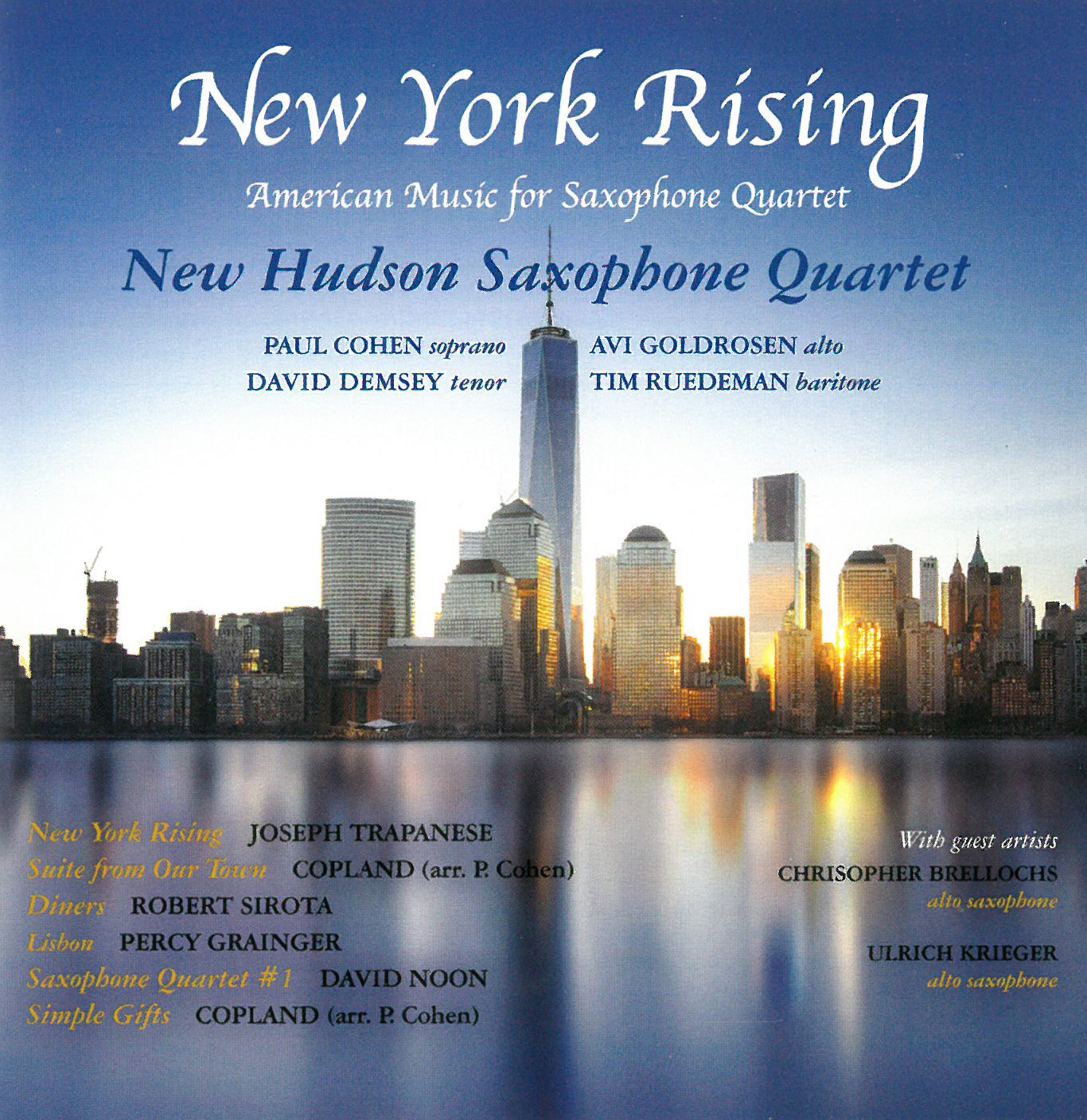
The New Hudson Saxophone Quartet is led by Paul Cohen (soprano), who also arranges two of the selections on this CD. Avi Goldrosen (alto), David Demsey (tenor) and Tim Ruedeman (baritone) complete the group which plays cleanly and expressively, delivering nuanced performances of several conceptually related works.

The opening New York Rising (2003) was composed by Joseph Trapanese who evokes his sense of “curiosity and determination” from the time he moved to New York as a freshman music student and watched the sun rise from his small practice room. The piece is descriptive as it moves us through the day in this fabled city, from the Prelude, to the Chorale and then ending with the Fugue which represents the city at its busiest. The album’s centrepiece, the five-movement Diners (Robert Sirota, 2009), written for this quartet, was inspired by three of the composer’s favourite diners and his travels to them through the city and suburbs. A highlight is the final Taking the N train to Dinner at the Neptune, Astoria, Queens where we hear the quartet emulating the rattling of the elevated subway as a counterpoint to the dining experience.

The three-movement Saxophone Quartet No.1 by David Noon (2001), two works by Aaron Copland (arranged by Cohen) and Lisbon by Percy Grainger, round out the album. The quartet sound is excellent on all tracks and the range of compositions create diverse and engaging portraits of New York.

Listen to 'New York Rising: American Music for Saxophone Quartet' Now in the Listening Room

01 Chelsea McBrideAftermath
Chelsea McBride’s Socialist Night School
Independent (crymmusic.com)

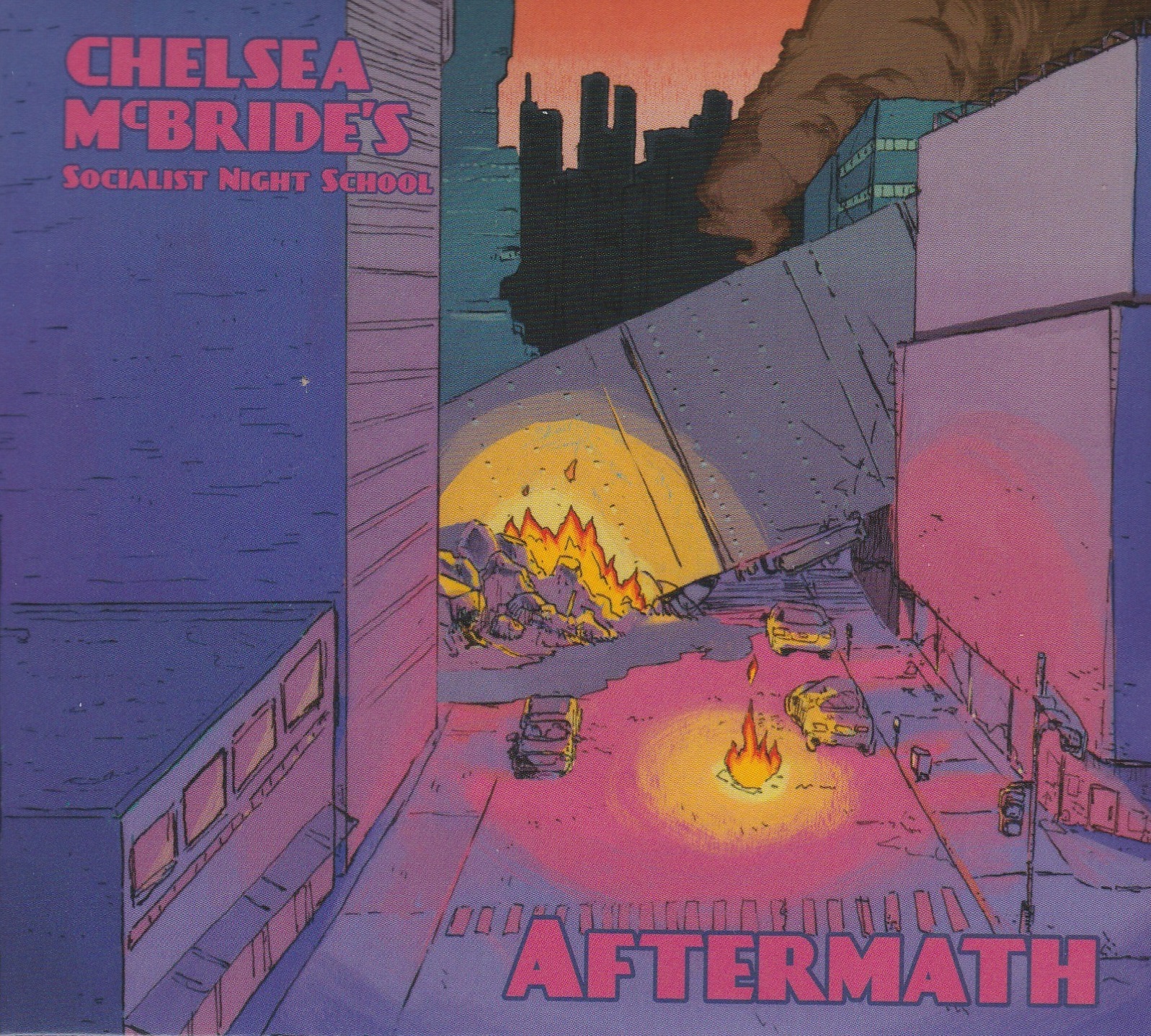
Chelsea McBride’s Socialist Night School is a modern jazz orchestra that’s been producing contemporary music only since about 2014 yet this is the group’s third recording and second full-length album. This is no mean feat for a small group, but for a 19-piece big band it’s extremely impressive. Even more impressive is the scope of this album. With ten tracks mostly clocking in at seven to eight minutes each, it tackles all kinds of ideas both musically and lyrically with all the songs written, arranged and conducted by McBride.

The main theme of Aftermath is conflict and, as such, it’s not surprising that the overall feel of the music is driving and angular and that there are sometimes less-than-pretty sounds used to convey the ideas. The opening track, Revolution Blues, was inspired by the 2016 U.S. presidential election. (The one and only good thing I can say about Trump is he’s inadvertently inspired some great art.) House on Fire with its carnival vibe, delves into the impact corporate greed has on our world. There are some melancholy beauties here too, like Say You Love Me and The Void Becomes You.

McBride formed the band shortly after graduating from Humber College and the majority of the players are her 20-something contemporaries along with a few veterans like trombonist William Carn and saxophonist Colleen Allen, the latter of whom is featured on the Me Too ode, Porcelain along with Naomi Higgins. Trumpeter Tom Upjohn takes an epic turn on Ballad of the Arboghast. The musicianship throughout the recording is superb but singer Alex Samaras deserves special mention. He executes the challenging melodies with skill and adds much musicality and warmth with his beautiful voice.

Aftermath is a big, ambitious project well worth the attention of fans of modern big band music.

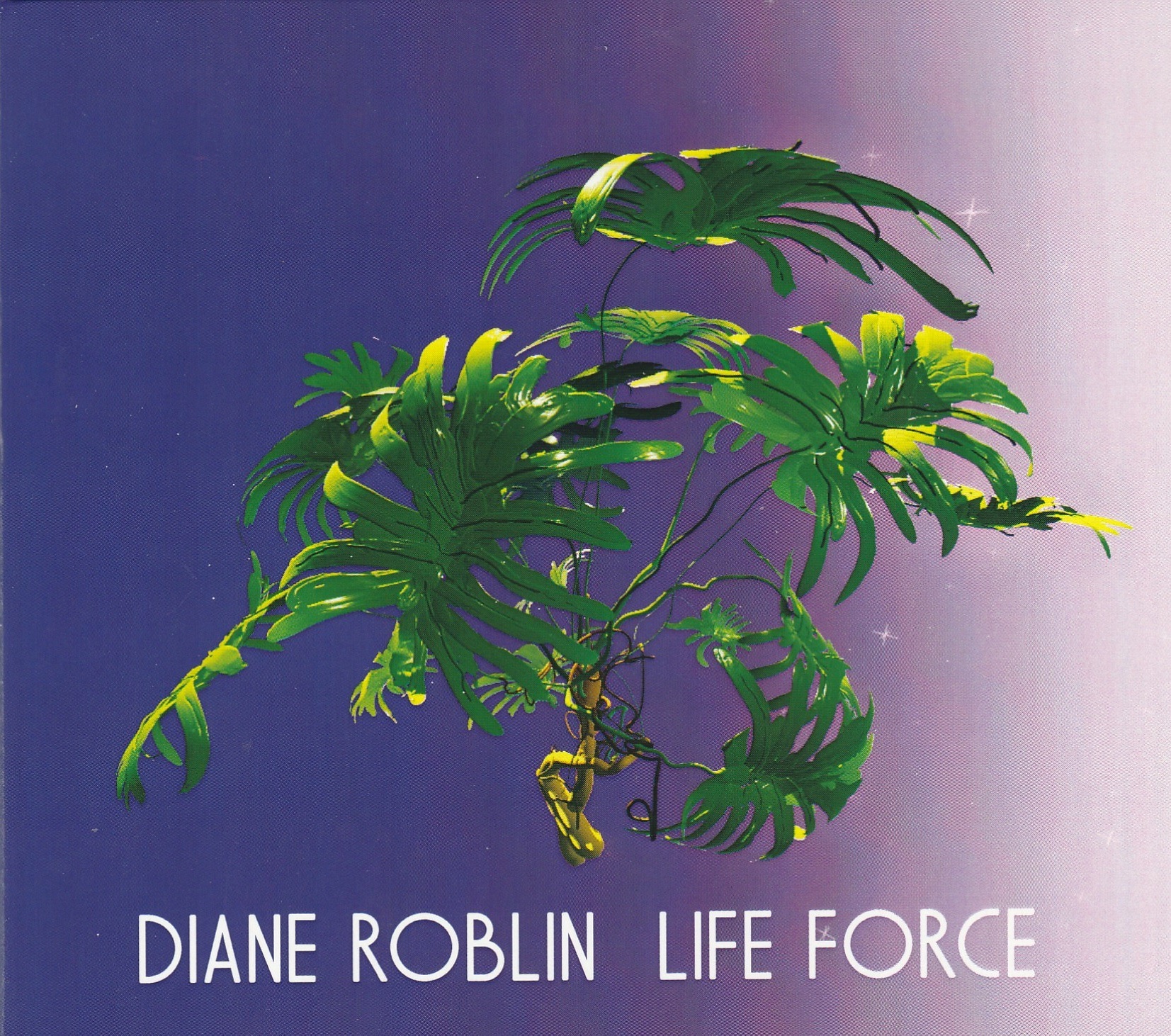
02 Diane RoblinLife Force
Diane Roblin
Independent (dianeroblin.com)

Following her successful 2014 comeback, noted composer and multi-keyboardist Diane Roblin has once again created an eclectic, deeply personal and musically meaningful project that unabashedly celebrates life, and the inevitable, invigorating roller-coaster ride that is part of a well-lived human experience. Roblin’s gifted collaborators here include CD producer and acoustic/electric bassist, George Koller; trumpet/EVI player Bruce Cassidy (who also contributes the exceptional horn arrangements); Kevin Turcotte on trumpet and flugelhorn, Jeff LaRochelle on tenor sax and bass clarinet and Ben Riley on drums.

Back on Track is the sassy opener, with Roblin laying it down on Fender Rhodes, deftly establishing the spine of the funk. Cassidy’s EVI solo, followed by Turcotte’s trumpet solo, propel things to a higher vibrational level, while Koller’s gymnastic, supportive bass work and Riley’s drums are the soulful glue that gently hold the expandable structure of the tune together. Another standout is Snowy Day (which reappears at the end of the CD). LaRochelle’s bass clarinet is simply stunning and perfectly complements the introspective mood of the tune, as well as Roblin’s skilled and intuitive acoustic piano work. All the while, Cassidy’s horn arrangement weaves a silken web of harmonically complex ideas.

Another fine track is Suspend Yourself, where Roblin reminds us of her skill, not only as a pianist, but as a new music composer. The ensemble breaks into the piano intro with considerable pumpitude, morphing into a straight-ahead bop motif, spurred on by Cassidy’s EVI. Of special note is the tender Ballad in 3-4, which displays the gentle, contemplative aspects of Roblin’s musicality, gorgeously framed by Koller’s bass solo and the Kenny Wheeler-ish horn parts.

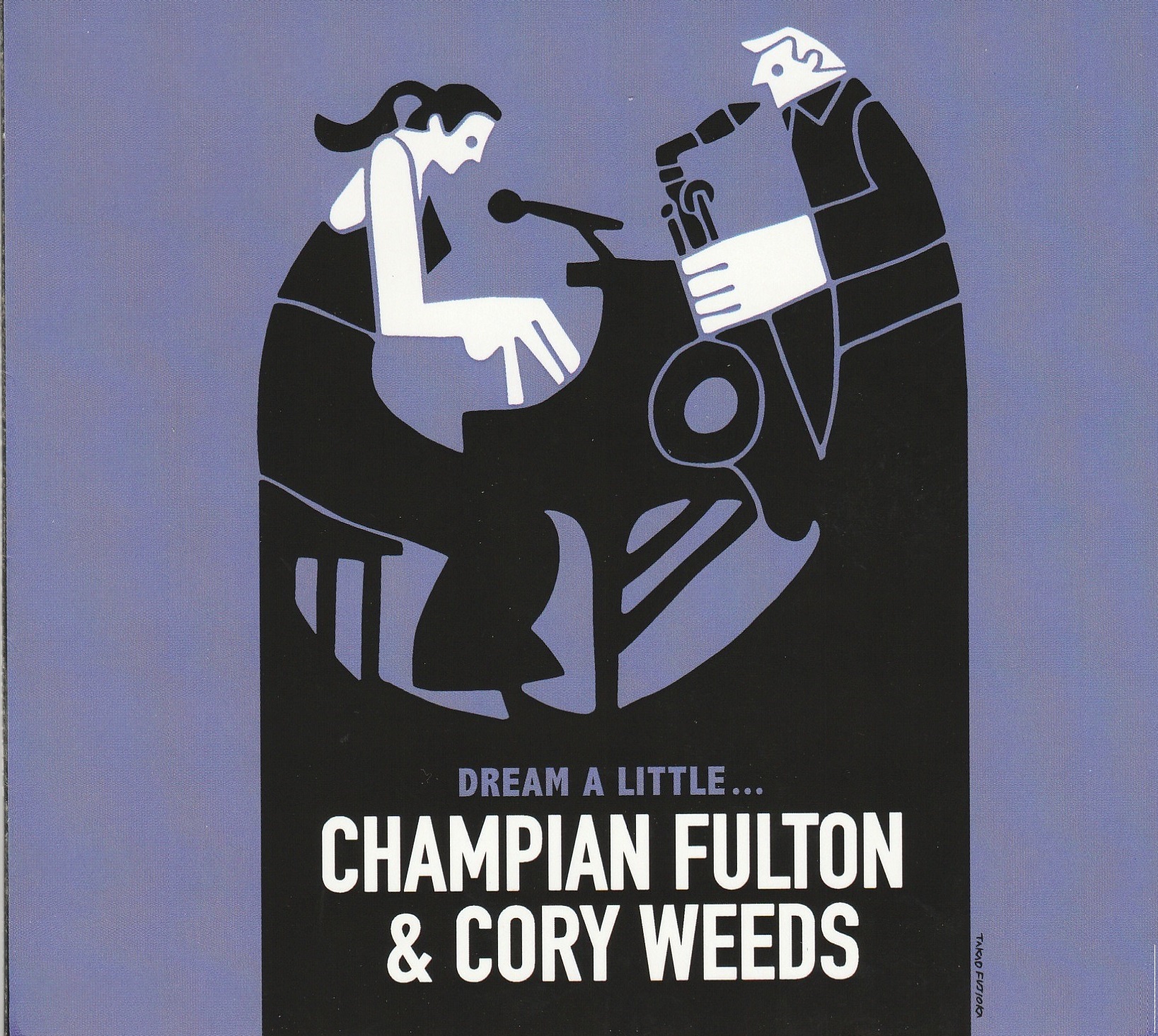
03 Fulton and WeedsDream a Little…
Champian Fulton; Cory Weeds
Cellar Live CLO22519 (cellarlive.com)

It is probably pure happenstance, but a song such as Dream a Little Dream of Me seems to have been written for just such an intimate encounter as between pianist and vocalist, Champian Fulton, and saxophonist and impresario, Cory Weeds. What is no accident, however, is the fact that these two musicians seem to automatically fall in with each other, melodically, harmonically and rhythmically, so that axiomatic sparks begin to fly.

Weeds plays with quiet brilliance throughout Dream a Little… His uniquely sophisticated and sonorous style weaves in and out of the vibrant and affectionate expressivity of Fulton’s pianism, her voice often becoming the crowning glory of the songs here. Both musicians seem to connect in a rarefied realm, but they then descend to earth where they each inhabit a palette of sumptuous colour. Then, like a couple in love, playfully oblivious of the attention they have attracted, they hold each other’s music in a tight embrace.

There is too much proverbial gold on this album, but I am going to risk suggesting that the biggest ear-opener is Darn that Dream. This performance burns in the quietude of the bluest part of a musical flame; its languid, seemingly interminable narrative made to simmer forever in a rhythmic and sonic intensity where Weeds contributes lyrical prowess, while Fulton offers her brilliant vocalastics, which sustain the music’s emotional mood while bringing the text’s poetic imagery to life.

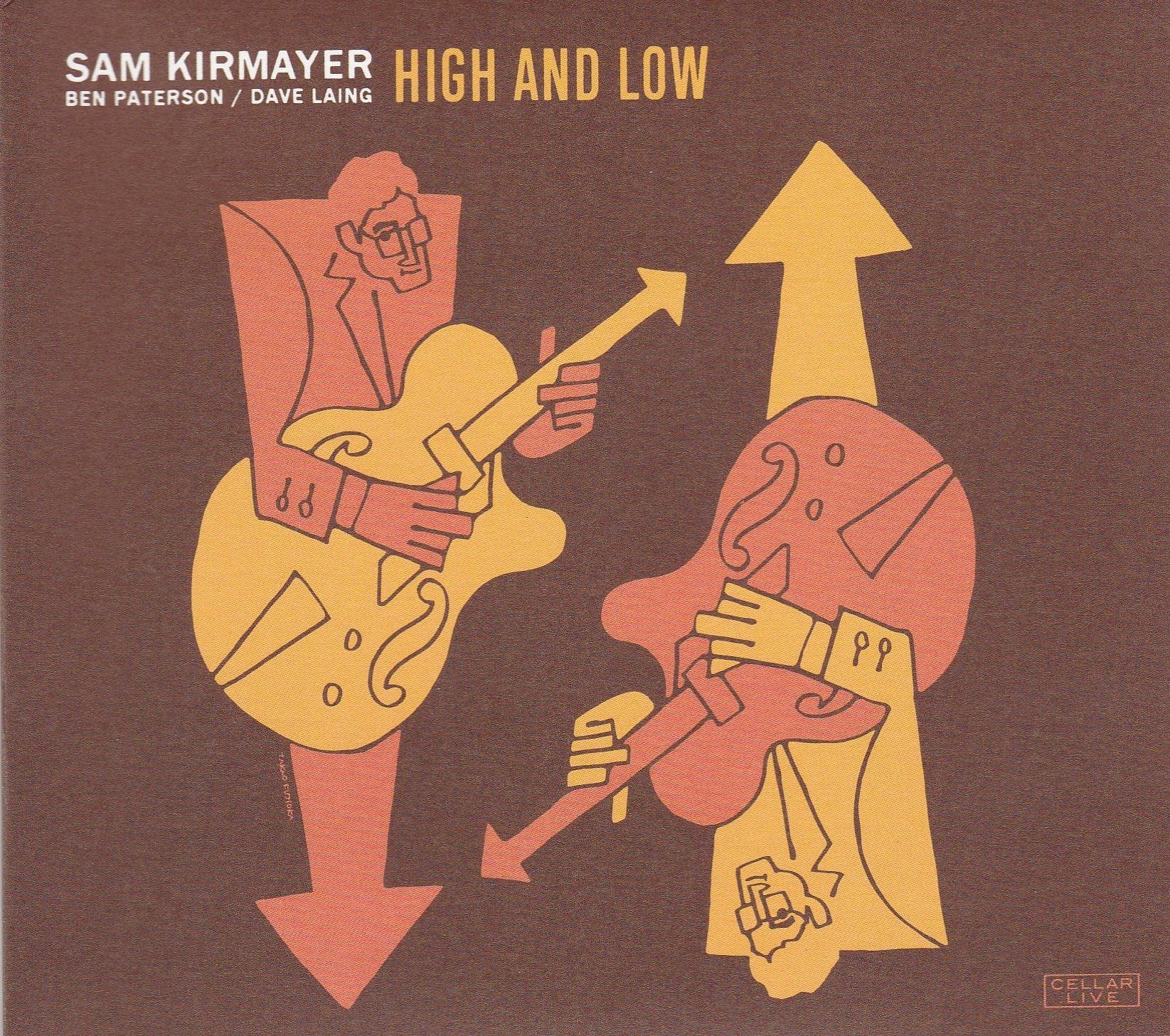
04 Sam KirkmayerHigh and Low
Sam Kirmayer; Ben Paterson; Dave Laing
Cellar Live CLO 20118 (cellarlive.com)

During an era in which even the most straight-ahead jazz guitarist tends to have a sprawling array of pedals on stage, Sam Kirmayer is something of an anomaly. A traditionalist who tends to eschew effects in favour of the unmediated connection between instrument and amplifier, Kirmayer has found a voice for himself in the bluesy, hard bop style of guitarists like Grant Green, Wes Montgomery and Peter Bernstein. His newest album, High and Low, is his first to be released on Vancouver’s Cellar Live Records; an apposite fit, for a label that has become Canada’s leading outlet for hard bop. High and Low is an organ trio album, a rarity in and of itself in Canada. Drummer Dave Laing – who also played on Kirmayer’s debut album – is a faculty member in McGill’s jazz program, and is a stalwart of the Montreal scene. New York organist Ben Paterson, whose résumé includes work with Bobby Broom, Johnny O’Neal, and Peter Bernstein, rounds out the trio.

High and Low delivers amply on the premise that it sets out for itself: it is a swinging hard-hitting album, with crisp, tasteful playing from all involved. It is also, from the opening notes of the title track, a sonically beautiful experience, with all of the richness and depth that one hopes for in an organ trio recording. Kirmayer is in his element throughout High and Low, and Laing and Paterson make for a strong rhythmic team.

Back to top