Just as innovation in jazz, notated and popular music rewrote precepts about harmony, melody, pitch and rhythm during the 20th century, so were the s about instruments’ interconnections remade. With even newer attitudes in the 21st century, pairing two instruments’ supposedly dissimilar timbres is no longer outrageous, but can lead to appealing sounds.
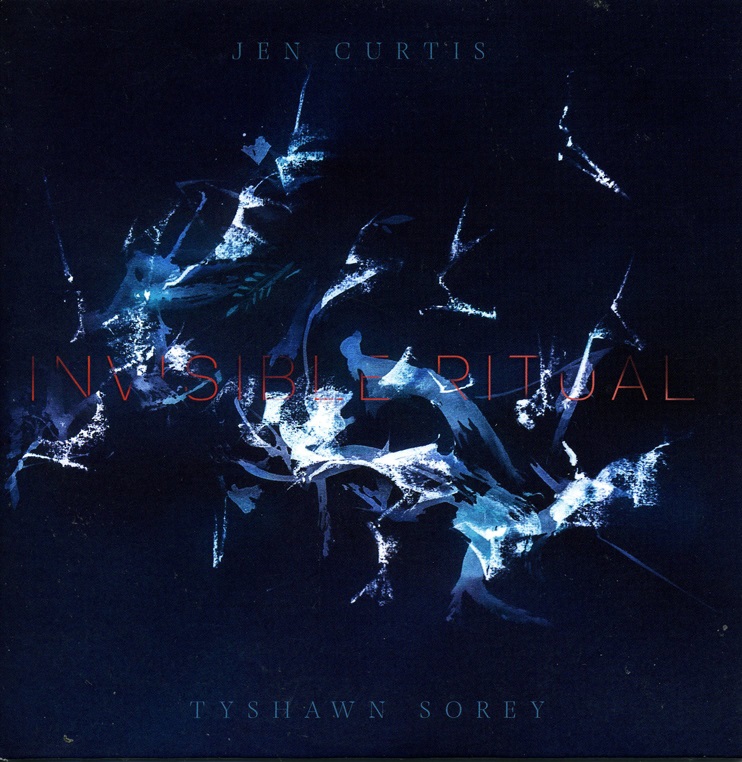
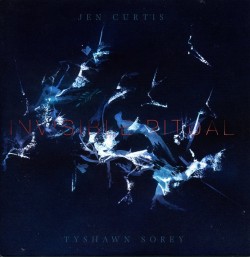 Consider for example, Invisible Ritual (Tundra Records TUN 014 newfocusrecordings.com) that joins Americans Jennifer Curtis (violin) and Tyshawn Sorey, who plays percussion and piano. Curtis’ background includes playing old-timey music and membership in the contemporary chamber group ICE. Sorey composes for ensembles such as ICE as well as gigging as a jazz drummer with the likes of Myra Melford. The pair stretch boundaries only slightly during expected chamber music violin-piano configurations here. But while there’s a near rococo feel when the pianist sticks to prudent and deliberate patterning and the fiddler sweetens textures to the quasi-baroque, other sequences such as Invisible Ritual III and Invisible Ritual V are invested with dynamic animation. A heavier touch encompassing key clip and clinks from the piano adds swing intimations further propelled by impetuous violin glissandi and, especially on the second tune, triple-stopping variations and col legno taps. Contrast is more markedly defined when percussion is involved. Starting with a folksy exposition, gong-like reverberations and arco string strokes add to the reflective mood. The same sort of savvy is brought to faster numbers. Kinetic steeplechases are propelled by chunky drum rumbles and cymbal echoes from Sorey as Curtis, jumping from strained squeaks to pizzicato plucks on the fiddle, references the heads as they create new distinctive melodies. There’s even a point on Invisible Ritual VIII where the blend threatens to create a Balkan-style dance rhythm. Versatility and cooperation is most obvious on Invisible Ritual IV, where Sorey’s beat stretching and ruffs complement Curtis’ dynamic moves back and forth from spiccato to arco, often during the same line. As he slaps cymbal and snares, she heads into hoedown territory and then turns to tough tremolo sweeps to face down the ferocious clip-chop percussion challenge.
 The challenge on Andersabo (Johs & John 1 johnchantler.bandcamp.com/album/andersabo) on the other hand, would appear to be how to prevent timbres from the synthesizer and pump organ played by Australian John Chantler from overpowering Dane Johannes Lund’s bass saxophone tones. Shrewdly, it isn’t an issue. For no matter how inflated the keyboard textures become to attain a near hypnotic continuum, Lund’s almost continuous reed glissandi judder at the same speed and with the same intensity. Even on the extended Back of the House which moves the program to prestissimo, the two stay perfectly in sync. The subsequent brief Open Field and Forest climbs from barely audible buzzes to climax with scratchy and shrill surges. However the concluding Under Barn Floor manages to display both hushed and bold textures without breaking the chromatic line. As the pressure from tremolo pump organ runs and currents blown from the saxophone without key motion augment, textures bleed together into a solid mass. Eventually though, programmed samples of what could be the sound of waves hitting the shore plus mechanized clanks, whistles and whooshes from the synthesizer penetrate the solid sound block, while preserving calming drones. Although recorded in a residence in rural Sweden which gives the disc its title, the profound control exhibited here doesn’t reflect the rustic location, but contemporary minimalism.
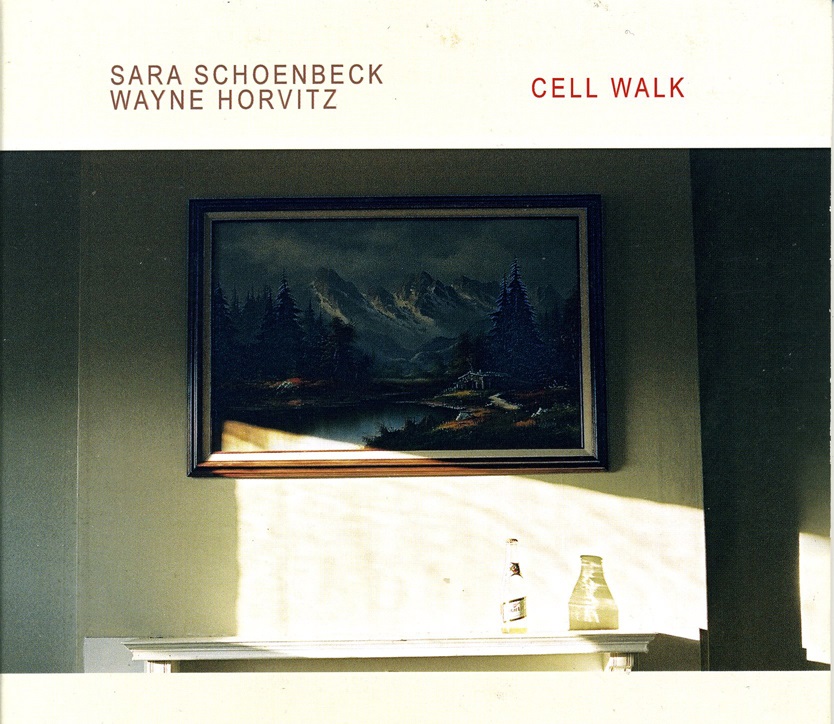
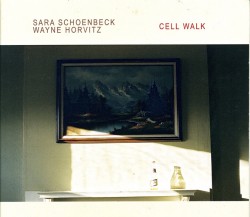 Another variant of unusual keyboard-woodwind pairing occurs on Cell Walk (Songlines Records SGL 1631-2 songlines.com) between Wayne Horvitz’s piano and electronics and Sara Schoenbeck’s bassoon. Both are American and have worked in the circles around John Zorn and Anthony Braxton. Trying to avoid the expectations raised by these formal chamber music instruments though, the tracks, recorded in Vancouver and Brooklyn, include both compositions and improvisations. Not that the separation is obvious. Most tunes, no matter the tempo, depend on Schoenbeck’s flexible expansion of the low-pitched double reed’s characteristics and their symmetry with Horvitz’s fluid, but sometimes standard keyboard contours. Mostly the briefest tracks are gentler, vivace and buoyant, intermission riffs for the darker compositions. Some, like the title track, an almost church-like dirge, are legitimately gloomy, since the mournful melody was composed by Horvitz to honour the recently deceased Cecil Taylor. Others, such as No Blood Relation, are more calculating, as piano patterns vibrate alongside the bassoon’s heavy tones. After the turnaround, she supplely recaps the theme. Well reasoned, Ironbound gets its pressurized motion from the bassoonist’s dissonant colouring that increases tension at the same time as the pianist ranges over the keyboard to maintain horizontal pacing while creating multiple theme variations. Tougher and more notable are The Fifth Day and especially We Will Be Silk. Longest of the set, the first tune is mid-range and concentrated, with reed snarls and piano clinks harmonized as they repeat the melody that climaxes during a section where Schoenbeck’s slurs and Horvitz’s elevated key tinkles move the interpretation along unexpected avenues without losing the theme. A flat-out improvisation, We Will Be Silk is built on contrasts between the bassoonist’s hard nasal strains and the pianist’s internal string and soundboard plucks and clicks. Since this improvisation’s finale is as clear and solid as any other track, it would have made the session more imposing if the program had been looser to produce more tracks like it.
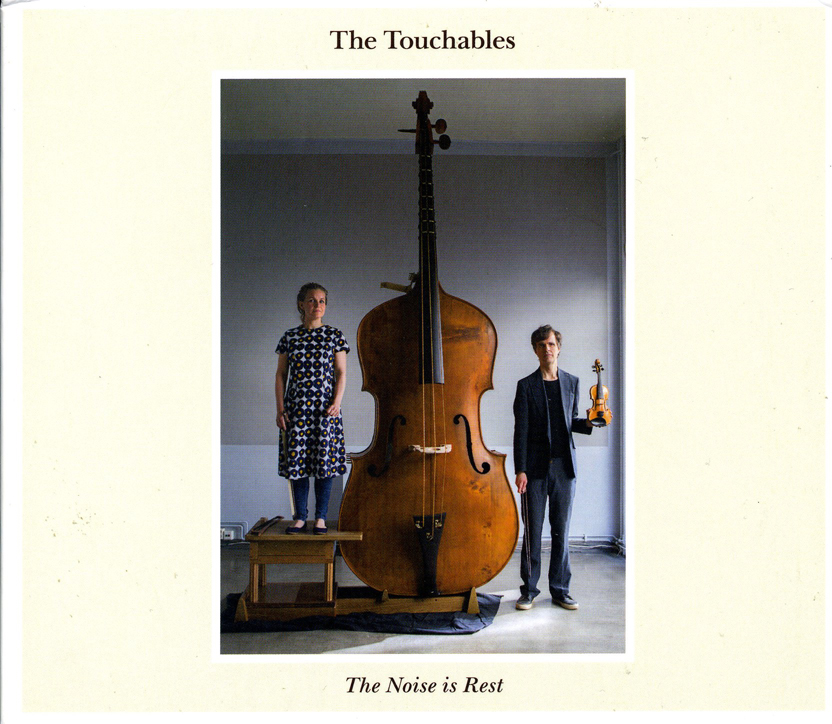
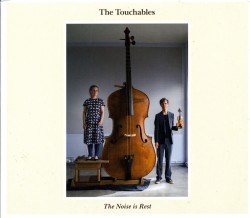 Although they’re from the same instrumental family almost no one has previously created a duo matching the tiny piccoletto violin and the giant octobass until The Touchables came along. On The Noise is Rest (Conradsound CNRD 328 conradsound.com) Norwegians, fiddler Ole-Henrik Moe and bassist Guro Skumsnes Moe range through eight improvisations that not only reach the far boundaries of treble and bass tones, but also easily create textures that squeeze past what’s expected from string sets. Mixing wood-rending pulls, taut string pressure and spiccato drones, the two also maintain a discordant continuum throughout. Often the piccoletto shrills reach such elevated pitches that it could be electronic voltage being pushed into the improvisations. Ocean-liner-whistle vibrations from the octobass regularly descend to such a sunken state that passing tones bond into multiphonics, filling every crevice of the audio space. A track such as Peace Ghost, which in itself is wilder and louder than those that precede it, includes such sharp, shimmering violin timbres that the resulting echoes are almost brass-like, whereas Byalullalandbird’s slick mid-range bass glissandi sound with such fluidity that the closest resemblance would be to low-pitched reed split tones. By the final Deserted Desert, wide-ranging col legno strokes and pointillist screeches from both instruments combine with triple-stopping piccoletto shrills and moderated arco string buffing from the octobass. Eventually a calming climax is attained as tension-diffusing air currents complete the arrangement.
 If the other CDs highlight unexpected and unprecedented extended acoustic techniques, the Viennese duo on Jardin des Bruits (Mikroton CD 91 mikroton.net) extend the intonation still further. That’s because the electric guitar interludes of Burkhard Stangl are mated with the sounds of Paris streets and subways that were recorded, collated and modified by turntablist dieb 13. Over the course of 20 (!) tracks that range from a few seconds to nine minutes dieb uses found sounds such as human voices, footfalls, car horn blasts and the regularized thump of road traffic as leitmotifs. Alternately he weaves the textures into an outpouring of crackles, static and voltage tremors to aurally reflect certain areas around the French capital. Simultaneously he alters their sonic properties by replaying the sounds at various speeds as well as adding vinyl-sourced noises. Meanwhile Stangl’s warm finger-style plucks add the human element. Not that the guitar approach is Arcadian though, except on tracks like Jardin des Plantes where soothing strings intersect with the noises of children. The truthfully titled Noisy Track on the other hand is almost eight minutes of Stangl mobilizing his most distorted Hendrix-styled fuzz tones that catapult timbres within the accelerating stylus-on-turntable crackles and buzzes created by dieb. Reaching a crescendo of onomatopoetic suggestions. Plus the disc provides one more instance of unforeseen duos creating exceptional programs.


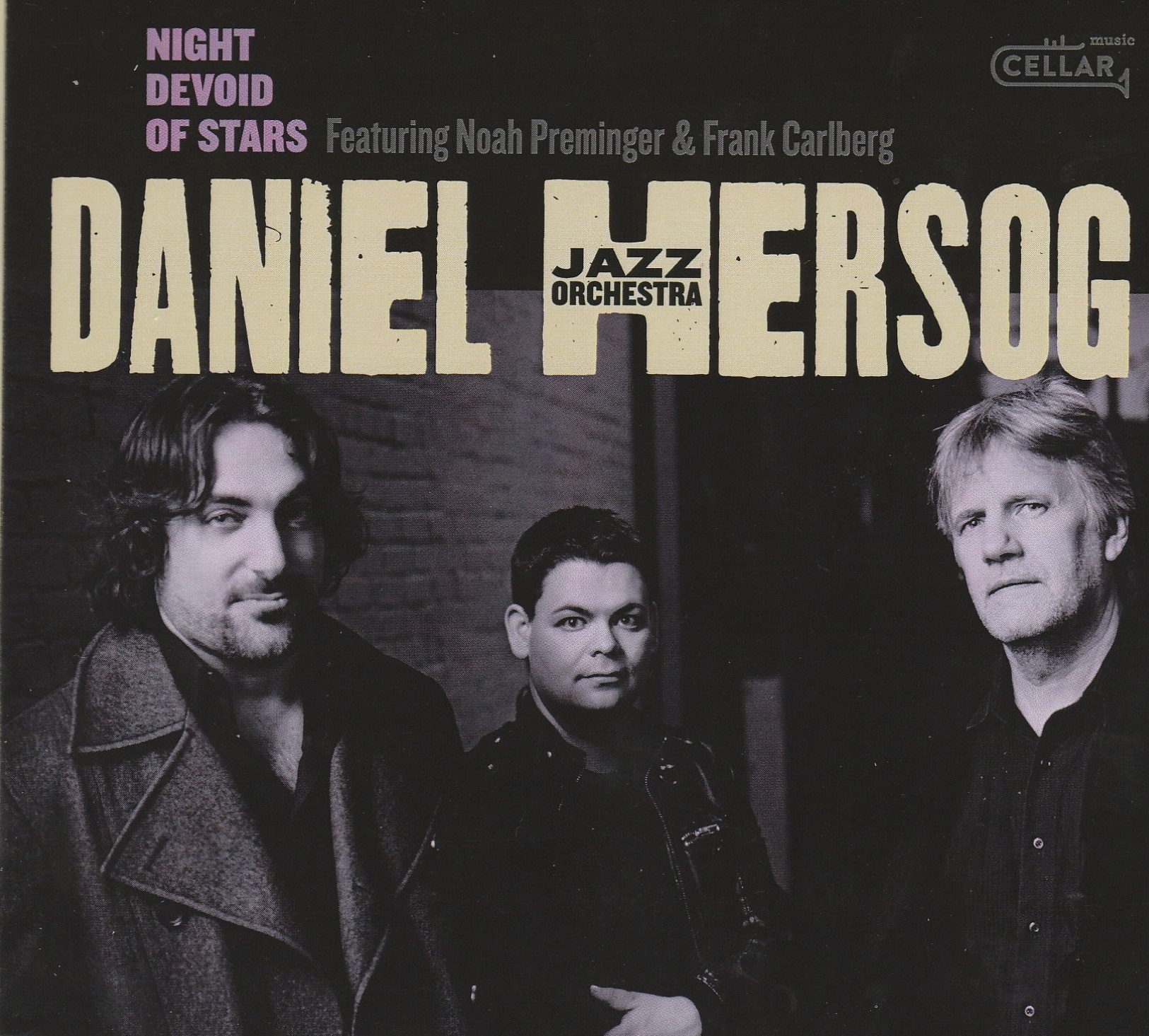 Night Devoid of Stars