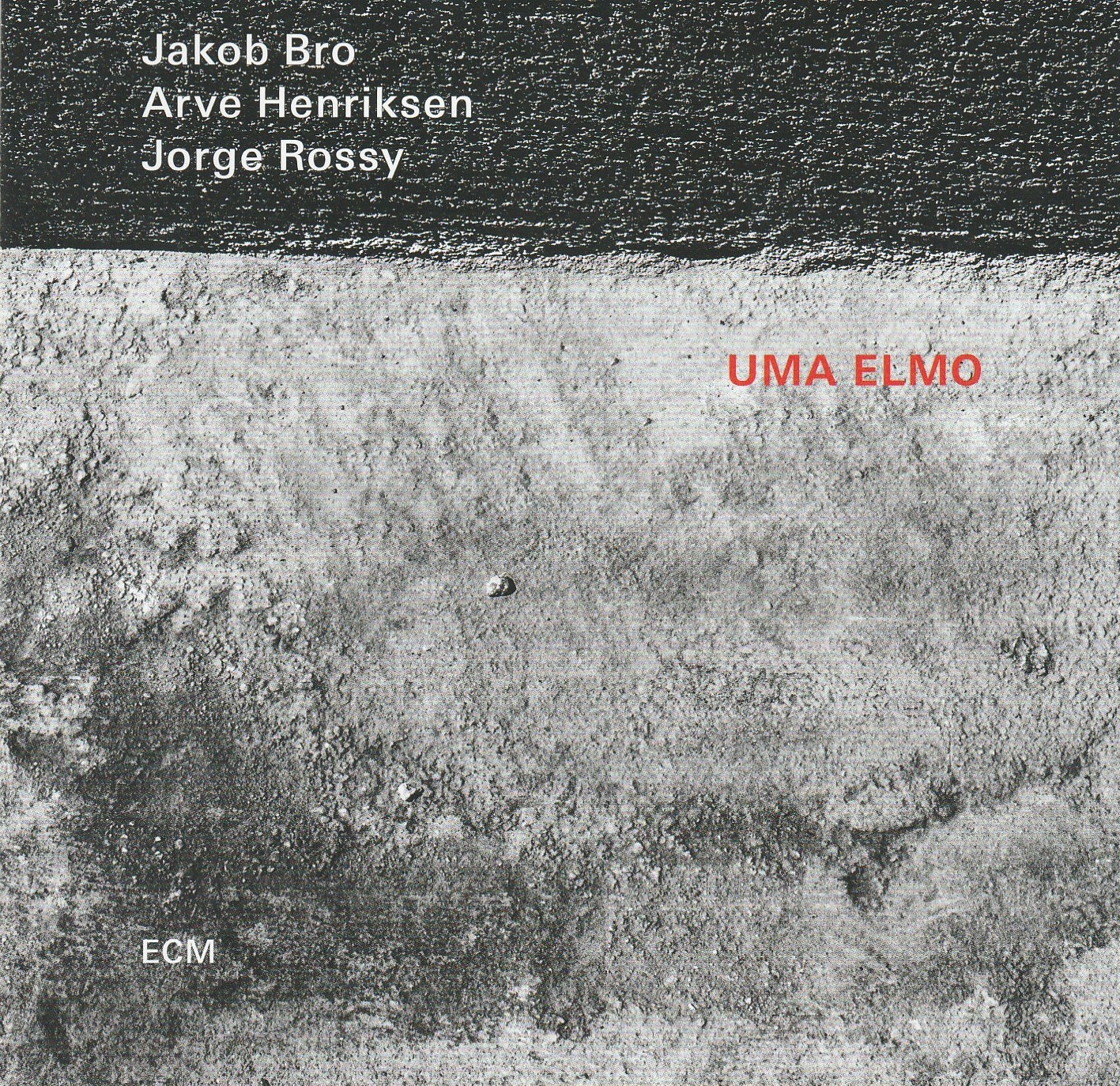
14 Jakob BroUma Elmo
Jakob Bro; Arve Henriksen; Jorge Rossy
ECM ECM 2702 (ecmrecords.com/shop)

In the 50 years of producing music for his ECM label, Manfred Eicher has established a rubric that almost no one thought to create before him. It is characterized by a minimalist aesthetic, with sonic works delivered in almost pristine digital sound. There is almost always superb, impressionistic cover photography, rarely any liner notes (except for the odd Egberto Gismonti album). Booklets often feature graphics and an oblique, poetic line or two that seem illuminated by a translucent and shy ray of the sun. 

This is exactly the feel of Uma Elmo by Jakob Bro, Arve Henriksen and Jorge Rossy. Put together, the two-word title might be translated as “the splendour or tranquillity (Uma) of love (Elmo).” The music has a profound and meditative quality; songs bloom into a series of exquisite miniatures. Bro’s single-note lines are spacey; they shimmer and gleam, occasionally warmed in the blue flame of Henriksen’s horns. Meanwhile Rossy bounces brushes and sticks in rhythmic flurries and glancing blows across the skins of his drums. 

Songs such as To Stanko – a doffing of the hat to the late horn player Tomasz Stanko, beloved by ECM – Morning Song, Music for Black Pigeons (in memory of Lee Konitz) and Sound Flower, are typical of this musical performance in the splendid isolation of a studio in Switzerland. Purity of sound and an enduring love of artistic expression are all over the music of this album.

15 HaeraeHaerae
Andreas Willers
Evil Rabbit Records ERR 31 (evilrabbitrecords.eu)

As the COVID-19 lockdown settled in spring 2020, German guitarist Andreas Willers began a solo recording, the same kind of project with which he had debuted 40 years earlier. He’s playing two steel-string acoustic flat top guitars here, usually one at a time, though there are pieces when there may be two involved, and he’s playing them in a number of ways, whether traditional or employing extended techniques.

Willers clearly loves the guitar as an instrument, exploring its nooks and crannies and the myriad sounds they harbour, many the kinds usually avoided: the metallic slap of detuned lower strings against the fretboard; likely the rustle of a plastic bag covering the picking hand; strings scratched longitudinally with fingernails or maybe rubbed with a moistened thumb; some hard material with some weight, probably plastic, dropped on the strings of a horizontal instrument. None of these things appear in isolation but arise in making spontaneous music, each piece developing a rich, varied life of its own in which evolving timbres and events create a sonorous whole. Sometimes he plays guitar in a conventional way, as in the three movements of langh’s arm 6-8 which abound in brilliantly articulated runs, dense chordal passages and singing, reverberant highs; there are dashes of blues, flamenco and slide with strange mergings of idioms.

While its likely audience is attuned to free improvisation, there’s enough exuberant guitar exploration here to appeal to any adventurous enthusiast of the instrument.

Assembled since the first significant 78s were collected in one package, the boxed set has traditionally been used to celebrate important anniversaries or extensive projects. CD collections are the same, with these improvised music sets aurally illuminating various programs.
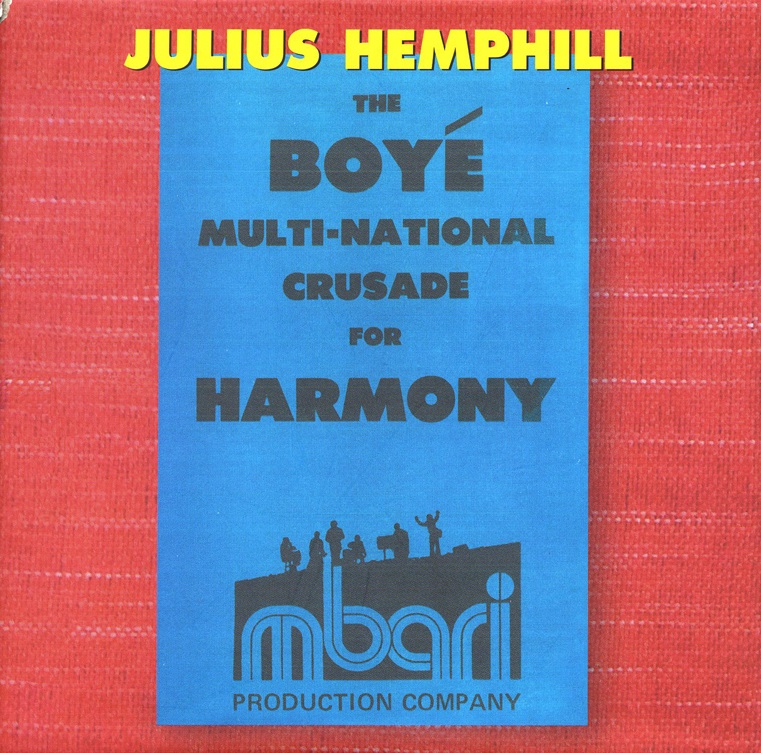
Hemphill 00 boxThe most meaningful collection is the seven CDs that make up Julius Hemphill The Boyé Mufti-National Crusade for Harmony – Archive Recordings 1977-2007 (New World Records 80825-2 newworldrecords.org). Consisting of 53 previously unreleased tracks, the box presents a full picture of composer and saxophonist Hemphill (1938- 1995), who was a member of the St. Louis Black Artists Group and founder of the World Saxophone Quartet. Hemphill is represented not only by numerous combo sessions with fellow sound innovators, but also by a disc of his chamber music compositions as well as multimedia creations involving solo saxophone forays and spoken word. While other tunes of his are interpreted by pianist Ursula Oppens and the Daedalus String Quartet, a more memorable compositional program on Disc 4 is of two pieces Hemphill conducted played by improvisers using traditional orchestral instruments and without solos. Slotted among Baroque, blues and bop, the tracks include achingly melodic motifs plus timbral extensions into multiphonics and swing that are unique. Roi Boyé Solo and Text is an entire disc dedicated to the vernacular trickster character the saxophonist developed in theatrical presentations where his horns comment on verbalized themes extended with Malinké Elliott’s recitation of the poetry of K.Curtis Lyle. With the rhymes personifying a variety of inner city St. Louis characters from shouting preacher to mumbling hustler, Hemphill’s flute or soprano and alto saxophone lines offer either measured cadences as affirmation or use screech mould, triple tonguing plus the addition of miscellaneous percussion to rhythmically solidify the urban imagery and underline the barbed explosiveness of the situation. 

However, it was as an improviser, composer and arranger that Hemphill’s identity was solidified, and these skills are expressed in cultivated and unique fashion involving numerous ensembles on the other five CDs. Hemphill’s best-known associates, bassist Dave Holland and drummer Jack DeJohnette, joined the saxophonist and longtime musical partner, trumpeter Baikida Carroll, in 1979 for one concert. Known for affiliations with Keith Jarrett and Miles Davis, the bassist and drummer easily respond to Hemphill’s music, as percussion rolls and ruffs and stentorian string plucks smack and swipe alongside light-toned grainy brass smears and an unbroken line of reed shrills. Mirrors’ squirming exposition opens up for a jumping tempo-shattering snare-and-cymbal solo without upsetting the piece’s ambulating balance. Meanwhile, the concluding Would Boogie is defined by the title as a drum backbeat; walking bass lines match lockstep horn animation which splinters the theme into atom-sized reed bites and splayed brass flutters and then reconstructs it. This down-home quality is further emphasized with two groups on CD 6 which include electric bassists and guitarists. Pops and splatters from Jerome Harris’ electric bass evolve in tandem with Hemphill’s sax squeaks or flute trills as six duo selections become harsher and more pressurized. A similar intensity is expressed when bop meet blues on Pigskin, as Jack Wilkins’ echoing guitar licks and drummer Michael Carvin’s power backbeat add mainstream swing to the saxophonist’s astringent exploration. One/Waltz/Time+ projects the group’s multiple identities as guitarists Allan Jaffe’s and Nels Cline’s blues-rock twangs and frails connect with Hemphill’s shifting split tones, moving the piece from the hotel ballroom to the honky tonk. 

Country blues energy coupled with urban experimentation also enlivens the multiple bands that Hemphill led under different names featured on Discs 1 and 3. Usually including Carroll, Dimples: The Fat Lady on Parade is unique because the trumpeter’s strangled blows and the saxophonist’s foaming glissandi are moderated when joined by John Carter’s nasal clarinet tones. With the woodwind’s gentle trilling taking on the storytelling role, Hemphill’s soprano creates a sweet obbligato. As sprightly harmonies then unite over drummer Alex Cline’s ambulatory beat, the narrative resembles the topsy-turvy echoes of a retreating circus band. Cline and Carroll are part of the trio called The Janus Company on Disc 3 where boppy themes do-si-do among the band members. Spectacular drum rumbles enliven #4 as Hemphill’s supple cries buzz across the sequence while Carroll’s capillary screeches vibrate to a Pop Goes the Weasel burlesque until the two horns finally harmonize. Cellist Abdul Wadud joins the trio for a finger-snapping version of Dogon A.D., one of the saxophonist’s best-known compositions. Including guitar-like frails from Wadud, high-pitched bugling from the trumpet and a hearty drum backbeat, this variant combines a march rhythm, blues notes and splintered multiphonics. Wadud, who was on the saxophonist’s first recording, also partners Hemphill on Disc 2’s six tracks. Exemplary selections such as Syntax and Downstairs demonstrate how much energy and expression two simpatico players can generate. Hemphill’s alto saxophone curls out nearly ceaseless sound variations using techniques that range from Charlie Parker-like brusqueness to extended runs of doits, split tones and flattement. Meanwhile the cellist bends notes to not only propel the beat, but also to twang a pinched continuum that cements jagged detours and tone experiments into a connective narrative.
NotTwo 00 boxAnother box set celebrates not one man’s musical vision but those of 13 musicians and the record label that disseminates their works. After releasing adventurous music for 20 years, in 2018 Krakow’s Not Two label organized a three-day-anniversary celebration in the Polish village of Wleń featuring players who regularly record for it. Not Two … but Twenty Festival (NotTwo MW 1000-2 nottwo.com) is a five-CD box that preserves those performances. They consist of different combinations featuring saxophonists Mikołaj Trzaska of Poland, Peter Brötzmann from Germany, Ken Vandermark from the US and Swede Mats Gustafsson; bassists Barry Guy of the UK, Joëlle Léandre from France and Pole Rafał Mazur; drummers Paal Nilssen-Love from Norway and Zlatko Kaučič from Slovenia; plus Swiss violinist Maya Homburger, American trombonist Steve Swell, Swedish tubist Per-Âke Holmlander and Catalan pianist Agustí Fernández. 

Ranging in length from four minutes to over 20, none of the 28 tracks disappoint, with a few more outstanding than others. Demonstrating inventive flair for instance, Léandre is in her element whether it’s in a trio with Swell and Fernandez, a quartet with Guy, Kaučič and Swell or going one-on-one with Guy or Trzaska. The quartet set demonstrates that resonating pumps from two sophisticated bass players can stretch enough horizontal and splayed patterns to either provoke or accompany as many crashing percussion or slurring tailgate brassy smears as the others can produce. Swell’s almost ceaseless scooping tones and Fernández’s metronomic keyboard vibrations set up a trio challenge at even greater length, but Léandre’s concentrated string stropping with tandem vocalizing is so powerful and percussive that her string buzzing consolidates the exposition from allegro interaction to andante solidity. Solo, her string traction is such that she can create speed-of-light spiccato jolts from the bass’ highest-pitched strings with the same textural innovation with which she pushes the narrative with bottom-aimed sul tasto stops, all the while spanking the instrument’s wood and verbally gulping and crowing additional onomatopoetic colour. Her duet with Guy shows both in top form(s) as they harmonize or test one another, constantly switching arco and pizzicato roles, splintering shrill notes or modulating deeper pitched ones, so intermittent melodies share space with pressurized movement. 

Baritone saxophonist Gustafsson constantly challenges clarinetist Vandermark or alto saxophonist Trzaska in their meetings, but in each instance the reeds are part of an additional kaleidoscopic brass or percussion-affiliated canvas. With the clarinetist, contrapuntal reed trills and bites become shriller and more dissonant as Swell and Holmlander spread cascading burbles below them until all four reach screeching concordance. With Trzaska, Mazur and the tubist creating a continuum, double saxophone flutters can turn into barely there tongue slaps and whistles as flatulent brass quakes and sliding bass string crackles intersect to propel the narrative. Meanwhile, the Brötzmann, Guy and Kaučič meeting can be contrasted with the Gustafsson, Mazur and Nilssen-Love trio. The German saxist’s distinctive nephritic cry is met by the drummer’s calculated splashes and shatters as the bassist keeps the program chromatic. Each time the saxophonist spears unexpected split tones from his horn, Guy produces connective stops while adding further grainy character along with Kaučič’s cymbal rubs. But when Guy’s subsequently powerful string pulls threaten to unbalance the exposition and push it to dissonance, it’s Brötzmann’s unexpected elaboration of a snatch of Sentimental Journey that launches the three into a near-swinging finale. 

There’s no comparable respite with the other trio whose combination of reed glossolalia, sluicing string runs from Mazur and thumping drumming suggest heavy metal as much as free jazz. When Nilssen-Love repeatedly pummels his kit and the bassist strums rhythmic ambulation, Gustafsson’s timbral screeches and basso honks rest comfortably among the vibrations below. The set is appropriately concluded with a brief finale with all the musicians expressing group excitement from, and appreciation of, the proceedings as they spill out an organized free-for-all that humorously and abruptly ends. However the standout performance is a four-part dialogue among Fernández, Guy, Mazur and Kaučič. Creating a kinetic yet horizontal pulse, the bass work moors the exposition as the drummer decorates it with cymbal colours and drum pops while the pianist tinkles out a floating canter with sharper theme variations. The storytelling is further enshrined as kinetic piano lines join wide bass string pulses to slow down the allegro narrative to a cumulative responsive finale.

 Some innovating musicians need and deserve more than a single disc with which to express their far-ranging talents. These box sets show this can be effectively done.


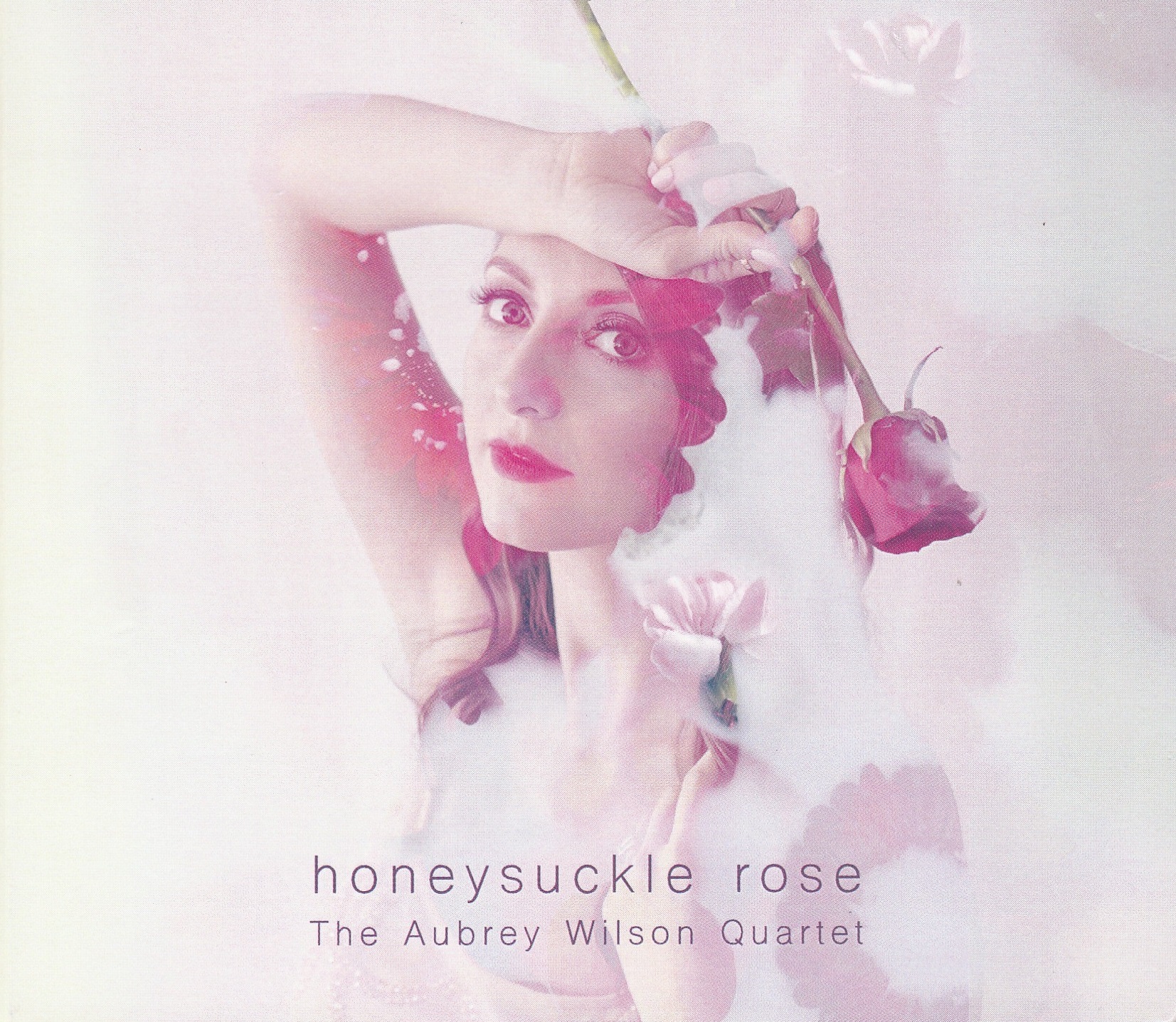
01 Aubrey WilsonHoneysuckle Rose
Aubrey Wilson Quartet
AW Music AWM001 (aubreywilsonmusic.com)

Vocal standards albums get a worse rap than they should. Sure, it can sometimes be monotonous to hear the same old songs sung by a vocalist who sounds like about a thousand other vocalists. However, I would argue that for every derivative example there’s an original take on the style, and the latter can be some of the more exhilarating music that exists. 

Aubrey Wilson and company’s renditions may help refresh the listener’s memory of what makes these standards so standard in the first place. In terms of staying faithful to the tunes, starting with the opener Nature Boy, it becomes pretty plain that this is a group that won’t allow the pressure to compromise their sound. The quartet of Wilson, pianist/arranger Chris Bruder, bassist Tom Altobelli and drummer Sean Bruce Parker have been going strong for nearly a decade and they have honed an effortlessly prodigious feel for each other. Bruder’s arrangements are tight, danceable and audacious. The band’s interpretive abilities are most notable during the melancholic title track, completely turning Fats Waller’s masterpiece on its head in a way that would almost be sacrilegious, if it didn’t work so well. That isn’t to say there are no bones thrown for the more traditional-leaning consumers, but even when the ensemble isn’t subverting, they’re grooving. Wilson constantly impresses, both with her improvisational savvy and chutzpah. Well executed all around.

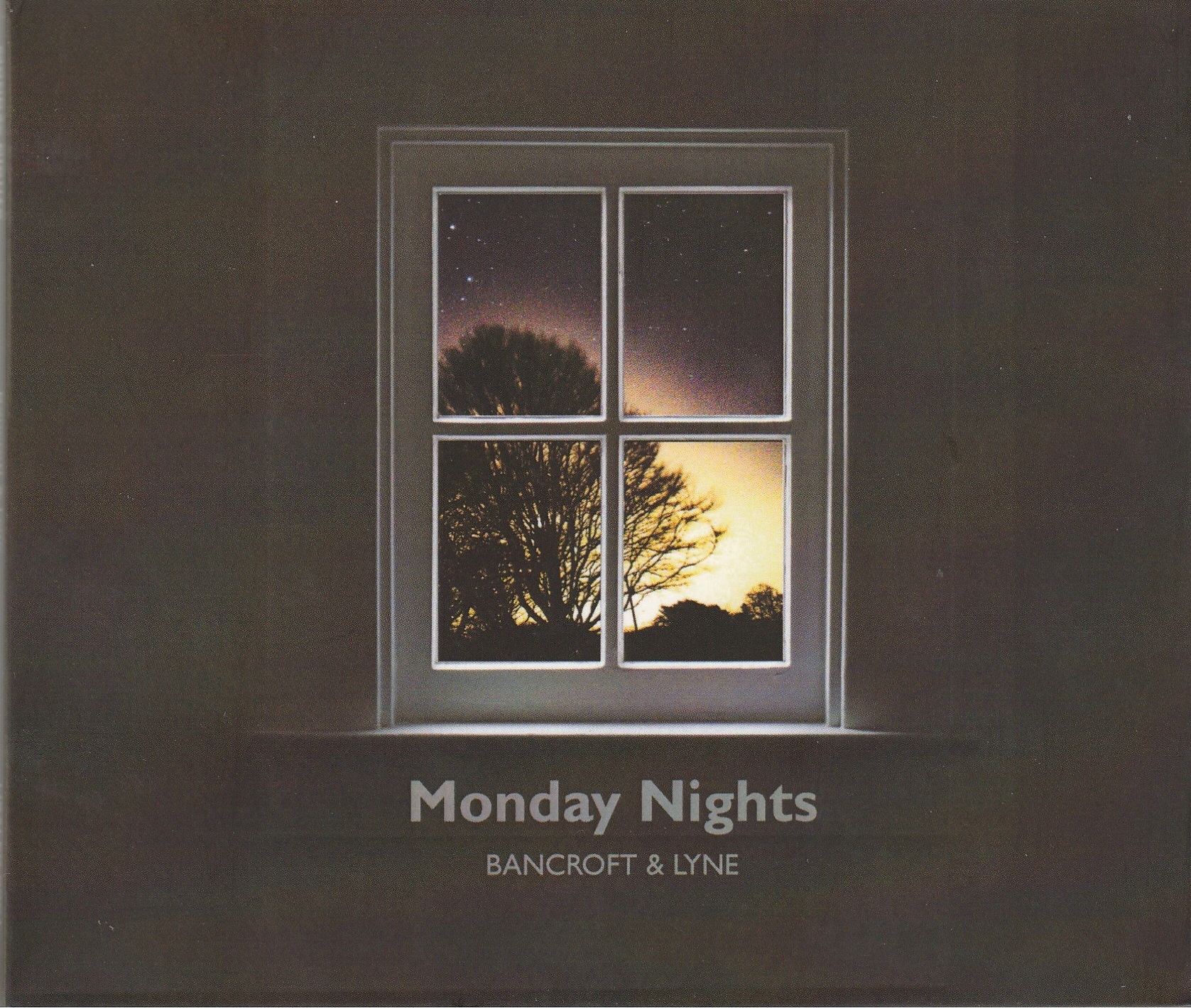
02 Monday NightsMonday Nights
Sophie Bancroft; Tom Lyne
LisaLeo Records LISALEO 0901 (bancroftlyne.com)

Scottish singer/songwriter/guitarist Sophie Bancroft and her husband, Canadian bassist/songwriter Tom Lyne, are respected UK-based musicians whose latest release was inspired by their weekly COVID-isolation, Monday night livestream sessions from their living room begun in spring 2020. The five originals and five covers here were recorded perfectly at Castlesound Studios. 

The covers are their own very personal take of famous tunes. Highlights include Cole Porter’s You’d Be So Nice To Come Home To, with a moving bass backdrop supporting the virtuosic scat singing and subtle vocal back phrasing; and a happy and positive feel for our difficult times in their rendition of Lerner and Lowe’s On The Street Where You Live. Bancroft sounds like she is singing only to her husband in the folksier emotionally charged Tom Waits’ tune Grapefruit Moon.

Lyne’s composition, Far From Mars, is a great jazz tune featuring his electric bass playing. Wish it was longer!! Bancroft’s Fragile Moon is slow, peaceful and delicately performed. Her Miles Away is so COVID isolation, with its storytelling lyrics about love at a distance and pitch leaps adding to the feeling of loneliness. Blue Room is mellow and enticing. Comfort, with more folky singalong qualities and repeated descending vocal melody, has a stress-busting calm, controlled feel.

Bancroft and Lyne are first-class jazz performers, improvisers and songwriters. Their performances here are upbeat, musical and subtle, and surprisingly made me totally forget our COVID outbreak isolation lockdown.

Listen to 'Monday Nights' Now in the Listening Room

Vegetables
Lina Allemano Four
Lumo Records (linaallemano.com)

Permanent Moving Parts
See Through 4
All-Set! AS014 (seethroughmusic.bandcamp.com)

03a Allemano 4These two CDs, both recorded by jazz quartets in Toronto in winter 2020 at Union Sound Company, both featuring trumpeter Lina Allemano as a lead voice, suggest very different approaches to band formation and conception.

The Lina Allemano Four’s Vegetables is the sixth CD by a band that’s been together since 2005 without a change in personnel, still made up of alto saxophonist Brodie West, bassist Andrew Downing and drummer Nick Fraser. Allemano’s compositions are touchstones, brief but distinctive rhythmic and melodic patterns that shape some of the patterns of development, but the group is tied together by a telepathic understanding of one another’s spontaneous processes. On Brussel Sprouts, Maybe Cabbages, it’s hard to draw a line between composition and improvisation in West’s dancelike repeating figure, even more so when he and Allemano happily land on exactly the same spot. Much of the music is conversational collective improvisation, whether it’s West’s whispered lyricism, Allemano’s exploration of mutating timbres, Downing’s spontaneous counter melodies or Fraser’s creative rhythmic chatter. Then there are the inspirations. I’m not sure how one might make sonic distinctions between Onions, Champignons and Leafy Greens, but I know all three are organic and their precise forms vary from any one to another, functioning as metaphor for the group’s intertwined creative evolution.

03b See Through 4 Permanent Moving Parts CoverA bassist may be the least conspicuous member of a band, usually the quietest, confined to a fundamental role, and often the last to solo. Bassist-composer Pete Johnston, however, stands out as his See Through 4’s one consistent element. Last year, the quartet – all first-rank Toronto musicians – released False Ghosts, Minor Fears. A year later, there’s another CD, but the other members have changed; while roles remain the same, the lead instruments have changed too. The place accorded saxophonist Karen Ng now belongs to trumpeter Lina Allemano; the chordal element is no longer Marilyn Lerner’s piano but Michael Davidson’s vibraphone; drummer Jake Oelrichs replaces Nick Fraser. There’s little change in quality, but there’s a completely different collective sound, with trumpet and vibraphone bringing a brighter sonority, even a certain brashness.   

Those “permanent moving parts” are also the building blocks of Johnston’s evocative compositions. True to its title, Weathering Teenage Hopes is a study in evolution, Allemano’s melancholy trumpet initially accompanied by Johnston’s empathetic bass alone; Davidson eventually enters, the vibraphone’s bell-like brightness carrying the piece and the band to a certain comfortable groove, which continues right down to Allemano’s ebullient bursts and wandering, scintillating lines. Other pieces may eschew such narrative development, but Johnston’s compositions seem knitted from experience, expressing ambiguous states of mind, here conveniently named, whether it’s Everything Happens Once, Possible Daylight Dreams or the tone painting of Imperfect Sunlit Room. Allemano, Davidson and Oelrichs are here to provide colour, bringing each piece to life, but the forms and their patterns of development are definitely Johnston’s department.

04 BloopProof
BLOOP
Lumo Records (linaallemano.com)

An awkward name for adroit innovators, BLOOP is actually Toronto trumpeter Lina Allemano extending her horn’s timbres with mutes, percussion and whistling as well as having them live-processed with effects by Mike Smith. Playful, pugnacious and profound, the eight improvisations multiply and mulch brass textures so that Allemano often seems to be playing more than one horn simultaneously, with a singular mid-range narrative and at least one other tone squeaking and peeping at elevated pitches. Below and beside this are percussion additions created by her maracas-like shakes, cow bell raps, bolo-bar-like smacks and synthesized rumbles, which are concurrently inflated electronically in real time. The trumpet bell shoved against the mic or metal, plus mouthpiece sucking and tongue pops, add to the jolting progressive impact. 

Digging deep into the horn’s body tube to produce growls and whines as on Recanting or propelling fluid melodies on tracks such as Actual Bloop, Allemano never really creates alone. Palimpsest-like, grainy processed pitches are always present, undulating below the narrative surface at the edge of hearing. She can dip to Taps-like ennui at points or inflate notes balloon-like to pressurized burbles, but she – and Smith – never lose the thread of communicative connections.

Want Proof of this local trumpeter’s skill as a soloist? You’d do well to investigate BLOOP.

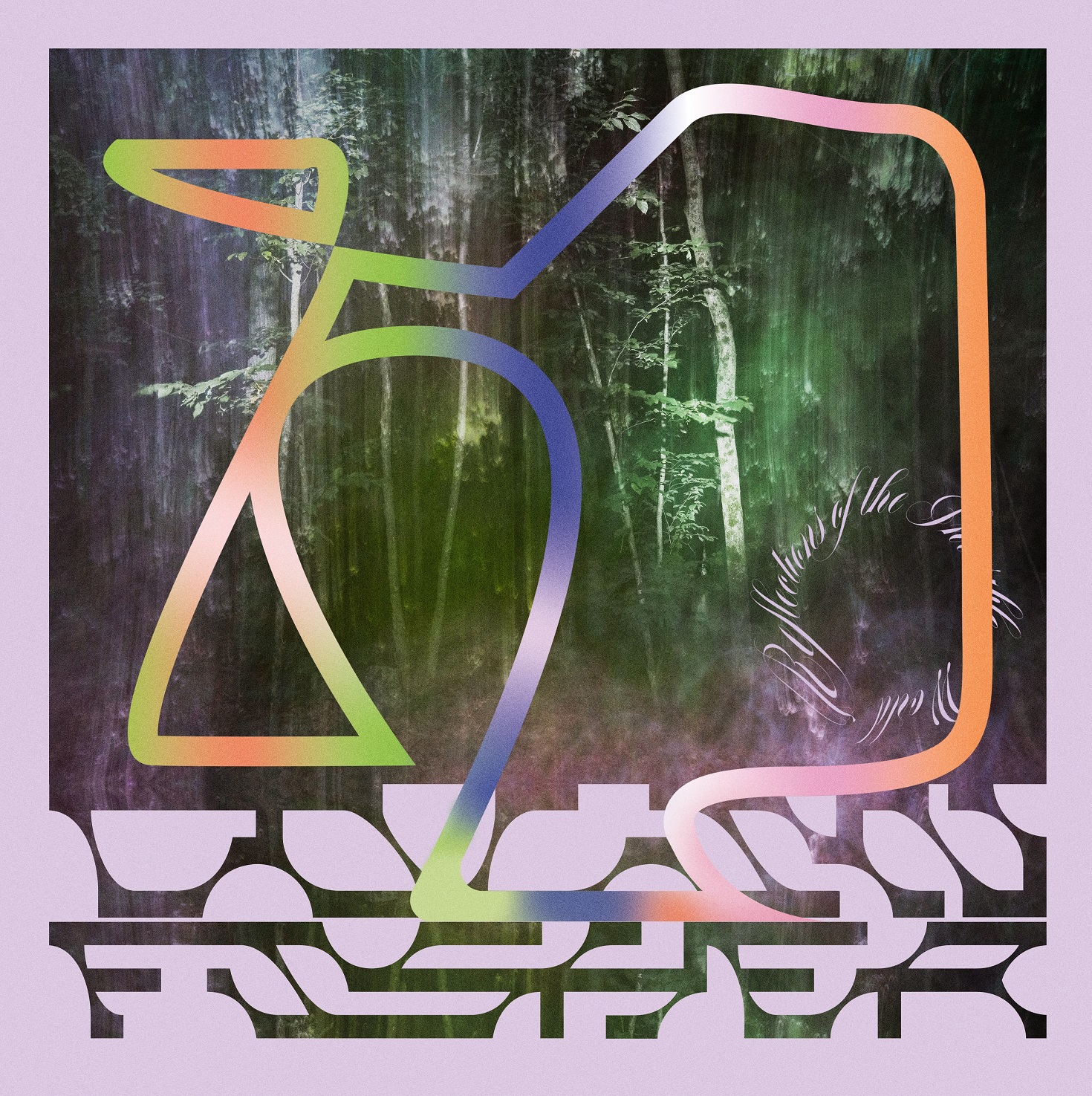
05 Colin FisherReflections of the Invisible World
Colin Fisher
Halocline Trance HTRA017 (haloclinetrance.bandcamp.com)

Colin Fisher has been a dynamic and industrious part of the Canadian music community for 20 years. He is a multi-instrumentalist with remarkable facility on saxophone, guitar, drums, electronics and other musical objects. With Brandon Valdivia he formed Not the Wind, Not the Flag, fronts the Colin Fisher Quartet and has played in many other groups and produced solo projects like his Gardens of the Unknowing.

The new vinyl and digital-only release, Reflections of the Invisible World, is another solo project with Fisher playing guitar, saxophone and electronics. Each of the seven pieces creates its own sonic environment and the tone and architecture is determined by the structure of the electronic sounds. The guitar and saxophone performances waft amongst the walls and corridors of those sounds which are sometimes melodic, other times primarily rhythmic. Salient Charm begins with a pulsing rhythm which develops into wafting, ephemeral melodies where the saxophone is barely discernible as a colour. Double Image has a moody, noir vibe with some edgy background sounds, while Fisher’s tenor saxophone plays great jazzy longer tones with just a touch of vibrato and eventually works into some full-blown wailing. It could be an updated Blade Runner soundtrack, though more experimental than Hollywood usually ventures. The sounds and shapes in Fisher’s album drift between ambient and arresting with each “reflection” offering its unique glimpse of another “invisible” world.

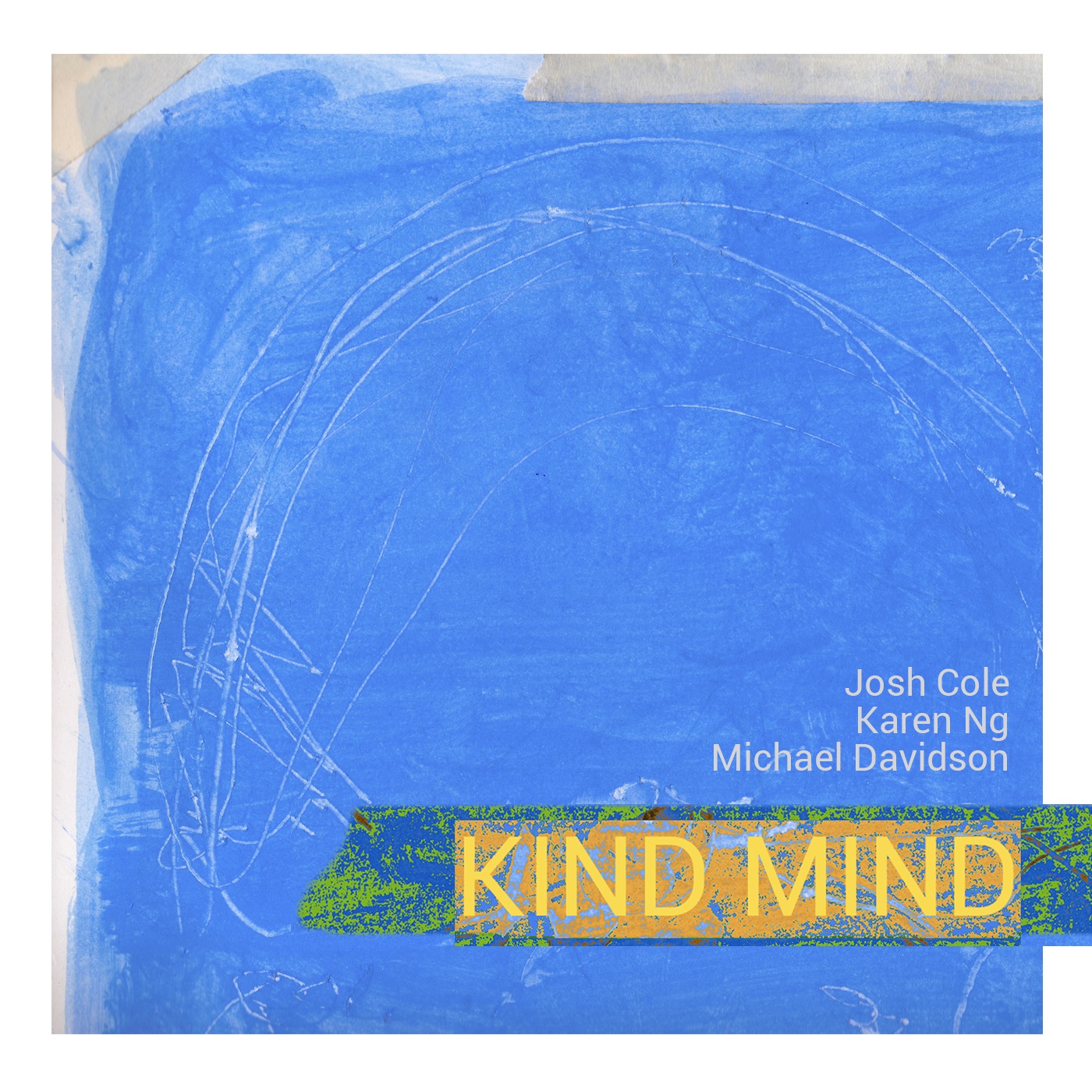
06 Kind MindKind Mind
Josh Cole
Independent (kindmind.bandcamp.com/album/kind-mind)

Kind Mind is Josh Cole (bass), Karen Ng (alto saxophone) and Michael Davidson (vibraphone). Recorded live on January 4, 2020 at the Open Waters Festival in Halifax, the music wastes no time getting straight to the point. The opening track, Inside Voices, begins when you press play. There is no prolonged silence and no gradual introduction of each musical element. There is Cole alone for exactly a second, and then the ensemble takes off. 

One thing that stood out for me is how effectively space and subtlety are used throughout the duration of this project. Despite being a trio, there are long stretches where only one or two instruments can be heard simultaneously. Phrases often seem deliberately tentative, and exclamations sometimes evaporate into question marks. Part of this phenomenon comes from impeccable listening on the part of all three players. The sparsity seems even more intentional when you hear the end of each idea, as the musicians step aside, allowing the person behind them to take centre stage. Karen Ng, especially, proves to be a master of restraint, really only contributing texturally at many points, and her astonishing timing is really the adhesive that makes this recording so seamless. The group’s use of space allows for their improvisations to possess distinctive shape and structure, so that when Kind Mind goes full throttle the element of surprise is on their side.

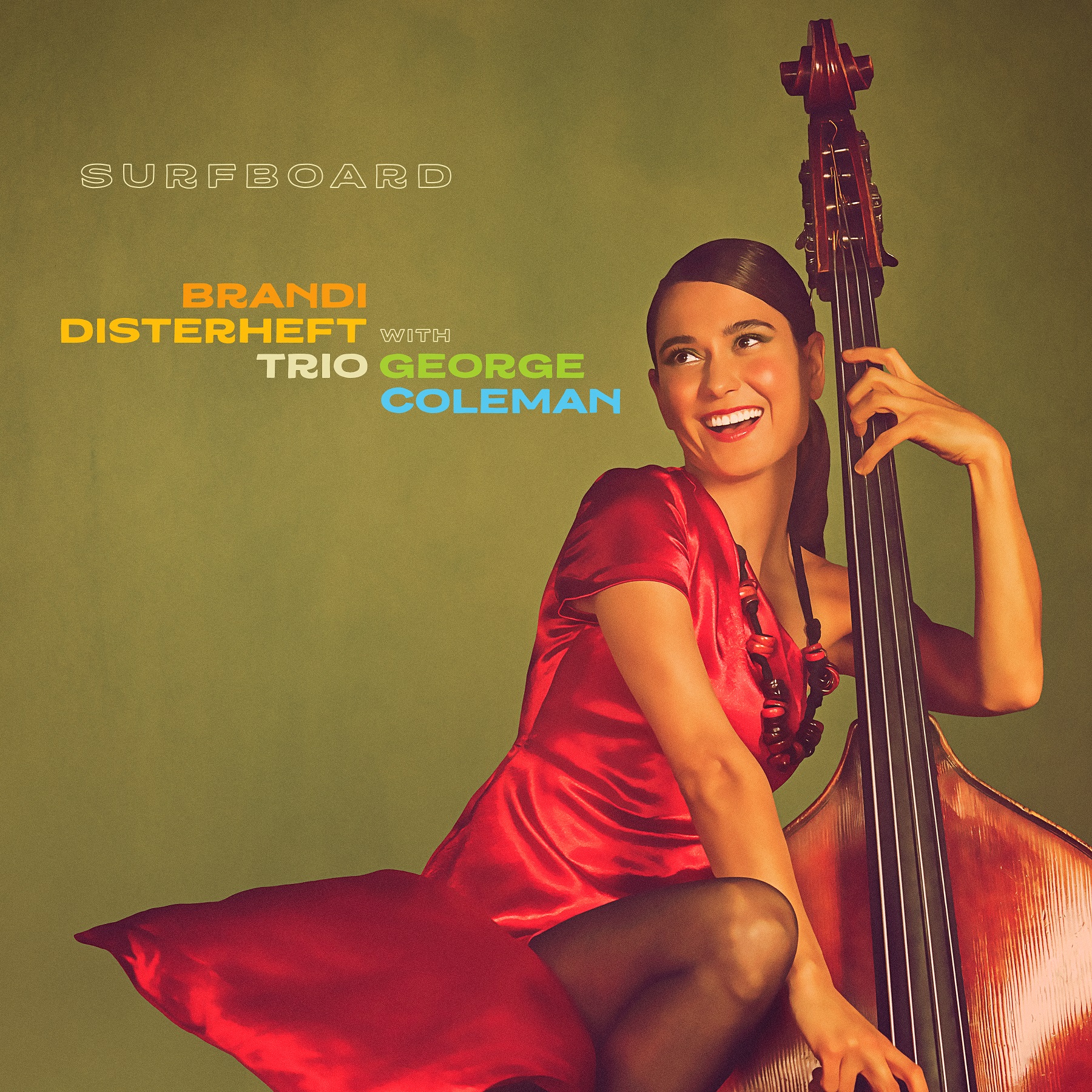
07 Brandi Disterheft CoverSurfboard
Brandi Disterheft
Justin Time JTR 8626-2 (justin-time.com)

The theme of bassist/vocalist Brandi Disterheft’s fifth album as a leader, Surfboard, is ostensibly Brazilian jazz, but this writer finds the recording’s second underlying theme to be a love note to New York City. This could be a projection on my part, but hear me out, as it nonetheless provides an interesting lens through which to listen. Disterheft, special guest drummer Portinho, and pianist Klaus Mueller are all transplants to this “jazz mecca.” The move is a logical choice for many musicians, in this case Disterheft hailing from Canada, Mueller from Germany (via Asia and South America), and Portinho leaving Brazil in the 70s for the U.S. The second featured guest, Memphis born saxophone legend George Coleman, who made a name for himself playing with B.B. King, Ray Charles and later Miles Davis, is a veteran New York resident.  

Portinho, representing all things Brazil, and Coleman being an ambassador for the New York side of things, give Surfboard a sense of balance that allows it to contain 14 unique tracks without ever becoming monotonous. Its title work, an upbeat piece by Antonio Carlos Jobim, is balanced by an interlude to the rhapsodic Coup De Foudre, which continues the Brazilian theme and introduces Coleman’s playing. Coleman shines on the fourth track My Foolish Heart, which continues the theme of alternating straight-eighths numbers with swung ones. These alternating themes curate a unique album that’s “radio friendly” while maintaining its artistic integrity.

Listen to 'Surfboard' Now in the Listening Room

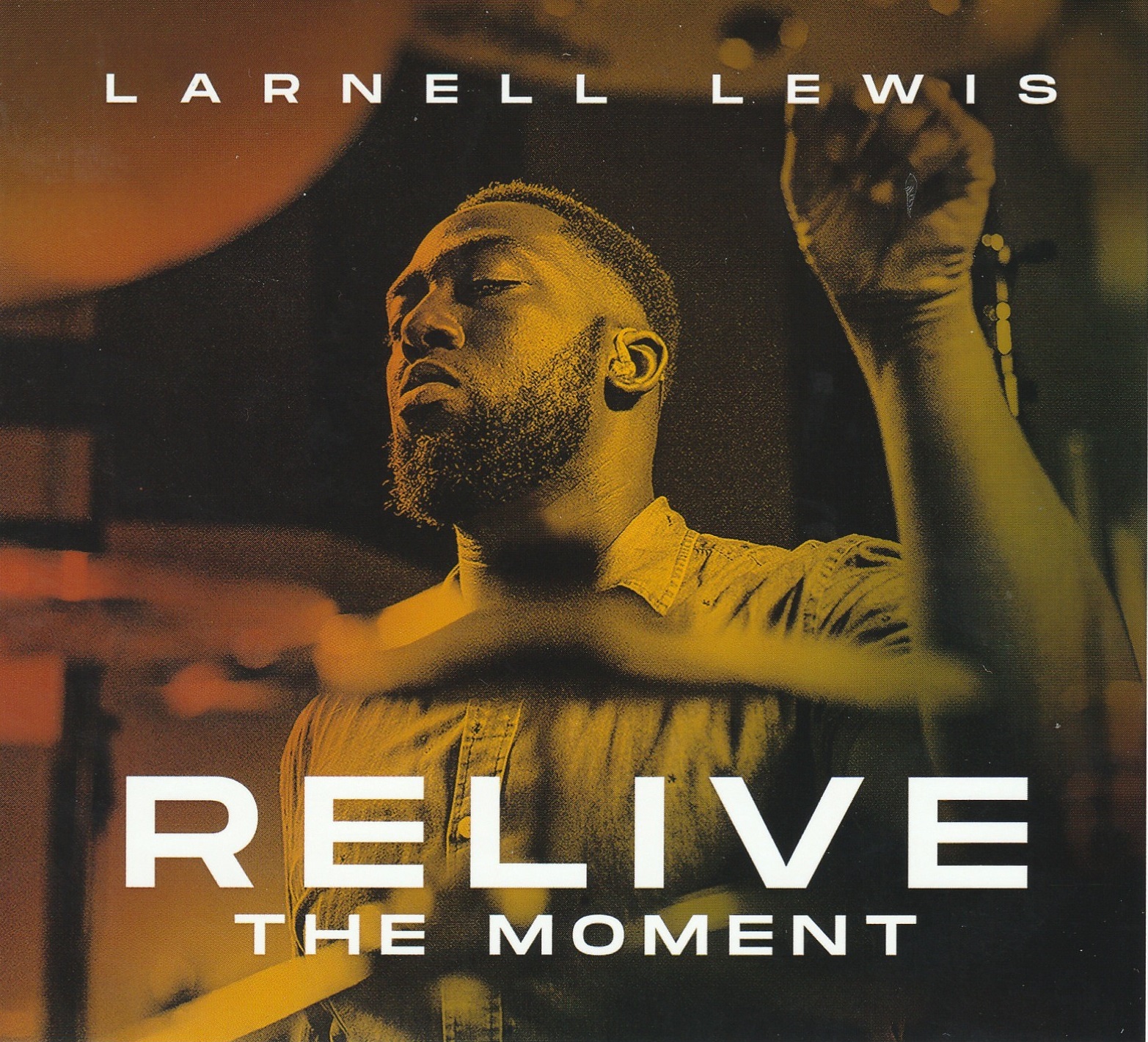
08 Larnell LewisRelive the Moment
Larnell Lewis
Independent LLM 002 (larnelllewismusic.com)

Born and raised here in Toronto, internationally famed drummer Larnell Lewis has released a scintillatingly snazzy new album of funk and neo-soul goodness that has the power to bring any listener right out of the day-to-day rut brought on by everything that’s going on in the world right now. Featuring legends such as fellow Snarky Puppy band members Mark Lettieri and Shaun Martin, as well as renowned names like Robi Botos and Rich Brown, the album has a star-studded lineup that carries Lewis’ compositions to new heights. The record acts as a “reimagining of six compositions from [his] debut album In The Moment,” in Lewis’ own words, with most pieces having updated drum tracks recorded and only one composition being completely new. 

Right off the bat, the first track, Rejoice, starts the listener off on a funk-filled journey with Andrew Stewart’s catchy bass line and Lettieri’s soulful guitar riffs taking us to a higher musical dimension. No Access takes a different turn, diving full force into modern jazz with soaring trumpet melodies courtesy of William Sperandei and Botos’ pianistic skills being brought clearly to the forefront throughout the fast-paced piece. Closing out the album is the aforementioned new composition, The Forgotten Ones, a piece that is essentially one long drum solo showcasing the drummer’s percussive talents and highlighting an Afro-Caribbean drum groove that serves as a fitting end to a stunning collection of compositions.

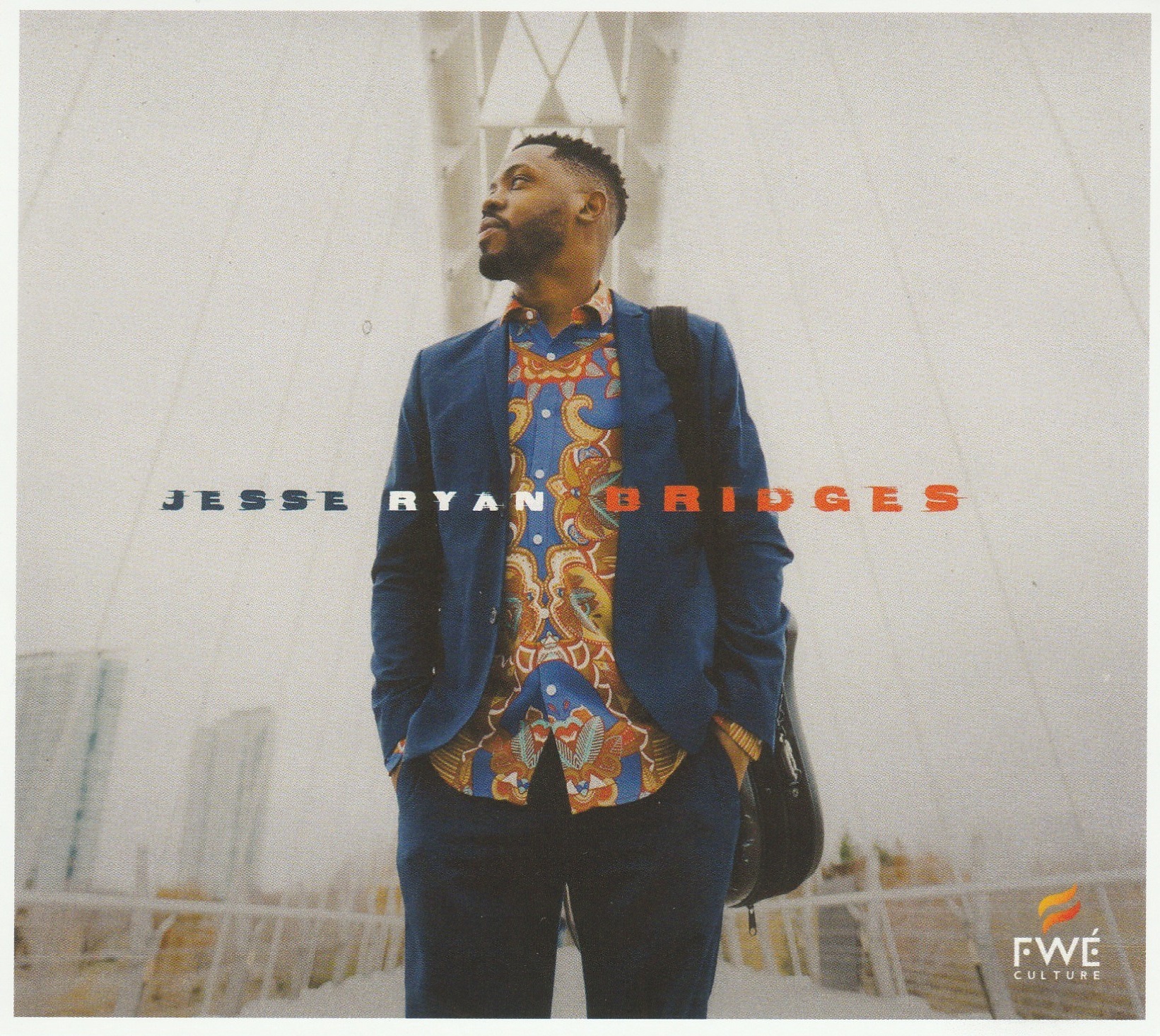
09 Jesse RyanBridges
Jesse Ryan
FWE Culture (jesseryanmuzik.com)

People call upon music for a multitude of reasons. Those reasons can take the form of motivation, social fulfillment, spirituality, intellectual stimulation and/or therapy. Trinidadian-born Toronto saxophonist Jesse Ryan’s debut recording as a leader can serve all of these purposes. As far as I’m concerned, music doesn’t get much more mood-enhancing than this. First and foremost, Ryan’s compositions are consistently melodious, meticulous and memorable. Perhaps too consistently, as singling out a highlight has proven to be a difficult undertaking. 

The music is never challenging per se, but Ryan shows an incredible range as a writer and evokes a variety of moods throughout. Each track is well thought out, and the amount of labour that went into the arranging is quite evident. The unison lines written for the rhythm section are a great touch, as they provide each passage with an extra layer of vitality. Overall, I find that the rhythm section is the main driving force behind what makes this music so mesmerizing. There are three guitarists on the record, each with distinct musical personalities that complement Ryan’s sound perfectly, in different ways. Vocalist Joanna Majoko also shines, especially her harmonizations on Zambian Offertory

Ryan’s debut features an incredible roster, showcases his ingenious approach to songwriting and is profoundly enjoyable. It is everything a debut should be.

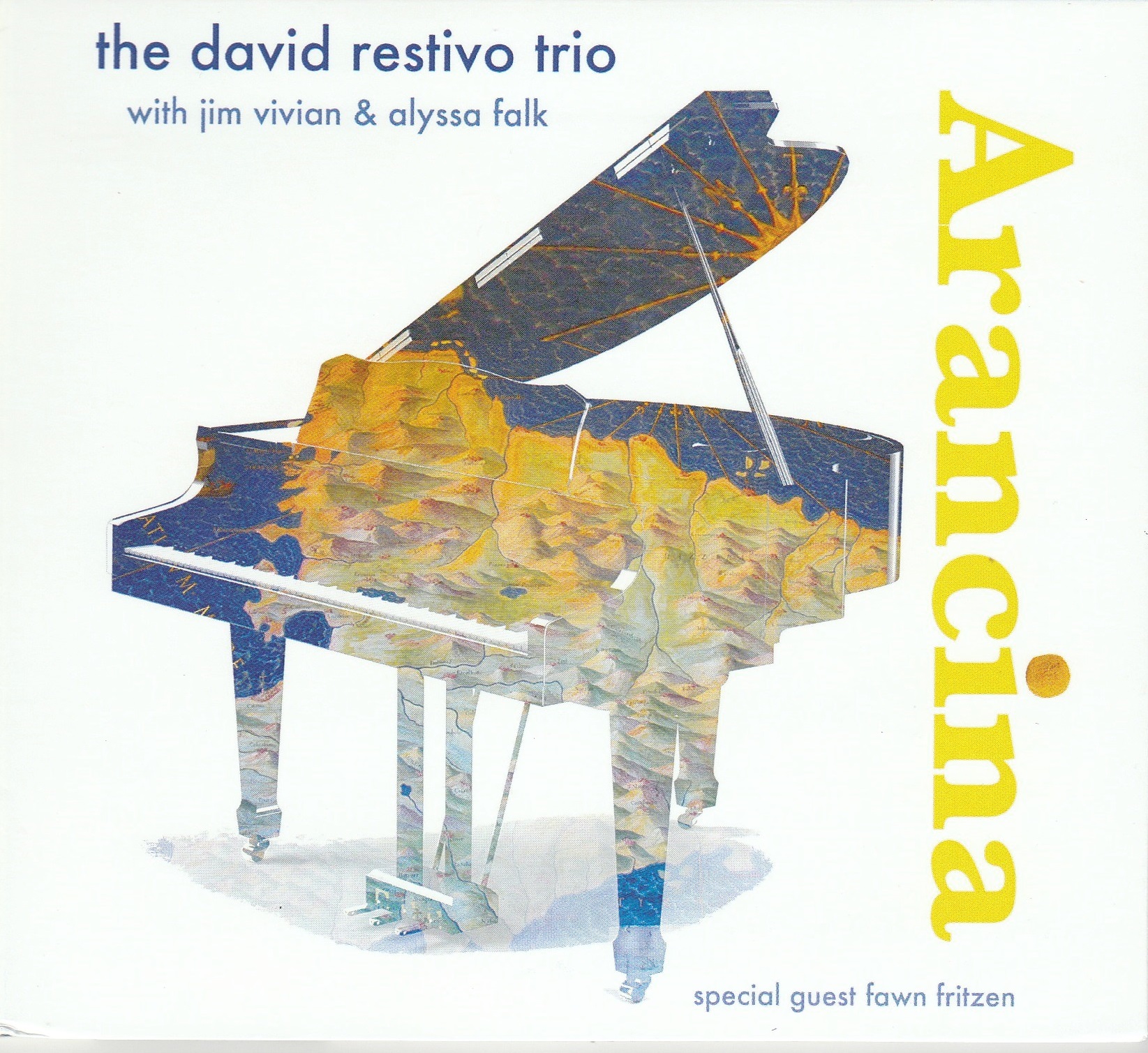
10 David RestivoArancina
David Restivo Trio
Chronograph Records CR-082 (chronographrecords.com/releases/arancina)

Arancina is jazz pianist and composer David Restivo’s album about “meditations on home” and includes stops in Italy (Sicilian Suite), Nova Scotia (Raven’s Wing) and more metaphoric inspirations like Baby Steps (based loosely on Coltrane’s Giant Steps) and It’s You or No One (a standard which showcases his “bebop roots”). There are also two songs co-written with Fawn Fritzen (and featuring her exquisite vocals). Kintsugi and Bittersweet Goodbye originally appeared on Fritzen’s own release, How to Say Sorry and Other Lessons.

Arancina’s strengths include its originality, diversity of the works and the supportive musical family Restivo has collected to perform. Some highlights include Sicilian Suite which has four movements exemplifying different scenes inspired by travelling through that area: Train to Catania begins with a lilting and circular melody and works into some fast and nuanced keyboard gymnastics, as if the train is picking up speed. It then has a rest stop with a thoughtful bass solo from Jim Vivian before returning to the melody. Palermo Street Scenes does a great job of reflecting the busy bustle of an urban centre and begins and ends with invigorating drum solos from Alyssa Falk. 

Kintsugi – the Japanese word for repairing pottery – is a beautiful meditation which delicately and poetically extends that image to describe a failing relationship and hope for an artful rebuilding of love. Restivo balances a fine jazzy solo with an accompaniment that throws in some subtle pop licks; and Restivo even provides a nice harmony vocal part. Arancina is an Italian snack which can include different combinations of ingredients, so it is an apt metaphor for this compelling collection of music and musicians.

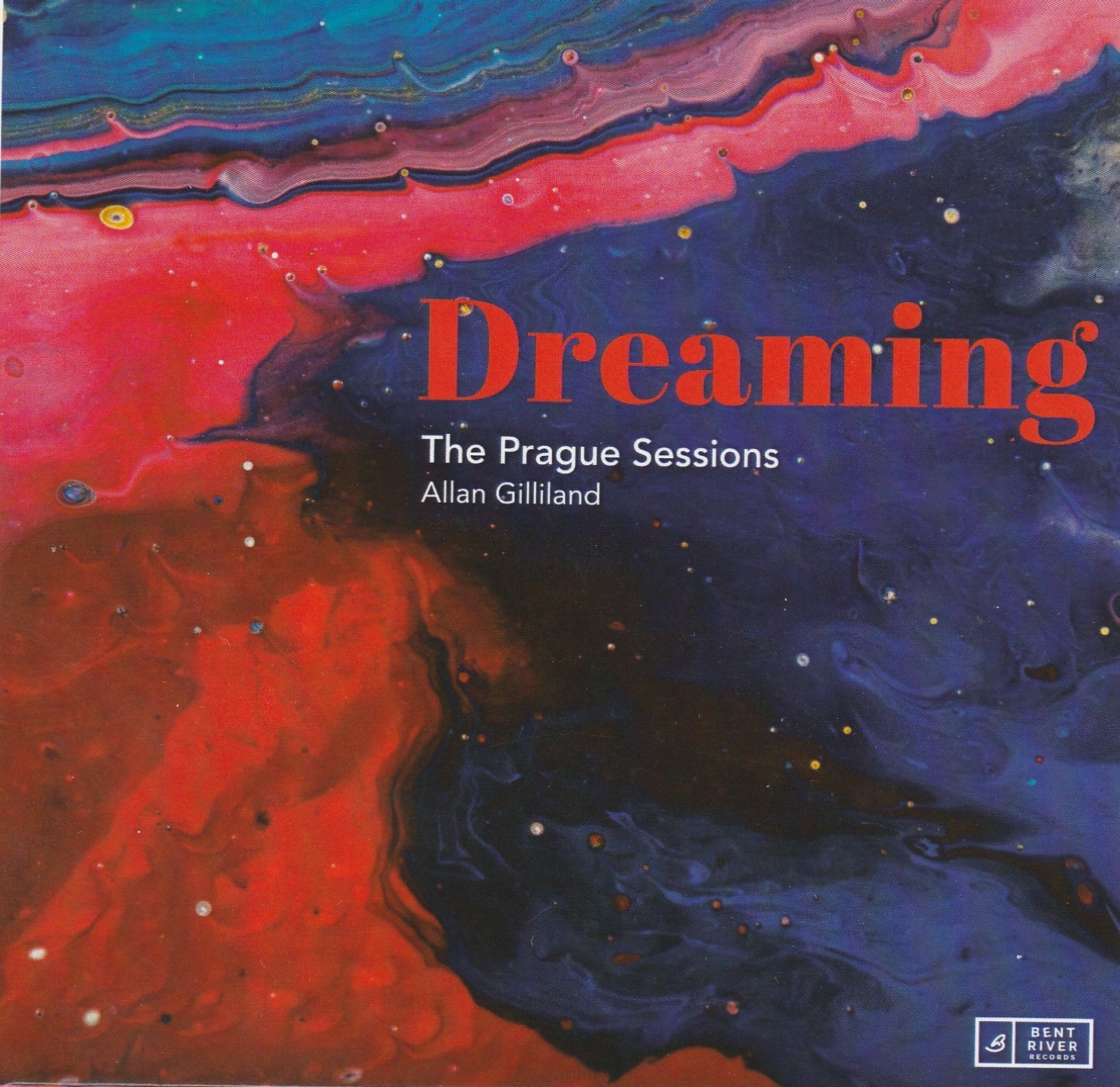
11 Allan GillilandDreaming: The Prague Sessions
Allan Gilliland
James Campbell; PJ Perry; Chris Andrew; Neil Swainson; Dave Laing; Prague FILMharmonic Orchestra; Raymond Baril
Bent River Records BRR-202001CD (allangilliland.com)

Approaching through-composed music with an improviser’s bent of mind can prove to be quite a daunting task, especially when composer and improvisers are separate entities. Allan Gilliland is, however, eminently qualified to make this work with first-hand knowledge of both aspects of the musical process. This he certainly does on Dreaming: The Prague Sessions, featuring a Canadian quintet and the Prague FILMharmonic Orchestra.

Dreaming of the Masters I and Dreaming of the Masters IV suggest that Gilliland is drawn to the heritage of jazz music from New Orleans Second Line to swing and the legendary idiom of bebop. But these compositions are much more than trace elements of historic African American music melded together with orchestral music. Gilliland also makes clever use of contrafacts in Dreaming I, for instance, and he also goes further in Dreaming IV by building into that composition some very challenging rhythmic variations. 

While Gilliland had access to an orchestra of conservatory-trained musicians adept at reading, he also landed in Prague with a highly literate Canadian jazz quintet comprising clarinetist James Campbell, saxophonist PJ Perry, pianist Chris Andrew, bassist Neil Swainson and drummer Dave Laing. Both quintet and orchestra seem made for each other. The result is thoughtful, melodic soloing bolstered by superb ensemble playing. A considerable degree of balance and integration of melody, harmony and rhythm, of composition and improvisation, of exploration, individuality and tradition are also impressively maintained throughout.

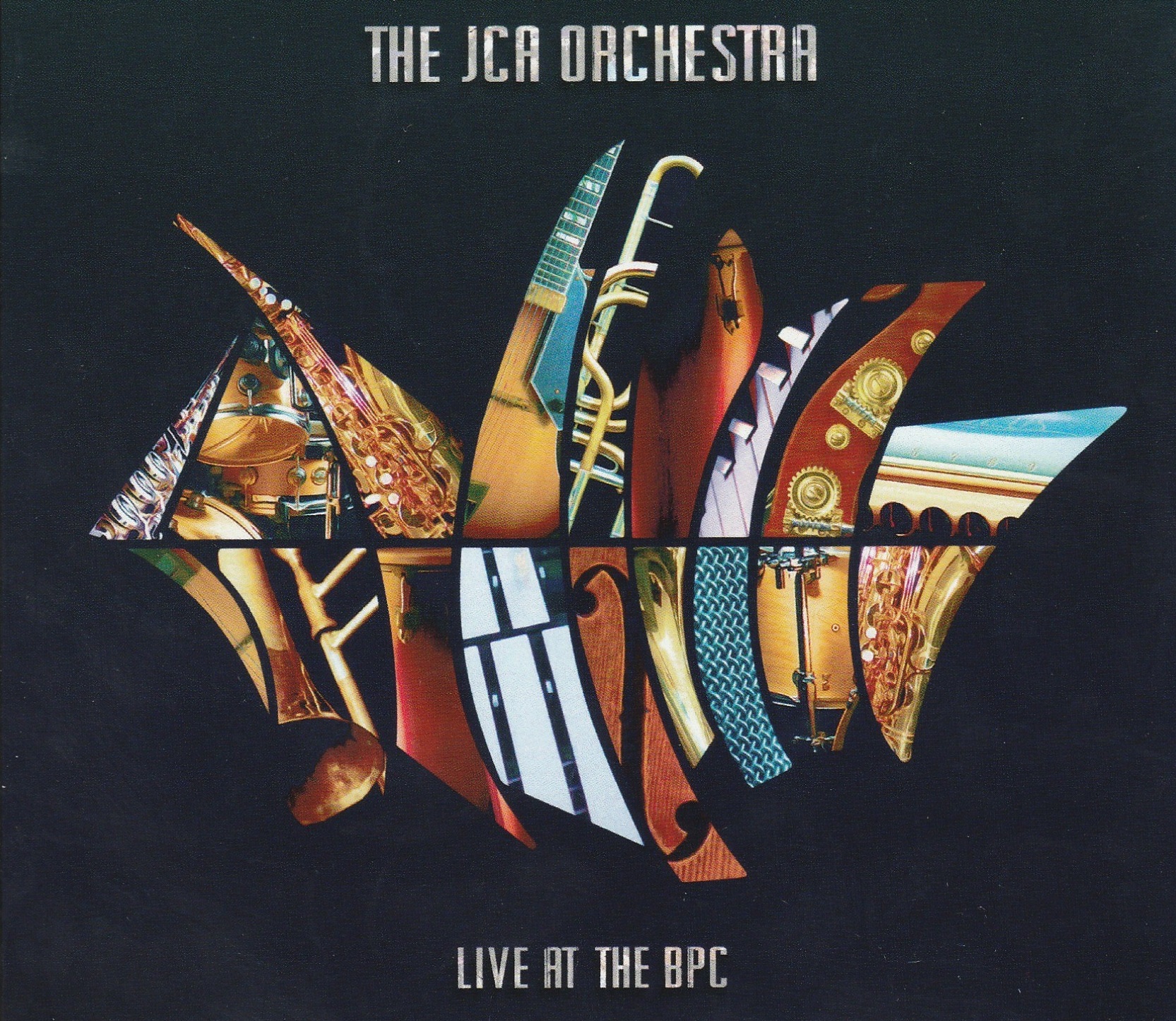
12 JCA OrchestraThe Jazz Composers Alliance Orchestra – Live at the BPC
JCA Orchestra; String Theory Trio
JCA Recordings JCA1805 (jazzcomposersalliance.org)

Founded in 1985, the Jazz Composers Alliance (JCA) Orchestra feeds off the inspirational energy of its founder and director, Darrell Katz. However, over the years it has also played host to an impressive roster of (other) composers from Muhal Richard Abrams to Wayne Horvitz, thus earning itself an impressive reputation for growing and enhancing the art of orchestral jazz music.

This live recording from the Berklee Performance Center features repertoire that is an extraordinary testament to the lengths to which this collective will go to bring each contemporary large-ensemble work to life, while blurring boundaries between genres and challenging its musicians to interiorize music with a view to expressing what they play with idiomatic grace and power.

The performance is bookended by two compositions by Mimi Rabson: Romanople a mesmerizing and rhythmically challenging tale of the two cultures of Rome – Latin and Byzantine – and the rhapsodic Super Eyes – Private Heroes, which closes the set. Meanwhile, more magical moments come to life during each of the works in between; David Harris’ inspirational melding of jazz and the sounds of a gamelan orchestra on The Latest; Bob Pilkington’s The Sixth Snake that marks his 60th birthday, Japanese Kanreki-style; Harris’ mystical Orange, Yellow, Blue which pays tribute to composer and revolutionary conductor Butch Morris; and Katz’s reworking of his iconic composition A Wallflower in the Amazon, a remarkable musical setting of the late Paula Tatarunis’ poem, eloquently sung, aria-like, by Rebecca Shrimpton. A rather compelling album indeed.

13 Alexander HawkinsTogetherness Music For 16 Musicians
Alexander Hawkins
Intakt CD361 (intaktrec.ch)

A six-part work composed by British pianist Alexander Hawkins, Togetherness Music synthesizes multiple methodologies, from free improvisation to orchestral composition, with Aaron Holloway-Nahum conducting an ensemble that includes the string quintet Riot Ensemble, several improvising soloists of note and a further assortment of strings, winds, percussion and electronics. A distinguished improviser himself, Hawkins appreciates the distinct qualities of his soloists, sometimes matching complex, varied improvisations against clarifying structural elements.  

The opening movement, Indistinguishable from Magic, begins with one of Evan Parker’s spectacular soprano saxophone solos, combining circular breathing with multiphonics to suggest a flock of birds in a dome. He’s eventually joined by a cluster of electronics and strings that gradually ascend in pitch, creating tremendous tension. Sea No Shore foregrounds the varied timbres and attacks of percussionist Mark Sanders and trumpeter Percy Pursglove with a series of brief and melodic string figures that later reappear fully developed in Ensemble Equals Together. Hawkins wittily plays with expectations in Leaving the Classroom of a Beloved Teacher, setting his own kinetic piano improvisation against a wobbling “walking bass” with uneven rhythms and spontaneously determined pitches played by the Riot Ensemble with additional bass and cello. The composed materials of Ensemble Equals Together return in the concluding segment, layered with improvisations. 

Compositions melding diffuse methodologies are increasingly common, but Hawkins’ effort is a fully realized work, a celebration of possibilities by a musician versed in diverse musical dialects who is finding new ground in the mix.

Back to top