Ever since the J.C. Deagan company perfected the modern vibraphone in the late 1920s, decisions as to whether it should be used as a rhythm or a solo instrument have divided musicians. Some, like Lionel Hampton, emphasized the percussion functions, others, like Milt Jackson, perfected its melodic use. Improvised music accepts each of these functions – and a few more – as reflected on these discs.
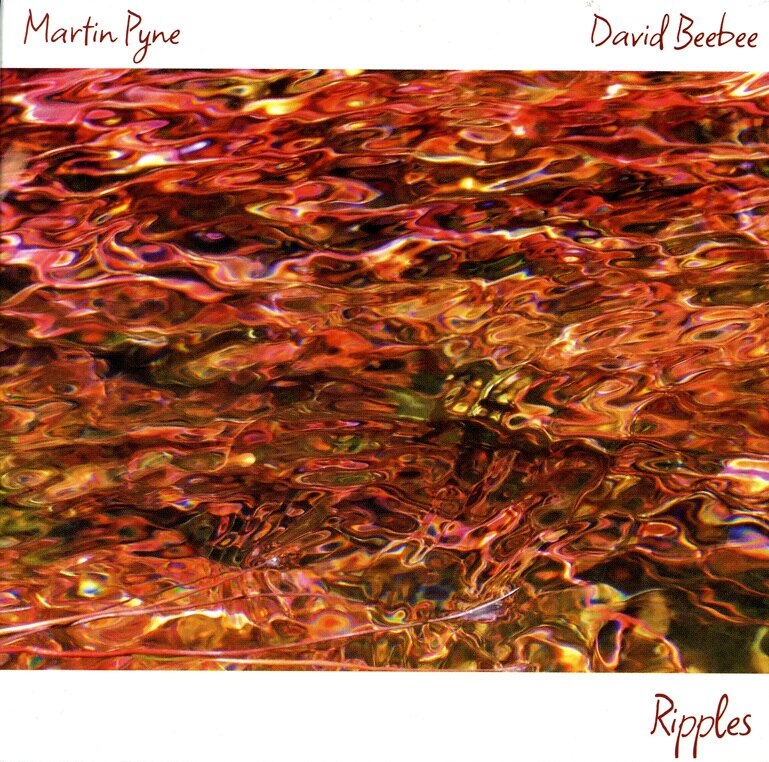
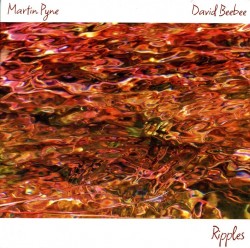 Taking a cue from the subtle melodicism perfected by Chick Corea and Gary Burton on their series of duo discs are vibraphonist Martin Pyne and keyboardist David Beebee. But on Ripples (DISCUS 145 CD discus-music.co.uk) the two up the ante on the disc’s dozen selections by using electric piano tones to blend with vibe sonorities. The resulting improvisations involve elastic note vibrations from the plugged-in keyboard alongside sustained aluminum bar resonations. Some tracks are balladic, taking full advantage of the ingenuity of the pianist, who also recorded the session, as he cushions the vibist’s languid, perfectly shaped single notes with tremolo comping. This is emphasized most clearly on the extended Seeking Refuge, where lyrical interludes from the vibist are backed with sympathetic piano chording. Modernity is emphasized as well since Pyne’s single notes ring as well as relate. The vibist’s ability to create perfectly rounded notes that can almost be visualized as teardrop shaped are then hardened into sustained accents when the two play staccato and presto. Glissandi created by mallet slides are sometimes as prominent as keyboard smears. The vibist’s sustain pedal pressure and firmer strokes also frequently confirm the instrument’s idiophone heritage with concise, powerful strokes. Still these instances as on Night Music and Peg Powler are never completely percussive since the latter includes stop-time interludes and the former a sand-dance-like solo from Pyne. With neither partner exclusively soloist nor accompanist the intersectional connection is always maintained. The duo defines each sequence effectively and frequently leaves a timbral ripple in the air after the selection is completed.
 More percussion is featured on Patricia Brennan’s More Touch (Pyroclastic Records PR22 pyroclasticrecords.com), where the Mexican-born New Yorker adds electronics to her vibraphone and marimba narratives as she meets textures from Cuban percussionist Mauricio Herrera, and Americans, bassist Kim Cass and drummer Marcus Gilmore. Imagine Latin Music-leaning Cal Tjader amplifying his sound with electronics. At the same time, except for the final two tracks which are built around ratcheting Afro-Cuban repercussions and a solid Batá drum pulse respectively, influences far removed from the Southern Hemisphere are interpreted by what could be called a post-Modern Jazz Quartet. Brennan’s compositions touch on reggae and contemporary notated music and can sound as Arcadian as African and relate Mexican son jarocho to American swing. Textures are tweaked with electronic drones and oscillations and Cass’ supple string stops sometimes bend notes to blend with electronic wheezes and washes. Crucially though, he and Gilmore always retain the jazz groove. Extended tracks such as Robbin and the nearly 15-minute Space For Hour are treated as mini-suites. The first moves from emphasizing adagio raps from the vibist to downshifting to a silent interlude that gradually inflates with synthesized wriggles and whooshes. These join emphasized vibe slaps to build a livelier but still moderato connection. Silences separate sequences in Space For Hour, as Brennan’s skittering metal plinks start off unaccompanied until conga drum plops and cymbal clanks join them to outline the theme. As acoustic and electronic timbres are stretched, a vibe-bass duet limns a secondary theme at half the speed of the first. The subsequent multi-mallet pressure from the vibist is mirrored by bass string pops and drum ruffs to toughen the line. Finally, as the resulting stop-time exposition is intensified with drum and percussion reverb, a reprise of the vibes-bass duet preserves the original melody.
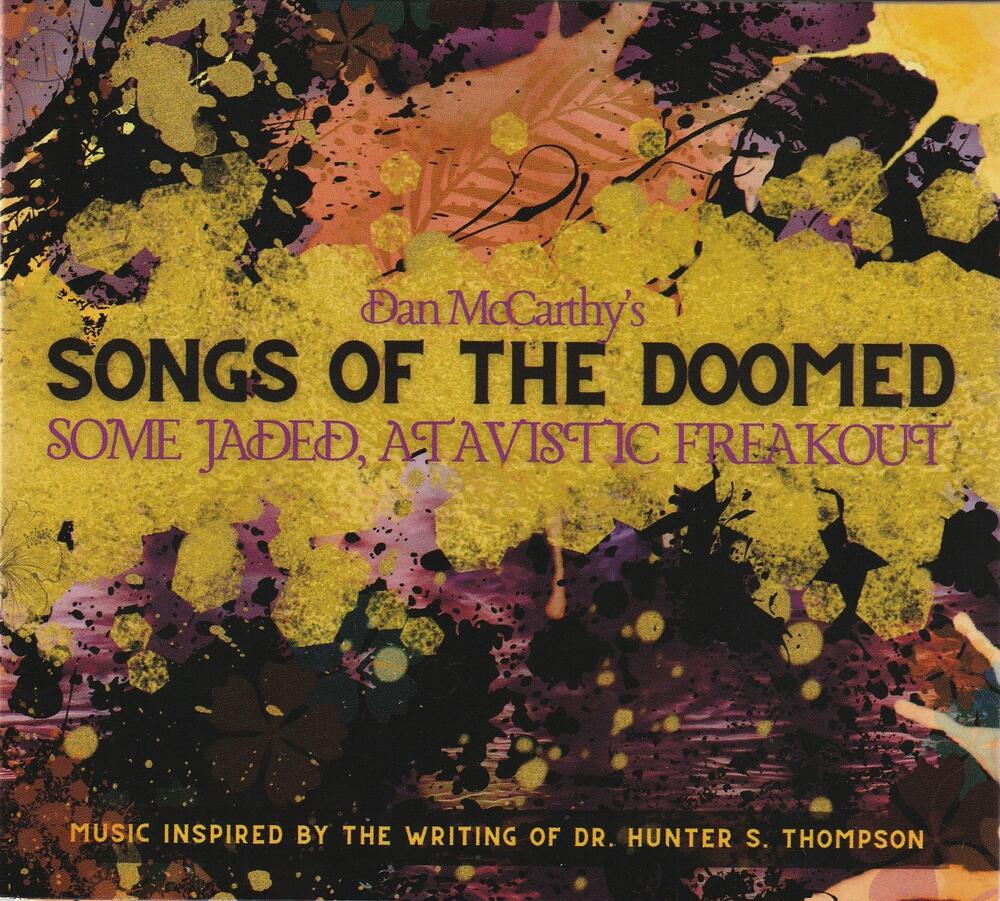
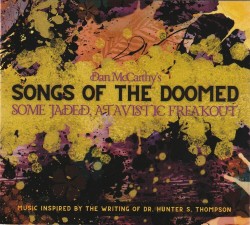 Except for guitars and drums there’s no overt electronics or percussion on Toronto vibist Dan McCarthy’s Songs of the Doomed’s Some Jaded, Atavistic Freakout (TPR Records TPR 014 tprrecords.ca). But his disc aims to reflect the writing and over-the-top life of US Gonzo journalist Hunter S. Thompson (1937-2005). Probably less programmatic than McCarthy intended, the compositions and arrangements crafted for this 13-track CD, mix hints of Metal, pop, chromatic serialism and improv, adding up to a clever package of near-swinging lyricism. Negotiating the changes, besides the vibraphone’s chiming aluminum bars, are intersecting guitar riffs from Don Scott and Luan Phung, steadfast bass accents from Daniel Fortin and drummer Ernesto Cervini’s cooperative rhythms. Tracks like Some Jaded, Atavistic Freakout and Kingdom of Fear are more cinematic than others. The first includes rounded vibraphone plops that colour the exposition as the guitars turn from drones to harmony that almost suggest a string section. On the second, an intermingling of stentorian bass stops, percussion rubs and expanded guitar string jabs create vamps that are as menacing as those on any thriller soundtrack. Others, such as Owl Farm, are more concerned with the groove. While Fortin’s recurrent bass thumps and Cervini’s paradiddle shuffles create a continuum, string stabs slide the expressive theme out further and further as McCarthy emphasizes prestissimo clanks and echoes, with cadences as rhythmic as anything produced by Lionel Hampton. A throwback, only as far as Thompson’s early 1970s heyday, buzzing guitar flanges, double bass slaps and idiophone accents throughout the session maintain equivalence between the strident and the song-like. So, an exposition such as The High-Water Mark is as straight ahead as any soundtrack, but slightly twisted with interludes of rainstorm-like resonating notes. One 1960s recasting does misfire though with a vocal version of White Rabbit that is more plodding than psychedelic. However the quintet redeems itself by the concluding Evening in Woody Creek as McCarthy and Cervini provide appropriate pops and clatters to highlight Scott’s and Phung’s tolling Jimi Hendrix-like flanges, which relate back to the pressurized guitar feedback on the introductory Morning in Woody Creek.
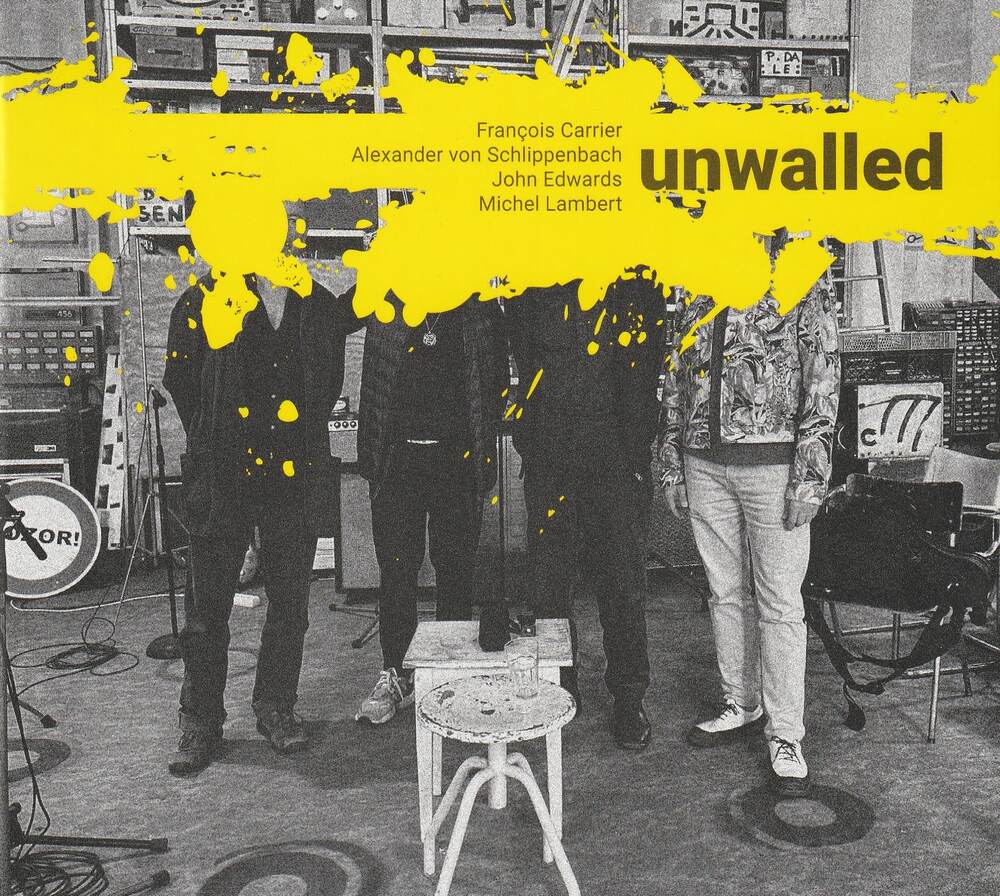
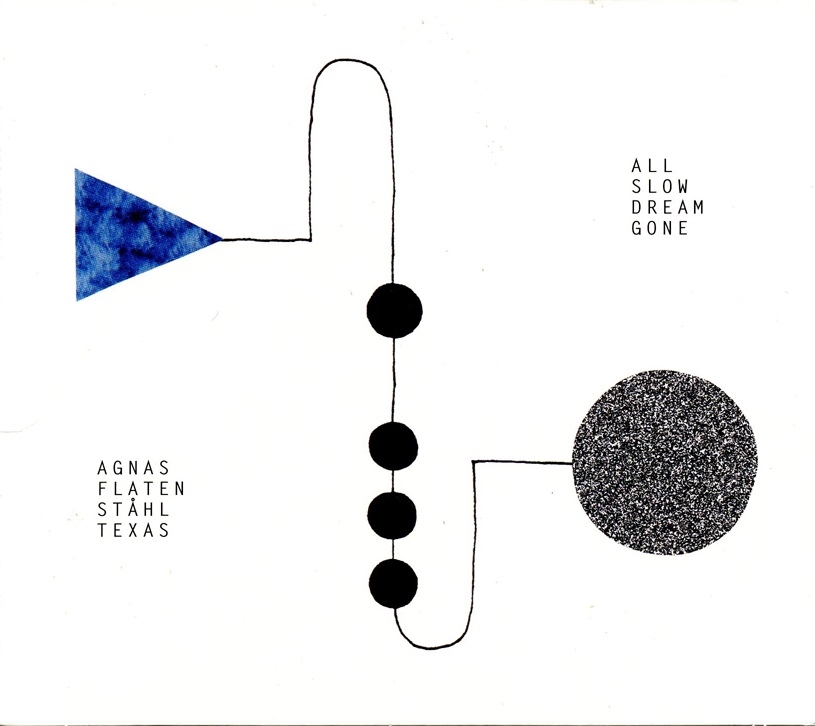
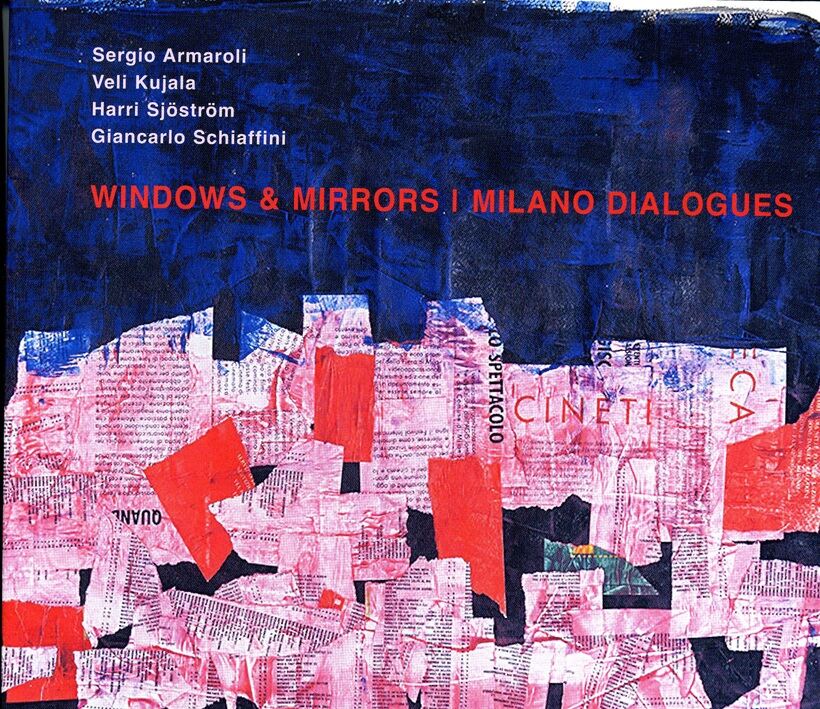
Adding horns and choral instruments, two European sessions position the vibraphone within the jazz continuum. All Slow Dream Gone (Moserobie MMPIP 128 moserobie.com) features Norwegian bassist Ingebrigt Håker Flaten with Swedes, clarinetist Per Texas Johansson, drummer Konrad Agnas and vibraphonist Mattias Ståhl. Meanwhile Windows & Mirrors | Milano Dialogues (Leo Records CD LR 931 leorecords.com) is even more pan-European with a quartet of two Finns: soprano/sopranino saxophonist Harri Sjöström and accordionist Veli Kujala and two Italians, trombonist Giancarlo Schiaffini and vibraphonist Sergio Armaroli.
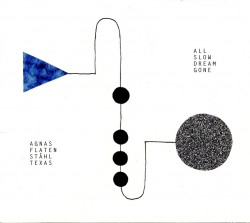 Contrapuntal sounds, the Scandinavian session All Slow Dream Gone contains enough unselfconscious swing to be reminiscent of a Benny Goodman small group session of the 1940s or ones with Terry Gibbs in the 1950s. But while these Northern Europeans have internalized hot and cool jazz, the airy sounds they produce include an undertow of studied toughness. Sure the bassist provides an unwavering pulse and there are frequent drum breaks, but when he solos, Flaten explores techniques unknown decades ago. As for the front line, whether it’s chalumeau register scoops or clarion twitters, Johansson’s tone is never forced and produces narrative advances in high, low or middle registers. Creating a woody marimba-like sound Ståhl turns off his instrument’s motor during the selection so that the notes project a hollow sustain, more earthy than elaborate. Skin is an instance of this. Played andante and vivace with never a note out of place, the vibe resonations and clarinet slurs and slithers maintain discerning motion in spite of hocketing pauses and individual interchanges with Agnas. Among the foot-tapping rhythms, maintained by the bassist’s walking, other tracks such as Slow – which isn’t – make room for the vibist’s swift, rolling glissandi and pinpointed clanks, while Gone lets the clarinetist snore and snarl his most ferocious low-pitched timbres as drum breaks and metal bar ringing keep the narrative symmetrical.
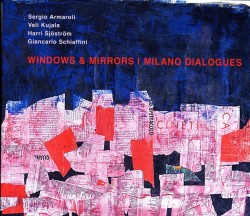 Coming from a completely antithetical perspective is Windows & Mirrors | Milano Dialogues since its ten tracks are completely improvised. Also it’s the only disc here that doesn’t include a chordophone. This leaves expression and connection calculated through repetitive accordion tremors and resonating vibraphone clanks. For their part, the trombonist and saxophonist extend dissonant textures such as elephantine roars from Schiaffini and calculated peeps and slithers from Sjöström, as the non-horns maintain andante footing with knowing segues. If the trombonist unleashes a series of elongated plunger stutters and the saxophonist replies with biting howls or slippery bites, resonating metal pitter-patter and mid-range squeeze box shudders create a stabilizing continuum. The accordion and vibes aren’t relegated to mere background work either. Throughout the two related groups of free music tropes, each instrument asserts itself for solo introductions or in duet or trio form. A track such as Windows 5 for instance, is set up with Armaroli’s metallic pops, as the theme is kept moving with plunger brass portamento and irregularly vibrated reed slithers. Another distinct strategy is displayed on Mirrors 4, as Kujala‘s accordion squeezes create a beginning-to-end allegro pulse even as Schiaffini rumbles half-valve slurs that widen and shake the exposition. Sound summation comes on Mirrors 5, the extended concluding track. Emphasized vibe mallet splatters and malleable accordion judders join with gravelly brass breaths and reed vibrations for a climax that moves from tension-ridden to temperate, reflecting both the innovative and integral sides of the improvisations.
The conception and expression of vibraphone playing has come a long way in 100 years. On the evidence here it’s sure to keep evolving.


 Atlas
Atlas