05 Piazzolla NeaveCelebrating Piazzolla
Neave Trio
Azica Records ACD-71324 (naxosdirect.com/items/celebrating-piazzolla-473444)

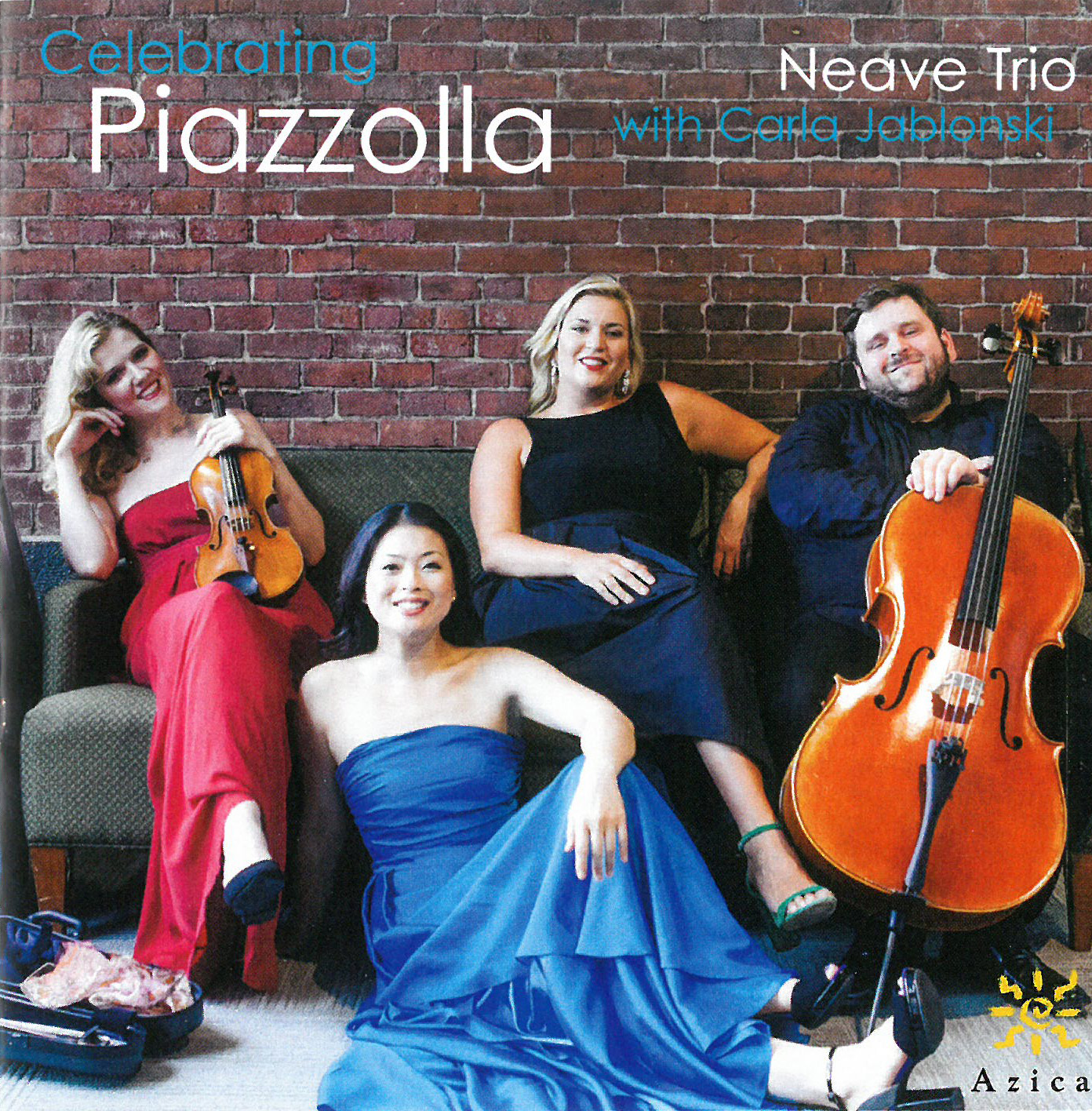
The Neave Trio, comprised of violinist Anna Williams, cellist Mikhail Veselov and pianist Eri Nakamura, perform arrangements of Astor Piazzolla compositions in this new release without, in a refreshing change of musical pace, the composer’s ever present bandoneon. The resulting soundscape brings a new life to Piazzolla’s music. José Bragato is a cellist/composer who played in several of Piazzolla’s ensembles and here arranged the four-movement Las cuatro estaciones porteňas for the trio. Each movement is true to the Piazzolla sound, with the musicians playing abrupt tempo changes, rhythms, high pitches and mournful sounds with passion. Great extended solos showcase their commitment to the composer’s work in the final Invierno Porteňa movement.

The trio is then joined by mezzo-soprano Carla Jablonski in five Piazzolla songs arranged by Leonardo Suárez Paz, son of Piazzolla’s band member violinist Fernando. Jablonski’s voice captures all the emotive sentiments especially in the familiar Oblivion, where the vocals are surprisingly able to emulate the bandoneon sound, especially in the lengthy held notes, while the trio continues to create a larger band sound. Lyrics and translations would be appreciated.

The recording ends with a performance of Suárez Paz’s work Milonga de los Monsters. Though more atonal, touches of Piazzolla sounds surface in this technically amazing fun-filled performance. The Neave Trio is to be congratulated for their passionate fresh ideas of ensemble and instrumental performance. Their expertise in sound creation, playing and improvising create a new way to hear Piazzolla’s work.
Listen to 'Celebrating Piazzolla' Now in the Listening Room

06 Tobias KleinTobias Klein – Chambery
Fie Schouten
Attaca ATT 2018156 (attacaproductions.com)

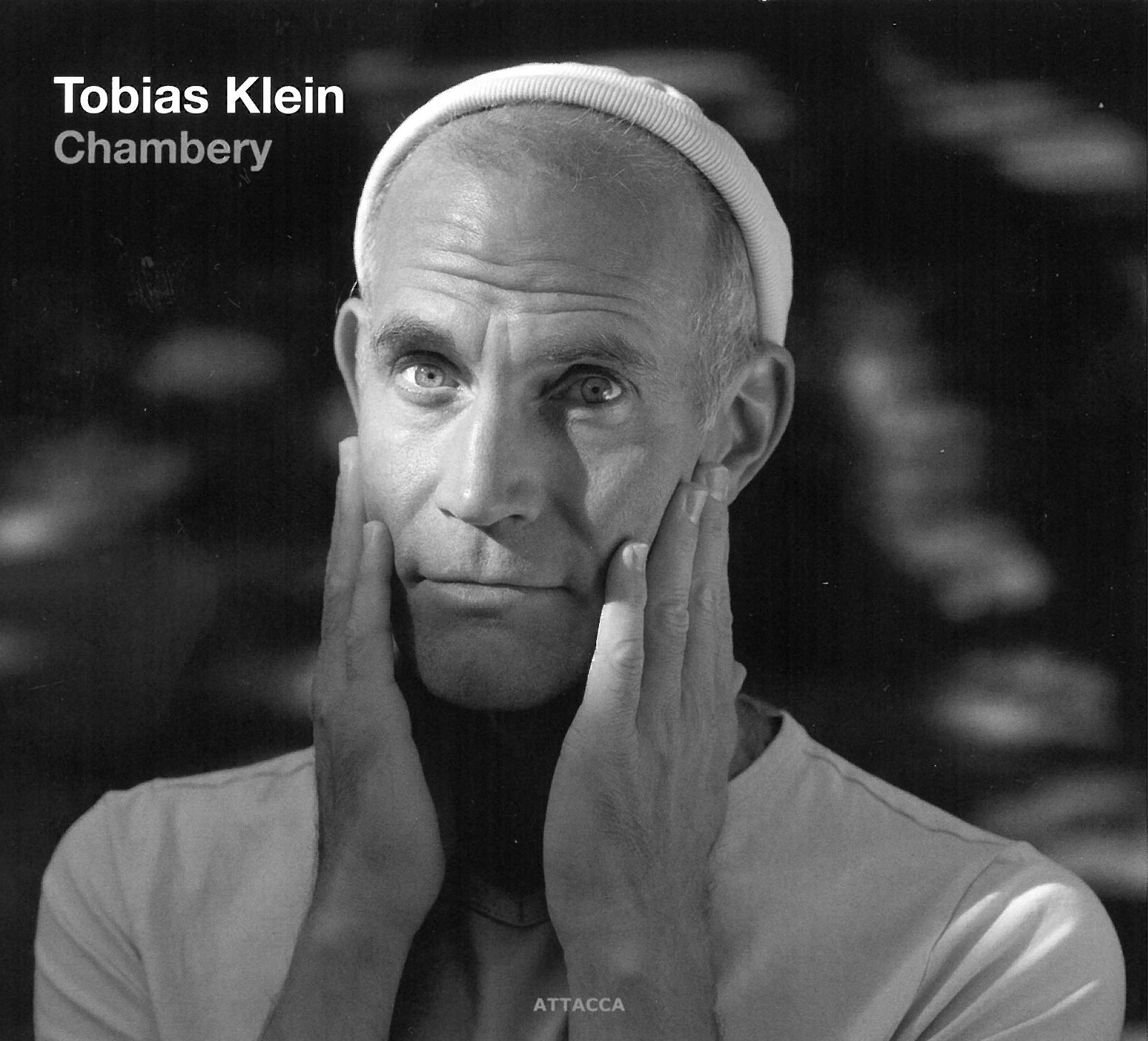
Tobias Klein looks out from the cover photo on this disc with an ingenuous expression of innocent gratitude that you might want to listen to his music. Don’t be fooled. He knows you want to dislike it and him and yet he still expects to win you over. His ally in the effort is bass clarinetist Fie Schouten, with accomplices too numerous to list.

As if to sucker the listener, he starts with Leichte Überlappungen (2018), a bass clarinet duet composed, according to his own words in the notes, using a rigorous mathematical method contrary to his normal practice of unrigorous, intuitive construction. Not a great opening gambit, it says here. I disagree with the composer that the result of his decision “sounds like it was composed with a lot of passion.” Still, the quality of performance and the interesting structure leave one maybe slightly more inclined to like the guy and his music. Then he whacks you with all the winning arguments to follow.

Far more successful, and interesting, is Kengboginn (2014), a lyrical conversation between bass clarinet and harpsichord, the latter somewhat overmatched in the mix. Back in time we go to 2009, a far more primitive time where drums, breaking glass, and bass clarinet dance about naked, without inhibition, in (deep breath) SteinHolzGummiWasser. Bogus Bogey, a trio with piano and flute (2005), is neither scary, golf-related, nor as far as one can hear, bogus; it’s just pretty cool, as in Mission Impossible (the television series) cool. Vermutung (2008) is a very hip pairing of accordion with bass clarinet (what could be hipper?).

Well played, Mr. Klein, well played. Extremely well played, Ms. Schouten et al.

Listen to 'Tobias Klein – Chambery' Now in the Listening Room

08 ElectroClarinetElectroclarinet
Jean-Francois Charles
Independent (electroclarinet.com)

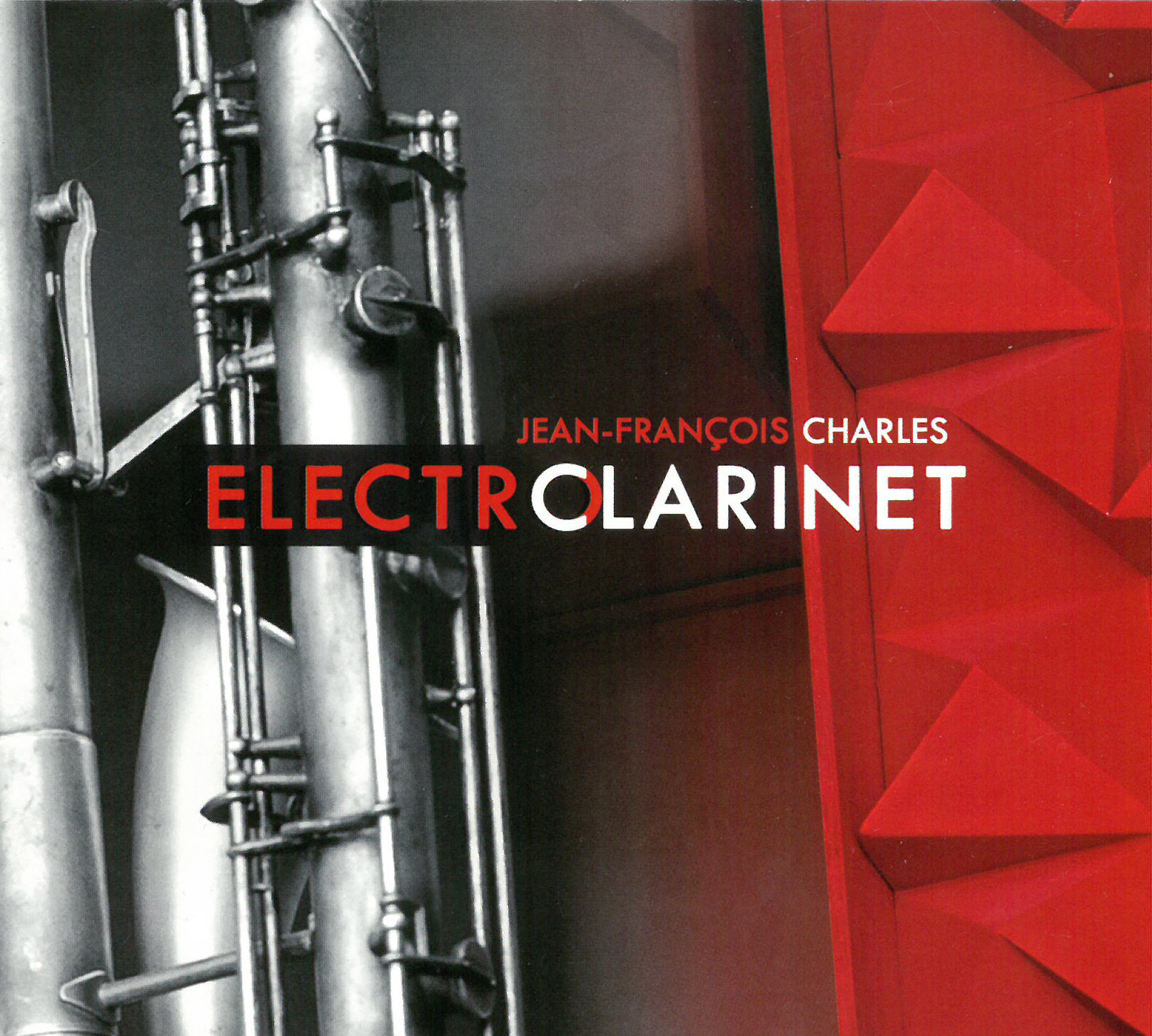
I must say it’s refreshing to consider a CD that includes a poem instead of traditional liner notes. The untitled poem written in French, by Alice Gervais-Ragu, seems to refer specifically to the beast that is the clarinet (most especially the contrabass and the basset). Jean-François Charles has tamed these hounds, the whole pack in fact, who wag their tails with delight on this disc.

Clarinetist and composer Charles, whose series of six pieces titled ElectroClarinet make up the bulk of the disc, gives no other accounting for his work than the audible evidence: Ten tracks, recorded in Iowa City over a two-day period roughly one year ago. His métier is acoustic instrument with live electronics. He grapples with every member of the broad range of horns, from contrabass (an octave below the bass clarinet), through bass, basset horn, A, B-flat, and E-flat. Electroclarinet 1 dates from 2009; the latest and longest, Electroclarinet6, from 2014. The four in between are subtitled as Homage to… (in order) Debussy, Weber, Messiaen and Stravinsky.

Delays, reverb, and a variety of granulating effects create soundscapes distinctly unclarinet-like. Anyone so inclined is welcome to delve into how the homages relate to the various composers and the works they notably added to the repertoire. (There’s something reminiscent of L’Abyme des Oiseaux in number four and flat-out quotes from Stravinsky’s Three Pieces in number five.) I recommend putting these on and enjoying the path to wherever the pooch wants to go.

Listen to 'Electroclarinet' Now in the Listening Room

01 HosokawaToshio Hosokawa – Orchestral Works 3
Basque National Orchestra; Jun Markl
Naxos 8.573733 (naxosdirect.com/items/toshio-hosokawa-meditation-nach-dem-sturm-klage-448889)

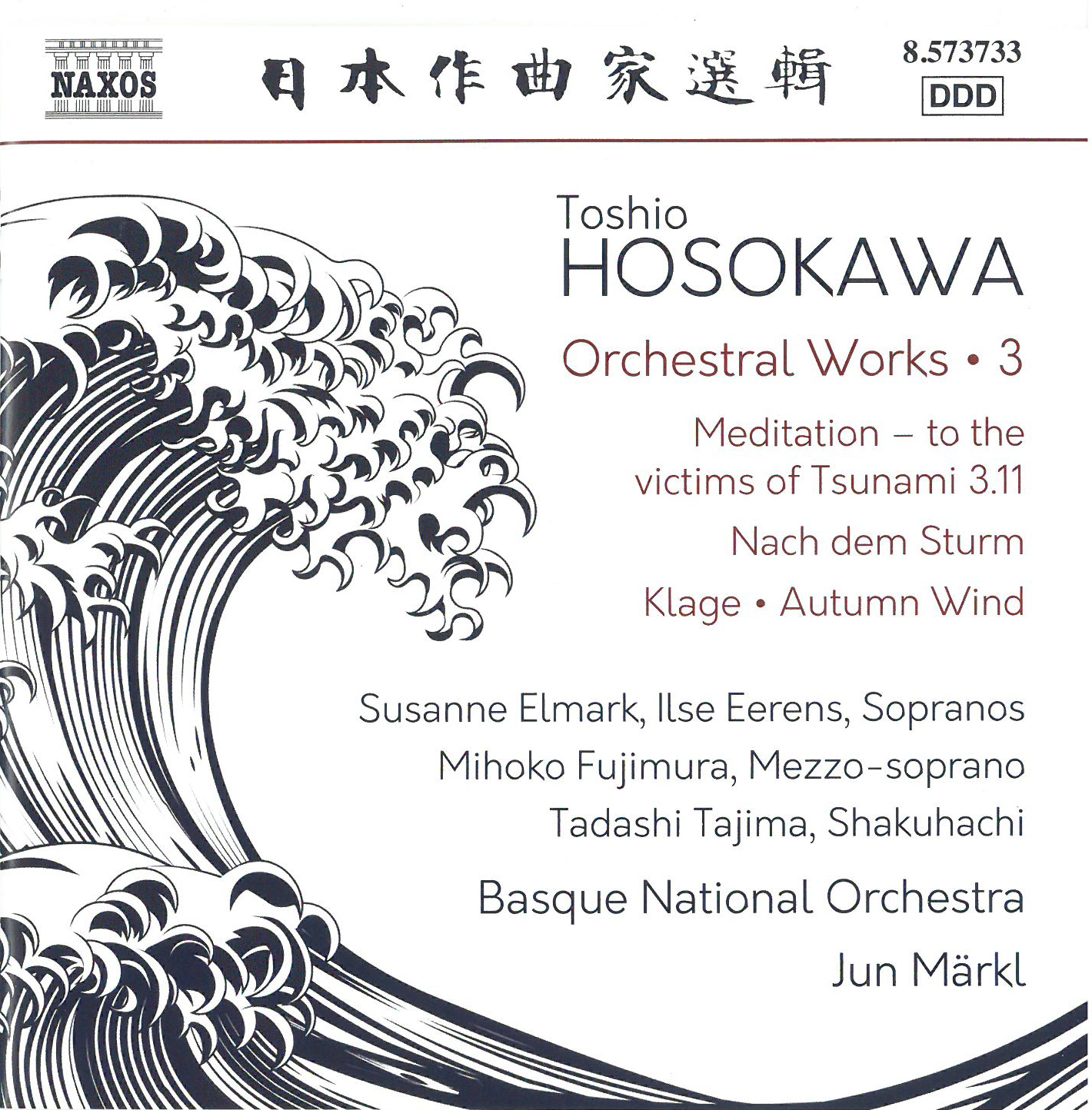
Multiple award-winning Japanese contemporary classical composer Toshio Hosokawa (b.1955) has built an illustrious career rooted in both his Japanese birthplace and in European, particularly German, musical culture. Those bicultural influences, drawing on Schubertian lyricism and Webernian tone colouring, are seamlessly integrated with intrinsically Japanese musical, theatrical, aesthetic and spiritual elements.

Hosokawa has stated his philosophical goal was to give “musical expression to the notion of a beauty that has grown from transience. … We hear the individual notes and appreciate at the same time the process of how the notes are born and die: a sound landscape of continual ‘becoming’ that is animated in itself.”

His orchestral triptych Meditation, Nach dem Sturm, and Klage forms the heart of this album. It is Hosokawa’s personal and theatrical – in some places near cinematic – response to the 2011 Tōhoku earthquake and tsunami. While Meditation mourns the many victims of that tragedy, Nach dem Sturm invokes oceanic turbulent darkness.

I find Klage the most moving and musically convincing. Based on a poem and fragments of letters by Austrian poet Georg Trakl (1887-1914), Klage rages against human life taken by the ocean. Haunting images in the lyrics – a shattered body, lamenting dark voices, a lonely boat sinking in stormy seas under “unblinking stars” – are reflected in the music.

Hosokawa masterfully unleashes the full power of the contemporary symphony orchestra in Klage. It’s underscored by the emotional power of the female voice, here eloquently rendered by mezzo-soprano Mihoko Fujimura, which serves as the work’s consoling mother figure.

02 Global SirensGlobal Sirens
Christina Petrowska Quilico
Fleur de Son FDS58046 (naxosdirect.com/items/global-sirens-473518)

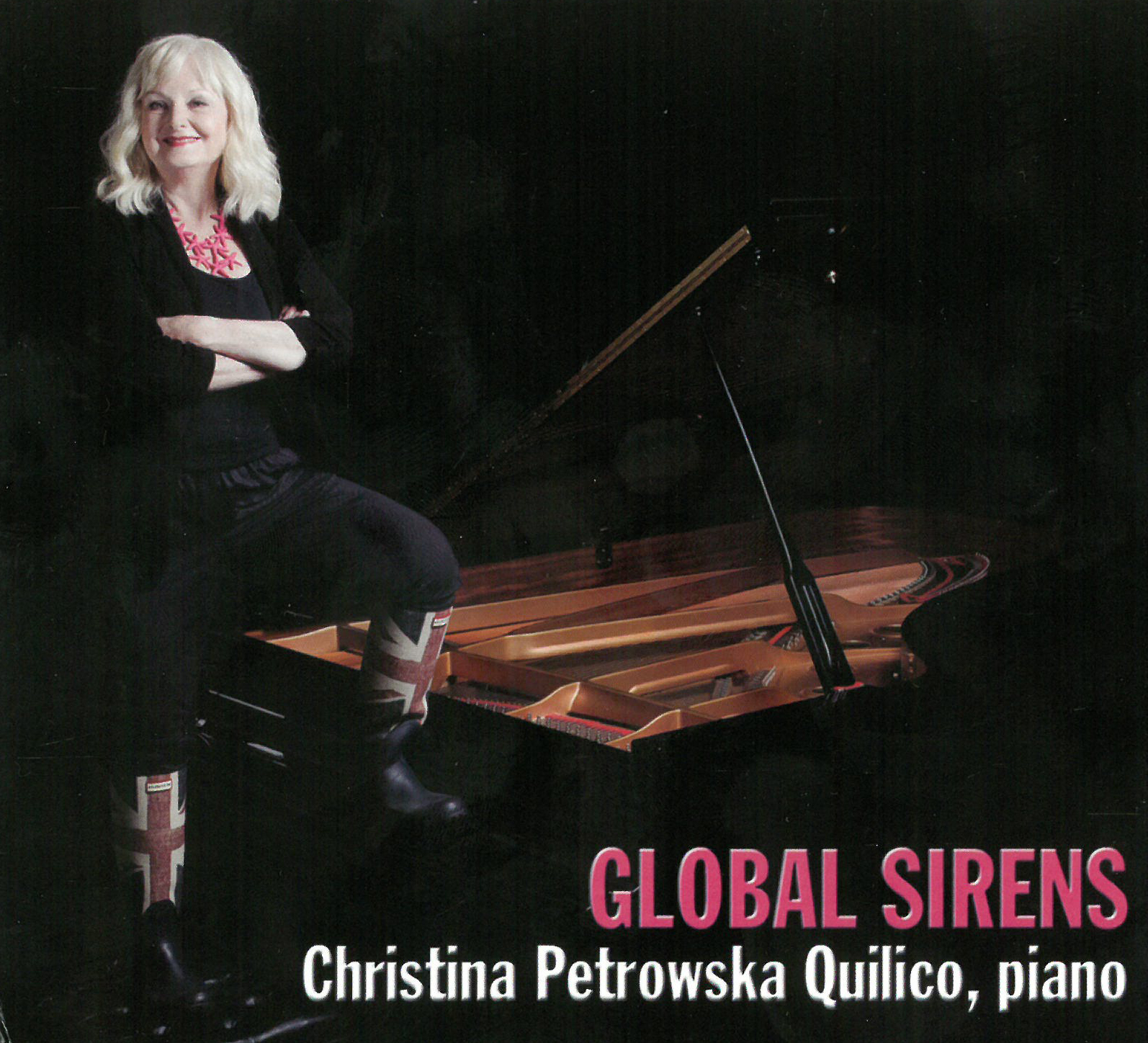
The last Classical & Beyond beat column I wrote for The WholeNote (October 2013 issue) was titled “Let’s Hear It for the Women!” Now, five years later, I am pleased to be reviewing Global Sirens, released last month by the exceptional (and exceptionally busy) Canadian pianist and educator, Christina Petrowska Quilico, and featuring works by 15 women composers, some known, most essentially neglected. Several were born around the turn of the last century; a few are still composing today.

As the title suggests, the 15 composers – I’m about to give them their due and name them all – hail from all over the globe: Germany (Ilse Fromm-Michaels, Else Schmitz-Gohr, Lotte Backes, Barbara Heller, Susanne Erding); France (Lili Boulanger, Cécile Chaminade, Germaine Tailleferre); Italy (Ada Gentile); Canada (Larysa Kuzmenko); USA (Meredith Monk, Adaline Shepherd); Australia (Peggy Glanville-Hicks); South Africa (Priaulx Rainer); and Russia (Sophie-Carmen Eckhardt-Gramatté, who lived in Winnipeg the last 20 years of her life). Some had fathers who forbade or discouraged their musical pursuits; others were expected to give up composing once married. And because her husband was Jewish, the Nazis banned performances of works by Fromm-Michaels.

Petrowska Quilico covers a lot of ground over the CD’s 19 tracks, from Chaminade’s rich and romantic Méditation and Schmitz-Gohr’s lovely Elegie for the Left Hand to Backes’ jazzy, Debussyesque Slow and Kuzmenko’s haunting and evocative Mysterious Summer Night. And then there’s Shepherd’s delightful Wireless Rag, yup, an honest-to-goodness rag.

Let’s hear it for Christina Petrowska Quilico, champion of women composers!

Listen to 'Global Sirens' Now in the Listening Room

03 Frank HorvatFrank Horvat – For Those Who Died Trying
Mivos Quartet
ATMA ACD2 2788 (atmaclassique.com/En/Albums/AlbumInfo.aspx?AlbumID=1618)

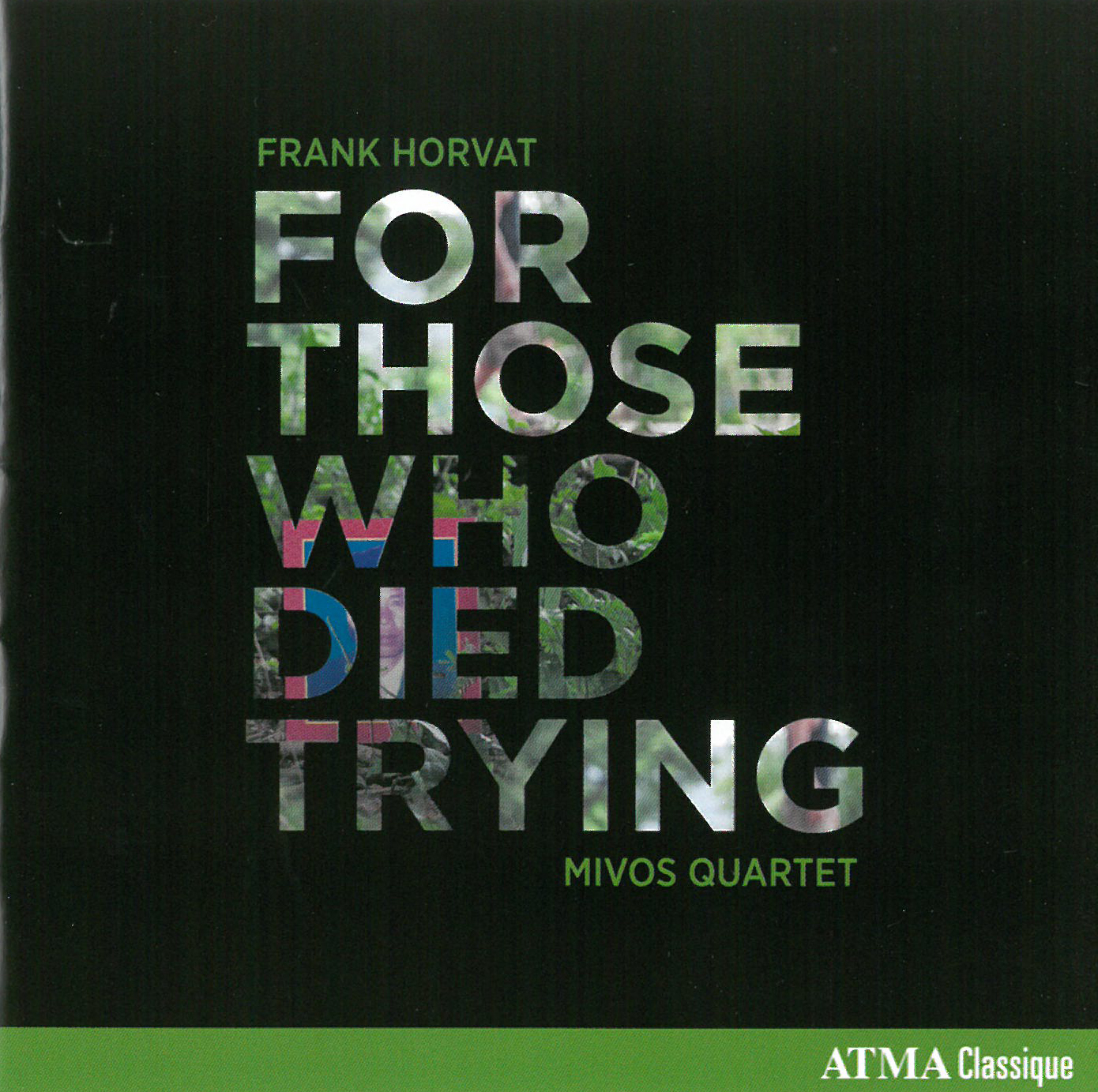
It is impossible to escape Frank Horvat’s mystical hypothesis that music is somehow part of all human DNA. It is also a testament to the genius of Horvat that he is able to craft this into each segment of this unique 35-movement string quartet so that each so comes poignantly alive with the personality of 35 Thai environmentalists and human rights warriors who died in the act of defending the truth. The magical experience magnifies exponentially as one is struck by the fact that the inspiration for all of this is, further, inspired by a visual essay created by photographer Luke Duggleby titled For Those Who Died Trying.

Both Horvat and Duggleby have been transformed by the senseless murders of the 35 Human Rights Defenders (HRDs). The portraits of the HRDs made by the photographer are starkly unglamorous images of each defender. The musical resurrections are Horvat’s as he melds the story of each life and death, using a unique melodic language in which the poignant sense of humanity and tragic loss is never far from the surface of each piece.

The Mivos Quartet, a unique string ensemble, responds brilliantly to this music. There’s a strong sense, in each of the 35 sections, of the quartet functioning like actors in some powerful tragedy. Each musician, solo and in ensemble, controls his forces with an unfailing sense of the right emphasis and the right moment together to deliver performances of affecting power.

Listen to 'Frank Horvat: For Those Who Died Trying' Now in the Listening Room

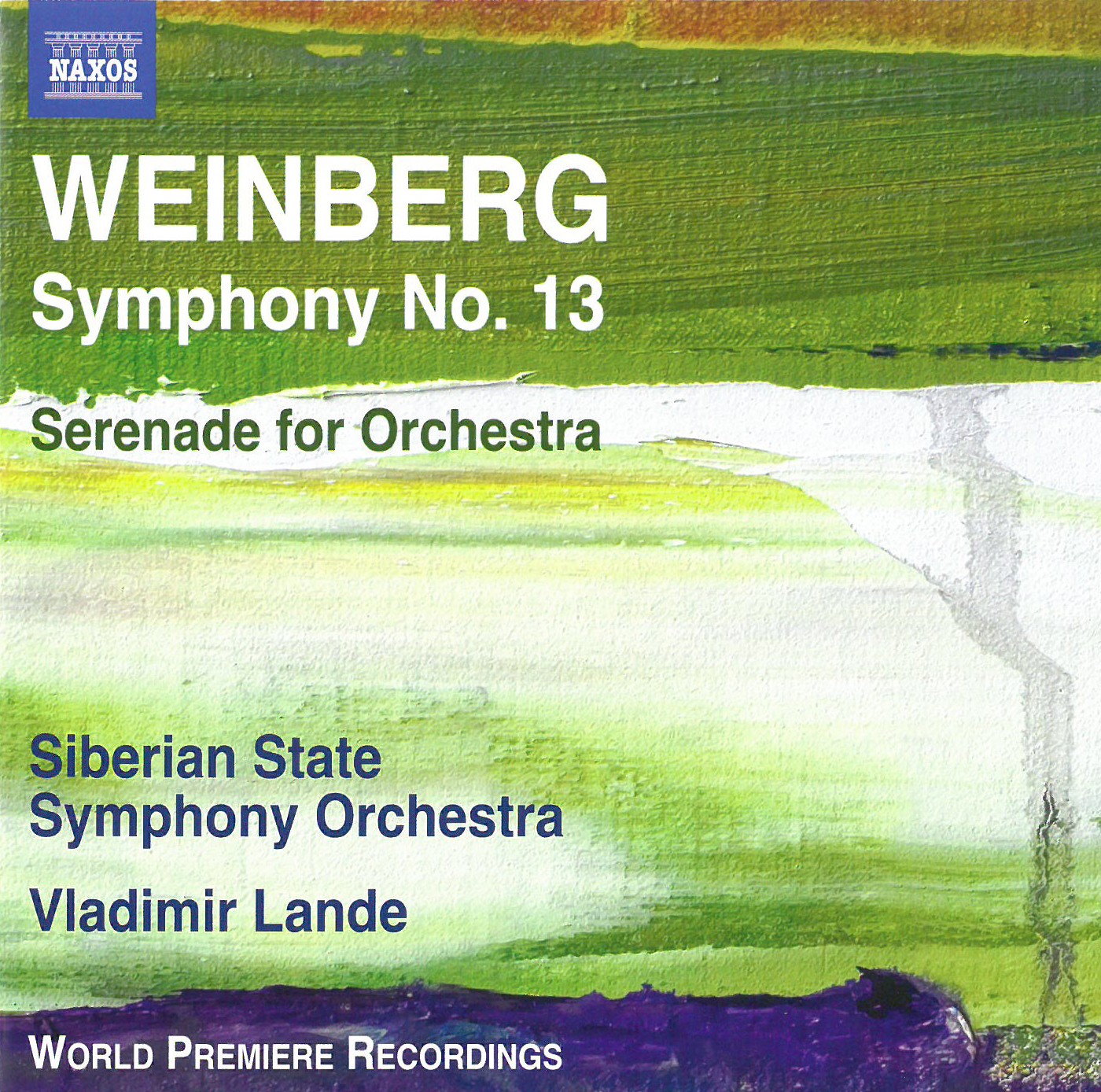
05 WeinbergWeinberg – Symphony No.13; Serenade for Orchestra
Siberian State Symphony Orchestra; Vladimir Lande
Naxos 8.573879 (naxosdirect.com/items/weinberg-symphony-no.-13-serenade-459920)

Starkly contrasting works by Mieczyslaw Weinberg fill this disc of world-premiere recordings, part of Naxos’ projected 17-CD compilation of Weinberg’s orchestral music conducted by Vladimir Lande.

The 13th of Weinberg’s 22 symphonies, dating from 1976, is dedicated to the memory of his mother, killed in the Holocaust along with his father and sister. (In 1939, after Germany invaded, the 19-year-old Weinberg fled from Poland to live in the USSR.)

Weinberg’s sombre Symphony No.13 begins with a downcast melody for strings that seems to wander, as if lost in a fog, for more than three minutes. Scored for a large orchestra (triple woodwinds, six horns), the one-movement, 38-minute Symphony contains other such long, gloomy, sparsely textured passages, separated by agitated, anguished tutti climaxes. It closes as bleakly as it begins, with a few plucked harp notes quietly fading away. Significantly, Weinberg quotes from the opera he considered his finest creation, The Passenger, set mostly in wartime Auschwitz. This symphony, so similar in mood and intensity to a grief-laden adagio by Shostakovich (Weinberg’s friend and stylistic inspiration), is a truly haunting, powerful statement of personal pain and heartbreaking loss.

Nothing could be more different than the four-movement, 18-minute Serenade (1952) – bright, cheerful, playful, with charming dance-like melodies. The finale is even titled Allegro giocoso – nothing giocoso, of course, in the Symphony.

Conductor Lande is clearly committed to Weinberg’s music, these vibrant performances helping to make this CD utterly unforgettable.

Morton Feldman – For John Cage
Aisha Orazbayeva; Mark Knoop
all that dust ATD 1

Matthew Shlomowitz – Avant Muzak
Asamisimasa; Håkon Stene
all that dust ATD 2

Séverine Ballon – Inconnaissance
Séverine Ballon
all that dust ADT 3

The new label all that dust (allthatdust.com) has been established by the outstanding pedigree of its founders – composers, performers, instrument-builders and forthright musical creators and innovators – who have cut their teeth on the most demanding concert halls across the world of contemporary music. Now from founders, soprano Juliet Fraser, Newton Armstrong and Mark Knoop come these three of the first five releases on their exciting imprint. The tongue-in-cheek title of this label, All That Dust, and the bold statements of the music under review, will probably not be lost on the listener.  

06a all that dust FeldmanMorton Feldman’s For John Cage – literally the premiere release, which also features label co-founder and pianist Mark Knoop, together with brilliant violinist Aisha Orazbayeva – heralds something of a reborn American avant-garde, primarily concerned with the sensual qualities of sounds themselves, rather than the shaping and ordering of those sounds. Always typical of this tendency, Feldman’s sound-world here consists of small, soft and unhurried musical gestures which emphasise the physical detail of instrumental timbre. The work in question seems a conscious attempt at formalizing a disorientation of memory. The effect is of a hallucinatory stasis, not dissimilar to the canvases of Mark Rothko, where little happens – very beautifully.

06b all that dust ShlomowitzMatthew Shlomowitz’s music is characterized by its bizarre theatricality and biting irony couched in subversive and surreal quantum miniatures. The disc begins with four segments titled Popular Contexts 7: Public Domain Music, all of which are almost immediately recognizable since the segments are reminiscent of elevator and mall music upon which they are based. The next five segments feature variations with similar public-music settings, this time featuring the percussionist Håkon Stene who augments Asamisimasa, a kind of Lewis Caroll-like equivalent of a jazz quintet. Avant Muzak – five sketches regarding tempi and locale – brings this entertainingly satirical disc to a close.

06c all that dust BallonThe effect of Séverine Ballon’s musical odyssey Inconnaissance is best elaborated as a masterpiece of music whose microscopic elements of tone, pitch and tempi are conflations of musical ideas miraculously welded together: new, alert and alive. Ballon’s transparent, lyrical cello resides in an opulent sound world.

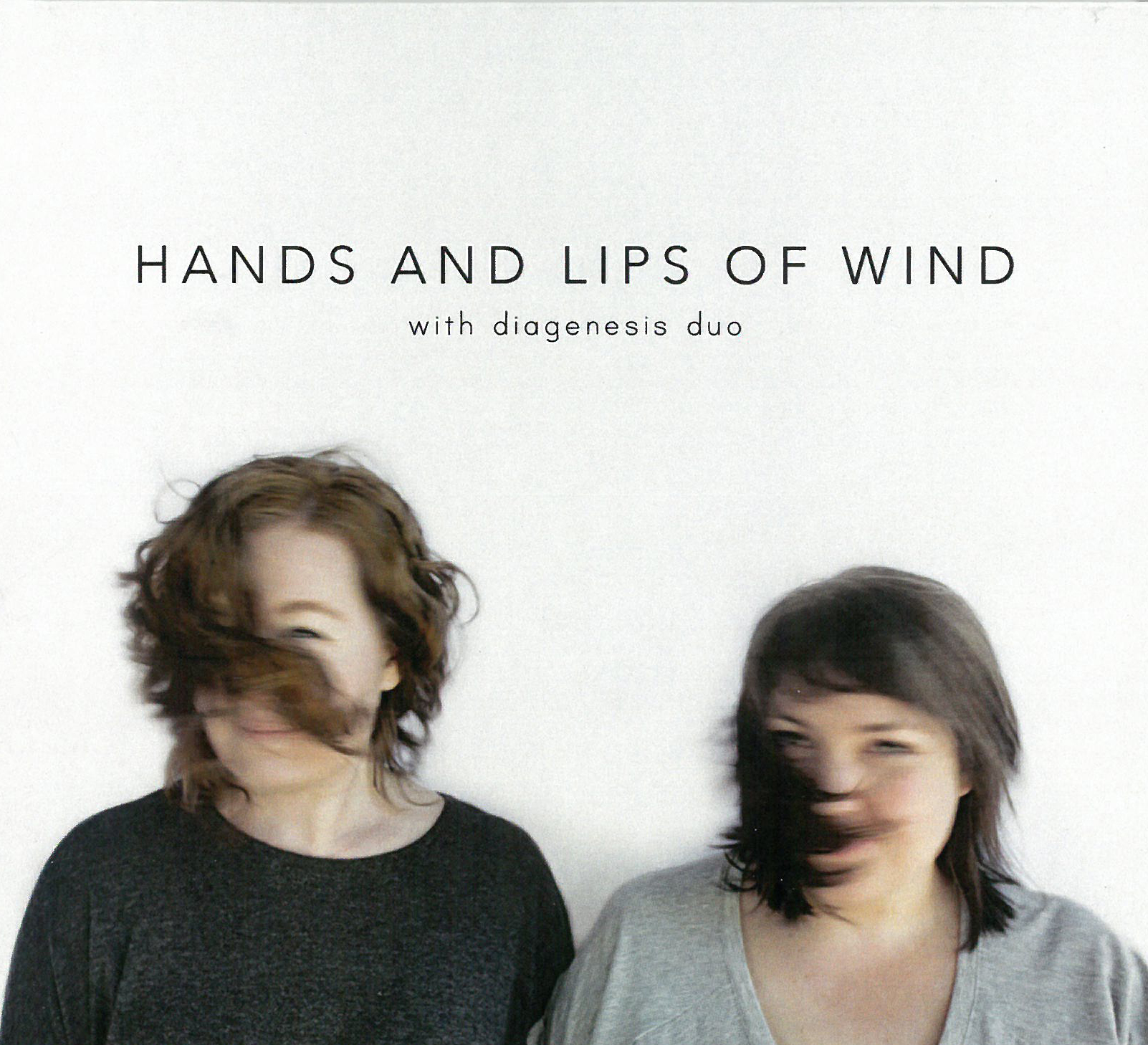
07 Hands and Lips of WindHands and Lips of Wind
Diagenesis Duo
Independent (diagenesisduo.com)

You know that you’re already in for something special when you read that the Diagenesis Duo comprises a soprano – Heather Barnes – and a cellist – Jennifer Bewerse. That Barnes turns out to be decidedly bel canto with an ability for breathtaking coloratura and that Bewerse draws from her instrument every possible sound short of a human voice is the seductively beckoning cherry on the proverbial cake.

The two settings of Mischa Salkind-Pearl’s profoundly ethereal Hands and Lips of Wind are intensely dramatic. This work, together with con mortuis in lingua mortua, Stephen Lewis’ powerfully elegiac piece, and a fresh arrangement of the constantly shifting Travels by Adam Scott Neal were commissioned by the duo. The album also includes the viscerally sprung Nine Settings of Lorine Niedecker, a series of miniatures by Harrison Birtwistle; all of which is music made in the realm of heaven.

Bewerse is not the only one who pushes the envelope, vaulting and diving up and down the registers of the cello – no easy task given its tuning in perfect fifths an octave beneath the viola and an octave above the contrabass – but swathed in the leaping melisma and daring coloratura of Barnes, the duo sculpts this diabolically complex music with impossible precision. It is music seemingly in the twilight of tonality but it is utterly seductive, with the cerebral clarity and the stunning instinctiveness with which both musicians approach the five gems in this repertoire.

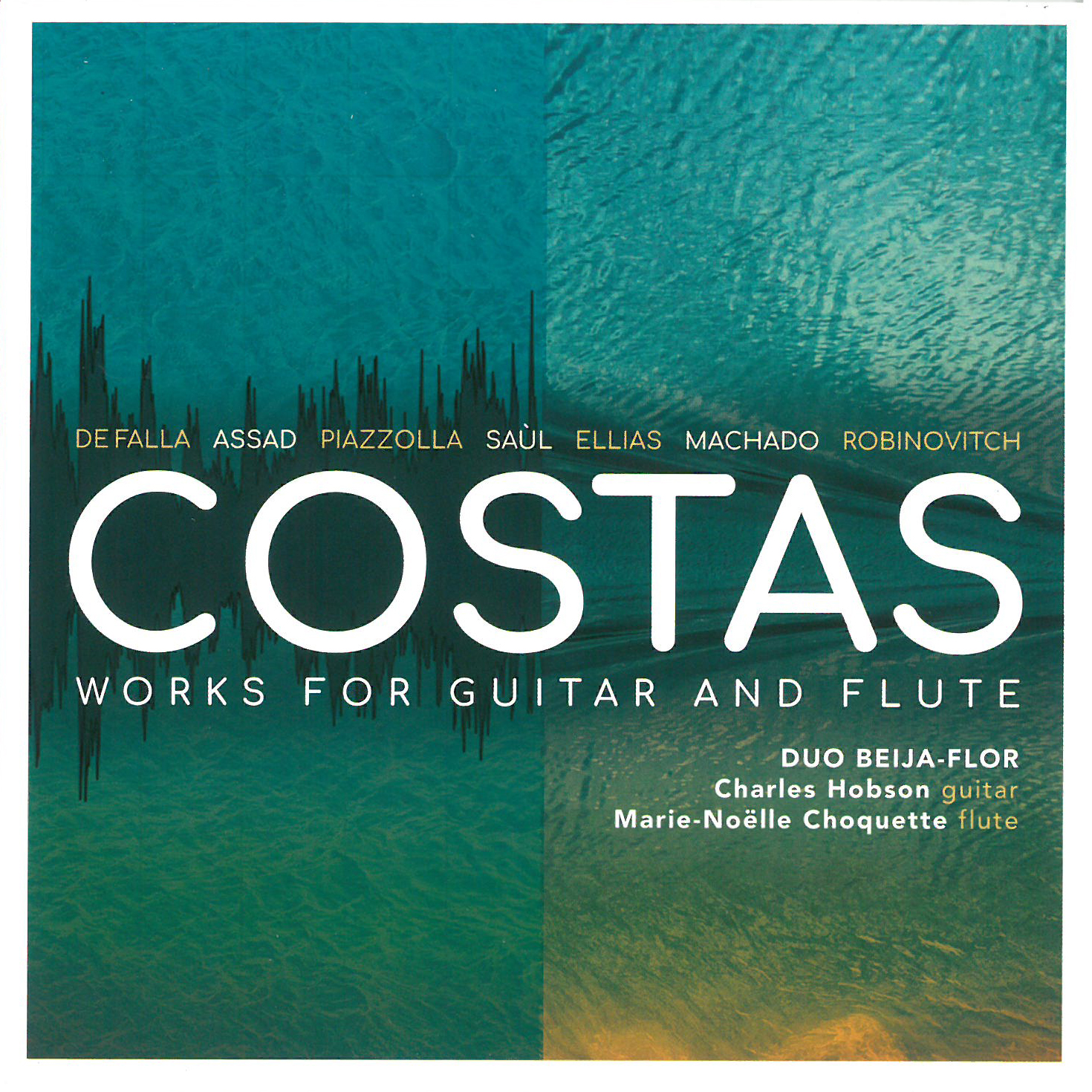
01 Costas guitar and fluteCostas – Works for Guitar and Flute
Duo Beija-Flor
Big Round Records BR8953 (bigroundrecoreds.com)

The days of November are increasingly colder and grayer, so what better way to dispel any pre-winter gloom than a flute and guitar duo performing music with a strong Mediterranean focus. The Montreal-based Duo Beija-Flor – guitarist Charles Hobson and flutist Marie-Noëlle Choquette – began playing together during their student days at Concordia University and officially became a duo in 2010. Since then, they have performed throughout Canada, the United States and Argentina.

This disc, titled Costas – referring to the Latin coastlines of the Atlantic – is a delight, featuring music by such diverse composers as Manuel de Falla, Astor Piazzolla, Celso Machado and Roddy Ellias. What is particularly striking from the very beginning is the wide variety achieved with respect to style, mood and tempo within a thoughtfully chosen program.

De Falla’s set of Seven Spanish Folksongs was originally arranged for soprano and piano in 1914 and this transcription is particularly convincing. Less familiar is Celso Machado’s languorous Quebra Queixo. Machado, a world music guitarist now based in Vancouver, wrote the piece in homage to a popular Brazilian candy!

Not all works on Costas are by Hispanic composers. Roddy Ellias is a Canadian performer and composer whose piece Havana Street Parade was especially commissioned by the duo. Its quirky and syncopated rhythms are an intriguing blend of jazz and Latin elements, performed with much aplomb.

Throughout the disc, the addition of extraneous effects – percussive tapping on the guitar and the sound of wind created by the flute – further heightens the listening experience. Infectious rhythms, a diverse program and superb playing by both performers make this CD ideal not only for a cool gray day but any time of year – highly recommended.

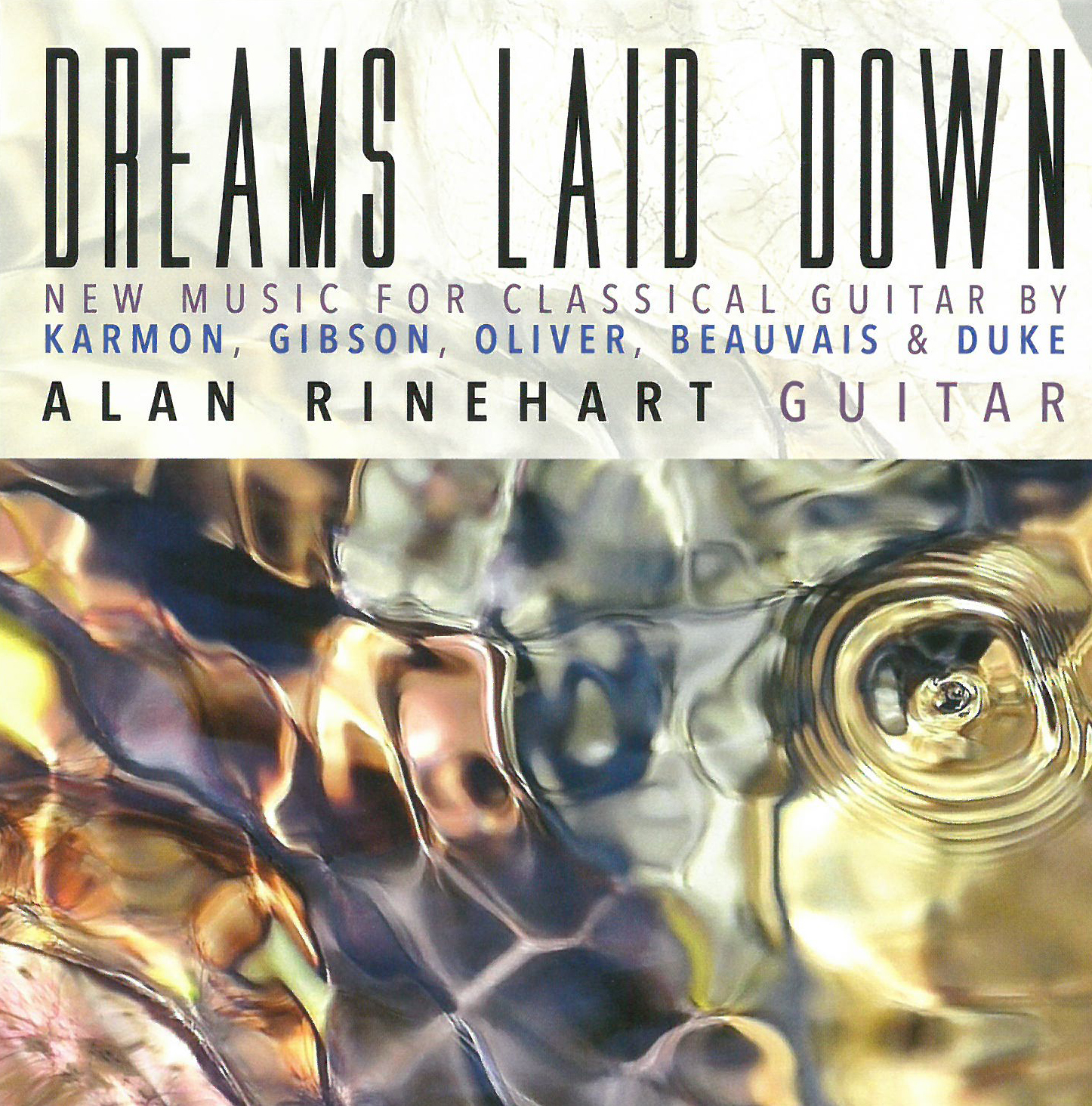
02 Dreams Laid LowDreams Laid Down – New Music for Classical Guitar
Alan Rinehart
Ravello Records RR7996 (ravellorecords.com)

“Poetic” is surely the word for British Columbia-based classical guitarist Alan Rinehart’s new solo disc. For example, the six pieces of the title work Dreams Laid Down (2013) by American composer Michael Karmon are each based on a poem from a collection by Rinehart’s wife Janice Notland. And Vancouver composer David Gordon Duke states that his own Soliloquies and Dreams (2003, evocative miniatures written for Rinehart) “alternate between the declamatory and the lyric” while the guitar “speaks as an actor, musing on ideas and thoughts.” In my view, these words also apply to Rinehart’s sensitive expression and tone.

Of the disc’s three other compositions, the Rinehart-commissioned Ancient Heroes Suite by composer and guitarist John Oliver is a major work honouring poetic (e.g. Rumi) and guitar-connected greats. Couperin’s Ghost draws the connection between the French clavicinist and lute music. Especially attractive is Passacaille, which evokes not only the variation form but the dance’s steady tread and patterns. Richard Gibson’s Variaciones sobre una tema de Juan Lennon (2013) effectively brings together John Lennon’s song Julia and the classical guitar’s Spanish tradition. Finally, Canadian guitarist and composer William Beauvais’ Beginning of the Day (2017, dedicated to Rinehart) asserts the improvisational aspect of the instrument, extending it with exciting metrical intricacies. For several decades Rinehart has been a key performer, educator and, as we have seen, supporter of new repertoire; it is now a pleasure to recommend this disc.

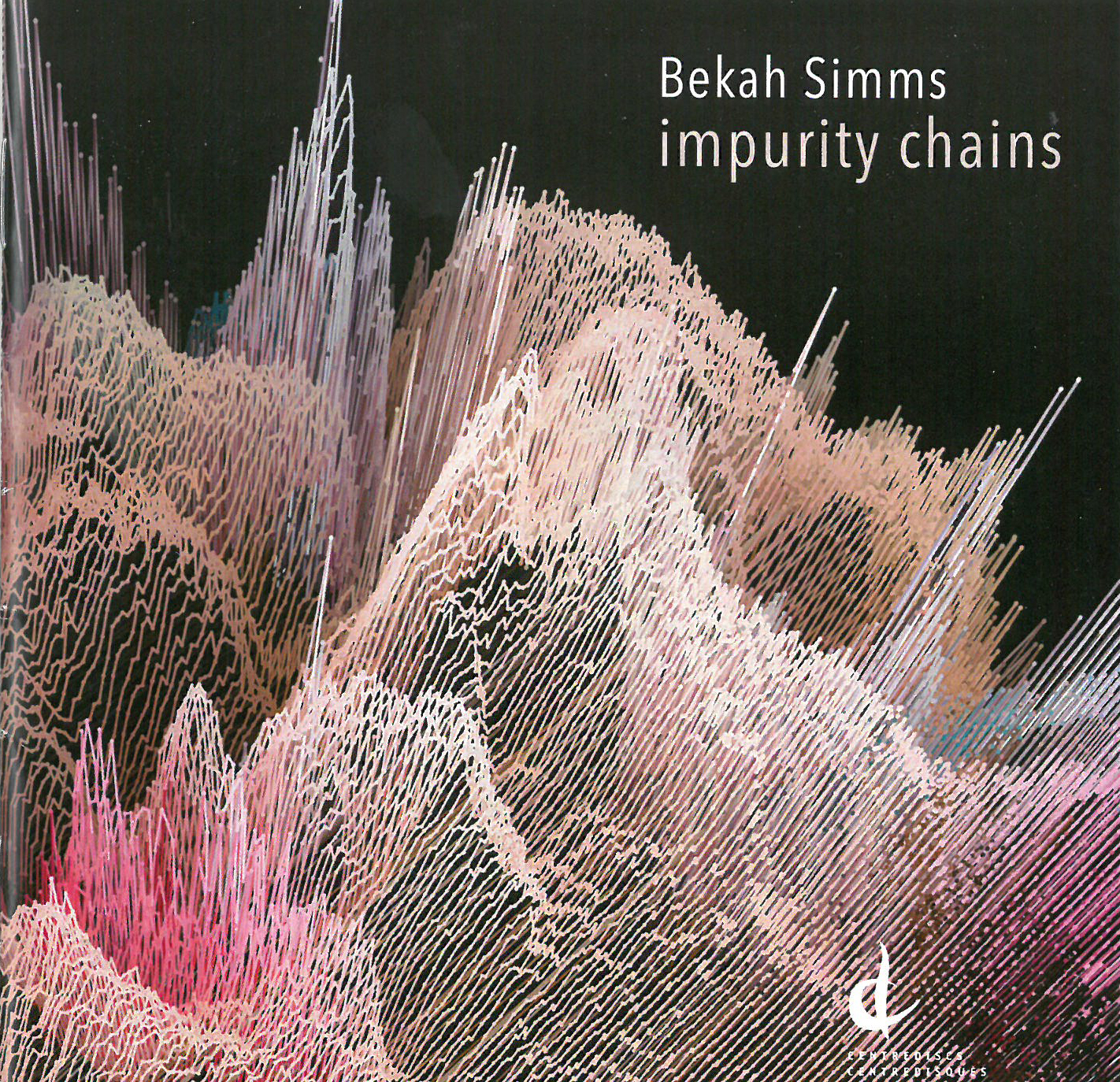
03 Bekah SimmsBekah Simms – impurity chains
Various Artists
Centrediscs CMCCD 26118 (musiccentre.ca)

Bekah Simms released impurity chains in early September this year. On it are three tracks between six and seven minutes, three between ten and fifteen. Microlattice is controlled chaos. Like many of these works, it follows an ABA structure. Tonally it neatly divides into three roughly equal lengths. Bells announce new sections. A coda juxtaposes the two tonal areas, the closely layered pitches generating a new colour. Metre is shrouded by the expansive pace.

Next are two quartets, both using material derived from folk songs. Slept Unwell is for SATB vocal quartet featuring gasps, whispers and cries, the voices slightly extended with electronic effects. Newfoundland folksong The Maiden’s Lament is the source code; listen carefully. Swallow/Breathe, for string quartet, is a fresh take on the much-loved She’s Like the Swallow. Her coda quotes the melodic source material exactly, like a serving of dessert.

Granitic is for larger ensemble, but of a shorter length. The piece is an ominous sonic mobile, the ten voices suspended in space slowly rotating about, gradually revealing the discernible pulse and in the electric guitar, rock-like riffs. The title may well be a pun. Is there a Kid A (National Anthem) quote in the closing section? This is my favourite.

Everything Is… Distorted, brings back the slow pace of terror I felt in the opening track, while impurity chains is a 15-minute long solo for electric guitar via vocoder. This is a tough slog, and, to quote the helpful liner notes, marked by “various abstruse texts…embedded into the timbral fabric.”

Canadian Composers Series Nos.6-10
Various Artists
another timbre (anothertimbre.com)

Canadian Composers on Another Timbre: Another Timbre is a distinguished English label that specializes in a particular range of contemporary music that draws from the indeterminacy and minimalism of John Cage and Morton Feldman and intersects regularly with the textures and practices of European free improvisation. In 2017 it released five CDs by Canadian composers (reviewed by Raul da Gama in these pages in May 2017) and has just released five more, all ten discussed in a 116-page book of interviews with the composers that’s available with the CDs (anothertimbre.com). 

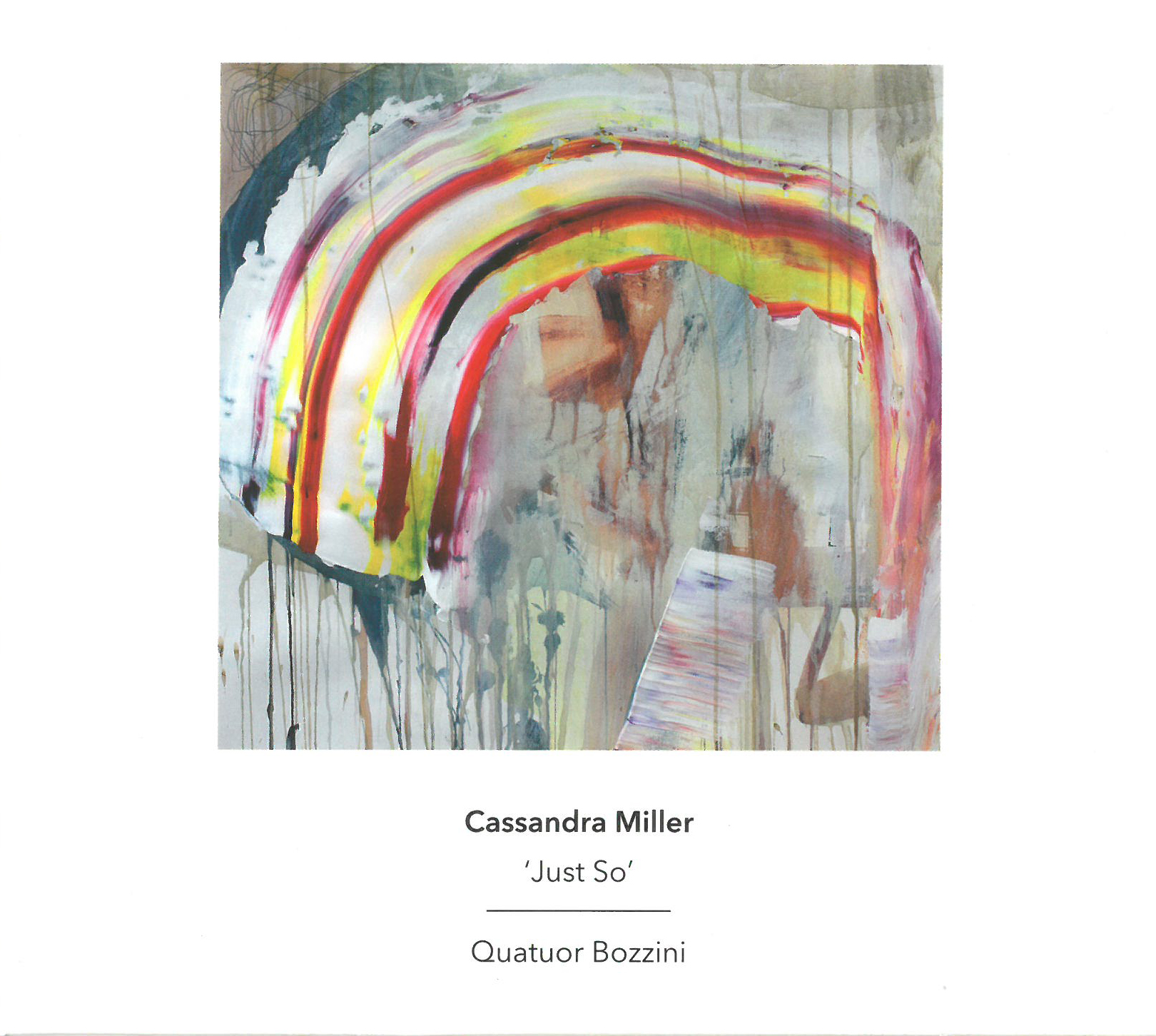
04a CC Cassandra Miller Just SoAmong the highlights of the series are two CDs by Victoria native Cassandra Miller. Just So (at129, Canadian Composer series #9) presents string quartet pieces performed by Montreal’s Quatuor Bozzini, varied works that possess a rare, original lyricism, in which traditional materials are fragmented and recast, including the delicate bird songs of Warblework and the strangely still About Bach in which transcribed materials are evidently undone by computer glitches, while the first violin part is performed in a stratospheric upper register. 

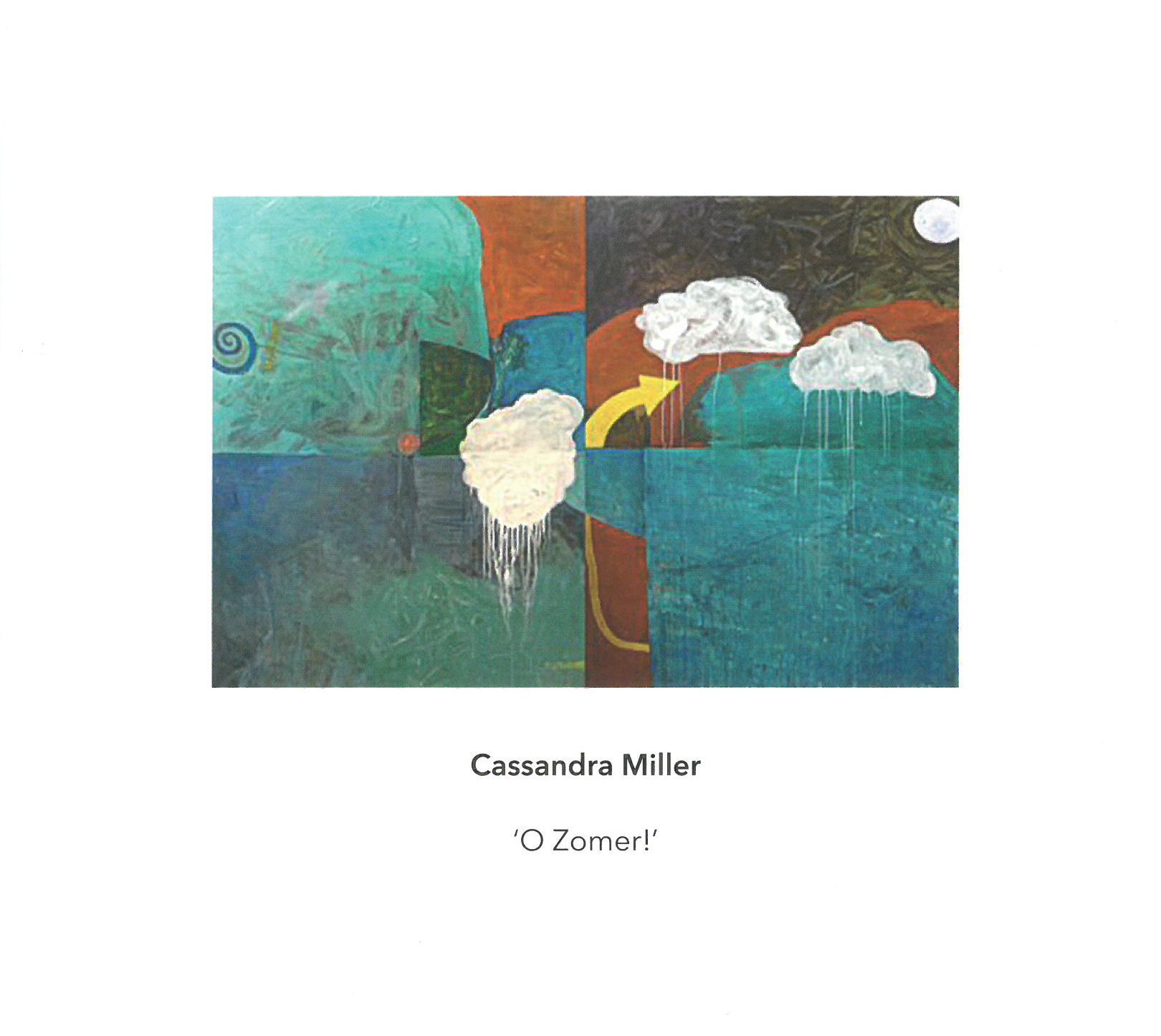
04b CC Cassandra Miller O ZomerMiller’s O, Zomer! (at126, CC series #6) presents her work for varied ensembles, including an octet form of the group Apartment House performing the title work (from 2007, it’s Miller’s earliest work here), a minimalist piece that moves from a kind of light tapping to insistent ensemble reiteration of the same tones. Philip the Wanderer, composed for pianist Philip Thomas, wanders until it ends on a simple, and repeated, major scale. Her unusually titled Duet for Cello and Orchestra, performed by Charles Curtis and the BBC Scottish Symphony Orchestra, includes a cello part that is radically minimalist, at one point posing a two-note phrase against a busy orchestral melody. As with many of Miller’s works, it’s much more than merely unusual, creating great drama and depth from truncated materials.

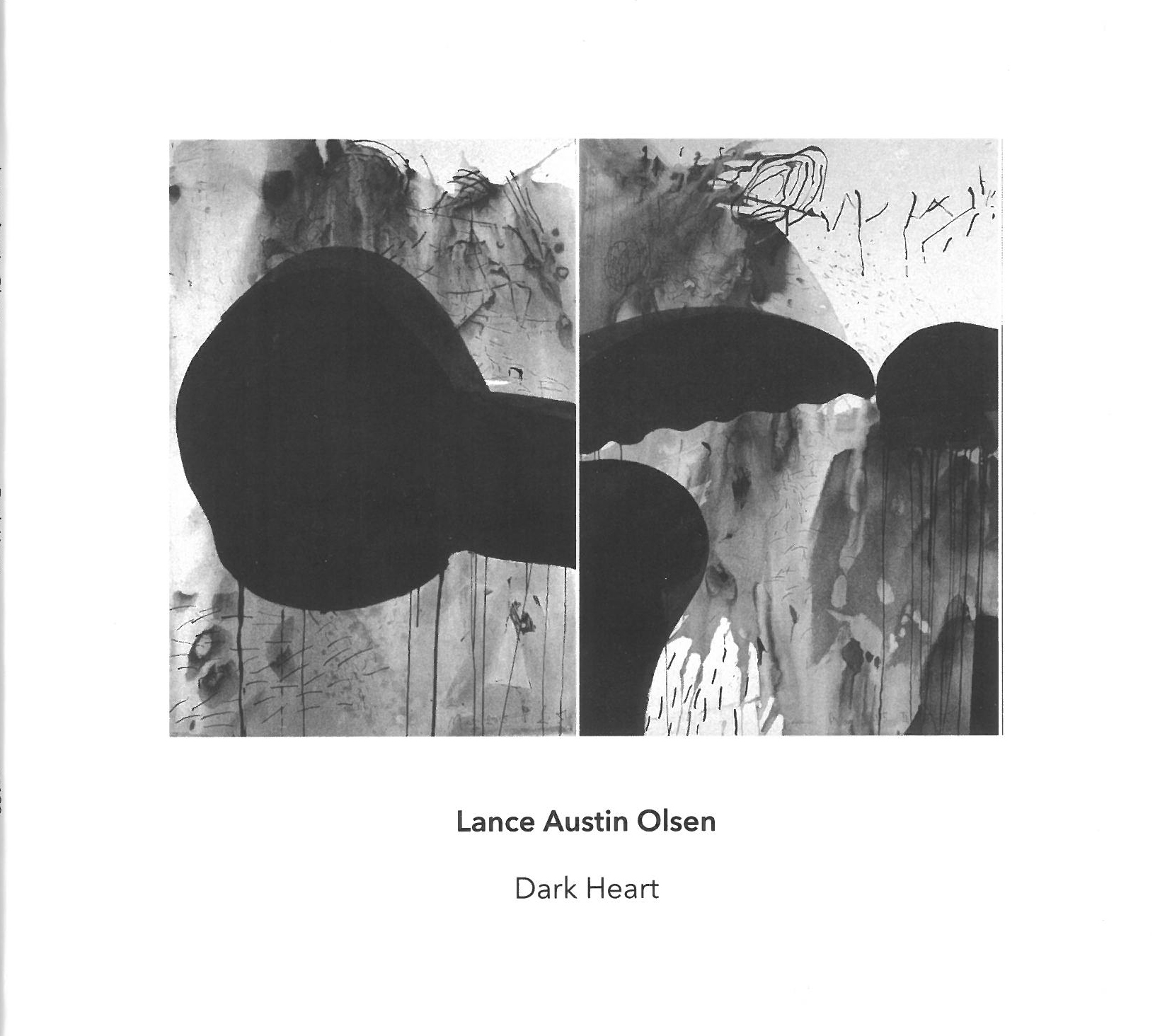
04c CC Lance Austin OlsenLance Austin Olson is a 75-year-old painter (his paintings appear on many of the CDs in the series) and sound artist who lives in Victoria. Dark Heart (at128, CC#8) focuses largely on graphic scores and field recordings and various mergers of the two. Performances of his work range from two different realizations of a graphic score, Theseus’ Breath, by members of Apartment House, to Olson’s extended explorations of others’ materials and graphic scores, creating soundscapes that mingle guitar, voice, field and found recordings as well as amplified copper plate and park bench. These works are far more engaging than one might expect: an ancient wax cylinder in A Mediation on the History of Painting sounds like a voice from another world.

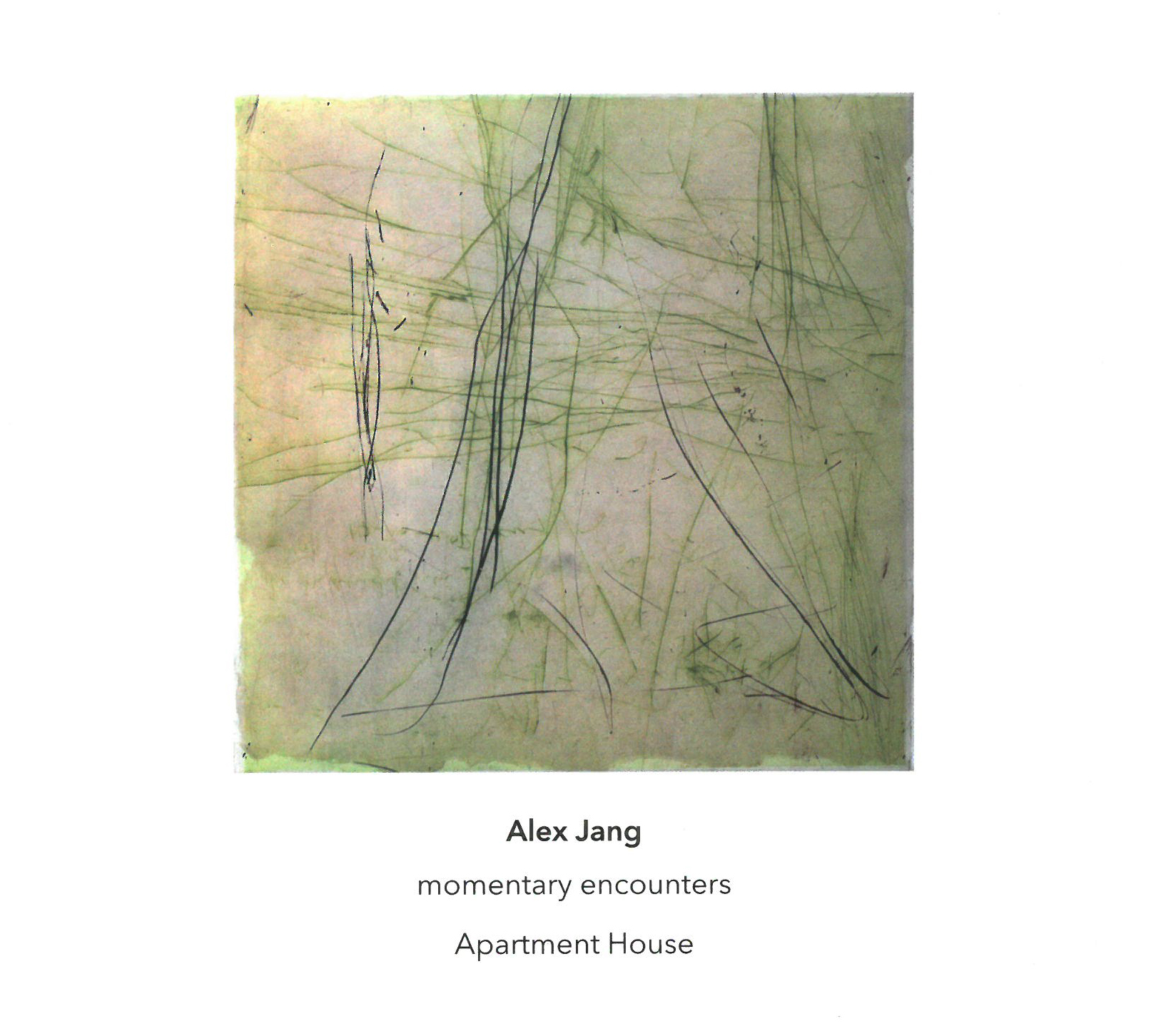
04d CC Alex JangAlex Jang’s momentary encounters (at127, CC#7) inevitably suggests Feldman and Christian Wolff. He literally lets the world in on the title piece, a clarinet solo performed outdoors amidst birds, children, a dog and a consistent hum. Other pieces include a grey, bent interior horizon, beautifully realized by guitarist Cristián Alvear.

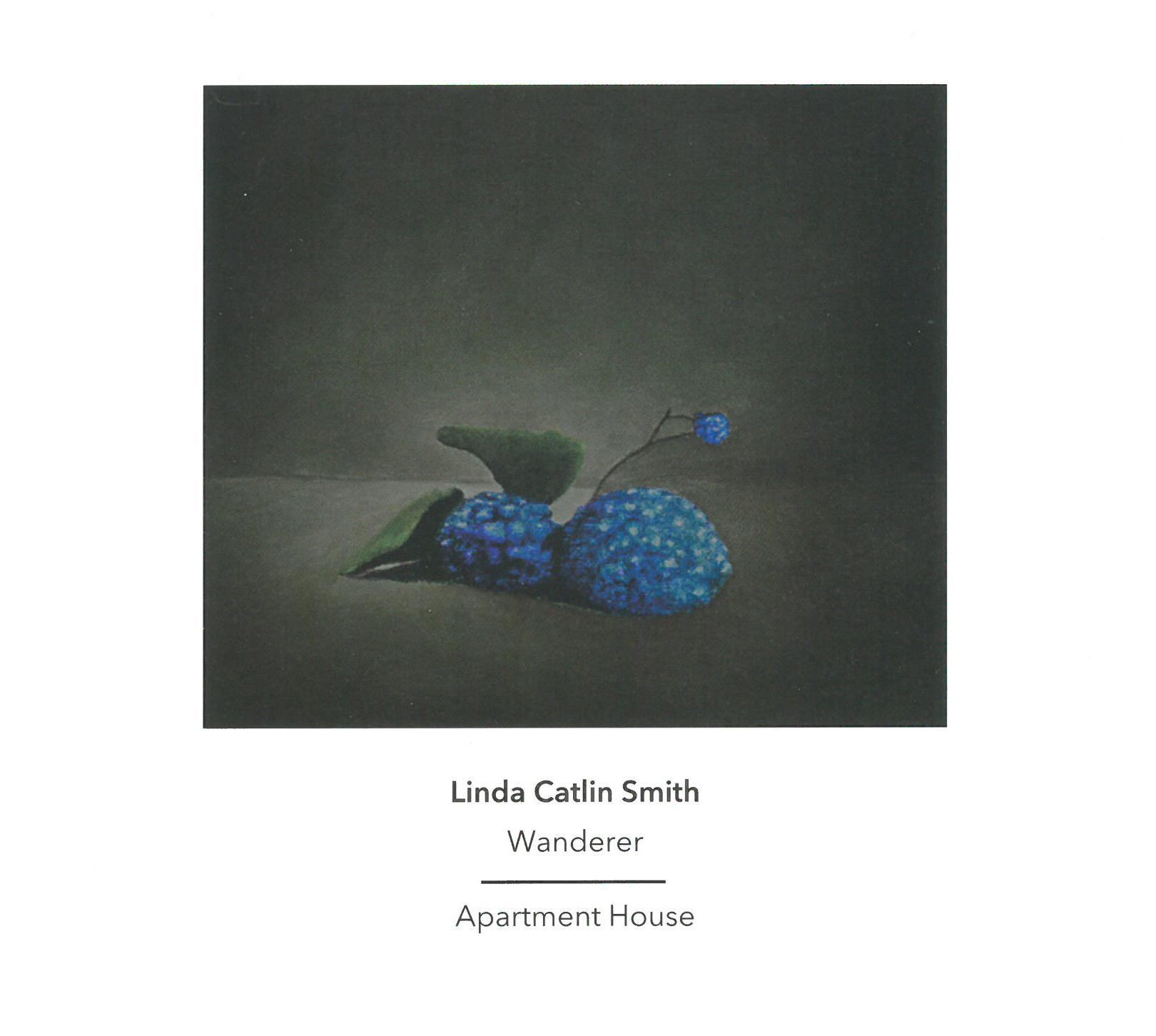
04e CC Linda Catlin SmithLinda Catlin Smith, the artist most extensively represented in the series, adds Wanderer (at130, CC #10), another set of often limpidly beautiful, evanescent chamber works performed by Apartment House, to the two-disc Drifter in the first five-CD batch.

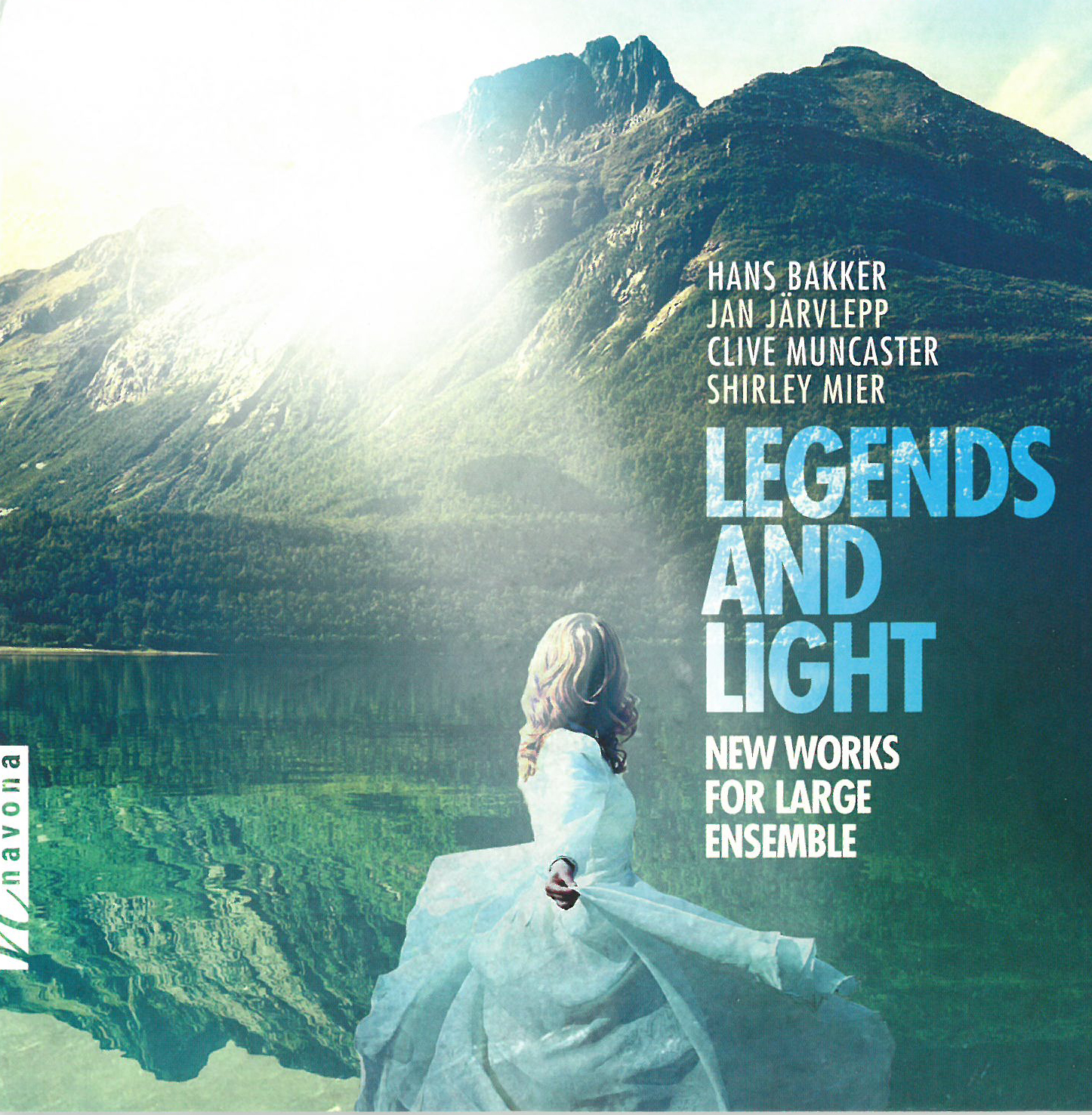
05 Legends and LightLegends and Light – New Works for Large Ensemble
Moravian Philharmonic Orchestra; Croation Chamber Orchestra
Navona Records NV6187 (navonarecords.com/catalog/nv6187)

Four melody-saturated neo-Romantic works offer lots of “good-old-fashioned” musical entertainment.

Dutch composer Hans Bakker (b.1945) calls his ten-minute Canzona III: “Hidden in Her Light” a “hymn to the sun,” but I found this music far from hymn-like, its propulsive rhythms, blazing brass and ringing percussion suggesting instead an ancient martial saga.

The 15-minute Suite for Strings by Ottawa native Jan Järvlepp (b.1953) begins with Changing Times, a merry dance featuring abrupt changes in metre. Shifting Cargo is more dramatic, with strong, syncopated ostinatos. The elegiac A Thoughtful Moment reminded me of Grieg, while Dance of the Monkey Man is a rustic romp, complete with foot-stomping.

Clive Muncaster (b.1936) left England to study in the U.S., where he remained as composer, teacher and music-therapist. His 21-minute Redcliffe Gardens Suite for Strings comprises the cinematically sentimental Petronella, the gently rocking Pastorella and Stella, Fuga Romantica (in which the “romantica” dominates the “fuga”) and the sprightly Girandole.

American Shirley Mier (b.1966) teaches at Century College in White Bear Lake, Minnesota. Her 19-minute Of Lakes and Legends presents four local scenarios: Legend of the White Bear depicts a tragic tale of lovers from rival Indigenous tribes; Ride on the Rails evokes the inaugural train journey from St. Paul to White Bear Lake in 1868; a nostalgic waltz, Parlor Recital, recalls “intimate concerts” at a piano-teacher’s home; Regatta (White Bear Yacht Club) celebrates the region’s boat-racing community.

A highly enjoyable disc!

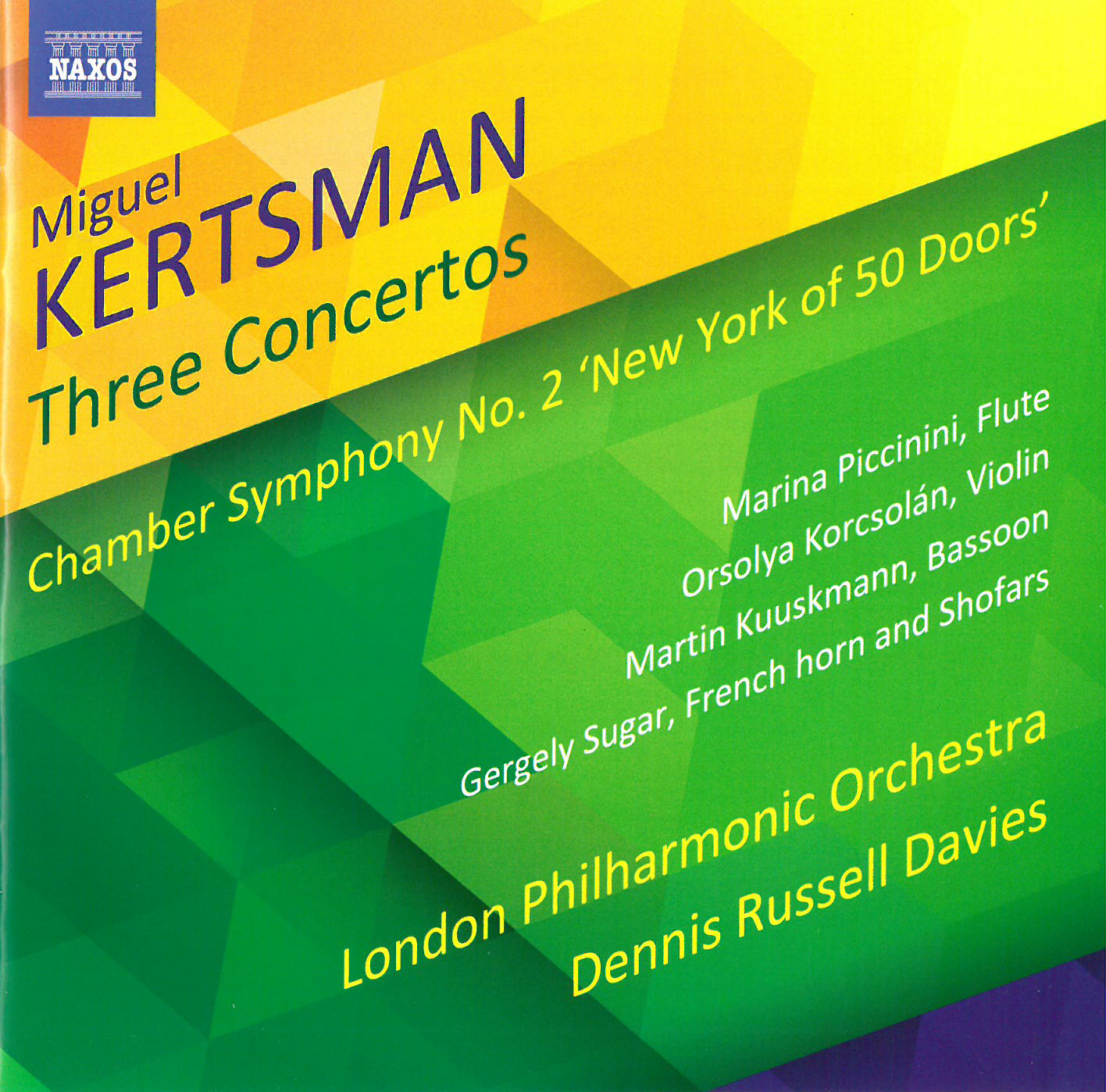
06 Miguel KertsmanMiguel Kertsman – Three Concertos; Chamber Symphony No.2 “New York of 50 Doors”
Marina Piccinini; Orsolya Korcsolán; Martin Kuuskmann; Gergely Sugar; London Philharmonic Orchestra; Dennis Russell Davies
Naxos 8.573987 (naxos.com)

Brazilian/American Miguel Kertsman utilizes his artistic musical experiences as a composer, keyboardist, producer, audio engineer and music executive to compose classification-defying symphonic music that ranges from classical to atonal to mainstream/modern jazz to rock to folk.

The passionate performances by the London Philharmonic Orchestra under conductor Dennis Russell Davies support the soloists. Flutist Marina Piccinini performs colourful long-held notes, melodies and rhythmic sections in the Concerto Brasileiro for Flute, Strings and Percussion. Noteworthy are her virtuosic closing first-movement flute cadenza-like coda, and the third movement rhythmic folk/orchestral Repentes dance featuring flute and string conversations with percussion flourishes. Concerto for Violin, Horn, Shofar and Orchestra is an exciting four-movement exploration of styles, tonalities and rhythms. Journey for Bassoon and Orchestra is a geographical/musical trip. The outer movements are named after the composer (and soloist bassoonist) Martin Kuuskmann’s hometowns – the Tallinn movement features a lyrical Nordic-flavoured bassoon line, while the final Recife movement develops from an extended string fugato to a lively Brazilian dance frevo. Kertsman’s time in New York influences the jazzy middle movement highlighted by laid-back bassoon and xylophone conversations, and a driving rhythm section. Two brief solo bassoon extended-technique Inträludiums between movements are exceptional. The jazzy Chamber Symphony No.2 “New York of 50 Doors” uses two main themes from an earlier work with a repetitive chromatic four-note melody, and extended synthesizer use adding unique sounds.

This original disc is a high-quality listening experience!

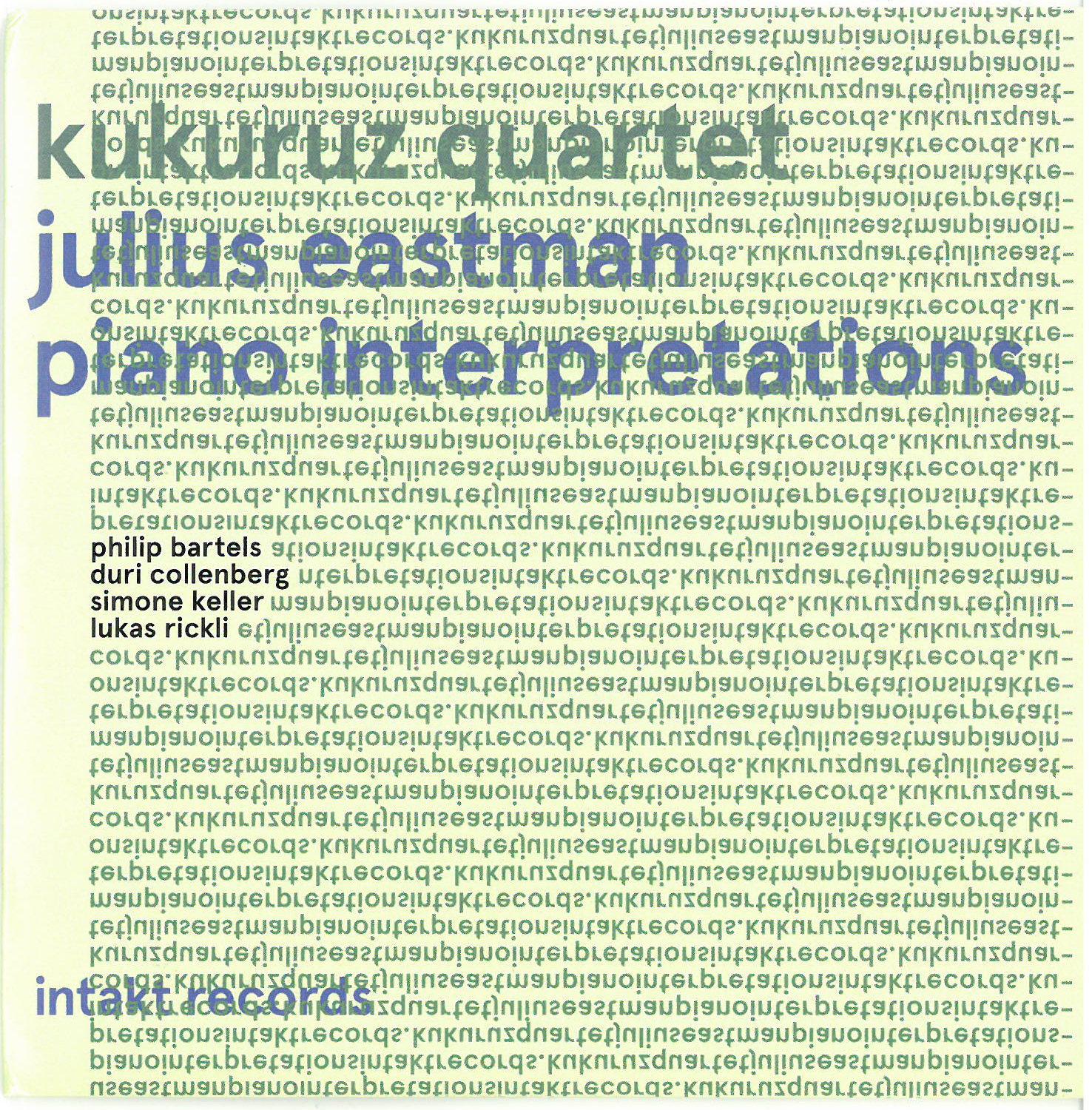
07 Julius EastmanJulius Eastman – Piano Interpretations
Kukuruz Quartet
Intakt Records CD 306/2018 (intaktrec.ch)

In his relatively brief career, Julius Eastman (1940-1990) inhabited a kind of no man’s land as an African-American composer/performer in the classical wing of the American avant-garde, an associate of Cage, Feldman and Foss and a practitioner of a minimalism that embraced traditional chordal sequences. His titles were deliberately provocative – for example, Crazy Nigger and Gay Guerrilla – and he endured both drug addiction and homelessness. By the time of his death at 49, his work seemed slated for oblivion, and a rebirth of interest only began around 2010. Here the four pianists of the Kukuruz Quartet (Philip Bartels, Duri Collenberg, Simone Keller and Lukas Rickli) provide interpretations of four of Eastman’s compositions, works that possess drama and luminous power, resonating at once with work by Terry Riley and John Coltrane.

While the pieces operate on similar principles, using overlapping repetitions of short cadences, each has its own identity. The opening Fugue No.7 (1983) resembles church bells that echo and decay, building density through repetition and thickening, accumulating dissonances. Evil Nigger (1979) refines and expands elements of African-American church music. Buddha (1983) is a quiet change of pace, an extended foray into delicate textures as the four pianists focus on their instruments’ strings. The concluding Gay Guerrilla (1979) begins with repeated single notes, developing force through its half-hour length to its final triumphant, ascending figure.

There’s a rare strength to this music, its very methodology assuming a kind of defiance as the work develops its compelling identity.

Back to top