01 Fernanda CunhaJobim 90
Fernanda Cunha
Independent AA1000
(fernandacunha.com)

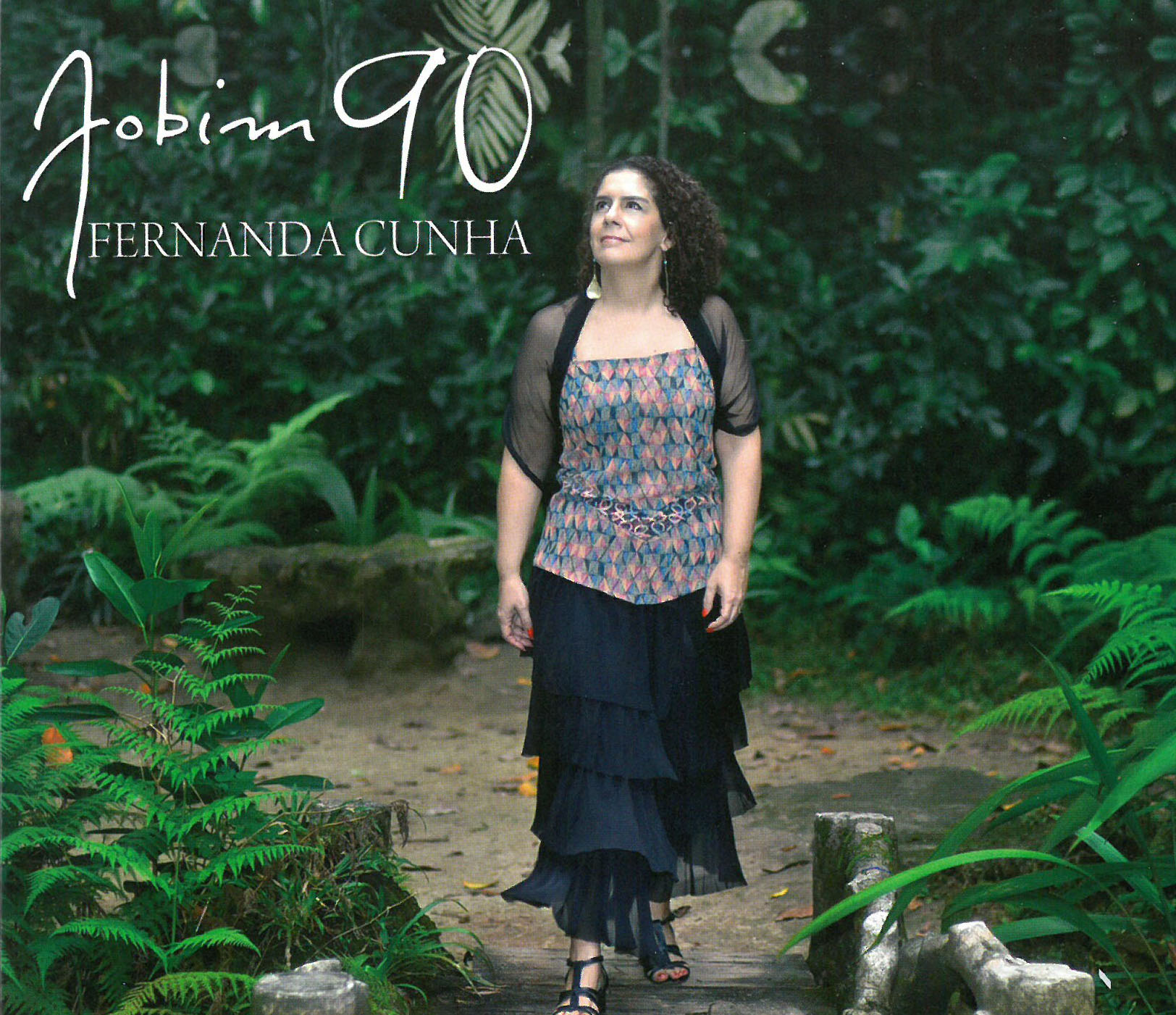
There is no question that Antonio Carlos “Tom” Jobim is the most significant, seminal Brazilian composer/musician of this – or any other – time. Without the late Jobim (who would be 90) and his starring role on the tidal wave of bossa nova and Brazilian music in general, there would be no Ivan Lins, Hermeto Pascoal, Gilberto Gil or even Sérgio Mendes. His music remains as stunning, mysterious and indestructible as the pyramids – always gracefully lending itself to a phalanx of interpretations – from the symphonic to the pristine, authentic and vocally driven ensemble that the listener will find here in this exquisite collection.

Producer and powerful alto vocalist Fernanda Cunha has selected ten of Jobim’s familiar (and also infrequently performed) tunes, and brought together a delicious ensemble of collaborators, including Zé Carlos and Reg Schwager on guitar, Jorjão Carvalho on electric bass, Helbe Machado and Edson Ghilardi on drums and Camilla Dias on piano – with all arrangements by members of this tight, skilled unit.

First up is the lilting Aguas de Março (The Waters of March) with its deceptively poetic narrative (which is actually a string of clues to a very infamous 1950s murder in Rio). The song is refreshingly rendered here with musical and vocal precision, and no overwrought Romanticism. Other jewels in this musical crown include the intensely sensual Samba Da Avião; a lovely version of Two Kites sung in English (and featuring the always tasty Schwager on guitar) and the lighter-than-air Chovendo Na Roseira. This fine recording is the result of Cunha’s glorious vision of Jobim’s achievement of the perfect symbiosis of melody, lyric, emotional content, musicianship and soaring spirit.
02 Right Frame of MindThe Right Frame of Mind
Rodrick Dixon; Edward Mallett; Alvin Waddles
Blue Griffin Records BGR 411
(bluegriffin.com)

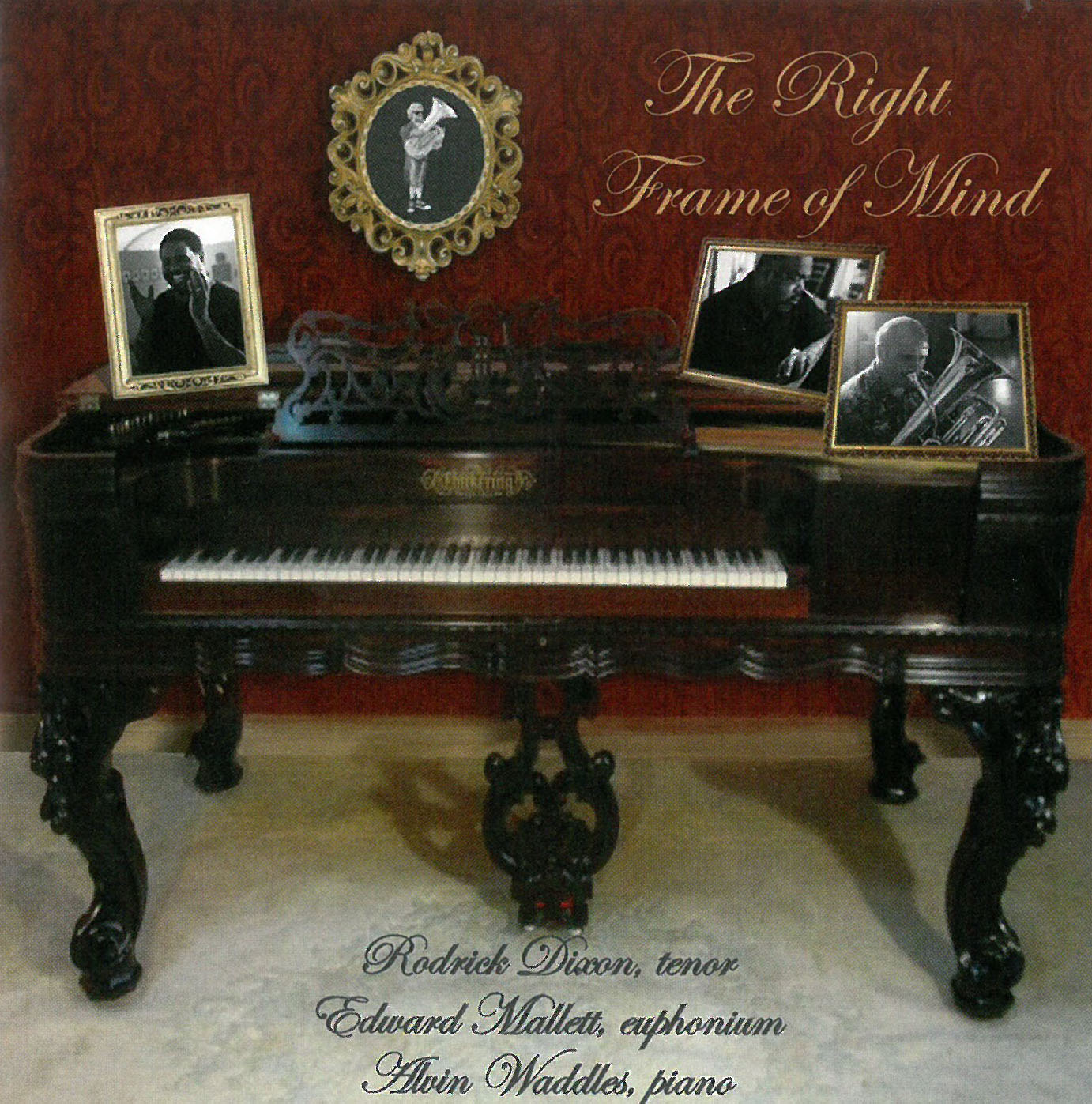
Take three accomplished performers on the unlikely combination of the tuba-like euphonium, piano and tenor voice, energetically performing music ranging from classics, show tunes and traditional, and a curiosity becomes an uplifting, unusual musical experience.

Each performer is having so much fun! Rodrick Dixon’s tenor voice is over-the-top enjoyable in flair, diction and spirit. Edward Mallett on euphonium is equally solid in keeping the bottom end in place but really shines when he takes the lead on the melody. Pianist Alvin Waddles plays with dynamic conviction, technical flair and colourful jazzy lines. As all three performers joined forces in arranging the selections, each respective part is playable and inventive. The opening track I Got Plenty o’ Nuttin’ from Porgy and Bess immediately showcases all the great music to come with an upbeat piano lick and bouncy horn melody opening followed by a stadium-filling vocal rendition. Nessun Dorma from Turandot starts on a more traditional operatic setting with piano and voice, and when the euphonium joins in on both melody and accompaniment, a full orchestral-sounding performance transpires. A Patriotic Salute is an uplifting witty medley of American standards such as Stars and Stripes Forever which fits the instrumentation perfectly.

The performers’ mutual respect of the music and each other is evident throughout. It may be a bit too extreme in sentiment for some yet it is really difficult not to at least smile if not laugh out loud when listening!

01 Mativetsky RiversRivers
Shawn Mativetsky
Samskara SAM-3 (shawnmativetsky.com)

In his Indiegogo fundraising campaign video, Montreal tabla player Shawn Mativetsky quips that his album Rivers would be the “first album of solo tabla music to be recorded by a Quebecer!”

Bracketted by footage of what appears to be the St. Lawrence River, Mativetsky continued: “This album would be the way to pay tribute to my guru Pandit Sharda Sahai-ji [of the Benares/Varanasi tabla lineage] who truly desired for his family’s tabla tradition to spread around the world, to be enjoyed by all.”

For well over a decade Mativetsky has been “living fully immersed in the world of tabla and Indian classical music,” but it was only last year he finally felt the time had come to release his first traditional solo tabla album.

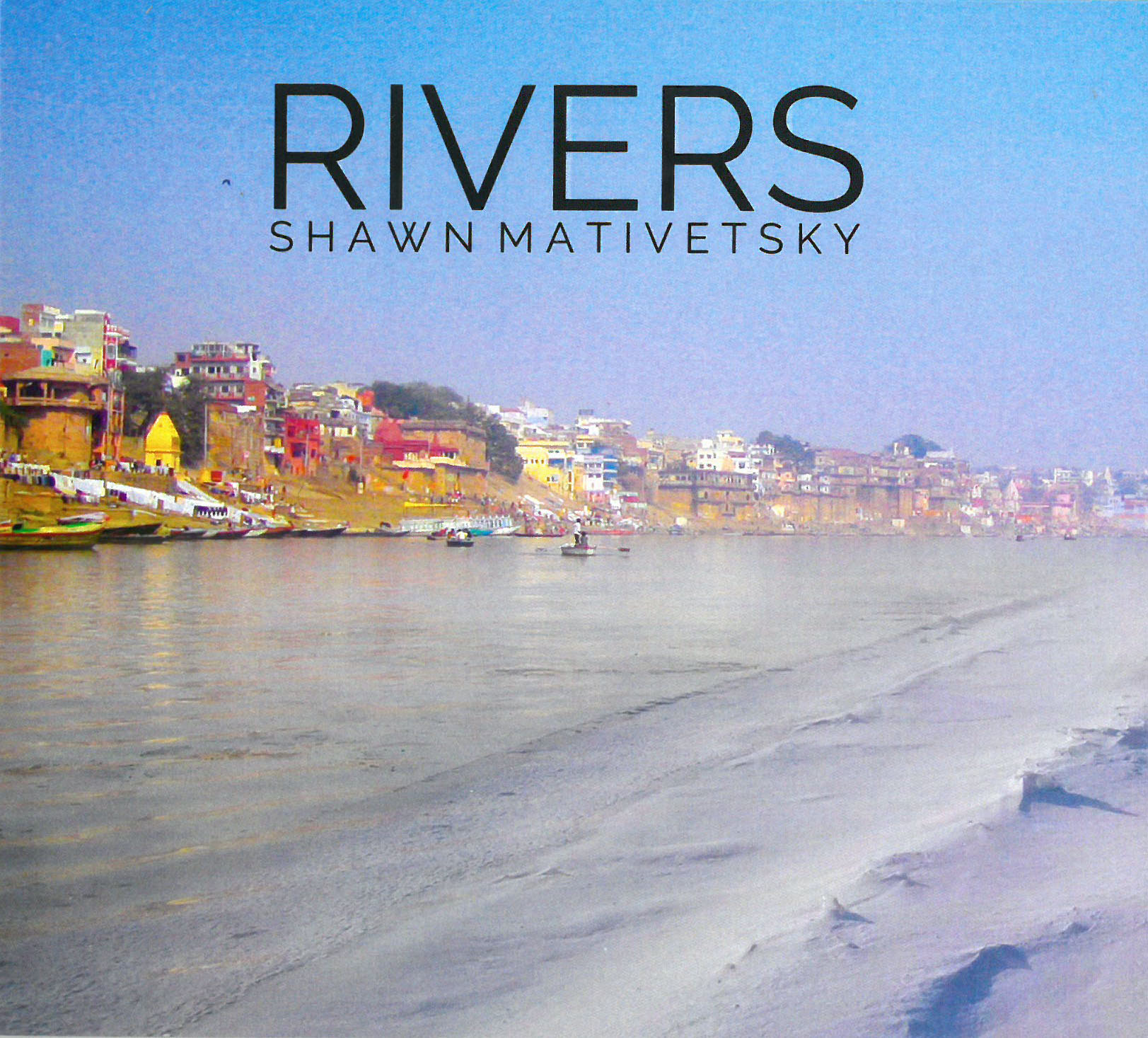
Rivers is an apt poetic-geographic metaphor for the project. It refers to both Mativetsky’s home St. Lawrence as well as to the mighty Ganges in his adopted Varanasi, India. The cover photographically mashes up a bare snowbound shore with the other shore featuring the ghats of Varanasi, but the two long tracks are truly a one-way “rhythmic journey to Varanasi.”

Mativetsky’s tabla solos are idiomatically accompanied on the bowed dilruba by the veteran Toronto bassist and long-time Hindustani music performer George Koller. They are set in the 16-beat teental, the principal tala (rhythmic cycle) of North Indian classical music.

Koller accompanies the tabla solos with a series of lehras, which are repeated short melodies, providing an aural outline of the tala. Enriching the listening experience, they have wisely chosen lehras in five different ragas, each evoking a distinctive modal and emotional flavour for each tabla section instead of choosing standard practice: a single melody throughout.

The Madhya Laya (medium tempo) track presents fixed tabla compositions, while the Vilambit Laya (slow tempo) track explores the theme-and-variation format with emphasis on improvisation. Mativetsky’s tabla solos in Rivers eloquently reflect his evident dedication to the dynamic, received tradition of Benares style of tabla playing, his own individual spontaneous creativity, as well as his passion for this rich form of music-making.

03 Bach n JazzBach ’n’ Jazz
Flûte Alors!
ATMA ACD2 2745 (atmaclassique.com)

Review

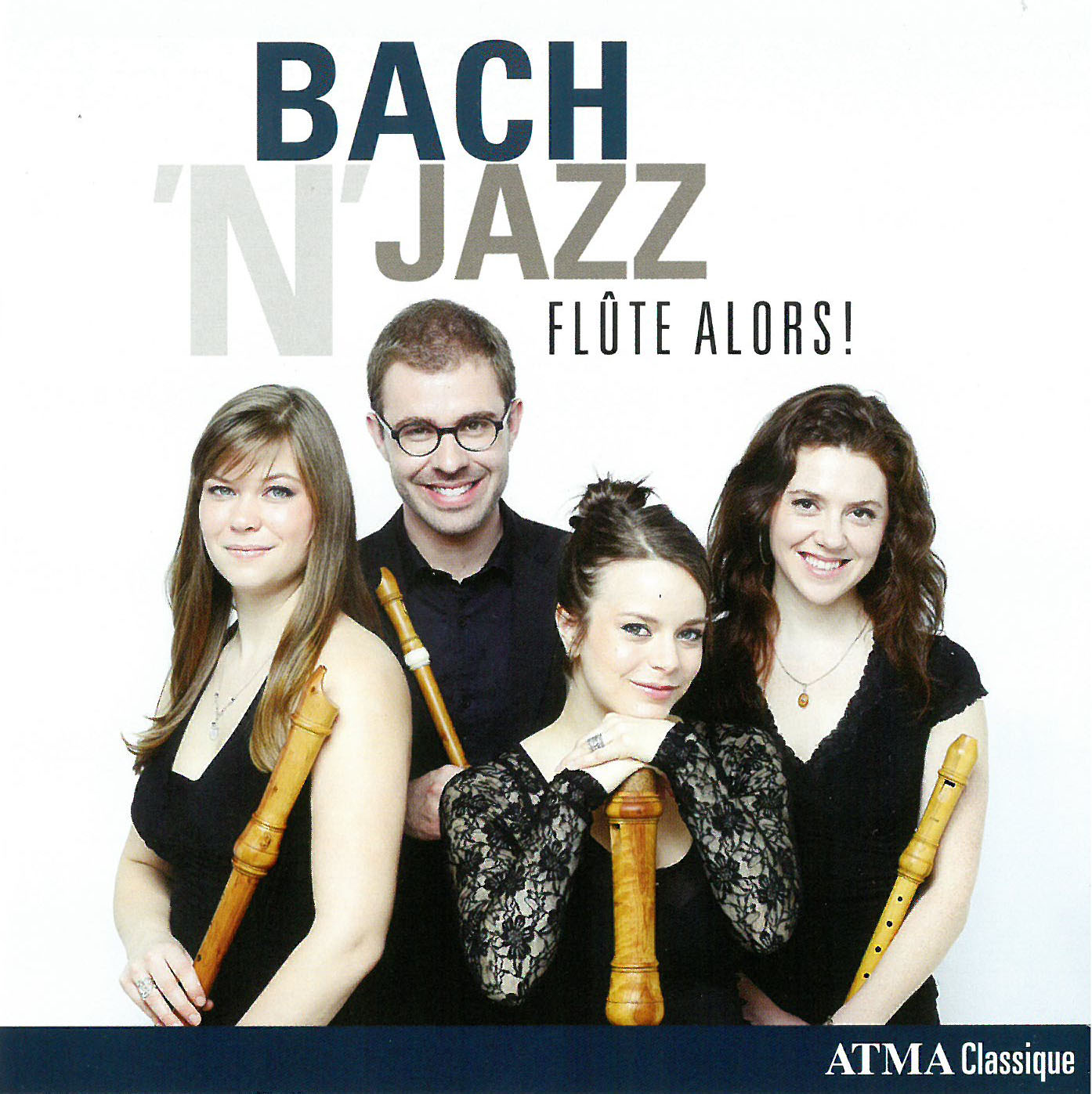
Montreal-based recorder quartet Flûte Alors! mixes Baroque with a splash of jazz in this satisfying release. The four quartet members – Vincent Lauzer, Marie-Laurence Primeau, Alexa Raine-Wright and Caroline Tremblay – are each accomplished musicians. Together, these self-described new-generation recorder players perform with glorious tone, technique and tight ensemble etiquette.

It is not surprising that J.S. Bach’s organ music translates well when arranged for recorder. Both instruments create sound by air/wind movement, and Bach’s strong contrapuntal lines flow on the recorder. Of the six arrangements, most satisfying is group member/arranger Raine-Wright’s take on Concerto in D Minor BWV 596. Her focus on Bach’s flowing lines and contrasting articulations add colour and clearly emulate the organ sound. Of note is the attention-grabbing high-pitch opening note of her arrangement of the Toccata and Fugue in D Minor BMV 565.

Why jazz? Because Flûte Alors! had a café gig and decided to mix Bach with jazz. Their jazz tracks may not be as astounding as their Bach, but this musical experiment is an evolving work in progress. Fly Me to the Moon opens with contrapuntal Baroque flavours leading to a jazzy pleasant swing-feel rendition of this popular standard. Dick Kooman’s The Jogger is a clever mix of classical and jazz with pavement-pounding detached rhythmic patterns driving the piece home.

Congratulations to Flûte Alors! for taking programming risks. Their Bach is more memorable, yet their detours to jazz land are pleasant listening, and crucial to the group’s artistic development.

04 Alex CubaLo Único Constante
Alex Cuba
(healer.alexcuba.com)

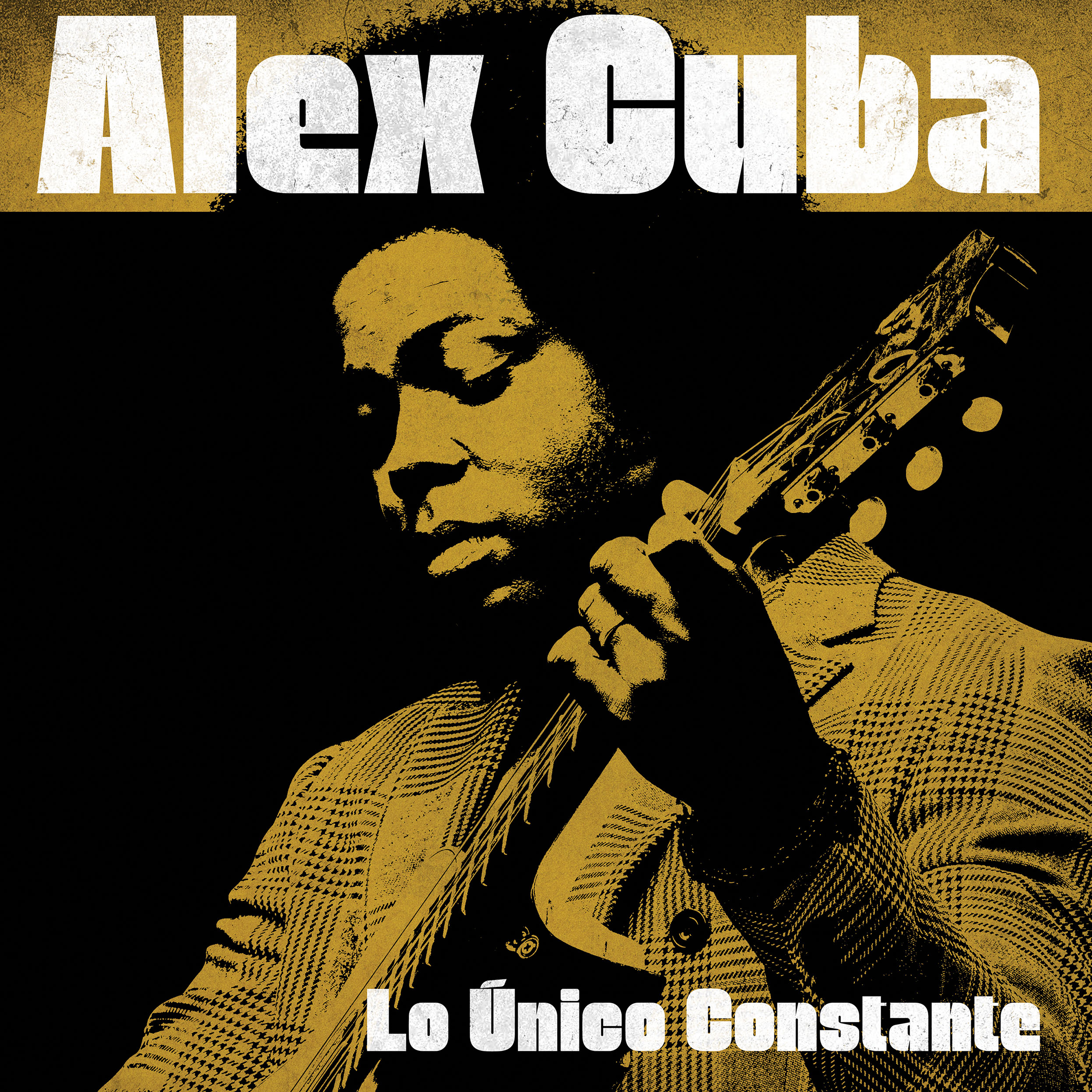
Canadian-Cuban multi-instrumentalist, vocalist, composer and producer Alex Cuba (né Alexis Puente) is wearing all of his many hats on his latest superb release, Lo Único Constante (Constantly Unique). The recording is dedicated to the seminal musical artists of Cuba’s “Filin Movement” (including José Antonio Méndez, César Portillo de la Luz and Marta Valdés) who have been a profound influence on Cuba and the development of his own unique style, which embraces not only Afro-Cuban motifs, but also funk, jazz and pop. Cuba, who performs here on acoustic and electric guitars, requinto, Hammond B3, acoustic bass, drums, cajon and vocals, has collaborated with more than a dozen fine musicians to bring this dynamic project to fruition – a project that is focused on the blessed concepts of hope, peace, unity, love and the power of positive change.

The CD opens with the lovely En Mi Guitarra – in the words of Cuba, “a voice found its way into my guitar…giving me power to create beautiful melodies, while controlling my choice of notes and silences.” Sumptuous string lines move effortlessly through the composition – as does Cuba’s equally sumptuous voice. Other highlights include the stirring, syncopated Yo Sé Quién Soy (I Know Who I Am) and the moving Ahora (Now), rendered in pure guitar, voice, strings and minimal percussion. This exceptional recording closes with the compassionate Lagrimas Del Que Llora, which features Josemi Carmona’s stirring flamenco guitar.

It’s not necessary to understand Spanish to resonate with the deep emotional content here, as all meaning is conveyed in the universal language of music, and in the tradition of some of the finest musician-composers that Cuba has every produced – of which Alex Cuba is most definitely one.

01 Marito MarquesNa Eira
Marito Marques
Independent (maritomarques.com)

Review

We are oh so very lucky to have the Portuguese-born percussionist/composer/producer/arranger Marito Marques residing in Toronto now. If you can’t catch him live, his multifaceted talents are showcased on this, his third CD release. His musical sensitivity shines throughout this jazz/pop/PALOP roots music project which features a plethora of 15 international and local world-class performers playing at their very best.

Marques’ most striking talent is his ability to adjust his performance depending on the context. In Dia Chuvoso, his funky rhythms and continuous driving spirit timekeeping are in the forefront yet never overpower the sing-along vocals and instrumentals from the band members. In contrast, the slower ballad-like Rosa features the versatile soaring vocal lines of Senegalese Woz Kaly beside sensitive accordion lines by João Frade while Marques, acoustic guitarist Munir Hossn and bassist Rich Brown provide a subtle backdrop. The aptly titled Bird’s Shadow features flutist Jorge Pardo on rapid warbling lines, held notes and wind duets with accordion, with Marques’ busy drums, percussion and programming setting the mood. Ernie Tollar’s superb bansuri playing is featured in the title track while vocalist/lyricist Yvette Tollar sets the upbeat mood in the more pop/jazz standard-flavoured Scábias.

There is never a dull moment as Na Eira (“the threshing floor”), with artists too many to mention, weave together the traditional with the contemporary, the popular with the folk to create a truly unique listening experience.

02 Rose CousinsNatural Conclusion
Rose Cousins
Old Farm Pony Records OFPR021 (rosecousins.com)

I first heard Halifax-based, singer-songwriter Rose Cousins live at a café in Vancouver (my then home), almost nine years ago. I’d discovered her two days earlier, listening to a CBC Radio broadcast of a concert that had been recorded in Halifax a month before. As I tuned in, I caught this soul-searing voice, mid-song. “Who IS that?” I shouted at the radio. When her name was announced, I immediately googled it, and found out that Cousins was scheduled to play at this café two days later. Talk about timing!

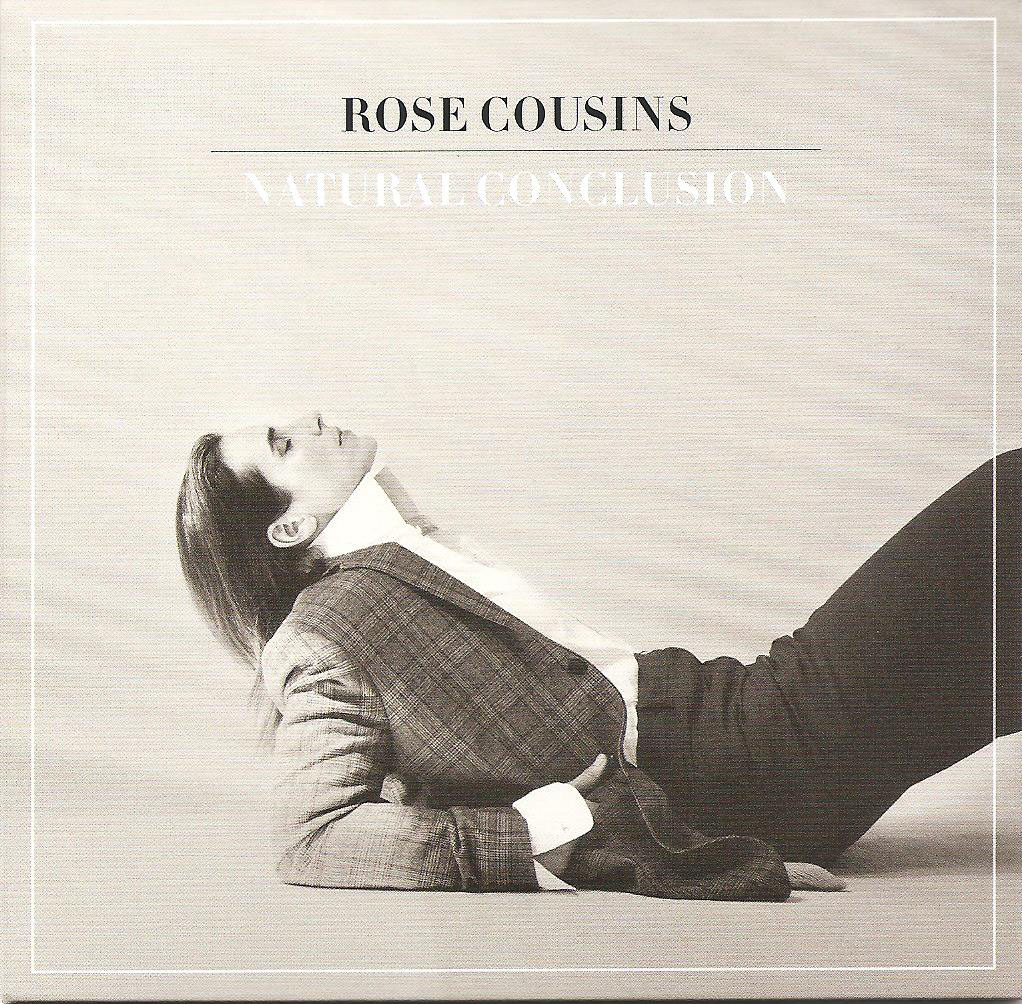
Since then, Cousins has garnered international accolades, won several East Coast Music and Canadian Folk Music awards and a JUNO, and released a variety of CDs and singles. Natural Conclusion, her fourth and latest, full-length album, is a real stunner! Each track displays Cousins’ gifts as a storyteller. Achingly beautiful lyrics are perfectly paired with the emotional intensity of her music. And then there’s her striking voice that simply will transport you.

Freedom is an evocative take on letting go, knowing it comes with loss and heartbreak. Cousins calls it a “wreckoning.” White Flag and Lock and Key might make you cry – a common reaction to much of her affecting work. Cousins’ response to the teary-eyed? “You’re welcome.”

Rose Cousins is the real McCoy: a songwriter’s songwriter; an open-hearted troubadour; a gracious collaborator who consistently works with some of the best in the biz. Natural Conclusion is testament to all that. A truly authentic voice, this rose is on the rise!

01 SyrinxTumblers from the Vault
Syrinx
Rervng RWRVNG08 (igetrvn.com)

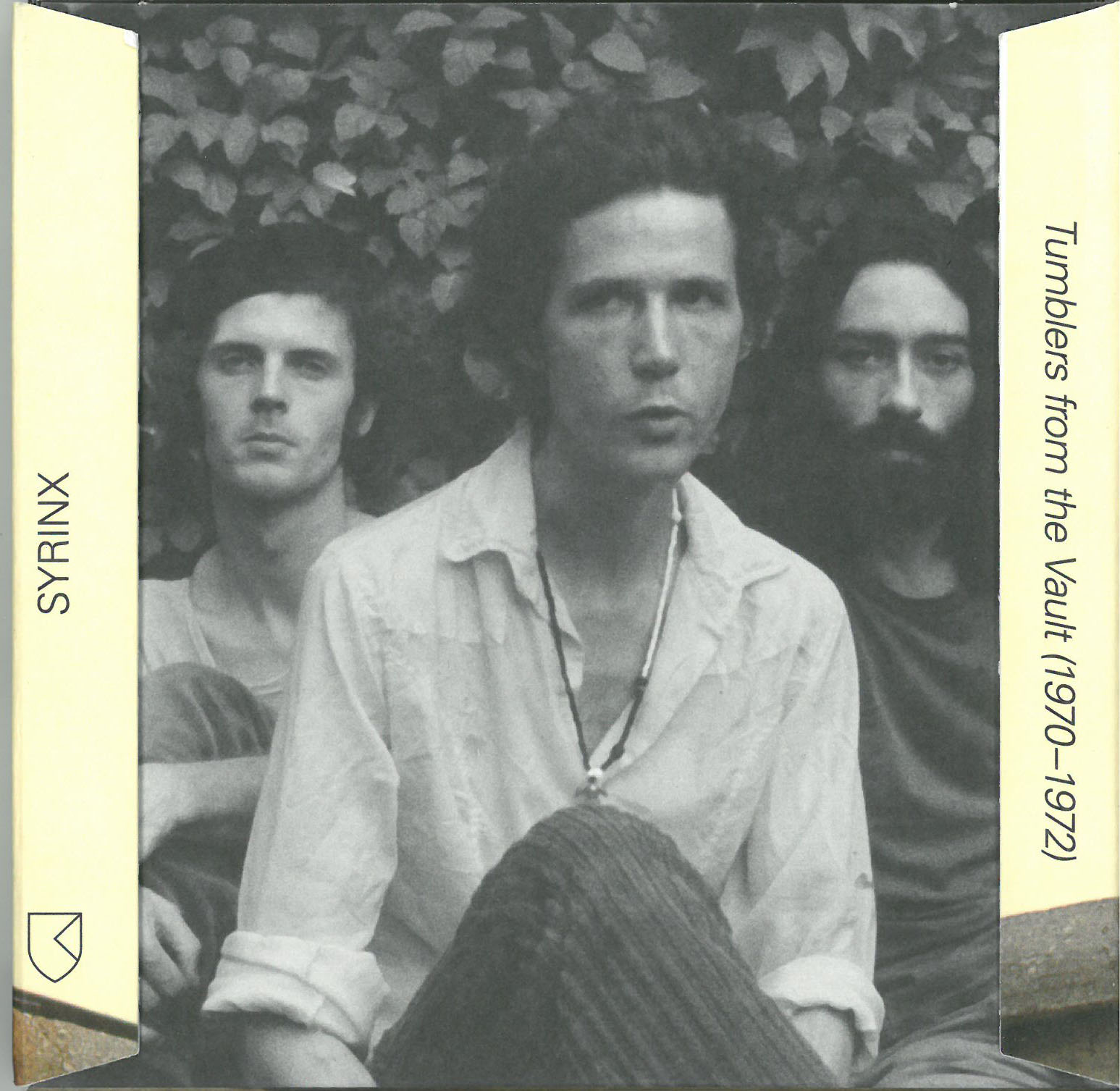
In Tumblers from the Vault, series conceiver William Blakeney continues his collectively titled JMC Retrospective 1967-1977, highlighting the early career recorded music of John Mills-Cockell. A Toronto-born composer, keyboardist and pioneering synthesizer performer, Mills-Cockell was not only an early adapter of the modular synth – he purchased a Moog Mark IIP the same winter of 1968 when the American studio synth trailblazers Wendy Carlos and Suzanne Ciani acquired theirs – but he also swiftly put that early model synth to good use in live performances across Canada and the USA. Furthermore, it featured prominently on the Intersystems albums reissue reviewed in these pages last year.

By 1970, Mills-Cockell’s next music project had emerged: Syrinx was a trio which included two other Toronto musicians, saxophonist Doug Pringle and percussionist Alan Wells. Armed with Mills-Cockell’s compositions and suffused with his increasingly musically confident synth performances, in a couple of years they produced the hit single Tillicum as well as two successful albums Syrinx and Long Lost Relatives. Tumblers from the Vault has carefully remastered those recordings and added previously unreleased material. Dissolving by 1972, during that brief period they managed to merge many music genre threads. I can hear traces of experimental, classical, psych-rock, global influences, proto-ambient, pop, funk and jazz all delivered with a sensitivity for memorable melody, timbral exploration and technological innovation.

I find in the new tracks some of the most musically engaging moments of the box set. These include the extended demo version of December Angel in an ever-evolving dance-friendly 6/8, and particularly the adventurous four-movement, 26-minute Stringspace (1971) for string orchestra, percussion and Syrinx trio. This, the most ambitious work here, points to even larger Mills-Cockell projects yet to come.

As Nick Storring offers in his insightful liner essay, “Syrinx’s music is more than a faded strain in Canada’s consciousness […one that] has never expanded universally.” Can Tumblers from the Vault elevate the short-lived Syrinx to a “place in the wider canon of groundbreaking music, so its story can be appreciated beyond the limits of Canadian notoriety,” as posited by Storring? I can’t say. What I can is that this music from the last century welcomes us to imagine listening to future music which flows freely and amicably across multiple genre boundaries.

02 Kristina BijelicMinstrelle
Kristina Bijelic; Felipe Tellez
Independent (kristinabijelicvox.com)

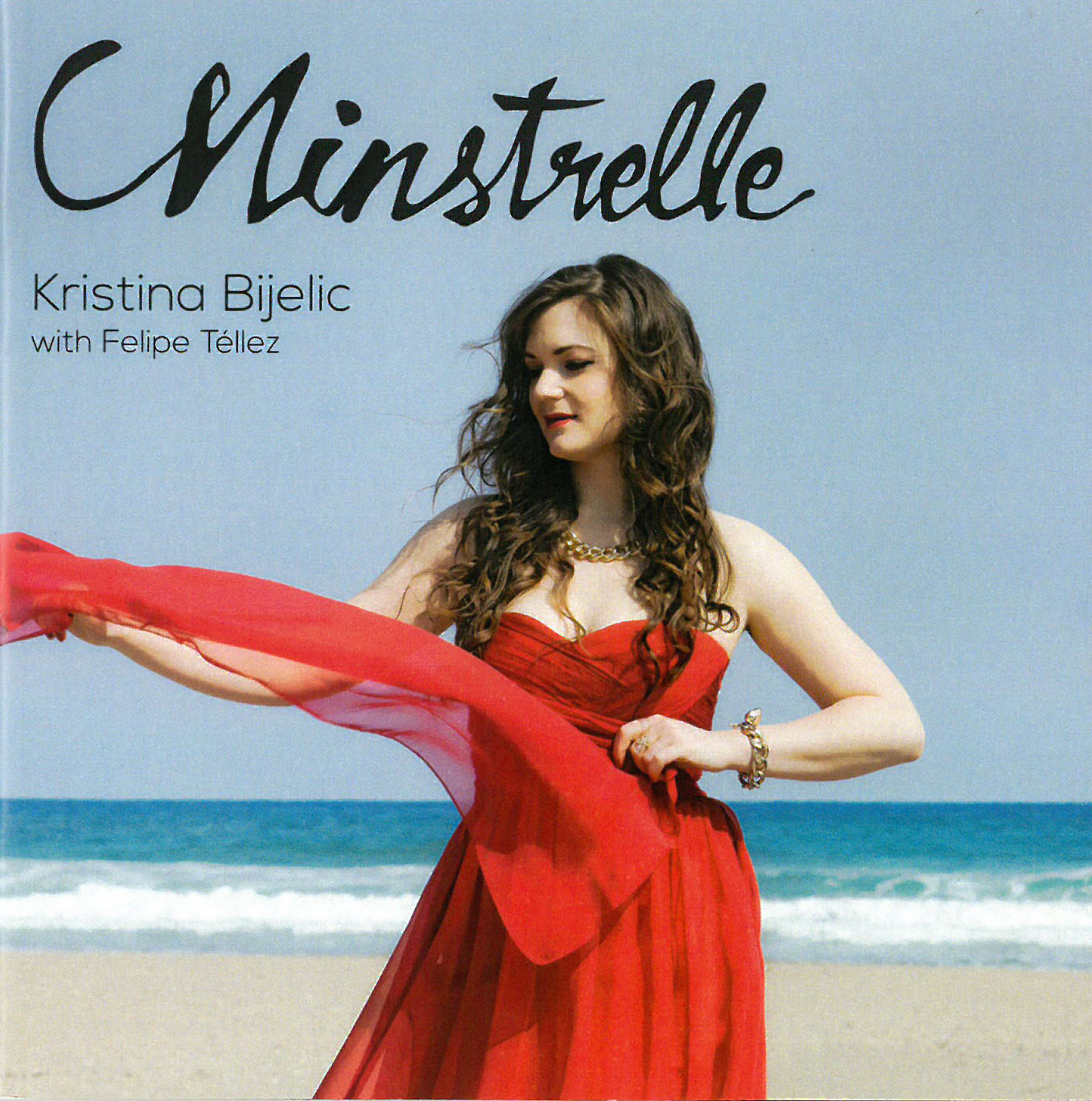
This imaginative project is not only a tour-de-force for the female voice and a celebration of a distinctly feminine journey (hence the title), but it is also the manifestation of the creative partnership between Toronto-born, multilingual, genre-fluid, classically trained vocalist and lyricist Kristina Bijelic and noted Colombian composer and orchestrator, Felipe Tellez. The six evocative, brilliantly produced, original compositions presented here, embrace a variety of ethnic influences and cultural motifs as well as elegant and poetic English, Spanish and Serbian lyrics written by Bijelic. The infusion of Tellez’s stirring orchestral arrangements (performed by the Budapest Art Orchestra) are nothing short of magic.

Of special note is the opening track, On the Horizon. The spaciousness of the composition seems to symbolize the intoxicating lure of travel, of taking the first steps of an irresistible journey. Bijelic’s rich, sonorous alto voice is as resonant as a fine cello, and like a cello, it is a pure conduit for the expression of the deepest emotions. Also stunning is Enamorarme de ti (Falling in Love with You). Based on a traditional Spanish bolero, the Latin rhythmic elements and complex, contrapuntal moving string lines transport the listener into a romantic idyll.

Near the end of the album’s journey is the jazz-influenced Wandering, which is perhaps the most cinematic composition on the CD, bringing to mind the Film Noir of the 1940s and 50s, and Devajačka Pesma (Girl’s Song) is a total delight. Traditional Balkan motifs, chord progressions and instrumentation, as well as the dynamic vocal by Bijelic, make this particular fusion of musics not only original, but thrilling.

03 Shirley Eikhard

I Am the Hero
Shirley Eikhard
Independent (shirleyeikhard.ca)

Review

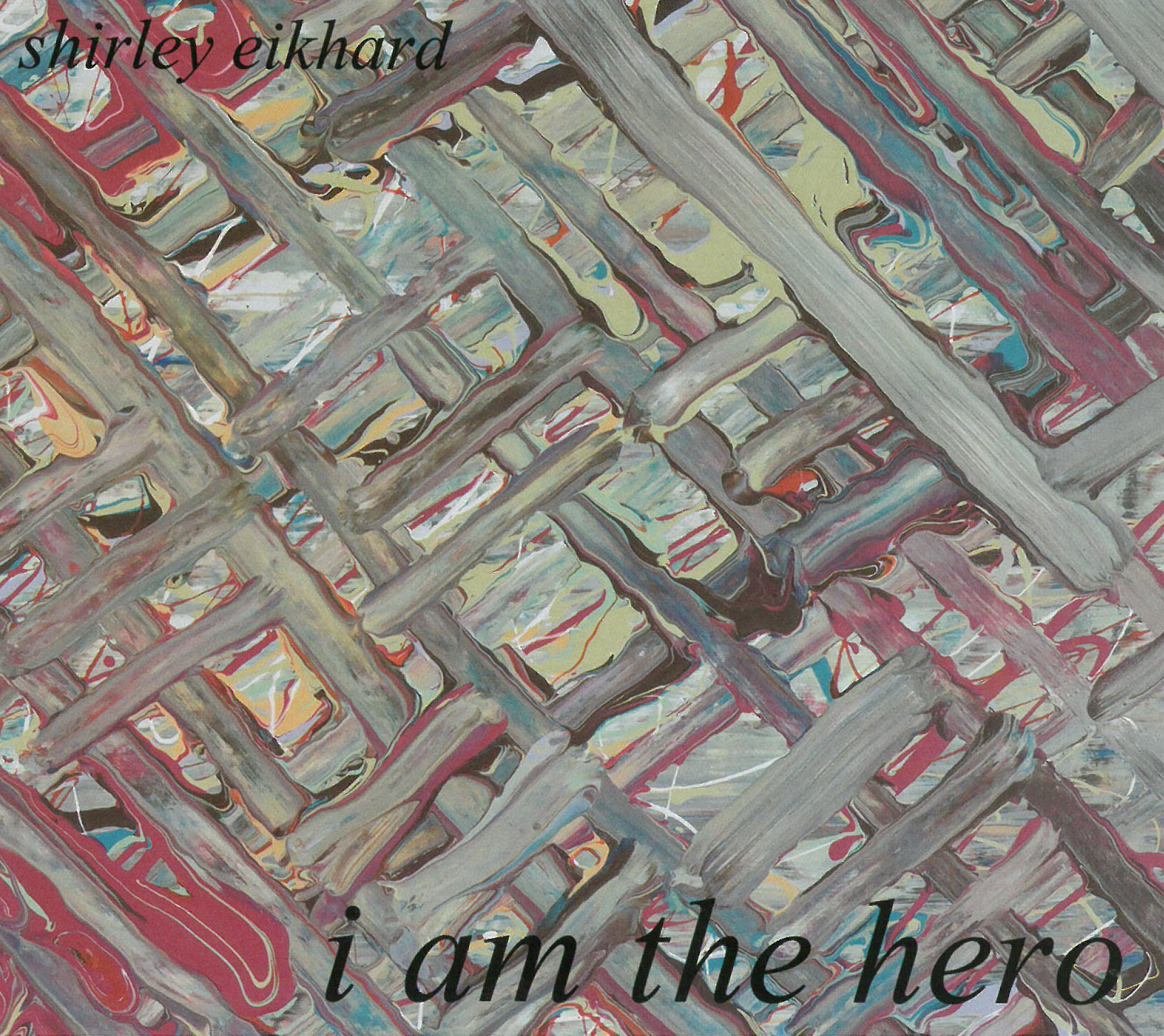
Singer/songwriter/instrumentalist Shirley Eikhard has been a popular and successful mainstay of the Canadian music circuit for decades. In this, her “20th record of new performances,” she multitasks and does practically everything, from singing the lead and backup vocals to her own songs, playing all the instruments, producing, and painting the CD cover art, with help in artwork/design from Catherine Osborne, and mixing and mastering from George Seara.

This is a very personal musical journey and gift to us, the listeners, as Eikhard touches on her country, jazz, folk and reggae influences and weaves elaborate stories in her lyrics. The tragic love story of My Diego unwinds like a bestseller murder mystery novel set to upbeat toe-tapping music. Likewise the title track, I Am the Hero is an illuminating look at self-exploration. In contrast, the instrumental Carmen’s Revenge proves Eikhard is equally stunning in both lead and improvisational instrumentals in this funky, jazz-tinged track, though a list of what instruments are being played would have been greatly appreciated. Closing track Comforts of the Country is hit material as it combines great lyrics, vocals, upbeat melodies and grooves.

Eikhard is a master of creating satisfying sing-along, ear-worm musical hooks that resonate long after the CD is back on the shelf. It may be too pop for one’s tastes with looping melodic sections and the typical three-minute, radio-friendly track length, but this is really, really fun music!

Solstice Spirit – The Musical Visions of Sister Gildaherd the Benign
Kirk Elliott
Pipistrelle Music KESS2016 (pistrellemusic.com/kirk-elliott)

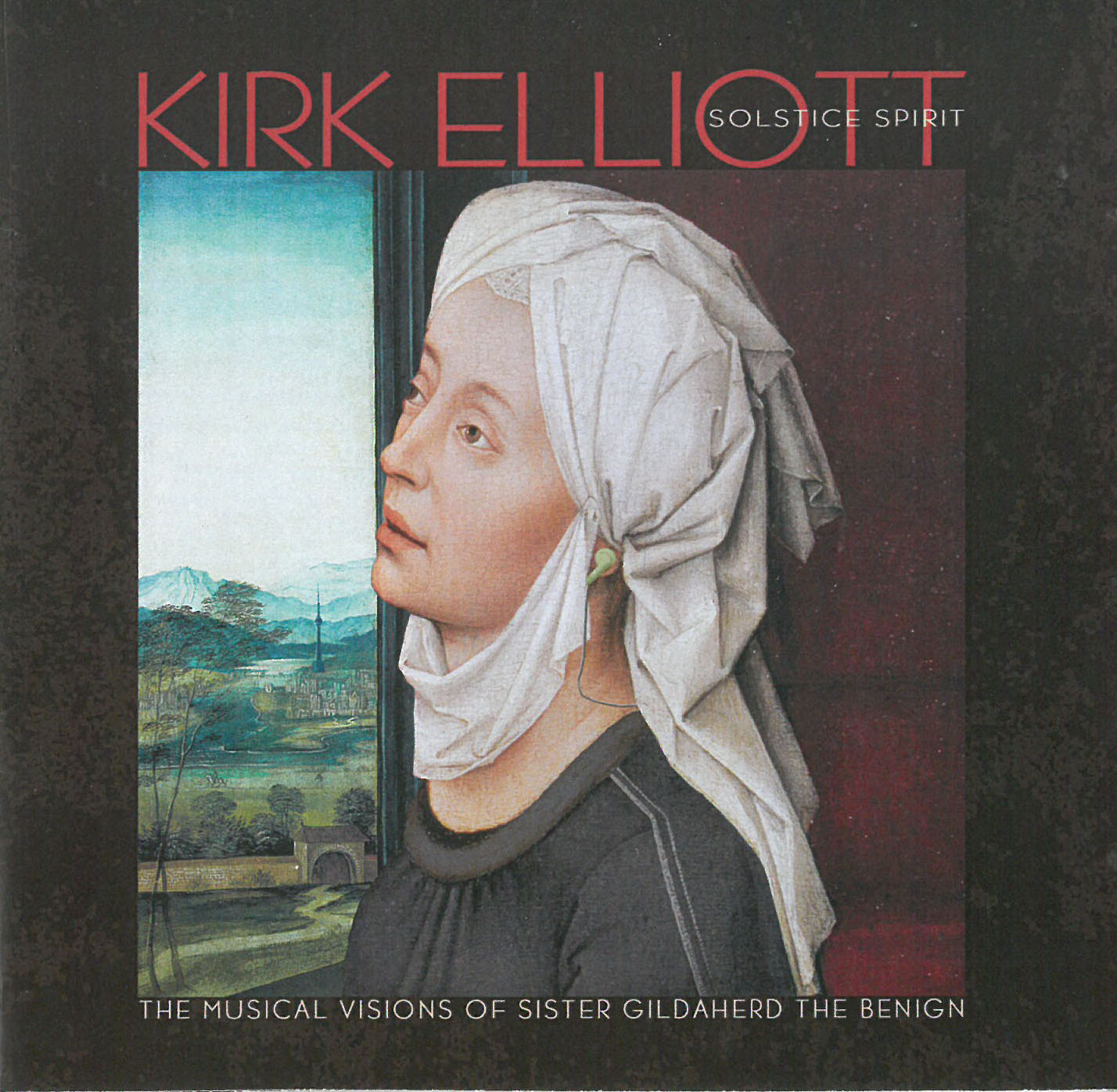
Kirk Elliott.jpgMulti-instrumentalist and merry prankster Kirk Elliott has been very busy preparing for the onset of winter, it seems. Following up on his 2015 release Widdershins – the Legend of Tristan Shoute, the master of parody and deceit has outdone himself on this latest offering, just in time for Solstice celebrations. As is his wont, Elliott plays no end – literally – of plucked, bowed, blown, squeezed and banged instruments spanning centuries and cultures (i.e. from Renaissance lute and psaltery, to balalaika, sitar and guzeng, Celtic harp to harmonica and accordion to electric guitar, to name just a few). He gets a little help from friends Rebecca Campbell (sultry voice), Don Rooke (honey-dripping Hawaiian slide guitar), Alison Melville (tuneful tenor recorders) and Ben Grossman (hardy hurdy-gurdy) on a few tracks, but this is mostly a solo project.

​Whereas in Widdershins Elliott created a heroic character who appeared in various guises and historical time periods, in this instance the conceit is the story of a young woman who rises through the ranks of a nunnery to eventually be elected Mother Superior. This is a title and position she rejects however as she abolishes the hierarchy in favour of an equitable sisterhood. So, who was Sister Gildaherd the Benign? We are told that “The youngest of twelve children, Gildaherd lost her entire family within months, due to primitive medical conditions, jousting, and head cheese. Relocated to an obsolete convent, she was tormented by insomnia – until she found a mysterious herbal cure, which somehow rendered her susceptible to auditory hallucinations.” Elliott has created an imaginative, festive collection of Gildaherd’s musical visions, from reworkings of The Huron Carol and Edi beo thu to She’s Like the Swallow and Polorum Saskatoona. The last mentioned is Elliott’s take on the medieval Marian hymn Polorum Regina, “Queen of Heaven,” in a Canadian variant substituting his hometown of Saskatoon for the namesake capital city of Saskatchewan.

​Elliott’s original alias Tristan Shoute himself also makes an appearance, at least off-stage, in the album, with a visit to the convent where he briefly tutors the sisters in the musical arts, and leaves in his wake a string of “virgin” births. The musical styles included in this Solstice offering are as eclectic as Elliott himself and I thank him for sharing his wit, wisdom and wonderful musicality with us again.

David Olds is reviews editor at The WholeNote. He can be reached at discoveries@thewholenote.com.

01 Anne Sofie von OtterSo Many Things
Anne Sofie von Otter
Naïve V5436

The eloquent and versatile Anne Sofie von Otter is much admired for her ability to cross over genres effortlessly in a manner far more hip than many of the classical persuasion. Teaming up with the equally fluid string quartet Brooklyn Rider, well-known for collaborations with artists in genres from jazz to world music, they explore on this recording an eclectic collection of repertoire from John Adams to Björk to Elvis Costello with great affinity and intelligent interpretation. As well as the performers’ favourite selections, there are pieces included that were created specifically for them: Nico Muhly’s So Many Things and For Sixty Cents, an amusing New York vignette by the quartet’s violinist Colin Jacobsen. Pulitzer Prize-winner Caroline Shaw offered her Cant voi l’aube, a modern reworking of a 12th-century trouvère song.

Songs of unconventional love affairs such as Kate Bush’s Pi and Sting’s Practical Arrangement are remedies to the common love song, providing the listener with another insightful glimpse into urban life. Ending with a nod to the fusion of opera and popular music, they perform Les feux d’artifice t’appellent, the closing aria from Rufus Wainwright’s debut opera, Prima Donna.

02 Angele DubeauSilence On Joue Take 2
Angèle Dubeau & La Pietà
Analekta AN 2 8743-4

Review

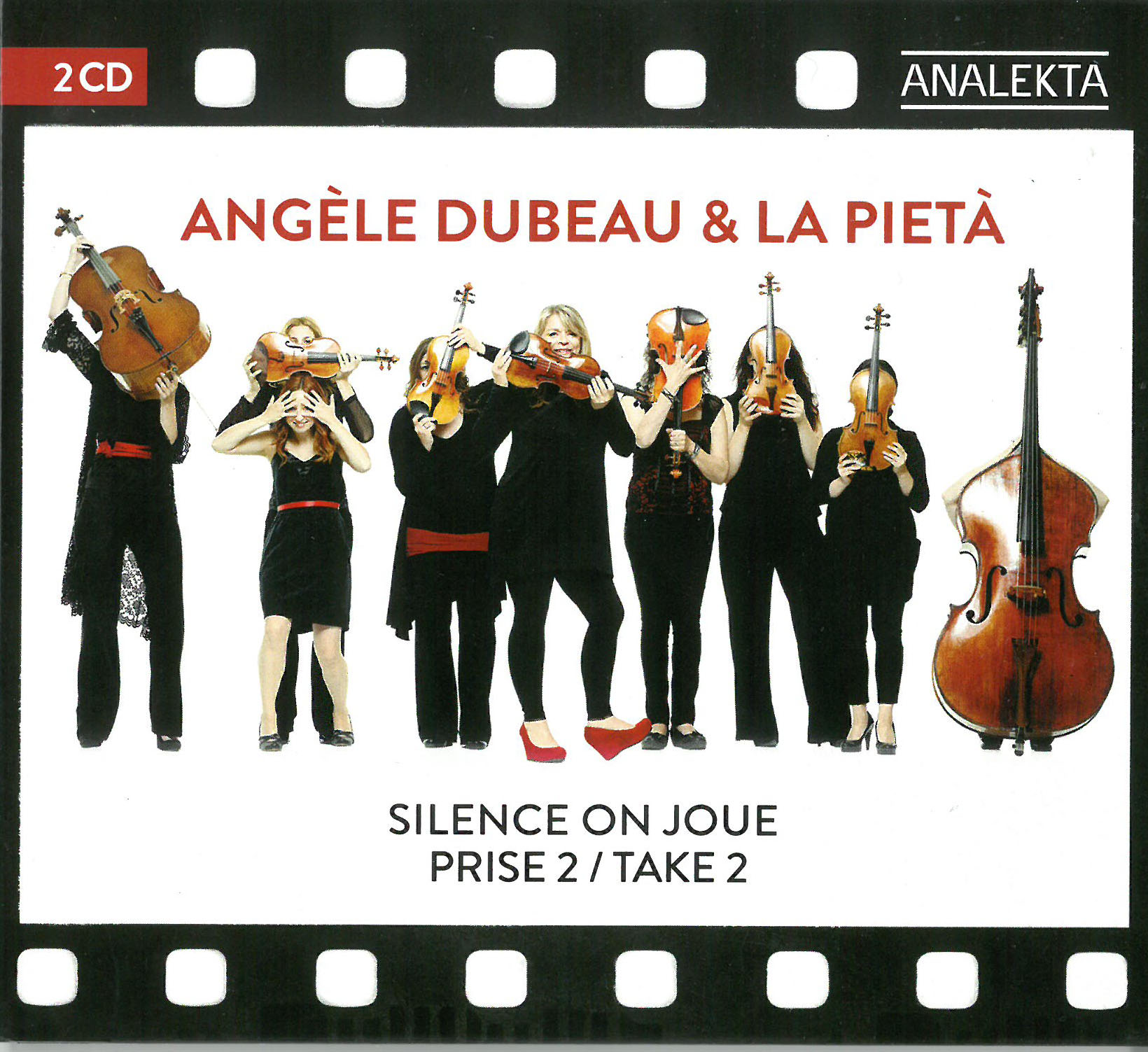
Quebec violin star Angèle Dubeau has chosen diverse movie music to perform with her ensemble La Pietà in this double-CD release which marks a number  of personal milestones and is dedicated to her audience. CD 1, named Sweet, features 15 tracks of a laid-back variety, while CD 2 named Salty, has 12 more toe-tapping tracks. The clever arrangements are true to their soundtrack roots and highlight the strengths of Dubeau and the strings, harp and piano performers.

Initially I questioned the separation of Sweet and Salty styles but then I was never bored listening. Highlights from Sweet include Unchained Melody – Orchestral from Ghost with a soaring opening violin line leading to a colourful instrumental trading off of the famous earworm melody. And what is movie music without the familiar, strings -friendly music like Suite Harry Potter and John Williams’ Across the Stars from Star Wars – Episode II: Attack of the Clones. The minimalistic harmonic and broken chord changes driving Einaudi’s Sotto falso nome succeed independently even without its closely linked visuals. From Salty, Tubular Bells from The Exorcist actually works without the original percussion, while If I Were a Rich Man from Fiddler on the Roof is a natural choice with Dubeau’s great violin playing of the famous melody against an upbeat backdrop.

The diverse, easy listening music never feels lost without the visuals, which is a great reminder of the talents of film composers, performers, arrangers and producers. Listen and celebrate Angèle Dubeau’s exceptional musicality, phrasing and technique across the styles!

03 BombadilsNew Shoes
The Bombadils
Borealis Records BCD243 (borealisrecords.com)

While the roots music duo The Bombadils live in Montreal they do get around, recording this, their third album, New Shoes, in a Bowen Island, BC, studio. Canadian Maritimer Luke Fraser and self-described “prairie girl” Sarah Frank share an abiding affection for North American and Celtic folk songs, fiddle tunes as well as European classical music. The resonance of those traditions permeates the album.

Frank’s supple soft voice is featured on most tracks accompanied by her idiomatically expressive fiddle and claw-hammer banjo. Fraser sings and plays incisive guitar and mandolin. Not that long ago both studied classical music at Montreal’s McGill University, their various affiliations coming through clearly in the clever La fille aux cheveux de lin. It borrows its melody from Claude Debussy’s piano piece of the same title, neatly adapted by Frank and set to a French poem by Parnassian poet Charles Marie René Leconte de Lisle.

They also pay respects to the late American singer-guitarist Doc Watson and Rosa Lee Watson’s classic Bluegrass song Lone [Long] Journey in a classically tinged arrangement enriched with cello, their two voices neatly paired.

Fraser and Frank’s own songs are marked by originality. Even their arrangements are not allowed to fall into banality, but are rather infused with an old-timey feel while given the tang of the new. It’s a winning combination that’s quite satisfying musically. Twelve guest musicians – including Canadian banjoist extraordinaire Jayme Stone, cellist Kaitlyn Raitz and the expressive jazzy flute of Anh Phung – lend the album additional texture and musical polish.

I find New Shoes a wistful, charming and musically sure-handed outing, and look to the further evolution of this abundantly talented duo.

04 Vandana VishwasParallels…to South Asian music from around the world
Vandana Vishwas
Independent VV003
(vandanavishwas.com)

Review

While the Indo-Canadian singer and songwriter Vandana Vishwas was trained in the rigours of North Indian classical vocal music, her own songs and singing style inhabit the lighter world of contemporary sugam sangeet. Vishwas’ website translates the term as “Easy Listening Music,” though more generally sugam sangeet refers to songs which employ readily understood lyrics and straightforward melodies.

Hindustani music practitioners distinguish their “classical music” practice from sugam sangeet partly in that the former is firmly based on a large repertoire of ragas (complex melodic modal-tonal frameworks for composition and improvisation) and talas (cyclical rhythmic-metric phrases). Sugam sangeet, on the other hand, is an approach to music performance where adherence to raga-bound rules is loosened or dispensed with entirely, and experimentation with various genre combinations is expected.

The discussion brings us neatly to Vishwas’ intriguing new album. Its full title is Parallels…to South Asian music from around the world, and that is what she sets out to explore. It helps to understand that “South Asian” in this context invokes a narrow range of Hindustani music genres from an entire subcontinent’s worth of possibilities.

Vishwas and her crack team of studio musicians deliver on the title’s promise in quite surprising ways. For example the opening track Mai Bequid is first rendered in a flamenco setting. Later it reappears in an unexpected country arrangement embellished with dobro, banjo and drum set. Fiqr E Manzil, on the other hand, sets out to map parallels between Vishwas’ ghazal singing and the rock trinity of distorted electric guitar, bass and metal-worthy drum set authoritatively played by Mark Kelso. It’s one of my favourites on the album.

If you keep a genre-open mind, you too may find your own favourite Parallels.

05 Lori CullenSexsmith Swinghammer Songs
Lori Cullen
True North Records TRD618
(loricullen.com)

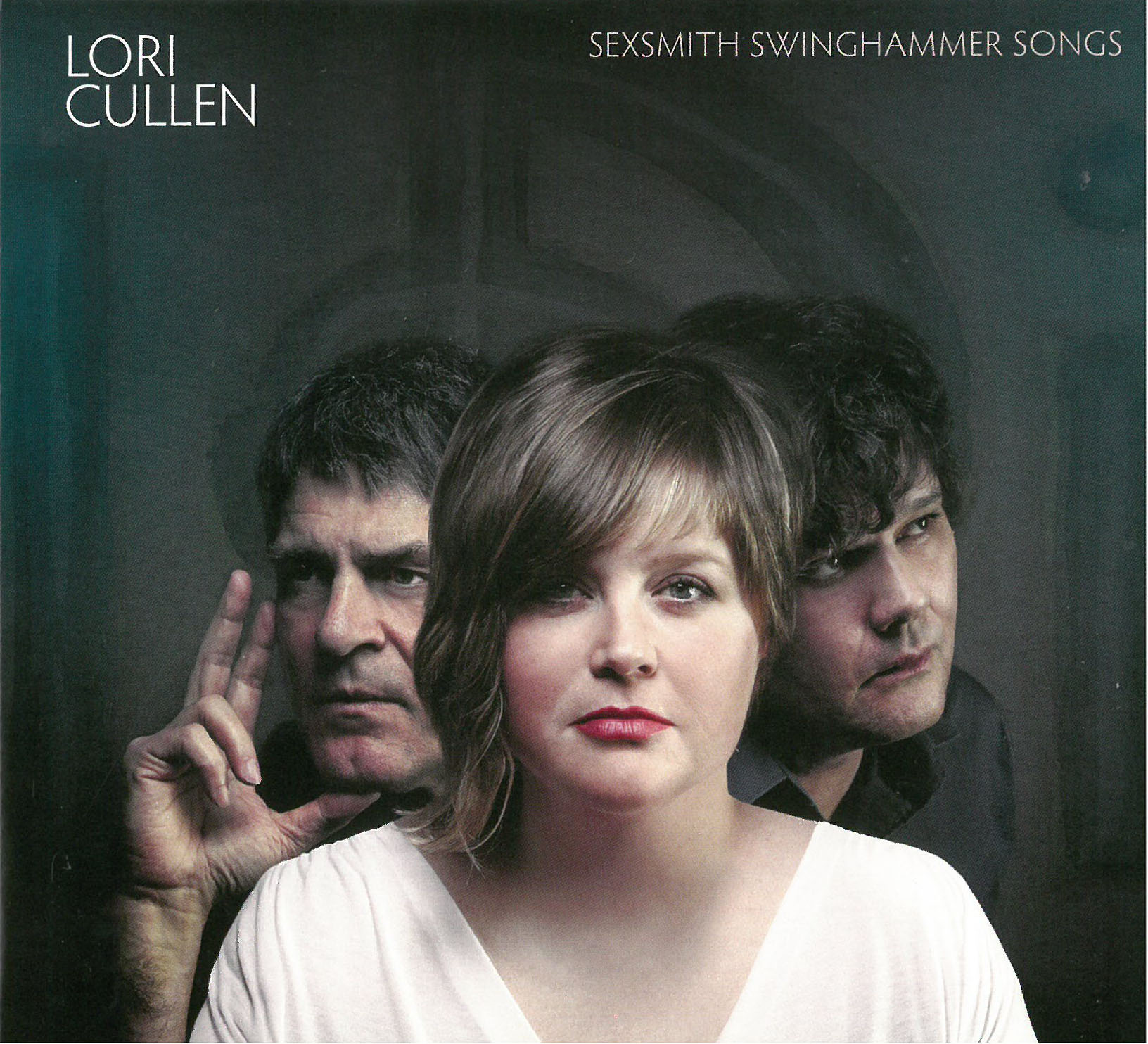
Contemporary jazz/pop vocalist Lori Cullen’s latest release is an appealing and innovative project that is the result of an inspired collaboration between Cullen herself and two noted musicians – composer/guitarist Kurt Swinghammer and composer/lyricist Ron Sexsmith. It was Sexsmith who first suggested to Swinghammer that they write an album together specifically tailored for Cullen. The 12 tracks on the CD all feature lyrics by Sexsmith and are rife with Swinghammer’s carefully placed stylistic elements of the artists who defined the fertile pop eras of the 1960s and 1970s, including tips of the hat to Burt Bacharach, Jimmy Webb and Antonio Carlos Jobim.

Produced by bassist Maury Lafoy (who appears on the project), the musicians also include drummer Mark Mariash, keyboardist Robbie Grunwald and Swinghammer on guitar. Although Fender Rhodes and guitar are central to the instrumentation, the compelling, acoustic arrangements by Swinghammer also involve an array of diverse instrumental contributions, including finely crafted enhancements on trumpet, trombone, oboe, clarinet, vibraphone, marimba, English horn, recorder and more.

Cullen’s angelic voice wraps itself around each sumptuous melodic line and every composition has been constructed to highlight her superb, crystalline vocal instrument and intuitive knack for delivering frank emotional content and a quirky lyric. Memorable tracks include the gently swinging and faintly ironic The Face of Emily, which features a lush vocal arrangement, and the groovy, lighter-than-air bossa nova, New Love. A true gem is the heartrending duet between Cullen and Sexsmith, Off Somewhere.

This thoroughly pleasing and unabashedly romantic recording is a triumph for all three of these gifted artists and a stunning example of creative, musical symbiosis.

Back to top