14 Eucalyptus MovesMoves
Eucalyptus
Independent (eucalyptusjazz.bandcamp.com)

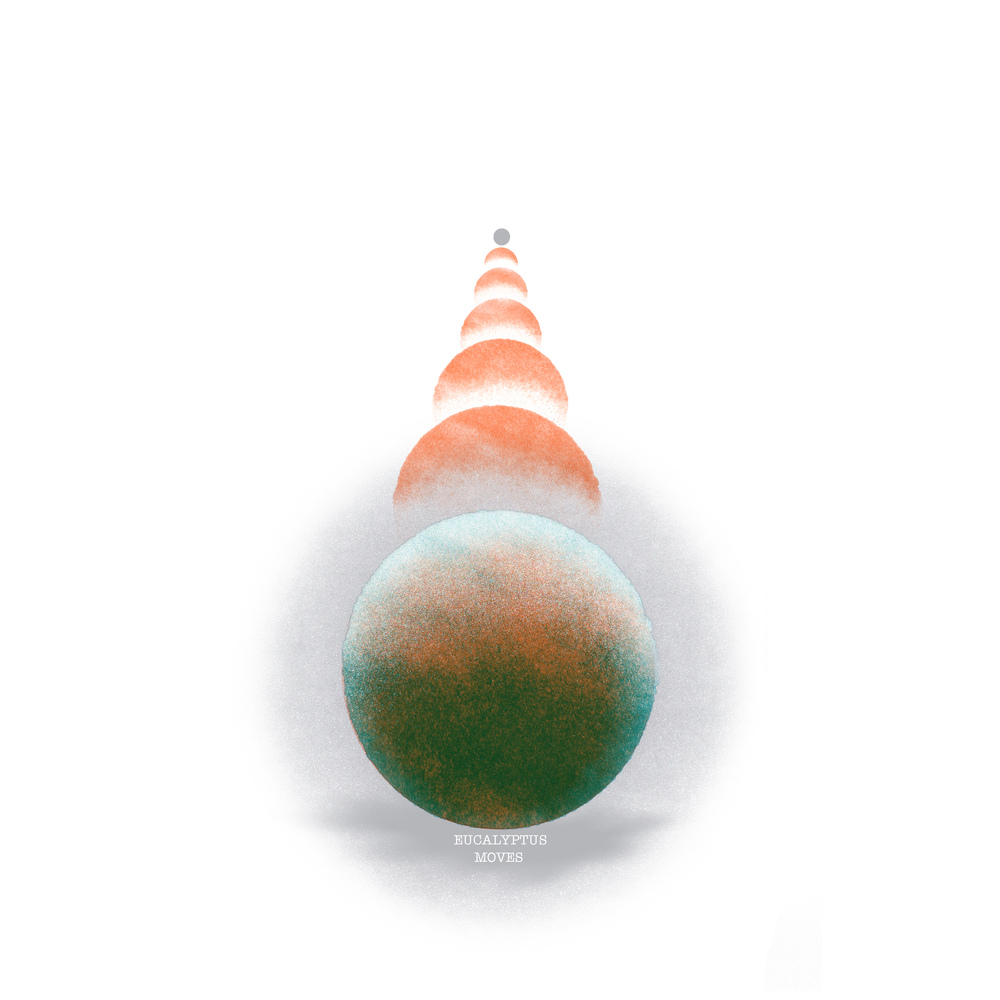
There’s a long history of jazz embracing popular culture, another of it pursuing experimentation. Sometimes the impulses converge, creating some very interesting moments. Toronto alto saxophonist/ composer Brodie West embraces both traditions with Eucalyptus, an octet with three percussionists that’s devoted to complex moods, 1950s Martin Denny exoticism and occasional free jazz expressionism, suggesting both Don Cherry’s forays into World Music and, more specifically, Sun Ra’s creation of dream states suggesting mid-century lounges suspended in space. 

The miracle of Moves, available as LP or download, is that Eucalyptus compresses such dreams into pieces less than six minutes in length. The opening Infinity Bananas has a drum pattern that is at once repeated and internally erratic, holding the angular shards emitted by West and trumpeter Nicole Rampersaud tightly in place. It’s in a Move resembles a film noir nightclub scene, West and Rampersaud weaving wobbly melodic leads through an underbrush of Kurt Newman’s trebly guitar, Ryan Driver’s clavinet and a languid Latin conga drum. Dust in the Wind is very lush, its repeating melodic pattern lapping over itself like waves on a beach. Rose Manor, more languid still and with a burnished brass trumpet solo, ends with a mysterious upward glissando, like an ascending sci-fi spacecraft. The concluding Lookie suggests a band lost in time and space at the end of New Year’s festivities, poised between the lachrymose and the parodic.  

At times an ironic flirtation with background music, Moves is always more than entertaining, never less than art.

15 Punkt.Vrt.Plastik 2Zurich Concert
Punkt.Vtr.Plastik
Intakt CD 380 (intaktrec.ch/380.htm)

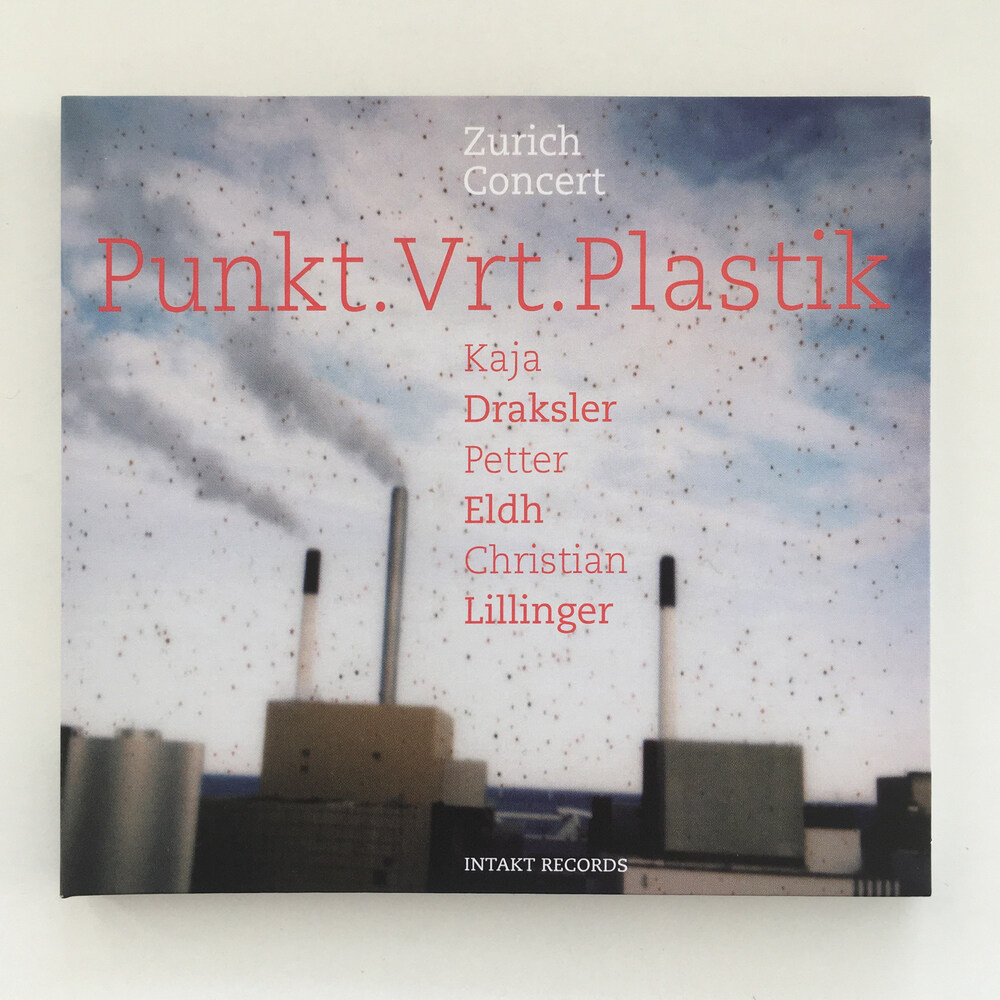
Punkt.Vrt.Plastik consists of three of Europe’s most active and creative free jazz musicians in their mid-to-late 30s; Slovenian pianist Kaja Draksler, Swedish bassist Petter Eldh and German drummer Christian Lillinger. Eldh and Lillinger are active in numerous bands together (Amok Amor, Koma Saxo), each one an intense, complex, highly interactive, high-speed musical affair. Punkt.Vrt.Plastik is the traditional piano trio format placed under that same pressure, and Draksler is an ideal partner, similarly precise, technically brilliant, highly inventive and capable of being witty at the same time. Zurich Concert takes compositions from the group’s two previous studio CDs to the stage, opening them up to further elaboration while maintaining a certain taut discipline.

The set opens and closes with compositions by Lillinger, several of them brief, mechanistic complexes that can suggest drum solos transcribed for trio or fragmented Thelonious Monk compositions, repeated patterns developing more and more internal detail. Traditional melodic figures are common here, from each musician. Body Decline – Natt Raum combines two of Eldh’s compositions, moving from a rubato, trance-like longing to an insistently repeated traditional dance figure that eventually disintegrates. Similarly, Draksler’s Vrvica II develops tremendous tension through repetition, eventually giving rise to explosive free play.

Those repeating patterns arise in each of the members’ compositions, a shared insistence that can assume both manic and comic dimensions, an ongoing examination of the military band, the folk dance, the classical etude. It assures Punkt.Vrt.Plastik’s music a human dimension, making the results more stimulating than exhausting.

16 Dave DouglasDave Douglas – Secular Psalms
Dave Douglas; Berlinde Deman; Marta Warelis; Frederik Leroux; Tomeka Reid; Lander Gyselinck
Greenleaf Music (greenleafmusic.com)

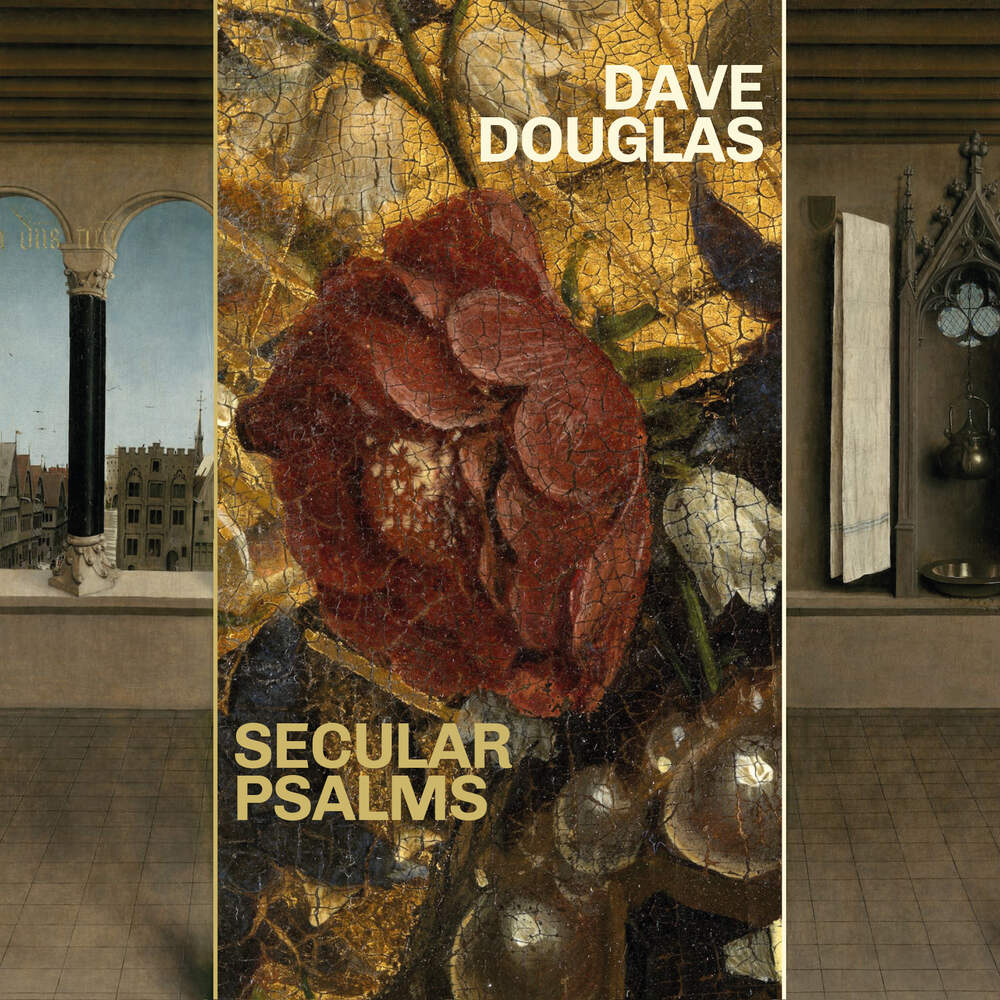
Trumpeter/composer Dave Douglas’ Secular Psalms is a suite commissioned to commemorate the 600th anniversary of Jan and Hubert van Eyck’s Ghent altarpiece, Adoration of the Mystic Lamb, completed around 1432. Begun in 2018, Douglas’ creation was soon affected by the COVID-19 lockdown, necessitating online recordings including some collective improvising with Douglas, cellist Tomeka Reid and six young European musicians. It’s a multi-faceted work, with composed, improvised and quoted materials, even considering the court of Philip the Good of Burgundy in which the van Eycks worked; other artists present included the composer Guillaume Dufay and the poet Christine de Pisan, and Douglas has gone so far as to echo their works in the suite. Those 15th-century artists aren’t the limits of Douglas’ reach. In one brief lyric, he patches together Marvin Gaye’s phrase “Mercy, Mercy, Me” (twice), “Kyrie Eleison” and Psalm 59’s “but I will sing” with nine words of his own.

Leaving aside questions of taste and appropriateness, it’s an ambitious, insistently egalitarian work, with Douglas creating some expressive textures that mix chamber music sonorities with other instrumental voices. The merger includes the Agnus Dei with Douglas’ central, dark-toned trumpet variously counterposed to ruggedly rhythmic cello, percussively dissonant piano and jarring, fuzz-toned electric guitar. The collective improvisation of Instrumental Angels is accomplished, and there are moments of real synergy created under difficult conditions.   

After repeated listening, the work’s structure and contours may still feel unfocused, but one can salute an artist working under challenging circumstances to connect such diverse impulses. It may be the muffled, mutating cries and penetrating lyricism of Douglas’ trumpet that reverberate longest.

17 Joane HetuTags
Joane Hétu
Ambiances Magnétiques AM 268 CD (actuellecd.com)

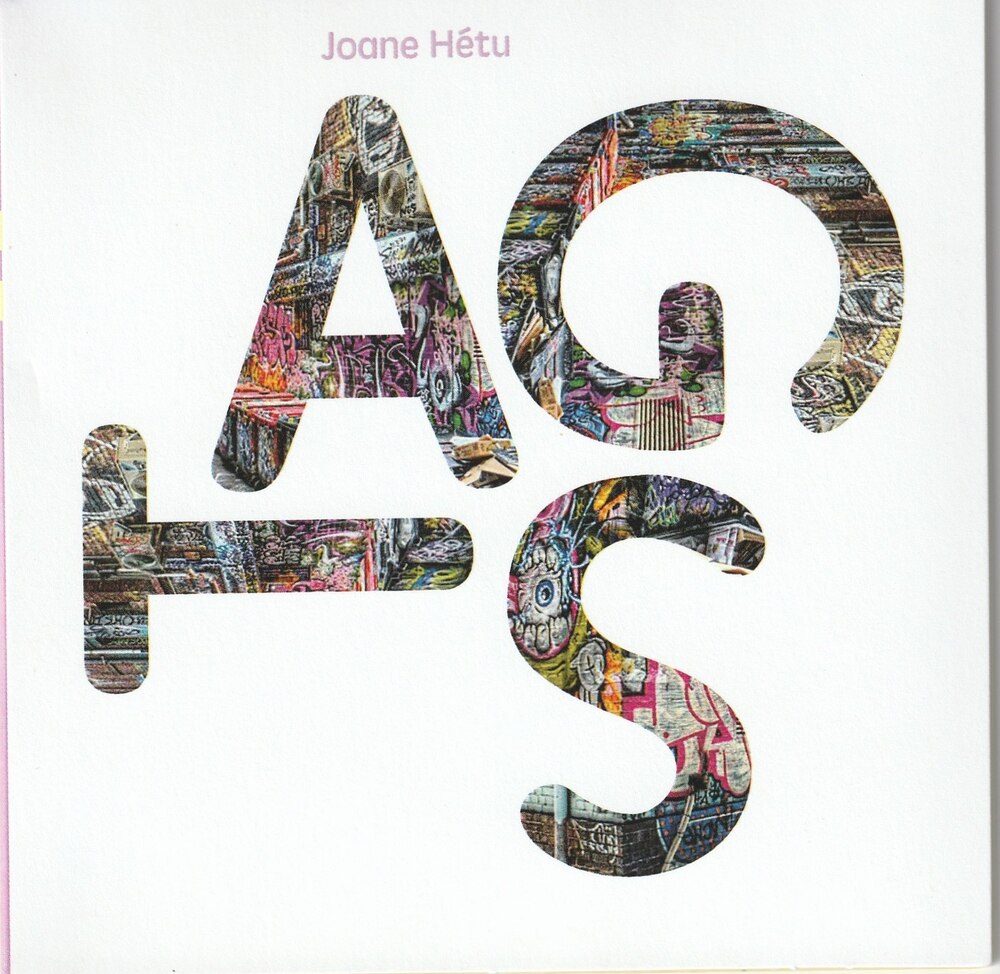
Tags enters with the tranquil, yet perhaps slightly uneasy droning double stops of bassist Nicolas Caloia and the half-whisper, half-growl of Lori Freedman’s sound poetics. The intro is immediately suggestive of a gradual build, while also operating as a self-contained space between intentions, or even different media for sound-creation. This entire project of Joane Hétu’s “orphaned” compositions (as she puts it in the liner notes), often feels like it operates in various gray zones, or lost in the middle of listener preconceptions and musical conventions. For example, Freedman and Hétu at numerous points are either simultaneously vocalizing while playing, or at least constantly threatening to cross over into the other means of communication at will. 

Members of Hétu’s string section commonly opt for a percussive approach to playing arco, which creates a consistent textural effect that beautifully complements the fragmented phrasing of the soloists. These explorations of instrumental function give the music a more nuanced relationship between melodicism, texture and speech than would be otherwise present, creating greater optionality to the realization of Hétu’s compositions. The most impressive aspect of Tags is perhaps how the four tracks feel cut from the same tapestry, despite not having the same personnel, and all of said compositions being unreleased strays. This unexpected uniformity is aided by the prevalent relationship between instrumentation and silence. More specifically, as more instrumentation is added, silent passages are increasingly used as a key aspect of form.

18 Yves LeveilleL’Échelle du Temps
Yves Léveillé
Effendi Records FND165 (propagandedistribution.com/products/yves-leveille-lechelle-du-temps-cd)

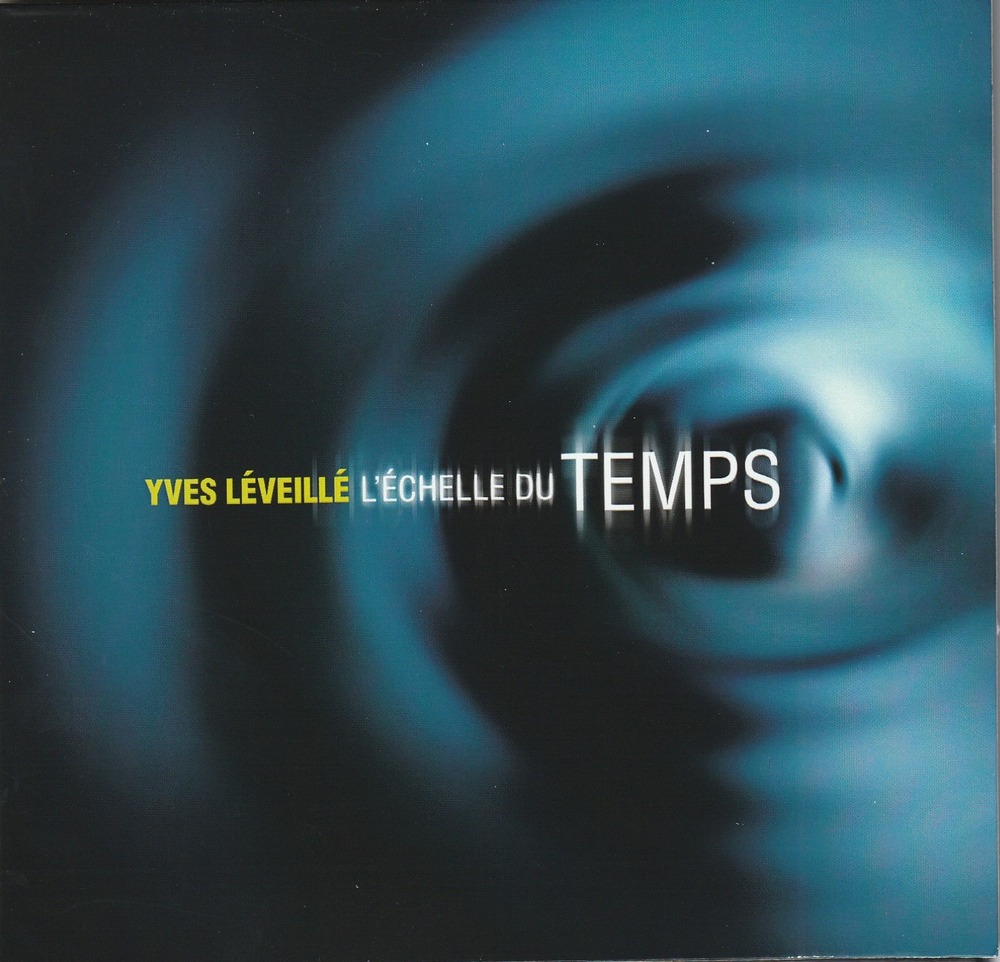
Yves Léveillé’s L’Échelle du temps is an exploration of form and interactivity; one that makes patient use of its parts while laying down a profound mosaic of musical lineage. As a writer of chamber music, the emphasis Léveillé gives to the lower voices is particularly notable, allowing for a unifying sense of melodicism throughout the ensemble. 

After the piano ostinato is established in the title track, the first statement of the main theme is given to Étienne Lafrance’s upright bass, which creates a mesmerizing effect aided by the fullness of tone. The piece itself takes Léveillé’s simple rhythmic figure and stretches it across eight engaging minutes, with each instrument responding while the others operate in the margins. Repetition is a tool Léveillé uses to great effect compositionally, getting mileage out of a handful of set ideas largely by never allowing the music to stagnate dynamically. Each restatement functions as a recontextualization, perhaps with slightly different notes to complement a new arrangement of moving parts. The passages have incredible cohesion, and no element of the overall product is given precedence over the others. This is in part due to Léveillé’s arranging choices; as well, the mixing has quite the feeling of intimacy to it, with every aspect constantly at the forefront. 

While much of L’Échelle du temps sounds hypnotically consonant and interlinked, dissonance is equally embraced. This symmetry finds a perfect equilibrium constantly, but especially on Encodage 2.0.

19 Dual Unity jpegDual Unity
Jay Yoo; Mark Kazakevich
Independent (distrokid.com/hyperfollow/markkazakevichjayyoo/dual-unity)

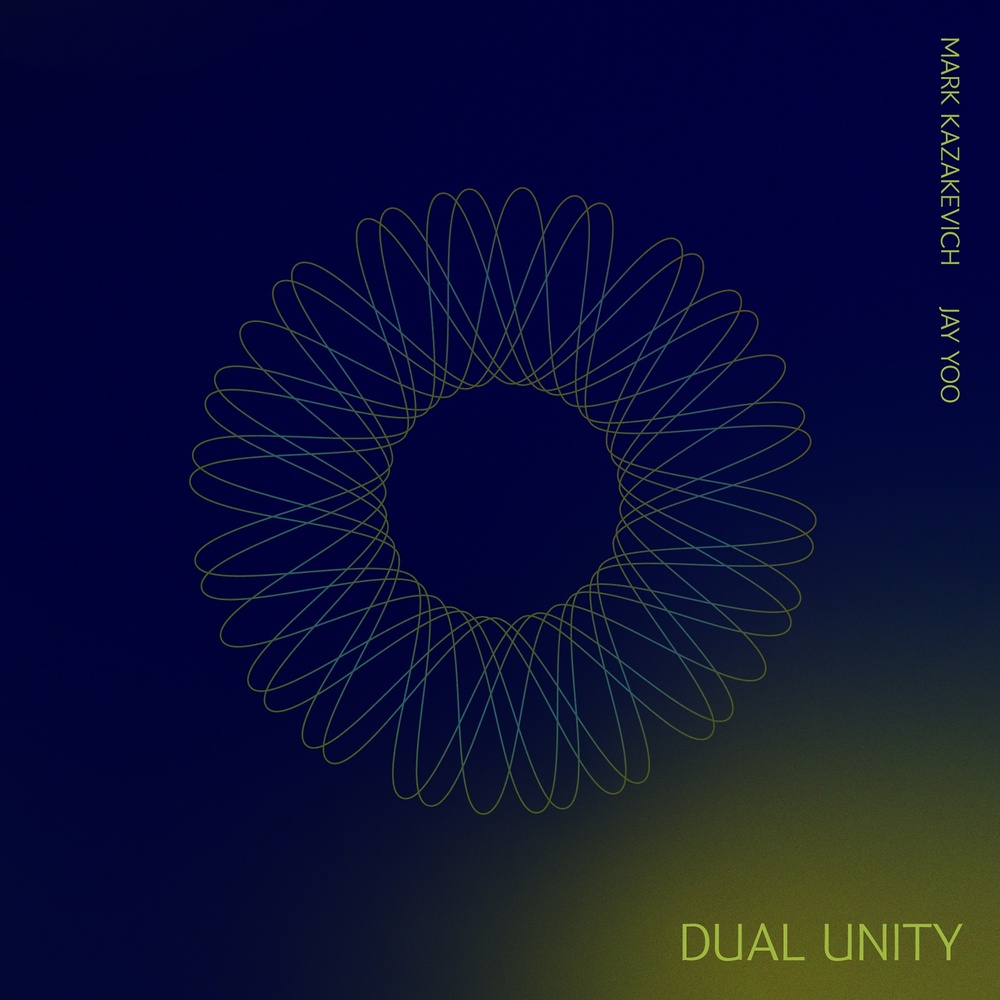
Sometimes, two musicians sharing a space can be more than enough to convey volumes of information. This is certainly the case with the partnership between Toronto-based guitarist Jay Yoo and pianist Mark Kasakevich, for whom the label “natural pairing” would be a tragic undersell. Six out of nine of these tunes are composed by the pair, and they all put the “tune” in tuneful, as well as the “sing” in singable. 

The set was largely inspired by contemporary/Brazilian jazz forms, and it is a testament to Dual Unity’s writing talents that the works of the likes of Jobim and Tania Maria feel perfectly in place. As for the renditions of Insensatez and Quero Não, they are so deeply interpretive that the context of the actual composers feels nearly superfluous. Dual Unity leaves their own imprint on every song they tackle, and this sonic palette owes itself entirely to Yoo and Kasakevich. There are so many moments of sudden unison, where a melodic or harmonic line is relayed by the strength and precision of their tandem. However, perhaps even more compelling are those of the divergent. Having an arrangement of two comping instruments allows for expressive elasticity during the solo sections, freely flowing between monologue and dialogue. Yoo’s interjections, in particular, blend seamlessly into walking basslines that both punctuate and provide support. It would be a disservice to not highlight More to It, a Sistine Chapel of melody and interactivity.

Despite its infrequent celebration in a few pop songs and prominence as a funk band groove maker, the double bass in both acoustic and electric configurations doesn’t get much respect. Usually relegated to brief solos, its movement to the forefront has only been accepted and confirmed with the loosening of rules in creative music. Also, because free music has no instrumental hierarchy, the shibboleth as to which instruments constitute a duo is jettisoned, as the following bass-affiliated sessions demonstrate.
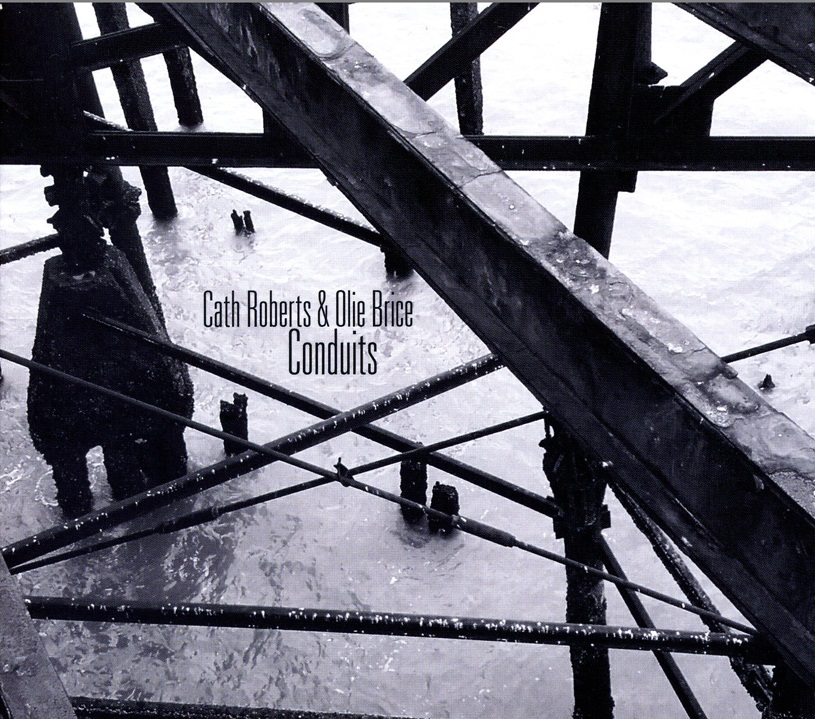
01 ConduitsWorking up from the expected lower parts of the scale on Conduits (Relative Pitch Records RPR 1135 relativepitchrecords.com) are baritone saxophonist Cath Roberts and double bassist Olie Brice from the United Kingdom. Although capable of projecting the subterranean textures associated with their instruments as they do at times during the three extended tracks here, wide-ranging timbral preference is also on tap. Screechy timbres, spetrofluctuation, tongue slapping, reed bites and thick vibrations from the saxophonist are complemented, confronted or stabilized by the bassist playing arco or pizzicato. Peering is the most realized instance of this. Opening with Roberts propelling harsh shakes down the scale to wallowing lows, Brice’s arco concordance switches to harsh col legno slaps as a sweeping response to her sudden leaps to altissimo peeping. Additional reed snarls and snorts are shaped with spiccato string pressure, culminating in responsive duo sequences as the finale. Brice’s echoing string plucks, alternating with arco asides, are more prominent elsewhere. Yet whether the sequences evolve lento or presto, high-pitched or low, with multiphonics or in carefully thought-out single notes, warm bass strums confirm the partnership and each tune’s linear movement. Although it isn’t apparent, because of COVID restrictions, the disc was created during one session in real time over the Internet. Despite being confined in different places, each player responds adroitly to the other’s improvisations. 
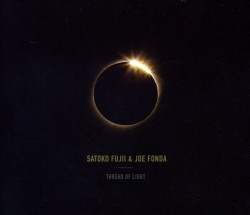
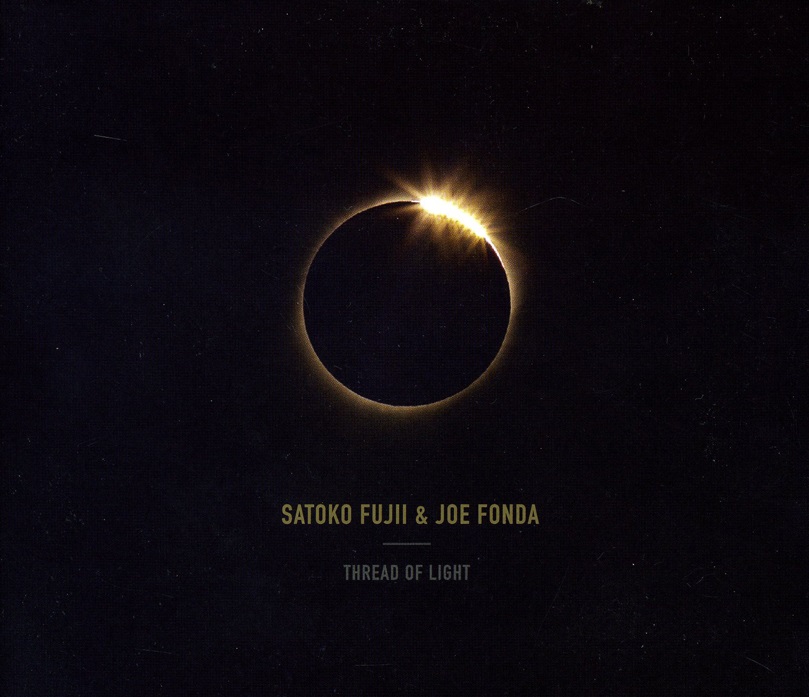
02 Satoko FujiiA variation of that inventive COVID-created situation with a more common bass duo configuration is Thread of Light (Fundacja Sluchaj FSR 02/2022 fsrecords.net). Pianist Satoko Fujii recorded melodies and improvisations at home in Kobe then forwarded ten sound files to bassist Joe Fonda in New York. After studying them during several weeks of careful listening, Fonda ingeniously improvised the bass parts. Rather than decoration however, they come across as unified and purposeful, like a carefully conceived addition to an already existing edifice. If you didn’t know the scenario, there are tracks which suggest Fujii is following Fonda’s lead. This occurs on tunes such as My Song and the concluding Between Blue Sky and Cold Water. The former is introduced by bass reverberations that echo down the scale and end with distinct string thumps as distant tones are shaken from the piano’s sound board. Fujii’s piano-key stopping and string rattles evolve beneath the bassist’s elaboration of a straight-ahead melody on the final track, culminating in a Romantic-styled duet with guitar-like strokes from Fonda and keyboard dusting from Fujii. When she moves to the bass clef the connection is cemented. Playing flute on Wind Sound, Fonda again states the theme, while his double-tongued arabesques lean into the pianist’s high-pitched soundboard vibrations. Finale is a dual atmospheric drone. All through the disc the two project faultless dialogues, with lightning quick interaction as if they were playing side by side. Fujii’s hesitant comping or swirling glissandi bring forth the appropriate plucks and strokes from Fonda’s string set, whether culminating in processional near-stasis or sparkling motif jumps. So close is their processed interaction that it’s never clear whether the string echoes which begin the lengthy Reflection are from bass or piano. Fonda’s dark-power plucks and Fujii’s keyboard clicks make identities clearer during subsequent horizontal variations on the theme until woody piano pressure and arco bass buzzes bring the two together again.
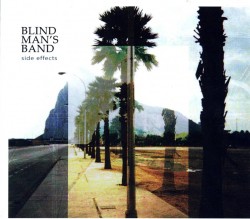
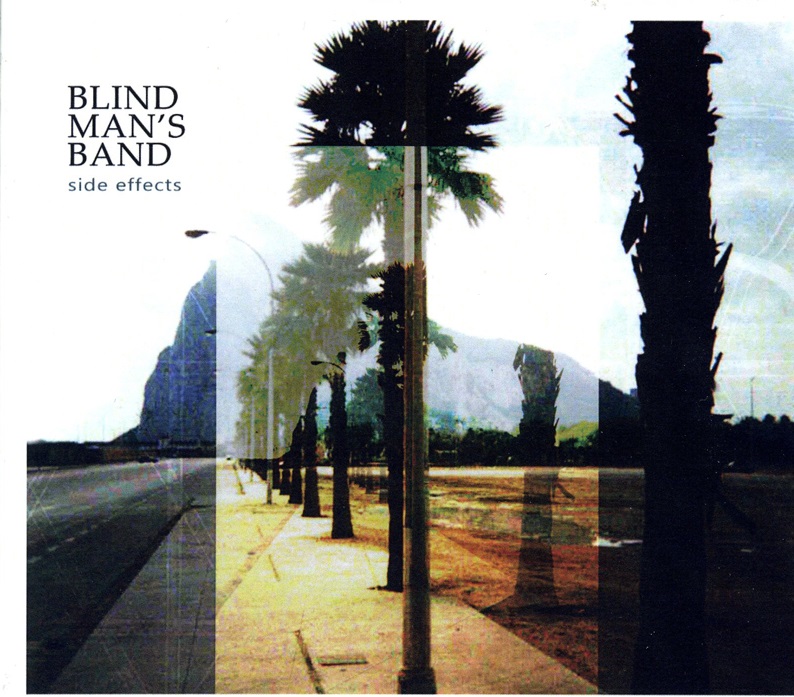
03 Blind Mans BandAlthough also created during a COVID lockdown, Side Effects (Nische NIS 221 blindmansband.bandcamp.com/album/side-effects) was recorded in a Copenhagen studio by Blind Man’s Band’s members electric bassist Claus Poulsen and pianist Christian Rønn both on site. Committed to sound turbulence as well as spatial improvisations, many of the 11 brief tracks resemble a traffic jam during rush hour, with droning engine-like conveyance from Poulsen while Rønn crams multiple notes into the exposition as he jockeys from one position to another. When the bassist adds Dictaphone crackles and string thumps to What curve?, his vibrations fill the between-the-keys spaces left by the pianist. Not that there are many, since Rønn sounds clank from the keyboard at the same time as he presses the pedals to expose the instrument’s lowest tonal range. Other tracks such as Chocolate machinegun evolve with measured bass rumbles joining widening dynamic patterning from the pianist, while those like Pink fairies use rapid fingering from both players to suggest the bouncy airiness of those mythical creatures. Still, dynamic concordance is the preferred musical output. This ability to project unexpected improvisation tropes, while not letting pressurized counterpoint degenerate into density for its own sake, is demonstrated on the connected Follow and Free fall. Evolving at first lento and warm with the pianist’s open chording emphasizing high- and low-pitched fills, Poulsen’s chunky string slaps on the second selection move from tandem comping to create a secondary theme that develops in double counterpoint complementing the first one.
04 EscapeMoving slightly eastward to Stockholm, The Great Escape Plan (Tilting Converter tiltingconverter.bandcamp.com) offers two matched improvisations by bassist Joe Williamson, a Vancouverite relocated to Sweden, and local drummer Dennis Egberth. Together and singly, both are members of various groups. Bass and drums make up a standard rhythm section for most bands, but on their own Williamson and Egberth transform the configuration so that the emphasis is on narratives and reaction to reductionist sounds, not cadences. As bass string thrusts and swells and percussion clanks and strokes personify the program, both players convey dissonant and melodic concepts, rather than concentrated pulses. Often there’s role reversal as when the bassist’s col legno string crashes are more percussive than the drummer’s slim paradiddles. Throughout both tracks a thin squeezed tone is frequently upfront. But whether it results from Egberth’s rapid scratch across a cymbal or Williamson using his bow to lacerate the strings at the bass’ highest point is never made clear. On the concluding Plan B – the first track is also prosaically titled Plan A – as interaction becomes more intense as the tempo shifts from andante to presto, the bass part becomes a multi-string drone and drum-top claps turn to an unvarying shuffle. Attaining a variant of the phrasing that began the disc, the two typify bass-drum timbral extensions and rhythmic consistency at the same time. 
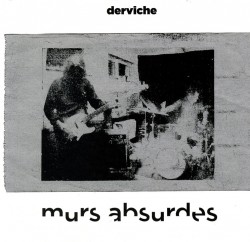
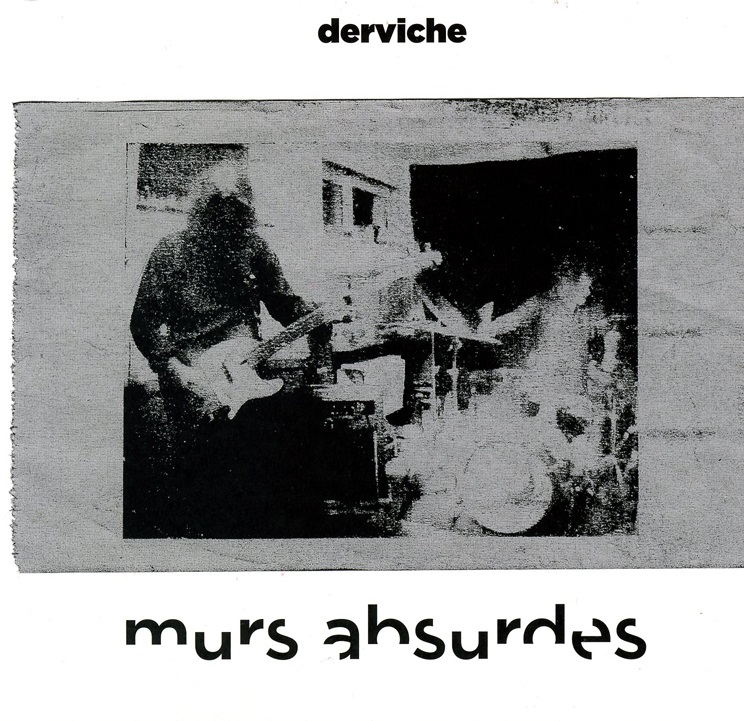
05 DervicheA modification of this configuration is expressed on Murs Absurdes (Ayler AylCD-172  ayler.com), by the French duo Derviche. But with Eric Brochard pushing his electric bass parts more aggressively than other users of the same instrument like Blind Man’s Band’s Poulsen, and Fabrice Favriou pummeling his drum kit, echoes of Black Metal infuse the sound layers which make up the six-track suite. Creating the sonic equivalent of brutalist architecture, the two drag out each sequence. The combination of the bassist’s thickened-down strokes and the drummer’s repetitive patterns constructs narratives, so thick and concentrated that they’re almost opaque. Still, as the sounds segue from largo to andante and finally  to prestissimo tempos, the bass string masonry that makes up this wall of sound can be sensed as pedal movement slightly alters Brochard’s output. By the penultimate Sequence IX, despite perceived heaviness, the two break up the exposition with more graduated sounds that mix improvisational motifs within the theme based around Favriou’s foot-pounding ruffs and rebounds. Interrupting the concluding Sequence X with a space-making buzz, Derviche returns to hearty percussion smacks and rugged string drones at the finale, while referencing improvisational movements.

Despite these sessions’ common denominator of including the double bass in its acoustic or electric form, varied textures and techniques expressed by these inventive players mean that no one duo sounds remotely like another.


01 Late NightLate Night
Sean Fife Quartet
Cellar Music CM082021 (cellarlive.com)

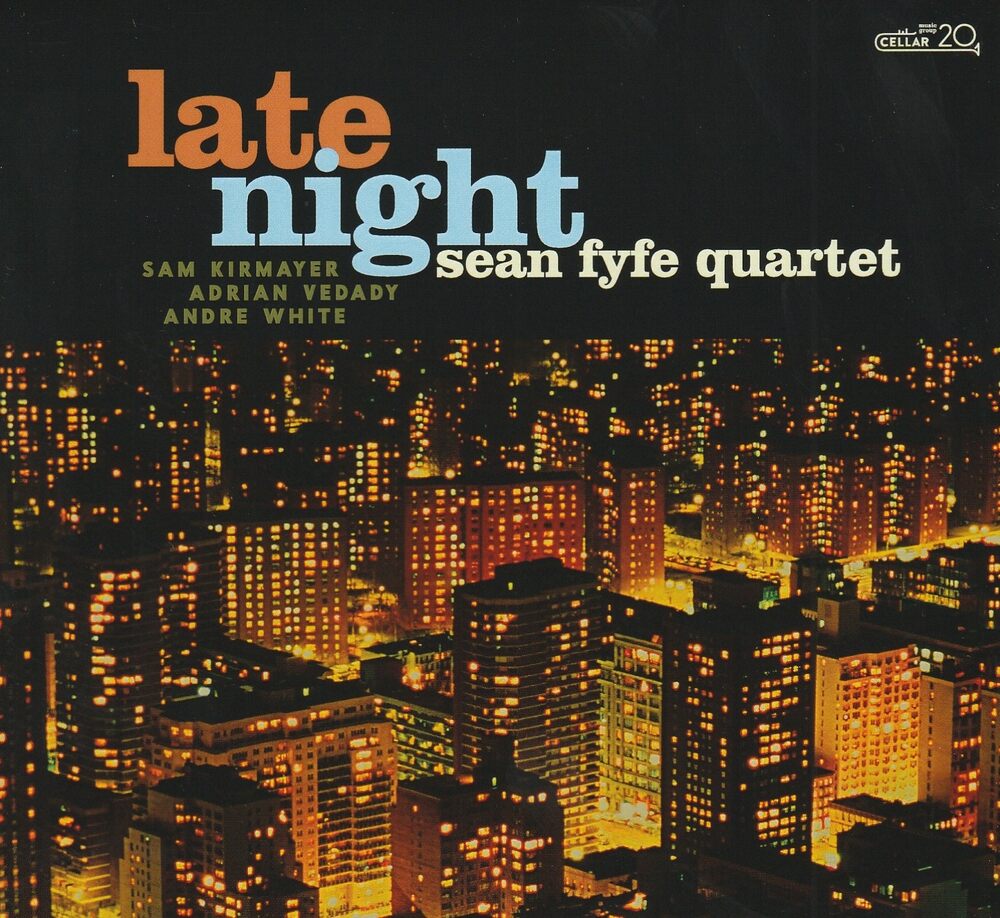
New York-based Canadian pianist Sean Fyfe has had a passion for the piano since he was just five years old and his prolific talent is highlighted very well on his newest release. The album is chock full of originals written by Fyfe himself and features talented musicians Sam Kirmayer on guitar, Adrian Vedady on bass and Andre White on drums, breathing life into each of the pieces and shining a spotlight on Fyfe’s compositional prowess. A mellow yet energetic record that complements a relaxing night in, this would be a fantastic addition to any jazz lover’s collection. 

Title track Late Night paints a picture in the listener’s mind of a smoky and dimly lit jazz club through an intriguing piano and guitar melody underpinned by a toe-tapping drum shuffle and rhythmic groove. Little Pants brings a bluesy flavour to the mix, featuring a stepping bass line that keeps the momentum going as well as soulful solos and riffs that truly showcase the immense musical talent of each musician in the quartet. Throughout the record, a hark back to an era of jazz classics is apparent, with Fyfe’s style reflecting greats such as Bill Evans, Wynton Kelly and McCoy Tyner. Validation finishes off the album with a finger-snapping, rhythmically driven piece that perhaps serves as a tantalizing preview of what more is to come from Fyfe in the future.

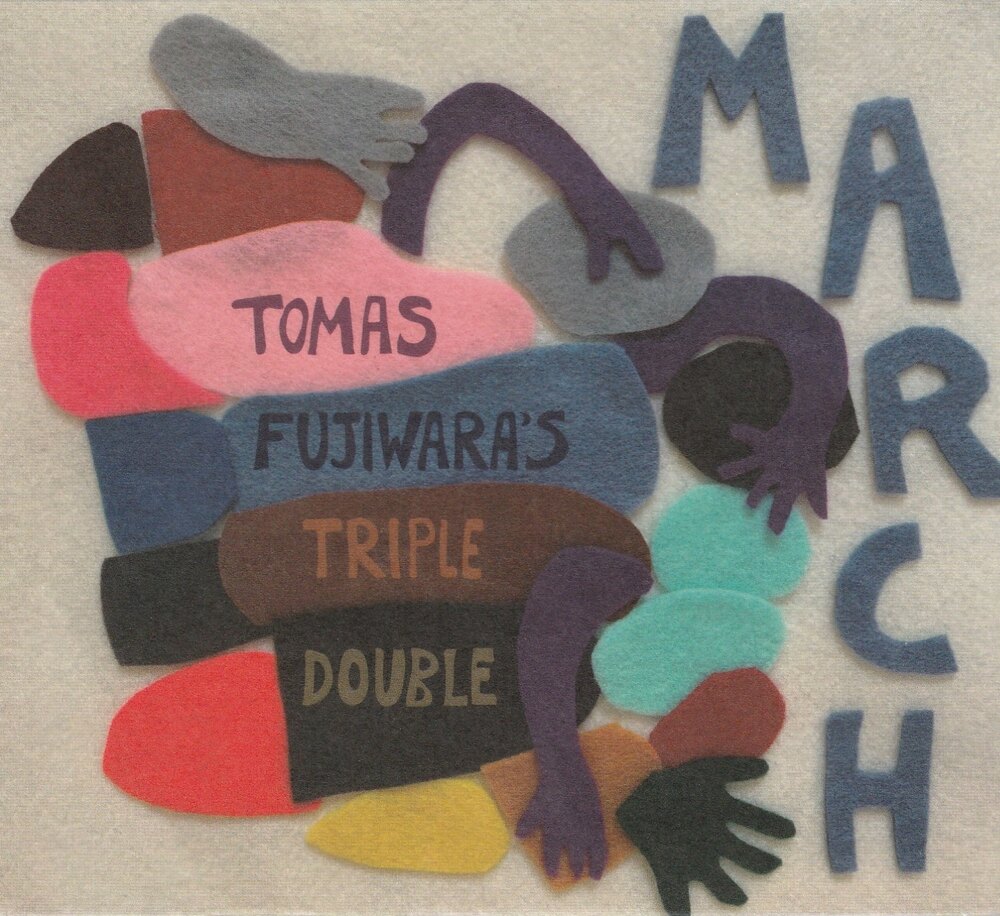
02 Tomas FujiwaraMarch
Tomas Fujiwara’s Triple Double
Firehouse 12 Records FH12-04-01-035 (tomasfujiwara.com)

Brooklyn-based drummer Tomas Fujiwara is known for his progressive compositions, unique rhythmic grooves and “nuanced drumming.” This release does a formidable job at showcasing his modernistic compositional style through both the distinctive instrumental setup and captivating melodies layered on top of catchy beats. The band’s name says it all. Triple Double refers to the interesting instrument groupings used: two horns, two guitars and two drum kits. It’s described as “wandering through a hall of mirrors” because, depending on the listener’s interpretation, you could either hear three duos that work in tandem or pairs of instruments that explore their own melodic and rhythmic niches throughout, which makes for a truly immersive auditory experience. All pieces are penned by Fujiwara himself or in collaboration with fellow drummer Gerald Cleaver. 

Pack Up, Coming for You starts off the album with a driving drum groove, soaring horn melody and bold guitar riffs that give the listener a shock of energy right off the bat. Life Only Gets More features elements of traditional jazz, as is heard in the more laidback shuffle beat and jazz guitar tone, mixed with modern bits such as an interpretive drum solo and dissonance within the melody. Silhouettes in Smoke truly gives off a hazy and mysterious vibe through a mellow and meandering cornet riff layered overtop circular guitar lines. This record is great for anyone looking to experience a well-balanced mix of the old and the new.

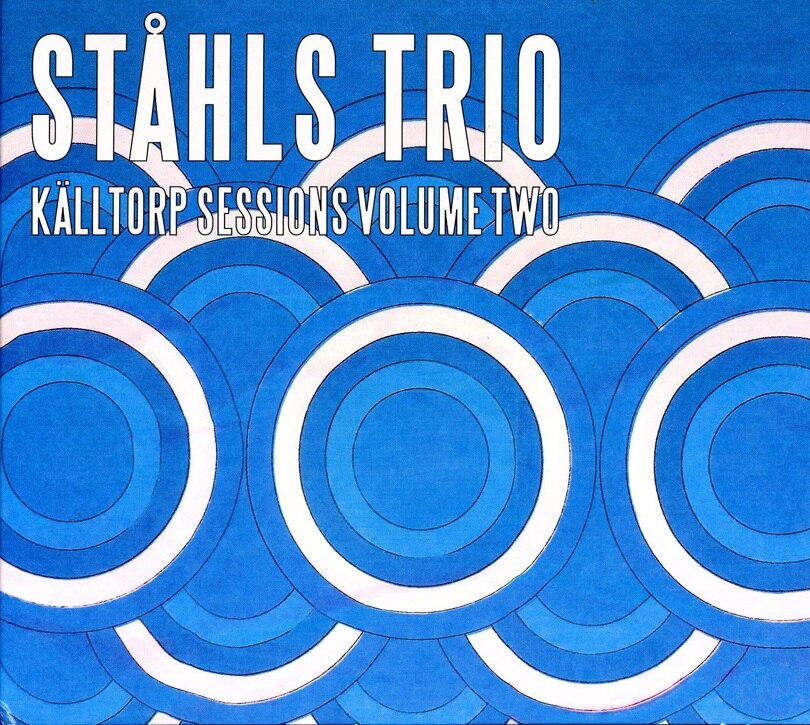
03 Stahls TrioKälltorp Sessions Volume 2
Ståhls Trio
Moserobie MMP CD 126 (moserobie.com)

Balancing on the firm underpinning of knowing strokes from Canadian-in-Stockholm bassist Joe Williamson is this eight-track bagatelle from Swedish vibraphonist Mattias Ståhl’s trio. Joined by Colombian drummer Christopher Cantillo, the group-composed tracks are thoroughly contemporary, but due to the vibist’s logical progressions and airy, open swing, encompass both Lionel Hampton-style pulsations and Cal Tjader-like nuances. Even a couple of tracks where Ståhl plays silvery soprano saxophone trills as well as vibes, and trombonist Mats Äleklint propels gutbucket slurs into the mix, the enhanced density doesn’t exceed harmonic intensity.

Williamson’s string suppleness also means that a balladic interlude like Guldkort is marked with expressive well-paced thumps; while faster tunes are propelled with torqued intensity that cunningly backs up freeform group improvisations such as I-Land Du Välsignade. Despite Cantillo wielding a thunder sheet and the vibes’ metal bars resonating at an allegro tempo during that track, the bassist’s contrapuntal andante pulse prevents any narrative imbalance. Later on, the bassist goads the other two to a harmonized finale. Occasionally introducing the themes with pressurized stops or a walking bass line, Williamson’s sly pulses comprehensively fit in with whatever drum crunches or airy vibe timbres are rolled onto the program. 

Convincing in having achieved exactly what they set out to do on this disc, the Ståhls threesome also confirm the benefits of international musical cooperation. The result makes one interested in seeking out Volume One.

04 CelebrationCelebration
Alan Silva; Itaru Oki; Makoto Sato; Richard Comte
Nunc Records Nunc.027 (nunc-nunc.com) 

A bittersweet celebration; while this 2019 Paris concert honoured the 80th birthday of U.S. expatriate keyboardist Alan Silva, it was also the final recording for Japanese trumpeter Itaru Oki (1941-2020), who, like Silva, was a longtime member of the Gallic creative music scene. During this three-part free improvisation, Silva uses the smears, swells and echoes from his keyboard to accompany Oki’s sophisticated command of his brass instrument that ranges from strained high pitches to half-valve guttural effects, all the while preserving the tune’s melodic kernel. Percussionist Makoto Sato, another Japanese expat, adds unobtrusive clip-clop accents to the action, while French guitarist Richard Comte strums connective lines for all, when not briefly disrupting the interface with pointed string stabs or jagged power chords.

On top of the pulsating drums-tremolo keyboard continuum, Oki’s muted harmonies and portamento grace notes take up the greatest part of his expression. But sudden dog-whistle squeals, and the introduction to the improvisation’s second section, where he appears to be huffing textures from a combination of plastic trumpet and harmonica, demonstrate his blazing individuality. Integration of that unique tone and his subsequent smeared triplets into that balanced narrative also confirm the scope of the quartet’s creative free jazz.

Silva, Sato and Comte continue making individual free music in other contexts. While Oki can’t anymore, this disc properly celebrates his reciprocal skill working with seasoned players of similar invention.

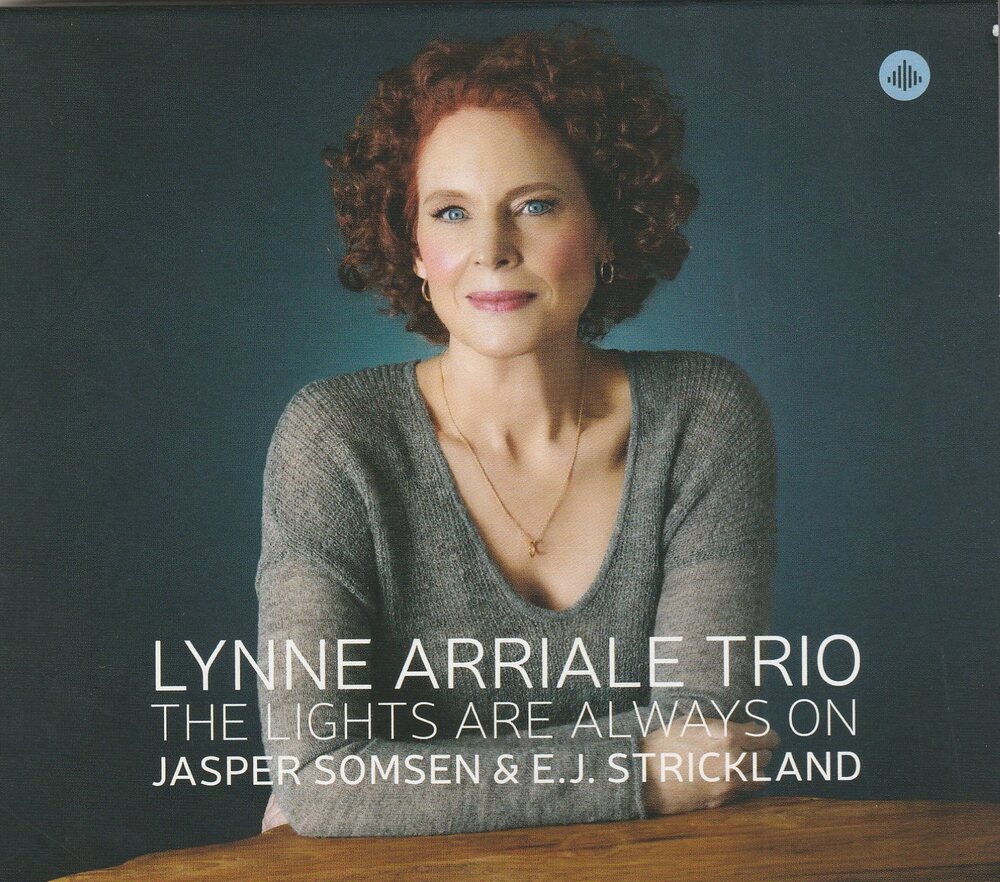
05 Lynne ArrialeThe Lights are Always On
Lynne Arriale; Jasper Somsen; E.J. Strickland
Challenge Records CR73532 (lynnearriale.com)

With her 16th album, jazz pianist/composer/educator Lynn Arriale has once again underscored exactly why she is considered to be one of the most creative, technically skilled and emotionally facile jazz artists on the globe. All of the material here was penned by Arriale, and her inspiration was born out of the horrendous world events that have taken place during the past two years, as well as the massive contributions left by the evolved souls who have existed on our blue orb as healers, truth-tellers and defenders of human rights. 

First up is March On, which was directly inspired by the 2017 Women’s March on Washington. The composition is loaded with dynamic, insistent chordal statements. Arialle’s powerful rhythmic integrity and innovating improvisations drive this compelling anthem. Jasper Somsen’s lyrical bass solo generates beauty and peace while E.J. Strickland’s creative and dynamic-filled drumming seals the deal.

The title track is taken from a quote by dedicated physician, Dr. Prakash Gada, and in Arriale’s words, “There is always reason to believe in that light; the inherent goodness of people…” In this performance, Arriale’s musicianship is such a conduit of pure, undiluted feelings that it’s as if she reaches out directly into one’s heart and mind. Other stellar tracks include Sisters, which celebrates the struggle for gender equality and Honor, which is dedicated to Lt. Colonel Alexander Vindman – a truth teller, whose testimony exposed some of Trump’s heinous and illegal activities. Of special beauty are The Notorious RBG, in honour of Ruth Bader Ginsburg and the spiritually uplifting Walk in My Shoes, composed in recognition of legendary Civil Rights advocate and U.S. Politician John Lewis.

06 Pete MalinverniOn the Town – Pete Malinverni plays Leonard Bernstein
Pete Malinverni
Planet Arts 302124 (petemalinverni.com)

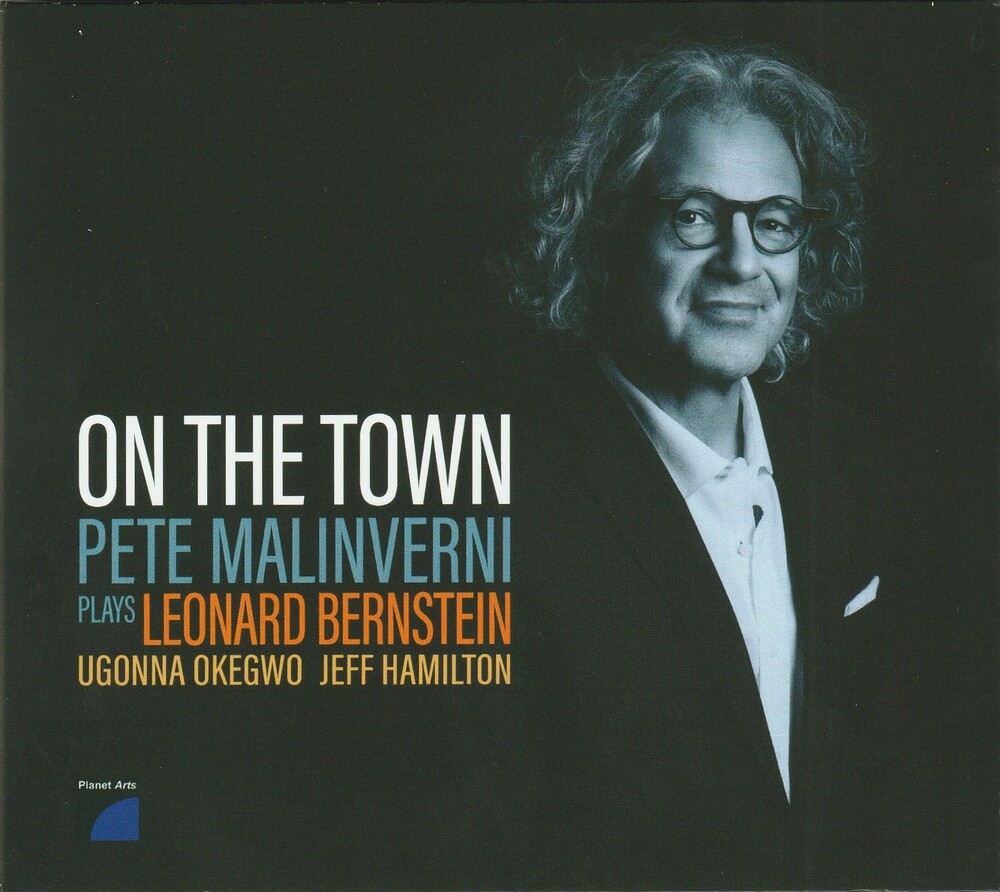
Pete Malinverni is a highly respected New York City-based pianist/composer, widely known for his technical skill as well as for his swinging and lyrical interpretations. It was a bit of propinquity – the kind that can only happen in New York City – that kick-started the idea for this truly exceptional recording, on which Malinverni also serves as producer. While on a gig at a prestigious private party, Malinverni met Leonard Bernstein, and he was so moved by Bernstein’s passion for music, as well as by his New York City-infused compositions, that eventually this recording became fully manifest. This CD is not only a tribute to Bernstein, but it is also a love letter from Malinverni to his beloved New York City. Malinverni’s collaborators here include noted jazz luminaries Ugonna Okegwo on bass and Jeff Hamilton on drums.

The cheeky opener, New York, New York, comes from the Broadway/film hit, On the Town. The trio moves like one, swinging organism and the expertly recorded instruments draw the listener into a profoundly intimate jazz experience.  Malinverni’s soloing is inventive, and easily segues in and out of deep grooves. Okegwo is both solid and facile and Hamilton propels everyone down the pike with his energy and skill – as only a New York drummer can do.

With a stirring percussion intro and outro by Hamilton, Cool from West Side Story is a stellar track that lends itself perfectly to a pure jazz format… which makes one wonder if Bernstein wasn’t a bit of a jazz musician himself! Simple Song from Mass is presented here with such heart and soul, that it feels as though each musician was singing the lyrics in his head. I have a feeling that if Lenny were here now, he would be thrilled with this masterfully conceived and performed project.

07 Jami TMPletonThe Shape of My Heart
Jami Templeton; Andy Langham; Edwin Livingston; Charles Ruggiero; Joel Frahm
Independent (jamitempleton.bandcamp.com) 

Los Angeles-based classically trained jazz vocalist Jami Templeton has a story to tell, and through the eclectic and emotional nature of her new recording, her story leads the listener through an auditory banquet of diverse material from the worlds of country, pop, rock, musical theatre and the Great American Song Book. Templeton’s voice is compelling, moving and a delight to the ear. Skilled producer Andy Langham also performs here on piano and melodica, along with first call L.A. musicians Edwin Livingston on bass, Charles Ruggiero on drums and the masterful Joel Frahm on tenor saxophone.  

First up is Willie Nelson’s moving country ballad, Angel Flying Too Close to the Ground, rendered here with a swoon-worthy romantic treatment, as Langham expressively uses innovative chord substitutions and technical skill to bring forth every last drop of empathy. Templeton’s voice is sumptuous, controlled and pitch perfect – reminiscent of (and technically superior to) Julie London, Chris Connor or Joanie James – perfectly capturing the mood of the arrangement.

Also of note is a singular, creative interpretation of Sting’s Shape of my Heart, in which Templeton’s evocative voice and Sting’s melancholy/dystopic vision are perfectly underscored by strong arco bass lines, fine drumming and the sonic treat of Langham’s melodica. Of rare beauty is Templeton’s take on Tom Petty’s Room at the Top. Her warm, mezzo voice is diaphanous and haunting, and also intuitively rhythmic, with a profound jazz sensibility. David Mann’s 1950’s cinema noir-ish ballad, In the Wee Small Hours of the Morning is a total standout, replete with Ruggiero’s sensitive use of mallets, the thrilling coalescence of the trio, and the brilliant lyric, which all join together as one, wrapping themselves around Templeton’s balmy, knowing, lovely pipes.

08 Cuhna SchwagerLate Night
Fernanda Cunha; Reg Schwager
Independent (fernandacunha.com)

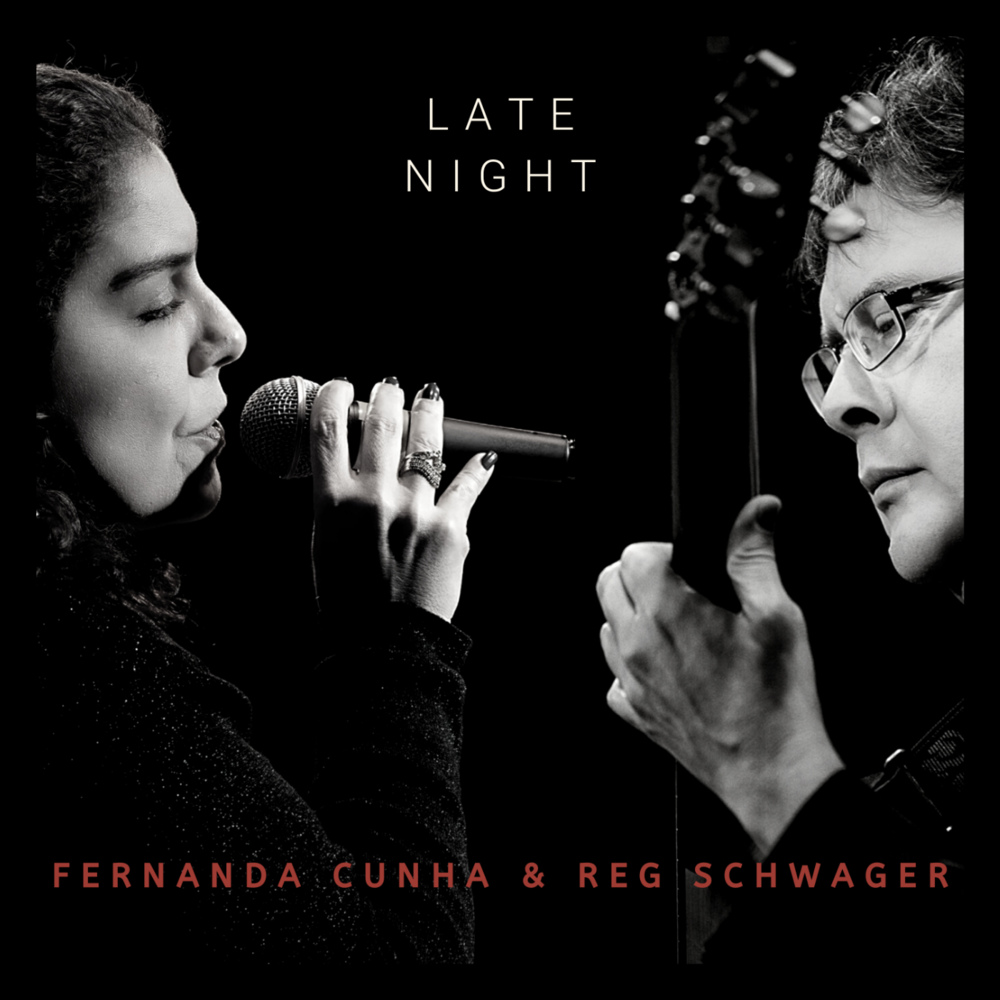
With the release of this new recording, there can be little doubt that the creative pairing of the gifted Brazilian/Canadian vocalist Fernanda Cunha and eminent Canadian guitarist Reg Schwager is a match made in musical heaven. All of the fine compositions here were written by Schwager, with lyrics by Cunha. Schwager (also wearing producer and arranger hats) performs on guitars and electric bass along with his equally eminent colleagues Tom Szczesniak on piano, keyboard and accordion; Allison Au on alto saxophone; Masashi Usui on tenor saxophone; Pat Collins on acoustic bass; Michel Lambert on drums and Edson Chilardi on drums and percussion.

The eight superlative tracks here are luminous in their beautiful construction, performed with breathtaking technical skill and rendered with such emotional resonance that the term “awe-inspiring” is more than apt. Dança Do Amor is a sensual, intimate glimpse into pure romance and Szczesniak’s keyboard work is perfection itself, reminiscent of the great Manfredo Fest. Cunha’s velvety alto weaves a web of eroticism and Schwager’s solo is the perfect, crystalline appurtenance.

Quero só Viver em Paz is a joyous, lilting samba with intriguing chord changes and facile accordion work from Szczesniak while Cunha’s rich vocal sound evokes the great Leny Andrade. The lush title track boasts a thoroughly lovely alto solo by Au, and captures what it must feel like to walk on Ipanema Beach following a transplendent night in Rio. Novo Amor opens with a vocal/bass intro followed by a masterful acoustic bass solo by Collins and Vias Paralelas has an internal, chordal and rhythmic tension that solders the genres of Brazilian music and contemporary jazz. The sumptuous closer, October Song features Cunha singing in English and displaying her indisputable talent for fine lyric writing and lyrical interpretation in any language.

09 Andrew BoudreauNeon
Andrew Boudreau; Neta Raanan; Simon Willson; Eviatar Slivnik
Fresh Sound New Talent FSNT-634 (andrewboudreau.com) 

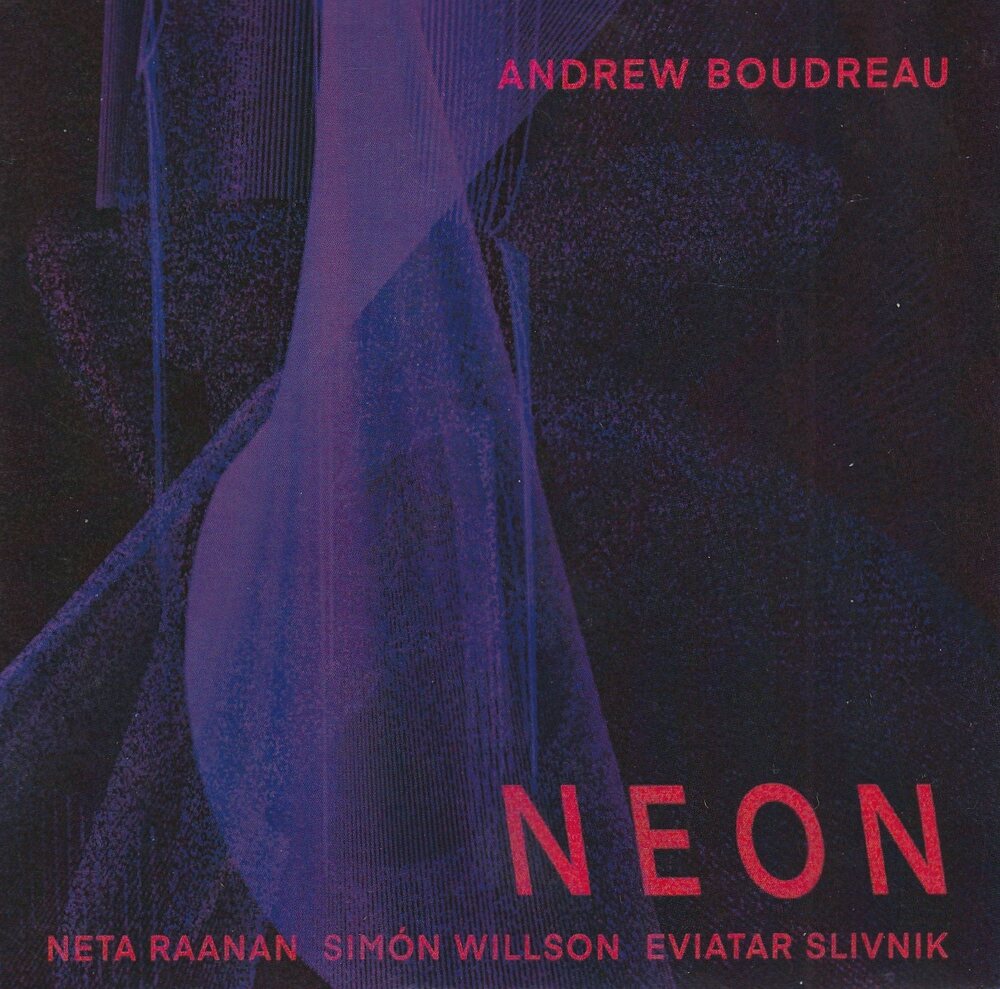
The liquid pianism of Andrew Boudreau is a treat for the connoisseur’s inner ear. His debut disc Neon is launched in irrepressible fashion with vivid original compositions that appear to come at you from very interesting, oblique harmonic and rhythmic angles. Both complementary and contrasting colours and tone textures nestle cheek by jowl. They spring from a single source: the questing mind of a young composer and pianist who thrusts his music off the beaten path.

Boudreau makes a proverbial splash on his first outing as a recording artist. He brings his prodigious musical gifts to these songs. He plays with intuition and intellect; with elegance of form, generous lyricism and tumbling fantasy. This makes the program eminently beckoning. 

The tunes Neon, Ghost Stories and Hopscotch are extraordinarily eloquent and seductive, and the pianist, justifiably shines through them. But this riveting musicianship is not the sole purview of Boudreau. He plays with equally intriguing bedfellows. The bassist Simón Willson and drummer Eviatar Slivnik are fully attuned to the pianist’s vision and artistry and – together with tenor saxophonist Neta Raanan – these artists have formed an elegant musical relationship. 

Boudreau – a talent worth watching – goes for unforced clarity rather than the nth degree of excitement. It won’t matter to you that his fresh, spacious and airy interpretation of this piano-driven repertoire lacks the kind of celebratory noise that many debutants go for on their first outing on disc.

Back to top