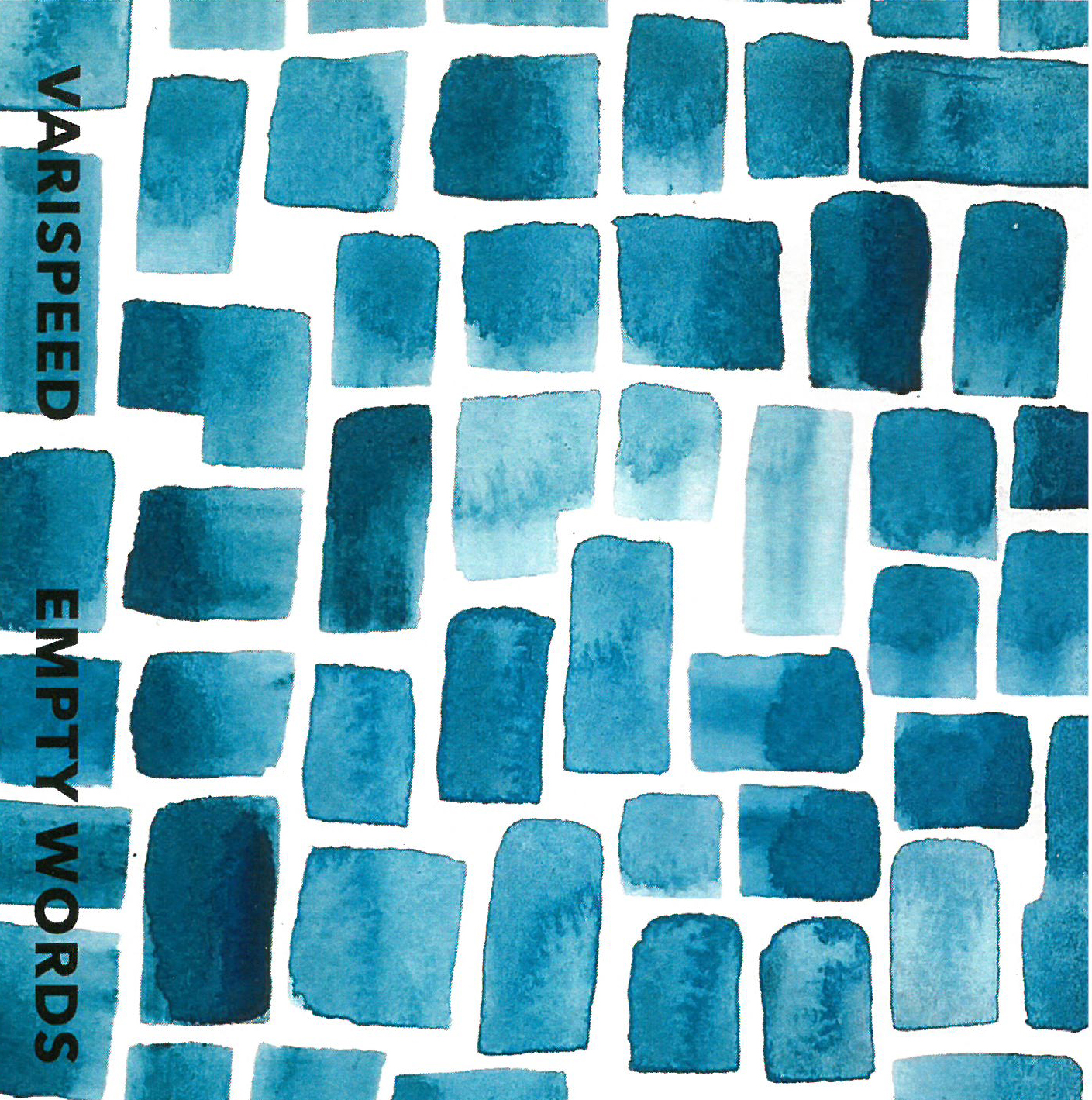
08 Cage Empty WordsEmpty Words by John Cage
Varispeed
Gold Bolus GBR035 (goldbolus.com/empty)

Long before John Cage created Empty Words, he was already encouraging the performer of his music to “let go of his feelings, his taste, his automatism, his sense of universal, not attaching himself to this or that, leaving by his performance no traces, providing by his actions no interruption to the fluency of nature.” In their recording of this epic vocal piece the quintet Varispeed, together with ten supporting musicians, seem to have absorbed Cage’s radiant words as they plough through the shard-like composition completely absorbing its incandescence into their hearts and minds – as Cage would have it – to create a deeply committed and meticulously prepared performance, produced with magical results.

Cage’s monumentally challenging work calls for invention over and above that precise quality that the composer built into his work. On Empty Words – literally words stripped of meaning – the ensemble uses male and female human voices propelled on a collision course with acoustic (woodwinds, strings, percussion and piano), electronic boards and prepared (glass) instruments. The result turns Cage’s effect of splintering and pointillist sound into an exploitation of a wide range of sonorities, some bright, some bell-like, others more delicate and subdued. Rhythmic motifs and patterns recur, producing an incantory and hypnotic quality.

Varispeed’s experience as improvisers makes their presence felt in this tactile articulation of Cage’s driving rhythms and percussive “ungrooves” with uncommon perfection ranging from the lyrical to the difficult and disturbing.
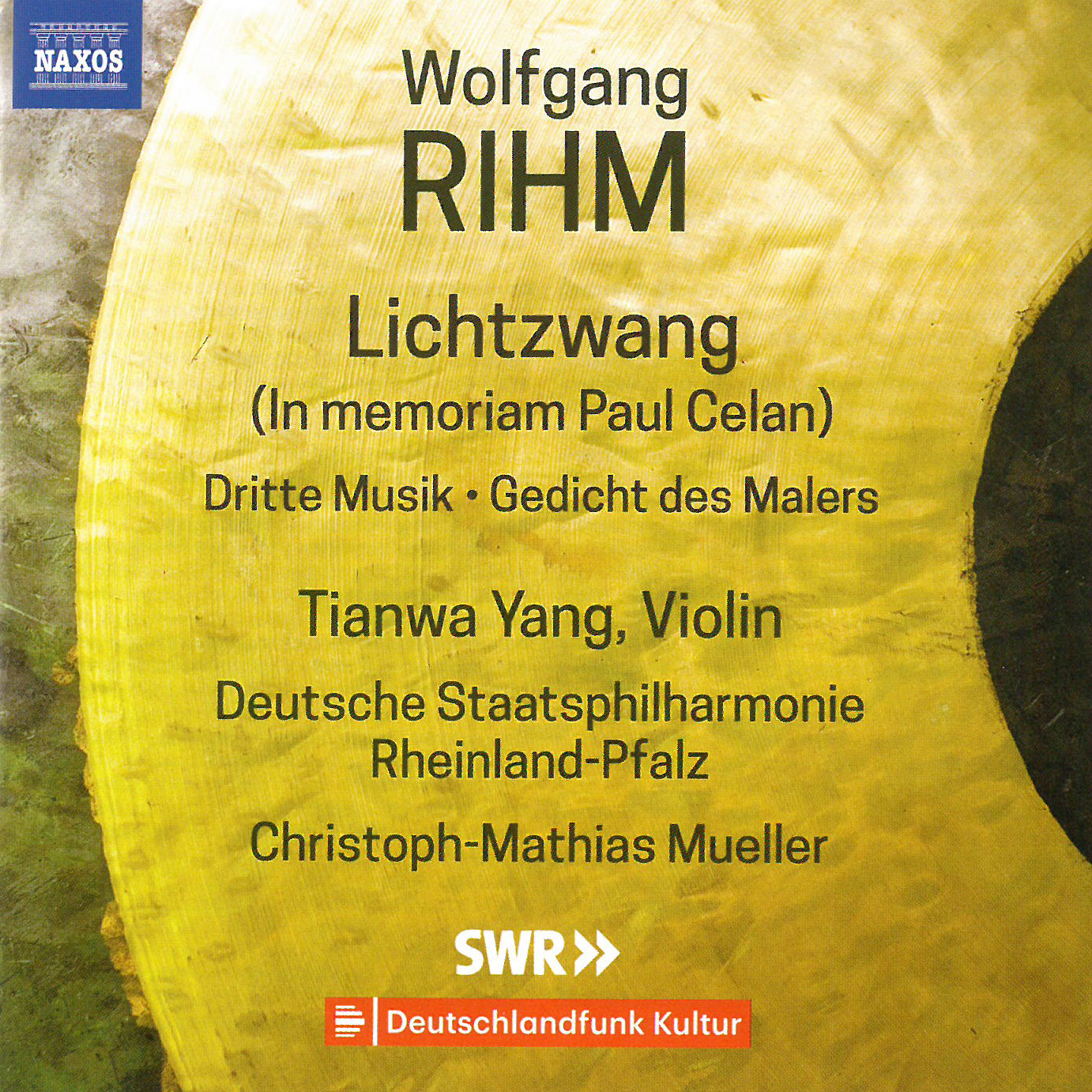
01 RihmWolfgang Rihm – Music for Violin and Orchestra Volume 1
Tianwa Yang; Deutsche Staatsphilharmonie Rheinland-Pfalz; Christoph-Mathias Mueller
Naxos 8.573812 (naxosdirect.com)

Impressively prolific by any measure, the celebrated German composer Wolfgang Rihm (b.1952 ) has amassed an immense catalogue of over 400 substantial works. Rihm’s early 1970s compositions employ elements of Schoenberg’s and Berg’s expressionist compositional language while also incorporating techniques of the subsequent composer generations. Despite being associated with the 1980s concert music movement dubbed New Simplicity and New Romanticism, Rihm’s musical aesthetic never seems to have strayed far from late Austro-German Romanticism and its expressionist love child. The three works on this CD for violin and orchestra – in essence violin concerti – spread over almost four decades, clearly reflect all those influences. Nevertheless, Rihm’s idiosyncratic voice emerges collectively from these works with introspective intensity.

Rihm was in his mid-20s when he made a splash in 1977 with the premiere of his brilliantly orchestrated first violin concerto Lichtzwang (Light-duress), titled and perhaps also thematically modelled after a book of poetry by the 20th-century German author Paul Celan. It’s Rihm’s latest and most lyrical violin concerto, Gedicht des Malers (Poem of the Painter 2012–14), however, that speaks most directly to me. Rihm explains the intended narrative: “the soloist virtually embodies the painter’s brush as it moves over the canvas sometimes faster and sometimes in more deliberate ways.” In all three works, violinist Tianwa Yang brilliantly imbues her virtuoso passages with passion and intimations of inner angst and emotion, effectively supported by the Rheinland-Pfalz State Philharmonic under Christoph-Mathias Mueller.

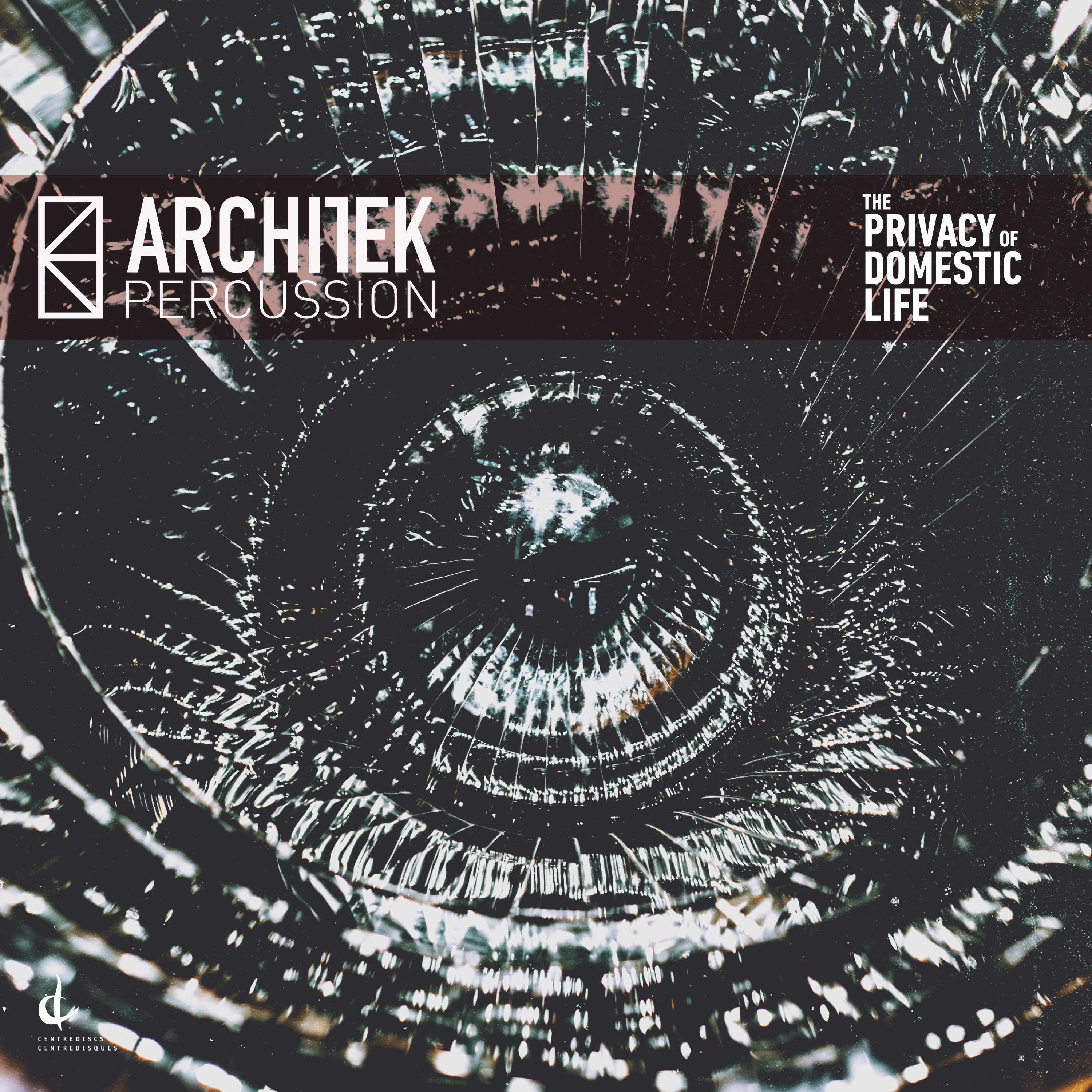
03 The Privacy of Domestic Life Cover ArtThe Privacy of Domestic Life
Architek Percussion
Centrediscs (LP) CMCV 10418 (musiccentre.ca)

Founded in 2012, the “quirky, virtuosic and thoroughly engaging” (Bachtrack.com) Montreal-based quartet Architek Percussion has performed across Canada specializing in percussive experimental, multi-disciplinary, minimalist music, sometimes embellished with electroacoustic elements. It has commissioned over 40 works by Canadian and international composers, and appears on five albums.

On the LP The Privacy of Domestic Life Architek performs scores of three Canadian concert music composers in their 30s who are well on the way to establishing international careers: Adam Basanta, Taylor Brook and Beavan Flanagan. All three of their works were commissioned by the group.

Brook’s Incantation transforms the metallic sounds of cymbals and bells and what sounds like clay pots into finely tuned microtonal textures and sonorities, drawing on both his Western composition and Hindustani classical music performance studies and practice.

The title cut is the most substantial work here at 19 minutes. It “is a reflection on the domestic life, delivered in three interconnected movements,” writes Montreal-based Basanta. “I imagined a daily universe in expansion, with unique sounds that come to life: discreet noises amplified, amalgamated rhythms, and unwanted sounds,” such as repeated cellphone interruptions. Furthermore, Basanta effectively exploits the interaction between human musicians, on percussion instruments, and enigmatic electronic sounds.

On one hand the music on this album sets out to explore thresholds between temporal stability – in terms of regular pulse, rhythmic continuity, metre and groove – and instability. For the listener, the sonic journey here is equally full of the thrill of discovery and the mystery of the unknown.

Listen to 'The Privacy of Domestic Life' Now in the Listening Room

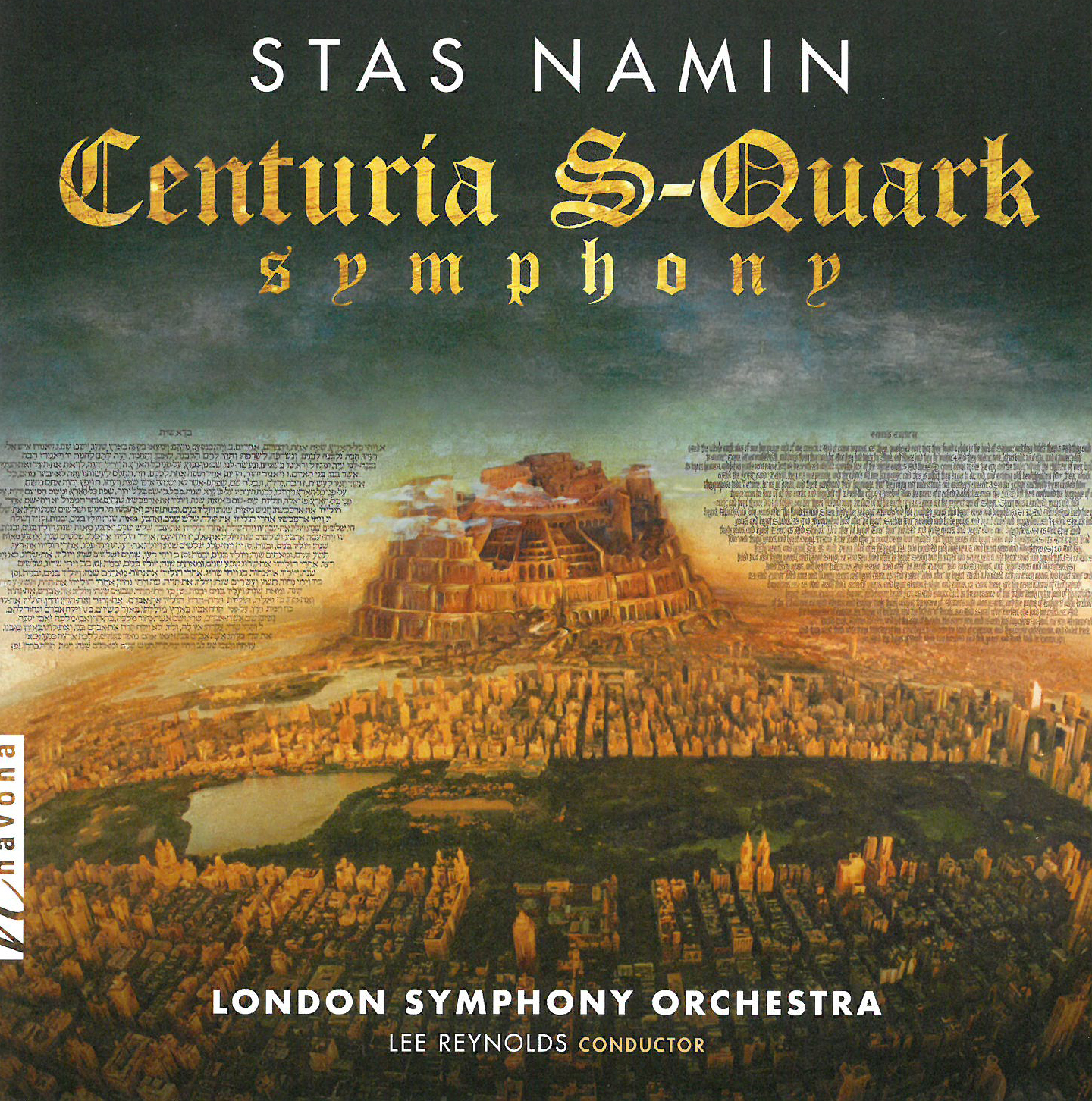
02 Stas NaminStas Namin – Centuria S-Quark Symphony
London Symphony Orchestra; Lee Reynolds
Navona Records nv6200 (navonarecords.com) 

In his liner notes, Stas Namin refers to “clashes between individuals, societies, countries, ethnic groups – and ultimately the crash of civilization… the concept of my symphony came to me… as a kind of prophecy… reflecting the discord present in each person and consequently in each society.”

Namin (b. Anastas Mikoyan, 1951) is a Russian arts icon, a superstar rock band leader, songwriter, film and theatre producer-director, photographer, painter (including the CD’s cover image) and classical composer.

Despite Namin’s comments, there’s hardly any conflict or dissonance in his 47-minute, one-movement Symphony (2016). Instead, I counted more than a dozen brief episodes expressing ever-changing moods including nostalgia, playfulness, celebration, uncertainty and brash assertiveness, each colourfully scored, highlighting different instrumental combinations. One episode suggested to me a rustic square dance, another a comical circus procession. In fact, the entire symphony, highly theatrical and rhythmically energized, is essentially a brilliant ballet score begging to be choreographed, with episodes appropriate for solos, duos and ensembles.

Rather than illustrating current or futuristic discord, Namin’s engaging melodic mix of late-Romanticism and neo-classicism recalls music of the 1920s and 30s. Namin never sounds like anyone else, though – not until the final three minutes, the first truly dissonant section, a crescendo of pounding percussion reminiscent of Mosolov’s Iron Foundry and the finale of Stravinsky’s Sacre du printemps. The apocalyptic climax is followed by a plaintive solo violin, described by Namin as “a new thread of life.”

Highly enjoyable throughout!

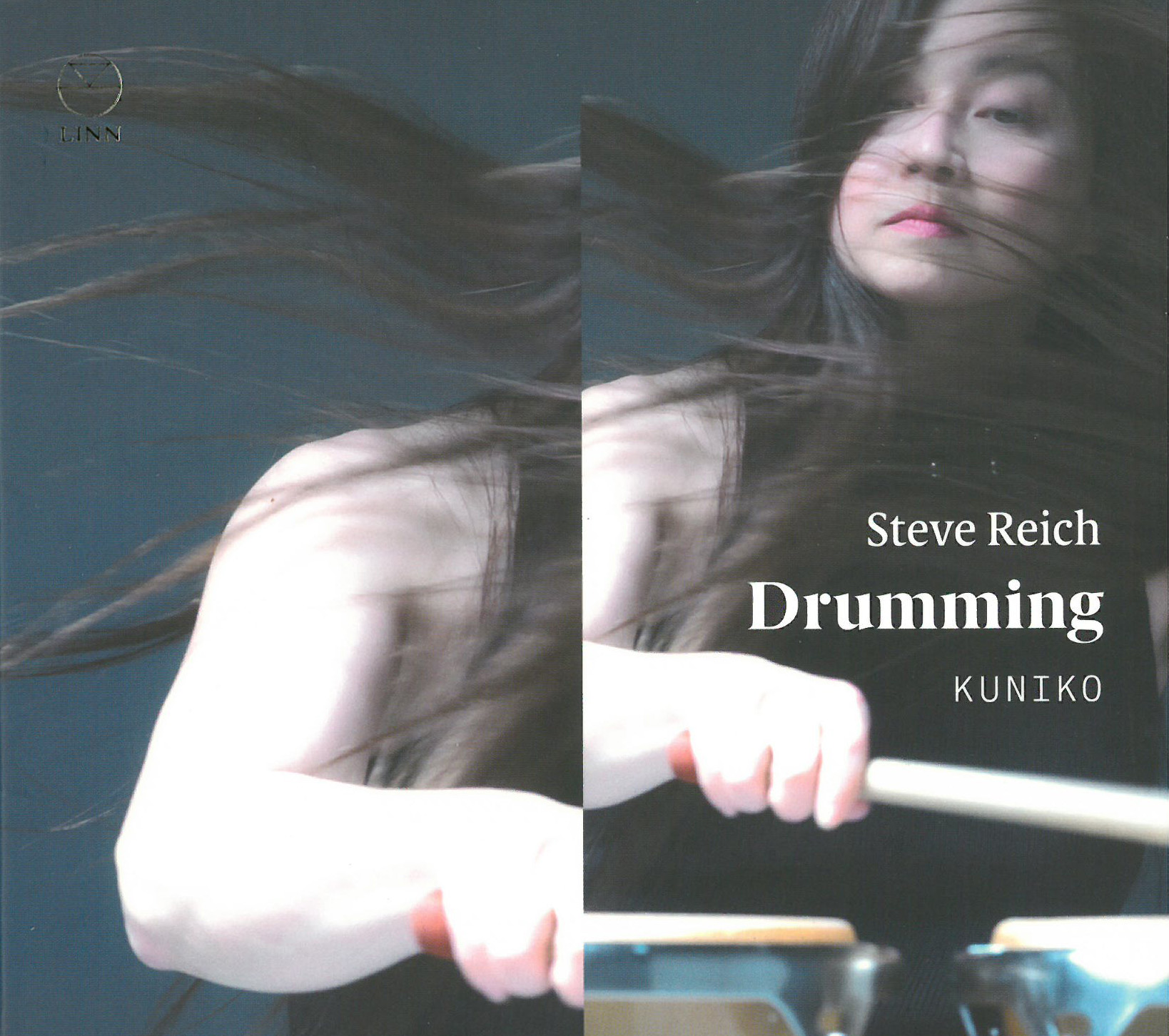
04 Kuniko ReichSteve Reich – Drumming
Kuniko
Linn Records KD 582 (linnrecords.com) 

The celebrated mallet percussionist Kuniko is equally comfortable in sound worlds as diverse as Baroque, electronic and minimalist. Having performed Bach with as much ease as Xenakis she approached 2018 with a startling interpretation of Steve Reich’s Drumming, a work inspired by Ghanaian Ewe drummers. While Kuniko might have taken her mallets to vibraphone and marimba in the course of other musical challenges, this recording comes with particularly vexing challenges: how to overcome challenges of tone (relating to the metallic sound of the glockenspiels) and the fact that she overdubs the parts of up to nine percussionists that Reich had in mind?

The obvious answer was to use her hyper-virtuosity on anything that can be struck with a mallet. And thus we are treated to music that develops from the stuttering first notes to a veritable cascade of melodic sounds redolent of a kind of tintinnabulation that virtually transforms a typically Afro-centric drumming into an extraordinary world of melodicism. Reich’s composition, Drumming, is divided into four (unequal) Parts and Kuniko embellishes each with her percussive arsenal that also includes marimba, glockenspiels, piccolo and voices.

The result transforms what minimalist refuseniks might toss aside here as repetitive into a piece that Kuniko builds as if into a moving soundscape of broodingly percussive tumbling grooves that begin to ripple and glitter as she adds cascades of notes from the marimbas and piccolo, topped up by high-sprung pristine vocals towards the work’s conclusion.

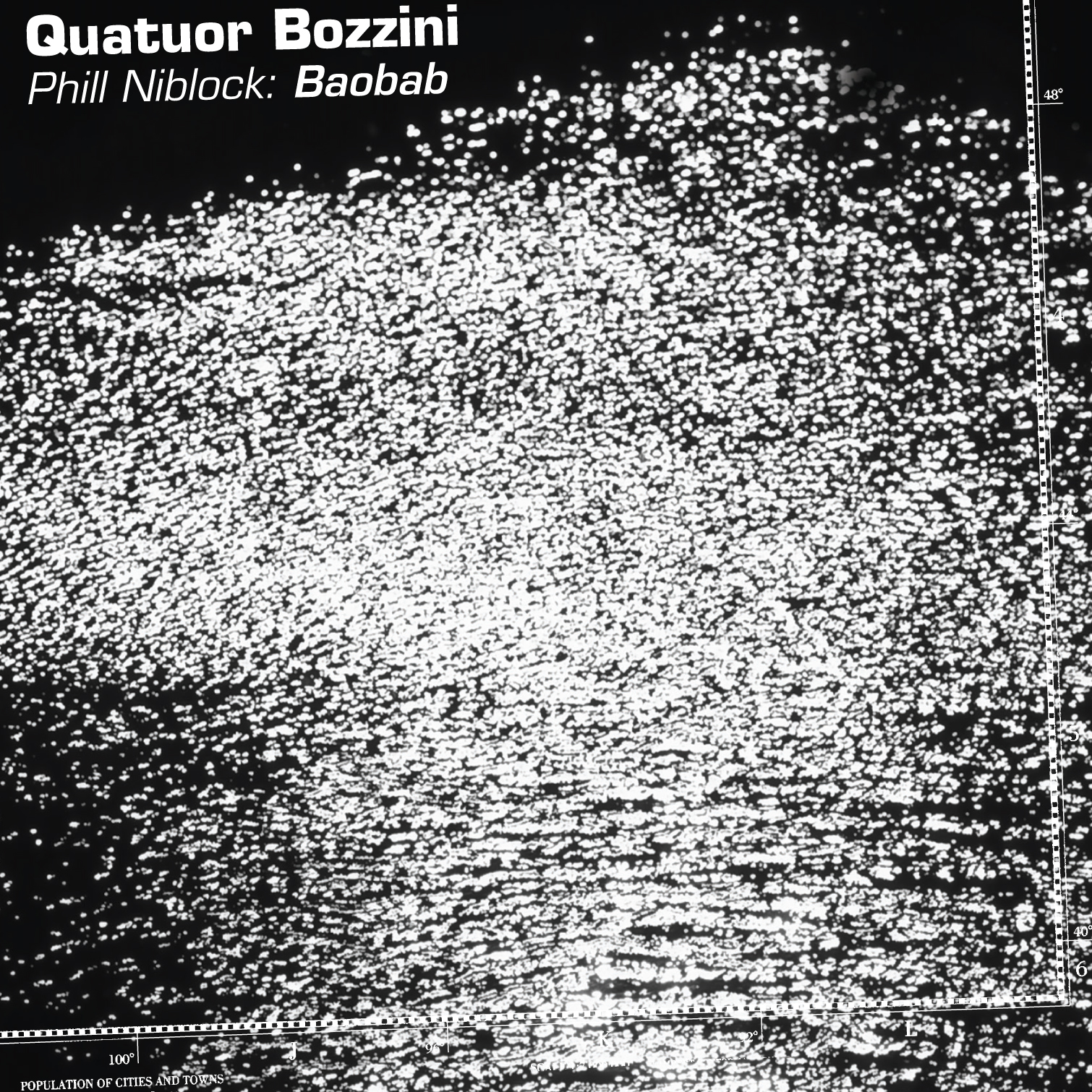
05 BaobabPhill Niblock: Baobab
Quatuor Bozzini
QB CQB 1924 (actuellecd.com)

Montreal-based Quatuor Bozzini has released 28 CDs of contemporary music since their founding in 1999, covering disparate international composers from Aldo Clementi to John Cage along with a host of Canadians, and in the process becoming a preeminent string quartet in contemporary music circles. This recording of two works by American minimalist Phill Niblock testifies to their willingness to take on challenges to find new musical ground.

They play two similar pieces here, each recast from earlier orchestral versions, Disseminate (1998) and Baobab (2011). Niblock has reconceived them as works for five string quartets, the founding Bozzinis (cellist Isabelle and violist Stéphanie) along with violinists Clemens Merkel and Alissa Cheung overdubbing themselves to 20 instruments. They’re precisely notated, microtonal works, with long, even bow strokes themselves influencing the exact pitch. The result in each piece is a hive of sound, bow strokes determinedly disappearing until the massed quartets approach the constancy of a bank of oscillators.

It’s an orchestra constructed in the recording process, creating works that are literally our experience of them. Each piece is both constantly changing and never changing; each achieves timelessness in a remarkably brief time, 22:18 for Disseminate, 23:11 for Baobab. Here our experience of pitch confounds notions of unison and dissonance, as if the pieces are constantly between them, simultaneously moving towards and away. It’s like listening to long and failed orchestral tune-ups that are also a new kind of bliss, experiences to cherish.

06 Tim BradyTim Brady – Music for Large Ensemble
Bradyworks Large Ensemble; Tim Brady
Starkland ST-230 (starkland.com) 

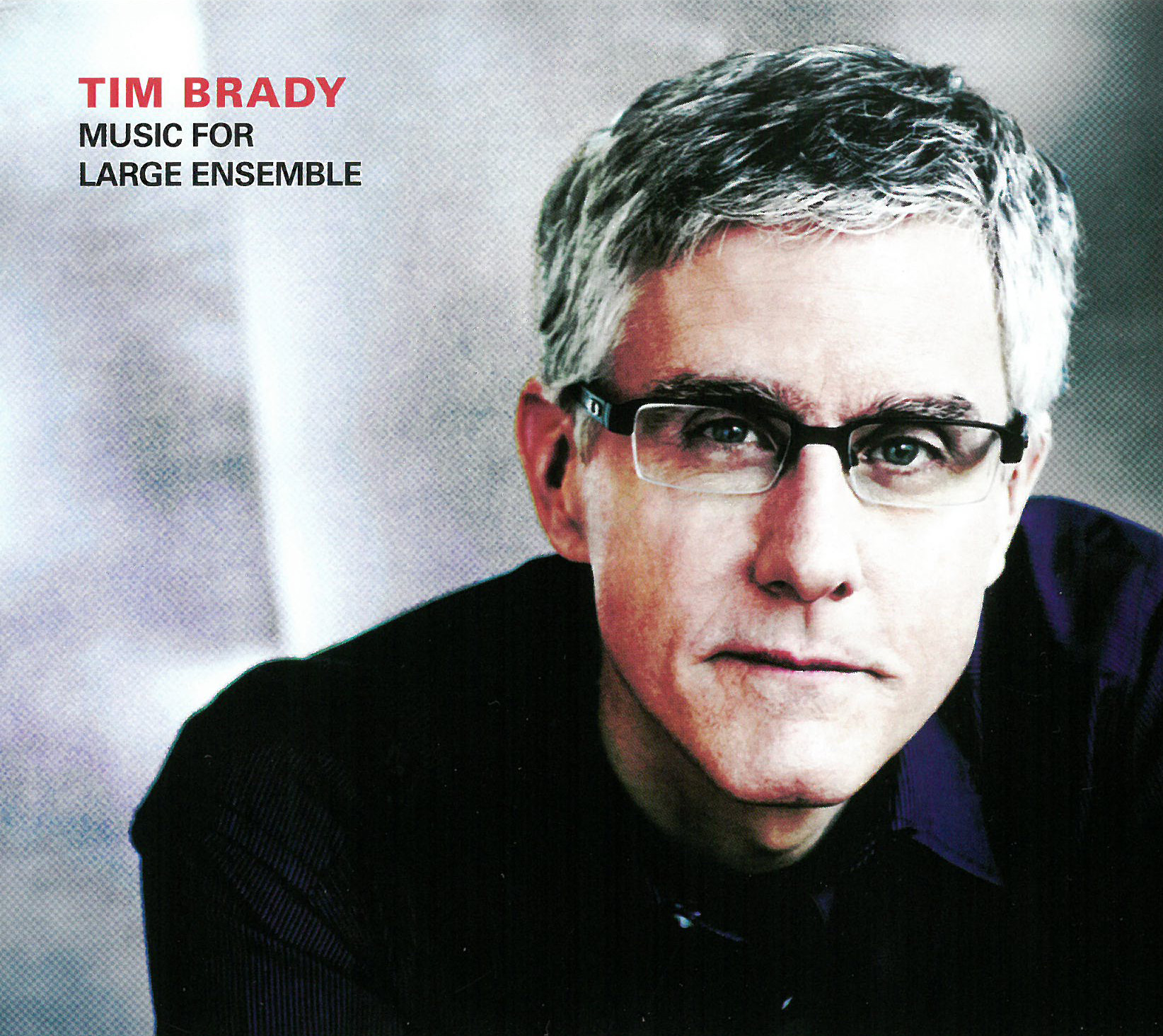
With strident chords and single note triplets and arpeggios, Tim Brady’s guitar becomes a razor-edged ignition into the elegant rolling atmospherics of reeds, woodwinds, strings and rhythm section of his Bradyworks Large Ensemble. Somehow the loud and amplified intrusion is smoothed over and the respective instruments are no longer strange bedfellows, even as the music veers from the utterly thrilling turbulence of ideas – a glittering introduction, dark passagework, triumphant fanfares by guitar, piano and electric piano, all of whom trade gigantic-sounding chords in the dark and foreboding Désir, the first part of the Concerto for electric guitar and large chamber ensemble.

Darkness and foreboding are familiar tone colours and atmospheric soundscapes throughout Eight Songs about: Symphony #7, re-inking the palimpsests of Shostakovich’s work with all the glory and tension of the turbulent Soviet era, complete with principal players in the form of music sketched in the proverbial image and likeness of Josef Stalin (Bells), Shostakovich and his wife Nina Varzar (Exhaustion) the conductor Karl Eliasberg (August Ninth) and a number of incidental characters in the erstwhile Soviet landscape.

In his works Brady recasts intensely Sovietized themes of tension, fearfulness and bitterness, tempering these with the sound of soaring hope via heraldic, ascending motifs and bright harmonics. The result is a work of brilliant impetuosity. Played on the knife edge of the guitar, Brady combines a disturbing history with Douglas Smith’s poignant text through recitation and arias and instrumentation to great effect.

07 Palardy RogerCannibale
Danielle Palardy Roger
Ambiances Magnétiques AM 241CD (actuellecd.com)

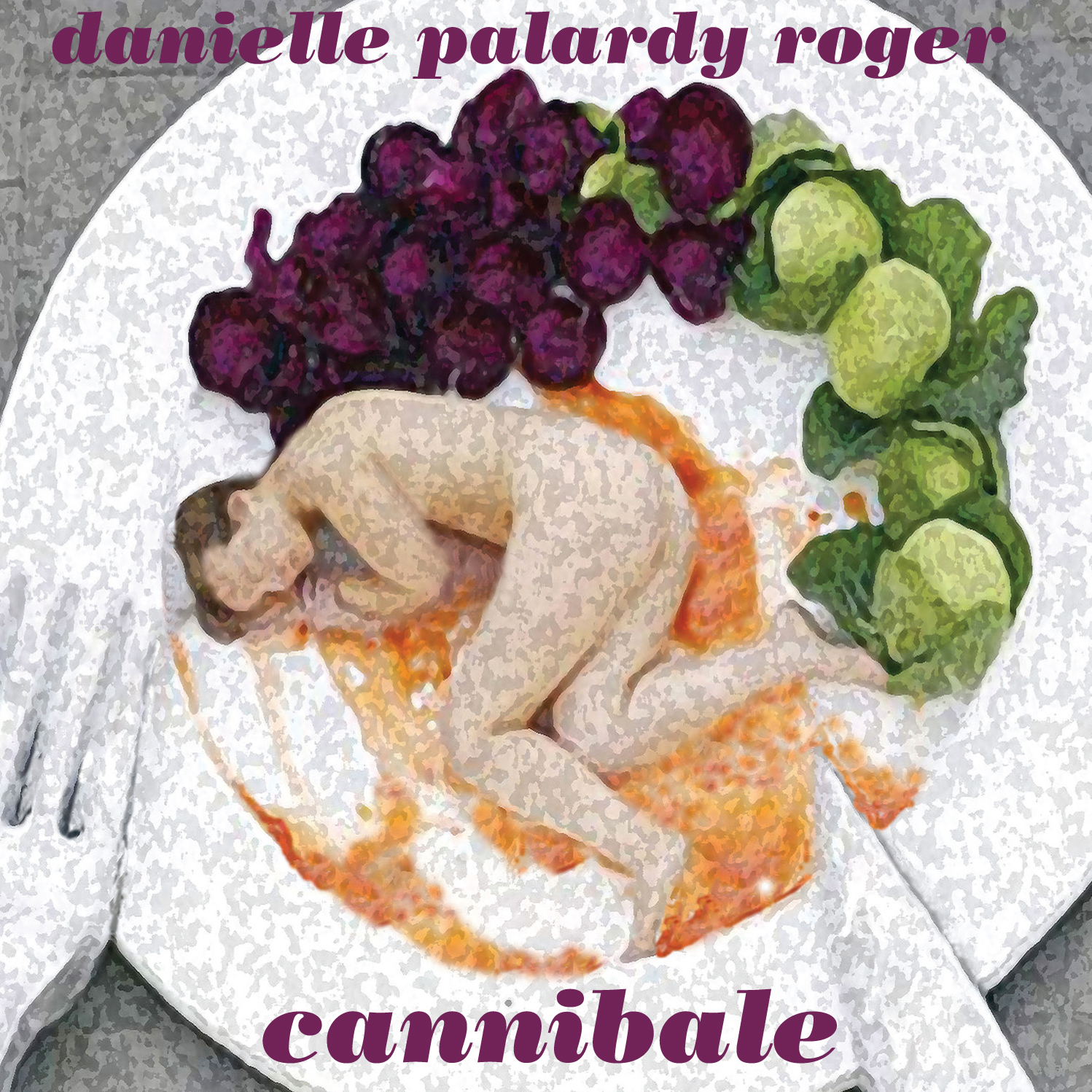
Few compositions can more fully embody the enduring spirit of Québécois musique actuelle – playful, anarchic, witty, frequently barbed – than composer/percussionist Danielle Palardy Roger’s Cannibale. The 11-movement work calls on a special kind of musician: here the performers sing as well as play, improvise as well as interpret; four even compose individual movements. Palardy Roger’s frequent musical partner Joane Hétu, also a distinguished composer, provides focused dramatic narration as well as voice and alto saxophone.

The work’s special character is apparent from the beginning as Hétu intones “cannibale” repeatedly, a prayer, an invocation, a lover’s whisper. Each position is explored in depth as the work unfolds, Palardy Roger’s sustained text and frame highlighting special episodes. Le sacrifice rituel, composed by percussionist Isaiah Ceccarelli, suggests the symbolic cannibalism of the mass with isolated percussion and Gregorian chant. Electric guitarist André Duchesne contributes the rocking La victoire du guerrier, while Alexandre St-Onge’s electronics drive his Sauvage, le côté party de la nécrophilie cannibale. Electronic musician Michel F Côté contributes Le gourmand épicurien, Palardy Roger’s ecstatic text animated by the voice, chewing sounds and clarinet of Elizabeth Lima, who elsewhere sounds the elegiac depths of Pitié Navire. At times, the brutalist roar of Ida Toninato’s baritone saxophone may represent the title character.

Cannibale is a rich allegory in which genres from hard rock to free jazz to synth-pop and “traditional” electronic music are cannibalized with the same glee that the texts explore the modes of “Cannibale capitale brutal.”

08 Glacier MusicGlacier Music – Ecoacoustics of Matthew Burtner
Matthew Burtner
Ravello Records rr8001 (ravellorecords.com) 

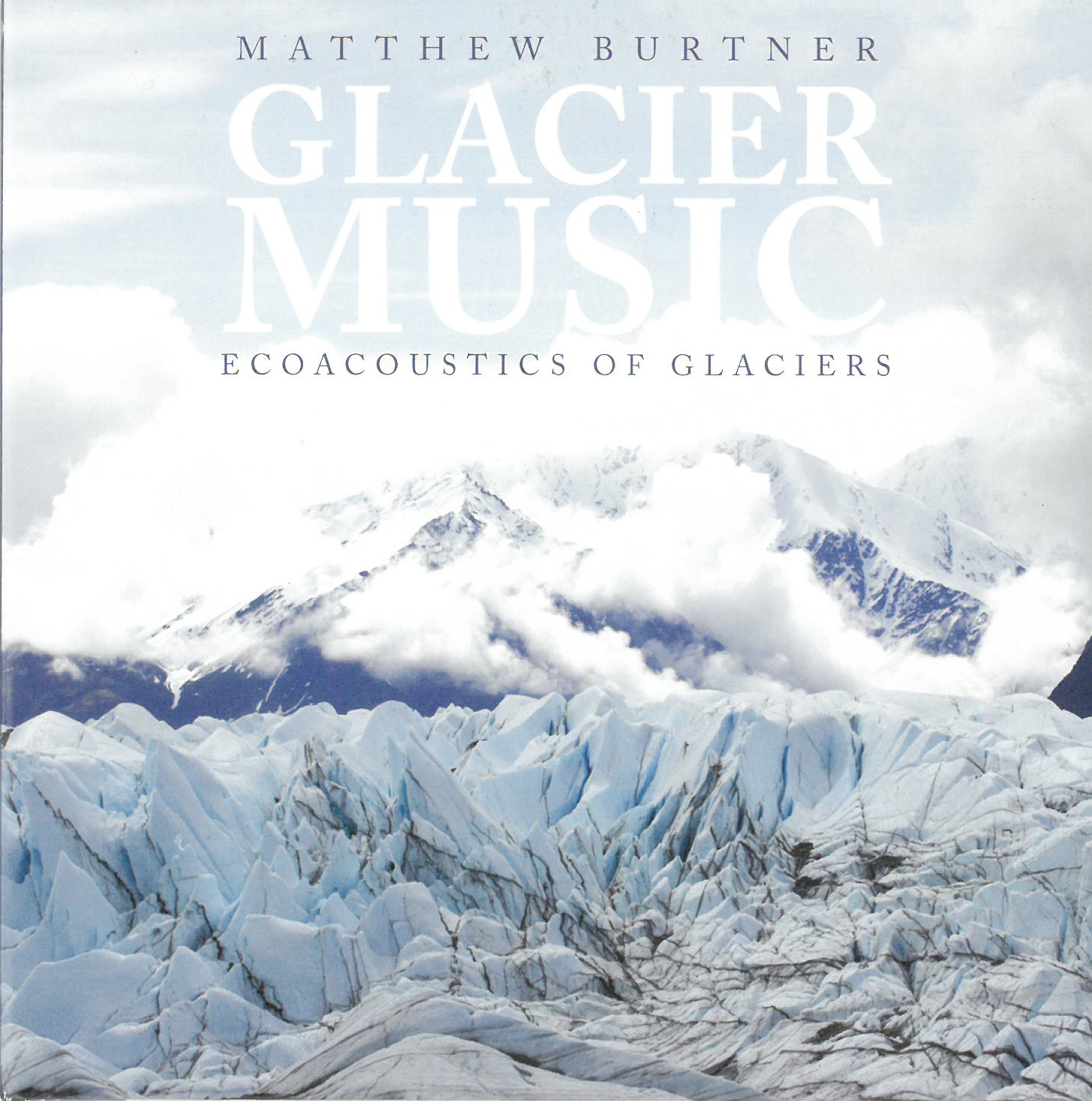
Matthew Burtner is a multiple award-winning Alaskan-born composer, augmented computer instrument designer, and ecoacoustician, currently professor of composition and computer music at the University of Virginia. In his thought-provoking album Glacier Music, Burtner presents five compositions based on field recordings he made on various Alaskan glaciers, or which include the sounds of snow (the raw material of glaciers). These recordings are further transformed and edited by the composer in various novel ways.

Employing a musical ecoacoustics approach, he embeds environmental systems into musical and performative structures using new technologies. Burtner draws on techniques of sonification, acoustic ecology and soundscape composition pioneered by Canadian composers R. Murray Schafer, Barry Truax, Hildegard Westerkamp, et al.

Three of the works here – Sound Cast of Matanuska Glacier, Sonic Physiography of a Time-stretched Glacier, and Syntax of Snow also feature scores for standard orchestral instruments of the Rivanna Quartet, Albemarle Ensemble and percussionists Brandon Bell and Trevor Saint, providing timbral, harmonic and textural counterpoint to the field recordings and synthesized sounds. We’re reminded by the composer that at the threshold of mountain and ocean, glaciers “are highly susceptible to global warming … [providing] an indicator of the health of the region in a time of rapid climate change.”

Burtner’s music on this album sites the environment at its core, aiming to decentralize standard human musical notions. It seems to be searching for more universal ecology-centered experiences, inspiring us to reflect on nature’s beauty in sound, and perhaps also to take action to protect it.

09 Patricia LazzaraRadiance – A celebration of spiritual transformation and new creation
Patricia Lazzara, flute
Independent (patricialazzaraflutist.com) 

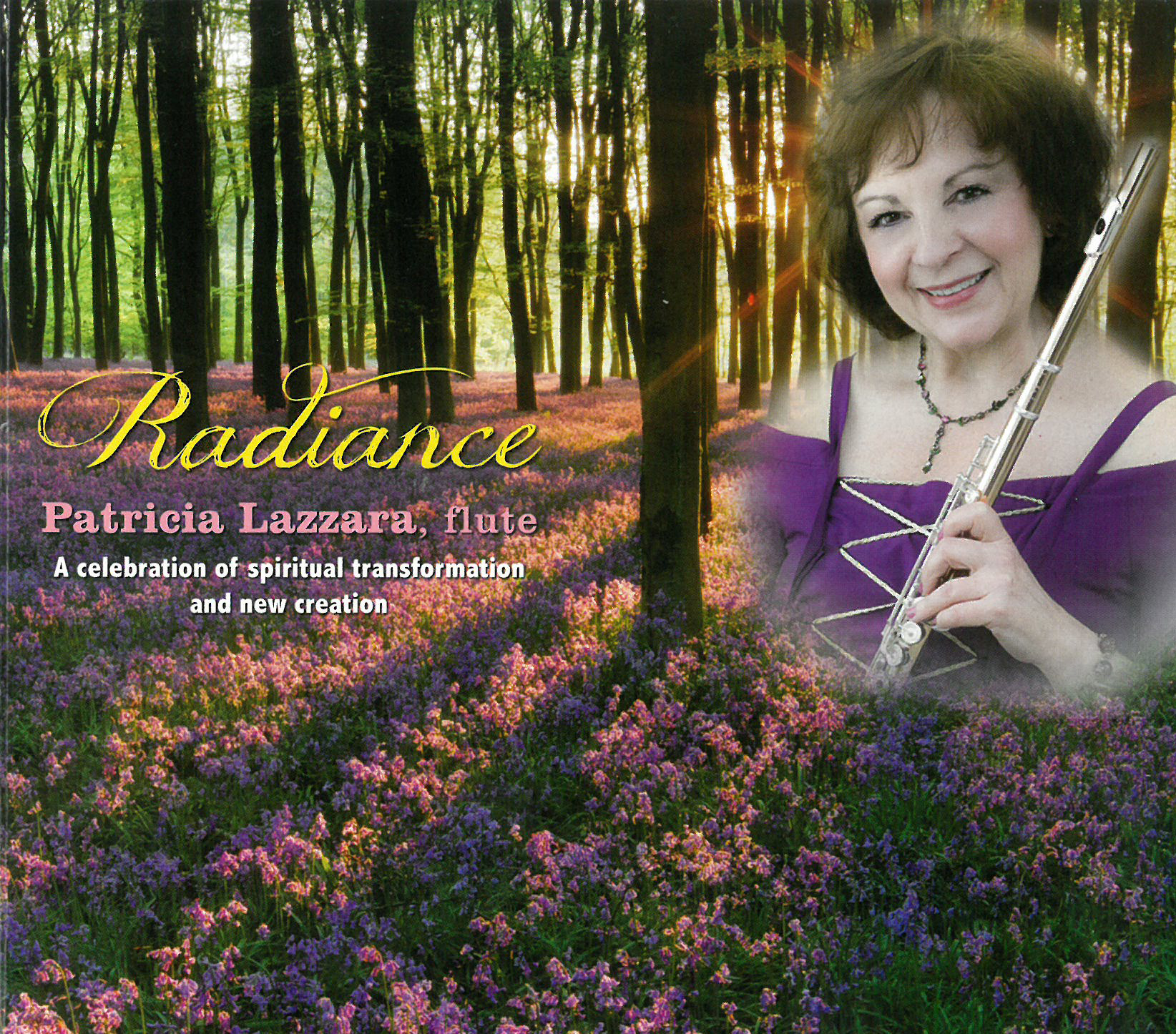
This, the ninth studio album by the distinguished American flutist, Patricia Lazzara, presents a fascinating program of contemporary compositions and arrangements for the flute by a collection of living American, Canadian, European and Japanese composers. The two Canadians are Toronto flutist and composer, Ron Korb, no stranger to these pages, and Uzbek-Canadian, now living in Toronto, Dmitriy Varelas.

The first two tracks are works by Korb, Woodland Serenade and A Muse. The latter, unlike any other of Korb’s compositions that I have heard, is unaccompanied and offers both technically challenging passages and sections using extended technique which blend perfectly with the more conventional writing. Track three, Reflections of Radiance, by Varelas, for flute and alto flute played by Steve Markoff and cello played by Gerall Heiser is a beautiful and accomplished work, a really great addition to the flute ensemble repertoire. Track eight, Domingo Semenzato’s Divagando (choro) with guitarist, Darren O’Neill is played with just the right blend of vitality and sadness to lift the notes off the page, so to speak.

A real surprise for me, and at first glance an incongruous part of a primarily contemporary program, is the Sicilienne by the Austrian composer and contemporary of Mozart, Maria Theresia von Paradis. This enchanting melody has a strangely contemporary feel to it though, and is actually a good fit. Many thanks to Patricia Lazzara for introducing us to some fine new repertoire by mostly not-well-known contemporary composers.

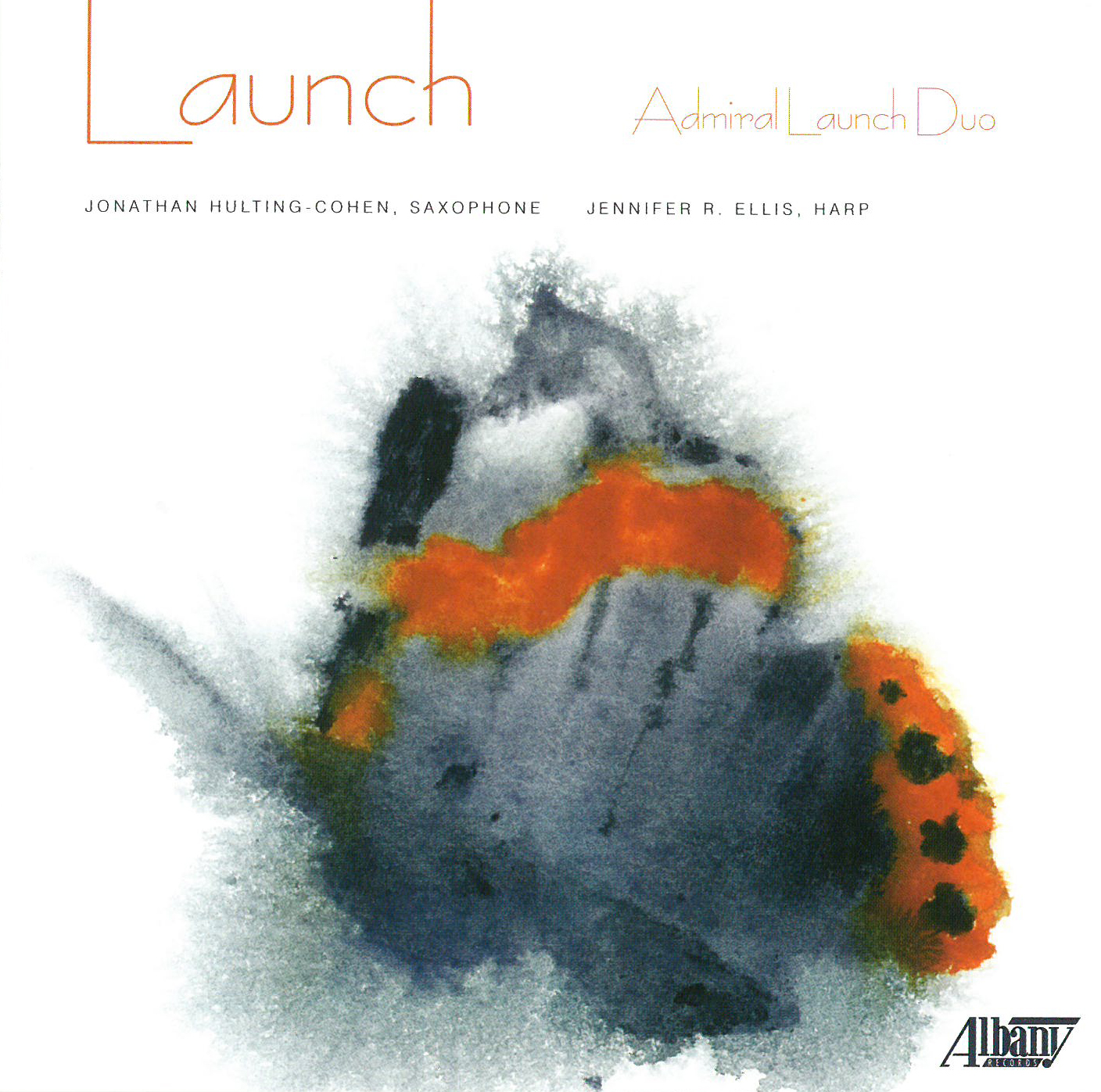
10 LaunchLaunch
Admiral Launch Duo
Albany Records TROY1752 (albanyrecords.com) 

Launch may be described as a way to introduce something new, which is precisely what the US-based Admiral Launch Duo is achieving with their uncanny/intriguing instrumentation. Since their 2013 Fresh Inc Festival debut, saxophonist Jonathan Hulting-Cohen and harpist Jennifer R. Ellis have spent years working together. Their debut 10-composition release features wide-ranging stylistic commissions, transcriptions and premiere recordings.

Five Admiral commissions are included. Patrick O’Malley’s three-movement Thaumaturgy is a current day exploration of harp and sax effects. Amazing how the performers can match colours on two such diverse instruments in an arpeggiated ripple section, while the loud programmatic final meteor movement stuns with harp glissandos and high pitch sax notes. More wailing sax extreme high dramatics with mournful contrasts appear in Christine Delphine Hedden’s Amhrán na Cásca, while dark low and high tones emulate emotional distress in Angélica Negrón’s Still Here. Close atonal interchanges and tight playing are heard on Jasper Sussman’s …nice box! “Oh So Square” and Natalie Moller’s nature-inspired starshine & moonfall.

The other works include changes of sonic pace. Highlights include traditional Romantic harmonies and melodies in the duo’s arrangement of Marcel Tournier’s La Lettre du Jardinier, and a contemplative lyrical harp part against sensitive saxophone phrasing and surprising flute-like tone fluttering on composer Ida Gotkovsky’s own arrangement of her Eolienne.

Musical common sense assumes that it just won’t work but like anything different, the Admiral Launch Duo’s talent, balance and sonic experimentation blossoms with repeated listening.

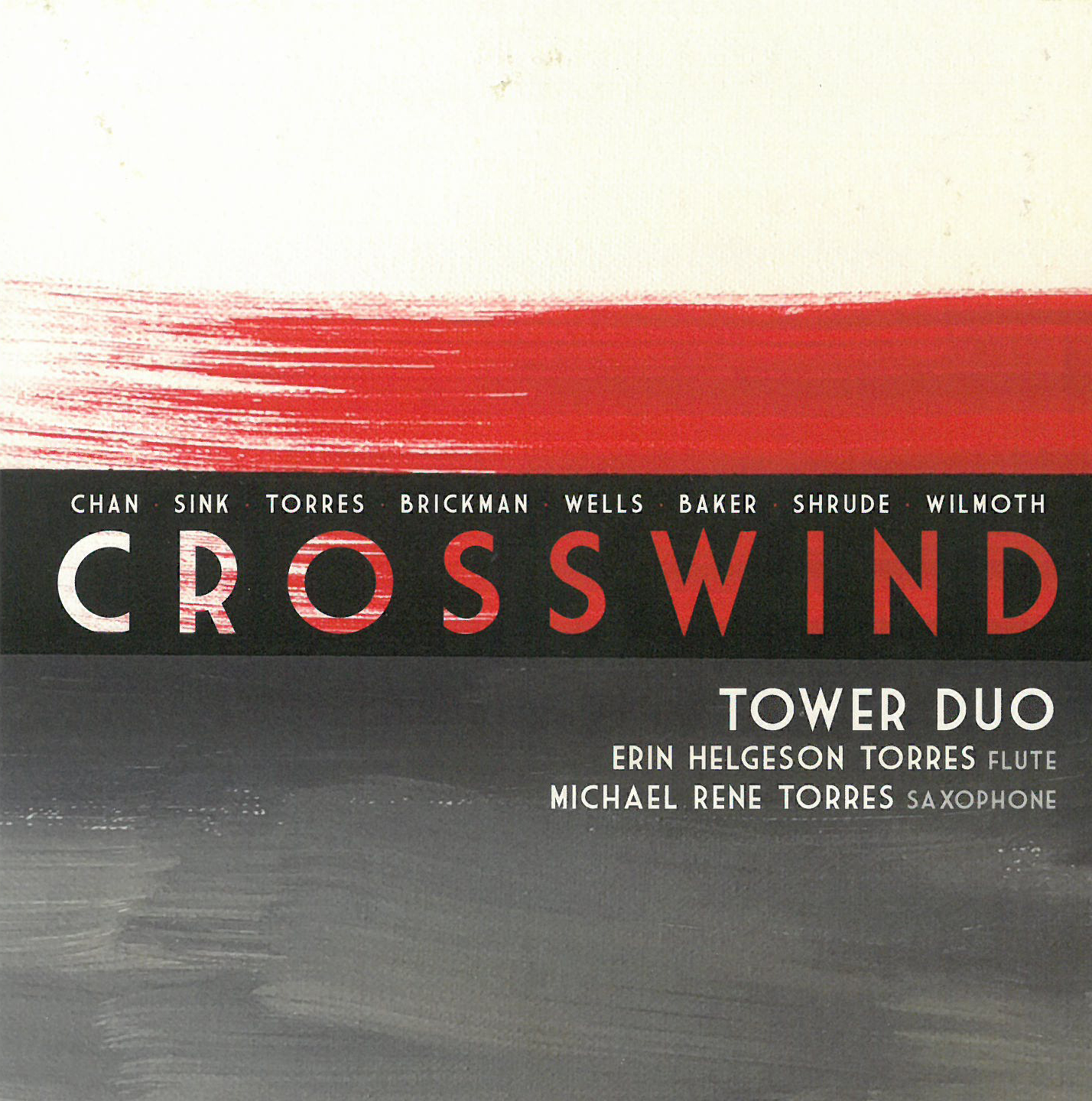
11 CrosswindCrosswind
Tower Duo
Ravello Records rr8003 (ravellorecords.com)

Based in Columbus, Ohio the flute and saxophone Tower Duo specializes in performing contemporary works by emerging composers. Flutist Erin Helgeson Torres performs regularly in various Ohio orchestras, while saxophonist and composer Michael Rene Torres serves as the artistic director of the Columbus Ohio Discovery Ensemble (dedicated to the promotion and performance of contemporary concert music in Central Ohio). Both are active teaching their respective instruments at area universities.

Performing new repertoire for their unusual wind instrument pairing (since 2007), Crosswind is Tower Duo’s debut album. It features eight of the duo’s favourite compositions by as many American and international composers. The album displays the duo’s mission: commissioning and performing new scores. Included is Scott Brickman’s epigrammatic Epic Suite (2012), Charlie Wilmoth’s disruptive Three Pieces (2013), Philip Sink’s Places Never Painted (2012), inspired by the composer’s poem evoking the quiet beauty of the natural world, as well as Michael Rene Torres’ four-part character study Four Short Episodes (2011).

The title track from 2013 by Hong Kong composer Chin Ting Chan (b.1986), written for the duo, is an album highlight. Full of extended techniques and reflecting Chan’s harmonically exact, rhythmically defined and structurally strict M.O., it pays close attention to instrumental timbre and colour, and two-voice polyphony. It’s also infused with a playfully dramatic, tonally exploratory mood.

This lightness of mood and unstrained virtuosity happily permeate this album, enjoyable to listeners far from the borders of the Buckeye State.

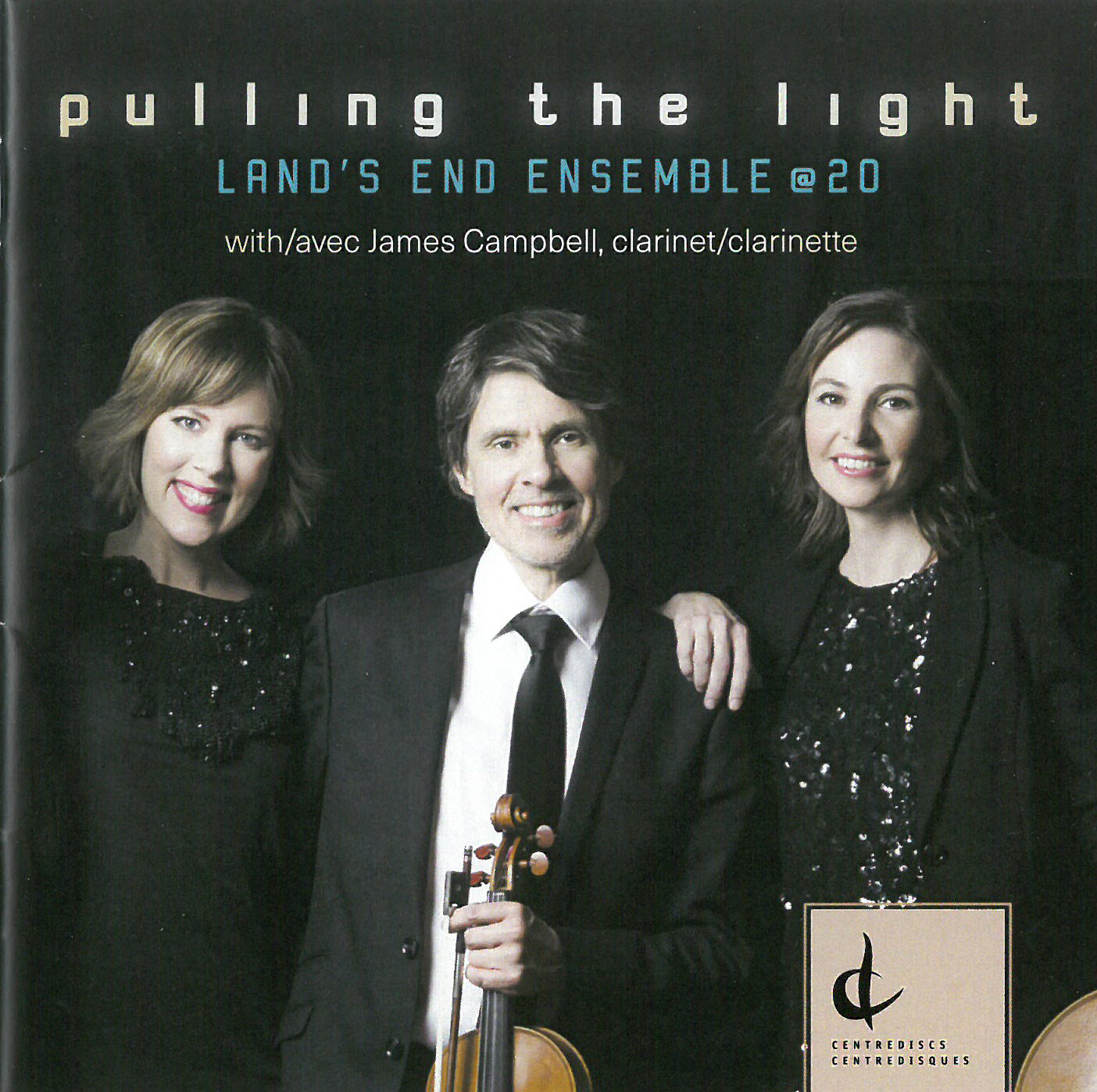
01 Lands EndPulling the Light
Land’s End Ensemble; James Campbell
Centrediscs CMCCD 25718 (musiccentre.ca)

Calgary’s Land’s End Ensemble presents six Canadian works composed since the violin-cello-piano trio was formed 20 years ago. In Omar Daniel’s Piano Trio No.2, two heavily accented rhythmic movements precede two slow, misterioso-style movements, all highly effective thanks to Daniel’s knack for combining dramatic contrasts, piquant sonorities and constant forward motion.

Alexandre David’s Auprès et au loin takes its title from a description of Pierre Boulez’s music as “coherent, closely and from afar.” Composed while David was studying Boulez’s music, it begins with alternating agitato and ruminative passages, eventually gaining momentum and its own coherence. The next three works offer subtle evocations of nature and landscape. Allan Gordon Bell’s Markings depicts three states of water – clouds (wispy strings, piano tinkles), streams (string pizzicati, running piano arpeggios) and glaciers (rapid string figures, thumping piano bass notes).

James Campbell, Canada’s preeminent clarinetist, joins with the trio in Emilie Cecilia Lebel’s Navigational View of South Foreland Point and the Kent Coast, 1840, inspired by drawings from that year. The slow, moody music suggests a mist-shrouded vista lacking any sharply defined landmarks. Campbell also participates in Kelly-Marie Murphy’s Postcards from Home, tone pictures of a winter storm, sunrise and a rousing hoedown. Finally, Laurie Radford’s Event Horizon plays with acoustic space, squiggles of energy and textures enhanced by electronics and science-fiction colours, with section titles including Pulling the Light, Red Shifted and Escape Velocity.               

You’re sure to find something to enjoy on this disc; I did.

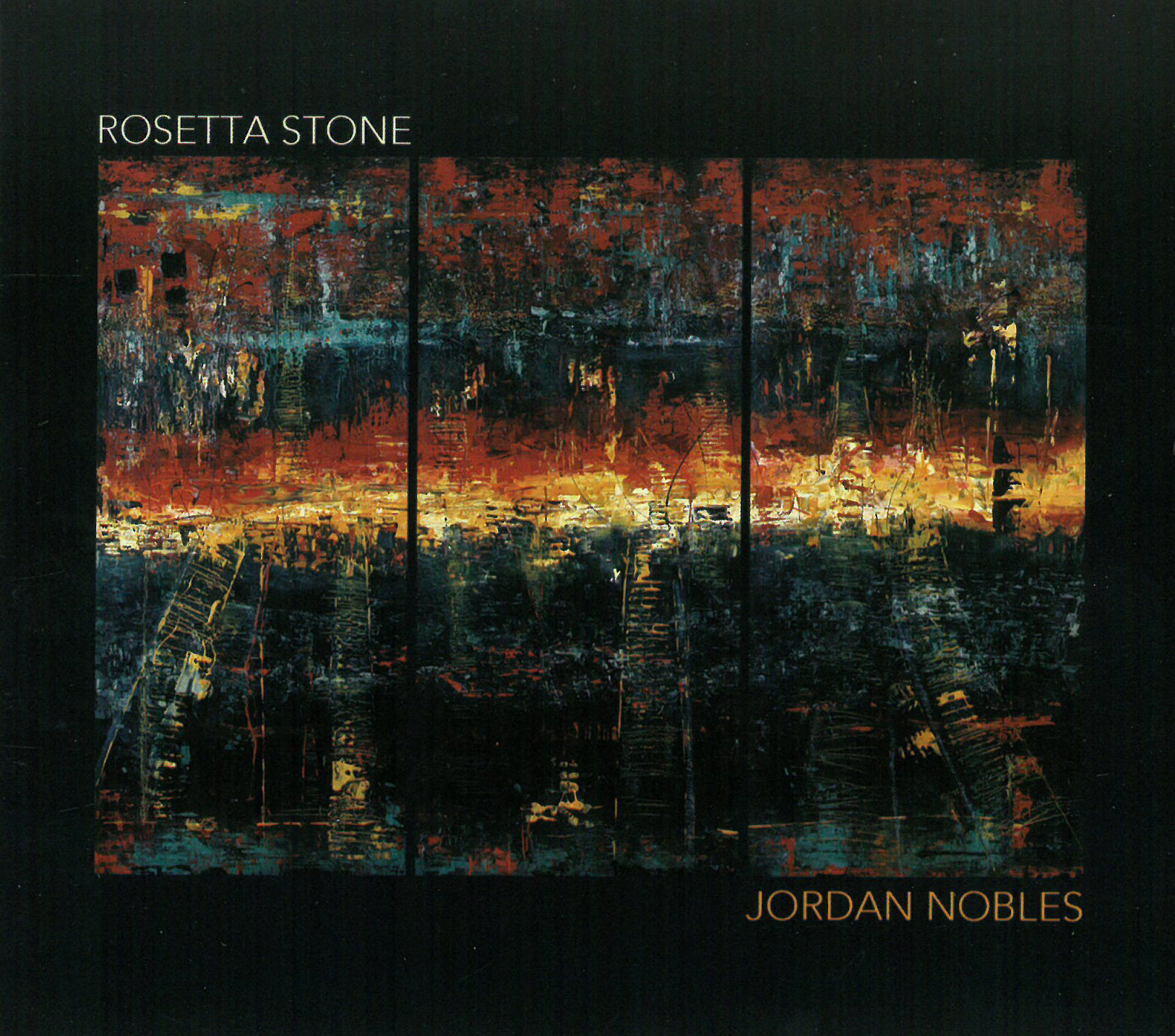
02 Jordan NoblesJordan Nobles – Rosetta Stone
Various Artists
Redshift Records TK461 (redshiftrecords.org/releases/tk461)

Prolific Canadian postclassical composer Jordan Nobles has won numerous awards for his scores, including a 2017 JUNO. He also serves as the artistic director of Redshift Music Society, among Vancouver’s most active contemporary music groups. In 2007 it launched Redshift Records, its own label, with an ambitious regionally rooted catalogue that today lists some 39 CDs.

Nobles’ minimalistic collection of nine works collectively titled Rosetta Stone: Music for Multiples is among Redshift Records’ latest releases, selected from the composer’s Open Score Collection of 25 experimental compositions for non-fixed instrumentation. In the liner notes flutist Mark Takeshi McGregor notes that the idea of multiples – musical works composed for several identical or like-sounding instruments – has been a decades-long preoccupation of Nobles. “Whether it’s eight saxophones, six harps, or 24 vibraphones, the monochromatic ensemble presents a creative restriction” capable of surprisingly complex and attractive musical results.

Using multitrack studio recording techniques Nobles opted to have each work on the album performed by a single musician, such as möbius (for ten grand pianos), or air (for 16 bass flutes).

The musical results are remarkably varied, ranging from the dramatically breathy, dense, natural harmonics-based stereophonic swirl of air to the plucked string overtone-rich sound clouds of ephemera (for four seven-string electric guitars).

Perhaps, like me, you’ll find the ever-modulating, plush but never saccharine bass-centric chords of still life (for eight five-octave marimbas) the peaceful six-minute soundbath you crave on a hectic day.

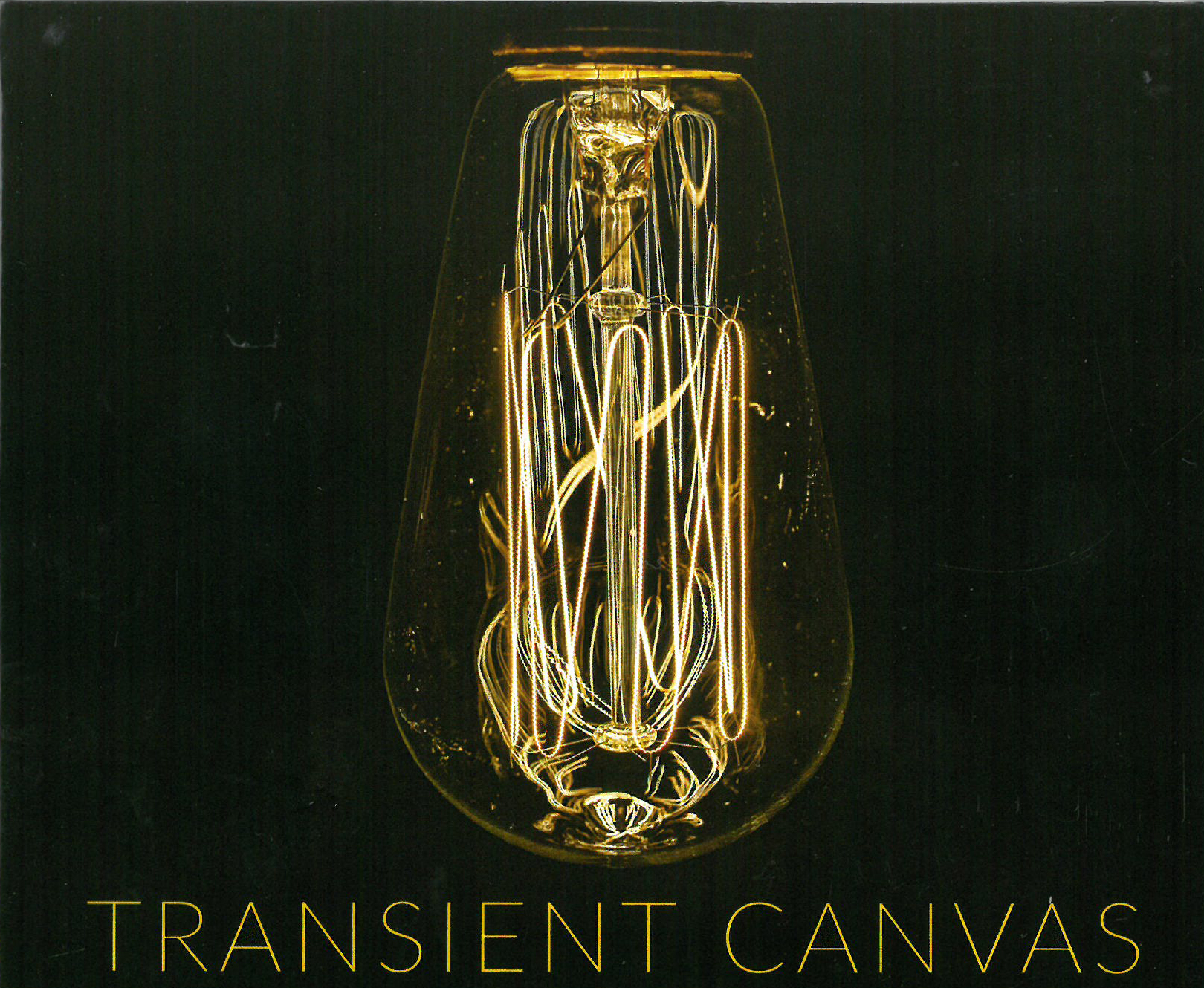
03 Transient CanvasWired
Transient Canvas
New Focus Recordings FCR218 (transientcanvas.com)

Wanna know two sounds I love? Marimba and bass clarinet. Wanna know how I know? This disc is how. Transient Canvas is the duo in question, and their recent release is Wired. Each track features the duo plus electronics, mercifully the latter enhancing rather than distracting from the acoustic sounds.

I’m writing in a manner as close as I can manage to their joyful goofy playing (clean and excellent goofiness, disciplined joy). This is like listening to two of your favourite flavours, say dark chocolate and roasted almonds, that go really well together. Or listening to two of your most beloved colours, say turquoise and deep brown, that set one another off, yet seamlessly blend. Much of the material is pop-sounding enough that the madness of the harmonies and jagged rhythms don’t jar the ear, they toy with it.

It isn’t because it’s all from one composer who gets them or caters to their strengths: each track is from a different composer. Maybe the two (Amy Advocat on bass clarinet, Matt Sharrock on marimba) are really good at commissioning only composers who get them, or maybe the composers themselves just can’t find a way to put them off their game. After three bouncy tracks, there’s a complete change of pace in Hyggelig (Danish for chillaxin’), by Lainie Fefferman. The longest cut, at almost 11 minutes, is the aptly solemn solm by Mischa Salkind-Pearl. The final track, Epidermis by Dan VanHassel, is the most hard-core progressive, yet kinda bebop. Peter Van Zandt Lane’s Exergy Bubblebath wins the Most Whimsical Title award.

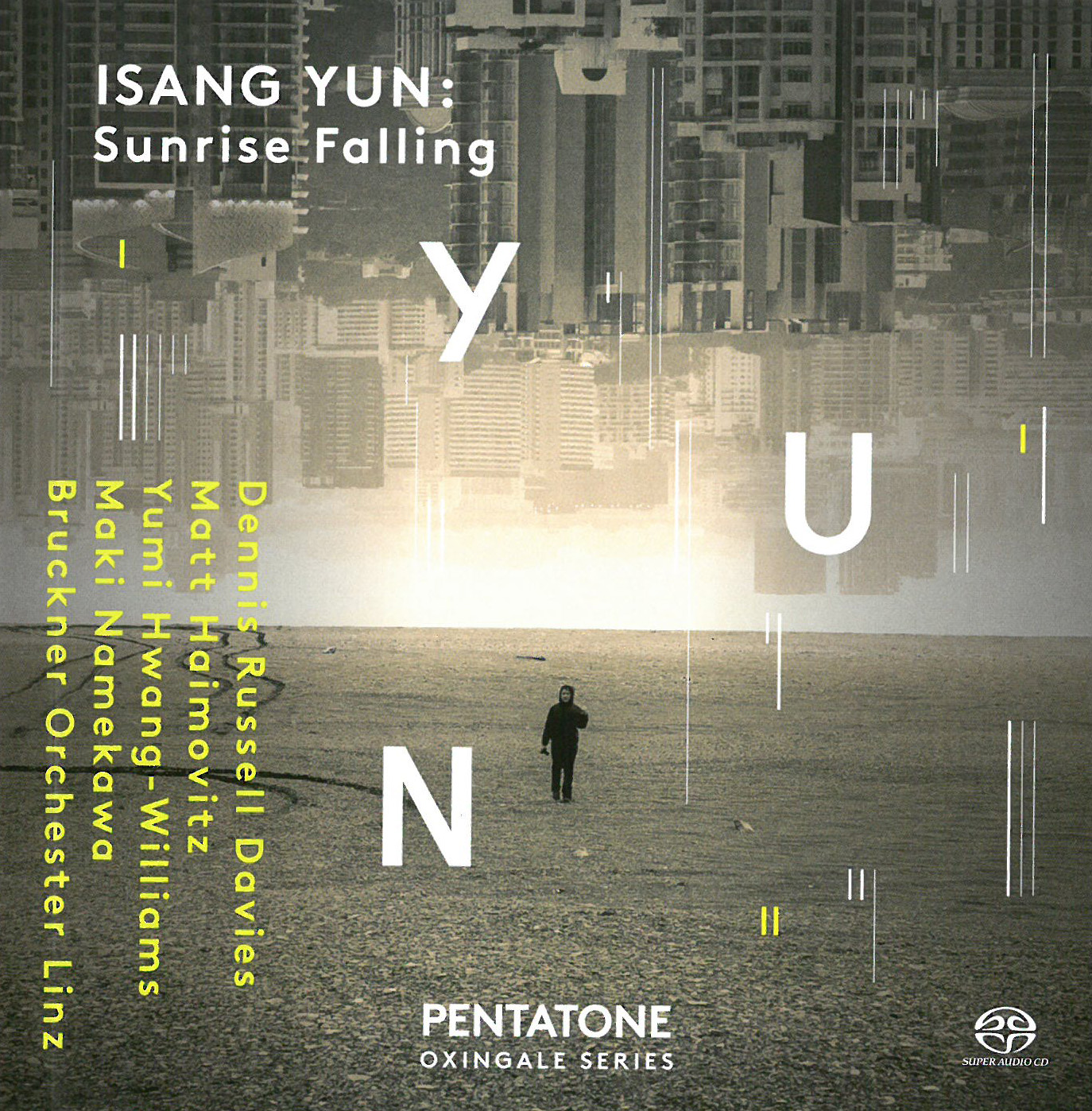
04 Isang YunIsang Yun – Sunrise Falling
Dennis Russell Davies; Matt Haimovitz; Yumi Hwang-Williams; Maki Namekawa; Bruckner Orchester Linz
Pentatone PTC 5186 693 (naxosdirect.com/items/sunrise-falling-467137)

Isang Yun: Sunrise Falling is a centennial commemoration of the uncompromising life and music of Korean-German composer Isang Yun (1917–1995). Maestro Dennis Russell Davies, long a Yun collaborator and advocate, curated the program, ably conducting the Bruckner Orchestra Linz.

Born in present-day South Korea and later re-establishing himself in West Germany, Yun certainly has one of the most unusual biographies of any composer of Western concert music. His is an epic story of a lifelong fight for Korean national independence and unity, thwarted by exile, all framed by the creation of some of the most emotionally gripping and transculturally cogent music of the 20th century. After establishing an award-winning composing and teaching career in Korea after WWII, in 1956 Yun relocated to Europe to further study composition, settling in Germany. His idiosyncratic style fully emerged in Gasa (1963) for violin and piano, evocatively performed on this album by violinist Yumi Hwang-Williams and pianist Dennis Russell Davies. Its score overlays Schoenberg-derived 12-tone gestures with complex sustained tones imbued with high emotion, the latter, an essential quality of traditional Korean music.

On June 17, 1967 Yun’s life took an extraordinarily dramatic and life-threatening turn. He was kidnapped by the South Korean secret service from his West Berlin home. Taken to Seoul to face trumped-up charges, he was accused of being a North Korean spy even though he had only visited there as a tourist. Tortured in prison, he attempted suicide. He was forced to confess to espionage resulting in a death sentence, subsequently commuted to a lengthy prison term. Yun was eventually released in 1969, in great measure as a result of international outrage at his mistreatment and the injustice of the charge. He returned to a divided Germany never again to go back to his Korean birthplace.

Yun’s dramatic biography informs his mature music – a convincing blend of Korean and European musical instruments, idioms and sensibilities – accurately reflecting the human and political drama and intercultural fabric of his life story. The album’s key works are the full-length Concerto for Violoncello and Orchestra (1976), and Concerto for Violin and Orchestra No.1 (1981), both imbued with autobiographical allusion. Virtuoso cellist Matt Haimovitz assays Yun’s intense score jam-packed with despair, as well as exultation over personal tragedy, with deep musicality and passion. Innovative timbral textures, such as the use of a plectrum on the cello to emulate the kŏmun’go (Korean zither), delight the ear. That technique also adroitly bridges the composer’s mid-20th-century Korean and Central European classical music worlds.

The double album’s booklet concludes on a hopeful note. “100 years after Isang Yun’s birth, the two Koreas still teeter on a razor’s edge, with ever more global ramifications. His music opens the gate to a lost, united land, with Yun’s own heart bleeding but ever hopeful.”

Listen to 'Isang Yun – Sunrise Falling' Now in the Listening Room

Back to top