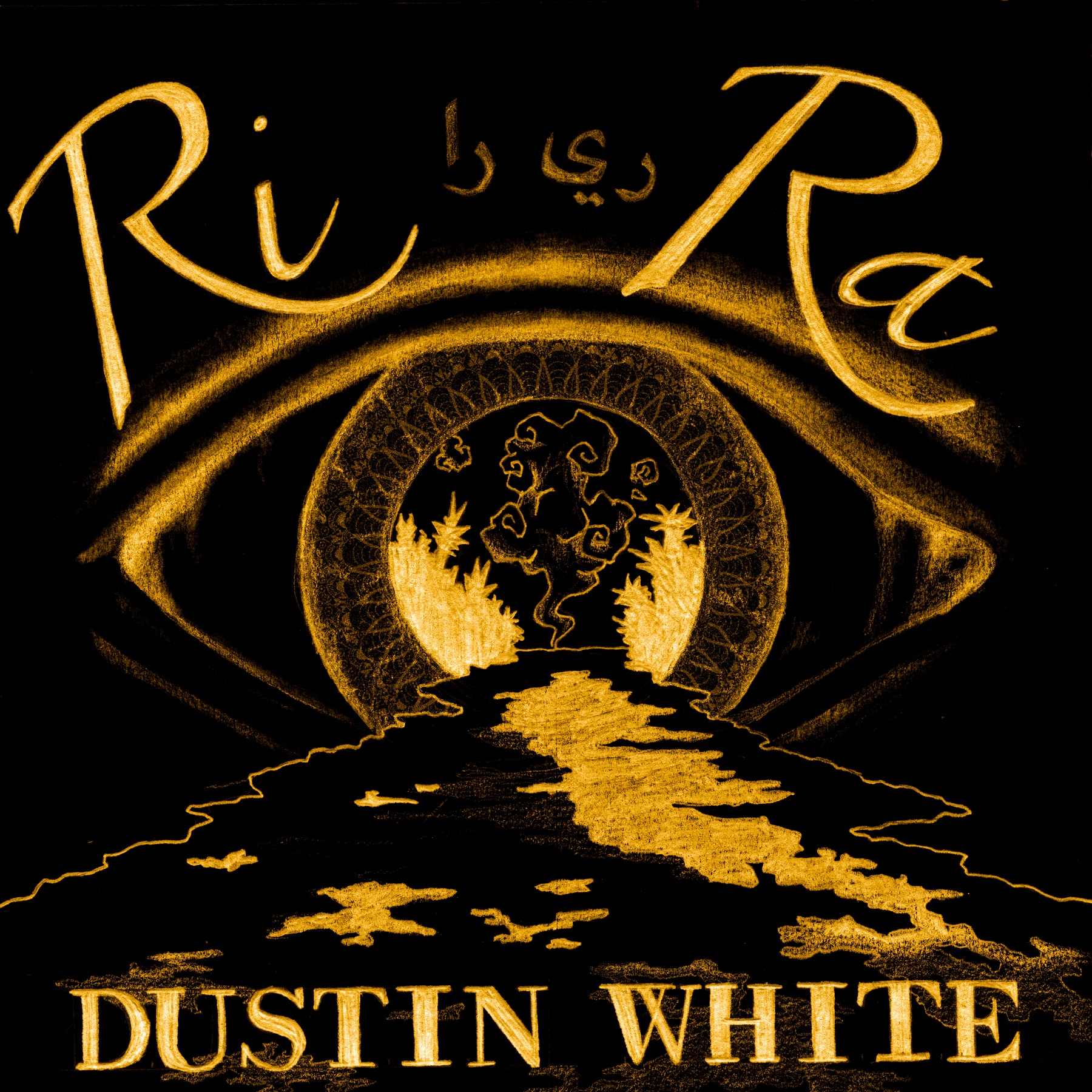
03 Dustin White Ri Ra Artwork FinalRi Ra
Dustin White
Mon Hills Records (dustinwhiteflute.com)

Early-career West Virginia flutist Dustin White has made a name exploring flutecentred intersections of Western contemporary art and Middle Eastern musics. His debut solo album, Ri Ra, treads that path; featuring seven solo works from the last 18 years for C, alto and bass flutes Montreal’s Katia Makdissi-Warren is however no mere coincidence. She is the founding artistic director of Oktoécho, an ensemble specializing in the fusion of Middle Eastern and Western musical idioms, right in line with the album’s theme. 

Most of the works chosen for were winners of a 2020 open call for scores which sought compositions by composers of Middle-Eastern descent, or music inspired by Middle-Eastern themes. White’s masterful command of the Western concert metal flute enables him to evoke the sounds of the reed nay and shabbaba, modes outside diatonic scales and Middle-Eastern forms such as taqasim, found in Arabic improvisation.

Makdissi-Warren’s beautifully wrought flute solo Dialogue du silence is a standout. Inspired by taqasim, she eloquently highlights silence in the score. It serves to punctuate melodic phrases, as portmanteaux of transition and as echoes of preceding phrases. Dialogue du silence is both compelling as an emotional statement, as well as a rare example of an effective marriage of extended flute techniques pioneered by 20th-century Western composers and received Arabic flute and vocal performance practices. The score is eminently worthy of joining the roster of solo flute concert standards.
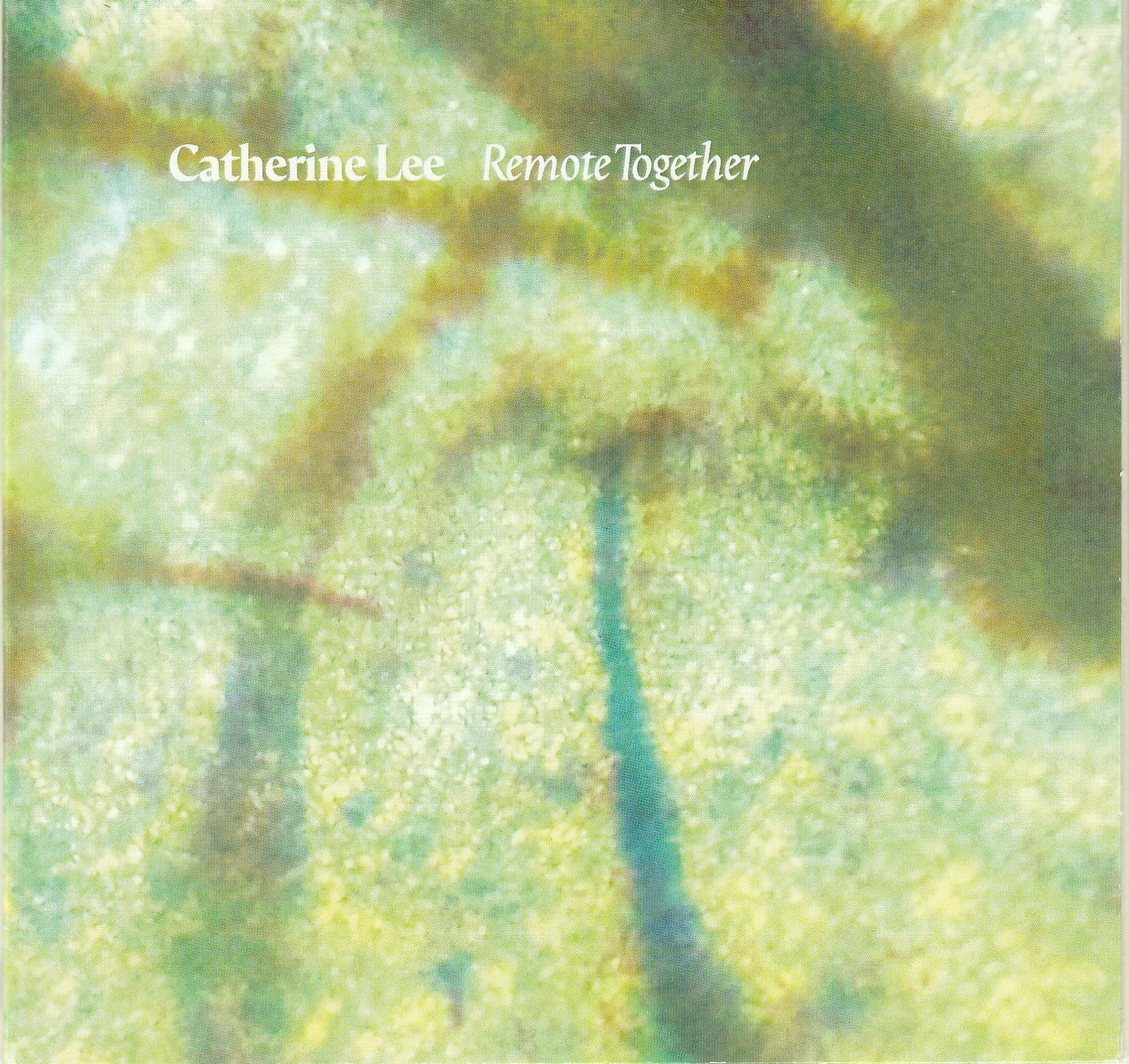
04 Catherine LeeRemote Together
Catherine Lee
Redshift Records TK489 (redshiftrecords.org)

During the worldwide pandemic, Canadian oboist Catherine Lee turned this experience into a creative solo album, Remote Together. The compositions are put in a specific order to recreate the transformative experience during social isolation; loneliness to overcoming seclusion, with a new perspective on life as we know it. The album features works by Canadian and American composers from the Pacific Northwest, often incorporating the vibrant sounds of nature with the pastoral timbre of the oboe, oboe d’amore and English horn.

Although each composition brought different perspectives of the oboe family’s tonal variety, the one that really stood out was the final work Silkys, co-created in 2020 by Catherine Lee and Juniana Lanning. Silkys depicts the lifecycle of the domestic silk moth with the integration of field recordings of natural sounds. You can hear the entire metamorphosis from the very beginnings of life, crawling around as a caterpillar, to being sealed in a cocoon hearing the faint world around outside, to developing and trying new wings, to finally emerging a free moth. Lee has cleverly paired this composition with images, creating a video to enhance the experience.

Lee showcases her beautiful dark tone on all three instruments and her mastery of 20th-century techniques. Remote Together is a direct reflection of current society and nature’s ability to adapt to surrounding circumstances.

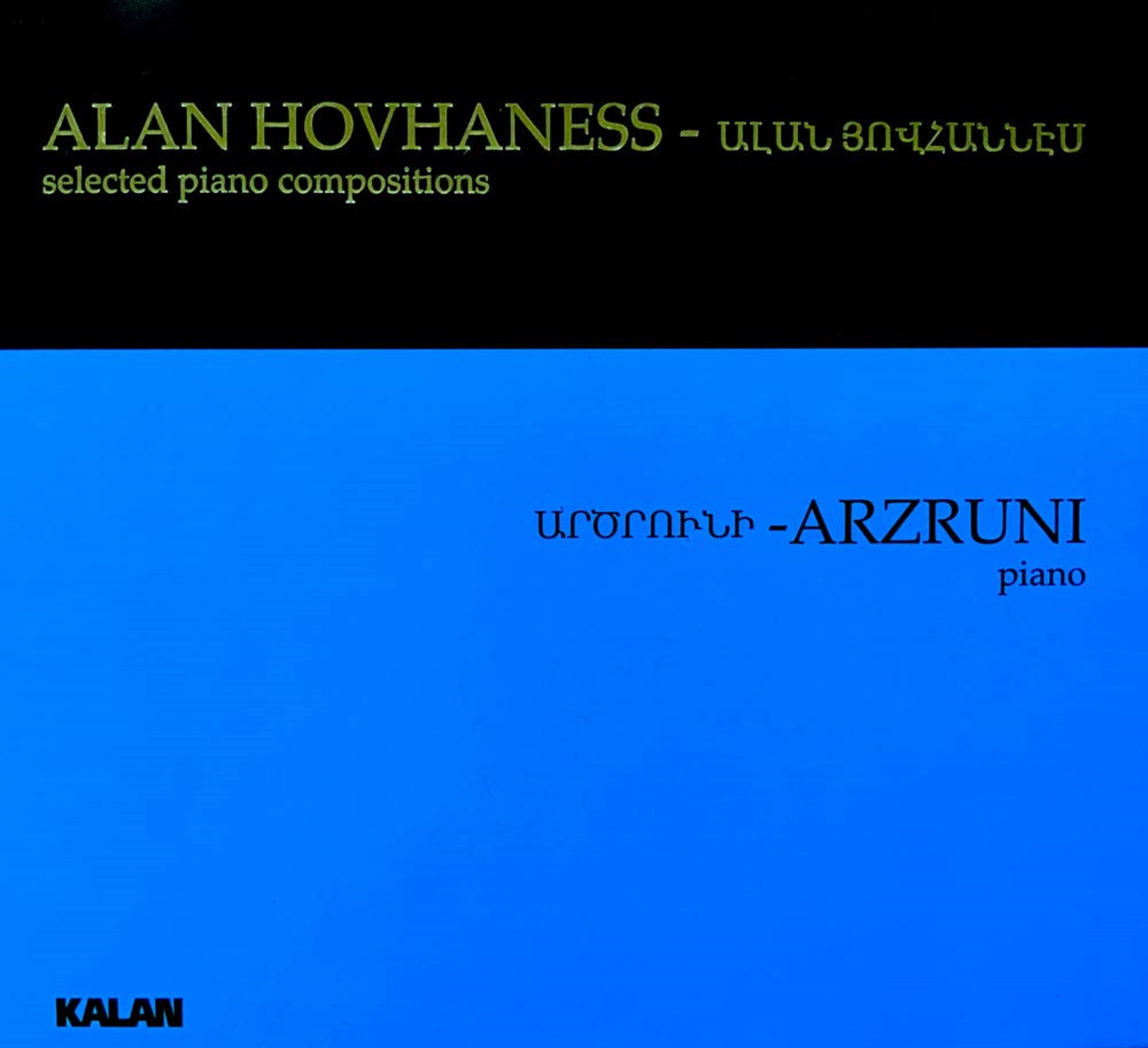
05 HovhanessAlan Hovhaness – Selected Piano Compositions
Şahan Arzruni
Kalan 773 (kalan.com)

Drawing upon his friendship with the composer and what he describes as “stacks of handwritten manuscripts,” Armenian pianist-ethnomusicologist-media personality Şahan Arzruni performs ten works by Alan Hovhaness, several unpublished, here receiving their first recordings.

Hovhaness (1911-2000) was born in Massachusetts to an Armenian father and Scottish mother. Many of his hundreds of compositions reference Armenian historical and musical traditions. Embracing as well the melodic, rhythmic, modal and colouristic resources of other diverse cultures, Hovhaness’ music evokes ritualistic processions, incantations and dances in moods ranging from lamentation to jubilation.

This disc contains 34 tracks, nearly all under three minutes long. In the five-movement Invocations for Vahakn, Op.54, No.1, percussionist Adam Rosenblatt adds Chinese drums, Burmese gongs, cymbal, conch and thunder sheet to the suitably aggressive music. (Vahakn was an ancient Armenian war god.) Rosenblatt rejoins Arzruni in the eight-movement Sonata Hakhpat, Op.54, No.2. (The Hakhpat monastery complex in Armenia is a UNESCO World Heritage site, dating from the tenth century.) Unlike its martial companion piece, it begins with slow, bell-like chords; a pensive Pastoral and mournful Aria provide repose between mesmerizing, propulsive dances. 

Of the solo piano works, my special favourites are the quirky Suite on Greek Tunes, the sensuous Mystic Flute and the glowing, beautiful Journey into Dawn. I enjoyed the entire CD, though, along with all of Hovhaness’ music that I’ve heard throughout over 60 years of appreciative listening to it on disc. Quite simply, I’m a fan!

08 Eric Lyon GigaEric Lyon: Giga Concerto
String Noise; Greg Saunier; International Contemporary Ensemble
New Focus Recordings FCR293 (newfocusrecordings.com/catalogue) 

Frenetic energy and whirling pastiche permeate throughout Eric Lyon’s Giga Concerto. Performed by the International Contemporary Ensemble (ICE), with guest soloists, this six-movement work is certainly a fun ride. The composer notes that the music of Brahms is decidedly “gloomy” and aims to avoid this attribute in his own music. The Giga Concerto does exactly that: the obvious polar opposite of gloom. The listener is treated to pure giddiness as Lyon enjoys many jaunty moments in each movement of the piece. The joviality of mood is unrelenting with many sarcastic string slides and punchy percussive romps. This release is truly a carnival dance in a not-to-distant land. The International Contemporary Ensemble, soloists Conrad Harris and Pauline Kim Harris (also known as the duo String Noise) and percussionist Greg Saunier execute the piece with supreme musicianship and technical mastery. The Giga Concerto is wonderfully buoyant – the perfect listen on a gloomy day.

Listen to 'Eric Lyon: Giga Concerto' Now in the Listening Room

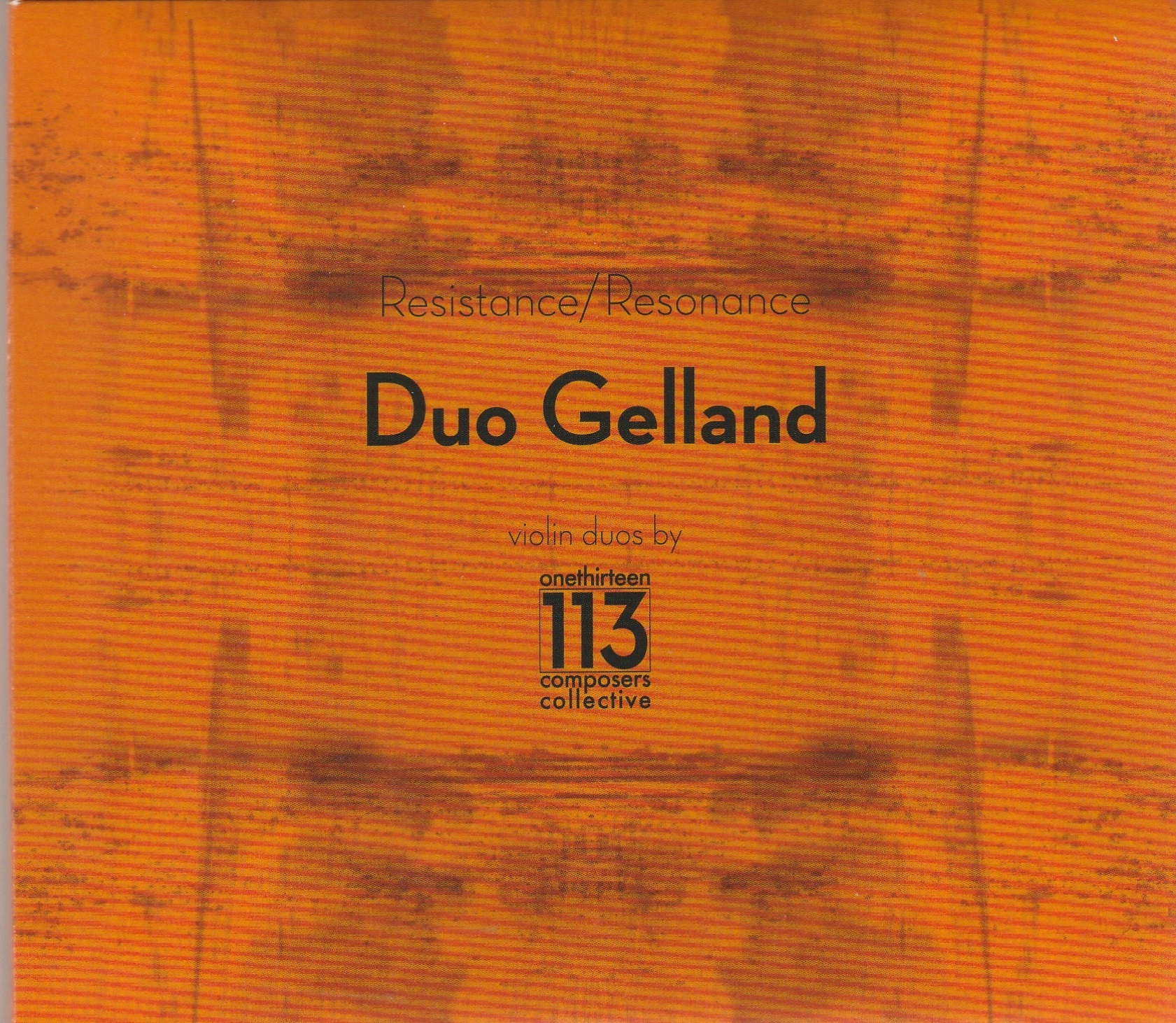
10 Duo Gelland113 Composers Collective – Resistance/Resonance
Duo Gelland
New Focus Recordings FCR291 (newfocusrecordings.com/catalogue) 

Duo Gelland is comprised of virtuoso violinists Cecilia and Martin Gelland. In their nearly 30-year history, the duo continues to champion contemporary music to a seemingly inexhaustible degree. In the duo’s latest release titled Resistance/Resonance, members of the 133 Composers Collective were commissioned to provide the six pieces on the album.

Each piece delivers a wide-ranging approach to the violin duet from a noise-based aesthetic to shimmering landscapes produced by string harmonics. Jeremy Wagner’s Oberleitung is a jagged study in electric gestures. Michael Duffy offers contrast with airy tones and gentle threads. The nostalgia-laden Autochrome Lumière by Joshua Musikantow offers a more melodic approach matched with prickly taps of the bow on the instruments. Sam Krahn’s piece, the title track, is an engaging juxtaposition of different characters that provide interesting contrast and occasional togetherness. Difficult Ferns by Adam Zahller is a decidedly microtonal work filled with unstable and phantom imagery. The last track on the disc, cistern . anechoic . sonolucent by Tiffany M. Skidmore, creates a distant shadow aura amid slow-moving whispers – a piece that is magnificent in its understated quality. 

Duo Gelland has produced yet another astounding example of their talents, and they handle each piece with an expressive and technical mastery that is not to be missed.

Listen to '113 Composers Collective: Resistance/Resonance' Now in the Listening Room

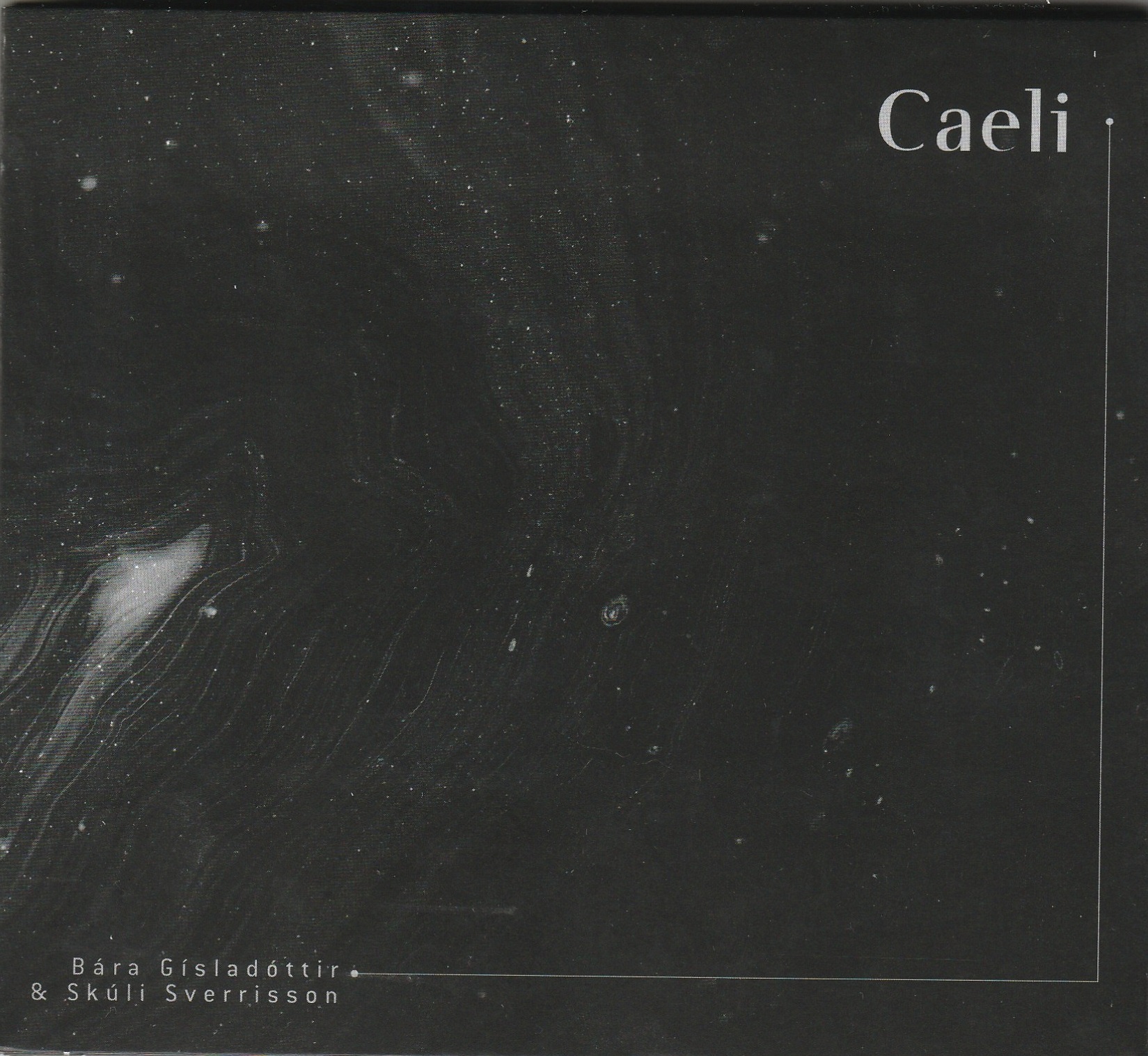
11 CaeliCaeli
Bára Gísladóttir; Skúli Sverrisson
Sono Luminus SLE 70020 (sonoluminus.com)

The duo of Icelandic bass players Bára Gísladóttir and Skúli Sverrisson has documented their finely tuned working relationship with Caeli. Deep explorations of sounds from Gísladóttir’s double bass are sculpted by Sverrisson’s skillful mastery of the electric version of the instrument, shaded by the subtle blues and greys of his electronics. Long expansive bowed scrapes are pushed to the edge, just hanging on before bubbling over to the world of overtones and edgy depths of deep space. 

This music is definitely not for everyone, but I found the work expressive and beautiful. More along the lines of a Deep Listening experience, it is enigmatically shy of information either on the album or the press kit, so I am going to assume they are improvisations curated and finely edited to their current state. Caeli is exquisite in its expression of layered textural nuances created between the partnership of the acoustic double bass and the electric bass and processing. This is an album that is at times darkly overbearing while simultaneously free and endless; it is without borders, almost frightening in the way one might dream about falling off the edge of a flat Earth or losing sight of the mothership while floating in space. The length of the double album only enhances the endlessness. 

With each track delicately balanced and compositionally complete, this is an album for those who are into darkly cinematic ambient sounds. Put on some good headphones, sit in the dark and enjoy the ride.

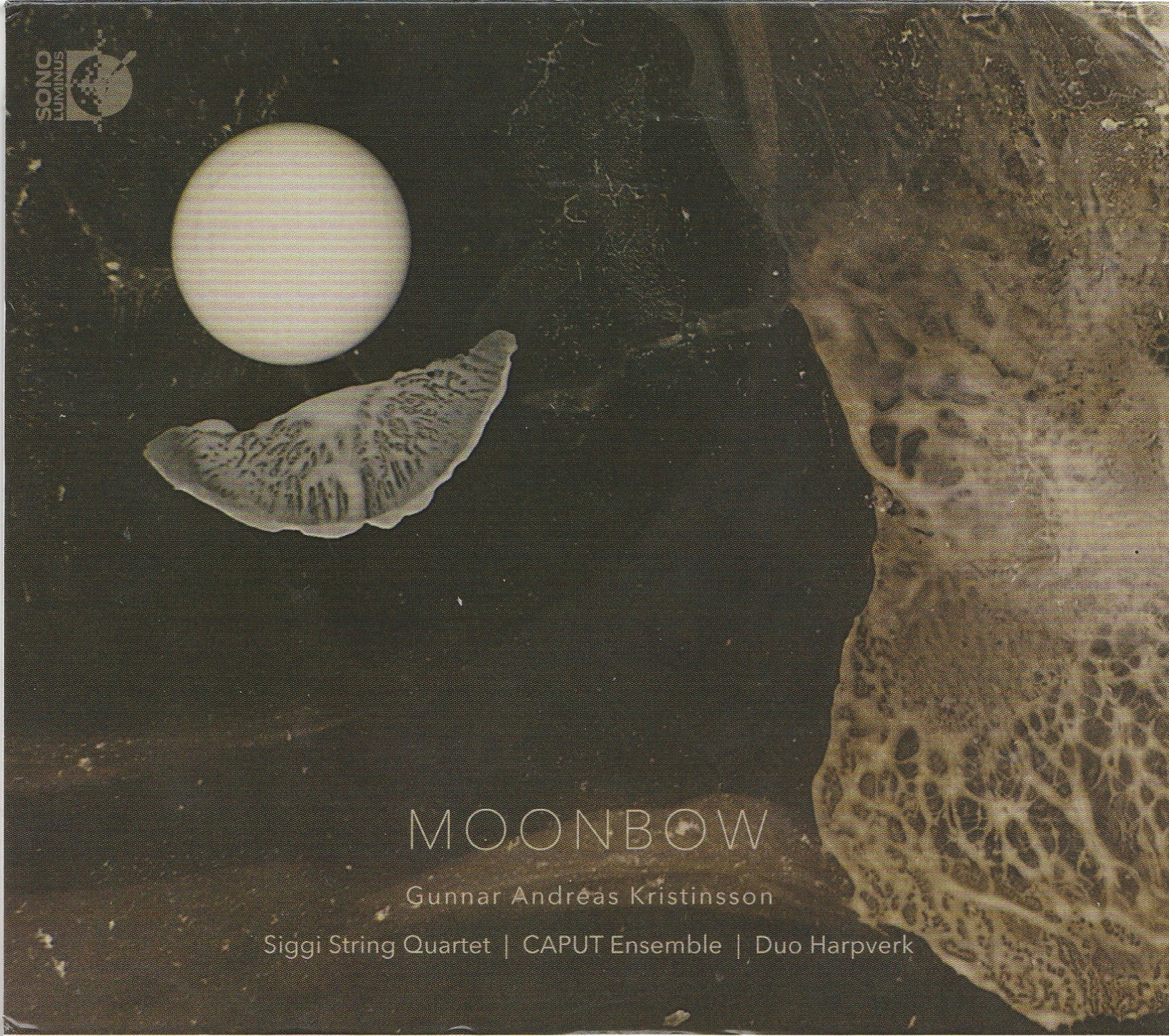
12 MoonbowGunnar Andreas Kristinsson – Moonbow
Siggi String Quartet; CAPUT Ensemble; Duo Harpverk
Sono Luminus DSL-92246 (sonoluminus.com)

Who’s up for some sombre Nordic music? Icelandic composer Gunnar Andreas Kristinsson’s moody compilation matches the colour palette on the CD jacket: black, white and muted earth tones. Essentially this is all chamber music, even the opening cut, Sisyfos, a concerto for clarinet and small orchestra, featuring Ingólfur Vilhjálmsson with the CAPUT Ensemble. Vilhálmsson has a wildly unconventional sound and an impressive technical range. Portraying the protagonist in the myth, his part struggles against the accompaniment: descending scales, all at varying speeds and tonalities. The soloist rolls phrase after phrase up this sonic mountainside. 

Based on an Icelandic folk song, Patterns IIb is quite playful by comparison, but it’s still serious play. Reworked from its original scoring, Kristinsson replaced the gamelan ensemble with three mallet instruments, alongside the original violin and bass clarinet.

Moonbow, for string quartet, depicts the meteorological phenomenon of an arc surrounding the moon. The opening phrases purport to mirror the arc’s shape; the musical ideas fragment and spin. Kristinsson means to depict the experience of seeing this nocturnal arc-en-ciel; one might be dreaming of flying in ever-narrowing circles upwards, reaching for the thing, then waking suddenly to silence.

Mathematical influence reappears in PASaCAgLiaB, originally a duo for harp and percussion with bass clarinet added later. Within the Baroque form, Kristinsson references the numeric pattern of Pascal’s triangle. A slow sad dance grows more and more manic, before reverting to resigned calm. It’ll take a few more listens before I can detect either a passacaglia format or a triangle.

Roots, the final work in three movements for chamber orchestra, reacquaints one with an old friend, the overtone series. It gets pretty funky, especially the third bit. Actually left me smiling!

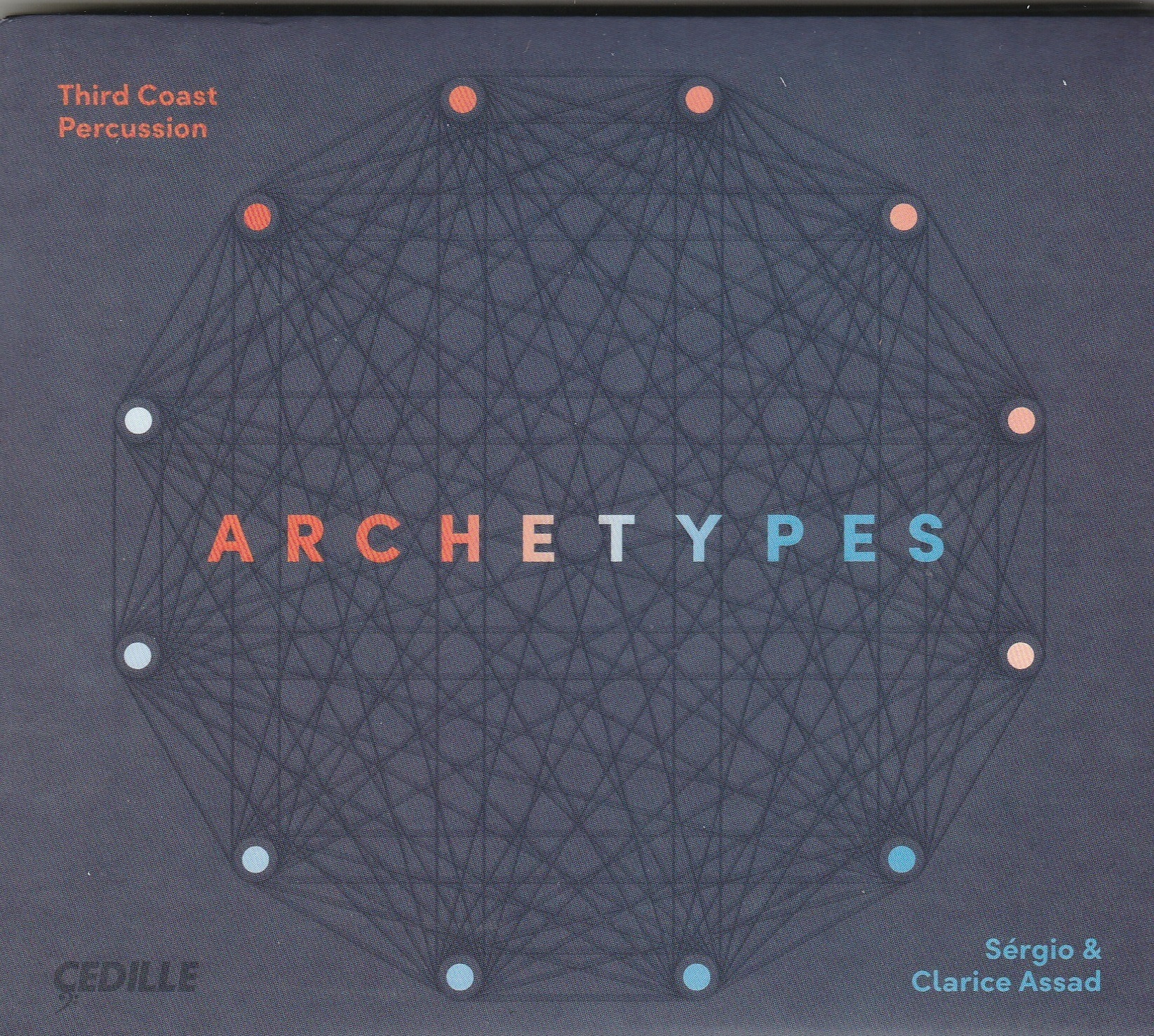
13 ArchetypesArchetypes
Third Coast Percussion; Sérgio & Clarice Assad
Cedille CDR 90000 201 (cedillerecords.org)

For 15 years, Grammy Award-winning Third Coast Percussion has been praised for the “rare power” (The Washington Post) of its records filled with “an inspirational sense of fun and curiosity” (Minnesota Star-Tribune). The Chicago-based quartet currently serves as ensemble-in-residence at Denison University. 

On Archetypes Third Coast has invited celebrated Brazilian guitarist Sérgio Assad and his vocalist/composer/pianist daughter Clarice Assad to collaborate on an album with an intriguing conceit: to conjure up a dozen contrasting universal human archetypes in music. In 12 movements, each from three to just over five minutes, archetypal figures such as magician, jester, rebel, lover, hero and explorer take their turn at the thematic centre. 

Instrumentally and stylistically the music comfortably inhabits a double frame: contemporary percussion chamber music is infused with harmonically adventurous Latin jazz, acoustic guitar and occasional vocalise. The results of this genuine collaboration can be extraordinary. Archetypes IV:  The Lover for instance, in its restless and surprising modulations, rippling guitar and marimba arpeggios counterpointed by spare vibraphone and piano melodies floating above, seems to be reaching for something just beyond reach.

The 11 other movements evoke other moods and effects, characterized by innovative arrangements and brilliant playing. Composed by Sérgio, Clarice, members of Third Coast, or jointly, the suite flows organically, exuding musical confidence and virtuosity.

With its mix of classical and jazz elements, the 20th-century music fusion term  Archetypes is an unexpectedly delightful musical discovery.

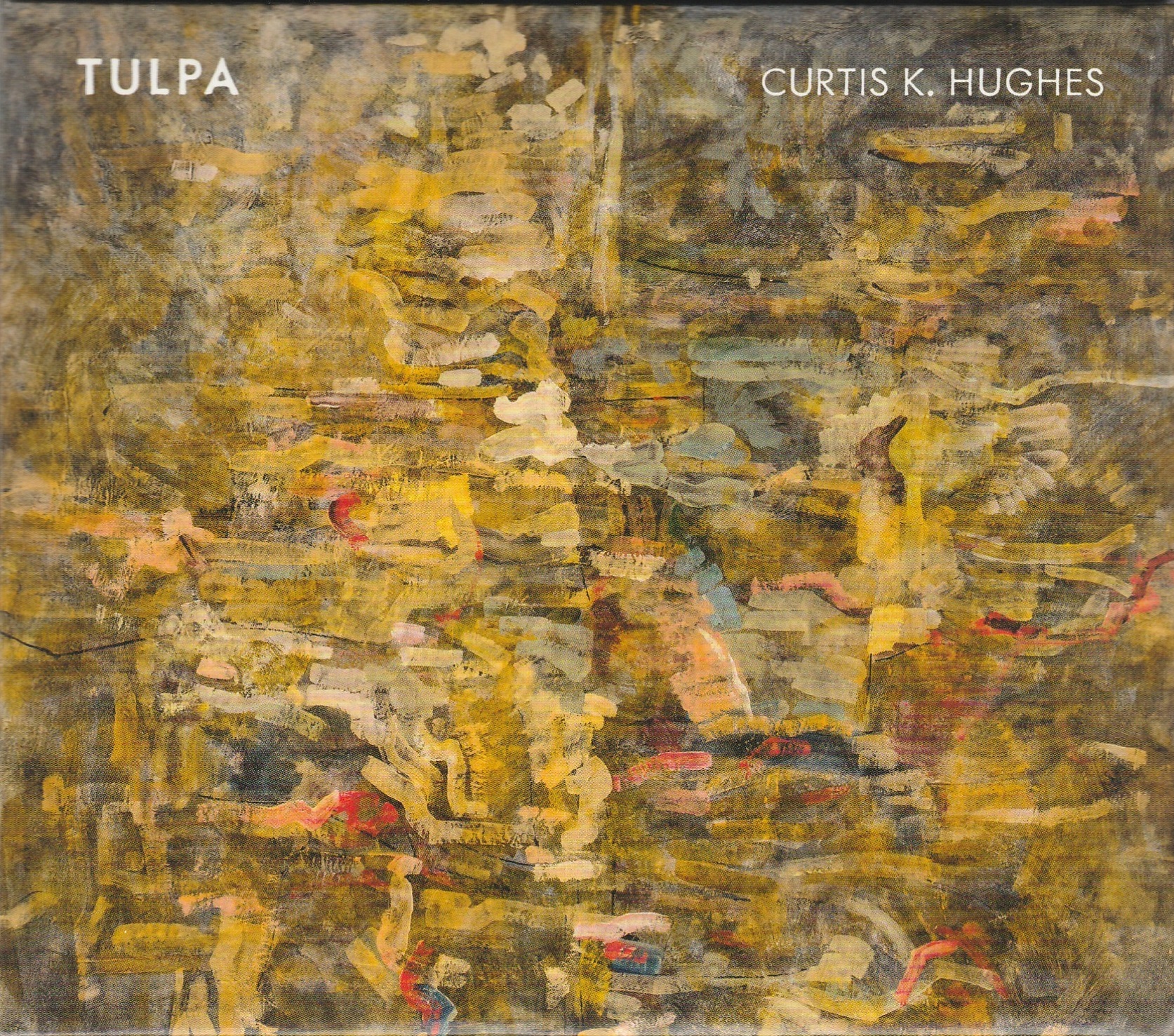
14 TulpaCurtis K. Hughes – Tulpa
Boston Percussion Group; Sentient Robots; Various Artists
New Focus Recordings FCR298 (newfocusrecordings.com/catalogue) 

Curtis K. Hughes’ music is redolent of mystery, wit and adventure, set in a world that is both concrete and abstract. Its harmolodic and rhythmic architecture is expressive, and because it is inspired by the humanity around him (real and imagined) it is never still and dances in graceful movements that are often not simply balletic, but also dizzying.

The repertoire on Tulpa adds another exciting layer to the character of Hughes’ musical oeuvre, being as it is, evocative of a kind of otherworldly erudition. The title of every work represented here comes not only with an aura of rhythmic mystery but always leads the listener to a luminous musical world, often dappled with many-splendoured tone-textures. 

Beginning with the solitary majesty of flagrant, we soon find ourselves surrounded by a whole battery of percussion colourists nestling cheek by jowl in antechamber. But Hughes, being a ubiquitous master of surprise, constantly switches tonal and structural gears in the music that follows. 

Percussion instruments give way to the gravitas of the bass clarinet and moaning cellos; back again to the rich woody tones of the clarinet and piano before he turns his attention – and most definitely ours as well – to a large, grander palette in the four-part suite, tulpa. Through this, the album’s apogee, Hughes demonstrates an uncommon character which is inward looking and outward bound, woven together with melodic, harmonic and rhythmical elements, and unexpected colours and patterns sweeping through everything musical.

Listen to 'Curtis K. Hughes: Tulpa' Now in the Listening Room

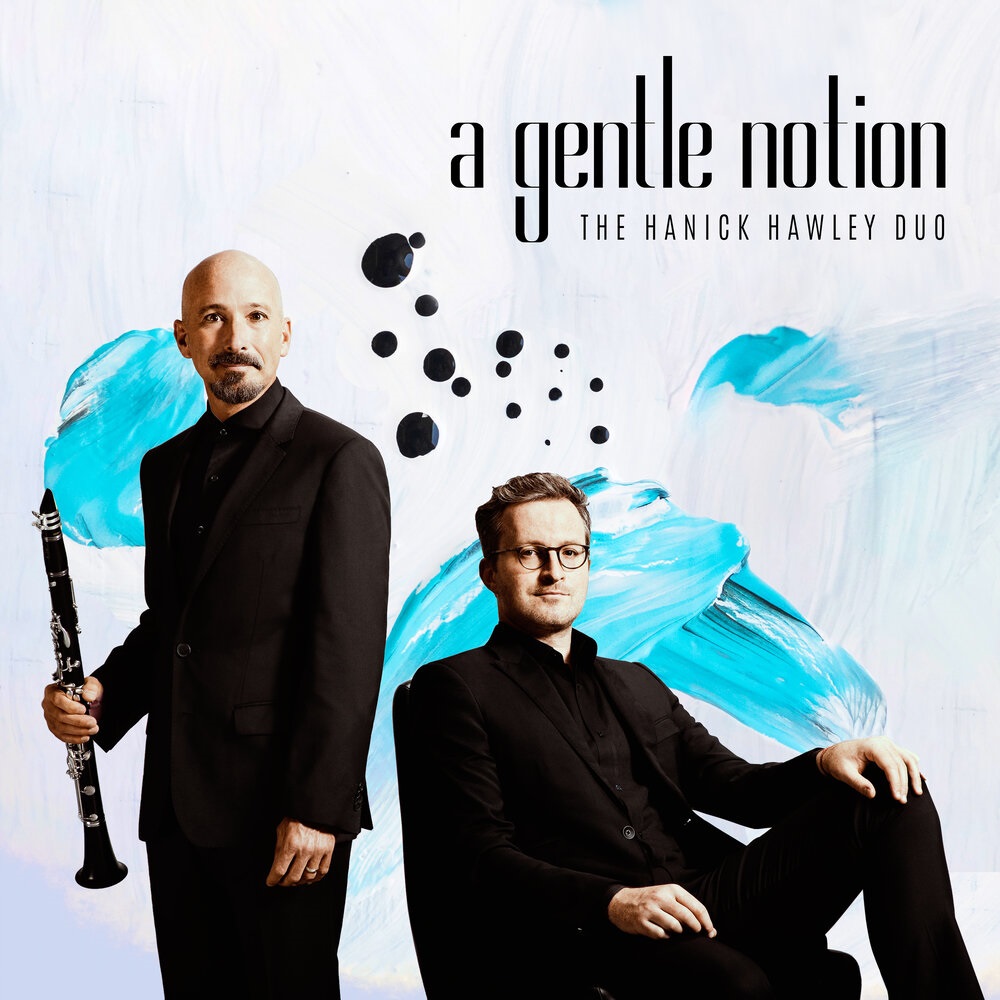
15 Hanick Hawley DuoA Gentle Notion
Hanick Hawley Duo
Il Pirata Records (ilpiratarecords.com/catalog-1) 

A Gentle Notion, the title work for this disc by clarinetist Richard Hawley and pianist Conor Hanick, is a short meditation by Jennifer Higdon. It’s sweetly tonal and at two minutes plus, sweetly brief as well. It sets the stage for all the works on this release. 

The duo open with Aaron Copland’s transcription of his Violin Sonata, written in what Copland refers to as his “plain period,” the early 1940s. I enjoyed wrestling with the piece myself, but to my mind it belongs on the stack of transcriptions more elegant in ideal than action: Schubert’s Arpeggione, the Franck Sonata for Violin (or flute?) and the Prokofiev Sonata for Flute (or violin?). Copland transposed it down a major third to ease high tessitura, making better use of the clarinet’s baritone voice; I hear Hawley suffer some difficulty preventing pitch from rising in the middle range, a forgivable but nagging flaw. There are also passages that are more suited to the bow than the tongue. 

Higdon’s two-movement Sonata, originally for viola, is a better fit for clarinet, maintaining the gentle mood of the title track in the opening of the first movement, and never straying far into the upper range, even as the mood darkens. The second movement has pop and energy; to my ear Higdon shows some of the tonal style of Hindemith. 

Hawley is not a showy player; elegance and understatement mark his performances. An instance of flutter tonguing in the Clarinet Sonata by Pierre Jalbert is subtle, even tidy. Joan Tower’s Wings for solo clarinet is a tour-de-force; Hawley nails it. His sound is icy smooth up high, and warm in the chalumeau. His musicality is honest and reliable. Hanick meets him on an equal footing; the duo plays with verve and excellent communication.

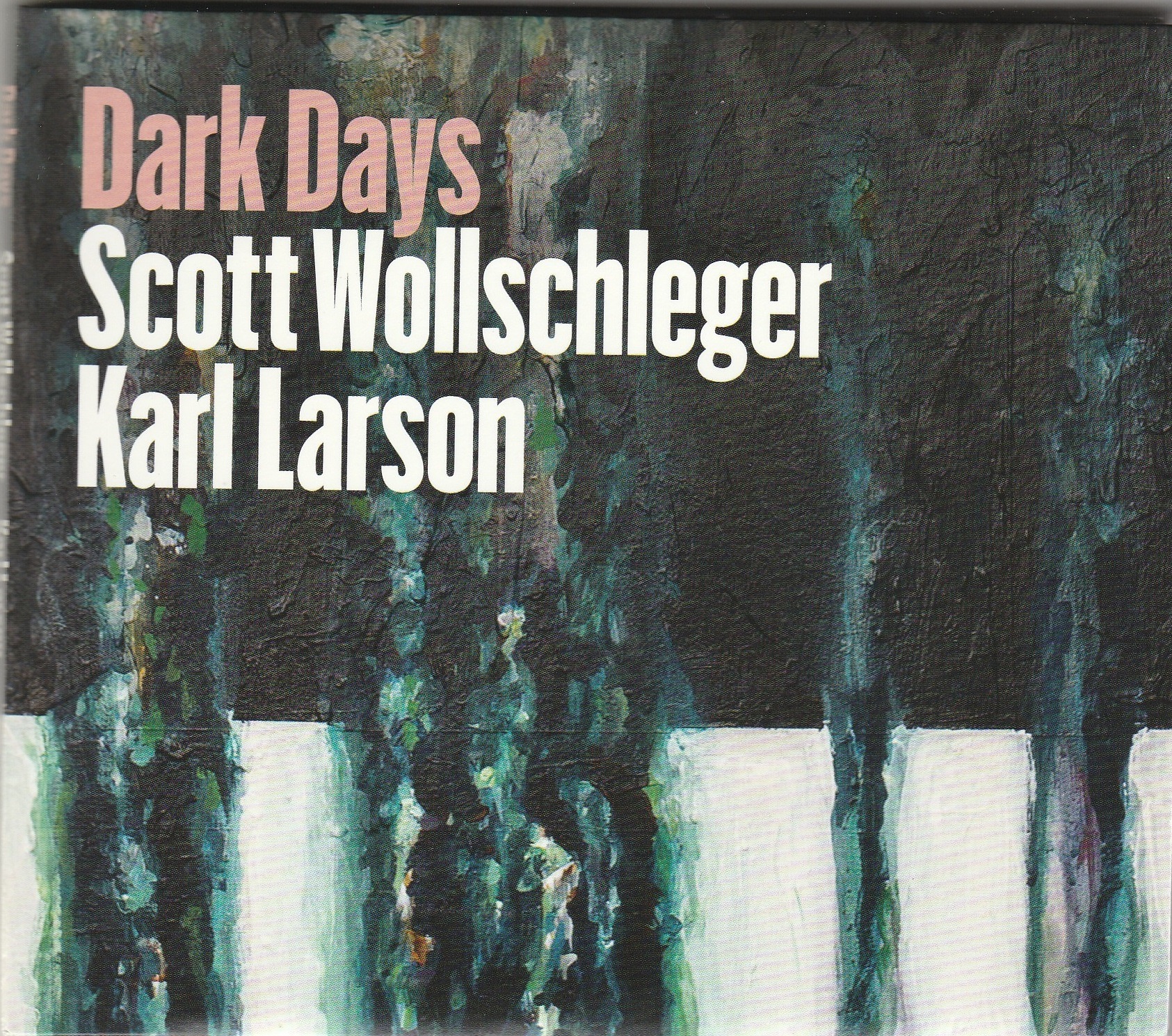
16 Scott WollschlegerScott Wollschleger – Dark Days
Karl Larson
New Focus Recordings FCR287 (newfocusrecordings.com/catalogue) 

“Spells of hushed, cryptic beauty… free-floating grace.” So wrote Alex Ross in The New Yorker about the music of Brooklyn-based Scott Wollschleger (b.1980). The ten pieces on this CD, dating from 2007 to 2020, share with the stylistically very different piano works of Erik Satie austere economies of means, eschewing virtuosic displays and overt emotionalism, yet achieving remarkably individual and expressive results.

The opening Dark Days, prophetically composed in January 2017 during Trump’s inauguration, appropriately rumbles and grumbles in the piano’s lowest register. Shifting to the treble, the diaphanous Tiny Oblivion reflects what Wollschleger calls “black humour acceptance [of] the fact that our ultimate fate is to die and then eventually to turn into particles that will forever break down into smaller particles…”

Music without Metaphor, Blue Inscription and Lyric Fragment are slow, sombre, haltingly paced, directionless peregrinations. In Brontal Nos.2, 6 and 11, single notes intermittently drip or spray; occasionally, chords splash. (Brontal: a coined word Wollschleger employs for “discovery within the unfamiliar.”) Finally, Secret Machine Nos.4 and 6 are surprisingly cheerful, their shimmering trills and rippling arpeggios marking the CD’s gradual emergence from the “dark days.”

In his detailed booklet notes, pianist Karl Larson describes Wollschleger’s synaesthetic pairing of different harmonies with specific visual colours; non-synaesthetic listeners must content themselves with the aural colours of Wollschleger’s tenebrous keyboard palette.

Wollschleger’s enigmatic compositions are ideal accompaniments for sipping wine on a late wintry evening, but you shouldn’t wait for winter to hear them!

Listen to 'Scott Wollschleger: Dark Days' Now in the Listening Room

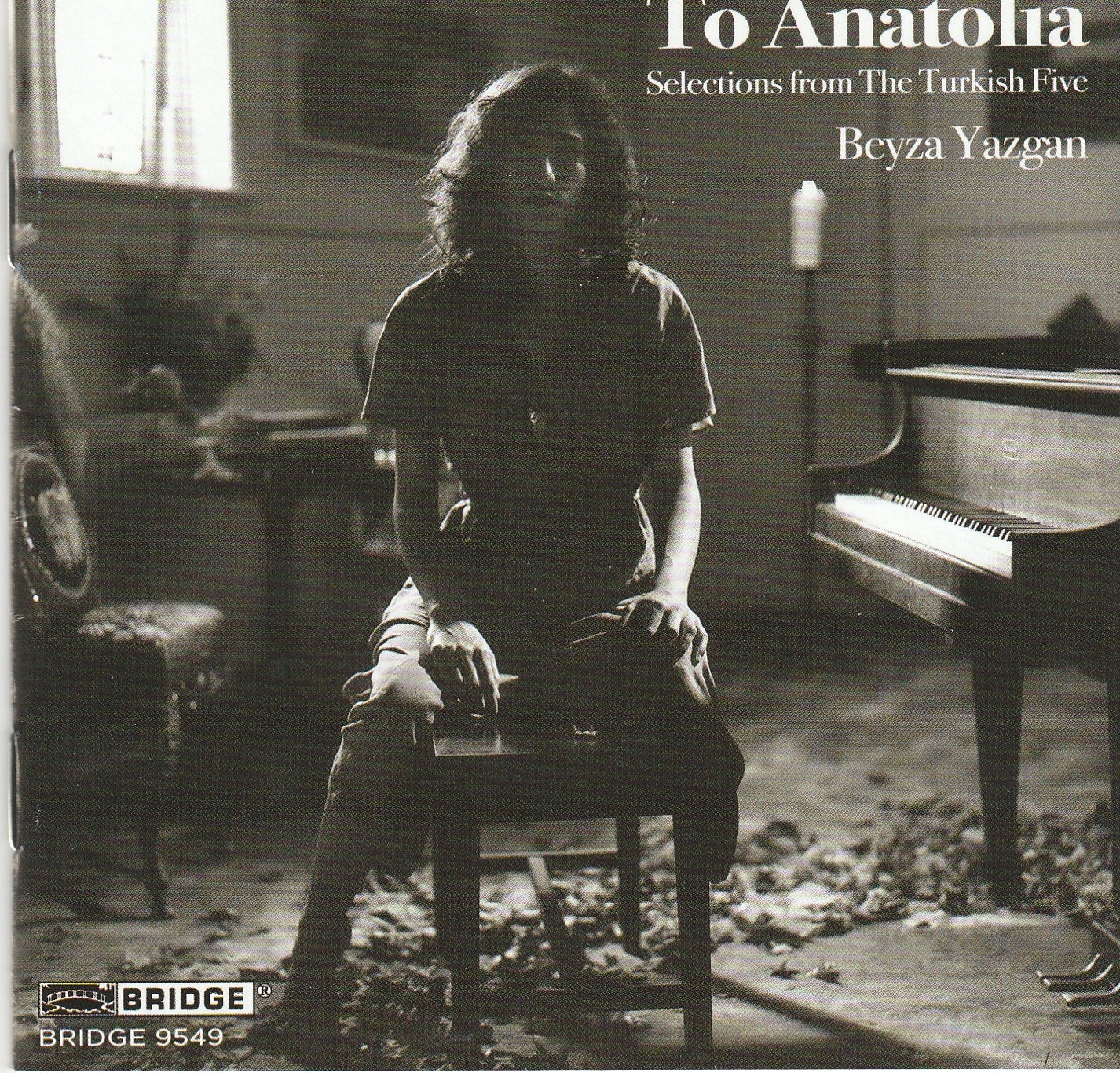
01 To AnatoliaTo Anatolia – Selections from the Turkish Five
Beyza Yazgan
Bridge Records 9549 (bridgerecords.com/collections/catalog-all)

A love letter to Anatolia (Asia Minor), this album introduces young artist Beyza Yazgan, a Turkish pianist now based in New York. Yazgan expresses immense pride for her heritage and gentle longing for her homeland through a wonderful selection of piano pieces by a group of 20th-century composers known as the Turkish Five. She also includes her own illustrations and detailed liner notes on Turkish music traditions, thus making this album even more personal. 

Yazgan’s interpretation of these compositions is simply lovely. Her heartfelt approach brings out beautiful colours from gentle and melancholic pieces. On the other hand, she engages masterfully with complex rhythms in more percussive compositions, making her performance well balanced and charming. 

The Turkish Five – Ahmet Adnan Saygun, Ferid Alnar, Ulvi Cemal Erkin, Necil Kazim Akses and Cemal Reşit Rey – transformed the music of their time by introducing Western compositional styles and forms and blending them with rhythms and modes of traditional Turkish folk music and dances. Just as Anatolia itself has been the land of many cultures and flavours, so is the music on this album. From the beautifully atmospheric Little Shepherd by Erkin and feet-stomping Horon by Reşit Rey, to the elegant Zeybek Dance by Alnar, the pieces tell stories of the unique and rich music heritage of this land, its people and customs.

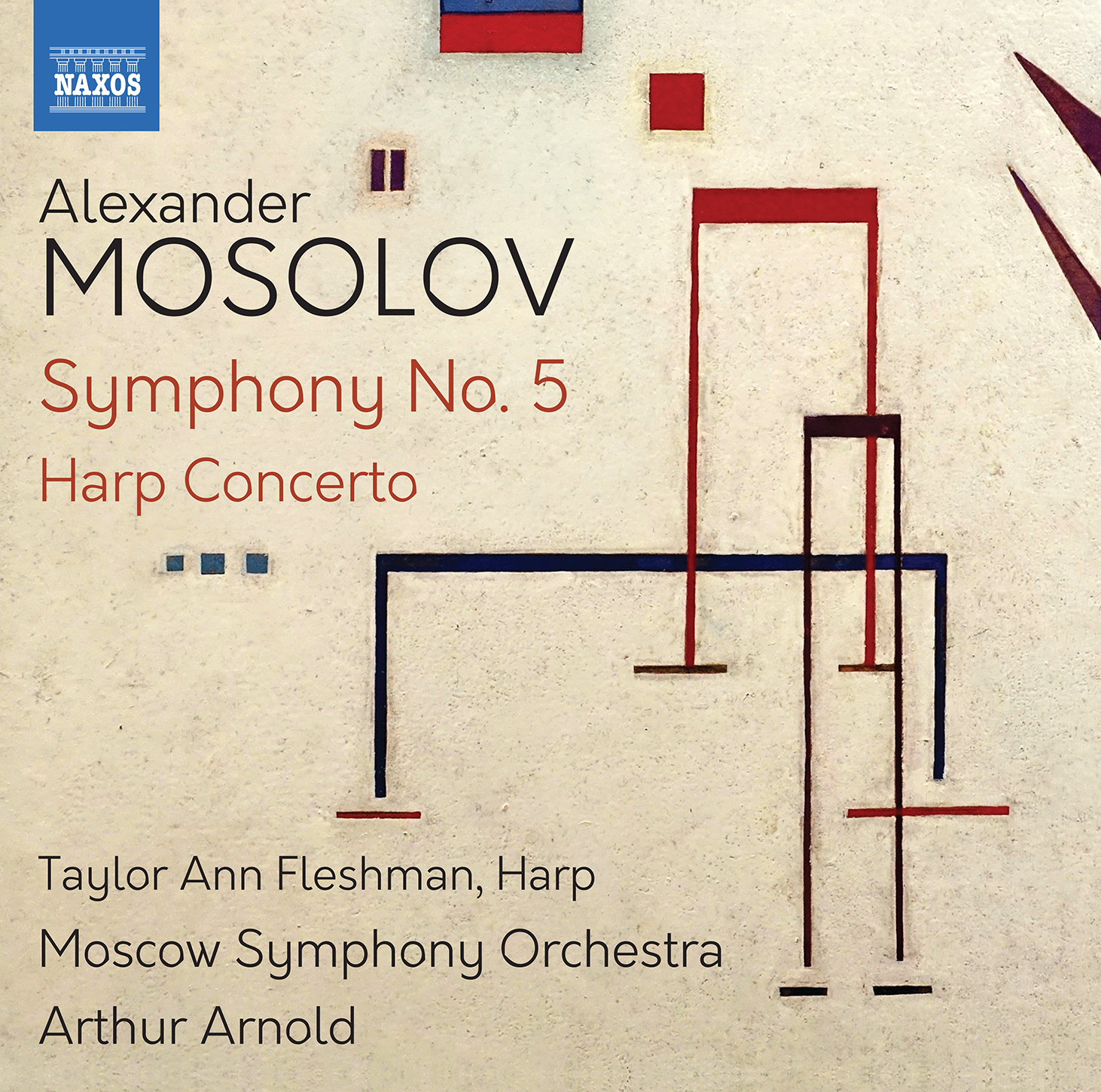
02 Alexander MosolovAlexander Mosolov – Symphony No.5; Harp Concerto
Taylor Ann Fleshman; Moscow Symphony Orchestra; Arthur Arnold
Naxos 8.574102 (naxosdirect.com/search/8574102)

Russian composer Alexander Mosolov (1900-1973) was active in the early Soviet era, and his artistic voice sits somewhere between Shostakovich and Prokofiev. The latest recording of director Arthur Arnold and the Moscow Symphony Orchestra is a dedicated release of the lesser-known composer’s Fifth Symphony and Harp Concerto. In the former, never performed during the composer’s lifetime, Arnold and the Moscow Symphony deliver the work with subtle musicianship and crisp articulation – aspects that are needed to execute the contrasting three movements. 

Mosolov’s Harp Concerto is a delicate and beautiful work in four movements that takes the listener on a journey from contemplative sustained atmospheres in the first movement, through a mysterious Nocturne, to a charming Gavotte, and finally a flashy Toccata. Harpist Taylor Ann Fleshman’s technique and phrasing are outstanding in this performance. Her captivating interpretation leaves no doubt that this work deserves a lasting place in the harp concerto repertoire. 

It is always nice to encounter an effort to keep lesser-known composers’ music alive – Arnold and the Moscow Symphony certainly make a strong case for increased future performances of Mosolov’s music.

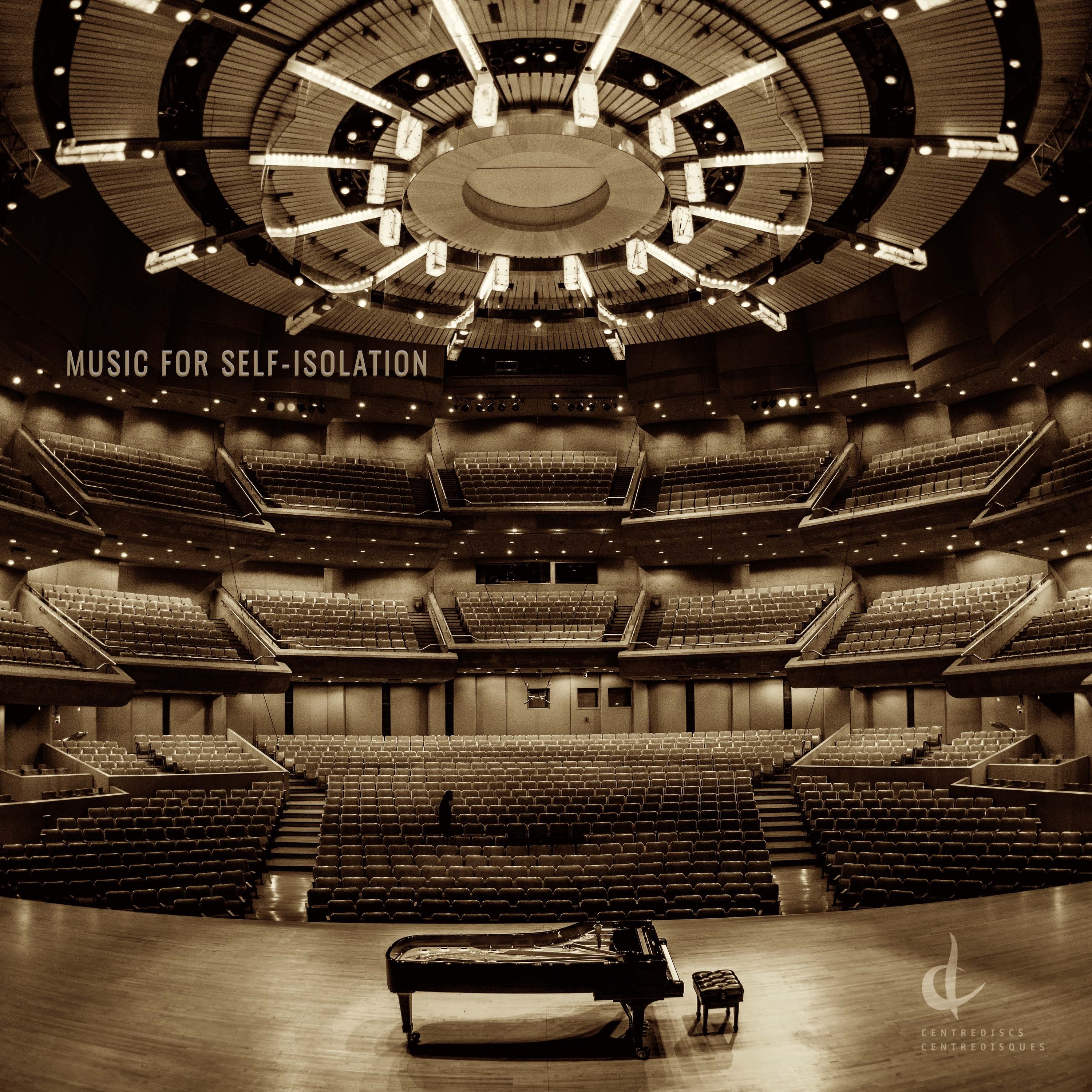
03 Music for Self Isolation Album CoverFrank Horvat – Music for Self-Isolation
Various Artists
Centrediscs CMCCD-28521 (cmccanada.org/shop/cd-cmccd-28521)

Early in the COVID-19 pandemic, Toronto composer and pianist Frank Horvat observed fellow musicians struggling to cope with loss, precarity triggered by cancelled gigs and the strain of isolation. Wondering how to effectively respond, his answer: write new compositions to counter self-isolation. Thus, during the spring of 2020 he composed 31 short classical-style pieces, shared immediately with the international community on social media. They were an instant hit. Numerous performance videos were posted on the Internet and Horvat made plans to record them on the album Music for Self-Isolation at Toronto’s Roy Thomson Hall. The session wrapped the day before Ontario’s stay-at-home order came into force on January 14, 2021. The album also includes the ensemble composition Together in Spirit, using overdubbing technology to effectively bring together the 22 talented musicians who played solos and duos on the other tracks of Music for Self-Isolation.

Part two of the album comprises eight nuanced The Idea of North-style audio documentaries titled Pandemic Stories. These layered monologues, each by a different musician, are deeply personal stories about impacted careers and lives during the pandemic, accompanied by Horvat’s instrumental music. The aim: to present “the hopes, dreams and fears,” of each musician, and their views on the arts and culture sector, “in order to heal and move forward together.”

Taking the two sections together – the 32 music miniatures and eight audio reports – the 40-track Music for Self-Isolation offers accessible, soothing music, plus international voices of resilience during this time of plague. The album reminds us that music is among the most mysterious and highest order of human skills.

04 Andrzej Pietrewicz 4 EP Cover#4
Andrzej Pietrewicz
Independent (soundcloud.com/andrzej-pietrewicz/sets/4a-1/s-h6vzdD1KKYM)

Andrzej Pietrewicz is an independent musician, small instrumental ensemble composer and producer based in Port Credit, near Toronto. His unique inspirational compositional and performing sound makes this six original-song, self-produced-during-COVID-lockdown creation, unforgettable! Pietrewicz clearly has a comprehensive technical understanding of diverse musical genres such as Baroque, jazz, blues, folk, classical and contemporary. He draws on this knowledge to develop his own vibrant sound performed here by talented instrumentalists on piano, strings, percussion, guitar, winds, programming and, in the closing track, vocalists. 

Multi-instrumental track 1 is a great introduction to his music, combining quasi-orchestral tonal sounds with modern touches such as interval jumps and tweeting bird-like piano sounds. The faster, happier track 2 with its rhythmic piano interval patterns, instrumental held notes, simultaneous tonal/modern effects and high-pitched woodwind sounds creates a musical pre/post-COVID sunny warm spring day for me! 

Track 3, with a nod to Baroque keyboard music, yet so modern day in tonality, moves from the contrapuntal mood-changing opening lines to subtle dissonant intervals, steady rhythms and detailed phrasing, performed with sensitivity, passion and hope by the composer. Nice addition of singers Nacre, Timbre, Laura and Caroline Joy Clarke to track 6 as their high pitches alternating with tight string, flute and piano parts create a captivating positive soundscape. 

This is uplifting, joyous, beautiful music to be enjoyed over and over again.

Listen to '#4' Now in the Listening Room

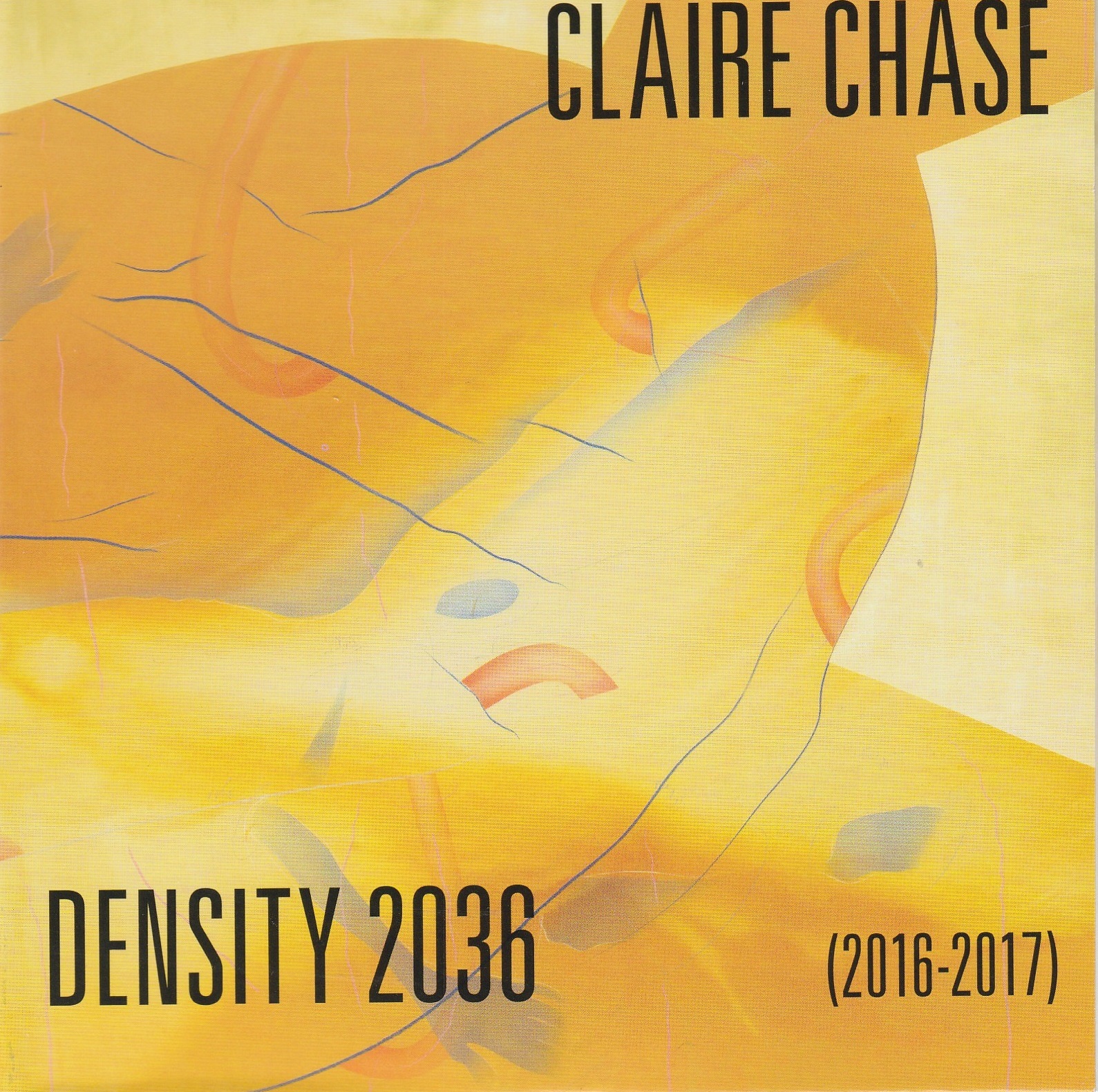
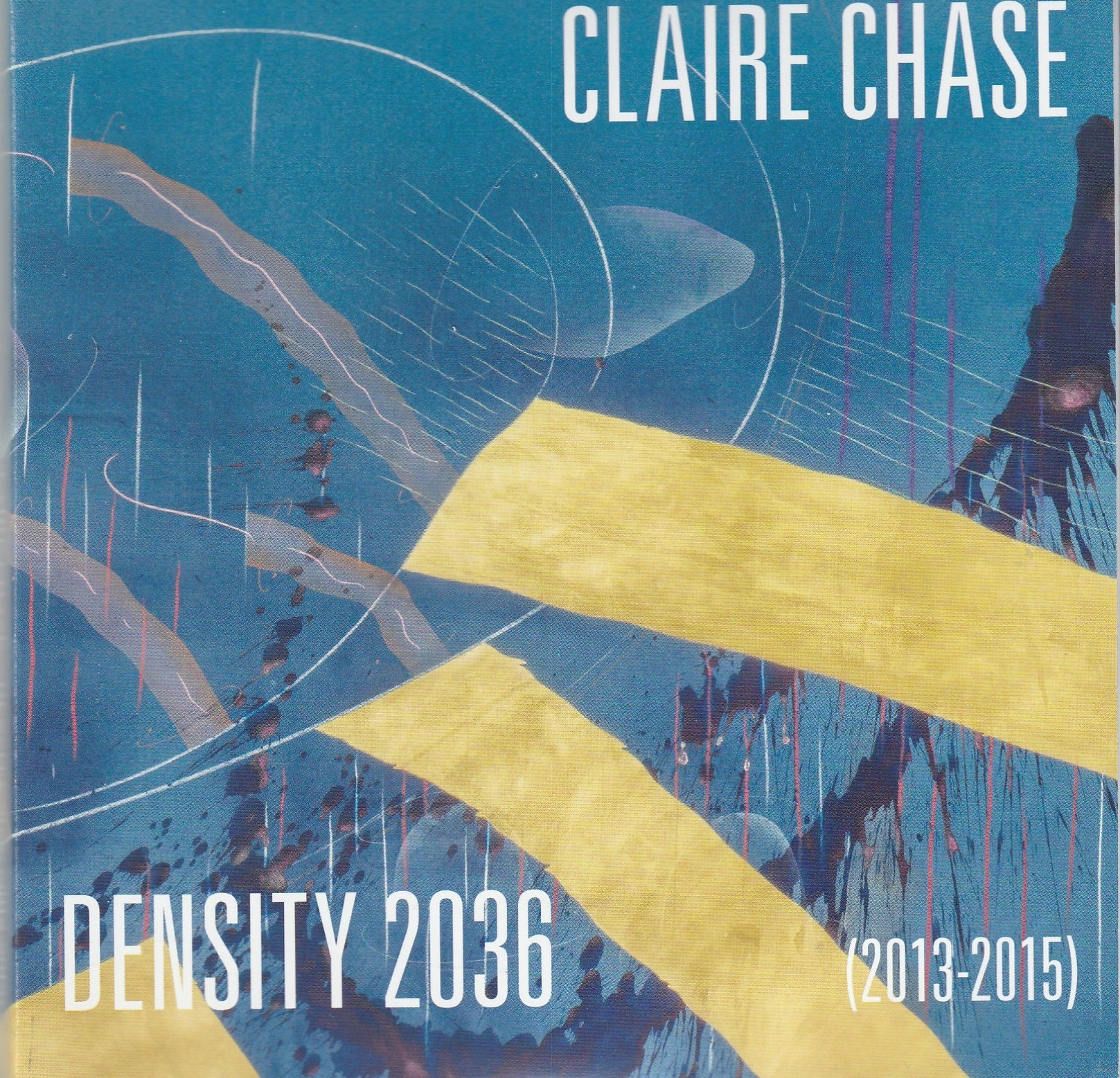
05a Claire Chase 1Density 2036 (2013-2015)/(2016-2017)
Claire Chase
Corbett vs Dempsey CvsD CD076 (corbettvsdempsey.com)

Claire Chase is a force. Our modern understanding of contemporary music performance is pushed forward with artists of this calibre. The eminent flutist’s latest release comes as a monumental four-disc statement toward why Chase is one of the world’s most celebrated performers. As one would expect, the execution on this release is extraordinary. That said, expected excellence must not be confused with anything inherently predictable: each piece is delivered with a stunning level of musicianship that demands attention and respect. Titled Density 2036, this release represents the first five years (2013-2017) a of a 24-year project through which Chase will commission new pieces for solo flute each year until the 100th anniversary of Edgard Varèse’s seminal flute composition Density 21.5, written in 1936.

05b Claire Chase 2The first disc begins with Marcos Balter’s Pessoa for six bass flutes – a piece that embodies a rather meditative atmosphere with shakuhachi-like gestures. There are two pieces by Brazilian-American composer Felipe Lara, the second of which, titled Parábolas na Caverna, is wonderfully mysterious in its richness, drawing the listener into a highly successful soundworld and unusual invocations for the flute. Chase takes command of the extended techniques to such a world-class level that I had to listen several times to believe what was being heard. 

It is not simply technical fireworks on display that makes Chase’s playing so compelling: it’s technical wizardry combined with a level of care, dedication and nuance that makes a recording like this so important. George Lewis’ Emergent for flute and electronics is a true gem of the repertoire. This highly original music is stunning for its thrilling otherworldliness. An Empty Garlic for bass flute and electronics written by Chinese-born composer Dun Yun is exquisite. It is a lush garden of undiscovered essences producing an irresistible listening experience. The first CD caps off with Chase’s own interpretation of Varèse’s Density 21.5 that may objectively be considered a seminal recording of this early-20th-century masterpiece. 

We also receive a dynamic and adventurous piece from Dai Fujikura and an engagingly hip work from Francesca Verunelli. Pauline Oliveros’ Intensity 20.15: Grace Chase – a work inspired by a text written by Chase’s grandmother – is 20 minutes of pure ingenuity suspended in a realm beyond imagination. 

Suzanne Farrin’s The Stimulus of Loss is an expressive and delicate work with an appearance by the ondes Martenot; the playful energy in Tyshawn Sorey’s Bertha’s Lair is a magical landscape with percussive edges; Pauchi Sasaki’s Gama XV: Piece for Two Speaker Dresses makes brilliant use of technology in a highly evocative soundscape where the ears become enveloped within an airy expanse. The fourth CD contains an eight-movement work by Balter, titled Pan, which is a substantial journey inspired by memory. This work embodies a rather theatrical aesthetic and is written with an intense and luminous brilliance and with clever novelty of material.  

This first installment of Chase’s Density 2036 project is impressive, and a profound affirmation of why Chase is one of the most important champions of contemporary music. Her tremendous musicality and breathtaking command of the flute is dramatic and remarkable. As the CD liner notes remind us, density is a matter of scale; this release deserves 10 out of 10 with any metric I can think of.

Back to top