01 SopraSopra La Spagna
La Spagna; Alejandro Marías
Lukos Records 5451CRE201665 (laspagna.es)

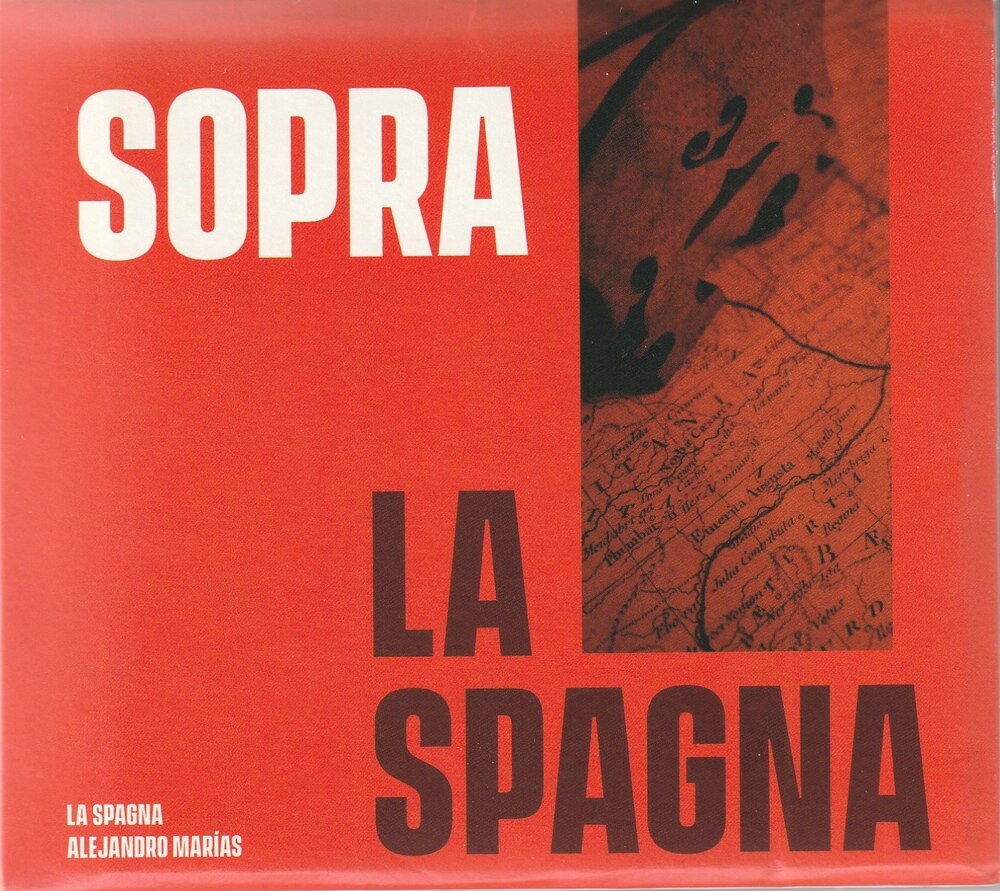
Ambitious is perhaps the best word to describe this CD. The mass Agnus Dei was set to many tunes. One of them was the already very well-known Basse Danse La Spagna which subsequently became a setting for Agnus Dei throughout Europe. The ensemble on this CD has even taken La Spagna as its own name. In addition, it has sought to record here as many versions of La Spagna as it can find.

Sometimes the settings are complex. It needs a composer of the calibre of Francesco Canova da Milano to write a complex lute variant, and yet sometimes there is a lively – very lively – simplicity, as in Francisco de la Torre’s version. In the latter all but one of La Spagna’s seven musicians perform, accompanied not least by the pronounced percussion-playing of Daniel Garay.

This contrast between the intense and the spirited is borne out in the suite of six Recercadas sobre la Spagna by Diego Ortiz. Alejandro Marías digs deep into his command of the viola da gamba to interpret these demanding settings. 

La Spagna have been painstaking in their research. They have even uncovered A Spanish Humour, set by Tobias Hume. Hume must have been highly skillful in his talents; he had to be in one of them as he served as a mercenary! Which might account for the explosive introductory bars of his variation... 

It is very difficult to decide which setting of La Spagna is the most thoughtful or the most uplifting. If I had to choose, it would be that by de la Torre, with its loyalty to the intense quality of this sacred composition.

Listen to 'Sopra La Spagna' Now in the Listening Room

02 Handel Francesco Corti Handel – Winged Hands, The Eight Great Suites and Overtures
Francesco Corti
Arcana A499 (naxosdirect.com/search/a499) 

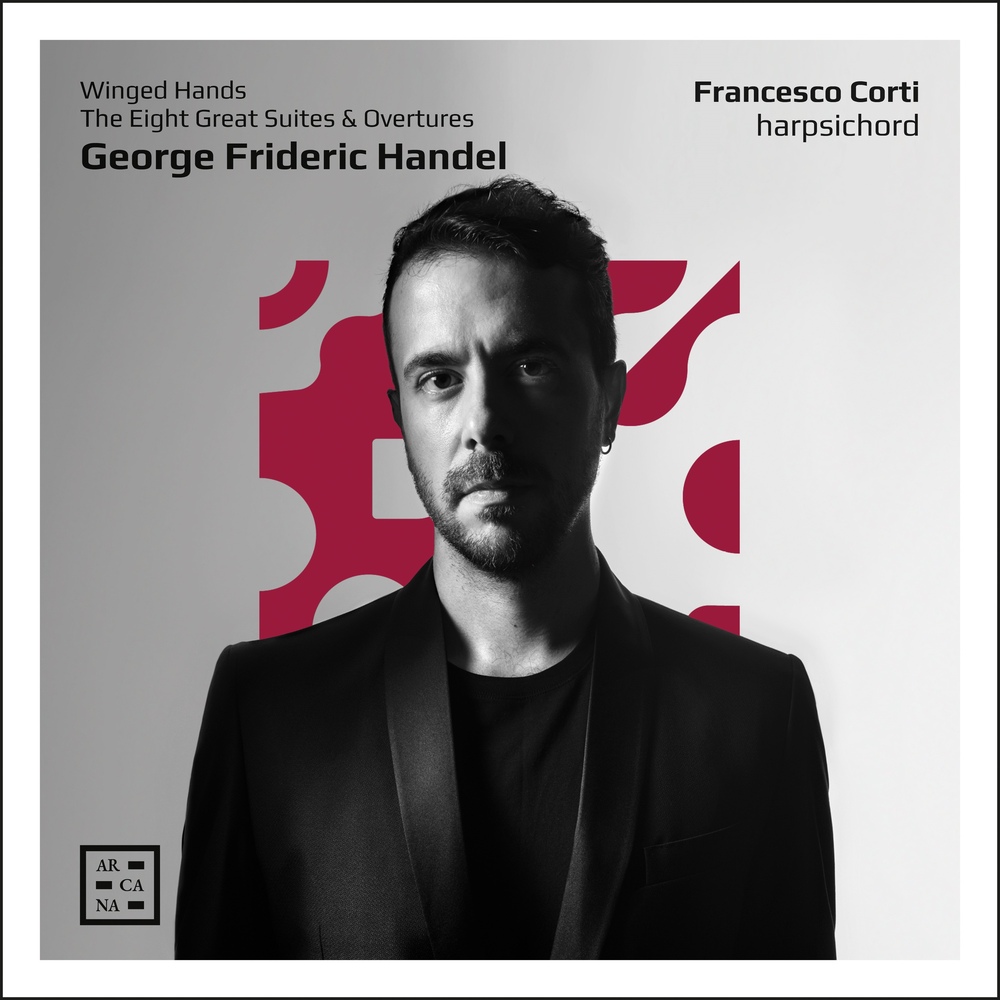
Interpretations of Handel’s Eight Great Suites have long been popular – and frequently recorded on either piano or harpsichord. The choice of instrument was made for Francesco Corti as his whole career has been with the latter. And it is his virtuoso playing which is showcased on this CD.

Note from the beginning of the Gigue in the first Great Suite; a gigue may be written off as a whimsical moment casually tacked onto a supposedly more serious set of movements but in this case Corti breathes dedication and meaning into his performance.  

There are 39 movements to the Great Suites. Selecting those that most bring out Corti’s mastery of the harpsichord is difficult. I thoroughly enjoyed his interpretation of No 6. There is a real dignity to his Presto, contrasted by the concluding Gigue

Corti’s demonstrated mastery is not confined to the suites however. The Ouverture [largo] to Rodelinda commences – and ends – with his imparting a glissando flourish which bookends Handel’s Presto and Adagio, themselves played with real spirit. 

Finally, Babell’s First Set in F Major gives an all-too-tantalizing glimpse into those all-too-many composers who flourished in Handel’s time but were overshadowed by him.

This is the third recording of the Great Suites I have reviewed for The WholeNote. Conti’s interpretation exemplifies why I will never tire of this Handel masterpiece.

03 CPE BachCPE Bach – Sonatas & Rondos
Marc-Andre Hamelin
Hyperion Records CDA68381 (hyperion-records.co.uk/dw.asp?dc=W22447_68381)

“He is the father and we are the children. Anybody who knows anything at all learned it from him.” Lofty words of praise indeed coming from no less a figure than Mozart in reference – not to JS Bach as we might assume – but to his second surviving son Carl Philipp Emanuel. Born in Weimar in 1714, CPE Bach was an accomplished composer and performer. His extensive keyboard output included 400 solo sonatas, fantasias and other works, all of it demonstrating considerable innovation and impeccable craftsmanship exemplified here in this two-disc Hyperion recording of sonatas and rondos performed by Marc-André Hamelin. 

The 56 tracks – a true choice of riches – follow Bach’s compositional career from 1725 to 1787 and what is particularly striking is the diversity in musical style these pieces contain, all within a classical framework. Some of them, such as the Sonata in E Minor Wq59/1 and the Rondo in E Major Wq58/3 show tendencies towards the north German “expressive style” with sudden changes in tempo and key signature while others like the Arioso with Seven Variations in C Major Wq118/10 are pure galanterie.

Throughout, Hamelin performs with a polished assurance, his playing at all times thoughtfully nuanced. His flawless technique particularly comes to the fore in such works as the presto finale of the Fantasia in C Major Wq61/6.

This recording is an exemplary addition to the catalogue. Not only does it shine light on music that deserves greater recognition, but it proves – if proof is needed – that despite Hamelin’s usual focus on virtuosic 19th-century repertoire, he is a master at anything he decides to approach. Excellent notes and attractive packaging are further bonuses.

04 Cristina Gómez Mozart BarenboimMozart; Strauss – Oboe Concertos
Cristina Gómez Godoy; West-Eastern Divan Orchestra; Daniel Barenboim
Warner Classics (warnerclassics.com/release/mozart-strauss-oboe-concertos) 

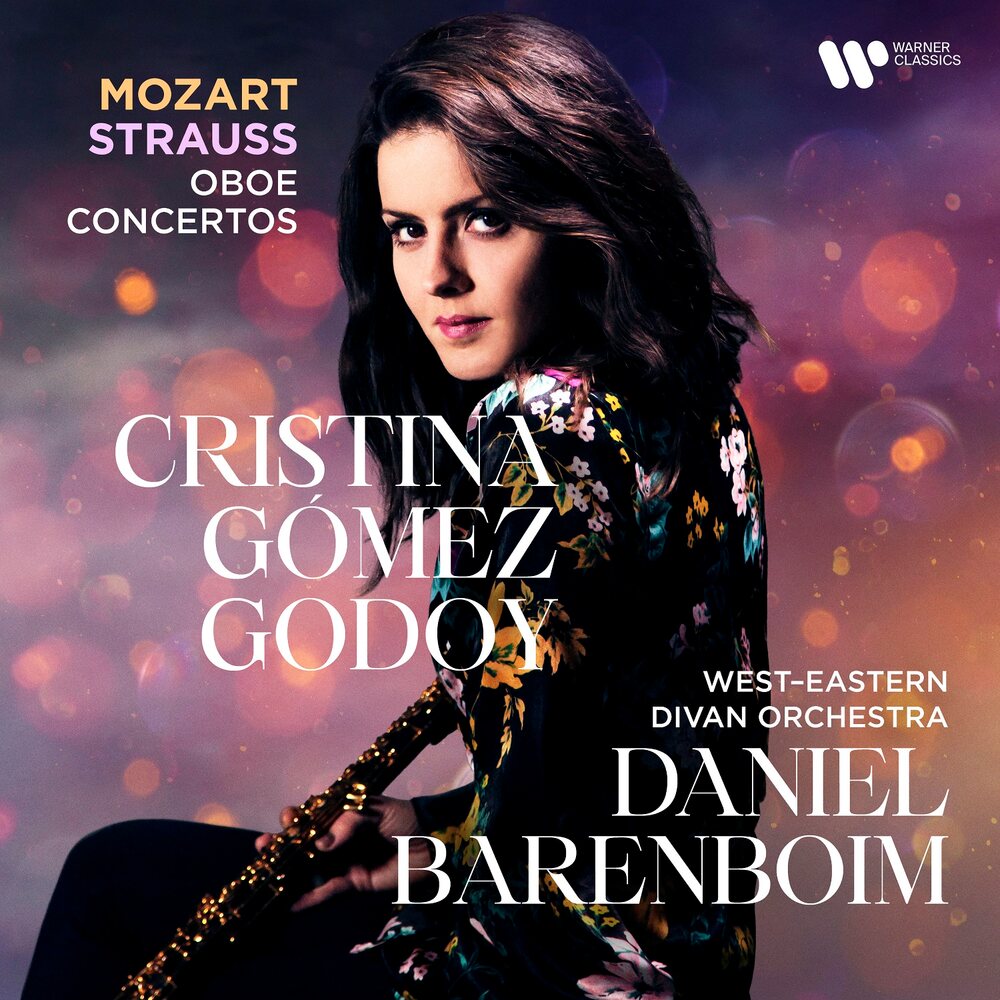
Oboist Cristina Gómez Godoy enchants listeners on Mozart & Strauss Oboe Concertos. Directed by Daniel Barenboim, the West-Eastern Divan Orchestra skillfully manoeuvres both works with chamber music-like sensitivity. Although these two pieces are an unusual pairing for an album, they are the staple of every oboist’s musical library. Gómez Godoy chose to record these two concertos because they are what made her fall in love with the instrument.

The Mozart Oboe Concerto is played in a buoyant and elegant style, mixing in many passages from the near-identical Flute Concerto in D Major. Gómez Godoy has a beautiful, ringing tone and shows a sophisticated yet charming sense of musical style and phrasing.  

Written in 1945, Strauss’ Oboe Concerto was one of his last works. Often a feat of endurance for the soloist, this concerto combines long, soaring musical lines with intimate conversations with solo woodwinds. The West-Eastern Divan Orchestra, where Gómez Godoy is principal oboe, shows a great understanding of supportive and chamber roles. In this beautiful rendition of she shows great control and musical maturity.

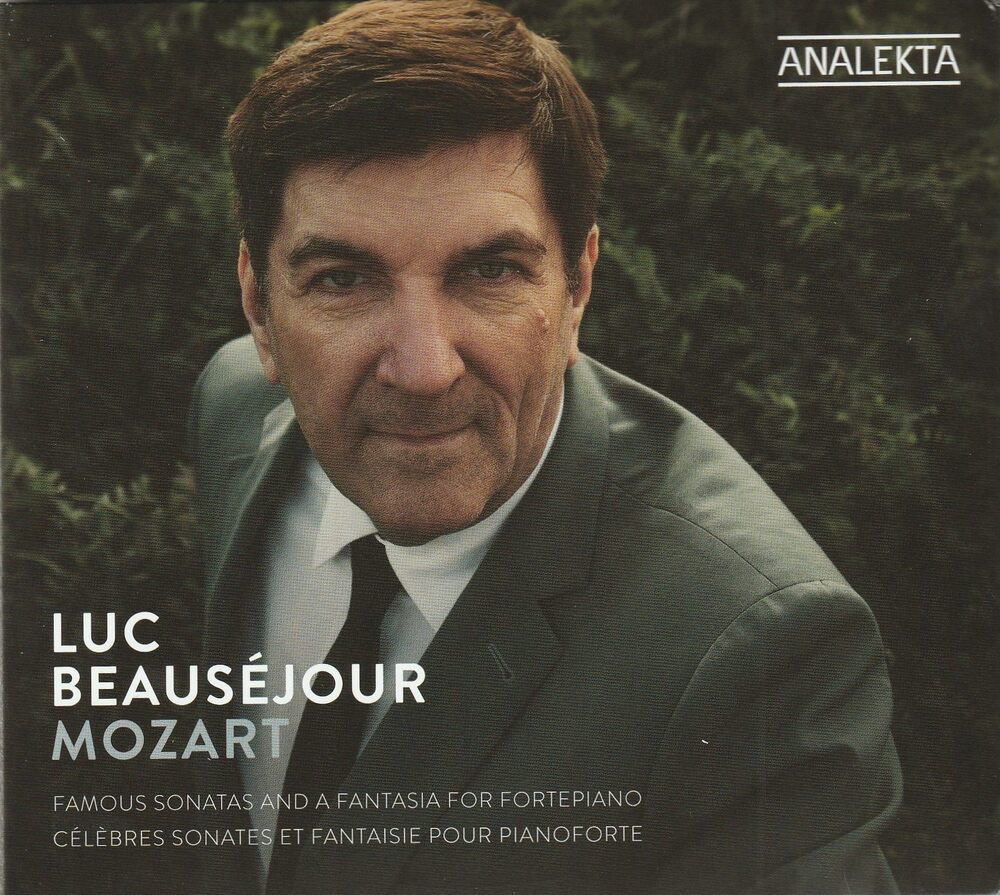
05 Mozart BeausejourMozart – Famous Sonatas and Fantasia for Fortepiano
Luc Beauséjour
Analekta AN 2 8931 (analekta.com/en)

Chasing mastery in classical music performance is, undoubtedly, a lifelong endeavour. Once you add in the level of required specificity of technique, musical gesture, understanding of repertoire and the historically mediated instrumental touch demanded by an adherence to period piece performance, you end up with an important, but small collection of musicians whose dedication as both curators and custodians of the music of the past, as well individuals who contribute to a slowly, but ever growing, corpus of interpretations, variations and understandings of these canonical works, are worthy of praise, support and attention. 

Quebec’s Luc Beauséjour, who both administratively as the artistic director of the ensemble Clavecin en Concert, and performatively, as evidenced by his most recent Analekta release of Mozart’s Sonatas and Fantasia for Fortepiano, numbers among this committed group. His efforts to demonstrate the continued meaningfulness and relevance of the harpsichord, organ, and here, the Italian fortepiano – Mozart’s favourite – we learn in François Filiatrault’s informative liner notes, are showcased in this soulful and terrific release. 

Beautifully captured in Mirabel, Quebec’s Saint Augustine Church, this recording is bound to be appreciated in equal parts for Beauséjour’s supreme talent, the haunting clarity of this instrument – invented in the early 18th century but effervescent and alive in Beauséjour’s 2022 handling of Mozart’s frozen improvisations – as well as the beautiful recorded ambiance of a simple neighbourhood cathedral that acts as an additional performer and contributes mightily to the success of this disc.

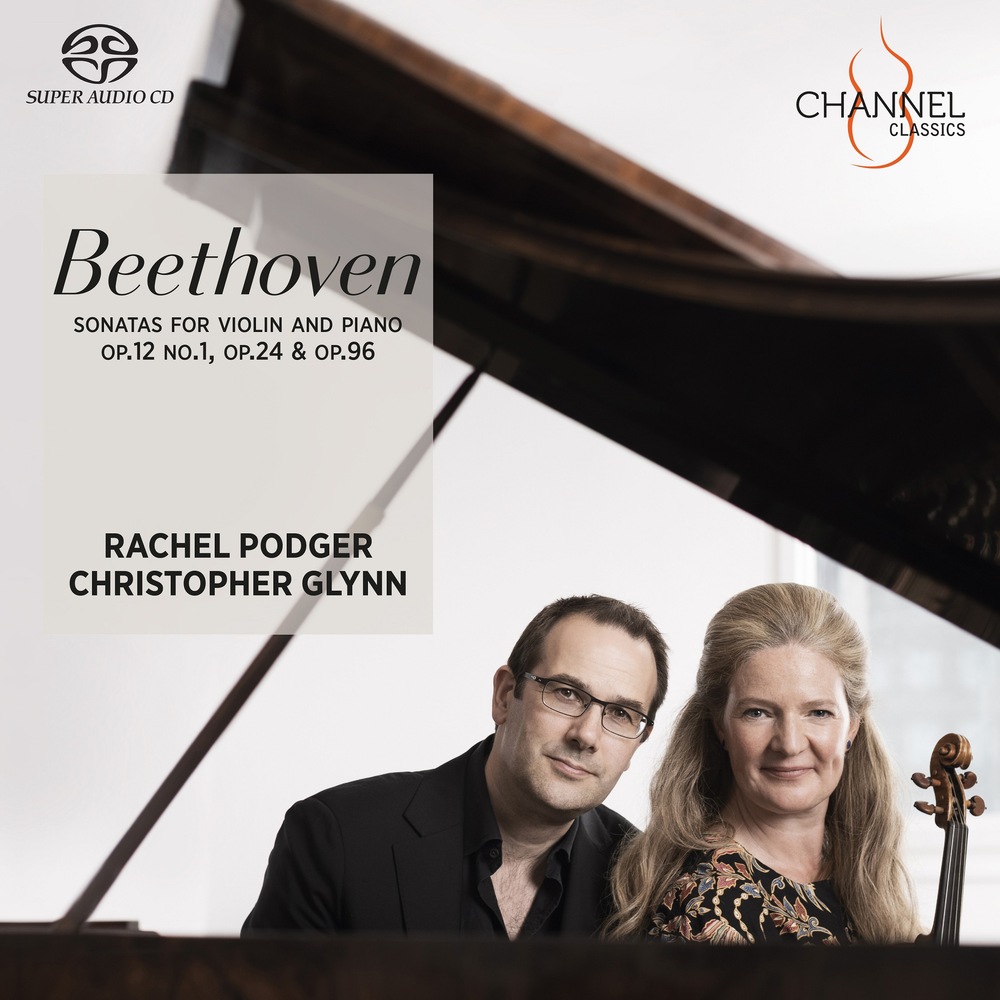
06 Beethoven Rachel PodgerBeethoven – Violin Sonatas Opp.12/1; 24; 96
Rachel Podger; Christopher Glynn
Channel Classics CCSSA44222 (channelclassics.com/wp-content/uploads/2022/03/44222.pdf) 

Recorded in May, 2021 on the “Maurin” Stradivari (1718) and an Érard fortepiano, this new recording of familiar repertoire from Rachel Podger and Christopher Glynn is full of fanciful joy, assured playing and great intelligence. Unlike Beethoven’s string quartet output, which stretches across all the periods of his remarkable career, his ten sonatas for piano and violin were written in a shorter span of time – between 1797 and 1812. The three on this disc include the first, the last and the most popular, all in major keys and all given beautifully imaginative performances. Opus 24 in F Major “Spring” is particularly thoughtful, with exciting tempi and full of conversational, intimate ensemble playing.
In a recent feature in The Strad magazine, Podger and Glynn spoke about this recording project with insight, Podger commenting that “I find it fascinating to play Beethoven after having pretty much only lived with and around earlier music. What I’ve enjoyed so much is finding the places where he’s being an 18th- and early-19th-century artist, and where and how he breaks free of those shackles.” 

Indeed, both players bring a fresh approach and wide array of colours and improvisatory spirit to the performances. A recent all-Beethoven Wigmore Hall recital by Podger and Glynn is still available on YouTube and well worth experiencing.

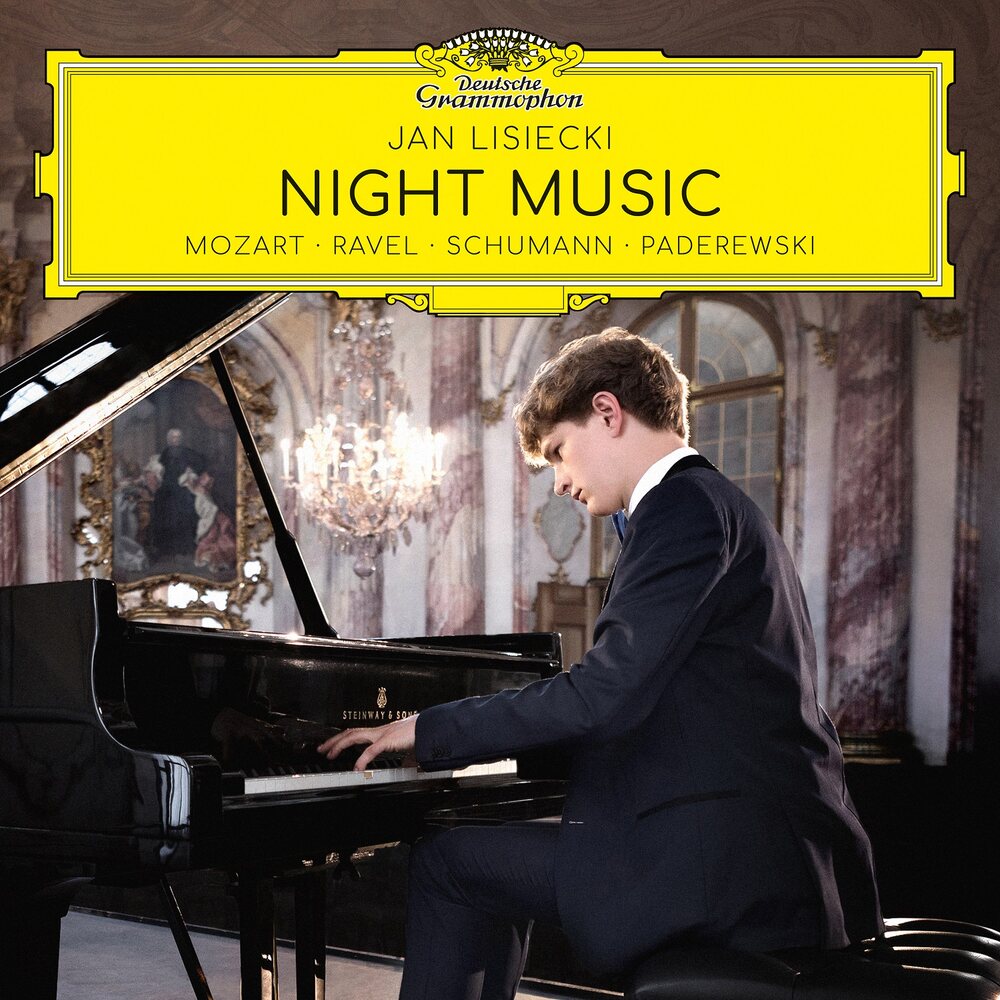
07 Jan Lisiecki Night MusicNight Music
Jan Lisiecki
Deutsche Grammophon (deutschegrammophon.com/en/catalogue/products/night-music-jan-lisiecki-12595) 

Jan Lisiecki, the Calgary-born, RCM Glenn Gould School graduate and former Gramophone Young Artist of the Year, leans into his impressive touch, interpretative creativity and familiarity with the canon of elegant and imminently listenable piano music on this acoustically beautiful and well-executed capture of Mozart, Ravel, Schumann and Paderewski. Unlike Vladimir Horowitz, who preferred to perform recitals on Sundays at 4:00 in the afternoon, Lisiecki has programmed here a celebration of “night music,” most obviously Mozart’s 12 Variations in C Major on “Ah, vous dirai-je Maman,” but bookending the album with the lesser-known Miscellanea, Op.16: No.4, Nocturne in B-Flat Major by Paderewski for a satisfying and sonically excellent album of an idealized and relaxed twilight listening experience. 

Undoubtedly I am not the first observer to marvel at Lisiecki’s obvious talent, depth of pianistic understanding and musical maturity while pointing to his young age (27!). That said, Night Music, a 2022 release on Deutsche Grammophon, does offer another welcome glimpse into an already exceptionally developed talent on today’s classical concertizing stage who continues to play with the theme of night for ongoing listener delight (this release follows his two-CD set of Chopin’s Complete Nocturnes). While the standout moments on this disc are many, it was Lisiecki’s dynamic touch in the piano’s lower register and fulsome exploration of the entire keyboard on Maurice Ravel’s Gaspard de la nuit Scarbo – (all within a single nine-minute performance) that, for me, was simultaneously the tenderest, most stentorian and impressive.

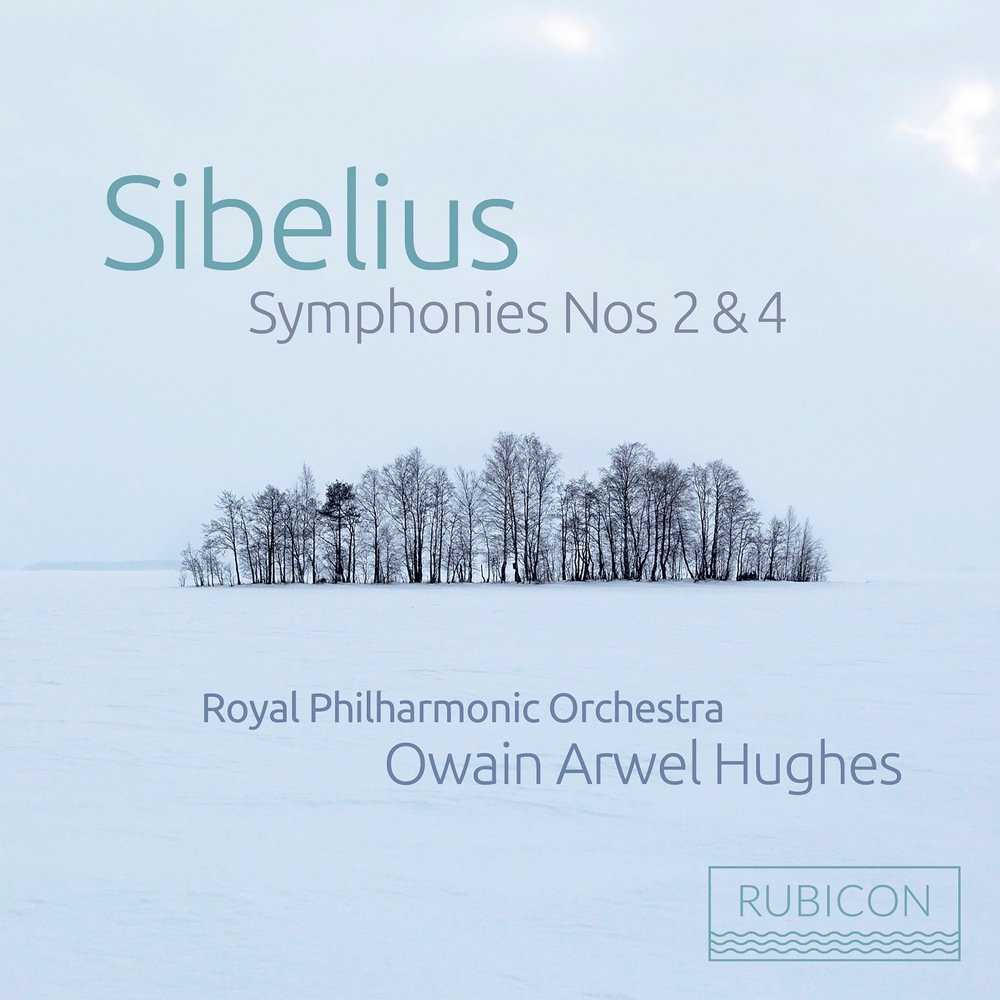
09 Sibelius 24Sibelius – Symphonies 2 & 4
Royal Philharmonic Orchestra; Owain Arwel Hughes
Rubicon Classics RCD1072 (rubiconclassics.com/release)

This new issue features a remarkable conductor most of us probably have never heard of – Owain Arwel Hughes. Coming from Wales, he has conducted many of the finest orchestras of the world and is now principal associate conductor of the Royal Philharmonic, accumulating an impressive discography mainly of British, Scandinavian and Russian composers. His current project is to record all seven Sibelius symphonies with the Royal Philharmonic and this is the second issue of that set.

The Second, the most famous of the seven, was an overnight success at its premiere in 1902. It catapulted Sibelius into fame as one of the best composers of the 20th century, a patriot and the pride of his native Finland. It is a glorious work in the sunny key of D major. Although there are dark moments, the finale, with two themes alternating in a long, gradual crescendo in 3/4 time ascending towards a climax when, after a long-held minor motif suddenly turns into major in fortissimo, is absolutely magnificent.

Symphony No.4 in A Minor is completely different. It’s a deeply personal statement and the conductor must feel, indeed inhabit, its emotional climate. In the words of Sibelius, it is completely devoid of the “compositional tricks or circuses” composers use to thrill audiences. Right at the outset a deep, sad cello theme slowly develops until stopped by forceful chords on the brass and then a forlorn, echoed horn call as we are enter a misty, dark, barren, somewhat frightening territory. There is some happiness, like a lovely scherzo second movement, but the sky quickly darkens, diminishing it into oblivion.    

The overall effect is puzzling, but with repeated hearings its many hidden beauties come out and, according to some critics, it is the most beautiful of Sibelius’ symphonies.

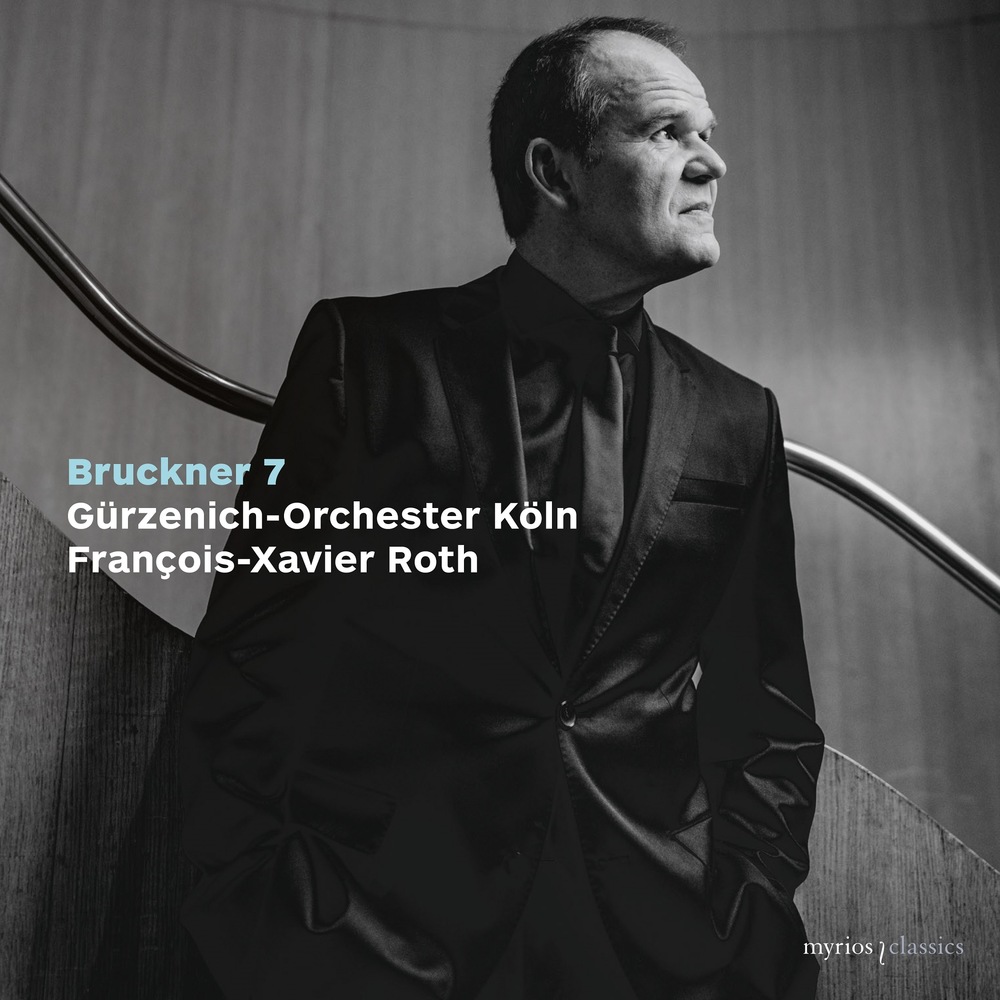
10 Bruckner 7Bruckner 7
Gürzenich-Orchester Köln; François-Xavier Roth
Myrios MYR030 (myriosmusic.com) 

There is a cataclysmic moment in the second movement of Bruckner’s Seventh: There are two climaxes following one another, but the second one comes fortissimo with an Earth-shattering cymbal crash, as if the heavens would open up. The whole concert hall was filled with glorious sound. I remember the great Skrowaczewski doing it beautifully many years ago at Massey Hall with its fabulous acoustics. This is how my conversion to Bruckner started.

The Seventh still remains one of my favourite symphonies. This new recording is conducted by a new firebrand, François Xavier Roth who is making big waves in Europe today. He is a scholarly conductor with a no-nonsense, analytical approach, meticulous attention to detail and a natural gift to enter the composer’s mind to follow the compositional process and to choose the right tempo.

Out of a near silent tremolo the symphony begins with a wondrous melody in the strings picked up by the woodwinds, an overarching theme that seems to dominate the first movement. It goes through many variations, but the solo flute crops up often chirping like the little forest bird leading Siegfried to awaken the sleeping Brunnhilde. (Wagner was much admired by Bruckner!)

After a crucial Adagio second movement comes an exciting Scherzo, with a simple theme and an underlying rigorous ostinato having a rhythmic urge that has always reminded me of cavalry galloping through a wide open plain. The Finale sums it all up with a resounding peroration of the majestic brass. This recording has huge dynamic contrasts that will test your stereo equipment.

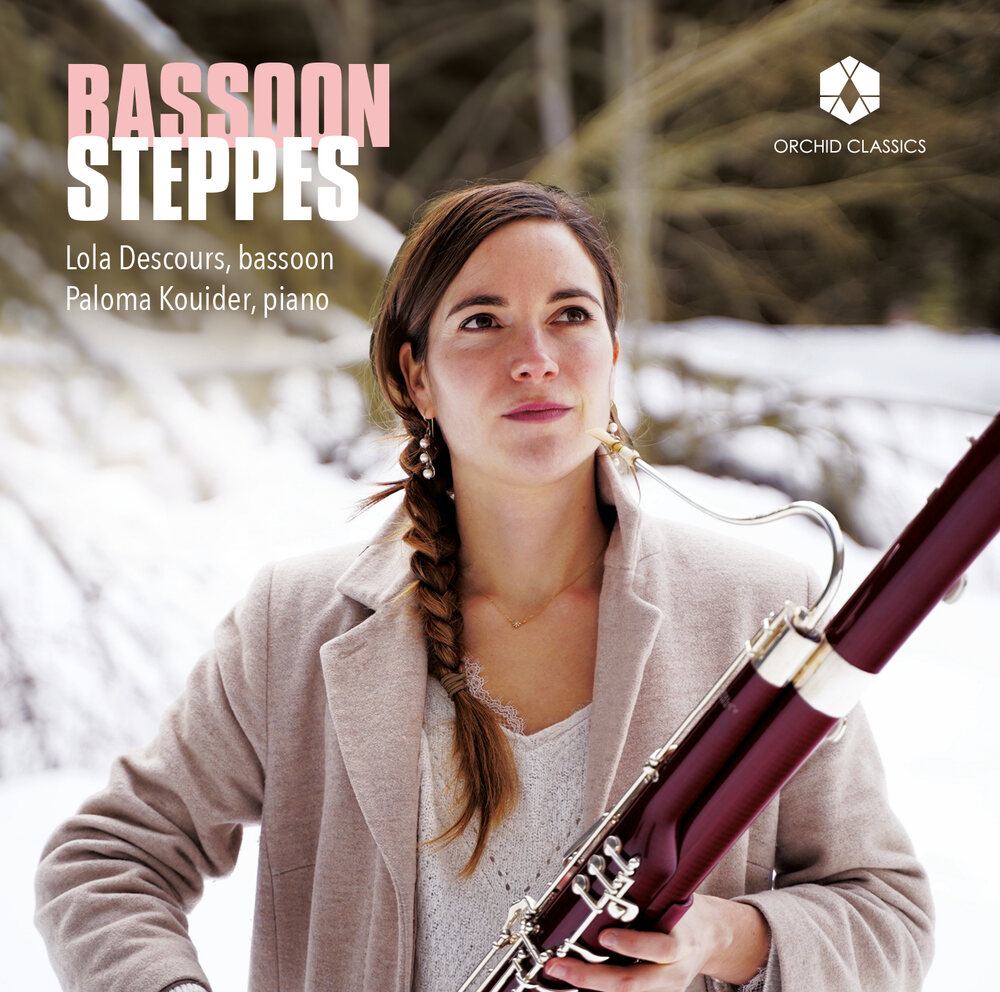
11 Lola DescoursBassoon Steppes
Lola Descours; Paloma Kouider
Orchid Classics ORC100190 (orchidclassics.com) 

Two questions come up when considering this recording. First: why would I listen to an album of all-Russian chamber music at this time in history and, second, why would I listen to it played on a bassoon? The answer to both is the same: this is a spectacular recording in every way; moving, virtuosic, unpredictable and life-affirming. 

Russian bassoonist Lola Descours and French pianist Paloma Kouider present a gorgeous program ranging from short pieces by Scriabin and Rimsky-Korsakov to longer works by Shostakovich and Rachmaninoff. All the works on the album are transcriptions or arrangements, some by the performers themselves, with the exception of a new work, AirI Walk Unseen, written for Descours by the Russian-born Lera Auerbach. This work is lovely, tragic and compelling. It has some pitch bending and colour trills, both used extremely effectively. But all the music on this album is so brilliantly played that you won’t believe it wasn’t written for the bassoon. 

This is a testament to Descours’ virtuosity: she’s a product of the best European training available and she’s the first bassoonist ever to win the Tchaikovsky Competition. Her sound is effortlessly fluid and expressive in all registers, her vibrato and phrasing always tasteful and heartfelt. And Kouider’s playing moves from crystalline thrills in the Rachmaninoff Cello Sonata to exquisite delicacy in Glinka and Rimsky-Korsakov. The world is a troubled place right now; do something nice for yourself and listen to this album. It will make your day.

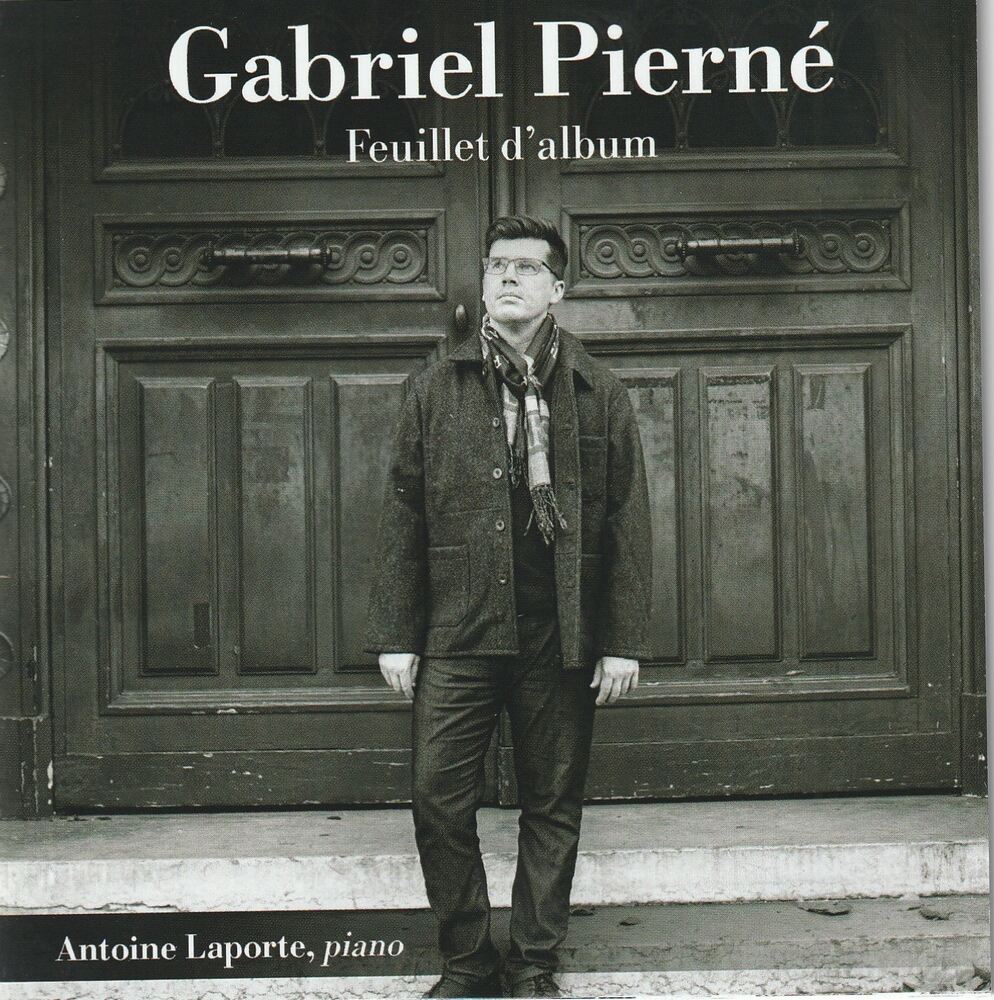
12 Laporte PierneGabriel Pierné – Feuillet d’album
Antoine Laporte
Independent (antoinelaporte.ca/home-1?lang=en) 

The music of Gabriel Pierné is not all that well known today compared with that of his more famous contemporaries Claude Debussy and Paul Dukas. Born in Metz in 1863, he studied at the Paris Conservatoire, winning the Prix de Rome in 1882 and ultimately enjoying a successful career as a conductor, organist and composer. Included amongst his large output is a significant number of piano compositions presented here on this two-disc recording by Quebec pianist Antoine Laporte, a prize winner at the Bradshaw & Buono International Piano Competition in New York and the Jinji Lake International Piano Competition in Suzhou, China. 

The Quinze pièces pour le piano Op.3 from 1885 is a delightful set of character pieces, each one evoking a particular mood from the light-hearted Coquetterie to the rousing Tarantelle finale. Laporte’s approach is refined and elegant, displaying fine tonal colours while aptly demonstrating Pierné’s eclecticism. The Premier Nocturne Op.31 is a languid and lyrical essay while the Étude Op.13 concluding the first disc is a true tour de force that Laporte handles with great panache.      

Disc two takes the listener into other facets of Pierné’s compositional style – the Trois Pièces Op.40, the Variations Op.42 and the posthumous set of Six Pieces which are tributes to other composers. Most striking is the degree of technical prowess demanded of the performer, found in the virtuosic first and third movements of Op.40 and the finale of the Variations. Throughout, Laporte delivers a brilliant performance of this often daunting repertoire.

French-only and English-only booklets and notes are available. This is a fine recording of music deserving greater recognition.

Listen to 'Gabriel Pierné – Feuillet d’album' Now in the Listening Room

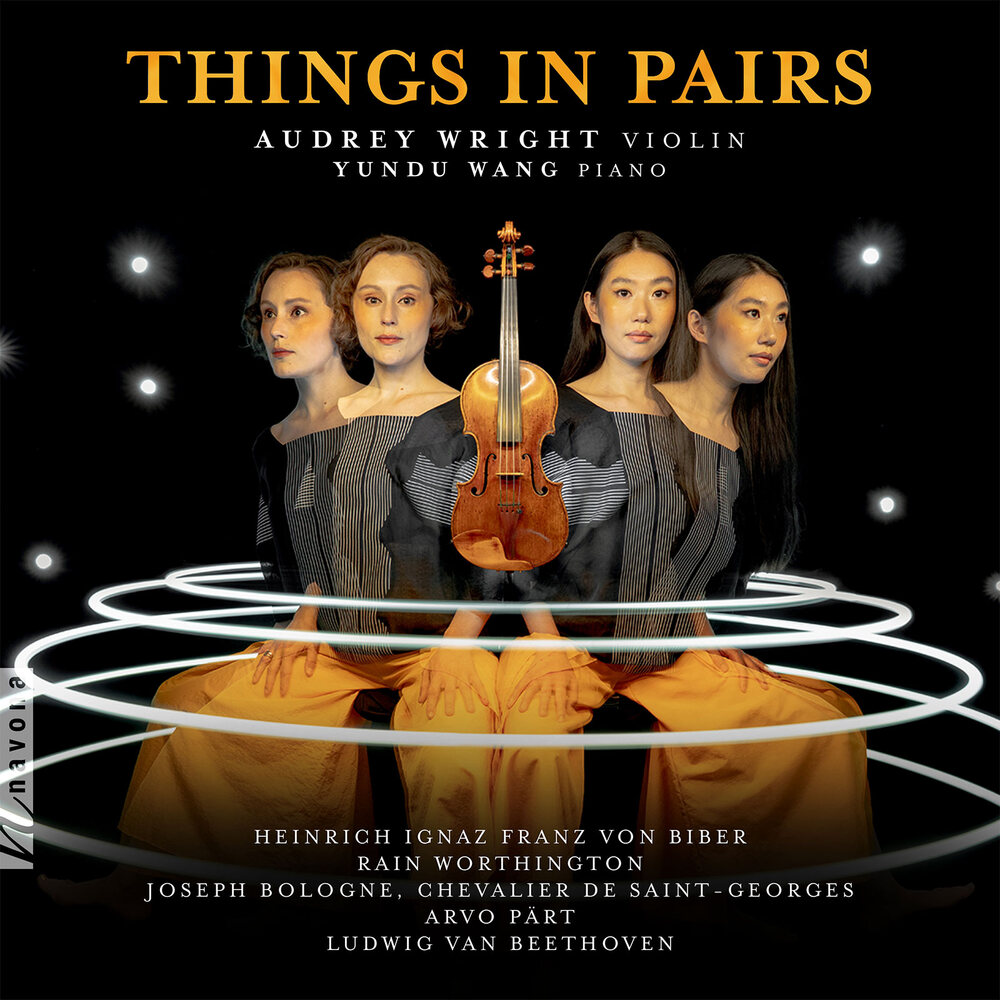
13 Things In PairsThings in Pairs
Audrey Wright; Yundu Wang
Navona Records NV6392 (navonarecords.com) 

Things in Pairs is an album that captures a listener’s heart from the very first note. Not only is it following a clever concept of pairing music from across five centuries in a way that is both exciting and meaningful, but it also features performances by violinist Audrey Wright and pianist Yundy Wang that are beaming with passion and artistry.  

It is easy to hear the musical narrative here and appreciate the connection between the compositions. Coupling Biber’s Passacaglia for Solo Violin with Balancing on the Edge of Shadows by contemporary composer Rain Worthington is simply splendid. Biber and Worthington, separated by centuries of musical legacy, treat the violin as the most precious voice and there is a deep sonority running throughout, a shared melancholy that underlies the subtle tension underneath the beautiful melodies. Joseph Bologne, Chevalier de Saint-Georges’ Sonata for Two Violins in B-flat Major and Arvo Pärt’s Fratres, on the other hand, offer a juxtaposition of lightness and darkness in a way that emphasizes the heart of each composition. Wright, who plays both violin parts in the sonata, is equally good in brilliant passages and lightheartedness of Bologne’s music as she is in conveying the power of Fratres. Capturing the fleeting line between a moment and eternity, and opposing forces within oneself, the violin/piano version of Fratres is further enhanced by the beautiful acoustics on this recording. Beethoven’s Sonata No.10 in G Major ties all the pieces together in an elegant sway of music ideas.

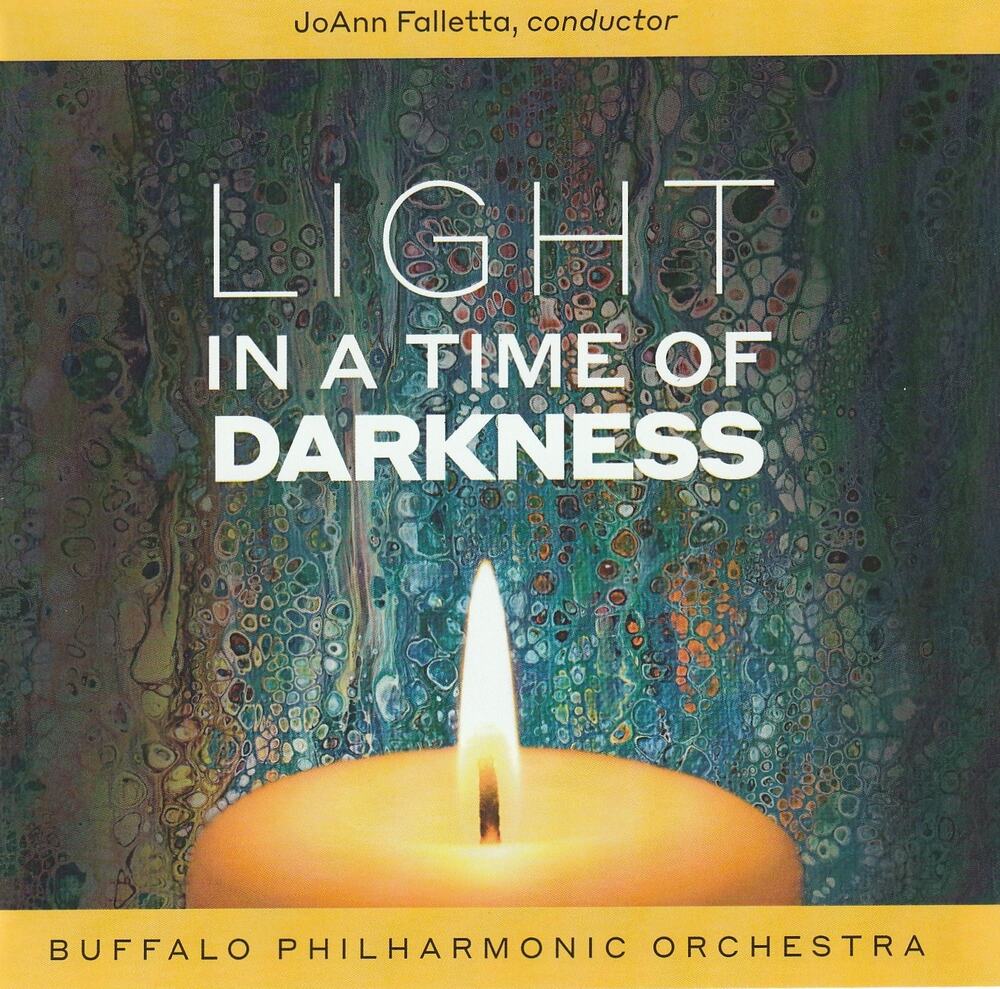
14 Light in a Time of DarknessLight in a Time of Darkness
Buffalo Philharmonic Orchestra; JoAnn Falletta
Beau Fleuve Records 605996-998579 (bpo.org)

When the COVID-19 pandemic emerged in early 2020, arts organizations throughout the world demonstrated their extraordinary determination and resilience as they found ways to continue practising their craft and bringing music to their audiences, even if in a different format than before. Light in a Time of Darkness features works recorded live in Buffalo in 2020 and 2021 as part of the BPO OnDemand series, streamed to audiences during the height of the pandemic.

This disc is a journey through countries, eras and styles, as its contents encompass everything from Bach to the premiere of a new work by composer Ulysses Kay. There is a risk, in this time of hyper-specialization, that such a broad approach might result in everything sounding too similar, with not enough period-appropriate precision to pacify everyone. For those who prefer the lean, agile, period-instrument approach, for example, the Bach and Haydn selections will likely come across as rather big and bulky, lacking the finesse afforded by earlier instruments.

Where Light In A Time Of Darkness is most convincing is in the lush, broad textures afforded by Vaughan Williams’ Fantasia on a Theme by Thomas Tallis and the Kay Pietà, a work of richness and depth that features some beautiful moments for the strings and a striking solo for English horn.

A testament to the resiliency and innovativeness found in so many organizations over the past two years, Light in a Time of Darkness is an eclectic and worthwhile release demonstrating the excellence of the Buffalo Philharmonic and conductor JoAnn Falletta.

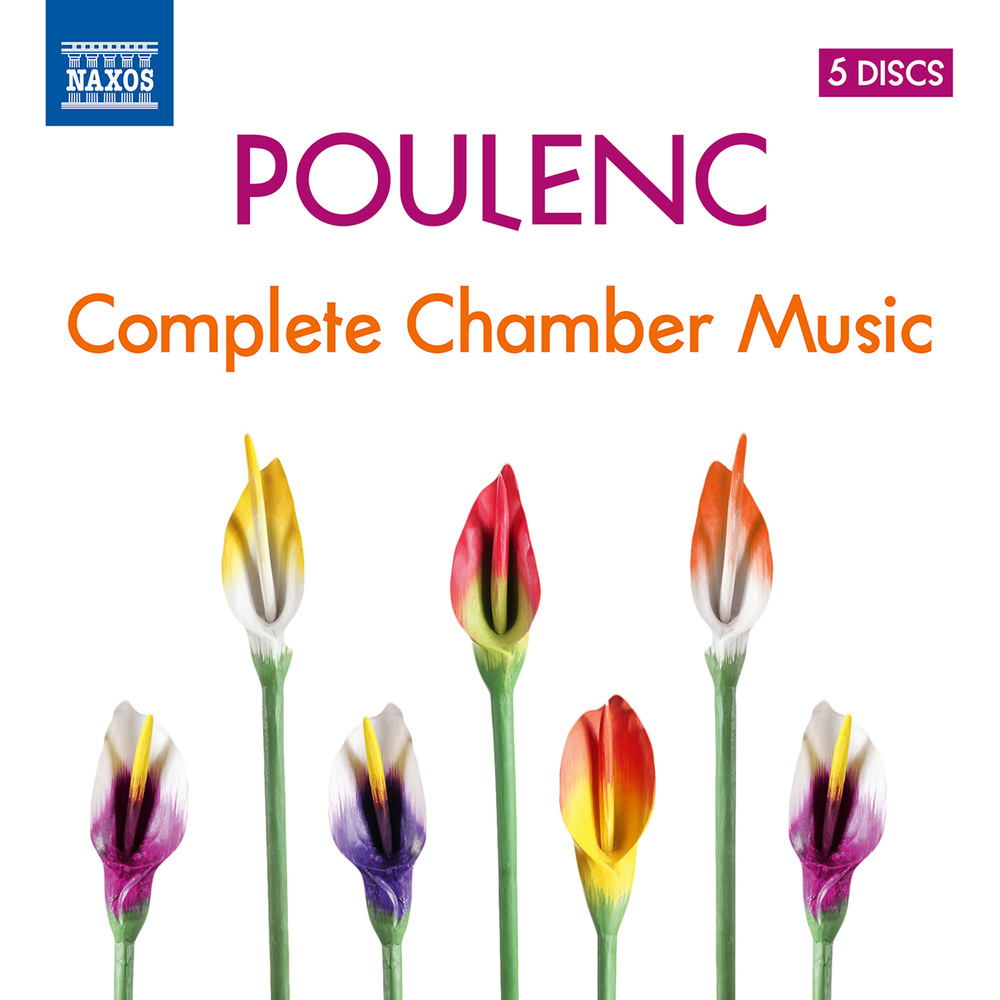
16 Poulenc Complete Chamber MusicPoulenc – Complete Chamber Music
Various Artists
Naxos 8.505258 (naxosdirect.com/search/8505258)

Having recently received a treasure, in the form of digital sound files, I am compelled to offer the following advice: buy this collection. An epochal recording, The Complete Chamber Works of Francis Poulenc is performed by a cadre of young and insanely able French musicians; nowhere else will you ever need to turn for inspiration or solace, nor for useful historic information about Poulenc, his thoughts and the context of the pieces.  

The performances, grouped onto the discs in no immediately discernible order, remind us of how often Poulenc would reuse similar tropes, thrown into relief against such remarkable harmonic language. The three solo woodwind sonatas sound strangely similar, as sibling pieces perhaps, yet still strike their individual poses and stand distinct. 

Disc one opens with an old friend, the Sextuor for Piano and Woodwind Quintet. Nothing wrong with leading from strength, and this is such a strong performance by all. Absolutely fearless in their tempo choices, as technically clean as French wind players are known to be, these six bring the notes leaping off the page. Poulenc, in his secular heaven, must be pleased to know he still speaks to and through young guns like these. The eloquence of phrasing in this one piece alone is reason enough to acquire the collection. But wait! There’s more.

Of course there’s more! Included are the early works, when Poulenc was 19 or 20 years old, at the end of WWI. Having tried to tackle two of these (Duo for Two Clarinets, and Duo for Clarinet and Bassoon) when I was a similar age, I now forgive the youngster his early austerity. You hear evidence of his admiration for Stravinsky more than his love of the music hall. He seemed to celebrate jagged lines and impossibly long phrases. But at least he published these! He discarded two earlier versions of his violin sonata before allowing the one played here by Graf Mourja.

It’s pointless to select a favourite piece or performer; there is beyond enough to please every ear. The flute playing of Philippe Bernold is bright and crisp, and I forgive his tendency to reach just above the piano pitch. He also performs on recorder in the charming Villanelle. Hervé Joulain makes short work of the devilishly tough French horn writing in the Sextuor. All of the wind playing is exceptionally good. 

The project owes much to consistently excellent piano playing by Alexandre Tharaud, who performs on no fewer than 15 of the selections, if my count is correct. That’s just beyond imagining. In fact there are only six pieces scattered across the five discs that do not feature Tharaud. These are the song cycles and theatre pieces that use voice accompanied by small instrumental ensembles. Among these is the charming Story of Babar, offered in both the original French and the translated English text. Both narrators are children, (12-year-old François Mouzaya, and 13-year-old Natasha Emerson), who seem equally professional.

For choral fans, there is disc four. Poulenc’s poetry settings themselves are every bit as divergent as the switches in mood I find so beguiling. La Balle Masqué, Cantate Profane sur les poèmes de Max Jacob, makes merry Dadaist hay. Baritone Franck Leguérinel clearly propels the absurdist texts with a powerful controlled voice. He shares the disc with tenor Jean Delescluse. 

Oh, one needn’t carp, but the recording values are uneven. One wonders with the size of the project how many different venues were used, and how many different engineers and producers worked on it.

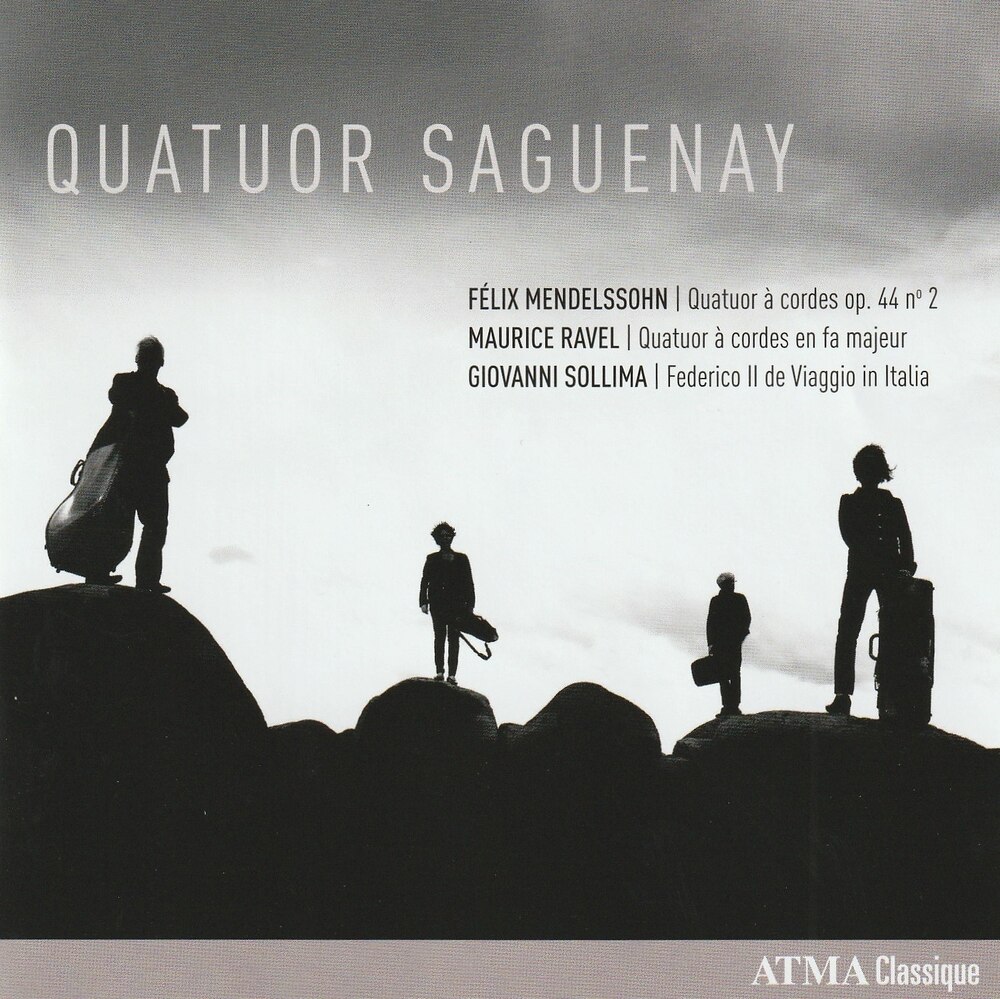
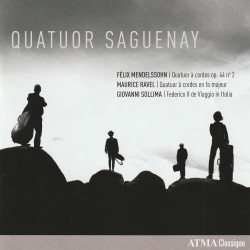
01 Quatuor SaguenayQuatuor Saguenay (formerly Quatuor Alcan) celebrates its 33rd anniversary this year, and while three of the members have been together for almost 30 years, the new CD Mendelssohn – Ravel – Sollima is the first recording with first violinist Marie Bégin (ATMA ACD2 2846 atmaclassique.com/en).

The ensemble says that Bégin brings freshness and a colour to the project that particularly suits the two major works on the CD, Mendelssohn’s String Quartet in E Minor, Op.44 No.2 and the Ravel String Quartet in F Major. Certainly the former is bursting with life and the latter full of shimmering warmth in lovely performances.

Federico II, the first movement from Italian composer Giovanni Sollima’s Viaggio in Italia closes the disc. Written in 2000, its percussive rhythms and bursting energy provide a perfect finale.
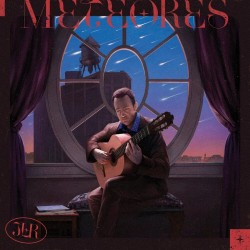
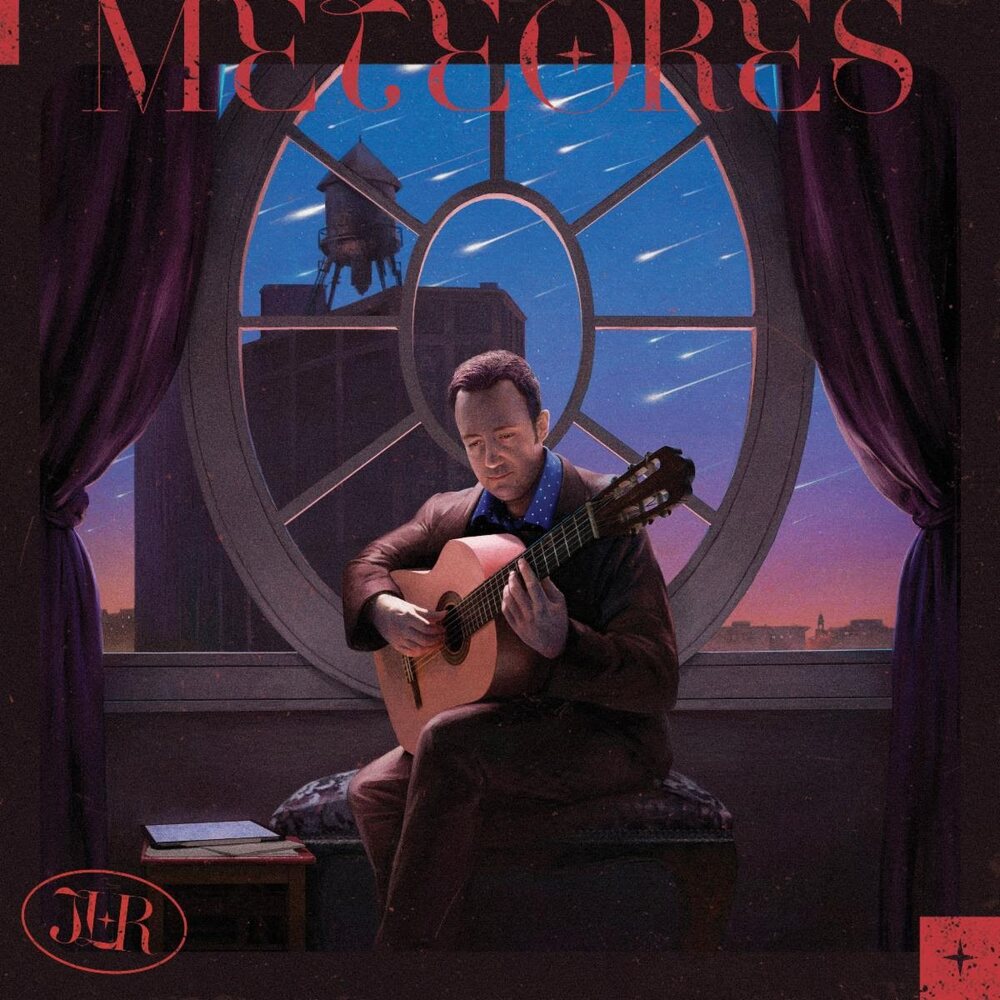
02 MeteoresThe Montreal classical guitarist Jasmin Lacasse Roy recorded, mixed and produced his self-issued CD Météores (fanlink.to/meteores), an album he describes as “an eclectic homage to a neighbourhood that deeply inspires me with its laid-back atmosphere imbued with artistic energy – Montreal’s Mile End district.” The title comes from his desire to have each piece “shine like a meteor.”

The ten short pieces are not literal depictions of scenes or events, but impressions (Roy wanted an album that “sounds like an impressionist painting”), and they’re terrific, displaying great imagination, technical skill and virtuosity. The whimsical titles include Cast iron rhapsody, Impétuositeration, The nostalgic chronicles of count Rachmanula, Mile End Winter and Midnight disco lounge.

Roy can write great melodies and hooks as well as challenging tours de force, all of it beautifully recorded in a delightful CD. 
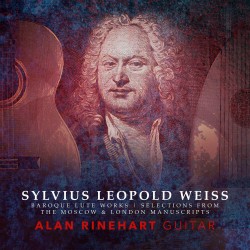
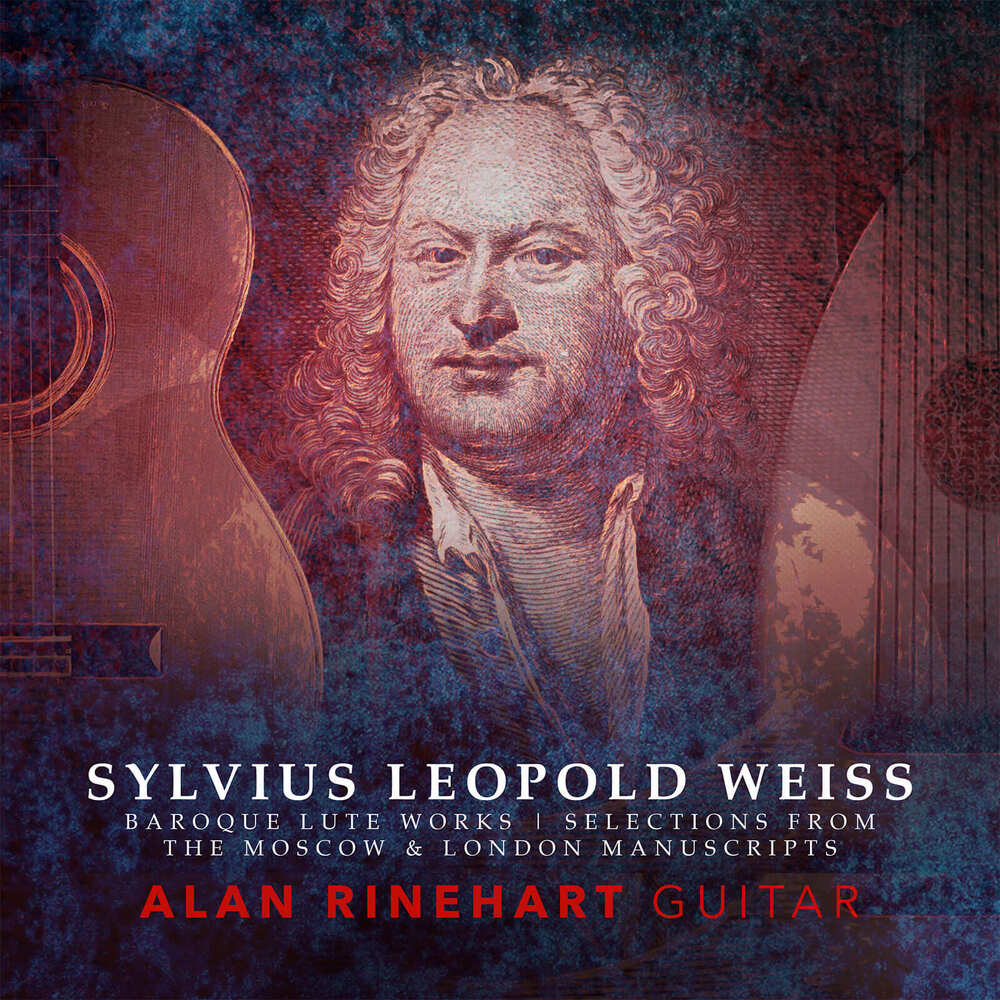
03 Alan Rinehart Sylvius Leopold WeissOn Sylvius Leopold Weiss Baroque Lute Works the Canadian guitarist Alan Rinehart plays selections from the Moscow and London manuscripts, transcribed by him from original tablature for 11 or 13 course lute (Ravello Records RR8056 ravellorecords.com/catalog/rr8056).

Rinehart feels that Weiss’ lute music was overshadowed by keyboard music, especially that of his direct contemporary J.S. Bach, and consequently under appreciated, and the recital here certainly supports that view. The three major works, all with five to seven dance movements, are the Partita in A Minor, the Partita in G Major and the Suite in D Major. An Allegro in E Minor, a Fantasia, the Tombeau sur la mort de M’Comte de Logy, a Gallanterie and a Minuet & Trio complete the disc.

“Travelling bass lines, intricate melodies, and pleasant harmony,” say the booklet notes. Add clean, stylish playing and you have a top-level CD.
Listen to 'Sylvius Leopold Weiss Baroque Lute Works' Now in the Listening Room

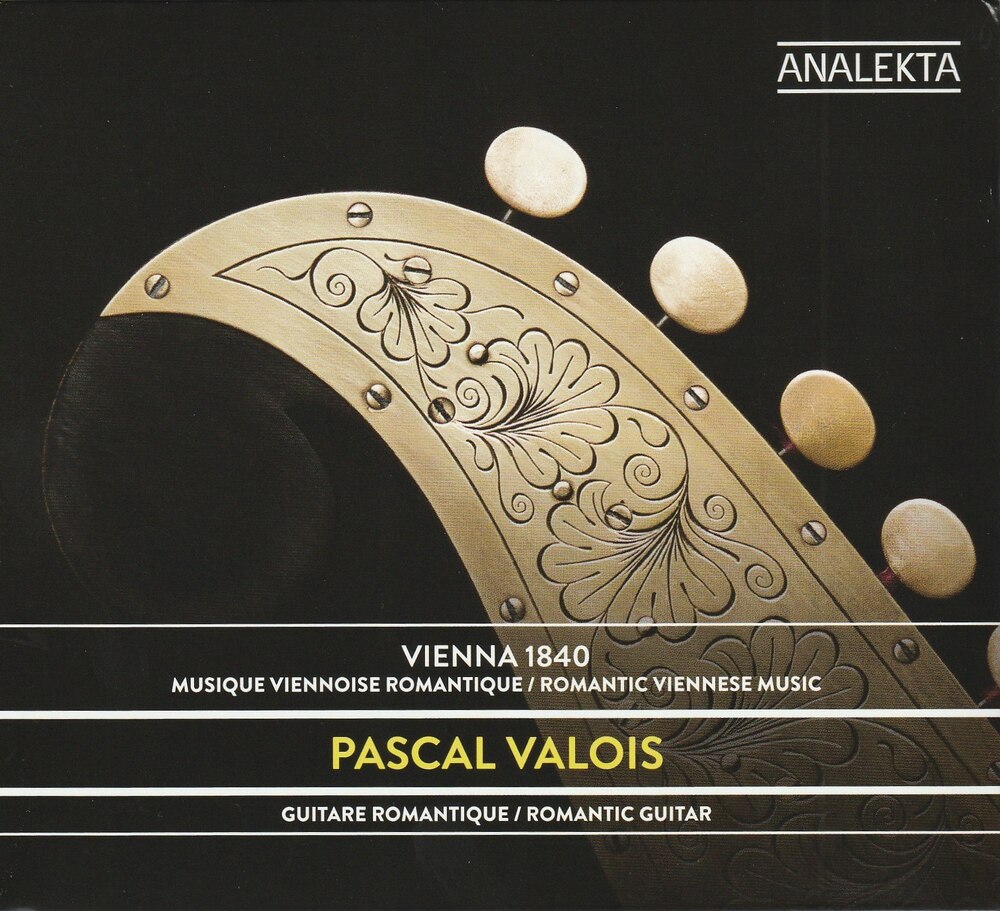
04 Pascal Valois 1840Montreal guitarist Pascal Valois continues his exploration of the guitar during the Romantic era with his new CD Vienna 1840 – Romantic Viennese Music (Analekta AN 2 9197 analekta.com/en).

Valois employs period-appropriate ornamentation, stylistic practices and improvisation in his playing, and for this recording aimed to rediscover the expressive mannerisms widely used in the German Romantic period.

Two of the Six Preludes Op.46 from 1840 by Emilia Giuliani-Guglielmi – the daughter of Mauro Giuliani – open the disc. The Hungarian guitar virtuoso Johann Kaspar Mertz is represented by five selections from his Barden-Klänge Op.13, his Hungarian Fantasy No.1 Op.65 and his arrangement of Schubert’s song Ständchen. Giulio Regondi’s Nocturne “Rêverie” Op.19, with its demanding tremolo work completes the CD.

Valois plays a 1987 Gary Southwell replica of an 1830 Viennese guitar by Johann Georg Stauffer.
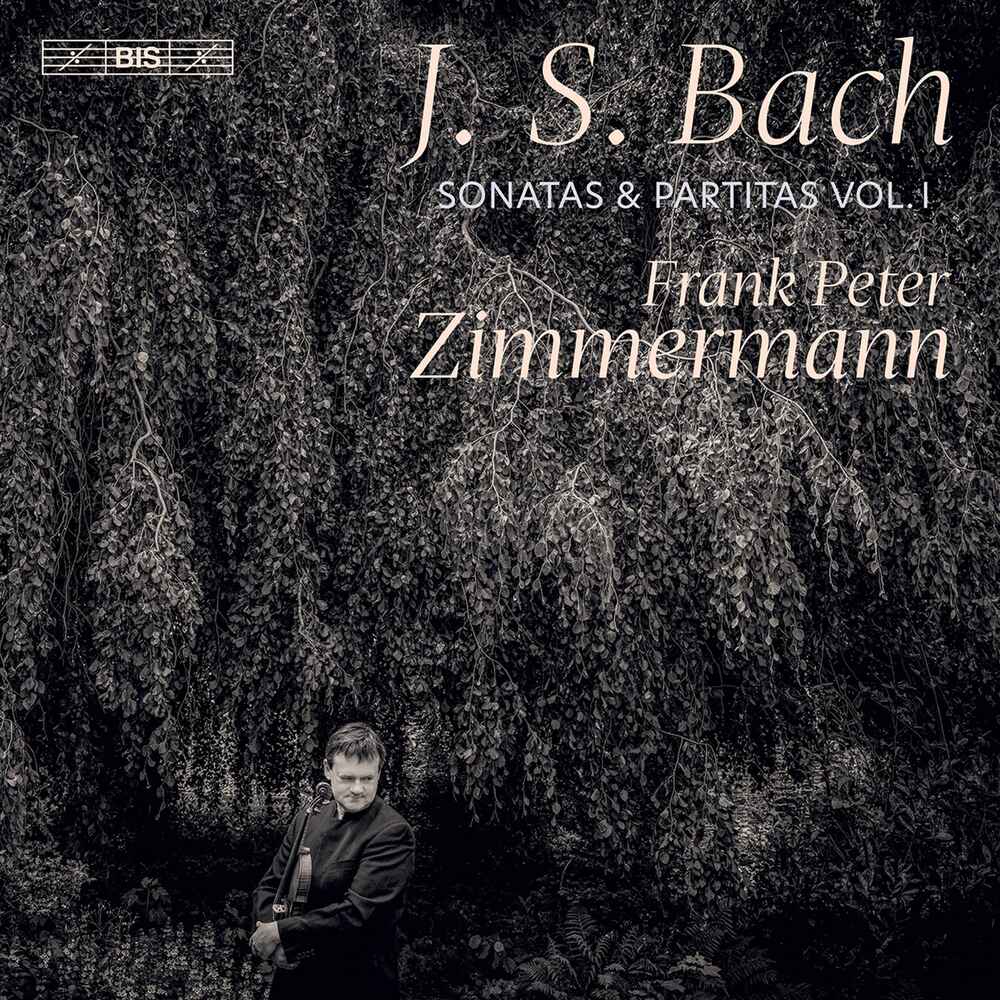
05 Zimmerman BachViolinist Frank Peter Zimmermann has been recording for four decades, but has never included the Bach solo works. With “great respect for the task at hand” his new CD J.S. Bach Sonatas & Partitas Vol.1 begins to rectify that, and boy, was it ever worth the wait (BIS-2577 bis.se).

The three works here are the Sonata No.2 in A Minor BWV1003, the Partita No.2 in D Minor BWV1004 and the Partita No.3 in E Major BWV1006, and the performances are simply outstanding. Zimmermann is faultless technically, with never a hint of anything less than supreme control and artistry. There’s great clarity of line through the multiple-stopping, added ornamentation in the slow movement repeats and an intelligent approach to tempos.

A spacious, resonant recording ambience adds to a superb release.
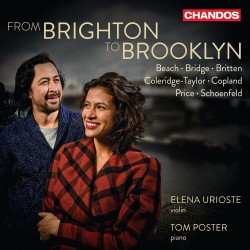
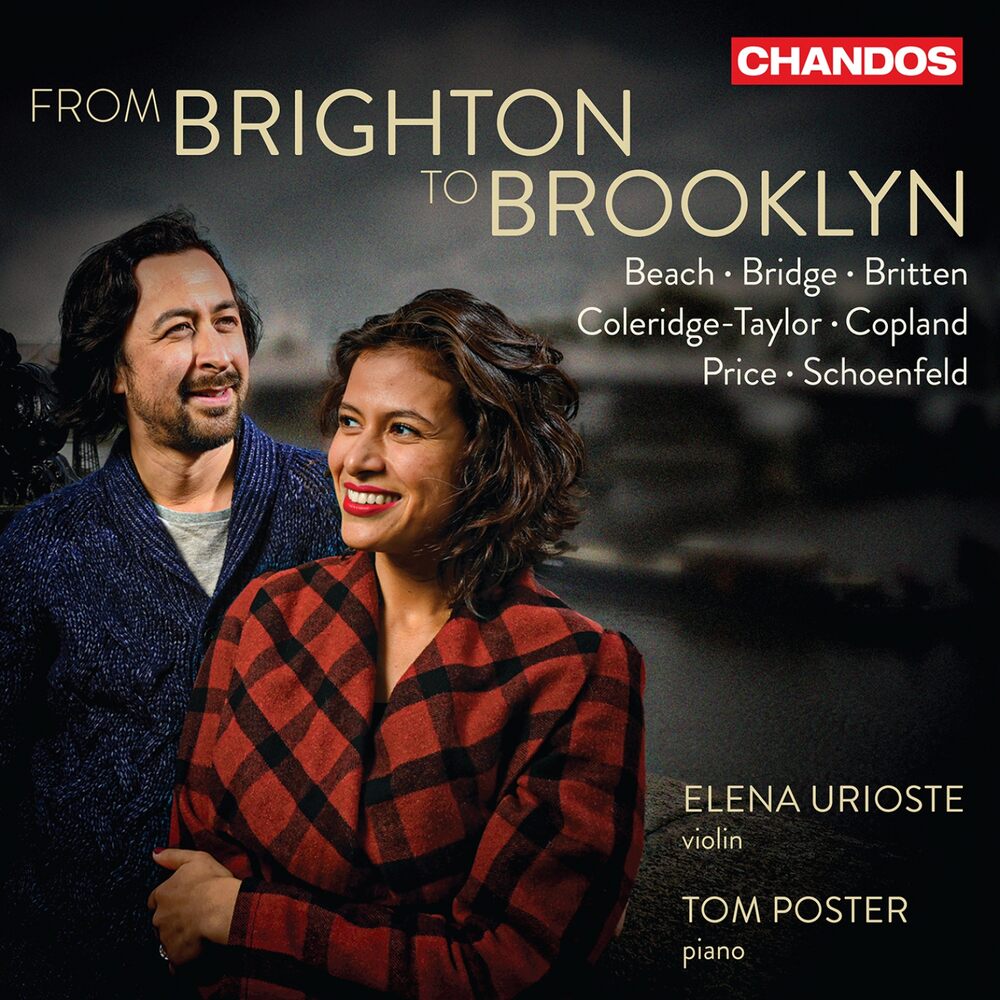
06 From Brighton to BrooklynThe outstanding American violinist Elena Urioste and her English pianist husband Tom Poster follow their superb Jukebox Album release with From Brighton to Brooklyn, another CD overflowing with absolute gems and sumptuous playing that explores composer connections (sometimes somewhat tenuous) with the two cities from their respective countries (Chandos CHAN 20248 naxosdirect.com/items/from-brighton-to-brooklyn-572573).

Paul Schoenfeld’s terrific Four Souvenirs opens the disc with a bang. Three lovely short pieces – Cradle Song, Romanze and Heart’s Ease – by Frank Bridge, who was born in Brighton and conducted in New York – are here, as are the Three Pieces from Suite Op.6 by his student Benjamin Britten, who was president of the Brighton Philharmonic Orchestra.

Aaron Copland was born in Brooklyn; his Two Pieces date from 1926. Also included are Amy Beach’s Three Compositions Op.40, Coleridge-Taylor’s Ballade in C Minor Op.73 and the absolutely charming – and very Kreisler-ish – Elfentanz by Florence Price.

Once again, this superb duo enchants the listener from start to finish of another gorgeous CD.

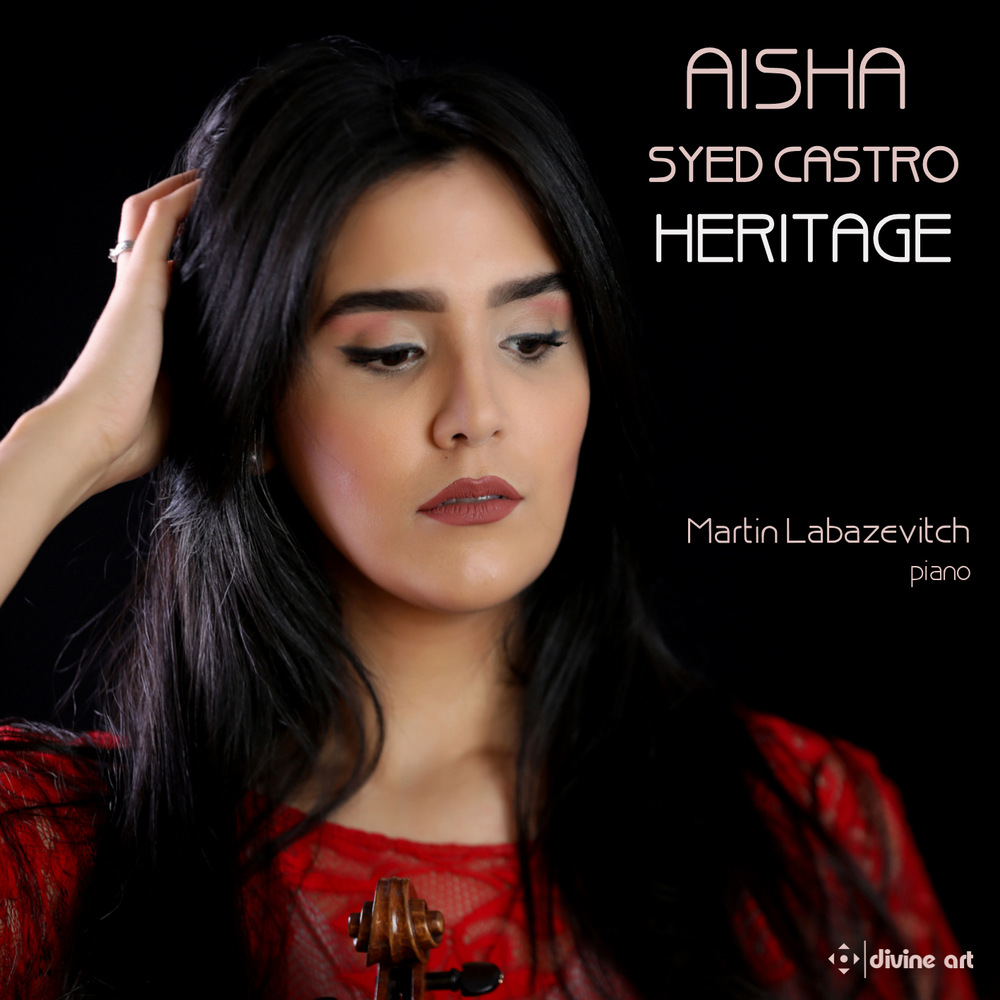
07 Heritage AyishaHeritage is the debut CD by the young Dominican violinist Aisha Syed Castro, with pianist Martin Labazevitch (Divine Arts DDA25229 divineartrecords.com/recording/heritage). 

Recorded in England in April 2019, it’s an album of works with primarily American and Latino roots, including Una Primavera para el Mundo by the Dominican composer Rafael Solano in his own arrangement made specifically for this recording. There are three numbers from Bernstein’s West Side Story, tangos by Piazzolla (Oblivion), Carlos Gardel (Por Una Cabeza) and Albéniz (España Op.165 No.2), the latter arranged by Kreisler, who also arranged the Granados Spanish Dance No.5 and the Danse Orientale from Rimsky-Korsakov’s Scheherezade.

William Grant Still’s Suite for Violin and Piano, Samuel Coleridge-Taylor’s Deep River and Aisha’s Dance from Khachaturian’s Gayaneh ballet fill out a captivating program that ends with Aisha’s Prayer, Labazevitch’s arrangement of traditional hymns built around Amazing Grace.

The signing of Castro and the launch of this CD were announced with great fanfare, and it’s easy to hear just why Divine Arts is so excited. She’s clearly a talent to watch.

There are two sets of complete works this month:
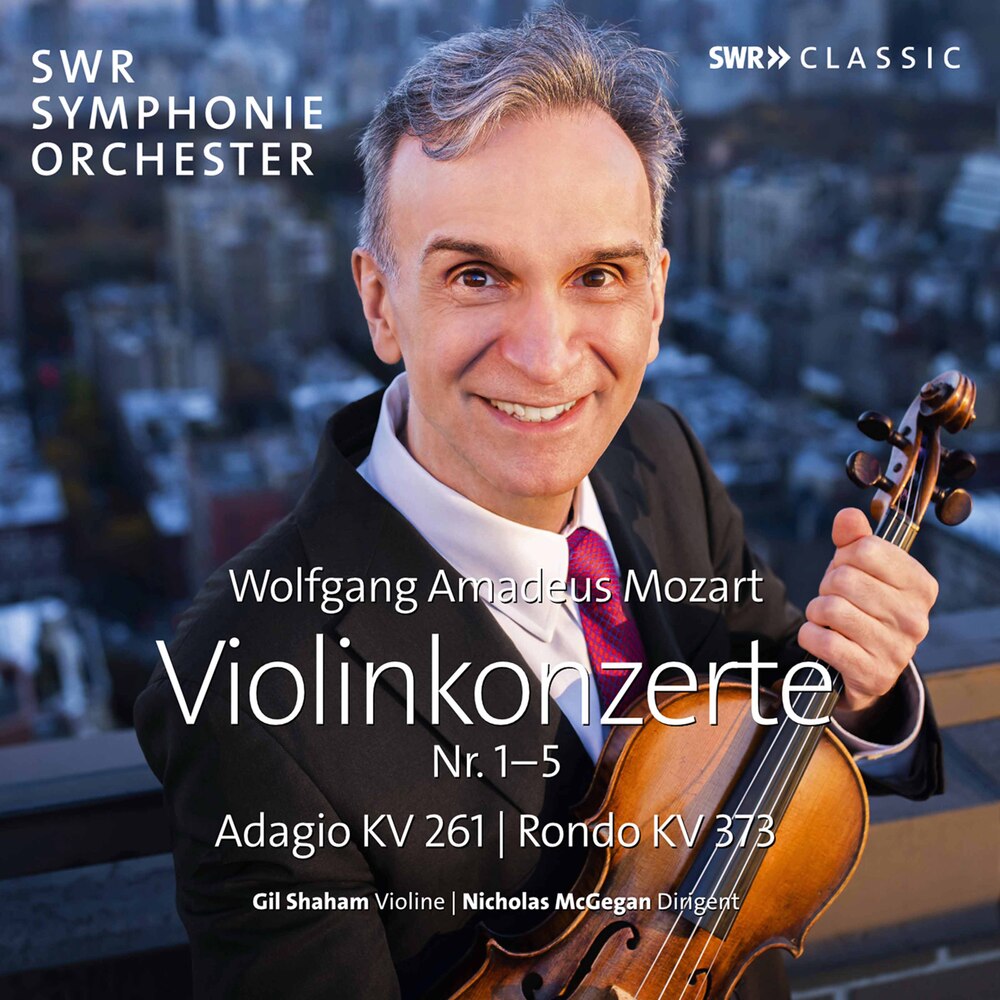
08 Shaham MozartViolinist Gil Shaham is joined by reduced forces of the SWR Symphonieorchester under Nicholas McGegan on the 2CD set of Mozart Violonkonzerte Nr.1-5, along with the Adagio In E Major K261 and the Rondo in C Major K373 (SWR Classic SWR19113 naxosdirect.com/search/swr19113cd).

The concertos were written when Mozart was a full-time violinist at the Salzburg court, the final four in an astonishing six-month period in late 1775. 

Shaham, who always has a radiant clarity to his playing, accurately described here as “flawless technique combined with his inimitable warmth and generosity of spirit,” is in superb form. McGegan is an expert in 18th-century style, and together they make wonderful music on a simply outstanding and beautifully recorded set.
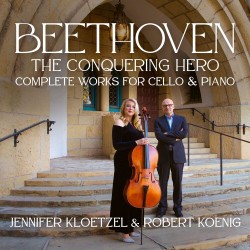
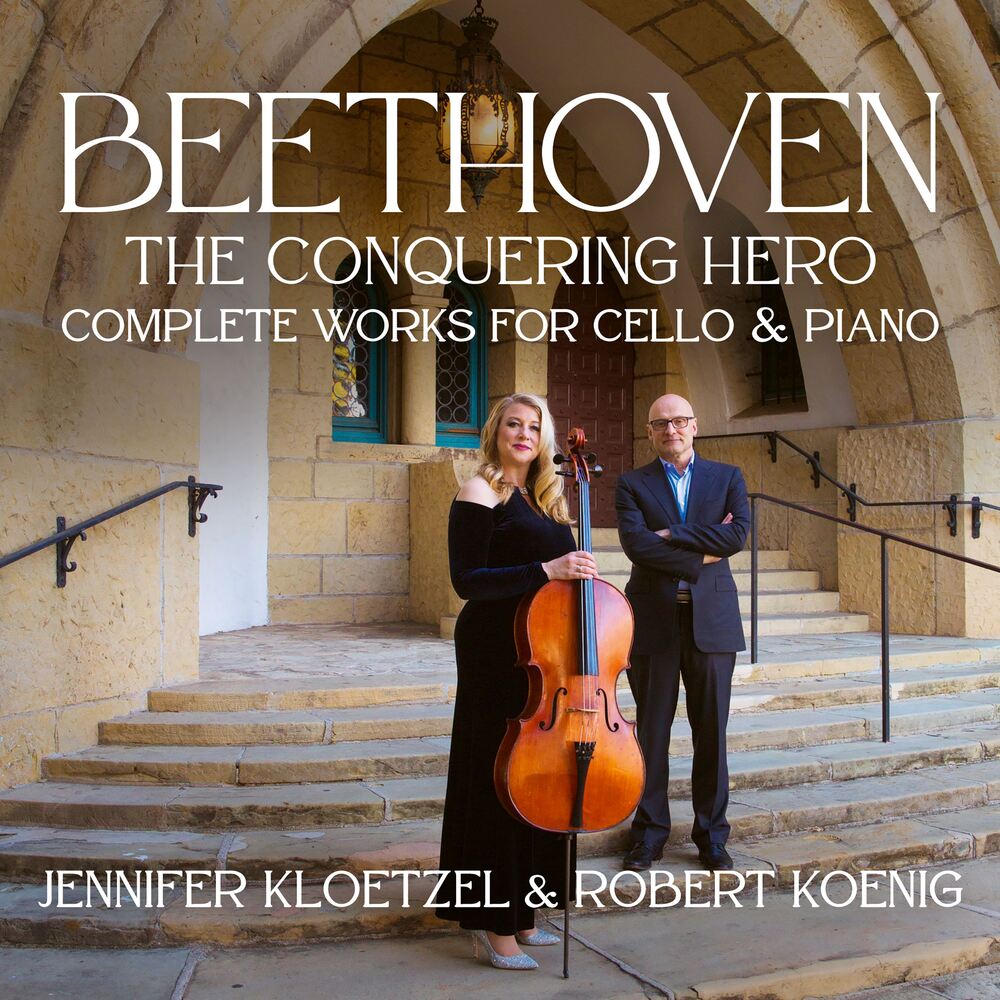
09 Jennifer Kloetzel Beethoven jpegJennifer Kloetzel is the cellist and Robert Koenig the pianist on the 3CD set of Beethoven: The Conquering Hero, Complete Works for Cello and Piano (Avie AV2450 avie-records.com/releases).

The five cello sonatas are here, together with the three sets of variations and the Sonata in F Major for Piano with Horn or Cello, Op.17. The piano is a 19th-century Blüthner 9-foot grand and the cello a 1901 Camillo Mandelli. There’s a lovely balance in the recording, a clear piano sound that never overwhelms and a warm, rich cello tone.

Kloetzel has been playing the cello sonatas since she was eight years old, so it’s no surprise that we’re in very good hands here. Koenig is an outstanding partner.
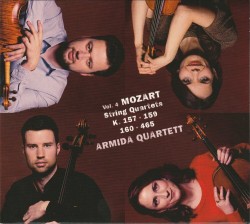
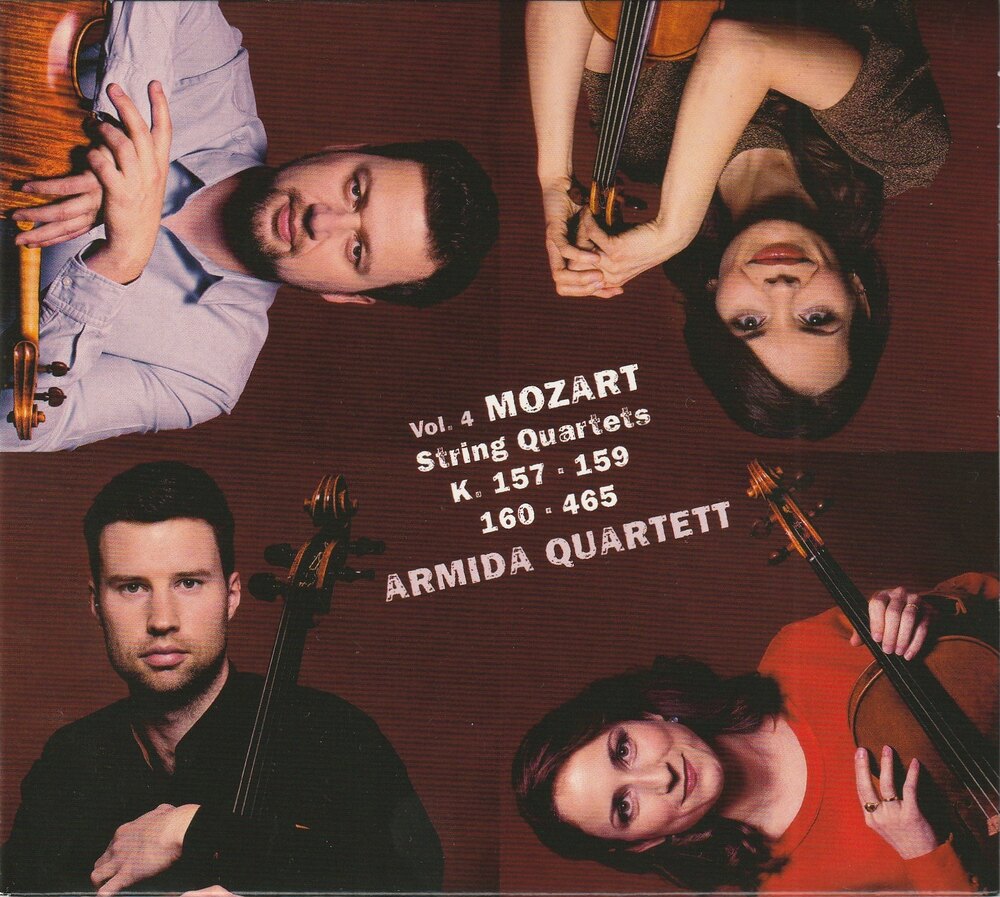
10 Armida MozartThe Armida Quartett continues its ongoing series of the composer’s complete string quartets with Mozart String Quartets Vol.4 (Avi Music 8553205 armidaquartett.com).

The three-movement String Quartets No.4 in C Major K157, No.6 in B-flat Major K519 and No.7 in E-flat Major K160, written in 1773 during a journey to Italy are paired with the String Quartet No.19 in C Major K465 “Dissonance” from 1785, a work foreshadowed by the traces of dissonance in the three earlier quartets by the 17-year-old Mozart.

The Armida Quartett has been collaborating with G. Henle Verlag on their Urtext edition of Mozart’s string quartets, and their study of the manuscript and early edition sources has resulted in stylistically authoritative interpretations and finely detailed performances.

The final volume in the series is scheduled for release in April.
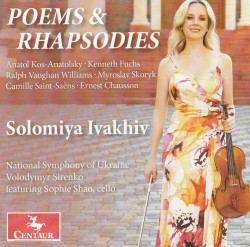
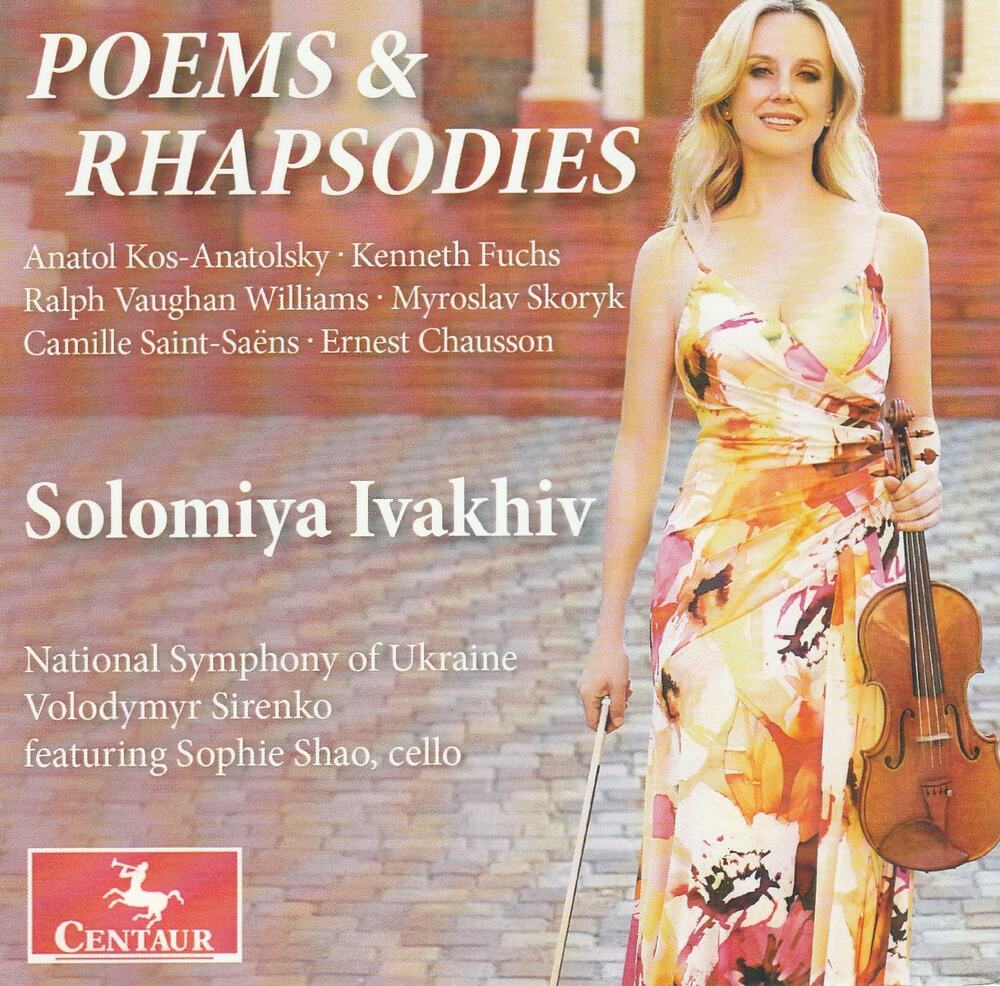
11 Solomiya IvakhivThe American-based Ukrainian violinist Solomiya Ivakhiv is the soloist on Poems & Rhapsodies, with the National Symphony Orchestra of Ukraine under Volodymyr Sirenko (Centaur CRC3799 amazon.com/Poems-Rhapsodies-Solomiya-Ivakhiv/dp/B09NSYKL93).

They are joined by cellist Sophie Shao in the little-heard but quite charming Saint-Saëns work La Muse et le poète Op.132 (the publisher’s title, not the composer’s) which began life as a piano trio.

Ivakhiv displays a clear, bright tone and technical assurance in competent readings of Chausson’s Poème Op.25 and Vaughan Williams’ The Lark Ascending, but really excels in the remaining three works on the disc. The simply lovely American Rhapsody (Romance for Violin and Orchestra) from 2008 by the American composer Kenneth Fuchs is heard between two works by Ukrainian composers: the 1962 Poem in D Minor for Violin and Orchestra by Anatol Kos-Anatolsky (1909-83); and the Carpathian Rhapsody from 2004 by Myroslav Skoryk (1938-2020).
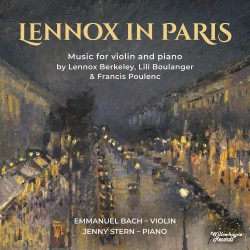
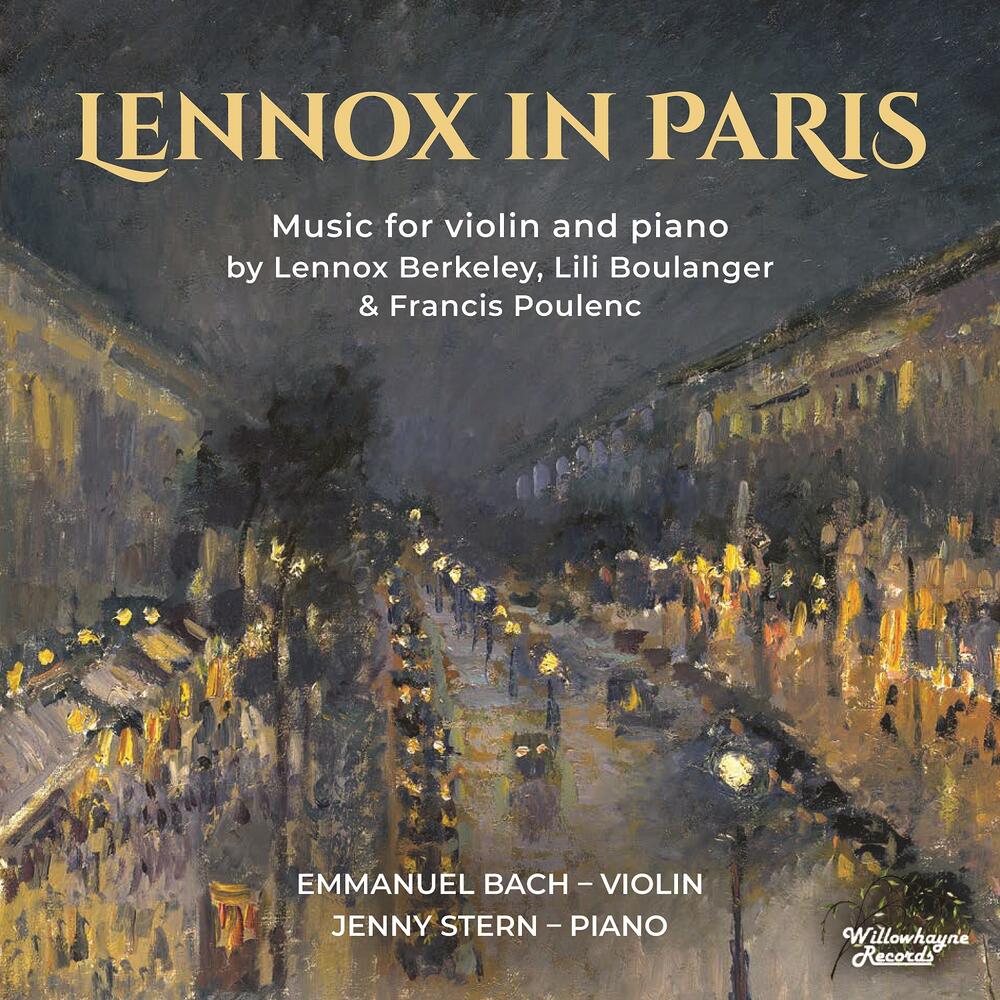
12 Lennox in ParisThe young English violinist Emmanuel Bach is paired with pianist Jenny Stern on Lennox in Paris – Music for violin and piano by Lennox Berkeley, Lili Boulanger & Francis Poulenc (Willowhayne Records WHR070 willowhaynerecords.com).

Berkeley lived in Paris from 1926 to 1932, studying with Nadia Boulanger and Ravel and counting Poulenc among his musical friends. Only one of his works here – the Violin Sonata No.1 – was written during that time, the Sonatina dating from 1942 and the Elegy and Toccata Op.33 Nos. 2 & 3 from 1950.

Bach’s playing seems quite tentative, not being helped by an over-prominent piano balance, and one can’t help feeling that these are works deserving of far more colourful and insightful performances.

The French pieces fare much better. There’s a lovely touch in the Boulanger pieces – Nocturne, Cortège and D’un matin du printemps – a sweet tone and nice feel to the middle movement of the Poulenc Sonata, and some assured playing in the Heifetz transcriptions of Poulenc’s Mouvements perpétuels and Presto in B-flat Major.
Listen to 'Lennox in Paris' Now in the Listening Room

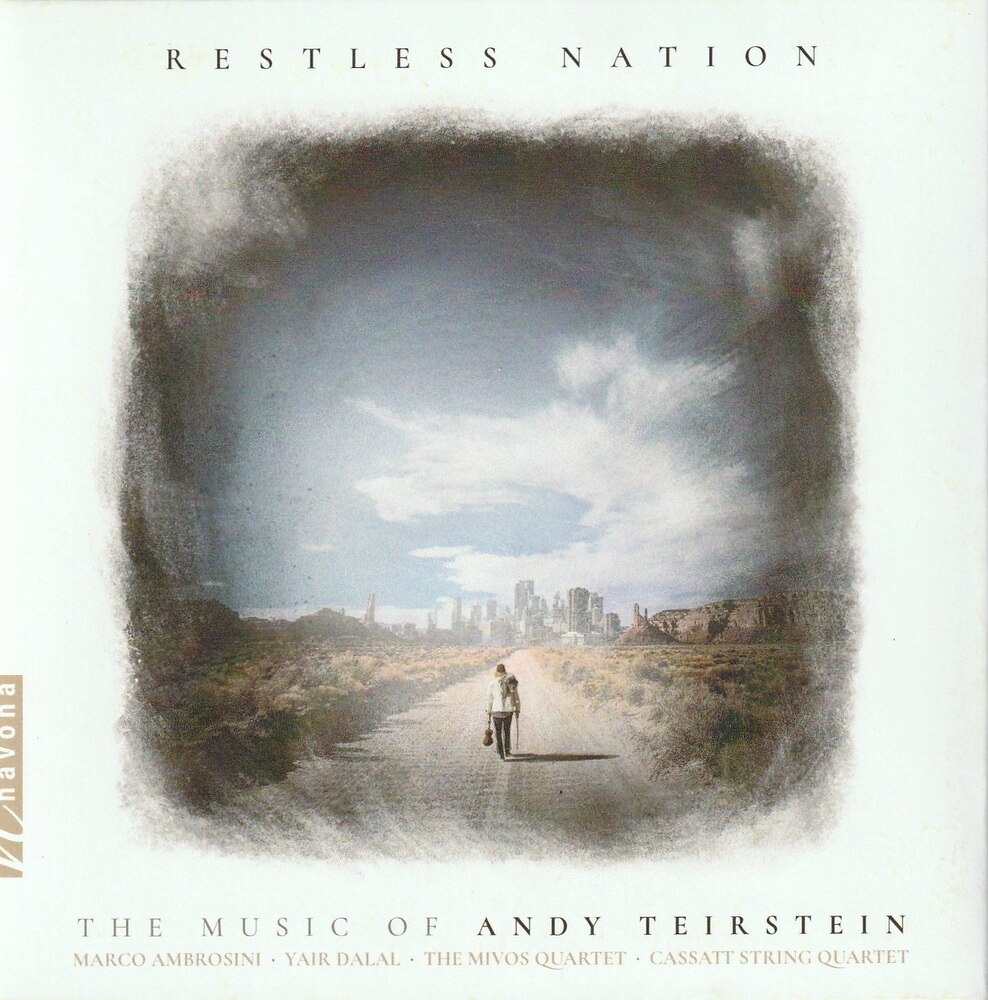
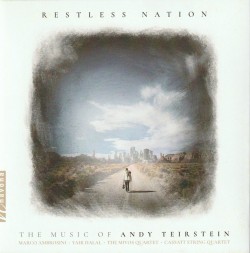
13 Andy TeirsteinRestless Nation – The Music of Andy Teirstein features works that were inspired by world music traditions (Navona NV6397 navonarecords.com/catalog/nv6397). 

The Cassatt String Quartet performs the title work, its impressions of a year-long family expedition evoking “the fierce energy” of American fiddling. 

On Secrets of the North the Mivos String Quartet is joined by Marco Ambrosini on the nyckelharpa, the traditional Swedish keyed fiddle, in a work that incorporates elements inherent in Swedish folk music.

Azazme Songs, Suite for String Quartet, Oud and Dulcimer was composed after a four-day trek with Azazme Bedouins across the Aravah desert. They are not direct transcriptions but rather impressions gleaned, the dulcimer representing the sound of the Bedouin sumsumia, a strummed psaltery-type instrument. The Mivos String Quartet performs again, with the composer playing dulcimer and Yair Dala on the oud.

Teirstein plays a brief harmonica solo to open Letter From Woody with the Janáček Philharmonic Orchestra under Jirí Petrdlík. Inspired by one of the letters that Woody Guthrie wrote to his future wife, it “draws on traditional American folk string bowings and energies.”


Listen to 'Restless Nation' Now in the Listening Room

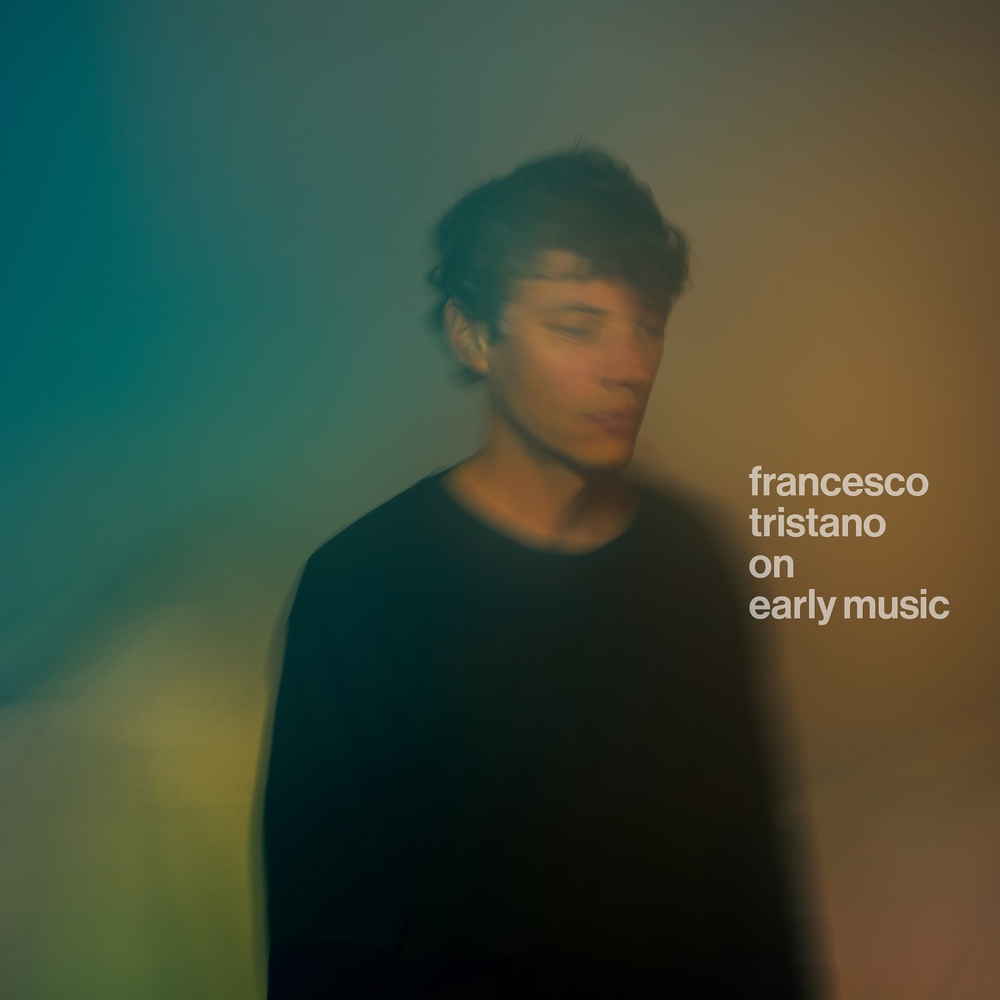
01 Tristano On Early MusicOn Early Music
Francesco Tristano
Sony Classical G0100045975984 (sonyclassical.com/releases/releases-details/on-early-music)

Francisco Tristano studied at four conservatories before graduating from the Juilliard School. Here he turns every last facet of his immense talent as a pianist and composer to interpreting eight pieces of early music juxtaposed with as many of his own creations. 

Breathtaking does not begin to describe Tristano’s talents. After his own highly spirited Toccata we are treated to his version of a John Bull Galliard which combines the pianist’s exceptional skills with the taxing sequences one associates with Bull. Other tracks are as complex; what is more, it is difficult to remember that we are listening to a pianist when so much of this CD sounds as if it is being played on a harpsichord.  

Then there are the slower pieces, notably the surprisingly restrained Aria la folia and Pavan. Tristano also has a keen interest in the works of Orlando Gibbons, selecting four pieces, each with its own stately Elizabethan character. Above all, there is the longest track on the CD, Girolamo Frescobaldi’s Cento partite sopra passacaglie, with an intensity highly appropriate for Tristano’s vigorous technique. 

Which leaves us with Tristano’s surely unique pieces. Ritornello offers no respite to its composer/player, what with its inspiring opening and ever more intense later rhythms. Neither does the breathless Ciacona seconda. It is a brave pianist who would seek to emulate him.

Standing ovations have graced many of Tristano’s performances. This reviewer adds one virtually.

Back to top