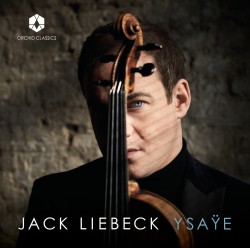
 Jack Liebeck Ysaÿe sees the outstanding English violinist finally recording Ysaÿe’s Six Sonatas for Solo Violin Op.27, works which have long fascinated him (Orchid Classics ORC100179 jackliebeck.com).
“I always knew I would have to climb this mountain,” says Liebeck, and the recent COVID lockdowns provided the right moment. He describes Ysaÿe’s style as monumental, with gothic themes, drama and poignancy, and the music as the pinnacle of harmonic and technical challenge, which nevertheless fits a violinist’s hand like a glove.
Liebeck is joined by pianist Daniel Grimwood in the rhapsodic Poème élégiaque in D Minor Op.12, and as always draws a sumptuous tone from his 1785 J. B. Guadagnini violin in superlative performances.
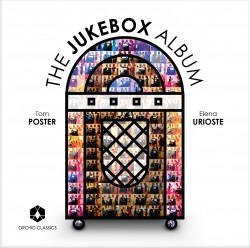 In March 2020 violinist Elena Urioste and pianist Tom Poster decided to record and share one music video for every day spent in isolation. The expected two to three weeks of their #UriPosteJukeBox project turned into 88 days – one for each piano key. The resulting studio CD The Jukebox Album is simply one of the most heart-melting and breathtakingly beautiful discs you could imagine (Orchid Classics ORC100173 orchidclassics.com/releases/jukebox).
From the opening Look for the Silver Lining through a program including standards like La vie en rose, Begin the Beguine, A Nightingale Sang in Berkeley Square and Send in the Clowns, all in superb arrangements by Poster and with occasional sumptuous multi-tracking by Urioste, to Kreisler arrangements, pieces by Carlos Gardel, Lili Boulanger, Fauré and six new pieces commissioned for the project, the standard never drops for a moment.
“This is the music we’ve loved our whole lives,” says Poster, and it shows in every note of an absolutely gorgeous CD.
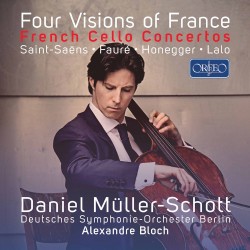 Cellist Daniel Müller-Schott is in superb form on Four Visions of France – French Cello Concertos with the Deutsches Symphonie-Orchester Berlin under Alexandre Bloch (Orfeo C988211 naxosdirect.com/search/c988211).
Saint-Saëns is represented by his 1872 Cello Concerto No.1 in A Minor Op.33 and the Romance in F Major Op.36. Honegger’s fascinating 1929 Cello Concerto and Lalo’s 1877 Cello Concerto in D Minor are the other two major works, with Fauré’s Élégie in C Minor Op.24 in the 1901 orchestral version completing the disc.
A lovely recorded ambience captures the luminous textures and sensual orchestral colours typical of French music, on an outstanding CD.
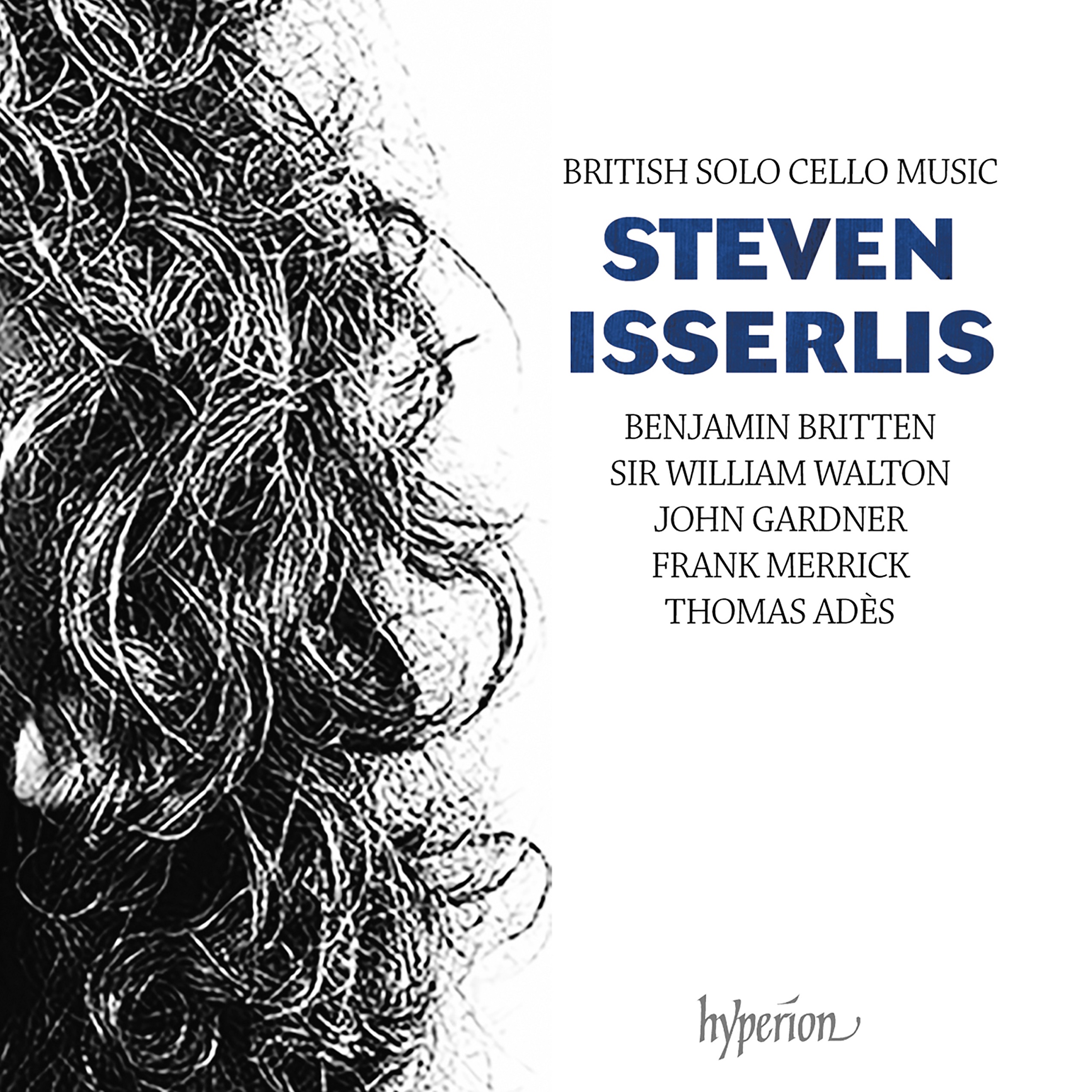
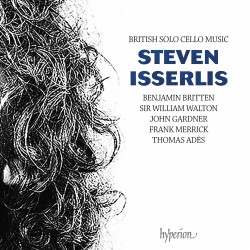 British Solo Cello Music features the always-wonderful Steven Isserlis (Hyperion CDA68373 hyperion-records.co.uk/dc.asp?dc=D_CDA68373).
Britten’s Tema ‘Sacher’ and Cello Suite No.3 Op.87 open the disc, with Isserlis being joined by pianist Mishka Rushdie Momen for the three Tchaikovsky settings of the folk-song themes used in the Suite. Other works are Walton’s Theme for a Prince and Passacaglia, John Gardner’s Coranto pizzicato, Frank Merrick’s Suite in the eighteenth-century style and the brief Sola by Thomas Adès.
As always, Isserlis’ booklet essay is erudite and fascinating, with its personal reminiscences of John Gardner (1917-2011) and – in particular – the astonishing Frank Merrick (1886-1981) an absolute delight.
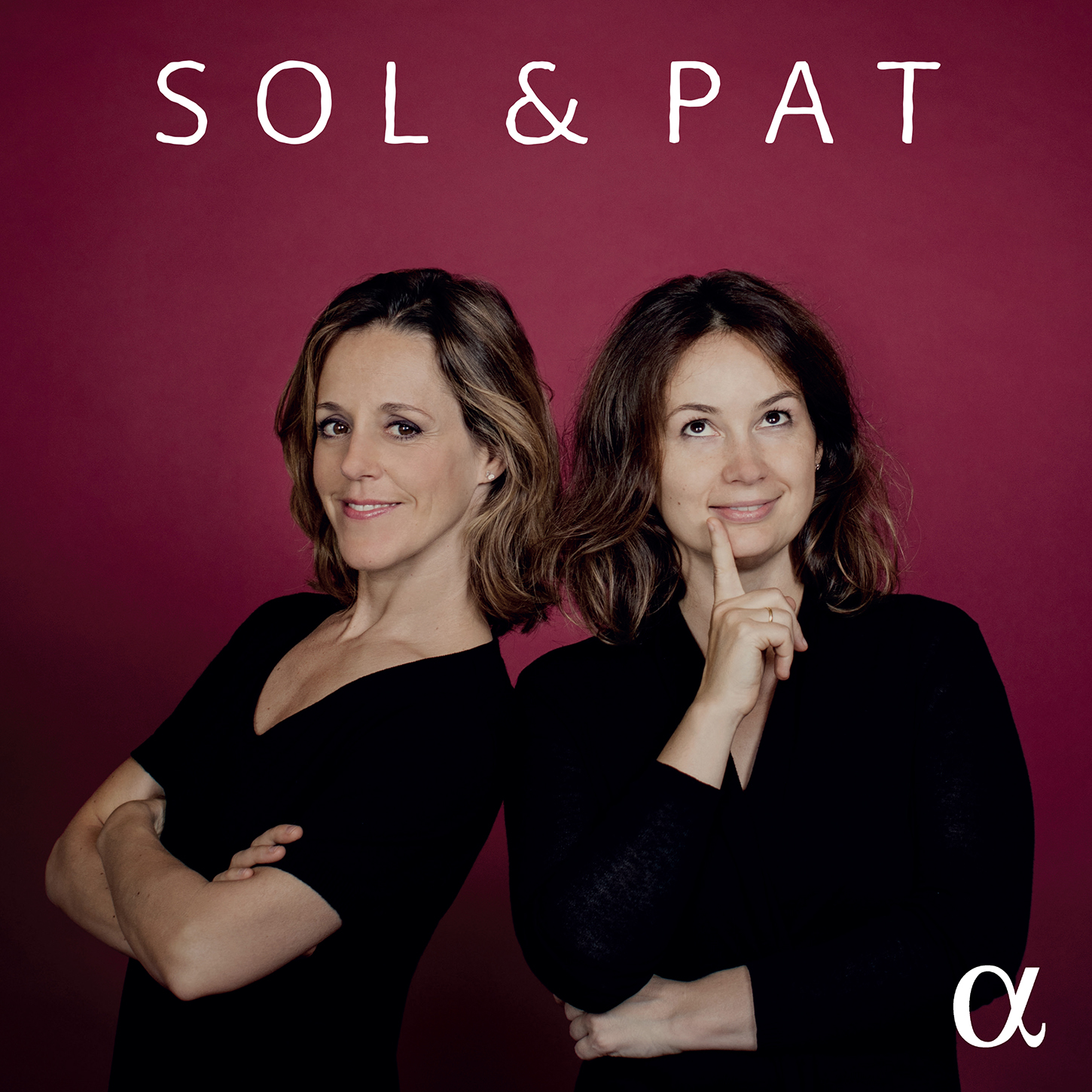
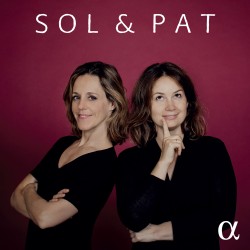 Violinist Patricia Kopatchinskaja and cellist Sol Gabetta celebrate 20 years of friendship on Sol & Pat, a recital of duos for violin and cello built around two 20th-century masterpieces (ALPHA757 naxosdirect.com/search/alpha757).
Ravel’s Sonata and, in particular, Kodaly’s Duo Op.7 draw terrific playing from the duo, with shorter pieces ranging from the dazzling opening gypsy dance of Leclair’s Tambourin: Presto through a pizzicato C.P.E. Bach Presto to the J. S. Bach keyboard Prelude No.15 in G Major, with brief contemporary works by Jörg Widmann, Francisco Coll, Marcin Markowicz, Xenakis and Ligeti.
An unexpected gem, though, is La Fête au village Op.9, a 1947 affectionate depiction of Swiss National Day by Swiss composer Julien-François Zbinden, who was still alive and emailing the performers in 2018 aged 101.
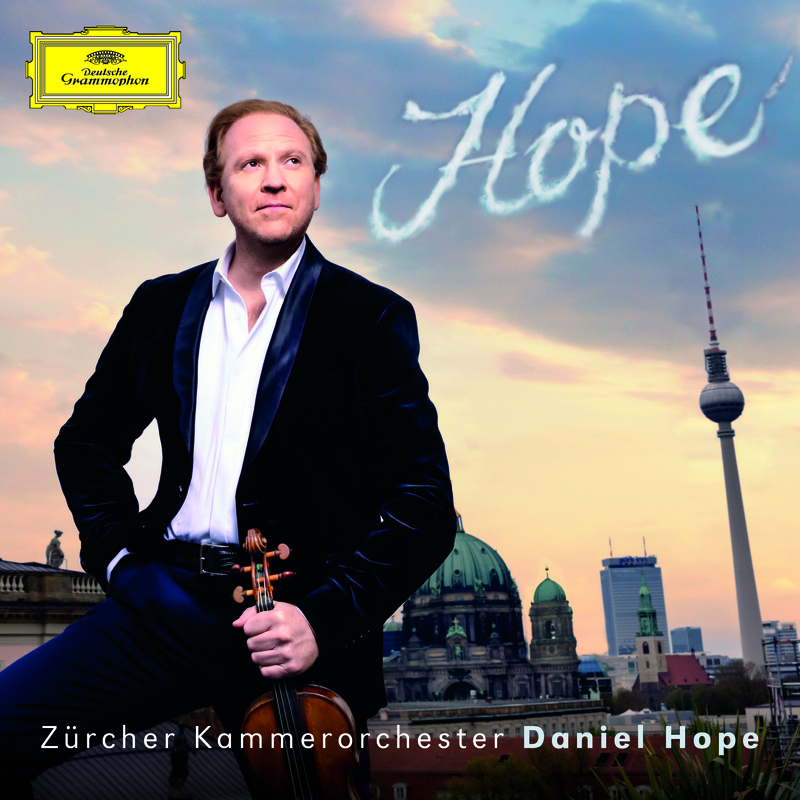
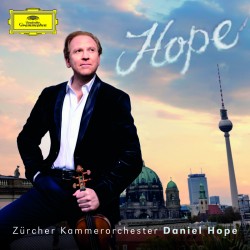 On his new CD Hope violinist Daniel Hope presents a personal collection of classics featuring music largely based on songs or sung melodies that he describes as “an attempt to send out a ray of hope and to provide people with a sense of support and perhaps even consolation” (DGG 28948605415 deutschegrammophon.com/en/artists/danielhope).
He is joined by an array of artists including the Zürcher Kammerorchester, the vocal ensemble Amarcord and baritone Thomas Hampson in a program that opens with Ariel Ramírez’s beautiful Misa Criolla and travels through pieces by Dowland, Schubert, Giazotto, El-Khoury, Pärt, Elgar and Stephen Foster to Danny Boy, Dream a Little Dream and Amazing Grace.
As always with Hope and friends, the standard of arrangements and performances is of the highest level.
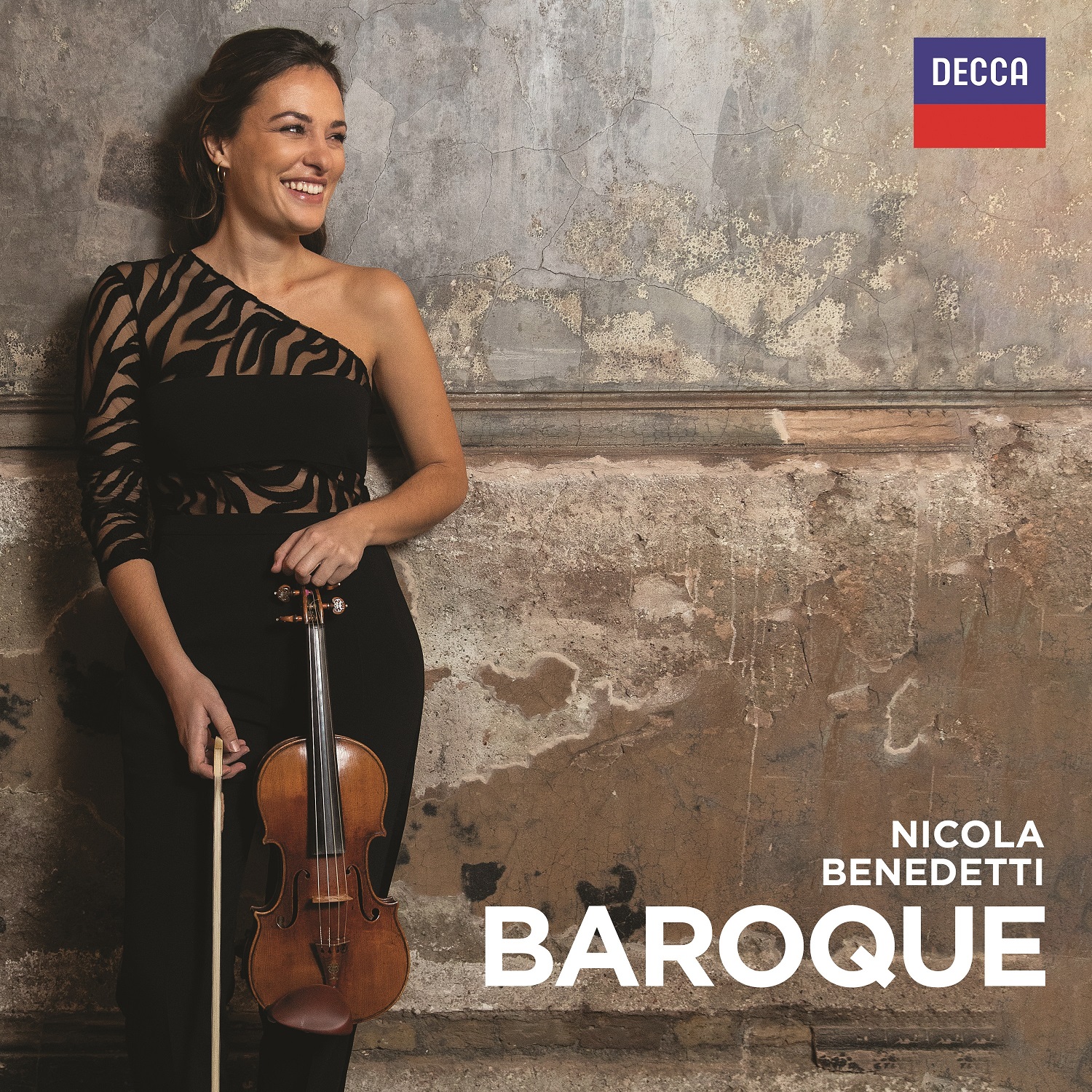
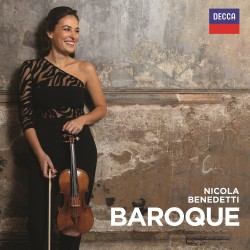 Baroque, the new CD from violinist Nicola Benedetti marks her first Baroque recording with period set-up and gut strings. She is joined by the Benedetti Baroque Orchestra, a new ensemble of freelance Baroque musicians that she assembled and directs (Decca Classics B0034187-2 nicolabenedetti.co.uk).
Geminiani’s Concerto grosso in D Minor H143 “La Folia”, a transcription of Corelli’s Violin Sonata Op.5 No.12, opens an otherwise all-Vivaldi program of the Violin Concertos in D Major RV211, E-flat Major RV257, B Minor RV386 and the Andante middle movement from the Concerto in B-flat Major RV583.
The 1717 Gariel Stradivarius that Benedetti has played since 2012 sounds warm and bright, with top-notch performances from all concerned, contributing to a lovely CD.
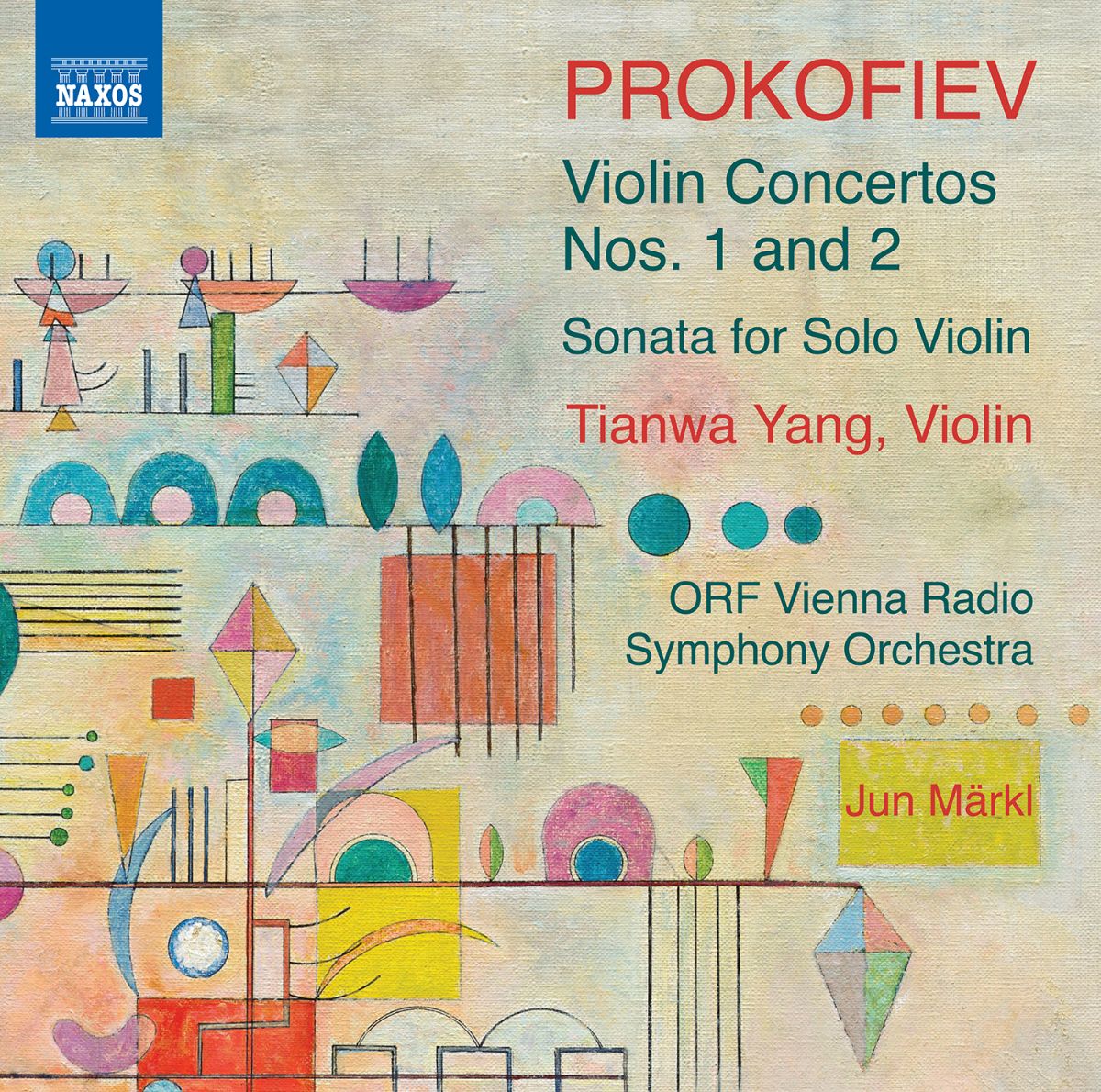
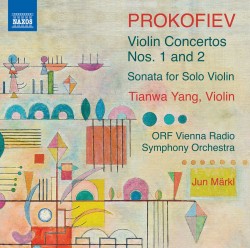 With violinist Tianwa Yang you can always count on a mixture of dazzling technique, colour, tone and musical intelligence, and so it proves again on Prokofiev Violin Concertos Nos.1 and 2, her latest release on the Naxos Classics label with the ORF Vienna Radio Symphony Orchestra under Jun Märkl (8.574107 naxosdirect.com/search/8574107).
Performances of the Concertos No.1 in D Major Op.19 and No.2 in G Minor Op.63 are both particularly strong on the lyrical aspects of the works, with some beautifully expansive playing. The Sonata for Solo Violin in D Major Op.115 completes an excellent disc.
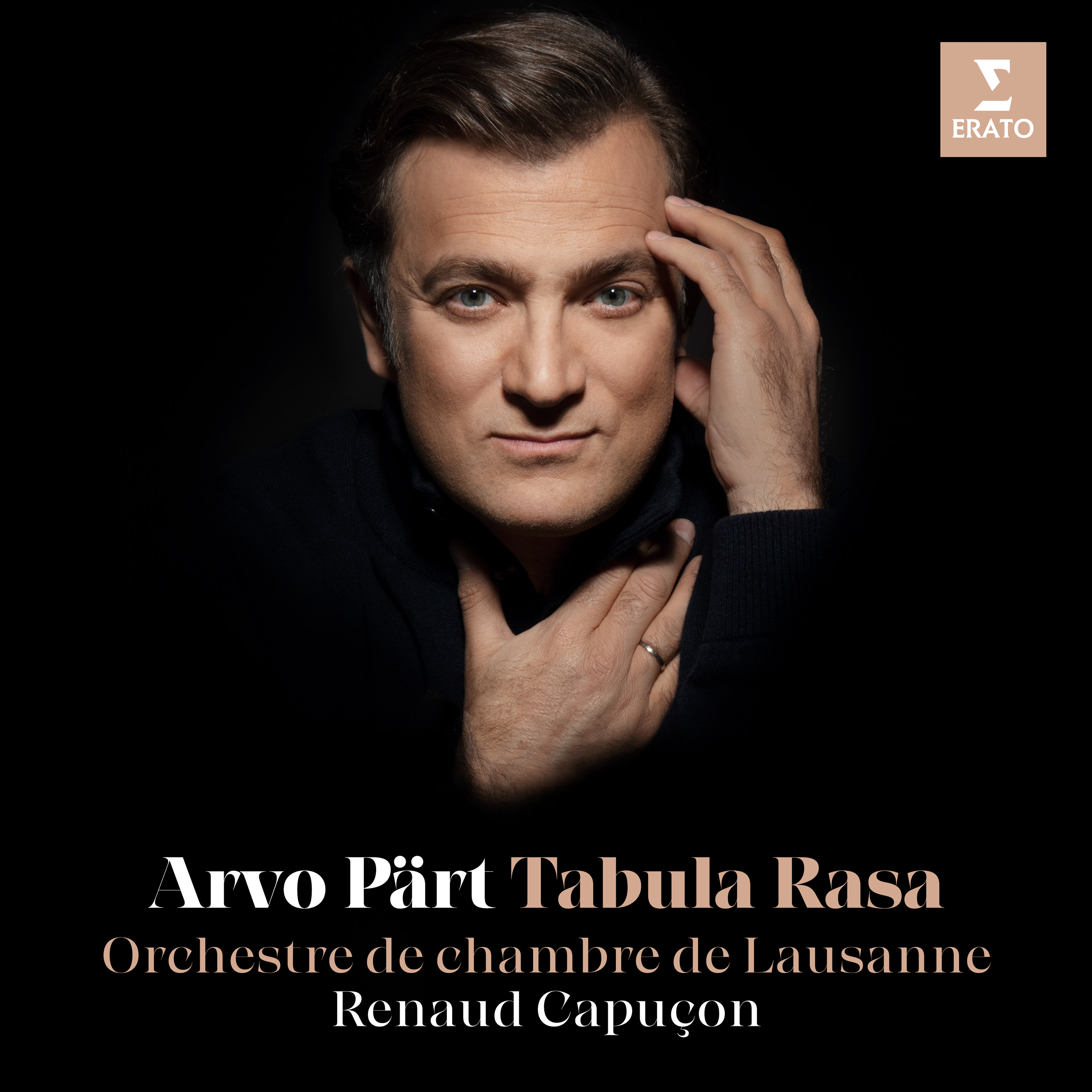
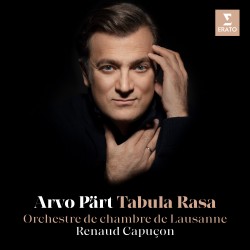 Violinist Renaud Capuçon recently became artistic director of the Orchestre de chambre de Lausanne, and Arvo Pärt Tabula Rasa is his first recording as soloist and conductor of the ensemble (Erato 9029502957 warnerclassics.com/release/tabula-rasa).
The seven works here are: the double concerto Tabula Rasa; the 1992 version of Fratres for violin, string orchestra and percussion; Summa and Silouan’s Song, both for string orchestra; Darf ich… (May I); Spiegel im Spiegel (with piano); and For Lennart in memoriam.
Capuçon says that the music takes us from darkness to light, but there’s very little change of mood across the CD. Still, the playing is first class, and if you love Pärt’s music you’ll love this disc.
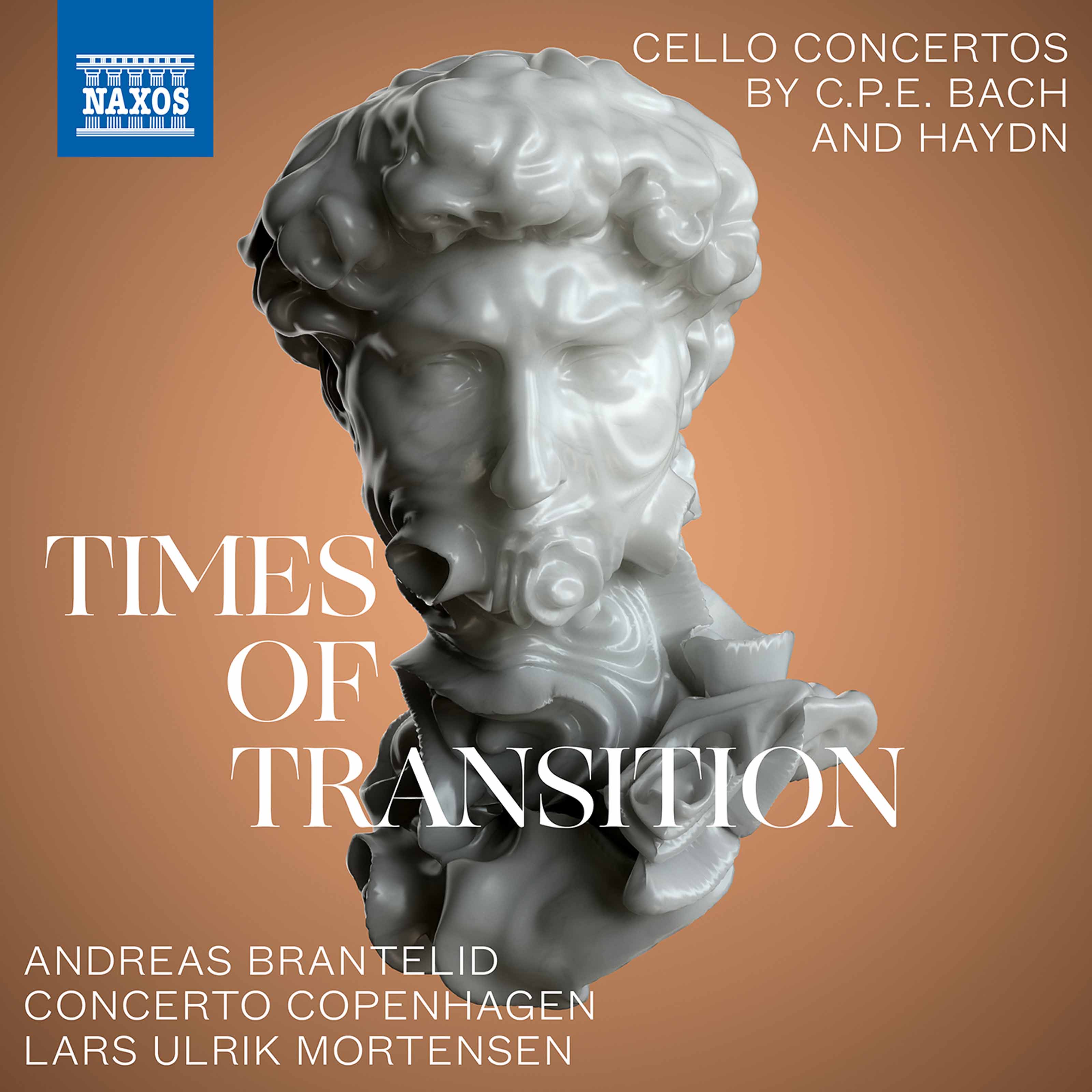
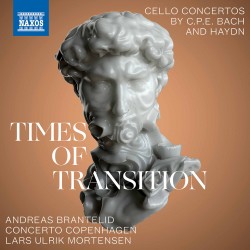 Andreas Brantelid is the cellist on Times of Transition, a CD of three cello concertos from the second half of the 18th century, when Baroque polyphony and fugue were giving way to the early classical galant style of melody with accompaniment. Lars Ulrik Mortensen conducts the Concerto Copenhagen (Naxos Denmark 8.574365 naxosdirect.com/search/8574365).
C.P.E. Bach’s Concerto in A Major Wq.172 with its familiar finale dates from 1753. Haydn’s Concertos in C Major Hob.VIIb:1 from 1761-65 and the purely classical D Major Hob.VIIb:2 from 1783 are the only two indisputably by him, the finale of the C major work drawing particularly fine playing from Brantelid, who for this disc plays an Emil Hjort, Copenhagen cello from 1887 with gut strings.
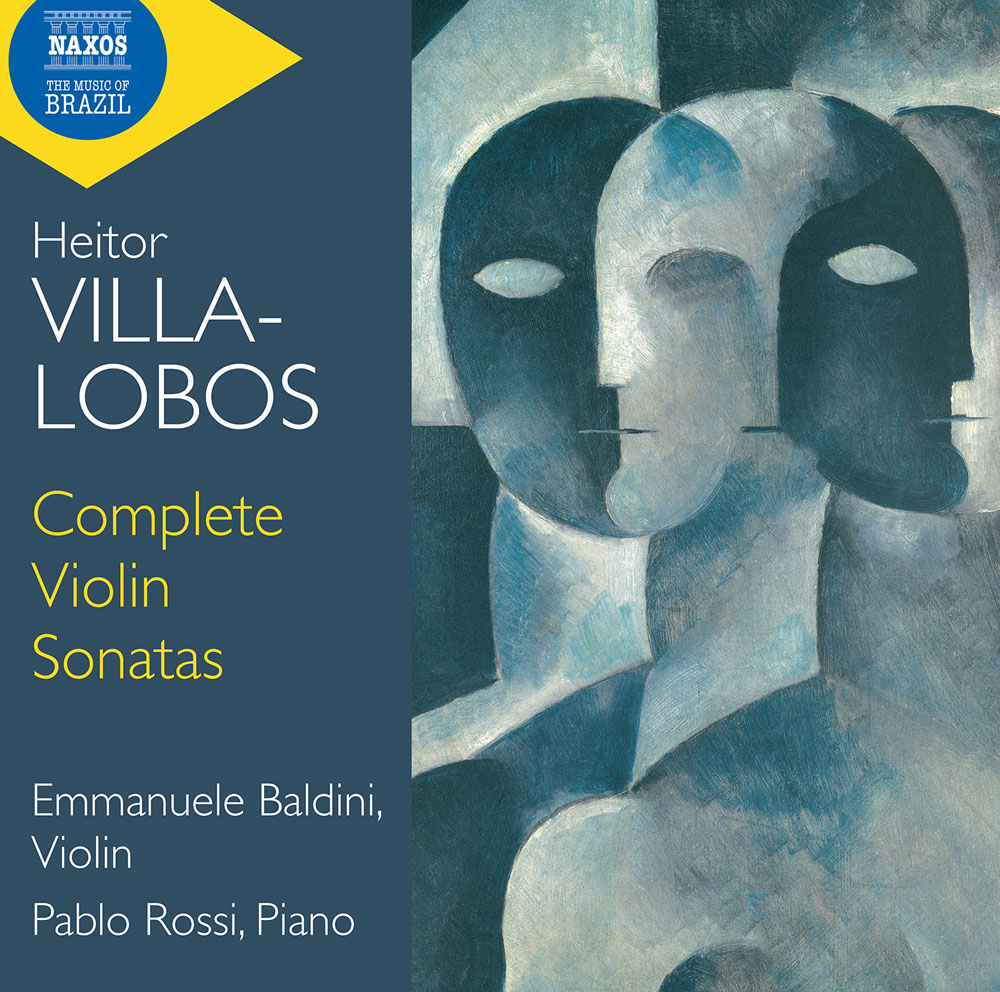
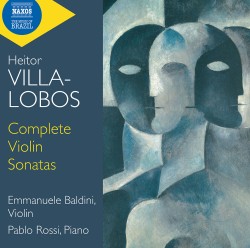 He’s not a composer you readily associate with violin sonatas, but on Heitor Villa-Lobos Complete Violin Sonatas, the new CD from Naxos Classics in their Music of Brazil series violinist Emmanuele Baldini and pianist Pablo Rossi present three delightful pieces which should be much better known (8.574310 naxosdirect.com/search/8574310).
The works – the single-movement Sonata No.1 Fantasia “Désespérance” and the three-movement Sonatas No.2 Fantasia and No.3 – were written between 1912 and 1920, a key period in Villa-Lobos’ career in which he was maturing as a composer, establishing a personal style and achieving his first professional successes.
There’s influence of French late-Romanticism here (especially Debussy in No.3) and a wealth of melodic invention, with excellent performances making for a delightful disc.
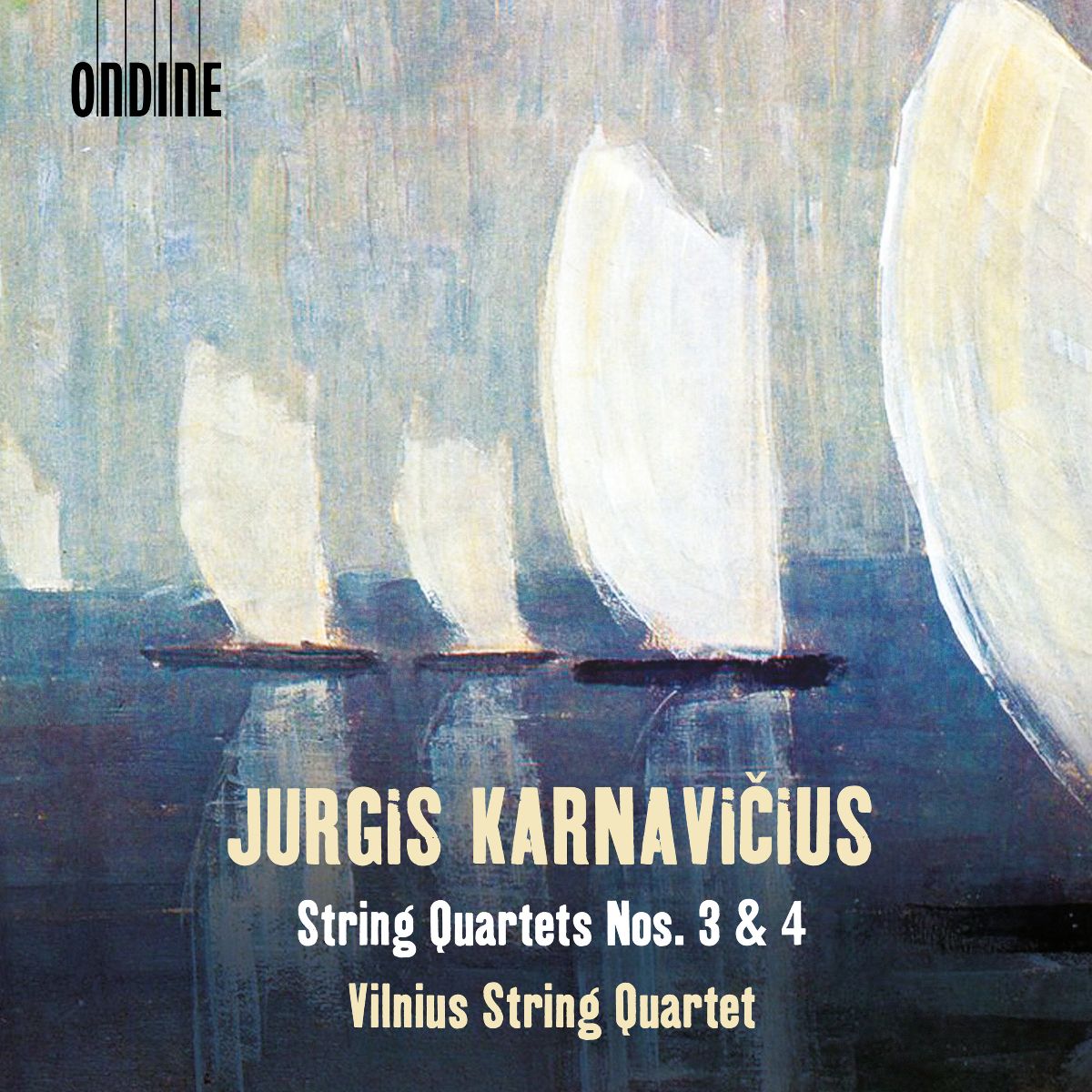
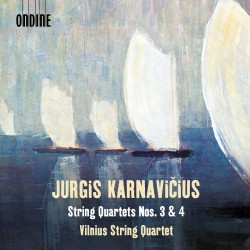 Jurgis Karnavičius String Quartets Nos.3 & 4 is the final volume in the complete string quartets by the Lithuanian composer, in world-premiere recordings by the Vilnius String Quartet (Ondine ODE1387-2 naxosdirect.com/search/761195138724).
These quartets are more expressive and modern in nature than Nos.1 & 2, warmly reviewed here in May/June of this year, and were composed in St. Petersburg in 1922 and 1925 before Karnavičius returned to Lithuania in 1927. After their premieres they were not heard again until 1969 and the 1980s respectively, with No.4 still unpublished. It’s hard to understand why – described as a stylistic link between the quartets of Tchaikovsky and Shostakovich and as a “chromatically saturated musical fabric” they’re outstanding works given wonderfully rich and empathetic performances by the Lithuanian ensemble.
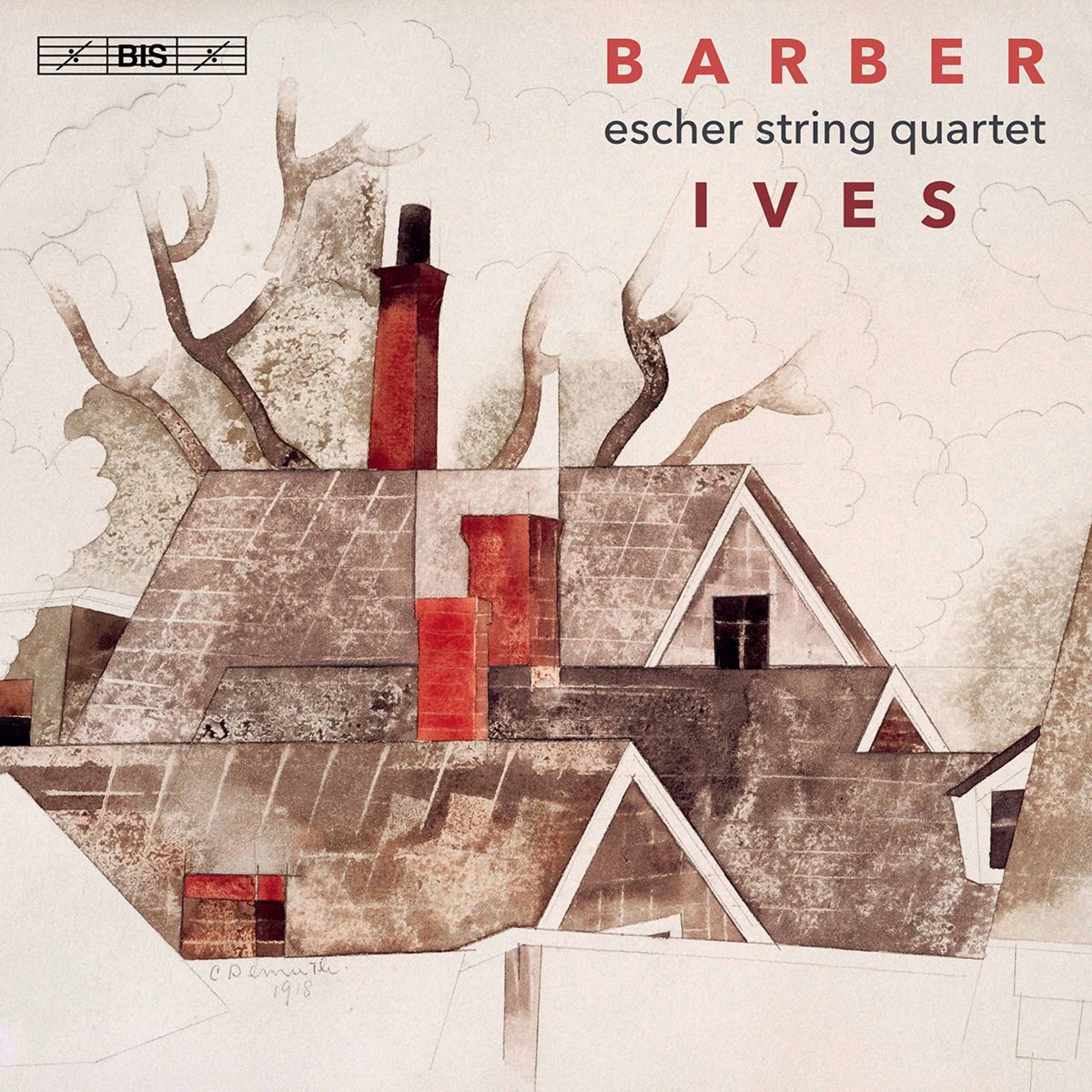
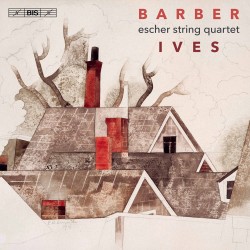 The string quartets of Samuel Barber and Charles Ives are featured on Barber – Ives in excellent performances by the Escher String Quartet (BIS-2360 bis.se).
Barber’s String Quartet Op.11 features the original inception of his Adagio for Strings as its central movement, beautifully played here. The original third movement, discarded by Barber in favour of a shorter ending, is also included for reference.
Ives’ two quartets have various composition and revision dates from 1897 to 1915. His String Quartet No.1 “From the Salvation Army” (A Revival Service) is played with the reinstated first movement, discarded by Ives but re-attached – and not to everyone’s approval – by Ives scholar John Kirkpatrick after the composer’s death. His String Quartet No.2 is more dissonant and atonal, but makes similar use of American hymns and folk tunes. The spiky Scherzo: Holding Your Own from 1903-04 completes a terrific disc.
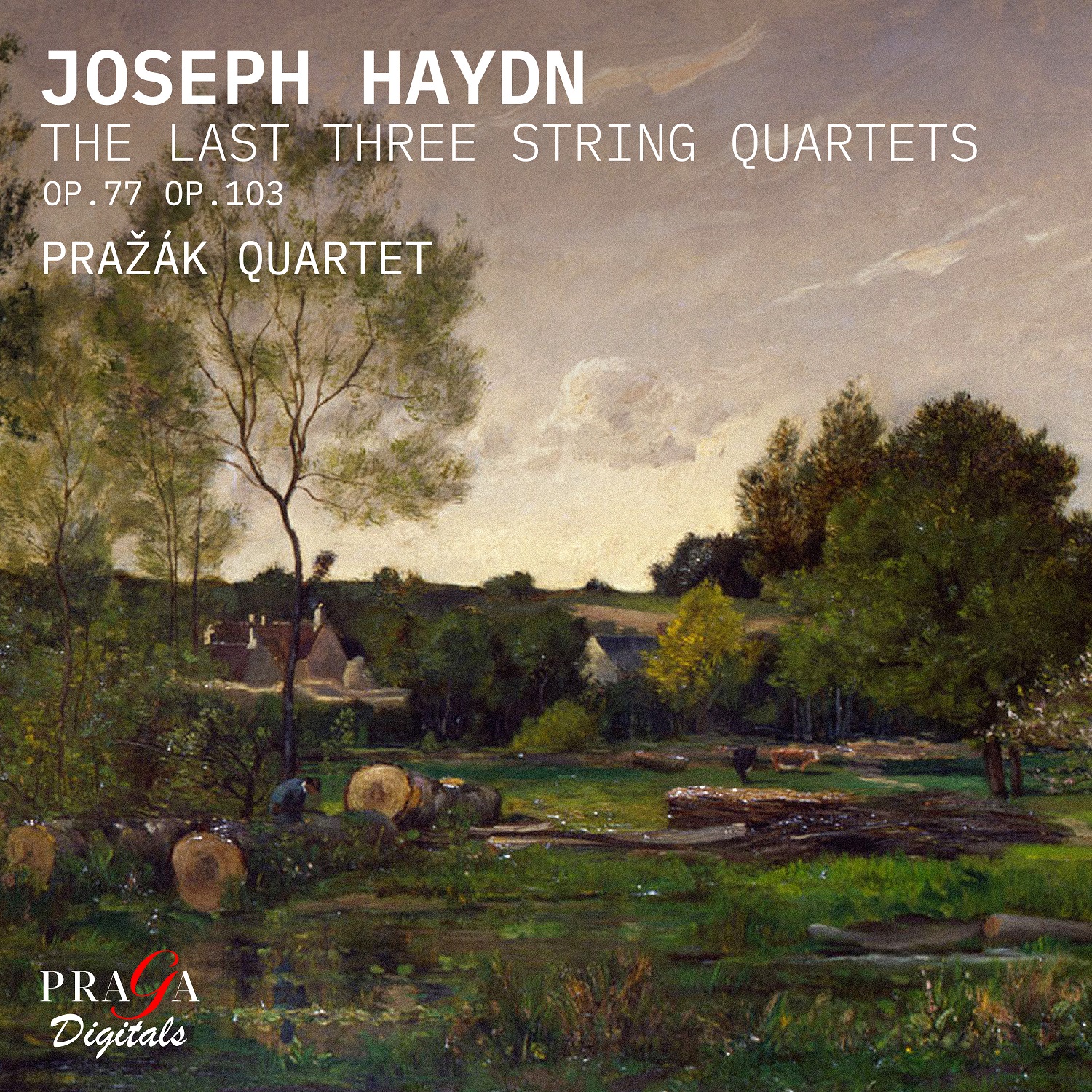
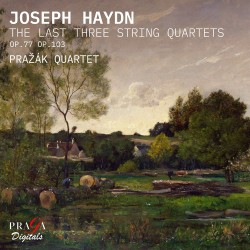 Joseph Haydn The Last Three String Quartets Op.77 & Op.103 is the new CD from the Czech Pražák Quartet (Praga PRD250420 pragadigitals.com).
In 1799 Haydn started a projected set of six quartets dedicated to Prince Lobkowitz but completed only two – Op.77 Nos.1 and 2. In 1802/03 he wrote two middle movements for an unfinished third quartet; these are now known as Op.103. The Op.77 quartets in particular, described here as “bold and full of wit” make a fitting farewell to a musical form that Haydn had almost single-handedly established and developed.
The performances are full-blooded but insightful and sensitive, putting one – if you are old enough – in mind of the great Czech quartet ensembles of the 1960s Supraphon LP recordings.
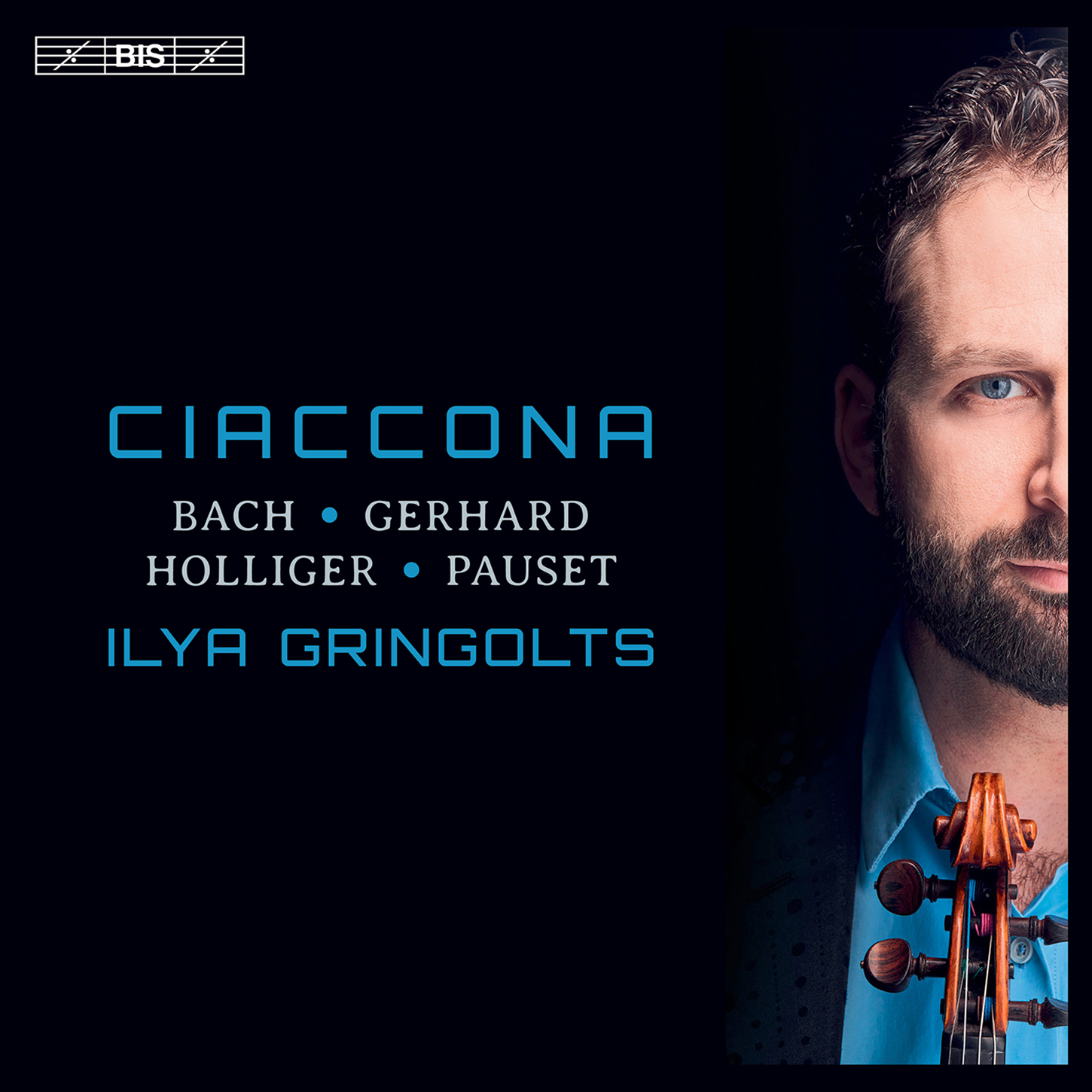
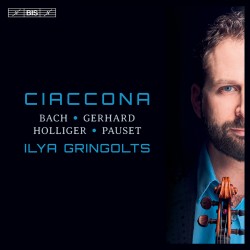 Ciaconna is Russian violinist Ilya Gringolts’ first solo recording of music of his own time with a tribute to its inspiration – Johann Sebastian Bach (BIS-2525 bis.se).
Heinz Holliger’s brief Drei kleine Szenen intertwines Gringolts’ voice in the Ciacconina first movement. Roberto Gerhard’s Chaconne, inspired by Bach’s D-Minor Chaconne is a 12-tone work of 12 short movements, but with highly individual use and adaptation of the basic tone row.
The major work here is Kontrapartita by the French composer Brice Pauset, its seven movements – Preludio, Allemande, Corrente, Sarabande, Loure, Giga and Ciaccona – interspersed with the seven Bach movements from the three Partitas that inspired them.
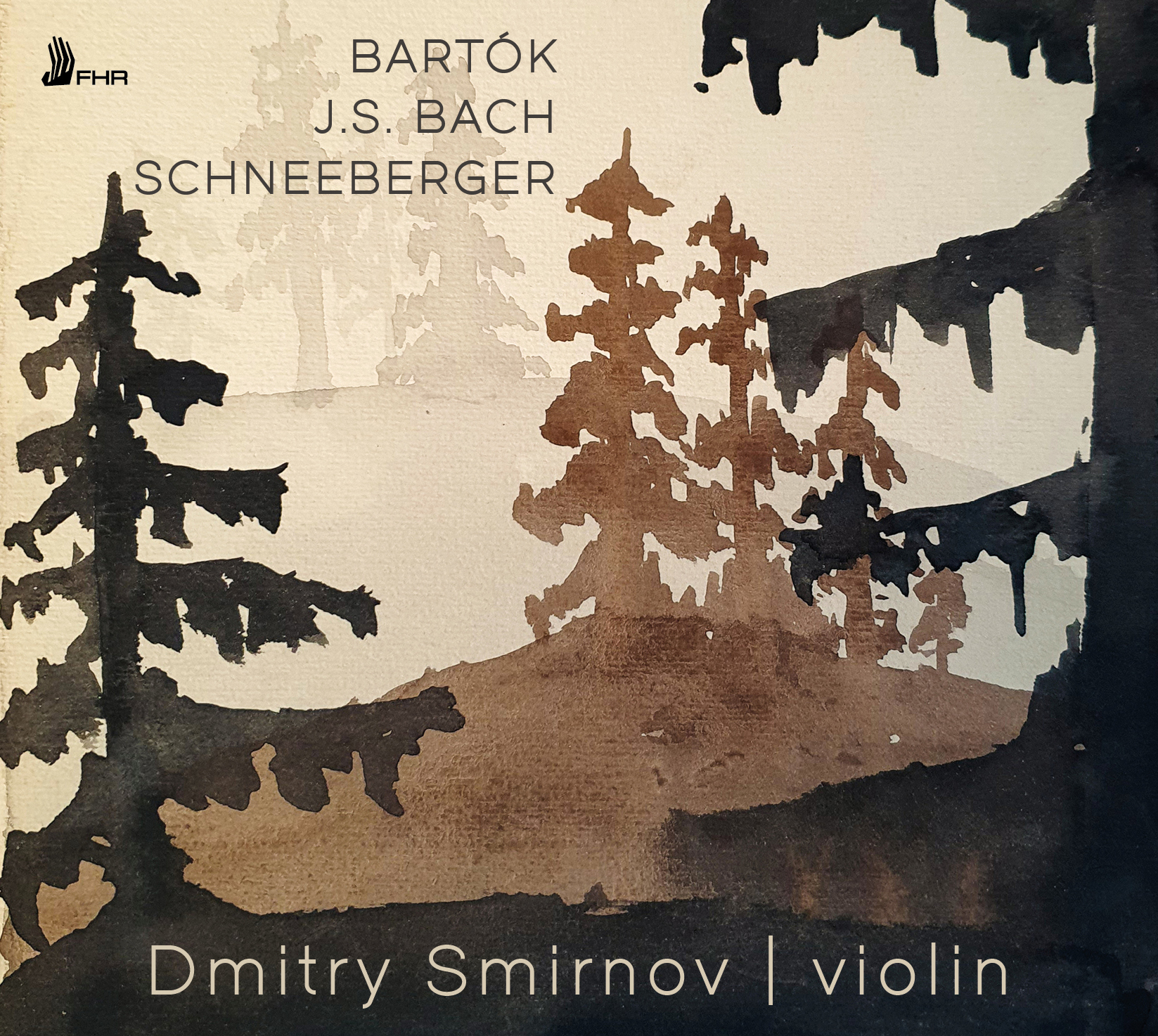
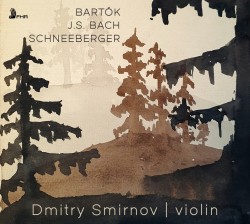 The D-Minor Chaconne also turns up on Bartók, J. S. Bach, Schneeberger, a recital CD from the Russian violinist Dmitry Smirnov featuring Bartók’s Sonata for Solo Violin, Bach’s Partita No.2 in D Minor and the 1942 Sonata for Solo Violin by the Swiss violinist Hansheinz Schneeberger, who died two years ago at the age of 93 (First Hand Recordings FHR117 firsthandrecords.com).
There are some interesting ornamentation choices in the Bach (especially in the Sarabande), but the Bartók and – in particular – the Schneeberger are given convincing performances.


 Down to Earth