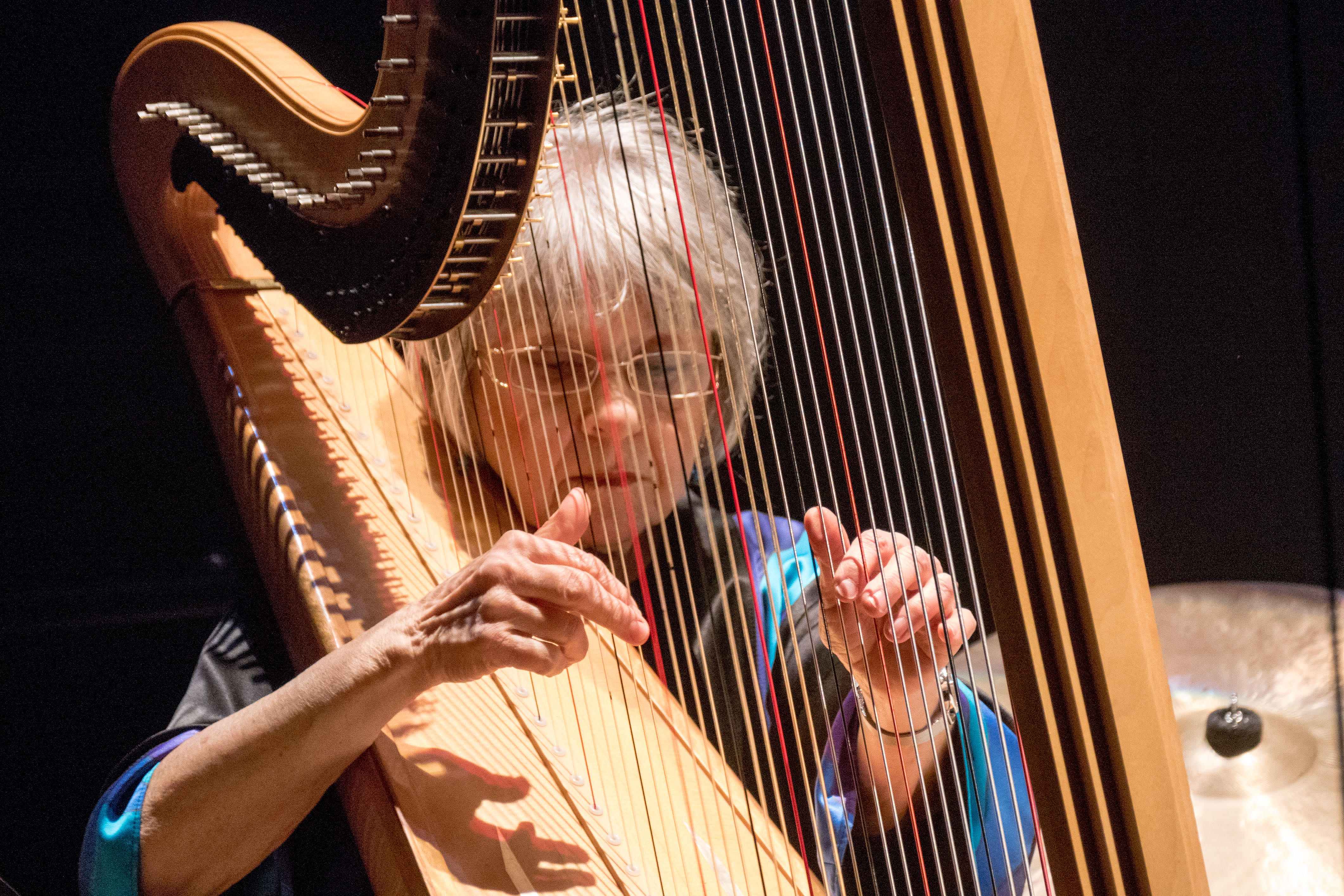
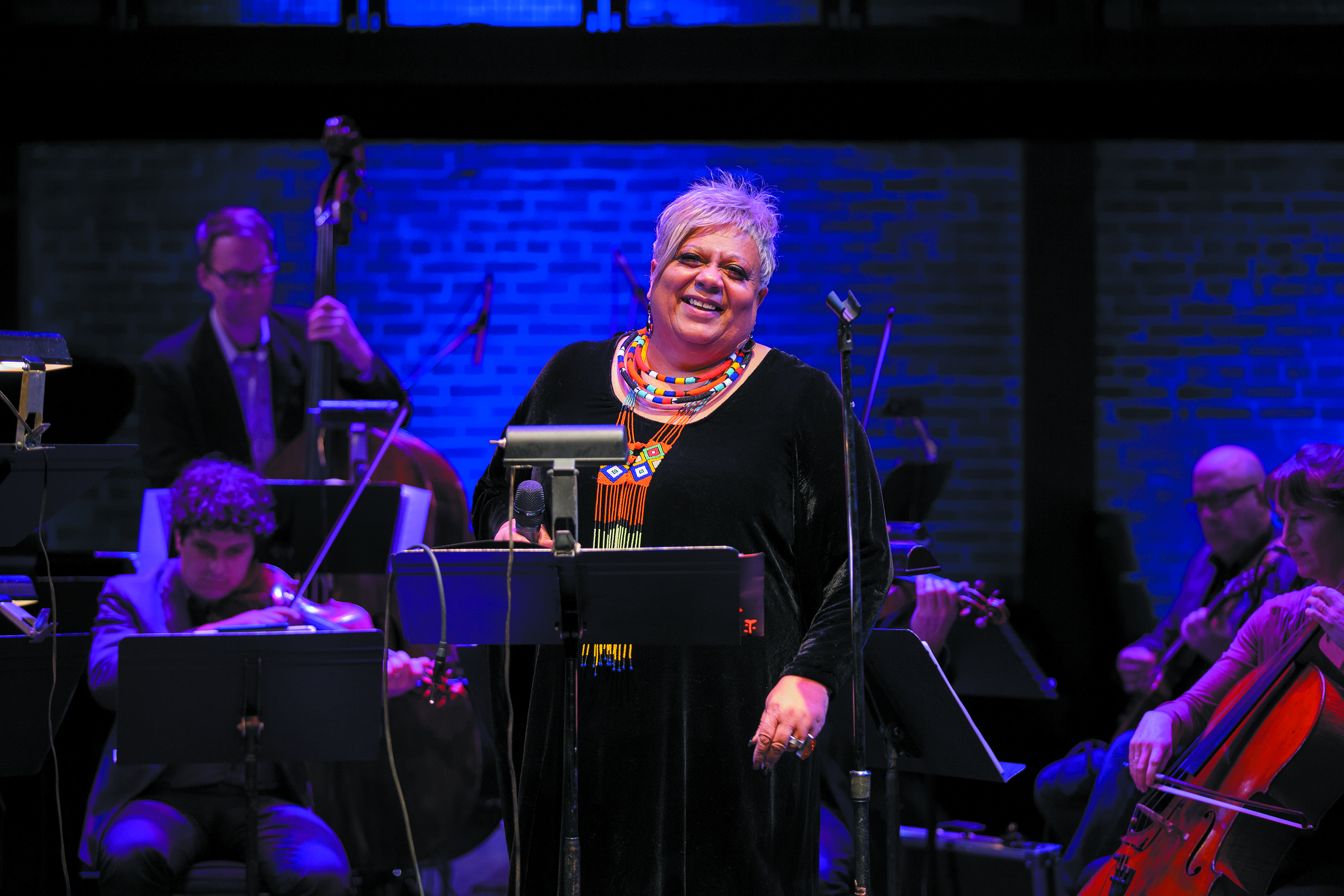
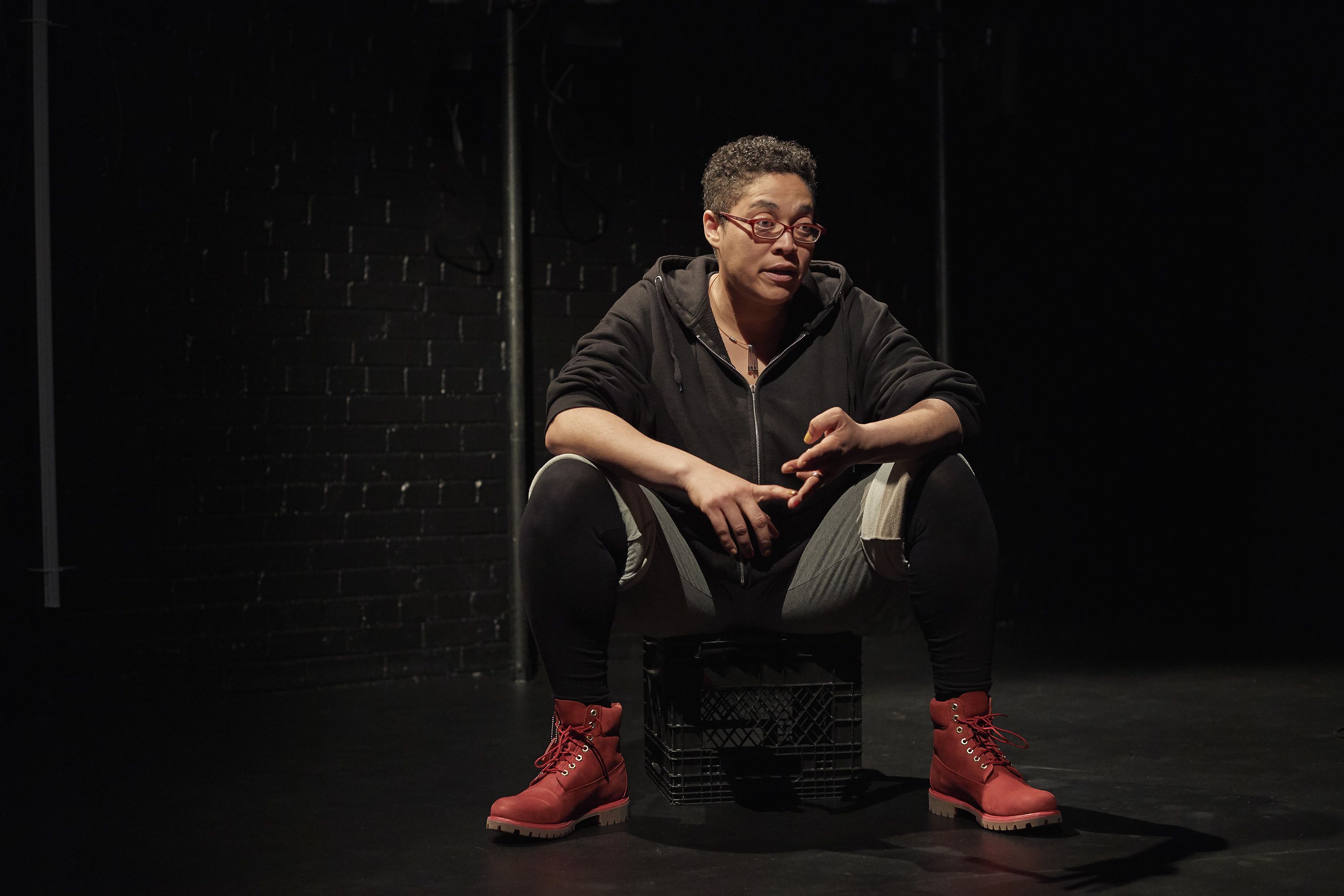
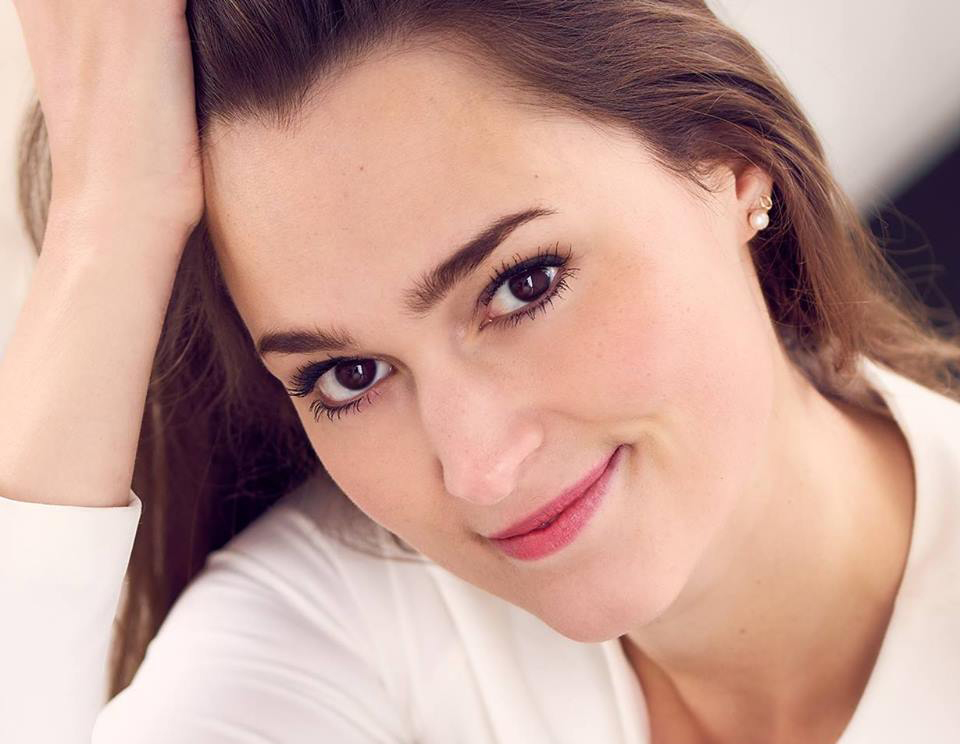
Judy Loman at Crow’s Theatre. Photo by Trevor HaldenbyA harp can sing: this we’ve learned from Judy Loman and her extraordinary career. The now-retired principal harp with the TSO has several harp-centric world premieres to her name by the composers like R. Murray Schafer, Kelly-Marie Murphy, Glenn Buhr and John Weinzweig, and has often accompanied voice in art song recital, notably on records with Lois Marshall in Folk Songs from the British Isles, Eleanor James in Schafer’s Tanzlied and Monica Whicher in Lullabies and Carols for Christmas. On April 14, she will be reuniting with Whicher in song and trying something entirely different: a selection of Mahler and Strauss arranged by Loman for the harp.

There’s going to be much else on the program, ranging from the Elizabethan era to Britten and spanning multiple countries, but the Mahler and Strauss songs re-tailored for the harp are the most exciting challenge, explains the 82-year-old harp virtuoso when I meet her at her midtown west-end home. I take a peek at the program that they are preparing, and much of the Strauss set is one lavish melancholy hit after another. The languid, soft “Ruhe, meine Seele” (Rest, My Soul) opens the set, followed by the bright melancholy of “Allerseelen” (All Souls’ Day) and sombre “Morgen!” (Tomorrow). Then, a change of mood for the finale. The playful “Heimliche Aufforderung” (The Lover’s Pledge) and the altogether brighter and vast “Zueignung” (Devotion) complete the Strauss set.

The upbeat “Frühlingsmorgen” (Spring Morning) with its fluttery ornaments opens the Mahler set, which proceeds to the deceptively simple and short, but devastating in effect, “Phantasie” and finishes with the highly dramatic song of farewell “Nicht wiedersehen!” from the cycle Des Knaben Wunderhorn.

That, in addition to the Ravel and Britten sets, three Italian songs from the Baroque and classical periods, and the Elizabethan-era sequence that includes the gloriously melismatic “Chloris Sigh’d” and a song attributed to Anne Boleyn. The harp will also sing on its own in a nocturne by Marcel Tournier (d. 1951).
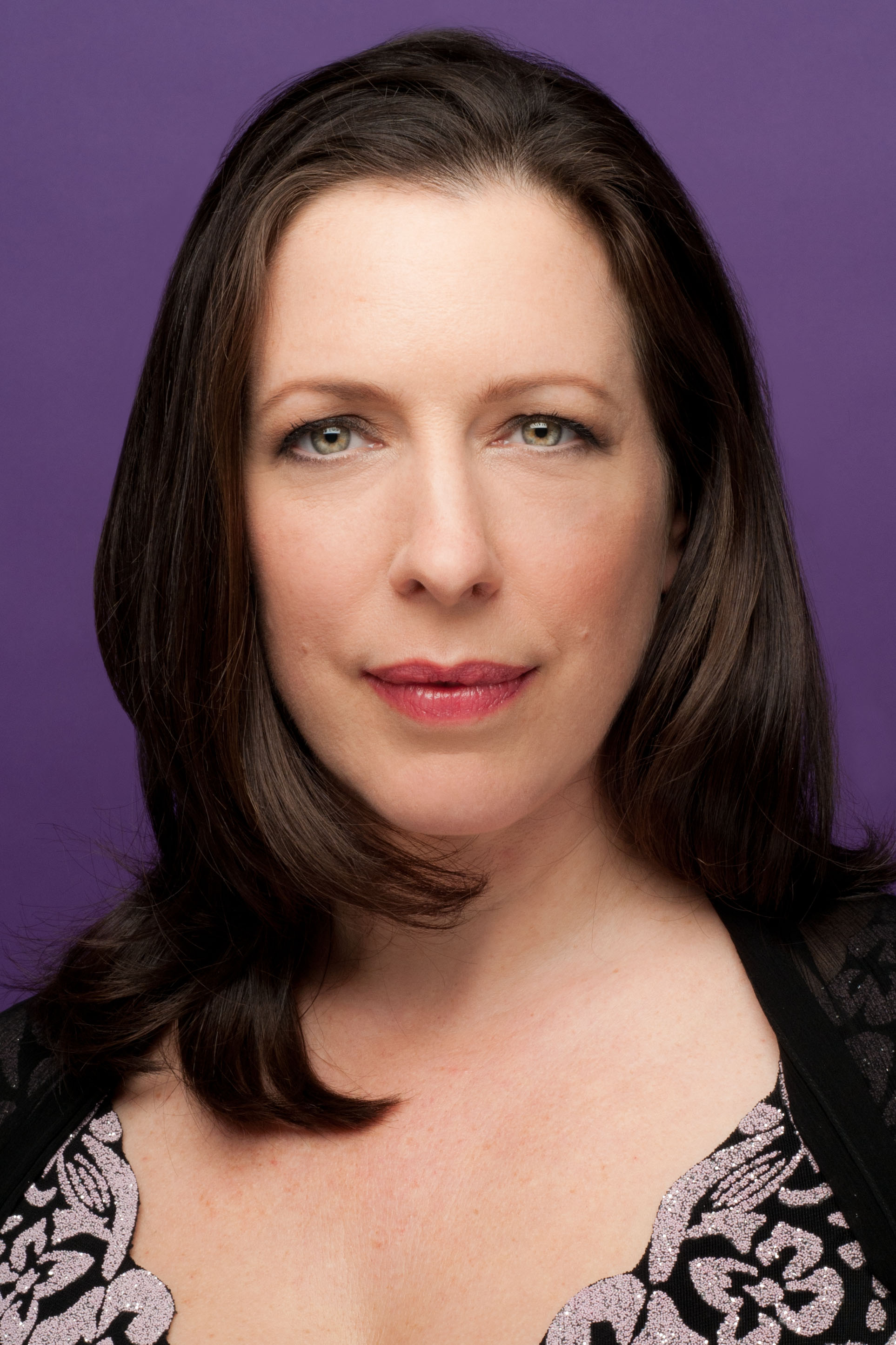
Monica WhicherThe two women have decided to name this Mazzoleni Songmasters program at the RCM simply Monica & Judy. They’ve known each other for a long time, says Loman; they originally met through a common acquaintance who was a member of a group advocating for better care of autistic children that Loman, parent of a now-adult son on the autism spectrum, used to belong to. Some of the paintings on the living room wall behind me, she later tells me, are her son’s.

The harp naturally occupies a prominent spot in her living room. On the coffee table, a monograph on the work of the visual and media artist and Guggenheim Fellow, Penelope Umbrico, Loman’s oldest daughter, who was born in the US, shortly before the young Curtis Institute of Music alumni Loman and her husband, trumpeter Joseph Umbrico, moved to Canada for good. The small family moved to Toronto in 1957 so Umbrico could take up the principal trumpet position with the TSO, and as luck would have it, two years later the orchestra needed a principal harpist. When she joined the TSO, Loman was by no means the only woman, she tells me; while some of the internationally prominent orchestras to this day struggle with the issue of too few women in the ranks, she wasn’t an oddity in the TSO of the 1960s. Though she did help set a positive precedent that eventually changed a particular bit of orchestral culture that will sound unusual to us today. “Well, a funny story. If a female player got pregnant,” Loman says, “she was expected to stop playing in the orchestra as soon as the pregnancy was beginning to show. But what happened with me is that I stayed for as long as I could comfortably embrace the instrument, because there weren’t many harpists that the TSO could hire while I’m away on maternity leave for months. So I played through pregnancy, and after that, other women in the orchestra could too.”

What is her theory; why is the harp now an almost exclusively female instrument? “I wonder as well … Perhaps a lot of girls do as I did – see a beautiful harp at the music school and decide, wow, this is the instrument for me.” Loman’s parents both had great affinity for music – her father was a gifted jazz pianist, her mother had keen interest in dance – but neither ended up going the professional route. When they went to register their five-year-old for piano lessons, the child spotted a small golden harp on the premises and decided there and then that was the instrument for her. (Piano came much later in life.) Orchestral brass, on the other hand, remains largely a male purview. “My husband too used to be a little chauvinistic on that topic,” says Loman mischievously, “but he changed his mind later in life, once women brass players started coming through the ranks in greater numbers.”

The couple raised three daughters and a son and remained together until Umbrico’s death in 2007. Both Loman and Umbrico frequently played pieces by living Canadian composers, and over the decades Loman built up a remarkable recorded legacy in harp repertoire with the emphasis on the 20th century. The first harp concerto written specifically for her was the 1967 Concerto for Harp and Chamber Orchestra by John Weinzweig, a piece which she now describes as “perhaps a little dry.” (Readers of CanLit and chroniclers of Canadian literary modernism will have noticed the recent and well-deserved surge of interest in the novels of Helen Weinzweig, the composer’s wife, due in large part to the NYRB Classics reissue of Basic Black with Pearls in 2018). Loman’s encounter with Murray Schafer was more fortuitous. She approached him after the TSO performed a piece by Schafer inside U of T’s Convocation Hall and suggested he consider creating something for the harp. “I mentioned to him that I’ve been talking with Toru Takemitsu about a possible harp piece for which the harpist would wear bracelets with bells, and I think this was what fired up his imagination,” remembers Loman. Soon after, Schafer dropped by her house with the score for The Crown of Ariadne, the now legendary six-movement segment of Schafer’s opera cycle Patria, which he set for the harp with an assortment of percussive instruments and prepared tape. Loman premiered it, recorded it, won a JUNO for it and most recently awed in it in an all-Schafer Soundstream production appropriately called Odditorium. In the darkened Crow’s Theatre, Loman alone on stage performed Ariadne Awakens and the dances. When I tell her that her performance created a religious experience for this atheist, she laughs and offers a more-down-to-earth comment: “It’s a very difficult piece, and I sometimes make the odd mistake, but I was so well prepared for that, I don’t think I made any during that run.”

Following Ariadne, Schafer went on to compose six other works for the harp, all of which were finally gathered on the same disc in 2016, Ariadne’s Legacy. Loman plays in five of the seven in addition to The Crown of Ariadne (1979), the 1986 Theseus for harp and string quartet, the 1987 Harp Concerto with the TSO under Andrew Davis, the 1997 Wild Bird with Jacques Israelievitch on violin and the 2004 Tanzlied with Schafer’s wife, mezzo Eleanor James.

Even with such a career behind her, the national treasure that is Judy Loman is not anywhere near the end of her bucket list. Her hearing is not 100 percent today but when did a little reduced hearing ever prevent great musicians from doing anything? “I’m 82 and not sure how long I’ll be able to play, so I’m busy getting into pieces that I haven’t yet done and really want to do,” she says.

More religious experiences brought to us by Loman at the harp to look forward to then.

ART OF SONG QUICK PICKS

APR 5 AND 6, 8PM: Confluence Concerts presents an all-Purcell program at Heliconian Hall, “Tis Nature’s Voice: Henry Purcell Reimagined.” Larry Beckwith, Anna Atkinson, Andrew Downing, Patricia O’Callaghan, Drew Jurecka and Suba Sankaran, among others. $20-$30, with the pre-concert chat on each night starting at 7:15pm.
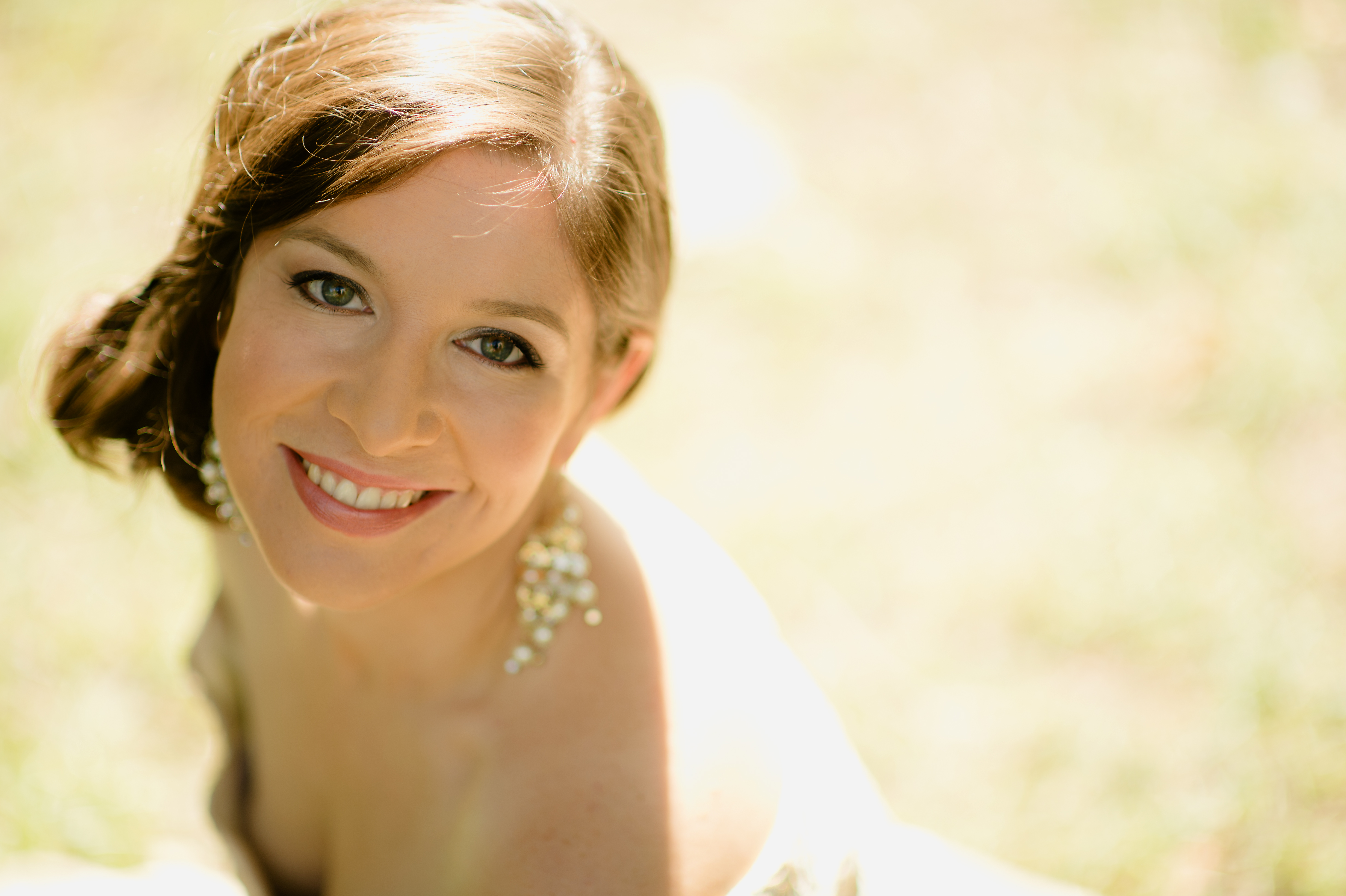
Allison AngeloAPR 14, 3PM: The new edition of the Off-Centre Music Salon (which takes place not at all in a salon but at Trinity-St Paul’s Centre on Bloor West) presents “To the Letter: An Epistolary Celebration,” a showcase of composers who have been known for their prolific and skillful letter writing. Soprano Allison Angelo, mezzo Andrea Ludwig, tenor Ernesto Ramirez, baritone Giles Tomkins and Kathryn Tremills at the piano appear in a program of Chopin, Brahms, Debussy and Mozart. Tickets not cheap at $40-$50, though there are deep discounts for young adults.

MAY 1, 6:30PM: Tongue in Cheek Productions’ latest is titled “Democracy in Action” and I’m told will involve “integrated online polls available to the audience throughout the concert”. My guess is as good as yours. Pianist Trevor Chartrand will accompany a solid lineup: mezzos Krisztina Szabó and Julie Nesrallah; sopranos Natalya Gennadi and Teiya Kasahara; tenors Asitha Tennekoon and Romulo Delgado; baritones Alexander Hajek and Stephen Hegedus. Lula Lounge, $35 ($25 arts workers); seating is a mix of dinner tables and theatre seating.

Finally some folk and pop content in the picks this month. Gordon Lightfoot is touring Ontario in April, including, among others, Richmond Hill (APR 3), Barrie (APR 8), St Catharines (APR 11 AND 12) and Mississauga (APR 15 AND 16). Ticket prices vary.

And on APR 27, 7:30PM: Music at Metropolitan presents” L’Aigle noir: The Music of Barbara,” the songs of the late French singer-songwriter in a cabaret-style tribute by Charles Davidson (singer-actor) and Jesse Corrigan (accordion). Metropolitan United Church, 56 Queen St. E. $20.

Lydia Perović is an arts journalist in Toronto. Send her your art-of-song news to artofsong@thewholenote.com.
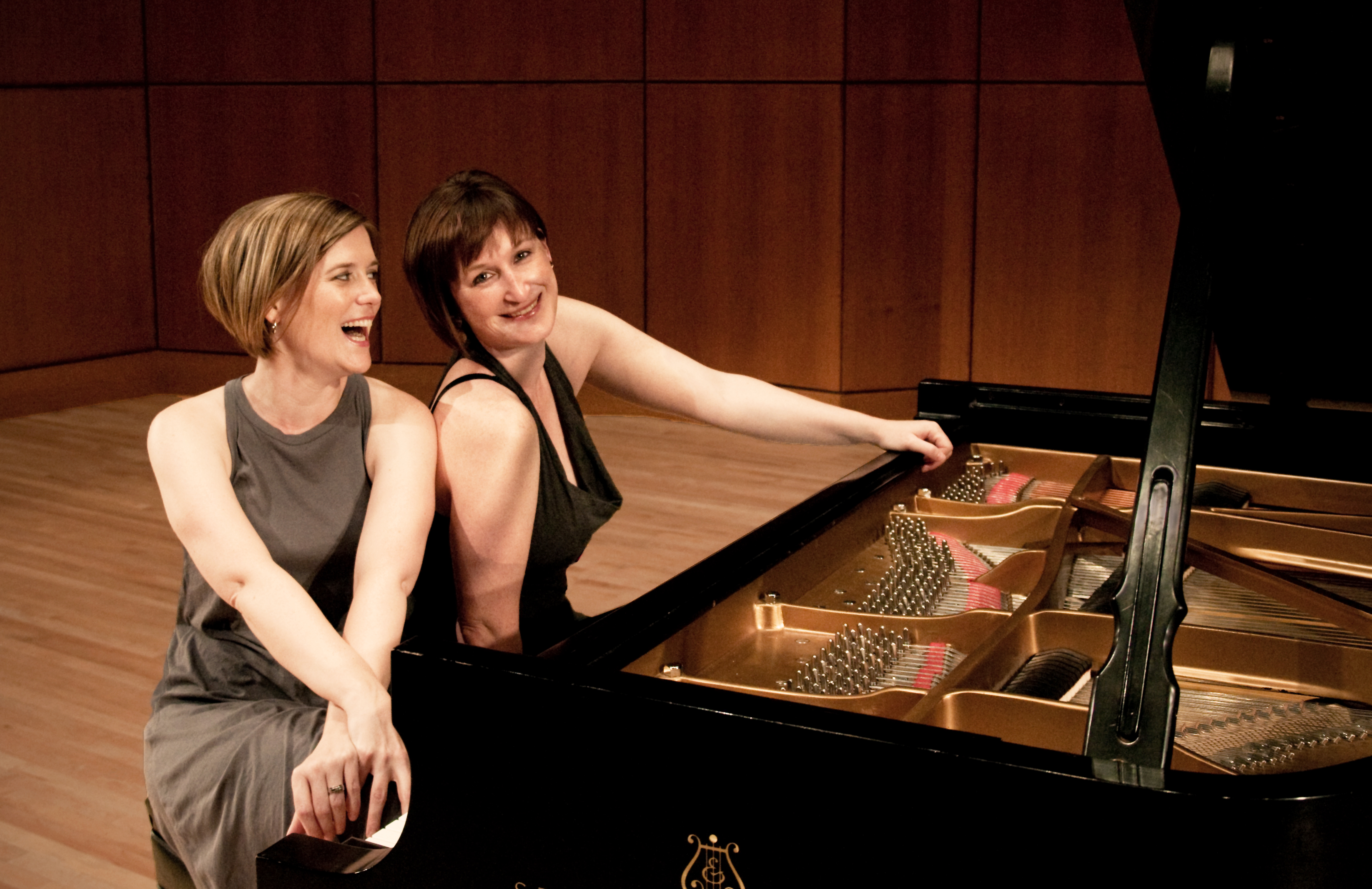
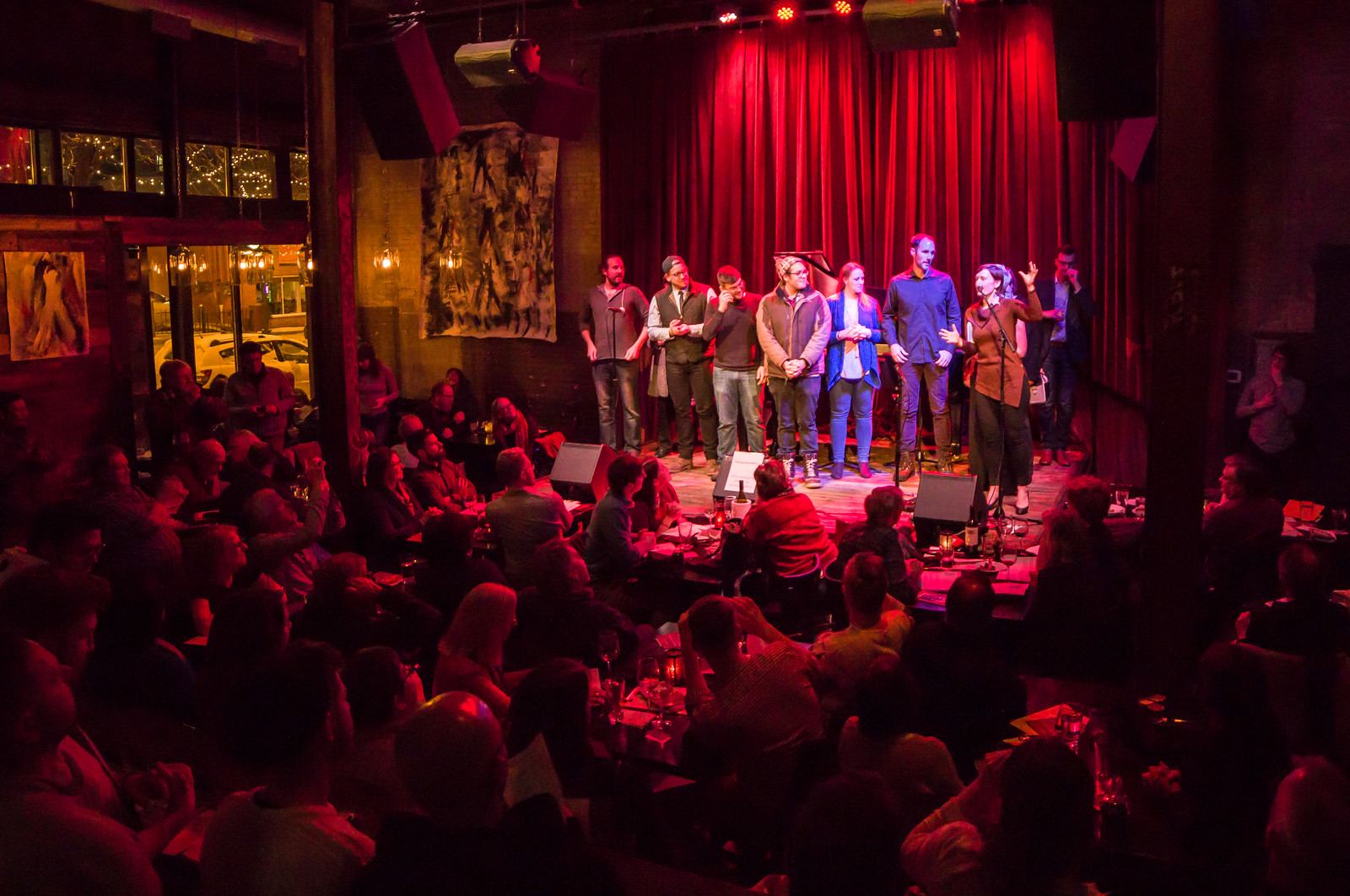
Erika Switzer (left) and Martha Guth. Photo by Colin MillsCompetitions are not unusual in classical music. Every few months, young voices and pianists are competing somewhere in the world – in standard repertoire by composers from the past. No new songs get commissioned especially for the Queen Elisabeth Competition in Belgium, or the BBC Cardiff Singer of the World, or the Operalia. For new works by living artists one goes to poetry slams and literary death matches, where poets and novelists turn their writing into a performance and the audience, to a greater or lesser degree inebriated, decides the winner. We can go to competitions in old music – and watch them civilly and in silence – or competitions in new writing, spoken without music, where a certain degree of audience responsiveness and noise is in fact encouraged.

Those were the choices, that is, until spring 2017 and the inaugural songSLAM concert before a standing-room-only crowd in New York City. It’s when soprano Martha Guth and pianist Erika Switzer decided to give a spin to this new and (fair to say) populist format for presenting new art song creations. The two musicians, while pursuing independent careers, have, in their spare time, also been running Sparks & Wiry Cries, an organization and online magazine dedicated to the “preservation and the advancement of art song.” The new-song-competition format became popular almost overnight: after the NYC songSLAM, two new cities, Minneapolis and Ann Arbor, immediately wanted their own. There will be seven songSLAMs in three countries this season, says Guth via email from NYC when I get in touch with her to ask about the upcoming Toronto slam.

Scheduled for January 16 at the more formal Walter Hall at the University of Toronto, the Toronto songSLAM will otherwise remain true to the established slam practices: drinks (cocktails will be served 30 minutes before the 7pm start time, says Guth), all songs by living composers, and performers from all career levels – students, young professionals and established musicians from Toronto and Montreal. She could not confirm the final list of participants, as the 12 accepted composer-performer teams and five alternates were still being notified at the time of the interview, but at least two young singers have already shared on Twitter their excitement ahead of the concert – sopranos Sara Schabas and Danika Lorèn (who will be singing her own songs accompanied by Darren Creech on the piano).

“We created the songSLAM in order to get audiences excited and invested in the creation of new music,” says Guth, “and to build a sense of collaboration and interaction between composers and performers in each city where events are held. This social event has so far exceeded all of our expectations everywhere it has happened. The audiences have been incredibly enthusiastic, and the musicians taking part have told us that even if they didn’t place in the competition, they loved taking part because of the community-building aspects.  For us too, it is an amazing way to hear up-and-coming talent.” Ever on the lookout for new and exciting art songs, the pair have commissioned new music from some of their favourites from the slams, some of which will be performed in the 2019 songSLAM festival in NYC.

NYC songSLAM CREDIT Martha GuthTo put together song slams in different cities, partnership with a local organization is key. For the Toronto event, Sparks & Wiry Cries partnered with Women on the Verge, aka the sopranos Elizabeth McDonald, Emily Martin and Kathryn Tremills, the performing trio on a mission to tell the stories of women’s lives through song. The University of Toronto’s Voice Studies Program is the second Toronto partner that made the slam possible. After the Canadian edition, slams in Chicago, Denver and Ljubljana (Slovenia) are in the works, the latter scheduled to be televised on Slovenian TV.

Toronto-based tenor Jonathan Russell MacArthur and pianist Darren Creech took part in the first slam in NYC last year. The two musicians met while working on a production workshop with FAWN Chamber Creative, and “definitely clicked, being two queer boys who live in Toronto,” says MacArthur in an email when I ask about the experience. “There was always something to talk about.” When he heard of the competition and proposed a collaboration to Creech, the young pianist didn’t need much persuading. They agreed to do a piece by Wally Gunn, MacArthur’s Aussie friend who lived in the NYC borough of Queens. “Wally wanted to tell a story of Captain Moonlite – a gay Australian bushranger and outlaw – so he wrote that piece for us.” Once in NYC, they stayed with Gunn and rehearsed in Brooklyn. Their performance now lives on YouTube. “We had a great time.”

But first, December. The year is not over yet.

Just the other day I received an email from Happenstance’s clarinetist Brad Cherwin describing their next concert … or shall I call it experiment. As soprano Adanya Dunn is out and about travelling and auditioning, Happenstance will this time present themselves as a duo, “Alice” Nahre Sol (piano and composition) and Cherwin himself. On December 11 at Gallery 345, free admission, they will present PAPER, an exploration of that mundane yet essential material through music and visual art.

How is that going to work? “Expect a 30-minute performance piece, incorporating all new music by Alice and improvisations by both of us, alongside projections and painting. It’s going to be our first attempt at wrestling with the concert form. We’re pushing ourselves out of the standard recital paradigm.” The visuals will not be narrative but abstract, to match the music, he says. They won’t be incidental but fundamentally connected to the sound. In other words, we have to come and see what they have concocted. (To check out some of Cherwin’s art – he does all the visuals for the Happenstance programs – head over to Instagram, his account is public.) Meanwhile this fall, Nahre Sol has started a fellowship at the RCM in partnership with the 21C Music Festival, and Happenstance has received some TAC funding for the new season. The 2019 concerts will be announced on December 11, and the odd detail remains to be worked out, but Cherwin can confirm North American premieres of works by Wolfgang Rihm and Pascal Dusapin for soprano, clarinet and piano, as well as a world premiere of a new trio by Nahre Sol.

Meanwhile, across town, in the Amsterdam Bicycle Club on the Esplanade, Against the Grain Theatre, known for messing with traditional operatic repertoire to great effect, will launch its record label and its first release on December 7. Ayre, Osvaldo Golijov’s 2004 song cycle for soprano and chamber ensemble that uses Sephardic, Arabic, Hebrew and Sardinian folk material, has been recorded in a live concert by the AtG’s founding member, Lebanese-Canadian soprano Miriam Khalil. Songs from the disc will be performed at the launch, which will be an art song recital that keeps all the informality of an AtG Opera Pub. And did I mention cocktails, which seem to be the recurring theme of this end-of-year column?

A few song-themed tips for the gifting season

For the new music eccentric in your life, consider the recently released CD of songs by Andrew Staniland to the poetry of Robin Richardson, Go By Contraries. SongSLAM’s Martha Guth and baritone Tyler Duncan lend their voices, with Erika Switzer at the piano. For the early music jester, get Sallazzo Ensemble’s debut album Parle qui veut: Moralizing Songs of the Middle Ages (Linn Records). And for those few people in your life who still read books (not a huge number of us are still kicking about), look for Robert Harris’ Song of a Nation, on the eventful life of the composer of Canada’s national anthem, Calixa Lavallée. 

ART OF SONG QUICK PICKS

DEC 22 AND 23, 8PM: Heliconian Hall. The Istituto Italiano di Cultura di Toronto presents the Vesuvius Ensemble’s “Christmas in Southern Italy.” Francesco Pellegrino and the lads of Vesuvius see the year off with their traditional December concert of secular Southern Italian songs around Christmas themes. Pellegrino, Marco Cera and Lucas Harris are joined by Romina di Gasbarro at the guest vocals and Tommaso Sollazzo on the bagpipes. Knowing Vesuvius, I expect some high quality arrangements of Italian pop songs as well – at least in the encores.

JAN 26 AND 27, 7:30PM: Trinity College Chapel, U of T. Cor Unum Ensemble and Sub Rosa Ensemble bring to the fore the little-known works by women composers from the 16th and 17th centuries.

JAN 27, 2PM: The Royal Conservatory of Music. Mazzoleni Songmasters Series: “Winter Words.” Mezzo Lucia Cervoni and tenor Michael Colvin sing Britten, Mahler and assorted other music around the broad theme of winter.

FEB 3, 7:30PM: Vocalis: The Song Narrative Project, curated by Stephen Philcox and Laura Tucker. The Extension Room, 30 Eastern Ave. Meet University of Toronto Faculty of Music’s outstanding master’s and doctoral students in concert. Free admission.

What stood out for you this year? Send me your highlights to artofsong@thewholenote.com. Wishing you a merry and song-filled end of the year.

Lydia Perović is an arts journalist in Toronto. Send her your art-of-song news to artofsong@thewholenote.com.
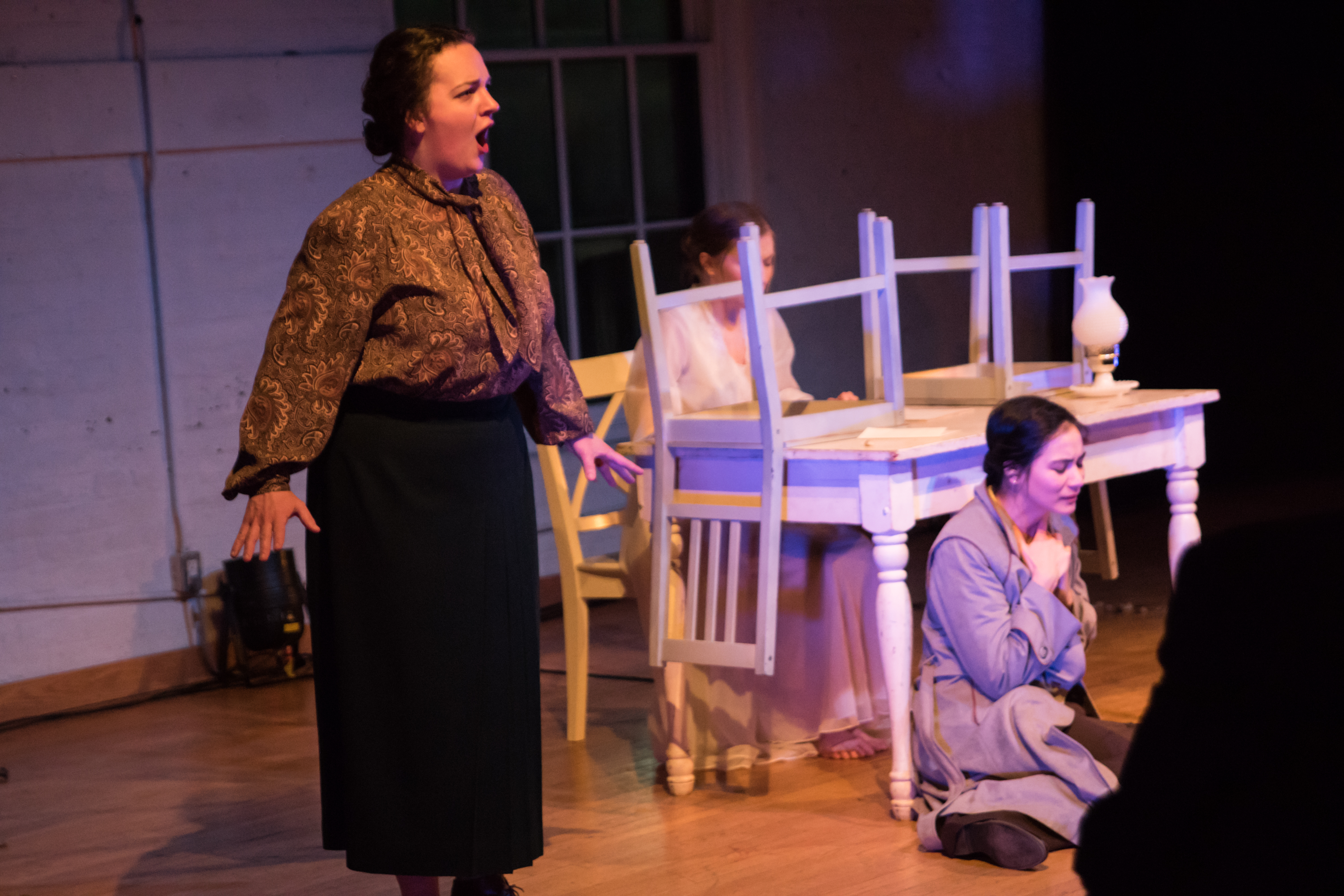
Victoria Marshall with Renee Killough and Keshia Palm. Photo by William Ford.When the budding stage director Anna Theodosakis received the Vancouver Opera Guild’s career development grant, instead of spending it on summer schools or workshops, she decided to use it as the seed money for the creation of a new art song collective. She and her co-founder, pianist Hyejin Kwon, decided to call it Muse 9 Productions: because they would be multidisciplinary and welcoming of all the Muses, and because they wanted to create more opportunities for female creators and performers.

Their first project gives a taste of what’s to come: a dancer, an actor and a singer each performs an aspect of Virginia Woolf’s personality in a staging of Dominick Argento’s 1974 song cycle From the Diary of Virginia Woolf which was originally written for the British mezzo Janet Baker. Two piano pieces by a Woolf contemporary, American composer Amy Beach, round up the musical material. The show premiered in April this year at the Ernest Balmer Studio, and will be remounted and rethought for the natural lights of the Richard Bradshaw Amphitheatre at the Four Seasons Centre on November 13.

For the next year, Theodosakis promises an equally multidisciplinary project, but can’t say much until February, when they are due to hear back from the granting juries looking at their proposal. “It’s important for us to pay the artists, and next year we’re hoping to be able to pay the Equity minimum,” she says. Sometime in November, the company will post the official Call for Submission but, says Theodosakis, they are being continuously pitched by other artists on a weekly basis. “Hyejin and I are much inspired by our colleagues from other disciplines, and we really want to open the doors up for a wide range of projects.” Projects should be art-song based; everything else is up for grabs.

Virginia Woolf’s writing desk and chair from the premiere will return for the RBA performance, as will the same cast of three: English mezzo Victoria Marshall, dancer Renee Killough and actress Keshia Palm. To the diaries in Argento’s songs, spoken word excerpts were added from Woolf’s novels and letters. “All of them sing a little bit, act a little bit and dance a little bit,” says Theodosakis. “The actress is Woolf’s public persona, the novelist that we all know. The singer is her more private, family persona – which we can find in letters. And the dancer stands for her innermost turmoil and depression, but also romance, and her love for Vita [Sackville-West].”

Of the cast trio, it was the dancer, Renee Killough, who was the biggest Woolf fan from the get-go and the originator of the project. Before they joined forces, Theodosakis was familiar with Woolf but hadn’t read her very much. “And now I’ve read everything and all of her letters. I couldn’t leave anything unread.” All three women came out of the project with a renewed love of Woolf. Her diary entries set to music by Argento will each have their own musical theme. “There is a through-line, and it’s very evocative material throughout. In a song about war you’re pretty much hearing shrapnel and bombs.”

When we talked, Theodosakis was directing the Glenn Gould School’s fall operas: Paul Hindemith’s Back and Forth and Bohuslav Martinů’s Tears of the Knife, which the School’s ensemble presents on November 2 and 3 at Mazzoleni Hall. Before the end of this year she’ll also be directing the COC’s opera for young audiences WOW Factor: A Cinderella Story, Joel Ivany and Stéphane Mayer’s adaptation of Rossini’s La Cenerentola for kids. It’s set in a middle-school talent competition.

Ivany is among her favourite stage directors, together with Paul Curran, Tim Albery (whom she’s assisted in COC’s Arabella) and her U of T mentor, Michael Albano. And internationally? “Definitely Claus Guth. I was a young singer at Mozarteum in Salzburg when I went to the Salzburg Festival to see The Marriage of Figaro that he directed. I’ve never been a huge fan of The Marriage – I know this is minority view! – but in Guth’s production it’s treated like a tragedy, and at the end more weight is given to what was actually happening to these poor people. The Marriage is not a happy opera.”

Julie LudwigHAMILTON

Hamilton’s first art song concert series announced itself on the Internet last month with a simple but elegant website: The Linden Project. Its founders are soprano Julie Ludwig (whom you may remember as a sparkling Adele in Opera 5’s Die Fledermaus) and baritone Jeremy Ludwig (whom you might have noticed in Tongue in Cheek Productions’ 24-baritone/bass Winterreise and Opera 5’s The Boatswain’s Mate). To set it all off on November 3 at St. Cuthbert’s Presbyterian is a concert billed, appropriately enough, as The Song Sampler. “Wondering what we’re all about? Get a flavour of what we mean by art song. We’re dedicated to the core of this repertoire, but also not afraid to do something different,” reads the refreshingly straightforward promo copy for the concert. The program is another praiseworthy move, available well in advance and downloadable. It shows a selection spanning Italian and English Baroque, fin de siècle French and Austrians, 20th-century Brits and post-1970s sophisticated pop classics.

“We love art song, and we’d like to introduce Hamiltonians to some of the music that we find so meaningful,” writes back Julie Ludwig when I email the couple to learn more about their plans for the series. “To our knowledge, The Linden Project is the first of its kind in Hamilton. There are other concert series, of course, but none that are dedicated exclusively to song repertoire. Hamilton is an eclectic city: several choirs, lots of musical theatre, the Hamilton Philharmonic Orchestra, and a very active rock and folk scene. We want to bring together both kinds of audiences: those who already enjoy classical music, and those who might not be familiar with it but are open to trying something new.”

Jeremy LudwigThe idea for a song concert series came to the Ludwigs soon after they moved to Hamilton in 2014. Each had given song recitals there and “It was the response to those recitals that encouraged us to start The Linden Project. We both love art song – how much room there is for expression and how closely the music is linked to the poetry – and we saw how the audiences at our recitals appreciated the music, much of which had been unfamiliar.”

They’re starting off with just two recitals in the pilot season, both of which will be sung by them. “We definitely intend to involve other singers in the future,” writes Julie in reply to my question about their programming plans. “Each program will be centred around a theme and will include a mix of standard and more obscure rep. As much as possible, we intend to include music by living Canadian composers. Without giving too much away, we have a few ideas kicking around for future recitals, such as commissioning new works, commissioning illustrations for our projections, incorporating theatrical elements.” The venues will change with each new concert. “We intend to select venues that are appropriate for the repertoire on each program. Churches and small concert halls are very practical, of course, but we also want to bring our concerts to other Hamilton locations.”

The inaugural do, The Song Sampler at St. Cuthbert’s Presbyterian, “is a kind of a survey of the genre, with a couple selections that lie on the periphery of what some might consider art song,” she writes. “We’ll include projections of condensed translations paired with one or two images to help convey the gist of what each song is about, so the audience is better able to watch the performance instead of having to read everything in the program. We also intend to speak a little about the songs in order to help the audience enter more deeply into them, but our goal is to be approachable, not lecture.” 

ART OF SONG QUICK PICKS

NOV 4, 2PM: 13A Robina Ave, Toronto. “Art Song in House Masterclass.” Bass-baritone Daniel Lichti, associate professor emeritus, Faculty of Music at Wilfrid Laurier University, opens up his voice coaching practice – and his living room – to the public in this part-salon, part-masterclass. This one is for the song nerds. Soprano Sinead White and baritone Adam Kuiack with pianist Narmina Efendiyeva, and Lichti in the coach chair. $20, proceeds go to singers and the pianist.

NOV 11, 2PM: Mazzoleni Concert Hall at the Royal Conservatory of Music, Toronto. “L’invitation au voyage.” A song recital with soprano Joyce El-Khoury and mezzo-soprano Beste Kalender. Some well-trodden repertoire (Duparc, Debussy) and some seldom-heard. The program promises “Levantine songs.” Turkish composers, Middle-Eastern composers? Or Middle-Eastern motifs in the works of Western composers? Tickets start at $30.

NOV 13, 8PM: Gallery 345, Toronto. “For or from” – Kelly Zimba, flute (TSO’s principal flute), Stacie Dunlop, soprano. All new music: Kate Soper (Only the Words Themselves Mean What They Say), Leslie Uyeda (Stations of Angels), Braxton Blake (Three Songs on poems by Marianne Moore), James O’Callaghan (For or from), and two world premieres, by David Jaeger and HaRebraIN ensemble, a.k.a. Anh Phung and Alan Mackie. $20/General, $10/Arts Worker/Student

NOV 17, 7:30PM: St. Thomas’s Church, 383 Huron St., Toronto. “The legacies of François Couperin and Claude Debussy.” Larry Beckwith, violinist, tenor and artistic director emeritus of Toronto Masque Theatre, and radio presenter Tom Allen host an interactive celebration of the two French composers. No more details about the program, but the teaser is intriguing. Part of the diverse year-round series Confluence, programmed by Beckwith.

NOV 24, 8PM: Koerner Hall, Toronto. “From Bel Canto to Verismo.” Show One Productions presents Sondra Radvanovsky in recital, with Anthony Manoli, piano. An all-Italian language program: songs from Caccini, Gluck, Rossini, Puccini and arias by Verdi (“Romanza” from Il Corsaro, and the sleepwalking scene from Macbeth), Puccini’s Manon Lescaut and Donizetti’s Roberto Devereux.

Lydia Perović is an arts journalist in Toronto. Send her your art-of-song news to artofsong@thewholenote.com.
Often described by performers and critics as “deliriously sensuous,” Messiaen’s Harawi is the veritable black pearl of song cycles. Is it really thematically a variation on Tristan und Isolde? How much Peruvian and Andean folklore is there in it, really? Are Messiaen’s invented words employed purely for sonorous effect? How many narrators are there in the text, how many persons, if any? Was Messiaen looking closely at the suffering of his spouse who was beginning to struggle with mental health problems at the time of its composition? Is this a rare Messiaenic creation that’s completely devoid of Catholicism? Or should we, as pianist Vanessa Wagner suggests, abandon any attempt at intellectual analysis of Harawi and meet its raw emotions with raw emotions of our own?

These are the questions which mezzo Simone McIntosh and pianist Rachel Kerr are already trying to grapple with in rehearsal for their own Harawi, to be presented on October 25 at the Canadian Opera Company’s noon-hour concert series in the Richard Bradshaw Amphitheatre. While the piece will not be staged or even semi-staged, Harawi is not exactly amenable to a typical self-contained song recital either.

(from left) Simone McIntosh and Rachael Kerr. credit Ian G McIntosh Photography “When I started thinking how I want to interpret this piece,” says McIntosh when we meet in a café one bright late-summer evening, “I realized there’s no way for me to do it without there being some sort of breaking of boundaries when it comes to art song. When you’re studying art song as a singer, it’s important to understand that the beauty is to be found within the music and to portray something in art song means to portray it in a subtle, non-bodily way. I feel though that this piece lends itself to being explored in a bodily way.”

Her first encounter with Harawi was Against the Grain Theatre’s 2015 mashup of the Messiaen song cycle with Schubert’s Die Schöne Müllerin, which Joel Ivany staged in a Parkdale gallery and Christopher Mokrzewski conducted from the piano. Krisztina Szabó gave voice to the Harawi woman, who is in a troubled relationship with baritone Stephen Hegedus’s Müllerin narrator. This marriage of two very different pieces worked extremely well. And made McIntosh determined to sing it ASAP: “I saw the AtG’s Harawi, and Krisztina Szabó doing it so brilliantly, and said to myself: I want to do this so bad. Since that night, it’s been on my wish list. When I got into the COC Ensemble, Liz Upchurch asked me what I’d like to sing while I’m here and I immediately said Harawi.”

It’s hard to describe Harawi to somebody who’s never heard it. McIntosh gives it a try: “I’d describe it as an eclectic piece that explores the musicality of both folk and contemporary music, and joins the tonality with the atonality. It’s a piece with an amazing range of emotion and musical expression.” Is she going to try to make sense of the words? “The poetry of it is so bizarre and surrealist and abstract. At first I thought, Hmm, what am I going to do with this? But I found some really wonderful sources that preserve Messiaen’s thoughts when he was writing the piece so I’ll be definitely incorporating what he had in mind while composing … I’ll be making sure that there’s a through storyline that makes sense to me, but also respects what he wanted.”

Does Messiaen’s ailing wife comes into the equation? “That’s an interesting aspect, and one of the ideas that I’m toying with as I’m rehearsing the piece. But the main aspect is – it’s a story of two lovers that are separated by death and at the end united in death.” It’s a decidedly non-Christian view of death, however. “Messiaen presents death as this chaotic nebula that is full of stars … It’s kind of atypical for him.”

Do we ever know who is narrating, and if it’s one specific person? “In one of the songs, there is the young woman narrator, and then the narration clearly switches to the young man. None of the other songs have that. Whenever the words are addressing Piroutcha, you could argue that I’m performing the young man. All in all, I think I’m playing two, if not three characters – as there’s an outside narrator. Maybe even four: where Messiaen used syllabic mutterings, a witch may speaking. Or a character with witchy features that’s based on Goya paintings.”

McIntosh has been passionate about 20th century and contemporary music since early university. She went to school alongside a group of composers and has been able to sing a lot of new works from the get-go. If there’s a red thread running through her undergraduate years at UBC, the years of working on a master’s at McGill, the Merola program in San Francisco and now the COC Ensemble Studio, it would probably be new music. “My goal is to be a voice for contemporary music, specifically Canadian composers. It’s really important to encourage young Canadian composers to write for the voice – and to advocate for those pieces. A lot of the time some amazing new music is not recognized because of the lack of performing opportunities. I hope to be changing that.” If she were to be an ambassador for any of the composers from the past? “Definitely Richard Strauss. Berg. I also love singing Schoenberg. Then of course Mozart: I love him and will be doing a lot of Mozart in the near future.” Starting with understudying Dorabella in the COC revival of Atom Egoyan’s production of Cosi fan tutte next year.

In another unusual project that came her way, McIntosh actually had the opportunity to combine Mozart and new music. Crush, a modern reconstruction of Don Giovanni composed by James Rolfe to a libretto by Anna Chatterton, turns the title character over to a mezzo – McIntosh, that is – in a production that was workshopped and performed at the Banff Centre. Or rather, off-off-Banff Centre, in a night club which doubled as a sex club for the occasion. Donna Giovanna was a “sex addicted sociopath,” as McIntosh puts it, chased by lovers of both sexes. “There were dildos on the walls, condoms on the floor…” she laughs. “It was pretty racy.” As in Da Ponte’s libretto, the protagonist takes advantage of people, but dies by the hand of the character named Lola, who is a modern approximation of Donna Elvira.

Upon finishing the Merola summer training program in San Francisco last month, McIntosh returned to her busy and sometimes unpredictable days as a COC Ensemble Studio member. Ensemble Studio is really good at taking the voices that they want, rather than the voices that they, for practical purposes need, she says. “A lot of similar programs have some kind of equal distribution, and take two sopranos, two mezzos, two tenors etc.” The COC Ensemble actually lets itself fall in love with a young voice, and works around that. “They choose the voices that they want, and then program.” And sometimes, fortunately, those young voices will insist on tackling the Mount Everests of art song like Messiaen’s Harawi

ART OF SONG QUICK PICKS

OCT 9, 12PM: Canadian Opera Company, Richard Bradshaw Amphitheatre | “The Best of Rossini: Artists of the COC Ensemble Studio.” Arias and duos, comedic and dramatic. The dramatic Rossini is heard nowhere near enough in Toronto, so even the slightest chance of a Tancredi aria is worth the wait in that line around the block.

Lauren EberweinOCT 18, 12PM: Canadian Opera Company, Richard Bradshaw Amphitheatre | “Mélodies et chansons.” Graduate of the Curtis Institute of Music, Lauren Eberwein joined the COC’s Ensemble Studio as a mezzo, but is now a soprano. How has the voice changed since she won the second prize in the COC Ensemble Competition in 2015 with the trouserissimo “Parto, parto” from Mozart’s La Clemenza di Tito? A chance to find out, and meet the soprano Anna-Sophie Neher as well. The two will perform a selection of French art songs.

OCT 21, 3PM: Off Centre Music Salon: Trinity-St. Paul ‘s Centre. “The Mystery of History: 1889 in Paris and Vienna.”An intriguing chamber program indeed, including Brahms and Johann Strauss’ very different approaches to Hungarian and Roma/Gypsy cultures, and Massenet and Chausson amidst quite a bit of Debussy. Readings throughout from Arthur Schnitzler by actor William Webster; historical commentary by Stephen Cera. Shannon Mercer, soprano; Krisztina Szabó, mezzo; Inna Perkis and Boris Zarankin, piano; Mark Skazinetsky, violin.

OCT 27, 7:30PM & OCT 28, 3PM: Pax Christi Chorale: Grace Church on the Hill. “Slavic Devotion. “Stravinsky: Symphony of Psalms; Rachmaninoff: All-Night Vigil and Vocalise with Natalya Gennadi, soprano. David Bowser conducts.

NOV 5, 7:30PM: “International Resource Centre for Performing Artists presents Singing Stars: The Next Generation.” Zoomer Hall. A program of opera and oratorio arias. Singers to be announced; Rachel Andrist at the piano.

Lydia Perović is an arts journalist in Toronto. Send her your art-of-song news to artofsong@thewholenote.com.
Erin Wall as Arabella in the Canadian Opera Company’s production of Arabella, 2017. Photo by Michael CooperWhat is a thriving artist to do if serious illness strikes while everything else in life is going gloriously? Erin Wall, an elegant Straussian soprano in demand on both sides of the Atlantic, who defined Arabella and Kaija Saariaho’s Clémence for Torontonians and redefined Mozart’s Countess in a recent COC Figaro, had an extraordinarily difficult December last year. That winter, amidst all that bloom, professional and familial – she is happily partnered and a mother of two – she was diagnosed with breast cancer.

While looking at the treatment options, she also had to decide how to redraw the dense schedule of her professional engagements. She was going to have to invent for herself a new way of being in the world for some time to come: a much-travelled soprano who’s also in cancer treatment.

It’s crucial not to abandon everything – and to continue with life as you know it as much as possible, she tells me when we meet on a mild weekend afternoon in mid-August. Her hair, growing back after chemotherapy, is in a short boyish cut, which gives her a touch of punk. We met to talk about her upcoming song recital with Carolyn Maule at Prince Edward County Chamber Music Festival, but soon enough move on to the much bigger issue: how to go on living and working while healing.

“Generally the week after the chemotherapy is not easy – you feel sick and don’t want to go out – but the second week I would start to feel better and by the third I felt normal. Luckily a lot of the gigs fell on those second and third weeks. I only had to cancel, like, two jobs.” A few dates had to be negotiated. “Staff at Princess Margaret Hospital at first thought I was crazy. They’re used to saying to the patients, ‘This is when your surgery will be, just show up, and this is when your appointment will be, and you show up.’ They’re used to sort of everybody abandoning everything, and I’d go, ‘That date is not going to work for me, I need it to be next week so I can go to Cleveland and record Beethoven’s Ninth.’ And they worked with me.” Meanwhile, with her manager she let all the symphonies know that she may not feel okay the day of the concert. “He told them, if you’d like Erin to back out now, she will, and most of them said: ‘No, we’ll hire a cover and we’ll play it by ear.’ People were wonderful about it.” This summer, she’s keeping her two engagements at the British Proms: the first concert was on July 21, four weeks after her surgery, and the next one is coming up on September 6, Britten’s War Requiem with the Royal Scottish National Orchestra conducted by Peter Oundjian.

Erin Wall as Clémence in the Canadian Opera Company production of Love from Afar, 2012. Photo by Michael CooperSinging has been a lifeline in the thick of the treatment; when we talked in August, she was undergoing radiation, which she was finding much easier. Singing, and also the rituals around getting ready and being in concert. “It was really nice to do, put on a dress and a wig and pretend that life was normal and not just be a cancer patient sitting on a couch watching Netflix.” You travelled quite a bit too? “It was fun actually because every time I got to go sing between the chemos, it’s like a vacation from cancer. Cancer treatment is like having a job. I rode to the hospital every day on the GO Train with the businessmen in suits, and it’s for weeks in a row, no gigging while this is happening-- it becomes your job.” As soon as she’s recuperated, it’s back to singing. “I’ve never sung more Beethoven Ninths in my life,” she jokes. “Which I love! And they’re easier to handle than, say, Mahler 8. I did a Mahler 8 I think between chemo four and five, and that put me absolutely to my limit.” This was in the Netherlands, with Yannick Nézet-Séguin. “Any other time when I’m healthy, the amount of effort in Mahler 8 is between six and seven but there, I was at eleven out of ten.”

How does the chemotherapy affect a singer’s body? “The thing that it affected the most is breathing,” she says. As a later side effect, it turned out that she was becoming anemic; the red blood cells were not able to bounce back as quickly as the white cells until with the help of medication, they did. “I had to stop running toward the end of chemo.” You maintained your running schedule?! “I was sort of able to keep it up in the beginning, going slower and slower, but toward the end it became impossible as your blood can’t carry enough oxygen.”

I rewind the conversation back to the wigs and ask her about the practicalities around that. As soon as she was diagnosed, Wall emailed a friend who’s a professional wigmaker at the COC to ask her if she could create a wig specifically for her performances. Then she cut her hair short – she was told by girlfriends who’ve been through treatment that it’s easier to mourn the loss of short hair – and sent all the hair extensions she used over the years to the wigmaker friend to incorporate in the wig about to be created. “A week or two after chemo, when it was about to start to fall out, I had my husband shave my head. We had a party in my bathroom with my kids and my parents. I was about to go to Calgary and sing Mendelssohn and I didn’t want chunks of hair in my hands in the hotel room, and also didn’t want to carry hair brushes, and hair dryers and shampoo AND a bagful of wigs. It was all too much: I’m going to go to Calgary with no hair.” But what grew back since that bathroom symposium actually did fall off while she was in Calgary. “I woke up in Calgary and it was all over the pillow. It was still traumatic because it was real.”

She doesn’t dwell too much. “It’s nice to have hair again. I dyed it bright magenta a while ago, and will try platinum on Tuesday.” Then she shifts into a comedy mode. “I used a long straight wig for social occasions, but they’re so hot and itchy when you have no hair on your head.” There are also the hot flashes to contend with, another side to cancer. “When you’re getting hot flashes and you have a wig on, it’s un-bearable. There were times when I was in public and decided that the wig has got to come off. I’d go somewhere and 30 minutes in, the wig would go into my bag and I would put a little cap on. And people give you looks, they know you’re a cancer patient… but you stop caring.”

As she’s made me laugh multiple times during our conversation, I tell Wall that she’s coming up with some stand-up quality stuff that reminds me of Tig Notaro, the first US comic to talk about her cancer onstage and to, in fact, turn the illness into comedy material. Wall’s eyes lit up. “I love her work! Her comedy about having cancer and all the horrible things that came with it, I could not stop listening to it. It’s what got me through December. Everything is so true. The most horrible thing about it – she had a double mastectomy – is, she says, that nobody can hug you after surgery. It’s the thing you most need and you can’t stand to be touched.” The first Notaro video that went viral and broke new ground in comedy? Wall keeps it on her phone. “She made the hard things funny. And I love that bit where she talks about making fun of her breasts for being so small, and how they have turned on her and went ‘we’re gonna kill her now’… I just love her. I remember driving through Texas with my sister – my aunt passed away from breast cancer in March – my whole family went there to say goodbye and as we were driving back through Dallas after, really depressed about it all, I was like: you need to listen to this, it’s about when life is really really horrible and how you can ache and still be funny. So we listened together.”

Erin Wall. Photo by Alexander VasiljevAlready in August when we spoke, in between the preparations for the Proms, Wall was rehearsing the songs for the September 14 recital in Picton with Carolyn Maule. A beautifully crafted program awaits, with long, complex songs by Debussy and Duparc, the three Korngold songs of the Opus 22, the delightfully mad Poulenc cycle Fiançailles pour rire, and a three-song cycle by the fin-de-siècle American composer Charles Tomlinson Griffes. “They’re all songs that I like and know really well, that are fresh in my mind, body and voice,” she says. “These Debussy songs – I started singing them about 13 years ago. Which was ambitious of me then because I didn’t always have the low part of the voice to sing them. So I put them away for ten years, and then came back to them a few years ago, after I became a mother.” While she’s sung Thaïs and quite a few Marguerites as a fledgling singer, and had a French repertoire specialist for a coach, she’s more often asked to sing German rep now.

Which will also soon enough include Wagner. The recital program is capped off by Elsa’s Dream, the soprano aria from Act 1 of Wagner’s Lohengrin – something she’s never sung before. Is this a sign of things to come? She smiles but can’t divulge too much. “There may be a staged Lohengrin in the cards. In a couple of years. But I can’t say more.” Can we at least know in what country? “…Spain.” Then adds: “I always thought my inroad to big Wagner roles would be either Elsa or Eva from Die Meistersinger… you know, the blonde ones. And that’s exactly how it turned out: Elsa it is.”

September 14 at 7:30pm: Prince Edward County Chamber Music Festival presents “An Evening of Song” with Erin Wall, soprano, and Carolyn Maule, piano. St. Mary Magdalene Anglican Church, 335 Main St., Picton. 613-478-8416. $35. www.pecmusicfestival.com/erin-wall.

Lydia Perović is an arts journalist in Toronto. Send her your art-of-song news to artofsong@thewholenote.com.
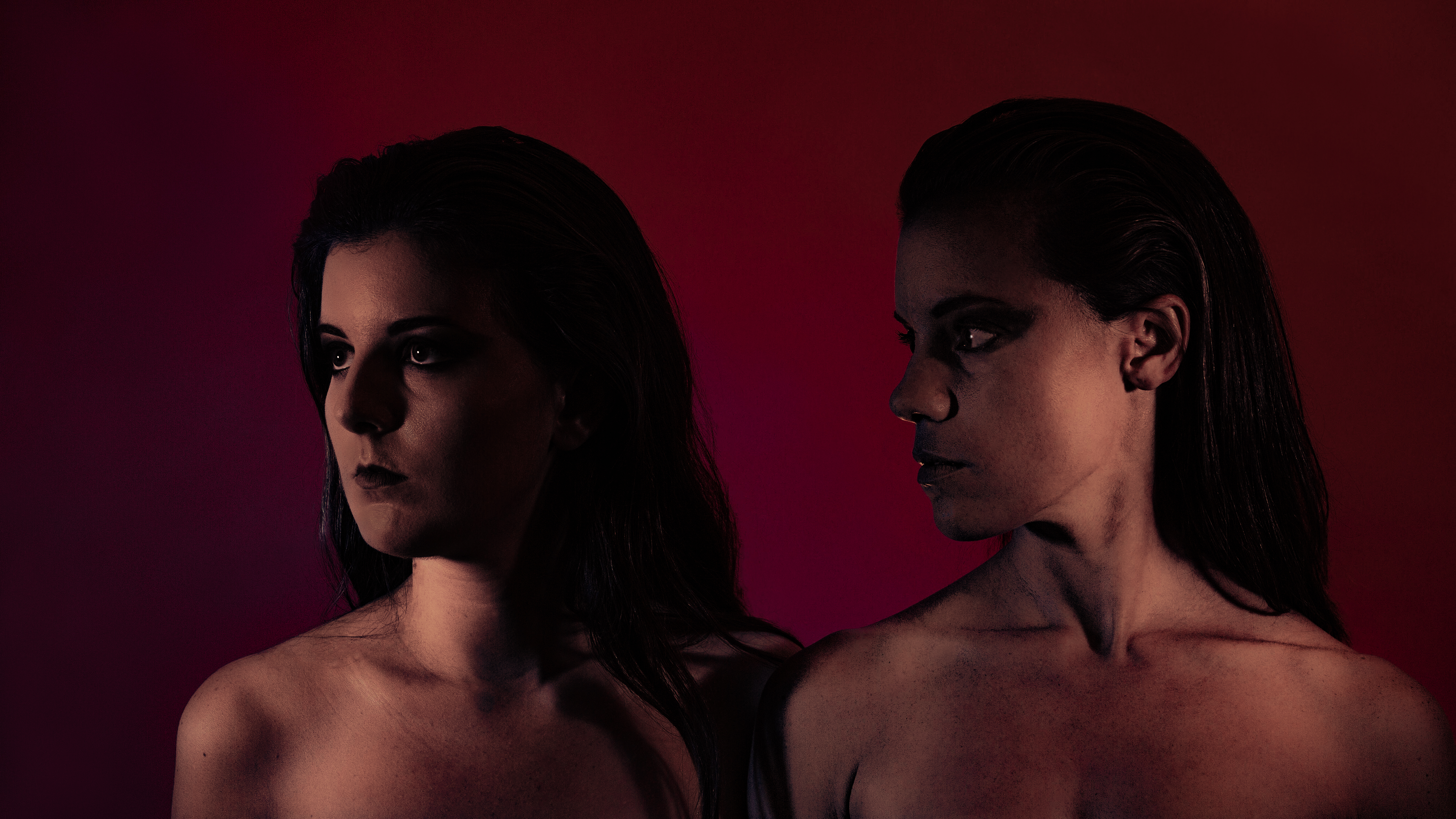
In the dog days of Toronto’s musical summer, while the halls are lying dormant and musicians gigging on the Ontario festival circuit, two weeks of intense art song training will take place at the Toronto Summer Music Festival (TSM). Out of 90 applicants this year, eight singers and four pianists chosen by video auditions will work on all aspects of art song with international mentors, Christoph Prégardien and Julius Drake, and the head of Collaborative Piano at U of T and Canadian Art Song Project co-artistic director Steven Philcox. Tuition fees are covered by scholarships, which in turn are underwritten by TSM donors. Each week of work will be crowned with a group recital, in a program that will emerge organically from the training repertoire tackled.

Christoph Pregardien - Marco BorggreveThere will also be the opportunity for the Art of Song Institute singers and pianists to join forces with the fellows of the Chamber Music Institute, the other arm of the Toronto Summer Music Academy. A lucky precedent was set last year, explains Steven Philcox when I phone him on an early morning in May; song students enjoyed working with string players and TSM artistic director Jonathan Crow so much that a repeat was in order. This year, two pieces that call for inter-Institute collaboration will be in the final concert: a Menotti number and Chausson’s Chanson perpétuelle for soprano, piano and string quartet.

Each of the international mentors is here for one week, though their time will overlap enough to allow for a Prégardien-Drake recital on July 17. Their young mentees will be required to prepare eight songs for each week of the program, 16 songs total. “There will be daily sessions with Christoph, Julius and myself, and a lot of focused diction and language study,” says Philcox. “Michael Albano, resident stage director at the U of T Opera, will give a full session on recitation of poetry, away from the music – getting back to the words – and this is both for singers and pianists. They’re all required to prepare a piece of poetry from memory.”

Steven PhilcoxWhat songs exactly the singers end up working on during those two weeks of close collaboration with Drake, Prégardien and Philcox depends in part on their own interests. The repertoire is discussed early on in the selection process. “We audition everybody through the Young Artist Program tracker, and singers can upload their videos and submit their repertoire online. That way we can audition internationally.” The TSM artistic panel then looks at the applications and makes the selection.

Both the Festival and its Academy are loosely programmed around a theme each year, and this time it’s Reflections of Wartime. “At least some of the songs that the singers bring will be required to fit the festival theme. I ask the singers for 16 to 20 songs and out of those I am able to assemble the rep,” says Philcox. The final list of songs will also depend on who the mentors are and what their area of specialization is. “Christoph Prégardien’s wish was to focus on German lieder and we’ll have quite a bit of Schubert and Schumann – and a lot of students really wanted to work on Schubert with him.” There are two tenors, two sopranos and four mezzos, and in the self-generated repertoire there wasn’t much overlap. “Even within the same voice type,” he adds. “One mezzo happens to be closer to alto and she’s looking at some of the Mahler Kindertotenlieder and Debussy’s Chansons de Bilitis.”

Here is the class of 2018: pianists Frances Armstrong, Leona Cheung, Pierre-André Doucet and Jinhee Park, sopranos Maeve Palmer and Karen Schriesheim, tenors Joey Jang and Asitha Tennekoon, and mezzos Lyndsay Promane, Danielle Vaillancourt, Renee Fajardo and Florence Bourget. A couple of the local names will be familiar to Torontonians – Promane and Palmer certainly, as well as tenor Asitha Tennekoon, who has just wrapped up in the first run of the newly composed The Overcoat at Canadian Stage here and in Vancouver.

The young tenor moved to Toronto only four years ago, but since then we’ve seen him in roles in just about all the core companies of the indie scene: Tapestry, Against the Grain Theatre, MY Opera, Opera Five and Bicycle Opera Project. I caught up with him over Skype while he was travelling through BC to ask him about his interest in the art of song and the kind of detailed work that the TSM Academy offers.

“My first TSM Academy was two years ago, actually,” he says. “This year when I found out who the mentors are going to be, I decided to apply again. I’ve listened to Prégardien for a long time, and know his work. Whenever I have to work on Bach cantatas and passions, I look for his versions. As a tenor, I think I might end up doing a lot of rep that he’s done.”

Tennekoon’s rep this year will be British songs and a lot of Schubert lieder. “I’ve done Schumann, I’ve done Wolf, but somehow never taken the time to study Schubert.” And since working on Schubert’s larger song cycles would be somewhat impractical in the context of a two-week summer school, he ended up choosing a few songs from Schwanengesang. “I love those pieces; they speak to me,” he says.

“Lieder in general. There’s something about the way those songs delve into human psyche that really engages me. How the poet and the character in the song put something across, deal with something in a matter of just a couple of minutes – and often so powerfully. That really makes me want to work on it and figure out why and how this happens.”

Part of it, he says, is that there are no operatic visuals, no plot development and no colleagues onstage to help build the character and help you make your case. “There’s an immediate spotlight – you dive straight in. I love that challenge. You can’t move around, there’s nowhere to go.”

One particular song from Schwanengesang in particular drew him in: Der Doppelgänger. “When I first heard it, it surprised me that it was Schubert. The way the harmonies worked, it all felt like Mahler – that sense of pathos and death to it.”

Asitha TennekoonAfter the Academy and in addition to Schubert, Tennekoon will continue to explore Britten’s vocal opus. “I love the way [Britten] writes for the voice,” he says. “I’ve already done a bunch of Britten songs and would like to continue singing Britten as much as possible.” Schumann too, and the French rep eventually. Contemporary music almost goes without saying. “Doing new music is the most enjoyable thing about my time in Toronto so far. Working with Tapestry, you kind of get thrown into it and I absolutely love it. Taking part in something out there that’s never been heard before, getting to talk to the composer and librettist and ask them questions and suggest your own ideas – it’s one of the most exciting parts of this business.”

But first , back to Bach. Tennekoon returns to Stratford Summer Music for the Coffee Cantata later in the summer, and there are a few solos in the Matthew and John Passions in the near future. And in the spring of 2019, a house debut at the Opéra de Montréal in what’s been billed as a jazz opera with boxing, Champion.

The joint reGENERATION recitals by the Art Song and Chamber Music fellows take place on July 14 and 21, 1pm and 4pm on each day in Walter Hall, Toronto; tickets are available at TSM’s website.

June Pick

Tapestry Opera is partnering with Pride Toronto for a three-day festival of naughtiness titled “Tap This” on June 7, 8 and 9. Soprano Teiya Kasahara will subvert operatic tropes about female characters in her haute butch style. Joel Klein (as his drag alter Maria Toilette), Kristina Lemieux (as Vadge) and Gutter Opera Collective will present “Cocktales”: salacious and tender first-person retellings of early sexual experiences. There’s more: the complete program and tickets can be found on Tapestry’s website. 

Lydia Perović is an arts journalist in Toronto. Send her your art-of-song news to artofsong@thewholenote.com.
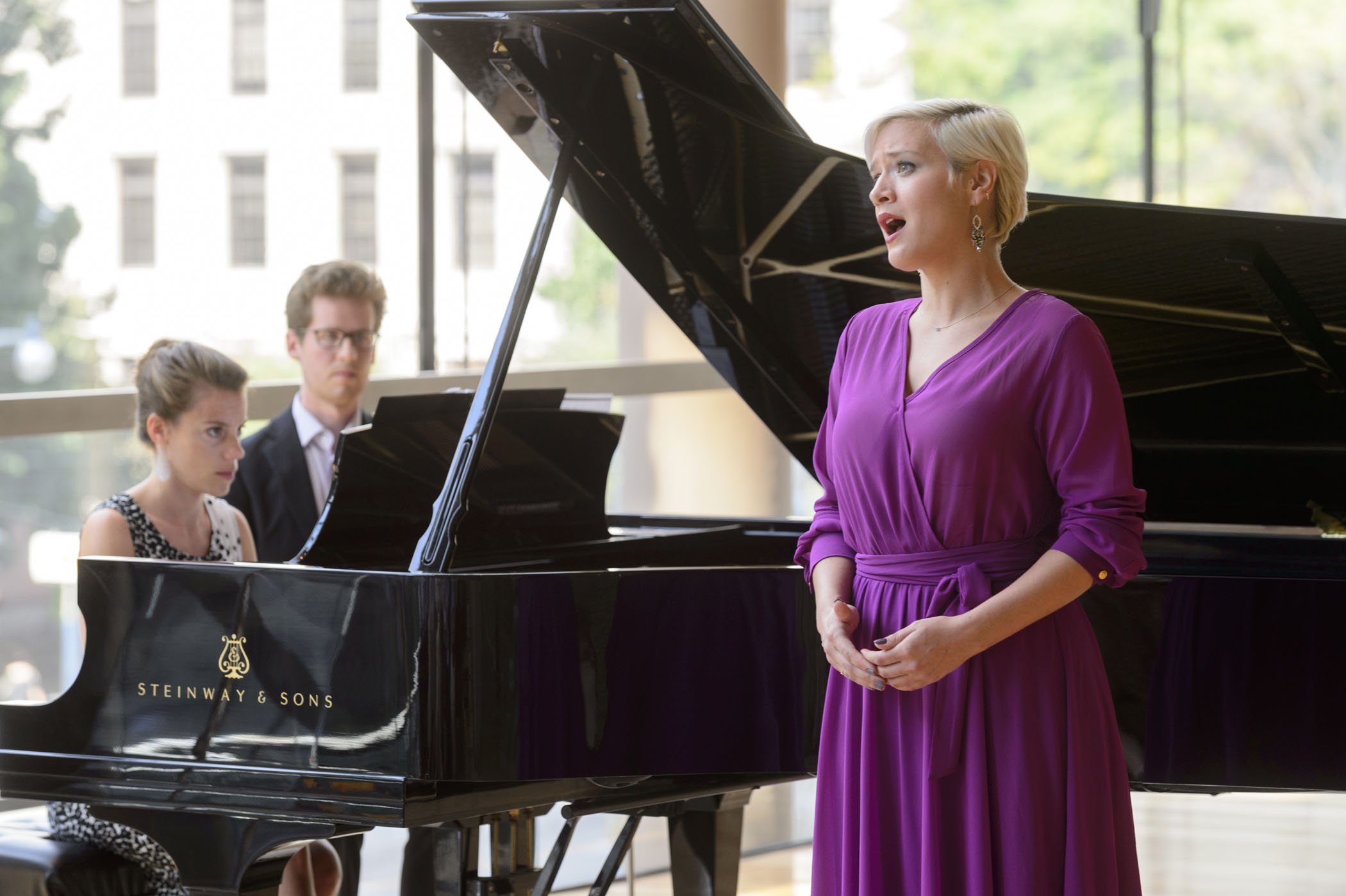
Most songs are not created for the purpose of fighting injustice. There is, however, a definite period in the history of the English-language song when the political potential of songwriting craft became obvious: the 1960s and 1970s in the US, with roots reaching back to the 1930s and the odd branch extending into the 1980s. It’s this period, which we now call the golden age of protest song, that Art of Time Ensemble’s artistic director Andrew Burashko homes in on for the three-day festival “All We Are Saying” at Harbourfront Theatre. The festival runs May 10 to 12 with “The Songs Program” performed on May 10 and 12 and “The Classical and Folk Program” on May 11.

Andrew BurashkoWhere was the cutoff point for the protest song, I ask Burashko when we meet to talk about the festival. (It seems to me that few popular songs come out of political grievance these days.) They continue to be made, he replies, but generationally and aesthetically, he feels closest to the songs from this period, when the political songwriting was at its most creative. “Much of the first song program in our festival comes from the African-American experience. Nina Simone’s To Be Young, Gifted and Black, Sam Cooke’s A Change is Gonna Come, Gil Scott-Heron, Marvin Gaye. Billie Holiday in the extraordinary Strange Fruit.

“Then there’s Stevie Wonder’s Village Ghetto Land, which he opens with a string orchestra and gives it a surprisingly light, almost ironic tune, while the lyrics talk about extreme poverty and ghettoization,” Burashko says. How do you explain that discrepancy? Perhaps as a distancing of sorts, avoidance of sentimentality? “It’s hard to tell, but it’s fascinating, and Stevie Wonder did it in some other songs too.” For this occasion, Burashko asked a few Canadian composers to create original arrangements for the songs. “We had to find the fine line between too complex and ‘classical’ arrangements, and remaining true to the spirit of the song. There’s such a thing as being too clever as an arranger.”

Music in songs like these is there to amplify the words, not distract. And the lyrics have a core meaning that should be honoured. “In all fairness, some of the legendary singer-songwriters like Dylan and Cohen haven’t been particularly great musicians. They have been great poets, though. Words are what matters.”

As they do, I suggest, in hip-hop today, though only some of the hip-hop is political or concerned with injustice. And in pop and electronic music there are even fewer instances of songs concerned with broader societal issues. At the risk of sounding like an old person complaining about “the kids today,” I ask him, are today’s songs across popular genres largely apolitical and indifferent? Burashko demurs: young people surely have their own causes in pop song, it’s just that perhaps we aren’t following them very closely. An interesting coincidence, he says: just before this interview somebody sent him a piece by Theodore Adorno in which the German sociologist of music was being typically sceptical about the freeing potential of pop music. In Adorno’s view, the so-called popular song is opium for the people, crafted by corporations and selling the illusion of happiness and the illusion of political engagement. “And what we usually find in Top 40 is not far from that description,” says Burashko, unlike the best protest songs which have had mobilizing effects, have voiced the previously unsaid, and served as a form of collective memory.

The largely American program of the song night won’t be entirely devoid of Canadian creators. Buffy Sainte-Marie’s Universal Soldier, Bruce Cockburn’s ’Red Brother Red Sister and Joni Mitchell’s Big Yellow Taxi are also on the program. One wonders what a heavily Canadian program of political song would have looked like; it would certainly have more Quebec and other Canadian Francophonie in it, possibly the reggae remix of Michèle Lalonde reading Speak White (which exists on YouTube). On this occasion, it’s the performers who will bring in the Canadian component: singers Shakura S’Aida and Jackie Richardson, guitarist and vocalist Colin James, and instrumentalists Rob Piltch, Lina Allemano, Rob Carli and John Johnson, with Burashko at the piano. Among those Canadian composers who have be asked to rearrange the protest song classics are Andrew Staniland, Jonathan Goldsmith (who composed the music for Sarah Polley’s excellent Take This Waltz and Stories We Tell and who is an Art of Time Ensemble founding member) and Kevin Fox, composer, cellist and frequent Steven Page collaborator.

Jackie Richardson and the Art of Time EnsembleThe second program of the “Festival of Protest Music” is a classical- and folk-flavoured night on May 11. It will feature the Rolston String Quartet in George Crumb’s Vietnam War-era Black Angels for electric string quartet, and Burashko himself at the piano in a selection of variations from Frederic Rzewski’s The People United Will Never Be Defeated. A set of roots and folk songs will be performed by Skydiggers’ Andy Maize and Josh Finlayson. Jay Gorney/”Yip” Harbur song of life on a skid row, Brother, Can You Spare a Dime, made famous by Bing Crosby, will be heard, as will Dylan’s Masters of War, which borrows its melody from a late-medieval English folk ballad. Pete Seeger was an important link in the survival of the Black civil rights anthem Keep Your Eyes on the Prize and it’s his version that will be honoured on May 11.

Before saying goodbye to Burashko, I ask him who his all-time favourite songwriters are. He lists Lennon and McCartney, Tom Waits, George Gershwin, Paul Simon. “The last Leonard Cohen album I thought was exceptional,” he says. He also loves P.J. Harvey. Radiohead is still good – and will be touring Canada this July. And he really liked the 2010 album that John Legend released with The Roots, carried on the wave of activism well past Obama’s election.

But The Roots and John Legend compiled an album of songs from the 1960s and 1970s, not the Bush-era and Obama-era original content, I thought on my way back home. Not even Obama, the most youth-mobilizing US president in recent memory, managed to inspire much original political content in song. So far Trump’s presidency hasn’t ignited much either, Eminem’s anti-Trump song being one prominent exception. Or have I missed it, while trying to avoid being completely engulfed by American culture? Beyoncé’s performances and video art are certainly more political than her song lyrics, and her brand of feminism does mean a lot to a lot of young women. Kendrick Lamar’s Pulitzer Prize-winning album DAMN. has only two or three songs that struck me as being of the politically conscious hip-hop kind.

Björk, Alicia Keys, Lauryn Hill and Erykah Badu are extraordinary artists, yet remain mostly non-political in song. Janelle Monaé’s recent single ‘Pynk’ and its accompanying video directed by Emma Westenberg is rightly adored far and wide but it won’t turn anyone into an activist. Kate Tempest’s songs are political – see her album Let Them Eat Chaos – but Brits are on the other continent and do things differently: it’s American and Canadian song that strikes me as privately focused.

Ani DiFranco, Kathleen Hanna and Amanda Palmer are still around, though working for smaller, not planetary audiences, and not very much in the media. Was punk the last crowd of musicians who were overtly political in their work? (Grunge wasn’t exactly political, despite a political lyric here and there.) To echo Marvin Gaye, what has been going on, reader? When were you last stirred and made to pay attention to a problem in the world by a song? Or does the issue lie with the media and the Internet: pop artists who are multinational corporations hog everybody’s attention broadband?

Let me know your thoughts through the email below. Meanwhile, the protest song festival on May 10 to 12 is for taking stock, and maybe even inspiration.

Lydia Perović is an arts journalist in Toronto. Send her your art-of-song news to artofsong@thewholenote.com.
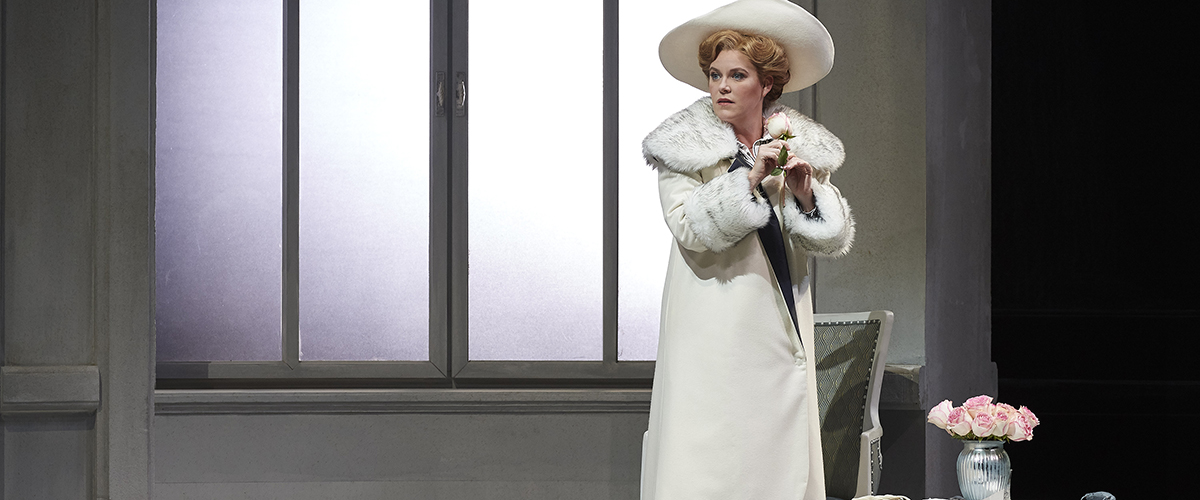
Quick, how many Gounod fans have you encountered in your life? Before meeting pianist Steven Kettlewell, the man behind the Castle Frank House of Melody’s new concert offering, “Ga-Ga for Gounod” (April 7 at St. Andrew’s United on Bloor St. E.), my answer would have been scarcely any. Composer of very Catholic operas and of the overplayed Ave Maria? Not a lot to be excited about there. When the early listing for the Gounod song recital arrived in this magazine’s inbox, I found myself intrigued. Of course he would have composed songs, as most of his peers did, but what were they like – how much unlike his arias, how Catholic, how Romantic, how French? Most of French 19th-century song before Debussy and Ravel remains little performed, with one notable exception, Berlioz’s masterwork Les nuits d’été.

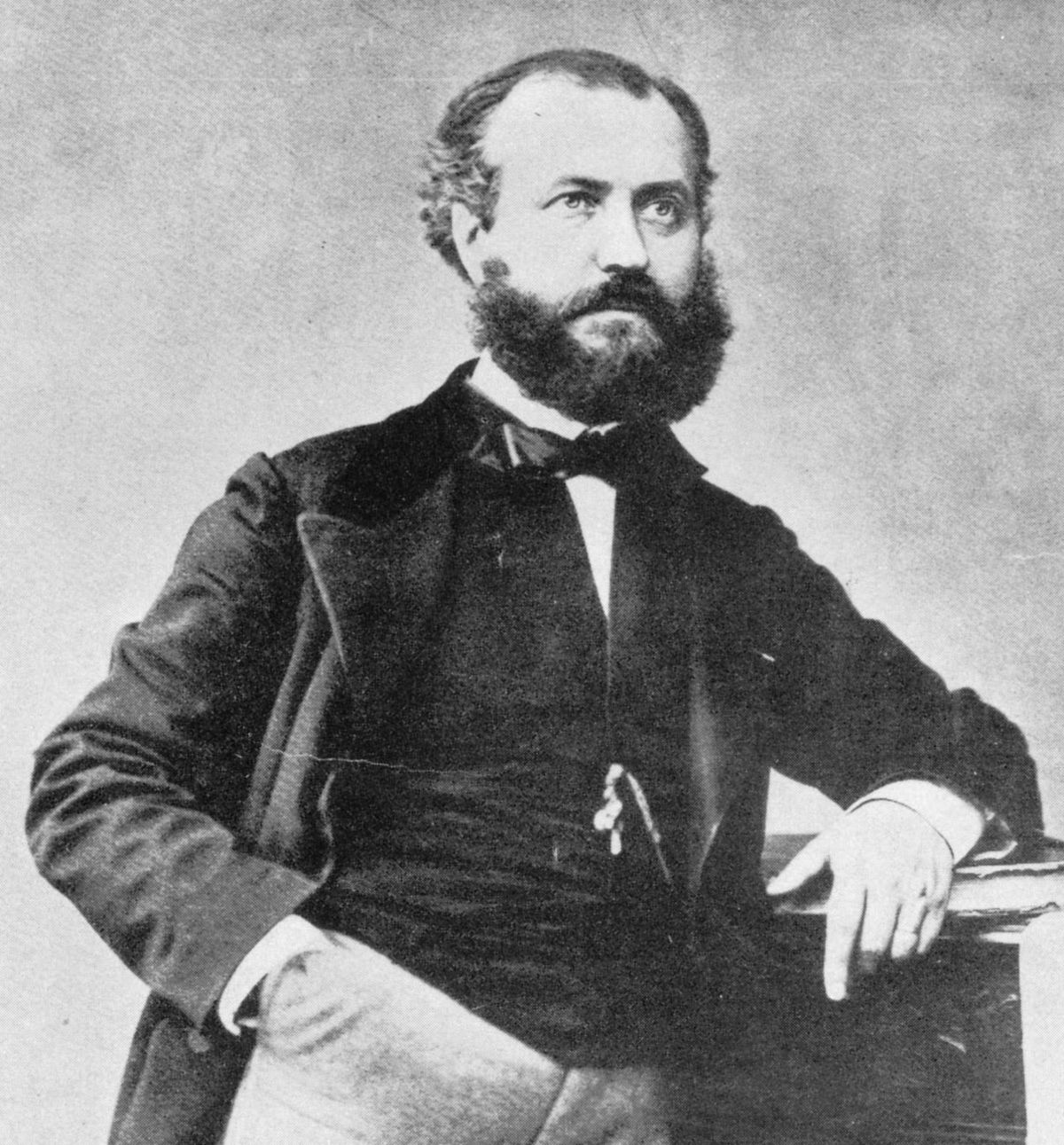
Charles Gounod as photographed in 1859, at the time of the premiere of his opera Faust.Charles Gounod (1818-1893) is certainly best known for his operas, says Kettlewell when we meet in his apartment in a charming mid-rise, a short walk up the hill from behind the Castle Frank subway station. Some of Gounod’s better-known arias will be in the program—two from Roméo et Juliette and three from Faust. The motley selection of Gounod songs in the program contain several in the English language, to poetry by Tennyson, Wordsworth and Shelley. Was he an ardent English poetry reader? “He lived in England for a period of time. During the war of 1870 between France and Prussia, Gounod moved his family to England. His wife returned after the Paris Commune was defeated, but Gounod ended up staying another four years. He met there a certain Georgina Weldon, an eccentric battleaxe of many causes… One of her pet causes became Gounod.”

Gounod’s English-language songs sound very “English regional composer of the Victorian era,” says Kettlewell. “Even a bit like Arthur Sullivan. And some of the poetry is very sentimental.” One of the poems in the program is The Worker (1872), written by the then-in-demand lyricist Frederick Weatherly, also known for Danny Boy and Roses of Picardy. It could be taken for a social-realist song about the harsh conditions of a worker’s life were it not for the Catholic resolution, with angels arriving to take his soul to the higher plane of the afterlife for a well-deserved reward.

Gounod’s French songs, on the other hand, are very much salon songs, says Kettlewell. “He’s a lyrical composer who knows how to compose for the voice, and that comes across in songs as well.” Thematically, they involve “lovely, simple poetry, simple emotion. ‘I love you,’ or ‘It’s a beautiful spring day,’ or ‘A beautiful night’. Soprano Cara Adams is going to sing one called Boire à l’ombre, which has more meat to it than some of his other songs. Years ago I bought a collection of 15 duets by Gounod for soprano or mezzo and baritone, and here I’m including a selection.” Adams and two other sopranos, Patricia Haldane and Lorna Young, with mezzo Martha Spence and baritone Michael Fitzgerald, make up the soloist roster. Kettlewell mans the piano.

It was a heady operatic century for France, the 19th, and the program will show some of its range. We’ll hear some arias from Bizet’s Carmen, but also the more obscure Benjamin Godard and Fromental Halévy. And one song by Fanny Mendelssohn. What’s the connection there? “She met him while they were in Rome – where Gounod won the Prix de Rome. She wrote a letter to her brother in which she describes him as ‘charming.’ She extolled to him the virtues of modern German music at the time, and also Bach. Later, on his way back to France via Vienna, Gounod visited them in Weimar for a few days and got to know the brother Felix as well.”

On his return to Paris after the extended stay in Rome, Gounod seemed to be in no rush to become an opera composer. “What you’d normally do as a young composer is try to hook up with a librettist and start composing, maybe a short opera, in the hope that say the director of Opéra Lyrique would see it and give you a commission. He instead took a job as a church organist. He was that for a few years. He wrote masses and choral pieces and didn’t try hard to get invited to salons and meet librettists, schmooze, get to know people.” He also got a job writing music for schoolkids.

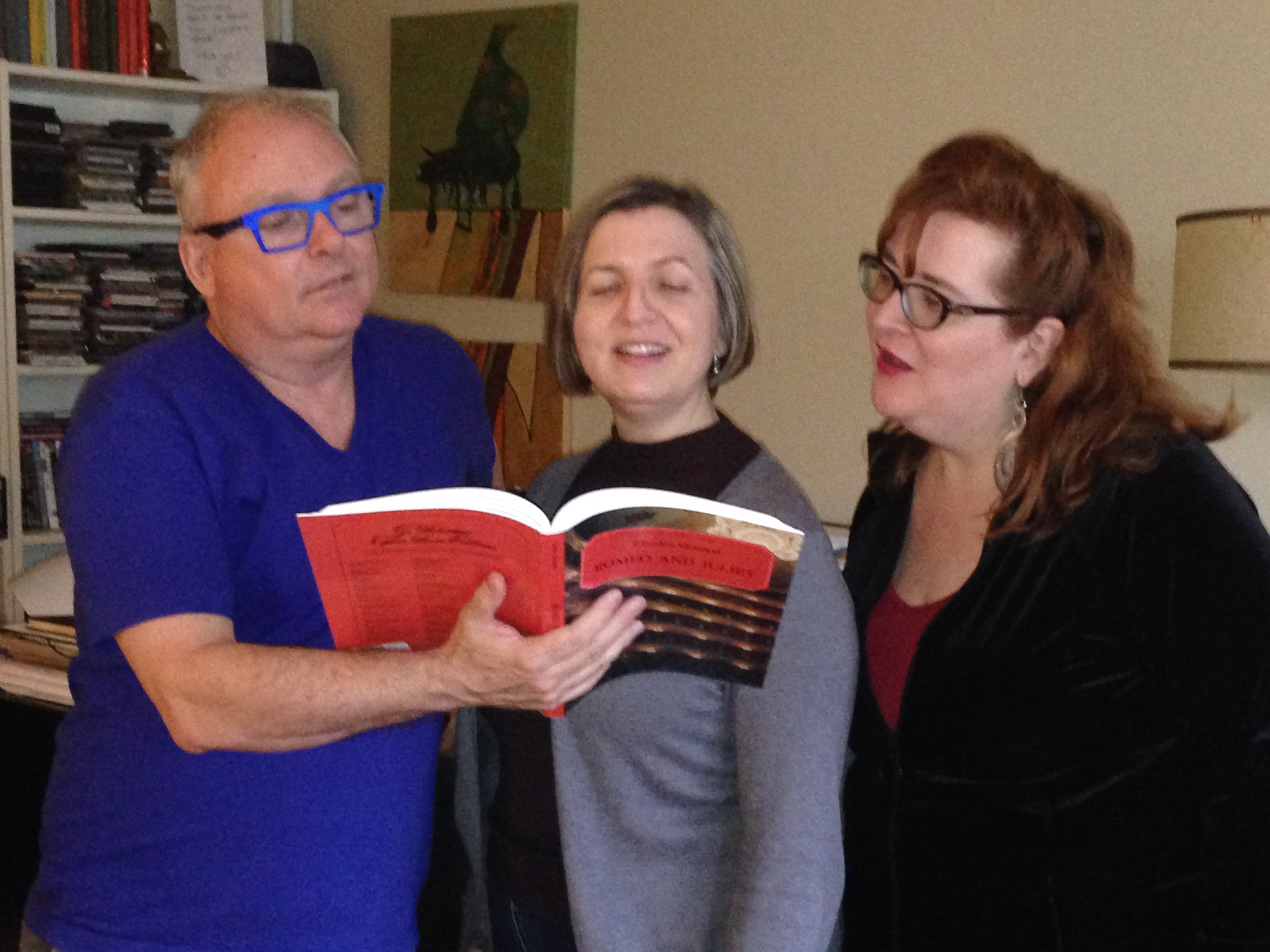
Steven Kettlewell, Martha Spence and Tricia Haldane rehearsing.It was Pauline Viardot who jump-started his career, says Kettlewell. “He had met her in Rome. Then in Paris, when they met again, she remembered him. Ah, le prêtre voluptueux! She asked him if he was writing any operas and promised to set him up with Émile Augier. She had just had a big hit at the Opera Garnier, they wanted her to come back next year, and she said to Gounod that she would if he composed that opera for her. And that was Sapho, his first.” It wasn’t a great success then and the intervening centuries did not re-evaluate it. The thoroughly heterosexual Sappho takes her own life over a man, and there’s even a ballet added to the story in a later version. What survives of the first Viardot-Gounod collaboration is the aria O ma lyre immortelle, which is still heard in concerts and which will be sung by Lorna Young in this program.

A lot of the operatic works of that time underwent rewrites and recycling, extensions and cuts, demanded by opera house directors, star singers or the state censor. “The second version of Gounod’s Faust, with recitatives instead of spoken dialogue, was much more successful than the first one,” says Kettlewell and hands me a book that’s been lying on his coffee table. “I’m reading this right now, Second Empire Opera: The Théàtre Lyrique Paris, 1851-1870 by T.J. Walsh, it’s hilarious. It’s about Théâtre Lyrique, the house that wasn’t subsidized by the government, unlike Opéra de Paris. [There are] a lot of composers in this book that we’ve never heard of, operas we’ve never heard of. The Lyrique would put on an opera and if it wasn’t very successful, they’d put a work on that was successful last year but rejig it for this year’s use. The stuff popular with the audience would push other works aside. They had to make money off opera.”

The works commissioned by the state-subsidized Opéra de Paris were always under the eye of the censor. Even Sapho was sent back for an edit because in one scene there was a hint of a sexual bargain between two minor characters. “All the while, the subscribers had the right to go back stage and flirt with the ballerinas. Viardot once said something to the effect that ‘what we were doing onstage was no worse than what was happening in the wings during the performance’.” The pestering of the ballerinas was part of the subscription package.

The censors also kept a close eye on anything that might cause political unrest. “They didn’t want people getting excited at the opera house and then running out to the streets and rioting … which was a French tradition.” Gounod’s own opera on Ivan the Terrible never saw light of day because there was never a good time to show regicide and assassination attempts onstage. While Gounod was writing it, Napoleon III was nearly assassinated on his way to the opera with his wife: somebody threw a bomb under their carriage. Gounod’s opera plot, coincidence would have it, also contained an assassination attempt. “People began saying to him, you’ll never get this on stage, start something else.” So he did. He relinquished the libretto to Bizet and moved on to other matters.

An example: the opera Cinq-Mars, which Gounod created for Opéra-Comique, and which was revived only in 2017 in a German opera house and recorded by Palazzetto Bru Zane as part of their lavishly designed French Romanticism series. (Kettlewell of course owns the CD.) When I tell him that Opéra-Comique is reviving Gounod’s second opera, La nonne sanglante, in June this year and that I have a ticket, since one of my favourite conductors is on the podium, the conversation veers into the phenomenon of nunsploitation (nun + exploitation), known to us from genre movies but already familiar to 19th-century operagoers. Rossini’s Le Comte Ory is still probably the best known of the type. “Meyerbeer’s Robert le diable also has some of that with the dance of the ghosts of nuns who rise from their tombs,” Kettlewell says.

As to the question of how Gounod fits in with the idea we have of French Romanticism: “I’d always offer some other names first in that context – certainly Berlioz – but with Gounod, there’s always a bit of restraint there, I think,” he says. He also mentions the then-star Meyerbeer as a more typical exponent. “What operas by Meyerbeer I’ve heard, I liked a lot. You sometimes wonder why some things fall out of fashion… and Meyerbeer has.” His Les Huguenots has seen some revival success in Belgium, France and Germany in the last few years. “Yes, and I just got a DVD of Margherita d’Anjou… and Robert le diable was done at the Covent Garden recently.”

Of all of Gounod, what would be his top five that everybody should hear? “Remember the Alfred Hitchcock Presents series? The opening credits music? That’s Gounod, the Funeral March of a Marionette, and he wrote it to poke fun at a British music critic.” Also on that list, the Jewel Song from Faust and Je veux vivre from Roméo et Juliette. “O ma lyre immortelle from Sapho is beautiful, as is the one from Cinq-Mars that we’re including in the program, Nuit resplendissante,” he says.

“And, of course, the Ave Maria.”

Ga-Ga for Gounod takes place inside the modernist concrete beauty that is St. Andrew’s United Church, 117 Bloor St. E., on April 7 at 7:30pm. Tickets $20 in advance (triciahaldane@gmail.com to arrange an e-transfer) or $25 at the door, cash only. There will be a salon party after, directions to the location to be given from the stage.

Lydia Perović is an arts journalist in Toronto. Send her your art-of-song news at artofsong@thewholenote.com.

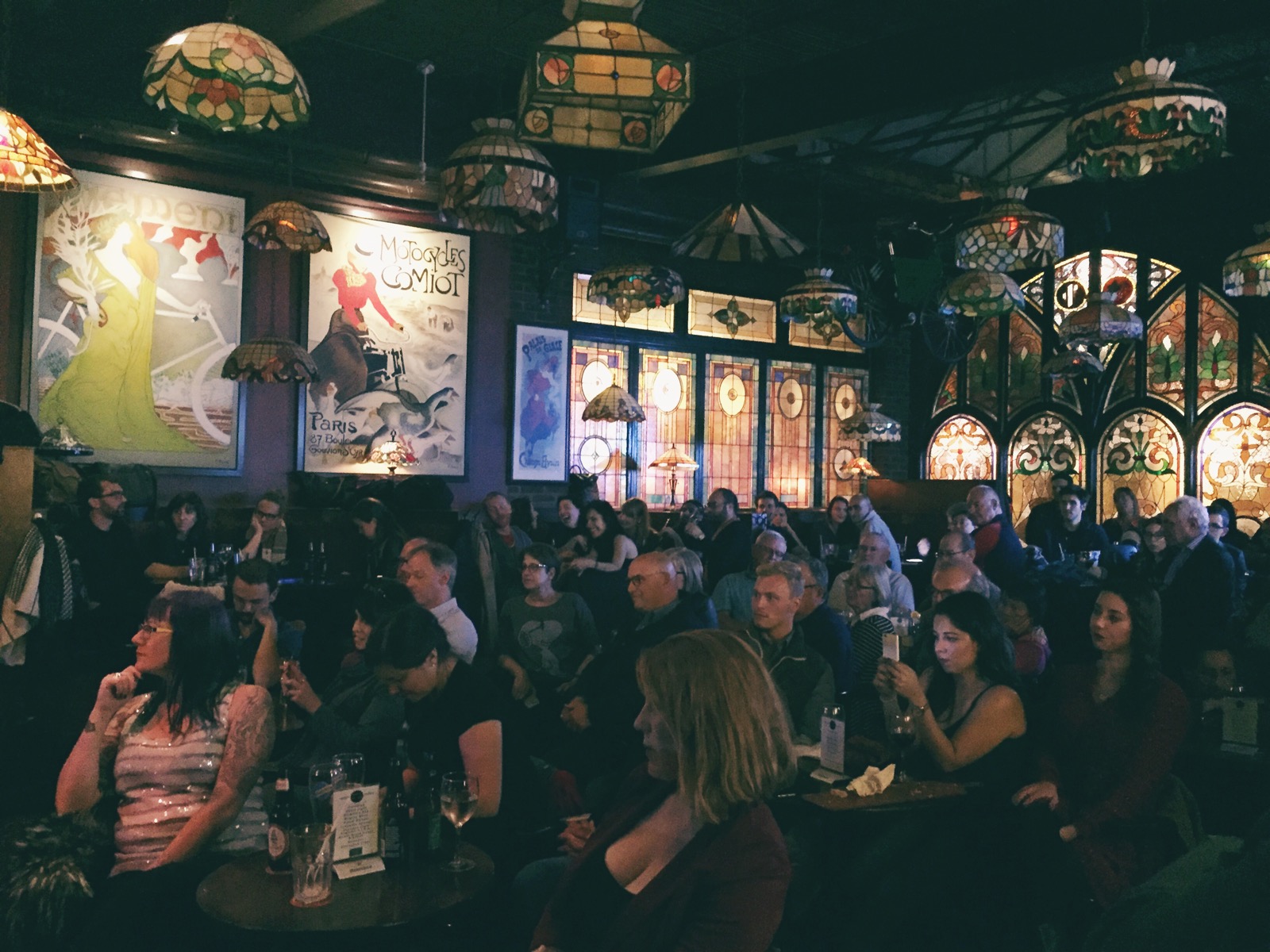
On a pleasantly cold February evening, Toronto Masque Theatre held one of its last shows. It was a program of songs: Bach’s Peasant Cantata in English translation, and a selection of pop and Broadway numbers sung by musician friends. An actor was on hand to read us poems, mostly of Romantic vintage. The hall was a heritage schoolhouse that could have passed for a church.

The modestly sized space was filled to the last seat and the audience enjoyed the show. I noticed though what I notice in a lot of other Toronto song concerts – a certain atmosphere of everybody knowing each other, and an audience that knows exactly what to expect and coming for exactly that.

I was generously invited as a guest reviewer and did not have to pay the ticket, but they are not cheap: $40 arts worker, $50 general audience, with senior and under-30 discounts. And the way our arts funding is structured, this is what the small-to-medium arts organizations have to charge to make their seasons palatable. Now, if you were not already a TMT fan (and I appreciate their operatic programming and will miss it when it’s gone), would you pay that much for an evening of rearranged popular songs and a quaint museum piece by Bach?

The stable but modest and stagnating audience is the impression I get at a lot of other art song concerts in Toronto. Talisker Players, which also recently folded, perfected the formula: a set of readings, a set of songs. Some of their concerts gave me a lot of pleasure over the last few years, but I knew exactly what to expect each time. Going further back, Aldeburgh Connection, the Stephen Ralls and Bruce Ubukata recital series, also consisted of reading and music. It also folded, after an impressive 30-year run. It was largely looking to the past, in its name and programming, and it lived in a cavernous U of T hall, but it could have easily continued on and its core audience would have continued to come. Stable audience, yes, but also unchanging.

The issue with a stable and unchanging audience is that the programming will suffer. It’ll go stale, ignore the not already converted, abandon the art of programming seduction. And the ticket will still cost at least $50.

I’ve also sat in the Music Gallery’s contemporary music recitals alongside the audience of eight so it’s not entirely the matter of heritage music vs. new music. Empty halls for contemporary music concerts are as depressing as book events in Toronto, to which nobody, not even the writer’s friends, go. (I know this well; don’t ask me how.)

So, where is art song performance in Canada’s largest city going?

Due to the way they’ve been presented for decades now, there’s a not-negligible whiff of Anglican and Methodist churchiness to Toronto’s art song concerts. They usually take place in a church (Trinity-St. Paul’s, Rosedale United, Trinity Chapel, St. Andrew’s, etc) or a place very much like a church (Heliconian Hall). They are often programmed as an occasion for personal edification – as something that’ll be good for you, that will be a learning opportunity. Why are we being read to so much in recitals – instead of, for example, being talked to and with? Does anybody really enjoy being read to in a music concert?

I sometimes wonder if the classical music infrastructure of concertgoing, its comportment etiquette, regulation of space, fussy rituals of beginning, presentation, breaks and ending wasn’t built to control and disguise classical music’s visceral power over humans? And to keep tame its community-expanding, boundary-blurring potential?

In other words, getting out of the church and the U of T will benefit Toronto’s art song performance. Classical music, including art song, is a pleasure, not homework; it’s inviting the stranger over, not getting together with the same group each time. Some of those who program art song and chamber music in Toronto are already grappling with these questions, fortunately.

Collectìf

Among them is the ensemble Collectìf, consisting of three singers and a pianist: Danika Lorèn, Whitney O’Hearn, Jennifer Krabbe and Tom King. They scour the city for locations and choose places off the beaten path. They held a recital in an Adelaide St. W. loft, and a raucous songfest at an old pub in Little Italy. For a Schubert Winterreise, performed in the more familiar quarters of Heliconian Hall, Danika Lorèn had prepared video projections to accompany the performance and the singing was divided among the three singers, who became three characters. For an outing to the COC’s free concert series, they created their own commedia dell’arte props and programmed thematically around the poets, not the composers who set their poems to music. Collectìf is a shoestring operation, just starting out, yet already being noticed for innovation. Lorèn is currently member of the COC’s Ensemble Studio, which is why the Collectìf somewhat slowed down, but when I spoke to her in Banff this summer, she assured me that the group is eager to get back to performing. Winterreise toured last fall to Quebec and an art song program around the theme of nightmares returns to the same festival later in the year.

Happenstance

Another group that caught my eye did not even have a name when I first heard them in concert. They are now called Happenstance, the core ensemble formed by clarinettist Brad Cherwin, soprano Adanya Dunn and pianist Nahre Sol. That’s an obscene amount of talent in the trio (and check out Nahre Sol’s Practice Notes series on YouTube), but what makes them stand way out is the sharp programming that combines the music of the present day with musical heritage. “Lineage,” which they performed about a year ago, was an evening of German Romantic song with Berg, Schoenberg, Webern and Rihm and not a dull second. A more recent concert, at the Temerty Theatre on the second floor of the RCM, joined together Françaix, Messiaen, Debussy, Jolivet and Dusapin. The evening suffered from some logistical snags – the lights went down before a long song cycle and nobody but the native French speakers could follow the text – but Cherwin tells me he is always adjusting and eager to experiment with the format.

Cherwin and I talked recently via instant messenger about their planned March concert. As it happens, both the pianist and the clarinettist have suffered wrist injuries and have had to postpone the booking for later in March or early April. Since you are likely reading this in early March, reader, head to facebook.com/thehappenstancers to find out the exact date of the concert.

Happenstance (from left: Adanya Dunn, Brad Cherwin and Nahre Sol)In the vocal part of the program, there will be a Kurtág piece (Four Songs to Poems by János Pilinszky, Op.11), a Vivier piece arranged for baritone, violin, clarinet, and keyboards, and something that Cherwin describes as “structured improv involving voice”. “It’s a structured improv piece by André Boucourechliev that we’re using in a few different iterations as a bridge between sections of the concert,” he types.

I tell him that I’m working on an article on whether the art song concert can be exciting again, and he types back that it’s something they’ve been thinking about a lot. “How can we take everything we love about the chamber music recital and take it to a more unexpected place. How can repertoire and presentation interact to create a narrative/context for contemporary music. How can new rep look back on and interact with old rep in a way that enhances both?”

He tells me that they’re looking into the concert structure at the same time – so I may yet live to see recitals where the pieces are consistently introduced by the musicians themselves.

Will concerts continue to involve an entirely passive audience looking at the musicians performing, with a strict separation between the two? There were times, not so long ago, when people bought the published song sheets to play at home and when the non-vocational (better word than amateur) musicianship enhanced the concert-goers’ experience of music. Any way to involve people in the production of at least a fraction of the concert sound or concert narrative?, I ask him, expecting he’ll politely tell me to find a hobby.

“We’ve thought a lot about that actually,” he types back. “It’s a difficult balance. Finding a way to leave room for collaboration while also having a curated experience.” Against the Grain Theatre, the opera company where he now plays in the permanent ensemble, also wants to push in that direction, he tells me.

Boldly Go

There is a corner of the musical avant-garde, it occurs to me as I thank him and log off from our chat, that actively seeks out non-professional participation. There are Pauline Oliveros’ tuning meditations, of course, but more locally there is also Torontonian Christopher Willes, whose various pieces require participation and are fundamentally collective and collaborative. Though he isn’t a musician, Misha Glouberman’s workshops in social behaviour, like Terrible Noises for Beautiful People, are arguably a process of music-making.

But how to achieve an active audience in the small, chamber or lieder situations? It’s easier with choruses and large production, where sing-alongs are possible – some smaller opera houses are already doing it, for example Opéra-Comique in Paris. The Collectìf trio did get the audience to sing at the Monarch Tavern that one time (the Do Over, January 2016) but the experiment hasn’t been repeated in Toronto.

Speaking of pub recitals, Against the Grain’s Opera Pub is a glorious project (first Thursday of every month at the Amsterdam Bicycle Club), but it’s more operatic than art song, at least for now. ClassyAF are a group of instrumentalists who perform in La Rev and The Dakota Tavern, no vocals. Drake One Fifty restaurant in the Financial District has just started the Popera Series with opera’s greatest hits performed in a restaurant full of people, but again, it’s opera, the more glamorous and easier-to-sell sibling to the art song.

Against the Grain's Opera Pub at the Amsterdam Bicycle ClubWill Happenstance, Collectif and similar innovative upstarts, and their more established peers like Canadian Art Song Project, endure over the years, obtain recurring arts council funding and renew art song audience?

With that goal in mind, my immodest proposal for the present and future art song presenter: move out of the churches and university halls. Musicians, talk to people, introduce the pieces. Program the unfamiliar. Always include new music, maybe even by composers who can be there and say a few words. If the music is danceable, allow for concerts with audience dancing. (I’m looking at you, Vesuvius Ensemble.) Engage the people. If live music is to be different from staring at the screen, make it different from staring at the screen.

Some March highlights

Meanwhile, here are my March highlights, which are of the more traditional Toronto kind, though still of interest.

March 19 at 7:30pm, Canadian Art Song Project presents its 2018 commission, Miss Carr in Seven Scenes by Jeffrey Ryan. Miss Carr is Emily Carr, and the song cycle, based on her journals, was written for Krisztina Szabó and Steven Philcox. At (alas) U of T’s Walter Hall.

March 4, as part of Syrinx Concerts Toronto, mezzo Georgia Burashko will sing Grieg’s Lieder with Valentina Sadovski at the piano. Baritone Adam Harris joins her in Schumann duets for baritone and mezzo, whereas solo, he will sing Canadian composer Michael Rudman’s The City.

March 11 at Temerty Theatre, Andrea Botticelli will give a lecture-recital (I like the sound of this) on the Koerner collection, “Exploring Early Keyboard Instruments.” Vocal and keyboard works by Purcell, Haydn and Beethoven on the program with tenor Lawrence Wiliford singing. The only U of T chapel to which I will always gladly return, the Victoria College Chapel, hosts the Faculty of Music’s Graduate Singers Series, also on March 11.

Finally, if you are in Waterloo on March 7 and up for some Finnish folk, the U of W’s Department of Music presents the EVA-trio (cellist Vesa Norilo, kantele player Anna-Karin Korhonen and soprano Essi Wuorela) in a noon-hour concert.

Am I wrong about the future of art song in Toronto? Send me an email at artofsong@thewholenote.com.

You don’t often find yourself discussing the concepts of evil and ethical conduct ten minutes into the phone conversation with somebody you’ve never met before, but that’s exactly what happened during my phone interview with the playwright and hip-hop artist Donna-Michelle St. Bernard. I rang her at the agreed time to ask about her latest project, the libretto for the opera Forbidden, and while phone interviews usually take time gearing up, she was immediately deeply engaging and generous. A Tapestry Opera production that runs February 8 to 11, Forbidden is created out of scenes of interdiction, loosely held together by the character of a girl who is visited by Lucifer. As a hip-hop emcee, St. Bernard brings the song into the mix, and how!

Donna-Michelle St. Bernard in the Theatre Passe Muraille production of The Sound of the Beast, 2017. Photo by Matthew Cooper.How did Forbidden come together?

Director Michael Mori and composer Afarin Mansouri started the project, and Michael invited me in and we just hit it off. It was a very collaborative process. We generated about 40 story ideas – the piece now has a number of vignettes that are stitched together – and we started out by asking what is forbidden and what interests us about the forbidden. We went with stories that both of us found most intriguing. And then talked them out. Afarin was able to describe to me scenes that she actually experienced that absolutely captivated my imagination. And I would take that back to the text and mix it with my own experience and then go back to her.

I won’t ask you what the libretto is “about,” as that’s always the hardest question, but still – what is the libretto going to be like?

We looked at questions around the management of women’s bodies, around religious restrictions, around political oppression. In the stories that we’ve chosen, the thread was rules and restrictions imposed by authority figures. I’m really interested in the conflict between the letter of the law vs. the spirit of the law. I come from a Catholic upbringing and I’d get into these arguments as a child when I was trying to understand: Why don’t we bring that homeless person to our home, mom? Well that’s not what you do, was her reply. OK, but here in the Bible… Yeah, but that’s not realistic, she’d say. What does realistic have to do with it, you told me this is absolute truth!

And as an adult I am exactly that unreasonable. If you have something that someone needs, you give it to them. I don’t understand why churches lock their doors and are gilded in gold when they can feed people instead.

So when you accept what you’ve been taught from a moral authority, and that moral authority seems to be inconsistent with what they’ve imposed on you, you have to question the teaching, you question the teacher and you have to re-orient your understanding of how the world works. That’s the territory that we’re living in. Why are things forbidden, who has the authority to forbid things, and what moral ground are they standing on – and am I following them as a matter of choice or is this somehow imposed on me? And that kind of thread runs through all of the stories in the opera.

Do all religions share a fear of the female body and the will to control it?

There are people who are drawn to leadership in those faiths who misuse the intentions of the spiritual teachings in that way. There are very few faiths with female spiritual leadership. In most faiths of which I have any experience, formal religious training happens from a male authority in a formal institution, while personal individual spiritual training happens in a home from a maternal authority. We found that to be an interesting dichotomy; institutional leadership in any faith tends to be male, but then the ongoing management of that faith tradition tends to be female-led. We are being taught to self-manage and to impose on each other rules that are not our rules; you are handed the rules and then handed a stick to keep other women in line with.

Should women not abandon all existing religious traditions, then? Why try to reform and salvage something that proscribes you?

I am very interested in Christian faiths that have women ministers. I attended a wedding once that had a woman minister officiating and I was really confused. And I have from then till now retained great disappointment in myself for how confused I was by that. Women who are fighting for leadership within the church are kind of doing it alone – women of the faith are not supporting them because we are taught not to question the religious authority. I have mixed feelings about it because as a child I thought being a nun was the greatest thing one could achieve. I really wanted that, until actually one day – I went to an all-girl Catholic school – one day a nun who was teaching there punched a student in the face. And that day I understand that being a nun would not make me a better person. That I would still be the person that I am. And that I can be the person that I am in my own clothes. And still do what I consider to be God’s work.

This is a roundabout way to say: when we think about salvaging, I think about how people who are oppressed by patriarchal structure have a desire to be absorbed into that patriarchal structure just because of the absence of alternatives – and the inability to imagine alternatives. Myself included. When I say, for example, that we should abolish prisons, that’s just obvious to me, and when people ask me then what should we do with people who break the law, all I can say is I don’t know because we haven’t been permitted the space to imagine things being any different. Maybe the institution can be salvaged, but what would it look like if we rethink the institution?

Are you in favour of the Catholic church finally allowing women to be ordained and priests to get married?

Wouldn’t that be awesome? I mean, I grew up with deacons who are married and have children and if I had a question for somebody I’d go to a deacon before a priest because I understand that they know what life is – that they’re not living in a way that’s separate and above me and at a distance from all the experiences I’m struggling with.

I guess I hope for those things, but at the same time the church has become such a political organ, and I don’t mean now with this new Pope, or with the evolution of what Islam is right now… Catholicism, and Islam, and Buddhism, it’s all becoming quite perverted in a political way and my understanding of what Christianity is is not a political Christianity. It’s so unreasonably and childishly absolute and whole. I care for everybody. I value all light. It’s hard to do, yes. That’s why it’s a goal; your spiritual life is not supposed to be easy. It’s not supposed to be, in my opinion, all about serenity. The way that the Buddhists teach that all life is a struggle, and that the struggle has a reason – yeah. Yeah. There will be poor people – give them stuff. It’s that easy to me. Yet it’s not easy. It’s simple, but nothing simplistic about it. I think that all the faiths have a valuable core. Religion is like driving or work or anything in the world – what’s wrong with it is people. And people will always be flawed, so this will always be a problem. But at the core most faiths have really valuable guidance for us. And this is not to say that if you’re atheist or agnostic, you don’t have a moral code – you do, it’s just based in something else. We all look to find things that make us our best selves.

Donna-Michelle St. Bernard (left) and Afarin MansouriLucifer too features in the Forbidden. How does that play out?

In our story, Lucifer is both the catalyst to enlightenment, and an object of pity. The central interaction is between Lucifer and a child and there’s some negotiation there. Lucifer says something I believe to be true, which is: you can’t just blindly follow this authority, you have to question things. What we’ll be seeing is a child – in my understanding, everyone’s spiritual positioning is childlike – who’s torn between the intellectual understanding that rules have to be followed, and the visceral alignment with what Lucifer is saying, You know that that guy is not always right, so why follow? Look at the world; is the world what they’ve told you?

Probably the longest conversations that I’ve had were on the nature of Lucifer. Both Afarin and I spent a lot of time looking at our respective traditions. In both cases, Lucifer has always wanted nothing but to be close to God, and my concept of how not to be allowed to be close to God is what is done to Lucifer…. I feel like western pop culture has inflated the importance and the power of Lucifer. Because it’s “juicy.” The idea that the devil wants all the souls, and evil for evil’s sake. I don’t believe in evil for evil’s sake; I believe that every villain is trying to achieve an objective, and we don’t always agree that that objective is worthy. I think that Lucifer is on this eternal punishment, and who would not be spiteful, who would not be bitter and angry in such circumstance? Who would not hurt so much that they would want to hurt everyone that they can reach?

How can I not have some compassion for that? We’re bunch of saps, I tell ya. We are a couple of soft-hearted saps, Afarin and I. But we really worked from aspects of Lucifer that are consistent between our faiths. And sort of negotiated a shared story about Lucifer. I honestly think that the devil from the movies is for people who haven’t read the Bible. If you really read the story and really look into the fallen angel concept, it’s the saddest story every told.

I don’t know if you’ve read J.M. Coetzee’s Elizabeth Costello? The title character, who’s an atheist, says something that struck a chord with me, also an atheist: evil, as a concept, survives even for the atheists. We’ve all seen it – if not in person, then in the news of war crimes, concentration camps... You don’t need an elaborate religious system; the concept remains useful, unfortunately.

Yes. There is such a thing as certain things being wrong. And if there was no God, those things would still be wrong.

But let’s return to the libretto. And the music. The opera will have Persian, Western classical and hip-hop music. Hip-hop is there thanks to you?

Yes, hip-hop is my primary artistic form. And because it’s TAP:EX, we want to experiment with form, we want to see what happens when the aesthetics collide. It’s not only a matter of rapping on opera, which is not a brand new thing, but it’s also a matter of engaging hip-hop aesthetics. We’re going to be doing something that’s probably uncomfortable for the singers - coming into rehearsals and going, like, “Switch it up!” Equally, we’ll be doing some things that are uncomfortable for the rapper. In the kind of hip-hop that I practise, you do not speak what you didn’t yourself write. And in this performance, that’s not the case. I’ll be writing rap for another emcee. In Tapestry Lib Labs, we worked on how opera is structured, and how different roles interact, and how it comes together. And then I went back home to hip-hop, and did a show where if I didn’t feel like saying a thing, I wouldn’t say that thing and would say something else instead. Now we’re trying to work in this way, with a certain amount of prepared material. And then every day – we unsettle it. Which to me is at the heart of what we’re doing: we’re unsettling both practices. And then, if possible, unsettling your entire spirit.

TAP EX: Forbidden runs February 8 to 11 at the Tapestry Opera Ernest Balmer Studio in the Distillery District, featuring Neema Bickersteth, soprano; Shirin Eskandani, mezzo; Alexander Hajek, baritone; Saye Sky, Farsi rapper/spoken-word artist; and Michael Shannon, conductor.

Lydia Perović is an arts journalist in Toronto. Send her your art-of-song news to artofsong@thewholenote.com.
Vesuvius Ensemble - Photo by Scarlet O'NeillIf anything’s desperately needed in Toronto in December, it’s a dash of the south. The Vesuvius Ensemble to the rescue: the trio that specializes in Southern Italian music (mostly from Naples and Campania but also Calabria and Puglia) is preparing a pastoral Christmas program for mid-December, just as the Toronto winter is about to take over.

Vesuvius is a three-lad enterprise: Francesco Pellegrino is the voice of the group, while Marco Cera and Lucas Harris play a variety of plucked string instruments, and are most likely to be found manning Baroque guitar and theorbo respectively. Various other period instruments are added depending on the songs chosen, like tammorra, a large tambourine with bells, or ciaramella, an early oboe with an ear-trumpet-like shape. This instrumentarium is there to accompany the songs both folk and composed, roughly from the same period, the 1500s and 1600s. The most interesting part of the Vesuvius mission is this mix of the popular and the authored material. There have always been song composers open to the influence of the folk, and among those who have used either folk music or folk lyrics you are likely to hear in Vesuvius concerts are Andrea Falconieri (d. 1656), Giovanni Girolamo Kapsberger (1580-1651), Athanasius Kircher (1602-1680), Leonardo Vinci (1690-1730), and Francesco Provenzale (1624-1704).

The study of Italian folk song got a significant boost in the 20th century thanks to recording technology. In the mid-1950s, Alan Lomax and Diego Carpitella travelled to villages up and down Italy to record traditional peasant songs sung in dialect. Some of the songs were work songs, some were dances like the tarantella (which, myth has it, cures poisonous spider bites and bilious moods of other kinds), and others were laments, or love songs, or wedding songs. Commercially released recordings of some of the Carpitella-Lomax treasures still exist – the Italian Treasury series of CDs divided into regions is not exactly easy to buy (an Amazon search will yield second-hand, vinyl or MP3 offers) and is best sought out in large and university libraries. Puglia: the Salento (2002), Calabria and Folk Music and Song of Italy: A Sampler (1999), for example, are available at the Toronto Reference Library and each includes booklets with lyrics and translations.

Another important figure of the Italian folk revival of the 20th century is the musicologist, theatre artist and composer Roberto de Simone (b. 1933). In addition to the research and archiving of the popular chant, de Simone incorporated folk practices into his own writing and stage directing and is probably best known internationally for the opera La gatta Cenerentola. (Look for Secondo coro delle lavandaie – The Second Chorus of the Washerwomen – on YouTube.)

Which of the Italian traditional and composed treasures will Vesuvius perform in their Christmas concert? We’ll find out on December 17 or 19 in Heliconian Hall, though a few days earlier is also a possibility since the group will perform a similar program at the Four Seasons Centre’s Richard Bradshaw Amphitheatre on December 12 at noon. When I spoke with Francesco Pellegrino for this article in mid-October, the program had not yet been finalized. What is certain is that Tommaso Sollazzo, a connoisseur of the Italian bagpipes called zampogne, will be joining in. The trio performed with him in Italy a few years back and now he’s making the trip to wintry Toronto.

And since the tarantellas and the tammurriatas are so danceable, will Vesuvius let the audience dance during their concerts, maybe preceded by some dance instruction? “Not yet,” says Pellegrino, “but we are expanding this program and in the next couple of years our concerts may also have dancers from Italy who are well versed in tarantella or tammurriata. We’re working on it.”

Outside Toronto, you can hear (though not yet dance to) Vesuvius’ Christmas concert on December 18 in Hamilton and December 20 in Montreal.

January

Twenty-five years after its world premiere, the song cycle Honey and Rue is still regularly performed by symphony orchestras and coloratura sopranos in the US. Carnegie Hall commissioned it and André Previn composed it for Kathleen Battle, who was a keen reader of Toni Morrison and wanted her as a lyricist. We don’t hear the cycle that often in Canada, and it’s St. Catharines, not Toronto, that got lucky this season, with two Honey and Rue performances with the Niagara Symphony Orchestra in January. Morrison’s poems are a rich and intense read and should be relished without the music first (keep those programs, concertgoers: the poems are not easy to find).

Young soprano Claire de Sévigné will sing. Last time I heard de Sévigné was in the COC’s Arabella, where she effortlessly produced the coloratura for the Viennese ball ingenue, Fiakermilli. There probably isn’t another Canadian soprano whose timbre more resembles Battle’s. I caught up with the travelling soprano via email to learn more about her take on the piece.

Claire de SévignéWhen I ask her what it is that she likes about Honey and Rue, she starts with the orchestration. “Singing with an orchestra is always thrilling but singing a piece that’s in the style of ‘classical-jazz-blues fusion’ feels like a real jam. The fourth song is a huge contrast to the rest of the cycle in that it is a cappella, and this moment can be magic. I also adore the lyrics. Very strong text with stunning imagery.”

I tell her that my first impression of it was that it was extremely high. Her answer doesn’t surprise me: “I don’t notice it being all that high actually – but that’s coming from a coloratura soprano and my voice lives in the clouds, haha. I think that Previn knew how to write for the voice, since the performer doesn’t notice it being all that high! I actually find the set quite lyric – the highest note is only a B flat, a whole fourth lower than my high notes, and the set sits in quite a nice place for a light soprano’s voice to spin and shimmer while still being able to sing the text… It’s quite a pleasure to sing.”

The cycle was written by an African-American writer for an African-American singer originally, and although it’s still frequently sung by African-American singers, it’s become a cycle for any talented soprano who can meet its challenge. I ask de Sévigné what she thinks of the recent rise in discussions about what cultural material can be performed by who, and in what context. “It’s true, the cycle was originally commissioned after Battle read The Bluest Eyes by Toni Morrison. The poems of Honey and Rue are different however – they don’t explicitly or exclusively portray the same themes from the book, with the exception of the sixth song, which I would say is outwardly about slavery and abuse.” The final poem is based on the African-American spiritual Take My Mother Home, though with added lyrics and musical material. “The cycle as a whole,” writes de Sévigné, “explores questions around equality, suffering, freedom and acceptance, which are themes that humanity as a whole has experienced and can appreciate.”

This will not be the young singer’s first encounter with the piece. “It’s the second time I’ve been asked to sing it. I first performed it with piano in the Aspen Music Festival concert series in 2012 and have performed excerpts over the past years in several recitals. I find something new every time I perform it. I have found that my best way to interpret the songs is by switching between the first person and the narrator.”

And what is next on her schedule? “I’m currently doing a concert tour in China with the Hantang International Music Festival in collaboration with the Salzburg Festival (writing to you from Beijing right now!). I’m back to Canada in December for the Messiah with the Edmonton Symphony and in February, I’ll be at the Canadian Opera Company singing the role of Blonde in Mozart’s Die Entführung aus dem Serail. There’s also a Mozart C Minor Mass this season, and a Carmina Burana with the Grant Park Festival in Chicago.” 

But as the first thing in the new year, Honey and Rue: January 20 and 21, 7:30pm, with the Niagara Symphony Orchestra. Also on the program: Wagner’s Siegfried Idyll and Ravel’s Mother Goose (complete ballet). Bradley Thachuck, conductor. FirstOntario Performing Arts Centre, St. Catharines.

Lydia Perović is an arts journalist in Toronto. Send her your art-of-song news to artofsong@thewholenote.com.
Back to top