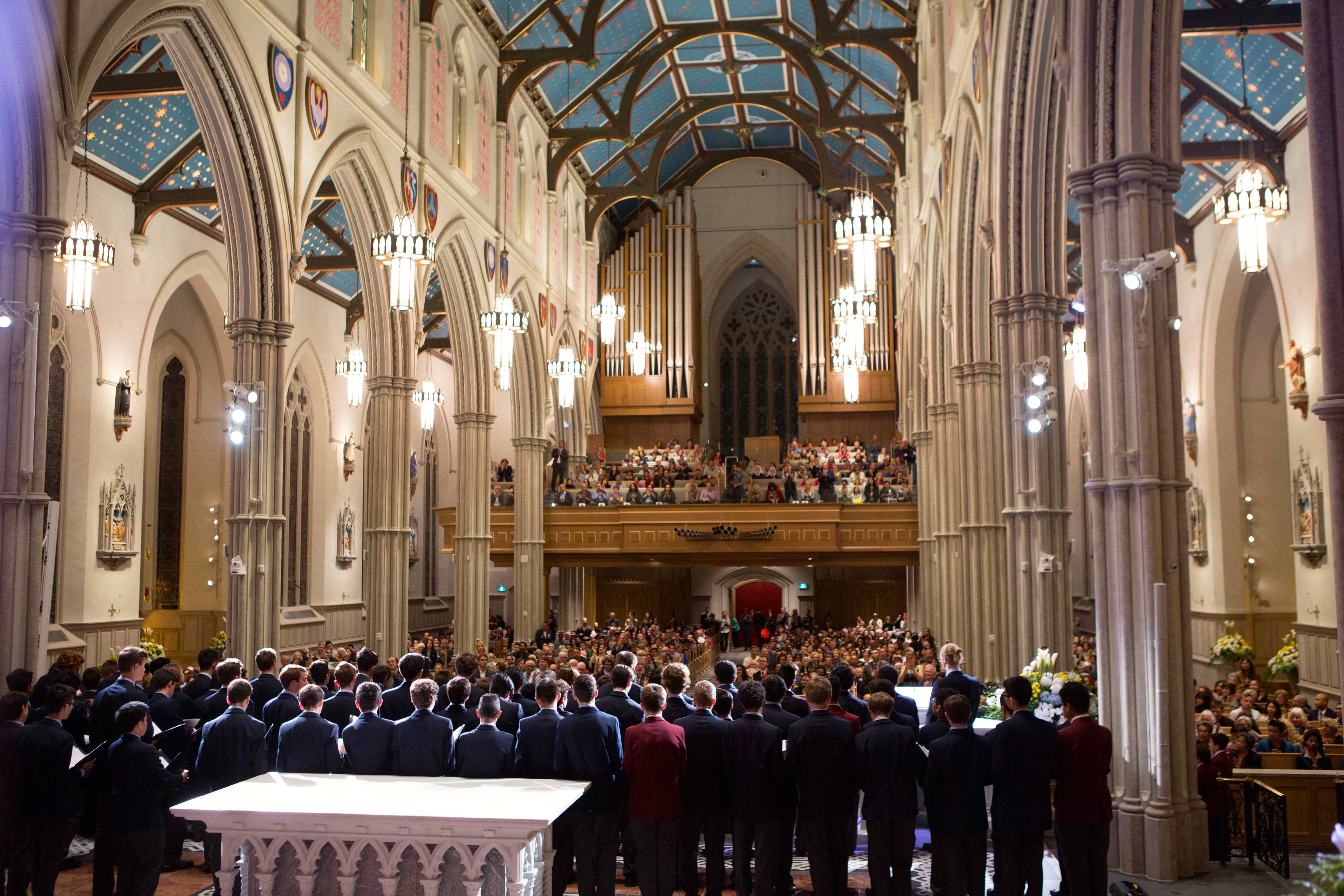
One hundred years ago, World War I raged on the battlefields of Europe, across the Middle East, in Southeast Asia and in proxy battles the world over. This year, the generation coming of age has lived entirely in the new millennium. Their experience of war is drastically different from the textbooks and grainy history videos in Grade 9 and 10 classes. Their experience of war is that of insurgency in Afghanistan, invasion of Iraq, annexation of Crimea, the global war on terrorism, and irregular migration. The terms they hear are drones, airstrikes, cyberterrorism, IEDs and asymmetrical warfare. Long past are the stories of trenches, machine guns, Spitfires, barbed wire, tanks and mustard gas.

As new generations of musicians explore works of commemoration, the older histories and stories don’t fade, they evolve. This month, the Choral Scene explores how children’s choirs are marking Remembrance Day.
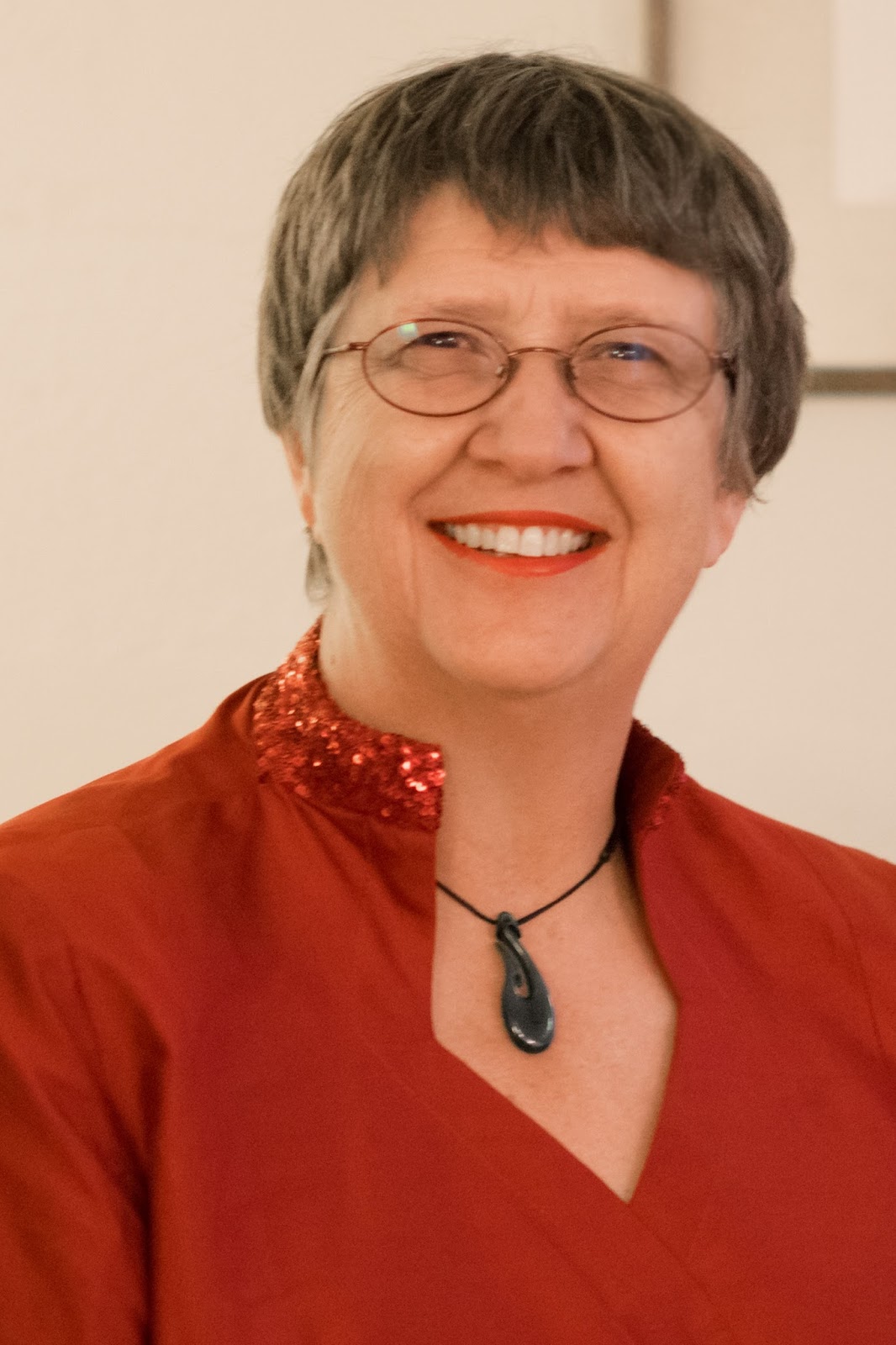
Elise BradleyThe 11th hour of the 11th day of the 11th month…

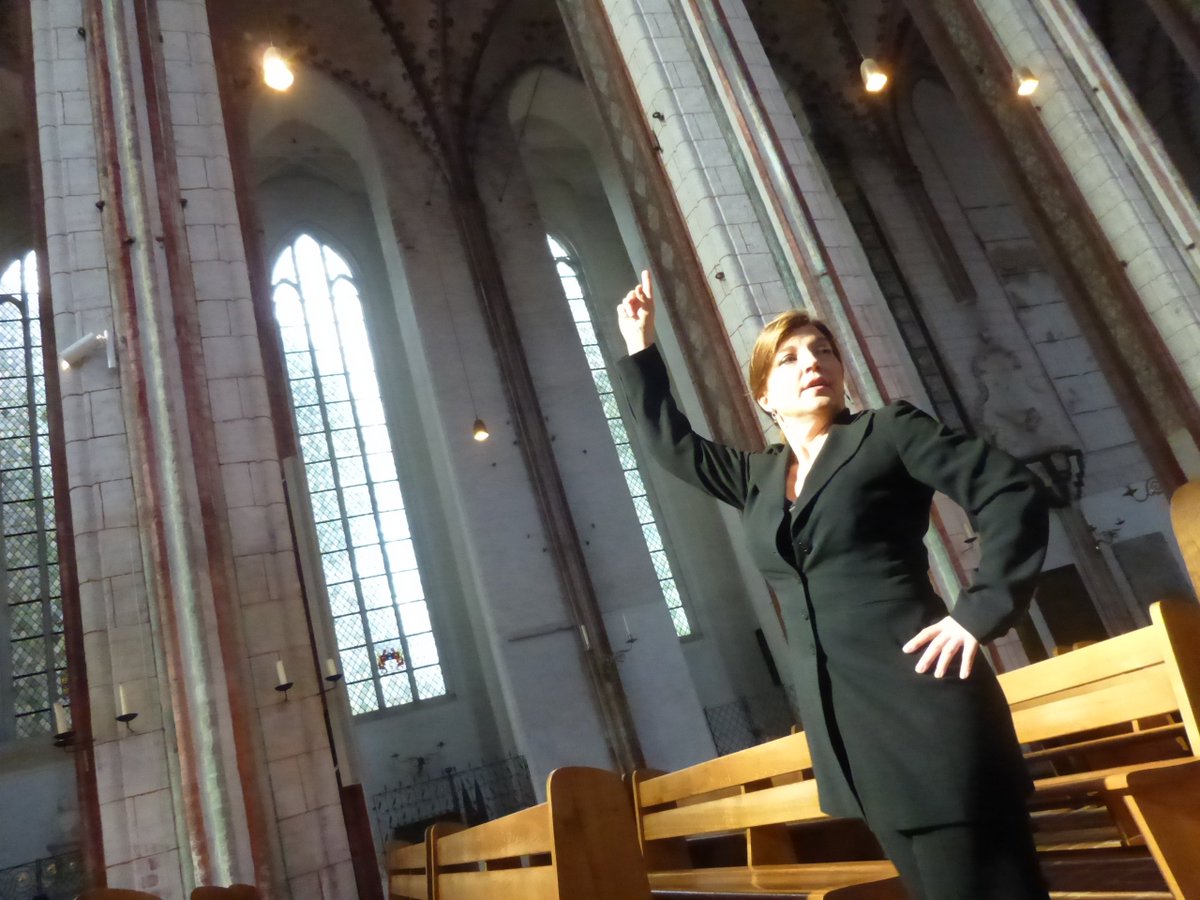
In 2014, Paul Cummins and Tom Piper’s Blood Swept Lands and Seas of Red was a public arts installation entailing the placement of 888,246 poppies in the moat of the Tower of London; one handmade ceramic poppy for each of the British fallen in WWI. Elise Bradley, artistic director of the Toronto Children’s Chorus (TCC), remembers this particular exhibit well. Four years on, we are approaching the centenary of the Armistice – 11am, November 11, 1918. “As a teacher and as a musician, I felt it was important to commemorate the 100th anniversary of the Armistice that led to the end of World War I,” Bradley shares. “In 2014, I had witnessed many stirring events which honoured the start of the War…but to me, it seemed even more important to mark the end of the War.”

Bradley was born in New Zealand. On November 11 at 7:30, she will be joined by a host of Canadian guests, including Lydia Adams and the Elmer Iseler Singers, along with Australian-born accompanist Lara Dodds-Eden, and Bob Chilcott from England. Bradley highlights the four Commonwealth nations represented: Canada, Australia, New Zealand, and the UK – all allies during WWI. “It is vitally important that we know about our history – but sharing it through music adds a very personal and emotional dimension to our understanding.” The concert will present works from all four countries.

From her New Zealand home, Bradley brings a particular history based on her long experience with Maori peoples and culture. “A Maori battalion fought on the fields of Gallipoli,” she says. “Part of the concert will be performing a full kapa haka piece of welcome and dedication to those who have passed.” Bradley holds a unique honour, being bestowed by the Wehi whānau (Wehi family), to act as guardian of the musical legacy and tradition of Ngapo and Pimia Wehi. Only two people outside of the family have this honour, which Bradley holds dearly, having worked with the family for over 25 years. “Where I go, the music can go, but I cannot leave it behind,” she shares. “Part of the guardianship is to honour and respect the music including the performance aspect of the art and dance.”

From the UK, Bob Chilcott is prominently featured, conducting smaller works and his larger sacred works: Peace Mass and Canticles of Light. Canadian Andrew Balfour, of Cree descent, wrote the work Ambe, based on an Ojibway song gifted by Cory Campbell. Local Toronto Ismaili composer Hussein Janmohamed’s Rest for a Soul is also on the set list. The concert features the world premiere of three WWI popular songs in arrangements commissioned by the TCC from Stuart Calvert: It’s a Long Way to Tipperary, Keep the Home Fires Burning, and Keep Right on till the End of the Road. The Elmer Iseler Singers will also perform, including Healey Willan’s How they so softly rest. An unverified, but persistent folktale amongst the Toronto Mendelssohn Choir is that Willan wrote the song to commemorate members of the choir who died in WWI.
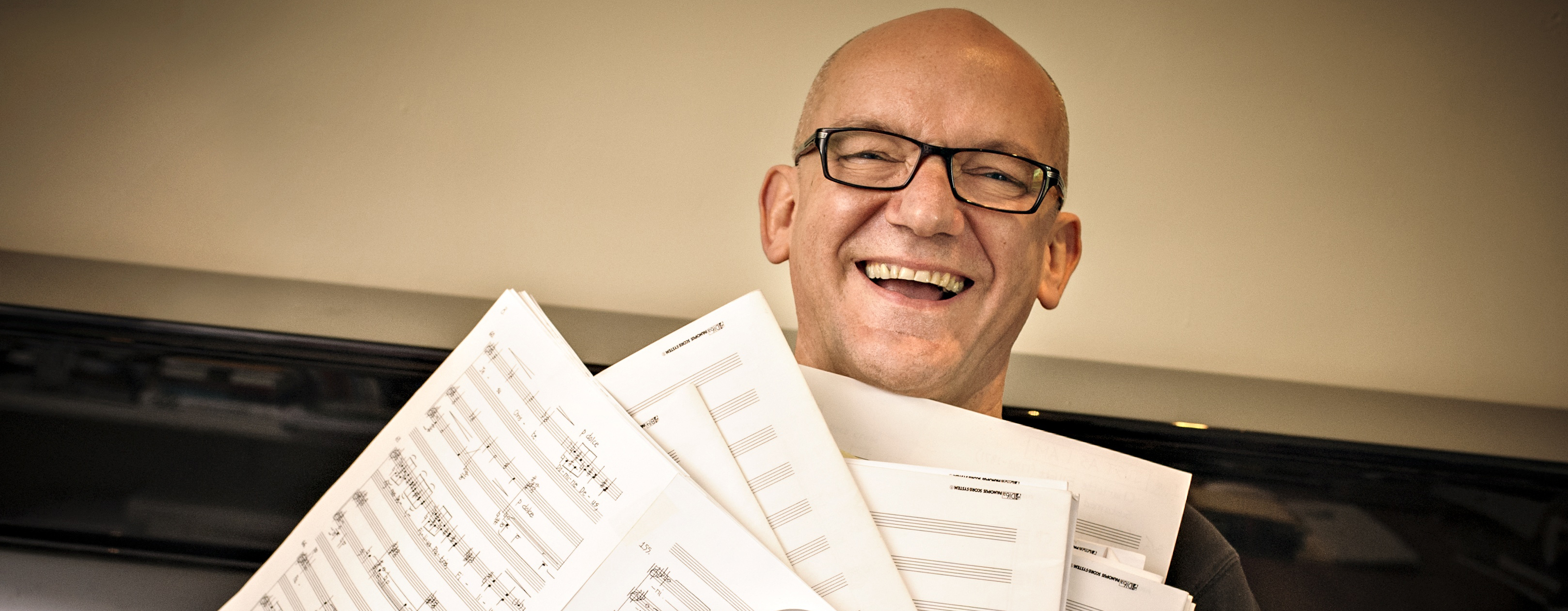
Bob ChilcottChilcott has a different historical context than those of us on this side of the ocean as well as being of a different generation. He shared some thoughts on the upcoming concert as well. “For most in my country, the two world wars are a fading memory,” he says, “but to visit the Normandy beaches, which many young people still do, or to look for the graves of family members in the First World War cemeteries in Belgium is still an aspect of our history that is truly alive for many and very important to them.” (Many Canadians still make similar pilgrimages to cemeteries around the battlefields Canadian soldiers fought on, but they are a great deal further from Canadian shores than the UK.)

“Music has a role to play in [commemoration] and it reminds us that there are many technical and emotional responses within music that express some very deep and essential elements of our humanity,” Chilcott continues. “Harmony, resolution, blend, balance and unity.” These are all words used by conductors to describe the musicality they are looking for. It is fitting that these are virtues extolled by artists to the wider world. Chilcott finishes with a strong sentiment: “Remembrance is so important in that it teaches us to honour those who believed that fundamentally, good is better than bad.”

The Toronto Children’s Chorus presents “We Remember” a concert commemorating the 100th anniversary of Armistice Day. Featured guests include the Toronto Youth Choir, Elmer Iseler Singers, and guest conductors Lydia Adams and Bob Chilcott. November 11, 7:30pm. George Weston Recital Hall, Toronto Centre for the Arts.
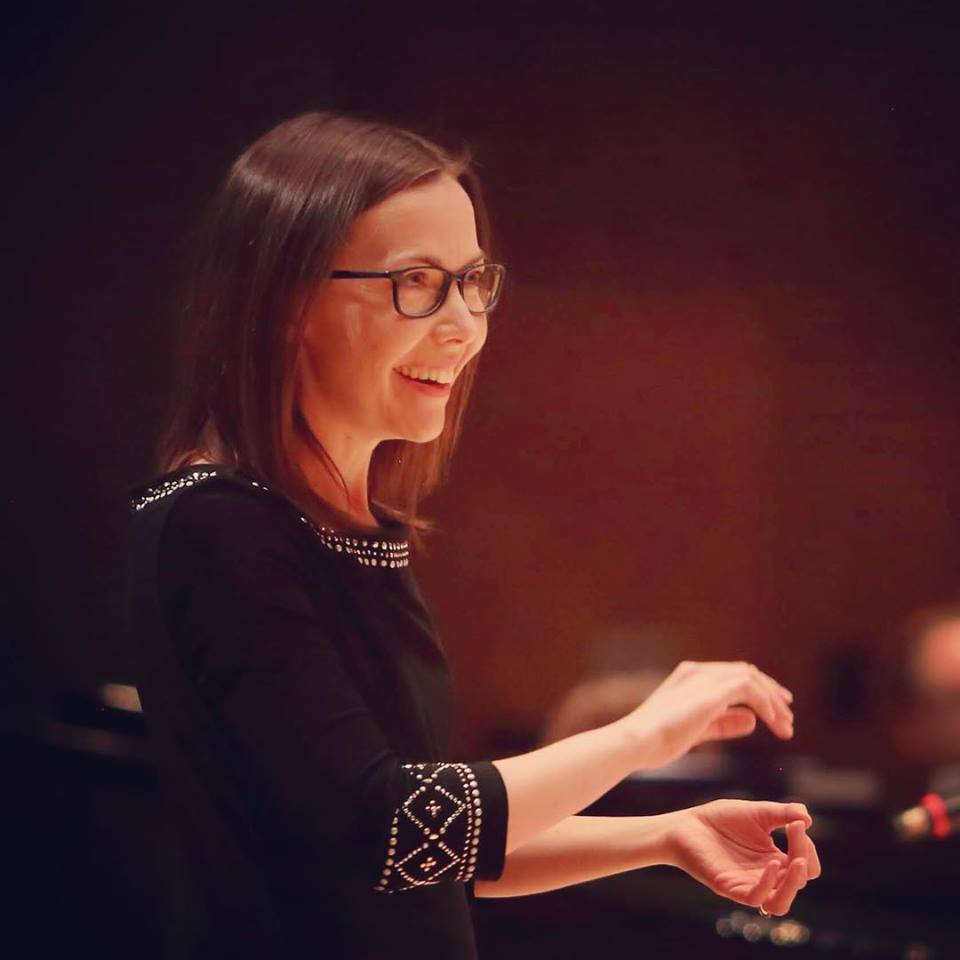
Charissa BaganWhen the old and the new meet

“I want my choristers to know that history matters,” shares Charissa Bagan, artistic director of the Bach Children’s Chorus. “And that we have great power as singing storytellers and artists because we can connect the past, present and future… Choir offers a wonderful way for children to interact with serious topics.” For Remembrance Day, the Bach Children’s Choir and the Bach Youth Chamber Choir present “Resonant Reflection” on November 10.

Choral performance is always meant to be educational. One should learn from every rehearsal, every concert, and leave changed in some way, even if very small. Children’s choirs have a unique place in the musical process, being equally education- and performance-based. Bagan understands the role she has to play in a complex concert like this: “When it comes to working with the choir on a particular song and the text highlights a significant and catastrophic event from the past such as the Holocaust, there is absolutely a responsibility for the conductor to make space in the preparation of the music for the choir to engage with the story,” she shares. “[We have] to consider all that is being expressed and the implications it has for the future.” The management skills necessary to balance this educational and narrative process can easily become unbalanced in the pursuit of performance-readiness. “It is so easy for rehearsal minutes to be consumed with simply learning and polishing the notes,” she says. “And yet choral performances can really only come alive when the singers know the story that they are collectively expressing and the reason for singing it in the first place.

“While War and Remembrance are overarching themes, the concert is designed as just that – a concert and not a ceremony,” says Bagan. There are works by many female Canadian composers on the program including Lydia Adams’ gentle and simple arrangement of In Flanders Fields, Eleanor Daley’s flowing rendition of An Irish Blessing, and Sarah Quartel’s focused, bright Lux aeterna, a sonic setting of Vancouver Island sky from her four-part Sanctum. Bagan has also found an arrangement of After the War with words and music by Canadian actor Paul Gross and David Keele. The song was made popular by local Toronto artist Sarah Slean in the 2008 WWI film, Passchendaele.

Like Chilcott, Bagan has some insights, as well, on the new generation: “It seems to me that young people are more likely to [be] educated by their families, friends and teachers, facing new, complex issues, which were oversimplified for us in the past.” Bagan sees their intelligence and compassion firsthand: “Their thoughts go to the people their own age who are affected by the devastation of war as well as human suffering in all forms, from residential schools to modern-day slavery to famine and injustice at local, national, and international levels. …They’re more aware of the importance of considering multiple perspectives, less likely to assume a Commonwealth allegiance, and are genuinely grappling with how to be peacemakers in their communities.” Music is a good place to start.

Bagan raises another aspect of conflict that is often lost in commemorations – refugees. “I know that some of our choristers’ families have personally sponsored refugees which brings such a different perspective on war and peace than my experiences as a child, listening to my grandfather tell stories about the war.” This contemporary reality is striking. The major conflicts may not be physically in our neighbourhoods, but in a diverse city like Toronto, you’re never far removed from someone who has personal experience of some conflict around the world.

“Resonant Reflection presents a wide range of styles of music with some weighty history, sincere conviction, as well as hope and happiness,” says Bagan. “It is a way of engaging with the past and gradually understanding it a little more with each passing year through reflection, poetry, songs and communal moments that stay with us.”

These children though, are contributing more than just their voices in the service of healing. Some of the proceeds from the concert will benefit the East End Refugee Committee Fund.

The Bach Children’s Chorus and Bach Chamber Youth Choir present “Resonant Reflection,” a benefit concert for the East End Refugee Committee Fund featuring songs of remembrance and winter seasonal music. November 10 at 7:30pm. St. John’s Norway Church, Toronto. 

CHORAL SCENE QUICK PICKS

NOV 3, 7:30PM:. The Guelph Chamber Choir presents “Haven: Music of Protection and Peace.” As the search for Gerald Neufeld’s replacement as artistic director continues, one of the contenders, Patrick Murray, takes the helm of the choir for this concert as part of the Passing the Baton: The Search for Our Next Conductor series. St George’s Anglican Church, Guelph.

NOV 8 AND NOV 10, 8PM: The Toronto Symphony Orchestra presents Benjamin Britten’s masterwork War Requiem. With soloists Tatiana Pavlovskaya, Toby Spence and Russell Braun, and the massed power of the Toronto Mendelssohn Choir and the Toronto Children’s Chorus. Bramwell Tovey takes the baton. Roy Thomson Hall.

NOV 17, 7:30PM AND NOV 18, 3PM: The Grand Philharmonic Chamber Singers present the Canadian premiere of Craig Hella Johnson’s masterpiece, Considering Matthew Shepard. 20 years have passed since Matt Shepard was beaten and left tied to a fence to die in rural Wyoming. His remains were recently interred at the National Cathedral in Washington DC in respect. Humanities Theatre, University of Waterloo, Waterloo.

Remember to look ahead into December for holiday music concert listings at thewholenote.com. Many performances will start to sell out by the time you get the December issue in your hands!

Follow Brian on Twitter @bfchang Send info/media/tips to choralscene@thewholenote.com.
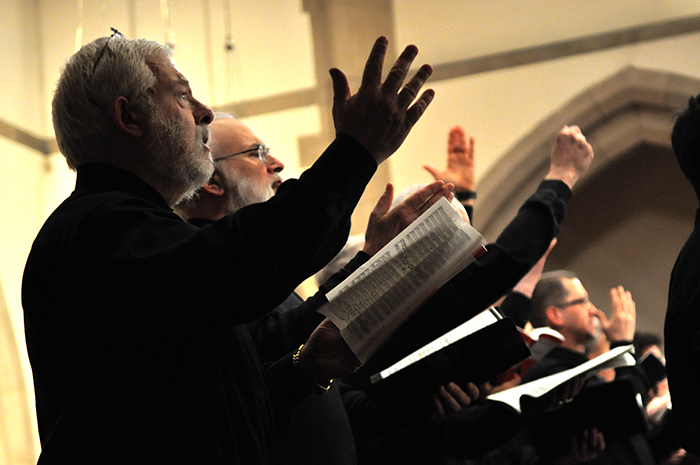
In this month’s column we have two arts organizations taking on Slavic traditions and history. Pax Christi Chorale presents “Slavic Devotion” and Vesnivka Choir leads a commemorative concert for the 85th anniversary of the Holodomor.

Members of Pax Christi ChoralePax Christi Chorale: Slavic Devotion

Inseparable from Slavic history is the relationship of Orthodox Christianity in the region. The traditions of Slavic Orthodoxy are distinct from those of Western Europe, with the sphere of influence having been Constantinople rather than Rome. In the deep ritual and spirituality of the Orthodoxy, we find many of the great Eastern European composers. Two are featured by artistic director David Bowser: Stravinsky’s A Symphony of Psalms; and Rachmaninoff’s Vocalise and All Night Vigil.

“Slavic Devotion’ refers to the spirited expression of sacred and secular Slavic music,” replies Bowser in response to a few of my questions. “We are presenting Russian, Ukrainian and Bulgarian music to demonstrate a rich variety and beauty in contrasting styles.”

This is not a religious concert in the typical spiritual sense. Bowser has assembled these works to display the rich musical history of Slavic music and the languages, which he describes as “beautifully fluid and melodic.”

“The Symphony of Psalms is the perfect musical pairing for Rachmaninoff’s All-Night Vigil,” says Bowser. “They are both conventional works in some ways, but the bright spark of personality and unique genius shines through. Like Rachmaninoff and Tchaikovsky before him, Stravinsky rejected much of the Orthodox Church’s teachings and generally did not attend church in his adult life. But these composers found a unique musical voice to express their personal spiritual culture and artistic link to tradition.”

Many choral composers, while not overtly religious, have worked within the space of the spiritual. Of the grand choral works that one can name offhand, a good bunch of them are masses or requiems. “Just as there is no political statement in this program, there is no religious one either,” shares Bowser. “It’s about the impact of beautiful art and vocal vibration on the audience. We are performing sacred and secular works not to recreate their social function but to reveal their beauty in a new light.”

With a strong Ukrainian tradition in Toronto, there are many descendants and members of the diaspora who continue to shape and influence music. Pax Christi Chorale is joined by Natalya Gennadi, a popular presence in the Toronto opera scene. Gennadi and Bowser have collaborated before. He shares: “I have known Natalya for many years ever since she was a selected soloist in the Toronto Mozart Vocal Competition, now called the Toronto Mozart Master Class Series. She is a stunning singer with incredible technique and wonderfully expressive investment in the text.”

Gennadi made a name for herself as the lead in the Tapestry Opera production of the new opera Oksana G. in May 2017. A Russian language and literature specialist, Gennadi’s thorough comfort in the Russian and Ukrainian languages and tradition will be well-suited to this concert. For Bowser, this is a chance to work together again” “We have been looking for a project and her expertise in Russian and Ukrainian repertoire and language gave us an opportunity to highlight the great works from this part of the world,” he says.

Rachmaninoff’s Vocalise contains no actual words. The ethereal sounds on beautiful open vowels allow Gennadi to evoke, inspire and create a narrative of her own making through the music. Unlike instrumental music, which exists without consonants and vowels, the physical function of singing is usually a carefully articulated rhythmic roadmap of deftly shaped words. Allowing yourself the indulgence of experiencing gorgeous vocal lines free of the constraints of words has a universality of the effect that may surprise even the most experienced choral listener. Paired with the stunning All-Night Vigil, listeners will find themselves transfixed. “These are extraordinary works for the human voice,” says Bowser. “The synchronized vibration of 100 voices makes this experience all the more satisfying.

October 17 at 7:30pm and October 28 at 3pm. Pax Christi Chorale performs Slavic Devotion. With guest soprano Natalya Gennadi. Grace Church on-the-Hill.

Vesnivka ChoirVesnivka Commemorates the Holodomor

Under the iron fist of Stalin’s Soviet Russia, millions of Ukrainians died from government-sponsored famine, neglect and isolation during peacetime. Restricting people from escaping famine-stricken communities, imposing total government control of food production, confiscating food and restricting community access to it, the Soviet government created the conditions for famine and millions died.

Writing together, artistic director Halyna Kondracki and executive member Lesia Komorowsky responded to a few of my inquiries about the commemorative concert. Chorister Valentina Kuryliw also provided comments. Their knowledge and gracious sharing of history show a connection and thoughtfulness bridging the important acts of memory, religion and music.

In 2003 and 2008, the choir commemorated the 70th and 75th Holodomor anniversaries, respectively. As Kondracki and Komorowsky share: “It is important to keep the memory of this event alive so that future generations learn about it and understand what can happen under the rule of tyranny and media censorship.”

(Compare the frightening reality of our current world in the genocide of Yazidis, the ethnic cleansing of the Rohingyas, and the targeting of women and children by Boko Haram in Nigeria. Many of the horrors we wish would stay in the past continue forward into our present and future.)

Of the Holodomor, Kuryliw notes that for Ukrainians who survived, “No one was allowed to mourn for these people. It was forbidden to mention the famine in Soviet Ukraine for generations. The memory of it was erased from history under the Communists.” As Kuryliw notes, Ukrainians are particularly sensitive to the annexation of Crimea, properly Ukrainian territory, by Russia. For those still in the Ukraine and for the diaspora, remembering events like the Holodomor is “a testimony of the resilience to survive despite starvation, deportations and executions – all attempts to destroy [us].”

Music has been a way to keep many of those traditions alive. “Music is an integral part of Ukrainian culture and, in particular, a strong choral tradition,” say Kondracki and Komorosky. “From the very beginning when Ukrainian pioneers came to Canada, they organized in order to keep their cultural traditions alive in the diaspora. In almost every Ukrainian-Canadian community throughout Canada you will find choirs, bands, orchestras and dance groups. The Ukrainian community in and around the GTA has long been a strong bastion of Ukrainian culture with its many community and church choirs.”

It is no accident that Vesnivka is celebrating its 53rd year of music making.

For this commemoration, Kondracki has programmed an entirely Ukrainian concert. Many Ukrainian composers have written works to commemorate the Holodomor. Evhen Stankovych’s Requiem will be performed as well as Hanna Havryletz’s My God, why have You abandoned me? The late Ukrainian-Canadian composer Zenoby Lawryshyn’s Tryptych: In Memoriam to the Victims of Holodomor will also be performed. Lawryshyn was a dear friend of the choir and created many works for Vesnivka over the years. And treasured local Ukrainian-Canadian composer Larysa Kuzmenko’s Voice of Hope will be performed with soprano solo by Antonina Ermolenko accompanied by the Gryphon Trio.

Recognizing the Slavic Orthodoxy is inseparable from the Ukrainian-Canadian experience. Sacred music composer Roman Hurko is of Ukrainian Canadian descent. Educated at the University of Toronto and Yale University, his speciality has been composing for the Byzantine Rite, still the major form used by Slavic Orthodoxy. The historical rootedness of his composing was brought forth in his major work Requiem/Panachyda, written to commemorate another Ukrainian historical moment – the nuclear disaster at Chernobyl. The choirs will sing Eternal Memory, an excerpt from the Requiem.

This commemorative concert fits into the musical tradition of the community who have long marked important moments with music. “In addition to previous concerts commemorating Holodomor,” Kondracki and Komorosky write, “Vesnivka Choir has spearheaded or taken part in four concerts commemorating the Chernobyl disaster. Following the Chernobyl disaster in Ukraine in 1986, many Ukrainian musicians in Canada and abroad wrote music, including requiems, commemorating this event. Other commemorative concerts have included remembering the Ukrainian Army of WWI, the arrival of Ukrainian pioneers in Canada, the 100th anniversary of Ukraine’s independence in 1918, and several concerts in tribute to various Ukrainian composers and literary figures.”

The church continues to be an important part of the Ukrainian-Canadian tradition and Vesnivka continues that work. And never far form their work is the Orthodox Rite. At their religious home of St Nicholas Ukrainian Catholic Church, Vesnivka bring forth all the history and memory of what it means to be Ukrainian and Canadian.

On October 21, 2018, Vesnivka will join other dignitaries and guests at the unveiling of the Toronto memorial to the victims of the Holodomor. Led by the Toronto Ukrainian Association, the new memorial will stand just north of the Princess Gates to Exhibition Place.

October 28, 5pm. Vesnivka and the Toronto Ukrainian Male Chamber Choir present “Commemorating Holodomor.” With special guests the Elmer Iseler Singers, the Gryphon Trio and soprano Antonina Ermolenko. Runnymede United Church, Toronto. 

CHORAL SCENE QUICK PICKS

OCT 10, 7:30PM: Chorus Niagara presents Brahms’ great work: Ein Deutsches Requiem (A German Requiem). With the Avanti Orchestra and soloists. Chorus Niagara, under Bob Cooper, is a fantastic ensemble bringing fine choral music to the Niagara region. FirstOntario Performing Arts Centre, St Catharines.

OCT 27, 7:30PM: The Orpheus Choir of Toronto performs the music to the 1924 silent film Peter Pan. This is a new film undertaking for the choir and will prove to be an exciting addition to the oft-performed Phantom of the Opera. Eglinton St. Georges United Church.

NOV 4, 4PM: The Amadeus Choir presents “The Great War: A Commemoration.” Featuring Gabriel Faure’s Requiem and joined by guests, the Eglinton St. George’s Choir and soloists. This is an earlier option for those looking to catch commemorations for Remembrance Day. Eglinton St .George’s United Church.

Follow Brian on Twitter @bfchang Send info/media/tips to choralscene@thewholenote.com.
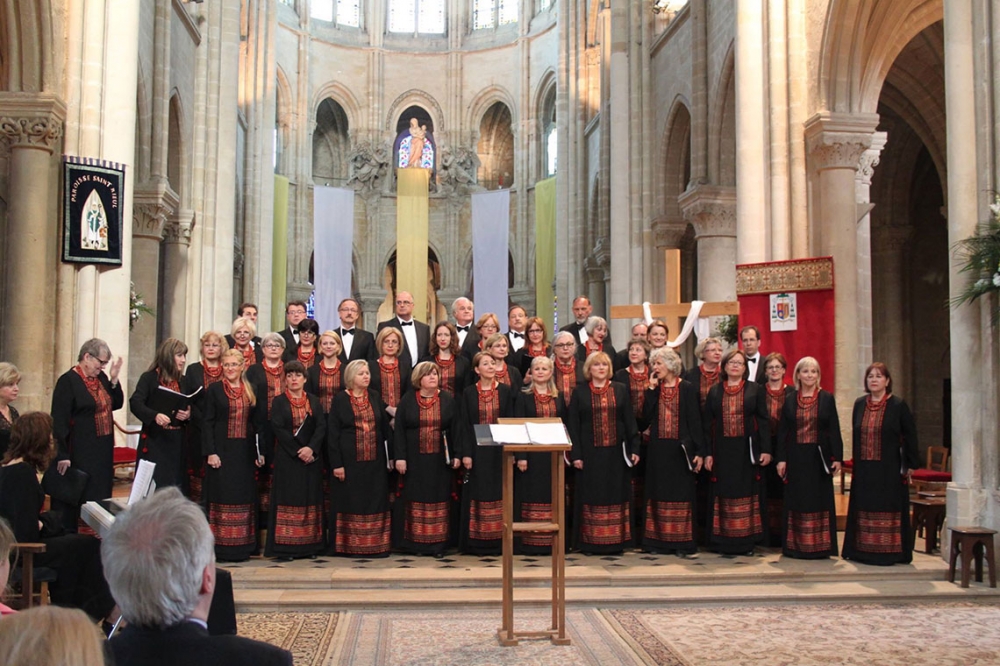
Lucas Harris. Photo by Scarlet O'Neill.All it takes is one person with initiative and a few friends to start a choir.” The speaker is Lucas Harris, current artistic director of the Toronto Chamber Choir (TCC). The person he is talking about is Annegret Wright whose initiative it was, five decades ago, to get the TCC started. Not many arts organizations can sustain themselves for decades, and 50 years is a remarkable feat, requiring not just loyalty to an organization’s founder but also the ability to change. Harris is now at the helm, taking the TCC into its golden jubilee, but “[past conductors],Elizabeth Anderson, Mark Vuorinen and David Fallis are all heroes of mine,” says Harris, “and I’m honoured to feature them in this concert.” Together on September 29, the combined forces of these impressive artistic leaders should make the start of the TCC’s 50th anniversary season a celebration to remember.

Harris reaches me by email, providing a glimpse into how the choir retains its awareness of its history. The choir’s archivist, Sharon Adamson, has kept meticulous records, he explains. These include “the choir’s complete membership history, every concert performed, every venue rented, every work sung, every soloist/section lead/instrumentalist hired over the choir’s entire history.” He gives me statistics that can be drawn from the archival work: 177 concert programs, 1500 works performed, 418 members across the decades, 357 instrumentalists hired, and five artistic directors. Impressive.

The work for this concert began last season, and the programming reflects Harris’s awareness of its past. He has programmed “hits by the choir’s all-time favorite composers, including Monteverdi, Purcell, Bach, Britten and more,” he says. There’s even a chorus from Schütz’s Musikalische Exequien (Funeral Music) that was in the very first TCC concert. Other homages include Fallis leading Healey Willan’s three Marian motets. Elizabeth Anderson, a frequent guest conductor of the choir, began rehearsing the concert in March. Harris describes her as “a seasoned church musician with amazing ears (and perfect pitch) and is brilliant at firing up the group to learn music quickly.” As they head back to rehearsals, they’ve already got a head start.

“Because it’s a best of/greatest hits… it’s a lot of repertoire we already know. We started last season when we had some down time,” shares David Barber, a longtime singer in the choir. Barber has also created a new work for the choir, Gaudeamus, adding something new to the mix. It is meant to feel old, though, and fits right into the mix of the flavours that make up the typical repertoire of the choir. “It starts with the Introit of the Gregorian chant and actually goes through the history of the music that this choir sings, all in about five minutes,” continues Barber. He describes the song as including flavours and techniques akin to Machaut, Tudor, Byrd, Tallis, Purcell and much more. This combination of the old and the new fits well for the choir. It’s a unique value proposition that TCC offers that other choirs don’t. Barber describes the versatility: “We’re one of the few choirs that specializes in early music, with a bridge to the contemporary when we can find a connection. Certainly, it’s been a speciality of this choir.”

Harris has further thoughts on the longevity of the choir and what it has to offer. “I think that the most important factor keeping our music-making fresh is the enormous amount of repertoire there is to explore … even just within Baroque and Renaissance music,” says Harris. Much can be said about the bridging of the old and the new in creative ways.

Under Harris’s leadership, the ensemble is embracing some innovative programming. With a modernization of the “Kaffeemusik” format, the choir’s Sunday afternoon performances have taken on a new life with multimedia, narrators and actors. The goal is “to explore something broader than just the music … to add historical and/or social context to the music,” shares Harris. He’s excited about previous forays into Eastern European and Scandinavian music, and a special focus on female composers prior to Clara Schumann.

“We’re also partnering with more diverse artists in order to explore beyond our usual repertoire,” he continues. The list of upcoming guests is impressive and exciting. The Nathaniel Dett Chorale, soprano/conductor Teri Dunn, tenor Charles Daniels, musicologists, and even First Nations language specialists are part of the plans. Harris continues to look both to the old and the new in programming. “There is still so much more music out there to explore … I’m keenly aware of this every time I visit a good music library and just pull volumes of music off the shelves. Even after two decades of specializing in early music, I humbly realize that I have only experienced the tip of an iceberg,” he says.

The rest of the season will include many more collaborations and explorations of new and challenging programs. For now though, it’s a chance for the ensemble to take 50 years of history and have a great time. “The goal is to bring the TCC family together and celebrate its history,” says Harris. “It is really about celebrating the TCC’s extended family by bringing together as many former members, directors, soloists/section leads and other friends.” It’s a big family too, with over 400 members from seasons past and 17 years of an apprentice program with the Rosedale School for the Arts. Alumni of the choir have been invited to join in the program, and will beef up some of the performances in the second half of the concert. “Even more than the music itself, I’m looking forward to this as a community event,” says Harris. “It will be a gathering of people whose love of early music caused them to be connected to this extraordinary organization at some point in their lives.”

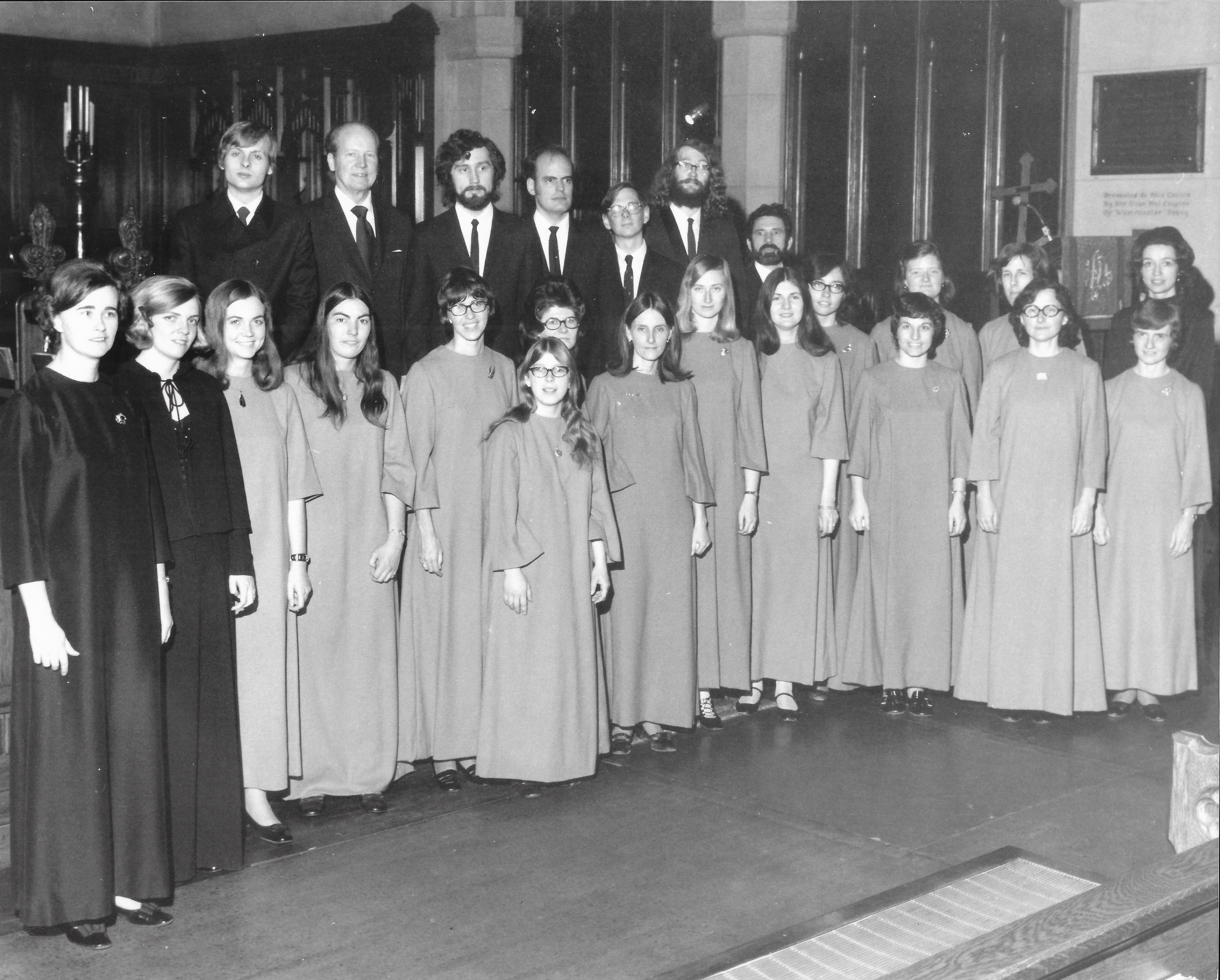
Fifty years ago, all it took was a few friends around Annegret Wright (far left) to start a new choir.Fifty years ago, all it took was a few friends around Annegret Wright to start a new choir. 177 concert programs and 1500 works performed later, the Toronto Chamber Choir begins its 50th anniversary season in fine style and esteemed company – with the prospect of much more ahead.

The Toronto Chamber Choir presents “Music & Friendship” September 29 at 8pm at Trinity-St. Paul’s Centre, Toronto. See more about upcoming performances of the Toronto Chamber Choir at torontochamberchoir.ca.

Honorary Mention

The Toronto Symphony Orchestra opens its season with a rarely heard choral presentation of Fantasy on Shakespeare’s The Tempest from Lélio, or The Return to Life by Hector Berlioz. The Toronto Mendelssohn Choir joins the TSO under interim artistic director Sir Andrew Davis. September 20 and 22 at 8pm; September 21 at 7:30pm. Roy Thomson Hall, Toronto.

A choir for you!

At the start of every season I always encourage readers to get out there and join. Whether you sing or not, there’s a choir for you in this city. The WholeNote maintains a database of choirs across the region known as the Canary Pages – available on thewholenote.com under the “Who’s Who” tab. Here are just some of the many options:

Accessible Community – City Choir
Adult Female – Penthelia Singers
Adult Male – Forte - Toronto Gay Men’s Chorus
Barbershop – Toronto Northern Lights
Casual – Choir! Choir! Choir!
Chamber Choir – Exultate Chamber Singers
Contemporary – That Choir
Early Music – Toronto Chamber Choir
East York – VOCA Chorus of Toronto
Etobicoke – Etobicoke Centennial Choir
Everyone – Univox
Gospel – Toronto Mass Choir
Inclusive – Singing Out!
Mississauga – Mississauga Festival Choir
Opera – Toronto City Opera Chorus
Richmond Hill – Chorus York
Rock – newchoir
Scarborough – Ruckus: the UTSC Alumni and Community Choir
Social Justice – Echo Women’s Choir
Youth (Mississauga) – Resonance Youth Choir (See Mississauga Festival Choir)
Youth (Toronto) – Toronto Youth Choir

Follow Brian on Twitter @bfchang. Send info/media/tips to choralscene@thewholenote.com.
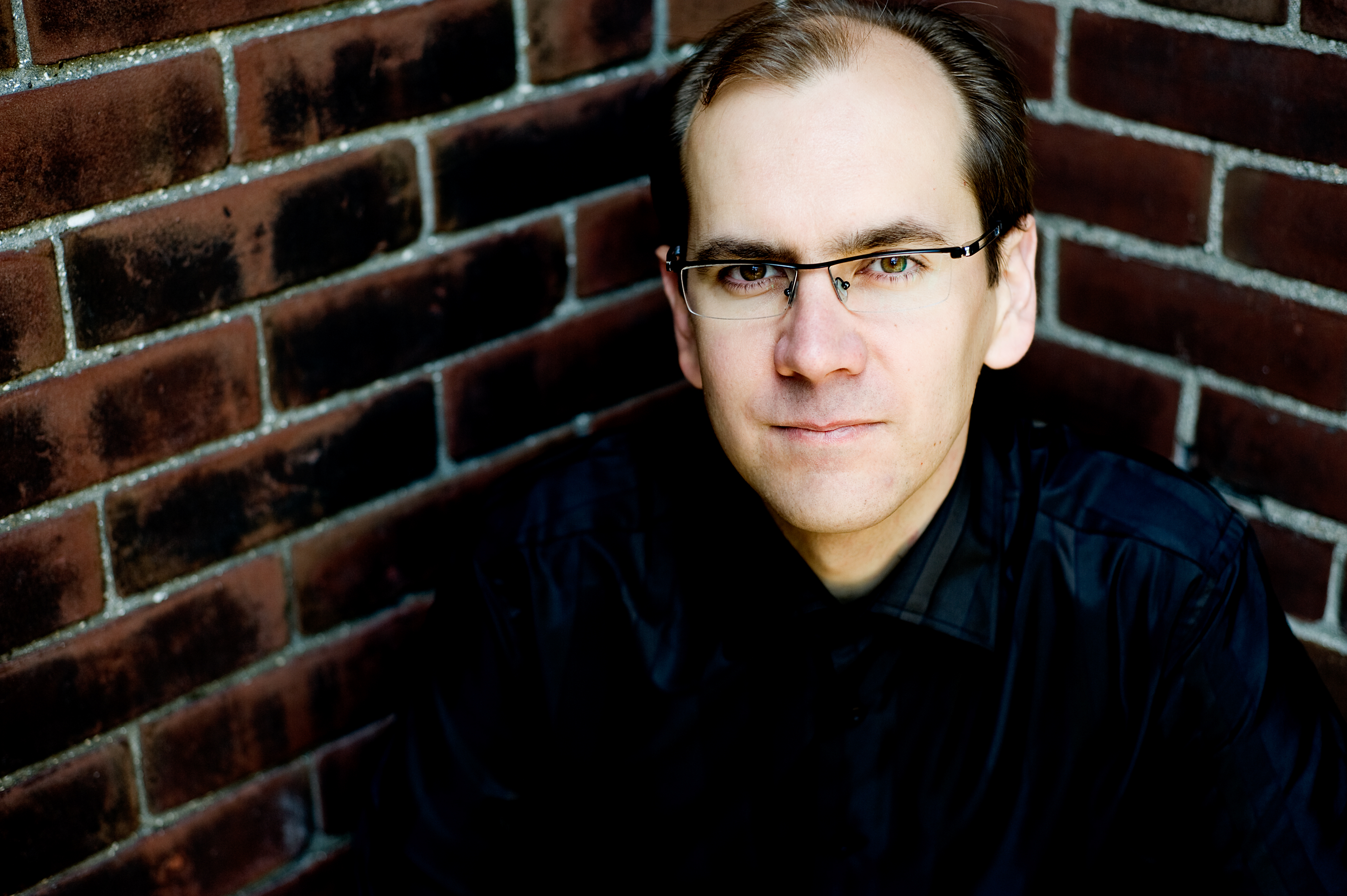
The month of May is one of fully ripened choral fruit. At the end of the season for many choirs, these are the signature concerts for many ensembles and in some cases, farewells. I’ve provided some in-depth interviews and insights into a handful of concerts. Check out the Choral Canary Pages and learn about choirs in your area – and check out the listings for a more extensive list of concerts this month.

The Tallis Choir Celebrates 40 years: Rise Up my Love!

The Tallis Choir concludes their 40th anniversary season. Artistic director Peter Mahon spoke to The WholeNote about what to expect: “As we wrap up our 40th anniversary season, we commemorate the 50th anniversary of the death of Healey Willan and we offer a belated salute to our nation at the tail end of the 150th anniversary of Confederation with music by Canadian composers including Stephanie Martin, Eleanor Daley and Matthew Larkin” (all of whom reside in Toronto, as Mahon points out).

Mahon has a unique connection directly to Willan, whom he describes as “Canada’s best loved composer of church music.” There are few Canadian composers who have had the reach that Willan achieved. “Both my mother and father sang at St. Mary Magdalene,” shares Mahon, “from the time of their arrival in Canada in 1948, until Dr. Willan’s death in 1968 and for many years afterwards.” Willan served as music director at St. Mary Magdalene for almost 50 years. Mahon also remembers being a young chorister who was able to sing with his family in tribute at Willan’s passing: “I was 13 when Dr. Willan died and was privileged to sing at his Requiem Mass, sitting right behind my father in the Ritual Choir.”

“Most church singers in English Canada can name at least one piece by Healey,” says Mahon. “A good majority of them would also say that they can probably sing Rise Up My Love from memory. Such is the universal appeal of Willan’s music. For the most part, he wrote miniature gems, designed for the liturgy of the Church of St. Mary Magdalene, but choirs across the country and beyond sing them regularly… Speaking personally, I grew up listening to Willan’s music at St. Mary Magdalene, so it is in my blood.” Willan’s music anchors this all-Canadian presentation of music for Tallis’ 40th anniversary.

May 12, 7:30pm. The Tallis Choir presents “Milestones.” St. Patrick’s Church, Toronto.

Schola Magdalena: Votes for Women!

Still on the subject of Church of St. Mary Magdalene, Stephanie Martin, the ever-thoughtful composer and conductor-extraordinaire, has noted the upcoming centenary of 100 years since the first Canadian women were permitted to vote for the federal government. Martin and the six-member Schola Magdalena will be singing an all-female-composer concert to mark the event. “A small departure from our usual fare, like Hildegard of Bingen and Brigitte of Sweden,” Martin says, “the concert will also include some modern Toronto music from female composers,” including Martin’s own Missa Lumen, and from soprano Gabrielle McLaughlin. The feature of the evening will be Martin’s Te Deum, which she describes as a song whose “text conjures up so many visual images of martyrs, angels, joy and judgment.”

Schola Magdalena. Photo by Iain LoweAlthough 1918 marked the first time that certain Canadian women were permitted to vote, it wouldn’t be until 1960 that all women in Canada were included in the right to suffrage. (Women of colour, Indigenous women and anyone with mental or physical disabilities were excluded until that time.) Women’s voting rights ties into another event that Martin is exploring. Her upcoming opera Llandovery Castle tells the story of “nurses who served in WWI on the Llandovery Castle hospital ship. [They] were able to vote earlier than other women because they were officers. They could vote federally in 1914.”

While we have much to appreciate in universal suffrage in our contemporary Canada, we would do well to remember that it wasn’t always this way. Stephanie Martin brings history into focus with her thoughtful approach to composition and music.

May 23, 8:15pm. Schola Magdalena presents Celebrating 100 Years of Votes for Women in Canada. Church of St. Mary Magdalene, Toronto.

Upper Canada Choristers and Cantemos Latin Ensemble: La Rosa de los Vientos

For many newcomers to Canada, with family, children, partners, and friends far away, love can feel distant – strong, but distant, explains Jacinto Salcedo, coordinator of the Cantemos Latin Ensemble speaking to The WholeNote about the words he wrote in the poem: La Rosa de los Vientos (The Wind Rose). “This is a recurrent theme for immigrants. Often, families are split, but you still love them, care for them, and want the best for them,” he shares. “It is nostalgic and touching.” For the tenth anniversary of the ensemble, the poem has been set to music by César Alejandro Carrillo, a very well-known Venezuelan choral composer and conductor. Carillo is especially known for his work with the Orfeón Universitario of the Central University of Venezuela.

With 12 singers taken from the ranks of the Upper Canada Choristers (UCC), Cantemos endeavours to bring the sounds of Latin American heritage to Toronto audiences. “Ten years ago, the UCC wanted to feature one or two [Latin American] songs in a concert,” Salcedo shares. “It became a natural evolution to continue exploring the richness of the music. We’ve done Latin music that is sacred, secular, dance, Christmas, and modern pieces that aren’t as well known. It’s become a need to keep doing this. We’re always curious and interested in knowing more of our culture and sharing it with people.”

Cantemos Latin Ensemble. Photo by Daniel CharltonThe Upper Canada Choristers, under Laurie Evan Fraser, have a big offering with their “Magic of Music” concert. In addition to Cantemos, guest baritone Bradley Christensen and the Junior and Chamber Choirs of Allenby Public School will join the performance. Christensen will perform Vaughan Williams’ Five Mystical Songs along with the choir. En masse, the choirs will perform Rutter’s The Music’s Always There With You.

“UCC is about sharing music with the community,” says Salcedo. “We come from all kinds of different professions and interests in life, but [singing] is the common ground that we love and nurture.” Next year, the choir goes on tour to Japan with Canadian and Latin repertoire. “We want to keep exploring new rhythms, new songs. We are now at the point where we can be more well known. I think the level of quality and musicianship we’re getting will help us in the next ten years.”

May 11, 8pm. The Upper Canada Choristers and Cantemos Latin Ensemble present “The Magic of Music.” Grace Church on-the-Hill, Toronto.

Celebrating the Human Voice: SING! The A Cappella Festival

SING! The Toronto Vocal Arts Festival co-artistic directors Suba Sankaran and Dylan Bell present a packed schedule this year, with ten days that explore the magic of a cappella music. Sankaran chatted with The WholeNote: “It’s cool again to be singing in Glee clubs, in barbershop ... Through Pentatonix or Pitch Perfect, or Glee, it’s cool to be singing.”

FreePlay Duo: Suba Sankaran and Dylan Bell. Photo by Edward HanleyThere’s an astounding lineup. Part of the festival I’m flagging: artists FreePlay Duo (which is Sankaran and Bell); hugely popular all-male Rockapella; Retrocity, a local 80s group; an all-female concert featuring the Penthelia Singers and Girl Pow-R with others; and Resound, a totally unbelievable gospel trio who will drop your jaw and melt your heart.

For new attendees, Sankaran has some tips. “Take in one of the weekend shows,” she says. “It will give you a chance to experience a workshop or two, go to the outdoor free stage, drink in some of the a cappella artists, and then go to an evening show.” In one concert, three groups are celebrating their 20th anniversaries: Retrocity, the Toronto Northern Lights and Cadence. It’s a great introduction to the “spectrum” of a cappella as Sankaran describes it, including barbershop, jazz and contemporary.

SING! The Toronto Vocal Arts Festival offers big weekend concerts, a free outdoor stage, and intimate performances in small venues like the Jason George Pub and the Little Trinity Church. There’s a huge breadth of performers representing diverse musical styles and that is a direct reflection of the energy and connections that Sankaran and Bell bring to the table. Local sacred traditions are reflected with “SING! Crossroads,” which features the Ruach Singers and Six 13, both Jewish a cappella worship groups. “SING! Celebrates Gospel” brings in the Christian tradition rooted in Black music of North America. And the multidisciplinary aspect of the festival is reflected with “Art Battle”!

Central to all of this is people making music with nothing but their voices. “The power of the human voice, the fact that it can empower a person, whatever age, whatever ability – that to me is the most important thing. It truly is a universal language, especially when you get into a cappella,” says Sankaran. “Your voice is like your fingerprint. It’s completely unique. People can try and imitate you but they can never be you, they can never breathe like you.”

Make sure to check out ten days of empowering a cappella music.

SING! The Toronto Vocal Arts Festival runs from May 23 to June 3 in a variety of venues, mostly centred around the Distillery District, Toronto. Check out www.singtoronto.com for all the offerings.

Exultate Chamber Singers: “We Sing and Connect”

Last month, I wrongly reported that Hilary Apfelstadt’s final concert with the Exultate Chamber Singers was at their April 6 concert. There is one remaining program in the season, however: “We Sing and Connect,” which takes place on Friday May 25 and Saturday May 26.

May 25 and May 26, 8pm. Exultate Chamber Singers presents “We Sing and Connect.” With special guests the Miles Nadal Jewish Community Centre Adult Choir (May 26 only). St. Thomas’s Anglican Church, Toronto. 

Follow Brian on Twitter @bfchang. Send info/media/tips to choralscene@thewholenote.com.
Emotion is at the core of every musical performance and storytelling is at the heart of emotion. Sometimes the stories can be esoteric, sometimes they are obvious, sometimes they challenge us to find them. There is an extra dimension that conductors put into their concerts when programming songs that tell a story to evoke certain feelings. Take in a well-constructed choral concert this month and see the part that musical storytelling plays. I’ve highlighted a few below.

“I’ll be Your Refuge”

“Music has a way of softening the edges around a message, of getting at its true emotional core, and of transmitting that to a broad range of people,” says Annabelle Chvostek, JUNO-nominated singer-songwriter and artist-in-residence for Echo Women’s Choir. She continues: “Having music carry ideas can make things feel less preachy or didactic. It’s just giving it from the heart.” Chvostek is answering some of my questions by email. I’ve asked her about her experiences creating and adapting her solo music for Echo Women’s Choir.

Annabelle Chvostek - photo by Ximena GrisctiI’ll Be Your Refuge is Chvostek’s feature song that gives the Echo Women’s Choir spring concert its title. This isn’t Chvostek’s first time writing or arranging music for Echo. She has adapted her songs Black Hole and Firewalker for them, amongst others. But “this year is the first time I am actually presenting a song that is a choral song first. I’ll Be Your Refuge is a song I want to be singing, but it is so much more poignant to do it with the intent and attention of these women supporting its delivery. And it was a magical process to have room for four vocal parts to carry it instead of my one.”

The story she’s telling here is one that is deeply personal for her. Her partner is a former refugee and Chvostek is sharing a story of acceptance, belonging and open arms. “Observing the global refugee crisis of the last few years has been powerful. Some of the most moving news moments for me have been around [refugees], including watching Canadian families and communities respond to the crisis with openness and generosity,” she continues.“And frustratingly, some people respond with fear.” Echo is sharing this music to move beyond fear.

Echo is unlike any other choir in the city that I’ve met. It is a gathering of female-identified voices rooted in a compassion and drive for social justice. Their concerts are community gatherings centred around music, much of which is uniquely arranged for Echo by Alan Gasser. Becca Whitla and Gasser are co-directors with Chvostek. They want you to think and be challenged by their music and storytelling. There is deep thoughtfulness behind the music they program and the issues they want you to confront.

Echo Women's Choir - photo by Katherine FleitasDene singer Leela Gilday comes to Toronto as the choir’s special guest. Based out of Yellowknife, Gilday shares stories and describes herself as having “a sense of humour as well as a sense of social justice and an ironic appreciation of human folly.” Her music and stories will be welcomed by the choir.

“Music is one way we can express the things that we hope will contribute to a fairer, more just society,” says Chvostek. “One that cultivates joy within all its diversity of expression. Music can actually get at things in a way that words alone can’t.”

Echo Women’s Choir presents “I’ll be Your Refuge” with special guest Leela Gilday and co-directors Becca Whitla, Alan Gasser and Annabelle Chvostek, Sunday April 29 at 3pm, at Church of the Holy Trinity, Toronto.

Now the Guns Have Stopped

For the Oakham House Choir upcoming concert “Better is Peace than Always War,” artistic director Matthew Jaskiewicz has paired Karl Jenkins’ The Armed Man and Gabriel Fauré’s Requiem. Two distinct works, they are companion pieces in their ability to channel a message of peace in the form of a mass. The concert’s title comes from the opening words of the 12th and final movement of Jenkins’ piece. The Armed Man is popular amongst community choirs for its universal message of peace and its musical accessibility. The work includes poetry by Rudyard Kipling, Jonathan Swift and Sankichi Tōge, a Japanese survivor of the Hiroshima bombing by the USA. The hymn L’homme armé, for which the work is named, is based on an ancient tune. The hymn tells us “the armed man should be feared,” a warning against those who carry and use weapons.

Paired with The Armed Man, Jaskiewicz has chosen the Fauré Requiem. A beloved staple of French music and the requiem canon, this is a mass for the dead. Put into the context of a call for peace, this requiem performance will not be used for actual commemoration. Audiences will instead be challenged to think about the areas of the world plagued by conflict at this very moment. And as we approach the centenary of the end of World War I, it serves to remind us of past conflicts as well. This concert commemorates the end of the First World War and is a collaboration with the European Union consulates in Toronto. Members of the armed forces from the Scottish Regiment and Haller’s Army (Blue Army) will be in attendance. Oakham is also pleased to welcome the Novi Singers of Toronto to this performance.

Oakham House Choir Society presents “Better is Peace Than Always War” on April 28, 7:30pm, at Metropolitan United Church, Toronto.

“Let there be light!”

Pax Christi Chorale is joined by the Toronto Mozart Players for a presentation of Haydn’s masterpiece oratorio: Die Schöpfung (The Creation). The Creation represents the highest form of oratorio,” shares David Bowser, artistic director of Pax Christi, via email. “It was written with love for the listener. Haydn paints colourful and vivid musical depictions of darkness and light, water and weather, plants, birds, animals and people, all framed in grand angelic choruses.”

David BowserBowser is presenting the work in its original German because the “text is closer to today’s spoken German, and gives the music a more buoyant phrasing and crisper articulation. It should be underlined that neither Haydn nor van Swieten, who wrote both versions, spoke English with any fluency and the settings are clumsy,” he says. Many a chorister has frowned when confronted with the awkward English of “And to th’ ethereal vaults resound” or “achieved” in three syllables. The original German allows the choir to move beyond such awkwardness.

Pax Christi is joined for this concert by Sandy Rossignol, a video artist. Bowser explains the creative process and the reasoning behind the inclusion of this added dimension to the music. “Often audiences are buried in their programs reading along with the text,” he says. “And they are not as connected with the performers. A video of images compiled and manipulated by Sandy will serve as abstract surtitles to assist the audience in following the German text. The music is so visual that Sandy was immediately inspired. He is also incorporating themes of science, equality, diversity and conservation to bring modern relevance to the performance.”

Rossignol’s live visual accompaniment promises to give the concert a unique visual storytelling dimension.

Pax Christi ChoralePax Christi Chorale presents Die Schöpfung (The Creation) with the Toronto Mozart Players, Danika Lorèn (soprano), Charles Sy (tenor), Oliver Laquerre (bass-baritone), and live video performance by Sandy Rossignol on April 28 at 7:30pm, at Grace Church on-the-Hill, Toronto.

QUICK PICKS

Apr 6: Exultate Chamber Singers presents “We Sing and Play!” As noted in last month’s Choral Scene, Dr Hilary Apfelstadt is retiring from the University of Toronto and as artistic director of Exultate. She brings the Toronto Winds to her final concert with Exultate, which features the premiere of Resurgam by Canadian composer Matthew Emery, the choir’s composer-in-residence. Emery has blended Renaissance polyphony with contemporary compositional techniques to create a work for an interesting pairing: voice and small wind ensemble. St. Thomas’s Anglican Church, Toronto.

Apr 28 and 29: DaCapo Chamber Choir and the Orpheus Choir of Toronto present This Thirsty Land. Joined by instrumentalists, the choirs present the local premiere of DaCapo artistic director Leonard Enns’ work This Thirsty Land, recently commissioned and premiered by the University of Guelph. Other smaller works include Toronto-based composer Hussein Janmohamed’s Sun on Water and Norwegian Trond Kverno’s Ave Maris Stella. April 28, 8pm at St. John’s Lutheran, Waterloo, and April 29, 3:30pm at St. Anne’s Anglican Church, Toronto.

Apr 29: Amadeus Choir of Greater Toronto presents “I Saw Eternity.” Artistic director Lydia Adams conducts the choir’s final concert of the season featuring music by Eric Whitacre, Eleanor Daley, Hussein Janmohamed, Stephen Chatman and more. The inspiration for the concert comes from Henry Vaughan’s poem The World, which opens with the lines: “I saw eternity the other night.” Leonard Enns’ and Stephen Chatman’s settings of The World are presented along with other spacious works including Ola Gjeilo’s Serenity and Eric Whitacre’s Water Night. Eglinton St. George’s United Church, Toronto.

May 5: Mississauga Festival Choirs present “Generations,” with the Mississauga Festival Choir, the Mississauga Festival Chamber Choir, their youth choir, Resonance, and their intergenerational choir Raising Voices. The signature work of the evening will be John Rutter’s Mass of the Children. Living Arts Centre, Mississauga.

May 6: St. Anne’s Anglican Choir presents “A Hubert Parry Tribute.” The Junction Trio joins a larger orchestra and the St. Anne’s Choir under music director John-Luke Addison. The concert commemorates 100 years since the death of Sir Charles Hubert Hastings Parry. Royal music aficionados will know him for his coronation anthem I was Glad, which was written for the coronation of King Edward VII in 1902. The famous Anglican hymn Repton, a staple of congregations around the world was set to music by Parry. St. Anne’s Anglican Church, Toronto. clip_image001.png

Follow Brian on Twitter @bfchang. Send info/media/tips to choralscene@thewholenote.com.
The opening Kyrie of the Bach Mass in B Minor is one of the hardest starts of any major work for a choir; with no starting pitch, the precisely placed hard “K” prior to any other sound, and careful phrasing that starts right away – the opening has much to say about how the rest of the performance will play out. Bold and full should be the effect. Bach’s masterpiece is not a light undertaking for any choir. This April, it’s safe to assume that Tafelmusik will take up this estimable work with its usual intense professionalism, deep artistry and impeccable technique.

“This is the seventh time Tafelmusik has [programmed] the Mass, with some 25 performances behind us,” shares Charlotte Nediger, Tafelmusik harpsichordist and organist. Instrumentalists and choristers alike relish revisits to Bach’s work, finding “new details and more depth in the score every time.” Nediger continues: “The Bach Mass in B Minor is a very challenging piece on every level, for all performers on stage …[It] demands an extremely high level of skill, virtuosity and artistry of every single singer, and the combined result is astonishing.”

Ivars Taurins takes the reins with early music soloists. Dorothee Mields, a German early music specialist, takes on the soprano. Laura Pudwell, Canadian, is the mezzo-soprano. English tenor Charles Daniels joins Canadian Tyler Duncan to round off the soloists. The essential horn solo in the Quoniam will be performed by Scott Wevers.

On the performance, Nediger concludes: “To say that it is inspiring is an understatement – it is also humbling, in the best sense. Tafelmusik is an ensemble in which everyone brings absolutely everything they can to every performance, and I think you sense that in the audience.” Nediger herself has an enviable position to take it all in, placed at the heart of the stage in front of the orchestra. With the surrounding forces of Tafelmusik Baroque Orchestra and Chamber Choir, she is uniquely positioned to enjoy the music as she works her way through the intense score.

Tafelmusik performs Bach’s Mass in B Minor April 5 to 7, 8pm, April 8, 3:30pm at Jeanne Lamon Hall, Trinity-St Paul’s Centre and April 10, 8pm at George Weston Recital Hall, Toronto Centre for the Arts.

As discussed elsewhere in this issue, on March 30 at 7:30pm at Metropolitan United Church, the Metropolitan Festival Choir and Orchestra also perform the Mass in B Minor for Good Friday, with a top-notch set of soloists: Ellen McAteer and Gisele Kulak, soprano; Christina Stelmacovich, mezzo-soprano; Charles Davidson, tenor; and Daniel Lichti, baritone. Metropolitan United Church.

Hilary Apfelstadt and the University of Toronto at Lincoln Center

Hilary Apfelstadt, (soon to be retiring) director of choral activities at the University of Toronto, last visited Lincoln Center, New York City, to perform as part of the Distinguished Concerts International New York City (DCINY) concert series for an International Women’s Day concert in March 2014. This month she returns for DCINY’s March 17 concert, conducting the combined forces of singers and orchestra in the major choral work on the program, Luigi Cherubini’s Requiem. Among the 200 singers from across the US and Canada, including the Luther College Choir from Regina, will be singers from Toronto’s Kingsway-Lambton United Church Chancel Choir and a few dozen singers from the four major choirs of the University of Toronto Faculty of Music. The Cherubini shares the ticket with a set of smaller choral works conducted by Martha Shaw, and the premiere of a concerto for flute, harp and orchestra by DCINY composer-in-residence Dinos Constantinides, led by DCINY principal conductor Jonathan Griffith.

Hilary ApfelstadtOf the Cherubini, Apfelstadt says: “It’s a lovely work, a little unusual, in that it has no soloists. The choir is singing almost nonstop. It was performed at Beethoven’s funeral because he admired it so much, but was originally created for the memorial of King Louis XVI of France.” This work follows the standard requiem format, but with Romantic and Classical elements reflecting the transition period beginning in 19th-century European music. The opening two movements are performed without violins. The deeper sound and broad crescendos provide a dramatic edge without the higher pitches. Apfelstadt also notes that the instrumentation lacks flutes, further contributing to a profound bass and heaviness in the music.

Early Romantic ideals are apparent in the bombastic Dies Irae, with the unusual programming of a gong. The same movement also shows a more classical ideal, with fugal runs and strings typical of Mozart and other classical contemporaries. The choir provides the dramatic energy of the piece, consistently singing in chorale throughout. The fugal runs of the Offertorium are particularly exciting.

Apfelstadt is mindful of the intense time commitments and existing rehearsals music students must juggle. “From a pragmatic point of view, when you’re teaching at school, you’re always trying to find things that are vocally challenging, without being overtaxing.” The goal is to set up the students for success and the Cherubini represents “a choral piece that is a challenge, with enough elements in it to be surprising.”

“They seem to like it, have a feel of accomplishment,” says Apfelstadt. “Virtually none of the students have encountered [Cherubini’s] work, or heard much about this composer. It’s really well written, bits remind me of Mozart, bits remind me of Beethoven. And because Beethoven was such a fan of the work, it’s like a stamp of approval.”

Those students who join Apfelstadt in New York will have the privilege of experiencing Lincoln Center from the stage. Here in Toronto, later in the month, on March 24 at the MacMillan Theatre, you can catch the entire massing of the four main faculty choirs, the Women’s Choir, the Women’s Chamber Choir, the Men’s Chorus and the MacMillan Singers, along with the University of Toronto Symphony Orchestra as they present the Cherubini Requiem. With 200 singers and the power of the U of T Symphony Orchestra at her fingertips, Apfelstadt looks forward to this performance capping off her distinguished career at the University of Toronto.

QUICK PICKS

Mar 8 and 9: Soundstreams presents Tan Dun’s Water Passion. David Fallis helms this performance with instrumentalists and Choir 21. Dun has not often composed for choir and this complex work invokes the circular passage and flow of life, intimated by the story of Christ, and evoked by the presence and sound of water. Helmuth Rilling, founder of the Internationale Bachakademie Stuttgart, commissioned four new interpretations of the Passion of Christ from the four Gospels in 2000. Tan Dun was given the commission for St. Matthew’s. Mar 8, 7:30pm at the Isabel Bader Theatre, Kingston; Mar 9, 8pm at Trinity-St. Paul’s Centre, Toronto.

For a more conventional performance of the Bach St. Matthew Passion, Chorus Niagara under Robert Cooper performs it the week prior. Mar 3, 7:30pm at FirstOntario Performing Arts Centre, St. Catharines.

Mar 28 and 30, 7:30pm: The Toronto Mendelssohn Choir presents “Sacred Music for a Sacred Space.” All the choristers (myself included) always love this annual Easter tradition. Performing on Good Friday, in the aural and visual splendour of St. Paul’s Basilica, maintains an annual tradition of emotionally deep a cappella music presented by Toronto’s finest. Artistic director Noel Edison has programmed a horn of plenty including Eric Whitacre’s Sleep, John Tavener’s Song for Athene, Rachmaninoff’s Bogoroditse Devo and works by Bruckner, Mendelssohn, Łukaszewski and others.

Mar 30, 3pm: The Trinity St. Paul’s United Church Choir are joined by VIVA! Youth Singers and the Oakville Choir for Children and Youth in presenting “Good Friday Choral Concert.” Part of the programming is Andrew Balfour’s Take the Indian: A Vocal Reflection on Missing Children, a remarkable piece built from the pain of the Canadian government’s residential school atrocities and the longstanding institutionalized racism and neglect of missing and murdered Indigenous women and girls. Balfour, himself an Indigenous child taken by and into state care, is artistic director of Camerata Nova, an early, contemporary and Indigenous-infused music ensemble based in Winnipeg. Balfour is being brought in to help prepare the choirs. If sufficient weight is given to the work’s performance, its power and its discomforting narrative, I anticipate a significant and moving display.

Mar 31, 7:30pm: The Guelph Chamber Choir bids farewell to conductor Gerald Neufeld after 37 years at the helm. Neufeld, a longstanding music educator, has taught in the faculties at the University of Guelph and Western University. His final performance will be Brahms’ masterpiece: A German Requiem at the River Run Centre, Guelph.

Follow Brian on Twitter @bfchang. Send info/media/tips to choralscene@thewholenote.com.
There are some big and unique choral experiences this month. There’s a celebration of the 50th anniversary of Healey Willan’s death, the combined forces of choirs from the University of Toronto and York University, a rare performance premiere for Tafelmusik and a new interpretation of Bach’s St Matthew Passion! We’ll return in March with all you need to know about the best of Easter choral music offerings. Stay warm and singing in the meantime.

Willan - 50 years on

Andrew Adair, music director of the Church of St. Mary Magdalene, convenes artists to celebrate the 50th anniversary of Willan’s death. Of choral composers in Canada, Willan was a pinnacle. With hundreds of choral works, operas, symphonies and organ works amongst many others, Willan’s main contribution to Canadian music was through sacred music, much of it created at and for the choir at St Mary Magdalene, where he was music director and organist.

“Willan left a lasting impact on the Church of St. Mary Magdalene through his shaping of the liturgy and music,” shares Adair. “His work at St. Mary Magdalene’s created a very special environment, one which has allowed the music to flourish and survive against all odds.” A lot of Willan’s choral music is a cappella. Adair shares that this is because of the layout of St Mary Magdalene where the choir loft is in the west gallery and the organ on the other side of the building. For a music director who was also the organist, this meant Willan was unable to play and conduct at the same time. This lasting effect means that even today, the choir at St. Mary Magdalene still mostly sings a cappella. Adair looks forward to bringing forward Willan’s accompanied works at this concert.

Adair is joined by organists Simon Walker and Matthew Larkin, each performing one of Willan’s great organ works: the Introduction, Passacaglia and Fugue in E-flat Minor; Prelude and Fugue in C Minor; and the Passacaglia and Fugue in E Minor. Matthew Larkin’s choir of Saint Thomas’s Anglican Church will join the Choir of St Mary Magdalene. February 16 at 8pm; Church of St. Mary Magdalene, Toronto.

The Mozart Requiem: The Music of Unity

With the rich history, detail, and artistry available to students in Toronto, I’m excited to see inter-university programming. I’m particularly interested in the joint events between Lisette Canton and Daniel Taylor and the combination of ensembles from York University and the University of Toronto, a model for future collaborations.

Lisette CantonCanton’s ensembles, the York University Chamber Choir and Ottawa Bach Choir, are joining forces with Daniel Taylor’s musicians at the University of Toronto Schola Cantorum and the Theatre of Early Music. Along with an orchestra made up of Tafelmusik performers and soloists, the combined forces will perform two performances of Mozart’s Requiem.

“Dan Taylor and I have a similar philosophy on music,” Canton shares, “that it carries a universal message of hope, transcending all religions and cultures, and unites us all. And it is this philosophy that has prompted us to collaborate on various musical productions for the past two decades.” Through their longstanding connection, Canton and Taylor brought their ensembles together in 2014, performing the music of the Coronation of King George II in 1727 (the coronation that established Handel’s Zadok the Priest as a standard at every coronation since.)

 “Collaborations of this nature are so important – for the students, professionals and for the community – in that they unite us in a common musical goal and become bigger than the sum of the individual parts. And when the music is as powerful as the Mozart Requiem, these become life-changing experiences,” says Canton. Choristers and instrumentalists alike have long known the unique power of the Mozart Requiem. While incomplete, the experience of performing the work can be incredibly significant. “Mozart’s beloved Requiem is one of those works in the choral canon that continues to inspire every generation,” Canton says. “Its widespread ability to reach to the depths of human emotions on this most universal theme makes it a timeless work of dramatic and spiritual intensity that moves us to greater depths of understanding.” Many choirs perform this work in full or portions of it frequently. For many musicians, it has become musical vernacular.

York University Chamber Choir“Once the students graduate – especially in a city as large as Toronto – they will continue to work together in common settings, ensembles, and as soloists,” Canton says. The nature of music requires collaborations, sometimes wonderful and transcendent, other times a bit messy – but necessary to the task of musical creation. She continues: “Our job as mentors/conductors is to initiate these contacts and guide up-and-coming performers in meaningful concert experiences, as well as to help them find potential opportunities and career directions. Beginning these connections during their university experience only ignites their passion for the art of music and helps them to forge significant friendships and professional connections.”

The Mozart Requiem: conducted by Dr. Lisette Canton: March 3, 7:30pm. Church of the Redeemer, Toronto; conducted by Daniel Taylor: March 4, 7:30pm. 7:30pm. St Basil’s Church, Toronto.

A Rare Premiere Performance by Tafelmusik

Tafelmusik has a Handel premiere: Alexander’s Feast, or the Power of Music. This old set of music by Handel was set to words by Newburgh Hamilton based on an earlier text from John Dryden. Ivars Taurins leads the orchestra and Chamber Choir in a performance of this work celebrating Alexander the Great’s conquest of the great Persian city of Persepolis. Charlotte Nediger tells us that the original performance was done to coincide with the feast day of St Cecilia, the patron saint of music. “The aim of St. Cecilia odes is to celebrate music,” says Nediger in the program notes, “and it is evident here in the range of orchestrations in the airs and choruses, and by the inclusion of two concertos – one for harp, representing Timotheus’ lyre, and one for organ, representing “the divine Cecilia.” With soprano Amanda Forsythe, tenor Thomas Hobbs, baritone Alexander Dobson, harpist Julia Seager-Scott and organist Charlotte Nediger. The work includes the well-known Concerto for Organ in G Minor and the Concerto for Harp in B-flat Major. February 22 to 24, 8pm; February 25, 3:30pm. Koerner Hall, Toronto.

Evoking the Passion – Bach Reinterpreted

Chorus Niagara, under Robert Cooper, takes on Bach’s St. Matthew Passion. Everything about this performance sounds intriguing. Not only is the Passion a large work, with two orchestras, six soloists, children’s and adult choir, Cooper is leading a semi-staged production. “More and more, choral performances are wanting and needing some extra musical design to guide you through the experiences,” shares Cooper, who has a theatre background himself. Cooper has worked with Joel Ivany on other stagings of works normally done in straight performance. The staging will be set by Torontonian Aria Umezawa, who is currently an Adler Fellow at the San Francisco Opera in direction and is the artistic director of Opera 5. It will be interesting to see how Umezawa’s contributions reflect her mentorship by Peter Sellars; Sellars famously staged a Berlin Philharmoniker performance of the St. Matthew Passion in 2010.

Robert Cooper conducts Chorus Niagara and the Chorus Niagara Children’s Choir with the Talisker Players; James McClean as the Evangelist; Michal Robert-Broder as Christus; Maeve Palmer, soprano; Lillian Brooks, mezzo-soprano; Zach Finkelstein; and Stephen Hegedus, bass. March 3, 7:30pm. FirstOntario Performing Arts Centre, St Catharines.

QUICK PICKS

Feb 10, 7:30pm. The Grand Philharmonic Choir presents Gloria, a presentation of Leonard Bernstein’s challenging Chichester Psalms, Poulenc’s Gloria, and Timothy Corlis’s Psalm 150. St Peter’s Lutheran Church, Kitchener.

Feb 11, 2:30pm. Georgian Music is hosting Dr Hilary Apfelstadt and the Exultate Chamber Singers. Apfelstadt, a champion of Canadian choral music, has programmed works by Canadians Healey Willan, Eleanor Daley, Ruth Watson Henderson and Stephen Chatman. The Choir will also perform Mozart’s Ave Verum Corpus and Eric Whitacre’s Five Hebrew Love Songs. Grace United Church, Barrie.

Feb 16 and 17. The Kitchener-Waterloo Symphony Orchestra presents “Sing-Along Musicals,” a fun family concert. With classic selections from The King and I, Oklahoma!, the Sound of Music and Mary Poppins just to name a few, the Grand Philharmonic Youth Choir will provide the vocals. Bring the family and have a fun time singing along at the Centre in the Square, Kitchener.

Feb 25, 4pm. The Toronto Children’s Chorus presents “Rainbows and Icicles.” With special guests, the Claude Watson School of the Arts Boy’s Choir, the various TCC choirs will perform beloved songs from films and musicals like Mary Poppins, the Muppets and the Aristocrats. North Toronto Collegiate, Toronto.

Mar 3, 7:00pm. The Mississauga Festival Chamber Choir presents “Phantom Unmasked.” The 1925 Phantom of the Opera was made as a silent film. Andrew Downing, a Canadian composer, has set it to music for orchestra and choir. Quite a few choirs have performed this work as it proves popular with audiences. The Mississauga Festival Chamber Choir performs and is collecting non-perishable food donations. RBC Theatre, Living Arts Centre, Mississauga.

Mar 6 and 7, 7:30pm. The Toronto Mendelssohn Choir presents “MacMillan and Pärt.” Two years ago Soundstreams hosted Scottish composer James MacMillan in Toronto as part of its mainstage. Macmillan himself took the helm in a presentation of his masterpiece Seven Last Words from the Cross. Noel Edison, artistic director of the choir brings this work to life with a smaller contingent of singers. The choir in full performs Arvo Pärt’s Berliner Messe. Pärt’s unique meditative music will wash over interested audiences. Church of the Holy Trinity, Toronto. clip_image001.png

Follow Brian on Twitter @bfchang Send info/media/tips to choralscene@thewholenote.com

Welcome to this double edition of Choral Scene! By the time you get your hands on this magazine the holiday season will be well under way. Carols will get in your ear, festive sounds will echo out and bells will be a-ringing throughout the region. I hope you’ve got your concert tickets in hand. If not, hurry up and reserve your place in these amazing concerts before you’re disappointed. Balancing out the holiday season, I’m also going to highlight some interesting performances you should check out in the choral world into the new year. We’ll be back in February, just in time for Chinese New Year on February 16, 2018 – the Year of the Dog! But I’m going to highlight a few performances well beyond the date that you might want to circle in one of the seasonal calendars you will doubtless be acquiring in the coming weeks.

Stage Coughs

But first, from a chorister’s perspective, some thoughts on the dreaded cough and wintry illness for singers!

In November’s WholeNote, Vivien Fellegi wrote about major injuries and musicians and noted that 84 percent of musicians will have to deal with a significant injury affecting their ability to make music. If you ask any vocalist to name their performance terror, it usually involves being sick around performance time. Four years ago, during an especially illness-fraught Messiah run at the Toronto Symphony Orchestra, the flu and cold hit our soprano and bass soloists. Eventually, a sub for the bass needed to be called in to finish the run. Members of the choir were hit as well. Good performers put on a good show even when adverse conditions exist, but even then, there’s only so much one can do when your body is under bacterial or viral attack.

This past October, I got a pretty bad viral throat infection. It cleared, but the residual cough and throat irritation continued for a few weeks. The result was a lot of rehearsals spent sitting in the back, humming along as we began going through Suzanne Steele and Jeffrey Ryan’s Afghanistan: Requiem for a Generation. My voice returned in time for the Remembrance Day performances but there was coughing during the performance I just couldn’t control. A persistently irritated throat, diminished lung capacity, wonky musculature around the vibrating air and sudden bursts of coughing made it hard to rehearse and perform. It’s quite upsetting to find your instrument unreliable. Something is physically making your voice not work and it is quite distressing, because when it is your body, nothing can really make the healing process go faster than it takes.

And Audience Echoes

Let’s be clear though, illness sucks even if you aren’t a performer. If you’re in the audience, sometimes the tension of trying not to make a sound makes you uncomfortable to the point where you’re no longer enjoying the music and instead just trying to be silent. I know many of my colleagues feel very strongly about audience noises. Some barely notice, but some take great issue with coughs and shuffles and the noises that crowds of hundreds of people make just by existing.

For me, any good performer can do their job, even when there is noise; the aural presence of the audience adds an ambience to the overall process of performing. Performing without an audience is just glorified rehearsal. Real audiences are made of real people and they make noises. They react to the music and they respond in kind. Think about how the energy in the room changes when everyone stands for the “Hallelujah Chorus” in Messiah – there is a visceral, physical and emotional change in the room. You don’t have to be a music aficionado to notice it, or more importantly, to feel changed by it. I like when there’s an audience, especially a big one, and I think most performing arts organizations would prefer you’re there, even if a bit noisy.

So, into this season of coughs, hacks, sneezes and other wintry ailments we go. Be healthy and get your flu shot! And be kind to the singers in your life, especially if we Purell ourselves religiously and take precautions to stay away from potential illness. We’re worried sick about losing our voices!

The Governor General’s Messiah

The newly installed Governor General, Julie Payette, once sang in the Tafelmusik Chamber Choir. She famously carried a recording of Tafelmusik’s Messiah with her into space. Her Excellency’s love of music will surely serve her well in her position as a grand patron of the arts in Canada.

Tafelmusik Chamber Choir - Photo by Sian RichardsTafelmusik’s annual Messiah continues to provide a period interpretation in the inimitable Koerner Hall, December 12 to 16. Ivars Taurins leads the ensembles. Presenting one of the smaller Messiah performances annually, Tafelmusik also presents the largest Messiah in town with its annual “Sing-Along Messiah” at Massey Hall, where 2,700 fans join the orchestra and choir in a grand tradition under the baton of the great maestro himself, Herr Handel (aka. Ivars Taurins), December 17 at 2pm.

A Solid Choral Holiday at the TSO

The Toronto Symphony Orchestra (TSO) has an exceptionally choir-filled holiday season.

Home Alone in concert is being performed live with the Etobicoke School of the Arts Concert Choir, conducted by Constantine Kitsopoulos, November 30 to December 2. This beloved movie is very much a holiday favourite and one of John Williams’ most magical scores. “Somewhere in my Memory,” nominated for an Academy Award for Best Original Song, has become a choral classic for the season.

Then, joining the TSO for the first time, Resonance Youth Choir from Mississauga makes its debut in Roy Thomson Hall on December 10 at 3pm. Only in its second season, Bob Anderson’s choir will join Tha Spot Holiday Dancers and TSYO Concerto Competition winner, cellist Dale Yoon Ho Jeong. Sing-along classics Jingle Bells, Joy to the World, Hark! The Herald Angels Sing and more are part of the program, as well as an excerpt from Saint-Saëns Cello Concerto No.1. David Amado, music director of the Delaware Symphony and the Atlantic Music Festival, leads the groups. The main presentation will be live accompaniment of Howard Blake’s score to the holiday favourite film The Snowman.

No holiday season is complete without the TSO Pops Concert, featuring the Canadian Brass and the Etobicoke School of the Arts Holiday Chorus. Lucas Waldin conducts. The program December 12 and 13 looks magical, including bits from The Polar Express film, unique Canadian Brass arrangements like White Christmas, Go Tell it On the Mountain, The First Noël and carols arranged by TSO Pops conductor Stephen Reineke. (Waldin, who works with the Edmonton Symphony Orchestra, was most recently in Toronto conducting the hugely popular and totally-sold-out TSO Carly Rae Jepsen performance.)

Last but not least, the TSO and Toronto Mendelssohn Choir presentation of Messiah promises to be as grand as ever. Matthew Halls, British early music specialist, takes the helm. This performance has an impeccable set of soloists: Karina Gauvin, soprano; Krisztina Szabó, mezzo-soprano; Frédéric Antoun, tenor; and Joshua Hopkins, baritone. December 18 to 23 in Roy Thomson Hall. (Barring an uncontrollable relapse into viral coughing, I’ll be there in my usual place in the Mendelssohn tenor section.)

The New Year

With most musical programming seasons running to the end of June, I’ve decided to highlight one performance from each of the next few months. They might make great gifts if you’re thinking ahead, and there are some you’ll surely want to secure seats to before they sell out.

January: Annually, at the end of January, the Toronto Mendelssohn Choir hosts one of the most important training intensives for emerging conductors anywhere in North America. Under the supervision of Noel Edison, five symposium participants are exposed to a rigorous schedule of about 20 diverse songs from global choral repertoire and tested by the chamber-sized Elora Festival Singers and the symphonic, full Toronto Mendelssohn Choir. The week culminates with a free concert and a chance to see these conductors in action on January 27 at 3pm, Yorkminster Park Baptist Church, Toronto.

February: The Orpheus Choir presents “Nordic Light.” The Northern Lights, also known as the Aurora Borealis, have long captured the imagination and spirit of peoples in the far North. Indigenous peoples in Canada have an especially strong connection to their presence. Ēriks Ešenvalds, Latvian composer, has written Nordic Light Symphony. He will be in Toronto to introduce the work prior to the performance. This is the Canadian premiere of the work and a chance to experience Ešenvalds’ ethereal, atmospheric and deeply satisfying work, February 24 at 7:30pm, Metropolitan United Church, Toronto.

March: Soundstreams presents Tan Dun’s Water Passion. Choir 21, soloists and instruments are conducted by David Fallis. I’m deeply intrigued by the program. Billed as a reimagination of the Bach St. Matthew Passion. Dun’s East Asian musicality will weave a blending of the words of Christ through the theme of water, guided by Eastern musical traditions. From Mongolian overtone singing to Peking Opera to the sound of water, this promises to be an experience, March 9 at 8pm, Trinity-St. Pauls Centre, Toronto.

Follow Brian on Twitter @bfchang. Send info/media/tips to choralscene@thewholenote.com.
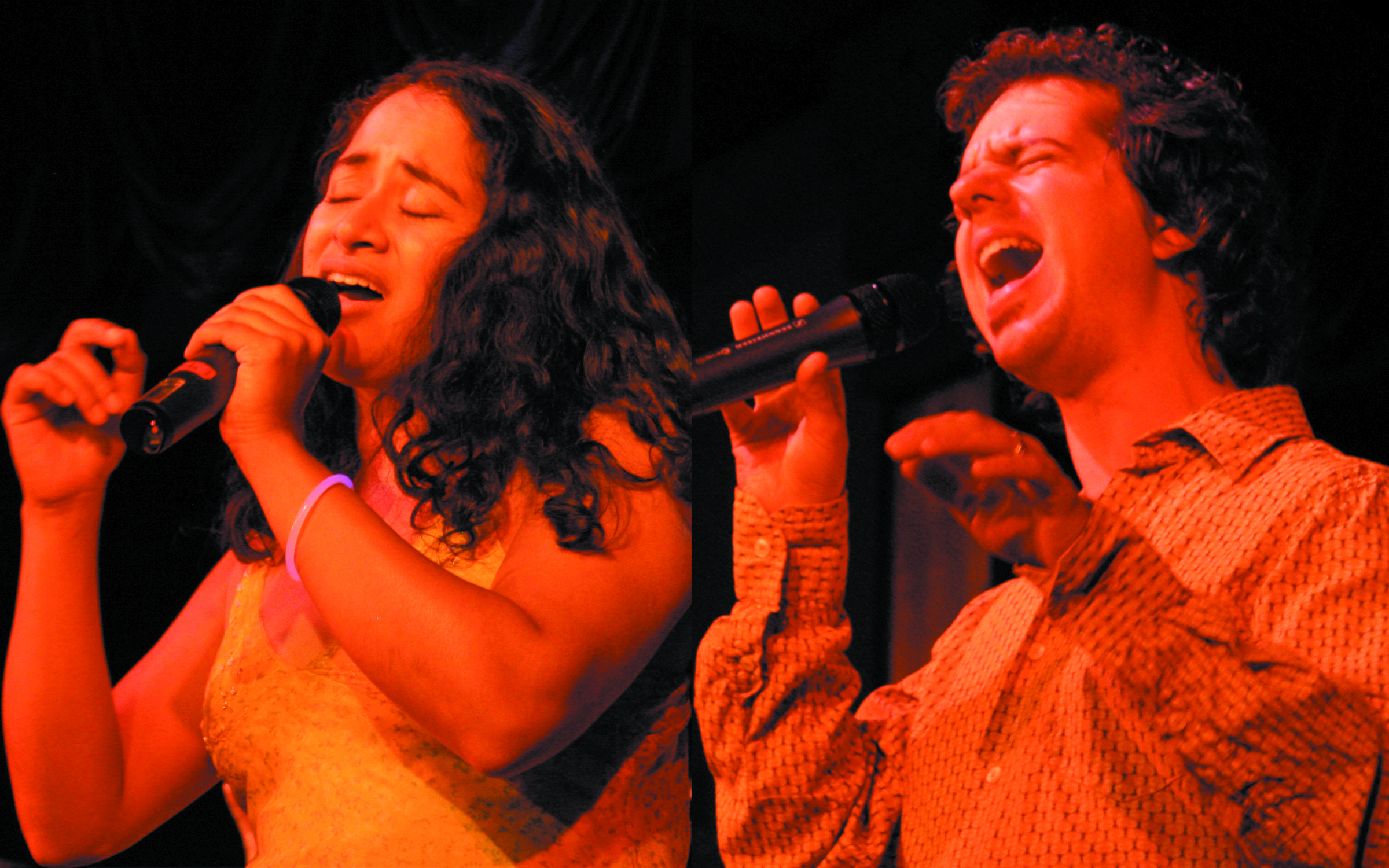
Heading into the month of November remembrance, I’ve highlighted two performances: the first is by Chorus Niagara and the Orpheus Choir, and the second by the Toronto Symphony Orchestra with guests. The major works in these two performances commemorate two very different wars separated by 100 years, World War I and the war in Afghanistan. War continues to inspire stories, and to invoke teaching, reflection and discussion. But as we head towards Remembrance Day, it is worth reflecting on the fact that sonic remembrance has the power to evoke things that words alone can not. There are many options available to listeners across the region, particularly early in the month, to experience this, in the offerings of great composers and musicians alike.

Later in the month, on November 22, Dr. Hilary Apfelstadt, an icon in the choral world, director of choral activities and professor of conducting at the University of Toronto, releases her new book on the life of Ruth Watson Henderson, I Didn’t Want To Be Boring. Apfelstadt’s book tells the story of this remarkable musician, gathered through interviews over several years. With over 200 choral works, Watson Henderson’s story is anything but boring.

Lastly, at the tail end of my “quick picks” I have included a few early holiday concerts. Make sure you check out the full listings and get your tickets early. Holiday performances often sell out and are amongst the most fun performances you can find anywhere!

Last Light Above the World: A War Litany

November 4 at 7:30pm, Chorus Niagara presents the world premiere of Last Light Above the World: A War Litany by Allan Bevan. “I scoured war diaries,” shares Bevan on the Chorus Niagara Facebook page, “looked at war art, read letters and other war correspondence, and delved into the large body of poetry written by people involved.” From these sources, Bevan created a story of a couple. “He has gone off to battle, and she is left to consider it. They become the conscience of the work, the ones who portray the human cost of the war.” Shaw Festival actors Hailey Gillis and Colin Palangio bring this couple to life.

Robert Cooper helms these performances with the Orpheus Chamber Orchestra and soloists Maeve Palmer, soprano; Lillian Brooks, mezzo-soprano; Anthony Varahidis, tenor; and Alexander Bowie, bass. Bevan has written the soloists as “spirits” who represent the “dead” referred to in the famous lines of John McCrae’s In Flander’s Fields “We are the dead…” Bevan continues: “Last Light does not pretend that there are easy answers, it is not a simple comforting… In the poetry of WWI, generally speaking, war is neither glorified nor vilified, it is simply recorded: all its horror, sacrifice, as well as its unexpected beauty, compassion and forgiveness.”

The Orpheus Choir of Toronto, also conducted by Robert Cooper, performs the same work in Toronto on November 5 at 3:30pm, Grace Church on-the-Hill.

Afghanistan: Requiem for a Generation

It has been almost 16 years since the official, Parliament-sanctioned intervention by the Canadian Forces in Afghanistan began. In those days of constant war headlines and combat deaths, our country was at war on the other side of the planet. Afghanistan was a war unlike others, constantly changing and evolving, fought against an often unstructured and asymmetrical enemy. For those of us who read the news here in Canada, this war also strongly shaped our country in the last decade and a half. The war in Afghanistan has opened discussions on a great number of complex issues like post-traumatic stress disorder (PTSD), the role of the Canadian Forces in international conflicts, military investment, American imperialism, racism, child combatants, pacifism and so much more.

Art, music included, has done much to allow and facilitate some of these conversations,with its power to evoke contemplation and create change. Into this discussion, on November 9 and 11, we insert Afghanistan: Requiem for a Generation, including 130 choristers from the Toronto Mendelssohn Choir, 50 from the Toronto Children’s Chorus, guest musicians from the Canadian Forces, the Toronto Symphony Orchestra and soloists. The first half of this concert also features Canadian Forces guests on pipes, bugle and text.

Tania Miller, music director of the Victoria Symphony Orchestra, takes the helm for these performances. Miller was the first woman to lead a major Canadian orchestra, ever, and her tenure began the year following the start of the war in Afghanistan. She is joined by Measha Brueggergosman, soprano; Allyson McHardy, mezzo-soprano; Colin Ainsworth, tenor; and Brett Polegato, baritone.

The words come via Suzanne Steele, Canada’s war poet, who served in Afghanistan. Jeffrey Ryan put the words to music, including text from the requiem mass, alongside Steele’s poignant words which are often set in repetition: “if we could give you two days, just two days...;” “My son, my daughter, can you hear me?”

In the breaking open of lives lived and lost during war, music can help bridge the experiences and provide a united focus. Ryan describes his music as “a love letter. Not just to one person…but to each of us, to our country, and to a generation that will be paying for this war emotionally or financially (looking after the injured and next of kin) for another generation.” As Ryan concludes in the program note: “Afghanistan: Requiem for a Generation marks one particular war for one particular generation, but its message is universal and timeless.”

On a Canadian National Treasure: Ruth Watson Henderson

Ruth Watson Henderson has had a storied career as a performer on piano and organ. Having served 29 years as the accompanist of the Toronto Children’s Chorus, with the Festival Singers under Elmer Iseler, and as a church musician, her prolific contributions to choral music have been incomparable. Dr. Hilary Apfelstadt has spent years interviewing and researching Watson Henderson for her new book I Didn’t Want To Be Boring.

Ruth Watson HendersonTo commemorate the book launch, the Canadian Music Centre is hosting a concert on November 22 featuring soprano Amy Dodington, accompanied by Watson Henderson herself, and joined by members of the Elmer Iseler Singers and the Exultate Chamber Singers as well as by Apfelstadt. Three days earlier at Kingsway-Lambton United Church, November 19, Dodington will sing Watson Henderson’s Prayer of St. Francis accompanied by the composer herself in an unofficial book launch and 85th birthday celebration.

In an excerpt, Apfelstadt describes Henderson: “Initially a highly gifted young solo pianist, Ruth became a collaborative artist whose work with choral ensembles led to her development as a composer whose music is frequently sung and respected for its craftsmanship and expressivity. And along the way, she embodied the term “working mother” as she raised a family of four, built a career as a practising musician and successful composer, and held a church music director position until the age of 80. As I write, she is 84 and still composing music. Hers is a remarkable story.” The paperback copy of the book is available in stores November 22.

QUICK PICKS

Nov 4, 7:30pm. The Guelph Chamber Choir presents “Celebration 150.” The Guelph choral community’s contribution to Canada 150 commemorations brings together five regional choirs: the Guelph Chamber Choir, Guelph Community Singers, Guelph Youth Singers, Rainbow Chorus of Waterloo/Wellington and the University of Guelph Symphonic Choir.

Nov 10, 8pm. The Kingston Road Village Concert Series presents “Remembrance Day Concert with Scott Good and Friends.”

Nov 11, 8pm. Barrie Concerts presents “Songs from the Great World Wars,” featuring the UTSC Concert Choir and conducted by Lenard Whiting.

Nov 11 and 12, 8pm. That Choir presents their annual first concert of the season “That Choir Remembers,” featuring the music of Eric Whitacre, Eleanor Daley and more.

Nov 12, 4:30pm. The Cathedral Church of St James presents “Service of Remembrance,” featuring the large choral work of Sir Charles Hubert Hastings Parry, Songs of Farewell, a collection of six songs composed in accapella polyphony. These songs will be presented as part of a religious service.

Nov 15 and 16, 8pm. The Toronto Symphony Orchestra presents “Oundjian Conducts Vaughan Williams.” Marking one of the signature performances of the TSO with Oundjian at the helm in his outgoing year as music director, the orchestra is joined by Louis Lortie, piano; Sarah Jeffrey, oboe; Teng Li, viola; Carla Huhtanen, soprano; Emily D’Angelo, mezzo-soprano; Lawrence Wiliford, tenor; Tyler Duncan, baritone; and the Elmer Iseler Singers.

Nov 29 to Dec 3, Tafelmusik Baroque Orchestra and Chamber Choir presents “Four Weddings, a Funeral, and a Coronation.” Promising a Baroque-inspired soundtrack to festivities, these performances mark the first choral performances for Tafelmusik this season. Musical celebrations written by Purcell, Lully, Handel, Pachelbel, John Blow’s Anthem for the Coronation of James II and Charpentier’s Messe des morts are all on the program.

Dec 3, 3pm, the Harmony Singers of Etobicoke present their holiday concert, including many pop and classics favourites. The choir is also singing We’re in the Same Boat Now, written by former Premier Bob Rae. The Singers also provide an annual scholarship to a student at the Etobicoke School of the Arts who performs with the choir. This year, that recipient is Martina Myskohlid.

Dec 5 and 6, 7:30, the Toronto Mendelssohn Choir presents “Festival of Carols” featuring the Salvation Army Canadian Staff Band. The often-sold-out concert is being presented over two nights to accommodate extra patrons. 

Follow Brian on Twitter @bfchang Send info/media/tips to choralscene@thewholenote.com

Perhaps more than any other subset of collective music-making, the choral scene is subject to the dictates of the average working individual’s personal calendar, weekly and monthly. A case in point: of the 25 to 30 upcoming choral concert listings I perused in preparing to write this column, all but one fall on a Friday, Saturday or Sunday. And none dare intrude on the sanctity of the October 7 to 9 Thanksgiving weekend!

CCOC at 50

Karina Gauvin, former CCOC chorister graces the CCOC Gala - photo by Michael SlobodianThat one, by the way, is a bit of an exception to the rule in terms of the nature of the event as well as the weekday on which it falls. The event in question, October 26 (a Thursday) is a gala concert at the Four Seasons Centre for the Performing Arts, celebrating the 50th anniversary of the Canadian Children’s Opera Company (formerly known as the Canadian Children’s Opera Chorus). And while the company’s several choirs will doubtless shine, there will be solo star turns by some of Canada’s opera elite, either former members of the CCOC themselves, or parents of past or present choristers. (Regular choral scene columnist, Brian Chang spoke of this event and other highlights of the CCOC’s upcoming season in the previous iteration of this column, so I won’t go into more detail here.)

As for Mr. Chang, he is on brief hiatus from this column while, as all good tenors should, once in a while, he throws himself into supporting a candidate in one of the political leadership races that are as predictable a feature of the fall landscape as homecoming choral concerts featuring alumni as soloists, and occasionally even en masse, as will be the case with the CCOC gala October 26.)

Those of you who like your choral columns less prone to meandering will be relieved to know he is scheduled to return in November!  

Alumni

While on the topic of alumni, though, one might be tempted to argue that the number of alumni who can free themselves up to participate in a youth and/or children’s choir’s fall homecoming concert is likely to be inversely proportional to the number of them who have kept up their music. But this is to undervalue the strength of the ties that bind individuals to the ensembles in which they discovered for the first time the particular power of lending one’s voice to a common musical cause.

Two such concerts come to mind. Saturday October 21, the Toronto Children’s Chorus (Training Choirs, Choral Scholars, staff and a fistful of distinguished alumni will foray from home base at Calvin Presbyterian Church on Delisle Avenue to the visually and acoustically radiant environs of St. Anne’s Anglican Church on Gladstone Avenue for a 3pm concert titled “Autumn Radiance,” featuring Ryan Downey, tenor, Giles Tomkins, bass-baritone and Stan Klebanoff, trumpet. The choir is heading into its 40th season in 2018/19, so one would imagine that this will be the start of a concerted campaign to reach out to the thousands of individuals who honed their appetite for music-making under their auspices.

And a week earlier, on Friday October 13, a throng of St. Michael’s Choir School alumni will make pilgrimage (if it isn’t too strong a description) for a 7pm Founder’s Day Concert at the newly restored St. Michael’s Cathedral Basilica on Bond Street. Note the placement of the apostrophe in “Founder’s” by the way. The event still honours the singular memory of Monsignor John Edward Ronan, who founded the Choir School in 1937.

According to the SMCS website, tradition has it that the day after the Founder’s Day concert, the SMCS Alumni Association comes together to “sing Mass as part of an alumni homecoming, followed by a reception and open mic night at which the alumni share their talents, and catch up with friends old and new.” With alumni like Michael Burgess, crooner Matt Dusk, opera stars Robert Pomakov and Michael Schade, and Kevin Hearn of the Bare Naked Ladies among their ranks, one would think that the mic would hardly be necessary!

Period Ensembles

All kind of patterns emerge when you use the Just Ask! search function in our online listings to look for music of a particular type instead of ploughing through acres of print. One pattern, among many that caught my eye going through this date range just for choral music, was the number of period choral ensembles among them.  

Oct 14 at 3pm Melos Choir and Period Instruments in Kingston presents “A Tea and Recital: Virtuosic Vocals 12th-18th Centuries” covering the evolution of western bel canto singing from the monastery to the Baroque opera house. And if I really hurry back I can boot it back to Toronto by 7.30pm in time to hear the Tallis Choir, under the direction of the ubiquitous Peter Mahon perform “Six Bach Motets” to kick off their 40th anniversary concert season. Or if I am running late, take in Opus 8’s “A Musical Bestiary” at 8pm, offering works from Monteverdi to Stockhausen. Moving on, Oct 28 and 29, U of T early music vocal ensemble, Schola Cantorum, with Baroque orchestra offers up a period treatment of Handel’s Messiah under the expert direction of Jeanne Lamon and Daniel Taylor, at Trinity College Chapel. Also on Oct 29 at 10:30am Royal York Road United Church celebrates the “500th Anniversary of the Reformation” with Bach’s Cantata No.79 “Gott der Herr ist Sonn und Schild” BWV79. And the same day at 3pm Toronto Chamber Choir offers up a program titledThe Architecture of Music (Kaffeemusik),” with works by Dufay, A. Gabrieli, Charpentier, Purcell, Telemann and others. Finally, Cor Unum Ensemble on November 4 and 5, also at Trinity College Chapel offers up polyphonic madrigals and “a string band of 16th-century Italy.”

The Big Choirs

And that, dear reader is no more than a flag on the tip of a choral iceberg growling its way towards us. Because, make no mistake, we are at the point when all of the region’s large choirs, professional and community alike, are gearing up for at least one serious undertaking before December’s seasonal frivolity sets in. October 21 Grand Philharmonic Choir offers “Big Choruses: From Brahms to Broadway.” Oct 29 Pax Christi Chorale’s new music director gets a first chance to show off the fruits of his new labours in a program titled “Romantic Masters” featuring Bruckner, Brahms and Beethoven, and a stellar array of soloists. Chorus Niagara (on November 4) and Orpheus Choir (on November 5), both under Robert Cooper’s direction, offer up “Last Light Above the World: A War Litany” featuring the premiere of a searing new work by that name. And the list goes on. (As I mentioned at the outset, perusing the listings I found myself with a good 25 to 30 concerts worth writing about, or better still, attending.) Check them out for yourself.

Peace, my heart, let the time for
the parting be sweet.

Canadian composer Matthew Emery’s musical setting “Peace, my heart” uses a poem by legendary Bengali poet and musician, Rabindranath Tagore. Emery’s composition is spartan and focused, somehow enabling deep mourning and peaceful contemplation to coexist within a single shape. Reflecting on the tumultuous state of current affairs, it’s going to be good to be able to get back to making collective music. The summer of presidential-inflamed white supremacy, the threat of nuclear war, the homophobic hatred in Chechnya, the loss of democracy in Venezuela, the imprisonment of elected officials in Hong Kong – there is a great heaviness throughout the world. The weight of recent events sits deeply in the minds, hearts, and souls of many people. As artists and enjoyers of music, our personal and communal healing often takes place in the context of music and to that we can turn our minds, hearts, and souls for healing. There is much good music ahead.

That Choir

At the beginning of August I lost an old friend who was only 31. Many of my memories with him were music related; we went through the same music program in high school. I can picture him vividly with flute in hand; I can picture him attempting clarinet; I can remember our conversations about Polish music. Music is all around us, and indeed, healing, if we allow it. At the back of the commemoration card, his family chose the poem “Do not stand at my grave and weep” by Mary Elizabeth Frye.

That Choir will feature Eleanor Daley’s iconic setting of Frye’s poem, In Remembrance, part of her Requiem in their first concert of the season, “That Choir Remembers.” That Choir has been busy, making itself one of Toronto’s busiest and most dynamic. Recently featured in Ramin Djawadi’s “Game of Thrones Live!” concert and “Hans Zimmer Live,” both at the Air Canada Centre, the choir is proving itself able to rise to a wide range of big occasions. These two events have been among the most amazing performances of live music I have ever, and will probably ever, witness.

This year, That Choir enters its tenth season under the direction of Craig Pike. Stay tuned for guest appearances as new concerts are announced.

Sistine Chapel Choir comes to St. Michael’s

Sacred Music Concert - photo courtesy of St. Michael's CathedralThe oldest operating choir in the world, the Sistine Chapel Choir, is coming to Toronto. Its official name, Cappella Musicale Pontificia Sistina, describes its purpose – created for the Pope to serve in the Sistine Chapel. For centuries, the music and the ensemble were fiercely guarded and protected by the Church. The choir visits North America with several stops in the United States and Canada; on September 26, St. Michael’s Cathedral Basilica will host them, a fitting celebration to launch and ambitious series of concerts in the recently renovated Cathedral.

This choir is very rarely heard except by those who are lucky enough to visit Vatican City during liturgy. It is for this choir that great Renaissance composers like Gregorio Allegri and Giovanni Pierluigi da Palestrina wrote music intended to be sung in the Sistine Chapel itself. In the context of a growing fascination with Renaissance and early music, the Sistine Chapel Choir offers something unique. A direct descendant of the tradition, the choir also boasts access to the historical archives of music at the Vatican. In 2015, the choir released its first-ever recording, Cantate Domino, with performances directly from source materials and recorded in situ. The source in question, a 1661 version of the Allegri Misere, is especially haunting in its simplicity and the absence of the storied high C. Their second recording featured Palestrina and was reviewed by The WholeNote’s own Michael Schwartz.

St. Michael’s Choir School has quite a season of its own ahead, ambitious even by the standards of this storied choir program. Of note is the splitting of Handel’s Messiah into two performances, one for the Christmas season and another for the Easter season. The Choir School does not often perform Handel and Jennens’ masterpiece, and Peter Mahon, senior choir director, looks forward to teaching this music to another generation. Part 1 will be featured in Massey Hall in a contemporary interpretation featuring the 160 voices of the senior choir. In April, Parts 2 and 3 will be presented in a much smaller performance, with Mahon leading an early music interpretation with Baroque instruments and pitch. Alumni and early music specialists Simon Honeyman and Richard Whittall will be featured alto soloists for the performances along with Joel Allison, bass.

St. Michael’s Cathedral music programming is also turning to a new ticketing model, one with no ticket sales. Suggested donations are now the norm for this season. “Anyone can come and may pay only as they are able”, says William O’Meara, St. Michael’s Cathedral organist. “We all hope it welcomes those who may not be able to afford to go to regular concert series in the city.” This admirable choice will bring peace and music to many people who would otherwise not be able to afford the experience.

(And as an aside, St. Michael’s Choir School’s junior choir director, Maria Conkey, also takes on a new role this year, as artistic director of Young Voices Toronto, heading into its 31st season. Stay tuned for more news as Conkey takes the reins.)

Canadian Children’s Opera Company

Speaking of storied children’s and youth choirs, the Canadian Children’s Opera Company (CCOC) heads into its 50th anniversary season under music director Teri Dunn, also a choral instructor at St. Michael’s Choir School! The renowned Ben Heppner will host the CCOC’s October 26 gala concert at the Four Seasons Centre for the Performing Arts, which will feature performances by Richard Margison, Krisztina Szabó, Simone Osborne and Andrew Haji and a chorus made up of company alumni, many of whom have gone on to notable musical careers. Former music and artistic directors John Tuttle and Ann Cooper Gay will also conduct.

Their 50th anniversary season will also include the world premiere of The Monkiest King with music by Alice Ping Yee Ho and libretto by Marjorie Chan. This beloved Chinese folk tale will be brought to life by the CCOC in May 2018 as the CCOC under artistic director Dean Burry continues its pursuit of artistic, educational and cultural excellence.

TSO Doing Its Part

The Toronto Symphony Orchestra has several big choral works planned this season, featuring the Toronto Children’s Chorus and the Toronto Mendelssohn Choir. September 27, 28 and 30, Brahms’ A German Requiem will be performed, including soprano Erin Wall and baritone Russell Braun. Just over a month later, the Toronto premiere of Afghanistan: Requiem for a Generation will be performed by the massed power of the Toronto Children’s Chorus, the Toronto Mendelssohn Choir and Measha Bruggergosman. Victoria Symphony Orchestra music director Tania Miller takes the podium, guiding the words of Suzanne Steele, Canada’s war poet, and set to music by Canadian composer Jeffrey Ryan.

I bow to you and hold up my lamp
to light you on your way.

As musicians around the region return home to start the new season, I will be there, diligently sitting in rehearsal, seeking that elusive balance of emotion and contemplation through music, and hopefully bringing peace to a few others along the way. Make sure to come out to as many performances as you can – audiences are an essential part of the musical process. See you out there and don’t forget to say hi!

Follow Brian on Twitter @bfchang. Send info/media/tips to choralscene@thewholenote.com

Back to top