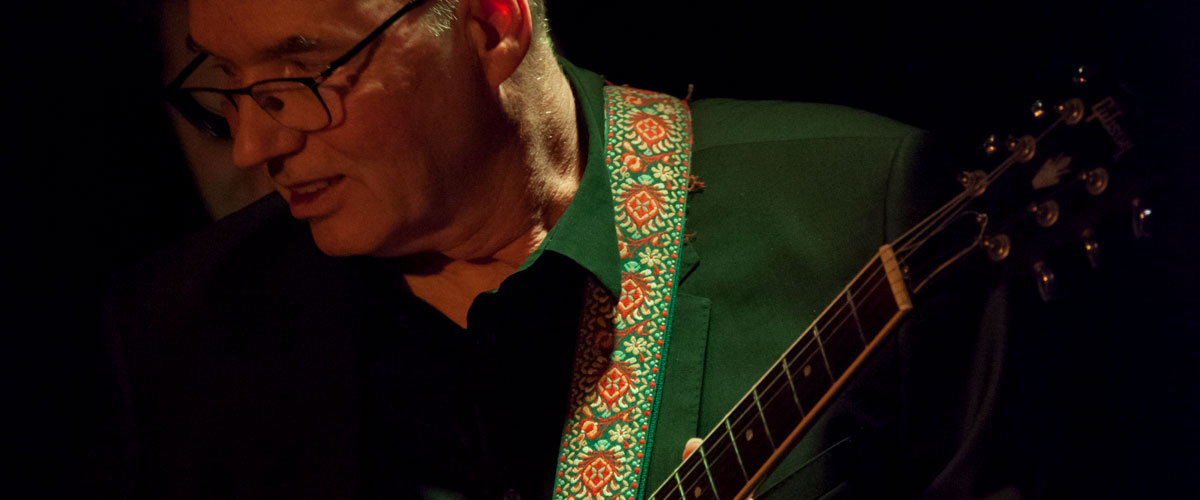
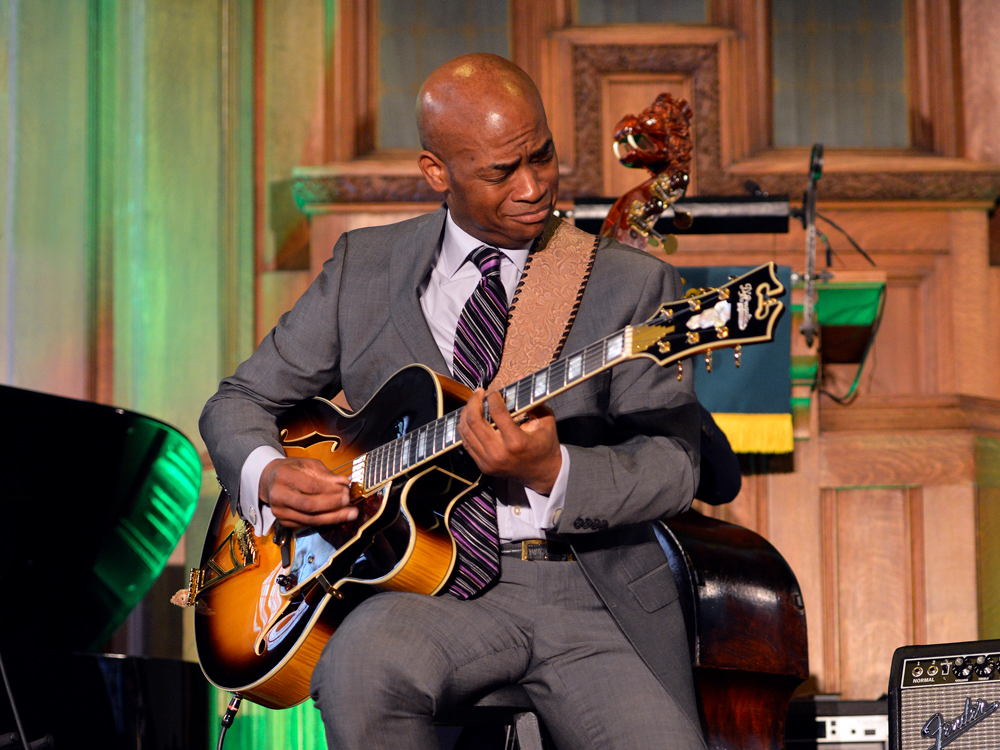
Ted Quinlan. Photo credit: Bill Beard.The crunch of a crisp brown leaf underneath one’s foot; the chill of the wind as it comes off the lake; a Conservative premier embroiled in a minor controversy about his comments regarding immigration and labour. Though the pandemic is far from over, it certainly seems as though Southern Ontario is getting back to its typical autumn rhythm. 

Things are much different, however, than they were at this time last year: with a proof-of-vaccination system in place, steadily declining case numbers, and capacity limits gradually being lifted for a variety of indoor business spaces, we may be forgiven for permitting ourselves a sense of cautious optimism. It is a great relief to be able to contemplate the idea of meeting friends for a drink and a show without feeling an immediate sense of imminent dread (although I suppose this is somewhat dependent on the show and the friends in question).

Read more: Fall with a spring in its step

Photo by Ori DaganAh, September. Across the country – as books are cracked open, backpacks are zipped up, and “”back to school” carries a whole different set of connotations: a pervasive sense of COVID-related anxiety weighing heavy on the collective national consciousness. It still doesn’t quite feel as though things are getting back to normal. It does, however, feel as though we’re gradually heading in the right direction, further potential lockdowns notwithstanding. Let’s hope so: for the venues I cover here, it’s a knife-edge situation still. 

As I have documented in multiple pieces over the last year, the pandemic has been exceptionally difficult for Toronto’s club scene, not least, as I outlined in a recent article, the exorbitant insurance premiums that venues have been asked to pay this year. For many venues, this development intensified existing financial hardship, introducing yet another element of precariousness to the Sisyphean task of hosting live music. 

The changing season, however, brings with it a kernel of hope. Though jazz venues don’t follow the same seasonal cycle as classical institutions, the relatively recent date – July 16 – of the return of live music means that this fall represents a potential turning point for clubs. Having had the summer to hire/re-hire staff, implement new safety protocols, make changes in payment policies, and attend to the myriad other demands of the reopening process, clubs are as ready as they’ll ever be to get back to business, whatever that may look like as the fall progresses into winter. 

Read more: For the clubs it’s not a moment too soon

Last month, the Kensington Market Jazz Festival and the Canadian Online Jazz Festival provided concrete examples of virtual engagement on a large scale, showing programmers, audiences and musicians what digital festivals can look like. Musicians, meanwhile, have spent the year grappling with questions of engagement on a deeply personal level. 

With live audiences largely inaccessible, being a professional musician in 2020 has also meant being a recording engineer, a videographer and a social media planner. It has meant paying more for an upgraded internet connection, purchasing studio monitors and interfaces, and soundproofing apartment bedrooms. It has meant, in a virtual world, that musicians must contend with an idea of themselves as a brand, a glowing, disembodied presence on the screens and speakers of listeners. 

This month, I spoke to six different musicians – saxophonist/vocalist Emily Steinwall, drummer Jon Foster, producer/keyboardist Adrian Hogan, guitarist Rod Rodrigues, drummer Robert Diack and guitarist (and WholeNote contributor) Sam Dickinson – about their experiences with the great virtual shift. What follows are extracts from our discussions that involve home recording, livestreaming, brand maintenance and authenticity. Many thanks to these interviewees for their generosity and honesty; all told, I received close to 7,000 words worth of material, enough for several months’ worth of coverage at my standard word counts here.

Read more: Going Digital: Six Musicians Reflect on the Great Virtual Shift

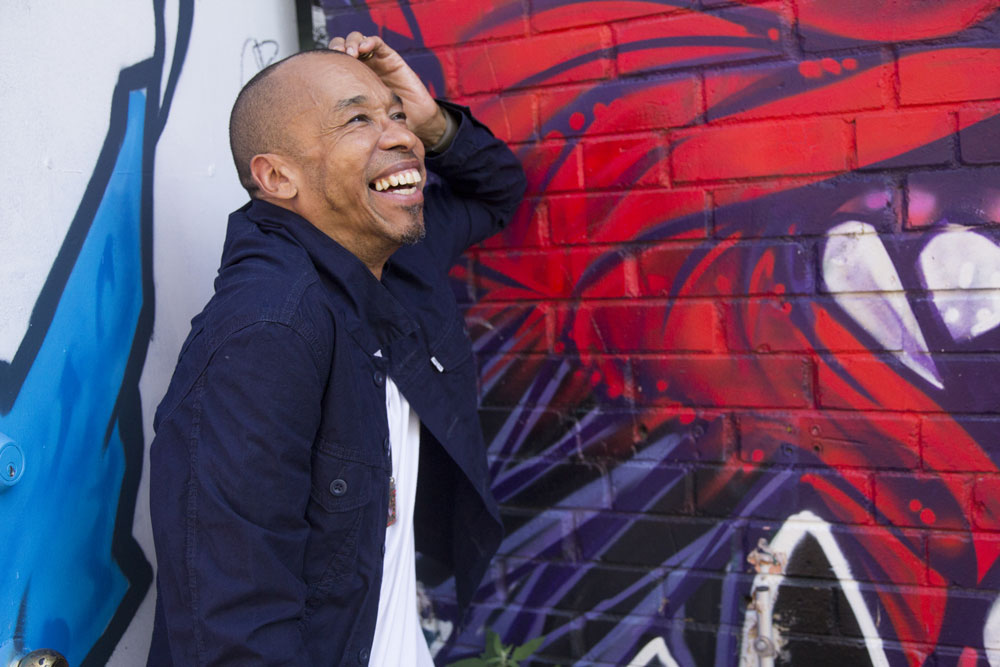
Billy Newton Davis (KMJF)A month ago, as I was putting together the October edition of this column, it seemed as though the live music scene in Southern Ontario was beginning – cautiously, carefully – to reassemble itself. Clubs were posting listings on their websites; artists were beginning to advertise gigs on social media; it was possible to plan a night out. Then, on October 10, restaurants in at least three regions were ordered closed for indoor seating and live music was put on hold once again. While there are still some clubs that are presenting shows, including The Jazz Room in Waterloo, there is a cloud of uncertainty hovering over the industry: venues, musicians and patrons alike. If case numbers go down, will venues be permitted to reopen? If they reopen, will audiences feel safe (and motivated) enough to seek out live music? 

Meanwhile, amidst the gnawing uncertainty, two organizations have committed to presenting major jazz festivals in November, in streaming formats, with a full range of venues, from clubs to concert halls, involved, playing their part in keeping the music alive.

Read more: Rolling with the Punches: A Tale of Two Virtual Festivals

As the sticky, heady haze of summer lifts, the coming of autumn usually heralds a period of productive reorientation, a clearing of the mind, a collective refocusing of eyes on the road ahead. This year, of course, is not a usual year, and, rather than providing reassurance, many of the traditional markers of the changing season are inducing no small amount of anxiety. Teachers and students return to schools amidst a tumult of hopeful precautions, increased screen time and burgeoning case numbers; CERB, a lifeline for out-of-work gig-economy workers, including many musicians, is set to end; the prospect of seeing family and friends continues to be fraught with peril. (Alternatively: for those who wish to avoid spending time with their extended family, COVID-19 has provided an irreproachable excuse.)

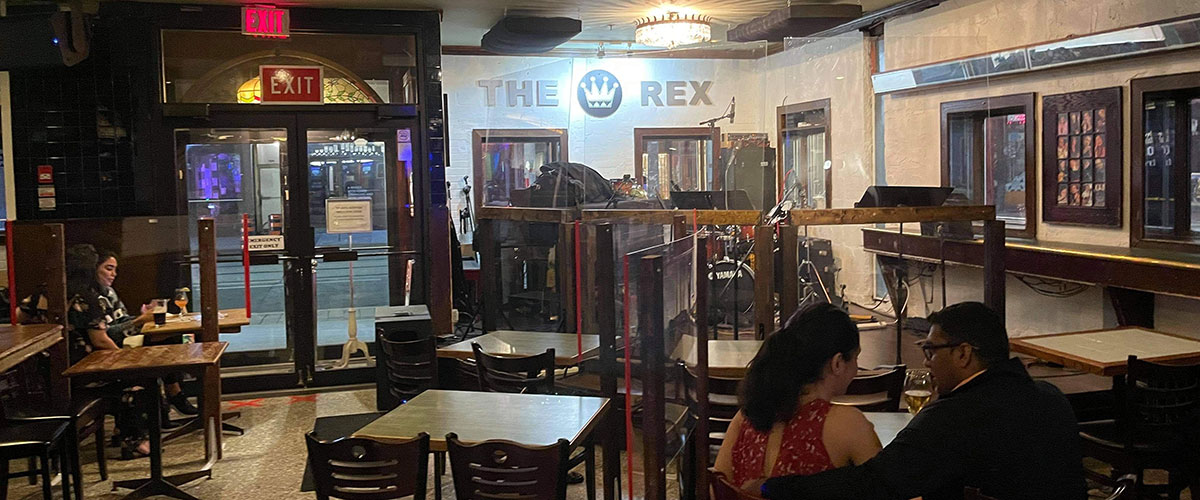
Throughout it all, however, Southern Ontario seems to be settling into an abnormal normalcy, a return to something resembling pre-COVID fall. One of the most exciting musical developments has been the reopening of many jazz clubs, under strict physical-distancing guidelines. Some clubs, like The Emmet Ray, have been open throughout the summer, for takeaway food and beverages, patio service and, eventually, dine-in service, with live music; others, like The Rex, stayed closed until they could reopen all at once, music included.

This October issue marks the first month that listings have been available from individual clubs since March. If you check the Mainly Clubs, Mostly Jazz listings in this magazine (page 47), they may look a little sparse; there are a few reasons for this. The first reason: while many venues have begun to host live music again, the booking process is complicated, and, at the moment, not all venues have their schedules confirmed months (or even weeks) in advance. The Rex is one such club. Though The Rex is presenting two shows a day, their booking process – at least at the time that I wrote this column – is happening on a week-by-week basis. The second reason: some clubs, unsure of what the coming month will bring, are holding off on advertising and even announcements, lest regulations suddenly force them to cancel gigs (or cancel dine-in service altogether). The third reason: some clubs, including 120 Diner, N’Awlins and Alleycatz, have closed.


Read more: Something Resembling Fall

While most club performances are still off the table for musicians, relaxed physical-distancing guidelines have meant that artists have been able to return to some form of live gigs. Near the end of August, I interviewed three different bandleaders – Joanna Majoko, Jenna Marie Pinard and Allison Au – about their recent performances, their quarantine experiences, and moving forward into “the new normal.” 

Joanna Majoko. Photo by SEAN STORYThe Artist: Joanna Majoko
The Performance: Live-to-air concert for JazzFM, as part of the TD Toronto Jazz Festival Summer Concert Series, July 24 
The Band: Joanna Majoko, vocals and percussion; Jeremy Ledbetter, keyboards; Andrew Stewart, bass; Larnell Lewis, drums

Finding balance in quarantine:

“Thankfully, quarantine has not affected my ability to create or practise. It’s been a blessing to have had this time to create a harmonious work environment here at home, and to set up a small home studio and explore and diversify my musical interests, such as getting more comfortable and experienced with recording as well as trying my hand at vocal mixing. I don’t think I would have explored these avenues had it not been for quarantine. The only major aspect quarantine has affected is my ability to perform.”

Read more: Three bandleaders on then, now, and next

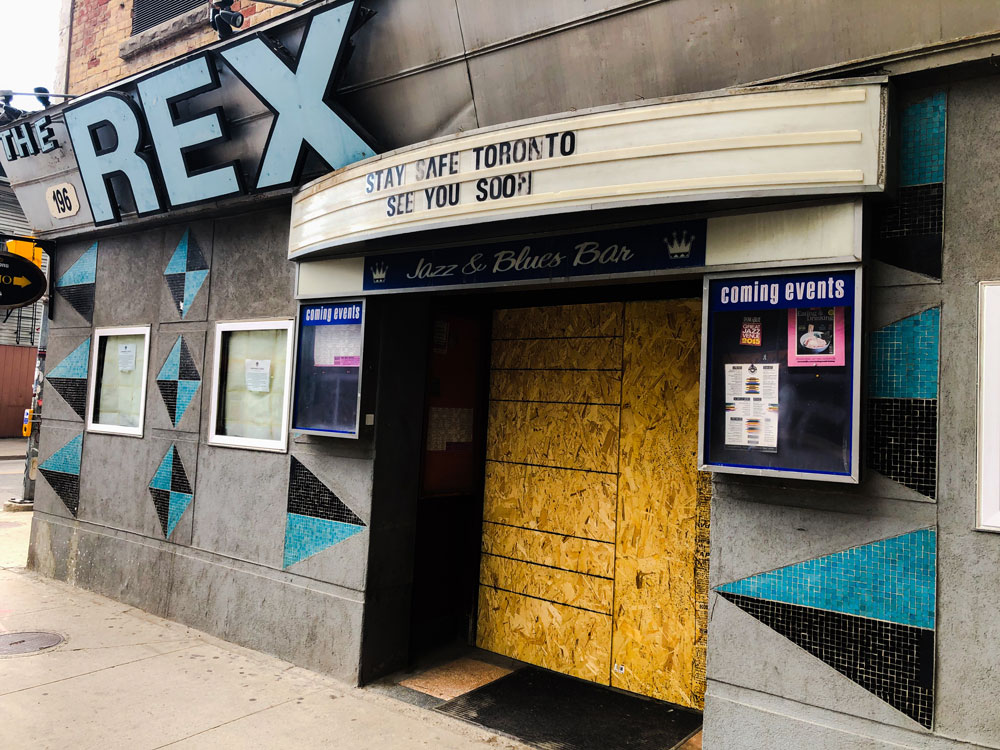
The RexIn the wake of ongoing worldwide protests in support of anti-racist social reform, major Canadian arts institutions have expressed statements of commitment to look inward and address their own programming selections, hiring practices and artistic choices. 

Amidst promises to do better, major institutions have the benefit of time and major financial resources to stay afloat; meanwhile, Toronto’s clubs face an uncertain future. Though it is imperative that venues of all sizes think critically about their own internal biases, it is small venues, rather than large, that have the greater capacity to provide space to diverse programming, having a mandate to develop and serve their communities, rather than their donor base. 

So, with the advent of summer, and a recent move into Stage 2 of the province’s reopening framework, I connected with representatives of three Toronto venues – The Rex, The Emmet Ray and Burdock Music Hall – to discuss the suspension of live performances, surviving the financial hurdles of quarantine, and moving forward.

Read more: Small Venues – Surviving Suspension, and Moving Forward

The economic ramifications of COVID-19 will play out in the coming months and years, and will have an effect on the artistic community unprecedented in recent memory. But long-term economic effects must, necessarily, be of less concern than the immediate, urgent need to stay inside, to save lives. One of the initial challenges of this period for many of us, no matter how community-conscious we strive to be, was to confront our own natural reaction to view with skepticism any potential changes to our everyday life. The coffee shop where I like to write, the studio space where I like to practise, the grocery store where I like to stop every few days and purchase more cheese than a single man living by himself should have any healthy reason to consume: these communal spaces were the sites at which I experienced the mundane foundational joys of my life. But now, things are different: the studio is closed, the coffee shop is open for takeout and delivery only, and the grocery store, though open, is no longer amenable to the contemplative cheese-counter flâneur.

Read more: Mundane Musings of A Cheese-Counter Flâneur

As I write this – on March 20, 2020, five days into Toronto’s period of mass social distancing and self-isolation/quarantine – all live musical performances have been cancelled in Toronto venues for the foreseeable future. While it isn’t possible to know when, exactly, we will all be able to return to some semblance of normalcy, it is still possible to celebrate the April shows that would have been. In this month’s edition of my column, I’ve interviewed five different artists, involved in four different April shows, including a long-term weekly residency at La Rev, a month-long weekly residency at The Rex, a double-album-release show at the Array Space, and a doctoral recital in the jazz performance program at the University of Toronto. 

It is imperative, at this critical moment in the history of the Toronto music community, to continue to support one another: musicians, venues, patrons, schools, and publications alike. If you’re new to the artists below, please follow them on social media, check out their websites, and, if you enjoy their music, consider purchasing an album on Bandcamp, or on other services. This goes for any of your favourite local musicians, many of whom, beyond cancelled performances, are also experiencing a drastic cut in teaching, recording and other activities. Also, even in the early stages of this period, many musicians are live-streaming concerts, offering online lessons, and creating new ways to interact with the community. So, please: be in touch! Just not literally.

Read more: Social Distancing While Staying in Touch

Sarah Thawer kicks off Drum Week March 8. Photo by Brendan MarianiIn my column last month, I wrote about the February 7 appearance of the American jazz guitarist Russell Malone at Hugh’s Room Live, an unusually high-profile show to occur in the bleak Toronto winter. What looked like an anomaly for the Dundas West venue, however, now seems as though it’s part of a growing trend. During the week of March 8, Hugh’s Room Live hosts a special event: Drum Week, sponsored by Yamaha. With seven acts taking the stage from Sunday, March 8, to Saturday, March 14, Drum Week will feature leading Canadian and American drummers from multiple generations and stylistic backgrounds.

Starting things off on March 8 is Sarah Thawer, who plays at 2pm. Thawer – who stays busy both locally and internationally as a bandleader, sideperson, and educator – is an exciting, high-energy drummer with a wealth of technique, whose own music incorporates elements of jazz, hip-hop, fusion and other genres. Next up during drum week: the legendary Jimmy Cobb, who, at the age of 91, is the only surviving contributor to the seminal Miles Davis album Kind of Blue, recorded in 1959. Active since the 50s, Cobb has played with a wide range of jazz luminaries in addition to Davis and co., from Dizzy Gillespie, Billie Holiday and Stan Getz, to younger players such as Peter Bernstein, Brad Mehldau and Vincent Herring.

Read more: Drum Week at Hugh’s and Women From Space

Russell MaloneOn February 7, the American guitarist Russell Malone plays at Hugh’s Room Live. For those unfamiliar with his work, Malone is a swinging, bluesy player, steeped in the hard bop tradition, who has worked with many of jazz’s leading names, including bassists Ron Carter, Ray Brown and Christian McBride, keyboardists Benny Green, Jimmy Smith and Monty Alexander, and crossover star vocalists Harry Connick, Jr. and Diana Krall. It is unusual to see someone of Malone’s stature playing in Toronto outside of a major festival setting; to see him in a club, as opposed to a soft-seat theatre, is more unusual still, and speaks to the singular nature of this event. Malone favours large, hollow-body guitars, minimal effects and clear, articulate right-hand technique. He is a representative of a jazz guitar tradition that extends back to George Benson, Wes Montgomery and Charlie Christian, and he is an expert interpreter of the Great American Songbook. A highly recommended show, for fans of the guitar generally, Malone specifically and, really, anyone who has an interest in the living history of jazz. 

Read more: Jazz History at Hugh’s with Russell Malone
Back to top