05 Vlatkovich FiveFive of Us
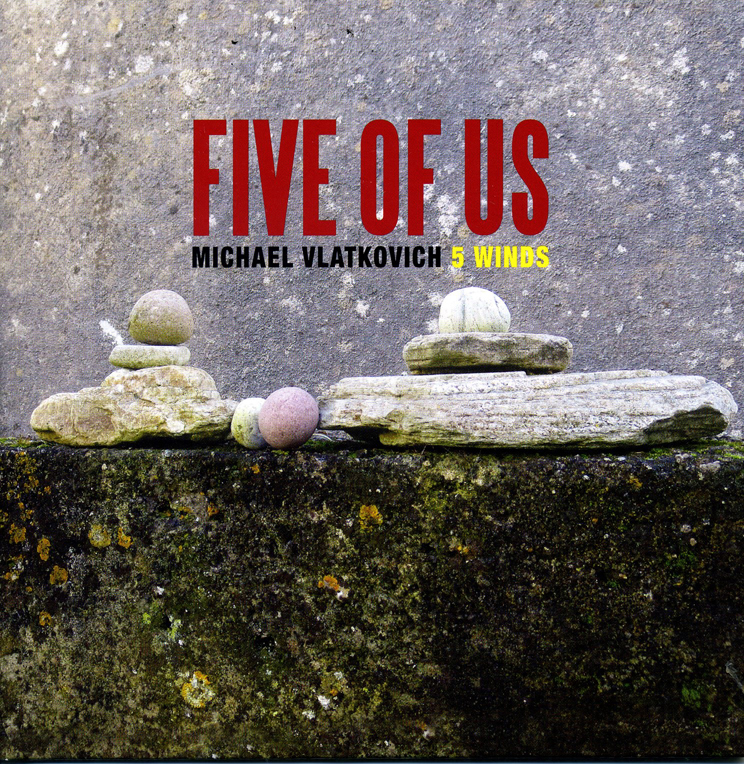
Michael Vlatkovich; 5 Winds
pfMENTUM PFM CD 130 (pfmentum.com)

Gathering four of Toronto’s most accomplished horn players to collaborate on his 5 Winds Suite and other compositions, American trombonist Michael Vlatkovich recorded this disc at Array Space, producing sounds that recall both a disciplined concert band and a freeform improvising ensemble.

Dividing the presentation so that the higher-pitched trumpets of Lina Allemano and Nicole Rampersaud are contrapuntally stacked against darker timbres from David Mott’s and Peter Lutek’s saxophones, the trombonist challenges or harmonizes with each group in turn, lowing snarls when called for and shrilling flutter tones when necessary. Working through call-and-response sections as well as individual solo spots, the crafty arrangements are particularly notable on the suite. Sophisticatedly layered to highlight individual voices, a climax of sorts arrives with Part 5: Five. Mott’s baritone saxophone sighs move from melodious harmony to screaming intensity as the muted brass tones bolster the background. Although top-of-range cries and slurs dominate, dissonance never upsets forward motion.

Similar strategies underline the other sequences. On the introductory Please Help Me I’m Blowing Bubbles, for instance, Vlatkovich’s airy slides harmonize with descending reed amplifications. Later, after the five experiments with variants of split tones, slurs and shakes, the concluding For The Protection of Yourself and Others You’ll Need to Wear Your Space Suit is bouncy and boisterous but balanced despite shuddering capillary brassiness and reed glossolalia. Four of the five musicians may come from a different country, but exemplary improvising within crafty arrangements knows no boundaries.

06 Peter EldridgeSomewhere
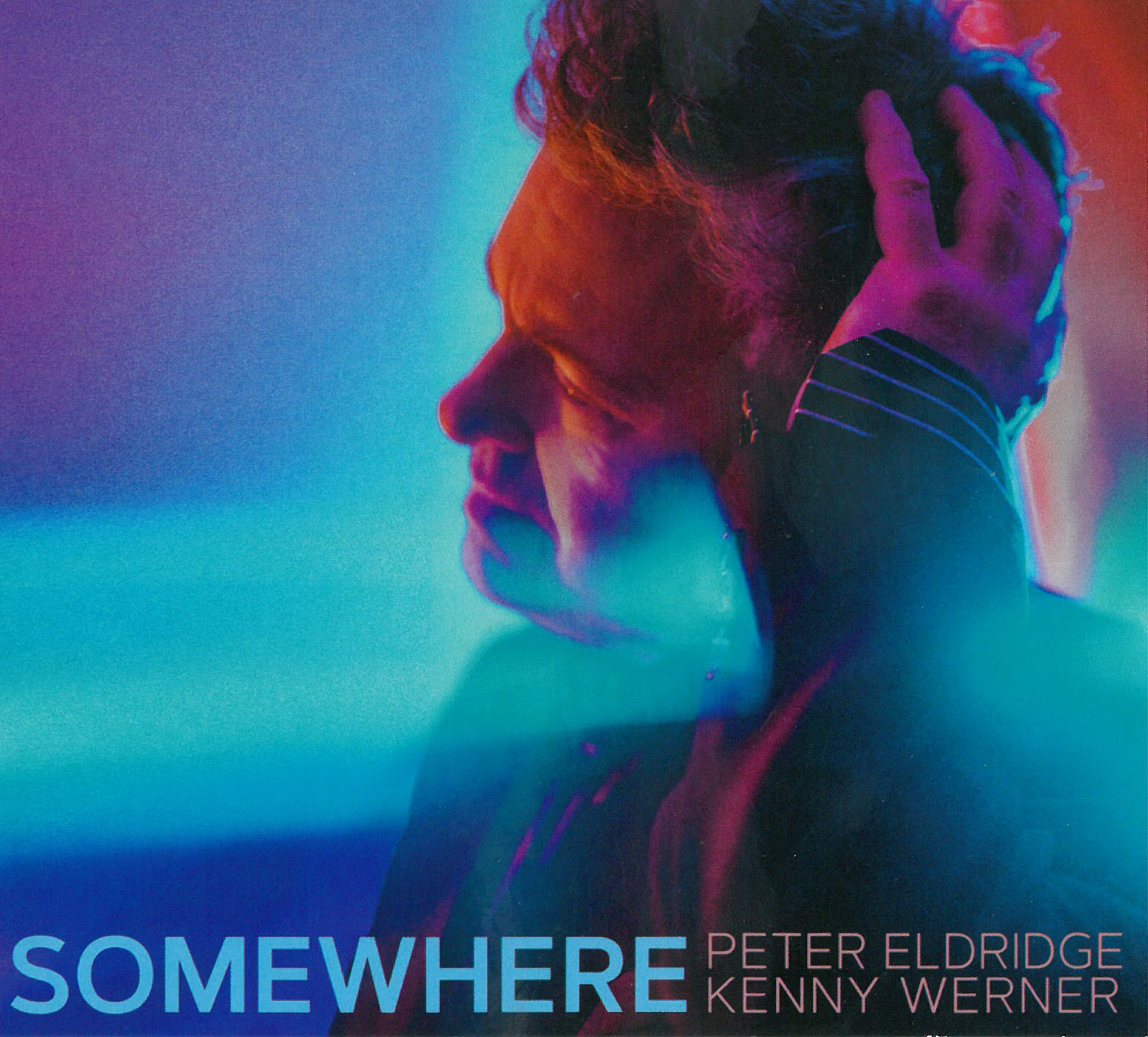
Peter Eldridge; Kenny Werner
Rosebud Music (petereldridge.com)

Consummate vocalist, composer and lyricist, Peter Eldridge has joined forces with arguably one of the finest jazz pianist/composers of his (or any other) generation, Kenny Werner, to co-produce a contemporary album of breathtaking beauty. The project boasts not only some fine original tunes, but also a sprinkling of some much loved popular standards – all rendered with fine rhythm section work by Werner on piano, Matt Aronoff on bass and Yoron Israel on drums. Eldridge’s rich, nuanced vocals and sumptuous orchestral arrangements (skillfully arranged for The Fantastical String Orchestra by Werner and conductor/cellist Eugene Friesen) make this a formidable CD.

Things kick off with the Eddie Arnold hit, You Don’t Know Me. Eldridge’s silky baritone takes command of this gorgeous standard, which is lusciously wrapped in acoustic strings and supported by the supple spine of Werner’s inspired piano work. Another outstanding selection is That Which Can’t Be Explained, with music and lyrics by Eldridge. This sensitive ballad has a lovely, poetic lyric and a pleasingly complex melodic line. Eldridge effortlessly takes the listener along for the ride on a deep emotional journey… this is a hit song in search of a hit Broadway show!

Additionally, the Bernstein/Sondheim title track/medley is a major stunner, and begins with a haunting a cappella voice, followed by solo piano, which gently enfolds Eldridge throughout. A brilliant orchestral segue leads to the second part of the medley, A Time for Love, which features exquisite harp and string section work, and of course Johnny Mandel’s incomparable melody.

Without question, the artistry of Eldridge and Werner make Somewhere one of the most exceptional recordings that I have had the privilege to experience this year.

07 Pete McGuiness OrchAlong for the Ride
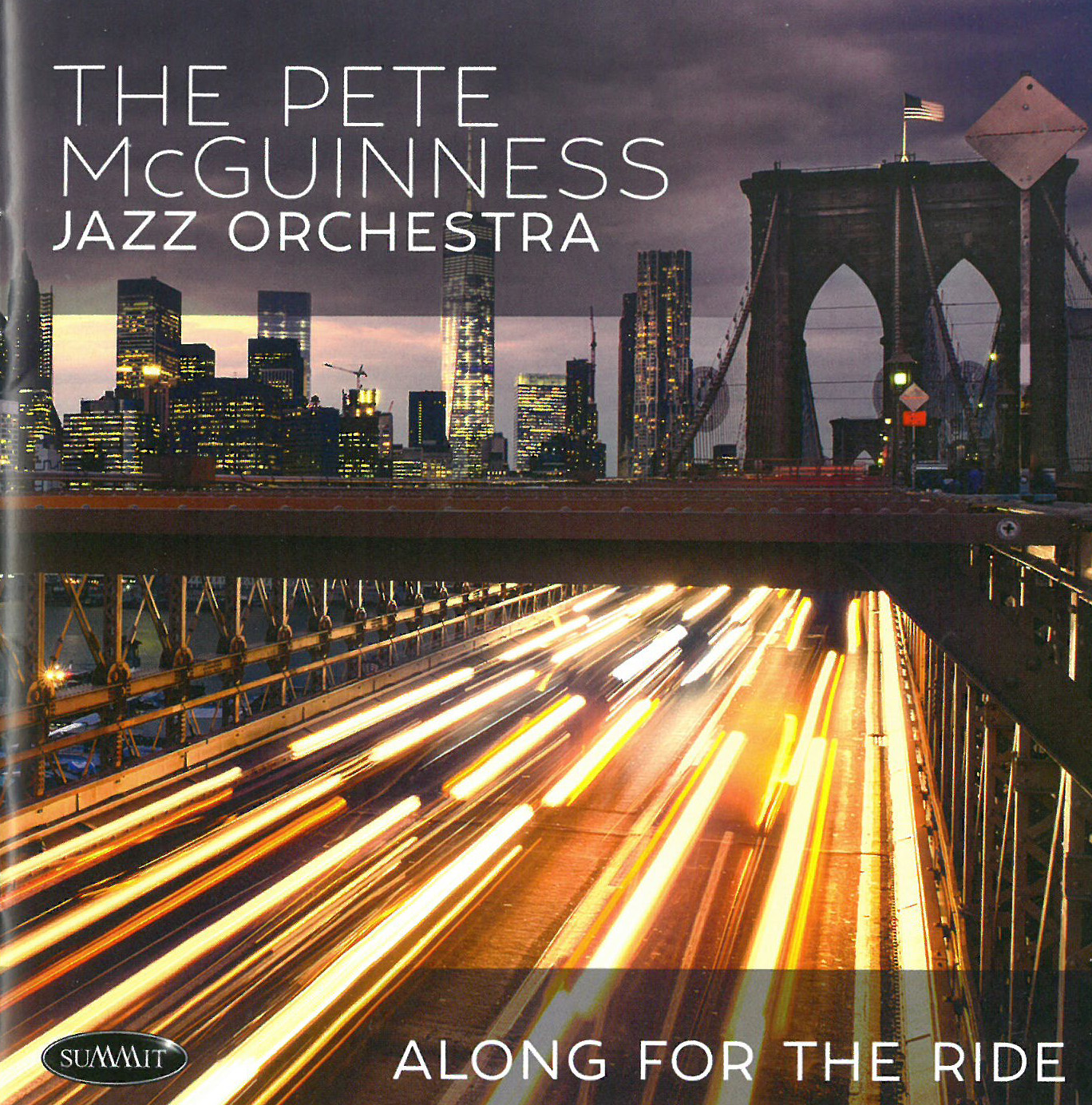
The Pete McGuinness Jazz Orchestra
Summit Records DCD 747 (summitrecords.com)

With the release of his third big-band CD, multiple Grammy-nominated composer, arranger, producer, trombonist and vocalist Pete McGuinness has certainly grabbed the golden ring. This is a fine recording featuring tasty standards, beautifully-constructed original compositions, inspired and contemporary arrangements by McGuinness and skilled performances by some of New York City’s most gifted musicians. All arrangements here are by McGuinness, and the recording kicks off with the Charles Strouse depression-era hit Put on a Happy Face. The track is the perfect, snappy, up-tempo opener, with a beautifully recorded big band sound (no easy task) and a buoyant and facile tenor solo from Tom Christensen.

The creative take on the late Michel Legrand’s You Must Believe in Spring is a total delight. McGuiness scats over melodic lines, and also performs the lyric with great emotion and perfect intonation, while pianist Mike Holober propels this gorgeous tune and arrangement through and around all of its beautiful changes. Of special note is Aftermath. With a moving brass choir opening, this original has its origins in an assignment once given to McGuinness by Bob Brookmeyer at the BMI Jazz Composers’ Workshop. Essentially an expanded tone poem about the loss of McGuinness’ close friend, this contemporary piece features Dave Pietro’s incredible (and indelible) soprano solo, which morphs into a wail of pain, grief and frustration (as well as other fine-tuned emotional states).

An additional standout is the McGuinness composition, Point of Departure – a dynamic arrangement that displays a full-throttle, big band sound – just as it should be – with Rob Middleton shining on tenor, as does Bill Mobley on trumpet.

Listen to 'Along for the Ride' Now in the Listening Room

08 Trance MapCrepescule in Nickelsdorf
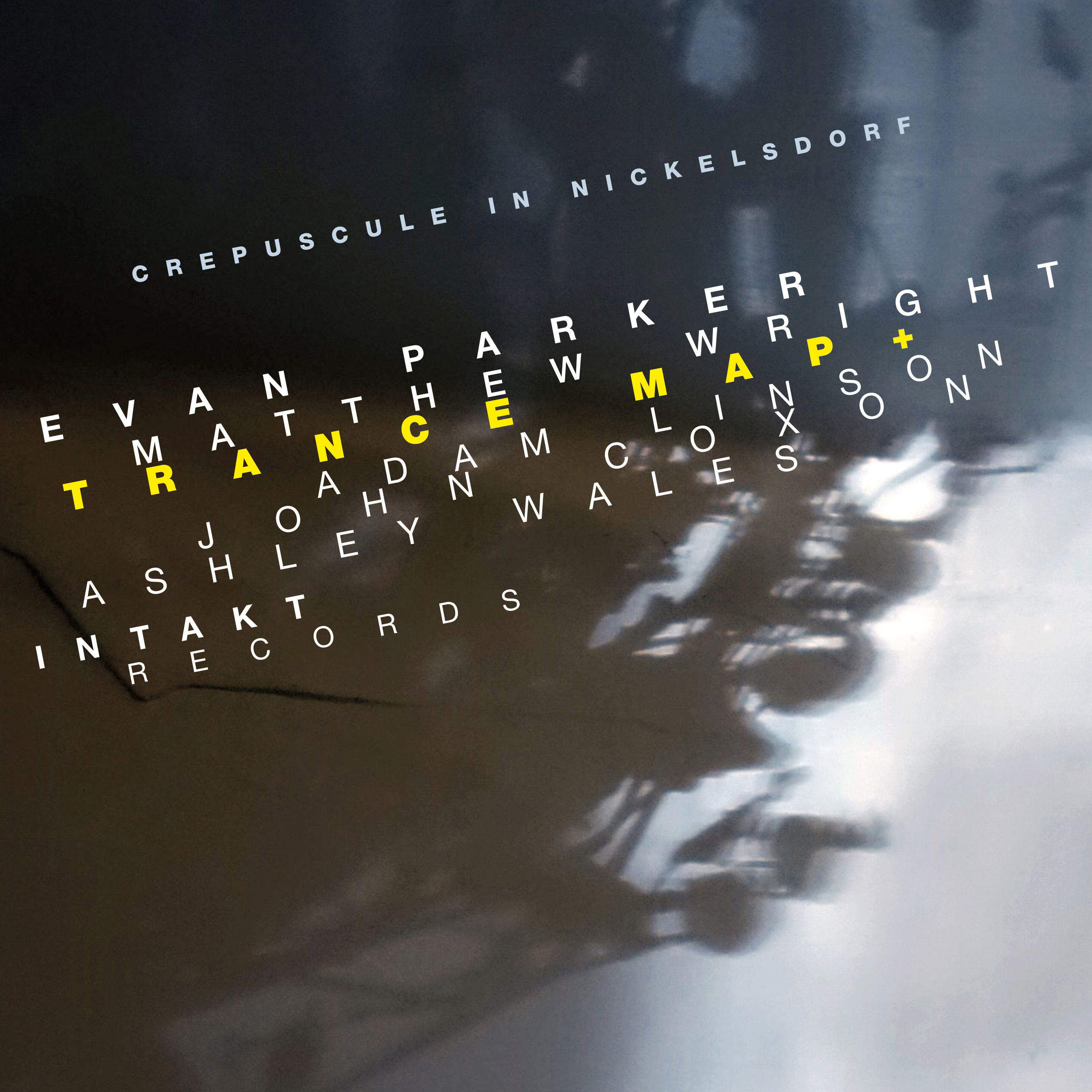
Evan Parker; Matthew Wright; Trance Map+
Intakt CD329 (intaktrec.ch)

In the 1970s, English saxophonist Evan Parker began developing and combining a series of extended techniques, including circular breathing, false fingerings, harmonics and multiphonics, eventually creating sustained improvisations that could simultaneously suggest flocks of birds and keyboard works by Terry Riley. Eventually he combined these processes with multi-tracking and electronic musicians, further mutating and extending the materials. Between 2008 and 2011, Parker worked with composer/sampling artist/turntablist Matthew Wright to construct a piece using materials from Parker’s collection of recordings, resulting in Trance Map. In 2017, the original materials became the basis for the group heard here, Trance Map+, which adds bassist Adam Linson, turntablist John Coxon and Ashley Wales, all three employing electronics.

This performance from the Austrian festival Konfrontationen 2017 is as complex and engaging a performance as one may hear from the world of improvised music, a maze of sound in which different sounds come to the fore, most frequently Parker’s soprano but the others as well, whether foregrounding the ambient bass rumble of heavy amplification or the subtle harmonics of Linson’s bass.

At the beginning, there’s a passage of bird song in the foreground, a literal trace from Parker’s recordings. That sample of the natural world floats into the soprano’s mechanical world. Then the mirror worlds of Crepuscule unfold, combine and shift: saxophone and bass, bird chirp and insect song, oscillator blip and needle scratch, tease and confound the ear, mutating into and beyond one another’s identities.

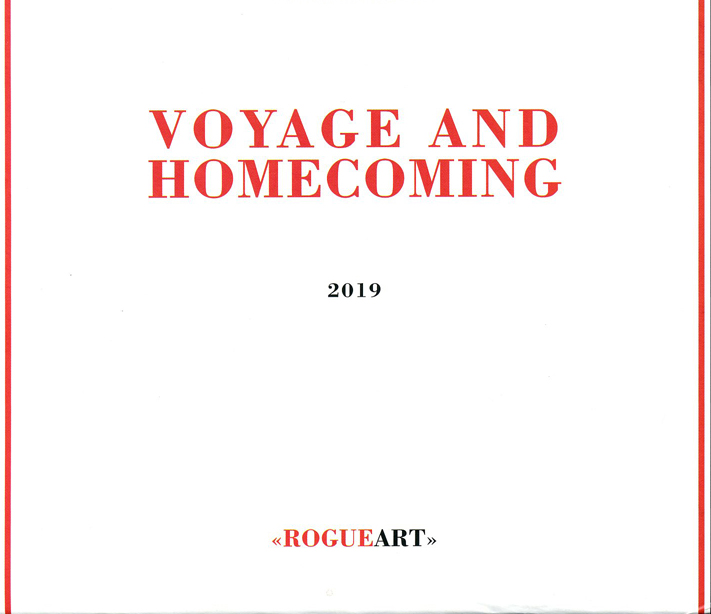
09 VoyageVoyage and Homecoming
George Lewis; Roscoe Mitchell
RogueArt ROG 0086 (roguart.com) 

A mostly trio session featuring only two musicians, this CD is defined that way because Voyager, its more-than-25-minute centrepiece, features close interaction among veteran improvisers, trombonist George Lewis and saxophonist Roscoe Mitchell, and an acoustic Disklavier piano programmed by Lewis’ interactive Voyager software.

Reacting to the sounds generated by the horn players, the piano’s recital-ready introduction soon develops splintered and syncopated cadenzas and clusters which, during the sequence development, accompanies first the trombonist’s expansive pumps and then the alto saxophonist’s bluesy extended line. Obviously never outpacing the humans, the piano accompaniment moves from dynamic glissandi to jolts and jumps, making common cause with Mitchell’s thin reed snarls and Lewis’ plunger blats. The polyphonic climax arrives as the three sound layers intersect at top volume, but with individual contributions very audible.

While the concluding Homecoming is a classic duet between trombone and soprano saxophone, Qunata, the debut track, has Mitchell’s sopranino saxophone carving out a place for its shrill peeps and gaunt trills from the concentrated synthesized samples and inflated granular warbles produced by Lewis’ laptop. Working up to a textural program that could be the soundtrack for a film on cosmic exploration, the track ends with a programmed voice repeating “unable to continue.” That sly electroacoustic joke doesn’t characterize a disc that auspiciously offers profound instances of how man and machine can cooperate musically.

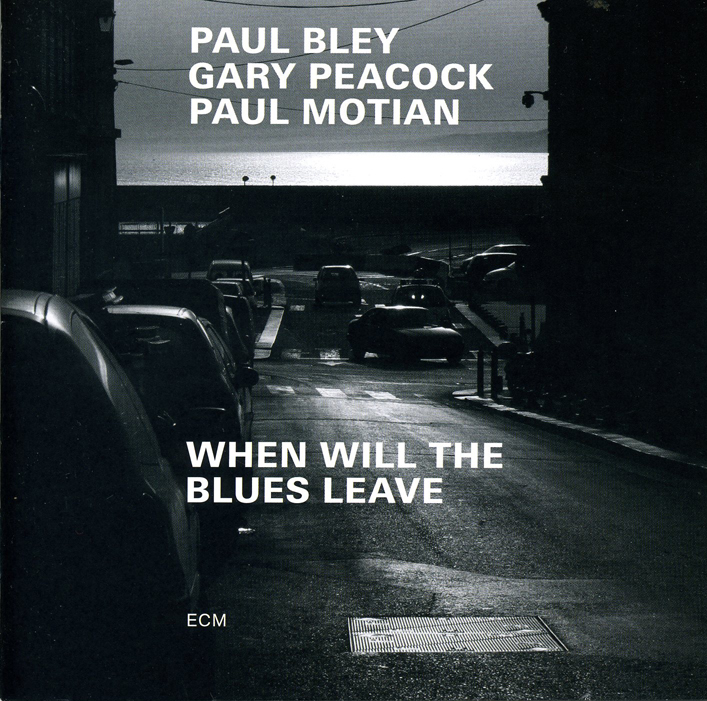
10 BleyWhen Will the Blues Leave
Paul Bley; Gary Peacock; Paul Motian
ECM 2642 (ecmrecords.com)

Previously unreleased, this 1999 recital finds pianist Paul Bley (1932-2016), drummer Paul Motian (1931-2011) and bassist Gary Peacock (b. 1935) at the height of their mature mutual powers. This Lugano-recorded set is particularly notable since concentration is on the pianist’s infrequently exposed compositions.

A lively run-through of Mazatlan begins the showcase, as nuanced keyboard strategies pulsate and pause with unexpected sonic detours while a sinewy tandem dialogue is established with Peacock. Meanwhile Motian’s shattered clanks help juice Bley’s unexpected bursts of low-pitched emphasis and swelling timbres which recap the head. Not known for funkiness, Bley still invests Told You So with a tranche of walking blues even as he fragments the narrative with bent notes and expansive tonal quivers. The selections also encompass a relaxed, impressionistic and balanced variant of I Loves You, Porgy, taken at a moderate tempo. As well, the bassist’s subtly low-pitched string swipes and pulls alternate with vigorous, lightning-quick patterning when playing his own Moor.

Trio skills are best expressed on the Ornette Coleman-composed title track, With the pianist’s swift glissandi changing the exposition’s speed and pitch nearly every bar, the performance intensifies once drum rim shots and rattles combine with bass thwacks to emphasize the melody. Yet even as the trio collectively descends the scale to hit a groove, the originality of the tune – and by extension Bley’s conception of it – are confirmed when the ending lacks a conventional pattern completion. Twenty years on, the disc’s vigour and intensity still echo.

Although the sentiment conjured up by the phrase, “poetry and jazz,” is one of scruffy beatniks intoning verse to the accompaniment of a stoned bongo player, the intersection of poetry and improvised music has a longer history. As far back as the 1920s poets like Langston Hughes integrated jazz energy into their work and subsequent interaction involved whole groups of literary and musical types, with notable instances in San Francisco, Liverpool and Vancouver up until the present day. Some of the discs here extend the idea of sounds complementing words, while others work on the more difficult task of integrating both elements.
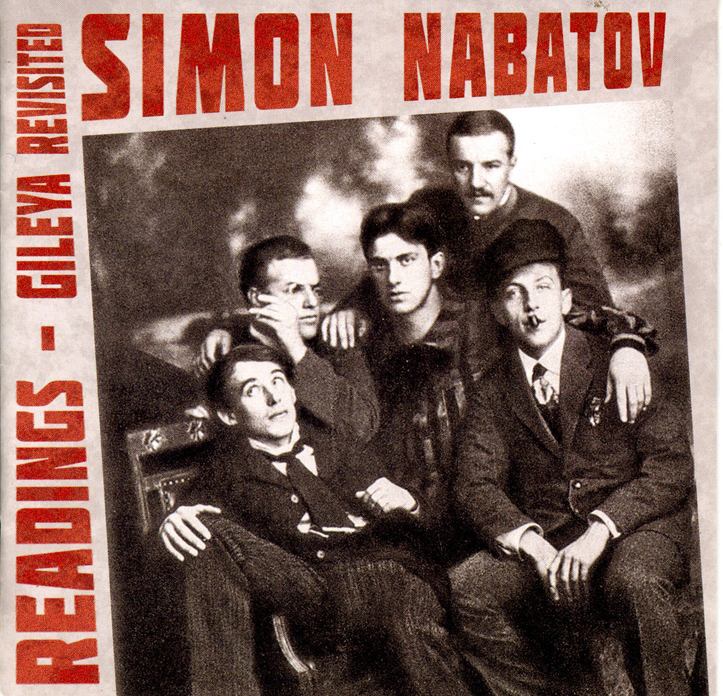
01 NabatovA particularly fascinating instance of this is Readings Gileya Revisited (Leo CD LR 856 leorecords.com). On it, Russian-born, Cologne-based pianist Simon Nabatov has created musical settings for poems from members of the Gilya group, a Russian Futurist movement that thrived just before, and for a time, after the Russian Revolution. The pianist’s associates are Germans, reedist Frank Gratkowski and electronics master, Marcus Schmickler, American drummer Gerry Hemingway and most importantly, Dutch vocalist Jaap Blonk. While Schmickler’s skills are used sparingly, as on the penultimate track where granular synthesis and processing deconstruct a sample of one of the original Futurist’s recitations, and then are superseded by resounding pattering from the drummer. In another instance, on A Kiss in the Frost oscillated aviary echoes share space with Blonk’s double-tracked theatrical recitation of a Futurist poem, completed by reed buzzes and piano patterns. But the nub of creativity is most thoroughly expressed in the ways in which Blonk’s phrases plus piano-reed-and-percussion sounds interact as equals. For instance the gargles and yells that express the budding of Spring are met by hard keyboard comping and drum pops following an introduction of ethereal flute puffs. Imagist stanzas that warble and plead are extended with reed bites and press rolls on And Could You?, while harmonized keyboard tinkles and formalistic clarinet trills do as much to define the theme of Palindrome as matched nonsense syllables from Blonk. Most crucially, with the boisterous dynamics that characterize Shokretyts, composer Nabatov and the others confirm that Futurism is as much an instrumental as a vocal art. After Blonk intones “when people die they sing songs,” Gratkowski’s tenor saxophone response is almost (Stan) Getzian in its lyricism, although it’s followed by dynamic key crunches and sprays of notes from the pianist, and bass drum pounding and wild-boar-like snorts and altissimo screams from the saxophonist, until all four shout out the track title. As the players’ instruments replicate the syllables, Blonk intones them to complete the poem.
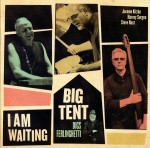
02 BigTentApproaching the idea differently, American trio Big Tent, with pianist/vocalist Jerome Kitzke, bassist Steve Rust and percussionist Harvey Sorgen add poems by Beat forefather Lawrence Ferlinghetti among the trio’s advanced improvisations on I Am Waiting (NotTwo MW 989-2 nottwo.com). Kitzke’s low-key, tongue-in-check recitation makes clear the contemporary relevance of this sardonic mid-20th-century verse. For instance, the exaggerations turned on their head in I Am Waiting “for the rebirth of wonder” including Elvis Presley and Billy Graham changing places, are underlined with swelling bass string pumps and alternating splashing or tinkling piano chords. Meanwhile a bop fable about Christ, Sometime during Eternity, uses banjo-like twanging to signal Jesus as “real dead” and stentorian plucks to contrast his teaching with the subsequent ignoring of it by his so-called followers. Without words the trio’s improvising is also nuanced. Facing kinetic drum rolls and piano string strums on Trio in a Bottle, Rust constructs a sequence that vibrates from the bass’ scroll to its spike. Kitzke bends tones and patterns in the kinetic exposition that is Blues Afield, harmonized with the bassist’s stylized pings. Meanwhile ground bass lines and mid-range keyboard swing on Sweet for the Eternal Spring giving Sorgen space to boisterously roll out sprays of percussion power, advancing the theme rhythmically and finally calming it with paradiddles.
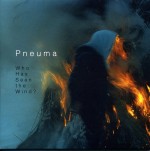
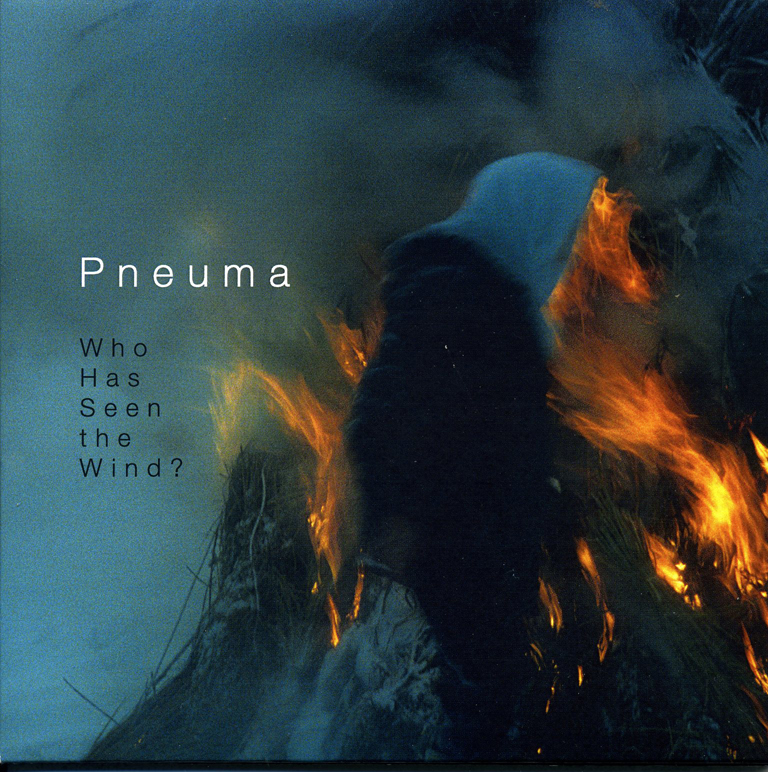
03 PneumaA more difficult stanza interpretation is expressed on Pneuma’s Who Has Seen the Wind? (Songlines SGL 1629-2 songlines.com). Not only does Montreal-based vocalist Ayelet Rose Gottlieb personalize the often-translated (by herself) words of Japanese, Iranian and English poets, but her only accompaniment is the three clarinets of Vancouver’s François Houle and Americans, James Falzone and Michael Winograd. With one clarinetist usually playing chalumeau for continuum, Gottlieb confidently cycles through moods ranging from wistful to lighthearted, with her lyric soprano harmonized and used as much as an instrument as the woodwinds. This is particularly obvious on the suite of brief Japanese poems where a single image or mood is conveyed by the timbre of Gottlieb’s voice rather than the words. Another instance is Passing Through/Lament for Harry, honouring her deceased grandfather, where emotion is expressed by melodic warbling linked to coloratura clarinet peeps and trills. In the same way, the impressionistic title track, from a poem by Christina Rossetti, harmonizes the clarinets in a near-baroque manner. The melded timbres flutter up the scale, but not enough to detract from the poem’s gentle imagery. In contrast James Joyce’s Alone brings out emphasized melisma as Gottlieb swallows the lyrics with low tones as the clarinets move upwards. Trembling/Light is an erotic poem, but that may be masked as the response to her vocalization is thumping tongue stopping and echoes from the bass clarinet. Finally Neither You Nor I/Conversation with Ora, which she composed after the death of a close friend, is no dirge but a defiant celebration where the melody moves via bird-like trills and tongue slaps from the clarinets, until voice and reeds join for a jocular up-tempo final stanza.
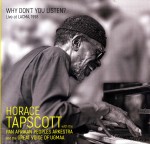
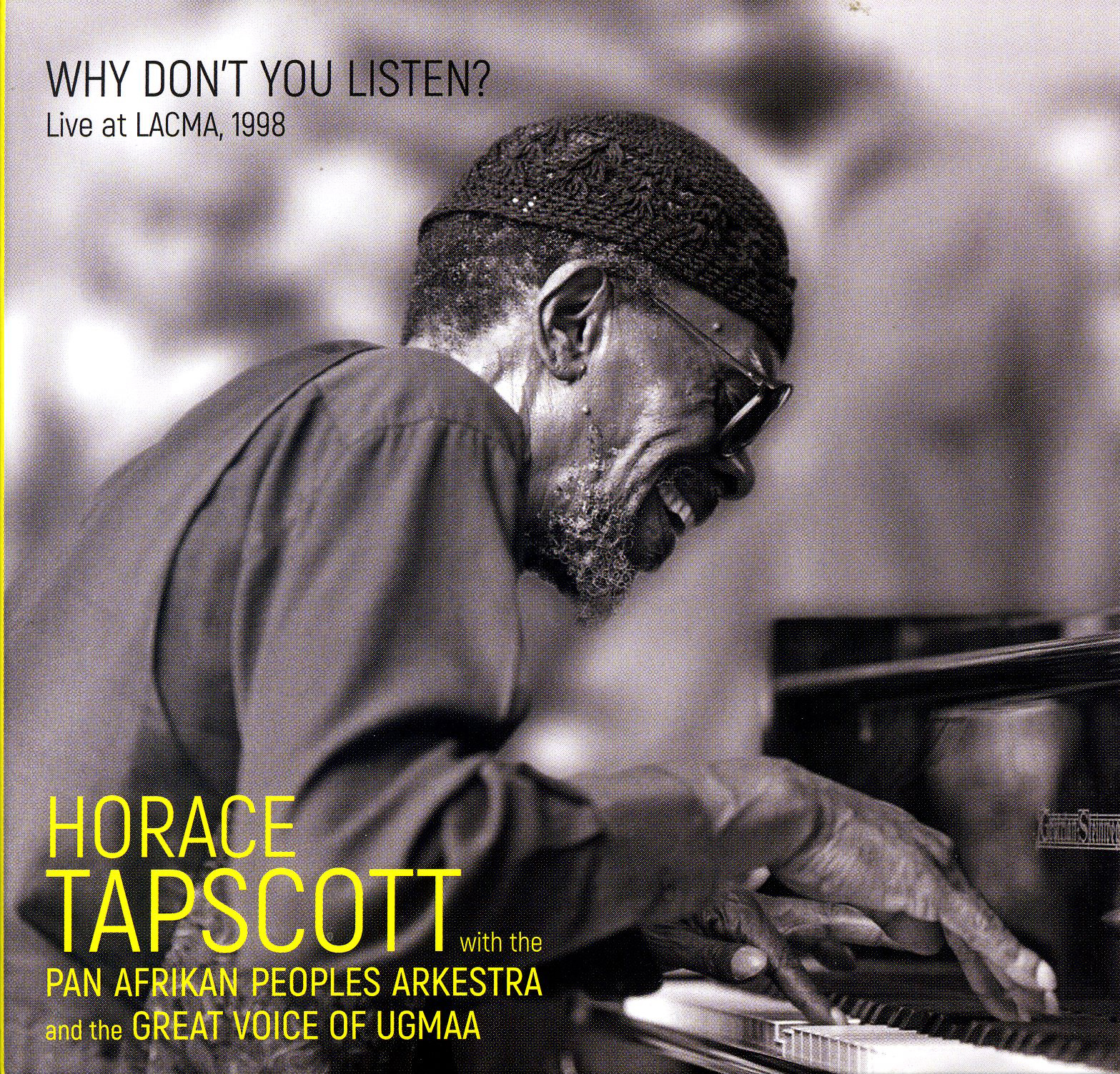
04 TapscottThere are suggestions of spiritual singing from Pneuma and an equivalent instance of turning ecclesiastical words and music into a secular form on Why Don’t You Listen? (Dark Tree DT (RS) 11 darktree-records.com) by Horace Tapscott/Pan Afrikan Peoples Arkestra and the Great Voice of UGMAA. Los Angeles-based pianist Tapscott’s nonet expresses its characteristic message on this 73-minute concert, not only through his highly rhythmic arrangements utilizing three double basses and three percussionists, but through songs performed by the l2-member UGMAA. In its vocal blends the choir, whose initials mean Union of God’s Musicians and Artists Ascension, bring the sound of a sophisticated gospel ensemble to the selections. But divergence occurs since the word-poetry isn’t on sacred texts, but instead, variously salutes a Nigerian musician known for his struggle against dictatorship (Fela Kuti); provides an object lesson of the accomplishments of jazz heroes (Why Don’t You Listen?) and praises the mother continent itself (Little Africa). The most accomplished achievement is the second tune, where singing over a captivating rhythmic groove, the voices invest the listing of innovators with the same sincerity a church choir would bring to the scriptures, emotionally extending the words with melisma and hocketing, as boisterous, sinewy solos from the pianist, saxophonist Michael Session and drummer Donald Dean are interspaced like extra voices. When choir director Dwight Tribble ends the extended track with near-R&B testifying, the spiritual link between improvised music and Black empowerment is complete. Tapscott’s worldly arrangements, which combine exploratory sounds and grounded beats, characterize the non-vocal parts of the disc, with the slippery blats of trombonist Phil Ranelin and Session’s soaring slurs particularly impassioned.
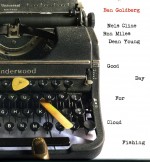
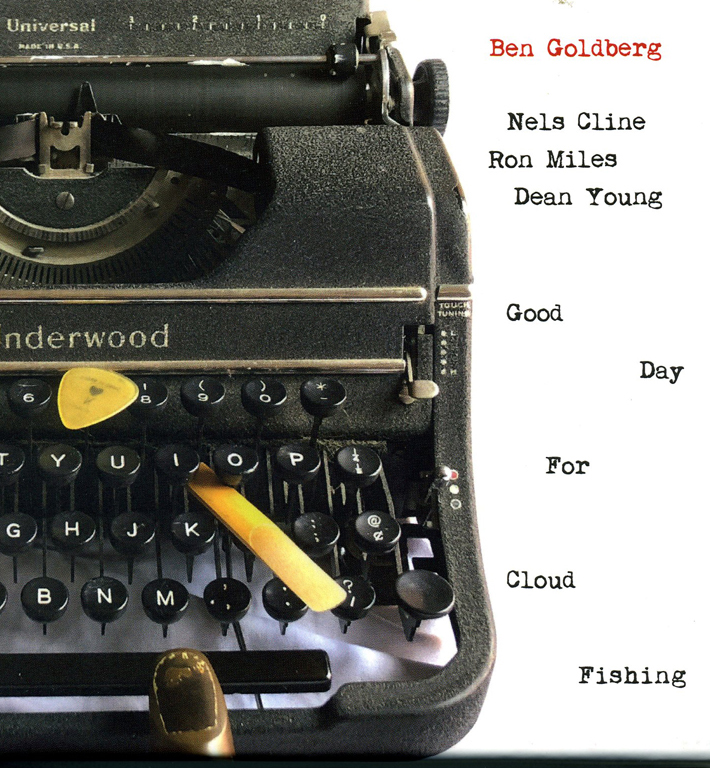
05 GoldbergAdding another twist to this theme is Bay area clarinetist Ben Goldberg’s Good Day for Cloud Fishing (Pyroclastic PRO 5 pyroclasticrecords.com). Here Goldberg, trumpeter Ron Miles and guitarist Nels Cline improvise on Goldberg’s compositions inspired by Dean Young’s verse. Present at the recording session, Young wrote new poems influenced by the music. A set of entry and exit poems are included in the package. Designed as three separate art pieces, it’s fascinating to try to work out linkages. Overall, the exit poems seem to reflect the sounds more directly than the music reflects the verse that inspired it. For instance, the clash and clatter of distorted guitar licks, reed flutters and trumpet growls lead Young to mix musical and literal metaphors on Section 8 instead of the string of plaints on the Sub Club Punch Card that is its entry poem. Or the herky-jerky guitar clinks which underscore the high-pitched trumpet and low-pitched contra-alto clarinet blowing in ambulatory reflection on Dandelion Brainstem winnows to coloratura reed smears and string plinks by the finale, though the mordant imagery of the exit poem Corpse Pose further extends the metaphor. Putting aside the search, you can appreciate Young’s turn of phrase on 24 poems. Fittingly as well, compositions and interpretations stand as notable music on their own and are carefully modulated to build on each player’s skills. With tracks varying from boisterous near-oom pah pah instances of almost pre-modern swing with string licks that could come from a ukulele harmonized with trumpet smears (Phantom Pains/Crow Hop) to experiments which meld clarinet glissandi and gliding guitar distortions into a stretched but not broken narrative on Surprised Again By Rain/How’d You Get Here there’s no questioning the music’s power. After all, doesn’t this double artistic expression properly define each of these sessions? 

02 Brodie WestKick It ’Till You Flip It
Eucalyptus
Lorna 10/ HAVN 054 (brodiewest.com)

Alto saxophonist/composer Brodie West makes music that’s both exploratory and engaging, growing from varied experiences playing jazz and its transmutations in Toronto and further afield, including stints with Dutch drummer Han Bennink and Ethiopian saxophonist Getatchew Mekuria. West’s groups typically emphasize rhythm (his eponymous quintet has two drummers), but his octet, Eucalyptus, takes it further. Drummers Nick Fraser, Evan Cartwright and Blake Howard feed data to West and trumpeter Nicole Rampersaud as they bounce around the multi-directional polyrhythms and ostinatos.

West’s compositions can suggest African pop music, but they also have affinities with a broad swath of work, from Terry Riley to Ornette Coleman. Something Sparkly is perfectly dreamlike, its slow theme weaving through bright electric guitar and exotic overlapping rhythms. It suggests Sun Ra’s stately early music, a resemblance heightened by Ryan Driver’s trebly clavinet, a keyboard Sun Ra called a “solar sound instrument.” West’s solo seems suspended between melody and birdcall. The title track develops with the horns playing a short, taut figure, then gradually moving out of synch with one another amidst the various rhythmic paths at hand. The entire LP testifies to West’s artful concision, but his compressed, expressionist solo here is a miracle of improvisational economy.

The final track, Triller, is another beautiful floating mystery, its minimalist components ultimately weaving a complex whole; it’s enhanced by Alex Lukashevsky’s bending guitar tones, until parts drop away and only electric bassist Mike Smith’s pulsing ostinato remains.

03 One Night in KarlsruheOne Night In Karlsruhe
Michel Petrucciani; Gary Peacock; Roy Haynes
SWR Jazzhaus JAH-476 (naxosdirect.com)

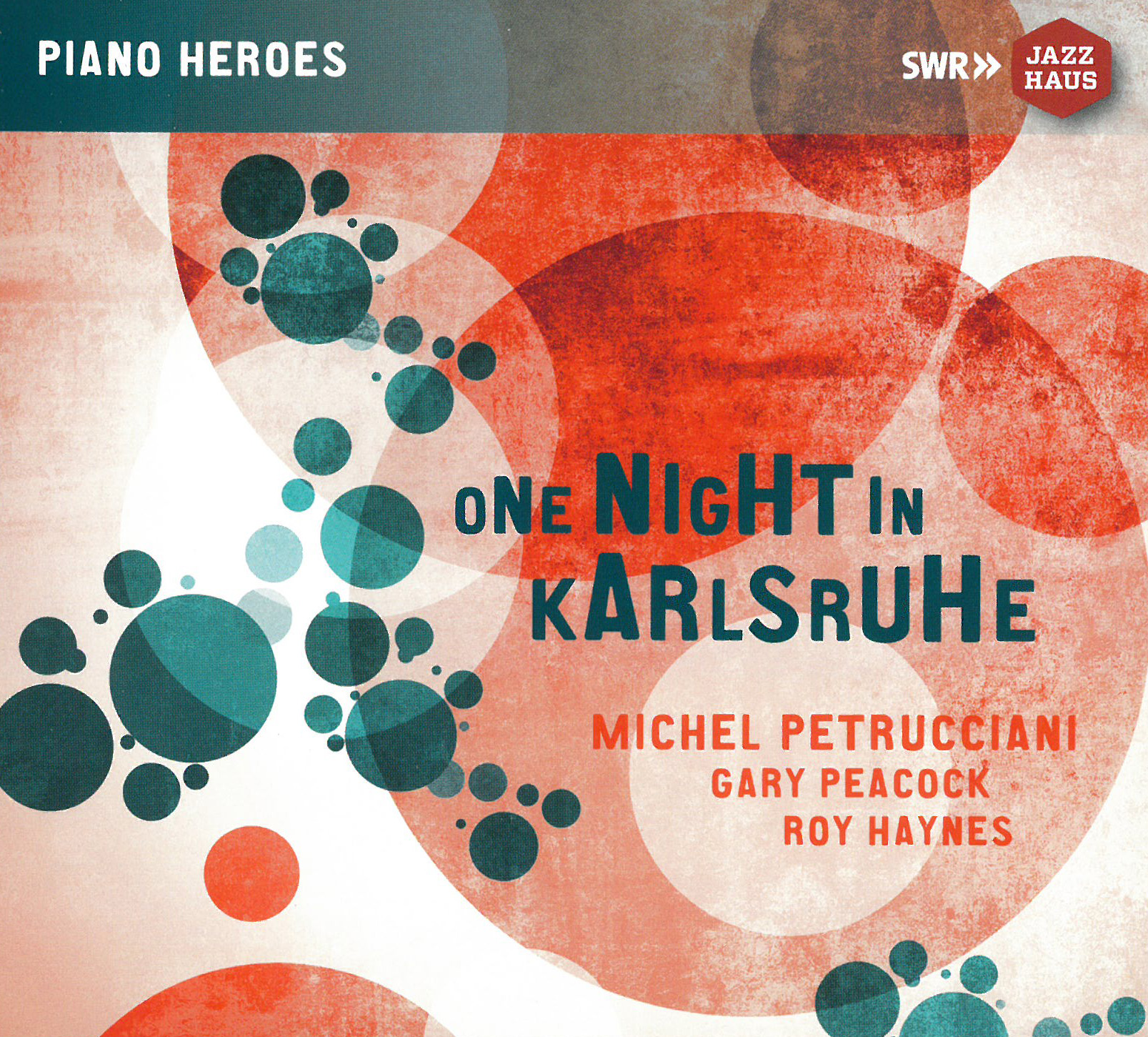
Michel Petrucciani, who once said, “I think someone upstairs saved me from being ordinary,” followed up his proclamation with a vast discography of truly extraordinary music. He had the virtuosity of an Oscar Peterson and the fluttering lyricism of Bill Evans and Keith Jarrett. However, his playing is characterized by a singular voice driven by an almost primal energy and an edgy emotionality. Although he was marked, throughout his short life, with monumental pain from osteogenesis imperfecta, his music expressed unfettered feelings of joy.

One Night in Karlsruhe, made at a live performance in July 1988, captures him at the height of his pianistic powers and he appears to be made completely of music. Petrucciani always had an infectious way with dancing rhythms and the program is rich in expressive contrasts and diverse song forms in which dance and variation occupy a position of importance throughout. His playing – on 13th, In a Sentimental Mood, Embraceable You and a signature bravura version of Giant Steps – has a particularly magical touch to it and he responds to the diabolical changes on the latter with spontaneity – while at the same time communicating the music’s sense of colour and of pageant.

Petrucciani also approaches the music’s harmonic boldness and astringency with a kind of vivid bas-relief. He is accompanied, on this sojourn, by bassist Gary Peacock and living legend, drummer Roy Haynes. The intensity of this power trio is magnificently captured on this recording.

04 Kayla RamuLiving in a Dream
Kalya Ramu
Independent (kalyaramu.ca)

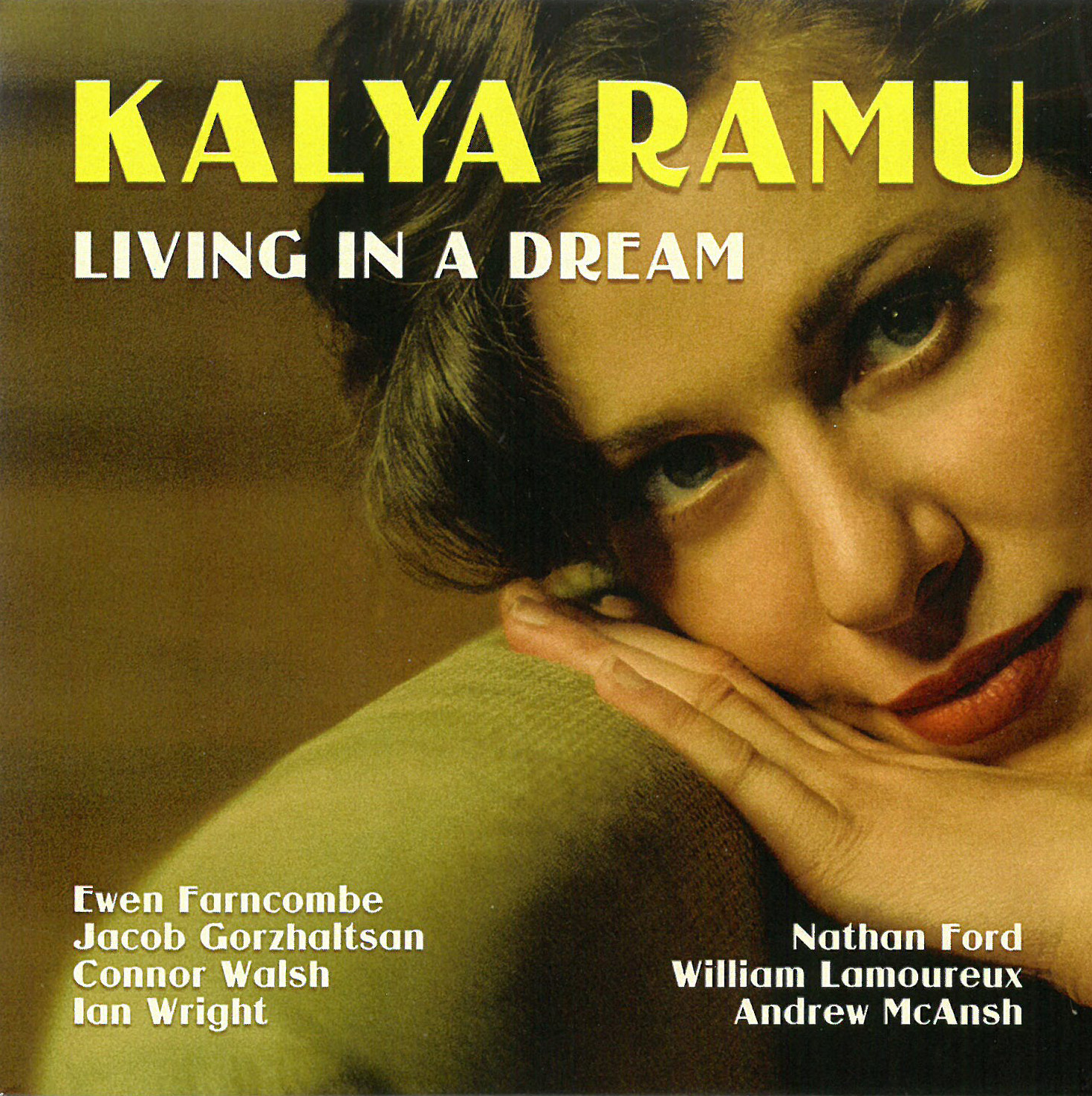
One of my favourite songs to request is You Go To My Head – a gorgeous ballad that, admittedly, is not all that easy to pull off if you haven’t done your homework. So when a singer nails it, I am won over, as I was upon hearing Toronto-based jazz vocalist Kalya Ramu’s sultry and soulful version, one of 11 beautifully rendered tracks featured on her debut album, Living in a Dream, which includes four of her original compositions. Ramu’s voice has a warmth, depth and maturity to it that belies her 25 years. As a young girl, she fell under the spell of Sarah Vaughan, Ella Fitzgerald and Peggy Lee, and it shows; I also hear hints of Helen Merrill and Doris Day.

Like her jazz vocalist heroines, Ramu understands the importance of phrasing (something often lacking in younger singers), allowing time for the natural arc of a line to wend its way to the next one, as is evident in her sensuous rendition of What’s New, as well as in her lovely ballad, Find in Me, and her torchy/sexy She Drinks Alone.

The woman can also swing! With stellar assistance from tenor saxophonist and clarinettist Jacob Gorzhaltsan, pianist Ewen Farncombe, bassist Connor Walsh and drummer Ian Wright (and assorted special guests), Ramu serves up spirited takes on Just You Just Me, Four or Five Times and It’s A Good Day. A singer warranting your attention, Kalya Ramu’s debut CD is dreamy, indeed.

05 Jean DeromeSomebody Special
Jean Derome
Ambiances Magnetiques AM 249 (actuellecd.com)

Saxophonist/composer Jean Derome’s work ranges from explorations of modernist masters like Monk and Mingus to his own conceptual epics like Résistances, his orchestral homage to the North American electrical grid. Here he explores the work of Steve Lacy (1934-2004), a key influence on Derome who advocated strongly for Thelonious Monk’s compositions and developed the foundations of free jazz with Cecil Taylor. Lacy also created a large body of art songs unique in modern jazz. Derome explores the range of them here, including settings of works from ancient China to the Beat Generation.

Derome brings his regular trio partners to the project, bassist Normand Guilbeault and drummer Pierre Tanguay, masters of propulsive and varied grooves. They’re joined by pianist Alexandre Grogg and the singer Karen Young, whose eclectic background matches the varied demands of Lacy’s music. The text settings include surprising authors like Lao Tzu, Thomas Gainsborough and Herman Melville; the latter’s Art initiates the program with a minimalist setting that suggests Japanese court music.

While those lyricists are as famous as they are unlikely, several of the highlights here come from Lacy’s association with the relatively little-known Canadian expatriate Brion Gysin, a literary collaborator with William S. Burroughs. Gysin’s playful, vibrant, hipster verses fall naturally on modern jazz inflections: when Derome joins his voice with Young’s on Blue Baboon, the group creates a witty update on the scat vocal group of the 1950s who rarely found lyrics this germane.

07 VoyageCoco Swirl
Ratchet Orchestra
Ambiances Magnetiques AM 248 (actuellecd.com)

From Nimmons ‘N’ Nine Plus Six to Vancouver’s NOW Orchestra, despite the economics, Canadians have somehow produced highly creative big bands. Montreal’s Ratchet Orchestra was a quintet in 1993; today its founder-composer-bassist-conductor Nic Caloia leads a 19-member ensemble with the breadth and force of Sun Ra’s Arkestra or a Charles Mingus big band. Like them, it invokes Duke Ellington’s legacy of rich textures and intense turbulence while emphasizing distinctive solo voices. It has a traditional big band’s power, with five reeds and five brass, but expands its palette with violin, two violas and the eerie profundity of bass reeds and tuba.

Caloia’s compositions range from the traditionally modernist to the avant-garde, with a band composed of individuals who define Montreal’s free-jazz community. The opening Tub features the brilliant alto saxophonist Yves Charuest, as abstractly evasive as Lee Konitz. The rousing Raise Static Backstage, fuelled by Isaiah Ciccarelli’s rampaging drum solo, might appeal to any fan of Dizzy Gillespie’s legendary bebop big band, while Blood, an atmospheric setting for Sam Shalabi’s distorted guitar, touches on the later works of Gil Evans.

Caloia’s most personal and ambitious work is saved for the conclusion, the six-part Before Is After, a weave of compound rhythms and evasive fragments knit together with unlikely matchings of instruments and forceful soloists, including violinist Joshua Zubot and bass saxophonist Jason Sharp. Ratchet Orchestra is both a distinctive Montreal institution and national standard bearer for a creative tradition

08a ClockwiseClockwise
Anna Webber
Pi Recordings P179 (pirecordings.com)

Reaching an elevated trajectory following her last CD, BC-born, New York-based tenor saxophone/flutist Anna Webber aided by a seasoned septet, re-conceptualizes impressions of 20th-century composers’ percussion works into new compostions.

Percussiveness not percussion is the major focus, even though her studio reassembling of Ches Smith’s echoing tympani on the Feldmanesque King of Denmark II is suitably staggering. Mostly though Smith sticks to drums and vibraphone to provide the precise clamour and ringing clatter that swing alongside Jacob Garchik’s emotional trombone flow; place-marking stops or sweeping glissandi from Christopher Hoffman’s cello and Chris Tordini’s bass; pulsing chromatics from pianist Matt Mitchell; and stylistic chirps or snarls from Webber and tenor saxophonist/clarinetist Jeremy Viner.

Oddly separated on opposite ends of the disc, three variations on King of Denmark and two of Korē are equally striking. Sparkling piano chords mixed with squirming saxophone riffs build up to a heraldic crescendo in the first part of King of Denmark. Meanwhile Mitchell’s intermittent comping, percussion breaks and audacious plunger vocalizing from Garchik’s trombone bring passion to the Xenakis-inspired Korē I. Webber even manages to extract a melodic groove from Array, a homage to Babbitt. Her delicate flute whistles are challenged by precision trombone glides and clarinet swells, until the piece becomes harder edged with Mitchell’s keyboard cadenzas, but still maintains unexpected warmth.

Overall the performances, which also touch on Cage, Varèse and Stockhausen influences, aren’t merely turned clockwise, but highly original creations directed by Webber.

Accomplished and profound music – especially when including a hearty slab of improvisation – can call on many inspirations and be played on an infinite number of soundmakers. Proof of these statements is discernible on these notable discs, featuring a range of traditional, novel, electric and acoustic instruments and with influences encompassing mainstream composition, wave form experimentations, and even legumes.

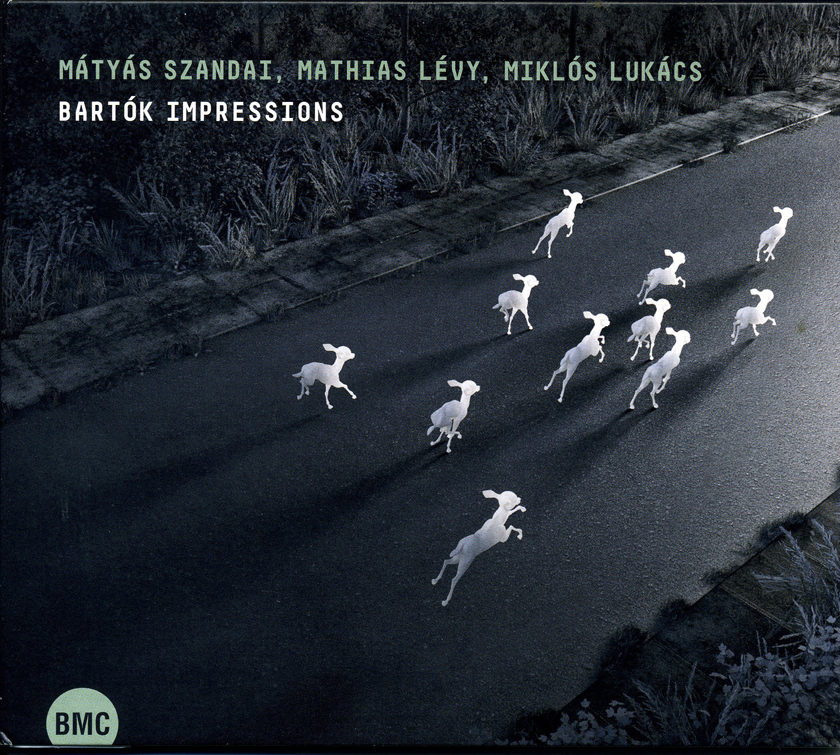
01 BartokThe most conventional of these unconventional sessions is Bartók Impressions (BMC CD 254 bmcrecords.hu) since the tracks are based on works by Béla Bartók (1881-1945). The most notable feature on this Budapest-recorded disc is that besides the double bass of Hungarian-in-France Mátyás Szandai and the violin of Paris-based Mathias Lévy, one prominent sound here is from the traditional hammered zither called the cimbalom played by Hungarian Miklós Lukács. Perhaps the program is also notable since, with two-thirds of the band Magyar and Bartóks themes sometimes based on Eastern European folk melodies, familiarity is paramount. At the same time, Lukács’ dexterous skill gives the 13 improvisations a unique quality. When struck, the cimbalom takes on vibraphone and percussion qualities; when plucked, harp or guitar-like tones. A defining instance of this is on Romanian Folk Dances No.4, where Levy’s elaboration of the melancholy theme is soon toughened by seemingly simultaneous harp-like twangs and rhythmic mallet string stabs from the cimbalom. This virtuosic versatility is expressed from the first track onwards. On that one, Reflections on New Year’s Greeting No.4, for instance, boiling double bass plucks cement the pulse as mallet lopes create a bouncy countermelody to the gorgeous tones of the fiddle’s airy narrative. The jittery, jazzy Improvisations on Romanian Folk Dances No.4 finds Lukács comping like a pianist, Szandai with well-modulated plucks and with Levy’s staccato stopping in the highest register suggesting both Transylvanian wedding music and tavern revelry. In contrast, a few other tracks are recital-like formal, at least in the expositions. They include a mellow showcase of balanced cello-like tones from the bassist on Improvisations on Romanian Christmas Carols No.7, completed by foot-tapping glissandi with klezmer overtones. The most accomplished, intricate transformation, which highlights another aspect of Lukács’ adaptability, occurs on Reflections on Six Bulgarian Rhythms. The cimbalom’s mallet reverberations turn him into a Magyar Milt Jackson, at the same time as fiddle squeaks at dog-whistle pitches amplify the pulse, and double bass plucks intensify the rhythms. Staying true to the composer’s initial vision though, the piece ends with a wide connective interlude of warm romantic timbres.

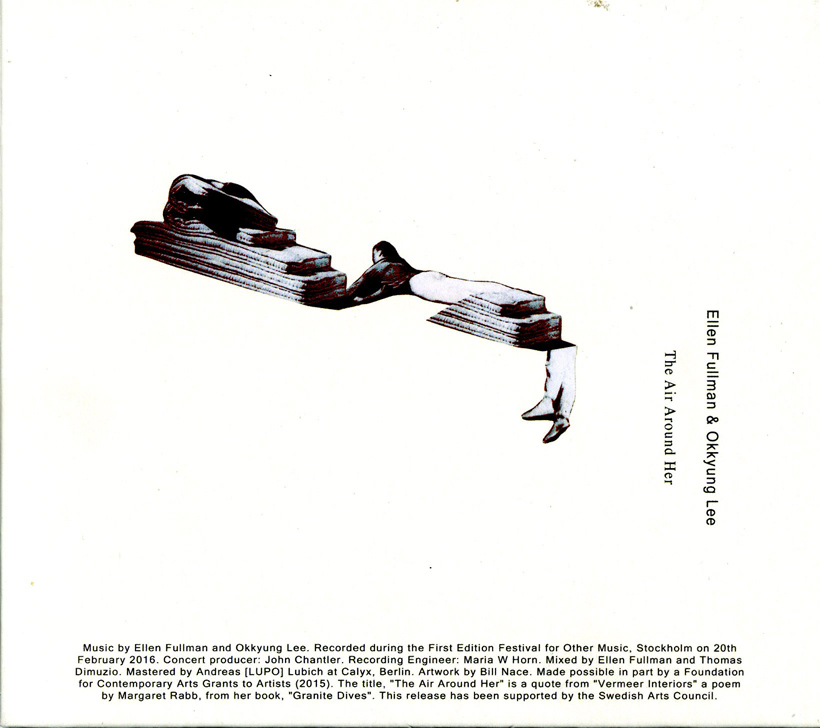
02 FullmanEven though another modern composer is involved, there are no warm romantic timbres heard during the The Air around Her (Skivbolaget 1703-3 edition-festival.com), since American composer Ellen Fullman and Korean-American cellist Okkyung Lee are concerned with the dynamic contrasts or blends produced by exposing the latter’s string techniques, with the possibilities engendered by plucking Fullman’s self-created Long String Instrument (LSI). The LSI is tuned in just intonation, and in this instance, stretched 26 metres across a room in Stockholm’s Performing Art Museum. During the performance the LSI creates a droning continuum, plus almost imperceptible timbre shifts throughout the two tracks of about 20 minutes each, subtly redefining the relentless drone with multiple layers of speed, volume and pitch. Eventually variegated cello definitions move forward to challenge the LSI’s unhurried horizontal interface with col legno-created percussive raps on wood and strings, plus stropping and slicing sul ponticello vibrations. Part II finds LSI’s organ-like tremolo grinds subsiding from taking up the entire room’s aural space so that palimpsest-like cello’s nuanced narratives are more obvious. These serrated bow jiggles and cello expansions reach a crescendo of almost identical inflated tones from both instruments before dissolving into microtones. In retrospect the recital has been enthralling without being deadening or frightening.

03 LORDespite the presence of veteran British tabletop-guitarist Keith Rowe on L’Or (Mikroton Recordings CD 68 mikroton.net), the defining sonic patterns are focused on his use of electronics, blended with the programmed patches of French computer-coder Julien Ottavi plus the modular synthesizer and cracked everyday and homemade electronics of Russian Kurt Liedwart. While faint allusions to conventional tones sporadically pierce the churning miasma produced by the trio, sound emphasis moves among voltage charges, supple thwacks and synthesized sound envelopes, underscored by waveform buzzing. Especially on the extended and defining Aurum, blurry loops of constantly pulsating whooshes and signal processing melded into a undulating drone, include few compositional transitions. When they do arrive, these textural lacerations only minimally alter volume or pitch, taking the form of thickened flanges, watery pops, windy squalls, wiggling tone fluctuations and fan-belt-like flapping. As these clips and pops harden into a sold mass followed by silence, one must accept the group’s continuously repeated drones as creating a nearly inert entity, where appreciation comes from noting the reflected sound tinctures and angles rather than an ambulatory program.

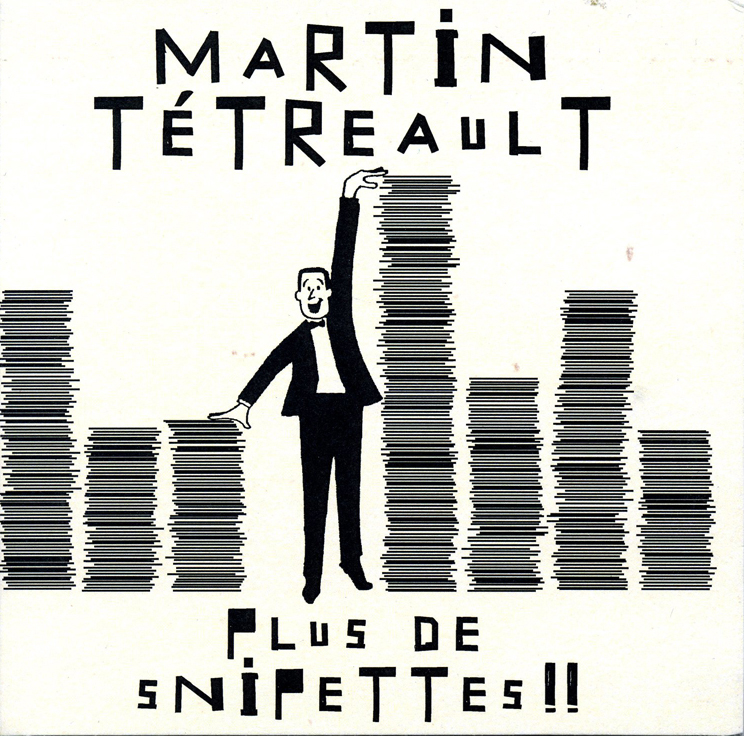
04 SnipettesWhile electronics are now accepted as instruments, some musicians have accelerated the search for innovative sounds further, creating programs from collages of already existing material. For instance, Martin Tétreault’s Plus de Snipettes!! (Ambiances Magnétiques AM 245 CD actuellecd.com), is a sprawling 77-minute program in which the Montrealer constructs a wholly original recital from audio cassettes, tape reels, short-wave static, radio soundchecks and excerpts of untouched or cut-up vinyl. With each of the 31 [!] tracks lasting from about seven seconds to around seven minutes, the collages captivate with sheer audacity. Entertaining while sometimes making sardonic comments, this homage and burlesque of recorded sound is satire mixed with love. Not adverse to snipping French or English narrations from educational or instructional discs to foreshadow subsequent noises, Tétreault’s mashups are free of cant. Snippets of a Verèse or Boulez composition are slotted next to a flute improvisation, a snatch of disco sounds or a piano picking out Polly Wolly Doodle. Crunching noises created by train movement can fuse into a drum instruction record and then the flanges of backwards-running tape. At point his manipulations make succinct inferences, as when Dave Holland’s bass solo on Emerald Tears is juxtaposed with the sounds of a man crying. Other times connection leads to spoof, as when a ponderous lecturer’s voice outlining a complex phrase with the word “basis” in it is cut to become “bass” and later “mace” and repeated numerous times, becoming an electronic-dance rhythm in the process. Manipulations in speed and pitch turn juxtaposition of Sidney Bechet’s soprano saxophone and a Dixieland drum solo into frantic microtones. And if that isn’t enough, Tétreault creates abstract sound collages by cutting several LPs into many sections, gluing together the parts and recording the results so that a chorus of Soviet military singers fades into jazz piano chording and unknown speechifying, with the entire exercise surmounted by the crackles from divided and sutured vinyl.

05 VegetableShould Tétreault’s experiments not be organic enough, then an established Viennese ensemble can provide the antidote. On Green Album (Transacoustic Research tres 009 transacoustic-research.com), the ten-piece Vegetable Orchestra performs music on instruments that are made entirely from vegetable parts. On highly rhythmic tracks such as Fasern and Beet-L for instance, the funk arises from the beats of calabash bass and celery bongos with the vamping melody courtesy of a carrot marimba. Or multiphonic whistles from the carrot recorder evolve alongside the beanbag shaker and calabash bass on Bamako. While elastic sound animation is maintained throughout the 14 tracks, that doesn’t mean there aren’t serious sounds in this vegetable stew. The hissing counterpoint that enlivens tracks such as Schwarzmooskogel, for example, could be part of the recipe for any advanced music program, even if the horizontal swirls are from a leek violin, the high-pitched peeps from a radish horn and the beat propelled by a pumpkin bass drum.

While only the final disc could in some circumstances provide nourishment for the stomach as well as the mind, each of these CDs captures a way of using unusual instruments to create profound sounds.

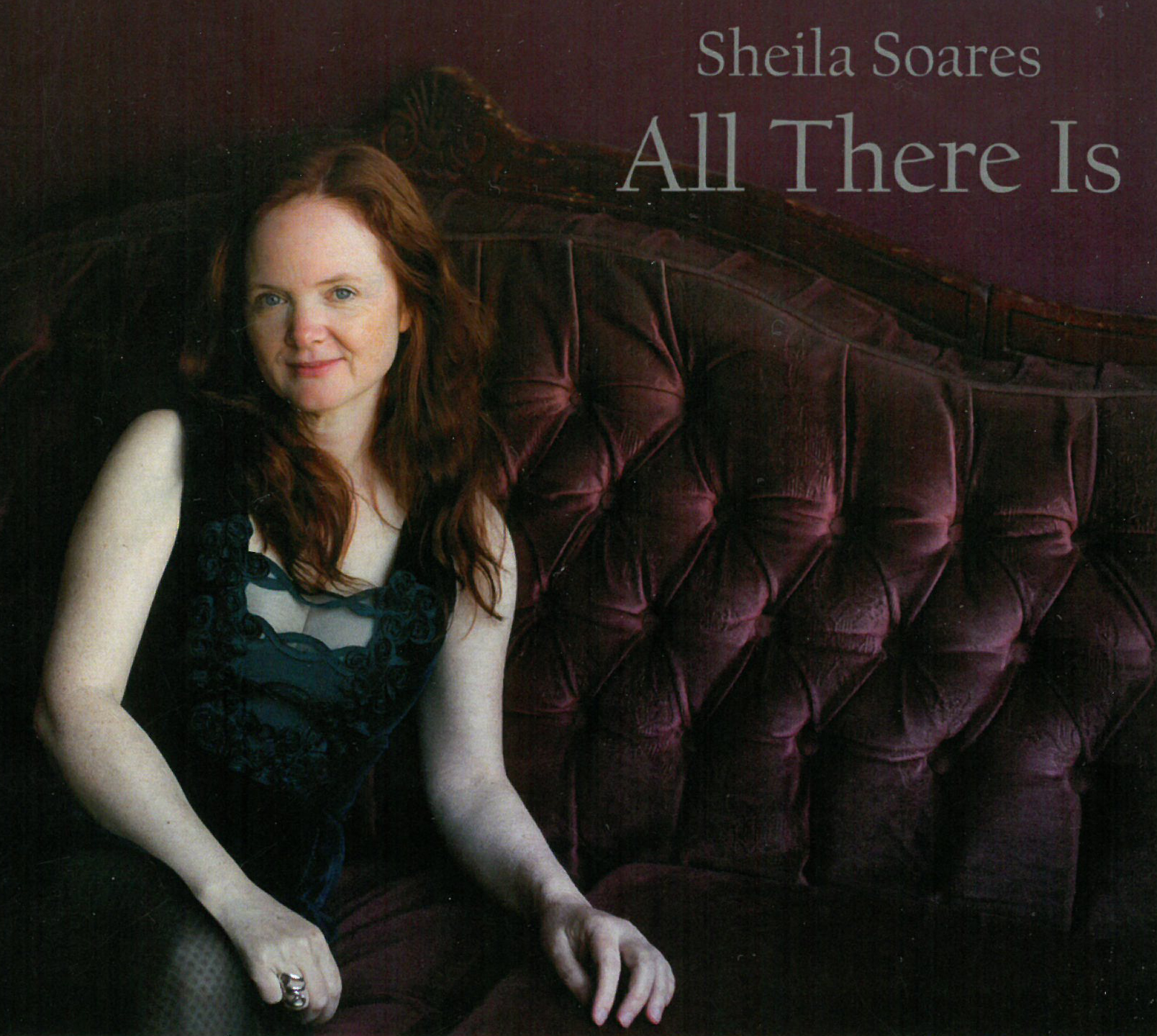
01 Sheila SoaresAll There Is
Sheila Soares
Independent (sheilasoaresmusic.com) 

Gifted vocalist and composer Sheila Soares’ new recording is one of the freshest, most engaging and thoroughly musical CDs to be released this year. Although Soares is no unseasoned debutante, her debut offering is rife with new, intriguing, genre-blurring original material and fine musicianship. Deftly produced by talented guitarist Eric St-Laurent, Soares’ excellent collaborators also include Jeff McLeod on piano and organ, Jordan O’Connor on acoustic bass and Chris Wallace on drums.

At first blush, there is an obvious sonic similarity between the vocal timbre of Soares and the late Blossom Dearie; however, Dearie (with her quirky, narcissistic performances) never came near Soares’ interpretive sensitivity and jaunty songwriting style. It may be that good tunesmiths (such as Soares) are just “born” when the creative stars align, and they can enter our consciousness at any point along their journey – it’s inevitable… and as Soares says, “Music is like breathing to me.”

Highlights include the lovely title track, as well as the stunning Les Fraises Sur La Lune (Strawberries on the Moon), which displays Soares’ skilled, pitch-pure vocal instrument and considerable ability to swing. The romantic Constellation boasts not only beautiful chord changes, but also a lilting melody and a gentle, rhythmic jazz sensibility that make this gorgeous track a total standout. Jazz has many faces and expressions, and happily for all of us, Soares will no doubt be delighting us with her jazz eclecticism and irresistible perspective for a very long time to come.

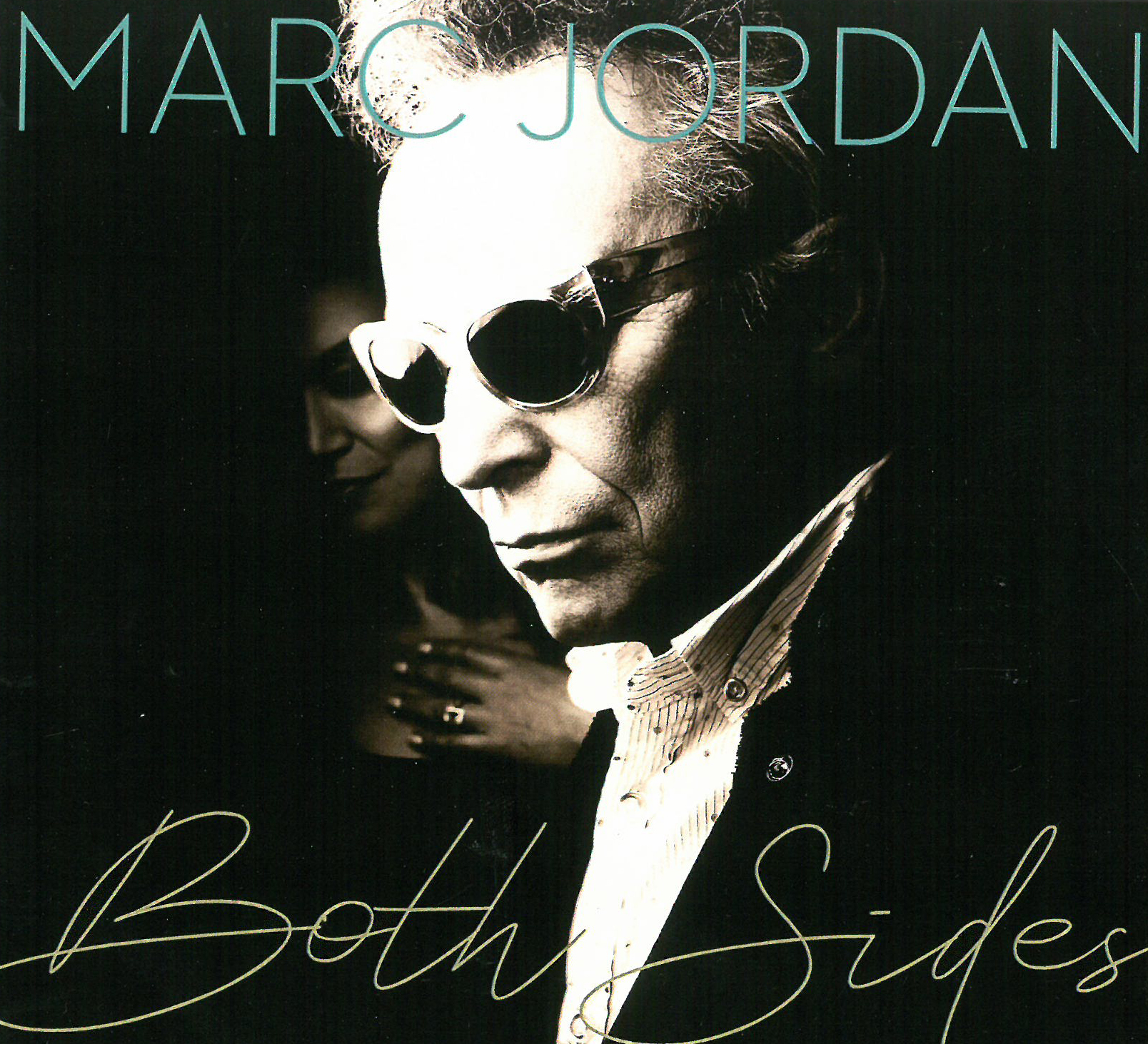
02 Marc JordanBoth Sides
Marc Jordan
Linus 270389 (marcjordan.com)

Listing all of Marc Jordan’s songwriting credits, awards and accolades would take up the whole word count of this review, so let me simply say that the man knows his way around a song. And since this album is mostly covers – only two of the tracks are originals – his mighty interpretative skills are a key component here. The other key component of Both Sides is Lou Pomanti, who produced, arranged and orchestrated all the tracks. These two men are at the top of their games and we are the beneficiaries. The album is rich with instrumentation courtesy of the Prague Symphony Orchestra and guest appearances by international heavies like Randy Brecker and Tommy Emmanuel, and local luminaries like Kevin Breit and Larnell Lewis. 

Although he covers a couple of standards from the Great American Songbook, it’s the reinterpretations of classic folk/rock songs that are standouts for me. In particular, Lou Reed’s Walk on the Wild Side shines with its many layers and gorgeous woodwinds, courtesy of Toronto’s own, John Johnson. Although the soft, groovy treatment of the tune is antithetical to its subject matter, it works. Beautifully. Jordan’s thoughtful handling of the title tune also caused me to hear these familiar lyrics with fresh ears and I was struck by how mature Joni Mitchell’s writing was for one so young. (She was in her early 20s when she wrote Both Sides Now.) Overall, the album reflects a full-grown artist who has lived completely, and well.

Listen to 'Both Sides' Now in the Listening Room

Back to top