04 McGregor Lutalica CD CoverLutalica
Mark Takeshi McGregor
Redshift Records (redshiftrecords.org)

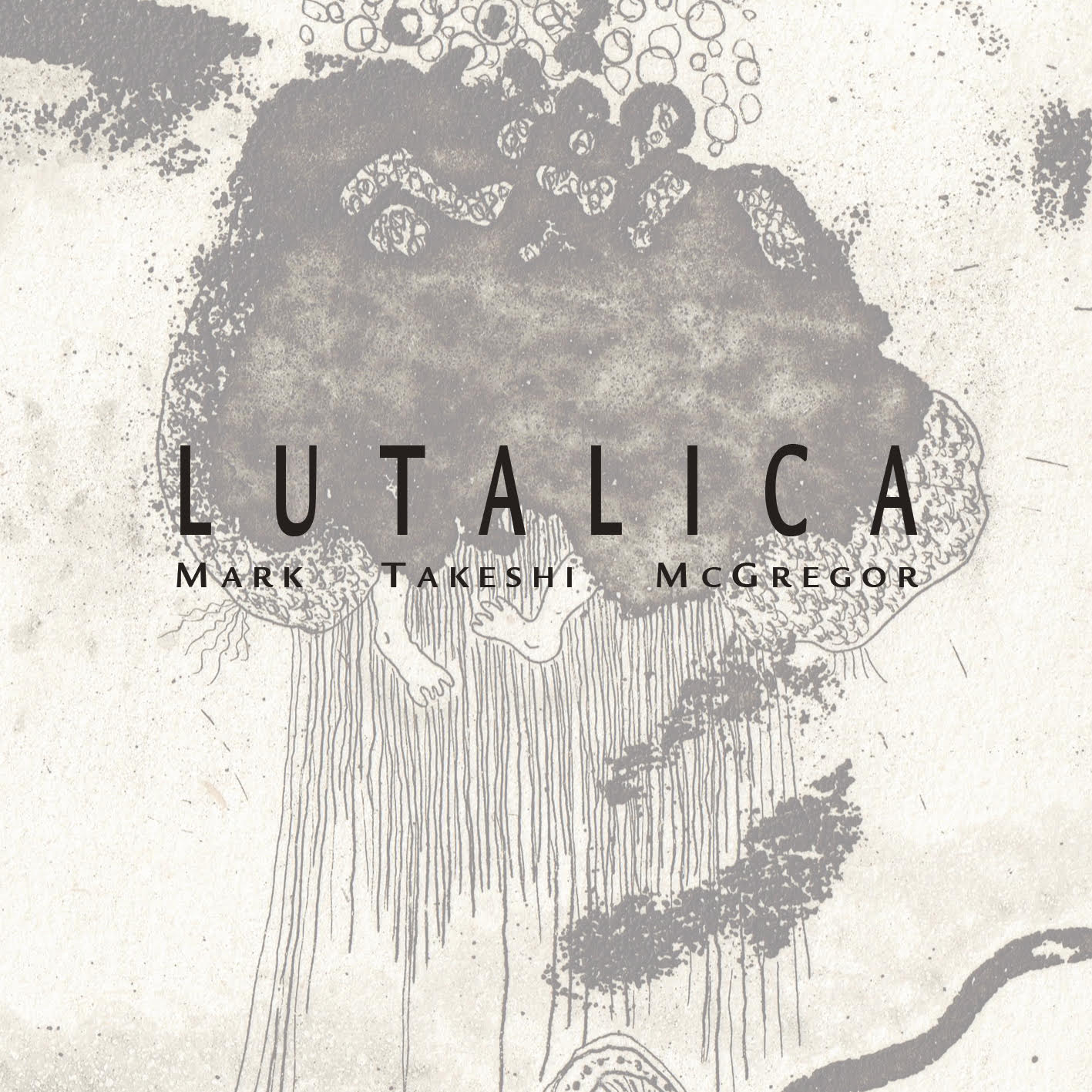
Vancouver flutist Mark Takeshi McGregor is an internationally recognized interpreter of classical flute music, particularly of the experimental kind. As he writes in the liner notes, the motivation for his new album came from an exploration of his identities. “Lutalica [the word invented by John Koenig] meaning ‘the part of one’s identity that doesn’t fit into categories’ is a solo flute project that grew out of an identity crisis.”

McGregor has been performing music of predominantly European composers on the metal concert flute, even though he was “anything but Western European. I am half-Japanese, half-Australian, born and raised on the West Coast of Canada: a true product of the Pacific Rim.” His geographically informed search culminated in Lutalica, an album of nine recent widely varied solo flute works by composers hailing from Australia, Canada, Chile, Japan, New Zealand, Taiwan and the USA.

Bookending the album are works by two composers with strong Canadian connections. Hope Lee’s moving requiem for her father, forever after (2000), alternates moments of lyrical grief with percussive anger. Emilie LeBel’s 2017 Hiraeth (Welsh for homesickness, nostalgia, grief for lost places of the past) explores at length the “traveller’s desire to be free… all the while longing for a home to which they cannot return… which maybe never was.” The final alternating long low tones make a beautiful and satisfying ending to this album’s musical journey around the Pacific rim.

Should you consider listening to an entire album of contemporary solo flute music? When it’s so well composed, thoughtfully curated, and impressively performed as Lutalica is, my answer is a resounding yes.
05 What Goes Around Front CoverFrank Horvat – What Goes Around
Various Artists
Centrediscs CMCCD 27419 (musiccentre.ca)

I once developed a liking for a pricey mosaic backsplash tile with sharp colours featuring tiny images reminiscent of Roy Lichtenstein’s pop-art icons. If minimalist music has an analogy in the visual arts it is with mosaics. Frank Horvat’s minimalism is attractive, bright-coloured and poppy. Also surprising. Also, somewhat formulaic. This last is not a criticism of the quality or value of his writing; I’m no judge in that regard, but it does strike me that five of the six cuts on the newly released What Goes Around clock in at roughly ten minutes, suggesting a pattern of construction he consistently follows.

Breaking with this pattern, at nearly 15 minutes, is the most powerful piece, 7 Pianos, recorded on several tracks and performed by the composer. A concentration exercise for the listener, it’s almost a game of recognizing the extremely gradual variations away from the initial minute of a repeated gesture. Maybe it’s me being jaded, but this one challenges me to truly listen and not let the patterning lull my attention. Fatigue for the performer is sometimes a cherished aesthetic of the composer (those guys burn me up), and if it is so for Horvat, he has at least chosen a willing victim: this is intensity from start to finish.

A curiously titled piece referencing the late Rob Ford is similarly a multi-track recording with Peter Stoll ably accompanying himself on multiple clarinets in melancholy tunefulness; apparently Horvat felt more compassion than outrage regarding the misguided mayor. Other performers include the redoubtable Bev Johnston on mallets, and the disc ends with a strangely offensive (to me, I have issues) voice loop on the repeated phrase “I Love You.”

06 HartenbergerRussell Hartenberger – Requiem for Percussion and Voices
Nexus; TorQ; Lindsay Kesselman; Cory Knight
Nexus 11031 (nexuspercussion.com)

The requiem mass has provided composers with inspiration for centuries, from which has come some of Western music’s greatest works, including the Requiems of Verdi and Mozart, Fauré and Duruflé, as well as those incorporating external texts, such as Britten’s War Requiem.

Russell Hartenberger’s Requiem for Percussion and Voices is a work in the latter form, eschewing the traditional requiem texts in favour of an eight-movement reflection on death and nature. Incorporating tolling bells, funeral drum beatings, a Bach chorale, bird songs and bugle calls, this requiem is an eclectic and wide-ranging synthesis of musical style that suggests a broad, universal outlook.

The disc’s liner notes, written by Hartenberger (who is also a member of Nexus), are exceedingly insightful and highly recommended to anyone who listens to this piece, for within them one will find a personal story behind each movement, from Hartenberger’s days in the United States Air Force Band to his study of West African drum music. In a work with such wide-ranging and globally sourced material as this Requiem, such commentary serves as a road map, guiding the listener in an invaluable way.

In an area of the arts so often committed to reviving the works of the past, it is vitally important to explore new material in addition to the old standards. This recording provides a splendid example of why this is: tuneful, contemporary (in its truest sense), and a fine display of vocal and instrumental ability, Requiem is worthwhile listening for all.

07 Suite NostalgiqueSuite Nostalgique – Musical Impressions from Ukraine
Izabella Budai; Matthew Christakos; Maria Dolnycky; Alex McLeod; Peter Stoll
Independent n/a (store.cdbaby.com/cd)

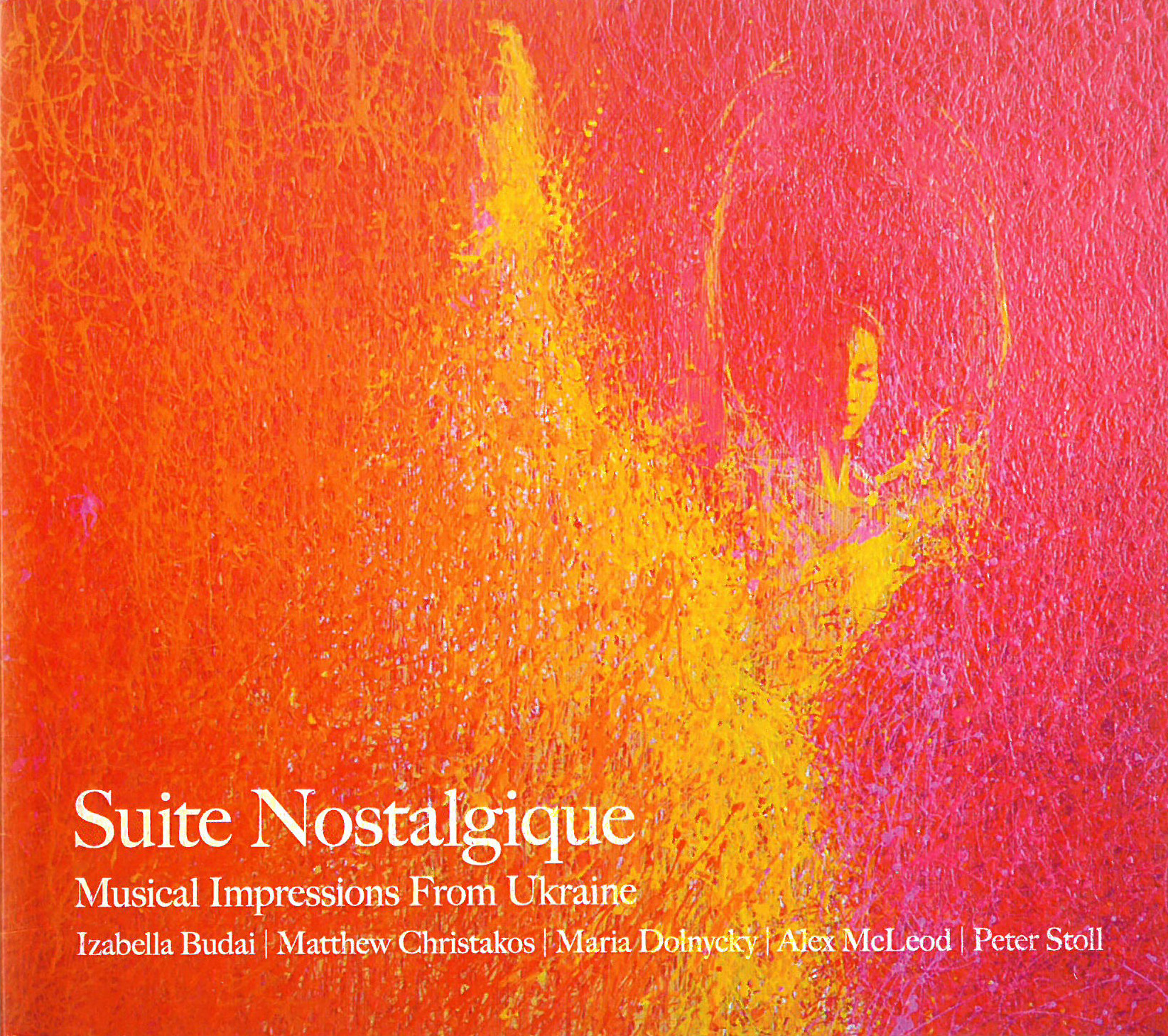
Pianist Maria Dolnycky originally brought together the five local musicians on this recording to perform the stylistically diverse music of these seven Ukrainian composers in 2016 at Toronto’s Gallery 345 as a fundraiser for modern prosthetic limbs for Ukraine.

Dolnycky performs with passion and detail in all the works. Mykola Lysenko’s traditional Romantic-flavoured Sorrow (Elegy), Op. 39 opens with cellist Matthew Christakos playing a mournful solo line leading to singable melodies above tonal piano chords. Anatoly Kos-Anatolsky’s Waltz for cello and piano is upbeat with dramatic touches of swing and big band styles. Now it’s violist Alex McLeod’s turn to perform expressively in Vasyl Barvinsky’s Three Romances, a three-movement work highlighted by the happy closing It’s Spring Again! movement. Levko Kolodub’s Moldovan Sketch for viola and piano showcases the composer’s and two performers’ musical talents ranging from classic high tinkles to rhythmic Moldovan-flavoured folk music. Title track Suite Nostalgique for clarinet and piano is the strongest composition here, as clarinetist Peter Stoll joins Dolnycky in playing composer Taras Yashchenko’s four-movement exploration of two-step Foxtrot, slower Aria and intense rhythmic party Samba. Flutist Izabella Budai also traverses musical styles with piano from the sweet to atonal in nine short tasty selections from Boris Kosak’s Petit Fours (bite-sized treats), and the expressive Théodore Akimenko’s Idylle, Op.14 for flute and piano.

Let’s applaud Dolnycky for making these fascinating lesser-known Ukrainian works available for wider audiences to hear and contemplate.

Listen to 'Suite Nostalgique – Musical Impressions from Ukraine' Now in the Listening Room

08 Come Closer bassoonCome Closer
Michael Harley; Phillip Bush
New Focus Recordings FCR240 (newfocusrecordings.com)

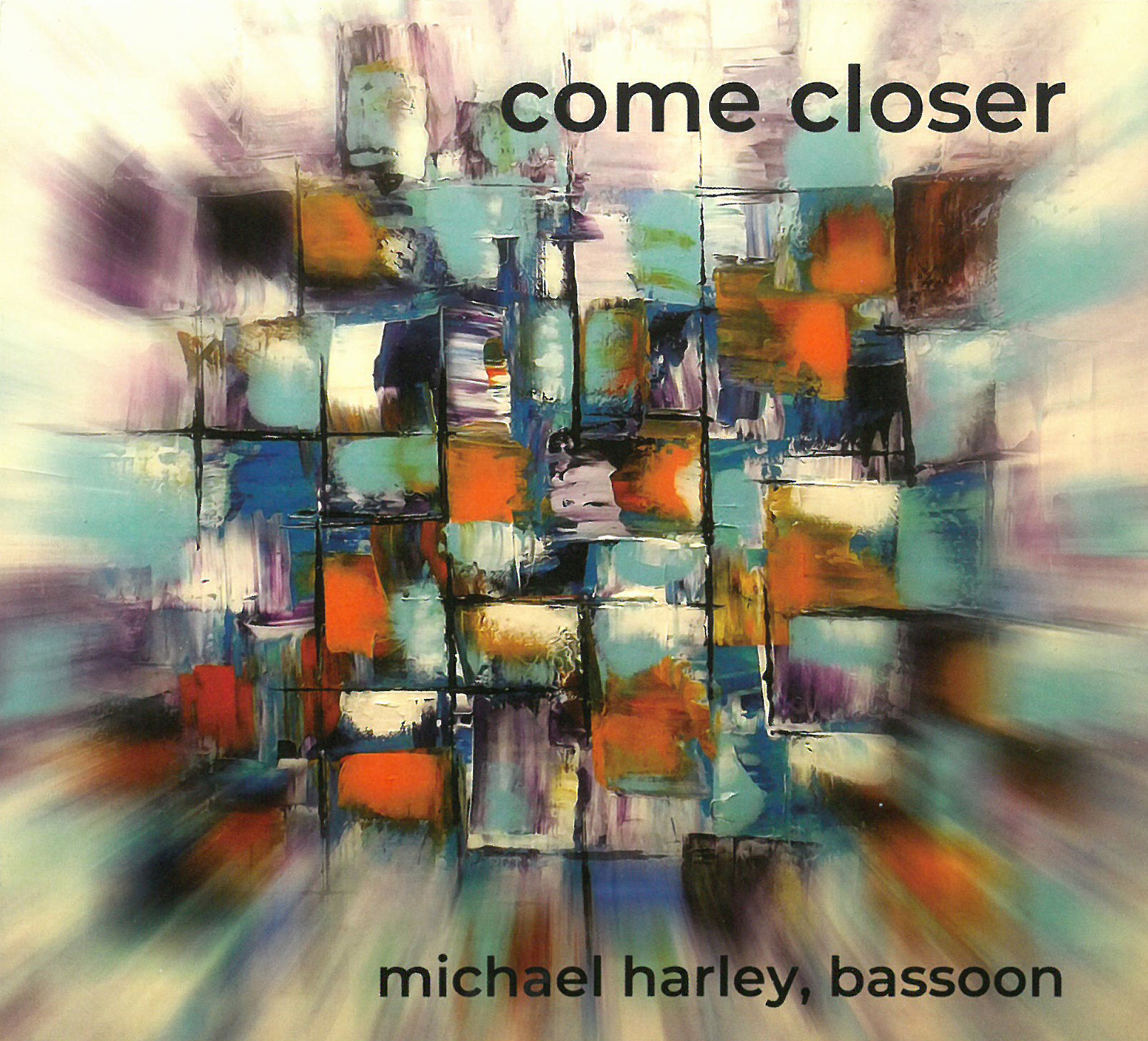
If you play clarinet in an orchestra, the bassoon is your best friend. That rich and deeply grained sonority forgives a multitude of pitch variances; a well-supported bassoon sound is a perfect colour complement to the whingeing voice of its single-reed neighbour. So immediately I must declare a bias in this commentary on Come Closer, featuring American bassoonist Michael Harley playing the music of several of his colleagues from the University of South Carolina and beyond.

Listen to this album. Just go out and buy it and put it on and marvel at the title track by John Fitz Rogers. A quartet performed in multi-track by Harley, with definite echoes of Reich, Adams and Glass, it nourishes the ear, never tiresome, always delightful. Precision marries beauty. In the following piece, Miphadventures by Stefan Freund, we’re treated to a blues-infused dialogue between bassoon and piano (played with sympathy and guts by Phillip Bush). An introductory arioso sets the stage for a swinging dance in a stylish syncopated four to a bar. This is Americanism, not Americana. It’s never hackneyed, simply enjoyable. Harley allows just the barest hint of jazz inflection, which is good. Too many bends induce nausea.

If you begin to think this all sounds too like easy listening, stay tuned. The third track will satisfy your wish for tonal exploration. Alarums and Excursions by Carl Schimmel bills itself as a Puzzle-Burlesque, but really leave off the brain work and just gloat that here’s something very grabby that also avoids major and minor sonorities.

I could go on. You don’t need me to. You need to get this disc.

Listen to 'Come Closer' Now in the Listening Room

09 TupleDarker Things
Tuple
Bright Shiny Things BSTC-0179 (brightshiny.ninja)

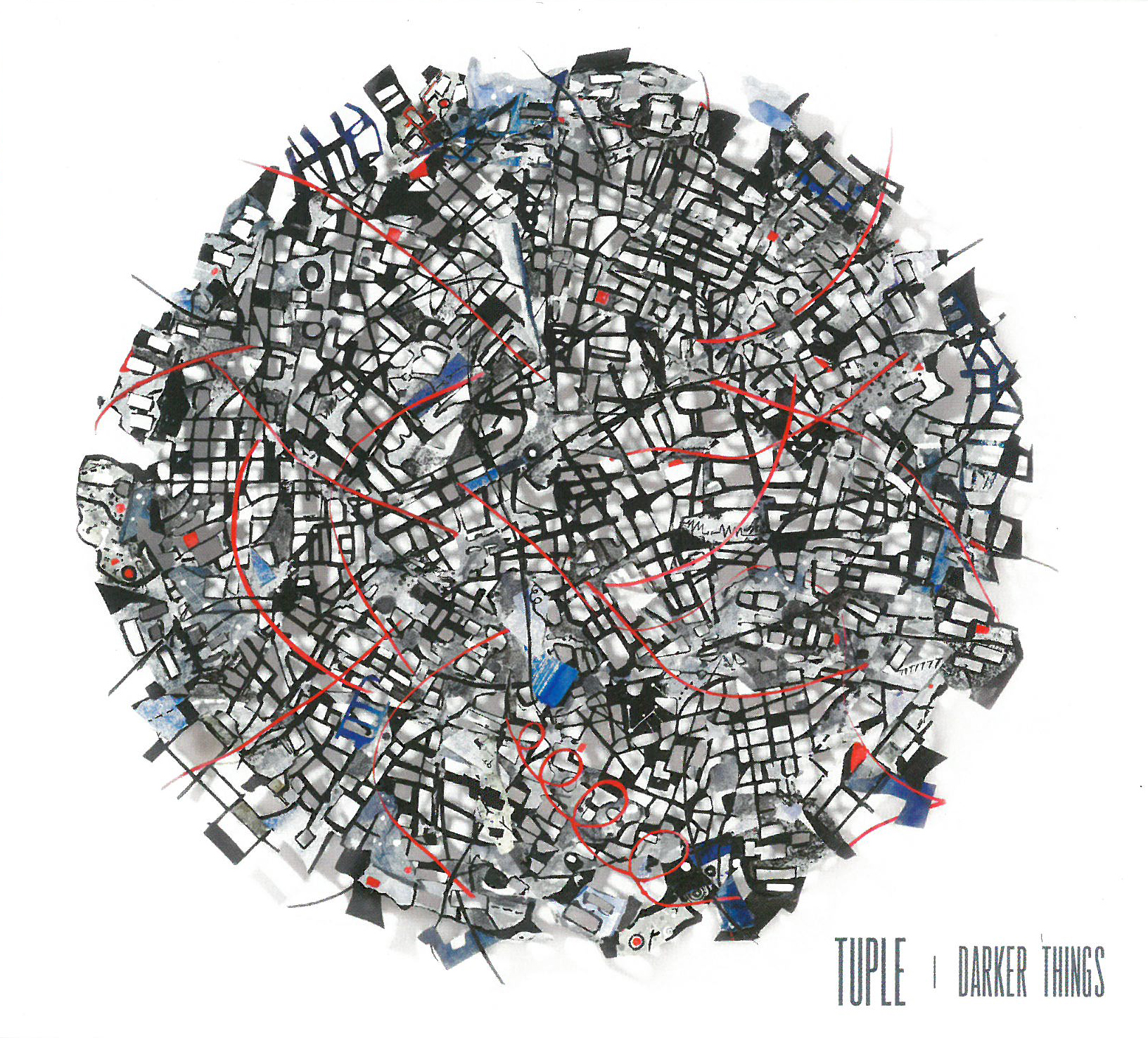
Here’s certainly something different, a bassoon duo playing contemporary concert music. Music scored for two bassoons apparently only reaches back a few decades, yet undeterred, bassoonists Rachael Elliott and Lynn Hileman formed their duo Tuple in 2006. They have played their unusual repertoire widely at American experimental art and music venues ever since. Darker Things, their debut album, displays their admirable technique and musicality, as well as the surprising tonal, timbral and emotional range possible on just two bassoons.

The earliest work here is by the celebrated Tatar-Russian composer Sofia Gubaidulina. Her masterfully crafted, impassioned Duo Sonata (1977) is characterized by one of her extra-musical themes: reaching for the divine in music. Frequent glissandi, intense chromatic motives, the use of micro-chromaticism (i.e. quarter tones) and multiphonics illustrate what Gubaidulina characterizes as striving for a “transition to another plane of existence.”

Lacrimosa (1991), by the idiosyncratic Dutch master composer Louis Andriessen, is a slow and deliberate work employing close atonal harmonies to create the keening quality suggested by its title. On the other hand multiple Grammy Award-winning composer Michael Daugherty’s Bounce (1988) explores a series of dramatic moments in various moods, tempi, dynamics and bassoon ranges. Black (2008) by American post-minimalist Marc Mellits stays light of heart throughout. Echoes of Steve Reich at his most ebullient permeate the work, however Mellits’ complex cross-rhythms and syncopations also reference rock’s straightforward tonality and forward-propelling energy.

Darker Things is a fun and thought-provoking album suitable for double reed players – as well as the rest of us.

10 PatternsPatterns – Chamber Works
Various Artists
Navona Records nv6243 (navonarecords.com)

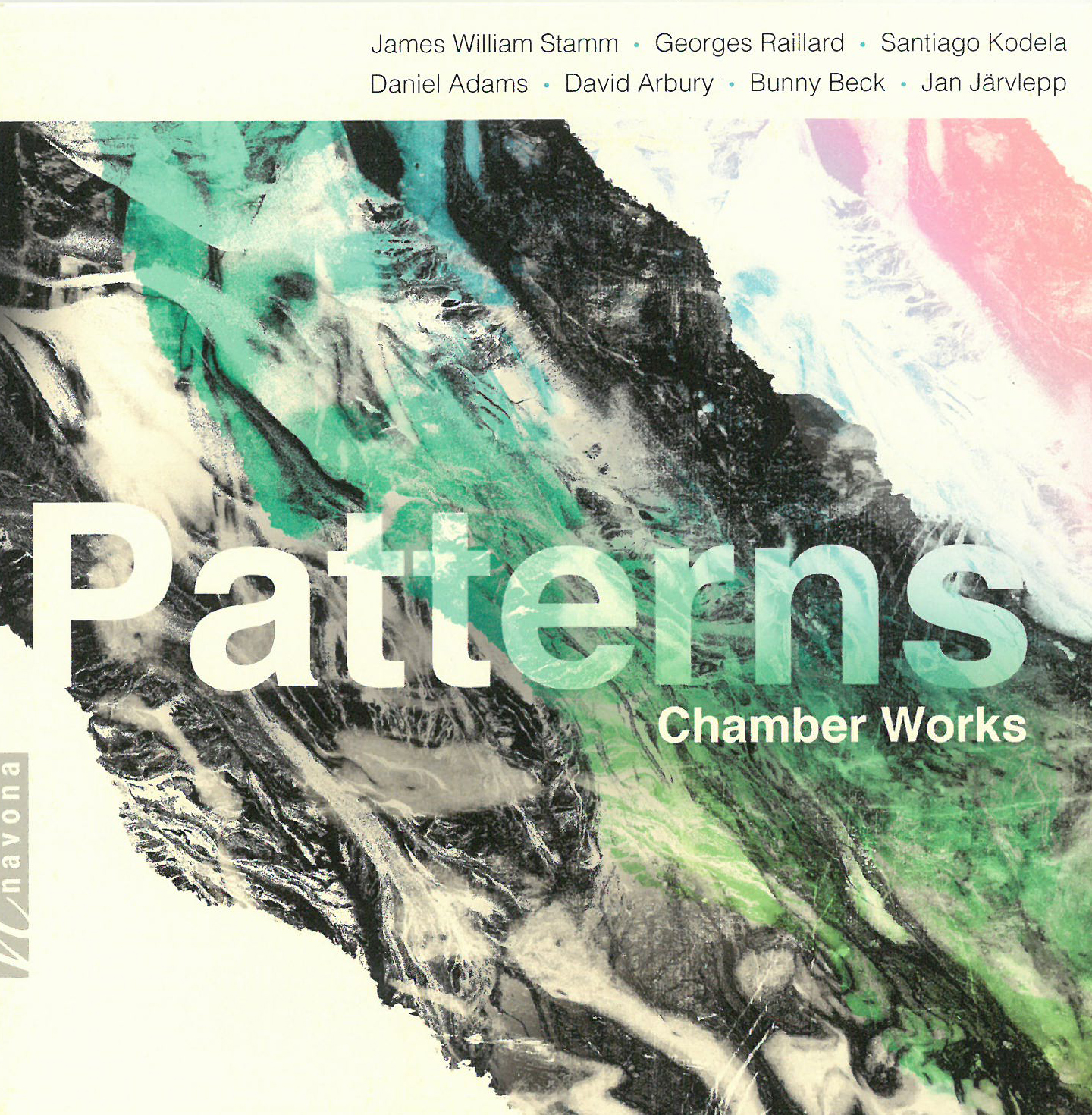
A musical pattern may be a repeating or recurring rhythm, pitch, dynamic, instrumentation etc. A repeating pattern of surprisingly fascinating, contrasting music by seven composers for diverse small ensembles, including two solo guitar works, makes this an unexpected listening joy.

James William Stamm’s Asymmetry for guitar duet is upbeat with alternating broken chord figures and short melodic sections. Georges Raillard’s guitar solo Disintegration opens with tonal intervals which then change to contrasting strums and atonal intervals. Composer/guitarist Santiago Kodela’s three-movement/pattern solo-guitar work, Two Lords, opens with Of Textures, a rhythmic toe-tapping work with low tones and moving melody. The slower, edgier Of Colours has ringing contemplative guitar tones. The faster Of Mechanics features driving guitar grooves, pitches and repeated note patterns.

Now for percussion patterns. Daniel Adams’ two-marimba work Road Traversed and Reversed opens with attention-grabbing marimba rolls, then lots of exciting repeated notes, tight duet contrapuntal playing and grooves. David Arbury’s Four Snares has four snare drummers performing constantly on the move – snare rolls, effects, taps and dynamic variations.

Bunny Beck’s tango-flavoured expressive Suite for Sarro for string trio encompasses contemporary and Romantic sounds. Fun abounds in Jan Järvlepp’s Bassoon Quartet. The four bassoons emulate car sounds like short beeps in Cadillac. The slower Reaching showcases the instrument’s low pitch abilities. Danceable Jig is rewarding at the low pitch with twirling melodic patterns.

The pattern is completed with impeccable production and performances. Great, great, great!

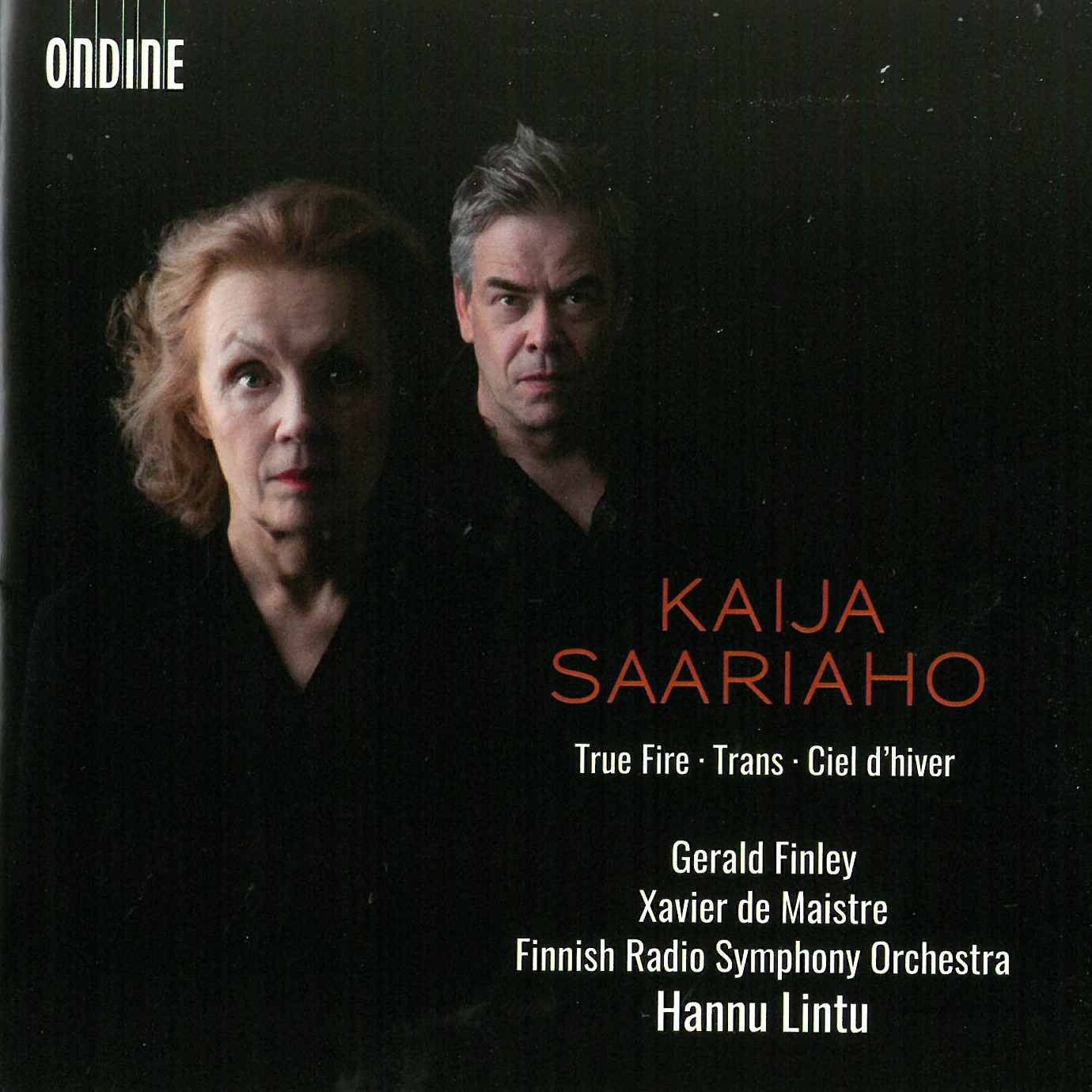
Kaija Saariaho – True Fire; Trans; Ciel d’hiver
Gerald Finley; Xavier de Maistre; Finnish RSO; Hannu Lintu
Ondine ODE 1309-2 (naxosdirect.com)

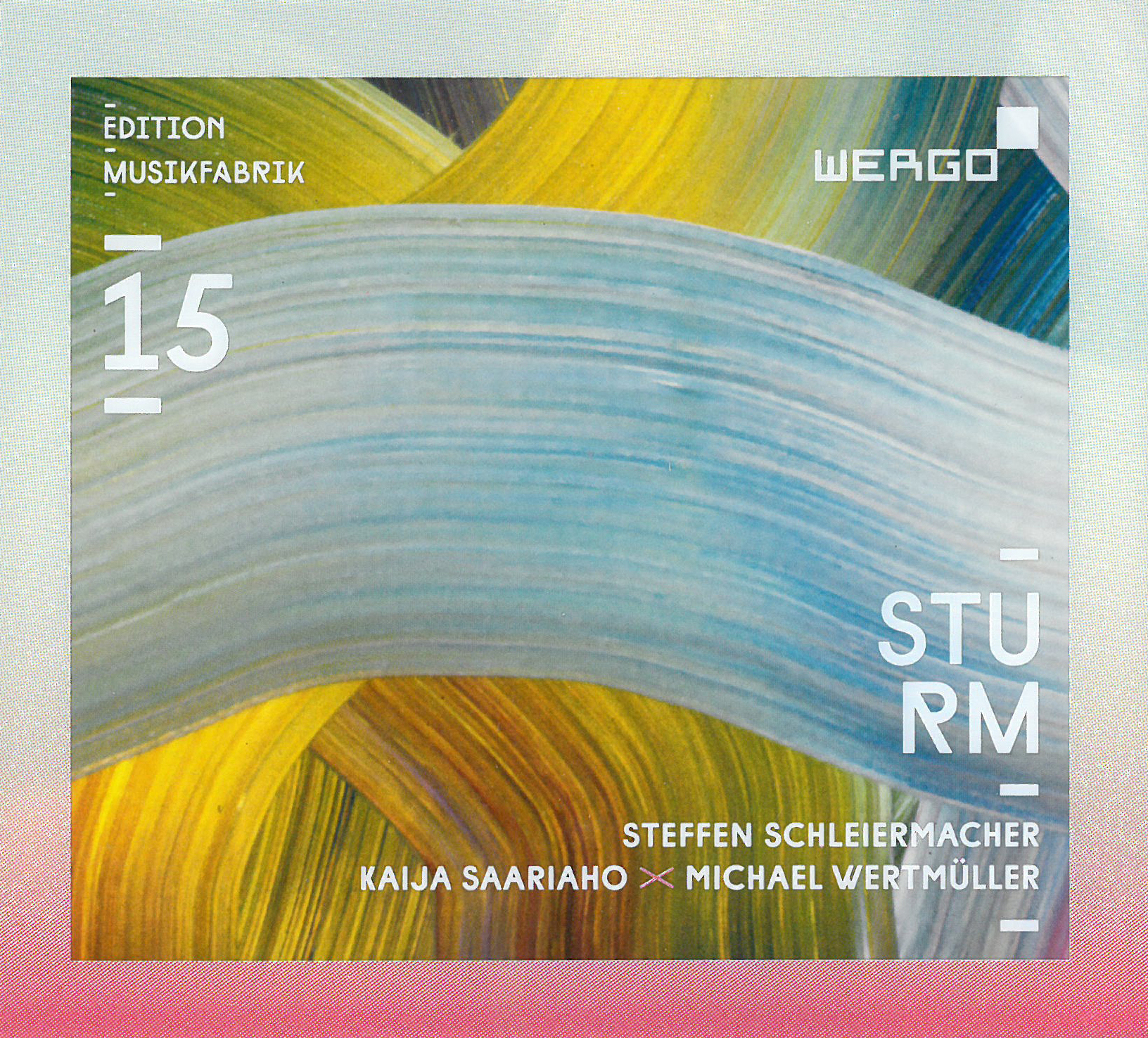
Sturm
Ensemble Musikfabrik
Wergo Edition Musikfabrik 15 (musikfabrik.eu/en)

11a SaariahoKaija Saariaho appears to engage all the senses at full throttle when she is writing music. This tactility is channelled in such a manner that one might conceivably hear the creeping of the shadow of a tree elongating at dusk or a flower weeping in the rain in long inventions and subtly sculpted lines for a cello. All of this appears to make for works that comprise highly complex sound masses, created out of microscopic tangles of intertwined instrumental lines – a kind of musical spider’s web woven with micropolyphony. Through it all she remains completely focused on melody, counterpoint and harmony, with rhythm also surfacing in dramatic outbursts. Saariaho appears to push form to its limit, creating a compelling musical world at once eerie and beautiful.

The music on this disc is made up of three exquisite orchestral works and is beyond tonality, atonality and post-modernization. On Trans, a work in three movements for harp and orchestra, Saariaho creates a vivid storyline and invites the listener to follow her principal character – personified by the harp – as it evolves in the music’s narrative. Harpist Xavier de Maistre’s performance is lustrous and the Finnish Radio Symphony Orchestra is outstanding as they make the work seem visionary, highlighting Saariaho’s gift for creating hauntingly memorable sounds.

Saariaho also reveals her heightened sense of the dramatic in Ciel d’hiver, a retelling of part of the journey of the son of Poseidon, re-orchestrated from her larger piece, Orion. The appropriately smaller symphony orchestra still manages to deliver the work’s supple textures with consummate musicality, allowing for the beauty of the mythic narrative to emerge with compelling force. On True Fire, Saariaho turns to perhaps her greatest strength – the setting of poetry to music. This work is performed by the great Canadian baritone Gerald Finley, who weathers the enormous difficulty of the vocal writing with glorious ease. His vocal outpourings, together with masterful orchestral direction by Hannu Lintu, help the poetry leap off the page. 

11b SturmSaariaho’s music reappears on a second disc also featuring works by two other contemporary composers, Steffen Schleiermacher and Michael Wertmüller. The disc is titled Sturm (or Storm) as the music is evocative of – poetically or otherwise – atmospheric agitation appropriately conjured up by the extraordinary contemporary collective, Ensemble Musikfabrik, joined throughout by soloing guest musicians.

In the case of Saariaho’s contribution, the music translates parts of Shakespeare (The Tempest) reincarnated in a cycle of songs titled The Tempest Songbook and brought to life by the lustrous soprano of Olivia Vermeulen and the ink-dark baritone of Peter Schöne. Schleiermacher’s Das Tosen Des Staunenden Echos (The roar of the amazed echo) captures an agitated journey, its turbulent repeated gestures revolving theatrically, breaking in waves and sounding like fluid birth pangs in the very act of the enigmatic composition itself. Wertmüller’s Antagonisme Contrôlé is a fiery piece that roars between the freewheeling worlds of jazz and avant-garde-music styles as soloists, including the inimitable saxophonist Peter Brötzmann, take the music to dizzying heights.

12 David BowlinBird as Prophet
David Bowlin; various artists
New Focus Recordings FCR237 (newfocusrecordings.com)

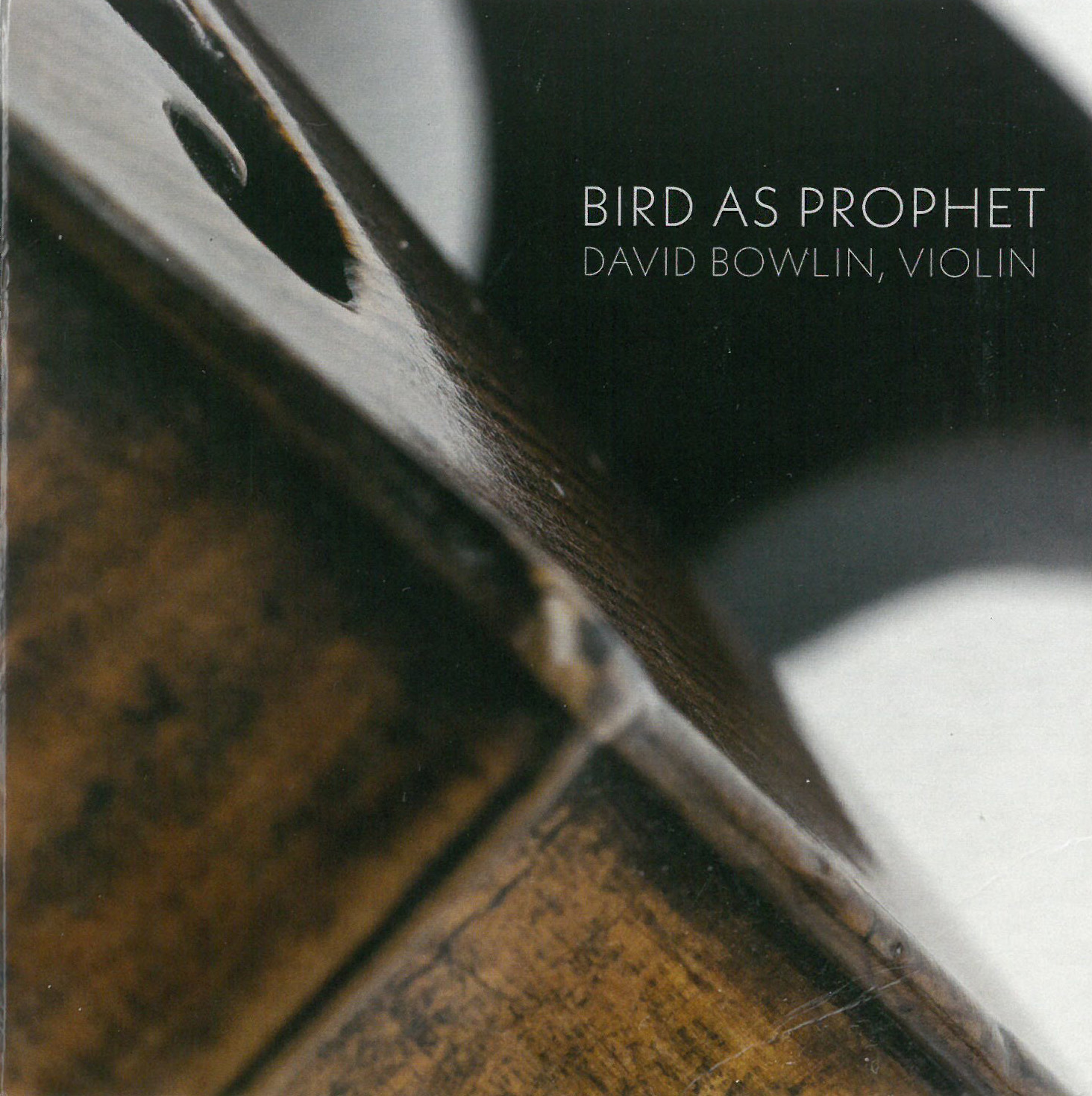
This is one disc that achieves so much more than it sets out to do. Bird as Prophet (the composition) is an amalgam of Robert Schumann, a Romantic with a deep and abiding knowledge of literature and philosophy, and Charlie Parker, the iconic bebop genius who revolutionized jazz – and, it may be argued, all contemporary music. But it is the fingers – and bow – of David Bowlin that drives the music of the entire disc much further.

Bowlin brings so much more to the music than mere virtuosity. Combining his absolute mastery of the violin with inspired interpretations, he lifts the black dots off the page in an utterly beguiling performance evocative of the very nature of human endeavour and the mercurial vicissitudes that go with it.

Bowlin’s instrument lives and breathes and takes us to another world. It’s full of glinting illuminations, mysterious depths, expectations, frustrations, hopes and doubts, like the lights and shadows of a quasi-Schumann scherzo glimpsed by moonlight in a forest. Using taped effects and partnered by four other musicians (on three other tracks), Bowlin creates passage upon passage of notes that are at once perfectly transparent yet gorgeously coloured. There’s also a sense of tightly disciplined improvisation everywhere in the music.

Finally, on the mesmerising Under a Tree, an Udātta, an almost-nine minute musical exploration of Sanskrit phonetics (Udātta is the pitch accent of Vedic Sanskrit), he bows out with buoyant, aristocratic grace.

Listen to 'Bird as Prophet' Now in the Listening Room

01 Istvan AnhaltIstvan Anhalt – …the timber of those times…
SALT Festival Orchestra; Hungarian RSO; Ajtony Csaba
Centrediscs CMCCD 26419 (musiccentre.ca)

Right from the portentous opening chords to the ghostly final drumbeats, this recording of Istvan Anhalt’s monumental ...the timber of those times... (...a theogony...) works a spell. It’s is an adventurous, colourful work, depicting the gods who ruled the world of the ancient Greeks and continue to fascinate today. The terrific performance by the Hungarian RSO includes a fiery galvanizing violin cadenza from soloist Vilmos Oláh. Conductor Ajtony Csaba deftly sustains the momentum throughout.

In Four Portraits from Memory, chant-like textures suffuse evocations of loved ones whose recent deaths Anhalt is grieving. I found it deeply beautiful, and profoundly heart-wrenching, the serene atmosphere enriched by rhapsodic passages featuring pianist Tzenka Dianova. The SALT Festival Orchestra brings a level of polish and precision which allows the lines to shimmer and breath, suggesting layers of sounds yet to be discovered.

Anhalt, who was born in 1919, wrote some of his finest works at the very end of his career – he died in 2012. These are his last orchestral works, both from 2006. They differ in striking ways from each other, a testament to his remarkable versatility. But whether focusing inward to contemplate his own experiences, or reaching out to distant times to interpret those experiences, both works are deeply personal – and all the more moving for that.

This significant recording makes a fitting way to honour the centenary of the birth of a matchless trailblazer in Canadian music.

02 JACKFiligree – Music of Hannah Lash
JACK Quartet
New Focus Recordings FCR228 (newfocusrecordings.com)

Experimental, electrifying, a wonderland of colours – Filigree is a laboratory of sounds, impermanent yet consistent. With this recording the JACK Quartet delivers select pieces by American composer and harpist Hannah Lash and does it with their typical commitment and conviction. Every note, every phrase, is placed and nuanced with clarity of musical expression and clear understanding of Lash’s compositional language. JACK plays with an abundant energy that is beaming with emotional fluency.

Although encompassing a period of five years, chamber music pieces on this recording share a similar contemporary approach to multi-layered string technique(s) and a unique balance of intellectual and visceral elements. The album opens with Frayed, my favourite piece on this recording. The opening chords resemble a series of breaths, tense and unadorned, giving the impression of bringing out intimate mementos. That is, however, interrupted with a dynamic and powerfully unsettling section that slowly takes over, and it is the interlacing of different worlds that gives a tangible intensity to this piece.

Suite: Remembered and Imagined, stands in contrast with its playfulness and showcases a variety of textures. The album concludes with Filigree in Textile for harp and string quartet, inspired by the tapestry arts of the Middle Ages. The lush mood of the first movement, titled Gold, is followed with the rhythmically uniform Silver. The harp threads brilliant lines and brings everyone together in Silk.

This album is notable and well worth your attention.

Listen to 'Filigree: Music of Hannah Lash' Now in the Listening Room

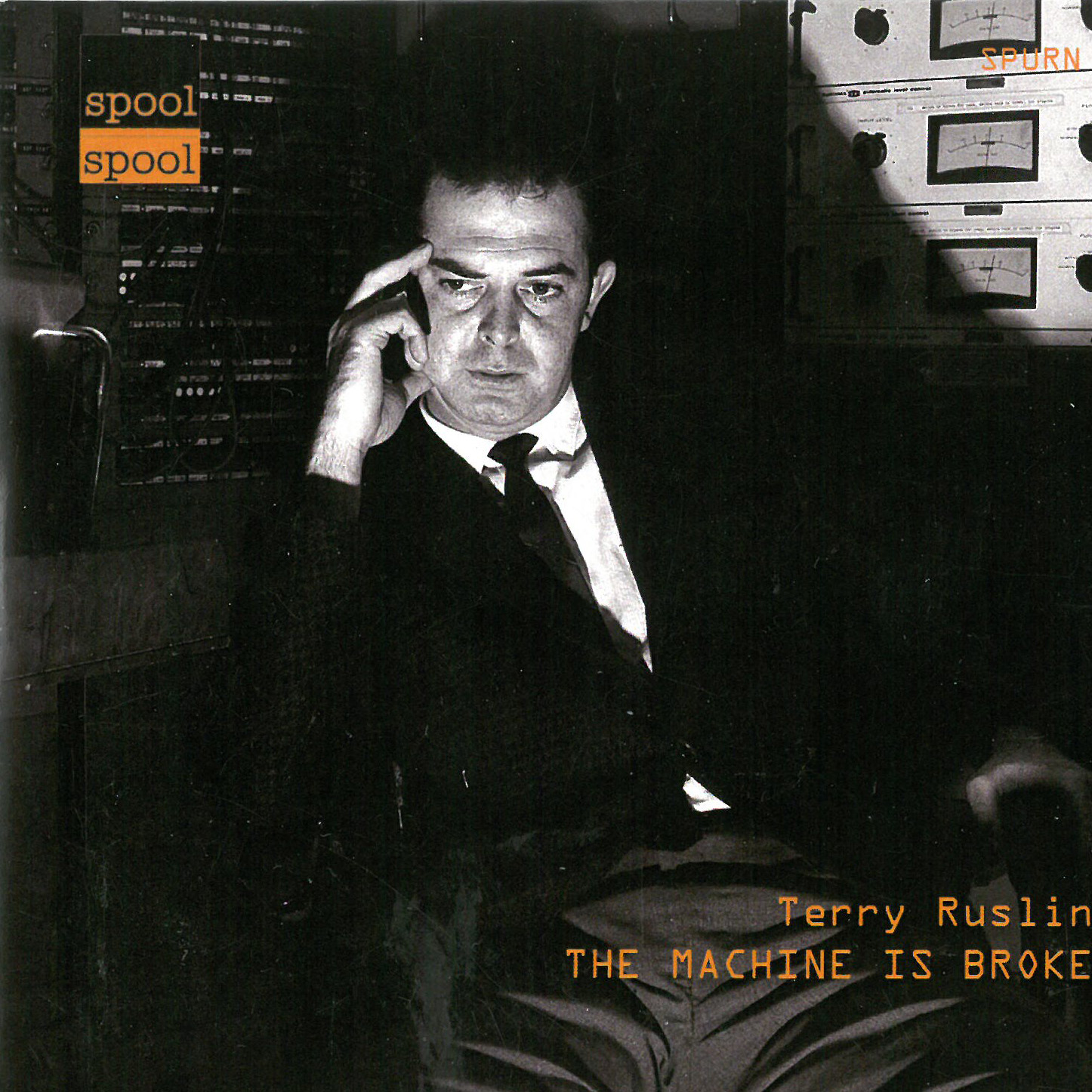
The Machine is Broken
Terry Rusling (1931-1974)
Spool Spurn 3 (spoolmusic.com)

Shed Metal
equivalent insecurity (dk & Dan Lander)
Spool Spurn 1 (spoolmusic.com)

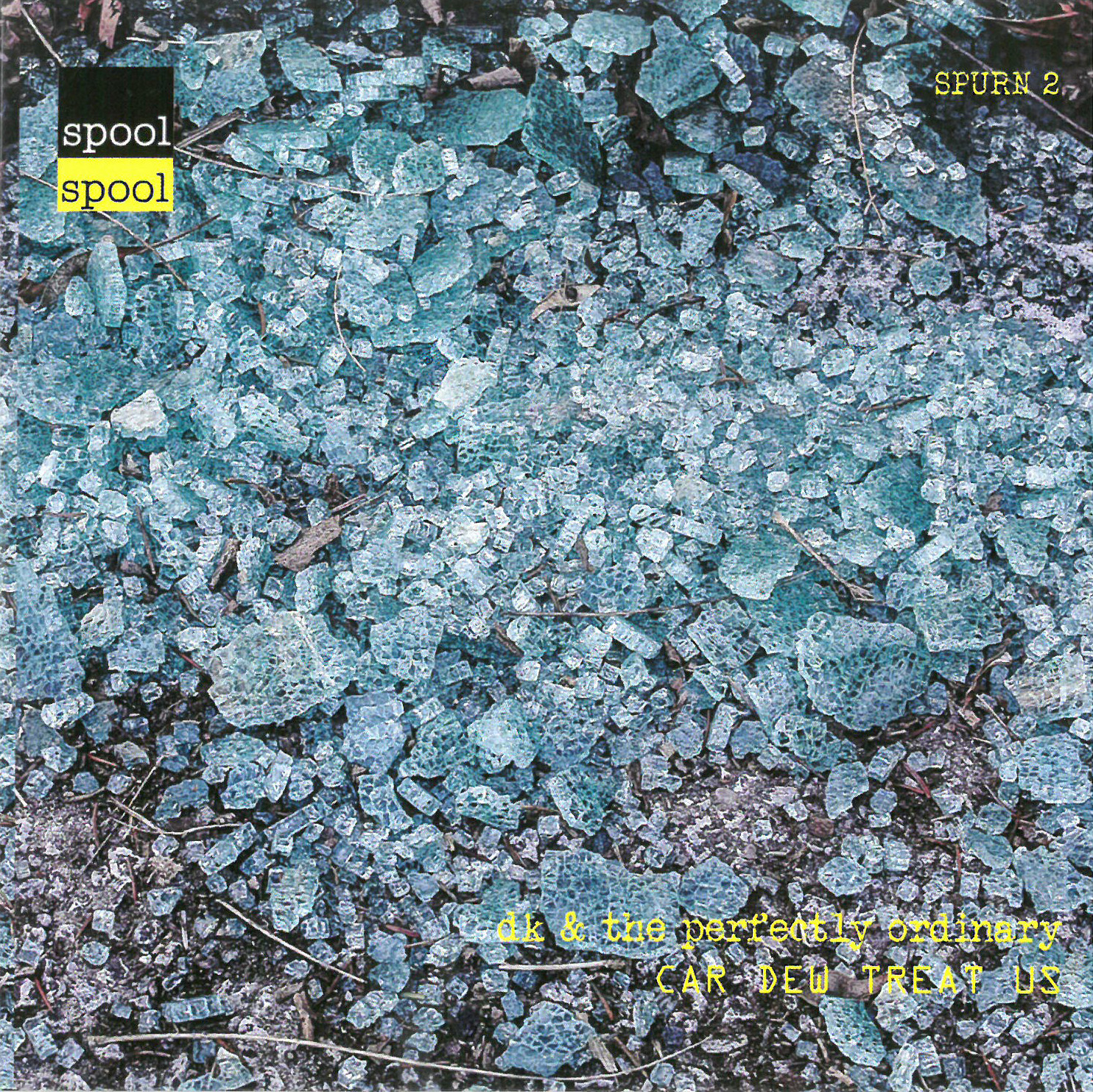
Car Dew Treat Us (pages from Cornelius Cardew’s Treatise randomly selected)
dk & the perfectly ordinary
Spool Spurn 2 (spoolmusic.com)

Uxbridge, Ontario-based label Spool’s new Spurn series is titled irreverent. The brainchild of musician Daniel Kernohan, there are currently three releases in this group of possibly difficult-to-classify, yet ear-opening, enjoyable music. Spool also has other series with numerous eclectic releases available.

05a Spool UTEMSAn intriguing cross section of electronic works by Canadian composer Terry Rusling (1931-1974) are featured in the 2019 third Spurn release, The Machine is Broken. Rusling’s experience as an engineer for CBC understandably gave him the necessary technical grounding to create his unique sound. At composer Morris Surdin’s suggestion, Rusling worked at the University of Toronto Electronic Music Studio (UTEMS), which lead to further international studies/work, and tape collaborations with such artists as Earle Birney, Gwendolyn MacEwen and public tape performances at Yorkville’s Bohemian Embassy. Rusling’s short life resulted in an immense creative output that is only touched on here. Producers David Porter and Daniel Kernohan have selected 17 tracks, arranged in a listener-friendly order to maintain interest. The almost two minute opening Reel 1H sets the stage with sound effects, quiet spaces, and brief moments of tonalism. Creaky effects, crackling sounds, loud volumes, slides and glisses highlight Reel 2A’s early electro sound. The spoken male/female statements at the start of Title add a human dimension to the electronic effects. Rusling’s use of silent spaces between electronic sections in his works builds subsequent musical interest, such as Reel 2B where the silences set up such intense effects as the classic electronic sounds of that time, like washes, repeated notes, feedback and for lack of a better description, loud crashing about. Rusling’s early electronic music holds current sound appeal while also, at its very best, foreshadowing future sounds.

05b Spool Shed MetalThe earlier two Spurn releases also feature contemporary sounds. Shed Metal stars Equivalent Insecurity in performance. Kernohan, (named dk on the sleeve), and colleague Dan Lander play 22 tracks on their self-described “instruments, toys, stuff, sound.” Recorded in Toronto in 1987-89, their sound brings back wonderful memories of the Toronto improvisational scene of the time. The clear recording opens with a march-like feel and an almost sing-along melody interspersed with electronic effects. Too much fun being had by the two performers, as the music includes washes, electronic shrieking effects, occasional almost pop groves, pulses, horns, vocalizations, moments of anxiety, etc. Especially love the water sounds in track three. It is a gift to the listener that their music was even recorded, and later released.

05c Spool Car DewCar Dew Treat Us features Kernohan and the perfectly ordinary (Allison Cameron, Rod Dubey and Lawrence Joseph) with different guest artists reciting intermittent text fragments from Cornelius Cardew’s Treatise against an electronic soundscape featuring clicks, held tones, wavering dynamics, wobbling tones, bell sounds, atonalities and percussive effects in a challenging soundscape. Some may find it difficult to listen to but worth the effort to experience.

Bravo to Spool’s Spurn series for these three contrasting releases showcasing amazing Canadian experimental talent.

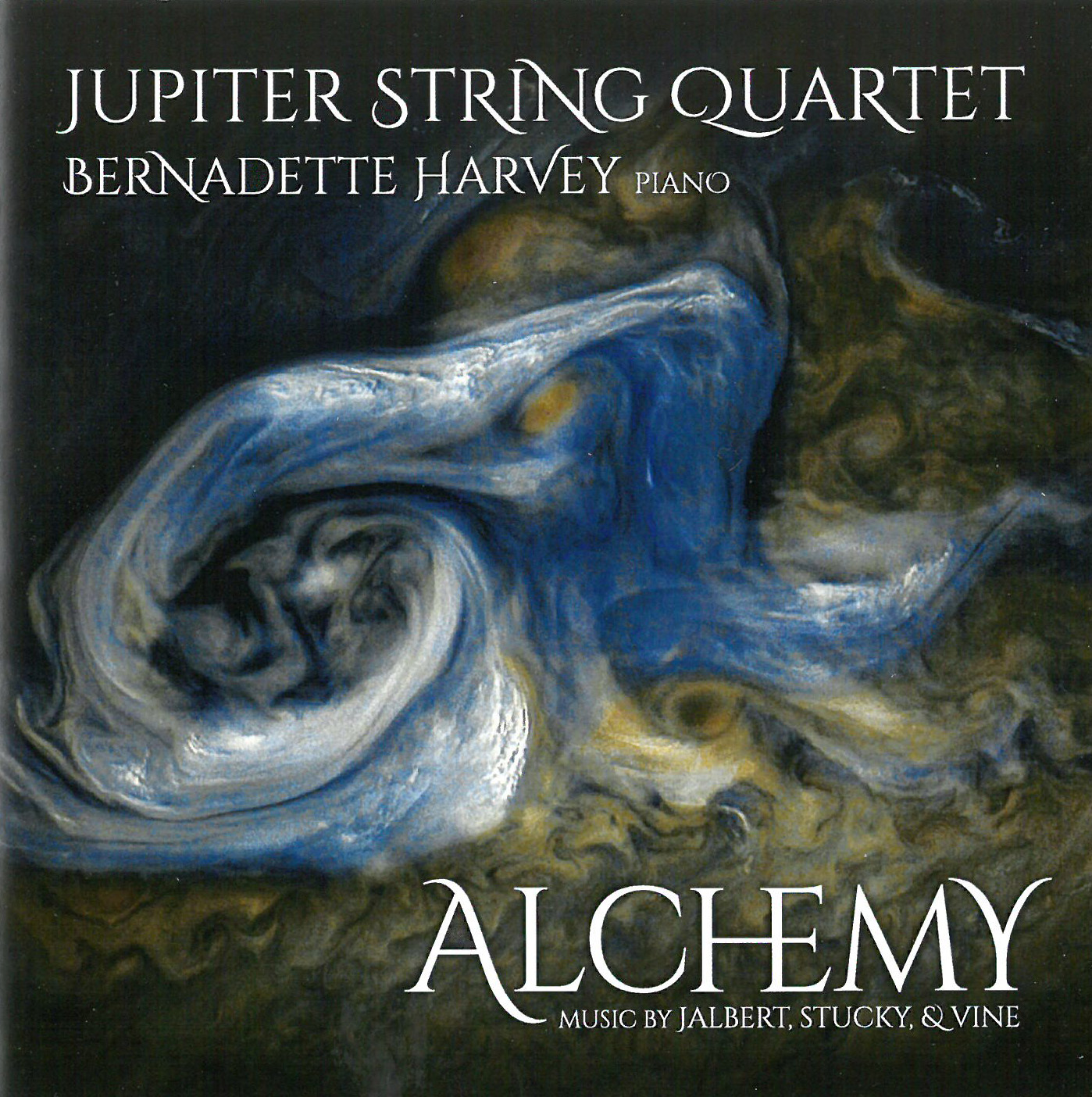
06 Jupiter QuartetAlchemy – Music by Jalbert; Stucky; Vine
Jupiter String Quartet; Bernadette Harvey
Marquis Classics MAR 81491 (marquisclassics.com)

Being a devotee of the piano quartet and quintet I’m gratified to hear four fine 21st-century examples originally commissioned by the Arizona Friends of Chamber Music. The American-based Jupiter String Quartet and Australian pianist Bernadette Harvey play these demanding works vividly and expressively, their virtuosity suited to the brilliant motions that American composer Pierre Jalbert induces in his Piano Quintet (2017) and Secret Alchemy for Violin, Viola, Cello and Piano (2012). The players also excel in reflective passages and evocative sonorities, such as the “outer space” part of the Quintet’s Mannheim Rocket movement. In Secret Alchemy’s movement, Timeless, mysterious, reverberant, Jalbert’s miraculous mood creation suggests a medieval cathedral in modern terms. For me it brought to mind, uncannily, the Notre Dame Cathedral fire earlier this year.

Australian Carl Vine’s Fantasia for Piano Quintet (2013) is in a lighter vein which the composer describes as “quasi-improvisational.” Featuring plenty of idiomatic virtuosity, I found the work’s style more conventional with recurring four-bar phrases in the last two movements that could have stood a few metric surprises. Finally, I can only offer the highest possible praise for the late, Steven Stucky’s outstanding one-movement Piano Quartet (2005). A long, sorrowful melody begins shortly after the opening, broken into motifs yet somehow finding the strength to go on. This work is too rich to describe in words; I hope readers will find their way to hearing it.

Listen to 'Alchemy – Music by Jalbert; Stucky; Vine' Now in the Listening Room

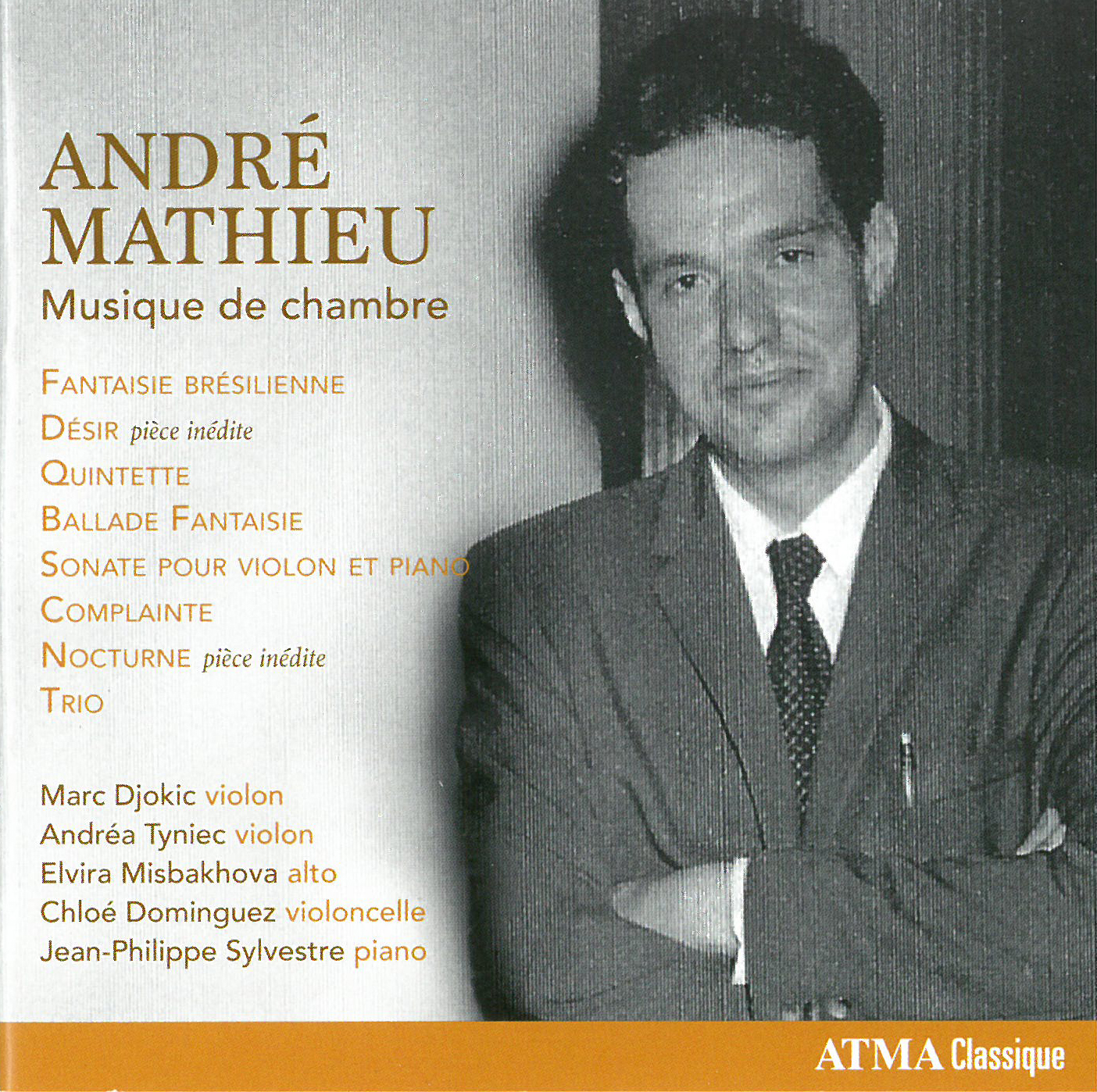
01 Andre Mathieu chamberAndré Mathieu – Musique de chambre
Marc Djokic; Andréa Tyniec; Elvira Misbakhova; Chloé Dominguez; Jean-Philippe Sylvestre
ATMA ACD2 2784 (atmaclassique.com)

The turbulent life of the pianist and composer André Mathieu (1929–68) began in triumph and ended in tragedy. This son of professional musicians was hailed as “the Mozart of Québec” at his Parisian debut in 1936 but ultimately faded into in a haze of alcoholism and obscurity, succumbing to a heart attack at the age of 39. It is perhaps not surprising that Mathieu’s resolutely post-Romantic style, heavily influenced by Scriabin and Debussy and profoundly melodic and episodic by nature, was disdained in the new music circles of the 1960s. It is largely due to the advocacy of the Québécois pianist-composer Alain Lefèvre, a champion of Mathieu’s piano concertos, that his reputation has been restored in our post-modern era.

The album features Mathieu’s eight chamber works from the middle of the 20th century, the era of his finest compositions. It includes a selection of compact duets for violin and piano featuring pianist Jean-Philippe Sylvestre with violinists Mark Djokic and Andréa Tyniec alternating as soloists. Tyniec (who dazzled Toronto recently performing Ana Sokolović’s violin concerto for New Music Concerts) lays claim to the enjoyable though discursive Violin Sonata. Of particular interest are the Quintette for piano and string quartet and the Trio for violin, cello and piano, two substantial works in which Mathieu exceeds himself in the mastery of large-scale forms. The performances are uniformly excellent and production values are top notch.

Listen to 'André Mathieu: Musique de chambre' Now in the Listening Room

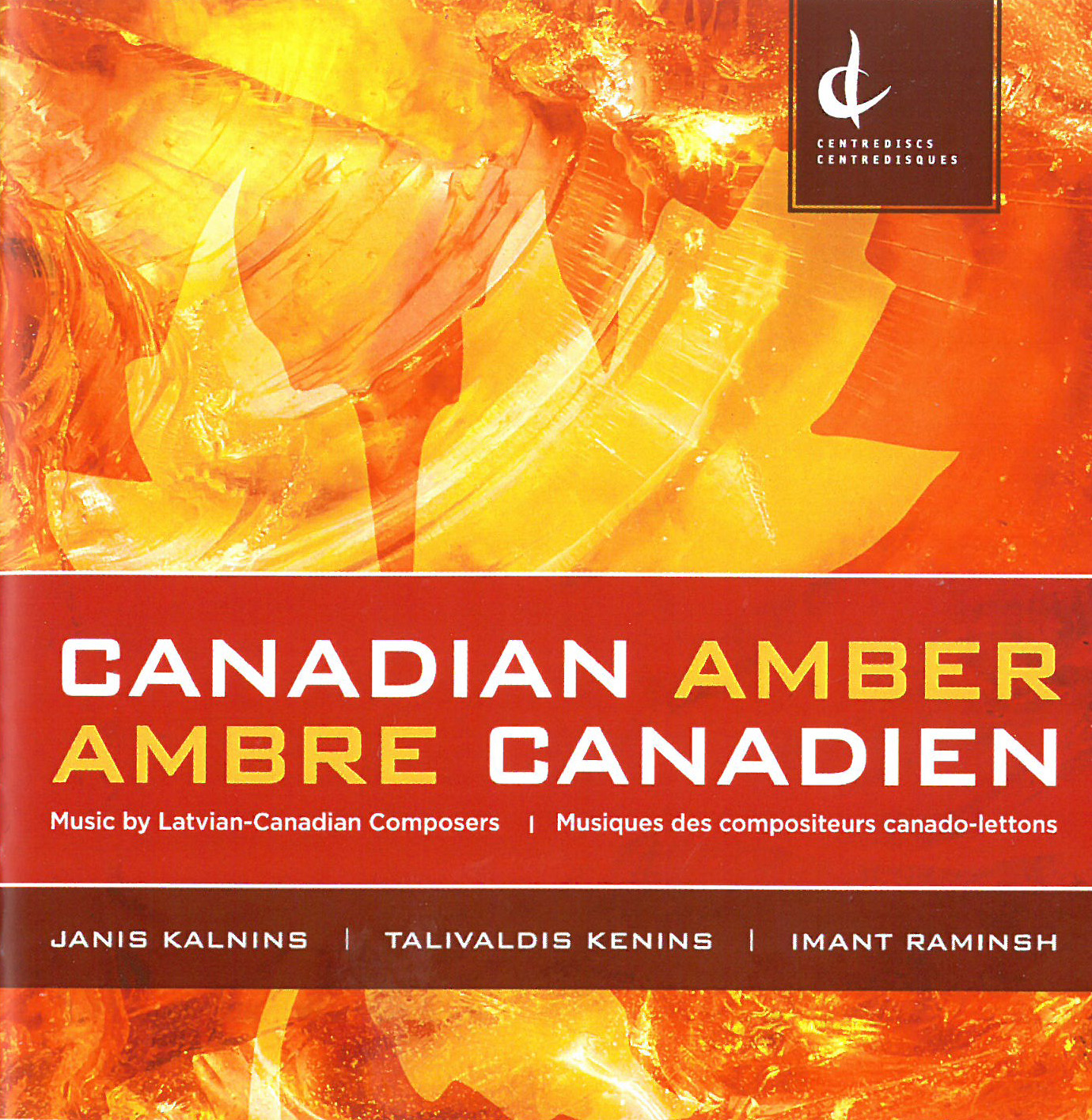
02 Canadian AmberCanadian Amber – Music by Latvian-Canadian Composers
Laura Zarina; Arthur Ozolins; Beverley Johnston; Canadian Opera Company Orchestra; Ninth Latvian Song Festival Orchestra; Alfred Strombergs; Maris Simais
Centrediscs CMCCD 26519 (musiccentre.ca)

Back in July 2019 I attended a concert which highlighted “significant contributions made by émigrés from Latvia to the music and culture of Canada.” Part of the Toronto XV Latvian Song and Dance Festival, it focused naturally on Latvia’s famous choral tradition, yet I was curious also to hear orchestral works by Latvian-Canadian composers including Tālivaldis Ķeniņš (1919-2008) and Imant Raminsh (b.1943). It is perhaps not surprising to hear works by the same composers on the CD Canadian Amber – dedicated to the same theme – with the addition of the slightly older Jānis Kalniņš (1904-2000). All three Latvian composers made Canada their home after World War II.

Kalniņš’ three-movement Violin Concerto (1945), firmly anchored in late-Romantic style, offers attractive lyrical passages for the soloist and orchestra, though overall the work sounds some 50 years past the style’s prime era. Raminsh is best known for his choral works. True to form, his Aria for Violin and Piano (1987) is imbued with arching, expressive melodies, framed by easygoing tonal settings with modal implications on the piano.

On the other hand Ķeniņš’ Concerto for Piano, Percussion, and String Orchestra (1990) reflects a very different sound world. The title, instrumentation, shear energy and terse, shifting dramatic moods evoke Béla Bartók’s expressionistic, modernist, chromatic musical language, though the instrumentation also brings to mind aspects of some Alban Berg works. Despite these surface homages, Ķeniņš’ idiosyncratic compositional voice emerges clearly, emotionally gripping us with effective writing for the piano soloist as well as for the strings and percussion. Here’s a work that begs for programming on both Canadian and Latvian stages.

03 Music in the BarnsBolton; Godin; Oesterle
Music in the Barns
New Focus Recordings FCR226 DDD (newfocusrecordings.com)

Classical traditions seldom come together so gloriously with the unpredictability of the avant-garde than on this disc titled after its contributing Canadian composers Rose Bolton, Scott Godin and Michael Oesterle. When that happens, it somehow seems fortuitous that Toronto’s Music in the Barns – a quintet where violinist Lance Ouellette and violists Carol Gimbel and Pemi Paull sometimes play musical chairs – should be tasked to play their repertoire.

Bolton’s The Coming of Sobs is a particularly intense work. But even here the musicians make the black dots literally fly off the page intensifying the experience that the composer has written into the work. After a relatively quiet opening the music develops – through a series of pulses and crescendos to a shattering fortissimo that emphasizes its darkly dramatic and veritably vocal human cry as brilliantly expressed by the string ensemble.

Godin’s work, all that is solid melts into the air,is more ephemeral and calls for a more nuanced performance, one which Music in the Barns delivers in spades. Breathing their way into the composition that spans over 150 years of humanity, the ensemble traverses a work bookended by the visceral world of Charles Baudelaire and the beguiling symbolism of master-builder Robert Moses with transcendent splendour.

The disc comes to an end with Oesterle’s Daydream Mechanics. The quintet brings a near-rhapsodic reverie inspired by the spare lyricism of Nicole Brossard’s poetry into a sensuous awakening on a disc to die for.

Listen to 'Music in the Barns: Bolton, Godin, Oesterle' Now in the Listening Room

Back to top