Bach plays the organThe Baroque era was a time of international cultural exchange and groundbreaking creativity. Composers from across Europe brought music from the last vestiges of Renaissance modality to the systematic hierarchy of tones and semitones as defined by functional harmony. If there is one composer whose name is synonymous with the Baroque era and its developments, it is most likely Johann Sebastian Bach. Bach was an inherently paradoxical figure, practical yet prickly, pious yet prideful, conservative yet radically progressive, a musical visionary with one foot in the past. We need look no further than the B-Minor Mass to see Bach’s equal comfort in the old modal style and a new, highly chromatic tonal system, evident in the contrast between the Credo fugue, based on cantus-firmus models of earlier times, and the comparatively shocking Crucifixus. The latter is an extended exploration of semitone relationships and enharmonic modulation masquerading as a ground-bass chaconne, using harmonic techniques that would not become frequently and fluently exercised until almost a century later.

The reasons for Bach’s powerful presence in the Western music canon are too many to number; the sheer intensity of his skill has captivated generations of composers, students and performers, from Mozart and Beethoven to Mendelssohn, Schumann, Brahms and Mahler. This impact on those who followed him, coupled with Bach’s ability to blend the cerebral with the spiritual in a way unsurpassed by his peers or successors, has led to Bach’s place in the musical cosmos being like a musical black hole, on a scale perhaps only equalled by Beethoven, dividing all of musical history into before and after. All that came before led to this apotheosis of ingenuity; all that comes after is a successor, related in some way to this progenitor of revolutionized compositional ability. (A recent online post describing Handel as “a more religious Bach,” a premier example of musicological perfidy if there ever was one!)

Defence of Bach’s placement among the greats in the pantheon of musical history, is superfluous and unnecessary. The preceding paragraphs simply attempt to illustrate just how significant the contributions of this one composer are. To look at Bach’s music from another perspective, we can ask ourselves why Glenn Gould’s 1955 recording of the Goldberg Variations is one of the bestselling Classical albums of all time. (Before this recording, after all, the Goldbergs were considered museum pieces, old stuck-up essays in variation form that were unworthy of public performance.) The answer, most likely, is that, in the hands of someone who truly understands its intricacies and is able to express them, Bach’s music is the ideal repertoire to perform, challenging the interpreter and the listener and creating an atmosphere that borders on the sublime. No two live performances of the same work are ever identical, but this is all the more so with Bach, whose music is conducive to elastic and creative interpretations; a performer can adopt and adapt, making them endlessly subjective – and thereby communicative – experiences for an audience.

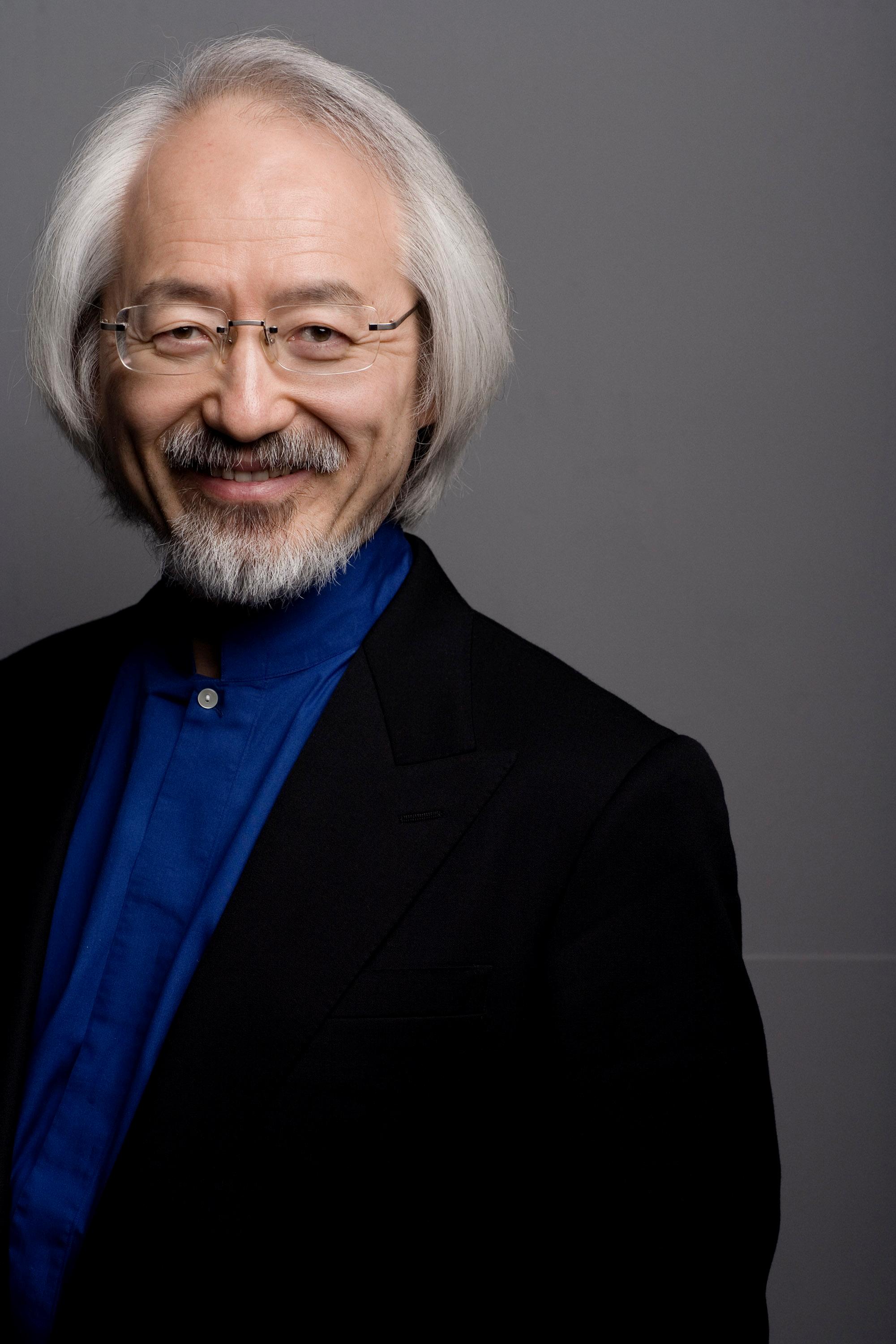
Masaaki SuzukiTafelmusik’s Matthäus-Passion

In case this extended preamble wasn’t a sufficiently obvious lead-in, March is full of Bach’s music, performed across Southern Ontario by a variety of ensembles. On March 21 to 24 in Trinity-St. Paul’s Centre, Tafelmusik presents a much-anticipated performance of the Matthäus-Passion (St Matthew Passion), led by Japanese conductor Masaaki Suzuki. Suzuki is a Japanese organist, harpsichordist and conductor, and the founder and musical director of the Bach Collegium Japan, with which he is recording the complete choral works of Johann Sebastian Bach. To give a brief overview of Suzuki’s output to date, Bach Collegium Japan completed their 55-volume series of Bach’s church cantatas in 2013, the secular cantatas in 2018, as well as all of Bach’s Lutheran Masses, motets, and large choral works. Suzuki is also recording Bach’s concertos, orchestral suites and solo works for harpsichord and organ, as well as guest conducting with ensembles around the globe.

The St. Matthew Passion is a monumental work for vocal soloists, two choirs, and two orchestras, and Bach’s largest single piece of music, running almost three hours in an average performance. Containing some of Bach’s most beautiful and exquisitely crafted material, the St Matthew Passion was first performed on Good Friday 1727 at the St. Thomas Church (Thomaskirche) in Leipzig. One of the challenges of performing this work involves the distribution of forces within the performing space; how does one ensure that the division of the large choir and orchestra into two distinct parts is clear and apparent, particularly in such essentially antiphonal movements as the opening “Kommt, ihr Töchter, helft mir klagen”?

In Bach’s time St. Thomas Church had two organ lofts: the large organ loft that was used throughout the year for musicians performing in Sunday services, and the small organ loft, situated at the opposite side of the sanctuary, that was used additionally in the grand services for Christmas and Easter. The St. Matthew Passion was composed so that a single work could be performed from both organ lofts at the same time: Chorus and orchestra I would occupy the large organ loft, and Chorus and orchestra II performed from the small organ loft. In a space lacking these vehicles for spatial separation, it will be fascinating to see how the dynamism of Bach’s score is realized onstage in this don’t-miss performance of Tafelmusik’s 40th-anniversary season.

OCO’s Brandenburgs

A short drive away in Oakville, the Oakville Chamber Orchestra celebrates their 35th anniversary with a complete performance of Bach’s Brandenburg Concertos. Regarded as some of the best orchestral compositions of the Baroque era, this collection of six instrumental works was presented by Bach to Christian Ludwig, Margrave of Brandenburg-Schwedt, in 1721. While Bach took the opportunity to revise the concerti before presenting the scores to the margrave, each copied in his own hand rather than by a copyist, the material itself was likely not freshly composed, but rather selected from concertos he had composed over a number of years while at Köthen, and possibly extending back to his employment at Weimar.

After their gifting to the margrave, the Brandenburgs had a rather unfortunate history: because King Frederick William I of Prussia was not a significant patron of the arts, Christian Ludwig lacked the musicians in his Berlin ensemble to perform the concertos. The full score was left unused in the Margrave’s library until his death in 1734, when it was sold. The autograph manuscript of the concertos was only rediscovered in the archives of Brandenburg in 1849 and published in the following year. While Bach undoubtedly led performances of the original movements as Kapellmeister at Köthen, he never heard a performance of the Brandenburg Concertos as we now know them.

Fortunately, such opportunities are not lost on the modern concertgoer, though it is a rare treat to be able to hear all six works in one performance. Each concerto has a unique character and body of soloists, the fifth concerto perhaps the most renowned for its extraordinary harpsichord part. (It seems very likely that Bach, considered a great organ and harpsichord virtuoso, was the harpsichord soloist at the premiere of an earlier version in Köthen). Modern interpretations of these pieces range from one-to-a-part chamber ensembles of period instruments to pared-down symphony orchestras on modern instruments; regardless of the forces involved, these masterpieces are essential listening for fans of early music and worth exploring by anyone who appreciates Bach’s instrumental works.

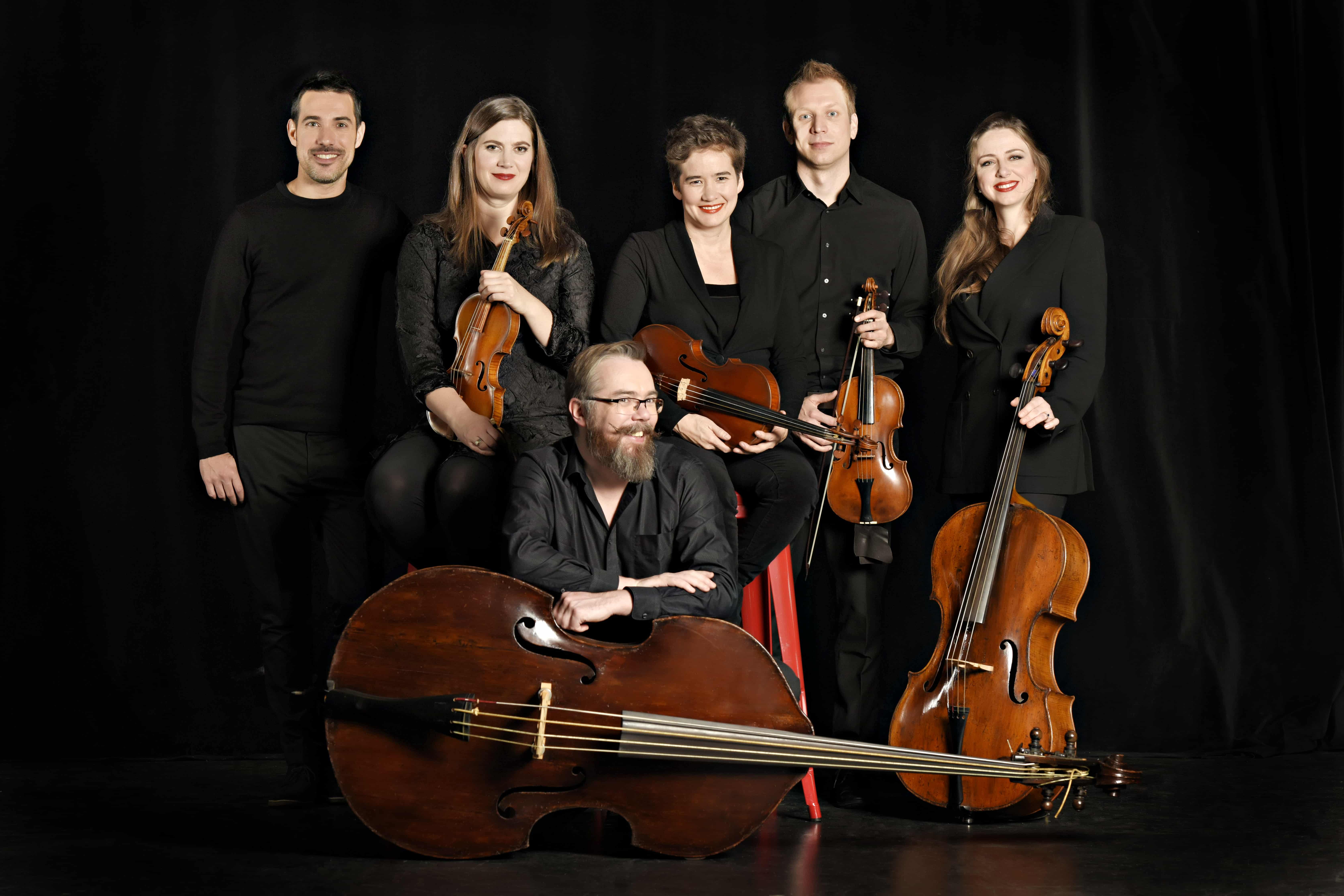
 Rezonance Baroque EnsembleRezonance’s Bach Tradition

Known now as a brilliant composer of vocal and instrumental works, Bach was more renowned in his time as an improviser, keyboard virtuoso and organ consultant. (Whenever he tried a new organ, Bach’s practice was to start off by playing with all the stops pulled out, with every rank of pipes sounding at once. In this way, he said, he could see what kind of “lungs” an instrument had.) Bach famously displayed his skill at extemporization in front of King Frederick II of Prussia at Potsdam in May 1747, when the king played a theme for Bach and challenged him to improvise a fugue based on his theme. Bach obliged, playing a three-part fugue on one of Frederick’s fortepianos, before reworking the King’s theme into the Musical Offering.

On April 6, Rezonance Baroque Ensemble and Musicians on the Edge explore Bach’s improvisatory skill through their concert “The Bach Family and the Improvising Tradition” at Metropolitan United Church. The Bach family was an imposingly gifted family, producing generations of musicians of the highest calibre, and it will undoubtedly be a compelling experience as the audience is introduced to the largely lost art of extemporization. There may even be a fugue or two, made up on the spot!

While this month’s column is devoted to one of the greatest composers in the history of Western music, there are many other great composers represented within the pages of this magazine who you are encouraged to explore. As we slowly thaw after another Canadian winter and the days grow longer, it is the perfect time to get outside, go to concerts, and see what the world looks like underneath all that snow and ice! In the meantime, contact me with any questions or comments at earlymusic@thewholenote.com.

EARLY MUSIC QUICK PICKS

MAR 9, 7:30 PM: Theatre of Early Music. Israel in Egypt. St. Patrick’s Church, 131 McCaul Street. Not only was Handel born in 1685, the same year as Bach – he wrote some pretty good tunes too! Don’t miss this extraordinary oratorio full of dramatic story and magnificent music.

MAR 17, 4PM: Hart House Singers. “Handel and Mozart.” Great Hall, Hart House, 7 Hart House Circle. Two of music’s great dramatic composers come together for a concert featuring Handel’s extraordinary Zadok The Priest and Mozart’s Vespers. (Yes, Mozart has connections to Bach as well.)

MAR 27, 7:30 PM: Julliard415. “Baroque and Beyond: Bach and Vivaldi.” Isabel Bader Centre for the Performing Arts, 390 King Street West, Kingston. Violinist Rachel Podger and the Juilliard415 Baroque ensemble visit Canada to perform works by two masters of chamber music. (Bach was quite familiar with Vivaldi’s output and even transcribed a number of concerti for the organ.) Ideal music for an absolutely stellar concert hall.

Matthew Whitfield is a Toronto-based harpsichordist and organist.

History’s pruning shears are aggressively pragmatic, trimming away that which is not tremendously noteworthy, revolutionary, famous or infamous. Music history is no kinder to its members, the pantheon of perpetual fame reserved for those select few on whom we bestow the title of “genius.” In the movie Amadeus, which, by the way, is screening with live orchestra at the Sony Centre February 21 and 22, court composer Antonio Salieri “speak[s] for all mediocrities in the world. I am their champion. I am their patron saint.” He fully expects to be expunged from the record books because of his lack of prodigious talent, surpassed in every way by the young and inexplicably, divinely gifted Wolfgang Amadeus Mozart.

Almost as well-known as Amadeus itself is the understanding that (spoiler alert!) the vast majority of the drama in the film is entirely fictitious. Salieri did, in fact, achieve great success during his career, not only dominating Italian-language Viennese opera, but also becoming one of the most important and sought-after teachers of his generation, with such pupils as Franz Liszt, Franz Schubert, and Ludwig van Beethoven… not too bad for the “patron saint of mediocrities.” But while this particular instance of historical pruning may be false, there are many other examples of how time can act as an eraser, gradually wiping away traces of people, places, and events.

Let us consider, for example, the idea of national “schools” of music, which ebb and flow depending on the time period and corresponding socio-political circumstances of each country. Throughout the history of music there are three countries which consistently contributed to the development of European music from the medieval era to the 20th century: Germany, France and Italy; these nations produced some of the great composers of the past, including Bach and Beethoven, Couperin and Debussy, and Vivaldi and Puccini, respectively, as well as virtuoso interpreters. England has made valid contributions throughout history as well, particularly in the Renaissance and Baroque, with the Tudors and later composers such as Purcell, and in the late 19th and early 20th centuries through Parry, Elgar, Howells, Britten and others.

Europe, however, is an expansive continent and currently contains 50 separate countries – what are the musical histories of these other nations, the ones that have not received the legacies of Mozarts and Salieris? Who are their “patron saints of mediocrities”? This month’s listings are full of explorations of these lesser-known composers and their works; here are some of the highlights:

Poland in the 16th Century

On February 21, Gallery 345 presents harpsichordist Corina Marti, playing keyboard music from 16th-century Poland. Poland’s influence on classical music cannot be underestimated, with world-famous composers such as Frédéric Chopin, Witold Lutosławski, Krzysztof Penderecki, Karol Szymanowski and Henryk Górecki, and renowned pianists like Arthur Rubinstein, Ignacy Jan Paderewski and Krystian Zimerman counted amongst its artistic elite. While these composers and performers are largely from the 19th and 20th centuries, Poland has had a national musical identity since the 13th century, from which manuscripts have been found containing polyphonic compositions related to the Parisian Notre Dame School. During the 16th century, two musical ensembles led a rapid development in Polish music – both were based in Kraków and belonged to the King and Archbishop of Wawel. Music does not exist in a vacuum, however, and a number of Italian musicians were guests at the royal courts in the early 17th century, included Luca Marenzio, Giovanni Francesco Anerio, and Marco Scacchi. During the 17th century, Polish composers from this period focused on Baroque religious music and concertos for voices, instruments and basso continuo, a tradition that continued into the 18th century.

This concert is certainly worth exploring, in part because it provides more questions than answers: what will this Renaissance-era music from Eastern Europe sound like? Will it resemble the Tudor school and the pavanes and galliards of Byrd and Gibbons, or perhaps the more fantastical style of Frescobaldi? There is only one way to find out!

Convivencia

Another country that has not received significant recognition for its musical contributions is Spain where, particularly in the renaissance, creativity and experimentation abounded. The Toronto Chamber Choir delves into repertoire from mediaeval and renaissance Spain with their concert “Convivencia: Music Across Three Faiths” on March 2. Featuring Sephardic folk songs, classical Arabic melodies, and Spanish polyphony, this performance captures the cross-pollination that took place in a country with an unusually rich and complex musical and political history.

Over the course of its history, Spain has had more than 2,000 years of internal and external influences and developments that have combined to produce a large number of unique musical traditions, closely related to changing political climates. In the two centuries before the Christian era, Roman rule brought with it the music and ideas of Ancient Greece. Early Christians, who had their own differing versions of church music, arrived during the height of the Roman Empire, while the Visigoths, a Romanized Germanic people, took control of the peninsula following the fall of the Roman Empire. The rule of Moors and Jews in the Middle Ages added another influence to the musical climate, and the style of Spanish popular songs of the time is presumed to have been heavily influenced by the music of the Moors.

By the early 16th century, the polyphonic vocal style that developed in Spain was closely related to that of the Franco-Flemish composers. Composers from the North of Europe visited Spain, and native Spaniards travelled within the Holy Roman Empire, which extended to the Netherlands, Germany and Italy. Tomás Luis de Victoria, for example, spent a significant portion of his career in Rome, developing a technique that was said to have reached a level of polyphonic perfection and expressive intensity equal, or even superior, to Palestrina and Lassus.

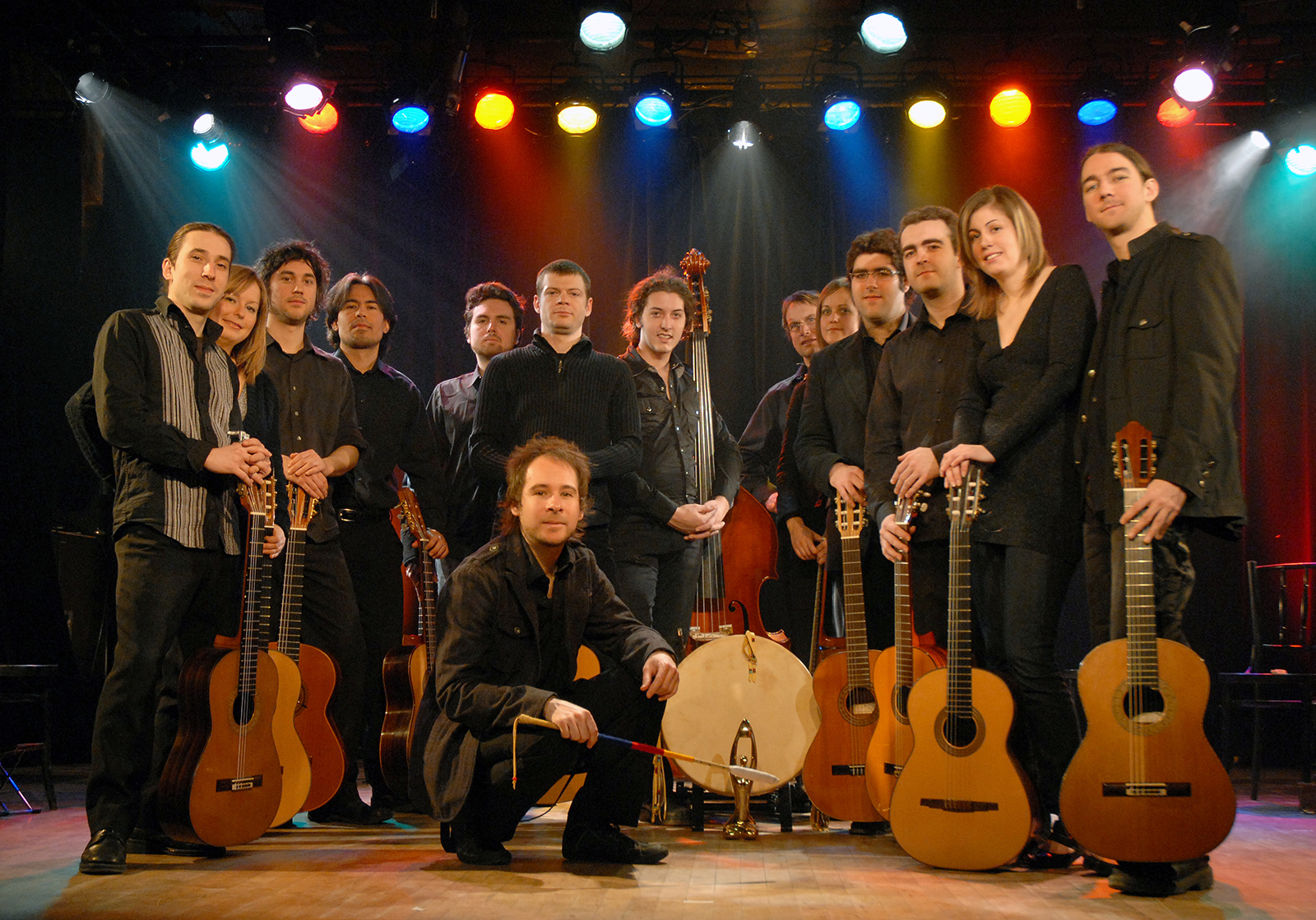
By blending Sephardic, Arabic and Spanish musics, the Toronto Chamber Choir’s Convivencia will provide an artistic reflection of the real-world exchanges that took place between the world’s three great monotheistic religions in a country whose history is punctuated by fascinating and wide-reaching influences. Featuring Lucas Harris as conductor and lutenist, as well as guest singers, guitars, oud, ney and percussion, this concert is ideal for those who wish to broaden their knowledge of classical music and get a big-picture look at what influenced the music we hear and perform today.

Tales of Two Cities: The Leipzig Damascus Coffee HouseTales of Two Cities

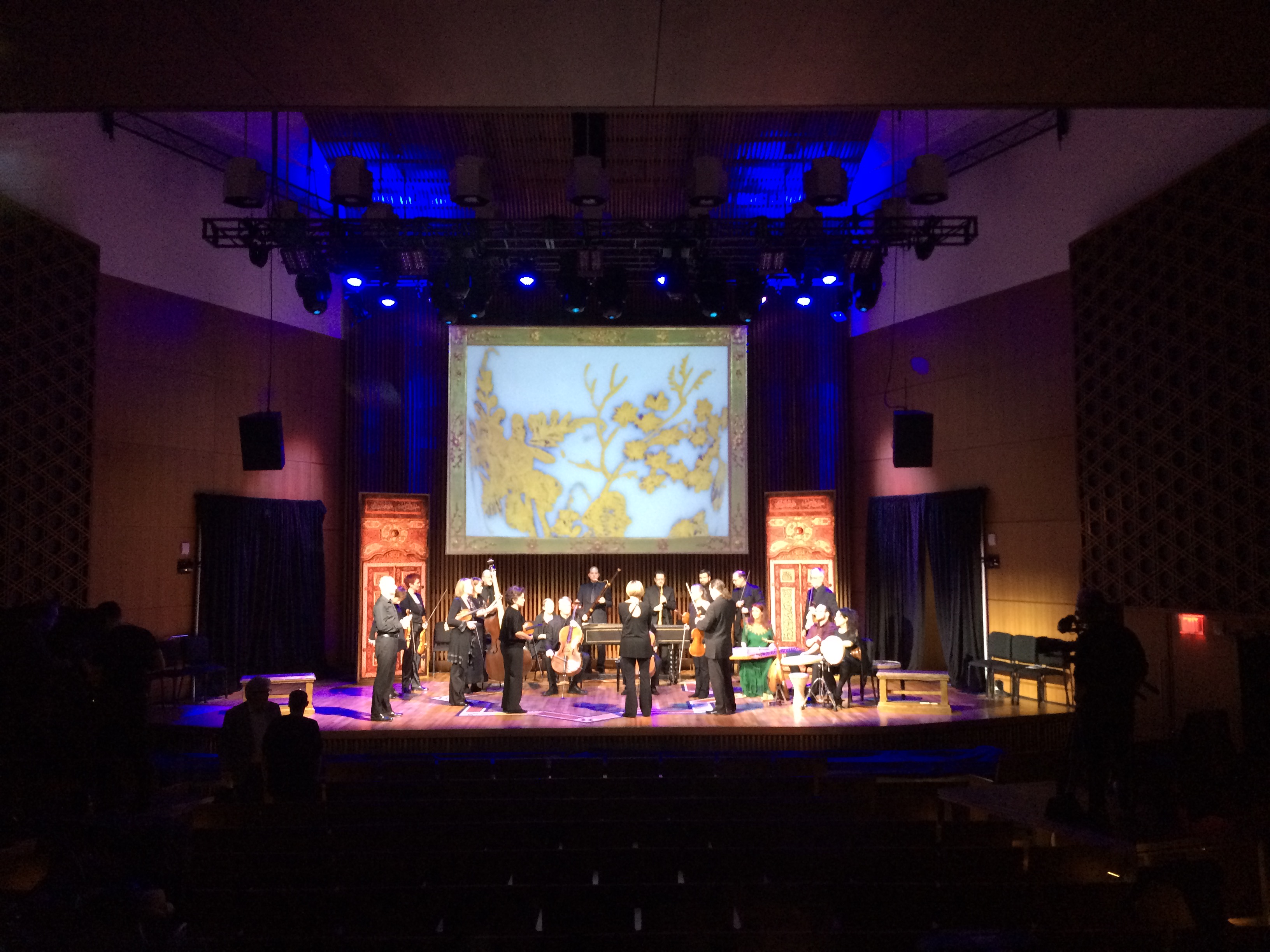
While on the topic of big-picture performances, Tafelmusik will remount their successful multimedia production “Tales of Two Cities: The Leipzig-Damascus Coffee House” from February 21 to 24. Conceived, scripted and programmed by Alison Mackay, this musical exploration of the links between 18th-century Saxony and Syria became one of the most talked-about projects in Tafelmusik’s history when it was first seen in 2016. Celebrating the rich musical traditions of East and West, and the renewed dialogue between those traditions in contemporary, multicultural Toronto, Tales blurs musical boundaries and alters our perspectives on musical history.

In terms of artistry, this concert brings an all-star roster to the Koerner Hall stage, featuring the Tafelmusik orchestra led by Elisa Citterio and Opera Atelier’s Marshall Pynkoski as stage director. The Tafelmusik team will be joined on stage by Maryem Tollar, vocalist and co-narrator, Alon Nashman, co-narrator, Naghmeh Farahmand, percussion, and Demetri Petsalakis, oud. In case you missed it in 2016, the musical selections are stellar, and include canonic works by Bach, Handel, Telemann and more, as well as traditional Arabic song and klezmer fiddle music.

If last year’s Safe Haven was your first exposure to Mackay’s multimedia prowess, don’t miss this opportunity to see Tales which is sure to impress, both through the superb skill of the performers and the surprising, captivating connections drawn between the “then” of centuries ago and our very present “now.”

While this month’s concerts might be slightly more outside the box than usual with regards to programming and presentation, the opportunity for cross-cultural exploration is one that shouldn’t be missed. At a time of xenophobic mania, and as the drawing of lines between “us and them” becomes increasingly aggressive, these performances provide an essential and contextual reminder that “those who do not remember the past are condemned to repeat it.”

Have questions about these or any other early music concerts in this month’s WholeNote? Get in touch at earlymusic@thewholenote.com. 

EARLY MUSIC QUICK PICKS

FEB 3, 2PM: Rezonance Baroque Ensemble. “Italian Celebration.” St. Barnabas Anglican Church, 361 Danforth Ave. Old and new come together as folk music and compositions by Neapolitan Baroque composers are performed alongside works by Toronto composer Romina di Gasbarro.

FEB 15, 8PM: St. Basil’s Church, University of St. Michael’s College. “Litanies de la Vièrge.” St. Basil’s Church, 50 St. Joseph St. Glorious music from the pinnacle of the French Baroque, with choir and organ music by Charpentier, de Grigny and Couperin.

FEB 16, 7:30PM: St. George’s Cathedral. “Te Deum Laudamus.” St. George’s Cathedral, 270 King St. E, Kingston. A survey of music from England and anthems from the 17th to 20th centuries, including Handel’s Te Deum in D and Stanford’s stunning Te Deum in B-flat.

Matthew Whitfield is a Toronto-based harpsichordist and organist.
National identity and culture play a profound and vital role in the artistic self-perception of a country’s performers and composers. Looking back on the Renaissance and Baroque eras, it is clear that unique combinations of pedagogy, performance practice, politics and technique led to the development of identifiable national schools, particularly in France, Germany, Italy and England. These schools are where we see the development of such localized phenomena as the polyphony of Tudor England, the chorale-based compositions of Lutheran Germany, and the development of Italian operatic and dramatic forms.

The annual arrival of Christmas brings with it a host of music from across Europe, connected through various forms of Christianity, but unique in individual flavours and styles. Last month we were introduced to the villancicos navideños, an ebullient form of proto-popular Christmas music native to Spain; this December and January we are fortunate to hear a wide range of music from other cultural hotspots, performed by some of our city’s finest ensembles.

Jubilance and Joy

No name is more synonymous with the German Baroque than Johann Sebastian Bach, whose choral compositions combined Lutheran theology with divinely inspired music. Bach’s Christmas Oratorio is a classic Christmas composition from the Baroque era, compiled and composed between 1733 and 1734 to celebrate the Christmas season in Leipzig. Although considered a single, freestanding work (catalogued as BWV 248) this “oratorio” is a series of six individual cantatas that were performed during the time between Christmas and Epiphany and divided between the Thomaskirche and Nikolaikirche. Monumental in scope and brilliant in its musical expression of Bach’s beliefs and theology, the Christmas Oratorio is, along with the Passions, the closest Bach came to writing a dramatic work. The Toronto Classical Singers tackle this incredible work on December 9, bringing a touch of variety to an oratorio scene saturated with performances of Handel’s Messiah!

About 100 years before Bach was born, Michael Praetorius was pioneering new musical forms in the Lutheran tradition, developing and incorporating Protestant hymnody into freely composed pieces, such as the chorale fantasias for organ. Praetorius was prolific, his voluminous output showing the influence of Italian composers and his younger contemporary Heinrich Schütz. His works include the nine volume Musae Sioniae (composed between 1605 and 1610), a collection comprised of more than 1200 chorale and song arrangements, and Terpsichore, a compendium of more than 300 instrumental dances, which is both his most widely known work and his sole surviving secular work. Now known almost exclusively for his harmonization of Es ist ein Ros entsprungen, made famous in the Carols for Choirs collection, a broader overview of Praetorius’s music will be on display December 14 to 16 with The Toronto Consort’s Praetorious Christmas Vespers, a reproduction of a Christmas Vespers as it might have sounded in the early 17th century. It is worth remembering that there were many generations of composers who paved the path for the great composers of the late baroque, and the chance to hear the unique sounds of these earlier soundsmiths is certainly valuable and rewarding.

Ensemble Masques350 Years of François Couperin

François Couperin (1668 - 1733), known by his contemporaries as Couperin le Grand (Couperin the Great), was born into one of the most renowned musical families in Europe, the French equivalent of the German Bachs. Couperin was a prolific and influential composer, receiving a 20-year royal publishing privilege in 1713 and subsequently issuing numerous volumes of keyboard and chamber music including his most famous book, L’Art de toucher le clavecin. Unlike other Baroque composers whose works were lost and later revived, Couperin’s have remained in the repertory; Johannes Brahms performed Couperin’s music in public and contributed to the first complete edition of Couperin’s Pièces de clavecin by Friedrich Chrysander in the 1880s; Richard Strauss orchestrated a number of Couperin’s harpsichord pieces; and Maurice Ravel memorialized his fellow French composer in his Le Tombeau de Couperin.

On December 15, Ensemble Masques visits the University Club of Toronto Library to celebrate the 350th anniversary of Couperin’s birth with a commemorative concert featuring the music of Couperin, Lully and Corelli. While the inclusion of an Italian in this French-themed concert might seem strange, Corelli was tremendously influential to Couperin. Couperin himself acknowledged this debt to Corelli, introducing Corelli’s trio sonata form to France through his grand trio sonata Le Parnasse, ou L’Apothéose de Corelli (Parnassus, or the Apotheosis of Corelli), in which he blended the Italian and French styles of music in a set of pieces which he called Les Goûts réunis (styles reunited).

With selections from Couperin’s Concerts Royaux, Pièces de Clavecin, and Nouveaux Concerts et Pièces de Violes, this concert will provide an overview of the great composer’s works, expertly interpreted by harpsichordist Olivier Fortin, violinist Kathleen Kajioka and gambist Mélisande Corriveau.

England’s Golden Age

Despite the challenging and potentially lethal political situations that occurred during the reigns of Henry VIII and Elizabeth I, the composers of Tudor England created some of the most sublime choral music ever written. Whether Catholic or Protestant, in English or in Latin, the music of William Byrd, Thomas Tallis, Orlando Gibbons and their contemporaries underwent a well-deserved revival in the 20th century and continues to be popular in churches and concert halls across the globe.

Pax Christi Chorale, an ensemble known for their performances of large-scale dramatic oratorios, lend their voices to some smaller-scale, a cappella masterpieces from the English Renaissance on December 16. With Byrd’s Mass for Five Voices and anthems by Tallis, Weekes and Gibbons, this exploration of Tudor polyphony will undoubtedly be beautiful and, depending on the size and finesse of the ensemble, likely more aligned with the massed-choir sound of King’s College, Cambridge than the streamlined timbres of the Tallis Scholars.

A Little Italy

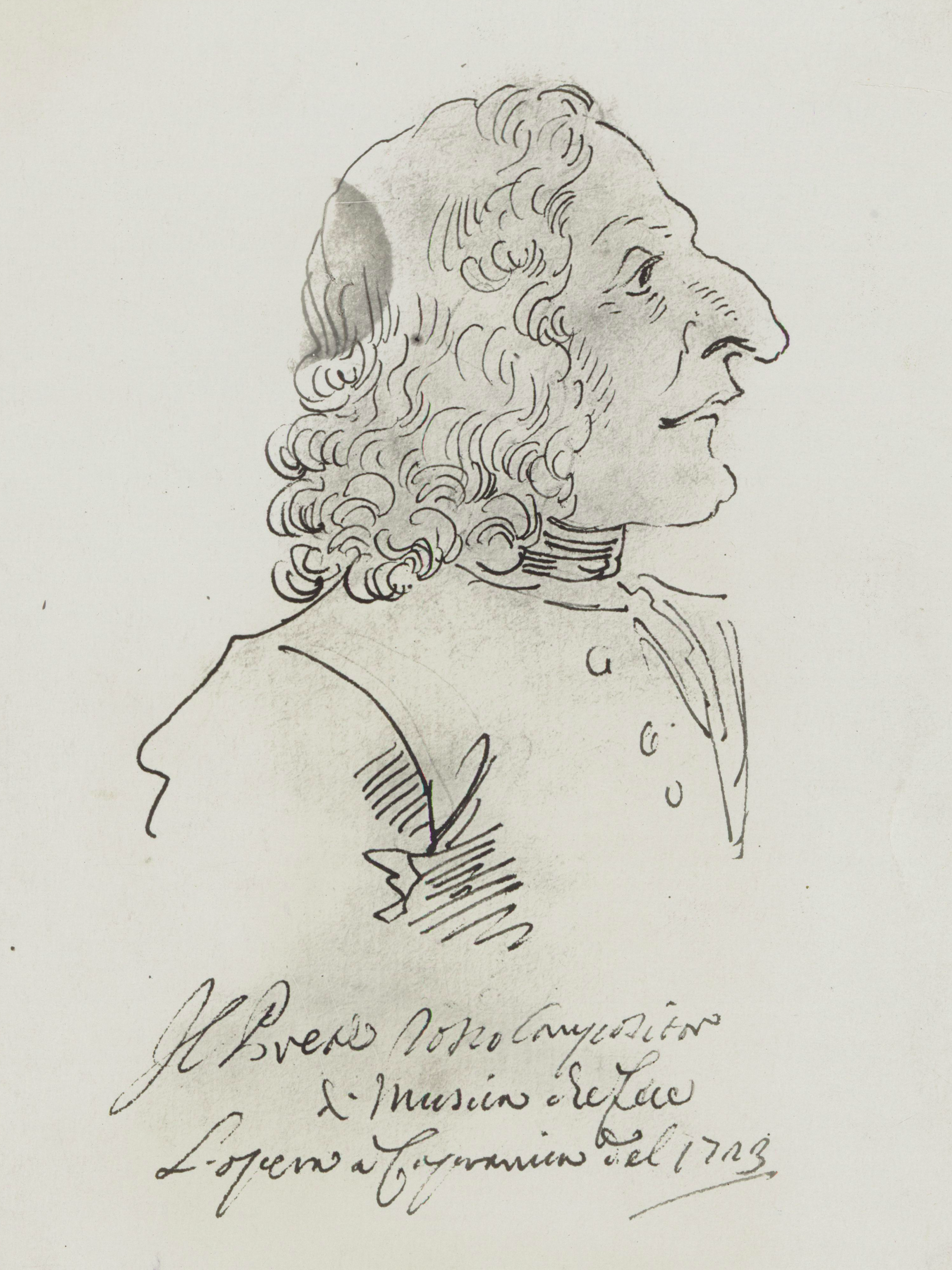
Tafelmusik’s exploration of multimedia concert experiences has led to some magnificent performances, including Safe Haven and J.S. Bach: The Circle of Creation. The latest in this series of innovative programming is The Harlequin Salon – created, scripted and illustrated by oboist Marco Cera – which explores music of the Italian Baroque through the character of Pier Leone Ghezzi: caricaturist, painter, and host of some of 18th-century Rome’s most popular salon parties. What makes the character of Ghezzi particularly fascinating is that he was a real person (he lived from 1674 to 1755, primarily in Rome), an Italian painter who was probably the world’s first professional caricaturist. Ghezzi was an enthusiastic music lover, holding exclusive musical salons at his palazzo for the Roman intellectual and artistic elite. (His most well-known portrait is the famous caricature of Antonio Vivaldi, with long, curly hair and a protruding, crooked nose.)

Vivaldi caricature by Pier Leone GhezziCera, who plays the role of Ghezzi in The Harlequin Salon, is an artist as well; he studied figurative art at Liceo Artistico Citta’ di Valdagno in Italy before joining Tafelmusik in 2000. The Harlequin Salon’s recreation of one of Ghezzi’s famous salon evenings will undoubtedly be entertaining, giving audiences a chance to travel back in time and imagine what happens (and what music results) when these famous characters from the past cross paths. Famous guests at this salon include composer Antonio Vivaldi, 24-year-old opera diva Faustina Bordoni, and cello virtuoso Giovanni Bononcini. These guests and their music will be performed by Tafelmusik’s music director Elisa Citterio, guest soprano Roberta Invernizzi and Tafelmusik cellist Christina Mahler, making this new concert a don’t-miss event, January 16 to 20.

Two Melting Pots

Now in their third full season, Cor Unum Ensemble is one of Toronto’s newest early music ensembles, an orchestra and chorus comprised of emerging professionals interested in vocal and instrumental collaboration within the early music repertoire. On December 8 and 9, Cor Unum presents “Merry & Bright,” a collection of seasonal music from across Europe, followed by “Sub Rosa” on January 26 and 27. Sub Rosa, a collaboration between Cor Unum and the Sub Rosa Ensemble, explores 16th- and 17th-century repertoire written for and by cloistered nuns who, although often highly trained, are rarely considered in the context of music history. These nuns used singing and composition to communicate their identity and their devotion beyond the convent walls, developing their social and financial independence, and their music will be used to explore the important role played by women in the early Baroque musical scene.

“Centuries of Souls,” presented by Confluence on January 26, promises to be one of January’s most interesting concerts. Featuring Opus8 singing Ockeghem’s famous Requiem mass, Matthew Larkin playing Messiaen organ works, and Schola Magdalena singing Hildegard, this performance stretches across five centuries of musical history. Messiaen and Hildegard are, although separated by a great temporal distance, closely connected through their mysticism. Hildegard experienced visions and expressed them through tune and text, while Messiaen expressed the mysteries of his devoutly held Catholic beliefs through strikingly original works for the organ. With this eclectic mixture of medieval and modern, Centuries of Souls will undoubtedly be an extraordinary experience for all in attendance.

Amidst all the the seasonal hustle and bustle, I encourage you to explore the vibrant musical offerings that are on display this December and January. Whether you prefer Handel’s Messiah, Tafelmusik’s The Harlequin Salon, a traditional Festival of Lessons and Carols, or any of the other listings in this double issue of The WholeNote, the richness and depth of Toronto’s classical music scene ensures that everyone has something to look forward to this holiday season. Happy Christmas, Hanukkah, Kwanzaa, Festivus and New Year – see you in 2019. Until then, keep in touch at earlymusic@thewholenote.com.

EARLY MUSIC QUICK PICKS

The Messiah Edition

DEC 8, 7:30PM: Grand Philharmonic Choir. “Handel Messiah.” Centre in the Square, 101 Queen St. N., Kitchener. A large-scale, symphonic Messiah with choir and symphony orchestra for maximum impact!

DEC 15, 7:30PM: Chorus Niagara. Handel Messiah. FirstOntario Performing Arts Centre, 250 St. Paul St., St. Catharines. For those further down the QEW, this Messiah features an excellent choir and the superb Talisker Players.

DEC 18 to 21, 7:30PM: Tafelmusik. Handel Messiah. Koerner Hall, Telus Centre, 273 Bloor St. W. The quintessential Messiah experience for early music aficionados – sit and enjoy the show or participate in the Sing-Along Messiah at 2pm in Roy Thomson Hall on December 22!

Matthew Whitfield is a Toronto-based harpsichordist and organist.
The return of November signals a change in the world around us, as the ghosts, ghouls and gremlins of October are supplanted by Christmas cards, commercials and carols. A similar shift also takes place in the musical scene each year, with presenters and performers moving their focus from the varied programs of September and October to increasingly festive and seasonal offerings. For the early music people around us, this often means an exploration of the concerti, oratorios and choruses composed by some of the greatest musicians of the Renaissance and Baroque, as they were inspired by the Christmas story. This November is no exception, the seismic shifts of the season allowing us to hear everything from less-familiar Italian operatic excerpts to our first Messiahs of the year.

Brian SolomonOn Turtle’s Back: On November 4, in St. Catharines, Gallery Players of Niagara present “Songs of Life – Bach on Turtle’s Back,” featuring a sonata, a partita and a selection of arias, all composed by J.S. Bach. This multimedia presentation is conceived by Ojibwe/Irish artist Brian Solomon and combines music, storytelling and dance in an exploration of birth, death and rebirth as connective themes of human expression. Bach himself was greatly concerned with the subjects of life, death and life after death, and these themes recur frequently throughout Bach’s works. Lutheran theology led Bach to a view of death as a relief from the struggles of life, firm in Luther’s teaching that all who trust in Christ alone and his promises can be certain of their salvation. Whether in his chorale settings, masses, passions or cantatas, Bach’s approach to death is frequently positive, peaceful, and even joyful, the reuniting of a soul with its ultimate destination.

What is most interesting about Bach on Turtle’s Back is that Bach’s most potently exegetical musical settings are conspicuously avoided – there are no chorales, for example, or any other direct connections to Lutheran theology. By exploring the themes of life and death within a uniquely mixed North American context, coupled with one of history’s greatest musical minds, Bach on Turtle’s Back combines the universality of Bach’s music with the equally universal concepts of death and the afterlife in what looks to be a fascinating synthesis of music, movement, and mysticism.

Agostino SteffaniSacred and Secular at Tafelmusik: Back in Toronto, Tafelmusik plays two separate concerts in November, moving from vocal drama to instrumental concerti with a Christmas theme. Their first presentation (November 8 to 11) features mezzo-soprano Krisztina Szabó and conductor Ivars Taurins in a survey of Agostino Steffani’s secular and sacred vocal music. Beginning with two sacred choral works, the early Beatus vir a 8 and the late Stabat Mater, and proceeding through a pastiche of arias, duets, choruses and instrumental movements from Steffani’s operas, this concert will display Steffani’s dual role as sacred and secular dramatist.

Steffani lived an extraordinary life. In addition to being a renowned composer and a mentor to Handel, he was also a diplomat, politician, spy and priest. Steffani’s ecclesiastical status did not prevent him from turning his attention to the stage, for which, at different periods of his life, he composed a large number of works which undoubtedly exercised a potent influence upon the dramatic music of the period. Premiering his early operas in Munich, Steffani developed his skill and social connections before achieving great renown in Hanover through eight operas composed and performed at the new opera house, opened in 1689. As a rapidly rising cleric given increasingly great honours in the Catholic Church, Steffani was ultimately consecrated as a bishop; because of his high standing, Steffani published three late operas under the name Gregorio Piva, who was his secretary and assistant, to avoid breaching the etiquette required by his high rank.

Approached from a chronological perspective, the Tafelmusik Chamber Choir bookends Steffani’s career in the works chosen for this concert. He wrote the Beatus vir in 1676 at the age of 22, one year after he was appointed court organist in Munich; 51 years later, after being appointed honorary president for life by London’s Academy of Ancient Music, he composed the Stabat Mater, a magnificent work for six voices and orchestra. Between these two sacred compositions will be a plethora of operatic material from no fewer than nine separate dramatic works, each of them a Tafelmusik premiere. With such skilled performers and Ivars Taurins at the helm, this concert will provide a wealth of delightful and well-done material, much of it new to many in the audience.

DaveBlackadder1credBoydGilmourSound the trumpet! When asked how he composed his songs, Gustav Mahler replied: “How do you make a trumpet? Hammer brass around a hole.” There may be more to making a trumpet than Mahler suggests, and there is certainly great skill required in mastering the instrument, especially when that instrument has no valves! November 21 to 24, Tafelmusik celebrates the holiday season with instrumental treasures from France, Italy, Spain, Germany and England, festive music by Telemann, Corrette, Fasch, and Bach’s Brandenburg Concerto No.2. This concert also features the Tafelmusik debut of guest trumpeter David Blackadder, principal trumpet for the Academy of Ancient Music in the United Kingdom. (He also performed at the royal wedding of Prince Harry and Meghan Markle.)

Blackadder plays a Baroque trumpet, a valveless trumpet based on early instruments (his is modelled on a Nuremberg trumpet from 1700), capable of great ranges of expression. According to Blackadder: “The trumpet is often thought of as being perhaps the most majestic, powerful instrument of all. However, there is a much more subtle, lesser-known side to the trumpet which uses the more florid, angelic quality of its upper register to symbolize the glory of God and the heavens. This technique of playing developed throughout the 17th and 18th centuries and became highly prized by composers and their patrons alike. Court trumpeters were handsomely rewarded for their prodigious skill and were required to play at the most important ceremonies and state occasions.” Blackadder will also hold a guest artist masterclass on November 24 at Jeanne Lamon Hall, providing another opportunity to experience this renowned musician as he guides the next generation of skilled performers.

From Villancicos to de Victoria: Christmas has arrived by the end of November, as the first Messiahs appear on the horizon and dog-eared festive favourites are revived once again. Popular Christmas songs come in many familiar national varieties: English carols, French Noëls, and German Weihnachtslieder. Perhaps the least known are the Spanish Christmas villancicos, popular songs from the countryside that were developed by court composers of 16th- and 17th-century Spain into wonderfully rhythmic, danceable carols. Michael Erdman’s Cantemus Singers explores this lesser-known variety of carol, November 24 and 25, in their concert “Es Nascido – He is Born,” with works such as Mateo Flecha’s La Bomba and Joan Brudieu’s Goigs de Nostra Dona paired with Tomás Luis de Victoria’s strikingly beautiful motet O Magnum Mysterium and its accompanying parody mass, MissaO Magnum Mysterium.“

Rather than being necessarily humorous, parody in music, in its Renaissance sense, meant any readaptation of existing material in new and creative ways. Composers could use their own material, as Victoria does, but they could also take popular chansons (and hide a naughty folk tune within the polyphonic texture), cantus firmus style, or use another composer’s sacred work as a starting point for their own ingenuity and craftsmanship. Palestrina wrote over 50 parody masses, and Josquin des Prez composed a number of fine essays in the form.

A popular model throughout the 16th century, the Council of Trent ultimately banned the use of secular material as part of their decree to “banish from church all music which contains, whether in the singing or the organ playing, things that are lascivious or impure.” Far from lascivious, Victoria’s motet and mass are profound meditations on one of the most crucial events in the Christian year and Cantemus’ engaging and original programming makes this a concert worth hearing. Come for the villancicos, stay for the Victoria!

Regardless of whether the music is secular, sacred, or a combination of the two, there are great concerts happening throughout November. From the dramatic excellence of Steffani’s operas to the sacred sounds of the Spanish Renaissance, there is something for everyone within the pages of this magazine. As stores begin to assemble this year’s window displays and the first strains of tin-can carols assault our ears, another round of seasonal favourites will be upon us before we know it. To keep up to date on all the Messiahs, oratorios, concertos, and other Baroque things happening in the city, check out next month’s column. Until then, drop me a line at earlymusic@thewholenote.com. 

EARLY MUSIC QUICK PICKS

NOV 4, 2PM: Rezonance Baroque Ensemble. “Folk of the Baroque.” St. Barnabas Anglican Church, 361 Danforth Ave. The title says it all: let your wig down and hear some music for dancing, dining and play.

NOV 19, 8PM: Against the Grain Theatre. BOUND v.2. The Great Hall, Longboat Hall, 1087 Queen Street West. Something old, Something new. Hear music by G.F. Handel and Kevin Lau as AGT addresses the big issues that face our society today, inspired by stories of refugees.

NOV 25, 3PM: Toronto Chamber Choir. “Kaffeemusik: The Bremen Town Musicians.” Church of the Redeemer, 162 Bloor St. W. A concert of story and song, with humorous fairy tales about solidarity among musicians paired with madrigals by Lassus, Dowland and more.

NOV 30, 7:30PM: ChoralWorks Chamber Choir. Messiah. New Life Church, 28 Tracey Lane, Collingwood. Take a trip to cottage country and get in the festive spirit with one of the first Messiahs of the season.

Matthew Whitfield is a Toronto-based harpsichordist and organist.
Throughout the Renaissance and Baroque eras, Italy dominated the European cultural scene. The Renaissance movement began in Florence, on Italian soil, its humanist philosophy leading artists to seek greater realism and emotion in their work, and spread throughout Europe to influence entire generations of musicians, architects and painters. Their names are familiar and renowned for their groundbreaking music: Palestrina, Gabrieli and the infamous Gesualdo. Each of these composers laid a path for musicians across the continent. Still celebrated as luminaries today, their works are firmly ensconced in the early music canon.

The Baroque era has Italian roots as well, conceived in Rome in the 17th century. As with the Renaissance, Italian composers’ striking originality influenced all of Europe lead to the invention of new musical structures. Opera originated in Italy at the start of the 16th century and grew into an independent dramatic form. The toccata and the sonata were Italian inventions as well: the former developed by Frescobaldi into a virtuosic freestanding work later taken to even greater heights by composers such as Johann Sebastian Bach; the latter brought to prominence by Domenico Scarlatti whose 555 sonatas provided models for Haydn and Mozart.

It is, therefore, impossible to imagine early music without Italy and its tremendous innovations and influences. This October, the Toronto classical music scene celebrates a few of these historical Italian composers and their creations through a number of comprehensive concerts of their vocal and instrumental works. The names may be very old but the sounds, brought to life by some of the city’s most esteemed performers, are as lively and inspiring as when they were first put to paper.

Antonio VivaldiVivaldi con Amore

Antonio Vivaldi, perhaps the most renowned of the Italian Baroque composers, needs little introduction. A composer, virtuoso violinist, teacher and priest, his concerti were of such high quality that the young J.S. Bach transcribed a number of them for solo organ as a way of studying Vivaldi’s contrapuntal and harmonic dexterity and skill. Wednesday October 10 to Sunday October 14,Tafelmusik celebrates “the red priest” in an all-Vivaldi concert featuring a sinfonia and seven concerti, some instantly recognizable and others undoubtedly new to many listeners. Featuring a variety of soloists playing violin, oboe, bassoon and lute, this exciting program showcases Vivaldi at his best, and is a preview of the music that will be featured on music director Elisa Citterio’s first recording with the Tafelmusik orchestra, to be released early in 2019.

Girolamo FrescobaldiThe Glories of Rome

On October 19 and 20 the Toronto Consort presents “Frescobaldi & the Glories of Rome,” with music by Palestrina, Frescobaldi, Landi and Caroso. Besides being the birthplace of the Baroque, Rome has a rich and complex history within early music, closely entwined with both Frescobaldi and Palestrina. Housing both Vatican City and the Vatican itself, the Catholic Church held a powerful influence over musicians of the 16th and 17th Centuries. In addition to being a strikingly gifted composer, Frescobaldi was organist of St. Peter’s Basilica and much of his instrumental and choral music was written for, or inspired by, the Catholic liturgy.

Palestrina’s involvement in the Catholic Church is the stuff of legends; as the story goes, he single-handedly saved polyphonic church music from obliteration, composing his Missa Papae Marcelli to persuade the Council of Trent that a draconian ban on the polyphonic treatment of text in sacred music (as opposed to a more directly intelligible homophonic treatment) was unnecessary. This dramatic tale of art triumphing over adversity was so inspiring that the 19th-century composer Hans Pfitzner composed an opera about it, suitably titled Palestrina. (It is actually a wonderful piece of music and well worth a listen.)

Apocryphal legends aside, Palestrina was extremely famous in his day, and his reputation and influence have steadily increased since his death. As he did with Vivaldi, J.S. Bach studied and hand-copied Palestrina’s first book of Masses, and in 1742 wrote his own adaption of the Kyrie and Gloria of the Missa sine nomine. Almost five centuries after his birth, modern scholarship retains the view that Palestrina’s music represents a summit of technical perfection, the pinnacle of the Renaissance choral art.

By pairing the renowned Frescobaldi and Palestrina with the rather less-known Landi and Caroso, the Toronto Consort’s Glories of Rome will undoubtedly have something for everyone, a don’t-miss exploration of Renaissance music and the brilliant people who composed it.

Elinor FreyAnd Now for Something…

...Completely different! Superimposing the new on the old, or vice versa, is a challenging task. How do we maintain the integrity of the old while creating something decidedly modern and new? This is the question to be answered on October 3, when Montreal-based virtuoso Elinor Frey presents a program of new music at the Canadian Music Centre. The concert features works for solo cello by Linda Catlin Smith, Isaiah Ceccarelli, Ken Ueno, Scott Godin, Lisa Streich, and David Jaeger.

But wait, why is this concert in the early music section? Each piece performed in this concert is composed for the Baroque-style cello, designed after models dating from the 16th to the 18th centuries. This is far from the first time composers have written new music for an old instrument! Ligeti wrote fascinating pieces for the harpsichord, as did Hugo Distler, introducing contemporary techniques and challenging conventional methods of playing these historical keyboards.

A number of the works on this program contain historical ties, including Linda Catlin Smith’s Ricercar, Isaiah Ceccarelli’s With concord of sweet sounds, and Lisa Streich’s Minerva. The ricercar in particular is an ancient musical form, a type of late Renaissance and early Baroque instrumental composition. In the 16th century, the word ricercar could refer to several types of compositions: whether a composer called an instrumental piece a toccata, a canzona, a fantasia, or a ricercar was a rather arbitrary decision. But Frescobaldi began to give the ricercar a formal structure through his compositions in his fiori musicali. In its most common contemporary understanding, ricercar refers to a kind of fugue, particularly one of a serious character in which the subject uses long note values. Bach wrote two extremely elaborate ricercars as part of his Musical Offering, including a monumental six-voice fugue.

It is not often that we see such modern music appearing in the Early Music column, and this fascinating combination of new works for the Baroque cello make this a rare and exciting listening opportunity. (Besides, each featured composer is still alive, another rarity in this column!) What better way for an early music aficionado to explore the world of new music than through this creative, unexpected and worthwhile event?

As the days grow shorter and the temperature drops, take advantage of a fall evening and take in some of the wonderful music on offer in our city. Not only will you be able to walk around in something other than 40-degree heat, you will also have the opportunity to hear marvellous music from all eras performed by some of the city’s most talented artists. There are many other fantastic concerts happening in the early music world this month, too many to mention here, and I hope that you’ll do some exploring, both in this column and in the entire issue of The WholeNote.

I hope to see you at some of this month’s musical events. As always, feel free to get in touch at earlymusic@thewholenote.com. 

EARLY MUSIC QUICK PICKS

Five countertenors to perform at Kingston Road Village Concert Series: (from left) César Aguilar, Ryan McDonald, Ian Sabourin, Benjamin Shaw, Daniel Taylor and Miguel Brito (pianist). Photo credit KAREN E. REEVESOCT 5, 7:30PM: Kingston Road Village Concert Series. “Countertenor Madness!” Kingston Road United Church. Two words are enough to describe this concert: Five Countertenors! Hear Daniel Taylor and four others perform arias and songs by Purcell, Handel, Vivaldi and more.

OCT 6, 8PM: I Furiosi Baroque Ensemble.Brown Paper Packages Tied up with Strings.” Church of the Redeemer. I Furiosi kicks off their 20th anniversary season with some of their favourite music by Purcell, Handel, and Rosenmüller. Wish them a happy birthday and receive the gift of fantastic music!

OCT 13, 7:30PM: York Chamber Ensemble. “The Age of the Concerto.” Bradford Arts Centre, 66 Barrie St., Bradford. Take the drive to Bradford to hear some beautiful Bach and Respighi’s Ancient Airs and Dances. Respighi’s music is based on Renaissance pieces for lute written by Italian composers, including Vincenzo Galilei, the father of Galileo!

Matthew Whitfield is a Toronto-based harpsichordist and organist.
The world of classical music can seem impenetrable to an outsider, requiring an extensive knowledge of history, languages, and an ear that is attuned to the code-like subtleties of prolonged instrumental and vocal works. With monumental multi-movement symphonies sometimes spanning well over an hour and operas (often in languages other than English) extending past the four-hour mark, it can be intimidating to take the plunge and immerse oneself in such an art form for the first time.

One way of getting one’s feet wet is through an increasing number of high-quality, entry-level venues for alternative classical music exploration, from indie opera pub nights to nightclub-based instrumental concerts. (And you can have a drink in hand throughout!)

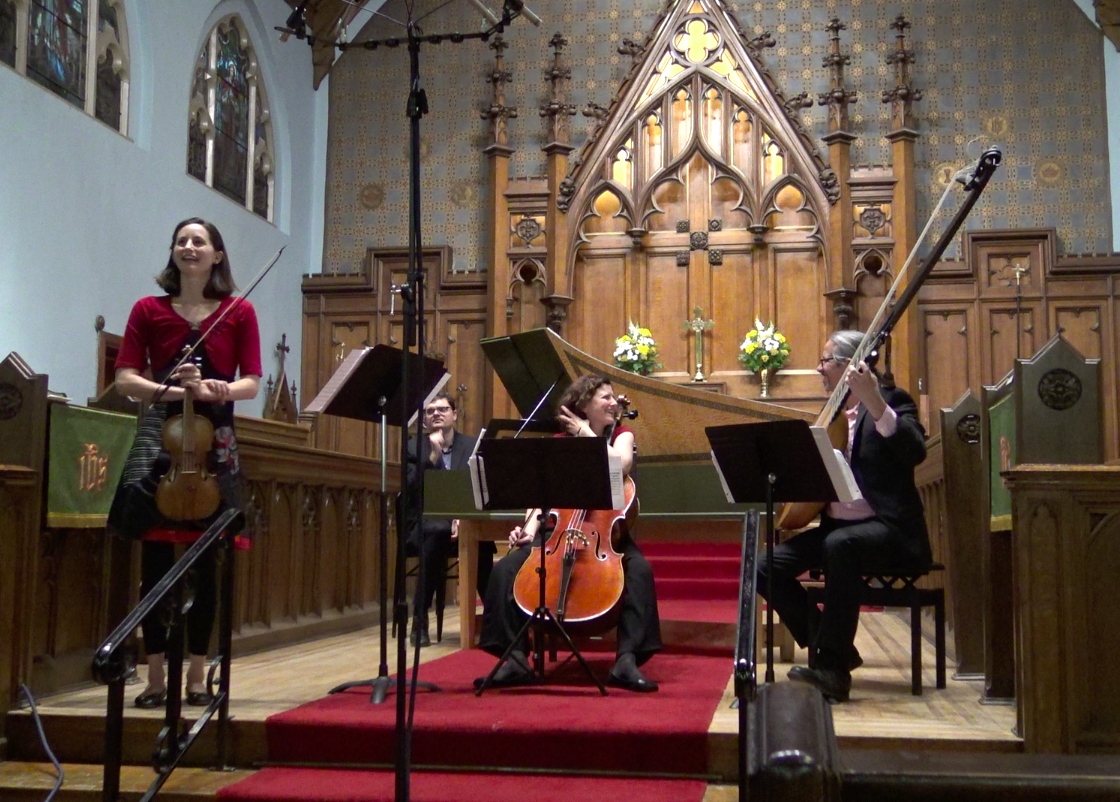
Another is that, to help break down this seemingly impenetrable art form into more manageable units, many large symphonic groups have introduced a second kind of concert to their seasons – smaller in scale – featuring chamber-sized ensembles and shorter works that enrich and entertain both the aficionado and newcomer alike. One relatively recent addition to Toronto’s early music scene is Tafelmusik’s Close Encounters series, launched in 2016 and based, till now, in Heliconian Hall and the Royal Conservatory’s Temerty Theatre, with the aim of creating an up-close-and-personal encounter with Baroque and Classical repertoire in an informal style, with introductions from the musicians themselves. Although designed to be accessible and informative, these are definitely not low-calorie concerts; recent performances have included works by Biber, Mozart, Couperin and Rameau, pillars of the early music repertoire.

The increasing popularity of Close Encounters has meant that demand for seats at Heliconian Hall has outstripped supply, leading Tafelmusik to seek a new venue. This year’s Close Encounters series will be held, in addition to Temerty Theatre, at the Church of the Holy Trinity, Trinity Square, in the centre of Toronto’s urban core. Holy Trinity, the fourth Anglican church built in Toronto, has been a premier venue for live music for many years, participating in Toronto’s annual Nuit Blanche and presenting a weekly series of classical, choral and jazz concerts throughout the year, as well as a popular dramatization of the Christmas story that has run every December since 1937. As a concert hall, Holy Trinity boasts a magnificent acoustical space and a wonderful pipe organ, a three-manual German-style Casavant tracker instrument built in 1970 for Deer Park United Church.

As one of Toronto’s most significant orchestral groups, Tafelmusik undoubtedly considered many spaces as possible venues for their Close Encounters series, and the decision to move to Holy Trinity was not an arbitrary one. The ensemble has a surprisingly long connection with this church, beginning with their earliest concerts in the late 1970s. According to double bassist Alison Mackay:

“In the spring of 1979, a fledgling orchestra created by visionary founders Kenneth Solway and Susan Graves presented a concert of works by J.S. Bach performed on ‘original instruments.’ Within the ensemble were Kenny and Susan playing the baroque oboe and bassoon, and principal violist Ivars Taurins.

“Charlotte Nediger and I, who had not yet met, were in attendance at Holy Trinity Church by the Eaton Centre, and the event must have made a strong impression on both of us, since almost 40 years later we can each recall exactly where in the church we were sitting! (And in a fitting tribute to our anniversary we [will] host our chamber series Close Encounters at Holy Trinity this season.) Within a few months the orchestra had been christened ‘Tafelmusik’ and eventually moved to Trinity-St. Paul’s Church. I played in my first concert later that first year, and was soon joined by Charlotte and Dutch cellist Christina Mahler in a decades-long relationship of music-making and friendship at the bass end of the orchestra.”

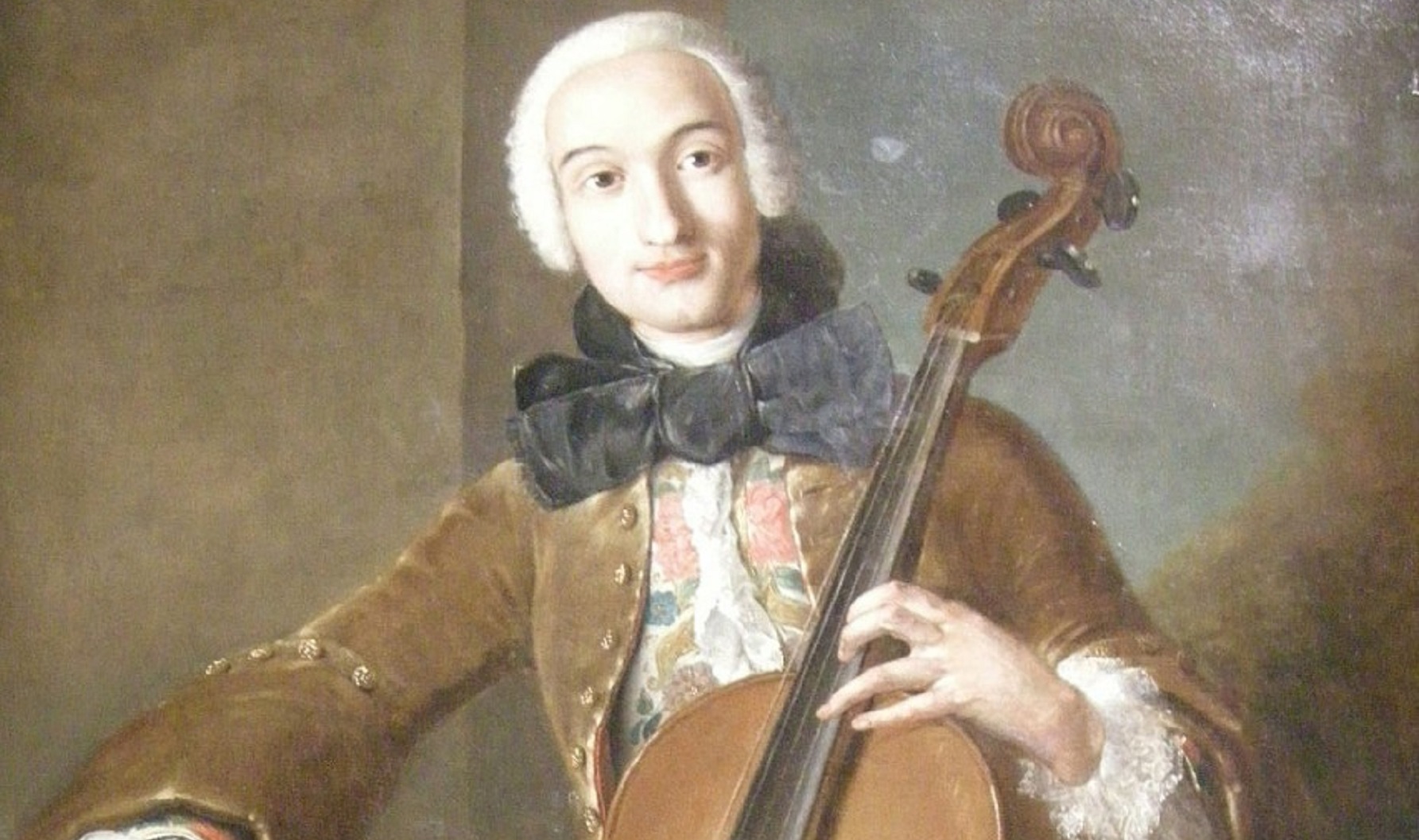
Luigi BoccheriniThis year’s Close Encounters opening concert, “Quintessential Boccherini” on October 3, features violinists Elisa Citterio and Cristina Zacharias, violist Brandon Chui, and cellists Christina Mahler and Allen Whear performing the music of Luigi Boccherini, an often-overlooked 18th-century cello virtuoso. The French violinist Cartier once wrote, “If God wished to speak to man through music, he would choose Haydn. If he wanted to listen to the music himself, he would choose Boccherini.”

Boccherini was one of the most sensual composers of the 18th century, exploiting the colours and textures of string instruments and imbuing them with the flavour of Spain, where he worked for the Infante Don Luis. One of Boccherini’s most innovative creations was the two-cello quintet, conventionally called the “cello quintet.” Boccherini wrote over one hundred of these quintets (110, for the triviaphiles), which often feature a virtuoso cello part accompanied by the standard string quartet (two violin, viola and cello.) Boccherini would, of course, take the challenging part for himself and leave the second part for a secondary, lesser player! Boccherini also pioneered the double bass quintet, supplementing the traditional string quartet with a double bass, creating a much wider range of sound and greater depth to the bass line, taking the range of a typical string quartet and extending it downwards.

Since Boccherini, cello quintets have come from the pens of composers such as Schubert, Glazunov, Milhaud and Respighi, all written while Boccherini was an unknown name, a mere footnote to the history of 18th-century music. Much of Boccherini’s music follows the model of Joseph Haydn and was neglected after his death, with the dismissive sobriquet “Haydn’s wife,” introduced in the 19th century to illustrate Boccherini’s similarity to the great Austrian composer. It wasn’t until the late 20th century that Boccherini’s works were rediscovered and performed “for the first time,” many of them by the appropriately named Boccherini Quintet. Since then, Boccherini’s music has been performed increasingly frequently, gradually gaining the respect it deserves both for its musical quality and brilliant ingenuity.

In Other News…

Each September marks the beginning of a new musical season, a gradual reawakening of musicians and their ensembles as they return from various summer performances, seminars, programs and (maybe) a vacation or two. Although the concert calendar is rather sparse this month, there are a few exciting presentations on tap that will undoubtedly whet your early music appetite:

Although the Toronto Masque Theatre closed their curtains for the last time earlier this year, we look forward to exploring Confluence, a company of artists dedicated to intimate, thought-provoking and entertaining presentations. Led by TMT mastermind Larry Beckwith, Confluence launches on September 16 at St. Thomas’s Anglican Church, promising food, drink and many performances. This event will provide a window into the newest endeavours being undertaken by some of Toronto’s most renowned and capable performers.

In addition to their Close Encounters chamber concert at Holy Trinity, Tafelmusik opens their 40th season on September 20 at Koerner Hall, with a performance of Mozart’s 40th Symphony. While this music needs little introduction, Mozart’s penultimate symphony will be paired with two of his concertos, including Tafelmusik’s first-ever performance of Mozart’s ebullient and sparkling Violin Concerto in D Major K218 with Elisa Citterio as soloist, the launch of a new cycle of Mozart concertos that will keep listeners enchanted all year long.

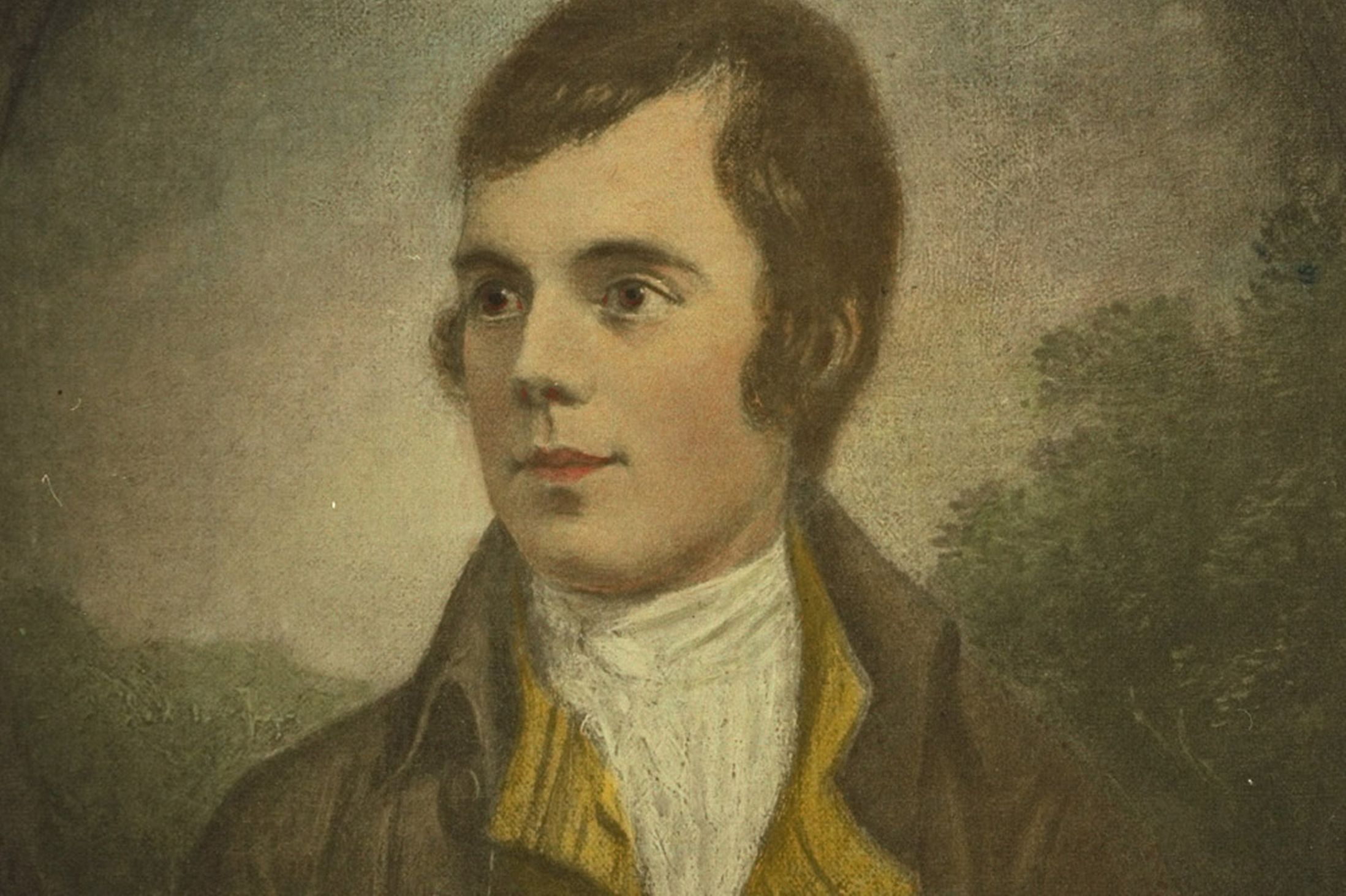
Robert BurnsScaramella opens their 2018/19 season on October 6 with a tribute to “Rabbie Burns, the Bard of Ayrshire,” with selections from the Scots Musical Museum (1787-1803), a collaboration between Burns and music engraver James Johnson. These old Scottish tunes became wildly popular internationally, with many songs such as Auld Lang Syne and My Luve’s like a Red, Red Rose still cherished today. Singers Nils Brown and Donna Brown will lead a team of versatile instrumentalists whose classical and folk music interests collide, and the show will also include readings by Tam ‘O’ Shanter champion and Burns aficionado, Ronnie O’Byrne.

While New York may officially be The City That Never Sleeps, the same can be said of our musical scene here in Toronto. This magazine is full of some of the finest artists on the continent, and I encourage you to explore its contents in depth and go to as many concerts and events as you can! It may be tiring to return to work and school, but music has a way of inspiring above and beyond even the most exhausting daily grind. Have any questions or want to share your thoughts? Drop me a line at earlymusic@thewholenote.com.

EARLY MUSIC QUICK PICKS

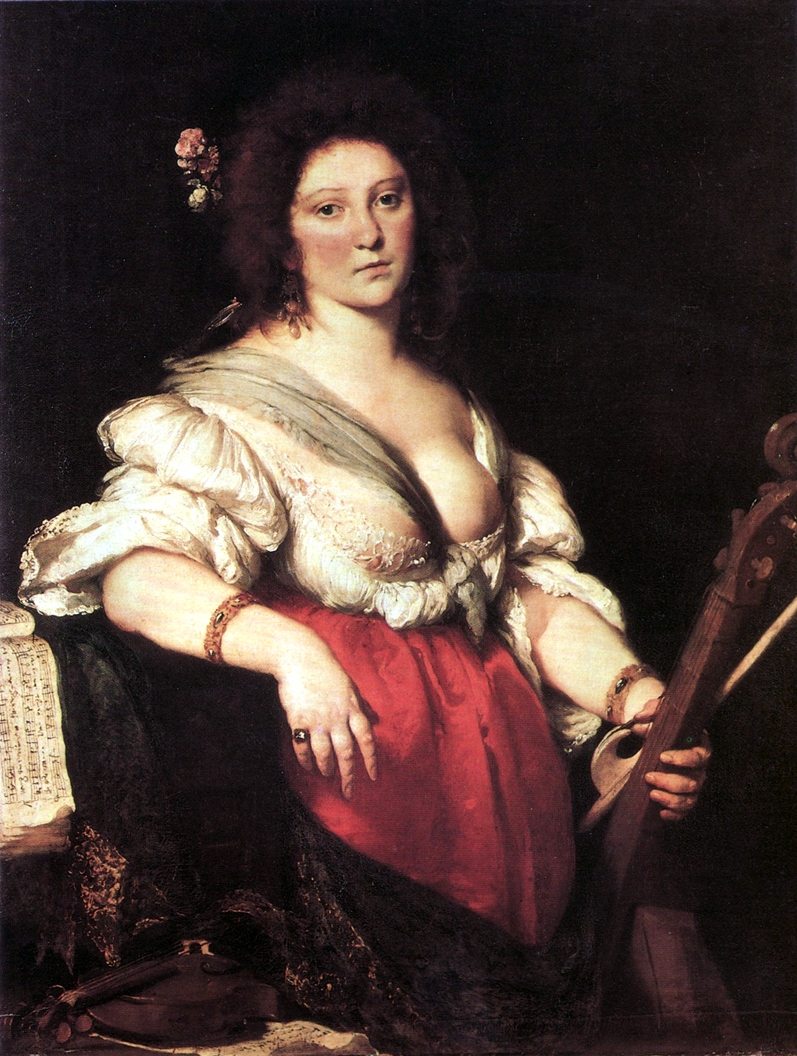
Barbara StrozziSEP 8, 7:30PM: Prince Edward County Chamber Music Festival. Choir of Studio de musique ancienne de Montréal. St. Mary Magdalene Anglican Church, 335 Main St., Picton. A wonderful opportunity to hear a fine early music group performing Renaissance masterworks, including Tallis’ stunning Lamentations. This concert will certainly be worth the drive!

SEP 21, 8PM: SweetWater Music Festival. Opening Night Gala: Party Like It’s 1689. Historic Leith Church, 419134 Tom Thomson Lane, Leith. Savour the beautiful scenery of the Bruce Peninsula and take in this delightful medley of Italian Baroque gems, including music by the great Barbara Strozzi and Antonio Vivaldi.

Matthew Whitfield is a Toronto-based harpsichordist and organist.
Music and nature are closely intertwined, the beautiful sights, sounds and smells of our planet inspiring musicians for centuries, even millennia. The ancient philosophical concept of a Harmony of the Spheres as proposed by Pythagoras suggests that the sun, moon and planets all emit their own unique pitch frequency based on their orbital revolution, and that the quality of life on Earth reflects the harmony of celestial sounds which are physically imperceptible to the human ear. Although Aristotle later contested this theory, the idea of Harmonia mundi continues to be reinvented and interpreted by composers in new and exciting ways. For example, in 1996 the Dutch composer Joep Franssens premiered his massive Harmony of the Spheres for chorus, combining minimalist and spectralist approaches to create a work that captures both the profound immensity of the universe and the bright shimmer of far-off stars.

Between Pythagoras and Franssens lies a wealth of nature-inspired music, from silly and serene to severe and stormy. Birds in particular have been a source of inspiration: German Baroque pipe organs contained special stops such as the nightingale, which produced a fluttering, high-pitched whistle (the organ at Metropolitan United has a nightingale stop, a generous donation from an organ aficionado), while French Baroque musicians such as Daquin and Rameau wrote imitations of birds in works such as Le Coucou and La Poule. Perhaps the greatest ornithological composer in history is Olivier Messiaen, who faithfully transcribed bird calls noting the species and location, and wove these threads into masterful pieces of music. It is nearly impossible to find a late work of Messiaen that does not incorporate bird song as an integral and essential component.

Bach and Handel used the pastoral as a musical model, illustrating idyllic scenes of shepherds tending their sheep. Mozart wove birds into The Magic Flute through the character of Papageno, an earthy birdcatcher who, when he finds his perfect match in Papagena, rejoices with an imitation of bird-like courting sounds. Beethoven and Brahms both enjoyed long walks through the woods, put to paper in Beethoven’s case in Symphony No. 6, “Pastoral, portraying everything from bubbling brooks and bird calls to a violent thunderstorm. Mahler used his mountain retreat as his summertime escape from Vienna, hiking, walking, rowing and composing his greatest works in a nearby hut, mirroring the intensity of his temperament and the immensity of the mountains in his large-scale symphonies.

Summer continues to be a time of escape and refuge for many, whether braving traffic on Highway 400 to reach a familiar lakeside cottage hideaway or taking a road trip and exploring new and exciting places. While many use the summer months as a chance to get away and recharge, musicians sometimes seem to grow busier over July and August, as evidenced by the plethora of festivals and concert series that continue to increase in number and scale each year. A quick glance at the Green Pages in this issue of The WholeNote provides some idea of the sheer number of exciting opportunities available to hear new, old and endearingly familiar masterpieces. Regardless of where your travels take you, there is something to see and listen to. Here is a brief overview of this summer’s early music festivals and events:

June

May and June offer season-ending performances by organizations across the city, grand finales showcasing great ensembles and equally great musical works. As seasons end, others begin, and this June serves as the starting point for numerous summer programs and concerts.

The Tafelmusik Baroque Summer Institute (TBSI), a world-renowned training program for advanced students, pre-professional and professional musicians in instrumental and vocal Baroque performance practice, is led by some of the world’s finest musicians in the field. This year’s TBSI runs from June 10 to 23 and features five separate performances by faculty and students at venues across Toronto’s Bloor-Annex corridor, including Jeanne Lamon Hall and Walter Hall, with the grand finale at Grace Church on-the-Hill. As a former participant in this superb training program, I cannot speak highly enough of the quality of repertoire and tutelage each participant receives, and strongly encourage lovers of early music to attend at least one of these performances. Keep the program, too – you’ll be amazed at how many names return as fully formed performers in following years!

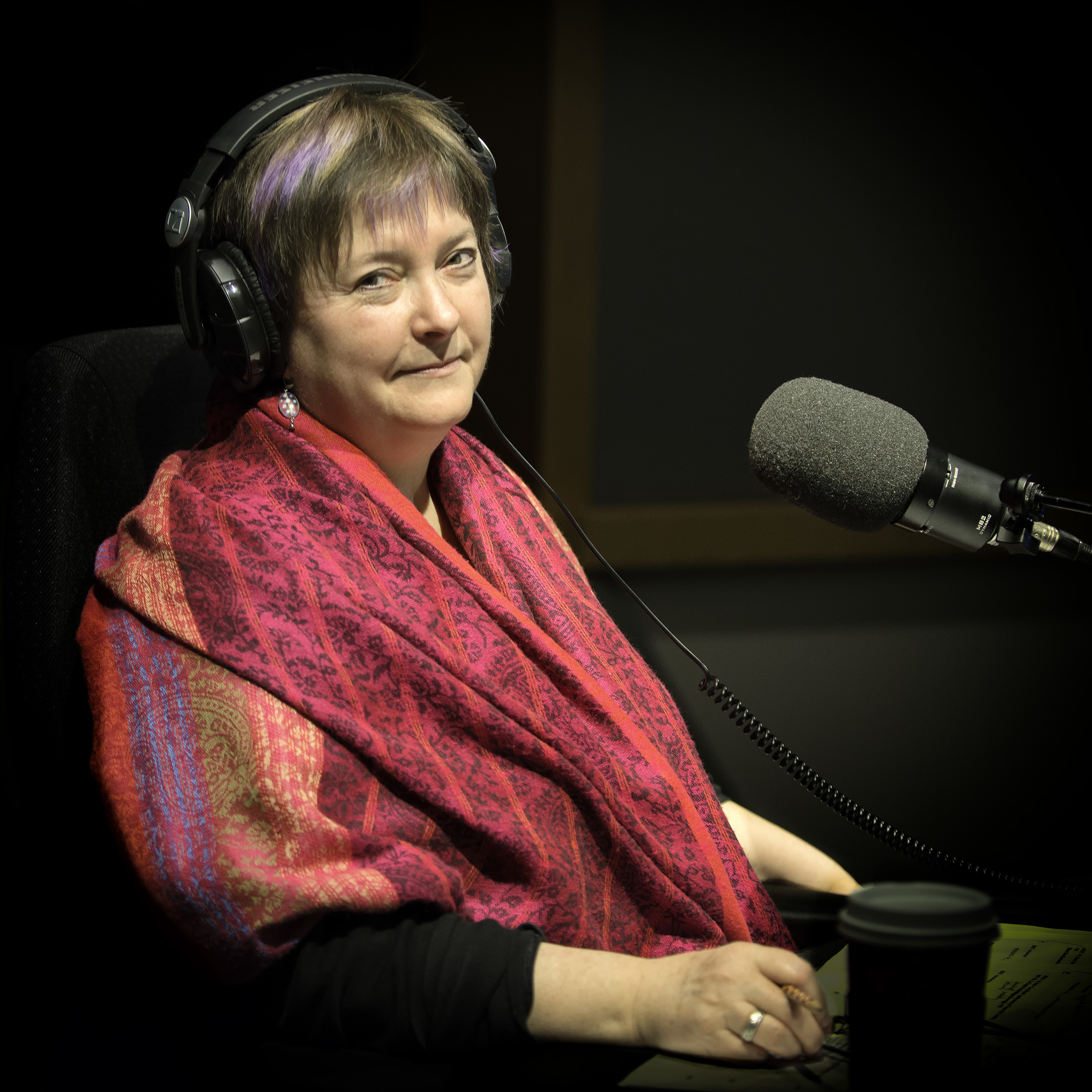
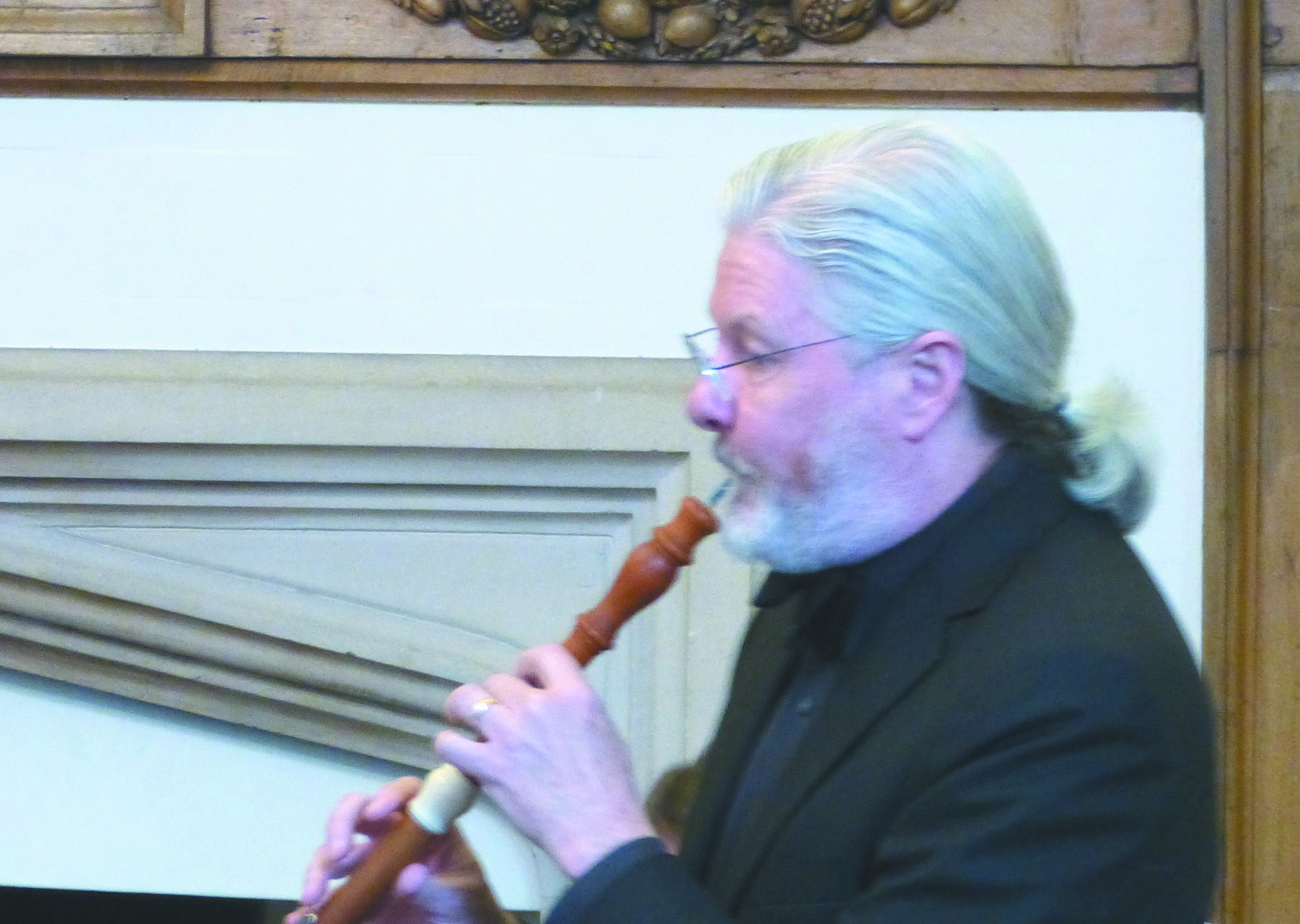
Alison Melville, recorder player and flutist of North Wind Concerts, when she hosted CBC Radio 2’s 'This Is My Music'North Winds Do Blow! On June 16, some of Canada’s most celebrated Baroque music specialists play a cornucopia of beautiful tunes from Handel operas and oratorios. ”Handel: Airs for the Theatre” showcases tunes from Rinaldo, Acis & Galatea, Riccardo Primo, Orlando, Admeto and other Handelian hits, arranged by Toronto’s own Colin Savage after 18th-century models, as well as a few 18th-century arrangements published by Handel’s contemporary, John Walsh. Featuring Baroque woodwind wizards from across the city playing a diverse and colourful array of period instruments, this concert is an ideal celebration of summer’s arrival, and the debut performance of North Wind Concerts, an evolution of the group formerly known as Baroque Music Beside the Grange. Taking place at St. Thomas’s Anglican Church, this concert is perfectly located, just down the road from Tafelmusik’s Summer Institute.

Montréal Baroque: If you are planning a trip to Montreal in June, make sure to explore the 2018 Festival Montréal Baroque’s “Hallelujah Handel,” taking place from June 21 to 24. This overview of Handel’s output from his solo sonatas to opera will be a first for Montreal, focusing on rarely heard music including the complete keyboard works, the complete sonatas for flute, recorder, violin and gamba, the complete trio sonatas, concerti for violin, organ and harp, and rarely heard oratorios and masques, performed by many of Montreal’s Baroque ensembles, established and novice, as well as invited guests. Taking inspiration from Berlioz’s description of Handel as a “tub of pork and beer,” the Montreal Festival events will include food and wine tastings. (Handel, a famously corpulent person, was a well-known epicurean famed for downing two bottles of red each evening – he eventually developed a serious case of gout!)

July

Elora and Parry Sound: If June is the month of Handel, July presents a mixed-bag assortment of much-loved early music. The Elora Festival, renowned for its varied and eclectic programming, offers performances by both guest ensembles and the resident Elora Singers and Festival Orchestra. This year’s guests include the Studio de Musique Ancienne de Montréal in a concert of three settings of Lamentations by the prophet Jeremiah, written by the 16th-century composers Tallis, Morales and de Lassus; the renowned English ensemble The Gesualdo Six, making their Canadian debut; and two concerts by the Elora ensembles, featuring Bach’s Lutheran Masses, Handel’s Dettingen Te Deum and Mozart’s Mass in C.

Further north, the Festival of the Sound presents six concerts from July 25 to 27, pairing works by Bach with pieces by other canonic composers such as Mozart, Schumann, Brahms and Debussy. This series (titled “Papa Bach”) explores Johann Sebastian Bach’s influence on subsequent generations of musicians, as each concert features a solo cello suite followed by a work from a composer who was inspired by his music. Featuring a wide range of performers playing on modern instruments, this varied series presents an interesting contrast with the Baroque specialists featured throughout June’s festivals.

Angela Hewitt -Photo by Keith SaundersAugust

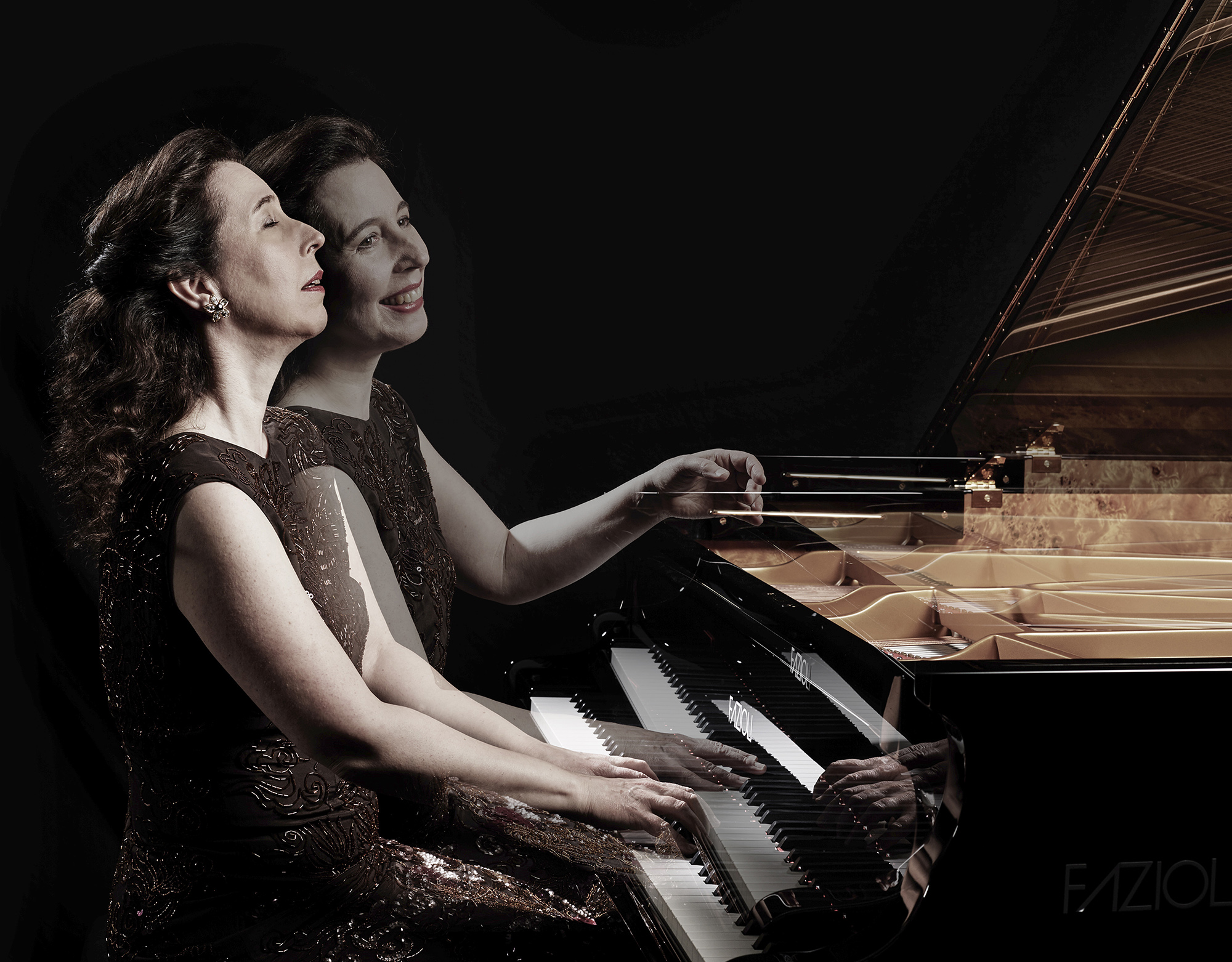
Stratford Summer Music: Although August marks the beginning of the end of summer (and back-to-school ads appear earlier and earlier each year), the music continues – notably in the Stratford Summer Music series. Angela Hewitt returns to Stratford on August 11 and 12 to present Books One and Two of Bach’s inspiring keyboard work The Well-Tempered Clavier. Through two performances, Hewitt will play the complete 48 preludes and fugues in all 24 major and minor keys. Seldom heard live in its entirety, The Well-Tempered Clavier is an astonishing masterpiece and this will be a rare and memorable opportunity to experience one of the world’s most profound works of creativity performed by one of today’s leading Bach interpreters.

Music Garden:Tucked away in Toronto’s waterfront, the Toronto Music Garden was conceived by internationally renowned cellist Yo-Yo Ma and landscape designer Julie Moir Messervy in partnership with the City of Toronto’s Parks and Recreation department. Through its labyrinthine landscape, the garden interprets Bach’s Suite No.1 in G Major, BWV 1007 for unaccompanied cello. Each summer the Toronto Music Garden is home to Summer Music in the Garden, presenting a tremendous range of chamber and world music. On August 19, “Sunday Afternoon at the Opera” offers scenes and arias from Mozart operas; late medieval love songs, including works by Guillaume de Machaut and Johannes Ciconia, are the focus of the August 23 concert “Elas mon cuer”; and on August 26, a program of chamber music and dance from the French Baroque is presented in “Confluence: Baroque Dance in the Garden.”

Navigating the Summer

As anyone who has travelled to an unfamiliar place knows well, navigating is often the trickiest part of going somewhere new. This issue of The WholeNote serves as your musical road map, helping you traverse the winding roads of summer music in all its forms without a GPS shouting “Recalculating!” With so many opportunities to hear splendid music, it is impossible to make a wrong turn and I encourage you to delve into some of these magnificent concerts and festivals.

If you have any questions or want to hear my two cents on anything early music this summer, send me a note at
earlymusic@thewholenote.com. See you in September! 

Matthew Whitfield is a Toronto-based harpsichordist and organist.
Discussing early music is similar to discussing winter in Canada, particularly here in Toronto. We know where each is supposed to begin and end: early music covers everything from the Medieval era to the end of the Baroque, widely considered to be 1750 (the year of J.S. Bach’s death); winter begins with the winter solstice near the end of December and lasts until the spring equinox in March. This year, though, Toronto was treated to an intense April ice storm, causing almost 1,500 car accidents over a single weekend, wreaking havoc on property, and instilling regret in those who switched over their vehicle’s winter tires too soon. The Farmer’s Almanac may have told us one thing, but as we well know, real life scenarios rarely match our neat-and-tidy theoretical assumptions.

When attempting to categorize early music, we encounter many of the same practical and theoretical conflicts we face when discussing the weather. As time moves forward, formerly avant-garde composers such as Cage, Messiaen and Berio become part of music’s history, relics from the past century, while the greats of long ago, including Mozart, Beethoven and Brahms, move even further into the distant past. When this happens, we realize that this inevitable progression of time pushes composers and their works further and further back in history, thereby blurring our outdated and neatly conceived 19th- and 20th-century categorizations of classical music’s epochs.

The continually expanding exploration and development of performance practice in music mirrors this passing of time. The Historically Informed Performance (HIP) movement, for example, was started 60-or-so years ago, when Leonhardt, Rilling and Harnoncourt began recording the complete Bach cantatas, and has since grown to encompass Mozart, Beethoven, Brahms and even Mahler. As what we consider contemporary continues to move ahead and composers continue to utilize technology and digital media as compositional techniques to be included along with live performers, we look back at the music of the past through a constantly-changing lens.

Is this to say that we should consistently take the pruning shears to Western music, judiciously weeding out repertoire that no longer serves a purpose or that seems too old or outdated? Probably not – we wouldn’t want to cause a riot, after all, by acknowledging the inherent clunkiness of some of Beethoven’s compositions or the influence of Leopold Mozart on young Mozart’s symphonies and concerti, or echo Pierre Boulez’s critiques of Schoenberg’s structural schizophrenia. Instead, we should look at music as a whole, do away with our naïve categorizations and acknowledge the ancient nature of this music and its place in history.

By taking a large-scale look at individual repertoire in its historical context – as a progression of musical lineage and development that bridges the enormous gulf between the beginning of medieval staff notation and monophony to the monstrous complexity of Ferneyhough and Finnissy, ultimately ending up with the products of today’s composers – we see that everything is connected. If we acknowledge the innate interconnectedness between Schütz and Scelsi, Fasch and Ferneyhough, we can throw away the idea of narrow-minded specialization in music and increase our own awareness of the greatness of all musics, and then pass on this awareness to our audiences. As Robert Heinlein writes: “specialization is for insects.”

Toronto Bach Festival

The month of May provides many interesting opportunities to see presenters straddle the lines more frequently, offering concerts of music taken from different eras and showing the progression of musical history over time, whether in shorter segments or over large, epoch-spanning periods. The third annual Toronto Bach Festival, which takes place from May 11 to 13, explores Bach’s influences, the musical figures from the Renaissance and early Baroque that combined and incubated to result in one of classical music’s primary figures. Featuring three concerts and a lecture by professor Michael Marissen, this year’s Bach Festival, curated by artistic director (and Tafelmusik oboist) John Abberger, focuses on the music of Bach and Heinrich Schütz, regarded as the most important German composer before Bach and an influence on later composers such as Brahms and Webern. The opening concert includes Bach’s Brandenburg Concertos No.2 and 4, Concerto for Oboe d’amore and Orchestral Suite No.4, with Abberger (as oboist and director), Baroque violinist Julia Wedman, and natural horn player Scott Wevers among the orchestra’s 14 players.

Toronto Bach Festival artistic director John AbbergerBritish composer Brian Eno recently spoke of our contemporary cult of genius, stating that “although great new ideas are usually articulated by individuals, they’re nearly always generated by communities.” Through performances of Bach’s orchestral music, including two Brandenburg Concerti, Schütz’s stunning Johannes Passion and an organ recital by Rachel Mahon featuring works by Dieterich Buxtehude, this year’s Toronto Bach Festival will paint a large-scale picture of Bach in relation to his peers and predecessors, an engaging portrait that removes Bach from his isolated, elevated pedestal of genius and contextualizes his works within his musical community.

21C Music Festival

Continuing the theme of multi-era concerts, The Royal Conservatory’s 21C Music Festival presents pianist Simone Dinnerstein with chamber orchestra A Far Cry, in what looks to be a magnificent juxtaposition of the complex counterpoint of Bach’s Keyboard Concerto in G Minor with the deceptively simple minimalism of Philip Glass’s Piano Concerto No. 3. While Bach uses counterpoint to create an overall effect greater than the sum of the parts, Glass’ counterpoint sounds less complex than it actually is, with characteristically repetitive themes and gradually evolving, large-scale processes combining to create works that bring to mind Michael Caine’s quote on the duck: calm on the surface, but always paddling like the dickens underneath.

Lest one say that Glass’ music is “light” or “superficial,” it is helpful to remember that Glass received the same intensive training as many of his compositional contemporaries, even studying for two years with Nadia Boulanger, the legendary French pedagogue. Glass’ music, particularly his large-scale works, contains moments of distinct compositional ingenuity, thematic developments sharing similarities with the age-old fugue, and ideas that are combined, contrasted and displayed in virtuosic versatility. This ingenuity correlates perfectly with Bach’s own ideas on counterpoint, and this unexpected combination of old and new works not only provides a vehicle for virtuosity that spans the centuries, but also contains a consistent set of underlying principles, albeit within distinctly different soundscapes.

Tafelmusik plays Beethoven

Tafelmusik’s Beethoven collaborations with conductor Bruno Weil, culminating in a recently-released set of the complete symphonies, expand the repertoire conventionally assumed as suitable for a Baroque orchestra. This May, the Tafel/Weil duo reunites to perform Beethoven’s Symphony No. 6, “Pastoral” and his magnificent Violin Concerto, with Jeanne Lamon as concertmaster and Elisa Citterio as soloist. Many are familiar with Romantic interpretations of this symphony – think Furtwängler and later – rife with pictorial depictions of rolling hills, birdsong and the inevitable storm. By performing this work on period instruments – thereby reducing the kaleidoscopic range of expression typically available on modern instruments – the characteristically caricatured interpretation we have come to expect may be tempered somewhat. It will be worthwhile to hear this work in the context of its time, rather than as a scene-painting predecessor to Wagnerian drama!

There are many other fantastic concerts happening in the early music world this month, too many to

mention here, and I hope that you’ll do some exploring, both in this magazine and in the Toronto arts scene as a whole. With the last blast of winter hopefully behind us, take some time this spring to get outside and take in some music. Not only will you be able to walk around in something other than a parka and boots, you will also have the opportunity to hear marvellous music from all eras performed by some of the city’s most talented artists.

I hope to see you at some of this month’s musical events. As always, feel free to get in touch at earlymusic@thewholenote.com

Matthew Whitfield is a Toronto-based harpsichordist and organist.
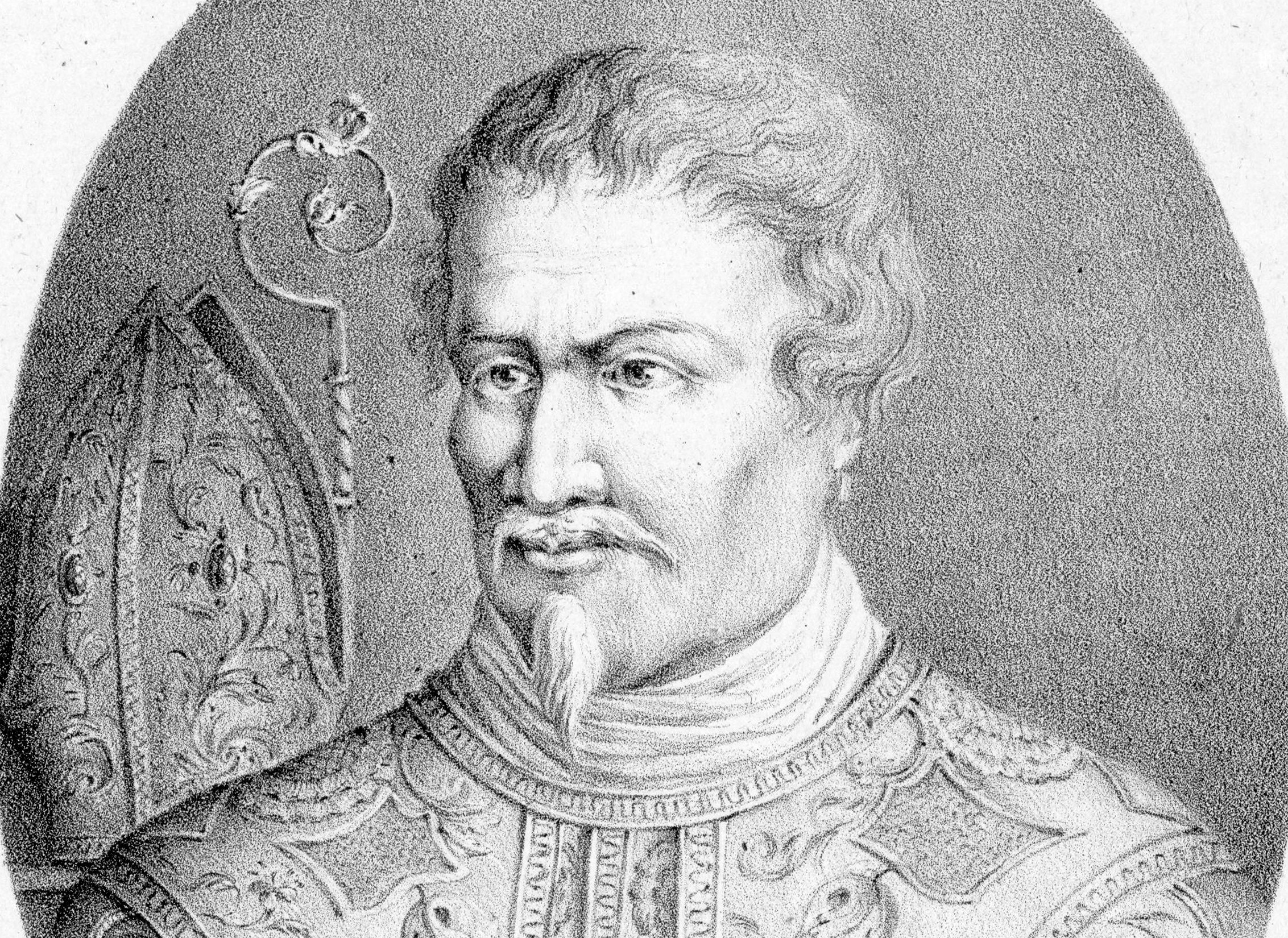
The act of musical transcription has existed as long as notation has, used over the past millennium to facilitate artistic cross-pollination and the exchange of ideas across international borders. Utilized in centuries past as equal parts pedagogical tool, musical tribute and vehicle for musical propagation, transcriptions exist from some of music’s greatest figures, including Johann Sebastian Bach.

Historically, transcribing involves some element of copying, whether for pedagogy, plagiarism, or practicality, such as copying performing parts from a full score, a task for which Bach received much help, often from his wife and children. It is often from these copies that a work is passed down through centuries. According to the late-18th-century German musicologist Johann Rochlitz, even the Thomaskirche did not possess the full score for Bach’s motet Singet dem Herrn, but only the vocal parts which were preserved “as if they were a saint’s relics.”

Bach’s use of transcriptions extends throughout his lifetime, from his student days copying forbidden scores by candlelight to his organ tablature transcriptions of music by Reincken and Buxtehude, as well as his transcriptions for organ of Vivaldi concerti and his own Schübler Chorale Preludes. In fact, a well-documented theory postulates that Bach’s most famous organ work, the Toccata and Fugue in D Minor, wasn’t written for organ at all, but was an organ transcription of an earlier work for violin.

In its modern conventional use, the term transcription refers to two similar but distinct actions: notating a piece or a sound which was previously unwritten, such as Bartók’s folk song transcriptions or Messiaen’s notations of birdsong; and rewriting a piece of music, either solo or ensemble, for another instrument or other instruments than those for which it was originally intended, including Liszt’s piano versions of the Beethoven symphonies.

Transcription in the latter sense is often conflated with arrangement. In theory, transcriptions are faithful adaptations, whereas arrangements change significant aspects of the original piece. In practice, though, there are many works which fit equally well into either category. Consider, for example, Ravel’s orchestration of Mussorgsky’s Pictures at an Exhibition or Mahler’s re-orchestrations of Beethoven and Schumann symphonies. There is an equal amount of faithful adaptation and significant change in each of these examples, which ride the line between transcription and arrangement.

The act of transcribing is, at first glance, an uncomplicated one – nothing needs to be changed in a work’s notes or rhythms – the piece simply needs to be re-notated for a different instrument. It is in this adaptation, however, that the art and craft of the transcriber is made apparent, for each instrument contains its own idiosyncrasies, technical challenges and limitations, particularly if the music being transcribed and the instrument being transcribed for have their origins centuries apart – Hildegard von Bingen for saxophone and theremin, for example!

Better by the Dozen

One of the relatively recent instruments for which old music is regularly arranged is the modern classical guitar, designed in the 19th century after earlier classical models. Although not in existence during Bach’s time, a great deal of J.S. Bach’s music has been transcribed for the modern guitar, including preludes, fugues, sonatas, partitas, cello and orchestral suites, as well as lute, keyboard and ensemble music by other Baroque composers. One of the most interesting facets of these arrangements is the constant accommodation and adaptation being made by the transcriber and performer, particularly in fugues, where it is nearly impossible for all three or four voices to be as distinctly present on a guitar as they would be on a keyboard. This adjustment creates another arranging/transcribing hybrid, for Bach’s original counterpoint must be compromised to be played, often resulting in a work that is familiar yet new when heard in performance.

While many of us are acquainted with the classical guitar, April brings a supersized surprise to fans of the instrument. On April 15, the Quebec-based ensemble Forestare makes their Toronto debut in Mooredale Concerts’ 2017/18 season finale. What makes this program unusually interesting is the instrumental makeup of Forestare, consisting of 12 guitars and two basses. According to their media release, “Since its 2002 inception, Forestare has participated in the creation of 50 original works and adapted nearly another 100 for its unique configuration – as a result creating the largest repertoire for guitar orchestra in the world.”

ForestareFor their April Toronto debut, Forestare’s program is comprised entirely of arrangements made by David Pilon (also Forestare’s conductor), David Ratelle and Jürg Kindle, taken from their Baroque album. Works including Lully’s Le bourgeouis gentilhomme, Vivaldi’s Trio Sonata (La folia) and numerous works by Bach, including Brandenburg Concerto No. 3, ensure a mixture of familiar earworms and less-familiar discoveries. This concert presents a rare and unique opportunity to experience something that is, for many of us, entirely new: well-known works transcribed for an extraordinary and novel combination of instruments.

Looking Ahead

Scaramella, April 7: In addition to the new and exciting debut of the Forestare guitar orchestra, Toronto hosts a number of other worthwhile early music events this month, including Scaramella’s “Boccherini and Friends,” a survey of Boccherini’s music in the context of his contemporaries, on April 7. With works by Boccherini, Michael Haydn (brother of Franz Josef), Leopold Mozart (father of Wolfgang) and Johann Georg Albrechtsberger, this dip into the late 18th century features those who were lost in the transition between the Baroque and Classical periods, as popular tastes shifted and changed, and many worthwhile and successful composers faded into premature obscurity. According to the late-18th-century author Jean-Baptiste Cartier, “If God wanted to speak to men through music, He would do it with the works of Haydn, but if He wanted to listen to music, He would choose Boccherini.” But don’t take Cartier’s word for it – check out this concert and decide for yourself.

Music @ Met, April 22: Last month’s issue of The WholeNote featured an interview with Dr. Patricia Wright, Metropolitan United Church’s Minister of Music. In her interview Dr. Wright explained that for decades Metropolitan United has hosted a successful and ongoing series of concerts, recently rebranded as the Music at Metropolitan (Music @ Met) program. The next performance in the Music @ Met calendar features Musicians on the Edge and Rezonance Baroque Ensemble in “Mystery of the Unfinished Concerto” on April 22. With music by Corelli, Vivaldi and others, as well as new compositions created on the spot, this presentation continues Rezonance’s exploration of partimenti and Baroque improvisational technique, in both the context of written and unwritten music.

Cantemus, May 5 and 6: Looking ahead to early May, Cantemus Singers present what should be a sublime concert of works from the early Tudor period on May 5 and 6. Although written in social, political, and religious conditions that were decidedly less than ideal, the music produced by such composers as Tallis, Sheppard and Mundy overcame the limitations of their time and began the progression towards what is now considered the English Cathedral style of music. With a rich historical background full of fascinating tales and anecdotes, this performance is ideal for fans of Renaissance music and history buffs alike.

As winter departs, the days grow longer, and the mercury rises, take advantage of a beautiful spring evening or two and explore a concert. If nothing in this month’s column strikes an interest, explore this magazine for hundreds more shows, recitals and presentations – all happening within the area – and find the music that’s right for you. Your feedback is always welcome: send me a note at earlymusic@thewholenote.com or say “Hi” in person; either way, don’t let April showers keep you indoors.

Matthew Whitfield is a Toronto-based harpsichordist and organist.
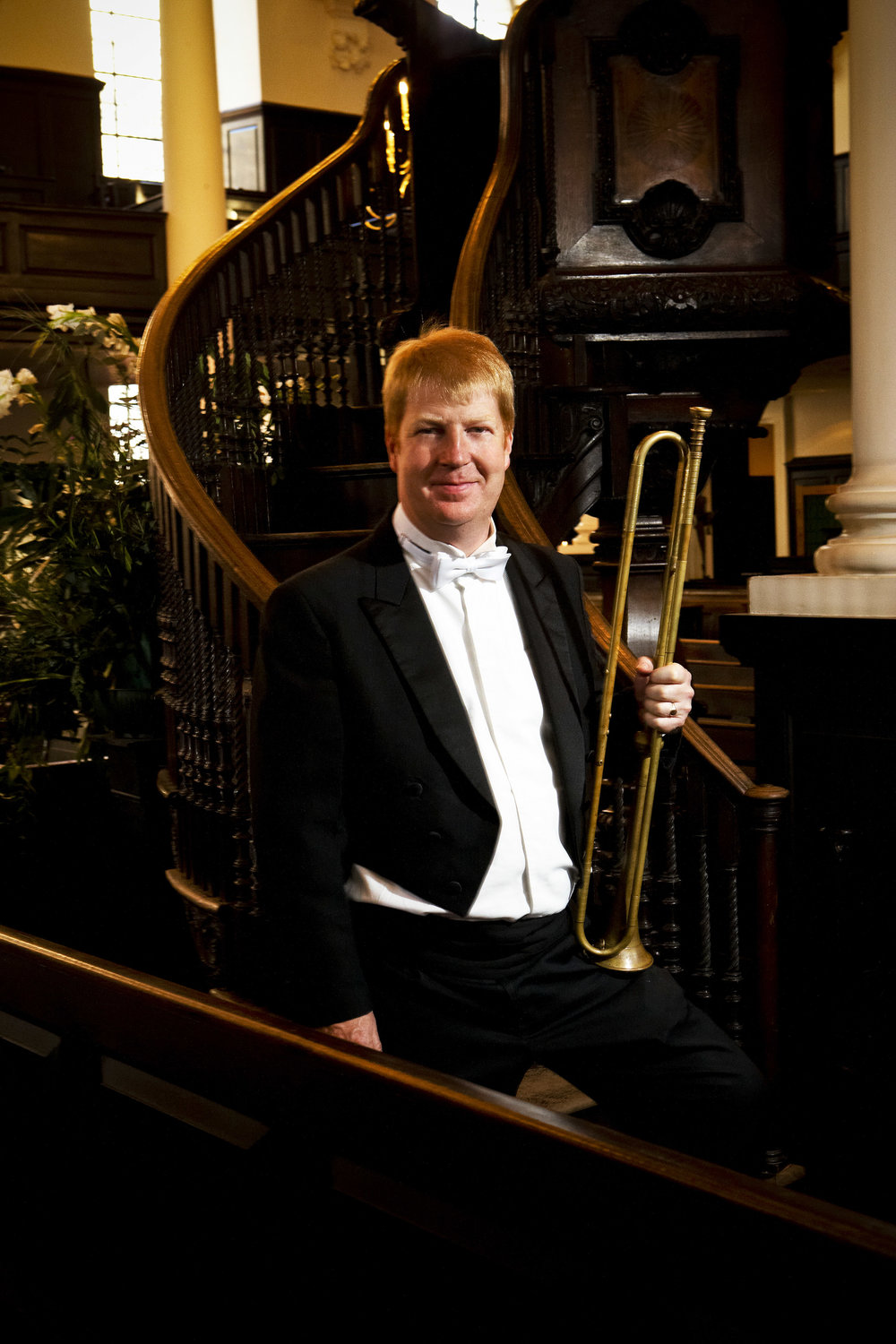
Auditions are terrifying experiences for any musician. An important job, an academic scholarship, the future of one’s career, any and all of these can depend on a few nerve-wracking moments in front of a jury or audition panel. Johann Sebastian Bach was no stranger to auditions, applying for a number of positions, titles and designations throughout his career, in constant pursuit of the next level of 18th-century professional development.

In 1733, at the age of 48, Bach sought a court title from Friedrich August II, the newly appointed Elector of Saxony, by presenting a Kyrie and Gloria, submitted as a “trifling product” and gift to the Elector. These two movements constitute the opening of what would become the Mass in B Minor, a monumental (and decidedly Catholic) essay in the Latin rite. A fascinating piece of auto-plagiarism and self-adaptation, the Mass was completed by Bach reusing a Sanctus from the Christmas of 1724 with only minor adjustments and drawing much of the material for the Gloria and Credo from existing works, including a cantata or two. Despite the incredible beauty, complexity and ingenuity displayed throughout its hundreds of pages, there are no records of a performance from Bach’s lifetime and it is assumed that he died before hearing the Mass in B Minor in its entirety.

Bach’s Mass, much like Beethoven’s equally majestic and complex Missa Solemnis, is far too long for any practical liturgical use, but we are fortunate that it is performed in concert relatively often, somewhere between the frequency of the St. John Passion and the rarity of the St. Matthew Passion. We are even more fortunate this month as there are three large Bach-themed performances in March, two of which feature the Mass in B Minor.

Bach... in B Minor and Beyond

The first performance of the Mass in B Minor takes place at the end of March at Metropolitan United Church on Good Friday. A longtime annual tradition featuring the Metropolitan Festival Choir and Orchestra, this is a modern-scale performance featuring a relatively large chorus and modern-instrument ensemble, led by Dr. Patricia Wright. Bach’s music, loaded with Affekt, expressive gestures and profound spirituality, provides an ideal musical backdrop for Good Friday, solemn yet hopeful, with hints of the joy to come on Easter Day.

Dorothee Mields - photo by Harald HoffmannTafelmusik’s orchestra and chorus focus their attention on Bach’s Mass in B Minor just a week later, April 7, approaching the work with their trademark historically informed outlook. Led by Ivars Taurins and featuring a stellar lineup of soloists including soprano Dorothee Mields, mezzo-soprano Laura Pudwell, tenor Charles Daniels and baritone Tyler Duncan, this performance will, as Tafelmusik writes on their website, “captivate your heart and soul from the very opening notes of the Kyrie to the majestic close of the Dona nobis pacem.” Tafelmusik’s previous Mass in B Minor was my first concerted introduction to the beauty of Bach’s choral music, and it remains one of my favourite and most emotionally moving live musical experiences.

The third Bach performance taking place this month is not religious in theme, is unrelated to Lent and Easter and does not involve orchestra or chorus. On March 11 in Mazzoleni Hall, pianist and harpsichordist David Louie presents Book I of Bach’s Well-Tempered Clavier, a two-volume collection of preludes and fugues in all major and minor keys that rivals the Mass in B Minor in monumentality, creativity and ingenuity. Louie will play the first set on a two-manual harpsichord designed and modelled after an instrument built by the French harpsichord and piano maker Pascal Taskin (1723-1793).

Taskin’s instruments are fine examples of the French school of harpsichord building, featuring a wide range, well-distributed pitch divisions (two eight-foot ranks and a four-foot rank) and a warm and rich tone well-suited for the contrapuntal complexity of late Baroque repertoire, both German (Bach’s partitas, suites and fugues, for example) and French (the masterpieces of Rameau, Couperin and Lully). Not only worthwhile for the repertoire being performed, Louie’s use of a period-inspired instrument will illuminate Bach’s contrapuntal genius in a different light than we hear on a piano, while showcasing Louie’s own technical facility on an instrument with its own unique demands and limitations.

David Louie at the harpsichord.

Eine Kleine Lentmusik

The season of Lent, commonly associated with ashes, sackcloth and penitential abstinence (“What are you giving up for Lent this year?”) abounds with music that, although appropriately dark and dour, is nonetheless beautiful and worth hearing. Here are some notable performances taking place this month:

On March 3 the Toronto Chamber Choir presents “Bach’s Foundations,” with works by Johannes Bach, Johann Christian Bach and Johann Michael Bach. Focusing on musically influential members of J.S. Bach’s extended family, this concert will be a fascinating look at the people and pedigree responsible for producing one of music’s greatest minds. I look forward to hearing the similarities and differences in their works and listening for the influence of their great precursor, around whom the entire Bach galaxy revolves.

Cor Unum Ensemble, one of Toronto’s up-and-coming Baroque ensembles, presents Pergolesi’s Stabat Mater on March 10 and 11. The text of the Stabat Mater is a popular one – a Catholic prayer to the grieving mother of Christ as she witnesses her son carrying his cross to Calvary – set throughout the centuries by composers including Rheinberger, Dvořák and Rossini. Pergolesi’s Stabat Mater takes the form of a duet for soprano and alto with obbligato instruments, a simple and straightforward setting relative to the massively Romantic settings penned by later composers (which can also be inappropriately cheeky and jovial – I’m looking at you, Rossini…). In addition to music by Pergolesi, Cor Unum will also perform Bach’s Cantata 170 “Vergnügte Ruh” for solo alto and a suite by Lully. Taking place in the visually appealing and acoustically superior Trinity College Chapel, this concert is definitely worth exploring.

March is shaping up to be the Month of Bach, both directly and by association! On March 24 the Musicians in Ordinary and St. Michael’s Schola Cantorum present Dieterich Buxtehude’s Jesu Membra Nostri, a set of cantatas focusing on the varied corporal sufferings experienced by Christ over the course of his trial and crucifixion. Buxtehude was a significant influence on J.S. Bach, the young protege travelling hundreds of miles to Lübeck to study the master’s organ music. (By foot, the story in Bach’s obituary goes, though John Eliot Gardiner finds this a bit melodramatic, likening it to an old man “padding his resume,” recounting stories of his youth after a pint or two.) Buxtehude and the North German style of organ playing was indeed influential on the young Bach and provided a model for his early organ works, particularly from the Weimar years. Buxtehude’s Jesu Membra Nostri cantatas are written in an older style and often incorporate modal writing with hints of a conventional tonal system, a style quite similar to the stile antico moments found in the Credo and Gloria of Bach’s Mass in B Minor.

Lent and Easter are extraordinarily rich musical seasons and this year’s concert calendar is an embarrassment of riches. Not only are there numerous performances of some of Bach’s finest works but also explorations of Bach’s familial and national musical influences, as well as a Bach cantata presented by the exciting and fresh Cor Unum Ensemble. If Bach’s insurmountable genius and erudite musicality is not your personal preference however, check out this magazine for other concerts and events taking place and support Toronto’s vibrant arts scene – there’s something out there for everyone! 

Matthew Whitfield is a Toronto-based harpsichordist and organist.
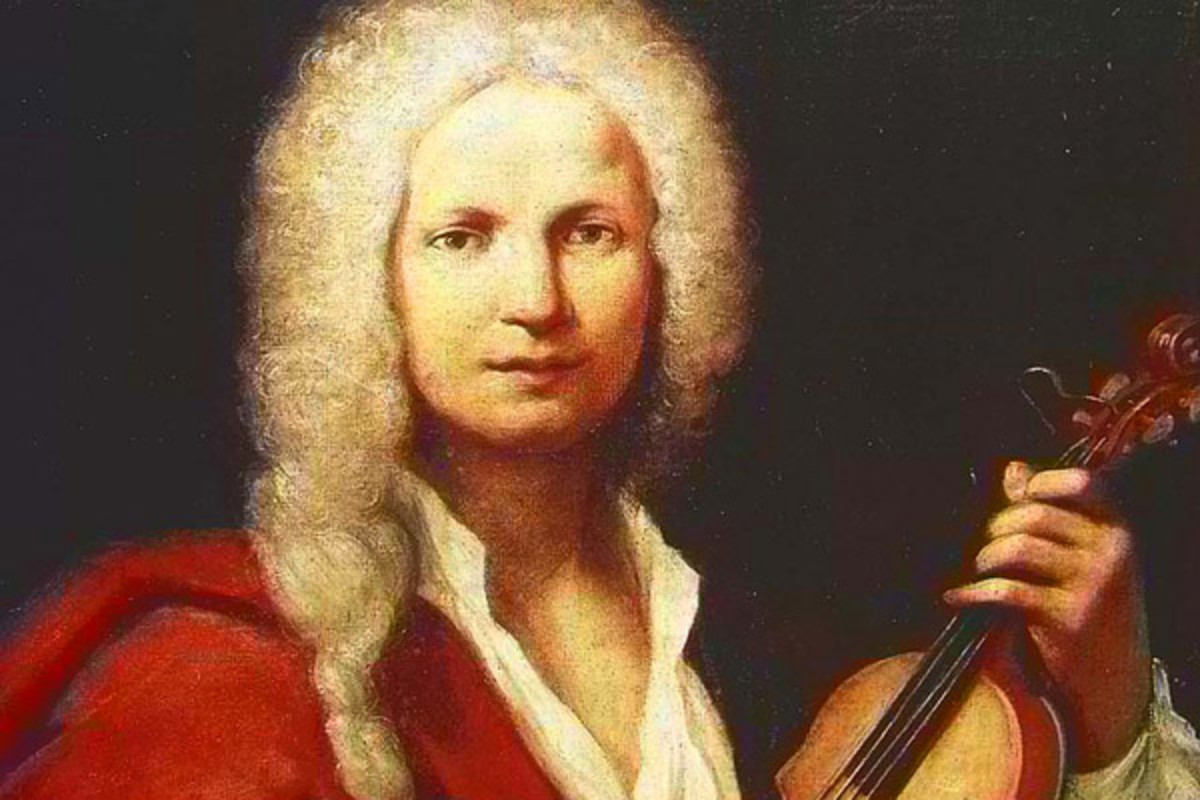
Reading a survey of “The History of Classical Music” is an experience similar to reading the Toronto Transit Commission subway map. Broken down into its basic elements, our subterranean transit system is a series of independent and direct lines with clear paths and destinations that intersect at a relatively small number of major junctions. These junctions are occasionally chaotic (think Bloor Station at 8:30am, with an obligatory delay or two) and often confusing, with the uninitiated and unfamiliar wondering just how to get from that yellow line to that green line without being trampled by a stampeding horde of commuters.

Our conventional understanding of the history of classical music is, much like our system of underground transport, often considered in linear terms – take the Yonge line to Bloor, Bloor line to Bathurst – directional, but reading more like the first chapter of the Gospel of Matthew: Abraham begat Isaac; and Isaac begat Jacob; and Jacob begat Judas and his brethren… or, Buxtehude begat J.S. Bach; and J.S. Bach begat C.P.E. Bach; and C.P.E. Bach begat Mozart... These linear streams of music history intersect, like our Bloor and Yonge lines, relatively rarely (once every 150 years or so) often landmarked by a creative supernova: the masterworks of J.S. Bach; the creation and subsequent development of sonata form by Scarlatti, Haydn, Mozart and Beethoven; the operas of Wagner; the invention of Schoenberg’s dodecaphony. These are the junctions which, we are told, changed the course of history and introduced the world to the Baroque, Classical, Romantic and modern eras, respectively.

Nothing, however, is as simple as it seems. Once we reach the surface and take a bird’s-eye view of these systems, we find that they are infinitely more complex and intertwined than we initially thought. Anyone who has been redirected out of Toronto’s subways (Line One is closed from Lawrence to Bloor this weekend) and forced to take shuttle buses, streetcars, or any other form of surface transportation, immediately realizes, in addition to the linear and direct lines which run underneath the city, there is an entire network of surface routing which connects our city in much more complex, thorough and occasionally hard-to-navigate ways. This is what real-life music history looks like, the apparently direct connections and creative supernovae actually consisting of myriad local and international interactions, increasing in fascinating complexity until our historical concept of “begotten-ness” is replaced by the understanding that everything is connected in one way or another

Once these connections are drawn and acknowledged, we see that it is no longer possible to parcel the history of classical music into comfortable categorizations. National musical schools, for example – Lully the Frenchman, Purcell the Englishman, Monteverdi the Italian, Bach the German – are no longer satisfactory criteria, for we often see that the country of one’s birth is significantly different from the country (or countries) responsible for one’s artistic development and inspiration. With a little bit of insight, broad categorizations, scholastically practical and academically satisfying though they are, are replaced by fascinating tales of professional musicians who worked, travelled, learned and borrowed from other countries and cultures, preserved and passed down through both musical and historical artifacts, such as Bach’s transcriptions of works by Vivaldi or the documented success of composers such as Zelenka and Heinichen, Bohemian composers who thrived within the courts of Dresden.

It is from this perspective that music, particularly the music of the Baroque, comes to life, the world of 17th-century Europe drawing from within itself to produce works of unbelievable creativity and breadth while simultaneously echoing a sentiment written by the Sherman brothers for Walt Disney 250 years later: “It’s a small world after all!”

Continental Contacts

This February is a wonderful month for fans of Baroque music – with the passing of December’s overwhelming musical offerings, the start of a new year gives ensembles time to rehearse, prepare and produce new and exciting programs. There’s something for everyone this month, but remember: whether you prefer your music with a touch of French grace, Italian joviality, German complexity, or English propriety, it’s all connected!

Rezonance: Last year Toronto’s newly-formed Rezonance Baroque Ensemble presented a fascinating concert which put the spotlight on partimenti, the study of improvisation in the Baroque era, drawing parallels between modern jazz and 17th-century classical music. The group is back on stage February 3 with “Versailles Confidential,” a multidisciplinary presentation featuring actress Ariana Marquis as the Marquise de Sévigné. With music by some of the French Baroque’s most esteemed composers including Rebel, D’Anglebert, Couperin and Jean-Baptiste Lully, official court composer of Louis XIV, this performance should be a delightful exploration of life in Baroque France.

Melos: For those further east in Ontario, Melos Choir and Period Instruments ensemble performs in Kingston on February 9. Their concert, “A Venetian Carnevale,” puts the spotlight on period vocal and instrumental music, theatre and dance from the time of Carnevale celebrations of Baroque Europe. Featured composers include Gabrieli, Lassus and Telemann, a musical kaleidoscope coloured by some fascinating bits of history. The Gabrielis were a dominant musical force in Venice and bridged the transition period between Renaissance and Baroque eras. Giovanni Gabrieli studied with Orlando di Lasso (Lassus) in Munich and subsequently taught the German composers Hans Leo Hassler and Heinrich Schütz, who brought Gabrieli’s works to Germany and ultimately influenced the music of later composers such as Bach and Telemann. An innovator of the highest calibre, Gabrieli is attributed with being the first to use specified dynamics (forte, piano, etc.) in his compositions, as well as introducing the concept of instrumentation!

Thomas Hobbs. Photo by Benjamin Ealovega.Alexander’s Feast: George Frederic Handel is another composer whose influence on later generations of composers cannot be understated, his oratorios and operas crafting a path for the development of an entire genre of dramatic expression. Handel was an international artist himself, German by birth but writing enormously successful works in English such as Messiah, and Italian operas including Giulio Caesare. This month (February 22 to 25), Tafelmusik’s orchestra and chorus unite to perform Handel’s Alexander’s Feast, or The Power of Music with soprano soloist Amanda Forsythe, tenor Thomas Hobbs and baritone Alexander Dobson. In addition to his concert appearances, Hobbs will host a masterclass on February 24 at Jeanne Lamon Hall, where he will work with advanced students and professional musicians on Baroque vocal repertoire as part of Tafelmusik’s Guest Artist Masterclass Series. Masterclasses are fine opportunities for the public to see how much care, attention and preparation it takes to put together even the smallest amount of musical material at a professional level, a rarely seen peek behind the curtain.

St. Matthew: The works of Johann Sebastian Bach are, perhaps, the pinnacle of an individual’s internal musical synthesis, the product of an encyclopedic knowledge of musical styles coupled with a tremendous intellect and prodigious propensity for high-quality compositional output. One of Bach’s most immense, profound, and legendary masterpieces is his St. Matthew Passion, which will be performed by Chorus Niagara and the Talisker Players on March 3 in St. Catharines. If we look beyond the staggering creativity displayed within this work, it is, furthermore, incredible to think that Bach wrote such a staggering piece to be played within the context of a church service, surrounded by all the additional elements of Lutheran liturgical ritual (including a proper Protestant sermon)!

QUICK PICKS: Choir and Organ Music from Canada and Beyond

While on the topic of church music, there are two concerts taking place this month that focus on music written by legendary church musicians, one highlighting works by Healey Willan, the “Dean of Canadian Composers,” the other the inimitable organ music of J.S. Bach:

Matthew Larkin in recital on the Casavant organ in St. Matthias Anglican Church, Ottawa. Photo by Judith van Berkom.On February 16 at 8pm, the Church of St. Mary Magdalene hosts “Willan 50,” a concert commemorating the 50th anniversary of the Willan’s death. With the combined forces of St. Thomas’s Anglican Church, the Church of St. Mary Magdalene and organists Matthew Larkin, Simon Walker and Andrew Adair, this is bound to be a heartfelt, musical and moving tribute to one of Canada’s most renowned and influential compositional characters who considered himself “English by birth; Canadian by adoption; Irish by extraction; Scotch by absorption.”

Two days later, on February 18 at 4:30pm, fans of Bach’s organ music will be treated to an appearance by British organist David Briggs at St. Thomas’ Anglican Church in Belleville. Briggs, former artist-in-residence at St. James Cathedral in Toronto and a renowned performer and improviser, will play Bach’s Prelude and Fugue in G BWV541, Pièce d’orgue BWV572, Passacaglia BWV582 and more, as well as an improvisation. If you missed the chance to hear Briggs in concert as part of the “Splendours of Notre Dame” concert at St. James Cathedral last month, take advantage of this opportunity; he is a delightfully skillful player!

As always, I encourage you to explore the full range of listings in this issue of The WholeNote – in addition to these few highlights, there are a great many fine concerts and events taking place in our city this month! Your feedback is always welcome, either in person or, if you prefer to spend the month of February in solitary hibernation, emerging only when the trees are budding, send me a note at
earlymusic@thewholenote.com.

Matthew Whitfield is a Toronto-based harpsichordist and organist.
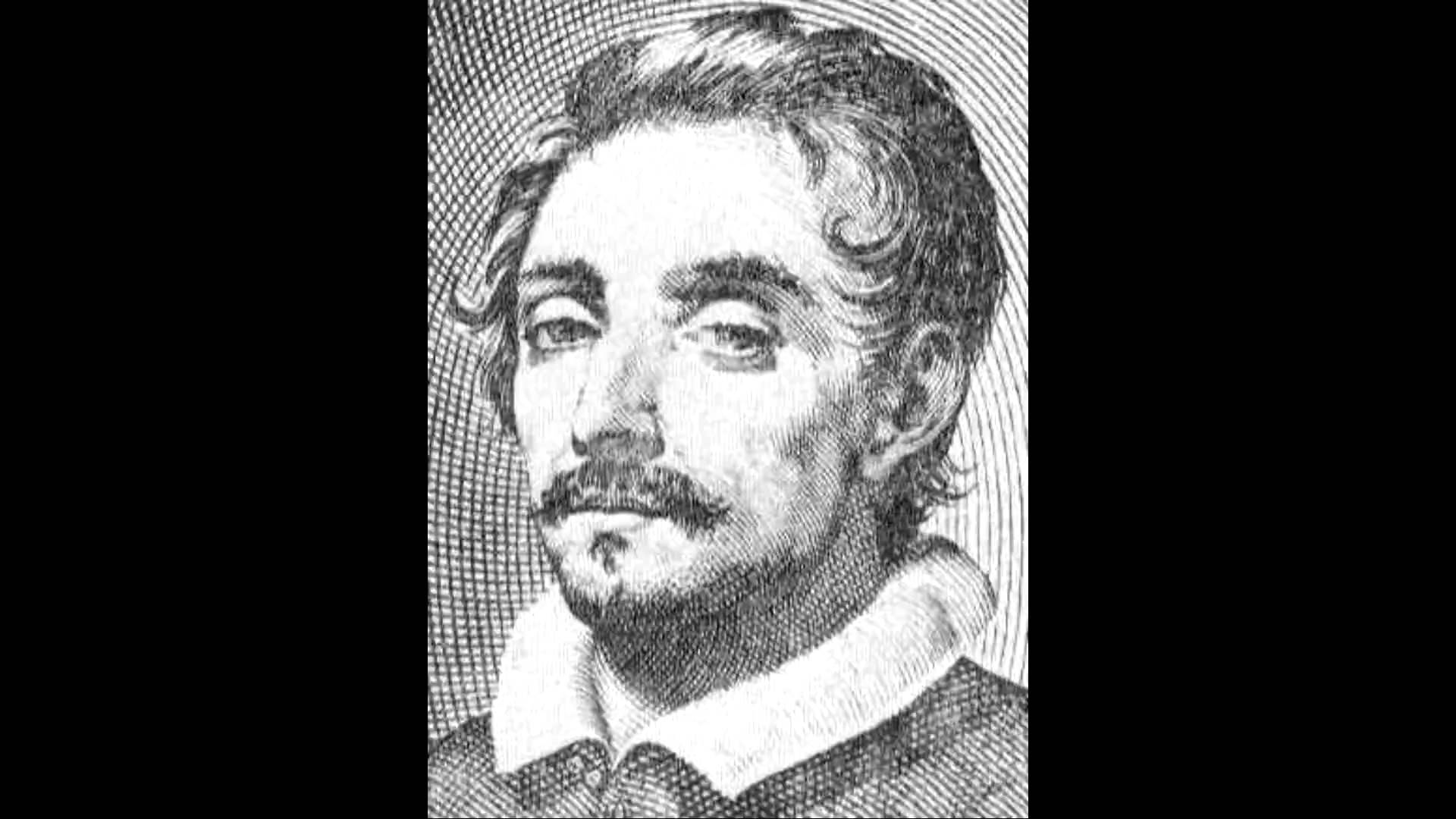
Back to top