04 YYM Notes For The Future Album coverNotes for the Future
Yo-Yo Ma
Sony (yo-yoma.com)

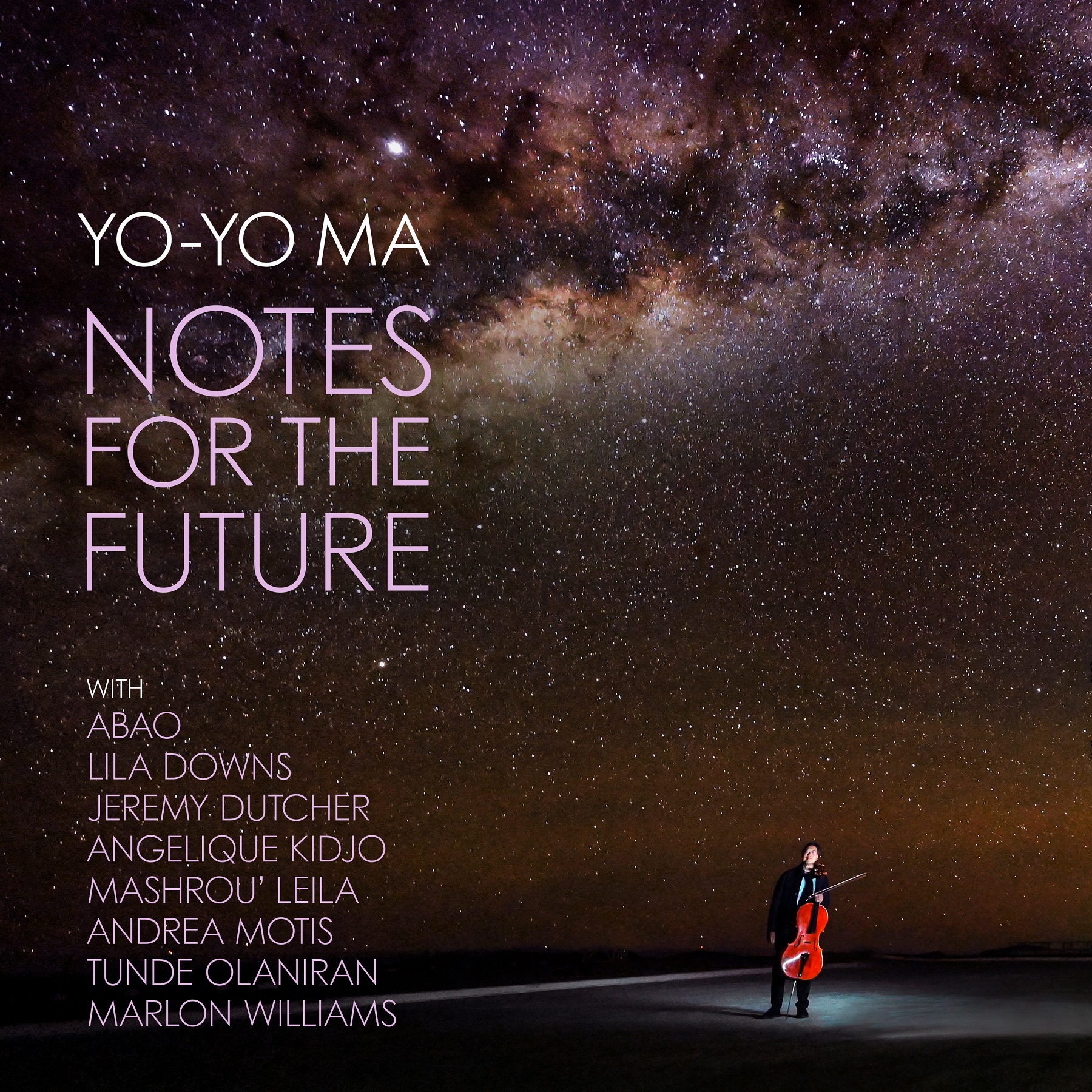
Renowned cellist Yo-Yo Ma’s new album Notes for the Future is a series of intimate and heartfelt studio collaborations with singers from five continents. The album’s nine tracks feature Ma with well-known divas and a few names new to me: Angélique Kidjo, Mashrou’ Leila, Tunde Olaniran, Jeremy Dutcher, Andrea Motis, ABAO, Lila Downs and Marlon Williams.

Ma, United Nations Messenger of Peace, writes that this album’s global musical journey explores “how culture can help us imagine and build a better world, featuring vocals in Arabic, Zapotec, Catalan, Paiwan, Spanish, Mi’kmaq, Wolastoqey, Ewe, Maori, and English.” Celebrating the “wisdom of the generations that were and the possibility of those to come,” Ma aims to express “our fears and hopes, reminding us that the future is ours to shape, together.”

Given that stirring mission statement, how does Notes for the Future deliver musically? To answer, I’d like to focus on Honor Song, the collaboration between Ma and tenor-composer Jeremy Dutcher. Juno and Polaris Prize winner, Dutcher, a member of the Tobique First Nation in New Brunswick, describes Honor Song as “a Mi’kmaq anthem […] that invokes our collective responsibility to care for the planet we share.” Dutcher’s soaring and emotion-filled Wolastoqey vocal is brilliantly counterpointed by Ma’s lyrical bass-heavy cello and powerful chordal accompaniment.

Dutcher wrote: “This collaboration changed my life, and I’m so grateful to him for sharing his platform and allowing so many more people to hear our songs + languages!” I found the entire album a stirring journey.

05 SubaSuba
Omar Sosa; Seckou Keita
Bendigedig BEND18 (grigorian.com/webstore/view.php?iid=2188258)

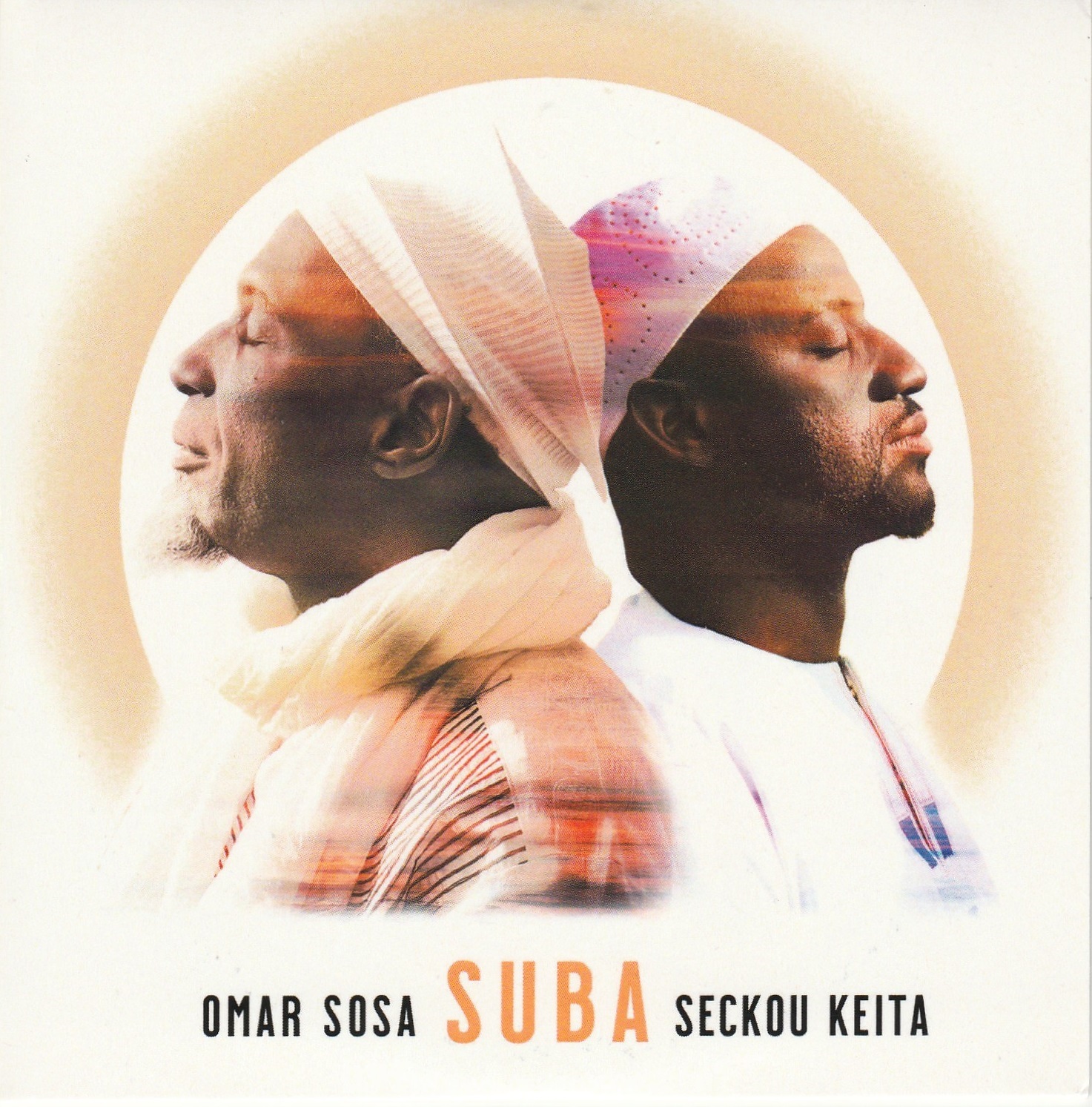
Every now and then the world is graced by an album that has a certain kind of gentleness – the gentleness that contains compassion for humanity and the quest for change. Suba, meaning sunrise in Mandinka, is a melodious microcosm of quietude and hope. There is nothing forced in the music on this album. Each song unfolds in a moment, unhurriedly, as it is just meant to be. 

Omar Sosa (piano) and Seckou Keita (kora, voice) have a knack for creating music that is harmonious with the world and placatory in its core. Both are masters of their instruments, distinguished artistic voices that bring traditions of Cuba and Senegal to the forefront. Sosa plays piano soulfully, as if he is always aware of the preciousness of the moment. On the other end of this collaboration is Keita, whose playing and singing have a beautiful lightness, subtle and captivating. Suba is rooted in Africa and its traditions, with the occasional spice of jazz elements. Equally divided between instrumental and vocal pieces, the album also features a fantastic team of musicians, most notably Jaques Morelenbaum on cello. 

The opening vocal piece Kharit and the percussively driven Allah Léno establish the atmosphere of longing and peace that persists throughout the album. The music always moves forward and the beauty is always present. No One Knows concludes the album with a sonic sparseness that leaves the listener with a profound sense of peace.

Listen to 'Suba' Now in the Listening Room

01 Isabel BayrakdarianArmenian Songs for Children
Isabel Bayrakdarian
Avie AV2449 (naxosdirect.com/search/av2449)

A tribute to Isabel Bayrakdarian’s personal heritage, this collection of songs plays like a musical kaleidoscope – ever-changing reflective melodies are connected to beautiful and simple forms, creating a magical sonic space. The 29 tracks are comprised of compositions by Armenian composer and musicologist Gomidas Vartabed (aka Komitas) and his students Parsegh Ganatchian and Mihran Toumajan, as well as some traditional songs. 

One should not be deceived by the fairly slow tempos, there is plenty of movement here – swinging, rocking, bouncing, clapping. A wooden horse and a monkey hang around, and a scarecrow and a nightingale make friends. On the deeper level, there is much longing and sorrow connected to dreams and memories of the Armenian nation and their history. The melodies of these songs are beautiful, sometimes playful, often poignant. The arrangements are sparse, creating an abundance of space for breath and colour. Some of these songs have been sung through five generations of Bayrakdarian’s family and one cannot help but feel the sense of intimacy and immediacy that comes from the weight of life experiences.

Bayrakdarian is phenomenal in conveying the emotional context of these songs. Her voice is willowy and soothing at the same time and she is quite successful in combining the embellishments of folk idioms with the clarity of classical expression. The accompanying ensemble – Ellie Choate (harp), Ray Furuta (flute) and Ruben Harutyunyan (duduk) – has an understated elegance to it, allowing the intensity of Bayrakdarian’s voice to come through.

02 Murray McLaughlinHourglass
Murray McLauchlan
True North Records TND777 (truenorthrecords.com)

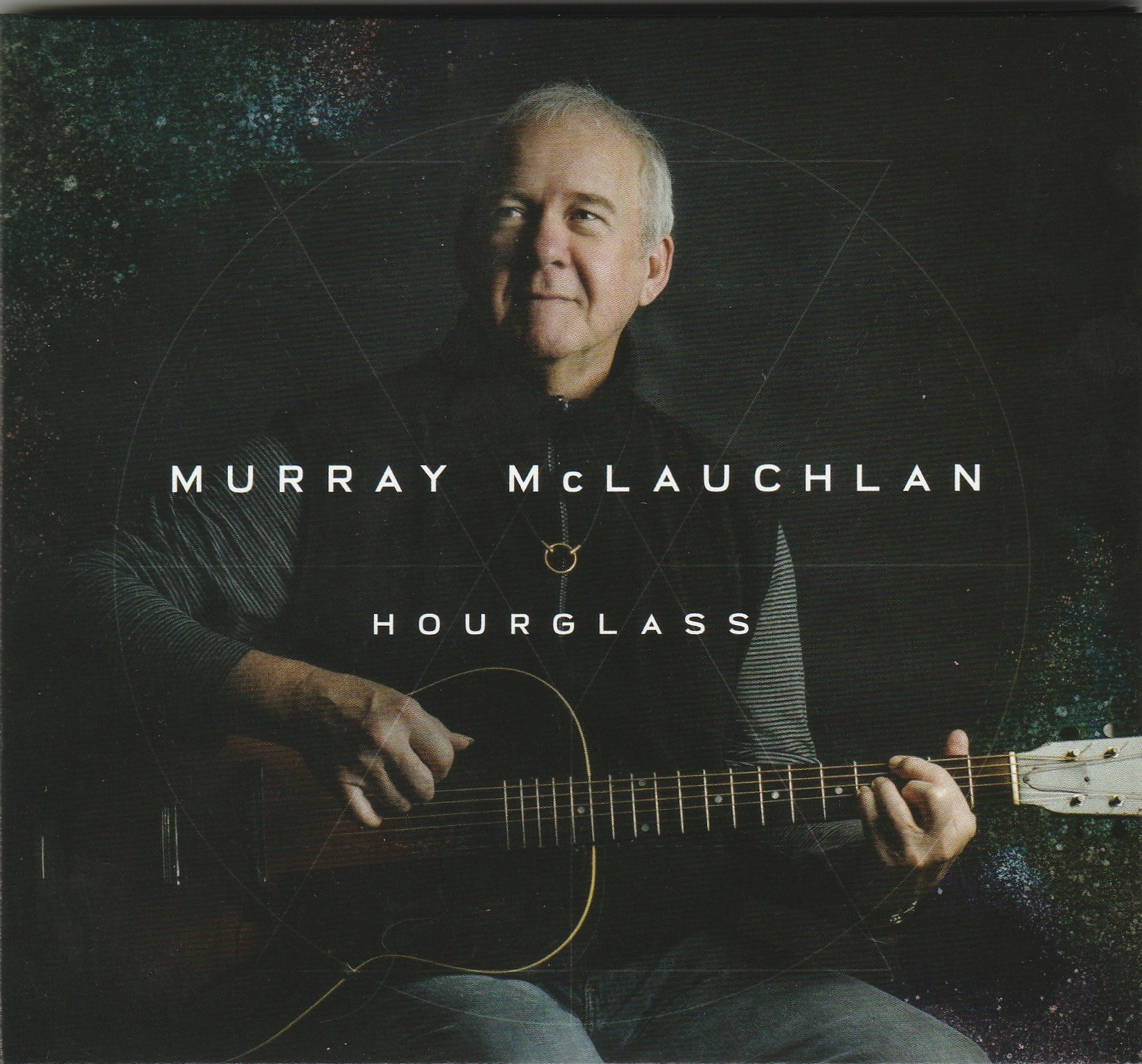
Murray McLauchlan, celebrated singer-songwriter and recipient of the Order of Canada, has turned to such issues as privilege and racism on his 20th album, Hourglass. Its pointed songs speak sincerely and directly to issues of greed and prejudice that make so many lives unliveable.

These are folk-style, gentle and homey songs, sometimes nearly whispered, although I think McLauchlan’s vocal mid- and upper-ranges are just fine! His acoustic guitar work, Burke Carroll’s steel guitar and other instruments are always reliable. Indeed, nothing on this album is overcomplicated and some of the songs would attract the interest of both children and parents.  

I particularly like the title track, which emphasizes the urgency of current problems:  “But I see the sand run out through the hourglass, I swear I don’t remember it ever ran so fast.”  Here lyrics and melody, guitar accompaniment and the steel overlay come together especially well. Lying By the Sea I find the most moving song. It is based on the tragic media image of a refugee boy fleeing the Middle East who drowned and washed up on shore. America, with a beautiful steel guitar introduction, is a plea to the USA that could also apply in Canada: “Now you’re in your separate rooms, And all the doors are locked.” Finally, I Live on a White Cloud and Shining City on a Hill are songs reminding us of our obliviousness – to racism and to reality itself.

03 Clara EngelDressed in Borrowed Light
Clara Engel
Independent (claraengel.bandcamp.com)

Songwriter Clara Engel has been busy during the pandemic, completing two collections of songs entirely self-produced while at home, based on lyrics that read like extended poetry and dressed in an album cover featuring Engel’s original artwork. 

In Dressed In Borrowed Light, dark, evocative themes of cycles of life, loss and nature float atop rhythmic drone-like melodies that leave plenty of room for the poetry to come through. This is a performance much like one might find at a poetry reading or meditative retreat, and a collection of guests adds an assortment of instrumental sounds that provide some additional ethereal qualities, bringing to the album a meditative, folk-like feel. 

Musical arrangements include Engel on vocals and a collection of instruments such as shruti box, gusli, lap steel and morin khuur (Mongolian horse-head fiddle), which delicately add colour to the songs. 

A shorter album than some, it’s six tracks flow gently as a collection of spoken word set to music. From one poem to the next it makes a soft landing, belying some of the darker themes of the lyrics.

Listen to 'Dressed in Borrowed Light' Now in the Listening Room

04 Miguel de ArmasContinuous
Miguel de Armas Quartet
Three Pines Records TPR-003-02 (migueldearmas.com)

Miguel de Armas – the inspired Cuban pianist/keyboardist/composer/producer and co-founder of the noted Cuban timba-band N.G. La Banda – has just released a glorious musical manifesto of genre-blending, unifying tunes, tunes that are also firmly rooted in the sacred and ancient feel of Cuban “songo,” a magical fusion of Afro-Cuban musics with elements of pop, Latin jazz, calypso and other esoteric influences. Joining de Armas on this invigorating CD are Marc Decho on bass, Michel Medrano Brindis on drums and Diomer González on congas, as well as an array of luminary guests that include bassist Roberto Riverón, saxophonist Petr Cancura, percussionist Samuel Formell, congero (and member of Los Van Van) Joel Cuesta and noted congero Eliel Lazo. 

All of the compositions here were penned by de Armas (with the exception of Song For Bebo by Decho). De Armas has an almost cinematic way of telling his musical stories, stories that unite us all in the human experience: love in all of its colours, immigration, culture shock and the seemingly un-ending northeastern winters. Things kick off with the title track – a piquant, bass-infused burner with a dash of supple vocals, as well as a thoroughly delicious and complex chord progression and melody line. Next up is the contemporary Couscous, with its morphing time signatures, pianistic excellence and stirring bass solo by Decho.

Another stunner is Angelique, with its haunting arrangement and phenomenal guitar work of Elmer Ferrer, as well as the incendiary performance by Lazo. Other delights include the romantic, neo-classical string-laden Eva Luna and the thoroughly satisfying Gone Too Soon. Without question, this is one of the most enjoyable, globally unifying and instrumentally thrilling CDs of the year.

Back to top