10 chris campbell rfsvmChris Campbell – Orison
Various Artists
Innova 008 (innova.mu)

An orison is a type of prayer, perhaps better described as a plea. Maybe Chris Campbell is asking for relief, or faith in the future, as are many of us. He makes this plea by means of Orison, a chamber work for strings, piano, and percussion, 14 players in all, named but not designated by instrument. Track titles directly refer to one another. Movements three and five, for example, are Ten Thousand Streams (Forward Motion), and Ten Thousand Streams (Retrograde); the second movement is Rotating Light Mirrors the Water, the sixth, Rotating Hymns. The first movement, Parallels, Threading Light, finds an answer in the last, Ground Calls Out to Sky (an implied parallel?). The central movement, perhaps a mirroring plane, is Streams to Source, Object to Origin. 

Arvo Pärt comes to mind in the early going of Parallels, but he and the consonant, pleading intervals disappear into turmoil and opaque dissonance. Piano lines emerging from this seem improvisatory, and here as elsewhere the recording values seem hell bent on saturation. It isn’t easy to stay with, especially at a higher volume. The storm passes, as storms do, and a segue leads into the calmer second track, and middle voices expressing again those chant-like parallel intervals. The tracks run together, many times introduced by a manic drum kit. 

It’s difficult to puzzle out the structure; I take it on faith that there is one. The drum kit passages drive impetuously through the often otherwise wandering sound-cloud formations. Colours and textures recur, in patterns not immediately apparent. Is this a masterpiece? I’m not prepared to say yes or no. I do give benefit of the doubt to Campbell.
11 tiffany ng wpkj1Tiffany Ng – Dark Matters
Various Artists
Innova 050 (innova.mu)

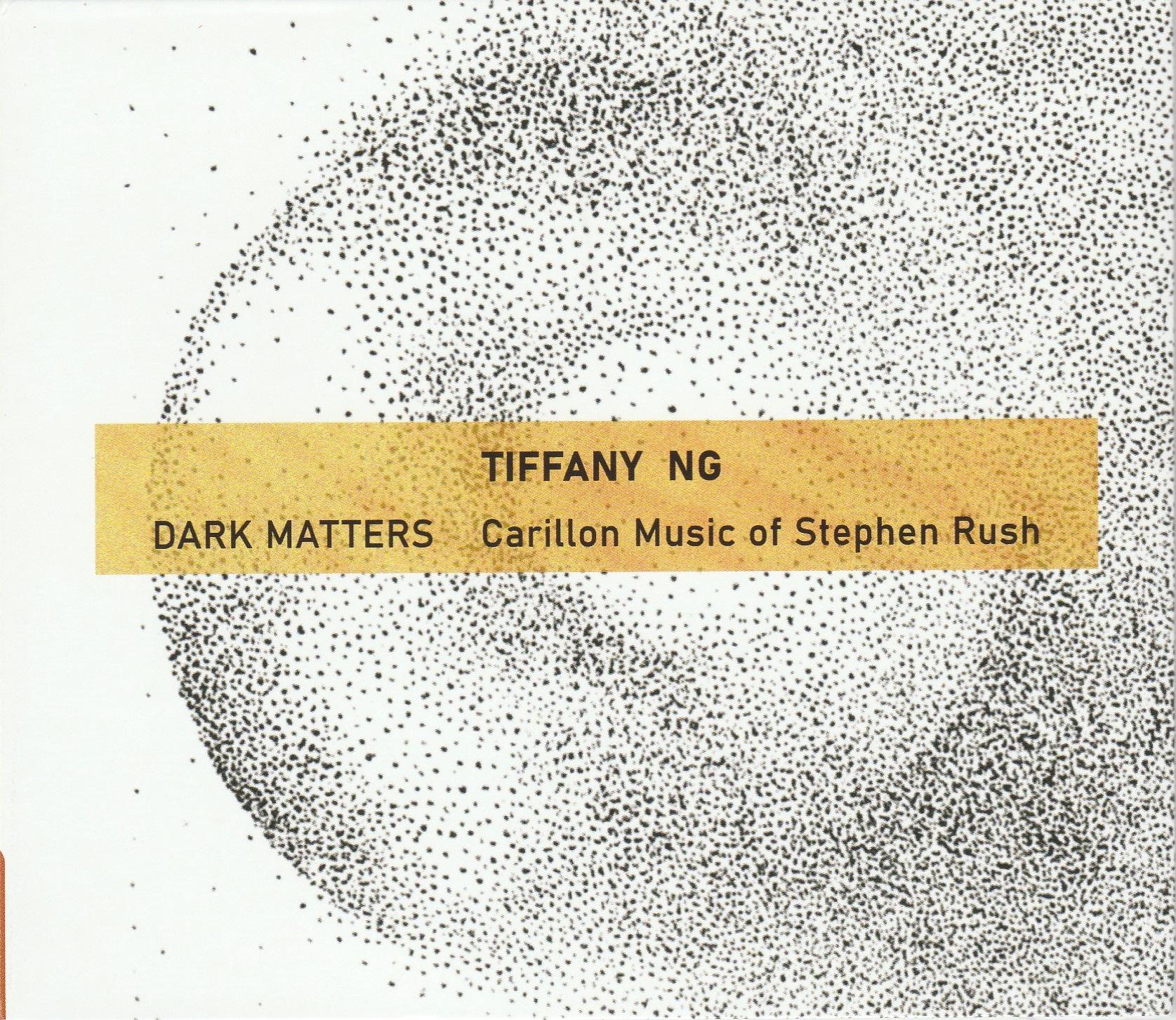
A fascinating collection, Dark Matters features the music for carillon of Stephen Rush performed by Tiffany Ng. Questions of the technical sort arise: what microphone placements worked best; and if any ambient sound needed to be filtered out? It must have been a spectacular project to work on, purely in this regard. Musically, Rush makes brilliant use of his years spent studying the instrument, learning how to capitalize on the peculiarly diminished quality of the bells’ overtone profiles. A noticeable rise before and decline after each performance, makes for a kind of ambient “huff,” an enveloping foggy frame, like giant respiration. 

Two carillons, one in Michigan and one in the Netherlands, play so differently it reminds one of how particular this type of instrument is, and how contingent the performance is on their sounds, much like organs. Whereas an organ has a synthetic animus, or breath, bells are defined by attack, such that every note’s momentum diminishes through its sustain. What Rush makes room for, and Ng perfects in execution, is a linearity that counters this. Decay follows attack, but gently repeated notes and Ng’s impressive control of dynamics give sustenance to line.

The smaller lighter instrument in the Netherlands is featured on Sonata for Carillon from 2007, as well as on the title track, from 2013, and on Six Treatments, which uses live electronics that animate the music in fascinating ways. The U of Michigan bells are darker and deeper, and are heard only on the disc’s bookends: Three Etudes, 1987, and September Fanfares, 2018, for carillon, brass quintet and percussion.  The Sonata is a revelation, titanic chamber music by turns soulful and dancelike. Fanfares is the least effective track, possibly on account of difficult balance and timing issues, but brass quintets should find a way to program it anyway.

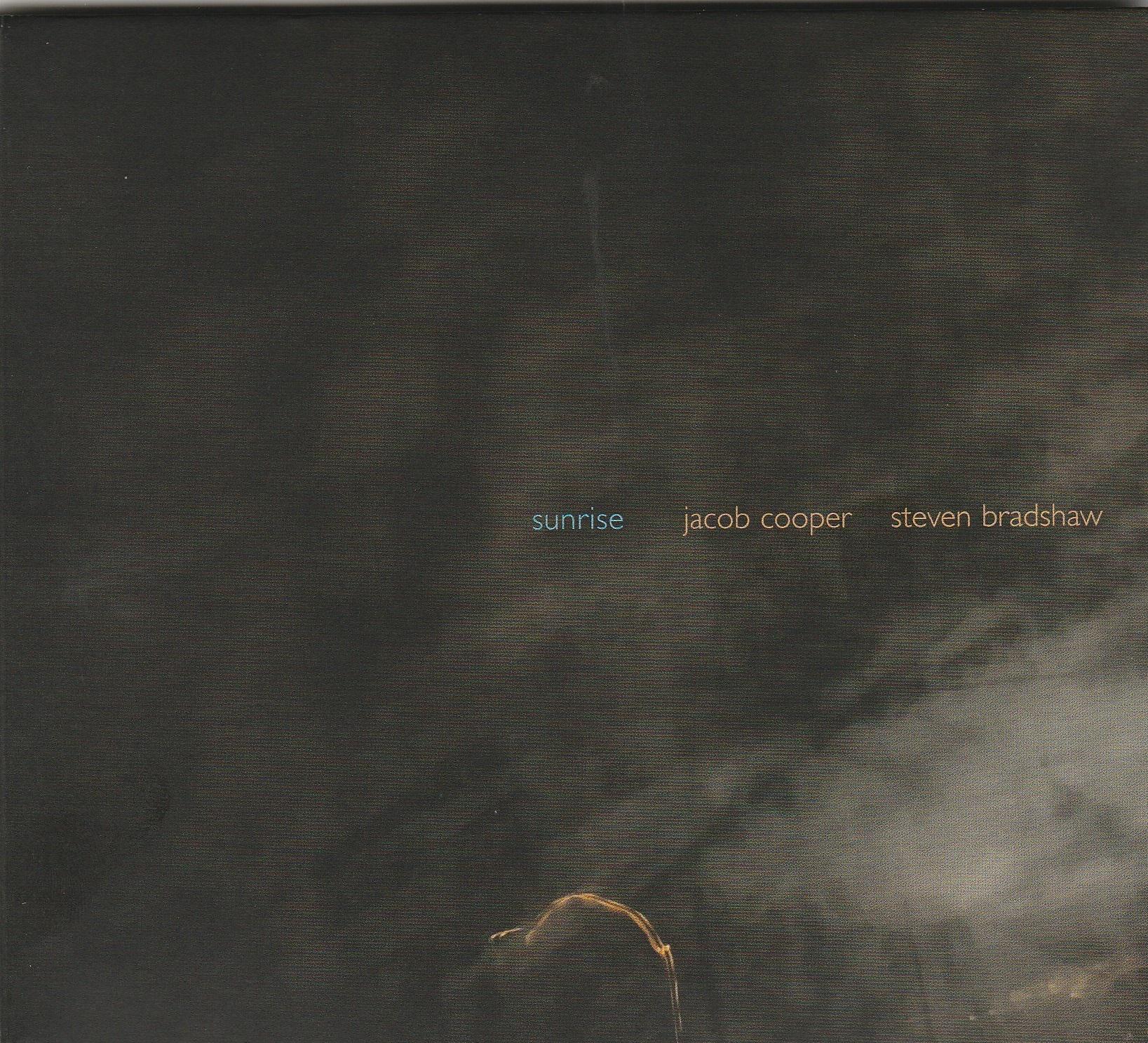
12 sunrise zz2gdSunrise
Jacob Cooper; Steven Bradshaw
Cold Blue Music CB0062 (coldbluemusic.com)

We need to create a new category of artistic manifestation, along the lines of “responses to the pandemic.” This disc, sung by Steven Bradshaw and embellished by the electroacoustic work of Jacob Cooper, would fit. Bradshaw and Cooper played remote call and response over the course of several months until they were satisfied with the outcome.

The title refers to an early 20th-century popular song: The World is Waiting for Sunrise, by Ernest Seitz and Gene Lockhart. Covered by Duke Ellington and Willie Nelson, to name only two, it seems to have been an anthem of hope during a dark era, as alluded to in the liner notes; the song was written during the Spanish influenza epidemic. 

This is no song cover; the closest analogy would be cantus firmus. The original lyrics, deconstructed or otherwise, are chanted at intervals throughout what amounts to a 32-minute meditation; they’re partially buried behind a more or less constant C Minor-ish drone. The events, or processes, develop gradually, but two-thirds of the way in the voice disappears into a burgeoning melee. The piano enters with a repeated motif that yearns toward G Minor. The voice returns as vocalise, soaring above on syllables from the original text, but barely recognizable. I’m reminded of Matthew Arnold’s Dover Beach, another prayer for love in a dark time. 

There have been plenty of musical depictions of the sunrise, and this fits in that category as well. Essentially a long process piece that demands and rewards attention, even if it doesn’t offer consolation.

13 emily koh 5ovvtEmily Koh – [word]plays
New Thread Quartet; Noa Even; Philipp Stääudlin
Innova 055 (innova.mu)

Emily Koh’s biography lists her as: “composer+” a suggestion that in addition to being a composer, she is also a bassist. However, that mathematical sign does not even begin to describe her prodigious gifts as a multi-disciplinary artist. This enables her to inform her radiant music with experiences from across the visual and sonic artistic spectrum. Remarkably, on the repertoire for the album [word]plays, Koh also adds a literary dimension to her compositions.

While it is true that the five pieces on this album are – as Koh correctly subtitles the collection – “microtonal works for saxophone(s),” the artistic topography of the music is spectacularly prismatic. This is best experienced in the three items performed by the New Thread Quartet, comprising saxophonists Jonathan Hulting-Cohen (soprano), Kristen McKeon (alto), Erin Rogers (tenor) and Zach Herchen (baritone). The items are further connected like a three-movement suite with titles that play upon three words: homonym, heteronym/, cryptonym. They unfold in diaphanous layers of sound as the quite magical mystery of each is revealed in waves of microtones.

That set is bookended by medi+ation and b(locked.orders); two solo saxophone pieces, the former performed by Philipp Stäudlin (baritone) and the latter by Noa Even (soprano). These are clever miniatures, the writing of which feels as if the performance instructions suggested is one-or-more-syllables-per-non-uniform-length note. There is exquisite poetry in these charts; a rumbling gravitas in the former and a high and lonesome, swirling tonal palette in the latter.

14 chas smith c14hzThree
Chas Smith
Cold Blue Music CB0061 (coldbluemusic.com)

Multi-instrumentalist Chas Smith’s recording Three is not simply atmospheric, its ethereal sonic palette comes with a twist in that the ripples on his ocean of sound spread vertically, seemingly piercing the very dome of the sky. Even the title is subtly idiomatic; its reference being more Trinitarian than merely numeric.

The musical hypnosis begins almost immediately in the whispered, metallic hiss of a myriad of instruments on Distance, continuing through The Replicant and into the denouement of this recording on a piece aptly called The End of Cognizance. The composer says that “the spirit of Harry Partch” pervades throughout. But even a first run-through of this repertoire suggests overtones of the soundtrack of a Philip K. Dick cinematic narrative. In particular, the short story Do Androids Dream of Electric Sheep? – which became Ridley Scott’s Blade Runner – comes presciently to mind.    

The music throughout seems to hang in the air like dense vapour of a sonic kind. But the seeming stasis is constantly changing, metamorphosing into something quite different at every turn. Its dark melodic fragments spin and pirouette constantly, revealing Smith’s singular balletic lyricism. The three parts of the music are layered one atop the other like sonic strata evocative of the massive natural forces pervading a planet spinning its way into infinity in triumph against time. The orchestration is as brilliantly inventive as the instruments that are employed to play it; all constructed by Smith himself.

15 confinedspeak xr3ojconfined. speak.
Ensemble Dal Niente
New Focus Recordings FCR308 (newfocusrecordings.com)

The Chicago based Ensemble Dal Niente releases a collection of works that were streamed during the first year of the COVID-19 pandemic. With each work offering a variety of experimental techniques and sound worlds, this music reveals the ensemble’s incredible musical abilities. Igor Santos’ confined. speak. is a post-Lachenmannian work that explores themes of “confinement and liberation.” Santos’ music is carefully crafted and contains an impressive series of magical events. The harp concerto of Hilda Paredes, titled Demente Cuerda, contains endless virtuosic gestures for both soloist and ensemble members – all of which are expertly performed. With Tomás Gueglio’s Triste y madrigal we receive a delicate and mysterious soprano part amid outlandish restlessness in the ensemble – a beautifully enigmatic work. In Merce and Baby by George Lewis, the composer creates an imagined musical scenario that exists only in the documentation of a collaboration between jazz drummer Baby Dodds and avant-garde dancer Merce Cunningham in the 1940s. Finally, Andil Khumalo’s Beyond Her Mask is a disturbing and important statement that confronts violence against women in South Africa. Ensemble Dal Niente delivers stunning performances of works that truly speak to our time.

Listen to 'confined. speak.' Now in the Listening Room

16 northscapes arxllNorthscapes
Ieva Jokubaviciute
Sono Luminus DSL-92251 (sonoluminus.com)

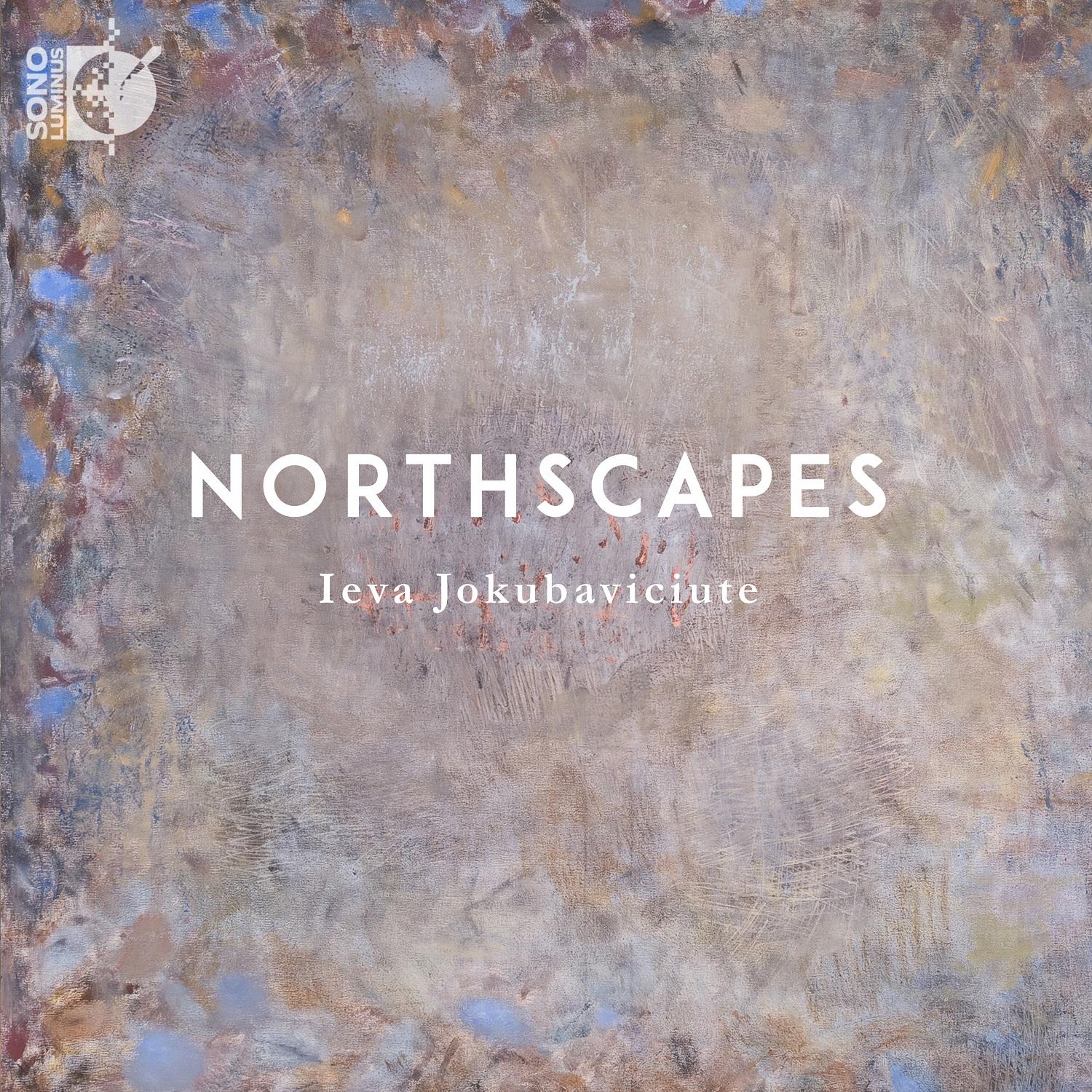
In a release of 21st-century piano music by Lithuanian Ieva Jokubaviciute, aptly titled Northscapes, we receive a selection of ethereal sonic planes all evoking the majesty of nature’s expanse. Jokubaviciute handles each piece with a delicate touch and an inspired approach to phrasing – attributes that are necessary to reveal the wonderful poetic characteristics of each piece. With each composer being from Nordic or Baltic countries, the overall atmosphere is one of a stark, and yet endlessly colourful, depiction of engulfing northern panoramas. Whether whirling through the unrelenting chroma-glow of Lasse Thoresen’s Invocation of Pristine Light, taking pause in the crafty expressiveness of Bent Sørensen’s Nocturnes, or sinking into the dreamworld of Kaija Saariaho’s well-known Prelude, each work connects landscape to psychological enchantment. 

Anna Thorvaldsdottir’s Scape transports the listener into this psycho-geographical state with brilliance and ease. The innovative approach to the piano in her piece shifts the mind from the immediate to a vast apocryphal arena. This allows the sonic experience to travel much deeper than mere surface-level representations of nature scenes. When listening to this disc, one begins to wander among geographies of the mind – realms that haunt and comfort, obfuscate but also reassure. For an experience that will transport ear and mind, listen to Northscapes.

17 recap count to five jf6noCount to Five
Recap w/Transit New Music
Innova (innova.mu)

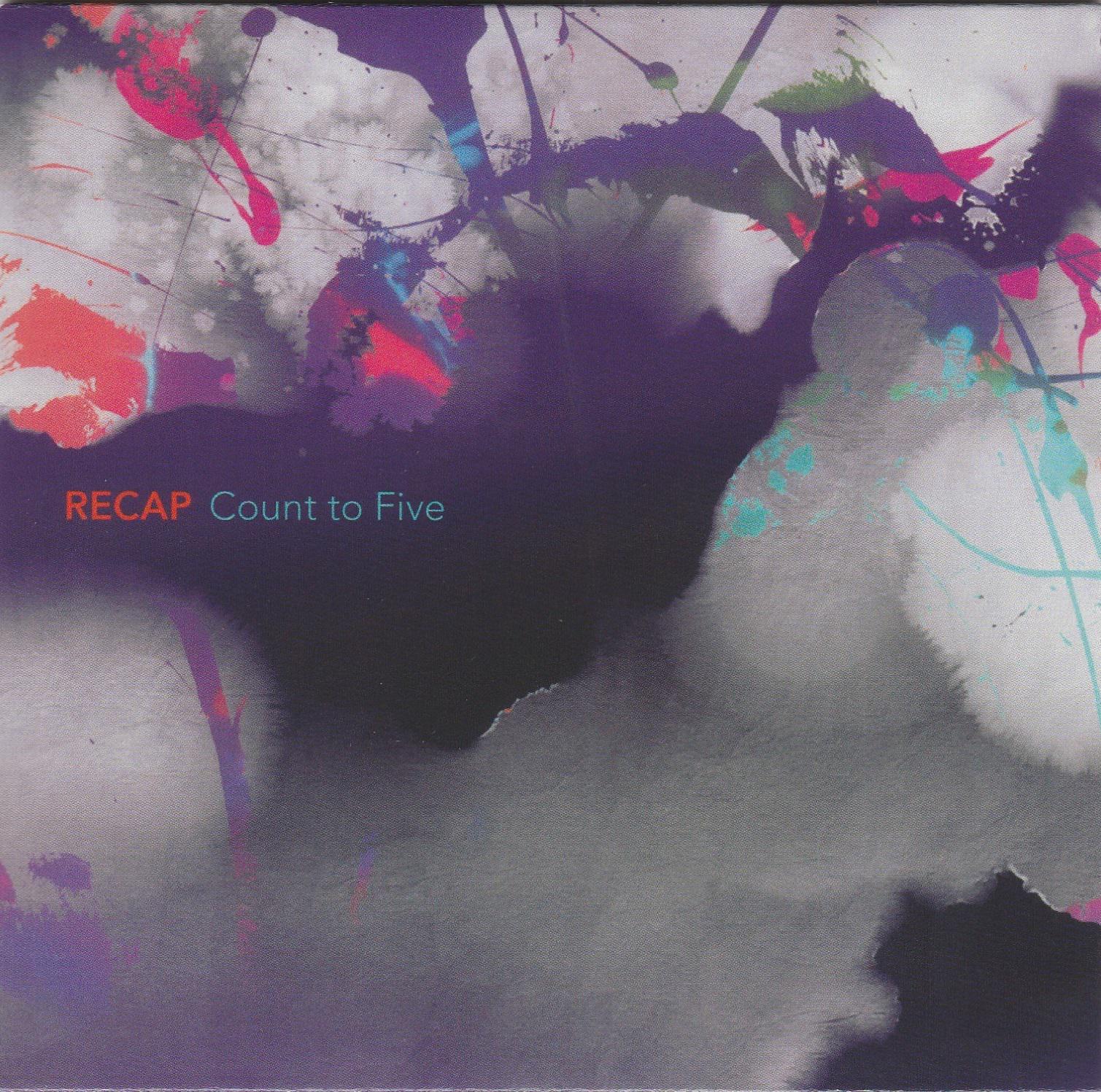
The story begins with four New Jersey middle schoolers Arlene Acevedo, Alexis Carter, Tiahna Sterlin and Aline Vasquez who began studying percussion with Joe Bergen, a member of the Mantra Percussion ensemble. Then in 2020 at ages 19 and 20 they formed Recap, a professional percussion quartet of BIPOC women.Recap seeks to reevaluate the white-male-dominated world of percussion within the contemporary classical music scene. As Acevedo said, “We’re young women of colour doing this... and you can too!” The results are impressive and they’ve now released an exciting debut album. 

Count to Five features six works, one each by Angélica Negrón, Allison Loggins-Hull, Ellen Reid, Lesley Flanigan, Mary Kouyoumdjian and Caroline Shaw. Puerto Rican composer Negrón’s surreal Count to Five opens the album. In it, everyday objects like shuffled playing cards, squeezed bubble wrap, dragged chairs and bowed and tapped wine glasses create an intimate sonic atmosphere interrupted by prerecorded children’s and other sounds; a harmonica note is incessantly repeated. And yes, the performers count to five, whispering.

Another highlight is New York experimental musician and composer Flanigan’s impressive Hedera which draws from another experimental music lineage, perhaps more Laurie Anderson than John Cage. Hedera features Flanigan’s multitrack vocalise, supported by Recap’s tonally ever-modulating bass drum and tom-tom swells. For 20 minutes, their pulsing 16th-note waves propel the work which increases in density and emotional intensity while Flanigan’s voice builds into a massive choir. In the end the drums and choir float away like clouds on a hot summer’s day.

18 loadbang 16ak5Plays Well With Others
Loadbang
New Focus Recordings FCR307 (newfocusrecordings.com)

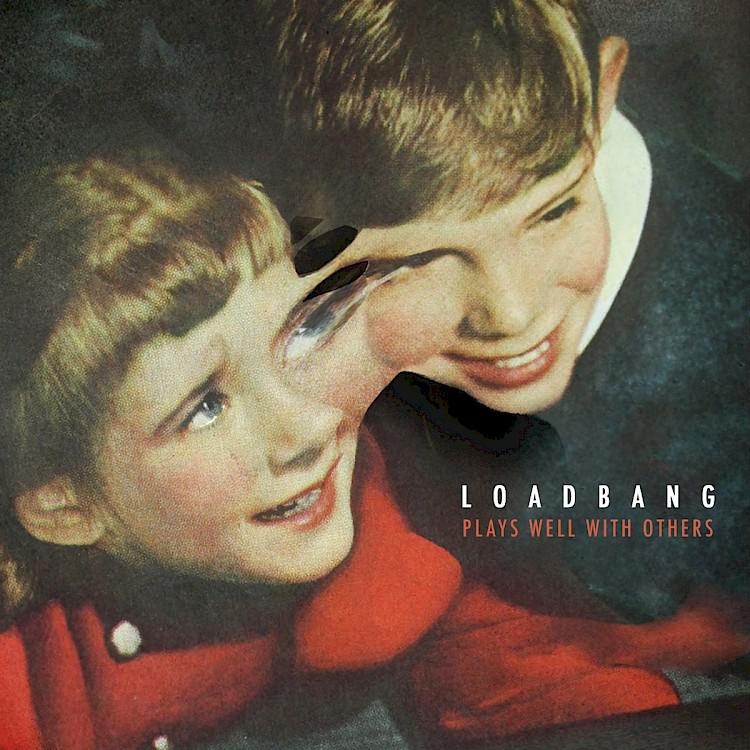
The brass and woodwind ensemble, loadbang, explores what appears to the harmonious nature of humanity on Plays Well With Others, aptly titled because the quartet is expanded, joined in this odyssey by a 12-person string section plus piano. The result is an extravagantly sumptuous sound-world. The airy sculpting of this music by the horns dwells in an exquisitely dramatic recitation by Jeffery Gavett together with Andy Kozar (trumpet), William Lang (trombone) and Adrian Sandi (bass clarinet), and orchestral accompaniment.

Loadbang performs this avant-garde repertoire with architectural authority and elegant rhetoric. There are ink-dark, gossamer whispers and deep growls on Taylor Brook’s Tarantism and the work progresses with long-limbed elegance, as if spinning a beguiling web with the (principal) tarantula character. Riven, by Heather Stebbins, pulsates with appropriate irregularity before it shatters along its elliptical harmonic grain.  

Eve Beglarian’s You See Where This is Going, with its narration of a surreal poem, sees strings, piano and horns entwining until the work is twisted into a powerful musical edifice. Reiko Füting’s Mo(nu)ment for C/Palimpsest returns us to the dark world of terrorism made more sinister by the hushed performance. Scott Wollschleger’s CVS offers another sinister take on socio-political extremism. All of this leads to the dynamic sound-palette of Paula Matthusen’s Such Is Now the Necessity – a most appropriate finale to this hypnotic repertoire. Anyone reacting well to the mystery and surprise of music will certainly take this disc to heart.

Listen to 'Plays Well With Others' Now in the Listening Room

01 Varese LutoslawskiVarèse, Ligeti, Lutosławski, Baldini
Miranda Cuckson; Maximilian Haft, Münchner Rundfunkorchester; UC Davis Symphony Orchestra; Christian Baldini
Centaur Records CRC3879 (naxosdirect.com/search/crc3879)

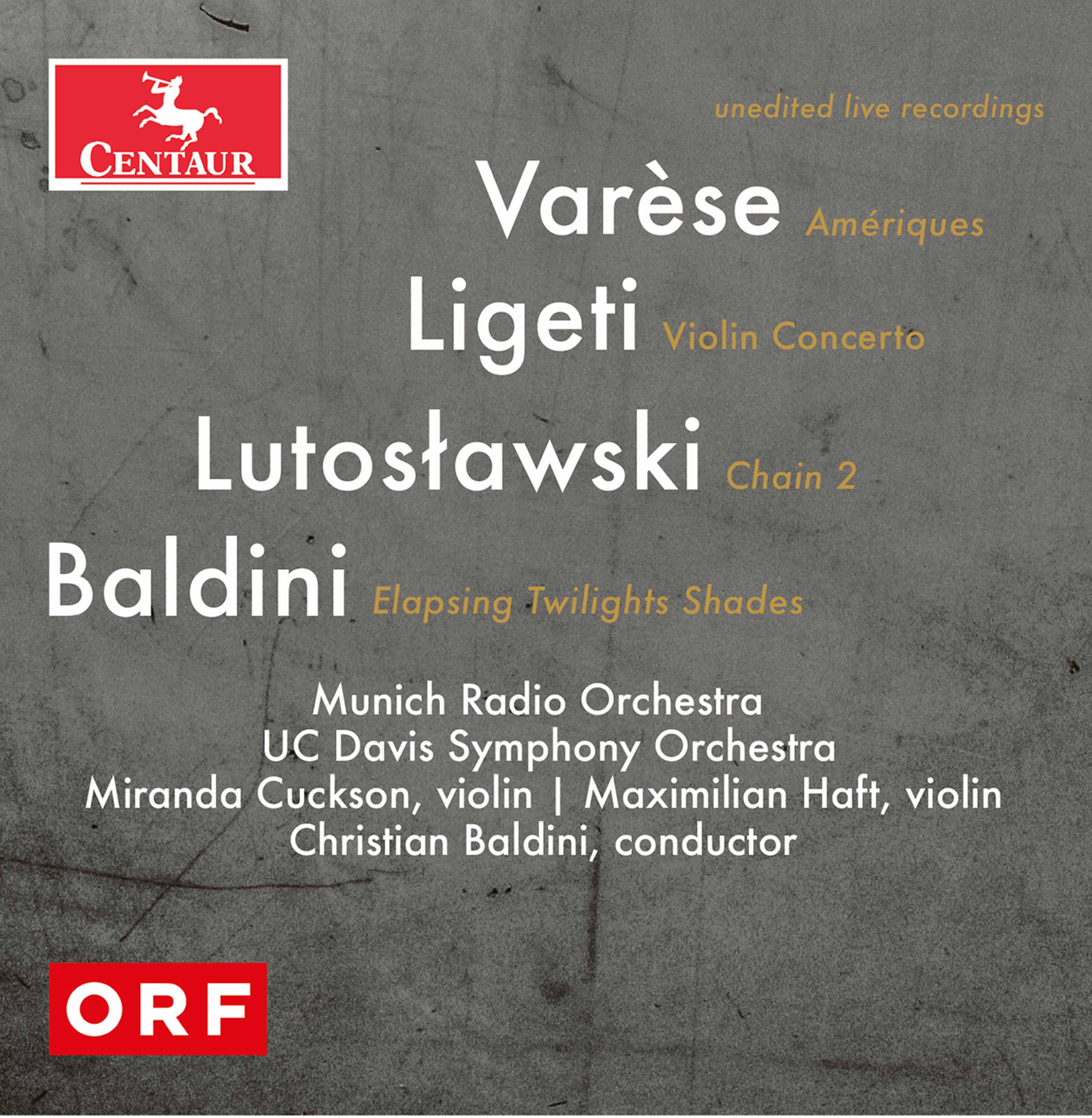
What to do when the music stops? If you’re Christian Baldini, music director of the University of California at Davis Symphony since 2009, you rummage through your archives, choose your best performances from the past and publish them with the caveat “unedited live recordings.” There are some real collegiate gems to be heard here, notably two of the finest violin concertos to have been composed in the late-20th century. 

Ligeti’s Violin Concerto from 1994 can be a challenge for all involved, but for the marvellous soloist Miranda Cuckson it’s a piece of cake. Most of these difficulties occur in the bizarre third movement, where the horns must do their best to perform solely on the overtone series (i.e. without the use of valves) and the wind players are compelled to hoot away on a quartet of decidedly screechy quarter-tone ocarinas. Fear not though, as the stylistic range of this five-movement work is captivating enough to appeal to many tastes. The concerto concludes with the insertion of a lengthy solo cadenza of unacknowledged origin; I for one would like to know its author (possibly Thomas Adès?) and, while we’re at it, the identity of the jackass whose hard-heeled footsteps break its magic spell on stage. 

Though Lutoslawski’s 1985 violin concerto is clearly less technically demanding than Ligeti’s, Maximilian Haft’s pugnacious performance of Chain 2 is nonetheless commanding and stylish and the orchestra is clearly much more comfortable and capable in this music. Two purely orchestral works are also on offer. A performance of Varèse’s 1927 version of his brutalist tone poem Amériques, while decidedly short on nuance, displays a youthful enthusiasm for the volcanic eruptions that pervade the work, though the 2015 pick-up of the gargantuan, screaming orchestra is lacking in depth and detail. It also has something unique going for it: midway through the printed score there is a trombone solo marked with the lyrics “Ha, Ha, Ha, Ha!”; here, that text is shouted through a megaphone! No other recording I know observes this detail. 

A short work from Baldini’s own hand, Elapsing Twilight Shades, opens the disc with a rambling essay characterized by loud orchestral outbursts followed by quasi-improvised noodling and percussive rumblings in a performance by the very adult Munich Radio Orchestra at the Salzburg Festival in 2012.

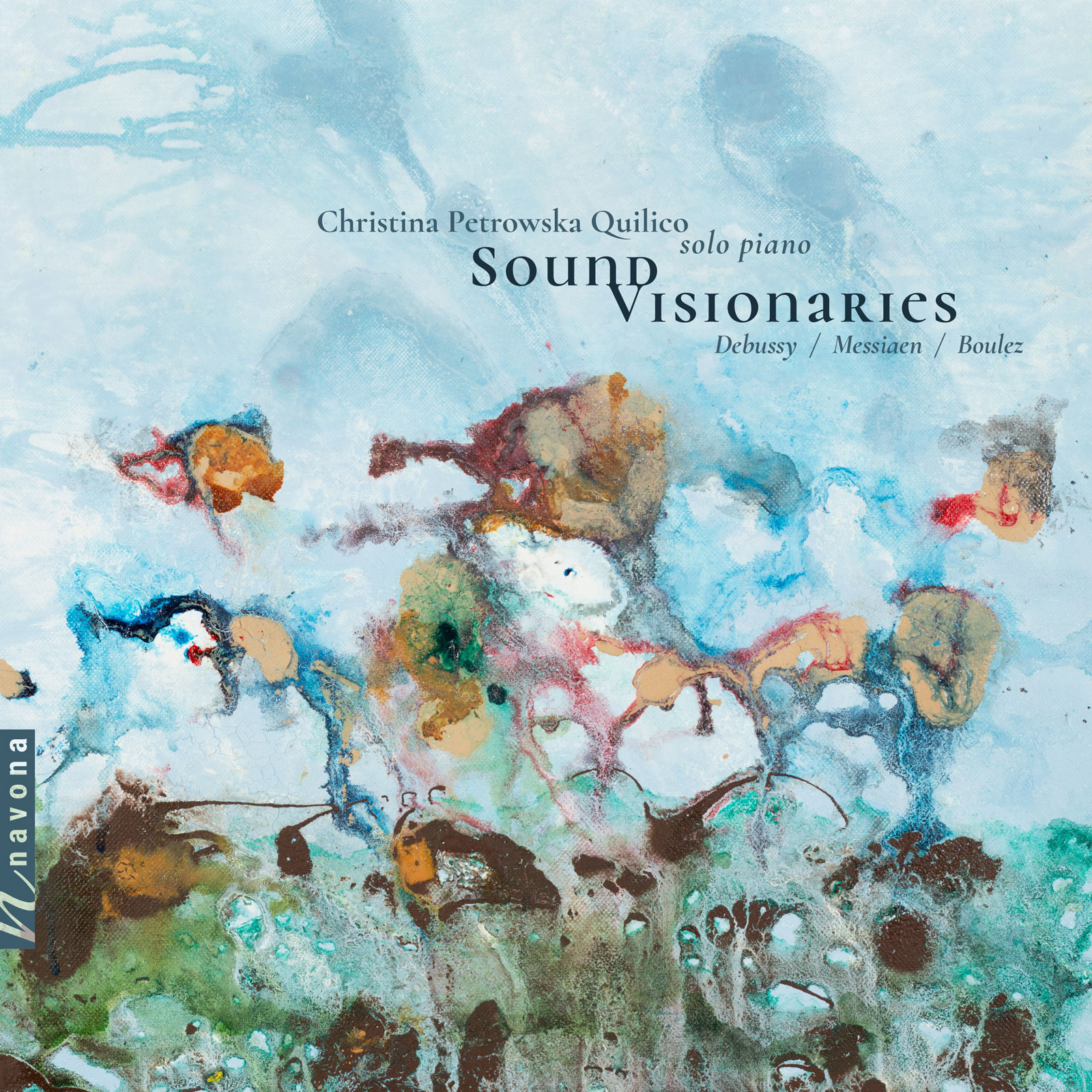
02a CPQ Sound VisionariesSound Visionaries
Christina Petrowska Quilico
Navona Records nv6358 (navonarecords.com)

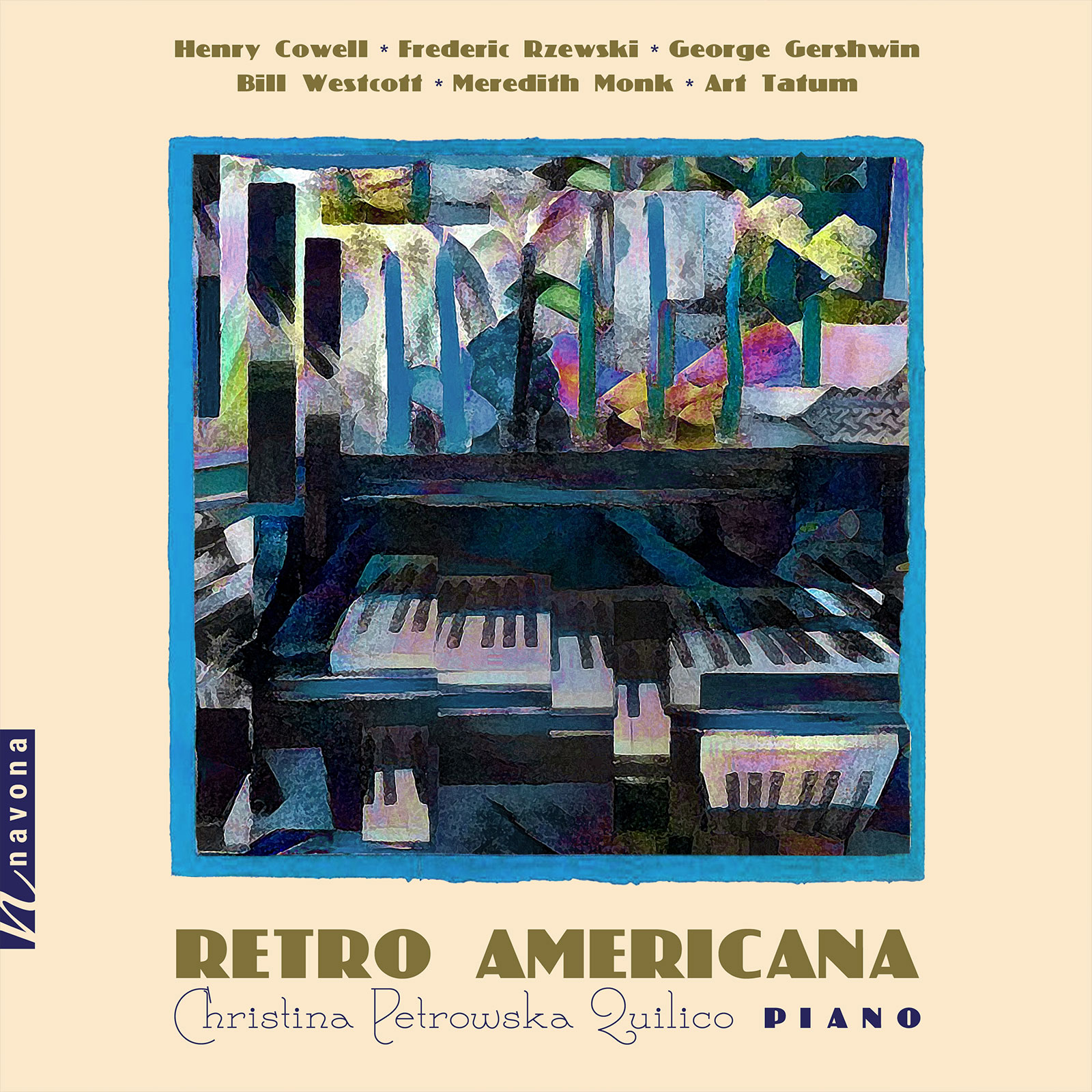
Retro Americana
Christina Petrowska Quilico
Navona Records nv6361 (navonarecords.com)

With over 50 recordings and a storied record of critical acclaim, veteran piano virtuoso Christina Petrowska Quilico delivers yet another reason why she is regarded as one of the most celebrated interpreters of 20th-century music. The listener is treated to surprisingly original interpretations of frequently recorded selections such as Debussy’s second book of Preludes and Messiaen’s Vingt regards sur l’enfant-Jésus. The pianist’s attention to detail and delicate approach to phrasing are unparalleled. 

The piano sonatas of Pierre Boulez are considered among the most difficult among the solo piano repertoire of the 20th century. In Petrowska Quilico’s recordings of the first and third sonatas of Boulez, the virtuoso’s dynamic command over this highly demanding music produces an assertiveness that undoubtedly will become compulsory atop the list of many recordings of this music. Incidentally, Petrowska Quilico was coached by Boulez before her performance of the first sonata at the presentation of the Glenn Gould Prize to Boulez in November 2002.

Listen to 'Sound Visionaries' Now in the Listening Room

02b CPQ Retro AmericanaOn her most recent release, Petrowska Quilico brilliantly tackles solo American repertoire from throughout the 20th century. With some rarely performed selections such as Henry Cowell’s Six Ings and Bill Westcott’s Suite combined with some more recognizable titles by Rzewski, Tatum and Gershwin, Petrowska Quilico is able to provide an impressive recital highlighting her technical command over varying styles. 

There are four selections by composer Meredith Monk – each unfolding as the true gems on the disc. These four pieces reveal the highly compelling originality of the composer – a voice that seems to lend itself to Petrowska Quilico’s performance sensibilities with a bewildering ease and effortlessness – an expressive attribute that will enchant the listener. 

This release is yet another statement from a restless virtuoso who has a seemingly inexhaustible ability to provide gripping interpretations of the music of our time.

Listen to 'Retro Americana' Now in the Listening Room

03 Frank Horvat Project DovetailFrank Horvat – Project Dovetail
Frank Horvat; Edwin Huizinga; Elixir Baroque Ensemble; TorQ Percussion Quartet; et al.
Independent (frankhorvat.com/discography)

Toronto composer-pianist Frank Horvat “has carved a niche for himself among today’s composers, wearing his fragile heart on his sleeve,” observed CBC music critic Robert Rowat. Project Dovetail, Horvat’s final release in an album trilogy spanning 2021, follows that emotional thread. Featuring some of Canada’s top chamber musicians, Project Dovetail has an intriguing synesthetic twist. Horvat has taken the art and artists that have inspired him and “dovetailed” aspects of them into his music. Among others, the works of two Canadian artists are featured: best-selling author Suzanne Desrochers and master printmaker Lorna Livey. 

Lorna’s Metamorphosis is a good example of the composer’s synesthetic dovetailing. In it, Livey speaks candidly about her passion for butterflies and the environment. Remarkably, Horvat has accurately scored the rhythms of her voice and then composed a dynamic instrumental counterpoint to it for vibraphone, two marimbas, piano and tympani. The composer notes that “it captures the Lorna I know: determined, honest and kind… compliment[ing] her driving, forward-thinking personality.”

The Sad Life of Laure Beauséjour for two violins, viola da gamba and harpsichord takes its cue from scenes in the novel Bride of New France by Desrochers. Horvat depicts the protagonist’s many hardships in music, choosing period instruments to evoke the novel’s 1670s setting. The Sad Life’s four slow movements are all intentionally similar in key, their melancholy melodies receiving straightforward accompaniments. In his program notes Horvat invokes the musical influence of Erik Satie’s Gymnopédies and Gnossiennes in this work, and I can feel the emotional throughlines spanning a century and a third.

Newfoundout CoverNewfoundout
Nick Storring
Mappa Editions MZP027 (nickstorring.bandcamp.com)

Toronto Composer Nick Storring is a prolific artist. As a composer, writer, musician and arts curator he seems to be everywhere, and yet he managed to touch down long enough to complete his seventh solo album. Consistently surprising us with his dexterous layering and technology skills, Newfoundout is a perfect blend of Storring’s musical ear for raw audio beauty and his skillful sound assembly. A completely acoustic layering of curiosities – is that a vuvuzela in harmony? – the compositions are so deftly complete you will forget to keep asking what you are hearing. From the first track Dome, a full 12’41” piece that could have been presented in a concert hall, it’s nearly impossible to find the distinction between what might have been improvised and what might be composed. Each track is intentionally directed, spare and transparent, blissfully curious at times and at others suspended in outer space, swirling in dust and light. Storring ensures that there is nothing superfluous to cloud the beauty of the found sounds; drums dance, dog whistles sing, and the final mix is perfect. One is reminded of the phrase “truth is stranger than fiction.”

The album flows superbly as a whole. Never aimless, each piece weaves intentionally between composed sections and exquisitely layered psychedelia, anchored with an assortment of undefined instruments, plucked strings, pianos and drum rhythms. It’s like witnessing the mysteries of life on Earth. With tracks named after Ontario ghost towns, Newfoundout is a sublimely delicious curiosity. I lost track of the beginnings and ends of each piece and just enjoyed the entire album start to finish.

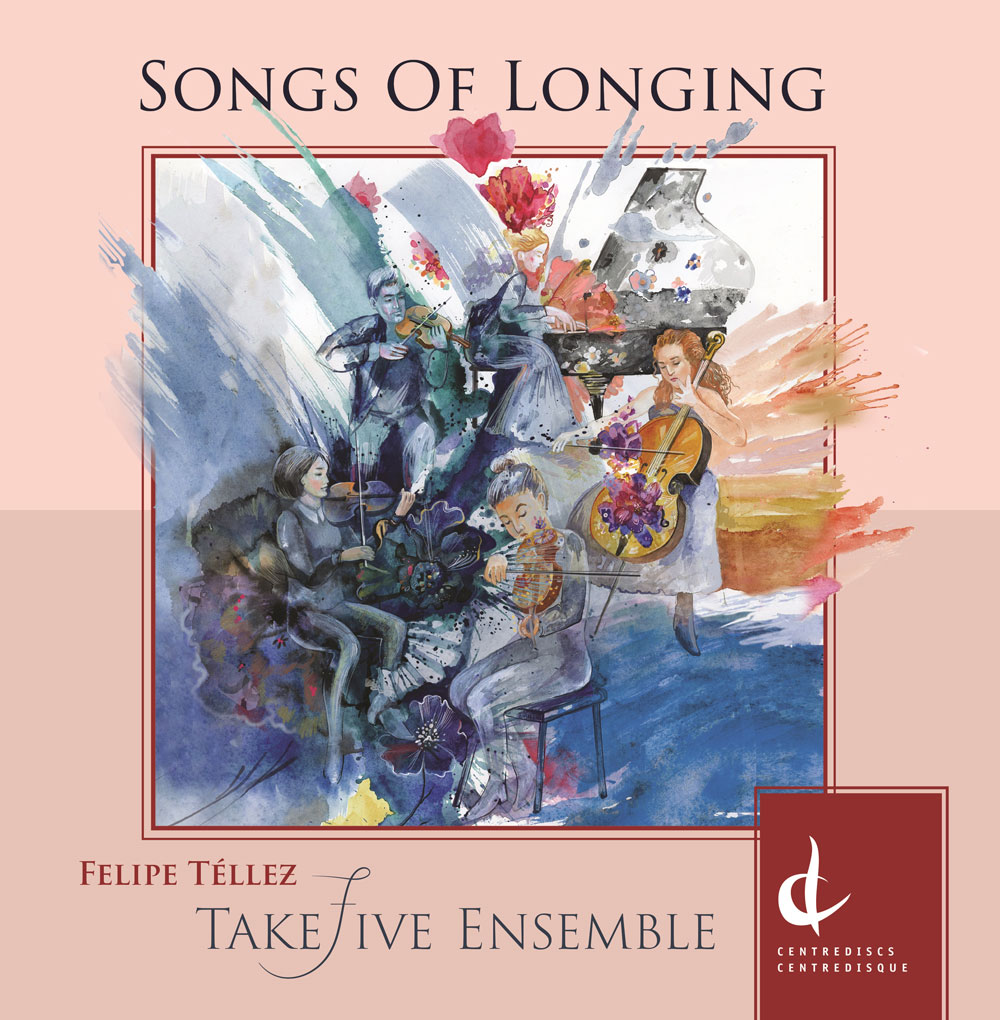
05 Felipe Tellez Songs of LongingFelipe Téllez – Songs of Longing
TakeFive Ensemble
Centrediscs CMCCD 28721 (cmccanada.org/shop/cd-cmccd-28721)

The TakeFive Ensemble (comprised of violinists Lynn Kuo and Csaba Koczo, violist Carolyn Blackwell, cellist Emmanuelle Beaulieu Bergeron and pianist Shoshana Telner) have recorded two substantial works by Colombian-Canadian composer Felipe Téllez. The first – in three movements – titled Fate, is rather traditional in its language and form. This music cycles through a tempestuous first movement into a tender and lyrical second movement and finishes with a dramatic and sorrowful third and final movement. The composer describes fate as taking on many contrasting characteristics that may or may not be within our control. With the cheery punctuation heard in the final measures of this work, it is clear that fate has delivered a happy ending in this case.

The second work is a collection of songs without words in five movements that adopts a less classical treatment than the first piece on the disc. Titled Colombian Songs, it utilizes colourful gestures and clever twists of mood to provide a pleasing reaction to some traditional Colombian song sources. The musicians in TakeFive execute Téllez’s music with a shimmering brilliance. The expressive quality permeating from each instrument in the ensemble is at once individually impressive but also blends into an exquisite whole. Bravo to TakeFive on some superb performances – an ensemble I hope to hear much more from in the future.


06 Leslie Dala Philip GlassPhilip Glass – The Complete Piano Etudes
Leslie Dala
Redshift Records (redshiftmusicsociety.bandcamp.com/album/philip-glass-the-complete-piano-etudes)

Continuing the tradition established by Chopin, Debussy and Ligeti, piano etudes by Philip Glass have been loved by many concert pianists. Although most etudes are created for the purpose of pursuing a specific harmonic or technical preoccupation related to the instrument, Glass’ carry a particular element of beauty and depth. Melancholy is mixed with sweetness, rhythmical drive with unique harmonic language; one senses an arc of the composer’s personal relationship with the piano in this music.

The new recording by Leslie Dala, a conductor and pianist based in Vancouver, brings in a solitary air of an artist who has found stillness. Dala has a natural pianistic affinity for Glass’ compositional language. He experiments with a wealth of colours found in these etudes but never strays away from the classical pianistic tradition. A strong percussive touch accentuates the fluid motion of the music. The result is an album that is refined and rich, natural in its expression.

Hearing the 20 etudes in succession makes for the best listening experience. Each etude has its own character and atmosphere but it is the flow, the longer narrative and the observation of correlational aspects and the morphing of Glass’ compositional and Dala’s interpretative ideas that gives the listener deeper understanding of this music. By the time the last etude is played, gentle and unassuming, the sonic space becomes clear. And when the sound blends with silence at the very end, one is granted the sense of closure.

07 Maya Beiser Philip GlassMaya Beiser x Philip Glass
Maya Beiser
Islandia Music Records (islandiamusic.com)

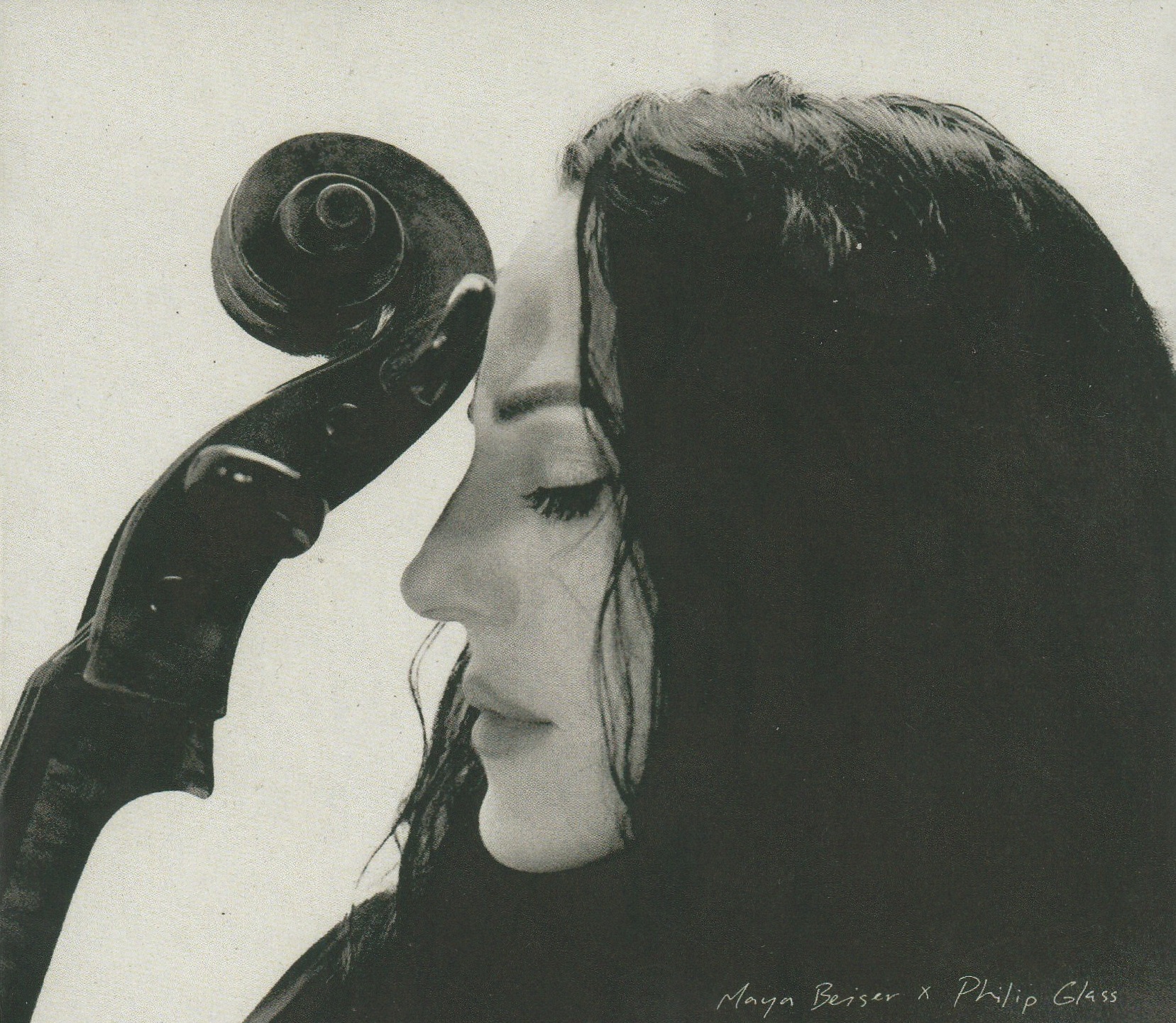
Talking Heads front person David Bryne, in his 1999 essay “I Hate World Music” that predates his excellent book, How Music Works, describes so-called “world music” as “a name for a bin in the record store signifying stuff that doesn’t belong anywhere else in the store.” In 2021, as bins, record stores and, to a lesser extent, musical genres and meaningless categorizations in terms of the way that sound is captured and assembled (and marketed) fades into the rear view, there remain vestiges of (to artificially demarcate things historically) the pre-streaming playlist-driven genre tribalism of the “Before Times.” 

I say all of this to push back on the characterization that I have read of Maya Beiser – the exceptionally talented American cellist who has released an evocative and wonderful retrospective of Philip Glass’ music on her own Islandia Music Records label – as “avant-garde.” This recent recording offers, simply put, beautiful music (it’s Glass after all!), played exceptionally well by an expressive and emotive artist who has much that is new and insightful to say on these largely familiar Glass pieces.  

Captured in beautiful fidelity at the Hudson Opera House and, through the studio wizardry of multi-tracking, looping cello parts and the creation of what she calls a “sonic cello kaleidoscope,” Beiser puts forth meaningful arrangements on this fine recording that defy every categorization other than good! It is little wonder why Beiser has such insight into Glass’ music: she was the cellist chosen (by Glass) to be part of the Philip Glass Ensemble on the worldwide tour of his Qatsi trilogy in 2005 and she brings this familiarity, creativity and attention to detail to the fore on Maya Beiser x Philip Glass.

Back to top