06 Aly KeitaKalo-Yele
Aly Keïta; Jan Galega Brönnimann; Lucas Niggli
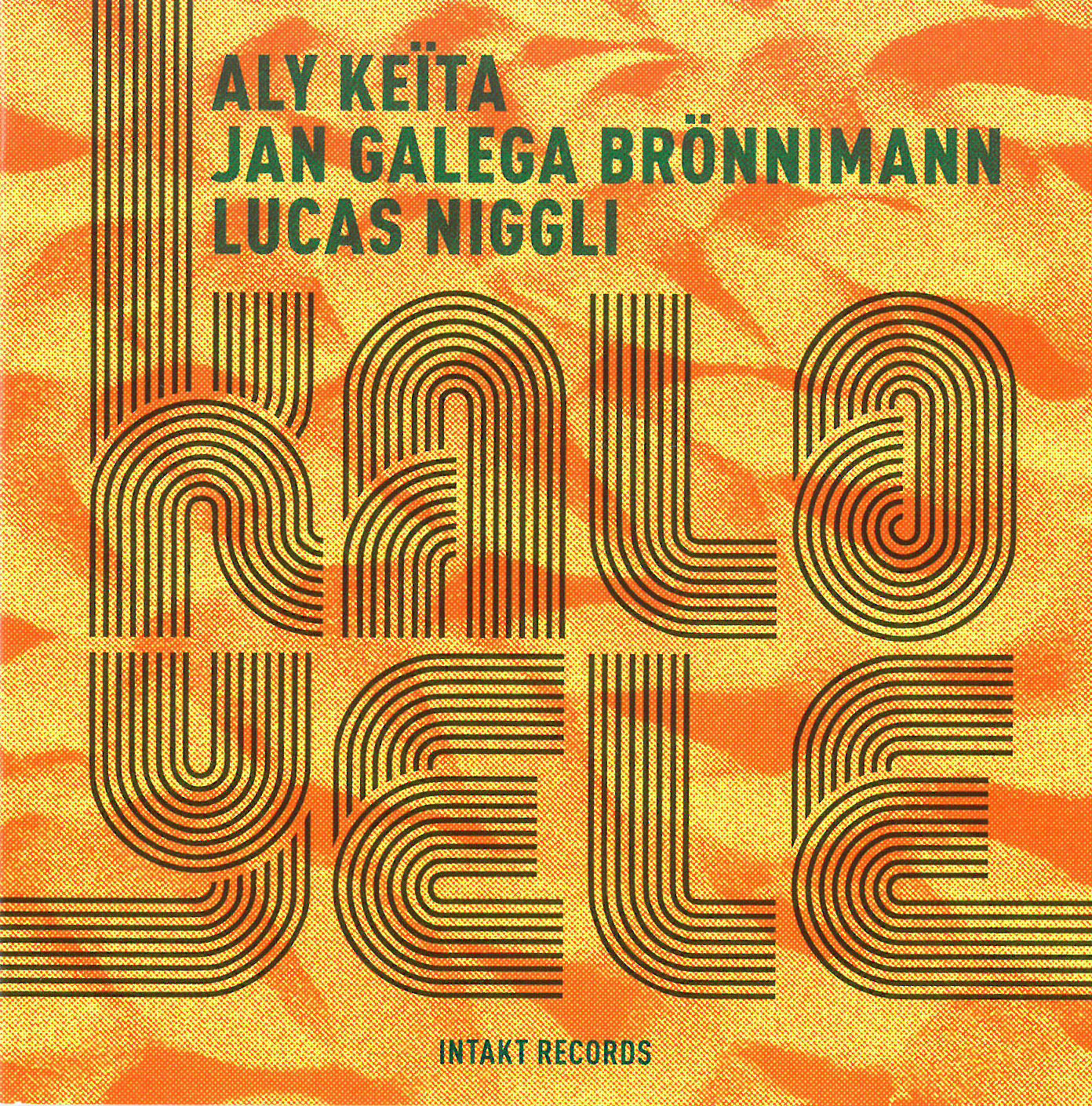
Intakt CD 261 (intaktrec.ch)

This record marks a kind of homecoming for the Swiss drummer Lucas Niggli and reed player Jan Galega Brönnimann. The two became childhood friends in Cameroon and later played together in numerous bands in Switzerland and France during their teenage years. In the 30 years since, Niggli has focused on free jazz and composition while Brönnimann has played electronic jazz and world music. Presented with an opportunity to work with Aly Keïta, Côte d’Ivoire master of the balafon, a marimba-like instrument with calabash resonators, Niggli invited his old friend to make this a trio.

The musical results are consistently remarkable. Niggli is at once one of the world’s most precise percussionists and one of the most creative, exploring a host of sounds from drums, cymbals and gongs while layering complex patterns and interacting with his partners. Aly Keïta has transformed the traditional balafon, crafting a chromatic version of the hyper-resonant instrument. Emphasizing his bass and contrabass clarinets, Brönnimann is as apt to play rhythmic patterns as traditional melodies. The parts all course together into a series of highly distinctive pieces, from the jazz-like beats of Niggli’s Bean Bag, to the piquant sweetness of Brönnimann’s wriggling soprano saxophone on Keïta’s joyously complex Abidjan Serenade, which gains layer upon layer of rhythm. Other fine moments include the sudden contrast of scraped cymbals and gritty contrabass clarinet on Brönnimann’s Bafut and the explosive riffing of Keïta’s Adjamé Street that concludes the CD.

The music resounds with the discovery of a new world, an Africa of the imagination that has coalesced in a Bern recording studio.
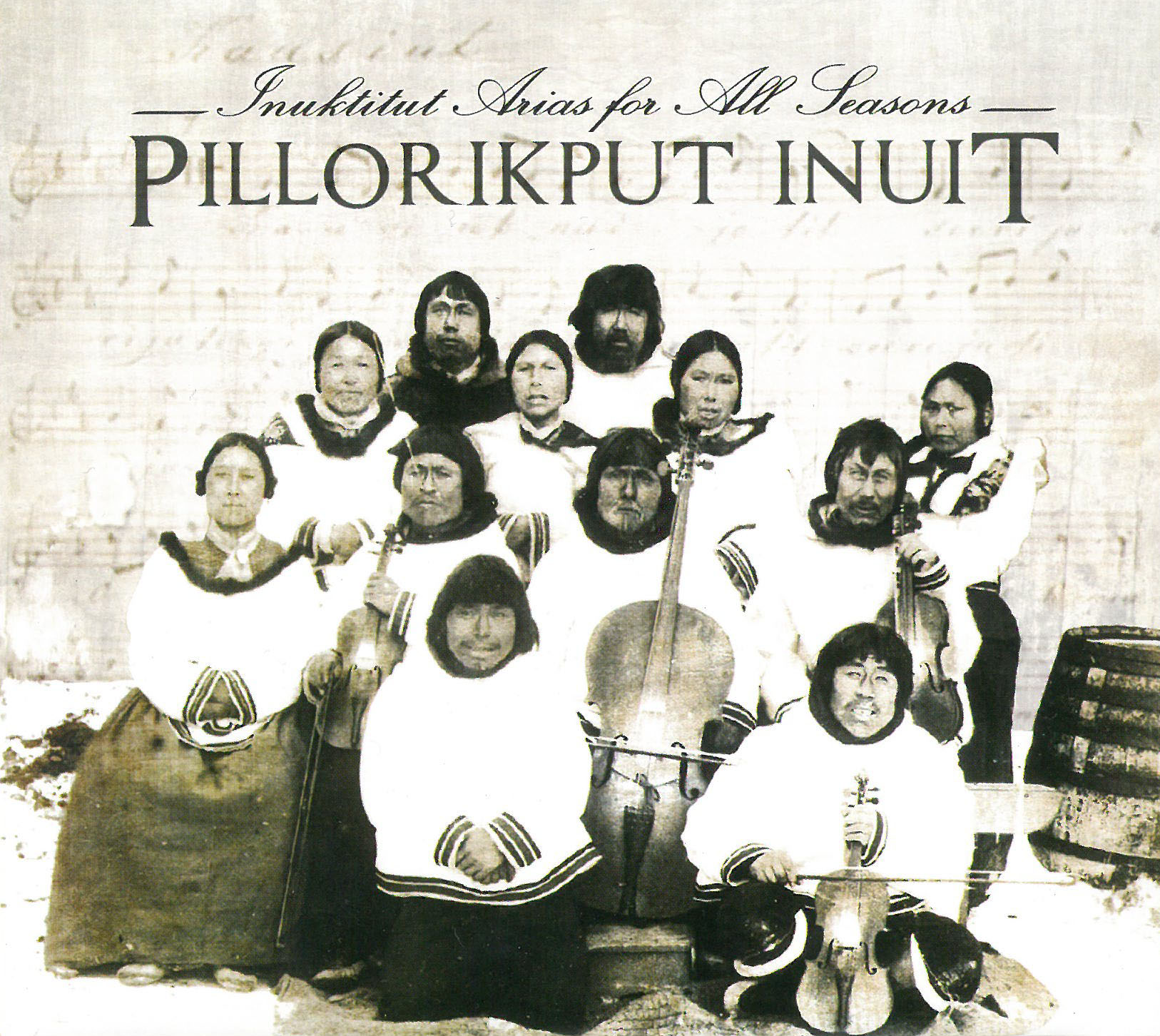
01 Inuit hymns

Pillorikput Inuit – Inuktitut Arias for All Seasons
Deantha Edmunds; Karrie Obed; Innismara Vocal Ensemble; Suncor Energy String Quartet; Tom Gordon
Memorial (mun.ca/mmap/back_on_track/pillorikputinuit)

Review

Musicologist and pianist Tom Gordon, professor emeritus of the School of Music at Memorial University in St. John’s, NL has long been fascinated by the sacred music performed by the Inuit Moravians of Northern Labrador. Unlike other Christian denominations, Moravian missionaries not only placed a high value on personal piety and missions, but also particularly encouraged the place of music in worship. Digging to understand this music’s history, Gordon sifted through hundreds of manuscripts in Moravian church archives along the Labrador coast.

What emerged was a rich musical practice with roots back to the 1770s and 1780s when European Moravian missionaries founded settlements in Northern Labrador at Nain, then Okak and Arvertok, the first (of many more) Christian missions to the Inuit in what is now Canada. They came to preach Christianity and one of their prime tools – and legacies – was music.

Quite rapidly the music imported from Europe evolved, in the words of Gordon, as an “expressive practice re-conceived to reflect the spirituality and aesthetic preferences of Inuit musicians.” It was music heard almost exclusively within the modest clapboard walls of Labrador Moravian churches. There it remained, almost unknown to the outside world, until now.

From these communities’ extensive repertoire of brass music, congregational singing and choral music, Gordon has chosen 16 tracks of solo sacred arias and duets, reconstructing them from church manuscripts. The result is the impressively documented and performed CD Pillorikput Inuit (Behold, the People), true not only to the letter of the source manuscripts but also to the Inuit spirit of its performers and tradition-keepers. The music chosen celebrates key annual liturgical events like Christmas and Easter, as well as the community celebrations of Married People’s Day and Church Festival Day.

Featuring the classically trained Inuk soprano Deantha Edmunds and Moravian Inuit music expert Karrie Obed, both singing in Inuktitut, the repertoire includes music by two leading European composers of their day, Handel and Haydn. As expected, songs by lesser-tier yet fascinating Moravian composers such as Johann Daniel Grimm (1719–1760), the American John Antes (1740–1811) and the English clergyman Christian Ignatius Latrobe (1758–1836) are also well represented. Organ, wind and string instrumental accompaniment, and the Innismara Vocal Ensemble from St. John’s provide suitable period support throughout.

What is unique in these performances? It’s not so much the repertoire or the conventional instrumental forces employed. It is rather the deeply heartfelt renditions of these European songs in Inuktitut representing a hybrid Inuit performance practice dating back over 225 years in Canada’s North that I find so moving. It seems to me Pillorikput Inuit represents the tip of the iceberg of the rich Inuit musical heritage the rest of us in the South are just beginning to discover, and enjoy.

09 Rebirth of a NationDJ Spooky – Rebirth of a Nation
Kronos Quartet
Cantaloupe CA21110

If ever there was a potent time to release this masterfully crafted new soundtrack to the D.W. Griffith classic, Birth of a Nation, it would be now during the tumultuous rebuilding of post-George W. Bush America by its extraordinary protagonist Barack Obama. Oblique parallel lines could be drawn through the similarities of situation, except that the country is not fighting a civil war to – among other things – end slavery. However a sharply divided people and flare-ups of discrimination along racial lines, unpopular wars and a dramatic decline in civility towards the presidency might be a likely background for such a soundtrack to what DJ Spooky, the irreverent composer aka Paul D. Miller, calls the Rebirth of a Nation.

The Kronos Quartet seem to be a perfect fit for this musical adventure and the quartet seems to come to terms with DJ Spooky’s mindset as if they were one and the same brain. Their transcendent musicianship, a result of great empathy between the players, provides not just memorable accompaniment to the dramaturgy of Griffith’s visuals but also discreet, seductive and eloquent continuo for Spooky’s own musical instruments that remain stark and dominant throughout the unfolding visuals. Yes, visuals! The soundtrack is accompanied by a wonderfully produced DVD so it is possible to hear the music work in conjunction with the original silent moving picture as well. I like, also the laser-bright instrumentation by Spooky.

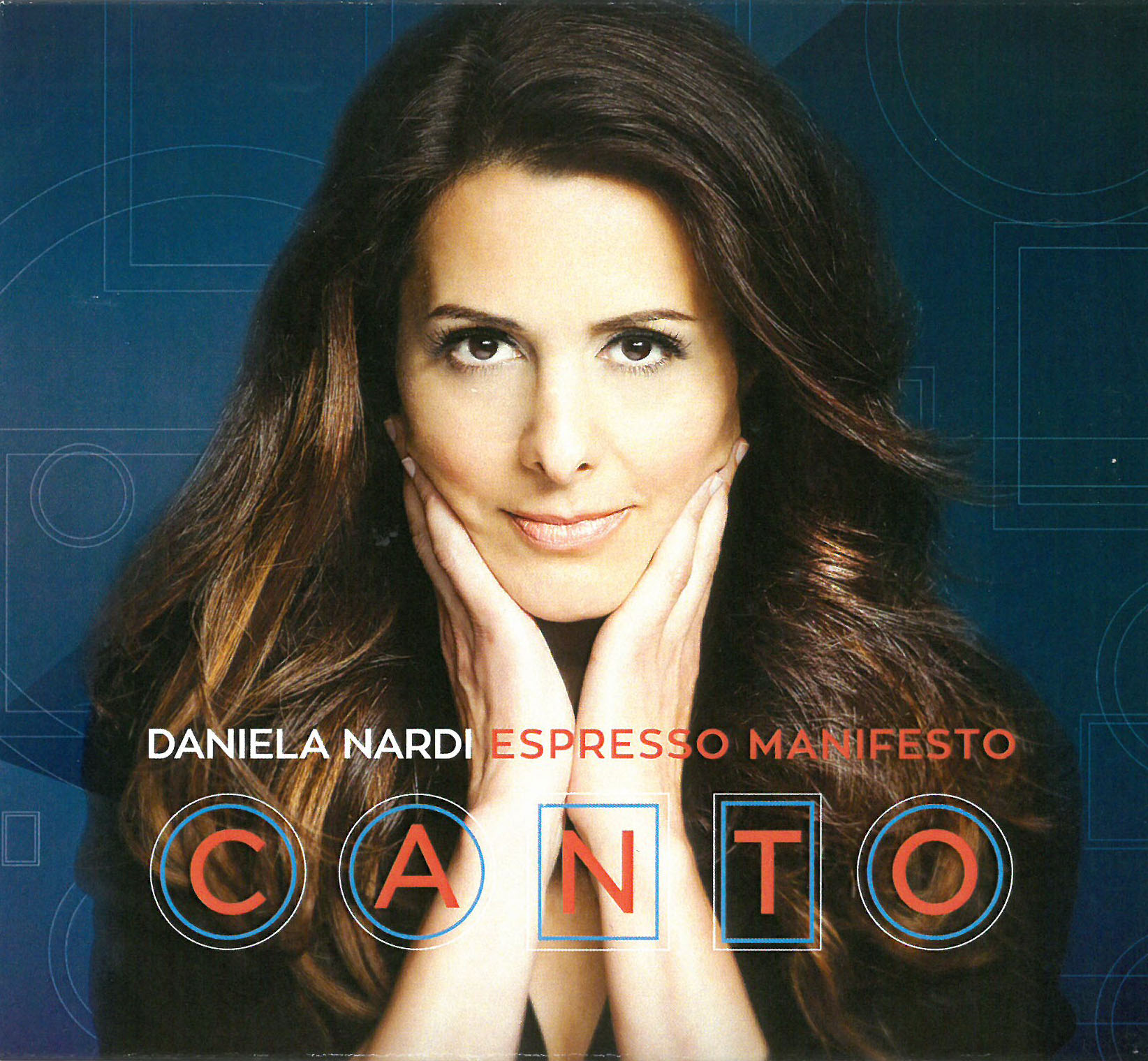
01 Daniela Nardi

Canto
Daniela Nardi; Espresso Manifesto
eOne REA-CD-5826 (danielanardi.com)

Review

Toronto singer Daniela Nardi continues the Espresso Manifesto project with this latest album, Canto. Espresso Manifesto originated with a collection of Paolo Conte songs (Via Con Me) released in 2012, which Nardi recorded in Umbria with mostly Italian personnel. Canto on the other hand is a celebration of Italian songwriters from a range of eras recorded in both Naples and Toronto with a mix of Italian and Canadian musicians. The other new aspect of Canto is the addition of producer Antonio Fresa who lends a fresh yet often retro sound to the tracks with his inventive arrangements. Wurlitzer, clarinet, trumpet and a string section all enrich the album and Nardi's warm expressive voice.

On the opening track, Punto, the flute doubling the vibes evokes mid-century whimsy but there's also a little Afro-Caribbean flavour stirred in. Surprising touches like these thread their way through the album – songs are reworked in French and English and there's even a little Brazilian style added with a cool Bossa Nova treatment of Gira e Rigira and Vinicius De Moraes' songwriting on Sensa Paura. The exceptional Canadians, Kevin Barrett, Mike Downes and Ron Davis (Nardi's husband) come to the fore on Amami Ancora arranged by Downes and co-written by Nardi in emulation of the great song tradition of her heritage. View a video on The Making of Canto at danielanardi.com.

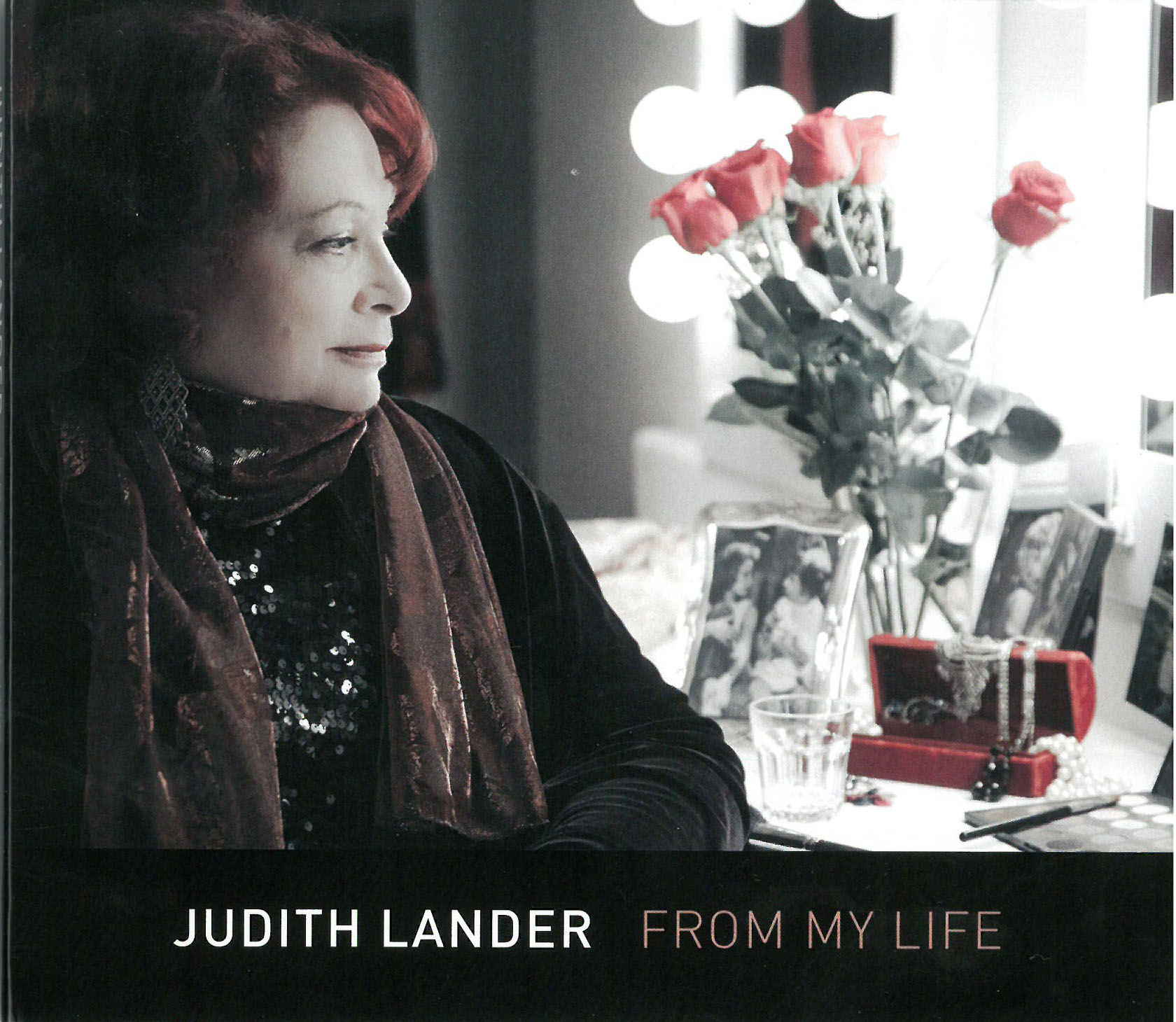
02 Judith LanderFrom My Life
Judith Lander
Independent (judithlander.com)

Vocalist, composer and pianist Judith Lander has achieved wide international acclaim as a consummate classical cabaret and theatrical performer. With the release of her debut recording (produced by Lander and bassist Tom Hazlett), she achieves a level of meaning that can only be reached through rich life experience and the intuitive use of a profound emotional vocabulary in symbiosis with fine musical compositions. Lander has wisely selected material here that not only wraps around her warm contralto perfectly, but also reflects her career and pays tribute to some of the legendary theatre artists with whom she has worked, such as Jacques Brel and Lotte Lenya. Included in the collection are potent tunes by Stephen Sondheim, Stephen Schwartz, Kurt Weill, Brel, Michael Leonard, Lennon and McCartney and Lander herself.

Most beautifully rendered are Weill’s haunting September Song (rarely performed from a female perspective); a particularly lithe and graceful take on Sondheim’s title tune Anyone Can Whistle (arranged by the great Gene DiNovi) and Jacques Brel’s La Chanson des Vieux Amants, sung “en duo avec” Ghislain Aucoin. Weill’s My Ship is a true stunner, with a clever, fresh arrangement and first rate trio work from Bruce Harvey on piano, Tom Hazlett on bass and Tom Jestadt on percussion. Also of note is Stephen Sondheim’s heart-rending ballad of longing and loss, I Remember (originally heard in the 1967 black-and-white television production of the musical Evening Primrose). This gorgeous, well-produced and well-conceived CD is not only the auspicious (and long overdue) debut of one of our most treasured performing artists, but a must-have for any serious devotee of cabaret and musical theatre.

Ozere FindingFinding Anyplace
Ozere
Independent (ozere.ca)

Finding Anyplace by the Canadian band Ozere is a gem of a CD that deftly combines elements of classical and various traditional and folk musics. Founded and led by classically trained violinist Jessica Deutsch in 2012, Ozere’s rich instrumental tone, interesting rhythms and inspired compositions create a music that feels profoundly comfortable and yet also very fresh and different. The core group of instruments is a new take on the quintessential classical string quartet, but here with violin, cello, mandolin and upright bass – the brainchild of Deutsch whose vision was to blend folk and art music. With the addition of vocals, guitar and some non-Western instruments we sometimes move into other musical realms, including Middle Eastern and even jazz. Of course, many bands cross these kinds of stylistic and cultural boundaries, yet not always with Ozere’s elegance and finesse.

All of the 11 tracks are composed by Deutsch and vocalist Emily Rockarts except two traditional songs – Wayfaring Stranger and MacArthur Road. Each track brings something new: for example, The Sun Ain’t Down and Song for Tina are mostly Celtic in style with attractive violin and mandolin parts; Anyplace is an instrumental number that begins in quasi-Middle Eastern style, then segues into something more jazzy and Celtic; and Wayfaring Stranger is a catchy Klezmer-influenced interpretation.

With its fine musicians, well-crafted songs and arrangements, and incredible variety, this is definitely a CD to recommend and a band to watch.

04 PayadoraPayadora
Payadora Tango Ensemble
Independent (payadora.com)

The popularity of tango music is no surprise. The diverse compositional strengths, wide-ranging musical sentiments and driving rhythms offer something for all listeners, regardless of their musical tastes. Toronto-based Payadora Tango Ensemble showcase their enormous respect for the style and their phenomenal performing talents in a jam-packed 12 tango release.

Payadora’s musicians are each superstars in their own right. Pianist Tom King shines in his flourishes and gutsy glissandos. Violinist Rebekah Wolkstein plays sultry long tones and melodies with equal dynamism. Double bassist Joseph Phillips performs with a rich tone while holding the group together in a tight sense of pulse. And accordionist Branko Džinović flies over the keyboard with rapid colourful phrases and chord punches executed perfected by the master of bellows control. Together they each remain as soloists yet with superb individual listening skills blend tightly as an ensemble. Superb production qualities add to this recording’s live sound.

A welcome diverse collection of tango music is represented here, each performed with detailed musical nuances. Highlights include the traditional El Choclo in an uplifting rollicking rendition with jazzy undertones. The two Astor Piazzolla compositions are performed with his musical intentions in the forefront, complete with a dramatic finale in Retrato de Milton. Julian Plaza’s Payadora is the perfect showcase with its swelling dynamic shifts, a mournful accordion and violin opening section, and a joyous, toe-tapping, dance-tango section. Enjoy this timeless release!

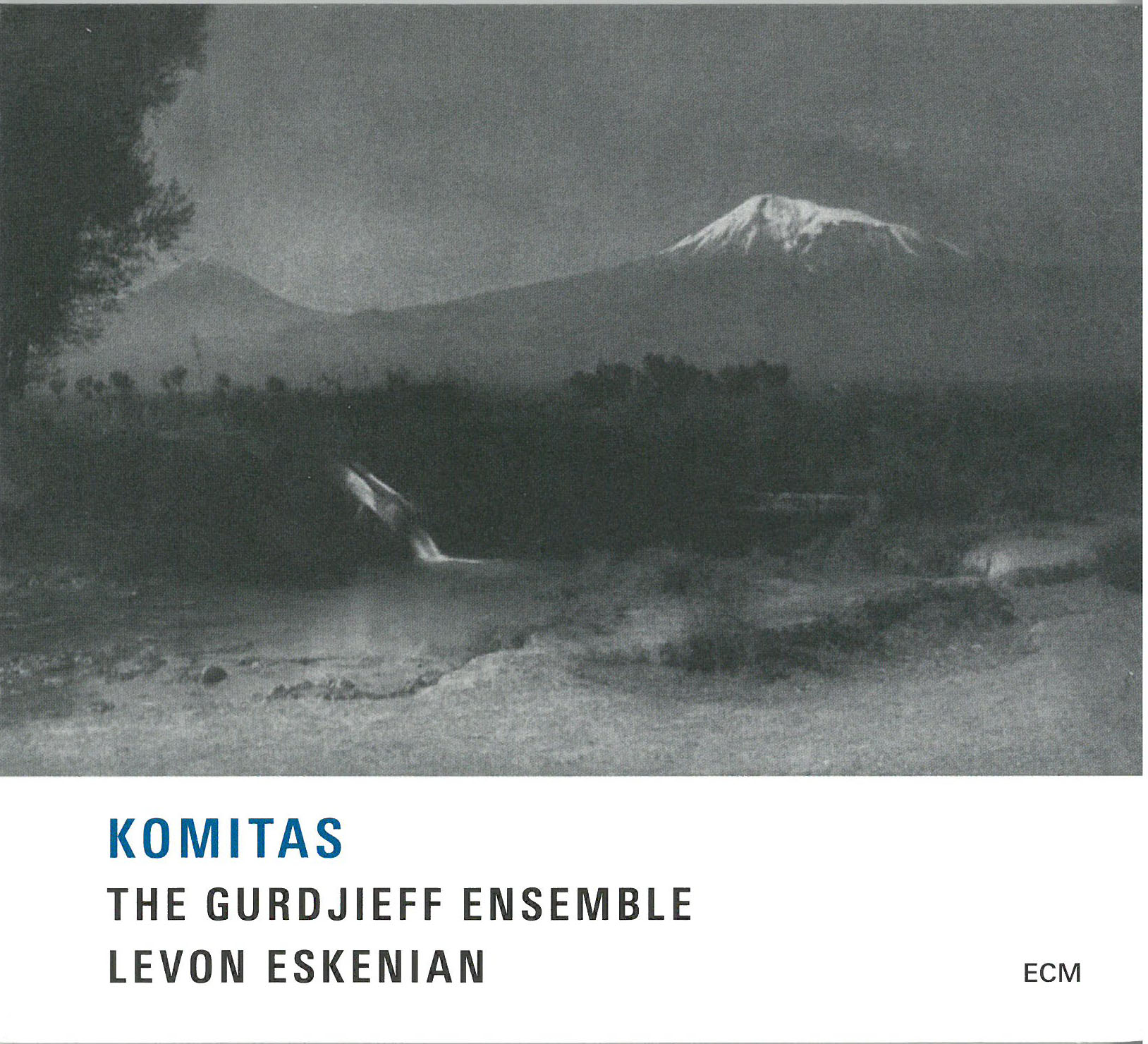
05 KomitasKomitas
Gurdjieff Ensemble; Levon Eskenian
ECM New Series ECM 2451

Komitas’ name is familiar to many local music-lovers, thanks to Isabel Bayrakdarian’s performances and CD of his songs. Soghomon Soghomonian (1869-1935), considered the founder of Armenian musical nationalism, took the religious name of Komitas upon his ordination as a priest in 1895. The priest-musician not only composed original works, but transcribed some 3,000 folk tunes, arranging many for piano, often indicating the folk instrument to be imitated by the pianist, such as the plucked-string tar, the double-reed zurna and duduk, and the tmbuk drum. These annotations assisted Levon Eskenian, director of the Gurdjieff Ensemble, when arranging some of Komitas’ folk-derived pieces for his ten-member folk-instrument group. These, then, are arrangements of arrangements, rather than any original Komitas compositions.

This is a disc to be dipped into, rather than listened to all at once, as most of the 18 tracks, like most of Komitas’ songs, are slow and sad. Only three up-tempo pieces interrupt the melancholy: the raucous Mankakan Nvag XII for reeds and drum; Lorva Gutanerg, a pogh (flute) solo; and Hoy, Nazan, a very pretty, gently flowing pogh-kanon (zither) duet. By far the longest track, over 11 minutes, is Msho Shoror, processional dance music for a traditional religious pilgrimage, now stately, now mournful, with the keening wails of zurnas and duduks, and the haunting sound of the pogh.

While more up-tempo pieces would have been welcome, this CD’s beautiful melodies and vivid, piquant instrumental timbres deliver genuine listening pleasure.

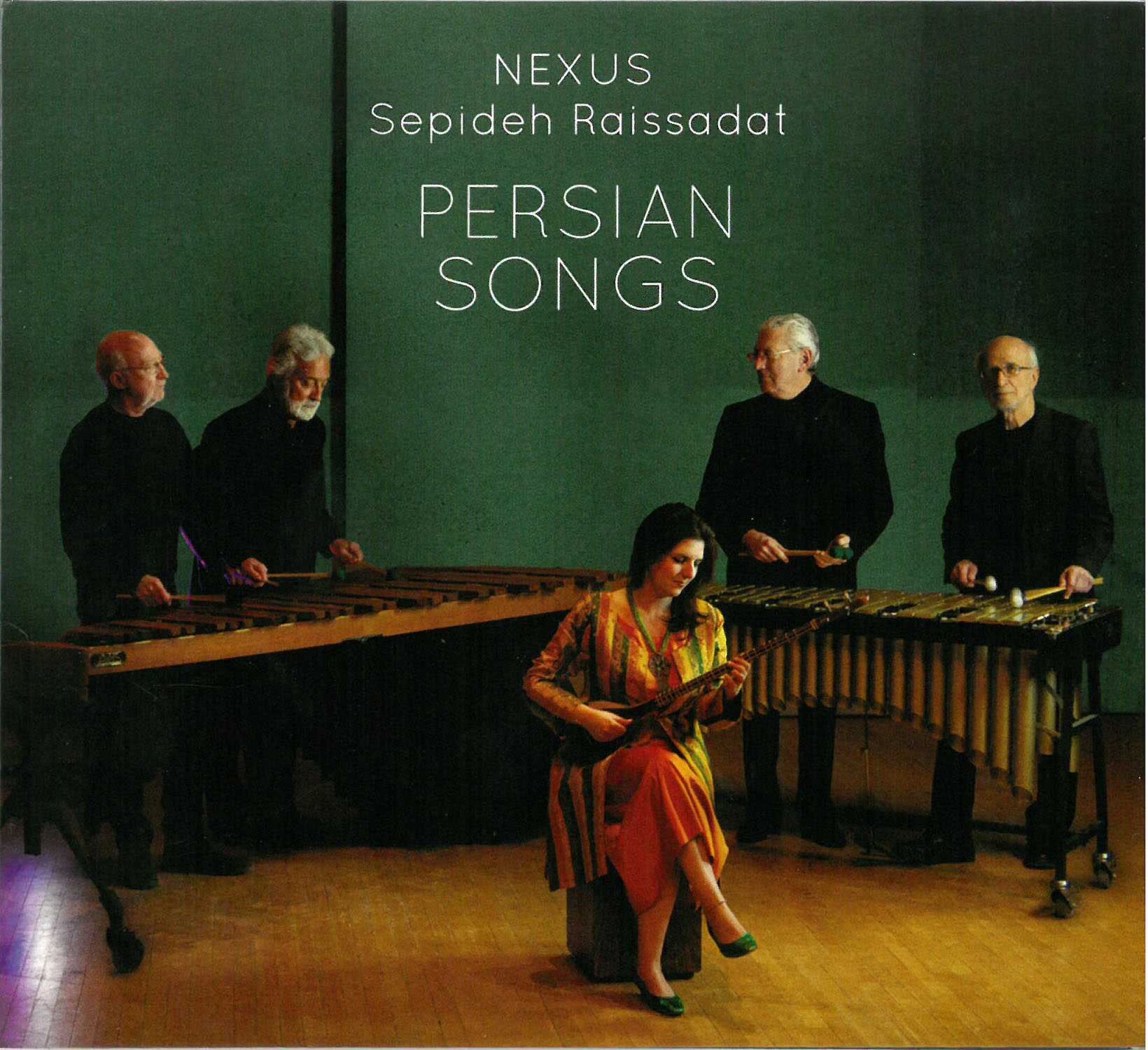
01 Persian SongsPersian Songs
Nexus; Sepideh Raissadat
Nexus 10926 (nexuspercussion.com)

Persian Songs, the 16th album on its own Nexus label (there are numerus others in addition), provides an interesting dual portrait of the veteran Toronto-based, internationally renowned group’s musical roots and multi-branched evolution. It’s also an exhilarating listening experience. Two musical suites are featured on the album, both skillfully arranged by Nexus member and University of Toronto music professor Russell Hartenberger. They provide insights into his – and the group’s – career-long investment in two (often complementary) threads: on one hand 20th century American music, and on the other, music performed outside the Euro-American mainstream.

First up is Moondog Suite, a mellow tribute to the compositions of Louis T. Hardin (1916–1999), a.k.a. Moondog, the outsider American composer, street musician and poet. His music has been cited as an influence on the development of New York musical minimalism. Hartenberger’s caring and crafty arrangements, rearrangements and adaptations for keyboard-centric percussion provide a disarmingly straightforward presentation of Moondog’s tonal contrapuntal melodies. The Suite is capped by Suba Sankaran’s cameo appearance singing the cheery I’m This, I’m That, set in a classical passacaglia form.

The album’s centerpiece is the eight-part Persian Songs, featuring arrangements of songs by the award-winning contemporary Iranian stage director, novelist and songwriter Reza Ghassemi. Musical interpretations of poems by giants of the Persian classical literary period, including Hafez, Sa’adi and Rumi, these songs are evocatively sung and accompanied on the setar by the Iranian vocalist Sepideh Raissadat. Steeped in the rich Persian music tradition from an early age, she has been called “a key figure in the new generation of classical Persian song interpreters.” In 1999 Raissadat took the bold step of giving a solo public performance at the Niavaran Concert Hall in Tehran, the first female vocalist to do so after the 1979 Iranian revolution.

Raissadat is currently pursuing her doctoral studies in ethnomusicology at the U. of T. with Dr. Hartenberger among others, just one of the fascinating interconnecting threads on this album. Hartenberger’s arrangements, Raissadat’s singing and Nexus’ precise performances culminate in eight and a half minutes of glorious music making on Az In Marg Matarsid; Bouye Sharab. It’s a powerful illustration of the vibrant and rich transcultural musical tapestry being woven right now, right here in Toronto.

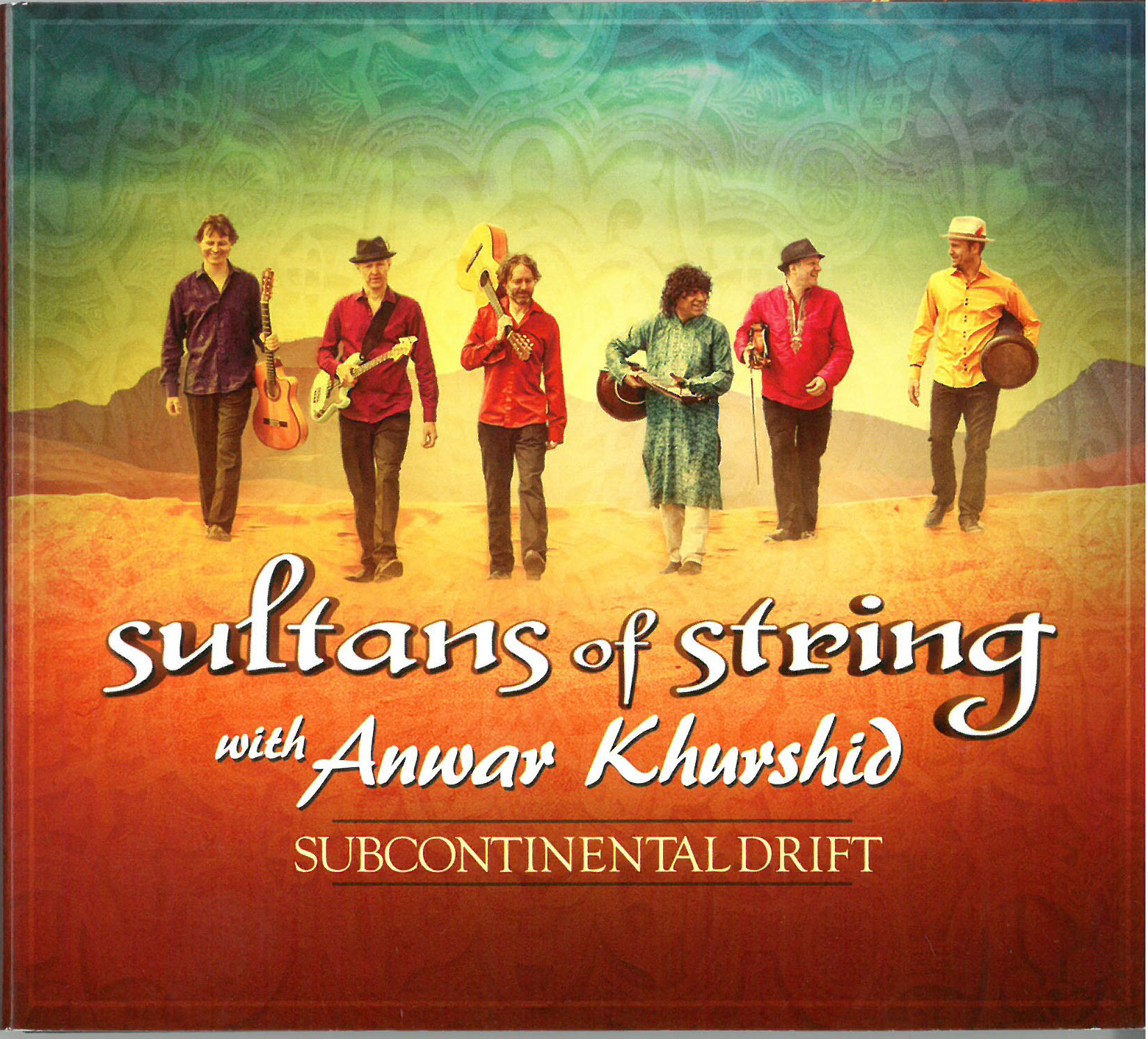
02 Sultans of StringSubcontinental Drift
Sultans of String; Anwar Khurshid
Independent MCK2060 (sultansofstring.com)

Review

World music Canadian superstars Sultans of String continue to expand their musical journey with the addition of guest sitar master Anwar Khurshid in this release. Khurshid adds energy and Eastern flavours to the already diverse-sounding flamenco, Arabic folk, Cuban rhythm, East Coast fiddling and you-name-it-sounding band. The result is perfect, joyful music performed by perfect musicians.

Founding members violinist/bandleader Chris McKhool and guitarist Kevin Laliberté along with guitarist Eddie Paton, bassist Drew Birston and Cuban master percussionist Rosendo “Chendy” Leon have created the band’s signature successful blend as heard on the rhythmical percussion-driven Subcontinental Drift and the more folksy A Place to Call Home. It is their strength of vision that welcomes Khurshid’s musicianship to all the tracks. Rakes of Mallow is an ancient Irish fiddle tune introduced to India and taught to local musicians during the English rule. Sung passionately by Kurshid, it is followed in medley form by the rollicking original Rouge River Valley. Bob Dylan’s Blowin’ in the Wind is given a timeless world beat cover. Journey to Freedom is an uplifting positive song/anthem sonic blend tracing Kurshid’s journey from Pakistan to Canada. Other special guests lending their signature sounds to specific tracks include Ravi Naimpally, Shweta Subram, Waleed Abdulhamid and a backing choir.

The production qualities feature a balanced mix and live off the floor clear tone quality. Subcontinental Drift is simply great music for all to enjoy and respect.

03 Linda McRae

Shadow Trails
Linda McRae
Borealis Records BCD237 (lindamcrae.com)

This stirring roots/folk/country project is the inspired brainchild of Canadian vocalist/composer/multi-instrumentalist Linda McRae and her husband, retired rancher and poet, James Whitmire. The material (nearly all original) is inspired by the Nashville-based couple’s life-affirming work with incarcerated, nascent writers being held in the notorious New Folsom Prison, as well as their important work with at-risk youth – many of whom contribute moving lyrics and their personal stories to this recording. Perhaps best known as a member of the platinum-selling band Spirit of the West, McRae brings to the table her well-lived-in contralto and infallibly honest delivery. Well-produced by guitarist Steve Dawson (who also serves as frequent co-writer), each tune tells a story of love, loss, regret, poverty, isolation, injustice and also grace. In addition to Dawson and Whitmire, McRae’s talented collaborators also include bassist John Dymond, drummer Gary Craig, keyboardist Steve O’Connor and an array of guests including fiddler Fats Kaplin and Ray Bonneville on harmonica.

The music here is unflaggingly authentic, deeply satisfying, refreshingly acoustic and imbued with a big dose of soul and a skilled musicality. Of special note are Linda’s biographical reverie, Can You Hear Me Calling; also Flowers of Appalachia, with lyrics by Ken Blackburn – an inmate in New Folsom Prison who became a poet and lyricist through the Arts in Corrections program – and finally Singing River, the heartrending tale of Te-lah-nay and the dehumanizing treatment of Yuchi Native Americans and their brutal relocation away from their beloved “Singing River” in Muscle Shoals, Alabama. Whether roots music is your cup of tea or not, this standout recording is a consciousness-raising journey through a challenging emotional landscape that also embraces hope and redemption.

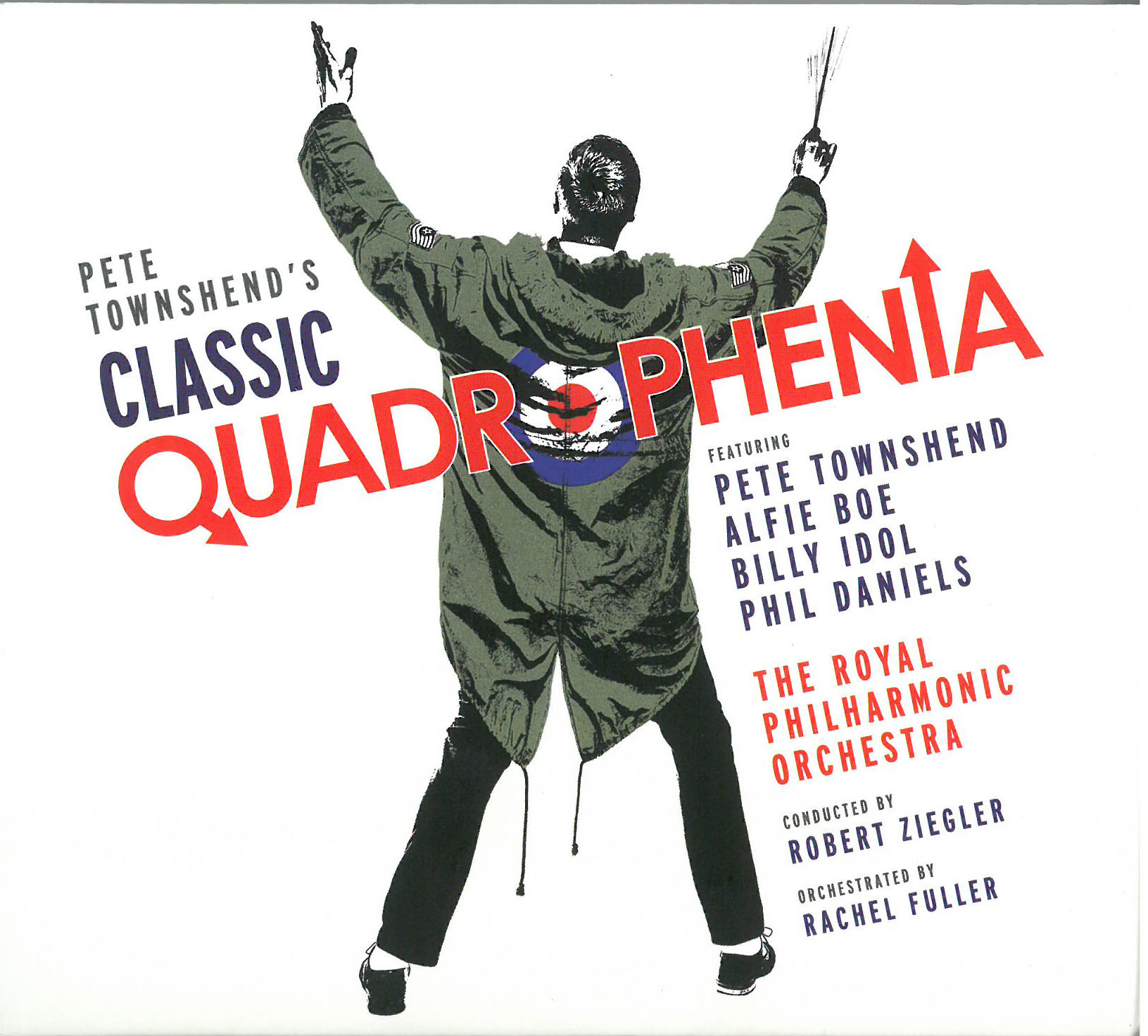
01_Quadrophenia.jpgPete Townshend’s Classic Quadrophenia
Alfie Boe; Billy Idol; Phil Daniels; Pete Townshend; Royal Philharmonic Orchestra; Robert Ziegler
Deutsche Grammophon 479 5057

British rock icon Pete Townshend has embarked on a project to arrange his music into orchestral scores for future generations to perform. The album Quadrophenia was first released in 1973 by The Who. Written by Pete Townshend, the rock opera is set during the 1960s Mod movement and tells the story of the troubled youth Jimmy. Composer, orchestrator and Townshend’s life partner Rachel Fuller took on the monumental task of arranging it for symphony orchestra, choir and singers. The resulting Classic Quadrophenia is an intriguing mix of rock anthem, movie soundtrack, Broadway musical, opera and classical symphonic overture.

Tenor Alfie Boe sings with a satisfying mix of operatic passion and rock star angst in the role of Jimmy, originally sung by Roger Daltrey. Boe makes the part his own, especially in the closing Love Reign O’er Me where his powerful expressive singing against the colourful choir washes, tinkling piano and thundering percussion transforms the rock anthem into an operatic showcase. Billy Idol as Ace Face sings with his trademark gruff presence; Phil Daniels is convincing in the part of Jimmy’s dad; while Townshend as the Godfather makes satisfying yet way too brief vocal and guitar appearances. The Royal Philharmonic Orchestra under Robert Ziegler and the London Oriana Choir under Dominic Peckham perform with joyful conviction. An accompanying DVD supports with visuals and informative commentaries.

Missed here in performance is the Who’s rock stadium energy, stage presence and spontaneous musicality, yet Classic Quadrophenia soars as a more classical music alternative.

unnamed.jpgAsia Beauty
Ron Korb
Humble Dragon 2015 (ronkorb.com)

Ron Korb’s new CD, Asia Beauty, is a charming hybrid – sad, sweet melodies with a Chinese and sometimes a Celtic feel – played on a variety of instruments, traditional and modern. Korb’s melodies are accompanied by small ensembles which include an astounding 27 musicians playing 15 different plucked, bowed or hammered Chinese, Celtic and Western string instruments, one of which is always the piano, playing harmonic progressions recognizably of the Western tradition.

Reflecting on this amalgam of East and West, Korb muses in the liner notes, “In the 1930s...Hong Kong, Shanghai, Singapore and Hanoi were meeting places between East and West. ...I wondered how the cultures intermingled and all the secret romances that must have occurred.” Later he writes about the “bittersweet feelings” and “sublime romantic tragedy” expressed by both traditional and contemporary pop Asian music. The same atmosphere is to be found on most of the tracks on this CD.

Most intriguing, however, is the Celtic influence, which never seems far away in Korb’s music, helped along at times by, but never dependent on, Sharlene Wallace’s Celtic harp and Korb’s penny whistle. In fact the Chinese bamboo flute (dizi) and the traditional Chinese clarinet (bawu) seem made for the Celtic idiom, which mysteriously and frequently appears.

Both Eastern and Western musical currents are part of who Ron Korb is as a musician and as a man. He has totally assimilated the musical language of both traditions; the result is music which is really neither one nor the other but both.

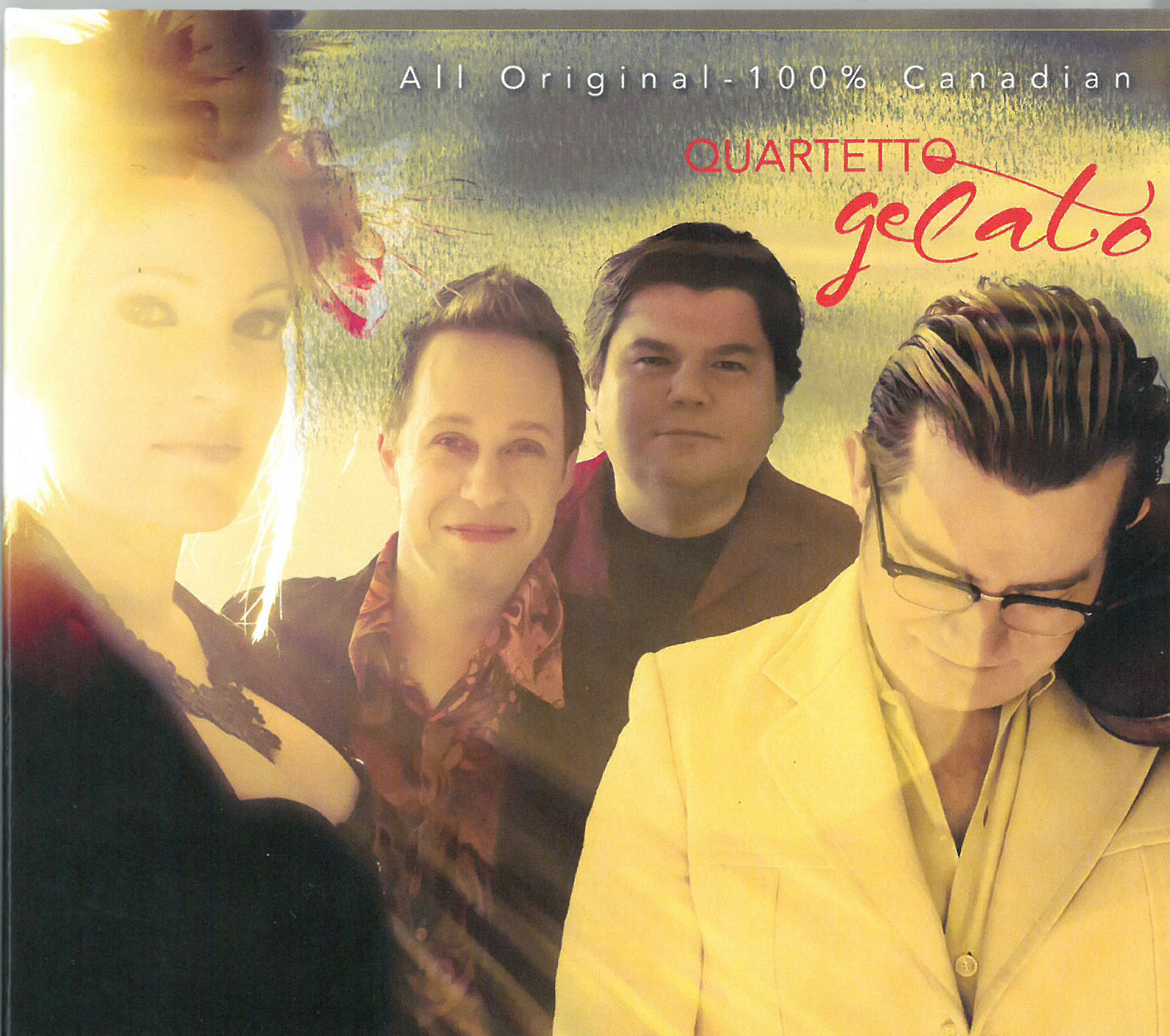
01_Quartetto_Gelato.jpgAll Original – 100% Canadian
Quartetto Gelato
QGPI Records QGPI-010 (quartettogelato.com)

There are lots of tasty delights for the ear in this new release from one of Canada’s favourite ensembles. Featuring the music of five Canadian composers, the stylistic differences of each work challenge Quartetto Gelato to pull out all the stops and prove yet again that the group can perform anything presented to them with perfection.

The current members are all musically gifted and brilliant technicians. Founding violinist/tenor Peter De Sotto, accordionist Alexander Sevastian, oboist/multi-instrumentalist Colin Maier and cellist Liza McLellan play with mutual musical respect and appreciation to detail. Cellist Lydia Munchinsky and percussionists Mark Inneo and Kevan McKenzie are welcome special guests on the tracks where they play.

The satisfying more traditional lush classical sound of Rebecca Pellett’s Una storia d’amore is chamber music at its best. In contrast, Maier’s banjo pickings support De Sotto’s happy singing in Howard Cable’s On The Crowsnest Trail. A driving rhythmic feel and dance groove highlight Hilario Duran’s Latin-flavoured Aventura Afrocubana Suite. The appealing underlying improvisational sentiment of Michael Occhipinti’s music makes his Sirocco and Ballu Di Gelato an intriguing listening experience. The ensemble shines in Jossy Abramovich’s Gypsy Fantasia with more great vocal work by de Soto and  Sevastian’s accordion finesse. More awe-inspiring zippy accordion music shines on Charles T. Cozens’ Celtic Dances.

Gelato fans should be thrilled with this new musical flavour from the always-entertaining Canadian concert stage stars!


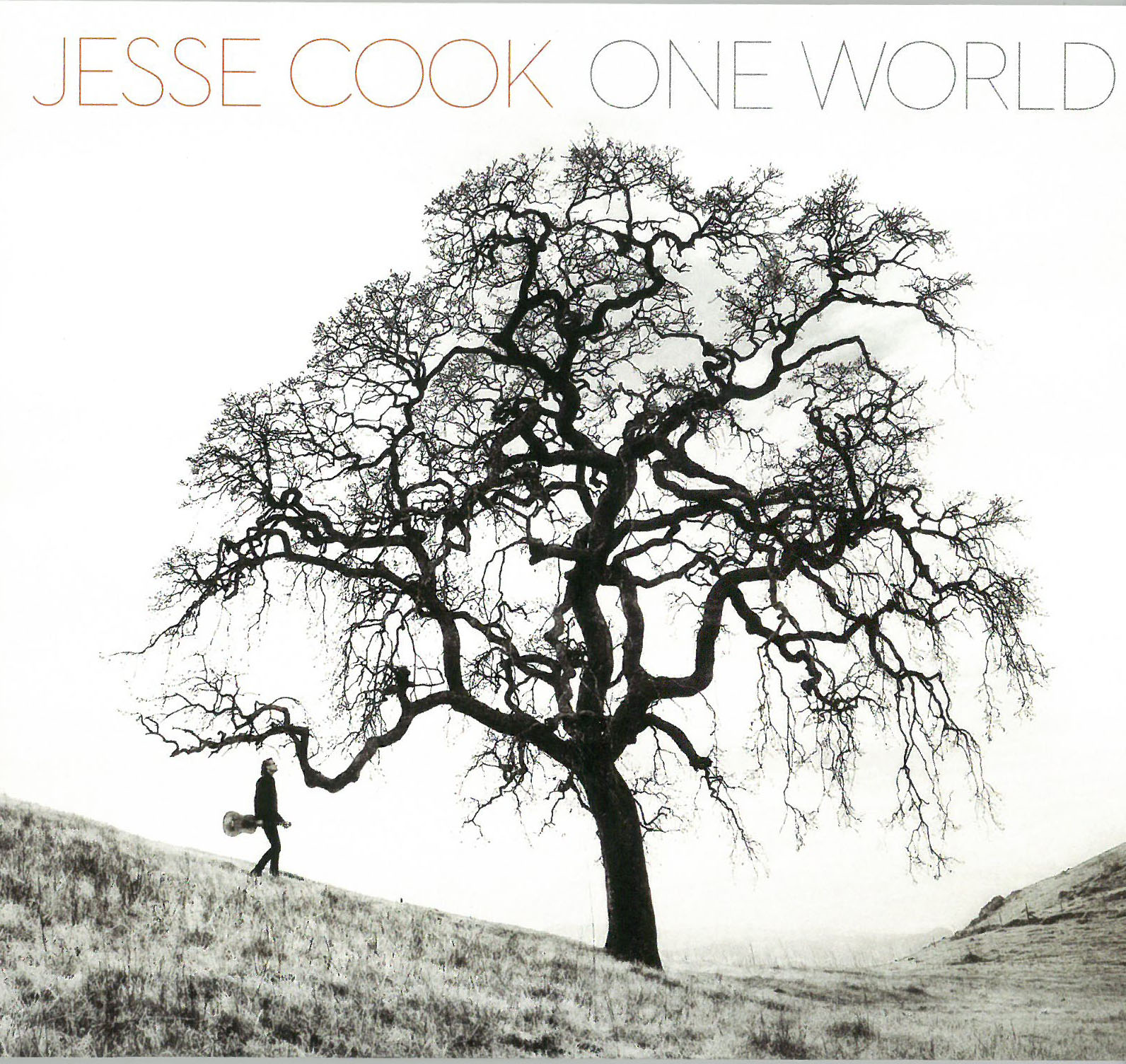
02_jesse_cook.jpgOne World
Jesse Cook
eOne COH-CD-5812 (jessecook.com)

Virtuosic, globally inspired guitarist/composer/producer Jesse Cook is known for his stellar, cross-cultural musical motifs and collaborations. His previous JUNO-nominated recording projects have sampled the sonic landscapes of such far-flung locations as Cairo, Colombia and Lafayette, Georgia. On his ninth CD, One World, the usually peripatetic, Paris-born and Toronto-raised Cook has chosen to stay in his own back yard, while still incorporating into his compositions a tasty ethno-smorgasbord, which includes sitars and violins, as well as powerful techno bass sequences and other well-placed and masterfully engineered technology.

Cook’s considerable skill as a highly trained classical, flamenco and jazz guitarist is evident throughout this fine, well-produced recording and on each composition he metaphorically crosses the Bosporus – weaving Eastern and Western musicality and instrumentation into a joyous celebration of alpha wave stimulation and artistic globalism. In describing his project, Cook has said, “The idea is that there really is just one world. If you pull your focus back far enough, you start to see all music as being branches of the same tree….”

Standouts include Shake – a pulsing and virile flamenco, infused with raga-like rhythmic patterns and dynamic percussion; the wild and trippy sub-continent techno journey of Bombay Slam and Taxi Brazil, which conjures up cinematic images of a heady cab ride through Rio. Also of note is the mystical and sensuous Steampunk Rickshaw and the Iberian-infused Beneath Your Skin. The closing track, Breath, features Cook’s pure, warm, crystalline solo acoustic guitar, leaving the listener refreshed and restored – the perfect end to this multi-sensory journey through vibrant and delightful musical exotica.


03_gypsyphilia.jpgNight Swimming
Gypsophilia
Forward Music Group FMG051 (gypsophilia.org)

In their first studio-produced release, Halifax-based band Gypsophilia grooves in many tempos and musical moods in original compositions by five members of the seven piece ensemble. From jazzy swinging tunes like Cake Walk to the klezmer/world music influences of Insomniac’s Dream and RiTiB, producer Joshua Van Tassell has captured the band’s upbeat spontaneous off-the-stage sound that has drawn big crowds to their live shows. The happy music played by the effervescent musicians is toe-tapping fun!

The producer uses his superb listening ear to create subtle instrument balances, and to add atmospheric electronic sound effects. From the guitar reverb in Boo Doo Down to the washes of electronic sound in the dark mysterious bass opening of RitiB, a new band sound evolves. The slower Deep Water is especially successful with these effects. A gorgeous opening violin solo line is supported by a wash of wind-like sounds to create a sitting-outside-by-the-lake effect that the other instruments evoke as the work progresses.

All the players are great, with special mention to trumpeter Matt Myer in the opening wah-wah section of Long Shadows, and double bassist Adam Fine, both in his solos and his backing lines in each track. Though running around 40 minutes, this short yet sweet and bopping Gypsophilia release showcases a great tight creative band developing into an even greater one.


Back to top