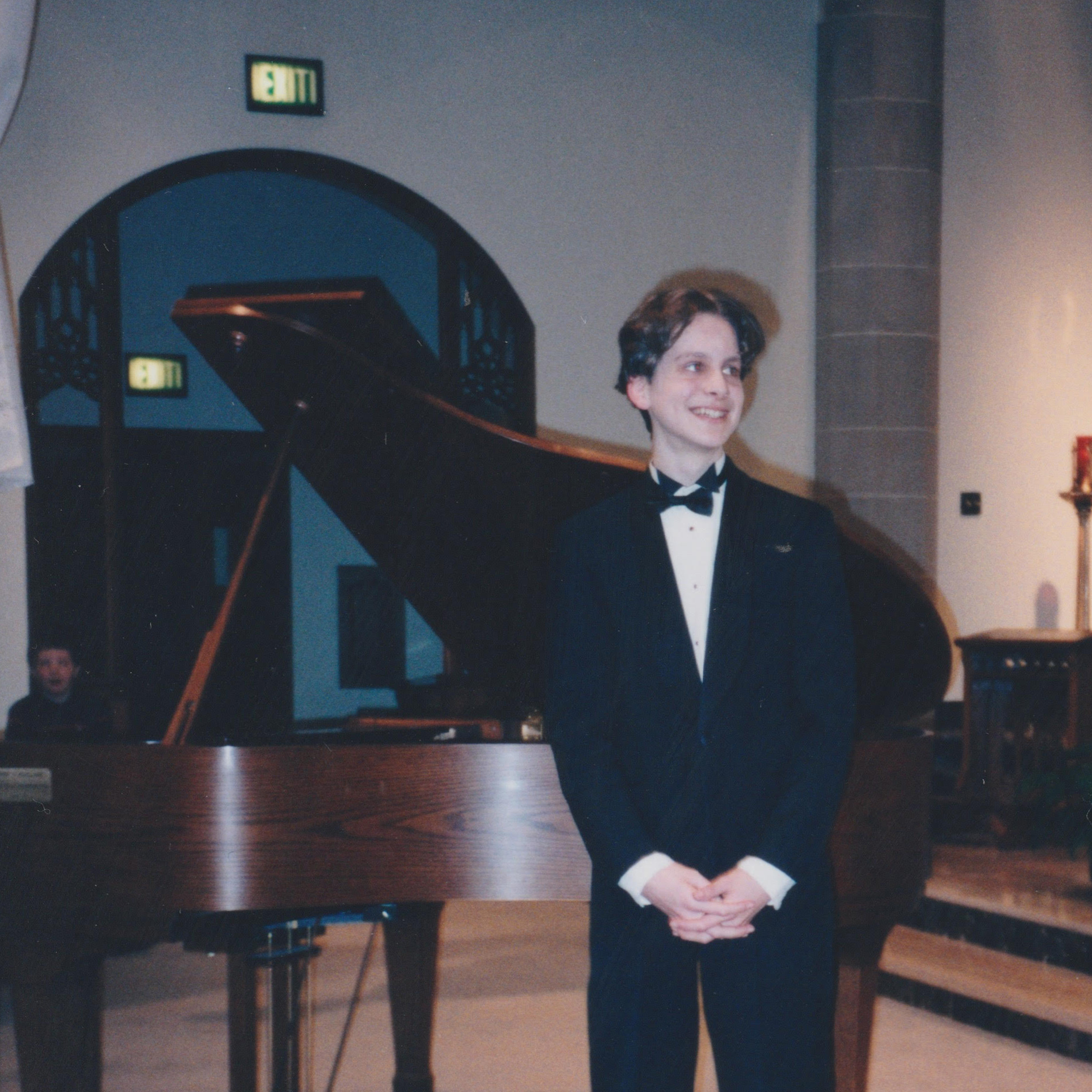
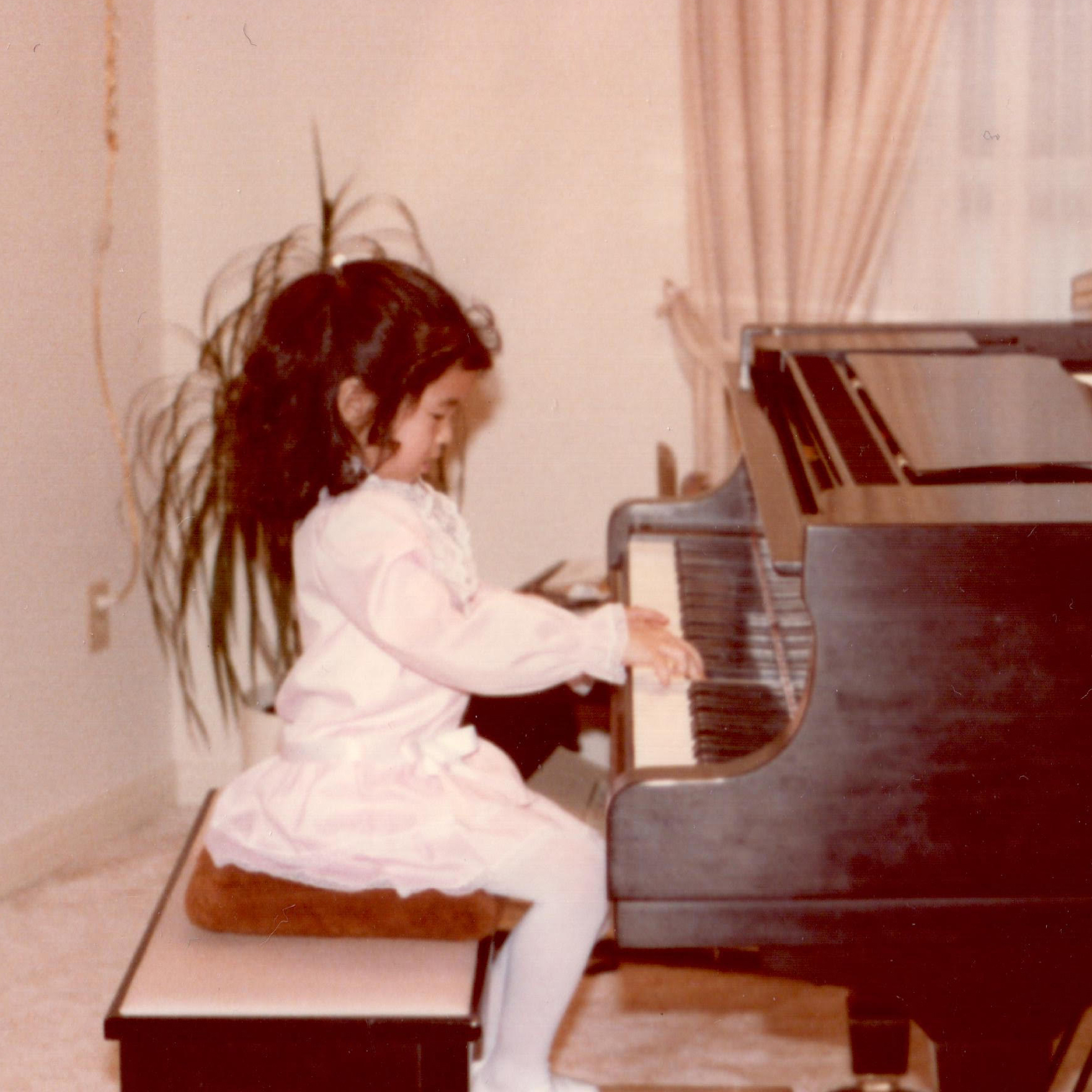
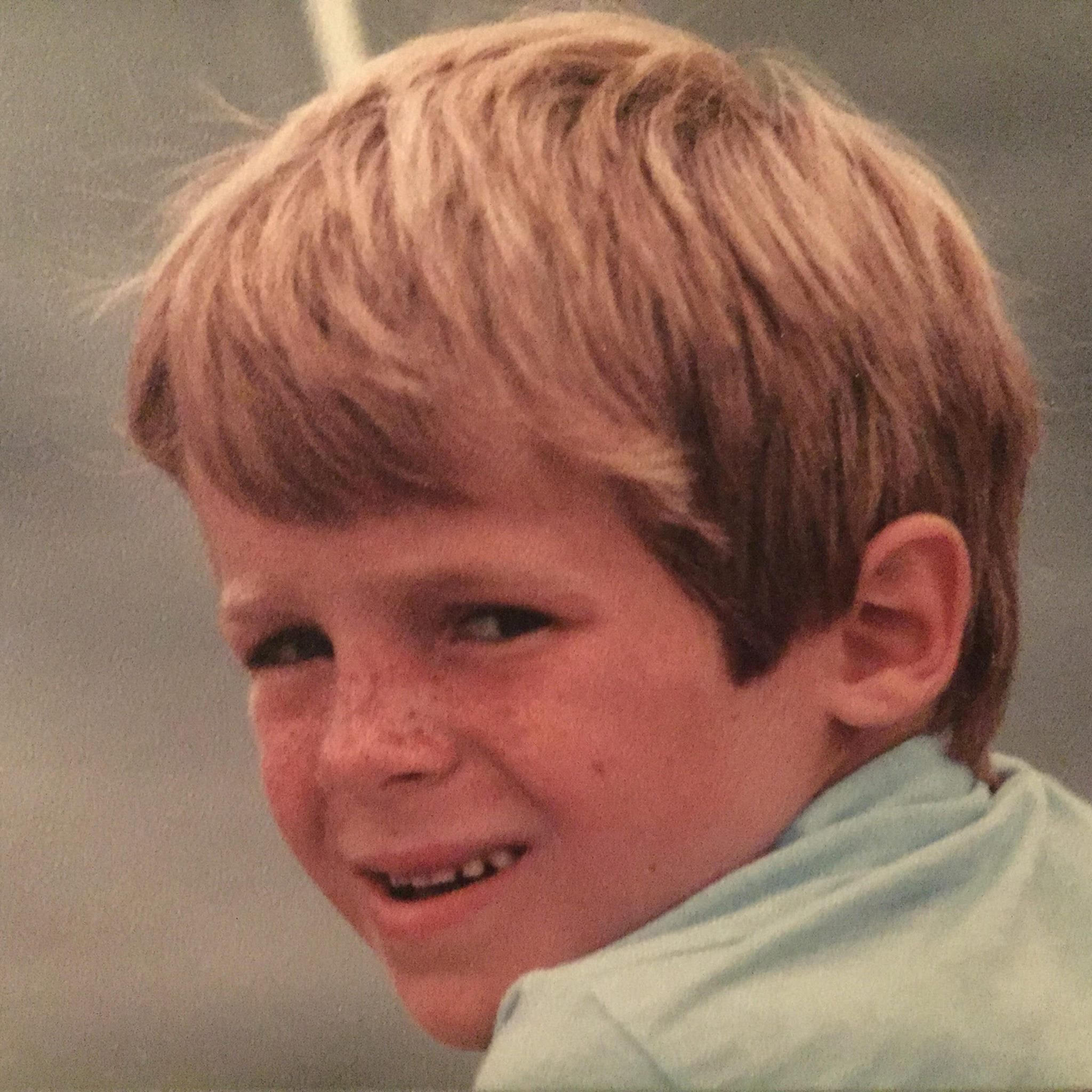
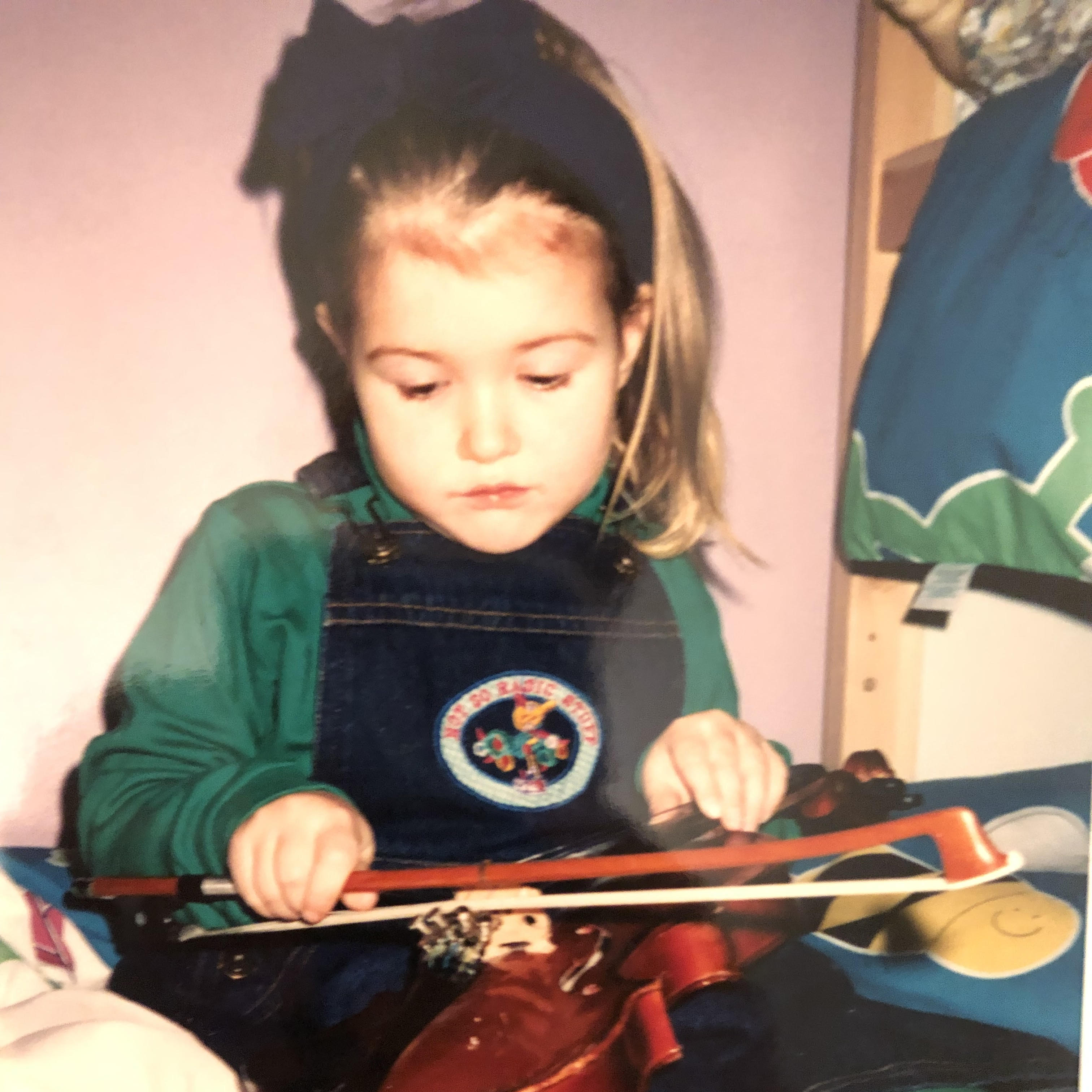
New Music Concerts’ third concert of the season is “Serious Smile” directed by Brian Current, on Thursday February 13, 8pm (with an introductory chat at 7:15pm) at Harbourfront Centre Theatre. “We showcase the future of NMC by celebrating talented young composers and the latest in mind-blowing technology. We top it off with the stellar Chamber Concerto (1970) by Gyorgy Ligeti. If you have not heard this piece live, this is your chance!” MARY LOUIS and CHRISTIAN MUELLER each win a pair of tickets.

But meanwhile, you can hear the RCM Glenn Gould School’s New Music Ensemble concert “For Michael Colgrass” on Sunday, January 19, at 1pm in Mazzoleni Concert Hall, curated and conducted by Brian Current. In honour of Colgrass they will play a world premiere of Bestiary I & II by Bekah Simms for soprano, ensemble and electronics; Gabriel Dharmoo’s the fog in our poise; and the North American premiere of Aguas Marinhas by Miguel Azguime. The tickets to this concert are FREE, but will go quickly. Get yours starting Monday January 13!
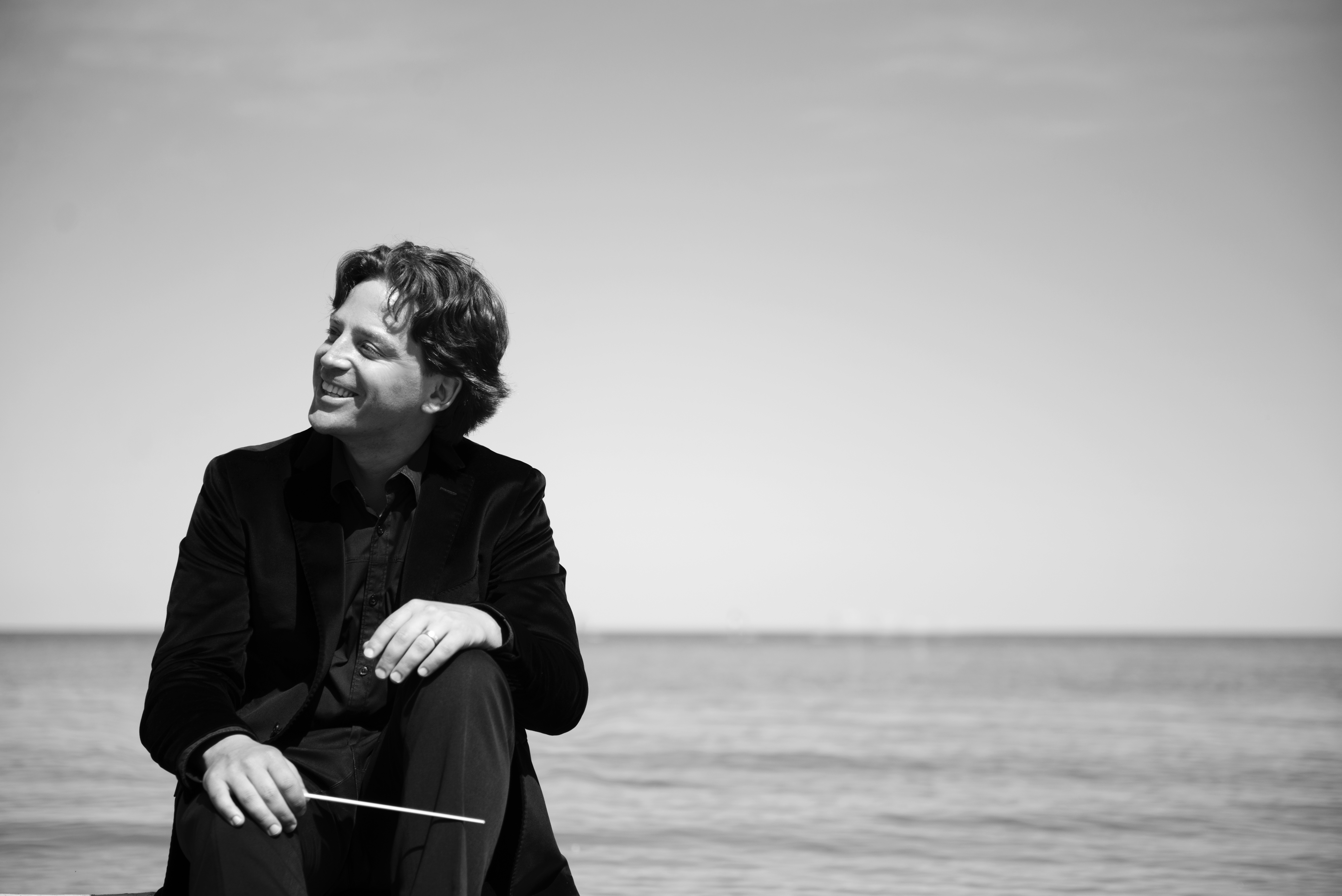
Brian Current is a proud Toronto resident who bikes around to rehearsals. He has three kids, a ridiculously accomplished wife and a small white dog. Outside of music he enjoys time with his kids, reading, travel and playing (but not watching) hockey. Photo by Bo HuangComposer and conductor Brian Current is co-artistic director, along with Robert Aitken, of New Music Concerts and has been composer adviser for the RCM’s 21C Music Festival. He’s the director of the New Music Ensemble at the RCM Glenn Gould School, and the main conductor for Continuum Contemporary Music.

As a conductor he leads a wide range of 20th/21st century repertoire, and is the champion of close to a hundred works by Canadian composers including commissioned premieres by Linda Catlin Smith, Brian Harman, Christopher Mayo, Bekah Simms, So Jeong Ahn, Andrew Staniland, Alice Ho and many others.

Current’s compositions are programmed frequently by major professional orchestras, opera companies and ensembles across Canada and internationally. The Naxos recording of his opera Airline Icarus won the 2015 Juno Award, Classical Composition of the Year. He was the inaugural winner of the Azrieli Commissioning Competition in 2016. Current’s 2017 opera, Missing, with Métis playwright Marie Clements, is about Canada’s missing and murdered Indigenous women. Missing has just completed a tour of Victoria, Regina, and Prince George and was featured on our November 2019 cover.
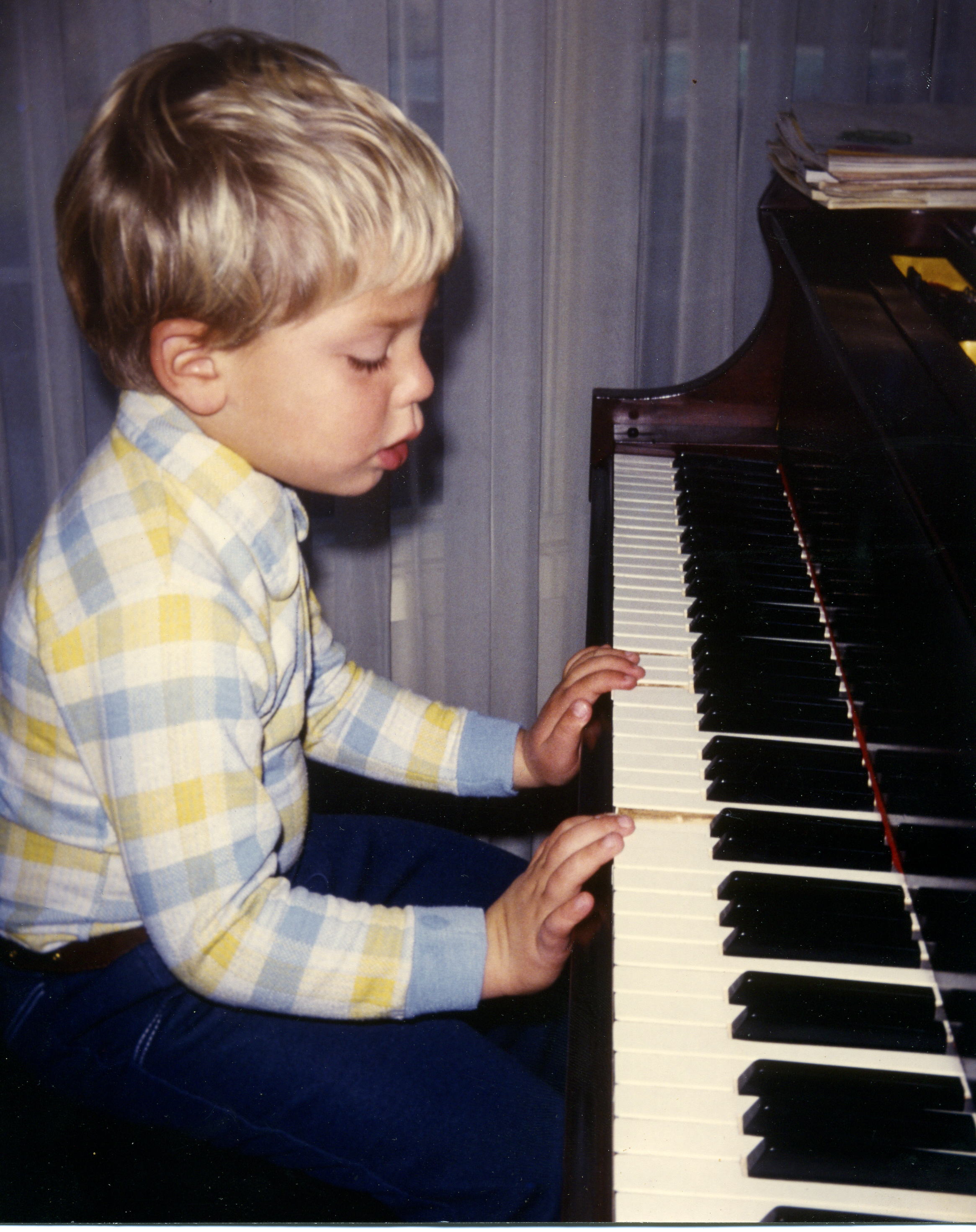
"I’m so grateful that my parents made me practise - I still use the piano in my work every day"Current was born in London Ontario, and grew up in Ottawa with his older brother Grant and younger sister Catherine. “Both my parents and siblings are very musical. My parents still sing in the Ottawa Choral Society. They may be its longest-serving members. My Dad played Gershwin and Chopin at our living-room piano, and my Mom still plays piano in retirement homes around Ottawa.”

If a friendly child asks what your job is? I draw the music so people know what to play. I also wave my arms so people know when and how to play it.

Where did hearing music fit into your life, growing up? In the car with my parents. Listening to my 80s cassette Walkman while delivering The Globe and Mail (before 7am! Ottawa winter!) as a teenager.

Your very first recollection of making up music yourself? Trying to fake out my mom by pretending to practise Mozart and Beethoven, but rather attempting (poorly) to improvise in that style. She knew.

First instruments other than your own voice? Piano, guitar and euphonium.

A first music teacher? I’d go to the home of Karen Sutherland who was a fantastic local teacher with a half-dozen children of her own.

Early collaborative experiences? My first ensemble experience was as a choirboy at Christchurch Cathedral where the starting salary was $2.10 per week.

After high school? I didn’t know that formal composition as an art form was a thing, but I nevertheless somehow convinced my parents that I should study piano and composition, rather than commerce, at McGill.

When did composing music arise? I knew before high school that I wanted to compose but didn’t know about any existing practices until John Rea inspiringly introduced the composition world to us in a third year undergrad introduction class at McGill.

When did you first conduct? I wrote a piece for tenor, bassoon, overtone singing, bowed banjo and piano and needed to put it together for a concert, and just did it. The first time conducting professional musicians was the National Arts Centre Orchestra in my 20s and it was terrifying but a huge learning experience.

Experiences that formed your adult musical appetites? When I was in the Ottawa Youth Choir, we performed Michael Colgrass’ The Earth’s A Baked Apple which was like music from another planet at the time, and in retrospect was a fantastic introduction to contemporary music.

When did you began to think of yourself as a career musician? 
I still don’t know about this. It remains a struggle. We should all ask ourselves every five years if this life is for us.

Ever think you would do something else? My secret other fantasy job is to be a political journalist in foreign countries for Harpers, The Atlantic, NPR.

Music-making in your own family today? My three kids take piano and violin, but I don’t push them to be professional musicians. More, I would just like them to get a glimpse of the world that I work in daily and love. When the kids were little – one still is – we would listen to Bach’s Well-Tempered Clavier, or the Goldberg Variations every night as they went to sleep. We would listen to the same pieces for years and not get tired of them.

What should we say to parents/grandparents hoping their young children will grow up to love and make music? They won’t regret it if they take music lessons, or if they are introduced to great works.
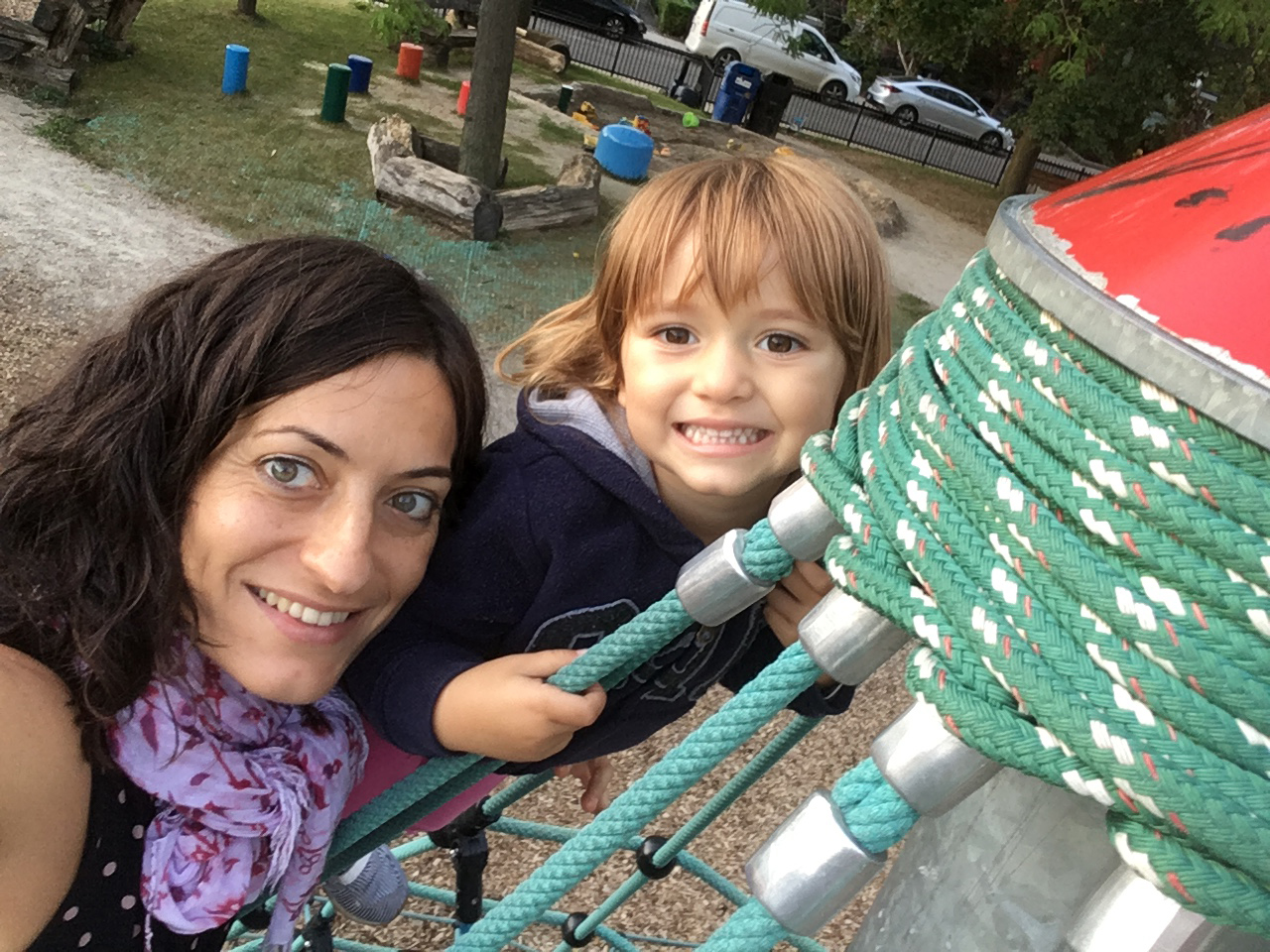
Elisa and OliviaMusic Director of Tafelmusik Baroque Orchestra since 2017, Elisa Citterio moved from her native Italy to live in Toronto with her partner and their child, three-year-old Olivia.

Where does making music fit into your child’s life? Music is a form of play for me and Olivia, we do it every day at home. We sing together, we play with small instruments, as well as on a small violin. We pretend to do lessons in a very fun way. She has attended group music classes since age two, and we are planning to start regular violin lessons soon. Olivia also comes to Tafelmusik concerts and rehearsals and joins us on tours, so she is surrounded by music and musicians.

What would you say to people hoping the young children in their lives will grow up to love and make music? As a child, I fell asleep with the sound of Chopin or Bach or Mozart playing on the radio. Musical language enters children’s brains on a subliminal, cellular level. My parents never insisted that we play or study music. It was in the air we breathed. Music education is very important, especially if it is sensitive and subtle.

I would love to see families with young children attending live concerts of any kind on a regular basis. We had a great experience with this recently at Tafelmusik’s Fall Social, a family friendly concert, and I was glad to see so many children there. Music, especially live music, has a deep effect on children, both cognitively and emotionally. In addition to developing cognitive capacities, music provides an important example: watching a group of musicians performing together instills an understanding of a collective effort towards a single goal.

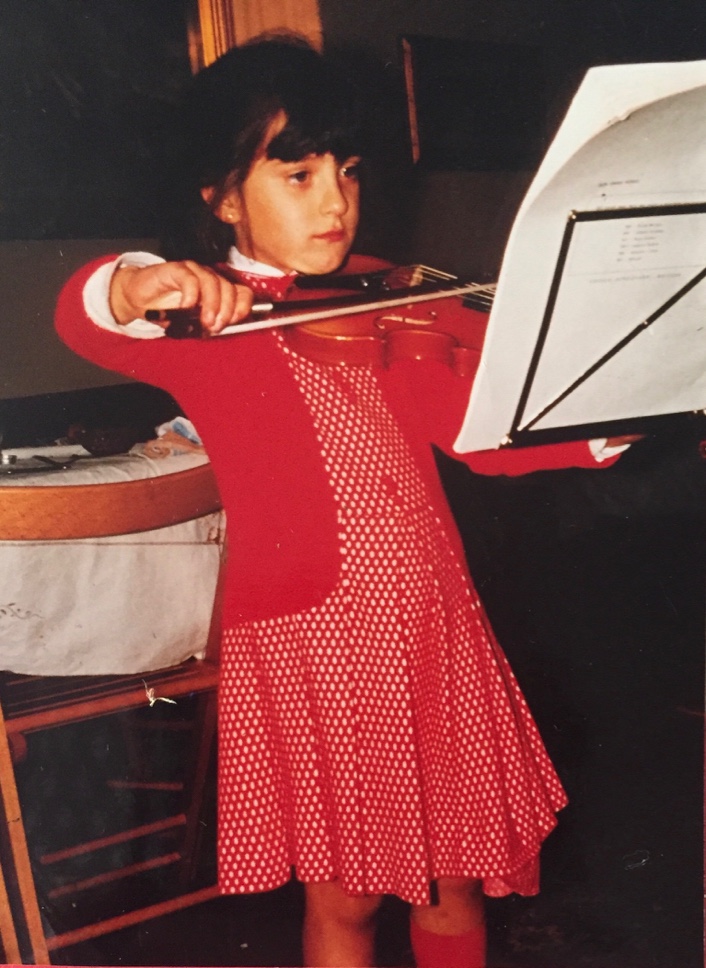
Elisa Citterio as a childLooking back at yourself …? Violin isn’t an easy instrument at the beginning, and it takes years to get a nice sound. But I also remember how much I enjoyed walking around with my small violin case! I’d like to ask her which piece of music she was playing because I can’t remember it. I would encourage her by saying that music is the best way to connect with oneself.

Just the basics … I was born and raised in Brescia, an Italian city just east of Milan. My mother is a pianist and composer who taught music privately and in middle school and my father was a bank employee, now retired. He has been an amateur painter since his youth. I have a brother and two sisters, and music was a big part of our lives growing up. We had a lot of fun playing together, especially when I used to sight read accompanied on piano by my brother. We didn’t play all the notes correctly, but we played like actors in a show! All of us now work professionally in music.

Your earliest memory of hearing music? The sound of my mother playing the piano. In addition to being a composer, my mother plays piano and taught it and I remember hearing the sound of her playing in our home. Anyone who spent time with my mother fell in love with classical music. Music, both live and recorded, was constant in my childhood home. In addition to hearing live music played by my mother or siblings, I would hear music on the radio, which my mother had on most of the day, tuned to a classical station. My lullabies were symphonies by Mozart or Shostakovich. My brother and his friends experimented with jazz, and I have clear memories of listening to them as they practised “Autumn Leaves.”

Your very first recollection of making music? After seeing an orchestra on TV at the age of five, I became fascinated by the violin. I begged my parents for a violin of my own and the next day, they presented me with a tiny quarter-size instrument, which I began learning to play with a violin teacher. I also played piano from an early age. And singing? Yes, in the choir at the Conservatory.

First music teachers? I started with piano before the age of five, which is when I became interested in the violin. My first music teacher was my beloved Aunt Anna, who taught me piano. Then I started violin with an elderly violinist in Brescia. I didn’t have a great time studying with him, and at age ten switched to another teacher who I loved and who inspired me. There is a test at the end of the eighth year of violin study which includes viola playing. I liked it so much that later I also got a degree in viola (in addition to violin).
My new viola will be ready soon!

First performances? My mother organized concerts every year with her students, and I played every time on both piano and violin. The first time I probably played a Bach minuet on the piano, and a violin concertino by Küchler. My first professional performance was the award ceremony of a violin competition: I was 12 and
I played an easy Vivaldi concerto.

When did you begin to think of yourself as a career musician? Probably around the age of 16, when I gave up my piano studies to focus solely on the violin. I’ve never thought about doing anything else!

UPCOMING … There’s so much I’m looking forward to, it’s hard to pick highlights! In October, in addition to “Baroque Roots,” we’re doing several community concerts around Toronto including one for asylum seekers at Toronto Plaza Hotel, a family concert at Cloverdale Mall, a Nuit Blanche performance at the Aga Khan Museum, and “Café Counterculture” – our first Haus Musik of the season at the Burdock Music Hall. In November: our first Europe tour in several years, and I’m thrilled to have this first opportunity to work with soprano Karina Gauvin. We’ll perform in several cities in England including London’s Barbican Hall, also in Bruges, Belgium.

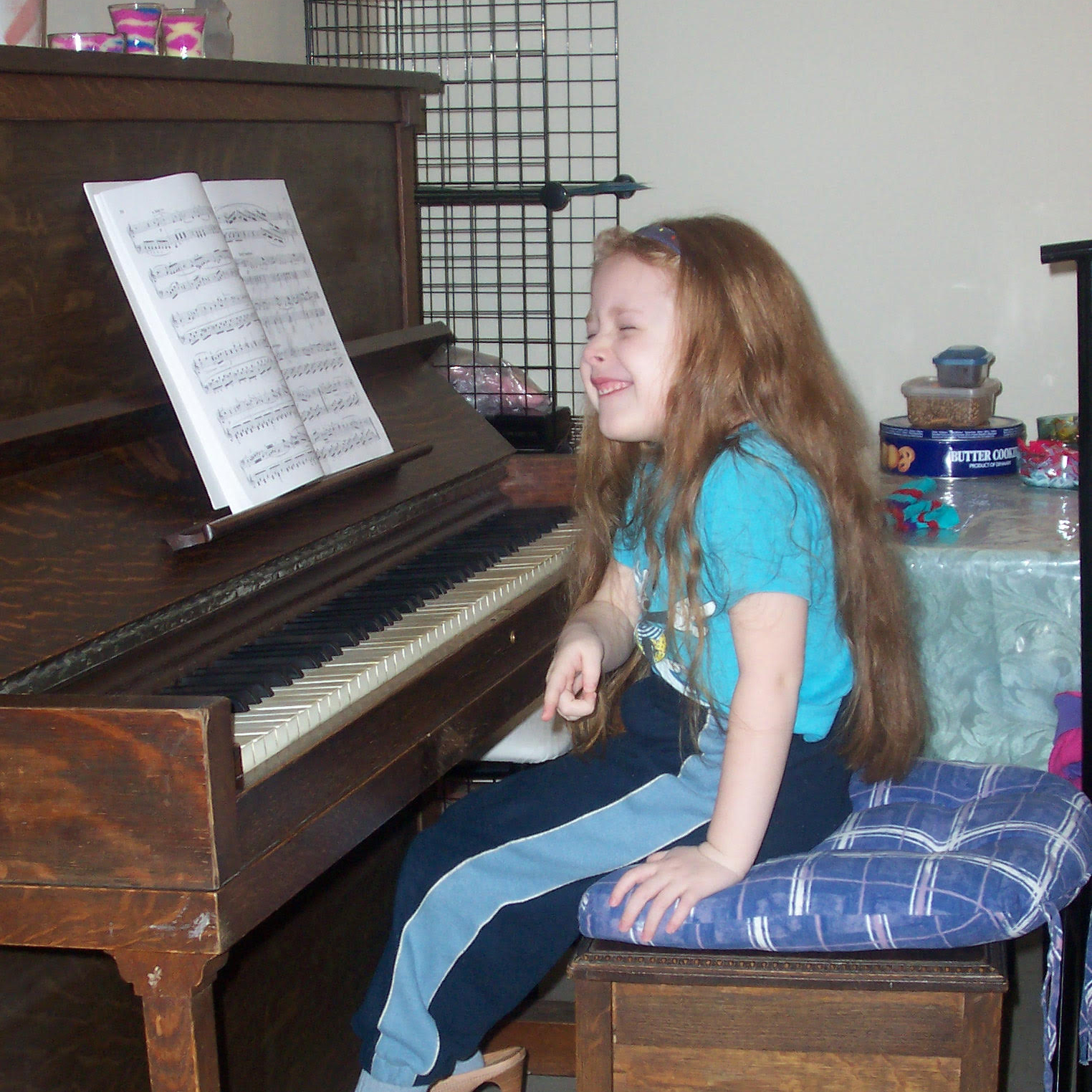
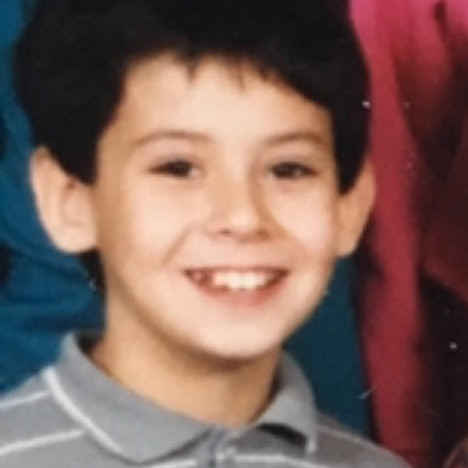
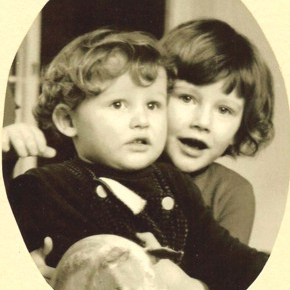
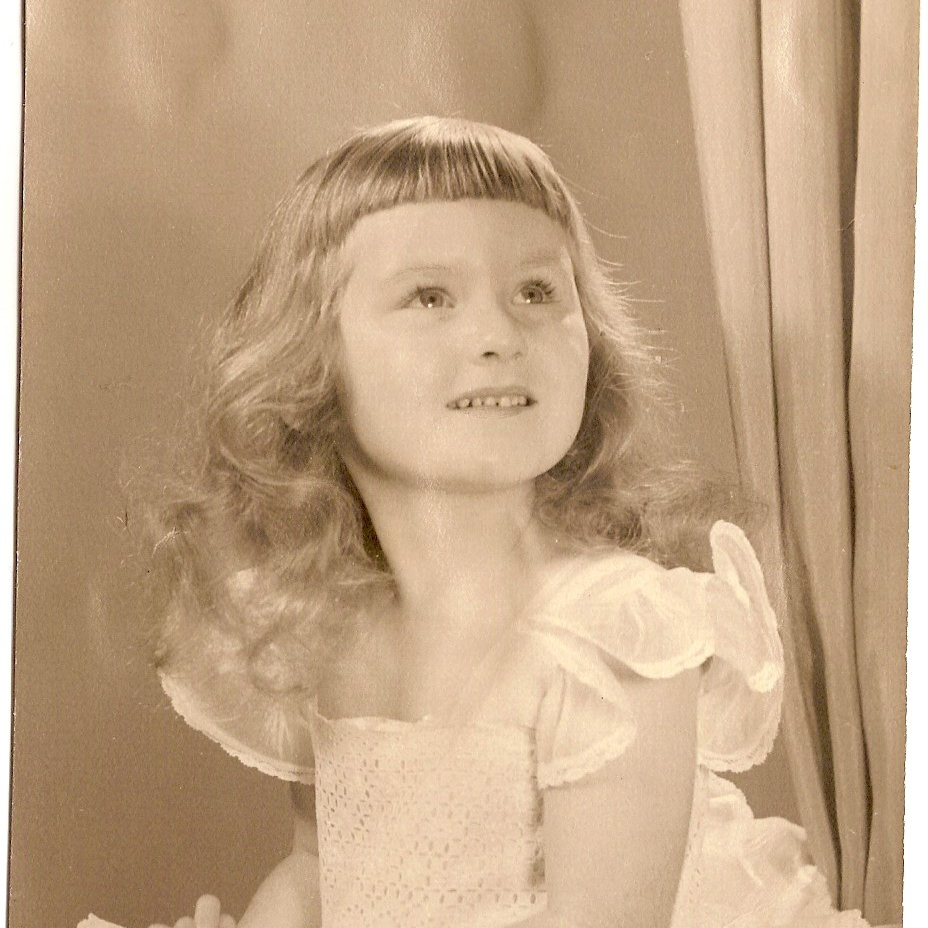
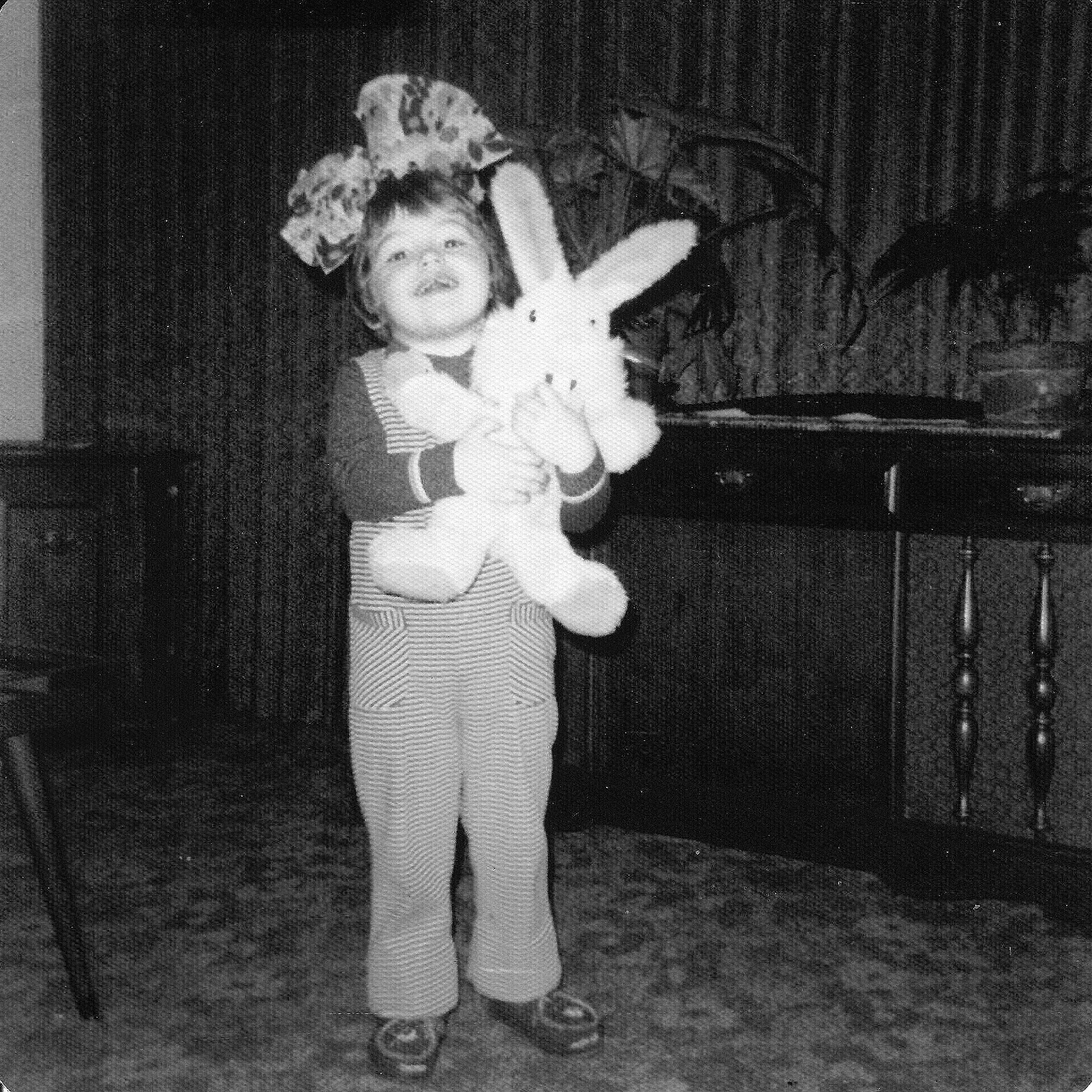
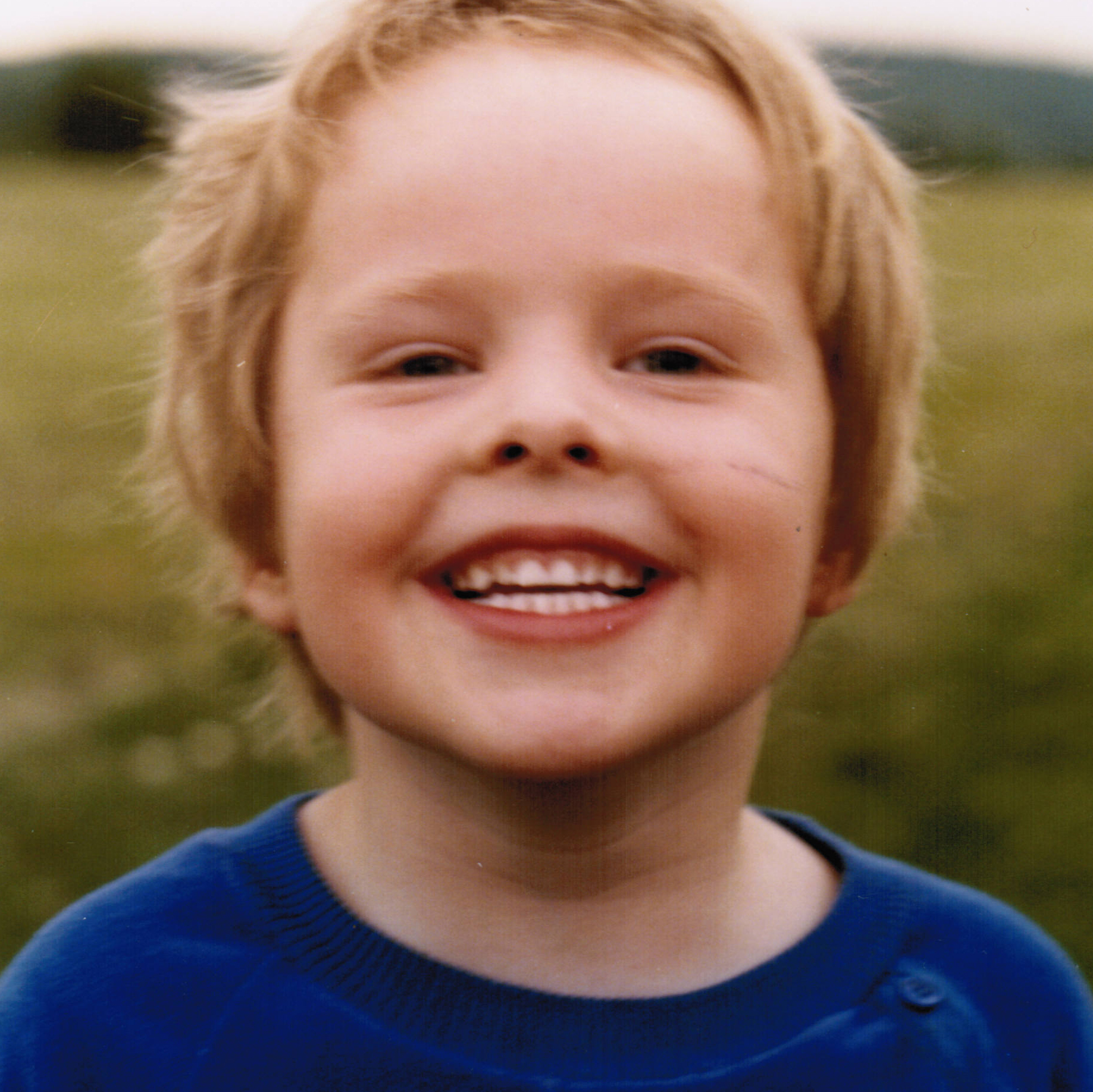
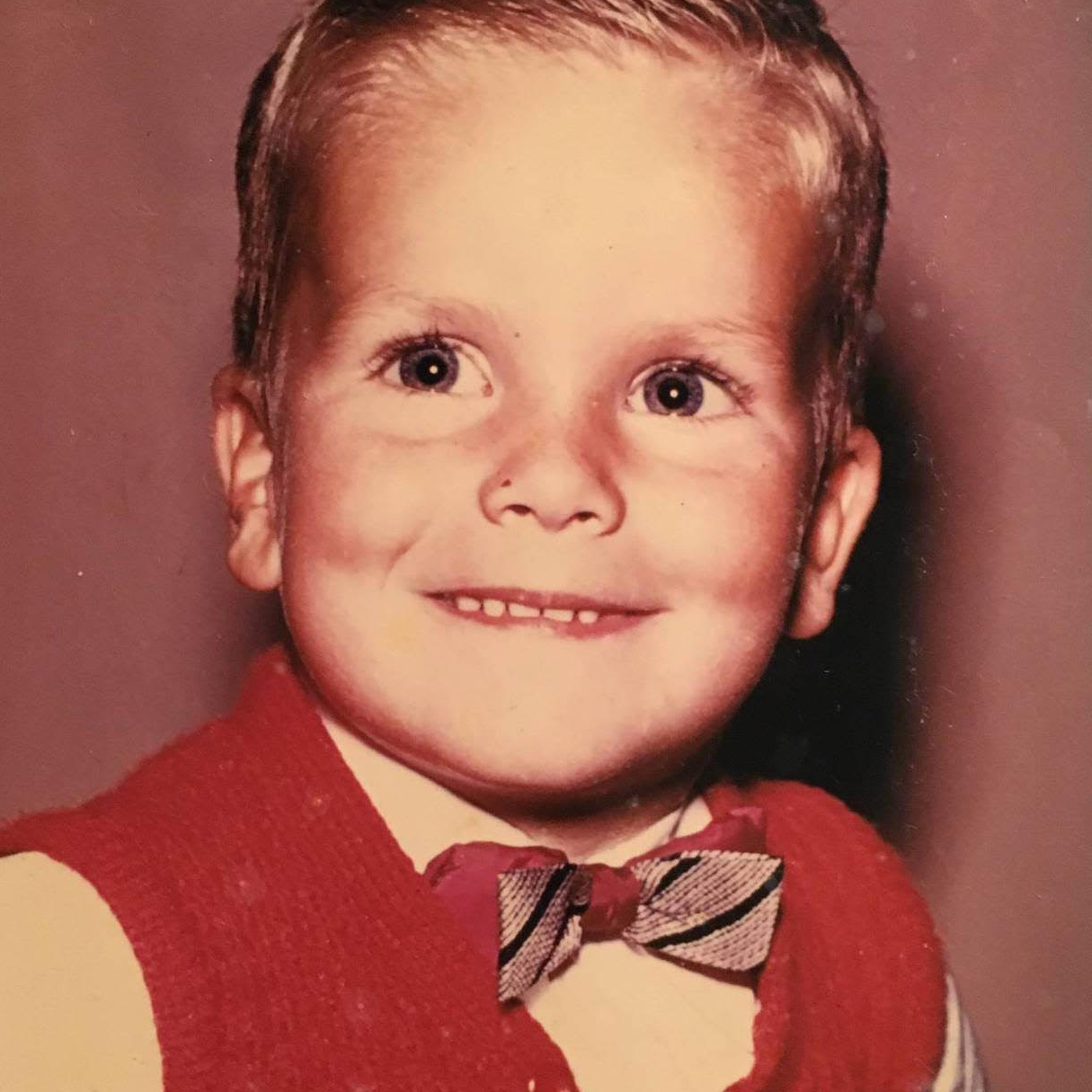
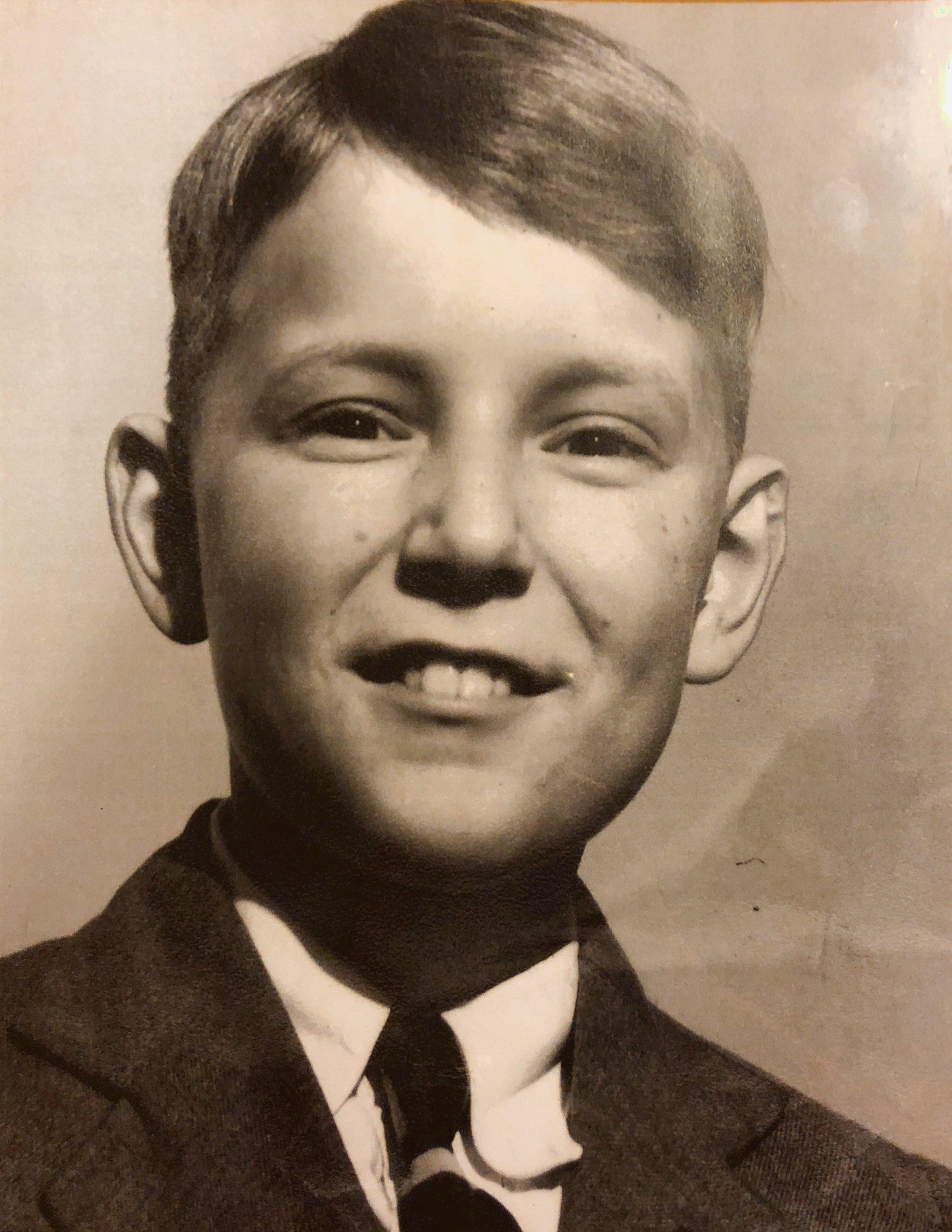
If you’re a new reader, a word of explanation is in order. In our regular photo contest, We Are ALL Music’s Children – now completing its 16th season – readers identify members of the music community from a childhood photo, for a chance to win tickets and recordings.

Who are September’s Children? And why are there SIX of them?

1997 in Windsor ON.In addition to leading this ensemble I’m also artistic director and founder of a new classical, world and jazz music festival in Ontario (Jul 18 – Aug 11). I’m excited to perform at its opening concert in Beethoven’s Choral Fantasy and then on August 9 with the Rolston String Quartet.

1983 in London ON. This summer: Toronto Summer Music Festival, Victoria Summer Festival, Edmonton Summer Solstice Festival, Kincardine, Waterside, Leith, Ottawa’s Music and Beyond. Plus an All-Beethoven Cello Sonata Cycle in Hamilton and KW, and a recording of EMIC’s Mosaïque Project.

1982 in the village of Paspébiac QC.I’ll be at the Montreal Chamber Music Festival in June; then I’m teaching at the Orford Music Academy; solo recitals in Ottawa, Saskatoon and Vancouver later in the summer, before a recording session for ATMA in early September.

1994 in Montreal QC.Dad really wanted it to be violin. My summers at the Eastern Music Festival in Greensboro NC are full of collaborative music, whether I’m performing, teaching, or going to concerts!

2005 in Toronto, ON.This summer will be a bit of a rollercoaster with projects all over – in Norway, France; and also finding time to prepare (and eat) some amazing food with my loved ones, read some books, and try out the newest ride at Canada’s Wonderland!!

1987 in Burnaby, BC.I will be in Desolation Sound and Gulf Islands, BC, where I study and prepare material, hike, swim, and BBQ with meticulously selected European red wines!

Think you know who they all are AND the name of this re-launched ensemble, now in its first season? WIN PRIZES!

Send your best guess by August 24 to musicschildren@thewholenote.com

Previous artist profiles and full-length interviews can be read at thewholenote.com/musicschildren.

Or — you can view them in their original magazine format by visiting our online back issues https://kiosk.thewholenote.com

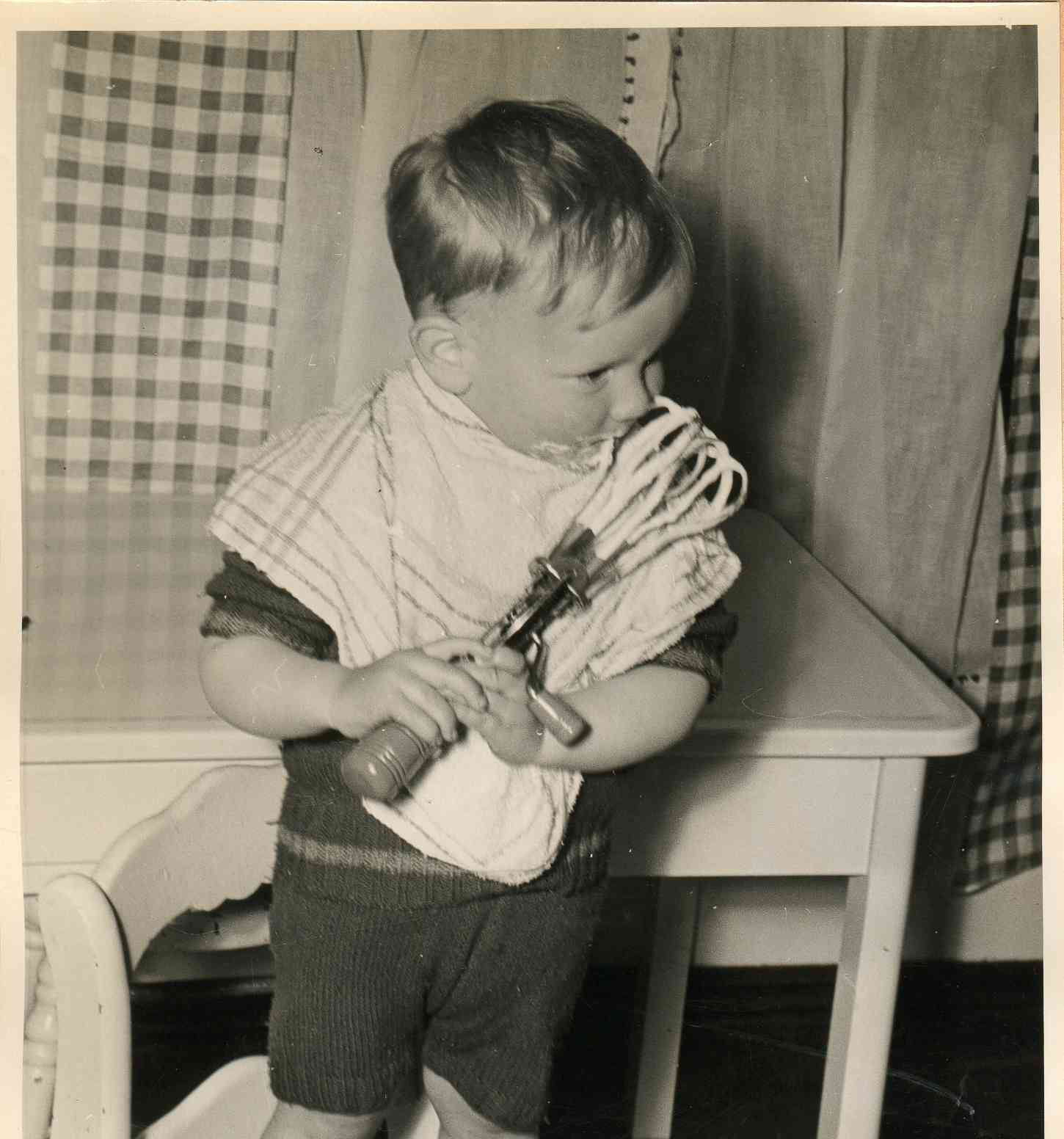
Robert Aitken, Nova Scotia, circa 1935We launched this contest in September 2004 (VOL 10 No.1) in an article called Music Education: Choosing a Path. We ran this photo of four-year-old Robert Aitken and the clue ”An early taste for his instrument.” Aitken was in fact licking whipped cream off an egg-beater but holding it just exactly how a little kid might hold a flute, with the kind of focused pleasure we hope to see when children first experience music-making.

It’s kind of amazing, but that was nearly 15 years ago, and here we are in April 2019. Since then in almost every issue we’ve tempted readers to identify a member of the music community from a childhood photo with a chance to win concert tickets and/or recordings. We follow up with a profile that looks at music in that artist’s childhood, and announce the contest winners.

Where we all win is in better understanding the many things that can make a difference in their early years if people are to have musical lives. Some simple examples follow.

In April 2006, conductor David Fallis talked about Lloyd Bradshaw, the choirmaster of St. George’s United Church Boy Choristers. “Through him I became a founding member of the Canadian Children’s Opera Chorus, and had such fun in the O’Keefe Centre in La Bohème, Carmen, Turandot etc. A very outgoing charismatic musician, great with kids and youth, he was the first to suggest I should consider conducting.”

In April 2010, pianist Serouj Kradjan described his earliest musical memory: “ … my father ceremoniously taking the vinyl disc out of its sleeve, putting it on the disc player, the sound of the needle falling and suddenly, music filling the room. My excitement related to this process had no boundaries.”

In April 2012, conductor Lydia Adams said, “CBC was a musical lifeline to us in Cape Breton, as well as in most parts of the country, I suspect. We listened to everything: Elmer Iseler conducting Handel’s Messiah each Christmas; the Christmas Eve service from King’s College, Cambridge, with David Willcocks conducting; the marvellous voices of Lois Marshall and Maureen Forrester, people I later knew and worked with …”

In April 2016, soprano Mireille Asselin said, “My own strongest memory is my father picking me up and dancing me around our living room to the Temptations: “I’ve got sunshine on a cloudy day. When it’s cold outside I’ve got the month of May …”

NEW CONTEST

Let’s check back in on a few of APRIL’S MYSTERY CHILDREN

1967, Frankfurt, GermanySiblings: operatic baritone and singer/songwrite. Him: Cosi fan tutte at COC in Feb 2019. Upcoming with Soundstreams’ Hell’s Fury in June! His sister: currently in Germany touring her show MODERNE FRAU. Catch this musical tribute to the women of 1920’s Berlin when she returns at The Jazz Bistro, April 28.

1958, OttawaVersatile pianist with a special affinity for music of the 20th and 21st centuries, and a true “Friend of Canadian Music.” Upcoming with Kindred Spirits Orchestra, May 11 and June 29, performing André Mathieu’s Fourth Piano Concerto.

1975, MississaugaMezzo soprano, equally at home in any outfit. If you missed Barbara Croall’s Miziwe …(Everywhere…) with Pax Christie you can hear her upcoming in Against the Grain Theatre’s Kopernikus, April 4 to 13.

1980, NewmarketA high tenor with astounding diction. In Idomeneo with Opera Atelier, April 4 to 13; Bach’s Magnificat with Tafelmusik in May, and Beethoven’s Mass in C, May 25, with the Bach-Elgar Choir (Hamilton).

1961, TorontoViolist, busy chamber musician, educator and arts administrator. Six years with Toronto Summer Music. He’s at Georgian Music (Barrie) April 7, Scotia Festival (Halifax) in May and June.

Think you know who they all are? WIN PRIZES!

Send your best guess by April 20 to musicschildren@thewholenote.com

Previous artist profiles and full-length interviews can be read online below. Or – you can view them in their original magazine format by visiting our online back issues at kiosk.thewholenote.com

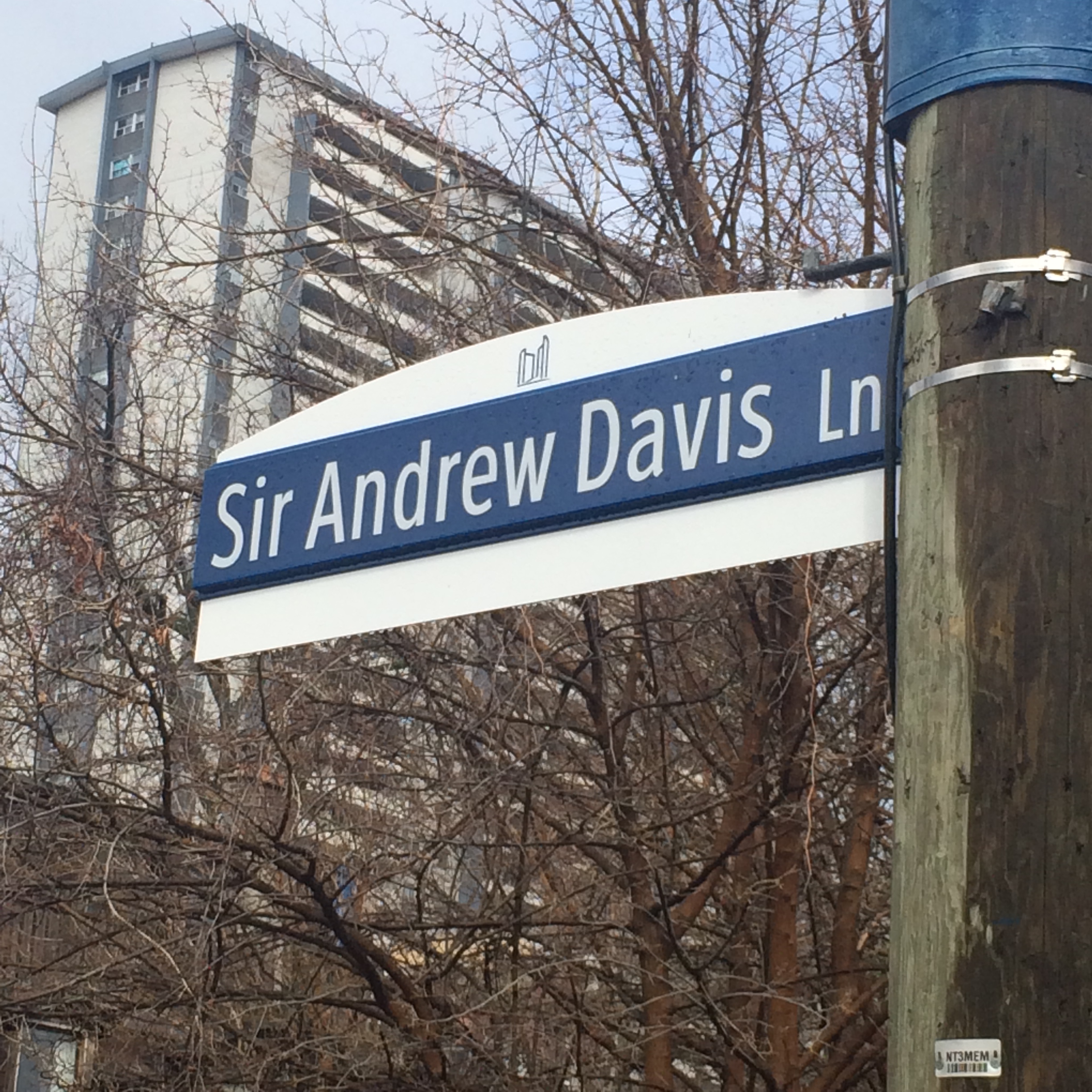
street sign, credit EMMA BADAME“December's child is Sir Andrew Davis. And Sir Andrew Davis Lane in Toronto owes its name to John Sharpe, Archival & Research Assistant with the Toronto Symphony Orchestra, who sent an application for changing the lane name. Best regards, Pablo Fernandez.” (WholeNote reader)

credit Malcolm COOKIf you were all ALONE (in the shower, driving) and could sing along to any recording with complete abandon what would you choose? The Circus Band by Charles Ives.

UPCOMING … ?

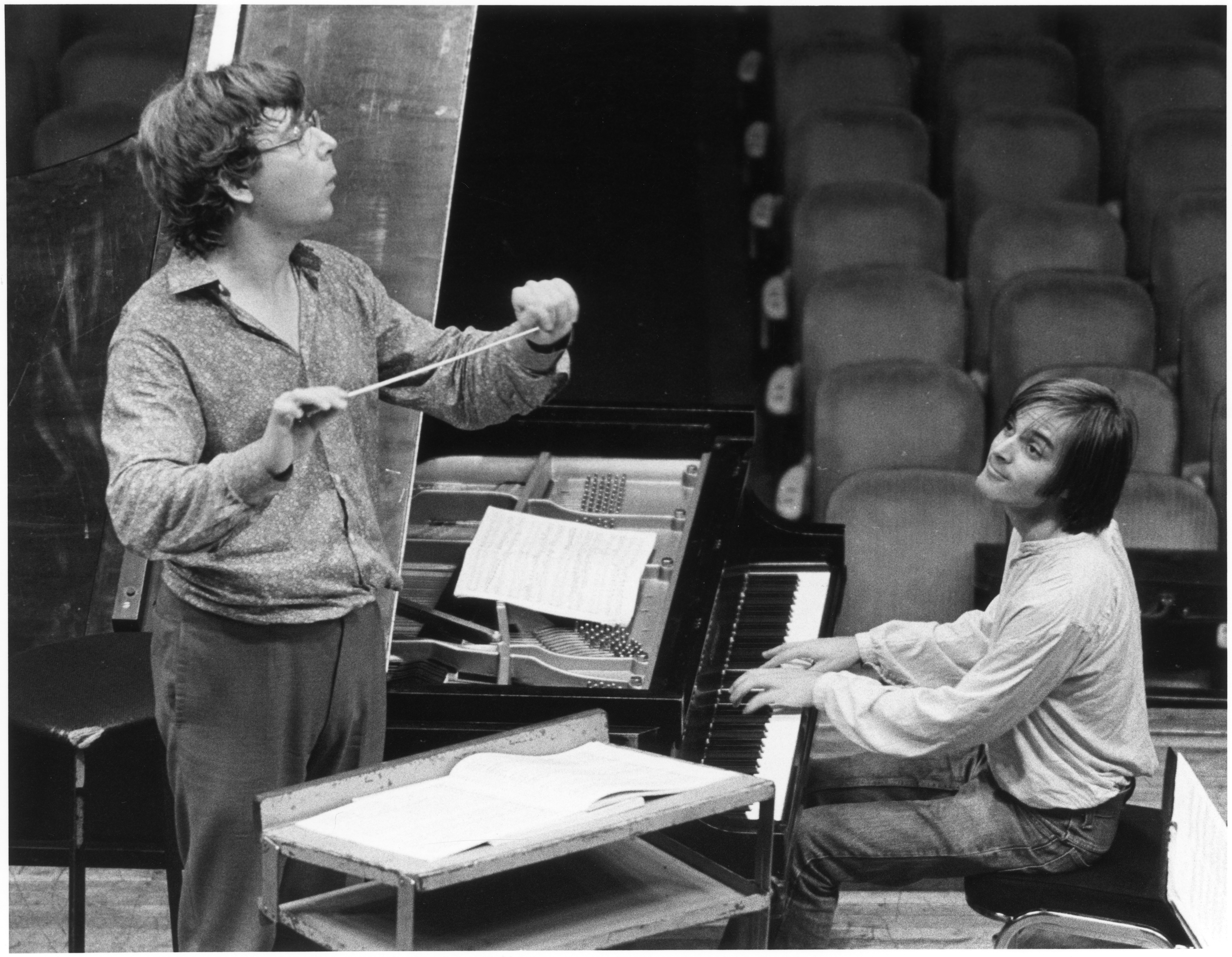
I am particularly excited about the concert that I am doing on my birthday, February 2. I am conducting Wagner and my favourite 20th-century composer Alban Berg. Between now and the summer I will be conducting four weeks with the Toronto Symphony. I’m also looking forward to doing the Brahms Double Concerto with Jonathan Crow and Joseph Johnson, Mahler Symphony 7, and collaborating with Louis Lortie, whom I first worked with on the TSO’s Japan and China tour in 1978.

Davis and Lortie in China on tour in 1978. credit: courtesy TSOAny new recordings, DVD or film projects? Due for release shortly is Berlioz L’Enfance du Christ.

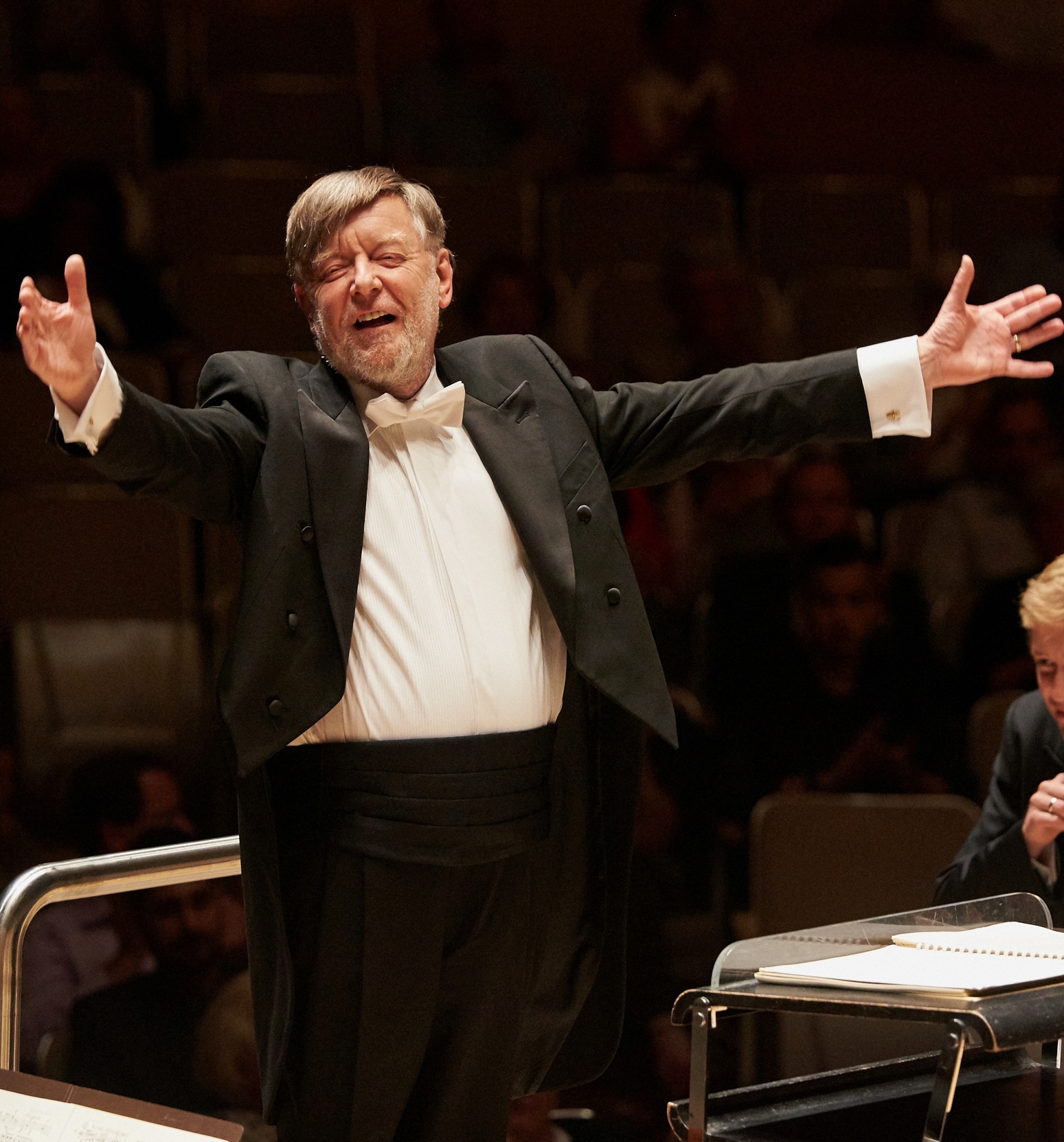
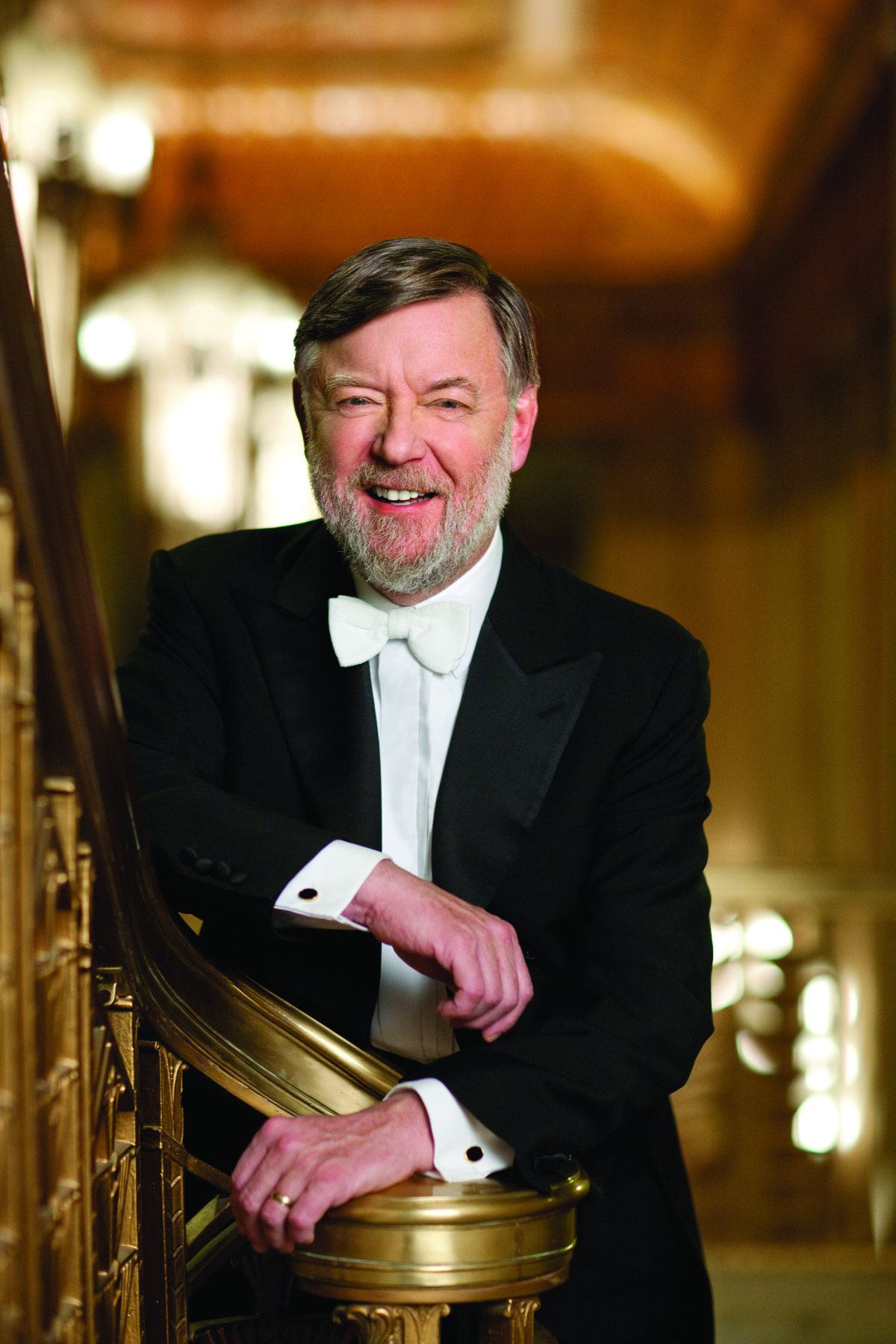
credit DARIO ACOSTASir Andrew Davis is the Toronto Symphony Orchestra’s conductor laureate and was the orchestra’s music director from 1975-1988. He stepped in while the TSO’s music director search led to Peter Oundjian, and subsequently has been their regular and beloved guest. He was then named the TSO’s interim artistic director for 2018-2020 during the transition from Oundjian’s leadership to that of the newly appointed music director Gustavo Gimeno.

An organ scholar at King’s College, Cambridge, before taking up conducting, the young Andrew Davis had in fact been to Toronto in 1967 for an organ convention, and taken second prize in an improvisation competition at Grace Church on-the-Hill, long before May 1975 when he first conducted the TSO.

With a face familiar to generations of Canadians, and a Toronto laneway named in his honour, Sir Andrew has probably conducted all of the world’s major orchestras, opera companies and international festivals over the past 45 years. Today he is also music director and principal conductor of the Lyric Opera of Chicago, and chief conductor of the Melbourne Symphony Orchestra; also conductor laureate of the BBC Symphony Orchestra, conductor emeritus of the Royal Liverpool Philharmonic; and former music director of the Glyndebourne Festival Opera. A substantial award-winning discography documents his remarkable career.

ABOUT YOUR CHILDHOOD PHOTO…

Young Andrew Davis, age 11Was the photo taken for some particular occasion or purpose? My guess is that I was 11 -- it was a school photo taken when I entered Watford Boys Grammar School.

When you look at the photo today, what do you think about? What I think about is that it was probably about 1955 and I loved the 1950s. I think things have gone downhill steadily since!

Where did you live as a child? I was born in a temporary wartime hospital in Ashridge, in the country of Hertfordshire, in 1944. But until I was seven we lived in Chesham, which is in Buckinghamshire.

What did your parents do to earn a living? My father Robert (Bob) worked at a printer’s as a compositor (i.e. he set type). He also played in the local football team and was a bell ringer at St. Mary’s Church. My mother Joyce worked as a clerk in a grocery store before I came along, thereafter she was a full-time mother.

Who lived in your childhood home? Any musicians? My parents, my sister Jill, and my brothers Martin and Tim. My mother had studied the piano when she was a girl but she didn’t play anymore. My father sang in the church choir. They loved music but they weren’t professional musicians.

Your absolute earliest memory of hearing music? My mother singing me lullabies.

And making music yourself? I started to play the piano when I was five because my parents figured that I had some musical talent. Then from the age of 11, I not only did music at my grammar school, but on Saturday mornings I would take the Tube to the Royal Academy of Music for four hours of music lessons (piano, ear training). I did that for about six years. And when I was about 12 I started playing regularly with a cellist classmate. I was also a boy soprano and sang in the local church choir. I particularly remember singing Hear My Prayer by Mendelssohn. There was one night I sang the solo in church on Sunday evening. I came out afterwards and someone had stolen my bicycle. I remember saying to my parents, “The godless have come fast and stolen my bicycle!”

What can you remember about a first music teacher? We moved when I was ten, and I don’t think I had a teacher until I was ten, then I studied [piano] with a lady called Ivy Weston, who was kind of vicious with the ruler if you didn’t play with your hands in the correct position. She never used it on me but my poor sister got it!

Do you remember an event at which you first performed for an audience (other than your family or a teacher)? They used to have these competitive music festivals. I started entering these and I usually won. I played with this cellist and we’d do little concerts for an audience.

Where did you attend high school? Watford Boys Grammar School.

Do you remember when you first thought of conducting as something you’d like to try? I hadn’t thought about it and then there was a string orchestra of teachers and former students at my grammar school. They put on a little concert and there was a piece that was tricky for them to play by themselves. They asked me to conduct to help keep them together. On another occasion I conducted Haydn’s Divertimento, and then I thought, “Oh, I kind of like this.” Then I attended a two-week program where George Hurst, who was a very good teacher, basically taught me stick technique.

And right after high school, what happened next? I auditioned for the position of Organ Scholar at King’s College Cambridge. In the year between winning the position and starting, I stayed a few extra weeks at high school to do advanced examinations in ancient Greek. Then for about two months I was the music teacher at a school in a slightly rough neighborhood where I tried out several different composers on them, like Bach, Beethoven, Mozart and Tchaikovsky, but didn’t get a real hit with them until I played them some Bartók! And then I went for two months to Holland to study organ improvisation with a very good friend and colleague of my main organ teacher whose name is Peter Hurtford, the organist of the Cathedral of St Albans. He then handed the running of the music of St Albans Cathedral to me for a month, while he did a recital tour of Australia. Then I came back and started my four years at Cambridge, which involved playing for all the almost-daily services and getting up at the crack of dawn to go to the choir school and teach the boy choristers the music for the day’s services.

Can you suggest experiences from your childhood or teen years that significantly helped to form your adult musical preferences? Well, I suppose before I started studying at Royal Academy I didn’t know about any composers after Brahms. There was a man called Graham Treacher who was himself a young conductor. He taught us ear training and history of music. It was through him that I heard my first note of 20th-century music, in this case Stravinsky. It was a transformative moment in my life. I remember thinking, “I need to get to know more 20th-century music.” I went to my local record store and bought a recording, a 10-inch LP, of a violin concerto by a composer I’d never heard of – Alban Berg. I instantly fell in love with it and Berg became my favourite composer of the 20th century.

Do you remember when you began to think of yourself as a career musician? When I thought about going to university, I went at the instigation of my Latin and Greek professor to take an entrance exam for New College Oxford (which was new in about 1370). I think I did slightly disappointingly in my exam and it became clear that music was the way I should go.

AND TODAY …

Are there musical children in your extended family? My son is a composer.

How does making and/or hearing music fit into your current personal home life, and among your extended family? It wreaks havoc with it! I travel a lot. But, my only child is grown up and living somewhere else, and my wife is very understanding having been a professional musician herself. She understands the pressures that come with the job.

Suppose a friendly child asks what work you do? As a matter of fact, I have a story where this happened to me. I was about to conduct Last Night of the Proms in Royal Albert Hall and was staying in a flat at an apartment of a friend of mine. I went to go get something to eat at a fish and chips restaurant. They basically had lots of big tables and benches. This mother and child came up to sit next to me – the kid must have been 12 or something – and he said, “What do you do?” And I said, “I’m a musician.” And he said, “Well, what do you play?” And I said, “I’m the guy with the stick that conducts the orchestra and tonight I’m conducting Last Night of the Proms in Royal Albert Hall.” And the boy said, “Well, you must not be very famous…” And I laughed and said, “What makes you say that?” And he said, “Well if you were famous you wouldn’t be eating fish and chips!”

What would you say to young parents hoping their young children will grow up to love and make music? I would say to them, “Give them as much exposure to classical music as you can, especially by taking them to live concerts and opera performances. You can’t start them too young.”

Back to top