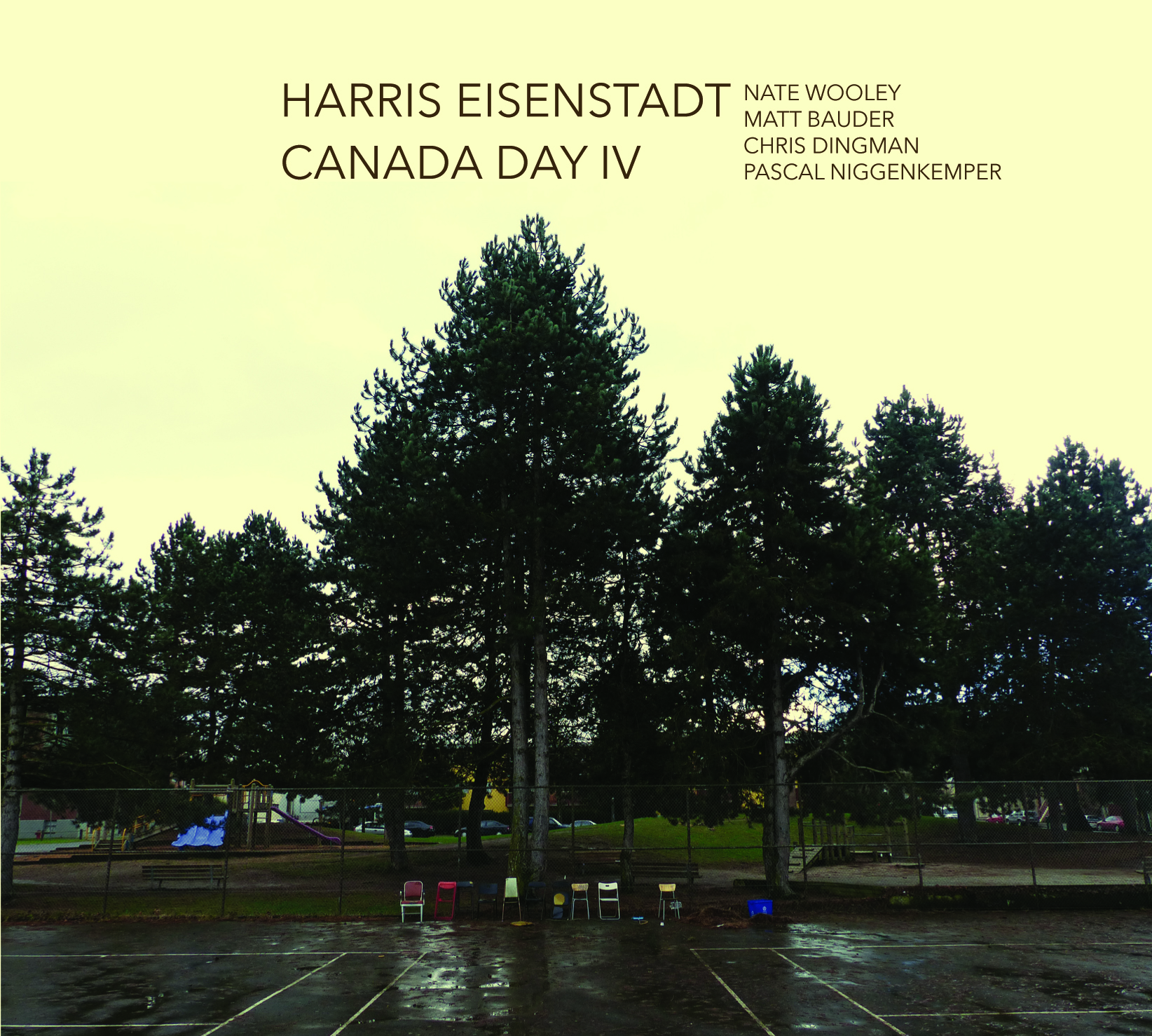
01 EisenstadtDrummer/composer Harris Eisenstadt is currently based in New York, but he commemorates his roots in the band that recently released Canada Day IV (Songlines SGL 1614-2, songlines.com). The group style has its roots in the Blue Note avant-garde of the mid 60s: it’s a quintet of trumpet and reeds, vibraphone, bass and drums, but the style is stretched at every point into a dramatic contemporary idiom, from the eerie sound of Chris Dingman bowing his vibraphone to Nate Wooley’s radical reconstruction of trumpet sound, sometimes departing from his crisply incisive lines to couple multiphonics with circular breathing. Eisenstadt’s compositions keep inviting the band members to further invention while anchoring them in often complex designs that reference his interests in African and Cuban rhythmic patterns. An emphasis on sub-groupings brings each individual to the fore, including tenor saxophonist Matt Bauder and the group’s newly arrived French-German bassist Pascal Niggenkemper, while Eisenstadt leads from his drum kit, exploring fresh forms of momentum.
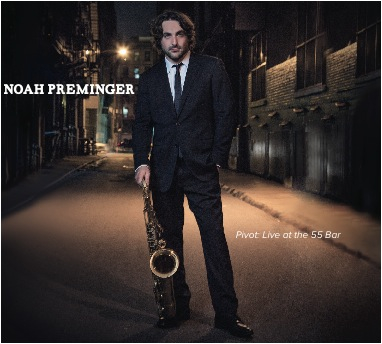
02 Preminger Pivot Live At The 55 Bar COVERKnown for his long tenure in Metalwood, the remarkably successful trans-Canada fusion band, Ottawa-born Ian Froman is another Canadian drummer who works primarily in the New York area. He plays a key role on Noah Preminger’s Pivot: Live at the 55 Bar (noahpreminger.com). Preminger is an adventurous saxophonist whose influences range from the laconic abstraction of Warne Marsh to the wail of Ornette Coleman, but he’s chosen to root his music here as deeply as possible. The CD consists of two songs by Mississippi Delta blues singer Bukka White: Parchman Farm Blues and Fixin’ to Die Blues. Each primordial blues provides a launching pad for a 32-minute exploration that will recall both the Coleman quartet and the titanic work of John Coltrane and his drummer Elvin Jones as Froman (a student of Jones) keeps the music moving with continuous polyrhythms and shifting accents, whether pressing Preminger and trumpeter Jason Palmer ahead or providing detailed commentary on their phrasing. Like its sources in the blues, this music has the feel of living tissue.
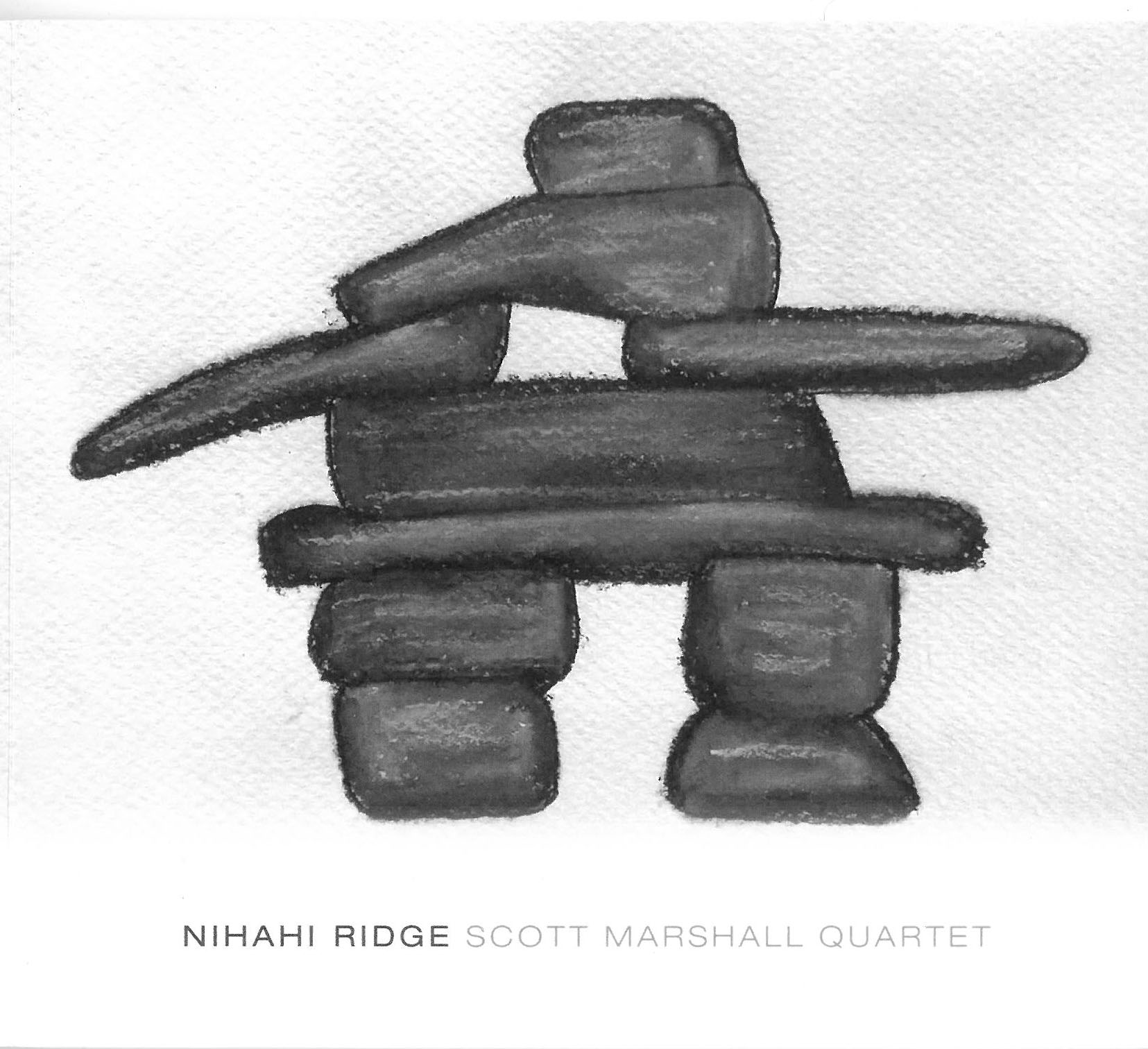
03 Scott MarshallAnother fine Ottawa-born drummer, Nick Fraser provides solid support to saxophonist Scott Marshall on Nihahi Ridge (SMT004, scottdouglasmarshall.com), Marshall’s fourth CD as a leader and the third by his Toronto quartet with pianist Marcel Aucoin and bassist Wes Neal. Marshall is a lyrical player using his tenor to create warmly reflective music even when the rhythms are forceful. The group’s sense of dialogue emerges on After all this Time as the quartet smoothly negotiates shifts in mood. Aucoin’s luminous solo is a highlight. Marshall’s tone is just as nuanced when he switches to alto, from the keening wail of Groovy Eliot to the light, airy sound he achieves on I Wish You Peace. Marshall’s preference for ballad tempos and strongly asserted melodies can dominate here, but the off-kilter How Very Kerouac provides a change of pace along the way.

Review
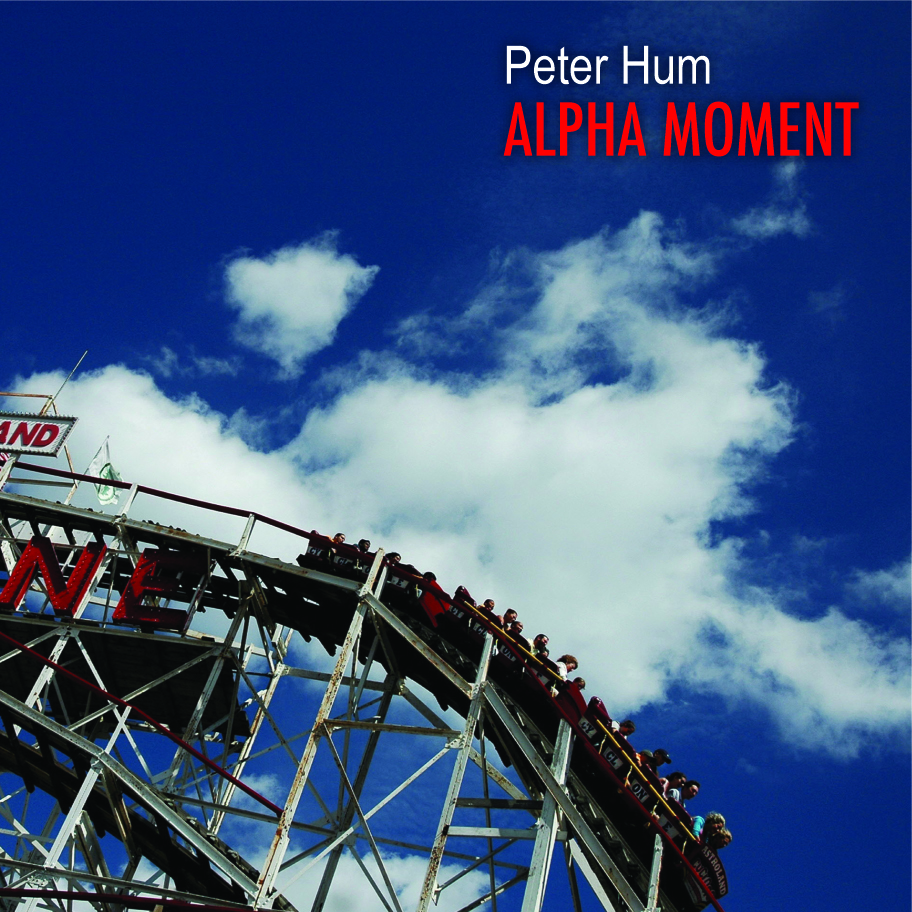
04 Alpha Moment cover 912x912Pianist/composer Peter Hum may be better known as a jazz and food critic for the Ottawa Citizen, but there’s nothing to suggest anything but full commitment to his art on Alpha Moment (peterhum.com). Hum leads a sextet here, and his group concept is almost orchestral. His compositions are well formed and subtly voiced, with solos arrayed against his own lush chords, Alec Walkington’s resonant bass and drummer Ted Warren’s constant sonic shadings. While the band’s members are currently spread out geographically, the group clearly came together at a special moment for the Ottawa jazz scene, much of the excitement coming from two Ottawa-raised saxophonists who have since moved on: Kenji Omae, now resident in Seoul, may be the most exciting tenor saxophonist to emerge in Canada in recent years, a powerful, impulsive player who’s also capable of lustrous ballad playing; Nathan Cepelinski, now a New Yorker, plays alto and soprano with quicksilver thought and phrasing. Along with glassy-toned Montreal guitarist Mike Rud, the six make up a terrific band, something that’s apparent everywhere here, but most pointedly on the aptly named title tune.
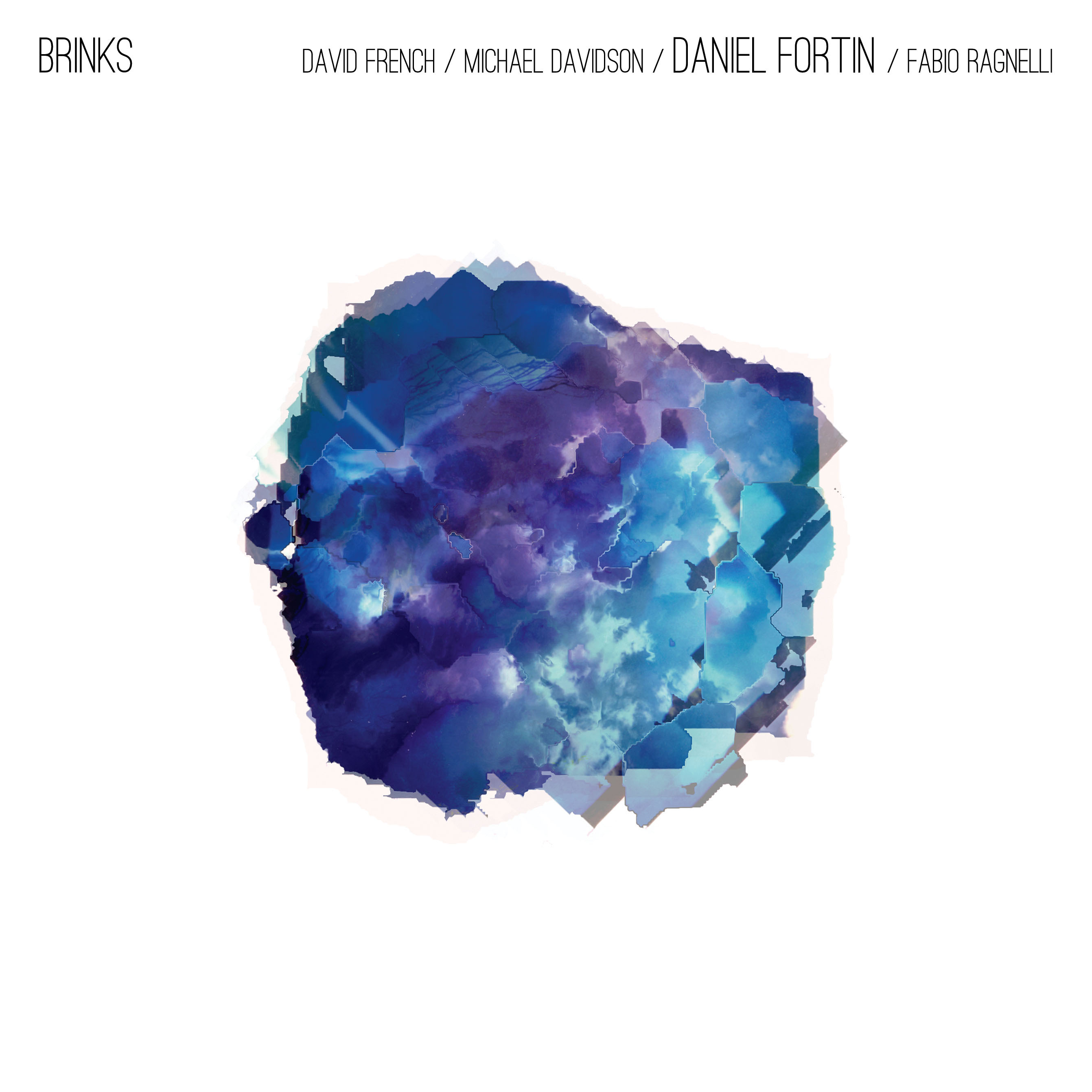
05 BrinksBassist Daniel Fortin makes his debut as a bandleader on Brinks (Fresh Sound New Talent FSNT 473, freshsoundrecords.com). While his compositional skills have figured in releases by the band Myriad3, they play a more prominent role here, defining a strong, personal style. Fortin’s pieces consist of just a few notes, a phrase or two to be recast, concentrated and contrasted. He creates edgy, tensile structures that have some of the character of Thelonious Monk’s works without any particular resemblance. It’s music that requires tremendous discipline on the part of the band to come up with sufficiently minimalist improvisatory approaches that are true to the spirit of the works, but that’s just what tenor saxophonist David French, vibraphonist Michael Davidson and drummer Fabio Ragnelli have done. Operating within a set of timbres that might suggest comfortable ballads, the group turns out complex music filled with intriguing juxtapositions and fresh patterns. Fortin himself plays bass with a keen sense of structure and a special melodic focus.
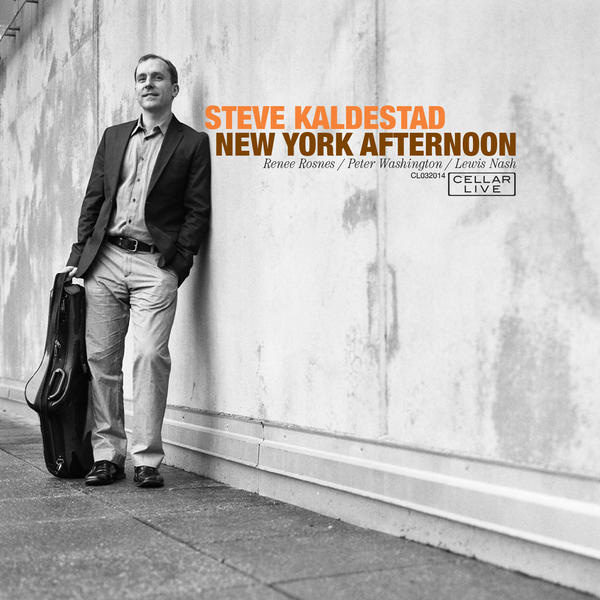
06 Steve KaldestadTenor saxophonist Steve Kaldestad criss-crossed Canada and spent an eight-year sojourn in England before settling in Vancouver in 2008. Since then he has established himself there as a solid exponent of the mainstream modern. New York Afternoon (Cellar Live CL032014, cellarlive.com) presents him in performance with pianist Renee Rosnes (one of Vancouver’s great contributions to New York jazz) and her regular rhythm section of bassist Peter Washington and drummer Lewis Nash. Kaldestad swings fluidly through a program that ranges through hard bop blues and swaying Brazilian melodies to the more exotic modal underpinnings of Joe Henderson’s Punjab, with Rosnes’ scintillating solo recalling her extensive work with the late saxophonist’s band. Her own Icelight explores similar strata, while the ballad highlight comes on Kaldestad’s soulful and silk-toned rendering of Beatriz.
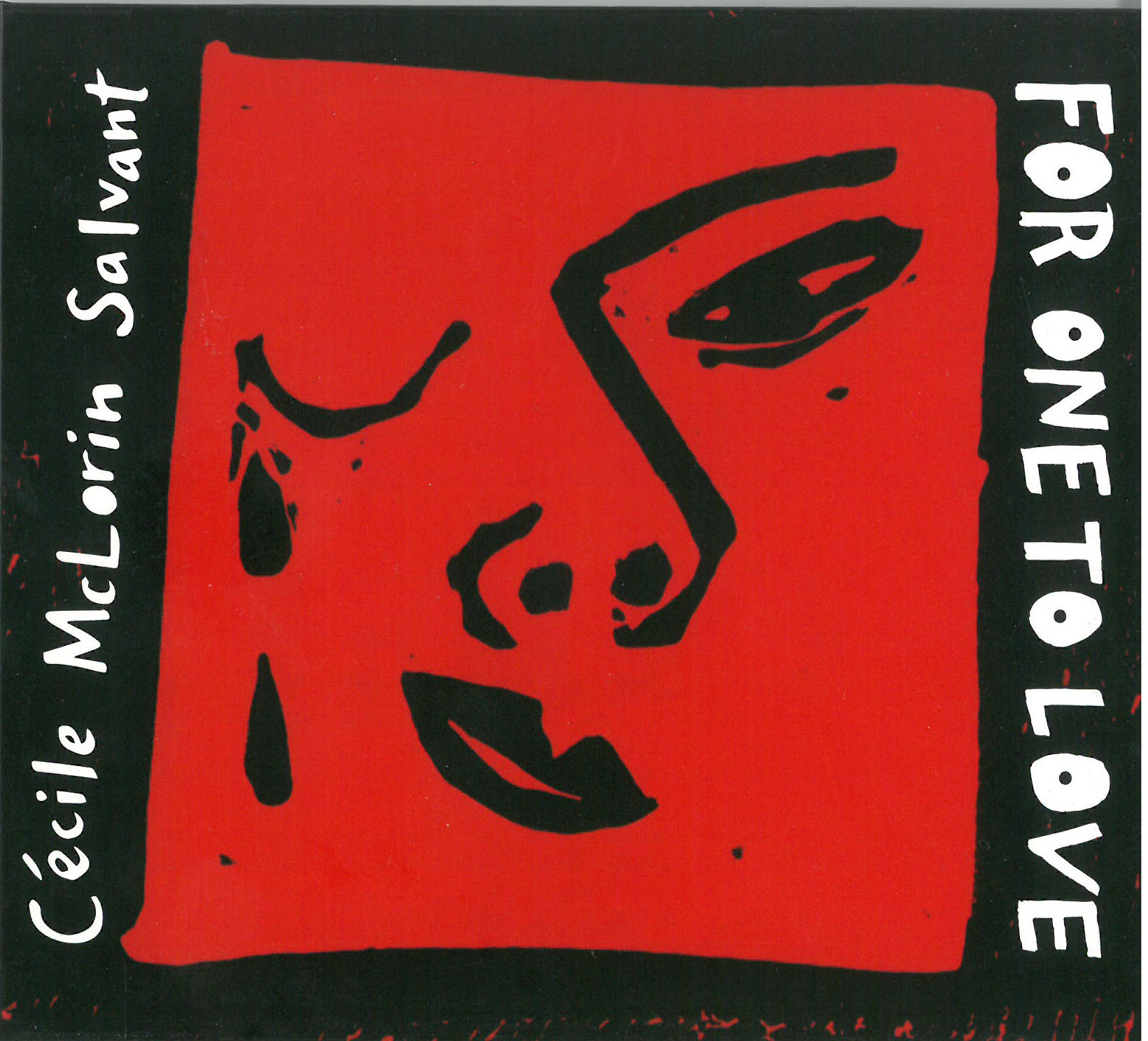
01_Cecile_Salvant.jpgFor One to Love
Cecile McLorin Salvant
Justin Time JTR 8593-2 justin-time.com

American singer Cecile McLorin Salvant put the jazz world on notice with her first major release in 2013. With a voice that is at once fresh and traditional, Salvant won numerous accolades such as Female Vocalist of the Year from the Jazz Journalists Association, Jazz Album of the Year by the Annual DownBeat International Critics Poll and a Grammy nomination. Still only in her mid-20s, the bar was set high for her sophomore release – and For One to Love is a continuation on the same fine musical path she set for herself.

The impeccable pitch, diction and control are still there, as are top-notch band mates. The choice of material is similar to the first release – a few standards wrought in interesting new ways, such as The Trolley Song, made famous by Judy Garland and which includes a brief, amusing imitation of Garland. Also, in what’s becoming a bit of a trademark, Salvant takes a run at some low down dirty blues – like Growlin’ Dan. These aren’t my favourites, largely because Salvant’s classically trained voice just doesn’t suit the material, but they’re fun. And that’s true of a lot of Salvant’s delivery – theatrical and broad and a little flighty, never really landing on one style or sound. I imagine she’s very entertaining to see live. There’s also a sprinkling of original compositions and the opener Fog really exemplifies the whole album – artful, skilled and not entirely certain what it wants to be.

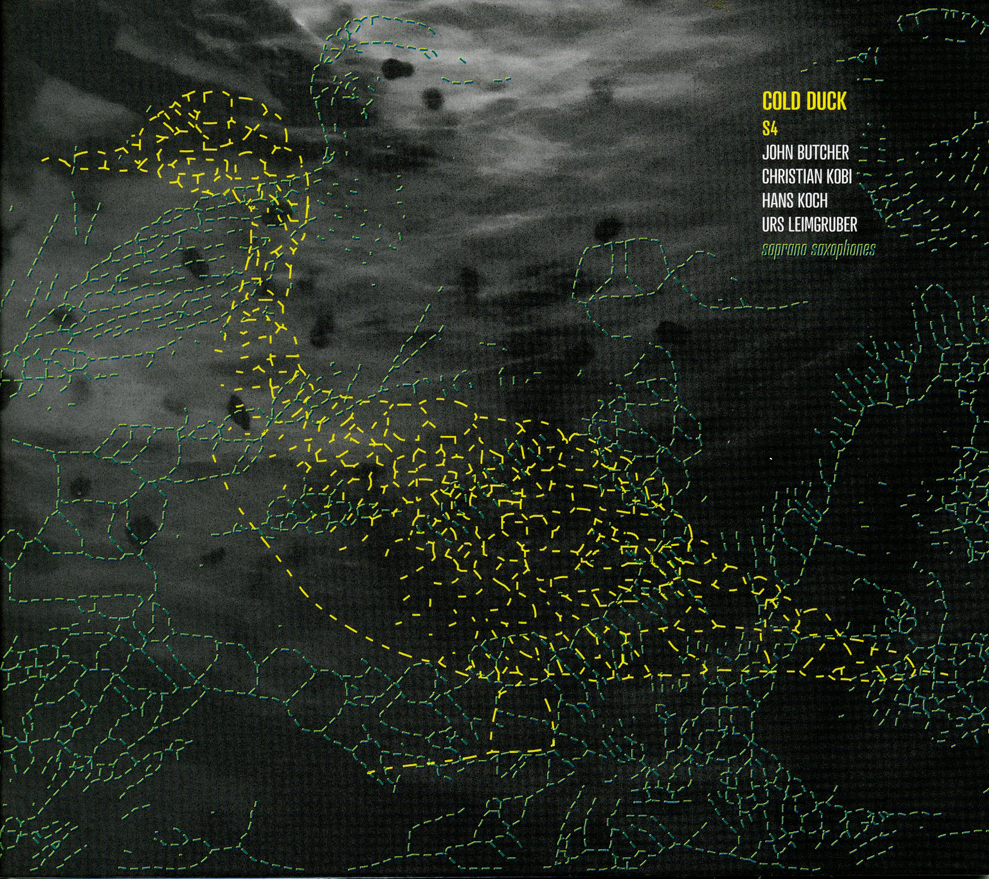
02_Cold_Duck.jpgCold Duck
S4
MonotypeRec Mono 096 (monotyperecs.com)

No relation to the sparkling wine of the same name, Cold Duck is instead a series of nine biting improvisations by S4, an ad-hoc, all-star quartet of soprano saxophone innovators – one British, John Butcher, and the others Swiss: Urs Leimgruber, Hans Koch and Christian Kobi, the last of whom is also a member of the all-saxophone Konus Quartett, which interprets notated music.

Designated by Roman numerals, Cold Duck’s tracks, lasting from barely one minute to more than 12, could be the auditory sound track of an experimental ornithologist’s laboratory. But unlike such trial and error endeavours, the quartet deliberately creates timbres that range from police-whistle harshness to fipple-like songbird echoes, with a goodly collection of tongue slaps, tongue pops and snorts thrown in for good measure. At the same time its skill is such that III is harmonized as intimately as if by a bel canto choir, but open enough so that every strain, partial and split tone is audible as the four work through tonal variations. Severing and re-attaching with plasticine-like continuity on VII, tremolo whines and lip burbles maintain a shrill pitch until the final moment when one sharp tone pushes the other reeds into more comfortable interaction. Then on the extended IV, S4 members pump air bubbles through their horns with a velocity that resembles electronic processing. After the narrative is magnified enough, it’s squeezed like a balloon, slowly deflating as growls and yelps mix with puffs and squeaks. Subsequently, united circular breathing leads to an aural rainbow-like expansion of tonal colours involving all four.

That climax may be one of the fundamental triumphs and instructive pleasures of Cold Duck. No matter how many instances of sound separation exist, no individual voice is more prominent than the others. The result is a program that confirms group cohesion while fittingly sampling a saxophone choir’s outermost elements.

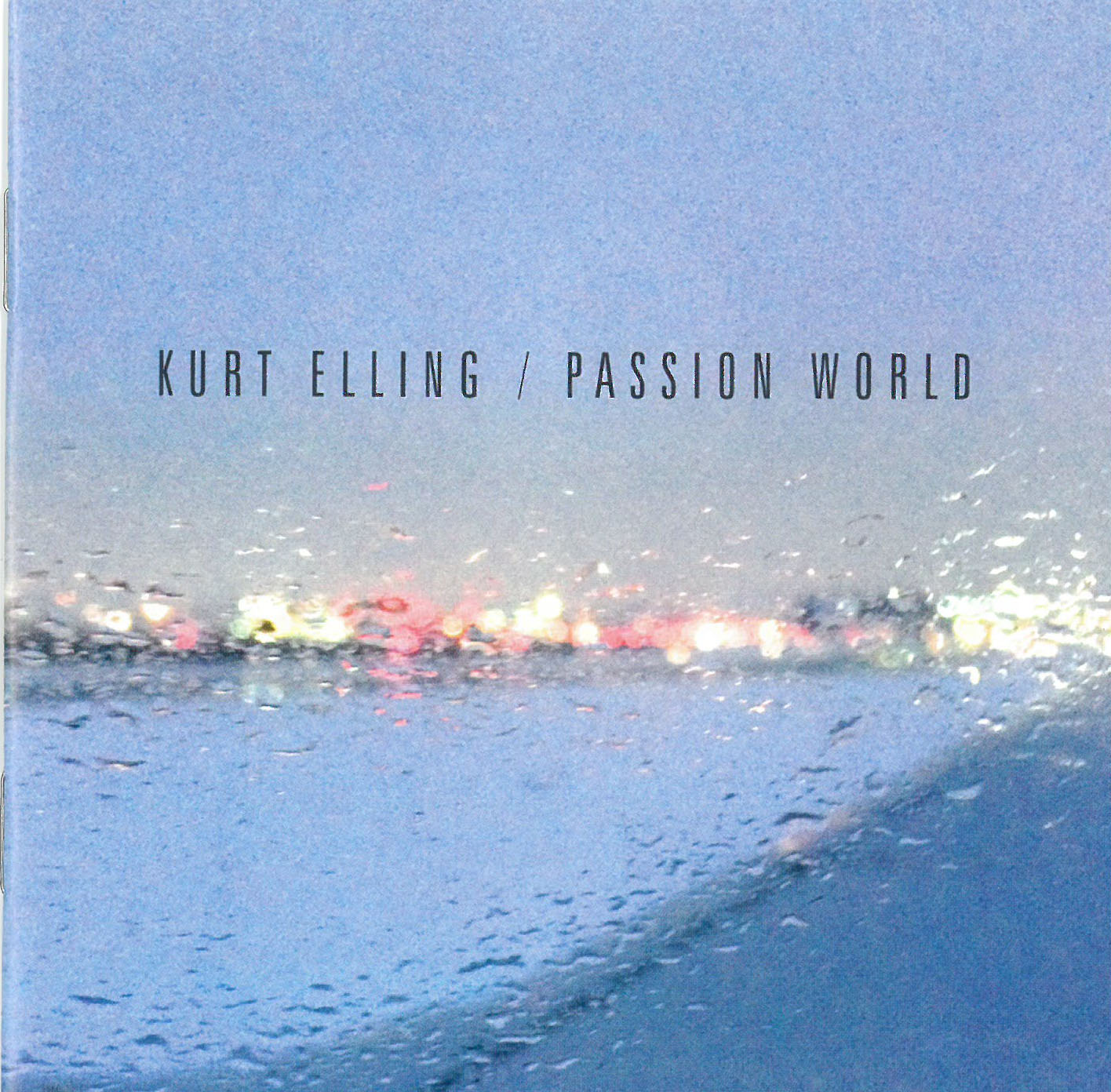
04_Kurt_Elling.jpgPassion World
Kurt Elling
Concord Jazz CJA-36841-02 (concordmusicgroup.com)

When I first tried to listen to Kurt Elling’s new album Passion World, I had a hard time getting through it. That’s because whenever I got to the seventh track – his cover of U2’s Where the Streets Have No Name – I had to stop, hit repeat and then just take a moment to recover. It’s a powerful and beautiful take on an already powerful and beautiful song. Once I managed to move on, I realized it’s an album full of such takes.

Passion World was born out of Elling’s desire, when touring, to deliver a song that would give the audience a taste of their country’s own music – what he refers to as “charmers.” The collection of songs then developed into a project for Jazz at Lincoln Center and, now, an album. Leaning mainly toward ballads, Passion World is filled with songs about longing and a sense of place. The project also exemplifies collaboration in its many forms. The opening tracks set the tone as Elling puts lyrics about home and the road to two instrumentals by John Clayton and Pat Metheny before getting into more traditional territory with Loch Tay Boat Song featuring a modern woodwind arrangement played by the Scottish National Jazz Orchestra. Arturo Sandoval’s Bonita Cuba is another fine example of musical minds meeting. The band members all play major roles in the success of this album and, in particular, John McLean’s arrangements and guitar work elevate this collection. 

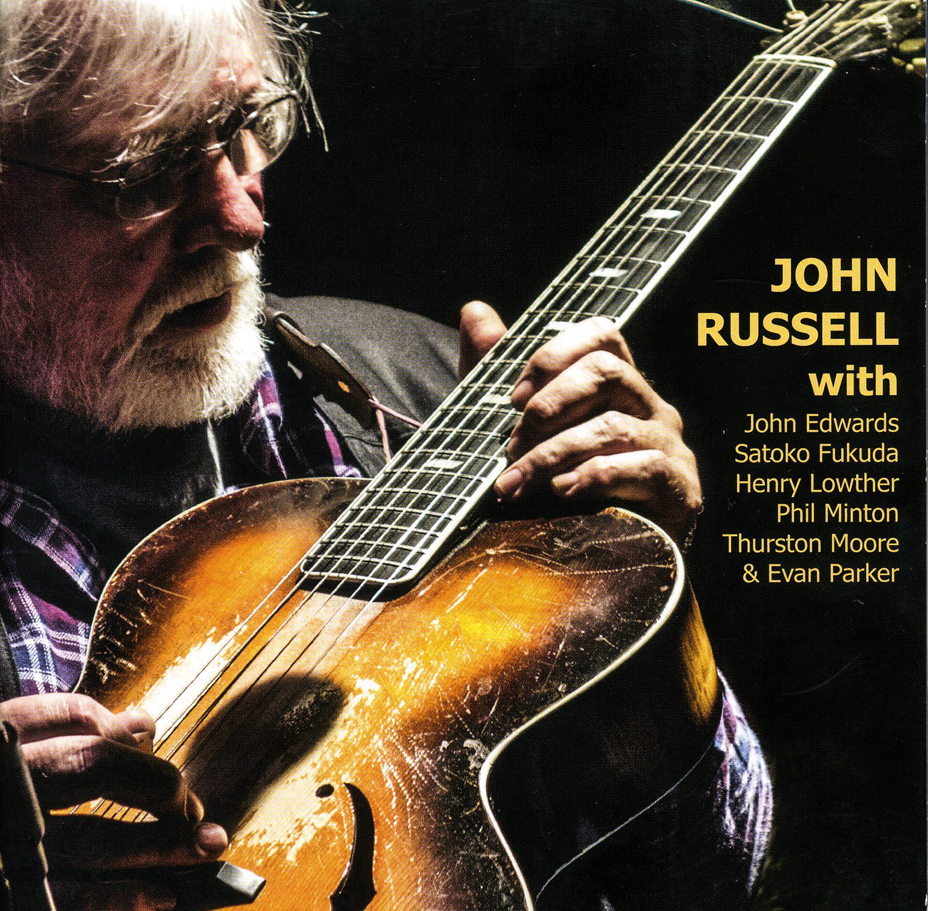
05_John_Russell.jpgWith
John Russell
Emanem 5037 (emanemdisc.com)

As the musicians of the so-called second generation of British improvisers move into their seventh decade, many celebratory concerts are marking their undiminished skills. One of the best, preserved on this 78-minute disc, took place last December as 60th-birthday-boy, guitarist John Russell, played four sets with six improvisers. The result confirms the adage that free music keeps you young.

Measuring all four, the two shorter meetings are like extended bagatelles. On The Second Half of the First Half, Russell matches wits with his contemporary, sound-singer Phil Minton, who has never found a noise he couldn’t duplicate. As Minton bellows, burbles, moans, whistles and hiccups, the guitarist’s folksy picking is perfect accompaniment for a bawdy verbal Punch & Judy show with the singer taking all the parts. The Second Half of the Second Half signals a rare return to the electric guitar for Russell to battle the psyched-out, dial-twisting distortions from Sonic Youth guitarist Thurston Moore. Propelling electronic shrieks, flanges and trebly rebounds likely not heard since Jimmy Page and Jeff Beck worked together, Russell rocks out while keeping the duet chromatic and with unexpected aleatory highlights.

True sonic sustenance comes with the extended trios. The First Half of the First Half unites three separate musical strands into congenial whole cloth. Trading licks with trumpeter Henry Lowther’s muted puffs as if the two are Art Farmer and Jim Hall in a cool jazz situation, Russell also plinks wide linear accents which lock in with the studied sweeps of violinist Satoko Fukuda expressing her classical training. Staccato stopping on the guitarist’s part knit the loose ends so the garment has no holes. Even more impressive is The First Half of the Second Half, where the trio is filled out by a younger – bassist John Edwards – and an older – tenor saxophonist Evan Parker – free-music lifer like himself. With the bassist digging a foundation scooping darker tones from within his wooden instrument, Russell uses resonating flanges and slurred fingering to build a modernist edifice, upon which Parker’s architecturally inventive vibrations provide the decorative detailing. With confirms Russell’s – and free improv’s – adaptability, foretelling many more creative years for both.

Since the realignment of East and West after the fall of the Berlin Wall, musicians of every stripe have found new playing opportunities and partners. In the former Soviet countries, one particularly fertile area for improvisers has been Poland. While westerners may figure Polish jazz begins and ends with Krzysztof Komeda’s score for Rosemary’s Baby and other Roman Polanski films, the country’s rich jazz history goes back to the 1920s and maintained its place during Communist rule. Today, like the equivalent attention paid to their ancestral roots among the children of immigrants, western improvisers have discovered the fulfillment of working with Polish bands or having Polish musicians part of their groups.

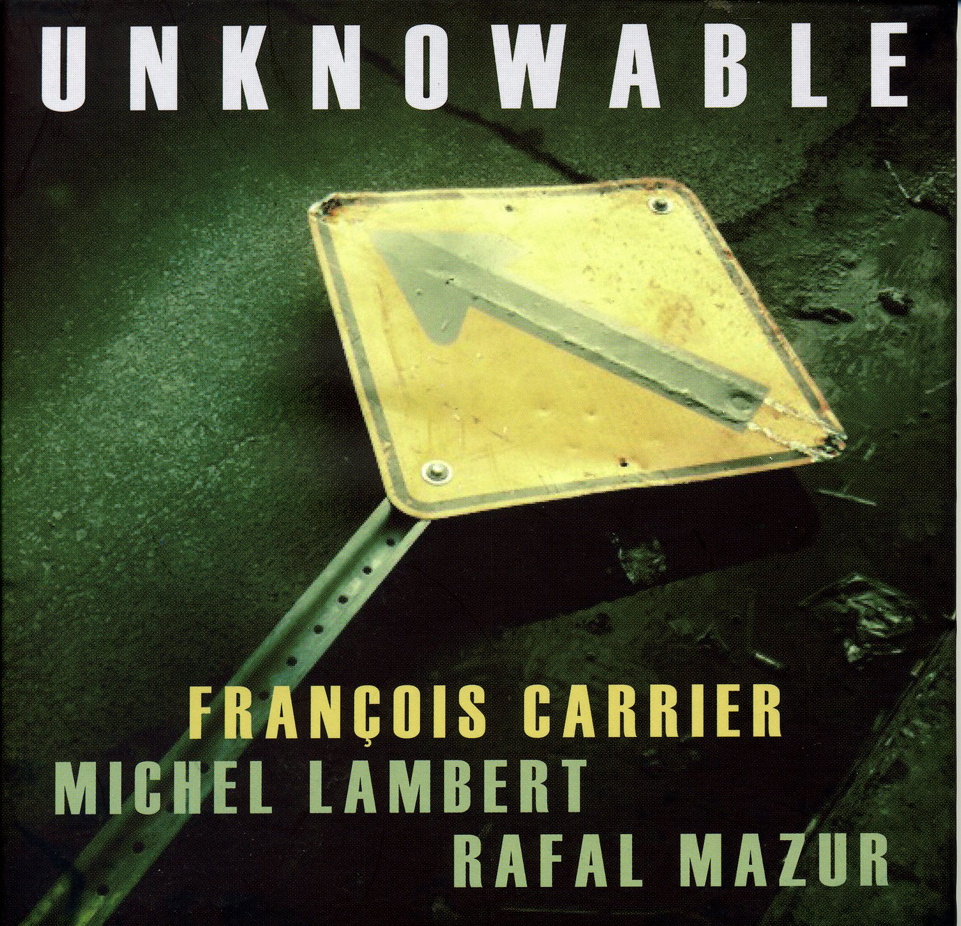
01_Unknowable.jpgCase in point is Montreal alto saxophonist François Carrier. Unknowable (NotTwo Records MW 928-2, nottwo.com), showcases a touring partnership he and his Montreal associate, drummer Michel Lambert, have formed with Krakow-based acoustic bass guitarist Rafal Mazur. Authoritatively using both the guitar and double bass properties of his instrument with equal proficiency, Mazur is like the third partner in a fantasy ménage à trois, adding to the situation without disrupting the others’ union. An equal opportunity companion, his hand taps add percussive weight to Lambert’s rolling ruffs and pops, while his array of thumb and finger positions animates Carrier’s skyward smears or stressed multiphonics. Listening Between, the first track, could serve as a description of how the three operate throughout: not only shadowing each other’s propelled textures, but also anticipating sound patterns to fit what will soon be heard. Carrier’s initial churlish reed-straining on that track for instance is soon pulled towards accommodating mezzo-like melisma as Mazur strums his guitar as if he was backing an operatic tenor. With Lambert beating away stoically, the bass guitarist loops out multiple theme variations, as compressed buzzes slide from Carrier’s Chinese oboe for a unique interaction. Broken-octave communication characterizes Unknowable, the date’s centerpiece. Like an extended length of hose unrolling, Mazur’s staccato finger style sets up a continuum that’s matched by the saxophonist’s rubato cries which retain some sweetness. Eventually rim shot crackles and cross sticking from Lambert resolve the outbursts into a satisfying thematic whole. Still, it’s indisputable that the three didn’t want to let go of what they achieved musically. Like guests at a great party who dawdle before leaving, Springing Out, the next track, and Dissolution, the concluding, barely 90-second one, come across as coda and then as coda to the coda of the title performance.

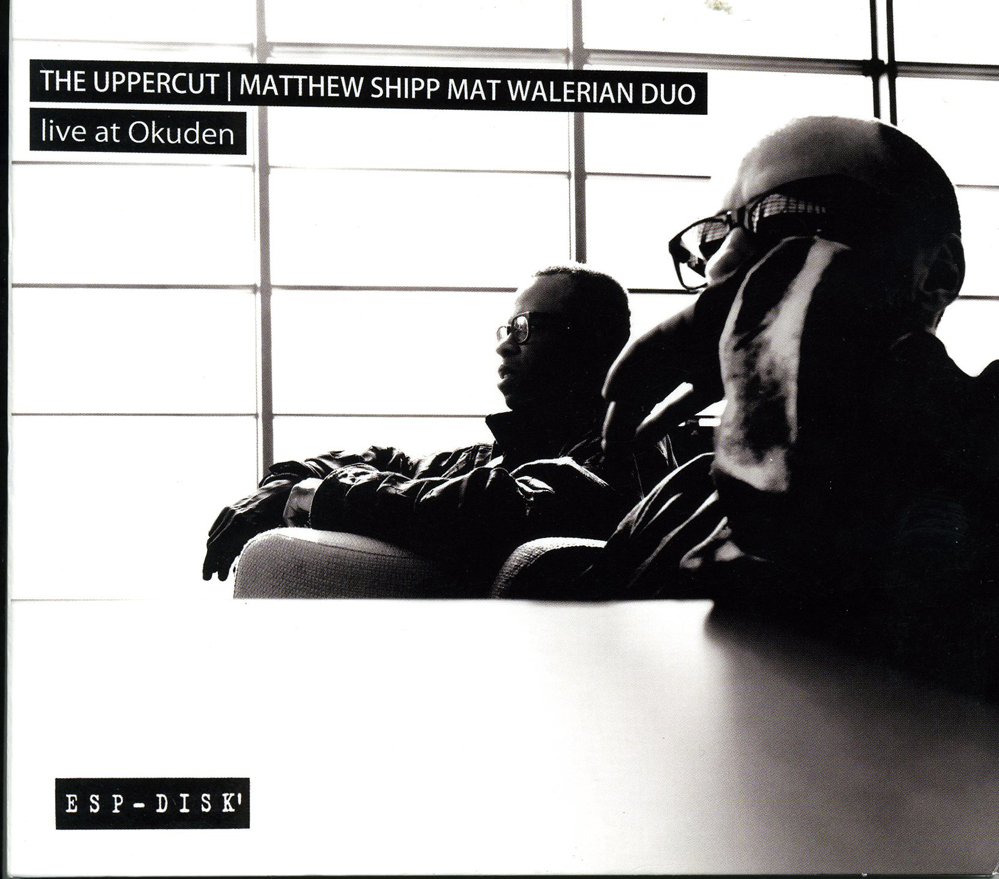
02_Uppercut.jpgA duo consisting of American pianist Matthew Shipp and Polish multi-reedist Mat Walerian illustrates another collaborative application. Involved with his own trio and other combinations, Shipp has worked sporadically with Walerian, who plays alto saxophone, soprano and bass clarinet plus flute, yet the ten selections on The Uppercut – Live at Okuden (ESP-Disk 5007 espdisk.com) document fulfilling rapport between the two. Like a method actor, Walerian portrays a different character on each horn, but the output is united in finding unique sounds. Because of this, Shipp’s narratives encompass everything from multi-note Art Tatum-like emphasis, out-and-out abstract key and string ratcheting reflecting both new music and free music, shaggy keyboard carpets of Chopin-like recital-ready intermezzos and primitive blues and early jazz echoes. The last is apparent on Blues for Acid Cold where a restrained lounge-like exposition from Shipp gradually hardens into a blues conception following Walerian’s rangy, elongated clarinet tone. By the climax the two could be Jimmy Noone and Earl Hines in 1920s Chicago. In contrast, what begins with the pianist and alto saxophonist propelling slick mainstream timbres at one another on Love and Other Species – think Phil Woods and Jim McNeely – evolves into a breathtaking display of complicit split tones, as the two deconstruct the melody as if it were a building being dynamited to smithereens, then rebuild the tune into a solid edifice for a sympathetic ending. As for the consecutive Free Bop Statement One and Free Bop Statement Two, a flexible intro works up from creamy Johnny Hodges-like alto playing plus juddering, pre-modern jungle-band keyboard splashes to attain a series of motifs encompassing key clips and dissonant reed squawks, though never abandoning underlying swing. Conventional and avant-garde simultaneously, Black Rain may be the CD’s most evocative track. A soothing duet, characterized by gentle keyboard patterning and graceful bass clarinet breathing, as if Shipp and Walerian were a long-time married couple finishing each other’s sentences, it’s suddenly ripped apart and replaced with Shipp’s key clips and harp-like piano string strums hewing out an ascending sonic path and Walerian’s intermittent tongue stops and flute peeps. Concluded with sparse sounds that wouldn’t be out of place in a new music recital, the two confirm their versatility and the vitality of the disc.


Review

04_Imagine_Sound.jpg

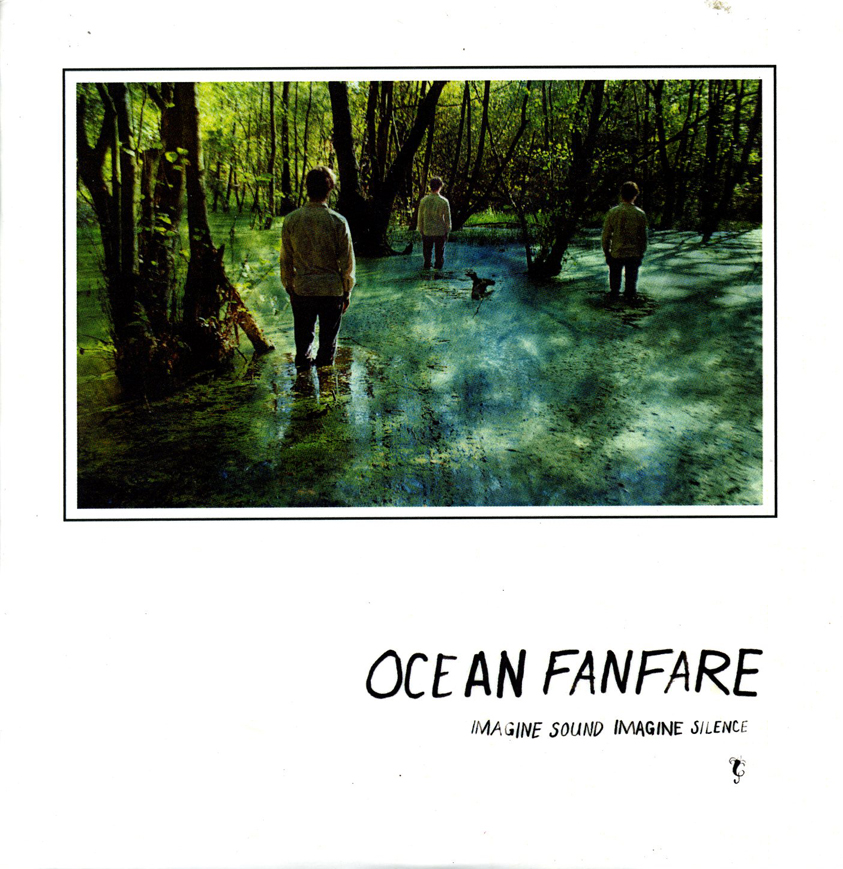
Another application of this international formula is the Ocean Fanfare quartet. Consisting of Polish trumpeter Tomasz Dąbrowski, two Danes, alto and tenor saxophonist Sven Dam Meinild and bassist Richard Andersson, and American drummer Tyshawn Sorey, the fusion results in an exceptional modern mainstream unit on its cleanly recorded CD Imagine Sounds Imagine Silences (Barefoot Records BFREC O40 barefoot-records.com), which consist of six Dąbrowski and three Meinild originals. Despite having composed the bulk of the material, Dąbrowski isn’t any more prominent in performance than other members. Like a new drawing superimposed over an existing one, Ocean Fanfare has the instrumentation and left-field orientation of an Ornette Coleman quartet plus the stamina of the Jazz Messengers. Crucially, Sorey’s broken time sense and cymbal swishes are less prominent than Art Blakey’s, leaving supple booms from Andersson’s bass to define the rhythmic bottom. Featuring the drummer’s time-clock-like pacing, a track such as Lotus positions crying split tones from the saxophonist and melancholic plunger work from the trumpeter for an emotional narrative. 7 Days to Go extends the Coleman-like comparison, starting off echoing Lonely Woman until the skirmish takes on the strength of a battle with a double bass vamp and interlocked horn bluster. On the other hand the crackling velocity that propels US 12 resembles that of a classic bop 78, with each player’s contributions tossed every which way, until a pseudo-march sequence introduces some spectacular brass plunger tones and climaxes with conjoined twin-like horn unison. By the final Meditation (on a Visit from France), the band appropriately trades in blunt reed smears, kazoo-like brass hums and popping bass and drum beats for a stable but buoyant ending. Following trumpet and saxophone tone slacking, the theme slips away leaving behind a bass string pluck and cymbal resonation.

03_PUR_Collective.jpg

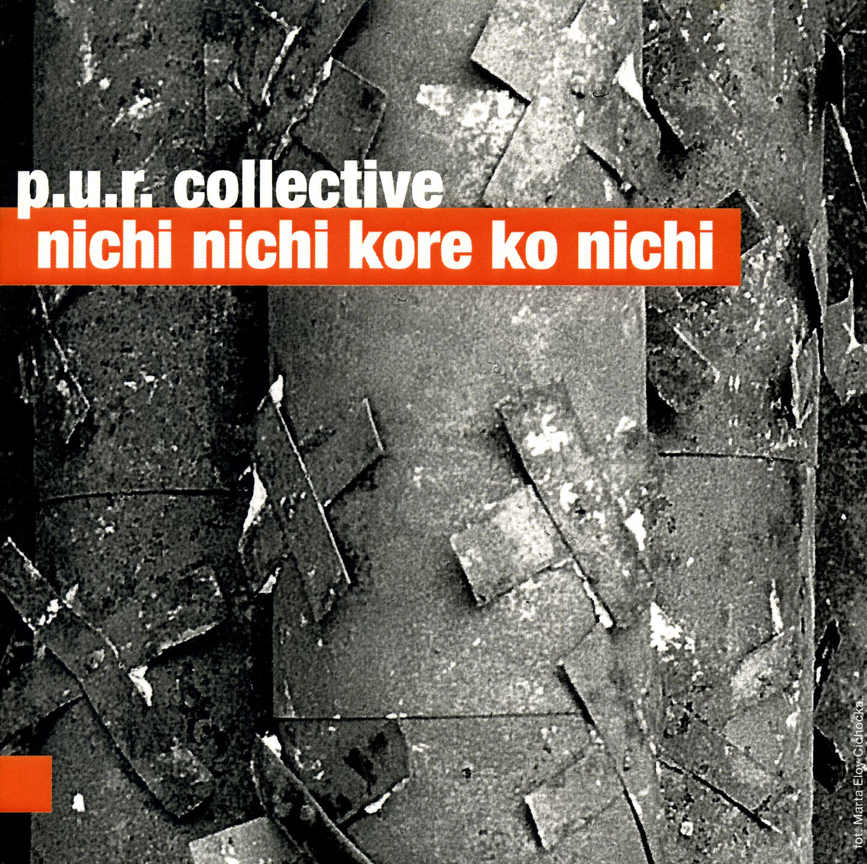
Politically Nichi Nichi Kore Ko Nichi by the P.U.R. Collective (ForTune 0056 006 for-tune.pl) is instructive in a non-musical manner since the cohesive seven tracks of free improvisation match a Polish combo of guitarist Maciej Staszewski, drummer Tomek Chołoniewski and Krzysztof Knittel on electronics with two reed players, Alexey Kruglov from Russia and Yuri Yaremchuk from Ukraine. Rather than being at loggerheads like their respective governments, the players create a collective program where the keening vigor of Yaremchuk’s bass clarinet and soprano saxophone plus the jagged bites from Kruglov’s alto saxophone, basset horn and block flute snuggle alongside the others’ expressions like Matryoshka nesting dolls. Unlike these wooden Russian toys no player is more inside or outside than another. You can get an idea of this Eastern Bloc pact on U 01 where chalumeau lowing from the clarinet moves alongside uniform guitar strums as electronics create a convulsive ostinato of peeps and static. Even after the line mutates into a free jazz blow out from the saxophonists, intricate finger-style guitar lines and drum pops mute the explosions enough, while a moving block flute cadenza signals the finale. These ex-Soviets have a sense of humour as well. Cutting through the harsh flamenco-like runs from Staszewski and unorthodox beats from Chołoniewski on Extreme 07, Kruglov inserts some mocking rooster crows that presage his quicksilver reed smears and split tones as the factions unify distinctively. 

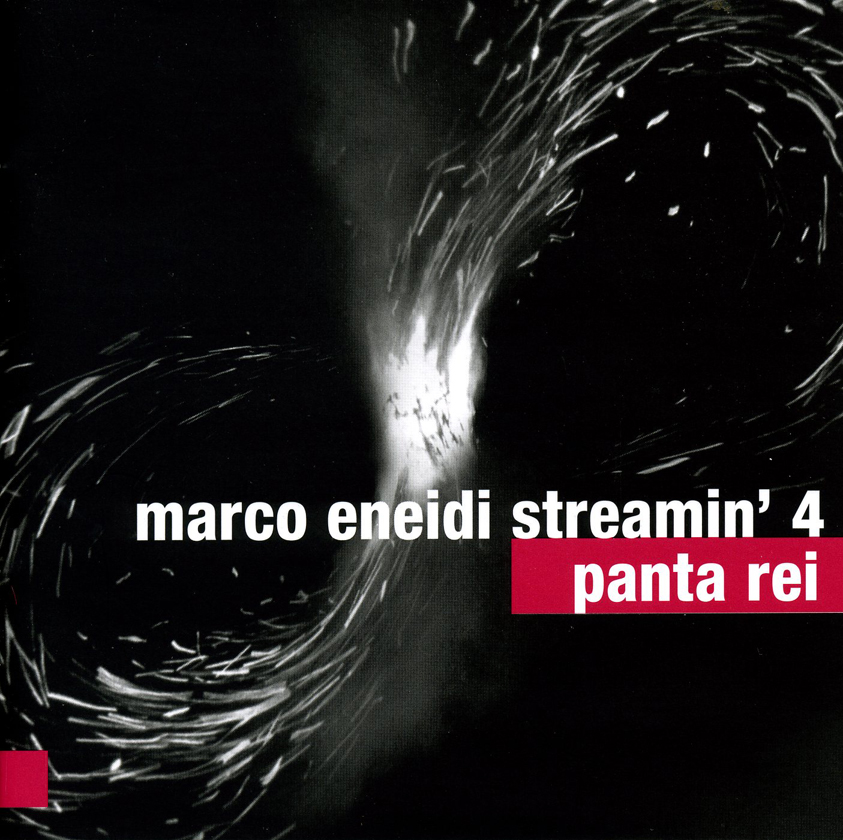
05_Panta_Rei.jpgOf course it’s still common for a visiting international soloist to hook up with Polish musicians to tour and record. One notable instance of this is Panta Rei (ForTune 0047 034 for-tune.pl), where Marco Eneidi Steamin’ 4 consists of the leader, an American alto saxophonist living in Vienna, plus three high-functioning Poles: tenor saxophonist Marek Pospieszalski, bassist Ksawery Wójciński and drummer Michał Trela. Comfortable in two-saxophone situations, Eneidi’s communication with Pospieszalski is at the highest level, often suggesting a funhouse mirror, where similar phrases from each are distorted with unique reflections. Ironically titled, Made in Pole Land highlights an emotional two-step which breaks down into speedy tremolos with snorts, horks and nasal buzzes goosed by Wójciński’s pacing and Trela’s wooden cracks. The swirl of buzzing double bass strings energizes White Bats Yodelling, although whether the flying rodents saluted with violent mammalian split tones, rumbling basso honks and agitated wing-like swishes are Polish or American isn’t made clear. What is clear is that, like intrepid (tone) scientists, the two saxophonists chase every phrase and note to the end, wringing each sonic nuance, expansion and implication from it. With measured bumps, but no bombast, the drummer follows up Wójciński’s sul ponticello intro to the concluding wordplay of Arco M. Adding additional string twanging later on, both he and Trela maintain the swinging pulse as the soloing of Eneidi and Pospieszalski contrast their intercontinental styles. When one architecturally builds a sleek Le Corbusier-like modernist line, the other counters with rococo detailing; then they switch roles with conclusive cooperation. Panta Rei may have been a first meeting for the American and the Poles, but the high level of musicianship exhibited by all confirms why collaborations involving adventurous Polish stylists and equally impressive out-of-country musicians are becoming increasingly common.


01_Darren_Sigesmund.jpg

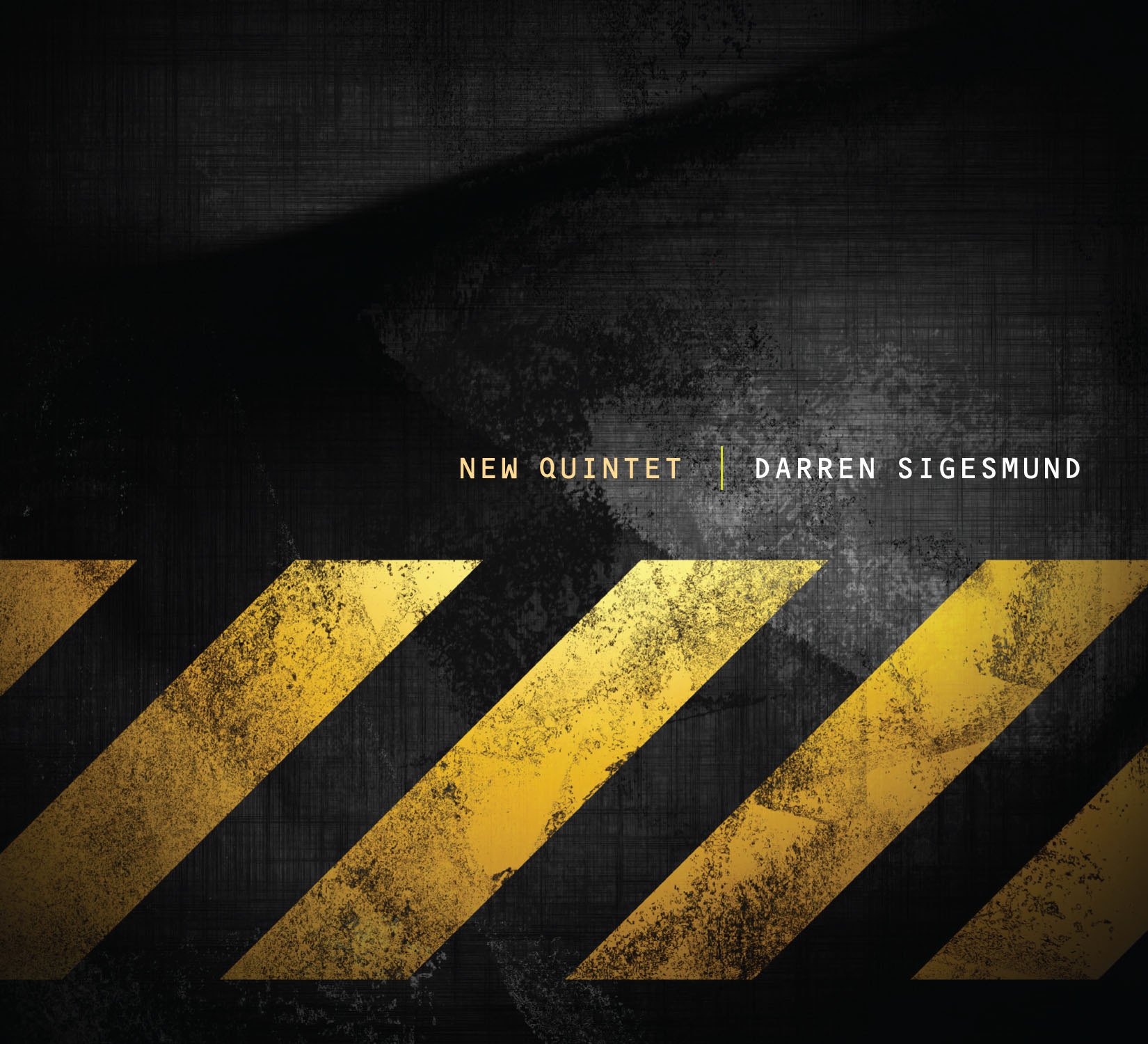
With each successive CD, Darren Sigesmund has become a more distinctive and accomplished composer and bandleader. His previous one, Strands III, made brilliant use of Eliana Cuevas’ wordless vocals on ensemble passages and here he employs two New Yorkers, violinist Mark Feldman and pianist/accordionist Gary Versace, to create dramatically different instrumental textures in company with his own trombone. While that last CD had a certain Brazilian feel to it, New Quintet (darrensigesmund.ca) sometimes has a distinctly French quality, Feldman’s dramatic and impassioned violin combine with the reediness of Versace’s accordion to suggest an ancient café ambience. Much of the music has a limpid lyricism but it moves with an underlying rhythmic power, propelled by bassist Jim Vivian and drummer Ethan Ardelli. Sigesmund is as tuneful an improviser as he is a composer, bringing a special, slightly muffled warmth and subtle inflections to his every solo.

02_Ross_Tagart.jpg

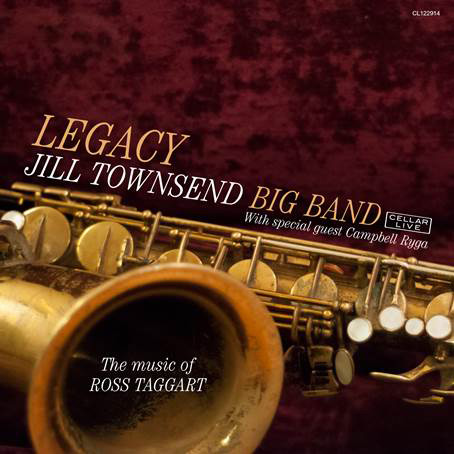
When Ross Taggart passed away at 45 in January of 2013, he was among Vancouver’s most prominent musicians, an accomplished saxophonist, pianist and composer who inspired the love and respect of his community. Several recordings have been dedicated to Taggart since his death, but two new releases highlight the breadth of that community. Legacy, The Music Of Ross Taggart (Cellar Live CL122914480, cellarlive.com) by the Jill Townsend Big Band is a substantial document of his work by a band in which he had played saxophone for a decade. It’s a crisp, precise big band with some outstanding soloists, including special guest Campbell Ryga who plays soprano sax on three tunes. Townsend and guitarist Bill Coon have done a fine job of arranging Taggart’s small-group music (and even a piano solo) for big band, ranging from fairly conventional, hard-swinging fare like Don’t Call Before 10 to the CD’s finest work, Light at the End of the Tunnel, on which Coon expands Taggart’s imaginative harmonies into a lustrous orchestral gem. Reminiscent of Kenny Wheeler’s work, it’s highlighted by Brad Turner’s flugelhorn solo.

03_Waxwing.jpg

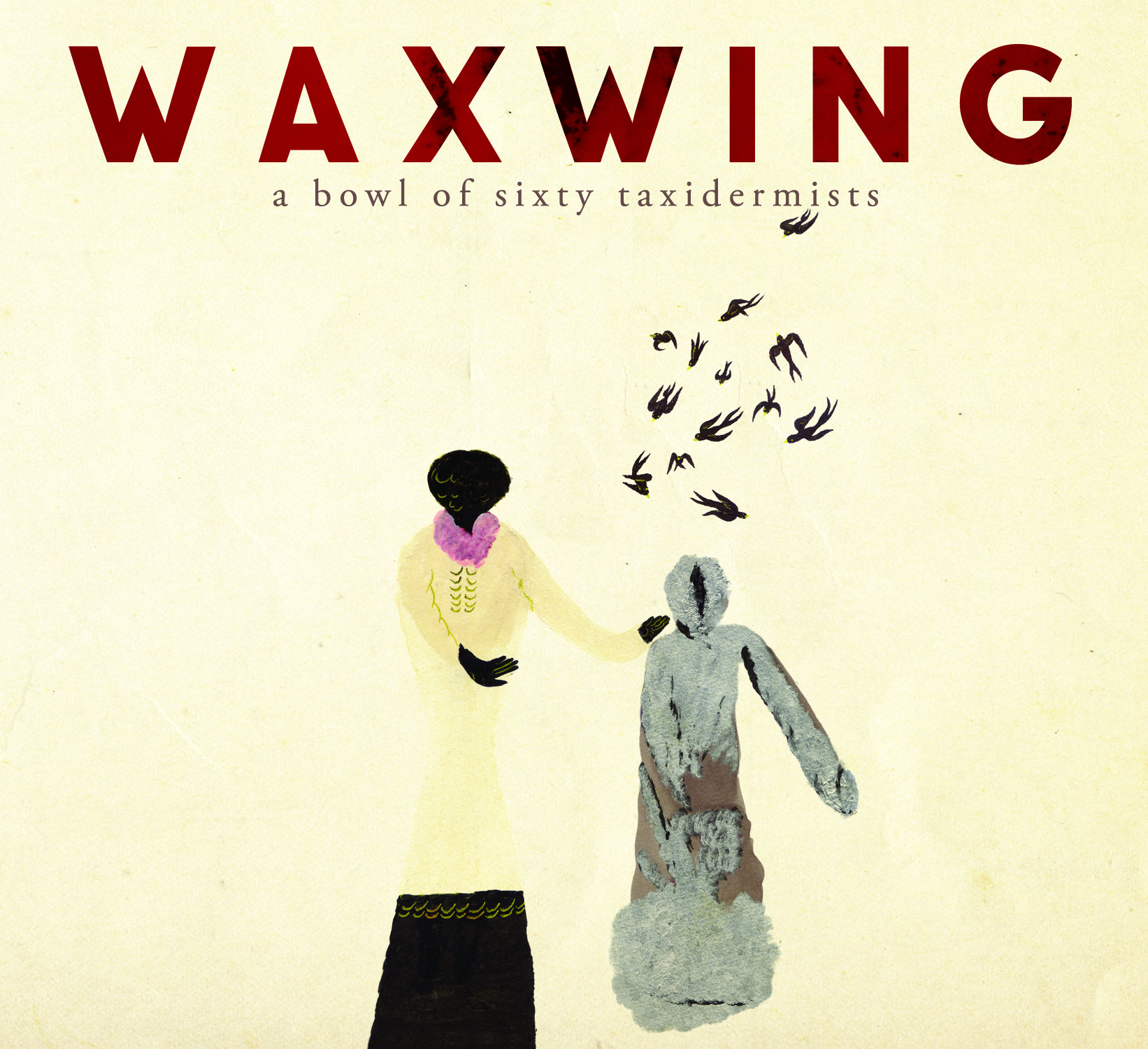
A very different work is also dedicated to Taggart: A Bowl of Sixty Taxidermists (Songlines SGL 1611-2, songlines.com) by Waxwing, a trio that seems to create its own genre, a kind of jazz suffused with folk music. Much of the music is composed by saxophonist (and over-dubbed multi-instrumentalist) Jon Bentley, who played in Taggart’s quartet and possesses a gorgeous tone from the school of Stan Getz. The mood is reflective, at times playful, rather than somber, with cellist Peggy Lee and guitarist Tony Wilson contributing strongly melodic compositions and improvisations to this often spare and resonant music. Taking its title from a phrase of Taggart’s, the work is less about loss than passage, a gentle trip into the unknown. Lee’s contributions include a distinctive arrangement of the traditional Clementine while Wilson’s tunes commemorate both Taggart (For Ross) and drummer Claude Ranger (For Claude), who disappeared in 2000.

04_Schager_Thompson.jpg

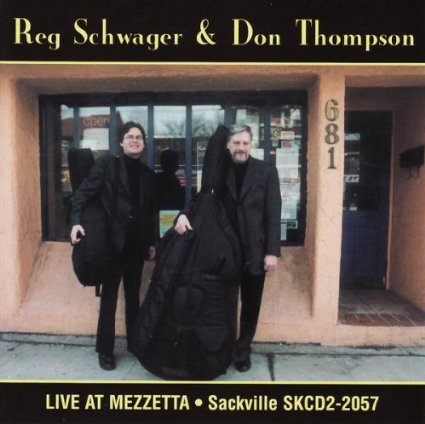
Canada has had few sustained specialist jazz labels and nothing else like Toronto’s Sackville, running from its launch in 1968 by John Norris and Bill Smith until Norris’ death in 2010, recording music from stride piano to the avant-garde. Chicago’s Delmark has now revived the label, and many of Canada’s best jazz recordings are back in circulation, like guitarist Reg Schwager and bassist Don Thompson’s Live at Mezzetta (Sackville 2057, delmark.com). The two craft intimate, masterful versions of a series of standards, bringing fresh perspectives to In a Sentimental Mood and Willow Weep For Me.

05_Lyttleton_small_.jpg

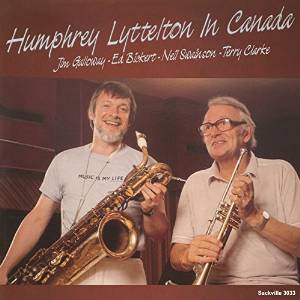
One unusual item from the catalogue is Humphrey Lyttelton in Canada (Sackville SK3033, delmark.com) which matches the English trumpeter with a stellar Toronto supporting cast, including Scottish transplant Jim Galloway on saxophones and the highly flexible rhythm section of guitarist Ed Bickert, drummer Terry Clarke and bassist Neil Swainson, here tempering their more modernist bent. While Lyttelton gained fame in the English trad revival, here he blends a Louis Armstrong influence with a swing style rooted in Basie and Ellington. The music is lively, joyous and consistently well-played, its happiest moments coming on the West Indies-flavoured Caribana Queen.


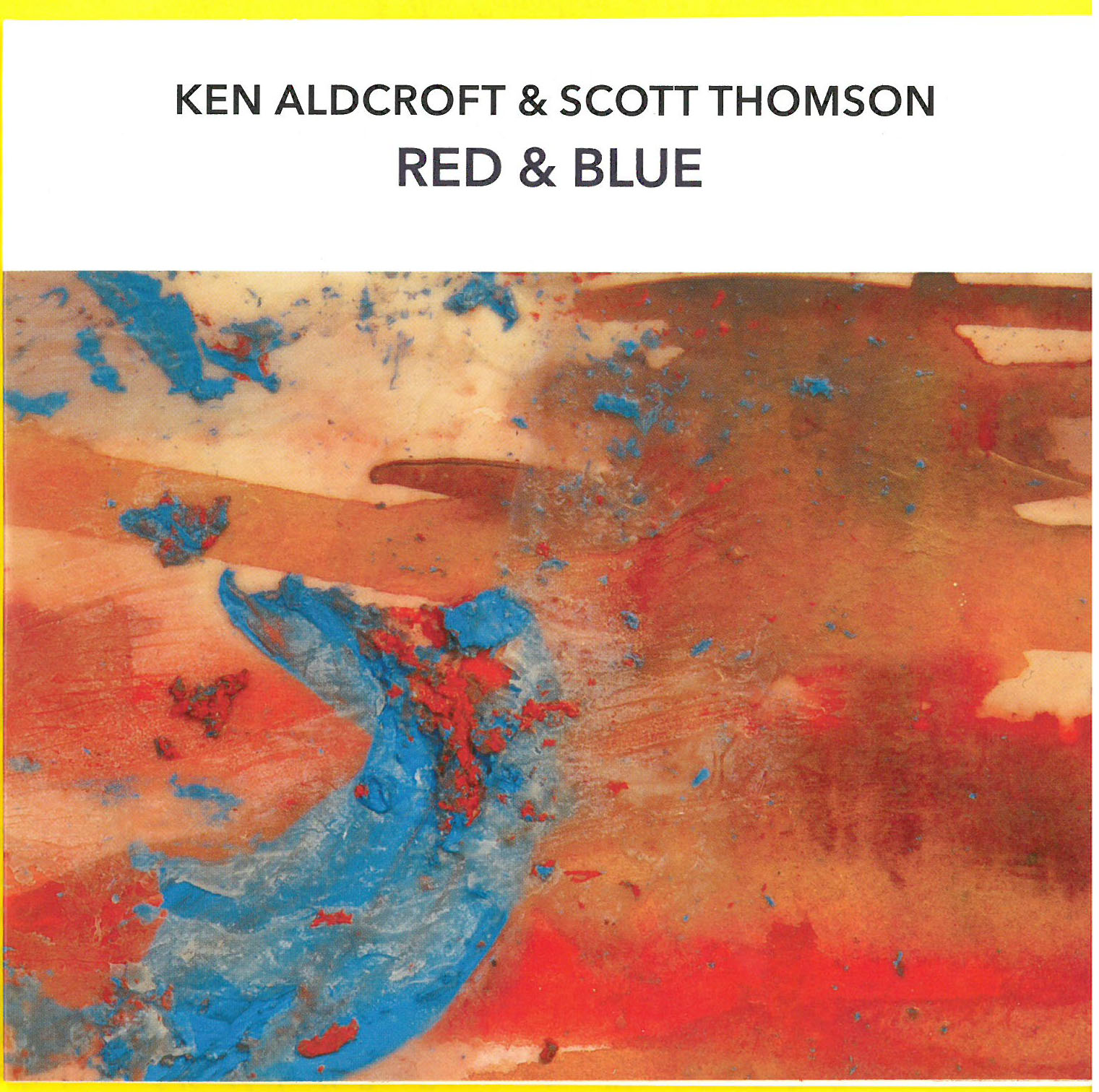
06_Red__Blue_Aldcroft.jpgGuitarist Ken Aldcroft and trombonist Scott Thomson present a series of four freely improvised duets on Red & Blue (Trio Records TRP-D503-021, kenaldcroft.com/triorecords.asp). The music is continually shifting and evolving, moving from rapid-fire runs to pointillist exchanges and dialogues in which one offers empathetic support to the other. Aldcroft stays close to the traditional timbre of a lightly amplified jazz guitar, while expanding the vocabulary with percussive effects and skittering chord runs that move in and out of tonal expectations; Thomson’s explorations of the trombone include barnyard noises, extreme upper register effects and very rapid tonguing. However, it’s what they have in common that’s most significant: a willingness to reduce their sounds to whispers and to listen to one another intently and creatively. This is subtle, challenging music that responds best to the same kind of close listening that the musicians bring to it.

07_Woodshed_Orchestra.jpg

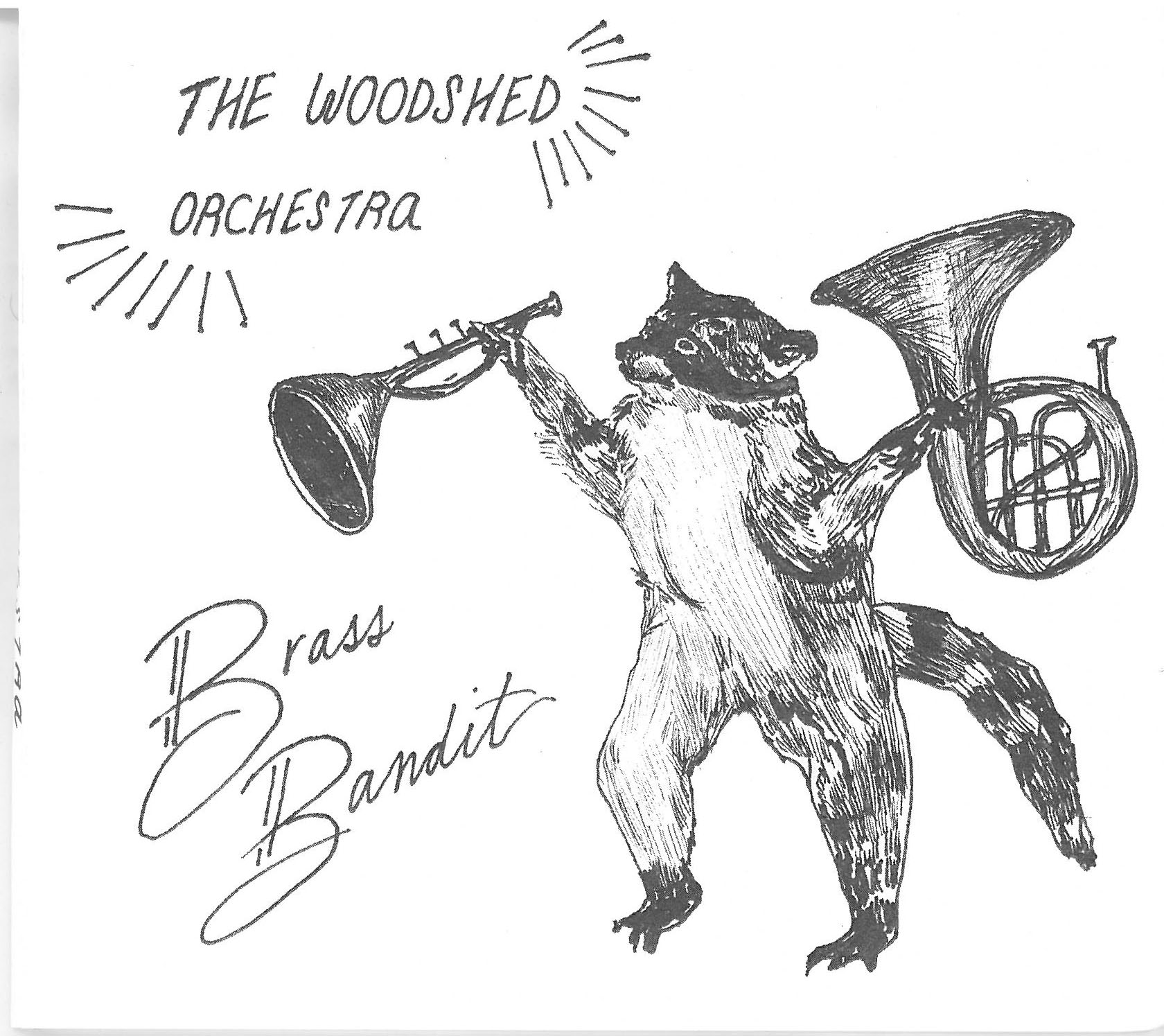
Scott Thomson also appears on another recent recording that may be the least abstract CD of the year. Led by drummer Dave Clark, the Woodshed Orchestra is a joyous musical free-for-all, part brass band and part parody thereof. On Brass Bandit (Independent, thewoodshedorchestra.com), the 11-member group includes other distinguished improvisers like bassist Michael Herring and saxophonist Karen Ng. Here you might think of it as a New Orleans funeral parade that keeps getting lost. A couple of times it wanders into streets that lead to the Balkans and the Adriatic, while at others it appears to get the sequence confused, celebrating first (Love Letter to New Orleans with a great blatting solo from Thomson) and mourning later (Prayer) with funk in between (The Griff). Everybody in the band sings, including Susanna Hood, though her vocal talents aren’t required for group recitatives like Pennie + Mousie’s Antidotal Lullabye and A Politician. The CD lasts a brief 26 minutes, but it has energy and spirit to spare. 

Back to top