02 jazz libre cover cropMusique-Politique: Anthologie 1971-1974
Le Quatuor de Jazz Libre du Québec
Tour de Bras TDBHIST0001 (tourdebras.com)

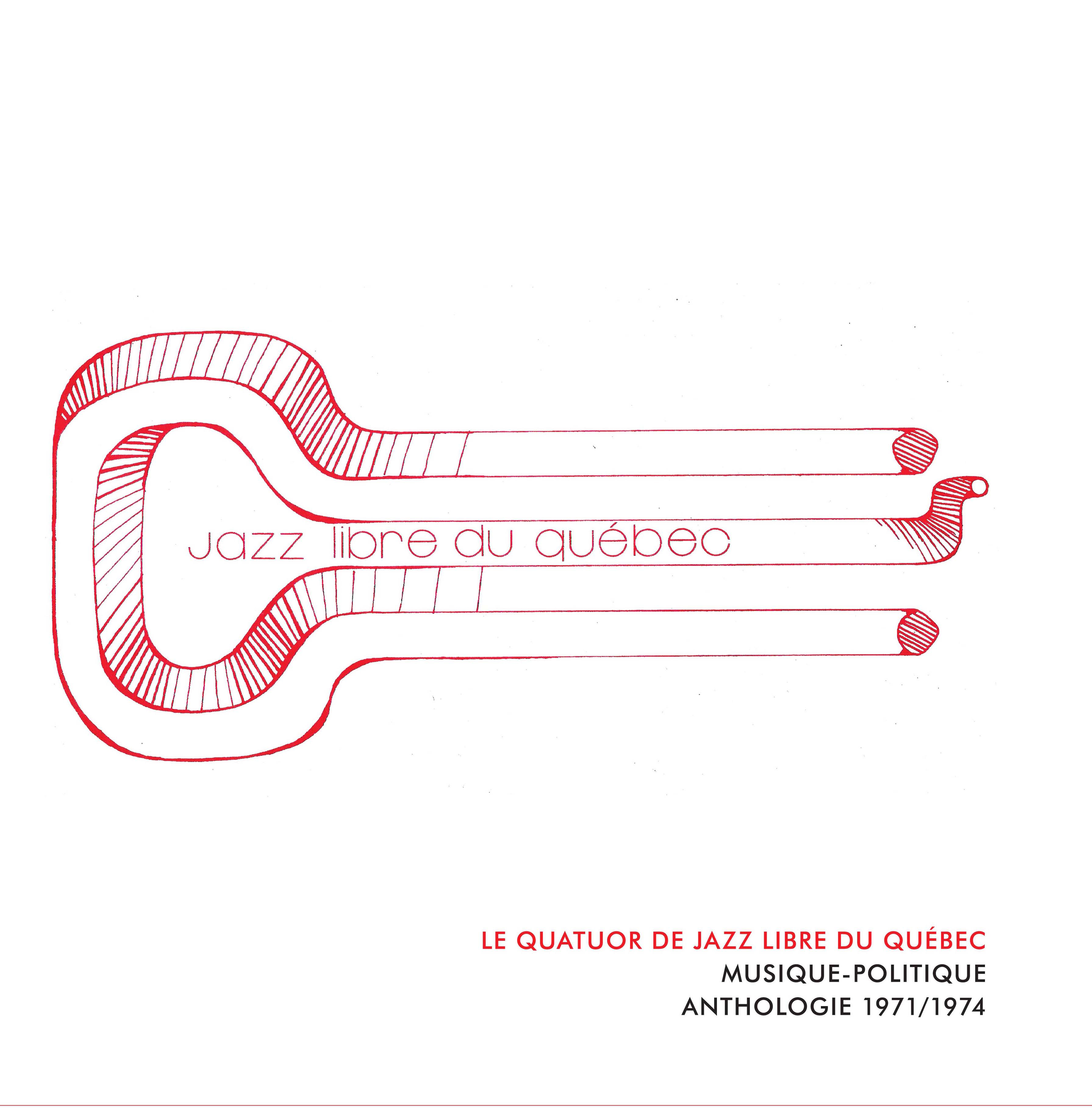
This has been a momentous year for the documentation of Quebec’s entry into the world of free jazz. First came Eric Fillion’s book Jazz Libre et la révolution québécoise : Musique-action, 1967-1975 (M Éditeur: 2019) and now this ambitious four-CD set to provide sonic evidence of the achievement of the founders of free jazz in the province, Le Quatuor de Jazz Libre du Québec. The CDs, drawn from the group’s archives of performance tapes, are supplemented by a 24-page, LP-size volume that includes essays in French (including ones by Fillion and producer Éric Normand) and reproductions of manifestos, news stories and even a cover questionnaire from the group’s social outreach program, all of it providing context for the most radical Canadian-born jazz movement in history.

The group existed from 1967 to 1975 with two constant members, tenor saxophonist Jean Préfontaine and trumpeter Yves Charbonneau. If jazz has rarely been political in Canada, Le Quatuor was insistently so, creating a distinct connection between the ferment in Quebec society and the ferment in their own music, initially inspired by American free jazz as played by Ornette Coleman and Albert Ayler. The music here is very much a soundtrack to the times, an intense element in the rise of Quebec nationalism that followed on the FLQ crisis and the War Measures Act, enacted in October 1970. The quartet’s reach into the heart of Quebecois culture included the founding of an artist commune (Le Petite Québec Libre), a later performance space (L’Amorce) and public self-analysis of their work (interspersed here between the performances).

The music here runs from 1971 to 1974, arguably the group’s strongest period despite shifting support. Jean Préfontaine, born in 1926, is the strongest presence here, a musician who found free jazz after a career in a military band. His extended opening solo on a September 1973 performance is a riveting example of all that free jazz saxophone could be: a radical soliloquy that’s part jeremiad, part exhortation, part abstract interior monologue cut through with doubt and excitement at the coming day. Yves Charbonneau is a fine foil, a subtler provocateur, adding thoughtful solos and detailed support as the set documents the band’s developing sense of a commanding freedom. The presence of American cellist Tristan Honsinger on the 1973 material, passing through en route to a brilliant career in European free improvisation, signals a broadening musical language and the achievement of the group’s final period.

The set adds substantially to the history of jazz in Canada, casting new light on its most intense moment, as well as a significant contributory stream to Quebec’s diverse concept of musique actuelle, perhaps the most vigorous scene in contemporary Canadian music.
01 Emma FrankCome Back
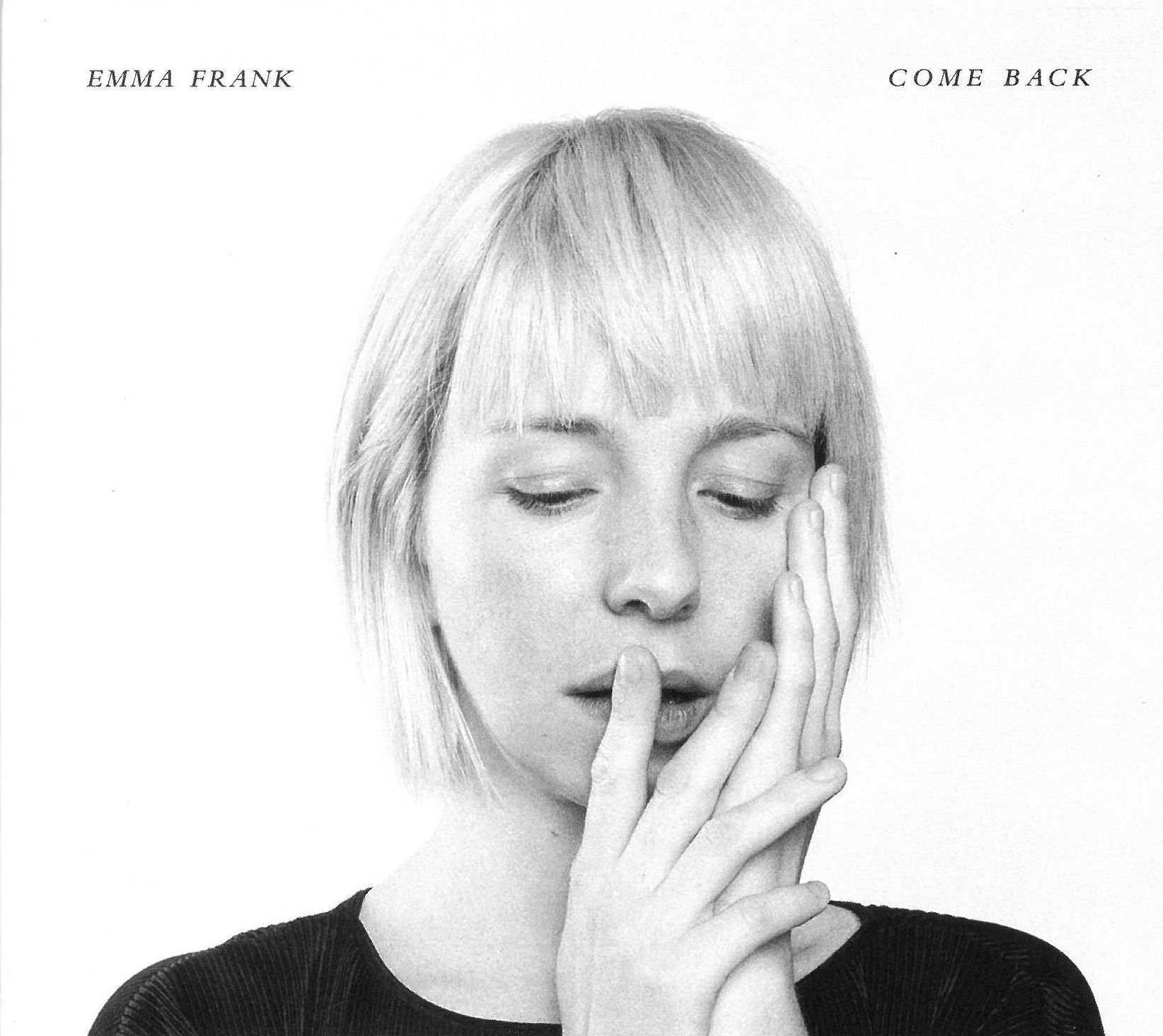
Emma Frank
Justin Time JUST 262-2 (justin-time.com)

It’s not often that you come across a multi-faceted voice that could fit into any genre of music imaginable. Boston native Emma Frank demonstrates her ability to seamlessly blend genres within songs and navigate between them with her stellar voice on her latest release. Frank’s pieces are introspective, telling stories in such a way that any listener could directly relate to. Her vocal style is reminiscent of highly acclaimed Canadian indie pop singer Feist with a delicious hint of Diana Krall that aids in creating the perfect blend of jazz and art pop throughout the album. This album provides a welcome updated jazz sound that is suitable to listeners new to the genre and aficionados alike.

Frank’s songs are of a milder tempo but have plenty of movement, allowing the listener to fully process every musical element and nuance within the pieces without growing weary. The soundscape is strewn with plenty to listen and pay attention to thanks to musicians such as Aaron Parks on piano and synthesizers, Tommy Crane on drums, Zack Lober on bass and co-producer/guitarist Franky Rousseau with whom Frank has previously collaborated. While her record has a modern touch, it is pleasing to hear hints of traditional jazz throughout, especially within pieces such as Sometimes, Promises and See You. This fourth release by the stunning and golden-voiced vocalist is an incredibly pleasing journey through genres that leaves something new to discover around every corner.

04 Matt HerskowitzMirror Image
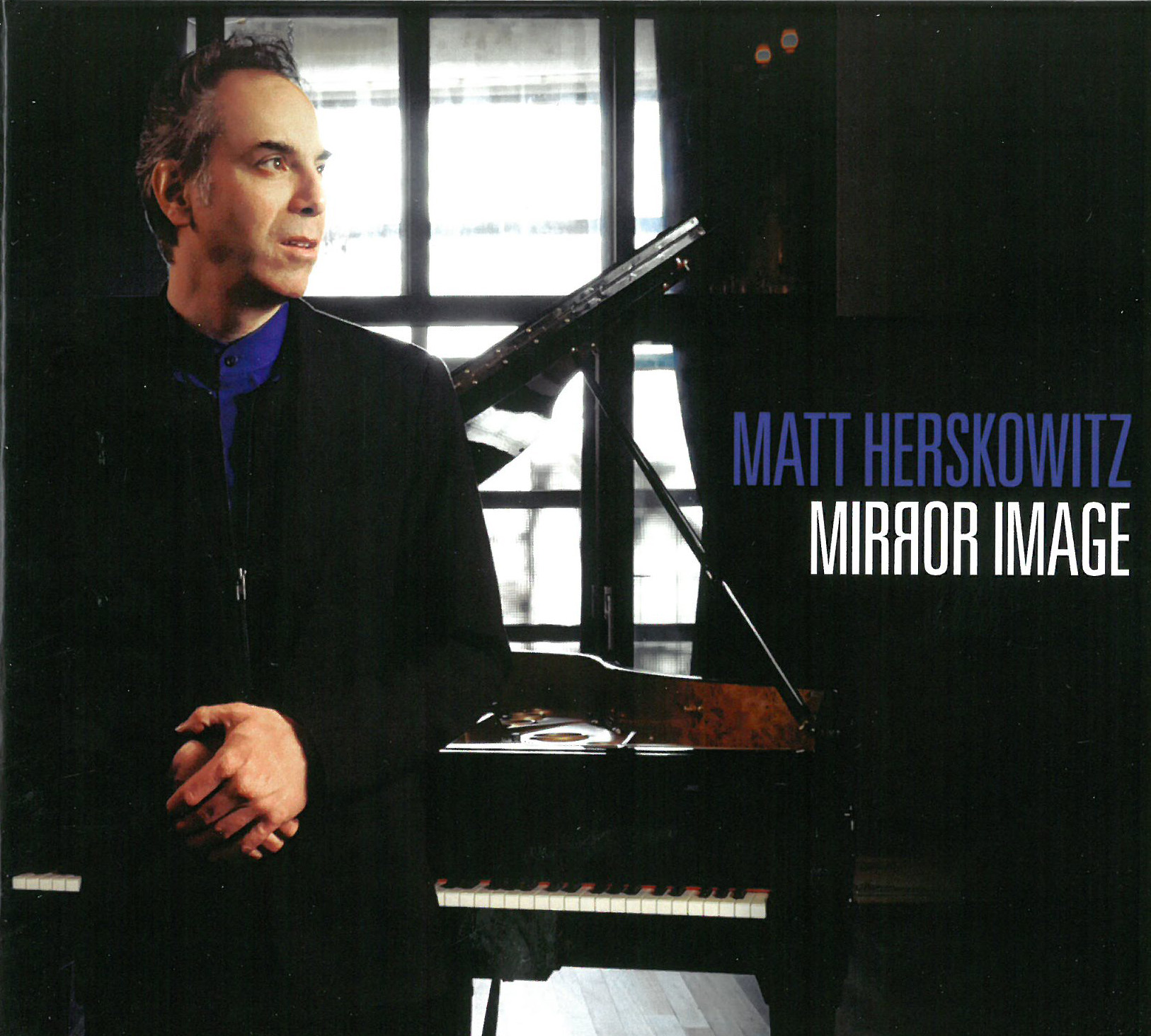
Matt Herskowitz
Justin Time JUST 263-2 (justin-time.com)

To play jazz on the piano, a musician must – at some point – come to terms with the weight of the instrument’s history. The modern drum kit started to come together in the 1920s; the electric guitar, which, unlike its classical forebears, would be played through an amplifier, primarily with a plectrum, would not be manufactured until the 1930s. But the piano – so central to the sound of mainstream jazz – predates the genre by over 200 years.

On the solo album Mirror Image, released on Montreal’s Justin Time Records, the accomplished pianist Matt Herskowitz demonstrates his command of both the jazz and classical traditions through a mixture of original pieces, compositions by the likes of Ravel, Satie and Schubert, and a jazz standard. The fusion of jazz and classical has its own rich history; third stream music has enjoyed a degree of popularity since the 1960s. This synthesis is used to great effect by Herskowitz, not as a way to showcase two separate skill sets, but as a framework with which to display an intelligent, well-developed, honest approach to music making that honours the pianist’s personal experiences on the instrument. Highlights include bluesy, gospel-tinged flourishes on Gottschalk’s The Last Hope, the percussive title track Mirror Image, and My One And Only Love, which closes the album. Herskowitz’s truest success, however, is the thread with which he so effectively and confidently connects the album’s many elements into a sensible whole.

Listen to 'Mirror Image' Now in the Listening Room

05 Bill GilliamCounterstasis – Refracted Voices
Bill Gilliam; Glen Hall; Joe Sorbara
Independent MPBG-006 (gilliamhallsorbara.bandcamp.com)

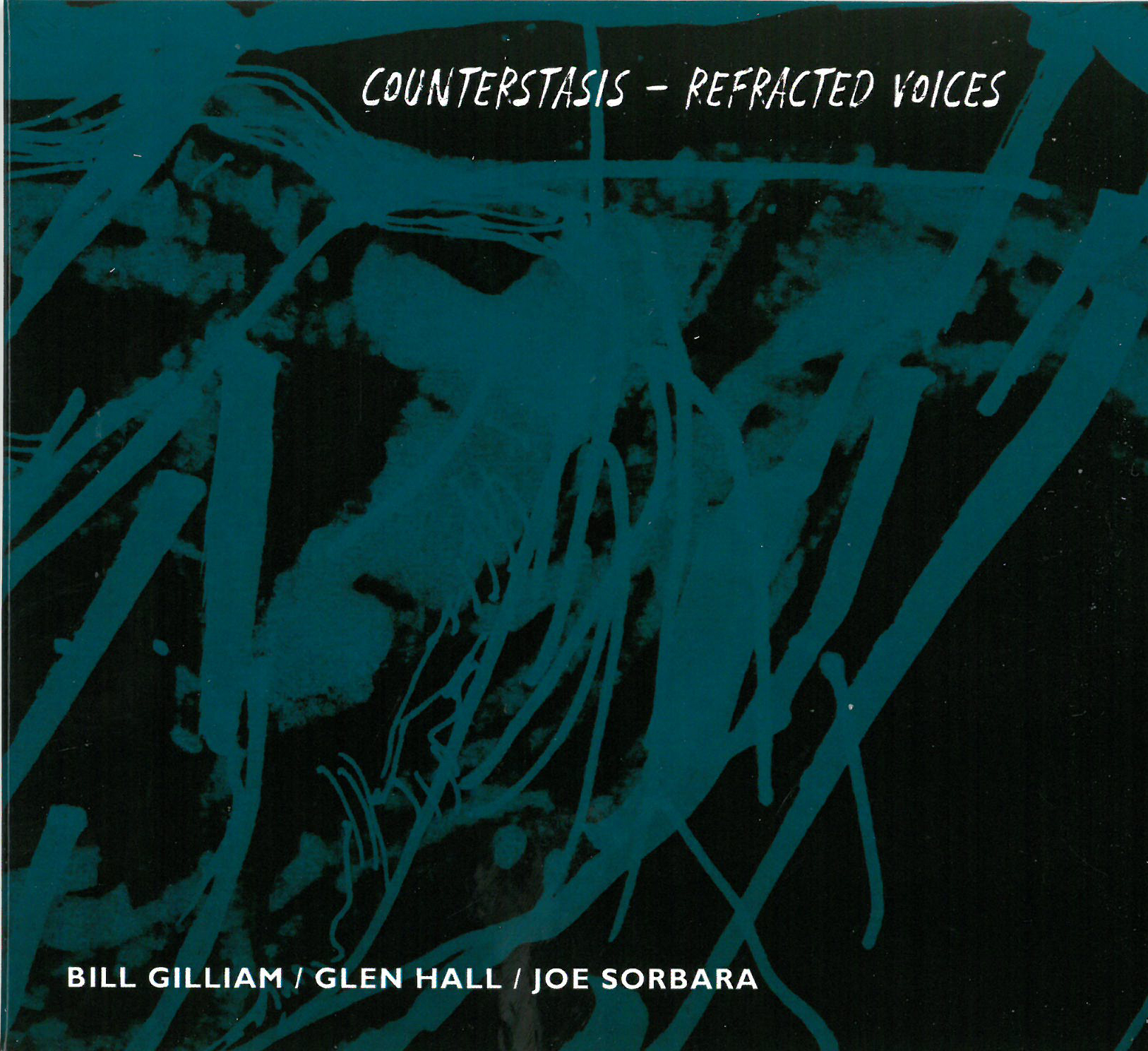
Counterstasis – Refracted Voices is a new album of improvised music from the trio of Bill Gilliam (acoustic piano, preparations), Glen Hall (woodwinds, electroacoustics) and Joe Sorbara (drums, percussion), recorded at Number 9 Audio Group in Toronto. Gilliam, Hall and Sorbara are veteran improvisers, and bring a wealth of creative experience to their shared practice, which takes its influence from a variety of musical traditions. The heart of this project, as described in the liner notes, is to “counter stasis, to foster change, to create a music in which [the musicians’] individual voices can be bent by, refracted through the voices of their co-conspirators.” To these exploratory and interactive ends, Hall uses an assortment of live effects, including the OMax AI improvising software and the CataRT synthesis program, both by the Paris-based Institute for Research and Coordination in Acoustics/Music (IRCAM).

Hall’s electronic contributions range from subtle additions to the trio’s acoustic instruments (as on the opening track, Sinuous Movements), to major structural components (as on Radio Chatter, which does indeed feature radio chatter, and Cave Ritual, the album’s longest offering, in which eerie atmospheric sounds form the basis for the overall shape of the tune). Throughout the proceedings, Gilliam, Hall and Sorbara play with maturity, confidently committing themselves to the realization of a shared musical vision that privileges communication over individual athletics. The album offers many highlights, but is best heard in one listen, as the spontaneously composed event that it is.

06 TriioTriio
Alex Fournier
Furniture Music Records (alexfournierplaysbass.com)

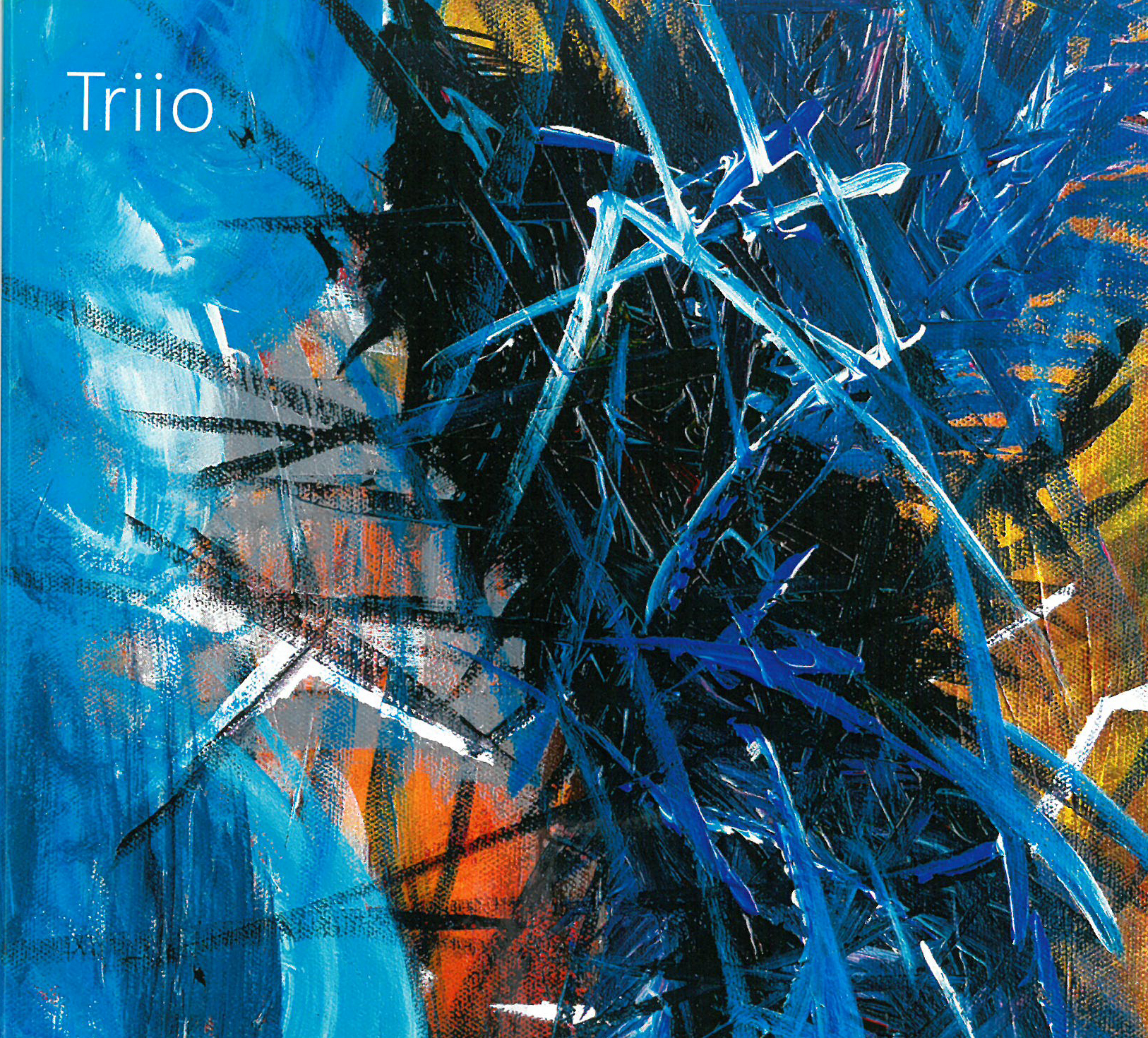
Toronto-born bassist Alex Fournier has gotten together some exceptionally talented musicians for this newest album simply titled Triio. Fournier himself has penned every song on the record and it is a true and great testament to his compositional talent. For those wondering about the interesting spelling of the album title, the band leader himself mentioned that he merely added in another ‘i’ to indicate that the group is not a true trio; it was meant to originally have four members but eventually grew into the sextet that is heard on the record.

The album as a whole is an interesting musical journey. It offers plenty of opportunity for experimentation and improvisation but also manages to have a certain character and, to an extent, structure, throughout. It is very easy to lose yourself completely in the unique sound of the record. The music has a variety of textures, almost as if you can physically feel the different character and flavour of each piece. The track ESD is almost what you could call “trippy,” a complete improvisational journey that fittingly starts off the record. Giant-Dad and Noisemaker have some underlying elements of traditional jazz slyly inserted into the bigger musical picture. Dusk has beautifully captivating and haunting melodies by great talents Bea Labikova on alto sax as well as flute and Aidan Sibley on trombone. This record offers something for both seasoned listeners of jazz and for people new to the scene.

07 Tune TownThere From Here
Tune Town
Independent TSLCD-310 (tunetownjazz.com)

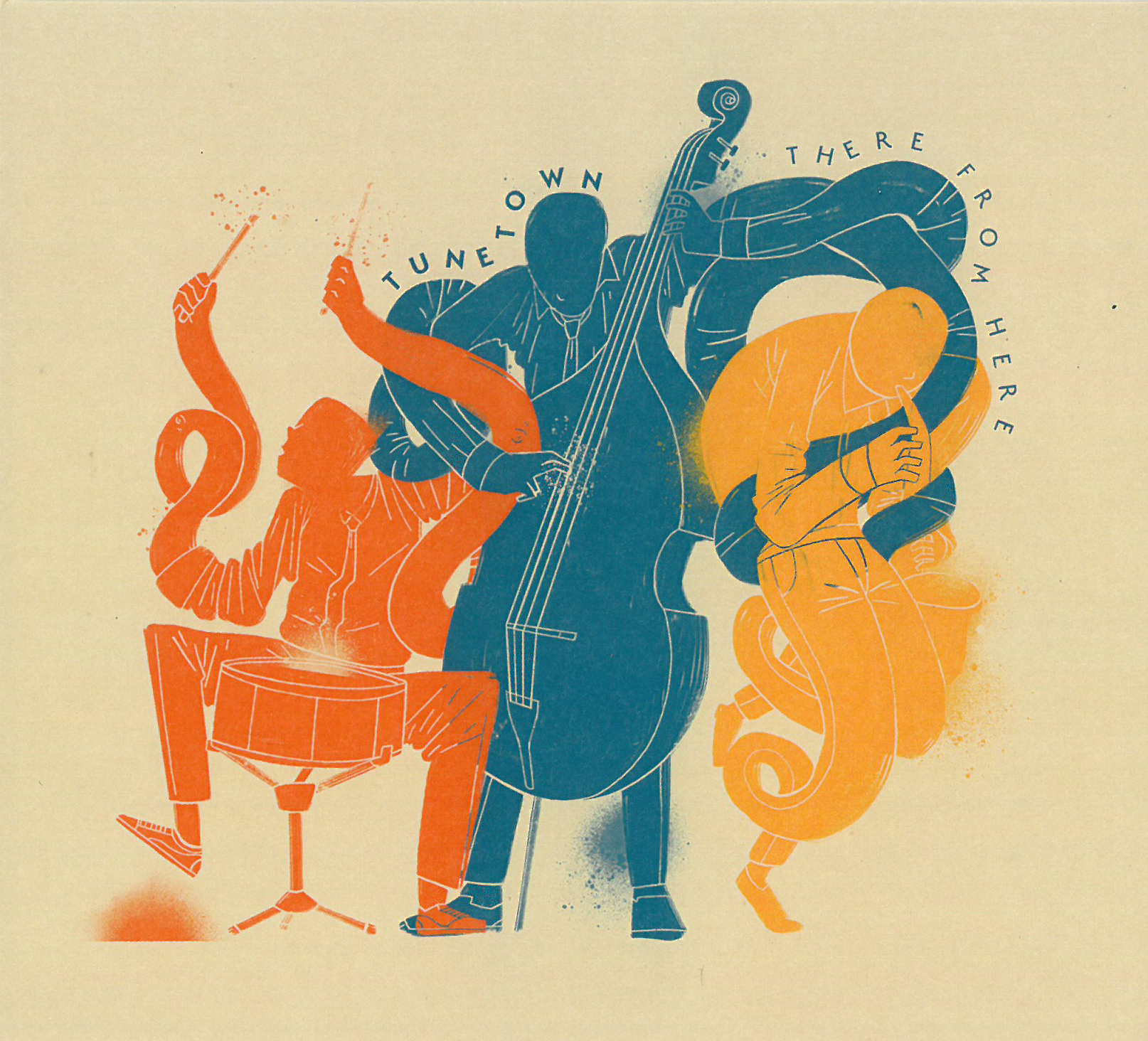
There From Here is the debut album from a fresh collective on the Canadian jazz scene, a scintillating trio of Canadian talent: Kelly Jefferson on saxophones, Artie Roth on acoustic bass and Ernesto Cervini on drums. With grooves that get your foot tapping to captivating melodies and rhythms, this collection of original pieces will breathe life into an otherwise dull and meticulous day. The album is a breath of fresh air in today’s world of constant musical shuffling; it is meant to be listened to as a story from top to bottom, acting much like a concept album. Listeners are in for a pleasing journey through various genres.

The Monks of Oka harks back to the era of jazz greats, specifically Thelonious Monk. It is easy to spot the influence of his music in the piece. Sophisticated Lady takes the tempo down a notch in order to showcase the great talents of Jefferson and Roth as they take you along on a smooth and pleasing melodic voyage. The album does an astounding job of “seamlessly assimilating elements from the avant garde, funk and jazz worlds.” Especially in the track Split Infinity we hear a great funk groove supported by Roth and Cervini throughout the piece. For those tired of the rush-rush world that we live in, this is a fantastic album that allows you to sit down and take in a complete musical story.

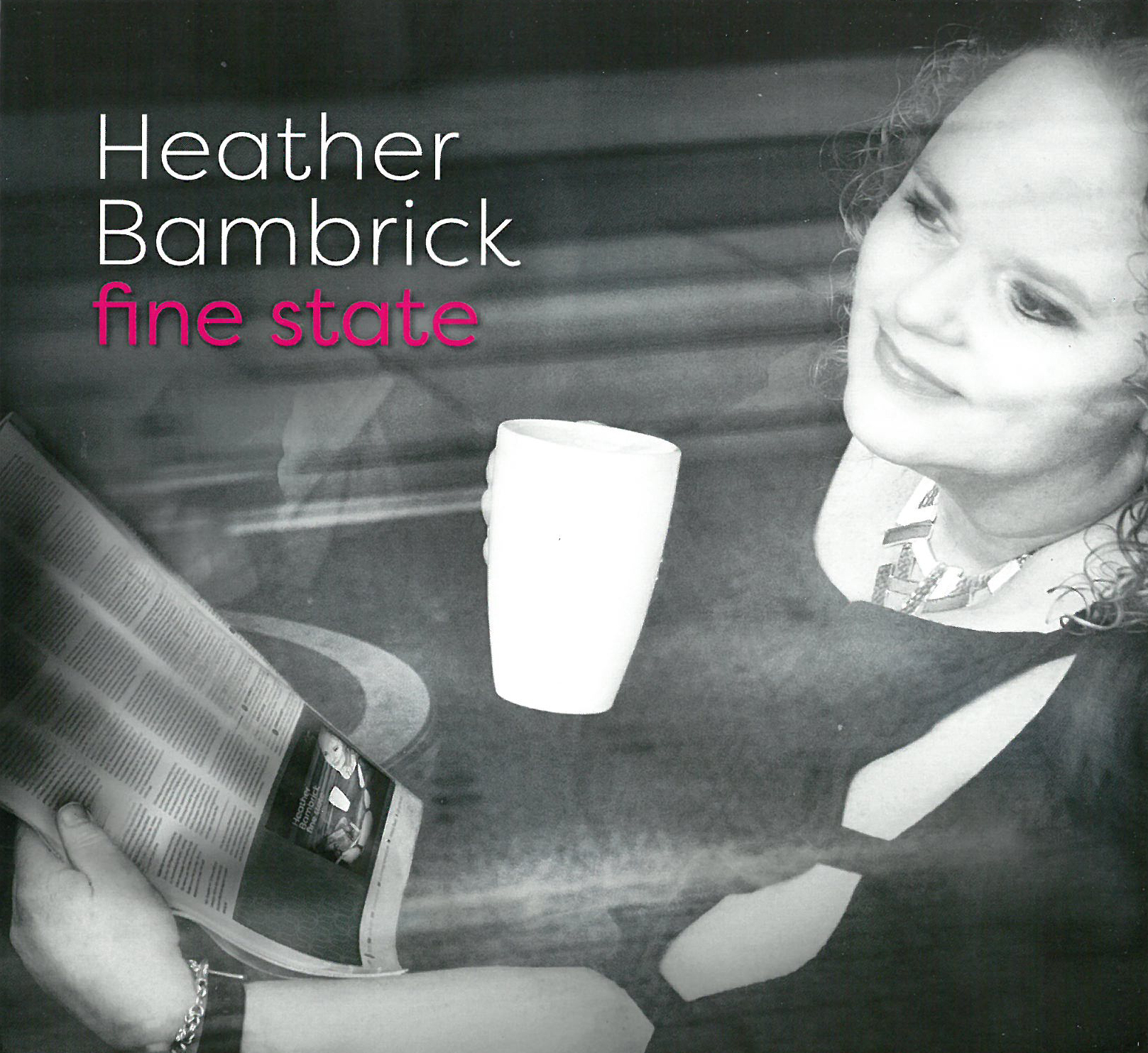
08 Heather BambrickFine State
Heather Bambrick
Heather Bambrick Music HBCD-004 (heatherbambrick.ca)

Heather Bambrick, that beloved – and often goofy – voice familiar to anyone who tunes in to JAZZ.FM91, weekdays between 9am and 1pm (and nightly on Wednesdays), shows off her attractive pedigree with another solo recording. This album, Fine State, also confirms her growing reputation as an artist of the first order. Her voice throughout is fairly light and limpid, though not without sinew.

Bambrick’s diction is exceptional, reflecting real imagination behind repertoire that spans standards as well as thoroughly interesting new work composed by her as well as other writers of repute. This is ingeniously selected music, reflective of the high quality of the production by the drummer on this date, Ben Wittman, and Jono Grant, a longtime Bambrick associate, together with the vocalist herself.

If it’s hard to single out one track as being the most perfect example of Bambrick’s musicianship, it is equally hard to pick a favourite (because that would change with each playing of the recording). However, I would posit that Bambrick’s version of Milton Nascimento and Fernando Brant’s utterly beautiful song, Bridges (sung here with Gene Lees’ English lyrics) might be described as this disc’s crowning glory. Here we have a song, the poetry of which is infused with a sense of nostalgia and melancholy, its fluid melody delicately painted by a candid voice urged on by wistful instruments. Clearly an album to die for…

Listen to 'Fine State' Now in the Listening Room

Back to top