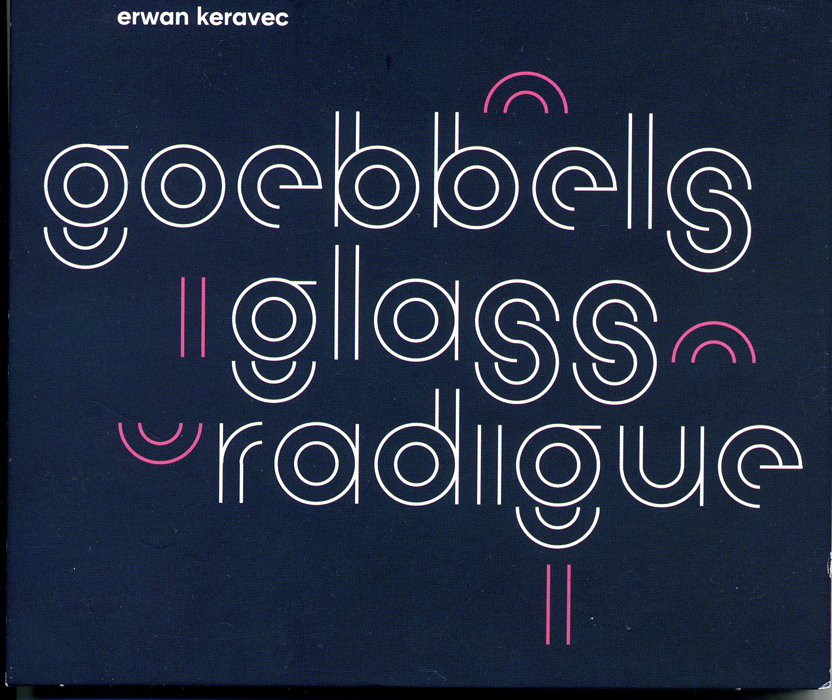
14 Erwan KeravecGoebbels/Glass/Radigue
Erwan Keravec
Buda Musique cd 860368 (budamusique.com)

Having unshackled Breton bagpipes from its role in traditional music by creating settings for choreographers and dancers, improvising alongside free players and interpreting notated sounds,  Erwan Keravec takes the next step and commissions works for solo bagpipe from modern composers. This CD preserves his newest iterations as the French innovator premieres dedicated originals from German composer Heiner Goebbels (N°20/58); French composer Éliane Radigue (OCCAM OCEAN OCCAM XXVII); and recasts for bagpipes American composer Philip Glass’ piano continuum Two Pages.

Goebbels’ piece is the most challenging since it was recorded outdoors with Keravec’s stridently pitched drones and eerie chanter whistles sharing space with, and reacting to, aleatoric insertions of pouring rain and thunder claps. As focused bagpipe variations trill, the percussive external forces are solidly subsumed by Keravec’s shaking drone. Bagpipe buzzing is omnipresent on Radigue’s extended composition as well, since the initial crackling textures are soon replaced by a sturdy drone which undulates without pause, until a brief final transformation into a more distant dissident motif. Glass’ repetitive theme is craftily adapted to bagpipes with Keravec using the properties of the instrument’s airtight bag to continuously echo the note pattern. Eventually, by also emphasizing the bottom drone, he enlivens the initial theme with fiddle-like sweeps, adding kinetics to minimalism.

Creating a unique and compelling solo recital, the bagpiper confirms the 21st-century shibboleth that any instrument can actually perform any type of music.

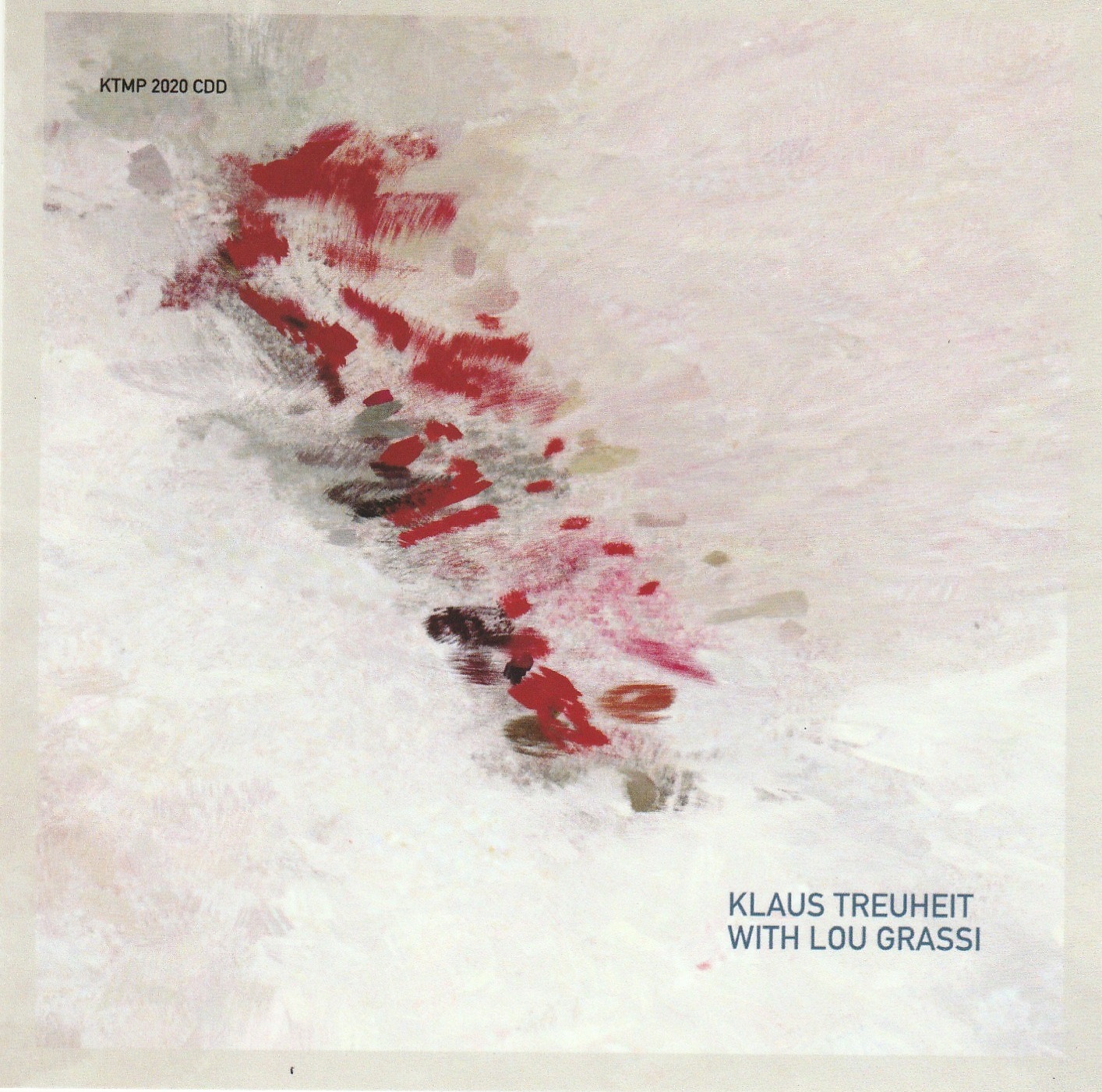
15 Klaus TreuheitPrickly Tenacity Sublime Sensations; Serracapriola - Live
Klaus Treuheit Trio with Lou Grassi
Independent KPMP 2020 CDD (klaustreuheit.de)

The physical qualities of time – that indefinite, continuous progress of existence from past to future – seem ever-present in the conception and execution of the art of Klaus Treuheit. You hear it in the sound and silent spaces of his soundscapes, as the black dots of the page leap and gambol in linear and elliptical arcs, propelled forever forward. As a highly imaginative thinker, Treuheit utilizes form and space to innovatively develop musical architecture seemingly created in spectral dimensions. 

Sound also has a natural momentum in Treuheit’s world; dynamism seems to grow out of his atomic pianistic pulses. All of this is superbly reflected in the music of Prickly Tenacity/Sublime Sensations and Serracapriola - Live, a double album he shares with the deeply empathetic percussion-colourist Lou Grassi, who sounds as if he has a similar philosophical bent of mind. 

Treuheit is also supported on Prickly Tenacity/Sublime Sensations (the first of the two discs) by Georg Wissel who is known to be a master of sculpting compressed air by means of reeds and other devices. Grassi plays drums, cymbals and miscellaneous percussion on this trio disc. The repertoire here is split between the six movements constituting Prickly Tenacity, followed by four sections that form Sublime Sensations. A kind of invisible propulsive force shapes the massive architecture of the music. 

Grassi and Treuheit return to perform an extended, live duet in Serracapriola (disc two). This improvised musical dialogue, is created in the spur of the moment by two like-minded artists. Grassi bends and shapes time with sticks, mallets and brushes, alternately caressing the skins and stirring up moments of rumble and thunder on a myriad of drums and orchestral timpani, his phrases often punctuated by the sizzle and swishing of cymbals. Treuheit joins in the proceedings on an organ producing cascades of tumbling arpeggios, great wheezing, thumping chords and short stabbing gestures  which punctuate the music. Together, the musicians challenge us to listen, with wide-open ears, to music that references the past, but is rooted in the moment, while all the time charging relentlessly into the future. 

This is truly impactful and memorable music by Grassi and Treuheit (with Wissel’s contributions on disc one). It is an idiomatic musical palimpsest; a triumph of time created with uncommon musicality and delivered in performances of monolithic, yet superbly dynamic power.

Listen to 'Prickly Tenacity Sublime Sensations; Serracapriola: Live' Now in the Listening Room

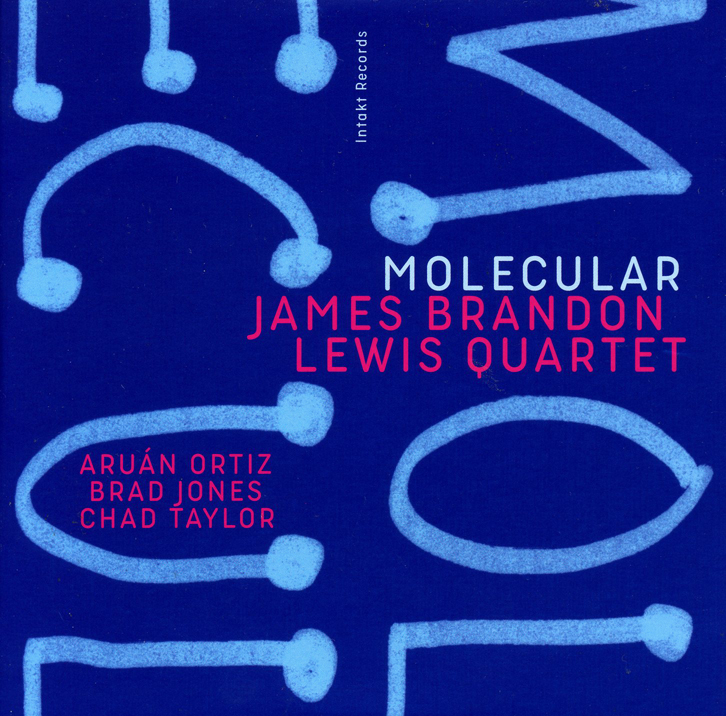
16 MolecularCD002Molecular
James Brandon Lewis Quartet
Intakt CD 350 (intaktrec.ch)

With musical impulses directed towards both exploratory improvisation and the modern mainstream, tenor saxophonist James Brandon Lewis seems destined to be one of jazz’s defining musicians during the next decade. On Molecular, the Buffalo-born saxophonist’s 11 originals work within the standard quartet configuration of piano (Aruán Ortiz), bass (Brad Jones) and the percussion of his longtime associate Chad Taylor, following the double helix concept expressed in varied rhythms and harmonies.

More esoteric in theory than practice, frequent walking bass lines and drum backbeat keep the tunes ambulatory and chromatic, while only on one tune does a tinge of Ortiz’s Cuban background affect his comping. What’s more, Lewis’ reed excursions usually remain as flutter tongued sheets of sound. with smears and vibrations extending the melodies. Though many tunes flourish with a steady groove and recapped heads, the composer also displays his command of atmospheric and mercurial writing. In fact, An Anguish Departed is the most outside track, with Ortiz kinetically smashing bottom-pitched notes while swirling elevated tones, Jones projecting isolated buzzes, Taylor popping rebounds with Lewis shrieking split tones ricocheting from doits to scoops with plenty of echoes. More restrained in development, Helix also stands out since its powerful theme stretches far enough to allow for defining solo breaks from each quartet member.

Swinging, sensible and stropping, Molecular is one definition of high-quality contemporary jazz, showcasing a quartet of players whose careers should be followed from now on.

Despite the growth of computer and Internet-related sound production, the guitar in all its manifestations arguably remains the world’s most popular instrument. But its universal appeal also creates almost boundless opportunities to use the six-string instrument in unique ways. This is especially true when it comes to creating alongside other players, most frequently in jazz and improvised music, as these sessions demonstrate.
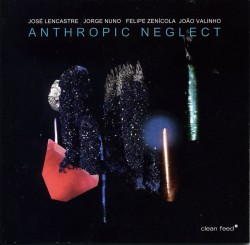
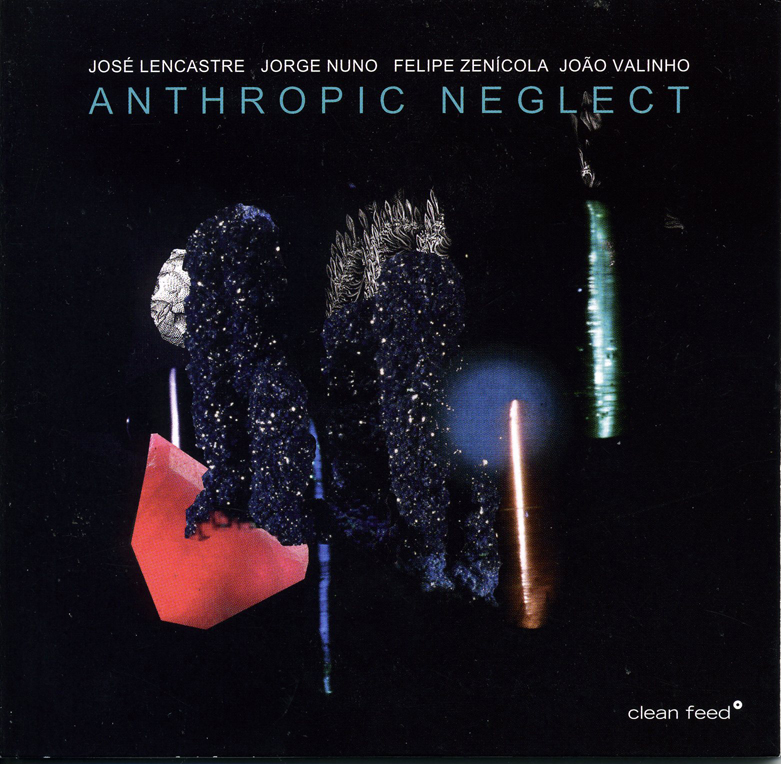
01 AnthropicThe most straightforward application of the electric guitar as a sound-colouring agent occurs with the improvisation on the Lisbon-recorded Anthropic Neglect (Clean Feed CF 551 CD cleanfeedrecords.com) where Jorge Nuno adds his psychedelic, contorted string motifs to what otherwise would be extrapolated jazz-like instigations from saxophonist José Lencastre, electric bassist Felipe Zenícola and drummer João Valinho. The result is a program midway between free and fusion. Prime instance of this synthesis is on the concluding Concept 3 where the saxophonist’s high-pitched horizontal exposition is interrupted by jagged string stabs and buzzing frails from the guitarist. Backed by bass thumps and cymbal echoes, Nuno’s and Lencastre’s output moves in and out of aural focus with jet-plane-barrier-breaking flanges, pressurized strums abut snake-charmer-like reed trills and split tone variables before reaching a final confluence. This arrangement is broached on earlier tracks as the guitarist’s flying jet plane-like noises frequently interrupt irregularly vibrated reed bleats or hulking saxophone multiphonics which swirl, echo and vibrate against guitar frails and fills. Finally loosened, arena-rock-like note shredding from Nuno reaches a climax alongside shaking altissimo spews from Lencastre. Still the expansion into multi-timbres during singular solos signals that this is a head-expanding not head-banging meeting
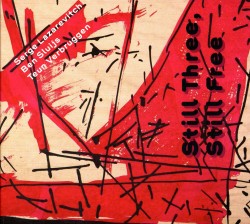
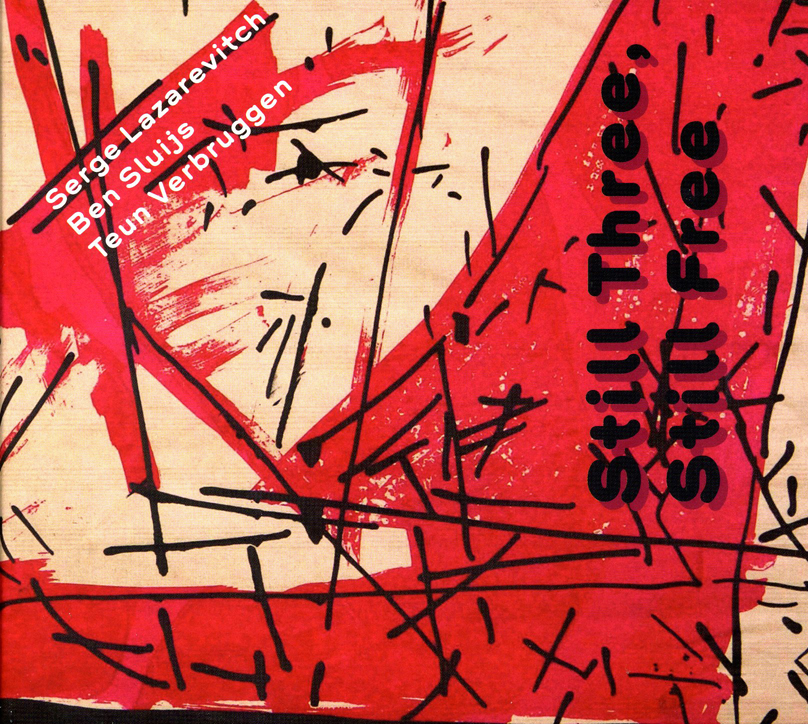
02 StillThreeComing from another angle is a trio made up of French guitarist Serge Lazarevitch plus Belgians, drummer Teun Verbruggen and saxophonist/flutist Ben Sluijs on Still Three, Still Free (Rat Records Rat 046 teunverbruggen.bandcamp.com). It balances on the thin lines separating pop, jazz and even notated music, with interpretation of themes by Thelonious Monk, Ornette Coleman, François Couperin and György Ligeti mixed with light swing originals, either composed by Lazarevitch or group improvisations. Although all three have experience in big band, combo and even rock-designated projects, the CD’s 12 tracks are probably lighter than they imagined. Unlike Nuno, Lazarevitch, at least here, is a finger-styled guitarist whose pacing owes more to Jim Hall than Jimi Hendrix. Overall the most rhythmically moving tracks are Monk’s Evidence and Coleman’s Law Years, with the first a jumping foot tapper amplified with low-pitched string strums, hurried drums pops and slippery saxophone vibrations that extend to a slowed-down ending. Law Years maintains its blues bass through multiple variations contrasting the guitarist’s supple fingers and the saxophonist’s heavier slurs. Meanwhile, the bows toward concert music are given unique arrangements; Couperin’s Les Baricades Misterieuses becomes an exercise in folksy smoothness, not unlike the other brief tone poems on the disc, while Lazarevitch’s homage to Ligeti, Georgy on My Mind (sic) is most notable for how the crackle of Verbruggen’s electronics makes a languid connection with the simple theme expansion from saxophone and guitar. The other originals are most notable for how Verbruggen tempers his usual rock-like energy to fit in with the guitarist’s more delicate comping that atmospherically expands and contracts riffs. The three turn Lazarevitch’s It Should Have Been a Normal Day into a gracious bossa nova whose lilt comes as much from the saxist’s logical and light blowing as the expansive string patterning. Even when the trio touches on atonality, as on the improvised Empty Space, rim clanks and reed squeaks are secondary to guitar plinks, with the piece ending as a call-and-response connection between strings and reed.
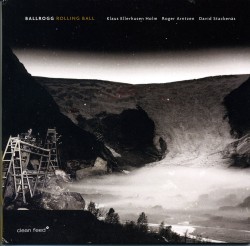
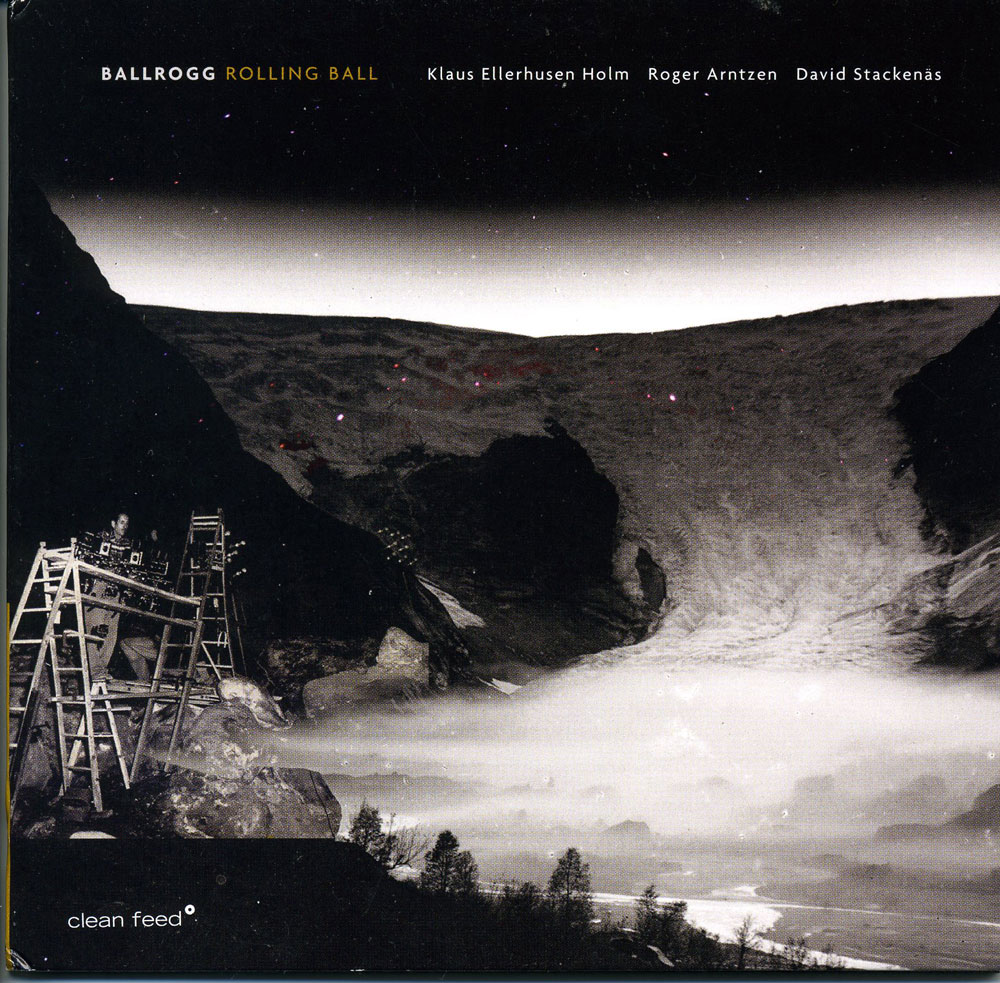
03 BallroggIn another variation on comprehensive sound additions, Swede David Stackenäs gives the Ballrogg trio a new sound when he adds folk-traditional variations to the already Arcadian sounds of Norwegians, clarinetist Klaus Ellerhusen Holm’s and bassist Roger Arntzen’s duo on Rolling Ball (Clean Feed CF 558 CD cleanfeedrecords.com). Working with an introspective interface, Arntzen’s fluid pulse is the secret weapon here giving the selections enough understated oomph so that Holm’s and Stackenäs’ sometime harmonized and sometime singular motifs become neither overly rhythmic double-bass pumps. Even more bracing, Stackenäs meets up with equivalent allegro flutter-tonguing from Holm’s reed refractions.

One deciding test of a guitarist’s adaptability as a responsive improviser is when he or she goes one on one with another instrumentalist. This is especially true for Swiss guitarist Florian Stoffner on Tetratne (ezz-thetics 1026 hathut.com) where his six-strings and amplifier are matched against the drum set, cymbals and gongs of German percussionist Paul Lovens, who was working alongside free music mavens like Evan Parker and Stoffner was born. Luckily this in-the-moment live session, captured exactly as it evolved, is simpatico. During the brief four-part dialogue the guitarist concentrates on spiky twangs and metallic clangs, created by taps or hand pressure on the strings and often strumming below the bridge or high up on the neck. Making full use of unattached cymbals and gongs, tonal springiness adds an energetic dimension to Lovens’ drumming. At the same time he counters harsh string frails with shirring ratchets and occasionally, as on the third section, turns from his evolving pulse to challenge Stoffner’s emphasized fingering with a solid bass drum plop. Circling one another with emphasized tones during these improvisations, the two finally settle on a climax of affiliated rumbles and bumps from Lovens and folksy frails and picking from Stoffner. 
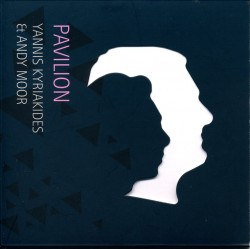
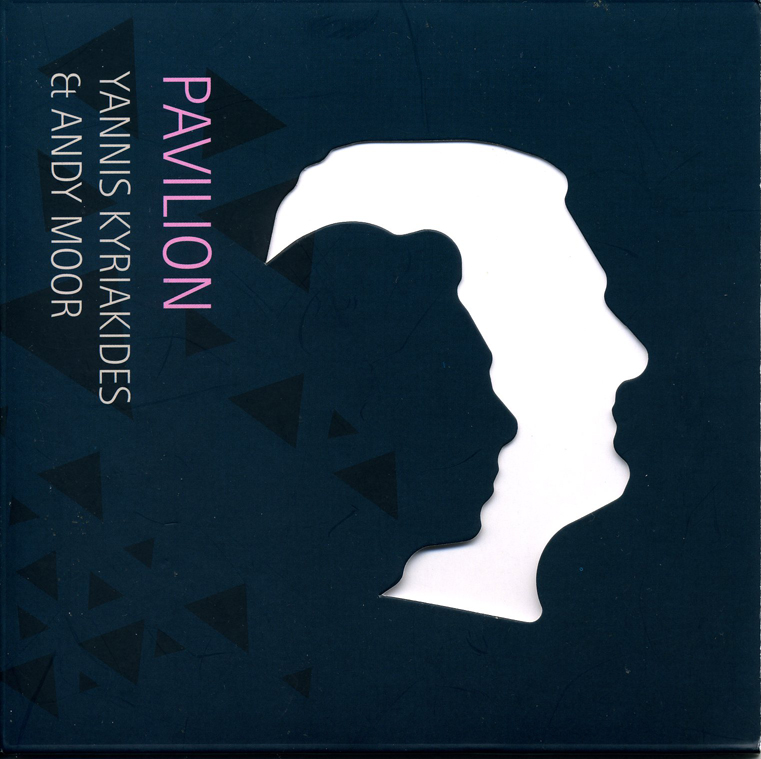
05 PavilionA novel challenge faced by an improvising guitarist is when the pulsations and resonations are generated electronically, which is what transpires on Pavilion (Unsounds 65U CD unsounds.com). Created in a studio/pavilion that was part of the Venice Art Biennale, British guitarist Andy Moor and his longtime musical associate, Cypriot composer Yannis Kyriakides, using computers and a collection of synthesizers, incorporate spatial dimensions and (luckily silent) input from the crowds moving in and out of the pavilion as they play. Self-contained during six selections, the two concentrate on contrapuntal motifs suggested by synthesizer hisses, pseudo-percussion whacks and bell-ringing timbres to colour the duet as Moor’s solid frails and jiggling plinks sound out straight-ahead expositions. On Camera, the first track, the exposition threatens to become Secret Agent Man at any moment. While there are hints of rock-like flanges and accompanying strums from the guitarist elsewhere, the collective patterns and rebounds follow synthesized refractions, whistling and shaking for sequencing, but not songs. Challenges set up when electronically processed snorting flatulence and stretched guitar twangs are heard on a track like Dedalo are resolved when both sounds are subsumed by signal-processed gonging. A similar confrontation on Concha – when multiple keyboard clanks and crackles underlie darkened descending string strums – is resolved as widely spaced whooshes take over the sound field.

It would appear that as long as guitars are manufactured and come into the hands of inventive musicians, the possibilities for innovation can be endless.


01 Nimmons Tribute 1The Nimmons Tribute Volume One – To The Nth
Kevin Turcotte; Tara Davidson; Mike Murley; William Carn et al
Independent n/a (nimmonstribute.ca)

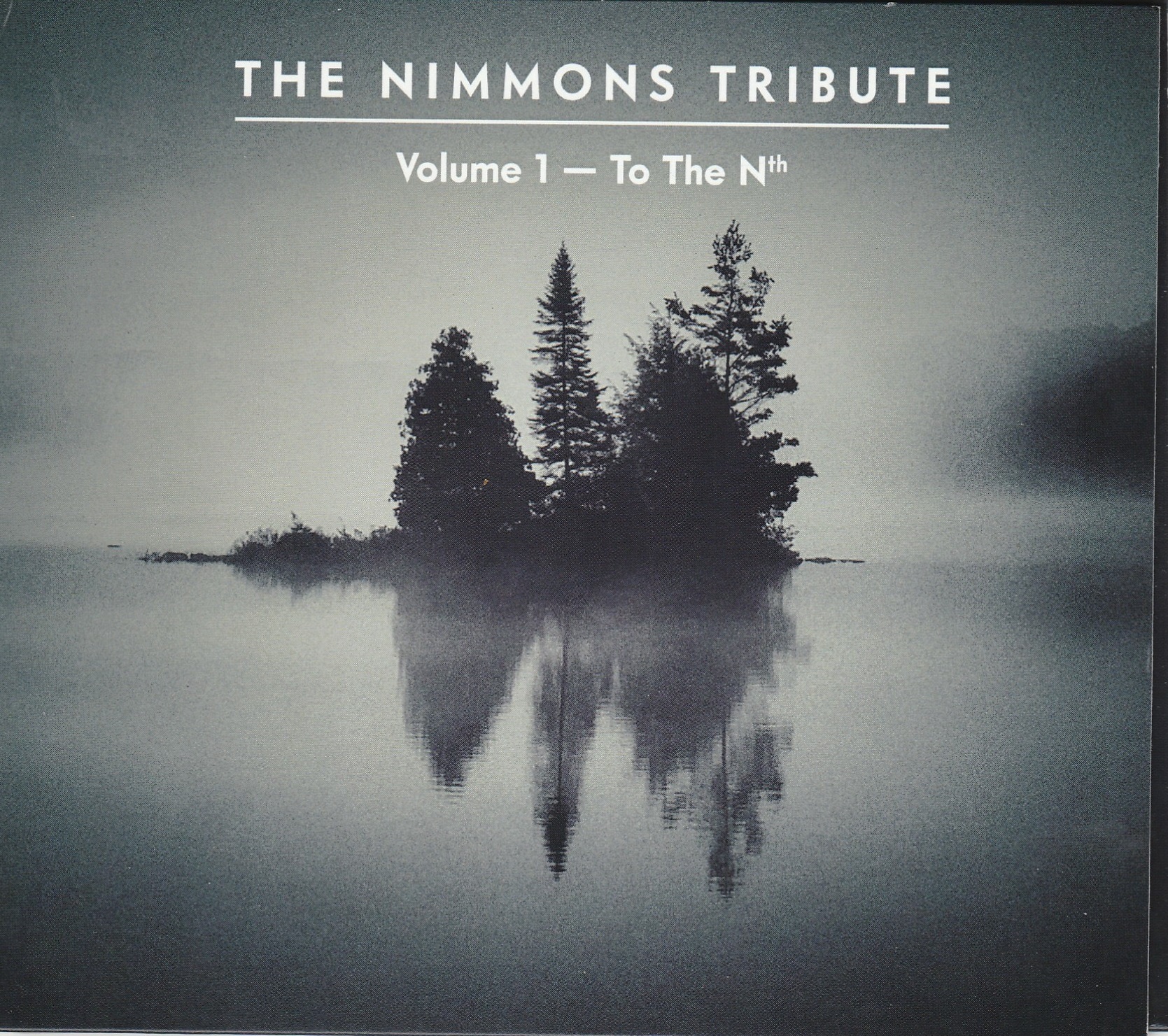
Forgive the tired expression, but Phil Nimmons needs no introduction. As far as contributors to the Canadian music landscape go, it would be hard to find many as seismic as Nimmons. I am sadly too young to have appreciated him first hand, but his legacy at 97 is such that I can still get a sense of his transcendence both through his music and through his countless talented former students who constantly sing his praises. Case in point is this new tribute album that combines the best of both aforementioned worlds. Featuring an astonishing roster, spearheaded by Nimmons’ grandson and accomplished pianist Sean Nimmons, this album is a fitting tribute full of heart and brilliance. 

Sean’s arranging and production are a highlight, as this record’s pristine sound allows for a modern, yet faithful, interpretation of his grandfather’s music. Another bright spot is the sample of Nimmons’ work selected for these recordings. Some of his finest compositions are featured spanning across multiple decades, which goes a long way to showcase the sheer scope of his prolific output. The Sean Nimmons-composed track Rista’s Vista is the one outlier here, and serves as the album’s centrepiece. Dedicated to his grandfather, it’s a love letter to a man who continues to inspire.

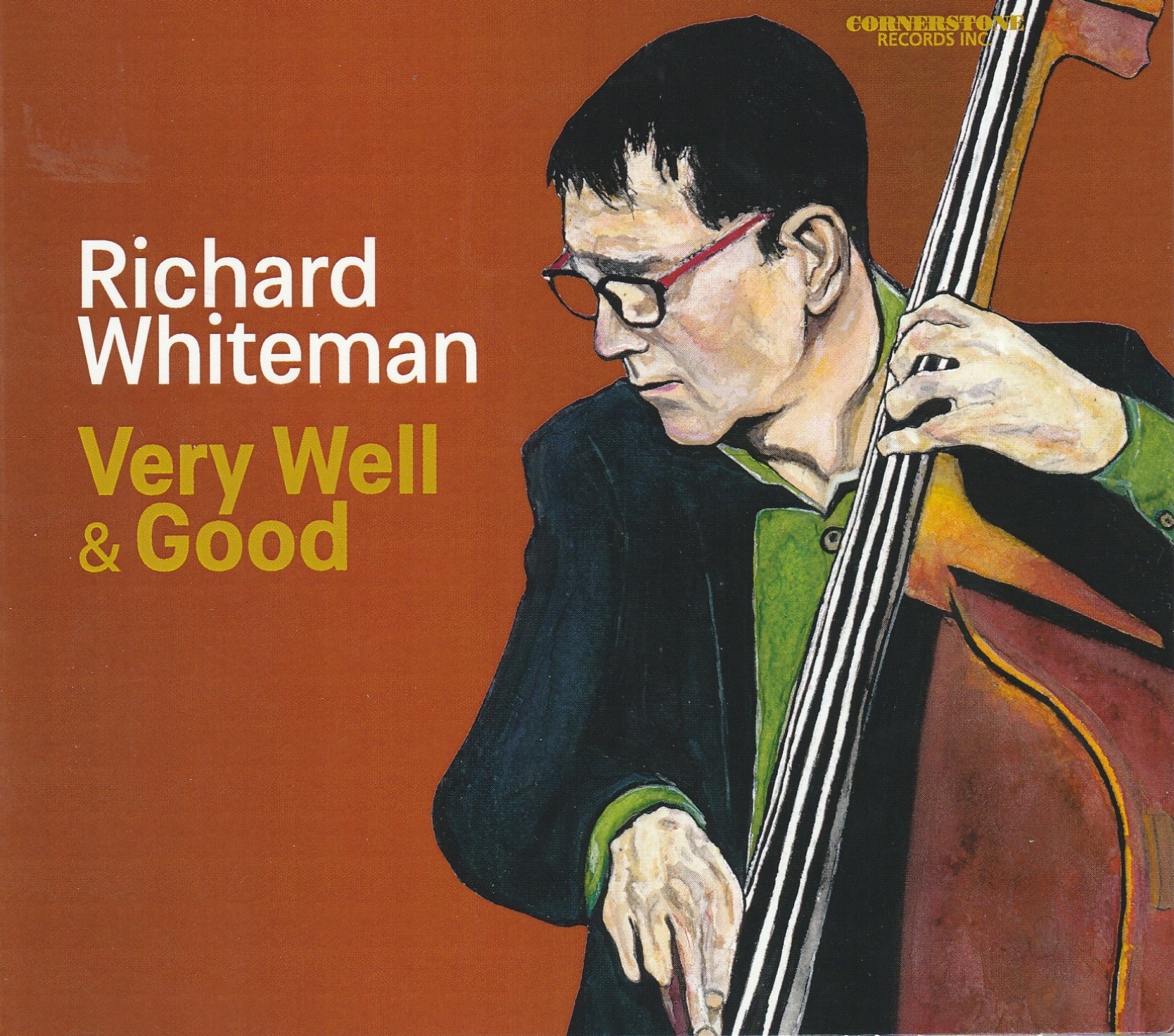
02 Richard WhitemanVery Well & Good
Richard Whiteman
Cornerstone Records CRST CD 153 (cornerstonerecordsinc.com)

Multi-instrumentalist Richard Whiteman is one of the most in-demand and respected jazz pianists and educators in Toronto. In 2004, he began studying the double bass and quickly became an adept and experienced performer on this instrument. In 2012 he formed his “bass” quartet featuring guitarist Reg Schwager, pianist Amanda Tosoff and drummer Morgan Childs – the group that forms the backbone for this new recording. The quartet is augmented on several tracks by Canadian tenor saxophone giants, Pat LaBarbera and Mike Murley. 

The set kicks off with the catchy Whiteman-penned title track, based on the chord progression of the standard, Fine and Dandy. The lyrical Not So Early pays tribute to the late jazz pianist Bill Evans, a musical reply of sorts to his famous composition, Very Early. This song features thoughtful and inventive solos from Whiteman, Tosoff and Schwager. 

Pat and Mike pays tribute to LaBarbera and Murley, who both get a chance to ably stretch out in solos and trading on this minor blues. They are clearly enjoying playing with each other! Selohssa is a change of pace, an even-eighth, 32-bar form that features a strong and personal statement from Schwager.

Tosoff deserves special mention for turning in one sparkling solo after another. Childs also stands out for his propulsive swing, musical sensitivity and crisp cymbal work. All told, one of the finest acoustic jazz recordings of the past year.

Listen to 'Very Well & Good' Now in the Listening Room

03 Dan Fortin Latest TechThe Latest Tech
Dan Fortin
Elastic Recordings (danfortinthewebsite.com)

It seems to make sense that in the middle of a pandemic year, a solo upright bass album would be the perfect choice to record. Eliminating the band is a simple way to maintain physical distancing while exploring the many nuances of your instrument. 

Dan Fortin has played with many groups and recorded multiple albums as sideman and leader and he currently teaches bass in the University of Toronto’s jazz program. The Latest Tech pares away the other traditional jazz instruments and we can listen to the full, fat sound of acoustic bass. On the title song, a series of repeated ostinato patterns cycle through different tonal centres and slight alterations of rhythmic emphasis create an intriguing journey. Beautiful Psychic Dream has a loping and sustained minor-sounding melodic line which seems to hang and shimmer as it moves onward. Mega Wish opens with a faster series of repeated melodic fragments which become more dispersed and exploratory before picking up speed and ending with a final repetition of the opening phrase. 

The Latest Tech is a clean and meditative album produced during a time when we can all use some music that is calming and thought-provoking.

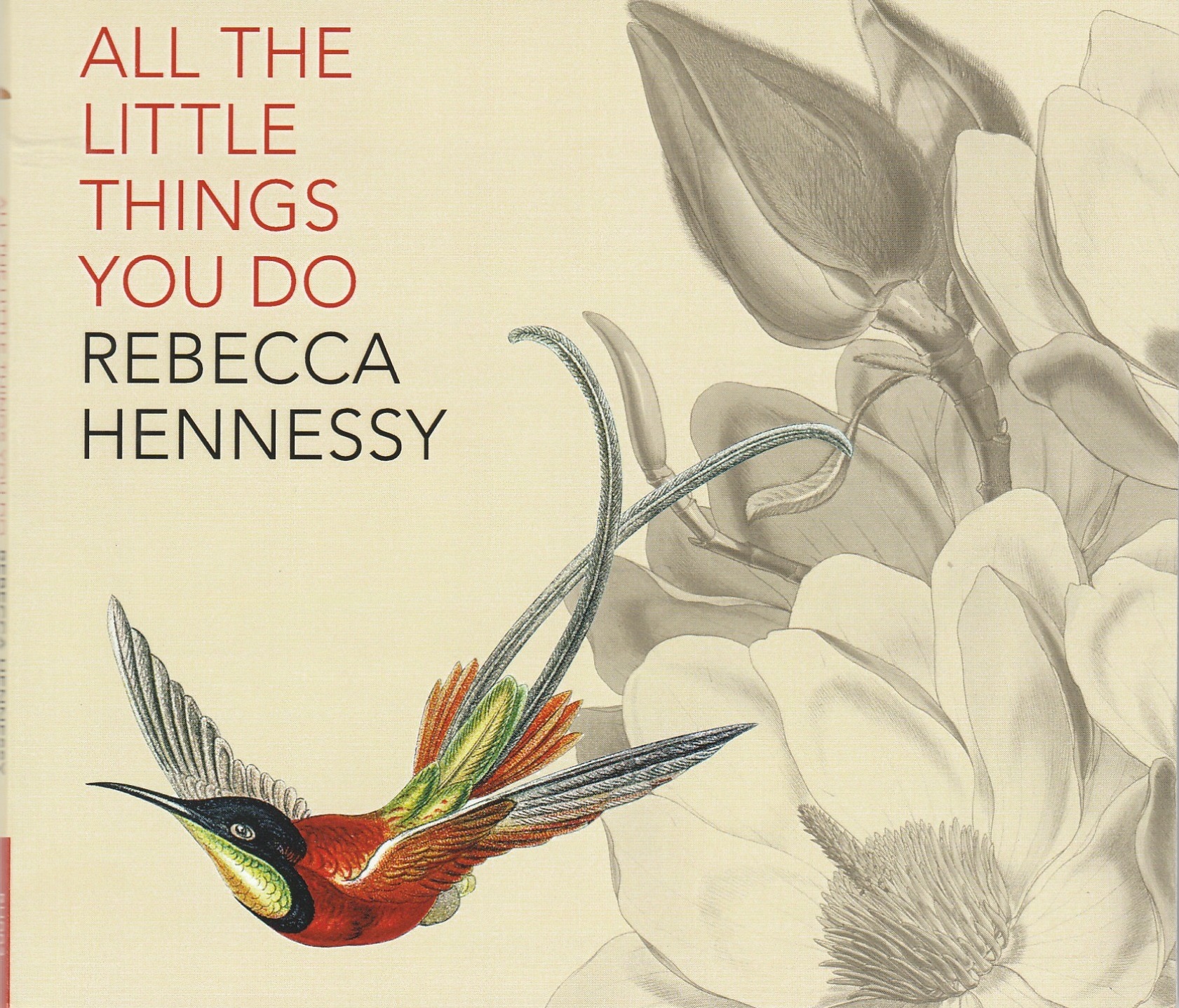
04 Rebecca HennessyAll the Little Things You Do
Rebecca Hennessy
Independent RH003 (rebeccahennessy.com)

Toronto-based trumpet player, singer and songwriter, Rebecca Hennessy, has released her second full-length album and it’s an interesting and eclectic mix of styles. Although Hennessy generally gets categorized as a jazz musician, All the Little Things You Do has shades of art song, country blues, New Orleans horn band and jazz-rock, all playing together nicely. A mandolin orchestra even makes an appearance on a couple of tracks.

All of the songs were either written by Hennessy or co-written by her with bandmates Michael Herring and Dave Clark (and others). Although her background is as a trumpet player, voice is her main instrument on this album and she has an endearingly unembellished singing style that suits the straightforward lyrics of the majority of the songs. 

Hennessy has gathered a renowned and eclectic mix of players for the album, including pianist Tania Gill, bassist Herring and drummer Clark. Guitarist Kevin Breit (who has played with Norah Jones and Cassandra Wilson) has a strong presence throughout the album with the inventive soundscapes he creates. And when he’s unleashed on a solo, it can be quite a wild ride. Other notable guests include Alex Samaras – a phenomenal singer who I keep seeing pop up on other people’s albums – and violinist and strings-arranger Drew Jureka, whose work on Eclipse is especially compelling. On the whole, All the Little Things You Do is an artful and thoughtful musical journey.

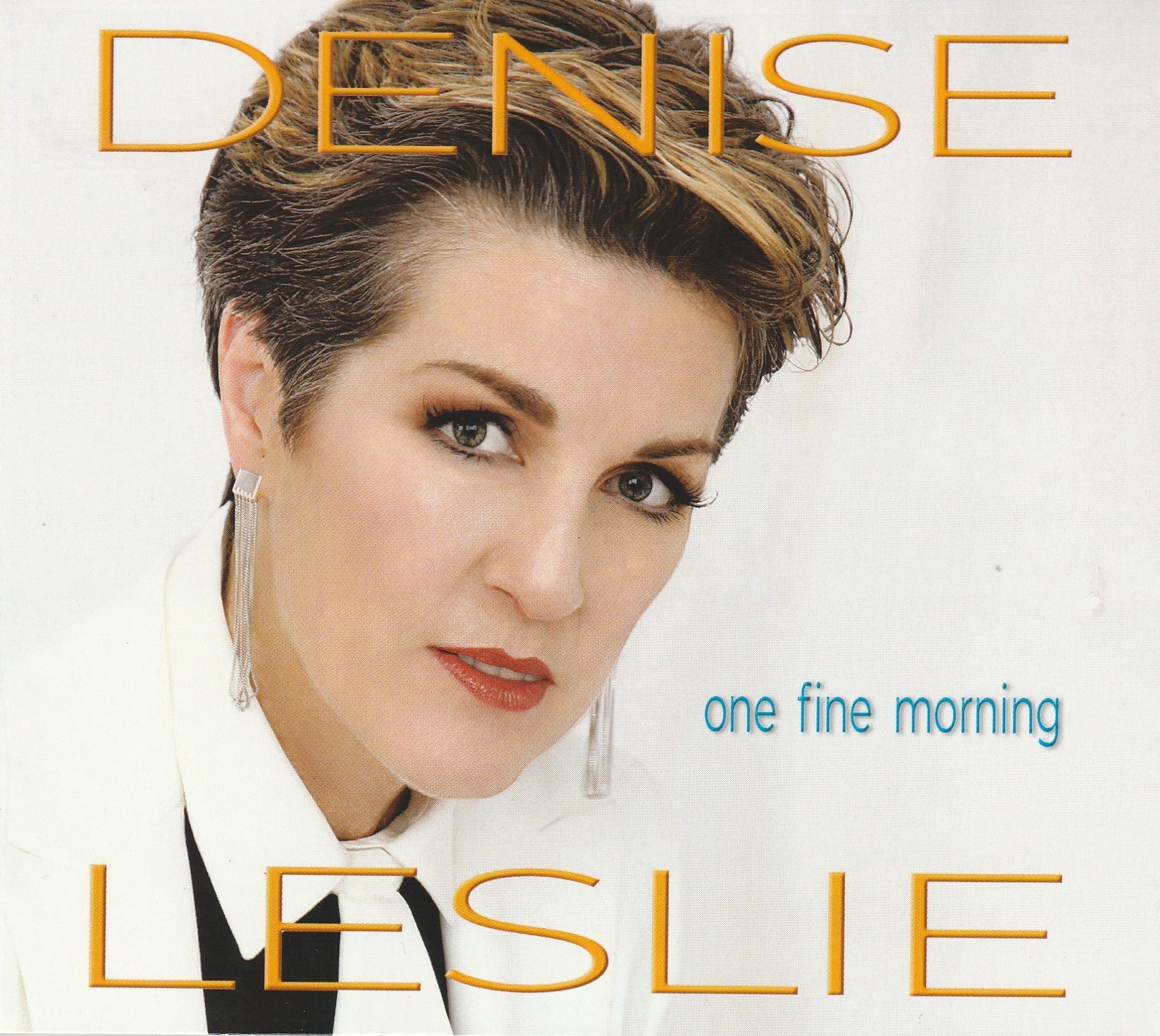
05 Denise LeslieOne Fine Morning
Denise Leslie
Independent (deniselesliesings.com)

With the release of her new recording, delightful contemporary jazz vocalist, Denise Leslie, has created a sumptuous journey through some of the most potent and skillfully composed jazz/rock/pop hits of the 1970s. Leslie has also included two of her own well-crafted tunes in the collection. Her fine crew includes gifted producer/arranger/guitarist Bob McAlpine; first call jazz bassist/arranger Pat Collins; the iconic Paul DeLong on drums; the Lighthouse Horns (Simon Wallis on tenor sax; Chris Howells and Bruce Cassidy on trumpet, Russ Little on trombone); Arturo Avalos on percussion; Don Baird on Hammond B3; and the Brass Transit Horns (Phil Poppa on tenor and baritone sax, Doug Gibson on trombone and Tony Carlucci on trumpet).

Things kick off with a funky cool reimagining of the Badfinger hit, Day After Day. Insistent, potent bass lines by Collins and thrilling drumming by DeLong are ensconced in a delicious vocal arrangement. Leslie is right in the pocket, bringing to mind (but not derivative of) another soulful gal, legendary British diva Cilla Black. Other highlights include Sting’s Driven to Tears, presented here as a bluesy, sexy, evocative lament that resonates easily with our contemporary chaos. Collins plumbs the lower depths here, while McAlpine lashes out with a spine-tingling guitar solo. 

An absolute standout is Little River Band’s tender reverie, Reminiscing, presented here with a stunning, succinct vocal arrangement; truly a compelling version of one of the loveliest contemporary pop ballads ever written. The tasty closer is a charming take on the Jimmy McHugh/Dorothy Fields’ standard I’m in the Mood for Love, which cleverly segues into Eddie Jefferson and James Moody’s Moody’s Mood.

Listen to 'One Fine Morning' Now in the Listening Room

06 Red Hot RambleToday Will Be a Good Day
Red Hot Ramble
Independent RHR003 (redhotramble.ca)

Hope springs eternal, musically and figuratively, right from the title of this disc. Today Will Be A Good Day is what everyone needs, to be reminded of what the pandemic of 2020 took away not only from all of us, but from wonderful artists like these who create music with such vigorous positivity. 

Red Hot Ramble may derive some of its spirit from the music of New Orleans, but the melodies and harmonies sing of stories that could be much more universal. Everything is brought to life magnificently in the vocals of the group’s frontwoman, Roberta Hunt. Her performance in the gloriously dark and sinister Marie Laveau, for instance, is just one example. 

Alison Young also dazzles not only with her versatility on various saxophones, but in the visceral energy (Liquid Spirit) and virtuosity (everywhere else) she displays on each variant. Jamie Stager’s mournful trombone growls its bittersweet way throughout; and Jack Zorawski’s bass and Glenn Anderson’s drumming create an appropriately immutable rhythmic power.

The roster of guest stars is a stellar one. Accordionist and organist Denis Keldie, clarinettist Jacob Gorzhaltsan, trumpeter Alexis Baro and guitarist Kevin Barrett are inspired choices. All told, each musician plays every heartfelt phrase as if his (and her) life depends upon it. This makes for music with unfettered emotional intensity, full of funkified soul and joie de vivre. An album to die for.

Listen to 'Today Will Be a Good Day' Now in the Listening Room

07 Griffith HiltzArcade
Griffith Hiltz Trio
G-B Records (gbrecords.ca)

Last week, a colleague who makes beats and electronic music sampled part of an ambient-sounding guitar piece I had shared online. During the COVID-19 pandemic I have been exploring home recording and this electronic reuse of my piece made me wonder what other sonic ideas I might probe. I am not the only musician currently investigating recording technology, nor am I alone in pondering electronic possibilities like beats and live-sound samples. A brilliantly original take on these electroacoustic explorations comes in the form of Arcade, the latest offering from the Griffith Hiltz Trio. 

Concept albums with unifying themes can, at their worst, sound cheesy or forced. Arcade avoids this trap while tackling a very unique underlying theme: the video games and movies of the 1980s. This theme is realized with a plethora of synthesizers that blend immaculately with the acoustic instruments present, making this a departure stylistically from other Griffith Hiltz Trio releases and other jazz albums in general. Nathan Hiltz’s signature employment of Hammond organ pedals alongside his guitar playing may be the most unique aspect of the group, but that is to take nothing away from the saxophone work of Johnny Griffith and drumming of Neil MacIntosh. The album was recorded remotely by the group and their ample recording/production experience gives the 13 tracks unifying quirks that never sound gimmicky. This is no easy feat and commands a listen!

Listen to 'Arcade' Now in the Listening Room

08 Michel Lambert RougeArs Transmutatoria Rouge
Michel Lambert
Jazz from Rant n/a (nette.ca/jazzfromrant/in-production-2)

I find that multidisciplinary free music is often one of the most unfairly dismissed genres in jazz. Works like Anthony Braxton’s operatic forays certainly come to mind. They are branded impenetrable in many circles and people don’t even bother to offer them anything resembling serious consideration. I attribute this reluctance to fear. 

I’m going to be honest. This new Michel Lambert project is scary. It’s an amalgam of visual artworks (referred to as Lambert’s “visual scores”) and the band’s collective instinctual responses to them. The album is presented as an expedition of sorts, with both the band and listener travelling through 11 distinct audiovisual landscapes. Amazingly, it all works incredibly well. The improvisers not only know exactly how much space to leave for each other, but looking at the score, I was struck by how effectively the music evoked specific images on the score and vice versa with almost supernatural symbiosis. 

As I listened, it became apparent that the glue holding the affair together was the expressive poetry of vocalist Jeanette Lambert. It felt like she articulated and/or punctuated my thoughts perfectly, serving as a tour guide. What is a Transmutatoria? Not sure, but taking the journey there has been a real pleasure.

Tatouages miroir
Jean-Luc Guionnet et le GGRIL
Tour de Bras tdb90046cd (tourdebras.com)

Solo à la décollation
Jean-Luc Guionnet
Tour de Bras tdb9044cd (tourdebras.com)

09a Guionnet tatouage miroirFrench saxophonist, organist, composer and improviser Jean-Luc Guionnet has rare inventive powers. Among his activities, two bands demonstrate his range: Hubbub, a French quintet, looks like a conventional jazz group while improvising ethereal, symphony-length works of continuous sound through circular breathing on saxophones and bowing on cymbals and the strings of piano and guitar. The international trio Ames Room creates the most singularly intense, hard-bitten, minimalist expression ever developed by a stripped-down trio of saxophone, bass and drums. However, these recordings from Quebec performances show Guionnet’s inventiveness even without his saxophone.     

Tatouages miroir (“mirror tattoos”) is an orchestral composition realized by GGRIL (Grand groupe régional d’improvisation libérée), the highly exploratory improvising orchestra that has made Gaspé fertile soil for meaning-probing music. Here GGRIL is an 11-member ensemble of electric guitars and bass, strings, brass and reeds, stretching to include accordion and harp. Beginning with contrasting blasts of orchestral might and silence, the initial lead voice emerges unaccompanied, a tight metallic string sound – the harp – single notes plucked evenly with only microtonal shifts in pitch. In the background, a rich welling of winds plays a melodic pattern dominated by muted trumpet and baritone saxophone. Throughout there are contrasts between sound and silence, between small sounds magnified and rich ensembles moving from foreground to background, questioning their own status. It’s a rethinking of what orchestras traditionally do, foregrounding random incidental percussion – footsteps, perhaps – while crying-baby-trumpet and multiphonic flute and saxophone elide into silence, creating unexpectedly rich drama. During its course, the work ranges across approaches and meanings, inviting a listener’s reflection on the work’s burrowing depths and strange sonic redistributions, a seeming interrogation of its own processes. 

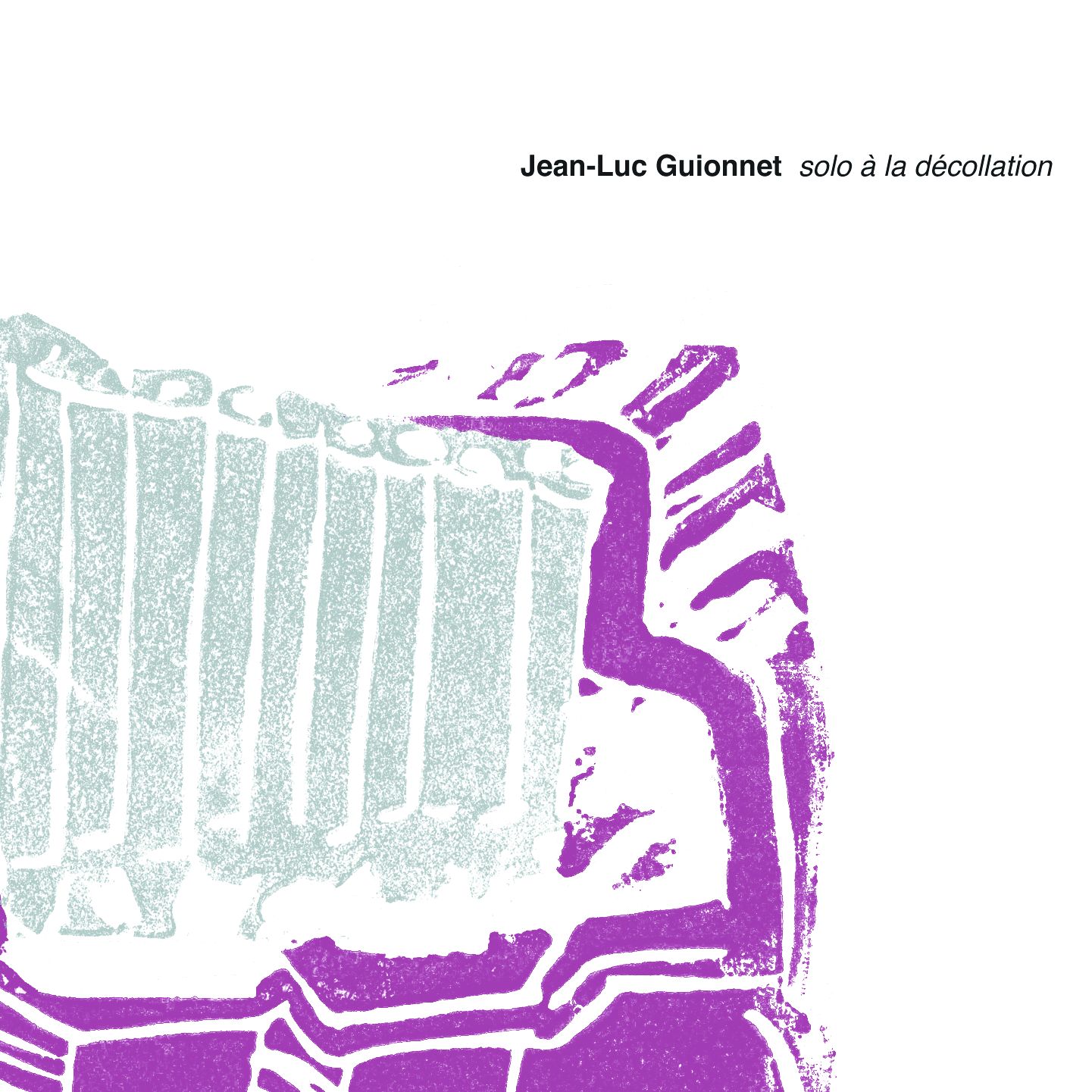
09b Guionnet solo à la décolationSolo à la décollation presents Guionnet as a church organist, though his performance is as remarkable as the L’Isle-Verte location: the Church of the Beheading of John the Baptist and its traditional Casavant organ, described as “in need of love.” The traditional church organ is a special site, as much monumental architecture and domicile as musical instrument, and Guionnet is here to probe it and the church’s sonic nooks and crannies in a performance that is as much meditation as query, including the incidental percussion of interaction with the instrument. Divided into four segments, the 70-minute work begins in near silence, a kind of breathing of the pipes with only the subtlest infrequent blips that lead to extended drones, shifting oscillations, overlays of tones and sharply contrasting keyboards laid over and through one another. It’s improvisation as meditation, music exploring notions of sound as symbolic site of symbolic conflict, at once resolving and extending the voyage, with the kinks, fissures and vibrations of the particular instrument and church becoming key participants.

Scintillating Beauty10 Cat Torens BeautyCD006
Cat Toren’s Human Kind
Panoramic Recordings PAN 18 (newfocusrecordings.com)

Aiming to express her ideas of hope, Vancouverite-turned-Brooklynite pianist Cat Toren, also a practitioner of sound healing, has composed a four-track album that is both cadenced and curious by drawing on multiple musical strands. 

On Radiance in Veils, for instance, she uses the modal outpourings of Xavier Del Castillo’s tenor saxophone, multiple-string chording from Yoshie Fruchter’s oud plus the textures of chimes, tuning forks, singing bowls, rattles and bells to outline spinning and soothing 1970s-style spiritual jazz. But on Ignis Fatuus she creates a slow-burning swinger built on Jake Leckie’s walking bass line, with Del Castillo shouting in full bop-bluesy mode. In between, Toren varies the program from one signpost to the other. Added to each of the four tracks are cross pulses from drummer Matt Honor and her own playing which expresses stentorian notated music-styled glissandi and snapping jazz vamps in equal measures. 

Besides Del Castillo, whose intensity and variations move towards multiphonics and squeaking split tones, but never lose control, Fruchter’s string set is the secret weapon. Skillfully, he sometimes plucks and shapes his strings into patterns patterns that could originate in the Maghreb, while on other tracks more closely aligned to a finger-snapping pulse, he replicates sympathetic rhythm guitar chording.

It’s unsure how COVID-19, which arrived after this CD was recorded, has affected Toren’s upbeat ideas. But she and her fellow humans certainly demonstrate resilience and adaptability in musical form on this disc.

Listen to 'Scintillating Beauty' Now in the Listening Room

11 Angelica SanchezHow to Turn the Moon
Angelica Sanchez; Marilyn Crispell
Pyroclastic Records PR 10 (angelicasanchez.com)

Currently residing in the Big Apple, famed composer, pianist and educator, Angelica Sanchez, has continuously left a resounding impression on the jazz community for the past 20 years with her unique sound. This latest release, from her and fellow pianist Marilyn Crispell, is a definite culmination of her innovative works that blur the lines between improvisation and composition. All tracks are penned either by Sanchez herself or along with Crispell and showcase both of their compositional talents superbly. It should be noted that what truly makes the auditory experience whole is the fact that each pianist is heard through separate channels, Sanchez through the left and Crispell in the right, allowing the listener to appreciate both melodies separately and together. 

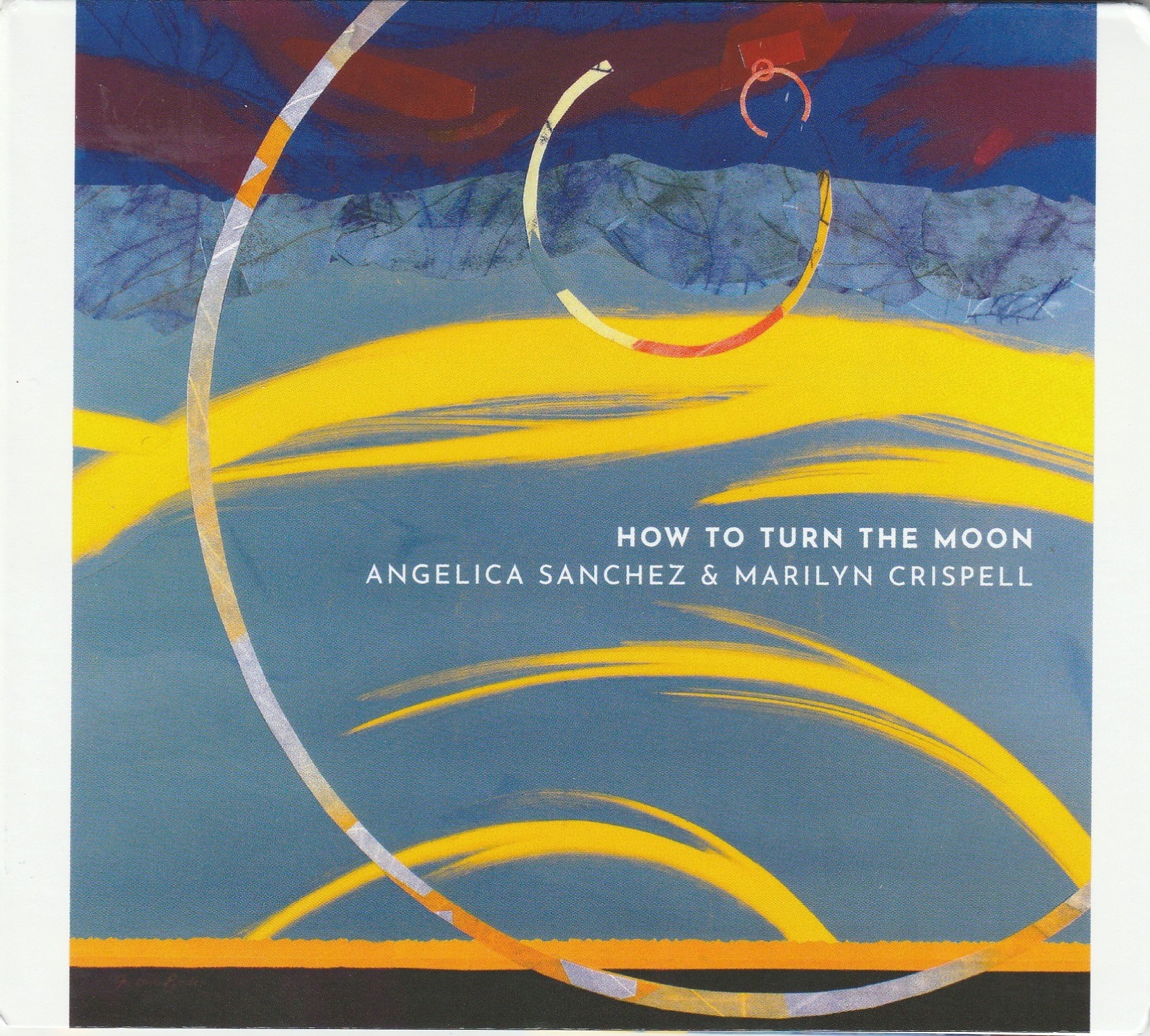
The record begins with a whirlwind track Lobe of the Fly, within which the image of the flying insect is called to mind with the tinkling, expeditious riffs that both musicians coax forth effortlessly from the keys. It’s interesting to hear how both random and uniform aspects of composition exist within each piece, the interplay between structure and free expression is fabulous. Windfall Light is a piece which gives the listener a moment to appreciate just how in tune both pianists are with each other; it almost sounds at times as if one knows just what the other will play next. For those looking for a complete musical experience, this album would make a very worthy addition to your collection. 

12 Peter LeitchNew Life
Peter Leitch New Life Orchestra
Jazz House 7006/7007 (peterleitch.com)

Montreal-born, eminent NYC jazz guitarist Peter Leitch wears several sizeable hats on his new recording:  composer, arranger, conductor and co-producer. All compositions on this magnificent project (co-produced with Jed Levy) were written by Leitch, with the exception of Thelonious Monk’s Round Midnight, Rogers and Hart’s immortal balled of longing and loneliness Spring is Here, and The Minister’s Son by Levy (an outstanding track, written in honour of Leitch’s dear friend, pianist and musical collaborator, the late John Hicks). In the framework of this arrangement, Hicks’ and Leitch’s unique, soulful, rhythmic style is palpable throughout, and the heady sax solo from Levy calls to mind the potency of a snifter of cognac!

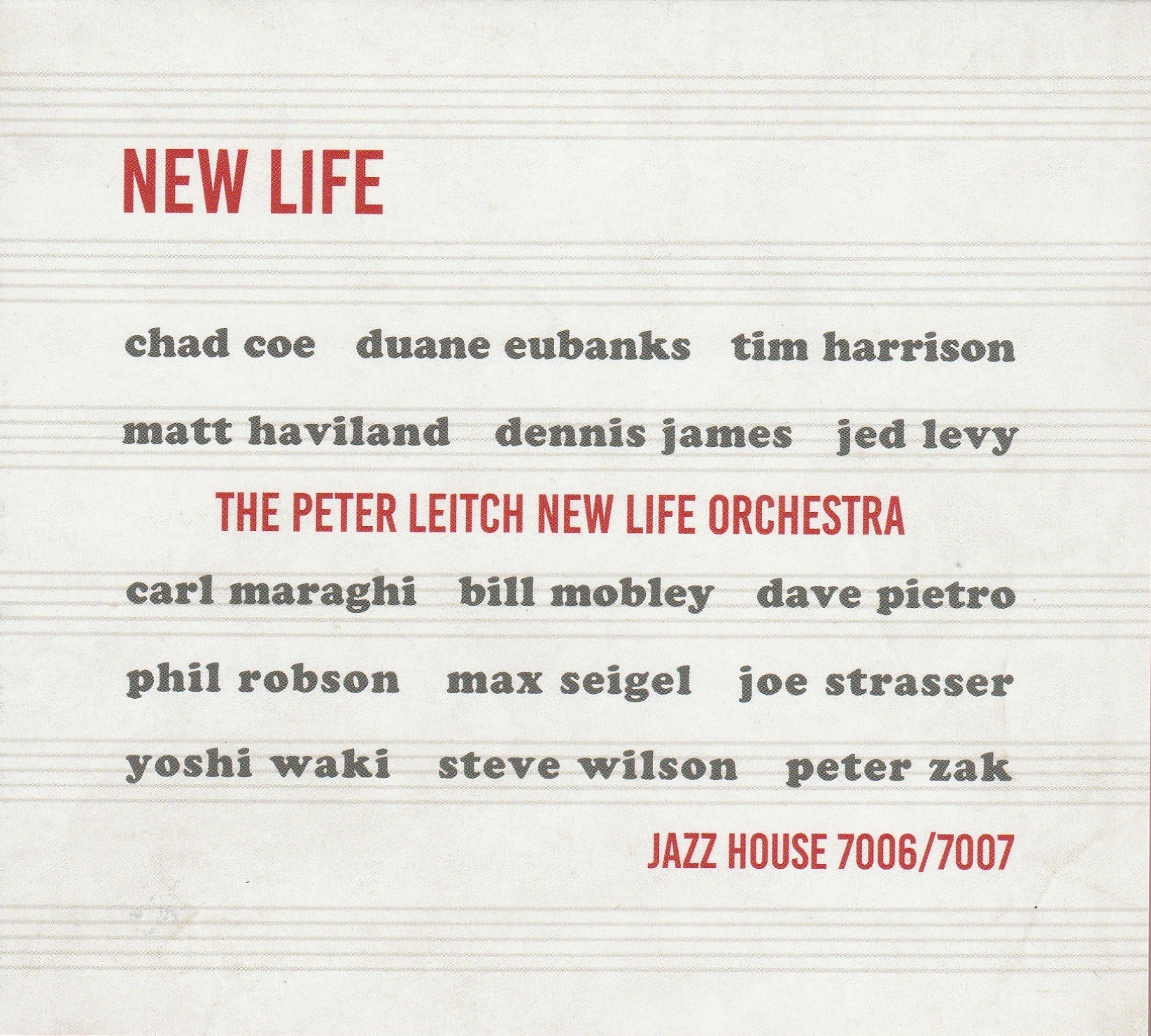
Following a heroic victory over cancer, Leitch could no longer physically play guitar, so he chose to reinvent himself, and express his new musical vision through a medium-sized ensemble that would still have the flexibility to embrace free soloing by the gifted, NYC A-list members who define the sound. These include trumpeter Duane Eubanks, Bill Mobley on trumpet/flugelhorn, Tim Harrison on flute, Steve Wilson and Dave Pietro on alto/soprano sax, Levy on tenor sax/flute/alto flute, Carl Maraghi on baritone sax/bass clarinet, Matt Haviland on trombone, Max Seigel on bass trombone, Phil Robson on electric guitar, Chad Coe on acoustic guitar, Peter Zak on piano, Dennis James on arco bass, Yoshi Waki on bass and Joe Strasser in the drum chair (whose skill, dexterity and taste are the ultimate ingredient).

Leitch explains: “The title New Life refers not only to my personal odyssey, but also to the music itself – to the act of breathing ‘new life’ into the ‘raw materials’…”. Every track on this 17-piece, two-disc recording is a pinnacle of jazz expression. A few of the many highlights include the opener, Mood for Max (for Dr. Maxim Kreditor), a snappy, up-tempo, joyous arrangement featuring a fluid and thrilling trumpet solo from Mobley and equally fine alto and piano solos by Wilson and Zak; Portrait of Sylvia – a lovely tune for the ever-lovely Sylvia Levine Leitch – an exotic and ephemeral piece, featuring guitar work by Robson – and Fulton Street Suite, a masterpiece in three movements that paints an evocative, jazzy portrait of lower Manhattan, replete with all of its artsy, manic energy. Without question, this is one of the top jazz recordings of the past year.

Listen to 'New Life' Now in the Listening Room

Back to top