07 InvocationInvocation
Duo Kermani-Gentili
Pro Classics 7025 (duo-kermani-gentili.com/en/cd)

Is music by women composers like the dark matter of the musical universe: influential, yet somehow undetectable by current means? Try again.

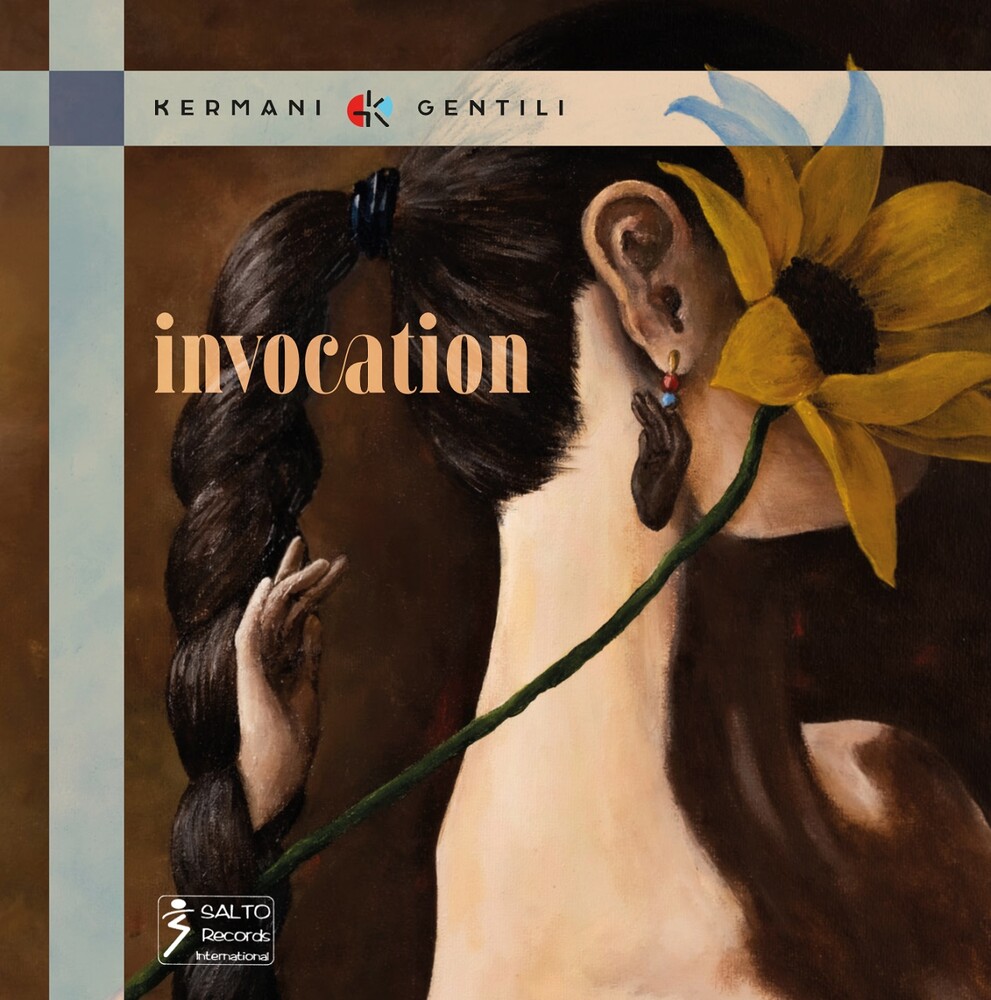
Invocation sheds light on this element, featuring works for clarinet and piano. The duo of clarinetist Kymia Kermani and pianist Alba Gentili-Tedeschi have focused on European composers, all women, most presenting (I would argue) mid-20th-century style. An exception is the first composer featured, Marie Clémence de Grandval (1823-1907), whose Deux Pièces include the title track for the disc. Apart from her importance as an established female composer in the 19th century, I don’t think hers was the strongest opening play; tuneful and sweet, a bit like Adolph Adam, but less observed; de Grandval was kind enough NOT to write Minuit Chretien.  

A selection of well-performed miniatures, there are 27 separate tracks through its 58 minutes. It’s as if the composers were afflicted by modesty. I feel most compelled by the music of Holocaust escapee Ursula Mamlock’s Rückblick, in Erinnerungan die Reichspogromnacht 9. November 1938, a brief but harrowing depiction of her family’s flight from Berlin in the wake of Kristallnacht. 

The tracks are linked by short interludes by Barbara Heller (b.1936). Her Luftspuren are lovely enigmatic epigrams that serve as a “promenade” between the other works.  

Composition dates are absent in the jacket material, but with help from their publicist I learned Polish composer Krystyna Moszumańska-Nazar, who studied composition at the same school as Krzysztof Penderecki, quite possibly a bit earlier, was nine years his senior. Isn’t it wonderful to imagine that her clever (and also earlier) Three Miniatures for Clarinet and Piano influenced the much more celebrated man whose work of the same title was published in 1959? Now there’s some dark matter!
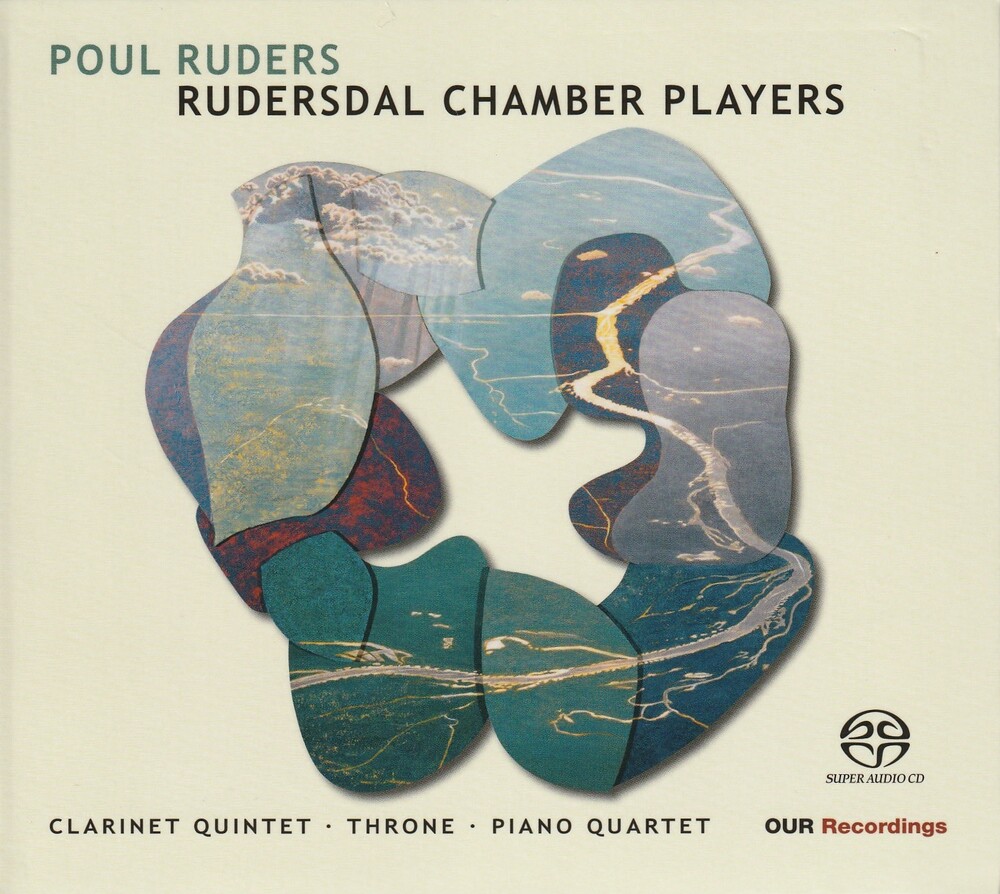
08 Poul RudersPoul Ruders – Clarinet Quintet; Throne; Piano Quartet
Rudersdal Chamber Players
Our Recordings 8.220680 (ourrecordings.com)

The Rudersdal Chamber Players lift the music of Poul Ruders off the page and into the ether with finesse and passion. Liner notes include Ruders’ own quirky accounting for the pieces, and players’ biographies, which one senses were written by themselves. The group has been together since 2017, with members mostly of the current generation, all excellent. No explanation is offered for the similarity of the names, so call it a coincidence. The group is named for a music festival whose home is Rudersdal.  

The music itself is intense and compelling. Three works fill out the roughly 60 minutes of track time: Throne for clarinet and piano (1988); and the more recent Clarinet Quintet (2014) and Piano Quartet (2016). Describing or categorizing Ruders’ music requires more space than allotted, so I decided to list some adjectives and some possible likenesses to other composers: swinging, soaring, wailing; sweet and then astringent; moody and meditative; then boisterous and exuberant.  

Sometimes in the style of a chorale, featuring monody or homophony, with minimal vibrato (the Adagio movement of the Clarinet Quintet). At others (especially in the Piano Quartet) he reverts to more boldly modern style in the sense that his usual tonalism gives way to expressionistic chromaticism. And especially in the playing of the terribly capable clarinetist Jonas Frøland, expect keening notes at the top of the spectrum to tug on your emotions.

If he has forebears, they are Messiaen (although Ruders is doubtless a pantheist) and Ruders’ compatriot Carl Nielsen (minus the melancholy). His contemporary cadre might include Gavin Bryars and Anders Hillborg, and possibly Kaija Saariaho. In his own words, the most important defining feature of his music is its soul and I urge you to discover that for yourself.

Listen to 'Poul Ruders – Clarinet Quintet; Throne; Piano Quartet' Now in the Listening Room

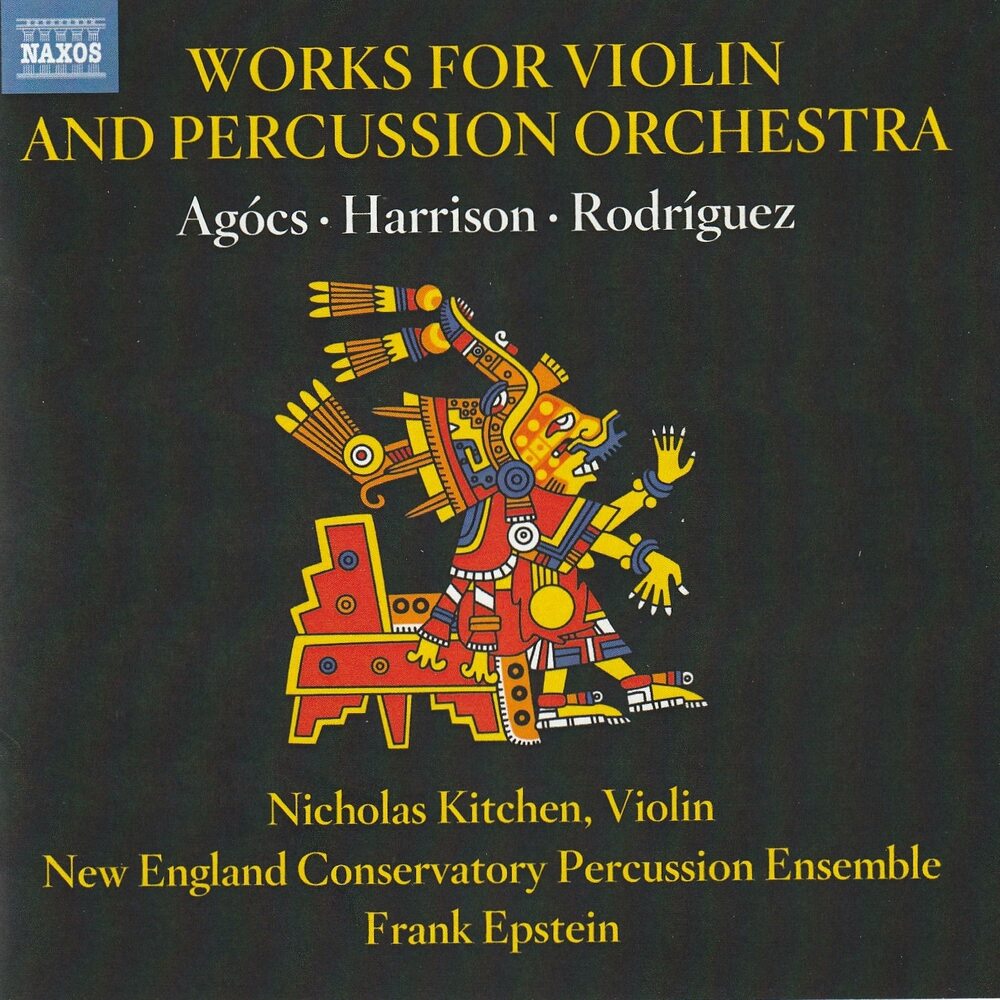
09 Violin and PercussionWorks for Violin and Percussion Orchestra
Nicholas Kitchen; New England Conservatory Percussion Ensemble; Frank Epstein
Naxos 8.574212 (naxos.com/Search/KeywordSearchResults/?q=Agocs)

American composer Lou Harrison (1912-2003) enjoyed mixing non-Western musical exoticism with lots of percussion. In his Arabic-flavoured, 21-minute Concerto for Violin and Percussion Orchestra, he augmented conventional noisemakers with novel “instruments” including flowerpots, metallic coils and washtubs. Sinuous violin melismas and pulsating percussion decorate its first two movements, composed in 1940; Harrison added the roisterous belly-dance finale in 1959. It’s energetically performed by Nicholas Kitchen, first violinist of the Borromeo String Quartet, New England Conservatory quartet-in-residence, and the NEC Percussion Ensemble conducted by Frank Epstein, its founding music director. 

Insistent rhythms and pentatonic melodies, including an ancient Mayan dance-song, evoke tropical steaminess in the five-movement Xochiquetzal (2014) by Robert Xavier Rodríguez (b. San Antonio, Texas 1946). Kitchen’s violin vividly represents Xochiquetzal, Aztec goddess of beauty, love and fertility, among hummingbirds, casting a love spell, alongside her rain-god husband, weeping tears of flowers and bestowing music and dance upon her worshippers.

The four-movement Concerto for Violin and Percussion Orchestra (2018) by NEC faculty member Kati Agócs (b. Windsor, Ontario 1975) begins with Incanta, gentle tinkles accompanying a long-lined, sentimental violin melody. In the animated Inquieto, staccato percussion punctuates rapid, repeated violin figurations. Maestoso presents another extended, soulful violin melody, slowly throbbing percussion, an intense violin cadenza leading to a dramatic tutti climax before returning to the opening lyricism. Brioso.Cantabile’s piquant melodies and propulsive rhythms create a whirlwind, Gypsy-like dance, its exultant final flourish ending both the concerto and this very entertaining CD.

10 Album for AstorAlbum for Astor
Bjarke Mogensen; Danish Chamber Players
Our Recordings 8.226916 (ourrecordings.com)

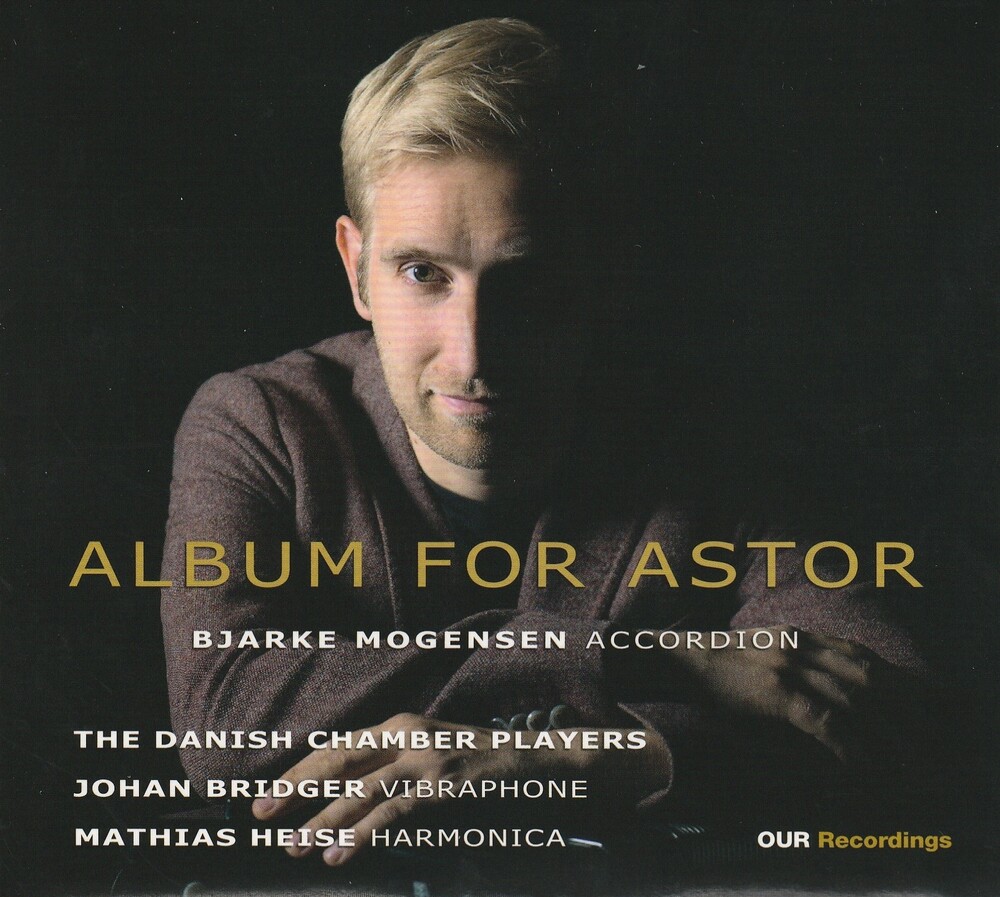
Danish accordionist Bjarke Mogensen writes in his liner notes that this Astor Piazzolla instrumental release is for “the centenary of his birth.” Mogensen bases his accordion performances and instrumental arrangements here in his admiration, studies and understanding of Piazzolla’s compositions and bandoneon playing. Combined with Mogensen’s personal sound, this is over one hour of perfect Piazzolla.

The attention-grabbing opening track is Mogensen’s accordion solo arrangement of Adiós Nonino, Piazzolla’s work composed in memory of his father. An accented fast beginning leads to the famous slow, sad, emotional melody with rubato, then back to faster lush full glissandos and colours, showing off Mogensen’s skillful musicality, fast technique and respectful interpretations. The closing track solo arrangement Despertar (cadenza) is calming.

The other tracks feature ensembles. Mogensen arranges six works for himself and the Danish Chamber Players. Highlight is Fuga Y Misterio, from Piazzolla’s opera Maria de Buenos Aires. Contrapuntal writing with fast attention-grabbing accordion single lines, fugal instrumental lines, then full instrumentals with accented accordion and orchestra detached notes produce spirited dance sounds. 

Mathias Heise on harmonica joins Mogensen on their co-arrangement/duet of Café 1930 from Histoire du Tango. The harmonica blends surprisingly well with the accordion, especially in high-pitched lines above accordion bellow vibratos. Co-arranger Johan Bridger’s melodious virtuosic ringing vibraphone playing competes with and complements accordion tango runs in Vibraphonissimo. His vibes/percussion tight rendition with accordion moves from moody to tango nuevo in Tristango.

Piazzolla’s music lives on in this clear recording.

Listen to 'Album for Astor' Now in the Listening Room

11 Suite TangoDenis Plante – Suite Tango
Stéphane Tétreault; Denis Plante
ATMA ACD2 2881 (atmaclassique.com/en)

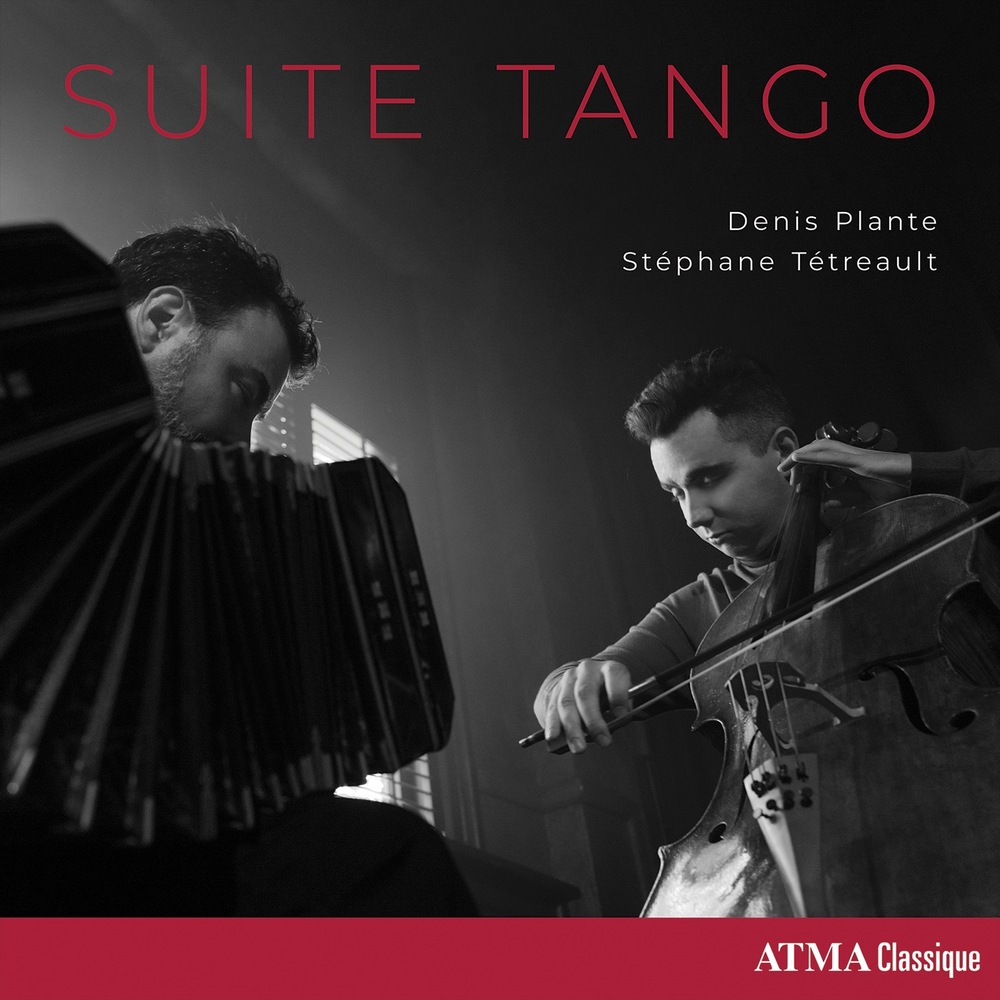
Bandoneonist/composer Denis Plante was inspired by J.S. Bach’s Cello Suites which feature such dances as courante, gigue and sarabande to compose Suite Tango, six multi-movement dance suites for bandoneon and cello. Plante is joined by Stéphane Tétreault here. These two multi award-winning musicians play the mesmerizing unique sounds with compassion.

Baroque meets modern day Argentinian dance music head on! Suite No.1, “Argentina” is a perfect introduction to Plante’s compositions here. First movement Preludio, with its slow emotional rubato opening, creates the mood, with a gradual accelerando into instrumental conversational tango styles. Lyrical slower bandoneon opens Silbando, with legato cello contrapuntal countermelodies, plucked cello and lower-pitch bandoneon solo adding different colours. The third movement Tango is so very melodically rooted in this dance-form style, highlighted by cello melodies accompanied by accented bandoneon chords and single notes, then shifting to bandoneon melodies with cello accents. The opening movement Coral of Suite No.2 “Bach to tango” features a Baroque/tango-flavoured bandoneon to a closing Bach-like cadence. The solo cello is memorable in the short 49-second Recitativo second movement. The Baroque-coloured tonal duet features subtle tango feelings in Canto. Back to an exuberant lively short tango in the fourth movement Milonga-cayengue. Four exciting multi-movement suites follow. 

Plante composes with Bach and tango-flavoured styles combined, alone and developed into compelling new sounds. Both performers play with colourful rich tones, and virtuosic stylistic/instrumental expertise. It’s time to listen and/or to dance to Suite Tango!

Listen to 'Denis Plante – Suite Tango' Now in the Listening Room

01 Merkelo TrumpetArutiunian; Shostakovich; Weinberg – Trumpet Concertos
Paul Merkelo; Jae-Hyuck Cho; Russian National Orchestra; Hans Graf
Naxos 8.579117 (paulmerkelotrumpet.com)

Since its creation in the Baroque era, the concerto has been dominated by keyboard and string instruments. If asked to provide a list of the greatest concertos of all time, one would likely list numerous piano and violin works, a cello concerto or two, and perhaps a piece for oboe or other woodwind.

Although its repertoire is limited when compared to other brass and woodwind instruments, the trumpet has had numerous concertos written for it from composers of the Soviet era and beyond. Three such works are featured here, including an adaptation of Shostakovich’s Piano Concerto No.1 in C Minor, Op. 35, arranged by trumpeter Paul Merkelo, principal of the Orchestre Symphonique de Montréal, himself.

While the trumpet is often used as a dramatic, high-volume instrument in orchestral settings, this disc demonstrates the remarkable versatility and subtlety that can be obtained from it, providing an illuminative look into the trumpet’s expressiveness and beauty. Armenian composer Alexander Arutiunian’s Trumpet Concerto in A-flat Major begins this recording and immediately strikes the listener with its alternating passages of lyricism and energetic buoyancy. Indeed, Merkelo’s immediately recognizable virtuosity makes even the most demanding moments sound effortless, with almost-unbelievable velocity never coming at the expense of the music itself.

Shostakovich’s Piano Concerto No. 1, originally titled Concerto for Piano, Trumpet, and Strings, follows a double concerto model, in which both piano and trumpet receive soloist responsibilities. Merkelo’s arrangement still features the piano, here performed by pianist Jae-Hyuck Cho, but with an expanded trumpet part that gives more evenly distributed responsibilities to each performer. Uncharacteristically playful yet undeniably Shostakovich, this work is a tour-de-force and a striking way to conclude a worthwhile exploration of one of music’s lesser-heard solo instruments.

Listen to 'Arutiunian; Shostakovich; Weinberg – Trumpet Concertos' Now in the Listening Room

Back to top