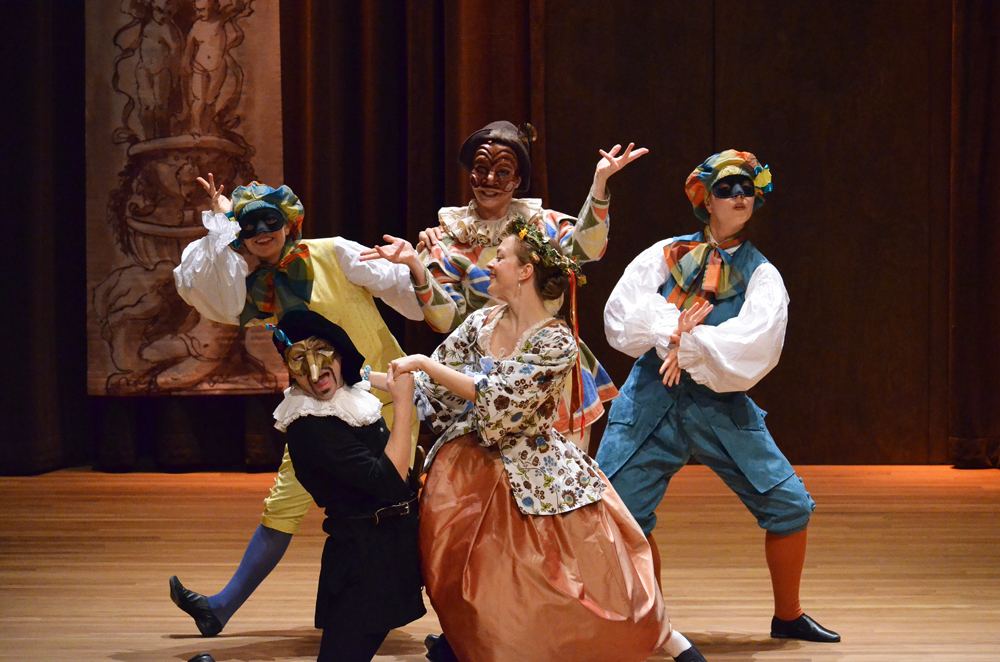
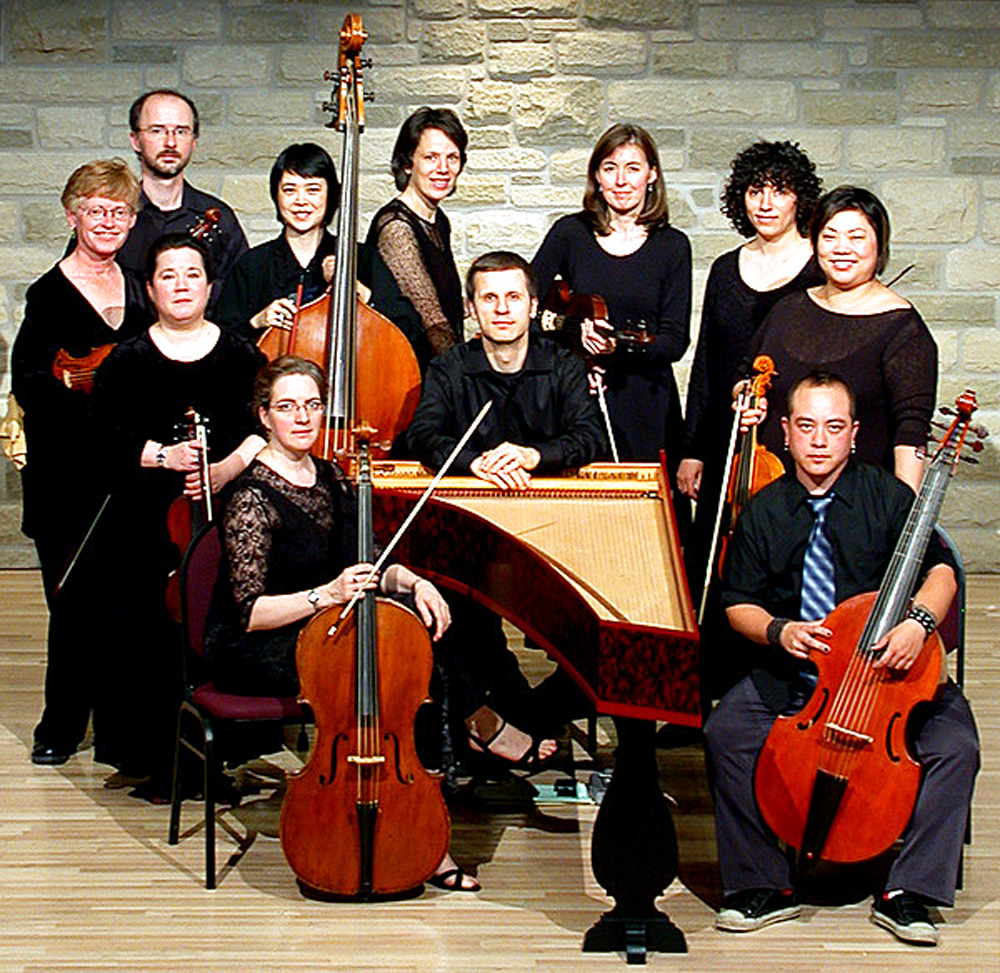
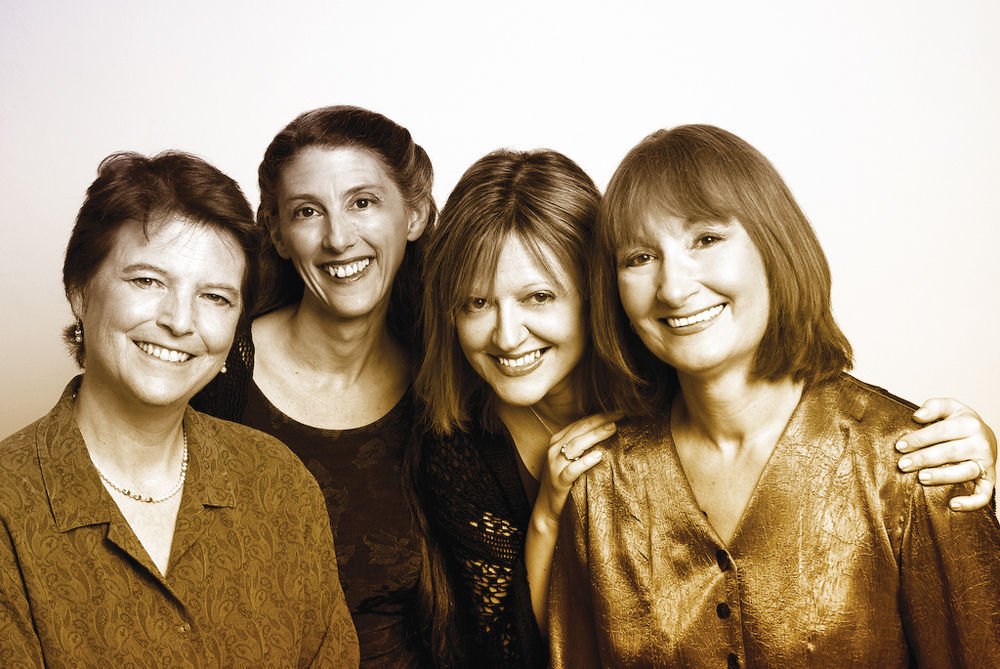
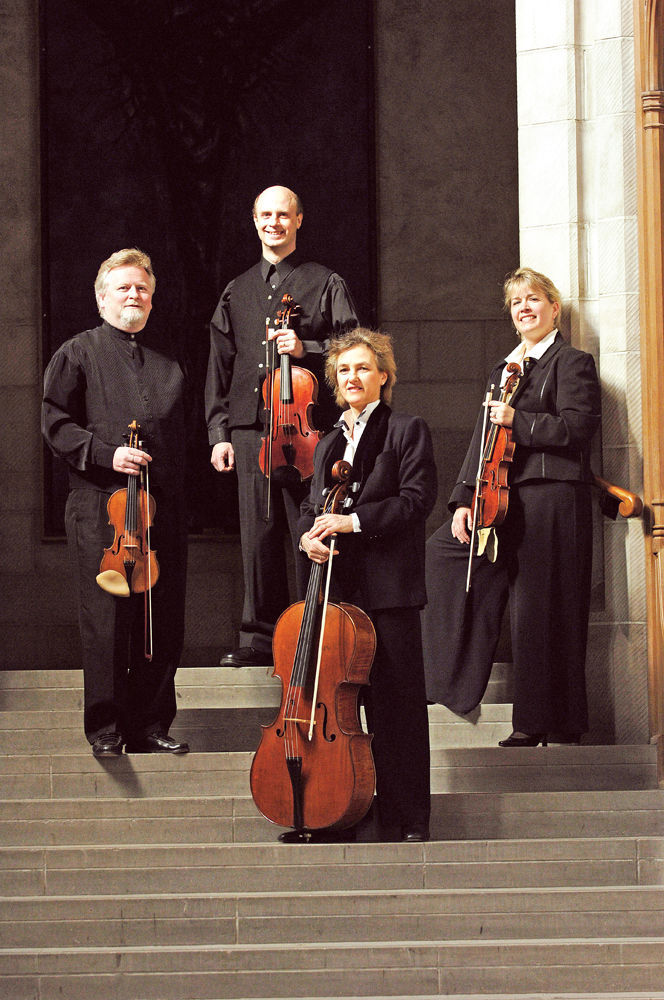
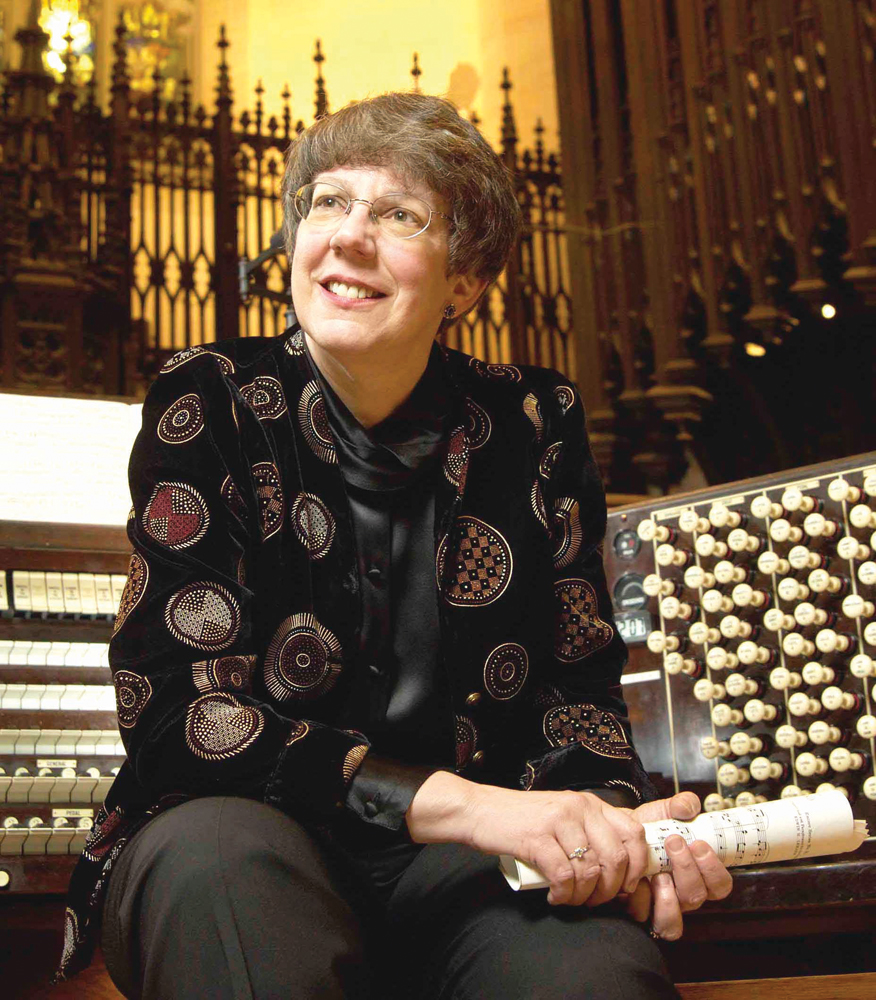
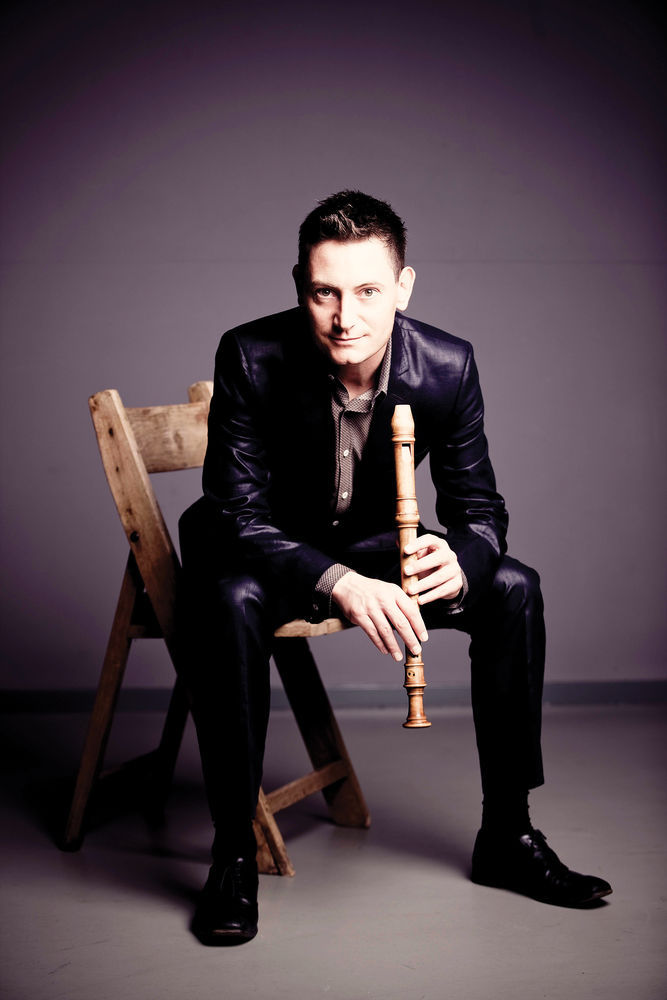
We go to concerts to hear music, sometimes not aware of the interesting backgrounds of the artists there on stage, playing or singing their hearts out. In conjunction with two upcoming concerts, here are two performers with fascinating stories to tell.

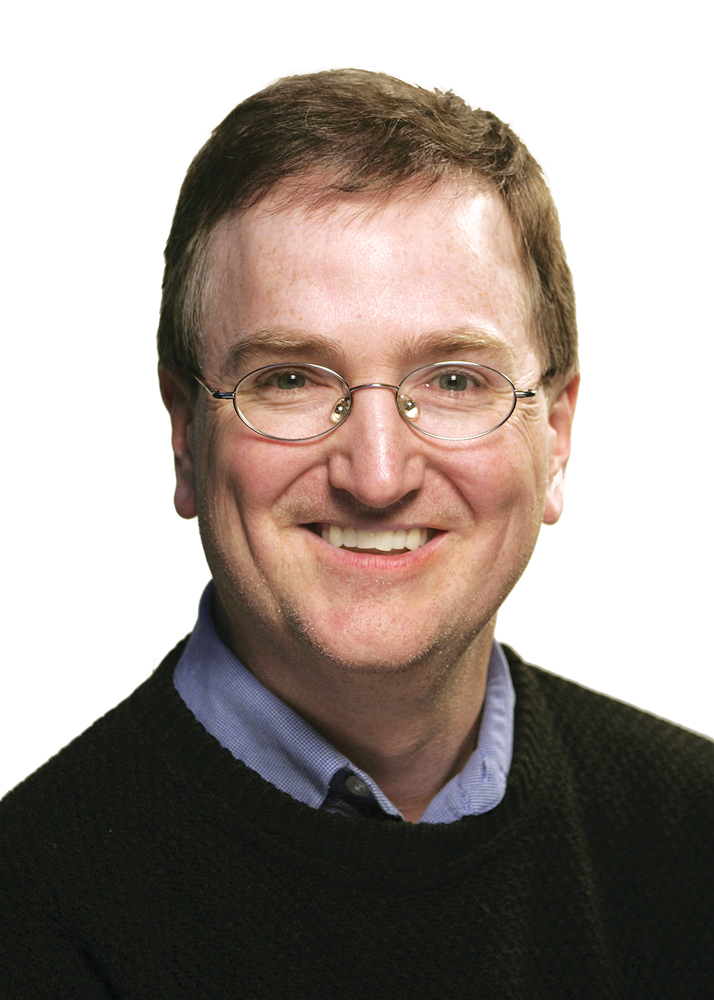
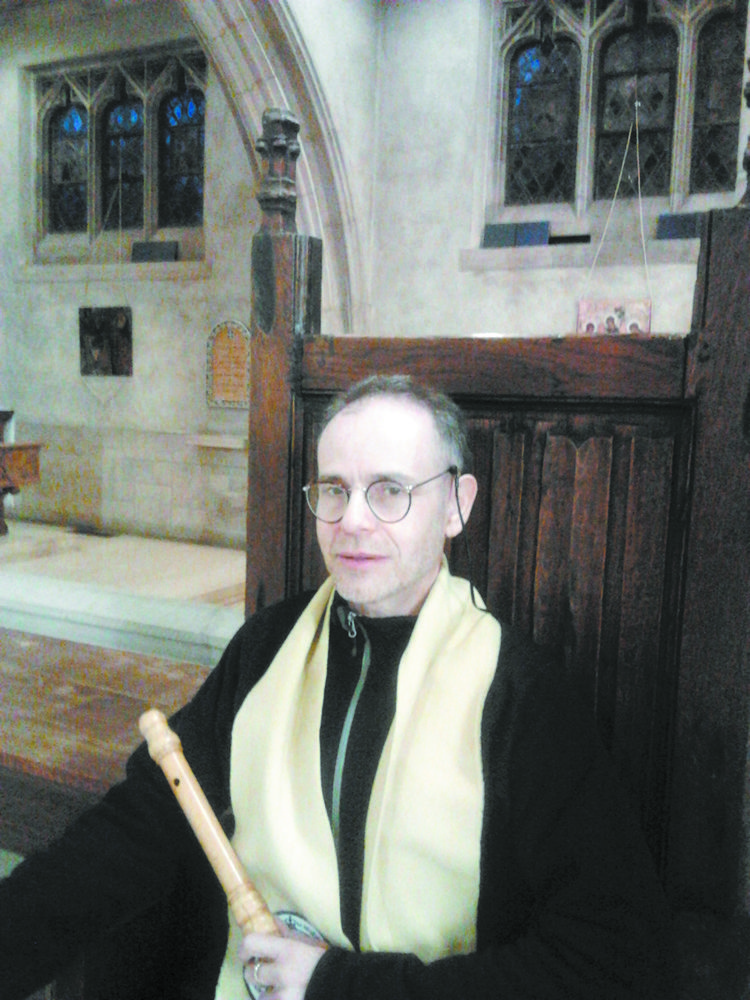
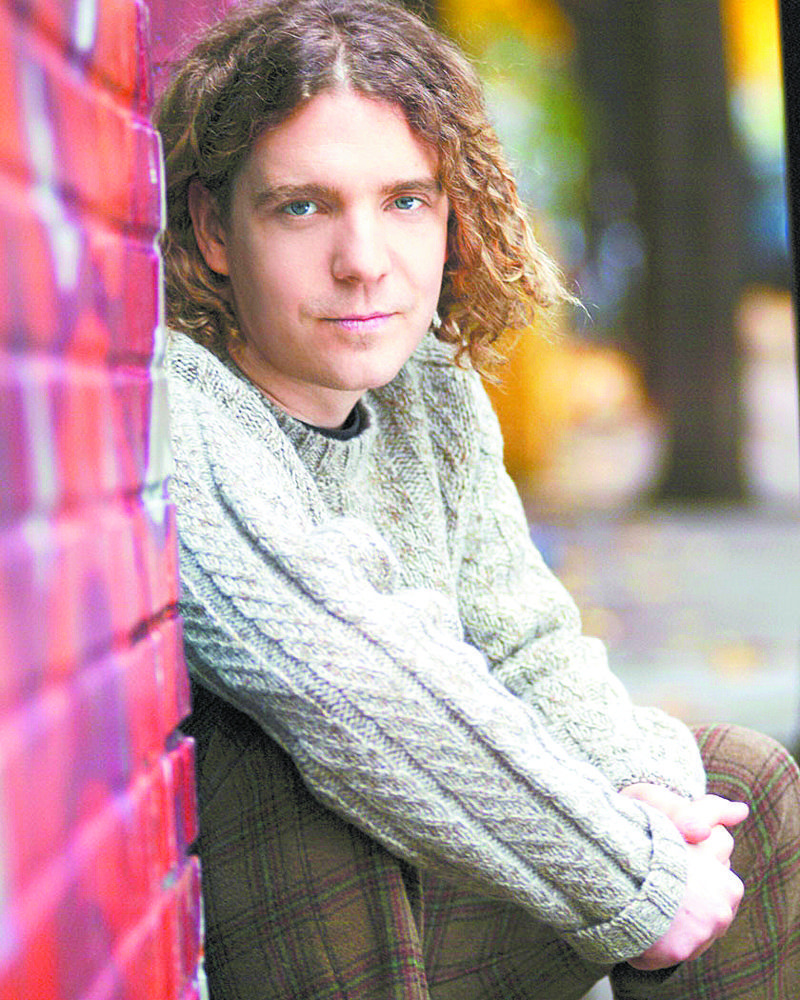
earlymusic randall rosenfeldRandall Rosenfeld has been a mainstay of Sine Nomine Ensemble for Medieval Music since its founding in 1991. He’s often heard playing vielle, gittern, recorder and early flute in this group which performs vocal and instrumental music of Europe from around the tenth to the 15th centuries. But did you know that he’s received a major award from the Royal Astronomical Society of Canada for excellence in astronomical writing and has been honoured by having a minor planet named after him? It’s all in his work as national archivist of the RASC; he’s received high praise for creating a first-class archive that provides an insight on the development of Canadian astronomy in the last century. I asked him to talk about the co-existence of music and astronomy in his life; here, distilled, is a little of what he told me:

“My formal training wasn’t as a scientist, but rather as a medievalist. One can’t go very far in the exploration of the intellectual world of say, 1,200 or 600 years ago without encountering the very close connections between music and astronomy. They were sister mathematical disciplines through which an understanding of the world could be apprehended. Those connections could be found directly in music surviving from the 11th to the 15th centuries. There’s a surprising amount of medieval music with texts unmistakably using the technical vocabulary of astronomy, or describing types of celestial events. Very convenient for someone with an interest in the history of both music and astronomy.

“I can’t say that my work in the history of post-medieval astronomy influences what I do musically, or vice versa, with one notable exception. The problems associated with restaging historical observations and those involved with recreating past musical practices are in many respects quite similar — it is as difficult to fully recover or comprehend how an experiment may have been done in the past or how the results were perceived at the time as it is to recreate a past musical performance and hear it with the ears of the past (some aspects and perceptions will never be recoverable). Much can be learned by endeavouring to do both, and each may provide an illuminating analogue to the other.”

On December 21 at St. Thomas’s Anglican Church, Sine Nomine Ensemble performs “A Christmas Court Entertainment: The Romance of Erec and Enide,” one of the most popular Arthurian romances, with music by Machaut, Binchois, Dufay and other late medieval French composers. While the concert is not directly structured around an astrological theme, there’s astrological imagery: “Some of the repertoire mentions celestial objects and is concerned with aspects of the construction of the world, and touches on questions of time and eternity.”

Katherine Hill is well known as a soprano in the early music world, here and in Europe — no doubt you’ve heard her in ensembles such as the Toronto Consort, Sine Nomine and Scaramella. You may have seen her playing the medieval fiddle or the gamba too. But lately, another fascinating instrument has entered her life: The nyckelharpa is a bowed stringed instrument with keys that can be traced back to 14th-century northern Europe and is still widely used in Swedish traditional music. It got Hill’s attention when she heard it on recordings many years ago. She says: “The sound reminded me of my medieval fiddle, but I also loved the sound of the keys clicking away. And Swedish music, with its mix of major and minor modes, crazy rhythms and haunting songs also captivated me.”

Having the good fortune to borrow one for a summer and then to buy it, she seized opportunities to do summer courses in Sweden in nyckelharpa and Swedish music. “The more I learned, the more I wanted to learn! So last year I got a Canada Council grant to study technique, repertoire and Swedish traditional dance in Sweden for nine months, which was a very rich experience. Now that I’m home, I want to keep exploring the Swedish music side of things, but also the medieval fiddle side.”

There’s a good opportunity to hear her and this instrument, in the first concert of the Toronto Early Music Centre (TEMC) 2013 season. Hill says: “I will be playing nyckelharpa in this show. The general uniting element in the repertoire is the nyckelharpa, first as a medieval fiddle (pictured in Siena in 1408 in the chapel of the town hall). So we’ll be playing some music from that time and place. And second, the nyckelharpa as a Swedish traditional instrument; so there will be some Swedish songs and dance tunes. My partner will be Julia Seager-Scott, who will play a gothic harp for the medieval material and a folk (or a baroque) harp for the Swedish music. There’s a nice connection too, with the word harp also being in the name nyckelharpa (in Swedish ‘harpa’ can mean harp or fiddle).”

The performance takes place on Sunday afternoon, January 27 in TEMC’s intimate venue, St. David’s Anglican Church.

earlymusiccollegiumvocalegent credit michel garnierCollegium Vocale Gent/Schola Cantorum

We’re lucky that the RCM’s Performing Arts director, Mervon Mehta, is passionate about bringing internationally renowned artists to our parts of the world — for example, the wonderful ensemble Collegium Vocale Gent who appear in Koerner Hall on December 14 to perform four cantatas from Bach’s Christmas Oratorio. Specialists in historically authentic performances of vocal renaissance and baroque music, they’re led by the acclaimed conductor Philippe Herreweghe who founded this group in 1970. Their work has been described as “breathtaking,” “eloquent,” “unusually finely blended.”

A week earlier on December 7, the U of T’s newly formed early music vocal ensemble Schola Cantorum performs in the beautiful, acoustically rich and relatively intimate setting of Trinity College Chapel. Featured are Handel’s Coronation Anthems, the four joyful and celebratory pieces that he composed for the coronations of King George II and Queen Caroline. The concert is directed by countertenor Daniel Taylor, whose ensemble, the Theatre of Early Music, also participates in this performance.

A few others in brief

December 14 to 16: The Toronto Consort and guests, the Toronto Chamber Choir, present “Praetorius Mass for Christmas Morning.” This production recreates the music that might have been heard at a Lutheran mass on Christmas morning under Michael Praetorius and features the sounds of early brass, strings, lutes, keyboards and voices from their positions around the balconies at Trinity-St. Paul’s Centre.

December 19: At Saint Stephen-in-the-Fields Church, the Elixir Ensemble — harpsichordist Sara-Anne Churchill, gambist Justin Haynes, violinists Elyssa Lefurgey-Smith and Valerie Gordon — performs music from the Baroque on historical instruments.

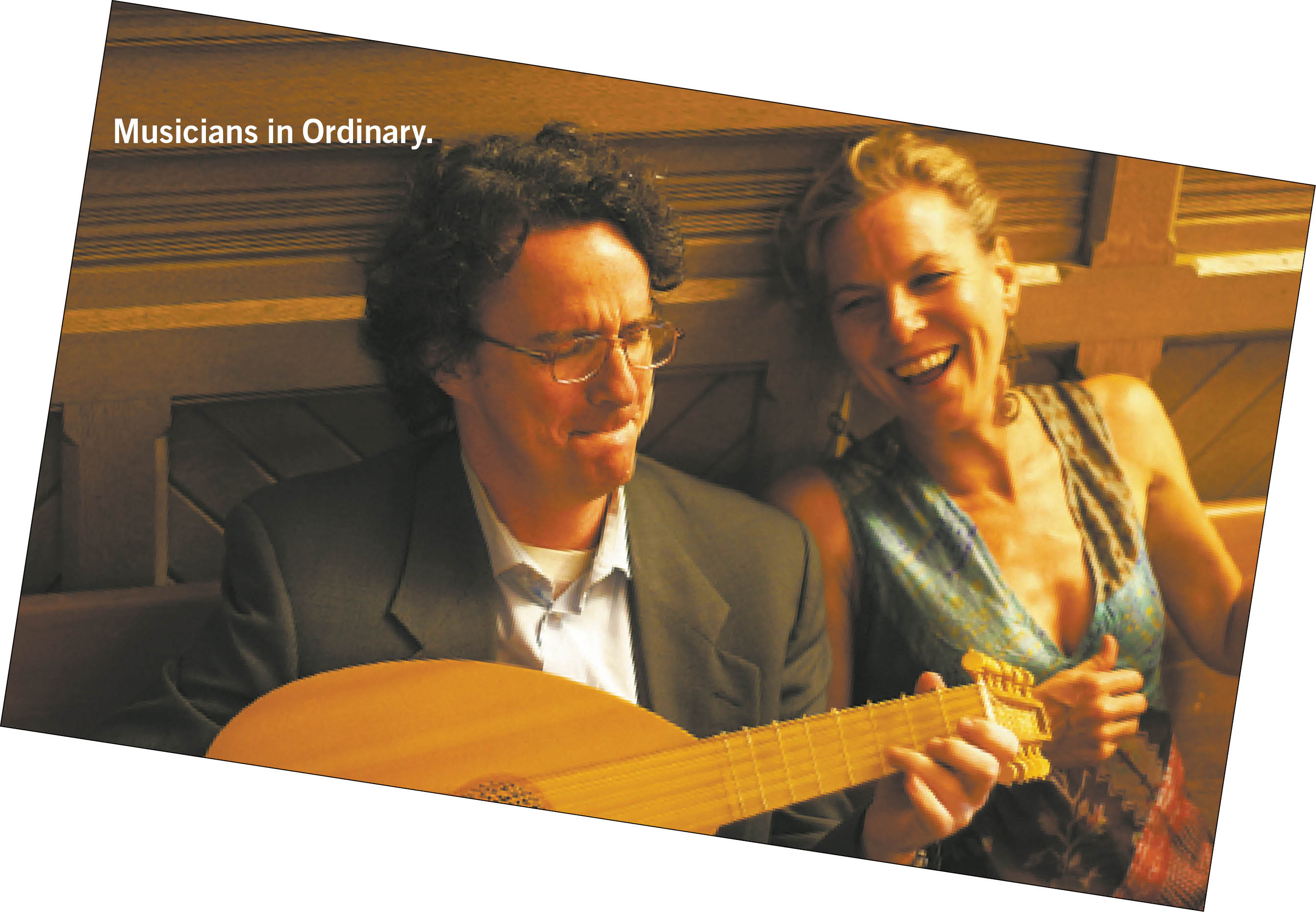
January 1 and 2: Don’t forget the Musicians In Ordinary’s annual New Year’s Day Baroque Concerts. Soprano Hallie Fishel and lutenist/theorbist John Edwards are joined by violinists Christopher Verrette and Edwin Huizinga.

January 12: The Oratory, Holy Family Church presents “O Beata Infantia: Baroque Music for the Christ Child.” Organist Philip Fournier and a fine vocal and string ensemble perform works by Praetorius, Sweelinck, François and Louis Couperin, Perotin and Palestrina.

January 17 to 20, 22: Tafelmusik’s “Baroque London” explores the music of the King’s Theatre Haymarket under the guidance of retired oboist, Mr. Richard Neale. Music by Handel, Galliard, Sammartini, Bononcini and Pepusch illustrates the remembrances of this forgotten oboist, as imagined by actor R.H. Thomson.

January 31, February 1 to 3: Again the formidable Tafelmusik, whose show “Vivaldi, Handel & Sandrine Piau” features this French soprano in baroque arias, also orchestral suites and concertos. 

Simone Desilets is a long-time contributor to The WholeNote in several capacities who plays the viola da gamba.
She can be contacted at earlymusic@thewholenote.com.

November is a month when many concert series have their season openers — a good chance for me to talk about some of my favourite groups.

Definitely in this category is Toronto Masque Theatre (TMT). This company is touched by magic — the magic of the masque, both ancient and contemporary, which they present in myriad entertaining productions that fuse different aspects of the performing arts; since 2003 they’ve staged close to 25 critically acclaimed multimedia productions ranging in repertoire from the late Renaissance to the modern day.

19-20earlymusicdali-rhino 1Their upcoming show, “Fairest Isle,” showcases the wealth and breadth of Purcell’s genius with pieces drawn from his semi-operas: The Fairy-Queen, Dido and Aeneas, King Arthur and The Indian Queen, along with music he composed for the Church and Court. TMT’s press release promises that it will be “an exhilarating combination of dance, theatre, orchestral music and song: a chance for audiences to glimpse the baroque splendour of the work Purcell created for London’s theatre of the time.”

Henry Purcell is obviously dear to the heart of TMT. In an ambitious five-year program, they’ve produced all of Purcell’s major theatre works, culminating in performances of, and a symposium on, King Arthur in 2009 to mark the 350th anniversary of the composer’s birth. Artistic director Larry Beckwith comments enthusiastically: “Purcell’s music is full of genius, craft, warmth and humour. He was so adept at supporting the meaning of the great — and sometimes not so great! — texts he worked with. The tunes are memorable and moving, the instrumental writing is first-rate, and the overall thrust of his work is lively and full of humanity.”

There’s a real treat in store if you go to see them! Performances are on November 16 and 17 at the Al Green Theatre. Pre-show chats featuring Beckwith and special guests take place 45 minutes before each show.

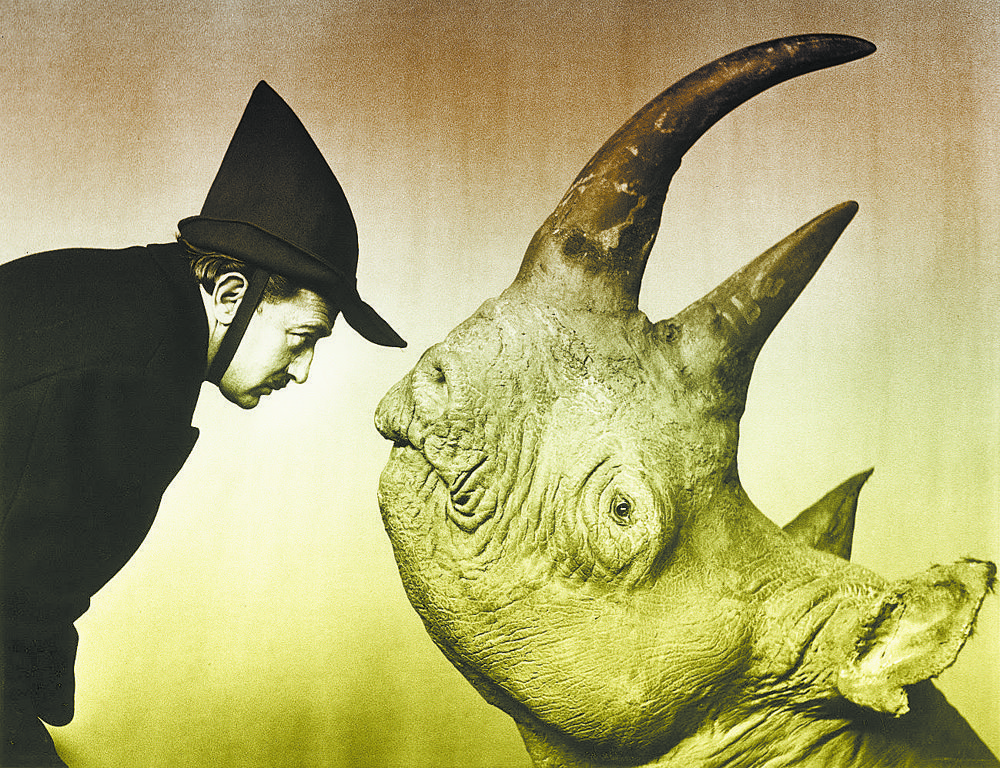
A look at the package in which Scaramella’s 2012-2013 season is wrapped will give you an idea of the artistry, ingenuity and care poured into each of their concerts. Go to the opening page of the brochure or the website, and you’re spun inside on the fronds of an exquisite spiral — actually a photograph of a staircase inside the lighthouse in Eckmuhl, Brittany (reminiscent of the scroll of a musical instrument, muses artistic director Joëlle Morton). Once landed, you’ll find your eye alighting on a set of particularly attractive images, each of which points in some way to the overall theme of this season: innovation and technology — a theme that takes on a variety of guises.

A photo of Salvador Dali engaged in serious discussion with a rhino gives some idea of what’s in store for their first concert. It’s all about animals and the ways that have been found to depict their sounds on musical instruments. As Morton says, “Our multi-talented musicians will be called upon to conjure cows, horses, ducks, frogs, geese, pigs, chickens, dogs, doves, frogs, bees, sheep, a stag, a snake, cicadas and cats.” They’ll do this in a multitude of pieces, from composers such as Biber, Bach, Handel and Copland to Elton John, George Harrison, Loudon Wainwright and traditional tunes. And who are these multi-talented performers? They include Elyssa Lefurgey-Smith (baroque violin), Katherine Hill (soprano), Joëlle Morton (violas da gamba), Sara-Anne Churchill (harpsichord) and Kirk Elliott (aptly dubbed “one-man-band”). “Lions and Tigers and Bears, O My!” takes place at Victoria College Chapel on December 1.

Two violinists in Toronto on the same weekend approach the performance of early music from different perspectives. November 7 to 11, one of the foremost international baroque violinists appears with Tafelmusik: Gottfried von der Goltz began his career as a “modern” player but decided to switch to the baroque style; in so doing, he found everything he needed to build an international career. Now violinist and director of the Freiburg Baroque Orchestra, he is Tafelmusik’s guest in “Mozart’s World,” as soloist in the Mozart Violin Concerto in A and as director in works by Haydn, Franz Beck and Josef Kraus.

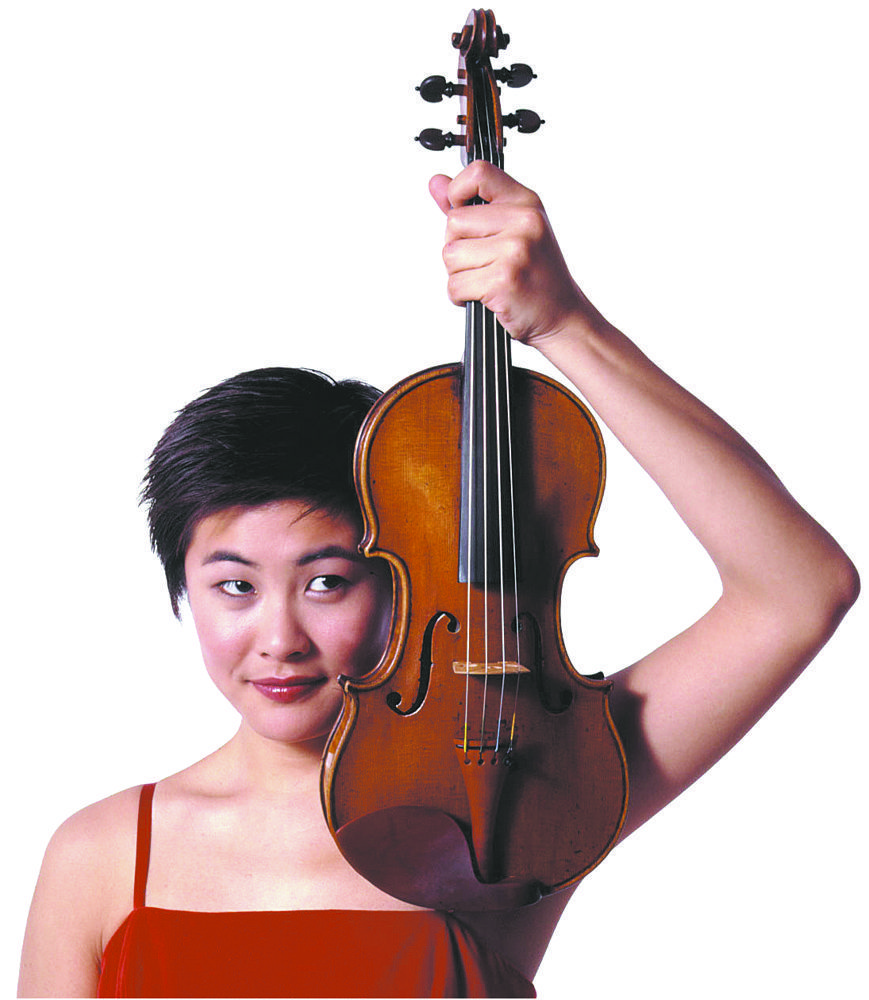
19-20earlymusickoh 1Also on November 11, a violinist you may have heard last June in Toronto’s Luminato Festival performing the solo violin role of Einstein in Philip Glass’ opera Einstein on the Beach, appears in recital at RCM’s Mazzoleni Hall. Jennifer Koh is a consummate and very thoughtful artist who believes strongly that connections exist in all music from early to modern, since music reflects humanity’s common experiences in every society and every age. This conviction has led to the evolution of her project “Bach and Beyond” — a set of three recitals that seeks to reveal the connections in solo violin repertoire, from Bach’s six Sonatas and Partitas through to newly commissioned works. Her recital in Toronto is the second of these. She’ll perform two solo works by Bach, plus the Bartók Solo Sonata and a world premiere: Kline’s Partita for Solo Violin, written for her.

Others

November 17 at the Kitchener-Waterloo Chamber Music Society: Canadian pianist Shoshana Telner has enjoyed a flourishing career as soloist, chamber musician and teacher and currently teaches in the music faculty of McMaster University. In this concert she performs Bach’s Six Keyboard Partitas — music (described by one listener) that puts you “within that holy moment.”

November 17 and 18 (Toronto), November 24 (Hamilton): Capella Intima was founded in 2008 by the talented tenor and baroque guitarist, Bud Roach, expressly to present vocal chamber music of the 17th century. Roach has recently been immersed in research into the lost art of the self-accompanied singer, work that’s resulted in a beautiful recording of secular arias by Grandi. (Go to Capella Intima’s website to hear excerpts and find out more about the project.) Some of this music will be presented in the three upcoming performances: intimate arias by Grandi, Sances and Strossi, featuring soprano Emily Klassen and tenor Bud Roach, who also accompanies the songs on baroque guitar.

November 18: Organist Philip Fournier came to Toronto from the USA in 2007, bringing with him an impressive history of scholarship and experience in the fields of organ performance and choral directorship. He gives a recital, “Organ Music of the 17th Century,” on the magnificent three-manual mechanical action organ at The Oratory, Holy Family Church — music by Praetorius, Sweelinck, Scheidt, Frescobaldi, Byrd and Bach.

November 18: The Windermere String Quartet on period instruments continue their journey through the “Golden Age” of string quartets with a performance dedicated to youthful works. In “Young Blood” they play works by Mozart, Schubert and Arriaga — musical geniuses who, by the age of 19, had already displayed their mastery of the form. Lucky for us that they were so precocious because they had not much time to develop: they all died tragically young.

November 27 also at the Kitchener-Waterloo Chamber Music Society: Lovers of the viol should flock to this concert given by the internationally renowned bass viol duo Les Voix Humaines. Their concert titled “The Sun Queen” refers to King Louis XIV’s favourite instrument, the viola da gamba, and includes original compositions and arrangements of French chamber music of the 17th century. This is music which (in their words) “reflects the growing taste for private pleasures, making use of a language which is at once moving and discreet, evoking a world where freedom and intimacy go hand in hand.”

Choral concerts involving early music are well represented; here are a few of them: Cantemus Singers: “Make We Merry!” (November 17 and 18); Georgetown Bach Chorale: Handel’s Messiah (November 17 in Goderich, November 18 in Brampton, November 23 and 25 in Georgetown); Melos Choir and Chamber Orchestra: “Celebrating the Diamond Jubilee of Her Majesty Queen Elizabeth II” with Handel’s Coronation Anthems (November 18 in Kingston); Larkin Singers: “Bach Motets” (November 24); Elmer Iseler Singers: Handel’s Messiah (November 30); Tafelmusik: “French Baroque Christmas” (December 5, 6, 7, 8, 9); U of T Schola Cantorum: Handel’s Coronation Anthems (December 7).

For details of all these and more, please see The WholeNote’s daily listings. 

Simone Desilets is a long-time contributor to The WholeNote in several capacities who plays the viola da gamba. She can be contacted at earlymusic@thewholenote.com.
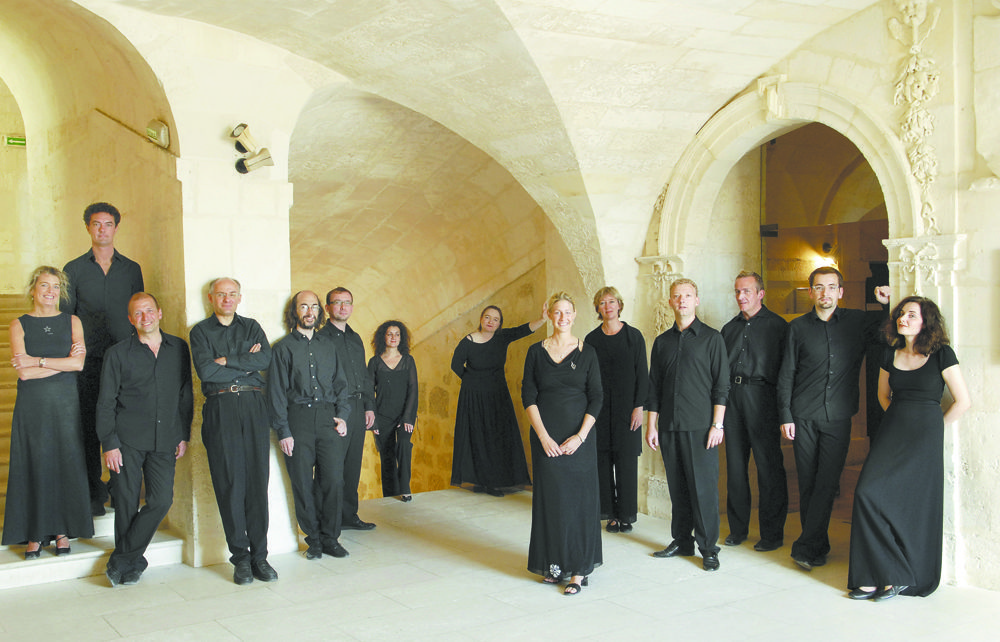
October brings an interesting variety of early music activity: historical instruments performing a range of music from the middle ages to the classical period; philosophies expressed through music and historically interesting pairings of old and new; the celebration of a milestone anniversary and brand new initiatives in the field.

early music pages 30-31 toronto consor toption1The Toronto Consort celebrates its 40th anniversary this season — no mean accomplishment for an early music group that started relatively modestly. They’ve weathered many personnel changes in their long history, and therefore also shifts in their sound and to some extent their focus, according to performers and instruments available during any given period. Sadly also, they’ve seen the recent death of a well-loved co-founder, Garry Crighton. There are also elements of constancy, including the involvement since 1979 of the energetic David Fallis, artistic director since 1990, who has led them through projects such as providing authentic period music for the 10 part television series The Tudors. What better way to celebrate the success of 40 years than with a season opener showcasing masterpieces from the English Renaissance, including music the Consort recorded for that TV series, crowned with the magnificent 40-part motet Spem in alium by Thomas Tallis? To perform this work they will be joined by members of Toronto’s Tallis Choir. “The Tudors” is presented at Trinity-St. Paul’s Centre on October 19 and 20.

Voice and instruments: Just announced, the University of Toronto’s Faculty of Music is establishing an exciting new program in early music that comprises both voice and instrumental components under the direction of countertenor and early music specialist Daniel Taylor. The list of musicians involved as instructors is impressive and includes respected local early music specialists as well as distinguished guests such as soprano Emma Kirkby and violinist Adrian Butterfield. Musicians from Tafelmusik and the Theatre of Early Music (Taylor’s own early music choir and orchestra) will appear in concerts this year with the newly formed Schola Cantorum.

In Taylor’s own words:“My vision is one which brings faculty and students together. With the support and guidance of my gifted colleagues, we hope to bring what is sacred back into the process of exploring this magnificent yet neglected early repertoire. The U of T offers students an unparallelled opportunity in Canada to study with the most sought after artists in the field of early music. We offer an exceptional program which meets the needs of our exceptional students. Any misconceptions that the study of music written between 1000 and 1800 is limiting in any way will fall away.”

early music pages 30-31daniel taylor option 2One of the program’s first public performances is on October 18, when U of T presents “Songs of Love and War,” opera scenes from the Baroque, staged by Tim Albery and conducted by Kevin Mallon, in the Music Room at Hart House.

Some concerts open a window onto a world of ideas, or universal truths. “Hildegard of Bingen and the Living Light” is one. Arising from a deep commitment to the precepts of this 12th century abbess, healer, writer and composer, it’s a one woman show created by the American mezzo Linn Maxwell, in which she becomes Hildegard, telling her story and expressing her philosophy of the world through actual songs and writings while providing her own accompaniment on the psaltery, organistrum (an early hurdy gurdy) and harp. This performance, taking place on October 23 and 24 at Regis College Chapel, is a co-production of TrypTych and Opera by Request.

Obviously a man of ideas who operated under an assumed name referring to musical pitches, Pierre Alamire was not only a merchant, a diplomat and a spy for the court of Henry VIII, but also one of the 16th century’s most skilled music copyists and illuminators. On October 28, the Toronto Chamber Choir will be projecting some of his beautifully illuminated copies as they perform music by contemporaries Josquin, Ockeghem, de la Rue and Willaert. “Mysterious Pierre A-la-mi-re”is an afternoon Kaffeemusik, one of those presentations given twice a year by the Choir and their music director, Mark Vuorinen, which seek to both entertain and inform.

And though I’m not sure whether I Furiosi’s “Losers”exactly falls into the category of universal truth, their October 19 concert explores the theme of loss (they quote Oscar Wilde: “To lose one parent ... may be regarded as a misfortune; to lose both looks like carelessness”) — but not necessarily in a vein of melancholy. “We tend to make things just a little bit funny,” soprano Gabrielle McLaughlin assures me. The concert featuring works by Froberger, Handel, Purcell and others includes guests, baritone David Roth and harpsichordist Michael Jarvis, and takes place at a new venue, St. David’s Anglican Church.

The juxtaposition of old and new turns up more than once this month, in various guises.Here are four events, each with its own take on this concept:

The marvellous violinist, Anne-Sophie Mutter, appears with the Toronto Symphony on October 3 and 4, playing two contrasting works: In tempus praesens written for her by the contemporary Russian composer Sofia Gubaidulina and Bach’s A minor Violin Concerto. You will not hear Bach clothed in the pure transparency of period performance style but you will hear a performance of power and conviction played by a master of her instrument who seeks to express the music’s truth with great artistry.

If you have a penchant for the charms of the recorder and enjoy hearing what it can do in both early and contemporary styles, you’ll be well satisfied on October 9 as the COC presents, in its Richard Bradshaw Amphitheatre series, the terrific recorder quartet Flûte Alors! — four young virtuosos from Quebec who play like a dream. They’ll offer an eclectic mix of styles, from the Baroque to contemporary pieces — “Bach to the Beach Boys” as their publicity tells us.

For a time, much of Bach’s music was considered old fashioned and virtually forgotten. But the revival of the St. Matthew Passion in 1829 by the young Felix Mendelssohn kindled the realization that this indeed was music of a towering master, consequently spawning myriad compositions inspired by Bach’s genius. You can savour some of the evidence of his influence on later composers in the realm of choral music, as the Tallis Choir opens its season with four Bach motets and four beautiful works by romantic composers: Brahms, Bruckner, Rheinberger and Mendelssohn. “Bach & The Romantics” is presented at St. Patrick’s Church, Toronto on October 13.

Nota Bene Baroque is the Kitchener-Waterloo region’s own baroque orchestra, with an imaginative three-concert season. They have a very interesting idea for their opener on October 21 titled “Something Old, Something New,” and that is to keep you guessing (for awhile) whether the music you’re hearing is by a baroque or a living composer — there’ll be both on the program, but all composed in baroque style. It’s the audience’s task to discern which pieces have been recently written and which really come from the baroque era. A good chance to hear “baroque” music you’ve truly never heard before!

A few others: The Cardinal Consort of Viols presents an evening of consort songs and instrumental music, featuring Elizabethan and Jacobean composers such as Byrd, Weelkes and Dowland — but not just any music: it all pays special tribute to ladies both real and mythological. The beautiful genre known as the consort song — voice accompanied by viols — features soprano Dawn Bailey as soloist in “Musicke for the Laydies”, which takes place at Royal St. George’s College Chapel on October 6.

Despite earthquakes, war and eruptions of Mount Vesuvius, baroque Naples boasted a vibrant music scene. In concerts entitled “Bella Napoli,” Tafelmusik Baroque Orchestra collaborates with the Vesuvius Ensemble and percussionist Ben Grossman to celebrate the musical richness of Naples and southern Italy with rarely heard comic opera arias, tarantellas and street songs; but also concertos and sonatas by Leo, Vinci, A. Scarlatti and Durante. For Tafelmusik, a new first: collaboration with an ensemble that specializes in traditional regional music. Performances take place October 11 to 14 at Trinity-St. Paul’s Centre.

The Windermere String Quartet on Period Instruments launches their season with the next in their series “The Golden Age of String Quartets.” For this they’ve chosen quartets by Haydn, Mozart and Beethoven, linked both by the composers’ admiration for each other and by the fact that each was composed as part of a set of six: the Haydn, from his Op.33 set; the Mozart, one of his six quartets dedicated to Haydn; the Beethoven, one of his Op.18 quartets which were inspired by Mozart’s genius in writing for the genre. The concert takes place at St. Olave’s Anglican Church on October 14.

For details of all these, and others not mentioned, please refer to The WholeNote’s daily listings.

Simone Desilets is a long-time contributor to The WholeNote in several capacities who plays the viola da gamba. She can be contacted at earlymusic@thewholenote.com.
A sheaf — no, a barrow-full — of material has landed on my desktop, documenting so many interesting events taking place, far more than seems usual for the month of September, the very beginning of the season. Where to begin, how to tie it all together?

An observation arises, prompted by a concert happening early in September, that lute-like instruments make their gracious appearance all through the month; you can follow them around in several different settings, played by some wonderful artists. That thought is the thread that weaves together this month’s column.

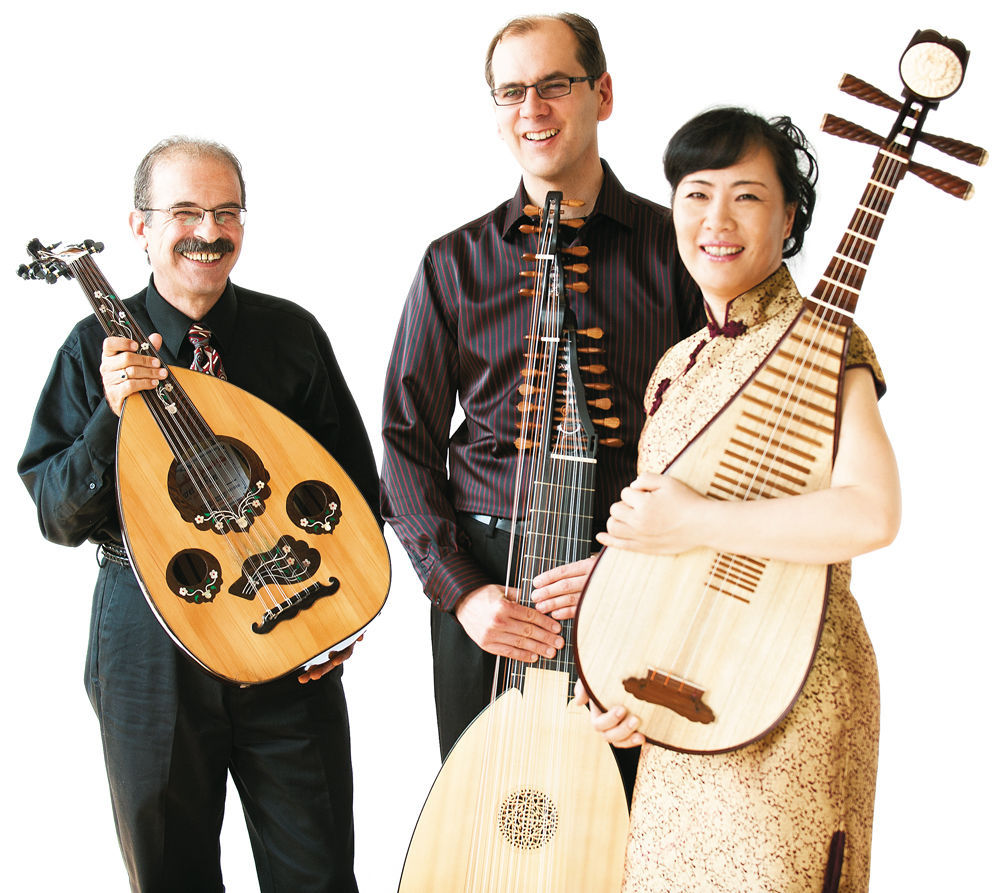
23 early lutelegendsensemble  1 sian richardsLutes, lutes, everywhere lutes:First, to the aforementioned concert. Entitled “Beyond the Silk Road,” it’s the inaugural concert of the Lute Legends Ensemble, three musicians whose specialities are linked by ancient traditions. Bassam Bishara plays oud, Lucas Harris plays lute, and Wen Zhao plays pipa. Harris explains: “The oud is the oldest instrument and the ancestor of the other two. We think that it traveled both East and West on the ancient Silk Road, becoming the 4-stringed pipa in China and the medieval lute in Europe.

“Each of us will be playing two instruments: Bassam will play his regular 6-course oud as well as his new 8-course oud (evidence of which was discovered in a very ancient manuscript about four years ago). Wen will play her normal pipa with metal strings as well as her silk-strung pipa. And I’ll be switching between a Renaissance lute and two different Baroque lutes (one will be in a Chinese pentatonic tuning that I invented to play with Wen).”

The concert will bring the three instruments together in “a cross-traditional experiment for the 21st century.” It takes place at Trinity-St. Paul’s Church on September 8.

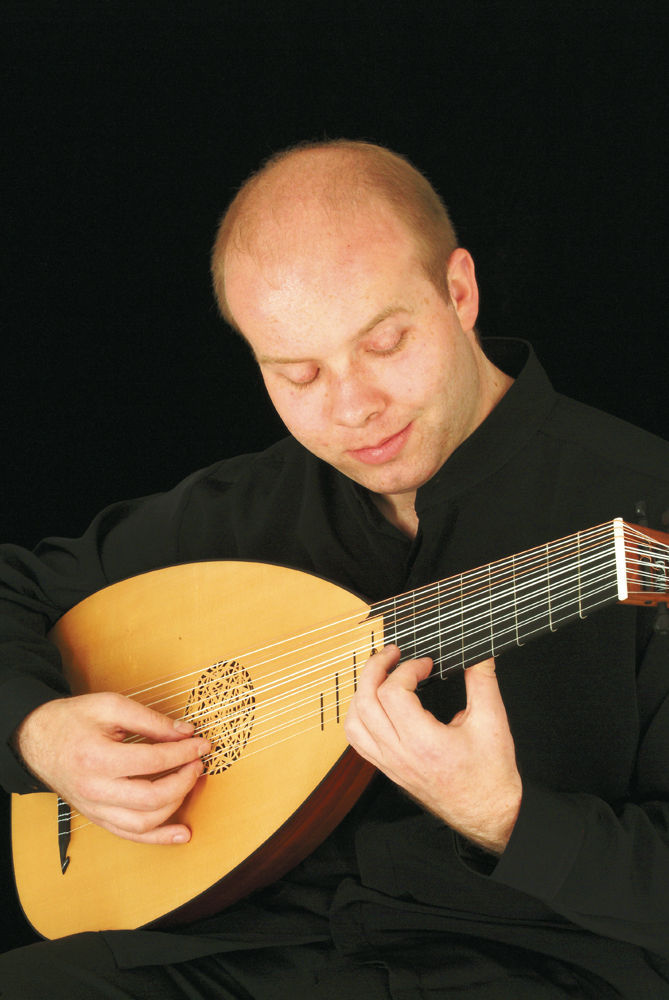
23 early matthew wadsworth  2Then there’s the theorbo, described by performer Matthew Wadsworth as “a giant lute” — it’s the formidable long-necked fellow whose presence in any ensemble simply cannot be ignored, with a powerful, very resonant bass register. The instrument developed from the bass lute in the late 16th century, answering the growing need for solid bass support for melodic lines.

It seems that the theorbo’s first appearance this month is at the Toronto Music Garden, where three superb musicians — baroque violinist Christopher Verrette, baroque cellist Kate Bennett Haynes and English theorbist Wadsworth — present a concert entitled “One Hundred Years of Venice,” performing works by Castello, Ferrari, Kapsberger and Vivaldi (who all lived and worked in Venice). We’re particularly fortunate to be able to hear Wadsworth, widely considered to be one of the foremost lutenists of his generation and in great demand as soloist, continuo player and chamber musician on both sides of the Atlantic. This concert takes place on September 16.

23 early henry prince of wales 1610 robert peake - 50 A theorbo will be in the capable hands of Benjamin Stein, as he leads a performance of the magnificent Monteverdi Vespers of 1610, sung one to a part by ten of Toronto’s top choral singers, accompanied by a sparse band of instrumentalists. Stein remarks: “We’re keeping the orchestration very spare, according to Monteverdi’s original score, hoping that the spareness of it allows people to hear the interweaving of voices, and the nature of the text setting, and also allows the continuo team to play and embellish in a stylish manner.” This is the first of this season’s Music at Metropolitan’s Baroque and Beyond series, happening on September 22.

Theorbo and lute (played by Michel Cardin) make up one-half of La Tour Baroque Duo (the other half is recorder and harpsichord, played by Tim Blackmore). You can hear this New Brunswick-based duo in a delightful program in a delightful setting, in their concert “The Last Time I Came O’er the Moor” — suites, variations and sonatas based upon traditional and popular Scottish airs, by Scottish baroque composers and others — presented by the Toronto Early Music Centre at Montgomery’s Inn, the evening of September 29. And don’t forget TEMC’s 28th annual Early Music Fair — a Culture Days event — happening from noon to 4:30pm, also on the 29th at Montgomery’s Inn — you might encounter lutes, viols and lots else!

Another Toronto Culture Days mini-concert showcases the very busy lutenist Lucas Harris, who will perform exquisite lute solos from 18th-century Germany, followed by a question and answer session (your chance to find out more about the lute). Part of the Toronto Centre for the Arts “Season Launch Open House,” this performance takes place at the George Weston Recital Hall on September 30.

The Musicians In Ordinary are back, with their built-in lute/theorbo player John Edwards. This duo brings scholarly research to each of their performances. Their first concert of the season,” His Perfections Like the Sunbeams,” commemorates the life and untimely death of Henry, Prince of Wales, “the best king Britain never had” according to Edwards; had he not died of typhoid at age 18 and been succeeded by his hapless brother Charles, history would have been changed! The concert, taking place on October 6, features the latest avant-garde composers of the time, some of Henry’s favourites: Ferrabosco II, Notari, Coprario and Johnson. Performers include theorbist Edwards and soprano Hallie Fishel with guests, violinist Christopher Verrette and gambist Justin Haynes.

As for that other lute-related instrument, the viol, I’ll mention briefly that you can hear its lovely voice in the following concerts: Music Mondays presents The Cardinal Consort of Viols’ “Rest Awhile Your Cruel Cares,” with music by Dowland, Locke, Jenkins and Purcell (September 17). In Barrie, Colours of Music presents “Fit For A King” — music by Purcell (both Henry and Daniel), Handel and C.P.E. Bach, featuring members of Baroque Music Beside the Grange and two baroque dancers from Opera Atelier (September 26). And in addition to his performance with the Musicians In Ordinary, mentioned above, gambist Haynes will contribute a solo prelude by Marais in a concert of the St. Vincent Baroque Soloists — a program of vocal and instrumental music from the 12th to 18th centuries (September 29).

Lute-free zone:Other events not including lute, oud, pipa, theorbo or viol (though I may well be wrong about that in some cases):

The vibrant English choral group the Tallis Scholars, celebrating their 40th anniversary next season, will visit UofT’s music faculty this month with a program entitled “Miserere: Sorrows of the Virgin Mary.” It features the Renaissance repertoire for which they’ve long been famous — Allegri’s Miserere, and music by Victoria, Praetorius, Guerrero and others (September 12).

Tafelmusik Baroque Orchestra’s opening group of four concerts, “Bach Brandenburg Concertos,” is indeed “an exuberant season opener,” with the grand sonorities of horns and oboes in Brandenburg Concerto No.1, the showcasing of the strings in No.3 and the rich world of solo harpsichord, violin and flute of No.5, plus a flourish of trumpets, oboes and drums in the Orchestral Suite No.4 (September 21, 22, 23 at Koerner Hall; September 25 at George Weston Recital Hall).

Glenn Gould would be celebrating his 80th birthday on September 25. Unbelievable to think of; but consider this: by that time, J.S. Bach would have attained the age of 327½ years. A concert presented by the Royal Conservatory pays tribute to both these timeless and towering musical geniuses, with a program entitled “David Louie Celebrates Bach and Gould.” RCM faculty member and harpsichordist, Louie, performs Bach’s Italian Concerto, selections from Partita No.4, and with the help of some fine musical colleagues, the Musical Offering. (September 23)

As a preview to their 40th anniversary opening concerts in October, the Toronto Consort brings Janet Cardiff’s award-winning sound installation Forty-Part Motet to Trinity-St. Paul’s Centre, as part of Nuit Blanche. This work, based on Tallis’s Spem in alium for 40 separate voices, consists of 40 speakers arranged in a large room, each one representing one voice of the Tallis motet (September 29).

So there you have it, in a nutshell. Welcome, everyone, to the start of a new season!

Simone Desilets is a long-time contributor to The WholeNote in several capacities who plays the viola da gamba.  She can be contacted at earlymusic@thewholenote.com.
Summer is theseason when everybody wants to be somewhere else. This includes those searching for live music — people who live in cities travel to villages and barns, lakesides and country churches; those who live in rural settings perhaps find the opportunity to make their way to city venues. This column is dedicated to helping you find your way to some of the wonderful early music events going on in “other” Southern Ontario places during the summer months.

Summer is a good time to be in Ottawa; with this city’s two music festivals, there’s a healthy offering of early music. The first of these, Music and Beyond (July 4 to 15), presents no less than 80 concerts; among them you can find such treasures as all six Bach motets performed by the Ottawa Bach Choir and its director, Lisette Canton (July 7). In a Coffee Concert titled “Four Centuries of Bach,” you can hear Bach chamber music performed by acclaimed baroque violinist Adrian Butterfield and several other respected period musicians (July 5). You can experience Handel’s Water Music played on a barge which travels up and down the Rideau Canal, with the London Handel Players and the Theatre of Early Music (July 8). Or you can attend a “Baroque Opera Soirée,” presented by The Theatre of Early Music, actor Megan Follows and five well-known singers: sopranos Karina Gauvin and Nancy Argenta, countertenor Daniel Taylor, tenor Charles Daniels and baritone James Westman (also July 8).

At the Ottawa Chamberfest (July 26 to August 9) there are further treasures to be found: renowned American lutenist Paul O’Dette presents a program of Anonymous, Bacheler and Dowland (August 9). The internationally recognized Gesualdo Consort Amsterdam presents “Sweelinck and Gesualdo: Masters of the Madrigal from North and South” (August 5). British cellist Colin Carr performs all six of Bach’s unaccompanied cello suites in two concerts (August 1). Les Voix Baroques present “Da Venezia,” a choral celebration on the 400th anniversary of the death of Giovanni Gabrieli (August 3). And on the same day, the Eybler Quartet gives their program “I’m Mozart,Too!” which features quartets by three composers (Bologne, Arriaga, Kraus) whose short lives and colossal talents were often likened to Mozart’s.

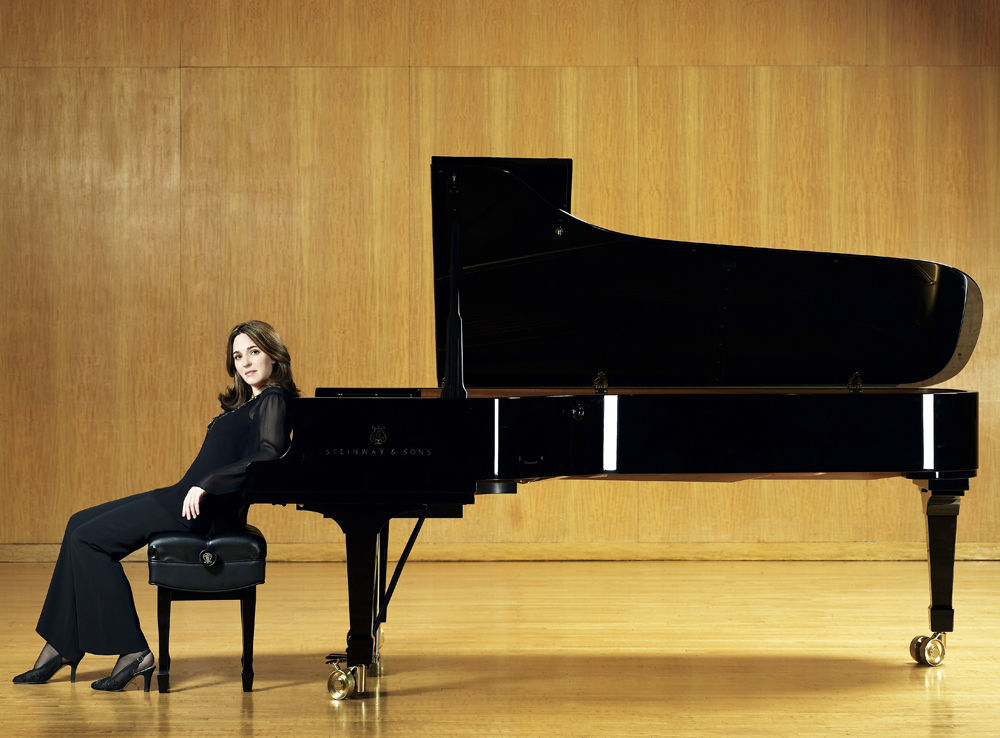
In the city of Stratford, Stratford Summer Music (July 16 to August 26) offers a myriad of interesting events, among them a celebration of the organ and a celebration of Bach. From July 26 to 29 there’s a “Young Canadian Organist and Heritage Organ” series (subtitled, “A Salute to Glenn Gould and the Organ”), during which portions of Bach’s The Art of Fugue, and other Bach works, will be performed by organists Andrew Adair, Sarah Svendsen and Ryan Jackson. The series concludes with an exploration of the hymn tradition as revealed in so many of Bach’s works, with organist Christopher Dawes leading a vocal and instrumental ensemble. On August 1, American pianist Simone Dinnerstein plays a program of Bach keyboard suites and partitas. Dinnerstein has an outstanding international reputation particularly for her Bach playing; she has been described by the New York Times as “an utterly distinctive voice in the forest of Bach interpretation.” On August 15, you can hear another mightily accomplished pianist, Canadian David Jalbert, who performs Bach’s Goldberg Variations. The Tafelmusik Baroque Orchestra, with countertenor Daniel Taylor and baritone Tyler Duncan, give two performances of Bach — cantatas either complete or excerpted, plus other music — on August 18 and 19.

In the township of Uxbridge lies an imposing building: the Thomas Foster Memorial temple was built in 1936 as a family legacy by this former MP and Mayor of Toronto from 1925 to 1927. It was inspired by the Taj Mahal and Byzantine architecture, and features solid bronze doors, hand-painted and fired stained glass windows, and terrazzo and marble floors. Music is performed there every Friday night, and from all reports the acoustics are ideal for early instruments. Two concerts will be of special interest to the early music afficionado: On August 3, The York Consort of Viols — a quartet of musicians from Toronto and Buffalo — presents “Heart’s Ease,” a program of music of the late Renaissance including pieces by Caurroy, Byrd, Farina, Tomkins, Gibbons, Holborne and others. On August 31, the Shimoda Family Ensemble presents a concert of baroque music for recorders and harpsichord.

“Perched on the edge of a spectacular gorge and nestled along the banks of the Grand and Irvine Rivers lies the enchanting village of Elora …” begins the promotional blurb for the place that is home each summer to the Elora Festival (July 13 to August 5). On July 26, you can hear a cappella music from the Renaissance sung in a church setting, by the men’s vocal quartet New York Polyphony. On July 29, Purcell’s opera “Dido and Aeneas” will be presented in the Gambrel Barn, with the Elora Festival Singers, Festival Baroque Players and Noel Edison, conductor.

The above-mentioned New York Polyphony will go on to Niagara-on-the-Lake’s festival Music Niagara (July 13 to August 11), performing a vocal feast of chant, polyphony and renaissance and modern harmonies on July 28.

Another idyllic place to hear music in the summertime is Parry Sound on Georgian Bay, with its Festival of the Sound now in its 33rd season. Here you can attend two concerts of baroque music on the same day, July 31, as Bach and Handel concertos, sonatas and other pieces are performed by soprano Leslie Fagan, flutist Suzanne Shulman, oboist James Mason, violinist Julie Baumgartel and others.

In Toronto:The Gladstone Hotel on Queen St. W. is the venue for Volcano Theatre/Opera Underground’s production of A Synonym for Love. A detailed description of this opera/cantata can be found in Chris Hoile’s On Opera column this issue; I’ll simply say that it’s based on a forgotten Handel cantata Clori, Tirsi e Fileno, composed in 1707 and thought lost until the score was discovered 250 years later. It features three singers and a live baroque orchestra playing period instruments, and runs from August 20 to 31.

The Toronto Music Garden’s Summer Music in the Gardenseries is a cornucopia of interesting performers, sometimes by artists we’d rarely have a chance to hear otherwise. I have fond memories of past concerts: the Italian singer of frottole, Viva BiancaLuna Biffi, who sang her tales while accompanying herself on the vielle; also the tenor Kevin Skelton, a Canadian who lives and works mostly in Europe, with his lovely singing of sacred works by Telemann and Schütz. Three upcoming concerts will interest the early music seeker: August 9, Arcadian Visions: Montreal violist Pemi Paull performs visionary music from the 17th century to the 21st, including music by Biber and others; August 19, Nymphs, Masques and Madness: From Montreal, Les Amusements de la Chambre performs music from 17th-century Italy and England, interspersed with new music inspired by baroque forms by Canadian composers; September 6, “Bach at Dusk”: Baroque cellist Kate Haynes continues her cycle of Bach’s suites for solo cello with the exquisitely dark Suite No.2 in D Minor.

And finally, a delight:The winner of the 2012 Canadian Music Competition’s biennial Stepping Stone competition is Vincent Lauzer, a young recorder player from Quebec, who plays his instrument with amazing virtuosity and style and is already a multi-award winner. You might have heard him as a member of the electrifying recorder ensemble Flûte Alors! His CMC win ensures that he’ll be invited to play at the Gala concert on July 6, at the MacMillan Theatre, U of T Faculty of Music. You might see me there!

And so, whether or not you go “somewhere else” to find it, I wish you all a happy summer full of music. 

Simone Desilets is a long-time contributor to The WholeNote in several capacities who plays the viola da gamba.  She can be contacted at earlymusic@thewholenote.com.
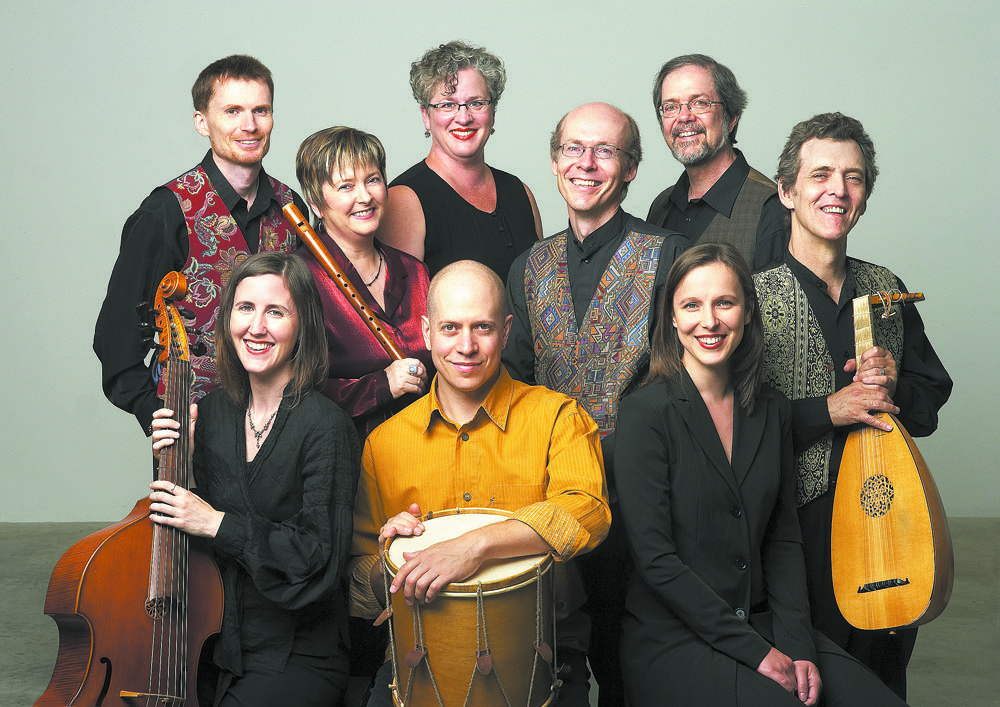
 

June is a month of transitions, the waning concert season having mostly drawn to a close, the summer festivals having barely emerged. Fortunately though, there are still several very interesting events happening that showcase the “early” side of music, enough to keep you going throughout the month.

There’s a strong interest in chant at Toronto’s Church of St. Mary Magdalene. In this “oasis in the city for contemplative music,” you can hear chant, or chant-influenced music, throughout the liturgical year. There’s even a chant club, open to anyone, in which participants learn about chant through both singing and instruction in its history, theory and technique. For more about this, go to their website: www.stmarymagdalene.ca.

If chant is of special interest to you, you might want to take advantage of a full day of chant-focused workshops, presentations and rehearsals offered on June 9, with Schola Magdalena and the SMM Ritual Choir. The day is surrounded by concerts: on Friday June 8, Schola Magdalena women’s ensemble for medieval music performs masterpieces of the School of Notre Dame de Paris, including Sederunt by the 13th-century Perotinus; on June 9, workshop participants and singers from SMM present an evening of Gregorian chant, Marian anthems by Lassus, and music by Hildegard von Bingen.

The above two concerts occur also as part of the Concerts Spirituels 2012 series, presented at St. Mary Magdalene on Friday evenings in June (the June 9 Saturday concert being the one exception). Others in order of appearance are: American organist, Rich Spotts, and the SMM Ritual Choir, perform the Gregorian chant-based music of Tournemire, June 1; a program of chamber music including works by Vivaldi, June 15; and the SMM Gallery Choir performs Lasso’s Missa Entre Vous Filles, the Buxtehude Magnificat, and music by Willan, June 22.

early_holy_family_church_-_scanned_from_the_wholenote_july-aug_1997One of the joys of working at The WholeNote is discovering connections, hidden in the musical kaleidoscope and just waiting to be uncovered. In preparing to write about Philip Fournier’s organ recital at The Oratory, Holy Family Church, I was led back to the 20th issue of our magazine — July/August 1997— where, on page 31, a short lament was written on the destruction by fire of Holy Family Church (did I take the accompanying photo?). Well, in the intervening 15 years this west-end Toronto church has now been rebuilt and the organ replaced with a magnificent Gabriel Kney/Halbert Gober tracker organ which Fournier says “is easily one of the finest instruments in Toronto. The unusually reverberant nave it speaks into further limits its circle of peers.”

The organist, Philip Fournier, has the credentials to be a very good judge of organs. His bio is impressive; organists among us especially will recognize names that figure significantly in his background. For example, he studied Gregorian chant at Solesmes, France, with the famed Dom Saulnier; he was the first Organ Scholar at the College of the Holy Cross, Worcester USA, and was subsequently named a Fenwick Scholar, the highest academic honour given by the College. He won the Historical Organ in America competition in 1992 and performed at Arizona State University on the Paul Fritts organ, and was awarded a recital on the Flemtrop instrument at Duke University. Now organist and director of music at St. Vincent de Paul in Toronto, he gives recitals regularly at the Oratory. He is also guest organist of the Toronto Tallis Choir, artistic director and continuo player of the St. Vincent’s Baroque Soloists, and is active as a composer.

Fournier’s recital on the Kney/Gober organ is designed to show off the capabilities of this instrument, with music by Sweelinck, Buxtehude, Weckmann and Bach. It takes place at the newly rebuilt Holy Family Church on June 10.

Spadina Museum holds their outdoor concert series, Music in the Orchard, every spring, with four concerts coming up. On June 17, you can hear a concert of “live outdoor audible acoustic music” (by his own affirmation) by Mike Franklin— he’s a versatile multi-instrumentalist and singer who specializes in European medieval, renaissance and traditional music, and I can attest that he always presents a very imaginative program.

And if you happen to be in the vicinity of the Church of the Holy Trinity (behind the Eaton Centre) at noon on Equinox or Solstice days, you can catch Mike creating a sonic landscape at the outdoor labyrinth there (this year, the Summer Solstice occurs on June 20). One late-September day, I heard him cast a cloak of sombre magic over the labyrinth and those who chose to walk it, with a hurdy-gurdy and with a most otherworldly shawm.

The Cardinal Consort of Viols and a special guest perform in the Toronto Early Music Centre’s Musically Speaking series on June 17. “Music for Queen Elizabeth I” pays tribute to not only the first Queen Elizabeth but also the second, in celebration of her majesty’s Diamond Jubilee; and the music of course is English— Byrd, Gibbons, Dowland, Holborne and Bull. As for the special guest— well, he’s an accomplished countertenor whom we don’t get to hear enough these days: Frank Nakashima (who counts eight years as The WholeNote’s Early Music columnist among his many artistic ventures). The concert takes place in a setting that is proving to be just right for intimate music-making: St. David’s Church, Donlands and Danforth.

Surely one of the most exquisite concert settings around is Sharon Temple in the municipality of East Gwillimbury. Music has resounded within the walls of this stunningly beautiful edifice ever since it was built by the Children of Peace in 1831. The concert series Music at Sharon, whose co-artistic directors are Larry Beckwith and Rick Phillips, makes its home there every year in June. Of the four concerts, two involve music of the 18th and 17th centuries (respectively): on June 10, “Zelenka Plays Bach” features three of the Bach solo cello suites (nos. 1, 3 and 6) played by cellist Winona Zelenka— one of the most compelling cellists around, whose recording of Bach’s six suites for unaccompanied cello won her a 2011 JUNO Award nomination in the small ensemble/solo classical category; and on June 17, a concert version of Purcell’s opera Dido and Aeneas will be presented, with soprano Meredith Hall as Dido, baritone Todd Delaney as Aeneas, and the Toronto Masque Theatre.

Publicity for Music at Sharon urges you to “Plan to arrive early to picnic on the beautiful park-like grounds and tour the site’s unique heritage buildings, before moving inside the Sharon Temple for the pre-concert chat at 1:15pm followed by the 2pm concert.” Sounds like a plan for a wonderful afternoon!

Readers may recall June 2011’s Early Music column, which covered Tafelmusik Baroque Summer Institute’s yearly program in some depth in many of its aspects: instrumental, vocal and conductor/director studies; lectures, masterclasses, workshops and more. (You can find this column on The WholeNote’s website at thewhole­note.com— go to “About Us” and click on “Previous Issues.”) It’s a very successful format which is repeated this June at the University of Toronto from the 3rd to the 16th of the month. Four concerts are spawned during its run: June 4, “Delightfully Baroque,” with music performed by the Tafelmusik Baroque Orchestra and Chamber Choir; June 9, “Musical Interlude,” a casual noon-hour concert of baroque chamber music by TBSI faculty; June 13, “The TBSI Orchestras and Choirs,” directed by Jeanne Lamon and Ivars Taurins and featuring Institute participants; and June 16, “The Grand Finale,” a baroque extravaganza in which participants and faculty perform together. A lively baroque experience in a bustling city!

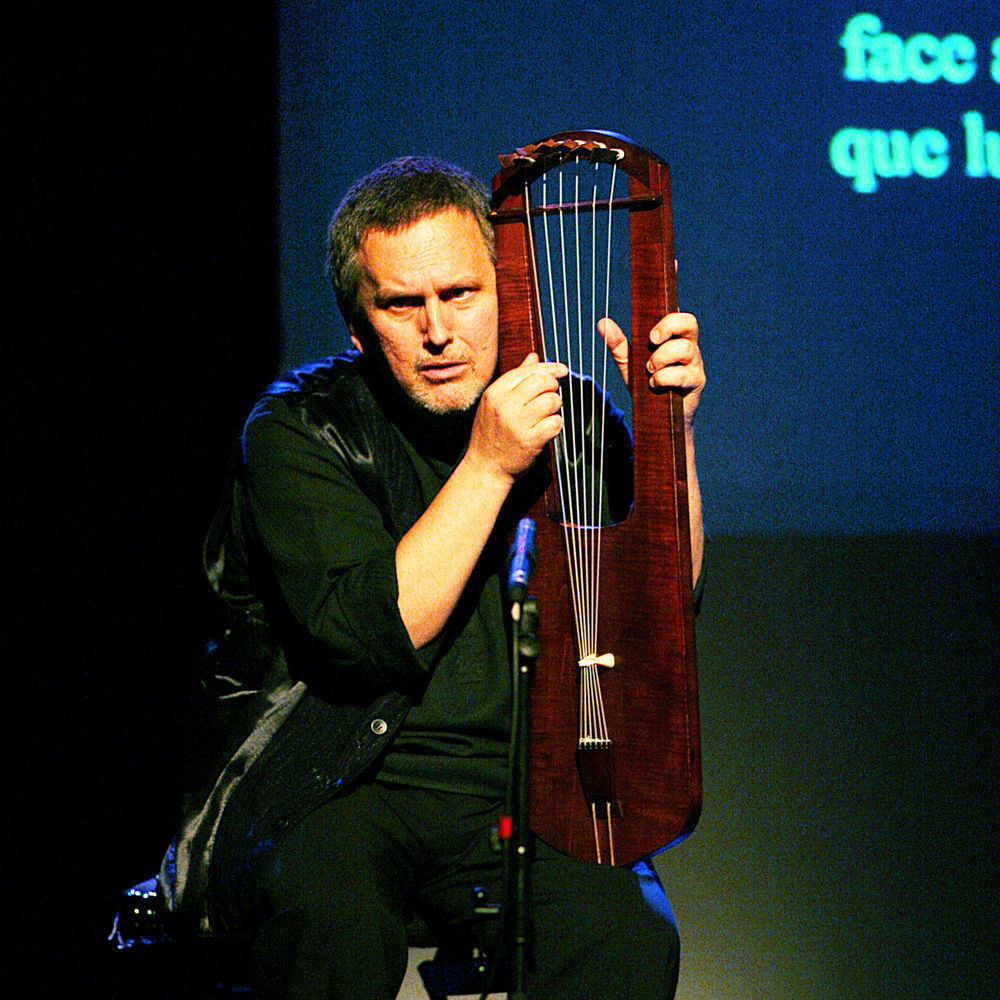
early_benjaminbagby_4_by_gilles_juhelSpeaking of “lively baroque experiences” in bustling cities, June 21 to 24 is a festive time to be in Montreal because the tenth anniversary of the Montreal Baroque Festival is happening; and though their theme this year is “The Apocalypse,” this is qualified by the subtext “Transformations, Revelations” — with the implied meaning that wonderful things are about to occur. Of this there can be no doubt: a look at their schedule reveals four days packed with events, from rendez-vous in a café to a “Parade for the Apocalypse,” to many concerts with terrific performers. You can witness a horse ballet presented at Louis XIII’s engagement in 1612, with horses from the Equimagie stables and music later transcribed by Lully. There is a dramatic monologue on the ancient epic story of Beowulf, the young hero slain by a dragon, formidably delivered by Benjamin Bagby (medieval specialist, singer and co-founder of the medieval vocal and instrumental ensemble Sequentia) who accompanies himself on the harp and has presented it to great acclaim over the past 20 years. There’s music by Hildegard von Bingen, Biber, Bach and others, including Telemann’s great sacred oratorio Der Tag des Gerichts (The Last Judgment). Performers include virtuoso natural trumpeters Jean-François Madeuf from France, and Graham Nicholson from Holland, as well as an array of top-notch musicians and ensembles whom audiences, especially in Quebec, are lucky enough to hear regularly. I hope you’ll be able to join them.

Simone Desilets is a long-time contributor to The WholeNote in several capacities who plays the viola da gamba. She can be contacted at earlymusic@thewholenote.com.
22_larry-beckwith_lbIf you have a passion to do something, there seem to be no limits to what you can accomplish. When musician Larry Beckwith conceived Toronto Masque Theatre in 2003, he had a vision of reviving an art form that arose probably during the Renaissance with masked processions visiting noble houses. It was developed substantially in Europe during the 16th to 18th centuries, evolving into an elaborate performance with scripted plot and combining elements of music, theatre and dance. To undertake the revival of this form and also to expand the repertoire by commissioning new works in the spirit of the masque, Beckwith invited some talented people to work with him: choreographer Marie-Nathalie Lacoursière is a specialist in historical dance who has a magical touch for staging; actor and co-director Derek Boyes has an extensive background in stage, radio and TV drama as well as film.

22_les_jardins_choregraphiquesThis pursuit has taken them very far, leading them to mount performances of wide-ranging scope: everything from Shakespeare/Blow’s Venus and Adonis to the five major music theatre works of Purcell to Stravinsky’s A Soldier’s Tale to newly commissioned works by James Rolfe, Omar Daniel, Abigail Richardson and Dean Burry, to plays by Molière, Reaney and others, to “variety” or “cabaret” evenings — some 25 productions in all.

This month, the company presents a masque on a theme that might be expressed (at least in my words) as “Woman: Proud, Beautiful and Decidedly Unattainable.”

Three 17th-century depictions are interwoven:

There’s the play: The Convent of Pleasure by English playwright Margaret Cavendish, in which the main character, a beautiful woman, turns her back on the company of men and establishes a convent open only to like-minded maids and widows, in which they create their own world of pleasure and where men are excluded from all access to their beauty and their worldly possessions. There’s the ballo, or semi-dramatic ballet: Monteverdi’s Ballo delle ingrate in which Venus and Cupid visit Pluto, King of the Underworld, to complain that the arrows from Cupid’s bow are no longer effective on the ladies of Mantua who are scorning their lovers. And there’s the comical cantata for a trio of women singers: Luigi Rossi’s Noi siam tre donzelette semplicette, in which the three little innocent maids mock men’s “empty babbling” about their love for women.
Ah, but will “Unattainable Woman” prevail, or be thwarted in the end? This is for you to find out, when you go to see this production, taking place at Hart House Theatre on May 11 and 12. If you attend the pre-show chat, you have the added treat of a conversation between Beckwith and professor Katie Larson, whose research area includes 16th- and 17th-century English literature with a focus on women’s writing and issues of gender and language, and who has made a special study of the writings of playwright Margaret Cavendish.

I’ll tempt you with Beckwith’s comments about the cast: “I’m very excited to be working with the brilliant young singers Virginia Hatfield, Dawn Bailey, Michele DeBoer and Benjamin Covey. I’m delighted that four dancers from Marie-Nathalie’s Montreal troupe (the renaissance dance troupe Les Jardins Choréographiques) will join us, and that the play will be realized by an abundantly talented group of young actors, directed by Derek Boyes. There are some top-notch players in the band (including harpsichordist Noam Krieger from Holland, and gamba player Justin Haynes). All in all it should be a glorious show!”

Other concerts this month have to do, in part, with transitions, and with the spirit of giving:

May 11: In Kingston, the Melos Choir and Chamber Orchestra explore the progression of musical style from the birth of Monteverdi to the death of Schütz — the transition from the Renaissance to the Baroque — in their concert “The Age of Change: Monteverdi, Schütz and Gibbons.”

22_nota-bene-period-orchestraMay 13: “Bach Meets Frederick the Great” is the title of the next concert of Waterloo Region’s Nota Bene Baroque, and it’s inspired by an event in May, 1747, when the two actually did meet: Bach visited Frederick’s residence in Potsdam, where the king gave him a cunning theme upon which to construct a fugue on the spot (which of course he did). Further developments led to the creation of one of Bach’s most famous compositions, the collection of pieces known as The Musical Offering, entirely based on this theme. As for Nota Bene’s concert which takes place at Kitchener’s Registry Theatre, it presents music by Bach, by Frederick himself and by his court composers, as well as readings that explore the titanic aesthetic and cultural shifts taking place at that time. And, it features two very interesting guest artists: baroque flutist Emma Elkinson, and narrator Colin Fox.

May 13: The Toronto Chamber Choir’s afternoon “Kaffeemusiks” are a mix of expert and entertaining commentary from music director Mark Vuorinen with music sung by the choir. In this, the last of them this season, choir and soloists perform Bach’s cantata Brich dem Hungrigen dein Brot (Break Your Bread For the Hungry). Their press release offers this invitation: “In the spirit of the cantata’s reflections on the transformative power of charity, we encourage you to contribute to our food drive for the needy who live in our richly blessed city.”

May 20 & 21: Among the diverse groups who choose to focus on a particular aspect of the vast musical universe is the Toronto Continuo Collective, whose aim is to explore the art of baroque accompaniment and all that it entails: figured bass harmony, supporting text inflection, ornamentation, word painting, improvisation, and everything else that makes the music speak and come alive. In this pair of concerts, entitled “L’Authentique amour français,” they’ll show off their skills in a program of rarely-heard gems of the 17th-century French Baroque, by composers such as Pierre Guedron and Marc-Antoine Charpentier. With their lutes, violins, viols and keyboards, they’ll be joined by guest soloists, soprano Emily Klassen and tenor Bud Roach.

May 24 to 27: Tafelmusik’s music director, Jeanne Lamon, has observed that for them, playing Beethoven feels like playing “new music that’s exploding” because they come to it from the perspective of the music that has gone before, rather than approaching it from a 21st-century perspective. Conductor Bruno Weil has called Tafelmusik “a great Beethoven orchestra, because Beethoven needs the passion of every individual player.” You can experience this passion for yourself in this month’s group of concerts, when they play the mighty “Eroica” Symphony, paired with an even later work: Mendelssohn’s Symphony No.4, the “Italian.”

And immediately afterwards, Tafelmusik embarks on an Ontario Tour: You can catch them May 29 in Owen Sound (presented by the Sweetwater Music Festival); May 30 on Manitoulin Island; May 31 in Parry Sound (presented by Festival of the Sound); June 1 in Port Hope (presented by Port Hope Friends of Music).

May 27: How wonderful to be able to contribute to the welfare of our fellow creatures on the earth, and to that of their habitat, through music. Soprano Ariel Harwood-Jones is well known from her performances with Tafelmusik (as soloist and within the Chamber Choir), with Opera Atelier, Sine Nomine ensemble and many other groups. She has gathered together a formidable group of fellow musicians — among them, harpsichordist Sara-Anne Churchill, gambist Justin Haynes, violinist Larry Beckwith —who all contribute their artistry in a “Friends & Family Concert,” with music by Purcell, Handel and Bach. Admission is pay-what-you-can and proceeds will go to the Canadian Wildlife Federation.

For details on all these and more, please see The WholeNote’s daily listings.

Simone Desilets is a long-time contributor to The WholeNote in several capacities who plays the viola da gamba. She can be contacted at earlymusic@thewholenote.com.
early_music_anonymous_4_1Of course we know we are not the only ones to stand aghast at the magnitude of the heavens, to question our role in the scheme of things, to revel in our youth, be lovestruck and devious and wicked, to worship our Creator. Medieval Man did all this too; but how to fathom the point of view of ancient cultures from our vantage point, so far removed from theirs? Much of the knowledge and thought existing in the Middle Ages has filtered down to the present day through music; and we’re very fortunate that people of tremendous scholarship and talent are continuing to bring this music to life. Three of this month’s concerts give fascinating insights into several aspects of the music and philosophy of medieval times.

First to appear, inviting us to enter a deeply devotional realm expressed in music both ancient and modern, is Anonymous 4, the truly remarkable women’s vocal quartet, who celebrate their 25th anniversary with the concert program “Anthology 25” at Koerner Hall on April 11. Renowned for both their historical scholarship and the sheer liquid silver beauty of their vocal blend, they’re currently touring a program that in a way sums up the work they’ve done over the past quarter century, for it presents offerings from 20 (if I counted right) of their recordings — including everything from 12th-century chant and polyphony to 15th-century carols to early American folk hymns to recently composed works, and more. They research, write about and perform their music with such meticulousness, yet with such joy; it’s no wonder they’ve developed a huge and enthusiastic audience over a quarter century.

As in the present day, when we are increasingly awestruck by the vastness of the cosmos, so in medieval times people sought explanations to questions arising from the phenomena they observed. They found answers in ancient philosophy, in which music and astronomy were closely linked — the harmonious proportions of sound were believed to echo the harmonious movements of the planets and stars. Metaphors based on astronomy permeated medieval religious and philosophical expression. Some of the wealth of music that reflects this, including music by Dunstable (the English composer, astronomer and mathematician) and Landini (the blind Italian composer, philosopher and astrologist) will be presented by Sine Nomine Ensemble in their concert, “Music of the Spheres: The stars moving in concert,” which takes place on April 27 at St. Thomas’s Church.

In the collection of 13th- and 14th-century songs known as the Carmina Burana — the Songs of Benediktbeuren — we’re shown a colourful diversity of medieval life. These are lyrical poems in Latin, medieval German and French, some 300 in all, gathered probably by wandering scholars. Some celebrate springtime and love, or gambling and drinking; some are satirical or moralistic, or set forth religious feeling; and to borrow the words of one writer, “the pagan spirit inspiring most of the poems reminds us that the rough, intense world of medieval Europe was anything but a Sunday School picnic.” Though some indications exist of how they were to be sung, bringing them to life takes some imagination. Eminently equipped for this task, the musicians of the Toronto Consort will set their voices, fiddle, recorder, hurdy-gurdy, lute and harp to their performance in a trio of concerts, titled “The Original Carmina Burana,” April 27 to 29 at Trinity-St. Paul’s Centre.

String Quartets

early_music_lumiere_quartet_1Fast forwarding to the 18th and even the 19th century, we find concerts this month by no less than three string quartets devoted to period performance:

On April 22 the Eybler Quartet shouts Hey, I’m Mozart, too!and in reading the biographies of the three composers represented alongside Wolfgang Amadeus we find out why: Joseph Martin Kraus (1756–1792), sometimes called “the Swedish Mozart,” Juan Crisóstomo Arriaga (1806–1826), dubbed “the Spanish Mozart,” and Joseph Boulogne, le Chevalier du Saint-George (1745–1799), “le Mozart noir,” all were precocious classical composers who had very short lives. Uncannily also, Kraus was born in the same year as Mozart; and Arriaga was born on what would have been Mozart’s 50th birthday.

On April 28, in a presentation of the Academy Concert Series, the Lumière Quartet commemorates “Schubert’s Final Journey” — his creative journey to his own imminent death — performing his “Death and the Maiden” String Quartet in D Minor, and the glorious, posthumous two-cello String Quintet in C Major, the last piece of chamber music he wrote.

On April 29, the Windermere String Quartet, on period instruments, conclude their seventh season with “Turning Points,” featuring works that exemplify pivotal moments in history and in music — by Joseph Boulogne (le Chevalier du Saint-George), Beethoven and Schubert (again, his two-cello quintet — the same work as will be heard the at the Academy Concert Series the night before; but, like the finest wine, it’s delicious enough to be sampled twice in two days!).

As if all these weren’t enough, there’s lots more this month to tempt you:

• April 7: Fairest Isle, all isles excelling, that gave us the genius of both Henry Purcell and the Beatles! But did you know that the two are linked artistically? Scaramella reveals the truth in this, illustrating some of the many parallels between the two famous English entities with lovely and beguiling music by both, in their last concert of the season, “Imagine.” Gambist/artistic director Joëlle Morton is joined by Brazilian guests, Paulo Mestre, countertenor, and Silvana Scarinci theorbo, as well as multi-instrumentalist Kirk Eliott, sitar, bouzouki and accordion.

• April 13: Once again, I FURIOSI is in an uproar — this time it’s about families. Of course in Baroque days, even while bursting with creative musical genius, they could be as unruly as ever. Join the furor of “I FURIOSI’s Family Jewels” as guests Jed Wentz, flauto traverso, and Olivier Fortin, harpsichord, come for the I FURIOSI dysfunctional family reunion.

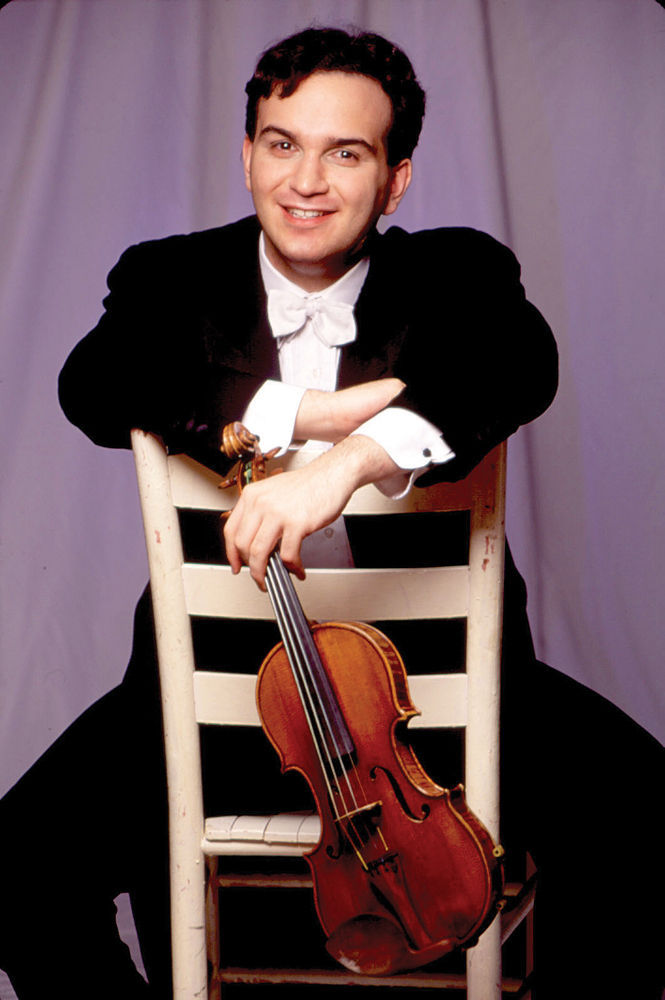
early_3_alt-gil_shaham_high_res_2_-_credit_boyd_hagen• April 21: In his Koerner Hall debut, Israeli-American violinist Gil Shaham plays an all-Bach solo recital —the partitas in e major and d minor, and the Sonata for Solo Violin in C Major. One of today’s most engaging classical artists, he’s been described by The New York Times as “a virtuoso and a player of deeply intense sincerity.”

• April 29: Toronto’s own Community Baroque Orchestra gives its “Spring Concert,” performing music by Handel, Biber, Leclair and Vivaldi. Violinist Elyssa Lefurgey-Smith leads the group, and the soloists in Vivaldi’s Concerto in C Major for two flutes are Roseen Giles and Gregory Kirczenow.

• May 2 to 6: A description of the artistry of British violinist Rachel Podger runs: “(She) is known for her highly accurate, virtuosic playing, outstanding musicianship and understanding of period style, and a cheerful, warm and decidedly non-stuffy stage presence.” All very good reasons to check out her guest appearances with Tafelmusik in their five concerts titled Bach and the Violin. Podger has held positions as leader with the English Concert, the Orchestra of the Age of Enlightenment and the Academy of Ancient Music, among other groups; she’ll perform with Tafelmusik as director and soloist in works by Bach, Vivaldi and Telemann.

• May 3 and 5: Aradia’s “The Grain of the Voice” features two groups of very different vocal “grains”: the choir and orchestra of Aradia who will perform motets by Monteverdi and Gesualdo, and guests, the Toronto-based Georgian choir Darbazi who will present traditional Georgian repertoire (a uniquely beautiful polyphony). Artistic director Kevin Mallon unites the two with a new composition of his own. (May 3 is a free noonhour concert presented by the COC; May 5 is at the Glenn Gould Studio.)

• May 5: In its final concert of the season, the Tallis Choir presents “The Glory of the English Anthem,” tracing the a cappella anthem’s 500-year presence in the Chapel Royal, cathedrals and colleges of England. Tallis’ Lamentations of Jeremiah and Byrd’s Sing Joyfully, as well as 20th-century works, will be performed.

For full details of all these, and more, please peruse The WholeNote’s daily listings.

Simone Desilets is a long-time contributor to The WholeNote in
several capacities who plays the viola da gamba
She can be contacted at earlymusic@thewholenote.com.

Simone Desilets is a long-time contributor to The WholeNote inseveral capacities who plays the viola da gambaShe can be contacted at earlymusic@thewholenote.com.

Let me take you on a little journey in Bachian lines. Its outset was some 40 years ago, during the days when Melville Cook was director of music at Toronto’s Metropolitan United Church. Its steps reach right through to this present season, with Metropolitan United’s four-concert BachFest.

Some readers will remember Metropolitan’s yearly Holy Week presentations of Bach’s St. Matthew Passion: the elegant, white-haired Cook at the helm of double choir, double orchestra and imposing soloists, with the gambist Peggie Sampson at the centre of it all. These performances occurred annually for many years, until approximately 1985.

22_EARLY_Patricia_Wright_photo_by_Darcy_Glionna_1The Bachian tradition has remained with Cook’s successor, Patricia Wright. She calls Bach her “heart composer,” and describes the genesis of this season’s BachFest as very much a continuation of what has gone before: “At Metropolitan, I inherited a Good Friday concert tradition; (under Dr. Melville Cook, my predecessor, the St. Matthew Passion was performed each year). With financial challenges, we have gone to presenting a major work with orchestra every other year. In my 25 years at Metropolitan, we have presented Bach’s St. John Passion five times and the B Minor Mass three times. Wanting to do the B Minor again was the beginning, and when choir members offered to help finance a performance of part of Christmas Oratorio, the idea of a BachFest took hold. As an organist, I could not resist an organ recital, even though the Metropolitan organ (the largest in Canada, a 1930/98 five-manual Casavant) is a masterpiece of romantic organ design. Then the idea of an instrumental concert with the ever-creative Benjamin Stein gave us the four-concert BachFest.”

Two of these concerts have already taken place: theorbist Benjamin Stein (also WholeNote’s choral columnist) was one of the featured artists in February’s “Jam Sessions with Bach,” and the first three cantatas of the Christmas Oratorio were presented last November. But the remaining two are imminent: On March 16, Wright will give an all-Bach organ recital entitled “Bach and the King of Instruments.” On April 6, the Metropolitan Festival Choir and Orchestra, with soloists, will give a Good Friday performance of Bach’s B Minor Mass.

Those Bachian lines also extend down other roads this month. On March 17, the British cellist Colin Carr comes to Koerner Hall for a monumental performance of all six Bach suites for solo cello. On March 18, a recital at Heliconian Hall entitled “Bach Bliss,” presented by soprano Amy Dodington and oboist Hazel Nevin Newton, features the Wedding Cantata and other music by Bach. On March 25, the Church of St. Simon-the-Apostle with the Canadian Sinfonietta Chamber Orchestra will present Bach’s St. John Passion. On April 6 in Kitchener, the Grand Philharmonic Choir brings our journey full circle, with a performance of Bach’s St. Matthew Passion.

Instruction

It’s always good to learn from a specialist. Here are some instructive, and no doubt fabulous, events that you can take advantage of this month.

Conductor, composer and commentator Rob Kapilow has, for years now, championed the idea that the appreciation of any worthy piece is enhanced by really getting inside it. He has developed a series of programmes called “What Makes It Great?” which is, in his words, “about listening. Paying attention. Noticing all the fantastic things that might otherwise go by. When you begin to hear the things that make a piece great, it can spring to life as if you have never heard it before. We take a piece of great music, tear it apart, put it back together again, and do everything in our power to get inside to see what makes it tick and what makes it great. Then on the second half of the program we hear the piece performed in its entirety — hopefully with a new pair of ears.”

On March 9, with the help of the Toronto Symphony Orchestra, he’ll lead the audience to a new appreciation of none other than Vivaldi’s Four Seasons. Acclaimed violinist Jennifer Koh will play the Spring and Summer concertos.

Masterclasses can be edifying experiences, not only for the student performer but also for the auditors. Everyone receives the benefit of (hopefully) constructive insights from someone who has a life-long dedication to the subject, and more: they are a window into the mind and personality of the artist/teacher conducting the class. At the Royal Conservatory, masterclasses are free and open to the public. Carr, a committed teacher, will give two of them, in the morning and the afternoon of Friday March 16, the day before his Koerner Hall concert. You are encouraged to attend!

And, in case you’ve been wondering about that occasionally unwieldy but beautifully expressive instrument, the baroque oboe, you have a chance to hear what a master player like John Abberger has to say about it, and also to hear him play it in works by Hotteterre, Telemann and Handel. With collaboration by harpsichordist Sara-Anne Churchill, he’ll acquaint you with the mysteries of his instrument in Toronto Early Music Centre’s Musically Speaking series concert, “The Art of the Baroque Oboe,” at their new concert space, St. David’s Anglican Church, on March 25.

Others

March 11: Have you ever heard a verse set to music and said “Aha, I know that — but it’s different, not the same tune as I’m used to hearing!” At Nota Bene Baroque’s “An English Messiah” concert in Kitchener, you’ll be intrigued to hear the Messiah texts masterfully set to music by … not Handel, but by his great predecessor Henry Purcell. Violinist Stephen Marvin leads the ensemble with special guest Tactus Vocal Ensemble.

March 17: Lutenist John Edwards and soprano Hallie Fishel combine their scholarship and talents in the Musicians in Ordinary’s last concert of the season, Sero, sed Serio. “Late, but in earnest” was the motto of one of the most influential British political figures during the reigns of Elizabeth I and James I: Robert Cecil, Earl of Salisbury. A patron of music, he supported composers Byrd, Gibbons and Dowland, whose music you’ll hear in this tribute to Cecil.

March 23 and 24: In honour of our winged, furry and watergoing friends, both actual and mythical, recorder/traverso player Alison Melville has designed “A Musical Bestiary.” This programme presented by the Toronto Consort features music from renaissance Europe, including “The Ape, the Monkey, and Baboon,” “The Counterpoint of the Animals,” “Le chant des oyseaux” and more!

March 24 and 25: As its title “Viva Italia!” suggests, this concert of Cantemus Singers celebrates Italy with passionate songs and madrigals as well as religious music of the Renaissance and early Baroque. Songs of love — divine, human and patriotic — by Monteverdi, Vecchi, Gabrieli, Palestrina and others will be featured, as well as the soaring Miserere by Allegri.

March 27, 29 to 31, April 1: Tafelmusik’s “Choral Spectacular” celebrates the 30th anniversary of the Tafelmusik Chamber Choir. Read more about it in this month’s “Choral Scene” beat column by Benjamin Stein.

April 01: Port Rowan, near Long Point on Lake Erie, is the setting for Arcady’s upcoming “A Baroque Messiah. This very active Southwestern Ontario ensemble often features the music of its artistic director, Ronald Beckett, and performs a range of early music as well.

Simone Desilets is a long-time contributor to The WholeNote in several capacities who plays the viola da gamba.  She can be contacted at earlymusic@thewholenote.com.
“It’s such an incredibly simple instrument. You can hold philosophical, physical or constructional arguments against this view, but it still won’t change the fact that it is, in its very heart of hearts, an incredibly simple instrument. And yet it is so hard to make it sound beautiful. That is what makes it so fascinating. You start practising and it sounds ridiculous. It is the most amazing challenge to create a small, but personal musical universe with this instrument.”

The subject of this description — the recorder — is an instrument that I personally find very beautiful. I love the organ-like chuff of its breath in consort, and the purity of its angelic voice in solo repertoire. If you’re of like mind, you’ll be very pleased at the prospects before you this month; if you are not, well, be prepared to be converted, as not one, but two internationally famous virtuoso recorder players are performing in Toronto, one at the beginning of February and one near the end. The details:

21The comment which begins this article was uttered by a truly amazing musician, the Swiss virtuoso Maurice Steger, who appears near the start of the month. Steger has been called “the Paganini of the recorder”; one concert review states that he’s “unquestionably an artist operating to the furthest boundaries of what is technically and tonally possible on the recorder.” Several reviews about him mention the spontaneity of his technique — arising, no doubt, from the challenge he gives himself to create a “personal musical universe” in the music he plays. He’ll be displaying his uncanny abilities in music by Telemann, Sammartini and Geminiani, in a concert which also features the wonderful chamber orchestra Les Violons du Roy. With music director Bernard Labadie, Les Violons will contribute music by Handel and Geminiani. The performance takes place on February 5 at Koerner Hall.

When one considers touring recorder players, one can’t help thinking of Marion Verbruggen, the celebrated Dutch virtuoso who has brought the warmth of her personality to audiences all over the world for many years. With her sheer good-natured presence and verve as a performer, I think she could win anyone over to the love of the recorder. She’s back in Toronto to add a colourful presence to Tafelmusik’s “Virtuoso Vivaldi” concerts, which feature a splash of concertos: mandolin, viola d’amore and lute, cello, bassoon, and recorder played by Verbruggen. Except for the Concerto for Recorder and Bassoon by Telemann, the music is all by Vivaldi. These concerts will take place on February 21 at George Weston Recital Hall, and February 23 to 26 at Trinity-St. Paul’s Centre.

So many musical treasures this month, with some of them unfortunately occurring on the same evening:

• February 8 to 12: One of Tafelmusik’s biggest and most ambitious artistic creations to date, “House of Dreams,” is the latest of Alison Mackay’s multi-media programmes. The audience is taken to five European cities where baroque music and art intersect. Stunning images, paintings and a concert played from memory make this truly a tour de force.

• February 17: “Anger Management,” in the hands of I Furiosi, means subtle procedures such as calling up the spirits of the dead to exact revenge on one’s enemies. With guest, mezzo Laura Pudwell, this will be “a concert of anxiety and discord” — but undoubtedly with some exquisitely performed and lovely music.

• February 18: “Fresh Baroque” are almost the first words to appear in the Aradia Ensemble’s website. Their February concert is no exception, combining glorious instrumental and vocal music from 17th- and 18th-century Venice with newly-composed works by Rose Bolton and Chris Meyer (winner of last season’s Baroque Idol competition). As well, the freshness of youth appears in the participation of the Toronto Youth Chamber Orchestra, led by violinist Elyssa Lefurgey-Smith.

• February 18: Another of early music’s shining lights is in town, for Scaramella’s concert “The Angel and the Devil.” Gambist Liam Byrne currently resides in England and is professor of viola da gamba at London’s Guildhall School of Music and Drama. He’s also in great demand as soloist and ensemble musician. Scaramella’s programme features music by rival viol players from the French Baroque — Marin Marais (who played “like an angel”) and Antoine Forqueray (possessing the virtuosity of “the devil”). Liam’s collaborators are harpsichordist Sara-Anne Churchill and gambist Joëlle Morton.

• February 18: Intriguing mini-dramas, stories of the interaction of nymphs and shepherds, make for a delightful programme of duets and dialogues from the 16th and 17th centuries as the Musicians In Ordinary presents “When Tircis Met Chloris. Soprano Hallie Fishel and theorbist John Edwards are joined by guest tenor and baroque guitarist, Bud Roach.

• February 19: in Kitchener: Spiritus Ensemble, dedicated to the performance of great religious music, presents an “All-Bach Concert” of two cantatas, the Magnificat in D, and the Sinfonia from Cantata 29.

• February 19: In their programme “The Art of Conversation,” the Windermere String Quartet, on period instruments, explores Goethe’s comment on the string quartet: “One hears four rational people conversing with one another.” They’ll illustrate this thought with works by Haydn, Mozart and Boccherini.

• February 24: Two of the Canterbury Tales are interspersed with lively English songs and instrumental pieces, and also music by the Frenchman Machaut and his contemporaries, in Sine Nomine Ensemble’s “The Road to Canterbury: Music for Chaucer’s Pilgrims.

• February 26: A programme of early 17th-century German chamber music is presented by Toronto Early Music Centre’s Musically Speaking series, featuring violinists Elyssa Lefurgey-Smith and Christopher Verrette, and harpsichordist Sara-Anne Churchill.

• March 1 in Toronto, March 2 in Kitchener: These concerts, (at Koerner Hall and Perimeter Institute, respectively), by world-renowned gambist/scholar/conductor Jordi Savall and his group Hespèrion XXI take place, in spite of the death of Savall’s partner in life and in music, soprano Montserrat Figueras.

• March 3: Tallis Choir recreates the passion of Holy Week in “Stabat Mater: Music for Passiontide. A brilliant six-voice Monteverdi mass, Missa in Illo Tempore (“Mass In That Time”) interweaves themes from an earlier motet by Gombert. Lotti’s Crucifixus and settings of the Stabat Mater by Palestrina and Scarlatti, along with plainsong for Holy Week, will also be heard.

• March 3: “God give you good morrow my masters, past three o’clock and a fair morning …” The street cries of Gibbons’ London contrast with his magnificent music for the cathedral, when the Toronto Chamber Choir presents “Gibbons: Canticles and Cries.” With organ, lute and the viols of the Cardinal Consort, they’ll perform Renaissance canticles, anthems, madrigals and vendors’ cries by Gibbons, Byrd and others.

Simone Desilets is a long-time contributor to The WholeNote in several capacities who plays the viola da gamba. She can be contacted at earlymusic@thewholenote.com.
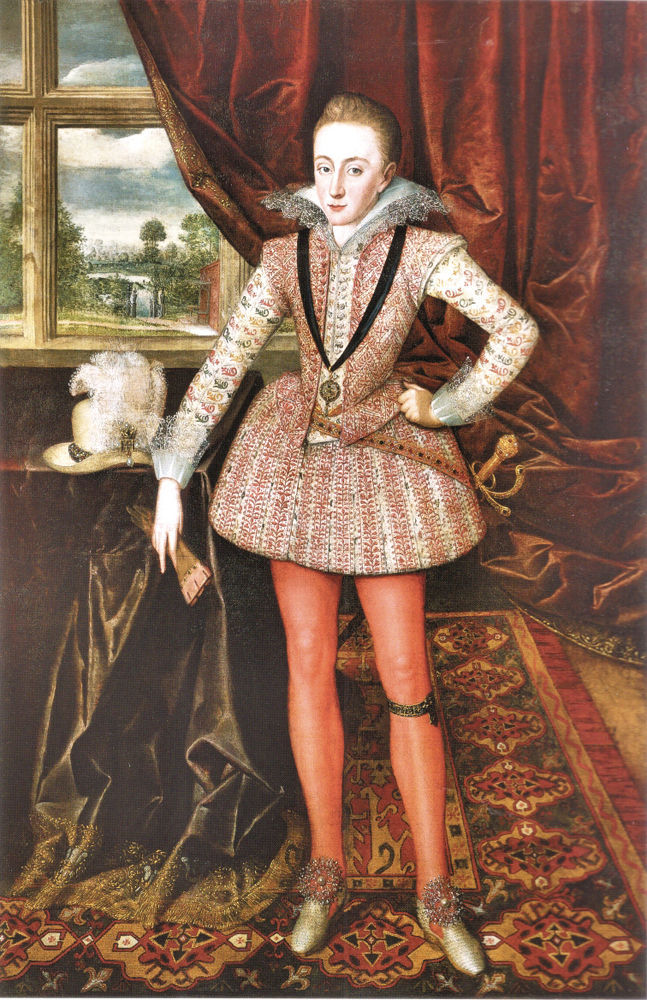
Tallis Choir

The year is 1725, the night is Christmas Eve. In the colonial city of Quebec it is crisp and clear; snow upon snow has fallen and tonight lies in vast expanses, sparkling under the stars. Life is not easy — in no small measure because of the extreme cold — ah, but inside the church this night there is warmth and a sense of wonder at the holiness of this yearly ritual. And there is wonderful music: a marvellous Messe de Minuit pour Noël by the late French composer Marc-Antoine Charpentier is being performed. Brought over from France, it’s filled with delightful melodies of French carols. Its sections are surrounded and interspersed with other Christmas music too, noëls and motets by composers both from the French court of King Louis XIV and from the New World; a carol in an aboriginal language; also lovely organ music from a book recently brought over from France by the new organist of Notre-Dame parish. For the sophisticated congregation of Quebec, it truly is a glorious feast of music.

Every year, the Tallis Choir presents a concert programme, built around an imagined but possible historical event such as the above, with music that was performed in the period. They do this with obvious joy in the extensive research involved in the preparation, by people such as choir member Douglas Cowling and director Peter Mahon. On December 10 at St. Patrick’s Church, you can hear this season’s offering as the Tallis Choir, the Talisker Players, organist Philip Fournier and director Peter Mahon recreate a high mass for Christmas Eve as it might have been celebrated in colonial Quebec city, “Midnight Mass for New France, 1725.”

Messiahs

18_early_messiah_herrhandelThere’s no dearth of annual Messiahs in the offing, each one special in its own way. Here’s a sampling of some which offer a particularly unique approach:

Georgetown Bach Chorale takes an historical approach in terms of location and musical presentation. Director Ronald Greidanus waxes enthusiastic about the venues: “The buildings are as incredible as the music, Acton’s Old Town Hall being very similar to the theatre Handel would have performed his Dublin premiere in; the second location (east of Georgetown) even more breathtaking — an isolated wooden Catholic church situated in the middle of a field, lit by candles, decorated by incredible byzantinian icons. Listeners will be bemused by a beautiful chorale sound (complete with 22-member choir, two harpsichords, baroque chamber organ, baroque strings and brass) in an intimate church that seats only 180 — it truly is like going back in time, it’s like the best kept secret!” December 3 in Acton, December 4 in Brampton.

Pax Christi Chorale’s performance, under the direction of Stephanie Martin, acknowledges children. “The Children’s’ Messiah” is designed especially for youngsters, in a condensed version with narration and a casual, child-friendly setting. December 10 at Church of St. Mary Magdalene.

Aradia Ensemble’s “The Dublin Messiah” recreates the first performance of Handel’s famous work using the original version of the score, as presented in Dublin on April 13, 1742. And there’s a nod to the dress code of the day: as in the original performance, they request that, “The Ladies who honour this Performance with their Presence would be pleased to come without hoops (hoop framed skirts), as it will greatly increase the Charity by making room for more company.” December 17 at Glenn Gould Studio.

Tafelmusik’s “Sing-Along Messiah,” celebrating its 25th anniversary, is directed by none other than Handel himself (aka Ivars Taurins). Taurins received a Gemini Award nomination this year for the film version; his immersion in his character is based on painstaking research — from Handel’s ruddy complexion (he was fond of drink) to the type of starch (not powder!) Handel used in his wig. As their press release says: “Does the audience notice these subtle distinctions? Maybe not, but they completely buy into the illusion that Handel has come back after 270 years to conduct them in this three-hour annual ritual.” December 18 at Massey Hall.

A Host Of Others To See Out The Old And Welcome In The New:

• December 8: The Tallis Scholars appear at Royal Conservatory’s Koerner Hall, in a programme that features diverse composers’ settings of the Magnificat — glorious choral music from 15th century John Taverner all the way to late 20th century Arvo Pärt.

• December 9, 10, 11: Toronto Consort celebrates “A Spanish Christmas” — Christmas with a Latin flavour as it might have been experienced by the Spanish-speaking nations of the world on both sides of the Atlantic in renaissance and baroque-period times. This is a world the Consort revisits every two years; this year’s presentation includes solemn motets, lively villançicos, pieces in native languages and dialects, some in African rhythmic inflections. Music of “irrepressible spirit, flashing rhythms and soulful sonorities.”

• December 10: I Furiosi Baroque Ensemble presents “Hell Hath No Fury” …  like I Furiosi scorned! “Not your average Christmas concert” so be prepared to be surprised.

• December 16: Sine Nomine Ensemble for Medieval Music presents “Puer natus est nobis: A 14th-century Mass for Christmas Day,” a musical reconstruction of a nativity mass from Avignon. This year the ensemble celebrates 20 years of inventive programming, combining vocal and instrumental music from medieval courts and churches with readings, drama, and liturgical action, to provide insight into the fascinating artistic and intellectual culture of the Middle Ages.

20_early_hallie_fishel___john_edwards_-_the_musicians_in_ordinary_-_500__-_alexandra_guerson• January 1 and 2: Musicians In Ordinary’s annual New Year’s Day concerts offer an elegant alternative to the traditional New Year’s fare, with cantatas by Vivaldi and Alessandro Scarlatti, a trio sonata by Corelli and music for solo archlute by Zamboni. Soprano Hallie Fishel and lutenist John Edwards are joined by violinists Edwin Huizinga and Christopher Verrette, and others.

• January 15: Toronto Early Music Centre’s “Musically Speaking” series resumes at its new location of St. David’s Anglican Church, 49 Donlands Ave. Music by Guillemain, Leclair and Telemann is performed by Alison Melville, recorders/traverso; Elyssa Lefurgey-Smyth, violin; Justin Haynes, viola da gamba; and Sara-Anne Churchill, harpsichord.

• January 19 to 22: What a way to celebrate your 30th anniversary! Jeanne Lamon’s “gift” to herself is to direct Tafelmusik Baroque Orchestra and Chamber Choir, along with spectacular guest soloists, in a semi-staged performance of Handel’s rarely performed music drama Hercules — a dramatic story “seething with the destructive power of sexual jealousy” inspired by a Greek tragedy written by Sophocles more than 2500 years ago.

• January 27: In Kingston, the Melos Choir and Chamber Orchestra presents “The Italian Connection: Gabrielli to Vivaldi,” welcoming guest guitarists Jeff Hanlon and Chad Yacobucci.

• January 27 and 28: Perhaps you’ve heard him singing with Tafelmusik: the passionate evangelist in Bach’s St. John Passion, the tenor soloist in the B Minor Mass, or the tenor voice in Purcell’s opera King Arthur. Or with the Toronto Consort, in the Monteverdi Vespers or the opera Orfeo. If so, you’ll not have forgotten the remarkable agility of his voice, or the intensity of his commitment to the text. Now the Toronto Consort presents the English tenor Charles Daniels in recital, in “It was a lover and his lass,” a concert of exquisite lute songs from the English and French Renaissance. He’ll be accompanied by lutenist David Miller, in works by Morley, Danyels, Campian and Moulinié.

• January 28: The years 1788 to 89 were incredibly creative ones for Mozart; he was then at the height of his powers. Academy Concert Series performs three of his major chamber works written during that time, in “Mozart: A Year In Vienna.”

• February 4: Fellow columnist, lutenist Benjamin Stein, makes the point that “Improvisation was a natural part of Bach’s musical milieu, and this skill, neglected in much classical music training, is one that has reappeared as an essential aspect of training in early music.” In Music at Metropolitan’s “BachFest II: Jam Sessions with Bach,” performances of works by Bach and other German composers are combined with improvisations on baroque dance forms and hymn tunes. Taking part are four talented musicians: Benjamin Stein, theorbo/lute; Sara-Anne Churchill, keyboard; Daniel Rubinoff, saxophone; Elyssa Lefurgey-Smith, violin.

• February 4: In “Pergolesi’s Inspiring Stabat Mater,” Barrie Concerts brings internationally renowned musicians to their stage: soprano Dame Emma Kirkby, countertenor Daniel Taylor and the Theatre of Early Music will surely inspire with their performance. The series is sold by subscription only and is virtually sold out; lucky are those who already have their tickets.

Finally, a correction to last month’s column: it’s not often I mistake Schubert for Gounod. Granted, they both wrote Ave Marias, but only one of these is based on Bach’s Prelude No.1 from the Well Tempered Clavier Book I, and it definitely wasn’t the Schubert as I stated in the print version of last month’s issue. I guess The Well-tempered Sleeper finally awoke … Better late than never!

Simone Desilets is a long-time contributor to The WholeNote in several capacities who plays the viola da gamba. She can be contacted at earlymusic@thewholenote.com.
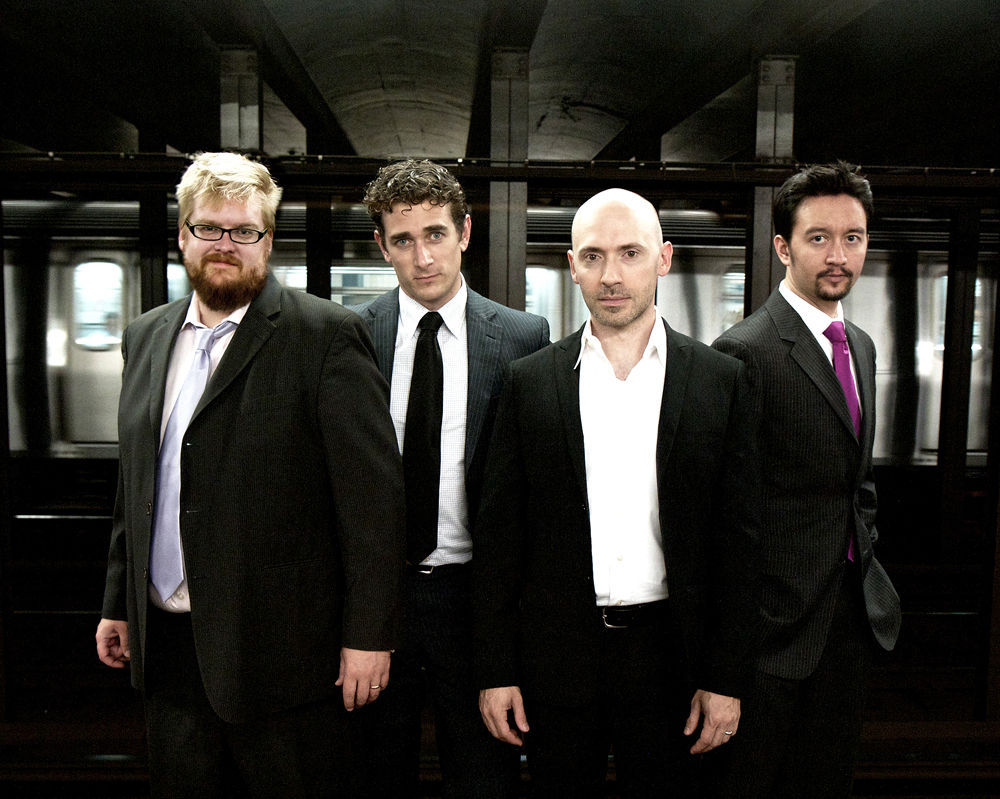
Back to top