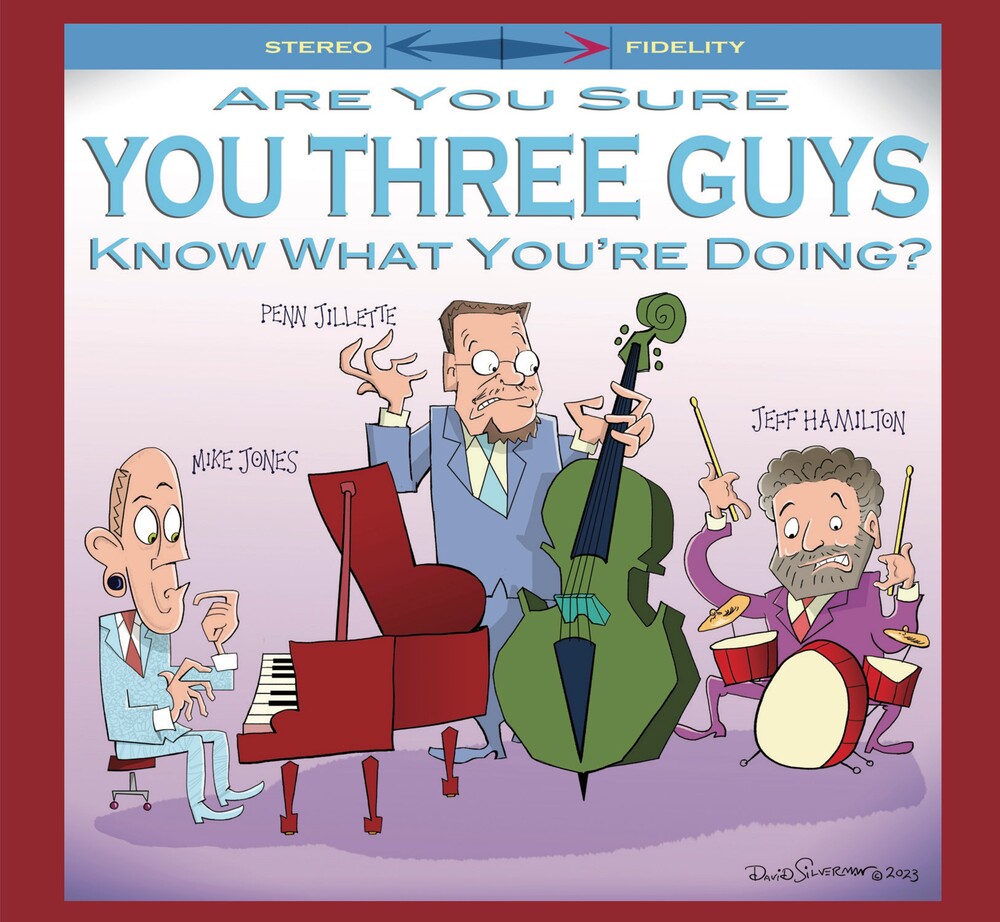
16 Mike JonesAre You Sure You Three Guys Know What You’re Doing?
Mike Jones; Penn Jillette; Jeff Hamilton
Capri Records (caprirecords.com)

This enjoyable recording features the prodigious talents of pianist/arranger/producer Mike Jones, the potent and thrilling drum work of Jeff Hamilton, and solid, musical bass playing from internationally known magician, Penn Jillette (of Penn and Teller). The tongue-in-cheek title of the CD is a reference to when The Three Stooges would show up as house painters, carpenters or God forbid, doctors! It was in 2002 that Jones was hired to be the opening act of Penn and Teller’s irreverent and entertaining magic show – a hot ticket in Las Vegas for more than 30 years – the only proviso being that Jillette (who had taken up the bass at the age of 48) would join Jones in a duo format for the opening set – which turned out to be six nights a week, for 21 years. After stopping by to see a show, it was actually Hamilton’s idea that the three record together.

Fresh, energetic takes on a number of beloved jazz standards are included here. On the zesty opener, Gershwin’s ‘S Wonderful, Jillette more than holds his own – digging in with authority while generating a big, fat, satisfying sound. Jones masterfully lays it down in the stylistic mode of the greats and Hamilton is simply one of the finest jazz drummers of his (and any other) time. A standout is a swinging take on the great Sonny Rollins’ Doxy. The trio grooves like a single-celled animal, and Jones’ solo is a thing of rare beauty. Other fine tracks include Jobim’s classic The Girl From Ipanema, which features an extended bass solo from Jillette where he carries the melodic line, and is also consistently expressive, in tune and in time. The stunning ballad, You’ve Changed, displays the trio’s skilled use of space as well as a formidable lyrical sensibility. 

These guys know what they’re doing; they should do it more often!

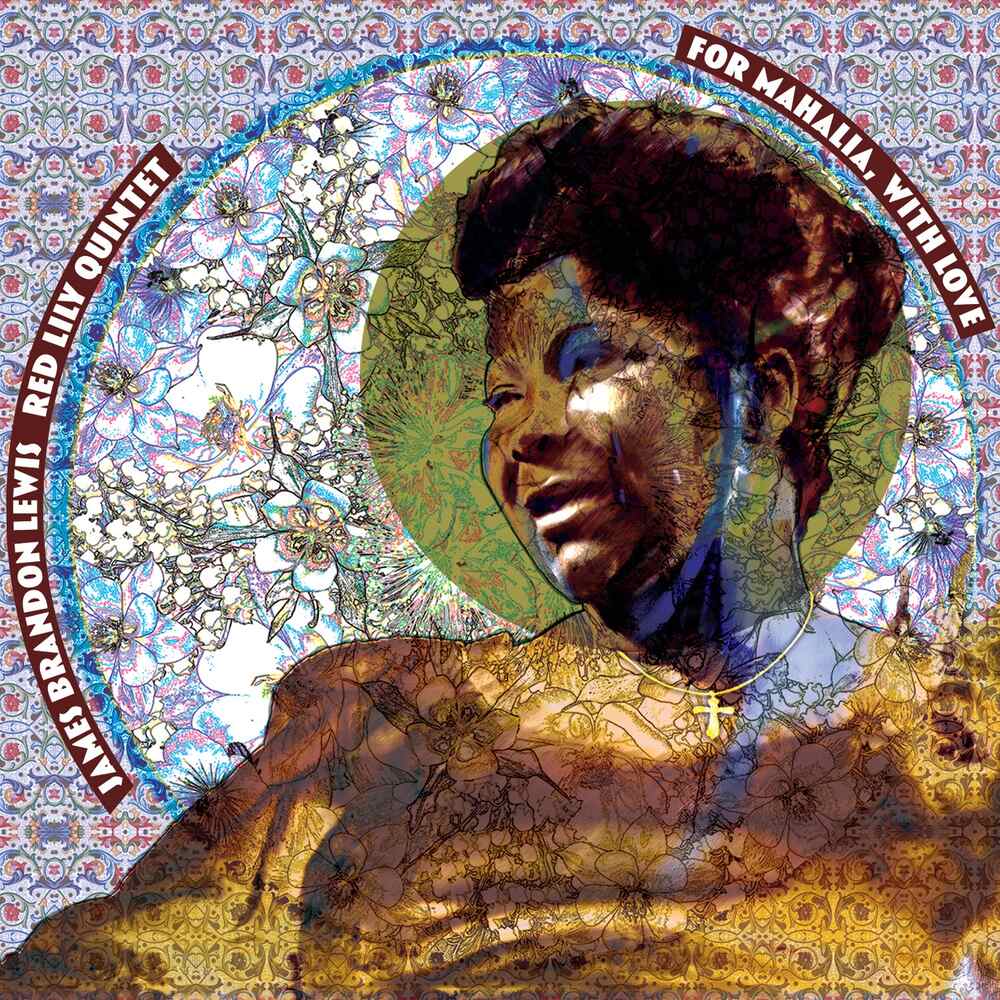
17 James Brandon LewisFor Mahalia, with Love
James Brandon Lewis; Red Lily Quintet
Tao Forms 13 (taoforms.bandcamp.com)

Tenor saxophonist James Brandon Lewis’s previous CD with his Red Lily Quintet, Jesup Wagon, dedicated to George Washinton Carver, resided at or near the top of 2022 jazz polls. This homage to gospel singer Mahalia Jackson, to whose work Lewis was introduced in childhood by his grandmother, is even stronger – at once impassioned, reverent and nuance-alert throughout its 71-minute-playing time. The homage may extend to saxophonist Albert Ayler’s similar recording from 1964, Swing Low, Sweet Spiritual, with Lewis frequently referencing Ayler’s distinctive tone and phrasing. 

Lewis is intensely expressive here, in part through his taut control, holding his lines in check until they explode. Trumpeter Kirk Knuffke is a brilliant foil, on theme statements, solos and counter melodies, while cellist Chris Hoffman, bassist William Parker and drummer Chad Taylor supply stellar support, from a certain formal but empathetic rigour to the haunting bowed strings that introduce Calvary. The quintet’s special closeness comes through in extended theme statements that are simultaneously loose, collective improvisations, melodic components passed among the instrumental voices, for example, Were You There and Precious Lord.    

The limited first edition CD comes with an additional CD, These Are Soulful Days, Lewis’ eight-part composition for his tenor saxophone and string quartet, performed with the Lutosławski Quartet

of Poland. It’s a lucid work imbued with the spirit of gospel music (Wade in the Water emerges at one point). Its spacious melodic clarity suggests the compositions of another American master, Virgil Thomson. 

Violas and viola players have been the butt of musicians’ jokes for centuries. A sample: What is the difference between a radio and a viola? A radio plays music. How do you know there’s a group of viola players at your door? None of them can find the key. Apparently this notoriety dates from the mid-18th century after violinist Francesco Geminiani was named conductor of a Naples orchestra. His timing was so erratic and so confused the players that he was demoted to the viola chair. Despite this reputation violas still remain a vital part of so-called classical music. For the past few years as well a growing number of improvising musicians have found that, tuned a fifth lower than the violin, the viola’s alto tone, thicker strings and heavier bow creates a more compatible sound for their creativity.
01 Live at ArmouryOne player who has abandoned the violin and turned completely to viola is American Mat Maneri. On Live at the Armoury (Clean Feed CF 619 CD cleanfeed-records.com) he demonstrates his skill in a trio with German drummer Christian Lillinger and Vancouver’s Gordon Grdina playing guitar and oud. It’s timbres from the latter instrument which help define Maneri’s approach. Especially on the concluding Communion, the nagging sweeps and deliberate oscillations from the viola suggest the choked and arched patterns of an Indian violin, which align alongside Grdina’s staccato strumming which suggest isolated sitar echoes as much as those expected from a Middle Eastern instrument. The true indication of this fiddle’s versatility within this trio arrangement comes during Conjure, the almost 30-minute introductory improvisation. What the three conjure up is almost a history of cross-cultural currents. Grdina’s guitar motifs run from the sophisticated strums and plucks of Europeanized sounds to the extended twangs of simple folk music to the sophisticated slurred fingering and unexpected flanges and multi-string emphasis of exploratory jazz. Responsive and restrained, the usually overenthusiastic drumming of Lillinger is kept on a slow boil. Splashing cymbal colour and bass drum accents are proffered in place of a ceaseless beat to keep the track horizontal and harmonious. As for Maneri, besides asserting himself with bent notes, clenched stops and caustic glissandi, he sometimes pivots to formalism adding decorative frills to complement the guitarist’s playing, especially when Grdina slows down to magnify a melodic interlude. As well as relaxed motifs injected into the flowing narrative by both string players, they confirm comprehensive use of extended techniques and tandem connections during those interludes when they almost transform stop-start variations into tremolo drones that could come from a pipe organ.
02 KolnStacking up viola textures as part of a trio committed to even more cutting-edge forms is what French-Japanese violist Frantz Loriot does on Köln (CD Editions 013 jasonkahn.net) with a single 32½-minute improvisation with Swiss percussionist Christian Wolfarth and the electronics of Zürich-based American Jason Kahn. Treating the viola as another sound source, Loriot’s sul ponticello strokes and concentrated glissandi add rugged tension alongside Kahn’s whooshing drones and Wolfarth’s muted clunks and patterning. As the improvisation evolves, the viola meets imprecise drum beats and electronic squalls with angled frog taps against the strings and single pizzicato strokes until all three musicians’ timbres progress in tandem. Kahn’s programming also takes in radio-sourced voices and music which is countered when the violist creates a metallic run that is almost vocal. Expanding past percussion rumbles and tremolo voltage buzzing from the others, Loriot eventually twangs and plucks a near-melodic line that, with variations, is combined with drum rattles and electronic hisses with a climax that becomes more distant, then vanishes.
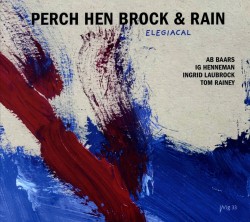
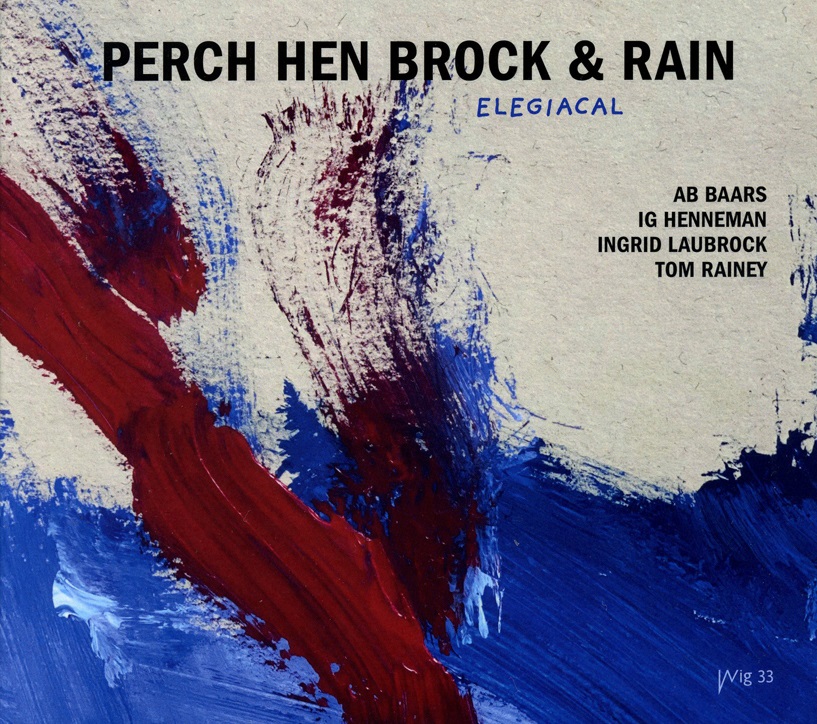
03 Perch Hen BrockA different sort of viola interaction is featured on Elegiacal (Wig 33 stichtingwig.com). As Perch Hen Brock & Rain, Dutch violist Ig Henneman plays not only with her regular partner reedist Ab Baars from Amsterdam, but also with German saxophonist Ingrid Laubrock and American drummer Tom Rainey. Despite playing the only chordal instrument, Henneman mostly affiliates her sul ponticello pressure and spiccato strokes as part of the reed continuum. That often leaves Rainey’s pumps, ruffs and patterning as the main vehicle for narratives. Because of this, evolution is initially low energy with reed squeaks and slurps, string judders and drum beats undulated sporadically rather than harmonized. However the thin articulation begins to intersect by the mid-point Kites, as timbres left hanging in the air begin to coagulate due to the fiddler’s clenched string pressure plus dynamic forward motion created by the interconnection of Baars’ clarinet trills and Laubrock’s tenor saxophone slurs. By the time sounds on the concluding tracks are heard, the conundrum has been resolved. Still powerful, Rainey’s pops and ruffs are subtle enough to preserve a linear focus, while swelling string curves and pointed stops carve out a counter theme to the one projected by treble flutters from Baars’ clarinet or shakuhachi and energetic low breaths from the saxophonist. Henneman’s string sawing challenges Rainey’s tolling beats on the penultimate Walking Art, with renal sax honks and Baars’ aviary clarinet squeezes serving as the continuum. Stretching the narrative still further on the concluding title track, the other instruments concentrate their timbres as a backdrop to Rainey’s power paradiddles. Jagged reed bites and thin viola strokes finally express individual definition as they join forceful percussion strokes to lessen the tension and return to initial cooperation.
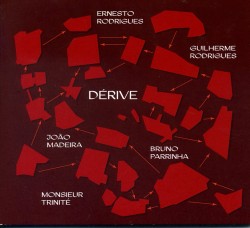
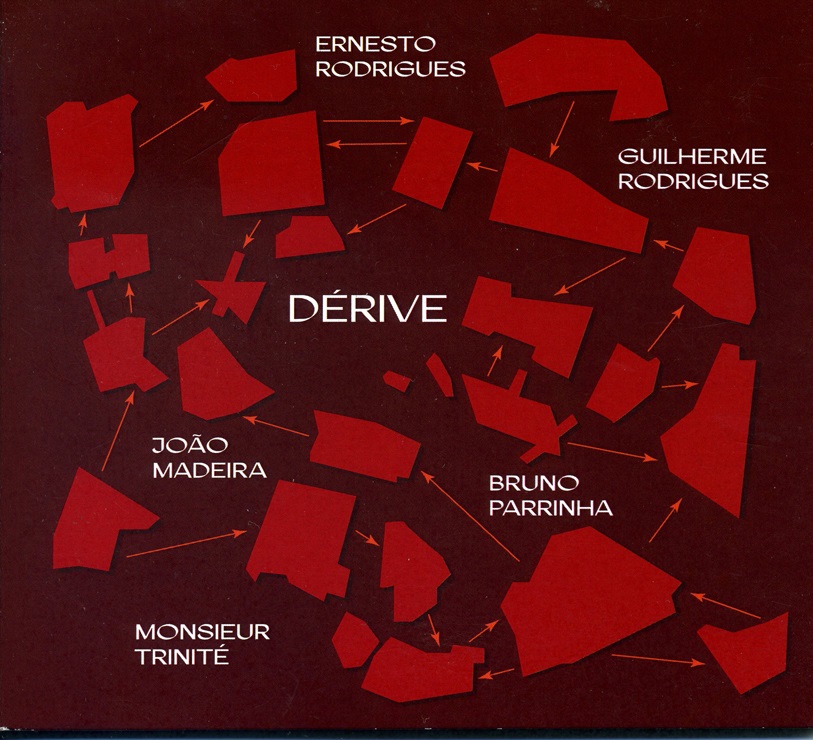
04 DeriveAttuned to a semi-traditional setting is the viola playing of Portuguese Ernesto Rodrigues with the Dérive quintet on its self-titled CD (Creative Sources CS 772 CD creativesourcesrec.com). Also featuring the cellist Guilherme Rodrigues, bassist João Madeira, flutist/bass clarinetist Bruno Parrinha and percussionist Monsieur Trinité, the nine-part Dérive suite evolves on the cusp of contemporary chamber music and free form improv. At various junctures, especially on Dérive VI and Dérive VII, there are melodic intervals which stack moving viola swipes against chalumeau bass clarinet buzzes and feathery flute trills swaddled in layered string rubs that undulate up and down the scale. But while the unfolding suite stays linear, its dynamic is defined by contrapuntal evolution, where shaking and swelling string parts vibrate collectively, sometimes interrupted by cymbal claps or maracas-like shakes from Trinité. Further consistency results from Madeira’s low pitched plucks. While this formula is constantly present as a continuum, other techniques are present elsewhere. For instance, the extended fourth sequence is introduced with a powerful arco twang that precedes the other strings’ entry and stretches the exposition so that all three soon create squeaking but harmonized timbres. For added variety throughout, the cello, bass and viola sometimes divide into separate duos to contrast high and low pitches. Elsewhere group string glissandi serve as a backdrop for the violist to initially shake out a theme statement, latterly use spiccato strokes and sawing squalls to torque all the players to produce theme variations, and finally use double strokes to outline a reconstituted sequel to the initial statement. In the end this statement is preserved among metal-banging percussion, energetic double bass rubs, multiple string stops and jittery flute whistles or deadened reed blowing to mark a sense of connection.
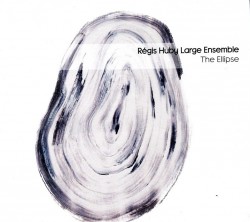
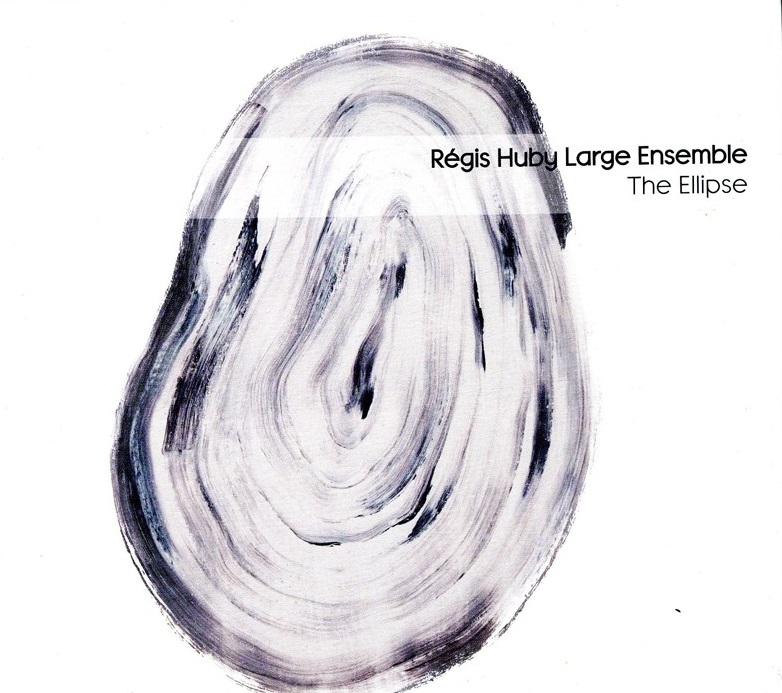
05 Regis HubyA more conventional – but no less invigorating – use of the viola and other strings takes place on French violinist Régis Huby Large Ensemble – The Ellipse (Abalone ABU 34 regishuby.bandcamp.com) with longtime collaborator violist Guillaume Roy. Both part of the 15-member Large Ensemble, Huby has cannily arranged his three-movement suite so that almost all of the four reeds, seven strings, two percussionists, pianist and trombonist are featured. A notable throwdown between the violist and violinist occurs as the introduction to The Ellipse Mvt III. But as slick, stretched and spiccato buzzes from the higher-pitched strings join with cellist Marion Martineau’s ostinato, dissonance turns to tonality to affiliate with the swing motifs which appear at intervals during this more-than-one-hour suite. Backed by bell-shaking, idiophone smashes and electronic vibrations from percussionist Michele Rabbia, first Olivier Benoit’s accelerating guitar riffs then Catherine Delaunay’s clarinet trills animate the exposition. Following a pause, all the musicians participate in a connective crescendo that lists southwards with no loss of power or colour. Similar section/solos interaction often come forward during the preceding sections. Although there are several tutti crescendos and unison string section sequences, these harmonic crescendos are muted for individual or small group expression. Among the standouts are trombonist Matthias Mahler’s contrapuntal smears, Baroque-like flute interjections from Joce Mienniel and sequences where guitar licks are cushioned by the strings or the viola and violin stretch a pressured line over accelerating horn vamps. Besides using marimba strokes to set up passages, Illya Amar’s vibraphone clanks constantly join percussive comping from Bruno Angelini’s keyboard to accent certain sequences while preserving linear flow.

As demonstrated here, despite its less than stellar reputation, the viola remains a valued music-making partner, At least it’s true in the jazz and improvised music community – and that’s no joke.


01 Kris DavisLive at the Village Vanguard
Kris Davis Diatom Ribbons
Pyroclastic Records PR 28/29 (krisdavis.net)

Émigré Canadian pianist/composer Kris Davis here commemorates a landmark appearance at New York’s Village Vanguard with this two-CD set by a quintet form of her group Diatom Ribbons, ranging through a program that includes both compositions by celebrated jazz composers and several of her own works that sometimes incorporate the voices of a few singular influences. Essentially heterodox, broad-based and witty, the music is anchored by drummer Terri Lyne Carrington and bassist Trevor Dunn, while Val Jeanty contributes turntables and electronics and Julian Lage, perhaps the leading jazz guitarist of the day, matches the blistering virtuosity and manic playfulness that Davis brings to piano, prepared piano and arturia microfreak synthesizer.  

The occasion is clearly one to celebrate and the performance is carnivalesque in mood and variety. The opening Alice in the Congo, composed by Ronald Shannon Jackson, has roots in both funk and free jazz, and Jeanty’s contribution adds hip-hop before Davis solos with wild keyboard splashes and runs. Other pieces from the contemporary repertoire include Geri Allen’s The Dancer and two distinct versions of Wayne Shorter’s Dolores.  

The bulk of the set consists of Davis’ own compositions, some acknowledging more influences, Nine Hats referencing works by Eric Dolphy and Conlon Nancarrow and the comically lumpy VW overlaying an archival radio interview with Sun Ra. Composers’ voices are even more prominent in the three-part, 34-minute Bird Suite. The Bird Call Blues segment references both bird song and Charlie Parker with the voices of Olivier Messiaen and Paul Bley, while Karlheinz Stockhausen discusses “intuitive music” on Parasitic Hunter

Somehow Davis manages to merge all of these diverse elements into a coherent and original whole – at once pulsing, comic and touching – that’s a brilliant representation of the range, freedom, energy and inclusivity that jazz can achieve.

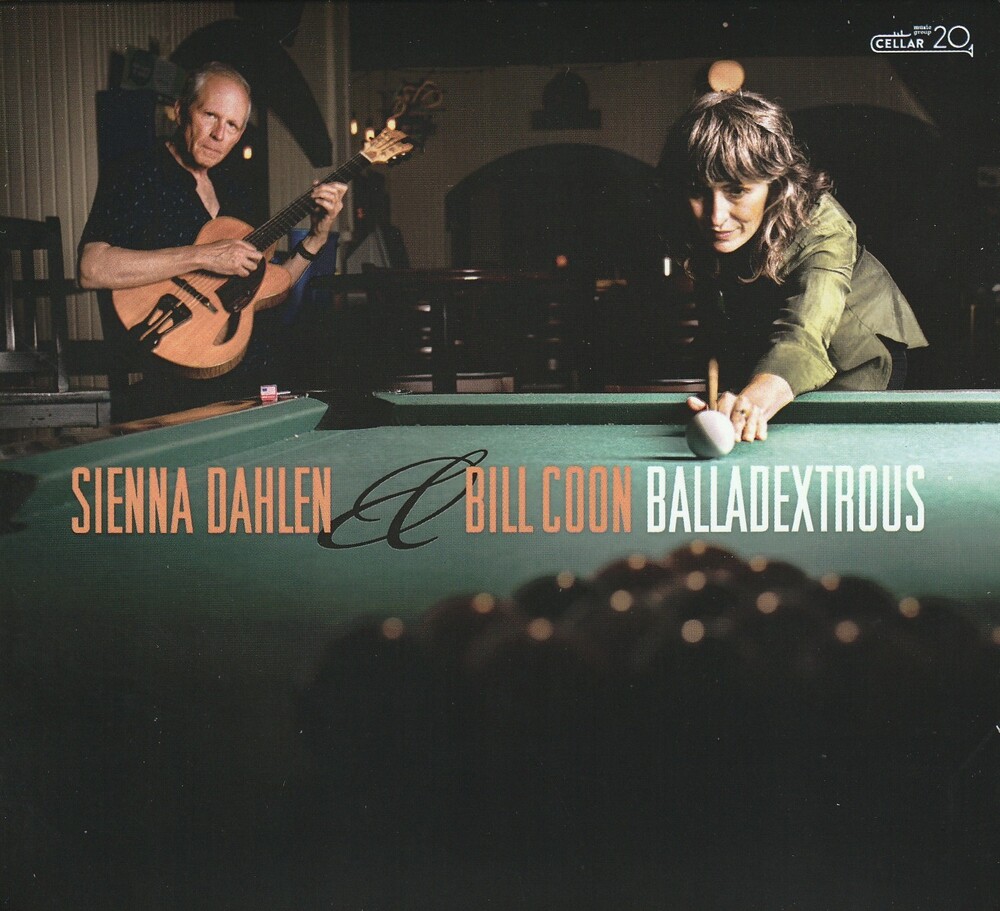
02 BalladextrousBalladextrous
Sienna Dahlen; Bill Coon
Cellar Music CMR060322 (cellarlive.com)

Guitarists and vocalists share a unique bond when coexisting as a duo, and the exposure present without a rhythm section contrasts ominous vulnerability with ample space to thrive. Vocalist Sienna Dahlen and guitarist Bill Coon double down on this sparseness with Balladextrous, and make the most of this intimate, dreamy format. 

My favourite duo albums throughout history tend to playfully eschew traditional roles of melodic interpretation and harmonic accompaniment, and Balladextrous walks this line brilliantly. Coon’s chordal work and melodic content never leave listeners unsure of song forms or harmony, but he wisely avoids bludgeoning anyone with the kinds of dense accompaniment weaker guitarists may hide behind in this context. 

Dahlen has a playful sense of rhythm and phrasing that is both confident and interactive. This is a treat to hear applied to jazz standards, as it breathes new life into classic repertoire. Consciously or intuitively, the duo treats upbeat numbers like Happy Talk and I’m In The Mood for Love with a playful vibe, while sticking more to the bare-bones structures of pieces like Too Late Now and I Get Along Without You Very Well. Contrasting choices like these may not be predetermined, which is yet another testament to the intuition these two musicians possess.  

Give Balladexterous a listen through quality headphones with your eyes closed, then try it again tomorrow while ironing or meal-prepping. This album promises to elevate in all contexts!  

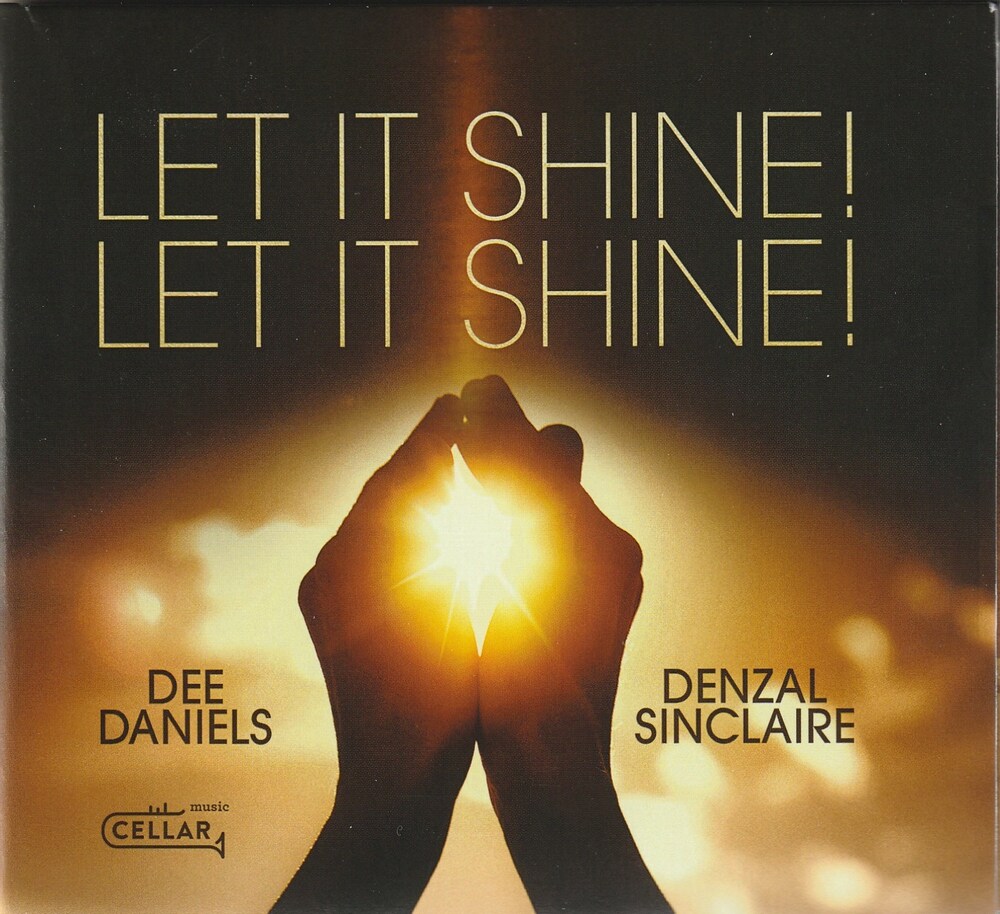
03 Let it ShineLet It Shine! Let It Shine!
Dee Daniels; Denzal Sinclaire
Cellar Music CM111621 (cellarlive.com)

Singers Denzal Sinclaire and Dee Daniels take us to church with their new offering, Let It Shine! Let It Shine! Produced by the renowned jazz bass player, John Clayton, and recorded over several days while the band and crew were living together in a house outside Calgary, the love that went into this project is palpable. With gospel being the predominant style, the Hammond B3 by organ master Bobby Floyd is a centrepiece of the album, but all the players have their moments, such as Herlin Riley’s tambourine flair on some of the spirituals and Nick Tateishi’s groovy guitar work on God, Be in My Head.

Sinclaire’s signature warmth and gently swinging style is a nice contrast to Daniels’ powerful vocals, yet they blend beautifully on their duets. I confess I wasn’t very familiar with Daniels’ work before listening to this album and what a force she is. Her intensity is perfect on the blues-tinged If He Changed My Name while her emotional range is showcased on Sometimes It Snows in April. Sinclaire does a wonderful lilting reimagining of Row, Row, Row Your Boat and a simply gorgeous take of Blessings Upon Blessings. But where the group really seems to hit its groove is on the traditional spirituals like This Little Light of Mine and Every Time I Feel the Spirit. When they let loose and the choir kicks in, I defy even the staunchest non-believers to sit still and not sing along.

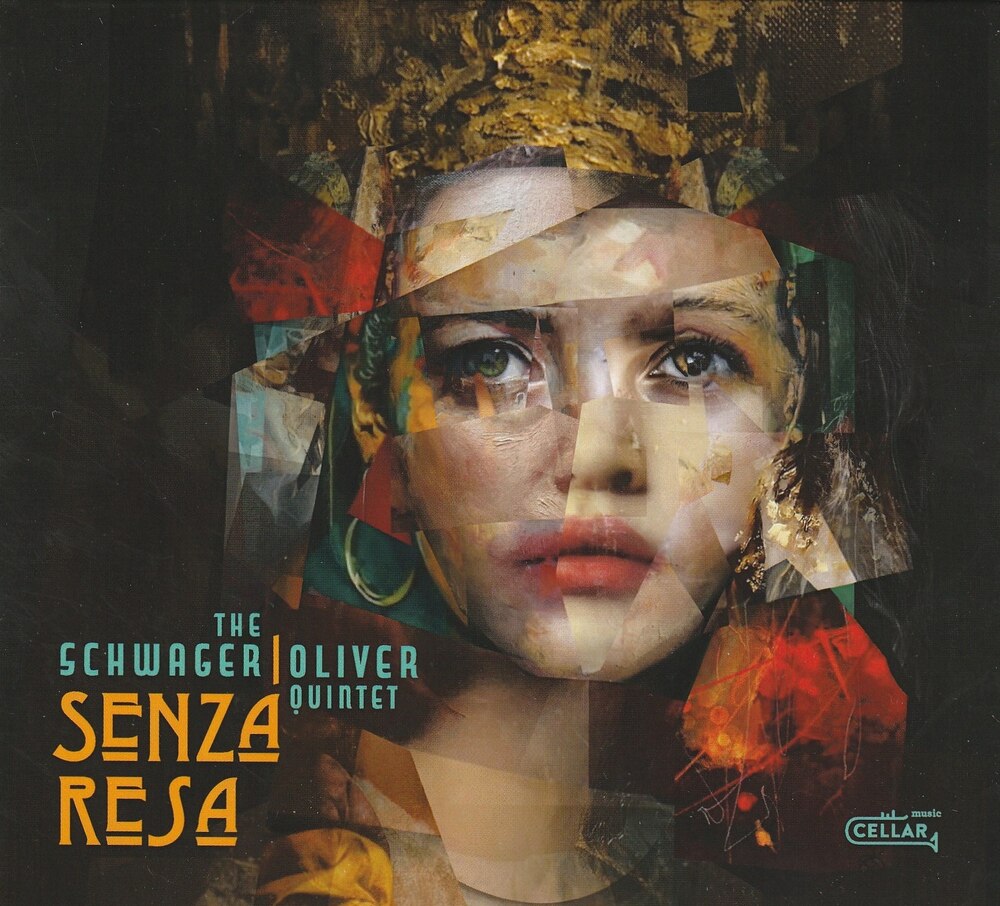
04 Schwager OliverSenza Resa
The Schwager/Oliver Quintet
Cellar Music CMR030123 (cellarlive.com)

Much can be said about both guitarist Reg Schwager and saxophonist and flutist Ryan Oliver. Suffice it to say that both musicians have paid their dues in and around Canada and elsewhere with demanding bandleaders. In many respects their wide experience and well-documented discographies make them ideally suited to this ambitious project called Sensa Reza

On sterling repertoire Schwager and Oliver can be heard firing on all cylinders throughout the kinetic-energy-filled music on this album. The ensemble also features the liquid harmonics of pianist Nick Peck, and sizzle and rolling thunder with bassist Rene Worst and drummer Ernesto Cervini. Together, these musicians meld melodies, harmonies and rhythms into songs with a preternatural roar from one chart to the next, giving no quarter and taking no prisoners. 

No wonder that producer Luigi Porretta titled this album Senza Reza, Italian for “no surrender.” This powder-keg music explodes out of the gate with the incendiary Another Happening. There is no letup as the quintet negotiates the fast and oblique-angled rhythmic changes of Rushbrooke. This magnificently frenetic pace continues throughout, changing to elegiac only for Tender Love. The musicians on Senza Reza present an edge-of-the-seat experience from end to end, brilliant in both long-limbed soli and in ensemble.

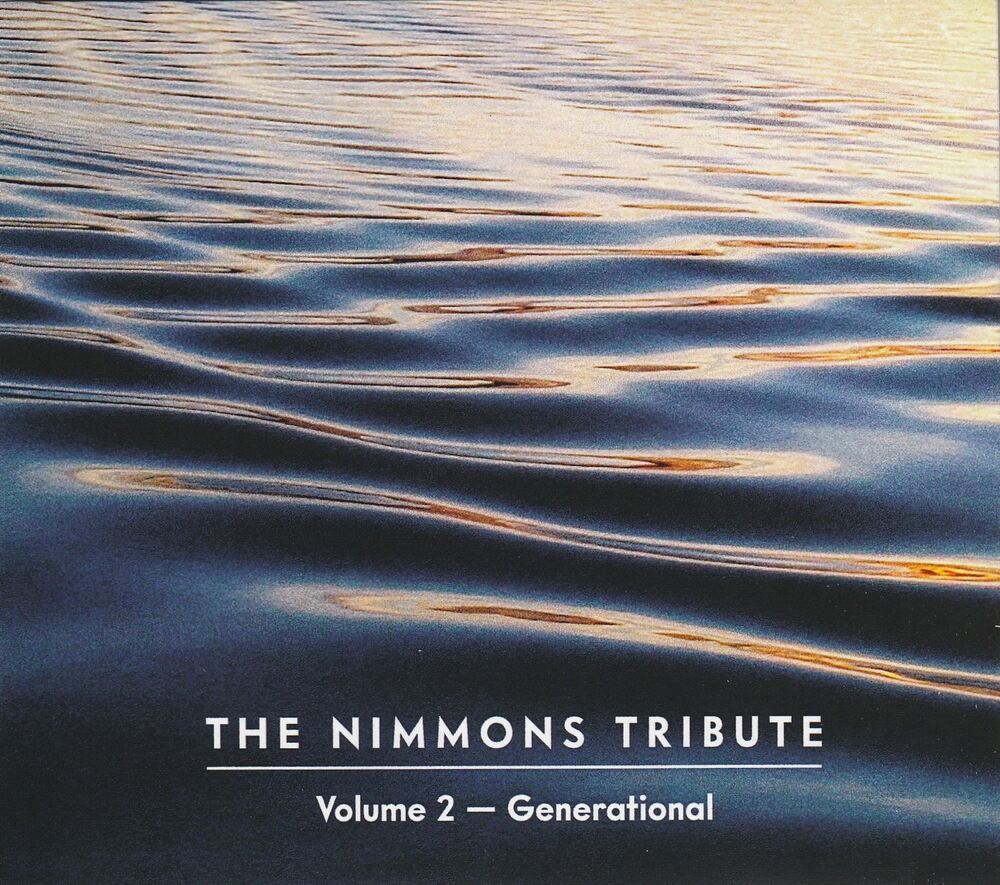
05 Nimmons TributeVolume 2 – Generational
The Nimmons Tribute
Independent (nimmonstribute.ca)

While F. Scott Fitzgerald may have opined that there are no second acts in American life, apparently there are second, third and even fourth acts possible in the lives of Canadians, particularly if the Canadian in question is the talented and thankfully, still meaningfully recognized and among us, Phil Nimmons. With Volume 2-Generational, The Nimmons Tribute, under the skilful direction of Sean Nimmons (composer, arranger, producer, pianist and grandson of the now centenarian Phil), again aligns the Nimmons name with musical excellence and uncompromising artistry. And while the artistic conceit of the project is clear, do not be fooled into thinking that the album is the work of an ersatz cover band. Quite the opposite is true in fact, as this recording again shines a light on the ongoing relevance of Nimmons’ music. 

Continuing the legacy work that began with 2020’s To The Nth, this 2023 recording treads an appropriately reverential path in its careful handling of Nimmons’ canonic music now interspersed with new compositions by the younger Nimmons, whose fine original contributions to this recording do much to further the legacy of the family name. Supported by an impressive multi-generational cast of jazz musicians representing some of the finest players in Toronto, it is clear that either as a pedagogue (mainly at the University of Toronto, but also dating back to his work at the Advanced School of Contemporary Music), or as a bandleader and jazz community member, Nimmons’ impact on the scene has been considerable and his contributions to the canon of great Canadian jazz sacrosanct. 

Listen to 'Volume 2 – Generational' Now in the Listening Room

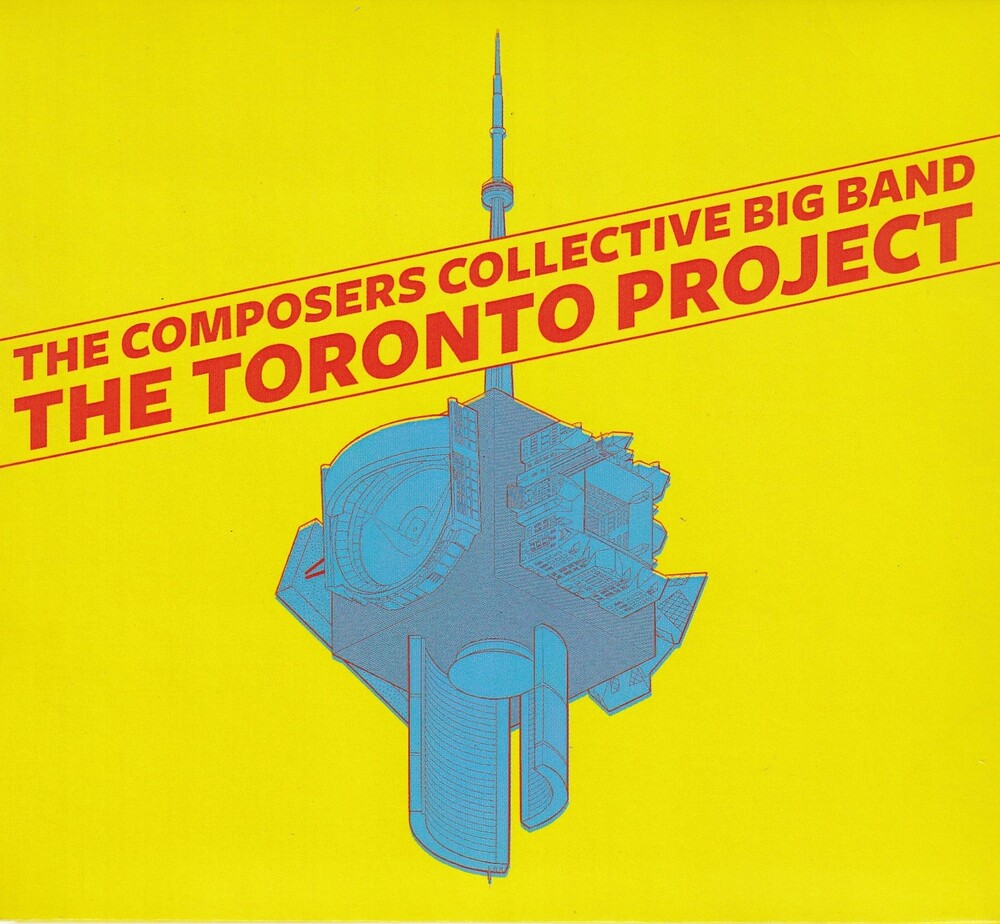
06 Toronto ProjectThe Toronto Project
The Composers Collective Big Band
Independent (christianovertonmusic.com/ccbb)

Christian Overton has been a long-term journeyman, paying his proverbial musical dues in ensembles of varying size and celebrity from the city of Toronto and elsewhere. In addition to his renown as a virtuoso trombonist, Overton also runs a music publishing company and is an almost ubiquitous presence in Toronto’s musical scene. This has led to his being at the helm of this creative ensemble – The Composers Collective Big Band – modelled in the spectral shadow of his mentor, trombonist Rob McConnell and the legendary Boss Brass. The Collective now pays tribute to the city of Toronto. 

The Composers Collective comprises 19 rather successful musicians plus six celebrated guests. While such a large group of artistic voices could rub uncomfortable shoulders with one another, the differences in style – sometimes subtle, often striking – enhance the overall impact of these superbly crafted and affecting miniatures making up The Toronto Project. Engaging pieces like the cinematic West Toronto Ode, the tongue-in-cheek Non-Sequitur and postmodern Spadina, draw you inexorably into their sound-world as voiceovers from subway announcers draw you into their subway narratives. 

Torontonians and visitors to the teeming multi-cultural city will be able to put visuals to the miniatures that, collectively, act as a soundtrack for the city. The repertoire includes music by other commendable Canadian composers, capturing atmospheres in music that glows, expertly balanced and alive to Toronto’s unique rhythmic and harmonic nuances. 

Listen to 'The Toronto Project' Now in the Listening Room

07 undoundoneundoundone
Christof Migone; Alexandre St-Onge
ambiences magnetiques (actuellecd.com)

In the final static seconds of undoundone, as the muffled distorted vocalizations cease and the imaginary entity imprisoned in the microphone concedes to an all-encompassing windscreen, a switch is flipped. This can be interpreted in the figurative, as an indicator of change or a fixed transition between states. In this case however it is a computer switch, more specifically a spacebar; as implied by the bluntness of the attack and the timbre of its softer rebound. This is a demarcation device shared with Jay Electronica’s 2020 release Rough Love, opting not to edit out the sound of a decisive spacebar click. Electronica uses the spacebar as a mark of finality, to emphasize that his verse was recorded on a laptop in a single take. It can be either refreshing or jarring to a listener when an artist steps off their pedestal to show this level of vulnerability in the creating process. 

Christof Migone and Alexandre St-Onge’s last ambient pas de deux as “undo” is filled with increasingly brazen spacebars. As if on the heels of a late arrival Néon aléatoire dans le hasard inessentiel begins with the tail end of a sonic happening, initially akin to a wiry bass string being plucked from a singed stream of feedback, while each listen defies categorization until you’re left with a falling shoe. Therein lies the beautiful irony of this project: endless sonic detail to obsess over, the definitive is ultimately undone. 

08 Elizabeth ShepherdThree Things
Elizabeth Shepherd; Jasper Holby; Michael Occhipinti et al
Pinwheel Music PM106CD (elizabethshepherd.com)

Looking for the perfect mix of tunes to accompany these beautiful summer nights? Velvet-voiced vocalist and pianist Elizabeth Shepherd brings a perfect hodgepodge of mellow grooves and feistier melodies on her latest release. Those who have followed Shepherd’s musical journey throughout her various albums know that she is a genre-traveller, bringing a little bit of a different theme to each record. This one takes a foray into the slightly more “religious” aspect of music, depicting “a personal faith that uses music to look beyond oneself, to express gratitude, and to connect — with the divine and with others.” These tunes were born in the depths of the pandemic and provided ample time for self-reflection, which is why the repertoire is inspired by the journey of looking deep into oneself and finding the music within. 

The record features innovativeness through the use of sampling and modernistic melodies, and a hint of Shepherd’s trademark funk-jazz-soul sound through the use of rhythmic bass lines and drum riffs, a perfect example of this combo being the track Time. Further, what leaves an impression on the listener is how each musician’s unique style of playing both shines on its own and blends together seamlessly, with most songs being recorded separately due to restrictions during the pandemic. The result is what Shepherd lovingly deems “a Frankenstein album that’s very different from what I’ve done before.” A great album for the funk and modern jazz lover. 

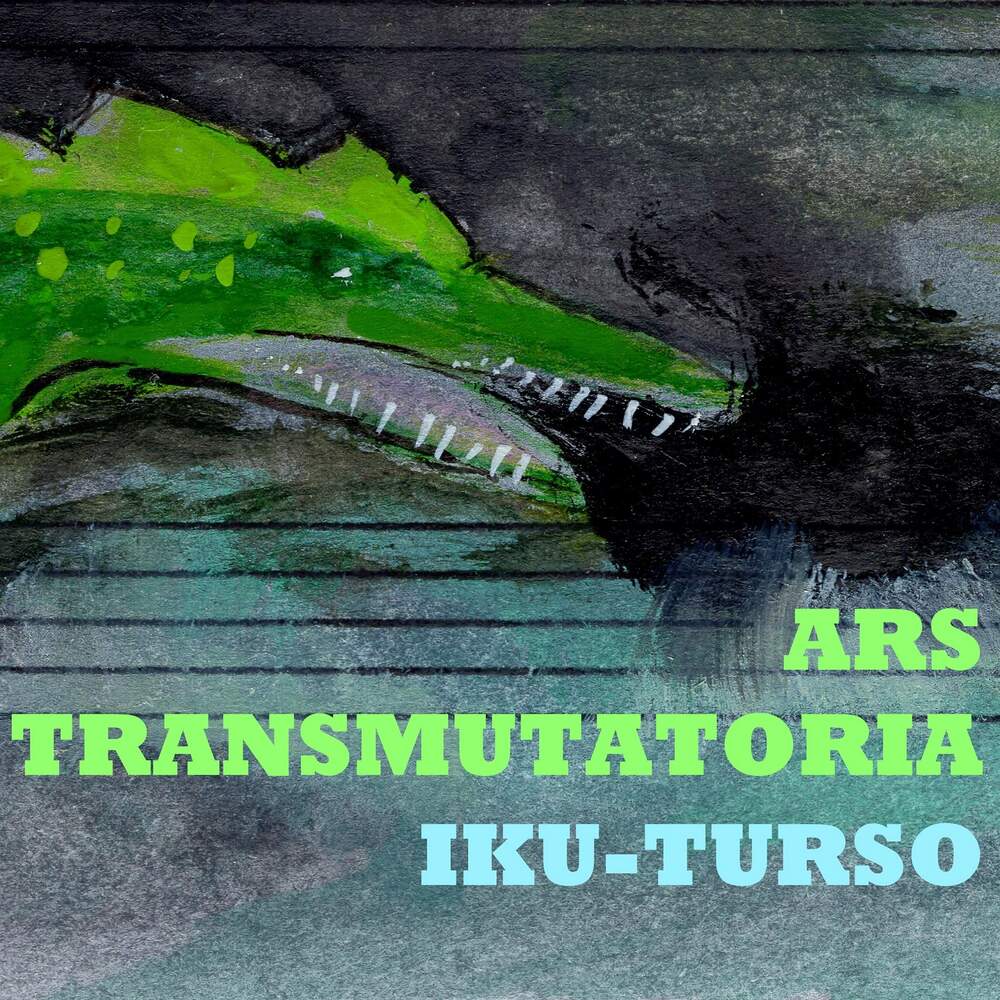
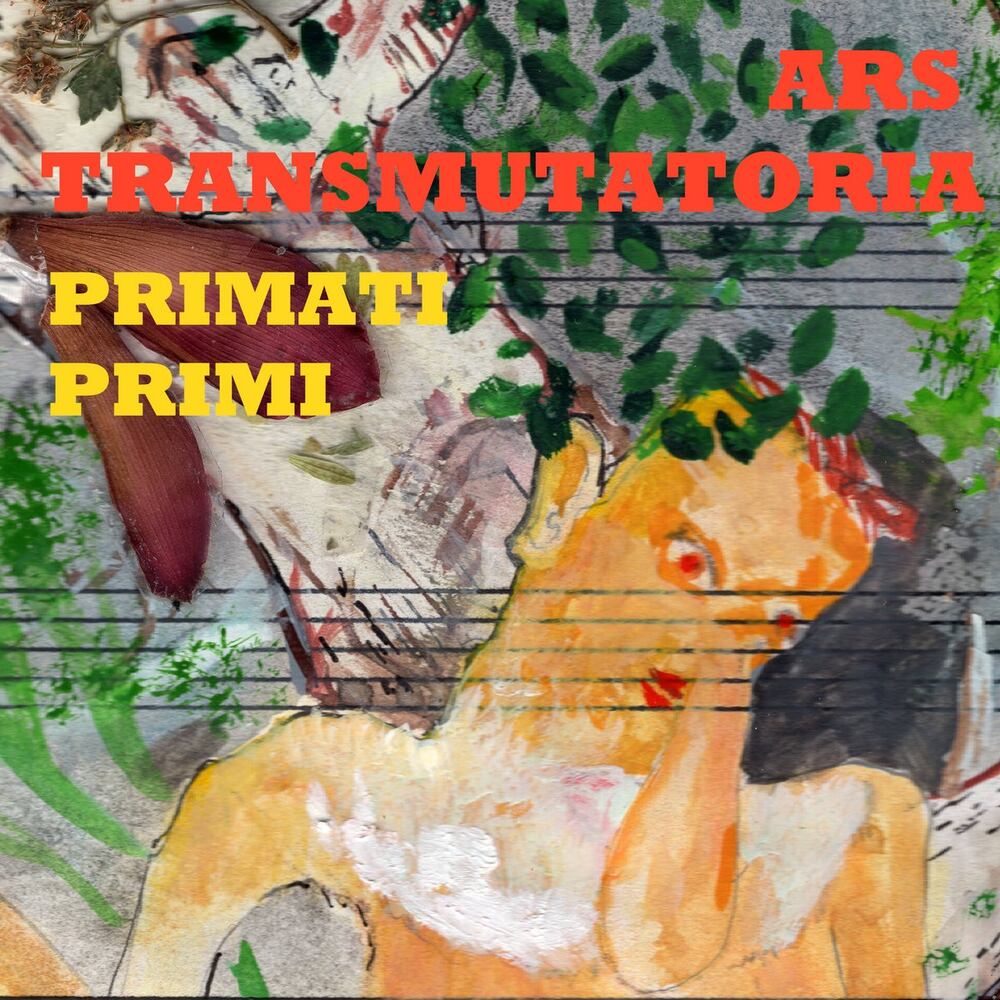
09a Michel Lambert orangeArs Transmutatoria: Orange, Iku-Turso & Primati Primi
Michel Lambert
Jazz from Rant (michellambert.bandcamp.com)

On Michel Lambert’s website, one can embark on a virtual audiovisual tour of the entire Ars Transmutoria experience spanning from the Rouge, Bleu, Bronze and Orange volumes, available individually or as a deluxe boxed set, and subsequent works expanding on the series. Lambert explains “Ars Transmutatoria is the process of work! Collecting plants, creating scores, work with improvisers, etc... It is an ongoing process with new works to come.” The art gallery format is interesting because intuitively, for a piece to be exhibited alongside other works it demands to be confined to a space; one that allows for distinct statements to be made but requires a level of physical stasis and order. However, in reality this web application is a beautifully liberating way to engage with Lambert’s work, in that it allows for beholders to take a guided tour or roam free on their own accord while equipped with a concise user interface. The museum itself colour-codes all the rooms, which helps illuminate Lambert’s original multi-disciplinary concept of strikingly visual scores, helping listeners abstractly yet thoughtfully navigate between conceptual zones in their mind.  

09b Michel Lambert ikutursoOrange may not be the final room in the tour, but it represents the end of the beginning for this sprawling project. It is perhaps the most ethereal experience of the colour saga. While all volumes up to this point have explored different corners of the Lambert network’s prismatic textural universe, Orange is a deep dive into the emotional power of resonances. Liner notes here take particular pride in the album’s incorporation of the booming low-end warble of the maikotron contrabasse, which could very much devour all it touches, and Lambert unleashes teeth-clattering fury out of its deep drone. However, when transferring registers there is a distinctly phlegmy break in its sustained tones, allowing for it to envelop Raoul Björkenheim’s flowy guitar harmonics rather than engross. In this sense, this almost offers a thesis for the first leg of Ars Transmutoria; painting around the lines rather than purely within, resembling that elusive dustpan-adjacent sketch in the companion art for Un Jour dans la Forêt.

09c Michel Lambert primati primiIku-Turso and Primati Primi mark the beginning of a new era. Lambert says: “The visual scores for those two releases are a bit different. There are 12 of them divided in two recording sessions. One took place in Helsinki, Iku-Turso and the other in Rome, Primati Primi.” Gone are the monochromatic motifs of yesteryear; enter zoomorphism. Resurrected are the poetic pivot points from Rouge, with Iku-Turso proving that Jeanette Lambert’s profoundly tuneful approach to conveying language and image is better than ever. For a specific example, note the musicality of the ng sound in Self-Distancing, in which the word fries as it decays, creating an illusory effect that obscures the phrase’s ending while conveying the universal feeling of lingering on a thought longer than expected. Lambert is all melody while rapper/poet Beamer(!) is decisive, comping rhythms, painting thick lines around Michel Lambert’s trembling snare patterns like if the Orange maikotron could burn books with a tongue so precise it proves that words can briefly take back the mantle from pictures. 

This victory is brief because nary a discipline owns the mantle.

10 Melissa PipeOf What Remains
Melissa Pipe Sextet
Odd Sound 005-28 (melissapipe.com)

Sporting a highly appropriate name for a reeds player, Montreal-based baritone saxophone/bassoonist Melissa Pipe’s disc is refined chamber jazz with an emphasis on darker textures. That’s because timbres arise not only from Lex French’s trumpet, Geoff Lapp’s piano and Mili Hong’s drums but also from lower tones encompassing Solon McDade’s double bass, Philippe Côté’s bass clarinet and tenor saxophone plus Pipe’s larger horns. It deepens even more when Michael Sundell’s contrabassoon is added on three tracks.

Most notable of these is the multi-sectional Ici, ainsi that moves slowly over drum rumbles and a walking bass line before portamento trumpet and saxophone breaks give way to a mellifluous double bassoon expression that moves up the scale while the pulse stays horizontal. Eventually reed stress turns to decorations as drum rim shots and piano comping complete the piece. More overt chamber jazz affiliations arise on a track like Day, where a dramatic undercurrent which harmonizes a snarling bassoon ostinato with plunger trumpeting remains constant as keyboard clinking outlines the balladic theme.

Other tracks such as La part des anges and Apothecium. are arranged with a light West Coast jazz feel. yet they’re also distinctive. That’s because these otherwise straight-ahead foot-tappers that climax with modal blends of baritone saxophone smears and sparkling pianism are interrupted when French interjects Maynard Ferguson-like skyscraper-high triplets into the mix.

This sophisticated and promising debut leads us to anticipate her realization of the next musical Pipe dream.

11 GoldstreamGoldstream
Julian Gutierrez’s Project Goldstream
Independent (juliangutierrezsproject.bandcamp.com/releases)

Following the well-known saying “if you can’t beat ‘em, join ‘em,” why beat the summer heat when you can make the best of it with this fiery, scintillating mix of tunes? Cuban-born pianist Julian Gutierrez brings the best of both Latin and jazz music on his latest album, melding the two worlds together flawlessly. He adds his own twist to the record, arranging the collection of songs for a big band which brings a whole new, expansive sound to the repertoire. All tunes are originals penned by Gutierrez and arranged by both him and bassist Jean-François Martel. 

Duality is a strong theme throughout this album, not only from a genre-based perspective but also in an imaginative way. Gutierrez explains that the music reflects “…nature, both the landscapes of my homeland… and the beauty and poetry that emanate from the landscapes of Canada, my host country.” This duality is especially noticeable in pieces such as Canard Goûteux, where the rhythmic influence of his Cuban roots, seen in Martel’s bass line  combined with the groove of drummer Axel Bonnaire, is blended with the alternating mellow chord progressions and blazing piano riffs of Gutierrez, reflecting more of the Canadian, tempered side within the chords. Featuring a full lineup of stellar international musicians, the prolific pianist’s vision for this album is propelled to new heights. Jazz lovers looking for a foray into a pleasant musical landscape, this is for you.

For Portugal, a country that was still struggling to solidify its democracy in the 1980s following nearly 50 years of outright dictatorship, one unexpected byproduct of that struggle has been a burgeoning free music scene. Resourceful, the scene nurtured by the struggle for the country’s expanding freedoms now includes internationally known veterans like violinist Carlos Zingaro, younger local experimenters and has started to attract improvisers from elsewhere.

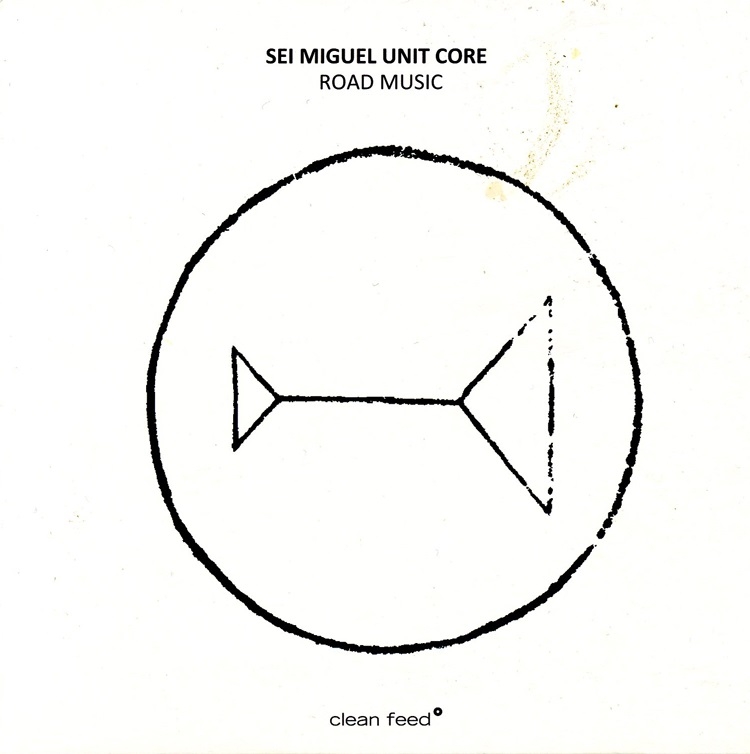
01 Road MusicOne experienced player is Paris-born pocket trumpeter Sei Miguel, who has lived in Portugal since 1986 and has propagated local free music since then. Road Music (Clean Feed CF 621 CD cleanfeedrecords.com/album/road-music) features ten tracks by his Unit Core recorded between 2016 and 2021. Most position Miguel’s smeared brass timbres in microtonal cohabitation with plunger tones from Fala Mariam’s alto trombone and Bruno Silva’s guitar clips and twangs with Pedro Castello Lopes adding rhythms from percussion instruments. These understated pulses are particularly effective on Sentinela and Canção, with triangle clinks decorating broken octave and unison short brass bites. Not only do the woody clave smacks provide a distinctive backing when joined with guitar strums on Canção, but Mariam’s contrapuntal designations take up as much space as the trumpet lines. Silva’s percussive string picking is featured on Sentinela #2 which provides a rare instance of the trumpeter moving past his usual breathy sighs to a sequence of bugling triplets that torque the tune’s excitement before harmonizing with the trombonist’s horizontal slurs. Otherwise, expositions are usually slow-moving and often descend into near stasis as dramatic bent notes and grit are favoured over unbroken lines and half-valve expressions. Still there are enough pivots throughout to trombone tailgate slides, trumpet squeaks and guitar twangs to feature tonal examinations along with related continuum. 

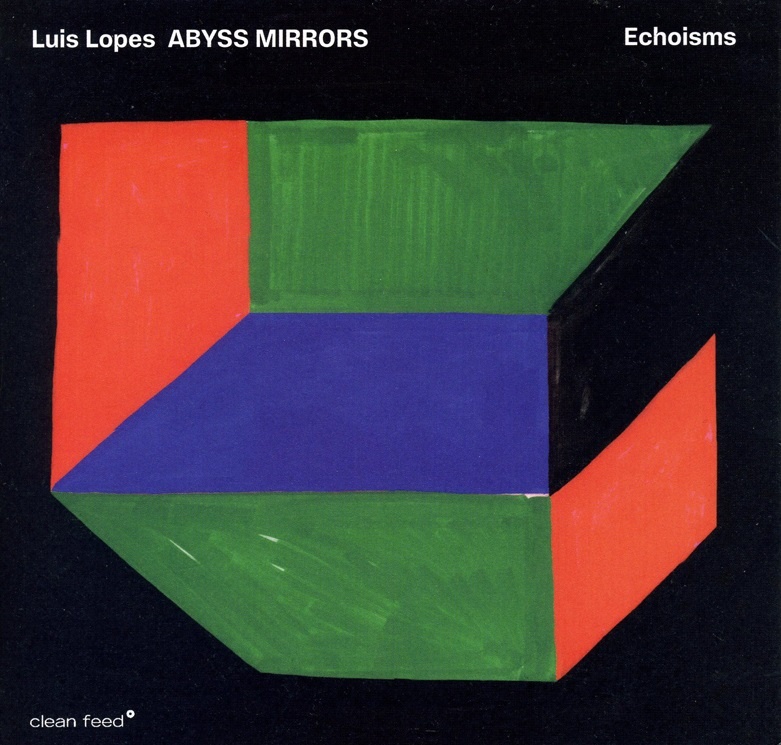
02 Luis LopesAt nearly the opposite end of the sound spectrum is Echoisms (Clean Feed CF 628 CD cleanfeedrecords.bandcamp.com/album/echoisms) by young veteran Lisbon guitarist Luis Lopes and his Abyss Mirrors tentet. Featured on the seven tracks of the harsh and turbulent title composition are two saxes, two players using electronics, a three-person string section, an electric bassist and another guitarist besides Lopes. Although working without a drummer, there are enough guitar flanges, bass thumps and electronic pulses to anchor the angled and squeaky string glissandi as well as the doits, honks, smears and altissimo excursions from the reed players. Most sequences rumble along with Felipe Zenícola’s electric bass throb and electronics signals creating linearity until straight-ahead movement is shattered as Lopes’ and the one-name Flak’s effects pedal motions and unusual string techniques join with dog-whistle-like screeches from saxophonists Bruno Parrinha and Yedo Gibson to stretch the exposition to near schism until it rights itself by the following track. By the penultimate Echoism VI however a bagpipe-like tremolo drone from the dual saxes sets up the final track – and the suite’s – resolution. Moving through a building crescendo of cello, violin and viola spiccato shakes, jerky electronic whizzes and triple-tongued enhanced reed multiphonics, the resolution slows the narrative to single guitar licks cushioned by voltage pulsations.

03 ImpromtuAlthough violist Ernesto Rodrigues and guitarist Flak from Lopes’ tentet are also part of the Suspensão octet on Impromptu (Creative Sources CS 773 CD creativesourcesrec.com/ ernesto_material/discography/disc_773.html) the music is as hushed as Echoism is boisterous. A single, almost 35-minute improvisation, whose 15-word title is nearly longer than the music itself, it confirms Portuguese improvisers’ versatility. With frequent silent intervals, the evolving track alternately connects and separates timbres that suddenly arise and just as quickly vanish. The introduction matches Carlos Santos’ synthesizer washes with Bruno Parrinha’s bass clarinet burbles as spiccato string vibrations, woody clanks and triangle pings from percussionist José Oliveira and Luisa Gonçalves’ occasional piano chords decorate and disrupt the exposition. One-third of the way along a combination of tougher guitar frails and Nuno Torres’ alto saxophone flutters pushes the narrative into horizontal motion. However that’s swiftly overcome by ray-gun-like whooshes and sul ponticello pressure from the violist and bassist João Madeira, while Gonçalves’ vibrating patterns from both keyboard and stroked internal strings reintroduce linear movement. A further expansion of altissimo cries from the reeds is subsumed by an unvarying double bass groove. Voltage drones and pinpointed but rugged metal percussion slaps then affiliate for a logical conclusion. Like much free form music the key isn’t resolution but the tonal varieties of evolution.

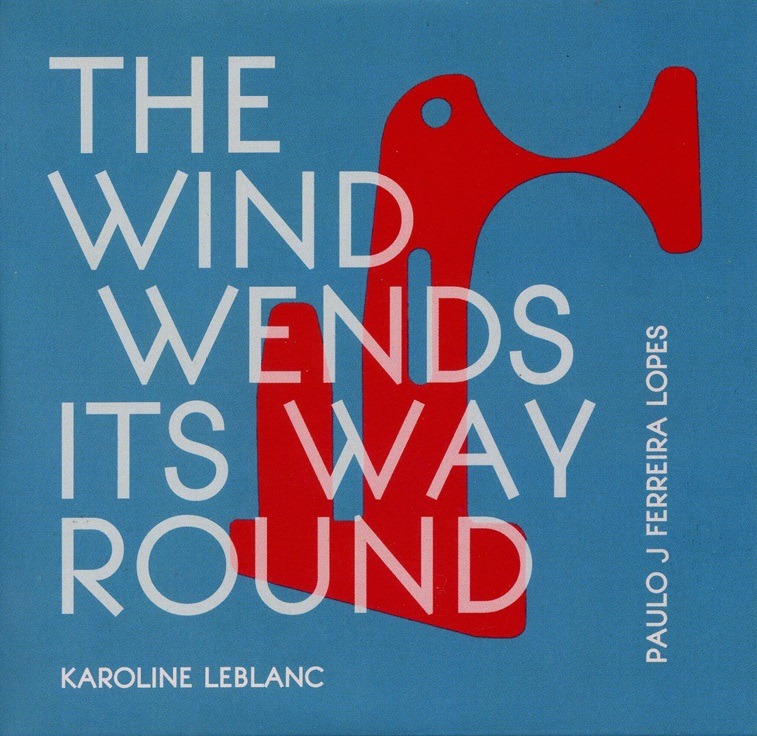
04 Karoline LeblancThe same could be said for The Wind Wends its way Round (atrito-afeito 012 atrito-afeito.com) by Montreal pianist Karoline LeBlanc seconded on three of the six tracks by Portuguese drummer Paulo J Ferrreira Lopes. A frequent musical visitor to Portugal, the pianist’s playing completely negates the Canadian cliché of deference and politeness. Pouring intensity into her improvisations, all tracks are taken at presto or prestissimo tempos and emphasis is almost always on the ringing bottom notes. Sympathetically adding press rolls and rolling patterns, Lopes mostly stands aside from the boiling cauldron of emphasized notes. Perfectly capable of slowing the tempo, as she does on Porter ses pas, and able to leapfrog into treble clef tinkles from darker interludes at will, LeBlanc takes these quick changes in almost literal stride. Tinkling tonal interludes usually occur at the same time as her other hand is crunching and clattering basement notes that resonate through the soundboard and piano’s wood.  Always in control, her pumped-note profusion may resemble those of a player piano, but there’s cerebral planning attached. Splayed and sputtering piles of notes may issue from the piano on the title tune and concluding Round Talk yet these hard returns and dips into darker timbres are heard in symmetry with unexpected glissandi detours or slapping rebounds. When it appears, as on The Wind Wends its way Round, that this pressurized playing will never lose its ferocity, LeBlanc surprises by rebounding to a measured pace and sudden stops.

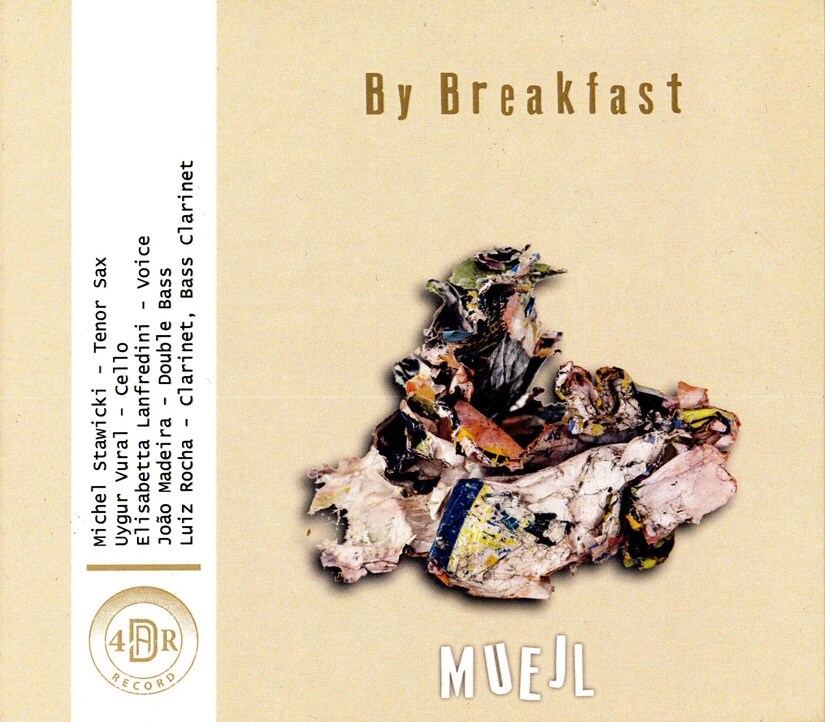
05 BreakfastWhat hasn’t stopped is the number of Portuguese players experimenting with musical forms and collaborating with international players. MUEJL’s By Breakfast (4Da Record CD 006 4darecord.bandcamp.com) for instance, while recorded in Lisbon, features local bassist João Madeira, also on Impromptu, Brazilian clarinetist Luiz Rocha, French tenor saxophonist Michel Stawicki, Turkish cellist Uygur Vural and Italian vocalist Elisabetta Lanfredini. With the nine tracks as consolidated as the band name made up of the members’ initials, the program displays the tension generated from string/reed equilibrium, while Lanfredini stretches her tessitura to approximate timbres from lyric soprano nonsense mumbles, alpine yodels and wispy basso breaths. Contrapuntal results are expressed at greatest lengths on Kia’s Vocal Calls as the singer’s melismatic switch from bel canto to basement mumbles stretches still further the exposition defined by heavily vibrated bass thumps and warm clarinet lines. With Lanfredini moving to replications of davening at one point and Aboriginal chants at another, integration is invoked when vibrated drones from voice and reed become indistinguishable. Overall the five constantly move from lightness to darkness as chalumeau register clarinet and timed sul tasto string strokes can vanish in a maze of verbal nonsense syllables or, despite cross talk, bel canto vocalizing can smack up against reed tongue slaps and a mournful cello line. Furthermore, as demonstrated on Ohai Forest Suite, vocal mewling doesn’t detract from reed multiphonics, but climaxes in harmonized breathy tones.

As Portuguese democracy continues to solidify, the hope – and expectation – is that creative music will evolve with it.

01 Emilie Claire BarlowSpark Bird
Emilie-Claire Barlow
Empress Music (emilieclairebarlow.com)

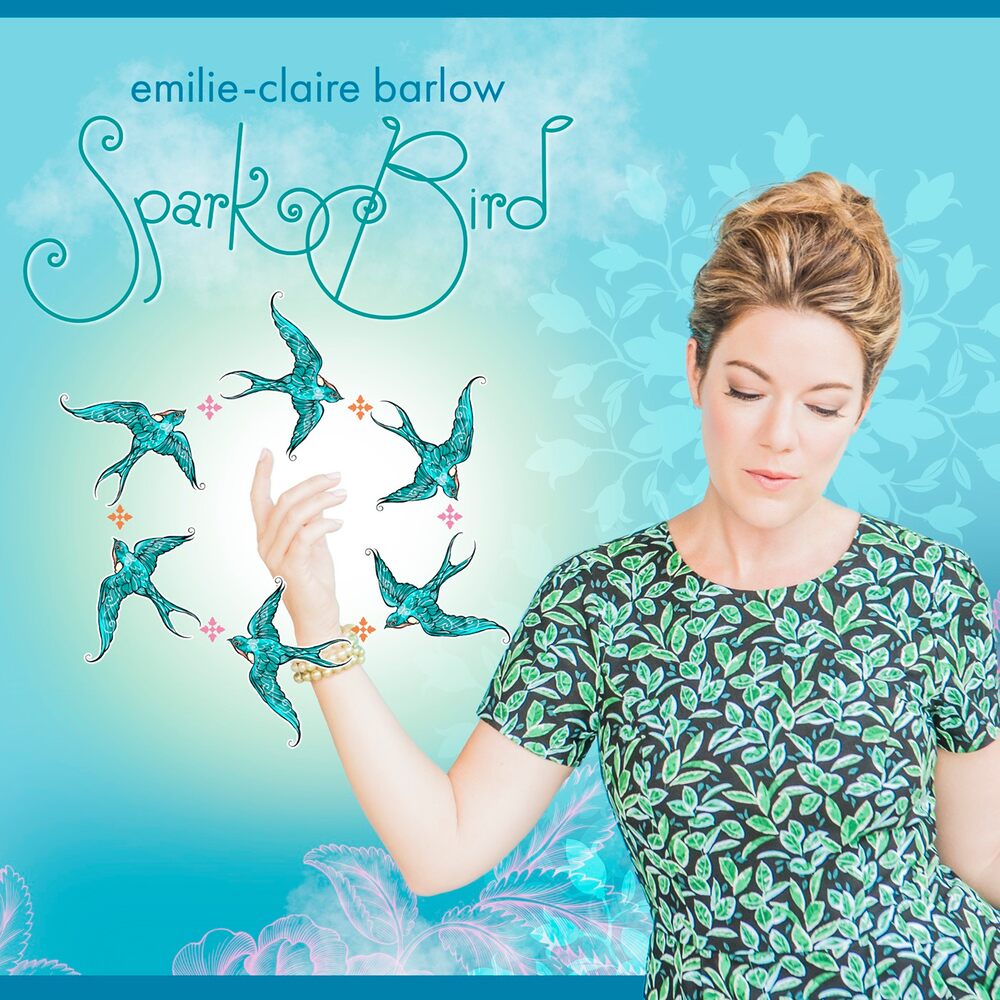
One of the first delights of many upon opening Emilie-Claire Barlow’s latest album, is the care that’s gone into the design. For those of us who yearn for the days of physical CDs and LPs, Spark Bird delivers with a full package, including charming illustrations by Caroline Brown.  

The second thing that struck me was what a happy album Spark Bird is. For a project that was mostly produced during a pandemic, one might expect a little less joy. But it seems that spending a large part of her time on the west coast of Mexico enabled Barlow to slow down, listen and be inspired by the nature around her. This gorgeous ode to our bird friends is the result. 

The opening tune, Over the Rainbow, with Barlow’s warm, flawless vocals, feels like comfort food in musical form. Drawing on the maestro of joy, Stevie Wonder, and samba-fying Bird of Beauty, is inspired.

Even the melancholic moments can be uplifting when they’re as musical as Skylark, the Hoagy Carmichael/Johnny Mercer classic. The arrangement is a masterclass in how to reharmonize interestingly without venturing too far from the original. Credit for it goes to Reg Schwager (Barlow’s long-time collaborator and guitarist) and Steve Webster (who mixed and mastered the album) as well as Barlow herself. Coldplay’s heartbreaker, O, is no less masterfully rendered, courtesy of Amanda Tosoff’s piano playing and arranging, Drew Jureka’s strings and Rachel Therrien’s haunting trumpet solo. 

It’s been five years since Barlow graced us with an album, but she’s been anything but idle. As head of her own record label, Empress Music, plus half of the duo, Bocana, that’s been steadily releasing singles, Barlow is a busy lady. So, as terrible as a worldwide health crisis is, the fact that it enabled artists to slow down, smell the roses – and listen to the birds – is something for which we can be grateful. 

Back to top